


Journal Description
NDT — Journal of Non-Destructive Testing
NDT
— Journal of Non-Destructive Testing is an international, peer-reviewed, open access journal on non-destructive testing, and is published quarterly online by MDPI. The Faringdon Research Centre for Non-Destructive Testing and Remote Sensing (FCNDT&RS) is affiliated with NDT and its members receive discounts on the article processing charges.
- Open Access— free for readers, with article processing charges (APC) paid by authors or their institutions.
- Rapid Publication: manuscripts are peer-reviewed and a first decision is provided to authors approximately 16 days after submission; acceptance to publication is undertaken in 6.3 days (median values for papers published in this journal in the first half of 2026).
- Recognition of Reviewers: APC discount vouchers, optional signed peer review, and reviewer names published annually in the journal.
- Journal Cluster of Civil Engineering and Built Environment: Acoustics, Architecture, Buildings, CivilEng, Construction Materials, Infrastructures, Intelligent Infrastructure and Construction, NDT and Vibration.
Latest Articles
Electrical Resistance Tomography as a Non-Destructive Technique for Heartwood Detection and Quantification in Standing Red Sanders (Pterocarpus santalinus L.f.) Trees
NDT 2026, 4(3), 24; https://doi.org/10.3390/ndt4030024 - 14 Aug 2026
Abstract
Accurate, simple, cost-effective, and non-destructive estimation of heartwood content is essential for the sustainable management and commercial valuation of Pterocarpus santalinus L.f. (red sanders), one of the world’s most valuable tropical timber species. Conventional methods for heartwood assessment, including increment coring and destructive
[...] Read more.
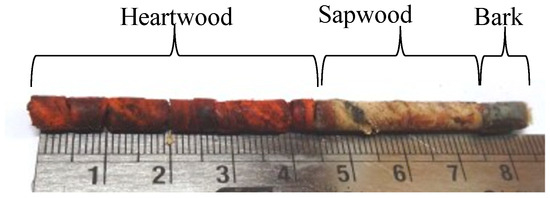
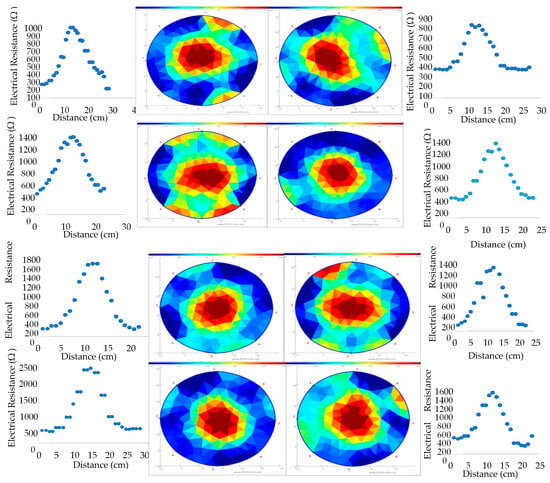
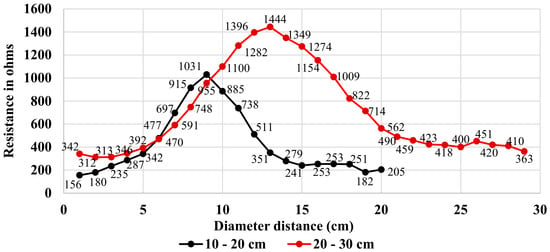
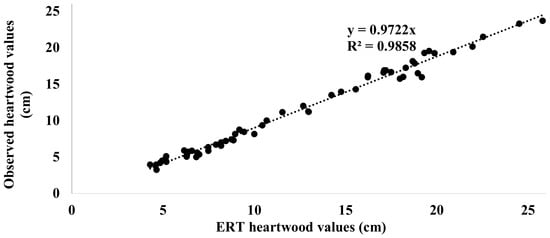
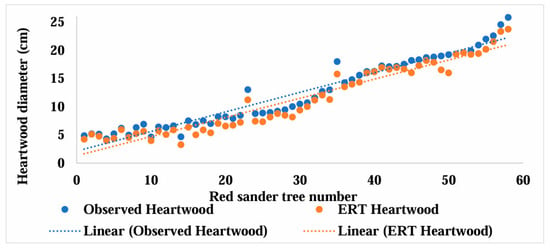
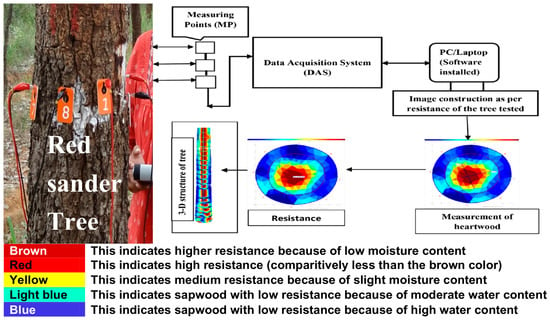
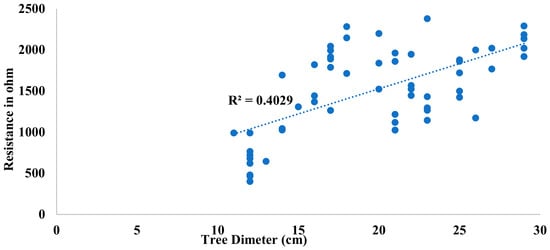
Accurate, simple, cost-effective, and non-destructive estimation of heartwood content is essential for the sustainable management and commercial valuation of Pterocarpus santalinus L.f. (red sanders), one of the world’s most valuable tropical timber species. Conventional methods for heartwood assessment, including increment coring and destructive sampling, are invasive, time-consuming, and unsuitable for large-scale field applications. Electrical Resistance Tomography (ERT) offers a promising alternative by exploiting differences in electrical resistivity associated with variations in wood moisture content and anatomical characteristics. The present study standardized the application of ERT for the identification and quantification of heartwood in standing red sanders trees and validated its performance against conventional core sampling. Fifty-eight trees representing two diameter classes (10–20 cm and 20–30 cm) were evaluated using a PiCUS TreeTronic Electrical Resistance Tomograph, followed by increment core extraction at breast height for validation. Distinct resistivity gradients were observed, with higher electrical resistivity in the central heartwood region and lower resistivity in the peripheral sapwood. The resistivity values ranged from 153 to 1031 Ω in trees with diameters of 10–20 cm and from 342 to 1444 Ω in trees with diameters of 20–30 cm. Linear regression analysis showed excellent agreement between ERT-estimated and measured heartwood diameters (R2 = 0.98), with an average similarity of 91.5%. The observed resistivity distribution closely reflected variations in moisture content, wood density, and anatomical structure across the stem radius. The findings demonstrate that ERT is a reliable and non-destructive technique for estimating heartwood content in standing red sanders trees. These results demonstrate that ERT can accurately estimate heartwood dimensions in standing Pterocarpus santalinus trees under the conditions of the present study and provide a reliable approach for non-destructive assessment of heartwood in this species. The technique has considerable potential for timber valuation, harvest planning, tree breeding, forest inventory, and conservation programs involving high-value tropical hardwood species.
Full article
(This article belongs to the Topic Nondestructive Testing and Evaluation)
►
Show Figures
Open AccessTechnical Note
Electrical Resistivity as a Non-Destructive Technique for Fatigue Damage Detection in Aluminium Alloy 6082
by
Viththagan Vivekanandam, Shubham Sanjay Joshi, Ebad Bagherpour and Zhongyun Fan
NDT 2026, 4(3), 23; https://doi.org/10.3390/ndt4030023 - 9 Aug 2026
Abstract
Metals are widely used in various types of structural applications such as the automotive, aerospace and construction industries. However, their service life is limited due to the various loads they experience during operation. Specifically, cyclic loading can lead to the early fatigue failure
[...] Read more.
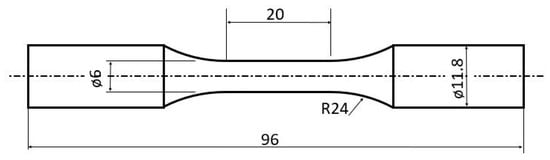
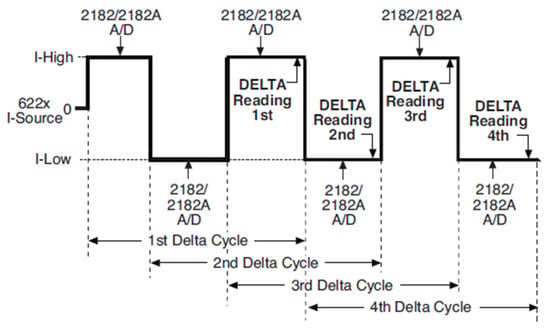
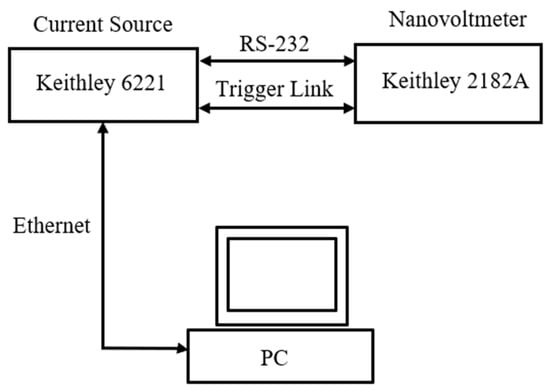
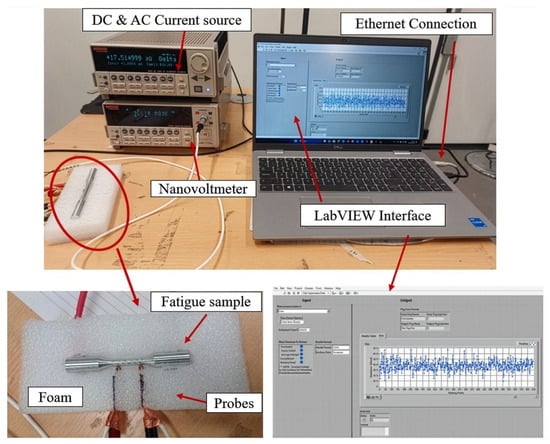
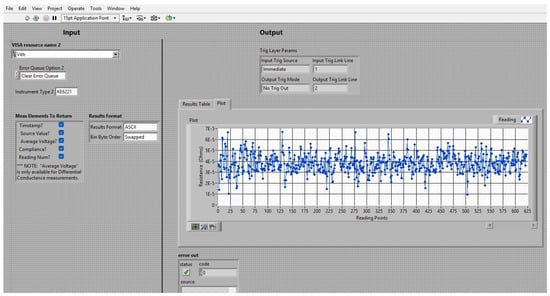
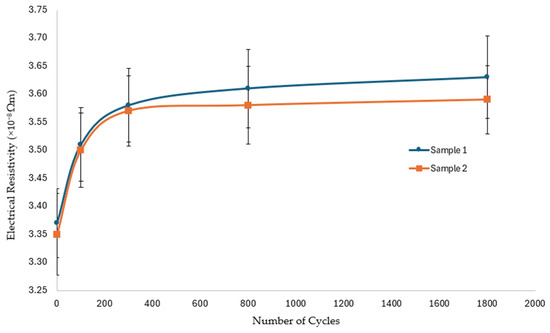
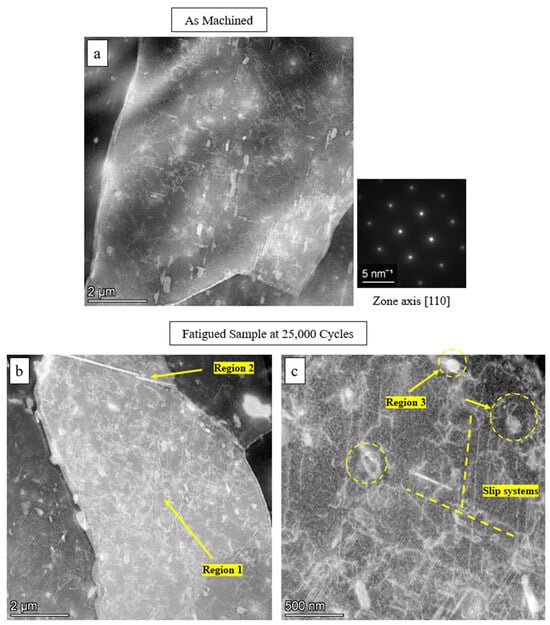
Metals are widely used in various types of structural applications such as the automotive, aerospace and construction industries. However, their service life is limited due to the various loads they experience during operation. Specifically, cyclic loading can lead to the early fatigue failure of these structures. Therefore, early detection of fatigue deformation is essential to prevent catastrophic failures. In this study, an automated electrical resistance data acquisition system was developed using LabVIEW to obtain measurements from a Keithley 6221 current source for fatigue damage detection. The results showed an increase in electrical resistivity after the application of cyclic loading. It was observed that electrical resistivity increased after each set of loading cycles, with an average increase of 7.38%, a stress level of 260 MPa (high-cycle fatigue), and a 6.5% increase after the application of 25,000 cycles at 165 MPa (low-cycle fatigue). Scanning Transmission Electron Microscopy (S/TEM) was used for microstructural investigation as a proof of concept for the high-cycle fatigue sample interrupted after 25,000 cycles to analyse the modification in dislocation structures as well as a qualitative increment in the dislocation density with respect to the initial microstructural state of the as-machined sample. Such a modification in dislocation structures as well as an increment in dislocation density corroborates the findings proposed by electrical resistivity measurement. The results demonstrated that electrical resistivity measurement provides a promising non-destructive approach for the early detection of fatigue damage in metallic materials.
Full article
(This article belongs to the Special Issue NDT for Digital Transformation, Diagnostics, and Preservation)
►▼
Show Figures

Figure 1
Open AccessReview
Geophysical and Remote Sensing Methods for Locating Orphaned Oil and Gas Wells: An Overview and Accessibility of Smartphone Magnetometry
by
Cailin Stauffer, Shoog Nimri, Sara Kohtz and Sina Saneiyan
NDT 2026, 4(3), 22; https://doi.org/10.3390/ndt4030022 - 18 Jul 2026
Abstract
►▼
Show Figures
Approximately 140,000 of the estimated one million orphaned wells in the United States have been documented, leaving the majority unaccounted for. These undocumented wells emit atmospheric methane and allow for hydrocarbon and brine groundwater migration. Many wells are difficult to locate due to
[...] Read more.
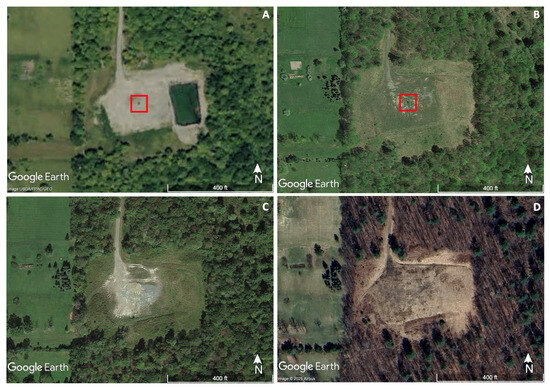
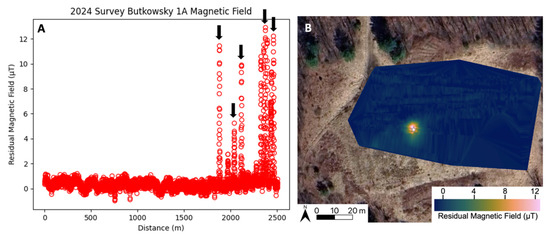
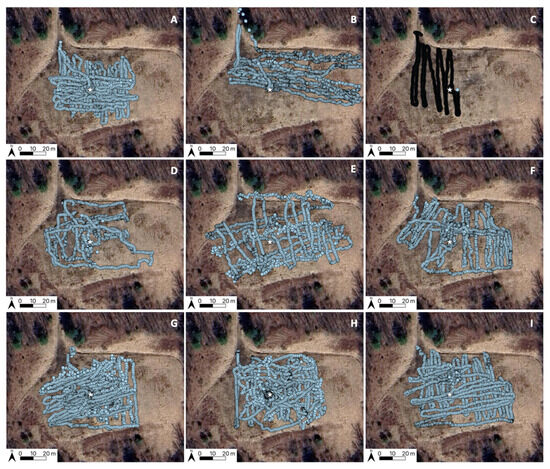
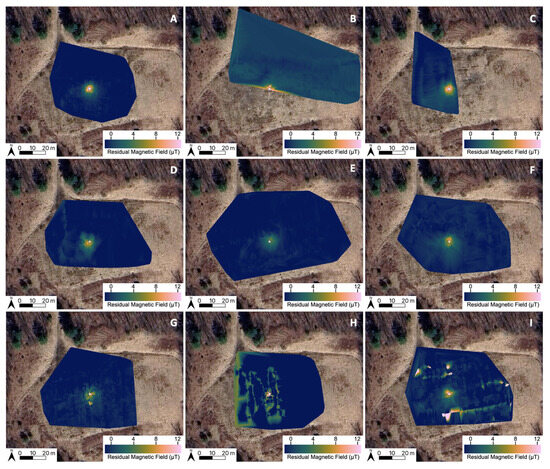
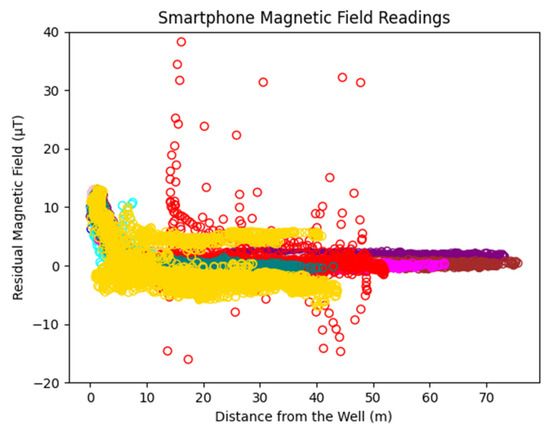
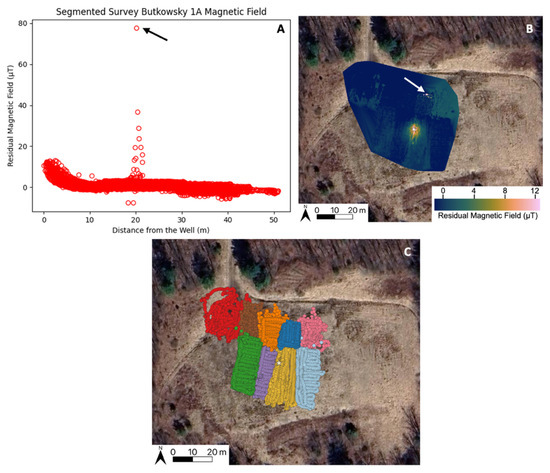
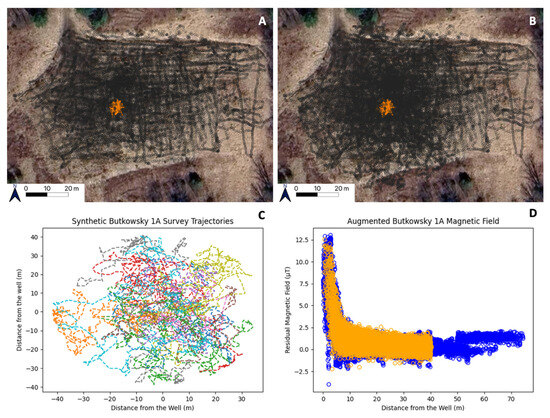
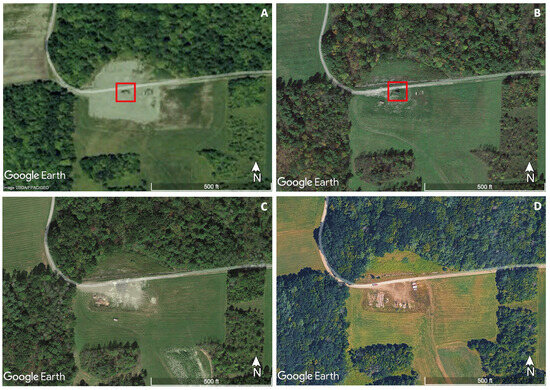
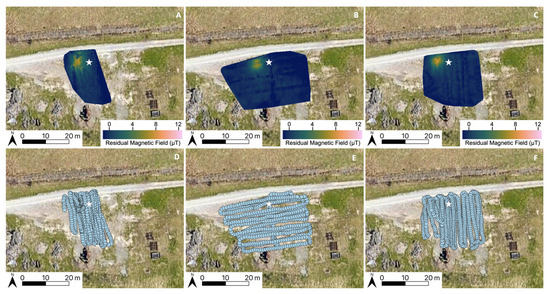
Approximately 140,000 of the estimated one million orphaned wells in the United States have been documented, leaving the majority unaccounted for. These undocumented wells emit atmospheric methane and allow for hydrocarbon and brine groundwater migration. Many wells are difficult to locate due to subsequent covering or the removal of their surface casing, making manual identification impractical. Professional geophysical and remote sensing methods to locate orphaned wells are financially and technically inaccessible to the public, limiting their scalability. Accessible methods for identifying wells have been introduced, including drone and smartphone surveys, as well as artificial intelligence. Smartphone magnetometers are a low-cost alternative for locating steel-cased wells with greater spatial resolution than aerial magnetometry and portability than traditional handheld magnetometers. This study reviews existing techniques for orphaned well detection and presents smartphone magnetometry as a reliable well location tool. The resulting data from dynamic smartphone magnetic surveys exhibited limited background noise and a more precise well target than professional aerial surveys, while lowering cost and operational difficulty. Diffusion modeling generated synthetic data near the well, improving the resolution of anomalous magnetic readings. Smartphone surveys require minimal expertise, finances, and equipment, representing a simple method for a large-scale effort to address orphaned wells.
Full article

Figure 1
Open AccessArticle
Laboratory Calibration of an Integrated GPR–ERT Framework for Reinforced Concrete Assessment: Controlled Deterioration States, Depth-Preferential Corrosion Signatures, and Ground-Truth Validation
by
Muftah Abu Obaida and Philippe Sentenac
NDT 2026, 4(3), 21; https://doi.org/10.3390/ndt4030021 - 18 Jul 2026
Abstract
►▼
Show Figures
Ground-penetrating radar (GPR) and electrical resistivity tomography (ERT) are physically complementary non-destructive evaluation methods for reinforced concrete, yet their integrated diagnostic use has been limited by the absence of controlled, ground-truth-validated calibration of the joint-signature space. This paper presents a laboratory calibration programme
[...] Read more.
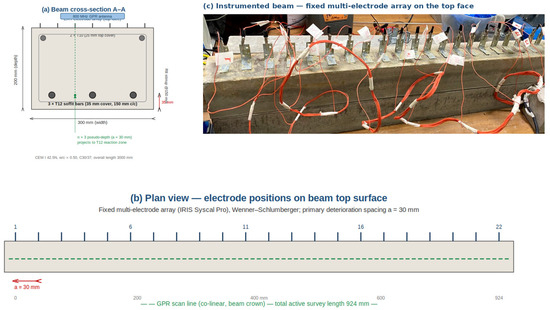
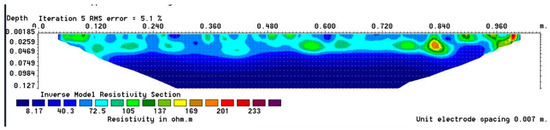
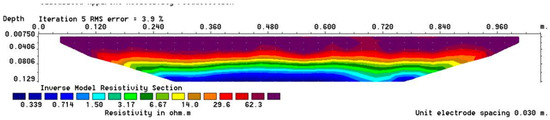
Ground-penetrating radar (GPR) and electrical resistivity tomography (ERT) are physically complementary non-destructive evaluation methods for reinforced concrete, yet their integrated diagnostic use has been limited by the absence of controlled, ground-truth-validated calibration of the joint-signature space. This paper presents a laboratory calibration programme in which a single C30/37 reinforced concrete beam (3000 mm × 300 mm × 200 mm, three T12 bars at 35 mm cover, CEM I 42.5N, w/c = 0.50) was sequentially conditioned through four controlled deterioration states—intact reference (Model A), water-filled saw-cut crack (Model B), full saturation by seven-day top-surface ponding (Model C), and chloride-induced active corrosion (Model D). Seven RES2DINV inverted ERT sections at three electrode spacings (a = 7, 15, and 30 mm) and three 800 MHz GPR profiles were acquired across the four known ground-truth conditions. The intact-reference resistivity ρ0 = 558 Ω·m (full-section median of the mlab dataset at a = 7 mm) and GPR-calibrated velocity v = 0.095 ± 0.008 m/ns (from hyperbola fitting at 35 mm rebar cover) establish the absolute baselines. The four conditions produce systematically distinct joint signatures: Model A exhibits uniform high resistivity with clean rebar hyperbolae and no anomalous reflections; Model B produces a localised ERT low-ρ anomaly (ρ_min = 1.46 Ω·m) co-located with a negative-polarity (R = −0.68) GPR crack-mouth reflection confirming water-fill; Model C produces pervasive low-ρ with a smooth depth gradient and 50–65% GPR amplitude attenuation (−6.0 to −9.1 dB); Model D produces the same bulk GPR signatures as Model C but with a critically different ERT spatial texture—a heterogeneous near-surface layer above a sharp boundary at z ≈ 40 mm with depth-preferential low-ρ concentrated at rebar level. This depth-preferential signature, quantified here by a reproducible Depth-Preferential Index (DPI), is the primary ERT-only diagnostic criterion distinguishing active corrosion from pervasive saturation. For the Model C versus Model D distinction, the GPR response is non-discriminating; this high-risk distinction is resolved exclusively by the ERT depth-preferential criterion. The calibration demonstrates that GPR and ERT are physically non-redundant in the strict sense: neither method alone can unambiguously discriminate all four states, but their combination yields correct classification within the controlled laboratory conditions and subject to the stated qualification conditions. The corrosion state was confirmed at the regime level (chloride above the depassivation threshold, under accelerated polarisation) but was not quantified electrochemically, so the depth-preferential signature is interpreted as an indirect spatial proxy for active corrosion rather than a measurement of corrosion rate. Seven failure modes are quantitatively characterised and embedded in the framework as a priori qualification conditions. The calibrated reference values (ρ0, A0, Stage 2 thresholds, depth-preferential criterion) are specific to the laboratory mix and curing history and require local Stage 1 recalibration for field application.
Full article

Figure 1
Open AccessArticle
Towards Early-Stage Corrosion Prediction Using UHF RFID Measurements: A Machine Learning Feasibility Study
by
Ali Imam Sunny, Mehadi Hasan Bijoy, Shahriar Uddin Saikat, Mohammed Dahiru Buhari, Adi Mahmud Jaya Marindra, Moontasir Bin Salim, Jun Zhang and Guiyun Tian
NDT 2026, 4(3), 20; https://doi.org/10.3390/ndt4030020 - 16 Jul 2026
Abstract
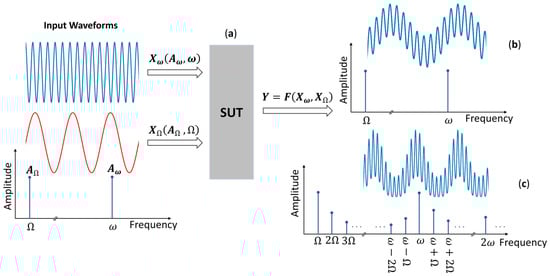
Conventional corrosion monitoring techniques often require costly instrumentation and direct access to structures, limiting their suitability for long-term monitoring. This study presents a machine learning feasibility study for early-stage corrosion detection using Ultra-High Frequency (UHF) Radio Frequency Identification (RFID) measurements. Machine learning algorithms
[...] Read more.
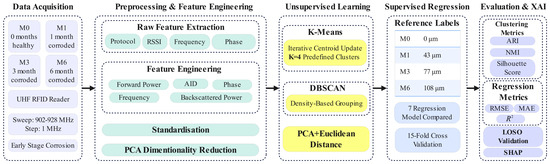
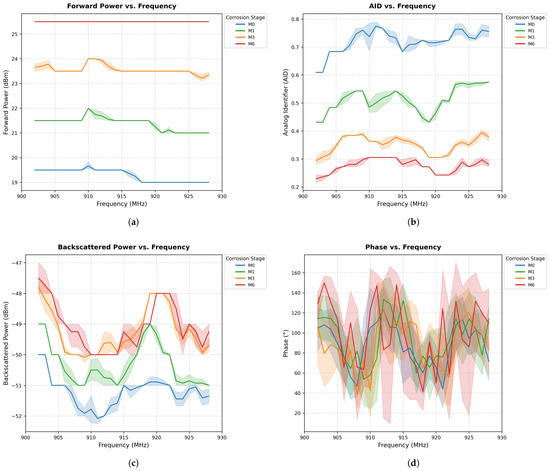
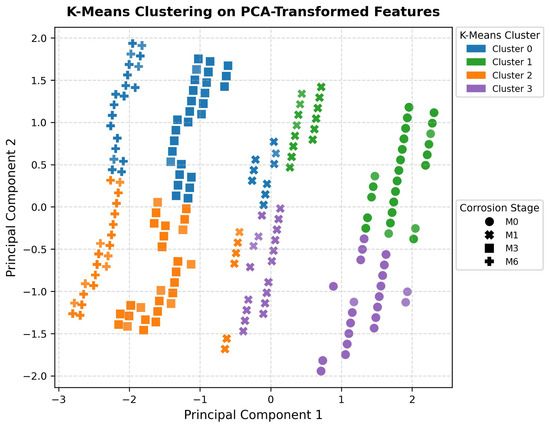
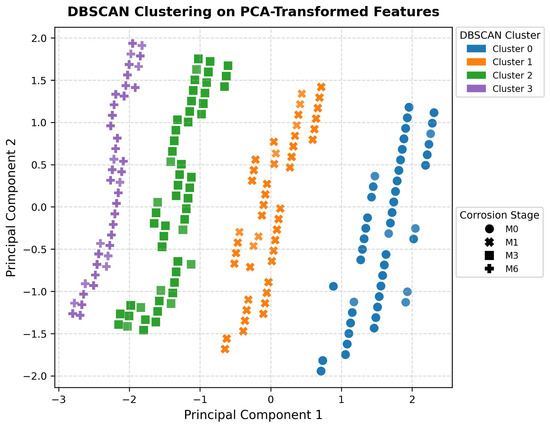
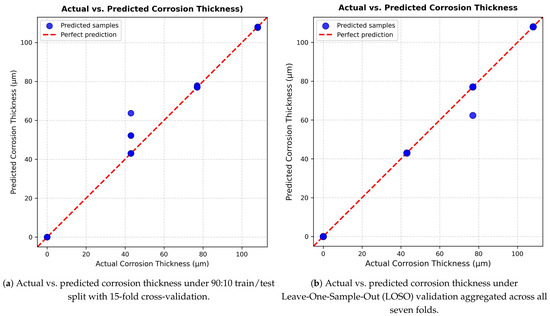
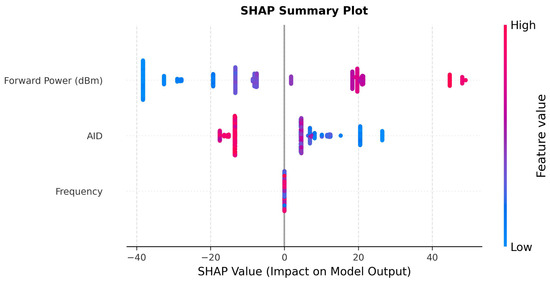
Conventional corrosion monitoring techniques often require costly instrumentation and direct access to structures, limiting their suitability for long-term monitoring. This study presents a machine learning feasibility study for early-stage corrosion detection using Ultra-High Frequency (UHF) Radio Frequency Identification (RFID) measurements. Machine learning algorithms were applied to a previously published RFID corrosion dataset obtained from steel specimens exposed to marine atmospheric corrosion for 0, 1, 3, and 6 months. RFID-derived features, including Analogue Identifier (AID), forward power, frequency, phase, and backscattered power, were analysed using unsupervised and supervised learning methods. For corrosion-stage discrimination, Density-Based Spatial Clustering of Applications with Noise (DBSCAN) achieved an Adjusted Rand Index (ARI) of 1.00, a Normalised Mutual Information (NMI) score of 1.00, and a Silhouette score of 0.790. For nominal corrosion-thickness state estimation, a Random Forest regressor achieved an of 1.00, RMSE of 1.34 µm, and MAE of 0.21 µm under 15-fold cross-validation. Additional Leave-One-Sample-Out (LOSO) validation using readcount-based measurement-event groupings yielded an RMSE of 0.12 µm and an of 1.00. These results reflect nominal corrosion-thickness state estimation from repeated measurements on a single physical specimen per corrosion stage. SHAP analysis identified forward power and AID as the dominant predictive features. The results demonstrate the potential of RFID-enabled machine learning for early-stage corrosion assessment and provide a foundation for future experimental validation.
Full article
(This article belongs to the Topic Nondestructive Testing and Evaluation)
►▼
Show Figures

Figure 1
Open AccessArticle
Non-Destructive Classification of Concrete Moisture Levels Using Piezoelectric Contact Microphones and Impact-Based Acoustic Signals with a Hybrid Stacking Framework: A Controlled Experimental and Theoretical Study
by
Yavuz Türkay, Feyyaz Alpsalaz, Ievgen Zaitsev and Vladislav Kuchansky
NDT 2026, 4(3), 19; https://doi.org/10.3390/ndt4030019 - 8 Jul 2026
Abstract
►▼
Show Figures
The long-term durability of concrete structures is significantly affected by moisture. Excessive moisture may cause drying shrinkage, crack formation, and accelerated corrosion of embedded reinforcement; therefore, reliable and non-destructive moisture assessment is essential for structural durability evaluation. In this study, a controlled acoustic
[...] Read more.
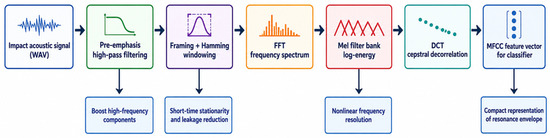
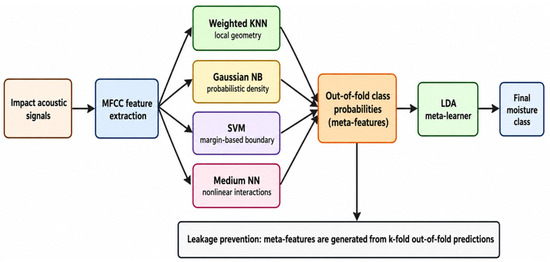
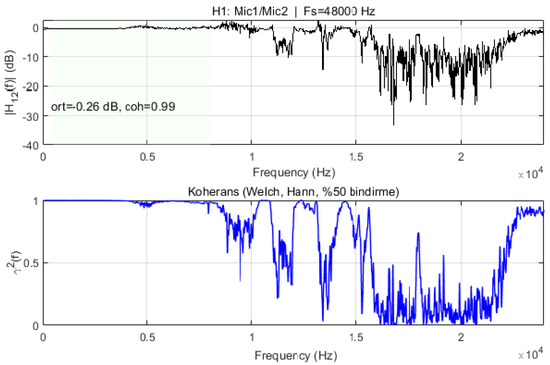
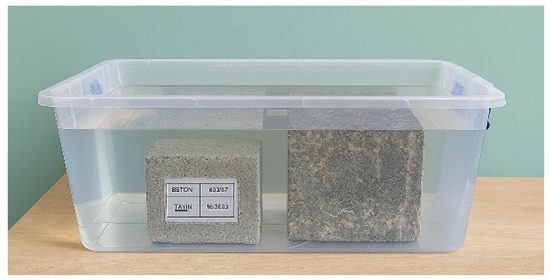
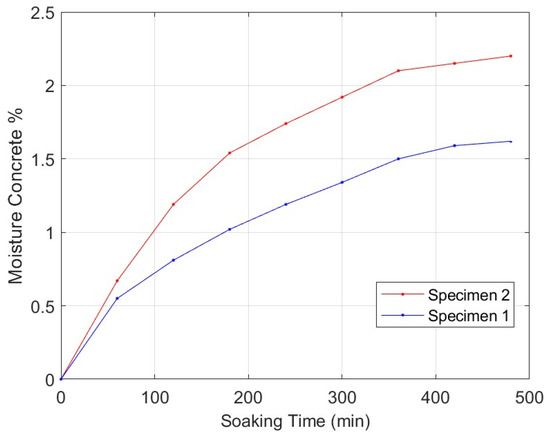
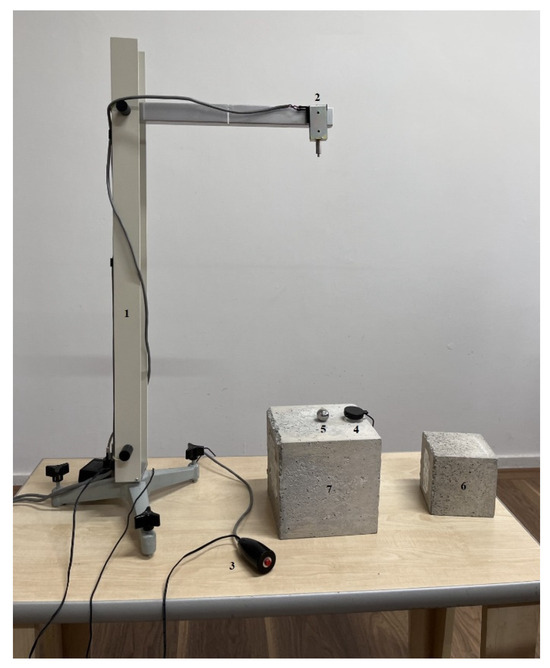
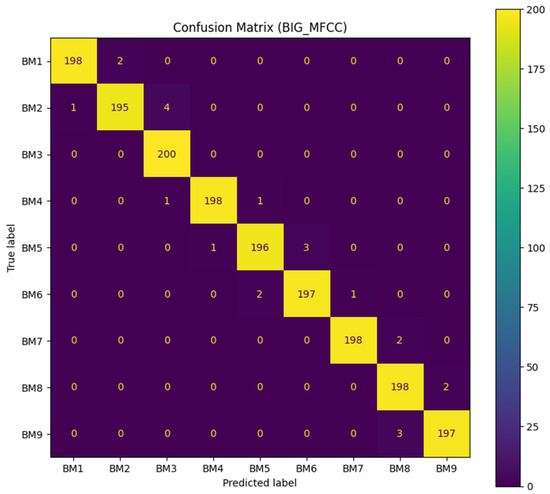
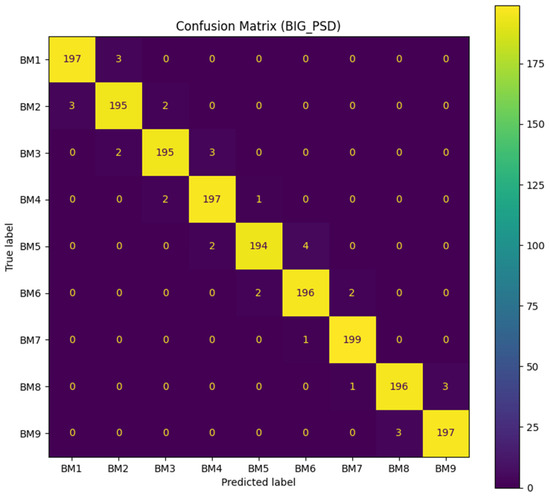
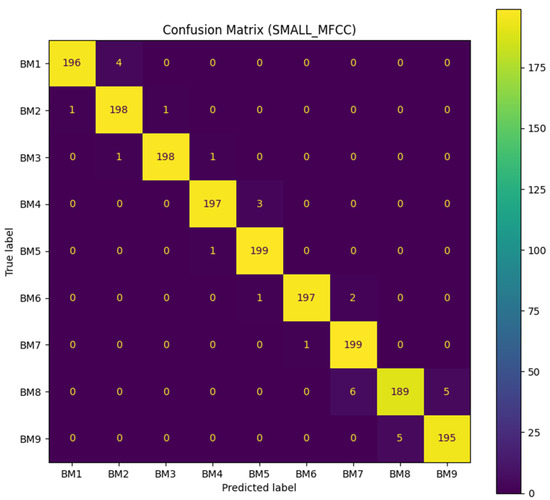
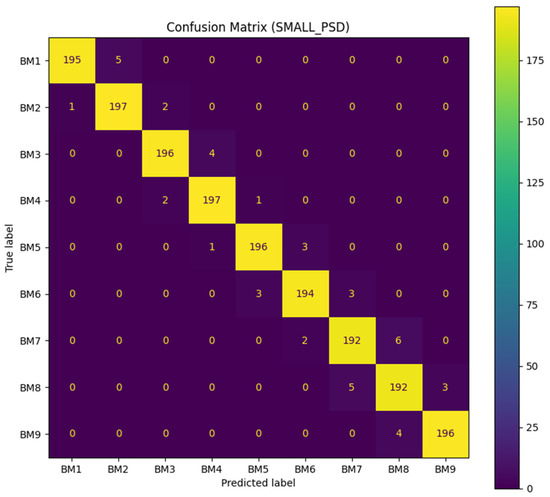
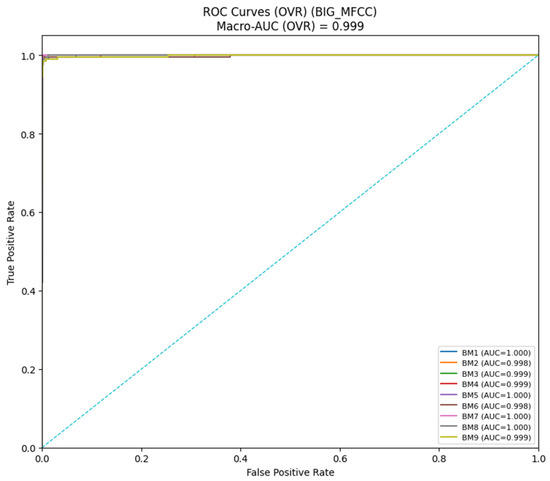
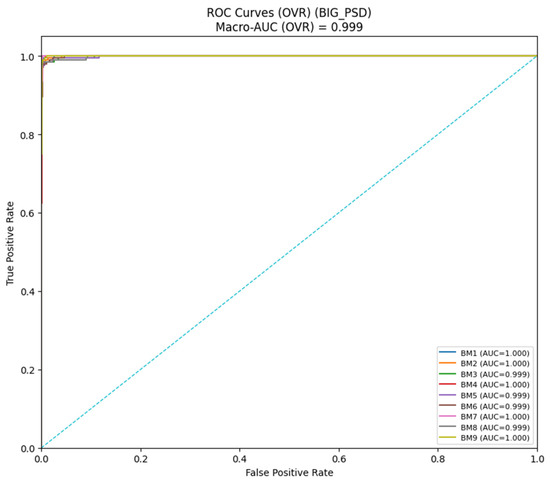
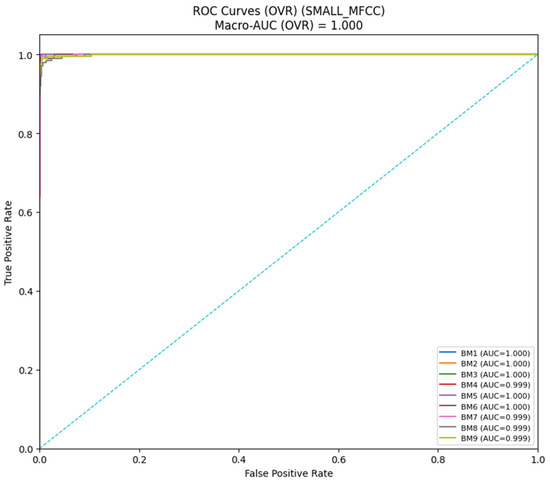
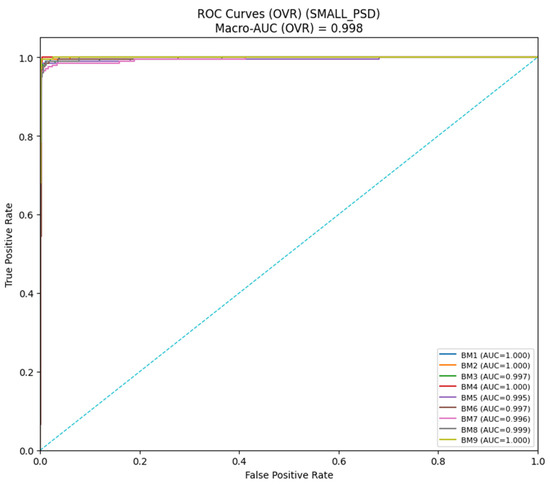
The long-term durability of concrete structures is significantly affected by moisture. Excessive moisture may cause drying shrinkage, crack formation, and accelerated corrosion of embedded reinforcement; therefore, reliable and non-destructive moisture assessment is essential for structural durability evaluation. In this study, a controlled acoustic measurement method and a machine learning-based classification framework are presented for the non-destructive identification of moisture levels in concrete specimens. A magnet-assisted free-fall steel ball mechanism was used to generate standardized impacts instead of conventional manual hammer excitation. To reduce environmental vibration noise and capture internal material responses, acoustic signals were recorded using a piezoelectric contact microphone. Experiments were conducted on concrete specimens prepared at nine moisture levels under both large-sample (BIG) and small-sample (SMALL) conditions. Power Spectral Density (PSD) and Mel-Frequency Cepstral Coefficients (MFCC) were extracted from the recorded impact signals and used as input features. Individual machine learning classifiers were compared with a hybrid stacking ensemble model to evaluate discriminative performance and probabilistic reliability. The results showed that MFCC features provided higher classification performance than PSD features under both dataset conditions. For the BIG specimens, the MFCC-based model achieved an accuracy of 0.9872, whereas the PSD-based model achieved 0.9811. For the SMALL specimens, MFCC reached an accuracy of 0.9822, while PSD achieved 0.9750. The AUC-ROC values of the proposed model ranged from 0.9980 to 0.9996 in the multi-class classification of nine moisture levels. These findings demonstrate that controlled impact acoustics combined with MFCC-based representation and stacking-based ensemble learning provides a rapid, low-cost, and reliable NDT approach for concrete moisture classification.
Full article

Figure 1
Open AccessReview
Raman Spectroscopy-Based, Non-Destructive Biomedical Diagnosis
by
Aishwarya Shirke, Aditi Sahu and Piyush Kumar
NDT 2026, 4(3), 18; https://doi.org/10.3390/ndt4030018 - 5 Jul 2026
Abstract
►▼
Show Figures
Raman spectroscopy is a non-destructive, label-free analytical technique that can probe biochemical alterations in tissues and cells. Raman spectroscopy, being sensitive to biochemical perturbations, can potentially provide early and real-time identification of changes preceding morphological changes, allowing early diagnosis as well as disease
[...] Read more.
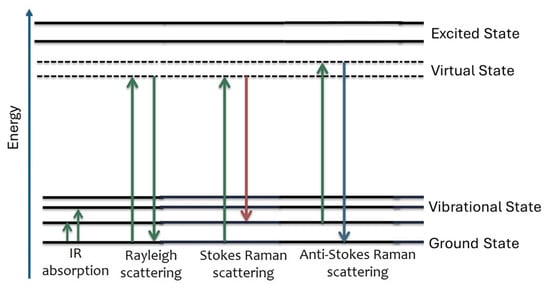
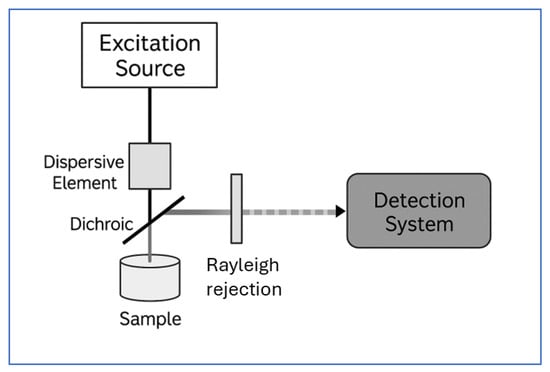
Raman spectroscopy is a non-destructive, label-free analytical technique that can probe biochemical alterations in tissues and cells. Raman spectroscopy, being sensitive to biochemical perturbations, can potentially provide early and real-time identification of changes preceding morphological changes, allowing early diagnosis as well as disease monitoring. Recent research has demonstrated its broad utility across diverse clinical domains, including cancers, neurological conditions, and infections. Raman spectroscopy combined with machine learning algorithms allows rapid assessment and automated pipelines and can act as a clinical adjunct, enhanced by integrating tools like principal component analysis (PCA), linear discriminant analysis (LDA), random forests, and deep-learning architectures. These models allow interpretation of complex spectra, and decipher meaningful biomarkers in heterogeneous clinical samples. This review highlights the earliest and most recent progress in Raman-based non-destructive diagnosis, underscoring advances in cancer diagnosis and challenges faced in clinical settings.
Full article

Figure 1
Open AccessReview
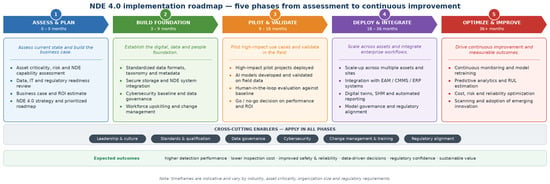
From Detection to Prediction: The NDE 4.0 Transition
by
Kuldeep Sharma, Ashok Kumar, Vineet Yadav, Sambit Dhar and Dipak K. Banerjee
NDT 2026, 4(3), 17; https://doi.org/10.3390/ndt4030017 - 26 Jun 2026
Abstract
►▼
Show Figures
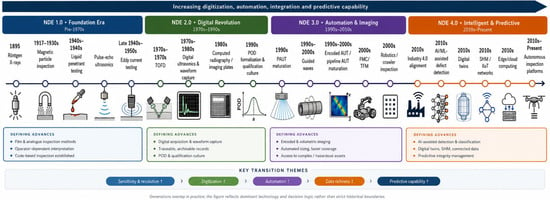
This review traces the four-generation evolution of non-destructive evaluation (NDE 1.0–4.0) and audits where the field genuinely stands today. The central finding is that statistically qualified probability of detection (POD), as defined in MIL-HDBK-1823A and related frameworks, is not interchangeable with machine-learning metrics
[...] Read more.
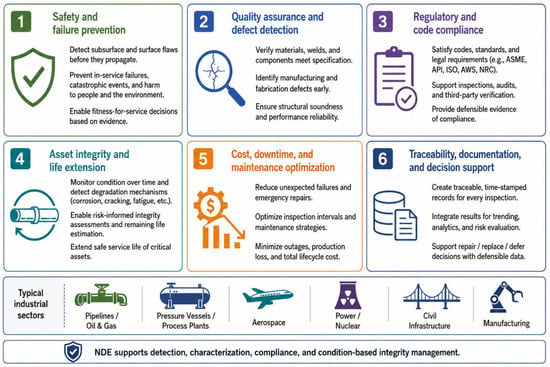
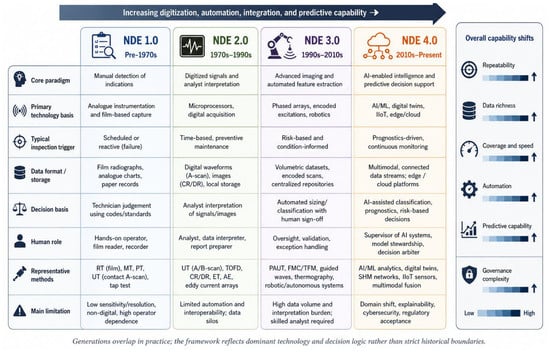
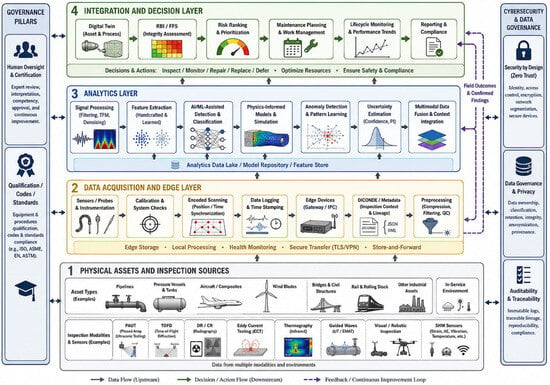
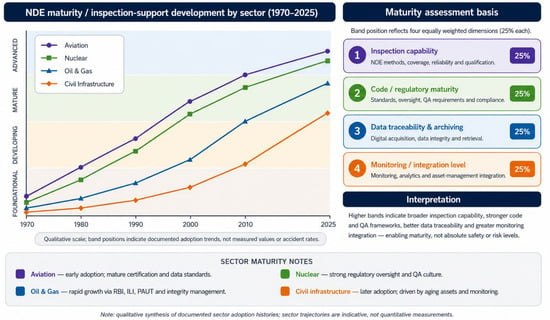
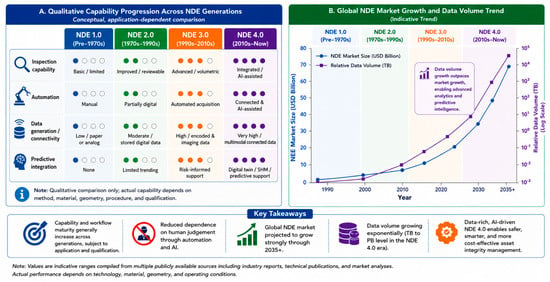
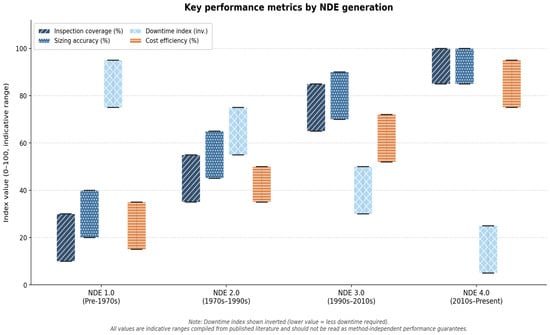
This review traces the four-generation evolution of non-destructive evaluation (NDE 1.0–4.0) and audits where the field genuinely stands today. The central finding is that statistically qualified probability of detection (POD), as defined in MIL-HDBK-1823A and related frameworks, is not interchangeable with machine-learning metrics such as accuracy or F1-score; the two answer different questions and rest on different statistical foundations. Reported AI performance on curated datasets does not, by itself, predict field reliability because domain shift, sensor variability, and class imbalance change the inspection signal once a model leaves the lab. Six recurring barriers limit industrial uptake: scarce open benchmark datasets, domain shift, weak interoperability, explainability constraints, cybersecurity exposure, and the lack of broadly accepted code provisions for AI-derived accept/reject decisions. The oil and gas sector is used as a case study because it combines high inspection volume, severe operating environments, mature risk-based inspection practice, and strong regulatory conservatism. NDE 4.0 is technically credible; its wider acceptance in safety-critical industries will be earned through representative field validation, auditable model governance, standardised data structures, and qualification pathways—not through stronger laboratory accuracy claims.
Full article

Figure 1
Open AccessArticle
Integrated GPR and Electrochemical Methods for Monitoring Steel Rebar Corrosion in Reinforced Structure
by
Enzo Rizzo, Federica Zanotto, Giacomo Fornasari, Sofia Rando, Francesca Gallo, Andrea Balbo and Vincenzo Grassi
NDT 2026, 4(2), 16; https://doi.org/10.3390/ndt4020016 - 25 May 2026
Abstract
Reinforced concrete structures, once considered very durable and capable of withstanding a variety of adverse environmental conditions, often suffer from premature reinforcement corrosion, compromising their safety and serviceability. Ensuring the safety of bridges and buildings requires effective, non-destructive inspection and monitoring techniques to
[...] Read more.
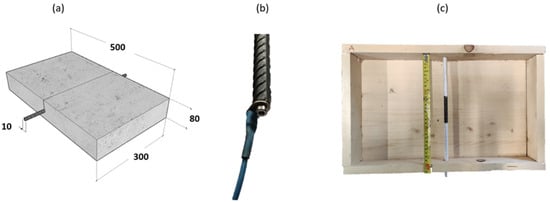
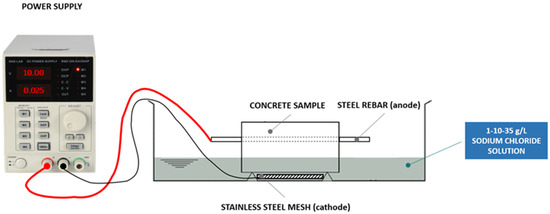
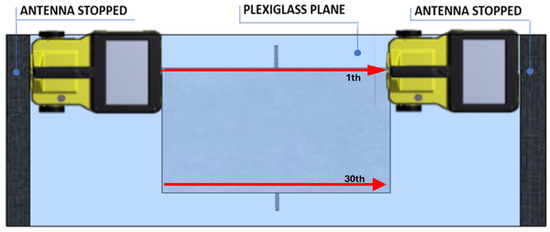
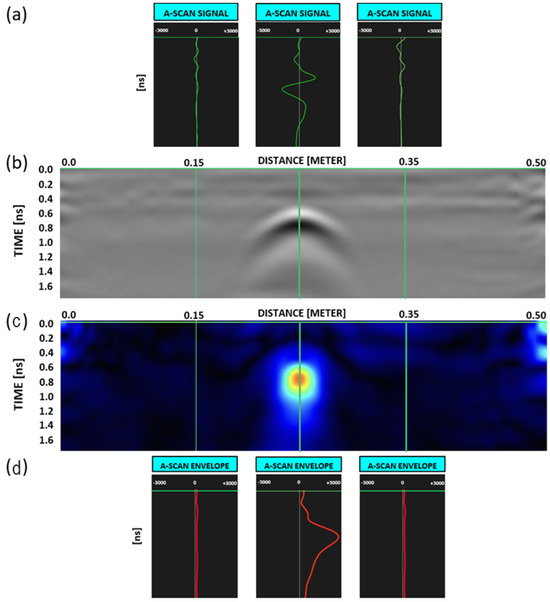
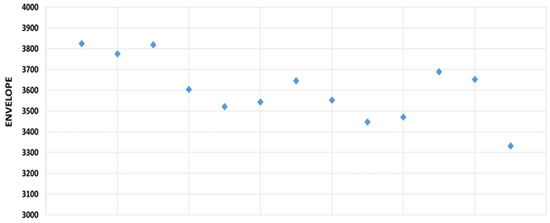
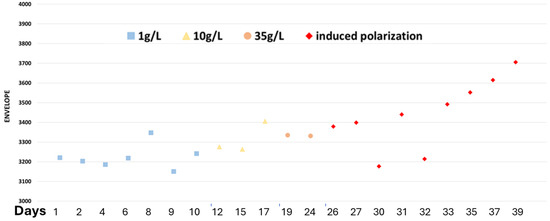
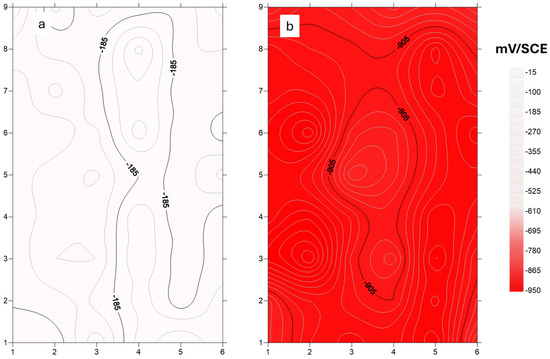
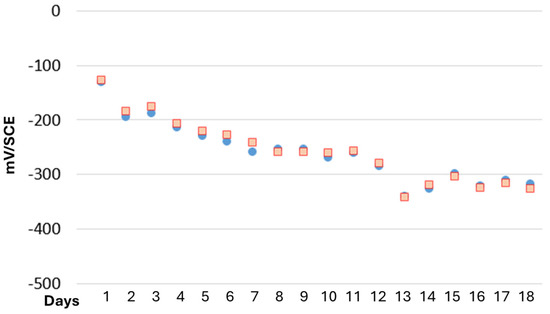
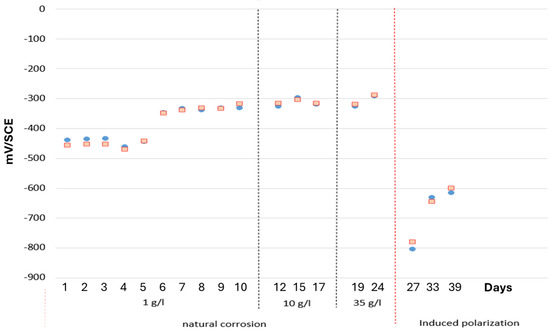
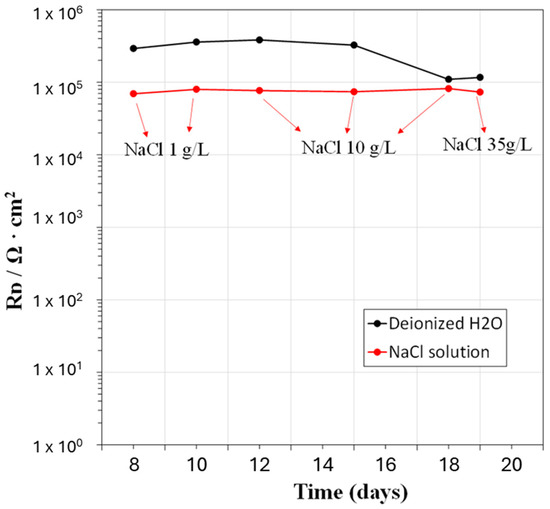
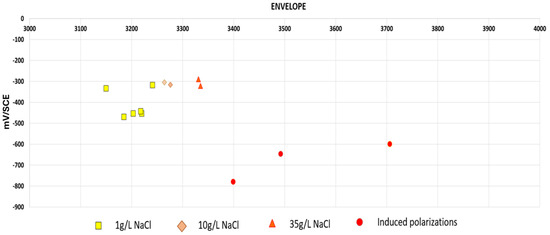
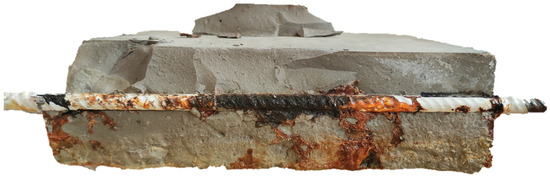
Reinforced concrete structures, once considered very durable and capable of withstanding a variety of adverse environmental conditions, often suffer from premature reinforcement corrosion, compromising their safety and serviceability. Ensuring the safety of bridges and buildings requires effective, non-destructive inspection and monitoring techniques to assess the state of degradation without damaging the integrity of the asset. Although a wide range of non-destructive testing (NDT) methods is currently available, few are capable of identifying durability issues during the initial stages before the damage becomes critical. To address this gap, this paper describes an innovative laboratory experiment based on an integrated approach that combines Ground-Penetrating Radar (GPR) and electrochemical methods. This research represents an advanced step in our ongoing projects, merging geophysical and electrochemical expertise to enhance diagnostic precision. A reinforced cement mortar specimen was subjected to free corrosion via partial immersion in sodium chloride solutions of varying concentrations (1, 10, and 35 g/L), followed by an accelerated corrosion phase. The phenomenon was monitored simultaneously using GPR and electrochemical tests. Each technique provided specific information, but a data integration method used in the operating system will further improve the overall quality of diagnosis. Specifically, the application of the Hilbert Transform to GPR signals allowed for a correlation between envelope amplitude variations and the electrochemical behavior of the rebars. These laboratory results highlighted that an integrated observation was useful to indirectly observe the evolution of the phenomenon of corrosion in the steel reinforcement embedded in the mortar specimens.
Full article
(This article belongs to the Special Issue Remote Sensing and Non-Destructive Testing Solutions for Sustainable Development and Urban Resilience)
►▼
Show Figures

Figure 1
Open AccessArticle
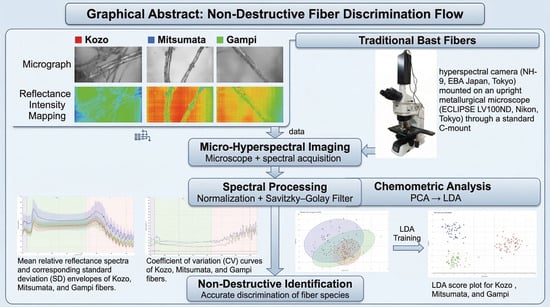
Non-Destructive Species Discrimination of Japanese Bast Fibers: A Feasibility Study Using Micro-Hyperspectral Imaging and Chemometrics
by
Yexin Zhou, Yoichi Ohyanagi, Akiko Iwata, Koji Shibazaki and Kazuhito Murakami
NDT 2026, 4(2), 15; https://doi.org/10.3390/ndt4020015 - 15 May 2026
Abstract
►▼
Show Figures
Accurate paper fiber identification is essential for cultural heritage conservation. Traditional staining methods are destructive, while macroscopic AI models often lack physicochemical interpretability. This study explores the feasibility of a non-destructive analytical approach using micro-hyperspectral imaging (Micro-HSI) to overcome both limitations. Three traditional
[...] Read more.
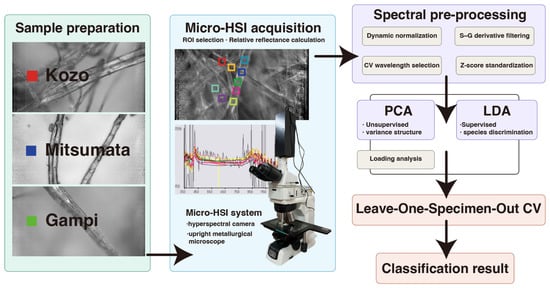
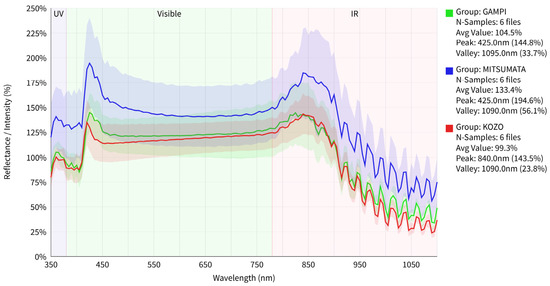
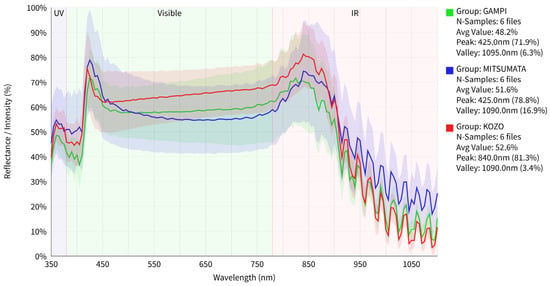
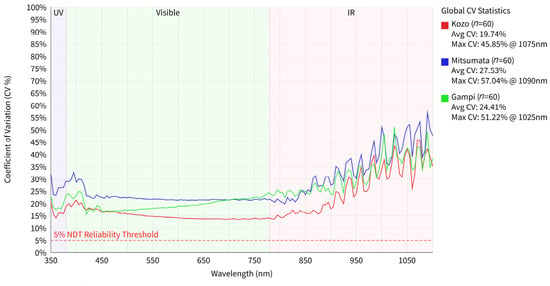
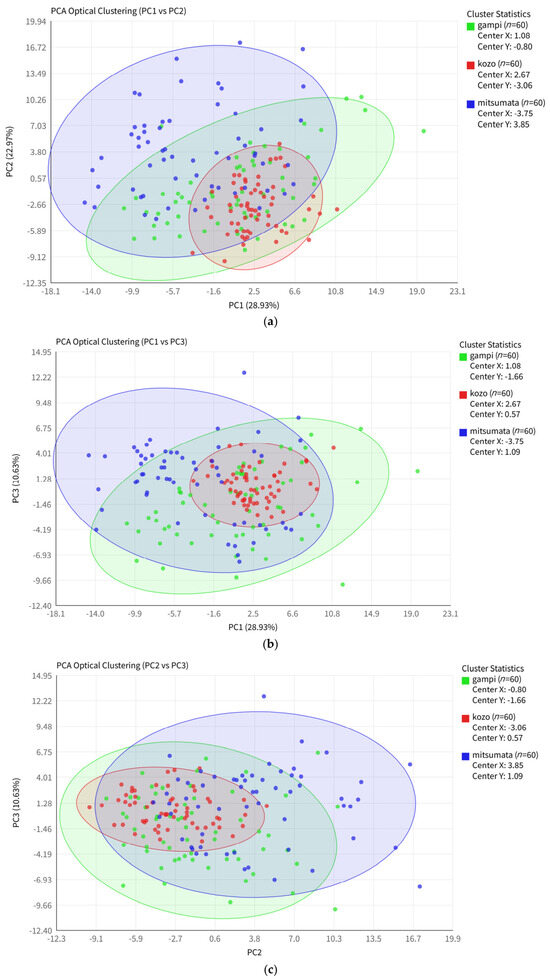
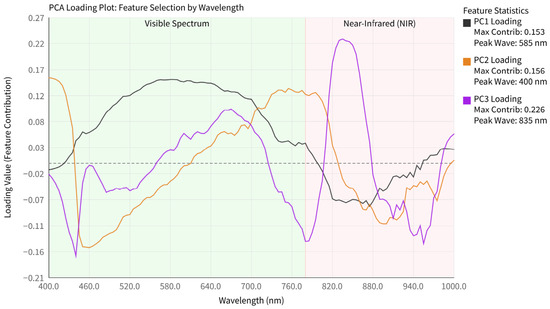
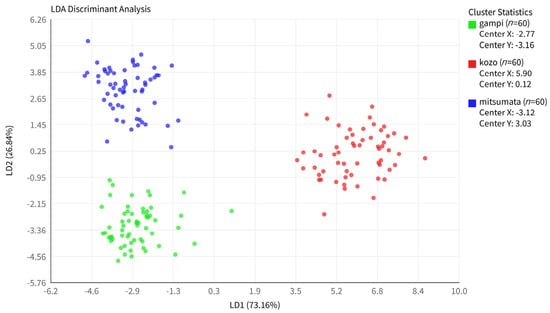
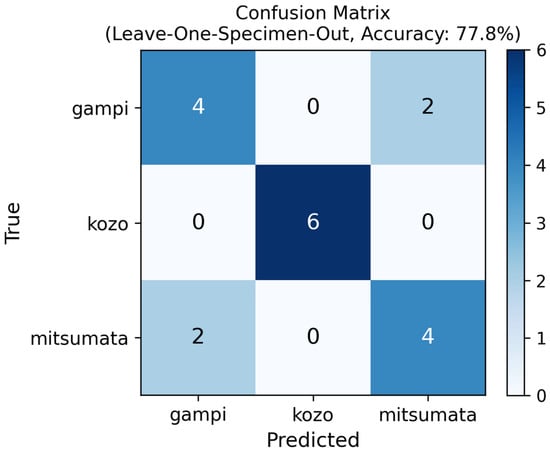
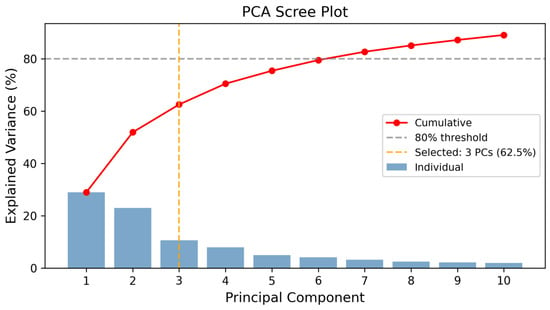
Accurate paper fiber identification is essential for cultural heritage conservation. Traditional staining methods are destructive, while macroscopic AI models often lack physicochemical interpretability. This study explores the feasibility of a non-destructive analytical approach using micro-hyperspectral imaging (Micro-HSI) to overcome both limitations. Three traditional Japanese bast fibers, Kozo, Mitsumata, and Gampi, were analyzed as standard reference samples. Relative reflectance spectra were extracted from microscopic fiber regions using Micro-HSI. Dynamic normalization and Savitzky–Golay first-derivative filtering were applied to suppress scattering effects and baseline drift. Principal component analysis (PCA) and linear discriminant analysis (LDA) were applied in parallel for dimensionality reduction and supervised classification, respectively. The results indicated that unsupervised PCA exhibited substantial inter-class overlap because of the shared cellulose matrix among the fiber types. In contrast, supervised LDA amplified subtle chemical differences and achieved clear separation among the three fibers. Feature-loading analysis indicated that the classification was mainly associated with visible range reflectance characteristics, lignin π→π* absorption bands in the 400–450 nm region, and near-infrared O−H and C−H overtone vibrations near 835 nm. Leave-One-Specimen-Out Cross-Validation yielded an overall accuracy of 77.8%, with error-free classification of Kozo (F1 = 1.00) and misclassification limited to the chemically similar Gampi and Mitsumata pair. This proof-of-concept study demonstrates that combining Micro-HSI with chemometric analysis enables non-destructive fiber discrimination while retaining physicochemically interpretable spectral features. The findings also establish a microscopic spectral reference framework for future non-destructive analysis of historical paper materials.
Full article

Graphical abstract
Open AccessTechnical Note
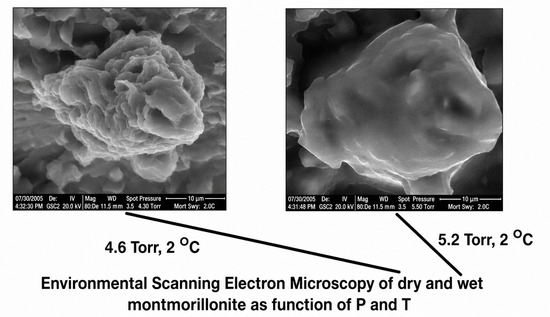
Coupled ESEM and XRD Analysis of Montmorillonite Hydration: Real-Time Swelling Quantification and Kinetic Characterization
by
J. Theo Kloprogge
NDT 2026, 4(2), 14; https://doi.org/10.3390/ndt4020014 - 2 May 2026
Abstract
►▼
Show Figures
Understanding the hydration dynamics of montmorillonite clay minerals is critical for predicting their behavior in geotechnical and environmental applications. However, prior ESEM studies have employed separate measurement techniques and lack synchronized multi-scale observations linking microscale aggregate morphology to nanoscale interlayer spacing, with kinetic
[...] Read more.
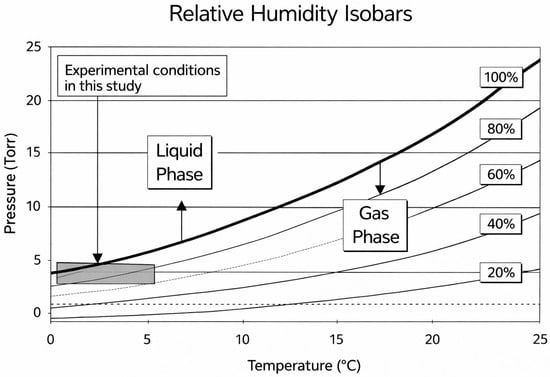
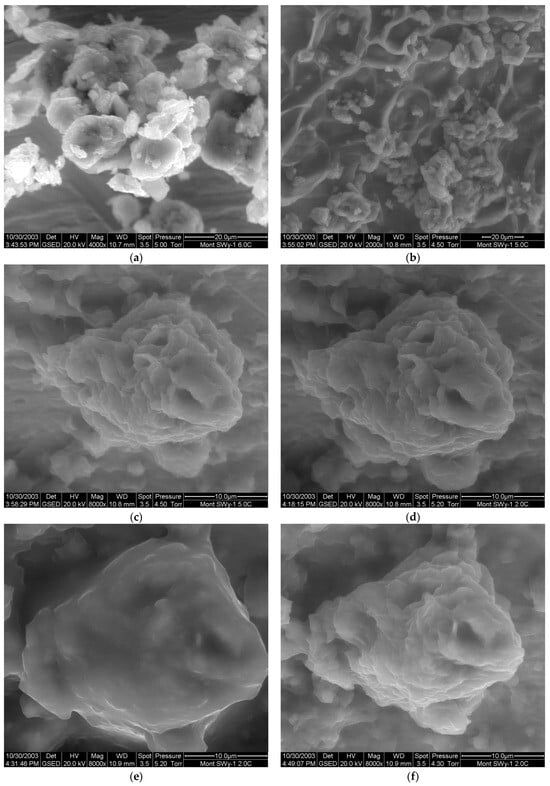
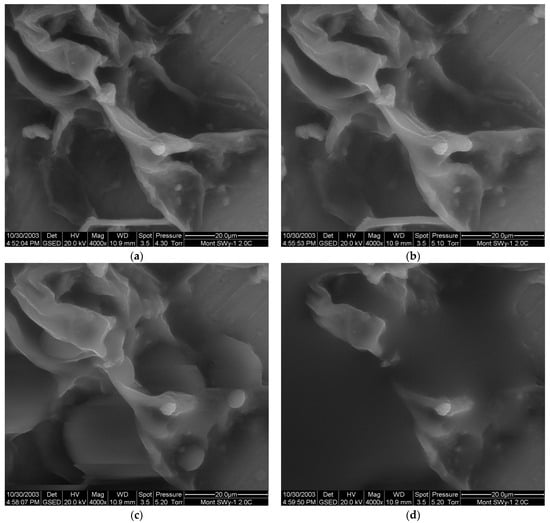
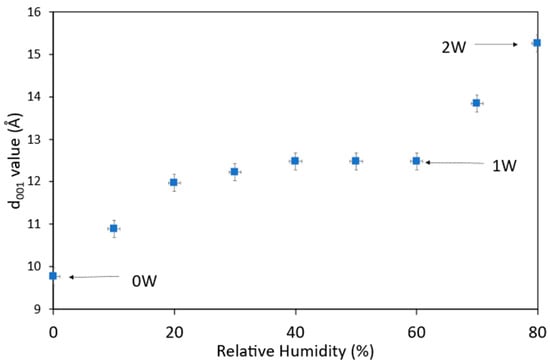
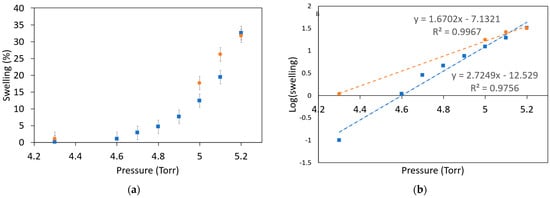
Understanding the hydration dynamics of montmorillonite clay minerals is critical for predicting their behavior in geotechnical and environmental applications. However, prior ESEM studies have employed separate measurement techniques and lack synchronized multi-scale observations linking microscale aggregate morphology to nanoscale interlayer spacing, with kinetic timescales for clay equilibration remaining unknown. This study employs in situ environmental scanning electron microscopy (ESEM) combined with synchronized X-ray diffraction (XRD) to directly observe and quantify the hydration and dehydration processes of montmorillonite SWy-1 under controlled pressure and temperature conditions on the same sample. ESEM enabled direct visualization of water–clay interactions by precisely controlling chamber pressure (4–5.3 Torr), while synchronized XRD measured basal spacing (d001) changes. Key findings reveal: single water-layer hydration (1W) produces ~19% aggregate swelling and two-layer hydration (2W) yields ~32% swelling; rapid dehydration occurs within 3 min with complete equilibration by 15 min; hydration exhibits steeper pressure dependency (slope = 2.7249) compared to dehydration (slope = 1.6702), indicating thermodynamically driven water uptake but kinetically limited desorption; and water-adsorption isotherms exhibited type-H3 hysteresis. This dual-scale integration establishes practical timescales for clay equilibration and provides critical mechanistic insights for predicting clay behavior in geotechnical engineering and engineered barrier design.
Full article

Graphical abstract
Open AccessArticle
Water Damage Assessment in Flexible Pavements Through GPR and MLS Integration
by
Luca Bianchini Ciampoli, Alessandro Di Benedetto, Margherita Fiani, Luigi Petti and Andrea Benedetto
NDT 2026, 4(2), 13; https://doi.org/10.3390/ndt4020013 - 20 Apr 2026
Abstract
►▼
Show Figures
The fast drainage of surface water from road pavements is essential to ensure both driving safety and adequate infrastructure service life. For close-graded asphalt mixtures, surface runoff relies on sufficient longitudinal and transverse slopes that convey water toward hydraulic drainage devices. However, construction
[...] Read more.
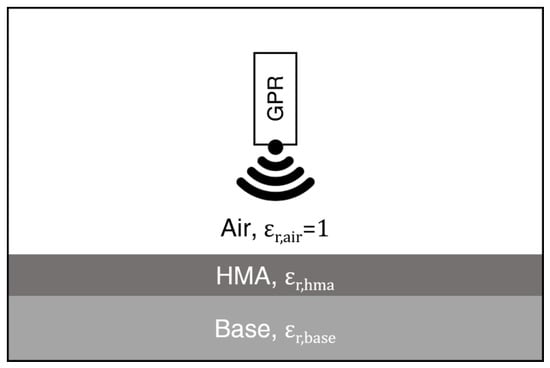
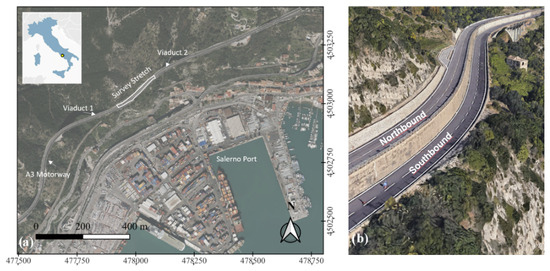
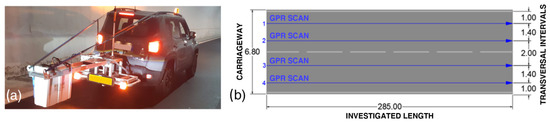
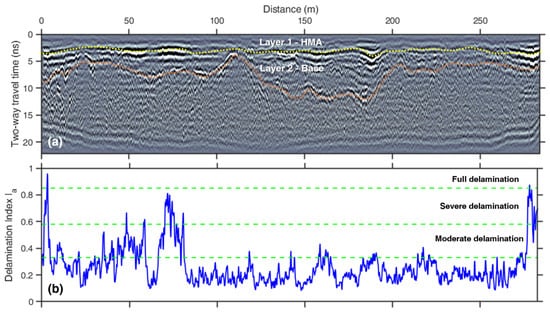
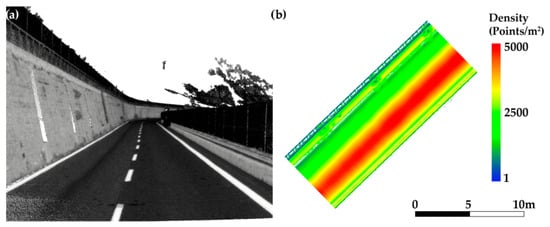
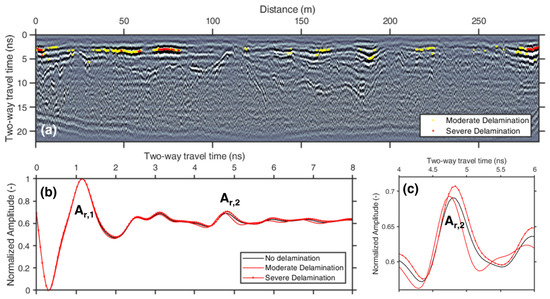
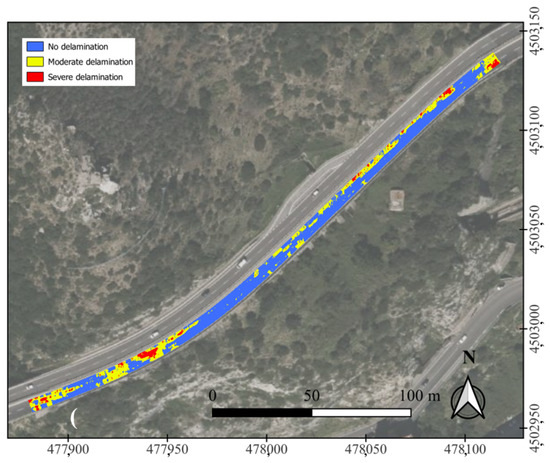
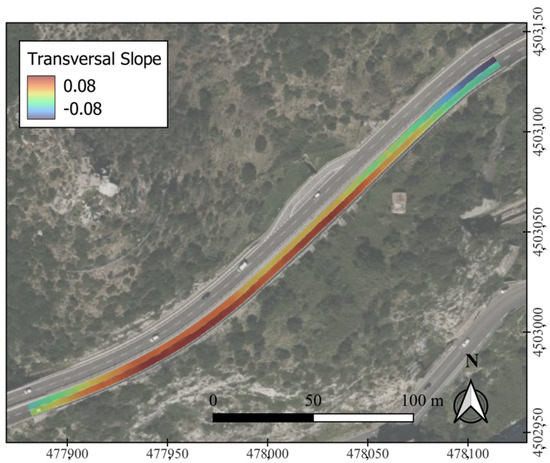
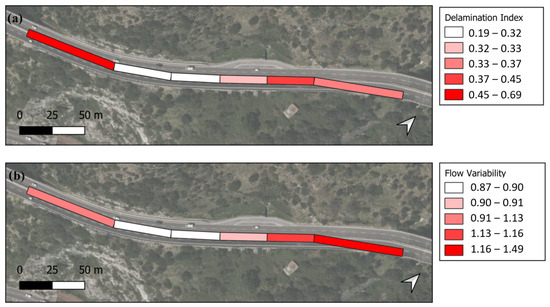
The fast drainage of surface water from road pavements is essential to ensure both driving safety and adequate infrastructure service life. For close-graded asphalt mixtures, surface runoff relies on sufficient longitudinal and transverse slopes that convey water toward hydraulic drainage devices. However, construction defects, surface distress, or inadequate placement of drainage systems may compromise this process and reduce pavement durability. When water infiltrates beneath the wearing course and saturates the underlying layers, heavy traffic loads can accelerate deterioration through erosion, pumping, interlayer delamination, and subgrade overstress. This work investigates the joint use of Ground Penetrating Radar (GPR) and Mobile Laser Scanning (MLS) to evaluate drainage deficiencies and detect signs of layer delamination in bituminous pavements. A highway section in Salerno (Italy) was selected as a case study due to known hydraulic-related issues. MLS data were used to reconstruct pavement geometry and model surface runoff patterns, while GPR surveys assessed the condition of the bonding between asphalt and base layers. The results revealed ineffective runoff management and identified multiple areas affected by delamination, confirming a relationship between surface drainage behaviour and subsurface damage. These findings highlight the broader potential of the integrated GPR–MLS framework as a scalable and transferable approach for proactive drainage assessment and structural monitoring in pavement management practices.
Full article

Figure 1
Open AccessArticle
Multiclass Classification of Carburization Stages in HP Steel Using Ultrasonic Spectral Features and Machine Learning
by
Francirley Paz da Silva, Robert Saraiva Matos, Victor Diogho Heuer de Carvalho, Ivan Costa da Silva, Carlos Otávio Damas Martins and Henrique Duarte da Fonseca Filho
NDT 2026, 4(2), 12; https://doi.org/10.3390/ndt4020012 - 2 Apr 2026
Abstract
►▼
Show Figures
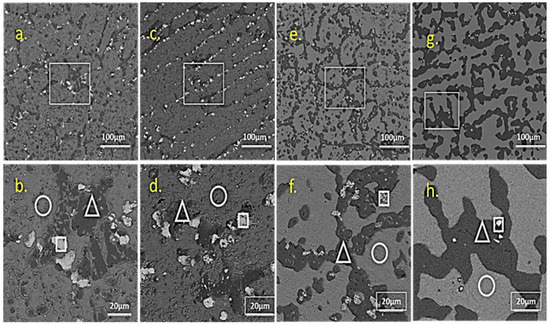
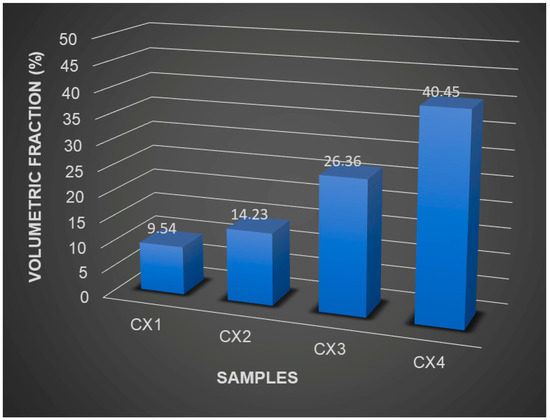
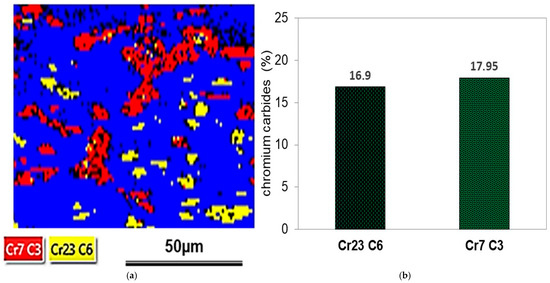
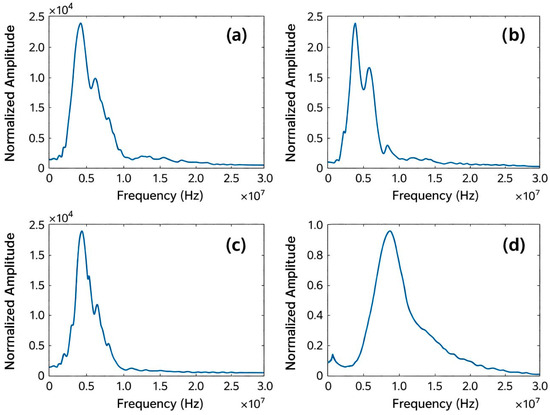
Carburization is a critical degradation mechanism in HP steel alloys used in pyrolysis furnaces, affecting structural integrity and operational reliability. This study evaluates the feasibility of combining ultrasonic A-scan signal processing and Fourier Transform–based spectral descriptors with machine learning to classify four carburization
[...] Read more.
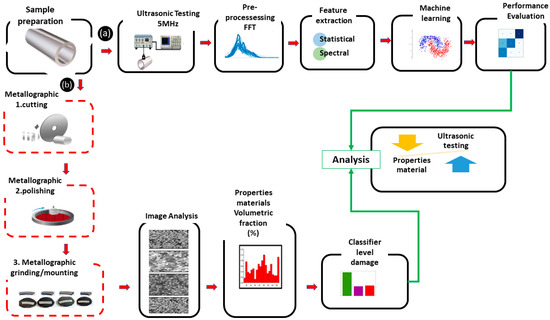
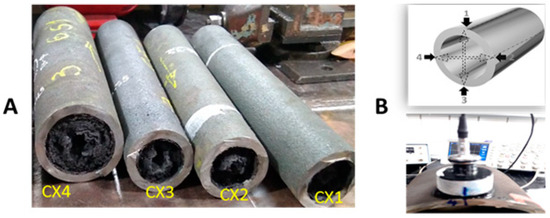
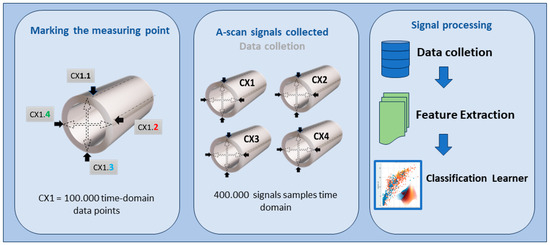
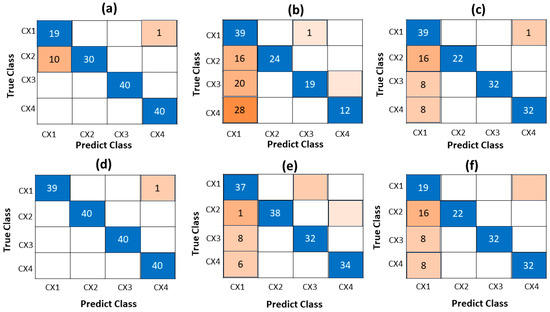
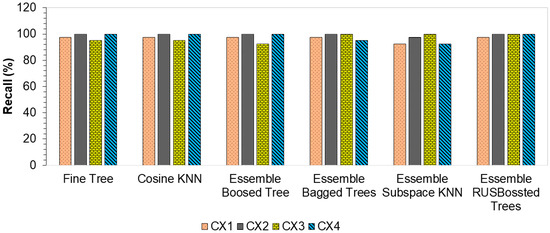
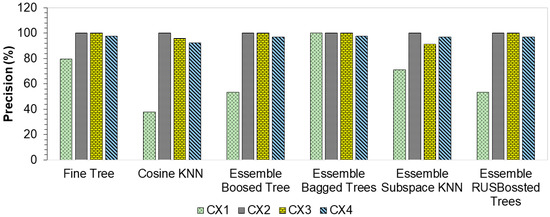
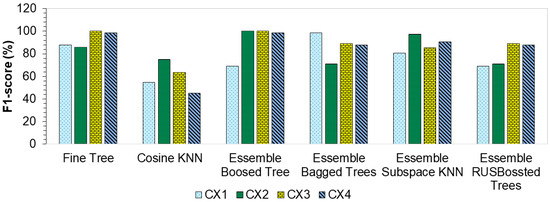
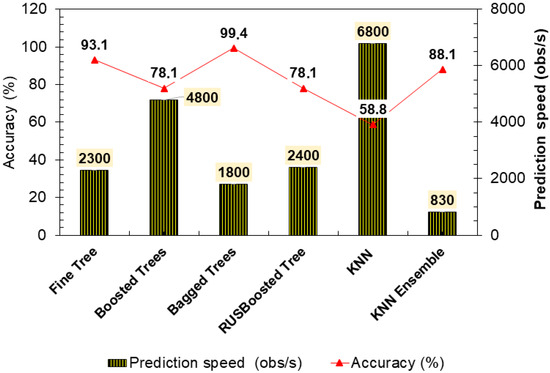
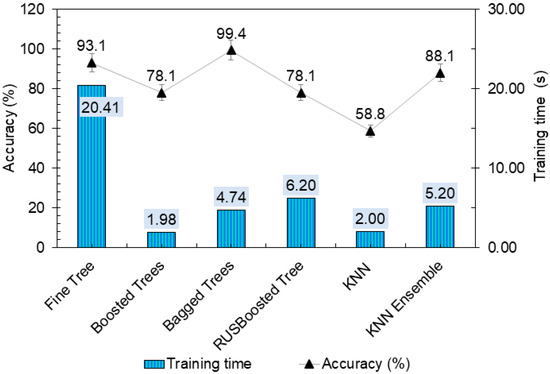
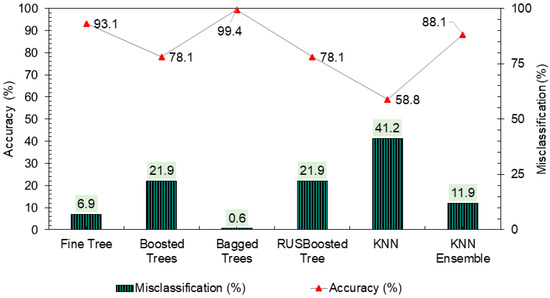
Carburization is a critical degradation mechanism in HP steel alloys used in pyrolysis furnaces, affecting structural integrity and operational reliability. This study evaluates the feasibility of combining ultrasonic A-scan signal processing and Fourier Transform–based spectral descriptors with machine learning to classify four carburization stages in HP steel tube specimens. A total of 160 A-scan waveforms were acquired under controlled laboratory conditions, each containing 2500 sampled points. Frequency-domain features derived from the Discrete Fourier Transform were used as inputs to decision-tree and k-nearest neighbor classifiers. Model performance was assessed using confusion matrices, accuracy, precision, recall, F1-score, and ROC-AUC in a multiclass framework. Ensemble Bagged Trees achieved the highest within-dataset classification accuracy (>99%) under the adopted cross-validation framework, whereas KNN showed lower classification performance despite higher inference speed. The results indicate strong separability among carburization stages under the evaluated acquisition conditions. Given that multiple acquisitions originated from the same tube specimens, the findings should be interpreted as a feasibility-level assessment. Further validation using independent specimens and expanded datasets is required to assess generalization under industrial conditions.
Full article

Figure 1
Open AccessCommunication
A Simulation-Based Computational Study on the Dielectric Response of Human Hand Tissues to Radiofrequency Radiation from Mobile Devices
by
Agaku Raymond Msughter, Jonathan Terseer Ikyumbur, Matthew Inalegwu Amanyi, Eghwubare Akpoguma, Ember Favour Waghbo and Patience Uneojo Amaje
NDT 2026, 4(1), 11; https://doi.org/10.3390/ndt4010011 - 13 Mar 2026
Abstract
►▼
Show Figures
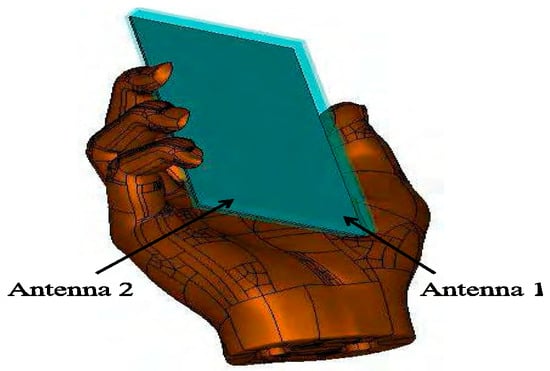
This study presents a computational, simulation-based investigation of the dielectric response of human hand tissues, skin, fat, muscle, and bone to radiofrequency (RF) electromagnetic fields emitted by mobile devices. The widespread adoption of handheld devices and the deployment of fifth-generation (5G) networks, including
[...] Read more.
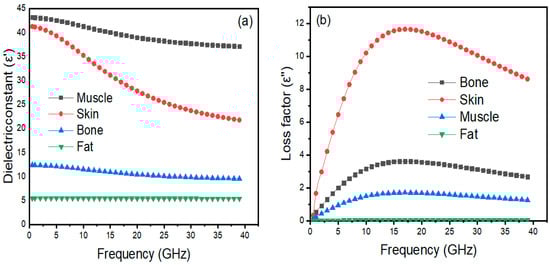
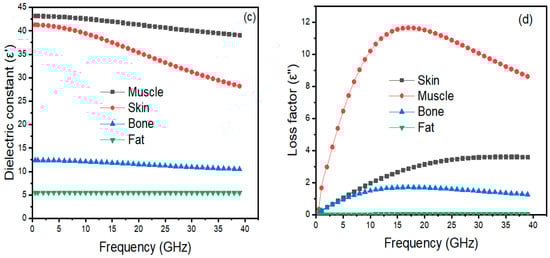
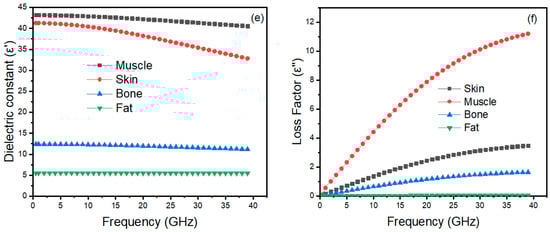
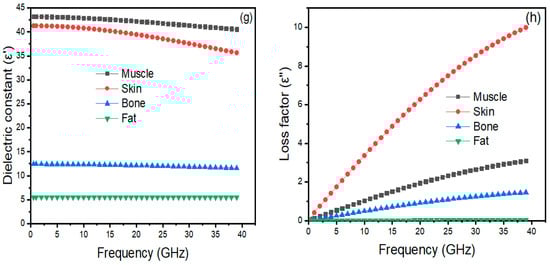
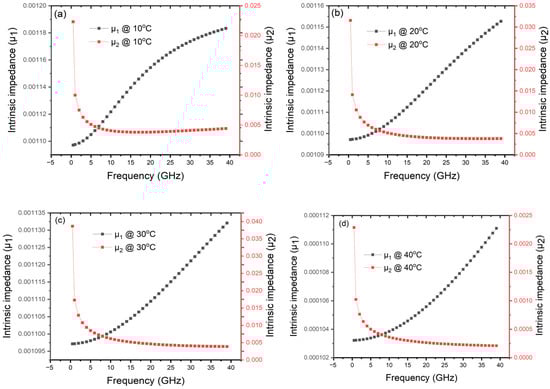
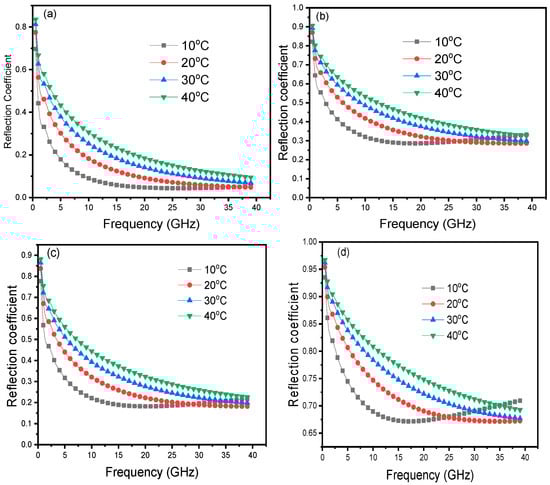
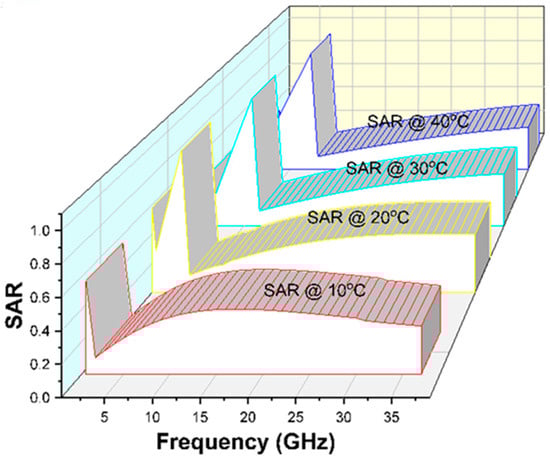
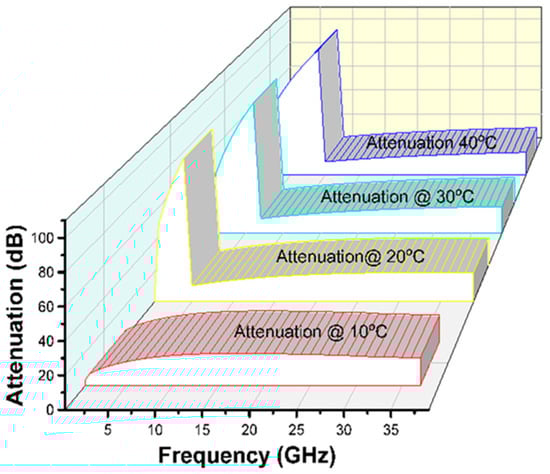
This study presents a computational, simulation-based investigation of the dielectric response of human hand tissues, skin, fat, muscle, and bone to radiofrequency (RF) electromagnetic fields emitted by mobile devices. The widespread adoption of handheld devices and the deployment of fifth-generation (5G) networks, including millimetre-wave (mmWave) bands, have intensified concerns regarding localized human exposure to RF radiation, particularly in the hand, which serves as the primary interface during device operation. Using validated dielectric property datasets, numerical simulations were performed across the frequency range of 0.5–40 GHz, employing the Finite-Difference Time-Domain (FDTD) method to solve Maxwell’s equations, with analytical evaluations conducted in Maple-18. A heterogeneous multilayer hand phantom was developed, and simulations were conducted under controlled exposure conditions, including a transmitted power of 1 W, antenna gain of 2 dBi, and incident power density of 5 W/m2, consistent with ICNIRP and NCC safety guidelines. Tissue responses were assessed over a temperature range of 10–40 °C to account for thermal variability. The results demonstrate strong frequency- and temperature-dependent behaviour of dielectric properties, intrinsic impedance, reflection coefficient, attenuation, and specific absorption rate (SAR). At lower frequencies (<1 GHz), RF energy penetrated more deeply with distributed absorption and relatively low SAR values, whereas higher frequencies (3–40 GHz) produced highly localized absorption in superficial tissues, particularly skin and muscle. Increasing temperature led to significant increases in permittivity, conductivity, and SAR, with up to a twofold enhancement observed between 10 °C and 40 °C. These findings confirm that 5G and mmWave exposures result in predominantly surface-confined energy deposition in hand tissues. The study provides a robust computational framework for evaluating hand device electromagnetic interactions and offers quantitative insights relevant to antenna design, exposure compliance assessment, and the development of evidence-based safety guidelines.
Full article

Figure 1
Open AccessSystematic Review
A Systematic Review of Terrestrial Laser Scanning (TLS) Applications in Sediment Management
by
Md. Emon Sardar, Muhammad Arifur Rahman, Md. Rasheduzzaman, Md. Shamsuzzoha, Abul Kalam Azad, Ayesha Akter, Kamrunnahar Ishana, Ahmed Parvez, Md. Anwarul Abedin, Mohammad Kabirul Islam, Md. Sagirul Islam Majumder, Mehedi Ahmed Ansary and Rajib Shaw
NDT 2026, 4(1), 10; https://doi.org/10.3390/ndt4010010 - 6 Mar 2026
Cited by 2
Abstract
►▼
Show Figures
Sediment management is defined as the strategic monitoring and control of erosion, transport, and deposition processes to maintain environmental and infrastructural stability. Terrestrial laser scanning (TLS) has emerged as a critical high-precision technology for monitoring sediment dynamics, erosion processes, and geomorphic change detection
[...] Read more.
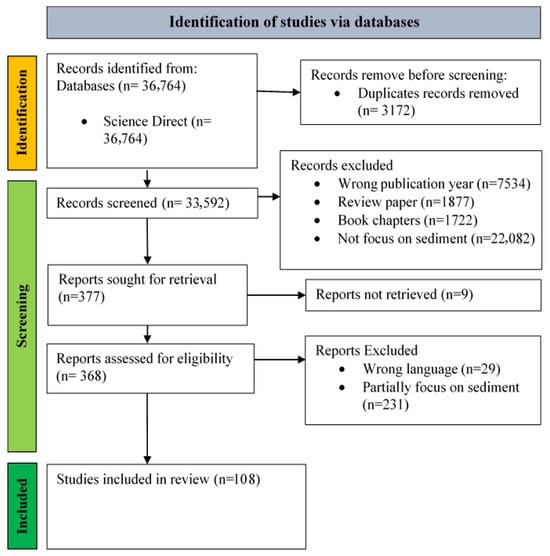
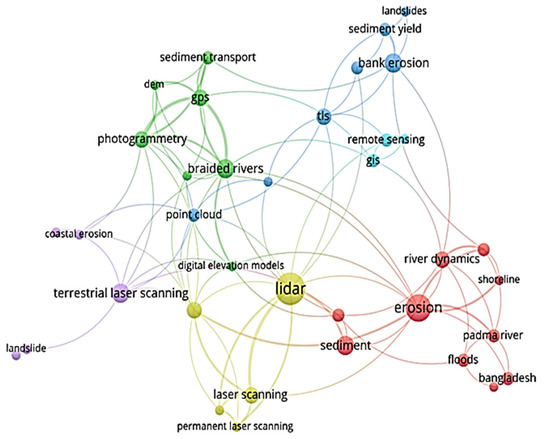
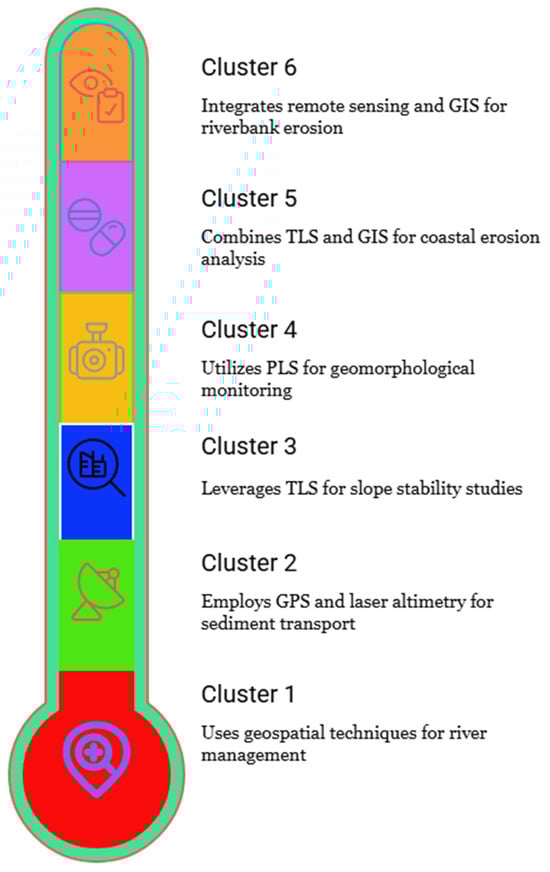
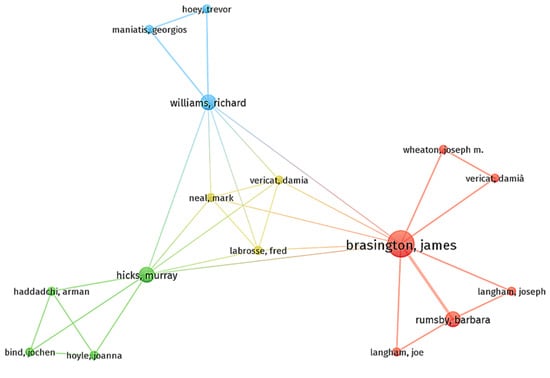
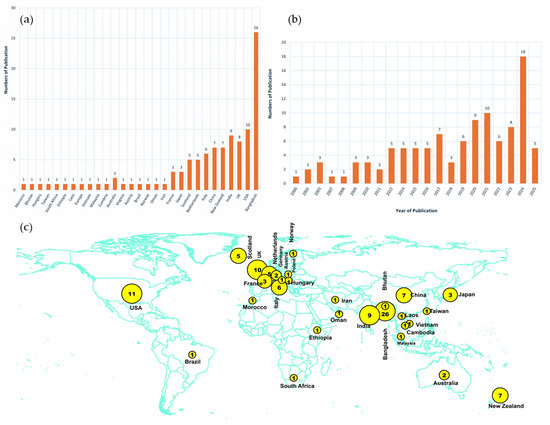
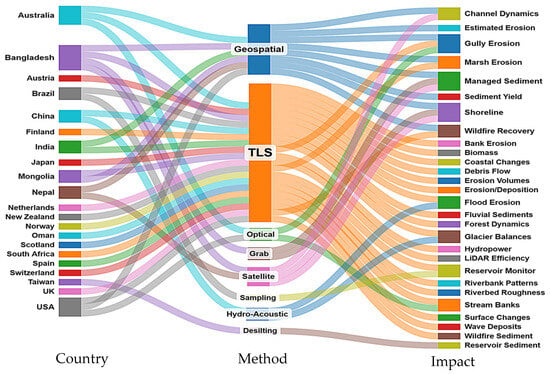
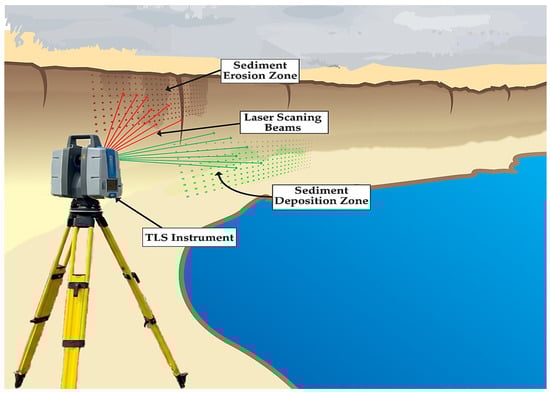
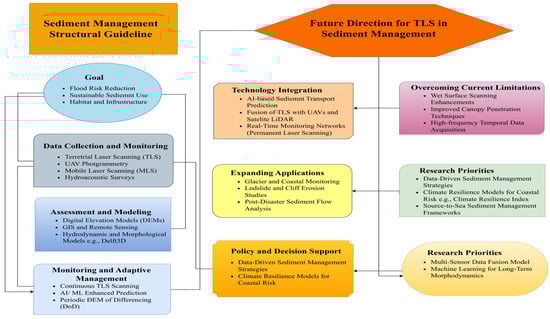
Sediment management is defined as the strategic monitoring and control of erosion, transport, and deposition processes to maintain environmental and infrastructural stability. Terrestrial laser scanning (TLS) has emerged as a critical high-precision technology for monitoring sediment dynamics, erosion processes, and geomorphic change detection across diverse environments, including riverine, coastal, watershed, and infrastructure-related landscapes. While the field of TLS technology has seen significant advancements in recent years, including improvements in data accuracy, enhanced operational performance, artificial intelligence (AI), machine learning-based processing, and integration with other remote sensing tools such as unmanned aerial vehicles (UAVs) and satellite light detection and ranging (LiDAR), the study has focused on these developments. These advancements have further extended the application prospects of TLS technology. Despite these advancements, there remains a crucial need to systematically identify global research trends to identify the effectiveness, limitations, and knowledge gaps of TLS in sediment management. The methodological advantages and challenges of TLS applications provide insights into its gradual development role in enhancing sediment monitoring and environmental resilience. The objective of this study is to synthesize the current state of sediment management by conducting a systematic review of 108 peer-reviewed research papers retrieved from academic databases, including Google Scholar, ResearchGate, ScienceDirect, Scopus, and Web of Science, from 28 countries, published between 2000 and 2025. The study will evaluate the effectiveness of TLS methodologies in comparison to conventional techniques and management procedures, following the PRISMA 2020 guidelines. It will examine their capacity to enhance measurement accuracy, reduce error margins, and improve structural guidelines, particularly by advancing TLS technology through the integration of AI and machine learning (ML) algorithms. The findings of the study indicate that TLS and Iterative Closest Point (ICP) techniques can enhance the analysis of 3D models of dam deformation, ensuring improved structural monitoring and safety. The findings offer insights into the evolving role of TLS in sediment monitoring, emphasizing its potential for enhancing environmental management and climate resilience strategies. Furthermore, this review identifies future research directions to optimize TLS applications in sediment management through interdisciplinary approaches.
Full article

Figure 1
Open AccessArticle
Ultrasonic Detectability of Planar and Volumetric Weld Defects: A Simulation-Based Signal-Response POD Study
by
Chowdhury Md. Irtiza, Bishal Silwal and Hossein Taheri
NDT 2026, 4(1), 9; https://doi.org/10.3390/ndt4010009 - 2 Mar 2026
Cited by 1
Abstract
Reliable ultrasonic inspection of welded structures requires a quantitative understanding of how defect morphology and depth influence detectability. In this study, a simulation-based signal-response Probability of Detection (POD) framework is developed to investigate ultrasonic wave interaction with representative planar and volumetric weld defects.
[...] Read more.
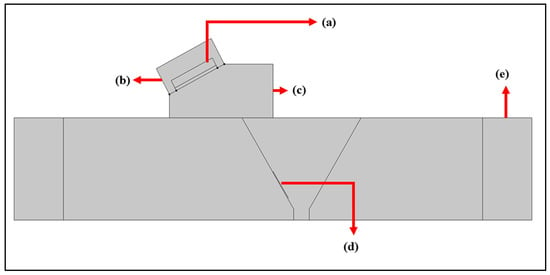
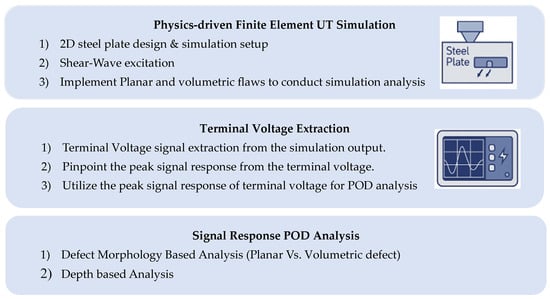
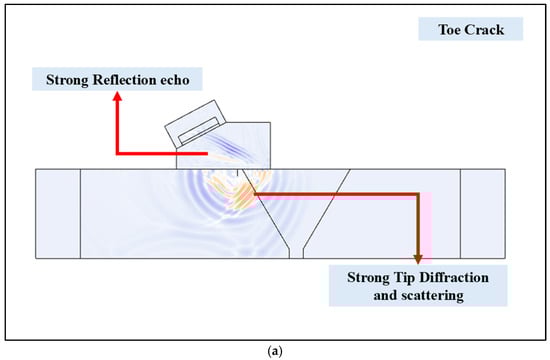
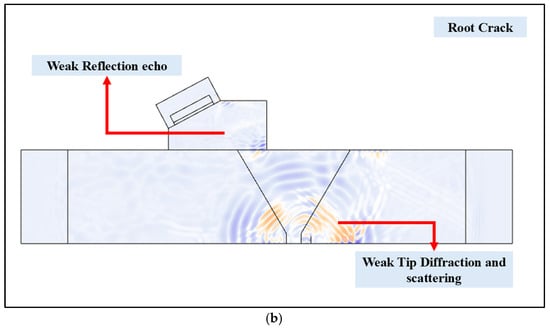
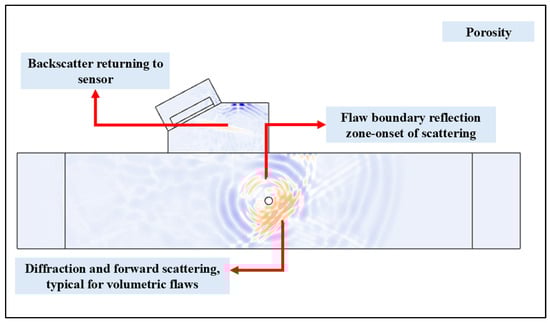
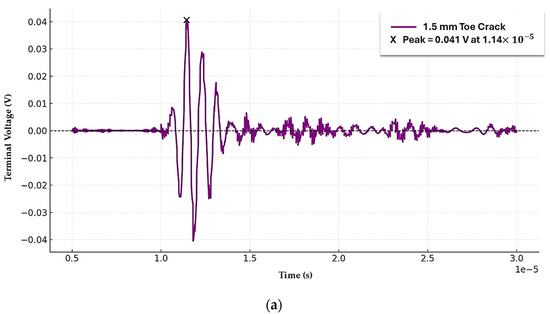
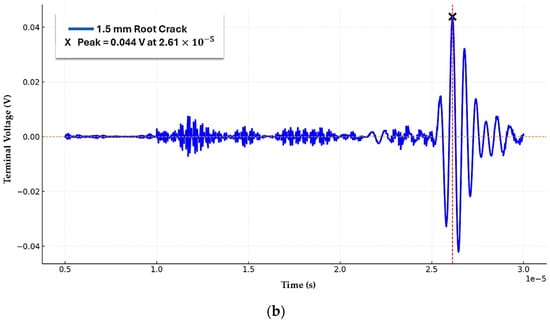
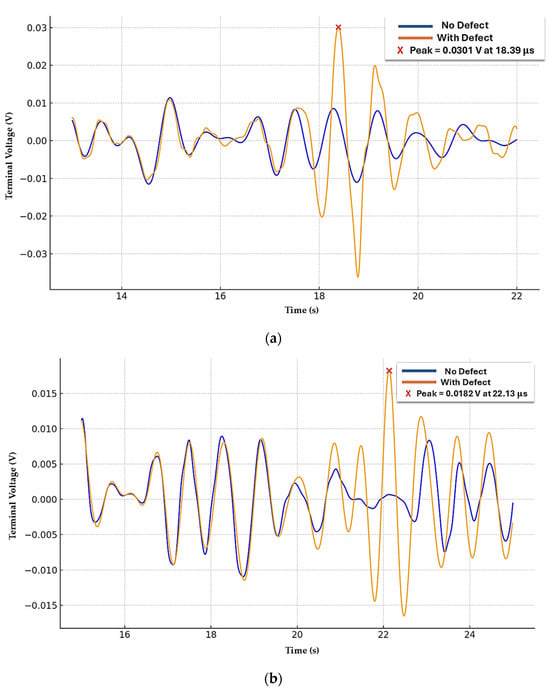
Reliable ultrasonic inspection of welded structures requires a quantitative understanding of how defect morphology and depth influence detectability. In this study, a simulation-based signal-response Probability of Detection (POD) framework is developed to investigate ultrasonic wave interaction with representative planar and volumetric weld defects. Two-dimensional finite-element shear-wave simulations were conducted to model wave propagation and scattering from planar flaws (toe and root cracks) and volumetric flaws (porosity) across defined inspection depth zones. Peak terminal voltage was used as a continuous response metric for regression-based POD analysis. The results demonstrate that defect morphology dominates the influence on ultrasonic detectability. Planar defects produced systematically higher signal responses than volumetric defects of comparable size, resulting in lower characteristic detection limits. The estimated a90 value for planar flaws was 2.96 mm, compared to 5.64 mm for volumetric flaws under identical threshold conditions. Depth-dependent analyses further revealed morphology-specific behavior: planar defects exhibited consistently high detection probabilities across depth zones (POD > 0.98), whereas volumetric defects showed a reduction in detectability with depth, with POD decreasing from approximately 0.32 in shallow zones to 0.16 in deeper regions. The resulting POD trends are interpreted as comparative, trend-based indicators of morphology and depth-dependent ultrasonic detectability under idealized inspection conditions. These findings quantitatively demonstrate how ultrasonic detectability is governed by wave-defect interaction mechanisms associated with defect morphology and inspection depth.
Full article
(This article belongs to the Topic Advances in Non-Destructive Testing Methods, 3rd Edition)
►▼
Show Figures

Figure 1

Open AccessArticle
Machine Learning Frameworks for SHM: A Case Study on the Infante D. Henrique Bridge
by
Marília Marcy and Graciela Doz
NDT 2026, 4(1), 8; https://doi.org/10.3390/ndt4010008 - 7 Feb 2026
Abstract
►▼
Show Figures
Efficient structural health monitoring requires not only robust computational strategies but also reliable data acquisition systems capable of capturing representative dynamic responses of real structures. In this study, a continuous dynamic monitoring system composed of accelerometers strategically distributed along the bridge deck provides
[...] Read more.
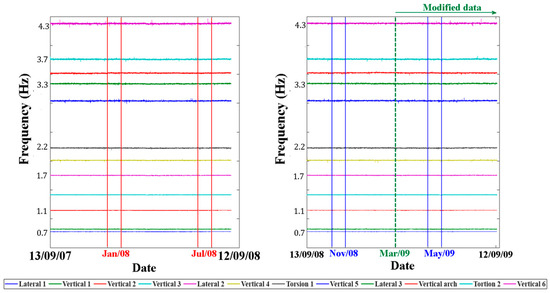
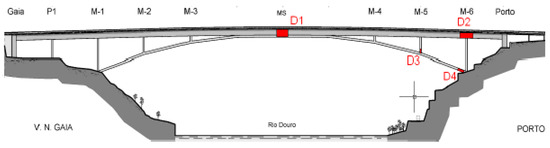
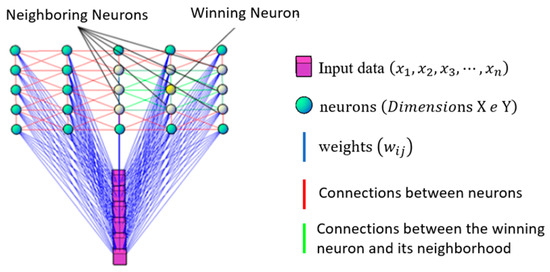
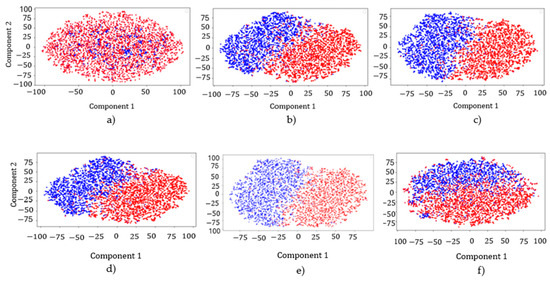
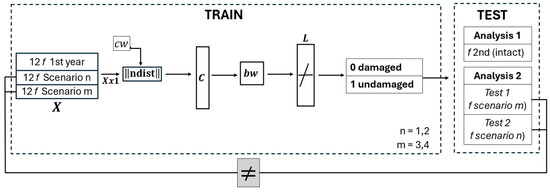
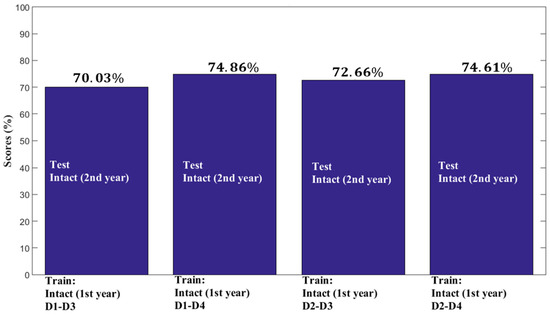
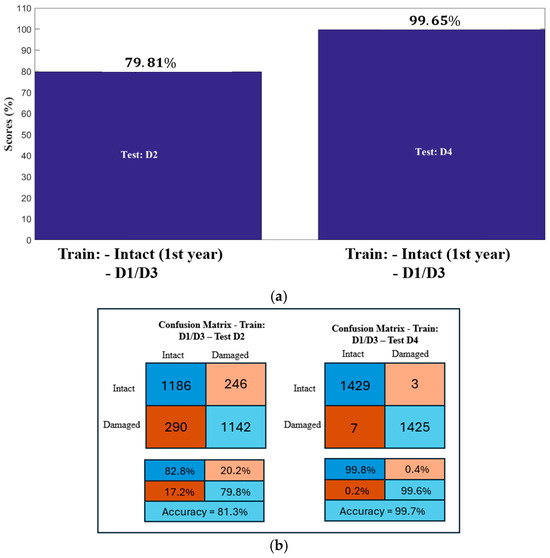
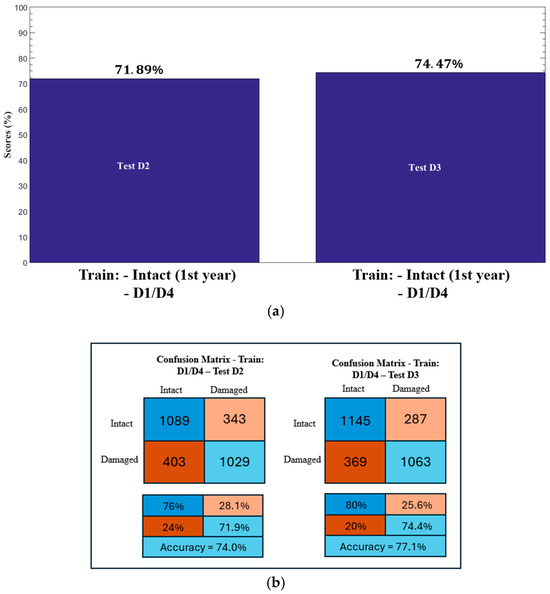
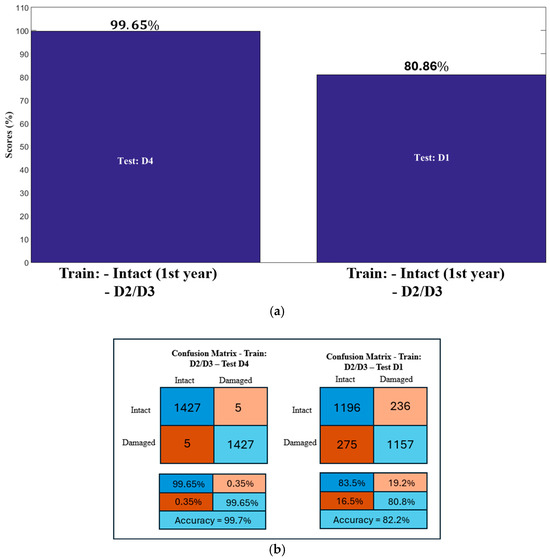
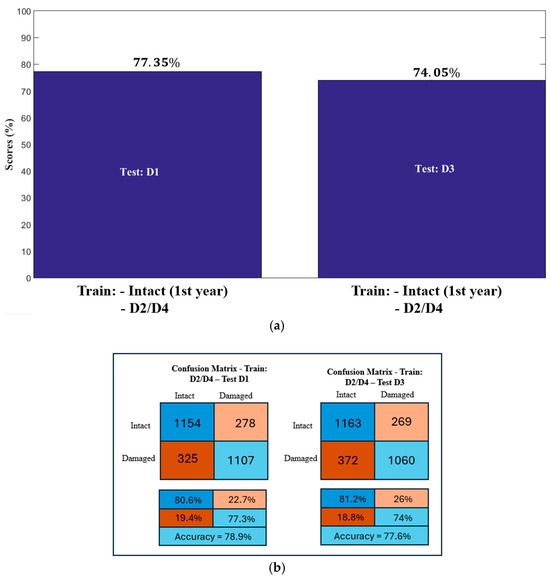
Efficient structural health monitoring requires not only robust computational strategies but also reliable data acquisition systems capable of capturing representative dynamic responses of real structures. In this study, a continuous dynamic monitoring system composed of accelerometers strategically distributed along the bridge deck provides the foundational data for all subsequent computational analyses. The integrated application of t-Distributed Stochastic Neighbor Embedding (t-SNE) and Learning Vector Quantization (LVQ) is evaluated for the identification of structural damage in the Infante D. Henrique Bridge, located in Porto, Portugal. Data obtained from five years of continuous monitoring were used, with a portion of the identified natural frequencies employed for training and validation of the LVQ algorithm. The robustness of the approach was assessed through artificial modification of data from the second year of monitoring, simulating different damage scenarios. The results demonstrate that the t-SNE–LVQ combination improves discrimination between normal and damaged structural states, achieving identification rates above 70%. The main contribution of this work lies in demonstrating the feasibility and effectiveness of an integrated hardware-to-software machine learning framework applied to real monitoring data, highlighting its potential for structural health monitoring and decision-support systems.
Full article

Figure 1
Open AccessArticle
Non-Contact Characterization of Plates Using a Turbulent Air-Jet Source and an Ultrasound Microphone
by
Jake Pretula, Nolan Shaw, Elizabeth F. DeCorby, Ayden Chen, Kyle G. Scheuer and Ray G. DeCorby
NDT 2026, 4(1), 7; https://doi.org/10.3390/ndt4010007 - 1 Feb 2026
Cited by 1
Abstract
►▼
Show Figures
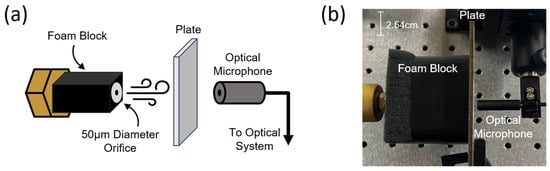
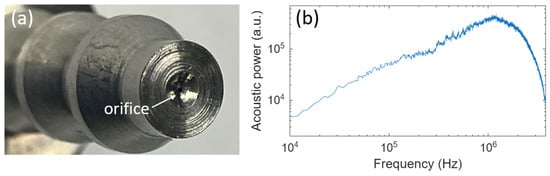
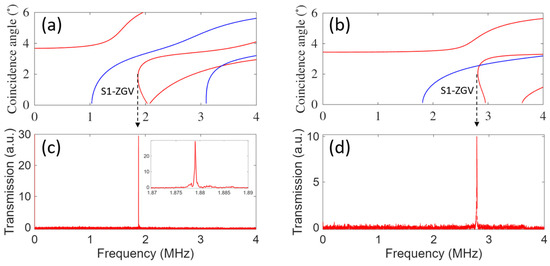
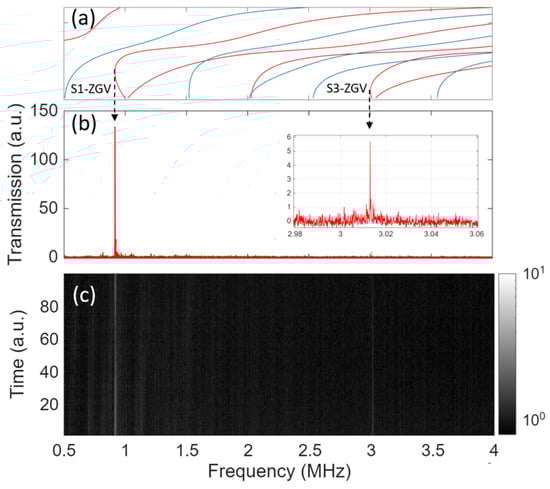
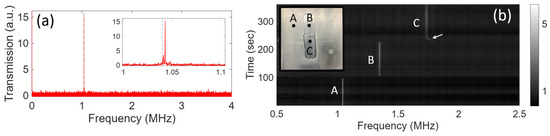
We report on the non-contact characterization of various plate materials (including aluminum and steel) using a high-pressure, micrometer-scale air jet as a broadband ultrasound source and an optomechanical microphone as a receiver. Through-plate transmission spectra are dominated by zero-group-velocity (ZGV) Lamb modes. We
[...] Read more.
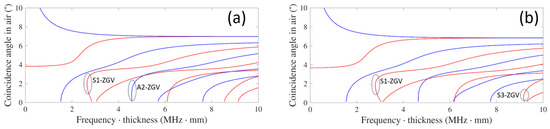
We report on the non-contact characterization of various plate materials (including aluminum and steel) using a high-pressure, micrometer-scale air jet as a broadband ultrasound source and an optomechanical microphone as a receiver. Through-plate transmission spectra are dominated by zero-group-velocity (ZGV) Lamb modes. We attribute this to the ‘point-like’ nature of both the source and receiver, since ZGV modes are spatially localized and comprise a range of non-normal wave numbers. As is well known, the properties of the ZGV modes, including their frequency and amplitude, are sensitive to thickness variations or the presence of defects. The continuous nature and high acoustic power of the gas jet source enabled us to perform uninterrupted scanning of non-uniform steel plates. Given the ubiquitous and low-cost nature of compressed air systems, our approach might be of interest for the rapid inspection of industrial parts.
Full article

Figure 1
Open AccessArticle
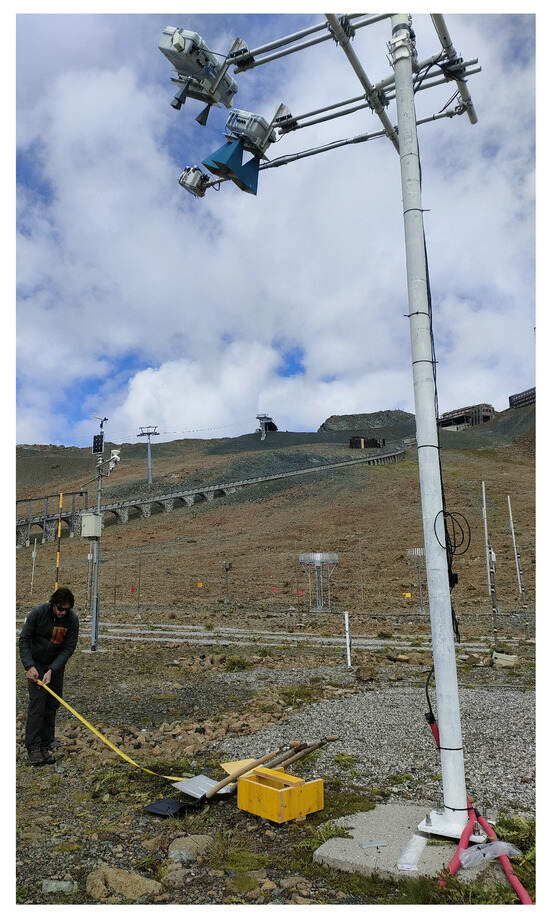
Design and Implementation of an SFCW Radar Platform for Environmental Monitoring
by
Jarne Van Mulders, Jaron Vandenbroucke, Merlin Mareschal, Bert Cox, Emma Tronquo, Hans-Peter Marshall, Sébastien Lambot, Hans Lievens and Lieven De Strycker
NDT 2026, 4(1), 6; https://doi.org/10.3390/ndt4010006 - 1 Feb 2026
Abstract
Current satellite-based active microwave observations lack the temporal resolution needed to accurately capture rapid Earth system dynamics such as soil–plant–atmosphere interactions, rainfall interception, snowfall and rain-on-snow events. Ground-based radar systems can resolve these processes but typically rely on high-end VNAs, limiting their affordability
[...] Read more.
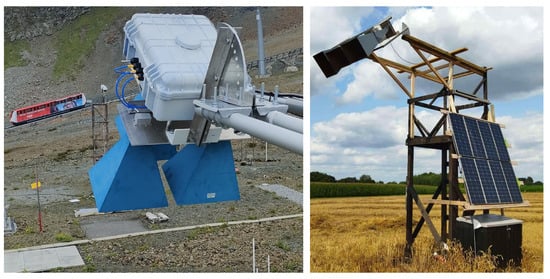
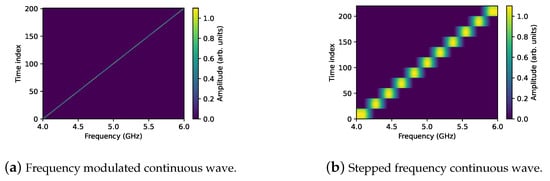
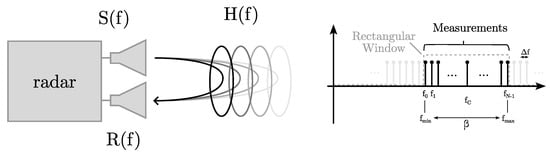
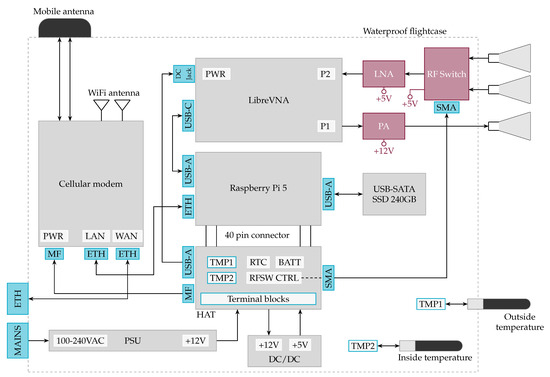
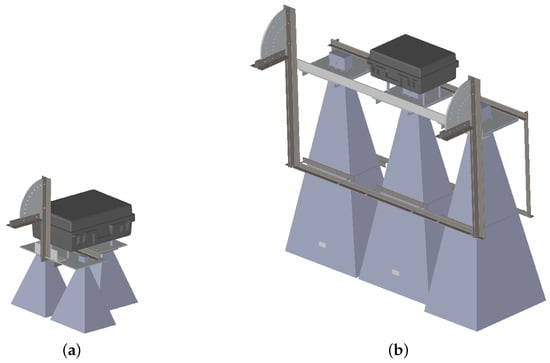
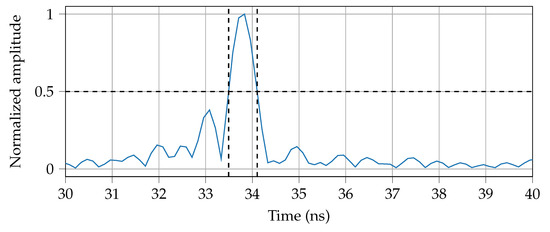
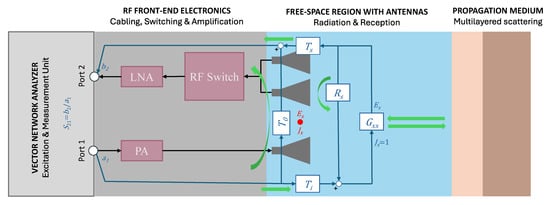
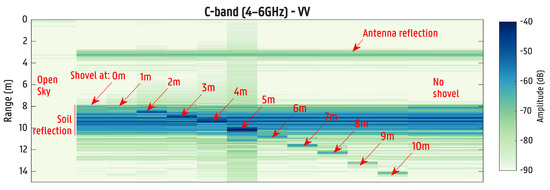
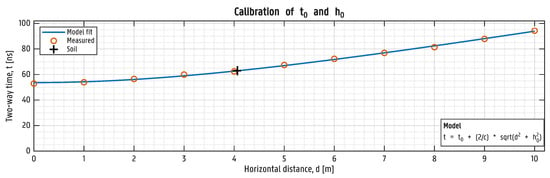
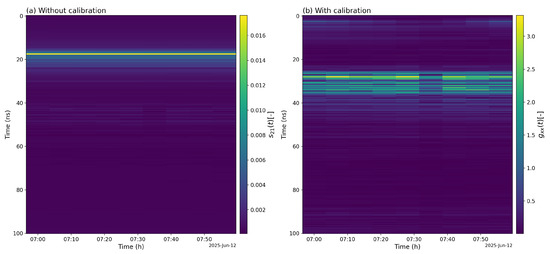
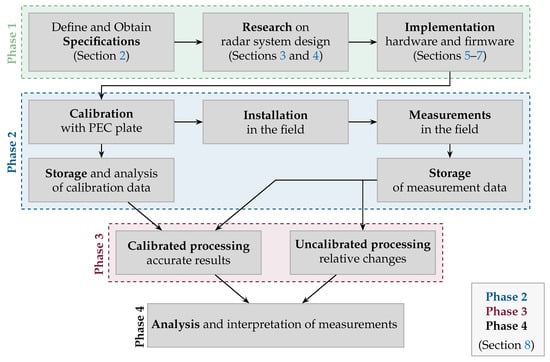
Current satellite-based active microwave observations lack the temporal resolution needed to accurately capture rapid Earth system dynamics such as soil–plant–atmosphere interactions, rainfall interception, snowfall and rain-on-snow events. Ground-based radar systems can resolve these processes but typically rely on high-end VNAs, limiting their affordability and deployment scale. This work presents a low-cost SFCW radar system built around a compact, SDR-based VNA with an enhanced RF front end supported by remote-access firmware and a cloud-based back end with automatic backup. Calibration experiments and preliminary measurements demonstrate that the system achieves stable performance and is capable of capturing high-temporal-resolution microwave signatures relevant for climate monitoring.
Full article
(This article belongs to the Topic Advances in Non-Destructive Testing Methods, 3rd Edition)
►▼
Show Figures

Figure 1
Open AccessArticle
Angle Modulation Phase Shift in Vibro-Acoustic Modulation: A Novel Approach for Early Crack Detection
by
Mohammad M. Bazrafkan, Norbert Hoffmann and Marcus Rutner
NDT 2026, 4(1), 5; https://doi.org/10.3390/ndt4010005 - 9 Jan 2026
Cited by 1
Abstract
►▼
Show Figures
Detecting structural defects is one of the primary challenges engineers face. Consequently, the development of techniques and methods capable of detecting structural defects has always been critical. It should be emphasized that crack detection is only meaningful if it occurs before the final
[...] Read more.
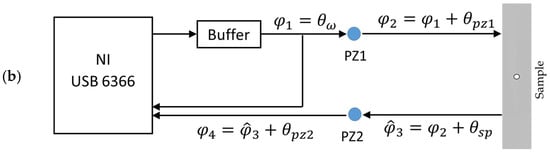
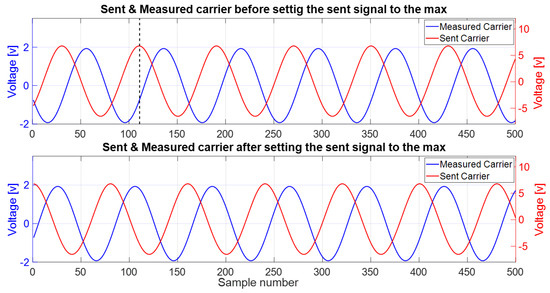
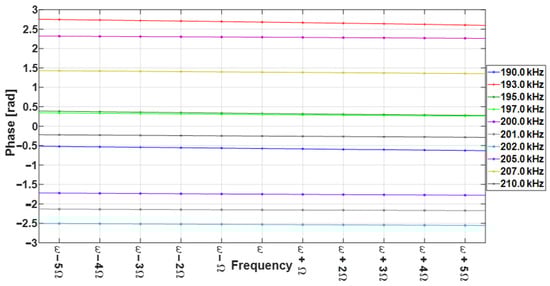
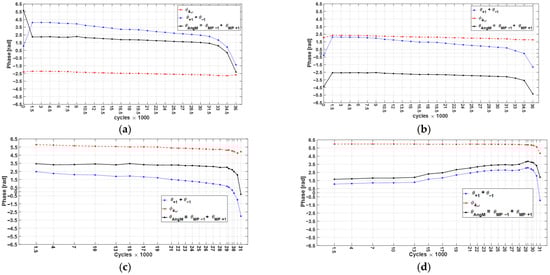
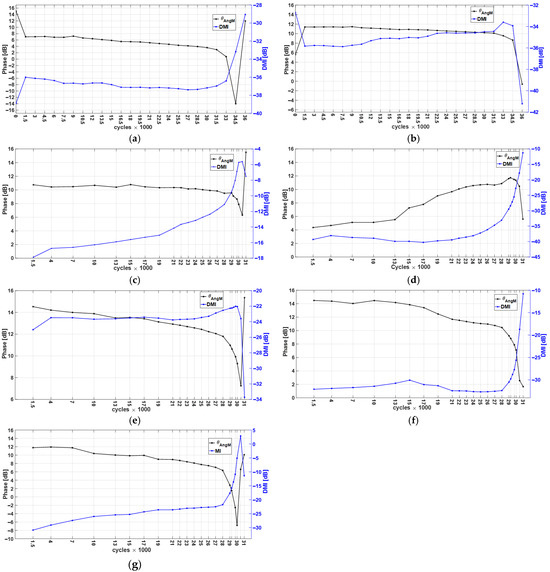
Detecting structural defects is one of the primary challenges engineers face. Consequently, the development of techniques and methods capable of detecting structural defects has always been critical. It should be emphasized that crack detection is only meaningful if it occurs before the final stages of structural failure. Accordingly, the early identification of structural defects has become a significant research challenge, motivating the development of techniques and diagnostic parameters that can effectively capture and reflect the structure’s nonlinearity or non-uniform behavior. This study aims to provide a more detailed examination of modulation phenomena observed in the measured response using the vibro-acoustic modulation (VAM) method, and propose a new model that simultaneously incorporates all three conventional modulation types (amplitude, frequency, and phase), which may offer a more accurate representation of the response signal behavior. Both theoretical and experimental results clearly confirm that the phase shifts of individual frequency components in the frequency domain vary throughout the lifetime of the tested specimen. This behavior, as anticipated by the proposed model, reveals a strong correlation between phase shifts and modulation indices (MIs). Furthermore, the relative sensitivity analysis indicates that the phase shift is more sensitive than the modulation index (MI), suggesting its strong potential as an indicator for early defect detection in structural components.
Full article

Figure 1
Highly Accessed Articles
Latest Books
E-Mail Alert
News
Topics
Topic in
NDT, Remote Sensing, Buildings, Heritage
Integrated Methods, Theories and Applications for Structural Health Monitoring and Assessment of Ancient Constructions
Topic Editors: Luca Bianchini Ciampoli, Pietro Meriggi, Iolanda Gaudiosi, Vittorio Paris, Natalia Pingaro, Fabio TostiDeadline: 30 November 2026
Topic in
Applied Sciences, Geomatics, NDT, Remote Sensing
Geographic Information and Remote Sensing Technology (GIRST)
Topic Editors: Francesco Benedetto, Fabio TostiDeadline: 31 December 2026
Topic in
Applied Sciences, Buildings, JETA, Materials, CivilEng, NDT, Applied Mechanics
Structural Health Monitoring Applied to Civil and Mechanical Engineering
Topic Editors: Yang Yang, Lijun Liu, Ning YangDeadline: 31 March 2027
Topic in
Applied Sciences, Designs, Energies, Materials, Sensors, NDT
Advances in Non-Destructive Testing Methods, 3rd Edition
Topic Editors: Grzegorz Peruń, Bogusław ŁazarzDeadline: 30 June 2027
Special Issues
Special Issue in
NDT
Non-Destructive Testing and Evaluation in Food Engineering
Guest Editors: Phil Cox, Fideline Tchuenbou-MagaiaDeadline: 30 November 2026
Special Issue in
NDT
NDT for Digital Transformation, Diagnostics, and Preservation
Guest Editors: Fabio Tosti, Andreas Loizos, Luca Bianchini CiampoliDeadline: 31 December 2026
Special Issue in
NDT
Advances in Phased Array Ultrasonic Testing (PAUT): Methods, Simulation and Industrial Applications
Guest Editors: Marzieh Bahreman, Hossein TaheriDeadline: 28 February 2027
Special Issue in
NDT
Emerging NDT Methods and Data-Driven Approaches for Structural and Infrastructure Engineering
Guest Editors: Konstantinos Gkyrtis, Anastasios C. Mpalaskas, Lazaros IliadisDeadline: 31 March 2027