Journal Description
Microplastics
Microplastics
is an international, peer-reviewed, open access journal on the science and technology of primary and secondary microplastics published quarterly online by MDPI.
- Open Access— free for readers, with article processing charges (APC) paid by authors or their institutions.
- High Visibility: indexed within ESCI (Web of Science), Scopus, EBSCO, and other databases.
- Journal Rank: JCR - Q1 (Environmental Sciences) / CiteScore - Q1 (Environmental Science (miscellaneous))
- Rapid Publication: manuscripts are peer-reviewed and a first decision is provided to authors approximately 24.3 days after submission; acceptance to publication is undertaken in 15.6 days (median values for papers published in this journal in the second half of 2025).
- Recognition of Reviewers: APC discount vouchers, optional signed peer review and reviewer names are published annually in the journal.
- Journal Cluster of Polymer and Macromolecular Science: Polymers, Gels, Polysaccharides, Textiles, Macromol, Microplastics and Adhesives.
Impact Factor:
5.1 (2024);
5-Year Impact Factor:
5.2 (2024)
Latest Articles
Magnetic Ferrotitaniferous Sands for Microplastic Removal
Microplastics 2026, 5(2), 104; https://doi.org/10.3390/microplastics5020104 - 3 Jun 2026
Abstract
►
Show Figures
Microplastics have emerged as a major environmental health concern due to their environmental persistence, fragmentation, and widespread distribution. Conventional adsorption strategies often have limited efficiency, reuse, and scalability, and may generate secondary pollutants. This work explores the use of ferrotitaniferous sand milled for
[...] Read more.
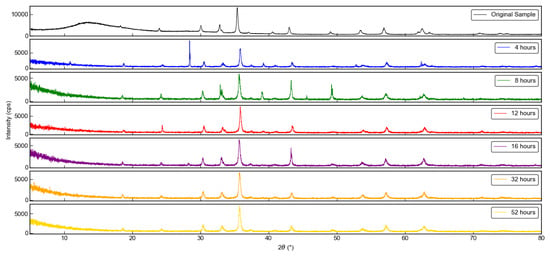
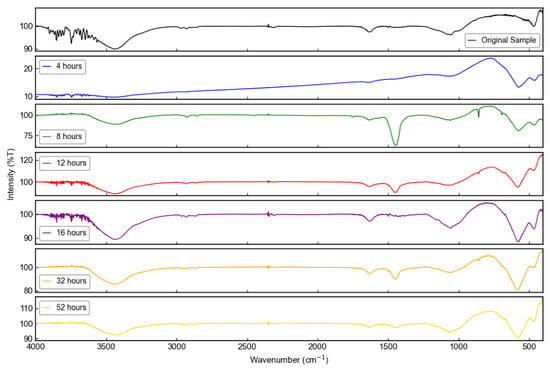
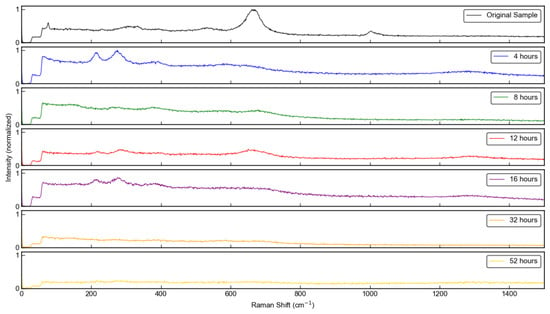
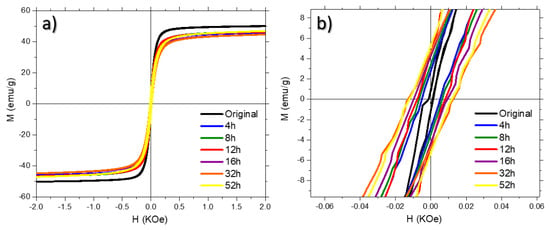
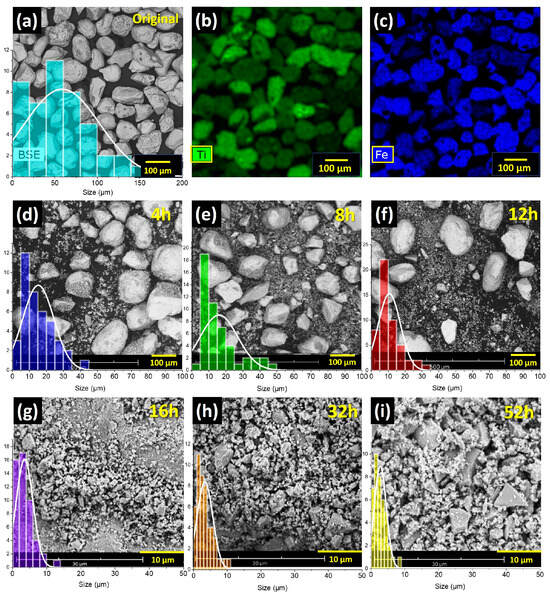
Microplastics have emerged as a major environmental health concern due to their environmental persistence, fragmentation, and widespread distribution. Conventional adsorption strategies often have limited efficiency, reuse, and scalability, and may generate secondary pollutants. This work explores the use of ferrotitaniferous sand milled for 4, 8, 12, 16, 32, and 52 h and subsequently functionalized with polyethylene glycol (PEG) for the removal of Polyethylene Terephthalate(PET) microplastics. The samples were characterized using Fourier-Transform infrared spectroscopy (FTIR), X-ray diffraction (XRD), Raman spectroscopy, and scanning electron microscopy (SEM). The average particle size of the samples decreases with the milling time from μm to μm. The magnetic properties enable rapid separation of sand–microplastic aggregates from water using magnets. Ferrotitaniferous sand exhibits soft ferrimagnetic behavior, with a maximum saturation of 50.09 emu/g. The remanence and coercivity increase as the average particle size decreases. Ultraviolet–visible (UV-Vis) spectroscopy was used to quantify the hydrothermally fragmented PET microparticles in water. The maximum microplastic adsorption removal was 95% within 30 s for the 12 h milled sample coated with PEG. The results show that PEG increases the samples’ adsorption capacity from 20.48 to 32.36 mg/g. The novelty of this work lies in the use of magnetic Ferrotitaniferous sands as a promising, sustainable resource for magnetic separation technologies.
Full article
Open AccessArticle
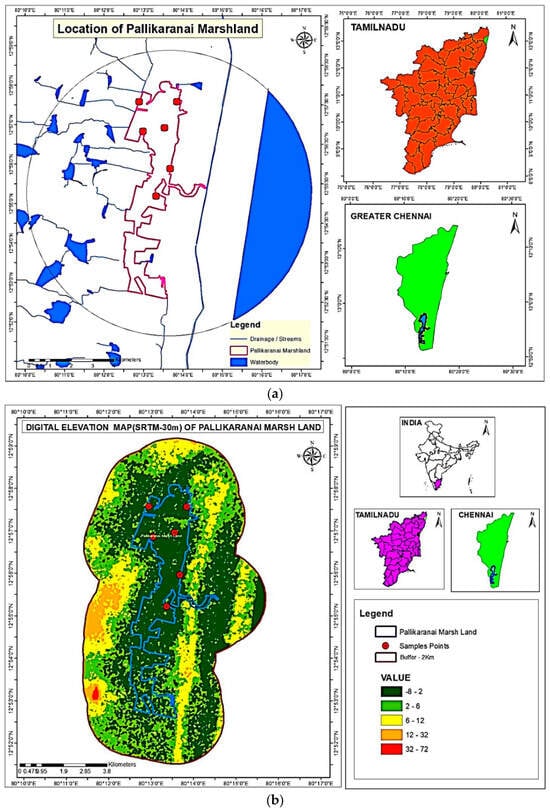
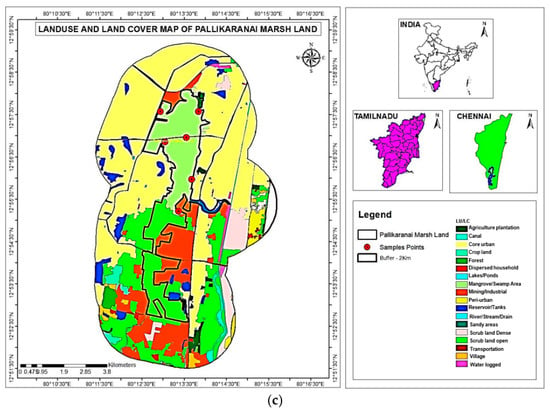
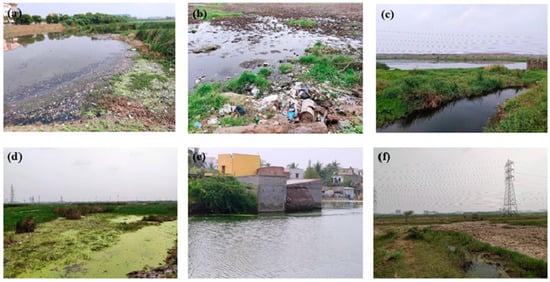
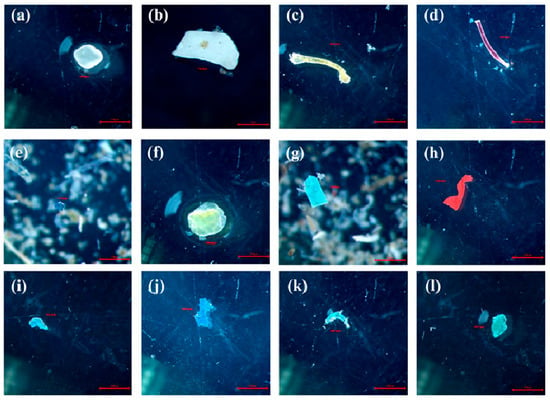
Microplastic Contamination in the Ramsar-Designated Pallikaranai Wetland, Southern India
by
Subramani Thirunavukkarasu, Manickkam Jayakumar, Maduraiveeran Ramachandran, Santhosh Jeferson, Poovazhagi Rajendran, Jishnu Panamoly Ayyappan, Murugan Vasanthakumaran, Priyanka Muthu and Jiang-Shiou Hwang
Microplastics 2026, 5(2), 103; https://doi.org/10.3390/microplastics5020103 - 2 Jun 2026
Abstract
►▼
Show Figures
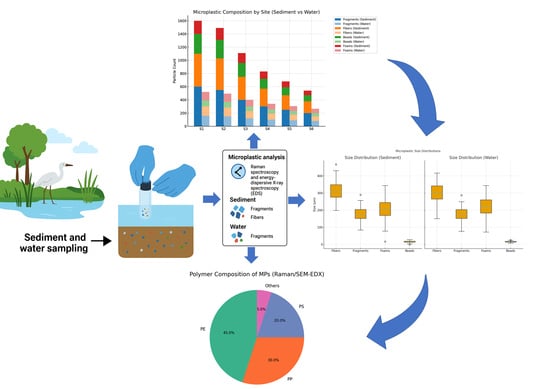
Microplastic contamination in wetland ecosystems is an escalating environmental threat, compromising ecosystem services, biogeochemical cycling and biodiversity conservation. This study assessed the occurrence, distribution and physicochemical characteristics of microplastics in the Ramsar-designated Pallikaranai wetland, southern India. Six representative subsamples were collected from spatially
[...] Read more.
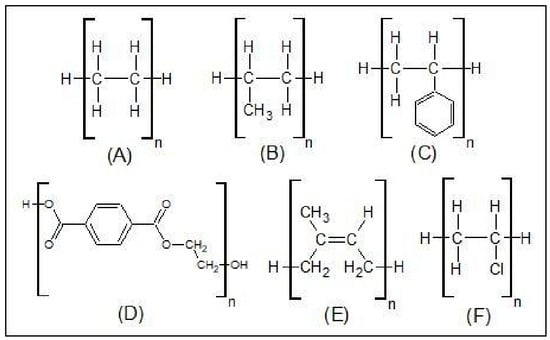
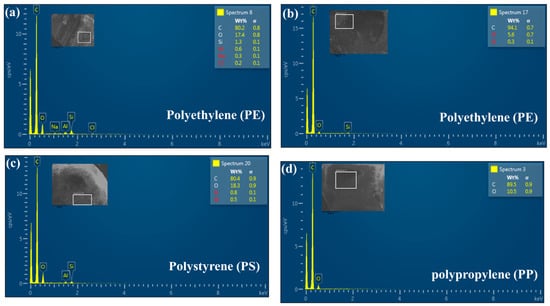
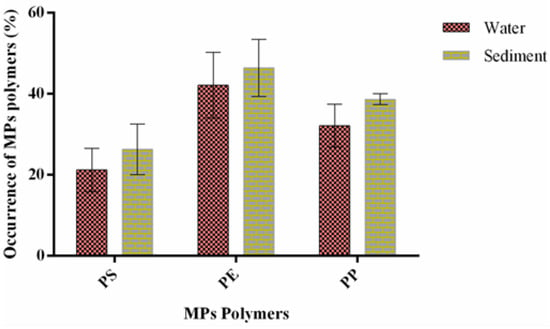
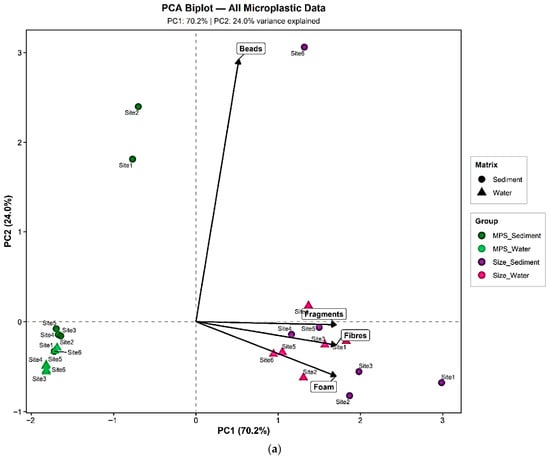
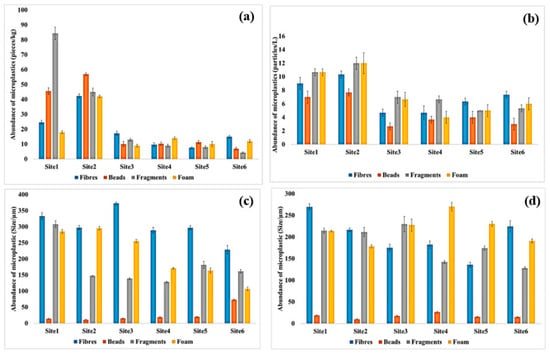
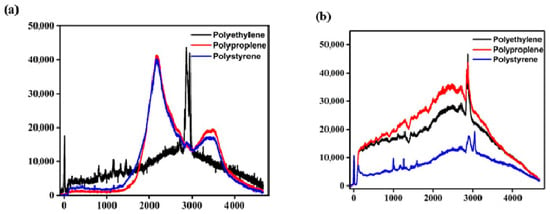
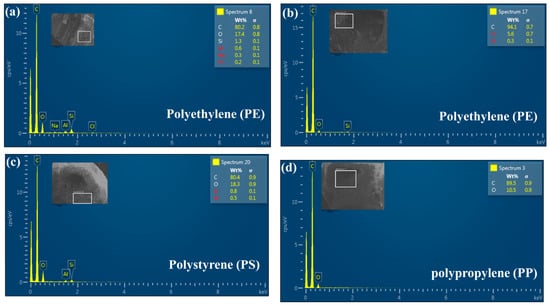
Microplastic contamination in wetland ecosystems is an escalating environmental threat, compromising ecosystem services, biogeochemical cycling and biodiversity conservation. This study assessed the occurrence, distribution and physicochemical characteristics of microplastics in the Ramsar-designated Pallikaranai wetland, southern India. Six representative subsamples were collected from spatially distinct locations and analyzed using density separation, followed by polymer identification via Raman spectroscopy and energy-dispersive X-ray spectroscopy (EDS). Microplastics were ubiquitously detected across both sediment and water matrices, with significantly higher abundances in sediments, indicating their role as a major sink. The dominant polymer types, polyethylene (PE), polypropylene (PP) and polystyrene (PS), along with prevalent morphotypes such as fragments, fibers, beads and foams, reflect diverse and persistent anthropogenic inputs. The compositional profile strongly implicates mismanaged domestic and urban waste as the primary source. The widespread presence and accumulation of microplastics in this ecologically sensitive wetland raise concerns over potential impacts on trophic interactions, habitat quality and long-term ecosystem resilience. These findings underscore the urgent need for targeted waste management strategies, pollution mitigation frameworks and continuous monitoring to safeguard the ecological integrity of the Pallikaranai wetland and similar Ramsar-listed ecosystems.
Full article

Graphical abstract
Open AccessReview
Microplastics as Emerging One Health Threats: A Molecular and Ecotoxicological Review Across Aquatic Life with Emphasis on Fish
by
Hriddhi Sarker, Goutam Saha, Awnon Bhowmik and Amlan Ganguly
Microplastics 2026, 5(2), 102; https://doi.org/10.3390/microplastics5020102 - 2 Jun 2026
Abstract
►▼
Show Figures
Microplastics (MPs) are increasingly detected environmental contaminants in both marine and freshwater ecosystems, with reported concentrations ranging from a few to thousands of particles per cubic meter depending on location and methodology. Although growing evidence suggests potential risks to aquatic organisms, the extent
[...] Read more.
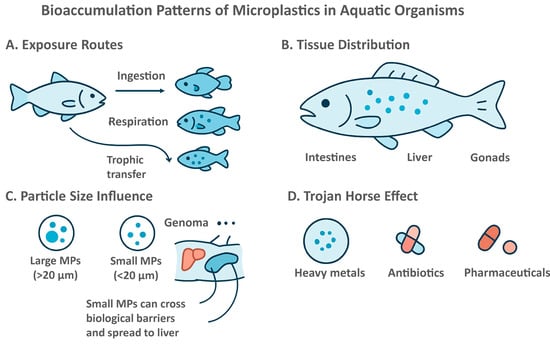
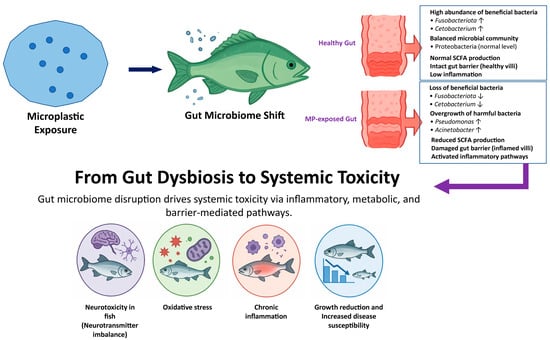
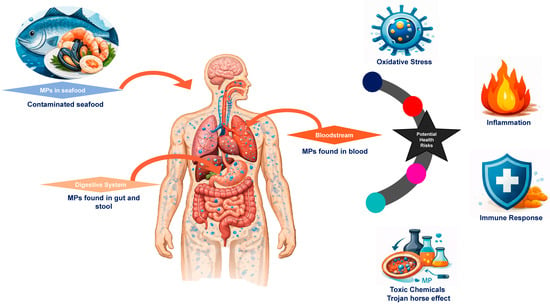
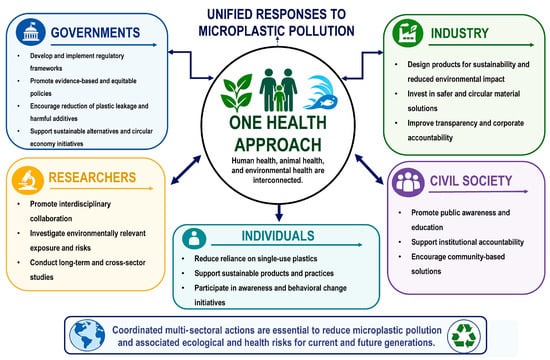
Microplastics (MPs) are increasingly detected environmental contaminants in both marine and freshwater ecosystems, with reported concentrations ranging from a few to thousands of particles per cubic meter depending on location and methodology. Although growing evidence suggests potential risks to aquatic organisms, the extent of their ecological and biological impacts is still under active investigation. Their size, persistence and capacity to transport chemical additives and co-contaminants allow them to enter biological systems by ingestion and respiration. When ingested, MPs cause oxidative stress, inflammation, and metabolic disorders, resulting in the destruction of vital tissues in major body organs including liver, gills, intestines, and brain. They also change gene expression, cause endocrine and immune pathway perturbation, induce apoptosis, and cause gut microbiome dysbiosis, all of which worsen the health and survival of the organism. MPs also serve as vectors of heavy metals, antibiotics, pesticides, and pathogens and enhance toxicity due to the Trojan horse effect and enable bioaccumulation in food webs. Due to their widespread presence in water, soil, air, and food, MP pollution has direct effects on human, animal, and ecosystem health. This review synthesizes current knowledge on the sources of MPs, the mode of exposure, and the mechanism of toxicity and new ecological implications. It also presents mitigation measures, and stresses a One Health paradigm as the key to taking concerted action on the international level to minimize MP pollution and protect both the environment and human health.
Full article

Figure 1
Open AccessArticle
From Dunes to the Shelf: Identifying Microplastic Traps in a Mediterranean Beach Natural Laboratory
by
Teresa Fracchiolla, Stefania Nunzia Lisco, Angela Rizzo, Corrado Sasso, Francesco Veneziano, Roberta Trani, Alessia de Luca, Angela Stufano, Giusto Lo Bue and Massimo Moretti
Microplastics 2026, 5(2), 101; https://doi.org/10.3390/microplastics5020101 - 1 Jun 2026
Abstract
►▼
Show Figures
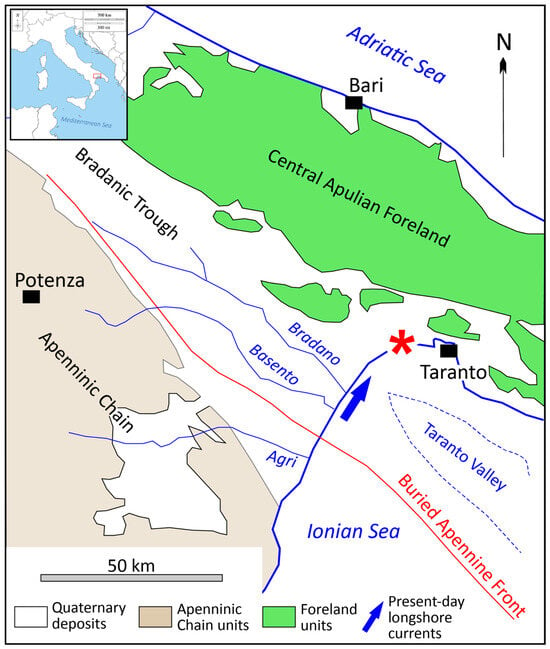
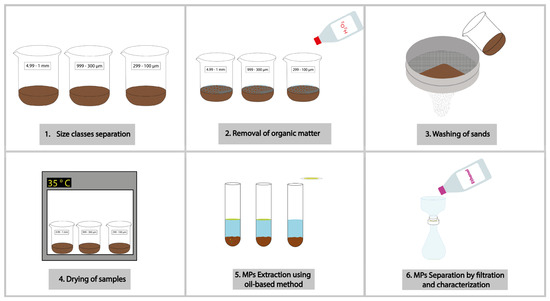
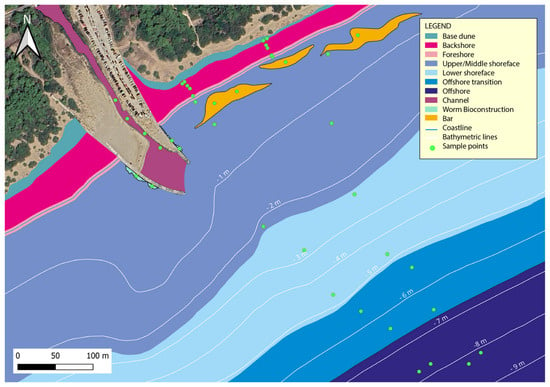
This study investigates the distribution and concentration of microplastics (MPs) across the littoral profile of a beach, from dune base to offshore sector, including an estuarine channel and Sabellaria alveolata bioconstructions. The research was conducted at Pino di Lenne beach (Taranto, Ionian Sea),
[...] Read more.
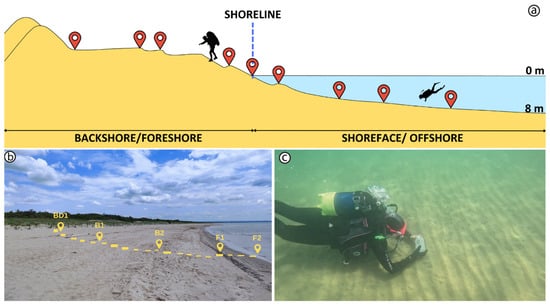
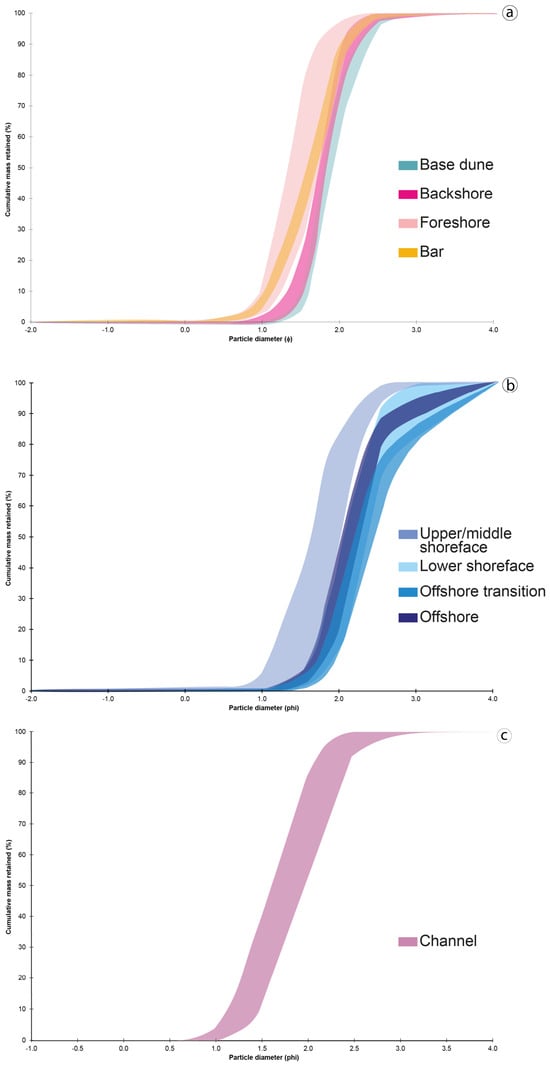
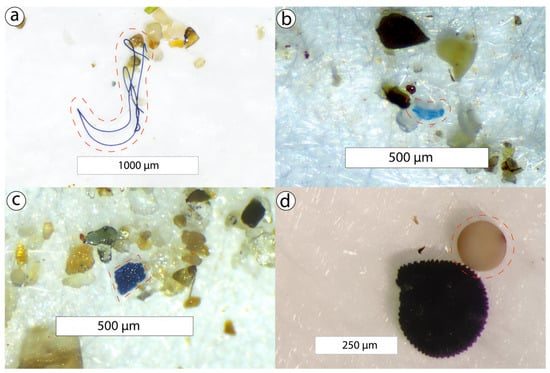
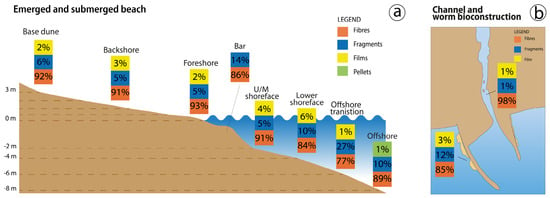
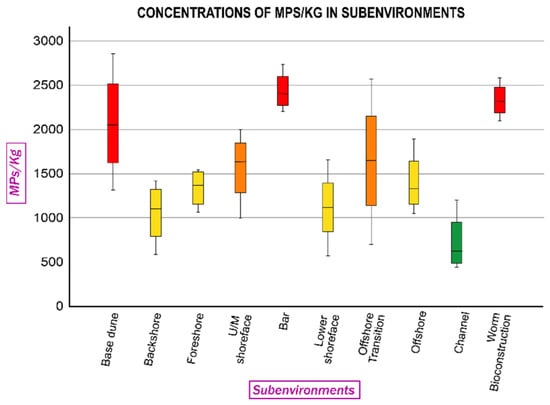
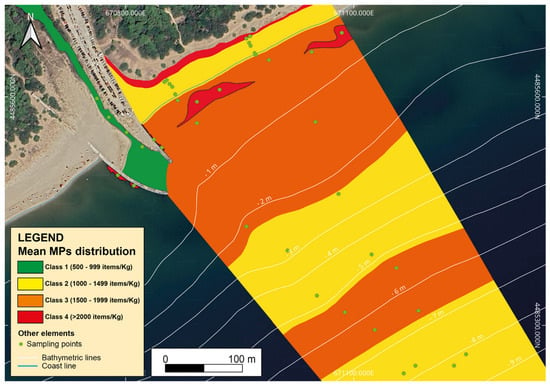
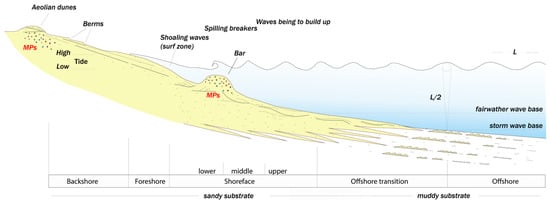
This study investigates the distribution and concentration of microplastics (MPs) across the littoral profile of a beach, from dune base to offshore sector, including an estuarine channel and Sabellaria alveolata bioconstructions. The research was conducted at Pino di Lenne beach (Taranto, Ionian Sea), a wave-dominated, microtidal littoral system representing a unique natural laboratory with minimal anthropogenic pressure. An eco-friendly extraction protocol was used, combining methods that were already known in the literature. Olive oil proved highly effective in isolating a wide range of MP densities from sediment samples. Statistical analysis identified key accumulation zones, with the highest mean concentrations found in the submerged sandbar (2435 MPs/kg), Sabellaria bioconstructions (2324 MPs/kg), and the base of the dune (2065 MPs/kg). Fibres were the predominant morphology across all sub-environments. Distribution is interpreted as controlled by hydrodynamic processes and biological activity. The submerged beach drives MP transport, with the sandbar and shoreface acting as dynamic sinks. Sabellaria bioconstructions function as biological trap, actively incorporating MPs into their tubular structures. The dune base acts as a sink for wind-blown and storm-deposited plastics. These sub-environments function as critical littoral traps for MPs, essential for developing targeted monitoring and remediation strategies in similar coastal systems.
Full article

Figure 1
Open AccessArticle
Automated Quantification of Fibrous Microplastics Using Attention Meta U-Net with Advanced Image Processing
by
Md Imran Hossain, Md Shofiqul Islam, Yi Zhang, Alessandra Sutti, Zoran Najdovski, Mohammad Anwar Hosen and Maryam Naebe
Microplastics 2026, 5(2), 100; https://doi.org/10.3390/microplastics5020100 - 1 Jun 2026
Abstract
►▼
Show Figures
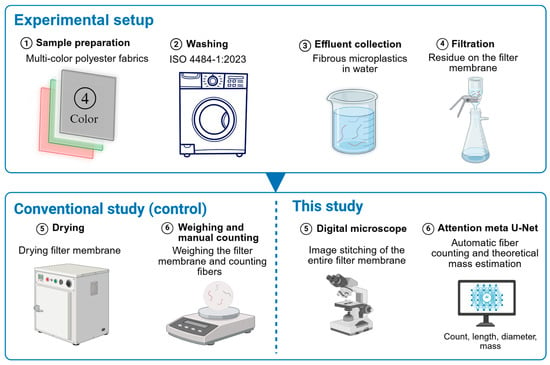
The widespread release of microplastics (MPs), especially fibrous microplastics (FMPs) originating from synthetic textiles, poses a growing threat to environmental systems due to their persistence, mobility, and potential for bioaccumulation in aquatic and terrestrial ecosystems. Conventional gravimetric methods (GMs) remain the primary approach
[...] Read more.
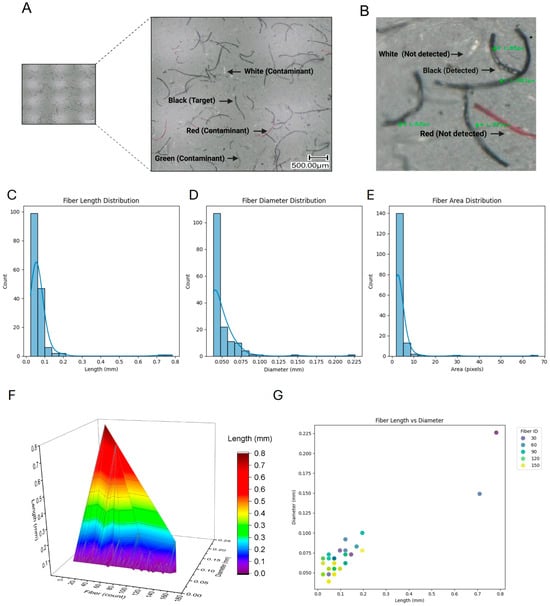
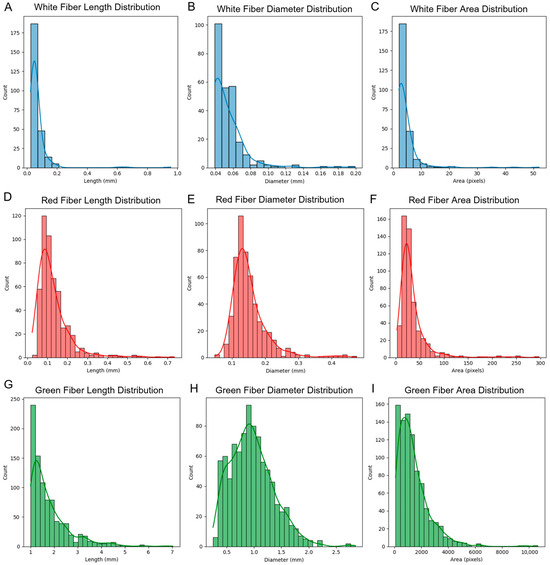
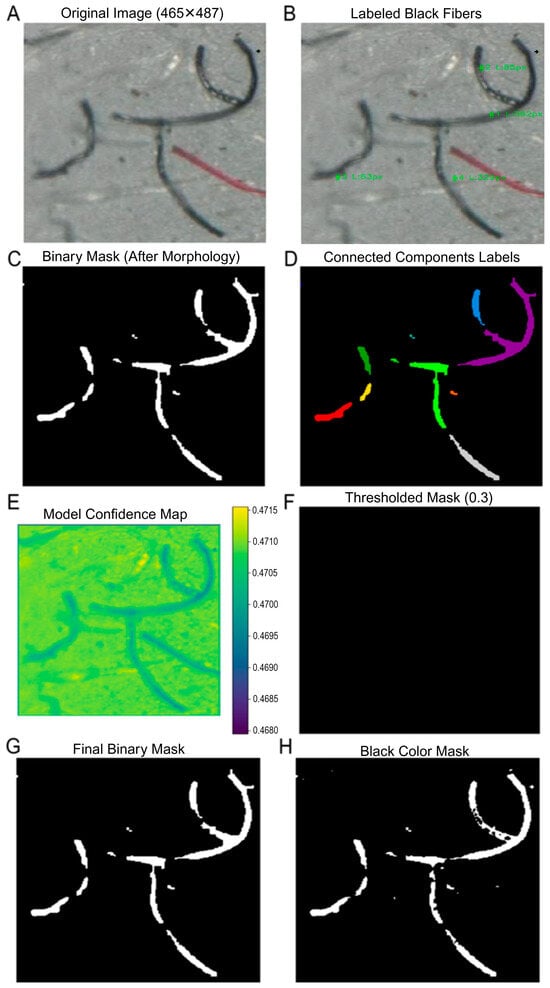
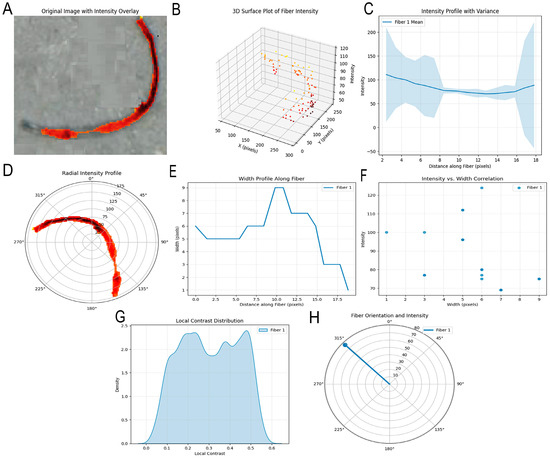
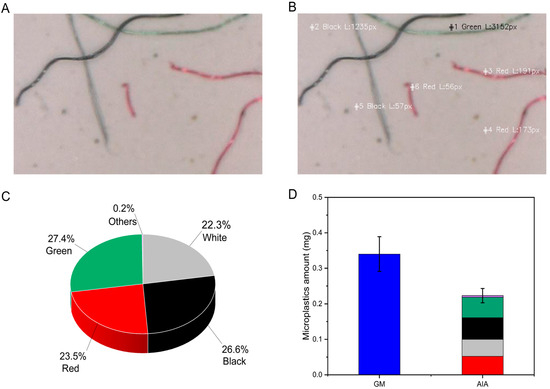
The widespread release of microplastics (MPs), especially fibrous microplastics (FMPs) originating from synthetic textiles, poses a growing threat to environmental systems due to their persistence, mobility, and potential for bioaccumulation in aquatic and terrestrial ecosystems. Conventional gravimetric methods (GMs) remain the primary approach for assessing FMP shedding, yet they are hindered by moisture-sensitive filters, false positives from detergents and minerals, environmental contamination, and the labor-intensive manual measurement of individual fibers. To address these limitations, we developed an automated image analysis (AIA) framework that integrates an attention-based U-Net architecture with meta-learning modules to quantify FMP number, length, diameter, and mass from stitched microscopic images of entire filter membranes. This approach enables detection of fibers down to 28 μm in diameter with the spatial resolution of 2.17 µm/pixel, supports both target-color and multi-color analysis, and eliminates the need for manual characterization or extrapolation from partial membrane segments. The method achieved the highest accuracy of approximately 98% in color-specific fiber detection, correctly identifying 257 of 263 white fibers, and demonstrated similarly robust performance for black, red, and green fibers, while minimizing interference from non-target colors, even when their fibers overlapped. Multi-color detection was further validated using effluent water samples containing mixed-color fibers. Overall, the developed system enhances the accuracy, efficiency, and reproducibility of FMP analysis, offering a standardized and scalable approach for environmental monitoring of MP pollution.
Full article

Figure 1
Open AccessReview
UV Weathering of Microplastics: Linking Surface Oxidation, Bulk Molecular and Mechanical Degradation, and Fragmentation Metrics Within a QA/QC Framework for Biomonitoring
by
Aleksandra Bozic, Branka Hadzic, Zorica Lazarevic and Milica Curcic
Microplastics 2026, 5(2), 99; https://doi.org/10.3390/microplastics5020099 - 26 May 2026
Abstract
Sunlight-driven UV weathering is a major transformation pathway of environmental microplastics, promoting surface oxidation, molecular degradation, embrittlement, and progressive fragmentation toward smaller size fractions. However, comparisons across studies remain difficult because weathering is often described using descriptors that probe different aspects of degradation
[...] Read more.
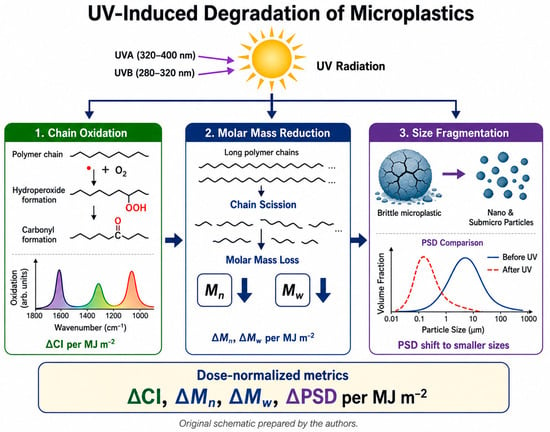
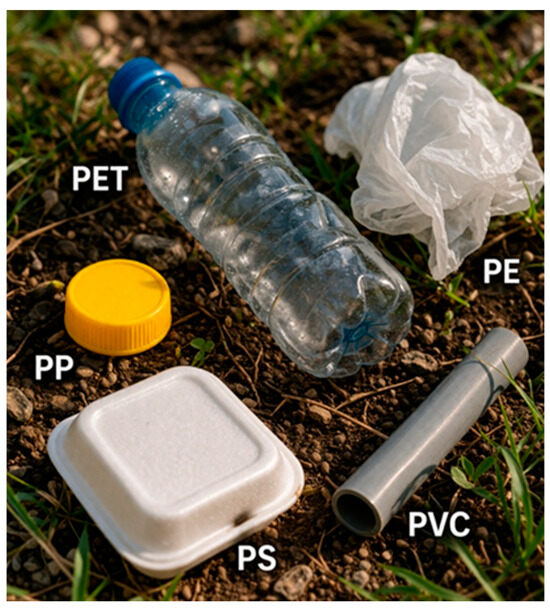
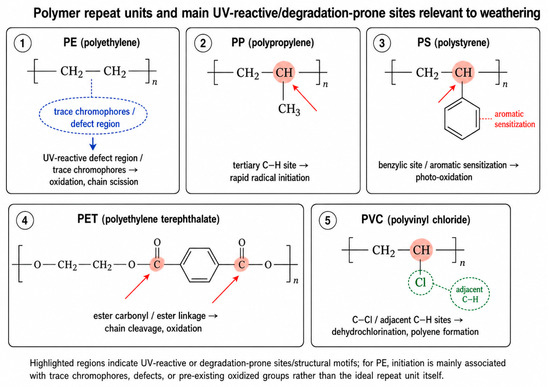
Sunlight-driven UV weathering is a major transformation pathway of environmental microplastics, promoting surface oxidation, molecular degradation, embrittlement, and progressive fragmentation toward smaller size fractions. However, comparisons across studies remain difficult because weathering is often described using descriptors that probe different aspects of degradation without being clearly distinguished. Surface-sensitive oxidation metrics, such as carbonyl or oxidation indices (CI/OI), are frequently emphasized, whereas fragmentation and embrittlement are more directly governed by bulk molecular-weight loss, mechanical weakening, and particle-size evolution. This review examines UV weathering of common polymers through a coupled chemico-mechanical perspective relevant to the micro-to-nano transition. We distinguish surface chemical descriptors, bulk molecular and mechanical descriptors, and fragmentation-related metrics, and critically assess the analytical methods used to measure them, including FTIR, Raman spectroscopy, GPC/SEC, thermal methods, mechanical testing, and particle-size analyses. We argue that no single metric is sufficient to describe weathering progression, and that meaningful interpretation requires joint reporting of oxidation state, Mn/Mw changes, mechanical deterioration where available, and particle-size distribution as a function of cumulative or spectrum-weighted UV dose. We further propose a minimal QA/QC reporting framework including UV metadata, temperature, oxygen availability, blanks, replicates, recovery tests, and matrix-specific detection limits. By separating what different methods actually probe and linking them to fragmentation mechanisms, this review provides a more operational basis for interpreting UV-aged microplastics in environmental sampling and biomonitoring.
Full article
(This article belongs to the Special Issue Advances in Identification and characterization of Degraded Microplastics)
►▼
Show Figures

Figure 1
Open AccessArticle
Biodegradation of Polystyrene by Hafnia paralvei: A Novel Isolate from the Gastrointestinal Tract of Common Carp
by
Mina Popovic, Luka Dragacevic, Milan Kojic, Daria Tsibulskaia and Neveka Rajic
Microplastics 2026, 5(2), 98; https://doi.org/10.3390/microplastics5020098 (registering DOI) - 21 May 2026
Abstract
►▼
Show Figures
This study highlights the strong ability of a new bacterial strain, Hafnia paralvei UUNT_MP29, isolated from the gastrointestinal tract (GIT) of common carp (Cyprinus carpio), to break down polystyrene (PS). As an omnivorous bottom feeder, C. carpio is constantly exposed to
[...] Read more.
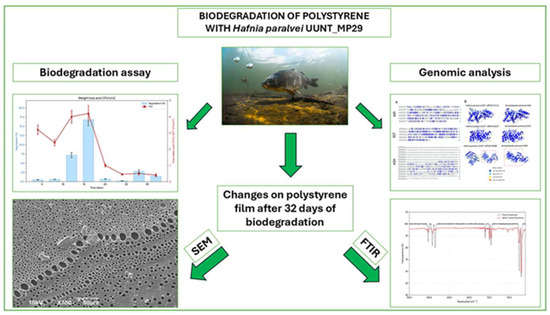
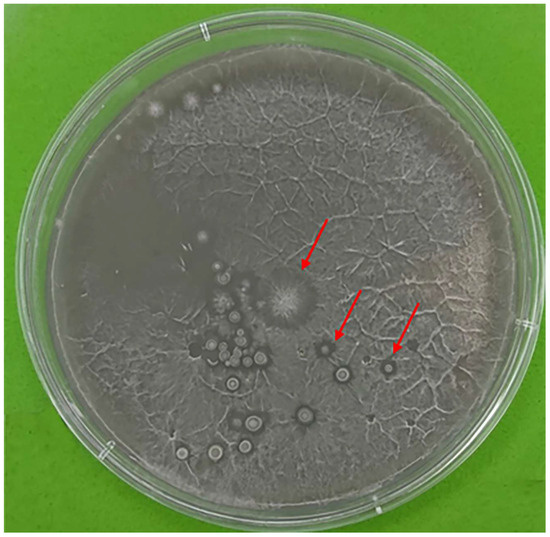
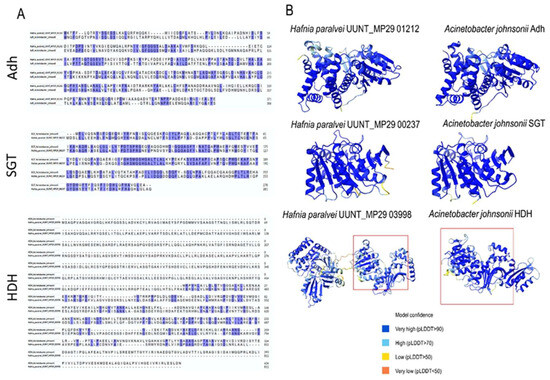
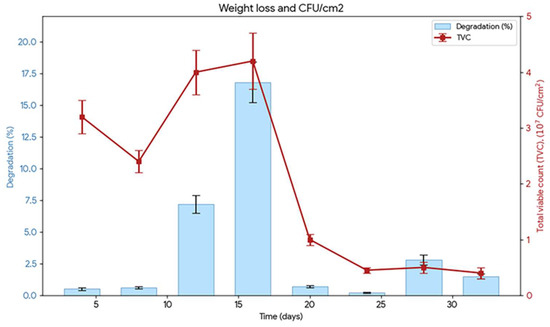
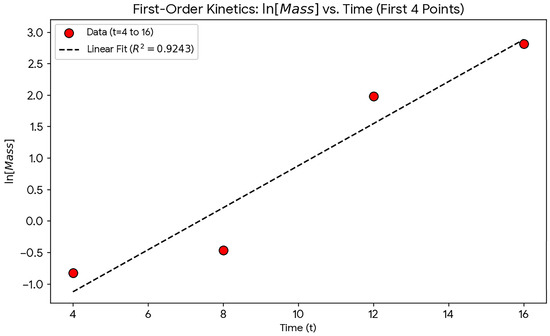
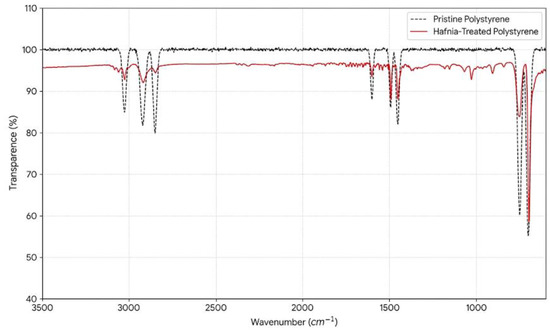
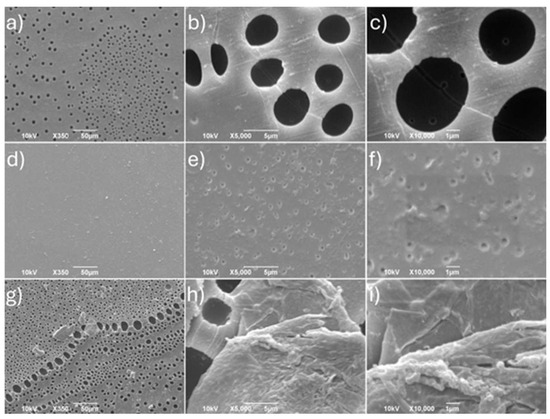
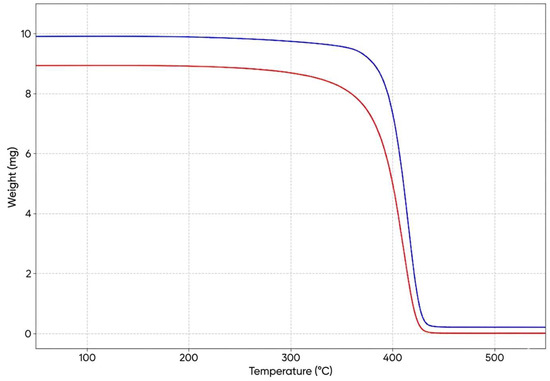
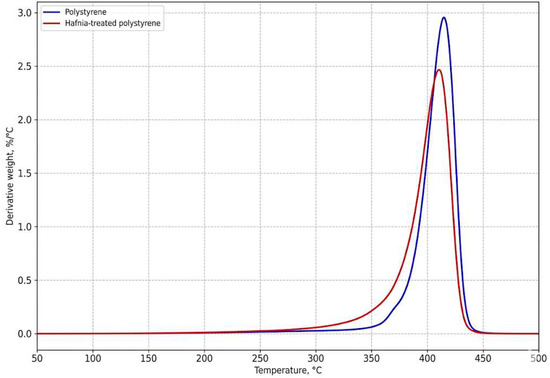
This study highlights the strong ability of a new bacterial strain, Hafnia paralvei UUNT_MP29, isolated from the gastrointestinal tract (GIT) of common carp (Cyprinus carpio), to break down polystyrene (PS). As an omnivorous bottom feeder, C. carpio is constantly exposed to microplastics, creating a unique environment that favors the evolution of specialized microbiota capable of degrading polymers. Genomic analysis of the isolate identified key homologs involved in xenobiotic breakdown, including alcohol dehydrogenase (Adh), 3-hydroxybutyrate dehydrogenase (HDH), and a small glutamine-rich tetratricopeptide repeat-containing protein (SGTA), showing a strong metabolic system for processing long-chain hydrocarbons. Growth experiments showed the strain quickly adapted, reaching maximum cell density and forming mature biofilms by Day 16. Gravimetric analysis confirmed that H. paralvei UUNT_MP29 uses PS as its primary carbon source, with a significant weight loss of 16.76% over 16 days. Kinetic modeling indicated the degradation follows first-order kinetics (R2 = 0.9243) with a high degradation rate constant (k) of 0.2078 day−1. Surface analyses using FTIR and SEM confirmed extensive oxidative changes, as evidenced by the rising Carbonyl Index and surface erosion. TGA also showed reduced thermal stability of the treated polymer, suggesting microbial chain scission. These findings demonstrate the strong degradative ability of H. paralvei UUNT_MP29 and highlight the GIT of plastic-exposed aquatic animals as a promising area for discovering powerful biocatalysts for microplastic cleanup.
Full article

Figure 1
Open AccessArticle
Detection and Quantification Challenges in Microplastics Research: A Statistical Overview
by
Fabio D’Ottaviano and Kyle Hart
Microplastics 2026, 5(2), 97; https://doi.org/10.3390/microplastics5020097 - 19 May 2026
Abstract
►▼
Show Figures
Detection and quantification of microplastics are undermined by the absence of appropriate methods in some contexts—such as a statistically principled LOD for particle-count data—but more pervasively by the uncritical application of ostensibly simple rules outside the conditions under which they are valid. This
[...] Read more.
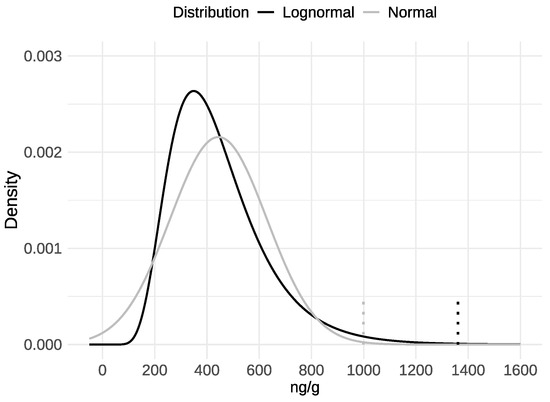
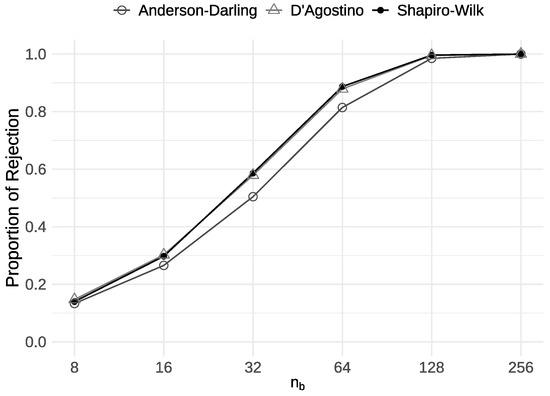
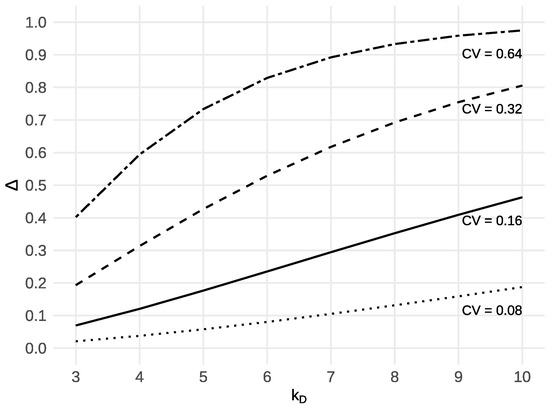
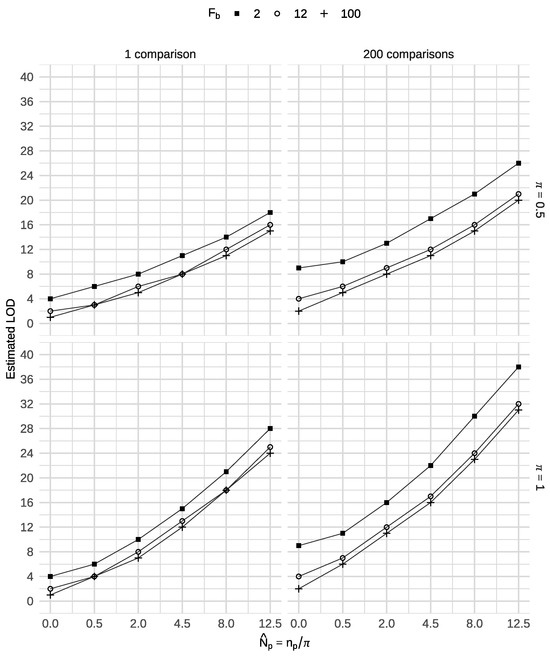
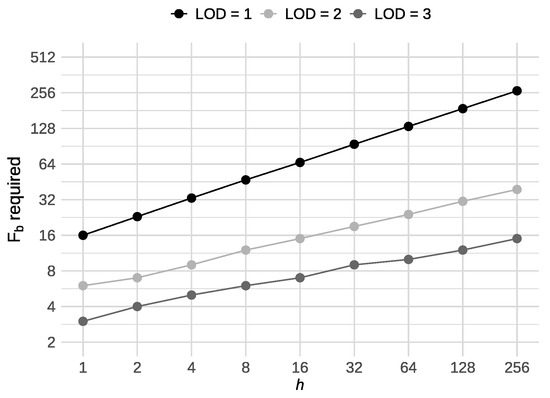
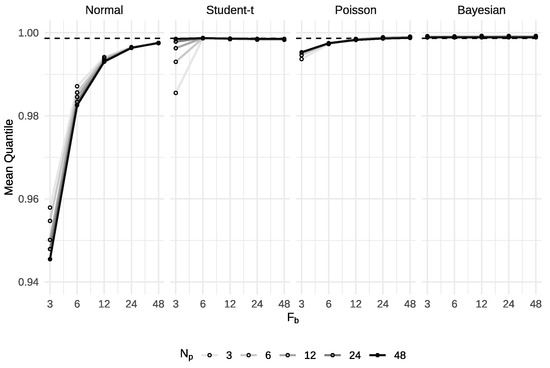
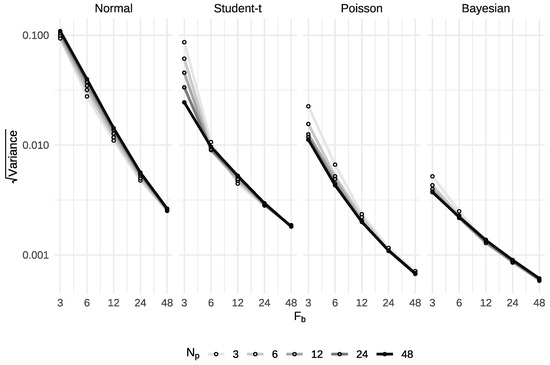
Detection and quantification of microplastics are undermined by the absence of appropriate methods in some contexts—such as a statistically principled LOD for particle-count data—but more pervasively by the uncritical application of ostensibly simple rules outside the conditions under which they are valid. This paper examines the statistical and study-design decision points where such failures most commonly occur and articulates principled constraints on valid inference at each step. Specifically, it (1) distinguishes exploratory from confirmatory research and advocates preregistration to prevent HARKing; (2) argues for field-blank-based limits to improve internal validity; (3) shows how multiple simultaneous comparisons against the LOD inflate the family-wise error rate and how to adjust accordingly; (4) demonstrates that the LOD multiplier depends on blank sample size and critiques fixed-multiplier heuristics lacking statistical justification; (5) examines the consequences of distributional misspecification for LOD estimation; (6) demonstrates that an LOD for summed polymer concentrations exists only under restrictive conditions; (7) clarifies why subtracting limits from individual measurements is not quantification, and that cohort-level inference requires a median comparison via log-transformed data with a corresponding confidence interval; and (8) introduces a Bayesian framework for particle-count LODs that accounts for partial filter inspection. These discussions are summarized in a minimum reporting checklist designed as an evaluative aid—not a prescriptive recipe—to help researchers make analytical choices explicit and support reviewers in assessing methodological validity.
Full article

Figure 1
Open AccessReview
Microplastics as Source or Sink of Potentially Toxic Elements: Dynamics in the Soil–Plant System
by
Ignazio Allegretta, Concetta Eliana Gattullo, Mohammad Yaghoubi Khanghahi, Carlo Porfido, Fani Sakellariadou, Carmine Crecchio, Matteo Spagnuolo and Roberto Terzano
Microplastics 2026, 5(2), 96; https://doi.org/10.3390/microplastics5020096 - 19 May 2026
Abstract
►▼
Show Figures
Soils are increasingly affected by microplastic (MP) contamination, mainly coming from industrial activities, agricultural practices, atmospheric or waterborne transport, and improper waste disposal. Despite the increasing attention to the fate of MPs in soil over the last few years, research in this area
[...] Read more.
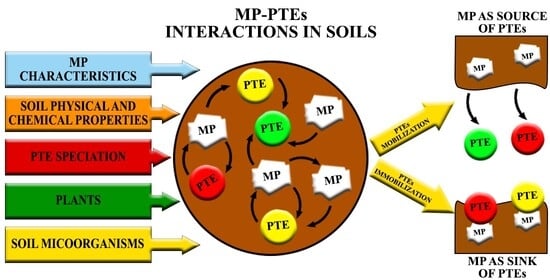
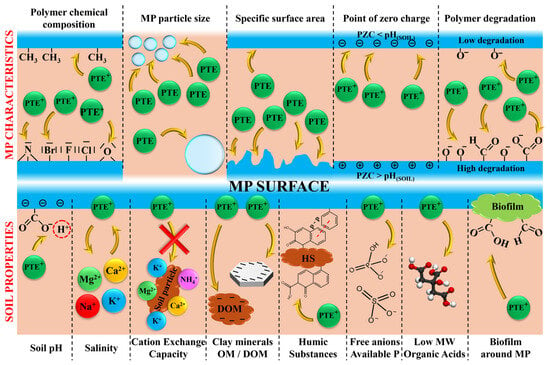
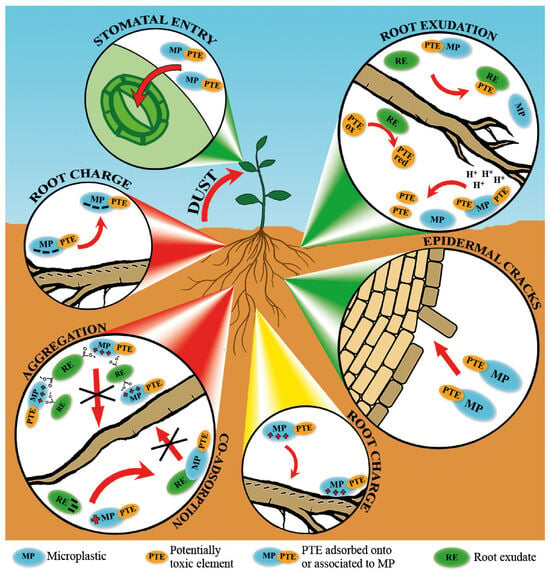
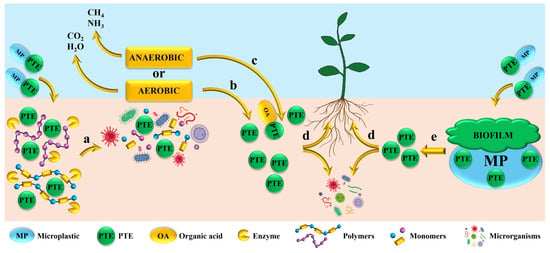
Soils are increasingly affected by microplastic (MP) contamination, mainly coming from industrial activities, agricultural practices, atmospheric or waterborne transport, and improper waste disposal. Despite the increasing attention to the fate of MPs in soil over the last few years, research in this area is still limited compared to aquatic ecosystems. The introduction of MPs into the soil environment can modify not only the soil properties but also the interactions among soil components, plants, and microorganisms, thus affecting the mobility and availability of other contaminants, such as potentially toxic elements (PTEs). This review critically examines the complex dynamics between MPs and PTEs in the soil ecosystem, with a focus on the conditions under which MPs can act as a source or a sink of PTEs. Indeed, on the one hand, MPs can adsorb or complex PTEs on their surfaces (similarly to natural soil colloids), thus reducing their mobility and availability; on the other hand, they can release/mobilize PTEs after MP degradation or act as micro-/nano-vectors of PTEs. Understanding such mechanisms is relevant when evaluating the environmental risks associated with the co-presence of MPs and PTEs in soil, a situation likely to occur in most contaminated sites and in many agricultural soils.
Full article

Graphical abstract
Open AccessReview
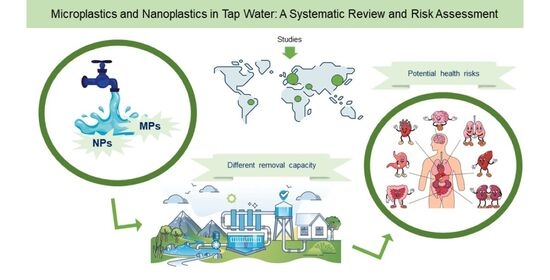
Microplastics in Tap Water and Human Exposure: A Systematic Review and Estimated Daily Intakes Calculation
by
Gea Oliveri Conti, Paola Rapisarda, Eloise Pulvirenti, Giovanna Deiana, Maria Anna Coniglio, Giuseppe Mancini, Paolo Castiglia, Antonio Azara, Margherita Ferrante and Marco Dettori
Microplastics 2026, 5(2), 95; https://doi.org/10.3390/microplastics5020095 - 19 May 2026
Abstract
Plastics are now ubiquitous in the environment, in this, the “Plasticene” era. Microplastics (MPs) and Nanoplastics (NPs) are emerging contaminants of global concern. This systematic review, registered on PROSPERO and conducted according to PRISMA guidelines, investigated the presence, distribution, and characteristics of MPs
[...] Read more.
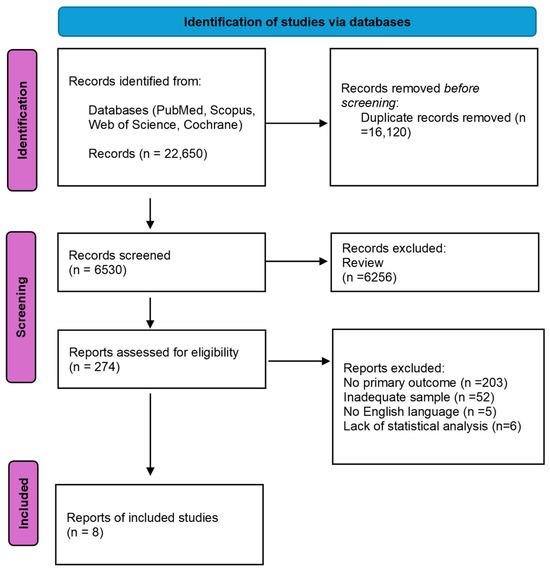
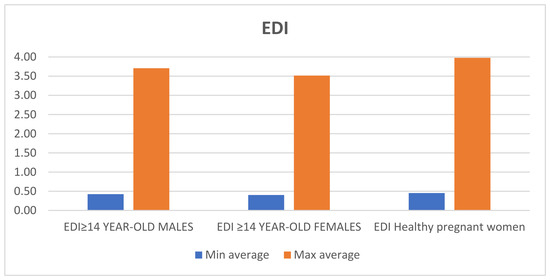
Plastics are now ubiquitous in the environment, in this, the “Plasticene” era. Microplastics (MPs) and Nanoplastics (NPs) are emerging contaminants of global concern. This systematic review, registered on PROSPERO and conducted according to PRISMA guidelines, investigated the presence, distribution, and characteristics of MPs in tap water (TW) worldwide, and estimated the population’s Estimated Daily Intake (EDI) by age group, including pregnant women. A comprehensive search across PubMed, Scopus, Web of Science, and Cochrane identified 22,650 records, of which 8 studies were included. MPs were detected in treated water (TW) in the studies included in this review, although the currently available evidence remains limited. Calculated EDIs were highest in children aged 6 months to 3 years (up to 39 MPs/kg bw/day), followed by pregnant women (up to 14.96 MPs/kg bw/day), reflecting differences in water intake per body weight. These estimates must be interpreted as indicative, estimated by methodological variability among studies. The widespread presence of MPs in TW calls for standardized methods, improved treatments, and thorough monitoring to assess risks and protect public health.
Full article
(This article belongs to the Special Issue Micro- and Nanoplastics Beyond the Mainstream: Understudied Dimensions and Emerging Approaches)
►▼
Show Figures

Graphical abstract
Open AccessArticle
In Vivo Effects of Polystyrene Microparticles on Rabbits (Oryctolagus cuniculus): A Pilot Study
by
Aleksandra Blazhenko, Anastasiia Mikhel, Marina Kostina, Mikhail Goikhman, Pavel Chelushkin and Andrey Korenevsky
Microplastics 2026, 5(2), 94; https://doi.org/10.3390/microplastics5020094 - 15 May 2026
Abstract
►▼
Show Figures
There are currently no published methods for the controlled introduction of microplastic particles into the European rabbit (Oryctolagus cuniculus) as an animal model. The aim of this pilot study was to establish a novel rabbit-based experimental model for assessing the impact
[...] Read more.
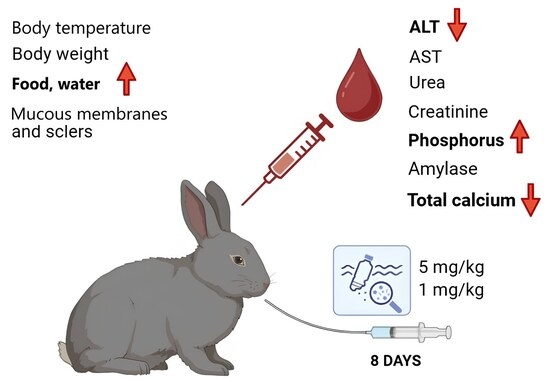
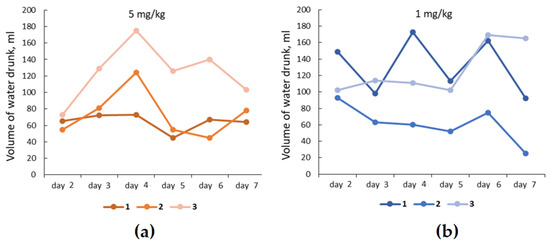
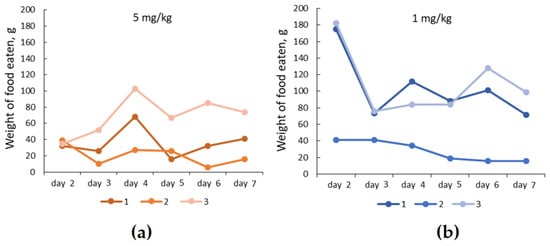
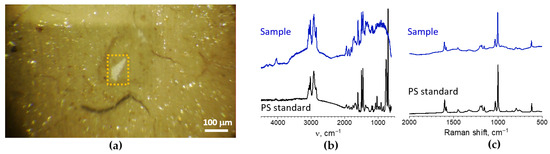
There are currently no published methods for the controlled introduction of microplastic particles into the European rabbit (Oryctolagus cuniculus) as an animal model. The aim of this pilot study was to establish a novel rabbit-based experimental model for assessing the impact of microplastic particles by evaluating the physiological and biochemical responses to an eight-day oral administration of polystyrene latex (1 and 5 mg/kg/b.w./day), providing a foundation for future studies. This study was also aimed at evaluating the possibility of using Raman spectroscopy and Fourier-transform infrared spectroscopy to analyze the distribution of microplastics in rabbit samples. We observed a dose-dependent decrease in water and food consumption in the high-dose (5 mg/kg) study group. In addition, a decrease in alanine aminotransferase and total calcium levels, along with an increase in phosphorus levels, was detected. The rabbit’s stomach was the only organ where polystyrene microparticles were identified, with the colon, kidneys, ovaries, and uterus not showing any evidence of polystyrene presence. The selected doses of microplastics did not lead to pronounced toxic effects in rabbits and may be used on larger animal samples. Physiological and biochemical data obtained indicate predominantly negative metabolic shifts associated with the intake of microplastics, which warrants further study.
Full article

Graphical abstract
Open AccessReview
In Situ Micro/Nanoplastic Sensing Technologies: Optical, Electrochemical and Biosensor Approaches
by
Kuok Ho Daniel Tang
Microplastics 2026, 5(2), 93; https://doi.org/10.3390/microplastics5020093 - 14 May 2026
Abstract
►▼
Show Figures
Micro- and nanoplastic (MNP) pollution has emerged as a global environmental and health concern, driving the rapid development of sensor technologies for faster, more sensitive, and field-deployable detection. This review synthesizes recent advances in optical, electrochemical, and biosensor platforms for MNP analysis and
[...] Read more.
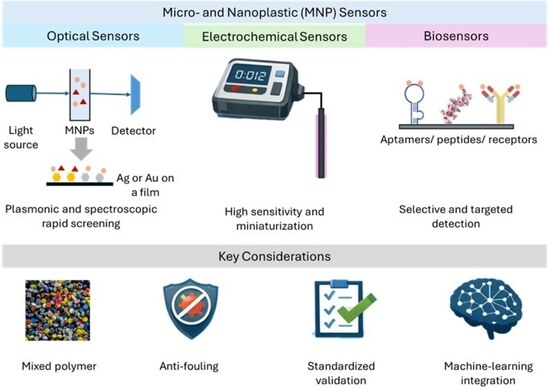
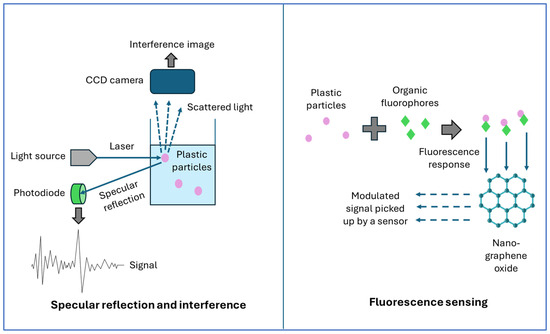
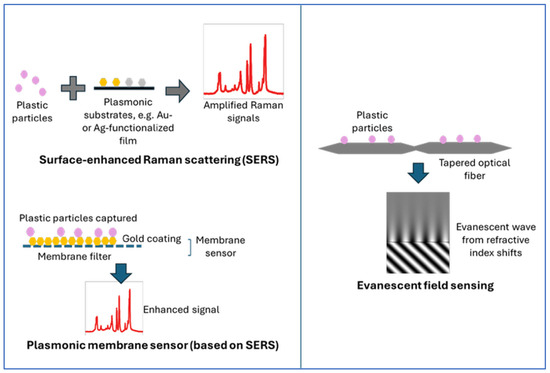
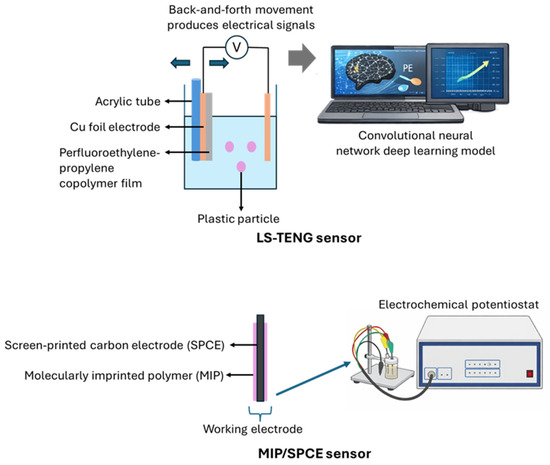
Micro- and nanoplastic (MNP) pollution has emerged as a global environmental and health concern, driving the rapid development of sensor technologies for faster, more sensitive, and field-deployable detection. This review synthesizes recent advances in optical, electrochemical, and biosensor platforms for MNP analysis and compares their analytical performance and practical feasibility. Optical sensors, including plasmonic, spectroscopic, and colorimetric systems, enable label-free and often rapid detection with material discrimination capability, and are well-suited for screening applications, though they commonly exhibit higher detection limits and matrix interference. Electrochemical sensors demonstrate the highest analytical sensitivity overall, frequently reaching low µg L−1 to ng mL−1 levels, with strong potential for miniaturization and on-site deployment; performance is further enhanced by nanostructured electrodes, photoelectrochemical designs, and signal amplification strategies. Biosensors incorporating peptides, aptamers, enzymes, or engineered proteins provide improved polymer selectivity and enable targeted detection, but face challenges related to stability, cross-reactivity, and reproducibility in complex samples. Practically, portable electrochemical and simple optical colorimetric platforms are currently the most feasible for field use, while hybrid bio-electrochemical systems show the highest performance potential. Future research should prioritize robust selective recognition elements, antifouling interfaces, standardized validation protocols, mixed-polymer quantification models, and integration with machine learning to enable reliable, real-world MNP monitoring.
Full article

Graphical abstract
Open AccessArticle
Model Experiment on the Effect of Nanoplastic Pollution on the Results of Routine Soil Analyses Performed by Standard Operating Procedures
by
Timur Nizamutdinov, Ivan Kushnov, Anastasia Vainberg and Evgeny Abakumov
Microplastics 2026, 5(2), 92; https://doi.org/10.3390/microplastics5020092 - 14 May 2026
Abstract
Soil micro- and nanoplastic contamination is escalating globally, yet its potential to interfere with routine agrochemical analyses remains poorly quantified. Standard operating procedures (SOPs) were calibrated for natural soil matrices and may not account for synthetic, carbon-rich polymers. This controlled model study quantified
[...] Read more.
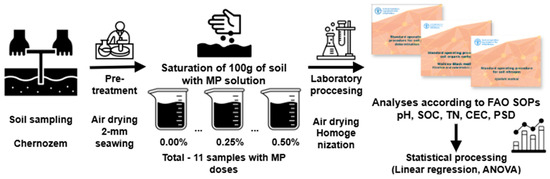
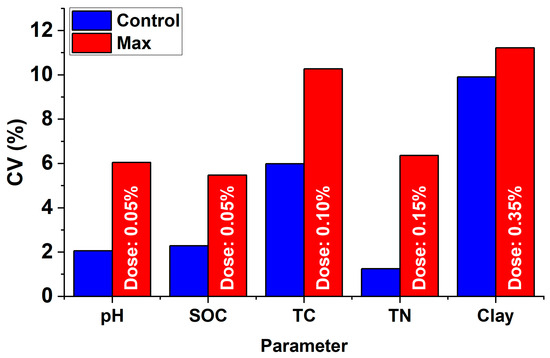
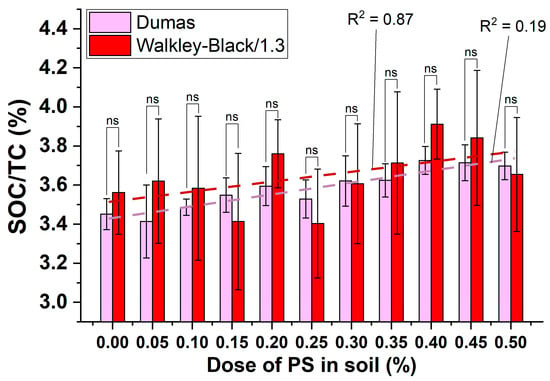
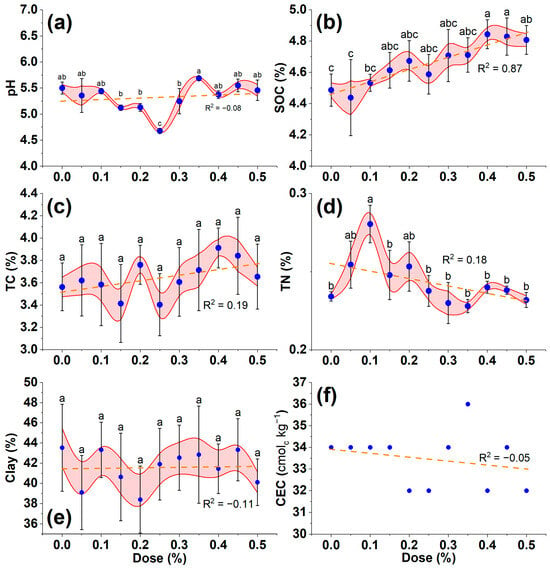
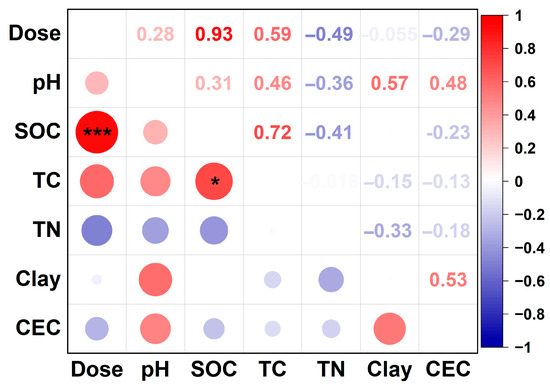
Soil micro- and nanoplastic contamination is escalating globally, yet its potential to interfere with routine agrochemical analyses remains poorly quantified. Standard operating procedures (SOPs) were calibrated for natural soil matrices and may not account for synthetic, carbon-rich polymers. This controlled model study quantified the analytical sensitivity of FAO/GLOSOLAN/ISO standard procedures to polystyrene nanoparticle (50 nm) contamination across a 0–0.5% (w/w) gradient in a Luvic Chernozem. Key parameters—pH, soil carbon, total nitrogen (TN), cation exchange capacity (CEC), and clay fraction—were measured following standardized protocols. The Walkley–Black method exhibited a strong dose-dependent increase in measured SOC (r = 0.93), reflecting systematic overestimation due to dichromate co-oxidation of polymer matrix, likely facilitated by exothermic heating above polystyrene’s glass transition temperature. The Dumas method showed moderate correlation (r = 0.59) but higher replicate variability driven by small aliquot size and heterogeneous nanoparticle distribution. The pH measurements displayed non-linear responses and elevated variability at low doses, whereas TN, CEC, and clay content remained statistically stable. These findings demonstrate that nanoplastic contamination can introduce significant analytical artifacts in oxidation-based SOC determinations, potentially leading to misinterpretation of soil carbon trends. Given the single-soil, single-polymer design, results represent a system-specific proof of analytical vulnerability rather than a universally quantified bias. Laboratories analyzing potentially contaminated soils should exercise caution with wet-oxidation SOC data, and broader SOP revisions must await multi-soil, multi-polymer validation campaigns.
Full article
(This article belongs to the Topic Recent Advances in Soil Health Management)
►▼
Show Figures

Figure 1
Open AccessArticle
Do Newly Settled, Field-Collected Oysters and Other Common Sessile Marine Invertebrates Contain Microplastics?
by
Luciana Banquero, Paul E. Sacks, Fnu Joshua, Lei Zhai, Joshua S. Sacks and Linda J. Walters
Microplastics 2026, 5(2), 91; https://doi.org/10.3390/microplastics5020091 - 14 May 2026
Abstract
►▼
Show Figures
Many filter-feeding invertebrates consume microplastics (MP) under laboratory conditions, but little is known about newly settled, field-collected juveniles. To address this information gap, we collected 3439 juvenile invertebrates in the Indian River Lagoon (IRL), FL, USA. Previous studies suggest that the IRL is
[...] Read more.
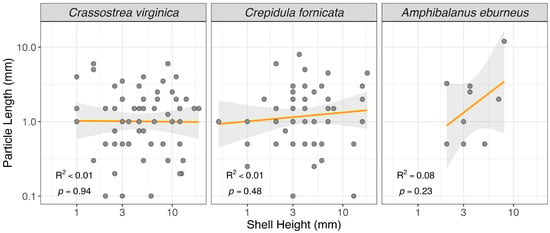
Many filter-feeding invertebrates consume microplastics (MP) under laboratory conditions, but little is known about newly settled, field-collected juveniles. To address this information gap, we collected 3439 juvenile invertebrates in the Indian River Lagoon (IRL), FL, USA. Previous studies suggest that the IRL is a MP hotspot. A total of 70% of IRL adult oysters (Crassostrea virginica) contained MP (mean: 2.3 MP/individual), and MP number and MP length were positively correlated with animal size. We predicted that juvenile C. virginica and other sessile invertebrates would contain MP with a positive correlation to animal size. Five species were examined; 51% were C. virginica (mean shell length ± SD: 6.3 ± 4.7 mm). Overall, 117 (3.4%) animals contained potential MP (fibers: 90.7%). Of these particles that matched FTIR databases with a score of 70% or greater, 51% were plastic and 49% were anthropogenically modified particles. No correlations to animal size were found for particle presence (logistic regressions: p ≥ 0.20 for all species) or particle length (linear regressions: p ≥ 0.23 for all species). Thus, even though found in a MP hotspot, our extrapolated results suggest few juveniles (<1%) contained MP. This information is important for understanding the relationship between MP and the life histories of filter-feeding animals, especially for species considered biological indicators of MP.
Full article

Figure 1
Open AccessReview
Research Trends of Microplastics: A Systematic Review and Bibliometric Analysis Using the Methodi Ordinatio Approach
by
W. Rosado-Martínez, B. Pamplona, K. García-Uitz, J. C. Cruz, L. G. Arriaga, J. Ledesma-García and M. P. Gurrola
Microplastics 2026, 5(2), 90; https://doi.org/10.3390/microplastics5020090 - 13 May 2026
Abstract
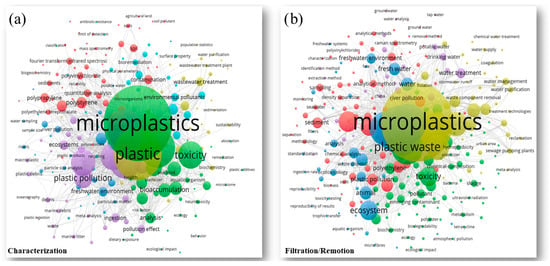
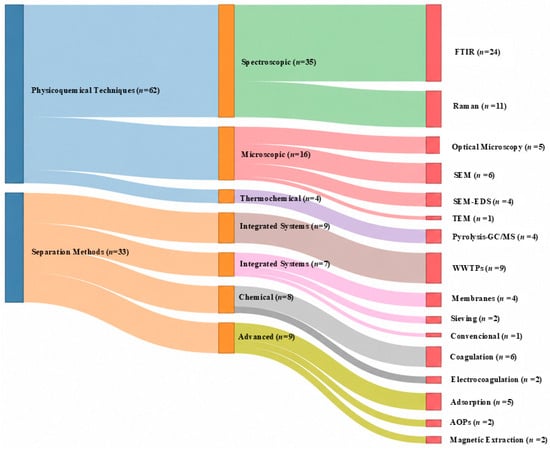
Microplastic pollution is a major environmental concern due to its persistence, global distribution, and potential impacts on ecosystems and human health. This systematic review, conducted according to PRISMA 2020 guidelines, analyzes research trends in microplastics with a focus on physicochemical characterization and removal
[...] Read more.
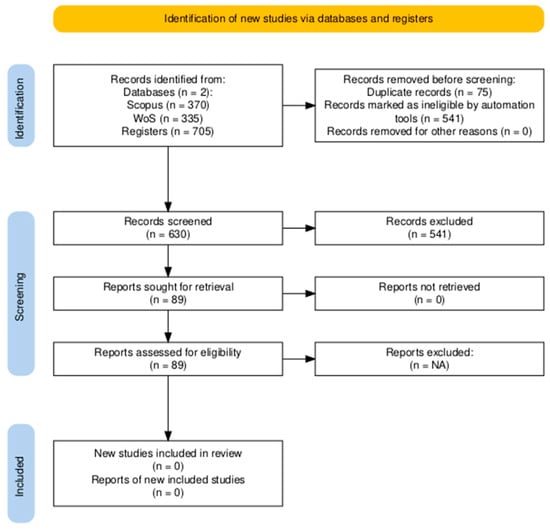
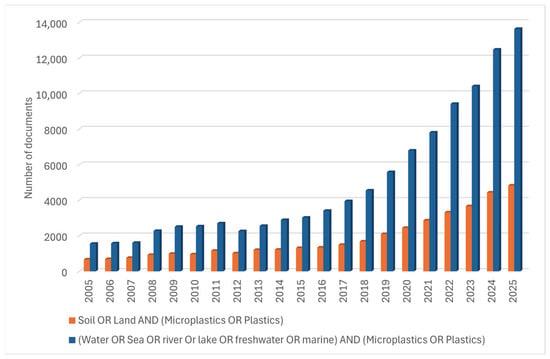
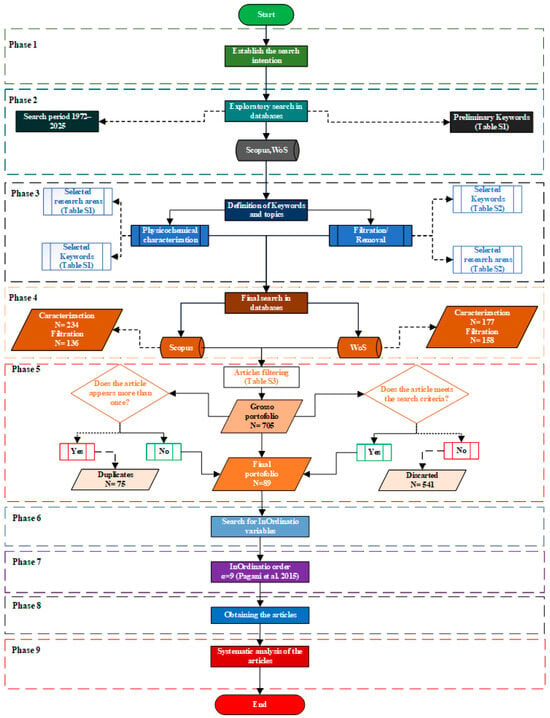
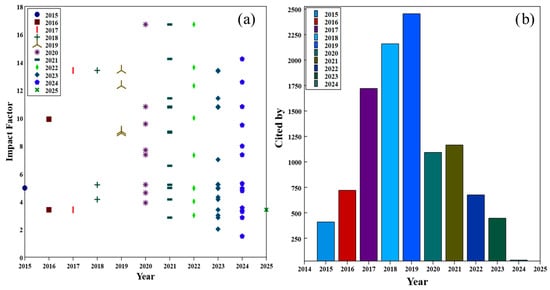
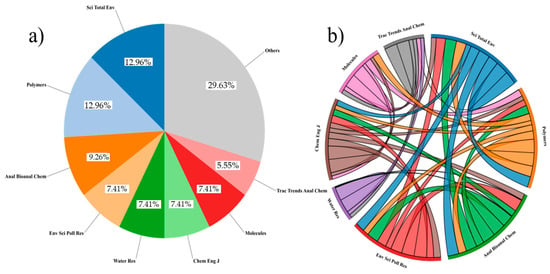
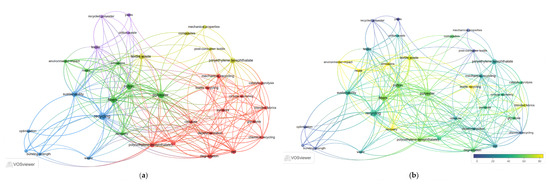
Microplastic pollution is a major environmental concern due to its persistence, global distribution, and potential impacts on ecosystems and human health. This systematic review, conducted according to PRISMA 2020 guidelines, analyzes research trends in microplastics with a focus on physicochemical characterization and removal technologies. A literature search was performed in Scopus and Web of Science (1972–2025) using predefined inclusion and exclusion criteria. After screening and duplicate removal, 89 studies were included in the final analysis. It is considered that with this dataset, it is possible to capture the main analytical and technological developments in the field. As a bibliometric-oriented study, no formal risk-of-bias assessment was conducted. However, a qualitative consideration of potential biases was undertaken, particularly regarding publication bias, database coverage limitations, and the predominance of English-language peer-reviewed studies. These aspects were considered when interpreting the results. The Methodi Ordinatio approach was then used to rank publications based on scientific relevance and citation impact. Results show the predominance of FTIR and Raman spectroscopy for microplastic characterization, while removal technologies remain heterogeneous and less standardized, with most approaches still at laboratory scale. Key gaps include the lack of standardized analytical protocols and limited integration between detection and remediation strategies. Overall, this review highlights critical research trends and supports the development of scalable solutions for microplastic pollution.
Full article
(This article belongs to the Topic Microplastics Across Ecosystems: Multidisciplinary Approaches to Sources, Sinks and Health Sustainable Solutions)
►▼
Show Figures

Figure 1
Open AccessArticle
Leveraging the Advanced Capability of Laser Direct Infrared Imaging (LDIR): A Preliminary Analysis of Microplastics in Edible Tissue of Malaysian Fish
by
Aswir Abd Rashed, Nurliayana Ibrahim and Mohammad Adi Mohammad Fadzil
Microplastics 2026, 5(2), 89; https://doi.org/10.3390/microplastics5020089 - 13 May 2026
Abstract
►▼
Show Figures
Introduction: Microplastic (MP) contamination can endanger marine ecosystems and indirectly affect the well-being of humans through the ingestion of marine species. While most research investigates the digestive system, such as the gills and gastrointestinal tract of fish, it still fails to address a
[...] Read more.
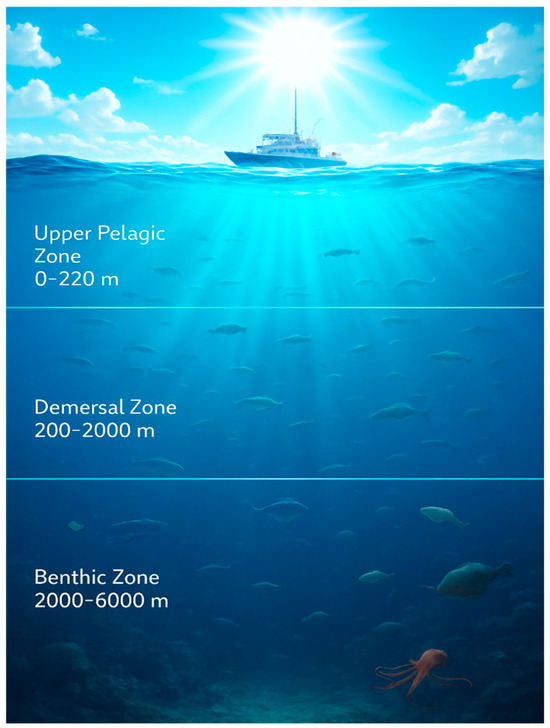
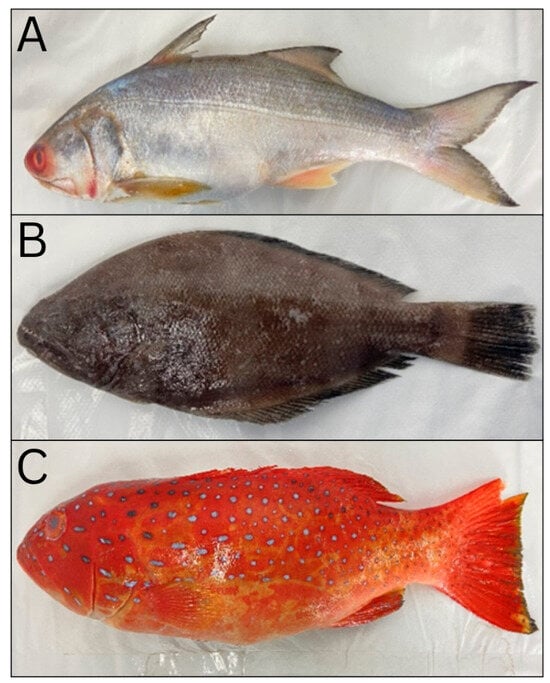
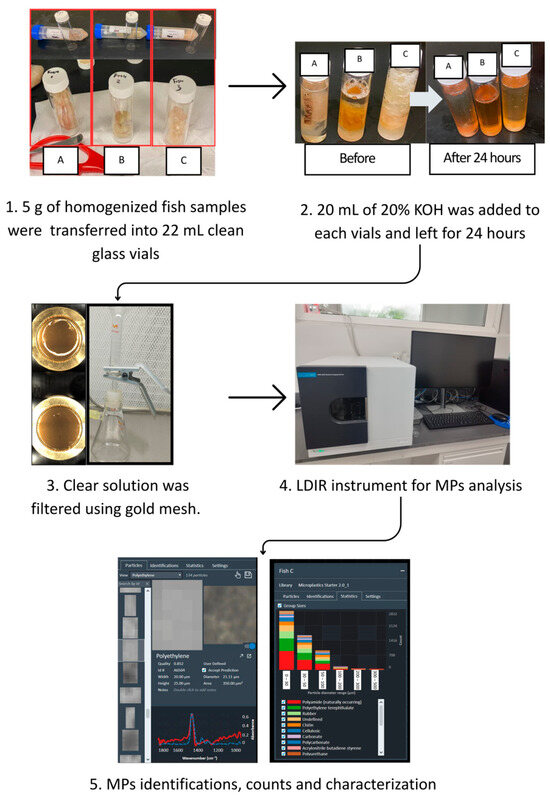
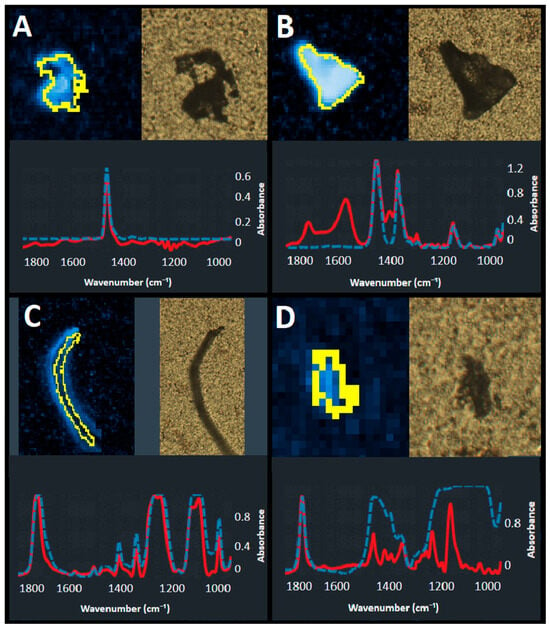
Introduction: Microplastic (MP) contamination can endanger marine ecosystems and indirectly affect the well-being of humans through the ingestion of marine species. While most research investigates the digestive system, such as the gills and gastrointestinal tract of fish, it still fails to address a major oversight in understanding MP deposition in edible tissues, which is the primary route of human exposure. The differences in contamination levels among pelagic, demersal, and benthic fish in Malaysian waters remain poorly understood. This preliminary study uses Laser Direct Infrared Imaging (LDIR), a new, high-resolution, automated technique, to examine synthetic MP contamination in the edible portion of fish. Materials and Methods: The MPs were extracted from the edible tissue of three fish species representing pelagic (Fish A), benthic (Fish B), and demersal (Fish C) using KOH and sieved onto a gold mesh filter before analysis using LDIR. Results and Discussion: LDIR identified 162 MP particles, revealing clear differences by polymer type and habitat. Pelagic species mostly contained polyethylene (PE) and rubber (n = 8). Demersal species had mostly polyethylene terephthalate (PET) with small amounts of PE and rubber (n = 57). Benthic species showed the highest load, dominated by PET and polypropylene (PP) (n = 97). The morphological assessment of the MPs indicated that the polymers in pelagic fish were smaller, with an area of 2047.82 µm2 and a circularity range of 0.14–0.74, indicating consistent shape. Conversely, MPs are irregular and larger in benthic fish, with areas up to 38,837.50 µm2 and circularities ranging from 0.02 to 0.81. This pattern reflects specific accumulation related to habitat and potential environmental degradation processes. Conclusions: This preliminary study demonstrates the effectiveness of LDIR for detecting MPs in edible fish tissues. The findings provide a fundamental dataset on MP contamination in edible tissue and emphasize its distribution across ecological zones. Nevertheless, broader research is required to substantiate these data and assess the implications of MP contamination for the environmental stability of human and marine well-being.
Full article

Figure 1
Open AccessArticle
Harmonisation-Oriented Monitoring of Microplastics in Reclaimed Water for Agricultural Irrigation: Loads and Polymer Composition
by
Jose Javier Flores, Laura Cortés-Corrales, Adrián Rosa García, Alfredo Alcayde, Amadeo R. Fernández-Alba and Maria Jesús Martínez Bueno
Microplastics 2026, 5(2), 88; https://doi.org/10.3390/microplastics5020088 - 11 May 2026
Abstract
►▼
Show Figures
Microplastics (MPs) in water treatment plants (WTPs) represent a critical environmental concern, particularly when treated effluent is reused for agricultural irrigation. This study investigates the occurrence, removal efficiency, and characterization of MPs in tertiary-treated wastewater destined for agricultural reuse in water-scarce regions. Additionally,
[...] Read more.
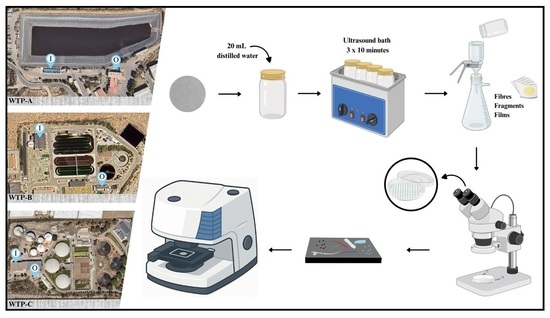
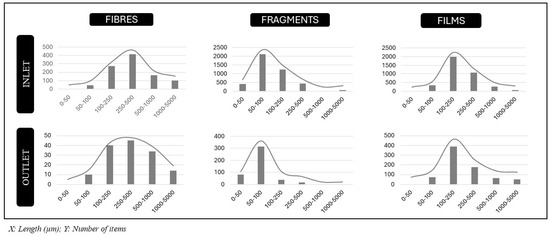
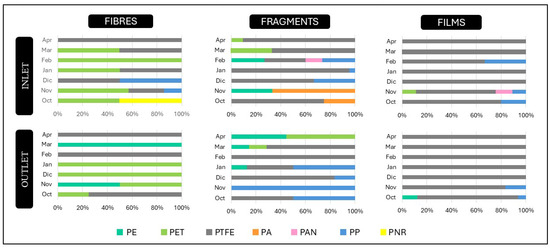
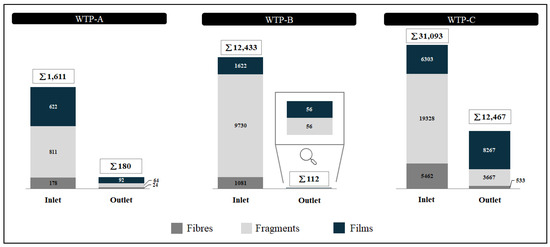
Microplastics (MPs) in water treatment plants (WTPs) represent a critical environmental concern, particularly when treated effluent is reused for agricultural irrigation. This study investigates the occurrence, removal efficiency, and characterization of MPs in tertiary-treated wastewater destined for agricultural reuse in water-scarce regions. Additionally, the study examines the influence of sample volume on extrapolated MP concentrations. Despite advanced treatment processes including ultrafiltration achieving removal efficiencies of 89%, substantial quantities of MPs remain in final effluents at concentrations ranging from 89 to 399 MPs/m3 (equivalent to 0.1–0.4 MPs/L) with a mass load of 2 µg/L at the outlet. Morphological analysis revealed a shift from fragment-dominated influent (~50%) to film-dominated effluent (~51%), with blue particles being most prevalent. Size distribution analysis showed distinct peaks: 50–100 µm for fragments, 100–250 µm for films, and 250–500 µm for fibres. Polytetrafluoroethylene (PTFE) emerged as the dominant polymer across all morphotypes. Finally, converting particle counts to mass loads indicated an average decrease from ~11 µg/L at the inlet to ~2 µg/L at the outlet, underscoring that number- and mass-based metrics provide complementary information for risk assessment.
Full article

Graphical abstract
Open AccessArticle
Omnipresence of Microplastics in Coastal Antarctic Sediments: Evidence or Assumption?
by
Matheus Sousa Silva, Katerin Manuelita Encina Oliva, Márcio Rocha Francelino and Alexandre ten Caten
Microplastics 2026, 5(2), 87; https://doi.org/10.3390/microplastics5020087 - 7 May 2026
Abstract
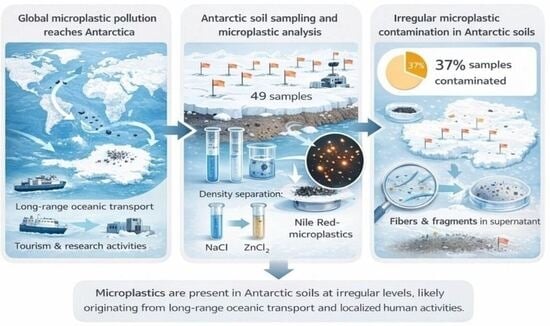
With the global increase in microplastic pollution, even environments considered pristine have shown signs of being affected by these contaminants. In this context, it becomes essential to conduct studies that identify and quantify the presence of microplastics in remote regions such as Antarctica.
[...] Read more.
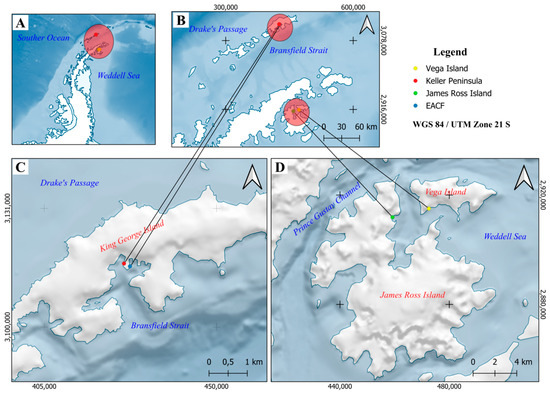
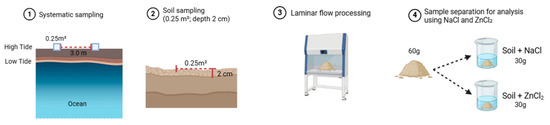
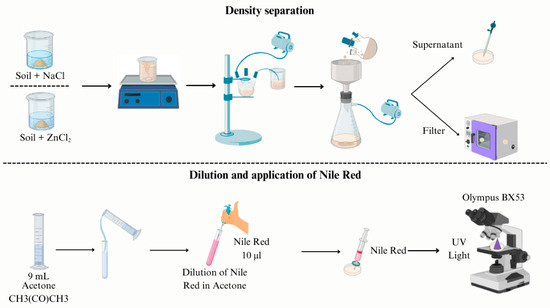
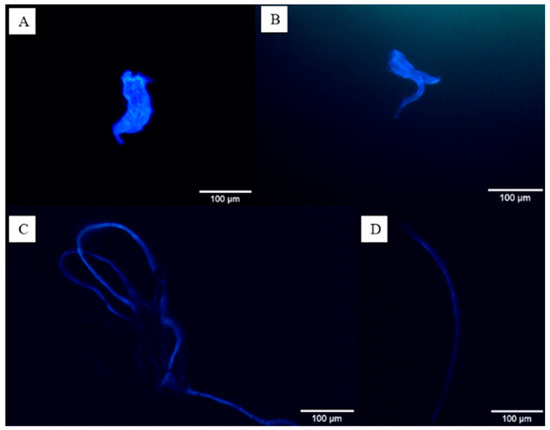
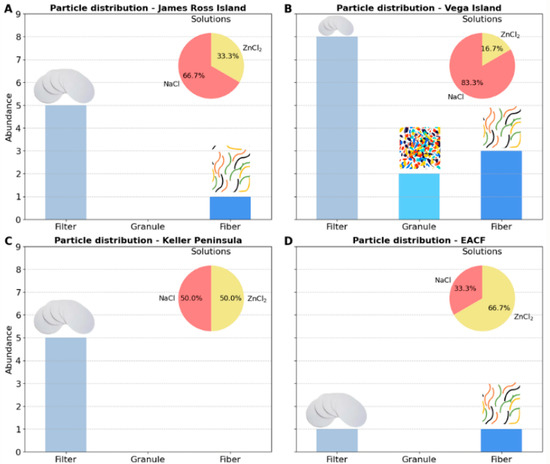
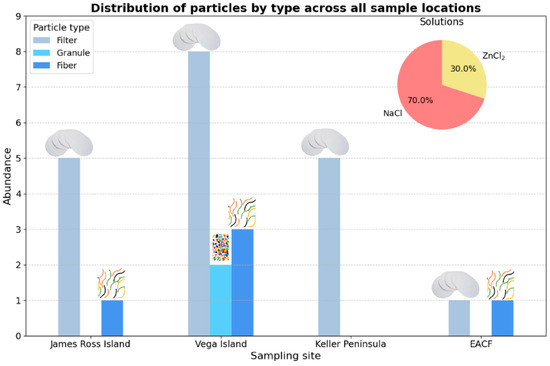
With the global increase in microplastic pollution, even environments considered pristine have shown signs of being affected by these contaminants. In this context, it becomes essential to conduct studies that identify and quantify the presence of microplastics in remote regions such as Antarctica. This continent is particularly relevant due to its low anthropogenic influence and its essential role in regulating planetary ecosystems and biodiversity. In this study, 49 Antarctic samples were analyzed using pretreatment techniques with NaCl and ZnCl2 saline solutions, followed by fluorescence microscopy using Nile Red dye to estimate the microplastic abundance index. Both solutions showed good performance in the separation and identification of particles. Approximately 37% of the samples showed contamination by potential microplastics (PMPs), with a higher concentration of particles retained on paper filters and fibers observed in the supernatants. The results indicate that the presence of MPs in Antarctica is irregular and not ubiquitous, differing from other studies that suggest a wider distribution. It is speculated that the observed contamination results from oceanic transport from other regions of the planet and from sources associated with human activities on the Antarctic continent (e.g., tourism and research).
Full article
(This article belongs to the Collection Feature Papers in Microplastics)
►▼
Show Figures

Graphical abstract
Open AccessArticle
Toxicity of Environmentally Relevant Micro- and Nanoplastic Exposure on Liver Cell Models
by
Kristen A. Marcellus, Michal Scur, Michael G. Wade and Santokh S. Gill
Microplastics 2026, 5(2), 86; https://doi.org/10.3390/microplastics5020086 - 6 May 2026
Abstract
►▼
Show Figures
Rising plastic production worldwide is contributing to the increasing amounts of micro- and nanoplastics found in the environment. The consumption of microplastics by humans is plausible due to the presence of plastic particles in various food commodities, yet the potential impact of microplastics
[...] Read more.
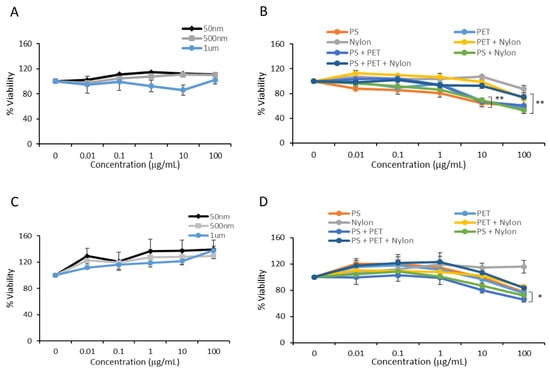
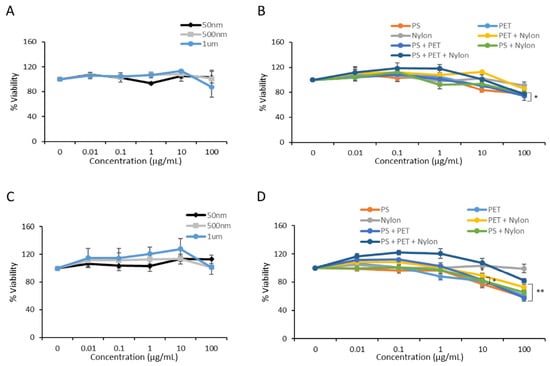
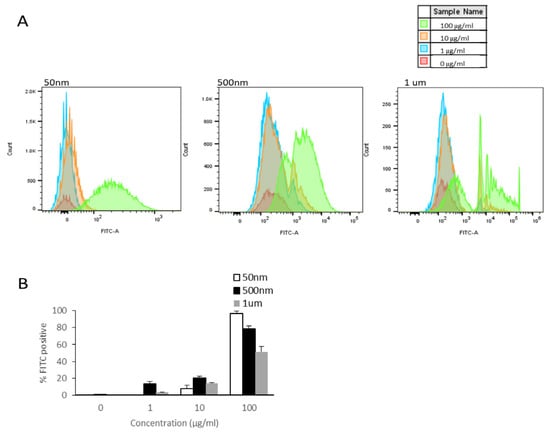
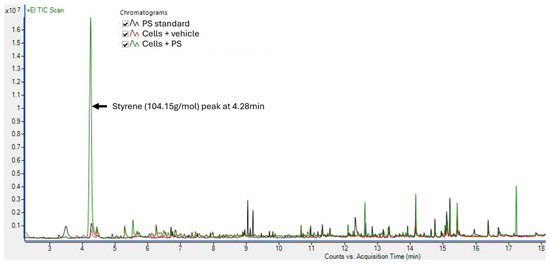
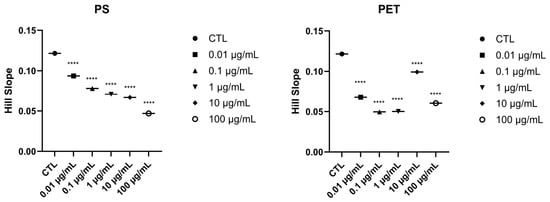
Rising plastic production worldwide is contributing to the increasing amounts of micro- and nanoplastics found in the environment. The consumption of microplastics by humans is plausible due to the presence of plastic particles in various food commodities, yet the potential impact of microplastics on human health remains unknown. Several studies have detected microplastics in human tissues and research using mammalian in vivo and in vitro models have noted toxicity after exposure to microplastics. Using both mono- and co-culture liver cell models, we assessed the impact of environmentally relevant, cryo-milled plastic particles on hepatotoxicity. We observed that only cryo-milled polyethylene terephthalate and polystyrene altered mitochondrial energy metabolism, while the other plastic particles did not. The pristine, spherical polystyrene particles were taken up at all sizes and cryo-milled polystyrene was taken up by cells. Evidently, polymer type and shape play a critical role in hepatotoxicity. Further research is required to fully elucidate the effect the physiochemical properties of plastic particles may have on toxicity.
Full article

Figure 1
Open AccessReview
Toward Circularity in Blended Polyester-Based Textile Waste: Microfiber Pollution, Recycling Technologies, and Implementation Challenges
by
Maria Râpă, Carmen Gaidău, Ecaterina Matei and Florin-Aurel Dincă
Microplastics 2026, 5(2), 85; https://doi.org/10.3390/microplastics5020085 - 5 May 2026
Abstract
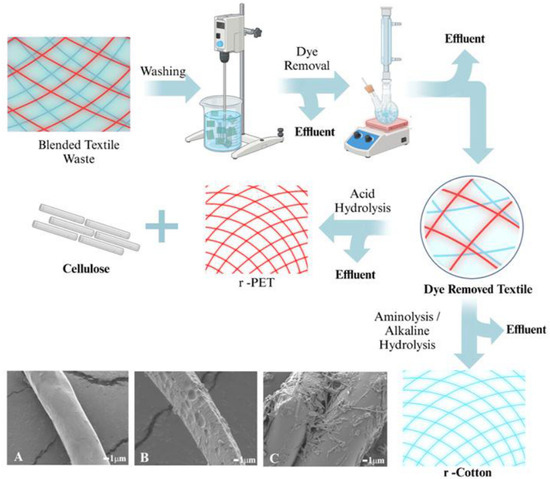
Blended polyester (PET)-based textiles comprise a significant portion of post-consumer waste, posing substantial challenges to circular economy initiatives while contributing to microfiber (MF) pollution. Despite the considerable recycling potential of PET textiles, no commercially viable technologies currently exist that can efficiently separate and
[...] Read more.
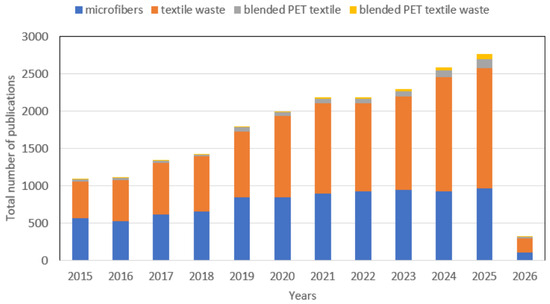
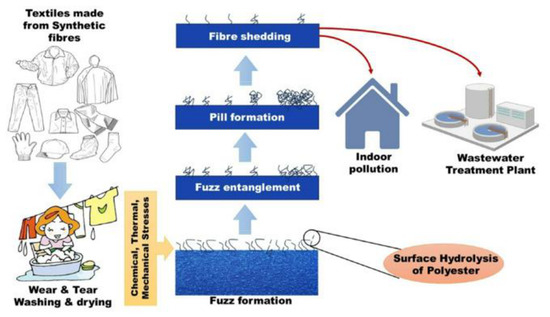
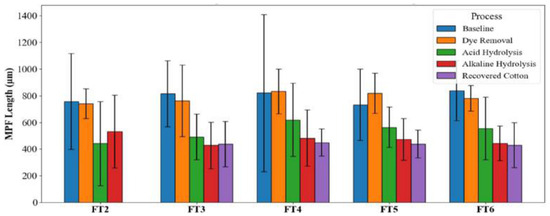
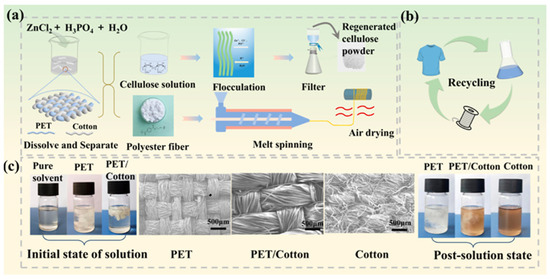
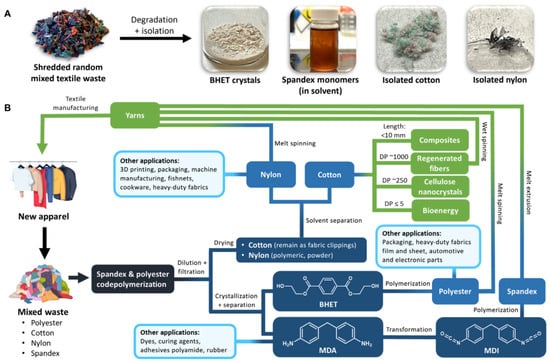
Blended polyester (PET)-based textiles comprise a significant portion of post-consumer waste, posing substantial challenges to circular economy initiatives while contributing to microfiber (MF) pollution. Despite the considerable recycling potential of PET textiles, no commercially viable technologies currently exist that can efficiently separate and recycle blended PET-based textile waste on an industrial scale. This review provides a comprehensive analysis of recycling strategies for post-consumer blended PET-based textiles and their subsequent valorization pathways. Mechanical, chemical, and biological recycling processes are mostly not yet market-ready, although chemical approaches are considered particularly promising. The findings highlight a critical need for advanced sorting technologies, enhanced material traceability, and robust MF mitigation strategies to foster circularity and contribute to the United Nations Sustainable Development Goals (SDGs). The results further indicate that mechanical recycling of blended PET textiles leads to significant MF release due to fiber fragmentation, whereas chemical recycling offers the potential for improved material recovery, but remains limited by high energy demand and solvent-related challenges. While closed-loop approaches support true circularity by maintaining textile-to-textile material flows, open-loop pathways repurpose textile waste for high-value non-textile applications.
Full article
(This article belongs to the Special Issue The Role of Recycling in Reducing Microplastic Pollution in Textile Industry)
►▼
Show Figures

Figure 1
Highly Accessed Articles
Latest Books
E-Mail Alert
News
Topics
Topic in
IJERPH, Microplastics, Polymers, Toxics
Plastic Contamination (Plastamination): An Environmental and Public Health-Related Concern
Topic Editors: Rosaria Meccariello, Antonino Testa, Francesco Cappello, Antonietta SantoroDeadline: 30 June 2026
Topic in
Microplastics, Polymers, Sustainability, Toxics, Water
Microplastics Across Ecosystems: Multidisciplinary Approaches to Sources, Sinks and Health Sustainable Solutions
Topic Editors: Caio Rodrigues Nobre, Camilo Dias Seabra PereiraDeadline: 30 November 2026
Topic in
Fishes, Foods, Microplastics, Veterinary Sciences, Poultry, Animals, Ruminants
Micro- and Nanoplastics in Animals and Livestock Production
Topic Editors: Sonia Tassone, Beniamino T. Cenci-Goga, Samia Ben Said, Khalil AbidDeadline: 31 December 2026
Topic in
Antioxidants, Environments, Insects, Materials, Microplastics, Toxics, Water
Environment Ecotoxicology and Bioremediation: From Biological Solutions to High-Value Products
Topic Editors: Qian Lu, Huankai LiDeadline: 24 April 2027
Special Issues
Special Issue in
Microplastics
Microplastics in Freshwater Ecosystems
Guest Editor: Piotr ZielińskiDeadline: 31 August 2026
Special Issue in
Microplastics
Micro- and Nanoplastics Beyond the Mainstream: Understudied Dimensions and Emerging Approaches
Guest Editors: Manuela Piccardo, Antonio TerlizziDeadline: 30 September 2026
Special Issue in
Microplastics
The Role of Recycling in Reducing Microplastic Pollution in Textile Industry
Guest Editors: Maria Râpă, Carmen GaidauDeadline: 30 September 2026
Special Issue in
Microplastics
Advances in Identification and characterization of Degraded Microplastics
Guest Editor: Jose Manuel Cervantes-UcDeadline: 31 March 2027
Topical Collections
Topical Collection in
Microplastics
Feature Papers in Microplastics
Collection Editor: Nicolas Kalogerakis
Topical Collection in
Microplastics
Microplastics and Human Health
Collection Editors: Javier Bayo, Carlos Baeza