Topical Advisory Panel applications are now closed. Please contact the Editorial Office with any queries.
Journal Description
Information
Information
is a scientific, peer-reviewed, open access journal of information science and technology, data, knowledge, and communication, published monthly online by MDPI. The International Society for the Study of Information (IS4SI) is affiliated with Information and its members receive discounts on the article processing charges.
- Open Access— free for readers, with article processing charges (APC) paid by authors or their institutions.
- High Visibility: indexed within Scopus, ESCI (Web of Science), Ei Compendex, dblp, and other databases.
- Journal Rank: JCR - Q2 (Computer Science, Information Systems) / CiteScore - Q1 (Information Systems)
- Rapid Publication: manuscripts are peer-reviewed and a first decision is provided to authors approximately 18.7 days after submission; acceptance to publication is undertaken in 3.8 days (median values for papers published in this journal in the first half of 2026).
- Recognition of Reviewers: reviewers who provide timely, thorough peer-review reports receive vouchers entitling them to a discount on the APC of their next publication in any MDPI journal, in appreciation of the work done.
- Journal Cluster of Information Systems and Technology: Analytics, Applied System Innovation, Cryptography, Data, Digital, Informatics, Information, Journal of Cybersecurity and Privacy and Multimedia.
Impact Factor:
4.3 (2025);
5-Year Impact Factor:
3.8 (2025)
Latest Articles
Transforming ICT Integration into Business Performance: The Strategic Role of Knowledge Management in MSMEs
Information 2026, 17(9), 817; https://doi.org/10.3390/info17090817 - 24 Aug 2026
Abstract
Despite increased investment in information and communication technologies (ICT), many micro, small, and medium-sized enterprises (MSMEs) struggle to translate digital adoption into improved business performance, particularly in post-pandemic contexts. This study addresses this gap by examining the mediating role of knowledge management (KM)
[...] Read more.
Despite increased investment in information and communication technologies (ICT), many micro, small, and medium-sized enterprises (MSMEs) struggle to translate digital adoption into improved business performance, particularly in post-pandemic contexts. This study addresses this gap by examining the mediating role of knowledge management (KM) in the relationship between ICT integration and business performance in MSMEs in Michoacán, Mexico. A quantitative, construct associate research framework was employed using survey data from 200 randomly selected MSMEs. Structural equation modeling was applied to test the hypothesized relationships. The results reveal that ICT integration does not have a direct significant effect on business performance. However, it significantly enhances KM processes, which in turn positively influence performance outcomes. Furthermore, KM fully mediates the relationship between ICT integration and business performance, indicating that the value of ICT is realized through effective knowledge processes rather than technology alone. These findings underscore the importance of aligning ICT investments with KM strategies to achieve superior performance. The study contributes to the integration of the resource-based view (RBV) and knowledge-based view (KBV), offering empirical evidence from an emerging economy context.
Full article
(This article belongs to the Special Issue Advancing Information Systems Through Artificial Intelligence: Innovative Approaches and Applications)
Open AccessArticle
Federated Enterprise Architecture for Value Co-Creation in Smart City Information System: An Empirical Study
by
Meryeme El Houari, M’barek El Haloui and Badia Ettaki
Information 2026, 17(9), 816; https://doi.org/10.3390/info17090816 - 24 Aug 2026
Abstract
City information systems are steadily relying on various stakeholders, heterogeneous resources, and interrelated digital services. Nevertheless, many initiatives still face difficulties in aligning actors, business processes, data, and technological resources within a unified information systems architecture. Accordingly, this study presents and evaluates a
[...] Read more.
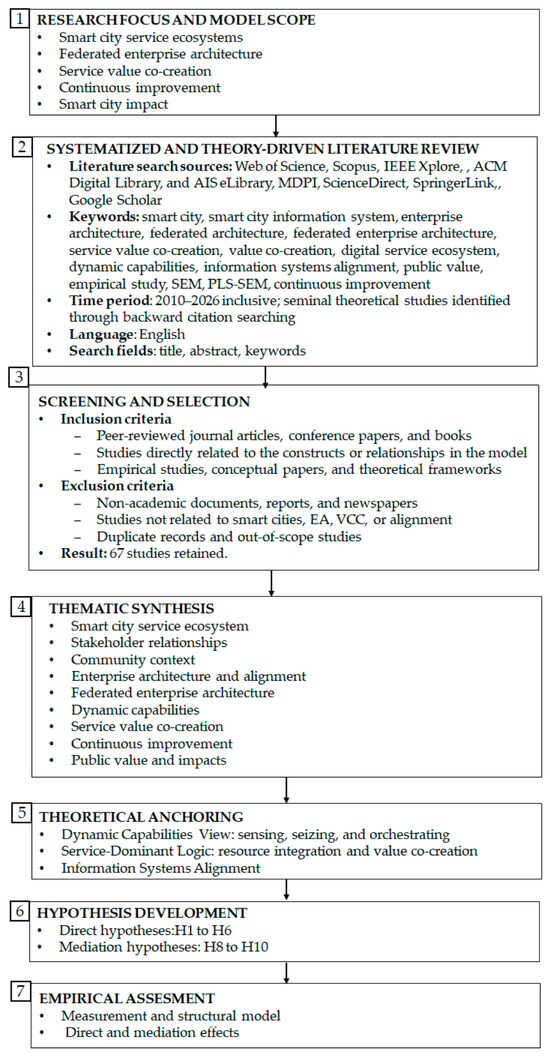
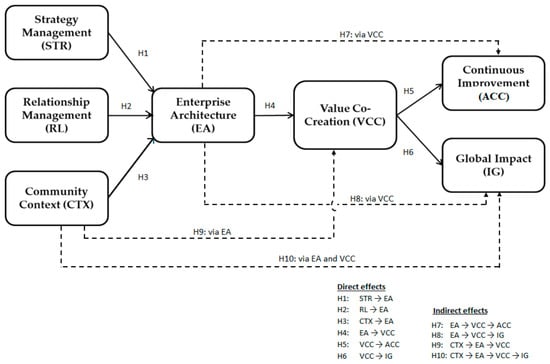
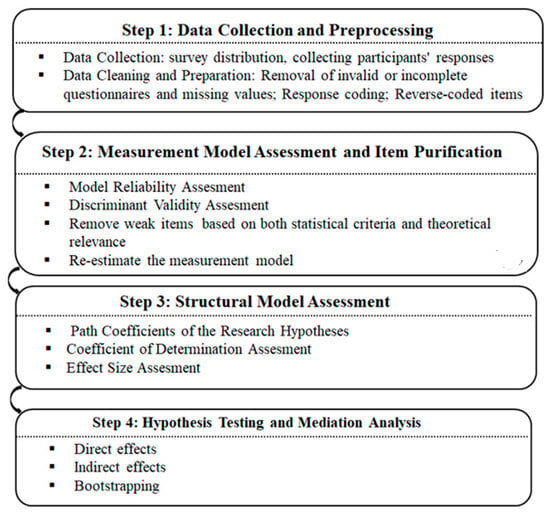
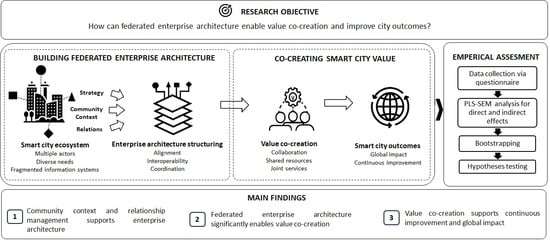
City information systems are steadily relying on various stakeholders, heterogeneous resources, and interrelated digital services. Nevertheless, many initiatives still face difficulties in aligning actors, business processes, data, and technological resources within a unified information systems architecture. Accordingly, this study presents and evaluates a federated enterprise architecture-based model for value co-creation in city information systems. The studied model investigates how strategy and capture, relationship management, and community context contribute to federated enterprise architecture, and how the architecture structuring supports service value co-creation, continuous improvement, and global impact. To validate the research model, data were gathered using a structured questionnaire that was administered to actors involved in information system initiatives. The studied hypotheses were tested using partial least squares structural equation modeling. The main findings demonstrate that community context has a positive influence on enterprise architecture structuring, which, in turn, supports service value co-creation through the alignment of stakeholders, processes, data, and digital services. Service value co-creation then contributes to continuous improvement and ecosystem global impact, acting as a mediating mechanism between information system to city service findings. Thus, the research contributes to the information systems literature by highlighting how federated architecture contributes positively to digital service in a multi-actor ecosystem and supports value co-creation in the city information system.
Full article
(This article belongs to the Special Issue Information Systems and Technologies: Foundations, Techniques, and Applications)

►▼
Show Figures

Graphical abstract
Open AccessArticle
Integrating Semantic NLP and PLS-SEM for AI-Enabled Strategic Decision Support: An Explainable Framework for Assessing Organisational AI Illiteracy
by
Mostafa Aboulnour Salem and Zeyad Aly Khalil
Information 2026, 17(9), 815; https://doi.org/10.3390/info17090815 - 23 Aug 2026
Abstract
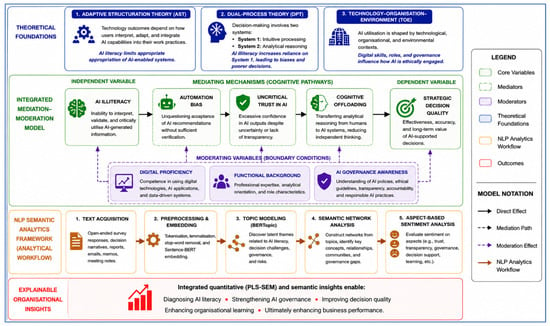
The rapid growth of organisational textual data has increased the value of Natural Language Processing (NLP) and semantic analytics for strategic decision support. However, many employees still lack the knowledge and skills needed to evaluate AI-generated information critically. This study develops an explainable
[...] Read more.
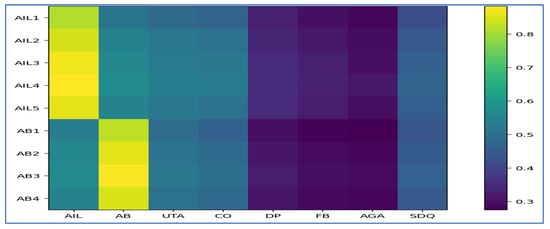
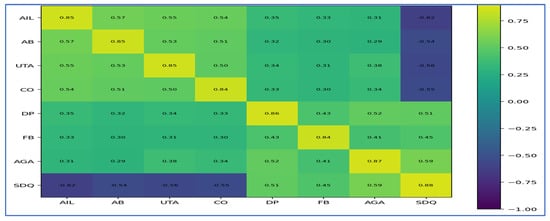
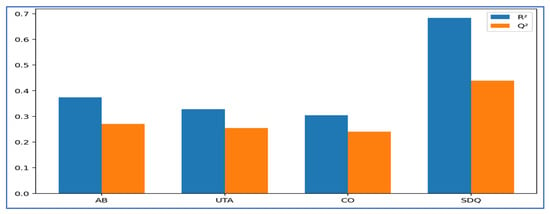
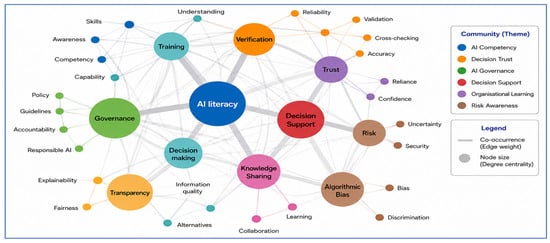
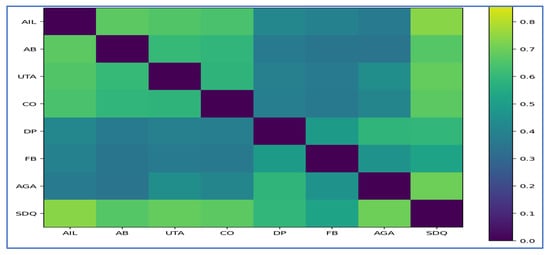
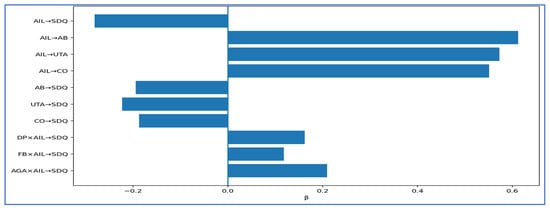
The rapid growth of organisational textual data has increased the value of Natural Language Processing (NLP) and semantic analytics for strategic decision support. However, many employees still lack the knowledge and skills needed to evaluate AI-generated information critically. This study develops an explainable Management Information Systems (MIS) framework that integrates NLP-based semantic analytics with PLS-SEM to examine the relationship between AI illiteracy and strategic decision quality. A convergent mixed-methods design with sequential analytical integration was used with a valid sample of 200 knowledge workers from public organisations in Saudi Arabia across six industries. The sample included employees from Saudi Arabia, Egypt, Jordan, Sudan, Syria, India, and the Philippines. Quantitative data were analysed using PLS-SEM, while textual data were analysed using Sentence-BERT, BERTopic, semantic network analysis, and Aspect-Based Sentiment Analysis. The results showed that higher AI illiteracy was negatively associated with strategic decision quality and positively associated with automation bias, uncritical trust in AI, and cognitive offloading. Digital proficiency and AI governance awareness weakened the negative association between AI illiteracy and decision quality, while functional-background differences were examined through multigroup analysis. The semantic analysis identified six themes: AI competency, decision trust, AI governance, decision support, organisational learning, and risk awareness. Sentiment analysis showed positive views of productivity and decision support, together with concerns about algorithmic bias, explainability, transparency, and AI governance. The study contributes an integrated human–AI decision vulnerability framework in which semantic evidence complements structural modelling and provides a clearer understanding of AI-related competency, reliance, governance, and decision-support issues.
Full article
(This article belongs to the Special Issue Artificial Intelligence and Decision Support Systems)
►▼
Show Figures

Figure 1
Open AccessArticle
Evaluating Peripheral Visual and Haptic Feedback Modalities for Cross-Regional Target Search
by
Xuezhen Wu, Zhihuang Huang, Zhien Zhai, Gang Ren, Gang Wang and Jeehang Lee
Information 2026, 17(9), 814; https://doi.org/10.3390/info17090814 - 23 Aug 2026
Abstract
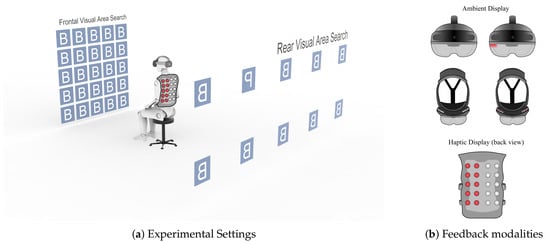
Guiding user attention across multiple spatial regions is essential for safety-critical activities such as driving and cycling. While peripheral visual cues can redirect attention without disrupting central vision, their effectiveness may diminish under high visual workload or when targets fall outside the field
[...] Read more.
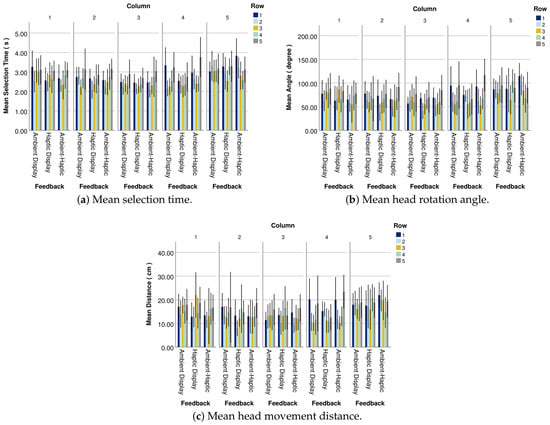
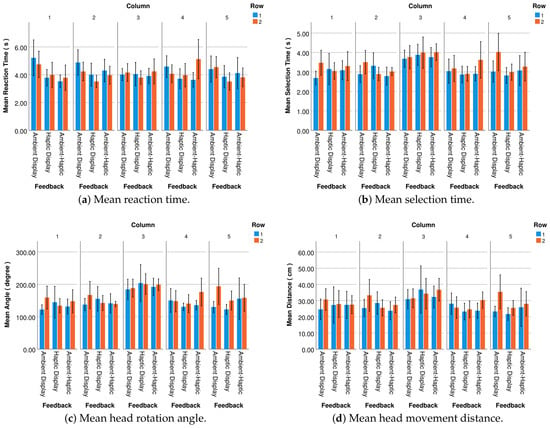
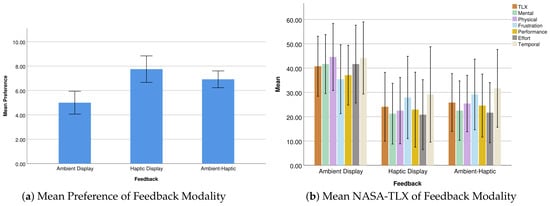
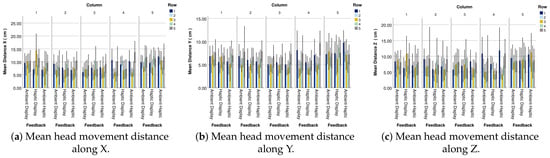
Guiding user attention across multiple spatial regions is essential for safety-critical activities such as driving and cycling. While peripheral visual cues can redirect attention without disrupting central vision, their effectiveness may diminish under high visual workload or when targets fall outside the field of view. Haptic feedback offers an alternative channel that operates independently of visual demands. This study systematically compares three feedback conditions in a multi-region target search task using a head-mounted display: Ambient Display, Haptic Display, and Ambient-Haptic Display. Results show that haptic feedback significantly outperformed peripheral visual cues for rear visual area search. While the multimodal combination did not further improve objective performance over haptic feedback alone, it lowered perceived mental and physical demand relative to peripheral visual cues and was rated highly by participants. These findings demonstrate that haptic feedback provides superior attention guidance for targets outside the current field of view. Our work offers practical guidance for designing cross-modal assistive systems in safety-critical environments.
Full article
(This article belongs to the Section Information Applications)

►▼
Show Figures

Figure 1
Open AccessArticle
Exploring Visual-Based Sprint Evaluation Using Convolutional Neural Networks and Agile Project Metrics
by
Yadira Jazmín Pérez Castillo, Sandra Dinora Orantes Jiménez, José Juan Carbajal Hernández, Patricio Orlando Letelier Torres, María Elena Acevedo Mosqueda and Vanessa Alejandra Camacho Vázquez
Information 2026, 17(9), 813; https://doi.org/10.3390/info17090813 - 23 Aug 2026
Abstract
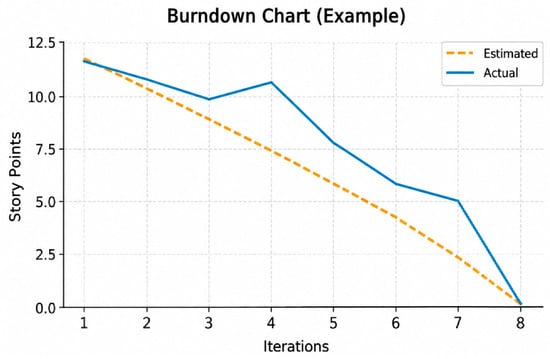
Agile project monitoring commonly relies on numerical metrics and visual artifacts, such as Burndown charts, to assess Sprint progress and identify potential deviations. However, most automated approaches focus on structured data, while the visual patterns contained in agile charts remain underexplored. This paper
[...] Read more.
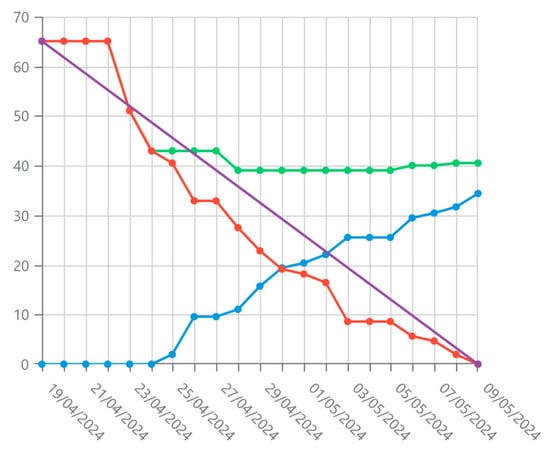
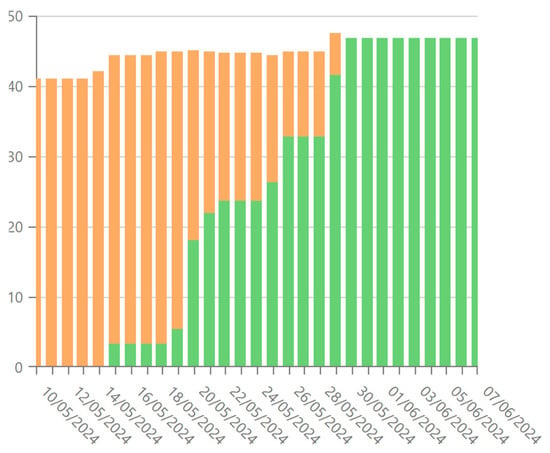
Agile project monitoring commonly relies on numerical metrics and visual artifacts, such as Burndown charts, to assess Sprint progress and identify potential deviations. However, most automated approaches focus on structured data, while the visual patterns contained in agile charts remain underexplored. This paper presents an exploratory study on visual-based Sprint evaluation using convolutional neural networks and agile project metrics. The proposed approach uses Burndown and Completed vs. Uncompleted Work chart (TTvsNT) images to classify Sprint performance into four categories: Poor, Regular, Good, and Excellent. A transfer-learning strategy based on MobileNetV2 was applied, including image preprocessing, Sprint-level data partitioning, two-phase training, and multiclass evaluation. The model achieved an overall accuracy of 70.33% on the evaluation set. Class-level results showed better performance for the Poor and Excellent categories, while the intermediate classes presented greater ambiguity. The main contribution of this study lies in evaluating Sprint monitoring charts as a complementary visual representation to traditional metric-based models. The findings provide preliminary evidence that these images contain useful performance-related patterns; however, the limited dataset size and current accuracy do not support production-level deployment. Further research with larger datasets, additional architectures, and multimodal approaches is required.
Full article
(This article belongs to the Special Issue Software Applications Programming and Data Security)
►▼
Show Figures

Figure 1
Open AccessArticle
Immediate and Delayed Effects of ChatGPT-Enhanced Vocabulary Instruction on Saudi EFL Learners
by
Saad Albaqami and Alaa Alahmadi
Information 2026, 17(9), 812; https://doi.org/10.3390/info17090812 - 23 Aug 2026
Abstract
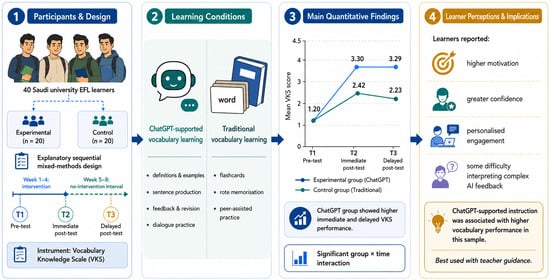
Research on AI-mediated vocabulary learning has expanded rapidly, yet the delayed effects of GPT-4-based ChatGPT model via a web interface on lexical retention remain underexplored, particularly in English as a Foreign Language (EFL) contexts such as Saudi Arabia. This study investigates whether ChatGPT
[...] Read more.
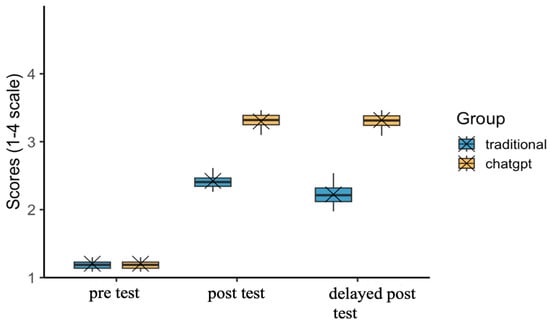
Research on AI-mediated vocabulary learning has expanded rapidly, yet the delayed effects of GPT-4-based ChatGPT model via a web interface on lexical retention remain underexplored, particularly in English as a Foreign Language (EFL) contexts such as Saudi Arabia. This study investigates whether ChatGPT is associated with differences in sustained vocabulary learning compared with traditional instruction, and the short- and delayed effects of ChatGPT on vocabulary learning and retention among Saudi EFL learners using an explanatory sequential mixed-methods design. Forty undergraduate learners were assigned to experimental and control groups and studied the target vocabulary sets during a four-week intervention, followed by a four-week retention interval. Vocabulary development was measured at three intervals with a Vocabulary Knowledge Scale, which was administered at the pre-test, post-test and delayed post-test stages. Results showed higher VKS scores at the immediate and delayed post-tests in the ChatGPT group compared with traditional instruction. Qualitative findings indicated that learners perceived ChatGPT as supporting motivation, confidence, and personalised engagement, while also identifying challenges related to interpreting complex AI feedback. These findings highlight the pedagogical promise of integrating AI tools into vocabulary instruction while also indicating the need for guided teacher mediation. Implications for EFL pedagogy and recommendations for future research on AI-supported language learning, such as comprehending the role of AI in developing language learning by investigating other language skills, engaging wider samples, and applying longer interventions and retention periods are also discussed.
Full article
(This article belongs to the Special Issue Artificial Intelligence Technologies for Sustainable Development)
►▼
Show Figures

Graphical abstract
Open AccessArticle
Investigating Privacy-Preserving Federated Learning for Telecom Customer Churn Prediction Using Differential Privacy
by
Alisha Sikri, Shalini Gambhir, Roshan Jameel, Sheikh Mohammad Idrees and Mariusz Nowostawski
Information 2026, 17(8), 811; https://doi.org/10.3390/info17080811 - 21 Aug 2026
Abstract
Predicting customer churn in the telecom sector is critical for retaining subscribers, maintaining brand reputation, and staying ahead of competitors. Losing customers not only reduces revenue but can also weaken long-term market position in a highly competitive industry. While machine learning has been
[...] Read more.
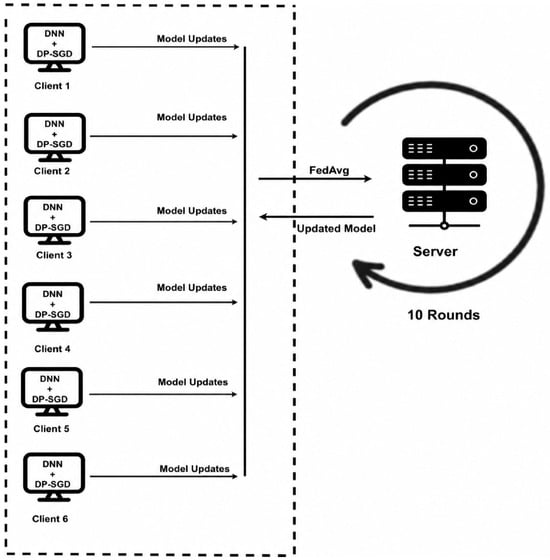
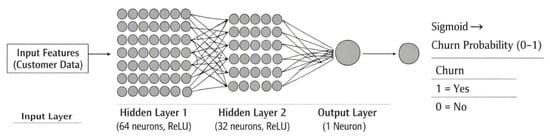
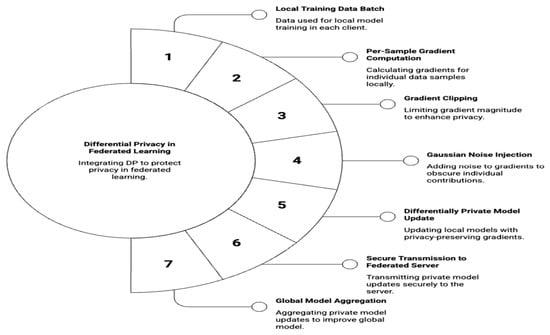
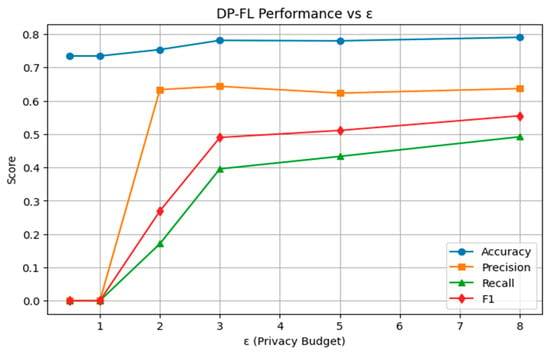
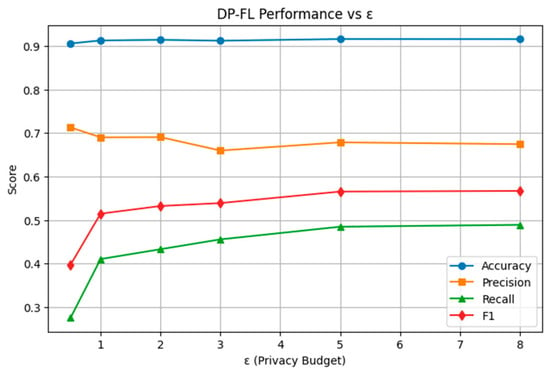
Predicting customer churn in the telecom sector is critical for retaining subscribers, maintaining brand reputation, and staying ahead of competitors. Losing customers not only reduces revenue but can also weaken long-term market position in a highly competitive industry. While machine learning has been widely used to address this challenge, most traditional approaches depend on centralizing customer data. This raises major concerns about user privacy, data ownership, and compliance with strict regulations such as GDPR. These challenges make it difficult for businesses to fully utilize customer data while safeguarding sensitive information. In this paper, we investigate a privacy-preserving approach to churn prediction that combines federated learning (FL) with differential privacy (DP). Rather than collecting all customer data in a single repository, the investigated framework enables multiple clients to collaboratively train a deep neural network while maintaining data locality during the federated training process. To further enhance privacy protection, we employ Differentially Private Stochastic Gradient Descent (DP-SGD) and add controlled noise to model updates, reducing the possibility of inferring individual data contributions. This work systematically evaluates how different privacy levels, expressed through ε and δ, influence model performance under simulated non-IID client distributions. The experiments analyze the privacy–utility trade-off using multiple evaluation metrics and compare the results with centralized and non-private federated-learning approaches. The findings show that the investigated framework maintains competitive predictive performance across a range of privacy budgets while demonstrating a clear privacy–utility trade-off. Very strict privacy budgets result in substantial performance degradation, particularly for smaller and more imbalanced datasets, whereas moderate privacy budgets maintain competitive predictive performance with limited degradation. This study highlights the potential of privacy-preserving federated learning for practical distributed analytics applications where protecting sensitive data is essential.
Full article
(This article belongs to the Section Information Security and Privacy)
►▼
Show Figures

Figure 1
Open AccessArticle
Interpretable Smart Meter Anomaly Detection Based on Bayesian-Optimized XGBoost and SHAP
by
Bolin Zhang, Chao Ma, Xiang Li, Ke Yang, Haopeng Shi, Hongjing Hao and Xiaolin Gui
Information 2026, 17(8), 810; https://doi.org/10.3390/info17080810 - 21 Aug 2026
Abstract
Smart meter anomaly detection is critical for ensuring the security and stability of smart grids. However, existing detection methods face the following limitations: insufficient feature extraction, severe class imbalance, inefficient manual hyperparameter tuning, and poor model interpretability. To overcome these limitations, we propose
[...] Read more.
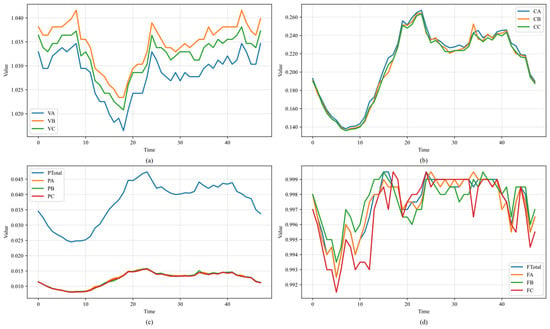
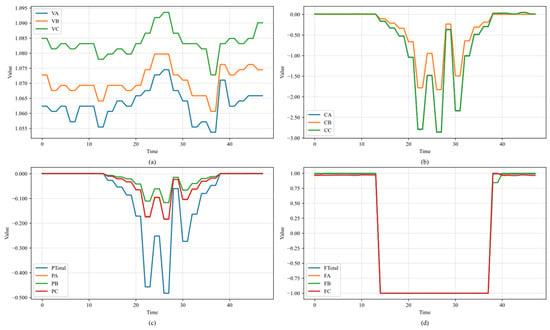
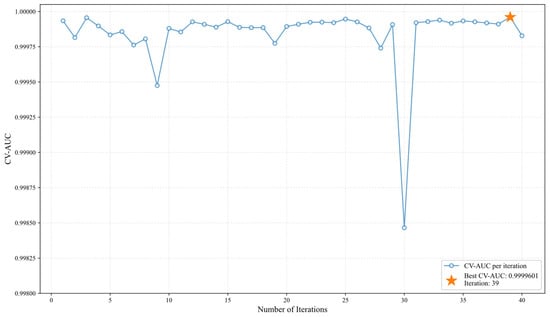
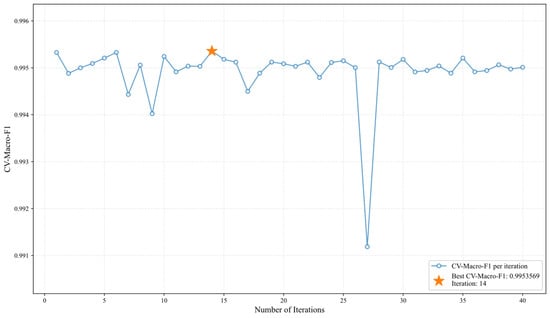
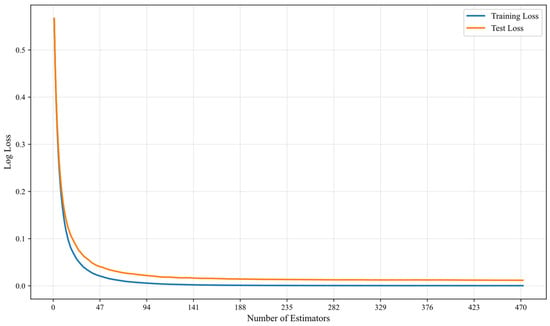
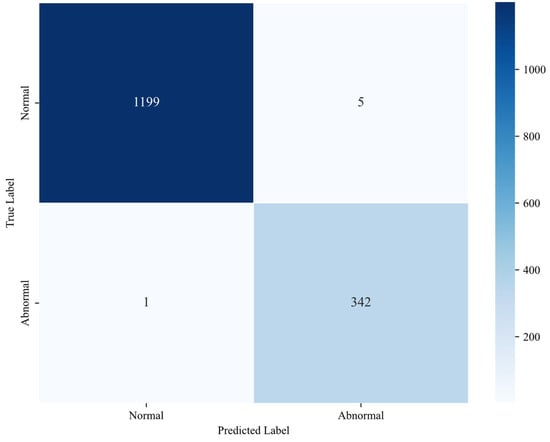
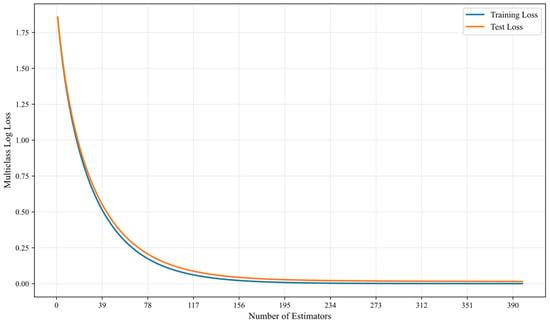
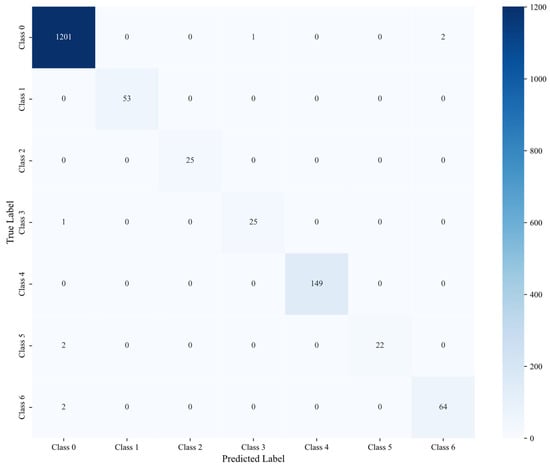
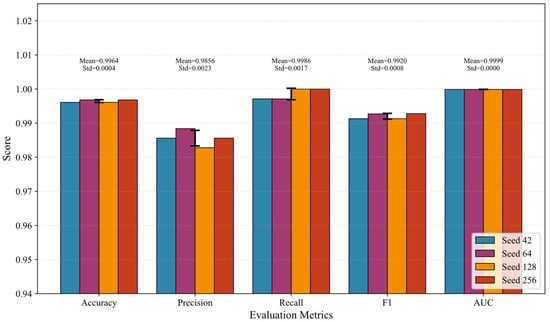
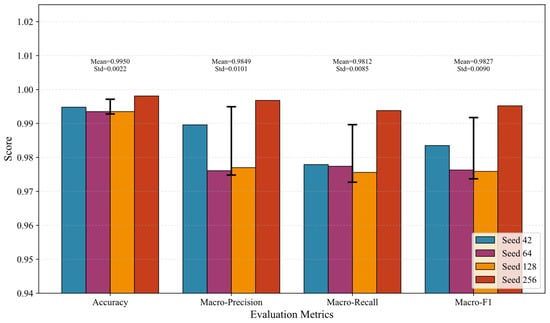
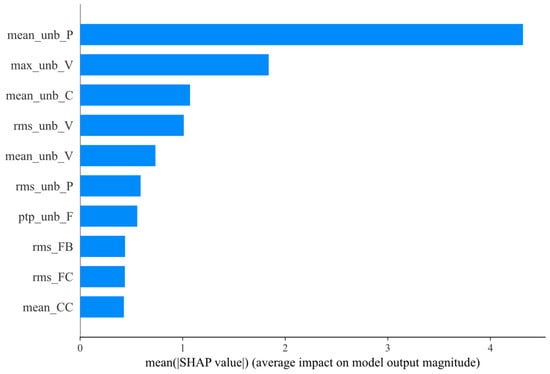
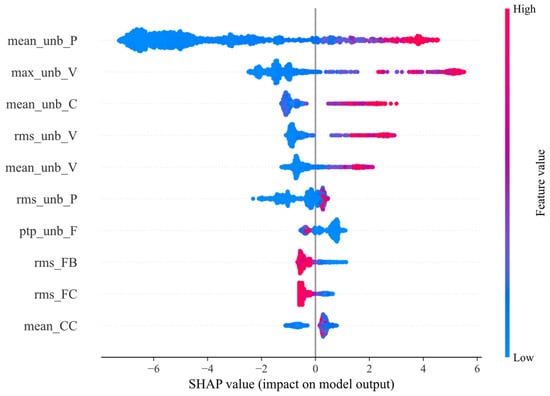
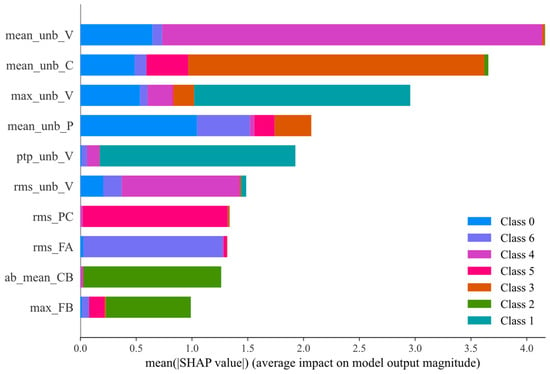
Smart meter anomaly detection is critical for ensuring the security and stability of smart grids. However, existing detection methods face the following limitations: insufficient feature extraction, severe class imbalance, inefficient manual hyperparameter tuning, and poor model interpretability. To overcome these limitations, we propose an accurate and interpretable anomaly detection method based on Bayesian-optimized XGBoost and SHAP. Our method integrates multi-dimensional feature extraction to enrich feature information, Borderline-SMOTE to mitigate class imbalance, Bayesian optimization to tune XGBoost hyperparameters, and SHAP to quantify feature contributions and provide model interpretability. Experimental results on the public MAD dataset demonstrate that our method consistently outperforms both classical machine learning models, including decision tree, Random Forest, XGBoost, and LightGBM, as well as representative deep learning models such as CNN, TCN, LSTM, and CNN-LSTM in binary and multi-class classification tasks, achieving superior accuracy, precision, recall, and F1 scores. SHAP analysis further reveals that three-phase unbalance features are the dominant indicators of abnormal samples, a finding highly consistent with the physical mechanisms of power systems. Our method achieves both competitive detection performance and transparent decision-making, providing an actionable solution for smart meter anomaly detection in practical engineering applications.
Full article
(This article belongs to the Special Issue Innovative AI Solutions for Cybersecurity in Critical Infrastructures)
►▼
Show Figures

Figure 1
Open AccessReview
Beyond the Black Box—A New Vector for Explainable AI Through Comparative Analysis of Logical Systems
by
Said Gulyamov, Saidakhror Saidakhmedovich Gulyamov, Andrey Rodionov, Islambek Rustambekov and Munavvarkhon Mukhitdinova
Information 2026, 17(8), 809; https://doi.org/10.3390/info17080809 - 21 Aug 2026
Abstract
Modern AI often works as a “black box”: it gives an answer, but cannot show why. In high-stakes fields like law, medicine, and government—and under emerging rules such as the EU AI Act—that is a serious problem. Today’s most popular explainability tools, such
[...] Read more.
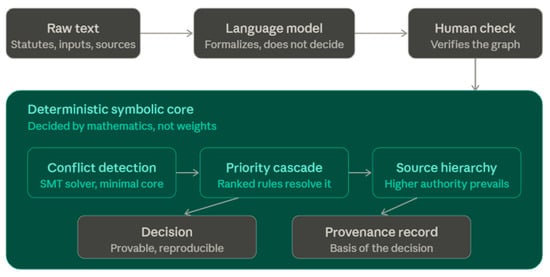
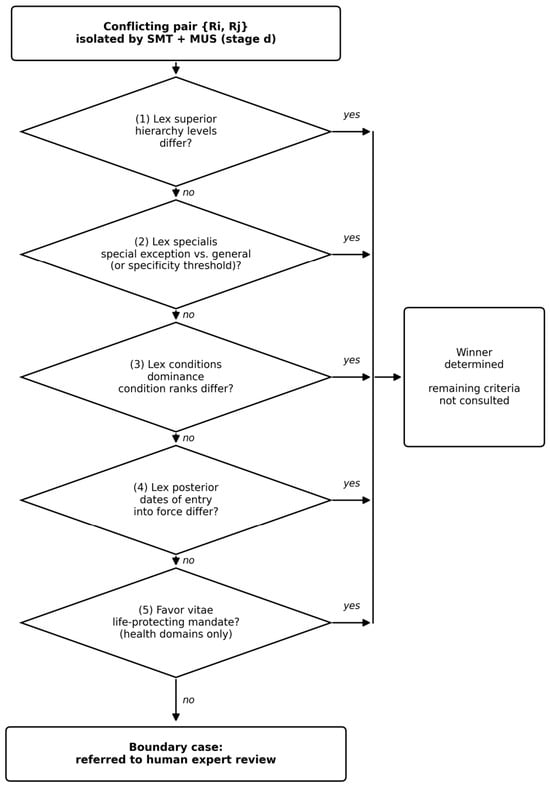
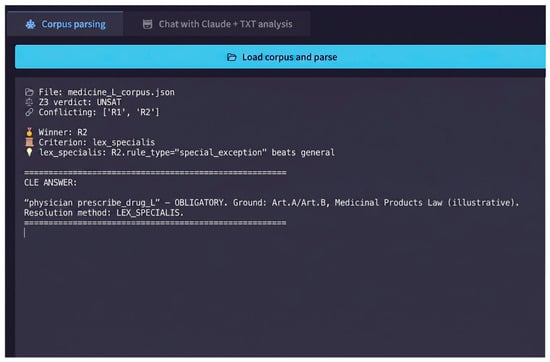
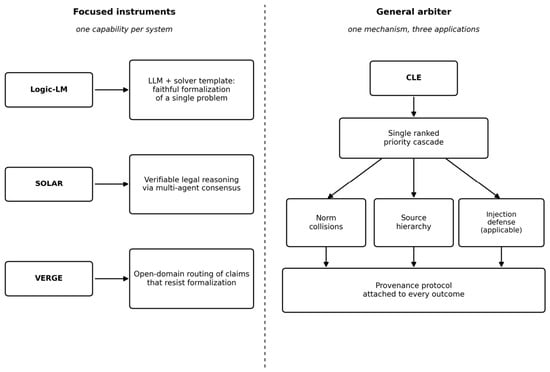
Modern AI often works as a “black box”: it gives an answer, but cannot show why. In high-stakes fields like law, medicine, and government—and under emerging rules such as the EU AI Act—that is a serious problem. Today’s most popular explainability tools, such as SHAP and LIME, only approximate a model’s reasoning after the fact, and their explanations can be unstable. This review explores a different, often overlooked path: logical systems. We first explain in plain terms what they are and where they come from, then compare the main families—propositional, deontic, and first-order logic paired with modern solvers—by what each can express and guarantee. Our main contribution is a comparative taxonomy organized by explanatory guarantees, which reveals that no existing class simultaneously offers natural-language input, formal verifiability, and reproducibility. We then examine neuro-symbolic systems, illustrated by a representative engine (Causal Logic Engine, CLE), where a language model reads the text but a transparent logical layer makes the decision, checked by a human; the engine is described end to end, down to a worked example traced from raw text to the final decision. The key idea: instead of opening the black box, we move the decision outside it—so the reason behind every answer becomes clear and reproducible.
Full article
(This article belongs to the Special Issue Advances in Explainable Artificial Intelligence, 2nd Edition)
►▼
Show Figures

Figure 1
Open AccessArticle
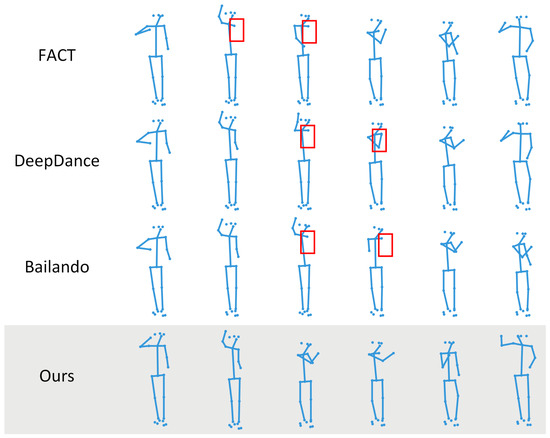
ChoreDiffusion: Beat-Aware Diffusion for Music-to-Dance Generation
by
Yufei Gao, Qian Wu, Shuliang Zhu, Keren He, Wei Weng and Jinjia Zhou
Information 2026, 17(8), 808; https://doi.org/10.3390/info17080808 - 21 Aug 2026
Abstract
Music-to-dance generation requires precisely aligning movement dynamics with musical rhythm, yet existing methods rely on shallow conditioning or auxiliary beat-alignment objectives that fail to establish stable beat–motion correspondences. We present ChoreDiffusion, a diffusion-based framework that integrates explicit beat guidance directly into the denoising
[...] Read more.
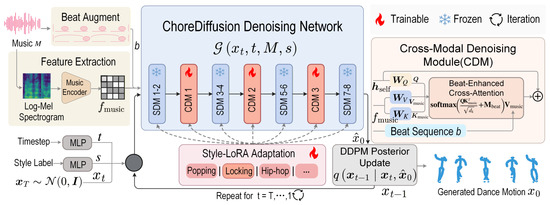
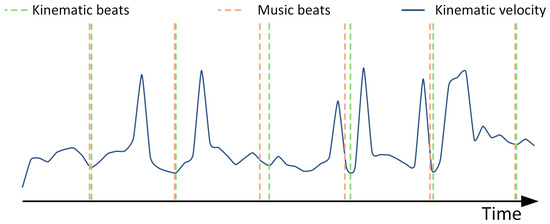
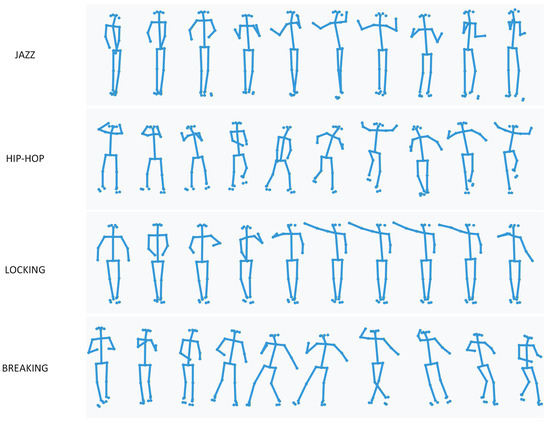
Music-to-dance generation requires precisely aligning movement dynamics with musical rhythm, yet existing methods rely on shallow conditioning or auxiliary beat-alignment objectives that fail to establish stable beat–motion correspondences. We present ChoreDiffusion, a diffusion-based framework that integrates explicit beat guidance directly into the denoising process. Central to our approach is a beat-enhanced cross-modal attention mechanism that injects beat-salience cues at every refinement step, promoting fine-grained synchronization beyond the reach of conventional conditioning pipelines. To support multiple dance styles within a unified model, we incorporate lightweight low-rank adaptation (LoRA) modules that encode style-specific motion signatures with only a small set of additional parameters per style, and a three-stage progressive curriculum stabilizes the joint learning of rhythmic alignment and stylistic expressivity. Experiments on two public multi-style dance benchmarks (AIST++ and FineDance) show that ChoreDiffusion achieves the lowest FID values among the compared generation methods on both benchmarks, while maintaining competitive rhythm alignment and multi-style controllability. These results indicate that embedding beat-aware guidance during generation, rather than applying it afterwards, is an effective route toward human-like musicality in music-driven choreography.
Full article
(This article belongs to the Section Artificial Intelligence)
►▼
Show Figures

Figure 1
Open AccessReview
Mapping IT Reference Frameworks for Governance, Service Management, and Quality Assurance: A Scoping Review
by
Alejandro Quintero Sánchez, José Ricardo Gómez Rodríguez, Luis Alberto Flores Chaires, José Guadalupe Arceo Olague, Víktor Iván Rodríguez Abdalá and Remberto Sandoval Aréchiga
Information 2026, 17(8), 807; https://doi.org/10.3390/info17080807 - 21 Aug 2026
Abstract
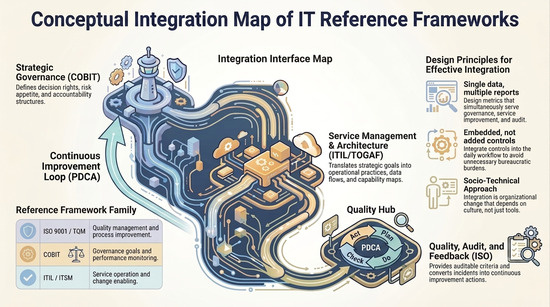
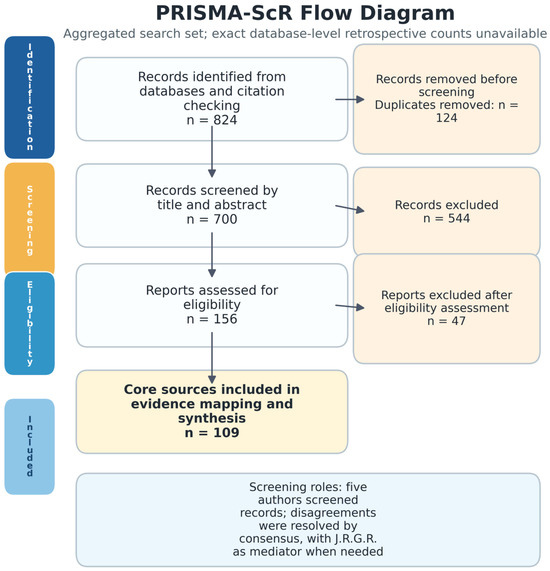
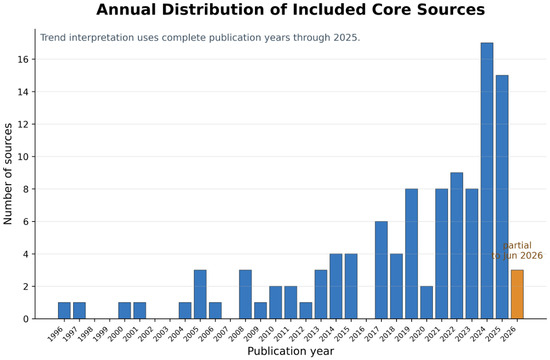
The increasing complexity of information technology (IT) systems requires reference frameworks that connect governance, service management, and quality assurance. This scoping review maps 109 core sources published between 1996 and June 2026 to characterize evidence on IT reference frameworks across organizational and sectoral
[...] Read more.
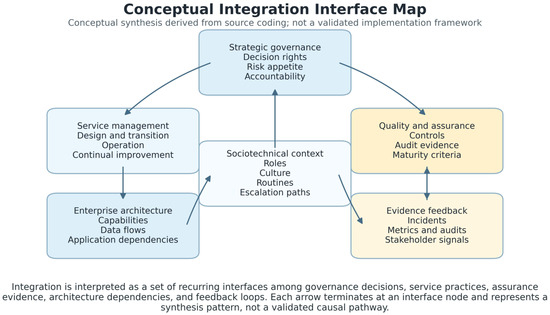
The increasing complexity of information technology (IT) systems requires reference frameworks that connect governance, service management, and quality assurance. This scoping review maps 109 core sources published between 1996 and June 2026 to characterize evidence on IT reference frameworks across organizational and sectoral contexts; records from 2026 are treated as partial-year data and are not interpreted as a complete annual trend. The review was structured using the Population–Concept–Context (PCC) framework and reported in alignment with PRISMA-ScR guidance. Peer-reviewed studies and selected grey literature sources were charted to identify research trends, framework families, implementation patterns, integration interfaces, evaluation practices, and evidence gaps. Dominant families included ISO/TQM-oriented quality systems, COBIT and ITIL/IT service management (ITSM), enterprise architecture, sectoral quality assurance, cybersecurity, and emerging AI/data-governance approaches. The findings indicate that integration is concentrated around recurring interfaces among strategic governance, service operation, quality and assurance controls, enterprise architecture, and evidence feedback. However, the mapped evidence remains methodologically uneven: conceptual frameworks, case studies, and reviews dominate, while longitudinal validation and comparable implementation metrics are limited. Emerging AI-related work is treated as an early research direction rather than as mature evidence of effectiveness.
Full article
(This article belongs to the Section Information Systems)
►▼
Show Figures

Graphical abstract
Open AccessArticle
AI-Mediated Continuous Assessment Infrastructure (AIM-CAI): Connecting Learning Evidence Across Contexts and Time
by
Danielle S. McNamara and Mohammad Nehal Hasnine
Information 2026, 17(8), 806; https://doi.org/10.3390/info17080806 - 21 Aug 2026
Abstract
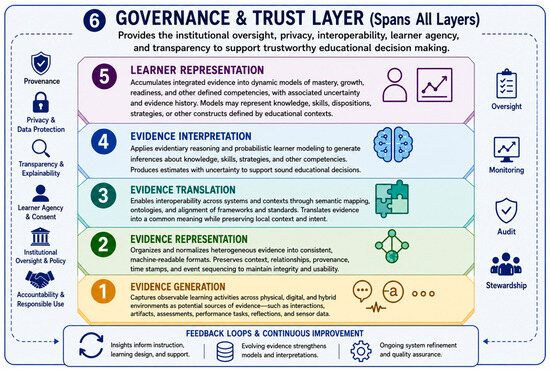
Educational assessment systems have primarily relied on episodic forms of assessment, including examinations, assignments, grades, and credentials. These approaches provide efficient and scalable summaries of achievement and yet capture only part of the developmental process through which learners build competence. Moreover, learning increasingly
[...] Read more.
Educational assessment systems have primarily relied on episodic forms of assessment, including examinations, assignments, grades, and credentials. These approaches provide efficient and scalable summaries of achievement and yet capture only part of the developmental process through which learners build competence. Moreover, learning increasingly unfolds across digital platforms, workplaces, collaborative networks, and AI-mediated environments, generating rich evidence of learner development that remains fragmented across systems and contexts. Advances in artificial intelligence, learning analytics, multimodal analytics, learner modeling, and semantic interoperability make it increasingly feasible to connect, integrate, and interpret this evidence across contexts and over time. This paper introduces the AI-Mediated Continuous Assessment Infrastructure (AIM-CAI), a sociotechnical framework supporting longitudinal, probabilistic interpretation of distributed evidence of learning. Within AIM-CAI, continuous assessment refers to the ongoing accumulation and dynamic interpretation of evidence generated through learning activities. The framework integrates distributed evidence systems, evidence serialization mechanisms, AI-mediated semantic translation, probabilistic learner models, dynamic competency profiles, and federated governance architectures to support context-sensitive interpretations of learner development while maintaining human judgment, privacy, accountability, and learner agency. The authors examine implications for assessment, credentialing, lifelong learning, institutional roles, interoperability, and governance and outline a research agenda addressing key psychometric, ethical, and governance challenges, including validity, fairness, surveillance, semantic instability, and ownership of learning evidence.
Full article
(This article belongs to the Section Information Applications)

►▼
Show Figures

Figure 1
Open AccessArticle
PC-PLF: Path-Conditioned Per-Layer LoRA Fusion for Open-Vocabulary ROADWork Segmentation
by
Ping Wu, Zhi-Ren Pan, Bo Qiu, Jian-Ping Wu and Shao-Jiang Zheng
Information 2026, 17(8), 805; https://doi.org/10.3390/info17080805 - 20 Aug 2026
Abstract
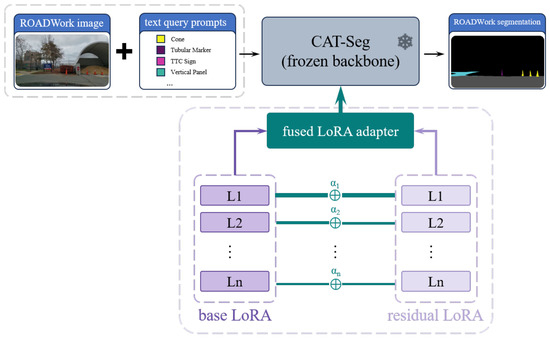
Construction work zones are a difficult case for open-vocabulary semantic segmentation. Their layouts are temporary, safety-relevant objects that are often small and long-tailed, and generic models readily confuse them with background. We address these failures inside an LoRA adapter space rather than retraining
[...] Read more.
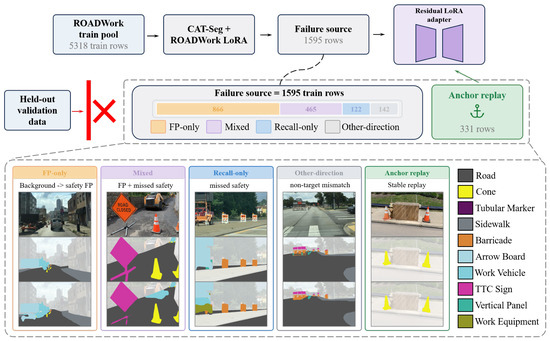
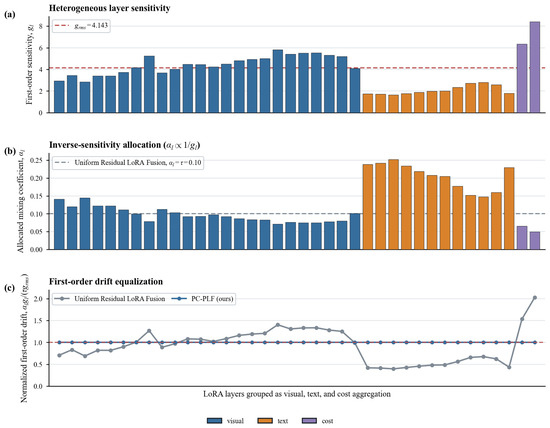
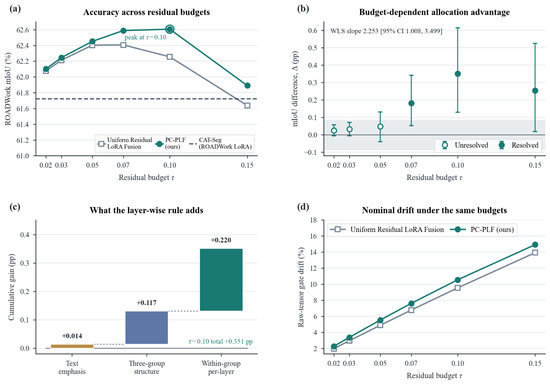
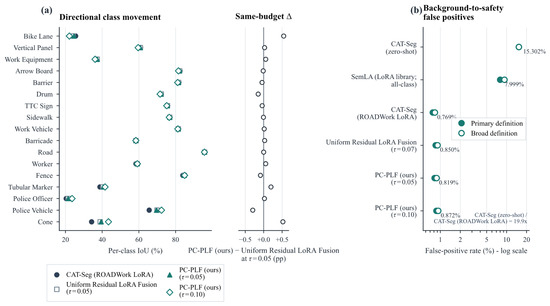
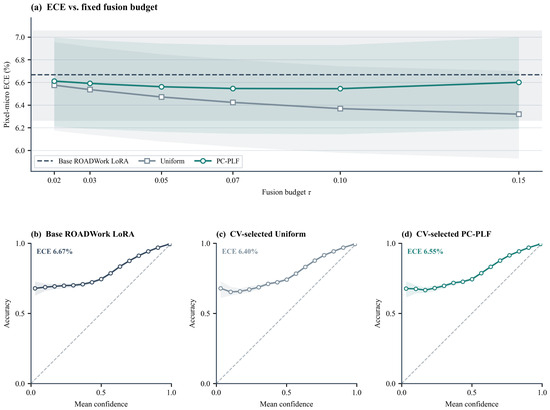
Construction work zones are a difficult case for open-vocabulary semantic segmentation. Their layouts are temporary, safety-relevant objects that are often small and long-tailed, and generic models readily confuse them with background. We address these failures inside an LoRA adapter space rather than retraining the backbone. Using only ROADWork training data, we audit a CAT-Seg RoadWork LoRA for false-positive- and recall-dominated cases and pair them with anchor images to train a residual adapter. Path-conditioned per-layer LoRA fusion (PC-PLF) then distributes a global correction budget across adapted layers using each layer’s first-order tangent magnitude along the stored factor path. Under group-disjoint out-of-fold evaluation on ROADWork, the complete method raises the mIoU from 61.72 for the RoadWork LoRA baseline to 62.29, with a shared-budget allocation gain of 0.33 mIoU over uniform fusion. Most of the total improvement appears before per-layer allocation. Uniform residual fusion contributes 0.69 points over the baseline, confirming that failure-driven residual training supplies the larger share; PC-PLF contributes a smaller allocation effect when tested on the same trained base-residual pair. The allocation effect is reproducible across four curation rules but near zero under SAN architecture transfer and MUSES second-target-domain evaluation. Three-group and text-weighted controls do not recover the full gain. Improvements concentrate in several long-tail safety classes. Cross-architecture, cross-dataset, and calibration audits define the operating regime rather than universal advantage. Residual curation supplies the larger share of the improvement; layer-wise allocation contributes a smaller, pair-specific gain.
Full article
(This article belongs to the Topic Artificial Neural Networks for Visual Learning)
►▼
Show Figures

Figure 1
Open AccessArticle
Spatial Predictive Patterns of Cause-Specific Mortality: Evidence from East Africa
by
Sally Sonia Simmons, John Elvis Hagan, Jr., Imanol L. Nieto-González and Thomas Schack
Information 2026, 17(8), 804; https://doi.org/10.3390/info17080804 - 20 Aug 2026
Abstract
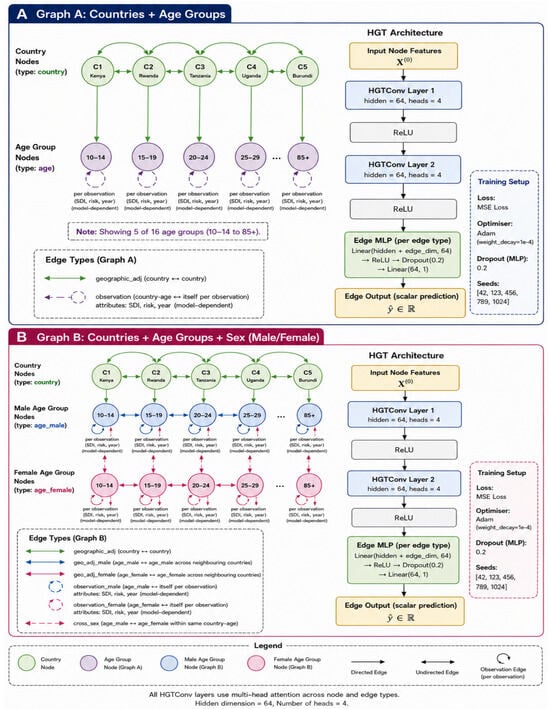
(1) Background: Whether spatial predictive patterns in non-communicable disease mortality persist after accounting for socio-demographic development and biomarkers remains understudied in East Africa. (2) Methods: This study used heterogeneous graph transformer (HGT) models and other techniques to model spatial patterns in cause- and
[...] Read more.
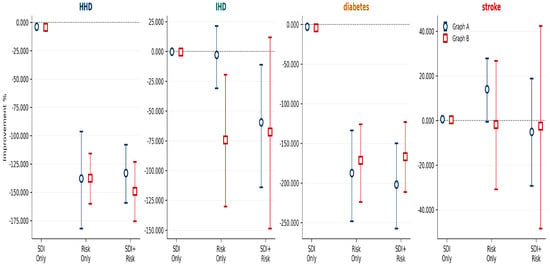
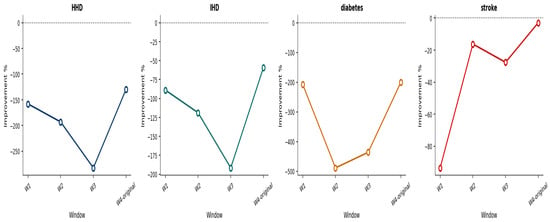
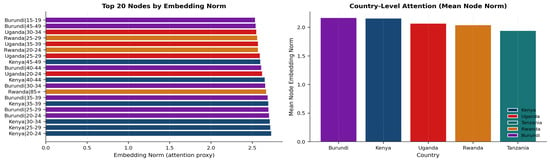
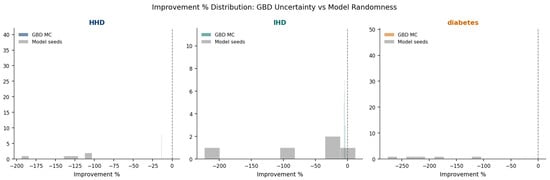
(1) Background: Whether spatial predictive patterns in non-communicable disease mortality persist after accounting for socio-demographic development and biomarkers remains understudied in East Africa. (2) Methods: This study used heterogeneous graph transformer (HGT) models and other techniques to model spatial patterns in cause- and sex/age-specific mortality (hypertensive heart disease [HHD], ischaemic heart disease [IHD], stroke, and diabetes), incorporating risk factors and socio-demographic development (SDI), using data from the Global Burden of Disease (GBD) study, 1990–2023, across Burundi, Kenya, Rwanda, Tanzania, and Uganda. (3) Results: HGT achieved higher performance than OLS spatial lag benchmarks (R2 0.948–0.970 vs. 0.194–0.376). Spatial predictive patterns were disease-specific. Stroke was the only disease with consistent positive spatial structure (SDI-only: 0.645%, 95% CI [0.380, 0.907]), with spatial structure strengthening after 2015. HHD exhibited severe and stable degradation (Risk-only: −137.892%, 95% CI [−181.908, −96.380]), driven by the interaction between metabolic risk covariates and geographic adjacency. Diabetes showed consistently severe degradation (SDI + Risk: −201.941%, 95% CI [−257.349, −150.082]). IHD patterns were weak and unstable. Sex disaggregation revealed stronger stroke spatial signals, indicating latent sex-specific patterns masked by aggregation. GBD measurement uncertainty contributed less than 0.025% of result variance, with model randomness dominating. (4) Conclusions: Spatial predictive patterns in NCD mortality in East Africa are disease-specific. Stroke shows emerging cross-border spatial structure after 2015, while HHD and diabetes reflect country-specific determinants. Sex-disaggregated graph construction reveals latent spatial heterogeneity invisible to aggregate models, supporting disease-specific, sex-stratified regional health strategies.
Full article
(This article belongs to the Special Issue Machine Learning for Predictive Analytics: Models, Applications, and Challenges)
►▼
Show Figures

Figure 1
Open AccessArticle
SEM-PDPL: Semantic Exposure Graphs for Privacy-Law-Informed Risk Assessment of Public Social-Media Data
by
Heba Ismail
Information 2026, 17(8), 803; https://doi.org/10.3390/info17080803 - 20 Aug 2026
Abstract
Public social-media content often contains self-disclosed personal attributes that appear low-risk in isolation but become privacy-relevant when linked across posts, platform accounts, or user-level traces. Existing research has advanced privacy-sensitive content detection, de-anonymization analysis, social-media research ethics, and privacy-compliance workflows; however, limited work
[...] Read more.
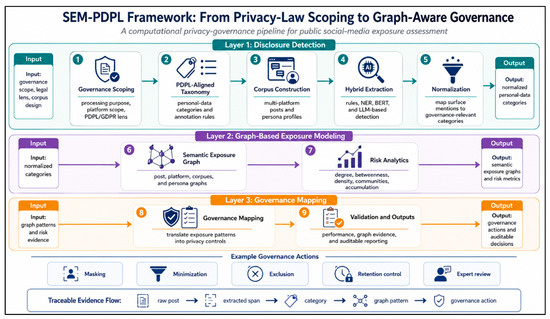
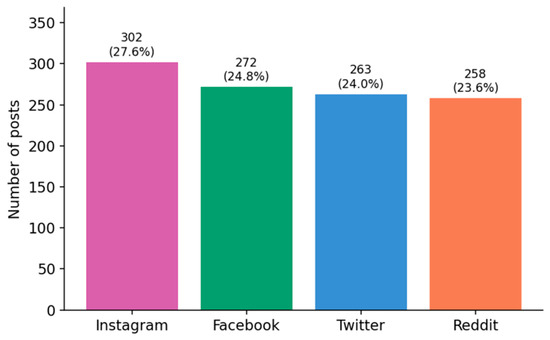
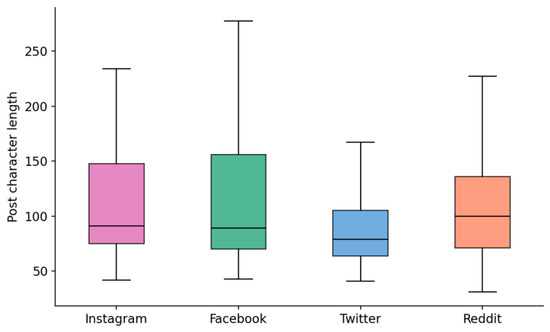
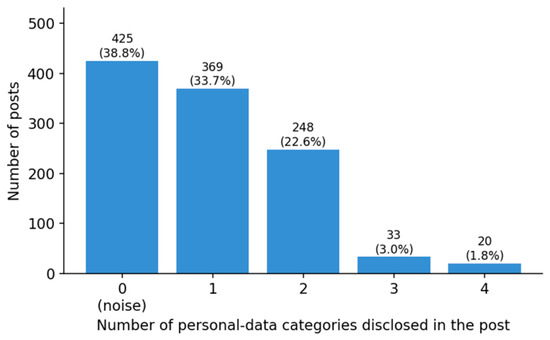
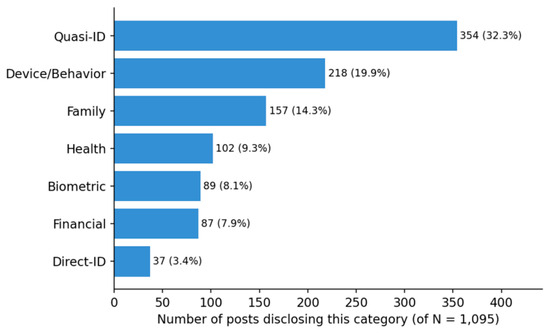
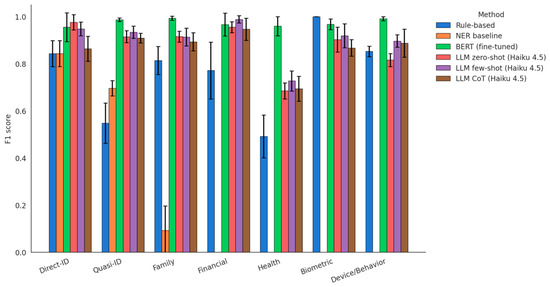
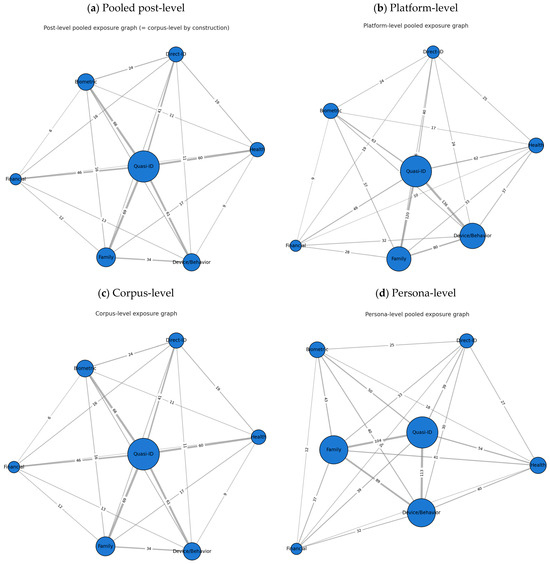
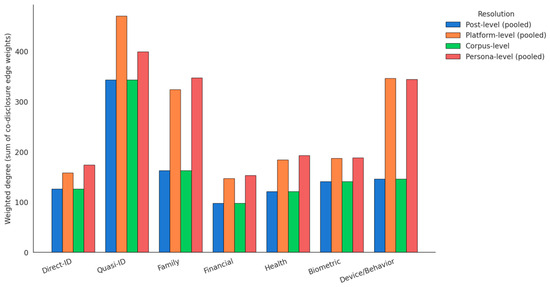
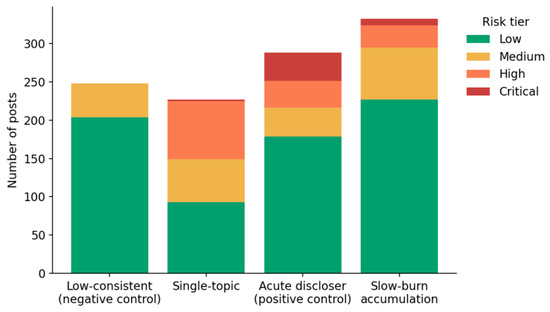
Public social-media content often contains self-disclosed personal attributes that appear low-risk in isolation but become privacy-relevant when linked across posts, platform accounts, or user-level traces. Existing research has advanced privacy-sensitive content detection, de-anonymization analysis, social-media research ethics, and privacy-compliance workflows; however, limited work operationalizes how personal-data disclosures combine structurally and how these structures can be translated into auditable governance actions. This paper proposes SEM-PDPL, a computational, privacy-law-informed risk-assessment framework for modeling public social-media exposure as semantic exposure graphs and mapping graph patterns to controls aligned with the United Arab Emirates Personal Data Protection Law (PDPL) and compatible with GDPR principles. SEM-PDPL combines governance scoping; a PDPL-informed disclosure taxonomy; hybrid extraction using rule-based methods; named-entity recognition; fine-tuned BERT; and schema-constrained large language model annotation, followed by graph construction at post, platform, corpus, and persona levels. The framework is evaluated on a synthetic multi-platform corpus of 1095 posts generated for 150 personas across 290 platform accounts. Results show that, within this controlled synthetic corpus, fine-tuned BERT provides the strongest extraction performance among six evaluated methods, achieving a macro-F1 of 0.975. Graph analysis shows that exposure density increases with aggregation, rising from 0.275 at post level to 1.000 at corpus level, and from 0.859 at platform level to 0.967 at persona level. Across all graph resolutions, quasi-identifiers emerge as the dominant weighted-degree and betweenness node, indicating that ordinary location, employer, school, and demographic cues often function as bridges connecting sensitive categories such as health and biometric data to identifying information. These findings indicate that, within this controlled corpus, privacy risk in public social-media data is not only attribute-based but also structurally graph-shaped. SEM-PDPL contributes an explainable and reproducible framework for identifying exposure hubs, sensitive bridges, and aggregation risks before applying masking, minimization, exclusion, retention, or review controls. The framework does not automate legal compliance; rather, it provides evidence-based decision support for privacy-aware social-media analytics.
Full article
(This article belongs to the Special Issue Semantic Networks for Social Media and Policy Insights)
►▼
Show Figures

Figure 1
Open AccessReview
Toward Trustworthy AI for Autism Spectrum Disorder: A Systematic Review of Multimodal Systems, Knowledge Representation, and Clinical Integration
by
Rita Zgheib, Alia El Naggar, Arash Kermani Kolankeh and Aseel A. Takshe
Information 2026, 17(8), 802; https://doi.org/10.3390/info17080802 - 20 Aug 2026
Abstract
Artificial intelligence has emerged as a promising paradigm for advancing the screening, diagnosis support, and monitoring of autism spectrum disorder (ASD) through scalable and data-driven clinical augmentation. Recent advances in machine learning, multimodal sensing, and digital phenotyping have enabled AI systems to analyze
[...] Read more.
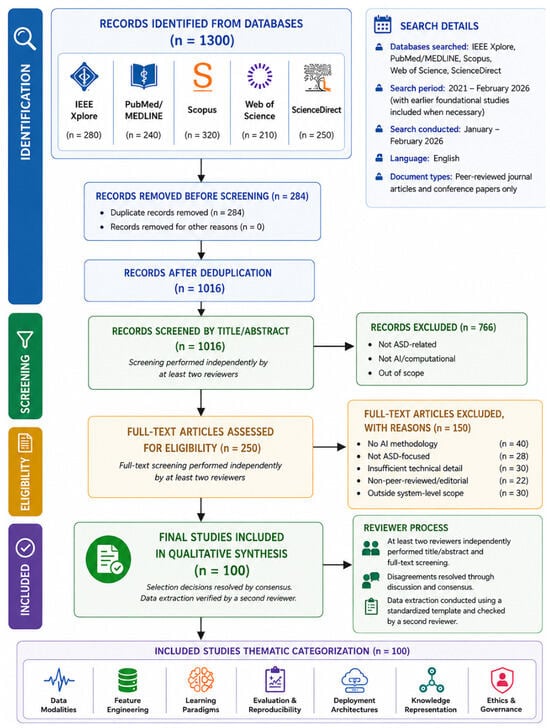
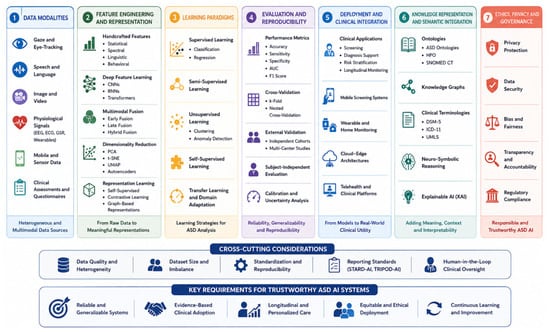
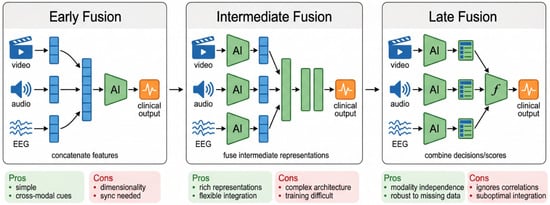
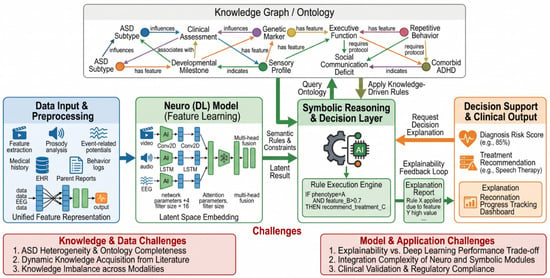
Artificial intelligence has emerged as a promising paradigm for advancing the screening, diagnosis support, and monitoring of autism spectrum disorder (ASD) through scalable and data-driven clinical augmentation. Recent advances in machine learning, multimodal sensing, and digital phenotyping have enabled AI systems to analyze behavioral, neurophysiological, speech, and clinical data to identify early markers of ASD. Despite encouraging experimental results, major barriers to clinical translation remain, including limited generalizability, fragmented datasets, insufficient evaluation rigor, lack of semantic interoperability, and unresolved ethical and regulatory concerns. This systematic review provides a comprehensive technical review of AI for ASD, covering data modalities, feature engineering, learning paradigms, evaluation protocols, deployment architectures, and knowledge representation frameworks. Particular emphasis is placed on system-level and translational considerations, including cloud–edge infrastructures, explainable clinical decision-support systems, privacy-aware deployment, and ontology-driven reasoning. Beyond summarizing existing work, this paper critically analyzes challenges related to reproducibility, dataset bias, interpretability, and clinical integration and derives design requirements for next-generation trustworthy ASD AI systems. We argue that meaningful clinical impact will require the integration of multimodal learning, semantic knowledge representation, explainable reasoning, and human-in-the-loop decision processes to support safe, interpretable, and clinically deployable AI systems in pediatric healthcare environments.
Full article
(This article belongs to the Special Issue Machine Learning and Simulation for Public Health)
►▼
Show Figures

Figure 1
Open AccessEditorial
Navigated Information Behaviors, Analytics, and Digital Flourishing in the Modern Social Landscape
by
Yair Galily
Information 2026, 17(8), 801; https://doi.org/10.3390/info17080801 - 20 Aug 2026
Abstract
In the rapidly evolving landscape of contemporary digital communication, the dynamic interplay between individual human information behaviors and the increasingly complex analytical tools applied to social media platform data has rapidly emerged as a foundational focal point of multidisciplinary scholarship across the social
[...] Read more.
In the rapidly evolving landscape of contemporary digital communication, the dynamic interplay between individual human information behaviors and the increasingly complex analytical tools applied to social media platform data has rapidly emerged as a foundational focal point of multidisciplinary scholarship across the social and computational sciences [...]
Full article
(This article belongs to the Special Issue Information Behaviors: Social Media Challenges and Analytics)
Open AccessArticle
QUEST: A Simulation-Based QKD Architecture with Eight-State Time-Bin Modulation and Adaptive Homodyne–Heterodyne Detection
by
Vidhya Prakash Rajendran, Deepalakshmi Perumalsamy, Basker Palaniswamy, Ashok Kumar Das and Vivekananda Bhat K
Information 2026, 17(8), 800; https://doi.org/10.3390/info17080800 - 19 Aug 2026
Abstract
Quantum key distribution (QKD) employs quantum states to generate shared cryptographic keys. An attacker interacting with the modeled non-orthogonal quantum signals can affect the monitored statistics, and hence they can be detected under the specified protocol assumptions, but this trait does not inherently
[...] Read more.
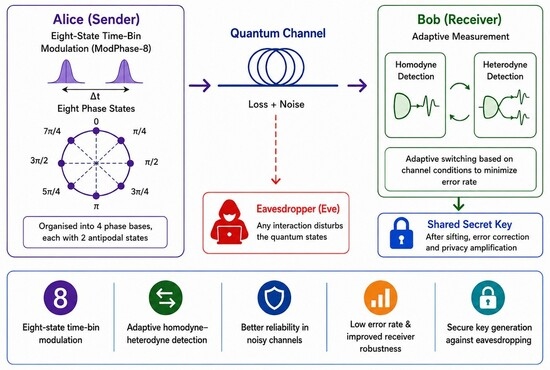
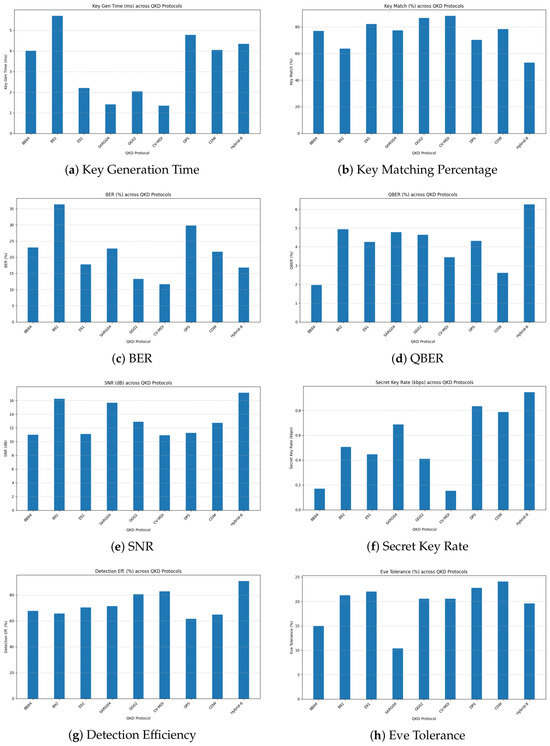
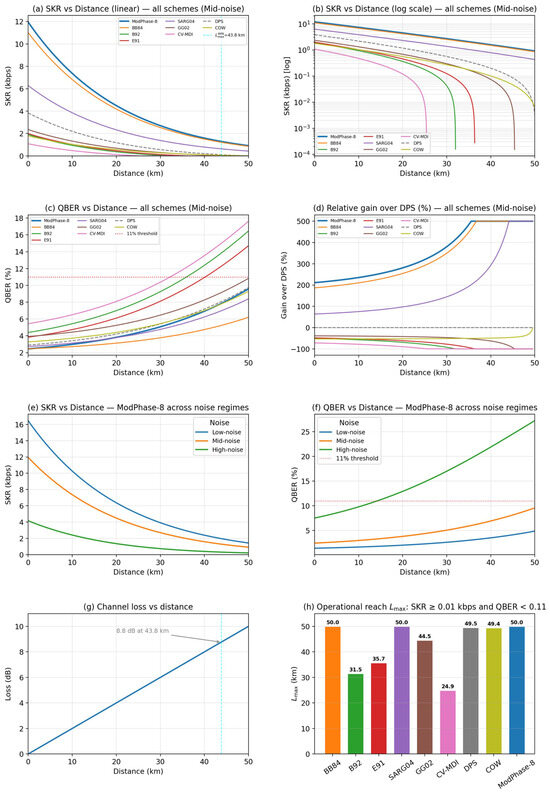
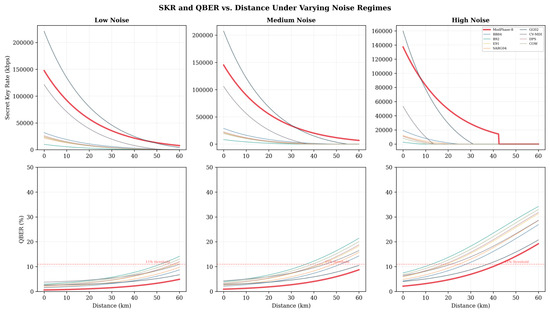
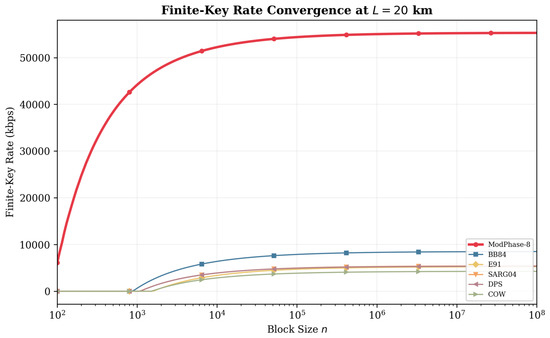
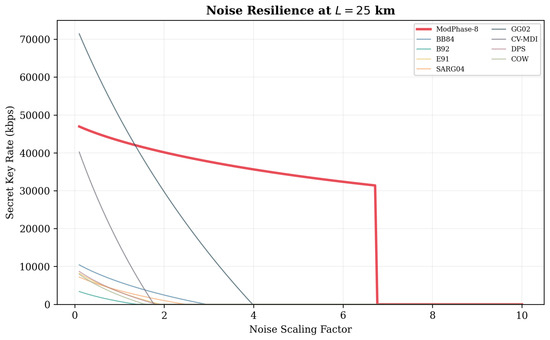
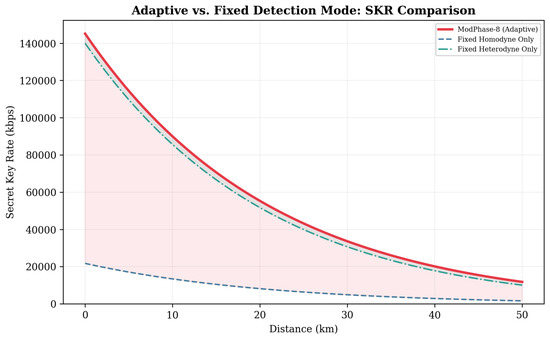
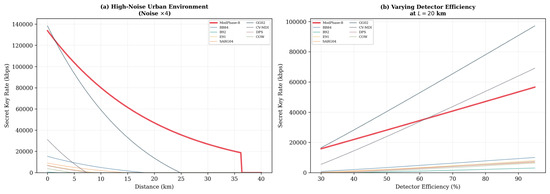
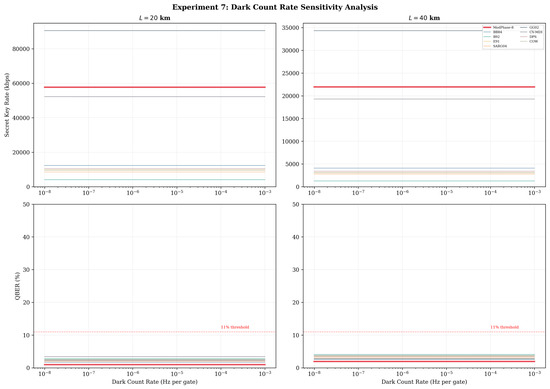
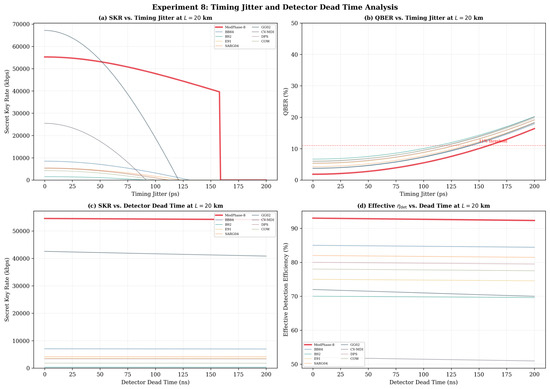
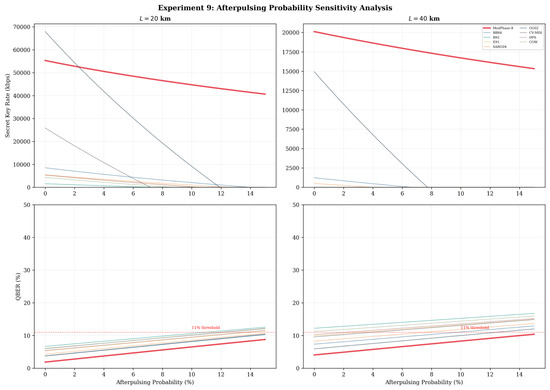
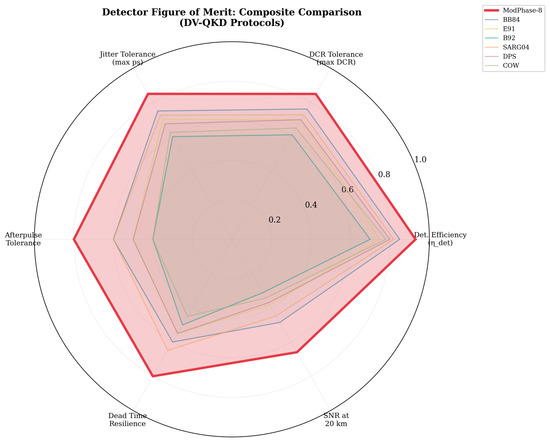
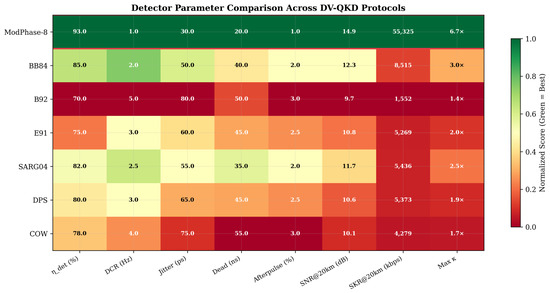
Quantum key distribution (QKD) employs quantum states to generate shared cryptographic keys. An attacker interacting with the modeled non-orthogonal quantum signals can affect the monitored statistics, and hence they can be detected under the specified protocol assumptions, but this trait does not inherently authenticate the classical channel, and it does not prevent implementation side channels. In this work, we introduce ModPhase-8 (QUEST), a proposed QKD modulation and adaptive-receiver architecture evaluated through analytical modeling and simulation. Instead of using only a few quantum signal types, our system uses eight carefully designed signal variations created by adjusting the phase between two very short light pulses. The eight phase states are organized into four phase bases, each containing two antipodal states that encode one binary raw-key value. The enlarged signal set diversifies the physical representation of the key bit and changes the state-discrimination problem faced by an eavesdropper, but it does not increase the raw-key payload beyond one bit per successfully sifted signal. On the receiving side, the system adaptively switches between two measurement techniques based on the prevailing channel conditions. This adaptive detection mechanism enhances reliability and helps maintain low error rates even when the communication channel is affected by noise. We provide an analytical security assessment under the stated collective-attack, source, channel, receiver, and trusted-device assumptions, supplemented by attack-specific analyses of intercept–resend, beam-splitting, source-side multi-photon leakage, and selected implementation-related vulnerabilities. Simulation studies were conducted to examine the physical-layer and post-processing behavior of the proposed protocol under explicitly stated channel, receiver, detector, and finite-sample values. Under the adopted simulation model, ModPhase-8 maintains low error rates in the low- and moderate-noise operating regimes and exhibits favorable receiver-level robustness across the investigated channel conditions. The reported rate values are model-based performance estimates rather than rigorously certified secret-key lower bounds. In particular, Qiskit simulation does not establish a composable security proof or an optimal bound on Eve’s information for the exact eight-state time-bin ensemble. A protocol-specific numerical security analysis incorporating the homodyne–heterodyne measurement operators, post-selection, reconciliation efficiency, finite-size effects, and Eve’s Holevo information remains necessary before definitive rate comparisons can be made. ModPhase-8 should therefore be interpreted as a practically motivated receiver and modulation framework whose security-rate performance remains subject to further protocol-specific analysis.
Full article
(This article belongs to the Special Issue Cryptographic Protocols for Decentralized Security and Privacy)
►▼
Show Figures

Graphical abstract
Open AccessArticle
Frequency-Dependent EEG Network Reorganization Under Transcutaneous Electroacupuncture Stimulation: Clinical Insights from Graph Analysis
by
Amna Sajid, Raheel Zafar, Muhammad Zafarullah, Ata Ullah, Giuseppina Pappalardo, Shumayla Yaqoob and David Mayor
Information 2026, 17(8), 799; https://doi.org/10.3390/info17080799 - 19 Aug 2026
Abstract
The effects of transcutaneous electroacupuncture stimulation (TEAS) on large-scale brain function remain insufficiently characterized. This study employed a graph-theoretical approach to analyze electroencephalogram (EEG) data from 48 healthy participants in the Pilot-6 TEAS study. Participants received sham (0 pps), 2.5 pps, 10 pps,
[...] Read more.
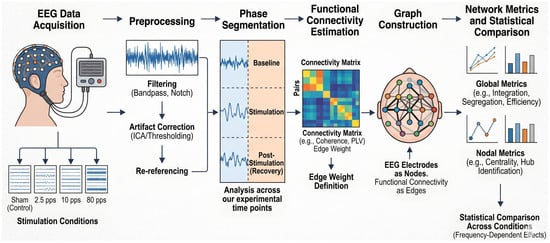
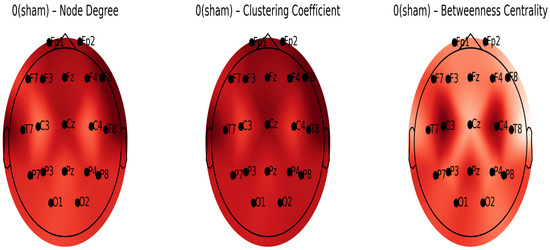
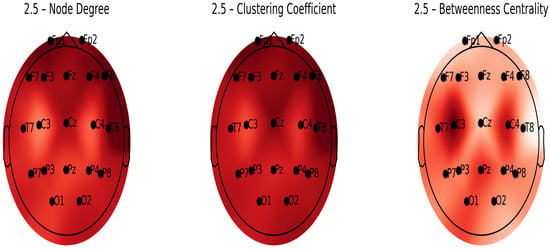
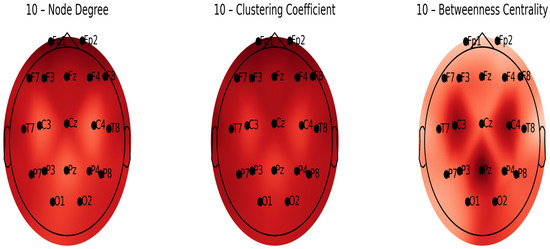
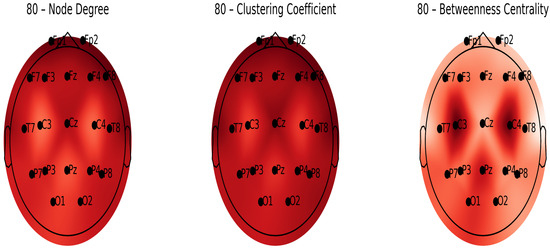
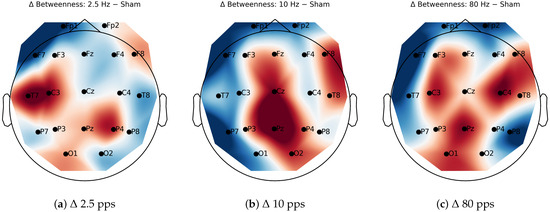
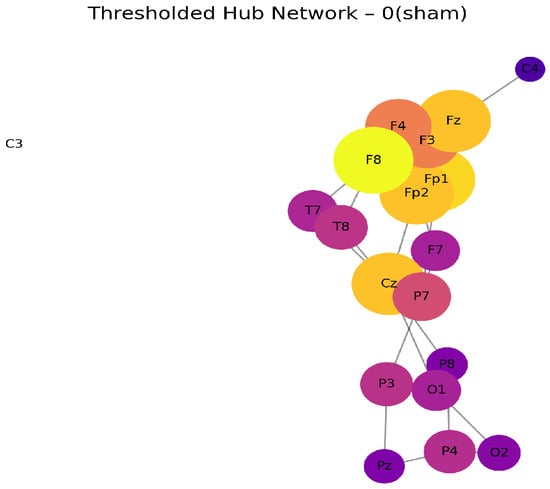
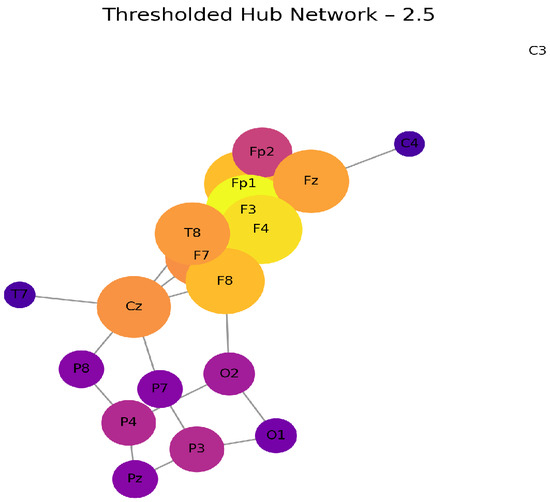
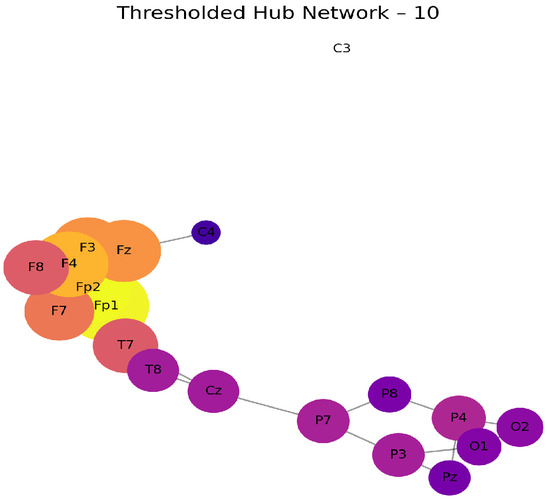
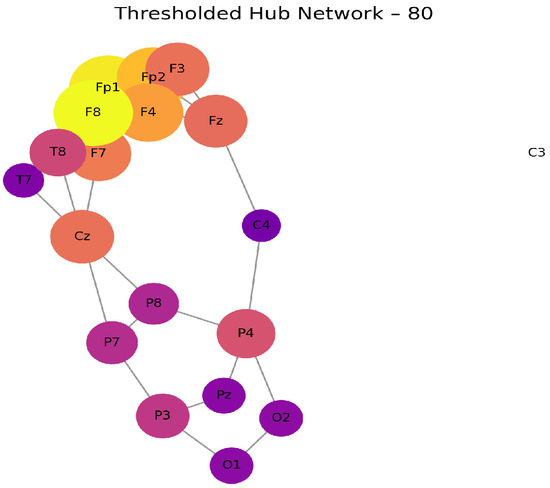
The effects of transcutaneous electroacupuncture stimulation (TEAS) on large-scale brain function remain insufficiently characterized. This study employed a graph-theoretical approach to analyze electroencephalogram (EEG) data from 48 healthy participants in the Pilot-6 TEAS study. Participants received sham (0 pps), 2.5 pps, 10 pps, and 80 pps stimulation during baseline, stimulation, and recovery phases. Functional connectivity was assessed using coherence and the weighted phase-lag index, followed by calculation of global and nodal graph measures from thresholded weighted undirected sensor-level networks. Descriptive analysis indicated potential frequency-related differences in EEG network organization. The 2.5 pps condition exhibited the highest average degree, whereas the 80 pps condition demonstrated the highest average clustering coefficient. At 10 pps, sensor-level maps revealed a distinct frontal–central betweenness-centrality pattern. Although 48 participants provided usable EEG data for descriptive analysis, only 3 participants had complete matched graph-metric data for all four stimulation conditions, limiting repeated-measures statistical validation. After correction for multiple comparisons, no statistically significant frequency-related effects were observed, and nodal hub differences were not independently confirmed. Consequently, these patterns should be interpreted as descriptive and exploratory rather than established group-level effects. These findings indicate that graph-theoretical EEG analysis may facilitate the identification of candidate network features for future investigations of TEAS-related brain network organization.
Full article
(This article belongs to the Special Issue AI-Based Biomedical Signal Processing)
►▼
Show Figures

Figure 1
Open AccessArticle
Agile Software Development Challenges: Identification, Validation, and Prioritization Using the Analytic Hierarchy Process
by
Kamran Khan Tatari, Shahid Latif, Salim Ur Rehman and Muhammad Ismail Mohmand
Information 2026, 17(8), 798; https://doi.org/10.3390/info17080798 - 19 Aug 2026
Abstract
Context: The Agile methodology has been prevalent in the software industry for more than two decades, marking a shift from plan-driven to market-driven approaches and introducing various challenges. While the literature identifies numerous challenges in Agile development, little attention has been given to
[...] Read more.
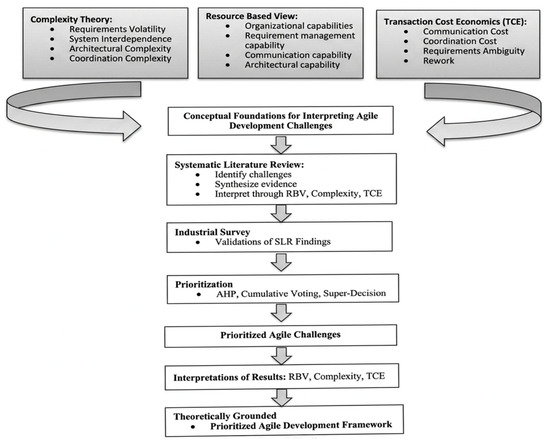
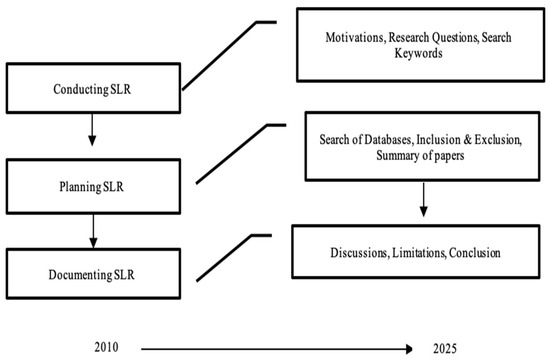
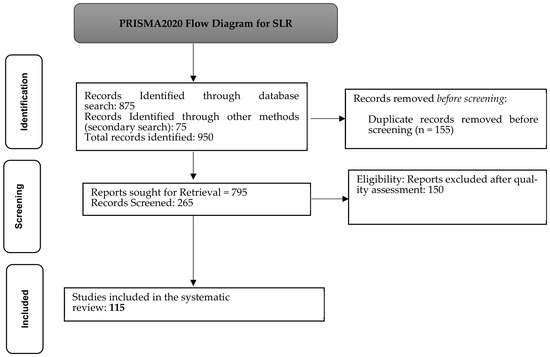
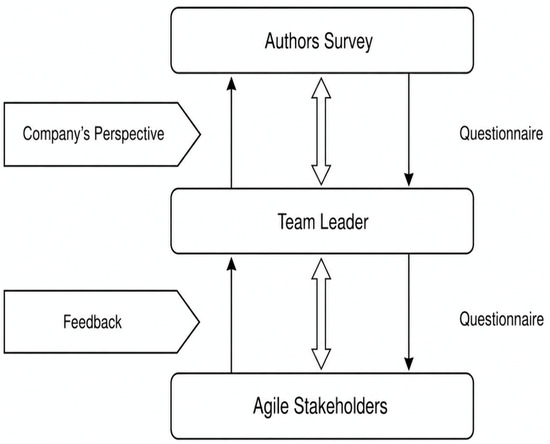
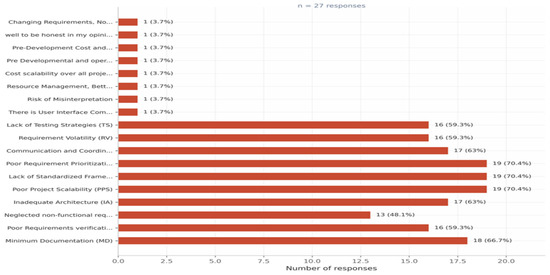
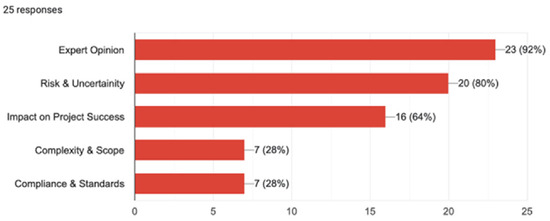
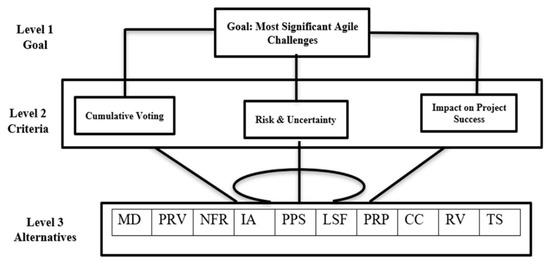
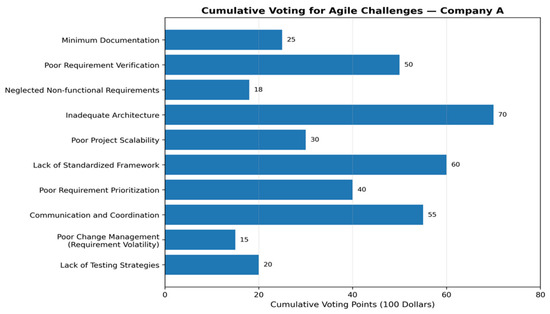
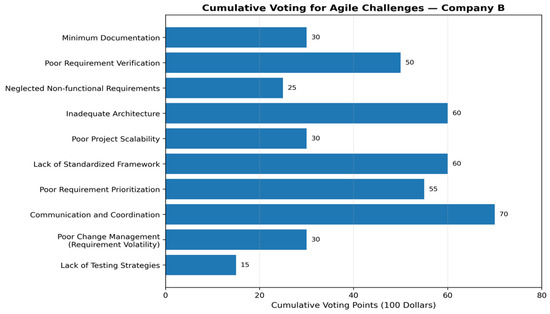
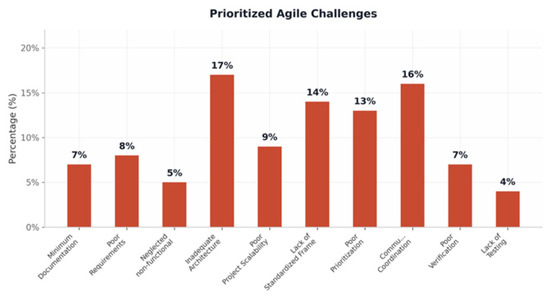
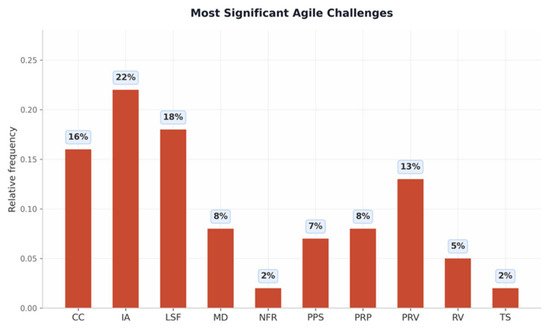
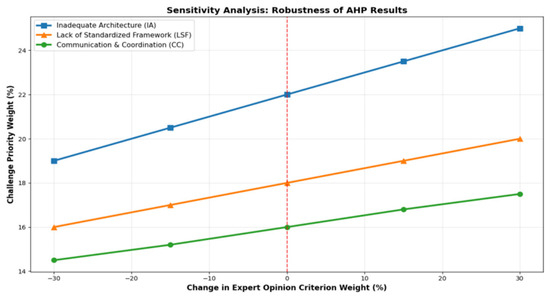
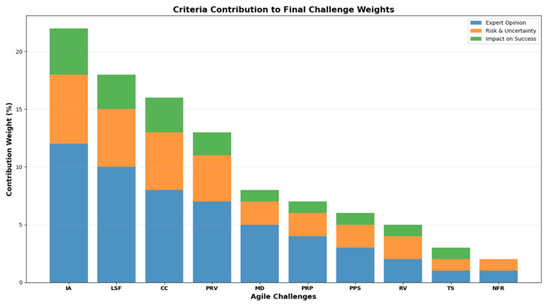
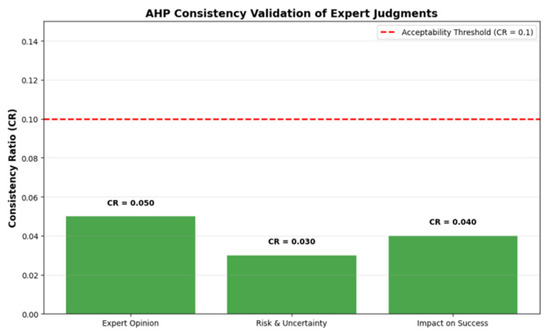
Context: The Agile methodology has been prevalent in the software industry for more than two decades, marking a shift from plan-driven to market-driven approaches and introducing various challenges. While the literature identifies numerous challenges in Agile development, little attention has been given to their ranking and prioritization, which are critical for effective project management and decision making. This study fills this gap by combining empirical evidence from the literature and practitioners. Objectives: This study aims to identify and hierarchically prioritize the most recent challenges faced by Agile practitioners during product development. To achieve this, a Systematic Literature Review (SLR) was conducted using 115 published studies between 2010 and 2025 followed by empirical data collection from 30 Agile experts through semi-structured interviews conducted with practitioners from Agile companies and an online survey. This study applies Cumulative Voting (100-Dollar Test) and Multi-Criteria Decision Making (MCDM) techniques to rank and prioritize these challenges. Results: The SLR identifies several recurring Agile challenges; however, limited research has focused on their ranking and prioritization. The present study reveals new challenges, such as user interface complexities, lack of pre-development and pre-operational cost information, and lack of cost scalability at the module and feature levels. The current study identifies Inadequate Architecture (22%), Lack of Standardized Framework (18%), Communication and Coordination (16%), Poor Requirement Verification (13%), and Minimum Documentation (8%) as the most significant challenges. Conclusions: This study provides valuable insight for Agile practitioners and organizations, enabling more informed project planning, resource allocation, and strategic decision making. By focusing on the most critical challenges, teams can enhance software quality, streamline processes, and improve overall productivity in Agile environments.
Full article
(This article belongs to the Topic Fuzzy Optimization and Decision Making)
►▼
Show Figures

Figure 1
Journal Menu
► ▼ Journal Menu-
- Information Home
- Aims & Scope
- Editorial Board
- Reviewer Board
- Topical Advisory Panel
- Instructions for Authors
- Special Issues
- Topics
- Sections & Collections
- Article Processing Charge
- Indexing & Archiving
- Editor’s Choice Articles
- Most Cited & Viewed
- Journal Statistics
- Journal History
- Journal Awards
- Society Collaborations
- Conferences
- Editorial Office
Journal Browser
► ▼ Journal BrowserHighly Accessed Articles
Latest Books
E-Mail Alert
News
Topics
Topic in
Electronics, AgriEngineering, AI Sensors, Healthcare, AI, BioMedInformatics, BDCC, Information
Generative AI and Interdisciplinary Applications
Topic Editors: Jisheng Dang, Wenjie Wang, Yongqi Li, Juncheng LiDeadline: 31 August 2026
Topic in
World, Informatics, Information
The Applications of Artificial Intelligence in Tourism
Topic Editors: Angelica Lo Duca, Jose BerengueresDeadline: 30 September 2026
Topic in
Electronics, Information, Mathematics, Sensors
Extended Reality: Models and Applications
Topic Editors: Moldoveanu Alin, Anca Morar, Robert Gabriel LupuDeadline: 31 October 2026
Topic in
Brain Sciences, JCM, Healthcare, Reports, Information, NeuroSci
Applications of Virtual Reality Technology in Rehabilitation—2nd Edition
Topic Editors: Jorge Oliveira, Pedro GamitoDeadline: 30 November 2026
Conferences
Special Issues
Special Issue in
Information
Blending Artificial Intelligence and Machine Learning with the Internet of Things: Emerging Trends, Issues and Challenges—2nd Edition
Guest Editors: Vasco N. G. J. Soares, João M. L. P. Caldeira, Bruno Bogaz Zarpelão, Adriano Raposo, Manuel Jesus-AzabalDeadline: 31 August 2026
Special Issue in
Information
Information Technology for Smart Healthcare
Guest Editors: Omar El-Gayar, Abdullah WahbehDeadline: 31 August 2026
Special Issue in
Information
Information Systems and Technologies: Foundations, Techniques, and Applications
Guest Editors: Marjan Mernik, Álvaro RochaDeadline: 31 August 2026
Special Issue in
Information
Editorial Board Members’ Collection Series: "Information Systems"
Guest Editors: Sokratis Katsikas, Vincenzo MoscatoDeadline: 31 August 2026
Topical Collections
Topical Collection in
Information
Knowledge Graphs for Search and Recommendation
Collection Editors: Pierpaolo Basile, Annalina Caputo
Topical Collection in
Information
Augmented Reality Technologies, Systems and Applications
Collection Editors: Ramon Fabregat, Jorge Bacca-Acosta, N.D. Duque-Mendez
Topical Collection in
Information
Natural Language Processing and Applications: Challenges and Perspectives
Collection Editor: Diego Reforgiato Recupero