
Journal Description
Informatics
Informatics
is an international, peer-reviewed, open access journal on information and communication technologies, human–computer interaction, and social informatics, and is published monthly online by MDPI.
- Open Access— free for readers, with article processing charges (APC) paid by authors or their institutions.
- High Visibility: indexed within Scopus, ESCI (Web of Science), dblp, and other databases.
- Journal Rank: JCR - Q2 (Computer Science, Interdisciplinary Applications) / CiteScore - Q1 (Communication)
- Rapid Publication: manuscripts are peer-reviewed and a first decision is provided to authors approximately 32.1 days after submission; acceptance to publication is undertaken in 4.2 days (median values for papers published in this journal in the second half of 2025).
- Recognition of Reviewers: reviewers who provide timely, thorough peer-review reports receive vouchers entitling them to a discount on the APC of their next publication in any MDPI journal, in appreciation of the work done.
- Journal Cluster of Information Systems and Technology: Analytics, Applied System Innovation, Cryptography, Data, Digital, Informatics, Information, Journal of Cybersecurity and Privacy and Multimedia.
Impact Factor:
5.1 (2025);
5-Year Impact Factor:
4.3 (2025)
Latest Articles
Hybrid Quantum-Classical Neural Networks for Healthcare Prediction Powered by Automated Scientific Discovery
Informatics 2026, 13(6), 98; https://doi.org/10.3390/informatics13060098 (registering DOI) - 22 Jun 2026
Abstract
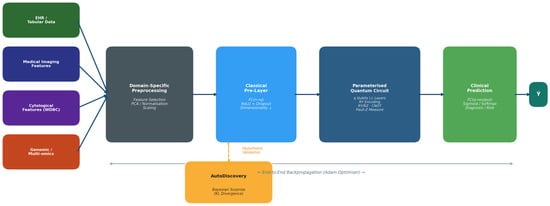
This study presents a reproducible evaluation framework for hybrid quantum-classical neural networks (HQCNNs) in healthcare classification, rather than a new architecture. We assess a four-qubit HQCNN combining a compact classical encoder, a two-layer parameterized quantum circuit (PQC), and a classical readout (441 trainable
[...] Read more.
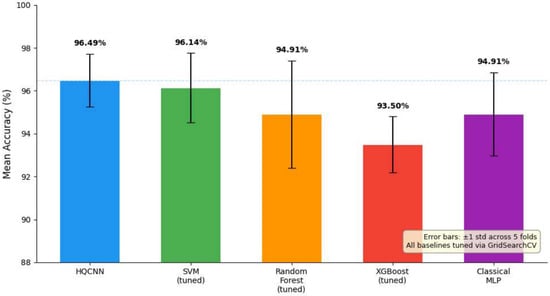
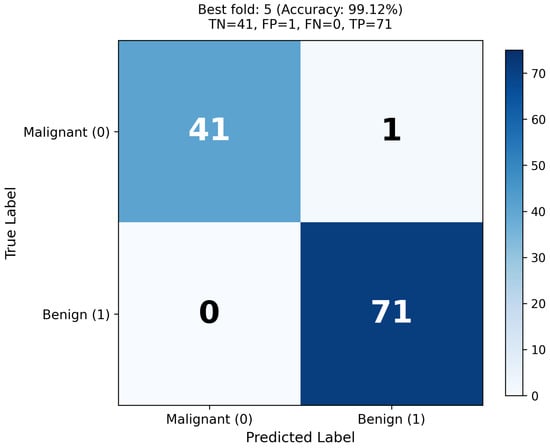
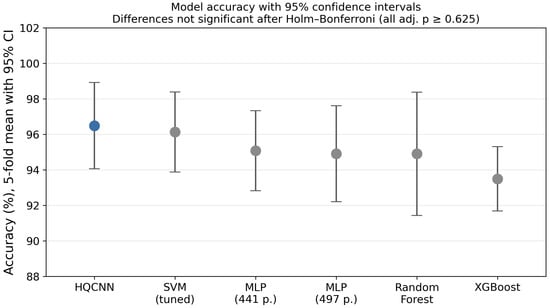
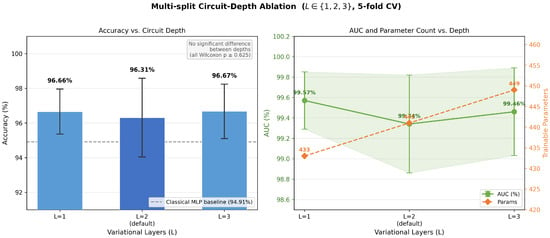
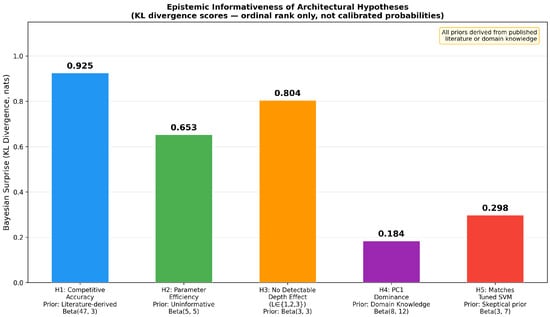
This study presents a reproducible evaluation framework for hybrid quantum-classical neural networks (HQCNNs) in healthcare classification, rather than a new architecture. We assess a four-qubit HQCNN combining a compact classical encoder, a two-layer parameterized quantum circuit (PQC), and a classical readout (441 trainable parameters) against carefully tuned classical baselines on the Wisconsin Diagnostic Breast Cancer (WDBC) dataset under identical five-fold cross-validation. The work is framed as a single-dataset proof-of-concept: the contribution is a documented, shared-fold evaluation protocol with a parameter-matched classical control and a quantified epistemic-informativeness analysis, not a demonstration of general quantum advantage. The HQCNN reached accuracy and ROC-AUC. A parameter-matched classical multilayer perceptron (441 parameters) reached accuracy; the HQCNN’s percentage-point edge at equal capacity was not statistically significant (paired t, ). Across five shared folds, no HQCNN-versus-classical accuracy difference survived Holm–Bonferroni correction (all adjusted ), so we report the HQCNN as competitive with, not superior to, strong tuned classical baselines. A multi-split depth ablation showed that circuit depth had no statistically detectable effect on accuracy ( vs. : Wilcoxon ); we therefore adopt two variational layers as a practical default rather than an optimum. Under a low-noise simulator (depolarising and amplitude-damping channels, ), accuracy was , indicating robustness only at modest uniform error rates; realistic hardware noise is higher. We additionally apply Bayesian surprise as an epistemic-informativeness heuristic—not a formal generative model—to rank which findings are most worth building on. The framework offers a reproducible, documented evaluation procedure that can support cumulative comparison of hybrid quantum-classical models in healthcare.
Full article
(This article belongs to the Section Machine Learning)
►
Show Figures
Open AccessArticle
Trust, Emotion, and Skepticism in AI-Enabled Academic Marketing: Psychometric Validation and Cross-Validated Machine Learning Evidence from Higher Education
by
Pradnya Dalavi, Ganesh Waghmare and Ravindra Khedkar
Informatics 2026, 13(6), 97; https://doi.org/10.3390/informatics13060097 (registering DOI) - 20 Jun 2026
Abstract
Higher-education institutions increasingly use AI-enabled chatbots, personalised communication, recommendation systems, and predictive information services in academic marketing. Adoption of these systems depends not only on technical availability, but also on institutional trust, emotional engagement, and skepticism regarding the reliability, transparency, and autonomy implications
[...] Read more.
Higher-education institutions increasingly use AI-enabled chatbots, personalised communication, recommendation systems, and predictive information services in academic marketing. Adoption of these systems depends not only on technical availability, but also on institutional trust, emotional engagement, and skepticism regarding the reliability, transparency, and autonomy implications of AI. This study examines the Trust-Tech Nexus framework using stakeholder survey data collected at MIT Art, Design and Technology University, Pune, India (N = 300). The analysis combines psychometric validation, WLSMV confirmatory factor analysis for ordered indicators, and cross-validated predictive modelling. Four three-item constructs were measured with five-point Likert indicators, as follows: AI Adoption, Institutional Trust, Emotional Engagement, and AI Skepticism. Reliability and convergent validity were acceptable, and the WLSMV CFA showed strong practical fit (CFI = 0.991, TLI = 0.988, RMSEA = 0.040, SRMR = 0.039). Discriminant validity was supported by HTMT and Fornell–Larcker evidence, while Harman’s single-factor result was treated only as an initial diagnostic. Construct-only ridge regression produced positive out-of-sample predictive evidence (CV R-squared = 0.352; RMSE = 0.642; MAE = 0.501). Exploratory classification results were moderate and are interpreted only as supplementary segmentation evidence because the binary targets were derived from the AI Adoption composite. The study supports a validated four-construct measurement structure and moderate predictive association in one institutional context, while avoiding causal claims.
Full article
(This article belongs to the Topic Consumer Behavior, Sustainable Marketing and Consumption Upgrading)
Open AccessArticle
Ensuring High-Quality Rainfall Datasets in Thailand: A Multi-Step Quality Control Approach and Satellite-Based Evaluation
by
Dusadee Pinasu and Apichon Witayangkurn
Informatics 2026, 13(6), 96; https://doi.org/10.3390/informatics13060096 - 18 Jun 2026
Abstract
Reliable, high-quality rainfall data are vital for soil and water management, crop forecasting, and risk assessment. These applications are essential for food security, climate resilience, biodiversity monitoring, and rural livelihoods. Rainfall monitoring in Thailand is challenging due to the limited density of official
[...] Read more.
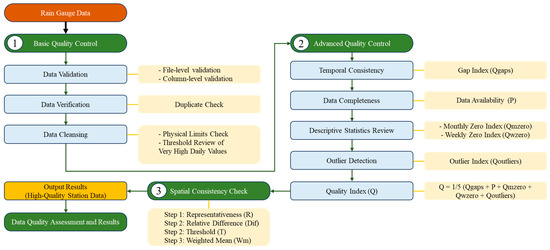
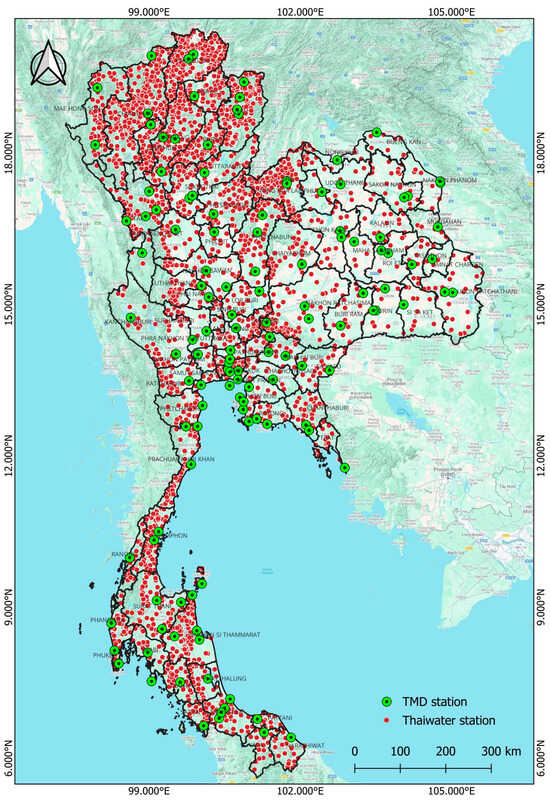
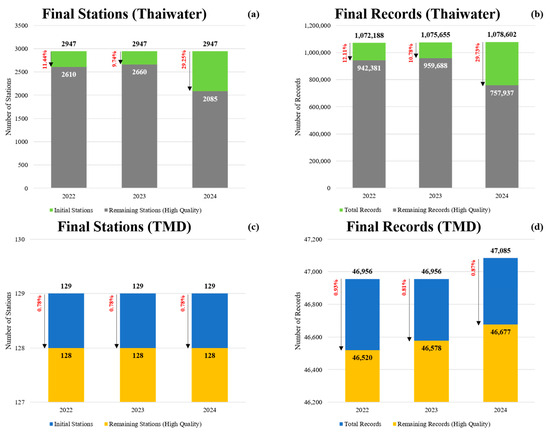
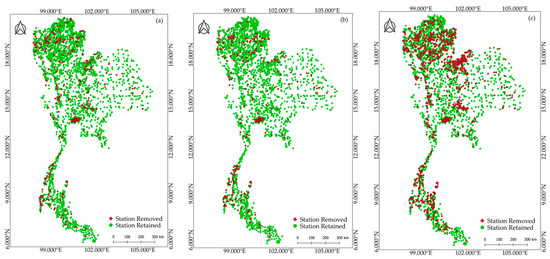
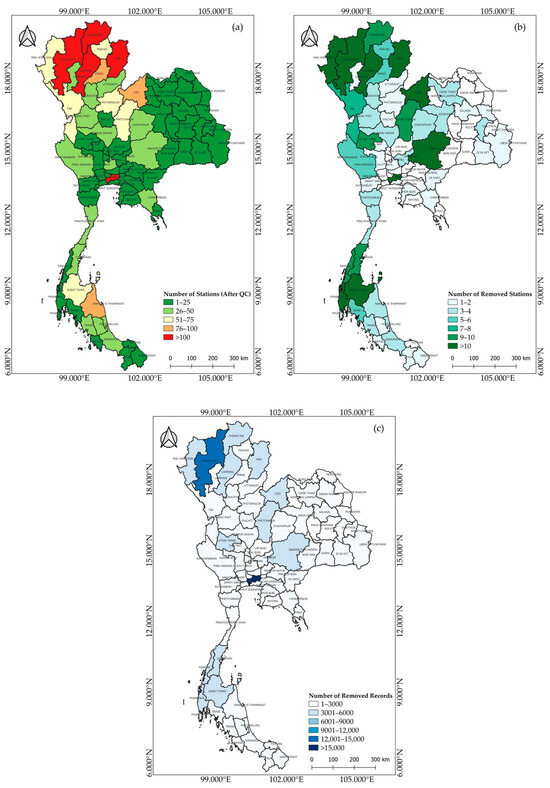
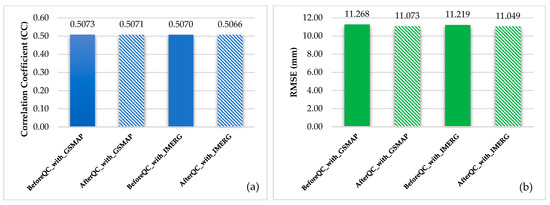
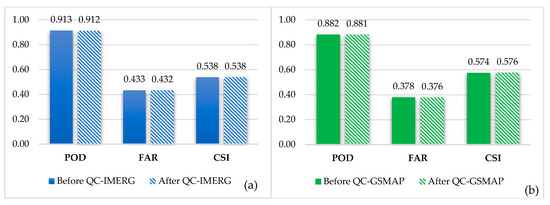
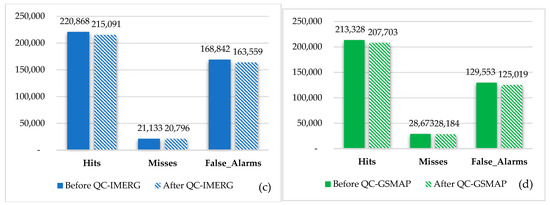
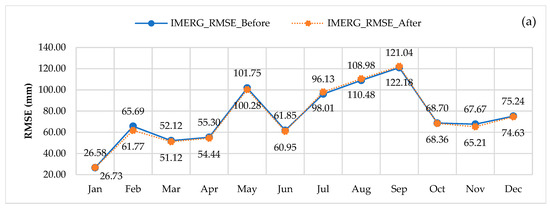
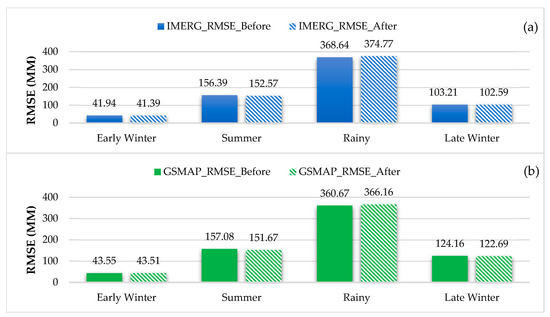
Reliable, high-quality rainfall data are vital for soil and water management, crop forecasting, and risk assessment. These applications are essential for food security, climate resilience, biodiversity monitoring, and rural livelihoods. Rainfall monitoring in Thailand is challenging due to the limited density of official stations and the inconsistent quality of data from multiple sources, compounded by calibration issues. This study introduces a comprehensive quality control (QC) approach tailored for the Thai context, presenting a systematic pipeline that clarifies the hierarchy and sequence of operations. The method uses rainfall data from 3075 stations of the Thai Meteorological Department (TMD) and the Thaiwater network. It includes basic QC for data completeness and advanced QC using a quality (Q) index to assess station reliability, diving the stations into five groups: poor (<50), moderate (50–80), acceptable (80–85), good (85–90), and excellent (>90). The results indicate that Thaiwater consistently achieved moderate to excellent Q index values, exceeding 70% annually, with values surpassing 90% in 2023. In contrast, the TMD maintained excellent quality, with values above 90% for all years. Out of over one million daily entries, 87% were verified as correct, though the Thaiwater data for 2024 showed only 70% accuracy. The QC procedures significantly improved data reliability, reducing the root mean square error for GSMaP and IMERG by 1.7% and 1.5%, respectively, and lowering the false alarm rate by approximately 0.001–0.002 without compromising heavy rainfall detection. A systematic QC framework is essential for ensuring high-quality datasets in rainfall applications.
Full article
(This article belongs to the Special Issue Revolutionizing Agriculture and Natural Resource Management with Artificial Intelligence Approaches)
►▼
Show Figures

Figure 1

Open AccessArticle
Mapping Sub-Field Crop Water Use Dynamics Using OpenET Data and Zero-Shot Time-Series Foundation Model
by
Chinmay Deval and Siddharth Chaudhary
Informatics 2026, 13(6), 95; https://doi.org/10.3390/informatics13060095 - 18 Jun 2026
Abstract
Precision agriculture increasingly relies on high-resolution, long-term remote sensing to delineate sub-field management zones. However, traditional spatial zonation assumes temporal stationarity, utilizing seasonal aggregates that obscure transient, intra-annual stress signals. This study develops a data-driven framework to characterize both persistent and non-stationary crop
[...] Read more.
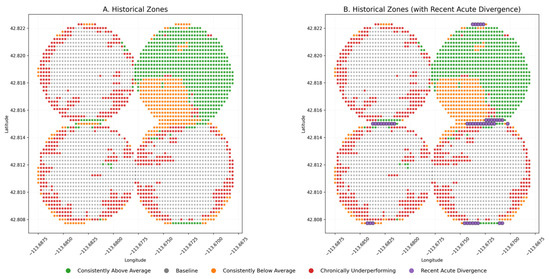
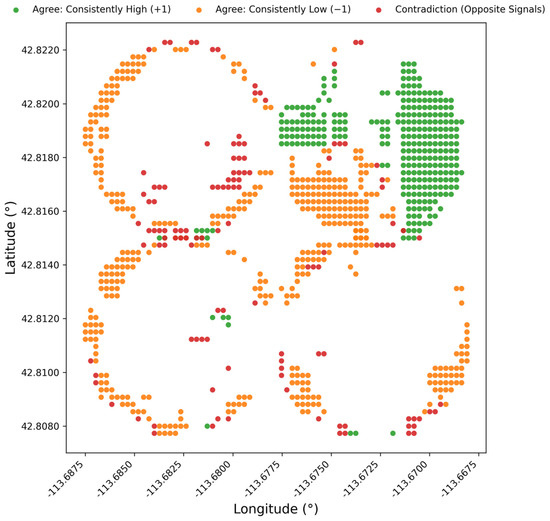
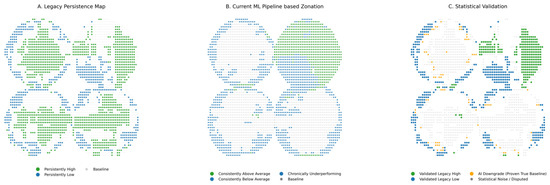
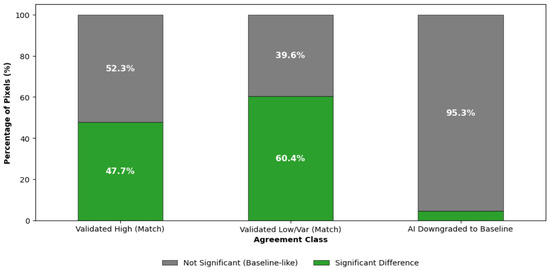
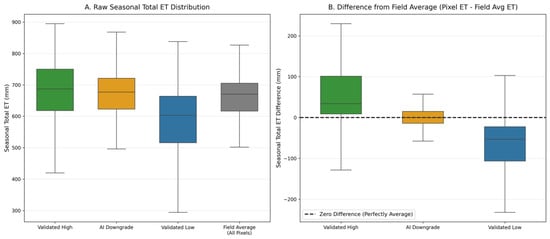
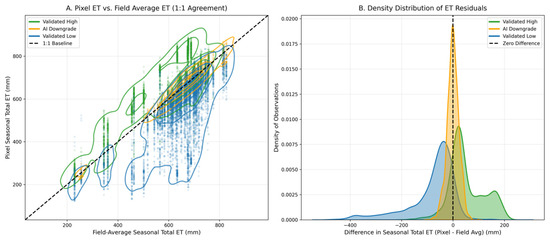
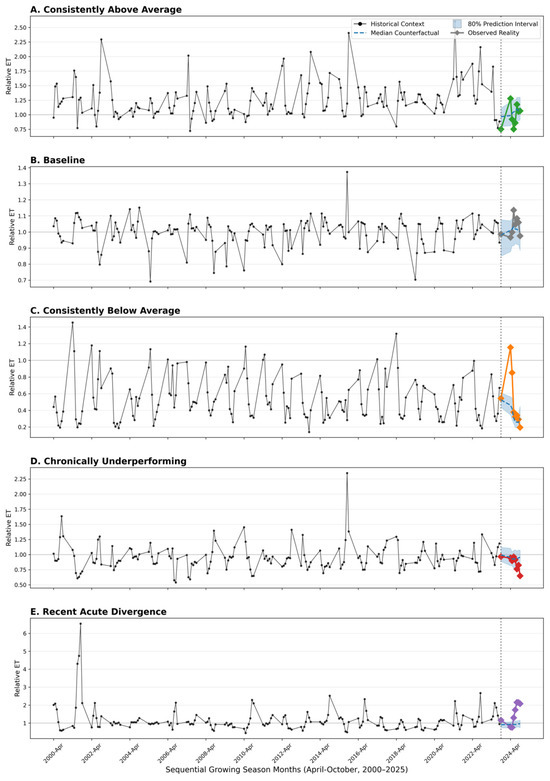
Precision agriculture increasingly relies on high-resolution, long-term remote sensing to delineate sub-field management zones. However, traditional spatial zonation assumes temporal stationarity, utilizing seasonal aggregates that obscure transient, intra-annual stress signals. This study develops a data-driven framework to characterize both persistent and non-stationary crop water use dynamics by integrating monthly, 30-m evapotranspiration (ET) data from OpenET (2000–2025) with zero-shot temporal anomaly detection. A pre-trained time-series foundation model (Chronos-T5-Small) generated counterfactual expectations for sub-field ET, quantifying deviations using a mean absolute error-based anomaly score. Unsupervised clustering of these anomaly scores with longitudinal ET metrics partitioned the landscape into dynamic biophysical regimes. Cross-registered against legacy persistence mapping based on seasonal totals, the foundation model showed strong directional agreement (86.1%, Cohen’s Kappa = 0.716) in identifying chronically constrained zones across 869 shared active pixels. Crucially, the framework identified 966 historically persistent pixels undergoing stability decay, of which 95.3% were statistically verified via paired t-tests to have collapsed into the field’s baseline variance pool. Furthermore, counterfactual anomaly detection isolated zones of recent acute divergence, differentiating enduring edaphic constraints from sudden system disruptions. This approach demonstrates how foundation models can transition from purely predictive engines to diagnostic instruments, advancing operational precision agriculture.
Full article
(This article belongs to the Special Issue Revolutionizing Agriculture and Natural Resource Management with Artificial Intelligence Approaches)
►▼
Show Figures

Figure 1

Open AccessArticle
Consolidating Access to Candidate Data for Recruitment Headhunting: Leveraging Explainable Machine Learning
by
Mncedisi Mncwabe and Thulane Paepae
Informatics 2026, 13(6), 94; https://doi.org/10.3390/informatics13060094 - 18 Jun 2026
Abstract
►▼
Show Figures
The recruitment headhunting process is time-intensive due to manual candidate searches across multiple job platforms, creating inefficiencies in identifying suitable candidates. Current AI-driven recruitment platforms frequently prioritize accuracy over explainability, limiting transparency for non-technical users such as recruiters. This study streamlines recruitment headhunting
[...] Read more.
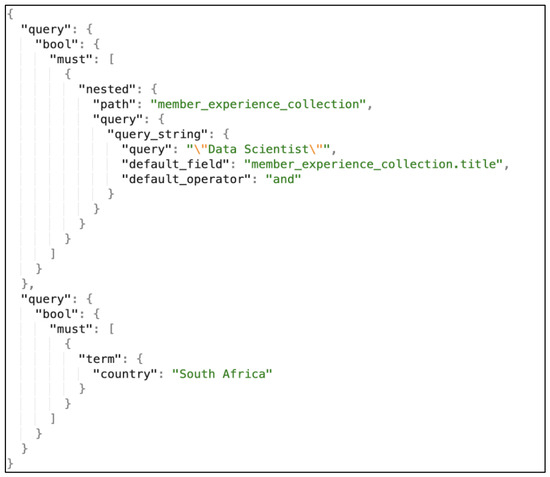
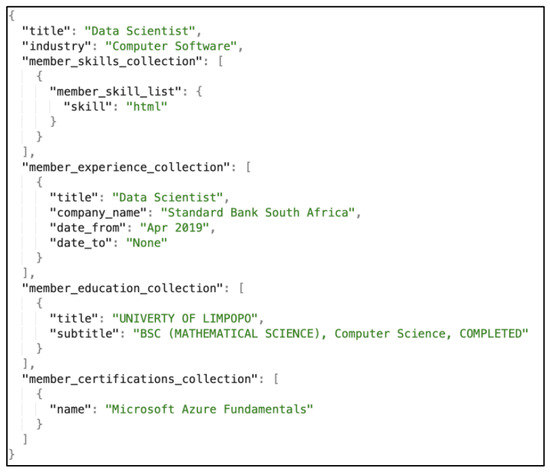
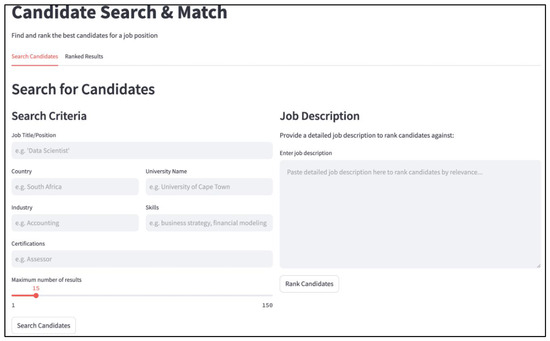
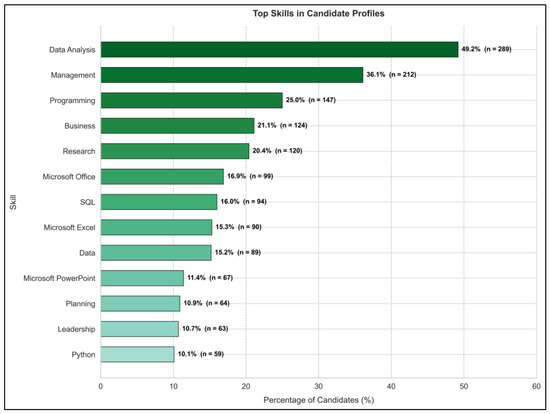
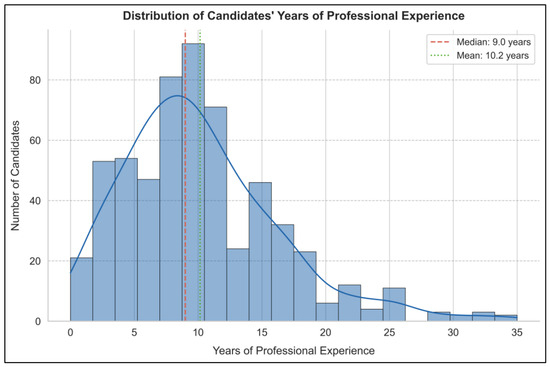
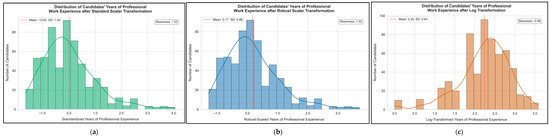
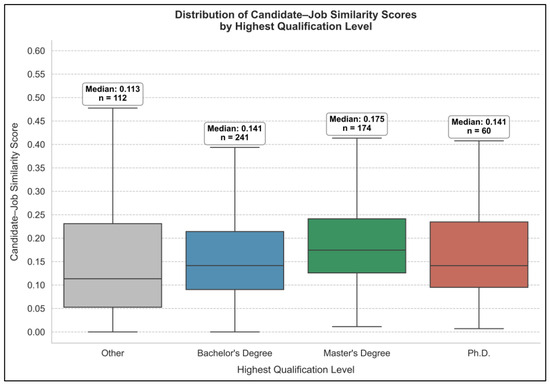
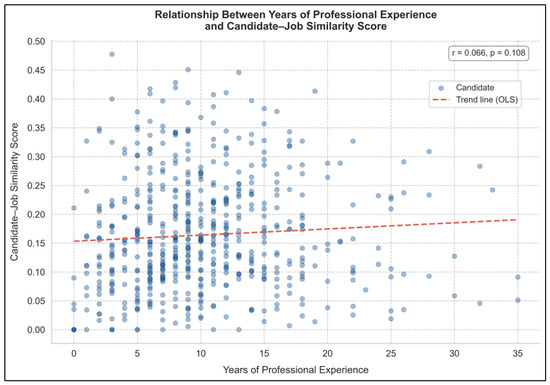
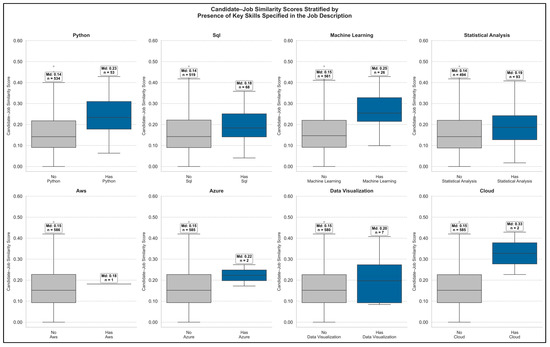
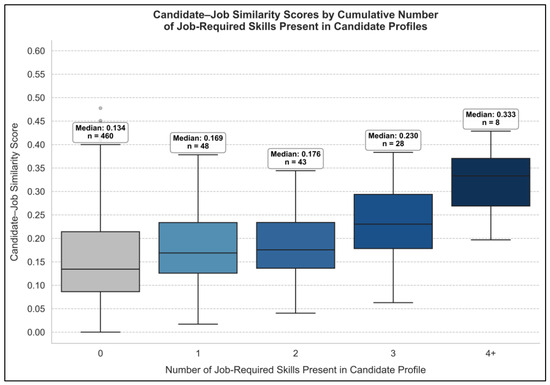
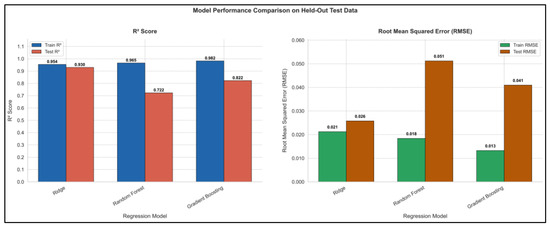
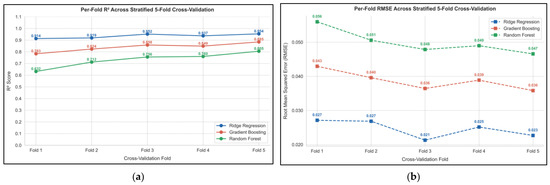
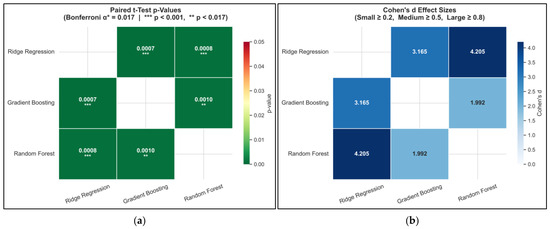
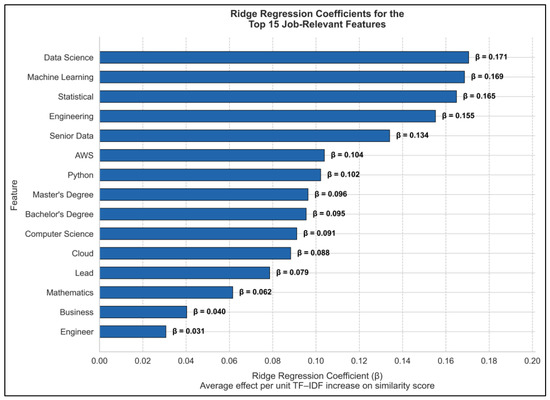
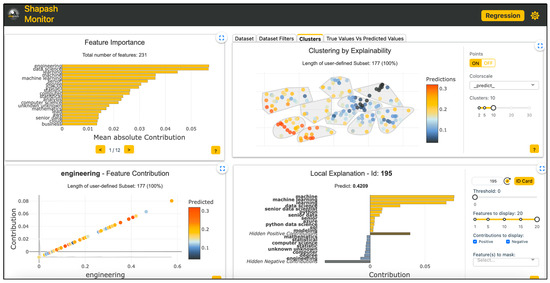
The recruitment headhunting process is time-intensive due to manual candidate searches across multiple job platforms, creating inefficiencies in identifying suitable candidates. Current AI-driven recruitment platforms frequently prioritize accuracy over explainability, limiting transparency for non-technical users such as recruiters. This study streamlines recruitment headhunting by (1) consolidating publicly available candidate data from multiple job portals using a professional data aggregation Application Programming Interface (API), and (2) implementing explainable machine learning for transparent candidate–job matching. We utilized the Coresignal API (v1) to aggregate and standardize candidate profiles (N = 587) sourced from LinkedIn and Indeed, including skills, experience, certifications, and education. Using Term Frequency–Inverse Document Frequency (TF-IDF) feature vectors and regression models (Ridge, Gradient Boosting, Random Forest), we matched and ranked candidates against a standardized Data Scientist job description. Shapash was incorporated to provide interpretable feature importance explanations accessible to non-technical users. Model performance was evaluated using stratified 5-fold cross-validation with statistical significance testing. Ridge Regression achieved superior performance (cross-validated R2 = 0.935, bootstrap R2 = 0.954, 95% confidence interval [0.939, 0.965], RMSE = 0.025) compared with Gradient Boosting (R2 = 0.840) and Random Forest (R2 = 0.733). Paired t-tests confirmed significant differences between all model pairs (all ps ≤ 0.001, Bonferroni corrected) with large effect sizes (Cohen’s d ≥ 1.992). Shapash analysis revealed that top-contributing features, such as “engineering”, “data science”, “machine learning”, and “python”, aligned precisely with job description requirements, validating the model’s feature-learning capability. This approach reduces repetitive manual searches across job portals while providing interpretable insights into candidate–job rankings. The methodology’s originality lies in combining professional data aggregation APIs that access publicly available profile data with interpretable models enhanced by user-friendly visualization tools, creating a practical, potentially transferable solution for transparent AI-driven recruitment.
Full article

Figure 1
Open AccessArticle
Comparative Evaluation of Resident-Written and GPT-5.2-Generated Ophthalmology Discharge Letters: A Retrospective Blinded Study
by
Bosko Jaksic, Ljubo Znaor, Josip Vrdoljak, Bruno Markioli, Filip Rada, Zrinka Aracic-Jaksic, Jozefina Josipa Dukic, Darko Batistic, Ana Marusic and Ante Kreso
Informatics 2026, 13(6), 93; https://doi.org/10.3390/informatics13060093 - 18 Jun 2026
Abstract
►▼
Show Figures
Background/Objectives: Discharge letters are essential for continuity of care but are often time-consuming to prepare and variable in quality. Large language models (LLMs) may help standardize and support this process, yet evidence in ophthalmology remains limited. This study compared the quality of resident-written
[...] Read more.
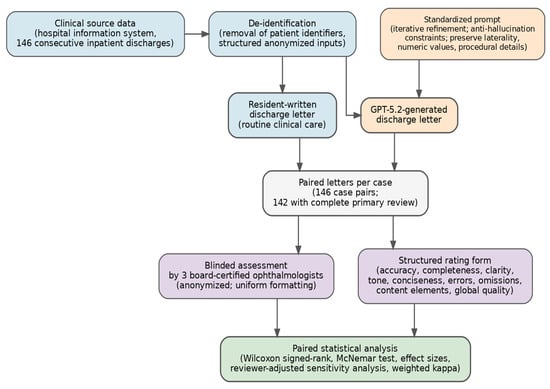
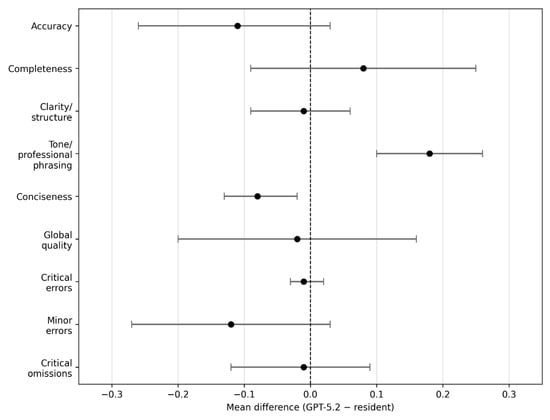
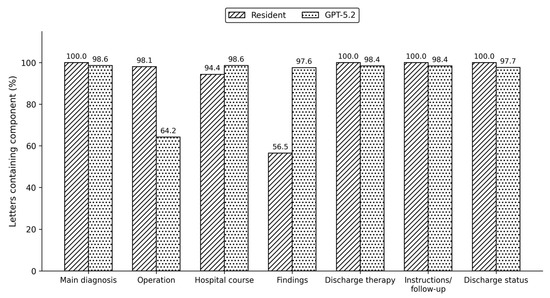
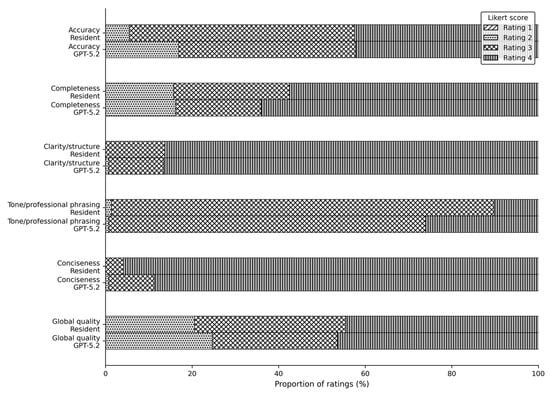
Background/Objectives: Discharge letters are essential for continuity of care but are often time-consuming to prepare and variable in quality. Large language models (LLMs) may help standardize and support this process, yet evidence in ophthalmology remains limited. This study compared the quality of resident-written and GPT-5.2-generated ophthalmology discharge letters derived from the same de-identified clinical data. Methods: This retrospective blinded study was conducted at a tertiary hospital in Croatia. For 146 consecutive inpatient discharges, original resident-written letters were paired with GPT-5.2-generated letters created using a standardized prompt; 142 complete pairs were available for the primary analysis. Three board-certified ophthalmologists evaluated anonymized letters using a structured assessment of accuracy, completeness, clarity/structure, tone/professional phrasing, conciseness, global quality, errors, omissions, and key content elements. Results: In the primary paired analysis, GPT-5.2-generated letters performed similarly to resident-written letters across accuracy, completeness, clarity/structure, errors, omissions, and overall quality. GPT-5.2-generated letters received higher ratings for tone/professional phrasing, whereas resident-written letters were rated as more concise, although inter-rater agreement was poor on these stylistic domains (at or below chance for conciseness) and these findings should therefore be interpreted as exploratory. Resident-written letters more often documented operations, while GPT-5.2-generated letters more consistently included findings. Reviewer-adjusted sensitivity analyses were less favorable to GPT-5.2 for several domains. Conclusions: GPT-5.2-generated ophthalmology discharge letters showed similar performance to resident-written letters in several evaluated domains in the primary paired analysis, but differences in specific content elements and less favorable sensitivity analyses indicate that clinician oversight remains necessary to ensure accuracy, procedural completeness, and clinical usability.
Full article

Figure 1
Open AccessArticle
GAMENet: Gender-Aware Morphology Encoder Network for Early Ischemia Heart Disease Classification
by
Deepti C and Annapurna Dammur
Informatics 2026, 13(6), 92; https://doi.org/10.3390/informatics13060092 - 17 Jun 2026
Abstract
►▼
Show Figures
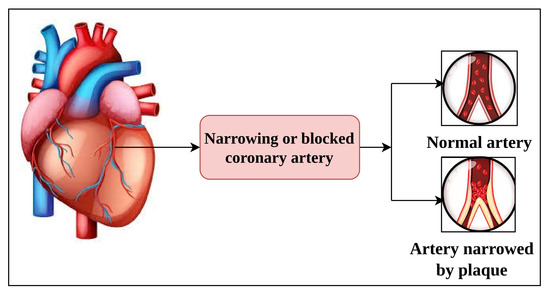
Ischemic Heart Disease (IHD) is the leading cause of cardiovascular mortality worldwide. Early detection of ischemic changes using electrocardiogram (ECG) signals is vital for timely intervention and enhanced clinical outcomes. However, the diagnosis of IHD varies significantly between men and women. Women often
[...] Read more.
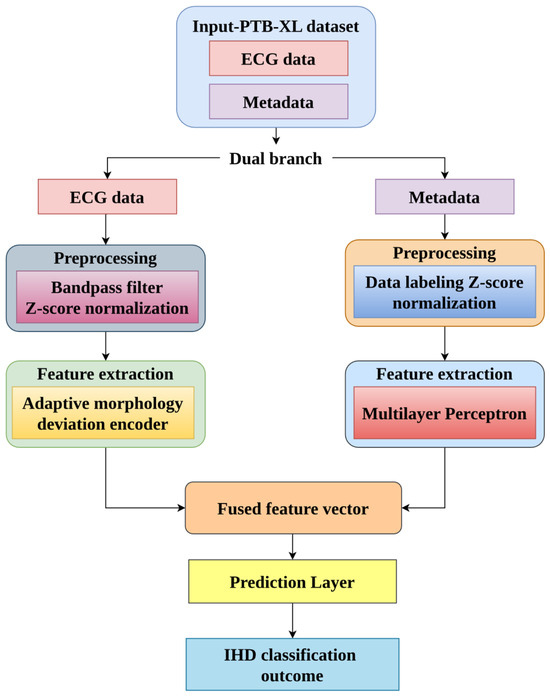
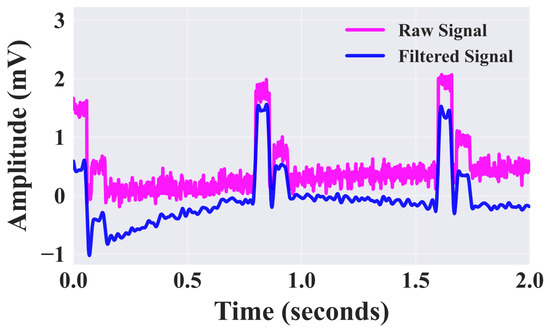
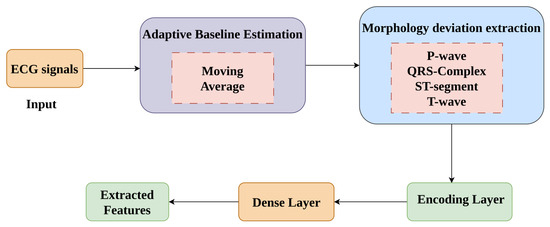
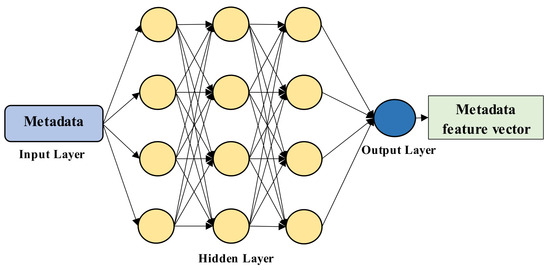
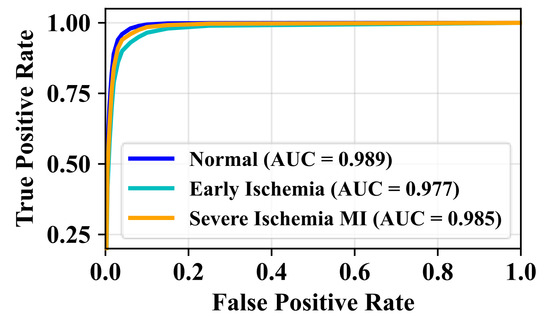
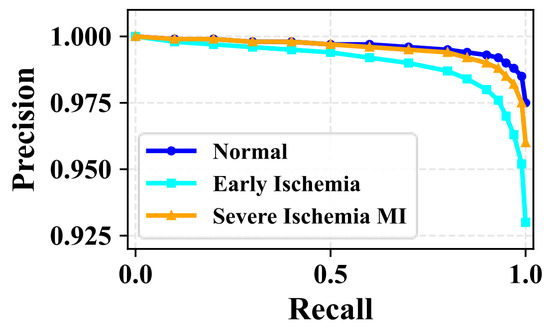
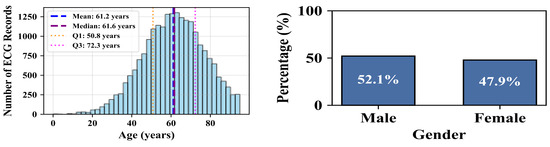
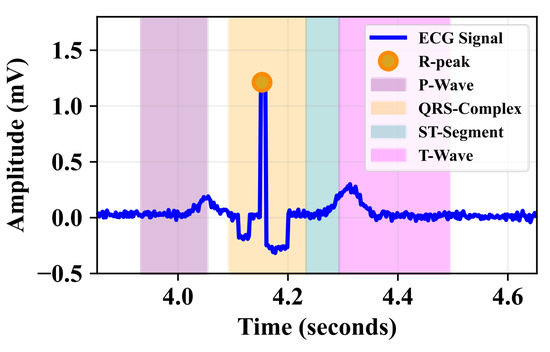
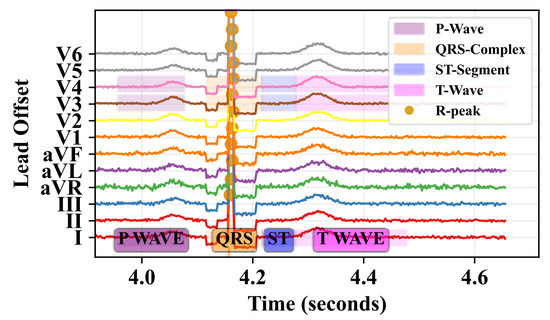
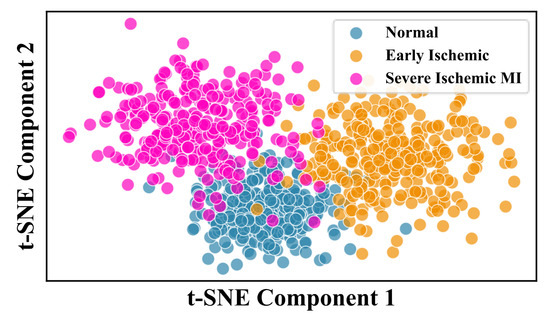
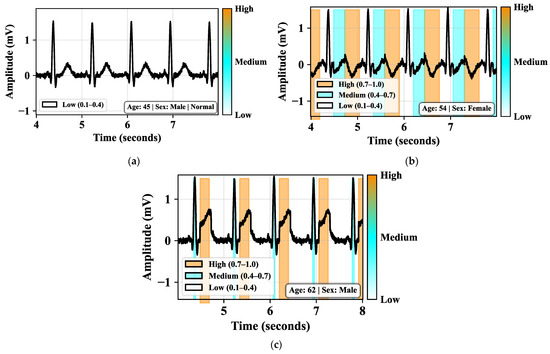
Ischemic Heart Disease (IHD) is the leading cause of cardiovascular mortality worldwide. Early detection of ischemic changes using electrocardiogram (ECG) signals is vital for timely intervention and enhanced clinical outcomes. However, the diagnosis of IHD varies significantly between men and women. Women often present with atypical symptoms, and their cardiovascular risk is frequently underestimated, which leads to delayed diagnosis. Also, existing approaches face challenges in subtle early-stage abnormalities, single-lead ECG presentation, and the limited interpretability of deep learning models. These cause significant challenges to the accurate diagnosis of IHD. To address these, this study proposes a gender-aware framework, Gender-Aware Morphology Encoder Network (GAMENet), for early ischemic heart disease detection using 12-lead ECG signals with clinical metadata. A novel GAMENet is developed using the PTB-XL database. The Adaptive Morphology Deviation Encoder (AMDE) through Morphology Segment Extraction (MSEG-R) using R-Peak anchoring, isolates clinically relevant waveform components (P-wave, QRS complex, ST-segment, and T-wave) from the preprocessed ECG signals. The feature vector of morphology features is passed through dense layers with dropout regularization and a SoftMax classifier. Statistical and comparative analysis ensures that the proposed framework enables accurate IHD classification and improved interpretability.
Full article

Figure 1
Open AccessArticle
Between Trust and Risk: Understanding the Conditional Acceptance of Artificial Intelligence
by
Roxane Elias Mallouhy
Informatics 2026, 13(6), 91; https://doi.org/10.3390/informatics13060091 - 16 Jun 2026
Abstract
►▼
Show Figures
Artificial Intelligence (AI) is rapidly transitioning from a specialized technology to an everyday socio-technical infrastructure, yet public acceptance remains shaped by a trade-off between perceived benefits and risks. This study examines how individuals from varied demographic and professional backgrounds perceive, use, and evaluate
[...] Read more.
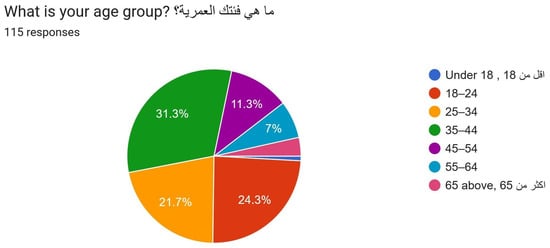
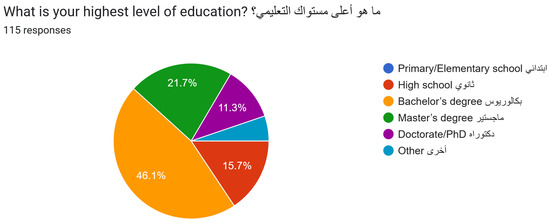
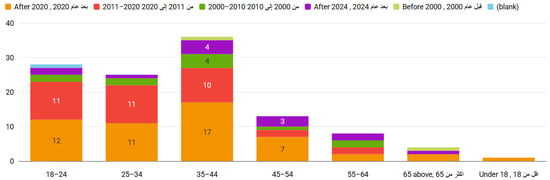
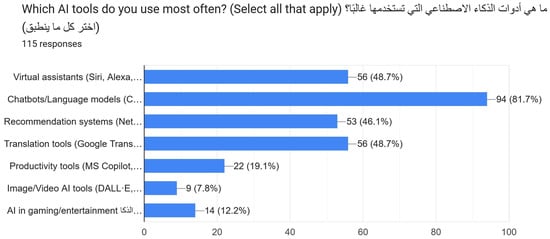
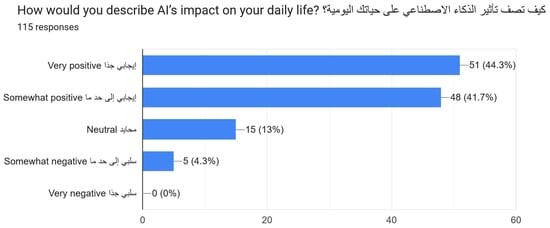
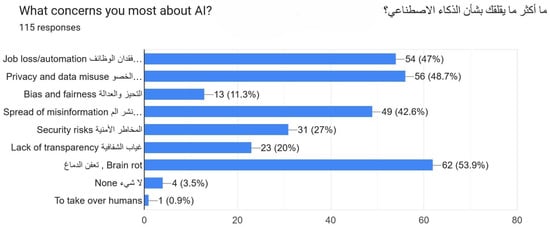
Artificial Intelligence (AI) is rapidly transitioning from a specialized technology to an everyday socio-technical infrastructure, yet public acceptance remains shaped by a trade-off between perceived benefits and risks. This study examines how individuals from varied demographic and professional backgrounds perceive, use, and evaluate AI-enabled systems using a mixed-method research design. A bilingual (English/Arabic) online survey ( ) captured demographics, awareness, usage patterns, perceived impact, self-assessed understanding, domain-specific trust, concerns, and attitudes toward regulation, complemented by open-ended reflections. In parallel, semi-structured face-to-face interviews provided deeper insight into AI conceptualization, lived experiences, trust boundaries, and conditions for acceptable use. Quantitative results show frequent AI engagement embedded in daily life, with strong domain dependence in trust: education is the most trusted domain, whereas healthcare and finance attract substantially lower trust. Prominent concerns include overreliance (“brain rot”), privacy and data misuse, job displacement, and misinformation. Support for stronger AI regulation is high, indicating that governance is viewed as a prerequisite for sustainable adoption rather than a constraint on innovation. Qualitative findings triangulate these results, revealing a pattern of conditional acceptanceunderstood as the simultaneous valuation of AI’s practical utility alongside the imposition of explicit trust prerequisites whereby participants value AI for productivity and learning support while emphasizing confidentiality, transparency, human oversight in high-stakes contexts, and clear boundaries to mitigate misuse and erosion of human judgment. The study offers empirically grounded insights for policymakers, educators, and industry stakeholders into how AI acceptance is negotiated through utility, literacy, perceived risk, and expectations of accountability.
Full article

Figure 1
Open AccessArticle
A Mobile Application and Hybrid Hospital Information Exchange System to Improve Healthcare Access for Persons with Disabilities in Thailand
by
Piya Sirilak, Pisit Maneechot, Paisarn Muneesawang and Yuttana Homket
Informatics 2026, 13(6), 90; https://doi.org/10.3390/informatics13060090 - 16 Jun 2026
Abstract
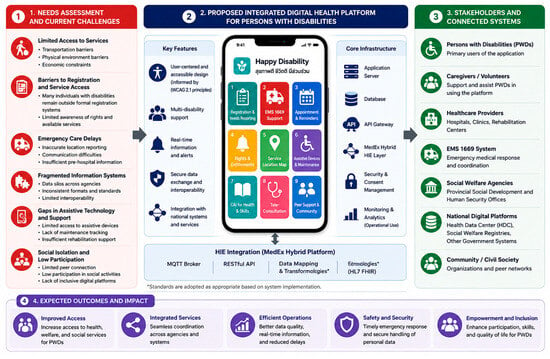
Persons with Disabilities (PWDs) face persistent barriers to healthcare access, welfare services, and timely medical assistance, particularly where hospital information is fragmented across institutions. In Thailand, these challenges are exacerbated by heterogeneous Hospital Information Systems (HISs) across provincial, district, and sub-district hospitals. This
[...] Read more.
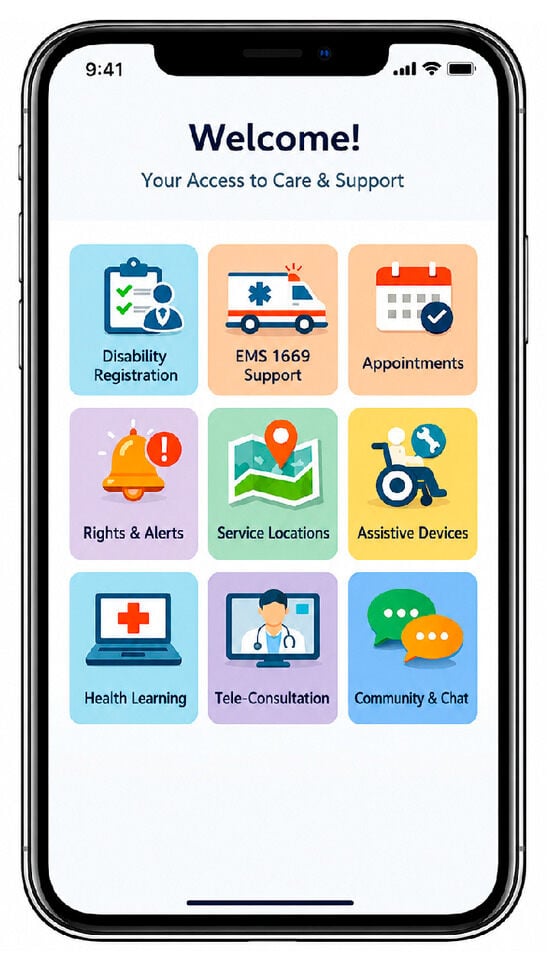
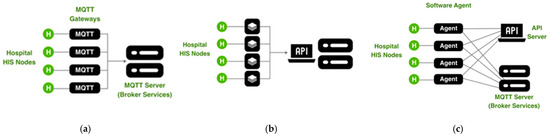
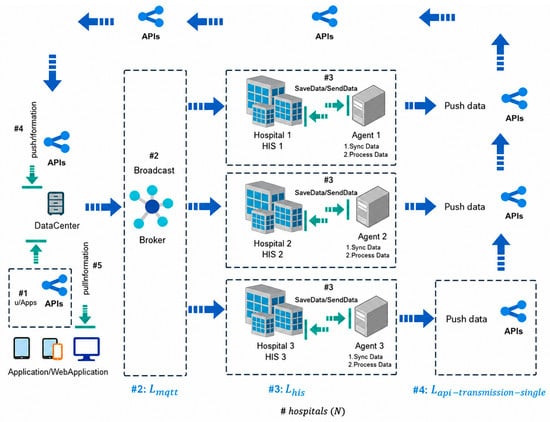
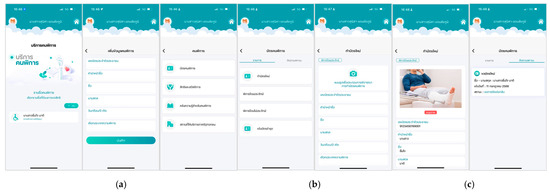
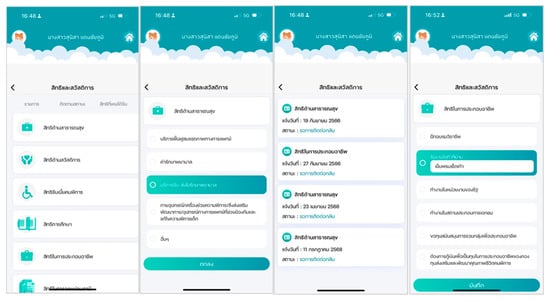
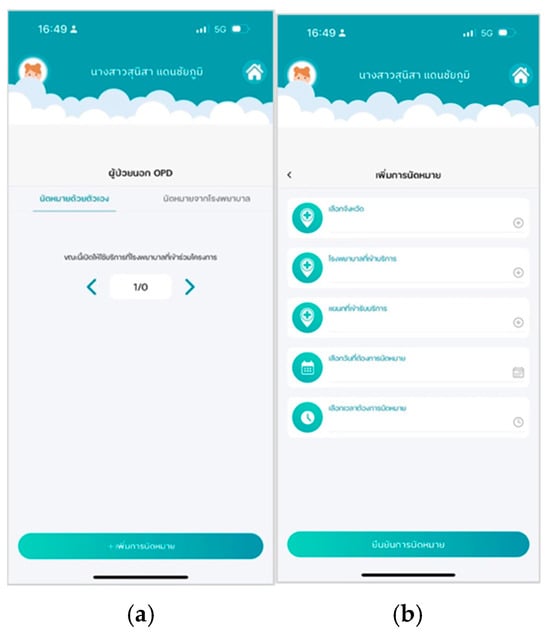
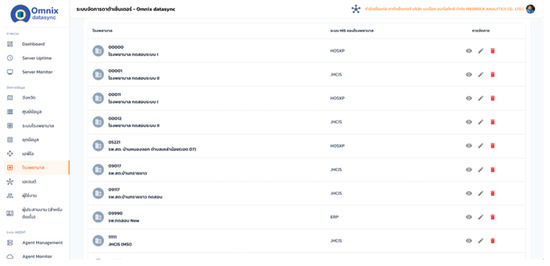
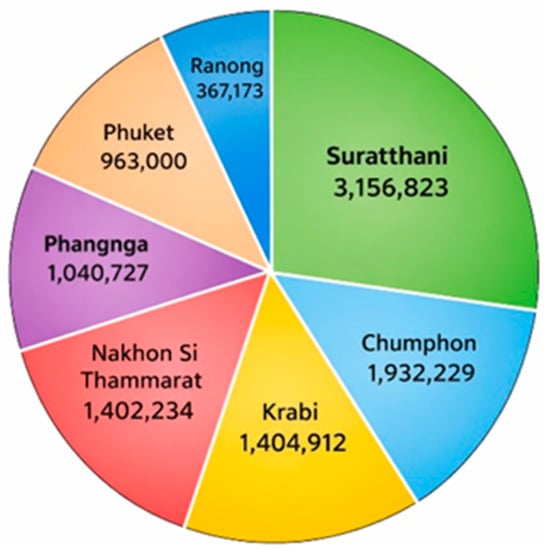
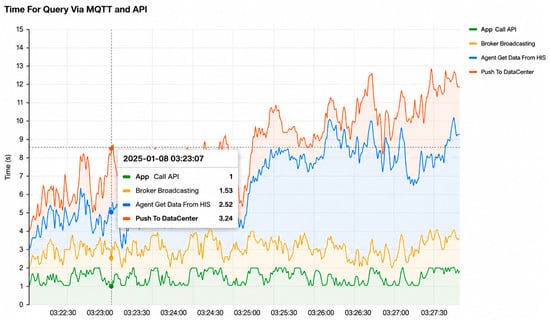
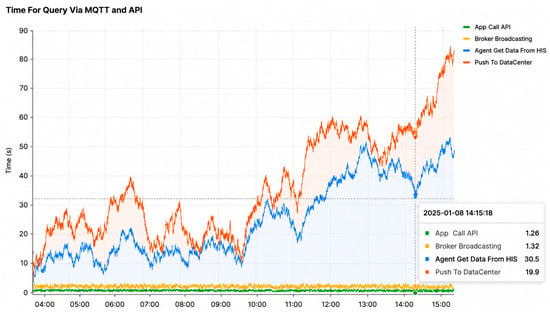
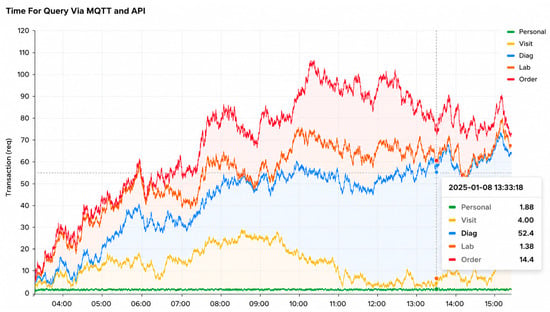
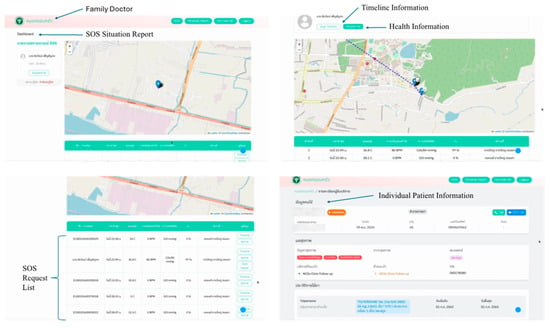
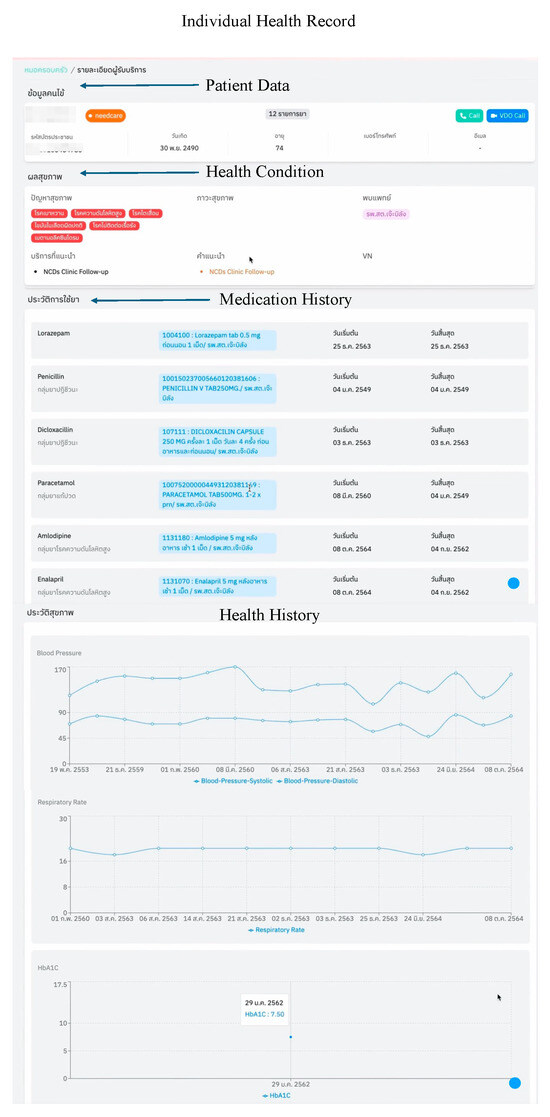
Persons with Disabilities (PWDs) face persistent barriers to healthcare access, welfare services, and timely medical assistance, particularly where hospital information is fragmented across institutions. In Thailand, these challenges are exacerbated by heterogeneous Hospital Information Systems (HISs) across provincial, district, and sub-district hospitals. This study presents the design, implementation, and evaluation of an integrated mobile application and a hybrid Hospital Information Exchange (HIE) system to enhance healthcare accessibility and service coordination for PWDs. The platform integrates a user-centered mobile application (iOS and Android) with a hybrid data exchange architecture (MedEx Hybrid) combining an application programming interface (API) and Message Queuing Telemetry Transport (MQTT). This enables real-time and on-demand data exchange while accommodating hospitals with limited infrastructure. Key functionalities include disability registration, emergency medical service (1669) integration, appointment management, rights notification, service location mapping, teleconsultation, and peer communication. Deployment across 159 hospitals nationwide demonstrates system scalability and interoperability. The system supports secure access to electronic medical records and enables emergency responders to retrieve patient information during SOS events, improving continuity of care. Findings confirm the feasibility of the proposed system and its potential to support inclusive digital health and national healthcare interoperability.
Full article
(This article belongs to the Special Issue AI-Enabled Digital Health Technologies for Patient-Centered Care and Sustainable Systems)
►▼
Show Figures

Figure 1
Open AccessArticle
Adaptive Information Density in Mobile Augmented Reality: A Framework for Enhancing Dual-Task Performance in Older Adults
by
Charlee Kaewrat, Chaowanan Khundam and May Thu
Informatics 2026, 13(6), 89; https://doi.org/10.3390/informatics13060089 - 15 Jun 2026
Abstract
Smartphone-based augmented reality (AR) exercise systems show promise for supporting physical activity among older adults, yet the effect of presentation-layer information density on motor performance and cognitive workload in this population remains poorly understood. This study investigated how varying feedback density affects exercise
[...] Read more.
Smartphone-based augmented reality (AR) exercise systems show promise for supporting physical activity among older adults, yet the effect of presentation-layer information density on motor performance and cognitive workload in this population remains poorly understood. This study investigated how varying feedback density affects exercise correctness, error correction latency, and perceived workload in community-dwelling older adults (N = 60, aged 65–74 years) performing marching in place under three conditions: MIN, MOD, and RICH. The movement detection algorithm and binary correctness signal C(t) were held invariant across conditions, isolating presentation-layer density as the sole manipulated variable. One-way repeated-measures ANOVA revealed significant density effects on all three outcomes. MOD produced the highest exercise correctness (M = 74.72%), shortest error correction latency (M = 2.45 s), and lowest perceived workload (M = 41.40); RICH yielded pronounced degradation across all measures. These findings provide preliminary empirical evidence consistent with a Capacity-Relative Density Equilibrium (CRDE) perspective, a conceptual framework that proposes performance as a zone-structured function of the demand-to-capacity ratio (D/K). The framework remains tentative and requires further empirical operationalization due to the lack of a direct measure of cognitive capacity (K). From this perspective, we identify three potential design principles, actionable sufficiency, density threshold, and dual-task alignment, as practical heuristics for mobile AR systems targeting older adult populations.
Full article
(This article belongs to the Section Health Informatics)
Open AccessArticle
Adaptive Trust-Aware Encrypted Federated Artificial Intelligence with Blockchain Auditability for Multicenter Biomedical Signal and Medical Image Analysis
by
Ahmed F. Hussein and Auns Q. Al-Neami
Informatics 2026, 13(6), 88; https://doi.org/10.3390/informatics13060088 - 15 Jun 2026
Abstract
Although the sharing of data is an important part of multicenter biomedical AI, direct data sharing is hindered by privacy laws, institutional data silos, and restrained trust and cooperation between institutions. While federated learning offers an opportunity for collaborative model training without centralizing
[...] Read more.
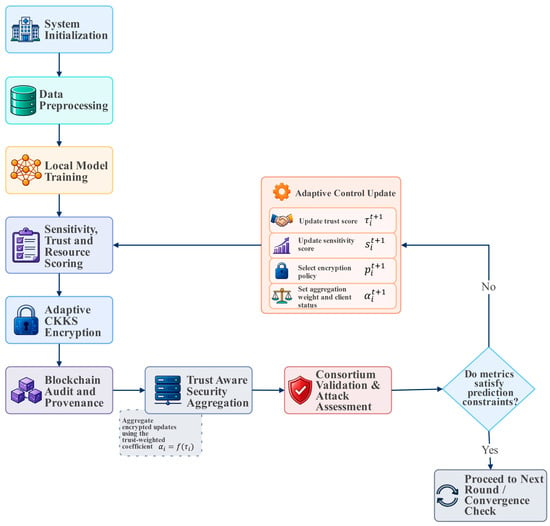
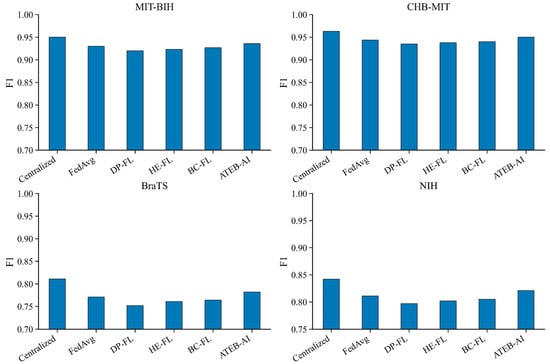
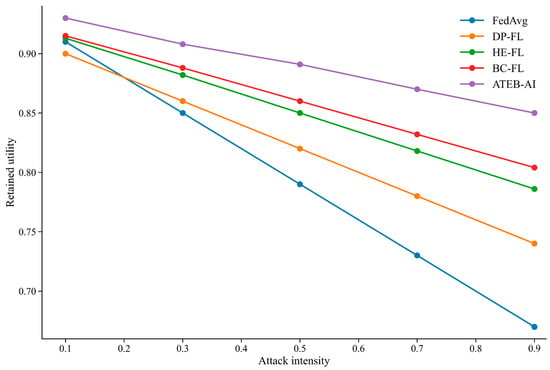
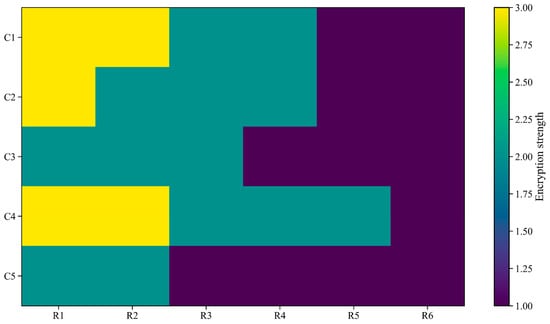
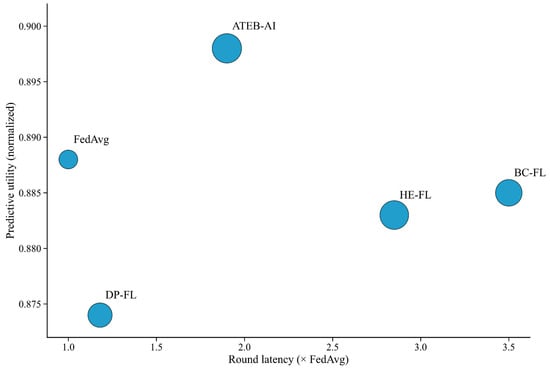
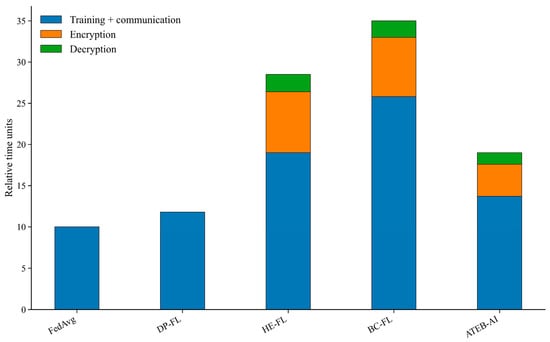
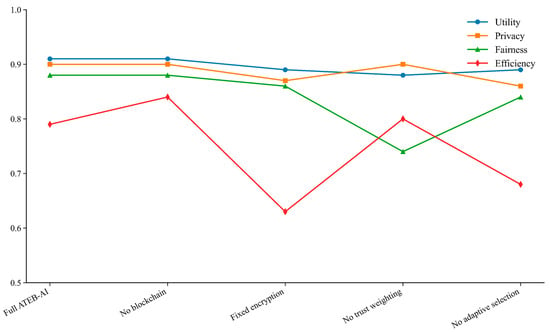
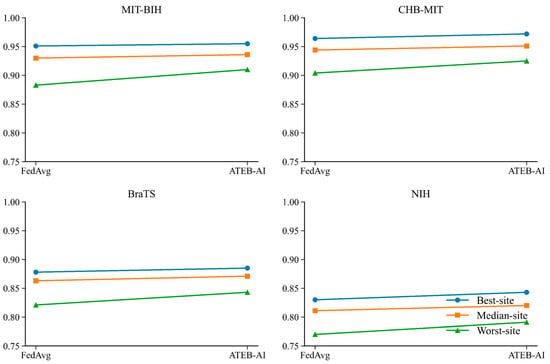
Although the sharing of data is an important part of multicenter biomedical AI, direct data sharing is hindered by privacy laws, institutional data silos, and restrained trust and cooperation between institutions. While federated learning offers an opportunity for collaborative model training without centralizing patient data, many current methods rely on the same fixed levels of privacy protection on all clients, every layer of the model, each round, and each modality, resulting in suboptimal privacy–utility–latency trade-offs. In this study, we introduce Adaptive Trust-Aware Encrypted Federated Artificial Intelligence with Blockchain Auditability (ATEB-AI) for biomedical signal and medical image analysis. ATEB-AI is an adaptive CKKS encryption, trust-aware aggregation, and permissioned blockchain-based audit logging combination. The proposed framework was tested on four public benchmarks, namely, MIT-BIH, CHB-MIT, BraTS, and NIH ChestXray. ATEB-AI had the highest overall performance out of all compared federated methods and remained near the centralized training benchmark at up to 99.0% of the reference centralized training performance. It reduced membership-inference success from 0.71 to 0.24 (−66.2%), inversion leakage from 0.64 to 0.27 (−57.8%), and poisoning-related utility loss from 0.18 to 0.07 (−61.1%). Round latency was 1.90× FedAvg, compared with 2.85× for HE-FL (−33.3%) and 3.50× for BC-FL (−45.7%). The key contribution of this study is a single biomedical federated learning framework in which privacy, client trust, reliability, and auditability are unified, instead of being disjointed components. The results obtained with the proposed model prove the feasibility of co-optimizing confidentiality, robustness, efficiency, and governance in a single deployable multicenter medical AI pipeline.
Full article
(This article belongs to the Special Issue Health Data Management in the Age of AI)
►▼
Show Figures

Figure 1

Open AccessArticle
Designing and Evaluating an mHealth Application for Rural Elderly Care Using a Structured Development Framework and Technology Acceptance Evaluation: Evidence from Thailand
by
Varit Kankaew, Amnaj Sookjam, Aekarin Panpuk, Pratueng Vongtong, Wannaporn Suthon, Yuwadee Chomdang, Sangtong Boonying and Anek Putthidech
Informatics 2026, 13(6), 87; https://doi.org/10.3390/informatics13060087 - 15 Jun 2026
Abstract
Mobile health (mHealth) systems in rural communities require rigorous software engineering methodology and empirical validation of end-user acceptance. A gap exists in applying structured System Development Life Cycle (SDLC) frameworks to community-facing mHealth platforms with embedded technology acceptance evaluation. This study presents the
[...] Read more.
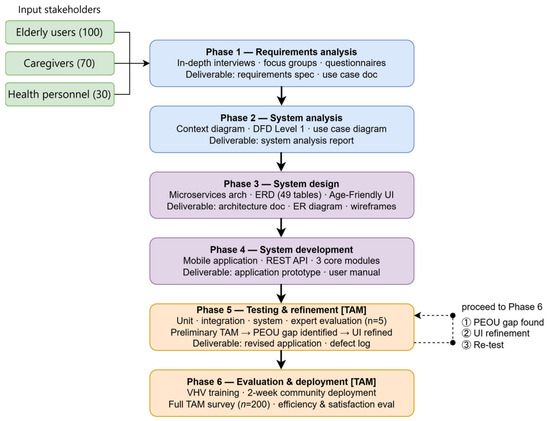
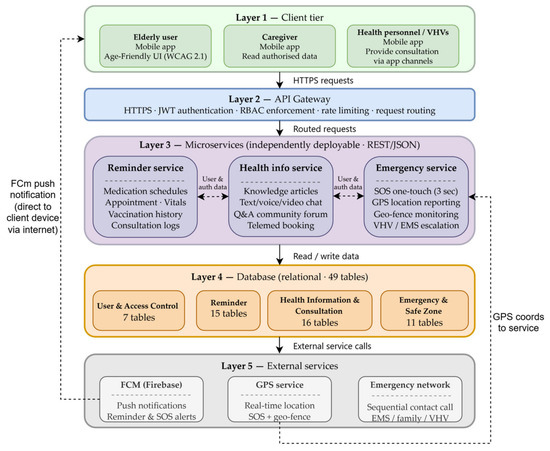
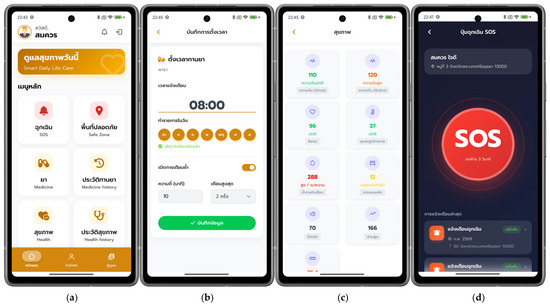
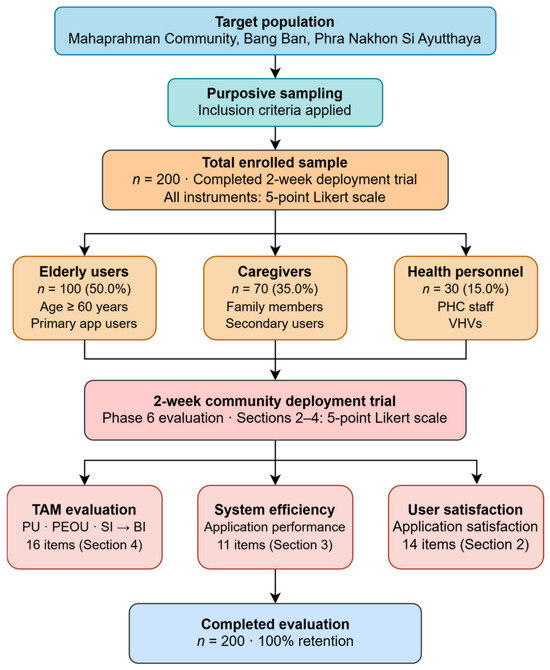
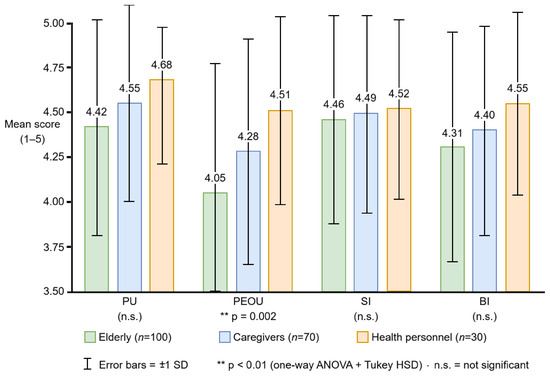
Mobile health (mHealth) systems in rural communities require rigorous software engineering methodology and empirical validation of end-user acceptance. A gap exists in applying structured System Development Life Cycle (SDLC) frameworks to community-facing mHealth platforms with embedded technology acceptance evaluation. This study presents the design, architecture, and iterative development of the “Smart Daily Life Care” cross-platform mobile application using a six-phase SDLC framework, targeting rural elderly communities in Thailand. The system architecture employed a microservices design with age-friendly UI engineering, conforming to WCAG 2.1 AA. Technology acceptance was evaluated post-deployment using the Technology Acceptance Model (TAM) with 200 participants (elderly users, caregivers, and health personnel). System efficiency was rated at = 4.58 and user satisfaction at = 4.64. TAM regression identified perceived usefulness as the dominant predictor of behavioral intention (β = 0.412), followed by perceived ease of use (β = 0.318) and social influence (β = 0.268), with R2 = 0.682. Integrating TAM evaluation within SDLC phases enables iterative remediation of acceptance barriers before deployment. Village Health Volunteer networks function as indispensable sociotechnical enablers of adoption. The SDLC–TAM integration provides a structured methodological approach suitable for replication in age-sensitive health information systems in low-resource settings.
Full article
(This article belongs to the Section Health Informatics)
►▼
Show Figures

Figure 1

Open AccessArticle
EviCal: Evidence-Grounded Consistency Calibration for Content-Level Multimodal Labeling
by
Xiaofeng Zhang, Baoli Han, Yufeng Yuan, Guangyao Zhu, Huibo Song, Weixing Qiu and Li Ni
Informatics 2026, 13(6), 86; https://doi.org/10.3390/informatics13060086 - 11 Jun 2026
Abstract
►▼
Show Figures
Power system testing and inspection documents are multimodal and highly structured, making content-level audit labeling challenging due to scattered evidence and cross-component dependencies. We propose EviCal, an evidence-grounded consistency calibration framework under a predefined label space. EviCal decomposes documents into atomic units (text
[...] Read more.
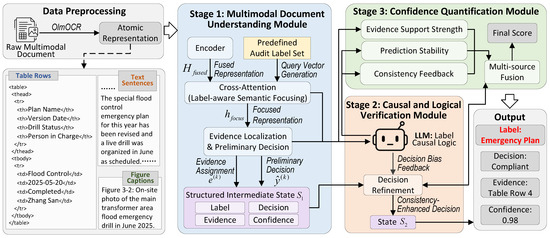
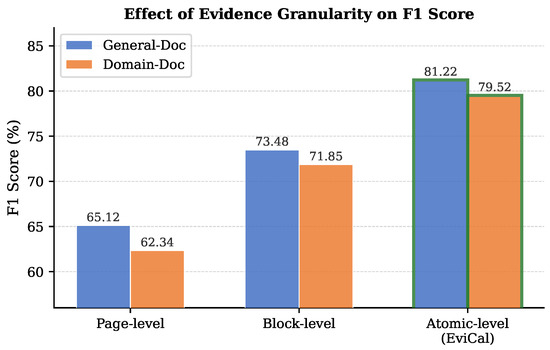
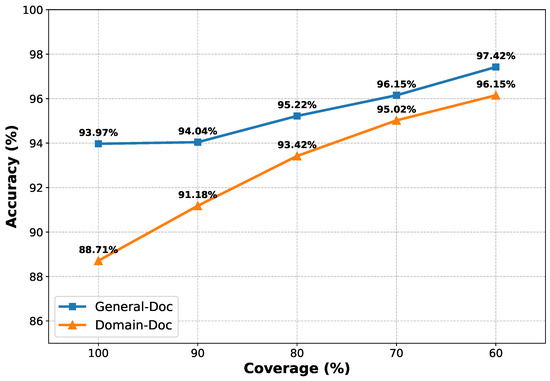
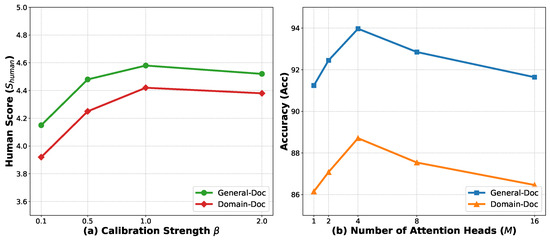
Power system testing and inspection documents are multimodal and highly structured, making content-level audit labeling challenging due to scattered evidence and cross-component dependencies. We propose EviCal, an evidence-grounded consistency calibration framework under a predefined label space. EviCal decomposes documents into atomic units (text segments, table rows, and figure captions), grounds each label to minimal supporting evidence via label-aware semantic focusing, calibrates local decisions against global causal and logical constraints imposed on symbolic intermediate states, and produces explicit confidence estimates. Experiments on two real-world power-system datasets show that EviCal achieves up to 93.97% accuracy and 81.22 F1, and attains a human score of up to 4.58/5, outperforming strong multimodal baselines and delivering more reliable, interpretable audit predictions.
Full article

Figure 1
Open AccessArticle
Knowledge-Based Recommendation for Graduate Subject Allocation Using Graph Neural Networks (GNNs)
by
Kittipol Wisaeng and Sonthinee Waiyarat
Informatics 2026, 13(6), 85; https://doi.org/10.3390/informatics13060085 - 10 Jun 2026
Abstract
►▼
Show Figures
This study proposes a hybrid artificial intelligence (AI) framework for graduate subject allocation that enhances fairness, transparency, and operational efficiency in higher education institutions. Traditional subject allocation processes are predominantly manual and time-consuming in increasingly complex academic environments. The proposed framework integrates a
[...] Read more.
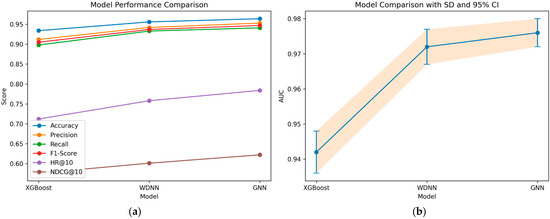
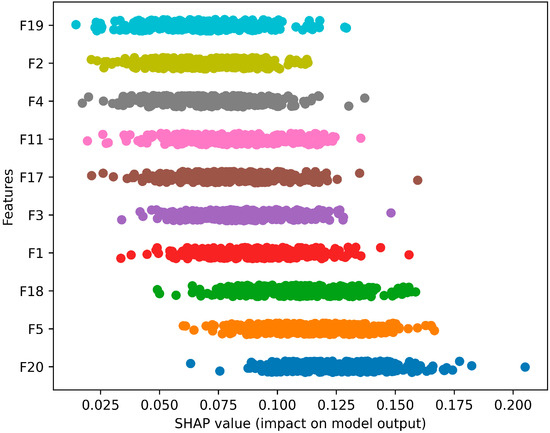
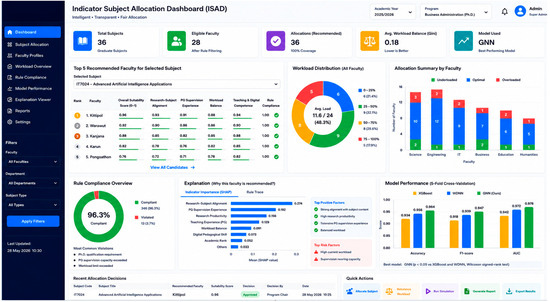
This study proposes a hybrid artificial intelligence (AI) framework for graduate subject allocation that enhances fairness, transparency, and operational efficiency in higher education institutions. Traditional subject allocation processes are predominantly manual and time-consuming in increasingly complex academic environments. The proposed framework integrates a custom Python-based rule engine for institutional constraint reasoning with advanced deep learning models, including XGBoost, Wide-and-Deep Neural Networks (WDNNs), and Graph Neural Networks (GNNs), to ensure policy-compliant and data-driven subject allocation decisions. Subsequently, a systematic hyperparameter optimization strategy is applied to enhance predictive accuracy and model stability across all architectures. Experimental evaluation demonstrates that the proposed framework significantly improves predictive and ranking performance. The GNNs model achieved the highest results with Accuracy = 0.964, Precision = 0.953, Recall = 0.941, F1-score = 0.947, and AUC = 0.976, outperforming WDNN (Accuracy = 0.956, AUC = 0.972) and XGBoost (Accuracy = 0.934, AUC = 0.942). Ranking effectiveness was also validated with HR@10 = 0.784 and NDCG@10 = 0.622. Feature-importance analysis using SHAP revealed that Digital Pedagogical Competence (12.6%), Research Productivity (10.8%), and Postgraduate Supervision (9.7%) are the most influential factors in allocation decisions. To ensure institutional alignment, a multi-objective reranking mechanism was introduced to balance suitability, workload fairness, research alignment, and diversity. This approach reduced workload variance from 0.26 to 0.18 and improved research–subject alignment by 21%. Overall, the proposed framework provides a scalable, explainable, and data-driven solution for optimizing graduate subject allocation in modern higher education systems.
Full article

Figure 1
Open AccessArticle
Cascaded Dual Stage U-Net with Texture-Aware Feature Fusion for Unified Segmentation and Classification in Echo-Cardiogram Images
by
Arakere Nagarajappa Jagadish, Ravikumar Manjunath and Indrakumar Krishnamurthy
Informatics 2026, 13(6), 84; https://doi.org/10.3390/informatics13060084 - 10 Jun 2026
Abstract
►▼
Show Figures
Accurate, automated analysis of medical images is indispensable for effective diagnosis and treatment planning, particularly for complex multiclass diseases. This paper presents a system that combines a cascaded dual-stage U-Net with texture-based deep learning techniques to improve segmentation and classification precision. The cascaded
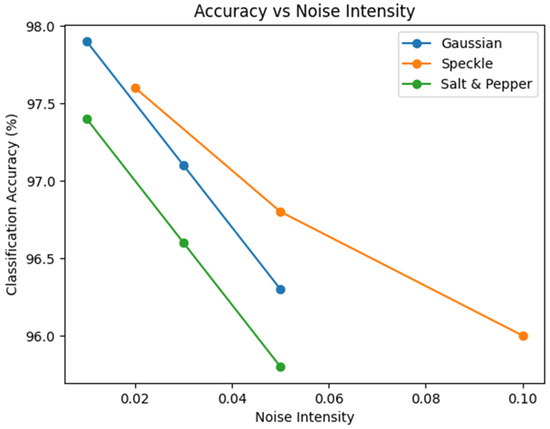
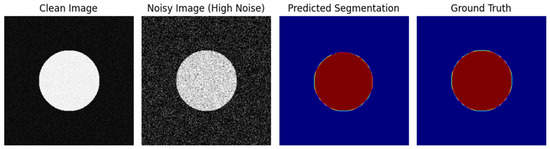
[...] Read more.
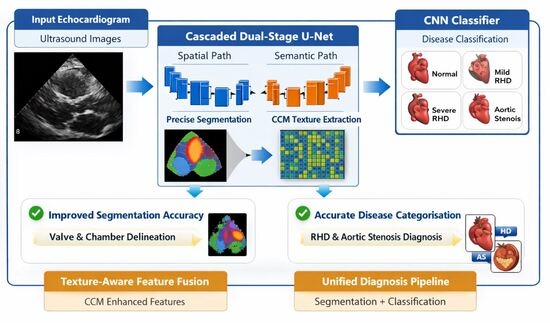
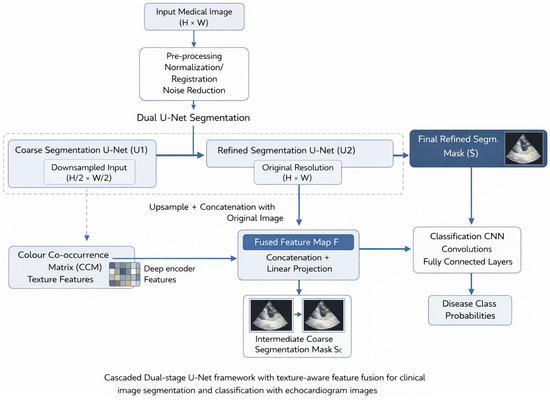
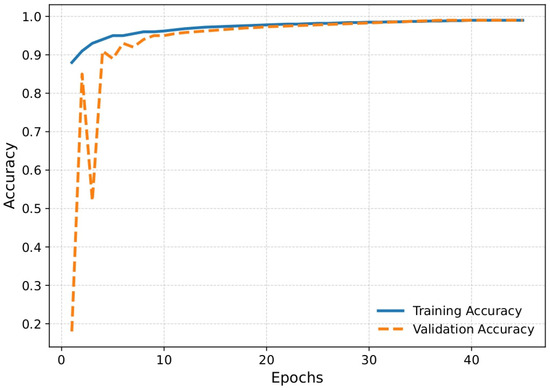
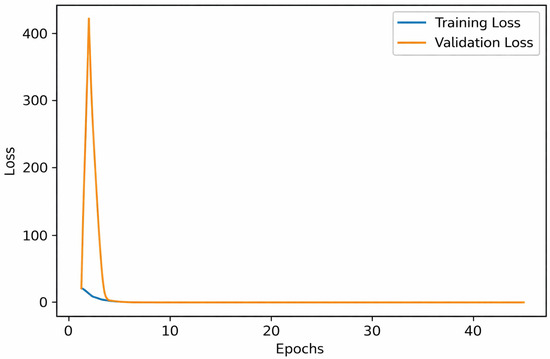
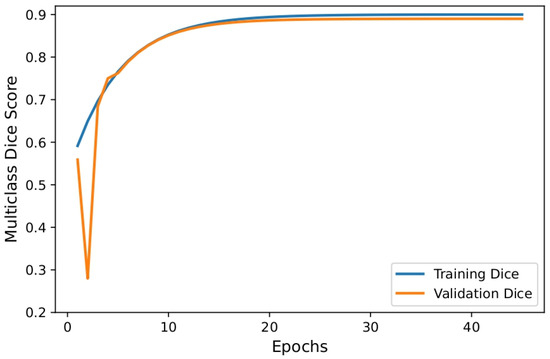
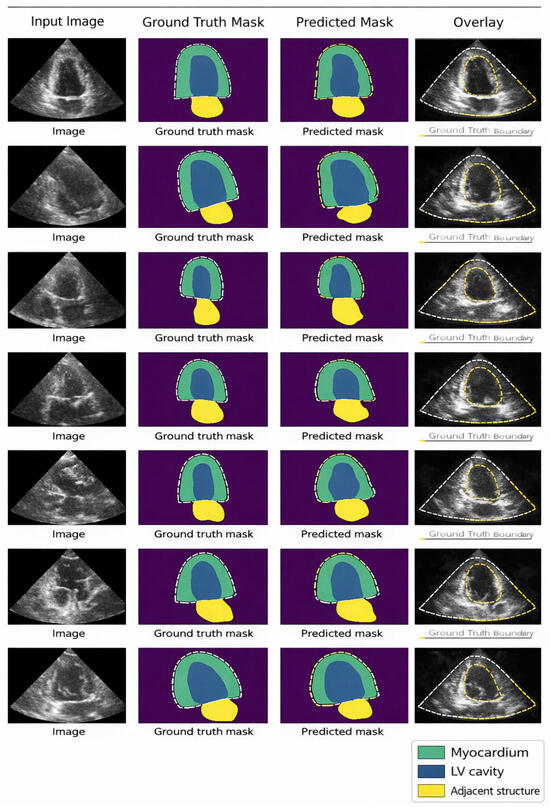
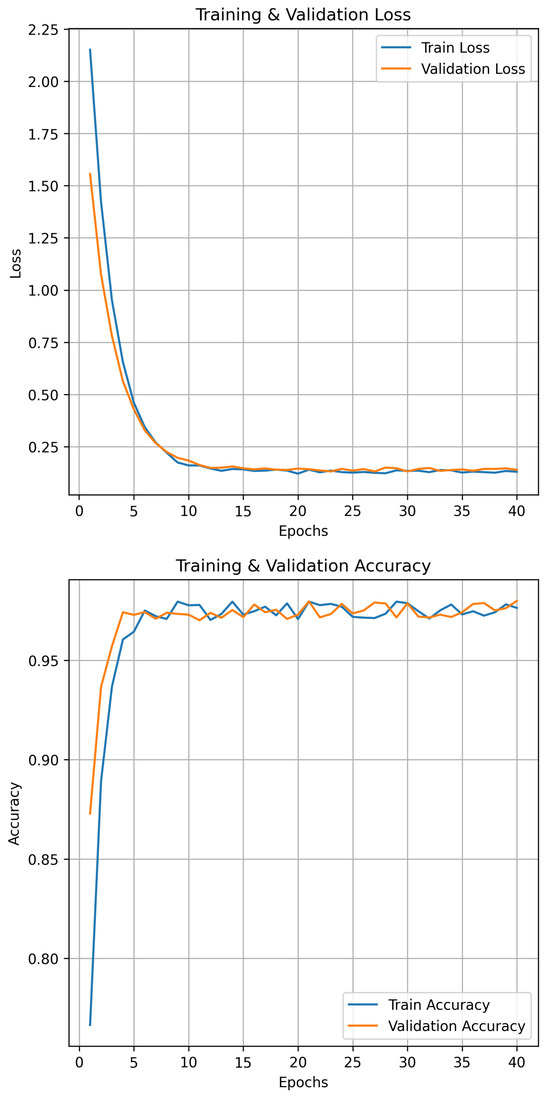
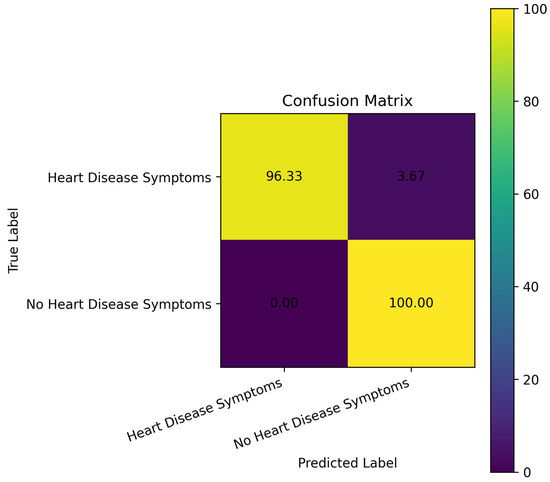
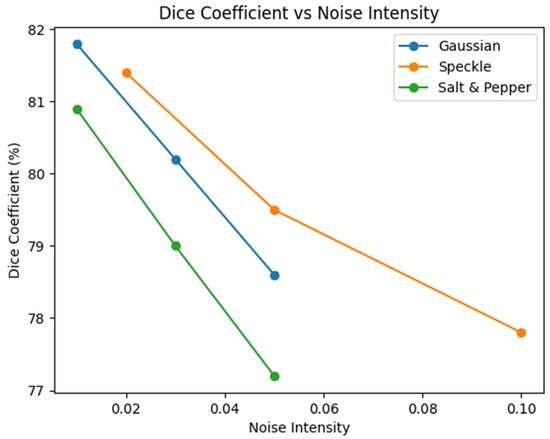
Accurate, automated analysis of medical images is indispensable for effective diagnosis and treatment planning, particularly for complex multiclass diseases. This paper presents a system that combines a cascaded dual-stage U-Net with texture-based deep learning techniques to improve segmentation and classification precision. The cascaded dual-stage U-Net architecture comprises two parallel encoding-decoding pathways optimized for deep semantic feature extraction. This dual-path design enables the network to recognize lesion edges and intricate structural variations across imaging modalities. To enhance diagnostic performance, texture features are extracted using the Color Co-occurrence Matrix (CCM), which preserves local texture patterns and color relationships, providing helpful context for deep feature extraction. We feed this enriched data into a convolutional neural network (CNN) classifier, which categorizes the images into disease groups. Extensive evaluation on benchmark medical image datasets (MRI, CT, endoscopic images) demonstrates the framework’s superior performance in segmentation accuracy, classification precision, and robustness to noise and distortions. Integrating segmentation and classification in a coherent pipeline increases the reliability and interpretability of the diagnostic process. This technique represents an important step toward the clinical utility of intelligent, automated medical image processing.
Full article

Graphical abstract
Open AccessArticle
Systematic Fine-Tuning of Transformer Models for Domain-Specific Misinformation Detection in Spanish Social Media Text
by
Gabriel Hurtado Avilés, José A. Reyes-Ortiz, Román A. Mora-Gutiérrez, Josué Padilla Cuevas and Óscar Herrera Alcántara
Informatics 2026, 13(6), 83; https://doi.org/10.3390/informatics13060083 - 9 Jun 2026
Abstract
While social media platforms are primary vectors for misinformation, automated detection systems remain largely confined to English. This paper presents a transferable, three-stage framework for fine-tuning transformer models to detect domain-specific deceptive content in Spanish. The pipeline comprises: (1) corpus unification, merging fragmented
[...] Read more.
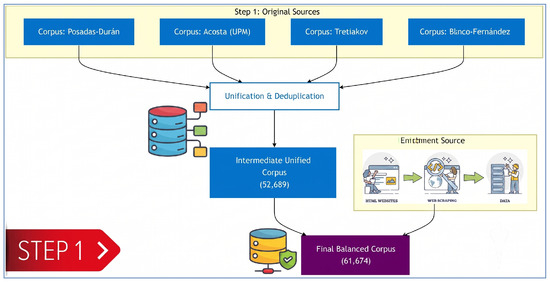
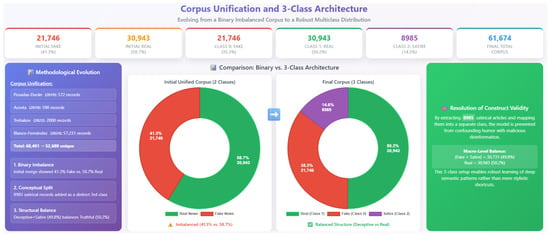
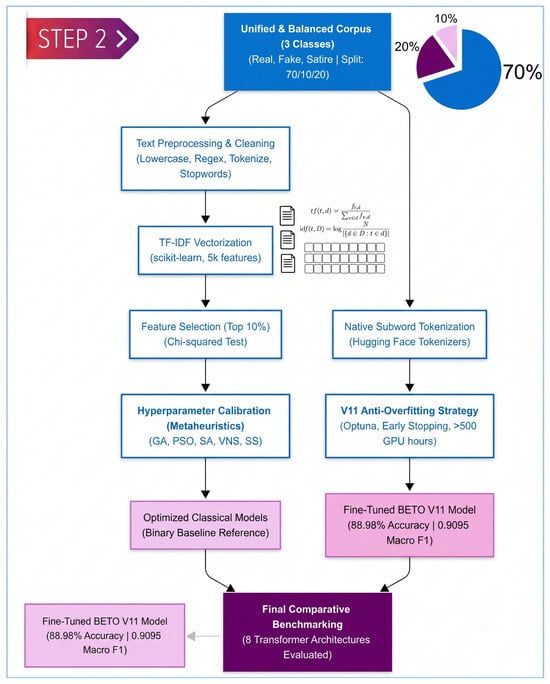
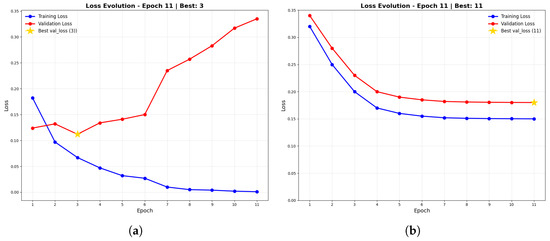
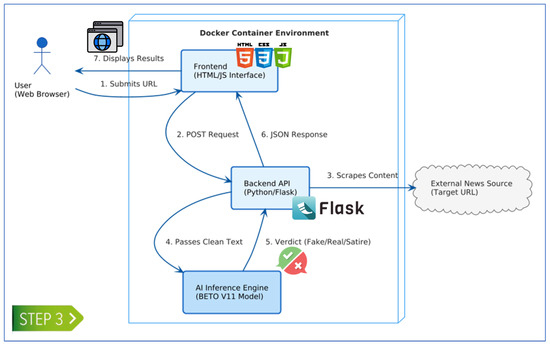
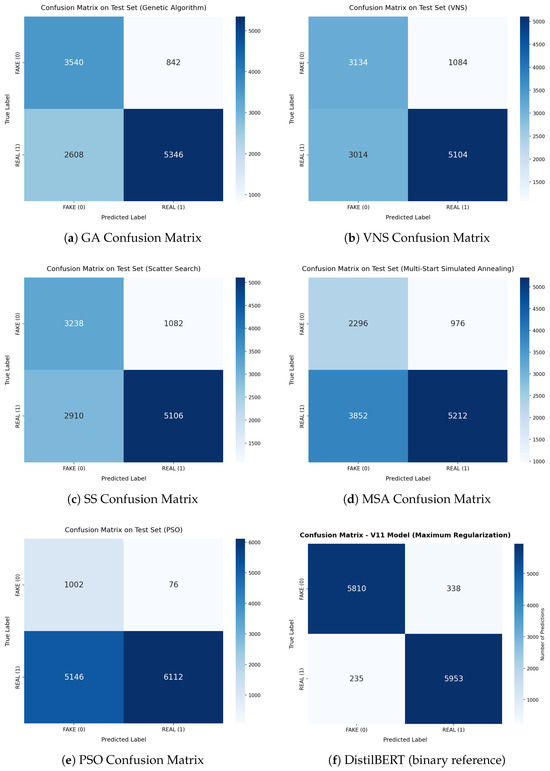
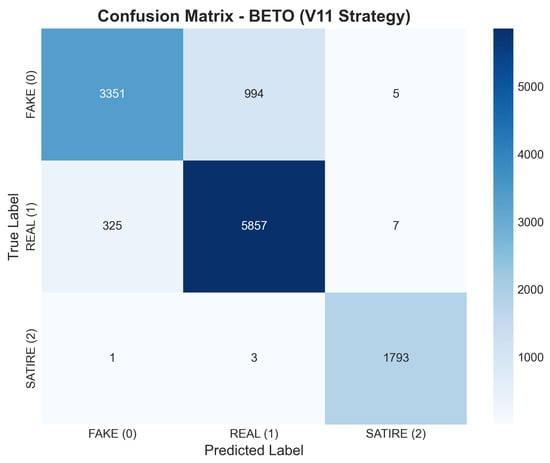
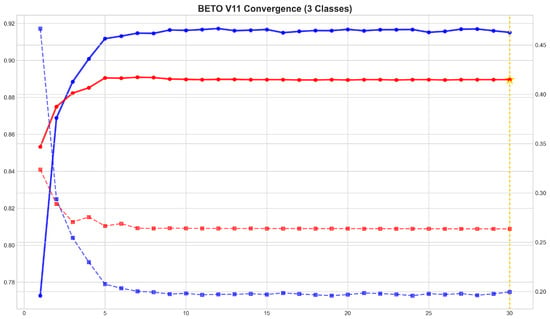
While social media platforms are primary vectors for misinformation, automated detection systems remain largely confined to English. This paper presents a transferable, three-stage framework for fine-tuning transformer models to detect domain-specific deceptive content in Spanish. The pipeline comprises: (1) corpus unification, merging fragmented datasets into a 61,674-article resource mapped into three classes (Real, Fake, Satire) to prevent stylistic confounding; (2) systematic model optimization, extensively benchmarking classical metaheuristics against eight transformer architectures (including mBERT, XLM-RoBERTa, and BETO) using strong regularization to mitigate overfitting; and (3) production deployment, encapsulating the optimized model as a containerized web application for real-time inference. Through rigorous experimentation, the Spanish-specific BETO encoder emerged as the strongest model for this task, achieving 89.18% overall accuracy. The model attains a near-perfect in-source F1-score on the satire class; however, a strict source-held-out test reveals that this performance is highly source-dependent—recall on satire from an unseen outlet drops to 0.08—indicating that single-source class construction leads the model to recognize the source rather than a generalizable category. We report this finding as a central methodological result: corpus design, and in particular the source diversity of each class, is the primary determinant of whether the framework generalizes. Adversarial robustness tests using named-entity masking and typo injection provide complementary evidence on the model’s reliance on semantic versus surface cues. The methodology is designed to be adaptable across domains: by substituting the training corpus, the same framework may in principle be retargeted to other digital threats, such as investment scams and phishing, provided that suitable labeled corpora are constructed and validated for each new domain. The complete framework, dataset, and application are released as open-source resources to support reproducible research and practical countermeasures against online misinformation.
Full article
(This article belongs to the Special Issue Machine Learning in Social Media Analysis)
►▼
Show Figures

Figure 1
Open AccessArticle
Framework for Evaluating LLM Performance in Undergraduate Calculus
by
Sagnik Dakshit and Sushmita Sinha Roy
Informatics 2026, 13(6), 82; https://doi.org/10.3390/informatics13060082 - 3 Jun 2026
Abstract
Large language models (LLMs) are increasingly being used in education, yet their correctness alone does not capture the quality, reliability, or pedagogical validity of their problem-solving behavior, especially in mathematics, where multi-step logic, symbolic reasoning, and conceptual clarity are critical. Conventional evaluation methods
[...] Read more.
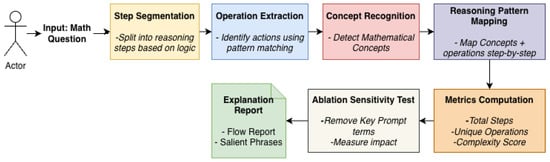
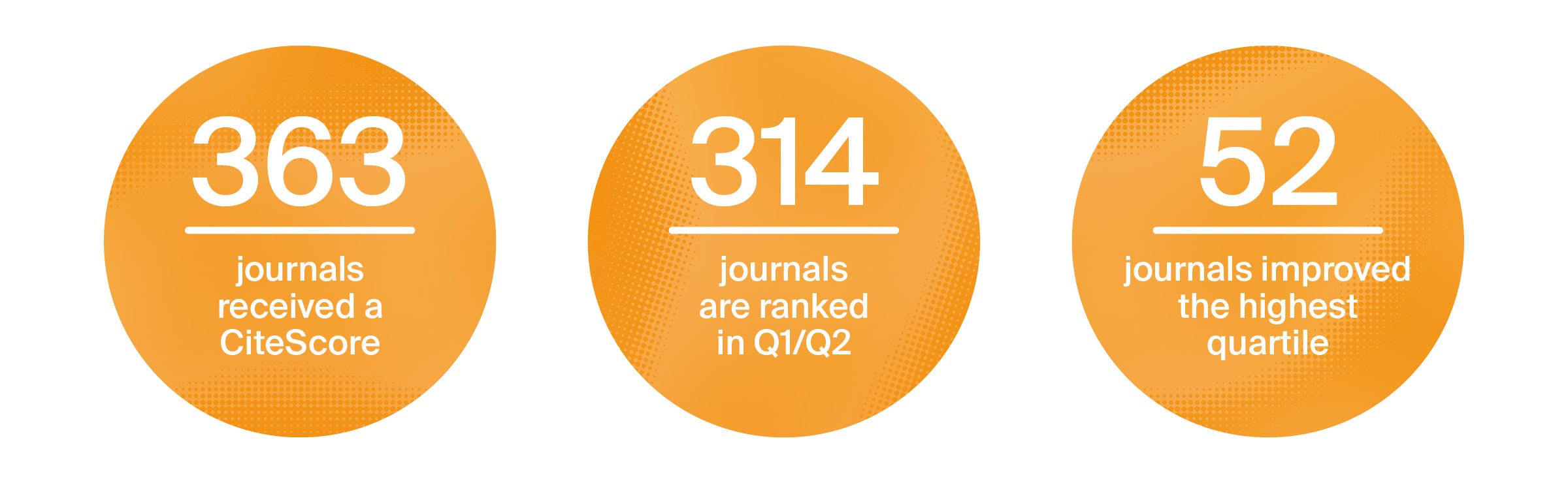
Large language models (LLMs) are increasingly being used in education, yet their correctness alone does not capture the quality, reliability, or pedagogical validity of their problem-solving behavior, especially in mathematics, where multi-step logic, symbolic reasoning, and conceptual clarity are critical. Conventional evaluation methods largely focus on final answer accuracy and overlook the reasoning process. To address this gap, we introduce a novel interpretability framework for analyzing LLM-generated solutions using undergraduate calculus problems as a representative domain. Our approach combines reasoning flow extraction and decomposing solutions into semantically labeled operations and concepts with prompt ablation analysis to assess input salience and output stability. Using structured metrics such as reasoning complexity, phrase sensitivity, and robustness, we evaluated the model behavior on real Calculus I–III university exams and compared it with the performances of students enrolled in the courses. Our findings revealed that LLMs often produce syntactically fluent yet conceptually flawed solutions with reasoning patterns sensitive to prompt phrasing and input variation. This framework enables a fine-grained diagnosis of reasoning failures, supports curriculum alignment, and informs the design of interpretable AI-assisted feedback tools. The framework was evaluated on Gemma 3, an open-access large language model, across zero-shot, retrieval-augmented generation, and contextual retrieval configurations, using nine real undergraduate calculus examinations from three course levels. To our knowledge, this is the first paper to apply a combined reasoning flow decomposition and prompt ablation framework to real undergraduate calculus examinations, benchmarked against actual student cohort performance, laying the foundation for the transparent and responsible deployment of AI in STEM learning environments.
Full article
(This article belongs to the Section Generative AI)
►▼
Show Figures

Figure 1
Open AccessArticle
Optimizing Academic Trajectories: A Multi-Dimensional Psychometric Recommender System for Student Career Guidance
by
Shakhmar Sarsenbay, Iraklis Varlamis, Cemil Turan, Bobir Razhametov and Yermek Kazym
Informatics 2026, 13(6), 81; https://doi.org/10.3390/informatics13060081 - 3 Jun 2026
Abstract
Selecting the appropriate academic track is a critical decision for students, as misalignment between program requirements and individual cognitive, personality, and competency profiles can significantly impact academic performance, persistence, and overall educational outcomes. Traditional educational recommender systems often rely solely on skill matching
[...] Read more.
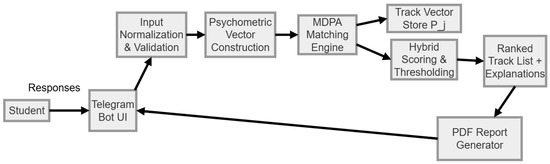
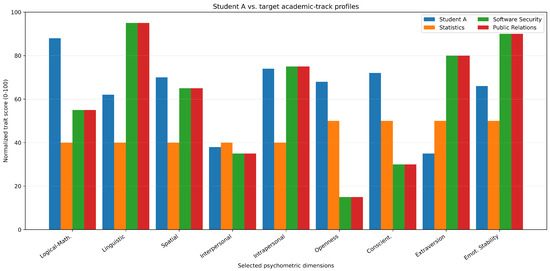
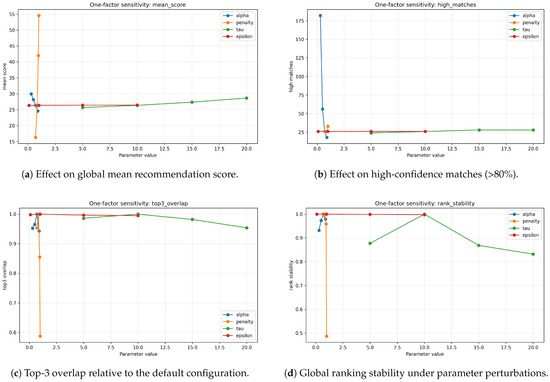
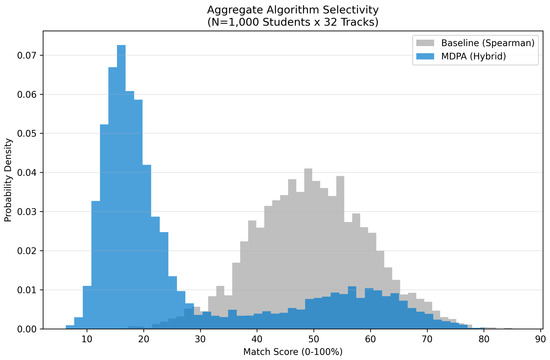
Selecting the appropriate academic track is a critical decision for students, as misalignment between program requirements and individual cognitive, personality, and competency profiles can significantly impact academic performance, persistence, and overall educational outcomes. Traditional educational recommender systems often rely solely on skill matching or on the correlation of interests, failing to account for the dimension of competency that is required for success in specific academic tracks. This paper introduces a novel Multi-Dimensional Psychometric Alignment (MDPA) algorithm that moves beyond simple rank-order correlation between skills and programs by jointly integrating multiple psychometric perspectives and evaluating both preference similarity and competency sufficiency. Based on a structured synthesis of Cognitive Preferences (MBTI), Cognitive Modalities (Gardner’s Multiple Intelligences), and Personality Stability (Big Five), the proposed profile captures complementary dimensions of student readiness that are usually examined separately in prior educational recommender systems. Then applies an alignment algorithm-which is based on a hybrid similarity metric that fuses Spearman’s Rank Correlation (Interest Shape) with Weighted Euclidean Distance (Competency Magnitude), enforced by non-linear threshold penalties for critical traits- in order to find the best options for students. This approach constitutes a deterministic, explainable recommender system whose novelty lies in combining heterogeneous psychometric evidence with an explicit magnitude–shape matching mechanism and threshold-based academic viability constraints. Our approach is validated through a case study of university students in Kazakhstan, and the results demonstrate how “academic fit” is better modeled as a function of both interest pattern and trait sufficiency, offering a robust alternative to “black-box” skill-based recommenders.
Full article
(This article belongs to the Section Human-Computer Interaction)
►▼
Show Figures

Figure 1

Open AccessArticle
Benchmarking of Ensembles and Meta-Ensembles in the Multiclass Classification of Obesity-Status Classification: Predictive Performance, Calibration and Interpretability
by
Daniel Andrade-Girón, William Marin-Rodriguez, Americo Peña, Elsa Oscuvilca-Tapia and Fredy Bermejo-Sanchez
Informatics 2026, 13(6), 80; https://doi.org/10.3390/informatics13060080 - 3 Jun 2026
Abstract
►▼
Show Figures
Obesity is a major public health concern because of its high prevalence and association with cardiometabolic comorbidities. This study compared nine ensemble and meta-ensemble learning models for multiclass obesity-status classification using the Obesity Dataset, comprising 1610 records, 14 predictors, and four body-weight status
[...] Read more.
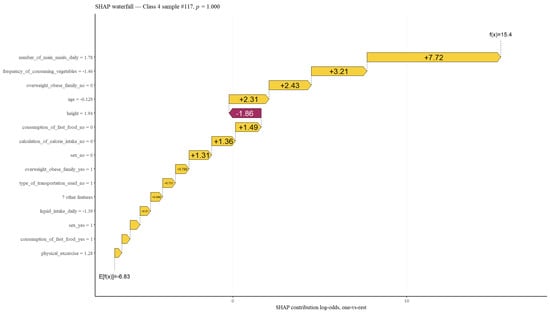
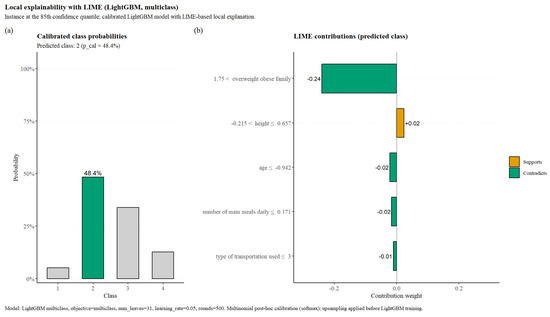
Obesity is a major public health concern because of its high prevalence and association with cardiometabolic comorbidities. This study compared nine ensemble and meta-ensemble learning models for multiclass obesity-status classification using the Obesity Dataset, comprising 1610 records, 14 predictors, and four body-weight status classes. To ensure a leakage-aware evaluation, all preprocessing and resampling steps were embedded within the validation workflow. Standardization, one-hot encoding, and RandomOverSampler were applied only within the training folds; SMOTE and no-resampling configurations were retained as configurable alternatives but were not used to generate the reported results. Model performance was assessed using complementary classification, discrimination, agreement, and calibration metrics, including accuracy, balanced accuracy, weighted F1-score, macro F1-score, weighted ROC-AUC, Matthews correlation coefficient, Brier score, and multiclass expected calibration error. Overall, the ensemble models achieved strong discriminative performance, with eight of nine classifiers exceeding 82% accuracy and obtaining weighted ROC-AUC values close to or above 94%. LightGBM showed the strongest mean metric-based profile, with an accuracy of 85.41 ± 2.85%, weighted F1-score of 85.25 ± 2.88%, weighted ROC-AUC of 95.58 ± 1.52%, and MCC of 0.779 ± 0.042. Random Forest and Stacking achieved comparable classification performance, although Stacking presented poorer calibration. The Friedman test detected significant global differences among classifiers, χ2 = 38.7733, p = 0.000005. However, the Nemenyi post hoc test indicated that Stacking, Random Forest, LightGBM, Voting, Gradient Boosting, and Extra Trees belonged to the same high-performance statistical group. Therefore, LightGBM was selected as the final model based on its practical balance of predictive performance, calibration behavior, stability, and implementation feasibility, rather than on unequivocal statistical superiority. On the independent holdout set, LightGBM maintained strong generalization, achieving accuracy = 0.8447, weighted F1-score = 0.8435, MCC = 0.7653, and weighted ROC-AUC = 0.9464. Calibration was moderate, with Brier score = 0.2575 and multiclass ECE = 0.1070, indicating that predicted probabilities should be interpreted cautiously when used to support threshold-based decisions.
Full article

Figure 1
Open AccessArticle
Adaptive Semi-Personalized Email Classification Model (ASPEC) with Incremental Learning
by
Worawit Kitikusoun and Nawaporn Wisitpongphan
Informatics 2026, 13(6), 79; https://doi.org/10.3390/informatics13060079 - 29 May 2026
Abstract
The volume of daily email traffic continues to grow rapidly, creating challenges in efficiently distinguishing important from irrelevant messages. Beyond spam detection, modern email systems classify messages into categories such as promotions, social, updates, and forums, many of which are ignored or deleted
[...] Read more.
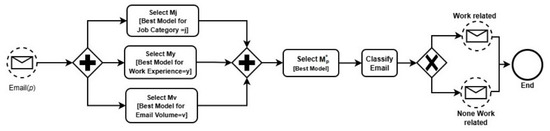
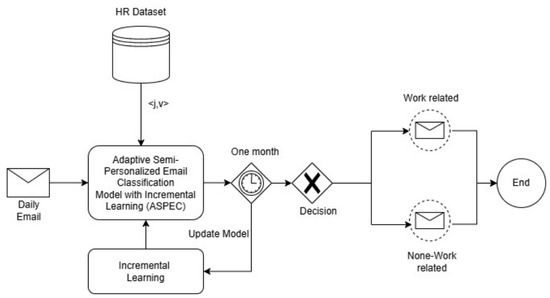
The volume of daily email traffic continues to grow rapidly, creating challenges in efficiently distinguishing important from irrelevant messages. Beyond spam detection, modern email systems classify messages into categories such as promotions, social, updates, and forums, many of which are ignored or deleted without review. To address this issue, researchers have explored intelligent classification systems to predict the importance of emails, enhance user productivity, and improve organizational communication efficiency. This study proposes an email classification model that adapts to different users’ work functions and communication patterns within an organizational context. Using three-month historical real corporate anonymized email data from 9788 individuals across 12 work functions, the proposed Adaptive Semi-Personalized Email Classification Model (ASPEC) automatically retrieves each employee’s occupational profile—including job category and years of work experience—from the organization’s Human Resources (HR) system, enabling seamless personalization without manual configuration. ASPEC significantly improves email classification accuracy over the best-performing baseline of 73.50%, with incremental learning further enabling continuous adaptation to evolving data streams and achieving accuracy up to 92.57% in stable user segments. Unlike most existing email classification frameworks, which rely on static batch-learning models and lack memory-based or incremental update mechanisms, ASPEC addresses this gap by continuously adapting to evolving communication patterns without requiring full model retraining. The adoption of this incremental learning framework offers tangible benefits for organizations, including reduced manual email filtering workload, improved communication efficiency, and decreased operational burden on IT departments in managing email-related tasks and issues.
Full article
(This article belongs to the Section Machine Learning)
►▼
Show Figures

Figure 1
Highly Accessed Articles
Latest Books
E-Mail Alert
News
Topics
Topic in
Computers, Informatics, Information, Logistics, Mathematics, Algorithms
Decision Science Applications and Models (DSAM)
Topic Editors: Daniel Riera Terrén, Angel A. Juan, Majsa Ammuriova, Laura CalvetDeadline: 30 June 2026
Topic in
AI, Algorithms, BDCC, Computers, Data, Future Internet, Informatics, Information, MAKE, Publications, Smart Cities
Learning to Live with Gen-AI
Topic Editors: Antony Bryant, Paolo Bellavista, Kenji Suzuki, Horacio Saggion, Roberto Montemanni, Andreas Holzinger, Min ChenDeadline: 31 August 2026
Topic in
World, Informatics, Information
The Applications of Artificial Intelligence in Tourism
Topic Editors: Angelica Lo Duca, Jose BerengueresDeadline: 30 September 2026
Topic in
Applied Sciences, Electronics, Informatics, JCP, Future Internet, Mathematics, Sensors, Remote Sensing
Recent Advances in Artificial Intelligence for Security and Security for Artificial Intelligence
Topic Editors: Tao Zhang, Xiangyun Tang, Jiacheng Wang, Chuan Zhang, Jiqiang LiuDeadline: 28 February 2027
Special Issues
Special Issue in
Informatics
Machine Learning in Social Media Analysis
Guest Editors: Kellyton Brito, Vinícius Vieira, Pablo SampaioDeadline: 30 June 2026
Special Issue in
Informatics
Revolutionizing Agriculture and Natural Resource Management with Artificial Intelligence Approaches
Guest Editors: Sarawut Ninsawat, Jaturong Som-ardDeadline: 31 July 2026

Special Issue in
Informatics
Real-World Applications and Prototyping of Information Systems for Extended Reality (VR, AR, and MR)
Guest Editors: Kitti Puritat, Kannikar Intawong, Wirapong ChansanamDeadline: 30 September 2026
Special Issue in
Informatics
Machine Learning-Based Human Activity Recognition
Guest Editors: Anuchit Jitpattanakul, Sakorn MekruksavanichDeadline: 30 September 2026