

Journal Description
International Journal of Environmental Research and Public Health
(IJERPH) is a transdisciplinary, peer-reviewed, open access journal that covers global health, healthcare sciences, behavioral and mental health, infectious diseases, chronic diseases and disease prevention, exercise and health related quality of life, environmental health and environmental sciences, and is published monthly online by MDPI. The International Society Doctors for the Environment (ISDE), Italian Society of Environmental Medicine (SIMA) and Environmental Health Association of Québec (ASEQ‑EHAQ) are affiliated with IJERPH and their members receive discounts on the article processing charges.
- Open Access— free for readers, with article processing charges (APC) paid by authors or their institutions.
- High Visibility: indexed within Scopus, PubMed, MEDLINE, PMC, Embase, GEOBASE, CAPlus / SciFinder, and other databases.
- Journal Rank: CiteScore - Q1 (Public Health, Environmental and Occupational Health)
- Rapid Publication: manuscripts are peer-reviewed and a first decision is provided to authors approximately 24 days after submission; acceptance to publication is undertaken in 3.8 days (median values for papers published in this journal in the first half of 2026).
- Recognition of Reviewers: reviewers who provide timely, thorough peer-review reports receive vouchers entitling them to a discount on the APC of their next publication in any MDPI journal, in appreciation of the work done.
- Testimonials: See what our editors and authors say about IJERPH.
- Sections: published in 7 topical sections.
- Journal Cluster of Public Health: International Journal of Environmental Research and Public Health, Infectious Disease Reports, Epidemiologia, Occupational Health, International Journal of Environmental Medicine (IJEM), Journal of Market Access & Health Policy (JMAHP), Hygiene, Trends in Public Health, Digital Health and Innovation (DHI), Green Health and Health Economics and Policy.
- Companion journal: Trends in Public Health
Latest Articles
Problems Related to Social Media Use in Finnish Adolescents: Gender Differences and Correlates
Int. J. Environ. Res. Public Health 2026, 23(9), 1123; https://doi.org/10.3390/ijerph23091123 - 28 Aug 2026
Abstract
Background: Problematic social media use among adolescents has emerged as a growing public health concern. This study examined gender differences in problems related to social media use and their behavioural, psychosocial, family-related, and school-related correlates among Finnish adolescents. Methods: In this cross-sectional study,
[...] Read more.
Background: Problematic social media use among adolescents has emerged as a growing public health concern. This study examined gender differences in problems related to social media use and their behavioural, psychosocial, family-related, and school-related correlates among Finnish adolescents. Methods: In this cross-sectional study, binary logistic regression analyses were conducted using data from the Finnish sample of the 2024 European School Survey Project on Alcohol and Other Drugs (ESPAD), including 3293 adolescents aged 15–16 years. Results: Overall, 45% of girls and 30% of boys were classified as having problems related to social media use. Significant gender interactions were observed in the associations of gaming-related problems and perceived family socioeconomic status with problems related to social media use. Gaming-related problems were the strongest correlate, with a substantially stronger association among boys. Elevated psychological distress was associated with a higher likelihood of problems related to social media use, particularly among girls, whereas higher parental monitoring was associated with a lower likelihood only among girls. Truancy and plans for general upper secondary school were both associated with a higher likelihood of problems related to social media use among girls and boys. Conclusions: The findings suggest that problems related to social media use are closely linked to adolescent well-being and behaviour. Prevention and intervention efforts may therefore benefit from addressing problematic social media use as part of adolescent mental health and digital well-being strategies, combining universal approaches with targeted support for adolescents experiencing problematic patterns of digital media use.
Full article
(This article belongs to the Special Issue The Effect of Social Media on Adolescent Health Behaviors and Health-Related Outcomes)
Open AccessArticle
Psychosocial Predictors of Emergency Management Behaviour for Non-Communicable Disease Emergencies Among Rural Community Adults in Thailand
by
Sukontip Arunmonlaphat, Yupayong Paha and Pacharamon Soncharoen
Int. J. Environ. Res. Public Health 2026, 23(9), 1122; https://doi.org/10.3390/ijerph23091122 - 28 Aug 2026
Abstract
Background: Non-communicable disease (NCD) emergencies, including hypoglycaemia, stroke, acute coronary syndrome, and hypertensive crisis, call for prompt action by households and communities. The psychosocial mechanisms associated with emergency management behavior in rural Thailand, however, are not well understood. Objectives: The study pursued three
[...] Read more.
Background: Non-communicable disease (NCD) emergencies, including hypoglycaemia, stroke, acute coronary syndrome, and hypertensive crisis, call for prompt action by households and communities. The psychosocial mechanisms associated with emergency management behavior in rural Thailand, however, are not well understood. Objectives: The study pursued three objectives. It described levels of NCD emergency management behavior and the characteristics of emergency events reported during the preceding six months. It examined associations linking knowledge, Health Belief Model (HBM) constructs, social support, participation, self-efficacy, and emergency management behavior. Then, it identified the constructs with the strongest relations to behavior, along with an indirect pathway operating through self-efficacy, via structural equation modelling. Methods: A cross-sectional study analyzed data from 1321 community adults in Sisaket Province, Thailand, drawn from an initial 1407 records after excluding 86 with age below 21 years, incomplete data on SEM variables, or invalid disease-status coding. A structured, interviewer-administered questionnaire measured knowledge of NCD emergencies, HBM constructs, social support, family and community participation, self-efficacy, and emergency management behavior. Covariance-based SEM with item parcels and maximum-likelihood estimation was conducted; knowledge was treated as an observed variable. Results: Mean age was 58.0 years (SD = 14.3); 15.5% reported a recent emergency event. Knowledge was moderate-to-low (mean = 5.79/10; KR-20 = 0.440). Model fit was acceptable (CFI = 0.980; RMSEA = 0.047; SRMR = 0.049). Discriminant validity was supported by the Fornell–Larcker criterion for all constructs. Participation was strongly associated with self-efficacy (β = 0.858) and with emergency management behavior (β = 0.433); self-efficacy was also associated with emergency management behavior (β = 0.354). Participation had the largest total effect on behavior (0.737), combining a direct effect (0.433) and an indirect, self-efficacy-related effect (0.304). All structural-path variance inflation factors (VIF) were below 5.0 except participation behavior (VIF = 6.19), which remained below the more permissive threshold of 10.0. Conclusions: NCD emergency management behavior in this rural community was most strongly associated with family and community participation and with self-efficacy. Because the design was cross-sectional, these findings indicate association rather than confirmed causal or mediating pathways. Programmes should combine scenario-based knowledge with participatory practice, family role preparation, rehearsal of emergency-service (1669) activation, and confidence-building activities.
Full article
Open AccessArticle
Cultural Fit, Privacy Concerns, and GCC Women’s Openness to AI-Enabled Menstrual Tracking: A Cross-Sectional Study
by
Zeina M. Alkhalaf and Abdullah Alhauli
Int. J. Environ. Res. Public Health 2026, 23(9), 1121; https://doi.org/10.3390/ijerph23091121 - 28 Aug 2026
Abstract
Background/Objectives: Artificial intelligence (AI) is increasingly embedded in menstrual and reproductive health applications, yet little is known about how women in conservative, rapidly digitizing regions evaluate AI-enabled menstrual tracking tools. This study investigates how perceived cultural fit and data privacy concerns are associated
[...] Read more.
Background/Objectives: Artificial intelligence (AI) is increasingly embedded in menstrual and reproductive health applications, yet little is known about how women in conservative, rapidly digitizing regions evaluate AI-enabled menstrual tracking tools. This study investigates how perceived cultural fit and data privacy concerns are associated with women’s openness to AI-enabled menstrual tracking in Gulf Cooperation Council (GCC) countries. Methods: We conducted an online cross-sectional survey using a convenience sample of adult women residing in GCC countries (n = 273), measuring openness to AI menstrual tools, perceptions of cultural fit (e.g., respect for religious and cultural norms, endorsement by trusted institutions, Arabic language, GCC-specific design), privacy concerns (e.g., worries about who can access menstrual health data), and key sociodemographic characteristics and smartphone use. Results: Higher perceived cultural-contextual fit was strongly and positively associated with openness to AI-enabled menstrual tracking, whereas composite privacy concerns showed no statistically significant association once cultural fit and sociodemographic factors were controlled. Item-level analyses indicated that beliefs about cultural sensitivity and GCC-specific design were the most robust predictors of openness, while concerns about data access, authority endorsement, and language accessibility played a limited role. Homemakers reported higher openness than employed women. Conclusions: Overall, the findings suggest that, in this sample and model, GCC women’s openness to AI-enabled menstrual tracking was more strongly associated with perceived cultural alignment and local design than with the measured privacy-concern construct, highlighting the importance of culturally grounded, trust-building design and communication strategies for AI-based women’s health applications.
Full article
(This article belongs to the Special Issue Resilience and Rights: Advancing Women's Sexual and Reproductive Health in an Era of Crisis)
Open AccessArticle
Impact of Aerobic Training on Cardiometabolic Markers and Menopausal Symptoms: A Stratified Analysis by Multimorbidity
by
Juliene G. Costa, Igor M. Mariano, Ana Clara R. Cunha, Juliana C. Silva, Ludimila F. Gonçalves, Mateus L. Rodrigues, Julia B. Tavares, Victor Hugo V. Carrijo, Ana Luiza Amaral and Guilherme M. Puga
Int. J. Environ. Res. Public Health 2026, 23(9), 1120; https://doi.org/10.3390/ijerph23091120 - 28 Aug 2026
Abstract
Cardiometabolic multimorbidity is highly prevalent among postmenopausal women and is associated with adverse metabolic outcomes and a greater burden of climacteric symptoms. This secondary analysis of a quasi-experimental controlled clinical trial investigated the effects of a 12-week aerobic training program on climacteric symptoms,
[...] Read more.
Cardiometabolic multimorbidity is highly prevalent among postmenopausal women and is associated with adverse metabolic outcomes and a greater burden of climacteric symptoms. This secondary analysis of a quasi-experimental controlled clinical trial investigated the effects of a 12-week aerobic training program on climacteric symptoms, menopause-related quality of life, body composition, and cardiometabolic biomarkers in postmenopausal women with and without cardiometabolic multimorbidity. Forty-one postmenopausal women (50–70 years) were allocated to a single-cardiometabolic-condition group (SINGLE, n = 18) or a multimorbidity group (MULTI, n = 23) and completed supervised walking/jogging aerobic exercise three times per week at 65–75% of heart rate reserve. Climacteric symptoms, quality of life, anthropometric measures, body composition, and biochemical markers were assessed before and after the intervention. Generalized Estimating Equations (GEEs) with Bonferroni post hoc adjustment were used to compare group, time and group*time interactions with alpha of 5%. Significant group-by-time interactions were observed for the Menopause Rating Scale total score and psychological symptoms, as well as for the Cervantes Scale total score, indicating greater improvements among women with multimorbidity. The MULTI group demonstrated significant reductions in overall menopausal symptoms, psychological symptoms, and menopause-related quality of life scores following training. Body weight, triglycerides, and very-low-density lipoprotein cholesterol also decreased significantly only in the MULTI group, whereas several body composition parameters improved over time regardless of cardiometabolic burden. These findings indicate that aerobic training may be associated with improvements in menopausal symptoms, quality of life, body composition, and selected cardiometabolic markers in postmenopausal women, with some outcomes showing greater changes among women with cardiometabolic multimorbidity.
Full article
(This article belongs to the Special Issue Health Effects of Physical Activity and Exercise in People at Risk for Cardiovascular Diseases)
Open AccessArticle
Efficacy and Safety of Phikud Tri-Phon Herbal Decoction for Weight Management in Young Adult Thai Females: A Double-Blind, Randomized Controlled Trial
by
Naparat Doungchan, Marisa Poomiphak Na Nongkhai, Sulukkana Noiprasert, Rajesh Kumar and Ngamrayu Ngamdokmai
Int. J. Environ. Res. Public Health 2026, 23(9), 1119; https://doi.org/10.3390/ijerph23091119 - 28 Aug 2026
Abstract
►▼
Show Figures
Overweight and obesity are concerns among young adults. This double-blind, randomized, placebo-controlled trial evaluated the efficacy and safety of Phikud Tri-Phon (PTP), a traditional Thai herbal decoction comprising Aegle marmelos, Morinda citrifolia, and Coriandrum sativum, for weight management in Thai
[...] Read more.
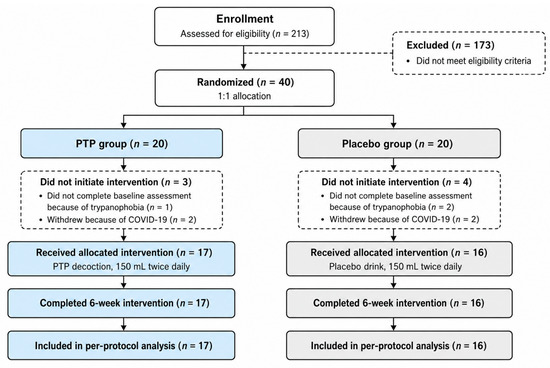
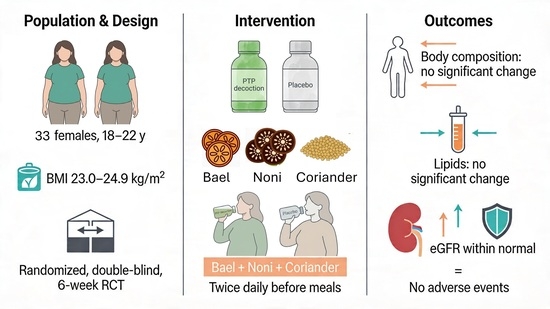
Overweight and obesity are concerns among young adults. This double-blind, randomized, placebo-controlled trial evaluated the efficacy and safety of Phikud Tri-Phon (PTP), a traditional Thai herbal decoction comprising Aegle marmelos, Morinda citrifolia, and Coriandrum sativum, for weight management in Thai females. Forty females aged 18–22 years with a body mass index (BMI) of 23.0–24.9 kg/m2 were randomly assigned to receive 150 mL of PTP decoction or a herbal-style placebo control twice daily for 6 weeks. Body composition, obesity-related indices, lipid profiles, and kidney and liver function markers were assessed at baseline and after the intervention. Per-protocol analyses included 17 participants in the PTP group and 16 in the placebo group. No statistically significant between-group differences were observed in body composition, obesity-related indices, lipid profiles, or kidney and liver biochemical markers after 6 weeks (p > 0.05). Although a device-derived metric of obesity degree decreased within the PTP group (p = 0.021), this change did not differ significantly from that of the placebo group (p = 0.894). No clinically meaningful between-group safety differences were identified during the 6-week study period.
Full article

Graphical abstract
Open AccessCorrection
Correction: Liu et al. Fetal Exposure to Air Pollution in Late Pregnancy Significantly Increases ADHD-Risk Behavior in Early Childhood. Int. J. Environ. Res. Public Health 2022, 19, 10482
by
Binquan Liu, Xinyu Fang, Esben Strodl, Guanhao He, Zengliang Ruan, Ximeng Wang, Li Liu and Weiqing Chen
Int. J. Environ. Res. Public Health 2026, 23(9), 1118; https://doi.org/10.3390/ijerph23091118 - 28 Aug 2026
Abstract
Additional Affiliation [...]
Full article
Open AccessArticle
Pre-, Peri-, and Postnatal Factors of Molar–Incisor Hypomineralization in Brazilian Schoolchildren: A Cross-Sectional Study
by
Karina Kendelhy Santos, Patrícia Gomes Fonseca, Túlio Silva Pereira, Jéssica Madeira Bittencourt, Maria Letícia Ramos-Jorge, Maria Eliza da Consolação Soares, Lívia Guimarães Zina and Izabella Barbosa Fernandes
Int. J. Environ. Res. Public Health 2026, 23(9), 1117; https://doi.org/10.3390/ijerph23091117 - 28 Aug 2026
Abstract
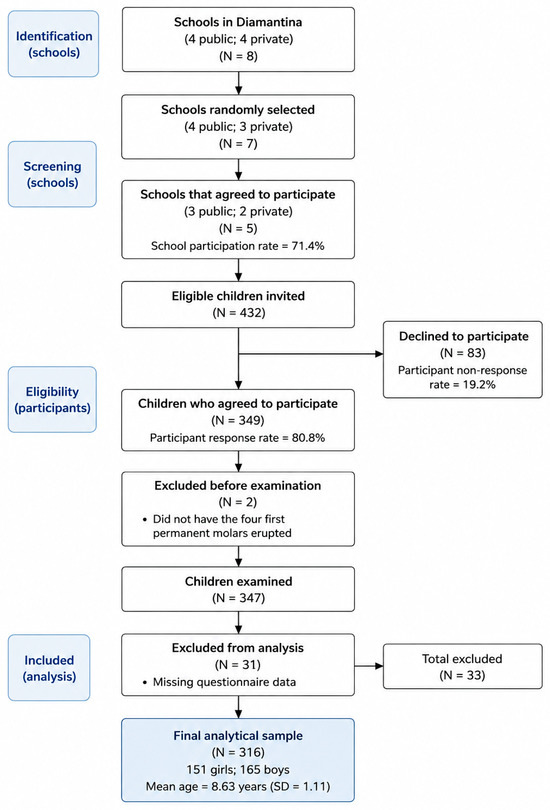
To assess the prevalence of molar–incisor hypomineralization (MIH) and identify the associated factors in Brazilian schoolchildren, a representative cross-sectional study was conducted Diamantina, Brazil, with a random sample of 316 (80.8% response rate) children aged 7 to 10 from public and private schools.
[...] Read more.
To assess the prevalence of molar–incisor hypomineralization (MIH) and identify the associated factors in Brazilian schoolchildren, a representative cross-sectional study was conducted Diamantina, Brazil, with a random sample of 316 (80.8% response rate) children aged 7 to 10 from public and private schools. The presence of MIH was assessed according to the criteria of the European Academy of Pediatric Dentistry (EAPD). Sociodemographic data and data related to the prenatal, perinatal, and postnatal periods, as well as child health, were obtained through a questionnaire sent to caregivers. Descriptive analyses and adjusted and unadjusted Poisson regression were performed, accounting for the sample weights, using Stata software (version 16.1). The prevalence of MIH was 21.2%. The adjusted model showed that children admitted to the neonatal intensive care unit (NICU) were 2.28 times more likely to have MIH (95% CI: 1.34–3.90). The present study identified a high prevalence of MIH among children aged 7 to 10 years in Brazilian schoolchildren. Children who were admitted to the NICU had a higher prevalence of MIH than those who did not. Given the cross-sectional design, study sample and regional context, these findings should be interpreted as associations rather than evidence of causal relationships.
Full article
(This article belongs to the Special Issue Improving Maternal and Child Oral Healthcare)
►▼
Show Figures

Figure 1
Open AccessArticle
Associations Between High Ambient Temperature and Acute Ischemic Stroke Admissions
by
Wil Lieberman-Cribbin, Jason J. Wang, Bo Yang, Joseph O’Hara, Maria X. Sanmartin, Liron Sinvani, Jeffrey M. Katz and Pina C. Sanelli
Int. J. Environ. Res. Public Health 2026, 23(9), 1116; https://doi.org/10.3390/ijerph23091116 - 27 Aug 2026
Abstract
Stroke is a leading cause of death and foremost cause of disability in the United States, and extreme heat is the leading weather-related cause of death. We examined the association between ambient temperature and acute ischemic stroke (AIS) admissions in New York State.
[...] Read more.
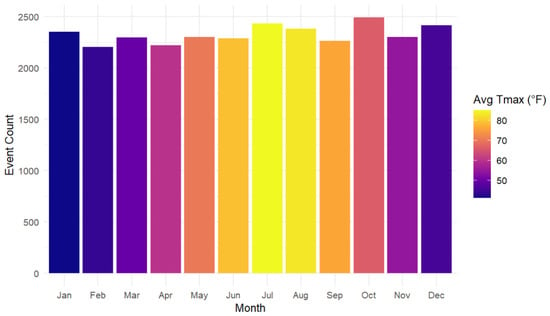
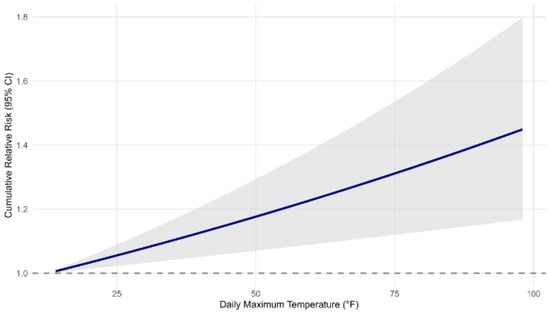
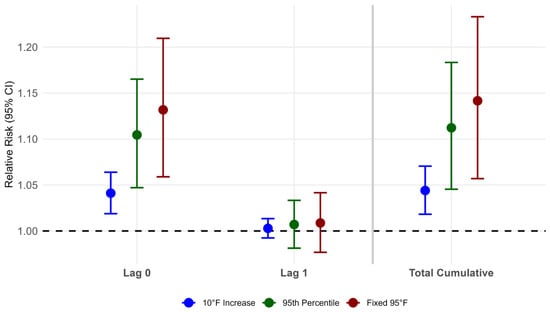
Stroke is a leading cause of death and foremost cause of disability in the United States, and extreme heat is the leading weather-related cause of death. We examined the association between ambient temperature and acute ischemic stroke (AIS) admissions in New York State. We leveraged an existing cohort of consecutive AIS admissions presenting to a large healthcare system during a ten-year period (January 2015–December 2024), identified based on discharge diagnosis codes for ischemic stroke. Meteorological data from gridMET (~4 km grids) were used to produce daily averages of maximum temperature (Tmax) for ZIP code tabulation area (ZCTA) boundaries in the New York metropolitan area, linked to residential ZIP codes. Time-stratified case-crossover models with distributed lags (0–1 days) were used to estimate the association between daily maximum temperature (evaluated as a 10 °F increase, 95th percentile temperature vs. median temperature, and 95 °F vs. median temperature) and AIS admissions, both for the entire year and restricted to warm season months of May–October. There were 27,926 AIS admissions from 2015 to 2024. The mean (standard deviation, SD) age was 71.7 (14.4) years, and 13,934 (49.9%) were female, while the mean (SD) Tmax was 62.8 (17.3) °F, and the mean 95th percentile Tmax was 87.9 °F. The relative risk (95% confidence interval) of AIS admissions was strongest on the same day of admission (10 °F increase: 1.041 (1.019, 1.064); 95th percentile: 1.105 (1.047, 1.165); 95 °F: 1.132 (1.059, 1.210), and effects were similar in warm season months. High daily maximum temperatures were associated with an increased risk of AIS admissions, with the highest risk on the same day of admission. These findings support the short-term impact of temperature on AIS admissions and can inform future public health efforts to reduce heat-related AIS risk in affected populations.
Full article
(This article belongs to the Special Issue Environmental and Social Determinants of Health in Stroke)
►▼
Show Figures

Figure 1
Open AccessArticle
Surgical Burden and Centralisation of Hepatic Cystic and Alveolar Echinococcosis Management in Kazakhstan: A Nationwide Administrative Data Analysis (2023–2025)
by
Jamilya Saparbay, Zhanat Spatayev, Abylaikhan Sharmenov, Assylmurat Zhumukov, Chokhan Aytbayev, Adina Kulanbayeva, Gulnara Kulkayeva, Yuliya Semenova, Zhandos Burkitbayev and Assan Zhexembayev
Int. J. Environ. Res. Public Health 2026, 23(9), 1115; https://doi.org/10.3390/ijerph23091115 - 27 Aug 2026
Abstract
Background: Kazakhstan is among the most highly endemic countries for hepatic echinococcosis worldwide, yet no study systematically characterised the national hepatobiliary surgical burden of cystic (CE) and alveolar (AE) echinococcosis using administrative health data. Methods: National operative data from the Guaranteed Volume of
[...] Read more.
Background: Kazakhstan is among the most highly endemic countries for hepatic echinococcosis worldwide, yet no study systematically characterised the national hepatobiliary surgical burden of cystic (CE) and alveolar (AE) echinococcosis using administrative health data. Methods: National operative data from the Guaranteed Volume of Free Medical Care (GOBMP) and Compulsory Social Health Insurance (OSHI) Systems (1 January 2023–31 December 2025) were combined with institutional case series from the National Research Oncology Center (NROC), Astana (2021–2025). Cases were identified using ICD-10 diagnosis codes and ICD-9-CM procedure codes. Regional and species-specific differences in surgical approach were assessed using Pearson’s chi-square test; continuous variables were compared using the Mann–Whitney U test. Results: A total of 143 hepatic echinococcosis surgeries were performed nationally over the three-year period, with a 12.8% increase in annual volume (47 in 2023, 43 in 2024, 53 in 2025), though this year-to-year variation was not statistically significant (χ2 = 1.06, df = 2, p = 0.59). CE accounted for 74.8% of cases (n = 107), AE for 18.9% (n = 27), and unspecified hepatic echinococcosis for 6.3% (n = 9); the proportion of AE rose from 17.0% in 2023 to 26.4% in 2025. Astana performed 46.2% of all operations nationally, with its share increasing from 34.0% to 58.5% over the study period; together with Almaty, it accounted for 92.6% of all AE cases. Partial hepatic resection was the predominant procedure overall (81.1%), while AE was managed exclusively by resectional or lobar procedures (χ2 = 15.37, p = 0.004), with no percutaneous approaches used. In the NROC case series (n = 63), AE patients were older (median 43.5 vs. 33 years, p = 0.036) and had longer postoperative hospital stays (median 12 vs. 10 days, p = 0.015) than CE patients. Conclusions: Surgical management of hepatic echinococcosis in Kazakhstan is increasingly centralised in Astana and Almaty, with AE consistently requiring more extensive resectional surgery and greater healthcare resource use than CE. These findings support the development of a national echinococcosis registry and formal referral pathways to guide resource allocation and surgical planning.
Full article
(This article belongs to the Section Infectious Diseases, Chronic Diseases, and Disease Prevention)
Open AccessArticle
In COVID-19 Times: A Qualitative Inquiry of the Experiences of Community-Based Organizations Serving North and Central Brooklyn Communities
by
Jennifer Pierre, Sheena Dorvil, Jocelyn Valdez and Shelby Boyle
Int. J. Environ. Res. Public Health 2026, 23(9), 1114; https://doi.org/10.3390/ijerph23091114 - 27 Aug 2026
Abstract
Background: The COVID-19 pandemic exacerbated longstanding social and health inequities in predominantly Black and Latino communities in North and Central Brooklyn, in the form of disproportionately high hospitalization and mortality rates. Community organizations served as critical sources of information and resources during this
[...] Read more.
Background: The COVID-19 pandemic exacerbated longstanding social and health inequities in predominantly Black and Latino communities in North and Central Brooklyn, in the form of disproportionately high hospitalization and mortality rates. Community organizations served as critical sources of information and resources during this period. Methods: The Bureau of Brooklyn Neighborhood Health within the NYC Health Department, conducted semi-structured virtual interviews with 19 representatives from 15 organizations that had partnered with the Bureau within the past five years. Interviews were conducted between November 2021 and February 2022. Transcripts were coded and analyzed using a hybrid deductive–inductive approach incorporating constant comparative techniques. Results: Partners described worsening food insecurity, inequitable vaccine and testing access, digital divide challenges, funding instability, staffing shortages, and escalating mental health needs. Organizations pivoted from routine operations to provide emergency food distribution, virtual programming, mental health support, advocacy, and disseminating information as trusted messengers in the community. Conclusions: Findings underscore the essential role of local community organizations in crisis response and recovery. Future preparedness efforts must center community expertise, strengthen cross-sector collaboration, streamline funding processes, and investments in social and digital infrastructures to advance health equity and community resilience.
Full article
Open AccessReview
Micro- and Nanoplastic Exposure in Hospital Environments: A Scoping Review of Occupational Risks Among Healthcare Workers, with Particular Implications for Nursing
by
Otniel Alencar Bandeira, Lucas Barros de Araújo, Aline Franco da Rocha, Estefanía Coello Gonçalves Canedo, Vivian Vílchez Barboza, Weber da Silva Robazza, Gabriela Frutuozo Müller, Gilberto Costa Teodozio and Maria Lúcia do Carmo Cruz Robazzi
Int. J. Environ. Res. Public Health 2026, 23(9), 1113; https://doi.org/10.3390/ijerph23091113 - 27 Aug 2026
Abstract
The extensive use of plastic-based materials in healthcare services has raised concerns about micro- and nanoplastic contamination in hospital environments, with potential implications for occupational health, environmental health, and public health nursing. This scoping review aimed to map the available evidence on occupational
[...] Read more.
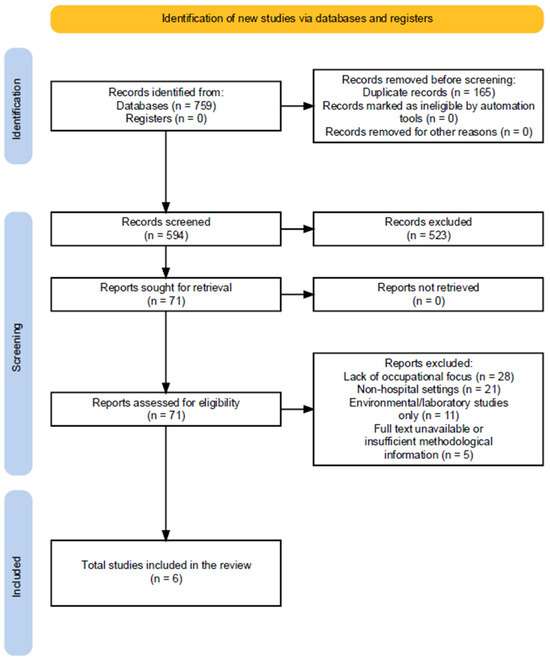
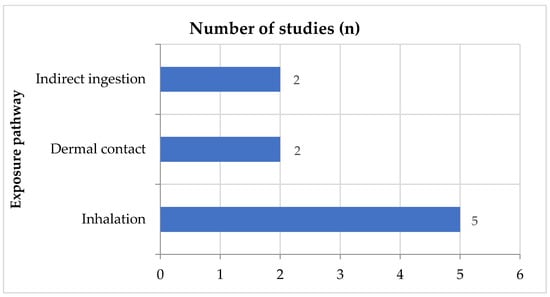
The extensive use of plastic-based materials in healthcare services has raised concerns about micro- and nanoplastic contamination in hospital environments, with potential implications for occupational health, environmental health, and public health nursing. This scoping review aimed to map the available evidence on occupational exposure to micro- and nanoplastics in healthcare settings, identifying exposure sources, pathways, potential health implications, and knowledge gaps, with particular attention to healthcare workers and nursing professionals. It was conducted following JBI methodology and reported according to PRISMA-ScR. Searches were performed in PubMed/MEDLINE, Scopus, Embase, LILACS, and SciELO for original studies published between January 2015 and December 2025 in English, Portuguese, or Spanish. Of 759 records identified, six studies met the eligibility criteria. Evidence was derived mainly from high-complexity healthcare settings, including operating theatres, anaesthetic rooms, laboratories, emergency departments, physiotherapy units, intensive care units, blood banks, and clinical areas. Indoor air, settled dust, disposable medical devices, plastic packaging, personal protective equipment, and plasticised materials were identified as potential exposure sources. Inhalation was the most frequently reported/inferred pathway, followed by dermal contact and indirect ingestion. Current evidence remains limited and heterogeneous, with scarce direct biomonitoring of micro- and nanoplastic particles and limited epidemiological data. Hospital environments may represent under-recognised settings for occupational exposure to micro- and nanoplastics, requiring standardised exposure assessment, environmental surveillance, biomonitoring, and preventive strategies aligned with occupational and public health nursing.
Full article
(This article belongs to the Special Issue Community Health Nursing and Public Health Approach)
►▼
Show Figures

Figure 1
Open AccessReview
Mental Health, Climate Change, and Sustainable Public Health Action: A Scoping Review
by
Eduardo Chierrito, Suélen Manoel Favero, Mário Henrique da Mata Martins, Flávia Aparecida Reitz Cardoso and Rute Grossi-Milani
Int. J. Environ. Res. Public Health 2026, 23(9), 1112; https://doi.org/10.3390/ijerph23091112 - 27 Aug 2026
Abstract
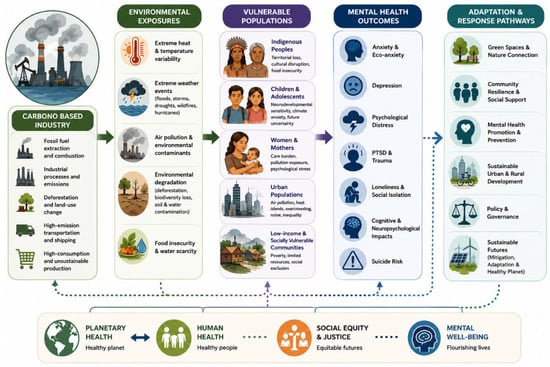
Background: Carbon-based energy systems drive climate change with growing pressure on public health, yet research on mental health, climate change, and carbon-intensive industries remains fragmented. Objective: This scoping review mapped how mental health outcomes of climate change relate to the carbon-based
[...] Read more.
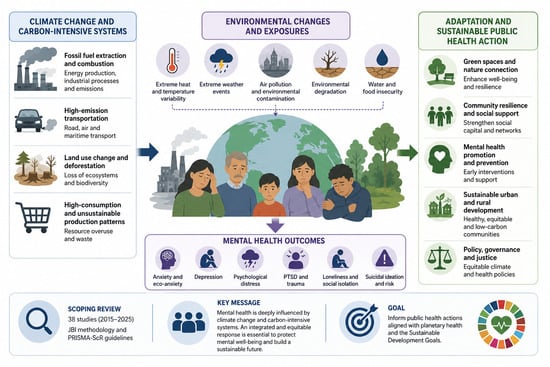
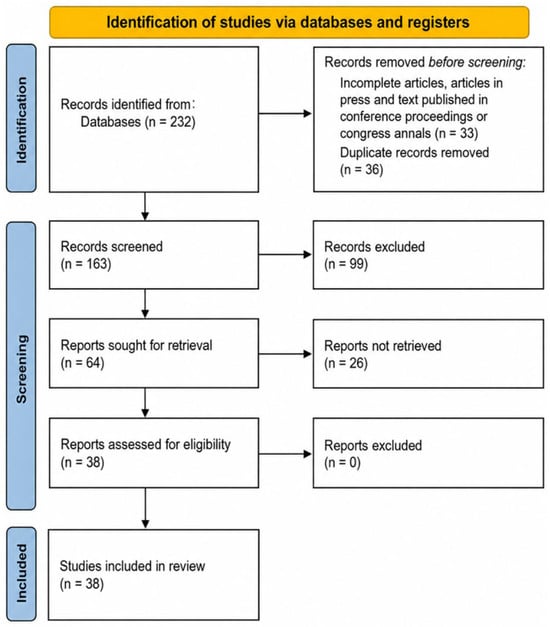
Background: Carbon-based energy systems drive climate change with growing pressure on public health, yet research on mental health, climate change, and carbon-intensive industries remains fragmented. Objective: This scoping review mapped how mental health outcomes of climate change relate to the carbon-based matrix, identifying conceptual approaches, methodological trends, and research gaps aligned with planetary health and the SDGs. Methods: This review was conducted following the Joanna Briggs Institute (JBI) and the Preferred Reporting Items for Systematic Reviews and Meta-Analyses extension for Scoping Reviews (PRISMA-ScR) guidelines, with searches in PubMed, Web of Science, and PsycINFO. Results: From 232 records, 38 studies (2015–2025) were included across six clusters: eco-anxiety and distress (n = 14); extreme events and mental disorders (n = 9); air pollution and neuropsychological outcomes (n = 7); environmental justice and vulnerable populations (n = 10); green spaces and resilience (n = 6); and public policy and sustainable responses (n = 7). The carbon-based matrix was proximally linked to mental health in studies on air pollution and extractivism, and served as context in studies on extreme climate events, food insecurity, and climate uncertainty. Conclusions: An equitable transition away from carbon-intensive systems is a public health priority, with co-benefits for mental well-being aligned with the SDGs.
Full article
(This article belongs to the Special Issue Energy Sector Pollution and Health Promotion)
►▼
Show Figures

Graphical abstract
Open AccessArticle
Parental Perspectives on Respiratory Illness, Healthcare Access, and Environmental Concerns Among Children with Down Syndrome: A Qualitative Study in South Carolina
by
Vinita Oberoi Leedom, Daniela B. Friedman, Geoffrey I. Scott, Dwayne E. Porter and Russell S. Kirby
Int. J. Environ. Res. Public Health 2026, 23(9), 1111; https://doi.org/10.3390/ijerph23091111 - 26 Aug 2026
Abstract
Background: Children with Down syndrome often have co-occurring physical conditions affecting well-being, and respiratory issues remain a leading cause of hospitalization and death among people with Down syndrome. Parents of children with Down syndrome experience stressors associated with respiratory illness and challenges navigating
[...] Read more.
Background: Children with Down syndrome often have co-occurring physical conditions affecting well-being, and respiratory issues remain a leading cause of hospitalization and death among people with Down syndrome. Parents of children with Down syndrome experience stressors associated with respiratory illness and challenges navigating healthcare access. No prior qualitative study has examined parental perspectives on respiratory health specifically among children with Down syndrome. Identifying parental concerns can help in the development of strategies to mitigate respiratory ailments in children with Down syndrome. Methods: One-hour, semi-structured interviews were conducted among 24 families of children with Down syndrome to understand respiratory concerns. Findings were identified through codebook thematic analysis. Results: The themes identified included persistent concerns about respiratory health, repeated impact from acute and chronic respiratory issues, a rapid and unexpected decline in health during respiratory illness, insurance coverage concerns, and a lack of confidence in assessing air quality which could impact respiratory health. Conclusions: Insights gained from interviews of parents of children with Down syndrome can help policy makers identify opportunities to prevent and mitigate respiratory health problems. Findings underscore the importance of clinician responsiveness to parental concern about rapid deterioration and suggest that insurance coverage policies for this high-risk population warrant further research and policy consideration.
Full article
Open AccessArticle
A Comprehensive Overview of Traditional Indigenous Foods in Canada: Analysis of Grey Literature and Public Information Sources
by
Camryn Desjarlais, Juliana Meneghetti, Elder Darcey Sedgwick and Annalijn I. Conklin
Int. J. Environ. Res. Public Health 2026, 23(9), 1110; https://doi.org/10.3390/ijerph23091110 - 26 Aug 2026
Abstract
Land-based Indigenous food practices are integral to cultural identity and ancestral knowledge, and provide medicine for health and wellbeing. We surveyed Indigenous-specific grey literature, guided by Elder knowledge, from public information sources to identify the scope of Indigenous traditional foods in Canada and
[...] Read more.
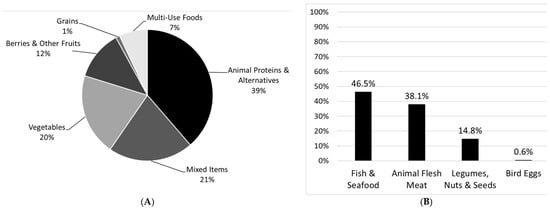
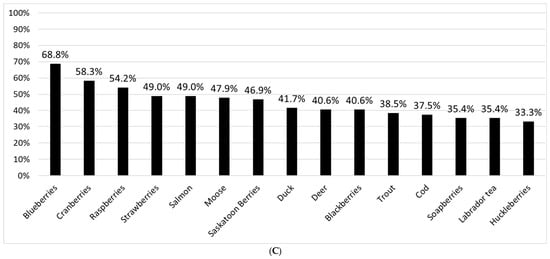
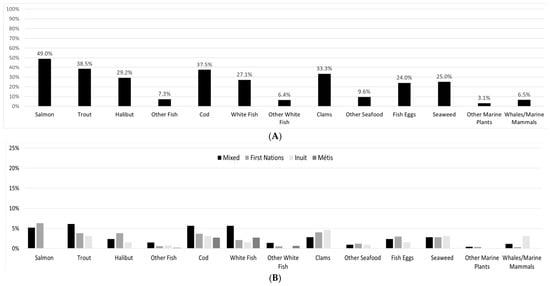
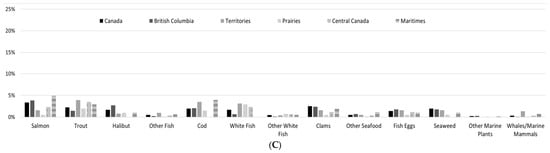
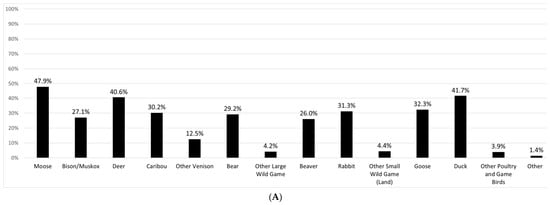
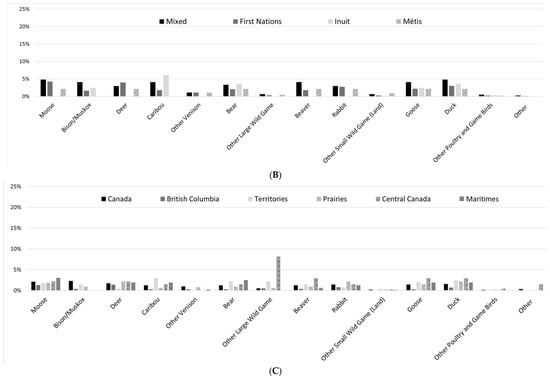
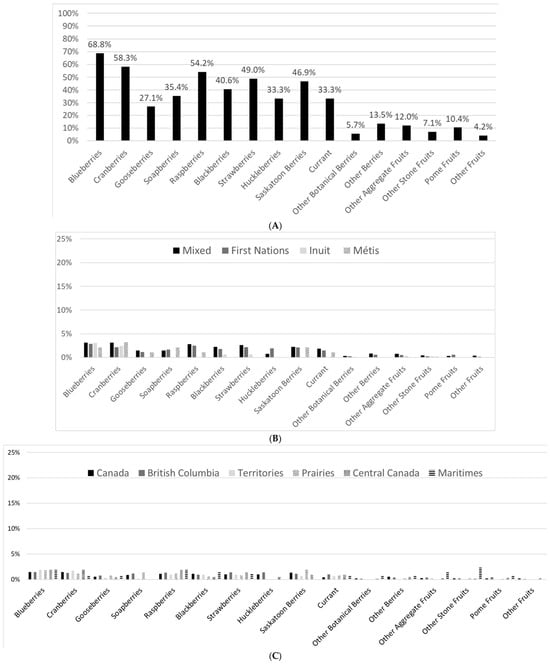
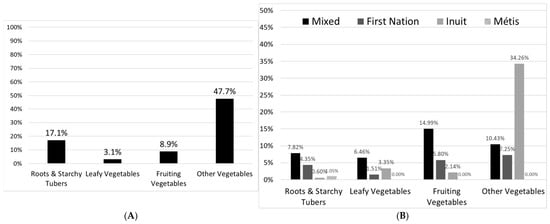
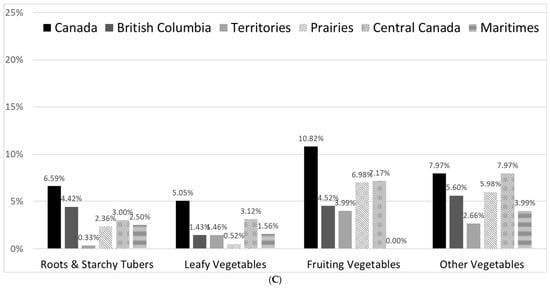
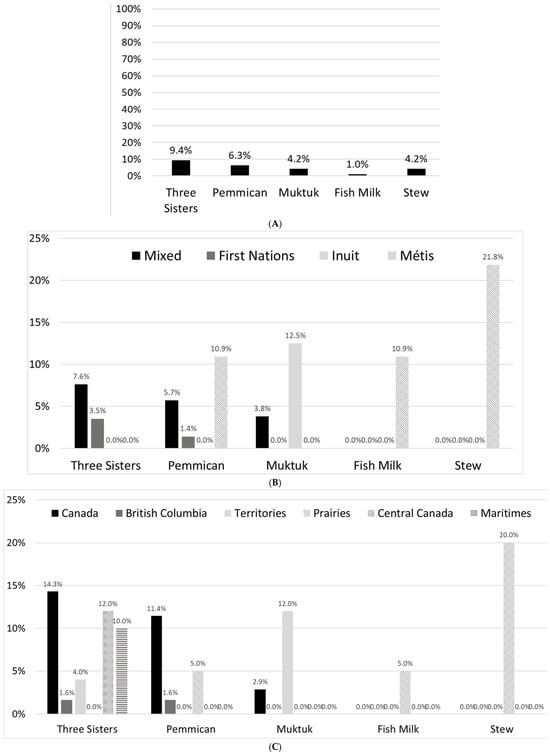
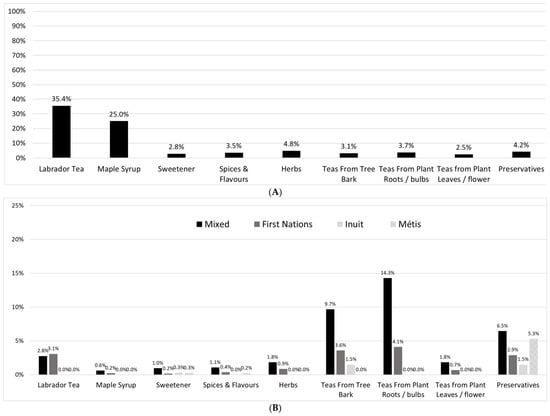
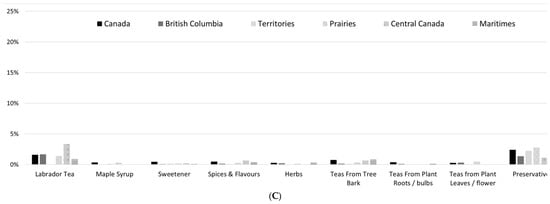
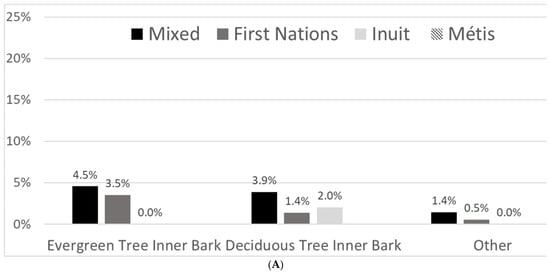
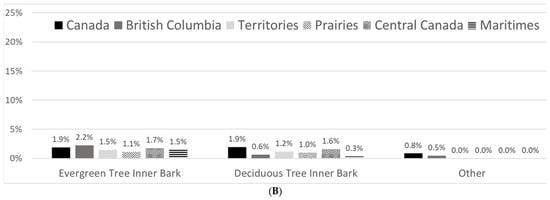
Land-based Indigenous food practices are integral to cultural identity and ancestral knowledge, and provide medicine for health and wellbeing. We surveyed Indigenous-specific grey literature, guided by Elder knowledge, from public information sources to identify the scope of Indigenous traditional foods in Canada and how food use aligned with major food groups. We analyzed extracted data using summary statistics and graphical display. We identified 96 resources reporting 401 distinct food items incorporated into Indigenous food practices across Canada. Prevalent food groups were meat/proteins (39%), vegetables (20%), berries/fruits (12%), and a mixed group (21%); grains were rarely reported (1%). We found 28 unique plant foods reported to have multiple uses. Across sources, the top 15 most common food items were various berries, fish and wild game. The total count of food items and diversity with food groups categories varied by Indigenous group and region. This research documents the breadth and depth of traditional Indigenous food knowledge throughout Canada, demonstrating a consumption pattern focused on wild meat, berries and foods from plant and tree leaves, roots and stems. This overview of Indigenous food knowledge can support Indigenous individuals and communities, researchers and healthcare providers to improve health and wellbeing of Indigenous people.
Full article
(This article belongs to the Topic Environmental and Social Transformations, Population Ageing, and Sustainable Health Equity)
►▼
Show Figures

Figure 1
Open AccessArticle
Psychosocial Professionals’ Perspectives and Practices Regarding Children Exposed to Intimate Partner Violence in Belgium’s French-Speaking Community
by
Nell Oger and Fabienne Glowacz
Int. J. Environ. Res. Public Health 2026, 23(9), 1109; https://doi.org/10.3390/ijerph23091109 - 26 Aug 2026
Abstract
Despite growing evidence of the serious impact of intimate partner violence (IPV) on children, research on intervention practices in the psychosocial sector remains limited. This study investigates professionals’ perspectives on children exposed to IPV and how they address this issue in their practice.
[...] Read more.
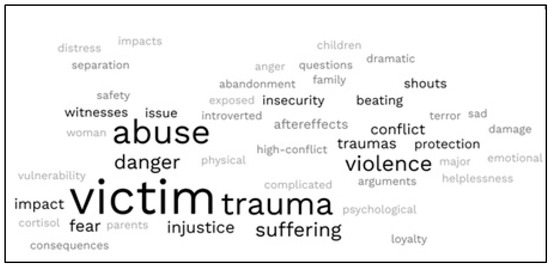
Despite growing evidence of the serious impact of intimate partner violence (IPV) on children, research on intervention practices in the psychosocial sector remains limited. This study investigates professionals’ perspectives on children exposed to IPV and how they address this issue in their practice. Using a sequential mixed-methods design, an online survey (N = 129) was followed by semi-structured interviews (n = 13). The findings reveal major limitations in interventions targeting children exposed to IPV, which help explain a significant gap between professionals’ perspectives—where children are recognized as victims of IPV and its substantial impact—and what is implemented in practice. In this context, children exposed to IPV often appear secondary both to children victims of other forms of abuse and to adult victims of IPV. Overall, these results underscore the need for specialized training and the development of targeted interventions to better address the specific needs of these children.
Full article
(This article belongs to the Special Issue Child Exposure to Domestic Violence: Risk Assessment, Protection Systems, and Psychosocial Interventions for Child and Family Well-Being)
►▼
Show Figures

Figure 1
Open AccessArticle
Members’ Experiences and Perceptions of Community Health Fund Implementation in Tanzania: A Comparative Cross-Sectional Study of Two Improved CHF Models in Dodoma and Kilimanjaro Regions
by
Adeline Ajuaye and Patrick Develtere
Int. J. Environ. Res. Public Health 2026, 23(9), 1108; https://doi.org/10.3390/ijerph23091108 - 26 Aug 2026
Abstract
Background: Community-based health insurance is an important strategy for extending healthcare access and financial protection to informal-sector populations. In Tanzania, the Improved Community Health Fund (iCHF) is implemented through region-specific models that differ in benefit packages, premium arrangements, and provider participation. However, evidence
[...] Read more.
Background: Community-based health insurance is an important strategy for extending healthcare access and financial protection to informal-sector populations. In Tanzania, the Improved Community Health Fund (iCHF) is implemented through region-specific models that differ in benefit packages, premium arrangements, and provider participation. However, evidence on how members experience these different implementation models remains limited. This study compared members’ experiences and perceptions of CHF implementation in Dodoma and Kilimanjaro, two regions operating different iCHF models. Methods: The study used data from a cross-sectional household survey conducted among 420 CHF-enrolled members in Dodoma and Kilimanjaro in January 2018. Data were collected using a structured, interviewer-administered household questionnaire covering socio-demographic characteristics, CHF enrolment history, registration and premium-payment experiences, benefit-package perceptions, trust in CHF management and community participation, perceived healthcare service quality, and perceived benefits of membership. Data were analyzed using descriptive statistics, cross-tabulations, and Pearson’s chi-square tests to assess regional differences. Results: Members generally reported positive experiences with CHF administration. Most had used their CHF cards, renewal intentions were high, premiums were considered affordable, payment arrangements were convenient, and local CHF management was generally perceived as trustworthy. Statistically significant regional differences were observed in renewal intention, satisfaction with CHF officers, perceived healthcare service quality, and perceived household benefit (p < 0.05). Dodoma respondents reported higher renewal intention and a higher proportion of households benefiting from CHF. The distribution of healthcare-quality ratings also differed significantly (p < 0.001): Kilimanjaro had a higher proportion rating care as excellent (16.1% vs. 2.9%), whereas Dodoma had a higher proportion rating care as good (44.6% vs. 38.9%). Challenges in both regions included limited benefit coverage, additional out-of-pocket payments, long waiting times, and limited perceived advantages of CHF membership. Conclusions: Regional differences were observed in members’ experiences; however, because the regional samples differed socioeconomically and the analysis was not adjusted for potential confounders, these differences should not be attributed to the iCHF models themselves. The findings describe members’ experiences during the 2018 pilot period and should not be interpreted as a direct description of current iCHF performance. The results nevertheless highlight the importance of benefit coverage, service responsiveness, financial protection, and healthcare quality alongside efficient administration.
Full article
(This article belongs to the Section Global Health)
Open AccessArticle
The Chimkent Phosphorus Plant: Public Health Lessons from a Major Kazakh Soviet Socialist Republic Chemical Manufacturer
by
Denis Vinnikov and Paul D. Blanc
Int. J. Environ. Res. Public Health 2026, 23(9), 1107; https://doi.org/10.3390/ijerph23091107 - 26 Aug 2026
Abstract
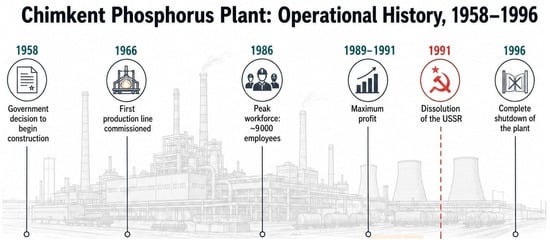
The Chimkent Phosphorus Plant (CPP) (operational 1966–1996) was the flagship enterprise of the chemical industry in Soviet Kazakhstan. We wished to characterize historical occupational exposures, document health outcomes, and identify contemporary public health implications associated with a major but now defunct manufacturing enterprise.
[...] Read more.
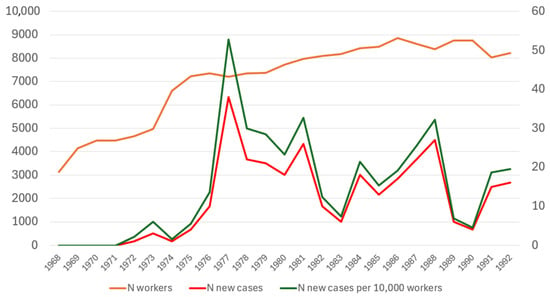
The Chimkent Phosphorus Plant (CPP) (operational 1966–1996) was the flagship enterprise of the chemical industry in Soviet Kazakhstan. We wished to characterize historical occupational exposures, document health outcomes, and identify contemporary public health implications associated with a major but now defunct manufacturing enterprise. We analyzed archival data for the CPP from the Turkistan Oblast State Archive of Kazakhstan together with data from contemporaneous Soviet biomedical journal publications and doctoral dissertations. In the first years of production (1966–1970), multiple process steps generated emissions that exceeded the then-current occupational exposure limit (OEL) of 5 mg/m3 for generic total dust. Processes included: the drying and crushing process (peak exposure, 1080 mg/m3); agglomeration (peak, 700 mg/m3); and tripolyphosphate processing (peak, 1170 mg/m3). Exposures to toxic gases were also elevated (chlorine gas, 13 ppm (OEL 0.3 ppm) and hydrogen sulfide, 66 ppm (OEL 6.5 ppm)). Adverse health effects were endemic. From 1968 to 1992, annual reports documented a total of 298 cases of “chronic phosphorus intoxication.” Contemporary public sources emphasized the manufacturing process and economic importance of CPP. The story of the rise and fall of this massive state-owned enterprise carries wider policy implications for effectively protecting occupational health and safety.
Full article
(This article belongs to the Section Environmental Health)
►▼
Show Figures

Figure 1
Open AccessArticle
Functional Integration of Sport Sciences Graduates into Primary Care for Non-Communicable Disease Prevention: A Cross-National Ecological Evaluation of 34 Countries
by
Hosam Zidan, Nasser Abouzeid, Anwar Al-Nuaim and Mohamed A. Hassan
Int. J. Environ. Res. Public Health 2026, 23(9), 1106; https://doi.org/10.3390/ijerph23091106 - 26 Aug 2026
Abstract
Globally, physical activity is increasingly acknowledged as an effective strategy for combating non-communicable diseases (NCDs). However, there is a significant global disparity in the integration of sport sciences graduates (SSGs) into national health systems. This study assessed the professional roles of SSGs within
[...] Read more.
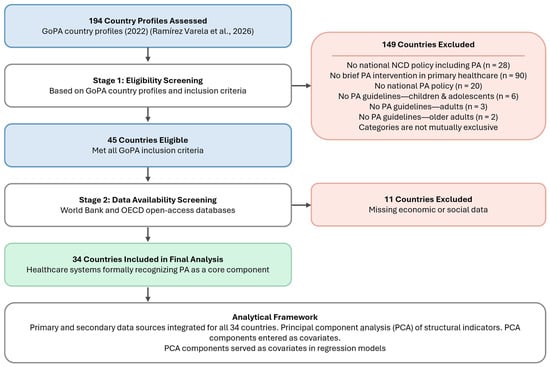
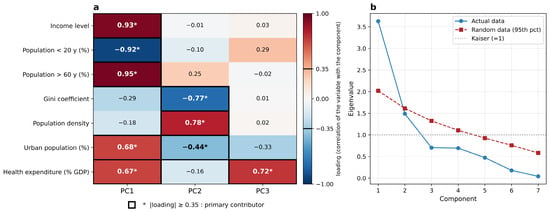
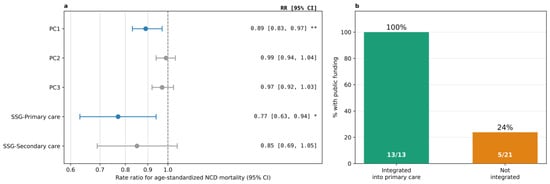
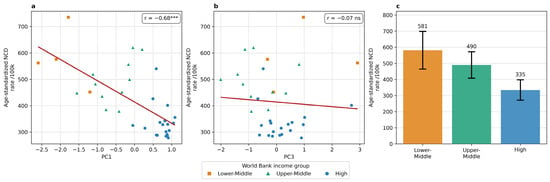
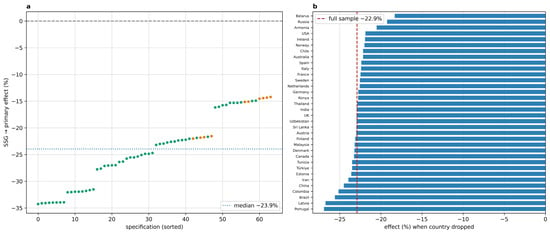
Globally, physical activity is increasingly acknowledged as an effective strategy for combating non-communicable diseases (NCDs). However, there is a significant global disparity in the integration of sport sciences graduates (SSGs) into national health systems. This study assessed the professional roles of SSGs within healthcare systems and their association with NCD mortality across (n = 34) countries that met the selection criteria, using a cross-national, ecological, and cross-sectional design. Principal component analysis was conducted to reduce the dimensions of the correlated structural indicators. A pre-specified generalized linear model (Gamma family, log link) with HC3 robust standard errors estimated the association between SSG integration and age-standardized NCD mortality, alongside a descriptive analysis of public funding (national or subnational) for SSG services. The findings indicate that integrating SSGs into primary care was associated with approximately 23% lower age-standardized NCD mortality (rate ratio 0.77, 95% CI 0.63–0.94, p = 0.011; approximately 16% to 23% across model specifications) after adjusting for demographic and economic factors, with near-universal public funding (100% of integrated versus 24% of other countries; Fisher’s exact p < 0.001). To our knowledge, this is the first cross-national analysis to link the functional integration of SSGs into primary care with population NCD mortality, and this relationship remained consistent across multiple robustness checks. The implications suggest that functional integration and its public funding may represent promising policy approaches for strengthening preventive health services. Given the ecological, cross-sectional design, longitudinal studies are warranted to establish causality.
Full article
(This article belongs to the Topic Advances in Chronic Disease Management)
►▼
Show Figures

Figure 1
Open AccessArticle
Meeting Multiple Needs in Familiar Spaces: Rural Men’s Engagement for Better Health
by
Latitia Kernaghan, Elyce Green, Brent Smith, Rebecca Barry, Kathryn Castelletto and Natalie Ellis
Int. J. Environ. Res. Public Health 2026, 23(9), 1105; https://doi.org/10.3390/ijerph23091105 - 26 Aug 2026
Abstract
Rural men in Australia experience poorer health outcomes compared to their urban counterparts, often due to barriers such as limited access to services, cultural norms around masculinity, and geographic isolation. This study explored the motivations underlying rural men’s participation in a student-led health
[...] Read more.
Rural men in Australia experience poorer health outcomes compared to their urban counterparts, often due to barriers such as limited access to services, cultural norms around masculinity, and geographic isolation. This study explored the motivations underlying rural men’s participation in a student-led health promotion activity conducted by first-year paramedicine students at a large agricultural event. Using semi-structured verbal surveys with 60 participants, qualitative data were collected and analysed through an inductive content analysis approach. Three key themes were created to represent the reasons men engaged in the activity and the impact it had: factors that encouraged engagement and built trust, meeting multiple needs, and giving to student learning for the future. Participants were drawn to the activity by a welcoming environment, peer encouragement, and the consistent presence of health promotion at the event. Health promotion provided an opportunity for men to access basic health assessments, reflect on their wellbeing, and engage in conversations about physical and mental health in a supportive setting. Many participants also expressed a strong motivation to contribute to student learning, particularly through experiential interactions that allowed students to develop technical and interpersonal skills. The findings highlight the value of embedding health promotion activities in familiar, community-based settings and demonstrate the multitude of benefits for rural men. This research contributes to the growing evidence supporting innovative, community-engaged models of work-integrated learning that address health disparities while enhancing student education and rural workforce development.
Full article
(This article belongs to the Special Issue Closing the Health Gap for Rural and Remote Communities)
Open AccessArticle
An Interpretable Machine Learning-Based Multi-Model Framework for Constructing and Characterizing a County-Level Chronic Illness Vulnerability Index
by
Ronish Shrestha, Md Masud Rana, Bo Sun, Margot Gage Witvliet, Raouth Kostandy, Timothy Roden and Mohammad Saquib
Int. J. Environ. Res. Public Health 2026, 23(9), 1104; https://doi.org/10.3390/ijerph23091104 - 25 Aug 2026
Abstract
Chronic illness burden is unevenly distributed across US counties, with some counties experiencing overlapping challenges related to healthcare access, socioeconomic disadvantage, environmental exposure, and chronic disease burden. Several multidimensional frameworks, including the Social Vulnerability Index, Environmental Justice Index, and Pandemic Vulnerability Index, have
[...] Read more.
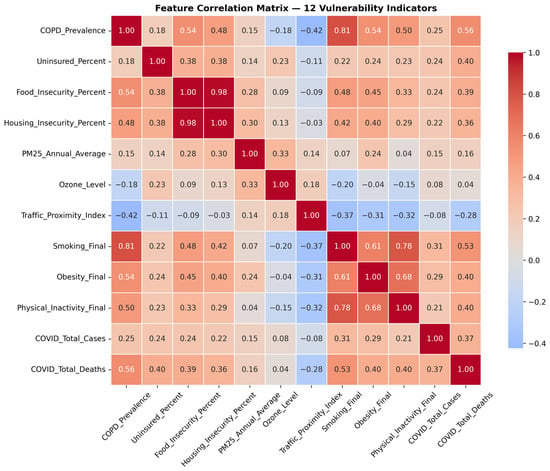
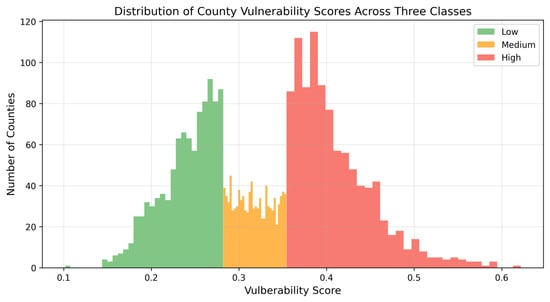
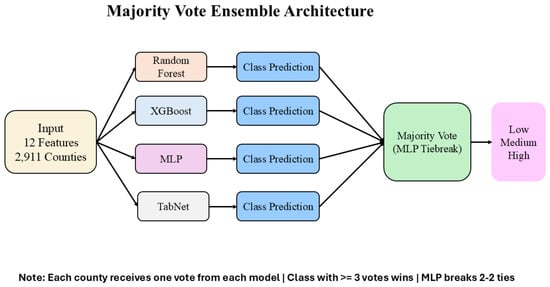
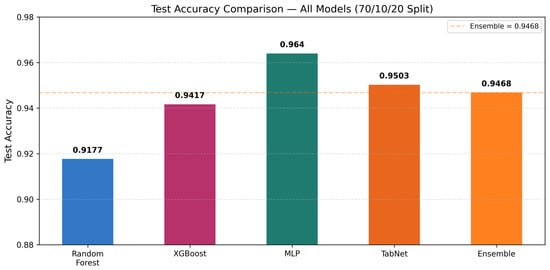
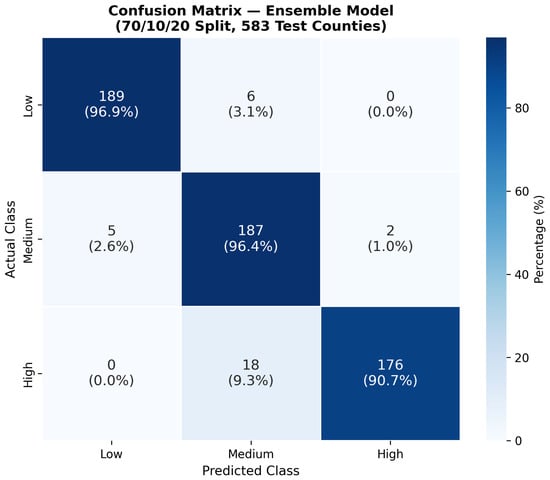
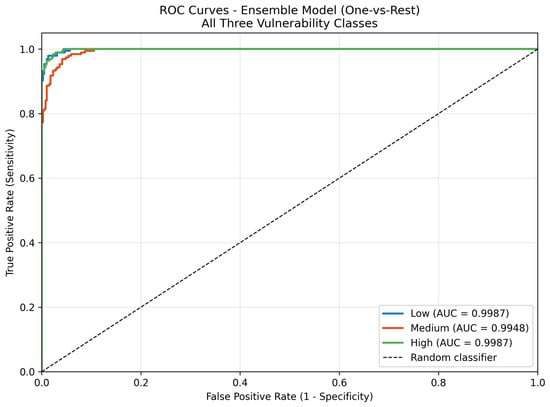
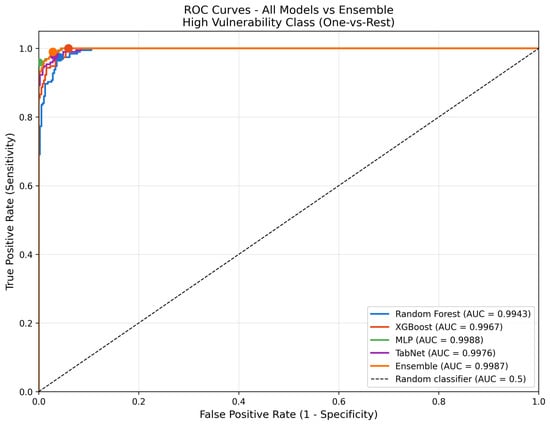
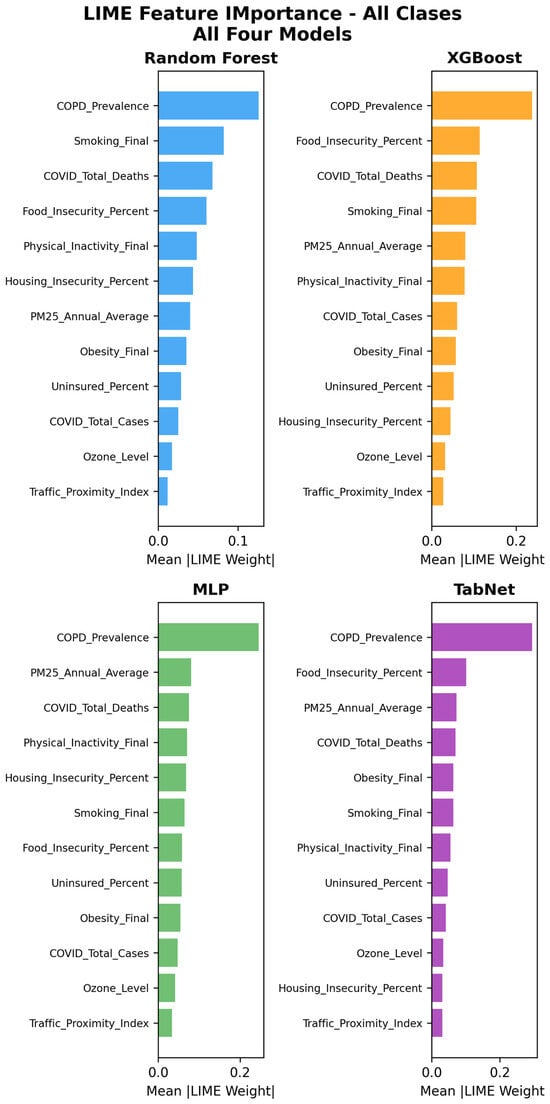
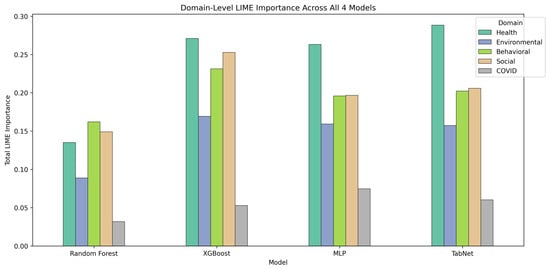
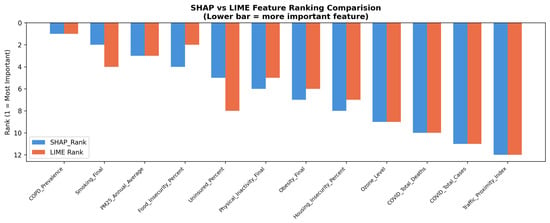
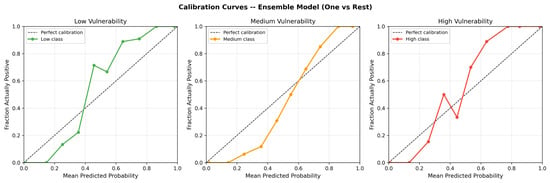
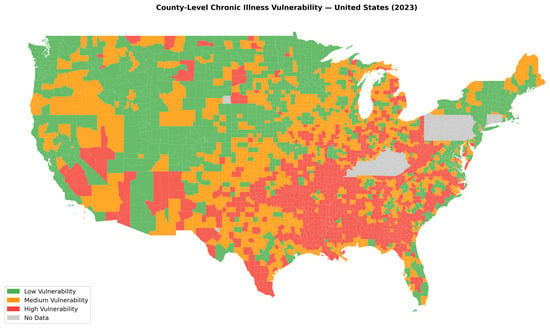
Chronic illness burden is unevenly distributed across US counties, with some counties experiencing overlapping challenges related to healthcare access, socioeconomic disadvantage, environmental exposure, and chronic disease burden. Several multidimensional frameworks, including the Social Vulnerability Index, Environmental Justice Index, and Pandemic Vulnerability Index, have highlighted the importance of integrating multiple determinants of vulnerability. This study presents an interpretable machine learning-based multi-model framework for constructing and characterizing a county-level chronic illness vulnerability index. The framework integrates five domains: health burden, social conditions, environmental exposure, behavioral factors, and COVID-19-related measures. Four publicly available 2023 datasets were merged into a 12-feature dataset covering 2911 US counties, and a weighted domain score was used to classify counties into low-, medium-, and high-vulnerability categories. Because the class labels were constructed directly from these variables, the resulting categories should be interpreted as an author-defined composite index rather than an independent health outcome. Four machine-learning models, including Random Forest, XGBoost, MLP (Multilayer Perceptron), and TabNet, were evaluated individually and as a majority-vote ensemble. SHAP and LIME were independently applied to interpret model behavior, and the explainability analyses were restricted to model interpretation rather than causal inference. The ensemble reproduced the three-tier classification with an accuracy of 94.68% and an ROC-AUC (Receiver Operating Characteristic–Area Under the Curve) of 0.9974 on 583 held-out counties. Because the class label is a deterministic function of the same 12 features, these results should be interpreted as measures of index reconstruction rather than prediction of an independent outcome; a penalized multinomial logistic regression achieved 98.97% reconstruction accuracy, further indicating the largely linear structure of the index. COPD prevalence ranked first according to both SHAP and LIME across all four models, reflecting the weighting structure of the index rather than an independent causal effect. Six of the twelve features received identical rankings from both methods, and no feature moved more than three positions. The framework relies entirely on publicly available data and provides a reproducible approach for county-level characterization of chronic illness vulnerability.
Full article
(This article belongs to the Special Issue Addressing Social Determinants of Health in At-Risk Populations: A Key to Greater Health Equity)
►▼
Show Figures

Figure 1
Journal Menu
► ▼ Journal Menu-
- IJERPH Home
- Aims & Scope
- Editorial Board
- Reviewer Board
- Topical Advisory Panel
- Instructions for Authors
- Special Issues
- Topics
- Sections & Collections
- Article Processing Charge
- Indexing & Archiving
- Editor’s Choice Articles
- Most Cited & Viewed
- Journal Statistics
- Journal History
- Journal Awards
- Society Collaborations
- Conferences
- Editorial Office
Journal Browser
► ▼ Journal Browser-
arrow_forward_ios
Forthcoming issue
arrow_forward_ios Current issue - Vol. 23 (2026)
- Vol. 22 (2025)
- Vol. 21 (2024)
- Vol. 20 (2023)
- Vol. 19 (2022)
- Vol. 18 (2021)
- Vol. 17 (2020)
- Vol. 16 (2019)
- Vol. 15 (2018)
- Vol. 14 (2017)
- Vol. 13 (2016)
- Vol. 12 (2015)
- Vol. 11 (2014)
- Vol. 10 (2013)
- Vol. 9 (2012)
- Vol. 8 (2011)
- Vol. 7 (2010)
- Vol. 6 (2009)
- Vol. 5 (2008)
- Vol. 4 (2007)
- Vol. 3 (2006)
- Vol. 2 (2005)
- Vol. 1 (2004)
Highly Accessed Articles
Latest Books
E-Mail Alert
News
21 August 2026
Meet Us at The 5th International Online Conference on Environmental Research and Public Health (OCERPH 2027), 12–13 July 2027
6 May 2026
International Journal of Environmental Research and Public Health Outstanding Special Issue Award—Winners Announced
Topics
Topic in
Behavioral Sciences, Children, Healthcare, IJERPH, JFMK, Obesities
The Effect of Physical Activity on the Population's Health
Topic Editors: Stefania Paduano, Federica ValerianiDeadline: 31 August 2026
Topic in
Behavioral Sciences, Children, EJIHPE, IJERPH, Healthcare
Mental Health and the 2030 Sustainable Development Agenda: Old Problems and New Perspectives
Topic Editors: Carlos Laranjeira, Ana QueridoDeadline: 31 October 2026
Topic in
Behavioral Sciences, Healthcare, IJERPH, Social Sciences, EJIHPE
Mental Health in Trauma Survivors
Topic Editors: Hyojin Im, Asli Cennet Yalim, Gashaye Melaku Tefera, Isok KimDeadline: 30 November 2026
Topic in
Applied Sciences, Toxics, IJERPH, Biology, Cancers, Radiation
Disease Risks from Environmental Radiological Exposure
Topic Editors: Valentina Venuti, Francesco CaridiDeadline: 31 December 2026
Conferences
Special Issues
Special Issue in
IJERPH
Improving the Quality of Maternity Care
Guest Editor: Ruth E. ZielinskiDeadline: 30 August 2026
Special Issue in
IJERPH
Occupational Health Nursing in Diverse Settings
Guest Editor: Gugu MchunuDeadline: 31 August 2026
Special Issue in
IJERPH
Bridging the Gap in Studies on the Food Environment: The State of the Art in Low- and Middle-Income Countries (LMICs): 2nd Edition
Guest Editors: Mariana Carvalho de Menezes, Larissa Loures Mendes, Ariene Silva do CarmoDeadline: 31 August 2026
Special Issue in
IJERPH
Psychosocial Impact in the Post-pandemic Era
Guest Editor: Wanderlei Abadio De OliveiraDeadline: 31 August 2026
Topical Collections
Topical Collection in
IJERPH
2nd Edition of Achieving Environmental Health Equity: Great Expectations
Collection Editors: Timothy E. Ford, Margaret J. Eggers