


-
Prevalence, Anatomical Distribution, and Risk Factors for Integumentary Injuries in Grazing Dairy Cows Under Tropical Conditions -
No Evidence for Highly Pathogenic Avian Influenza H5N1 Virus in Direct-To-Consumer Raw Cow’s Milk Samples in Switzerland -
The Mitigation of Methane Emissions from Ruminants: Evaluating the Efficacy of Selected Additives and Feed Replacements in an In Vitro Trial -
Efficient Prediction of Milk Yield with Machine Learning Models Using Cow Identification or Milk Quality Traits -
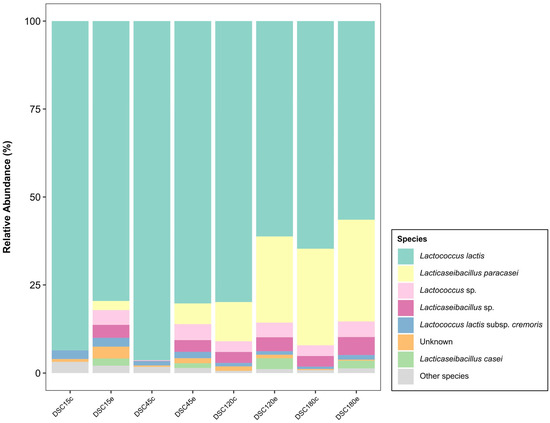
Delving into Enzyme-Encoding Genes in Metagenome Assembled Genomes from Artisanal Dairies Producing Raw Ewe Milk PDO Cheeses
Journal Description
Dairy
Dairy
is an international, peer-reviewed, open access journal on dairy science published bimonthly online by MDPI.
- Open Access— free for readers, with article processing charges (APC) paid by authors or their institutions.
- High Visibility: indexed within ESCI (Web of Science), Scopus, FSTA, and other databases.
- Journal Rank: JCR - Q1 (Agriculture, Dairy and Animal Science) / CiteScore - Q1 (Veterinary (miscellaneous))
- Rapid Publication: manuscripts are peer-reviewed and a first decision is provided to authors approximately 31.2 days after submission; acceptance to publication is undertaken in 3.1 days (median values for papers published in this journal in the first half of 2026).
- Recognition of Reviewers: Reviewers whose reports are timely and of high quality receive an APC discount voucher for a future publication in an MDPI journal. Become a reviewer.
- Journal Cluster of Animal Science: Animals, Arthropoda, Birds, Dairy, Insects, Journal of Zoological and Botanical Gardens, Pets, Poultry, Ruminants and Veterinary Sciences.
Impact Factor:
3.0 (2025);
5-Year Impact Factor:
3.6 (2025)
Latest Articles
Association of Moderate and High Vaginal Discharge Scores up to 21 Days Postpartum with Adverse Effects on Days Open and Pregnancy Rate in Dairy Cows
Dairy 2026, 7(5), 78; https://doi.org/10.3390/dairy7050078 - 11 Sep 2026
Abstract
Uterine health indicators are essential tools for managing reproduction in dairy herds. This study evaluated the associations between vaginal discharge scores (VDS) assessed during the first 21 days postpartum and subsequent days open and pregnancy rate (PR) across 14 commercial dairy herds comprising
[...] Read more.
Uterine health indicators are essential tools for managing reproduction in dairy herds. This study evaluated the associations between vaginal discharge scores (VDS) assessed during the first 21 days postpartum and subsequent days open and pregnancy rate (PR) across 14 commercial dairy herds comprising 2860 calvings (2023–2025). VDS were evaluated on a 10-point scale and classified as normal (0–2; clear/bloody), moderate (3–4; presence of pus), or high (5–9; purulent and foul-smelling). Concurrently, parity, metabolic (body condition score and acetonuria), and digestive (fecal consistency) indicators were recorded. Two independent multivariate models, Cox proportional-hazards regression and binary logit generalized linear mixed model (GLMM), were used. VDS was the most significant and consistent factor associated with prolonged days open and reduced PR. A higher hazard ratio (HR) for pregnancy failure was observed in cows with moderate (HR = 1.45; 95% CI: 1.20–1.65) and high (HR = 1.59; 95% CI: 1.25–2.01) VDS compared with those with normal VDS (p < 0.0001), thereby extending the days open at the first artificial insemination. The odds ratio (OR) for becoming pregnant at the first artificial insemination was lower (p < 0.01) in cows with moderate (OR = 0.5; adjusted 95% CI: 0.4–0.8) and high (OR = 0.4; adjusted 95% CI: 0.3–0.8) VDS than in those with normal VDS. This likelihood was also lower for multiparous cows compared with primiparous cows (p < 0.001). No other factors were significantly associated with PR (p > 0.05) in the GLMM. In conclusion, scoring vaginal discharge in the early postpartum period was a relevant health indicator associated with days open and PR. Implementing specific reproductive management protocols for cows presenting moderate VDS is suggested to improve overall herd reproductive performance.
Full article
(This article belongs to the Topic Veterinary Reproductive Physiology, Endocrinology, Management and Diseases)
►
Show Figures
Open AccessArticle
Quality Characteristics and Functional Properties of Paneer Fortified with Sesbania grandiflora Leaf Powder
by
Kalaivizhi Varathanathan, Eakamparam Janakanthan, Susantha Piratheepan and Thasanthan Loganathan
Dairy 2026, 7(5), 77; https://doi.org/10.3390/dairy7050077 - 8 Sep 2026
Abstract
Sesbania grandiflora (Agathi) is a nutritionally and pharmacologically rich tropical legume tree whose leaves contain substantial quantities of phenolic acids, flavonoids, carotenoids, calcium, and iron. Despite their well-documented bioactivity, comprehensive multi-parameter characterisation of paneer fortified with S. grandiflora leaf powder has not previously
[...] Read more.
Sesbania grandiflora (Agathi) is a nutritionally and pharmacologically rich tropical legume tree whose leaves contain substantial quantities of phenolic acids, flavonoids, carotenoids, calcium, and iron. Despite their well-documented bioactivity, comprehensive multi-parameter characterisation of paneer fortified with S. grandiflora leaf powder has not previously been reported, representing the focus of the present study; paneer is the most widely consumed “acid–heat coagulated” dairy product across South Asia. The present study developed and characterised paneer fortified with S. grandiflora leaf powder at 0% (T1, control), 0.5% (T2), 1.0% (T3), and 1.5% (T4) and comprehensively evaluated the effects on proximate composition, pH, instrumental colour (CIE L*, a*, b*), total phenolic content (TPC), flavonoid content, antioxidant activity (phosphomolybdenum and DPPH methods), texture profile analysis (TPA), water activity (aw), HPLC-based phenolic profiling, “SDS PAGE” protein characterisation, microbiological quality, and sensory acceptability. Fortification significantly increased protein (19.00–22.00%), crude fibre (0.40–2.30%), ash (1.20–1.30%), TPC (2.18–5.82 mg GAE/g dw), flavonoid content (0.31–1.56 mg RE/g dw), and antioxidant activity (phosphomolybdenum assay: 0.03–0.16 mg AAE/g; p < 0.05) with increasing leaf powder levels, while fat and moisture declined proportionally. HPLC profiling identified quercetin and kaempferol as the dominant flavonoids in fortified treatments, with total quantified polyphenols reported at 3.35 mg/g dry weight in T4. TPA revealed that T3 achieved comparable hardness to T1 (58.3 vs. 62.1 N), while maintaining superior springiness (0.84) and cohesiveness (0.68). Water activity decreased significantly from 0.973 in T1 to 0.951 in T4, corroborating enhanced microbial stability. “SDS-PAGE” revealed additional protein bands (18–35 kDa) in fortified samples, consistent with a plant-protein contribution, although this does not by itself confirm structural integration into the casein matrix. Microbiological counts were significantly reduced in fortified treatments throughout a 9-day refrigerated storage period, with T3 remaining within acceptable limits (<6.0 log CFU/g TPC) throughout. Sensory evaluation identified T3 (1.0%) as the optimal formulation with the highest overall acceptability score (8.2/9). These findings establish S. grandiflora-fortified paneer as a promising functional dairy formulation with an improved nutritional and antioxidant profile, which may contribute to nutritional enrichment in South and Southeast Asian populations, pending further validation of bioavailability and health outcomes.
Full article
(This article belongs to the Topic Advances in Animal-Derived Non-Cow Milk and Niche Cow Milk. Properties, Processing, Dairy Products and Environmental Impact, 2nd Edition)
Open AccessArticle
Evaluation of Stall-Level Aerodynamic Modifications for Enhanced Convective Cooling in Dairy Freestalls
by
Seunghyeon Jung, Dimuth Panditharatne and Christopher Y. Choi
Dairy 2026, 7(5), 76; https://doi.org/10.3390/dairy7050076 - 8 Sep 2026
Abstract
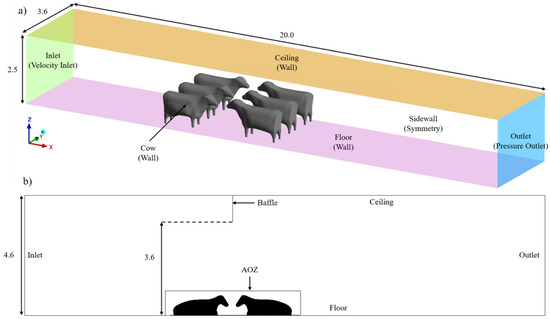
Heat stress remains a major constraint in dairy production. Mechanically cross-ventilated barns mitigate thermal load, but conventional in-line freestall layouts create wake interference that reduces airflow to downstream cows. This study used computational fluid dynamics (CFD), with numerical verification and benchmarking against empirical
[...] Read more.
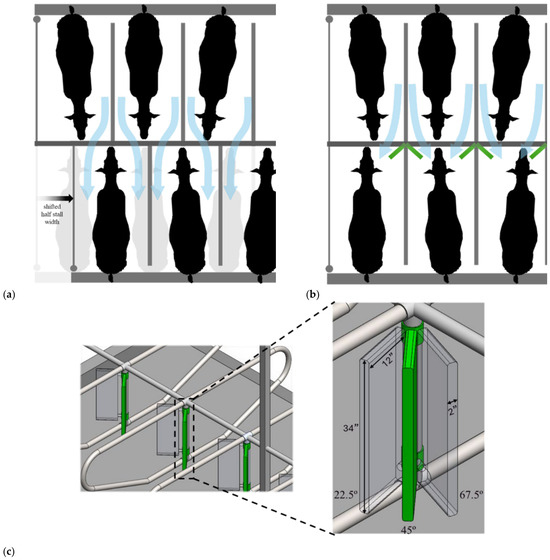
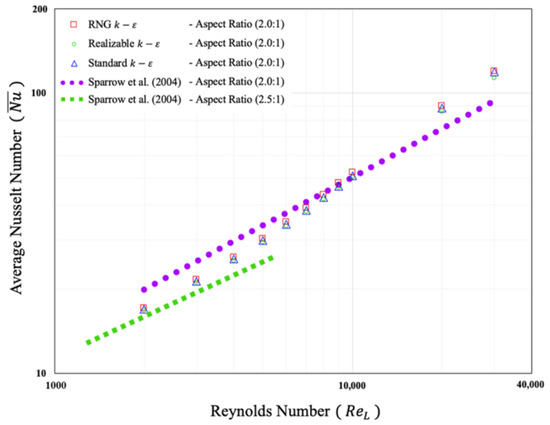
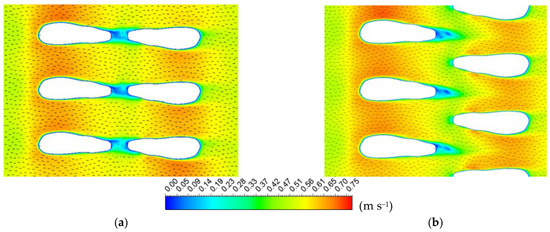
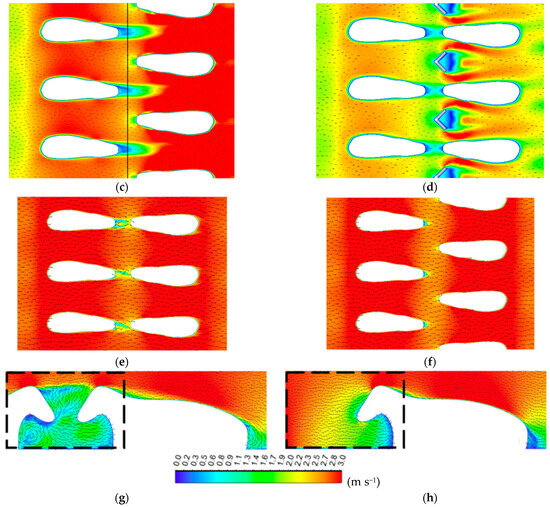
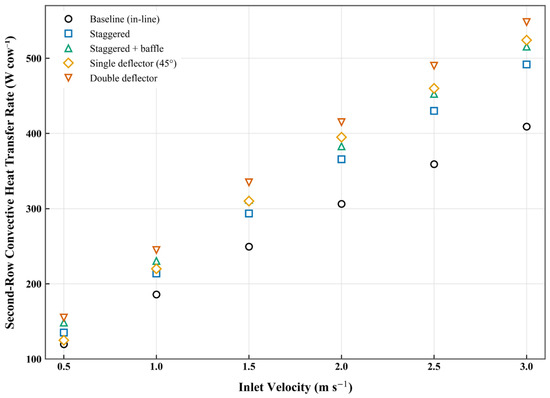
Heat stress remains a major constraint in dairy production. Mechanically cross-ventilated barns mitigate thermal load, but conventional in-line freestall layouts create wake interference that reduces airflow to downstream cows. This study used computational fluid dynamics (CFD), with numerical verification and benchmarking against empirical bluff-body correlations, to evaluate stall-level strategies for improving cow body sensible convective heat transfer. Simulations represented a head-to-head freestall section with anatomically realistic Holstein cows at inlet velocities of 0.5–3.0 m s−1. Five configurations were examined: baseline in-line, staggered, staggered with an overhead baffle, single 45° vertical deflector, and double vertical deflectors. The staggered configuration increased the mean second-row cow body sensible convective heat-transfer rate by approximately 15–20% relative to the baseline, while the single deflector increased it by up to 29%. At 3.0 m s−1, the double-deflector configuration produced an approximate 34% increase. A representative AOZ analysis at 1.0 m s−1 showed that greater heat-transfer performance did not necessarily correspond to lower plane-wide velocity variation. These findings demonstrate that stall-level aerodynamic modifications can enhance cow body sensible convective heat transfer under controlled modeling assumptions.
Full article
(This article belongs to the Special Issue Smart Dairy Farming: Automatic Monitoring for Dairy Farm Sustainability, Efficiency and Environmental Impact)
►▼
Show Figures

Figure 1

Open AccessArticle
Impact of Thermal Processing and Protein Fortification on the Denaturation and Sensory Attributes of High-Protein Dairy Systems
by
Junaid Yousaf, Bozhao Li, Yadong Wang, Xiran Wang, Fanyu Meng, Bei Wang and Yiqun Zhang
Dairy 2026, 7(5), 75; https://doi.org/10.3390/dairy7050075 - 4 Sep 2026
Abstract
The increasing demand for high-protein nutritional supplements has led to the widespread incorporation of milk protein concentrate (MPC) and whey protein isolate (WPI) into dairy systems; however, their synergistic effects on thermal stability and sensory quality remain poorly understood. This study systematically investigated
[...] Read more.
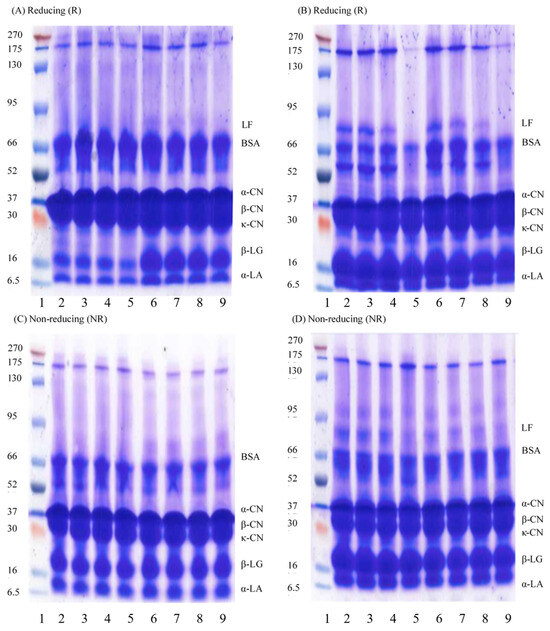
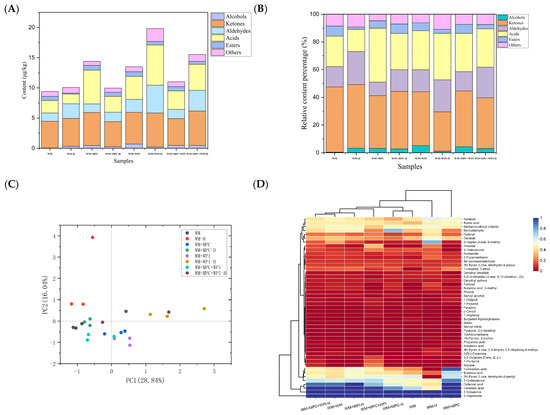
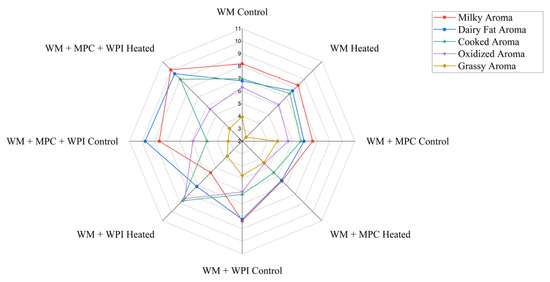
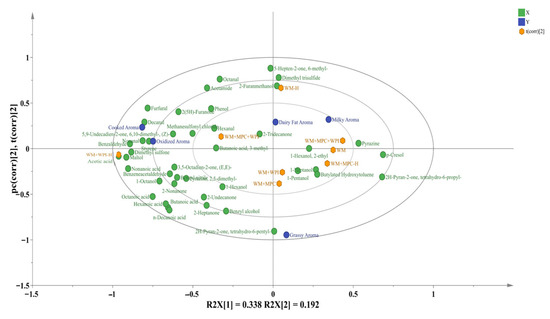
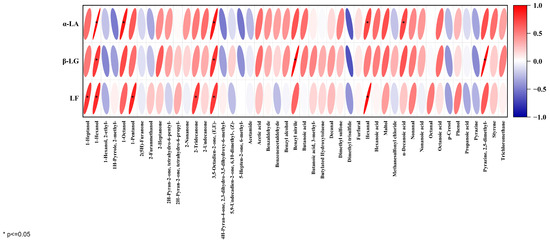
The increasing demand for high-protein nutritional supplements has led to the widespread incorporation of milk protein concentrate (MPC) and whey protein isolate (WPI) into dairy systems; however, their synergistic effects on thermal stability and sensory quality remain poorly understood. This study systematically investigated the heat-induced denaturation and volatile organic compound (VOC) evolution in fortified whole milk (WM) systems (80 °C, 30 min) using a multidimensional flavoromics approach. We integrated SDS-PAGE and HPLC to quantify protein denaturation, alongside HS-SPME-arrow-GC-MS and descriptive sensory analysis (QDA) to map the resulting volatilome and aroma profile. HPLC analysis showed that WPI-fortified systems maintained higher initial β-lactoglobulin levels and exhibited a numerical 19.7% reduction in recoverable soluble β-LG after heat treatment. In contrast, MPC-containing systems showed less pronounced high-molecular-weight aggregation in non-reducing SDS-PAGE, suggesting that the casein-rich matrix may modulate whey protein aggregation. VOC profiling indicated a prominent contribution of lipid oxidation products, including hexanal and nonanal, together with formulation-dependent differences in sulfur-containing and ketonic compounds. Correlation analysis suggested associations between the volatile profiles and selected sensory attributes. Although sulfur-containing compounds were detected, the sensory results indicated formulation-dependent differences in cooked aroma, suggesting that the casein-rich matrix may influence volatile retention and release. Collectively, these findings indicate that protein-specific matrix interactions contribute to the thermal and sensory behavior of protein-fortified dairy systems and provide initial guidance for the formulation of thermally stable, protein-enriched dairy beverages.
Full article
(This article belongs to the Section Milk Processing)
►▼
Show Figures

Figure 1
Open AccessReview
Vitamin C Encapsulation in Dairy Foods: A Review
by
Mia Toronto, Kristine Spence and Owen M. McDougal
Dairy 2026, 7(5), 74; https://doi.org/10.3390/dairy7050074 - 4 Sep 2026
Abstract
Consumers are increasingly purchasing nutrient-dense, clean-label foods, a trend that is driving demand for vitamin C-fortified dairy products; however, vitamin C is readily degraded by heat, light, oxygen, and changes to pH. The propensity for vitamin C to degrade makes fortification challenging, and
[...] Read more.
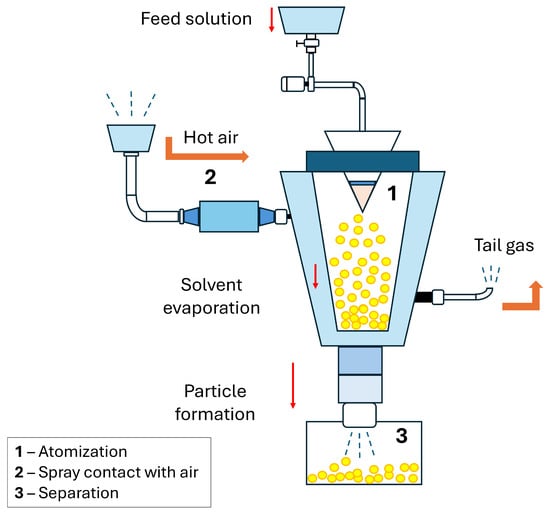
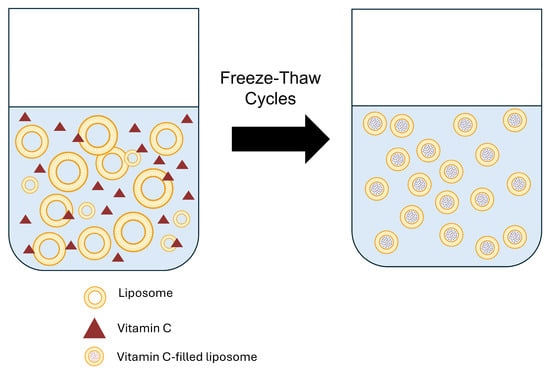
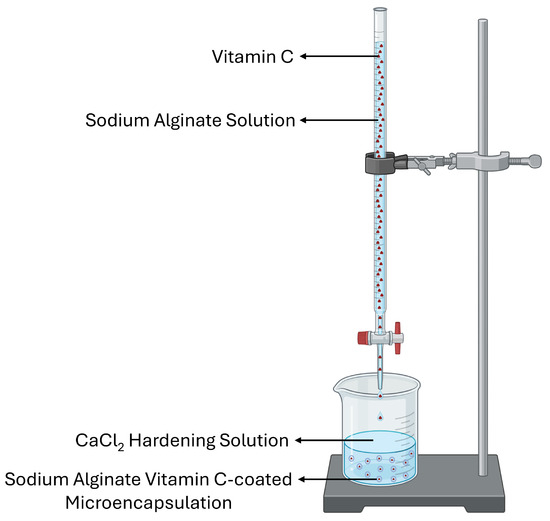
Consumers are increasingly purchasing nutrient-dense, clean-label foods, a trend that is driving demand for vitamin C-fortified dairy products; however, vitamin C is readily degraded by heat, light, oxygen, and changes to pH. The propensity for vitamin C to degrade makes fortification challenging, and companies incur added cost by including vitamin overages to account for anticipated losses. Encapsulating vitamin C minimizes degradation and increases the nutritional value of dairy products. This review examines four case studies that improve the stability of vitamin C through various encapsulation techniques, including emulsification with spray drying, spray chilling, liposomal encapsulation, and extrusion gelation. Encapsulation of vitamin C with casein gel for use in vitamin gummies, polyglycerol monostearate for drinkable yogurt, liposomes for ice cream, and sodium alginate for flavored milk significantly delayed vitamin degradation. The four case studies demonstrate that vitamin C encapsulation provides a viable solution to reduce vitamin overage by delaying vitamin C degradation, improving product quality, and extending shelf life. Current limitations of encapsulation technology include vitamin coating efficiency, industrial scalability, and the ability to align technologies with nutrient fortification, clean-label, and product shelf-life targets.
Full article
(This article belongs to the Section Milk Processing)
►▼
Show Figures

Figure 1

Open AccessArticle
GC–MS Metabolomic Profiling of Sheep and Goat Milk Infant Formulas During Simulated In Vitro Digestion
by
Mattia Casula, Paola Scano, Andrea Deserra, Cristina Manis, Olivia Menard, Didier Dupont and Pierluigi Caboni
Dairy 2026, 7(5), 73; https://doi.org/10.3390/dairy7050073 - 3 Sep 2026
Abstract
Human milk is the gold standard for infant nutrition; however, infant formulas (IFs) remain the main alternative when breastfeeding is not possible. Cow and goat milk-based IFs are well established, whereas sheep milk IFs have attracted increasing interest. IFs are among the most
[...] Read more.
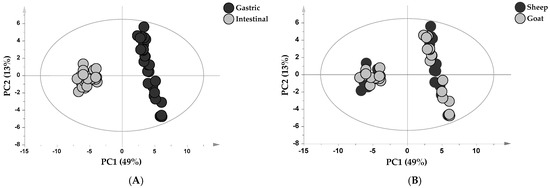
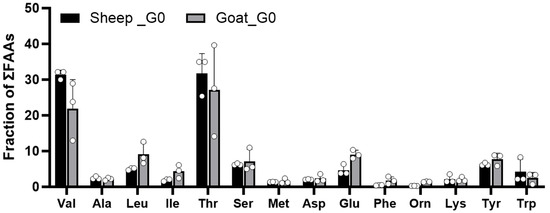
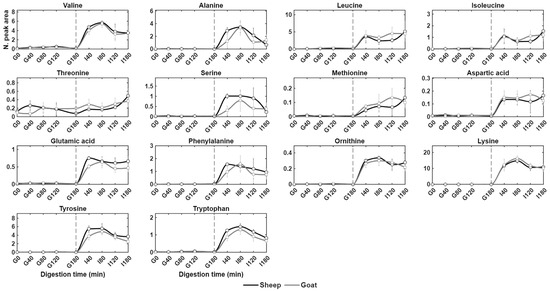
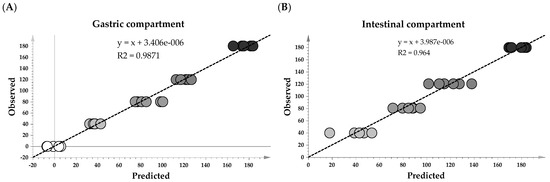
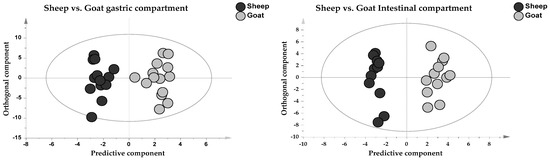
Human milk is the gold standard for infant nutrition; however, infant formulas (IFs) remain the main alternative when breastfeeding is not possible. Cow and goat milk-based IFs are well established, whereas sheep milk IFs have attracted increasing interest. IFs are among the most studied food products; nevertheless, little is known about the evolution of small molecules during digestion. This study monitored the metabolomic changes in sheep and goat IFs during simulated digestion using the dynamic in vitro gastrointestinal digestion system (DIDGI®). Using an untargeted GC–MS approach, a total of 51 metabolites were identified in samples collected throughout the digestion process. The results of multivariate statistics indicated that the gastric and the intestinal digestion stages, rather than milk origin, were the primary sources of metabolic variation. However, different sheep and goat IF metabolite fingerprints were detected and persisted throughout digestion. Temporal profile analysis showed limited amino acid release during gastric digestion followed by a rapid increase during intestinal transition, reflecting extensive proteolysis. Similarly, massive lipolysis led to the accumulation in the intestine of free fatty acids, including medium-chain fatty acids derived from milk fat. These findings provide the first untargeted GC–MS characterization of the metabolomic evolution of sheep and goat milk IFs during dynamic in vitro gastrointestinal digestion.
Full article
(This article belongs to the Section Milk Processing)
►▼
Show Figures

Figure 1

Open AccessArticle
Role of Autochthonous Lacticaseibacillus in the Ripening of Donkey-Sheep Milk Cheese
by
Daniel Abarquero, Cristina Duque, David Delgado, Cristina Carbajo, Laura Cano, Sara Martínez, José F. Cobo-Díaz, José M. Fresno and María E. Tornadijo
Dairy 2026, 7(5), 72; https://doi.org/10.3390/dairy7050072 - 2 Sep 2026
Abstract
Donkey milk represents a valuable alternative for diversifying dairy resources. The mixture of donkey milk with milk from other species may help overcome its technological limitations while creating opportunities for the development of innovative cheeses based on non-conventional milk sources and indigenous lactic
[...] Read more.
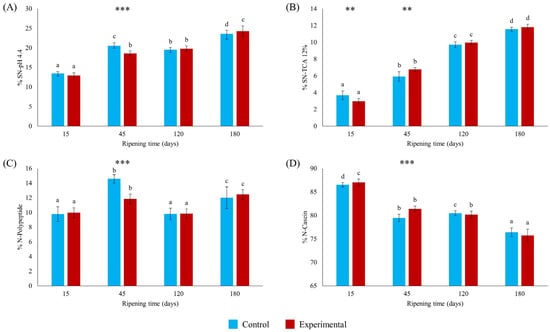
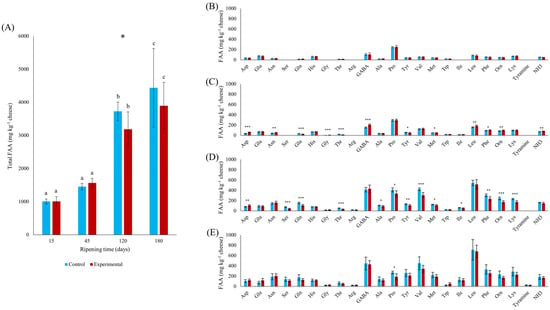
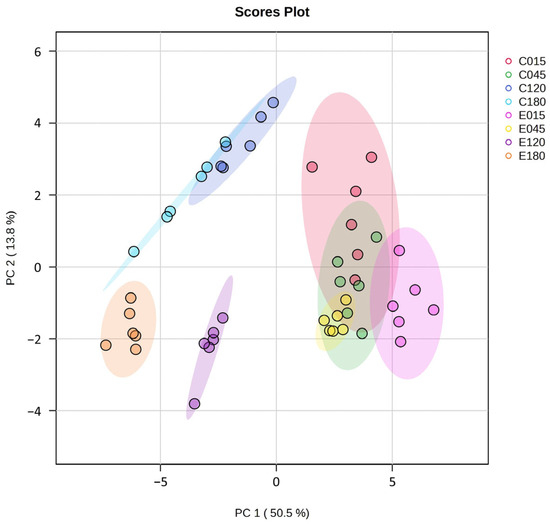
Donkey milk represents a valuable alternative for diversifying dairy resources. The mixture of donkey milk with milk from other species may help overcome its technological limitations while creating opportunities for the development of innovative cheeses based on non-conventional milk sources and indigenous lactic acid cultures. The effects of adjunct Lacticaseibacillus and ripening time on the physicochemical, microbiological, proteolytic, volatile, and sensory characteristics of cheese were evaluated. Cheeses made from a mixture of sheep milk (70%) and donkey milk (30%) were manufactured using a commercial starter culture and served as the control. Experimental cheeses were produced from the same milk blend inoculated with the commercial starter culture and supplemented with autochthonous Lacticaseibacillus strains. Their addition accelerated acidification and modulated the volatile profile, increasing alcohol and ester concentrations while reducing aldehydes and branched-chain fatty acids. These changes may have contributed to enhanced aroma intensity and complexity, together with increased hardness and friability of the cheeses during sensory evaluation. The use of indigenous Lacticaseibacillus cultures may contribute to the production of innovative mixed-milk cheeses, supporting the sustainable valorisation of donkey milk in dairy systems.
Full article
(This article belongs to the Section Milk Processing)
►▼
Show Figures

Figure 1
Open AccessArticle
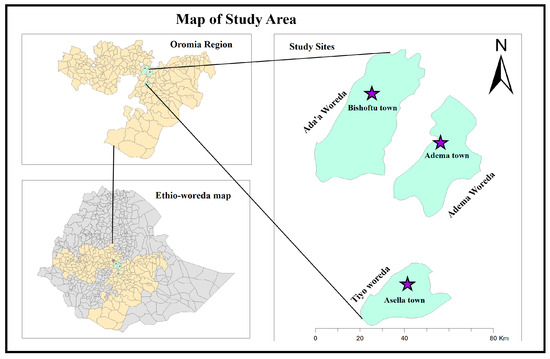
Status of Herd Health Biosecurity Measures and Associated Risk Factors in Dairy Farms in Asella–Bishoftu Milk Shed, Ethiopia
by
Yobsan Degefa Dadi, Fikru Gizaw Gurmessa, Minda Asfaw Geresu, Alemayehu Lemma and Teshita Edaso Beriso
Dairy 2026, 7(5), 71; https://doi.org/10.3390/dairy7050071 - 1 Sep 2026
Abstract
Biosecurity measures (BSMs) are risk-reduction strategies that prevent pathogen introduction and limit disease spread in dairy herds. A cross-sectional questionnaire-based study was conducted from July 2025 to February 2026 to assess the BSM status and associated factors in dairy farms in Asella, Adama,
[...] Read more.
Biosecurity measures (BSMs) are risk-reduction strategies that prevent pathogen introduction and limit disease spread in dairy herds. A cross-sectional questionnaire-based study was conducted from July 2025 to February 2026 to assess the BSM status and associated factors in dairy farms in Asella, Adama, and Bishoftu, Ethiopia. The towns were purposely selected, while the kebeles (the smallest administrative unit in Ethiopia) and the farms were randomly chosen. The data were collected from 300 farms using an online kobotoolbox. The external and internal biosecurity practice scores were calculated using the conceptual framework of Ghent University’s Biocheck tool. Overall, 85% of the farms had poor external BSMs (<50%), while 16.7% had poor internal BSMs. The contrast between relatively good internal and poor external BSMs indicated that disease management was largely focused on control after pathogen entry rather than prevention. In total, 62% of the farms exhibited poor combined BSMs (internal and external). Poor BSMs were significantly associated (p < 0.05) with a lack of formal education (OR = 17.08), non-membership in a milk cooperative (OR = 3.25), no training (OR = 3.34), small-scale farming (OR = 1.89), and limited land (<60 m2; OR = 3.8). In conclusion, BSM adoption was low, emphasizing the need for improved training and supportive policies to enhance productivity.
Full article
(This article belongs to the Section Dairy Animal Health)
►▼
Show Figures

Figure 1
Open AccessArticle
Occurrence, Geographic Distribution, and Antimicrobial Resistance Profiles of Staphylococcus aureus Isolated from Artisanal Fresh Goat Cheese Produced in the Altiplano Potosino Region, Mexico
by
María Cruz del Rocío Terrones-Gurrola, Isaac Compeán-Martinez, Francisco Josué Hernández Rangel and Pedro Cruz-Alcantar
Dairy 2026, 7(5), 70; https://doi.org/10.3390/dairy7050070 - 1 Sep 2026
Abstract
Artisanal fresh goat cheese produced under traditional small-scale conditions may harbor antimicrobial-resistant pathogens. This study assessed the occurrence and geographic distribution of Staphylococcus aureus, characterized antimicrobial resistance, and explored the antibacterial activity of titanium dioxide (TiO2) against multidrug-resistant (MDR) isolates
[...] Read more.
Artisanal fresh goat cheese produced under traditional small-scale conditions may harbor antimicrobial-resistant pathogens. This study assessed the occurrence and geographic distribution of Staphylococcus aureus, characterized antimicrobial resistance, and explored the antibacterial activity of titanium dioxide (TiO2) against multidrug-resistant (MDR) isolates in the Altiplano Potosino region of Mexico. A total of 150 samples from 15 rural communities in seven municipalities were analyzed. Of 38 presumptive isolates, 24 were confirmed as S. aureus (16.0% of samples), occurring only in Charcas and Vanegas. Based on locality-level susceptibility profiles, 9 of 24 confirmed isolates (37.5%) were assigned an MDR phenotype involving macrolides, lincosamides, and aminoglycosides, with clindamycin resistance observed across all five positive localities. In exploratory assays, UV-C-activated TiO2 produced the largest inhibition zones and lowest viable counts. Viable counts were significantly lower under UV-C than under natural sunlight (p = 0.016), but not significantly different from darkness after Bonferroni adjustment (p = 0.073). These findings establish a regional baseline for S. aureus occurrence and antimicrobial resistance and provide preliminary evidence of measurable antibacterial activity of UV-C-activated TiO2 against MDR isolates.
Full article
(This article belongs to the Topic Microbiological Drivers of Food Quality and Shelf-Life)
Open AccessReview
Advanced Analytical Strategies for Detecting Non-Milk Fat Adulteration and Species Mixing to Ensure Dairy Authenticity: Current Status and Future Trends
by
Risto Uzunov, Mirko Prodanov, Aleksandra Angeleska, Marija Menkinoska, Biljana Trajkovska, Stefan Jovanov, Biljana Stojanovska Dimzoska and Elizabeta Dimitrieska Stojkovikj
Dairy 2026, 7(5), 69; https://doi.org/10.3390/dairy7050069 - 31 Aug 2026
Abstract
Milk and dairy products are highly vulnerable to Economically Motivated Adulteration (EMA), particularly through the substitution of milk fat with cheaper non-milk fats. This paper presents a comprehensive review of analytical approaches used for detecting vegetable oils (e.g., palm, coconut, sunflower) and animal-origin
[...] Read more.
Milk and dairy products are highly vulnerable to Economically Motivated Adulteration (EMA), particularly through the substitution of milk fat with cheaper non-milk fats. This paper presents a comprehensive review of analytical approaches used for detecting vegetable oils (e.g., palm, coconut, sunflower) and animal-origin fats such as pork lard and bovine tallow, as well as the fraudulent mixing of milk from different species. Methods for lipid extraction are examined, including traditional gravimetric procedures such as the Röse–Gottlieb method and high-efficiency alternatives such as Accelerated Solvent Extraction and supercritical fluid extraction. Analytical strategies for fraud detection are evaluated, demonstrating that while fatty acid profiling is widely applied, its sensitivity is limited by natural variability. Greater discriminatory power can often be achieved through triacylglycerol analysis combined with mathematical models such as the Precht formulae (which generate S-values), although performance varies depending on the adulterant matrix, adulteration level, reference population, and analytical protocol. Similarly, sterol profiling, particularly the detection of phytosterols like β-sitosterol, is a valuable marker for vegetable oil adulteration but does not provide an equivalent solution for detecting animal fat adulteration. The potential of rapid, non-destructive screening tools, including Fourier-transform infrared and Raman spectroscopy supported by chemometrics, is also assessed. A central analytical challenge in detecting such fraud lies in the complexity and variability of milk fat composition, which hinders any single analytical method from universally identifying all forms of non-milk fat adulteration; therefore, a tiered strategy combining rapid screening tools with high-resolution confirmatory methods is preferable. Future perspectives highlight the increasing importance of green analytical approaches, artificial intelligence, and portable detection systems for enhancing verification within the global dairy supply chain. However, the effectiveness of AI and chemometric methods depends heavily on the availability of representative training datasets and rigorous external validation to avoid overfitting and ensure reliable application across diverse samples.
Full article
(This article belongs to the Section Milk Processing)
Open AccessArticle
Territorial Embeddedness and Registration Status of European Protected Cheeses
by
Fernando Mata
Dairy 2026, 7(5), 68; https://doi.org/10.3390/dairy7050068 - 28 Aug 2026
Abstract
►▼
Show Figures
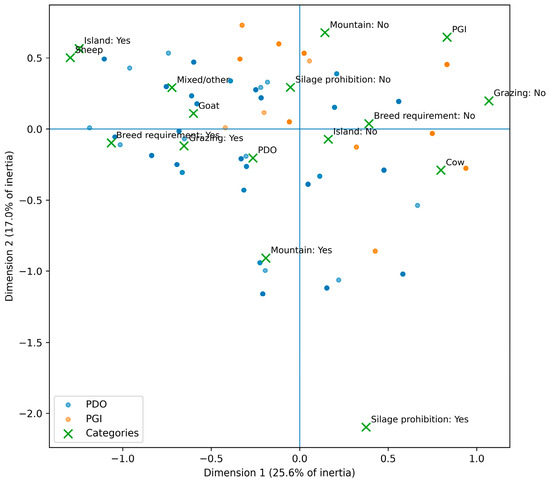
European Protected Designation of Origin (PDO) and Protected Geographical Indication (PGI) labels differ in the strength of the relationship that they require between a product and its territory, but comparative evidence on how this distinction is reflected in the protected cheese sector remains
[...] Read more.
European Protected Designation of Origin (PDO) and Protected Geographical Indication (PGI) labels differ in the strength of the relationship that they require between a product and its territory, but comparative evidence on how this distinction is reflected in the protected cheese sector remains limited. This study provides a descriptive and exploratory comparison of the product, territorial and production characteristics associated with PDO rather than PGI status among European protected cheeses already registered under the EU geographical indication framework. A cross-sectional product-level dataset of 253 cheeses was constructed, including 192 PDO and 61 PGI products. Registration status was coded as a binary outcome, where 1 = PDO and 0 = PGI. Explanatory variables described the species, island and mountain location, production requirements, age of registration, estimated retail price, regional GDP per capita and annual production volume. Univariable logistic regression models were first fitted for each explanatory variable, followed by a multivariable logistic regression model obtained through backwards elimination. PDO products represented 75.9% of the dataset. In univariable models, all candidate explanatory variables were significantly associated with the registration status. In the final multivariable model, PDO registration was associated with the species, island location, mountain area and age of registration, while the breed requirement was retained but did not reach conventional statistical significance. Sheep and goat cheeses, island cheeses, mountain cheeses and older registrations showed higher odds of a PDO status. The results are indicative and suggest that PDO and PGI cheeses should not be treated as a homogeneous group in descriptive product-level analyses. Within this dataset, PDO cheeses appeared to be more closely associated with products showing stronger territorial embeddedness, localised production systems and a longer-established geographical indication status.
Full article

Figure 1
Open AccessArticle
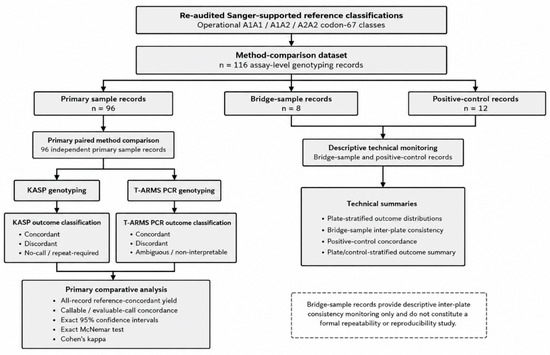
Laboratory-Specific Comparison of KASP and a Locally Implemented Gel-Based T-ARMS PCR Workflow for Targeted CSN2 Codon-67 Genotyping in a Holstein–Friesian Panel
by
Lilla Sándorová, Ferenc Pajor, Péter Árpád Fehér, Szilvia Áprily, Péter Póti, Gabriella Holló, Szilárd Bodó, Ákos Bodnár, Dániel Fodor and Viktor Stéger
Dairy 2026, 7(4), 67; https://doi.org/10.3390/dairy7040067 - 17 Aug 2026
Abstract
►▼
Show Figures
Targeted CSN2 codon-67 genotyping supports A2-oriented breeding and herd management. We compared Kompetitive Allele-Specific PCR (KASP) with a locally implemented gel-based tetra-primer amplification refractory mutation system PCR (T-ARMS PCR) workflow in a balanced, non-population-representative Holstein–Friesian panel using re-audited Sanger-supported reference classifications. Both assays
[...] Read more.
Targeted CSN2 codon-67 genotyping supports A2-oriented breeding and herd management. We compared Kompetitive Allele-Specific PCR (KASP) with a locally implemented gel-based tetra-primer amplification refractory mutation system PCR (T-ARMS PCR) workflow in a balanced, non-population-representative Holstein–Friesian panel using re-audited Sanger-supported reference classifications. Both assays distinguish His67-associated (A1-type) from Pro67-associated (A2-type) β-casein classes rather than complete CSN2 alleles. The paired analysis included 96 independent samples. KASP produced 90 reference-concordant, four reference-discordant, and two no-call outcomes (93.8% all-record reference-concordant yield), whereas T-ARMS PCR produced 77 reference-concordant, six reference-discordant, and 13 ambiguous outcomes (80.2%). Concordance among callable/evaluable results was 95.7% and 92.8%, respectively. In the primary comparison, KASP showed a 13.5 percentage point higher yield (95% CI, 4.2–22.9 percentage points; p = 0.015), mainly because it generated fewer non-interpretable outcomes. All callable KASP discordances involved Pro67/Pro67 reference samples called His67/Pro67. Because no independent DNA dilution, new DNA extraction, repeat KASP run, or new Sanger sequencing was performed, their cause and reproducibility remain unresolved. Formal repeatability and between-run reproducibility were not systematically evaluated; therefore, this comparison is not a formal assay validation and does not define T-ARMS PCR performance beyond the tested local configuration. Discordant, ambiguous, or high-impact classifications require independent repeat testing or sequencing confirmation.
Full article

Figure 1
Open AccessArticle
Effect of Blackcurrant Juice Soaking on Anthocyanin Stability, Color Development, and Quality Characteristics of Semi-Hard Ripened Cheese
by
Csilla Albert, Renáta Szabó, Éva Laslo and Rozália-Veronika Salamon
Dairy 2026, 7(4), 66; https://doi.org/10.3390/dairy7040066 - 17 Aug 2026
Abstract
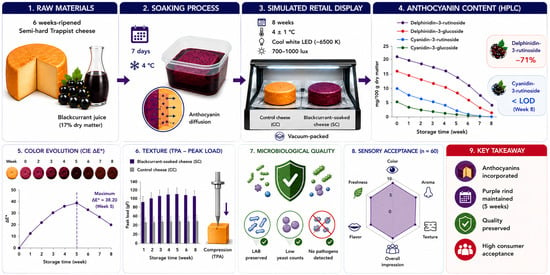
The application of natural colorants in cheese manufacture is gaining increasing interest as an alternative to synthetic additives. This study investigated the incorporation, stability, and technological effects of blackcurrant (Ribes nigrum L.) anthocyanins on semi-hard Trappist cheese during eight weeks of storage
[...] Read more.
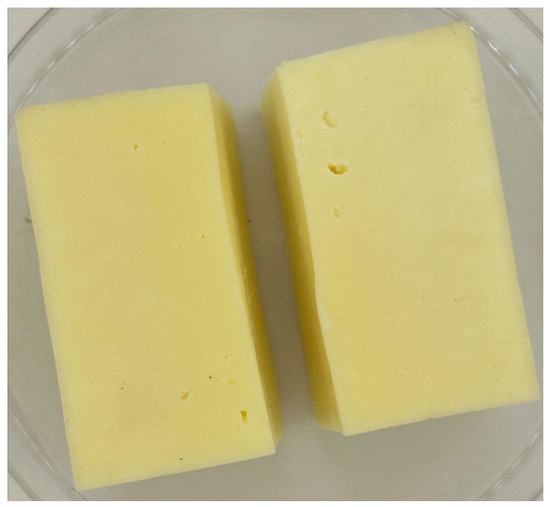
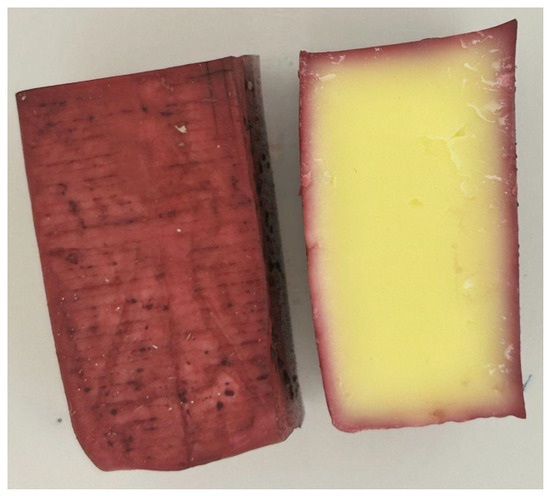
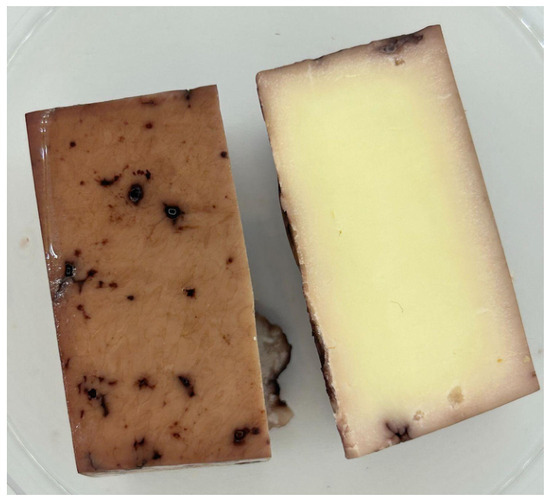
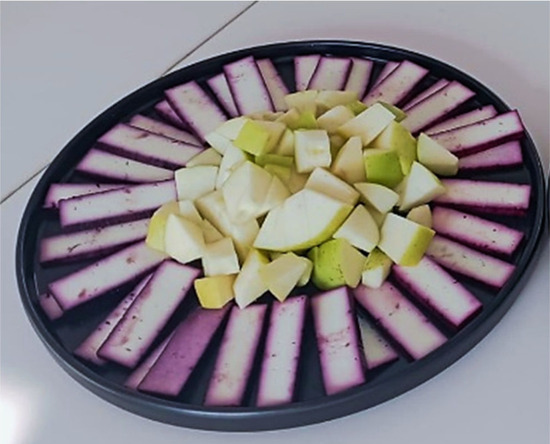
The application of natural colorants in cheese manufacture is gaining increasing interest as an alternative to synthetic additives. This study investigated the incorporation, stability, and technological effects of blackcurrant (Ribes nigrum L.) anthocyanins on semi-hard Trappist cheese during eight weeks of storage under simulated commercial refrigerated display conditions. Cheese samples were soaked in natural blackcurrant juice for seven days and subsequently evaluated for anthocyanin composition, color characteristics, texture properties, microbiological quality, and sensory acceptance. HPLC analysis confirmed the successful incorporation of blackcurrant anthocyanins into the cheese, with delphinidin-3-rutinoside(D-3-R) being the predominant compound. D-3-R concentration decreased from 20.23 to 5.88 mg/100 g dry matter during storage, corresponding to an approximately 71% reduction, while cyanidin-3-rutinoside content became below the detection limit by week 8. Significant changes were observed in all quantified anthocyanins (p ≤ 0.05), indicating progressive pigment degradation. The maximum image-based color difference reached ΔE = 38.20 under standardized imaging conditions. Interestingly, color development followed a biphasic pattern, characterized by initial pigment redistribution and color intensification despite decreasing anthocyanin concentrations, followed by progressive color fading associated with anthocyanin degradation. Texture analysis revealed significant storage-related changes in the mechanical properties of the rind, suggesting structural reorganization of the cheese matrix. Microbiological analyses demonstrated the persistence of technologically important lactic acid bacteria throughout storage, indicating compatibility of the treatment with the cheese microbiota. Sensory evaluation performed by 60 consumers showed high acceptance of blackcurrant-treated cheese. The results indicate that blackcurrant juice soaking is an effective strategy for producing naturally colored semi-hard cheeses enriched with anthocyanins while maintaining desirable microbiological, textural, and sensory characteristics. The observed degradation kinetics under the storage conditions applied in this study emphasize the importance of optimizing storage conditions for anthocyanin-enriched dairy products.
Full article
(This article belongs to the Topic Microbiological Drivers of Food Quality and Shelf-Life)
►▼
Show Figures

Graphical abstract
Open AccessArticle
Factors Associated with Retail Price Variation in European Protected Designation of Origin (PDO) and Protected Geographical Indication (PGI) Cheeses
by
Fernando Mata, Meirielly Jesus and Joana Santos
Dairy 2026, 7(4), 65; https://doi.org/10.3390/dairy7040065 - 14 Aug 2026
Abstract
►▼
Show Figures
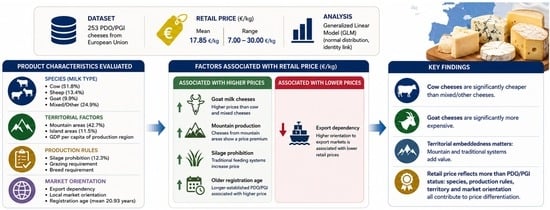
European Protected Designation of Origin (PDO) and Protected Geographical Indication (PGI) cheeses represent a diverse sector in which geographical origin, production rules, species, territorial context, and market orientation shape product value. This study aimed to examine product, territorial, and market factors associated with
[...] Read more.
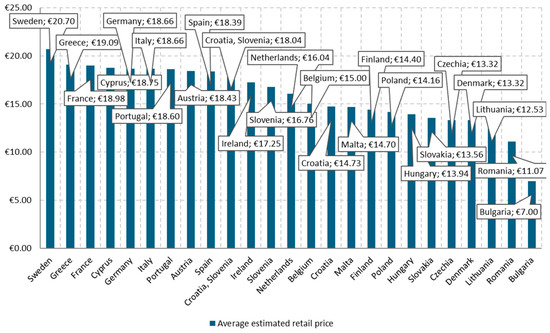
European Protected Designation of Origin (PDO) and Protected Geographical Indication (PGI) cheeses represent a diverse sector in which geographical origin, production rules, species, territorial context, and market orientation shape product value. This study aimed to examine product, territorial, and market factors associated with variation in estimated retail price among European protected cheeses. A cross-sectional product-level dataset was constructed using 253 PDO and PGI cheeses registered in the EU geographical indication system. The dataset combined information on country, production region, species, production volume, territorial characteristics, registration status, market orientation, and estimated retail price. Retail price, expressed in €/kg, was analysed using a generalised linear model with a normal distribution and an identity link. The mean estimated retail price was 17.85 €/kg, with a range of 7.00 to 30.00 €/kg. Cow-milk cheeses represented 51.8% of the dataset, followed by mixed/other cheeses, sheep cheeses, and goat cheeses. The model was statistically significant overall (p < 0.001), indicating that the selected explanatory variables were jointly associated with estimated retail price. Higher estimated retail prices were associated with silage prohibition, mountain location, goat milk, and older registration age, whereas export dependency was negatively associated with price. Cow cheeses were significantly cheaper than mixed/other cheeses, while goat cheeses were significantly more expensive. These findings suggest that protected cheeses are economically heterogeneous and that estimated retail price is associated with more than protected status alone. Production constraints, territorial embeddedness, species identity, and market orientation were all associated with price differentiation. This study provides an exploratory quantitative basis for understanding value formation in the European protected cheese sector.
Full article

Graphical abstract
Open AccessArticle
Residual Effects of Heat Stress on Lactating Holstein Cows During Post-Heat Recovery
by
Karen Melo Borges, Abias Santos Silva, Jaciara Diavão, Jean Marcelo Albuquerque, Fernando César Ferraz Lopes, Mariana Magalhães Campos, Maria de Fátima Avila Pires and Mirton José Frota Morenz
Dairy 2026, 7(4), 64; https://doi.org/10.3390/dairy7040064 - 13 Aug 2026
Abstract
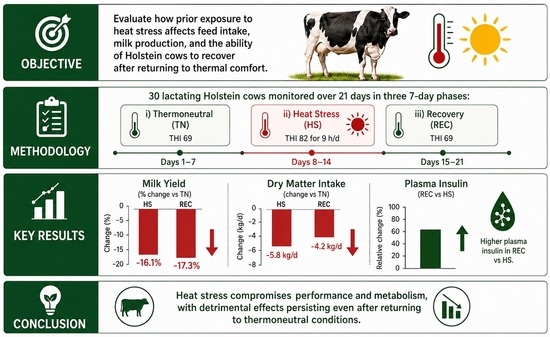
Heat stress is frequently associated with reduced dry matter intake (DMI), milk yield, and physiological alterations in Holstein dairy cows. The aim was to evaluate how prior exposure to heat stress affects feed intake, milk production, energy balance, blood metabolites, and infrared thermography,
[...] Read more.
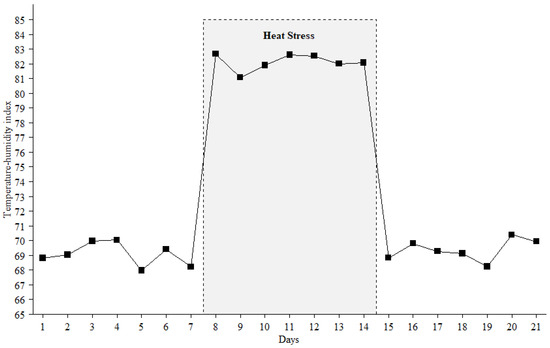
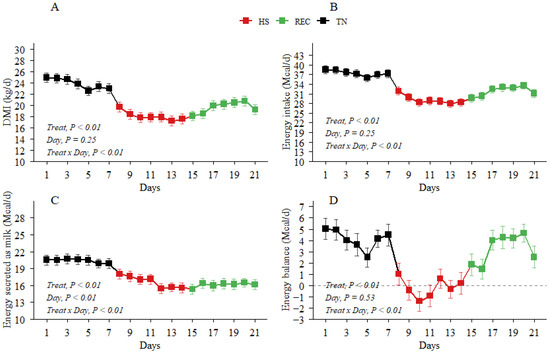
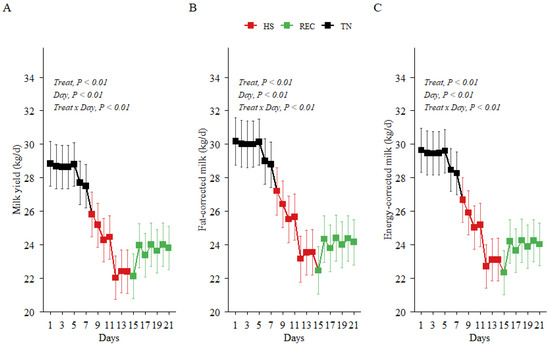
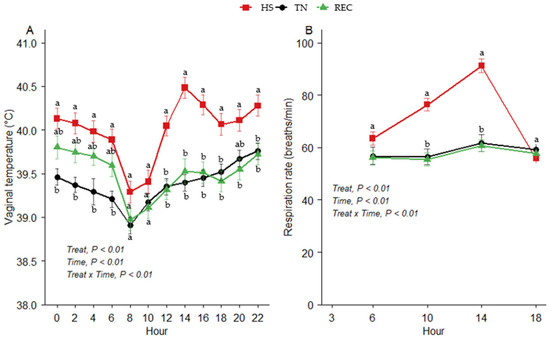
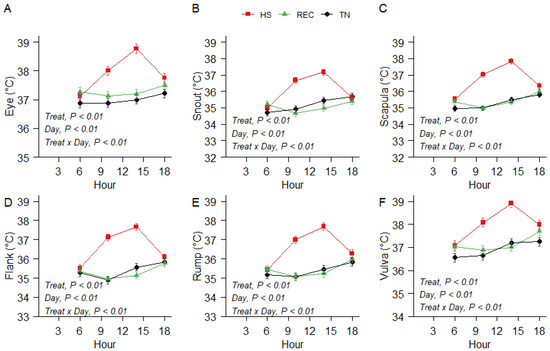
Heat stress is frequently associated with reduced dry matter intake (DMI), milk yield, and physiological alterations in Holstein dairy cows. The aim was to evaluate how prior exposure to heat stress affects feed intake, milk production, energy balance, blood metabolites, and infrared thermography, with special emphasis on the cows’ ability to recover and re-establish normal physiological and productive responses. Thirty multiparous lactating Holstein cows (days in milk = 87 ± 19.6 days) and previous milk yield (30.8 ± 3.95 kg/d) were monitored over 21 days, divided into three 7-day phases: thermoneutral (TN), cows kept at a constant temperature–humidity index (THI) of 69; heat stress (HS), cows at a THI of 82 for 9 h and 69 for 15 h, and recovery (REC), cows at a constant THI of 69. Milk yield decreased by 16.1% during HS and remained 17.3% lower during REC compared with TN. Dry matter intake was reduced by 5.8 and 4.2 kg/d for HS and REC compared to TN cows. Plasma insulin was higher in REC compared to HS. Under the conditions of the present study, heat stress was associated with impaired productive performance, altered metabolism, and changes in the physiological status of mid-lactation Holstein dairy cows, with some effects persisting after the cows returned to thermoneutral conditions.
Full article
(This article belongs to the Special Issue The Effects of Heat Stress on Dairy Cows)
►▼
Show Figures

Graphical abstract
Open AccessArticle
The Effects of Collecting Bovine Milk Samples Premilking and Postmilking on the Results of Bacteriologic Analysis and Somatic Cell Count
by
Lilli Bittner-Schwerda, Rüdiger D. Ollhoff, Adriana Wöckel, Anne Kaiser, Sofija Džakula, Anja Gretzschel, Tilman Kühn, Joachim Spilke and Alexander Starke
Dairy 2026, 7(4), 63; https://doi.org/10.3390/dairy7040063 - 10 Aug 2026
Abstract
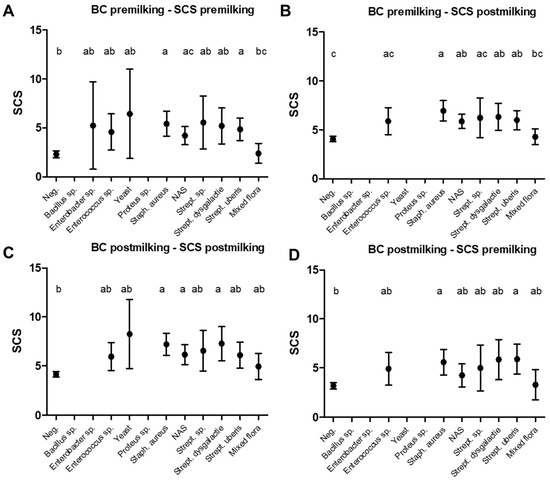
Milk sample collection before attaching the milking cluster for bacteriological and cytological examination is a standard clinical diagnostic procedure in dairy production. Collecting samples premilking can be difficult under certain field conditions. Therefore, we aimed to determine the effect of the timing of
[...] Read more.
Milk sample collection before attaching the milking cluster for bacteriological and cytological examination is a standard clinical diagnostic procedure in dairy production. Collecting samples premilking can be difficult under certain field conditions. Therefore, we aimed to determine the effect of the timing of milk sampling on the results of bacteriologic analysis and somatic cell count. The study was conducted on a dairy herd of 1520 German Holstein cows. From 110 cows selected because of previously high somatic cell count, paired milk samples (premilking and postmilking) were taken and submitted for bacteriological and cell count analysis. The somatic cell score (SCS) was significantly higher in postmilking samples than in premilking samples (p = 0.001). A total of 113 of 433 premilking and 69 of 433 postmilking samples had positive bacteriologic culture. Quarter samples with a positive bacteriologic culture had numerically higher SCS estimates than negative samples. Mammary quarters with positive premilking and negative postmilking cultures had a significantly lower SCS than quarters with positive premilking and postmilking cultures (p < 0.05). Our findings suggest that premilking and postmilking samples differ in bacteriological and cytological composition. Therefore, the sampling strategy has to be taken into account when making treatment and prevention strategy decisions based on milk samples.
Full article
(This article belongs to the Section Dairy Animal Health)
►▼
Show Figures

Figure 1
Open AccessArticle
Clinical Presentation of Tail Inflammation and Necrosis in Dairy Cows: A Possible Manifestation of Bovine Inflammation and Necrosis Syndrome (BINS)
by
Kathrin M. Weber, Romina T. Albersdörfer, Christine Schmidt and Prisca V. Kremer-Rücker
Dairy 2026, 7(4), 62; https://doi.org/10.3390/dairy7040062 - 10 Aug 2026
Abstract
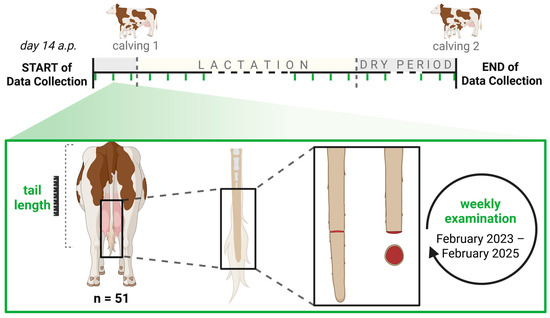
Tail inflammation and necrosis in dairy cows are increasingly reported, yet the early stages of their development and dynamics remain unclear. We conducted a longitudinal study to characterize the macroscopic pathogenesis of tail lesions throughout the entire lactation period to identify the initial
[...] Read more.
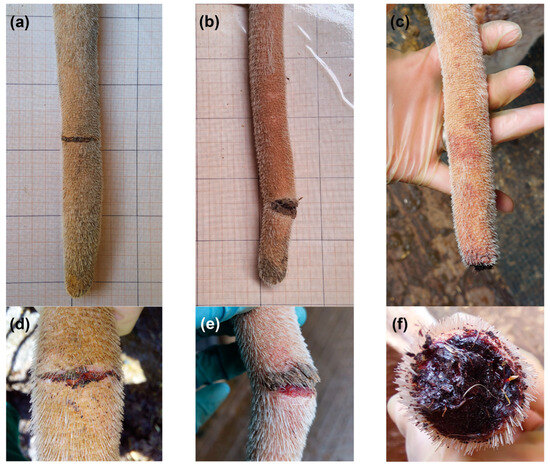
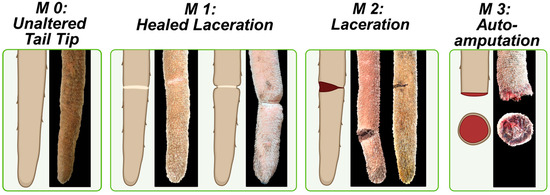
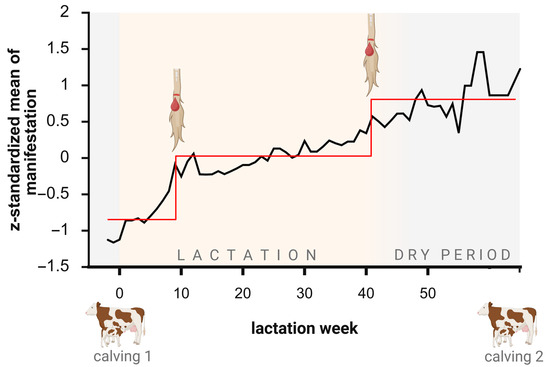
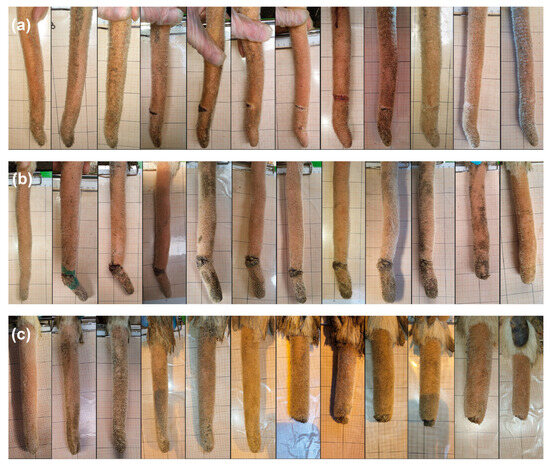
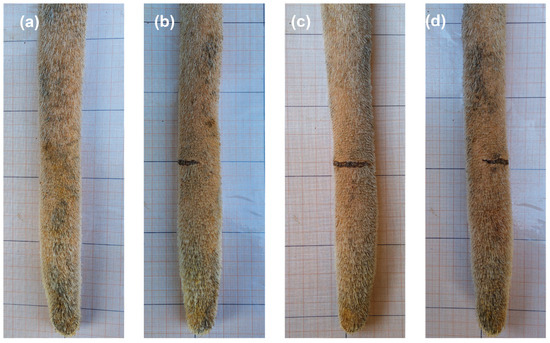
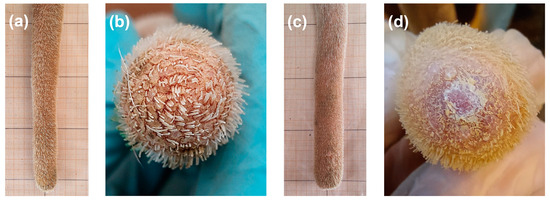
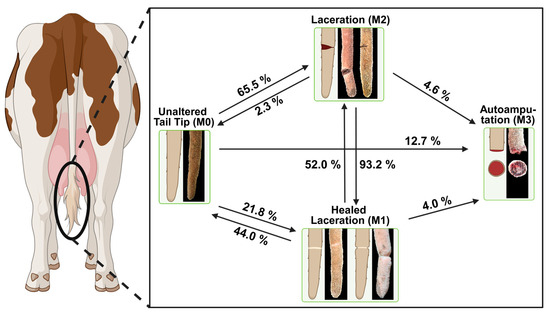
Tail inflammation and necrosis in dairy cows are increasingly reported, yet the early stages of their development and dynamics remain unclear. We conducted a longitudinal study to characterize the macroscopic pathogenesis of tail lesions throughout the entire lactation period to identify the initial stages and vulnerable phases of lactation. Fifty-one cows were examined weekly. We scored the distal spineless tail for bloody lesions. Change point analysis and first-order Markov chains were used to describe the timing and transitions probabilities. Overall, 60.8% of the cows developed at least one bloody lesion, with 49.0% experiencing lacerations and 25.5% undergoing autoamputation. On average, autoamputation shortened tails by 4.0 cm. Three progression types were identified: laceration with healing and preservation of the tip, autoamputation after laceration and spontaneous autoamputation. Regarding the frequency of occurrence, 65.5% began as bloody lacerations and healed in 93.2% of cases. Of these, 4.0% progressed to autoamputation, 12.7% underwent spontaneous autoamputation from an intact tip. Significant changes in lesion severity occurred in lactation weeks 8 and 40. These patterns are consistent with an endogenous microcirculatory mechanism and support the hypothesis that tail inflammation and necrosis may represent a manifestation of Bovine Inflammation and Necrosis Syndrome.
Full article
(This article belongs to the Section Dairy Animal Health)
►▼
Show Figures

Figure 1

Open AccessReview
The Hoof as the Sentinel of Systemic Failure: The Lameness Triad and the Susceptibility–Resilience Gate in Dairy Cows
by
Burim N. Ametaj
Dairy 2026, 7(4), 61; https://doi.org/10.3390/dairy7040061 - 5 Aug 2026
Abstract
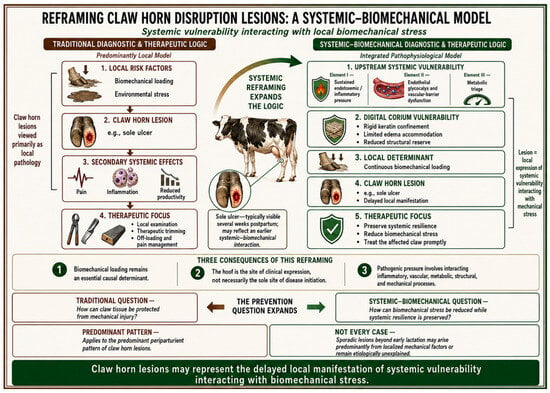
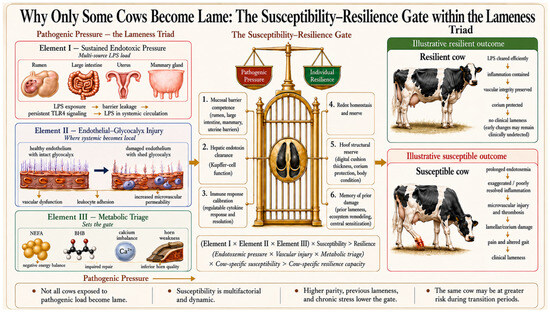
Lameness is a major welfare and economic disorder in dairy production and a clinical sign with multiple causes. This review focuses on claw horn disruption lesions (CHDL), a major cause of periparturient lameness. Although hoof-centered prevention and treatment remain essential, preclinical systemic alterations,
[...] Read more.
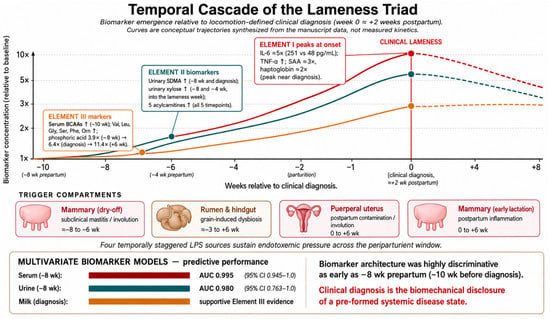
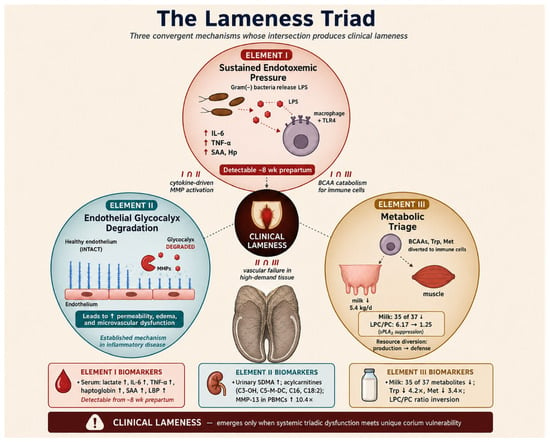
Lameness is a major welfare and economic disorder in dairy production and a clinical sign with multiple causes. This review focuses on claw horn disruption lesions (CHDL), a major cause of periparturient lameness. Although hoof-centered prevention and treatment remain essential, preclinical systemic alterations, recurrence, and clustering with other transition-period disorders suggest that CHDL may sometimes represent the local expression of broader pathophysiology. We propose the Lameness Triad, in which three mechanisms converge: sustained endotoxemic pressure and TLR4-mediated innate immune activation, endothelial glycocalyx degradation and vascular dysfunction, and metabolic triage that reallocates resources from production toward defense. Their combined pathogenic pressure is proposed to produce clinical disease when it exceeds a cow-specific Susceptibility–Resilience Gate comprising mucosal barrier integrity, hepatic endotoxin clearance, immune calibration, redox reserve, hoof structural reserve, and prior damage. Ruminal dysbiosis, mammary involution, and postpartum uterine contamination may contribute to inflammatory and endotoxemic pressure, whereas the confined, continuously loaded digital corium may become a principal site of clinical expression. Longitudinal multi-omics studies identified inflammatory, urinary, and milk-metabolite alterations before diagnosis, with within-cohort serum and urine models discriminating cows that later became lame as early as eight weeks prepartum. These findings require prospective validation and do not establish the complete causal sequence. The framework extends, rather than replaces, established hoof-health programs and provides testable hypotheses for earlier detection, prevention, and selection for resilience.
Full article
(This article belongs to the Section Dairy Animal Health)
►▼
Show Figures

Figure 1

Open AccessArticle
Effect of Injectable Trace Minerals in Pasture-Based Dairy Cattle: Responses in Calves and Early-Lactation Cows
by
Mohammad Javed Ashar, Paula A. Gonzalez-Rivas, Frank R. Dunshea, Christina D. Marth and Surinder S. Chauhan
Dairy 2026, 7(4), 60; https://doi.org/10.3390/dairy7040060 - 2 Aug 2026
Abstract
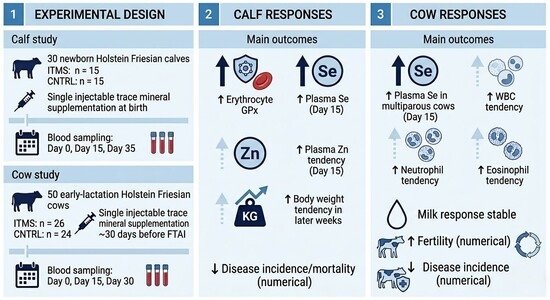
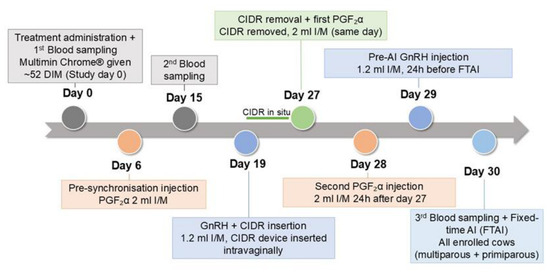
Injectable trace mineral supplementation (ITMS) has been proposed to support physiological adaptation during critical stages in dairy cattle; however, field-based evidence from pasture-based seasonal-calving systems remains limited. This study evaluated the effects of ITMS, administered at birth in calves and approximately 30 days
[...] Read more.
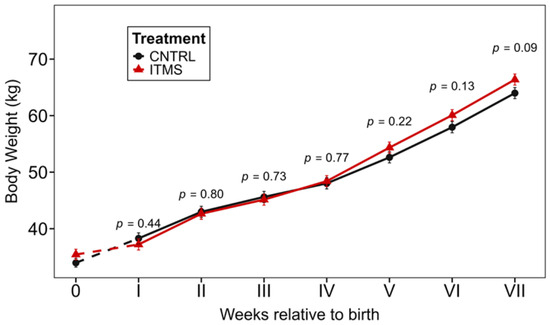
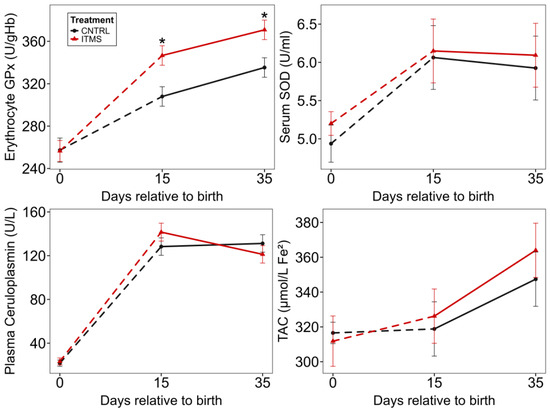
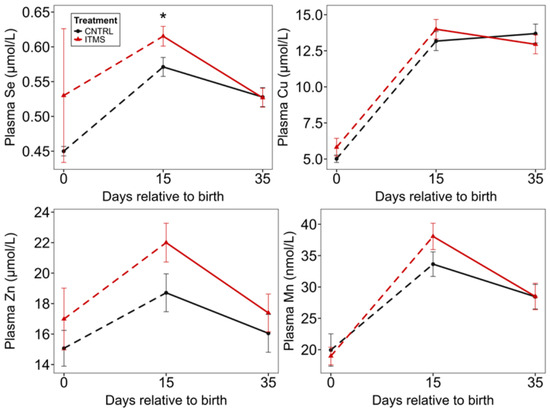
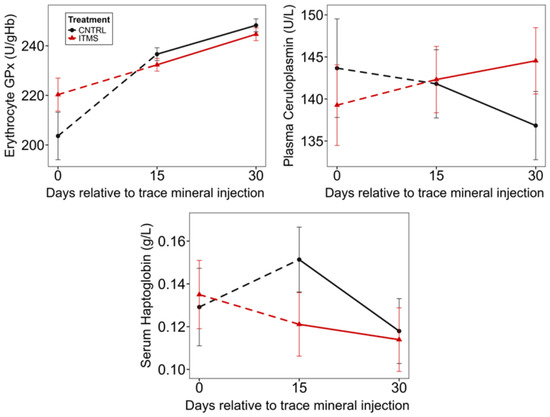
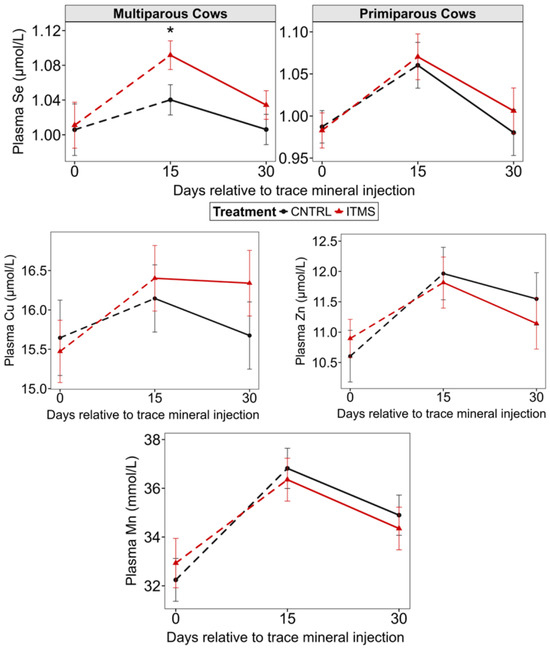
Injectable trace mineral supplementation (ITMS) has been proposed to support physiological adaptation during critical stages in dairy cattle; however, field-based evidence from pasture-based seasonal-calving systems remains limited. This study evaluated the effects of ITMS, administered at birth in calves and approximately 30 days before fixed-time artificial insemination in early-lactation cows, primarily on erythrocyte glutathione peroxidase activity and plasma trace mineral concentrations, while health, growth, production, and fertility were monitored as secondary outcomes. Thirty newborn calves receiving isotonic saline control (CNTRL; n = 15) or ITMS (n = 15) and 50 early-lactation cows (CNTRL, n = 24; ITMS, n = 26) were enrolled. In calves, erythrocyte glutathione peroxidase activity was higher in ITMS calves (322 vs. 359 U/g Hb; p < 0.01), and plasma selenium was higher on day 15 (0.57 vs. 0.62 µmol/L; p = 0.03). A treatment × week interaction was detected for body weight, but overall body weight and average daily gain did not differ. In cows, plasma selenium was transiently higher in multiparous ITMS cows on day 15 (1.04 vs. 1.09 µmol/L; p = 0.03), while antioxidant and inflammatory biomarkers, production, mastitis incidence, and fertility were unaffected. Overall, a single ITMS administration elicited modest biochemical and selenium responses without statistically detectable improvements in growth, health, production, or fertility.
Full article
(This article belongs to the Section Dairy Animal Health)
►▼
Show Figures

Graphical abstract
Open AccessArticle
Insight into the Effects of In Vitro-Digested Donkey and Sheep Milk on Differentiated Human Intestinal Caco-2 Cells
by
Milan Bogdanović, Dušan Stevanović, Ksenija Čobanović, Sara Panseri, Maria Nobile, Radoslava Savić Radovanović, Nataša Golić and Nikola Popović
Dairy 2026, 7(4), 59; https://doi.org/10.3390/dairy7040059 - 2 Aug 2026
Cited by 1
Abstract
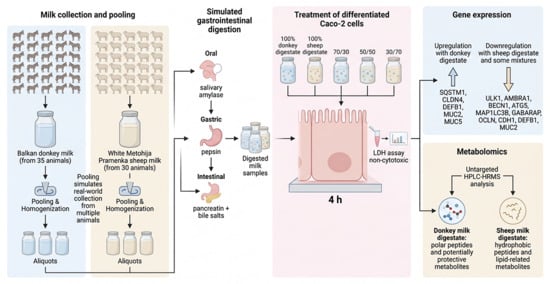
The chemical composition of donkey and sheep milk showed significant differences, with donkey milk containing less fat and protein and a higher level of lactose, while sheep milk had more dry matter and a higher proportion of casein and saturated, unsaturated, monounsaturated, and
[...] Read more.
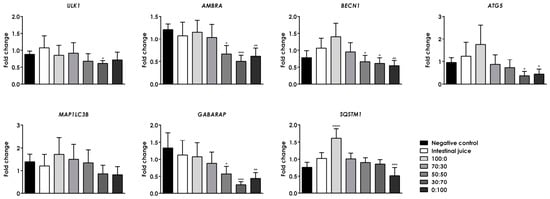
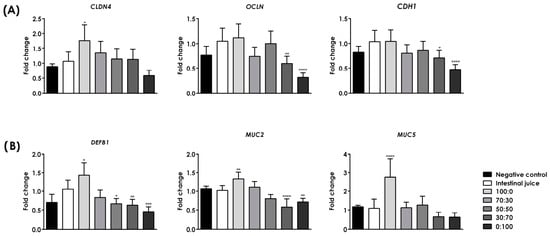
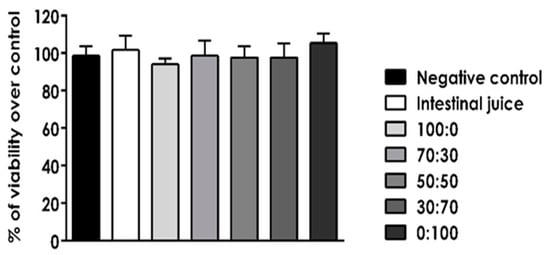
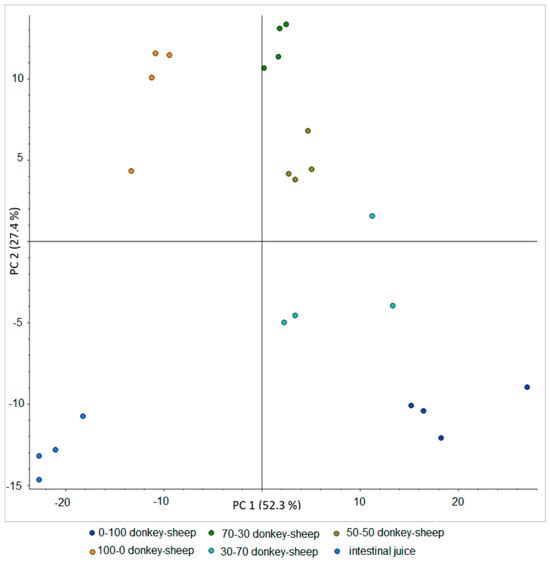
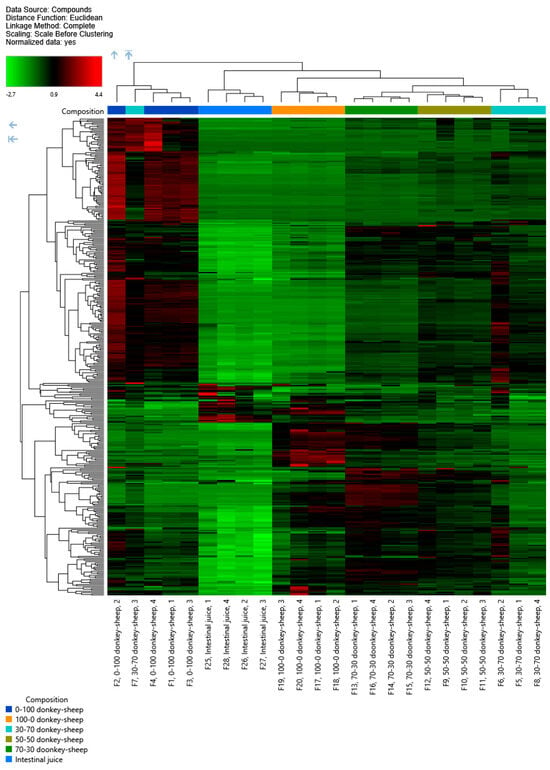
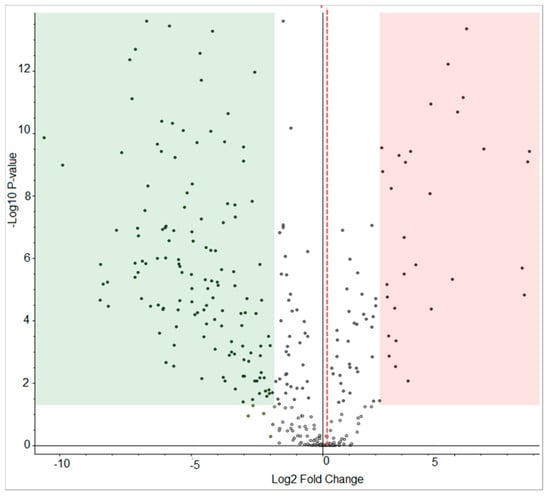
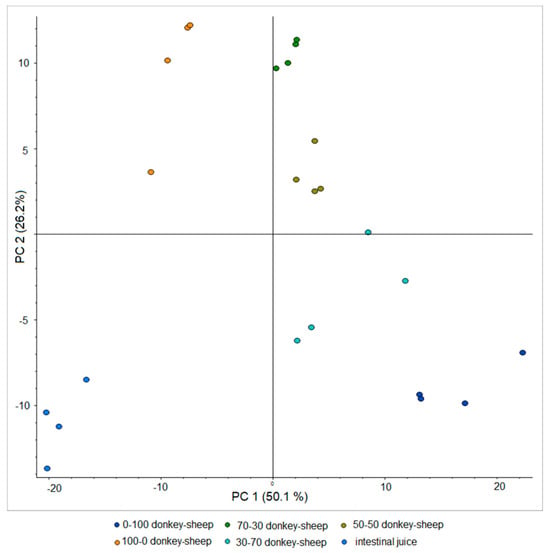
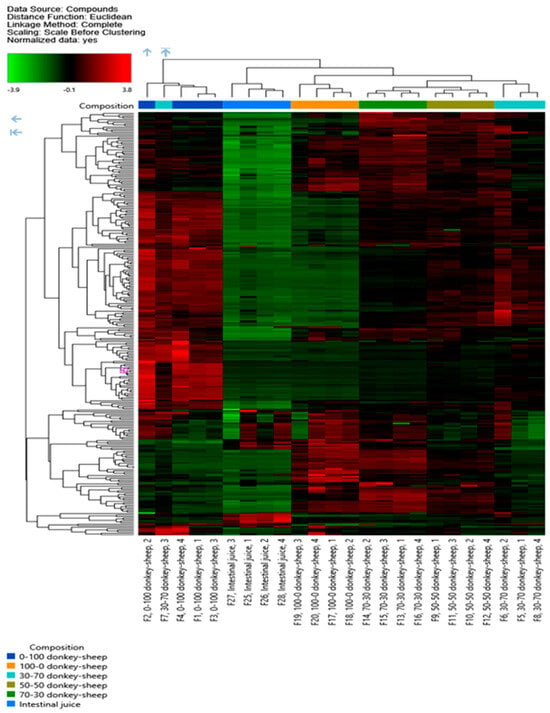
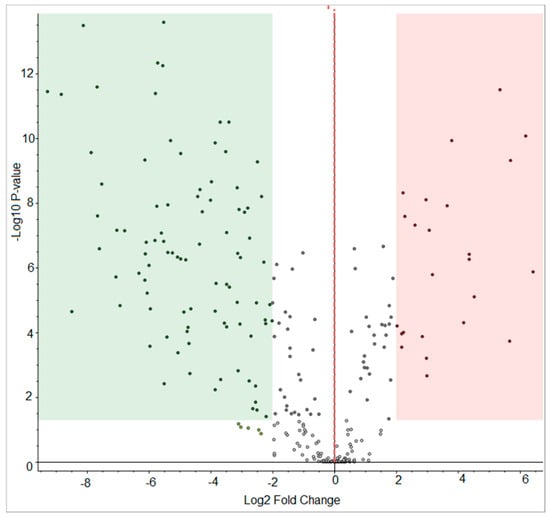
The chemical composition of donkey and sheep milk showed significant differences, with donkey milk containing less fat and protein and a higher level of lactose, while sheep milk had more dry matter and a higher proportion of casein and saturated, unsaturated, monounsaturated, and polyunsaturated fatty acids. This study investigated the biological effects of in vitro-digested donkey and sheep milk, and their blends at different ratios, on differentiated human intestinal Caco-2 cells. Gene expression analysis showed that treatment with digested donkey milk (100%) significantly altered the expression of the autophagy-related gene (SQSTM1), tight junction (CLDN4), and innate defense genes (DEFB1, MUC2, and MUC5), showing a non-cytotoxic response and a profile consistent with a barrier-related transcriptional response. In contrast, sheep milk (100%) and certain milk blends (70% and 50% sheep’s milk) down-regulated genes involved in the autophagy process (ULK1, AMBRA, BECN1, ATG5, GABARAP, and SQSTM1), tight junction genes (OCLN and CDH1), and innate defense genes (DEFB1 and MUC2), suggesting a distinct epithelial response that warrants further confirmation. Metabolomic profiling revealed clear compositional and functional distinctions among the digested milks, identifying 166 metabolites that were differentially regulated (136 compounds were down-regulated and 30 up-regulated). Donkey milk digestion yielded a metabolite profile enriched in polar peptides and compounds with reported antioxidant associations, whereas sheep milk digestion showed a different pattern dominated by hydrophobic peptides and lipid-related metabolites. These findings indicate that, under the tested in vitro conditions, donkey milk digestion is associated with gene expression and metabolomic patterns consistent with epithelial barrier support.
Full article
(This article belongs to the Section Milk and Human Health)
►▼
Show Figures

Graphical abstract
Journal Menu
► ▼ Journal Menu-
- Dairy Home
- Aims & Scope
- Editorial Board
- Reviewer Board
- Topical Advisory Panel
- Instructions for Authors
- Special Issues
- Topics
- Sections
- Article Processing Charge
- Indexing & Archiving
- Editor’s Choice Articles
- Most Cited & Viewed
- Journal Statistics
- Journal History
- Journal Awards
- Conferences
- Editorial Office
Journal Browser
► ▼ Journal BrowserHighly Accessed Articles
Latest Books
E-Mail Alert
News
9 September 2026
Meet Us at Nutrients 2026—Clinical Nutrition: from Research to Practice, 22–24 October 2026, Barcelona, Spain
1 September 2026
MDPI INSIGHTS: The CEO’s Letter #38 – 2 Million Published Articles, Outstanding Reviewers, Michele Parrinello Award, AIS 2026 & WSF-12
Topics
Topic in
Agriculture, Dairy, Poultry, Veterinary Sciences, Animals
Precision Feeding and Management of Farm Animals, 3rd Edition
Topic Editors: Manuel Gonzalez-Ronquillo, Marta I. Miranda Castañón, Einar Vargas-Bello-PérezDeadline: 31 October 2026
Topic in
Animals, Dairy, Microorganisms, Veterinary Sciences, Metabolites, Life, Parasitologia
The Complexity of Parasites in Animals: Impacts, Innovation, and Interventions
Topic Editors: Kun Li, Rongjun Wang, Ningbo Xia, Md. F. KulyarDeadline: 31 December 2026
Topic in
Agriculture, Dairy, Foods, Nutrients, Animals
Advances in Animal-Derived Non-Cow Milk and Niche Cow Milk. Properties, Processing, Dairy Products and Environmental Impact, 2nd Edition
Topic Editors: Jacek Wójtowski, Jan Pikul, Maria Markiewicz-KęszyckaDeadline: 31 January 2027
Topic in
Agriculture, Beverages, Dairy, Fermentation, Foods
Food Processing and Preservation: Innovative Solutions for Natural Food Preservation, 2nd Edition
Topic Editors: Ângela Fernandes, Filipa MandimDeadline: 31 March 2027
Conferences
Special Issues
Special Issue in
Dairy
Optimizing Production, Quality and Safety of Sheep and Goat Milk
Guest Editor: Zvonimir PrpićDeadline: 15 April 2027
Special Issue in
Dairy
The Effects of Heat Stress on Dairy Cows
Guest Editors: Geraldo Tadeu Dos Santos, Camila Soares CunhaDeadline: 15 April 2027
Special Issue in
Dairy
Precision Biomarkers for Early Detection and Prevention of Disease in Dairy Cows
Guest Editors: Ramunas Antanaitis, Lina AnskienėDeadline: 5 July 2027
Special Issue in
Dairy
Smart Dairy Farming: Automatic Monitoring for Dairy Farm Sustainability, Efficiency and Environmental Impact
Guest Editor: Olivier DebaucheDeadline: 15 July 2027