






-
Agronomic Responses of Wheat and Oat Cultivars Under Dual-Purpose and Grain Production Management Strategies -
Effects of Different Heading Dates on Agronomic and Yield-Related Traits Under Salt Stress in Rice -
Ultrafine Bubble Irrigation Enhances Early Growth and Antioxidant Activity of Rice Seedlings Under Nutrient-Free Conditions -
Sustainable Management of Vineyards with Intercropping Systems of Cereals with Pea Under Mediterranean Conditions -
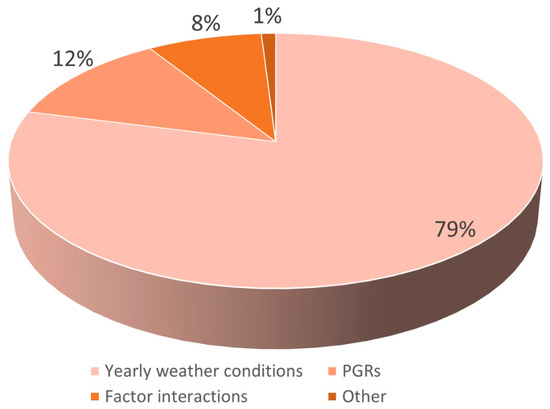
Protein Hydrolyzate-Based Biostimulants in Fruit Crops: Mechanisms, Agronomic Effects, and Practical Applications
Journal Description
Crops
Crops
is an international, peer-reviewed, open access journal on the science and technology of crops published bimonthly online by MDPI.
- Open Access— free for readers, with article processing charges (APC) paid by authors or their institutions.
- High Visibility: indexed within ESCI (Web of Science), Scopus, and other databases.
- Journal Rank: JCR - Q2 (Agronomy) / CiteScore - Q2 (Agronomy and Crop Science)
- Rapid Publication: manuscripts are peer-reviewed and a first decision is provided to authors approximately 20.7 days after submission; acceptance to publication is undertaken in 3.9 days (median values for papers published in this journal in the first half of 2026).
- Recognition of Reviewers: APC discount vouchers, optional signed peer review, and reviewer names published annually in the journal.
- Crops is a companion journal of Agriculture and Agronomy.
- Journal Cluster of Agricultural Science: Agriculture, Agronomy, Horticulturae, Soil Systems, AgriEngineering, Crops, Seeds, Grasses, Agrochemicals and AI and Precision Agriculture.
Impact Factor:
2.1 (2025);
5-Year Impact Factor:
2.2 (2025)
Latest Articles
Long-Term Effects of Tillage Systems on Weeds and Maize Yield in the Transylvanian Plain
Crops 2026, 6(4), 74; https://doi.org/10.3390/crops6040074 - 3 Aug 2026
Abstract
►
Show Figures
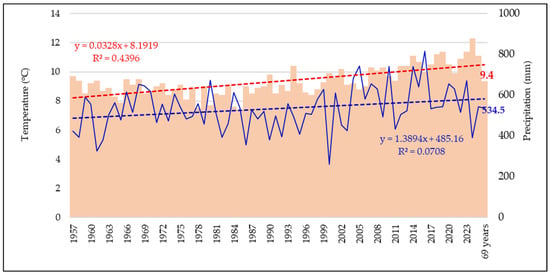
This study evaluated the long-term effects of soil tillage systems on weed dynamics and maize (Zea mays L.) yield in the Transylvanian Plain, Romania, over an eight-year period (2018–2025). A long-term field experiment was established under a split-plot design with four tillage
[...] Read more.
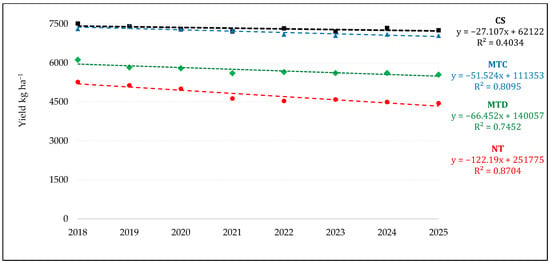
This study evaluated the long-term effects of soil tillage systems on weed dynamics and maize (Zea mays L.) yield in the Transylvanian Plain, Romania, over an eight-year period (2018–2025). A long-term field experiment was established under a split-plot design with four tillage systems: conventional tillage (CS), minimum tillage with chisel (MTC), minimum tillage with disk (MTD) and no-tillage (NT). Results indicated that reduced soil disturbance significantly increased total weed density, with a clear shift in community structure toward perennial species under conservation tillage systems. Weed infestation ranged from 8 to 9 plants m−2 in CS to 18–25 plants m−2 in NT. Maize yield showed a progressive decline with decreasing tillage intensity, from 7283 kg ha−1 in CS to 4725 kg ha−1 in NT. ANOVA results confirmed highly significant effects of tillage system (F = 2451.15; p < 0.001) and year (F = 79.62; p < 0.001), as well as a significant tillage × year interaction (F = 2.15; p < 0.05), indicating temporal variability in treatment responses under changing climatic conditions. Under the specific pedoclimatic conditions of the Transylvanian Plain, reduced tillage systems showed lower maize productivity compared with conventional tillage, indicating that the balance between soil conservation and yield performance depends on local environmental and management conditions.
Full article
Open AccessArticle
Multi-Trait Index-Based Characterization of Putative Drought-Heat Tolerant Gamma-Irradiated Rice Mutants Through Artificial Screening at the Seedling Stage
by
Achmad Kautsar Baharuddin, Amir Yassi, Bambang Sapta Purwoko, Muh Riadi, Amin Nur, Iswari Saraswati Dewi, Reflinur Reflinur, Andi Isti Sakinah, Wijaya Murti Indriatama and Muhammad Fuad Anshori
Crops 2026, 6(4), 73; https://doi.org/10.3390/crops6040073 - 27 Jul 2026
Abstract
►▼
Show Figures
Rice is highly vulnerable to concurrent drought-heat stress, which intensifies the disruption of plant growth and can cause high seedling mortality. Limited genetic diversity further constrains breeding for combined stress adaptation. Thus, mutation breeding has emerged as a solution for inducing beneficial variability
[...] Read more.
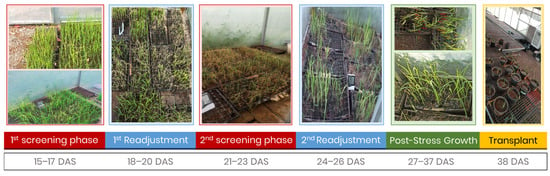
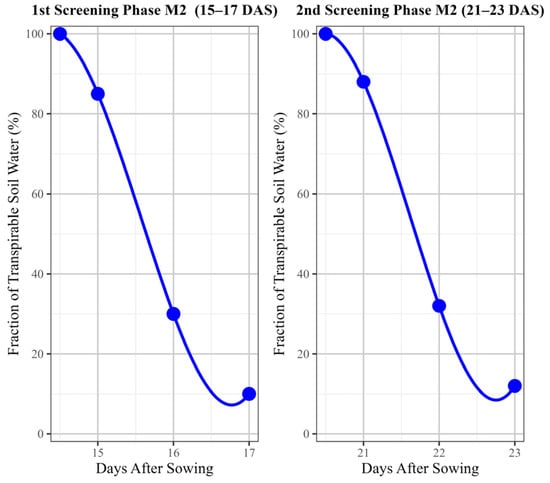
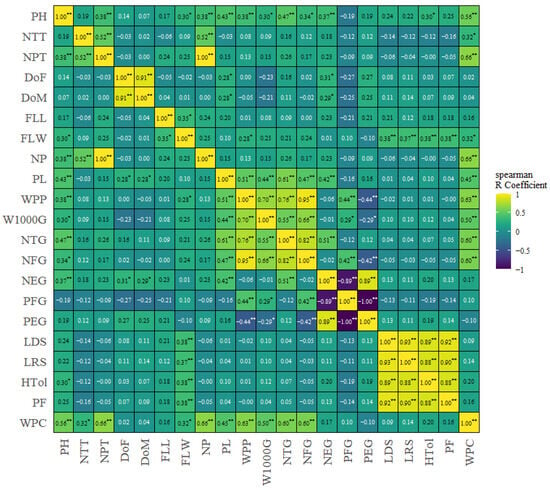
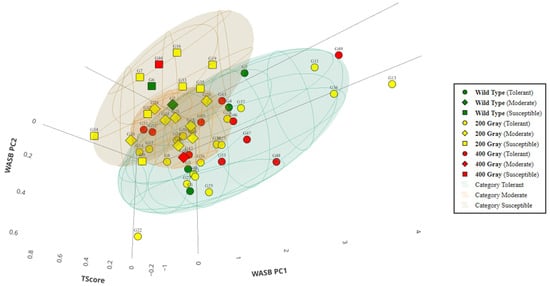
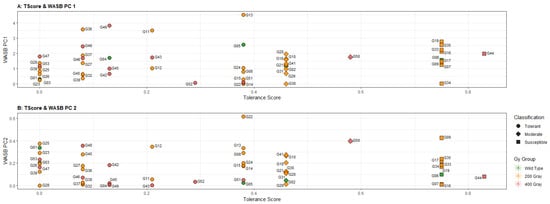
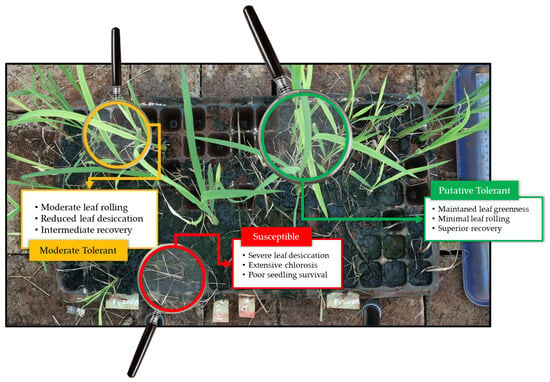
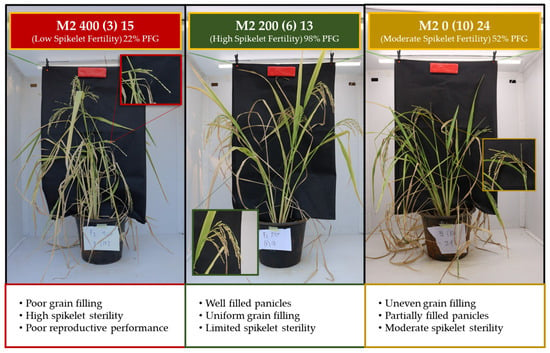
Rice is highly vulnerable to concurrent drought-heat stress, which intensifies the disruption of plant growth and can cause high seedling mortality. Limited genetic diversity further constrains breeding for combined stress adaptation. Thus, mutation breeding has emerged as a solution for inducing beneficial variability in rice genomes. Based on this solution, this study aimed to identify rice mutants tolerant to drought and heat through artificial screening combined with multi-trait index analysis. Experiments were conducted from April to August 2025 at Hasanuddin University in two sequential phases: seedling screening in a controlled stress chamber and pot evaluation under semi-controlled conditions. Mutants were derived from the seeds of the double haploid (DH) rice line HS1-28-1-5, which was previously developed through anther culture and exhibited potential abiotic stress adaptability. DH seeds were exposed to gamma irradiation (200–1000 Gy) as the M1 population. Based on radiosensitivity evaluation, 200 and 400 Gy were selected and used in the present study as the M2 populations. Rice M2 evaluation results indicated that 200 Gy irradiation enhanced phenotypic variability with improved performance, whereas M2 400 Gy resulted in broader but less stable variation. Yield components were strongly associated with weight per clump, with panicle length being the primary direct contributor and weight per panicle mediating indirect effects. Principal component analysis accounted for 89.13% of the total variation, which was predominantly driven by yield traits. Integrated weighted average absolute score–tolerance score analysis classified genotypes into tolerance groups, identifying 33 putative tolerant mutants, with M2 200 Gy mutants demonstrating superior adaptability to drought-heat stress. These findings suggest that moderate irradiation coupled with multi-trait index selection provides a reproducible framework for identifying putative drought-heat-tolerant rice candidates at early stages while retaining relevance to subsequent yield recovery.
Full article

Figure 1
Open AccessArticle
Epidemiology of Cocoa Swollen Shoot Disease (CSSD) on Rehabilitated Cocoa Farms in South-Western Côte d’Ivoire
by
Koffié Kouakou, Antoine Bolou Bi Bolou, Luc Bele, Valentin Luis Fredrik Wolf, Jacques Kobenan Tidiane, Nazaire Kouassi, Anatole Mian, Thomas Kouakou, Christophe Kouamé and Jean-Philippe Marelli
Crops 2026, 6(4), 72; https://doi.org/10.3390/crops6040072 - 27 Jul 2026
Abstract
►▼
Show Figures
This study was conducted to understand the reinfection pattern of cocoa swollen shoot disease (CSSD) in rehabilitated plots in the cocoa landscape of the Nawa region (Soubré) in Côte d’Ivoire. CSSD was monitored over time on a sample of 200 farms randomly selected
[...] Read more.
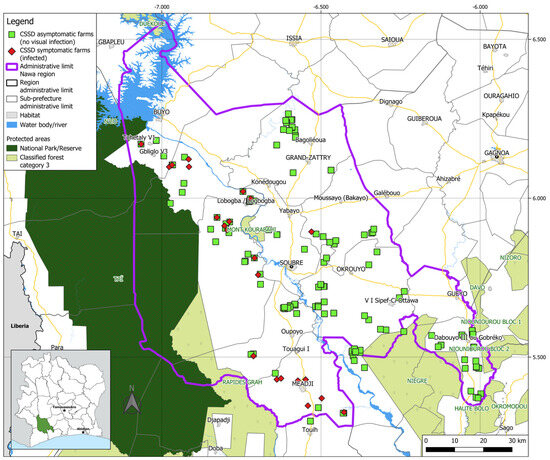
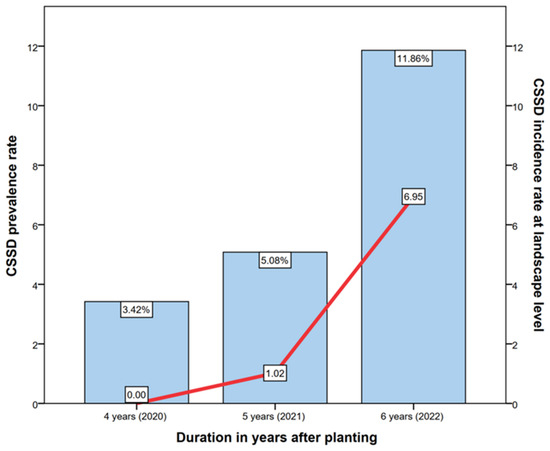
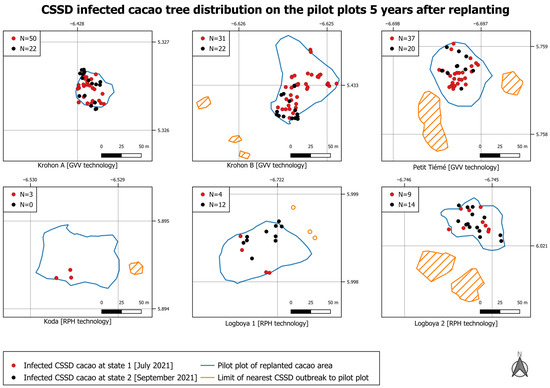
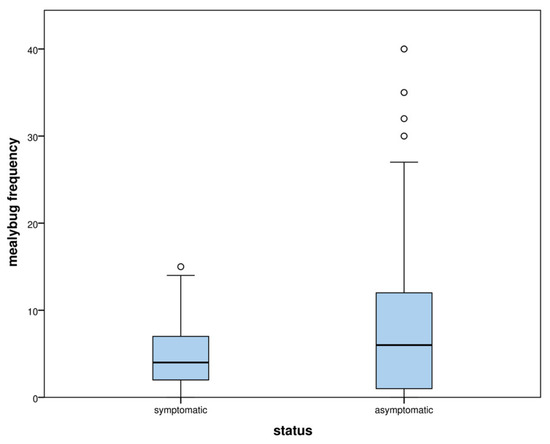
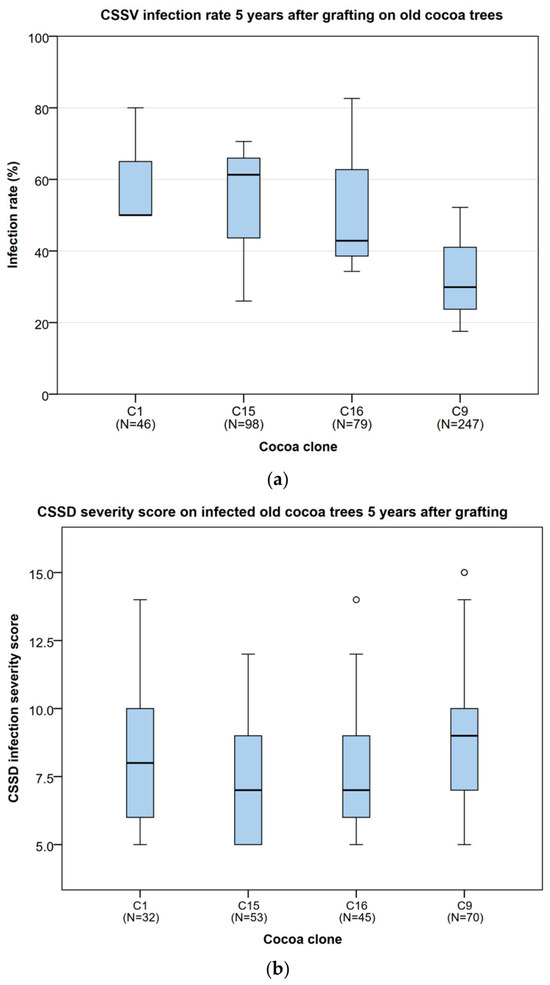
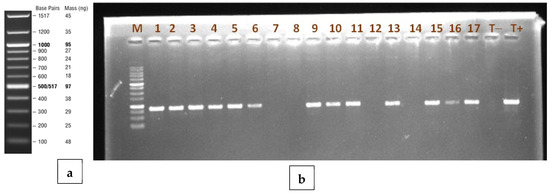
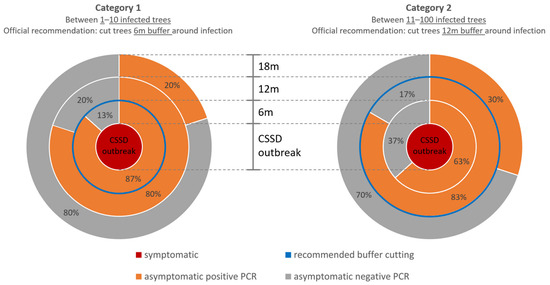
This study was conducted to understand the reinfection pattern of cocoa swollen shoot disease (CSSD) in rehabilitated plots in the cocoa landscape of the Nawa region (Soubré) in Côte d’Ivoire. CSSD was monitored over time on a sample of 200 farms randomly selected from 1200 rehabilitated cocoa farms. Disease epidemiological parameters were assessed through field observations and molecular diagnostic analysis at farm and landscape levels. The results of this study showed that reinfection occurred earlier than expected, with a high disease incidence estimated at 6.95% from 2020 to 2022. Grafting with clones on mature cocoa trees was more susceptible to reinfection than grafting on seedlings and hybrids. The use of PCR as a molecular diagnostic tool indicated missed infections in the current removal strategy when considering the buffer zone recommended in the cutting out process currently in place. Recommendations for the efficient protection of rehabilitated farms after cutting out campaigns are highlighted.
Full article

Figure 1
Open AccessArticle
Aeroponic Growth System and Soil-Based Cultivation: Insights into Mineral Nutrients, Antioxidant Molecules and Antioxidant Activity in Edible Parts of Different Vegetables
by
Lucia Giorgetti, Eliana Lanfranca Tassi, Vincenzo Longo, Massimiliano Leoncini and Lorenza Bellani
Crops 2026, 6(4), 71; https://doi.org/10.3390/crops6040071 - 22 Jul 2026
Abstract
►▼
Show Figures
In this study, the growth of tomatoes, basil, lettuce and courgette in aeroponic versus traditional soil-based cultivation revealed key differences in mineral nutrient content, antioxidant molecules, and antioxidant activity. The aeroponic system yielded comparable or higher concentrations of P (in basil), K (in
[...] Read more.
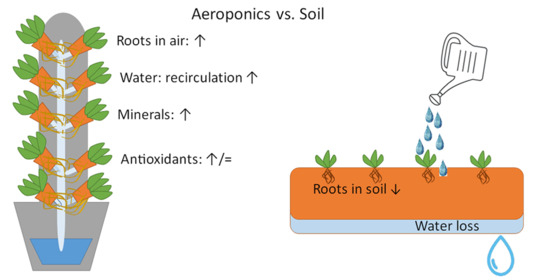
In this study, the growth of tomatoes, basil, lettuce and courgette in aeroponic versus traditional soil-based cultivation revealed key differences in mineral nutrient content, antioxidant molecules, and antioxidant activity. The aeroponic system yielded comparable or higher concentrations of P (in basil), K (in lettuce and basil), Ca and Mg (in all species), Fe (in tomatoes), Mn (in basil, courgette and tomatoes), and Cu and Zn (in courgette). Aeroponic cultivation enhanced or maintained the antioxidant content, with the highest flavonoid levels in basil (75.84 mg QE g−1 DW), followed by lettuce (65.97 mg QE g−1 DW). Consistent with these findings, total antioxidant activity assays were highest in aeroponically grown basil (91.27 ARA%). However, responses varied by crop and maturity stage: DPPH radical-scavenging activity was greater in soil-grown lettuce (92.30 ARA%), while FRAP values were highest in basil in both aeroponic and soil-grown cultures (197.02 and 195.3 mg FeSO4 g−1 DW, respectively). However, the interspecific differences indicate that aeroponic systems cannot be applied uniformly; rather, each species could maximize productivity and quality under appropriate conditions. Overall, aeroponic cultivation proved to be a resource-efficient and sustainable alternative to conventional soil farming, providing comparable or superior nutritional quality and reducing water consumption.
Full article

Graphical abstract
Open AccessArticle
Dynamic Changes in Nutrients and Bioactives During Germination of Two New Mung Bean Cultivars
by
Qingyuan Hu, Chunyang Jiang, Haitao Liu, Suhua Wang, Yang Yao and Lixia Wang
Crops 2026, 6(4), 70; https://doi.org/10.3390/crops6040070 - 17 Jul 2026
Abstract
►▼
Show Figures
Mung bean sprouts are widely consumed for their nutritional value; however, the temporal dynamics of their key nutrients and bioactive compounds during germination remain underexplored, limiting evidence-based strategies for optimizing harvest time and cultivar selection. This study investigated the accumulation patterns of crude
[...] Read more.
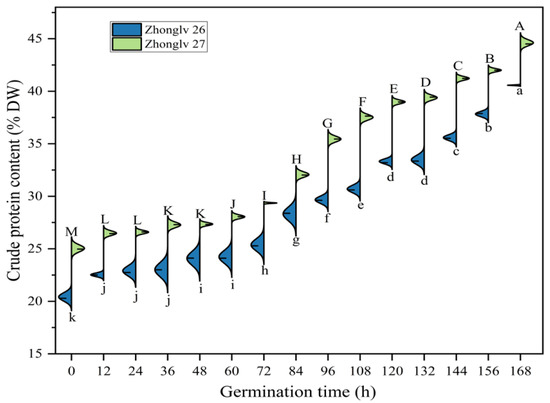
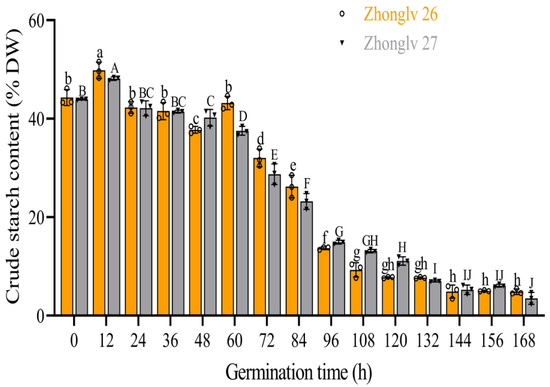
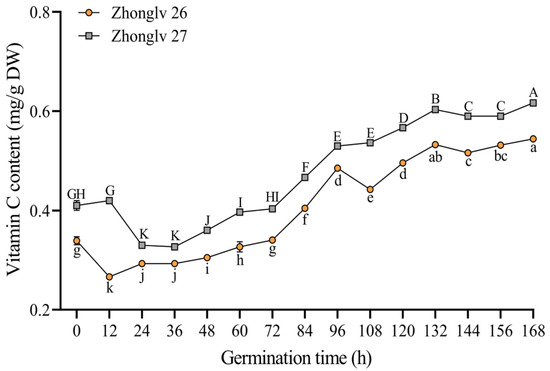
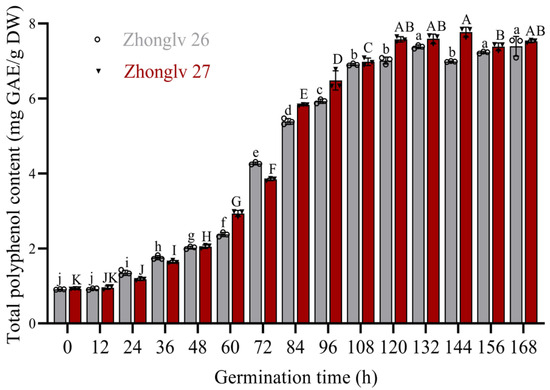
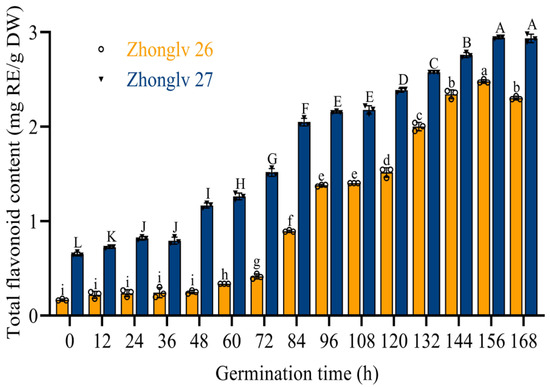
Mung bean sprouts are widely consumed for their nutritional value; however, the temporal dynamics of their key nutrients and bioactive compounds during germination remain underexplored, limiting evidence-based strategies for optimizing harvest time and cultivar selection. This study investigated the accumulation patterns of crude protein, crude starch, vitamin C, total polyphenols, total flavonoids, D-chiro-inositol, vitexin, and isovitexin in two new cultivars (Zhonglv 26 and Zhonglv 27) over a 168 h germination period. Our results revealed that germination consistently enhances protein, vitamin C, polyphenols, flavonoids, and D-chiro-inositol, while reducing starch, vitexin, and isovitexin. Notably, each nutrient reached its maximum at distinct time points—polyphenols at 132–144 h, flavonoids and D-chiro-inositol at 156 h, and protein and vitamin C at 168 h—enabling tailored harvest schedules for specific nutritional goals. Among the cultivars, Zhonglv 27 exhibited higher levels of most measured components, suggesting it may be a more suitable candidate for sprout production aimed at bioactive compound enrichment. These findings establish a time-resolved nutritional framework and may offer useful guidance for producing sprouts with enhanced bioactive content, potentially contributing to the development of value-added sprout products.
Full article

Figure 1
Open AccessArticle
Priming Broad Bean Seeds with Ascorbic, Citric, Nitric, and Salicylic Acids Improves Seedling Tolerance and Alleviates Cr (VI) Toxicity
by
Mohammed Bouhadi, M’hammed El Kouali, Fatima-Zahra Falah, Ayoub Lahmidi, Nora Baouahi, Siham Elmachrafi, Marija Polić Pasković, Igor Pasković, Laila Bennani and Hassan Fougrach
Crops 2026, 6(4), 69; https://doi.org/10.3390/crops6040069 - 17 Jul 2026
Abstract
►▼
Show Figures
Heavy metal stress severely impairs global agricultural productivity, a challenge exacerbated by rising industrial activities. To mitigate chromium (Cr) toxicity in crops, this study evaluated the potential of seed priming with four distinct acids, ascorbic acid (AA), citric acid (CA), nitric acid (NA),
[...] Read more.
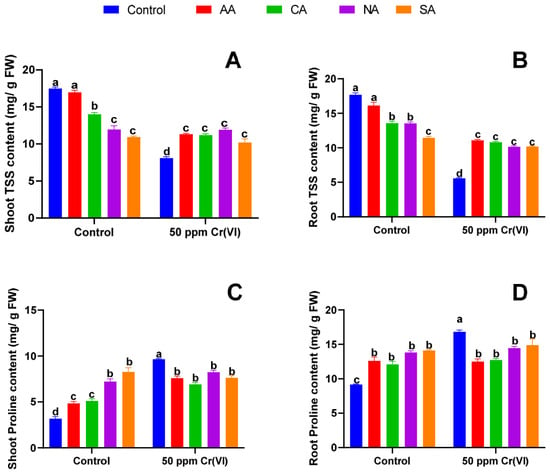
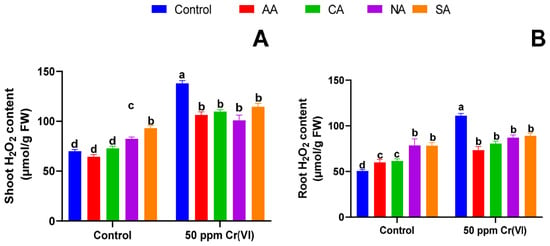
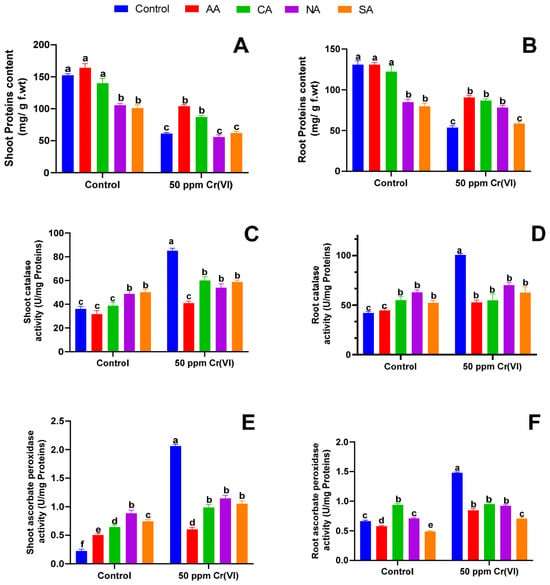
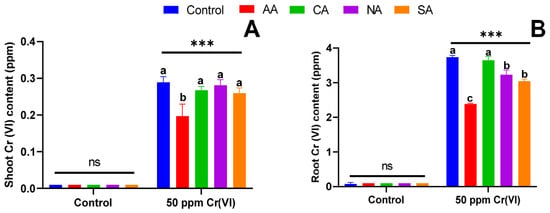
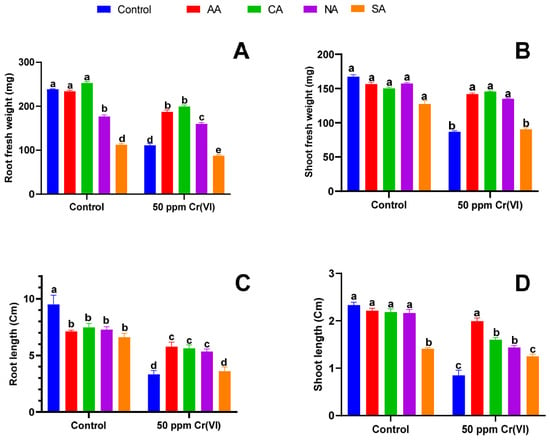
Heavy metal stress severely impairs global agricultural productivity, a challenge exacerbated by rising industrial activities. To mitigate chromium (Cr) toxicity in crops, this study evaluated the potential of seed priming with four distinct acids, ascorbic acid (AA), citric acid (CA), nitric acid (NA), and salicylic acid (SA), on broad bean (Vicia faba L.) seedlings exposed to 50 ppm Cr(VI). Cr(VI) exposure alone severely compromised development, reducing root and shoot fresh biomass by 47% and 52.3% and lengths by 60.8% and 62.19%, respectively. This growth inhibition was mirrored by a massive drop in total soluble sugars (over twofold in shoots and threefold in roots) and a twofold spike in toxic hydrogen peroxide (H2O2) accumulation. However, acidic priming agents effectively protected the seedlings from this oxidative crisis. The co-application of these effectors limited the inhibitory effects of Cr(VI), increasing biomass up to twofold and reducing H2O2 levels by around 32% in roots and 26% in shoots. This reduction in oxidative damage subsequently alleviated cellular stress, restoring protein content (by up to 70.72% in shoots under AA) and bringing catalase (CAT) and ascorbate peroxidase (APX) activities back toward baseline levels, reducing them by more than 50% compared to the unprimed Cr(VI) control. Notably, regarding bioaccumulation, only AA priming significantly limited heavy metal uptake, reducing chromium accumulation by 36.5% in roots and 26.5% in shoots. This unique protection is likely linked to a potential chemical reduction of mobile Cr(VI) near the root boundaries and the regulation of internal osmoprotectant systems. These findings suggest that seed priming with these effectors, especially AA, offers a highly scalable, low-cost, and sustainable strategy for enhancing crop tolerance in heavy-metal-polluted soils.
Full article

Figure 1
Open AccessArticle
Agronomic Performance and Grain Quality of Green Maize as Affected by Cover Crops and No-Till System Stages
by
José Luiz Rodrigues Torres, Bruna de Souza Silveira, Hamilton César de Oliveira Charlo, Arcângelo Loss, Diego Felisbino Fraga, Simone Aparecida da Silva, Luis Felipe Leite Sabino de Oliveira, Maytê Maria Abreu Pires de Melo Silva, Taísa Cristina Tinoco, Fausto Antônio Domingos Júnior, Daniel Rufino Amaral and Dinamar Márcia da Silva Vieira
Crops 2026, 6(4), 68; https://doi.org/10.3390/crops6040068 - 16 Jul 2026
Abstract
This study evaluated the agronomic and bromatological characteristics of green maize grown under different cover crops and developmental stages of the no-till system (NTS) in the Brazilian Cerrado. A randomized block design with a 6 × 3 factorial arrangement and four replications was
[...] Read more.
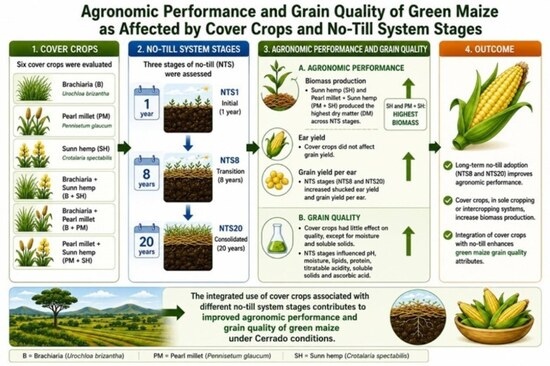
This study evaluated the agronomic and bromatological characteristics of green maize grown under different cover crops and developmental stages of the no-till system (NTS) in the Brazilian Cerrado. A randomized block design with a 6 × 3 factorial arrangement and four replications was used. Six cover crops were evaluated: Brachiaria (B), Pearl millet (PM), Sunn hemp (SH), and mixtures B + SH, B + PM, and PM + SH. Three NTS stages were assessed: initial (1 year, NTS1), transition (8 years, NTS8), and consolidation (20 years, NTS20). Evaluated variables included cover crop dry matter (DM), green maize ear yield with husk (EYH), shucked ear yield (SEY), straw yield (SY), grain yield per ear (GYE), and grain bromatological characteristics: pH, moisture (HU), ash (AS), lipids (LIP), protein (PTN), carbohydrates (CHE), total titratable acidity (TTA), total soluble solids (TSS), and ascorbic acid (AA). SH and the PM + SH mixture produced the highest DM across the NTS stages. Cover crop residues did not affect green maize yield attributes, whereas progression through NTS stages increased SEY, EYH, and GYE. Bromatological quality was mostly unaffected by cover crops, except for moisture and TSS, while NTS stages influenced pH, moisture, LIP, PTN, TTA, TSS, and AA. The integrated use of cover crops, either as sole crops or intercropping systems, associated with long-term no-till adoption, contributes to increased biomass production and improved grain quality attributes of green maize under Cerrado conditions.
Full article
(This article belongs to the Topic Sustainable Food Production and High-Quality Food Supply)
►▼
Show Figures

Graphical abstract
Open AccessArticle
Integrating Crop Types, Yield Products, and Price Forecasting with Explainable AI for Agricultural APIs
by
Ohnmar Khin and Sungkeun Lee
Crops 2026, 6(4), 67; https://doi.org/10.3390/crops6040067 - 14 Jul 2026
Abstract
►▼
Show Figures
The economies of developing countries are mostly dependent on agriculture, with farming serving as many people’s primary source of income. This research aims to enhance agricultural productivity in three primary areas: crop recommendation, yield prediction, and price forecasting. The study uses remote sensing
[...] Read more.
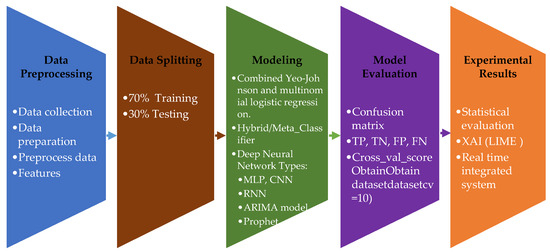
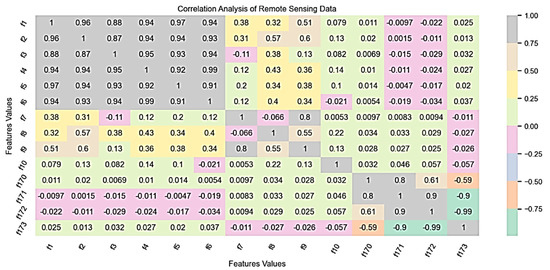
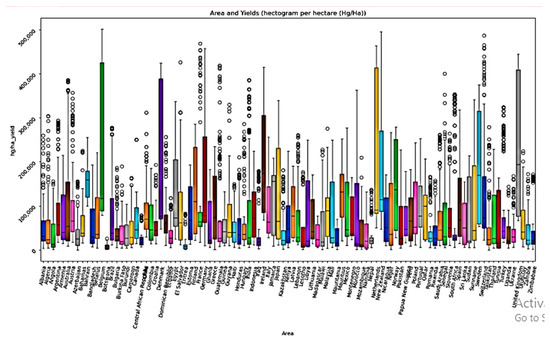
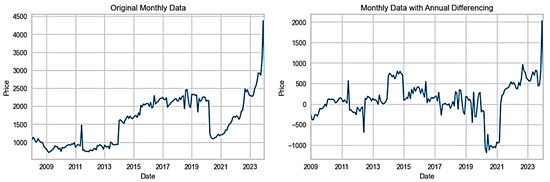
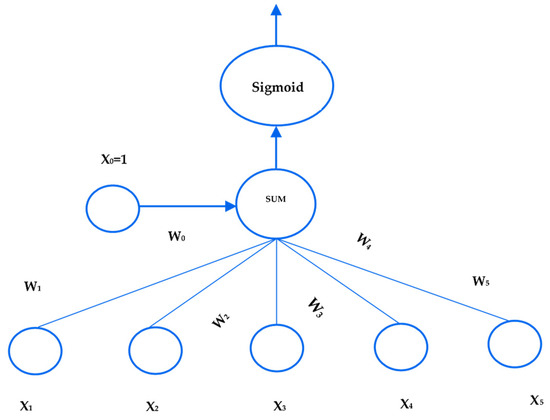
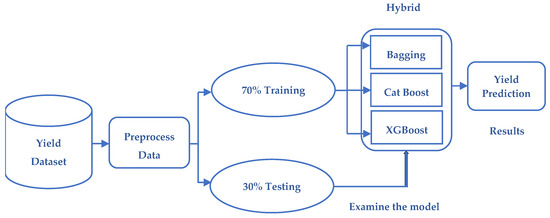
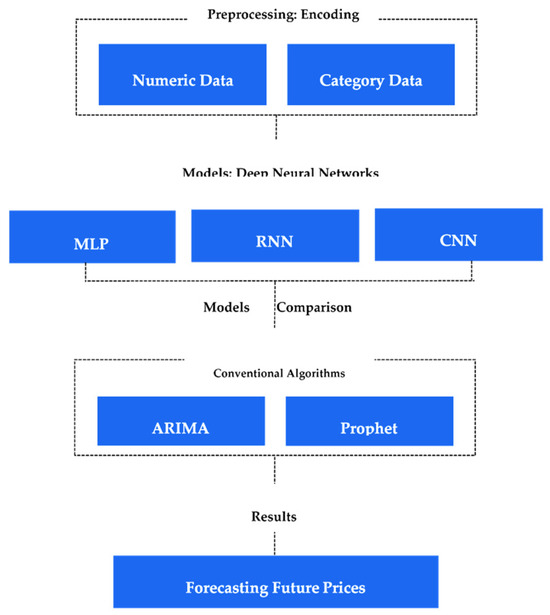
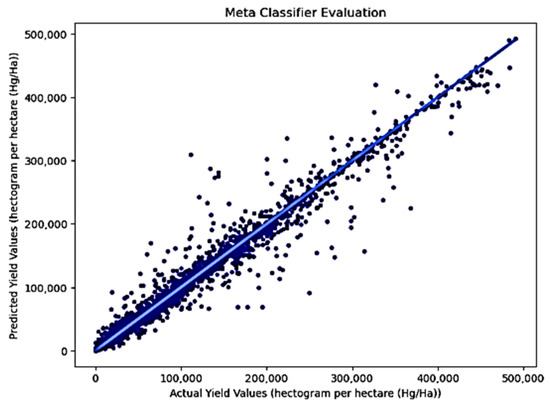
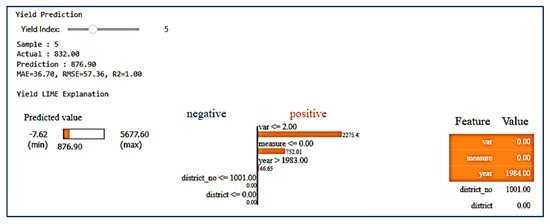
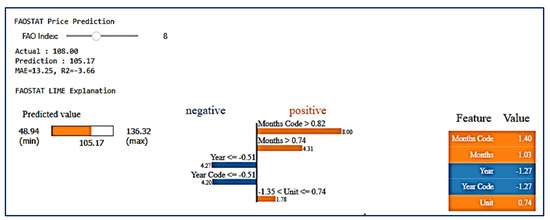
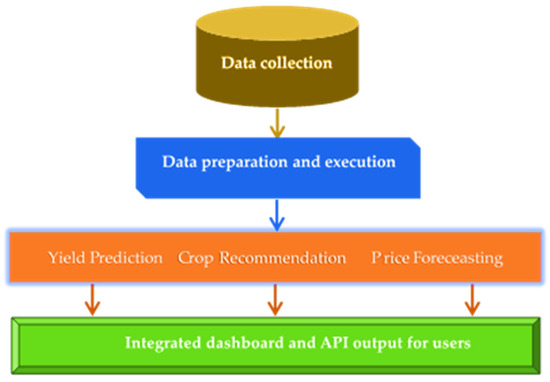
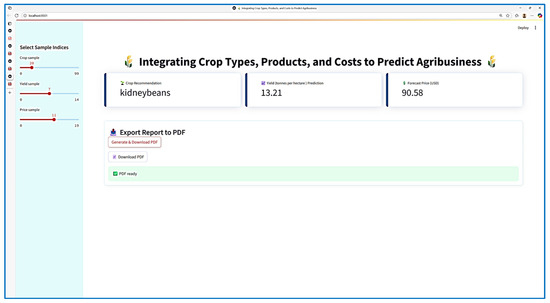
The economies of developing countries are mostly dependent on agriculture, with farming serving as many people’s primary source of income. This research aims to enhance agricultural productivity in three primary areas: crop recommendation, yield prediction, and price forecasting. The study uses remote sensing data and five different datasets to assess prediction in agribusiness. The performance strength is then assessed using statistical analysis and model parameters. The next step is to compare the results with earlier traditional machine learning techniques. Three main approaches are used in this study. (1) Hybrid technique for yield prediction: This method employs the Gradient Boosting Regressor, CatBoost Regressor, and Bagging Regressor to predict agricultural yield utilising the ensemble aggregation technique of stacking. (2) Yeo–Johnson transformer and multinomial logistic regression: A combination model is used to recommend appropriate crop varieties based on remote sensing data to improve precision agriculture. (3) deep Neural Network-based Price Forecasting: The study used deep neural network models, namely a Multi-Layer Perceptron (MLP), a novel application, to predict future crop market prices. The next stage uses real-time LIME deployment to produce fast forecasts. Lastly, there is a correlation between farm integration and workflow, business effect, and performance. This forecast study’s ultimate goal is to provide farmers with thorough crop prediction to meet the growing demand in the agricultural sector. By combining crop selection, production estimation, and market analysis into a single integrated system, the entire framework seeks to enable well-informed agricultural planning. We plan to develop a mobile application in the future that will provide users with access to a multitude of data, making it easier to anticipate different crops for the agricultural market at all times.
Full article

Figure 1
Open AccessArticle
Effects of Medium Supplements on Embryogenesis and the Yield of Regenerants of Different Ploidy Levels from Unpollinated Ovules of Cucurbita pepo L.
by
Alexey Ermolaev, Elena Domblides, Kseniia Stebnitskaia and Olesya Valdeeva
Crops 2026, 6(4), 66; https://doi.org/10.3390/crops6040066 - 7 Jul 2026
Abstract
The aim of this work was to study the influence of various factors (sucrose concentration, silver nitrate, activated charcoal, and plant growth regulators 2.4-D (2.4-Dichlorophenoxyacetic Acid) and TDZ (Thidiazuron)) on the induction of gynogenesis and their effect on eight genotypes of summer squash
[...] Read more.
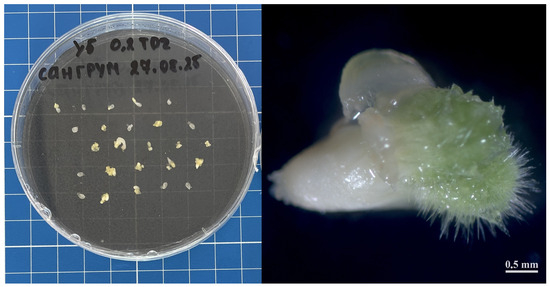
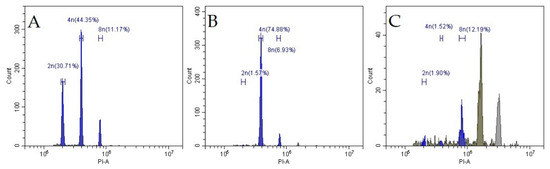
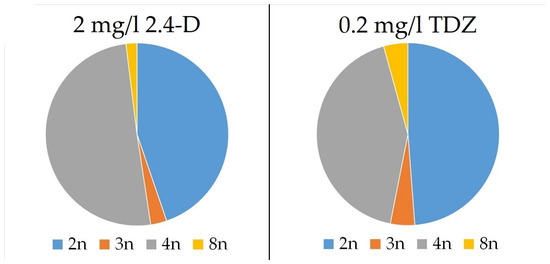
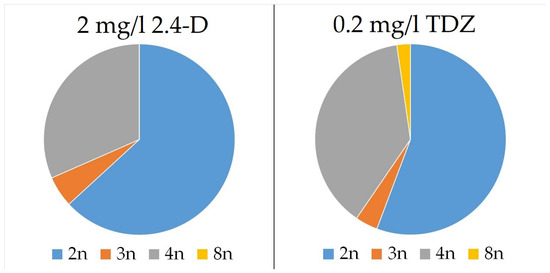
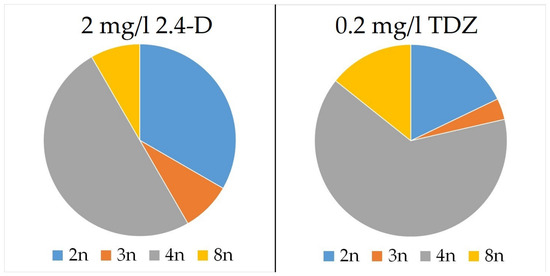
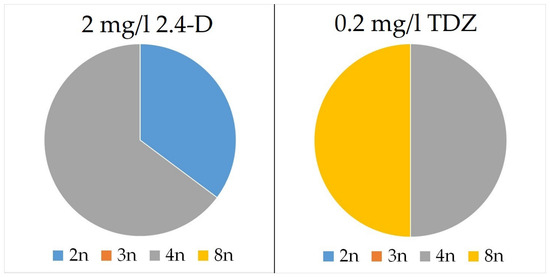
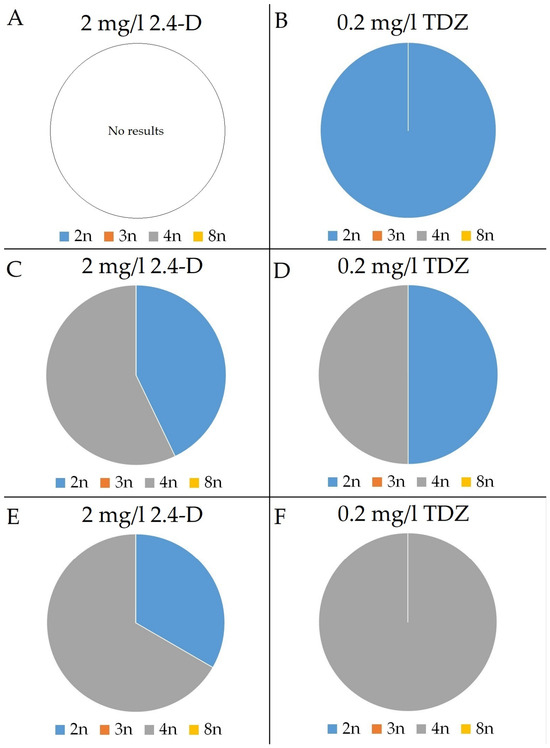
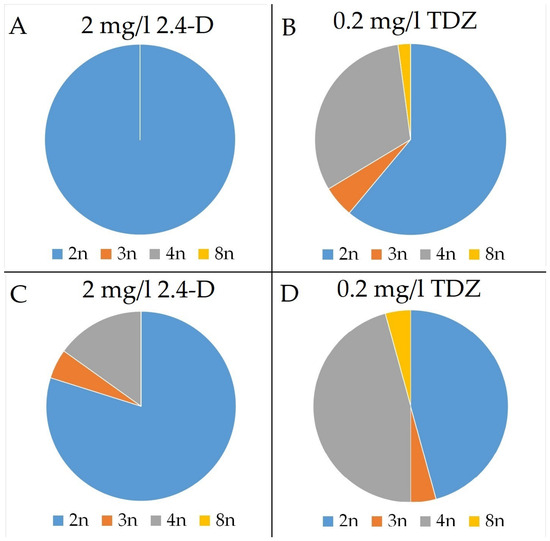
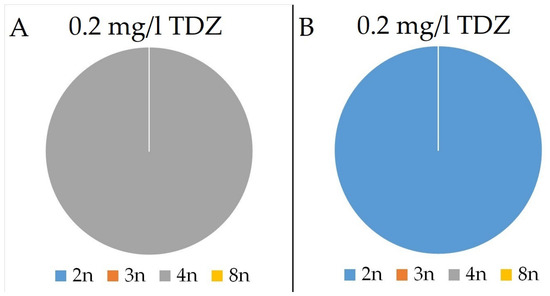
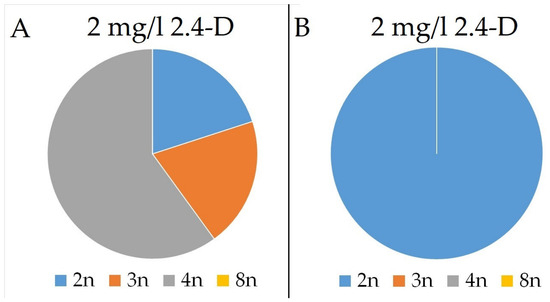
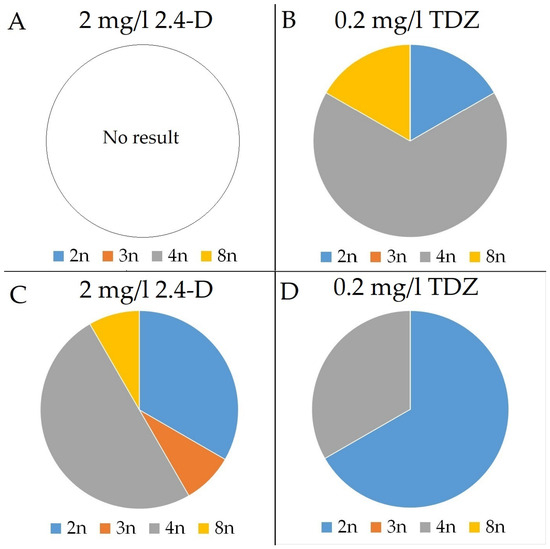
The aim of this work was to study the influence of various factors (sucrose concentration, silver nitrate, activated charcoal, and plant growth regulators 2.4-D (2.4-Dichlorophenoxyacetic Acid) and TDZ (Thidiazuron)) on the induction of gynogenesis and their effect on eight genotypes of summer squash on the ploidy level of regenerated summer squash plants (Cucurbita pepo L.) in isolated ovule culture in vitro. IMC (Induction Medium for Cucurbitaceae) nutrient medium supplemented with 2 mg/L 2.4-D or 0.2 mg/L TDZ was used. It was shown that the optimal sucrose concentration for embryogenesis was 30 g/L; at 70 g/L, embryogenesis was absent. The addition of 10 mg/L AgNO3 in combination with 2.4-D in the genotype Faraon increased the frequency of embryogenesis up to 80%. It was found that a low concentration of activated charcoal (5 mg/L) together with TDZ increased the yield of embryoids by 8.5 times (68% embryogenesis) in the genotype Sangrum. Both growth regulators effectively induce embryogenesis, but their action strongly depends on the genotype and the composition of the nutrient medium. Flow cytometry analysis of 247 regenerant plants adapted to ex vitro conditions of the studied genotypes obtained in this study showed that diploids (2n) accounted for 47.2%, tetraploids (4n) 45.7%, triploids 3.7%, and octoploids 3.4%. Genotype-specificity of growth regulator action was demonstrated: in the genotypes Sangrum and Faraon, TDZ promoted a higher yield of tetraploids, while in the genotype Yakor, 2.4-D was more effective. The obtained tetraploid lines can be used to create seedless triploid hybrids without colchicine treatment. The developed combinations of factors will allow more efficient induction of gynogenesis in summer squash in vitro.
Full article
(This article belongs to the Topic Applications of Biotechnology in Food and Agriculture)
►▼
Show Figures

Figure 1
Open AccessArticle
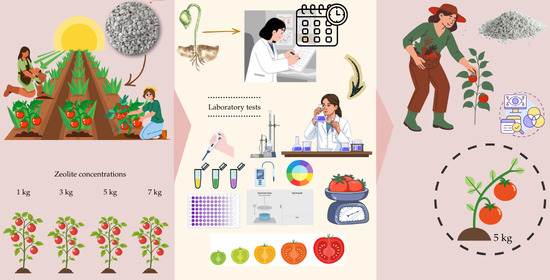
Changes in the Physicochemical Characteristics and Antioxidant Activity of Saladette-Type Tomato (Solanum lycopersicum L.) Grown in Soil Supplemented with Zeolite
by
Jessica Lizbeth Ramirez-Tellez, Luis Delgado-Olivares, Nelly del Socorro Cruz-Cansino, Ernesto Alanis-García, Edgar Arturo Chávez-Urbiola and Esther Ramirez-Moreno
Crops 2026, 6(4), 65; https://doi.org/10.3390/crops6040065 - 3 Jul 2026
Abstract
The rapid pace of urbanization, coupled with the variability in climatic conditions, has led to a marked increase in global food demand. Simultaneously, this phenomenon has resulted in a decline in the overall quality of food, highlighting the need to improve existing agricultural
[...] Read more.
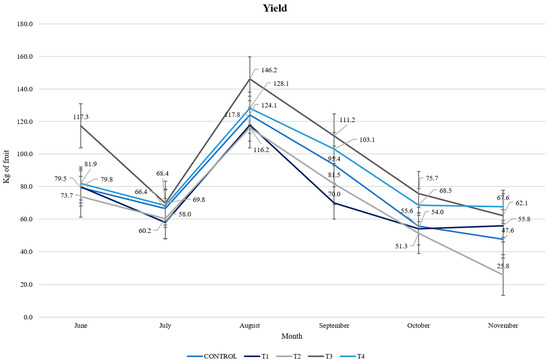
The rapid pace of urbanization, coupled with the variability in climatic conditions, has led to a marked increase in global food demand. Simultaneously, this phenomenon has resulted in a decline in the overall quality of food, highlighting the need to improve existing agricultural production systems. In this context, zeolite has emerged as a promising soil amendment for optimizing its physical properties and crop yields. However, there is limited information on its effects during tomato cultivation, particularly for the Saladette variety (Solanum lycopersicum L.) in Hidalgo, Mexico. This includes the use of this zeolite variety, the evaluation of its antioxidant properties, and its antioxidant activity at different applied concentrations. This study evaluated the effect of different concentrations of zeolite applied to the soil on tomato growth and fruit quality. After crop establishment, the treatments were monitored monthly. The results showed that the application of zeolite significantly improved crop yield, with Treatment 3 (5 kg zeolite plant−1) showing the best performance without affecting the physical characteristics of the fruit. The tomatoes maintained adequate commercial standards, with weights ranging from 104 a 169 g, sizes from 5.16 to 6.20 cm, and firmness values between 1.19 and 2.27 N; therefore, this treatment was selected for the determination of the antioxidant activity on the fruits. Furthermore, an increase in antioxidant capacity was observed, reaching 5.50 µmol TE/100 g of dry sample in the DPPH antioxidant capacity test. This demonstrates that zeolite application positively influences the quality and antioxidant capacity of tomatoes. This suggests that zeolite could be used in various crops, potentially improving the quality of the final product and offering health benefits to consumers thanks to the antioxidant compounds generated during harvest. However, further studies are needed to determine the optimal application rates and the long-term effects on soil health and crop productivity.
Full article
(This article belongs to the Topic Applications of Biotechnology in Food and Agriculture)
►▼
Show Figures

Graphical abstract
Open AccessArticle
Placement and Rate of Cricket Frass Regulate Fertility Restoration and Chinese Kale Biomass in Tropical Acidic Sandy Soil
by
Supada Jumpol and Somchai Butnan
Crops 2026, 6(4), 64; https://doi.org/10.3390/crops6040064 - 3 Jul 2026
Abstract
►▼
Show Figures
The extent to which cricket frass placement and rate regulate fertility restoration and crop response in tropical acidic sandy soil remains insufficiently resolved. This greenhouse bioassay tested whether incorporated or surface-applied cricket frass differentially improved soil fertility and Chinese kale biomass, and whether
[...] Read more.
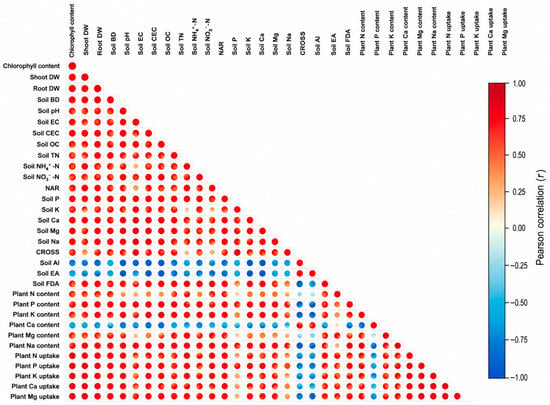
The extent to which cricket frass placement and rate regulate fertility restoration and crop response in tropical acidic sandy soil remains insufficiently resolved. This greenhouse bioassay tested whether incorporated or surface-applied cricket frass differentially improved soil fertility and Chinese kale biomass, and whether these responses were rate-dependent. Cricket frass was applied by incorporation or surface placement at 3.125, 6.25, and 12.5 Mg (tonnes) ha−1 and compared with an unamended control. The frass had pH of 6.95, EC 19.6 mS cm−1, 10.7 g N kg−1, 8446 mg P kg−1, and 12,425 mg K kg−1 and a C:N ratio of 16.8. At 12.5 Mg ha−1, incorporation produced the greatest shoot dry biomass (7.16 g plant−1), exceeding surface placement (4.78 g plant−1) and the control (1.70 g plant−1). High-rate incorporation increased NH4+–N, net ammonification, available P, and microbial activity, reduced exchangeable acidity, and promoted greater nutrient uptake. Pearson correlation analysis showed that shoot biomass was strongly associated with plant nutrient uptake, soil P, pH, CEC, NH4+–N, and net ammonification, and was negatively associated with soil Al and exchangeable acidity. Both placement methods improved fertility and yield relative to the control, but incorporation was superior at the high rate. Surface placement remains useful where soil disturbance must be minimized, although field validation with larger soil volumes and rainfall-driven processes is required.
Full article

Figure 1
Open AccessArticle
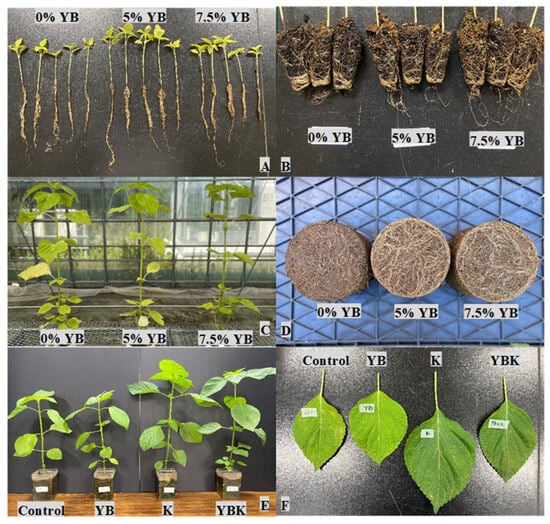
Auxin Treatment Enhances Adventitious Rooting While Genotype Modulates Root Elongation and Basal Callus Formation in Coffea arabica Cuttings
by
Jamil Delgado-Rafael, Raúl Vargas, Robin Oblitas-Delgado, Jois V. Carrion, Amilcar Valle-Lopez, Jhon Edler Lopez-Merino, Edinson Pooll Acuña-Ramirez, Jose Luis Pinedo-Mas, Eyner Huaman and Manuel Oliva-Cruz
Crops 2026, 6(4), 63; https://doi.org/10.3390/crops6040063 - 29 Jun 2026
Abstract
Adventitious rooting remains a major constraint for the clonal propagation of Coffea arabica, limiting the large-scale multiplication of elite genotypes. This study evaluated the effects of genotype, auxin treatment, and their interaction on adventitious rooting and basal callus formation in coffee cuttings
[...] Read more.
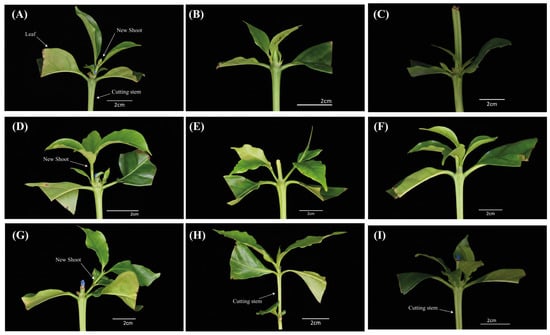
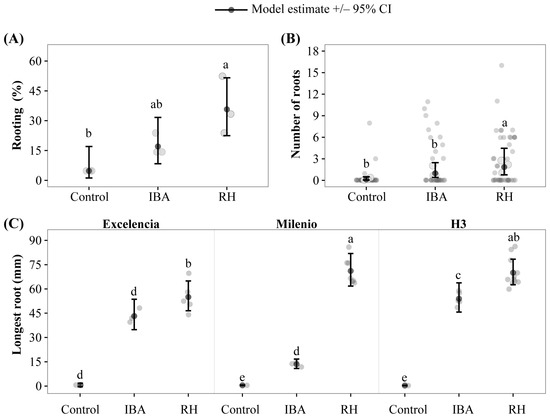
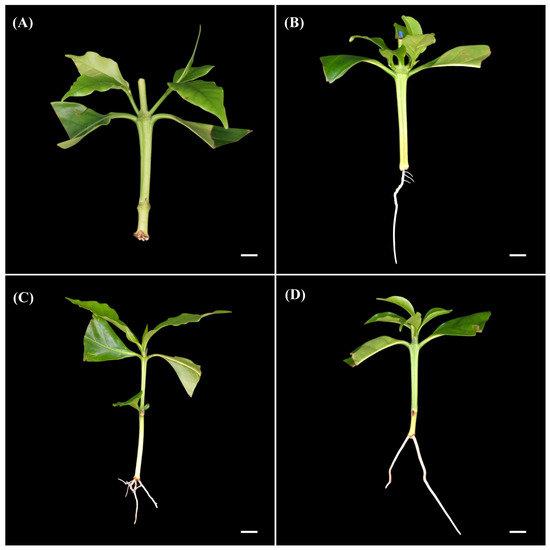
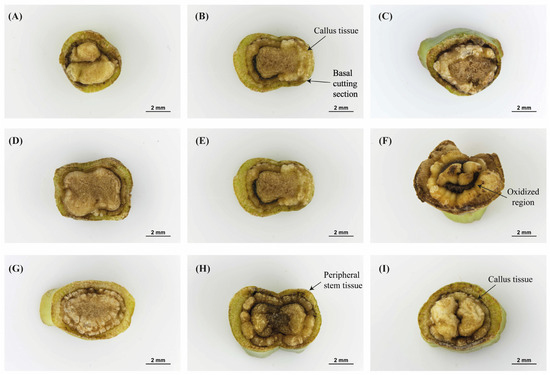
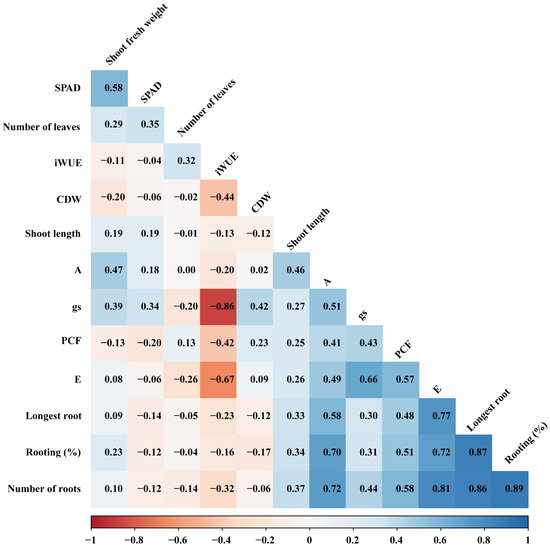
Adventitious rooting remains a major constraint for the clonal propagation of Coffea arabica, limiting the large-scale multiplication of elite genotypes. This study evaluated the effects of genotype, auxin treatment, and their interaction on adventitious rooting and basal callus formation in coffee cuttings under controlled nursery conditions, while morphophysiological traits were assessed as complementary indicators of cutting performance. A completely randomized 3 × 3 factorial design was used, including three hybrids (H3, Excelencia, and Milenio) and three plant growth regulator (PGR) treatments: control, indole-3-butyric acid (IBA), and a commercial auxin formulation (RH; NAA + IBA). Rooting probability and root number were significantly affected by PGR treatment, whereas the longest root length was influenced by hybrid, PGR treatment, and their interaction. Model-estimated rooting probability increased from 4.76% in the control to 17.05% under IBA and 35.73% under RH. Similarly, the estimated number of roots per cutting increased from 0.14 in the control to 0.99 under IBA and 1.85 under RH. Although the hybrid × PGR interaction was not significant for rooting probability, the highest observed rooting percentage was recorded in H3 under RH (52.38%), followed by Milenio under RH (33.33%). For the longest root length, the strongest responses were observed under RH, particularly in Milenio (71.15 mm) and H3 (70.08 mm). Callus formation varied among treatments, but its association with rooting performance was weak and inconsistent. Morphophysiological traits provided complementary information on cutting status but were not interpreted as direct mechanistic drivers of rooting. These findings indicate that adventitious rooting in C. arabica was more closely associated with genotype-dependent responsiveness to exogenous auxin than with the extent of callus formation. However, anatomical studies are needed to determine the developmental origin of root primordia and their possible relationship with callus tissue.
Full article
(This article belongs to the Topic Applications of Biotechnology in Food and Agriculture)
►▼
Show Figures

Figure 1
Open AccessArticle
Enhancement of Glucosinolate Content in Camelina sativa (L.) Crantz Sprouts
by
Incoronata Galasso, Sara Pozzo, Ida Melania Brambilla and Elena Ponzoni
Crops 2026, 6(4), 62; https://doi.org/10.3390/crops6040062 - 29 Jun 2026
Abstract
►▼
Show Figures
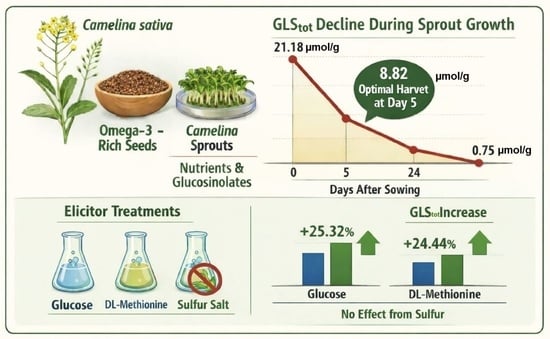
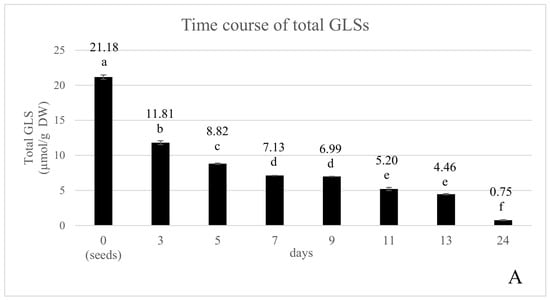
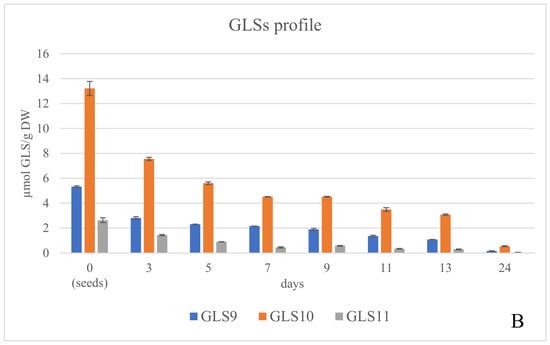
Camelina sativa sprouts were investigated as a source of glucosinolates (GLSs), and their modulation in response to germination time and elicitor treatments was evaluated. Total GLS content significantly decreased during sprouting, from 21.18 µmol/g DW in seeds to 0.75 µmol/g DW at 24
[...] Read more.
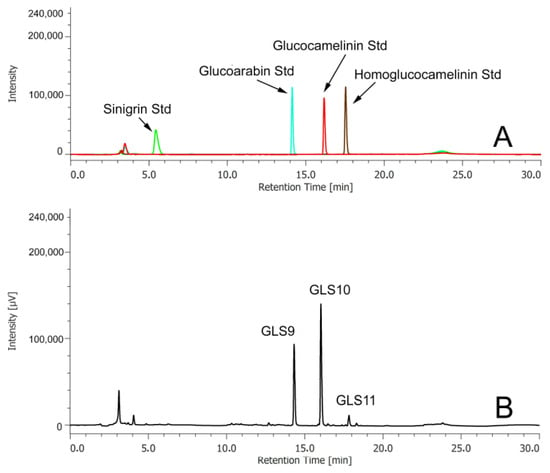
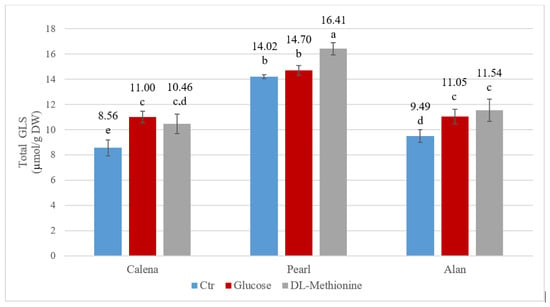
Camelina sativa sprouts were investigated as a source of glucosinolates (GLSs), and their modulation in response to germination time and elicitor treatments was evaluated. Total GLS content significantly decreased during sprouting, from 21.18 µmol/g DW in seeds to 0.75 µmol/g DW at 24 days, with 5-day-old sprouts selected as the optimal harvest stage, with 8.82 ± 0.08 µmol g−1 DW. HPLC analysis identified three major aliphatic GLSs (GLS9, GLS10, GLS11), with GLS10 being the most abundant. Prior to treatment, tolerance assays showed that glucose (75 mM) and DL-methionine (2.5 mM) significantly increased total GLS content, whereas sulfur supplementation had no effect. Genotype-dependent responses were observed among Calena, Alan, and Pearl sprouts. Two-way ANOVA revealed a significant interaction between genotype and elicitor for total GLS content. Glucose and DL-methionine enhanced GLS accumulation in a cultivar-specific manner, with DL-methionine being more effective in Pearl, while Calena and Alan were more responsive to glucose. Sulfur treatments did not induce GLS accumulation in any genotype or condition tested. At the individual compound level, GLS9 was consistently increased by both elicitors, whereas GLS10 and GLS11 showed genotype and treatment-specific responses. Overall, these findings highlight the potential to increase the total GLS content in camelina sprouts through targeted elicitation and cultivar selection. By optimizing elicitor type, concentration, and timing, camelina sprouts could become a richer source of bioactive compounds.
Full article

Graphical abstract
Open AccessEditor’s ChoiceArticle
Growth, Mineral Nutrition, and Yield Responses of Perilla frutescens to Bacillus- and Aspergillus-Based Amendments in Soils Affected by Radiocesium Contamination in Fukushima
by
Salem Djedidi, Hideki Ishii, Takehisa Kumagai, Naoto Nihei and Youji Nitta
Crops 2026, 6(4), 61; https://doi.org/10.3390/crops6040061 - 25 Jun 2026
Abstract
►▼
Show Figures
The Fukushima nuclear accident caused widespread radiocesium contamination, and subsequent decontamination reduced soil fertility by removing nutrient-rich topsoil. Although biological amendments have been widely investigated for soil improvement, their potential to restore crop productivity in decontaminated Fukushima soils remains poorly understood. This study
[...] Read more.
The Fukushima nuclear accident caused widespread radiocesium contamination, and subsequent decontamination reduced soil fertility by removing nutrient-rich topsoil. Although biological amendments have been widely investigated for soil improvement, their potential to restore crop productivity in decontaminated Fukushima soils remains poorly understood. This study evaluated a Bacillus-based biofertilizer (Yume-Bio) and an Aspergillus fermentation product (kouji) as biological amendments for restoring crop productivity in decontaminated soils. Pot and field experiments were conducted to assess their effects on the growth, mineral nutrition, and seed yield of Perilla frutescens grown in decontaminated Fukushima soils. In pot experiments, Yume-Bio showed no significant effects on plant growth, although slight root improvement was observed. In contrast, application of kouji alone or in combination with Yume-Bio significantly enhanced plant growth, increasing leaf number by 112% and improving biomass production. Nutrient accumulation was also promoted, with total N and Fe increasing by 170% and 194%, respectively. In field experiments at two sites in Fukushima, treatment effects were limited and generally non-significant. These results indicate that kouji has potential to enhance plant growth under controlled conditions, while the effectiveness of biological amendments under field conditions remains site-dependent, highlighting the need to optimize application strategies under heterogeneous soil conditions.
Full article

Figure 1
Open AccessArticle
Legume Performance in the Foloi Region (Western Greece): A First Step for Agricultural Revitalization in the Plateau
by
Ioannis Gazoulis, Aikaterini Kasimati, Nikolaos Antonopoulos, Panagiotis Kanatas, Metaxia Kokkini, Andreas Rekkas and Ilias Travlos
Crops 2026, 6(3), 60; https://doi.org/10.3390/crops6030060 - 22 Jun 2026
Abstract
►▼
Show Figures
Legume cultivation offers a chance for agricultural development on lands that have been abandoned over the years. In this study, simple agronomic indicators on the growth and yield of faba bean (Vicia faba L.), pea (Pisum sativum L.), and white lupin
[...] Read more.
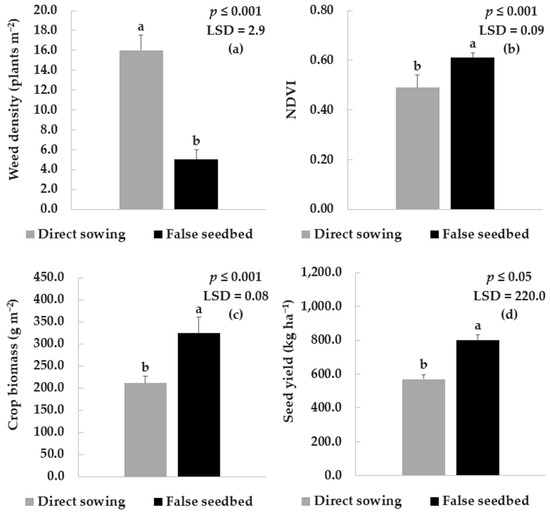
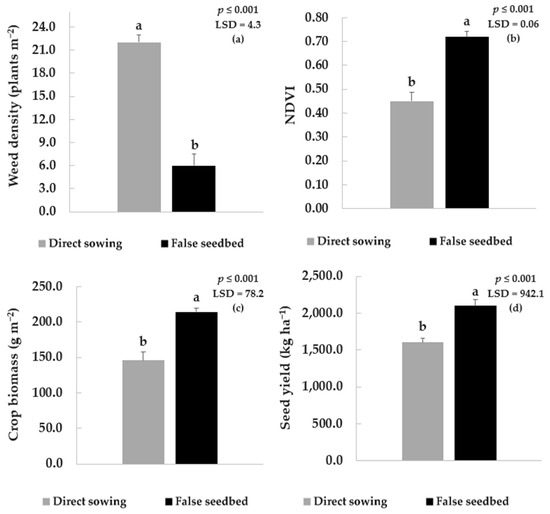
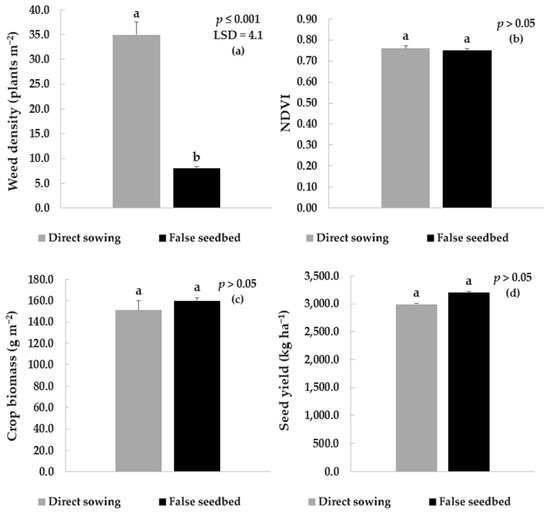
Legume cultivation offers a chance for agricultural development on lands that have been abandoned over the years. In this study, simple agronomic indicators on the growth and yield of faba bean (Vicia faba L.), pea (Pisum sativum L.), and white lupin (Lupinus albus L.) were assessed on the abandoned agricultural lands of Foloi Plateau in Western Greece. Field trials were conducted from October 2023 to July 2025, and the legumes were grown either according to the false seedbed concept or with conventional seedbed preparation practices (direct sowing). The false seedbed involves pre-sowing weed control following initial seedbed preparation, and in these trials, it suppressed weed density by 62–77%. The Normalized Difference Vegetation Index (NDVI) of faba bean and pea increased by 13% on the false seedbed plots, while white lupin NDVI was not affected by treatments (p ≥ 0.05). Destructive crop biomass measurements were in accordance with NDVI assessments. Faba bean and pea seed yield demonstrated an increase of 17% and 23%, respectively, in the false seedbed plots compared to direct sowing plots. White lupin seed yield was not significantly affected by false seedbed (p ≥ 0.05). This study provides preliminary evidence supporting the use of legume crops as a component of sustainable agricultural revitalization in the Foloi region. However, further research is required to optimize legume cultivation on the abandoned lands of the wider region as a first step towards the agricultural revitalization in the Plateau.
Full article

Figure 1
Open AccessArticle
Joint Modeling of Grain Yield and Root Lodging in Maize Using Multi-Output Neural Network and Machine Learning Models Under Defined Environmental Conditions
by
Dušan Dunđerski, Božana Purar, Anja Đurić, Maja Tanasković, Dušan Stanisavljević and Goran Bekavac
Crops 2026, 6(3), 59; https://doi.org/10.3390/crops6030059 - 22 Jun 2026
Abstract
We evaluated a multi-output neural network framework for jointly analyzing maize grain yield (GY) and root lodging percentage (LP) using above-ground morphological traits measured under defined environmental conditions. To address model robustness, the multi-output neural network was compared with linear regression, elastic net,
[...] Read more.
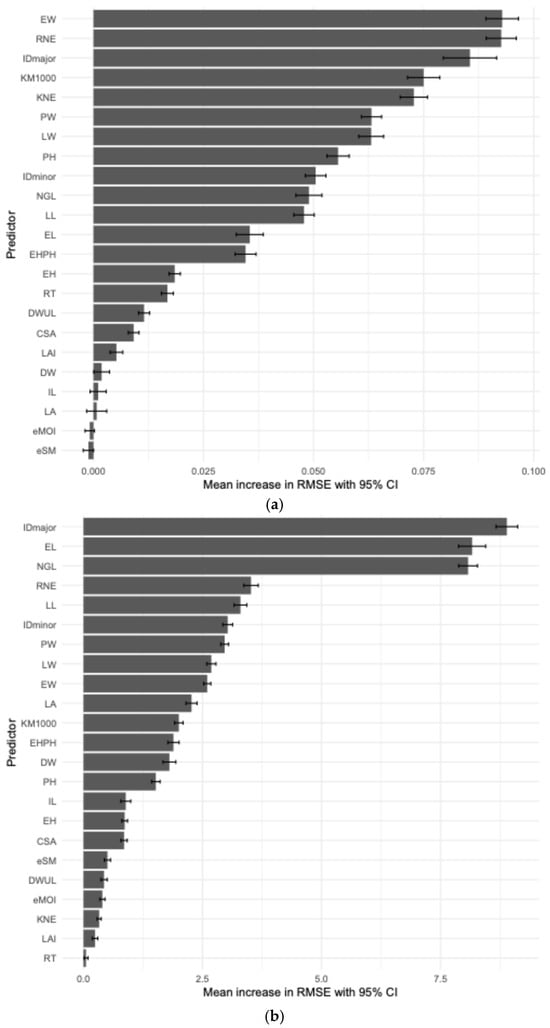
We evaluated a multi-output neural network framework for jointly analyzing maize grain yield (GY) and root lodging percentage (LP) using above-ground morphological traits measured under defined environmental conditions. To address model robustness, the multi-output neural network was compared with linear regression, elastic net, random forest, and XGBoost using repeated five-fold cross-validation, an 80/20 holdout split, and independent year-wise validation. Under repeated cross-validation, XGBoost provided the strongest average predictive performance for both traits, with R2 values of 0.57 for GY and 0.67 for LP. The multi-output neural network showed moderate performance, with R2 values of 0.49 for GY and 0.57 for LP. Final holdout performance for the neural network for GY and LP was R2 = 0.64 and R2 = 0.92, respectively. Year-wise validation showed weak temporal transferability because the two seasons differed not only in environmental conditions, but also in lodging mechanism. Repeated permutation importance identified ear width (EW), kernel row number (RNE), thousand kernel mass (KM1000), and kernel number per ear (KNE) as important predictors of GY, while LP prediction was most strongly associated with internode major diameter (IDmajor), ear length (EL), and the number of green leaves (NGL). Across both permutation importance and SHAP, only RNE and NGL were consistently shared between GY and LP. Supplementary ALE diagnostics indicated that RNE showed increasing model-estimated effects for both predicted GY and LP, whereas NGL showed a positive association with predicted GY but a decreasing or nonlinear association with predicted LP. These results show that joint modeling can support exploratory trait interpretation, but the predictive relationships remain environment-specific and should not be interpreted as causal or broadly transferable without further multi-environment validation.
Full article
(This article belongs to the Topic Advances in Cultivation Techniques for Increasing Crop Yield)
►▼
Show Figures

Figure 1
Open AccessArticle
Field Epidemiology of Huanglongbing: High Psyllid Density, Disease Severity, and an Alternative Host in Northern Thailand
by
Jiraporn Sangta, Tibet Tangpao, Kanyakorn Piraonapicha, Kawiporn Chinachanta, Chetsada Chainanti, Tuan Nguyen and Sarana Rose Sommano
Crops 2026, 6(3), 58; https://doi.org/10.3390/crops6030058 - 17 Jun 2026
Abstract
►▼
Show Figures
This study investigated the epidemiology and incidence of citrus Huanglongbing (HLB) disease in citron (Citrus medica L.) under varying field conditions. This research specifically aimed to quantify disease severity, assess populations of the primary vector, the Asian citrus psyllid (Diaphorina citri
[...] Read more.
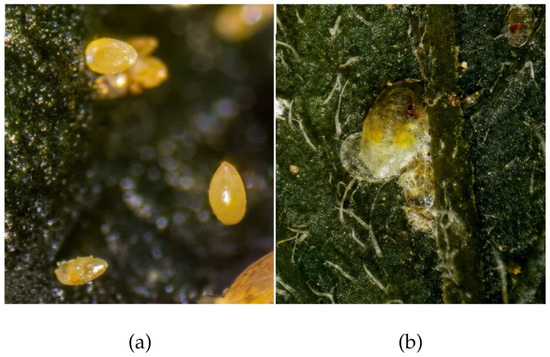
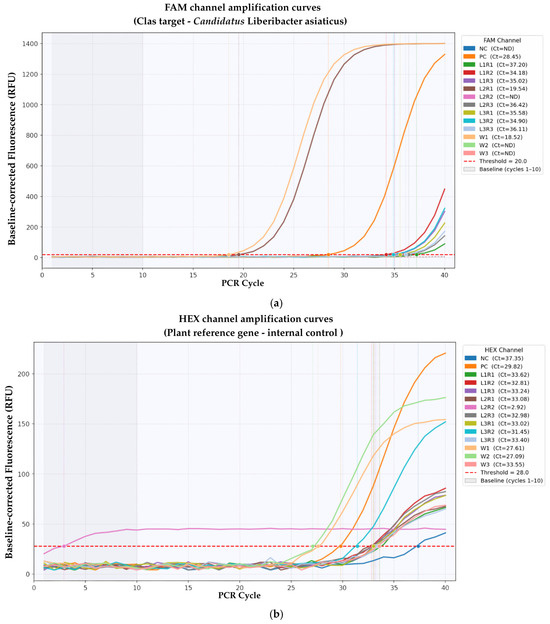
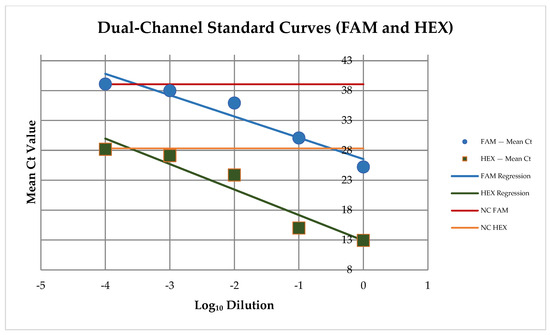
This study investigated the epidemiology and incidence of citrus Huanglongbing (HLB) disease in citron (Citrus medica L.) under varying field conditions. This research specifically aimed to quantify disease severity, assess populations of the primary vector, the Asian citrus psyllid (Diaphorina citri), and identify potential alternative host plants sustaining the vector and the pathogen. Field surveys were executed across three sites characterised by distinct elevations and management practices. Site-level soil nutrient profiles exhibited moderate acidity (pH 4.67–5.74) and significant differences in organic matter and nitrogen. These findings suggest that localised deficiencies in calcium and boron may exacerbate disease severity, contributing to the varied epidemiological patterns observed across sites. Analysis revealed that both HLB disease severity and D. citri population density were significantly influenced by altitude, field condition, and orchard management. The low-elevation site (860 m above sea level (ASL)), characterised by poor maintenance, exhibited the highest mean psyllid populations (averaging 13 individuals per sticky trap per day) and the most severe disease symptoms. Conversely, the high-elevation site (1674 m ASL) displayed significantly lower infection rates and healthier tree conditions. Symptomatic citron trees across all sites consistently exhibited characteristic HLB foliar and fruit symptoms (blotchy mottle and lopsided fruits). Quantitative Polymerase Chain Reaction (qPCR) successfully detected the causal agent, Candidatus Liberibacter asiaticus (CLas), in symptomatic citron samples from all locations, with the highest relative fold-change (2−ΔΔCt = 4628.24). Crucially, multiple developmental stages of D. citri were observed infesting the common weed Bidens pilosa. Furthermore, qPCR confirmed the presence of CLas DNA within the B. pilosa tissue itself (2−ΔΔCt = 210.84). This finding constitutes the first field-based evidence that B. pilosa can serve as a novel alternative host that supports both the D. citri vector and the CLas pathogen. These results establish citron as a highly susceptible host and identify B. pilosa as a new, critical epidemiological link in the HLB transmission cycle, thereby underscoring the necessity for integrated, landscape-level disease management strategies.
Full article

Figure 1
Open AccessArticle
Evaluating Seedling Vigor of Soybean Genotypes of Various Maturity Groups Following Short and Prolonged Seed Exposure to Abiotic Stress
by
Miglena Revalska, Mariana Radkova and Anelia Iantcheva
Crops 2026, 6(3), 57; https://doi.org/10.3390/crops6030057 - 17 Jun 2026
Abstract
►▼
Show Figures
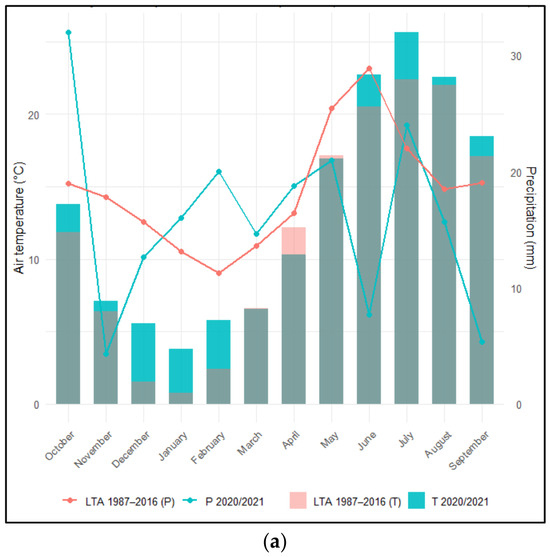
This study investigated the vigor and molecular responses of soybean (Glycine max) seedlings belonging to cultivars from various maturity groups under simulated abiotic stress. Seeds and seedlings were subjected to varying concentrations of NaCl (150–300 mM) and PEG-6000 (20–30%), during long-term
[...] Read more.
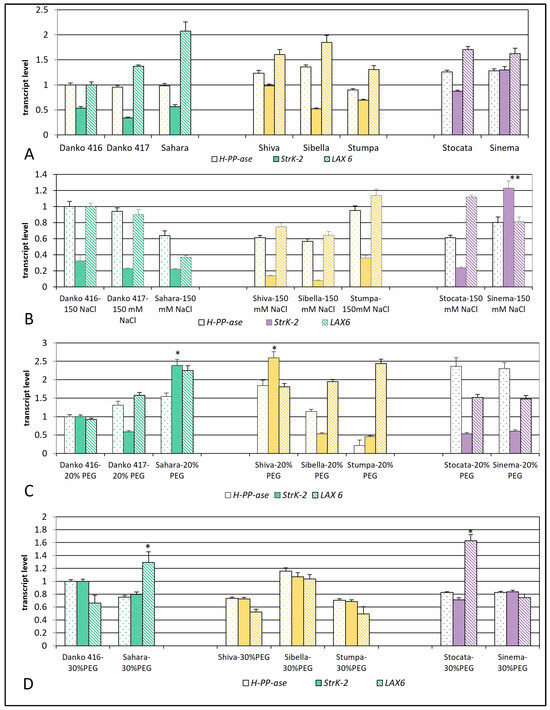
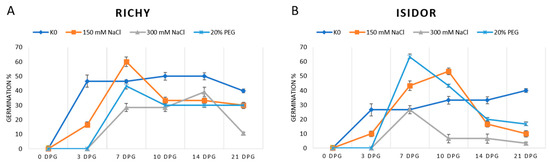
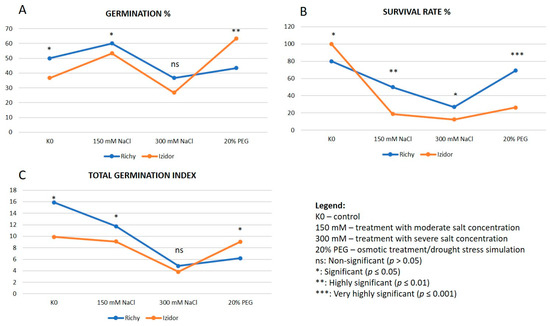
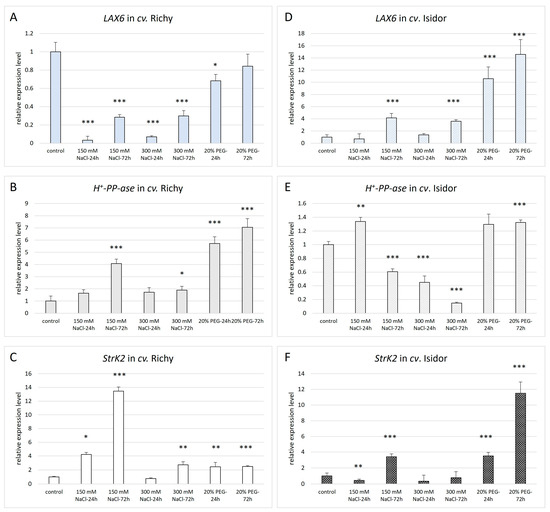
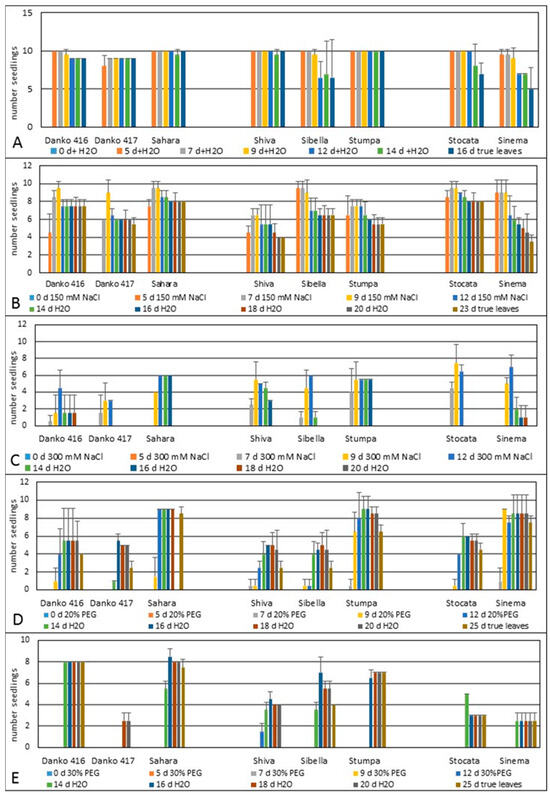
This study investigated the vigor and molecular responses of soybean (Glycine max) seedlings belonging to cultivars from various maturity groups under simulated abiotic stress. Seeds and seedlings were subjected to varying concentrations of NaCl (150–300 mM) and PEG-6000 (20–30%), during long-term (12 days) and short-term (72 h) treatments, to evaluate the impact of salinity and drought on seedling viability and gene expression. Molecular analysis via qRT-PCR focused on the transcriptional profiles of the auxin transmembrane influx carrier LAX6, the vacuolar pyrophosphatase H+-PP-ase, and the stress protein kinase StrK2. The data indicated a dose-dependent correlation between stress intensity and developmental inhibition; increased concentrations of stress agents generally resulted in delayed germination and reduced survival rates. Certain soybean genotypes exhibited a robust transcriptional response, characterized by a several-fold increase in the expression of all studied genes following stress induction. These findings suggest that soybean abiotic stress responses may be influenced by a complex interaction between stress severity, exposure duration, genotype specificity and the maturity group.
Full article

Figure 1
Open AccessArticle
Synergistic Effects of Microbial Inoculant and Biostimulant Seed Treatments on Winter Wheat Yield Under Variable Moisture Conditions
by
Oleksandr Karnaukh, Uliana Karbivska, Anna Lozinska, Ivan Senyk, Volodymyr Voitsekhivskyi, Oksana Tytun, Olena Bobrova and Viktor Husak
Crops 2026, 6(3), 56; https://doi.org/10.3390/crops6030056 - 17 Jun 2026
Abstract
Improving the productivity and stability of winter wheat under increasingly variable climatic conditions remains a major challenge for sustainable agriculture. This study evaluated the effects of pre-sowing seed treatment with a microbial preparation (Nando BioExpert) and a biostimulant (Vitazyme), applied individually and in
[...] Read more.
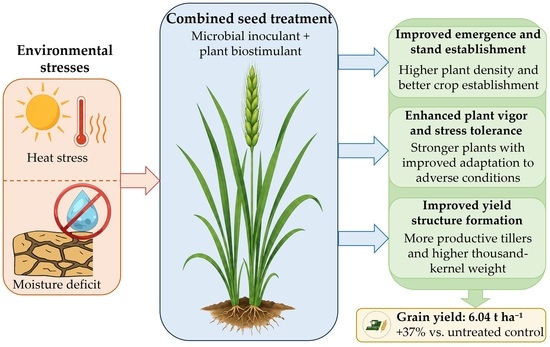
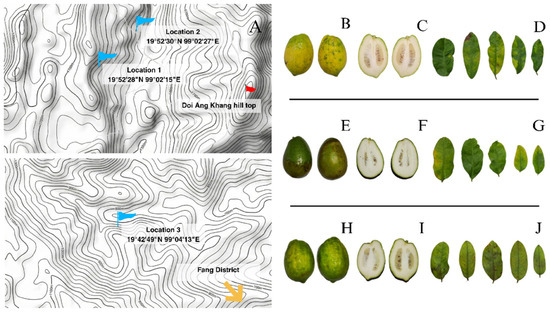
Improving the productivity and stability of winter wheat under increasingly variable climatic conditions remains a major challenge for sustainable agriculture. This study evaluated the effects of pre-sowing seed treatment with a microbial preparation (Nando BioExpert) and a biostimulant (Vitazyme), applied individually and in combination, on crop establishment, yield components, and grain yield of winter wheat under unstable moisture conditions in the Right-Bank Forest-Steppe of Ukraine. A three-year field experiment demonstrated that both treatments positively influenced plant growth, while their combined application produced a pronounced synergistic effect. Seed treatment enhanced plant establishment, increasing plant density at emergence from 242 plants m−2 in the control to 372 plants m−2 under the combined treatment. This improvement contributed to increased stand-level productive tiller density per unit area. Consequently, grain yield was consistently improved across years, with the combined treatment producing the highest average yield (6.04 t ha−1), corresponding to a 37% increase relative to the control. The results indicate enhanced winter wheat resilience to environmental stress under biological seed treatment. Overall, integrating microbial inoculants with biostimulants represents an effective strategy for improving winter wheat productivity under moisture-limited conditions and supports the transition toward sustainable and resource-efficient crop production systems.
Full article
(This article belongs to the Topic Abiotic Stress Responses in Wheat: Perspectives on Productivity and Sustainability)
►▼
Show Figures

Graphical abstract
Open AccessArticle
Post-Harvest and Frying Quality of Potato Grown Using Different Planting Methods and Crop Conditions
by
Javier Giovanni Álvarez-Herrera, Marilcen Jaime-Guerrero and Juan Diego Becerra-Lagos
Crops 2026, 6(3), 55; https://doi.org/10.3390/crops6030055 - 12 Jun 2026
Abstract
►▼
Show Figures
Potatoes are a crop of great importance for global food security, and their industrialization requires certain postharvest quality characteristics that are affected by cultivation practices. Unlike previous studies that focused on single agronomic factors or genotype effects, to increase knowledge, this work evaluates
[...] Read more.
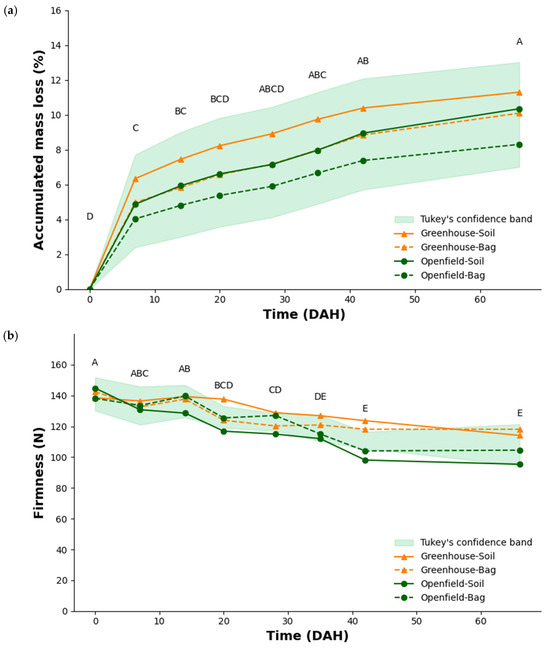
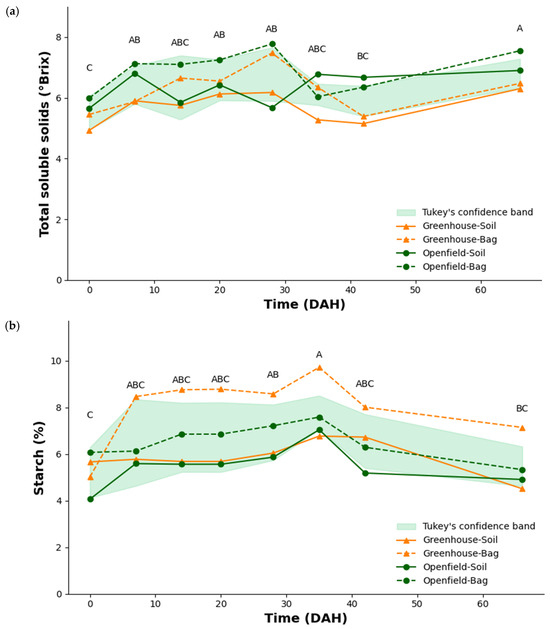
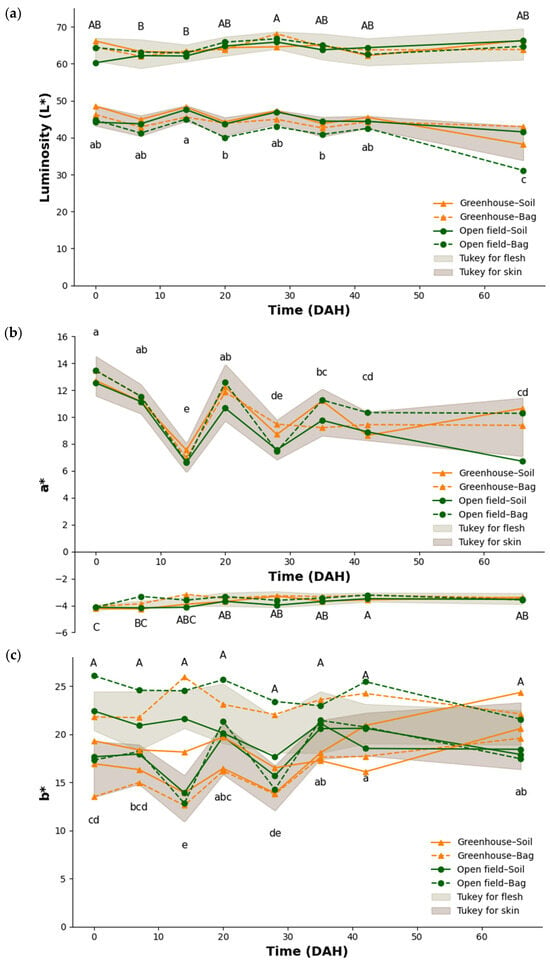
Potatoes are a crop of great importance for global food security, and their industrialization requires certain postharvest quality characteristics that are affected by cultivation practices. Unlike previous studies that focused on single agronomic factors or genotype effects, to increase knowledge, this work evaluates the interaction between planting method (bag vs. soil) and cultivation condition (greenhouse vs. open field) on postharvest and frying quality of the high-altitude variety ‘Diacol Capiro’. A completely randomized design was used with four treatments arranged in a 2 × 2 factorial layout, where the first factor was the planting method (in bags or in soil) and the second factor was the cultivation conditions (in a greenhouse or in an open field). Tubers grown in a greenhouse, especially with planting in bags, showed greater starch retention, higher firmness, lower soluble solids content, and less mass loss during storage. The starch content varied significantly among treatments, reaching a maximum of 6.9% after 35 days of storage. The specific gravity of the fried potatoes was higher in greenhouse-grown tubers (1.080) than in those planted in the open field (1.070), with values close to the industrial standard (>1.080). The skin luminosity decreased by 16.2% during storage, while the b* parameter of the flesh (yellow color) was higher in tubers from greenhouse planting. Overall, ‘Diacol Capiro’ tubers grown in a greenhouse with planting in bags showed better postharvest attributes and greater potential for frying quality.
Full article

Figure 1
Highly Accessed Articles
Latest Books
E-Mail Alert
News
Topics
Topic in
Agriculture, Molecules, Plants, IJMS, Crops
Salicylic Acid as Plant Biostimulant
Topic Editors: Michael Moustakas, Julietta MoustakaDeadline: 31 August 2026
Topic in
Agronomy, Agriculture, Plants, Horticulturae, Crops, IJPB
Bridging Plant Biochemistry and Food Innovation: From Metabolic Stress to Functional Food
Topic Editors: Tomasz Piechowiak, Dagmara MigutDeadline: 15 September 2026
Topic in
Agronomy, Climate, Crops, Grasses, Horticulturae, Land, Plants
Reframing Strategies for a Low Carbon Future in Agricultural Systems
Topic Editors: M. Ibrahim Khalil, Bruce OsborneDeadline: 8 October 2026
Topic in
Agriculture, Agronomy, Crops, Land, Plants, Sustainability
Irrigation and Fertilization Management for Sustainable Agricultural Production
Topic Editors: Shihong Yang, Zewei Jiang, Ivan Francisco Garcia TejeroDeadline: 15 October 2026
Conferences
Special Issues
Special Issue in
Crops
Soil Fertility Management in Crop Production
Guest Editors: Rafael Felippe Ratke, Juliano Magalhães Barbosa, Leandro Pereira Pacheco, Laércio Santos SilvaDeadline: 10 August 2026
Special Issue in
Crops
Diversified Cropping Systems: Current Research and Future Perspectives
Guest Editors: Fabio Luiz Checchio Mingotte, Fernando Shintate Galindo, Anderson Prates Coelho, Aguinaldo José Freitas Leal, Rilner Alves Flores, Flávio Hiroshi Kaneko, Romulo LollatoDeadline: 10 August 2026
Special Issue in
Crops
From Resistance Genes to Architecture: Mechanistic and Predictive Approaches in Crop Disease Breeding
Guest Editors: Hao Hu, Fengqun YuDeadline: 30 September 2026
Special Issue in
Crops
Molecular Marker Technology for Crop Breeding Improvement
Guest Editors: Ioana Virginia Berindean, Katalin SzaboDeadline: 31 October 2026