




-
Bee Pollen as a Multifunctional Nutrient Source in Spontaneous Mead Fermentation: Impact on Phenolic Profile and Antioxidant Capacity -
Beyond Market Growth: Are Plant-Based Beverages Nutritionally and Technologically Suitable Alternatives to Cow’s Milk? -
Assessment of Florida Blueberry Wine Packaged in Glass Bottles, Cans, and Plastic Bottles Throughout Accelerated Shelf-Life Testing -
Design of a Coffee Alternative by Brewing Roasted Seeds from Baobab (Adansonia digitata) -
Characterization of Microbial Population of Organic Grapes, Must and Natural Wine During Spontaneous Vinification of Limniona Red Grape Variety
Journal Description
Beverages
Beverages
is an international, peer-reviewed, open access journal on beverage research and development published monthly online by MDPI.
- Open Access— free for readers, with article processing charges (APC) paid by authors or their institutions.
- High Visibility: indexed within Scopus, ESCI (Web of Science), Embase, FSTA, CAPlus / SciFinder, PubAg, and other databases.
- Journal Rank: CiteScore - Q2 (Food Science)
- Rapid Publication: manuscripts are peer-reviewed and a first decision is provided to authors approximately 24.9 days after submission; acceptance to publication is undertaken in 7.6 days (median values for papers published in this journal in the first half of 2026).
- Recognition of Reviewers: reviewers who provide timely, thorough peer-review reports receive vouchers entitling them to a discount on the APC of their next publication in any MDPI journal, in appreciation of the work done.
- Journal Cluster of Food, Nutrition, and Health Science: Beverages, Dietetics, Foods, Nutraceuticals, Nutrients and Obesities.
Impact Factor:
3.0 (2025);
5-Year Impact Factor:
3.5 (2025)
Latest Articles
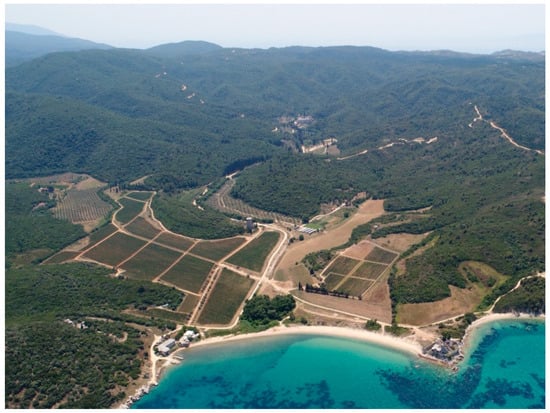
Characterisation of Anthocyanin Profile in Premium Red Wines from the Hilandar Monastery Vineyard (Mount Athos, Greece)
Beverages 2026, 12(8), 90; https://doi.org/10.3390/beverages12080090 - 1 Aug 2026
Abstract
►
Show Figures
In this paper, we present for the first time a complex, comprehensive multi-year investigation focusing on some of the qualitative and quantitative components of wines from a centuries-old traditional viticulture area in the Chalkidiki peninsula in the northeastern part of Greece. The research
[...] Read more.
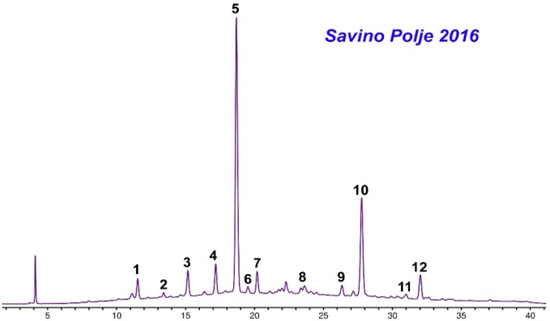
In this paper, we present for the first time a complex, comprehensive multi-year investigation focusing on some of the qualitative and quantitative components of wines from a centuries-old traditional viticulture area in the Chalkidiki peninsula in the northeastern part of Greece. The research was conducted at the Hilandar monastery vineyard and winery. French premium clones of Merlot (181, 345, 346), Cabernet Franc (210, 214) and Cabernet Sauvignon (15,169, 337) were used for the “Savino Polje” wine blend. A comparative analysis of the anthocyanin complex was performed for wines made from the 2010 to 2016 harvests. Statistical analysis revealed a significant difference in the concentration values of individual anthocyanin compounds in relation to the duration of wine ageing. Among the identified and quantified anthocyanins, malvidin-3-O-glucoside (acetylated and coumarylated derivatives) were the most prevalent, especially in young wines (vintages 2015 and 2016). With the exception of vitisin A and peonidin-3-O-glucoside-coumaroyl, which showed the highest concentration in the oldest wines with values increasing with age, a decreasing trend was observed for all other anthocyanin compounds. The sum of the identified anthocyanin compounds also showed a decreasing trend over time. The highest relative total compound content of the malvidin group (64.65 ± 0.42–81.30 ± 0.44%) and the sum of non-acylated anthocyanins (48.84 ± 0.29–58.00 ± 0.37%) were determined. The presented results are of great importance, as this is the first time that results related to wines from this region are being published. This research represents a valuable source of information and contributes to the ongoing comparison of the qualitative parameters of wines from this and other regions.
Full article
Open AccessArticle
Enhancement of Aroma in Dealcoholized Gin by Orange and Raspberry Maceration: Chemical and Sensory Profile
by
Eva Sánchez-Palomo, Álvaro Macia-Abraham, María Osorio Alieses and Miguel Ángel González-Viñas
Beverages 2026, 12(8), 89; https://doi.org/10.3390/beverages12080089 - 1 Aug 2026
Abstract
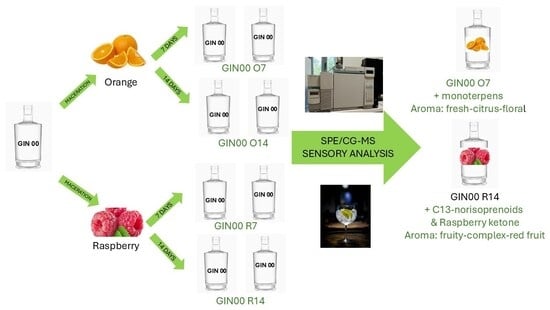
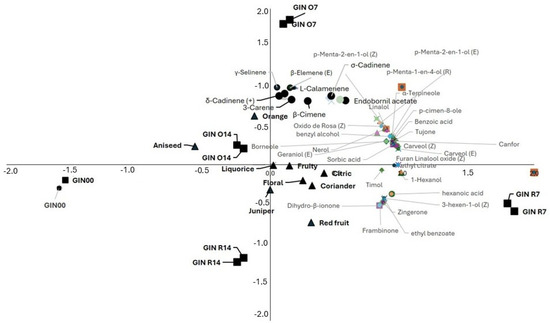
The development of alcohol-free spirits with attractive sensory properties remains a major challenge due to the absence of ethanol, which plays a key role in the extraction, stabilization, and perception of aroma compounds. In this study, the aromatic profile of dealcoholized gin (0.0%
[...] Read more.
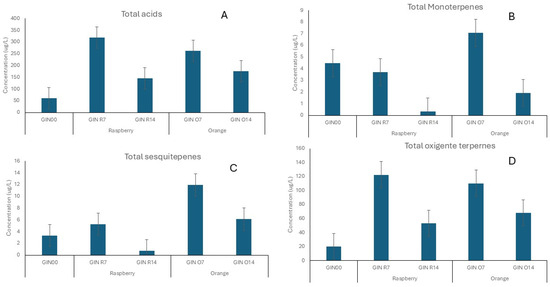
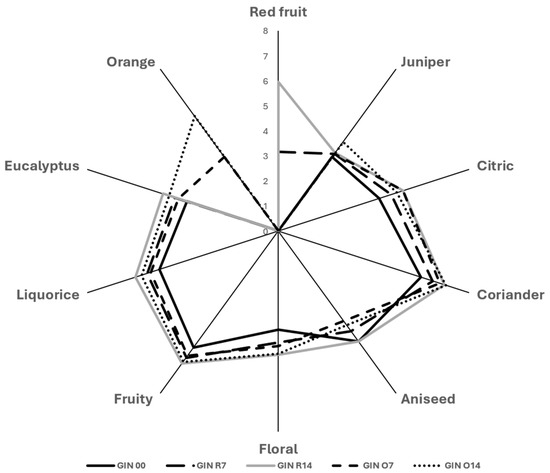
The development of alcohol-free spirits with attractive sensory properties remains a major challenge due to the absence of ethanol, which plays a key role in the extraction, stabilization, and perception of aroma compounds. In this study, the aromatic profile of dealcoholized gin (0.0% alcohol) was improved through post-production maceration with raspberry (Rubus idaeus L.) and orange (Citrus sinensis L.), evaluating the effect of fruit type and maceration time (7 and 14 days) on both volatile composition and sensory attributes. Volatile compounds were analyzed by GC–MS, while sensory characterization was performed using Quantitative Descriptive Analysis (QDA). Fruit type and maceration time significantly affected the volatile composition and specific fruit-related sensory descriptors, particularly orange and red fruit notes (p < 0.05), while traditional gin descriptors remained comparatively stable. Orange promoted citrus-related notes, particularly after short maceration times, whereas raspberry contributed to the development of red fruit sensory notes, which were more clearly perceived after 14 days. Maceration time influenced aroma development in a compound-dependent manner: shorter times favored the presence of highly volatile terpenes, while longer maceration modified the sensory balance and contributed to greater aroma integration, although some volatile compounds decreased over time. The study demonstrates that controlled maceration with orange and raspberry is an effective strategy for improving the aroma profile and sensory quality of dealcoholized gin (0.0% alcohol).
Full article
(This article belongs to the Section Wine, Spirits and Oenological Products)
►▼
Show Figures

Graphical abstract
Open AccessArticle
Beyond Blind Tasting: Label-Induced Shifts in Sensory Ratings of PDO Málaga Wines
by
Gorka Zamarreño-Aramendia, Jesús Fernández-Sánchez, Elena Cruz-Ruiz and Pablo Alonso González
Beverages 2026, 12(8), 88; https://doi.org/10.3390/beverages12080088 - 1 Aug 2026
Abstract
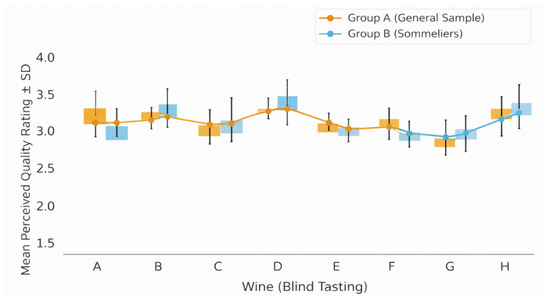
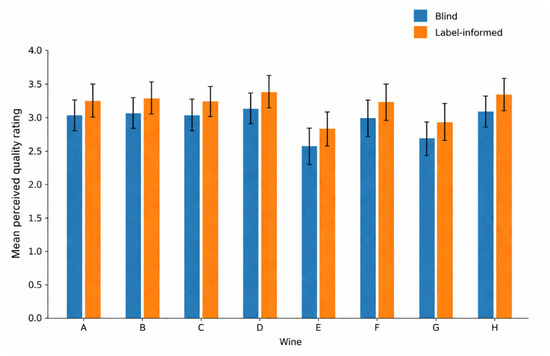
Research on wine perception shows that extrinsic information can alter reported sensory perceptions. This study adopts a repeated measures design to quantify how label information affects perceived quality relative to blind tasting. Forty-five adult tasters evaluated eight PDO Málaga wines in two tasting
[...] Read more.
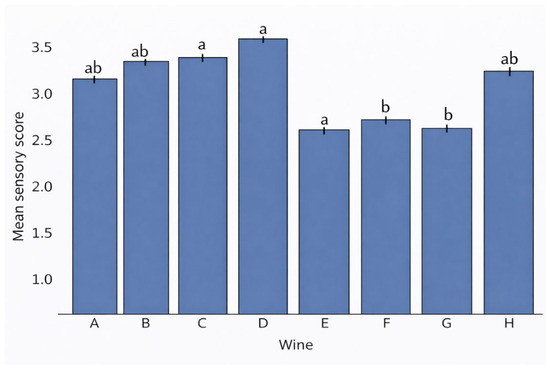
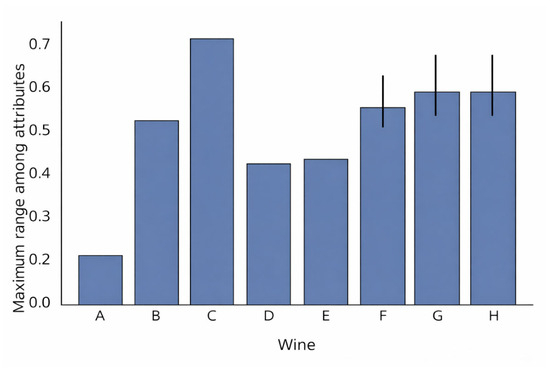
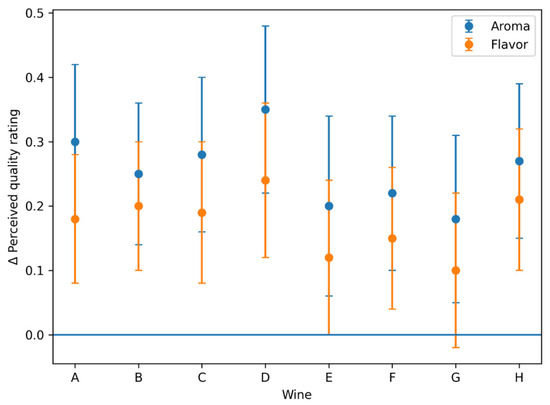
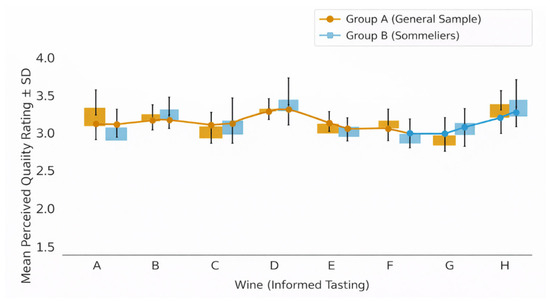
Research on wine perception shows that extrinsic information can alter reported sensory perceptions. This study adopts a repeated measures design to quantify how label information affects perceived quality relative to blind tasting. Forty-five adult tasters evaluated eight PDO Málaga wines in two tasting contexts: blind and label-informed conditions. Participants rated the perceived quality of aroma, colour, and flavour using 5-point scales, capturing evaluative judgments rather than intensity. Mean global sensory scores and attribute-level evaluations were analysed to assess context-related effects. The results reveal a robust and consistent effect of informational context: label disclosure systematically increased perceived quality ratings compared with blind tasting. Difference-based analysis (informed − blind) indicates that this effect varies across wines and attributes, acting primarily as an amplification mechanism rather than fundamentally altering relative evaluations. At the same time, colour wines were clearly differentiated under blind conditions, confirming the presence of intrinsic sensory variation independent of contextual cues. Sensory attributes showed strong correlations (r > 0.95), indicating an integrated perceptual response, but also suggesting limited discriminant capacity among attributes and a tendency toward global evaluative judgments. No statistically significant differences were observed between consumers and sommeliers, although subgroup comparisons should be interpreted with caution given the limited size of the expert sample. Overall, the findings are consistent with expectation-driven perception, in which labelling cues correlate (r > 0.95), indicating an integrated perceptual response; however, this also suggests limited discriminant capacity between attributes and a tendency toward global evaluative judgments. No statistically robust differences were observed between consumers and sommeliers, although subgroup comparisons should be interpreted with caution due to the limited size of the expert sample. The study suggests the relevance of aligning sensory profiles with extrinsic communication strategies in wine marketing and PDO contexts, while acknowledging limitations in sample composition, measurement scales, and the use of self-reported sensory ratings.
Full article
(This article belongs to the Section Wine, Spirits and Oenological Products)
►▼
Show Figures

Figure 1
Open AccessReview
Edible Mushroom-Enriched Beverages as Functional Strategies for the Prevention and Management of Non-Communicable Chronic Diseases
by
Larissa Batista do Nascimento Soares, Aldenora dos Santos Vasconcelos, Vítor Alves Pessoa, Lorena Vieira Bentolila de Aguiar, Giovanna Lima-Silva, Daiane Barão Pereira, Thiago Michalinn Pardo Soares, Josilene Lima Serra Pereira, Roberta Pozzan, Márcia Queiroz Latorraca, Ceci Sales-Campos, Larissa Ramos Chevreuil and Walter José Martínez-Burgos
Beverages 2026, 12(8), 87; https://doi.org/10.3390/beverages12080087 - 30 Jul 2026
Abstract
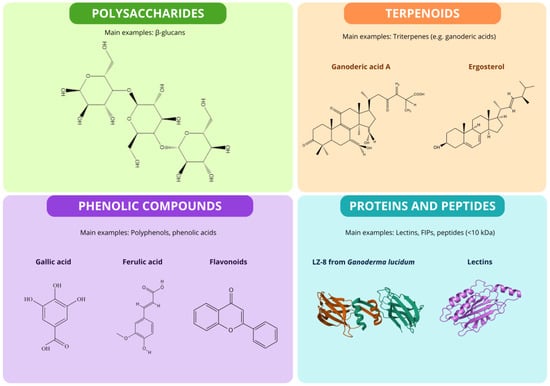
Non-communicable diseases (NCDs) account for more than 40 million deaths annually worldwide, including approximately 18 million premature deaths (before 70 years of age), highlighting the urgent need for effective preventive strategies. In this context, mushroom-enriched functional beverages have emerged as promising dietary approaches
[...] Read more.
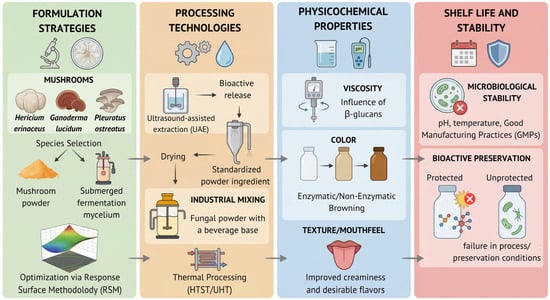
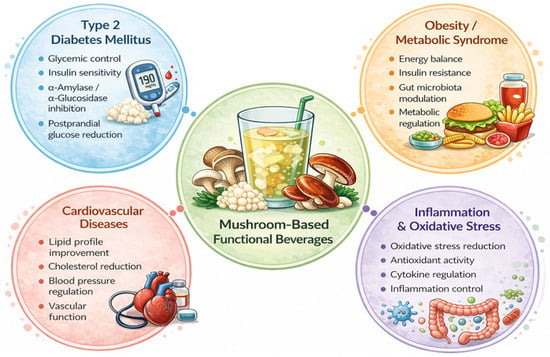
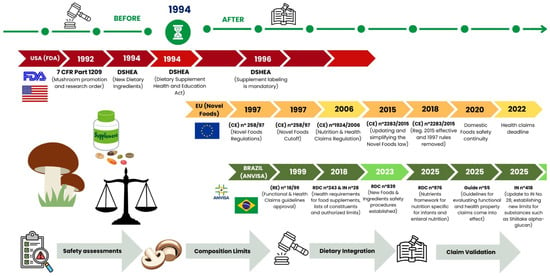
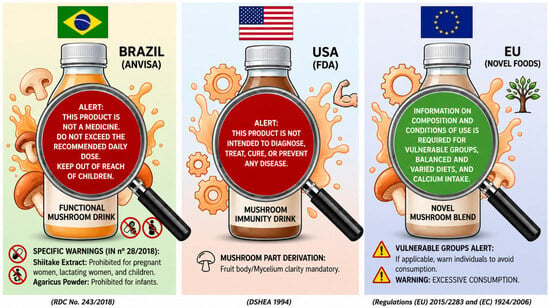
Non-communicable diseases (NCDs) account for more than 40 million deaths annually worldwide, including approximately 18 million premature deaths (before 70 years of age), highlighting the urgent need for effective preventive strategies. In this context, mushroom-enriched functional beverages have emerged as promising dietary approaches for the prevention and management of NCDs. This review synthesizes current evidence on mushroom-derived bioactive compounds and their application in beverage systems, integrating biochemical, technological, and regulatory perspectives. Key compounds, including β-glucans, phenolics, terpenoids, and bioactive peptides, exhibit antioxidant, anti-inflammatory, and metabolic regulatory properties, with reported effects on glycemic control, lipid metabolism, and gut microbiota modulation. Evidence from experimental and clinical studies indicates improvements such as reductions in glycated hemoglobin (HbA1c), postprandial glucose, and lipid markers, although studies specifically evaluating beverages remain limited. A patent analysis (2021–2026) identified 398 applications, of which 356 were selected, demonstrating growing technological innovation, particularly in Asia and North America. However, recent years show fewer visible applications (e.g., 60 in 2024 and 30 in 2025), likely due to confidentiality periods. Despite their functional potential, challenges related to bioavailability, clinical validation, and regulatory harmonization persist. Overall, mushroom-enriched beverages represent a promising, yet still emerging, strategy requiring further translational and clinical research to support their large-scale application in public health.
Full article
(This article belongs to the Special Issue Bioactive Compounds in Fermented Beverages)
►▼
Show Figures

Figure 1
Open AccessArticle
Fast Screening of Geographical Origin and Grape Variety of Red Wines by Flow Injection with Multichannel UV-Vis and Fluorescence Detection
by
Gala Llopis, Diego A. Ahumada Forigua, Sonia Sentellas and Javier Saurina
Beverages 2026, 12(8), 86; https://doi.org/10.3390/beverages12080086 - 29 Jul 2026
Abstract
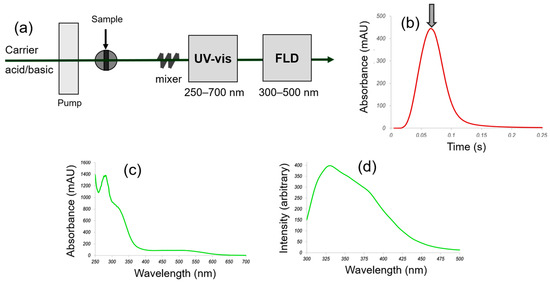
This study evaluates the potential of UV–Vis absorption and fluorescence detection (FLD), combined with chemometrics for the characterization of red wines and the preliminary screening of their Protected Designation of Origin (PDO) and grape variety. More than 100 samples were analyzed under both
[...] Read more.
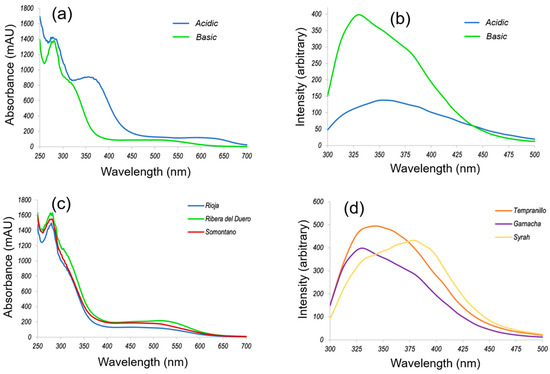
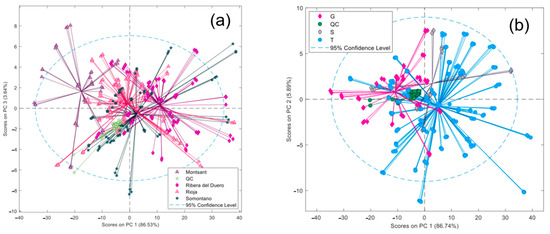
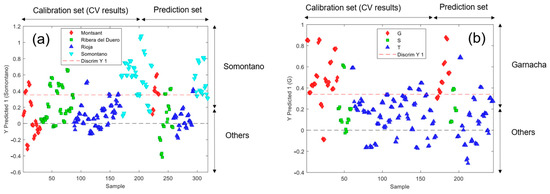
This study evaluates the potential of UV–Vis absorption and fluorescence detection (FLD), combined with chemometrics for the characterization of red wines and the preliminary screening of their Protected Designation of Origin (PDO) and grape variety. More than 100 samples were analyzed under both acidic and basic conditions using flow injection analysis (FIA), as it offers advantages in terms of automation, speed, and online coupling multichannel UV–Vis and FLD detectors, enabling the acquisition of complementary datasets. Spectral data generated were analyzed using exploratory and supervised chemometric methods. Results showed comparable performance across different data types. Although the discriminant information was limited, data exploration by Principal Component Analysis (PCA) revealed meaningful differences related to PDO and grape variety. Partial Least Squares Discriminant Analysis (PLS-DA) and Soft Independent Modeling of Class Analogies (SIMCA) provided remarkable classification results, with good overall performance, supporting the potential of this approach as a fast-screening tool for wine authentication and quality control, particularly in high-throughput analytical settings.
Full article
(This article belongs to the Section Wine, Spirits and Oenological Products)
►▼
Show Figures

Figure 1
Open AccessReview
Research Progress on Evaluation Methods, Chemical Composition, and Interaction Effects Regarding the Thick and Mellow Flavor of Green Tea
by
Haowei Sun, Jianyong Zhang, Yue Shi, Hongchun Cui, Weiwei Wang, Jianxin Chen, Fang Wang, Hongbing Gao, Jindan Wang, Lei Zhao and Junfeng Yin
Beverages 2026, 12(8), 85; https://doi.org/10.3390/beverages12080085 - 28 Jul 2026
Abstract
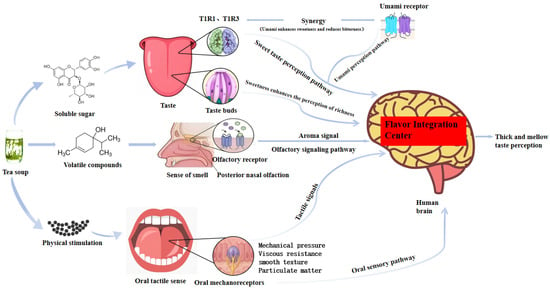
The thick and mellow flavor of green tea serves as a core sensory indicator for assessing its quality grade and market value. This characteristic fundamentally represents the dynamic equilibrium of multiple flavor-contributing substances within the tea leaves, coupled with the synergistic effects of
[...] Read more.
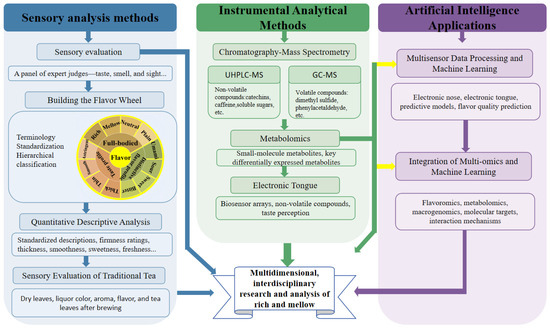
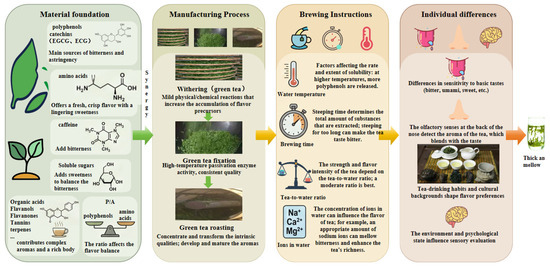
The thick and mellow flavor of green tea serves as a core sensory indicator for assessing its quality grade and market value. This characteristic fundamentally represents the dynamic equilibrium of multiple flavor-contributing substances within the tea leaves, coupled with the synergistic effects of multi-sensory perception. Currently, the characteristics, chemical composition, and interactions underlying the thick and mellow flavor of green tea are the subject of intense research, yet no consensus has been reached within the academic community. This review systematically details the research progress on the chemical and quality characteristics and interactive effects of green tea’s thick flavor. First, the physiological basis for perceiving this thick and mellow flavor—the multisensory integration mechanism involving taste, smell, and oral tactile sensations—is explored. Second, evaluation methods for the thick and mellow flavor of green tea, including sensory analysis, instrumental analysis, and the integrated application of artificial intelligence technologies, are outlined. Third, the chemical basis of the thick and mellow flavor of green tea and the mechanisms of its interactions are systematically summarized. This review aims to systematically analyze the formation mechanisms and regulatory characteristics of the thick and mellow flavor of green tea, providing valuable reference for standardizing green tea flavor quality control.
Full article
(This article belongs to the Special Issue Green Tea: Towards a Multifunctional Beverage)
►▼
Show Figures

Figure 1
Open AccessReview
Volatile Acidity in Brazilian Cachaça: From Fermentation and Distillation to Sensory Quality and Consumer Acceptance
by
Amanda A. M. Pereira and André R. Alcarde
Beverages 2026, 12(8), 84; https://doi.org/10.3390/beverages12080084 - 24 Jul 2026
Abstract
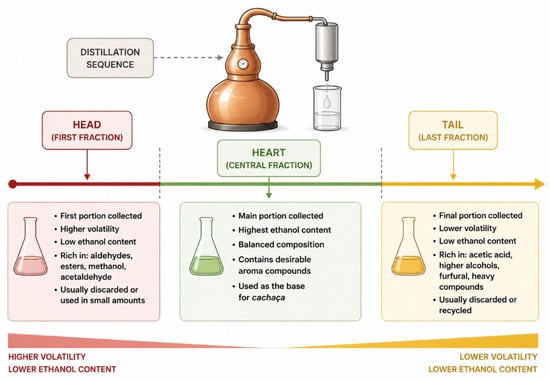
Cachaça is one of Brazil’s most important distilled spirits, and its chemical and sensory quality is strongly influenced by the technological conditions adopted throughout production. Among the physicochemical parameters used to assess quality, volatile acidity has traditionally been regarded as a regulatory criterion;
[...] Read more.
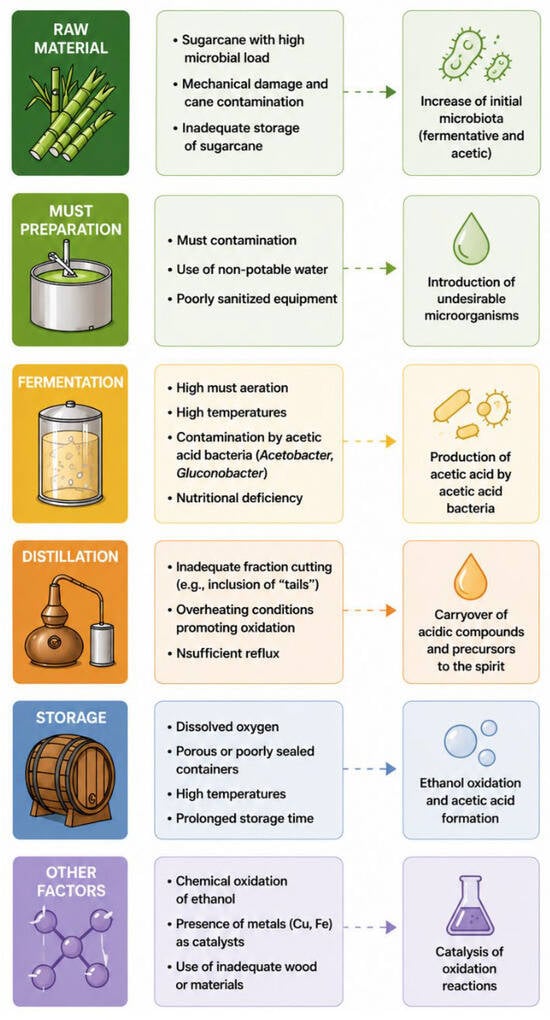
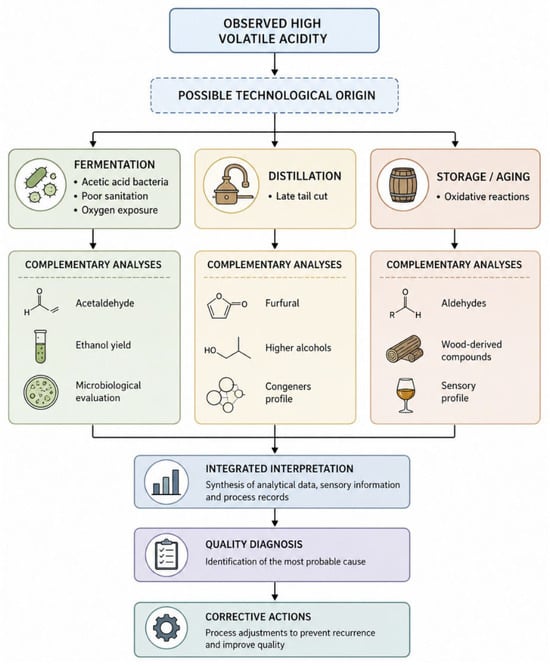
Cachaça is one of Brazil’s most important distilled spirits, and its chemical and sensory quality is strongly influenced by the technological conditions adopted throughout production. Among the physicochemical parameters used to assess quality, volatile acidity has traditionally been regarded as a regulatory criterion; conversely, increasing evidence indicates that its significance extends beyond legal compliance, reflecting microbial control, fermentation performance, distillation practices, storage conditions, and consumer perception. This narrative review critically examines the current knowledge regarding the formation, technological modulation, regulatory relevance, and sensory implications of volatile acidity in Brazilian cachaça. The literature was selected from major scientific databases and official regulatory documents, emphasizing studies addressing fermentation, distillation, aging, chemical quality, and sensory evaluation. The review discusses the biochemical pathways involved in acetic acid formation, the influence of acetic acid bacteria, oxygen availability, hygienic practices, distillation fraction separation, and oxidative processes during storage. It further compares Brazilian regulatory requirements with those adopted for other distilled beverages and examines the relationship between volatile acidity and sensory perception, highlighting the absence of consensus regarding sensory thresholds specific to cachaça and the influence of beverage matrix and volatile interactions on consumer acceptance. Finally, the review proposes volatile acidity as an integrated quality marker capable of reflecting multiple technological stages rather than an isolated analytical parameter. Current knowledge gaps, particularly regarding the integration of chemical, microbiological, and sensory data, are discussed to support future research and contribute to the continuous improvement, standardization, and international competitiveness of Brazilian cachaça.
Full article
(This article belongs to the Section Quality, Nutrition, and Chemistry of Beverages)
►▼
Show Figures

Figure 1
Open AccessCommunication
Preliminary Assessment of Physicochemical and Microbial Stability in CBD-Infused Water Beverages
by
Harry Chiririwa
Beverages 2026, 12(7), 83; https://doi.org/10.3390/beverages12070083 - 22 Jul 2026
Abstract
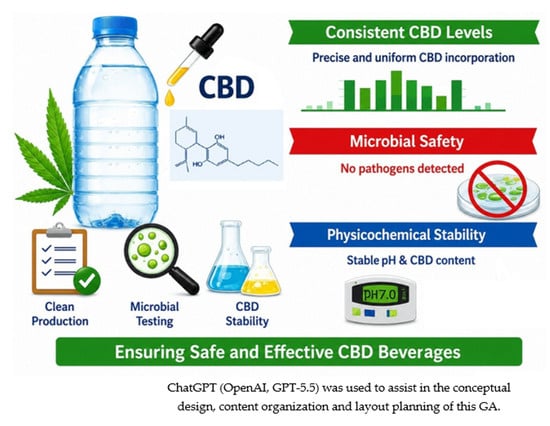
Cannabidiol (CBD)-infused bottled water has recently become one of the new types of functional beverages in the expanding cannabinoid and nutraceutical market. This paper presents preliminary experimental observations combined with a literature-based analysis to investigate quality and stability parameters of CBD-infused bottled water.
[...] Read more.
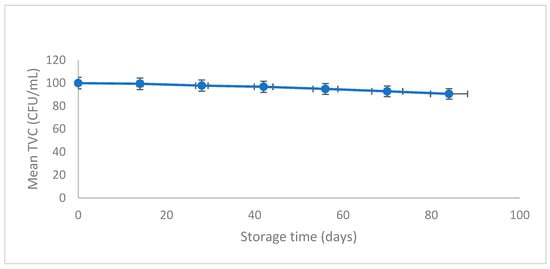
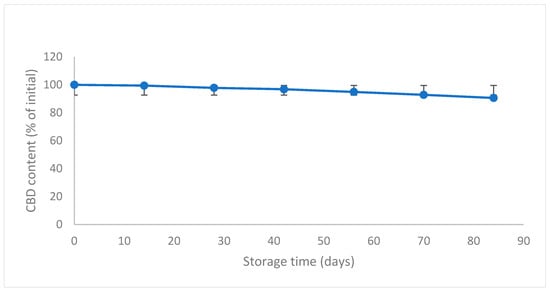
Cannabidiol (CBD)-infused bottled water has recently become one of the new types of functional beverages in the expanding cannabinoid and nutraceutical market. This paper presents preliminary experimental observations combined with a literature-based analysis to investigate quality and stability parameters of CBD-infused bottled water. Physicochemical characterization, microbial quality analysis and stability monitoring of CBD under storage conditions were included in the experimental work. The results indicated that the formulation maintained the properties of its initial dispersion during the first period of storage. An increase in transparency and a decrease in CBD concentration were noted. Microbial counts increased during storage, suggesting that microbiological stability is limited by time under the tested conditions. Reviewing the literature underlines the significance of cannabinoid stability in aqueous beverages aided by nanoemulsion delivery systems, packaging materials and controlled storage environments. The results show that CBD can be infused into bottled water but challenges regarding formulation and storage exist. The research was not conducted to address long shelf-life, commercial scalability or compliance with regulations but to provide primary information on quality and stability factors influencing CBD beverages. More research using standardized procedures is required to understand safety, efficacy and stability over time.
Full article
(This article belongs to the Topic Advances in Analysis of Food and Beverages, 2nd Edition)
►▼
Show Figures

Graphical abstract
Open AccessArticle
Physicochemical Stability, Sensory Acceptance, and Biological Impact of Green Tea Kombucha Flavored with Native Cerrado Fruits (Spondias mombin L. and Anacardium occidentale L.)
by
Maria Fernanda Rossetti Rogerio, Ana Elisa Barbosa Siqueira, Maria Isabela da Silva Figueiredo, Jasmim Esmeralda Silva Lima, Marcos Antônio Soares, Claudia Puerari, Maressa Caldeira Morzelle and Juliana Aparecida Correia Bento
Beverages 2026, 12(7), 82; https://doi.org/10.3390/beverages12070082 - 22 Jul 2026
Abstract
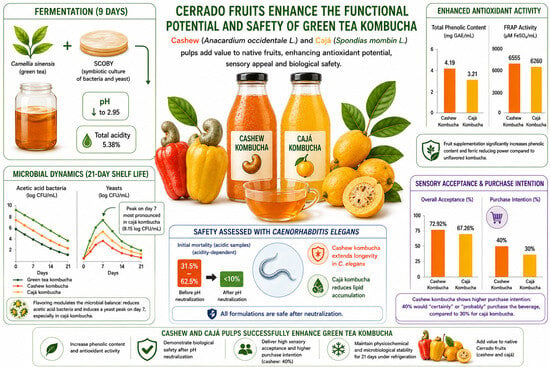
Kombucha is a functional beverage produced through the fermentation of Camellia sinensis by a symbiotic culture of bacteria and yeast (SCOBY). Incorporating cashew (Anacardium occidentale L.) and Cajá (Spondias mombin L.) pulps represents a value-addition strategy to mitigate the post-harvest perishability
[...] Read more.
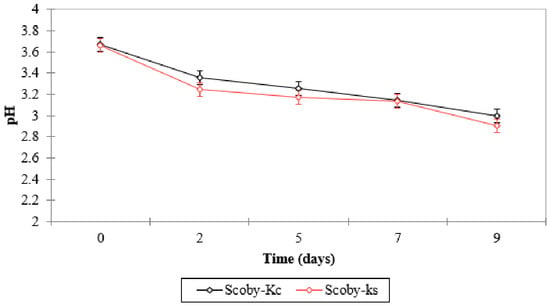
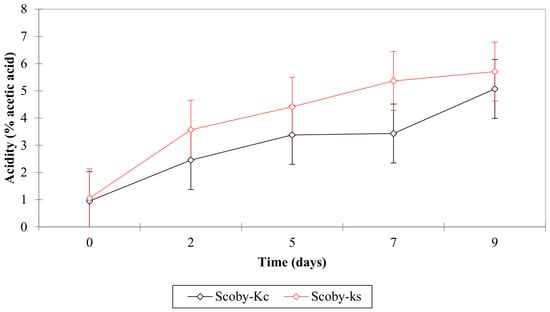
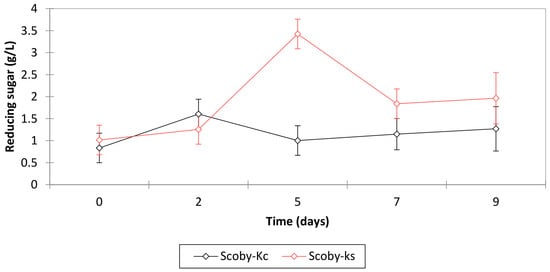
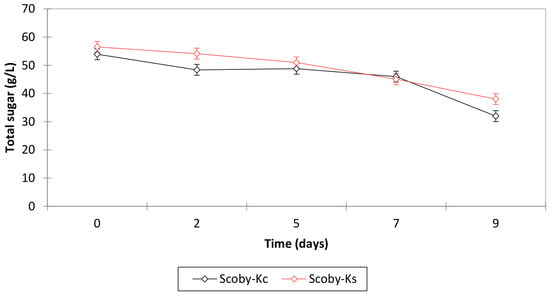
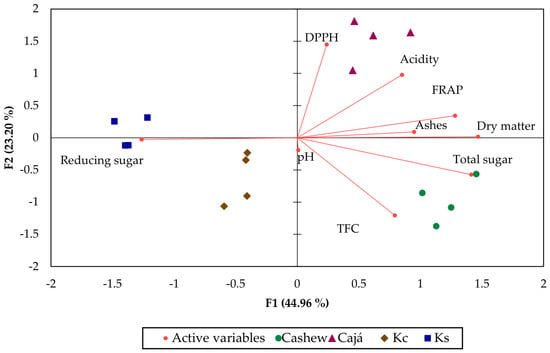
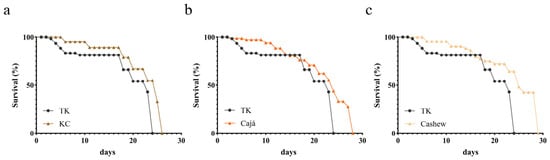
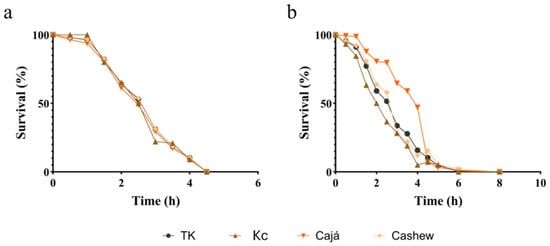
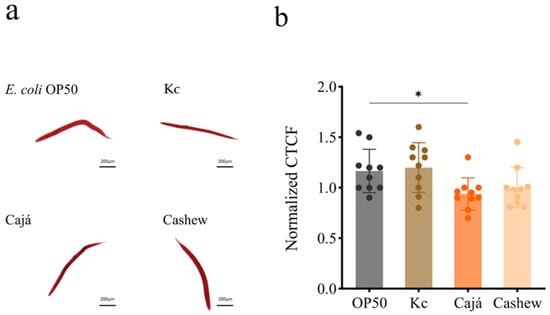
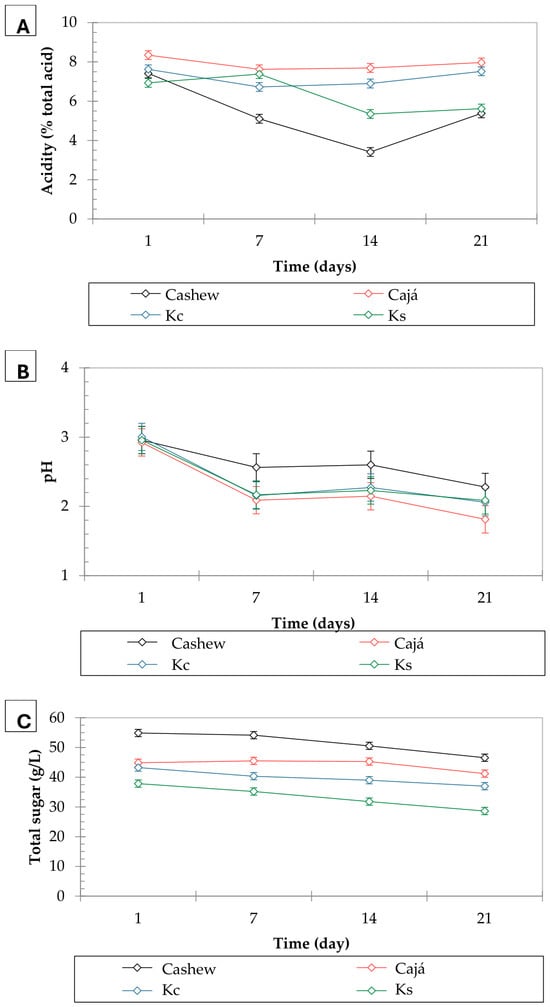
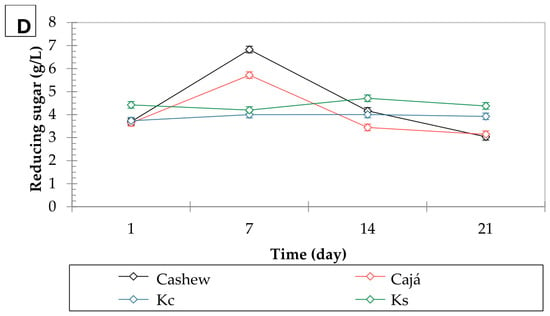
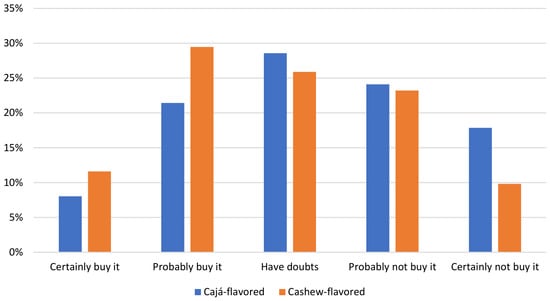
Kombucha is a functional beverage produced through the fermentation of Camellia sinensis by a symbiotic culture of bacteria and yeast (SCOBY). Incorporating cashew (Anacardium occidentale L.) and Cajá (Spondias mombin L.) pulps represents a value-addition strategy to mitigate the post-harvest perishability of native Cerrado fruits. This study evaluated physicochemical kinetics, 21-day refrigerated shelf life, consumer acceptance, and biological effects in Caenorhabditis elegans of flavored kombuchas. During a 9-day primary fermentation, the pH decreased to 2.95 while total acidity reached 5.38%. Following flavoring (10% v/v pulp/juice), cashew kombucha exhibited the highest total phenolic content (4.19 mg GAE/mL) and ferric reducing power (FRAP), whereas Cajá kombucha showed superior DPPH scavenging activity (1236 µM TroloxE/mL). Refrigerated storage (4 °C) maintained high counts of viable microorganisms (>105 CFU/mL), though active residual fermentation induced ongoing sugar cleavage and a transient yeast proliferation peak on day 7 (8.15 log CFU/mL in Cajá kombucha). Toxicity assays using C. elegans revealed the initial mortality (31.5–62.5%); however, adjusting the pH to near-neutrality restored high organism viability (<10% mortality), confirming that mortality was acidity-driven. In pH-adjusted media, cashew kombucha promoted a modest extension of nematode lifespan, whereas Cajá kombucha reduced lipid accumulation. Sensory testing revealed moderate consumer acceptance, with cashew kombucha achieving a higher Acceptance Index (72.92%) than Cajá (67.26%). Overall, fruit supplementation enriches the bioactive potential of green tea kombucha, provided that post-fermentation acidity is appropriately managed.
Full article
(This article belongs to the Special Issue Fermented Plant-Based Beverages: Nutritional Composition and Functional Properties)
►▼
Show Figures

Graphical abstract
Open AccessArticle
Suitability of Alternative Approaches to Extracting Wine Sensory Insights from Text Data: A Case Study in Champagne Wines
by
Gonzalo Garrido-Bañuelos, Mpho Mafata and Astrid Buica
Beverages 2026, 12(7), 81; https://doi.org/10.3390/beverages12070081 - 16 Jul 2026
Abstract
In wine sensory evaluation, the integration of advanced data analysis techniques with more traditional approaches is essential for addressing challenges and improving practical applications. The current work explores some innovative text mining approaches for obtaining sensory information from various sources. One aspect of
[...] Read more.
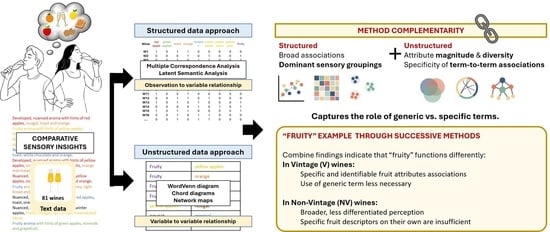
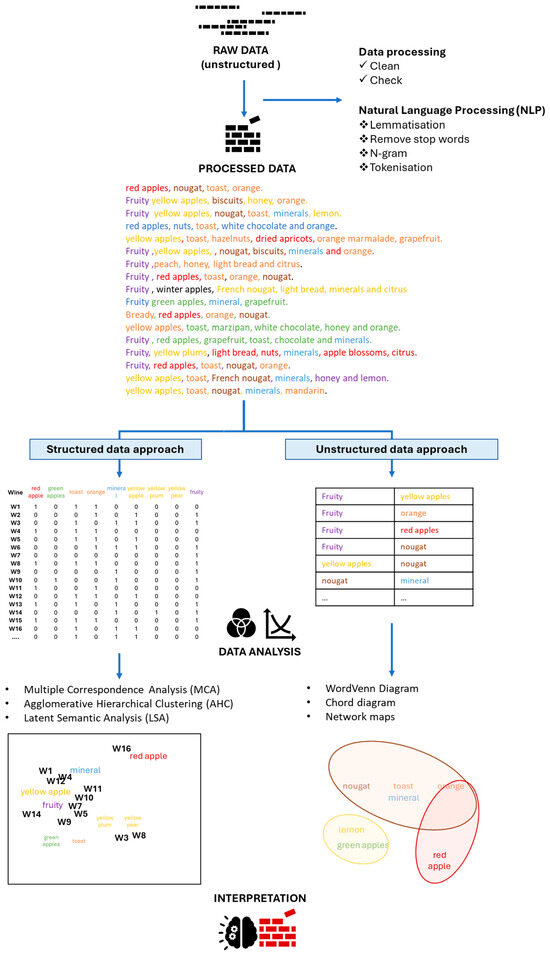
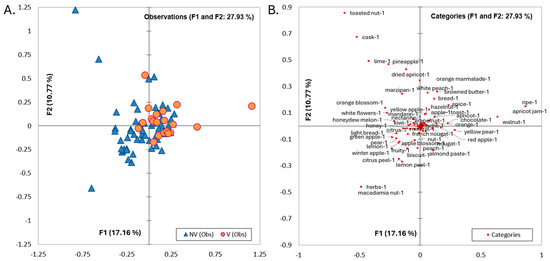
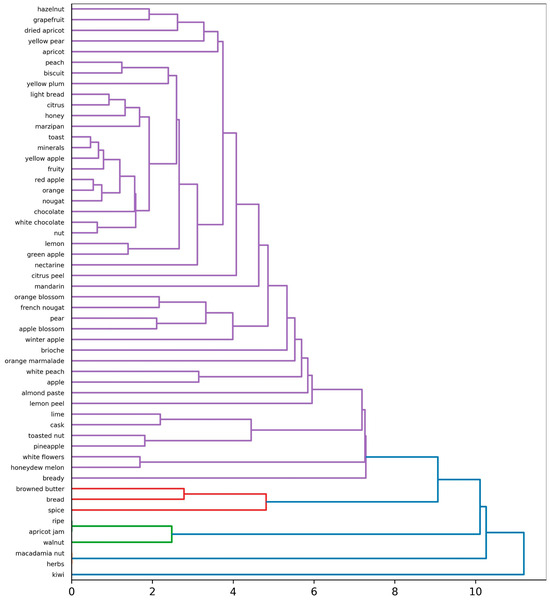
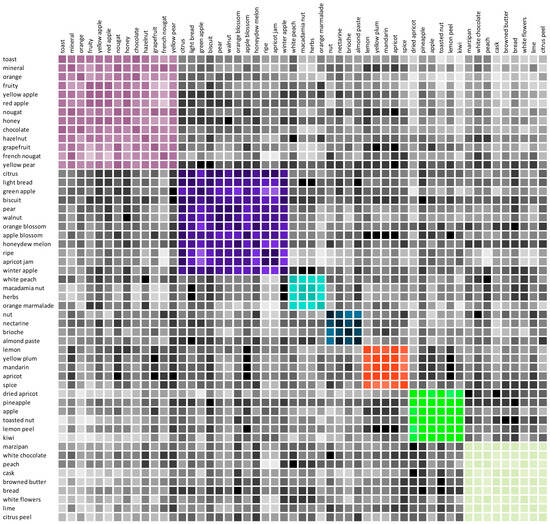
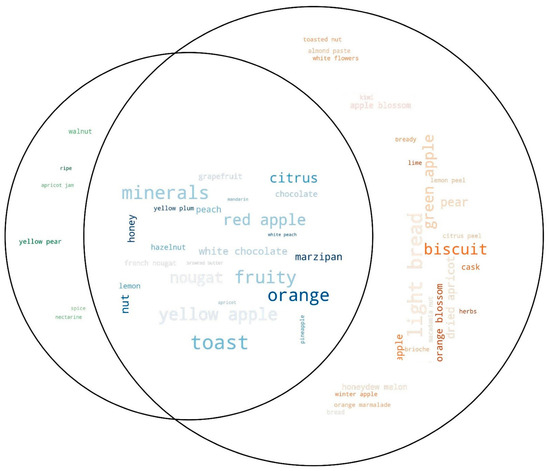
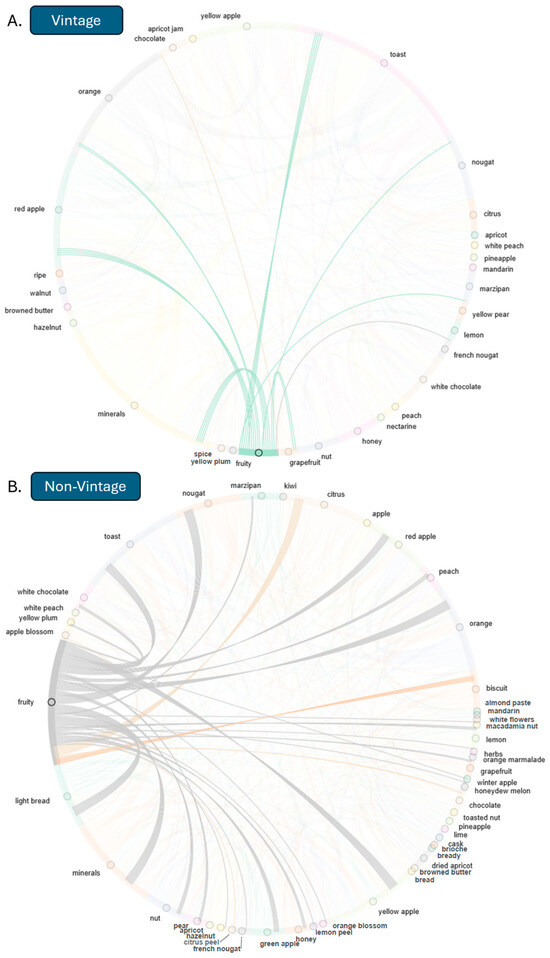
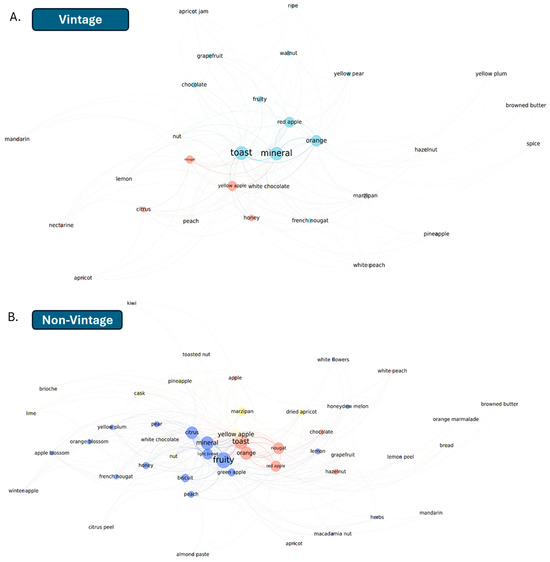
In wine sensory evaluation, the integration of advanced data analysis techniques with more traditional approaches is essential for addressing challenges and improving practical applications. The current work explores some innovative text mining approaches for obtaining sensory information from various sources. One aspect of interest is creating specialised dictionaries and lexicons through automated processing (e.g., Natural Language Processing/NLP), so that raw text data can be converted into standardised sensory terms understood by specialists. Programmatic processing, in this context, refers to the automated extraction, transformation, consolidation, and analysis of sensory data, significantly reducing human error and allowing for the efficient handling of large data volumes, which is something not possible through manual processing only. The approach is illustrated using diverse data sources, such as structured database-type (for example, from wine sellers) and open-source data from sensory and consumer research publications. The manuscript introduces new ways to draw insights using coupled pipelines for dimension reduction (Multiple Correspondence Analysis/MCA), cluster analysis (Latent Semantic Analysis/LSA), and visual tools (network analysis, chord diagrams, wordvenn diagrams). This manuscript aims to provide practical tools and new insights for sensory specialists looking to enhance their evaluation techniques using text data, showcasing the versatility of advanced analysis techniques in extracting relevant sensory information. These tools use open-source languages such as Python and R and can be further applied for different product spaces.
Full article
(This article belongs to the Section Wine, Spirits and Oenological Products)
►▼
Show Figures

Graphical abstract
Open AccessReview
Traditional Fermented Beverages as Drinks of the Future
by
Kristina Habschied, Ingo Barkow and Krešimir Mastanjević
Beverages 2026, 12(7), 80; https://doi.org/10.3390/beverages12070080 - 13 Jul 2026
Abstract
Fermentation is a foundational process that has historically underpinned the development of global civilizations. By extending the shelf life of perishable ingredients while enhancing flavor, nutrition, and bioactive properties, fermentation has provided the food security necessary for societies to flourish. Traditionally, these processes
[...] Read more.
Fermentation is a foundational process that has historically underpinned the development of global civilizations. By extending the shelf life of perishable ingredients while enhancing flavor, nutrition, and bioactive properties, fermentation has provided the food security necessary for societies to flourish. Traditionally, these processes utilized locally available raw materials—such as milk, cereals, fruits, and vegetables—to produce a diverse array of non-alcoholic, alcoholic, and functional foods. This review explores the evolution of prominent ancient fermentation products and the contemporary movement to revive their authentic sensory profiles, including unique aromas and textures. Furthermore, it examines the transition from traditional artisanal methods to modern industrial production, where the use of standardized starter cultures and precise process parameters ensures product uniformity for the global market while employing precision fermentation to improve traditional fermentation products. By bridging ancestral wisdom with modern food science, this review highlights the enduring relevance of fermentation in the current food landscape.
Full article
(This article belongs to the Special Issue New Insights into Artisanal and Traditional Beverages)
Open AccessEditor’s ChoiceArticle
Aroma Identity of Red Wines from Old-Vine Genotypes Cultivated on Mount Etna
by
Fabrizio Cincotta, Gianluca Tripodi, Leonardo Paul Luca, Lorenzo Rapisarda, Salvatore Sparla, Antonio Sparacio, Filippo Salvatore Ferlito, Antonella Verzera and Elisabetta Nicolosi
Beverages 2026, 12(7), 79; https://doi.org/10.3390/beverages12070079 - 6 Jul 2026
Abstract
The slopes of Mount Etna (Sicily, Italy) are home to an extraordinary viticultural heritage, comprising several vine genotypes at risk of extinction, whose oenological potential remains largely unexplored. This study aims to provide an aromatic characterization of red wines produced from five old-vine
[...] Read more.
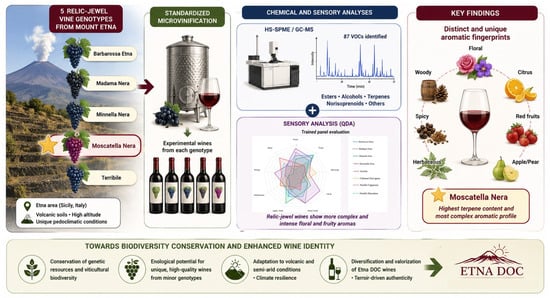
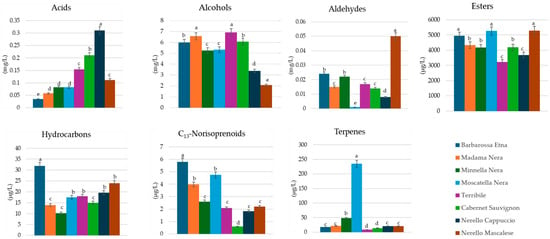
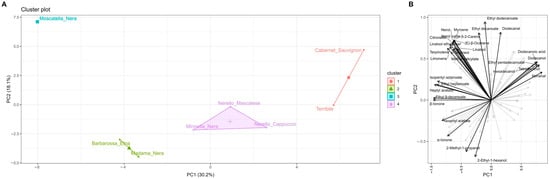
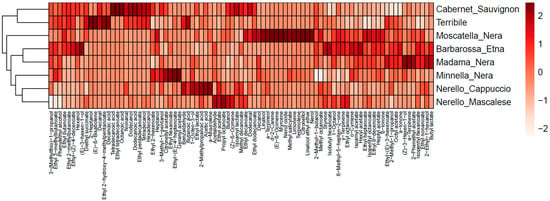
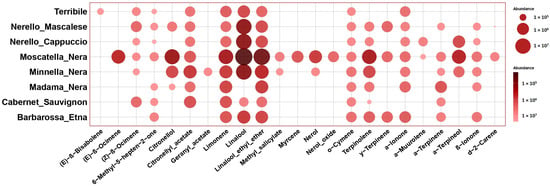
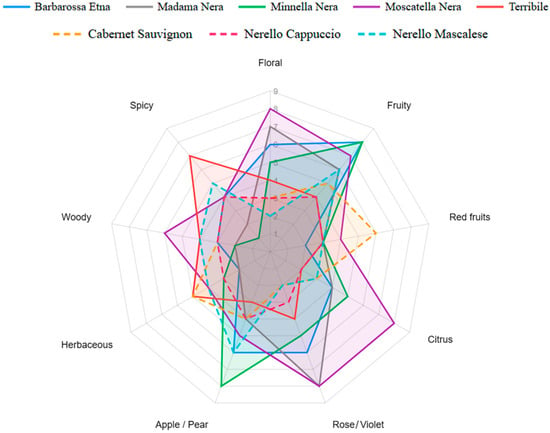
The slopes of Mount Etna (Sicily, Italy) are home to an extraordinary viticultural heritage, comprising several vine genotypes at risk of extinction, whose oenological potential remains largely unexplored. This study aims to provide an aromatic characterization of red wines produced from five old-vine genotypes (Barbarossa Etna, Madama Nera, Moscatella Nera, Minnella Nera, and Terribile), comparing them with local and international cultivars. The wines were produced using standardized microvinification techniques; physicochemical parameters were measured according to OIV methods, volatile aromatic compounds were analyzed using HS-SPME/GC-MS, and sensory analysis was carried out using quantitative descriptive analysis. The wines from old-vine genotypes exhibited physicochemical characteristics in line with Etna DOC standards. The profiling of volatile organic compounds revealed clear cultivar-specific aromatic characteristics, with Moscatella Nera exhibiting the most complex and terpene-rich content. The sensory analysis confirmed a distinctive aroma for each old-vine genotype wine, with substantial differences from traditional and international wines. These results support the oenological significance of these old-vine genotypes and their potential reintroduction into production to enhance the biodiversity and identity of Etna wines.
Full article
(This article belongs to the Section Wine, Spirits and Oenological Products)
►▼
Show Figures

Graphical abstract
Open AccessArticle
Physicochemical, Sensory, and Microbiological Evaluation of a Beverage Formulated from Hibiscus sabdariffa L., Ananas comosus L., and Theobroma cacao L. Mucilage
by
Rossy Rodríguez-Castro, Carol Daniela Coello, Javier Martínez-Sarabia, Dayana Menendez-Toala, Gabriela Palacios-Loor and Ángel Fernández
Beverages 2026, 12(7), 78; https://doi.org/10.3390/beverages12070078 - 3 Jul 2026
Abstract
The study developed and characterized a natural beverage formulated from hibiscus extract (Hibiscus sabdariffa L.), pineapple (Ananas comosus L.), and cacao mucilage (Theobroma cacao L.), with the aim of valorizing agricultural by-products and providing a natural, healthy, and sustainable alternative.
[...] Read more.
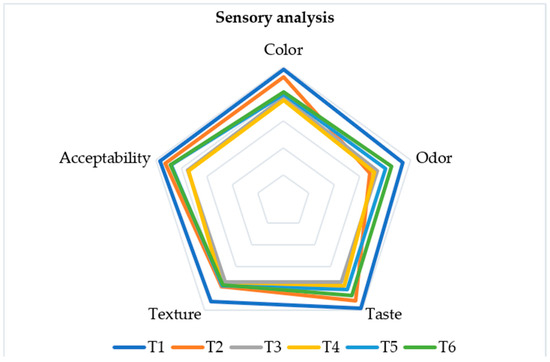
The study developed and characterized a natural beverage formulated from hibiscus extract (Hibiscus sabdariffa L.), pineapple (Ananas comosus L.), and cacao mucilage (Theobroma cacao L.), with the aim of valorizing agricultural by-products and providing a natural, healthy, and sustainable alternative. A completely randomized design with a 3 × 2 factorial arrangement was used. Six beverage formulations were prepared by combining three levels of Hibiscus extract–pineapple proportion (Factor A) with two levels of cacao mucilage (Factor B), resulting in six treatments that were evaluated in triplicate for their physicochemical, sensory, and microbiological properties. The analyses showed significant variations in °Brix (14.90–22.40), density (1.087–1.119 g/mL), and pH (2.71–3.31), indicating that cacao mucilage increased soluble solids retention and colloidal stability without altering acidity. In the sensory evaluation, treatment T1 (30% hibiscus extract, 10% pineapple, and 40% cacao mucilage) achieved the highest acceptance due to its balanced color, flavor, and texture. Microbiological analyses confirmed that the beverage complied with the limits established by the Ecuadorian standard NTE INEN 2337:2008 for non-carbonated fruit beverages. Overall, cacao mucilage proved to be an effective natural stabilizer that enhances the physicochemical and sensory quality of tropical beverages, representing an innovative strategy for the sustainable valorization of cacao by-products in the food industry.
Full article
(This article belongs to the Topic Plants and Crops as Sources of Phytochemicals for Development of Functional Foods and Beverages)
►▼
Show Figures

Figure 1
Open AccessEditor’s ChoiceReview
Sensory Evaluation and Methodological Standardization in PDO/PGI Wine Certification: A Comparative Analysis of European Practices, Accreditation Frameworks, and the Portuguese Context
by
Manuel Pinto, Elisete Correia and Alice Vilela
Beverages 2026, 12(7), 77; https://doi.org/10.3390/beverages12070077 - 3 Jul 2026
Abstract
Accredited sensory certification is increasingly central to the credibility of EU Geographical Indications (GIs), particularly for wine, where typicity and regional identity complicate harmonization. In the absence of shared descriptors, reference standards, and decision rules, sensory control may produce inconsistent conformity outcomes across
[...] Read more.
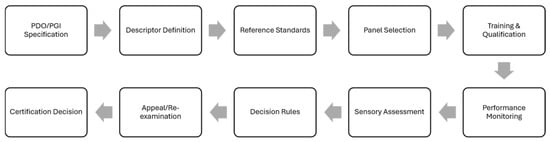
Accredited sensory certification is increasingly central to the credibility of EU Geographical Indications (GIs), particularly for wine, where typicity and regional identity complicate harmonization. In the absence of shared descriptors, reference standards, and decision rules, sensory control may produce inconsistent conformity outcomes across certification bodies. This study examines the main drivers and limitations of sensory harmonization in GI wine certification, with particular focus on Portugal’s mandatory batch-level sensory approval system. Using a structured narrative review and comparative analysis, it integrates sensory science literature with the EU regulatory framework requiring verifiable organoleptic characteristics in product specifications. National approaches from Portugal, Croatia, France, Germany, Greece, Italy, Romania and Spain are compared, alongside the harmonized IOC Panel Test model for virgin olive oil. Accreditation is analyzed through International Organization for Standardization standards ISO/IEC 17025 and ISO/IEC 17065, as well as EA guidance. Results show increasing convergence toward formal sensory certification but persistent divergence in how typicity is operationalized and translated into conformity decisions. The study proposes a conceptual framework in which harmonization focuses on evidential conditions rather than uniform sensory identities.
Full article
(This article belongs to the Special Issue Quality and Authenticity in Wine: Analytical Advances and Consumer Perspectives)
►▼
Show Figures

Figure 1
Open AccessArticle
Co-Fermentation with Cider By-Products for Enhanced Beverage Quality: Kinetics, Functionality, and Sensory Impact
by
Murilo de Freitas Peres, Bruno Wasilewski Neto, Isabela Maria Macedo Simon Sola, Thaís Estéfane Fischer, José Pedro Wojeicchowski, Aline Alberti and Alessandro Nogueira
Beverages 2026, 12(7), 76; https://doi.org/10.3390/beverages12070076 - 1 Jul 2026
Abstract
This study evaluated a new co-valorization strategy using apple pomace and a nitrogen-rich yeast lees extract to correct low concentrations of amino acids and phenolic compounds that can impair fermentation kinetics, aroma formation, and antioxidant activity, thereby improve cider quality and support the
[...] Read more.
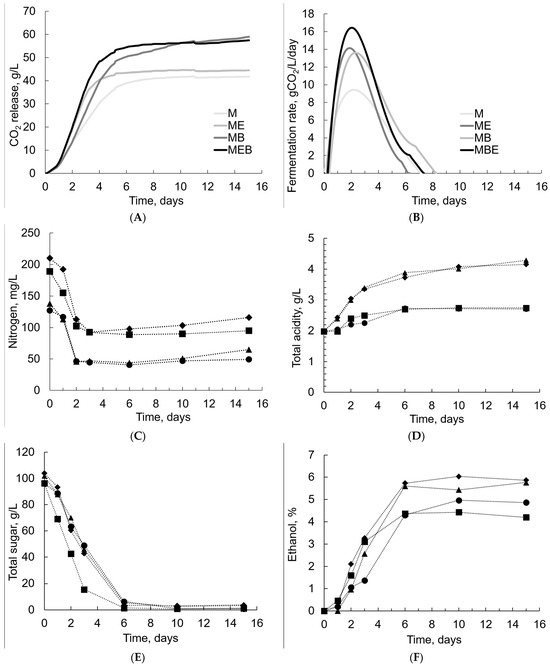
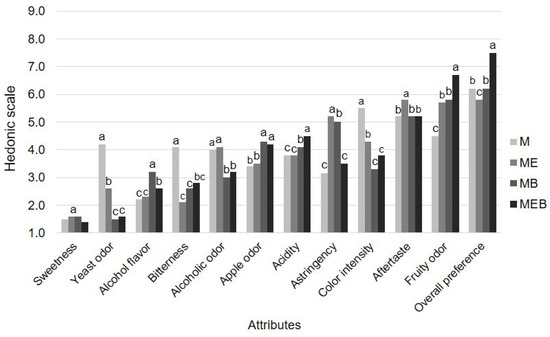
This study evaluated a new co-valorization strategy using apple pomace and a nitrogen-rich yeast lees extract to correct low concentrations of amino acids and phenolic compounds that can impair fermentation kinetics, aroma formation, and antioxidant activity, thereby improve cider quality and support the principles of the circular economy. Apple must (Gala) was supplemented with nitrogen extract (80 mg/L), dehydrated apple pomace (47.3 g/L), or both, and fermented with Saccharomyces cerevisiae. Fermentation kinetics, physicochemical parameters, individual phenolic profile (HPLC), antioxidant activity (DPPH, ABTS, FRAP, and CUPRAC), color (CIELAB), and sensory attributes were assessed. Nitrogen supplementation accelerated fermentation, increasing the maximum rate from 9 to 16 g CO2/L/day when combined with apple pomace. While nitrogen extract alone reduced phenolic levels, its combination with pomace resulted in a balanced phenolic profile and superior fruity aroma. Apple pomace addition increased titratable acidity (1.6 times) and ethanol content (>1% v/v) and enhanced total phenolics (up to 20%) and antioxidant activity (up to 46% by FRAP). Sensory analysis indicated that the combined treatment achieved the highest overall acceptance. The integrated use of apple pomace and yeast lees extract represents a sustainable new strategy to enhance cider bioactivity, fermentation performance, and sensory quality while valorizing agro-industrial residues.
Full article
(This article belongs to the Section Quality, Nutrition, and Chemistry of Beverages)
►▼
Show Figures

Figure 1
Open AccessArticle
Impact of Blending Ratios on Fermentation Kinetics and Bioactive Enrichment in Lychee–Pineapple Co-Fermented Functional Cider
by
Newitchaya Wutthinithisanand and Jakapan Rodsup
Beverages 2026, 12(6), 75; https://doi.org/10.3390/beverages12060075 - 16 Jun 2026
Abstract
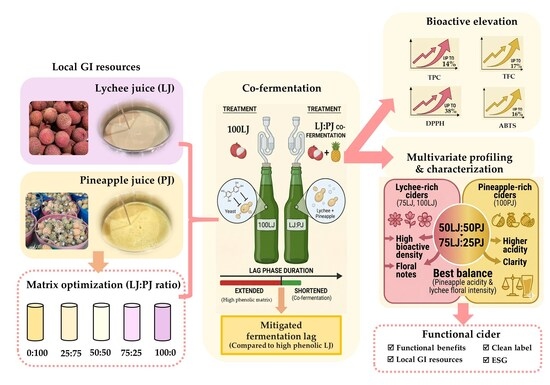
This study investigated the development of functional ciders through lychee–pineapple co-fermentation as a strategy for juice matrix optimization. Five formulations were evaluated, ranging from 100% pineapple juice to 100% lychee juice, using Saccharomyces cerevisiae EC-1118. Fermentation kinetics were monitored by cumulative CO2
[...] Read more.
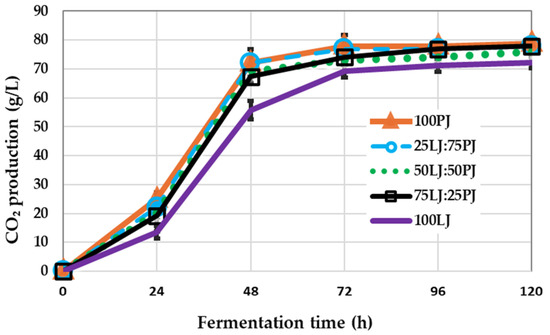
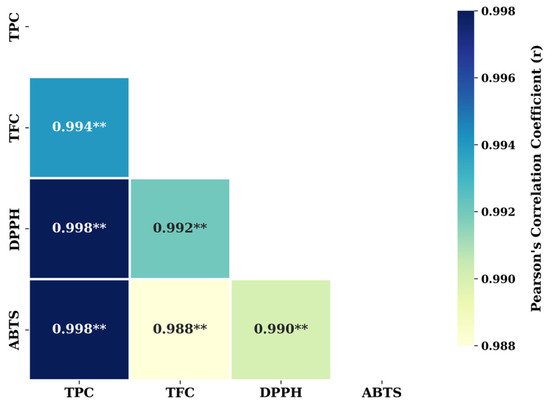
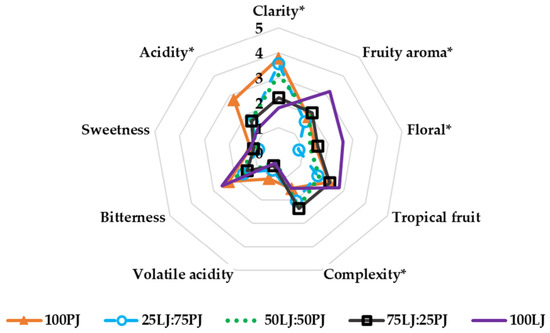
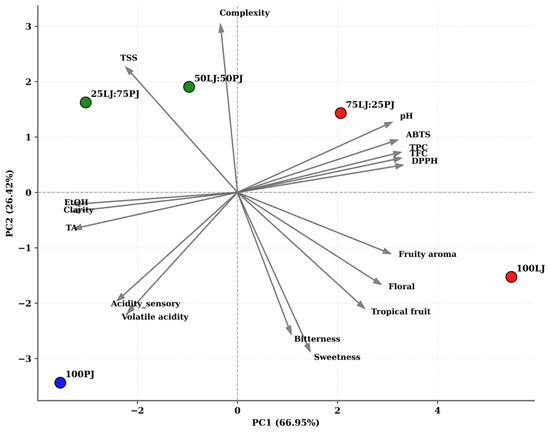
This study investigated the development of functional ciders through lychee–pineapple co-fermentation as a strategy for juice matrix optimization. Five formulations were evaluated, ranging from 100% pineapple juice to 100% lychee juice, using Saccharomyces cerevisiae EC-1118. Fermentation kinetics were monitored by cumulative CO2 mass loss, while total phenolic content (TPC), total flavonoid content (TFC), antioxidant capacities (DPPH and ABTS), sensory attributes, and multivariate analyses were evaluated. Lychee incorporation significantly enriched the functional profile, increasing TPC, TFC, DPPH, and ABTS by up to 49%, 117%, 69%, and 82%, respectively, compared to 100% pineapple juice. Although the lychee-rich matrix extended the fermentation lag phase, this effect was mitigated through co-fermentation. Fermentation further enhanced bioactive properties, with final ciders showing increases of up to 14% (TPC), 17% (TFC), 38% (DPPH), and 16% (ABTS) relative to their corresponding juices. Multivariate profiling differentiated lychee-dominant ciders by high bioactive density and floral notes, whereas pineapple-dominant ciders exhibited higher acidity and clarity. In conclusion, lychee–pineapple co-fermentation effectively optimizes fermentation performance, bioactive enrichment, and sensory quality without exogenous acidification.
Full article
(This article belongs to the Collection Wines and Other Beverages: Fermentation, Stabilization and Conservation Technologies)
►▼
Show Figures

Graphical abstract
Open AccessEditor’s ChoiceReview
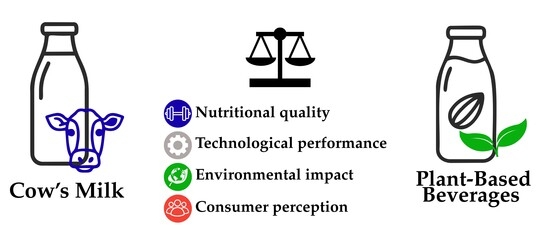
Beyond Market Growth: Are Plant-Based Beverages Nutritionally and Technologically Suitable Alternatives to Cow’s Milk?
by
Francine Pimentel de Andrade, Wanderson dos Santos Carneiro, José Matheus Santos-Silva, Anabela Raymundo and Carlos Eduardo de Farias Silva
Beverages 2026, 12(6), 74; https://doi.org/10.3390/beverages12060074 - 15 Jun 2026
Abstract
Changes in consumer behavior have intensified the demand for alternative protein sources, driving changes in food consumption patterns. At the same time, the increasing consumer awareness considering the health and environmental impacts in food systems, has stimulated interest in more functional and sustainable
[...] Read more.
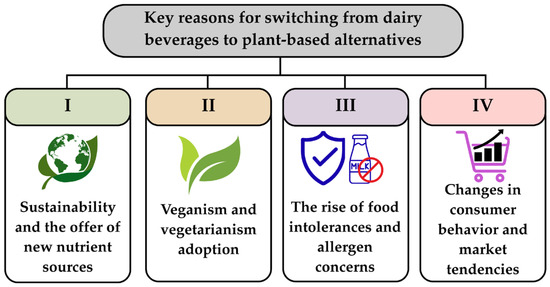
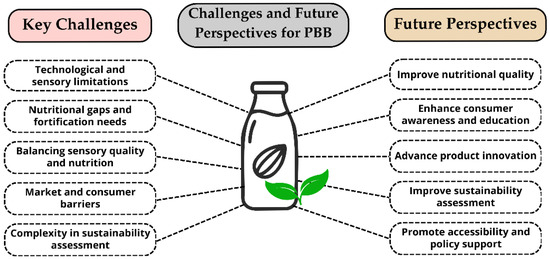
Changes in consumer behavior have intensified the demand for alternative protein sources, driving changes in food consumption patterns. At the same time, the increasing consumer awareness considering the health and environmental impacts in food systems, has stimulated interest in more functional and sustainable products. In this context, plant-based beverages (PBBs) have gained attention as potential alternatives to milk. This study was aimed at evaluating plant-based beverages as alternatives to cow’s milk, focusing on their nutritional composition, environmental impact, and technological challenges. Although cow’s milk has a high biological value and nutritional density, plant-based beverages present variable compositions, generally with lower levels of protein and minerals. However, they stand out for the presence of bioactive compounds and have a nutritional quality which can be improved through fortification strategies. From an environmental perspective, their production is associated with a substantially lower carbon footprint compared to dairy farming. Despite these advantages, the sector still faces technological challenges related to physicochemical stability and sensory acceptance due to complex residual flavors. This review highlights the need for improvements in terms of manufacturing processes and regulatory frameworks to establish these beverages as safe, nutritious, and sustainable options in the global market.
Full article
(This article belongs to the Section Tea, Coffee, Water, and Other Non-Alcoholic Beverages)
►▼
Show Figures

Graphical abstract
Open AccessArticle
Microgreen-Based Juices: UHPLC Q-ToF MS Metabolomic Analysis, Antioxidant Properties, and Sensory Acceptability
by
Spasoje D. Belošević, Danijel D. Milinčić, Jovana M. Marković, Uroš M. Gašić, Steva M. Lević, Verica B. Đorđević, Mirjana B. Pešić and Viktor A. Nedović
Beverages 2026, 12(6), 73; https://doi.org/10.3390/beverages12060073 - 15 Jun 2026
Abstract
►▼
Show Figures
The aim of this study was to develop novel and sensory-acceptable microgreens–apple juices and characterize them using UHPLC Q-ToF MS-based metabolomic analysis. The obtained juices showed reduced sugar content and mild acidity compared with the control apple juice. Untargeted analysis revealed 71 compounds,
[...] Read more.
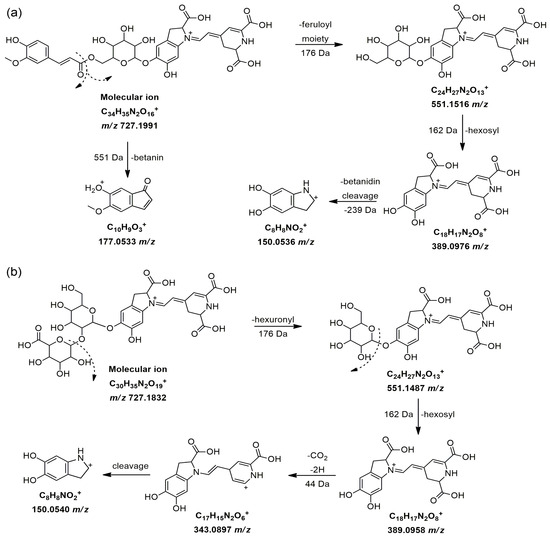
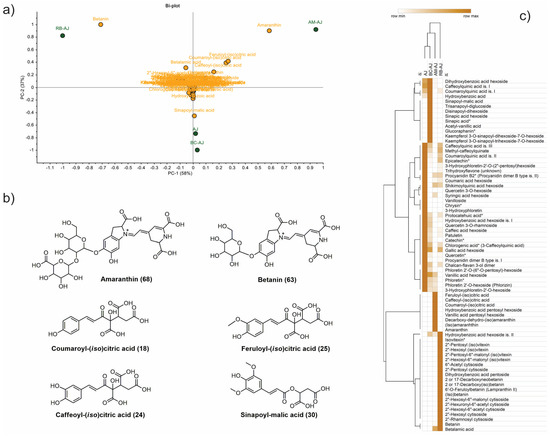
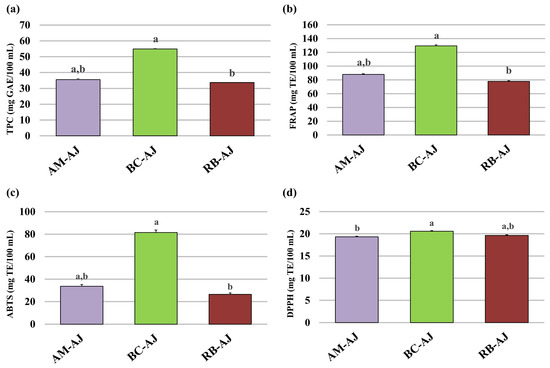
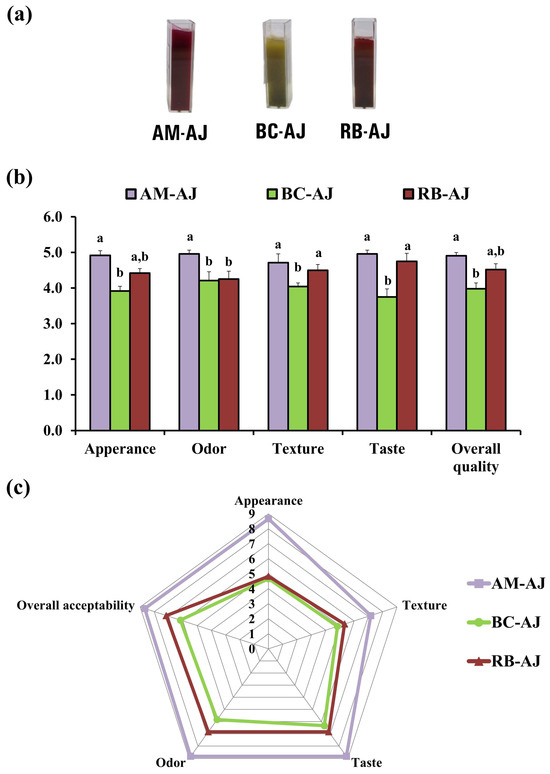
The aim of this study was to develop novel and sensory-acceptable microgreens–apple juices and characterize them using UHPLC Q-ToF MS-based metabolomic analysis. The obtained juices showed reduced sugar content and mild acidity compared with the control apple juice. Untargeted analysis revealed 71 compounds, including phenolics, betalains, and one glucosinolate. Semi-quantification confirmed a high content of sinapic acid and its derivatives and hydroxybenzoic acid in broccoli–apple juice, as well as a predominant amount of phenolic acid diglycosides and hydroxycinnamoyl–isocitric acid derivatives in amaranth–apple juice. Apigenin C-glycosides were the main phenolics in red beet–apple juice, with the highest content of cytisoside derivatives. All microgreen-based juices contained apple-derived flavan-3-ols, procyanidins, dihydrochalcones, and certain flavonols. The formulated juices exhibited promising antioxidant potential evaluated by several screening assays (TPC, DPPH, ABTS, and FRAP), consistent with their phytochemical profiles, while differences among them may be linked to the amounts of certain bioactive molecules, mainly derived from microgreens. Moreover, these juices showed high overall quality and consumer acceptability, successfully masking typical microgreens flavors. Overall, these cold-pressed microgreen–apple juices can be classified as novel, low-calorie, and highly sensory-acceptable beverages, containing diverse bioactive compounds from both apple and microgreens; however, further in vitro and in vivo evidence is needed to support claims regarding their functionalities.
Full article

Figure 1
Open AccessEditor’s ChoiceArticle
Combination of Destructive and Non-Destructive Analyses for Microbiological and Qualitative Characterization of Refermented and Yeast-Aged Apple Cider
by
Gianmarco Alfieri, Margherita Modesti, Aurora Pietrini, Riccardo Riggi, Francesca Luziatelli, Rosamaria Capuano, Maurizio Ruzzi, Diana DeSantis and Andrea Bellincontro
Beverages 2026, 12(6), 72; https://doi.org/10.3390/beverages12060072 - 10 Jun 2026
Abstract
In Italy, the apple cider market is experiencing significant growth, driven by numerous small-scale artisanal producers who combine local apple varieties with traditional processes to offer complex, and diverse products. However, artisanal production based on spontaneous fermentations often encounters challenges in qualitative reproducibility,
[...] Read more.
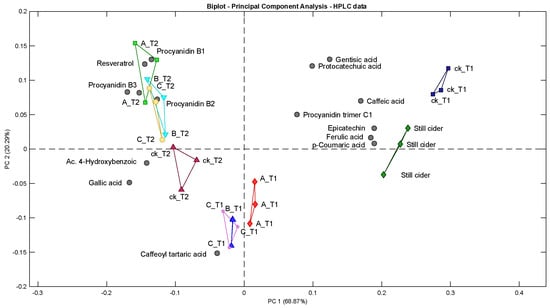
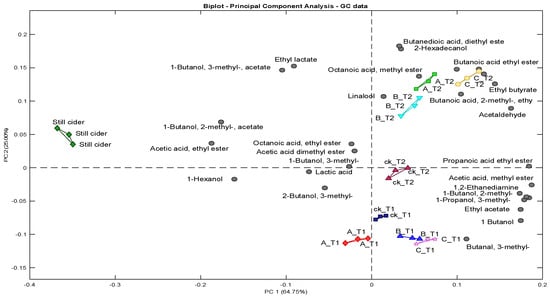
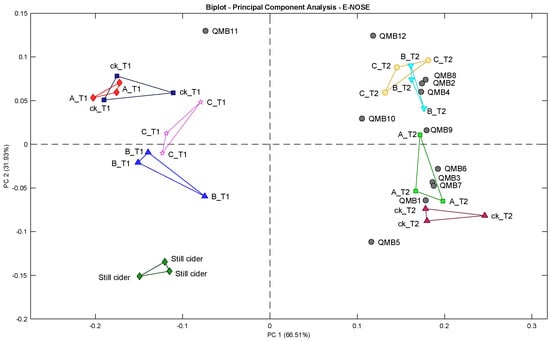
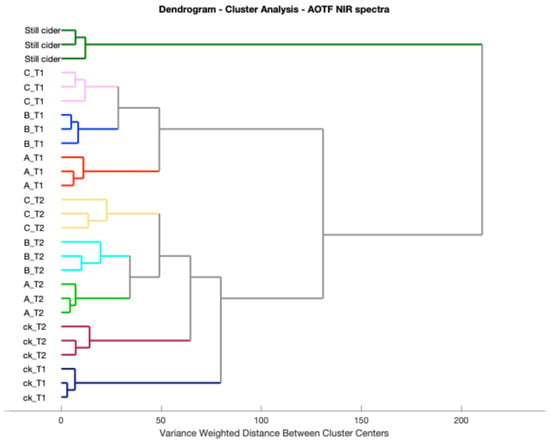
In Italy, the apple cider market is experiencing significant growth, driven by numerous small-scale artisanal producers who combine local apple varieties with traditional processes to offer complex, and diverse products. However, artisanal production based on spontaneous fermentations often encounters challenges in qualitative reproducibility, particularly related to sensory issues (stability across different vintages and high turbidity of the product). In this context, a methodology has been developed to optimize the technological process of cider production at Contrada Contro in the Monti Sibillini (MC), in Marche region, Italy. The research focused on the isolation and selection of indigenous yeasts from frozen must prepared in the 2023 vintage. Following isolation and preliminary characterization, the indigenous yeasts were used to referment the still cider, followed by 7 months of bottle aging, and a second sampling point was conducted after 14 months of aging on lees. Destructive analyses using HPLC-DAD and GC-MS were conducted to evaluate polyphenols and volatile compounds, while non-destructive analyses with a 12-quartz microbalance electronic nose and near infrared (NIR) spectroscopy allowed for a quicker assessment of production techniques. Chromatographic analysis results showed that the sensory quality of refermented products was strongly influenced by the composition of the yeast strains used. All fermentations inoculated with selected yeasts exhibited lower turbidity compared to spontaneous fermentation. These findings indicate that the selection of indigenous yeasts for cider refermentation enables the production of a high-quality product, enriched with beneficial compounds and characterized by a strong terroir identity, underscoring the importance of microbiological terroir.
Full article
(This article belongs to the Special Issue Innovation in Alcoholic and Non-Alcoholic Beverages: Microbiological, Chemical, and Bioactive Perspectives)
►▼
Show Figures

Figure 1
Open AccessArticle
Exploratory Assessment of Native Starmerella bacillaris and Hanseniaspora uvarum Under Different Fermentation Strategies in Chilean Sauvignon Blanc
by
Consuelo Ceppi De Lecco, Wendy Franco, Alejandra Urtubia, Reynier Baez and Sergio Benavides-Valenzuela
Beverages 2026, 12(6), 71; https://doi.org/10.3390/beverages12060071 - 8 Jun 2026
Abstract
Non-Saccharomyces yeasts (NSY) are increasingly investigated as biotechnological tools to diversify wine profiles and modulate fermentation outcomes. This study evaluated the enological behavior of two Chilean isolates, Starmerella bacillaris (SB) and Hanseniaspora uvarum (HU), in Sauvignon Blanc must from the Casablanca Valley
[...] Read more.
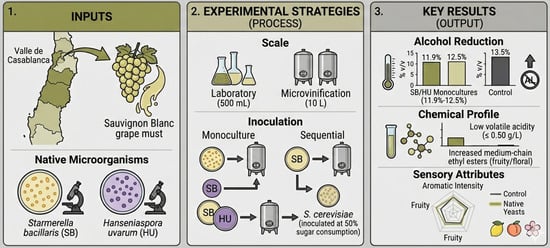
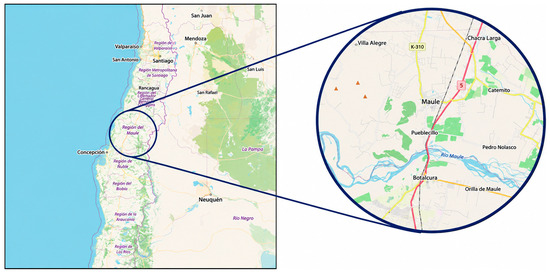
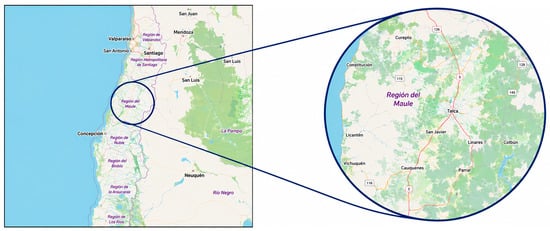
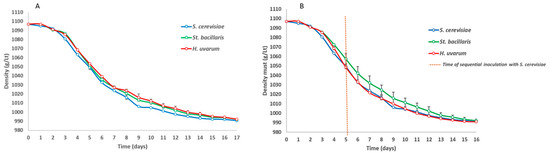
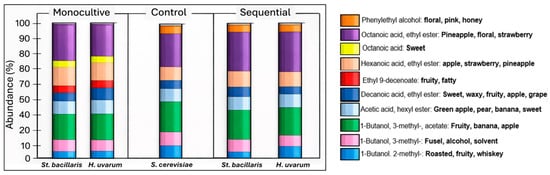
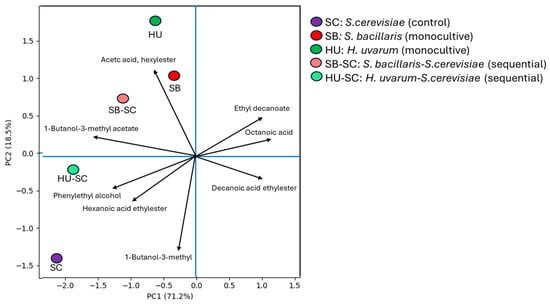
Non-Saccharomyces yeasts (NSY) are increasingly investigated as biotechnological tools to diversify wine profiles and modulate fermentation outcomes. This study evaluated the enological behavior of two Chilean isolates, Starmerella bacillaris (SB) and Hanseniaspora uvarum (HU), in Sauvignon Blanc must from the Casablanca Valley under monoculture and sequential inoculation (NSY → Saccharomyces cerevisiae) at laboratory (500 mL) and microvinification (10 L) scales. In synthetic medium (150 g/L sugars), SB and HU showed incomplete sugar consumption, producing 4.25% and 8.50% v/v ethanol, respectively, compared with 9.16% v/v for S. cerevisiae. In laboratory-scale fermentation in real must, both strains completed fermentation in monoculture, with moderate reductions in ethanol production relative to the control. At the microvinification scale, monocultures yielded lower ethanol concentrations (11.90–12.50% v/v) than S. cerevisiae (13.50% v/v), whereas sequential fermentations converged toward control values. NSY treatments showed higher relative abundances of medium-chain ethyl esters associated with fruity and floral sensory attributes while maintaining acetic acid concentrations ≤ 0.50 g/L. These findings indicate that the effects of SB and HU depended primarily on fermentation strategy and process scale under the evaluated conditions.
Full article
(This article belongs to the Section Beverage Technology Fermentation and Microbiology)
►▼
Show Figures

Graphical abstract
Journal Menu
► ▼ Journal Menu-
- Beverages Home
- Aims & Scope
- Editorial Board
- Reviewer Board
- Topical Advisory Panel
- Instructions for Authors
- Special Issues
- Topics
- Sections & Collections
- Article Processing Charge
- Indexing & Archiving
- Editor’s Choice Articles
- Most Cited & Viewed
- Journal Statistics
- Journal History
- Journal Awards
- Editorial Office
Journal Browser
► ▼ Journal BrowserHighly Accessed Articles
Latest Books
E-Mail Alert
News
Topics
Topic in
Microorganisms, Foods, Beverages, Fermentation, Applied Microbiology, Nutraceuticals, Applied Biosciences
The Biotechnological Potential of Non-Saccharomyces Yeasts
Topic Editors: Spiros Paramithiotis, Maria Dimopoulou, Jayanta Kumar Patra, Yorgos KotseridisDeadline: 30 September 2026
Topic in
Beverages, Chemosensors, Fermentation, Foods, Molecules, Gastronomy
Advances in Analysis of Flavors and Fragrances: Chemistry, Properties and Applications in Food Quality Improvement, 2nd Edition
Topic Editors: Ana Leahu, Maria Soledad Prats Moya, Cristina GhineaDeadline: 28 February 2027
Topic in
Agriculture, Beverages, Dairy, Fermentation, Foods
Food Processing and Preservation: Innovative Solutions for Natural Food Preservation, 2nd Edition
Topic Editors: Ângela Fernandes, Filipa MandimDeadline: 31 March 2027
Topic in
Beverages, Dairy, Foods, Nutrients, Sci, Sustainability
Sustainable Alternative Proteins: Extraction, Modification and Food System Application
Topic Editors: Yongbin Han, Chong Xie, Yan Xu, Ting WangDeadline: 30 April 2027
Special Issues
Special Issue in
Beverages
Precision Analytics in Beverage Research: Novel Techniques and Applications
Guest Editors: Drew Budner, Katherine WitrickDeadline: 15 August 2026
Special Issue in
Beverages
Innovation in Alcoholic and Non-Alcoholic Beverages: Microbiological, Chemical, and Bioactive Perspectives
Guest Editors: Batrinou Anthimia, Maria KyraleouDeadline: 10 September 2026
Special Issue in
Beverages
Dealcoholized Wines, Low-Alcohol Wines or Non-Alcoholic Wines
Guest Editors: Maria Carla Cravero, Silvia MottaDeadline: 15 October 2026
Special Issue in
Beverages
Green Tea: Towards a Multifunctional Beverage
Guest Editor: Keiko UnnoDeadline: 15 October 2026
Topical Collections
Topical Collection in
Beverages
Wines and Other Beverages: Fermentation, Stabilization and Conservation Technologies
Collection Editors: Antonio Morata, António Manuel Jordão, Fernanda Cosme, Ileana Vigentini