
Journal Description
Behavioral Sciences
Behavioral Sciences
is an international, peer-reviewed, open access journal on psychology, neuroscience, cognitive science, behavioral biology and behavioral genetics, published monthly online by MDPI.
- Open Access— free for readers, with article processing charges (APC) paid by authors or their institutions.
- High Visibility: indexed within Scopus, SSCI (Web of Science), PubMed, PMC, Embase, PsycInfo, and other databases.
- Journal Rank: JCR - Q2 (Psychology, Multidisciplinary) / CiteScore - Q2 (Development)
- Rapid Publication: manuscripts are peer-reviewed and a first decision is provided to authors approximately 32 days after submission; acceptance to publication is undertaken in 3.6 days (median values for papers published in this journal in the second half of 2025).
- Recognition of Reviewers: reviewers who provide timely, thorough peer-review reports receive vouchers entitling them to a discount on the APC of their next publication in any MDPI journal, in appreciation of the work done.
- Companion journal: International Journal of Cognitive Sciences
- Journal Cluster of Education and Psychology: Adolescents, AI in Education, Behavioral Sciences, Education Sciences, International Journal of Cognitive Sciences, Journal of Intelligence, Psychology International and Youth.
Impact Factor:
2.5 (2024);
5-Year Impact Factor:
2.6 (2024)
Latest Articles
The Role of Inference in Diachronic Change in Conversational Implicature
Behav. Sci. 2026, 16(6), 869; https://doi.org/10.3390/bs16060869 (registering DOI) - 30 May 2026
Abstract
This study conducts a case study of liǎnhóng (脸红) to examine how inference works in the diachronic change in conversational implicature. It proposes three types of inference, namely ad hoc inference, entrenched inference, and conventionalized inference, with each contributing distinctively to semantic change.
[...] Read more.
This study conducts a case study of liǎnhóng (脸红) to examine how inference works in the diachronic change in conversational implicature. It proposes three types of inference, namely ad hoc inference, entrenched inference, and conventionalized inference, with each contributing distinctively to semantic change. The findings reveal that inference is not principle-governed, but can be triggered by cognitive processes; conventions and context play distinct roles at different inferential stages; three types of inference derive different types of meanings within the inferential process, with ad hoc inference generating PCIs, entrenched inference converting PCIs into GCIs, and conventionalized inference ultimately developing GCIs into new coded meanings. This study elucidates the roles that different types of inference play in the diachronic change in conversational implicature, further demonstrating the intrinsic interconnection among three types of inference through corpus-based diachronic evidence.
Full article
(This article belongs to the Section Cognition)
Open AccessArticle
Exploring Free Will Beliefs and Attitudes Towards Punishment in Norway, Sweden and the United Kingdom
by
Haakon Solum, Zoe Stephenson, Stephanie Wilson and Alexander Jack
Behav. Sci. 2026, 16(6), 868; https://doi.org/10.3390/bs16060868 (registering DOI) - 30 May 2026
Abstract
Beliefs about free will shape how individuals judge moral responsibility and support different forms of punishment. Most research has relied on single-country samples, limiting understanding of how cultural and institutional contexts might influence these beliefs. Therefore, this study compared free will beliefs and
[...] Read more.
Beliefs about free will shape how individuals judge moral responsibility and support different forms of punishment. Most research has relied on single-country samples, limiting understanding of how cultural and institutional contexts might influence these beliefs. Therefore, this study compared free will beliefs and punitive attitudes across three nations with contrasting justice traditions: Norway and Sweden, which emphasise rehabilitation and are more compatible with determinist perspectives, and the United Kingdom, which has historically incorporated stronger libertarian and retributive elements. A total of 328 participants (98 Norwegian, 115 Swedish, 115 British) completed measures of libertarian free will, determinism, and dualism, alongside a task assessing preferred severity of punishment for a hypothetical crime. The results showed that British participants scored higher on libertarian free will and dualism, whereas Norwegian and Swedish participants reported lower overall free will beliefs and selected less severe punishments. Across the full sample, stronger belief in free will was associated with harsher sentencing preferences, while associations involving determinism and dualism were more varied. These findings indicate that national context may play a role in shaping free will beliefs and punishment attitudes, suggesting that both cultural and institutional features could contribute to differences in how individuals judge responsibility.
Full article
Open AccessReview
A Process Account of Dehumanization: Extending the Framework with a Developmental Research Agenda
by
Jeroen Vaes, Cecilia Dapor, Federica Meconi, Ermanno Quadrelli, Elisa Roberti, Daniela Ruzzante and Alessia Testa
Behav. Sci. 2026, 16(6), 867; https://doi.org/10.3390/bs16060867 (registering DOI) - 29 May 2026
Abstract
In the last 25 years, research on dehumanization—the tendency to perceive others as less than fully human—has spiked and evolved in many ways. In the current review, we will provide an overview of the various methodological and conceptual trends in this research area
[...] Read more.
In the last 25 years, research on dehumanization—the tendency to perceive others as less than fully human—has spiked and evolved in many ways. In the current review, we will provide an overview of the various methodological and conceptual trends in this research area and introduce a new way of conceptualizing dehumanizing perceptions. Focusing on developments in neuroscience that have shown how human and object stimuli are typically processed in different ways using specific brain areas, dehumanization can be understood as the fading of this human–object divide. We will demonstrate what this process account of dehumanization implies for the understanding of the concept, how it can respond to some of the recent controversies and critiques, and how a research agenda integrating the study of developmental mechanisms can bolster our understanding of dehumanization processes.
Full article
(This article belongs to the Special Issue Understanding Dehumanization and Social Perception Across Development)
Open AccessSystematic Review
Beyond the Individual: A Scoping Review of Group and Community Dimensions of Youth Empowerment
by
Ruben-David Fernández Carrasco, Gisela Carrillo Bestagno, David Martínez Salguero and Moisés Carmona Monferrer
Behav. Sci. 2026, 16(6), 866; https://doi.org/10.3390/bs16060866 (registering DOI) - 29 May 2026
Abstract
This scoping review examines how youth empowerment is addressed beyond the psychological level, with a focus on group and community dimensions. Although empowerment theory conceptualises empowerment as a multi-level process, research has predominantly focused on individual outcomes. Following PRISMA-ScR guidelines, a systematic search
[...] Read more.
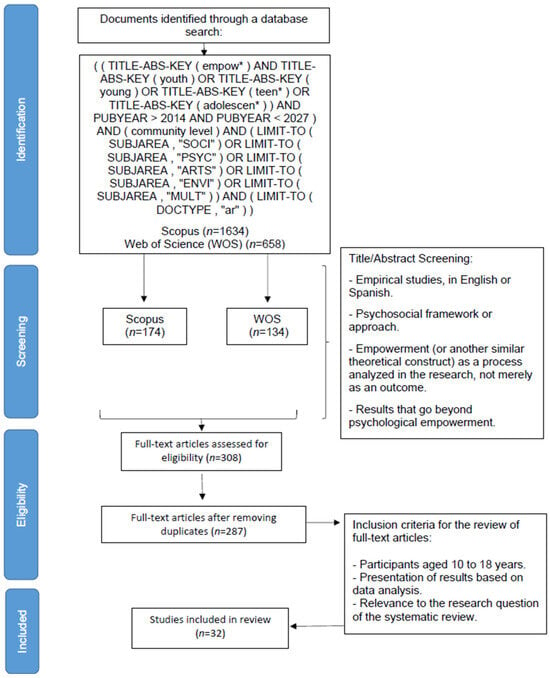
This scoping review examines how youth empowerment is addressed beyond the psychological level, with a focus on group and community dimensions. Although empowerment theory conceptualises empowerment as a multi-level process, research has predominantly focused on individual outcomes. Following PRISMA-ScR guidelines, a systematic search was conducted in Scopus and Web of Science. This search identified 32 empirical studies involving adolescents aged 10 to 18, focusing on psychosocial interventions and outcomes beyond psychological empowerment. The studies were conducted across diverse contexts and mainly employed qualitative and mixed methods designs. The findings show that, at the group level, empowerment is associated with social support, collective learning and participation in decision-making. At the community level, it is reflected in civic engagement, co-design and shifts in power relations and public recognition. However, most studies continue to prioritise psychological outcomes. Groups and communities are primarily treated as contexts rather than as units of empowerment. These results indicate that group and community dimensions remain underdeveloped and highlight the need for approaches that better capture empowerment as a multi-level and relational process.
Full article
(This article belongs to the Special Issue Action Research, Methods and Measures in Community Psychology—2nd Edition)
►▼
Show Figures

Figure 1
Open AccessArticle
Can Virtual Reality Change Minds?
by
Kadir Gülcan and Ayça Demet Atay
Behav. Sci. 2026, 16(6), 865; https://doi.org/10.3390/bs16060865 (registering DOI) - 28 May 2026
Abstract
This study investigates how immersive journalism delivered through virtual reality may shape audience responses toward refugees by activating affective and cognitive mechanisms associated with behavioral response. Drawing on four focus group sessions with a total of thirty two participants in Northern Cyprus, the
[...] Read more.
This study investigates how immersive journalism delivered through virtual reality may shape audience responses toward refugees by activating affective and cognitive mechanisms associated with behavioral response. Drawing on four focus group sessions with a total of thirty two participants in Northern Cyprus, the research compares the empathic engagement and evaluative reflections associated with a 360 degree VR documentary with those produced through a traditional 2D viewing format. Participants who experienced the content in VR reported a heightened sense of presence, emotional proximity, and perspective taking, which corresponded with a positive change in their views toward refugees. In contrast, those who watched the same content in 2D expressed emotional discomfort yet generally did not describe a notable attitudinal shift, suggesting that non-immersive viewing maintains psychological distancing and reinforces pre-existing beliefs. The findings indicate that immersive journalism can operate as a technological catalyst for short-term attitudinal reorientation in politically sensitive contexts, particularly by eliciting embodied emotional responses that traditional formats struggle to generate. Although the study is limited by its small sample size and reliance on self-reported reflections, it contributes to the growing body of evidence that immersive media hold behavioral and perceptual relevance for journalism practice, audience engagement, and the broader public understanding of marginalized populations.
Full article
(This article belongs to the Special Issue The Impact of Technology on Human Behavior)
Open AccessArticle
Social Media Addiction and Orthorexia Nervosa Tendencies in Turkish Adults: A Cross-Sectional Study of BMI and Lifestyle Factors
by
Bekir Erhan Orhan
Behav. Sci. 2026, 16(6), 864; https://doi.org/10.3390/bs16060864 - 28 May 2026
Abstract
This cross-sectional study examined whether addictive-like social media use, operationalized as generalized symptom-like engagement captured by the Bergen Social Media Addiction Scale (BSMAS) rather than content-specific exposure, is associated with orthorexia nervosa tendency in Turkish adults, and whether these associations persist after adjustment
[...] Read more.
This cross-sectional study examined whether addictive-like social media use, operationalized as generalized symptom-like engagement captured by the Bergen Social Media Addiction Scale (BSMAS) rather than content-specific exposure, is associated with orthorexia nervosa tendency in Turkish adults, and whether these associations persist after adjustment for BMI and lifestyle factors. Complete-case data on n = 258 adults (age ≥ 18 years) were analyzed using validated Turkish versions of the BSMAS and the Orthorexia Nervosa Inventory (ONI). Group differences were tested using Welch’s procedures with Holm-adjusted post hoc comparisons; associations were examined using Pearson correlations and HC3-robust multiple regression controlling for gender, age, education, physical activity frequency, smoking, alcohol use, and BMI. The mean age was 23.96 ± 9.36 years, and the mean BMI was 23.46 ± 4.09 kg·m−2. Men reported higher ONI total (g = 0.45) and higher BMI (g = 0.72) than women, whereas BSMAS did not differ by gender (g = 0.05). ONI total differed across BMI categories, with lower scores in the underweight category than in the overweight and obesity categories (Holm-adjusted p < 0.05). BMI showed a small positive correlation with ONI total (r = 0.136), and age was weakly negatively correlated with BSMAS (r = −0.172). BSMAS showed small correlations with ONI Impairments and ONI Emotions (r = 0.139–0.148). The bivariate association between BSMAS and ONI total was small and non-significant (r = 0.092). BSMAS was not an independent predictor of ONI total in the covariate-adjusted HC3 regression (B = 0.246, p = 0.141; adjusted R2 = 0.059). In this sample of Turkish adults, orthorexia nervosa tendency was associated with gender and BMI strata. In contrast, generalized addictive-like social media use showed no independent association with overall orthorexia after covariate adjustment. The absence of an independent BSMAS-ONI association should not be interpreted as evidence that social media is unrelated to orthorexia; rather, a generalized addiction-like measure may be insufficient to capture content- and platform-specific digital pathways. Future research should incorporate content-specific exposure and longitudinal designs to clarify mechanisms.
Full article
(This article belongs to the Topic Behavioral Addictions and Risk-Taking in the Digital Age: Gambling, Sports Betting, and Emerging Challenges)
Open AccessArticle
Longitudinal Effects of Academic Performance on Depression and Subjective Well-Being Among Students in China’s Elite Universities
by
Xinqiao Liu, Xinyuan Zhang and Yunfeng Luo
Behav. Sci. 2026, 16(6), 863; https://doi.org/10.3390/bs16060863 - 27 May 2026
Abstract
During the critical life transition of higher education, academic performance and mental health are two key factors that influence college students’ personal growth and future career development. Notably, there is ongoing debate regarding whether a bidirectional relationship exists between academic performance and mental
[...] Read more.
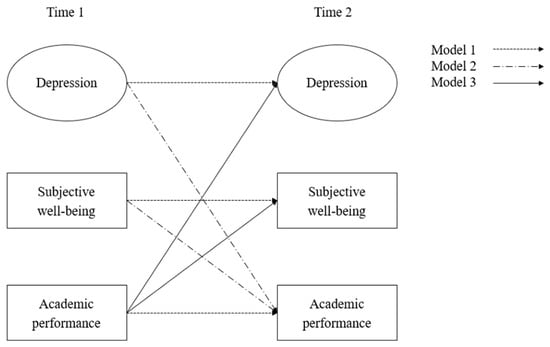
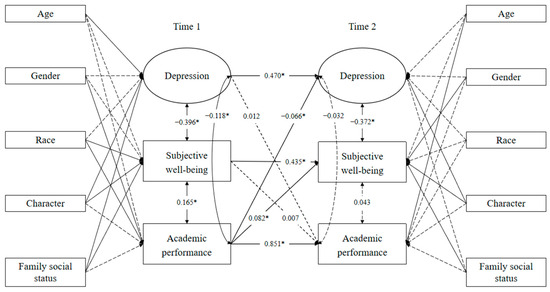
During the critical life transition of higher education, academic performance and mental health are two key factors that influence college students’ personal growth and future career development. Notably, there is ongoing debate regarding whether a bidirectional relationship exists between academic performance and mental health, and existing research lacks longitudinal evidence from students in China’s elite universities. As key indicators of mental health, the dynamic relationship between depression, subjective well-being, and academic performance warrants further investigation. This study utilizes data from two waves of the Beijing College Students Panel Survey, a large-scale longitudinal study of university students in Beijing that was launched in 2009. Using a sample of 874 students from five elite universities in Beijing, China, the study employed a cross-lagged model to examine the longitudinal bidirectional relationship between depression, subjective well-being and academic performance. The results show that academic performance is negatively correlated with depression and positively correlated with subjective well-being. Cross-lagged analysis further indicates that prior academic performance can predict subsequent depression (β = −0.066, p < 0.1) and subjective well-being (β = 0.082, p < 0.05), but there is insufficient evidence for the reverse predictive relationship (p > 0.1). These findings suggest that, for students in China’s elite universities, academic performance is a significant antecedent of subsequent mental health status. The conclusions emphasize the importance of enhancing academic support in elite universities to promote mental health and provide empirical evidence for constructing a collaborative support system that integrates academic and psychological aspects, as well as health communication strategies for behavioral change.
Full article
(This article belongs to the Topic Lifestyle Medicine and Nursing Research)
►▼
Show Figures

Figure 1
Open AccessArticle
How Generative AI Use Styles Shape Academic Engagement: The Roles of Academic Impostor Syndrome and AI Policy Clarity
by
Yu Wang, Xiaoxue Mi, Wenwen Tang, Yawei Tang and Heyuan Gao
Behav. Sci. 2026, 16(6), 862; https://doi.org/10.3390/bs16060862 - 27 May 2026
Abstract
Generative AI (GenAI) is increasingly embedded in higher education, yet evidence on its implications for students’ academic engagement and psychological experiences remains mixed. One possible reason is that prior research has often focused on how much students use AI and their general confidence
[...] Read more.
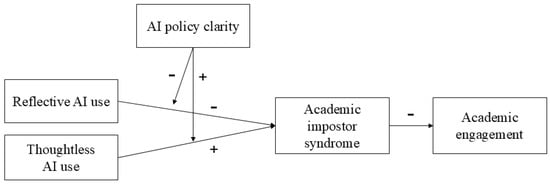
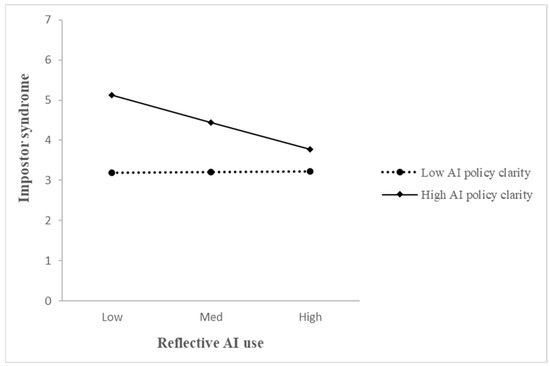
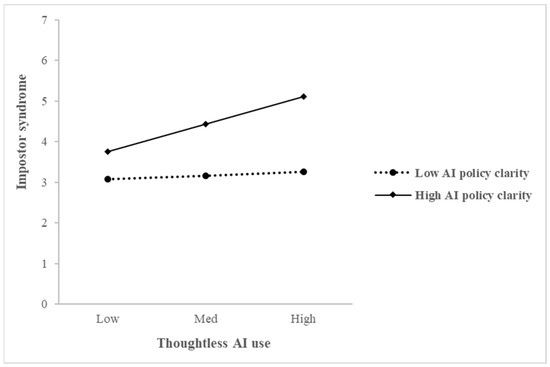
Generative AI (GenAI) is increasingly embedded in higher education, yet evidence on its implications for students’ academic engagement and psychological experiences remains mixed. One possible reason is that prior research has often focused on how much students use AI and their general confidence in task completion, while paying less attention to how they use AI and how they attribute AI-supported achievement. To address this gap, this study distinguishes reflective from thoughtless AI use, examines academic impostor syndrome as a self-evaluative mechanism linking AI use styles to academic engagement, and tests perceived AI policy clarity as a contextual moderator. A two-wave survey of 478 Chinese university students showed that reflective AI use was negatively associated with academic impostor syndrome, whereas thoughtless AI use showed the opposite pattern. Academic impostor syndrome, in turn, was negatively associated with engagement and mediated both pathways. Perceived AI policy clarity amplified these patterns. These findings suggest that GenAI integration should be understood not only as a question of adoption or efficiency, but also of interaction quality and competence attribution. The study highlights the importance of cultivating reflective AI literacy and developing institutional policies that are clear yet psychologically attuned to students’ self-evaluative concerns.
Full article
(This article belongs to the Section Educational Psychology)
►▼
Show Figures

Figure 1
Open AccessArticle
Burnout in Embryologists from the Perspective of an International Expert Panel: A Qualitative Study
by
Raquel Urteaga and Amelia Díaz
Behav. Sci. 2026, 16(6), 861; https://doi.org/10.3390/bs16060861 - 27 May 2026
Abstract
►▼
Show Figures
Healthcare professionals, including those working in assisted reproduction, are characterized by high levels of stress and burnout, with embryologists showing the highest levels. The aim of this study was to identify both the stressors that contribute to burnout and the potential prevention strategies
[...] Read more.
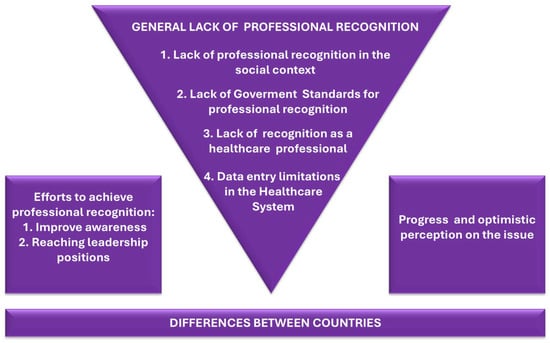
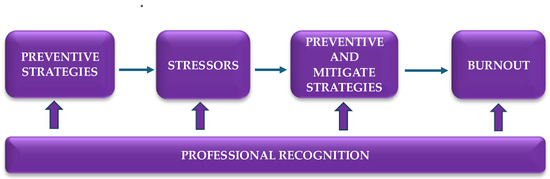
Healthcare professionals, including those working in assisted reproduction, are characterized by high levels of stress and burnout, with embryologists showing the highest levels. The aim of this study was to identify both the stressors that contribute to burnout and the potential prevention strategies they considered useful. For this, a qualitative study based on a semi-structured interview was conducted in a panel of 12 senior embryologists from eight countries in four continents. The interviews were recorded and thematic analysis was performed using MAXQDA® 26 software From a deductive approach, stressors were those inherent to the embryologist profession such as excessive demands; physical and organizational stressors, such as high workload and ergonomic issues; and patient-related stressors, such as difficult communication and interactions. On the other hand, preventive/mitigating factors were classified, according to their nature, as physical (natural light), relational (conflict management), organizational (organizational planning) and psychological (stress management). From an inductive approach, lack of professional recognition arose as an additional theme, where embryologists complained about the unfair situation when comparing themselves with other team members, as healthcare professionals, or even in the wider social context. The results of this work should be considered in interventions that seek to improve the well-being of these professionals by reducing their burnout.
Full article

Figure 1
Open AccessArticle
The Association Between Parental Homework Checking and Chinese Adolescents’ Loneliness: The Mediating Role of Academic Pressure and the Moderating Role of Parental Educational Expectations
by
Wenbin Wu and Mingzheng Liu
Behav. Sci. 2026, 16(6), 860; https://doi.org/10.3390/bs16060860 - 27 May 2026
Abstract
►▼
Show Figures
Driven by the Confucian cultural ideal of “wang zi cheng long”—the fervent hope that one’s child will rise like a dragon (i.e., achieve extraordinary success)—Chinese parents commonly engage in intensive academic involvement, such as frequent homework checking. However, the mechanisms through which this
[...] Read more.
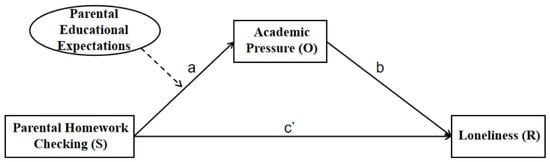
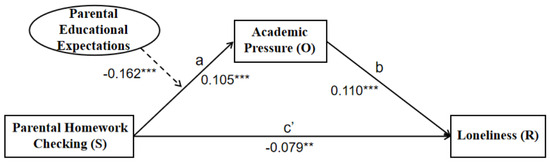
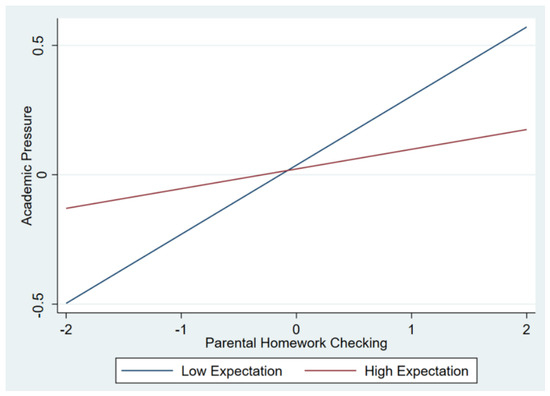
Driven by the Confucian cultural ideal of “wang zi cheng long”—the fervent hope that one’s child will rise like a dragon (i.e., achieve extraordinary success)—Chinese parents commonly engage in intensive academic involvement, such as frequent homework checking. However, the mechanisms through which this high-intensity monitoring affects adolescent mental health, and whether its effects are culturally specific, remain underexplored. Drawing upon the stimulus–organism–response (SOR) theory and the stress process model, this study used data from the 2022 China Family Panel Studies (CFPS) on 1831 adolescents aged 9–15 to examine the impact of parental homework checking frequency on adolescent loneliness, the mediating role of academic pressure, and the moderating role of parental educational expectations. The results show that parental homework checking frequency was positively associated with academic pressure, which in turn was positively associated with loneliness. The mediating role of academic pressure was significant. Parental educational expectations significantly and negatively moderated the relationship between homework checking and academic pressure, and the moderated mediation was significant. Simple slope analysis indicated that the positive association between homework checking and academic pressure was stronger. In the Confucian cultural context that emphasizes academic achievement and filial responsibility, frequent parental homework checking is associated with adolescent loneliness through increased academic pressure. Unexpectedly, high parental expectations served as a buffer—a pattern that differs from typical findings in Western individualistic cultures, where high expectations often directly increase psychological distress. These findings suggest that interventions in Chinese family education should distinguish controlling from supportive monitoring and transform high expectations into emotional support and resource investment, thereby reducing adolescents’ academic pressure and loneliness.
Full article

Figure 1
Open AccessArticle
Correspondence Between Student and Teacher Reports of School Climate: Ideas for Strengthening School Behavioral Health Programming
by
Alena Quinn, Halle R. Singer, Abigail Westbrook, Samuel D. McQuillin, Brooke E. Chehoski and Mark D. Weist
Behav. Sci. 2026, 16(6), 859; https://doi.org/10.3390/bs16060859 - 27 May 2026
Abstract
Comprehensive school behavioral health (SBH) programs offer an integrated approach for mental health support. However, program success hinges on critical school-level factors, particularly school climate. While prior research has examined the discrepancy between student and teacher perceptions of school climate, there is uncertainty
[...] Read more.
Comprehensive school behavioral health (SBH) programs offer an integrated approach for mental health support. However, program success hinges on critical school-level factors, particularly school climate. While prior research has examined the discrepancy between student and teacher perceptions of school climate, there is uncertainty surrounding how correspondence of school climate perceptions may inform SBH implementation and continuous improvement. This exploratory study investigates student and teacher perceptions of school climate across 19 schools implementing a comprehensive SBH program within a large-scale randomized controlled trial. School climate data were collected during spring 2022 using the U.S. Department of Education School Climate Survey, which assesses school climate domains of engagement, safety, and environment. Pearson correlations and Cohen’s d were conducted using aggregate school-level student and teacher reports to examine correlation and mean-level differences across domains. Results revealed significant, moderate to high correspondence between student and teacher perceptions in domains of safety and environment, particularly across subdomains of physical safety, bullying/cyberbullying, substance abuse, mental health, and discipline. Findings indicate how correspondence in areas of school climate, such as safety and environment, may inform the implementation and improvement of school-wide SBH programming.
Full article
(This article belongs to the Section Educational Psychology)
Open AccessArticle
Cognitive Reflection Enhances Rationality Without Changing the Underlying Cognitive Processes
by
Andreas Glöckner and Marc Jekel
Behav. Sci. 2026, 16(6), 858; https://doi.org/10.3390/bs16060858 - 27 May 2026
Abstract
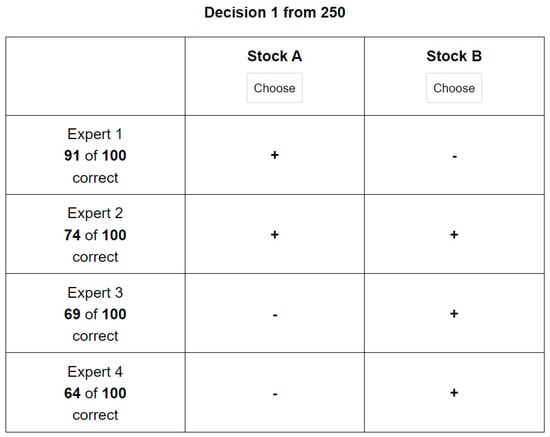
This study (N = 249) examines the influence of cognitive reflection on rational decision making in tasks that require the—potentially rapid—integration of multiple pieces of information but are not designed such that intuitive (System 1) responses mislead people. Cognitive reflection was measured
[...] Read more.
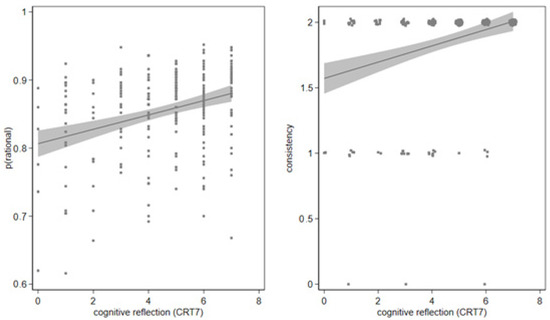
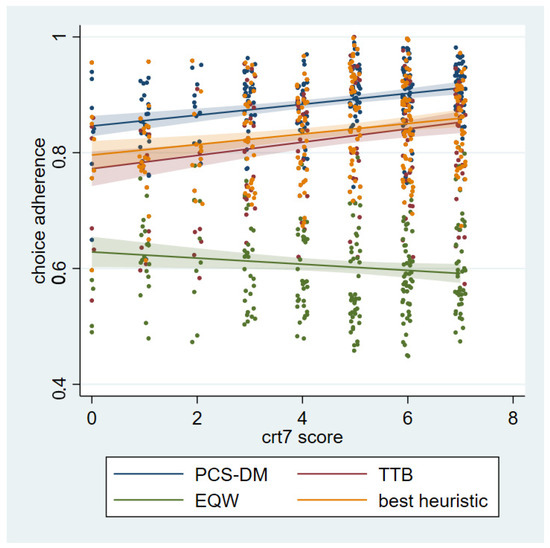
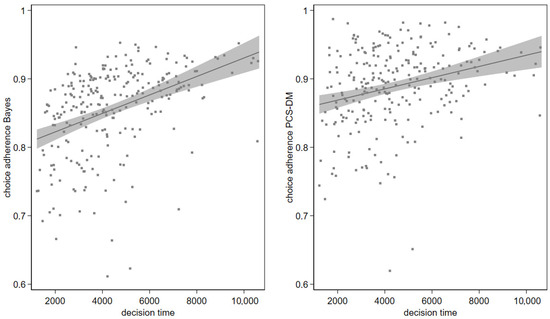
This study (N = 249) examines the influence of cognitive reflection on rational decision making in tasks that require the—potentially rapid—integration of multiple pieces of information but are not designed such that intuitive (System 1) responses mislead people. Cognitive reflection was measured using the Cognitive Reflection Test (CRT). Choice behavior was analyzed in 250 probabilistic inference tasks and 16 risky-decision tasks completed by each participant. In both tasks, individuals with higher CRT scores made more rational choices. This superior performance was not attributable to qualitative differences in cognitive processes. For individuals low and high in cognitive reflection, the same Parallel Constraint Satisfaction Model best explained their choice behavior. High-reflective individuals appeared to use the same coherence-based processes more efficiently and consistently. The absence of qualitative process differences across individuals varying in their tendency to engage in deliberate processing supports an integrative account of dual-process models, particularly those grounded in interactive activation frameworks.
Full article
(This article belongs to the Special Issue Examining Cognitive Processes of Decision-Making under the Perspective of a Dual-System Approach)
►▼
Show Figures

Figure 1
Open AccessArticle
The Relationship Between Social Adaptation and Parenting Styles in Left-Behind and Non-Left-Behind Children: A Network Analysis
by
Shuying Fu, Peng Li and Gonglu Cheng
Behav. Sci. 2026, 16(6), 857; https://doi.org/10.3390/bs16060857 - 27 May 2026
Abstract
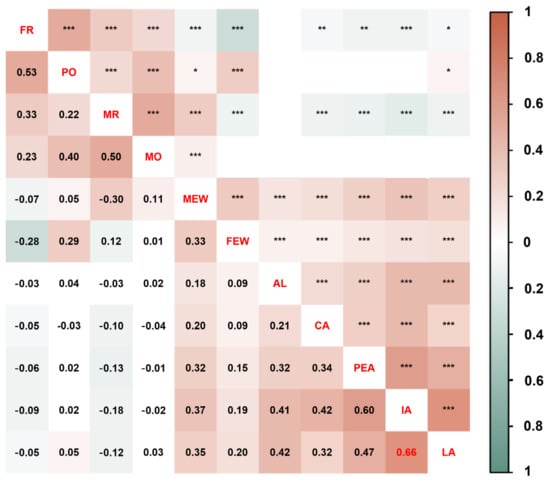
Although prior research has typically examined the relationship between parenting styles and left-behind children’s social adaptation using broad categories without identifying directly linked dimensions, the present study employed network analysis to conceptualise both as interconnected dimensional networks. Methods: A total of 2452 children
[...] Read more.
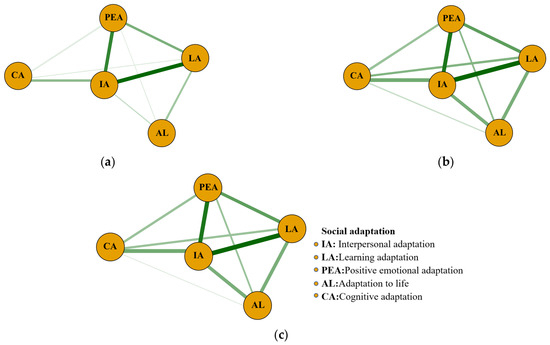
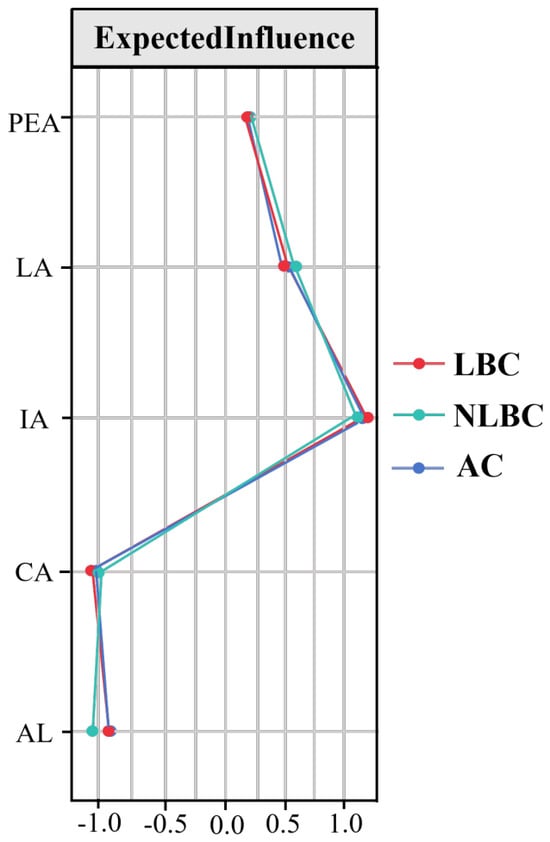
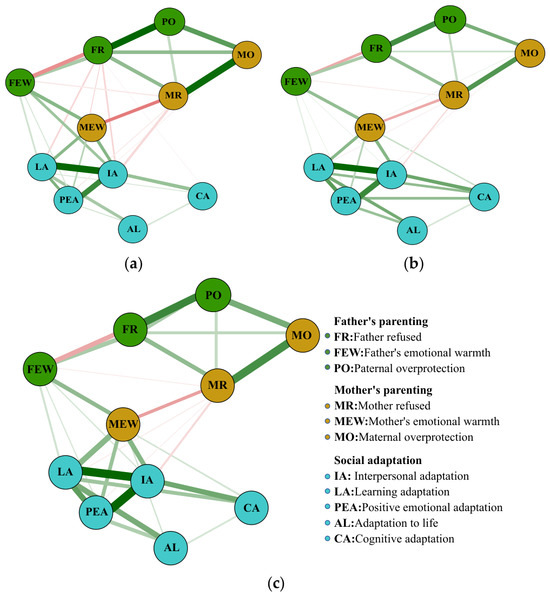
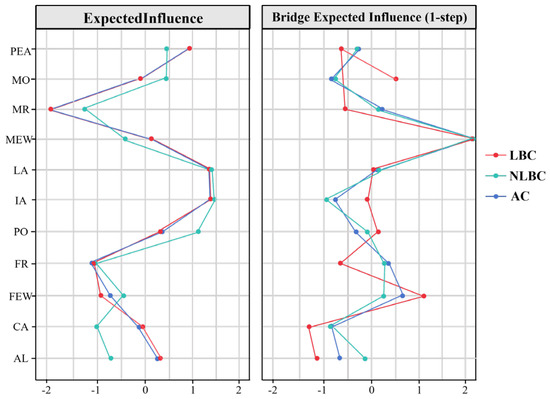
Although prior research has typically examined the relationship between parenting styles and left-behind children’s social adaptation using broad categories without identifying directly linked dimensions, the present study employed network analysis to conceptualise both as interconnected dimensional networks. Methods: A total of 2452 children (713 left-behind, 1739 non-left-behind) were included. Results: (1) The results revealed that interpersonal adaptation and learning adaptation were core dimensions in the SA networks of both groups. (2) In the combined PS-SA network for left-behind children, the core dimensions were interpersonal adaptation, learning adaptation, father’s rejection, and mother’s rejection; for non-left-behind children, they were interpersonal adaptation, learning adaptation, mother’s rejection, and mother’s emotional warmth. (3) Network comparisons further indicated that the connections between father’s rejection and interpersonal adaptation, father’s rejection and learning adaptation, and father’s emotional warmth and learning adaptation were stronger in the left-behind group, whereas the connections between mother’s emotional warmth and positive emotional adaptation, and between interpersonal adaptation and learning adaptation, were stronger in the non-left-behind group. Conclusions: these findings visualise and specify how distinct parenting dimensions relate to different facets of social adaptation, offering parents and schools potential targets for adaptation education tailored to left-behind children.
Full article
(This article belongs to the Special Issue Family Interaction and Children’s Social Development: Behavioral and Neural Correlates)
►▼
Show Figures

Figure 1
Open AccessEditorial
The Promotion of Self-Regulated Learning (SRL) in the Classroom
by
Stella Vosniadou
Behav. Sci. 2026, 16(6), 856; https://doi.org/10.3390/bs16060856 - 27 May 2026
Abstract
Self-regulated learning (SRL) refers to learners’ abilities to manage their learning by actively setting goals, monitoring their comprehension, controlling their emotion and motivation, and evaluating learning outcomes (Boekaerts & Corno, 2005; Hadwin et al [...]
Full article
(This article belongs to the Special Issue The Promotion of Self-Regulated Learning (SRL) in the Classroom)
Open AccessArticle
A Single-Indicator Factor Approach for Correcting Measurement Error in Time-Varying Predictors in Developmental Research
by
Kejin Lee
Behav. Sci. 2026, 16(6), 855; https://doi.org/10.3390/bs16060855 - 27 May 2026
Abstract
Composite scores (e.g., mean or sum of survey items) are widely used as outcomes or predictors in psychological and social science research despite methodological concerns regarding measurement error. Despite extensive study of measurement error in path models, relatively little attention has been paid
[...] Read more.
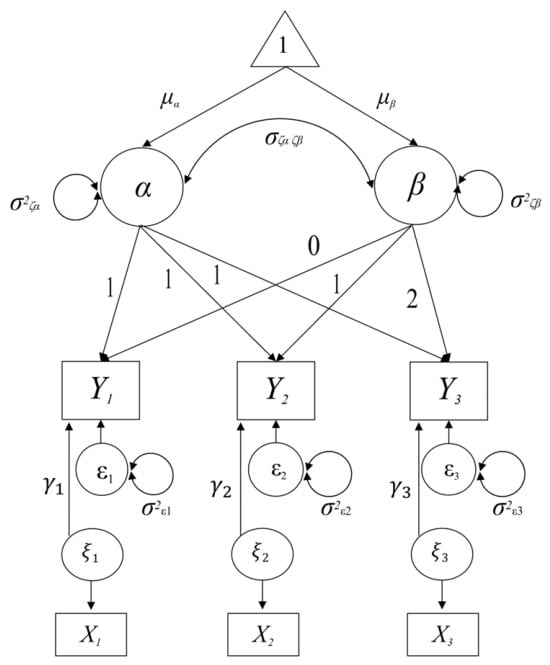
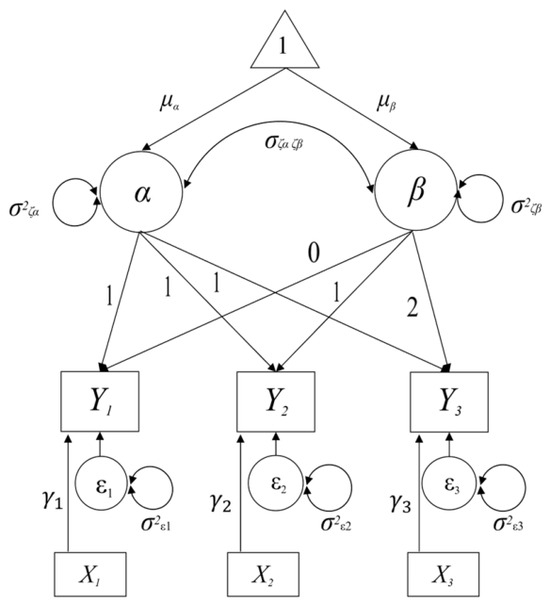
Composite scores (e.g., mean or sum of survey items) are widely used as outcomes or predictors in psychological and social science research despite methodological concerns regarding measurement error. Despite extensive study of measurement error in path models, relatively little attention has been paid to this methodological issue in latent growth modeling (LGM), particularly when predictors vary over time. Time-varying predictors allow for modeling occasion-specific influences beyond underlying developmental trajectories, yet they are frequently operationalized using composite scores that implicitly assume perfect reliability. To address this gap, the present study investigates the consequences of ignoring measurement error in composite time-varying predictors within the LGM framework. Notably, this is the first study to evaluate the single-indicator (SI) modeling approach as a method for correcting measurement error in time-varying predictors. We compared the traditional LGM incorporating composite predictors with the LGM that incorporates the SI factor approach to account for measurement error in time-varying predictors using the Early Childhood Longitudinal Study, Kindergarten Class of 1998–1999 (ECLS-K) dataset and a Monte Carlo simulation. The Monte Carlo simulation results revealed that ignoring measurement error in time-varying predictors attenuated occasion-specific effects by up to 30%. These findings underscore the necessity of correcting for measurement error using SI factor modeling to ensure the validity of developmental inferences in LGM.
Full article
(This article belongs to the Special Issue Innovations and Integrations in Quantitative Methods for Behavioral Science Research)
►▼
Show Figures

Figure 1
Open AccessArticle
Predictive Discriminant Validity of the 20-Item Toronto Alexithymia Scale: Incremental Prediction of Emotion Regulation Beyond Psychological Distress
by
Ardeshir Mortezaei, Cheyenne S. McIntyre, Graeme J. Taylor and R. Michael Bagby
Behav. Sci. 2026, 16(6), 854; https://doi.org/10.3390/bs16060854 - 27 May 2026
Abstract
Several factor analytic investigations question whether the 20-item Toronto Alexithymia Scale (TAS-20) discriminates alexithymia from general psychological distress, with some researchers concluding that the difficulty identifying feelings (DIF) subscale measures distress rather than alexithymia. This debate has focused almost exclusively on structural discriminant
[...] Read more.
Several factor analytic investigations question whether the 20-item Toronto Alexithymia Scale (TAS-20) discriminates alexithymia from general psychological distress, with some researchers concluding that the difficulty identifying feelings (DIF) subscale measures distress rather than alexithymia. This debate has focused almost exclusively on structural discriminant validity (i.e., factor analytic analyses) while neglecting predictive discriminant validity, or whether alexithymia predicts clinically relevant outcomes relatively independent of distress. The present study addressed this issue using hierarchical multiple regression in a community sample enriched with participants having psychiatric histories (N = 661). Emotion regulation was assessed across three domains: global emotion dysregulation (DERS), maladaptive and adaptive cognitive strategies (CERQ), and behavioral strategies (BERQ). After controlling for depression, anxiety, and stress (DASS-21), the TAS-20—entered as its three subscales (DIF, DDF, EOT)—retained statistically significant incremental prediction across all five emotion regulation outcomes. Increments were largest for global emotion dysregulation (ΔR2 = 0.11) and behavioral regulation (ΔR2 = 0.10 adaptive, 0.09 maladaptive), and smallest for cognitive regulation outcomes (ΔR2 = 0.02 adaptive, 0.03 maladaptive); none reached the 0.15 heuristic for a clinically meaningful incremental validity, but all were statistically reliable and obtained against a deliberately conservative test in which alexithymia–distress overlap was partialed prior to entry. Among the subscales, difficulty describing feelings (DDF) and externally oriented thinking (EOT) emerged as the most consistent unique predictors across outcomes after distress control, whereas DIF showed greater attenuation. Notably, a domain-level dissociation emerged whereby alexithymia was the stronger unique predictor of behavioral regulation outcomes while distress showed comparatively greater unique prediction of cognitive strategies, suggesting the two constructs contribute to emotion regulation impairment through partially distinct pathways. These findings support the predictive discriminant validity of the TAS-20: the instrument captures incremental variance in emotion regulation that is statistically reliable across domains and theoretically coherent in its facet-level patterning, even as the construct shows some understandable overlap with concurrent psychological distress.
Full article
Open AccessArticle
A Stress-Induced Digital Escapism Framework for Understanding the Link Between Stress and Problematic Social Media Use
by
Hwajin Yang, Frosch Y. X. Quek, Salin X. H. Yap, Germaine Y. Q. Tng and Gilaine Rui Ng
Behav. Sci. 2026, 16(6), 853; https://doi.org/10.3390/bs16060853 - 26 May 2026
Abstract
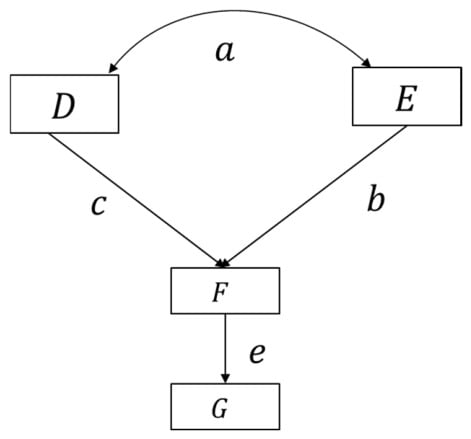
Given that stress is a significant risk factor for problematic social media use, understanding the underlying psychological mechanisms is essential. We introduce the Stress-Induced Digital Escapism (SIDE) framework, which posits that negative internal emotional responses to external stressors may increase reliance on maladaptive
[...] Read more.
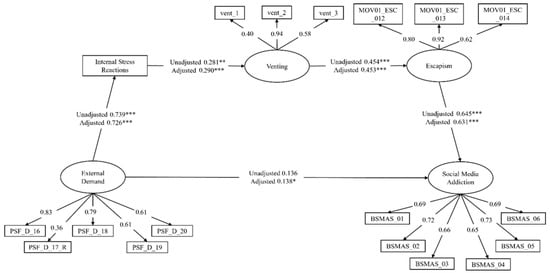
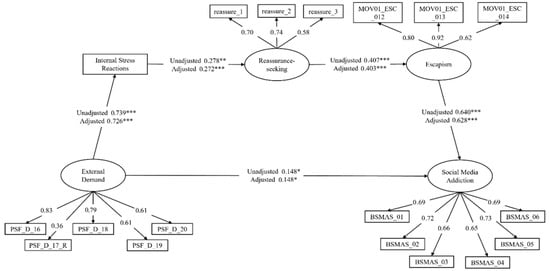
Given that stress is a significant risk factor for problematic social media use, understanding the underlying psychological mechanisms is essential. We introduce the Stress-Induced Digital Escapism (SIDE) framework, which posits that negative internal emotional responses to external stressors may increase reliance on maladaptive emotion regulation strategies that fail to alleviate distress. These processes may, in turn, strengthen escapism motives that lead to seeking emotional relief through compulsive social media use. Using structural equation modeling (N = 238), we examined three integrated psychological pathways—negative stress reactions, maladaptive emotion regulation strategies, and escapism motives—as sequential mediators linking external demands to problematic social media use. Consistent with the proposed framework, external demands showed significant indirect associations with problematic social media use through negative emotional responses, maladaptive interpersonal emotion regulation strategies (venting, reassurance-seeking), and escapism motives as sequential mediators. Sensitivity analysis supported the robustness of the serial mediation model over alternative models with reversed pathways. These findings support the SIDE framework as a unified account of the psychological mechanisms underlying stress-related problematic social media use.
Full article
(This article belongs to the Section Social Psychology)
►▼
Show Figures

Figure 1
Open AccessArticle
Uncovering Motivational Profiles Among Academically Resilient Students: A Population-Level Latent Profile Analysis
by
Michele Zacchilli, Giulia Raimondi, Sara Manganelli, Elisa Cavicchiolo, Tommaso Palombi, James Dawe, Barbara Cazzolli, Fabio Lucidi and Fabio Alivernini
Behav. Sci. 2026, 16(6), 852; https://doi.org/10.3390/bs16060852 - 26 May 2026
Abstract
Academically resilient students achieve high performance despite socioeconomic disadvantages. Although this population has received increasing attention, little is known about its motivational heterogeneity, a critical gap given the central role of motivation in persistence and success. Guided by Self-Determination Theory (SDT), this study
[...] Read more.
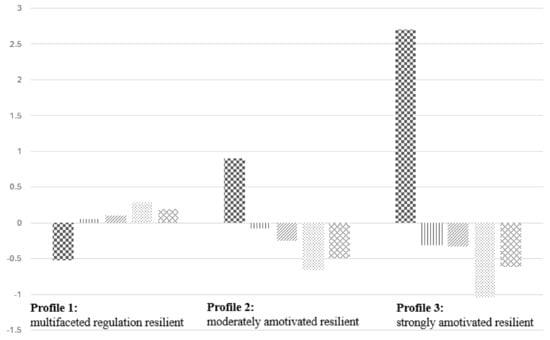
Academically resilient students achieve high performance despite socioeconomic disadvantages. Although this population has received increasing attention, little is known about its motivational heterogeneity, a critical gap given the central role of motivation in persistence and success. Guided by Self-Determination Theory (SDT), this study examined motivational profiles among a population of academically resilient 10th-grade students in Italy (N = 15,751). Using a person-centered approach, Latent Profile Analysis (LPA) identified three profiles: a “multifaceted regulation resilient” profile (72%), marked by low amotivation and high levels across regulations; a “moderately amotivated resilient” profile (21%), with higher amotivation and lower levels of regulation; and a “strongly amotivated resilient” profile (7%), characterized by the highest amotivation and the lowest levels of regulation. Auxiliary analyses indicated that the amotivated profiles, particularly the “strongly amotivated resilient” profile, exhibited higher school dropout intentions than the “multifaceted regulation resilient” profile. Overall, although the majority of academically resilient students displayed multiple coexisting forms of regulation, a non-negligible subgroup showed significant motivational vulnerability, with amotivation emerging as a central risk factor. These findings challenge the assumption that academic resilience is sufficient to protect students from motivational disengagement and dropout risk. High academic achievement, in other words, should not be taken to imply the absence of motivational concerns. This highlights the importance of moving beyond a one-size-fits-all approach, recognizing that even within resilient populations, specific subgroups remain motivationally vulnerable and in need of tailored support.
Full article
(This article belongs to the Special Issue Stress and Resilience in Adolescence and Early Adulthood)
►▼
Show Figures

Figure 1
Open AccessArticle
Depressive Symptoms and Self-Reported Emotion Regulation Strategy Use Among Empty-Nest Older Adults Following Recalled Happy and Sad Events
by
Junni Wang, Jun Yang and Qianqian Zhang
Behav. Sci. 2026, 16(6), 851; https://doi.org/10.3390/bs16060851 - 26 May 2026
Abstract
►▼
Show Figures
Although the psychological consequences of the empty-nest period are heterogeneous, depressive symptoms remain an important concern among empty-nest older adults in China. However, little is known about how depressive symptoms are associated with the self-reported use of emotion regulation (ER) strategies following positive
[...] Read more.
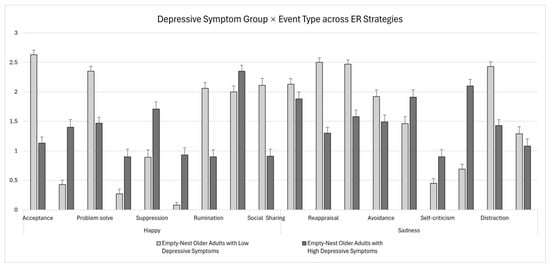
Although the psychological consequences of the empty-nest period are heterogeneous, depressive symptoms remain an important concern among empty-nest older adults in China. However, little is known about how depressive symptoms are associated with the self-reported use of emotion regulation (ER) strategies following positive and negative emotional events. This study compared the self-reported use of nine ER strategies following recalled happy and sad events among empty-nest older adults with high versus low depressive symptoms (N = 145) using generalized estimating equations. Older adults with higher depressive symptoms reported more frequent use of rumination and self-criticism following sad events, and more frequent use of cognitive reappraisal, expressive suppression, experiential avoidance, and self-criticism following happy events. They also reported less frequent problem-solving across both event types and less frequent acceptance and social sharing following happy events. In addition, they reported more frequent rumination following sad events and more frequent cognitive reappraisal and distraction following happy events, whereas the low-depressive-symptom group showed the reverse pattern. They also showed lower overall strategy-use ratings, a smaller strategy repertoire following sad events, and less differentiated repertoire patterns across happy and sad events. These findings provide descriptive evidence that depressive symptoms among empty-nest older adults are associated with distinct patterns of self-reported ER strategy use and repertoire size following recalled sad events.
Full article

Figure 1
Open AccessArticle
When Effort Meets Belief: A Moderated Mediation Model of Conscientiousness, Self-Efficacy, and Academic Engagement
by
Kyueun Han and Min Young Kim
Behav. Sci. 2026, 16(6), 850; https://doi.org/10.3390/bs16060850 - 26 May 2026
Abstract
►▼
Show Figures
Although conscientiousness is consistently associated with academic achievement, the psychological mechanisms underlying this relationship remain underexplored. We examine whether self-efficacy mediates the relationship between conscientiousness and academic engagement, and whether internal locus of control moderates this pathway. Our cross-sectional study included 1059 undergraduate
[...] Read more.
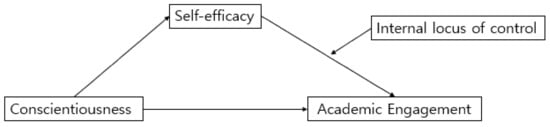
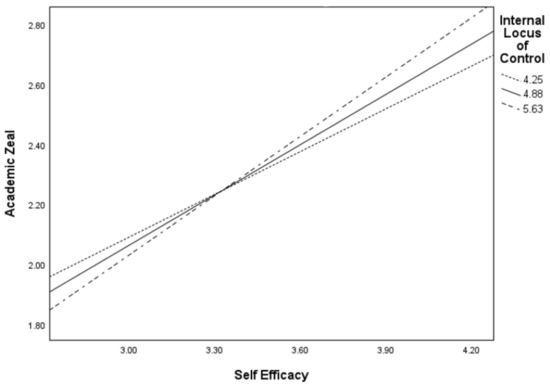
Although conscientiousness is consistently associated with academic achievement, the psychological mechanisms underlying this relationship remain underexplored. We examine whether self-efficacy mediates the relationship between conscientiousness and academic engagement, and whether internal locus of control moderates this pathway. Our cross-sectional study included 1059 undergraduate students from a South Korean university, who completed validated measures of conscientiousness, self-efficacy, internal locus of control, and academic engagement. Using Hayes’ PROCESS macro, we conducted mediation and moderated mediation analyses. The findings support an indirect association between conscientiousness and academic engagement through self-efficacy. Bootstrapping analysis indicated a significant indirect effect, whereas the direct effect of conscientiousness on engagement became non-significant when self-efficacy was included in the model. Internal locus of control significantly moderated the self-efficacy–engagement pathway, and the indirect pathway was strongest among students with high internal locus of control beliefs. Conscientiousness influenced academic engagement indirectly through students’ confidence in their capabilities. This association was strongest among students who believed their academic outcomes were determined by their own efforts. Interventions should strengthen self-efficacy and internal control beliefs to promote sustained academic engagement among conscientious students.
Full article

Figure 1
Journal Menu
► ▼ Journal Menu-
- Behavioral Sciences Home
- Aims & Scope
- Editorial Board
- Reviewer Board
- Topical Advisory Panel
- Instructions for Authors
- Special Issues
- Topics
- Sections
- Article Processing Charge
- Indexing & Archiving
- Editor’s Choice Articles
- Most Cited & Viewed
- Journal Statistics
- Journal History
- Journal Awards
- Conferences
- Editorial Office
Journal Browser
► ▼ Journal BrowserHighly Accessed Articles
Latest Books
E-Mail Alert
News
Topics
Topic in
Behavioral Sciences, EJIHPE, Social Sciences, J. Intell.
Personality and Cognition in Human–AI Interaction
Topic Editors: Virginia Sau Y. Kwan, Samantha McMichael, Julia BrailovskaiaDeadline: 15 June 2026
Topic in
Behavioral Sciences, Digital, Sustainability
Consumer Behavior and Sustainable Marketing Strategy in the Digital Era
Topic Editors: Antiopi Panteli, Basilis BoutsinasDeadline: 30 June 2026
Topic in
Buildings, Forests, Land, Remote Sensing, Behavioral Sciences, Sustainability
Biophilic Cities and Communities: Human-Environment Interaction and Sustainable Governance
Topic Editors: Xin-Chen Hong, Baojie He, Guangyu Wang, Zhaowu Yu, Jiang Liu, Xiong YaoDeadline: 31 July 2026
Topic in
Behavioral Sciences, Children, Healthcare, IJERPH, JFMK, Obesities
The Effect of Physical Activity on the Population's Health
Topic Editors: Stefania Paduano, Federica ValerianiDeadline: 31 August 2026
Conferences
Special Issues
Special Issue in
Behavioral Sciences
Disordered Eating and/or Sleep Disturbance Among Trauma-Exposed Adolescents and Adults
Guest Editors: Emily L. Tilstra-Ferrell, Alexandra Brockdorf, Christine HahnDeadline: 31 May 2026
Special Issue in
Behavioral Sciences
The Impact of Psychosocial Factors on Health Behaviors
Guest Editor: Hyoung Suk LeeDeadline: 31 May 2026
Special Issue in
Behavioral Sciences
Parent-Child Relations and Children's Emotional Development: Enhancing Intervention Effectiveness
Guest Editors: David S. DeGarmo, Wendy HadleyDeadline: 31 May 2026
Special Issue in
Behavioral Sciences
Second Edition: Perspectives on Violence and Sexual Harassment
Guest Editor: Rosa Valls-CarolDeadline: 31 May 2026