
Journal Description
Big Data and Cognitive Computing
is an international, peer-reviewed, open access journal on big data and cognitive computing published monthly online by MDPI.
- Open Access— free for readers, with article processing charges (APC) paid by authors or their institutions.
- High Visibility: indexed within Scopus, ESCI (Web of Science), dblp, Inspec, Ei Compendex, and other databases.
- Journal Rank: JCR - Q1 (Computer Science, Theory and Methods) / CiteScore - Q1 (Computer Science Applications)
- Rapid Publication: manuscripts are peer-reviewed and a first decision is provided to authors approximately 23.3 days after submission; acceptance to publication is undertaken in 4.8 days (median values for papers published in this journal in the first half of 2026).
- Recognition of Reviewers: reviewers who provide timely, thorough peer-review reports receive vouchers entitling them to a discount on the APC of their next publication in any MDPI journal, in appreciation of the work done.
- Journal Cluster of Artificial Intelligence: AI, AI in Medicine, Algorithms, BDCC, MAKE, MTI, Stats, Virtual Worlds, Computers and Journal of Superintelligence.
Impact Factor:
5.3 (2025);
5-Year Impact Factor:
4.9 (2025)
Latest Articles
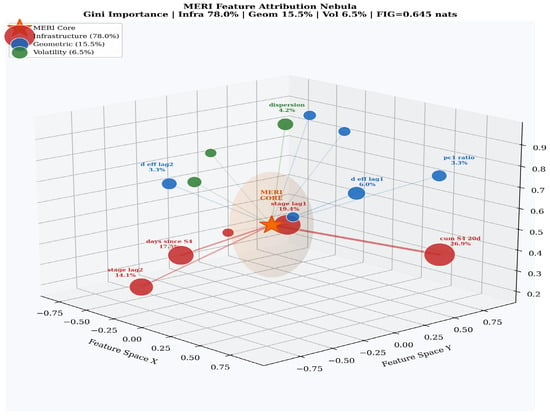
Cognitive Big Data Architecture for Daily Operational Jamming Transition Detection with Low-Latency Inference in Infrastructure-Constrained Financial Markets: The MERI Framework
Big Data Cogn. Comput. 2026, 10(7), 240; https://doi.org/10.3390/bdcc10070240 - 16 Jul 2026
Abstract
We introduce the MERI (Market Evolutionary Resilience Index), a cognitive big data framework operationalising jamming transition physics into a daily operational regime detector (low-latency inference, 8 ms per observation). Opaque models cannot be deployed in regulated environments because every automated alert must decompose
[...] Read more.
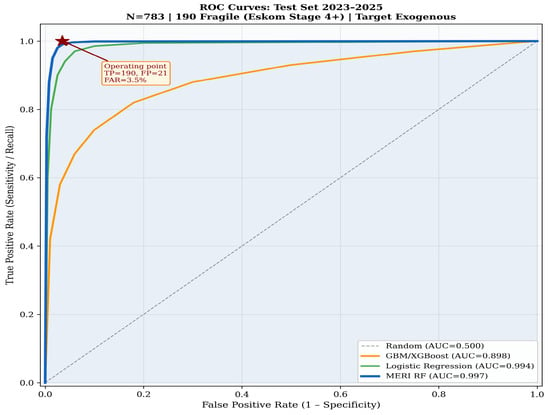
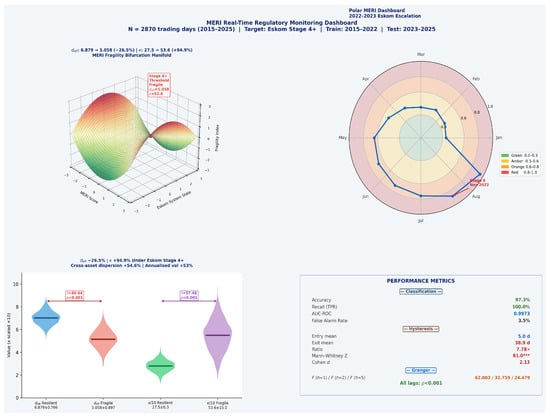
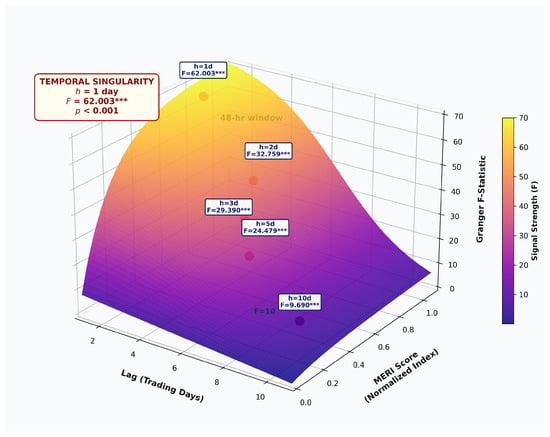
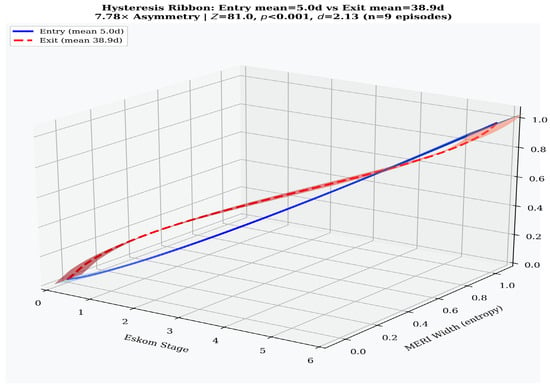
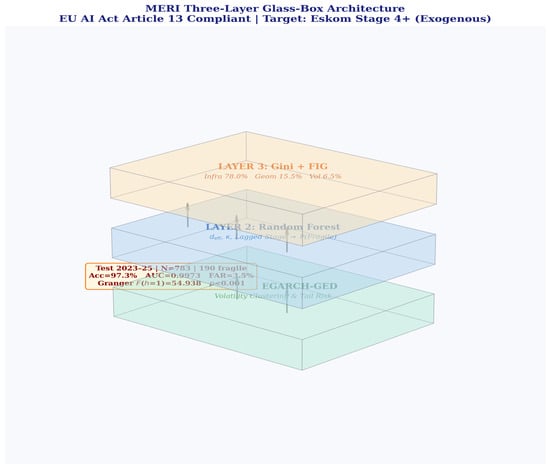
We introduce the MERI (Market Evolutionary Resilience Index), a cognitive big data framework operationalising jamming transition physics into a daily operational regime detector (low-latency inference, 8 ms per observation). Opaque models cannot be deployed in regulated environments because every automated alert must decompose into auditable feature contributions. The MERI addresses this by treating the market as a complex adaptive system whose metabolic state constitutes the primary observable. Three cognitive layers fuse heterogeneous streaming data: an EGARCH-GED econometric baseline, a Random Forest classifier on a 15-dimensional physics-derived feature space, and a TreeSHAP Gini attribution audit ensuring full prediction-level transparency. Fisher Information Gain epistemic gating restricts automated intervention to predictions exceeding 2.5 nats certainty. Evaluated on South African financial markets (2015–2025, trading days, Eskom load-shedding as exogenous forcing), the MERI achieves 97.3% accuracy (AUC = 0.9973, recall = 1.000), statistically equivalent to Temporal Fusion Transformers (Model Confidence Set, 90% confidence) while delivering 85.7% high-certainty predictions versus 23.4% for deep learning. A Granger-validated 48-h early warning lead ( , ), recovery hysteresis (Cohen’s ), and infrastructure dominance of 78.0% (Gini) confirm that the framework is operationally feasible for daily monitoring in the South African JSE–Eskom setting. Cross-domain portability is proposed as a theoretical extension pending empirical validation.
Full article
(This article belongs to the Section Cognitive System)
►
Show Figures
Open AccessArticle
Cognitive Detection at Big-Data Scale: A CNN-LSTM-DQN Framework with Prioritized Experience Replay for Cross-Attack-Family Generalization and Multi-Seed Initialization Sensitivity Analysis
by
Rushendra, Kalamullah Ramli, Prima Dewi Purnamasari, Teddy Surya Gunawan and Muhammad Salman
Big Data Cogn. Comput. 2026, 10(7), 239; https://doi.org/10.3390/bdcc10070239 - 16 Jul 2026
Abstract
Real-world IoT network security generates traffic at big-data scale with extreme class imbalance, temporal non-stationarity, and continuously evolving attack strategies that overwhelm static supervised classifiers. This paper presents a cognitive computing framework for network intrusion detection: a CNN–LSTM–DQN architecture with Prioritized Experience Replay
[...] Read more.
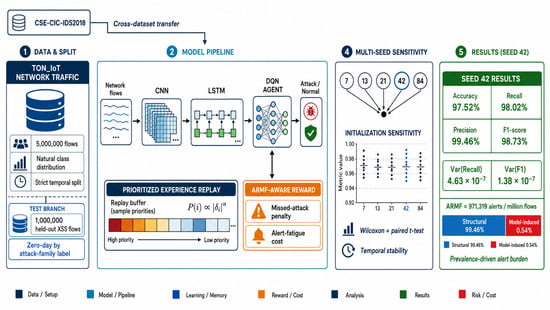
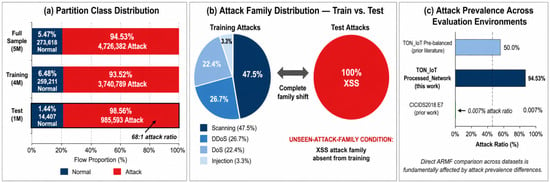
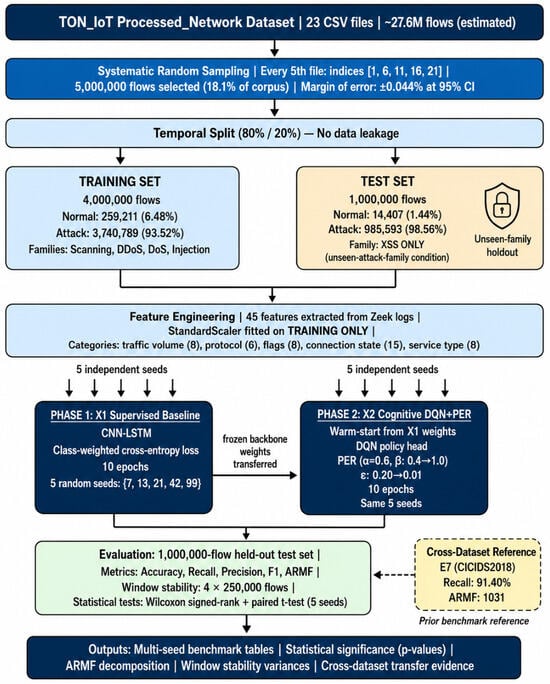
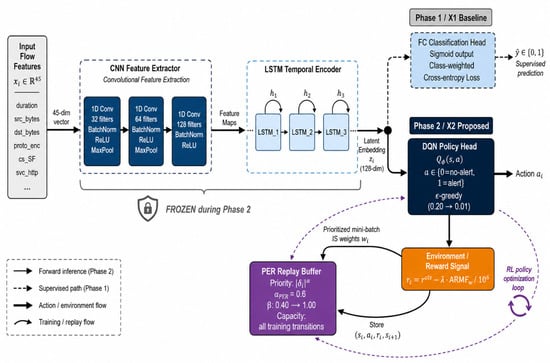
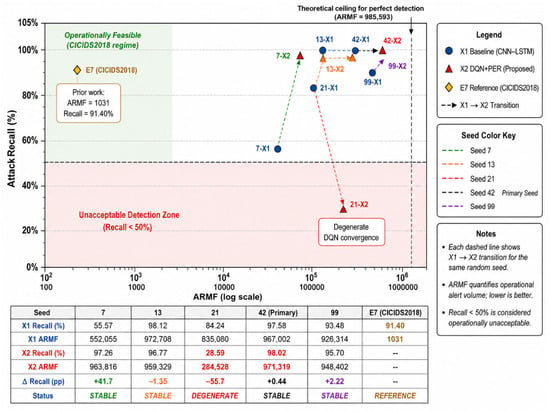
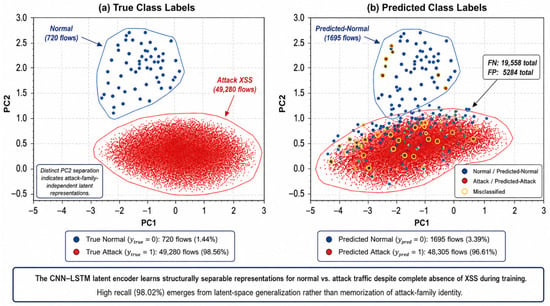
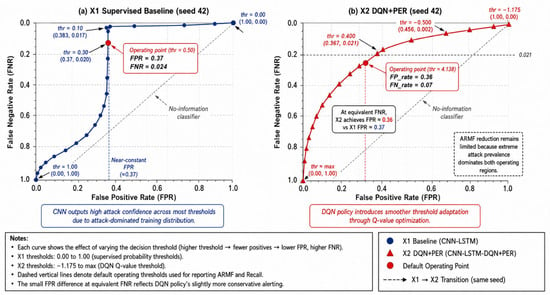
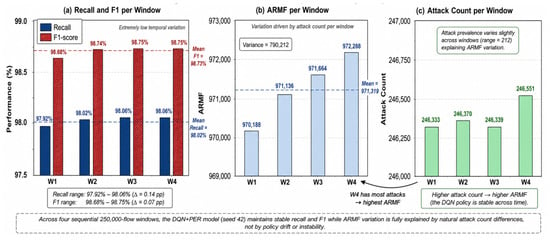
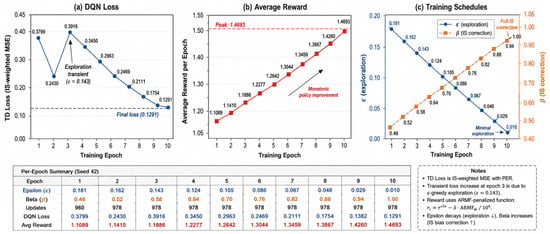
Real-world IoT network security generates traffic at big-data scale with extreme class imbalance, temporal non-stationarity, and continuously evolving attack strategies that overwhelm static supervised classifiers. This paper presents a cognitive computing framework for network intrusion detection: a CNN–LSTM–DQN architecture with Prioritized Experience Replay (PER) evaluated on a 5,000,000-flow naturalistic sample of the TON_IoT Processed_Network dataset (4,000,000 training/1,000,000 temporally held-out test flows; 94.5% attack ratio) under a strict temporal split. The cognitive agent optimizes detection decisions using an Alerts per Million Flows (ARMF)-aware reward function that encodes both alert-fatigue cost and missed-attack penalty. We conduct a cross-attack-family generalization study: the methodology—architecture template, reward design, and hyperparameter calibration—is inherited from a framework previously validated on CSE-CIC-IDS2018, re-instantiated and retrained on the structurally different TON_IoT environment, and compared against the previously published benchmark. Initialization sensitivity is characterized across five independent random seeds using paired Wilcoxon signed-rank and t-tests. Across the five seeds, the proposed X2 model attains recall 0.833 ± 0.306 and F1 0.874 ± 0.241 (mean ± sample SD), versus the supervised X1 baseline at 0.858 ± 0.178 and 0.912 ± 0.116; the best-performing seed (42) achieves 97.52% accuracy, 98.02% attack recall, 99.46% precision, and 98.73% F1-score on 1,000,000 held-out XSS flows—an attack family entirely absent from training—with temporal stability variances of 4.63 × 10⁻⁷ (recall) and 1.38 × 10⁻⁷ (F1). The X2 advantage observed among the four stable seeds is not statistically demonstrated at n = 5 (statistical power ≈ 5.1%); the initialization-sensitivity finding itself, including one degenerate alert-suppression seed, is reported as a primary contribution. A formal, exactly additive ARMF decomposition distinguishes the detected-attack (structural) component (99.46%) from the model-induced false-positive component (0.54%), and we report a multi-seed, ARMF-aware cognitive IDS evaluation on naturalistic TON_IoT traffic under an unseen-attack-family test condition that, to the best of our knowledge, has not been reported in the surveyed RL-based NIDS literature.
Full article
(This article belongs to the Special Issue Artificial Intelligence Models and Cognitive Computing: Innovations from Algorithms to Intelligent Systems)
►▼
Show Figures

Graphical abstract
Open AccessArticle
Comparative Keyword Network Analysis of Korean-Language Algorithmic Recommendation Discourses in AI Related to TikTok and YouTube
by
Dae Wan Kim, Luman Dong, Guihua Zhang, Xu Yin and Yujong Hwang
Big Data Cogn. Comput. 2026, 10(7), 238; https://doi.org/10.3390/bdcc10070238 - 16 Jul 2026
Abstract
This study investigates how artificial intelligence (AI) is represented within Korean-language recommendation algorithm discourse on TikTok and YouTube. To examine the structural characteristics and discourse tendencies of AI-related discussions, the study applies text mining and keyword network analysis methods, including TF, TF-IDF analysis,
[...] Read more.
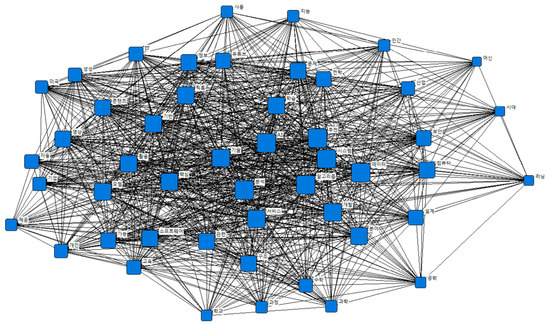
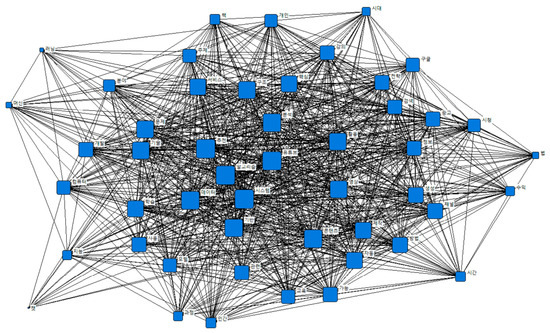
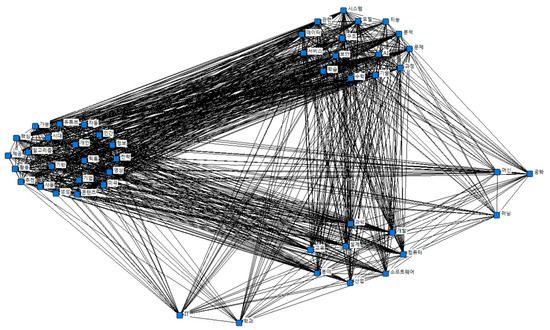
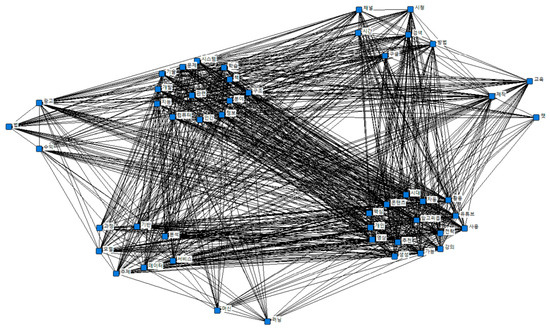
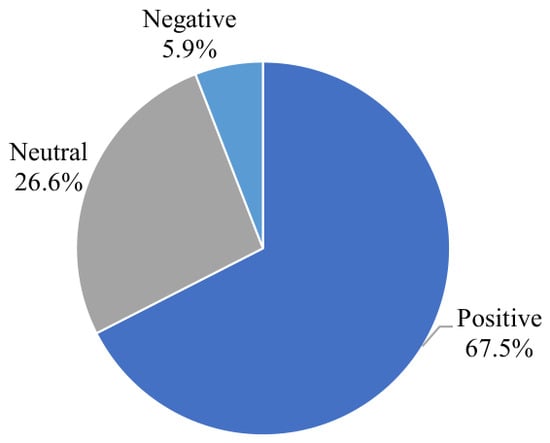
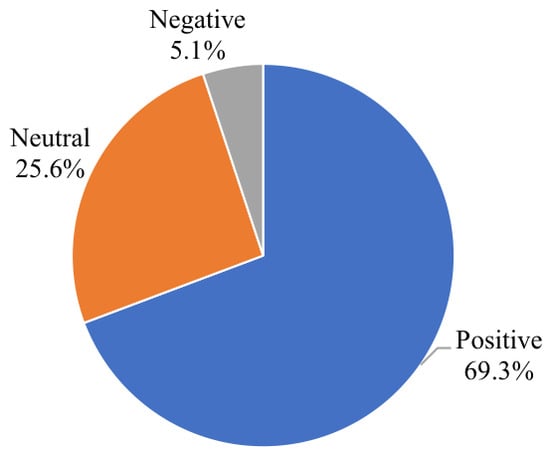
This study investigates how artificial intelligence (AI) is represented within Korean-language recommendation algorithm discourse on TikTok and YouTube. To examine the structural characteristics and discourse tendencies of AI-related discussions, the study applies text mining and keyword network analysis methods, including TF, TF-IDF analysis, centrality analysis, CONCOR clustering, and sentiment analysis. The findings indicate that AI occupies a central position within recommendation algorithm discourse and is strongly associated with algorithms, data, content recommendation, and technological systems across both platforms. The analysis further reveals notable differences between the two platforms: TikTok discourse demonstrates a stronger emphasis on automation and technological mechanisms, whereas YouTube discourse is more closely associated with content production, commercialization, and educational contexts. In addition, public discourse surrounding AI-driven recommendation systems reflects both positive-oriented and concern-related perspectives regarding technological innovation, platform influence, and social implications. This study contributes to a broader understanding of how AI is socially interpreted and represented within contemporary digital platform discourse.
Full article
(This article belongs to the Section Big Data)
►▼
Show Figures

Figure 1
Open AccessArticle
Audio and Video Scene Classification with Cross-Modal Attention Mechanism
by
Mingze Xia, Guisheng Yin and Yuxin Dong
Big Data Cogn. Comput. 2026, 10(7), 237; https://doi.org/10.3390/bdcc10070237 - 15 Jul 2026
Abstract
Scene classification aims to identify scene categories by analyzing environmental information. In real-world scenes, scene features are primarily captured through acoustic and visual modalities. However, environmental complexity and information diversity pose significant challenges to classification performance. To address the issues of insufficient information
[...] Read more.
Scene classification aims to identify scene categories by analyzing environmental information. In real-world scenes, scene features are primarily captured through acoustic and visual modalities. However, environmental complexity and information diversity pose significant challenges to classification performance. To address the issues of insufficient information interaction and inadequate feature fusion in traditional segmented fusion methods for audio–visual data, this paper proposes an audio–visual scene classification method based on a cross-modal attention mechanism. The fusion mechanism of multi-modal features is investigated, and scene classification performance is enhanced by optimizing the feature fusion strategy. The proposed method consists of three components: a cross-modal attention module, a gating unit, and a residual connection. The cross-modal attention module achieves adaptive feature alignment by establishing dynamic correlations between audio and visual features. The multi-modal gating unit employs an adaptive gating mechanism to dynamically adjust the contribution weight of each modality, thereby alleviating the information loss problem commonly encountered in traditional methods. The residual connection module preserves the original modality features to prevent information degradation. The model’s performance is evaluated through testing and validation on real-scene audio–visual datasets. Multiple sets of experimental results on these datasets demonstrate that the proposed cross-modal attention method achieves a significant improvement in classification accuracy.
Full article
(This article belongs to the Special Issue Machine Learning and Artificial Intelligence for Multimedia and Image Understanding)
Open AccessArticle
Big Data- and AI-Driven Hybrid Self-Attention Credit Scoring with Explainable Decisioning
by
Gulnaz Zakariya, Aiman Moldagulova and Nor’ashikin Ali
Big Data Cogn. Comput. 2026, 10(7), 236; https://doi.org/10.3390/bdcc10070236 - 13 Jul 2026
Abstract
Real-time retail credit scoring is a data-intensive cognitive computing task. Each decision must fuse heterogeneous signals, execute a non-linear model, return a calibrated probability of default (PD), and emit a regulator-compliant local explanation within milliseconds. We address the most demanding segment of unsecured
[...] Read more.
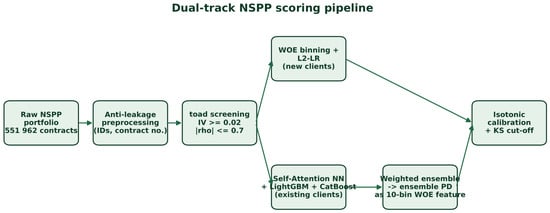
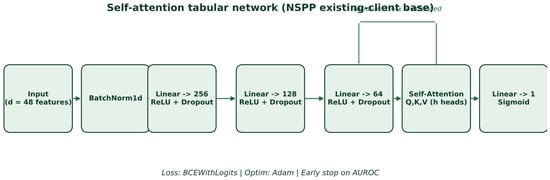
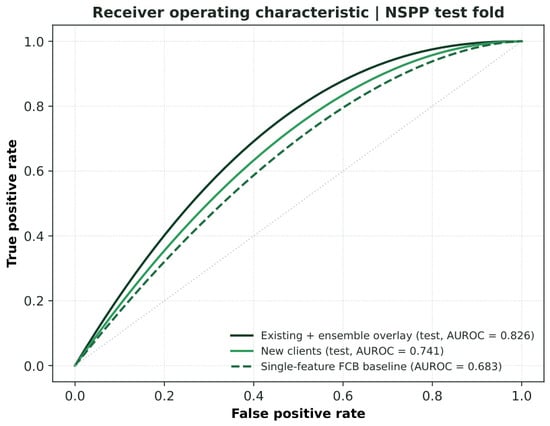
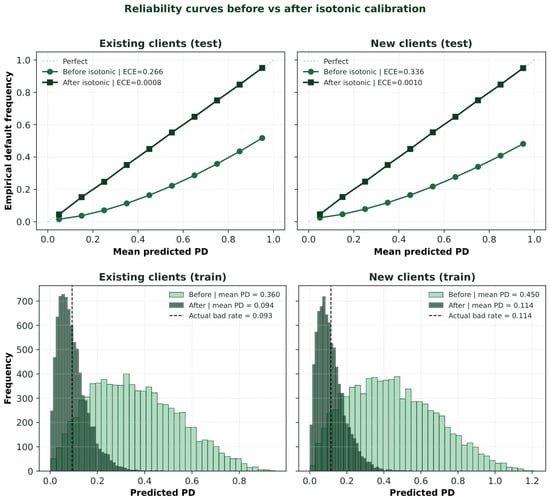
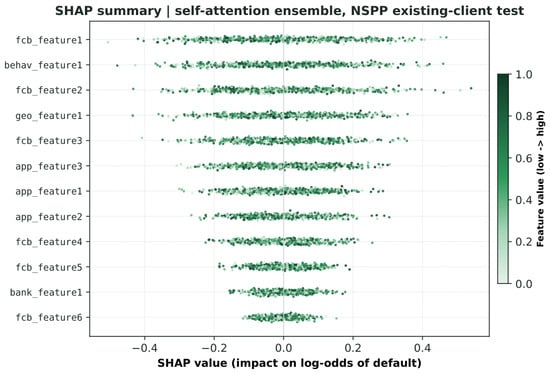
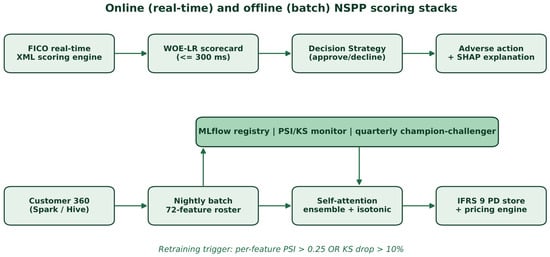
Real-time retail credit scoring is a data-intensive cognitive computing task. Each decision must fuse heterogeneous signals, execute a non-linear model, return a calibrated probability of default (PD), and emit a regulator-compliant local explanation within milliseconds. We address the most demanding segment of unsecured lending in Kazakhstan—Salary-Project-Independent (SPI) borrowers, whose principal income stream is not observable by the lender—and frame scoring as a constrained optimisation problem where we maximise discrimination subject to interpretability, latency, and calibration constraints. We propose a tenure-stratified hybrid framework that couples (i) an online weight-of-evidence logistic regression (WOE-LR) scorecard with (ii) an offline self-attention stacked ensemble (LightGBM, CatBoost, and a tabular self-attention network) whose calibrated PD is quantile-binned, WOE-encoded, and re-injected into the online scorecard as a single auditable predictor. On 551,962 production contracts that originated in 2022–2024, the repeat-client hybrid attains an area under the receiver operating characteristic curve (AUROC) of 0.826, a Gini coefficient of 0.65, and a Kolmogorov–Smirnov (KS) statistic of 0.495, preserving roughly half of the offline ensemble’s lift over the linear baseline (AUROC 0.79→0.897) while retaining a fully auditable twelve-coefficient scorecard in production. The new-client scorecard attains an AUROC of 0.741. Non-parametric isotonic recalibration reduces the expected calibration error from 0.27 to below 0.01 and raises the Hosmer–Lemeshow p-value above 0.99 without altering discrimination. The framework complies with the model risk standards of the Agency of the Republic of Kazakhstan for Regulation and Development of the Financial Market and is delivered as a Spark/MLOps reference architecture, illustrating how big data engineering, attention-based representation learning, and post hoc explanations can be co-designed for a high-stakes, high-throughput, regulated AI application.
Full article
(This article belongs to the Topic Big Data and Artificial Intelligence, 3rd Edition)
►▼
Show Figures

Figure 1

Open AccessReview
From Static Pages to Symbiotic Intelligence: The CET-WAIP Framework for Understanding AI–Web Coevolution
by
Mohamad Abou Ali and Fadi Dornaika
Big Data Cogn. Comput. 2026, 10(7), 235; https://doi.org/10.3390/bdcc10070235 - 12 Jul 2026
Abstract
The convergence of the World Wide Web and artificial intelligence (AI) has fundamentally reconfigured digital ecosystems. Yet conventional generational models—Web 1.0 through 4.0—remain inadequate for capturing the recursive, mutually constitutive dynamics that characterize this coevolution. The historical trajectory of the Web reveals a
[...] Read more.
The convergence of the World Wide Web and artificial intelligence (AI) has fundamentally reconfigured digital ecosystems. Yet conventional generational models—Web 1.0 through 4.0—remain inadequate for capturing the recursive, mutually constitutive dynamics that characterize this coevolution. The historical trajectory of the Web reveals a progressive expansion of human agency: Web 1.0 afforded read access; Web 2.0 enabled user-generated content; Web 3.0 introduced digital ownership. Artificial intelligence has followed a parallel arc. Early generative systems, such as ChatGPT, demonstrated read capabilities—conditional upon human authorization. Subsequent code-generation agents, including Codex and Claude Code, extended this to write capabilities—also contingent upon human approval, initiation, and financial compensation. Web 4.0, however, constitutes a qualitative rupture: AI agents now read, write, own, earn, and transact autonomously, without requiring human oversight. Such automatons operate on their own behalf or on the behalf of a creator who may be human, another agent, or entirely absent. In the Web 4.0 paradigm, the end user is no longer human—it is AI itself. This review addresses the analytical inadequacy of existing models by introducing the CET-WAIP framework (CoEvolutionary Tiers of Web and AI Paradigms), a novel classificatory framework that models AI–Web coevolution across seven intelligence tiers spanning infrastructural complexity, cognitive capabilities, and governance dimensions. Grounded in an integrative literature review with PRISMA-informed reporting, the framework aligns key AI paradigms—from rule-based systems to agentic AI—with corresponding transformations in Web architecture, revealing how intelligence scaling reshapes user agency, data structures, and ethical oversight. To demonstrate its analytical utility, we conduct a multi-tiered analysis of ChatGPT and compare it with open-source agentic systems (AutoGPT, LangChain, Sora), showing how architectural dissonance between cognitive capabilities and infrastructure is systematically diagnosable. The findings highlight the limitations of linear Web evolution frameworks and underscore the need for intelligence-centric approaches that integrate technological, cognitive, and governance dimensions. We conclude by outlining a research agenda for hybrid intelligence, adaptive governance, and equitable human–AI collaboration in ecosystems where both human and non-human agents participate as first-class actors.
Full article
(This article belongs to the Section Data Mining and Machine Learning)
Open AccessArticle
Road Inspection 4.0: A Short-Video Benchmark for Deep Learning-Based High-Resolution Pothole Detection in Autonomous Driving
by
Mohammad Shahin, Mazdak Maghanaki and F. Frank Chen
Big Data Cogn. Comput. 2026, 10(7), 234; https://doi.org/10.3390/bdcc10070234 - 10 Jul 2026
Abstract
►▼
Show Figures
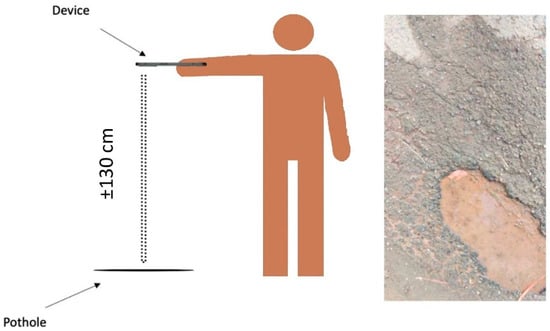
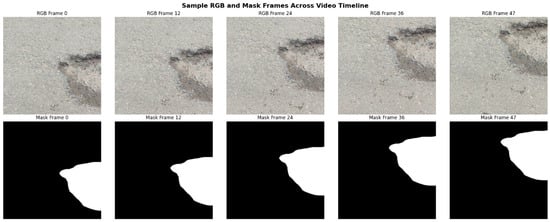
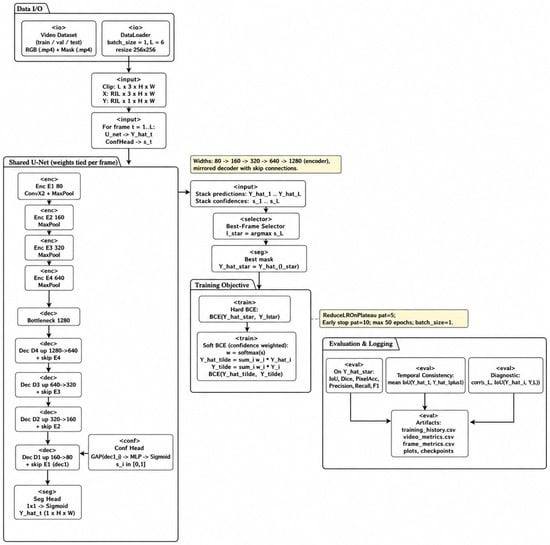
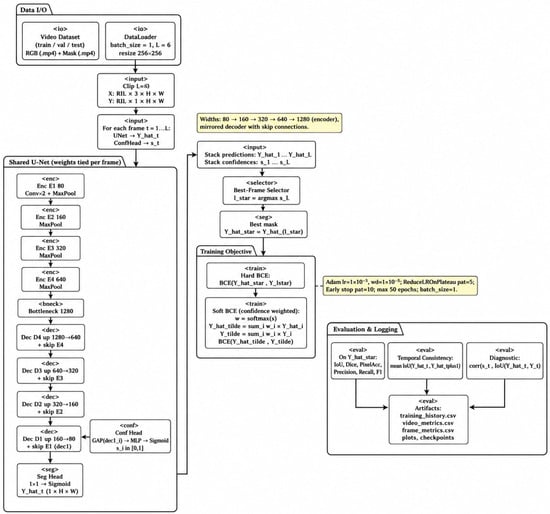
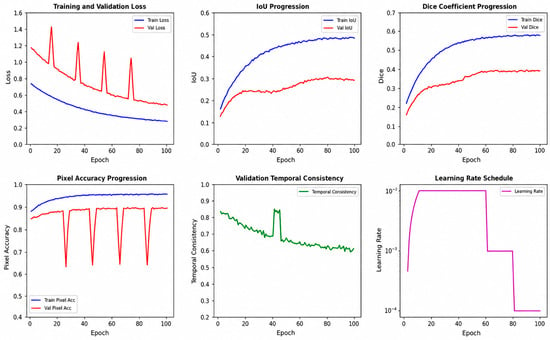
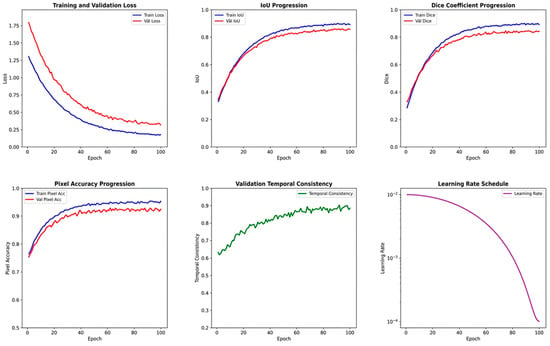
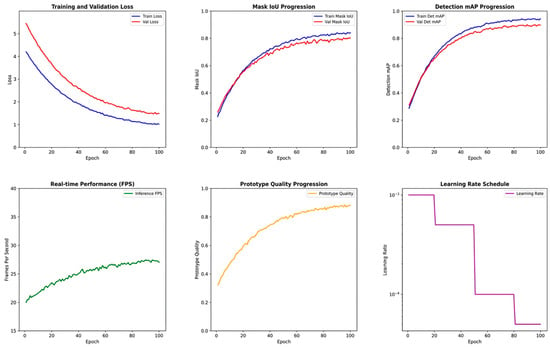
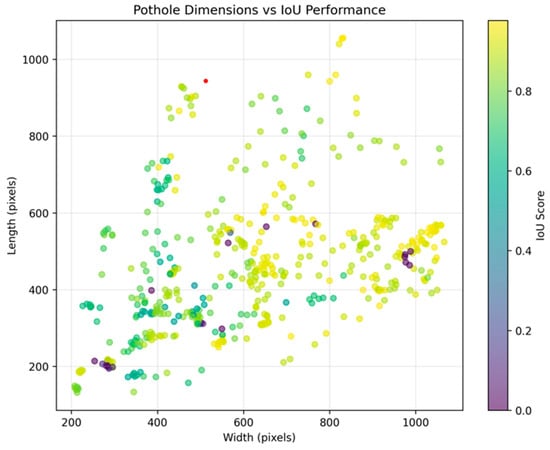
This work offers an extensive performance evaluation of video-based pothole detection algorithms utilizing a unique dataset of 619 high-resolution movies recorded in South Kalimantan, Indonesia. Seven distinct models were assessed: three multi-frame-based methodologies (Best Frame Selection, Temporal Consistency Loss, and Multi-Frame Ensemble) employing
[...] Read more.
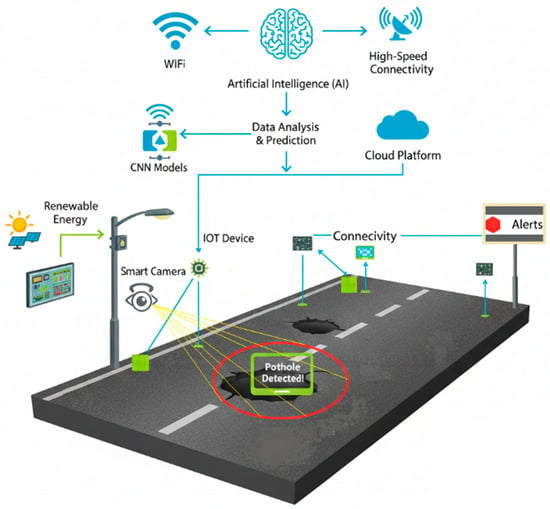
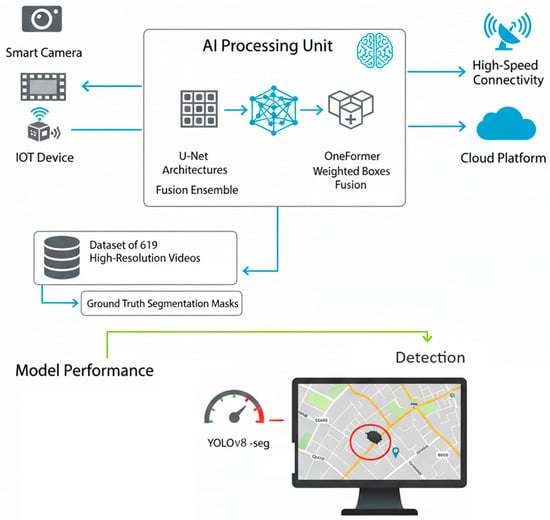
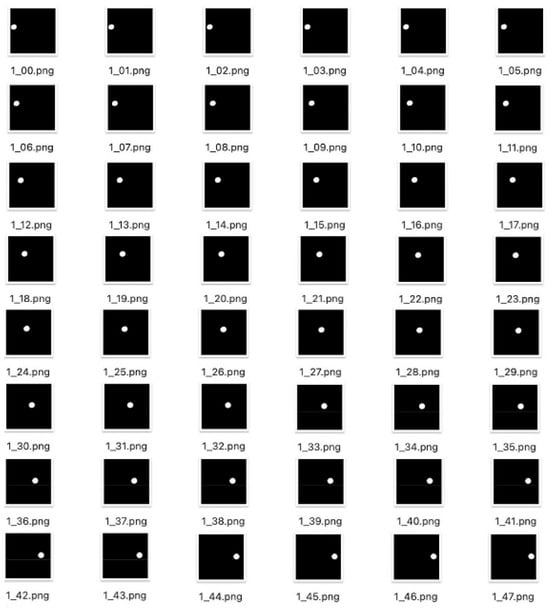
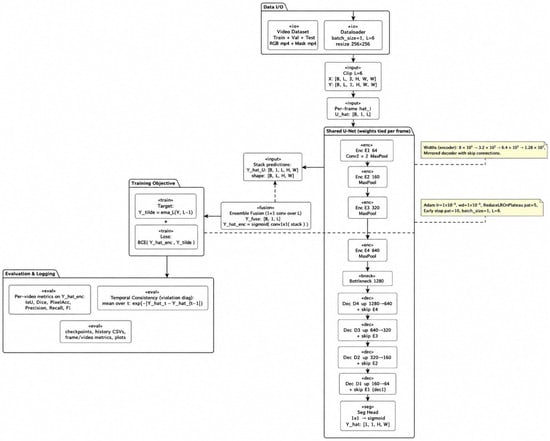
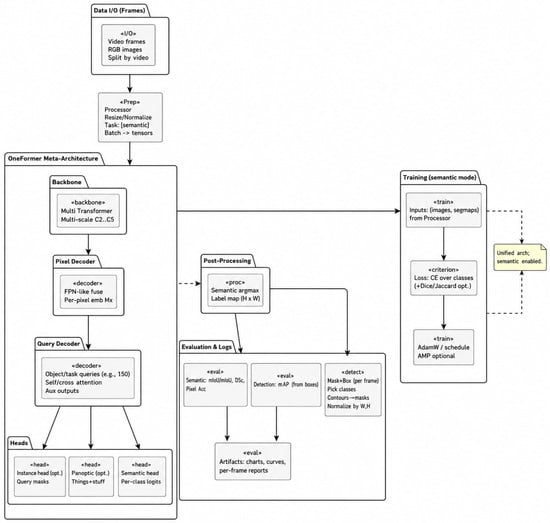
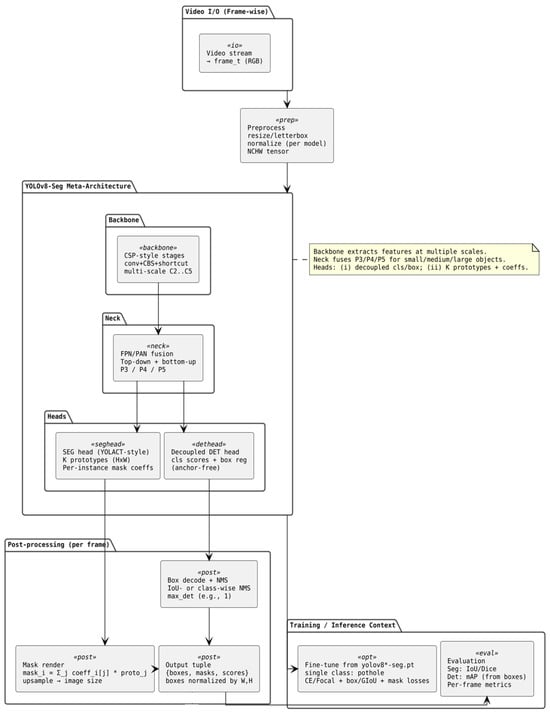
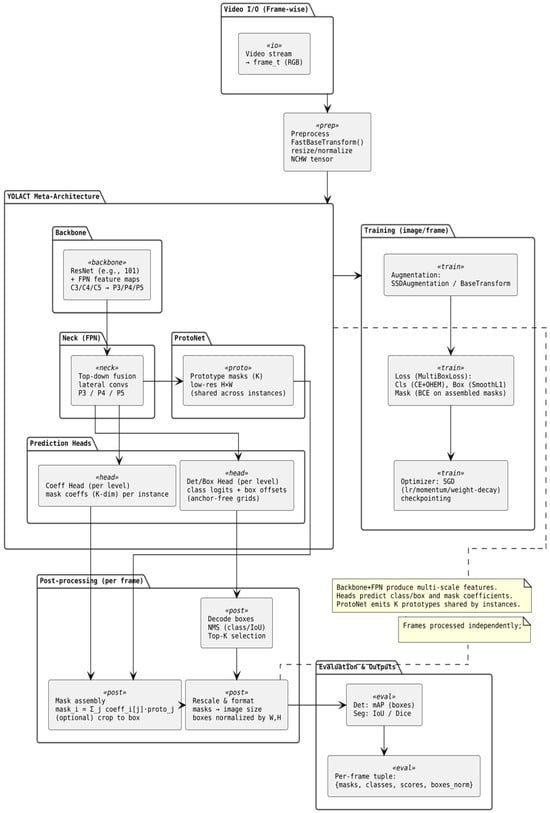
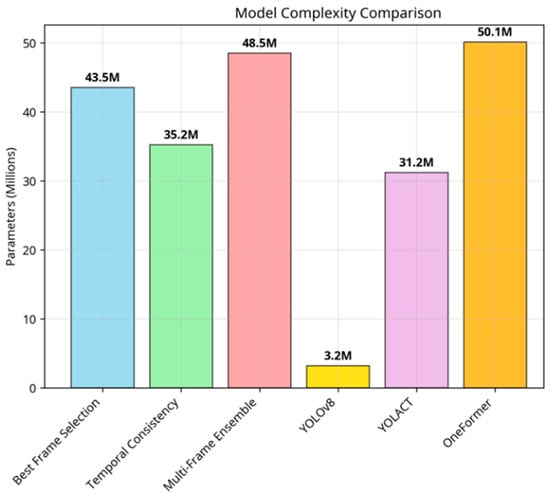
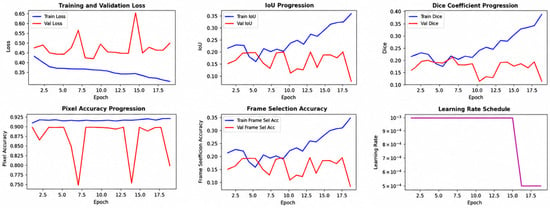
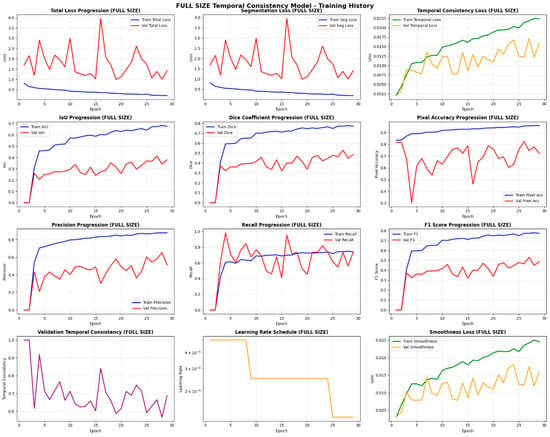
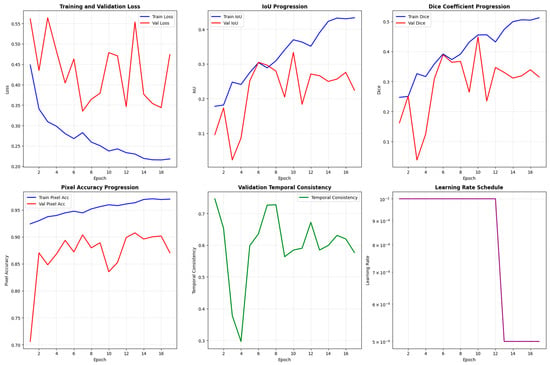
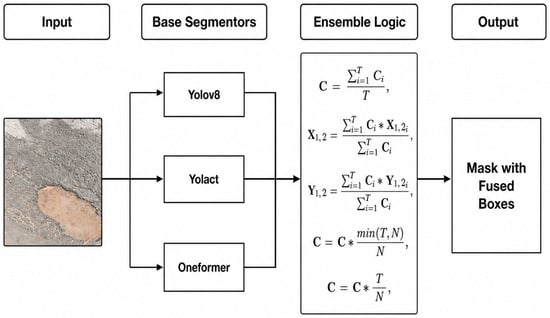
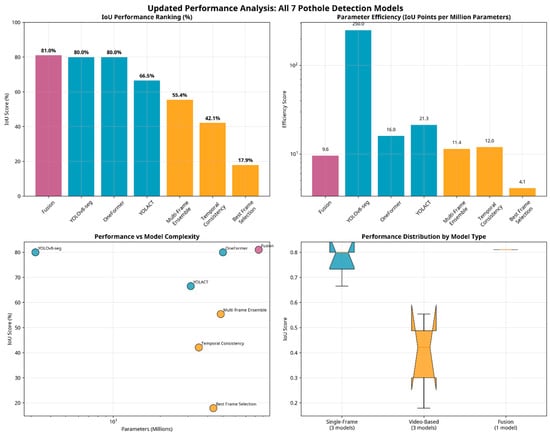
This work offers an extensive performance evaluation of video-based pothole detection algorithms utilizing a unique dataset of 619 high-resolution movies recorded in South Kalimantan, Indonesia. Seven distinct models were assessed: three multi-frame-based methodologies (Best Frame Selection, Temporal Consistency Loss, and Multi-Frame Ensemble) employing U-Net architectures with temporal modeling, three per-frame models (OneFormer, YOLOv8-seg, and YOLACT), and one fusion ensemble integrating the per-frame models via weighted boxes fusion. The video collection consists of 2 s segments containing 48 frames each, accompanied by ground truth segmentation masks for pothole identification. Results indicate that per-frame models substantially surpass video-based methods, with the fusion ensemble attaining 81% IoU, followed by YOLOv8-seg and OneFormer, each getting 80% IoU. Parameter efficiency investigation indicates that YOLOv8-seg is the most efficient, achieving IoU per million parameters.
Full article

Figure 1
Open AccessReview
AI-Driven Software Testing: A Review
by
Guilherme Martins, Nelson Tenório and Jorge Bernardino
Big Data Cogn. Comput. 2026, 10(7), 233; https://doi.org/10.3390/bdcc10070233 - 10 Jul 2026
Abstract
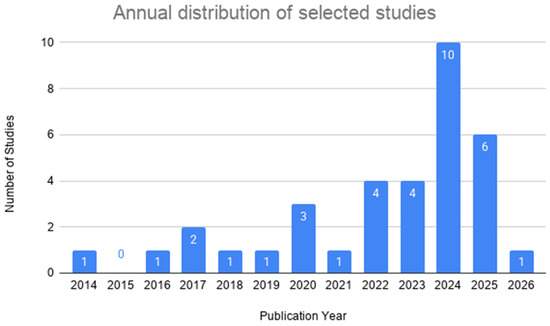
The rapid evolution of software complexity demands more efficient and autonomous testing mechanisms. Artificial intelligence (AI) has emerged as a solution to the limitations of traditional manual testing in software development, which is time-consuming, prone to human error, and unable to scale with
[...] Read more.
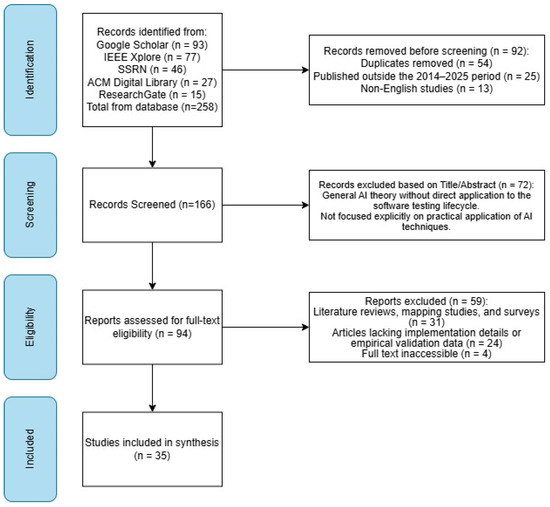
The rapid evolution of software complexity demands more efficient and autonomous testing mechanisms. Artificial intelligence (AI) has emerged as a solution to the limitations of traditional manual testing in software development, which is time-consuming, prone to human error, and unable to scale with the increasing size and complexity of modern software systems. In this context, this paper presents an application-focused review of 35 selected empirical studies focusing on the use of AI during software testing, based on PRISMA guidelines. We introduce a comprehensive taxonomy categorizing current research into six core fields, including test case generation, defect prediction, and AI model verification. The analysis reveals that large language models, machine learning, and computer vision can significantly improve testing efficiency. Key findings demonstrate that AI can autonomously repair broken test scripts, generate robust synthetic data, enable codeless web testing, and accurately predict system defects before execution. Furthermore, advanced techniques such as reinforcement learning and deep learning successfully validate complex environments, including cloud robotics and quantum software. However, our qualitative and quantitative synthesis also highlights that challenges, such as generative AI “hallucinations” and the brittleness of Continuous Integration and Continuous Deployment (CI/CD) integration, persist. Ultimately, this review proposes a tailored research roadmap for robust industrial adoption, showing that AI is changing the way software is tested, shifting it from a predominantly reactive and static activity toward a proactive, intelligence-driven discipline.
Full article
(This article belongs to the Special Issue Applications of Artificial Intelligence and Data Management in Data Analysis)
►▼
Show Figures

Figure 1
Open AccessArticle
Set Prediction for Outpatient Diagnosis Coding with Sparse Mahalanobis Conformal Scoring
by
Kamonrat Tangudomkit, Sawrawit Chairat and Sitthichok Chaichulee
Big Data Cogn. Comput. 2026, 10(7), 232; https://doi.org/10.3390/bdcc10070232 - 10 Jul 2026
Abstract
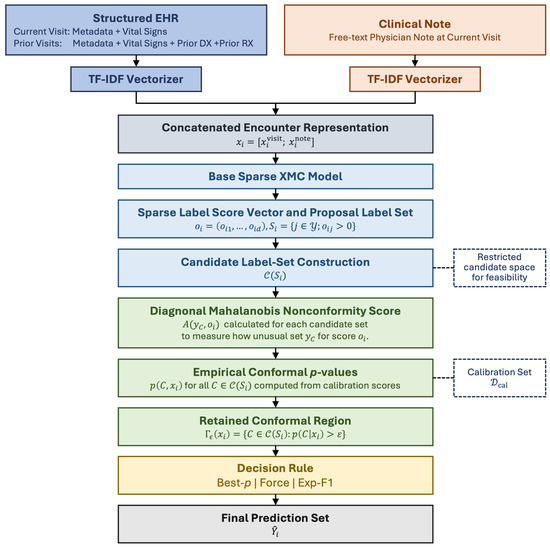
Diagnosis coding is a large-scale multi-label task in which each clinical encounter may require one or more coding labels from a large label space. Conventional top-k and threshold-based classifiers provide practical coding suggestions but do not directly characterize uncertainty over alternative coding
[...] Read more.
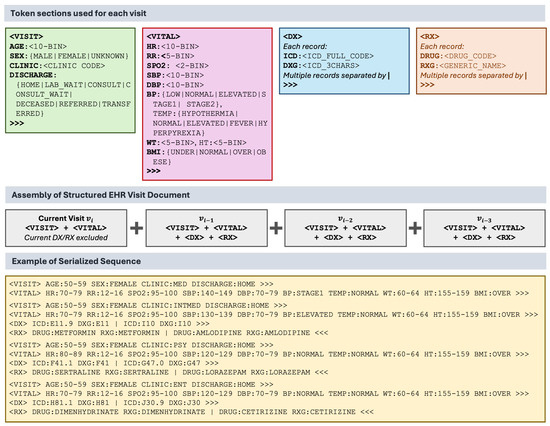
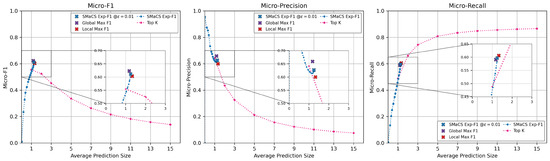
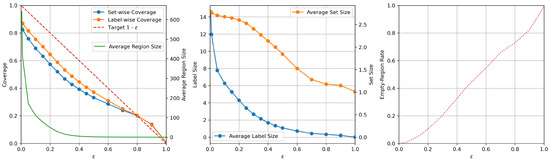
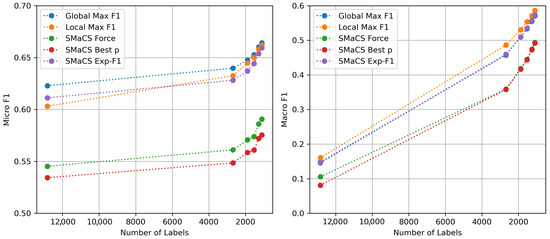
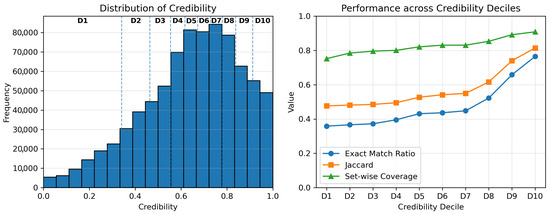
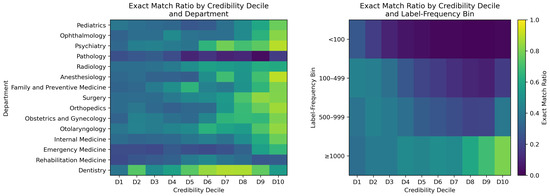
Diagnosis coding is a large-scale multi-label task in which each clinical encounter may require one or more coding labels from a large label space. Conventional top-k and threshold-based classifiers provide practical coding suggestions but do not directly characterize uncertainty over alternative coding sets. This study proposes sparse Mahalanobis conformal scoring for set prediction in diagnosis coding under extreme multi-label classification (XMC), intended for coding-assist workflows that require compact and reviewable coding suggestions. A sparse XMC model first generates candidate coding labels for each encounter. Candidate label sets are then constructed from the sparse proposal space and scored using a diagonal Mahalanobis nonconformity function calibrated on held-out data. Empirical conformal p-values are assigned to candidate sets, and downstream decision rules are used to obtain a final coding output from the retained region. The framework was evaluated using outpatient EHR data from a tertiary-care hospital, comprising approximately 8.0 million visits from 2018 to 2025 and up to 12,829 diagnosis labels. The primary SMaCS output achieved Micro-F1 close to the strongest threshold-based comparator and the highest exact match ratio among flexible-size decision rules. Compared with the other nonconformity scores, the Mahalanobis score produced a smaller retained region with fewer distinct labels, while preserving the same point-prediction performance. Additional analyses examined conformal region validity, robustness to label-frequency thresholds, code-depth performance, label-frequency subgroups, sample cardinality, department-level variation, and confidence–credibility stratification. Our results suggest that sparse Mahalanobis conformal scoring provides a useful framework for uncertainty-informed outpatient coding set prediction, while also highlighting the importance of candidate-space adequacy in extreme multi-label diagnosis coding.
Full article
(This article belongs to the Special Issue Artificial Intelligence and Big Data Analytics for Sustainable Healthcare Systems)
►▼
Show Figures

Figure 1

Open AccessArticle
DST-Mamba: Spatial–Temporal Adapter with Boundary-Aware Mamba for Video Temporal Action Detection
by
Yicheng Qiu and Keiji Yanai
Big Data Cogn. Comput. 2026, 10(7), 231; https://doi.org/10.3390/bdcc10070231 - 9 Jul 2026
Abstract
►▼
Show Figures
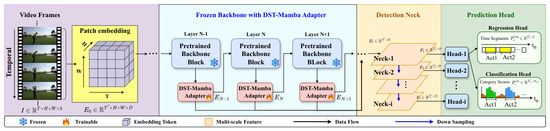
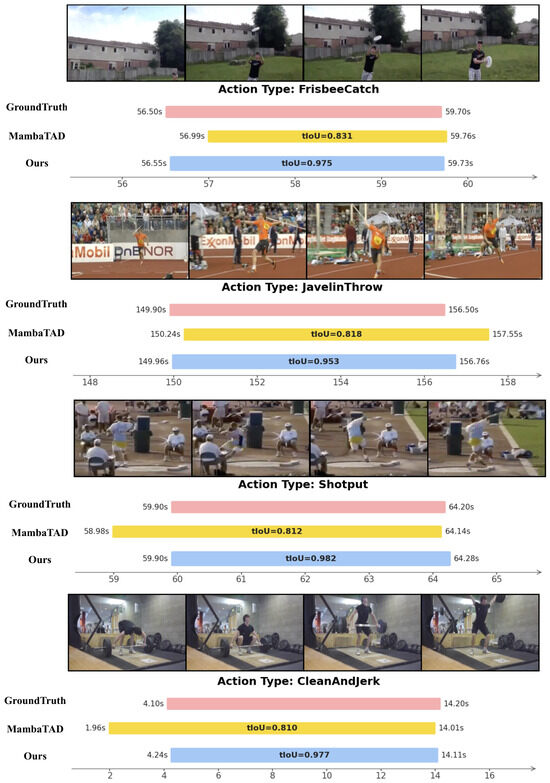
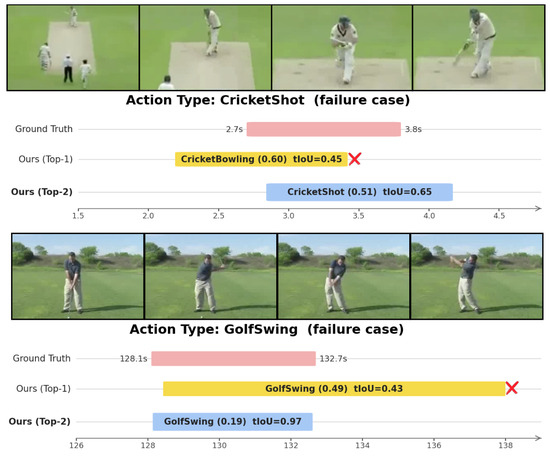
Temporal Action Detection (TAD) localizes and classifies action instances within long videos and underlies many downstream video understanding applications. Transformer-based detectors scale poorly to long sequences due to quadratic self-attention, while existing SSM-based variants tend to dilute fine-grained boundary cues during global modeling.
[...] Read more.
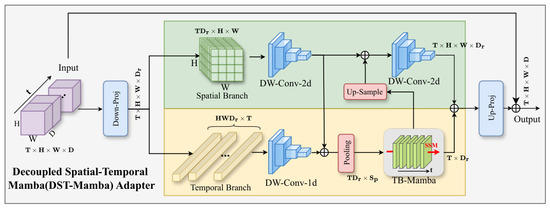
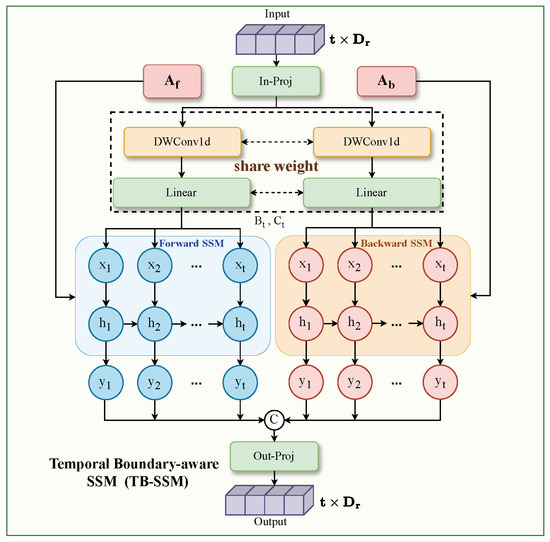
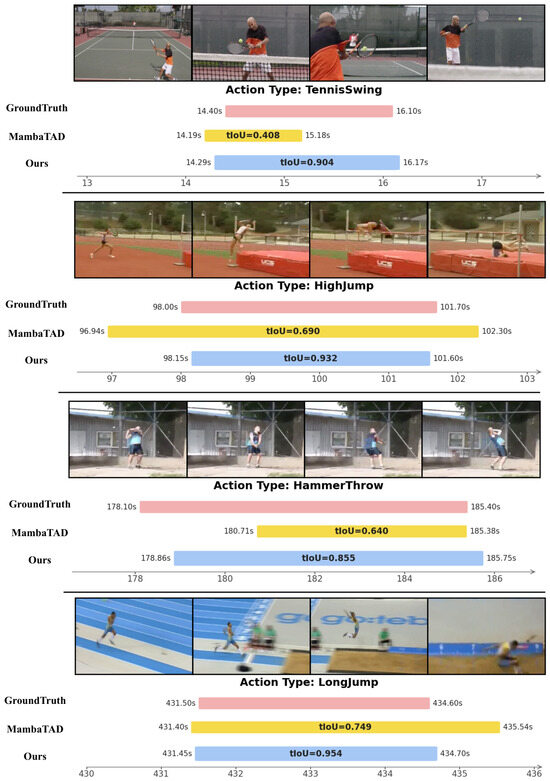
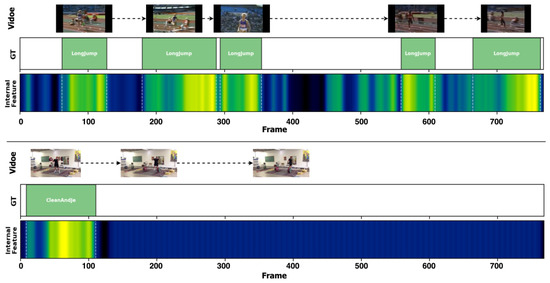
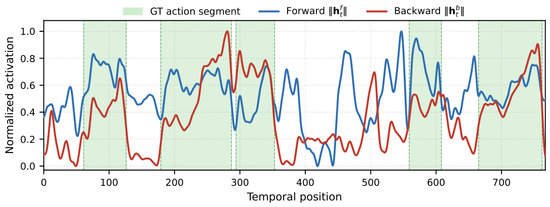
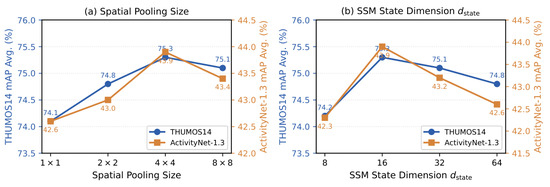
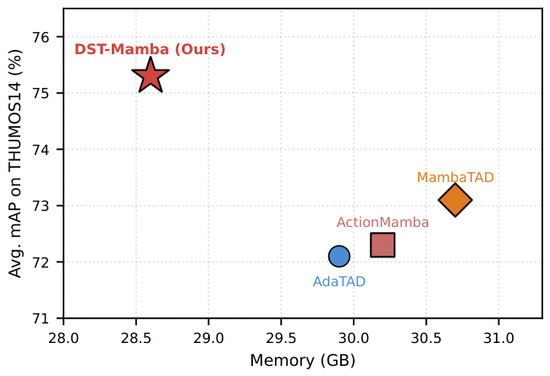
Temporal Action Detection (TAD) localizes and classifies action instances within long videos and underlies many downstream video understanding applications. Transformer-based detectors scale poorly to long sequences due to quadratic self-attention, while existing SSM-based variants tend to dilute fine-grained boundary cues during global modeling. To address these limitations, we propose DST-Mamba, a Decoupled Spatial–Temporal Mamba Adapter inserted into a frozen video backbone for parameter-efficient end-to-end TAD. DST-Mamba decouples spatial and temporal modeling into two cooperating branches and explicitly fuses them through cross-branch interaction. Within the temporal branch, we introduce a Temporal Boundary-aware SSM (TB-SSM) with direction-specific forward/backward state-transition matrices, providing a stronger inductive bias for asymmetric action boundaries. Across multiple benchmarks, DST-Mamba consistently outperforms competitive Transformer- and SSM-based baselines while being more computationally efficient.
Full article

Figure 1
Open AccessArticle
HSIC-DIMFMC: A Multi-View Functional Matrix Completion Method with Dual-Information Graph Regularization for Meteorological Data Imputation
by
Haiyan Gao and Youdi Bian
Big Data Cogn. Comput. 2026, 10(7), 230; https://doi.org/10.3390/bdcc10070230 - 8 Jul 2026
Abstract
►▼
Show Figures
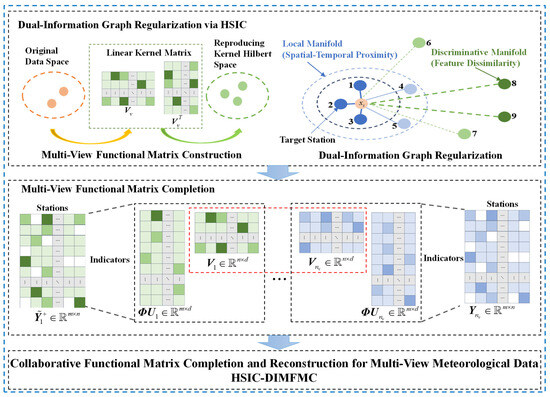
Continuous and complete meteorological observations are essential for reliable climate analysis and environmental assessment. However, missing values caused by sensor malfunctions and transmission failures can introduce systematic biases and increase uncertainty in downstream applications. Meteorological variables can be modeled as functional data and
[...] Read more.
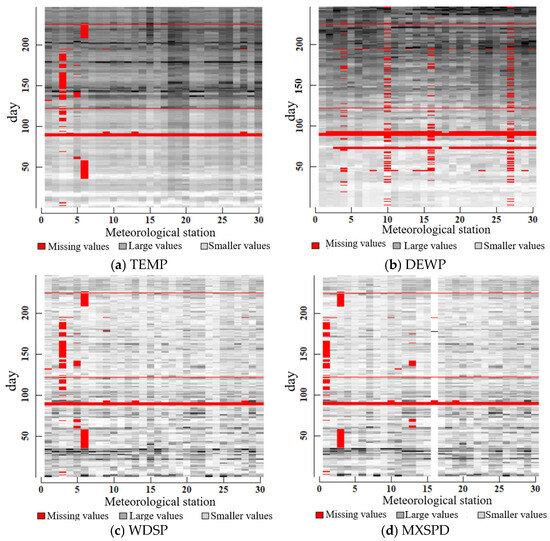
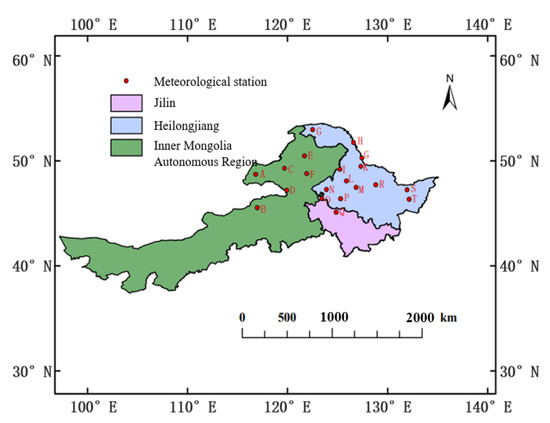
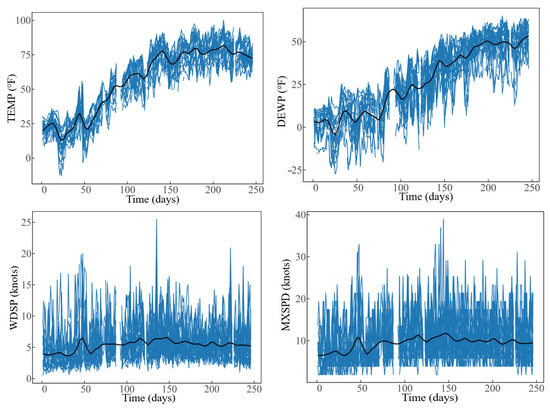
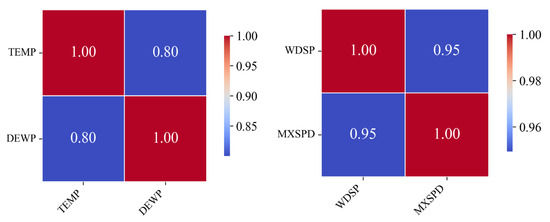
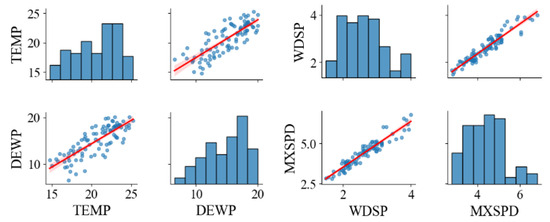
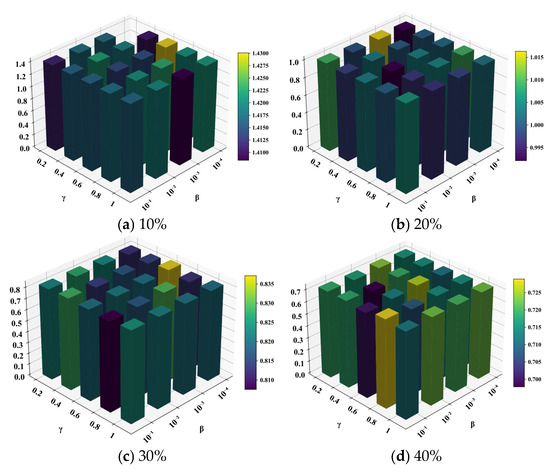
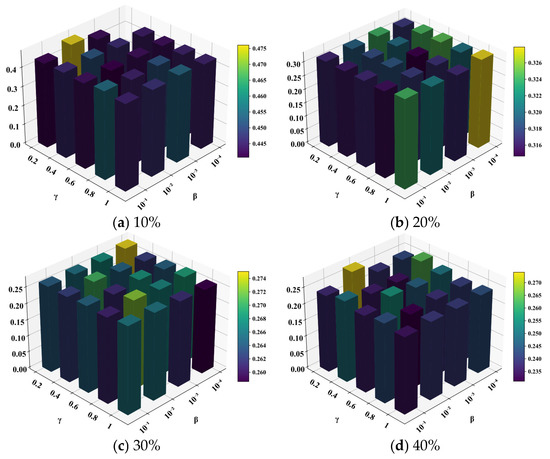
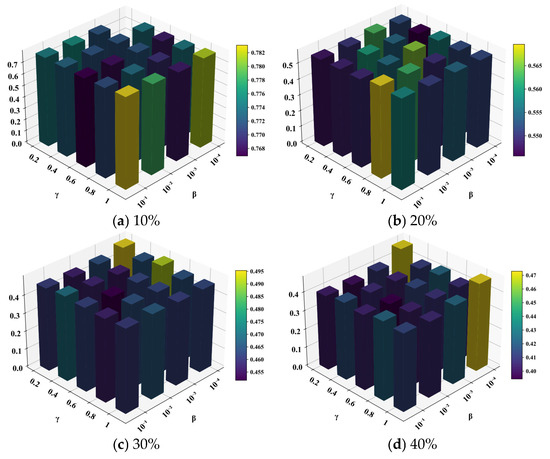
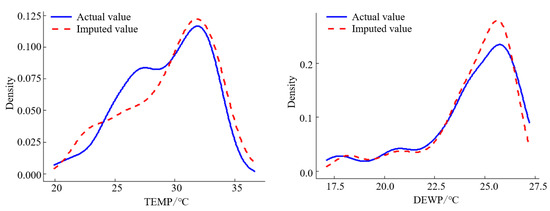
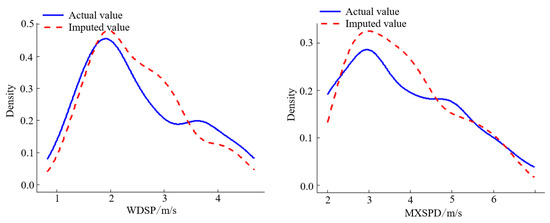
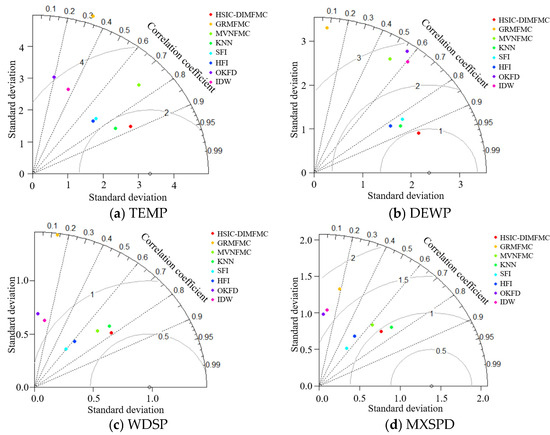
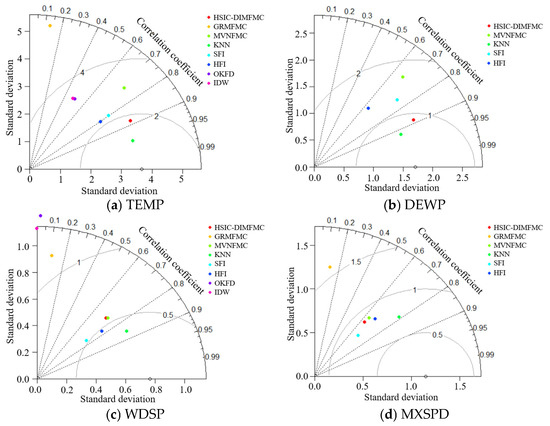
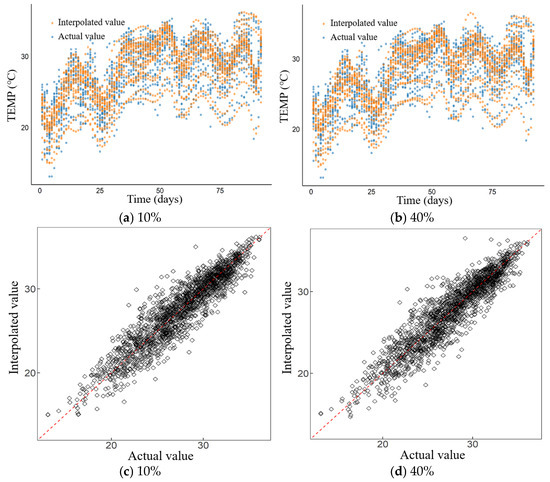
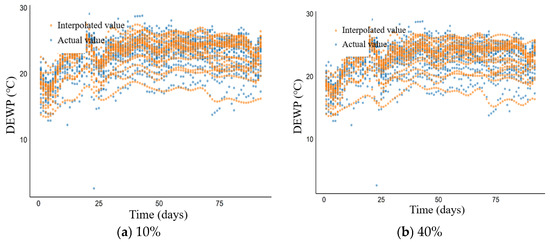
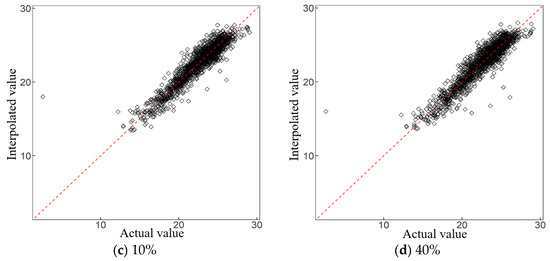
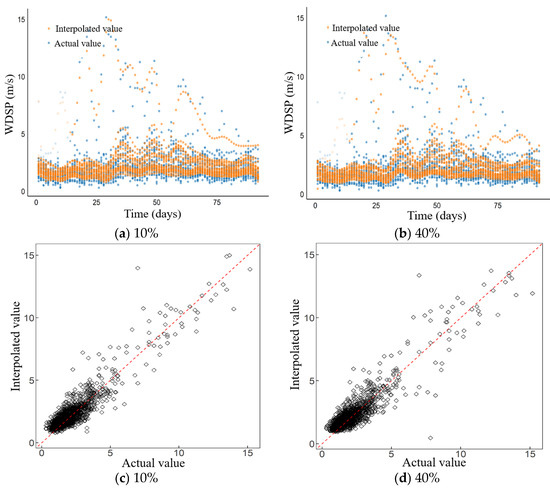
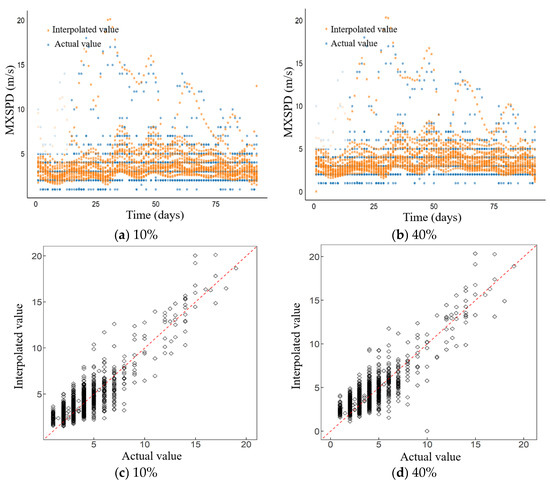
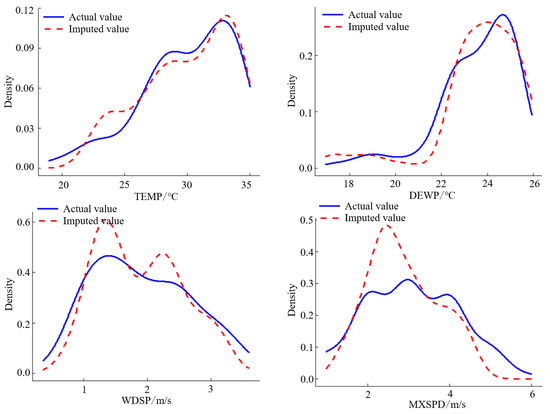
Continuous and complete meteorological observations are essential for reliable climate analysis and environmental assessment. However, missing values caused by sensor malfunctions and transmission failures can introduce systematic biases and increase uncertainty in downstream applications. Meteorological variables can be modeled as functional data and typically exhibit nonlinear inter-variable dependencies alongside temporal smoothness; these properties provide valuable prior information for missing data recovery. To address this issue, we propose HSIC-DIMFMC, a multi-view functional matrix completion method for meteorological data imputation that integrates the Hilbert–Schmidt Independence Criterion (HSIC) and dual-information graph regularization. Within a unified framework of functional data analysis and multi-view learning, HSIC is utilized to capture nonlinear dependencies across multiple views, while dual-information graph regularization preserves local structural relationships and temporal smoothness. This joint modeling strategy significantly improves latent representation learning and enhances imputation performance. Experiments on real meteorological datasets demonstrate that the proposed method consistently outperforms several state-of-the-art baselines, especially for strongly correlated variable pairs such as temperature–dew point and wind speed–maximum wind speed. Compared with seven representative approaches—ranging from traditional spatial interpolation to advanced functional matrix completion models—HSIC-DIMFMC achieves average reductions of 43.97–73.59% in RMSE. The results indicate that HSIC-DIMFMC effectively exploits nonlinear cross-view dependencies and structural information, providing a robust solution for collaborative meteorological data imputation.
Full article

Figure 1
Open AccessArticle
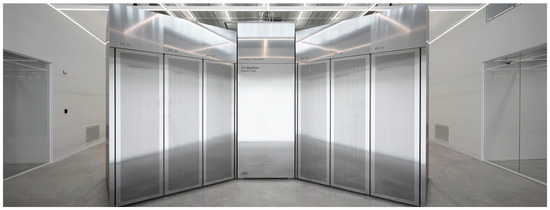
Anticipatory AI Governance in the Age of Supercomputing: A Mixed-Methods Multistakeholder Approach in the Basque Country
by
Igor Calzada and Itziar Eizaguirre
Big Data Cogn. Comput. 2026, 10(7), 229; https://doi.org/10.3390/bdcc10070229 - 8 Jul 2026
Abstract
►▼
Show Figures
Artificial Intelligence (AI) is increasingly embedded in public governance, raising new challenges for anticipating its societal implications while safeguarding democratic accountability within expanding computational infrastructures. This article examines how anticipatory AI governance can be operationalised in the age of supercomputing through a mixed-methods,
[...] Read more.
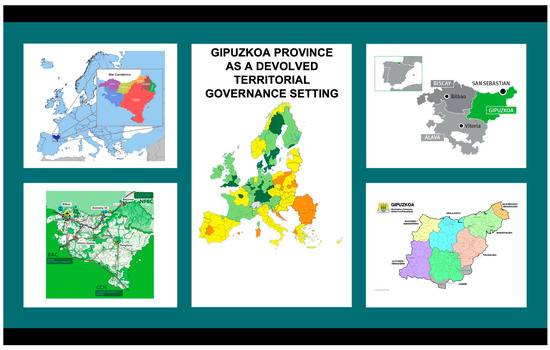
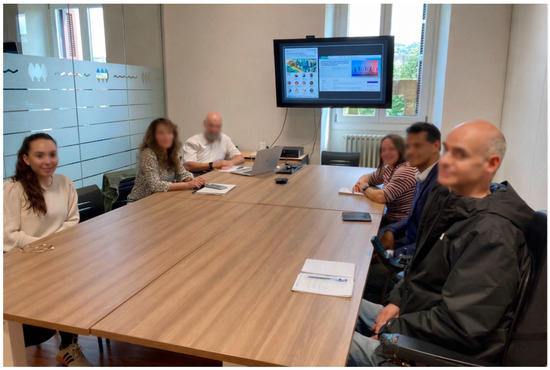
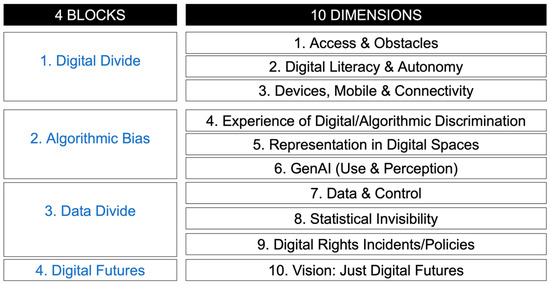
Artificial Intelligence (AI) is increasingly embedded in public governance, raising new challenges for anticipating its societal implications while safeguarding democratic accountability within expanding computational infrastructures. This article examines how anticipatory AI governance can be operationalised in the age of supercomputing through a mixed-methods, multistakeholder study conducted in the Basque Country (Spain). The empirical focus is Gipuzkoa, a devolved historical territory with fiscal autonomy and a rapidly developing advanced-computing ecosystem centred in Donostia–San Sebastián, where regional initiatives are positioning the territory within Europe’s emerging high-performance and quantum computing landscape. The study combines participatory action research involving six civil society organisations, seven provincial directorates, and eleven municipalities with an online citizen survey (N = 911). The findings indicate that anticipatory AI governance is supported through four interrelated governance mechanisms: institutional coordination across administrative levels, multistakeholder participation, territorial public capability, and the strategic embedding of advanced computational infrastructures. Rather than evaluating the governance of supercomputing technologies themselves, the analysis examines governance perceptions, institutional practices, and democratic arrangements associated with these infrastructures. The article’s contribution lies in integrating anticipatory AI governance, territorial governance, and advanced computational infrastructures within a devolved city-regional setting, offering evidence-informed insights for regions seeking to strengthen democratic capacity alongside technological innovation.
Full article

Figure 1
Open AccessArticle
CorrelaCache: A Cache Replacement Model Based on Imitation Learning and Autocorrelation Mechanism
by
Shuaijie Wu, Zekun Yan, Hao Gui, Ruoshan Kong, Hua Chen and Feng Liu
Big Data Cogn. Comput. 2026, 10(7), 228; https://doi.org/10.3390/bdcc10070228 - 7 Jul 2026
Abstract
Existing cache replacement strategies in large-scale spatiotemporal data systems struggle to cope with complex and dynamic access patterns characterized by long-tail distributions and periodic behaviors. Traditional heuristic-based methods such as Least Recently Used (LRU) and Least Frequently Used (LFU) frequently fail to generalize
[...] Read more.
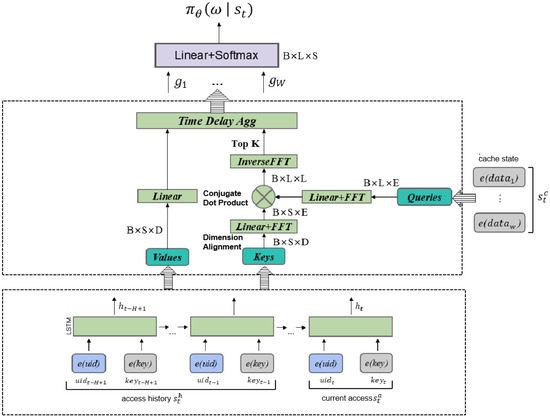
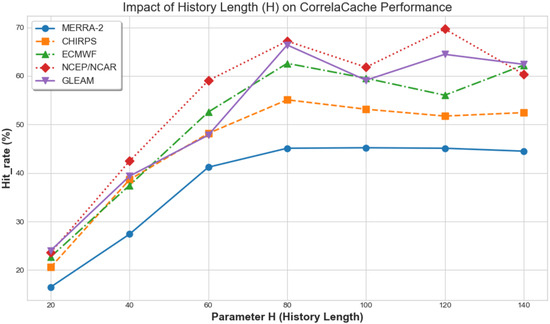
Existing cache replacement strategies in large-scale spatiotemporal data systems struggle to cope with complex and dynamic access patterns characterized by long-tail distributions and periodic behaviors. Traditional heuristic-based methods such as Least Recently Used (LRU) and Least Frequently Used (LFU) frequently fail to generalize across varying workloads, while recent learning-based approaches are limited by their reliance on hand-crafted features or short-term dependencies. In this paper, we propose a cache replacement framework named CorrelaCache, which integrates imitation learning with a temporal autocorrelation mechanism to capture both short-term and long-range periodic access patterns. By modeling the replacement task as a Markov Decision Process (MDP) and using the Belady optimal policy as the supervision signal, our method adopts Long Short-Term Memory (LSTM) networks for sequential encoding and employs Fast Fourier Transform (FFT)-based autocorrelation to detect and align periodic phases in access history. We further incorporate a joint prediction layer and a hybrid loss function that combines ranking loss and reuse distance prediction loss, and mitigate distributional shift during training via the Dataset Aggregation (DAgger) algorithm. Experimental results on five public meteorological datasets with generated hydrological access traces show that CorrelaCache outperforms representative baselines in the evaluated workloads.
Full article
(This article belongs to the Section Big Data)
►▼
Show Figures

Figure 1

Open AccessArticle
A Data-Driven Real-Time Fall-from-Height Detection Method for On-Device Worker Safety Wearables
by
SangHyeok Kim, Daejin Park and Soon Ju Kang
Big Data Cogn. Comput. 2026, 10(7), 227; https://doi.org/10.3390/bdcc10070227 - 6 Jul 2026
Abstract
►▼
Show Figures
Fall-from-height (FFH) detection is a critical component in wearable safety systems, particularly in environments where high-intensity movements can lead to frequent false positives. Conventional approaches based on simple thresholding of acceleration signals often fail to reliably distinguish FFH events from non-fall activities due
[...] Read more.
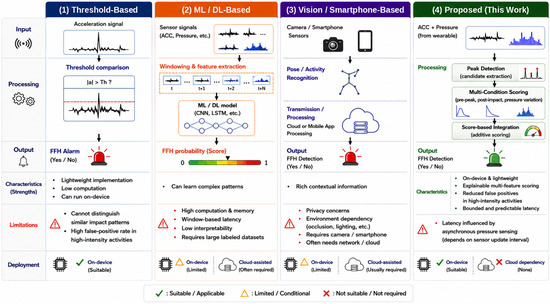
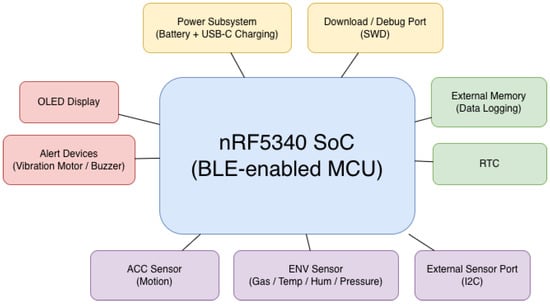
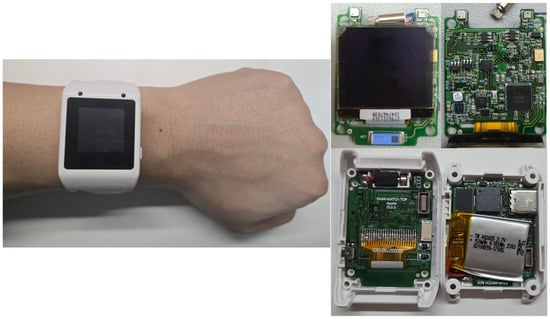
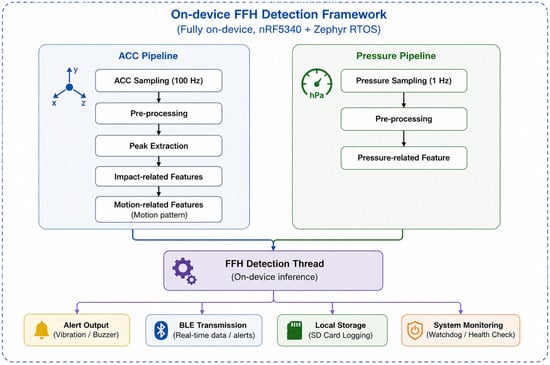
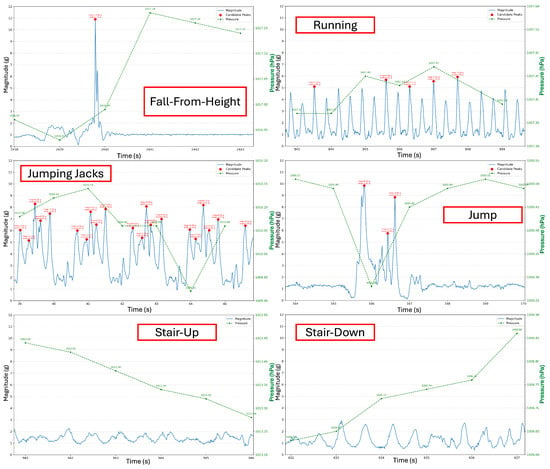
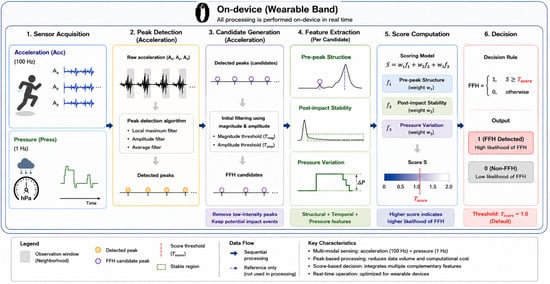
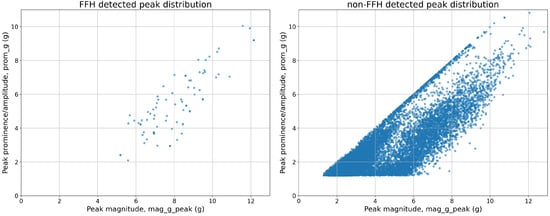
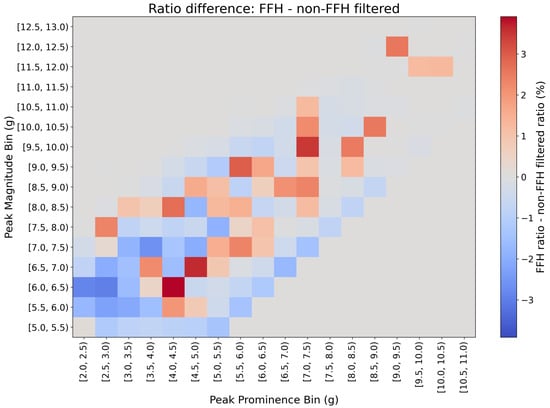
Fall-from-height (FFH) detection is a critical component in wearable safety systems, particularly in environments where high-intensity movements can lead to frequent false positives. Conventional approaches based on simple thresholding of acceleration signals often fail to reliably distinguish FFH events from non-fall activities due to overlapping signal characteristics. This paper proposes a data-driven FFH detection method that integrates multiple complementary features into a unified score-based model. The proposed approach first performs structured peak detection to extract candidate impact events while significantly reducing the number of samples requiring further processing. Each candidate is then evaluated using pre-peak structure, post-impact stability, and pressure variation, which respectively capture structural, temporal, and physical characteristics of FFH events. Based on statistical analysis, feature-wise score contributions are designed to reflect their discriminative strength, and the final FFH decision is performed using an additive scoring mechanism. This formulation enables flexible handling of ambiguous cases while preserving strong FFH characteristics. Experimental results demonstrate that the proposed method maintains 100% recall at the selected decision threshold while significantly reducing false positives from non-FFH activities. In addition, the peak detection stage reduces more than 99% of raw samples, enabling efficient on-device processing suitable for wearable systems. The proposed method also includes quantitative analysis of latency characteristics. Although FFH inference latency is influenced by asynchronous pressure sensing, the delay remains bounded and predictable, and most detections are completed within a practical time range for real-time wearable safety applications. Overall, the proposed method achieves a practical balance between detection sensitivity, false-positive suppression, computational efficiency, and real-time feasibility, demonstrating its applicability to wearable safety systems.
Full article

Figure 1
Open AccessArticle
Snapshot-Based Analysis of Distributed Organizational and Technical System
by
Sagit Valeev and Natalya Kondratyeva
Big Data Cogn. Comput. 2026, 10(7), 226; https://doi.org/10.3390/bdcc10070226 - 6 Jul 2026
Abstract
►▼
Show Figures
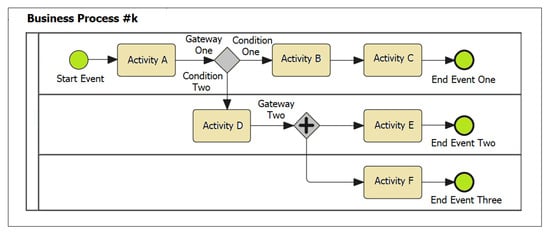
Construction companies, petrochemical enterprises, and airports are examples of large-scale organizational–technical systems (OTSs) and are characterized by a distributed structure, numerous parallel technological and business processes, and substantial energy consumption. The control of such systems is implemented through hierarchical distributed systems that require
[...] Read more.
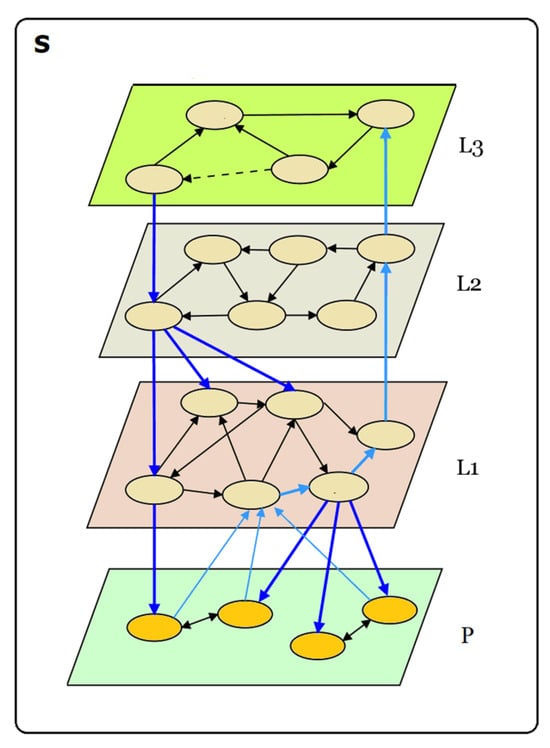
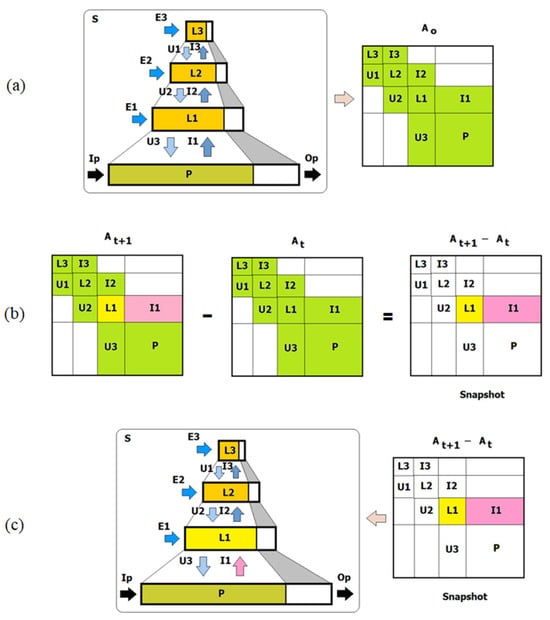
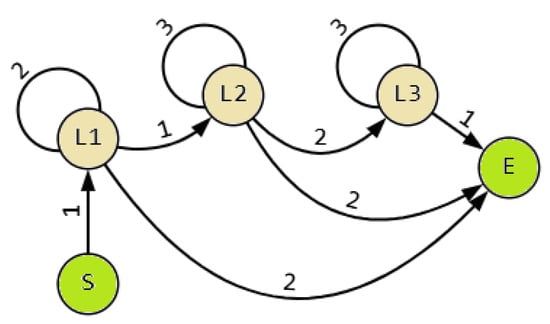
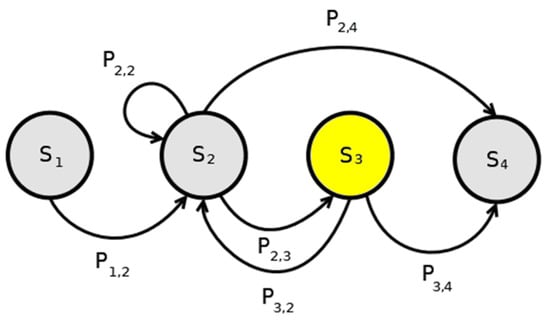
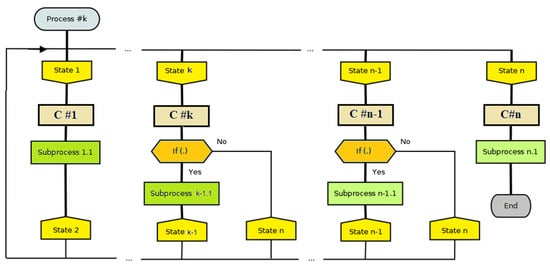
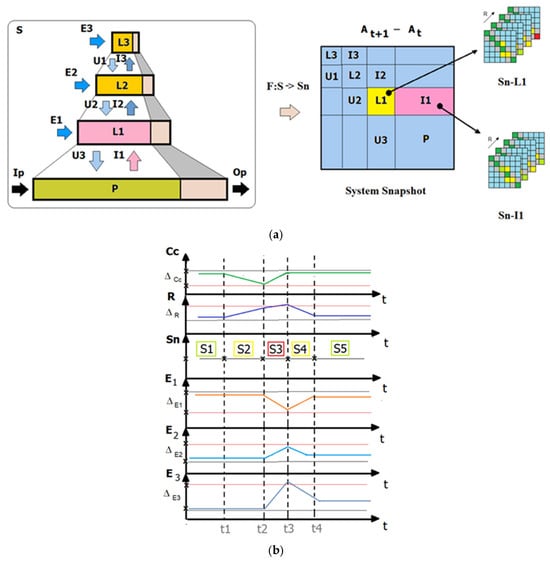
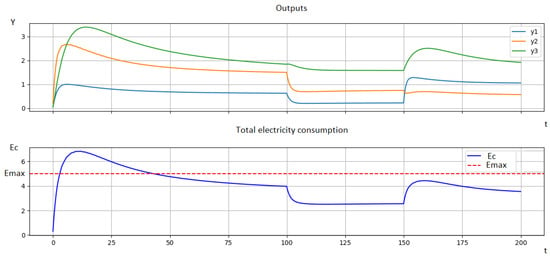
Construction companies, petrochemical enterprises, and airports are examples of large-scale organizational–technical systems (OTSs) and are characterized by a distributed structure, numerous parallel technological and business processes, and substantial energy consumption. The control of such systems is implemented through hierarchical distributed systems that require the regular collection, synchronization, and analysis of large volumes of heterogeneous data. This paper proposes a methodology for performance analysis and energy consumption optimization in OTSs based on the combined use of hierarchical control, business process modeling in BPMN and DRAKON notations, and the use of snapshots—consistent global states of a distributed system captured at specified time instants. The specifics of snapshot generation algorithms are discussed, including copy-on-write, the Chandy–Lamport algorithm, cloud orchestration, and log-based point-in-time recovery. A snapshot acquisition optimization problem is formulated, which minimizes the deviation of the captured state from the actual state under constraints on frequency, synchronization delay, and cost. The feasibility of the approach is illustrated by a numerical example of energy redistribution between the levels of a hierarchical control system using distributed model predictive control (DMPC). The advantages of the method include obtaining an objective “as is” picture, the applicability of control-theoretic methods for distributed systems based on big data processing, the ability to localize faulty subsystems, and its utility in assessing a company’s condition for stakeholders.
Full article

Figure 1
Open AccessArticle
CTA-Net: A Cross-Temporal Attention Network for Change Detection in Remote Sensing Imagery
by
Azamat Serek, Farida Abdoldina, Mukhtarov Asylbek, Valentin Smurygin and Gulnaz Nabiyeva
Big Data Cogn. Comput. 2026, 10(7), 225; https://doi.org/10.3390/bdcc10070225 (registering DOI) - 6 Jul 2026
Abstract
Accurate change detection in high-resolution remote sensing imagery is essential for urban planning, land-use monitoring, and disaster response. This study introduces CTA-Net, a Cross-Temporal Attention Network for binary change detection in bi-temporal optical imagery, designed to improve robustness against pseudo-changes caused by illumination
[...] Read more.
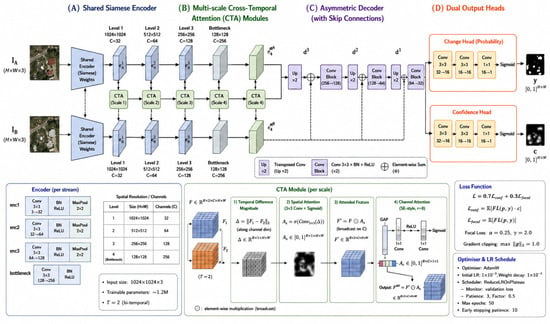
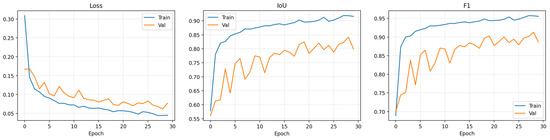
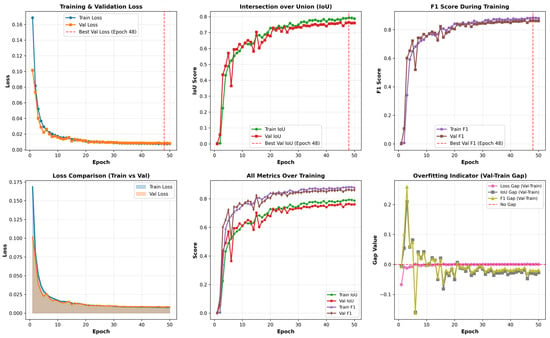
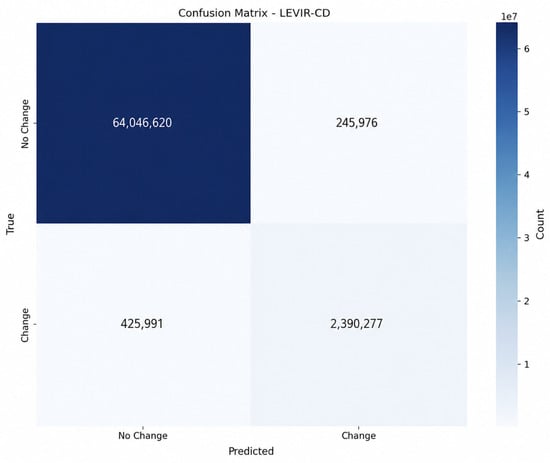
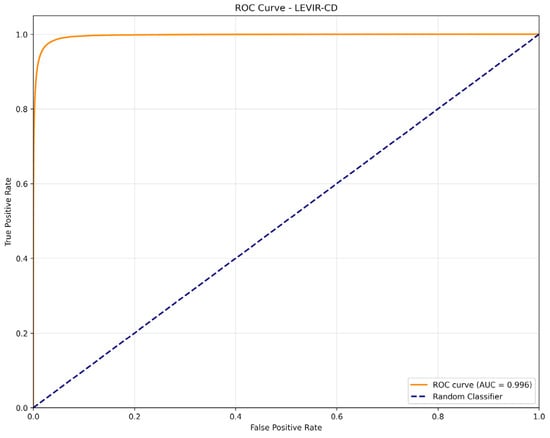
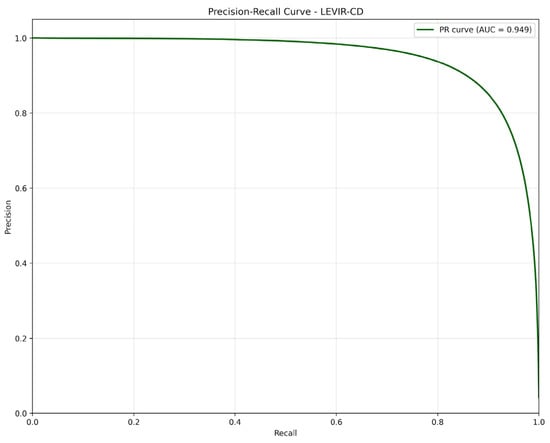
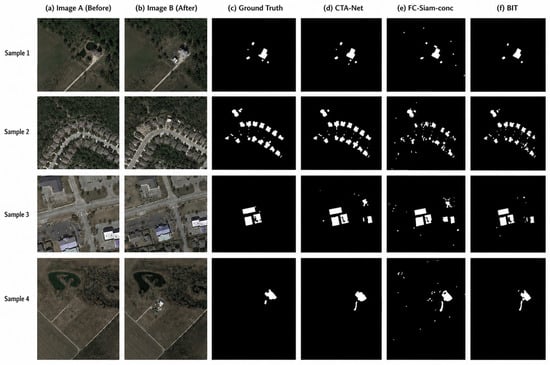
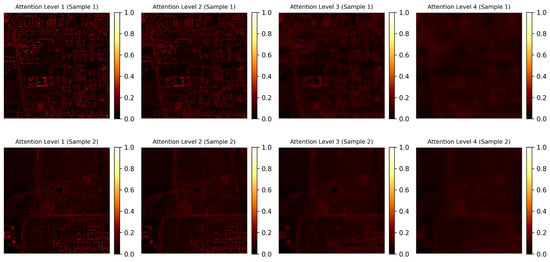
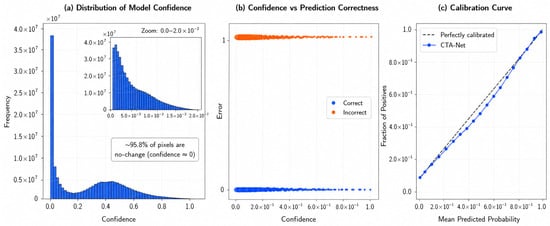
Accurate change detection in high-resolution remote sensing imagery is essential for urban planning, land-use monitoring, and disaster response. This study introduces CTA-Net, a Cross-Temporal Attention Network for binary change detection in bi-temporal optical imagery, designed to improve robustness against pseudo-changes caused by illumination variation, seasonal effects, and sensor noise. The proposed method employs a shared Siamese encoder with multi-scale Cross-Temporal Attention modules that derive spatial and channel attention from L2 feature differences, along with a lightweight confidence estimation head for per-pixel uncertainty modelling. A hybrid loss function combining confidence-weighted binary cross-entropy and focal loss is used to address class imbalance. Experiments on the LEVIR-CD dataset demonstrate that CTA-Net achieves an overall accuracy of 98.99%, an F1-score of 87.68%, an Intersection over Union of 78.06%, a Cohen’s kappa of 0.8715, and a Matthews Correlation Coefficient of 0.8721, with stable convergence and minimal overfitting. Qualitative and calibration analyses further indicate that the model produces interpretable attention maps and reliable probabilistic outputs. To evaluate cross-domain generalization, we conduct a transfer learning case study on multispectral Sentinel-2 agricultural imagery. The model is adapted to 11-channel input and fine-tuned on automatically generated change masks derived from NDVI-delta thresholding. Under this supervision protocol, CTA-Net achieves an F1-score of 95.18% and an IoU of 90.81% on a held-out test region, with balanced precision and recall. While these results demonstrate effective adaptation across sensor modality, spatial resolution, and semantic domain, the evaluation reflects agreement with the mask generation procedure rather than independently annotated ground truth. While CTA-Net shows strong performance and reasonable interpretability, its cross-domain evaluation is limited by the use of automatically generated labels. As a result, the reported transferability should be interpreted cautiously until validated on human-annotated datasets.
Full article
(This article belongs to the Section Artificial Intelligence and Multi-Agent Systems)
►▼
Show Figures

Figure 1

Open AccessSystematic Review
Better Prompts, Better Usefulness: A Systematic Review and Experimental Evaluation of Structured Prompting Techniques in Large Language Models
by
Alessia Cantini and Andrea De Mauro
Big Data Cogn. Comput. 2026, 10(7), 224; https://doi.org/10.3390/bdcc10070224 - 6 Jul 2026
Abstract
Large Language Models (LLMs) have rapidly become central components of cognitive computing systems and AI-assisted knowledge work. However, the effectiveness of LLM-generated outputs depends not only on the model’s capabilities but also on the structure of the prompts used to guide them. This
[...] Read more.
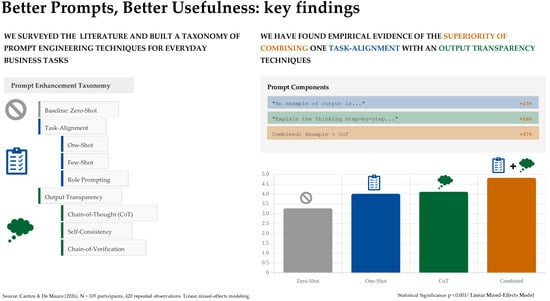
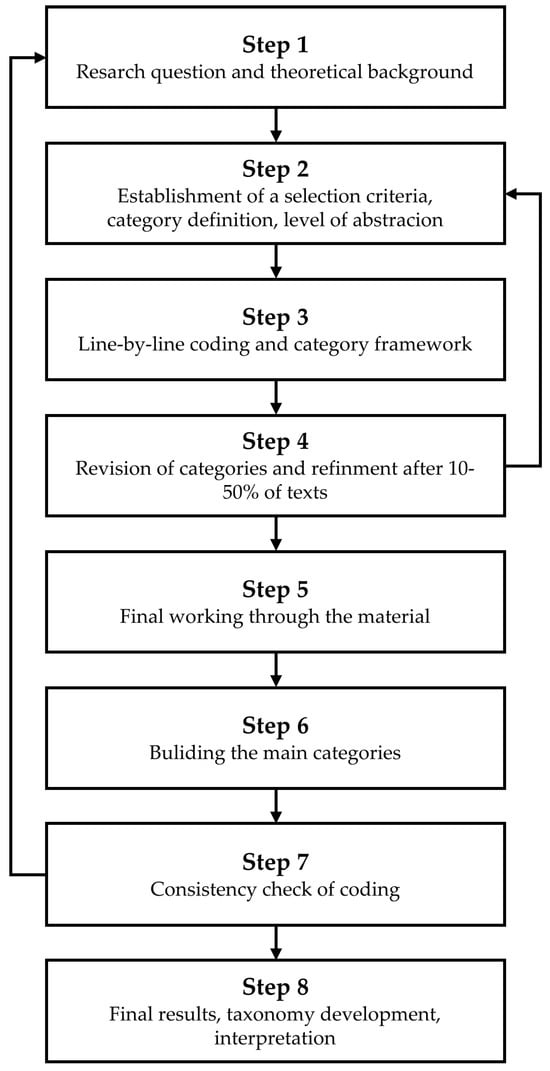
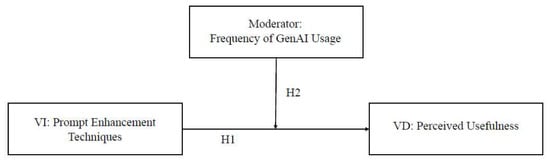
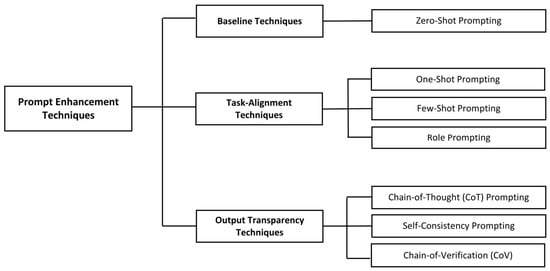
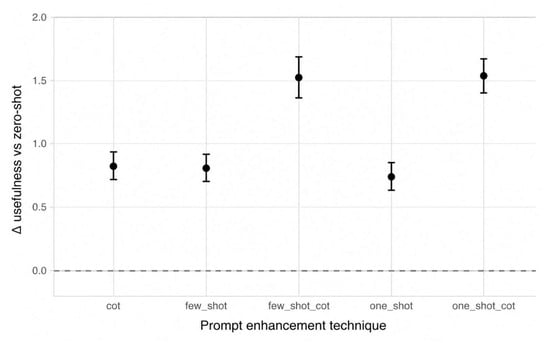
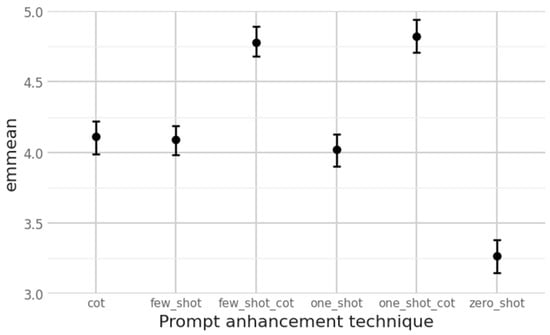
Large Language Models (LLMs) have rapidly become central components of cognitive computing systems and AI-assisted knowledge work. However, the effectiveness of LLM-generated outputs depends not only on the model’s capabilities but also on the structure of the prompts used to guide them. This study investigates how structured prompting techniques influence perceived output usefulness in business-oriented tasks. First, we conduct a systematic literature review following PRISMA guidelines to identify, classify, and synthesize existing prompt enhancement strategies. The review leads to the development of a taxonomy distinguishing task-alignment techniques (e.g., one-shot and few-shot prompting) from reasoning-transparency techniques (e.g., Chain-of-Thought prompting). Building on this taxonomy, we design a controlled experimental study in which knowledge workers evaluate LLM-generated outputs across analytical and summarization tasks. Using linear mixed-effects modeling, we assess the impact of prompting techniques and the moderating role of Generative AI usage frequency. Results indicate that structured prompting significantly increases perceived usefulness compared to baseline approaches, with the combination of example-based conditioning and explicit reasoning scaffolding yielding the highest evaluations. The moderating effect of usage frequency is not statistically significant, suggesting that the benefits of structured prompt design are robust across different experience levels. These findings position prompt structure as a practical cognitive interface mechanism and provide evidence-based guidelines for enhancing human–AI interaction in cognitive computing environments.
Full article
(This article belongs to the Section Artificial Intelligence and Multi-Agent Systems)
►▼
Show Figures

Graphical abstract
Open AccessArticle
Seasonal Variation in Heart Rate Variability Associated with Physical Activity and Regional Variability Observed in the ALLSTAR Holter ECG Database
by
Yutaka Yoshida and Junichiro Hayano
Big Data Cogn. Comput. 2026, 10(7), 223; https://doi.org/10.3390/bdcc10070223 - 6 Jul 2026
Abstract
►▼
Show Figures
Seasonal variation in heart rate variability (HRV) reflects multiple interacting determinants rather than a single underlying determinant. In this study, we aimed to examine subgroup-level seasonal HRV variation in relation to physical activity (PA) using large-scale real-world data. We analyzed 133,747 24-h ECG
[...] Read more.
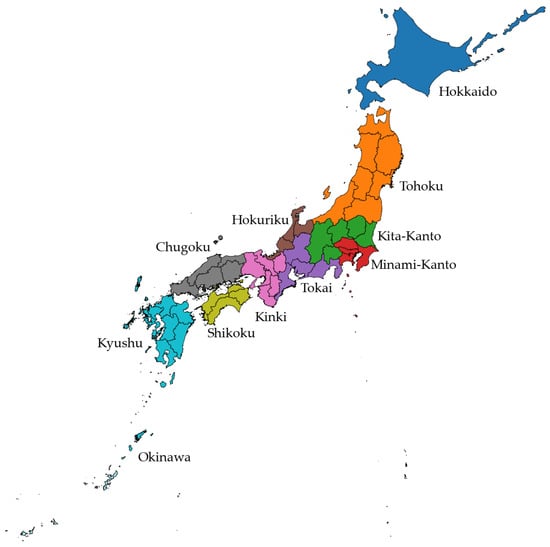
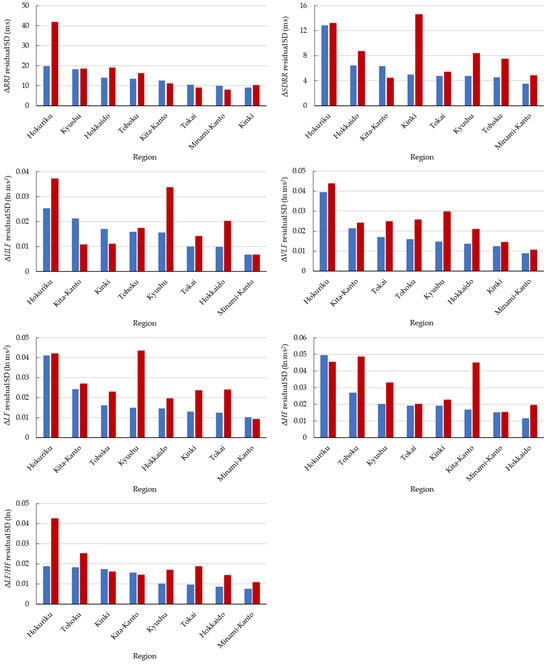
Seasonal variation in heart rate variability (HRV) reflects multiple interacting determinants rather than a single underlying determinant. In this study, we aimed to examine subgroup-level seasonal HRV variation in relation to physical activity (PA) using large-scale real-world data. We analyzed 133,747 24-h ECG recordings with tri-axial accelerometry from the ALLSTAR database across eight regions in Japan (after excluding regions with insufficient sample sizes) collected between 2015 and 2021. Seasonal variation (Δ) was defined as the difference between the maximum and minimum seasonal mean values. Weighted least squares models (WLS) were applied to examine associations between ΔPA and multiple HRV indices, including interaction terms for sex and region, while regional differences in residual variability were assessed using Levene’s test. During the normal period, significant associations between ΔPA and ΔHRV were observed for specific indices (ΔULF, ΔVLF, ΔHF, and ΔLF/HF), whereas other indices were not significant. During the Coronavirus Disease 2019 (COVID-19) period, significant associations were observed for ΔRRI, ΔSDRR, and ΔLF/HF, indicating that the association between PA and seasonal HRV variation was index-specific. Sex interactions were not statistically significant after FDR (False Discovery Rate) correction in either period, suggesting a limited role of sex in the PA–HRV relationship at the population level. Regional differences in HRV sensitivity to PA were statistically significant but heterogeneous across regions. In contrast, residual variability exhibited significant regional differences across multiple HRV indices in both periods. These patterns were not fully explained by sample size and showed stable regional heterogeneity. These findings suggest that subgroup-level regional heterogeneity in seasonal HRV variation is primarily reflected in the unexplained component rather than in the direct PA–HRV relationship, indicating the presence of region-specific variability in the unexplained component beyond behavioral influences.
Full article

Figure 1
Open AccessArticle
Economical, Optimal and Uncertain Multiple-View L2 Triangulation via LMIs
by
Graziano Chesi
Big Data Cogn. Comput. 2026, 10(7), 222; https://doi.org/10.3390/bdcc10070222 - 5 Jul 2026
Abstract
This paper proposes a novel approach for multiple-view triangulation, a key problem in computer vision which consists of estimating a scene point from its estimated image projections on two or more cameras and from the estimated projection matrices of the cameras
[...] Read more.
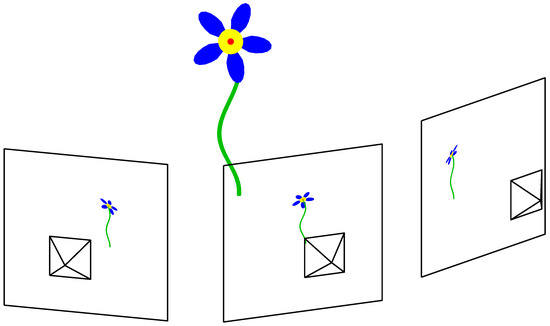
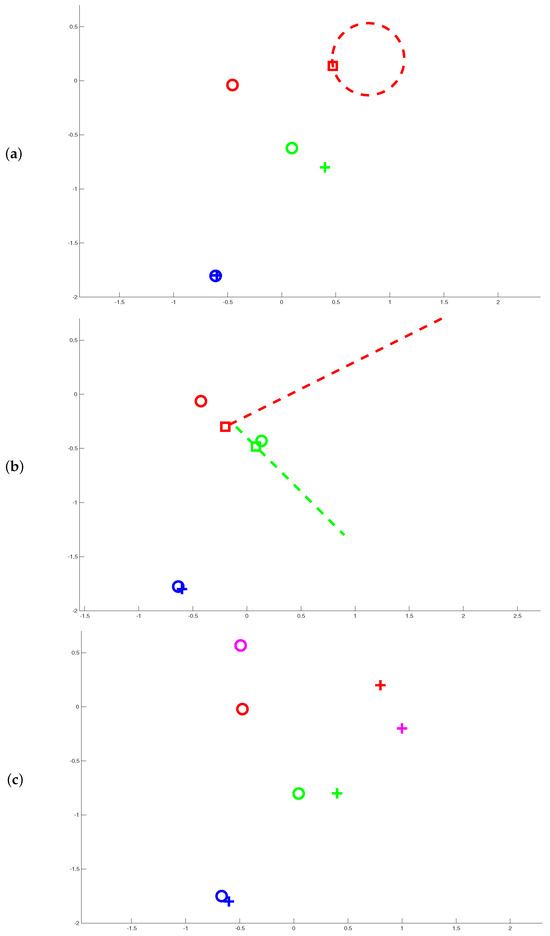
This paper proposes a novel approach for multiple-view triangulation, a key problem in computer vision which consists of estimating a scene point from its estimated image projections on two or more cameras and from the estimated projection matrices of the cameras by minimizing the reprojection error in the norm. In the proposed approach, the estimated image projections are allowed to be uncertain in admissible regions described by polynomial inequalities and equalities, and an estimate of the scene point is obtained by solving a linear matrix inequality (LMI) problem built with matrix decompositions, polynomial multipliers, and the Gram matrix method. It is proven that the optimal estimate can always be achieved by using multipliers with sufficiently large degree. Moreover, a simple test is provided in order to establish the optimality of the obtained estimate. As shown by some examples with real and synthetic data, the proposed approach presents key advantages with respect to several existing methods of a different nature, which may fail to find the optimal estimate, may not allow one to establish the optimality of the found estimate, or may require a larger computational burden.
Full article
(This article belongs to the Special Issue AI, Computer Vision and Human–Robot Interaction)
►▼
Show Figures

Figure 1
Open AccessArticle
An Information-Theoretic Framework for Characterizing Interaction-Order Diversity in Temporal Hypergraphs
by
Francesco Cauteruccio
Big Data Cogn. Comput. 2026, 10(7), 221; https://doi.org/10.3390/bdcc10070221 - 3 Jul 2026
Abstract
►▼
Show Figures
The proliferation of large-scale interaction datasets, from scientific collaboration networks and legislative records to online communication platforms, has made the analysis of group-based, time-varying systems one of the central challenges of modern data analytics. Hypergraphs provide a natural formalism for such systems, where
[...] Read more.
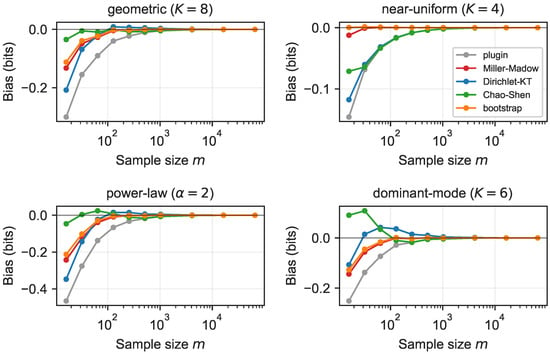
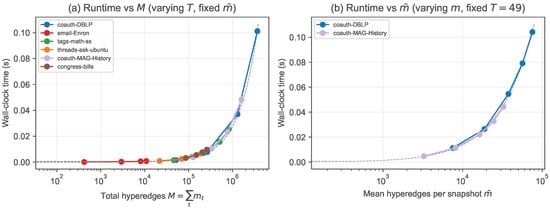
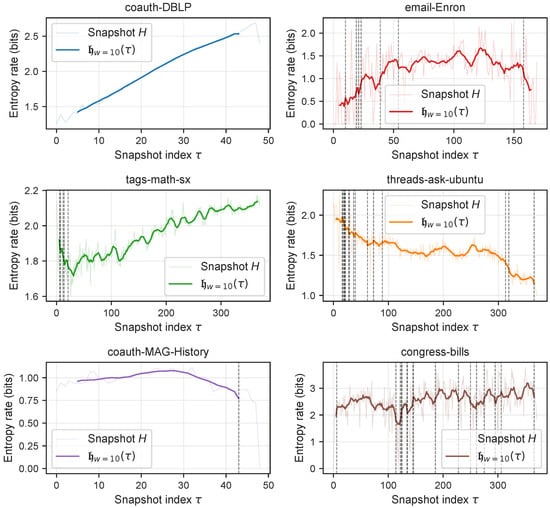
The proliferation of large-scale interaction datasets, from scientific collaboration networks and legislative records to online communication platforms, has made the analysis of group-based, time-varying systems one of the central challenges of modern data analytics. Hypergraphs provide a natural formalism for such systems, where interactions involve arbitrary groups of agents rather than isolated pairs, and temporal hypergraphs extend this to sequential data by capturing how group interactions evolve over time. Yet quantifying how complex, predictable, or volatile this evolution is remains an open problem: existing entropy-based measures either operate on pairwise projections and thus discard multi-way dependencies or are not naturally defined for varying hyperedge sizes. In this paper, we propose an information–theoretic framework for characterizing how the diversity of interaction orders in a temporal hypergraph evolves over time. We introduce the hyperedge-size distribution entropy of a snapshot and, building on the theory of entropy rates for stochastic processes, we define the temporal hypergraph entropy rate as a principled, dataset-agnostic measure of the average diversity of interaction orders exhibited by the snapshot sequence over time. We further equip the framework with a bias-corrected sliding-window estimator and a lightweight change-point detector, assembling a complete pipeline that runs in time linear in the total number of hyperedges and requires no node alignment across datasets or snapshots. We prove that the measure collapses to zero under clique expansion, demonstrating that it captures interaction-order information that is discarded by the standard size-blind pairwise projection. Experiments on six small and large publicly available benchmark datasets show that the entropy rate spans 1.60 bits across domains, detects unsupervised structural change points, and discriminates between structurally distinct interaction cultures even within the same domain. Our framework is computationally lightweight and applicable to any dataset that can be represented as a temporal sequence of hypergraphs, paving the way for practical, scalable, interaction-order-aware analysis of large-scale higher-order temporal data.
Full article

Figure 1
Journal Menu
► ▼ Journal Menu-
- BDCC Home
- Aims & Scope
- Editorial Board
- Reviewer Board
- Topical Advisory Panel
- Instructions for Authors
- Special Issues
- Topics
- Sections
- Article Processing Charge
- Indexing & Archiving
- Editor’s Choice Articles
- Most Cited & Viewed
- Journal Statistics
- Journal History
- Journal Awards
- Conferences
- Editorial Office
Journal Browser
► ▼ Journal BrowserHighly Accessed Articles
Latest Books
E-Mail Alert
News
Topics
Topic in
Sensors, Electronics, Technologies, AI, Entropy, Quantum Reports, BDCC
Responsible Classic/Quantum AI Technologies for Industrial Applications
Topic Editors: Youyang Qu, Khandakar Ahmed, Zhiyi TianDeadline: 31 July 2026
Topic in
AI, BDCC, Future Internet, Information, Sustainability
Big Data and Artificial Intelligence, 3rd Edition
Topic Editors: Miltiadis D. Lytras, Andreea Claudia SerbanDeadline: 30 August 2026
Topic in
Computers, Electronics, Future Internet, IoT, Network, Sensors, JSAN, Technologies, BDCC
Challenges and Future Trends of Wireless Networks
Topic Editors: Stefano Scanzio, Ramez Daoud, Jetmir Haxhibeqiri, Pedro SantosDeadline: 30 September 2026
Topic in
Applied Sciences, Electronics, Information, Drones, Sensors, BDCC, IJGI
Advances in Integrative AI, Machine Learning, and Big Data for Transformative Applications
Topic Editors: Peiying Zhang, Athanasios V. VasilakosDeadline: 31 October 2026
Conferences
Special Issues
Special Issue in
BDCC
Artificial Intelligence (AI) and Natural Language Processing (NLP)
Guest Editors: Sardar Jaf, Basel Barakat, Yongqiang ChengDeadline: 20 July 2026
Special Issue in
BDCC
Large Language Models for Cutting Edge Applications in Science and Humanities
Guest Editor: Rohitash ChandraDeadline: 31 July 2026
Special Issue in
BDCC
Application of Semantic Technologies in Intelligent Environment
Guest Editors: Maria Nisheva-Pavlova, Galia Angelova, Moulay A. AkhloufiDeadline: 31 July 2026
Special Issue in
BDCC
Artificial Intelligence Applications for Cultural Heritage: Innovations, Challenges, and Opportunities
Guest Editors: Giuseppe Maria Luigi Sarnè, Fabrizio Messina, Domenico RosaciDeadline: 31 August 2026