12 pages, 2732 KB  
Article
Amelioration of Diabetes-Induced Nephropathy by Loranthus regularis: Implication of Oxidative Stress, Inflammation and Hyperlipidaemia
by Ahmed Z. Alanazi, Mohamed Mohany, Fawaz Alasmari, Ramzi A. A. Mothana, Abdulaziz O. A. Alshehri, Khalid Alhazzani, Mohammed M. Ahmed and Salim S. Al-Rejaie
Appl. Sci. 2021, 11(10), 4548; https://doi.org/10.3390/app11104548 - 17 May 2021
Cited by 7 | Viewed by 3034
Abstract
In traditional Yemeni medicine, various preparations of Loranthus regularis (L. regularis), such as powder, decoctions and infusions are commonly used to treat diabetes, kidney stone formations and inflammation. In the present study, we evaluated the antinephrotoxic effects of L. regularis extract [...] Read more.
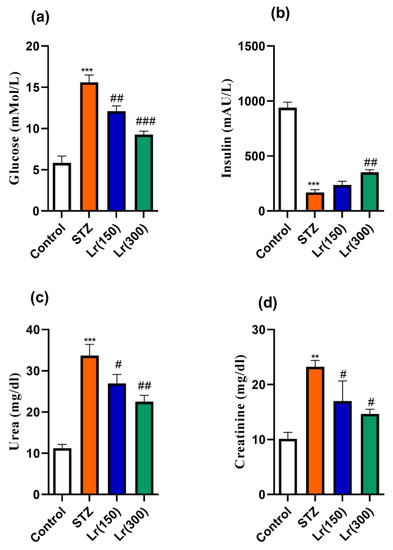
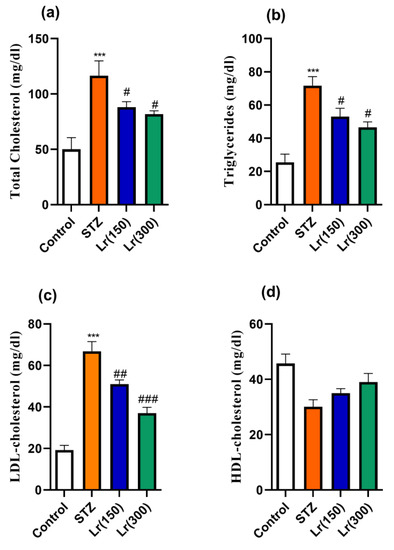
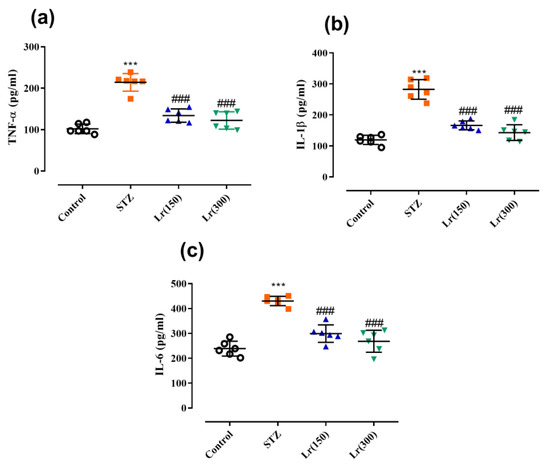
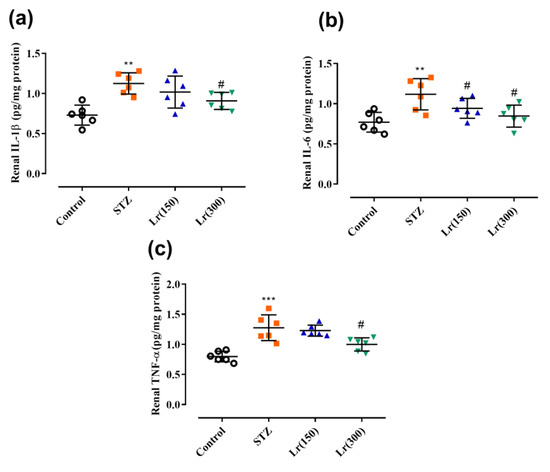
In traditional Yemeni medicine, various preparations of Loranthus regularis (L. regularis), such as powder, decoctions and infusions are commonly used to treat diabetes, kidney stone formations and inflammation. In the present study, we evaluated the antinephrotoxic effects of L. regularis extract in experimentally-induced diabetes in male Wistar rats. A single dose (60 mg/kg/day) of Streptozotocin (STZ) was used to induce type 1 diabetes. Animals were then treated for four weeks with L. regularis extract (150 or 300 mg/kg/day) by oral gavage. Renal and blood samples were subsequently harvested. Several biochemical indices, oxidative stress and inflammatory markers were assessed. Additionally, histological alterations in the renal tissue were examined. Serum glucose levels were significantly (p < 0.01) lowered while insulin levels were enhanced in L. regularis-treated diabetic animals. The increased renal markers in diabetic rats were decreased by L. regularis treatment. Serum elevated lipid profiles were markedly decreased by the plant extract. The serum and renal cytokines that were significantly increased (p < 0.001) by STZ were diminished by L. regularis treatment. Finally, renal tissue antioxidant enzymatic activity was enhanced with L. regularis treatment. Taken together, the data here indicate that L. regularis possesses therapeutic ability to reduce the development of diabetic nephropathy (DN) by minimizing oxidative injury and inflammation. Full article
Show Figures

Figure 1
26 pages, 3943 KB  
Review
Synthesis of Starch Nanoparticles and Their Applications for Bioactive Compound Encapsulation
by Diana Morán, Gemma Gutiérrez, María Carmen Blanco-López, Ali Marefati, Marilyn Rayner and María Matos
Appl. Sci. 2021, 11(10), 4547; https://doi.org/10.3390/app11104547 - 17 May 2021
Cited by 75 | Viewed by 12379
Abstract
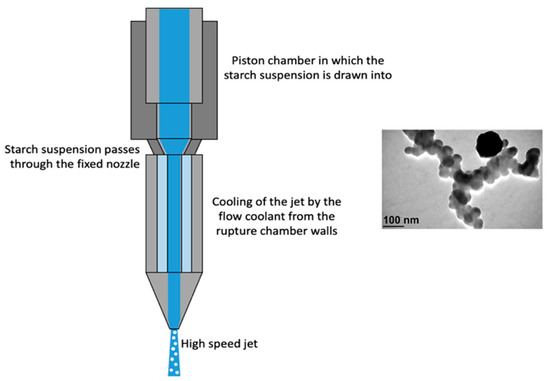
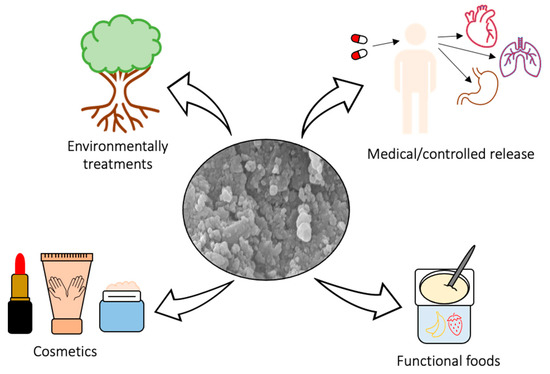
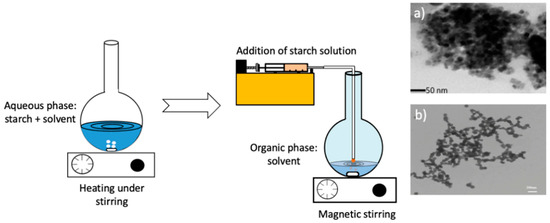
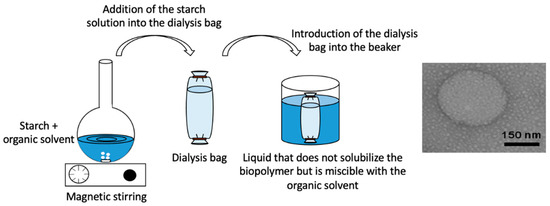
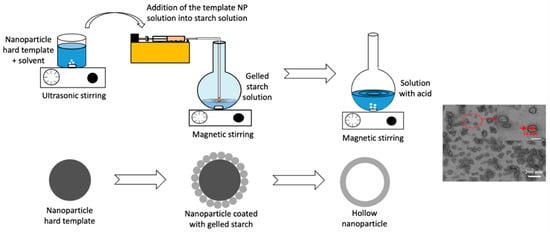
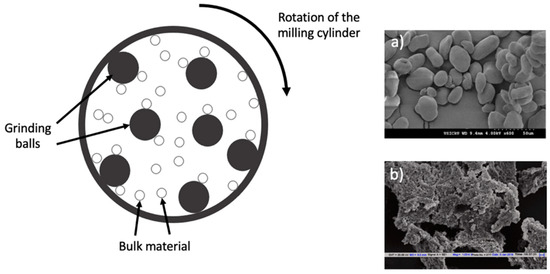
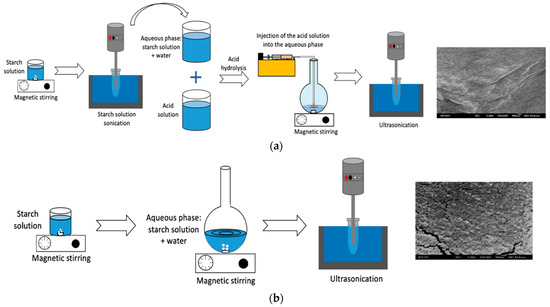
In recent years, starch nanoparticles (SNPs) have attracted growing attention due to their unique properties as a sustainable alternative to common nanomaterials since they are natural, renewable and biodegradable. SNPs can be obtained by the breakdown of starch granules through different techniques which [...] Read more.
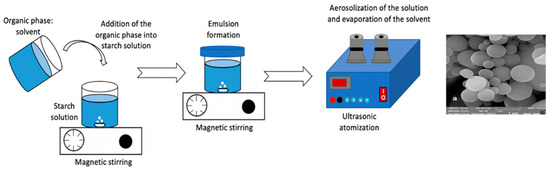
In recent years, starch nanoparticles (SNPs) have attracted growing attention due to their unique properties as a sustainable alternative to common nanomaterials since they are natural, renewable and biodegradable. SNPs can be obtained by the breakdown of starch granules through different techniques which include both physical and chemical methods. The final properties of the SNPs are strongly influenced by the synthesis method used as well as the operational conditions, where a controlled and monodispersed size is crucial for certain bioapplications. SNPs are considered to be a good vehicle to improve the controlled release of many bioactive compounds in different research fields due to their high biocompatibility, potential functionalization, and high surface/volume ratio. Their applications are frequently found in medicine, cosmetics, biotechnology, or the food industry, among others. Both the encapsulation properties as well as the releasing processes of the bioactive compounds are highly influenced by the size of the SNPs. In this review, a general description of the different types of SNPs (whole and hollow) synthesis methods is provided as well as on different techniques for encapsulating bioactive compounds, including direct and indirect methods, with application in several fields. Starches from different botanical sources and different bioactive compounds are compared with respect to the efficacy in vitro and in vivo. Applications and future research trends on SNPs synthesis have been included and discussed. Full article
Show Figures

Graphical abstract

14 pages, 1510 KB  
Case Report
Optimal Tilt and Orientation Angles in Fixed Flat Surfaces to Maximize the Capture of Solar Insolation: A Case Study in Ecuador
by Xavier Serrano-Guerrero, Eduardo Cantos, Juan-Javier Feijoo, Antonio Barragán-Escandón and Jean-Michel Clairand
Appl. Sci. 2021, 11(10), 4546; https://doi.org/10.3390/app11104546 - 17 May 2021
Cited by 20 | Viewed by 5455
Abstract
Due to the increasing attention of PV generation, and to the uncertainty of the real PV electrical power output, power system are facing planning challenges. Hence, this case report proposes a computer application that determines the optimal tilt and orientation angles of flat [...] Read more.
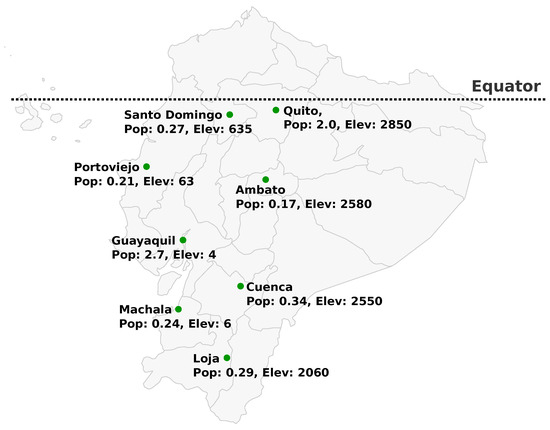
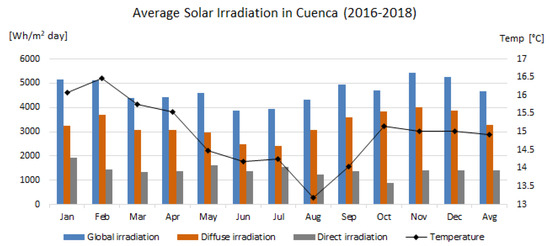
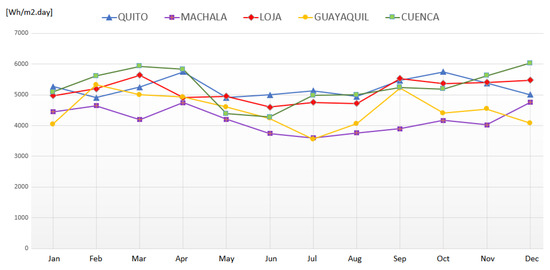
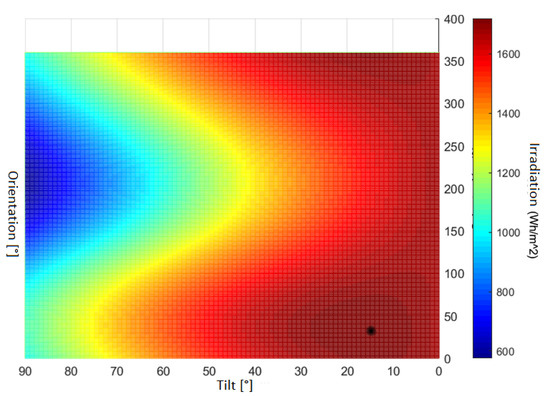
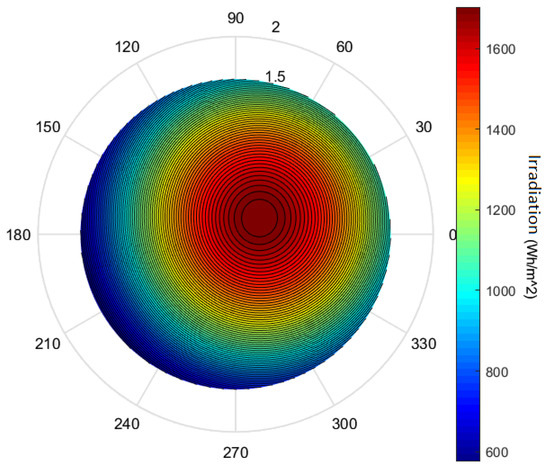
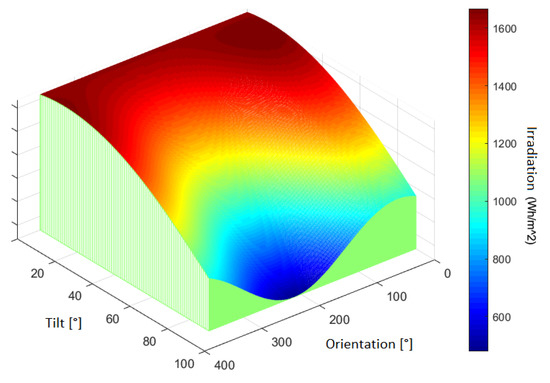
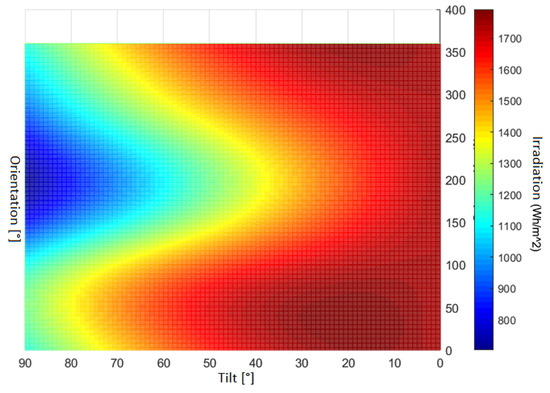
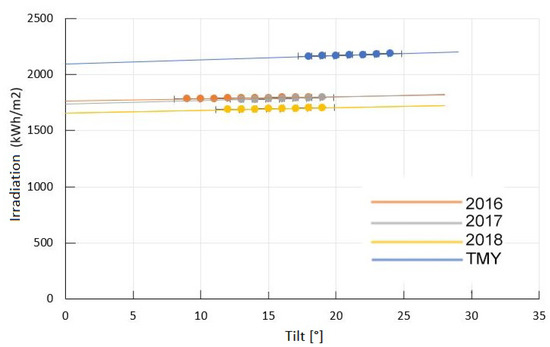
Due to the increasing attention of PV generation, and to the uncertainty of the real PV electrical power output, power system are facing planning challenges. Hence, this case report proposes a computer application that determines the optimal tilt and orientation angles of flat surfaces to maximize solar insolation capture based on existing mathematical models. The study uses data from different meteorological variables measured and estimated through a typical year from the most populated Ecuador cities. The computer application considers the global, diffuse, direct, reflected radiation, and the angle of incidence of the sun. This analysis reveals the angle of inclination and orientation where the highest percentage of insolation is obtained in Ecuador’s main cities. The results suggest that, in Ecuador, flat solar capture surfaces can be oriented between 20° and 60° concerning north, and with tilt angles between 12° and 19°. This contrasts with the literature, which recommends an orientation to the equator and an inclination equal to the location’s latitude. Full article
Show Figures

Figure 1
17 pages, 9194 KB  
Article
3D Digital Adaptive Thorax Modelling of Peoples with Spinal Disabilities: Applications for Performance Clothing Design
by Sara Mosleh, Mulat Alubel Abtew, Pascal Bruniaux, Guillaume Tartare, Yukang Xu and Yan Chen
Appl. Sci. 2021, 11(10), 4545; https://doi.org/10.3390/app11104545 - 17 May 2021
Cited by 7 | Viewed by 3801
Abstract
Peoples with spinal disability face a huge problem in the design and development of ergonomically fitted and comfortable clothing. Various research studies on the design and developments of functional clothing for scoliosis patients consider their morphological shapes. However, developing appropriate models of the [...] Read more.
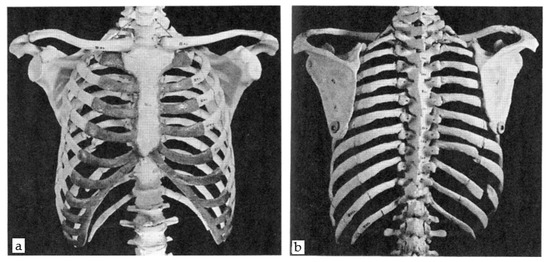
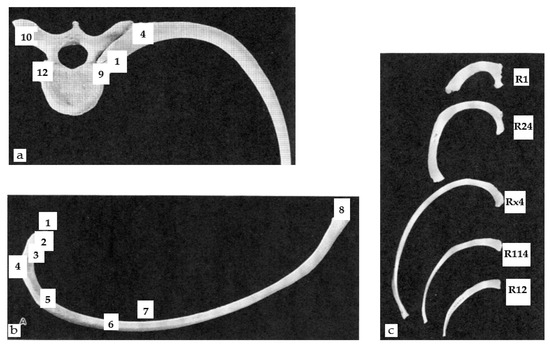
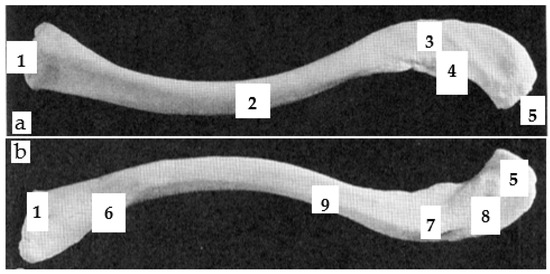
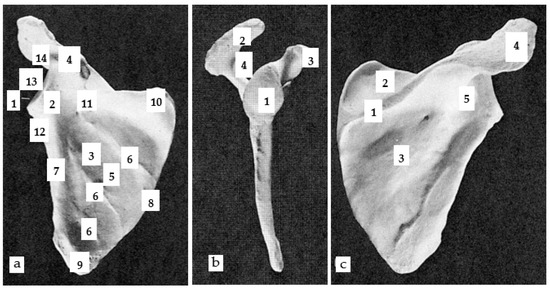
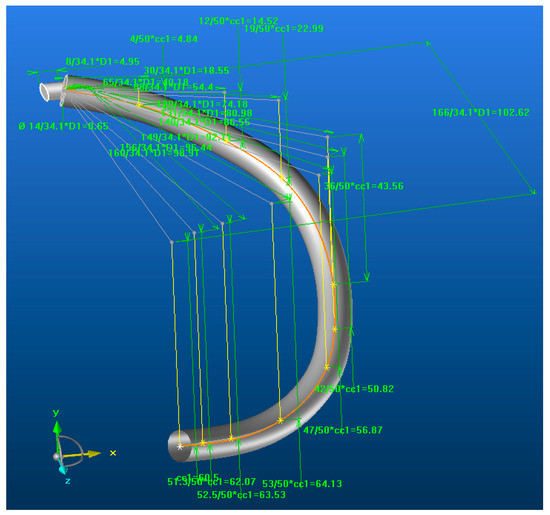
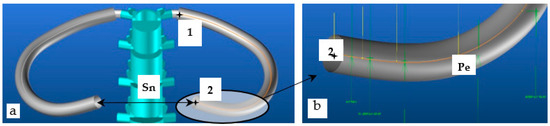
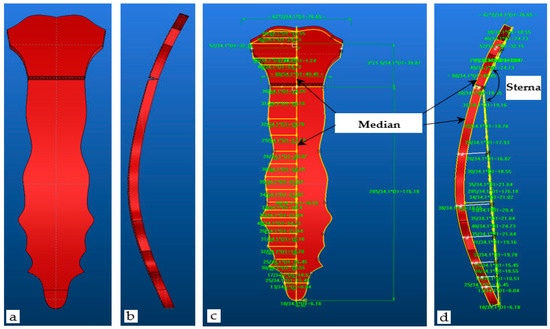
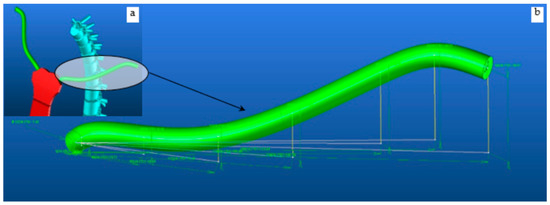
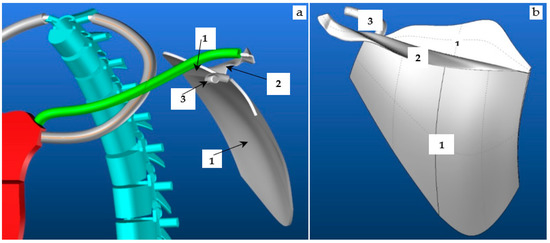
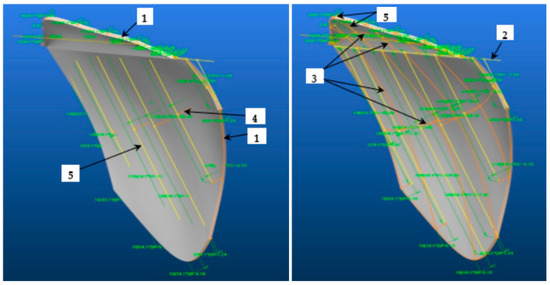
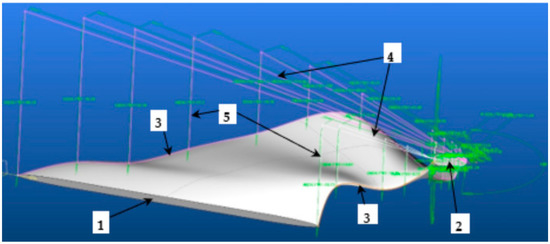
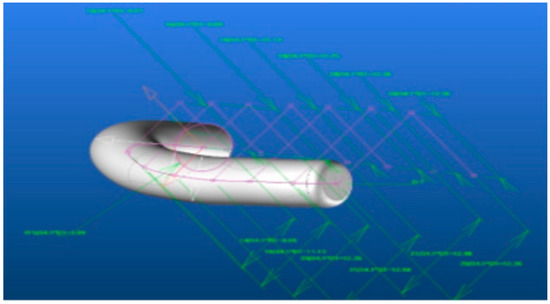
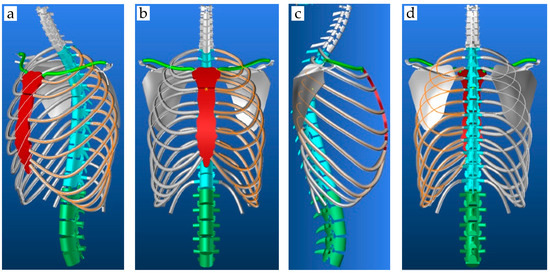
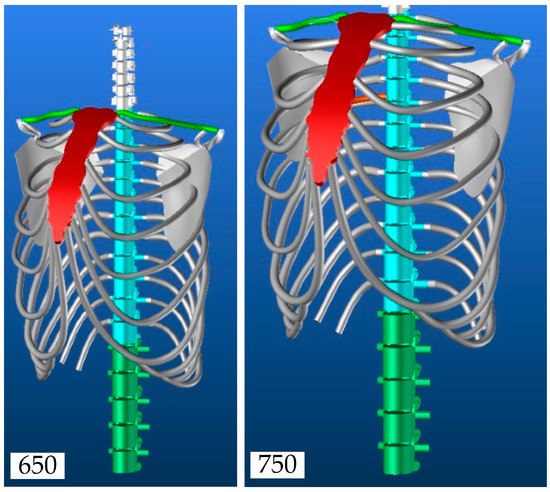
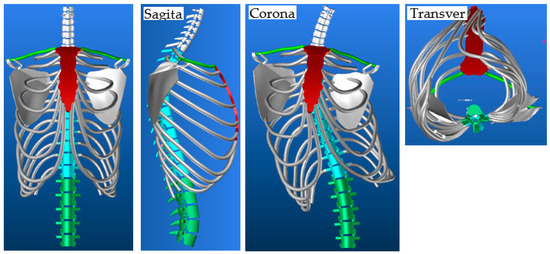
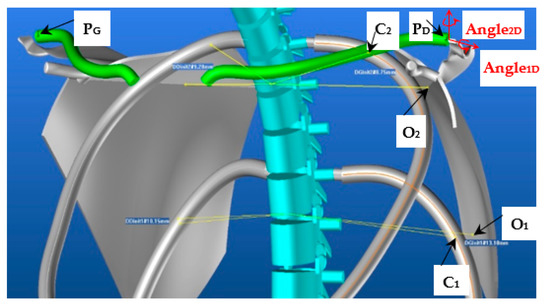
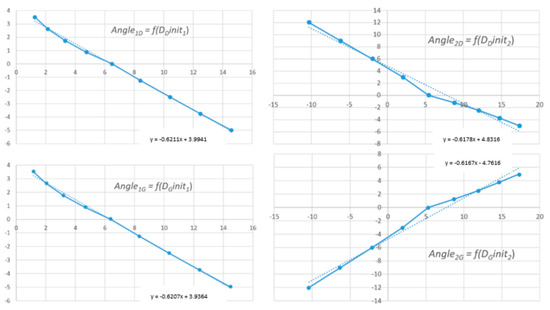
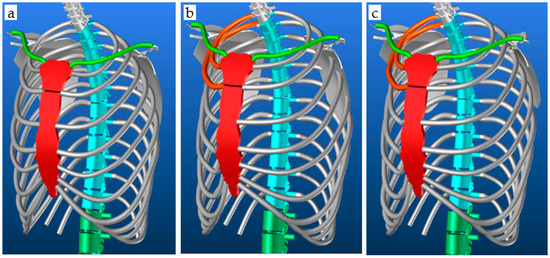
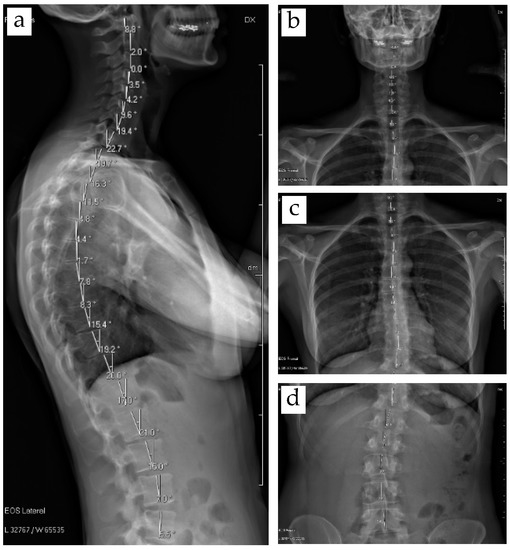
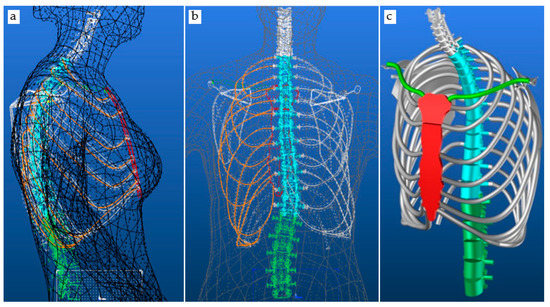
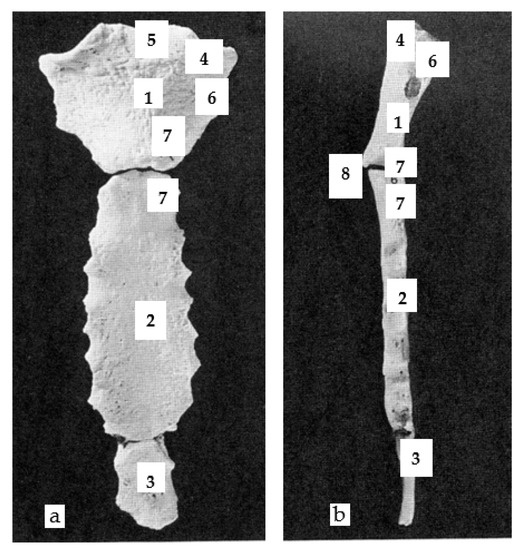
Peoples with spinal disability face a huge problem in the design and development of ergonomically fitted and comfortable clothing. Various research studies on the design and developments of functional clothing for scoliosis patients consider their morphological shapes. However, developing appropriate models of the complicated and deformed anatomical shape of the patient in 3D digitization technologies makes it possible to design a comfortable and fitted garment. The current paper proposes a method for developing a fully parametric 3D adaptive model of the thorax of a patient suffering from scoliosis. The model is designed from the spine and follows the deformation of the spine to adapt the thorax skeleton according to the temporal evolution of the spinal column deformation. The integration of the model of the thorax, adjusted to the patient’s data, enables the chain of acquisition, processing, and global model to be validated. The fit of the model could be improved for the different bones and it is possible to modify the angles of the spine to see the evolution of the disease. The developed model greatly helps to further detect anthropometric points from certain bone parts of the skeleton to design a basic bodice adapted to the patient’s evolving morphology. Full article
(This article belongs to the Special Issue New Trends in Design Engineering)
Show Figures

Figure 1
12 pages, 2299 KB  
Article
Methods for Improving Deep Learning-Based Cardiac Auscultation Accuracy: Data Augmentation and Data Generalization
by Yoojin Jeong, Juhee Kim, Daeyeol Kim, Jinsoo Kim and Kwangkee Lee
Appl. Sci. 2021, 11(10), 4544; https://doi.org/10.3390/app11104544 - 17 May 2021
Cited by 30 | Viewed by 4680
Abstract
Cardiac auscultation is a cost-effective and noninvasive technique for cardiovascular disease detection. Recently, various studies have been underway for cardiac auscultation using deep learning, not doctors. When training a deep learning network, it is important to secure large amount of high-quality data. However, [...] Read more.
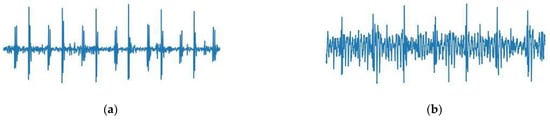
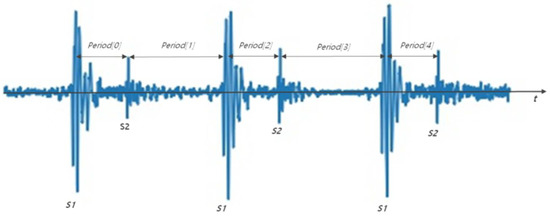
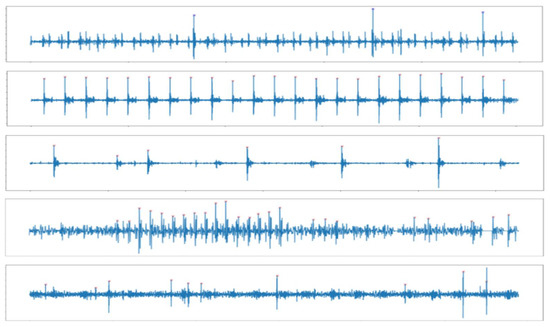
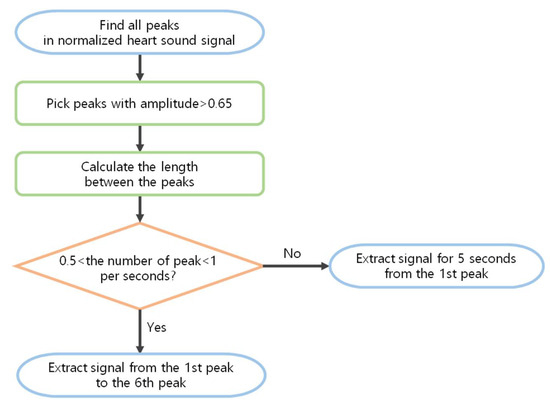
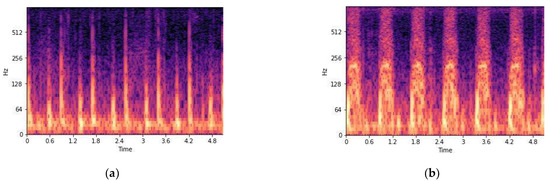
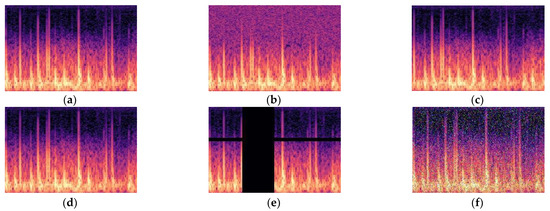
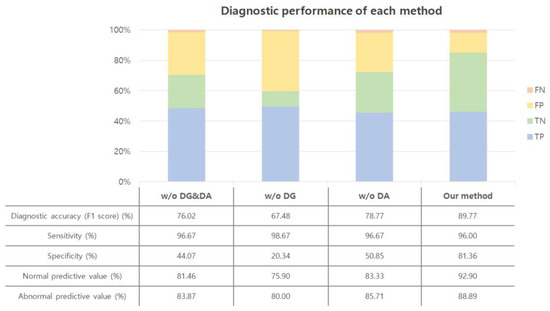
Cardiac auscultation is a cost-effective and noninvasive technique for cardiovascular disease detection. Recently, various studies have been underway for cardiac auscultation using deep learning, not doctors. When training a deep learning network, it is important to secure large amount of high-quality data. However, medical data are difficult to obtain, and in most cases the number of abnormal classes is insufficient. In this study, data augmentation is used to supplement the insufficient amount of data, and data generalization to generate data suitable for convolutional neural networks (CNN) is proposed. We demonstrate performance improvements by inputting them into the CNN. Our method achieves an overall performance of 96%, 81%, and 90% for sensitivity, specificity, and F1-score, respectively. Diagnostic accuracy was improved by 18% compared to when it was not used. Particularly, it showed excellent detection success rate for abnormal heart sounds. The proposed method is expected to be applied to an automatic diagnosis system to detect heart abnormalities and help prevent heart disease through early detection. Full article
(This article belongs to the Section Computing and Artificial Intelligence)
Show Figures

Figure 1

13 pages, 2875 KB  
Communication
Air Pollution: Sensitive Detection of PM2.5 and PM10 Concentration Using Hyperspectral Imaging
by Chi-Wen Chen, Yu-Sheng Tseng, Arvind Mukundan and Hsiang-Chen Wang
Appl. Sci. 2021, 11(10), 4543; https://doi.org/10.3390/app11104543 - 17 May 2021
Cited by 63 | Viewed by 6855
Abstract
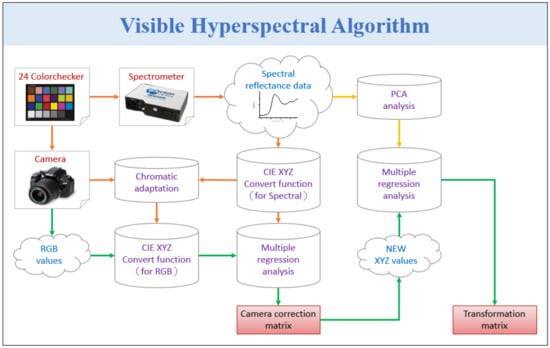
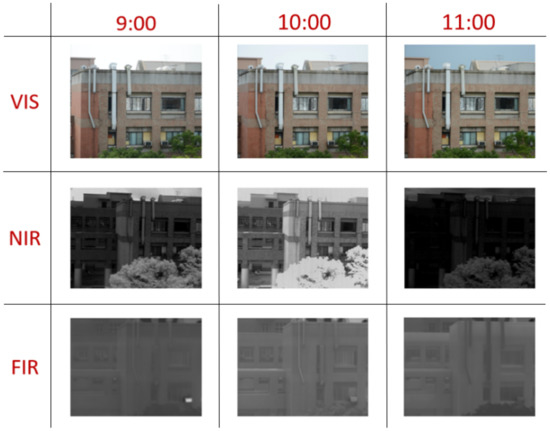
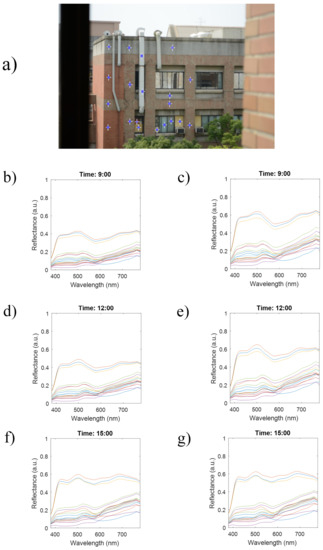
This paper proposes a method to detect air pollution by applying a hyperspectral imaging algorithm for visible light, near infrared, and far infrared. By assigning hyperspectral information to images from monocular, near infrared, and thermal imaging, principal component analysis is performed on hyperspectral [...] Read more.
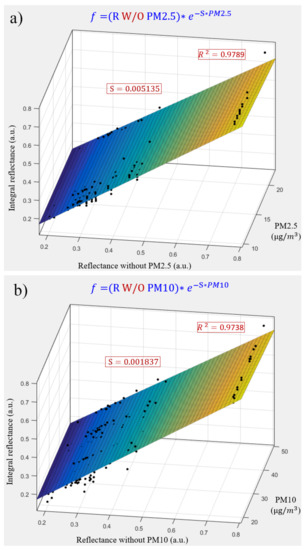
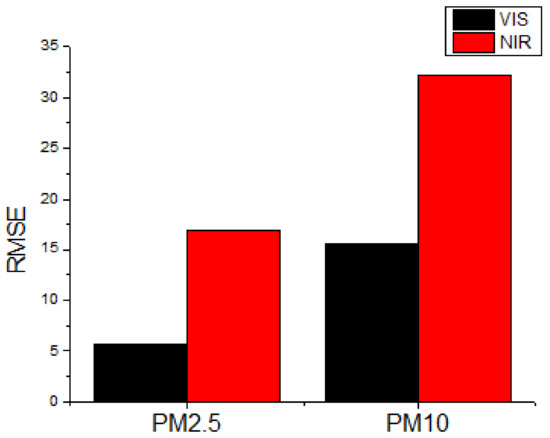
This paper proposes a method to detect air pollution by applying a hyperspectral imaging algorithm for visible light, near infrared, and far infrared. By assigning hyperspectral information to images from monocular, near infrared, and thermal imaging, principal component analysis is performed on hyperspectral images taken at different times to obtain the solar radiation intensity. The Beer–Lambert law and multivariate regression analysis are used to calculate the PM2.5 and PM10 concentrations during the period, which are compared with the corresponding PM2.5 and PM10 concentrations from the Taiwan Environmental Protection Agency to evaluate the accuracy of this method. This study reveals that the accuracy in the visible light band is higher than the near-infrared and far-infrared bands, and it is also the most convenient band for data acquisition. Therefore, in the future, mobile phone cameras will be able to analyze the PM2.5 and PM10 concentrations at any given time using this algorithm by capturing images to increase the convenience and immediacy of detection. Full article
Show Figures

Figure 1
18 pages, 6805 KB  
Article
Dynamic Test Measurements and Simulation on a Series Wound DC Motor
by Attila Szántó, János Kiss, Tamás Mankovits and Gusztáv Áron Szíki
Appl. Sci. 2021, 11(10), 4542; https://doi.org/10.3390/app11104542 - 17 May 2021
Cited by 12 | Viewed by 4321
Abstract
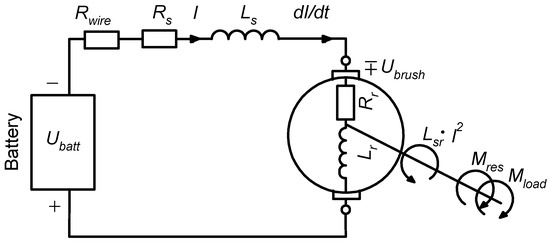
Previously, a dynamic model and a simulation program for series wound DC motors (SWDCM) were developed in MATLAB/Simulink for modelling them in electric vehicles and mechatronic systems. The electromagnetic characteristics of the motor (electric resistances, dynamic inductances), which serve as input parameters of [...] Read more.
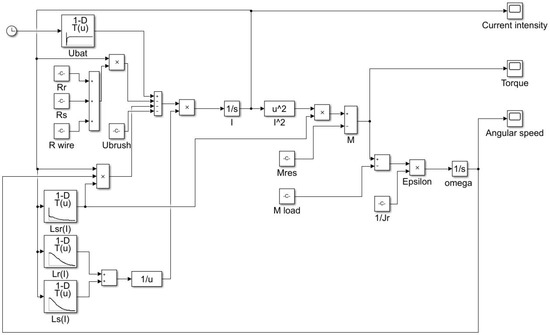
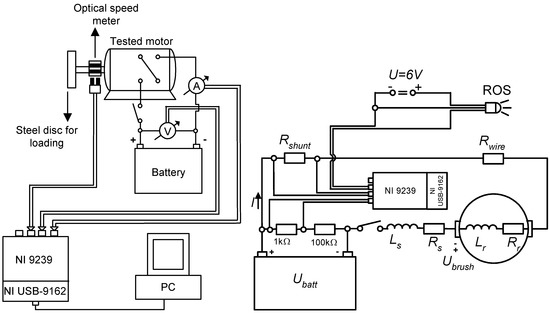
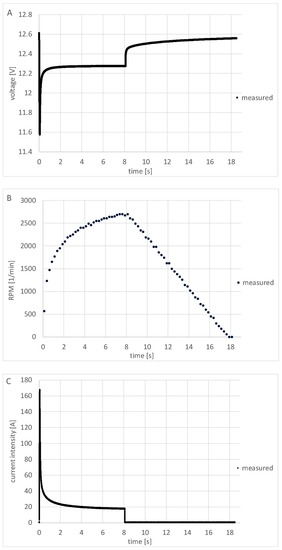
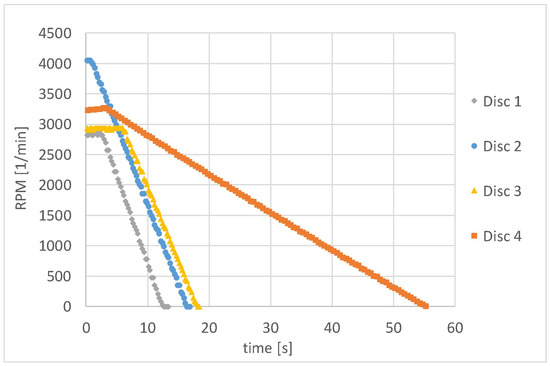
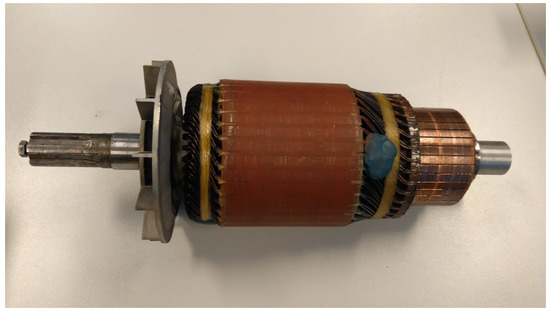
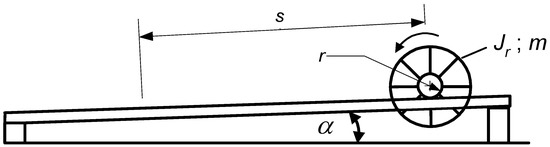
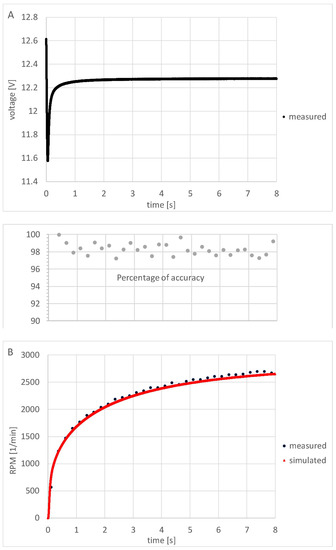
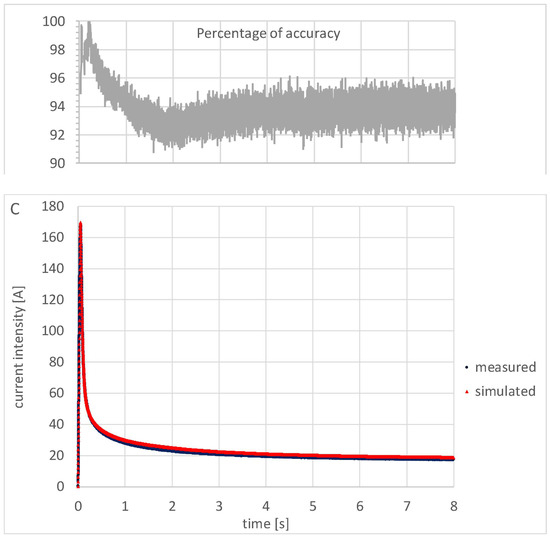
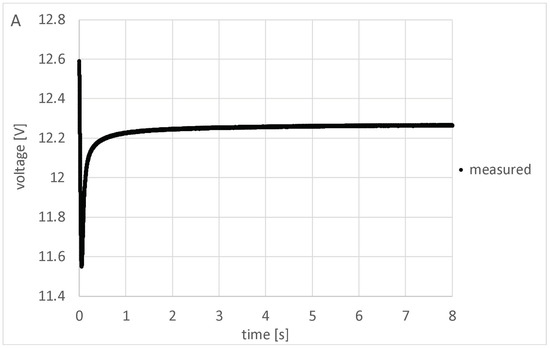
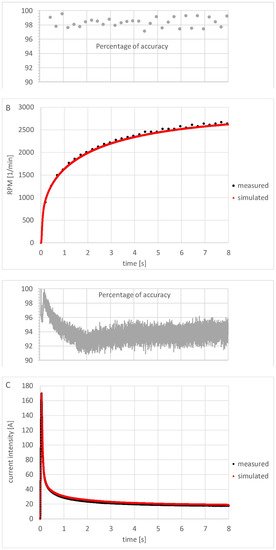
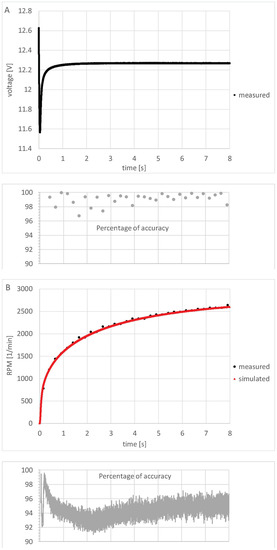
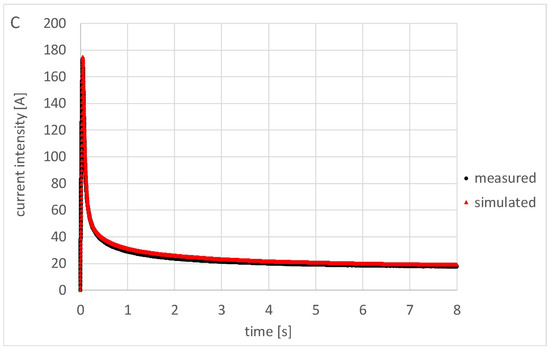
Previously, a dynamic model and a simulation program for series wound DC motors (SWDCM) were developed in MATLAB/Simulink for modelling them in electric vehicles and mechatronic systems. The electromagnetic characteristics of the motor (electric resistances, dynamic inductances), which serve as input parameters of the program, were also measured. Additionally, locked rotor response measurements were performed to test the accuracy of the measured electromagnetic characteristics. This paper presents the experimental procedure and the results of dynamics test measurements that were performed on the same motor, including the procedure for the determination of the necessary input dynamic parameters for the simulation. While the motor spins up from rest, the intensity of the electric current and the angular speed of the rotor are measured. Finally, the simulation and dynamic test results are compared to check the proper operation of the simulation program. Full article
Show Figures

Figure 1

10 pages, 1264 KB  
Brief Report
Early Treatment with a Slow Maxillary Ni–Ti Leaf Springs Expander
by Massimiliano Vella, Paolo Cressoni, Cinzia Tripicchio, Eleonora Mainardi and Luca Esposito
Appl. Sci. 2021, 11(10), 4541; https://doi.org/10.3390/app11104541 - 17 May 2021
Cited by 5 | Viewed by 7023
Abstract
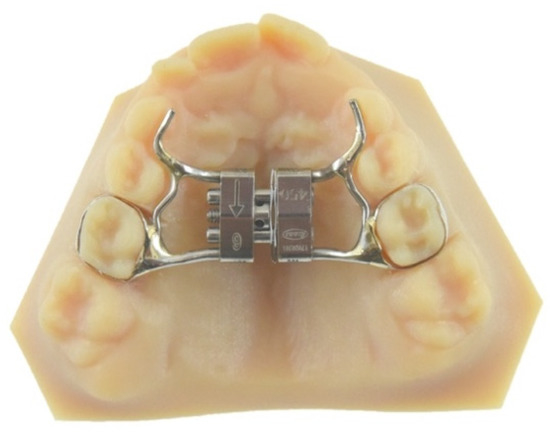
The aim of this brief report is to analyse the available literature on the clinical outcomes of a particular appliance for slow maxillary expansion that consists of one or more nickel–titanium springs. Materials and methods: The main medical databases (Scopus, Web of Sciences, [...] Read more.
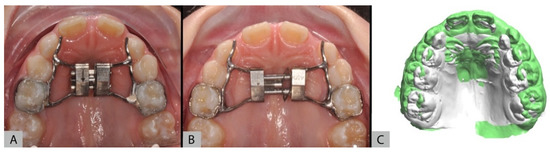
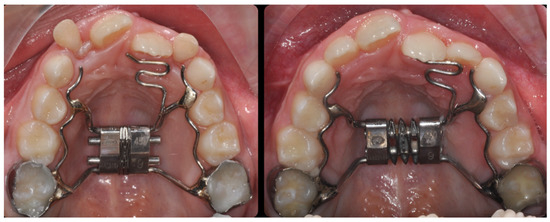
The aim of this brief report is to analyse the available literature on the clinical outcomes of a particular appliance for slow maxillary expansion that consists of one or more nickel–titanium springs. Materials and methods: The main medical databases (Scopus, Web of Sciences, Pubmed and Google Scholar) were scanned up to January 2020 using “slow maxillary expan*”, “slow palatal expan*”, “leaf expander” and “NiTi Palatal Expander” as keywords. Skeletal changes in the maxilla after expansion with the Leaf Expander (L.E.) or similar appliances were taken into consideration while reviewing relevant manuscripts. The review focuses on the comparison between the L.E. and conventional expanders (i.e., Haas and Hyrax) regarding the increase in both the distance between the palatal cusps of the upper first molars and the distance between the palatal cusps of the upper second deciduous molars, as well as the increment of nasal structures and pain connected to expansion procedures. Results: Bibliographic research retrieved 32 articles that were considered eligible for the present study. The limited number of articles currently available in international medical databases is allegedly partly due to the fact that these expanders are currently produced by only one patent holder company, which affects its diffusion. Conclusion: Despite the reduced number of published articles, due to the recent introduction of the L.E. device, most of the authors have found that the effects of the L.E. device are clinically and radiographically comparable to those achievable with the rapid palatal expander. Full article
(This article belongs to the Special Issue Recent Developments in Orthodontics on Craniofacial Orthopedics)
Show Figures

Figure 1

16 pages, 2625 KB  
Review
Outdoor Air Quality of Environments Used for Exercise and Sports Practice: An Analysis of Scientific Production through Bibliometric Analysis
by Alexandro Andrade, Fábio Hech Dominski and Guilherme Torres Vilarino
Appl. Sci. 2021, 11(10), 4540; https://doi.org/10.3390/app11104540 - 17 May 2021
Cited by 7 | Viewed by 3619
Abstract
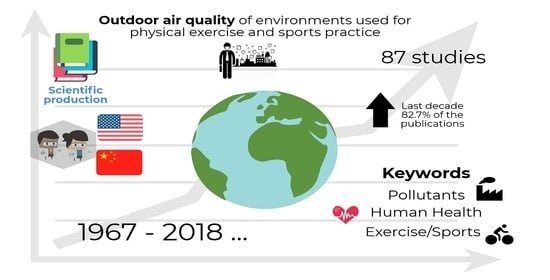
Thus, far, in the Environmental Science field, there appears to be only one previous bibliometric analysis of scientific production with regard to exercise and sports practice, performed in indoor environments. This study investigates and analyzes scientific production related to outdoor air quality of [...] Read more.
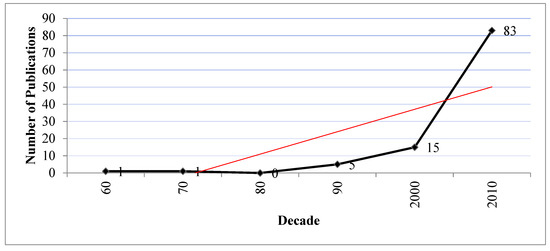
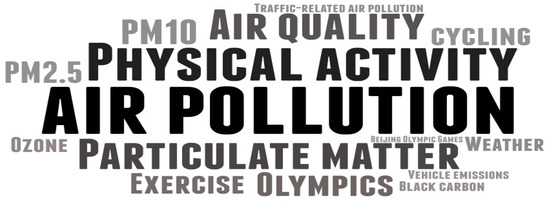
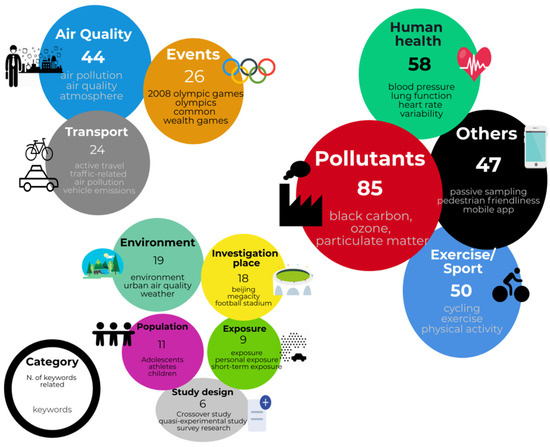
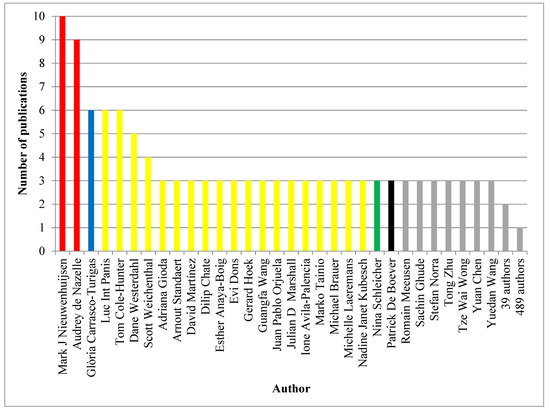
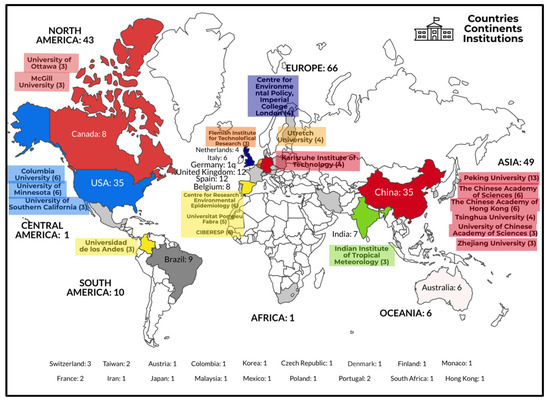
Thus, far, in the Environmental Science field, there appears to be only one previous bibliometric analysis of scientific production with regard to exercise and sports practice, performed in indoor environments. This study investigates and analyzes scientific production related to outdoor air quality of environments that are used for exercise and sports practice through a bibliometric analysis. Five databases were searched in March 2020. A bibliometric analysis was performed for authors, institutions and countries, in relation to publication year, language, citations, theme, and analysis of publication keywords. Of the 2401 screened studies, 106 satisfied the inclusion criteria. The first work was published in 1967. A high number of studies (85.8%) were published after 2008. The United States (US) accounted for most of the performed studies, followed by China. The author keywords associated with the words “pollutants”, “human health”, and “exercise/sports” were the most commonly used. A total of 59 journals had been published on this subject, and most of these were in the area of medicine. It was observed that most of this scientific production was developed by researchers from institutions in the US and China. The publications focused on pollutants and subjects related to human health and sports. Full article
Show Figures

Graphical abstract

18 pages, 2511 KB  
Review
A Review of Modified Steel Slag Application in Catalytic Pyrolysis, Organic Degradation, Electrocatalysis, Photocatalysis, Transesterification and Carbon Capture and Storage
by Fu-Ping Wang, Tian-Ji Liu, Shuang Cai, Di Gao, Qing Yu, Xiao-Man Wang, Yi-Tong Wang, Ya-Nan Zeng and Jun-Guo Li
Appl. Sci. 2021, 11(10), 4539; https://doi.org/10.3390/app11104539 - 16 May 2021
Cited by 32 | Viewed by 6617
Abstract
As a by-product of the iron and steel industry, steel slag is rich in catalytically active substances and can therefore be used as a solid catalyst. Many studies have shown that the application potential of steel slag in catalysis is huge, which provides [...] Read more.
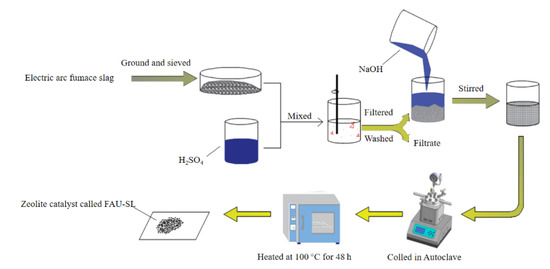
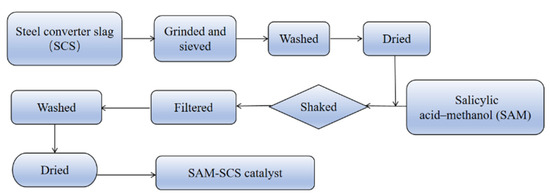
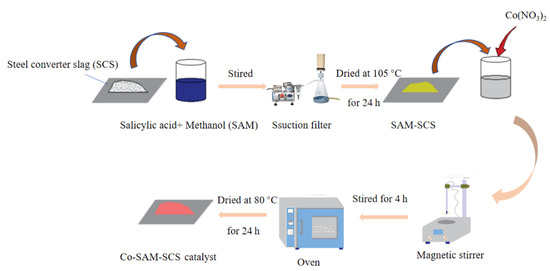
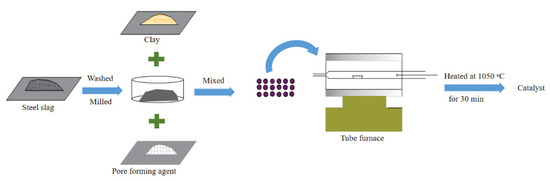
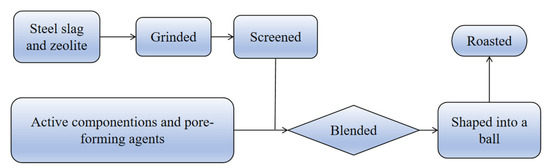
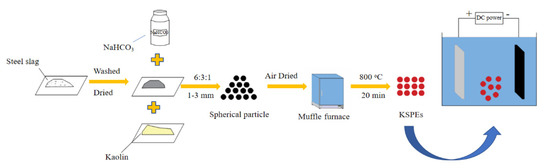
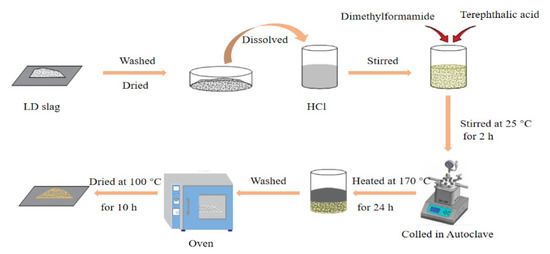
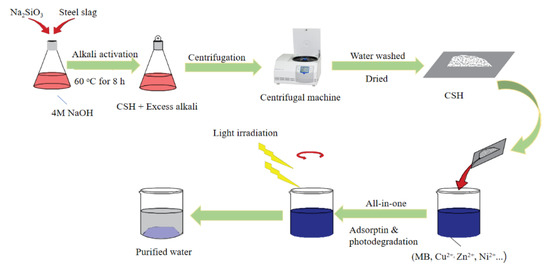
As a by-product of the iron and steel industry, steel slag is rich in catalytically active substances and can therefore be used as a solid catalyst. Many studies have shown that the application potential of steel slag in catalysis is huge, which provides new development space for its application, thereby increasing its additional utilization value. This article primarily reviews the research progress in catalytic fields such as catalytic pyrolysis, organic degradation, electrocatalysis, photocatalysis, transesterification, and carbon capture and storage, as well as the modification methods of steel slag. The catalytic performance of the modified steel slag has been further improved, and it has the meaningful characteristics of high efficiency, cleanliness, and low costs. Full article
(This article belongs to the Section Chemical and Molecular Sciences)
Show Figures

Figure 1
16 pages, 6417 KB  
Article
An Automatic 3D Point Cloud Registration Method Based on Biological Vision
by Jinbo Liu, Pengyu Guo and Xiaoliang Sun
Appl. Sci. 2021, 11(10), 4538; https://doi.org/10.3390/app11104538 - 16 May 2021
Cited by 7 | Viewed by 3643
Abstract
When measuring surface deformation, because the overlap of point clouds before and after deformation is small and the accuracy of the initial value of point cloud registration cannot be guaranteed, traditional point cloud registration methods cannot be applied. In order to solve this [...] Read more.
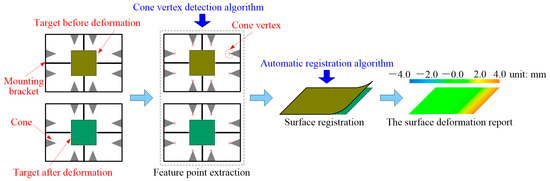
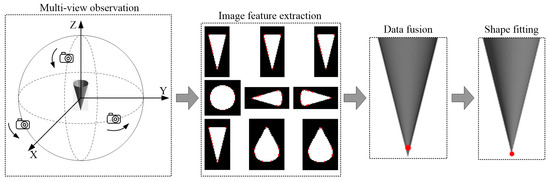
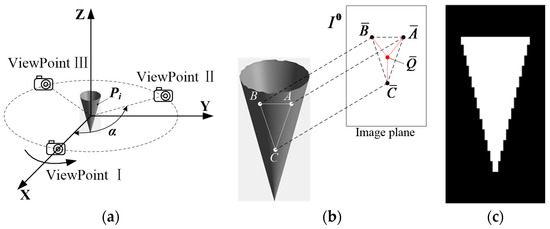
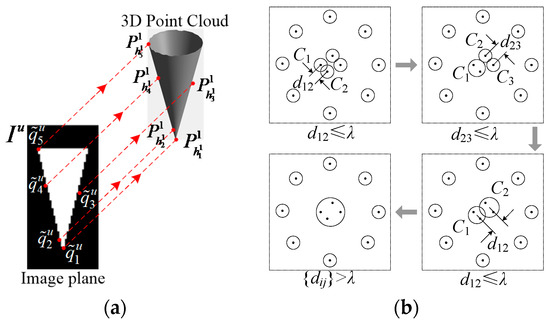
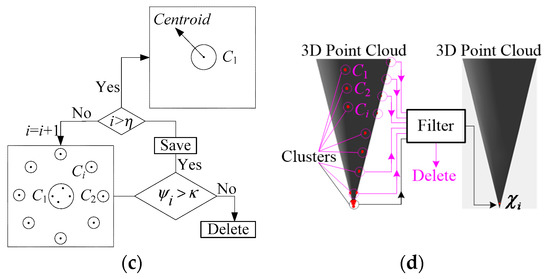
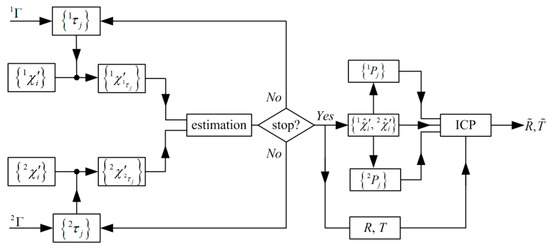
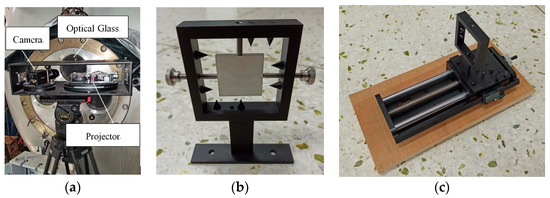
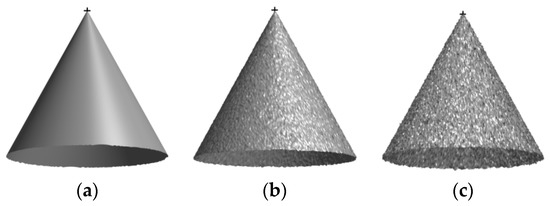
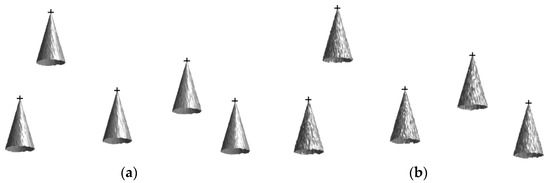
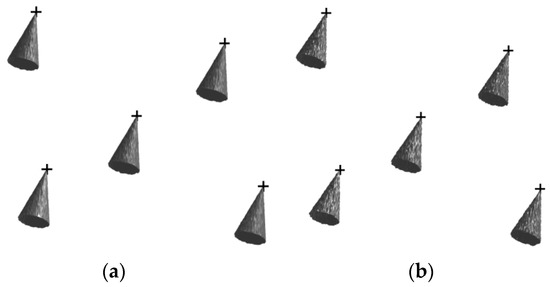
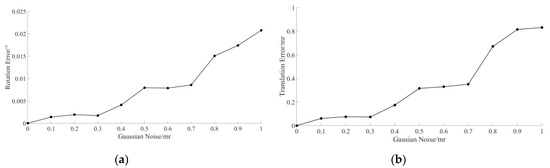
When measuring surface deformation, because the overlap of point clouds before and after deformation is small and the accuracy of the initial value of point cloud registration cannot be guaranteed, traditional point cloud registration methods cannot be applied. In order to solve this problem, a complete solution is proposed, first, by fixing at least three cones to the target. Then, through cone vertices, initial values of the transformation matrix can be calculated. On the basis of this, the point cloud registration can be performed accurately through the iterative closest point (ICP) algorithm using the neighboring point clouds of cone vertices. To improve the automation of this solution, an accurate and automatic point cloud registration method based on biological vision is proposed. First, the three-dimensional (3D) coordinates of cone vertices are obtained through multi-view observation, feature detection, data fusion, and shape fitting. In shape fitting, a closed-form solution of cone vertices is derived on the basis of the quadratic form. Second, a random strategy is designed to calculate the initial values of the transformation matrix between two point clouds. Then, combined with ICP, point cloud registration is realized automatically and precisely. The simulation results showed that, when the intensity of Gaussian noise ranged from 0 to 1 mr (where mr denotes the average mesh resolution of the models), the rotation and translation errors of point cloud registration were less than 0.1° and 1 mr, respectively. Lastly, a camera-projector system to dynamically measure the surface deformation during ablation tests in an arc-heated wind tunnel was developed, and the experimental results showed that the measuring precision for surface deformation exceeded 0.05 mm when surface deformation was smaller than 4 mm. Full article
Show Figures

Figure 1
24 pages, 2809 KB  
Article
Application of Blockchain in Education: GDPR-Compliant and Scalable Certification and Verification of Academic Information
by Christian Delgado-von-Eitzen, Luis Anido-Rifón and Manuel J. Fernández-Iglesias
Appl. Sci. 2021, 11(10), 4537; https://doi.org/10.3390/app11104537 - 16 May 2021
Cited by 39 | Viewed by 8190
Abstract
Blockchain technologies are awakening in recent years the interest of different actors in various sectors and, among them, the education field, which is studying the application of these technologies to improve information traceability, accountability, and integrity, while guaranteeing its privacy, transparency, robustness, trustworthiness, [...] Read more.
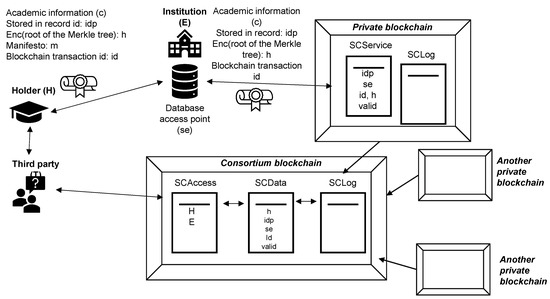
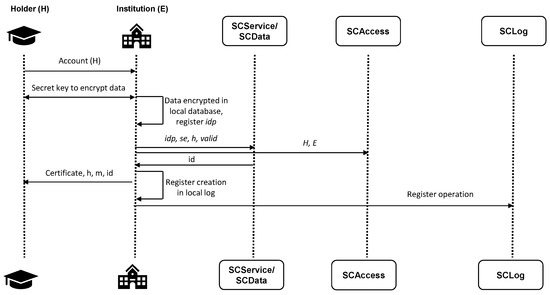
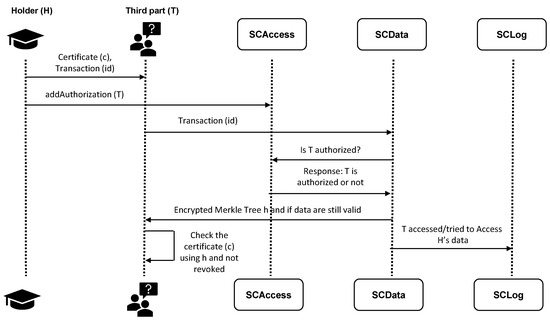
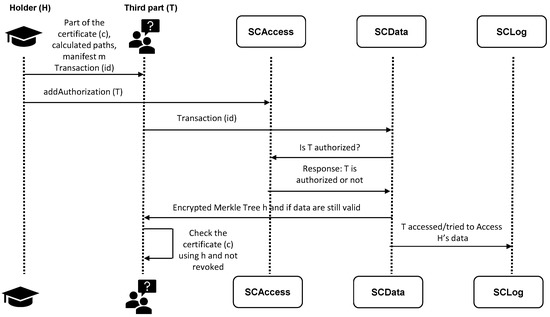
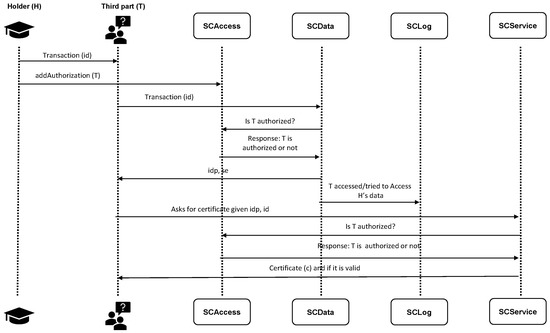
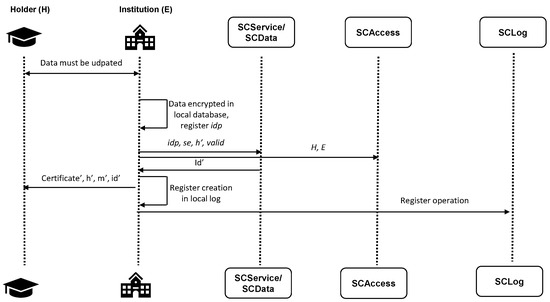
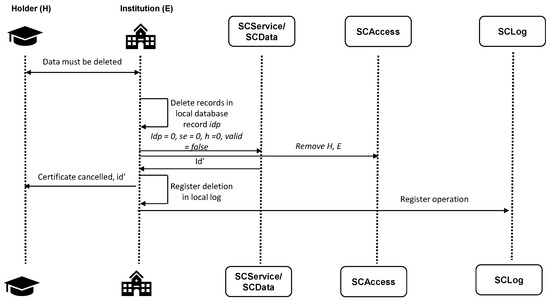
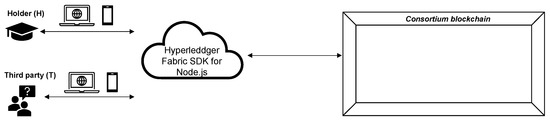
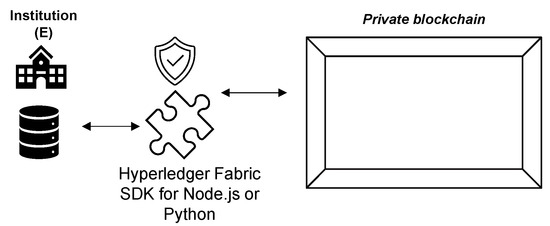
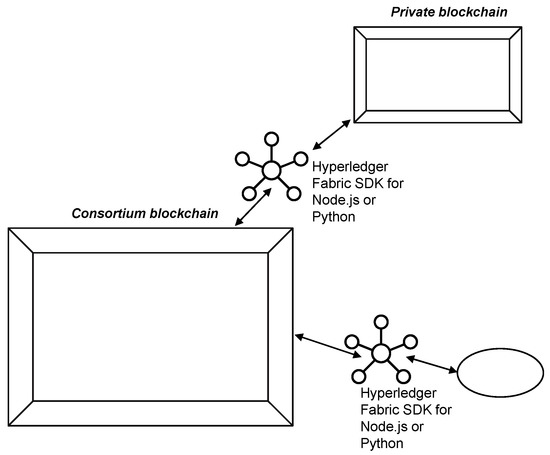
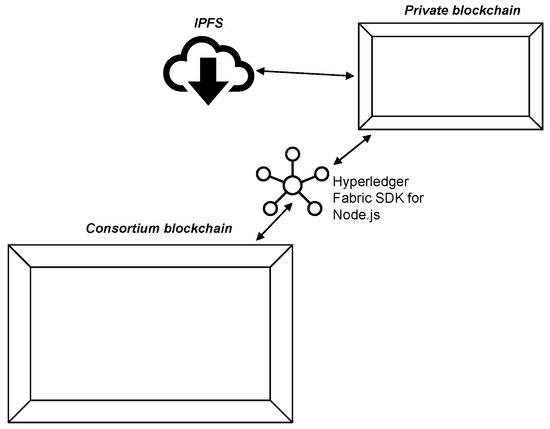
Blockchain technologies are awakening in recent years the interest of different actors in various sectors and, among them, the education field, which is studying the application of these technologies to improve information traceability, accountability, and integrity, while guaranteeing its privacy, transparency, robustness, trustworthiness, and authenticity. Different interesting proposals and projects were launched and are currently being developed. Nevertheless, there are still issues not adequately addressed, such as scalability, privacy, and compliance with international regulations such as the General Data Protection Regulation in Europe. This paper analyzes the application of blockchain technologies and related challenges to issue and verify educational data and proposes an innovative solution to tackle them. The proposed model supports the issuance, storage, and verification of different types of academic information, both formal and informal, and complies with applicable regulations, protecting the privacy of users’ personal data. This proposal also addresses the scalability challenges and paves the way for a global academic certification system. Full article
(This article belongs to the Special Issue Advances in Blockchain Technology and Applications II)
Show Figures

Figure 1
7 pages, 217 KB  
Article
Do University Students Adhere to WHO Guidelines on Proper Use of Face Masks during the COVID-19 Pandemic?—Analysis and Comparison of Medical and Non-Medical Students
by Marta Szepietowska, Piotr K. Krajewski, Łukasz Matusiak, Rafał Białynicki-Birula and Jacek C. Szepietowski
Appl. Sci. 2021, 11(10), 4536; https://doi.org/10.3390/app11104536 - 16 May 2021
Cited by 4 | Viewed by 3568
Abstract
Covering the mouth and nose has become the common standard for protection from human-to-human virus transmission during the COVID-19 pandemic. The aim of the study was to investigate whether students at universities (medical and non-medical students) do adhere to WHO recommendations on the [...] Read more.
Covering the mouth and nose has become the common standard for protection from human-to-human virus transmission during the COVID-19 pandemic. The aim of the study was to investigate whether students at universities (medical and non-medical students) do adhere to WHO recommendations on the proper use of face protection. The study was based on the survey created with Google® Forms regarding data on demographics and self-reported skin conditions. The main questions addressed the WHO guideline on the correct use of face masks. Responses were obtained from 1173 students. Compliance with all WHO criteria among the whole group of respondents was very low at less than 1% with no significant difference between medical and non-medical students. Covering of the nose and mouth with the face mask was the criterion most commonly complied with (81.2%); contact avoidance of touching the mask with hands appeared to be the most difficult criterion to comply with (2.8%). Medical students were significantly more compliant with three out of seven criteria. In general, compliance with the WHO guidelines on the proper use of face masks was dramatically low among all the students. Education campaigns should be introduced to increase the awareness of the correct use of face coverings during the viral pandemic. Full article
(This article belongs to the Special Issue COVID-19: Impact on Human Health and Behavior)
25 pages, 6616 KB  
Article
Effects of Vertical Glottal Duct Length on Intraglottal Pressures in the Convergent Glottis
by Sheng Li, Ronald C. Scherer and Mingxi Wan
Appl. Sci. 2021, 11(10), 4535; https://doi.org/10.3390/app11104535 - 16 May 2021
Cited by 8 | Viewed by 2862
Abstract
In a previous study, the vertical glottal duct length was examined for its influence on intraglottal pressures and other aerodynamic parameters in the uniform glottis [J Voice 32, 8–22 (2018)]. This study extends that work for convergent glottal angles, the shape of the [...] Read more.
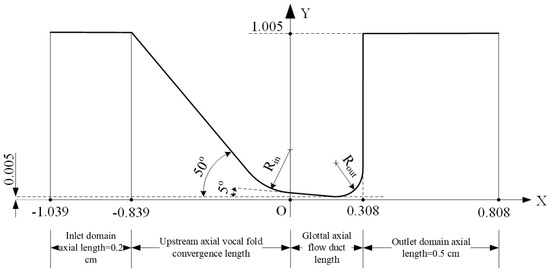
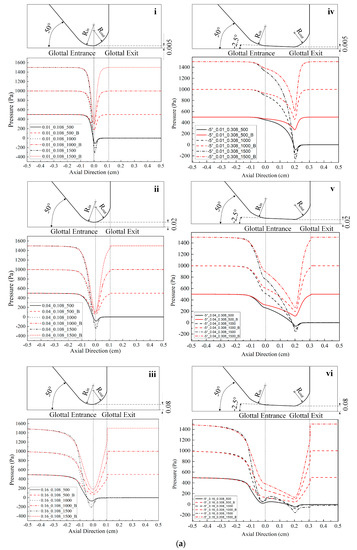
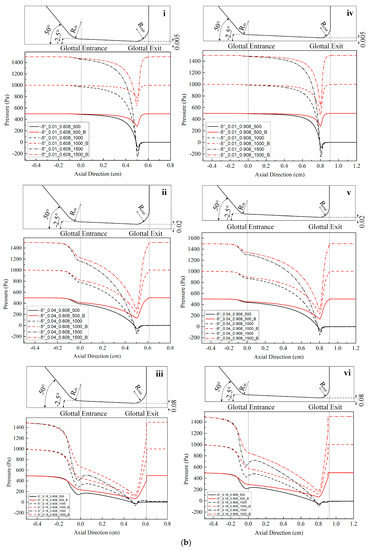
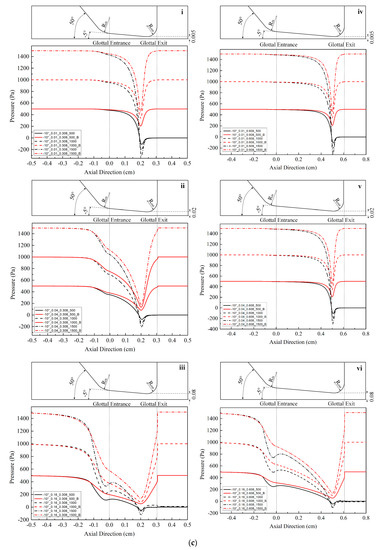
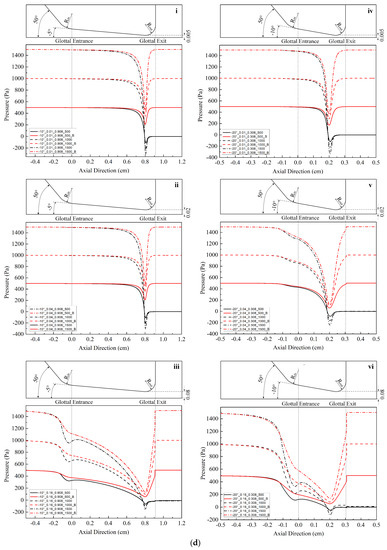
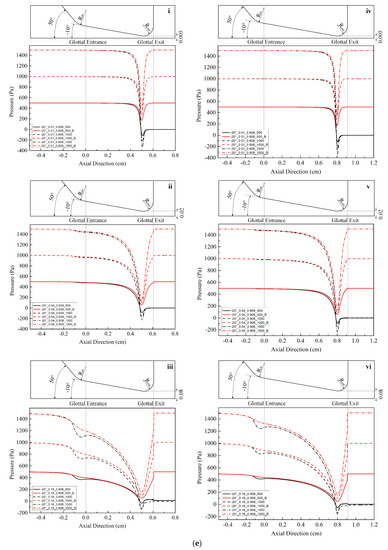
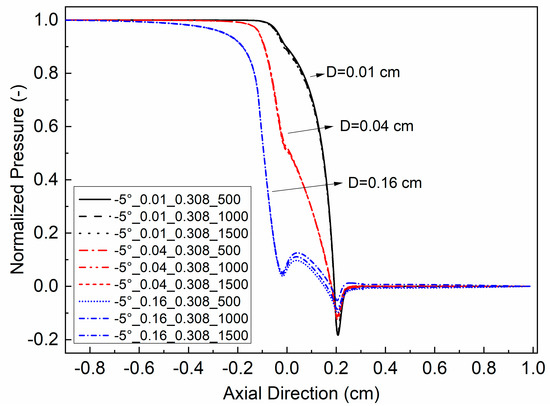
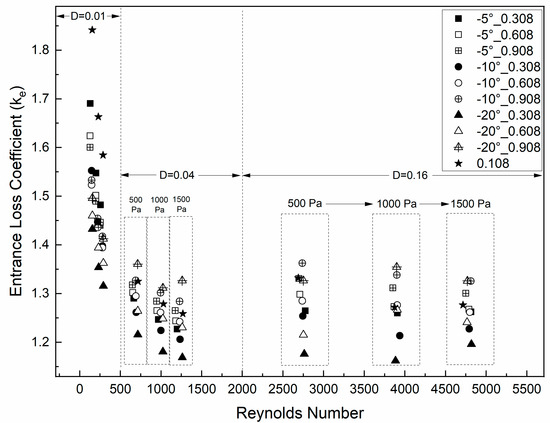
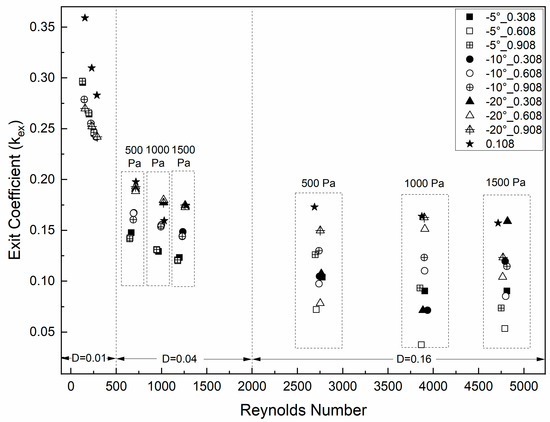
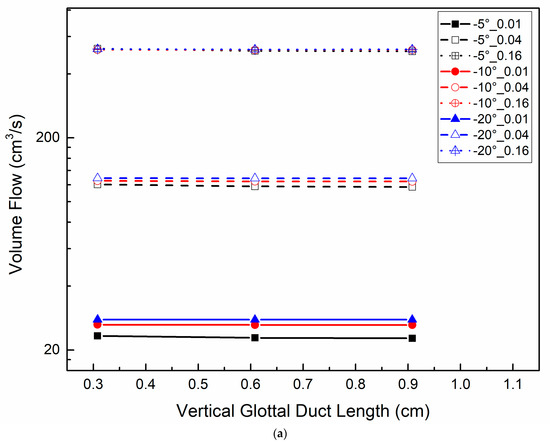
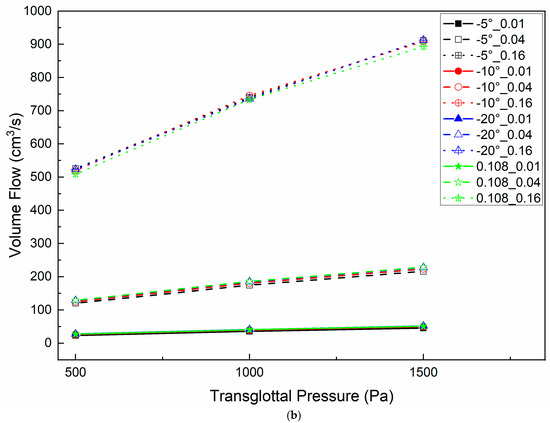
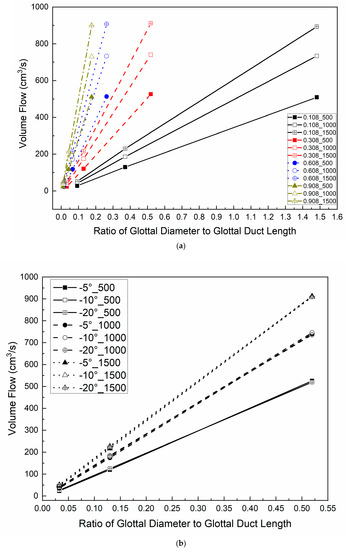
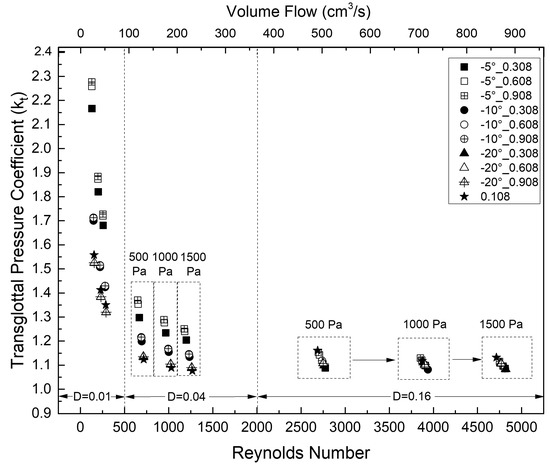
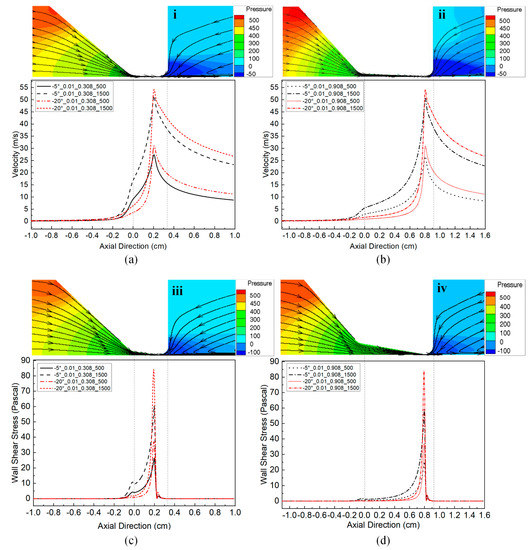
In a previous study, the vertical glottal duct length was examined for its influence on intraglottal pressures and other aerodynamic parameters in the uniform glottis [J Voice 32, 8–22 (2018)]. This study extends that work for convergent glottal angles, the shape of the glottis during the glottal opening phase of vocal fold vibration. The computational fluid dynamics code ANSYS Fluent 6.3 was used to obtain the pressure distributions and other aerodynamic parameters for laminar, incompressible, two-dimensional flow in a static vocal fold model. Four typical vertical glottal duct lengths (0.108, 0.308, 0.608, 0.908 cm) were selected for three minimal diameters (0.01, 0.04, 0.16 cm), three transglottal pressures (500, 1000, 1500 Pa), and three convergent glottal angles (−5°, −10°, −20°). The results suggest that a longer vertical glottal duct length increases the intraglottal pressures, decreases the glottal entrance loss coefficient, increases the transglottal pressure coefficient, causes a lower gradient of both the intraglottal flow velocity and the wall shear stress along the glottal wall—especially for low flows and small glottal minimal diameters—and has little effect on the exit pressure coefficient and volume flow. The vertical glottal duct length in the convergent glottis has important effects on phonation and should be well specified when building computational and physical models of the vocal folds. Full article
(This article belongs to the Special Issue Computational Methods and Engineering Solutions to Voice II)
Show Figures

Figure 1
7 pages, 2030 KB  
Article
(In-Vitro Comparison between Closed Versus Open CAD/CAM Systems) Comparison between Closed and Open CAD/CAM Systems by Evaluating the Marginal Fit of Zirconia-Reinforced Lithium Silicate Ceramic Crowns
by Gil Ben-Izhack, Asaf Shely, Omer Koton, Avi Meirowitz, Shifra Levartovsky and Eran Dolev
Appl. Sci. 2021, 11(10), 4534; https://doi.org/10.3390/app11104534 - 16 May 2021
Cited by 6 | Viewed by 3692
Abstract
Background: This study compared the marginal gap (MG) and absolute marginal discrepancy (AMD) of computer-aided design and computer-aided manufacturing (CAD–CAM) used in open systems (OSs) and closed systems (CSs) for producing monolithic zirconia-reinforced lithium silicate (ZLS) ceramic crowns. Methods: 60 ZLS ceramic crowns [...] Read more.
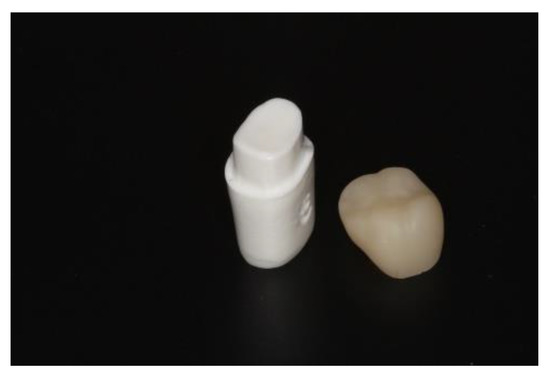
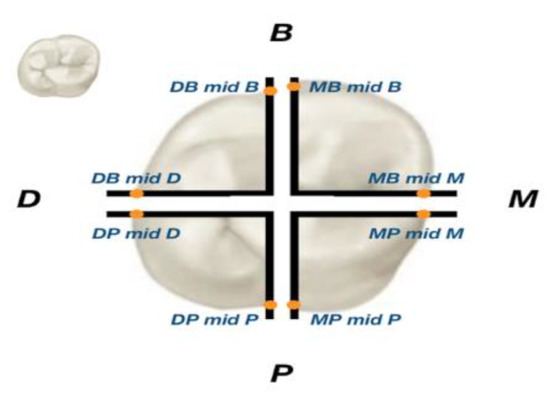
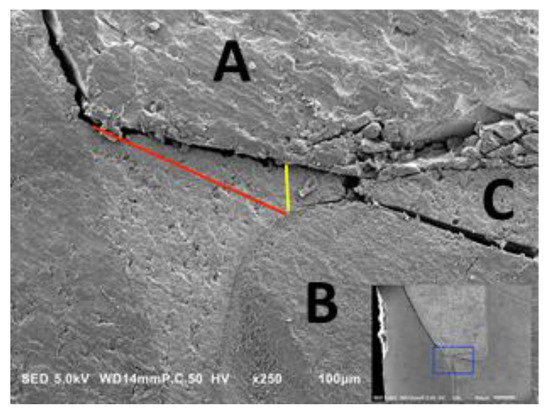
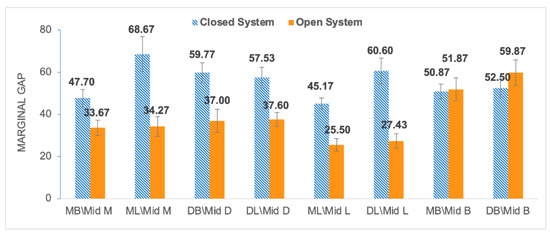
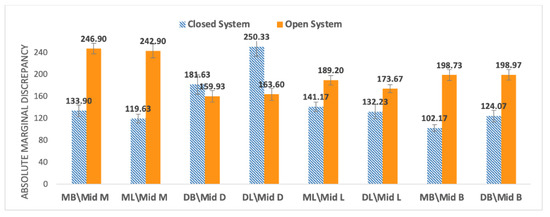
Background: This study compared the marginal gap (MG) and absolute marginal discrepancy (AMD) of computer-aided design and computer-aided manufacturing (CAD–CAM) used in open systems (OSs) and closed systems (CSs) for producing monolithic zirconia-reinforced lithium silicate (ZLS) ceramic crowns. Methods: 60 ZLS ceramic crowns were cemented to abutment acrylic teeth; thirty crowns were designed and milled by an OS, and thirty by a CS. All crowns were sectioned for evaluating the marginal gap by scanning electronic microscopy (SEM). To compare the marginal gap between CS and OS techniques, data were analyzed using the independent-samples Mann–Whitney U Test (α = 0.05). Results: AMD was found to be significantly better for the closed system (p < 0.05). Mean AMD values for the CS were 148 µm, and for the OS it was 196 µm. MG was found to be significantly better for the OS (p < 0.05). Mean MG values for the CS were 55 µm, and for the OS they were 38 µm. Conclusions: The marginal gap in relation to AMD was significantly better for CS. However, the marginal gap in relation to MG was significantly better for OS. Both techniques showed clinically acceptable MG values (<120 µm). Full article
(This article belongs to the Collection State-of-the-Art Dentistry and Oral Health)
Show Figures

Figure 1