Journal Description
Hospitals
Hospitals
is an international, peer-reviewed, open access journal on hospital management, services and policy published quarterly online by MDPI.
- Open Access— free for readers, with article processing charges (APC) paid by authors or their institutions.
- Rapid Publication: manuscripts are peer-reviewed and a first decision is provided to authors approximately 38.1 days after submission; acceptance to publication is undertaken in 5.2 days (median values for papers published in this journal in the first half of 2026).
- Recognition of Reviewers: Reviewers whose reports are timely and of high quality receive an APC discount voucher for a future publication in an MDPI journal. Become a reviewer.
- Journal Cluster of Healthcare Sciences and Services: Geriatrics, Journal of Ageing and Longevity, Healthcare, Hospitals, Nursing Reports, Women, Journal of Gerontology and Geriatrics and Primary and Hospital Care.
Latest Articles
From Algorithmic Performance to Hospital Value: A Narrative Review of Clinical Artificial Intelligence
Hospitals 2026, 3(4), 19; https://doi.org/10.3390/hospitals3040019 - 28 Sep 2026
Abstract
►
Show Figures
Clinical artificial intelligence (AI) has demonstrated performance across diagnostic, predictive, monitoring, and decision-support tasks, yet hospital adoption depends on whether that capability can produce sustainable value under local conditions. Informed by structured searches of PubMed/MEDLINE and Scopus, supplemented by Google Scholar and citation
[...] Read more.
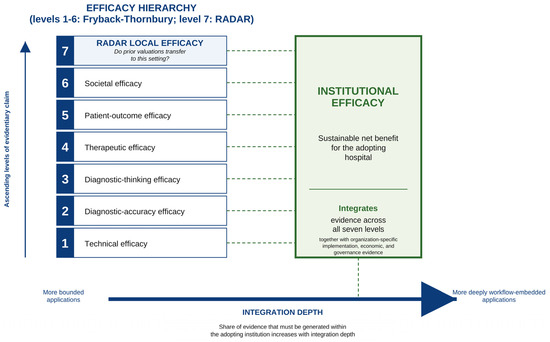
Clinical artificial intelligence (AI) has demonstrated performance across diagnostic, predictive, monitoring, and decision-support tasks, yet hospital adoption depends on whether that capability can produce sustainable value under local conditions. Informed by structured searches of PubMed/MEDLINE and Scopus, supplemented by Google Scholar and citation tracking (2015–July 2026), this narrative review synthesizes evidence on clinical AI methods, applications, implementation, evaluation, and sustainability in hospitals. Evidence remains uneven: image-based applications have substantial evidence for diagnostic performance, whereas prospective clinical utility, workflow effects, economic consequences, and organizational sustainability are evaluated less consistently. Established approaches—including efficacy hierarchies, the Radiology AI Deployment and Assessment Rubric (RADAR), hospital-based health technology assessment, implementation science, and AI governance frameworks—offer perspectives on performance, transferability, implementation, and value. Building on these traditions, this review proposes institutional efficacy as the warranted and revisable hospital-level judgment that an AI-enabled service configuration can generate and sustain patient-centered value under local priorities, constraints, and adaptive capacity. The review further proposes that deeper organizational integration increases the proportion of realized-value evidence requiring local generation or verification. Two additional properties—context and data dependence, and the consequence profile—separately shape that burden. External evidence remains essential, but hospital-specific appraisal is necessary to determine whether value can be realized and sustained.
Full article
Open AccessArticle
Random-Forest Analysis of Factors in Hospitalization Costs Due to Physical Inactivity-Related Circulatory Diseases in Brazil
by
Flavio Renato Barros da Guarda, Lucemberg de Araújo Pedrosa and Flavia Mori Sarti
Hospitals 2026, 3(4), 18; https://doi.org/10.3390/hospitals3040018 - 27 Sep 2026
Abstract
►▼
Show Figures
Physical inactivity represents one of the main modifiable risk factors for diverse chronic diseases globally, generating substantial economic burden in national health systems. Estimating hospitalization costs of diseases linked to physical inactivity entails the identification of factors influencing lifestyle choices to guide preventive
[...] Read more.
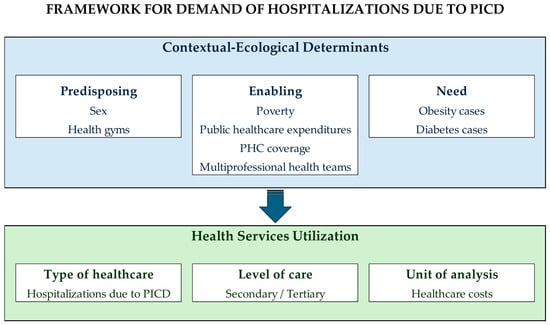
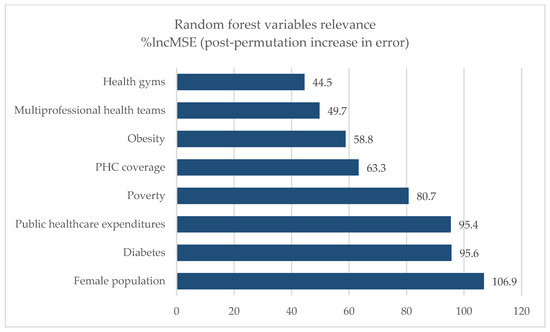
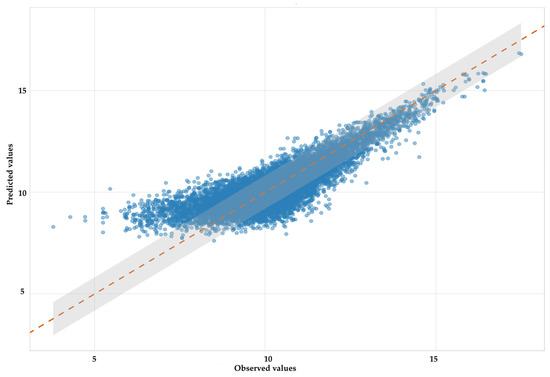
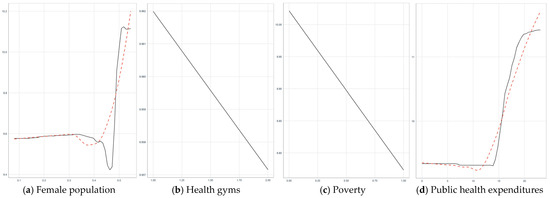
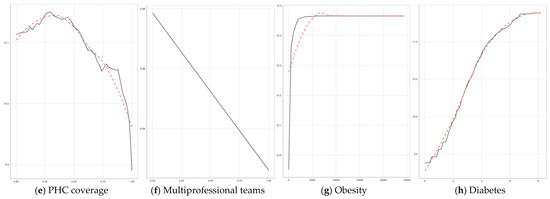
Physical inactivity represents one of the main modifiable risk factors for diverse chronic diseases globally, generating substantial economic burden in national health systems. Estimating hospitalization costs of diseases linked to physical inactivity entails the identification of factors influencing lifestyle choices to guide preventive strategies at population level. This study investigates factors associated with hospitalization costs due to physical inactivity-related circulatory diseases (PICD) in Brazil from 2008 to 2019. The investigation proposes adaptation of the Andersen–Newman framework for evidence-based decision-making processes in public health policy. Data on public sector costs of hospitalizations due to PICD, health infrastructure, and demographic, economic, and health characteristics for 5570 Brazilian municipalities between 2008 and 2019 were obtained from Brazilian government datasets. Random forest analysis and linear regression models were applied to the unbalanced panel data, based on a temporally ordered split for training and hyperparameter tuning with data from 2008 to 2017, and final testing of machine learning models with data between 2018 and 2019. The random forest model showed that 70.03% of variance in hospital-level PICD costs were explained by demographic, economic, health, and infrastructure characteristics of the Brazilian municipalities. Robust results from regression models using municipal fixed-effects specification indicated that PICD hospitalization costs were positively associated with cases of diabetes (β = 0.224; p < 0.001) and negatively associated with primary healthcare coverage (β = −0.057; p < 0.01). The findings indicate that municipalities showing higher proportion of female population (predisposing factor), public healthcare expenditures (enabling factor), and diabetes cases (need factor) may benefit from considering preventive health policies based on lifestyle-change strategies aimed at promoting physical activity. The adaptation of the Andersen–Newman framework into the observational–ecological study was suitable to assess predisposing, enabling, and need factors contributing to PICD hospitalization costs at population level. The study provides insights for health systems sustainable management through evidence-based decision-making processes in public policy, considering cost-escalation scenarios due to physical inactivity-related diseases.
Full article

Figure 1
Open AccessArticle
Breaking the Bottleneck: Delayed Discharges and Their Operational Implications for Healthcare Efficiency in a Small European Acute General Hospital
by
Alexander Micallef, Gianpaolo Tomaselli, Lalit Garg, Neville Calleja and Sandra C. Buttigieg
Hospitals 2026, 3(3), 17; https://doi.org/10.3390/hospitals3030017 - 7 Aug 2026
Abstract
►▼
Show Figures
Delayed discharge represents a persistent challenge in healthcare systems, contributing to inefficiencies in hospital bed utilization, increased costs, and reduced patient flow. In small and centralized healthcare systems, these effects may be further amplified due to limited post-acute care capacity and restricted patient
[...] Read more.
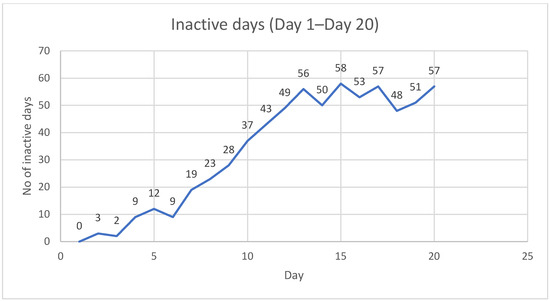
Delayed discharge represents a persistent challenge in healthcare systems, contributing to inefficiencies in hospital bed utilization, increased costs, and reduced patient flow. In small and centralized healthcare systems, these effects may be further amplified due to limited post-acute care capacity and restricted patient redistribution. This study quantified the prevalence of inappropriate hospital days as a proxy for delayed discharge and examined their relationship with patient demographics, medical specialty, and associated costs in an acute general hospital. A quantitative analysis of 220 medical records was conducted using a modified Appropriateness Evaluation Protocol (AEP). Descriptive statistics and non-parametric tests were applied to identify significant associations between inappropriate hospital days and selected variables. According to the findings, within this intentionally enriched sample of patients with a length of stay exceeding seven days in the selected wards, nearly half of all accumulated inpatient bed days failed to meet acute necessity criteria, with the vast majority of these service backlogs stemming from placement delays in downstream rehabilitation facilities and long-term care institutions. Within this high-risk cohort, inappropriate hospital days, used here as a proxy for delayed discharge, were more common among older patients and among medical specialties than in other specialties, while no consistent relationship was observed with gender. Cost analysis (carried out over a three-month period) indicated an order-of-magnitude estimate of the acute bed day resources associated with inappropriate hospital days in the units studied. These findings are consistent with the interpretation that inappropriate hospital days, used here as a proxy indicator of delayed discharge, may be influenced by a combination of external capacity constraints and internal operational inefficiencies, although causality cannot be established from this observational design. While the findings cannot be generalised to the entire inpatient population or health system, within this intentionally enriched cohort of long stay inpatients the study highlights the need to strengthen post-acute care provision, improve discharge coordination processes, and enhance system integration to optimise hospital efficiency and patient flow in similar operational contexts.
Full article

Figure 1

Open AccessArticle
Coordinating Care in Context: Boundaries, Informal Work, and Surveillance in a Ghanaian Hospital
by
Abukari Kwame
Hospitals 2026, 3(3), 16; https://doi.org/10.3390/hospitals3030016 - 24 Jul 2026
Abstract
►▼
Show Figures
Hospitals are complex institutions where clinical, social, and cultural practices intersect. In Ghanaian hospitals, interactions are shaped by multilingual communication, professional hierarchies, cultural norms, and community expectations. Drawing on five months of ethnographic fieldwork, this study examines coordination of care in a Ghanaian
[...] Read more.
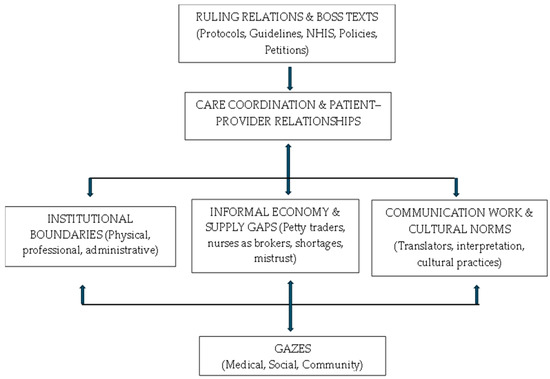
Hospitals are complex institutions where clinical, social, and cultural practices intersect. In Ghanaian hospitals, interactions are shaped by multilingual communication, professional hierarchies, cultural norms, and community expectations. Drawing on five months of ethnographic fieldwork, this study examines coordination of care in a Ghanaian hospital to understand how boundaries (i.e., professional hierarchies, communication barriers, community accountabilities), ruling relations, and power dynamics influence care. Institutional ethnography (IE) was implemented. Participants were purposively sampled, and data were collected through participant observation, documentary materials, and interviews with nurses (n = 11), patients (n = 21), and caregivers (n = 11). Thematic and IE analyses trace how boundaries and professional hierarchies, informal economies, and multilayered surveillance (“medical,” “social,” and “community” gazes) organize care work through institutional texts and how nurses, patients, and caregivers access or deliver care. The findings showed that boundaries at the Yendi Hospital were simultaneously rigid and negotiable, with informal economic activities compensating for institutional resource constraints. Communication work was central to navigating linguistic and cultural diversity, while surveillance from within and beyond the hospital-shaped behaviour and accountability. These everyday practices revealed how institutional texts and societal forces co-produce the conditions of care, with implications for teamwork, patient–provider relationships, and hospital governance.
Full article

Figure 1

Open AccessPerspective
The AI Hospital Formulary: A Practical Governance Framework for Prescribing, Monitoring, and Deprescribing Artificial Intelligence in Hospitals
by
Francisco Epelde
Hospitals 2026, 3(3), 15; https://doi.org/10.3390/hospitals3030015 - 22 Jul 2026
Abstract
Background: Artificial intelligence (AI) is increasingly entering hospital practice through diagnostic, predictive, workflow, operational, and generative applications. Hospitals often govern these systems as procurement or information-technology projects rather than as clinical–organizational interventions requiring indication, evaluation, monitoring, accountability, and withdrawal. Objective: To
[...] Read more.
Background: Artificial intelligence (AI) is increasingly entering hospital practice through diagnostic, predictive, workflow, operational, and generative applications. Hospitals often govern these systems as procurement or information-technology projects rather than as clinical–organizational interventions requiring indication, evaluation, monitoring, accountability, and withdrawal. Objective: To refine the concept of an “AI Hospital Formulary” as an operational, proportional, and accountable framework for the safe, equitable, and sustainable adoption of hospital AI. Design and Methods: This is a perspective article using a structured, non-systematic narrative synthesis and conceptual framework development. Targeted literature and policy sources were identified through purposive searches and citation chaining through 20 July 2026. The synthesis compares the formulary with existing oversight approaches, maps its lifecycle gates to regulatory and risk management duties, and applies the framework to a worked example based on published evaluations of the Epic Sepsis Model. The EQUATOR reporting-guideline selection tool was consulted, and SANRA was used to strengthen the narrative synthesis component. Framework: The revised framework combines a hospital-wide AI register, a standardized formulary monograph, six lifecycle gates, proportional review pathways, governance-of-governance safeguards, cloud and data-sovereignty controls, continuous monitoring of technical and behavioral feedback loops, and explicit renewal or deprescribing criteria. The worked example shows how version-specific evidence can lead to local validation, controlled implementation, restriction, suspension, or renewal rather than automatic adoption. Conclusions: Hospitals should not merely purchase, install, and update AI systems. They should prescribe, monitor, audit, renew, restrict, and, when necessary, deprescribe them. The AI Hospital Formulary is proposed as a complementary institutional layer that converts external standards and existing governance approaches into documented portfolio decisions at the hospital level.
Full article
Open AccessArticle
Healthcare Professionals’ Multidisciplinary Perceptions of Delirium Management in Neurological Care: A Qualitative Study
by
Cecilie Froulund Jensen, Susanne Kristiansen and Janet Froulund Jensen
Hospitals 2026, 3(3), 14; https://doi.org/10.3390/hospitals3030014 - 25 Jun 2026
Abstract
►▼
Show Figures
Delirium is a common and serious condition among neurological patients, and the overlap between delirium symptoms and neurological disorders complicates both diagnosis and management. Despite its clinical impact, guidance for delirium management in neurological settings remains limited. This qualitative study aimed to investigate
[...] Read more.
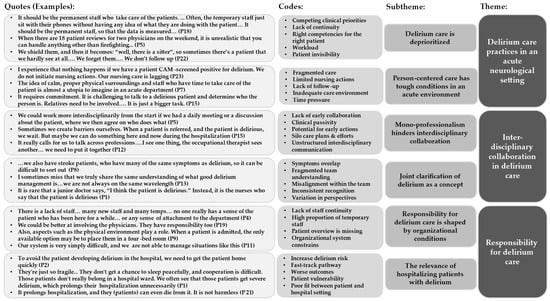
Delirium is a common and serious condition among neurological patients, and the overlap between delirium symptoms and neurological disorders complicates both diagnosis and management. Despite its clinical impact, guidance for delirium management in neurological settings remains limited. This qualitative study aimed to investigate healthcare professionals’ perceptions of delirium management in a Danish neurological hospital setting. Focus group interviews were conducted with five multidisciplinary healthcare professional groups. Maximum variation sampling was used to capture diverse perspectives, and 24 healthcare professionals from the same neurological department participated. Data were analyzed using reflexive thematic analysis. Three themes were identified: (1) delirium care practices in an acute neurological setting; (2) interdisciplinary collaboration in delirium care; and (3) responsibility for delirium care. The findings highlight challenges related to prioritization, mono-professional practices, and organizational structures that shape how responsibility for delirium management is understood and enacted. Overall, the study illustrates the complexity of delirium management within multidisciplinary neurological teams and suggests the need for context-sensitive approaches that support collaboration and clarify responsibilities in clinical practice.
Full article

Figure 1

Open AccessReview
Reconsidering Hospital Transfers from Residential Aged Care: A Scoping Review of Determinants, Prevalence, and System-Level Solutions in Australia
by
Emma-Kaitlin Murphy, Magnolia Cardona, Caitlin Dixon, Samantha Fien, Danielle Ní Chróinín and Ebony T. Lewis
Hospitals 2026, 3(2), 13; https://doi.org/10.3390/hospitals3020013 - 6 Jun 2026
Abstract
►▼
Show Figures
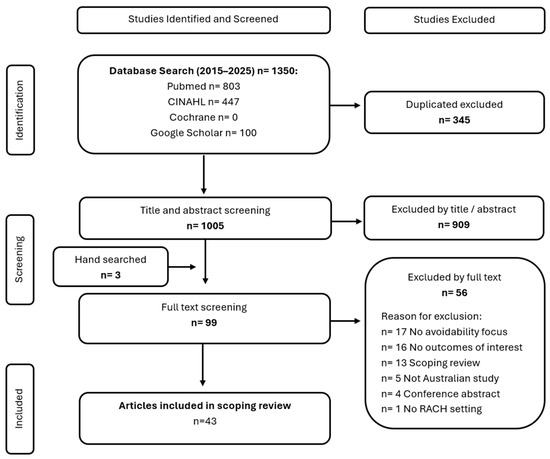
To identify the determinants, prevalence, and proposed solutions for potentially avoidable hospital transfers (PAHT) of residential aged care facility (RACF) residents in Australia, a scoping review was conducted using PubMed, CINAHL, Cochrane Library and Google Scholar, covering the period from 2015 to 2025.
[...] Read more.
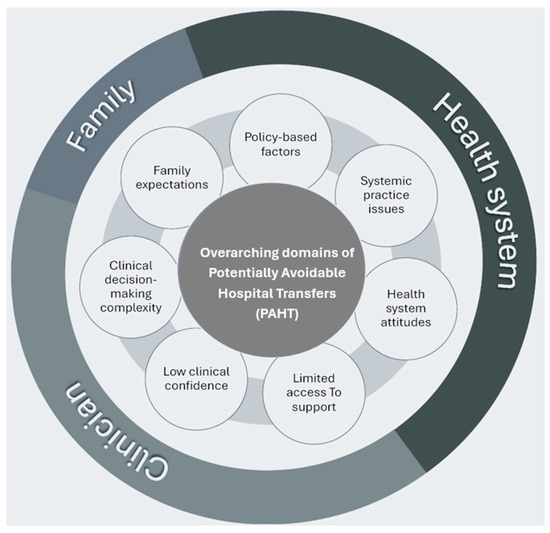
To identify the determinants, prevalence, and proposed solutions for potentially avoidable hospital transfers (PAHT) of residential aged care facility (RACF) residents in Australia, a scoping review was conducted using PubMed, CINAHL, Cochrane Library and Google Scholar, covering the period from 2015 to 2025. The database search identified 1350 articles, of which 43 studies met inclusion criteria. Prevalence of PAHT ranged from of 8.5% to 95.2% when defined as specific conditions manageable by an outreach service; from 2.2% to 55.6% when defined as potentially manageable with primary care; and from 11.6% to 53% when defined as an Emergency Department (ED) presentation not requiring a hospital admission. The most frequently reported determinant of PAHT pertained to the overarching theme of RACF clinical decision-making and systemic RACF practice-based factors. Establishment of, and access to, outreach services was the main proposed solution, alongside onsite General Practitioners (GP), Advance Care Planning (ACP), and capacity building for RACF nurses. Despite Australia’s diversity, our findings demonstrate patterns and similarities in prevalence, determinants and solutions. Consensus or standardisation of denominators would enhance comparability of outcomes across studies. These findings offer opportunities to reconsider solutions in response to the chronic challenge of avoidable nursing home patient transfers.
Full article

Figure 1
Open AccessBrief Report
Surgeon Temperament and Workflow Adherence During Custom Implant Procedures: An Exploratory Qualitative Study
by
Layton Vosloo
Hospitals 2026, 3(2), 12; https://doi.org/10.3390/hospitals3020012 - 13 May 2026
Abstract
Patient-matched implants (PMIs) enable precise anatomical reconstruction but often introduce unforeseen intraoperative challenges that can provoke stress, reduce frustration tolerance, and influence surgical decision-making. Despite the growing clinical use of PMIs, the behavioural and psychological dimensions underpinning these challenging surgeries remain underexplored. This
[...] Read more.
Patient-matched implants (PMIs) enable precise anatomical reconstruction but often introduce unforeseen intraoperative challenges that can provoke stress, reduce frustration tolerance, and influence surgical decision-making. Despite the growing clinical use of PMIs, the behavioural and psychological dimensions underpinning these challenging surgeries remain underexplored. This study examined the relationship between surgeon temperament, specifically frustration tolerance threshold, patience, and adherence to planned surgical workflows during PMI procedures. A qualitative thematic study was conducted over 22 months across two academic centres and 86 private surgical practices in South Africa. Data were collected through semi-structured interviews with consultant surgeons, assistant surgeons, surgical technologists, and biomedical engineers, supplemented by direct observation and detailed field notes. Inductive content analysis, thematic coding, and descriptive quantitative trends derived from Likert-style questionnaires were used to identify behavioural patterns associated with intraoperative stress and workflow deviation. Participant reports indicated that low frustration tolerance, often expressed as impatience, was perceived to be linked to increased deviations from surgical plans, including implant modification (reported in 4.6% of the 86 practices), even when design and fit were optimal. In 2.3% of the 86 practices surveyed, surgical team members reported incidents where impatience was perceived to have compromised patient safety. Stress inoculation theory and emotional intelligence frameworks offered explanatory models for the observed behaviours. Within the limits of this exploratory qualitative study, surgeon temperament—particularly mental preparedness and frustration tolerance—emerged as a recurring theme associated with intraoperative PMI workflow adherence. Whether these factors are determinants of workflow adherence whilst using high-fidelity PMIs, or merely correlated with other unmeasured variables, remains to be tested in future quantitative research.
Full article
Open AccessSystematic Review
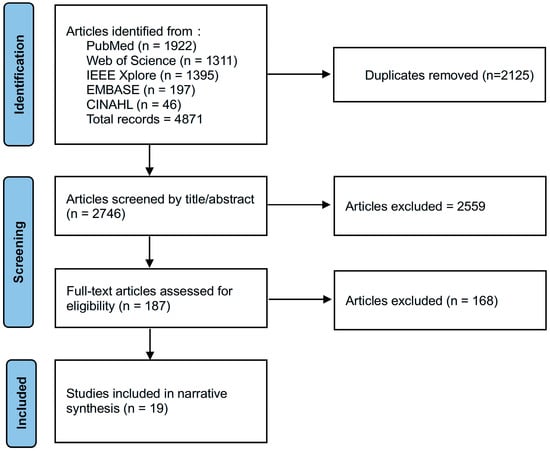
Recent Rural Hospital Closures and Service Disruptions in the United States: A Rapid Systematic Review
by
Annabella Bellard, Andrea Otti, Enoc Carbajal, Jaelyn Moore and Cristian Lieneck
Hospitals 2026, 3(2), 11; https://doi.org/10.3390/hospitals3020011 - 22 Apr 2026
Cited by 1
Abstract
►▼
Show Figures
Rural hospitals are essential access points for healthcare delivery in the United States, yet they continue to experience disproportionate rates of closure and service disruption that threaten community health, economic stability, and equity. This rapid systematic review synthesizes recent peer-reviewed evidence examining rural
[...] Read more.
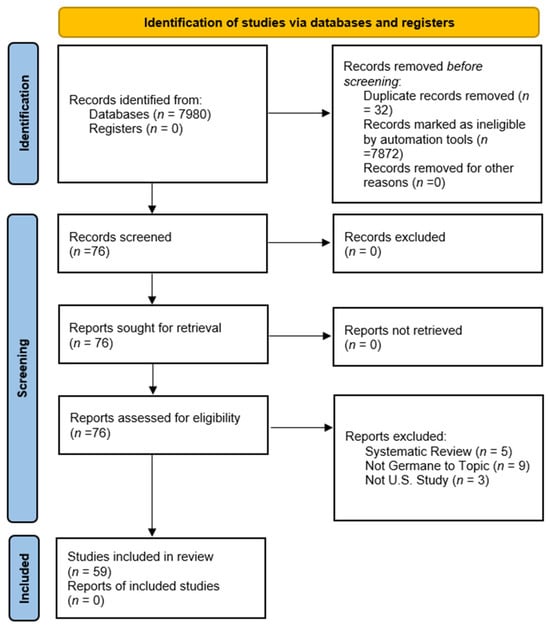
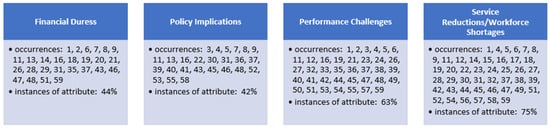
Rural hospitals are essential access points for healthcare delivery in the United States, yet they continue to experience disproportionate rates of closure and service disruption that threaten community health, economic stability, and equity. This rapid systematic review synthesizes recent peer-reviewed evidence examining rural hospital closures and service disruptions, with emphasis on financial, policy, workforce, and performance-related factors and their downstream impacts. Guided by PRISMA methodology, four databases were searched for U.S.-based studies published between January 2024 and June 2025. Following screening and consensus-based review, 59 articles met inclusion criteria. Across studies, financial vulnerability, characterized by revenue instability, low patient volumes, unfavorable payer mix, and reliance on non-operating revenue, emerged as a dominant precursor to closure and service reductions. Policy context, particularly Medicaid expansion status, telehealth and broadband infrastructure, and reimbursement adequacy, strongly shaped hospital sustainability. Closures and service disruptions were consistently associated with increased travel distances, reduced access to maternal, surgical, mental health, and chronic care services, higher prices at surviving hospitals, and increased strain on remaining providers. Workforce shortages further compounded these challenges. Collectively, findings demonstrate that rural hospital closures reflect interconnected structural weaknesses rather than isolated organizational failure. Coordinated policy action, targeted financial stabilization, workforce development, and technology-enabled care models are necessary to mitigate continued erosion of rural healthcare access.
Full article

Figure 1

Open AccessReview
Demolition, Construction, and Aspergillus Risk: Seeing Stripes or a Tiger? A Critical Narrative Review and Perspective
by
Kangkang Tang and Stella Barnass
Hospitals 2026, 3(2), 10; https://doi.org/10.3390/hospitals3020010 - 22 Apr 2026
Abstract
►▼
Show Figures
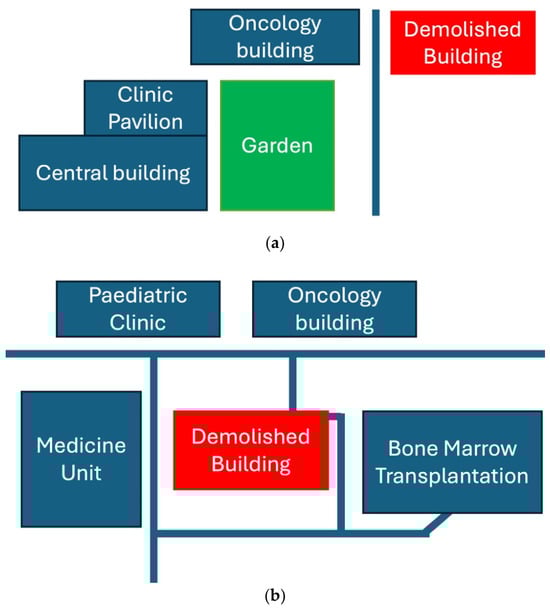
Environmental disturbances from hospital demolition and construction can aerosolise pathogenic fungal spores, particularly those of Aspergillus species, posing a serious threat to immunocompromised patients. This paper presents a structured narrative review of representative case studies to evaluate the relationship between demolition activities and
[...] Read more.
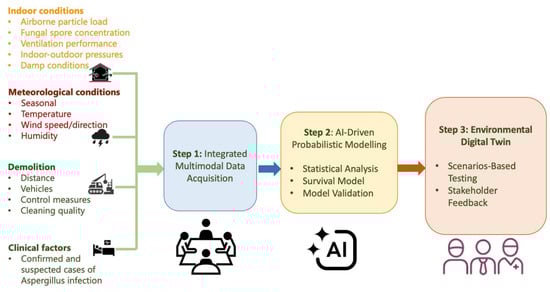
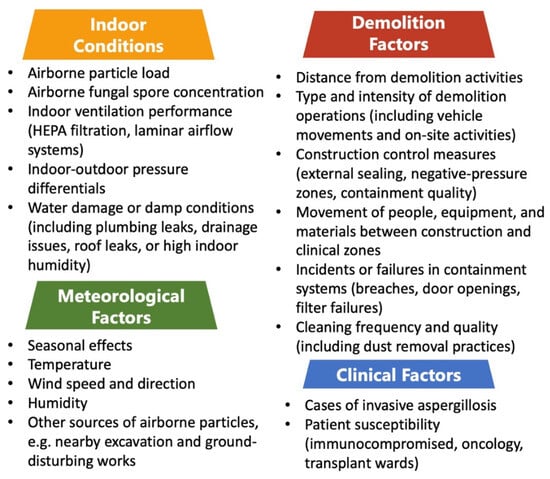
Environmental disturbances from hospital demolition and construction can aerosolise pathogenic fungal spores, particularly those of Aspergillus species, posing a serious threat to immunocompromised patients. This paper presents a structured narrative review of representative case studies to evaluate the relationship between demolition activities and airborne Aspergillus exposure, with a focus on clinical risk and environmental monitoring. Three exemplar studies were selected to illustrate high-intensity short-duration demolition, prolonged mechanical demolition, and meteorologically integrated risk assessment. By examining these cases, this review identifies gaps in current knowledge, methodological limitations, and challenges in causal attribution. The analysis supports the development of a novel conceptual framework for assessing and managing Aspergillus-related risks during hospital redevelopment, offering a structured approach to future infection prevention and control strategies. This framework is intended as a conceptual tool to support evidence-informed decision-making while acknowledging the limitations inherent in a targeted narrative review rather than a systematic synthesis.
Full article

Figure 1
Open AccessArticle
Nurse–Patient Assignment in Oncology Infusion Centers: A Mixed-Integer Programming Approach to Minimizing Patient Wait Time and Balancing Nurse Workload
by
Maryam Keshtzari and Bryan A. Norman
Hospitals 2026, 3(2), 9; https://doi.org/10.3390/hospitals3020009 - 30 Mar 2026
Cited by 1
Abstract
►▼
Show Figures
Cancer center infusion departments are often challenged with scheduling a large number of patients while having a limited number of nurses available to administer the infusions. Cancer patients have different acuity levels depending on many factors, such as treatment plans, drug side effects,
[...] Read more.
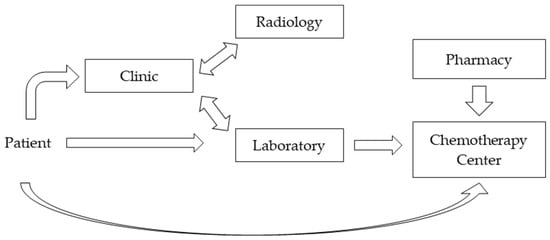
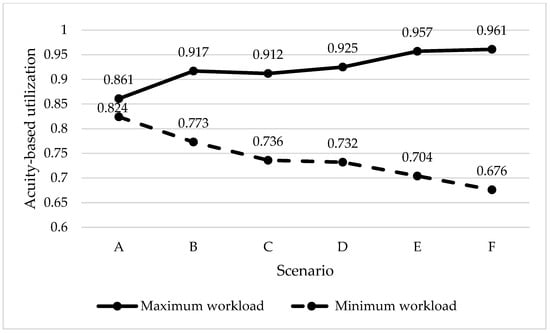
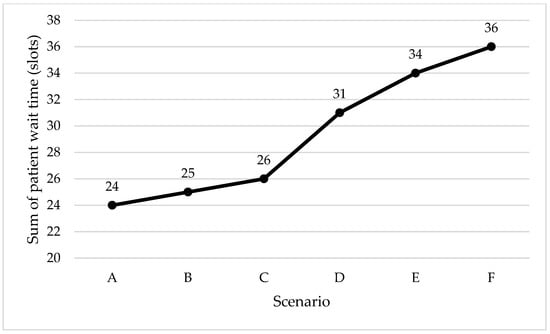
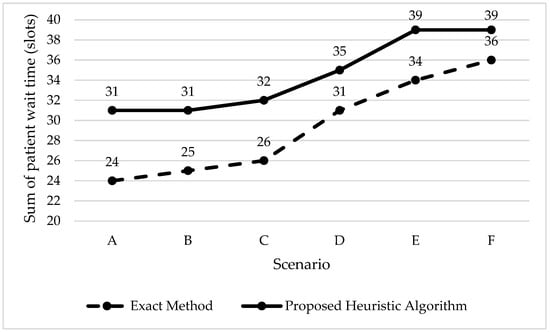
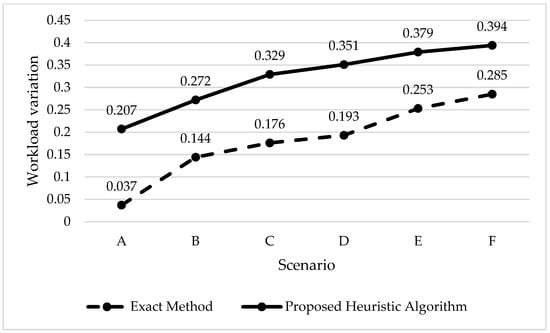
Cancer center infusion departments are often challenged with scheduling a large number of patients while having a limited number of nurses available to administer the infusions. Cancer patients have different acuity levels depending on many factors, such as treatment plans, drug side effects, and health status. Thus, several factors need to be considered when assigning patients to nurses, as unbalanced nurse-to-patient assignments affect patient flow and nurse workload. This study introduces a mixed-integer programming model for nurse–patient assignments that minimizes patient wait times while ensuring workload balance among oncology nurses, while addressing the limited attention in existing studies to jointly modeling patient acuity and nurse continuity. The model also explores the effects of maintaining nurse continuity for patients desiring the same nurse throughout their treatments. Because the mixed-integer programming model can become difficult to solve when there are many cancer patients, an alternative nurse–patient assignment heuristic is proposed and evaluated. Numerical examples based on data from a regional cancer center compare the effectiveness and performance of the exact and heuristic methods. The results show that patient wait time and workload variation among nurses increase when there is a stronger requirement to maintain nurse continuity, which could negatively affect both patient and nurse satisfaction. This study provides valuable insights into the nurse–patient assignment problem and helps cancer infusion centers determine the impacts of maintaining different levels of nurse continuity in their settings.
Full article

Figure 1
Open AccessArticle
Patient-Drug Related Factors Associated with Nonadherence to Chronic Treatment in Patients Attending a Primary Care Setting in South Africa
by
Lucky Norah Katende-Kyenda
Hospitals 2026, 3(2), 8; https://doi.org/10.3390/hospitals3020008 - 25 Mar 2026
Cited by 1
Abstract
Background: Medication nonadherence among patients with chronic diseases represents a major challenge in healthcare systems worldwide and is associated with poor clinical outcomes, increased hospitalizations, and higher healthcare costs. Patient-drug related factors such as knowledge of treatment, beliefs about medication, and the experience
[...] Read more.
Background: Medication nonadherence among patients with chronic diseases represents a major challenge in healthcare systems worldwide and is associated with poor clinical outcomes, increased hospitalizations, and higher healthcare costs. Patient-drug related factors such as knowledge of treatment, beliefs about medication, and the experience of side effects may significantly influence adherence behaviour. Methods: A cross-sectional quantitative study was conducted among 80 patients receiving treatment for chronic conditions at a primary healthcare facility in South Africa. Data were collected through face-to-face interviews using a standardized questionnaire that assessed demographic characteristics and patient-drug-related factors potentially associated with medication adherence. Statistical analysis was performed using IBM SPSS Version 30.0.0.0 (172). Descriptive statistics were used to summarize participant characteristics, while inferential analyses, including chi-square tests and Fisher’s exact tests, were applied to determine associations between demographic variables, patient-drug related factors, and medication nonadherence. Results: The majority of participants were female, aged between 41 and 50 years, single, unemployed, and had completed secondary education. Most participants lived in rural areas, and HIV/AIDS was the most commonly reported chronic condition. Significant associations with medication nonadherence were identified for the experience of medication side effects and inadequate knowledge about treatment. These factors demonstrated moderate effect sizes and suggest that both clinical and educational aspects of treatment may influence adherence behaviour. Conclusions: Patient-drug related factors, particularly medication side effects and insufficient knowledge regarding treatment, play a significant role in medication nonadherence among patients with chronic conditions in primary care settings. Interventions aimed at improving patient education, counselling regarding medication side effects, and strengthening patient-provider communication may help improve adherence and treatment outcomes.
Full article
Open AccessArticle
Evaluating the Associations Between Leapfrog Scores and Patient Safety Culture
by
Jayson Forbes, T. Lucas Hollar, Alejandro Arrieta, Abraham Enyeji, Dev Kantaria, Rahul Mathews, Sameer Siddiqui and Wesley Nguyen
Hospitals 2026, 3(1), 7; https://doi.org/10.3390/hospitals3010007 - 18 Mar 2026
Abstract
Background: Patient safety is evaluated using both internal assessments of safety culture and external hospital rating systems; however, the extent to which these measures capture related dimensions of patient safety remains uncertain. Methods: This study examined the association between hospital patient safety culture
[...] Read more.
Background: Patient safety is evaluated using both internal assessments of safety culture and external hospital rating systems; however, the extent to which these measures capture related dimensions of patient safety remains uncertain. Methods: This study examined the association between hospital patient safety culture ratings and hospital safety grades. Using 2024 hospital-level data, patient safety culture was measured using the overall safety rating from the AHRQ Hospital Survey on patient safety culture and hospital safety grades derived from Leapfrog Safety Grades. Results: No significant association was observed between patient safety culture ratings and the likelihood of receiving higher Leapfrog Grades. Hospital bed size, however, was significantly associated with Leapfrog Grades, with larger hospitals demonstrating lower odds of receiving higher grades. Conclusions: These findings indicate that further research is needed to assess congruence between internal perceptions of patient safety culture and external hospital safety ratings. The results underscore potential measurement differences between federal survey-based assessments and private nonprofit grading methodologies and suggest caution in assuming equivalence across patient safety metrics. Further research is warranted to clarify how these tools align and to determine their respective roles in evaluating hospital patient safety.
Full article
Open AccessArticle
User Evaluation of Technology-Based Interventions Developed to Address Falls in an Inpatient Ward
by
Nuri Sylvia Ng, Nurul Amanina Binte Hussain, Maxim Mei Xin Tan, Saidah Naqiyah Binte Suleiman, Wong Kok Cheong, Png Gek Kheng, Daniel Tiang, Lee Chen Ee, Hong Wei Wei, Hsu Pon Poh and Hong Choon Oh
Hospitals 2026, 3(1), 6; https://doi.org/10.3390/hospitals3010006 - 23 Feb 2026
Abstract
►▼
Show Figures
Preventing inpatient falls remains challenging for healthcare institutions globally, including in Singapore. Integrating technological innovations into fall prevention measures may optimize inpatient care and improve health outcomes. A multiphase study was conducted from 2019 to 2022, employing a human-centred design (HCD) approach to
[...] Read more.
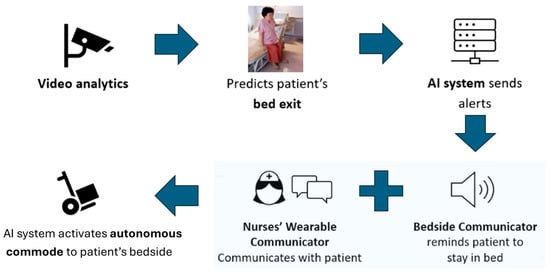
Preventing inpatient falls remains challenging for healthcare institutions globally, including in Singapore. Integrating technological innovations into fall prevention measures may optimize inpatient care and improve health outcomes. A multiphase study was conducted from 2019 to 2022, employing a human-centred design (HCD) approach to develop a technology-based inpatient fall prevention system (IFPS). The four phases include (1) pre-design observations and focus groups, (2) feature prioritization and wireframe development, (3) prototype testing and safety assessments, and (4) post-design staff training and feedback collection. The developed IFPS integrated artificial intelligence (AI) video analytics for bed-exit prediction with communication devices and autonomous commode delivery to facilitate ward communication and reduce staff workload. This paper describes the development process and user evaluation of the IFPS to assess its operational usability and safety. Potential users of the IFPS, such as ward nurses and patients, suggested features for the IFPS during the pre-design phase and thereafter evaluated the system through focus group discussions and/or feedback surveys. Pre-design focus group participants (n = 24) emphasized durability and user-friendliness requirements, informing system design. When evaluating the system, nurse users (n = 39) perceived the IFPS as effective in reducing falls (65%), enabling them to perform other duties (85%), and allowing them to remain with patients without searching for a commode (64%). Patient users (n = 21) found pre-recorded messages effective (91%), though communication clarity varied. Engaging healthcare workers in IFPS development offered valuable context-based insights, highlighting the importance of addressing technology acceptance factors early to promote adoption of fall prevention technologies in acute care settings.
Full article

Figure 1
Open AccessArticle
Analytical Assessment of Environmental Noise in High- or Low-Risk Neonatal Wards and Neonatal Intensive Care Units
by
Leonardo Nava-Velazquez, Angélica Saraí Jiménez-Osorio, Margarita Tetlalmatzi-Montiel, Diego Estrada-Luna, Julieta Angel-García, Geu S. Mendoza-Catalán and Erika Elizabeth Rodriguez-Torres
Hospitals 2026, 3(1), 5; https://doi.org/10.3390/hospitals3010005 - 10 Feb 2026
Abstract
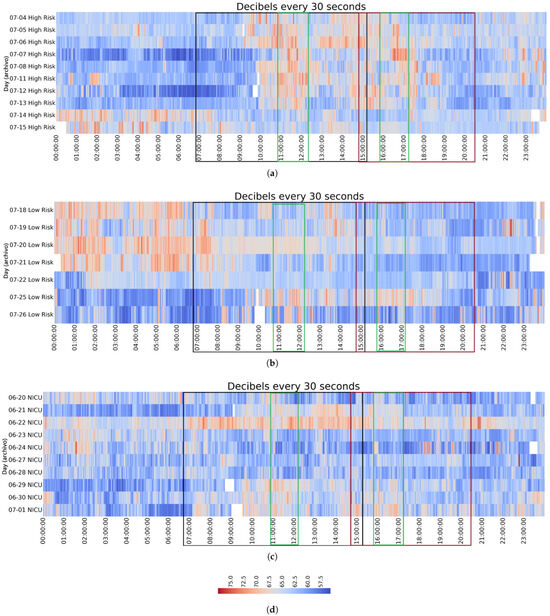
This study analyzed environmental noise levels in neonatal hospital units, including both low- and high-risk nurseries, as well as neonatal intensive care units (NICUs). Continuous 24 h measurements over ten days revealed that average sound levels significantly exceeded international recommendations. Hourly
[...] Read more.
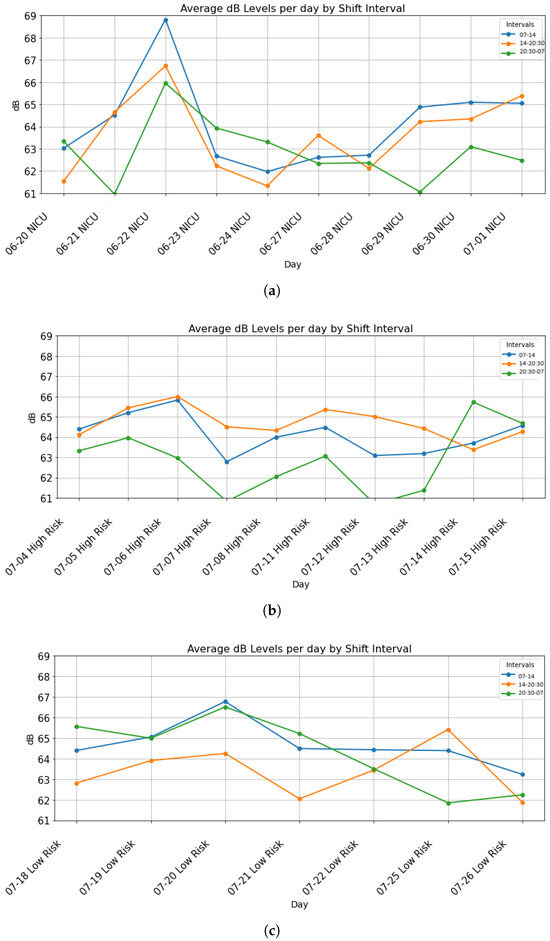
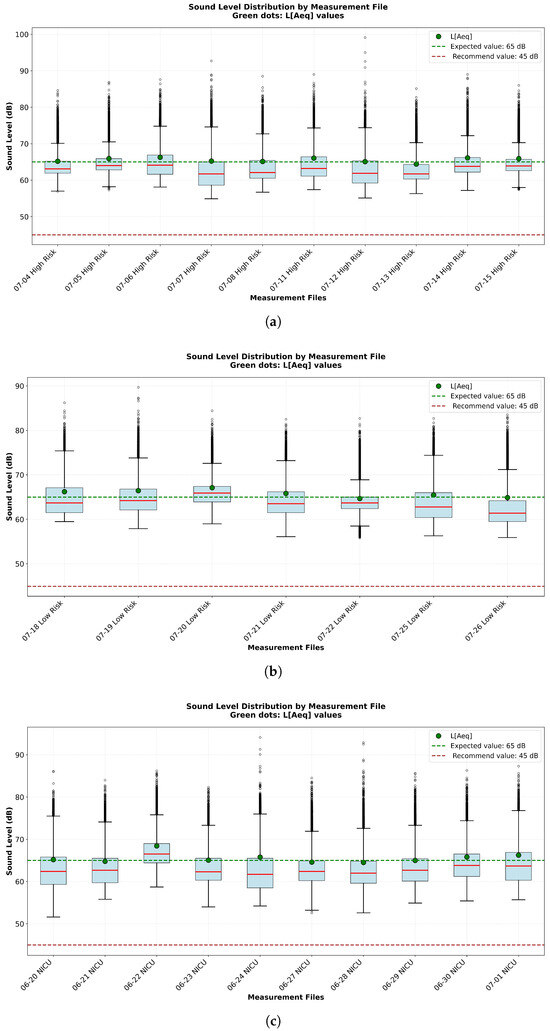
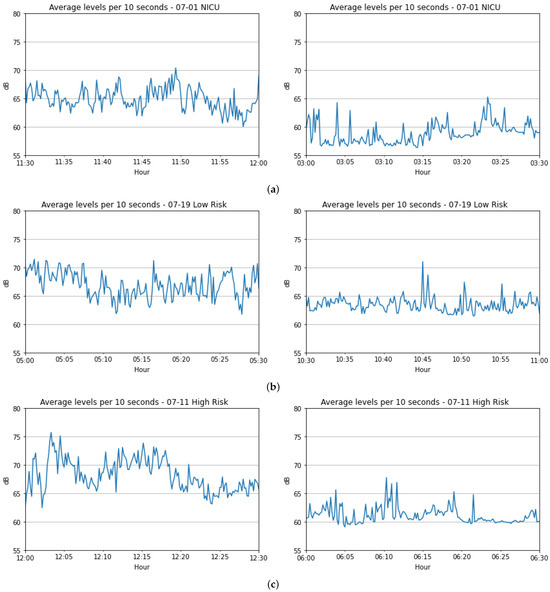
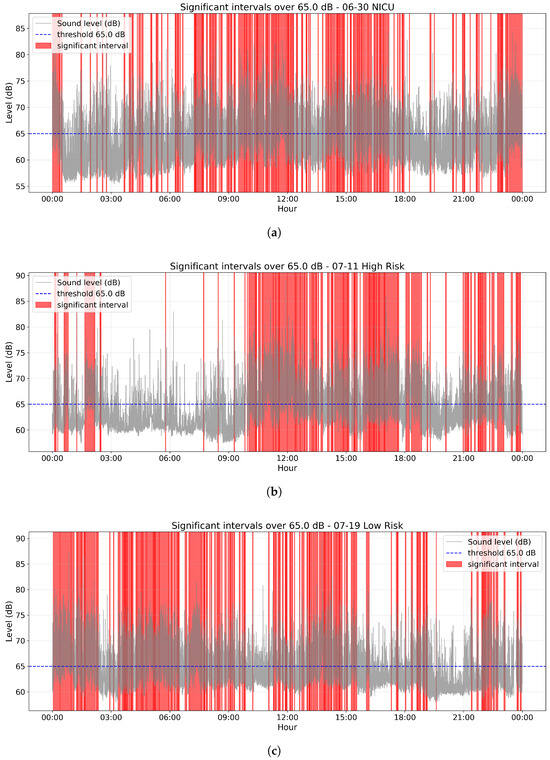
This study analyzed environmental noise levels in neonatal hospital units, including both low- and high-risk nurseries, as well as neonatal intensive care units (NICUs). Continuous 24 h measurements over ten days revealed that average sound levels significantly exceeded international recommendations. Hourly values frequently reached or surpassed 65 dB, with over 20% of daily recordings exceeding this limit, and in some instances, more than 50%. Heatmaps indicated consistent noise patterns: high-risk nurseries experienced peaks during late morning and afternoon, low-risk nurseries at night, while NICU maintained elevated levels throughout the day. The main sources of noise included alarms, medical equipment, and activity from staff or visitors. This highlights the need for hospital policies aimed at protecting the neurosensory health of neonates. These findings provide evidence-based recommendations for creating quieter environments in neonatal care.
Full article
(This article belongs to the Topic The Imperative of Patient Safety and Safety Culture in Contemporary Healthcare)
►▼
Show Figures

Figure 1
Open AccessArticle
Nurse Staffing and Hospital-Acquired Infections in Rural Versus Non-Rural Hospitals
by
Kimberly Jones-Rudolph, Lorraine Brown, Wilfredo Lacro and Soumya Upadhyay
Hospitals 2026, 3(1), 4; https://doi.org/10.3390/hospitals3010004 - 5 Feb 2026
Abstract
►▼
Show Figures
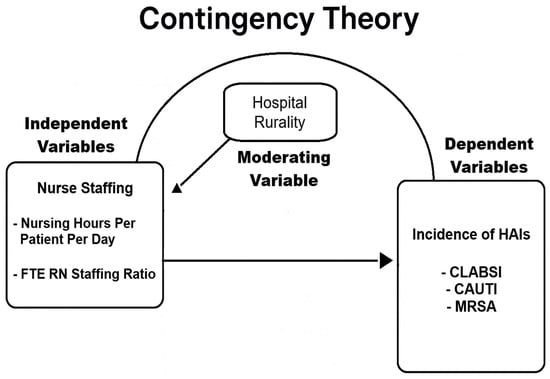
This study explores how hospital location (rural/non-rural) may moderate the nurse staffing ratio’s impact on three hospital-acquired infections. This study used data from 2022 to 2024 on nurse staffing and hospital characteristics from the American Hospital Association Annual Survey and data on hospital-acquired
[...] Read more.
This study explores how hospital location (rural/non-rural) may moderate the nurse staffing ratio’s impact on three hospital-acquired infections. This study used data from 2022 to 2024 on nurse staffing and hospital characteristics from the American Hospital Association Annual Survey and data on hospital-acquired infection rates from the Medicare Care Compare dataset provided by the Centers for Medicare and Medicaid Services. After removing missing values, the final dataset included 7997 hospital-year observations across the US. Independent variables include rural hospital designation, nursing hours per patient day, and RN FTE per adjusted day. The dependent variables included infection rates of Central Line-Associated Bloodstream Infection, Catheter-Associated Urinary Tract Infection, and Methicillin-Resistant Staphylococcus aureus. Multiple regression was performed in Stata 18. Our research found that across all three infection types, an increase in nursing hours per patient day is significantly associated with a decrease in the infection rate, and that impact was not moderated by hospital rurality. Extra time spent with patients in either a rural or non-rural hospital decreased hospital-acquired infection rates. While RN FTEs were included in the model, total nursing hours per patient day emerged as the more consistent predictor of lower hospital-acquired infection rates.
Full article

Figure 1
Open AccessCommentary
Agilience: Bridging Agility and Resilience for Safer Healthcare—A Conceptual Commentary
by
Elissa Dabkowski, Simon J. Cooper, Jhodie Duncan and Karen Missen
Hospitals 2026, 3(1), 3; https://doi.org/10.3390/hospitals3010003 - 3 Feb 2026
Abstract
Healthcare systems operate in safety-critical environments where rapid adaptation and sustained functioning must occur simultaneously, yet existing safety frameworks tend to conceptualise agility and resilience as separate, sequential, or retrospective capabilities. This conceptual separation limits understanding of how safety is enacted during disruption,
[...] Read more.
Healthcare systems operate in safety-critical environments where rapid adaptation and sustained functioning must occur simultaneously, yet existing safety frameworks tend to conceptualise agility and resilience as separate, sequential, or retrospective capabilities. This conceptual separation limits understanding of how safety is enacted during disruption, when healthcare workers and organisations must respond in real time without temporal or structural buffers. This paper introduces agilience as an emerging conceptual construct that captures the concurrent enactment of agility (rapid adaptation) and resilience (sustained functioning, recovery, and learning) under conditions of uncertainty. Drawing on safety science, resilience engineering, organisational theory, and comparative industry literature, this conceptual commentary clarifies how agilience extends existing Safety-I and Safety-II paradigms by addressing the temporal gap between prevention-focused and learning-focused approaches. Agilience is positioned as both an explanatory lens and an aspirational organisational state, highlighting the alignment required between individual adaptive capability and organisational structures to support safe, sustainable care delivery. The paper outlines the defining features, boundaries, and system conditions under which agilience becomes visible, and illustrates its relevance through healthcare examples. By articulating agilience as a distinct conceptual contribution, this work provides a foundation for future empirical investigation, measurement development, and application in healthcare safety management.
Full article
(This article belongs to the Topic The Imperative of Patient Safety and Safety Culture in Contemporary Healthcare)
Open AccessArticle
From Prototype to Practice: A Mixed-Methods Study of a 3D Printing Pilot in Healthcare
by
Samuel Petrie, Mohammad Hassani, David Kerr, Alan Spurway, Michael Hamilton and Prosper Koto
Hospitals 2026, 3(1), 2; https://doi.org/10.3390/hospitals3010002 - 27 Jan 2026
Abstract
►▼
Show Figures
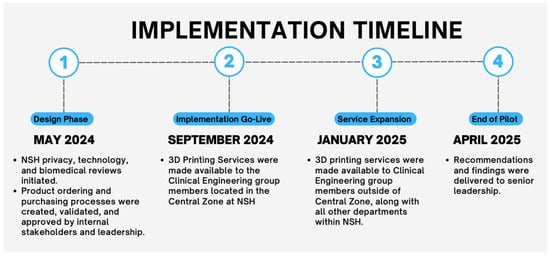
Health systems face pressure to strengthen resilience against supply chain disruptions while maintaining cost-effective service delivery. This mixed-methods study describes a pilot project that integrated 3D printing services into a Canadian provincial health authority. Quantitative data were derived from internal clinical engineering work
[...] Read more.
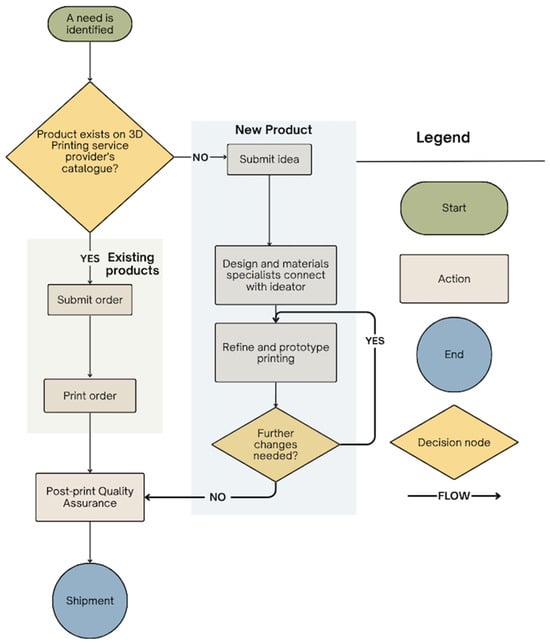
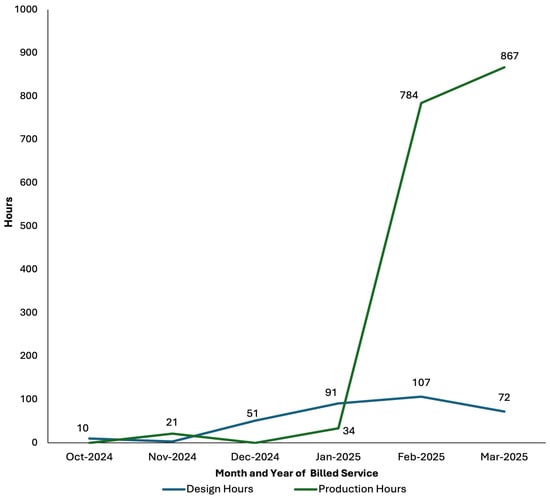
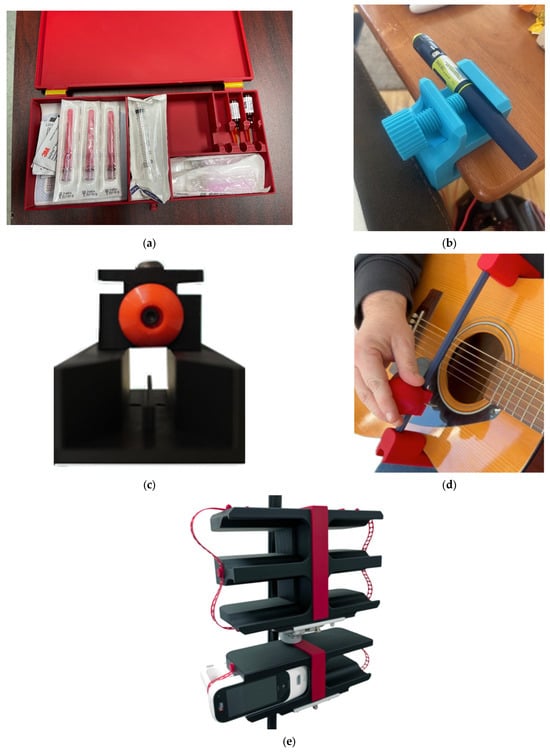
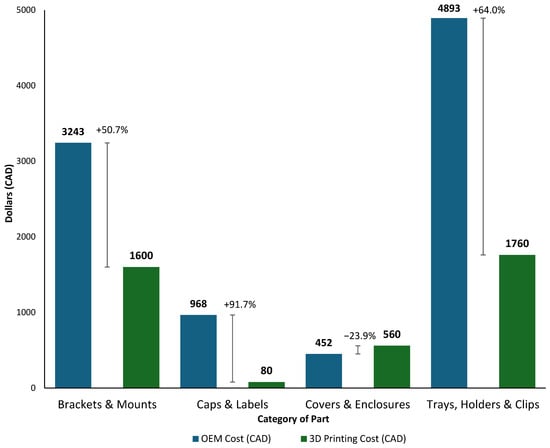
Health systems face pressure to strengthen resilience against supply chain disruptions while maintaining cost-effective service delivery. This mixed-methods study describes a pilot project that integrated 3D printing services into a Canadian provincial health authority. Quantitative data were derived from internal clinical engineering work orders, where a scenario-based economic analysis compared original equipment manufacturer (OEM) procurement with modelled 3D-printed parts. Using conservative assumptions, selected non-electronic structural parts were assigned a fixed unit cost. Qualitative data were collected from two focus groups with clinical engineers and other end-users. Results from an exploratory scenario-based economic analysis suggest that substituting selected structurally simple clinical engineering parts with 3D-printed alternatives would be associated with modelled cost impacts ranging from a 67.4% net increase (OEM prices halved and 3D-printing costs doubled) to a 69.6% cost reduction (OEM prices increased by 10% and 3D-printing costs decreased by 20%). Demand changes affected absolute savings but not the percent difference (58.1% under ±50% quantity changes), and a pessimistic procurement scenario (OEM prices decreased by 30% and 3D-printing costs increased by 50%) reduced savings to 10.3%. Focus groups highlighted perceived benefits and implementation challenges associated with integrating additive manufacturing. Implementation was facilitated through an outsourcing model, which was perceived to shift certain responsibilities and risk-management functions to the vendor. Long-term adoption will require clearer communication and targeted education. This pilot study suggests that, under constrained regulatory scope and scenario-based assumptions, additive manufacturing may contribute to supply chain resilience and may be associated with modelled cost advantages for selected low-risk components.
Full article

Figure 1
Open AccessBrief Report
Clinician Evaluation of Artificial Intelligence Summaries of Pediatric CVICU Progress Notes
by
Vanessa I. Klotzman, Albert Kim, Brian Walker, Sabrina Leong, Louis Ehwerhemuepha and Robert B. Kelly
Hospitals 2026, 3(1), 1; https://doi.org/10.3390/hospitals3010001 - 3 Jan 2026
Cited by 1
Abstract
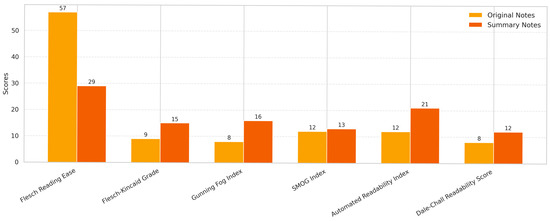
Effective communication in critical care units, such as the Cardiovascular Intensive Care Unit (CVICU), is vital for patient safety; however, clinical notes from multiple professionals are often lengthy and complex. This study evaluated the Mistral large language model for summarizing Cardiovascular Intensive Care
[...] Read more.
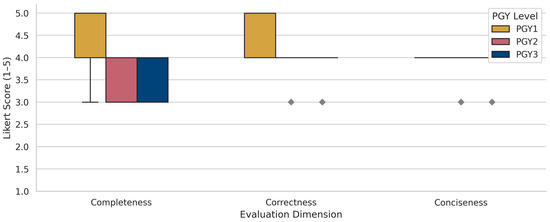
Effective communication in critical care units, such as the Cardiovascular Intensive Care Unit (CVICU), is vital for patient safety; however, clinical notes from multiple professionals are often lengthy and complex. This study evaluated the Mistral large language model for summarizing Cardiovascular Intensive Care Unit progress notes using the Illness severity, Patient summary, Action list, Situation awareness and contingency planning, and Synthesis by receiver (I-PASS) framework, a standardized mnemonic for patient handoffs in healthcare. A total of 385 patients were included in the cohort, and all the progress notes associated with each patient were combined into a single document and summarized by the model. The readability was assessed using multiple metrics, including Flesch Reading Ease, Flesch-Kincaid Grade Level, Gunning-Fog Index, Simple Measure of Gobbledygook Index (SMOG), Automated Readability Index, and Dale-Chall Score. The readability metrics showed that the summaries generated with the Mistral Large Language Model (LLM) were much more difficult to read than the original notes, requiring a higher reading level. In a small clinician review, junior residents rated the summaries overall more favorably than senior residents, who often identified missing clinical details. Although Mistral condensed the documentation, this reduced readability and some loss of context may limit its usefulness for clinical handoffs. As a preliminary study with a small clinician-reviewed sample, these findings are descriptive and will require validation in larger clinical settings.
Full article
(This article belongs to the Special Issue AI in Hospitals: Present and Future)
►▼
Show Figures

Figure 1
Open AccessReview
Ethical Considerations for Machine Learning Research Using Free-Text Electronic Medical Records: Challenges, Evidence, and Best Practices
by
Guosong Wu and Fengjuan Yang
Hospitals 2025, 2(4), 29; https://doi.org/10.3390/hospitals2040029 - 6 Dec 2025
Abstract
The increasing availability of free-text components in electronic medical records (EMRs) offers unprecedented opportunities for machine learning research, enabling improved disease phenotyping, risk prediction, and patient stratification. However, the use of narrative clinical data raises distinct ethical challenges that are not fully addressed
[...] Read more.
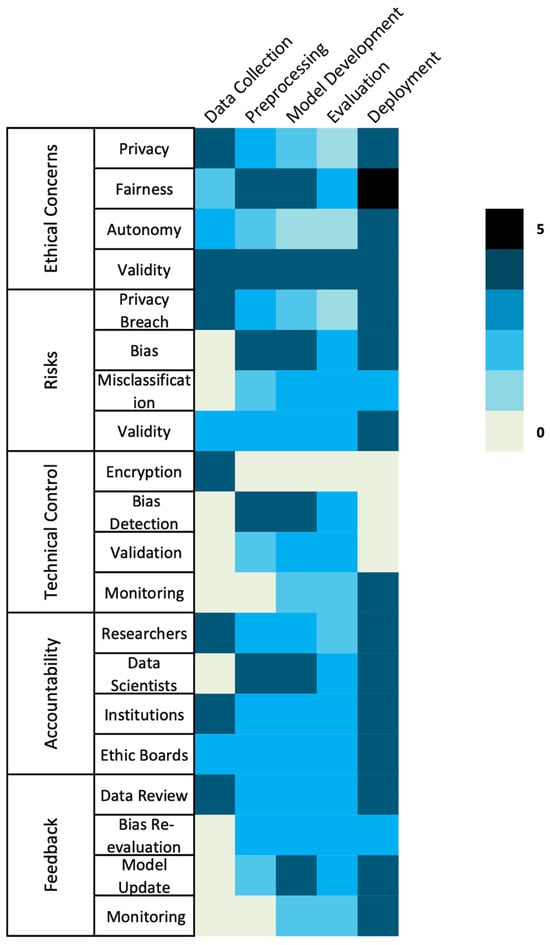
The increasing availability of free-text components in electronic medical records (EMRs) offers unprecedented opportunities for machine learning research, enabling improved disease phenotyping, risk prediction, and patient stratification. However, the use of narrative clinical data raises distinct ethical challenges that are not fully addressed by conventional frameworks for structured data. We conducted a narrative review synthesizing conceptual and empirical literature on ethical issues in free-text EMR research, focusing on privacy, fairness, autonomy, interpretability, and governance. We examined technical methods, including de-identification, differential privacy, bias mitigation, and explainable AI, alongside normative approaches, such as participatory design, dynamic consent models, and multi-stakeholder governance. Our analysis highlights persistent risks, including re-identification, algorithmic bias, and inequitable access, as well as limitations in current regulatory guidance across jurisdictions. We propose ethics-by-design principles that integrate ethical reflection into all stages of machine learning research, emphasize relational accountability to patients and stakeholders, and support global harmonization in governance and stewardship. Implementing these principles can enhance transparency, trust, and social value while maintaining scientific rigor. Ethical integration is therefore not optional but essential to ensure that machine learning research using free-text EMRs aligns with both clinical relevance and societal expectations.
Full article
(This article belongs to the Special Issue AI in Hospitals: Present and Future)
►▼
Show Figures

Figure 1
Highly Accessed Articles
Latest Books
E-Mail Alert
News
Topics
Topic in
Healthcare, Hospitals, JCM, Safety, Medicina, Medicines
Drug Use and Patient Safety in Primary and Secondary Care Settings
Topic Editors: Kingston Rajiah, Ashuin Kammar-GarcíaDeadline: 31 October 2026
Topic in
Hospitals, IJERPH, Nursing Reports, Healthcare
Health Services Optimization, Improvement, and Management: Worldwide Experiences
Topic Editors: Alexandre Morais Nunes, Diogo Filipe da Cunha FerreiraDeadline: 30 April 2027
Special Issues
Special Issue in
Hospitals
AI in Hospitals: Present and Future
Guest Editor: Francisco EpeldeDeadline: 31 October 2026
Special Issue in
Hospitals
Emergency and Disaster Medicine: Preparedness, Response, and Resilience in Health Systems
Guest Editor: Ulrich SackDeadline: 31 October 2026