

Topical Advisory Panel applications are now closed. Please contact the Editorial Office with any queries.
Journal Description
Climate
Climate
is a scientific, peer-reviewed, open access journal of climate science published online monthly by MDPI. The American Society of Adaptation Professionals (ASAP) is affiliated with Climate and its members receive discounts on the article processing charges.
- Open Access— free for readers, with article processing charges (APC) paid by authors or their institutions.
- High Visibility: indexed within Scopus, ESCI (Web of Science), GEOBASE, GeoRef, AGRIS, and other databases.
- Journal Rank: JCR - Q2 (Meteorology and Atmospheric Sciences) / CiteScore - Q1 (Atmospheric Science)
- Rapid Publication: manuscripts are peer-reviewed and a first decision is provided to authors approximately 20.5 days after submission; acceptance to publication is undertaken in 3.7 days (median values for papers published in this journal in the first half of 2026).
- Recognition of Reviewers: reviewers who provide timely, thorough peer-review reports receive vouchers entitling them to a discount on the APC of their next publication in any MDPI journal, in appreciation of the work done.
- Journal Cluster of Geospatial and Earth Sciences: Remote Sensing, Atmosphere, Geosciences, Climate, Quaternary, Earth, Geographies, Geomatics, Meteorology and Fossil Studies.
Impact Factor:
4.0 (2025);
5-Year Impact Factor:
4.1 (2025)
Latest Articles
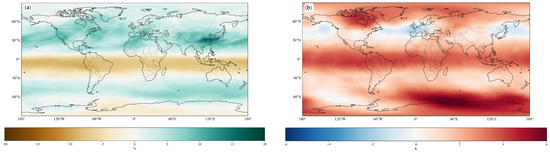
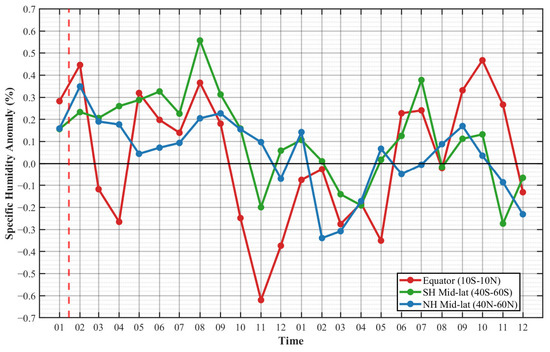
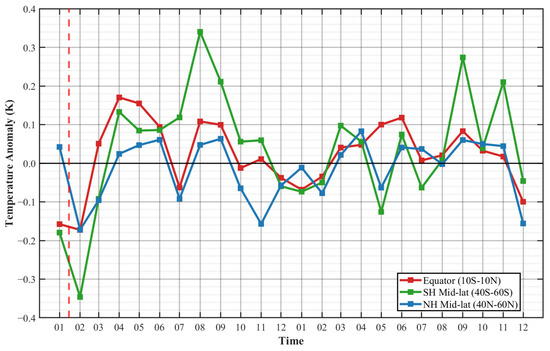
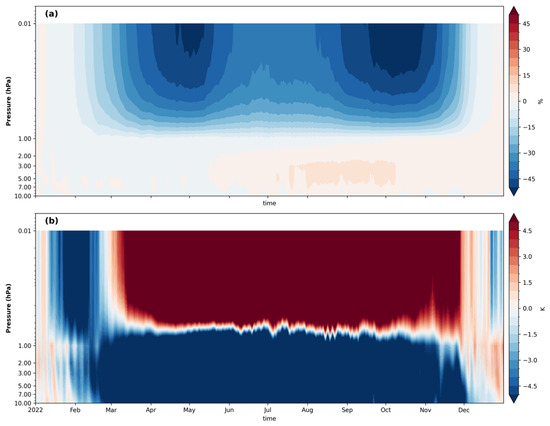
Response of Mesospheric Temperature and Water Vapor to Volcanic Activity
Climate 2026, 14(9), 178; https://doi.org/10.3390/cli14090178 (registering DOI) - 30 Aug 2026
Abstract
Stratospheric sulfate aerosol loading from volcanic eruptions conventionally perturbs planetary radiation budgets, inducing either global-scale cooling or regional thermal anomalies. The January 2022 eruption of Hunga Tonga–Hunga Ha’apai constituted a pronounced departure from this archetype. Here, ERA5 reanalysis products are leveraged to characterise
[...] Read more.
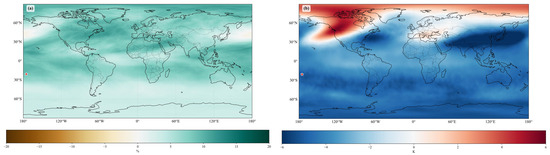
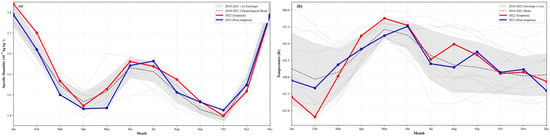
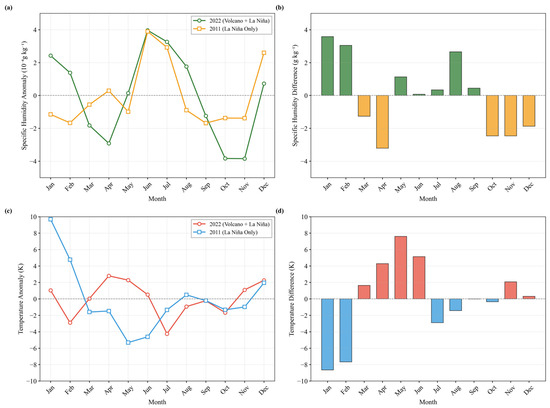
Stratospheric sulfate aerosol loading from volcanic eruptions conventionally perturbs planetary radiation budgets, inducing either global-scale cooling or regional thermal anomalies. The January 2022 eruption of Hunga Tonga–Hunga Ha’apai constituted a pronounced departure from this archetype. Here, ERA5 reanalysis products are leveraged to characterise thermodynamic and moisture perturbations at 0.01 hPa (~80 km) throughout the post-eruptive interval. The submarine event delivered approximately 146 Tg of water vapour into the stratosphere, with the plume ascending to 57 km and penetrating the tropical tropopause; a substantial fraction of this anomalous moisture subsequently persisted at mesopause altitudes, forming a reservoir that dissipates only gradually and perturbs upper-atmospheric chemistry across multi-year horizons. Nonlinear interactions between radiative forcing and dynamical feedbacks, both attributable to this exceptional water vapour burden, are elucidated. These observational constraints should advance understanding of upper-atmospheric responses to major volcanic events characterised by substantial water vapour emission.
Full article
(This article belongs to the Section Weather, Events and Impacts)
►
Show Figures
Open AccessEssay
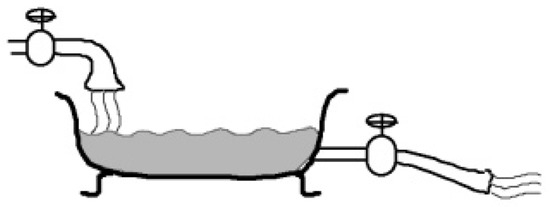
The Climate Bathtub at 25: Expanding a Popular Physical Metaphor to Illuminate Social Challenges of Climate Change
by
Jonah Busch
Climate 2026, 14(9), 177; https://doi.org/10.3390/cli14090177 - 28 Aug 2026
Abstract
The “climate bathtub,” originated by Linda Booth Sweeney and John Sterman in 2001, has provided an elegant metaphor for the physical problem of climate change for 25 years. In this metaphor, as long as inflows of water into a bathtub from a faucet
[...] Read more.
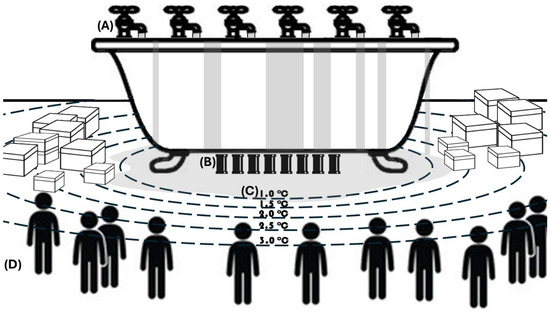
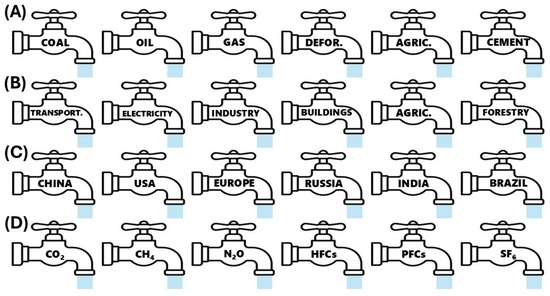
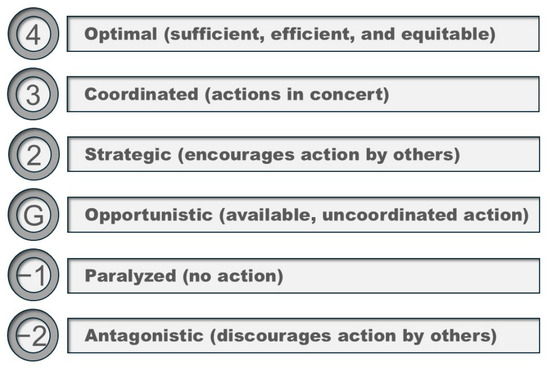
The “climate bathtub,” originated by Linda Booth Sweeney and John Sterman in 2001, has provided an elegant metaphor for the physical problem of climate change for 25 years. In this metaphor, as long as inflows of water into a bathtub from a faucet (greenhouse gas emissions) exceed outflows through a drain (removals), then the stock of water in the bathtub (atmospheric concentrations) will rise, with eventual consequences when the bathtub overflows. This bathtub metaphor is simple, relatable, urgent, and apt. But climate change is a social problem, not just a physical problem. By adding four new elements to the climate bathtub—multiple faucets; multiple drains; multiple damage thresholds; and multiple people—the climate bathtub metaphor can illuminate a wide range of social challenges related to climate change. This expanded climate bathtub metaphor offers insights on how individuals prioritize climate actions; why collective disagreements emerge; and hierarchical levels of climate cooperation. It suggests heuristics that policymakers, practitioners, and future climate professionals can use to evaluate potential climate actions. This more complex, but more versatile, version of the climate bathtub can supplement the original metaphor as a public communications tool and motivator for climate action.
Full article
(This article belongs to the Section Climate and Economics)
►▼
Show Figures

Figure 1
Open AccessPerspective
Oxygen Footprint Regulates Dryland Carbon Cycling
by
Dongliang Han, Jianping Huang, Lei Ding and Guolong Zhang
Climate 2026, 14(9), 176; https://doi.org/10.3390/cli14090176 - 26 Aug 2026
Abstract
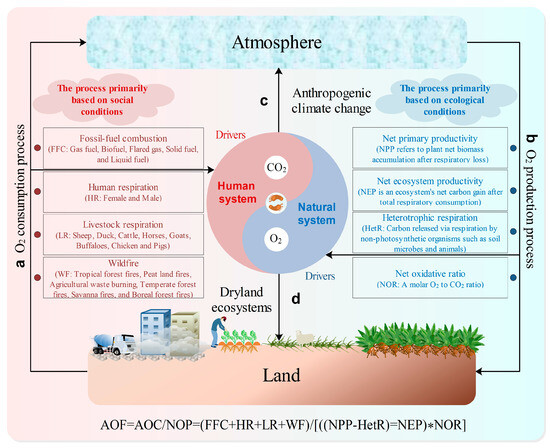
In the Anthropocene, dryland ecosystems—natural and semi-natural ecosystems—are highly sensitive to anthropogenic warming, and their carbon cycling dynamics are easily disrupted by this trend. In this perspective, we propose a novel yet long-overlooked conceptual framework. It reveals that the oxygen footprint, defined as
[...] Read more.
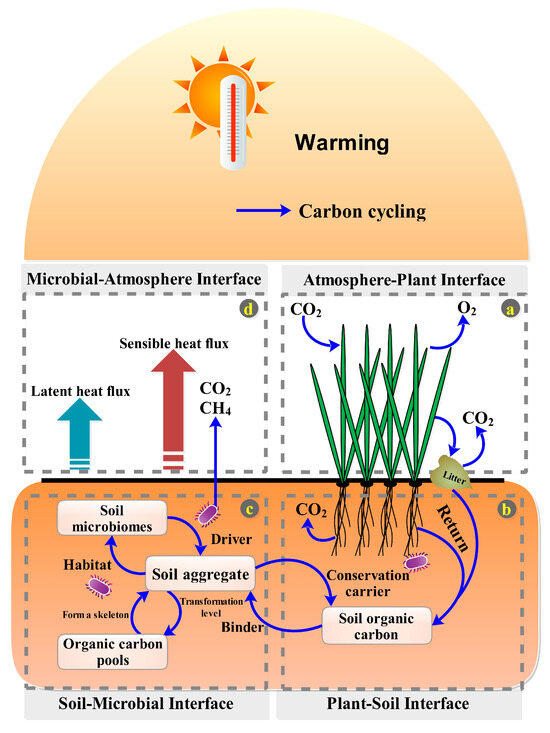
In the Anthropocene, dryland ecosystems—natural and semi-natural ecosystems—are highly sensitive to anthropogenic warming, and their carbon cycling dynamics are easily disrupted by this trend. In this perspective, we propose a novel yet long-overlooked conceptual framework. It reveals that the oxygen footprint, defined as the atmospheric oxygen consumption-to-production ratio, could serve as an important diagnostic indicator for assessing the impacts of anthropogenic warming on dryland carbon cycling. This framework can be divided into three parts, including the increasing oxygen footprint, warming effects on dryland carbon cycling, and direct or indirect links between oxygen footprint and carbon-cycle responses. In short, it centers on the core logical chain: oxygen footprint-anthropogenic warming-dryland carbon cycling. This work strives to enhance dryland sustainability by filling essential knowledge gaps, combining separate research findings, and providing actionable field guidance for ecosystem management.
Full article
(This article belongs to the Special Issue Climate-Ecosystem Feedbacks in Cold and Arid Regions)
►▼
Show Figures

Figure 1
Open AccessArticle
Towards Integrated Climate Services: Platforms Supporting Environmental and Agricultural Resilience in Portugal
by
Carlos A. Pereira, João Ferreira, Vanda C. Pires, Paula Drumond, Eduardo Castanho, Ricardo Deus, Tânia Moura and Rita M. Durão
Climate 2026, 14(9), 175; https://doi.org/10.3390/cli14090175 - 26 Aug 2026
Abstract
The Portuguese agricultural sector has suffered a profound transformation over recent decades, evolving from traditional to increasingly technology-driven systems. Throughout this transition, climate and meteorological conditions have remained key drivers of agricultural productivity. Today, Portuguese agriculture faces growing challenges associated with climate change,
[...] Read more.
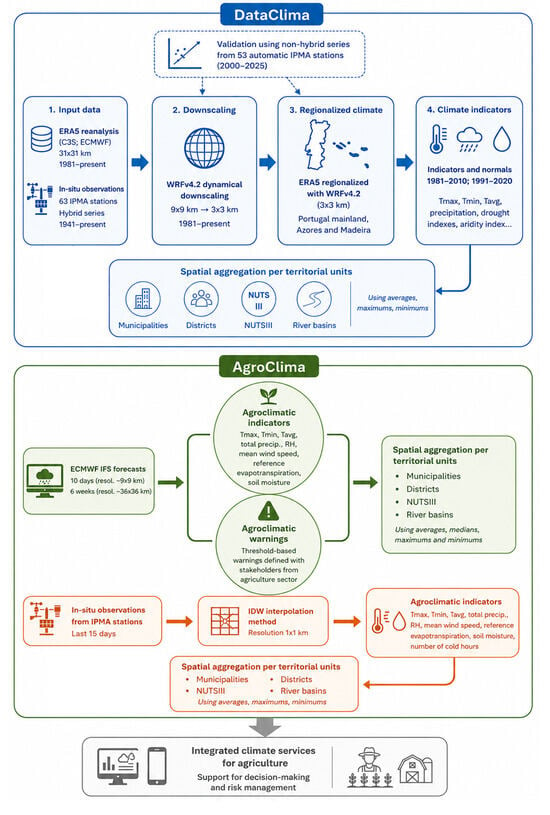
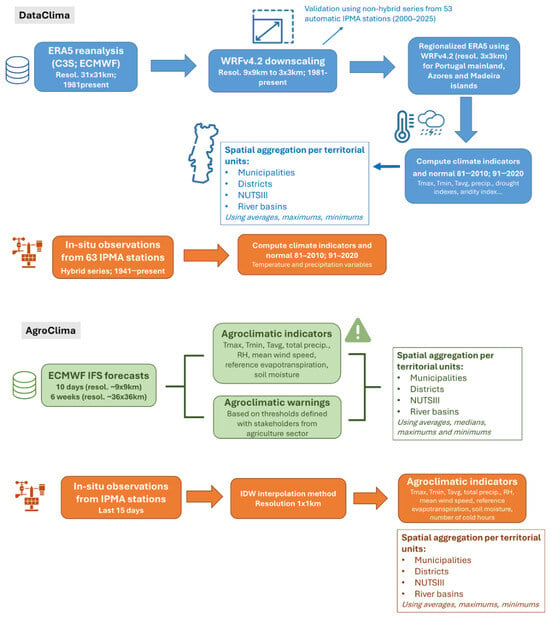
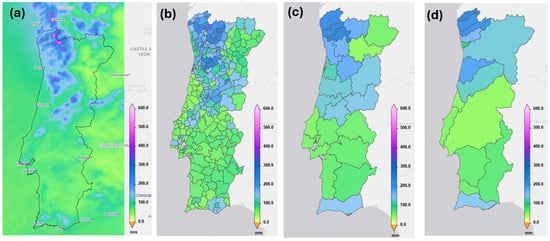
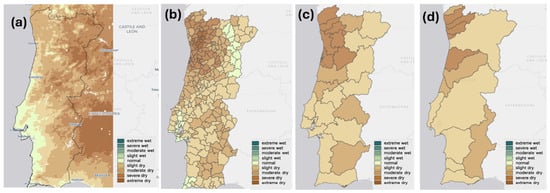
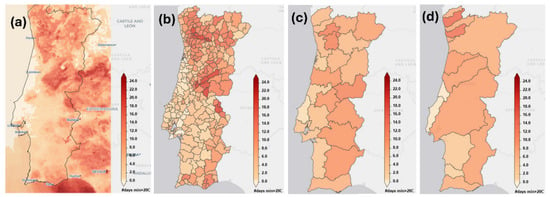
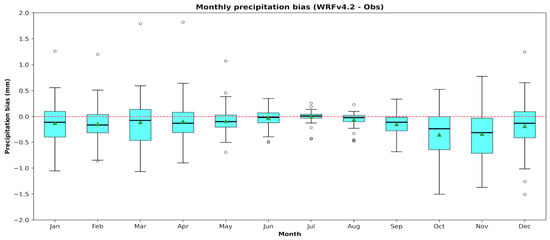
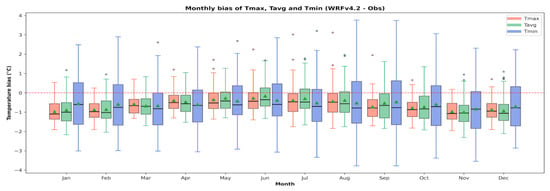
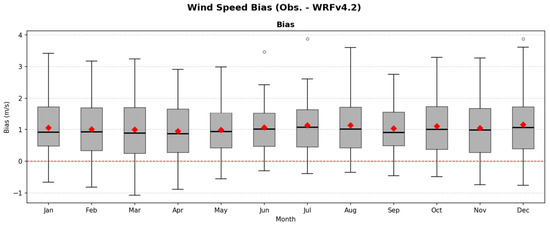
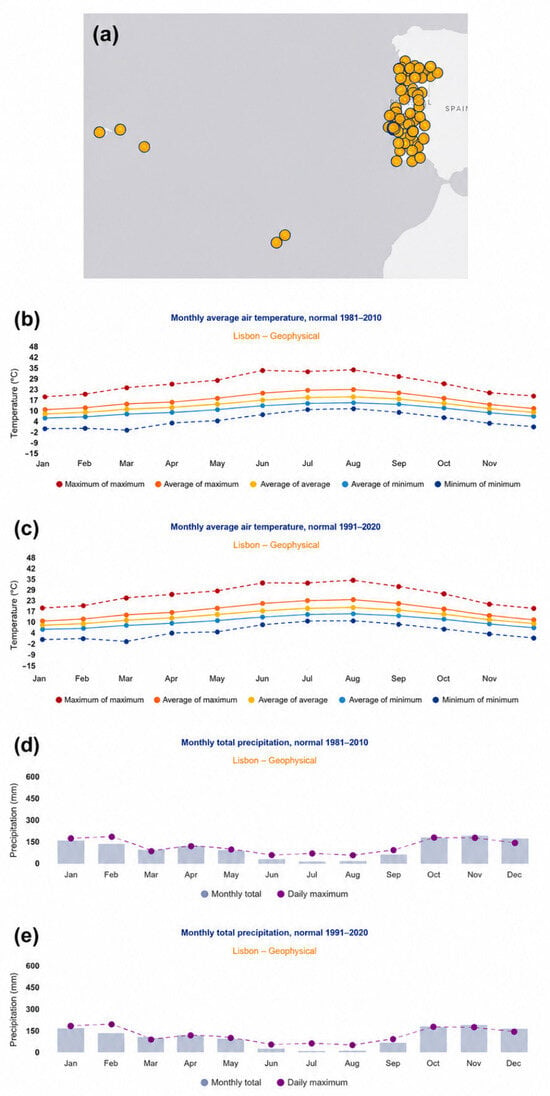
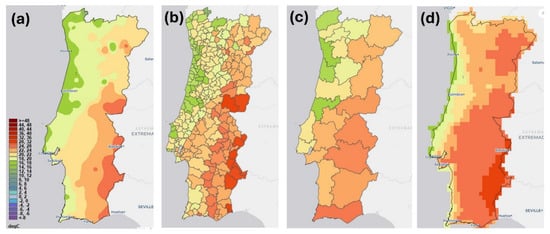
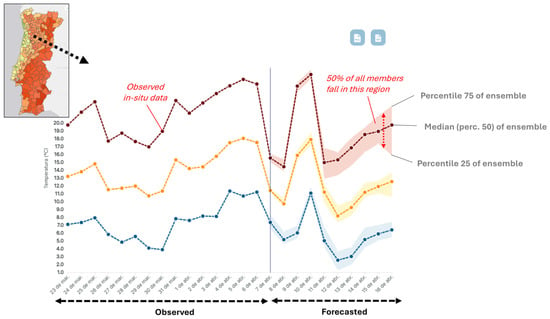
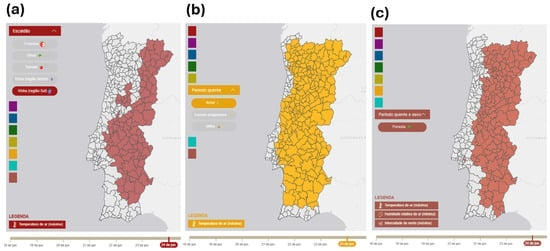
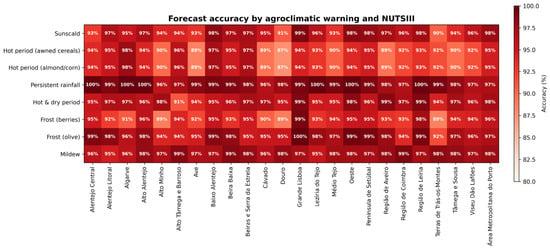
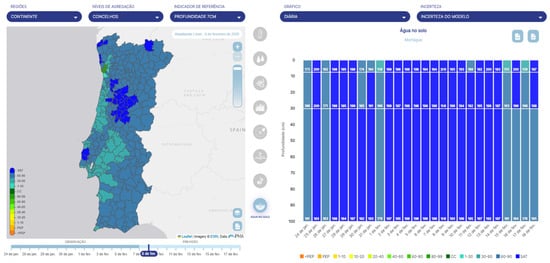
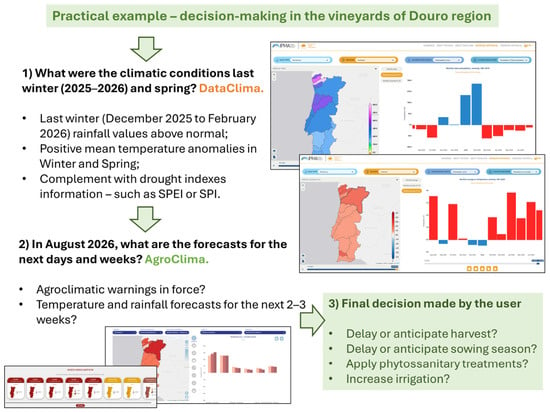
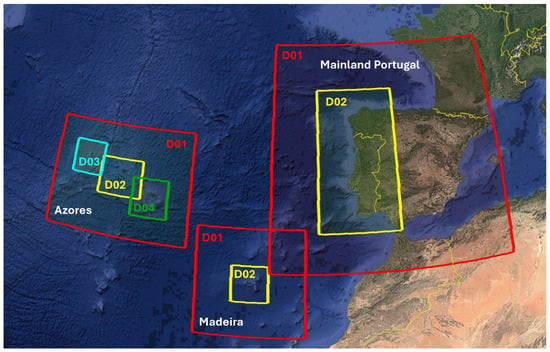
The Portuguese agricultural sector has suffered a profound transformation over recent decades, evolving from traditional to increasingly technology-driven systems. Throughout this transition, climate and meteorological conditions have remained key drivers of agricultural productivity. Today, Portuguese agriculture faces growing challenges associated with climate change, including more frequent and intense heatwaves, droughts, and floods. Consequently, reliable climate information and decision-support tools are essential for strengthening resilience and promoting sustainable management. To address these needs, the Portuguese Institute for the Sea and Atmosphere (IPMA) developed two complementary climate service platforms for mainland Portugal: AgroClima and DataClima. The first provides observations from IPMA’s meteorological network, ECMWF forecasts, and agroclimatic indicators such as temperature, precipitation, soil water, and so-called agroclimatic warnings. The second offers historical climate information including WRFv4.2 simulations dynamically downscaled from ERA5 (1981–present), in situ observations (1941–present), and climate normals. Evaluation of the WRFv4.2 regionalization against IPMA observations shows a systematic underestimation of precipitation and air temperature, while mean wind speed is generally overestimated. Despite these biases, the downscaled WRFv4.2 dataset demonstrates sufficient accuracy to support operational climate services, providing valuable help for environmental monitoring, climate adaptation, and decision-making in agriculture and water resource management across Portugal.
Full article
(This article belongs to the Section Climate Adaptation and Mitigation)
►▼
Show Figures

Graphical abstract
Open AccessArticle
An Early Documented Late-Spring Heatwave in Iberia Under Pre-Industrial Climatic Conditions
by
Maite deCastro, José González-Cao, Nicolás G. deCastro, María Cruz Gallego, José M. Vaquero, Ricardo M. Trigo and Moncho Gómez-Gesteira
Climate 2026, 14(9), 174; https://doi.org/10.3390/cli14090174 - 26 Aug 2026
Abstract
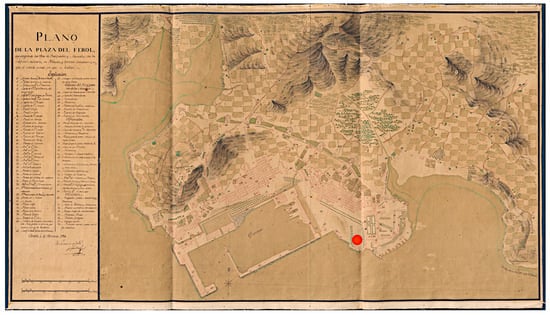
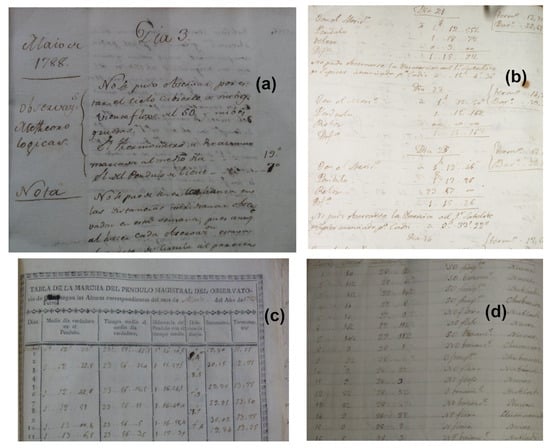
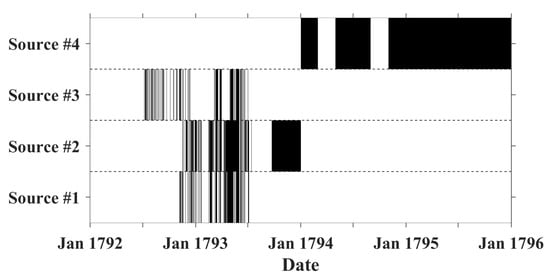
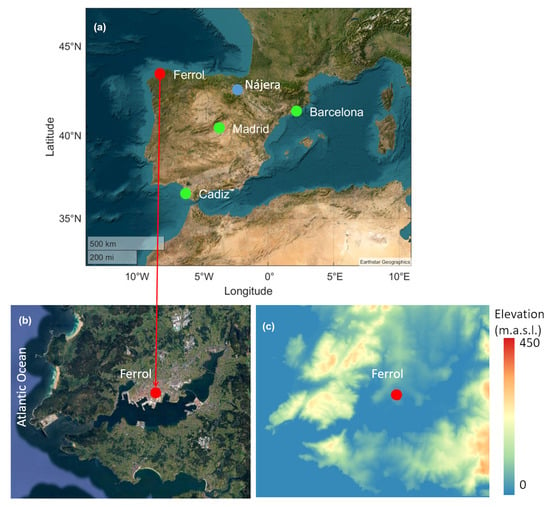
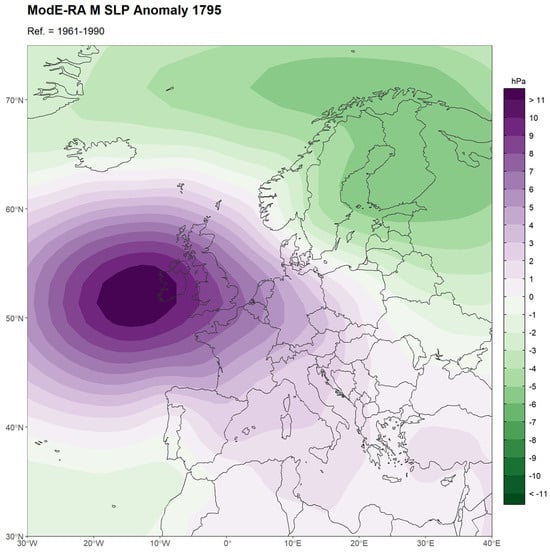
Early instrumental meteorological observations are essential for identifying and characterizing extreme climate events prior to the modern observational era, particularly in regions where historical data are scarce. This study documents a remarkable late-spring heatwave using newly recovered daily temperature observations from Ferrol (northwestern
[...] Read more.
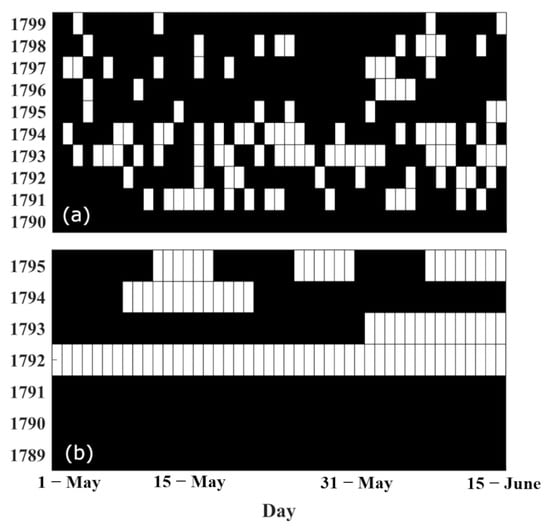
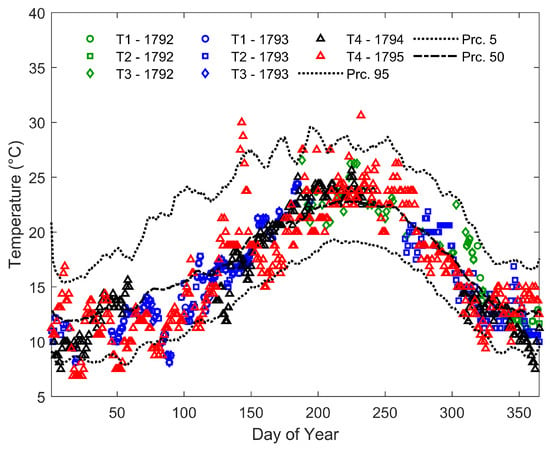
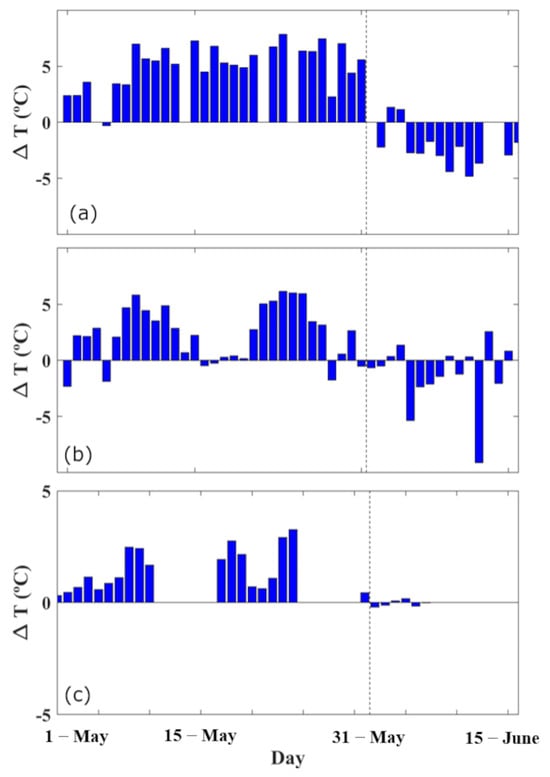
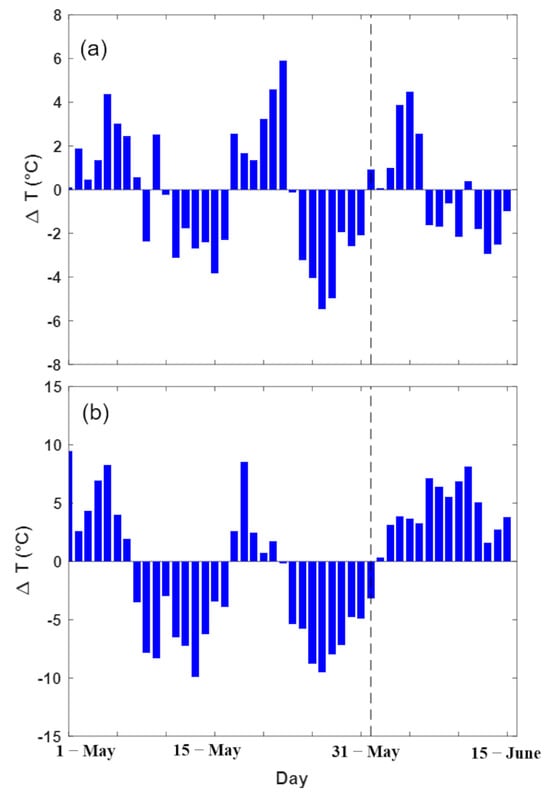
Early instrumental meteorological observations are essential for identifying and characterizing extreme climate events prior to the modern observational era, particularly in regions where historical data are scarce. This study documents a remarkable late-spring heatwave using newly recovered daily temperature observations from Ferrol (northwestern Spain) for the period 1792–1795, retrieved from the Historical Archive of the Royal Institute and Observatory of the Spanish Navy. Despite the temporal limitations of this early dataset, its daily resolution enables a detailed analysis of short-term climatic variability and extreme temperature events. The analysis reveals an extraordinary warm episode in late May 1795, characterized by sustained positive temperature anomalies that stand out clearly against the surrounding days. Comparison with the modern climate indicates that the event was exceptional even by present-day standards, with mean temperatures approximately 2 °C above the current 95th percentile. To assess the spatial extent of the heatwave, we compared the Ferrol data with contemporaneous instrumental records from Madrid, Barcelona, and Cádiz. All three locations exhibit synchronous, pronounced positive anomalies, demonstrating that the 1795 event was a large-scale phenomenon affecting most of the Iberian Peninsula. This study highlights the critical value of historical data rescue for contextualizing modern climate extremes and extending our understanding of regional climate variability.
Full article
(This article belongs to the Special Issue The Importance of Long Climate Records (Second Edition))
►▼
Show Figures

Figure 1
Open AccessArticle
Impacts of Solar Radiation Modification on Extreme Climate Indices in the Philippines
by
Patricia Ann A. Jaranilla-Sanchez, Hanz Lester C. Lunas, Catherine B. Gigantone, Michael Jason L. Mozo, Emmanuel Zeus S. Gapan, Keane Carlo G. Lomibao, Allan T. Tejada, Jr. and Rodel D. Lasco
Climate 2026, 14(9), 173; https://doi.org/10.3390/cli14090173 - 24 Aug 2026
Abstract
The rising global temperature and changing climate patterns have increased the frequency and intensity of extreme heat events, droughts, and heavy precipitation, significantly affecting agriculture, water resources, and ecosystems. Solar radiation management (SRM) has been proposed as a geoengineering strategy to mitigate these
[...] Read more.
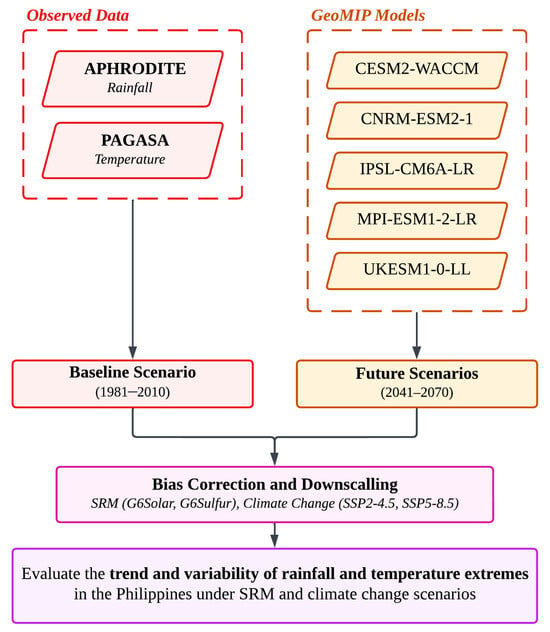
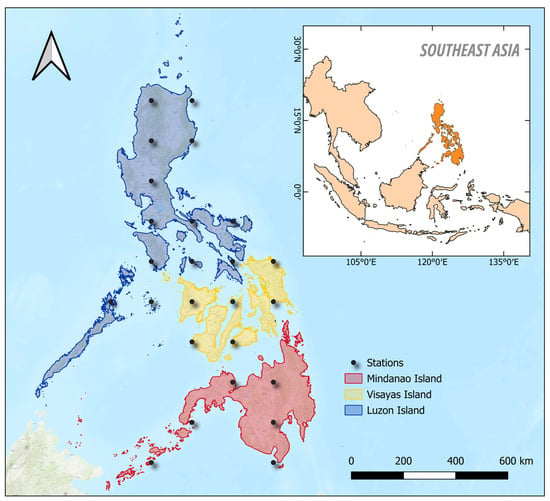
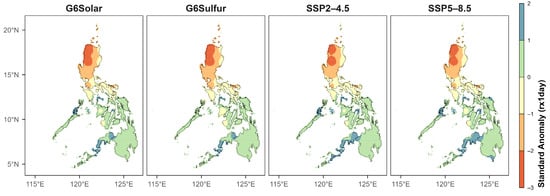
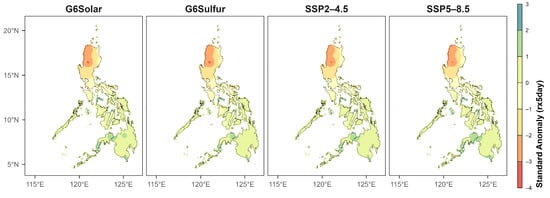
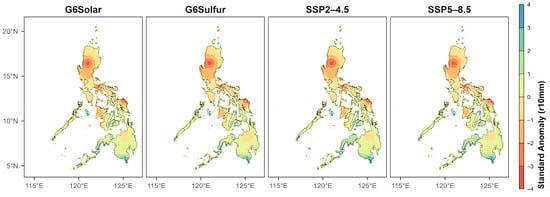
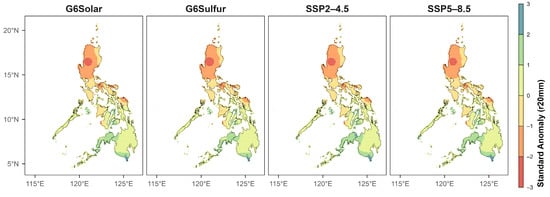
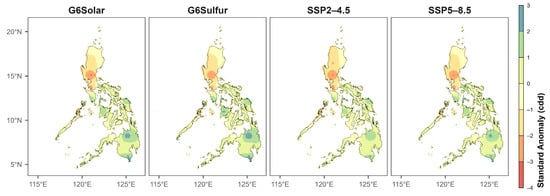
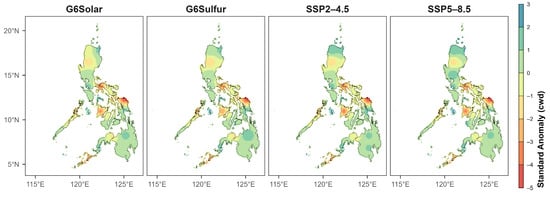
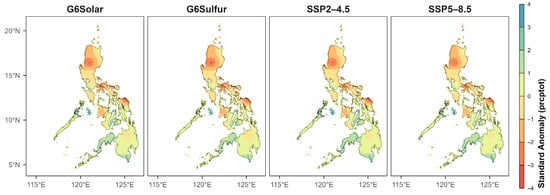
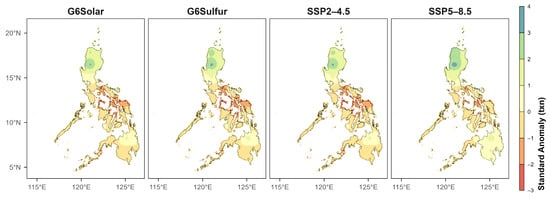
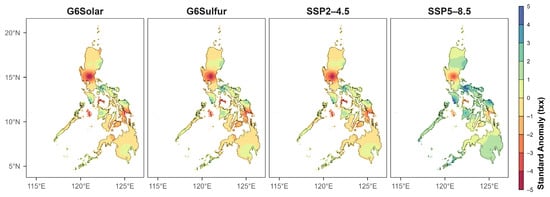
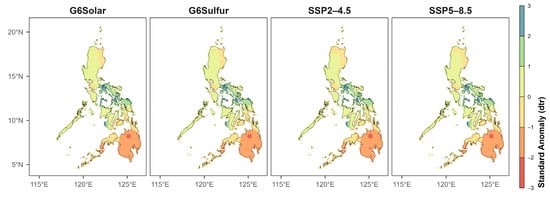
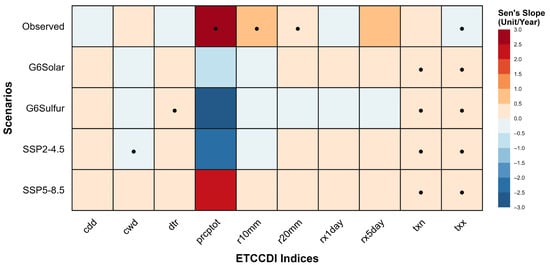
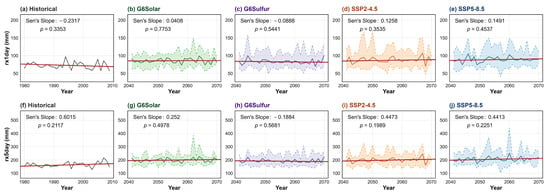
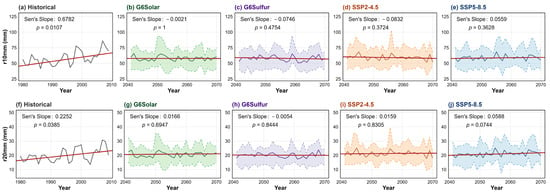
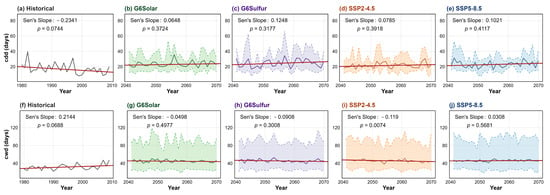
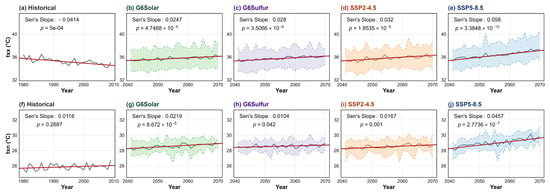
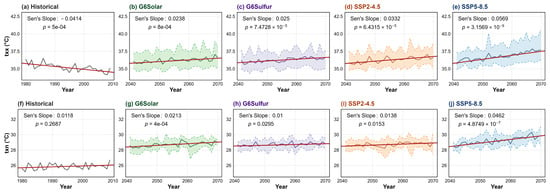
The rising global temperature and changing climate patterns have increased the frequency and intensity of extreme heat events, droughts, and heavy precipitation, significantly affecting agriculture, water resources, and ecosystems. Solar radiation management (SRM) has been proposed as a geoengineering strategy to mitigate these effects by reducing incoming solar radiation. This study evaluated future trends and variability in rainfall and temperature extremes in the Philippines under GeoMIP (G6Solar and G6Sulfur) and ScenarioMIP (SSP2-4.5 and SSP5-8.5) projections. Using five General Circulation Models (GCMs) and a suite of 10 climate indices recommended by the Expert Team on Climate Change Detection and Indices (ETCCDI), changes in extreme precipitation and temperature across different climate zones in the Philippines were assessed. Climate projections for the future (2041–2070) scenario were analyzed using bias correction, downscaling, and spatial interpolation techniques. Trend analysis was evaluated using the Mann–Kendall test and Sen’s slope estimator, while variability was assessed through statistical methods. The results show widespread warming and increased extreme precipitation, but these trends vary significantly across regions. Non-uniform responses emerge across scenarios, with some northern regions experiencing decreases in specific precipitation indices despite the broader warming trend under SRM and non-SRM conditions. These findings provide critical insights into the potential impacts of SRM on future climate extremes in the Philippines and guidance on climate policy recommendations for decision-makers and stakeholders.
Full article
(This article belongs to the Section Climate Adaptation and Mitigation)
►▼
Show Figures

Figure 1

Open AccessArticle
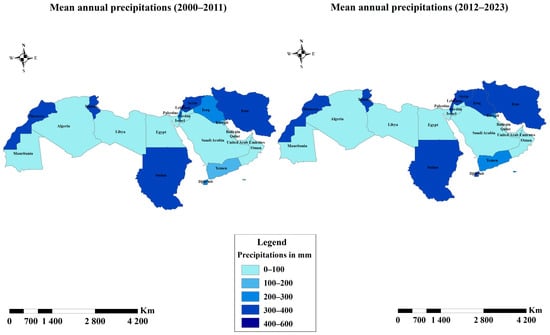
Observed and Simulated Decadal Variability of Precipitation in North Africa and the Mediterranean: Insights from ERA5 Reanalysis and CORDEX-CORE Simulations
by
Faustin Katchele Ogou, Khadija Arjdal and Fatima Driouech
Climate 2026, 14(9), 172; https://doi.org/10.3390/cli14090172 - 24 Aug 2026
Abstract
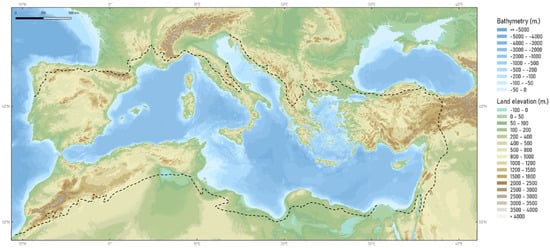
Climate change and variability pose serious threats to natural and human systems. The Mediterranean and North Africa (MNA) are among the world’s climate change hotspots. An in-depth understanding of the decadal climate variability in this region is critical to support planning and management,
[...] Read more.
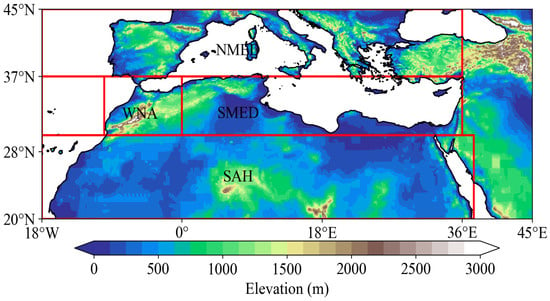
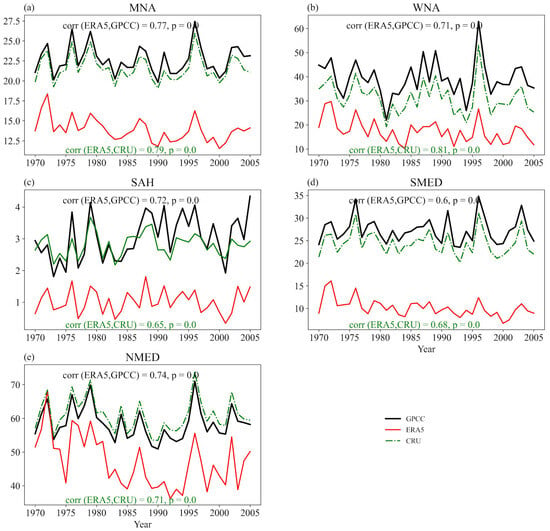
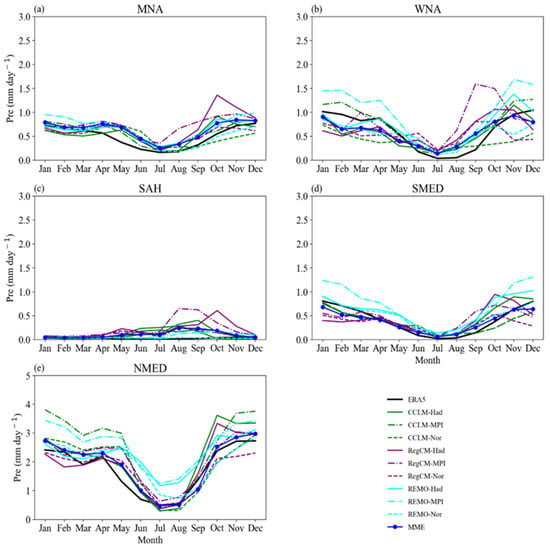
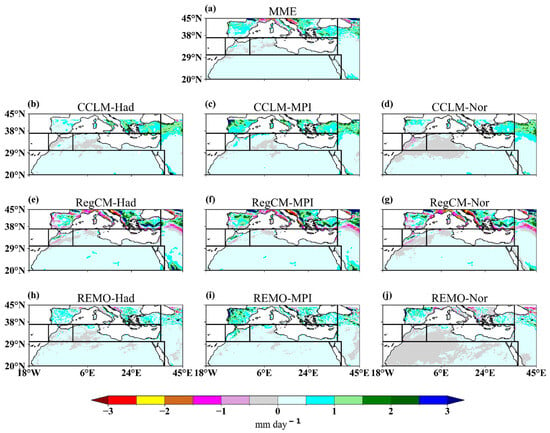
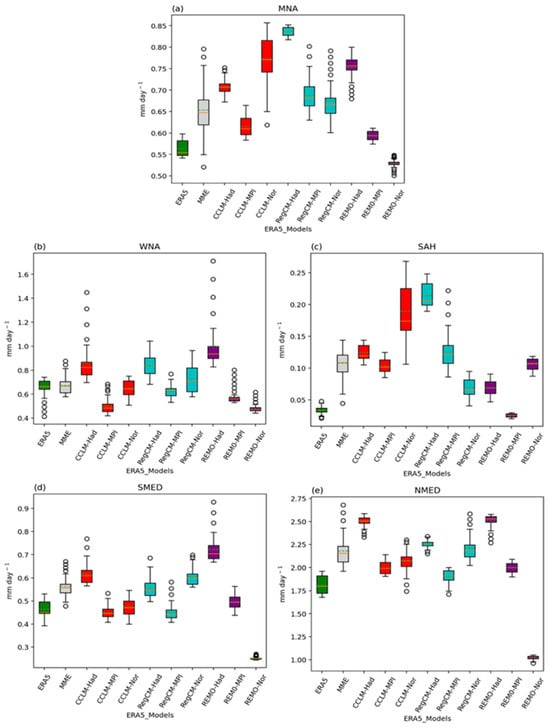
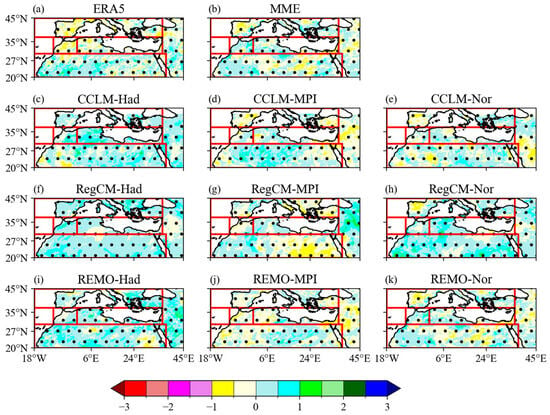
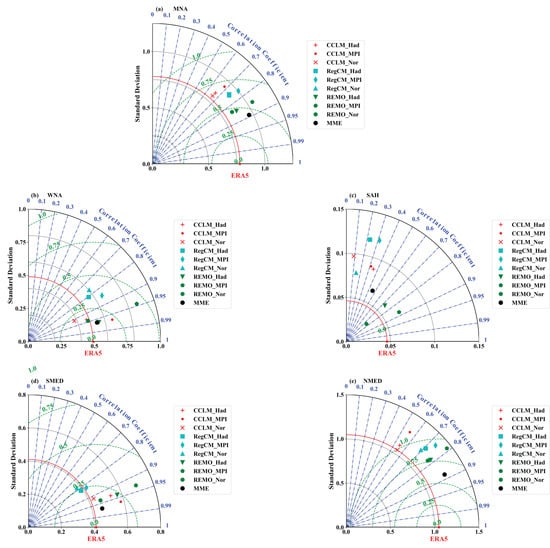
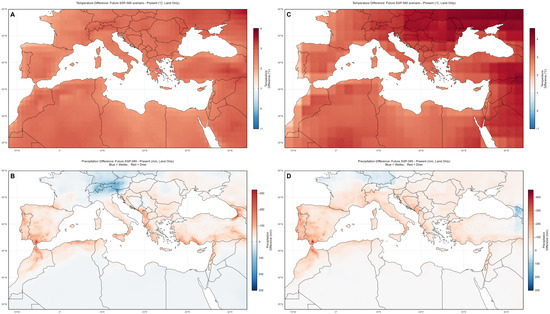
Climate change and variability pose serious threats to natural and human systems. The Mediterranean and North Africa (MNA) are among the world’s climate change hotspots. An in-depth understanding of the decadal climate variability in this region is critical to support planning and management, as well as adaptation in important sectors such as water resources. Therefore, in this study, fifth-generation ECMWF atmospheric reanalysis (ERA5) precipitation data and the outputs of the Coordinated Regional Downscaling Experiment-COmmon Regional Experiment (CORDEX-CORE) regional models were used to characterize the decadal precipitation variability in MNA and its sub-regions (Western North Africa: WNA, Sahara: SAH, southern Mediterranean: SMED, and northern Mediterranean: NMED). The models showed overestimation in most areas and underestimation in a few areas relative to the ERA5 data, with the magnitude varying by region and season. The positive biases obtained from the regional climate models (RCMs) were higher than the positive biases obtained from the general circulation models (GCMs). The wet biases were dominant during the annual, summer, and autumn seasons over MNA and its sub-regions. Negative biases were mostly associated with GCMs, mainly HadGEM2-ES and/or NorESM1-M; meanwhile, they were linked with RCMs such as CCLM5-0-15 and/or RegCM4_v7 and were mostly obtained in winter and spring. The multi-model mean (MME) was better at reproducing the decadal precipitation patterns over MNA, SMED, and NMED at all time scales, while REMO2015-NorESM1-M and the MME performed better than the remaining models at the annual time scale over WNA and SAH. These findings are useful for improving climate modeling, the water resources management and related sectors, and climate adaptation strategies in the region, especially in North Africa. The short-period coverage of the simulated data available for this study constitutes a limitation to the findings.
Full article
(This article belongs to the Special Issue The Dynamics and Impacts of Ocean-Atmosphere Coupling on Regional and Global Climate)
►▼
Show Figures

Figure 1
Open AccessArticle
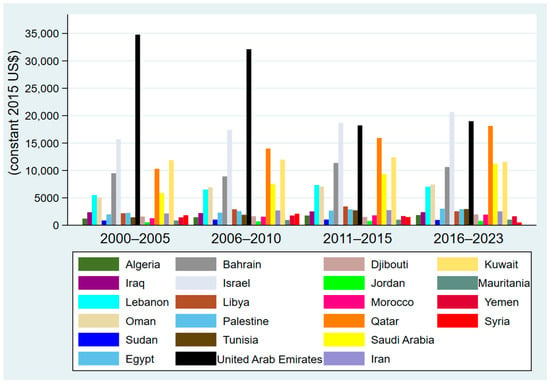
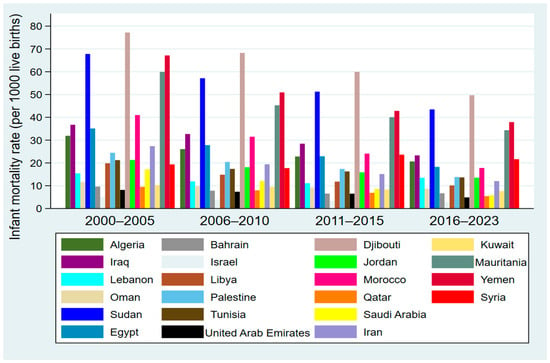
Climate Change and Poverty in the MENA Region: Evidence from a Panel ARDL Model Using Household Consumption and Infant Mortality
by
Aziz Razzouki, Mounsif Ridaoui, Fadma Razzouki, Mohamed Oudgou, Mustapha Ouatmane and Abdeslam Boudhar
Climate 2026, 14(9), 171; https://doi.org/10.3390/cli14090171 - 23 Aug 2026
Abstract
Climate change is becoming an increasingly important source of economic and health vulnerability in developing countries. This study examines the dynamic relationship between climate change and poverty across 22 countries in the Middle East and North Africa (MENA) region from 2000 to 2023.
[...] Read more.
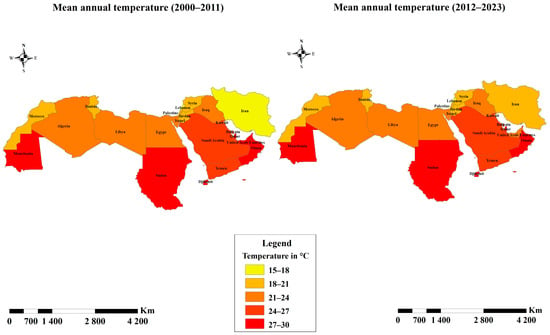
Climate change is becoming an increasingly important source of economic and health vulnerability in developing countries. This study examines the dynamic relationship between climate change and poverty across 22 countries in the Middle East and North Africa (MENA) region from 2000 to 2023. Poverty is captured through two indicators: household consumption expenditure, the monetary dimension, and infant mortality, the non-monetary dimension. Methodologically, the analysis relies on a panel autoregressive distributed lag (panel ARDL) model, estimated using the Pooled Mean Group (PMG) and Mean Group (MG) approaches. The results reveal a long-run relationship among climatic variables, macroeconomic factors, and poverty-related indicators. In the long run, precipitation is associated with a decline in household consumption expenditure, while temperature is associated with higher infant mortality, indicating a deterioration in both monetary and health-related well-being under changing climatic conditions. In the short run, rising temperatures are also associated with lower household consumption expenditure, revealing the immediate vulnerability of living standards to climate shocks. In addition, GDP per capita is associated with higher household consumption and lower infant mortality, while education is associated with lower health-related poverty. Inflation appears to exacerbate poverty, whereas the positive association between health expenditure and infant mortality suggests reverse causality or inefficiencies in the allocation of health resources. These findings highlight the need to articulate climate adaptation strategy, macroeconomic stability, education investment, and improved efficiency of health spending in order to achieve sustainable reduction in poverty in the MENA region.
Full article
(This article belongs to the Special Issue Climate Adaptation and Resilience Economics)
►▼
Show Figures

Figure 1

Open AccessArticle
Determinants of Drought Adaptation Under Climate Change Among Rice-Farming Households in the Northernmost Region of Thailand
by
Pussadee Laor, Wanvisa Saisanan Na Ayudhaya, Sirinthip Rakjun, Pannipha Dokmaingam, Vivat Keawdounglek, Anuttara Hongtong, Weerayuth Siriratruengsuk, Krailak Fakkaew, Thitipong Sukdee and Rohmatul Fajriyah
Climate 2026, 14(8), 170; https://doi.org/10.3390/cli14080170 - 20 Aug 2026
Abstract
►▼
Show Figures
Rice farmers in Chiang Rai are increasingly exposed to recurrent drought under climate change. Although previous studies have applied Knowledge–Attitude–Practice (KAP) frameworks to drought adaptation, evidence on ageing farming populations and the interaction between behavioral and institutional factors remains limited. This study aimed
[...] Read more.
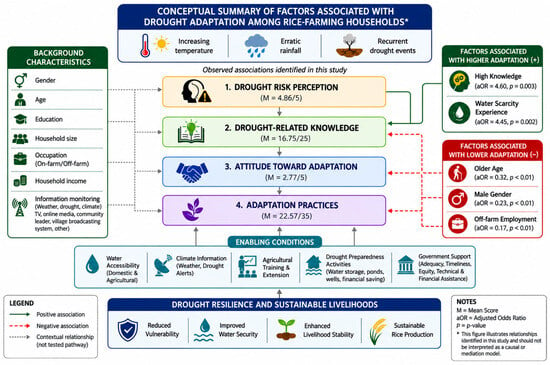
Rice farmers in Chiang Rai are increasingly exposed to recurrent drought under climate change. Although previous studies have applied Knowledge–Attitude–Practice (KAP) frameworks to drought adaptation, evidence on ageing farming populations and the interaction between behavioral and institutional factors remains limited. This study aimed to identify behavioral and institutional factors associated with drought adaptation practices among rice-farming households. A cross-sectional study was conducted among 180 rice-farming households. Quantitative data were collected using a structured questionnaire validated through expert review (IOC) and pilot testing to assess socio-demographic characteristics and drought-related perception, knowledge, attitudes, and practices (KAP). Pearson correlation and binary logistic regression were applied to examine relationships and factors associated with higher drought adaptation practices. Qualitative data from open-ended questionnaire responses regarding government support and drought management recommendations were analyzed thematically to provide contextual insights into farmers’ experiences and adaptation challenges. Farmers demonstrated high drought perception (M = 4.86 ± 1.05/5) but only moderate knowledge (16.75 ± 3.36/25), attitudes (2.77 ± 1.33/5), and practices (22.57 ± 6.04/35). Knowledge was positively associated with adaptation practices (r = 0.224, p < 0.01), whereas perception showed no significant direct association, indicating a gap between awareness and adaptive action. Regression analysis showed that higher drought-related knowledge (aOR = 4.60, p = 0.003) and prior water scarcity experience (aOR = 4.45, p = 0.002) were significantly associated with higher drought adaptation practices. In contrast, older age, male gender, and off-farm employment were significant constraints. Qualitative findings highlighted persistent concerns regarding the adequacy, timeliness, and equity of government support, suggesting that institutional barriers limited farmers’ ability to translate awareness into adaptive action. These findings indicate that both behavioral and structural factors shape drought adaptation practices. While drought-related knowledge represents an important component of adaptive capacity, effective adaptation also depends on institutional support and resource accessibility. Strengthening agricultural extension services and improving the responsiveness and equity of government support may enhance the adaptive capacity and resilience of smallholder rice farmers in drought-prone regions.
Full article

Figure 1
Open AccessArticle
Between Individual Belief and National Context: Relative Positioning and Expectations of Collective Climate Action in Europe
by
João Carlos de Sousa and Luísa Schmidt
Climate 2026, 14(8), 169; https://doi.org/10.3390/cli14080169 - 18 Aug 2026
Abstract
Expectations regarding collective climate action are multidimensional and should be understood in relation to the social contexts in which they are embedded. This study examines whether these expectations are associated with the country-level average belief in the anthropogenic origin of climate change and
[...] Read more.
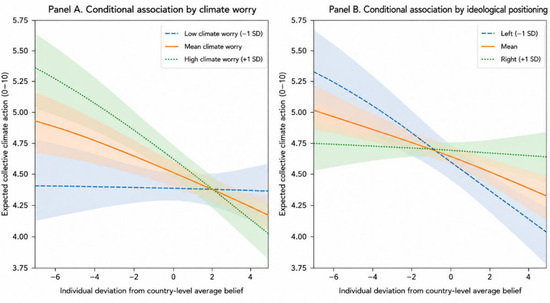
Expectations regarding collective climate action are multidimensional and should be understood in relation to the social contexts in which they are embedded. This study examines whether these expectations are associated with the country-level average belief in the anthropogenic origin of climate change and with individuals’ deviation from that average. Drawing on Round 10 of the European Social Survey, the analysis utilizes 24,014 valid cases from 29 European countries. It estimates Complex Samples General Linear Models (CSGLM) to account for the complex sampling design. The results show that the country-level average belief in the anthropogenic origin of climate change is positively associated with expectations of collective climate action; that is, countries with a higher average belief exhibit higher expectations of collective climate action. Conversely, individuals whose belief in the anthropogenic origin of climate change exceeds the respective country-level average tend to express lower expectations of collective climate action. This negative association becomes stronger at higher levels of climate worry and is attenuated as ideological positioning moves towards the right; in contrast, trust in scientists does not have a significant moderating effect. Overall, the findings support a socially contextualized understanding of expectations of collective climate action, in which both national belief contexts and individuals’ relative positioning within those contexts are relevant.
Full article
(This article belongs to the Section Policy, Governance, and Social Equity)
►▼
Show Figures

Figure 1

Open AccessArticle
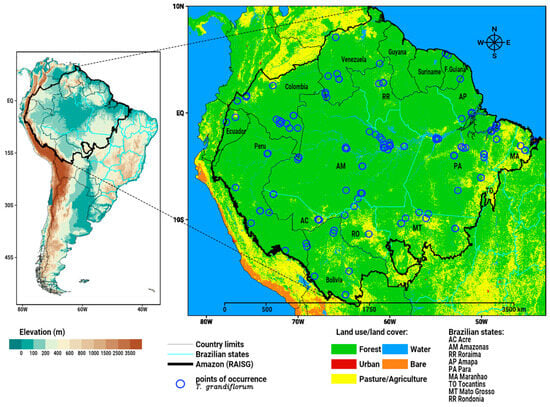
Climate Change Impacts on Agroforestry Suitability in the Amazon: CMIP6-Based Projections for Theobroma grandiflorum
by
Waléria Pereira Monteiro Corrêa, Leonardo de Sousa Miranda, Luciano Jorge Serejo dos Anjos, Thaiane Soeiro da Silva Dias, José Felipe Gazel Menezes and Everaldo Barreiros de Souza
Climate 2026, 14(8), 168; https://doi.org/10.3390/cli14080168 - 18 Aug 2026
Abstract
Climate change is expected to significantly alter surface air temperature and precipitation regimes across the Amazon Basin, with direct implications for agroforestry systems and climate-sensitive perennial crops. This study projects the impacts of anthropogenic global warming on the habitat suitability of Theobroma grandiflorum
[...] Read more.
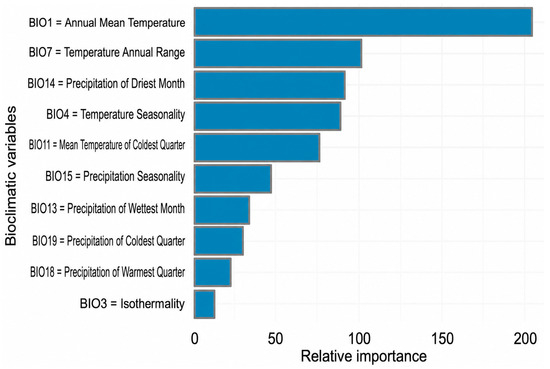
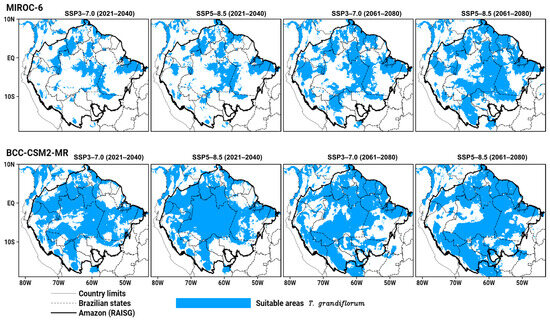
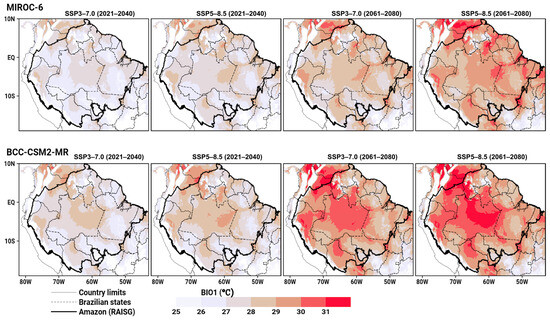
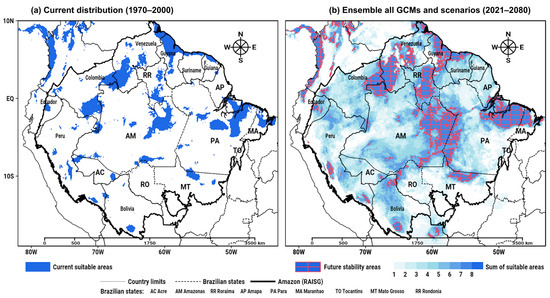
Climate change is expected to significantly alter surface air temperature and precipitation regimes across the Amazon Basin, with direct implications for agroforestry systems and climate-sensitive perennial crops. This study projects the impacts of anthropogenic global warming on the habitat suitability of Theobroma grandiflorum (cupuaçu), a keystone species for Amazonian agroforestry, local livelihoods, and the bioeconomy. Using an ensemble species distribution modeling (SDM) framework, we applied multiple algorithms and two CMIP6 global climate models (BCC-CSM2-MR and MIROC6) under the SSP3-7.0 and SSP5-8.5 scenarios for the near-future (2021–2040) and far-future (2061–2080). Contrary to the range contractions projected for many Amazonian endemics, our ensemble projections reveal a consistent trend of expanding climatically suitable area, primarily into adjacent ecological transition zones. This expansion is driven largely by basin-wide increases in mean annual temperature, the most influential predictor in our modeling study. Quantitatively, we project a net habitat expansion of 32.2% (415,114 km2) under high-concordance future scenarios. A core climate refuge of 955,570 km2, representing 74.2% of the current suitable range, is identified as a high priority for in situ conservation. Conversely, approximately 25.8% of the current range (331,919 km2) may become climatically unsuitable, particularly in parts of the western Amazon. These findings suggest that reducing thermal constraints in currently marginal areas could open opportunities for integrating cupuaçu into climate-resilient agroforestry systems beyond its present distribution. Such heterogeneous responses of Amazonian agroforestry species to climate change highlight the importance of incorporating species-specific climate sensitivities into adaptation planning, land-use strategies, and climate-resilient bioeconomy policies under future warming scenarios.
Full article
(This article belongs to the Special Issue Climate Risk in Agriculture, Analysis, Modeling and Applications)
►▼
Show Figures

Figure 1

Open AccessReview
Mediterranean Ornamental Horticulture Under Climate Change: Impacts and Adaptation Strategies—A Systematic Review
by
Emmanouela Kamperi, Apostolos-Emmanouil Bazanis and Konstantinos Bertsouklis
Climate 2026, 14(8), 167; https://doi.org/10.3390/cli14080167 - 18 Aug 2026
Abstract
Climate change increasingly threatens Mediterranean ornamental horticulture and green infrastructure through elevated temperatures, prolonged drought conditions, soil salinity, and more frequent extreme weather events. As a result, plant growth, phenology and landscape sustainability are significantly affected. This systematic review aimed to identify and
[...] Read more.
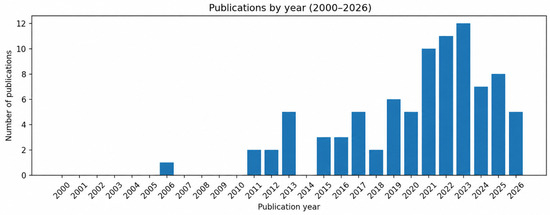
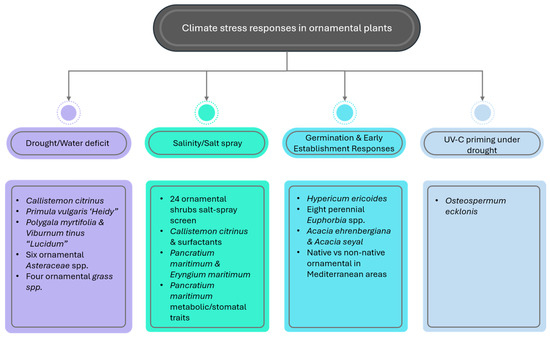
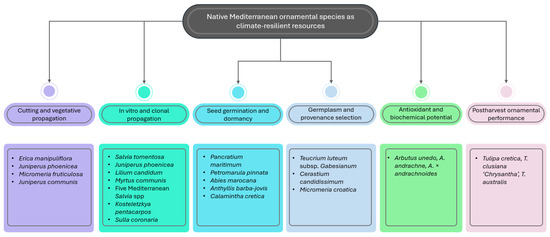
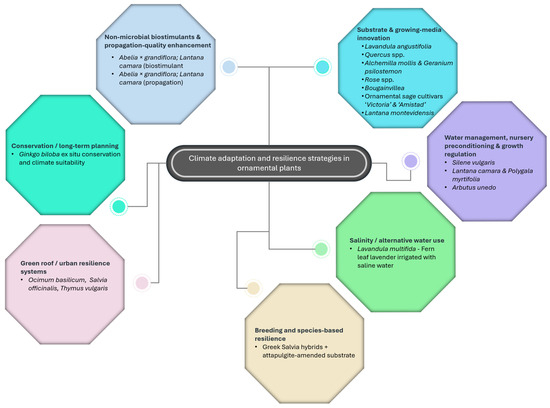
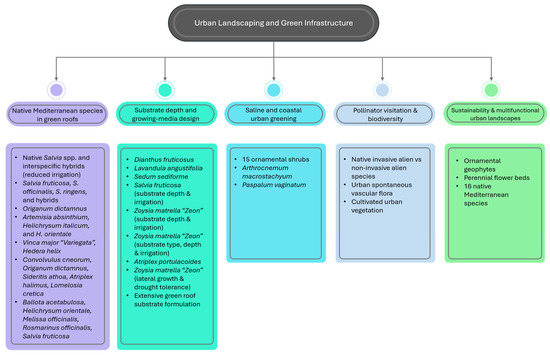
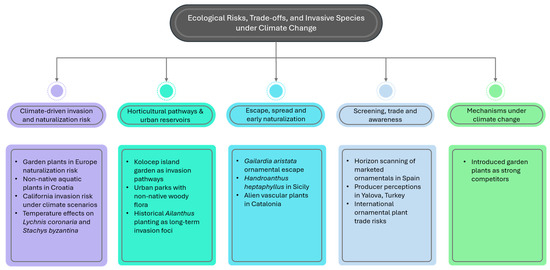
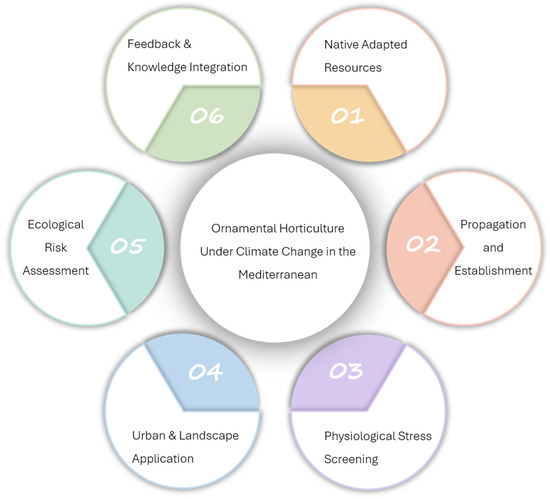
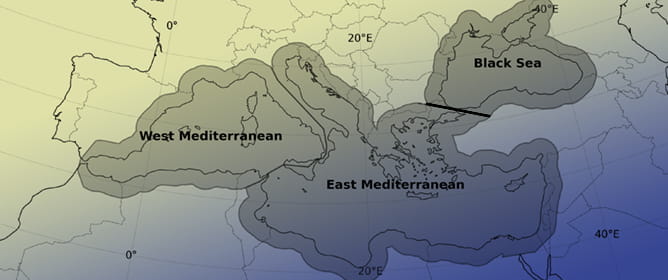
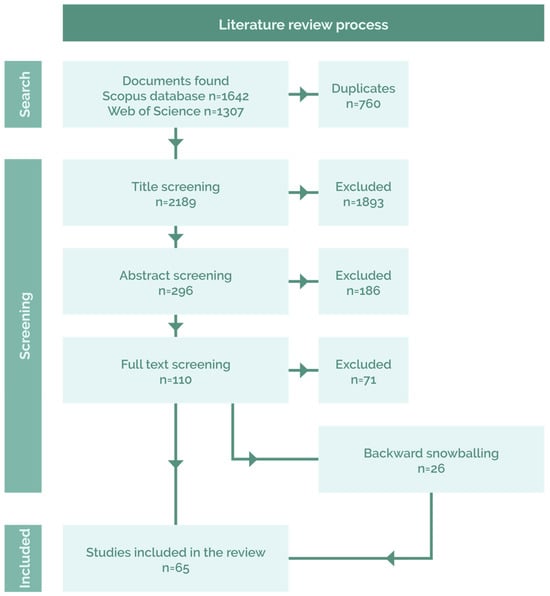
Climate change increasingly threatens Mediterranean ornamental horticulture and green infrastructure through elevated temperatures, prolonged drought conditions, soil salinity, and more frequent extreme weather events. As a result, plant growth, phenology and landscape sustainability are significantly affected. This systematic review aimed to identify and qualitatively synthesize the available evidence on the responses of ornamental plants and their production and end use systems to climate-related stress, with emphasis on Mediterranean native species and their potential contribution to climate-resilient landscaping. The review was conducted and reported in accordance with PRISMA 2020. An adapted Population–Exposure–Outcome framework was used to operationalize the overarching review question and guide eligibility assessment. Scopus and the Web of Science Core Collection were systematically searched for peer-reviewed English-language articles published between 1 January 2001 and 31 May 2026. Eligible publications examined ornamental plants, floricultural species, or native and endemic taxa with potential ornamental or landscape use and addressed climate-related stressors, plant resilience, adaptation strategies, cultivation or propagation practices, green-infrastructure applications, or related ecological trade-offs in Mediterranean-relevant contexts. Two reviewers independently assessed titles, abstracts, and full texts using predefined eligibility criteria. The review used a structured qualitative narrative synthesis organized into thematic domains to systematically identify, select, and synthesize the available evidence. Meta-analysis was not undertaken because of substantial heterogeneity in plant material, environmental stressors, study designs, and reported outcomes. A total of ninety studies were included and organized into five domains: climate stress and plant responses (n = 14), native Mediterranean ornamental species (n = 21), adaptation and resilience strategies (n = 16), urban landscaping and green infrastructure (n = 25), and ecological risks and invasive species (n = 14). The review revealed that several native Mediterranean plants possess morphological, physiological, or ecological characteristics associated with tolerance to drought, salinity, and other climate-related stresses, supporting their potential use in sustainable ornamental horticulture. Water-efficient irrigation, alternative water sources and substrates, nursery preconditioning, non-microbial biostimulants, and genotype or physiological screening showed adaptation potential, but their effectiveness depended on species, genotype, intervention intensity, and application context. Evidence remained limited for compound stresses, combined interventions, nursery-to-landscape transfer, long-term field performance, commercial scalability, and environmental trade-offs. Overall, climate-resilient ornamental horticulture requires the integration of plant selection, propagation, production, controlled stress screening, landscape validation, and ecological-risk assessment. This review proposes an evidence-to-application framework to support research, nursery production, landscape planning, and the responsible deployment of climate-adapted ornamental plants.
Full article
(This article belongs to the Special Issue Climate Variability in the Mediterranean Region (Second Edition))
►▼
Show Figures

Figure 1
Open AccessArticle
Long-Term Changes in Thickness Temperature of the Lower Atmosphere Calculated from Air Pressure Data in the Central Mountain Region, Japan
by
Fumiaki Fujibe
Climate 2026, 14(8), 166; https://doi.org/10.3390/cli14080166 - 18 Aug 2026
Abstract
►▼
Show Figures
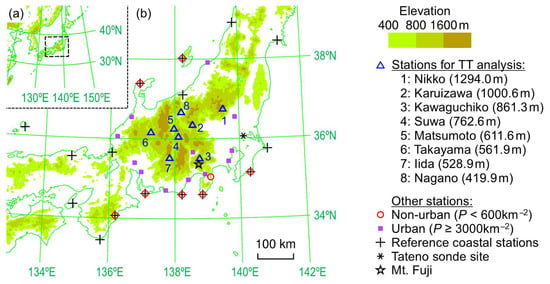
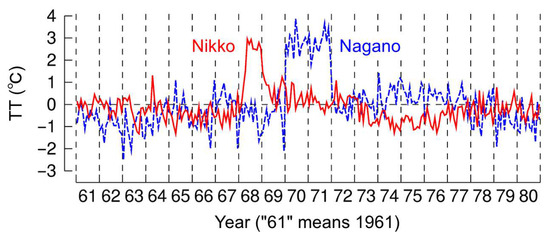
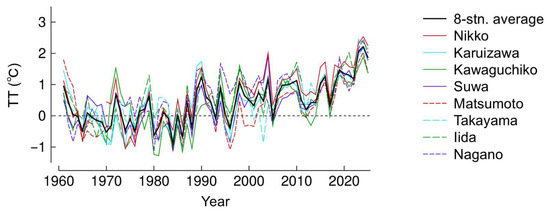
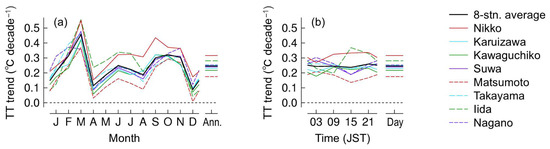
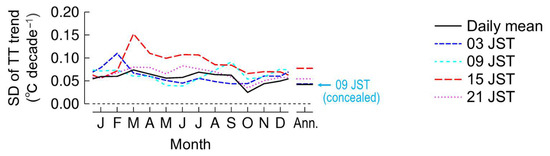
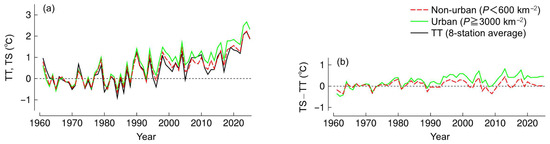
Changes in the thickness temperature (TT) of the lower atmosphere from 1961 to 2025 were investigated using air pressure data from eight stations in the Central Mountain region of Japan. The stations were located at elevations ranging from 400 m to 1300 m
[...] Read more.
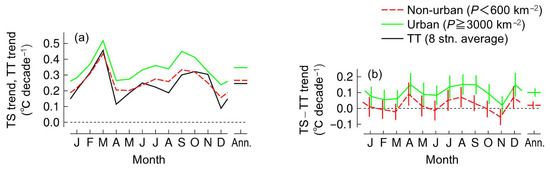
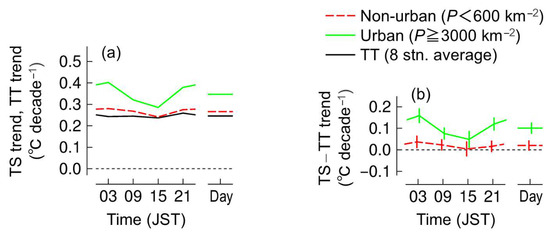
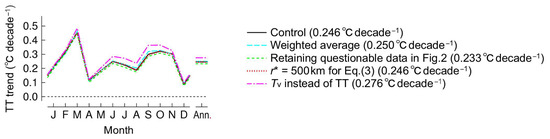
Changes in the thickness temperature (TT) of the lower atmosphere from 1961 to 2025 were investigated using air pressure data from eight stations in the Central Mountain region of Japan. The stations were located at elevations ranging from 400 m to 1300 m above sea level. The average linear trend in TT at these stations was 0.25 °C per decade, which was close to the air temperature trend at non-urban stations in the surrounding coastal areas. Despite the presence of some divergence in TT trends across the stations, TT is expected to serve as a complementary index for climate change research, since concerns about spatial representativeness and temporal homogeneity exist in air temperature data.
Full article

Figure 1
Open AccessArticle
Performance of CMIP6 GCMs in Representing Extreme Precipitation in Peru (1981–2014)
by
Gustavo De la Cruz, Eduardo Chávarri-Velarde and Waldo Lavado-Casimiro
Climate 2026, 14(8), 165; https://doi.org/10.3390/cli14080165 - 18 Aug 2026
Abstract
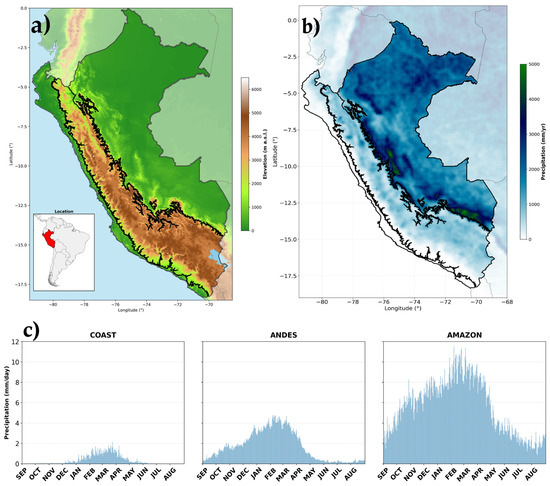
Extreme climate events, particularly precipitation extremes, pose significant risks to ecosystems, infrastructure, and socio-economic systems globally. In Peru, the diversity of its climate, driven by its complex topography, makes it highly vulnerable to such events, especially in the Andes and Amazon regions. This
[...] Read more.
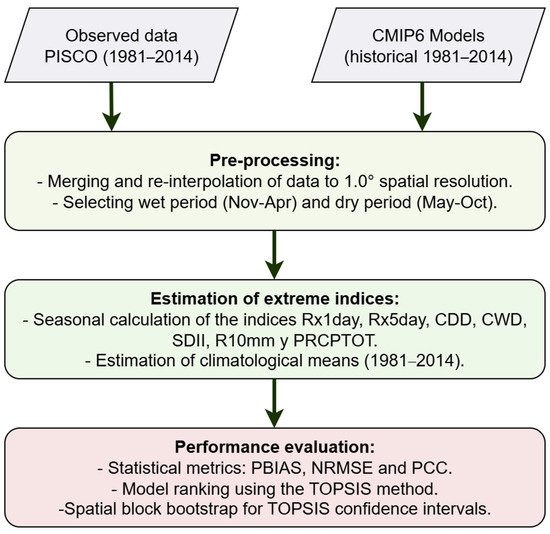
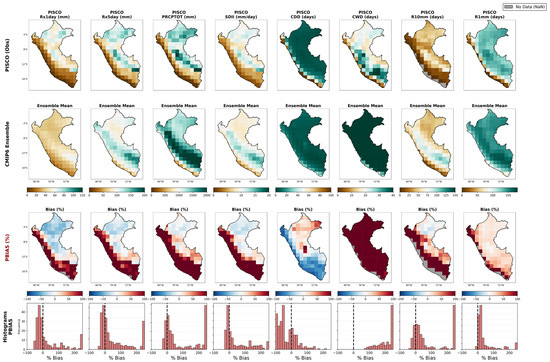
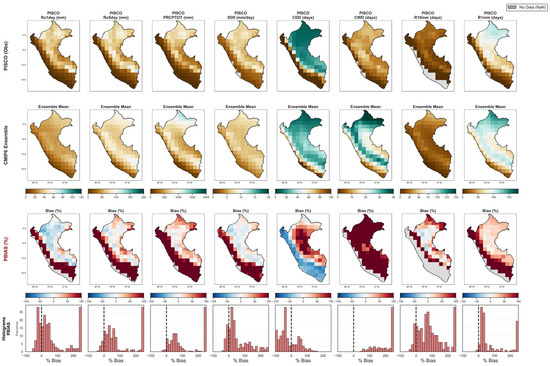
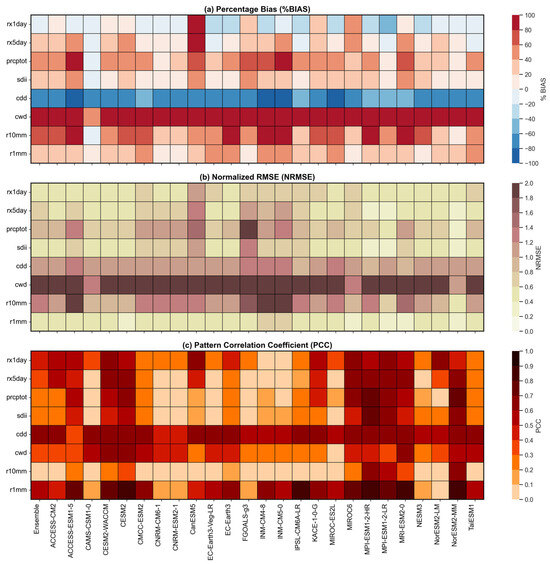
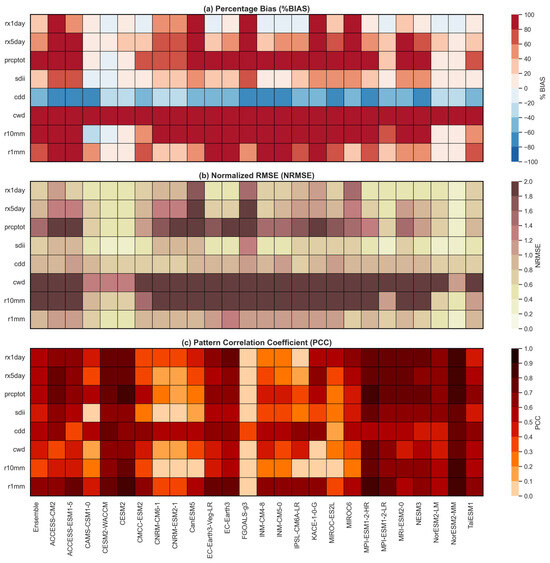
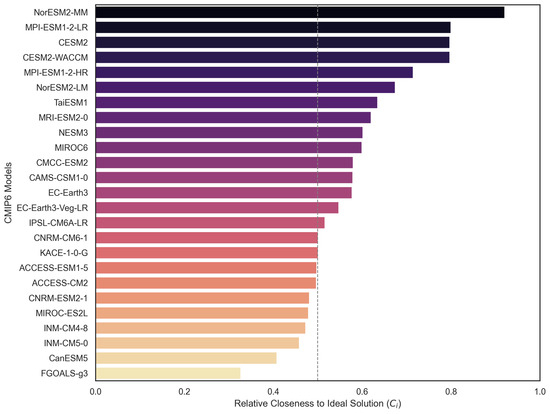
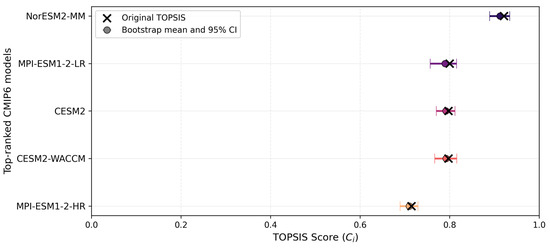
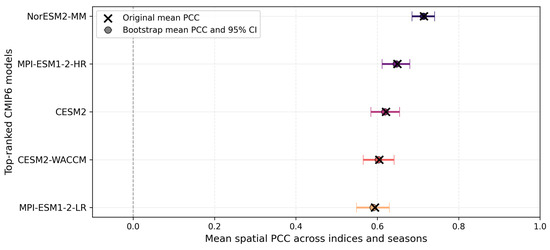
Extreme climate events, particularly precipitation extremes, pose significant risks to ecosystems, infrastructure, and socio-economic systems globally. In Peru, the diversity of its climate, driven by its complex topography, makes it highly vulnerable to such events, especially in the Andes and Amazon regions. This study evaluates the performance of 25 CMIP6 GCMs in simulating extreme precipitation events during both the wet and dry seasons at the national level. Gridded precipitation data from the PISCO product and CMIP6 model simulations for the period 1981–2014 were used to estimate extreme precipitation indices, including Rx1day, Rx5day, SDII, CDD, CWD, R10mm, and PRCPTOT. Performance was assessed using statistical metrics such as PBIAS, NRMSE, and the Pattern Correlation Coefficient (PCC), integrated through a TOPSIS ranking. Results indicate that NorESM2-MM, MPI-ESM1-2-LR, and CESM2 exhibit the best performance, achieving TOPSIS scores above 0.8. These models show high spatial correlation (PCC frequently >0.8) and relatively low biases. In contrast, models like FGOALS-g3 and CanESM5 show significant limitations, with PBIAS exceeding 80% in Rx1day and Rx5day and TOPSIS scores below 0.5. The ensemble reveals a persistent ‘drizzle bias,’ with wet day frequency (R1mm) generally overestimated by 20–40% in the wet season and by 40–80% during the dry season across most CMIP6 models. Furthermore, indices of temporal persistence (CWD and CDD) remain the most challenging, with CWD overestimations often exceeding 100–200%. These findings highlight the critical need for statistical or dynamical downscaling, together with bias correction, before using CMIP6 projections for local adaptation strategies in the Andes and Amazon regions.
Full article
(This article belongs to the Section Climate Dynamics and Modelling)
►▼
Show Figures

Figure 1
Open AccessSystematic Review
Health Impacts of Extreme Heat Events in Disadvantaged Urban Communities Across Africa: A Systematic Review
by
Koffi Evrard Brou, Yao Etienne Kouakou, Brama Koné, Iba Dieudonné Dely, Madina Doumbia, Aristide Gountôh Douagui, Stanley Luchters, Matthew Francis Chersich and Guéladio Cissé
Climate 2026, 14(8), 164; https://doi.org/10.3390/cli14080164 - 17 Aug 2026
Abstract
►▼
Show Figures
Extreme heat events are associated with increased morbidity and mortality, disproportionately affecting vulnerable populations. However, evidence from disadvantaged urban settings in Africa remains scarce. This systematic review aimed to synthesize existing research on the health impacts of extreme heat in Africa’s disadvantaged urban
[...] Read more.
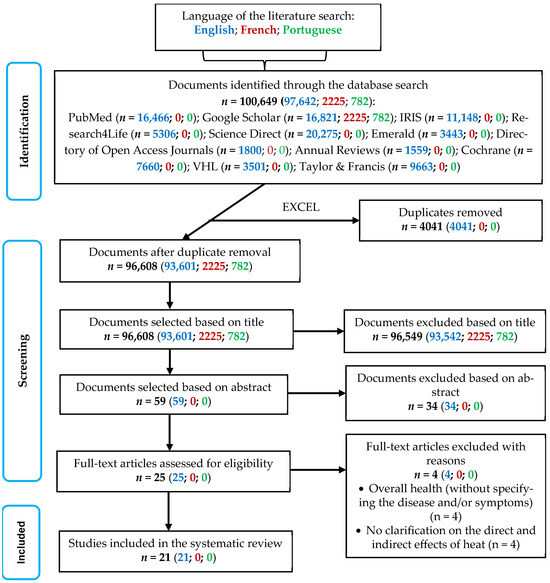
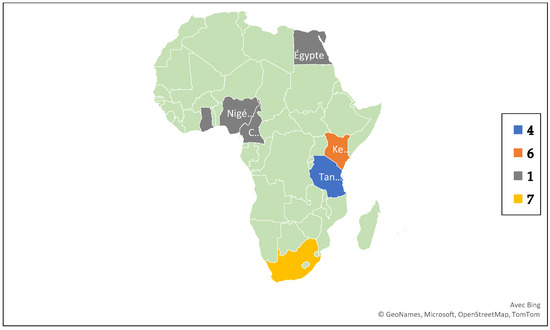
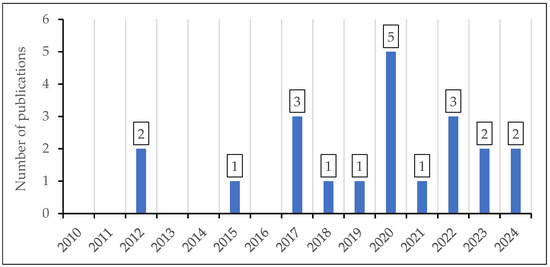
Extreme heat events are associated with increased morbidity and mortality, disproportionately affecting vulnerable populations. However, evidence from disadvantaged urban settings in Africa remains scarce. This systematic review aimed to synthesize existing research on the health impacts of extreme heat in Africa’s disadvantaged urban communities. A systematic literature search was conducted in accordance with PRISMA guidelines across eleven databases (PubMed, Cochrane, VHL, Google Scholar, ScienceDirect, Research4Life, DOAJ, Emerald, Taylor & Francis, Annual Reviews, and IRIS), carried out over two search periods (December 2023–March 2024 and December 2024–February 2025). Eligible studies were published between 2010 and 2024 in English, French, or Portuguese, and examined direct or indirect heat-health effects in disadvantaged urban settings. Screening of 96,608 titles and 59 abstracts yielded 21 eligible studies. Geographically, the evidence was concentrated in South Africa (n = 7), Kenya (n = 6), and Tanzania (n = 4), with single studies from Cameroon, Egypt, Nigeria, and Ghana. Heat-related morbidity was examined in 17 studies and mortality in four. Commonly reported conditions included dehydration, heat exhaustion, skin rashes, heatstroke, and cardiovascular and respiratory diseases. Extreme heat was further associated with mortality from non-communicable diseases, pneumonia, and acute respiratory infections. Children, older adults, and the most economically deprived communities exhibited heightened vulnerability, driven by adverse socioeconomic and environmental conditions. The available evidence confirms substantial heat-health impacts on disadvantaged urban populations across Africa, while revealing a notable research gap in French- and Portuguese-language literature. These findings underscore the urgent need for expanded, geographically and linguistically diverse research to inform climate adaptation strategies and health protection policies.
Full article

Figure 1
Open AccessArticle
Spatiotemporal Hotspot Analysis of Dry–Wet Abrupt Alternations in Greece
by
Evangelos Leivadiotis, Aris Psilovikos and Mohamed Elhag
Climate 2026, 14(8), 163; https://doi.org/10.3390/cli14080163 - 11 Aug 2026
Abstract
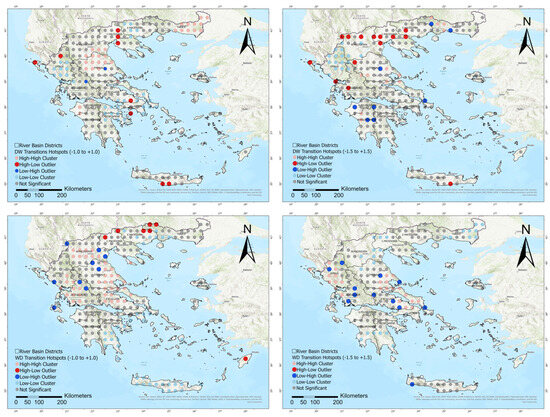
Anthropogenic climate change has disrupted the global hydrological cycle, increasing compound extreme events like Dry–Wet Abrupt Alternations (DWAAs). Regarding the Mediterranean Basin, Greece is highly susceptible to these abrupt hydroclimatic shifts, which frequently overwhelm reactive disaster management. This study quantifies the spatiotemporal dynamics
[...] Read more.
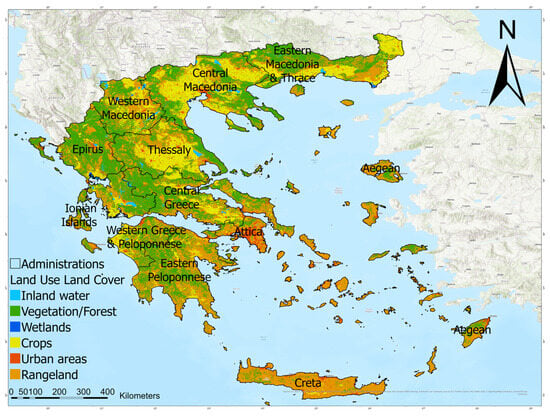
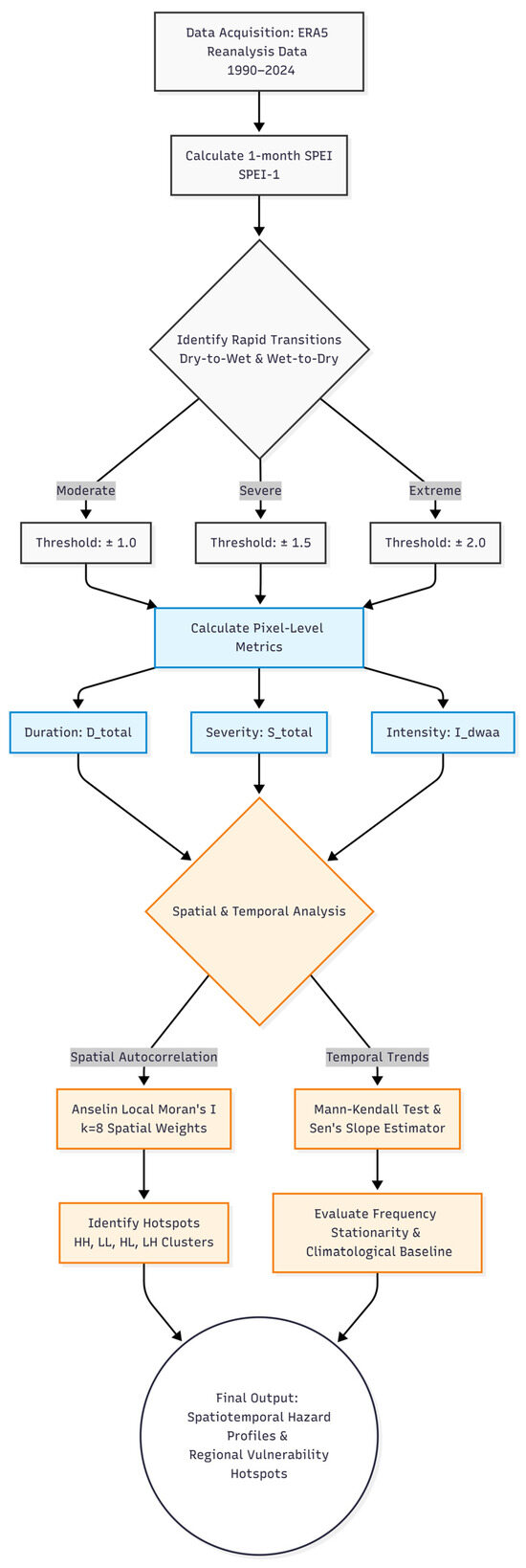
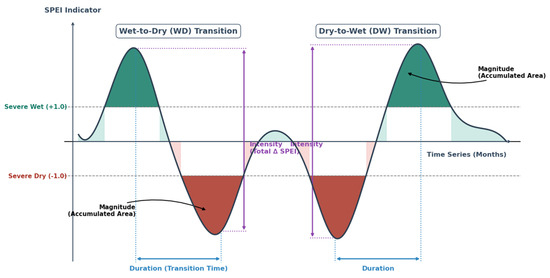
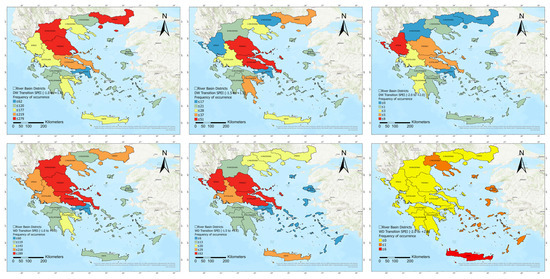
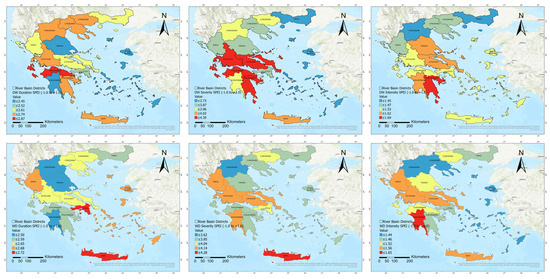
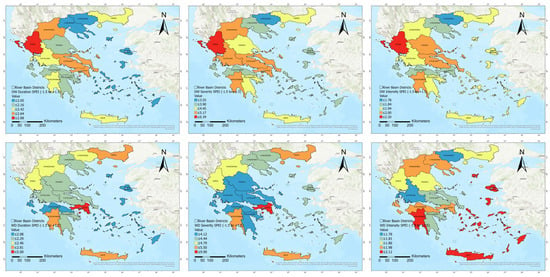
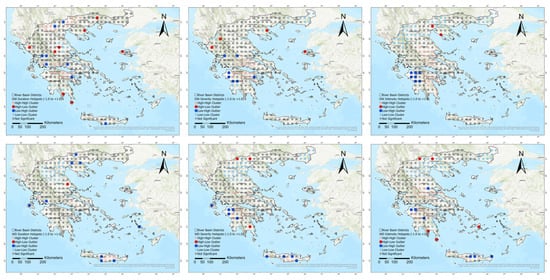
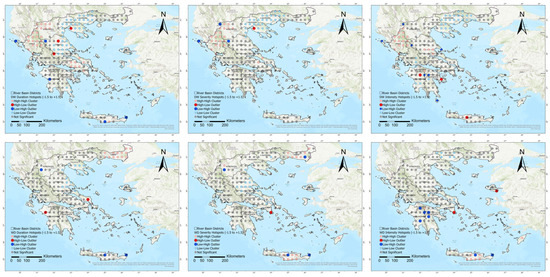
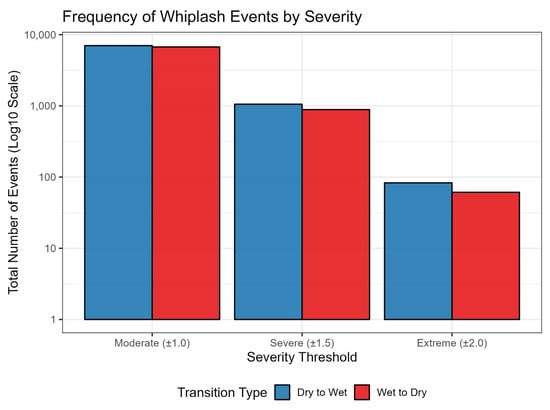
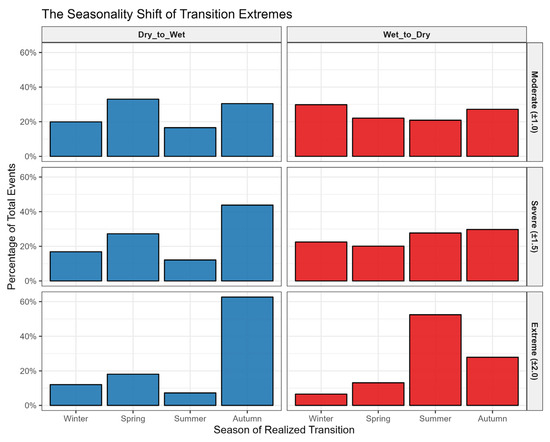
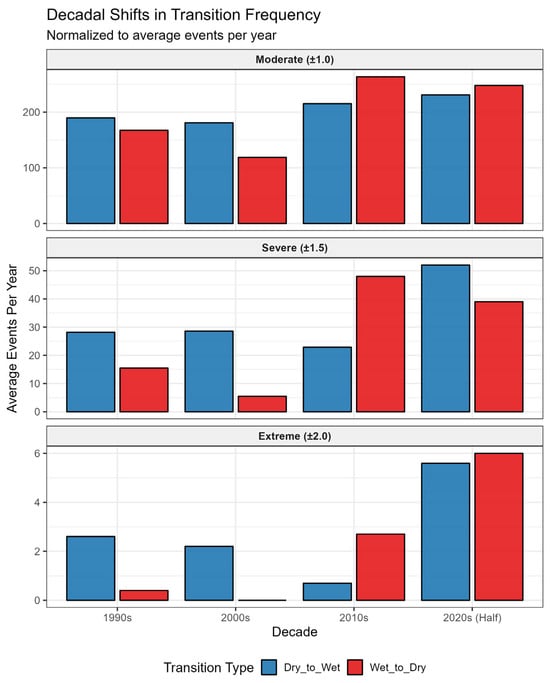
Anthropogenic climate change has disrupted the global hydrological cycle, increasing compound extreme events like Dry–Wet Abrupt Alternations (DWAAs). Regarding the Mediterranean Basin, Greece is highly susceptible to these abrupt hydroclimatic shifts, which frequently overwhelm reactive disaster management. This study quantifies the spatiotemporal dynamics of DWAA events across Greece from 1990 to 2024. Using the 1-month Standardized Precipitation Evapotranspiration Index (SPEI-1) from ERA5 reanalysis, transitions were classified into dry-to-wet (DW) and wet-to-dry (WD) across moderate (±1.0), severe (±1.5), and extreme (±2.0) thresholds. Core physical metrics (duration, severity, and intensity) were evaluated using Anselin Local Moran’s I (LISA) and Mann–Kendall tests to identify spatial hotspots and temporal trends. Results revealed a spatially decoupled hazard regime dictated by topography and atmospheric mechanics. Severe DW transitions primarily manifest as intense autumn flash floods (62.7%) concentrated in western and southern districts. Conversely, severe WD transitions emerge as high-magnitude summer agricultural flash droughts (52.5%) clustered in central and northern continental plains. Crucially, while the magnitudes of these events demonstrate historical temporal stationarity, their decadal frequency doubled in the 2020s. This increase validates the idea that global warming accelerates systemic climate extremes, necessitating an urgent shift toward proactive, highly localized adaptation strategies.
Full article
(This article belongs to the Special Issue Climate Variability in the Mediterranean Region (Second Edition))
►▼
Show Figures

Figure 1
Open AccessArticle
Near-Surface Temperature Biases in Regional Climate Models over Complex Orography: A Physically Grounded Diagnosis
by
Dario B. Giaiotti and Francesca Zarabara
Climate 2026, 14(8), 162; https://doi.org/10.3390/cli14080162 - 10 Aug 2026
Abstract
►▼
Show Figures
Regional climate models (RCMs) remain affected by limited spatial resolution and systematic biases relative to observations, posing a major challenge for the provision of actionable climate information at the local scale. Bridging the gap between coarse, biased model outputs and site-specific climate needs
[...] Read more.
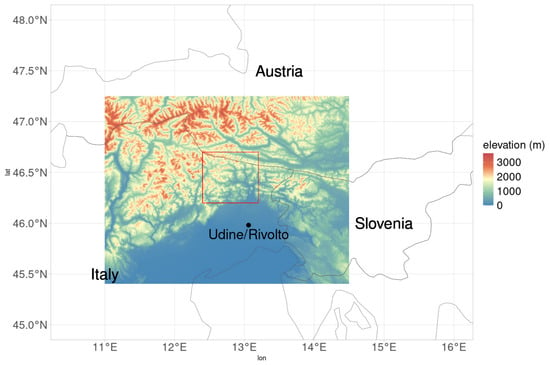
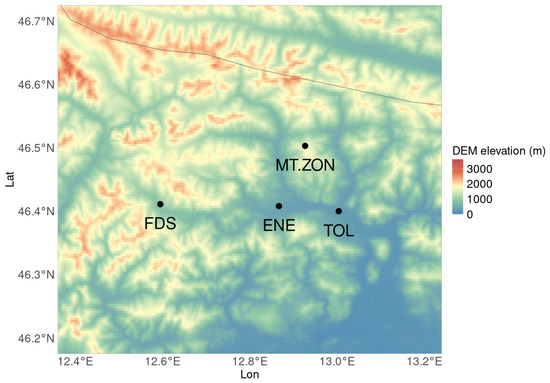
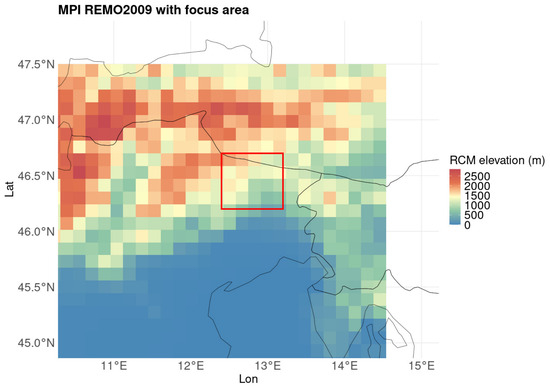
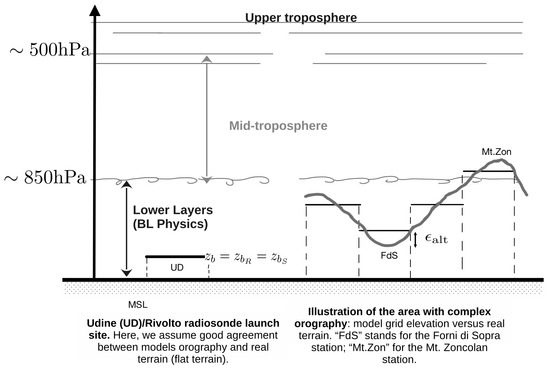
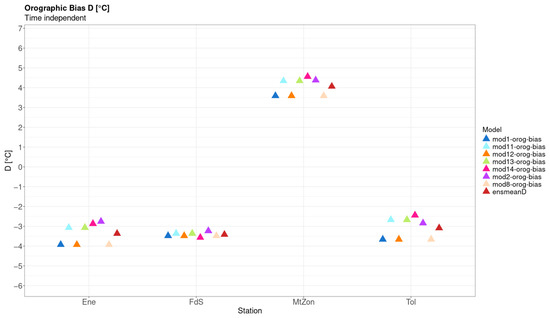
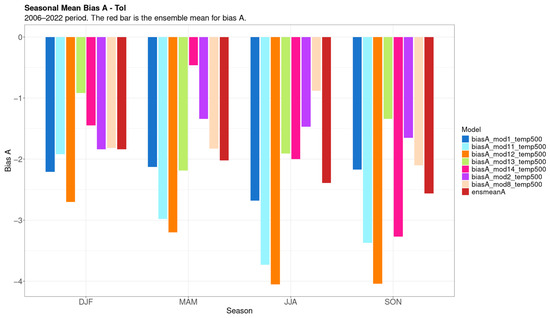
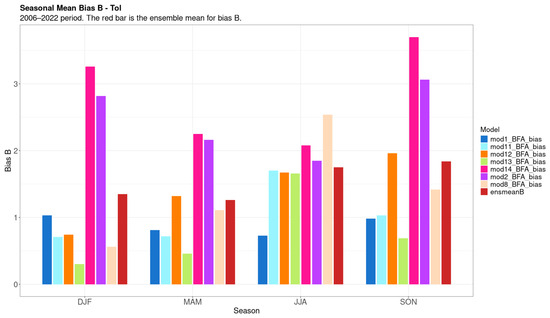
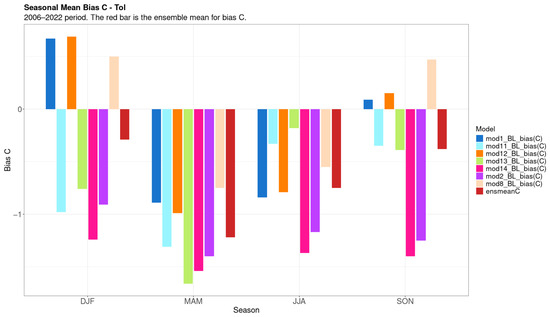
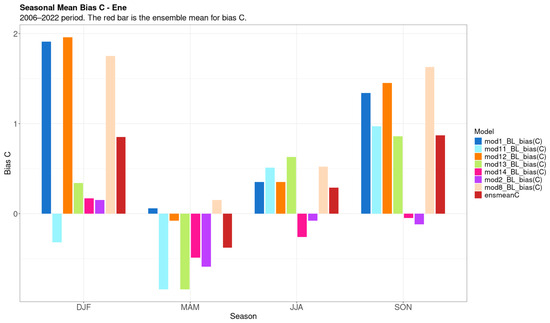
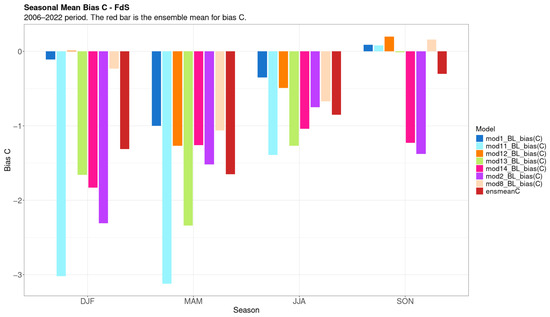
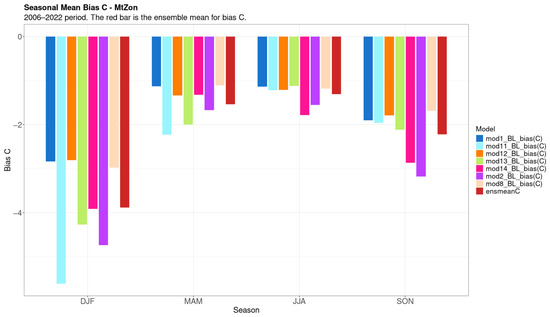
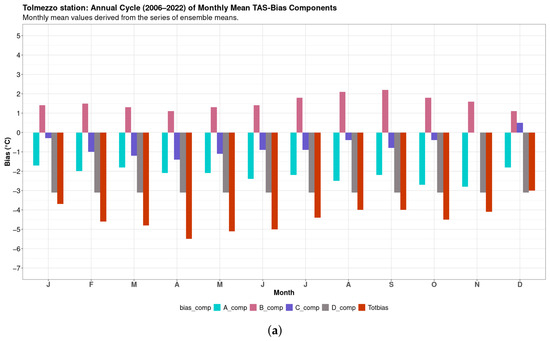
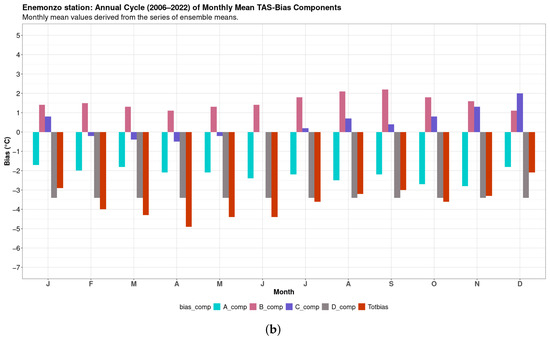
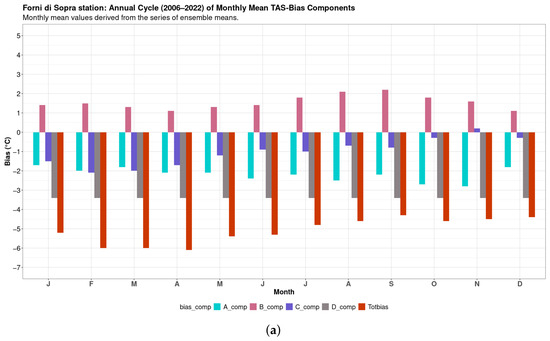
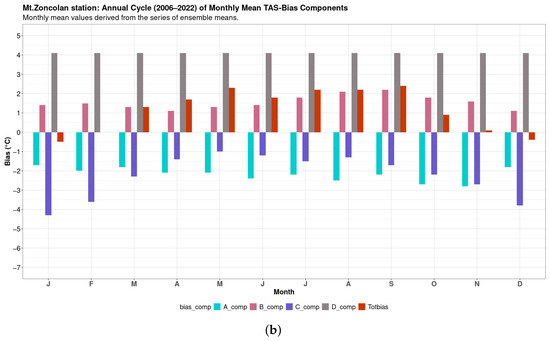
Regional climate models (RCMs) remain affected by limited spatial resolution and systematic biases relative to observations, posing a major challenge for the provision of actionable climate information at the local scale. Bridging the gap between coarse, biased model outputs and site-specific climate needs is therefore both urgent and an active area of research. Here, we present a diagnosis of near-surface air temperature biases, based on the vertical structure of the atmospheric column, in an ensemble of EURO-CORDEX simulations over a complex Alpine region. We show how the conventional and commonly applied temperature bias correction, aimed at removing the discrepancy between the model representation of orography and the actual terrain elevation, still leaves biases of a magnitude comparable to or even greater than the applied correction. After the orographic correction, residual biases originate from both free-atmosphere temperature biases and low-level biases. Each contribution to the TAS bias is quantified through an inter-model seasonal analysis. This study highlights the limitations of RCMs in representing complex orography and boundary-layer conditions in Alpine regions. It also provides interpretative keys for a better understanding of the underlying site-specific physical causes of TAS biases and cautions against the potential pitfalls of a straightforward application of bias-correction methods.
Full article

Figure 1
Open AccessArticle
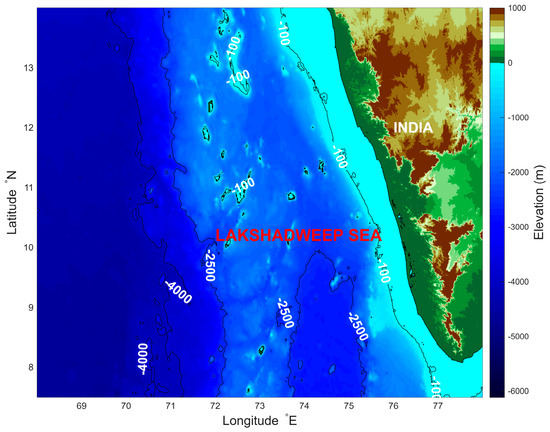
Interannual Variability of Coastal Upwelling in the Lakshadweep Sea Using a Two-Step Data-Assimilative Ocean Model and a New Strength of Upwelling Index
by
Georgy I. Shapiro and Mohammed Salim
Climate 2026, 14(8), 161; https://doi.org/10.3390/cli14080161 - 7 Aug 2026
Abstract
This study examines interannual variability of coastal upwelling in the Lakshadweep Sea (2015–2020) using a high-resolution (1/20°) NEMO model within a novel two-step data assimilation framework. Pre-monsoon conditions show limited interannual differences, whereas the mature monsoon phase reveals substantial variability in the spatial
[...] Read more.
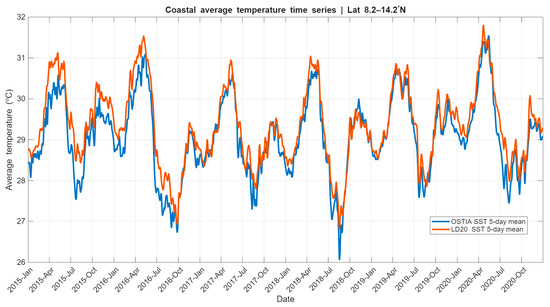
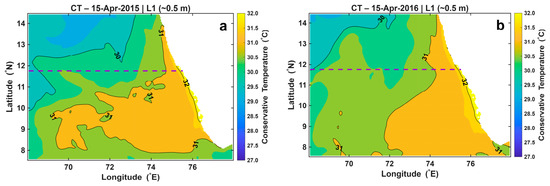
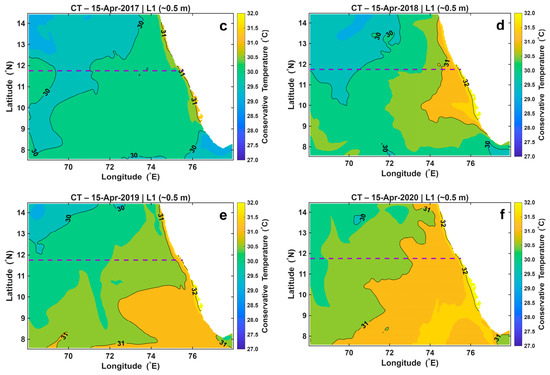
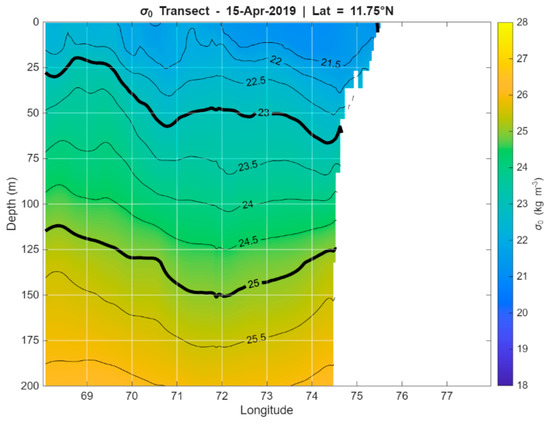
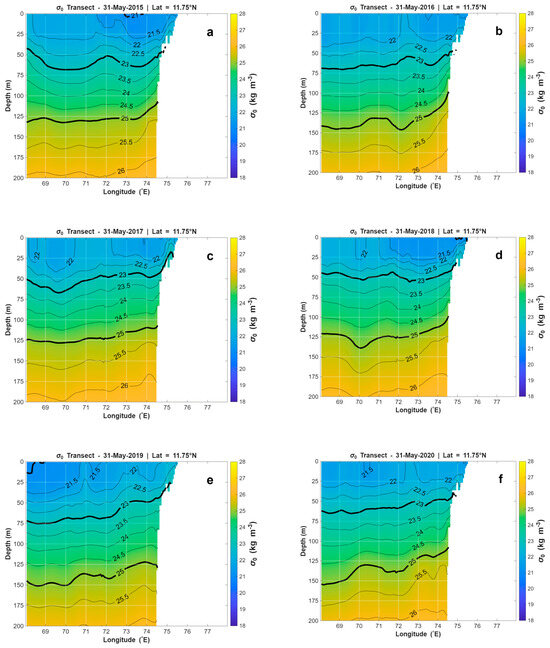
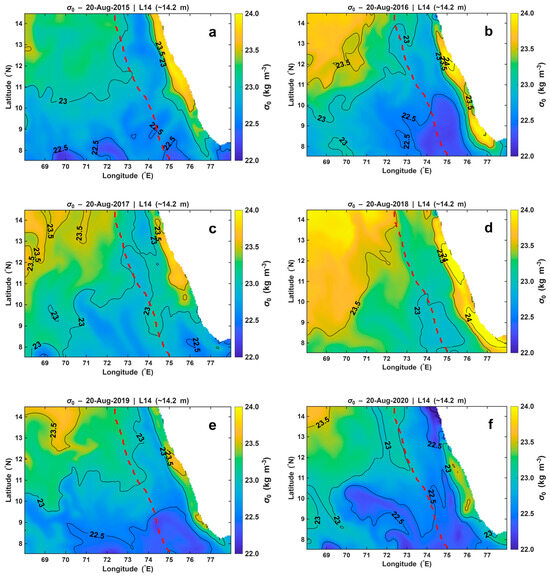
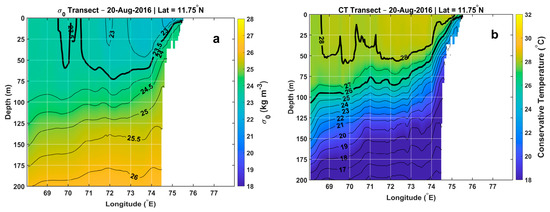
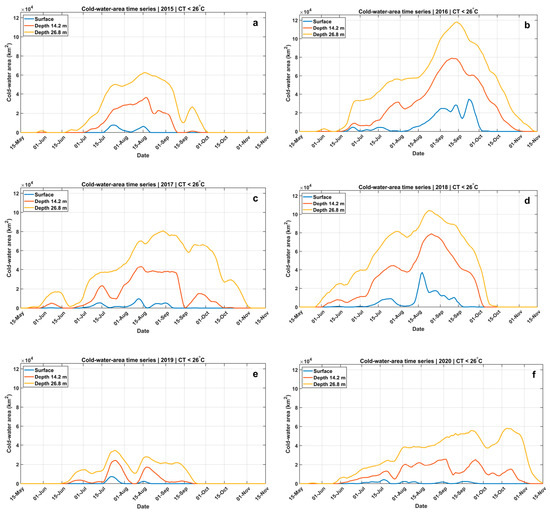
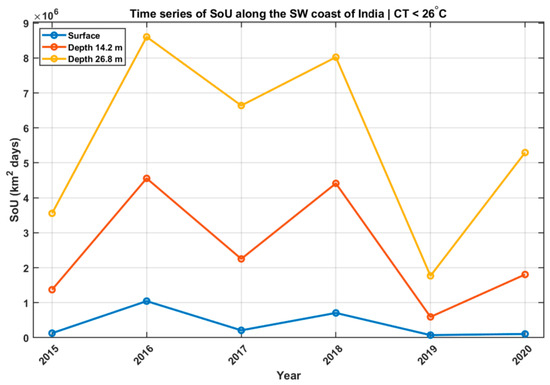
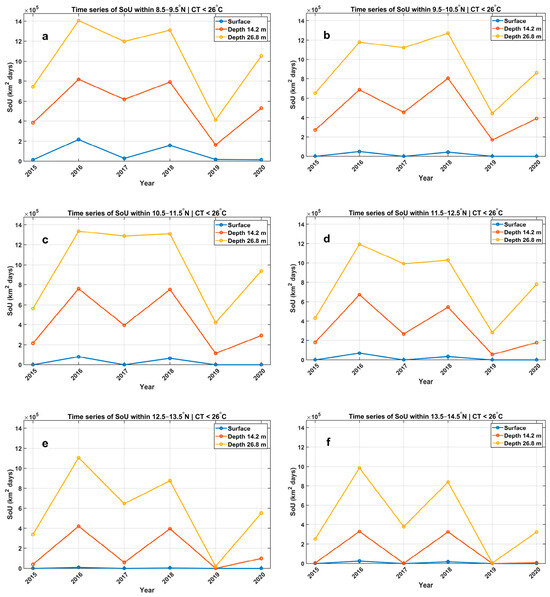
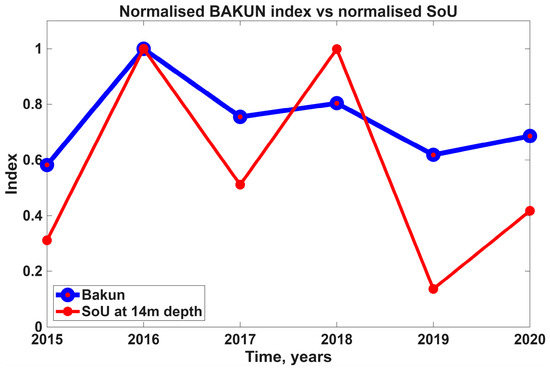
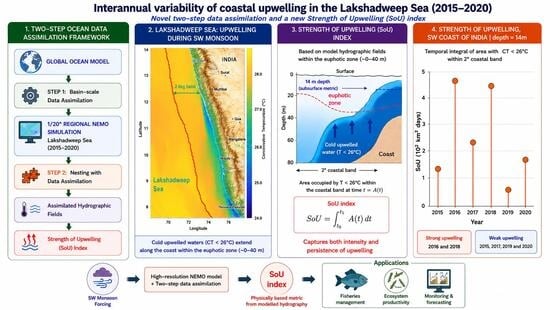
This study examines interannual variability of coastal upwelling in the Lakshadweep Sea (2015–2020) using a high-resolution (1/20°) NEMO model within a novel two-step data assimilation framework. Pre-monsoon conditions show limited interannual differences, whereas the mature monsoon phase reveals substantial variability in the spatial extent and persistence of cold, dense upwelled waters within the euphotic zone. The strongest upwelling occurred in 2016 and 2018, with weaker conditions in 2015, 2017, 2019, and 2020. The new Strength of Upwelling (SoU) index, defined as the temporal integral of the area occupied by waters colder than a specific threshold (26 °C in this case) within a coastal band, quantifies upwelling intensity and duration directly from modelled hydrographic fields. Subsurface metrics at 14 m depth provide clearer interannual discrimination than surface indicators alone. Latitudinal analysis reveals spatial heterogeneity in upwelling intensity, suggesting that local processes modulate large-scale monsoon forcing. Ultimately, the SoU index offers a new physically based tool for assessing upwelling variability relevant to ecosystem dynamics and fisheries management.
Full article
(This article belongs to the Special Issue Advances in Data Assimilation for Weather and Climate Prediction)
►▼
Show Figures

Graphical abstract
Open AccessArticle
Climate Adaptation and Economic Perspectives on Anti-Hail Net Adoption in Apple Orchards: An Exploratory Case Study in Southern Brazil
by
Danielle Elis Garcia Furuya, Édson Luis Bolfe, Victória Beatriz Soares, Franco da Silveira, Jayme Garcia Arnal Barbedo and Luciano Gebler
Climate 2026, 14(8), 160; https://doi.org/10.3390/cli14080160 - 6 Aug 2026
Abstract
Hail events represent a major source of economic risk in apple production, leading to significant losses in yield and marketable output. Although anti-hail net systems are increasingly adopted as a mitigation strategy, evidence on their economic viability remains limited, especially in emerging regions.
[...] Read more.
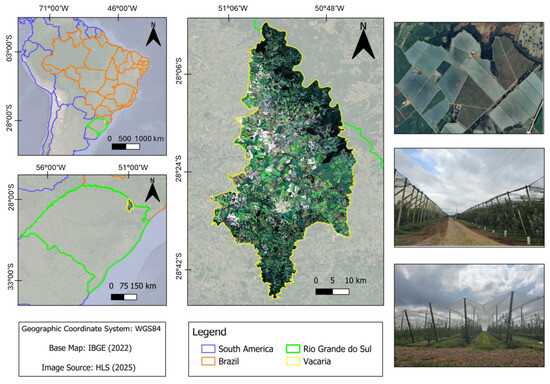
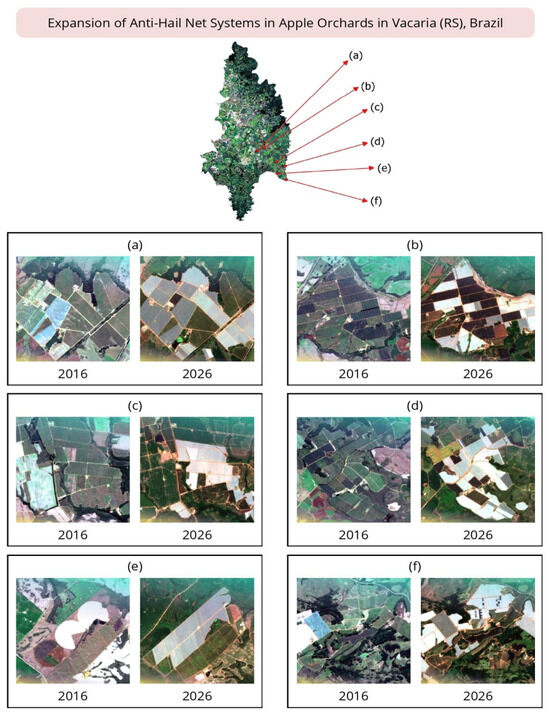
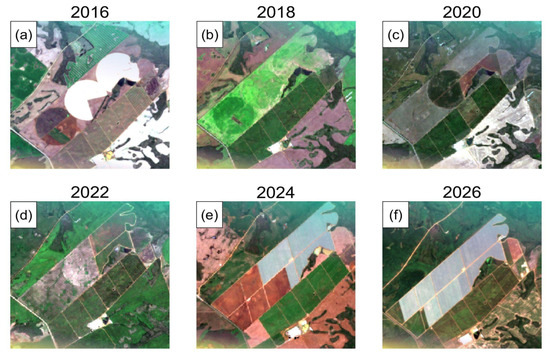
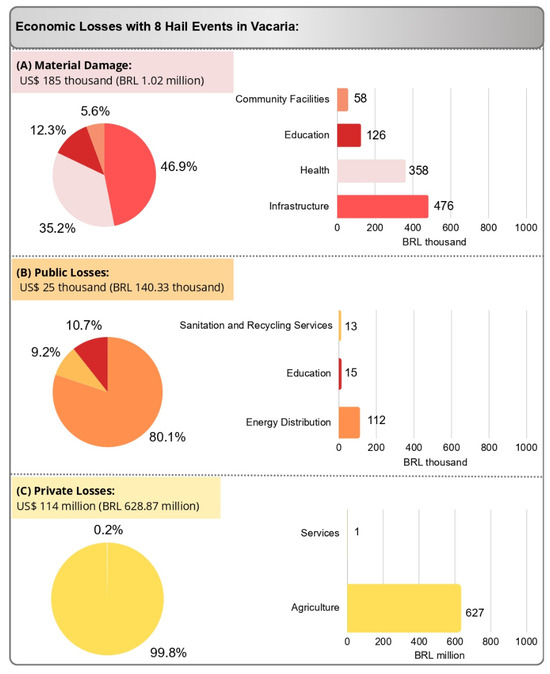
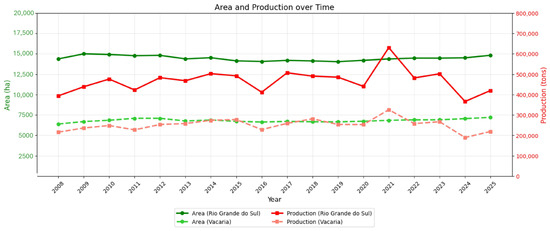
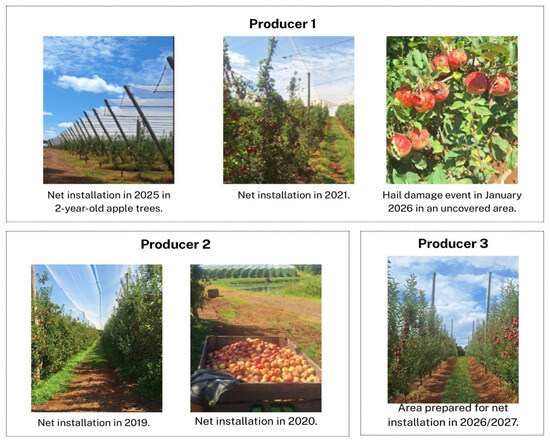
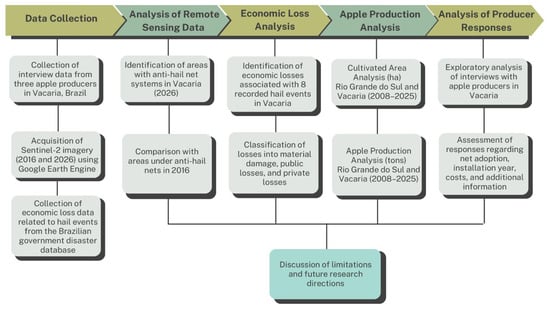
Hail events represent a major source of economic risk in apple production, leading to significant losses in yield and marketable output. Although anti-hail net systems are increasingly adopted as a mitigation strategy, evidence on their economic viability remains limited, especially in emerging regions. This study examines the economic dimensions of anti-hail net adoption in apple orchards in Vacaria, southern Brazil, by integrating remote sensing data, official loss records, and producer interviews. Multitemporal Sentinel-2 imagery was used to map the expansion of net-covered areas between 2016 and 2026. Economic loss data from eight recorded hail events, obtained from official government sources, were analyzed, along with apple area and production data. Exploratory interviews provided insights into installation costs, production losses, and perceived benefits. Results indicate a clear expansion of anti-hail nets associated with substantial hail losses. Producers reported pre-adoption losses of 30–90%, installation costs of Brazilian Real (BRL) 40,000–55,000 per hectare, and estimated payback periods of 3–4 years. These findings highlight the value of integrating remote sensing, official disaster records, and producer knowledge to support exploratory climate adaptation and economic assessments.
Full article
(This article belongs to the Special Issue Climate Adaptation and Resilience Economics)
►▼
Show Figures

Figure 1

Open AccessReview
The Relationship Between the Urban Microclimate and Active Travel at the Neighbourhood and Street Scale: A Systematic Review of Current Research and Methodologies
by
Anja Pejović and Riccardo Pollo
Climate 2026, 14(8), 159; https://doi.org/10.3390/cli14080159 - 6 Aug 2026
Abstract
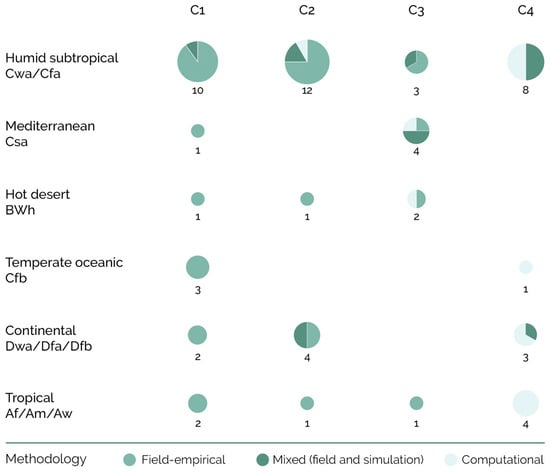
To mitigate the health and environmental risks of urbanisation and the urban heat island effect, urban planning is shifting towards promoting active mobility. The success of these efforts largely depends on understanding people’s thermal comfort on the move, driving research towards the investigation
[...] Read more.
To mitigate the health and environmental risks of urbanisation and the urban heat island effect, urban planning is shifting towards promoting active mobility. The success of these efforts largely depends on understanding people’s thermal comfort on the move, driving research towards the investigation of the complex interdependencies between microclimatic conditions and the real-time experiences of pedestrians and cyclists. This literature review aims to present the state of the art of research at the neighbourhood and street levels by analysing the methodological frameworks employed and the outcomes achieved. The paper adopts a thematic clustering approach, grouping the articles on the basis of their research objectives, methodologies and the relationships between active mobility and comfort. The literature review highlights a shift from static to dynamic comfort assessments and a focus on active travel as a continuous experience rather than the sum of stationary moments. The primary findings include the consolidation of the thermal walk methodology and the emergence of cumulative stress indices. Evidence from heat stress contexts suggests that pedestrians prefer thermal diversity, which causes thermal alliesthesia, over monotonous conditions. The research highlights the role of heat stress as a barrier to walkability in hot and temperate climates, causing route deviations and lower walking speeds, with the opposite pattern in severely cold settings. This review identifies several research gaps, including a lack of standardised dynamic assessment methods, low generalisability and transferability of the results, and insufficient investigation of cyclists’ dynamic comfort compared with that of pedestrians.
Full article
(This article belongs to the Section Sustainable Urban Futures in a Changing Climate)
►▼
Show Figures

Figure 1
Journal Menu
► ▼ Journal Menu-
- Climate Home
- Aims & Scope
- Editorial Board
- Reviewer Board
- Topical Advisory Panel
- Instructions for Authors
- Special Issues
- Topics
- Sections & Collections
- Article Processing Charge
- Indexing & Archiving
- Editor’s Choice Articles
- Most Cited & Viewed
- Journal Statistics
- Journal History
- Journal Awards
- Society Collaborations
- Conferences
- Editorial Office
Journal Browser
► ▼ Journal BrowserHighly Accessed Articles
Latest Books
E-Mail Alert
News
Topics
Topic in
Agronomy, Climate, Crops, Grasses, Horticulturae, Land, Plants
Reframing Strategies for a Low Carbon Future in Agricultural Systems
Topic Editors: M. Ibrahim Khalil, Bruce OsborneDeadline: 8 October 2026
Topic in
Agriculture, Climate, Sustainability, Water, Resources
Advances in Water and Soil Management Towards Climate Change Adaptation
Topic Editors: Nektarios N. Kourgialas, Ioannis Anastopoulos, Alexandros I. StefanakisDeadline: 31 October 2026
Topic in
Buildings, CivilEng, Climate, Construction Materials, Energies, Sustainability, Architecture
Advances in Building Sector for Achieving Net Zero Emission by 2050
Topic Editors: Md Morshed Alam, Iqbal Hossain, Jiaolan ZhuDeadline: 20 December 2026
Topic in
Climate, Sustainability, Urban Science, Water
Sustainable Pre-Disaster Mitigation and Post-Disaster Recovery Strategies for Resilient Societies
Topic Editors: Deborah F. Shmueli, Eli SalzbergerDeadline: 10 February 2027
Conferences
Special Issues
Special Issue in
Climate
Applications of Smart Technologies in Climate Risk and Adaptation
Guest Editors: Wen Cheng Liu, Chih-Chieh YoungDeadline: 31 August 2026
Special Issue in
Climate
Meteorological Forecasting and Modeling in Climatology
Guest Editor: Xiaoyun LiangDeadline: 31 August 2026
Special Issue in
Climate
Assessment and Implementation of Urban Heat Mitigation Strategies
Guest Editor: Hashem AkbariDeadline: 30 September 2026
Special Issue in
Climate
Urban Heat Adaptation: Potential, Feasibility, Equity
Guest Editors: Maurizio Tiepolo, Riccardo PolloDeadline: 30 September 2026
Topical Collections
Topical Collection in
Climate
Adaptation and Mitigation Practices and Frameworks
Collection Editor: Rajib Shaw