


Journal Description
Applied System Innovation
(ASI) is an international, peer-reviewed, open access journal on integrated engineering and technology, published monthly online. It is the official journal of the International Institute of Knowledge Innovation and Invention (IIKII).
- Open Access— free for readers, with article processing charges (APC) paid by authors or their institutions.
- High Visibility: indexed within Scopus, ESCI (Web of Science), Inspec, Ei Compendex and other databases.
- Journal Rank: JCR - Q2 (Engineering, Electrical and Electronic) / CiteScore - Q1 (Applied Mathematics)
- Rapid Publication: manuscripts are peer-reviewed and a first decision is provided to authors approximately 21.3 days after submission; acceptance to publication is undertaken in 4.5 days (median values for papers published in this journal in the first half of 2026).
- Recognition of Reviewers: Reviewers whose reports are timely and of high quality receive an APC discount voucher for a future publication in an MDPI journal. Become a reviewer.
- Journal Cluster of Information Systems and Technology: Analytics, Applied System Innovation, Cryptography, Data, Digital, Informatics, Information, Journal of Cybersecurity and Privacy and Multimedia.
Impact Factor:
3.4 (2025);
5-Year Impact Factor:
4.3 (2025)
Latest Articles
Optimal Management of a Virtual Power Plant with Active Demand Using a MILP–MPC Scheme
Appl. Syst. Innov. 2026, 9(10), 207; https://doi.org/10.3390/asi9100207 - 30 Sep 2026
Abstract
The increasing penetration of non-conventional renewable energy sources poses operational flexibility challenges that motivate the coordination of distributed energy resources via active demand management. This study proposes an optimal operational strategy for a Virtual Power Plant (VPP) integrating conventional thermal generation, renewable sources,
[...] Read more.
The increasing penetration of non-conventional renewable energy sources poses operational flexibility challenges that motivate the coordination of distributed energy resources via active demand management. This study proposes an optimal operational strategy for a Virtual Power Plant (VPP) integrating conventional thermal generation, renewable sources, battery energy storage, main grid transactions, and active demand mechanisms. The optimization model is formulated as a Mixed-Integer Linear Programming (MILP) problem embedded within a receding horizon Model Predictive Control (MPC) framework. Active demand is represented through an aggregated shiftable load and distinct curtailable loads. Shiftable-load operation is regulated through power, ramping, and energy-balance constraints, whereas curtailable loads are governed by user discomfort penalties, economic incentives, and daily curtailment budgets. Renewable forecasting uncertainties are mitigated using a hybrid physical-LSBoost model that reduces prediction errors by up to . Operational results demonstrate total operating cost reductions ranging from to , alongside an peak demand reduction. A comprehensive sensitivity analysis reveals that active demand participation is governed by distinct qualitative mechanisms: strict budget bounds, a steep penalty threshold for curtailment activation, and a threshold-type saturation response to temporal price spreads for shiftable loads. Furthermore, high-resolution 5-min online operation confirms the real-time viability of the scheme, maintaining solver execution times under per iteration. It is concluded that coordinating active demand, storage, and MPC enhances both economic and technical VPP performance, though carbon emission abatement relies heavily on thermal dispatch dynamics, highlighting the need to explicitly balance economic and environmental trade-offs.
Full article
Open AccessArticle
Multi-Objective Optimization of Magnetic-Assisted Titanium Electropolishing in a Deep Eutectic Solvent Using Taguchi-TOPSIS Methodology
by
Eurison Jeyandra Tanamal, Asseghaf Bintang Ramadhani, Muhammad Fawwaz Kanziwa, Rizky Astari Rahmania, Kartika Nur ‘Anisa’, Chandrawati Putri Wulandari, Muslim Mahardika, Nor Hasrul Akhmal Ngadiman and Gunawan Setia Prihandana
Appl. Syst. Innov. 2026, 9(10), 206; https://doi.org/10.3390/asi9100206 - 29 Sep 2026
Abstract
Titanium and its alloys present machining challenges that necessitate post-machining surface finishing to guarantee functional reliability and surface integrity. Because traditional methods often rely on hazardous acidic media, recent sustainable manufacturing advances prioritize eco-friendly Deep Eutectic Solvents (DESs); however, achieving a balance between
[...] Read more.
Titanium and its alloys present machining challenges that necessitate post-machining surface finishing to guarantee functional reliability and surface integrity. Because traditional methods often rely on hazardous acidic media, recent sustainable manufacturing advances prioritize eco-friendly Deep Eutectic Solvents (DESs); however, achieving a balance between maximizing Material Removal Rate (MRR) and minimizing Surface Roughness remains a complex multi-variable optimization challenge. This study investigates the magnetic-assisted green electropolishing of titanium using a propylene glycol and choline chloride DES. A Taguchi L9 orthogonal array, Two-Way Analysis of Variance (ANOVA), and the Technique for Order Preference by Similarity to Ideal Solution (TOPSIS) were synergistically employed to evaluate the systemic interactions between applied voltage (6 V, 8 V, 10 V) and Agitation Modality (static, mechanical stirring, 0.5 T magnetic field). Two-Way ANOVA identified applied voltage as the statistically dominant parameter governing MRR (69.20% contribution), while demonstrating that surface roughness is significantly influenced by parameter interactions. Although TOPSIS mathematically balanced the competing numerical metrics, morphological SEM analysis confirmed that the synergistic combination of 8 V and a 0.5 T magnetic field achieved the optimal functional condition, yielding a featureless, defect-free 3D surface topography (Ra
= 0.1610 µm). Ultimately, incorporating external magnetic field assistance effectively overcomes the mass-transport limitations of viscous DES media through controlled magnetohydrodynamic (MHD) convection, providing a robust methodology to balance high material removal efficiency with ultra-smooth surface integrity.
Full article
(This article belongs to the Special Issue Feature Papers in the ‘Industrial and Manufacturing Engineering’ Section)
Open AccessArticle
Transforming Internet of Things Education Through Project-Based Learning: A Decade of Experience
by
Hongyan Zhou and Yao Liang
Appl. Syst. Innov. 2026, 9(10), 205; https://doi.org/10.3390/asi9100205 - 29 Sep 2026
Abstract
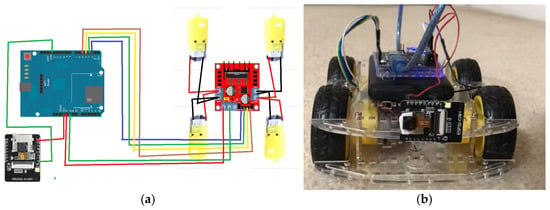
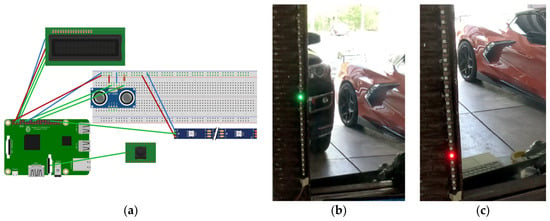
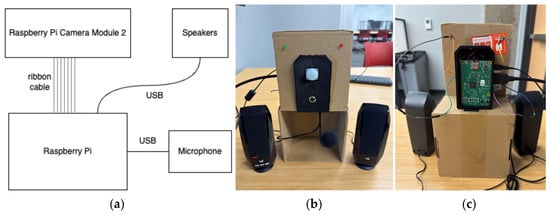
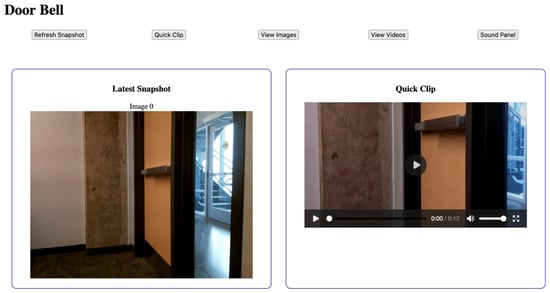
Effective Internet of Things (IoT) education requires students to integrate sensing, actuation, embedded programming, networking, and application development into complete cyber-physical systems. Achieving this integration remains challenging, particularly because students often enter IoT courses with widely varying backgrounds in hardware and networking. This
[...] Read more.
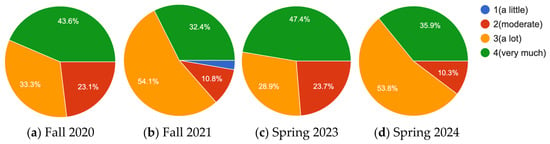
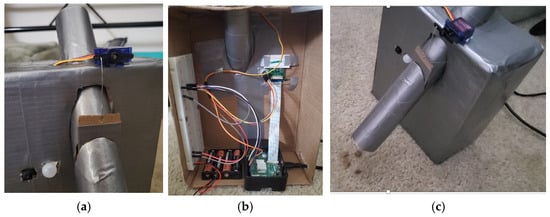
Effective Internet of Things (IoT) education requires students to integrate sensing, actuation, embedded programming, networking, and application development into complete cyber-physical systems. Achieving this integration remains challenging, particularly because students often enter IoT courses with widely varying backgrounds in hardware and networking. This paper presents a decade of experience in the iterative development of an undergraduate project-based IoT course and reports course evaluation results from four recent offerings: Fall 2020, Fall 2021, Spring 2023, and Spring 2024. The course adopts a three-stage project sequence consisting of (1) a single-node sensing and actuation system, (2) a network-connected IoT device using standard communication protocols, and (3) an open-ended capstone prototype, progressively scaffolding students from guided implementation to independent system design. We describe instructional strategies for addressing common implementation challenges, including hardware debugging, software toolchain configuration, and project scoping, and present representative student projects. Course effectiveness draws on anonymous pre- and post-course surveys together with rubric-based project assessment. Across all four offerings, students consistently reported high perceived learning gains, while final project performance remained strong across cohorts with different levels of incoming hardware experience. The course design, instructional framework, and assessment methodology provide a practical and adaptable example for project-based IoT education that can be readily adapted by other institutions to accommodate diverse student backgrounds and local curricular needs.
Full article
(This article belongs to the Special Issue Advanced Technologies and Methodologies in Education 4.0)
►▼
Show Figures

Figure 1
Open AccessArticle
Design and Multi-Stakeholder Evaluation of the Perceived Pedagogical Value and Usability of an AI-Supported Educational Chatbot for Primary Education
by
Androniki Koutsikou, Nikos Antonopoulos and Stamatis Papadakis
Appl. Syst. Innov. 2026, 9(10), 204; https://doi.org/10.3390/asi9100204 - 29 Sep 2026
Abstract
Artificial intelligence is included in several parts of education, and it serves as an important tool for it. In this study, we present the initial design and pre-deployment formative evaluation of an AI-powered educational chatbot, called TouriBot, from the perspective of different stakeholders.
[...] Read more.
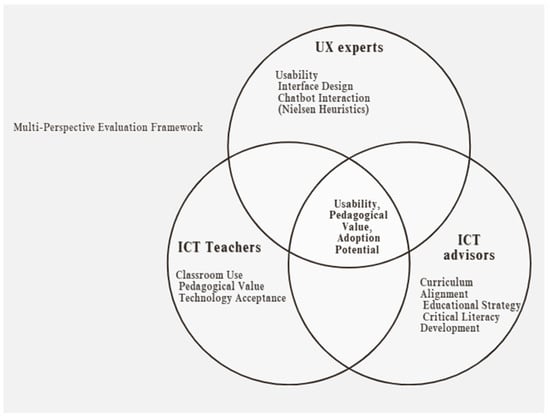
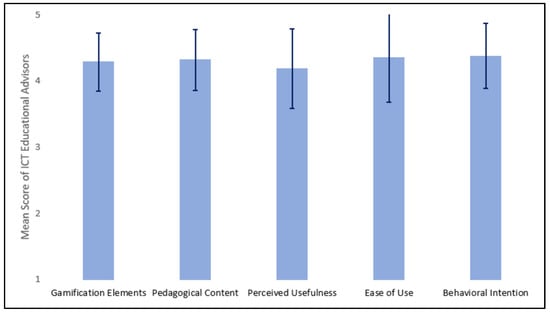
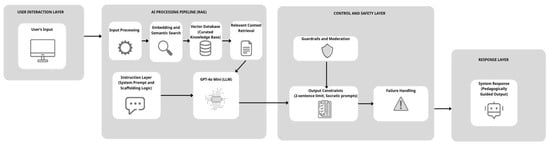
Artificial intelligence is included in several parts of education, and it serves as an important tool for it. In this study, we present the initial design and pre-deployment formative evaluation of an AI-powered educational chatbot, called TouriBot, from the perspective of different stakeholders. TouriBot is part of a gamified learning environment created specifically for students in primary education (ages 9–12). The application is intended to support potential engagement with critical literacy-related tasks in the setting of misinformation. The evaluation involved three stakeholder groups, namely, in-service primary school Information and Communication Technology (ICT) teachers (N = 112), ICT educational advisors (N = 13) serving as institutional pedagogical experts and user experience (UX) experts (N = 8). No student data were collected in this evaluation phase. Structured questionnaires assessed perceived usability and pedagogical value as well as behavioral intention to use the tool. The results show that stakeholders evaluated the chatbot positively regarding usability, pedagogical alignment and stated intention to use. ICT teachers indicated high perceived usefulness and ease of use and strong intention to use the system in their teaching environments. The user interface perception-based assessments from the UX experts were mainly positive, and the ICT educational advisors highlighted the chatbot’s alignment with the intended pedagogical goals. However, TouriBot had limitations and drawbacks identified during this initial phase of the study. These stakeholder evaluations provide perception-based feedback that can inform further system refinement and guide student-centered evaluation in classroom settings.
Full article
(This article belongs to the Special Issue AI-Driven Educational Technologies: Systems and Applications)
►▼
Show Figures

Figure 1
Open AccessArticle
Mechanical Response of a Macro-Fibre Composite-Bonded Cantilever Beam and Its Sandwich Configuration for Low-Intrusion Deformation Suppression
by
Lizhe Wang, Xuanwen Wang and Wenwen Yuan
Appl. Syst. Innov. 2026, 9(10), 203; https://doi.org/10.3390/asi9100203 - 28 Sep 2026
Abstract
►▼
Show Figures
Macro-fibre composite (MFC) actuators offer improved flexibility and damage tolerance over monolithic piezoceramics, which have been widely utilised recently. However, direct bonding to a heritage substrate of MFC actuators may cause local stress concentration and complicate removal. To overcome this, a protective aluminium–concrete
[...] Read more.
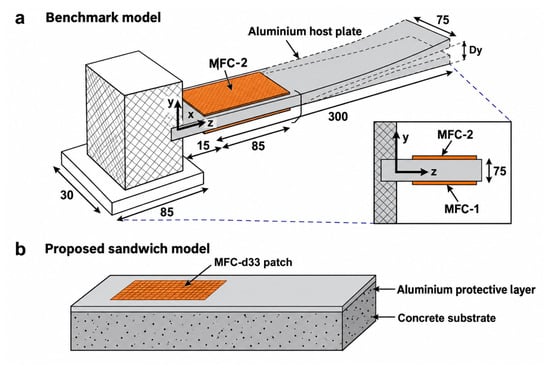
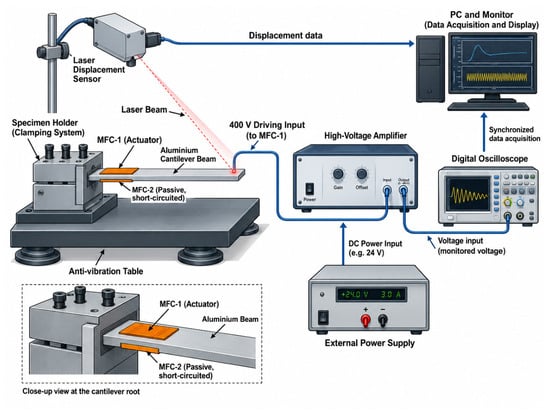
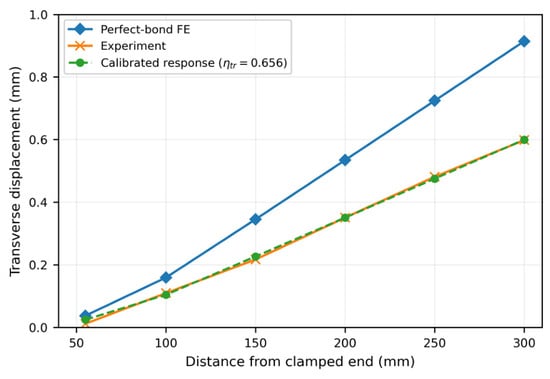
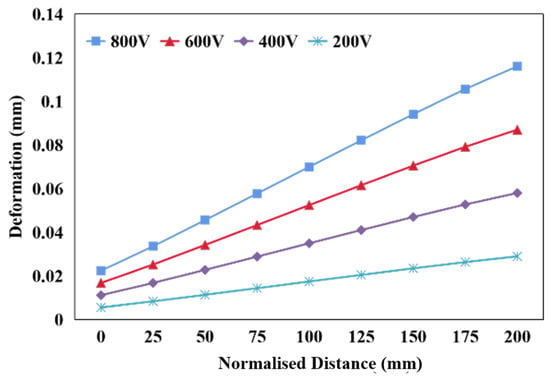
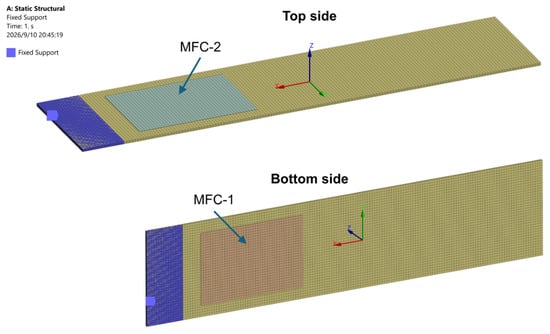
Macro-fibre composite (MFC) actuators offer improved flexibility and damage tolerance over monolithic piezoceramics, which have been widely utilised recently. However, direct bonding to a heritage substrate of MFC actuators may cause local stress concentration and complicate removal. To overcome this, a protective aluminium–concrete sandwich configuration is proposed, where the MFC patch is attached to a replaceable thin aluminium carrier layer that transfers a controlled deformation field to the concrete substrate through the bonded aluminium–concrete interface, enabling reversible, low-intrusion deformation control without direct modification of the protected substrate. A coupled electromechanical finite-element formulation is derived from the linear piezoelectric constitutive equations and Hamilton’s principle. The model is first is validated against benchmark deflection and modal data for a traditional MFC-bonded aluminium beam, achieving a maximum deflection error below 1% (0.9142 mm vs. 0.9141 mm at the free end) and excellent frequency agreement (19.7 Hz and 112.0 Hz). Laboratory cantilever tests under 400 V show a systematic amplitude reduction relative to the perfect-bond model: the measured free-end displacement is approximately 0.598 mm compared with 0.9142 mm numerically. A one-parameter effective actuation-transfer coefficient of 0.656 reduces the displacement-profile RMSE to 0.0072 mm (NRMSE 1.23%, R2 = 0.9987), indicating that the dominant discrepancy is an amplitude loss associated with non-ideal strain transfer and boundary/electric-field effects rather than a change in deformation mode. For the proposed sandwich beam, simulations reveal a monotonic, voltage-dependent response: tip deflection rises from approximately 0.03 mm at 200 V to 0.115 mm at 800 V over a 200 mm span. Actuator placement near the fixed end yields higher bending authority, consistent with classical placement theory. The sandwich concept demonstrates that a replaceable protective layer can generate controllable curvature while maintaining moderate stress levels in the protected substrate, making it suitable for micro-crack suppression and temporary stabilisation of fragile components such as cultural relics or aged concrete. The validated model provides a foundation for future experimental calibration and distributed actuator optimisation.
Full article

Figure 1
Open AccessArticle
Priority-Guided Action-Masked Proximal Policy Optimization for Dynamic Scheduling of Electric Power Material Verification Tasks Under Multi-Source Disturbances
by
Zhaolei He, Ao He, Cong Lin, Jing Zhao, Liping Gao, Xianguang Jia and Wei Li
Appl. Syst. Innov. 2026, 9(10), 202; https://doi.org/10.3390/asi9100202 - 27 Sep 2026
Abstract
The metering verification center of Yunnan Power Grid processes dynamically arriving batches of single-phase and three-phase smart meters, low-voltage current transformers, and collection terminals through multi-operation test chains on six automated verification lines under batch arrivals, urgent re-verification orders, device efficiency drift, and
[...] Read more.
The metering verification center of Yunnan Power Grid processes dynamically arriving batches of single-phase and three-phase smart meters, low-voltage current transformers, and collection terminals through multi-operation test chains on six automated verification lines under batch arrivals, urgent re-verification orders, device efficiency drift, and stochastic breakdowns. This paper proposes PPO-TS, a priority-guided action-masked proximal policy optimization framework for online verification scheduling. The problem is formulated as a Markov decision process in which infeasible task–device assignments are removed by action masking, a fused static–dynamic priority score ranks feasible candidates, and only the top-ranked fraction is passed to the PPO policy for final selection. A simulation environment parameterized with reference to the center’s line structure, lot-scale characteristics, and disturbance profile was constructed using Brandimarte flexible job-shop instances. Across fifteen evaluation cells and six baselines with ten seeds per cell, PPO-TS achieved the highest weighted composite score in every cell. Compared with the strongest rule-based baseline, it reduced average completion time by 12.9%, tardiness by 8.4 percentage points, and interruption recovery cost by 33.3%, while increasing throughput by 5.8%, with a 0.024 decrease in equipment utilization. Ablation and sensitivity analyses indicate that action masking and priority filtering contribute most of the gain.
Full article
(This article belongs to the Section Industrial and Manufacturing Engineering)
Open AccessReview
Intelligent Rehabilitation Systems Based on Big Data Analytics and Artificial Intelligence: A Systematic Review
by
Guanghui Min and Zhe Li
Appl. Syst. Innov. 2026, 9(10), 201; https://doi.org/10.3390/asi9100201 - 25 Sep 2026
Abstract
The world population is aging at an accelerating pace, and the rate of disability caused by chronic diseases and trauma is on the rise. The traditional rehabilitation model has some structural defects, such as subjective evaluation, homogeneity in treatment schemes, imbalance of resource
[...] Read more.
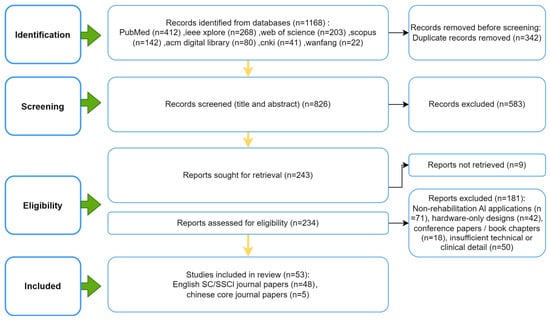
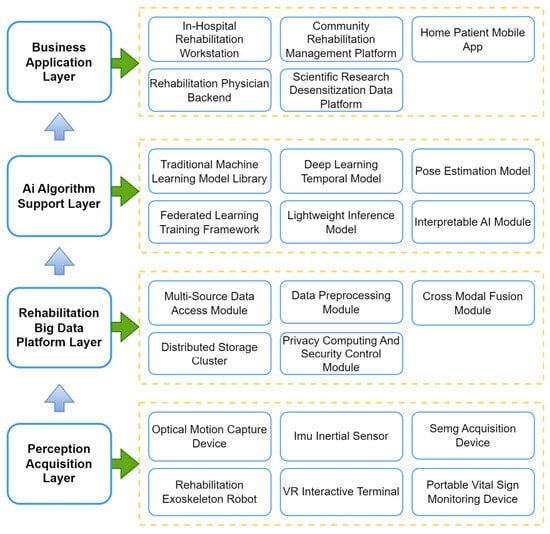
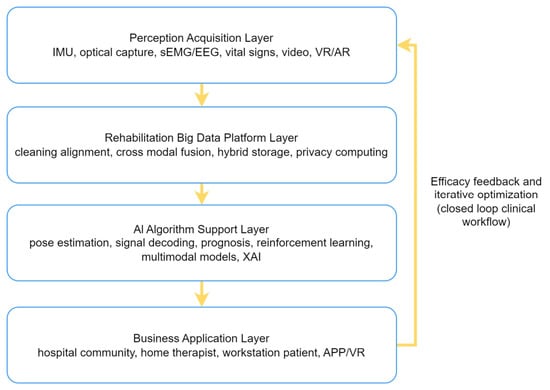
The world population is aging at an accelerating pace, and the rate of disability caused by chronic diseases and trauma is on the rise. The traditional rehabilitation model has some structural defects, such as subjective evaluation, homogeneity in treatment schemes, imbalance of resource allocation, and insufficient intervention accuracy. The deep integration of big data analysis, artificial intelligence (AI), edge computing, digital twins, federated learning and multimodal large models is promoting a shift in the rehabilitation system from an experience-driven paradigm to a data-driven paradigm. This review systematically summarizes the development and evolution of big data analysis and artificial intelligence pertaining to intelligent rehabilitation, proposes a four-tier progressive technical architecture, summarizes the standardized governance paradigm of heterogeneous rehabilitation big data, and analyzes the mechanism and application boundaries of artificial intelligence algorithms in rehabilitation scenarios, such as neurology, orthopedics, elderly balance, and speech cognition. By comparing typical intelligent rehabilitation platforms horizontally, the core bottlenecks, including data islands, lack of clinical interpretability, weak robustness in complex environments and lack of evidence-based support, were identified. A future development path for integrating federated learning, lightweight multimodal models, human digital twins, flexible wearable sensing and other technologies is proposed to provide theoretical support for the next generation of rehabilitation systems.
Full article
(This article belongs to the Section Artificial Intelligence)
►▼
Show Figures

Figure 1
Open AccessArticle
A Linear Route-Planning Model for Green Intermodal Transportation Considering Carbon Tax Policy, Cargo Time Sensitivity and Integrity
by
Yanli Guo and Yan Sun
Appl. Syst. Innov. 2026, 9(10), 200; https://doi.org/10.3390/asi9100200 - 24 Sep 2026
Abstract
►▼
Show Figures
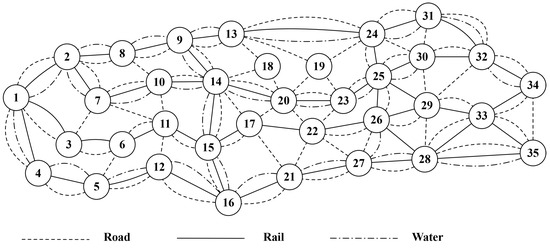
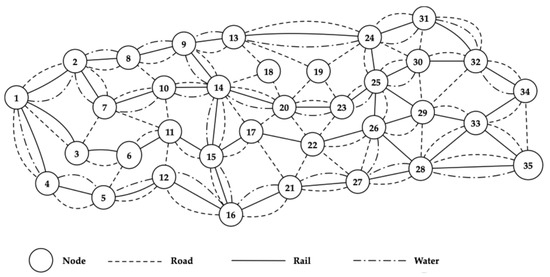
This paper addresses a green intermodal route-planning problem considering delivery time sensitivity and cargo integrity, in which a fuzzy time window, damage costs and the carbon tax policy are comprehensively integrated. A linear route-planning model with an easily attainable global optimum solution is
[...] Read more.
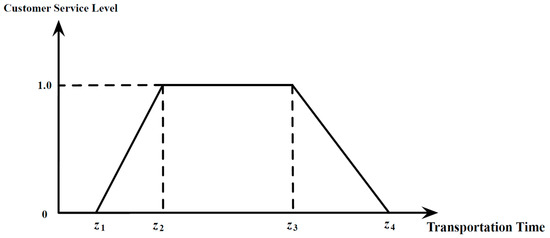
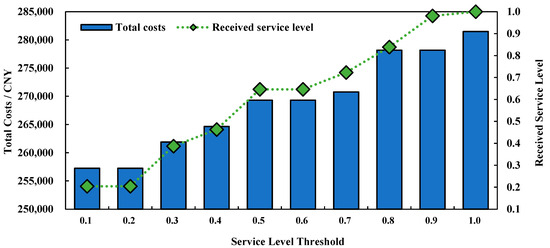
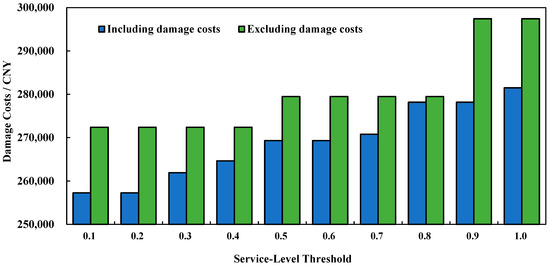
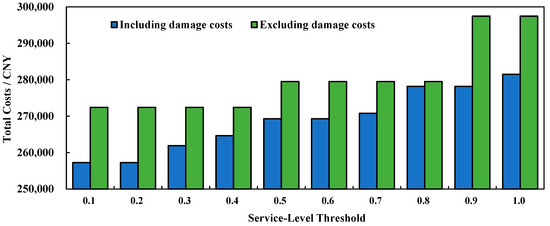
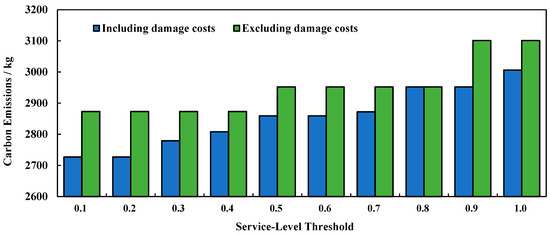
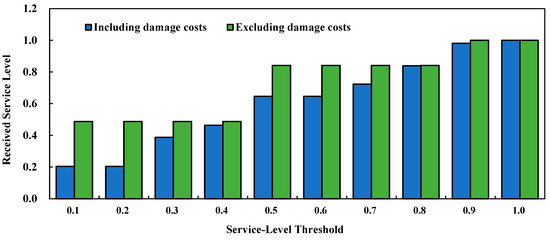
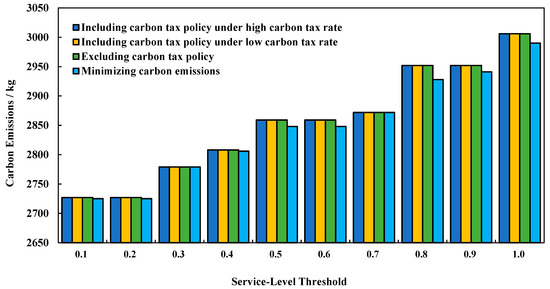
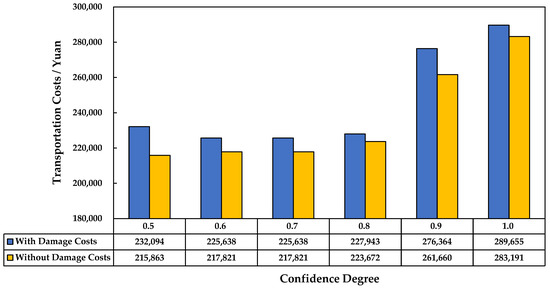
This paper addresses a green intermodal route-planning problem considering delivery time sensitivity and cargo integrity, in which a fuzzy time window, damage costs and the carbon tax policy are comprehensively integrated. A linear route-planning model with an easily attainable global optimum solution is established to address the proposed problem, with the optimization objective of minimizing the total cost, comprising transportation-, damage- and carbon tax-related costs. Numerical experiments are conducted to verify the feasibility of problem optimization and reveal managerial insights. The feasibility verification demonstrates that the fuzzy time window enables flexible and fine-grained intermodal route design based on delivery time sensitivity, and the incorporation of damage costs has the triple benefit of reducing cargo damage, improving economic benefits and ensuring low-carbon transportation. It also demonstrates the conditional effectiveness of the carbon tax policy in reducing the carbon emissions associated with intermodal transportation. An ablation experiment further indicates that damage costs are the dominant driver of carbon emission reductions when transporting high-value cargo, with the carbon tax policy failing to achieve additional carbon emission reductions in this case when damage costs are included in the objective function. These findings provide quantitative guidance for customers, transportation service providers, and policy regulators for balancing the costs, service quality and environmental sustainability of intermodal transportation.
Full article

Figure 1
Open AccessArticle
Simulation-Based Benchmarking of Virtual Coupling Operational Scenarios: A UK West Coast Main Line Case Study
by
Alican Erdem, Mehmet Zahid Hamarat, Marcelo Blumenfeld, Lei Chen and Clive Roberts
Appl. Syst. Innov. 2026, 9(10), 199; https://doi.org/10.3390/asi9100199 - 23 Sep 2026
Abstract
►▼
Show Figures
Virtual Coupling (VC) is an emerging railway signalling concept that allows successive trains to run closer together than the conventional absolute braking distance, promising higher line capacity. Prior VC research has mainly targeted controller design under a relative-braking assumption, leaving a gap in
[...] Read more.
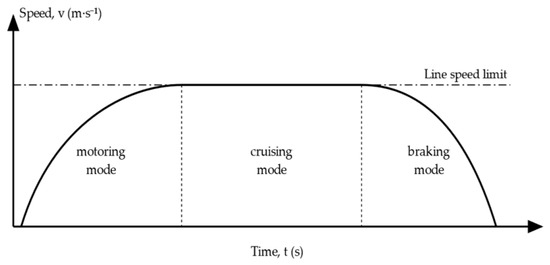
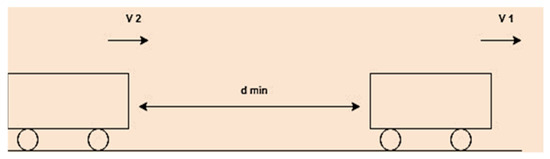
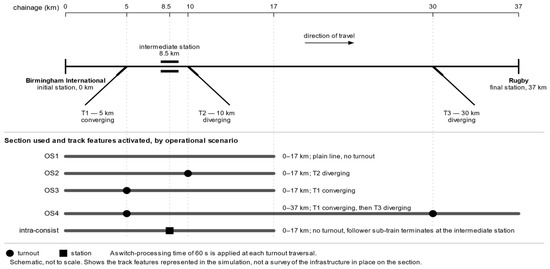
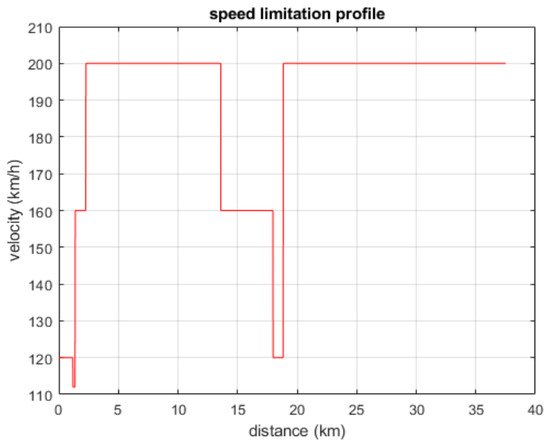
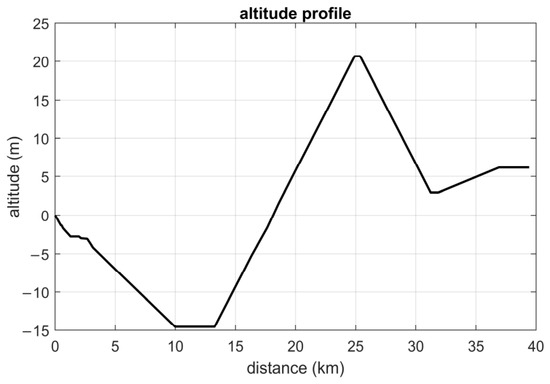
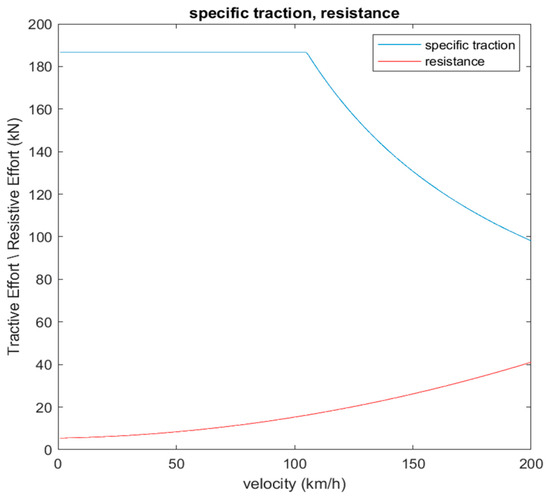
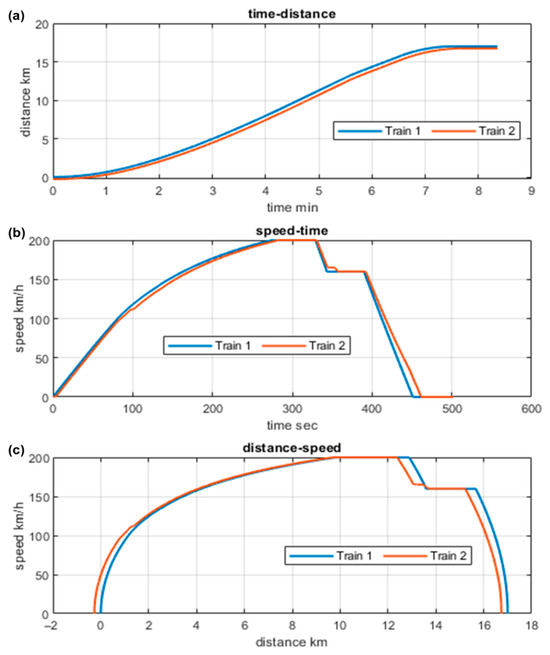
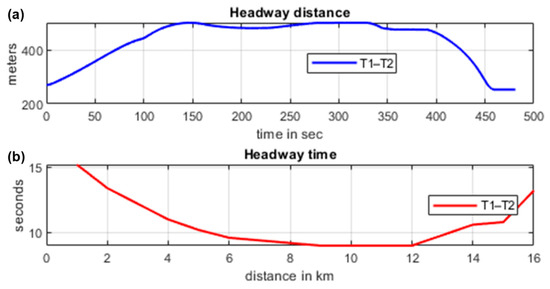
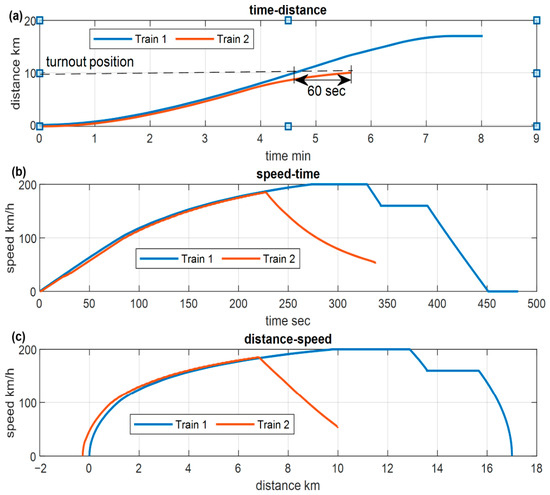
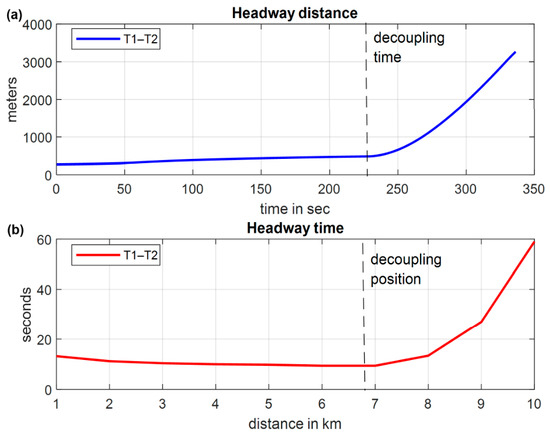
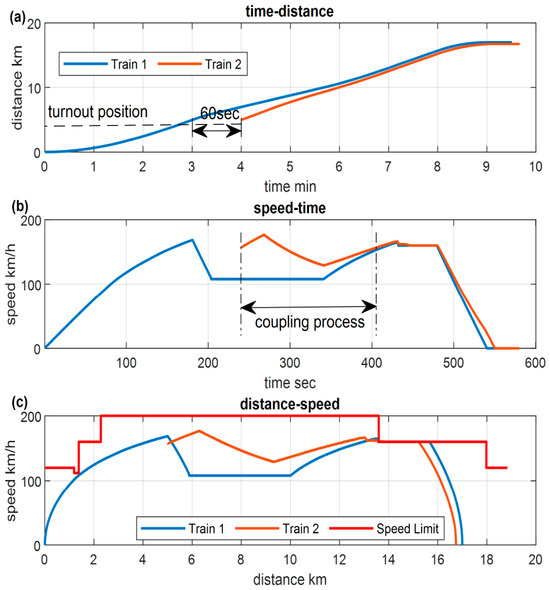
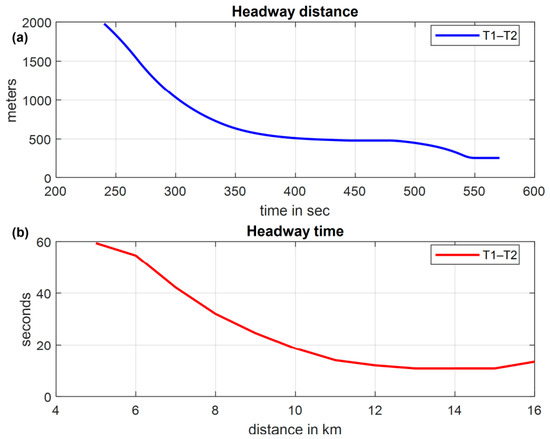
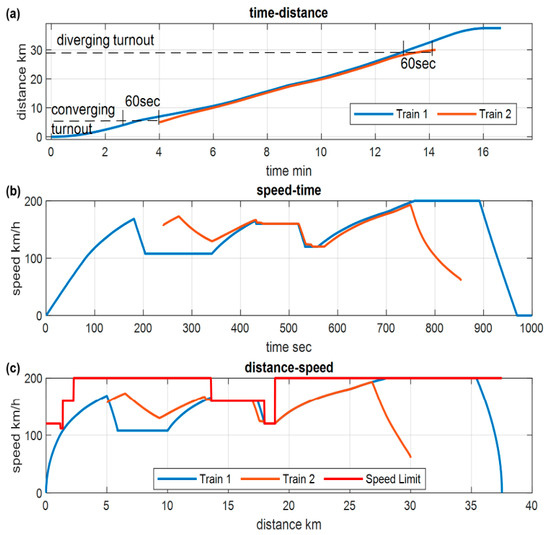
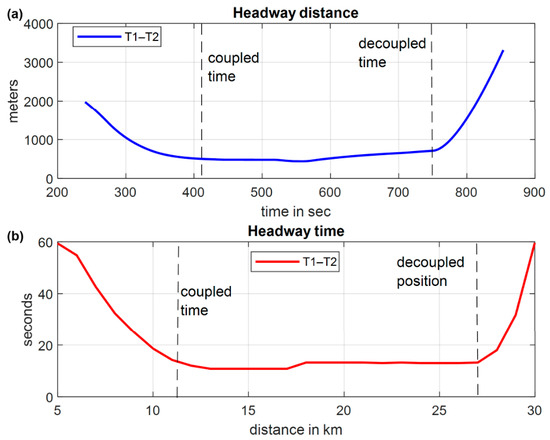
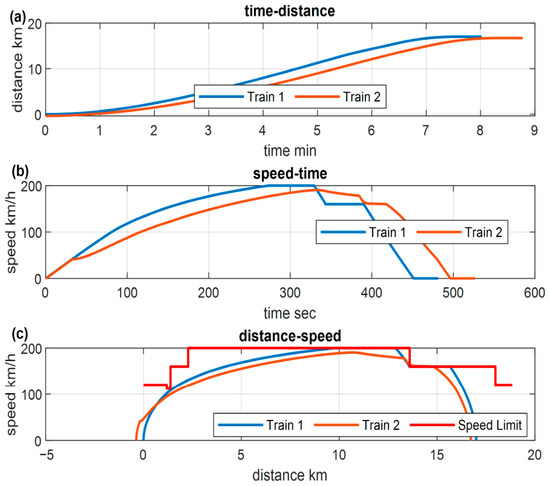
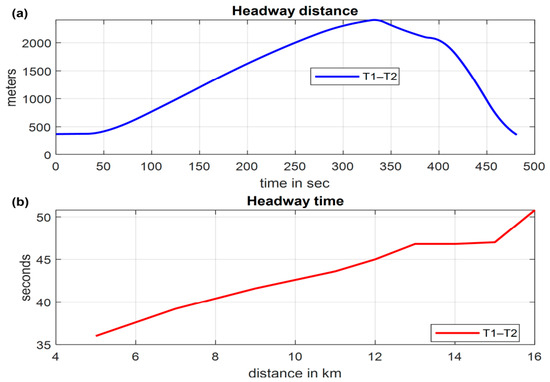
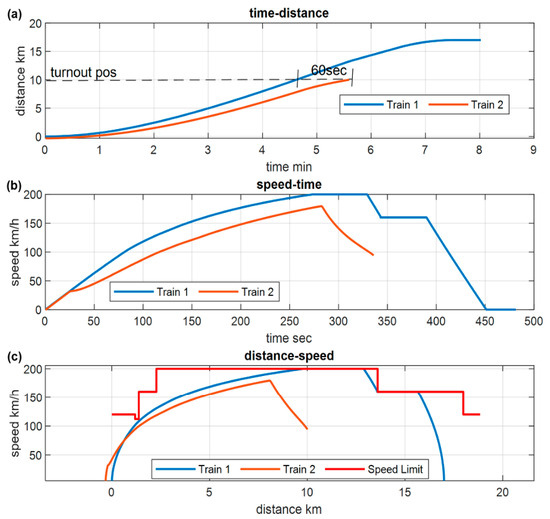
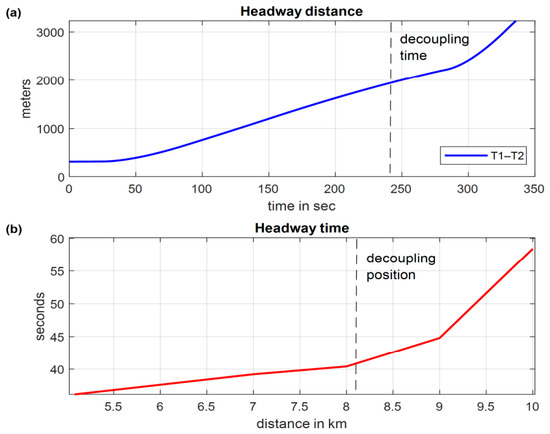
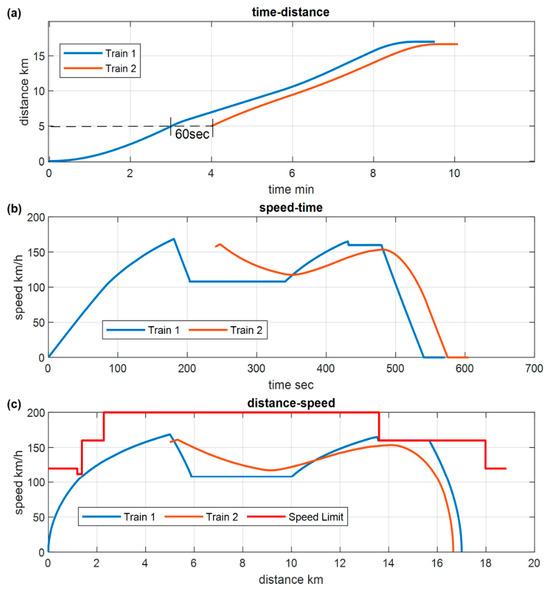
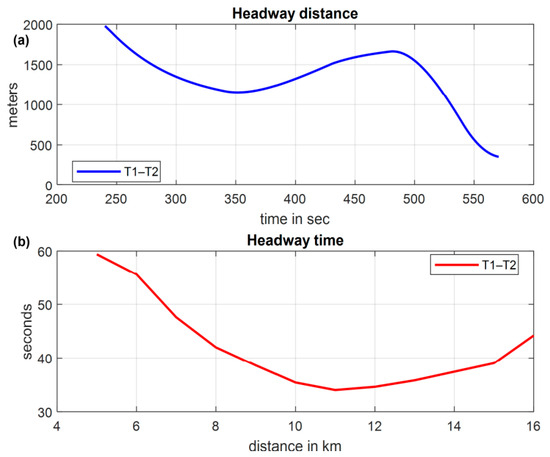
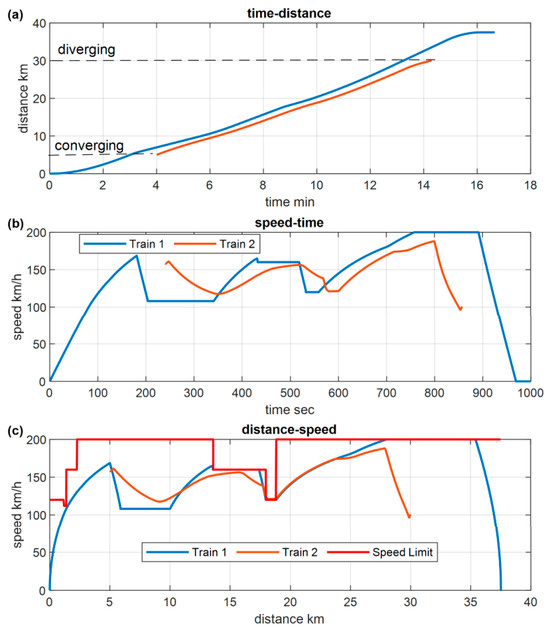
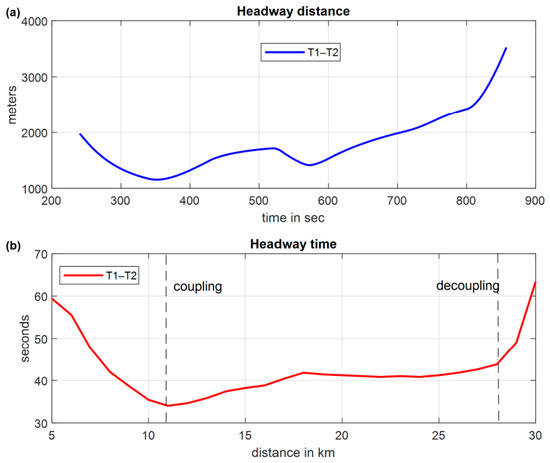
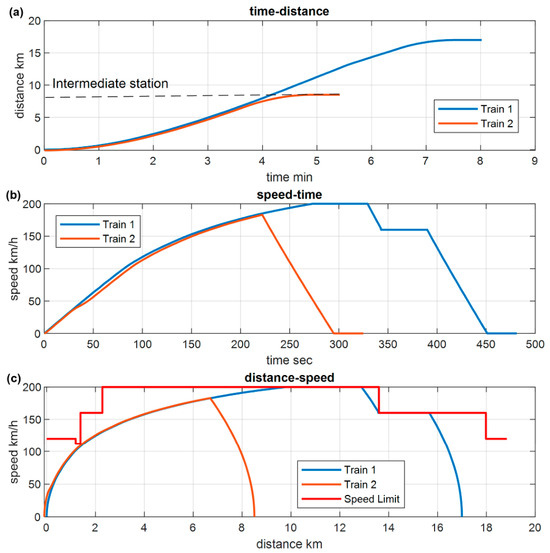
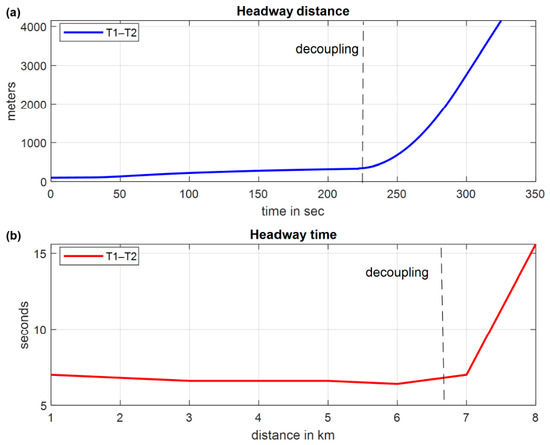
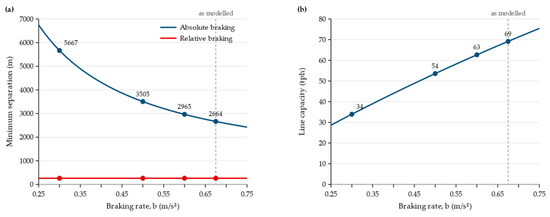
Virtual Coupling (VC) is an emerging railway signalling concept that allows successive trains to run closer together than the conventional absolute braking distance, promising higher line capacity. Prior VC research has mainly targeted controller design under a relative-braking assumption, leaving a gap in holistically defining and simulating VC scenarios across absolute and relative braking, and across inter-consist (train-to-train) and intra-consist (single-train splitting) configurations. This study addresses that gap by developing a longitudinal train dynamics model, deriving minimum-separation formulations for absolute and relative braking with a proposed dynamic safety margin, and designing a Model Predictive Control (MPC) train-following controller. Four operational scenarios, covering coupling and uncoupling at standstill and in motion, were simulated for a nine-car Class 390/0 Pendolino on the West Coast Main Line in the United Kingdom, between Rugby and Birmingham International. Relative-braking VC on a plain track reaches up to 240 trains per hour at a maximum headway of 15 s, whereas junction-constrained scenarios are capped at 60 trains per hour by the assumed switch-processing time, irrespective of braking principle. Absolute-braking VC achieves 60–70 trains per hour across scenarios. Splitting one train into a seven-car through-service and a two-car stopping portion reduced the through-service journey time by 27% and the combined energy consumption by 21.4% relative to an unsplit nine-car service.
Full article

Figure 1
Open AccessSystematic Review
Real-Time Sound Event Localization and Detection for Edge and Mobile Devices: A Systematic Review
by
Phathorn Thammasorn and Porawat Visutsak
Appl. Syst. Innov. 2026, 9(10), 198; https://doi.org/10.3390/asi9100198 - 23 Sep 2026
Abstract
Background: Real-time Sound Event Localization and Detection (SELD) is important for enabling spatial-audio perception in resource-constrained environments. Edge and mobile platforms—including smartphones, wearables, embedded processors, microcontrollers, and IoT devices—impose strict constraints on latency, memory, and power that challenge current SELD methods. Objective: This
[...] Read more.
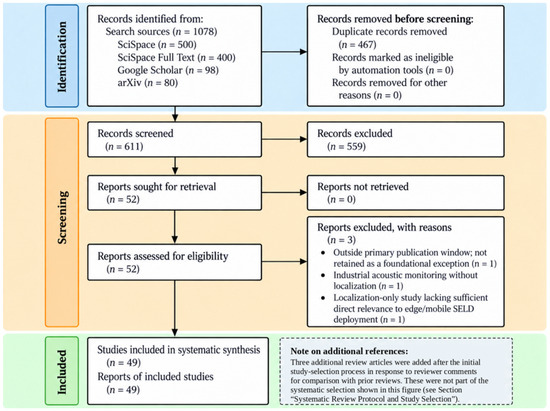
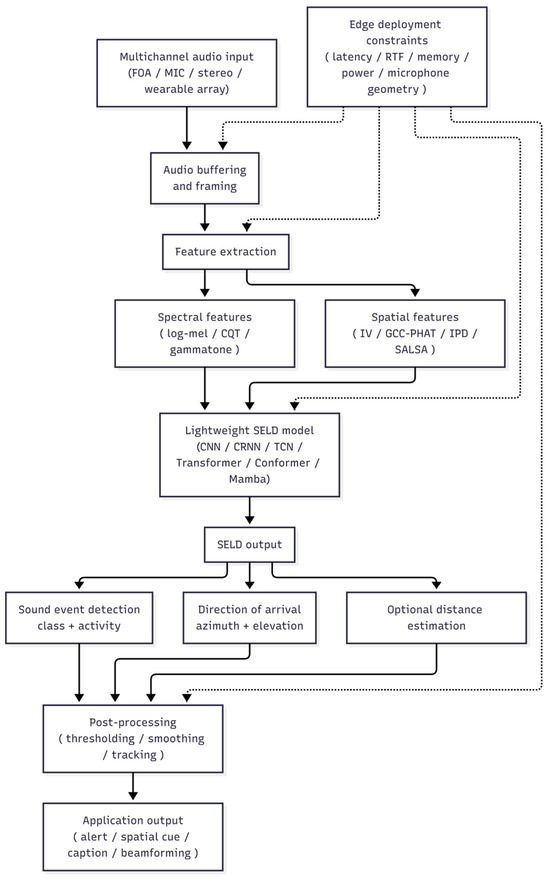
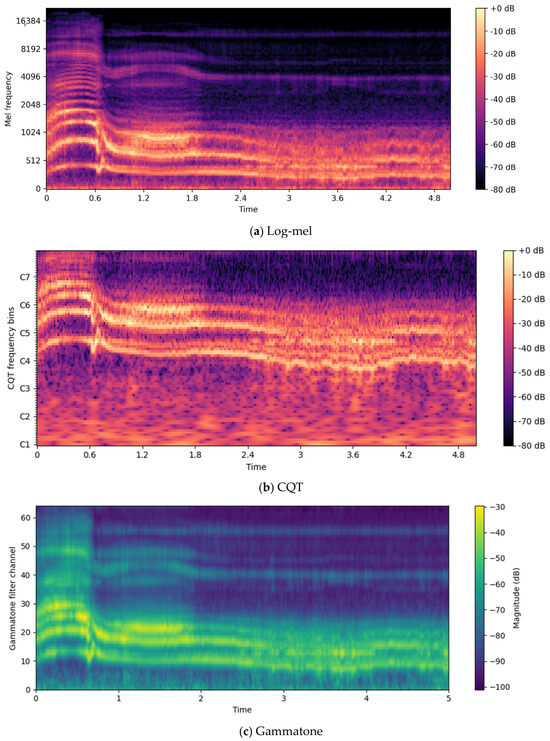
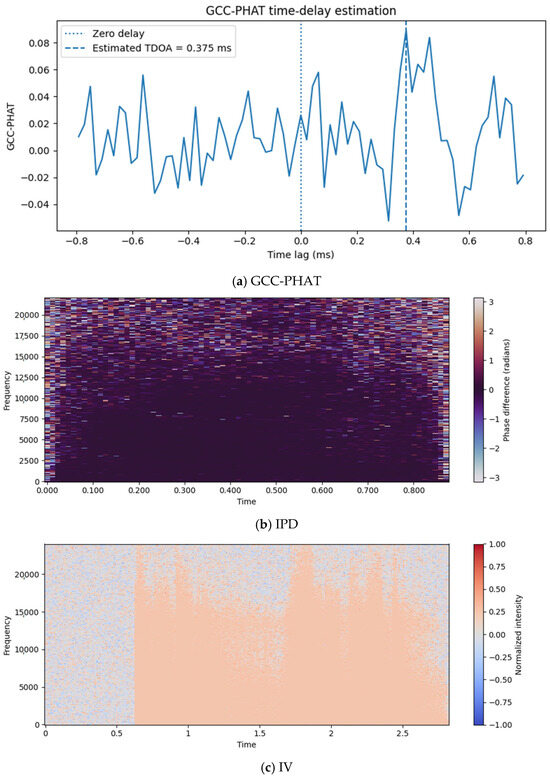
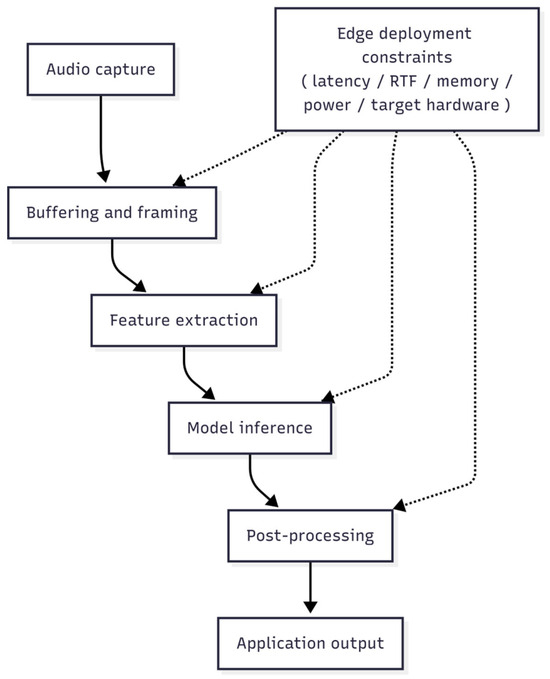
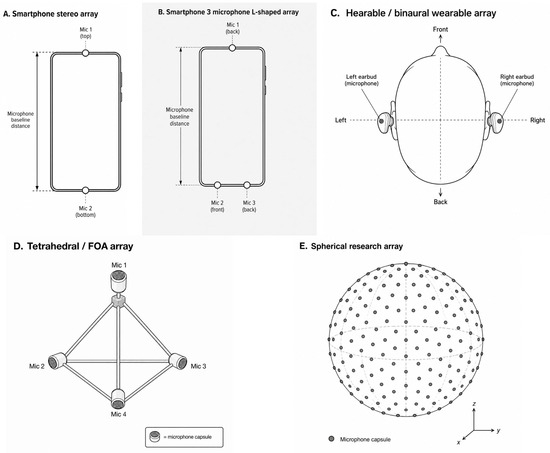
Background: Real-time Sound Event Localization and Detection (SELD) is important for enabling spatial-audio perception in resource-constrained environments. Edge and mobile platforms—including smartphones, wearables, embedded processors, microcontrollers, and IoT devices—impose strict constraints on latency, memory, and power that challenge current SELD methods. Objective: This review evaluates the readiness of current SELD methods for real-time deployment on edge and mobile devices and identifies the principal limitations affecting deployment. Methods: This systematic review was reported in accordance with the PRISMA 2020 statement. A structured search conducted on 30 June 2026 using SciSpace, SciSpace Full Text, Google Scholar, and arXiv retrieved 1078 records before deduplication, resulting in 611 unique records. Eligible studies were English-language publications from January 2018 to 30 June 2026 addressing SELD or directly relevant edge/mobile acoustic perception and deployment, with two foundational pre-2018 exceptions. Study selection and data extraction were performed by the first author, with automated tools used only to assist prioritization and information extraction. No formal risk-of-bias tool was applied. Because of methodological heterogeneity, results were synthesized qualitatively. Following screening and eligibility assessment, 49 publications were included. Results: Significant progress has been made in developing compact systems capable of performing SELD in real time; however, many limitations persist. Trade-offs between model complexity and localization accuracy remain unresolved. Sensitivity to microphone geometry and channel count is a persistent constraint. Robustness under noisy and reverberant conditions has improved, but current systems remain limited in practical deployment. A gap persists between performance on SELD benchmark datasets and real-world deployments. The available evidence was heterogeneous, and deployment-related metrics were reported inconsistently across studies. Conclusions: Several directions are identified that may help close these gaps, including hardware-aware Neural Architecture Search (NAS), self-supervised spatial-audio representation learning, on-device adaptation/personalization, energy-aware duty cycling, multimodal integration, cooperative device fusion, microphone calibration, and privacy-preserving trustworthy edge SELD. This systematic review provides an organized synthesis of the current state of the art in edge/mobile SELD, its limitations, and future opportunities for real-time implementation. The review was not prospectively registered and received no external funding.
Full article
(This article belongs to the Special Issue Reviews of Critical and Emerging Technologies for Applied System Innovation)
►▼
Show Figures

Figure 1
Open AccessReview
Maritime GNSS Threats and Resilience: A Layered Review of Vulnerabilities and Defences
by
Dimitrios Piromalis, Efthymios Tserepas and Panagiotis Papageorgas
Appl. Syst. Innov. 2026, 9(9), 197; https://doi.org/10.3390/asi9090197 - 19 Sep 2026
Abstract
Global Navigation Satellite Systems (GNSS) underpin maritime Positioning, Navigation, and Timing (PNT), supporting bridge functions such as the Automatic Identification System (AIS), the Electronic Chart Display and Information System (ECDIS), radar overlays, and track-control systems. This dependence exposes vessels to non-malicious degradation, unintentional
[...] Read more.
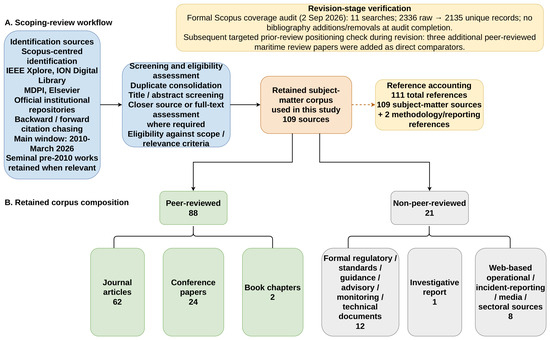
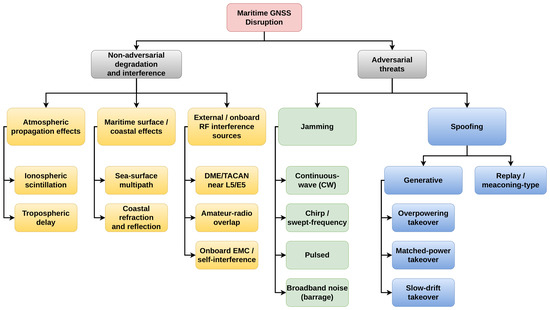
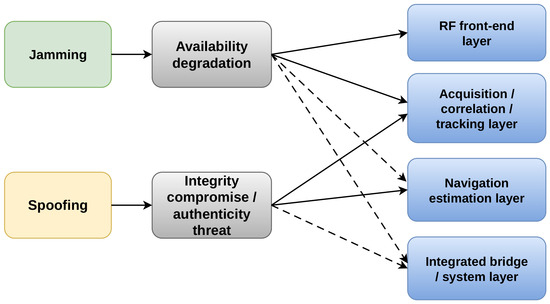
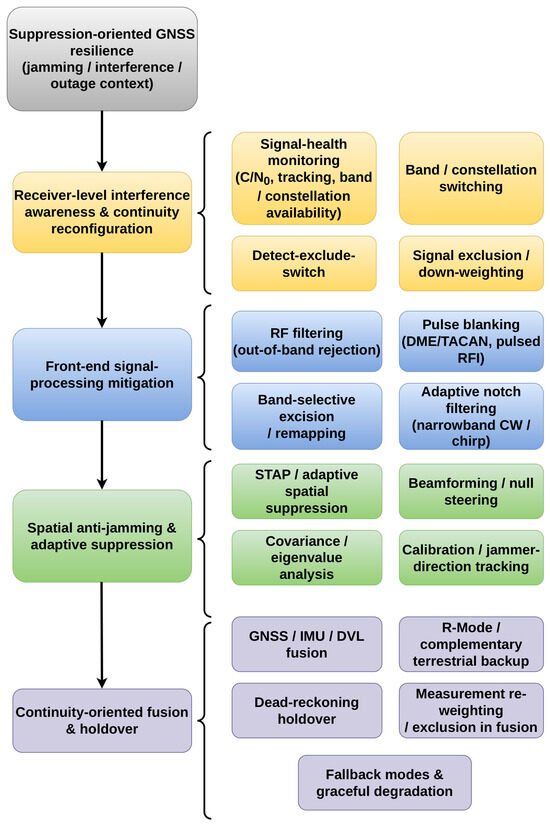
Global Navigation Satellite Systems (GNSS) underpin maritime Positioning, Navigation, and Timing (PNT), supporting bridge functions such as the Automatic Identification System (AIS), the Electronic Chart Display and Information System (ECDIS), radar overlays, and track-control systems. This dependence exposes vessels to non-malicious degradation, unintentional interference, jamming, spoofing, and replay-based (meaconing-type) deception. Using a structured scoping review with narrative synthesis, this paper synthesises evidence on maritime GNSS threats and resilience across the receiver-to-bridge chain. The review develops a maritime-oriented taxonomy and maps disruption across the radio-frequency (RF) front-end, acquisition and tracking, navigation-estimation, and integrated-bridge layers. It examines suppression-oriented resilience, including front-end mitigation, spatial anti-jamming, and multi-sensor fusion, alongside deception-oriented detection, integrity monitoring, and authentication, including correlator-domain monitoring, navigation-engine integrity monitoring, Galileo Open Service Navigation Message Authentication (OSNMA), and bridge-level cross-checks. The analytical novelty lies in integrating disruption mechanism, security objective, evidence type, layer of action, and residual protection gap within a maritime cross-layer decision framework spanning the receiver-to-bridge chain. This framework enables resilience measures to be interpreted and compared according to what they protect and what remains unprotected, supporting complementary rather than interchangeable defences. The synthesis shows that maritime GNSS resilience extends beyond the RF receiver to navigation-solution trust and integrated-bridge safety.
Full article
(This article belongs to the Special Issue Intelligent Communication, Positioning and IoT Systems for Smart Infrastructure and Industrial Applications)
►▼
Show Figures

Figure 1
Open AccessArticle
A Morphology-Driven Conceptual Design Framework for Passive Sit-to-Stand Assistive Mechanisms
by
Harold A. Rodriguez-Arias, Julio C. Rodríguez Ribón, Efrain Rodriguez and Diego Páez-Granados
Appl. Syst. Innov. 2026, 9(9), 196; https://doi.org/10.3390/asi9090196 - 17 Sep 2026
Abstract
►▼
Show Figures
Passive sit-to-stand (STS) assistive devices provide an affordable and reliable alternative to powered rehabilitation systems; however, their effectiveness depends on the kinematic compatibility between the mechanism and the user. Existing studies primarily focus on specific mechanism implementations, whereas systematic methodologies that translate human
[...] Read more.
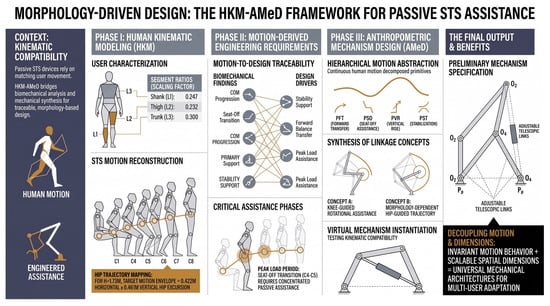
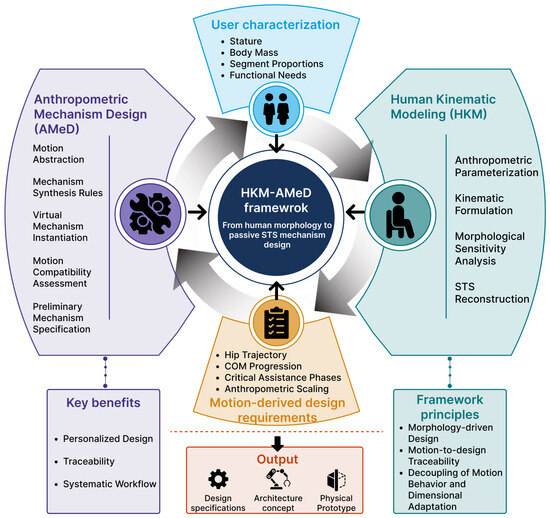
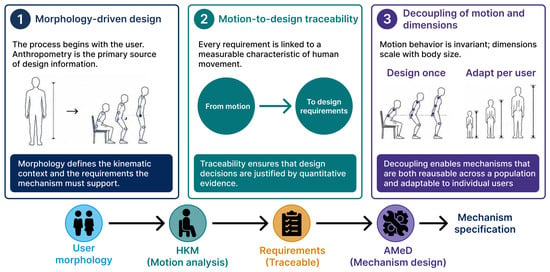
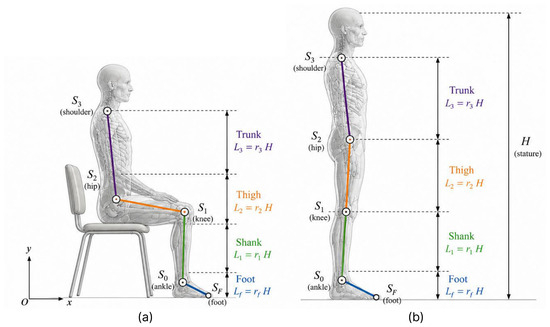
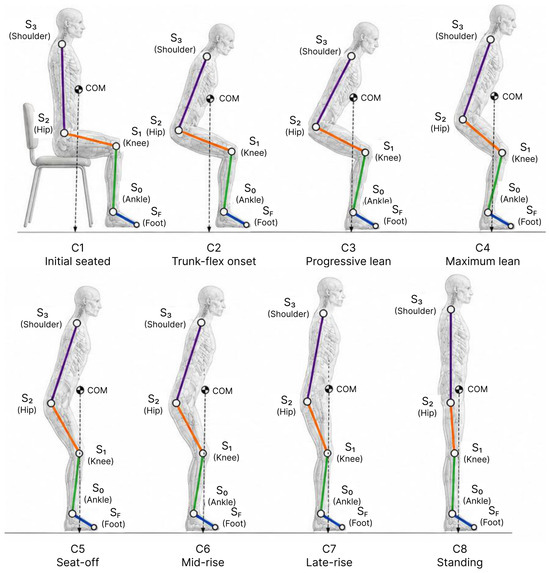
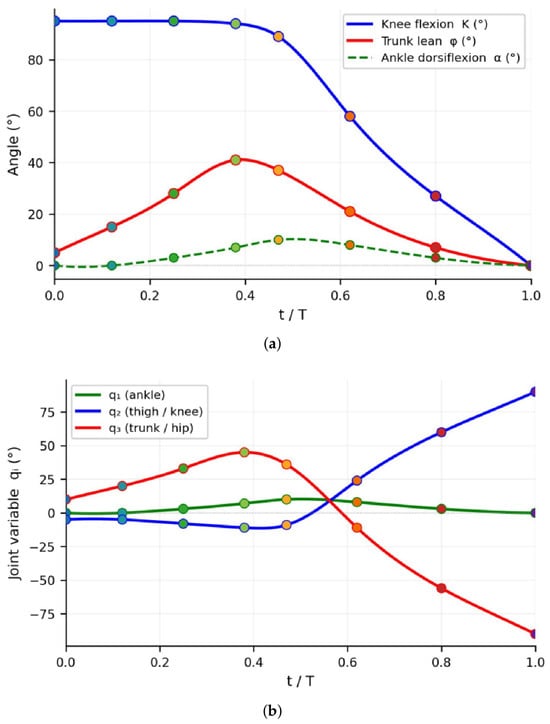
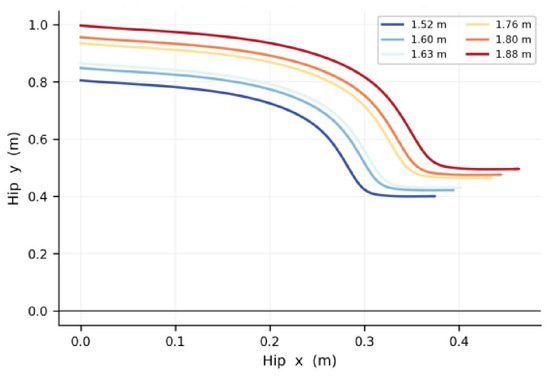
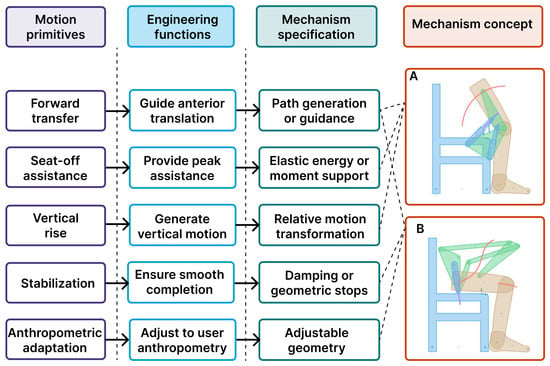
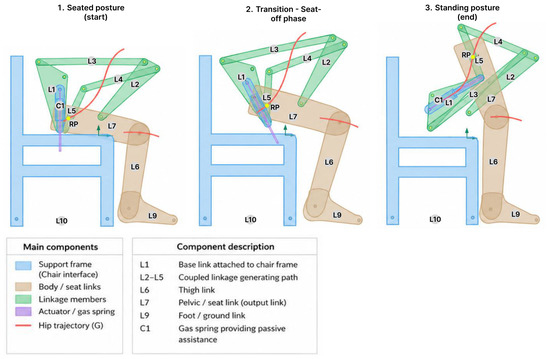
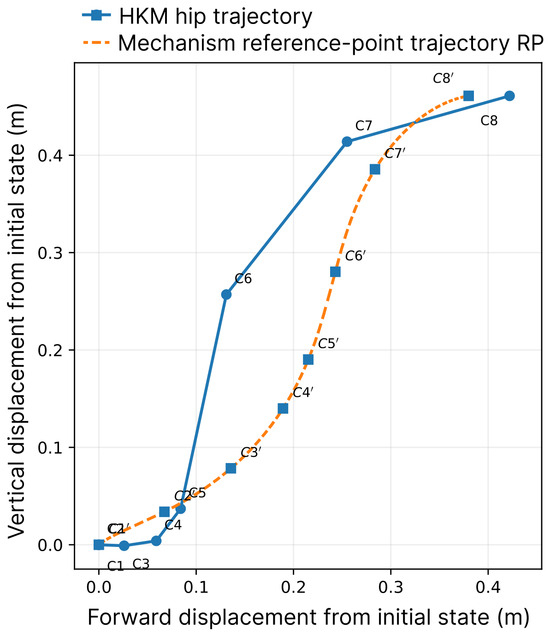
Passive sit-to-stand (STS) assistive devices provide an affordable and reliable alternative to powered rehabilitation systems; however, their effectiveness depends on the kinematic compatibility between the mechanism and the user. Existing studies primarily focus on specific mechanism implementations, whereas systematic methodologies that translate human morphology and motion into conceptual mechanism designs remain limited. This paper proposes an integrated framework combining Human Kinematic Modeling (HKM) and Anthropometry-informed Mechanism Design (AMeD) for the conceptual design of passive STS assistive mechanisms. The HKM reconstructs the STS motion from user anthropometric dimensions using a simplified sagittal-plane kinematic model to derive hip trajectories, center-of-mass progression, and critical assistance phases. These motion descriptors are transformed into engineering requirements through motion abstraction and hierarchical engineering mapping, enabling the generation of alternative linkage concepts, virtual mechanism instantiation, motion compatibility assessment, and preliminary mechanism specification. For the illustrative reference case, based on a stature-derived anthropometric parameterization ( m), the reconstructed hip trajectory exhibits horizontal and vertical excursions of approximately m and m, respectively, defining the target motion envelope for the virtual mechanism. The proposed HKM-AMeD framework establishes a traceable methodology that transforms user anthropometry and human motion into engineering design knowledge, providing a reproducible foundation for the early-stage development and evaluation of passive assistive mechanisms before detailed optimization and physical prototyping.
Full article

Graphical abstract
Open AccessArticle
Multi-Task Time Series Forecasting of Plant Load Losses: A Comparative Study of a Temporal Fusion Transformer and LSTM
by
Bathandekile Boshoma, Oluwole Akinola and Peter Olukanmi
Appl. Syst. Innov. 2026, 9(9), 195; https://doi.org/10.3390/asi9090195 - 17 Sep 2026
Abstract
Accurate load loss forecasting is important to prevent plant failures and improve power station reliability. While the Temporal Fusion Transformer and LSTM have demonstrated state-of-the-art performance in modelling complex temporal patterns, their effectiveness remains strongly influenced by the scale of the available data,
[...] Read more.
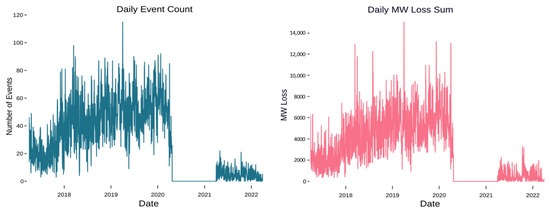
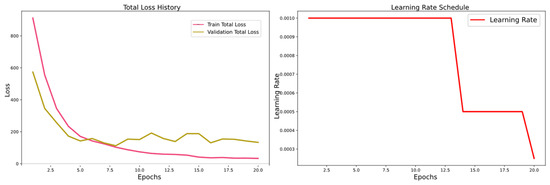
Accurate load loss forecasting is important to prevent plant failures and improve power station reliability. While the Temporal Fusion Transformer and LSTM have demonstrated state-of-the-art performance in modelling complex temporal patterns, their effectiveness remains strongly influenced by the scale of the available data, and despite their promise, their application to predict load losses in power stations is underexplored, particularly for medium-term forecast horizons. We evaluated the TFT relative to an LSTM to forecast load losses 16 weeks ahead and predict the plant that will likely fail, across three data scales: 2000, 10,000, and 50,000 derived from a 5-year secondary load loss dataset from six power stations. The TFT substantially outperformed the LSTM on all data sizes, with the 50,000-sample size achieving the best results of 0.9789 prediction accuracy, 12.3853 MSE, 0.5539 MAE, 3.5193 RMSE, and 0.9858 for R2. Collectively, these findings uncover the empirical boundaries of transformer-based models, illustrating that data volume serves as a pivotal determinant for the effective activation of advanced self-attention mechanisms of the TFT.
Full article
(This article belongs to the Special Issue AI-Driven Decision Support for Systemic Innovation)
►▼
Show Figures

Figure 1
Open AccessArticle
Classification of Dynamic Operating Modes of Electric Motors Using Synthetic Load Profiles
by
Stoil Kavalov, Angel Nikolov, Miroslav Vasilev and Zlatin Zlatev
Appl. Syst. Innov. 2026, 9(9), 194; https://doi.org/10.3390/asi9090194 - 16 Sep 2026
Abstract
►▼
Show Figures
The analysis of transient regimes is important for the reliable monitoring and diagnostics of electromechanical systems, since dynamic changes in load have a significant impact on the electrical and mechanical characteristics of electric motors. In this study, an approach for classification of dynamic
[...] Read more.
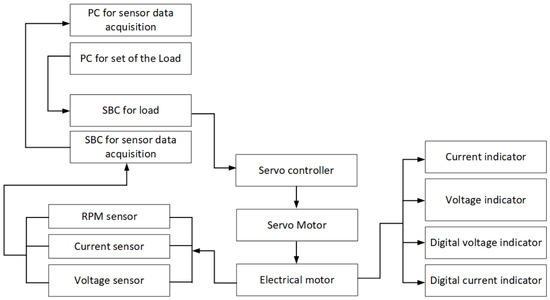
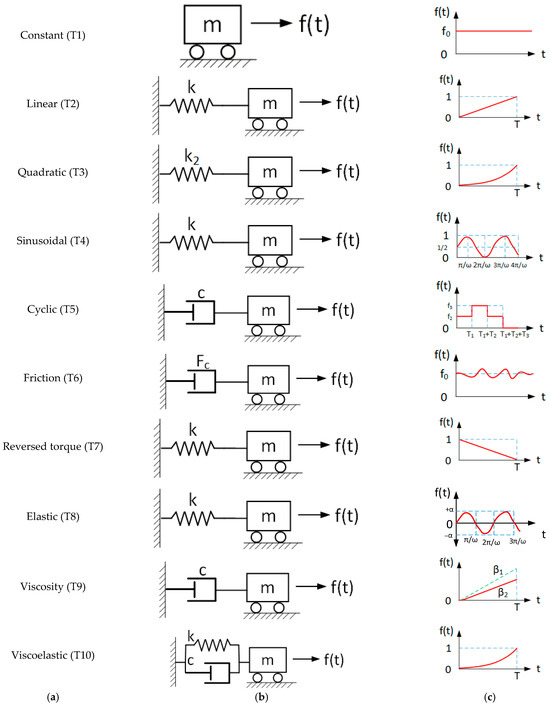
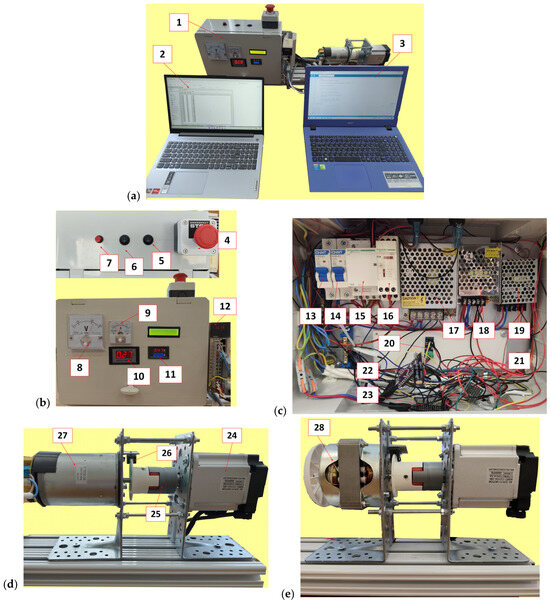
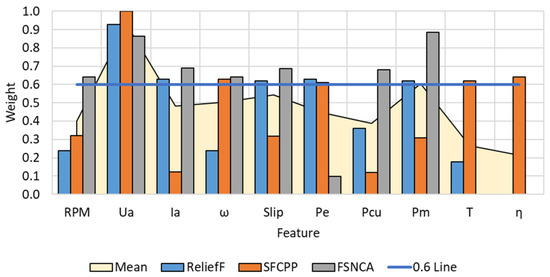
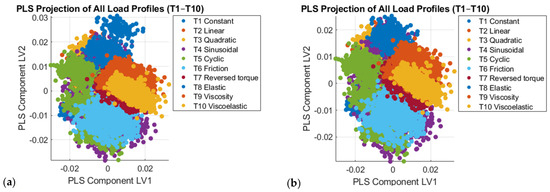
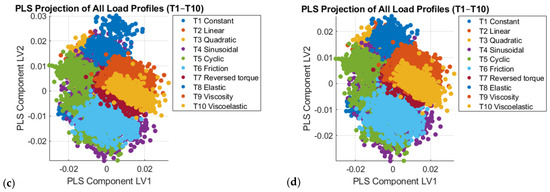
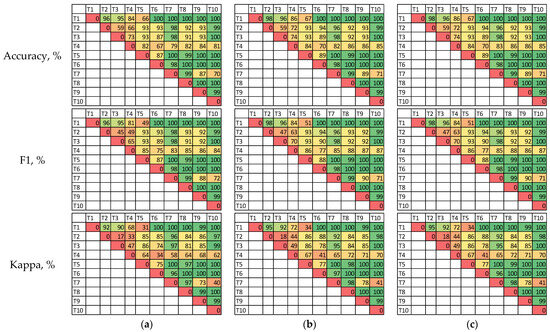
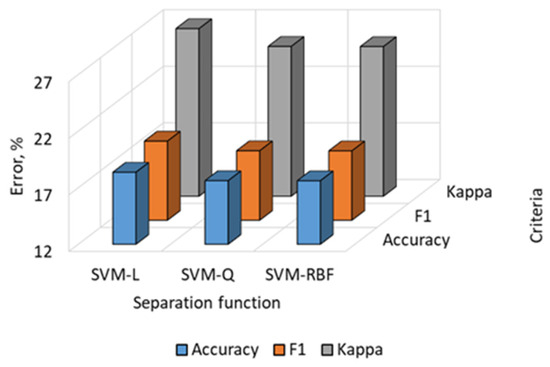
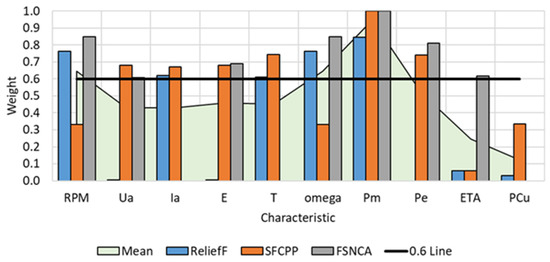
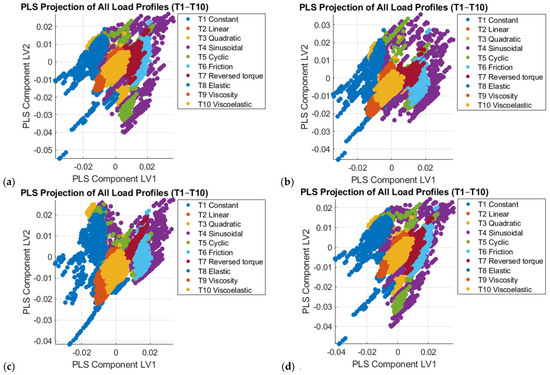
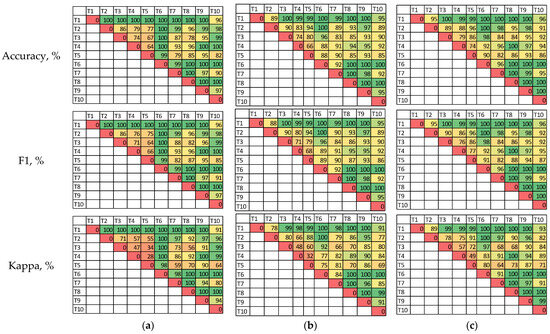
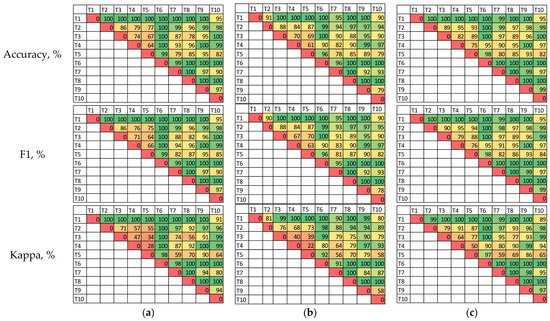
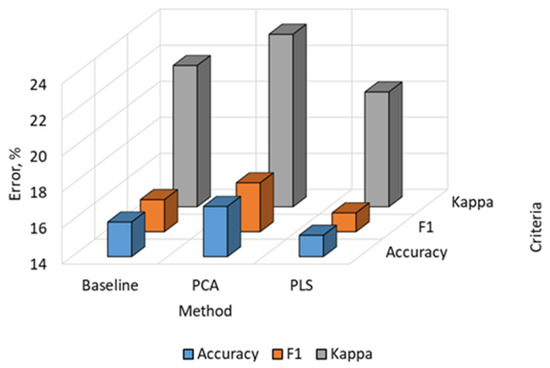
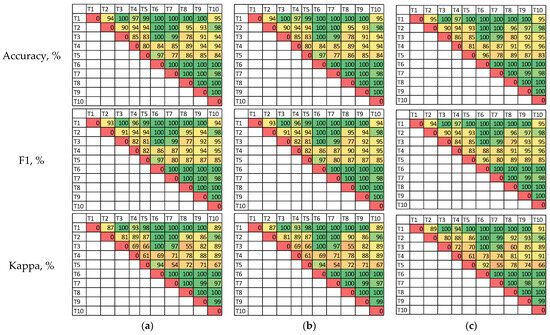
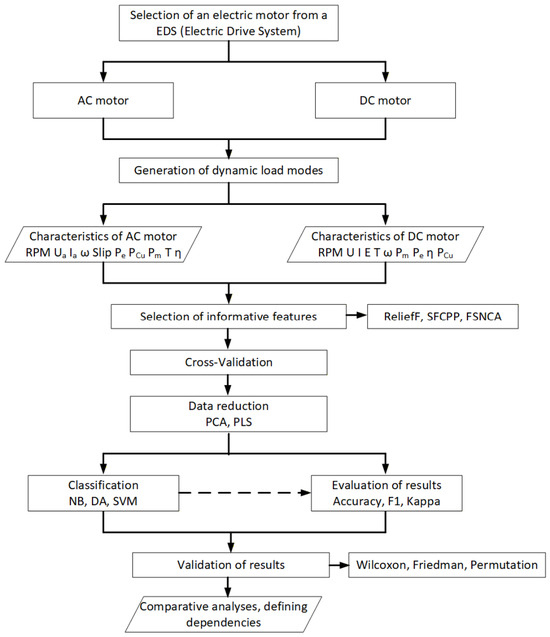
The analysis of transient regimes is important for the reliable monitoring and diagnostics of electromechanical systems, since dynamic changes in load have a significant impact on the electrical and mechanical characteristics of electric motors. In this study, an approach for classification of dynamic operating regimes is proposed using ten synthetically generated load profiles representing linear, nonlinear, periodic, stochastic, and combined loads. An experimental setup was developed for implementing controlled load effects and recording electrical and mechanical parameters of DC and induction electric motors. To determine the most informative characteristics, the ReliefF, SFCPP, and FSNCA methods were applied, followed by dimensionality reduction and classification using statistical and machine-learning approaches. The selected feature vectors were evaluated by stratified 5-fold cross-validation and validated using Wilcoxon, Friedman, and permutation tests. The results obtained show that a limited set of electrical and electromechanical parameters contains sufficient information to reliably distinguish between different dynamic operating modes. The best-performing model achieved classification accuracy above 98%, confirming the effectiveness of the proposed framework. The proposed approach provides a reproducible methodology for generating representative datasets, assessing the informativeness of the features, and supporting intelligent systems for monitoring the condition of electric drives. The methodology is applicable both in laboratory conditions and in the development of digital twins and predictive maintenance systems.
Full article

Figure 1
Open AccessArticle
A Map-Aware Destination Prediction Model for Location-Based Consumer Electronics
by
Lele Yu, Jingkang Yang and Xin Li
Appl. Syst. Innov. 2026, 9(9), 193; https://doi.org/10.3390/asi9090193 - 15 Sep 2026
Abstract
With the rapid development of smart devices and mobile Internet, Location-based Consumer Electronics (LCE) increasingly rely on accurate destination prediction to support location-aware services. However, existing destination prediction methods often rely on recurrent architectures or incorporate unfiltered map information, which can limit both
[...] Read more.
With the rapid development of smart devices and mobile Internet, Location-based Consumer Electronics (LCE) increasingly rely on accurate destination prediction to support location-aware services. However, existing destination prediction methods often rely on recurrent architectures or incorporate unfiltered map information, which can limit both prediction efficiency and accuracy. To address these issues, we propose a Map-Aware Full Attention Model (MFAM) tailored for LCE devices, featuring an encoder-only full attention network optimized for real-time trajectory prediction. The main novelty of MFAM lies in a trajectory-conditioned Map-Aware Attention mechanism, which uses the observed trajectory to selectively identify and aggregate spatial map regions that are relevant to the destination prediction task, rather than directly incorporating the entire map. In addition, we introduce a sufficient grid-size criterion for AOI-based map representation to reduce the risk of losing small but informative geographic regions. These designs enable MFAM to exploit map information while maintaining a compact model structure and efficient inference. Experimental results on real-world trajectory datasets show that MFAM achieves a maximum Top-5 accuracy of 84.3% and 78.9% on two datasets, surpassing state-of-the-art methods. We further evaluate MFAM in real-world consumer electronics scenarios, demonstrating its robustness across different urban environments and transportation modes.
Full article
(This article belongs to the Section Artificial Intelligence)
►▼
Show Figures

Figure 1
Open AccessArticle
Modeling an On-Time and Reliable Intermodal Routing Problem for Time-Sensitive Cargoes Considering Cargo Damage and Uncertain Demand
by
Yan Ge and Yan Sun
Appl. Syst. Innov. 2026, 9(9), 192; https://doi.org/10.3390/asi9090192 - 14 Sep 2026
Cited by 1
Abstract
This study investigates a novel on-time and reliable intermodal routing problem for time-sensitive cargoes. Three practical factors, hard time window, damage costs, and fuzzy demand, are fully integrated into the problem optimization to achieve comprehensively improved route planning for time-sensitive cargoes. Using triangular
[...] Read more.
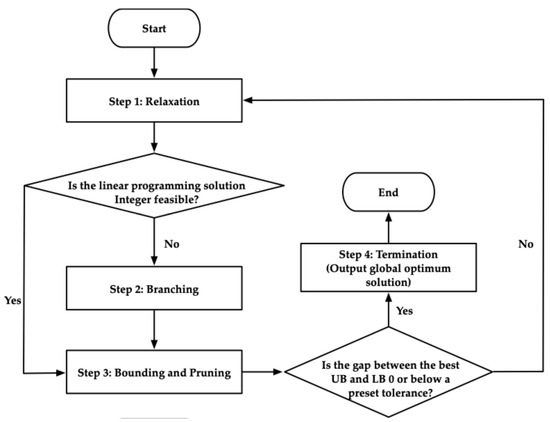
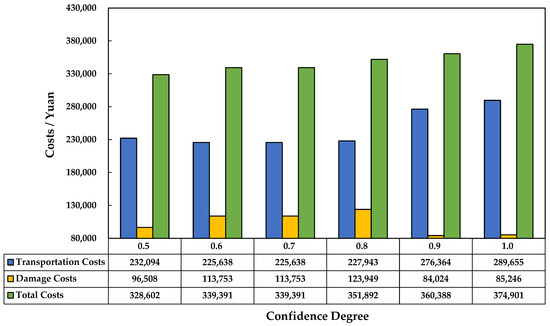
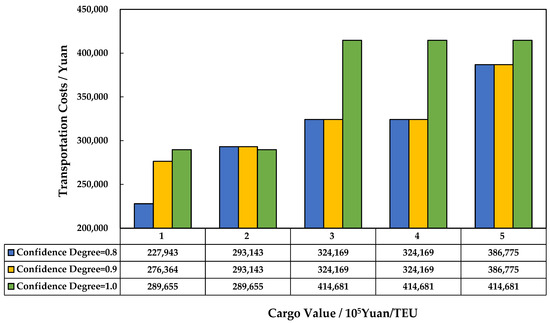
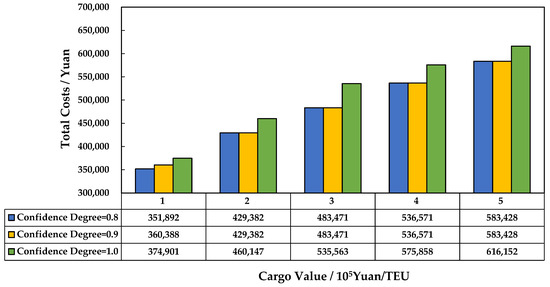
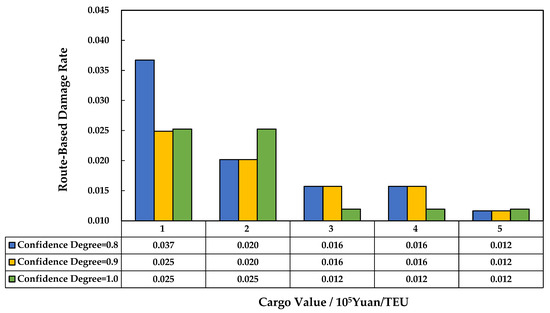
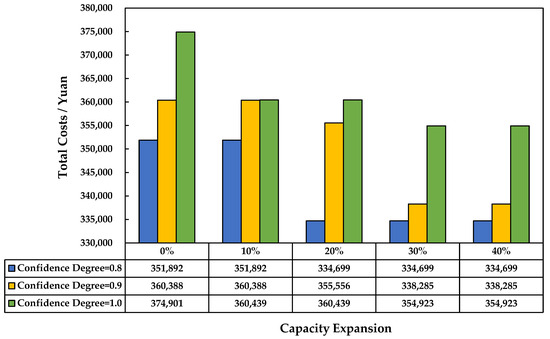
This study investigates a novel on-time and reliable intermodal routing problem for time-sensitive cargoes. Three practical factors, hard time window, damage costs, and fuzzy demand, are fully integrated into the problem optimization to achieve comprehensively improved route planning for time-sensitive cargoes. Using triangular fuzzy numbers to model the cargo demand uncertainty and induced cost and time uncertainty, this study proposes a fuzzy linear routing model to address the proposed problem, in which minimizing the total costs, consisting of transportation costs and damage costs, is formulated as the optimization objective. Furthermore, chance-constrained programming with a credibility measure is adopted to reformulate the proposed model to obtain an equivalent crisp linear representation that can be easily solved by the Branch-and-Bound algorithm to obtain the global optimum solution. A numerical case study is designed to verify the feasibility of the modeling. It indicates a trade-off between lowering the total costs and improving the reliability of transportation by increasing the confidence degree, and also demonstrates the feasibility of embedding damage costs into the optimization. Finally, it presents systematic sensitivity experiments to reveal the influence of the key parameters on the routing optimization for time-sensitive cargoes, and provides managerial implications for both the cargo owner and intermodal operator to effectively organize an on-time and reliable intermodal transportation that can achieve economic benefits and preserve cargo integrity.
Full article
(This article belongs to the Special Issue Applied System Optimization for Logistics and Supply Chain Management)
►▼
Show Figures

Figure 1
Open AccessArticle
Early Academic Performance Prediction in Secondary Education: Are Simple Machine Learning Models Enough?
by
Víctor D. Díaz Suárez, Marina Praena-Delgado, María de los Ángeles Buenavista-Ruiz, Carmen Román-León, Miriam Martín-Paciente and Carlos M. Travieso-González
Appl. Syst. Innov. 2026, 9(9), 191; https://doi.org/10.3390/asi9090191 - 11 Sep 2026
Abstract
Most predictive approaches in educational data mining rely on complex models whose opacity limits practical adoption by classroom teachers, creating a gap between model sophistication and classroom usability. This gap is particularly acute at the class-group level, where institutional gradebook data are routinely
[...] Read more.
Most predictive approaches in educational data mining rely on complex models whose opacity limits practical adoption by classroom teachers, creating a gap between model sophistication and classroom usability. This gap is particularly acute at the class-group level, where institutional gradebook data are routinely aggregated for teacher-level planning but rarely modelled with an explicit account of when model complexity is actually justified. This paper addresses that gap: its novelty is to provide a structural explanation, grounded in group-level academic dynamics, for why linear models are highly competitive, rather than merely adequate, for this type of data, and to test this account empirically. An eight-year longitudinal dataset (2013/2014–2020/2021) from a Spanish secondary school—1070 class-group records across 32 subjects—was used to compare linear regression and Random Forest for final grade prediction, a Random Forest classifier against an XGBoost classifier for academic risk detection, and SHAP (SHapley Additive exPlanations)-based explainability, validated through Leave-One-Course-Out (LOCO) cross-validation. Within this dataset, linear regression consistently matches or outperforms Random Forest in both scenarios (R2 = 0.857 with two assessments; R2 = 0.740 with one), explained by stable cohort dynamics—baseline grades, teaching continuity, group composition—that produce a linear temporal structure (Spearman ρ > 0.81) leaving little predictive return for ensemble complexity in this setting. For the passing class, the Random Forest classifier achieves F1 = 0.972 with high inter-cohort stability (LOCO F1 ∈ [0.944, 0.984]); for the minority at-risk class, it outperforms XGBoost (F1 = 0.69 vs. 0.57), a gap consistent with the benefit of explicit class-imbalance handling, though fully disentangling this from a possible ensemble-family effect is left for future work. The 2019/2020 cohort is statistically anomalous (Mann–Whitney U, p < 0.001), reflecting an exogenous shift in the grade-generating process under emergency evaluation rather than evidence against the linearity account under normal conditions. Simple, transparent models operating on routinely collected gradebook data deliver actionable early-warning signals within the digital competence of most practising teachers; group-level prediction additionally protects student identity by ensuring no individual is labelled at-risk, combining predictive utility with ethical design.
Full article
(This article belongs to the Special Issue Advanced Technologies and Methodologies in Education 4.0)
►▼
Show Figures

Graphical abstract
Open AccessArticle
Computational Fluid Dynamics Optimization of Hybrid Savonius–Darrieus Hydrokinetic Turbine Efficiency and Self-Starting Performance Using Design of Experiments
by
Daniel Sanin-Villa, Mateo Arrieta-Gomez, Sebastián Vélez-García and Diego Hincapié Zuluaga
Appl. Syst. Innov. 2026, 9(9), 190; https://doi.org/10.3390/asi9090190 - 10 Sep 2026
Abstract
►▼
Show Figures
In this study, statistical analysis and computational fluid dynamics (CFD) were employed to study the efficiency and self-starting trade-off of a Savonius–Darrieus hybrid turbine. The research focused on identifying the optimal radius ratio, coupling angle, tip–speed ratio and azimuth angle to maximize static
[...] Read more.
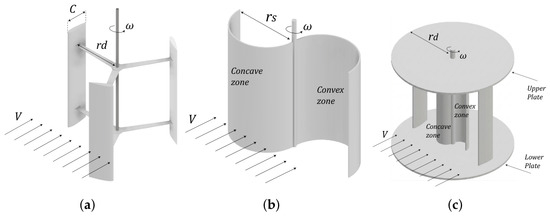
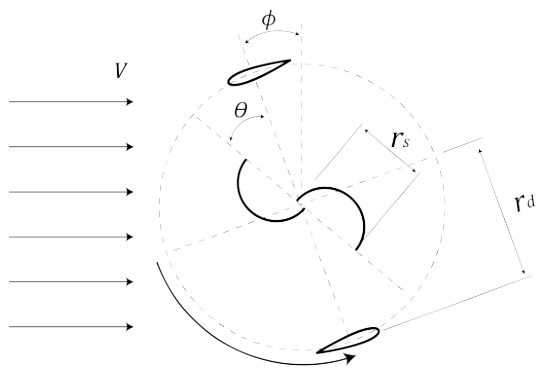
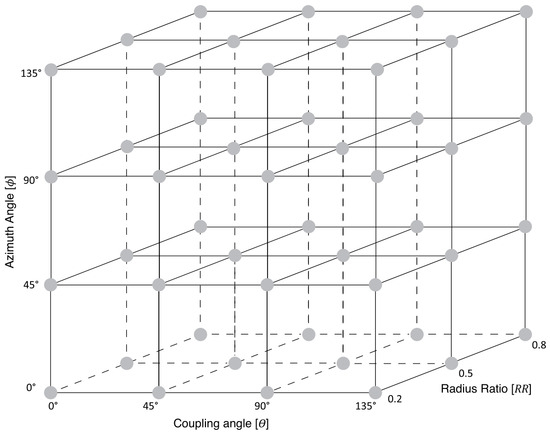
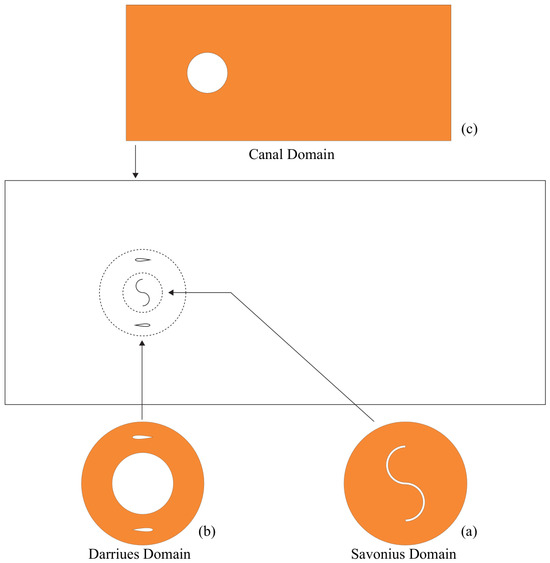
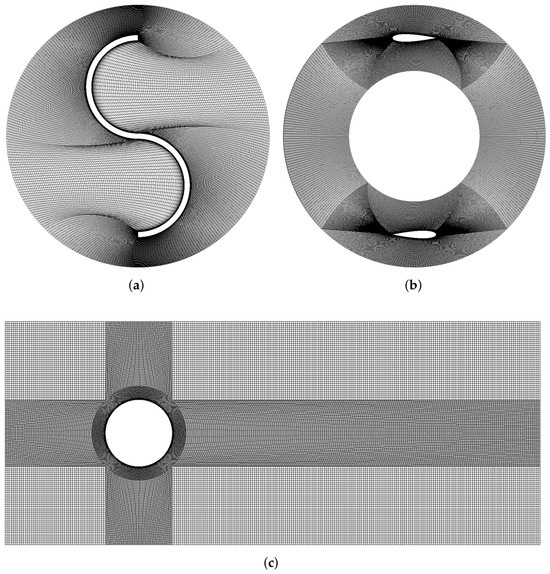
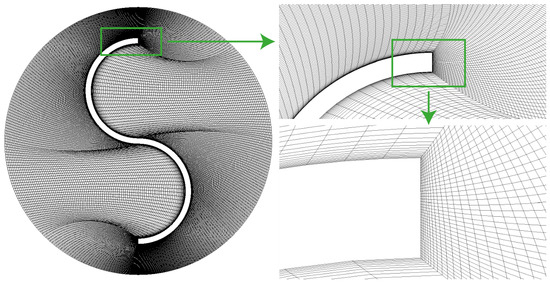
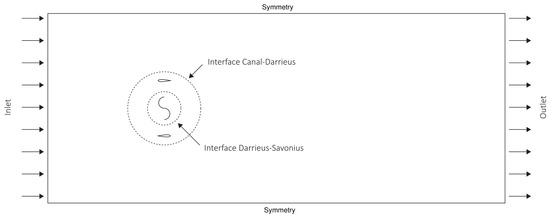
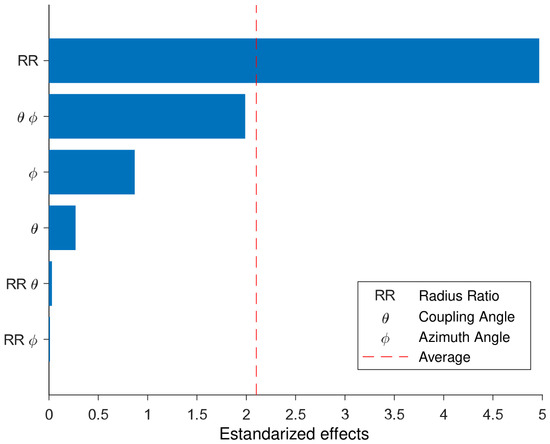
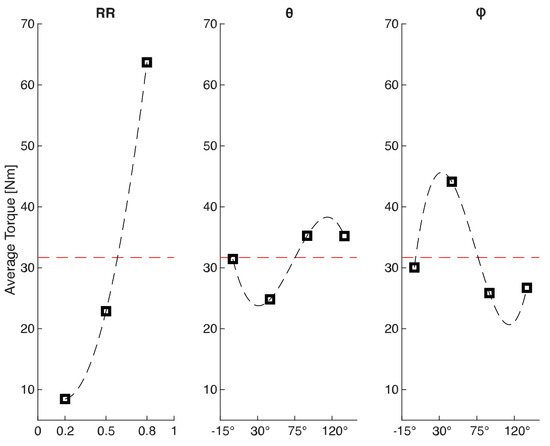
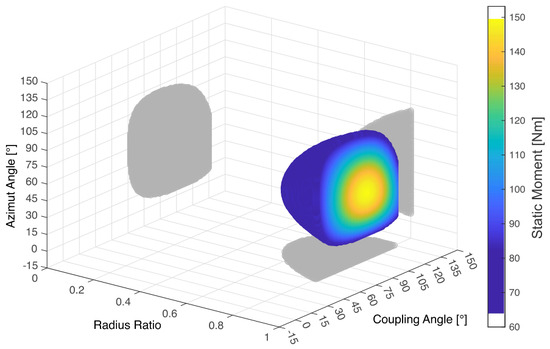
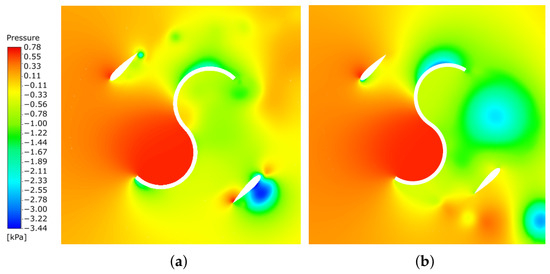
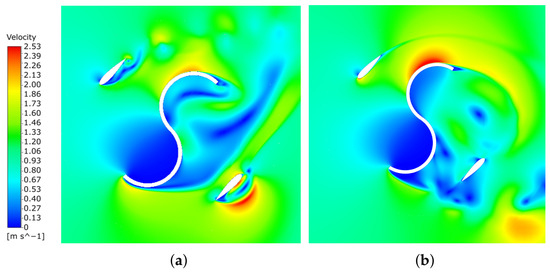
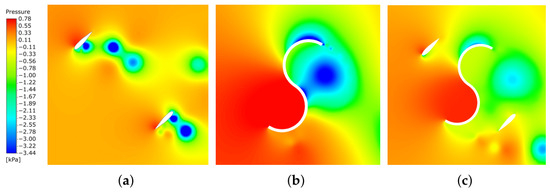
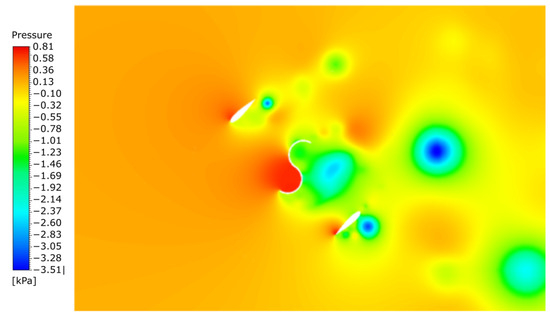
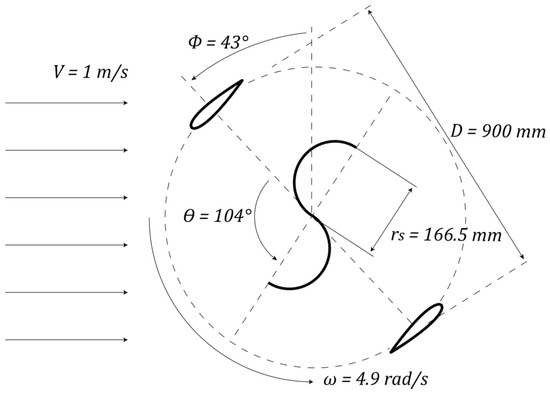
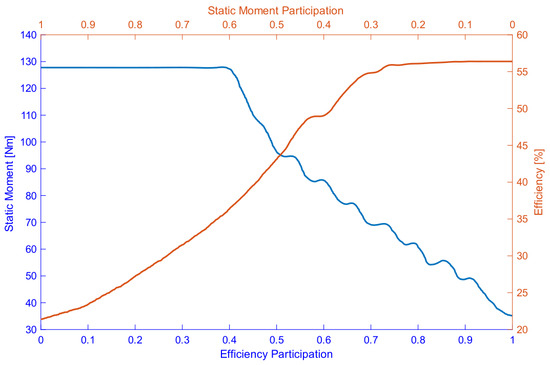
In this study, statistical analysis and computational fluid dynamics (CFD) were employed to study the efficiency and self-starting trade-off of a Savonius–Darrieus hybrid turbine. The research focused on identifying the optimal radius ratio, coupling angle, tip–speed ratio and azimuth angle to maximize static moment. CFD simulations were conducted in ANSYS 2024 R1 to calculate the static moment for each configuration. These results were analyzed to determine the standardized effects, main effects, and variance, identifying the impact of each variable on performance. Following the statistical analysis, five regression models were proposed to predict self-starting capability, with the fifth model ( ) demonstrating the highest goodness-of-fit. This model was optimized using a response volume visualization, where the study variables were mapped against a static moment color gradient. Iteration of the model revealed that an optimal arrangement of 0.8 (radius ratio), 102° (coupling angle), and 45° (azimuth angle) yielded a static moment of 173.59 Nm, surpassing all initial DOE results. A comparative analysis showed that the standalone Darrieus and Savonius static moments were 93.18% and 26.74% lower, respectively, than the optimized hybrid value. The reported static moment characterizes the rotor’s tendency to initiate rotation from rest; it does not constitute a dynamic start-up simulation. Furthermore, the integrated self-starting and efficiency model allowed the identification of a balanced configuration between efficiency and static moment, consisting of a radius ratio of 0.37, a coupling angle of 104°, a TSR of 2.2, and an azimuthal angle of 43°. This case was numerically simulated to verify its performance, resulting in an efficiency of 48.97% and a static moment of 35.46 Nm, respectively.
Full article

Figure 1
Open AccessArticle
A Low-Cost Distributed Multi-Sensor Rule-Based System for Real-Time Sitting Posture Monitoring and Remote Behavioral Feedback
by
Wenyuan Bian, Junjie Li, Yuan Diao, Kai Tian, Zhihao Fan, Tianji Zou and Boqi Kang
Appl. Syst. Innov. 2026, 9(9), 189; https://doi.org/10.3390/asi9090189 - 9 Sep 2026
Abstract
Prolonged sitting and poor posture are linked to musculoskeletal discomfort, higher spinal loading, and lower study and work efficiency. An Arduino-based distributed system combining a multi-sensor was developed for low-cost, camera-free sitting posture monitoring. It comprises a wearable sensing board (WSB), a main
[...] Read more.
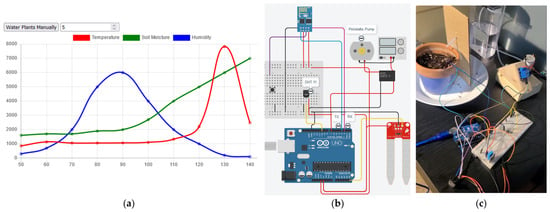
Prolonged sitting and poor posture are linked to musculoskeletal discomfort, higher spinal loading, and lower study and work efficiency. An Arduino-based distributed system combining a multi-sensor was developed for low-cost, camera-free sitting posture monitoring. It comprises a wearable sensing board (WSB), a main control board (MCB), and a host computer. The WSB measures trunk inclination—that is, the forward pitch and lateral roll of the upper trunk relative to the upright reference—using an ADXL345 acceleration sensor, whereas the MCB measures the user-to-desk distance using a US-100 ultrasonic ranging unit; NRF24L01 Wireless Communication Units connect them. Rule-based thresholds classify six states: “normal”, “slouching”, “leaning left”, “leaning right”, “too close”, and “too far”. The Sound Audio Unit and Liquid Crystal Display Unit provide local voice alerts and visual feedback. Using a 4G Unit, the MCB uploads user ID, timestamp, ambient temperature, distance, and posture state to a cloud platform. Cloud-generated text files support host retrieval and display, with accounts for two users and one administrator. The system can determine sitting-distance states within a range of 40–2000 mm and output trunk inclination information over a range of 0–90°. Under the current test conditions, the wireless communication distance between the MCB and WSB exceeds 3 m. In addition, the auditory reminder, time and temperature display, and PC-side data retrieval functions all operate as intended. With a total hardware cost of USD 18.39, the system provides a viable prototype for low-cost, camera-free sitting posture monitoring and remote data management in educational and home settings.
Full article
(This article belongs to the Special Issue Advanced Technologies and Methodologies in Education 4.0)
►▼
Show Figures

Figure 1
Open AccessArticle
Design and Early Industrial Deployment of a Digital Continuous Improvement System for Manufacturing
by
Paulo Peças, Jéssica Lopes, Hugo Botelho, Diogo Jorge, Anshuman Kumar Sahu and Paulo Soares
Appl. Syst. Innov. 2026, 9(9), 188; https://doi.org/10.3390/asi9090188 - 7 Sep 2026
Abstract
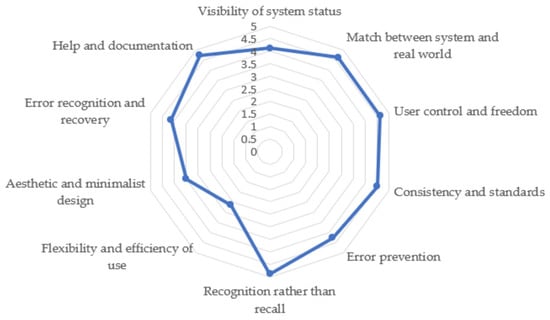
Manufacturing companies often register process deviations in operational systems while managing continuous improvement (CI) actions through separate spreadsheets, templates and meeting records. This fragmentation weakens traceability between detection, prioritisation, execution and verification. This paper presents Digital for Continuous Improvement (D4CI), a configurable digital
[...] Read more.
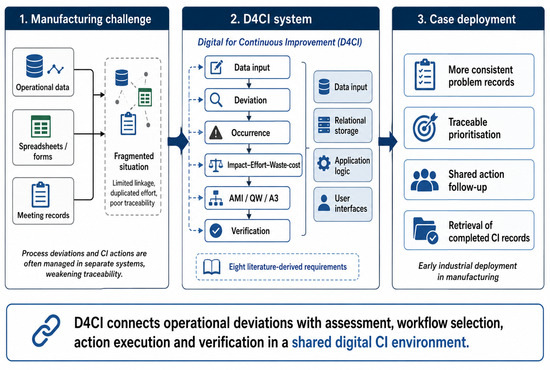
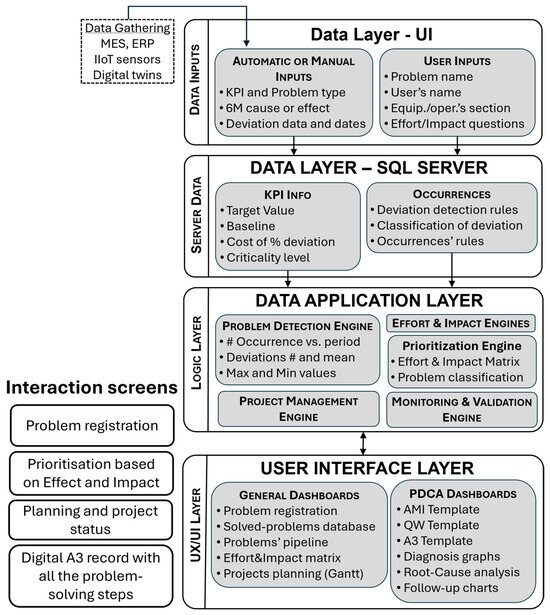
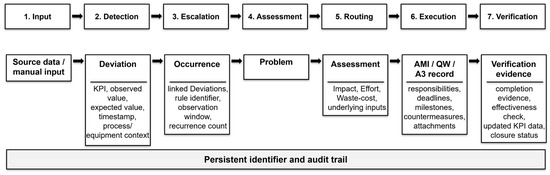
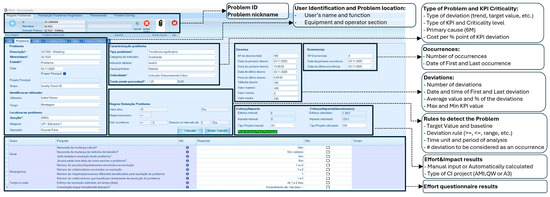
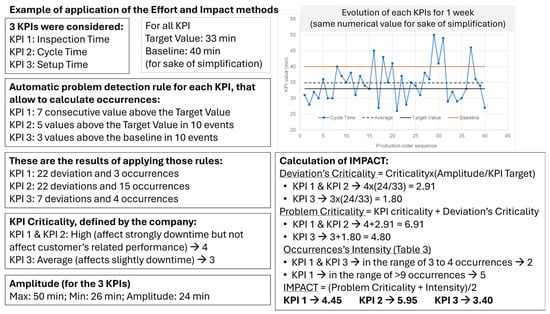
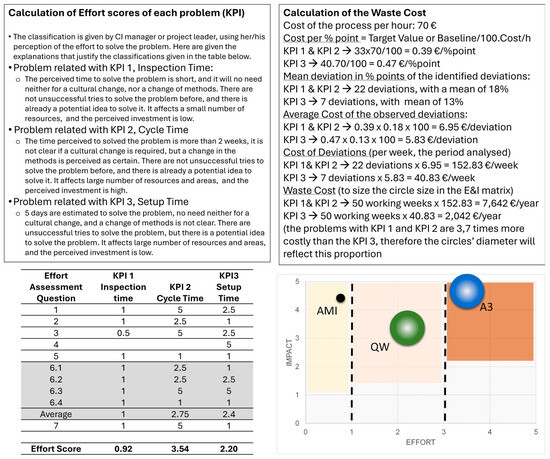
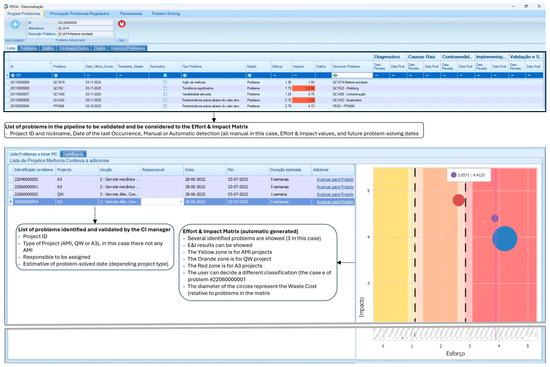
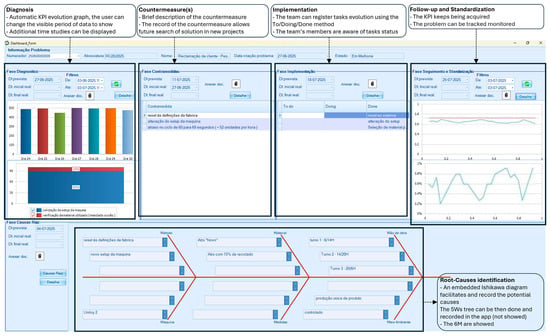
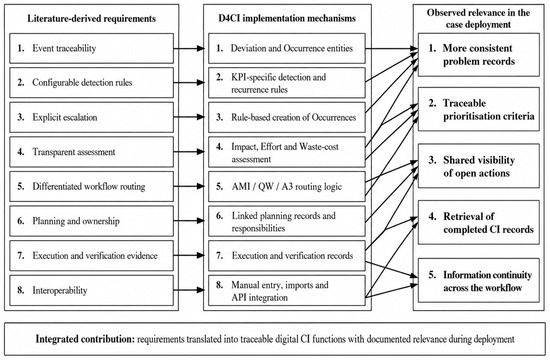
Manufacturing companies often register process deviations in operational systems while managing continuous improvement (CI) actions through separate spreadsheets, templates and meeting records. This fragmentation weakens traceability between detection, prioritisation, execution and verification. This paper presents Digital for Continuous Improvement (D4CI), a configurable digital CI system developed from eight literature-derived requirements covering event traceability, detection and escalation rules, transparent assessment, workflow routing, planning, verification and interoperability. The architecture combines data input, relational storage, application logic and user interfaces within a shared information model. Deviations are recorded against process targets or expected conditions, while recurrence criteria consolidate related deviations into occurrences. Impact, Effort and Waste–Cost inputs are stored with the calculated scores and used to recommend an Action for Immediate Improvement, Quick Win or A3 pathway. Planning, execution and verification records remain linked to the originating problem. D4CI was deployed in a metalworking company with established Lean routines and evaluated through implementation records, observation of system use and consolidated feedback. The requirement–function mapping confirmed coverage of the eight design requirements. Deployment evidence indicated centralised problem records, traceable prioritisation criteria, shared visual follow-up of open actions and retrieval of completed CI records. Operational effects require longer observation and comparative performance data.
Full article
(This article belongs to the Section Industrial and Manufacturing Engineering)
►▼
Show Figures

Graphical abstract
Journal Menu
► ▼ Journal Menu-
- ASI Home
- Aims & Scope
- Editorial Board
- Topical Advisory Panel
- Instructions for Authors
- Special Issues
- Topics
- Sections
- Article Processing Charge
- Indexing & Archiving
- Editor’s Choice Articles
- Most Cited & Viewed
- Journal Statistics
- Journal History
- Journal Awards
- Society Collaborations
- Conferences
- Editorial Office
Journal Browser
► ▼ Journal BrowserHighly Accessed Articles
Latest Books
E-Mail Alert
News
Topics
Topic in
Social Sciences, Societies, ASI
Social Sciences and Intelligence Management, 2nd Volume
Topic Editors: Liza Lee, Teen-Hang Meen, Kuei-Kuei Lai, Linda Pavitola, Charles Tijus, Kate ChenDeadline: 31 December 2026
Topic in
AI, Applied Sciences, Computers, Electronics, IoT, ASI, Sensors, AI Sensors
Federated Edge Intelligence for Next Generation AI Systems
Topic Editors: Chunjiong Zhang, Weiwei Jiang, Tao XieDeadline: 31 January 2027
Topic in
ASI, Bioengineering, C, Healthcare, Biomimetics, Processes
Biomedical Engineering, Healthcare and Sustainability, 2nd Edition
Topic Editors: Teen-Hang Meen, Chun-Yen Chang, Charles Tijus, Po-Lei Lee, Yi-Chun DuDeadline: 30 April 2027
Topic in
ASI, Informatics, Logistics, Standards, Sustainability, Systems
Intelligent and Advanced Digital Technologies Enabling Sustainable and Viable Supply Chain and Logistics Ecosystems
Topic Editors: Samudaya Nanayakkara, Srinath Perera, Kasuni VidanagamachchiDeadline: 20 July 2027
Conferences
Special Issues
Special Issue in
ASI
Applied System Optimization for Logistics and Supply Chain Management
Guest Editor: Bo LuDeadline: 20 October 2026
Special Issue in
ASI
Application of Deep Learning in Medical Imaging
Guest Editors: Jingyang Zhang, Lei MaDeadline: 20 October 2026
Special Issue in
ASI
Autonomous Robotics and Hybrid Intelligent Systems
Guest Editors: Calin Ciufudean, Tamara Nestorović, Olena HrybiukDeadline: 21 October 2026
Special Issue in
ASI
Recent Advances in Internet of Things and Its Applications
Guest Editors: Jahan Hassan, Sayed Amir Hoseini, Syed Danial Ali ShahDeadline: 21 October 2026