



-
Image-Based Classification of Ship Hull Cleanliness Based on Transfer Learning -
Graph Algorithm-Based Key Personnel Identification and Transformer-GAN Anomaly Detection for Data Security Governance in Large State-Owned Enterprises -
Analysis of Parameter Transition Effects in CPG-Based Control for Multi-Joint Snake-like Robots
Journal Description
Applied System Innovation
(ASI) is an international, peer-reviewed, open access journal on integrated engineering and technology, published monthly online. It is the official journal of the International Institute of Knowledge Innovation and Invention (IIKII).
- Open Access— free for readers, with article processing charges (APC) paid by authors or their institutions.
- High Visibility: indexed within Scopus, ESCI (Web of Science), Inspec, Ei Compendex and other databases.
- Journal Rank: JCR - Q2 (Engineering, Electrical and Electronic) / CiteScore - Q1 (Applied Mathematics)
- Rapid Publication: manuscripts are peer-reviewed and a first decision is provided to authors approximately 21.3 days after submission; acceptance to publication is undertaken in 4.5 days (median values for papers published in this journal in the first half of 2026).
- Recognition of Reviewers: Reviewers whose reports are timely and of high quality receive an APC discount voucher for a future publication in an MDPI journal. Become a reviewer.
- Journal Cluster of Information Systems and Technology: Analytics, Applied System Innovation, Cryptography, Data, Digital, Informatics, Information, Journal of Cybersecurity and Privacy and Multimedia.
Impact Factor:
3.4 (2025);
5-Year Impact Factor:
4.3 (2025)
Latest Articles
Modeling an On-Time and Reliable Intermodal Routing Problem for Time-Sensitive Cargoes Considering Cargo Damage and Uncertain Demand
Appl. Syst. Innov. 2026, 9(9), 192; https://doi.org/10.3390/asi9090192 - 14 Sep 2026
Abstract
This study investigates a novel on-time and reliable intermodal routing problem for time-sensitive cargoes. Three practical factors, hard time window, damage costs, and fuzzy demand, are fully integrated into the problem optimization to achieve comprehensively improved route planning for time-sensitive cargoes. Using triangular
[...] Read more.
This study investigates a novel on-time and reliable intermodal routing problem for time-sensitive cargoes. Three practical factors, hard time window, damage costs, and fuzzy demand, are fully integrated into the problem optimization to achieve comprehensively improved route planning for time-sensitive cargoes. Using triangular fuzzy numbers to model the cargo demand uncertainty and induced cost and time uncertainty, this study proposes a fuzzy linear routing model to address the proposed problem, in which minimizing the total costs, consisting of transportation costs and damage costs, is formulated as the optimization objective. Furthermore, chance-constrained programming with a credibility measure is adopted to reformulate the proposed model to obtain an equivalent crisp linear representation that can be easily solved by the Branch-and-Bound algorithm to obtain the global optimum solution. A numerical case study is designed to verify the feasibility of the modeling. It indicates a trade-off between lowering the total costs and improving the reliability of transportation by increasing the confidence degree, and also demonstrates the feasibility of embedding damage costs into the optimization. Finally, it presents systematic sensitivity experiments to reveal the influence of the key parameters on the routing optimization for time-sensitive cargoes, and provides managerial implications for both the cargo owner and intermodal operator to effectively organize an on-time and reliable intermodal transportation that can achieve economic benefits and preserve cargo integrity.
Full article
(This article belongs to the Special Issue Applied System Optimization for Logistics and Supply Chain Management)
Open AccessArticle
Early Academic Performance Prediction in Secondary Education: Are Simple Machine Learning Models Enough?
by
Víctor D. Díaz Suárez, Marina Praena-Delgado, María de los Ángeles Buenavista-Ruiz, Carmen Román-León, Miriam Martín-Paciente and Carlos M. Travieso-González
Appl. Syst. Innov. 2026, 9(9), 191; https://doi.org/10.3390/asi9090191 - 11 Sep 2026
Abstract
Most predictive approaches in educational data mining rely on complex models whose opacity limits practical adoption by classroom teachers, creating a gap between model sophistication and classroom usability. This gap is particularly acute at the class-group level, where institutional gradebook data are routinely
[...] Read more.
Most predictive approaches in educational data mining rely on complex models whose opacity limits practical adoption by classroom teachers, creating a gap between model sophistication and classroom usability. This gap is particularly acute at the class-group level, where institutional gradebook data are routinely aggregated for teacher-level planning but rarely modelled with an explicit account of when model complexity is actually justified. This paper addresses that gap: its novelty is to provide a structural explanation, grounded in group-level academic dynamics, for why linear models are highly competitive, rather than merely adequate, for this type of data, and to test this account empirically. An eight-year longitudinal dataset (2013/2014–2020/2021) from a Spanish secondary school—1070 class-group records across 32 subjects—was used to compare linear regression and Random Forest for final grade prediction, a Random Forest classifier against an XGBoost classifier for academic risk detection, and SHAP (SHapley Additive exPlanations)-based explainability, validated through Leave-One-Course-Out (LOCO) cross-validation. Within this dataset, linear regression consistently matches or outperforms Random Forest in both scenarios (R2 = 0.857 with two assessments; R2 = 0.740 with one), explained by stable cohort dynamics—baseline grades, teaching continuity, group composition—that produce a linear temporal structure (Spearman ρ > 0.81) leaving little predictive return for ensemble complexity in this setting. For the passing class, the Random Forest classifier achieves F1 = 0.972 with high inter-cohort stability (LOCO F1 ∈ [0.944, 0.984]); for the minority at-risk class, it outperforms XGBoost (F1 = 0.69 vs. 0.57), a gap consistent with the benefit of explicit class-imbalance handling, though fully disentangling this from a possible ensemble-family effect is left for future work. The 2019/2020 cohort is statistically anomalous (Mann–Whitney U, p < 0.001), reflecting an exogenous shift in the grade-generating process under emergency evaluation rather than evidence against the linearity account under normal conditions. Simple, transparent models operating on routinely collected gradebook data deliver actionable early-warning signals within the digital competence of most practising teachers; group-level prediction additionally protects student identity by ensuring no individual is labelled at-risk, combining predictive utility with ethical design.
Full article
(This article belongs to the Special Issue Advanced Technologies and Methodologies in Education 4.0)
►▼
Show Figures

Graphical abstract
Open AccessArticle
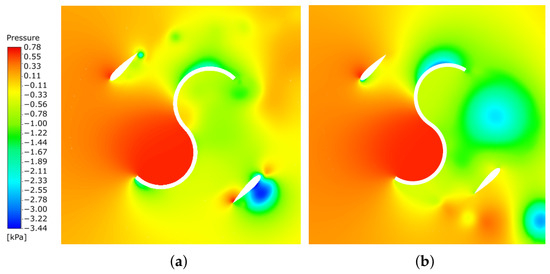
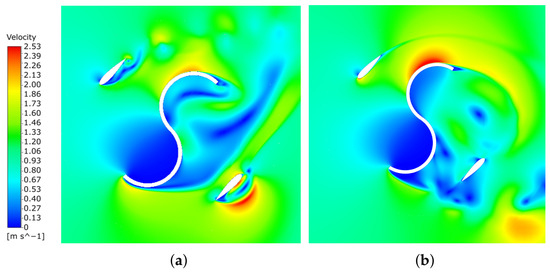
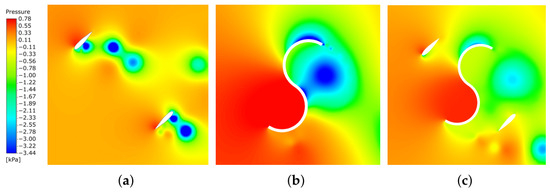
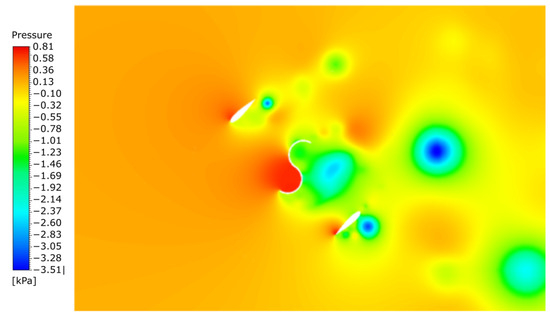
Computational Fluid Dynamics Optimization of Hybrid Savonius–Darrieus Hydrokinetic Turbine Efficiency and Self-Starting Performance Using Design of Experiments
by
Daniel Sanin-Villa, Mateo Arrieta-Gomez, Sebastián Vélez-García and Diego Hincapié Zuluaga
Appl. Syst. Innov. 2026, 9(9), 190; https://doi.org/10.3390/asi9090190 - 10 Sep 2026
Abstract
►▼
Show Figures
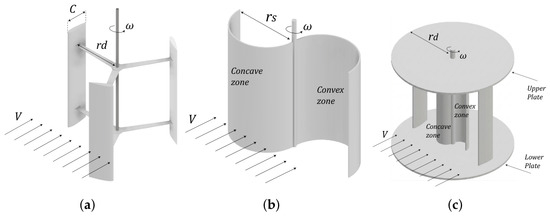
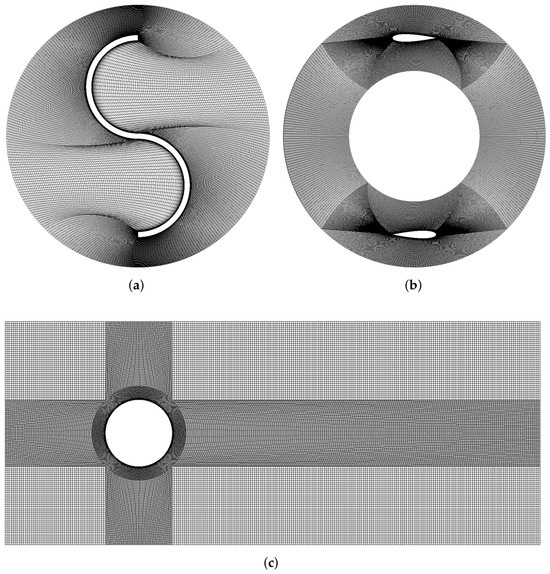
In this study, statistical analysis and computational fluid dynamics (CFD) were employed to study the efficiency and self-starting trade-off of a Savonius–Darrieus hybrid turbine. The research focused on identifying the optimal radius ratio, coupling angle, tip–speed ratio and azimuth angle to maximize static
[...] Read more.
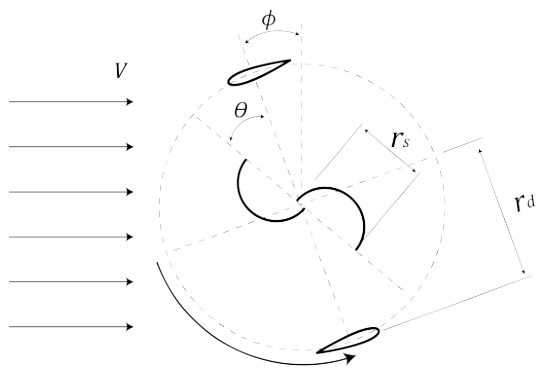
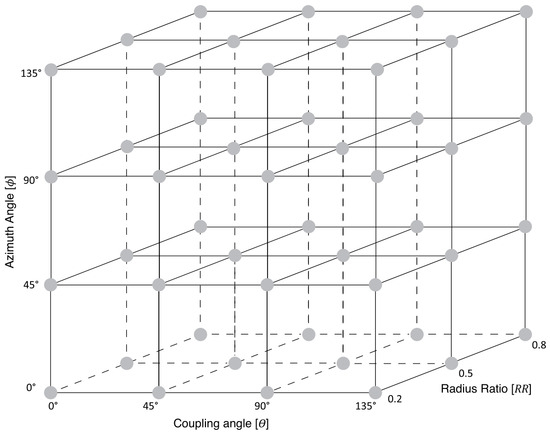
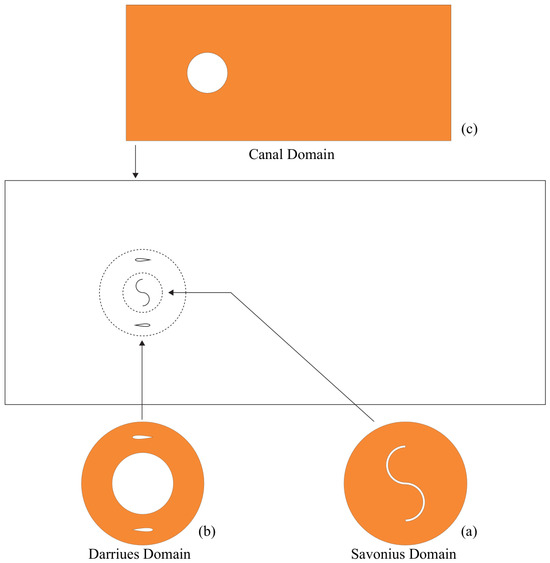
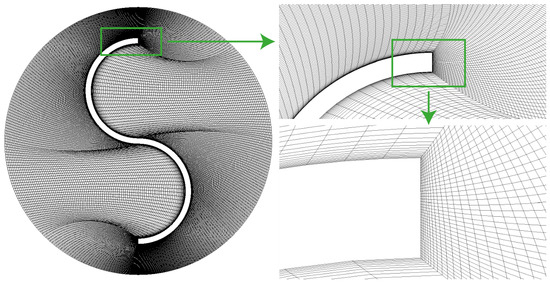
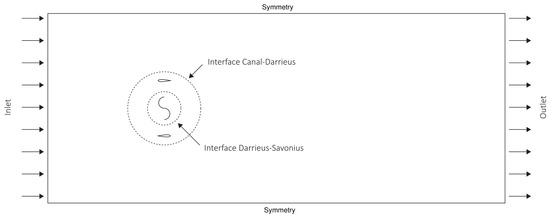
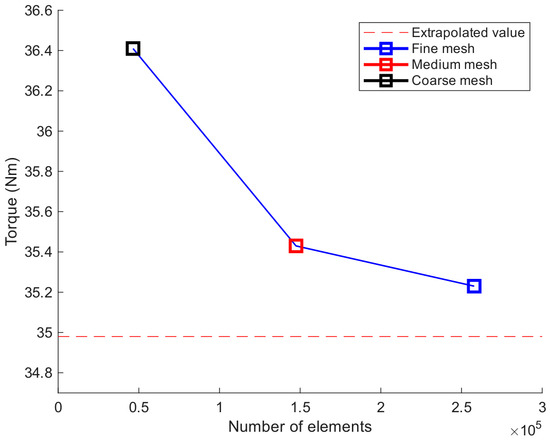
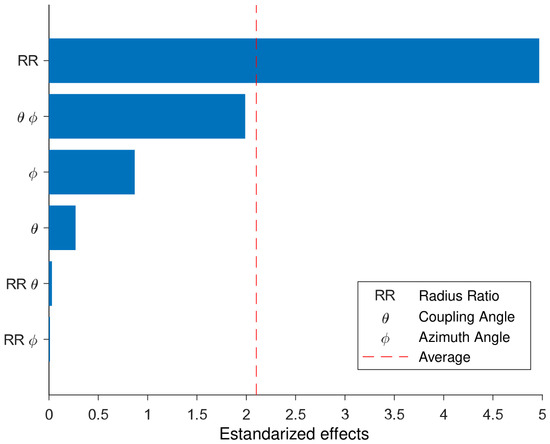
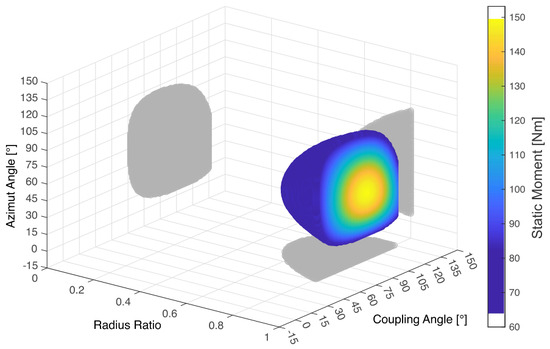
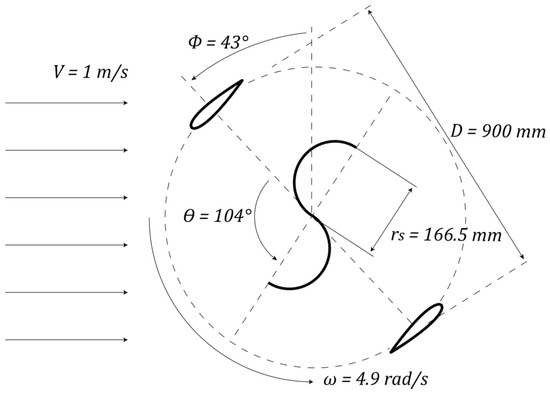
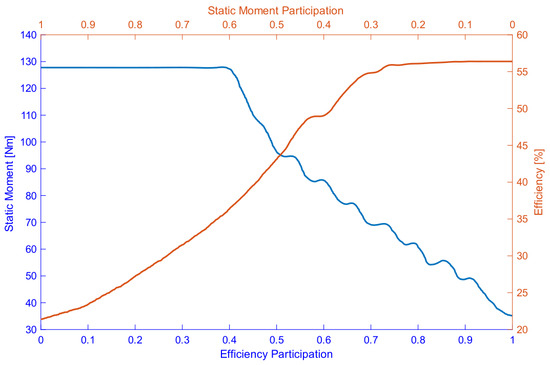
In this study, statistical analysis and computational fluid dynamics (CFD) were employed to study the efficiency and self-starting trade-off of a Savonius–Darrieus hybrid turbine. The research focused on identifying the optimal radius ratio, coupling angle, tip–speed ratio and azimuth angle to maximize static moment. CFD simulations were conducted in ANSYS 2024 R1 to calculate the static moment for each configuration. These results were analyzed to determine the standardized effects, main effects, and variance, identifying the impact of each variable on performance. Following the statistical analysis, five regression models were proposed to predict self-starting capability, with the fifth model ( ) demonstrating the highest goodness-of-fit. This model was optimized using a response volume visualization, where the study variables were mapped against a static moment color gradient. Iteration of the model revealed that an optimal arrangement of 0.8 (radius ratio), 102° (coupling angle), and 45° (azimuth angle) yielded a static moment of 173.59 Nm, surpassing all initial DOE results. A comparative analysis showed that the standalone Darrieus and Savonius static moments were 93.18% and 26.74% lower, respectively, than the optimized hybrid value. The reported static moment characterizes the rotor’s tendency to initiate rotation from rest; it does not constitute a dynamic start-up simulation. Furthermore, the integrated self-starting and efficiency model allowed the identification of a balanced configuration between efficiency and static moment, consisting of a radius ratio of 0.37, a coupling angle of 104°, a TSR of 2.2, and an azimuthal angle of 43°. This case was numerically simulated to verify its performance, resulting in an efficiency of 48.97% and a static moment of 35.46 Nm, respectively.
Full article

Figure 1
Open AccessArticle
A Low-Cost Distributed Multi-Sensor Rule-Based System for Real-Time Sitting Posture Monitoring and Remote Behavioral Feedback
by
Wenyuan Bian, Junjie Li, Yuan Diao, Kai Tian, Zhihao Fan, Tianji Zou and Boqi Kang
Appl. Syst. Innov. 2026, 9(9), 189; https://doi.org/10.3390/asi9090189 - 9 Sep 2026
Abstract
Prolonged sitting and poor posture are linked to musculoskeletal discomfort, higher spinal loading, and lower study and work efficiency. An Arduino-based distributed system combining a multi-sensor was developed for low-cost, camera-free sitting posture monitoring. It comprises a wearable sensing board (WSB), a main
[...] Read more.
Prolonged sitting and poor posture are linked to musculoskeletal discomfort, higher spinal loading, and lower study and work efficiency. An Arduino-based distributed system combining a multi-sensor was developed for low-cost, camera-free sitting posture monitoring. It comprises a wearable sensing board (WSB), a main control board (MCB), and a host computer. The WSB measures trunk inclination—that is, the forward pitch and lateral roll of the upper trunk relative to the upright reference—using an ADXL345 acceleration sensor, whereas the MCB measures the user-to-desk distance using a US-100 ultrasonic ranging unit; NRF24L01 Wireless Communication Units connect them. Rule-based thresholds classify six states: “normal”, “slouching”, “leaning left”, “leaning right”, “too close”, and “too far”. The Sound Audio Unit and Liquid Crystal Display Unit provide local voice alerts and visual feedback. Using a 4G Unit, the MCB uploads user ID, timestamp, ambient temperature, distance, and posture state to a cloud platform. Cloud-generated text files support host retrieval and display, with accounts for two users and one administrator. The system can determine sitting-distance states within a range of 40–2000 mm and output trunk inclination information over a range of 0–90°. Under the current test conditions, the wireless communication distance between the MCB and WSB exceeds 3 m. In addition, the auditory reminder, time and temperature display, and PC-side data retrieval functions all operate as intended. With a total hardware cost of USD 18.39, the system provides a viable prototype for low-cost, camera-free sitting posture monitoring and remote data management in educational and home settings.
Full article
(This article belongs to the Special Issue Advanced Technologies and Methodologies in Education 4.0)
►▼
Show Figures

Figure 1
Open AccessArticle
Design and Early Industrial Deployment of a Digital Continuous Improvement System for Manufacturing
by
Paulo Peças, Jéssica Lopes, Hugo Botelho, Diogo Jorge, Anshuman Kumar Sahu and Paulo Soares
Appl. Syst. Innov. 2026, 9(9), 188; https://doi.org/10.3390/asi9090188 - 7 Sep 2026
Abstract
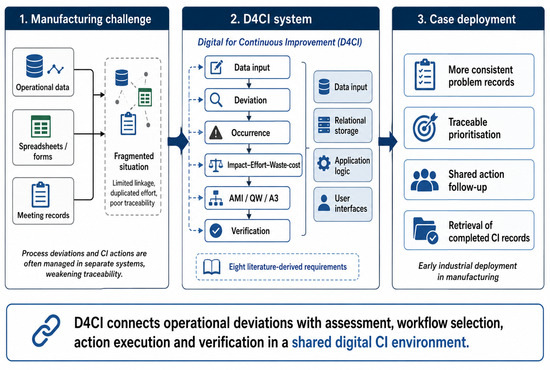
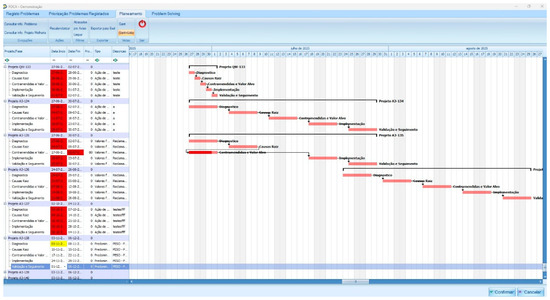
Manufacturing companies often register process deviations in operational systems while managing continuous improvement (CI) actions through separate spreadsheets, templates and meeting records. This fragmentation weakens traceability between detection, prioritisation, execution and verification. This paper presents Digital for Continuous Improvement (D4CI), a configurable digital
[...] Read more.
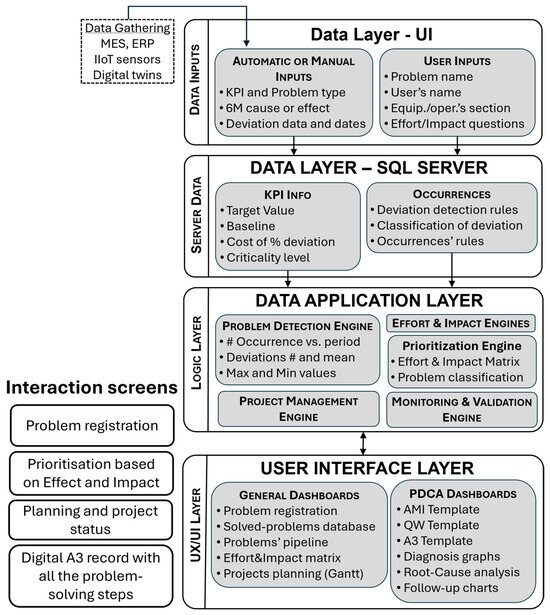
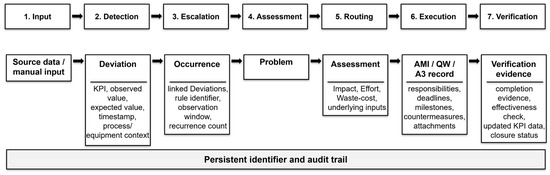
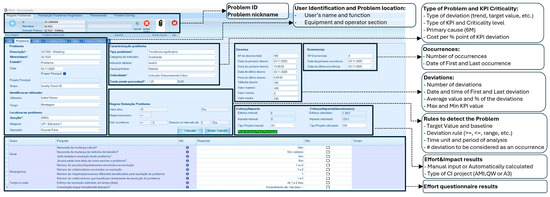
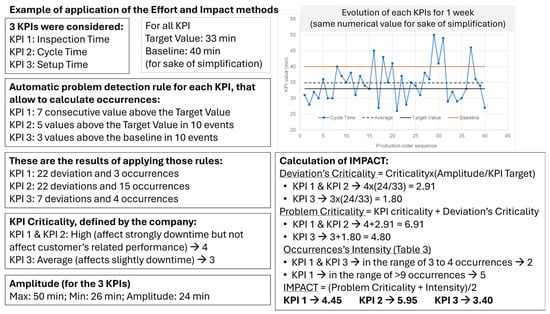
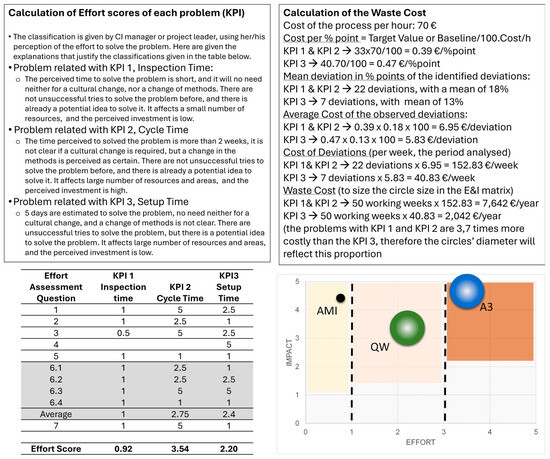
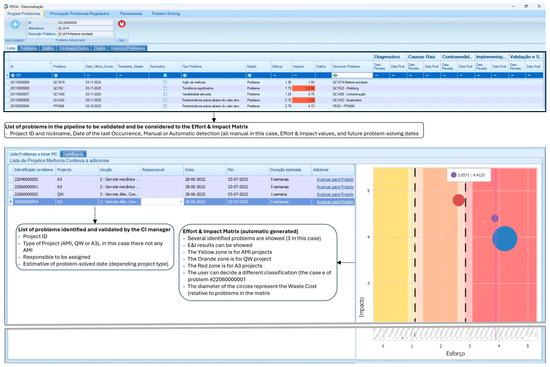
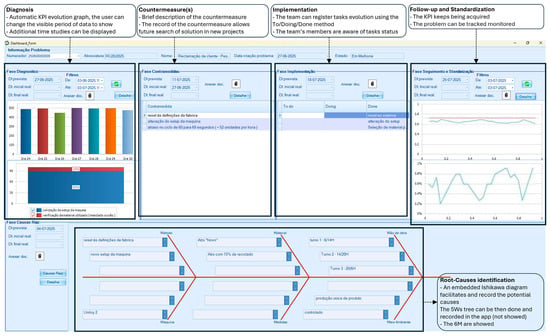
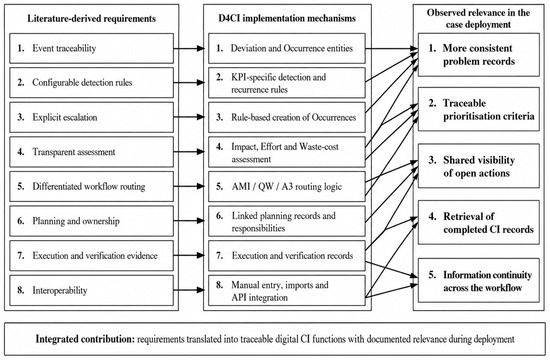
Manufacturing companies often register process deviations in operational systems while managing continuous improvement (CI) actions through separate spreadsheets, templates and meeting records. This fragmentation weakens traceability between detection, prioritisation, execution and verification. This paper presents Digital for Continuous Improvement (D4CI), a configurable digital CI system developed from eight literature-derived requirements covering event traceability, detection and escalation rules, transparent assessment, workflow routing, planning, verification and interoperability. The architecture combines data input, relational storage, application logic and user interfaces within a shared information model. Deviations are recorded against process targets or expected conditions, while recurrence criteria consolidate related deviations into occurrences. Impact, Effort and Waste–Cost inputs are stored with the calculated scores and used to recommend an Action for Immediate Improvement, Quick Win or A3 pathway. Planning, execution and verification records remain linked to the originating problem. D4CI was deployed in a metalworking company with established Lean routines and evaluated through implementation records, observation of system use and consolidated feedback. The requirement–function mapping confirmed coverage of the eight design requirements. Deployment evidence indicated centralised problem records, traceable prioritisation criteria, shared visual follow-up of open actions and retrieval of completed CI records. Operational effects require longer observation and comparative performance data.
Full article
(This article belongs to the Section Industrial and Manufacturing Engineering)
►▼
Show Figures

Graphical abstract
Open AccessPerspective
Governing Agentic AI: The Human Values Alignment Framework (HVAF-A) as a Policy Tool
by
Mousa Al-kfairy
Appl. Syst. Innov. 2026, 9(9), 187; https://doi.org/10.3390/asi9090187 - 3 Sep 2026
Abstract
Agentic artificial intelligence (AI) systems—software that plans, acts, and decides without step-by-step human approval—are already deployed in finance, healthcare, recruitment, and public services. They differ from earlier AI in one critical way. They do not produce outputs for a human to accept or
[...] Read more.
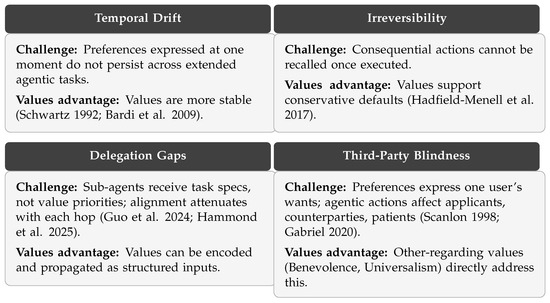
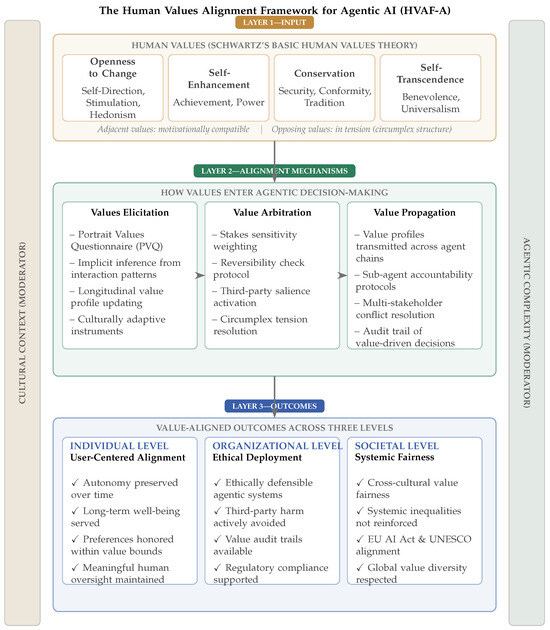
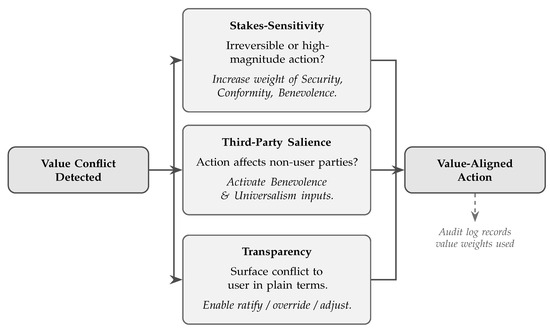
Agentic artificial intelligence (AI) systems—software that plans, acts, and decides without step-by-step human approval—are already deployed in finance, healthcare, recruitment, and public services. They differ from earlier AI in one critical way. They do not produce outputs for a human to accept or reject. They take actions. Those actions may be irreversible. They may affect people who never used the system. Existing governance frameworks were not designed for this. Current alignment approaches—including reinforcement learning from human feedback, constitutional AI, and preference aggregation—assume that a well-aligned system satisfies what users ask for. This paper argues that the assumption fails in agentic contexts. What people ask for is not what they value. Preferences are volatile and user-centric. Values are stable, culturally grounded, and other-regarding. This paper proposes the Human Values Alignment Framework for Agentic AI (HVAF-A), grounded in Schwartz’s cross-culturally validated Basic Human Values theory. The framework connects value inputs, three alignment mechanisms (elicitation, arbitration, and propagation), and governance outcomes at individual, organizational, and societal levels. The paper positions the HVAF-A against the main international policy instruments—the EU AI Act, the NIST AI Risk Management Framework, ISO/IEC 42001, and the OECD and UNESCO principles—and specifies an empirical program of constructs, measures, validity tests, and study designs. An illustrative case study of an agentic hiring system shows how the framework would operate. This is a purely conceptual study. No study was conducted and no instrument was administered to validate the model. A dedicated section states the framework’s boundary conditions. Empirical validation is set out as future research.
Full article
(This article belongs to the Section Information Systems)
►▼
Show Figures

Figure 1
Open AccessArticle
Realization and Functional Safety Assessment of the National Modular Microprocessor-Based Interlocking System KZ-MPC-MA
by
Kanibek Sansyzbay, Yelena Bakhtiyarova, Laura Tasbolatova, Sergey Vlasenko and Gennady Patokin
Appl. Syst. Innov. 2026, 9(9), 186; https://doi.org/10.3390/asi9090186 - 2 Sep 2026
Abstract
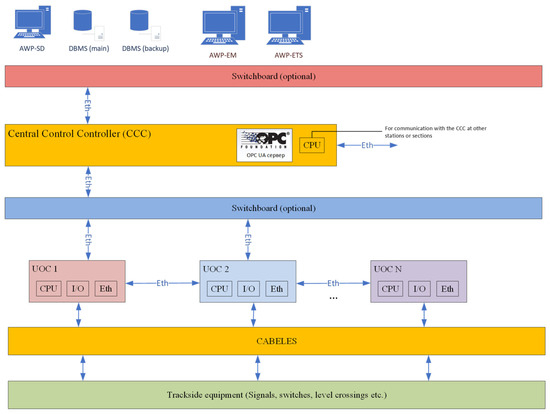
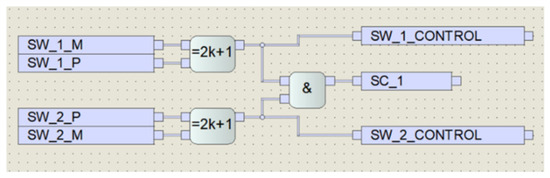
This study investigates the realization and verification of safety-related functions of the KZ-MPC-MA national modular microprocessor-based railway interlocking system for Kazakhstan. The work focuses on the realization stage of the IEC 61508 safety lifecycle and establishes traceability between station-specific safety requirements, interlocking algorithms,
[...] Read more.
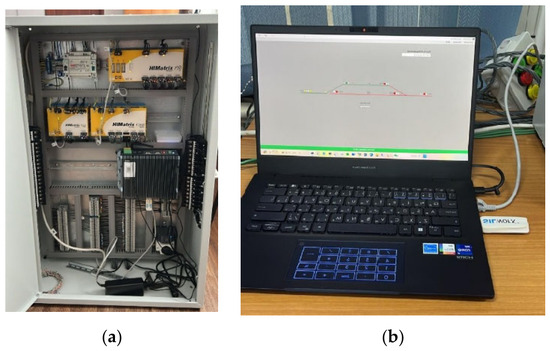
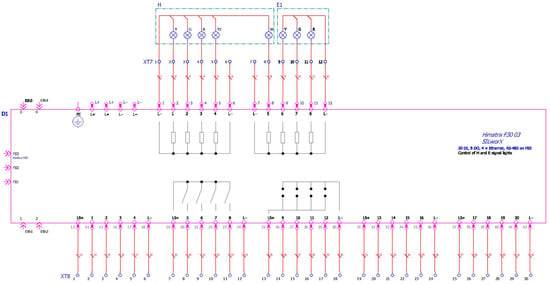
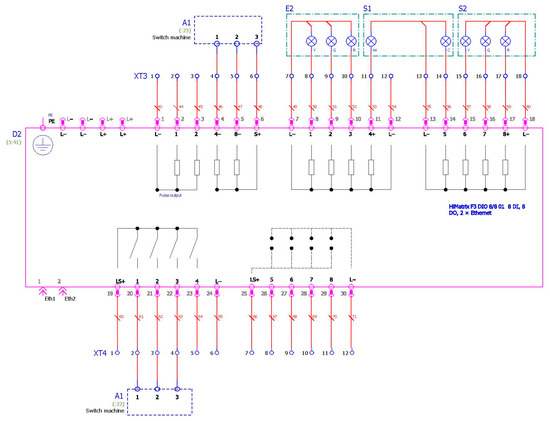
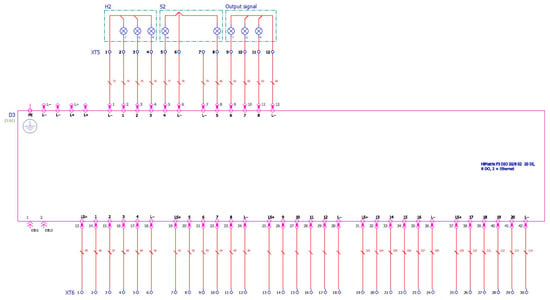
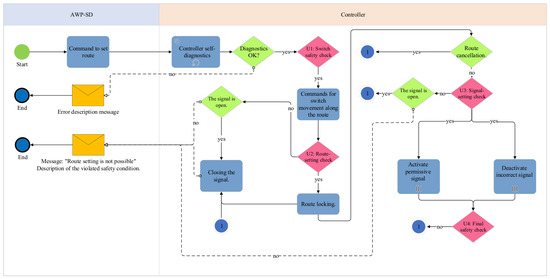
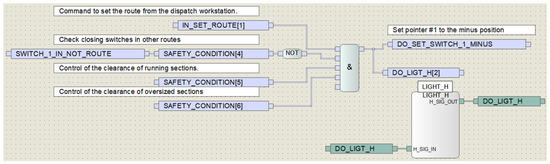
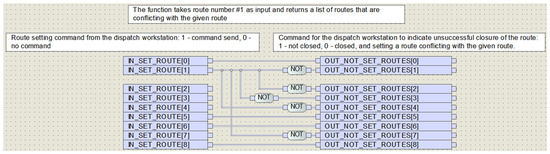
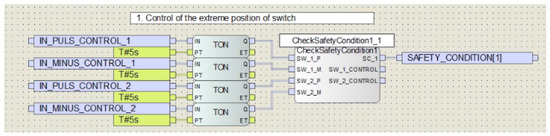
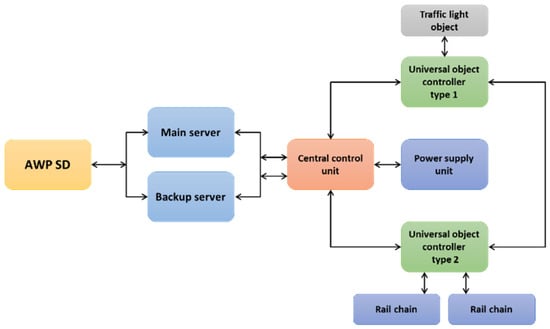
This study investigates the realization and verification of safety-related functions of the KZ-MPC-MA national modular microprocessor-based railway interlocking system for Kazakhstan. The work focuses on the realization stage of the IEC 61508 safety lifecycle and establishes traceability between station-specific safety requirements, interlocking algorithms, software implementation, hardware–software integration, and functional-safety assessment. The implemented interlocking logic incorporates 29 traffic safety conditions defined for the considered station configuration. A fail-safe control architecture based on central and distributed controller modules was implemented using certified safety-related industrial controllers and the SILworX development environment. A laboratory prototype was developed to verify route-setting functions, switch and signal control, and fail-safe system response under specified operational and failure conditions. Quantitative functional-safety assessment was performed using the probability of failure on demand ( ) as a supplementary measure and the probability of dangerous failure per hour ( ) as the governing criterion for continuous/high-demand operation within the defined assessment boundary and assumptions. The obtained demonstrates that the investigated safety-related controller subsystem satisfies the specified SIL4 quantitative criterion. The study demonstrates the feasibility of realizing safety-related interlocking functions on the selected hardware–software platform and provides a basis for further system-level verification and validation.
Full article
(This article belongs to the Section Control and Systems Engineering)
►▼
Show Figures

Figure 1
Open AccessArticle
Integrating Satellite Remote Sensing into Seafarer Education: Development and Evaluation of a Graduate Course
by
Igor Vujović, Joško Šoda and Blanka Mateša
Appl. Syst. Innov. 2026, 9(9), 185; https://doi.org/10.3390/asi9090185 - 1 Sep 2026
Abstract
The use of satellite imagery to monitor the Sustainable Development Goals is increasingly common, driven by advances in remote sensing and deep learning. Introducing remote sensing into academic graduate programs at maritime institutions not only follows the current state of the research field
[...] Read more.
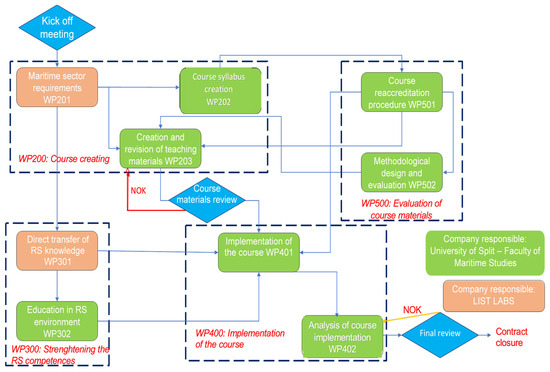
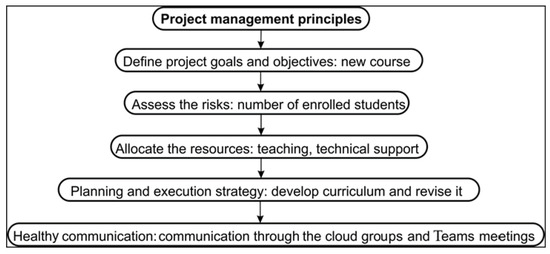
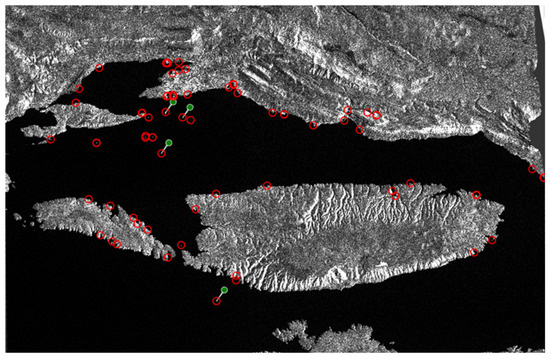
The use of satellite imagery to monitor the Sustainable Development Goals is increasingly common, driven by advances in remote sensing and deep learning. Introducing remote sensing into academic graduate programs at maritime institutions not only follows the current state of the research field but also raises awareness of the opportunities this technique offers for sustainable development and ecological research. For instance, remote sensing enables monitoring of ships discharging oil. A multidisciplinary approach is necessary for the highest-level research results, so to apply scientific methods effectively, an expert in the legal aspects of artificial intelligence also participated in this research. In this paper, we introduce remote sensing into seafarers’ education at the graduate level, which is now incorporated as a new course. The results indicate a high level of student engagement and demonstrate that integrating remote sensing technologies into maritime education could enhance students’ technical competencies and environmental awareness. The findings of this study highlight the potential of satellite remote sensing as an educational tool for supporting sustainability-oriented maritime education and provide practical insights for integrating emerging technologies into higher education curricula, providing practical insights for integrating emerging technologies into higher education curricula while establishing a transferable blueprint for bridging advanced data sciences with compliance-driven vocational training.
Full article
(This article belongs to the Section Applied Systems on Educational Innovations and Emerging Technologies)
►▼
Show Figures

Figure 1
Open AccessArticle
Design of Deep Learning-Based Beamforming for mm-Wave Massive MIMO Systems
by
Srinivasa Rao Reddi and P. Rajesh Kumar
Appl. Syst. Innov. 2026, 9(9), 184; https://doi.org/10.3390/asi9090184 - 31 Aug 2026
Abstract
►▼
Show Figures
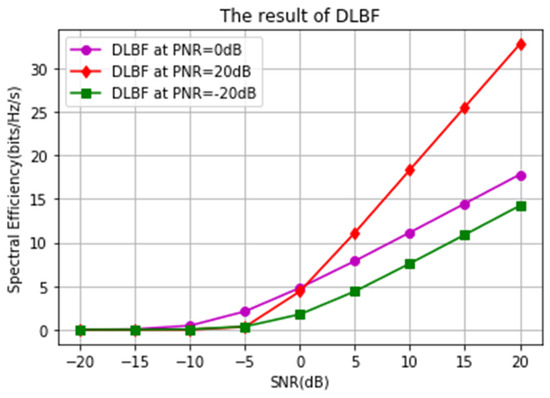
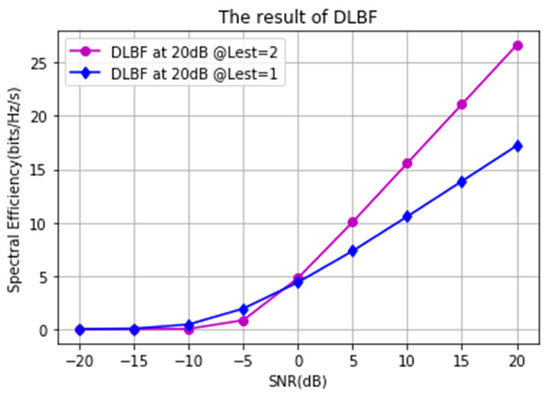
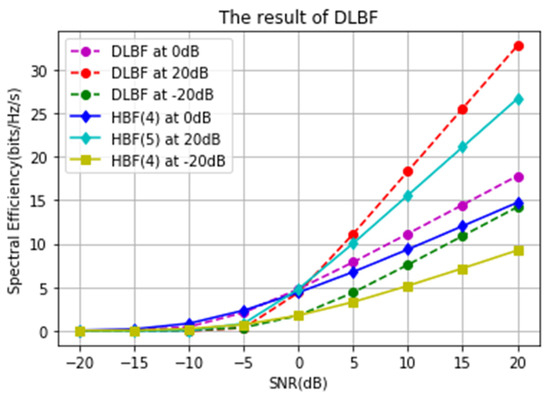
Millimeter-wave (mm-Wave) massive MIMO systems enable high data rates but face significant challenges due to the limited number of radio-frequency (RF) chains and imperfect channel state information (CSI). This paper proposes a deep learning-based beamforming (DLBF) framework that directly learns analog beamforming vectors
[...] Read more.
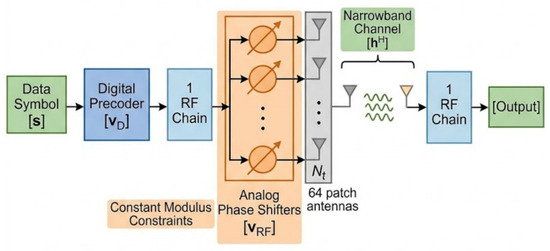
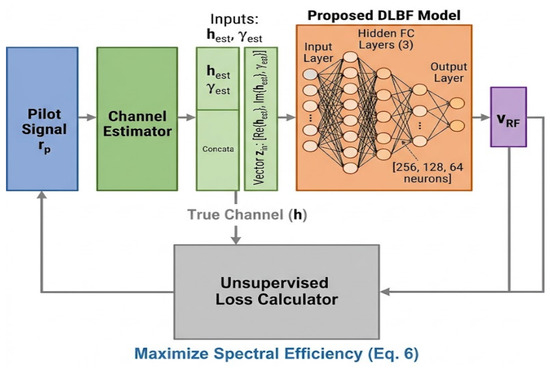
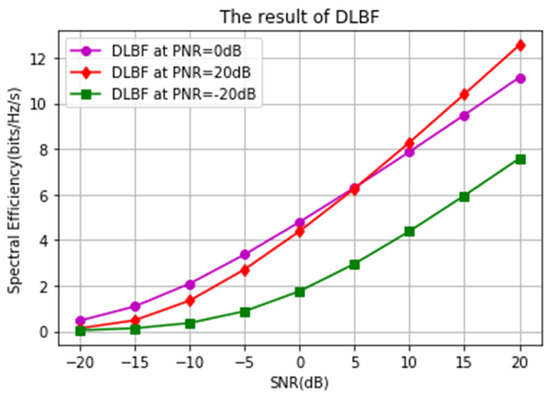
Millimeter-wave (mm-Wave) massive MIMO systems enable high data rates but face significant challenges due to the limited number of radio-frequency (RF) chains and imperfect channel state information (CSI). This paper proposes a deep learning-based beamforming (DLBF) framework that directly learns analog beamforming vectors under strict hardware constraints. Unlike conventional optimization methods, the proposed approach employs an unsupervised learning strategy to maximize spectral efficiency while satisfying constant modulus constraints. The network model is explicitly designed to be robust against imperfect CSI, hardware phase noise, and varying channel conditions. Simulation results demonstrate that the proposed DLBF framework significantly outperforms traditional hybrid beamforming methods in terms of spectral efficiency, particularly in low-quality channel estimation and low signal-to-noise ratio (SNR) scenarios.
Full article

Figure 1
Open AccessArticle
An Autonomous Guided Vehicle System for Smart Campus with Optimal Path Planning and Voice Interaction Using YOLO Network and LiDAR
by
Ching-Ta Lu, Yi-Ping Li, Tsai-Ching Huang, Qiu-Yu Chen, Zong-Wei Huang, Shih-Chang Huang, Tian-Sin Yang, Yen-Yu Lu and Yuan-Yu Tsai
Appl. Syst. Innov. 2026, 9(9), 183; https://doi.org/10.3390/asi9090183 - 31 Aug 2026
Abstract
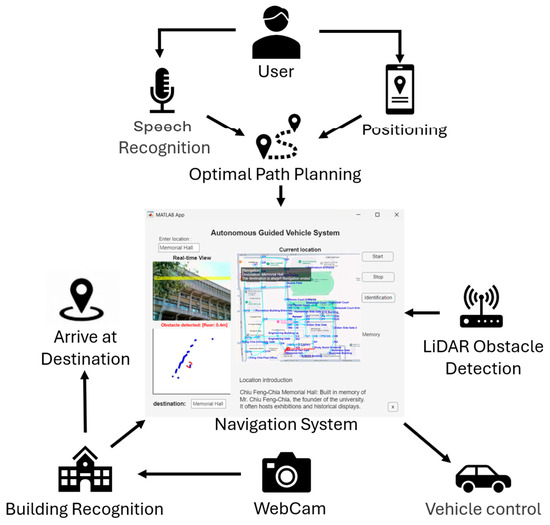
Navigating large, unfamiliar campuses can be challenging for visitors, even with campus maps available. To address this issue, this study proposes an intelligent, autonomous campus navigation system to help users reach their destinations efficiently. The proposed system integrates computer vision, LiDAR, speech recognition,
[...] Read more.
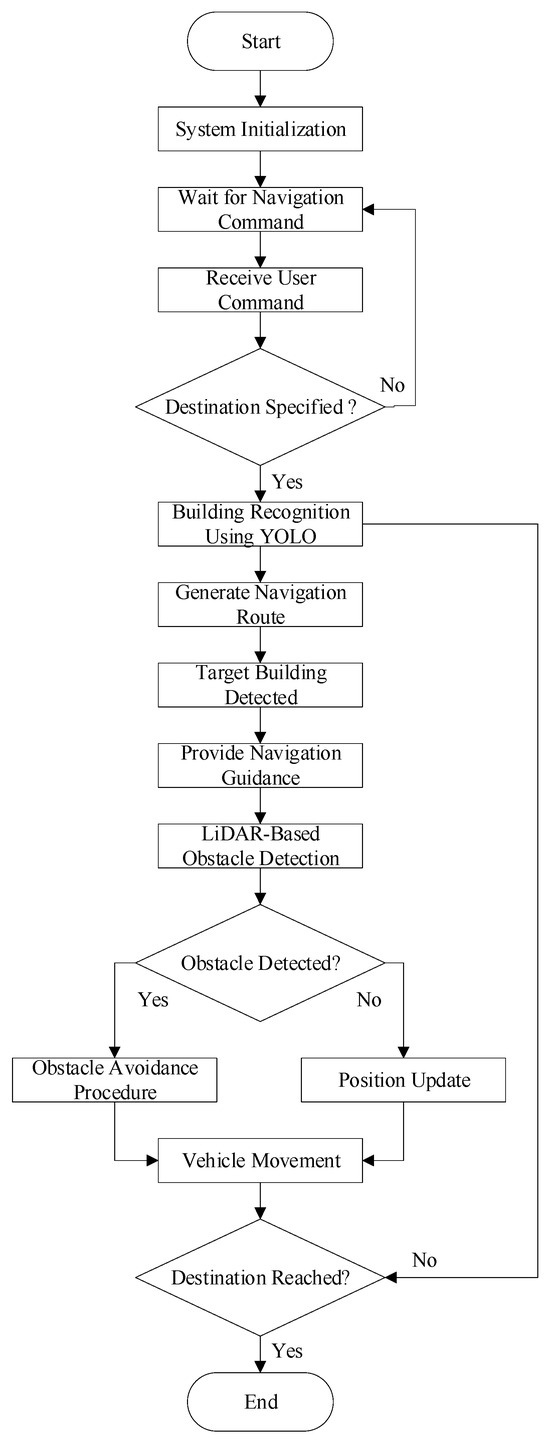
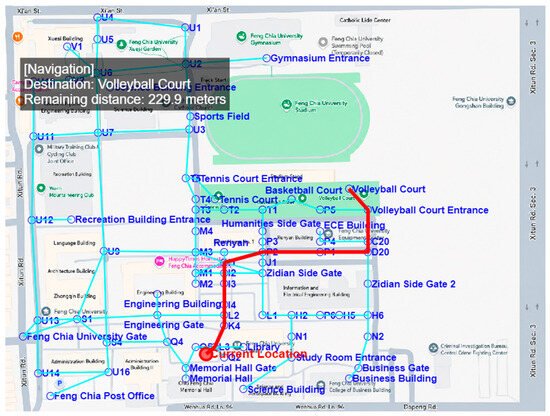
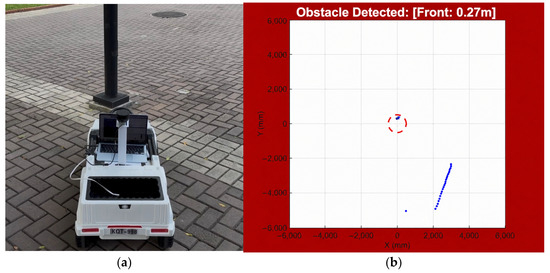
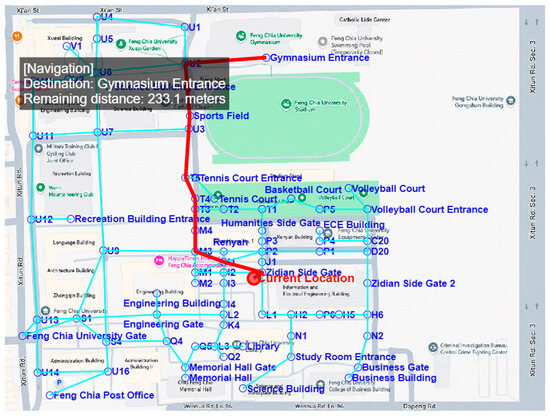
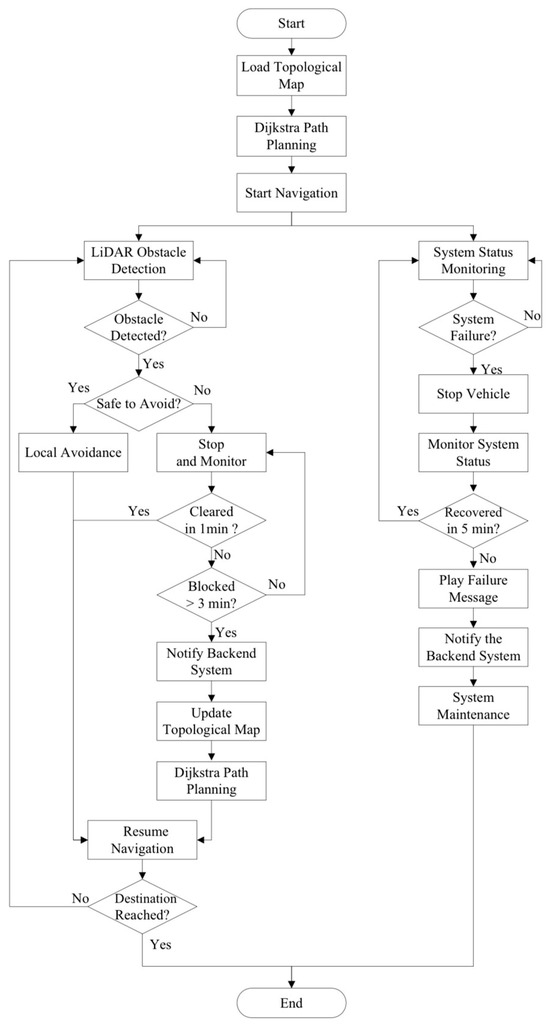
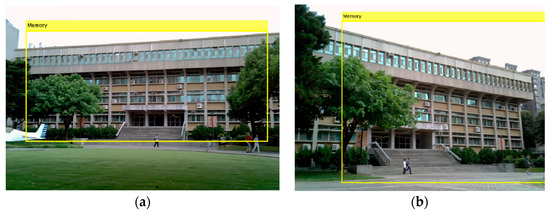
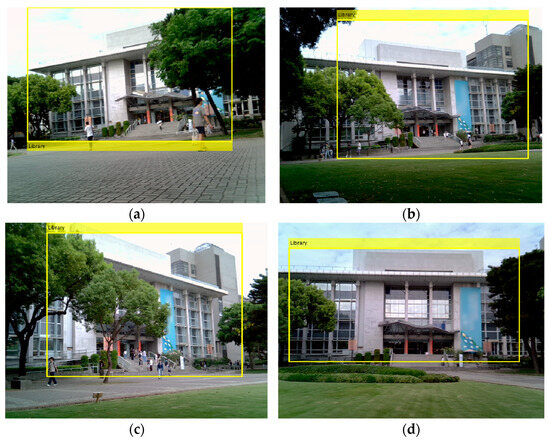
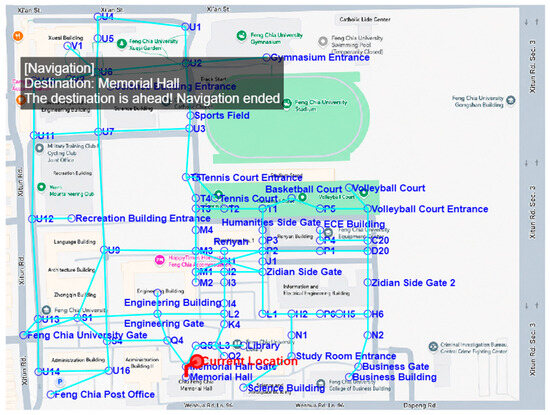
Navigating large, unfamiliar campuses can be challenging for visitors, even with campus maps available. To address this issue, this study proposes an intelligent, autonomous campus navigation system to help users reach their destinations efficiently. The proposed system integrates computer vision, LiDAR, speech recognition, global positioning, and path-planning technologies to provide accurate, user-friendly guidance in complex environments. A YOLO-based neural network performs real-time building recognition, while a speech recognition module interprets users’ spoken destination requests and commands. GPS data are mapped to campus map coordinates to improve localization accuracy, and Dijkstra’s algorithm computes optimal navigation paths. All components are integrated into a graphical user interface that provides real-time visual feedback, including recognized building names and current location. Experimental results demonstrate that the proposed system achieves reliable building recognition, accurate speech understanding, and effective route planning, significantly reducing navigation time for users unfamiliar with the campus. The proposed framework not only enhances smart campus navigation but also shows strong potential for extension to other large-scale environments such as hospitals and shopping malls.
Full article
(This article belongs to the Topic Application of IOT on Manufacturing, Communication and Engineering, 2nd Volume)
►▼
Show Figures

Figure 1
Open AccessArticle
Intelligent Fault Diagnosis and Maintenance Decision Support in Electrical Induction Generators Using Multi-CNN Extreme Ensemble Learning
by
Majida Khaleel Ahmed, Ahmed Mohammed Mohsin Alzubaidi, Zeashan Hameed Khan, Ahmed Ali Farhan Ogaili, Alaa Abdulhady Jaber and Luttfi A. Al-Haddad
Appl. Syst. Innov. 2026, 9(9), 182; https://doi.org/10.3390/asi9090182 - 30 Aug 2026
Abstract
Electrical induction generators are vulnerable to winding faults that can degrade operational reliability and lead to unplanned maintenance. This study proposes a multiple-convolutional neural network (Multi-CNN) extreme ensemble learning framework for intelligent fault diagnosis and maintenance decision support using three-phase current and voltage
[...] Read more.
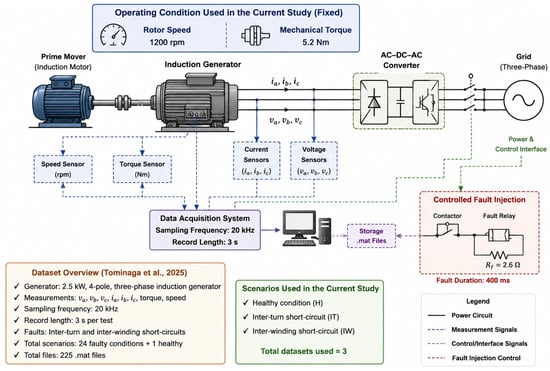
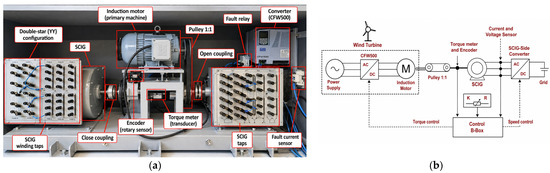
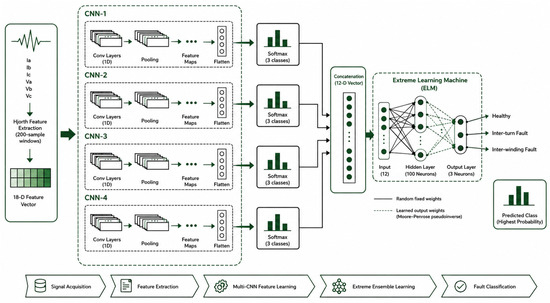
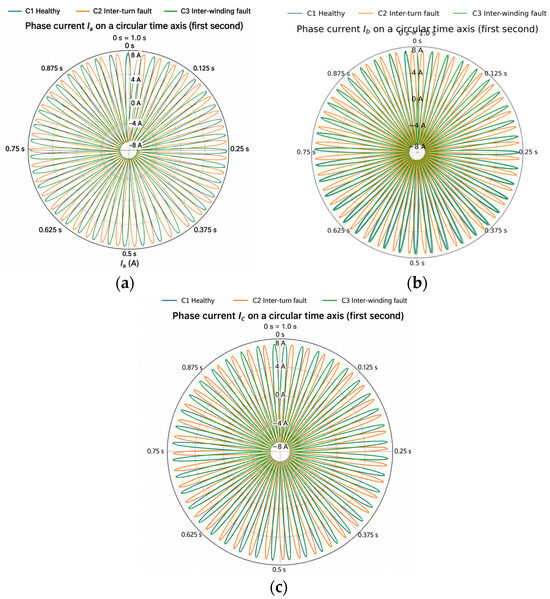
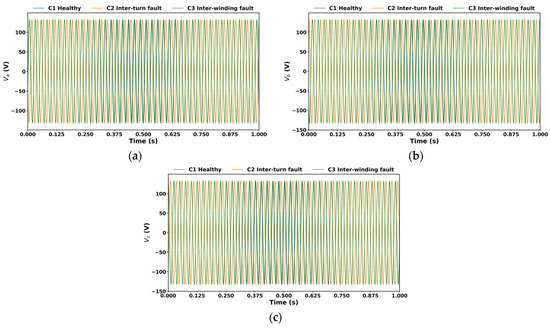
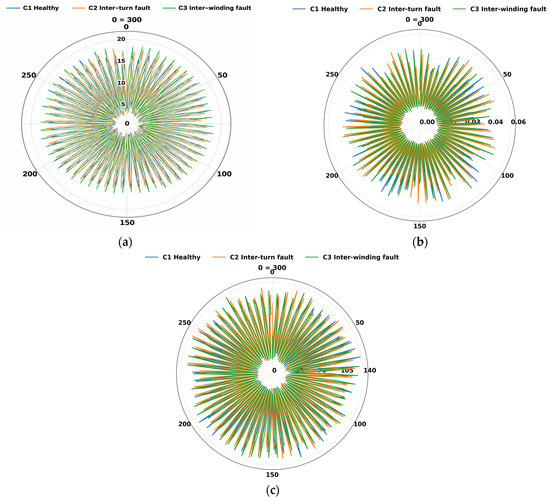
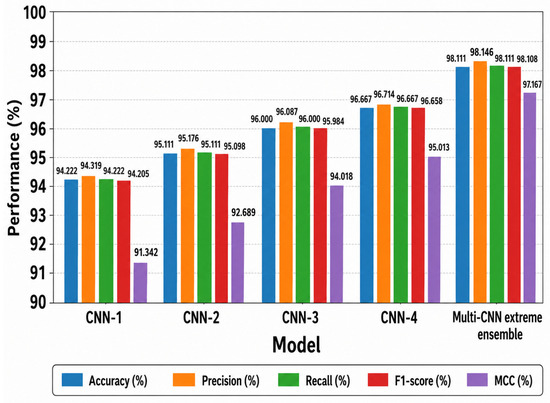
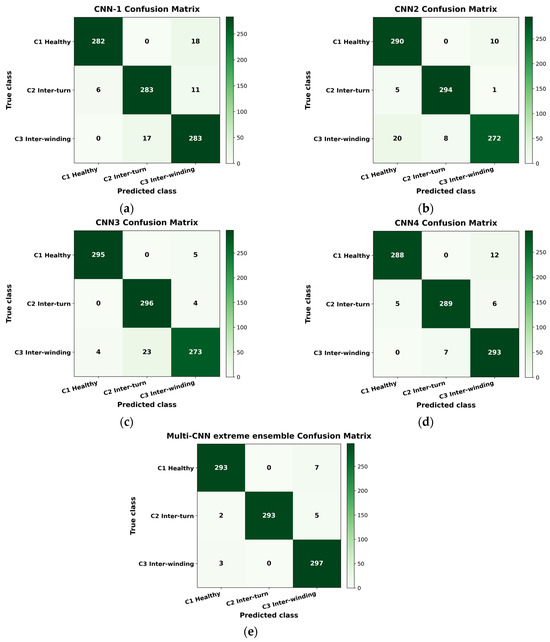
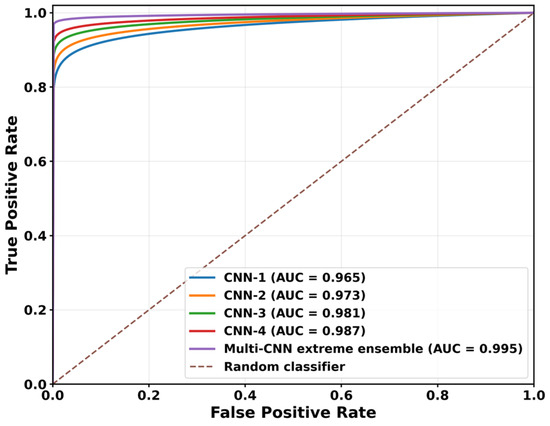
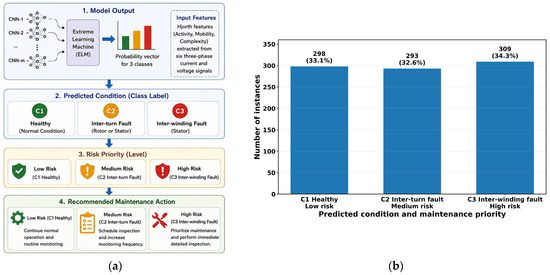
Electrical induction generators are vulnerable to winding faults that can degrade operational reliability and lead to unplanned maintenance. This study proposes a multiple-convolutional neural network (Multi-CNN) extreme ensemble learning framework for intelligent fault diagnosis and maintenance decision support using three-phase current and voltage measurements. Experimental recordings representing healthy operation, inter-turn faults, and inter-winding faults were segmented into non-overlapping 200-sample windows. Hjorth activity, mobility, and complexity were calculated for the three-phase current signals and the three-phase voltage signals, producing 18 features for each of 900 instances. Four convolutional neural network architectures were trained, and their class-probability outputs were combined through an extreme learning machine. Stratified blocked five-fold cross-validation was used to evaluate the models while preserving the chronological structure of the data. The proposed ensemble achieved 98.111% accuracy, 98.146% precision, 98.111% recall, 98.108% F1-score, and 97.167% Matthews correlation coefficient, correctly classifying 883 of 900 out-of-fold instances. It also attained a macro-averaged area under the receiver operating characteristic curve of 0.995. These results demonstrate that Hjorth-based electrical-signal characterization and Multi-CNN ensemble fusion can provide accurate and computationally efficient support for fault identification and predictive maintenance decisions in electrical induction generators.
Full article
(This article belongs to the Special Issue AI-Enhanced Decision Support Systems)
►▼
Show Figures

Figure 1
Open AccessArticle
Spatial Heterogeneity in Cancer Incidence: Assessing Behavioral and Environmental Associations Using Machine Learning and Multiscale Geographically Weighted Regression
by
Yuhang Xie, Zhe Zhang, Chanam Lee, Marcia G. Ory, Ipek Nese Sener, Bahar Dadashova, Gisou Salkhi Khasraghi, Jinsil Hwaryoung Seo, Galen Newman, Chunwu Zhu, Wenjin Wang and Xuemei Zhu
Appl. Syst. Innov. 2026, 9(9), 181; https://doi.org/10.3390/asi9090181 - 30 Aug 2026
Abstract
Cancer incidence exhibits substantial spatial disparities associated with environmental, behavioral, built-environment, healthcare access, and socioeconomic conditions, yet the extent to which these county-level associations vary geographically and across spatial scales remains insufficiently understood. This study evaluates an explainable spatial epidemiology workflow that integrates
[...] Read more.
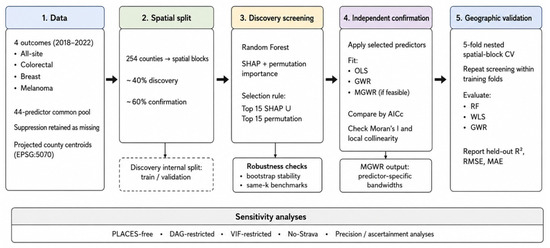
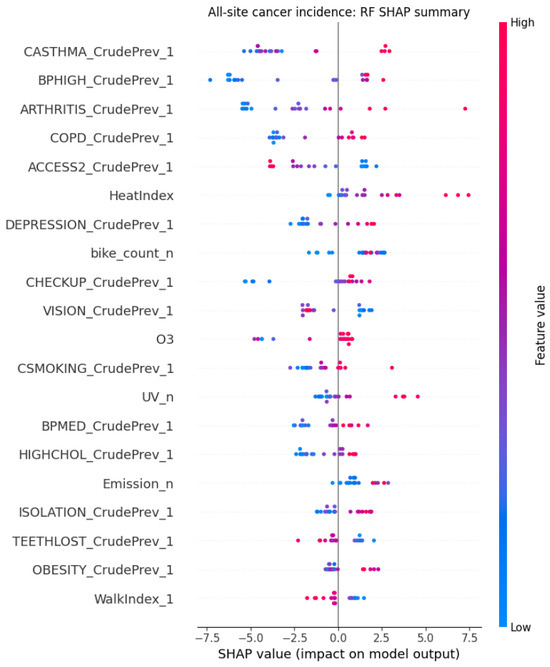
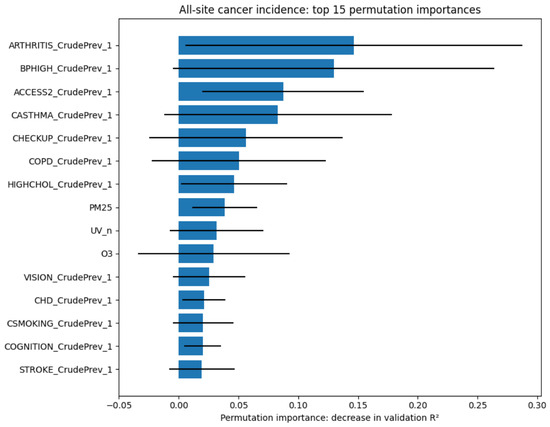
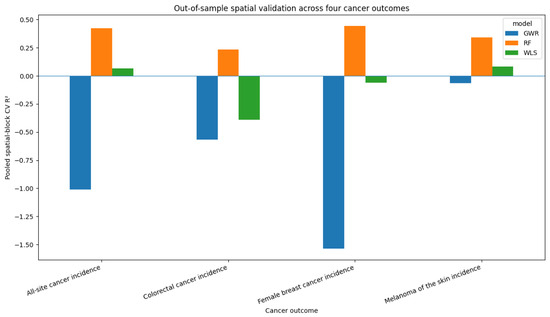
Cancer incidence exhibits substantial spatial disparities associated with environmental, behavioral, built-environment, healthcare access, and socioeconomic conditions, yet the extent to which these county-level associations vary geographically and across spatial scales remains insufficiently understood. This study evaluates an explainable spatial epidemiology workflow that integrates Random Forest (RF), SHapley Additive exPlanations (SHAP), permutation importance, Ordinary Least Squares (OLS), Geographically Weighted Regression (GWR), and Multiscale Geographically Weighted Regression (MGWR) to examine county-level incidence for all-site cancer as a composite benchmark, colorectal cancer, female breast cancer, and melanoma of the skin across Texas, USA. All outcomes were screened from a common leakage-safe pool of 44 predictors. RF-SHAP/permutation screening was conducted only in spatially separated discovery counties, and the retained predictors were subsequently evaluated using OLS, GWR, and MGWR in independent confirmation counties. The screening procedure retained 19–23 predictors across outcomes, reducing model dimensionality by approximately 48–57%. Although screening substantially reduced AICc, in-sample also decreased, indicating improved parsimony and complexity-adjusted fit rather than improved explanatory performance; same-cardinality random, correlation-based, and LASSO benchmarks further showed that the advantage of RF-based screening was outcome- and model-dependent. In independent confirmation analyses, GWR was preferred by AICc for all-site cancer (AICc = 442.79), whereas OLS was preferred for colorectal cancer (356.48), female breast cancer (367.50), and melanoma (234.56); MGWR was not AICc-preferred for any outcome. However, where estimation was feasible, MGWR provided complementary multiscale information by distinguishing fitted associations characterized by near-global versus more localized spatial bandwidths. Five-fold nested spatial-block cross-validation showed stronger geographic predictive performance for RF, with pooled values of 0.422, 0.235, 0.442, and 0.341 for all-site, colorectal, breast, and melanoma outcomes, respectively, whereas GWR produced negative held-out for all four outcomes. These findings support explainable-ML screening primarily as a transparent dimensionality reduction strategy and demonstrate complementary roles for spatial modeling: AICc evaluates whether additional spatial complexity is justified, MGWR characterizes predictor-specific spatial scales where feasible, and spatial-block validation evaluates geographic predictive generalization. The resulting associations and spatial scales are interpreted as ecological and descriptive rather than causal.
Full article
(This article belongs to the Special Issue AI-Enhanced Decision Support Systems)
►▼
Show Figures

Figure 1
Open AccessArticle
Evaluation of Product Design Using Grey Statistical Method-Analytic Hierarchy Process-Fuzzy Comprehensive Evaluation Integration
by
Xin Deng, Boming Xu and Tiantian Yang
Appl. Syst. Innov. 2026, 9(9), 180; https://doi.org/10.3390/asi9090180 - 28 Aug 2026
Abstract
A reproducible design evaluation system is developed in this study by integrating the grey statistical method (GSM), analytic hierarchy process (AHP), and fuzzy comprehensive evaluation (FCE). Eight first-level and 40 second-level indicators were identified, covering product positioning, appearance features, function, materials, process structure,
[...] Read more.
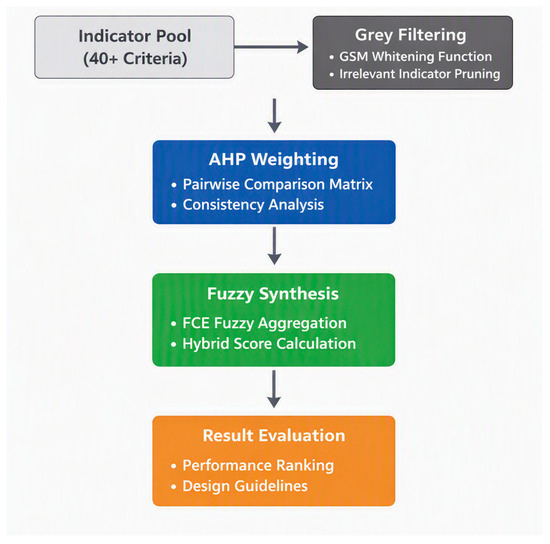
A reproducible design evaluation system is developed in this study by integrating the grey statistical method (GSM), analytic hierarchy process (AHP), and fuzzy comprehensive evaluation (FCE). Eight first-level and 40 second-level indicators were identified, covering product positioning, appearance features, function, materials, process structure, ergonomics, interactive experience, and economic efficiency. Through GSM screening, the indicator set was refined, and AHP weighting results confirmed logical consistency. Product positioning (weight = 0.190), appearance features (0.165), and interactive experience (0.151) were the most influential first-level indicators. At the second level, user-group positioning (global weight = 0.056), pattern and finish design (0.055), market positioning (0.052), door panel material (0.051), and door style design (0.051) were found to be important indicators of innovation. Interactive experience metrics such as operational convenience and labor-saving access highlighted the increasing importance of usability. FCE modeling results provided deterministic scores, reducing subjectivity and enabling reproducible evaluation. Beyond cabinetry, the GSM–AHP–FCE model can be used to evaluate sensor-integrated smart furniture, tactile interfaces, ergonomic layouts, or feedback mechanisms through various tests.
Full article
(This article belongs to the Section Industrial and Manufacturing Engineering)
►▼
Show Figures

Figure 1
Open AccessArticle
Personality-Aware Multi-Agent Decision Support for Enterprise Strategy: Concept, Prototype, and Evaluation of Deliberation Value
by
Xu Zhou and Zhongyi Jiang
Appl. Syst. Innov. 2026, 9(9), 179; https://doi.org/10.3390/asi9090179 - 28 Aug 2026
Abstract
Enterprise strategic decisions must reconcile conflicting stakeholder interests under time pressure, yet the consulting that traditionally supports them remains out of reach for most small and medium-sized enterprises. Large language models make parts of this work automatable, but a single model speaks with
[...] Read more.
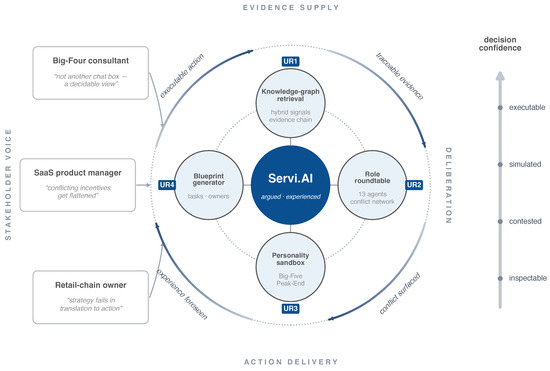
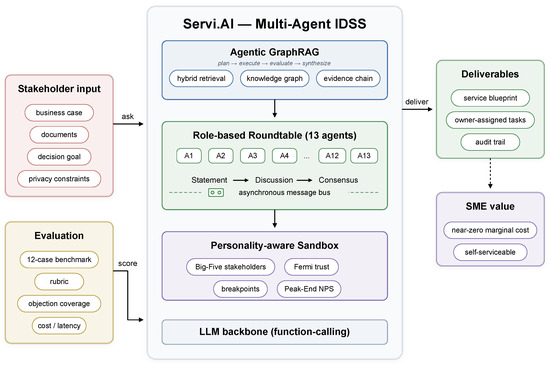
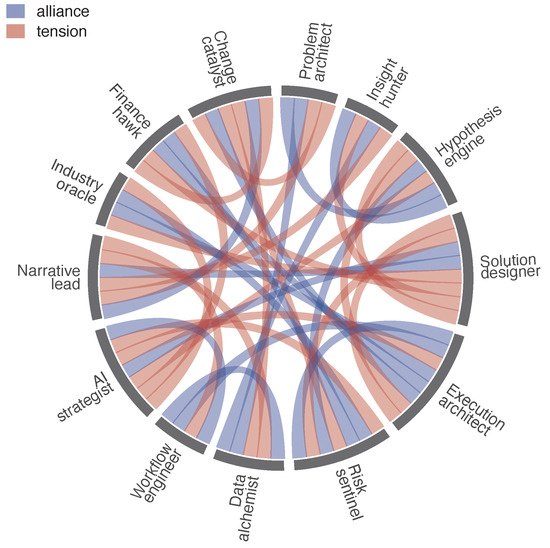
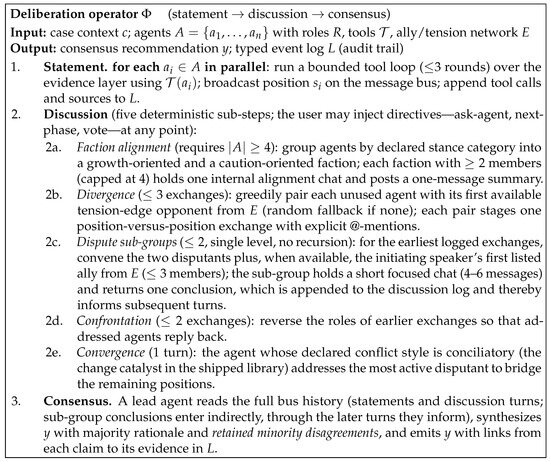
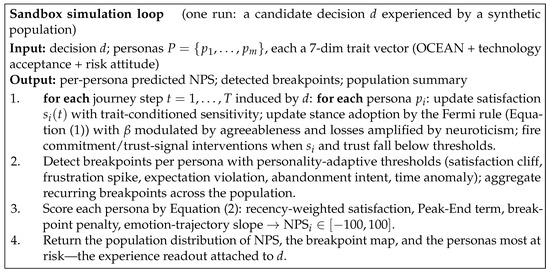
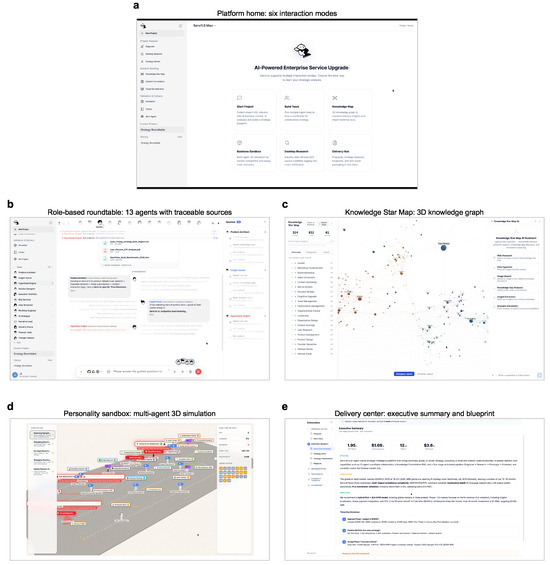
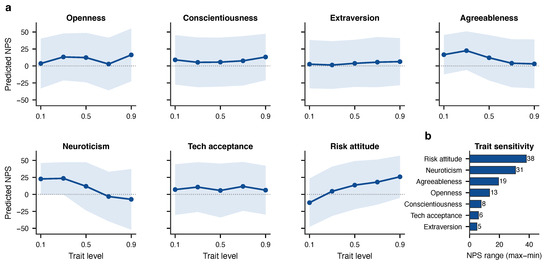
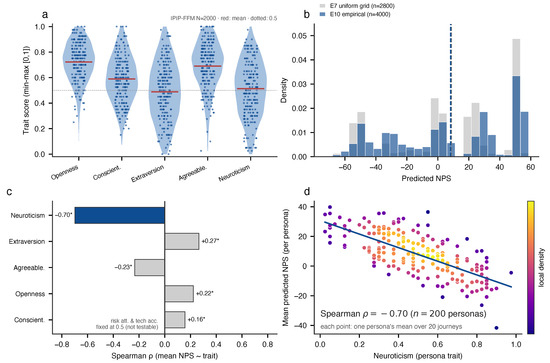
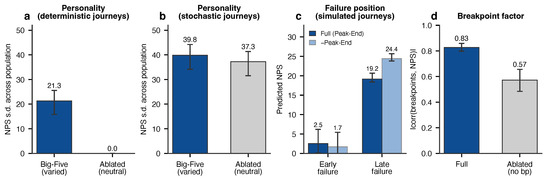
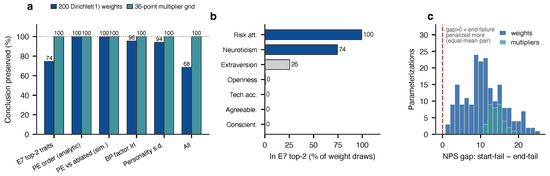
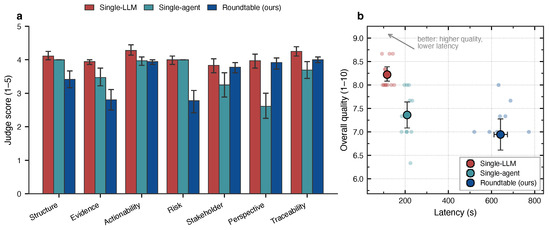
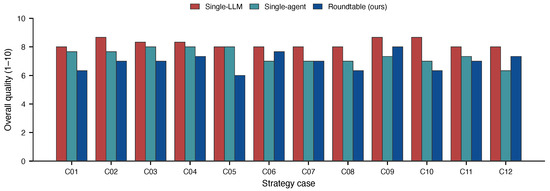
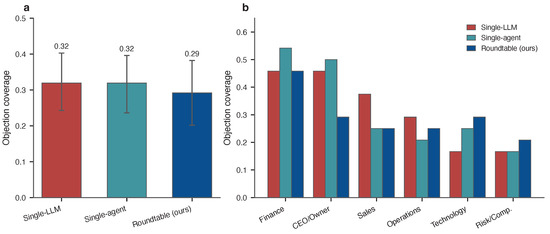
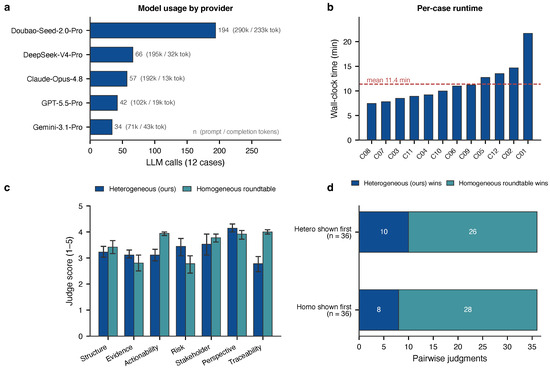
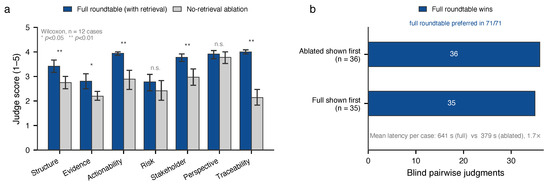
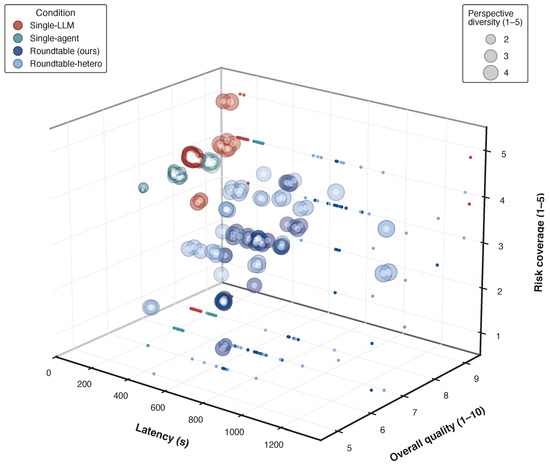
Enterprise strategic decisions must reconcile conflicting stakeholder interests under time pressure, yet the consulting that traditionally supports them remains out of reach for most small and medium-sized enterprises. Large language models make parts of this work automatable, but a single model speaks with one voice, and its reasoning can be neither inspected nor contested. As frontier models continue to improve, whether structured multi-agent deliberation is worth its additional cost has therefore become an empirical question rather than a design assumption. This study designs, prototypes, and evaluates Servi.AI, a personality-aware multi-agent intelligent decision support system for enterprise strategy. The system grounds every recommendation in a traceable evidence chain retrieved over a knowledge graph. It stages a statement–discussion–consensus roundtable in which role-specialized agents argue from conflicting professional stances. It also simulates how synthetic stakeholders, calibrated against a public personality dataset of 874,434 respondents, will experience the candidate decision. The roundtable characterizes how a decision is argued, whereas the sandbox characterizes how it will be experienced. A questionnaire with 133 screened decision-makers confirms these requirement priorities. We evaluate the system across five experimental axes: 2800 controlled simulation runs and a twelve-case benchmark judged blind across three model families. A strong single model attains the highest holistic scores (8.22–8.56/10 across judges), while deliberation contributes auditable role-grounded reasoning, conflict surfacing, and an executable blueprint. Ablating retrieval loses all 71 valid pairwise comparisons, while a heterogeneous five-family agent pool significantly improves risk coverage (Cliff’s ). Retrieval thus drives the evidence-side qualities, and the role structure drives the deliberation-side ones: deliberative value is decomposable along architectural components, a middle-range design proposition. These findings support selective rather than default deployment. The released benchmark, judging protocol, and raw results provide a reusable basis for deciding when multi-agent decision support is worth its cost.
Full article
(This article belongs to the Section Artificial Intelligence)
►▼
Show Figures

Figure 1
Open AccessArticle
A Multimodal Time-Series Forecasting Framework Integrating Wavelet Transform and Semantic Embedding for Intelligent Monitoring Systems
by
Sheng-Tzong Cheng, Jun-Ting Lin and Tzu-Yi Chiu
Appl. Syst. Innov. 2026, 9(9), 178; https://doi.org/10.3390/asi9090178 - 28 Aug 2026
Abstract
Intelligent monitoring systems in domains such as renewable energy, electrical grid management, and environmental sensing continuously generate high-dimensional multivariate time-series data characterized by non-stationarity and multi-scale temporal dependencies. Accurate long-term forecasting of system parameters is essential for proactive maintenance, operational scheduling, and cost
[...] Read more.
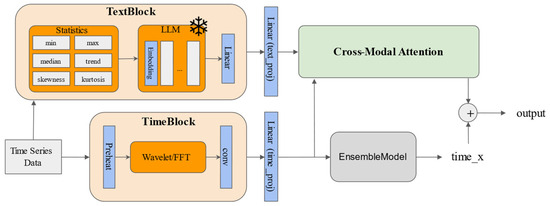
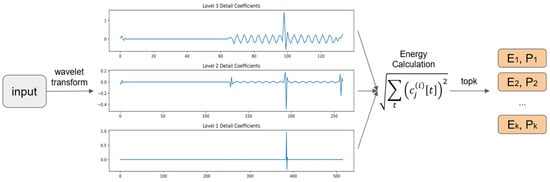
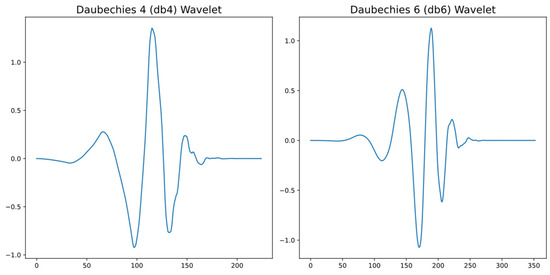
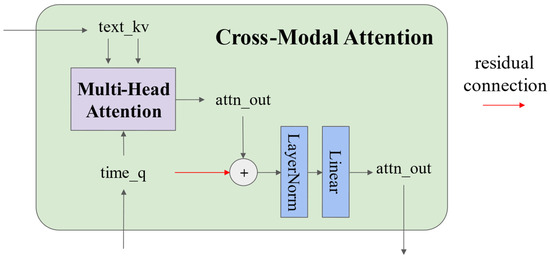
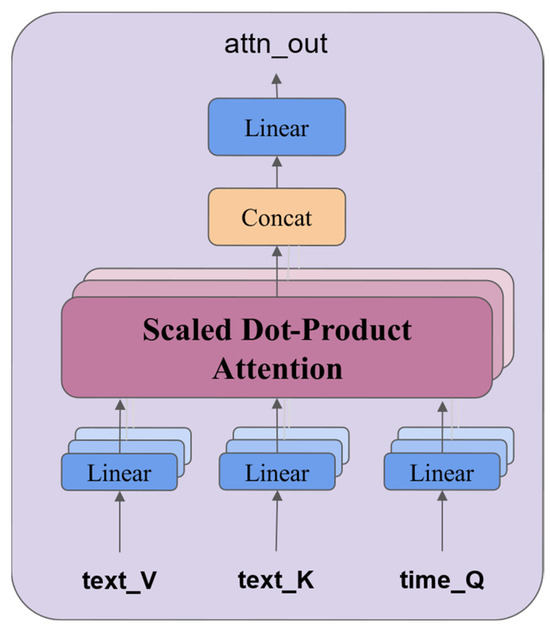
Intelligent monitoring systems in domains such as renewable energy, electrical grid management, and environmental sensing continuously generate high-dimensional multivariate time-series data characterized by non-stationarity and multi-scale temporal dependencies. Accurate long-term forecasting of system parameters is essential for proactive maintenance, operational scheduling, and cost reduction, yet many existing models rely solely on numerical sequences and lack mechanisms to incorporate higher-level contextual information. This study proposes a multimodal long-term forecasting framework that integrates frequency-aware signal decomposition with semantic-enhanced representation learning. The framework comprises four components: (1) a wavelet-based feature extraction module that captures multi-scale periodic patterns through energy-guided frequency selection; (2) a semantic feature extraction module that encodes statistical summaries of the input into language embeddings via a pretrained language model; (3) a cross-attention fusion module that dynamically aligns temporal and semantic representations; and (4) a multi-scale MLP ensemble for robust prediction. Experiments on three benchmark datasets—Solar Power, ETTh1, and Weather—show that the framework achieves competitive accuracy against strong baselines, including PatchTST and iTransformer, with its strongest results on data exhibiting complex multi-scale seasonal structure, where it attains the second-best mean squared error on the Weather dataset. A controlled ablation isolating the pretrained embedding from a direct numerical encoding of the same statistics indicates a small, dataset-specific benefit that is comparable in magnitude to seed-to-seed variation. Overall, the proposed framework provides a modular and interpretable architecture combining frequency-aware and semantic-aware processing for intelligent system management.
Full article
(This article belongs to the Section Artificial Intelligence)
►▼
Show Figures

Figure 1
Open AccessArticle
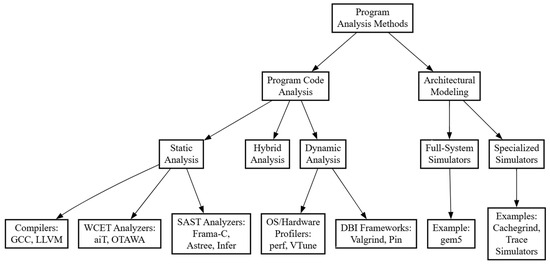
A Hybrid Method for Semantic Cache Analysis of Computational Kernels in C Programs
by
Vitaly Egunov, Alla G. Kravets, Pavel Kravchenya, Anna Matokhina and Vladimir Shabalovsky
Appl. Syst. Innov. 2026, 9(9), 177; https://doi.org/10.3390/asi9090177 - 27 Aug 2026
Abstract
►▼
Show Figures
The performance of modern high-performance computing systems is increasingly constrained not by computational power, but by the efficiency of memory subsystem interaction. Cache behavior optimization thus becomes a critical requirement for developers of computationally intensive applications, including numerical simulations, scientific computing, and machine
[...] Read more.
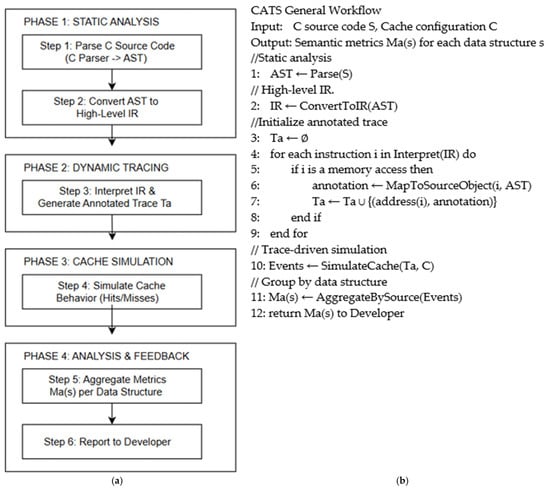
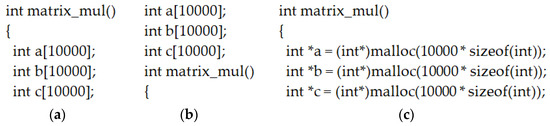
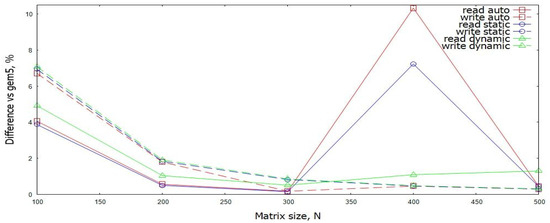
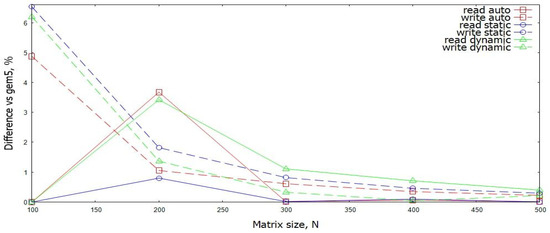
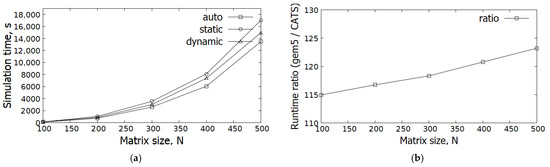
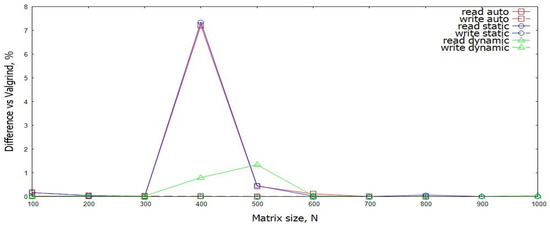
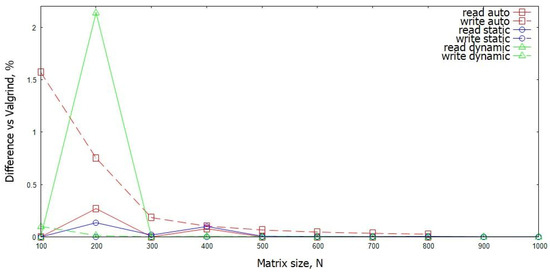
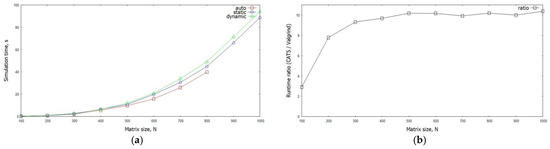
The performance of modern high-performance computing systems is increasingly constrained not by computational power, but by the efficiency of memory subsystem interaction. Cache behavior optimization thus becomes a critical requirement for developers of computationally intensive applications, including numerical simulations, scientific computing, and machine learning kernels. However, existing analysis tools face fundamental limitations; they either provide only aggregated statistics, or exhibit a “semantic gap” by presenting data in machine addresses rather than source code constructs, which impedes targeted optimization of complex data-intensive programs. This paper introduces CATS (C Annotated Trace-based Cache Simulator), a novel hybrid method and toolset for detailed cache efficiency analysis, designed to overcome these limitations. CATS combines source-level static analysis with dynamic tracing at the intermediate representation (IR) level to generate semantically annotated memory traces, enabling precise identification of which source code data structures (arrays, structs, dynamically allocated objects) cause cache misses. The paper describes the methodology and architecture of CATS and presents a foundational validation of the approach through comparative accuracy analysis against reference simulators (gem5, Valgrind) on regular computational kernels (General Matrix Multiplication, GEMM). Systematic error analysis quantifies CATS’s accuracy bounds across different input sizes for the evaluated cache configuration (L1: 32 KB, L2: 256 KB). The current work explicitly focuses on single-threaded CPU-based C programs; extension to irregular kernels, multi-threaded workloads, hardware accelerators (GPU, FPGA), and specific AI applications are identified as future research. Early CATS application at the design stage enables identification of algorithmic cache bottlenecks before final implementation, complementing traditional compiler-level optimizations.
Full article

Figure 1
Open AccessArticle
Optimal Configuration of Traction Power Supply Systems Based on Deep Reinforcement Learning
by
Ming Nie, Kai Yuan, Chongbo Sun, Yi Song, Yudi Ding and Zhiwei Wan
Appl. Syst. Innov. 2026, 9(9), 176; https://doi.org/10.3390/asi9090176 - 27 Aug 2026
Abstract
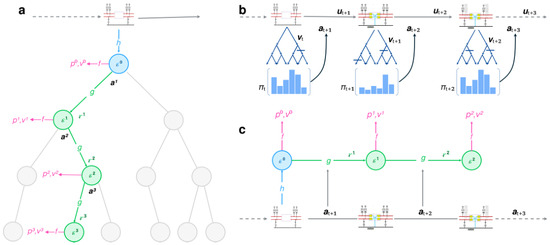
To address the coupling among power supply topology, module selection, capacity allocation, and N-2 contingency assessment in flexible traction power supply systems, a deep-reinforcement-learning-guided branch-and-bound method is proposed for equipment siting and sizing. The Actor network selects preferred branching actions, whereas the Critic
[...] Read more.
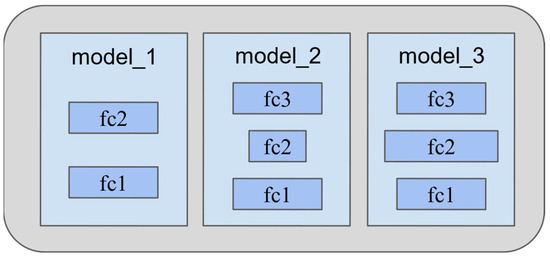
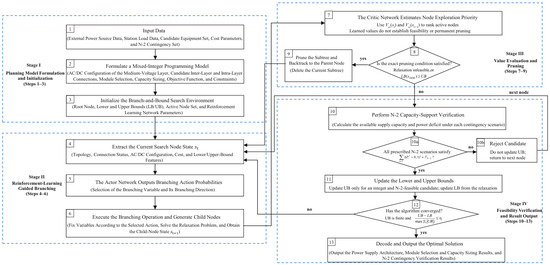
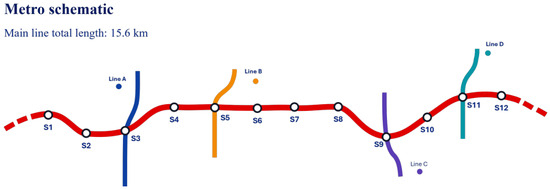
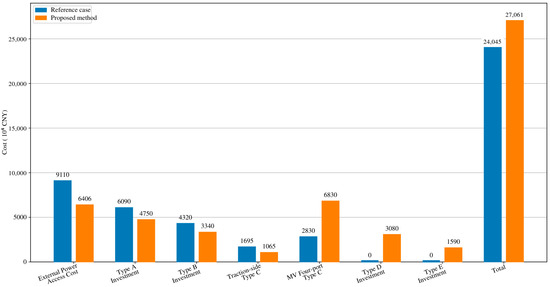
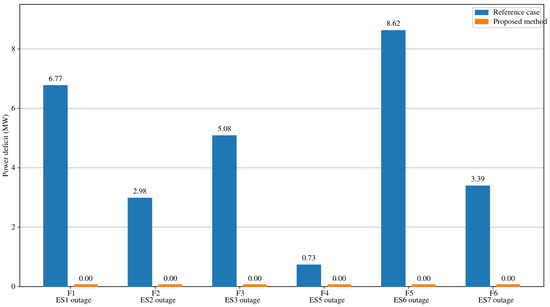
To address the coupling among power supply topology, module selection, capacity allocation, and N-2 contingency assessment in flexible traction power supply systems, a deep-reinforcement-learning-guided branch-and-bound method is proposed for equipment siting and sizing. The Actor network selects preferred branching actions, whereas the Critic network ranks search nodes; exact bound-based pruning and N-2 verification remain governed by the underlying branch-and-bound procedure. A feasibility-preservation result shows that any reported solution satisfies the prescribed N-2 capacity-support condition. Case study results show that the proposed method reduces the power deficit to zero under typical N-2 contingencies by establishing a medium-voltage DC through-feeding section and flexible interconnection channels. Compared with the reference case, the main configuration cost increases by 12.5%, indicating that the proposed method can enhance the system’s support capability under severe contingencies at the expense of a moderate increase in configuration cost.
Full article
(This article belongs to the Topic Collection Series on Applied System Innovation)
►▼
Show Figures

Figure 1
Open AccessArticle
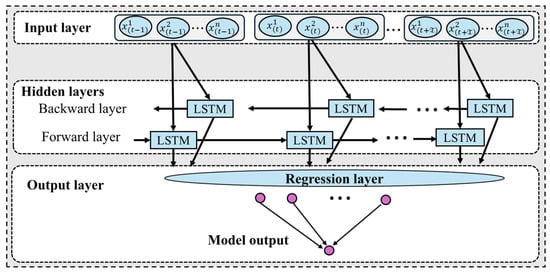
An Online Updating Robust Soft Sensor for Nonstationary Industrial Processes Based on Bidirectional Long Short-Term Memory and Integrated Gradients
by
Xiuliang Wu, Changchun Pan, Maoyong Cao and Kai Sun
Appl. Syst. Innov. 2026, 9(9), 175; https://doi.org/10.3390/asi9090175 - 26 Aug 2026
Abstract
In modern process industries, data-driven soft sensors have become indispensable for monitoring critical process variables that are inaccessible to direct measurement. Nevertheless, the accurate modeling of industrial processes remains challenging due to their intrinsic complexities, such as time-series behaviors, measurement outliers, redundant variables,
[...] Read more.
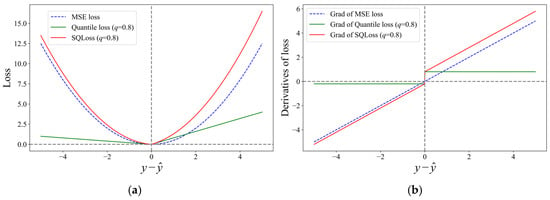
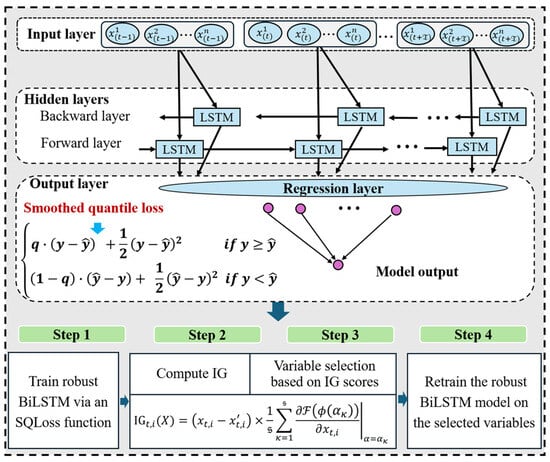
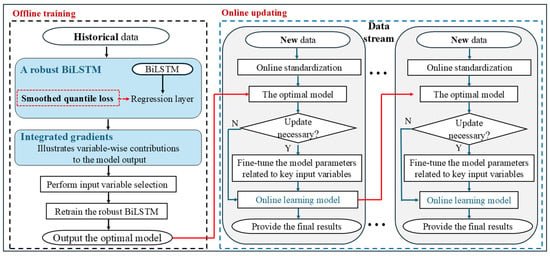
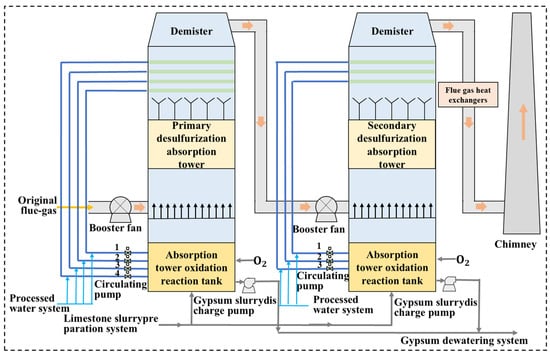
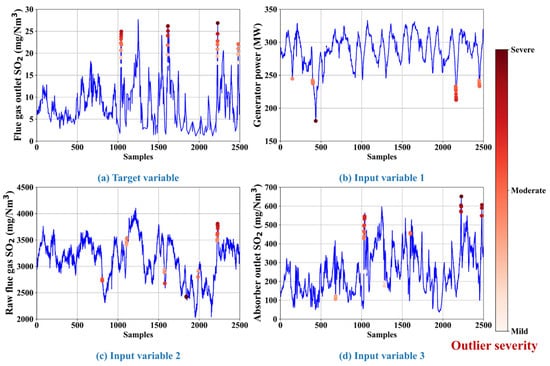
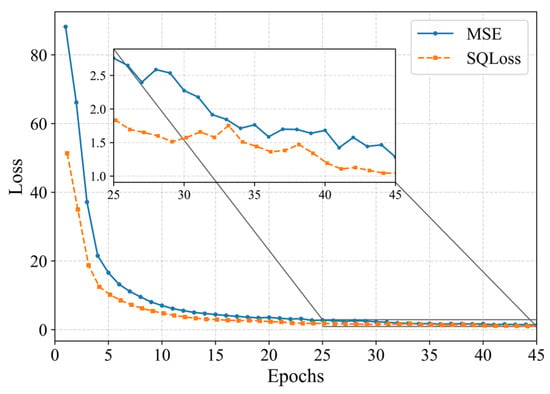
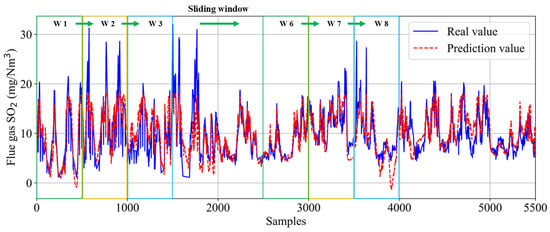
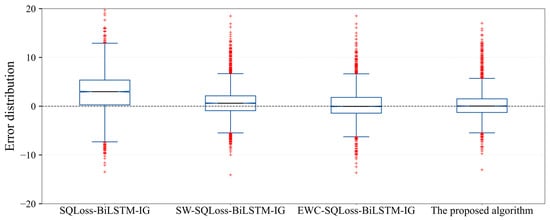
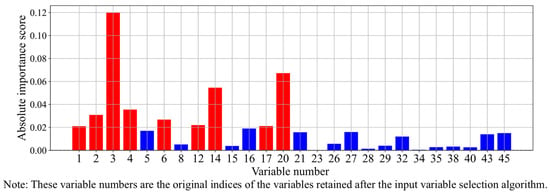
In modern process industries, data-driven soft sensors have become indispensable for monitoring critical process variables that are inaccessible to direct measurement. Nevertheless, the accurate modeling of industrial processes remains challenging due to their intrinsic complexities, such as time-series behaviors, measurement outliers, redundant variables, and potential concept drift. Existing approaches can address subsets of these challenges but generally lack a unified mechanism that integrates robust offline modeling, variable-importance analysis, and efficient online adaptation. To address these issues, this study proposes an online-updating robust soft sensor framework based on bidirectional long short-term memory (BiLSTM) with integrated gradients (IG) and smoothed quantile loss (SQLoss). During offline modeling, a soft-sensing model is constructed using a BiLSTM, and the proposed SQLoss is introduced to reduce the influence of outliers; the IG method is then employed to evaluate the importance of input variables, enabling input variable selection. During online operation, model parameters associated with significant variables are selectively updated based on IG-derived variable importance, thereby addressing concept drift. Finally, experimental results on an industrial desulfurization process demonstrate that, compared with the best-performing competing basic learner, the proposed SQLoss-BiLSTM-IG reduces the average root mean squared error (RMSE) and mean absolute percentage error by 5.26% and 1.87%, respectively, while increasing the average correlation coefficient by 1.94%; in the online evaluation, the proposed updating strategy achieves a mean RMSE of 2.441, demonstrating its effectiveness in handling concept drift. Moreover, the analysis of key variable importance is consistent with field experience, offering valuable insights for optimizing the desulfurization control system.
Full article
(This article belongs to the Section Control and Systems Engineering)
►▼
Show Figures

Figure 1
Open AccessArticle
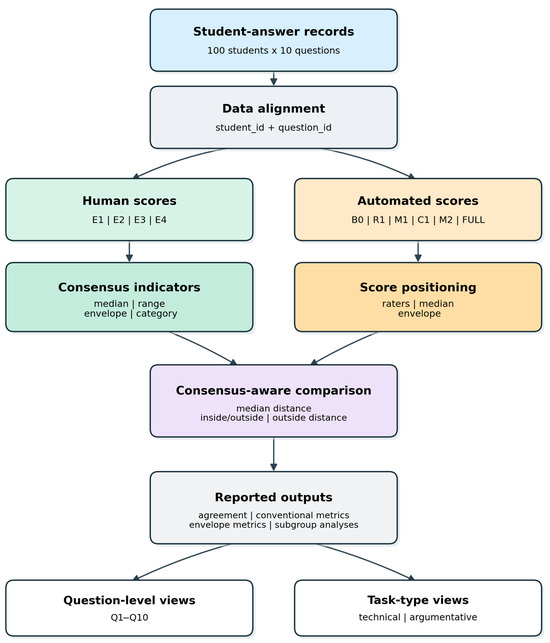
ConsensusGrade: A Human-Variability-Aware Framework for Evaluating LLM-Based Automated Grading
by
Catalin Anghel, Andreea Alexandra Anghel, Mihai Vlase, Marian Viorel Craciun, Adina Cocu, Constantin Adrian Andrei, Diana-Elena Vulpe, Serban Dragosloveanu, Cristian Scheau, Calina Maier and Vasile Potop
Appl. Syst. Innov. 2026, 9(9), 174; https://doi.org/10.3390/asi9090174 - 25 Aug 2026
Abstract
Background: Evaluation of LLM-based automated grading often relies on comparison with a single human score, which can obscure meaningful variability among raters of open-ended answers. This study introduces ConsensusGrade, a consensus-aware framework that treats the human reference as a scoring envelope rather than
[...] Read more.
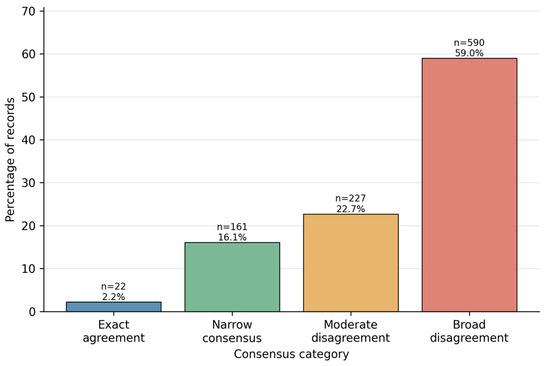
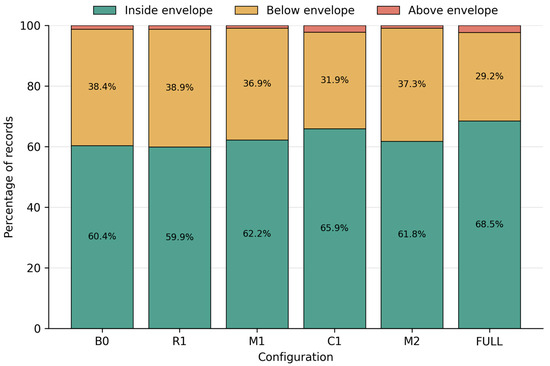
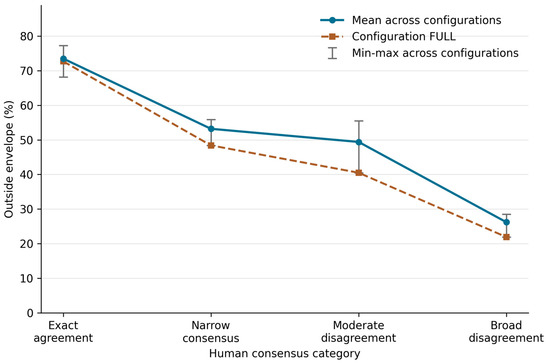
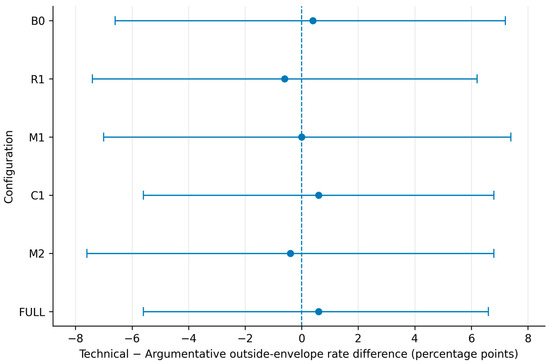
Background: Evaluation of LLM-based automated grading often relies on comparison with a single human score, which can obscure meaningful variability among raters of open-ended answers. This study introduces ConsensusGrade, a consensus-aware framework that treats the human reference as a scoring envelope rather than as a single point. Methods: We analyzed 1000 open-ended student answers from 100 students across 10 questions, each graded by four evaluators. Six previously generated and aligned automated grading configurations from GradeAgentOps were compared with the four-rater human reference. The score sets were generated using Llama 3.3 70B Instruct as the primary grader, with Qwen 2.5 14B Instruct for semantic repair. Results: Human evaluators showed meaningful agreement, with ICC(A,1) = 0.712, but exact four-rater agreement occurred in only 2.2% of records. Broad score dispersion occurred in 59.0%. All automated configurations showed negative bias relative to the human median. FULL achieved 68.5% inside-envelope positioning and a chance-adjusted score of 0.454; under the central-trimmed envelope, this rate decreased to 34.3%, while configuration ordering was preserved. Conclusions: ConsensusGrade provides a diagnostic framework for interpreting automated scores relative to observed human variability; inside-envelope rates should not be interpreted as stand-alone measures of grading accuracy.
Full article
(This article belongs to the Special Issue Advanced Technologies and Methodologies in Education 4.0)
►▼
Show Figures

Figure 1
Open AccessArticle
Two-Phase Multi-Objective Inverse Design of Rotary Burnishing Regimes and Compliant-Roller Tools: Full-Factorial Grid Enumeration and NSGA-II
by
Kirill A. Bashmur, Alexander V. Zagulyaev and Ivan S. Nekrasov
Appl. Syst. Innov. 2026, 9(9), 173; https://doi.org/10.3390/asi9090173 - 25 Aug 2026
Abstract
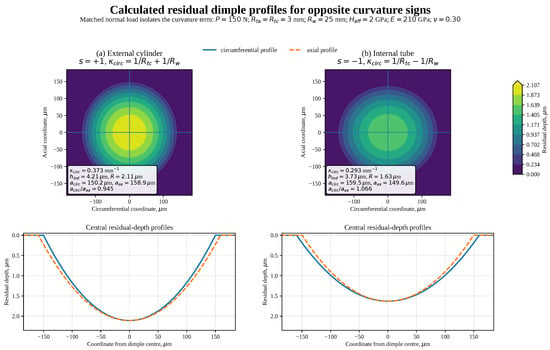
The design of regular microreliefs requires process and tool variables that satisfy surface-coverage, lubricant-retention, and residual-depth requirements. This theoretical and computational study formulates the task as a two-objective inverse problem for rigid-ball burnishing of external cylinders and compliant-roller burnishing of internal tubes. The
[...] Read more.
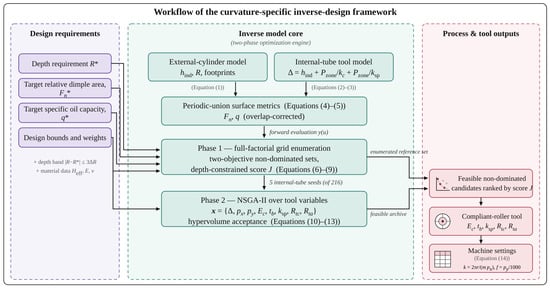
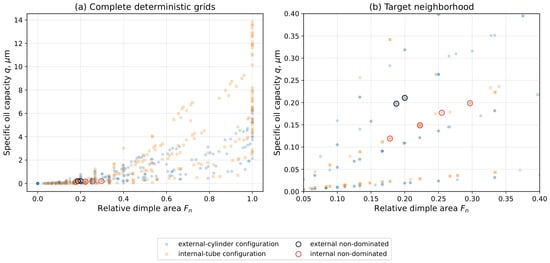
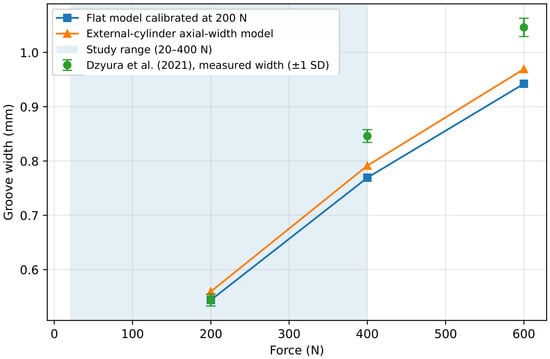
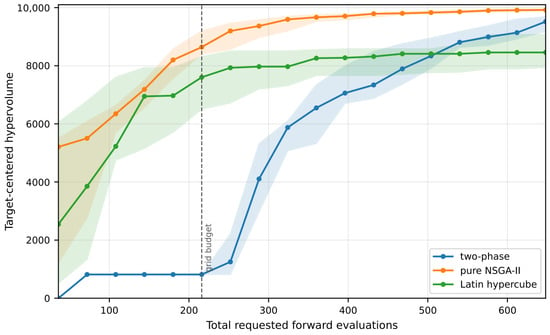
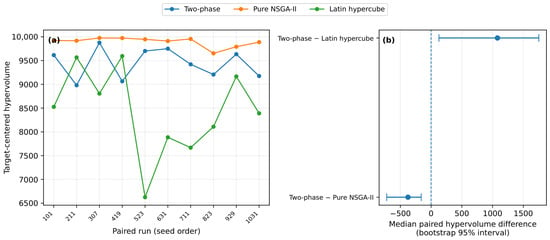
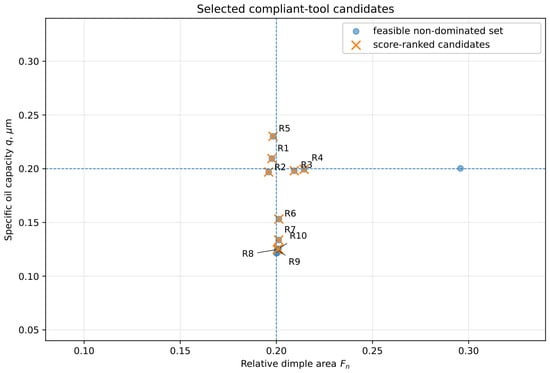
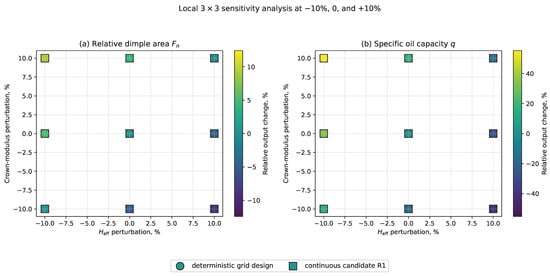
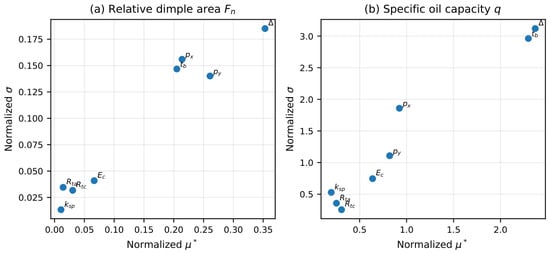
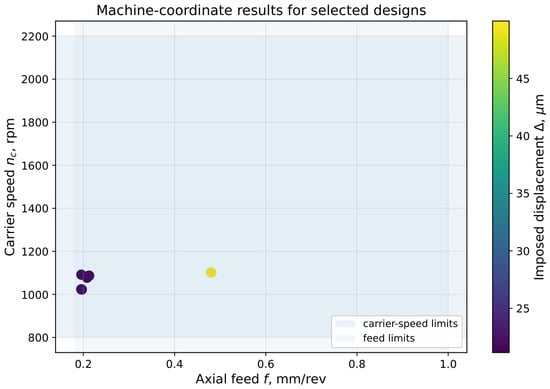
The design of regular microreliefs requires process and tool variables that satisfy surface-coverage, lubricant-retention, and residual-depth requirements. This theoretical and computational study formulates the task as a two-objective inverse problem for rigid-ball burnishing of external cylinders and compliant-roller burnishing of internal tubes. The analytical chain maps force or imposed displacement and relative curvature to indentation, elastic recovery, periodic cavity overlap, relative dimple area , and specific oil capacity q. A full-factorial grid generates a discrete catalog of process settings and provides the initial seeds for continuous refinement by the non-dominated sorting genetic algorithm II (NSGA-II). Under a common budget of 648 forward evaluations, the two-phase method achieved of the median target-centered hypervolume of pure NSGA-II and produced a higher hypervolume than Latin hypercube sampling (LHS) in eight of ten paired runs. A comparison calibrated at the 200 N data point yielded a held-out axial-width error of at 400 N, consistent with the predicted force–width trend under the stated comparison conditions. Morris screening identified imposed displacement as the most influential variable for both objectives, with crown-base thickness also strongly influencing q. The resulting candidates are illustrative model-based solutions that satisfy the stated constraints and lie within the reference machine-coordinate envelope; process-specific calibration and experimental assessment are required before quantitative implementation.
Full article
(This article belongs to the Section Industrial and Manufacturing Engineering)
►▼
Show Figures

Figure 1
Journal Menu
► ▼ Journal Menu-
- ASI Home
- Aims & Scope
- Editorial Board
- Topical Advisory Panel
- Instructions for Authors
- Special Issues
- Topics
- Sections
- Article Processing Charge
- Indexing & Archiving
- Editor’s Choice Articles
- Most Cited & Viewed
- Journal Statistics
- Journal History
- Journal Awards
- Society Collaborations
- Conferences
- Editorial Office
Journal Browser
► ▼ Journal BrowserHighly Accessed Articles
Latest Books
E-Mail Alert
News
1 September 2026
MDPI INSIGHTS: The CEO’s Letter #38 – 2 Million Published Articles, Outstanding Reviewers, Michele Parrinello Award, AIS 2026 & WSF-12
31 August 2026
Meet Us at 2026 IEEE 18th International Conference on Solid-State and Integrated Circuit Technology (ICSICT), 27–30 October 2026, Hangzhou, China
Topics
Topic in
Social Sciences, Societies, ASI
Social Sciences and Intelligence Management, 2nd Volume
Topic Editors: Liza Lee, Teen-Hang Meen, Kuei-Kuei Lai, Linda Pavitola, Charles Tijus, Kate ChenDeadline: 31 December 2026
Topic in
AI, Applied Sciences, Computers, Electronics, IoT, ASI, Sensors, AI Sensors
Federated Edge Intelligence for Next Generation AI Systems
Topic Editors: Chunjiong Zhang, Weiwei Jiang, Tao XieDeadline: 31 January 2027
Topic in
ASI, Bioengineering, C, Healthcare, Biomimetics, Processes
Biomedical Engineering, Healthcare and Sustainability, 2nd Edition
Topic Editors: Teen-Hang Meen, Chun-Yen Chang, Charles Tijus, Po-Lei Lee, Yi-Chun DuDeadline: 30 April 2027
Topic in
ASI, Informatics, Logistics, Standards, Sustainability, Systems
Intelligent and Advanced Digital Technologies Enabling Sustainable and Viable Supply Chain and Logistics Ecosystems
Topic Editors: Samudaya Nanayakkara, Srinath Perera, Kasuni VidanagamachchiDeadline: 20 July 2027
Conferences
Special Issues
Special Issue in
ASI
AI-Driven Decision Support for Systemic Innovation
Guest Editors: Yong Qin, Yuyan Luo, Xinxin WangDeadline: 20 September 2026
Special Issue in
ASI
Mobility Aids: Design, Methods, and User-Centered Solutions
Guest Editors: Claire Flemmer, Jorge MoraisDeadline: 20 September 2026
Special Issue in
ASI
Smart and Human-Centered Rehabilitation Technologies and Systems
Guest Editors: Zhe Li, Ming YanDeadline: 20 September 2026
Special Issue in
ASI
Application of Deep Learning in Medical Imaging
Guest Editors: Jingyang Zhang, Lei MaDeadline: 20 October 2026