

Journal Description
Membranes
Membranes
is an international, peer-reviewed, open access journal covering the broad aspects of the science and technology of both biological and non-biological membranes, published monthly online by MDPI. The Membrane Society of Australasia (MSA) and Polish Membrane Society (PTMem) are affiliated with Membranes and their members receive discounts on the article processing charges.
- Open Access— free for readers, with article processing charges (APC) paid by authors or their institutions.
- High Visibility: indexed within Scopus, SCIE (Web of Science), Ei Compendex, PubMed, PMC, CAPlus / SciFinder, Inspec, and other databases.
- Journal Rank: JCR - Q2 (Polymer Science) / CiteScore - Q1 (Chemical Engineering (miscellaneous))
- Rapid Publication: manuscripts are peer-reviewed and a first decision is provided to authors approximately 14.9 days after submission; acceptance to publication is undertaken in 7.9 days (median values for papers published in this journal in the first half of 2026).
- Recognition of Reviewers: Reviewers whose reports are timely and of high quality receive an APC discount voucher for a future publication in an MDPI journal. Become a reviewer.
- Journal Cluster of Polymer and Macromolecular Science: Polymers, Membranes, Gels, Polysaccharides, Textiles, Macromol, Microplastics and Adhesives.
Impact Factor:
4.2 (2025);
5-Year Impact Factor:
4.3 (2025)
Latest Articles
Robust Yet Conductive Blend Anion Exchange Membranes for Hydrogen Production via PPO Reinforcement of Highly Functionalized Styrene–Butadiene-Based Ionomers
Membranes 2026, 16(9), 294; https://doi.org/10.3390/membranes16090294 - 2 Sep 2026
Abstract
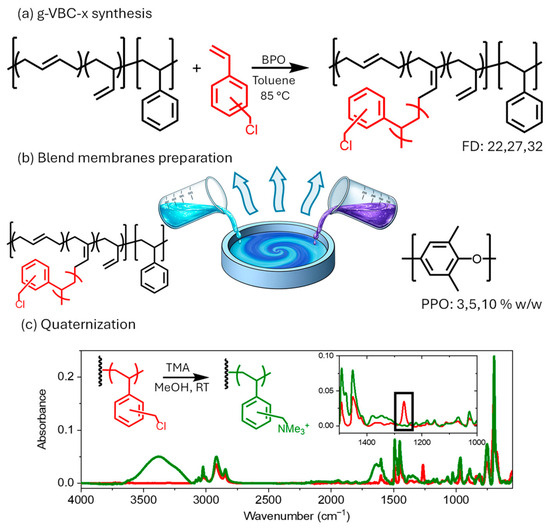
Herein, vinylbenzyl chloride (VBC)-grafted styrene-butadiene (SB) copolymers, with high contents of VBC (22–32 mol%), were synthesized and blended with low amounts (n = 3–10 wt%) of unfunctionalized poly(phenylene oxide) (PPO). Being well-known for its great chemical compatibility with polystyrene, PPO was selected
[...] Read more.
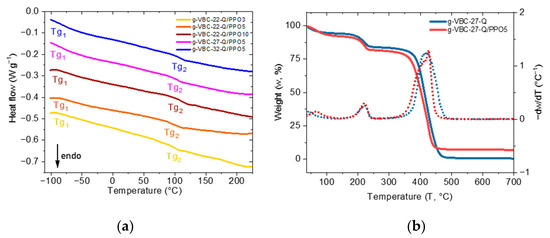
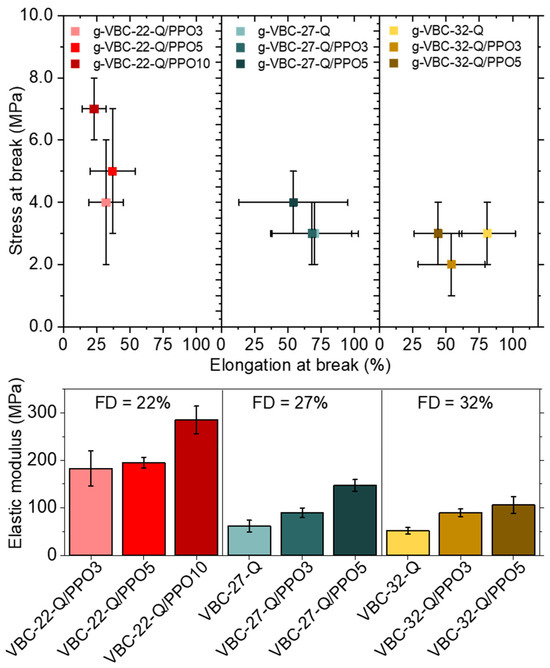
Herein, vinylbenzyl chloride (VBC)-grafted styrene-butadiene (SB) copolymers, with high contents of VBC (22–32 mol%), were synthesized and blended with low amounts (n = 3–10 wt%) of unfunctionalized poly(phenylene oxide) (PPO). Being well-known for its great chemical compatibility with polystyrene, PPO was selected as non-conductive, hydrophobic and mechanically robust component to be blended with graft copolymers in order to reduce their water uptake, thus improving their dimensional and mechanical stability after quaternization with trimethylamine. The resulting blend membranes were characterized in terms of thermal, mechanical, and ex situ electrochemical properties. Blend membranes generally presented improved mechanical properties, as well as reduced water uptake with respect to AEMs not containing PPO, while retaining ion conductivity values of 11.3–16.6 mS cm−1, higher than that of a commercial hydrocarbon-based benchmark. Among the investigated blend AEMs, g-VBC-32/PPOn membranes were found to have the highest conductivity values (>15 mS cm−1) and the best trade-off between water uptake, mechanical properties and hydrogen permeability. Overall, these results highlight pristine PPO blending as a cost-effective, simple and scalable route to improve the mechanical and dimensional stability of hydrocarbon-based AEMs.
Full article
(This article belongs to the Special Issue Advanced Membrane Design for Hydrogen Technologies)
►
Show Figures
Open AccessFeature PaperArticle
Effects of PVA/TiO2 Composite Hydrogel-Modified PES Ultrafiltration Membranes on Antibiotic Removal Performance and Membrane Fouling Behavior
by
Mingyang Li, Bingyang Wang, Jianqiang Zhao, Lianghao Lv, Zhizhang Xu, Zhaoqian Xie, Xiaobo Wu, He Zhang, Guoliang Bai and Dingkun Lu
Membranes 2026, 16(9), 293; https://doi.org/10.3390/membranes16090293 - 31 Aug 2026
Abstract
►▼
Show Figures
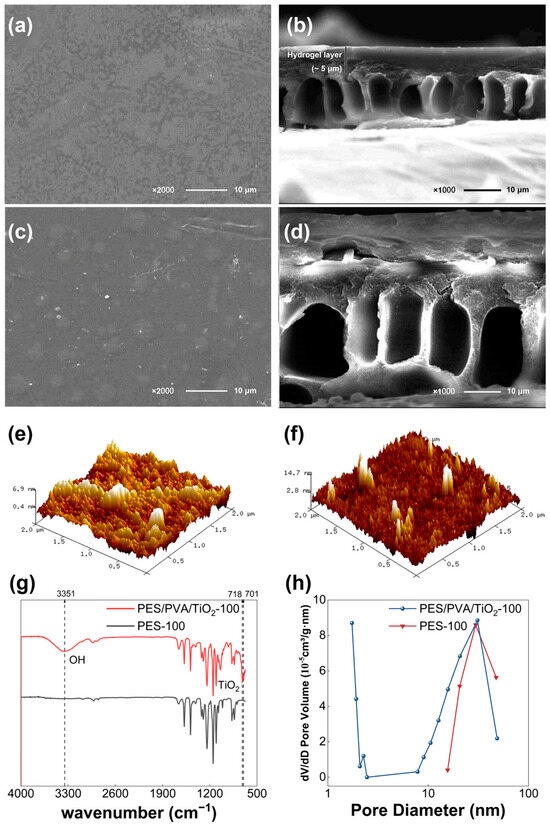
To improve the hydrophilicity and antibiotic retention of conventional polyethersulfone (PES) ultrafiltration membranes, a PVA/TiO2 composite hydrogel-modified PES membrane was prepared by hydrogel coating and in situ TiO2 embedding. Its removal of common antibiotics and antibiotic resistance genes (ARGs), as well
[...] Read more.
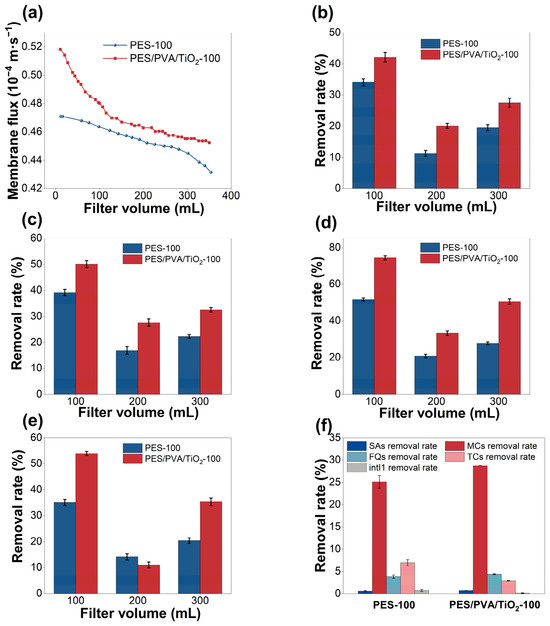
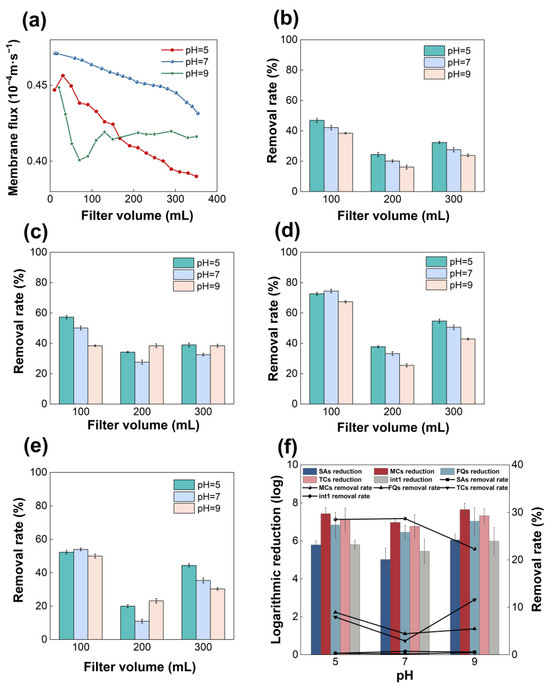
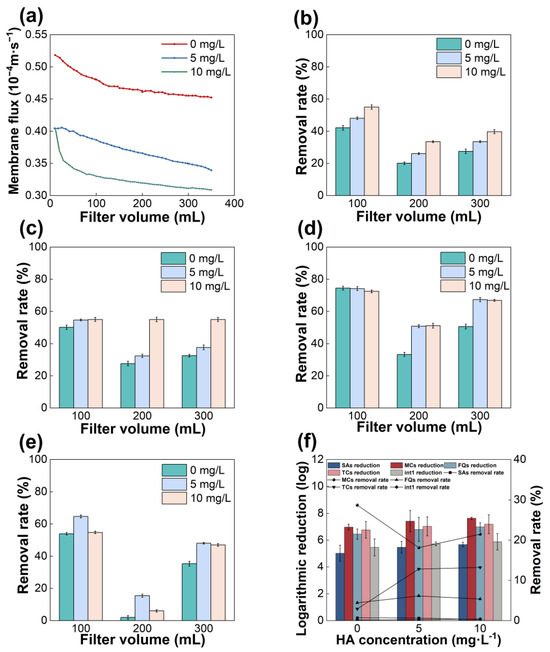
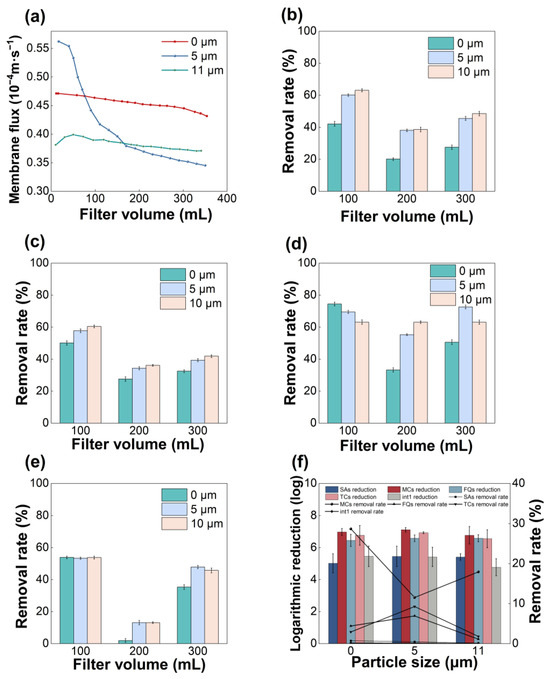
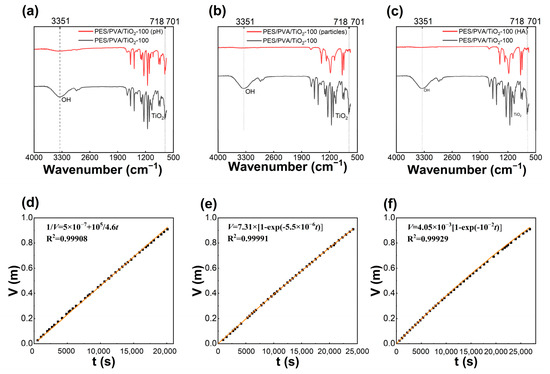
To improve the hydrophilicity and antibiotic retention of conventional polyethersulfone (PES) ultrafiltration membranes, a PVA/TiO2 composite hydrogel-modified PES membrane was prepared by hydrogel coating and in situ TiO2 embedding. Its removal of common antibiotics and antibiotic resistance genes (ARGs), as well as fouling behavior, was evaluated under different environmental conditions. The modified membrane formed an approximately 5 μm gel layer, showed reduced surface roughness, and increased pure-water flux by about 5.0%. It removed four antibiotics more effectively than the pristine membrane, with the greatest improvement for ofloxacin. Environmental conditions strongly affected antibiotic removal but had limited effects on ARG reduction. Low pH favored sulfamethoxazole, tetracycline, and ofloxacin removal, while 5 μm particles increased sulfamethoxazole and tetracycline removal by 27.0% and 22.0%, respectively. Hermia model fitting suggested predominantly standard blocking-type hydraulic behavior under the tested pH conditions and complete blocking-type behavior in the presence of HA or particles. These results show that PVA/TiO2 modification improves PES membrane hydrophilicity and antibiotic removal, although fouling under complex conditions remains important.
Full article

Figure 1
Open AccessArticle
Operational Stability and Treatment Efficiency of a Reverse Osmosis Plant Treating Highly Mineralized Water: Results of a Four-Year Follow-Up Study
by
Smail Es Sellami, Taleb Abdeslam, Mohammed El Hachoumi and Badr El Fathi
Membranes 2026, 16(9), 292; https://doi.org/10.3390/membranes16090292 - 31 Aug 2026
Abstract
►▼
Show Figures
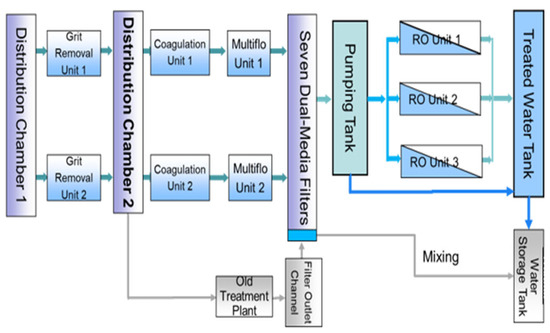
This study evaluates the long-term operational performance of a full-scale reverse osmosis desalination plant treating highly mineralized water under real industrial operating conditions. Unlike conventional laboratory or pilot-scale investigations, the analysis is based on four years of operational data (2020–2024), providing a representative
[...] Read more.
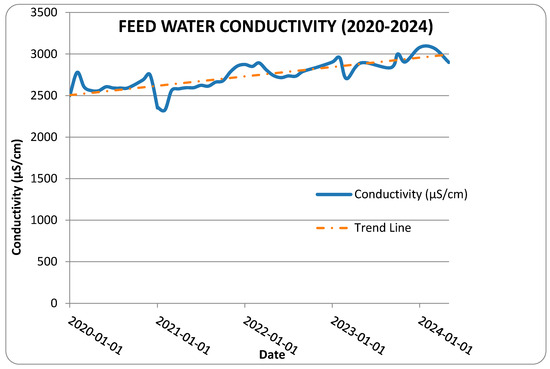
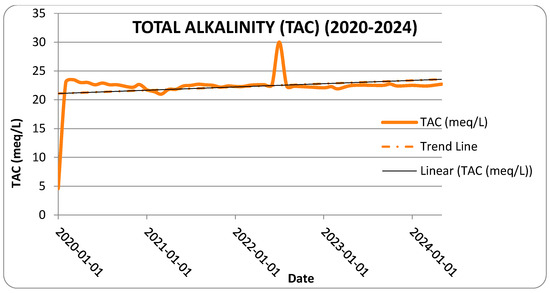
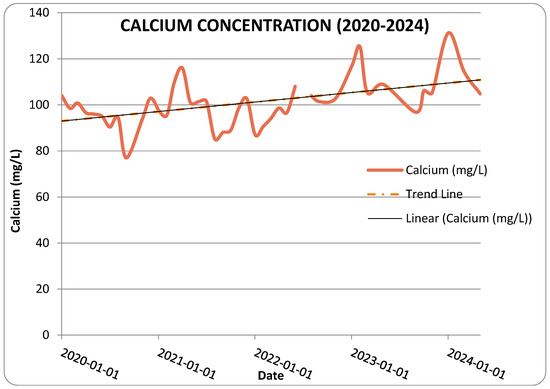
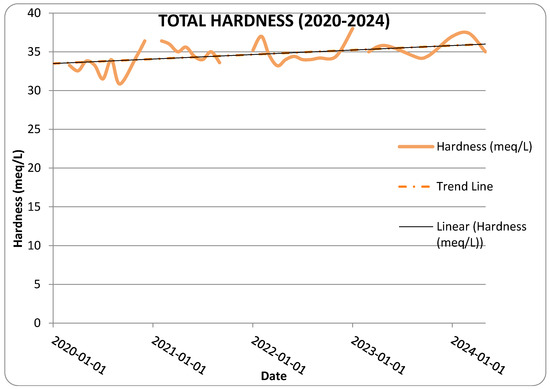
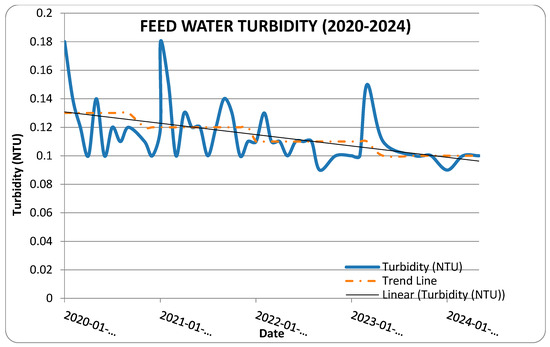
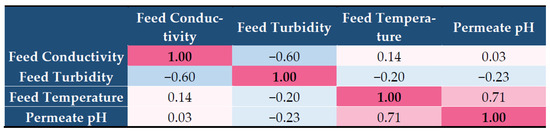
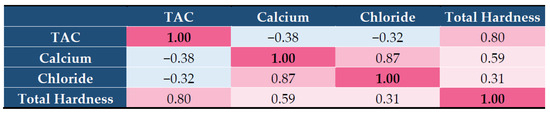
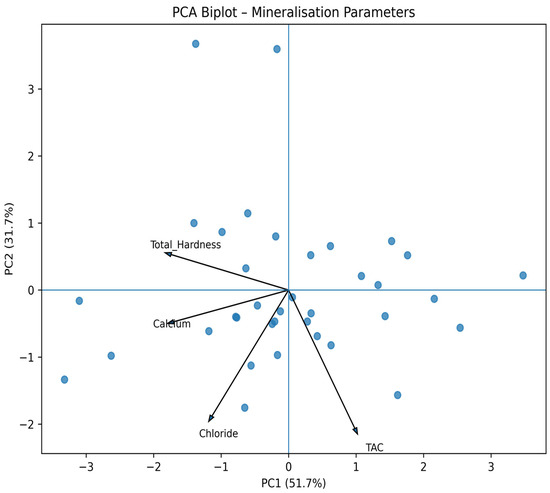
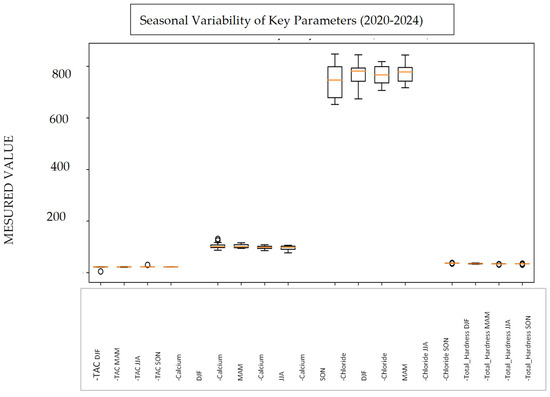
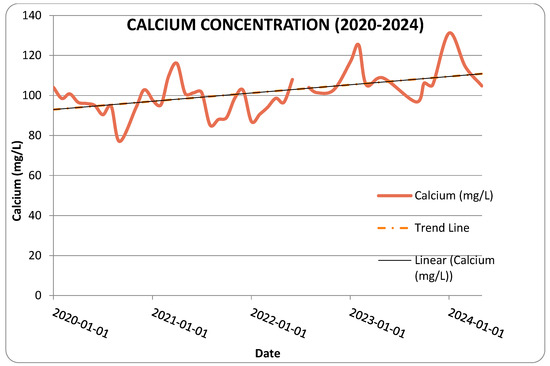
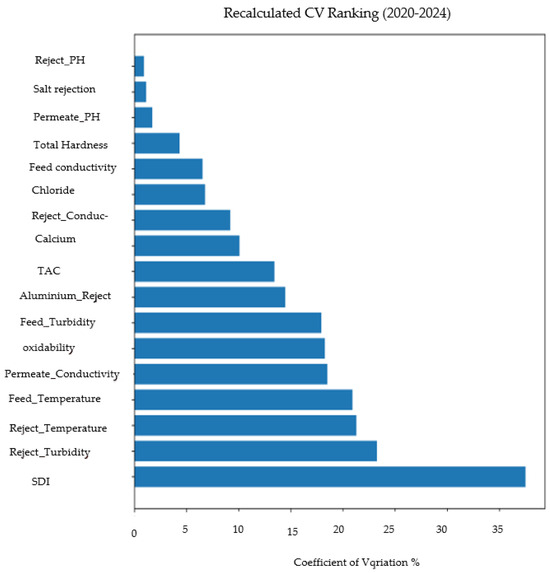
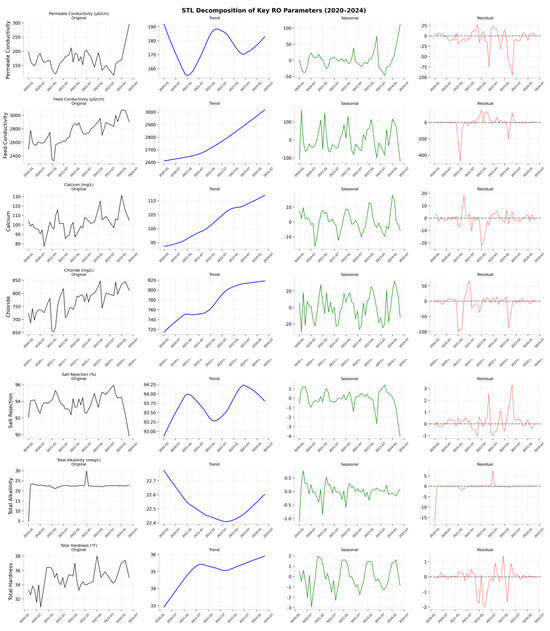
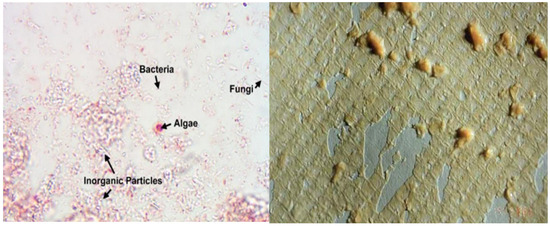
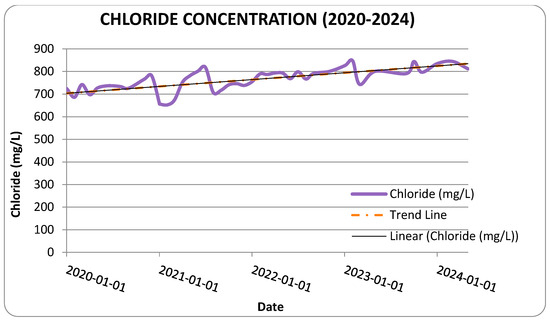
This study evaluates the long-term operational performance of a full-scale reverse osmosis desalination plant treating highly mineralized water under real industrial operating conditions. Unlike conventional laboratory or pilot-scale investigations, the analysis is based on four years of operational data (2020–2024), providing a representative assessment of membrane system behavior under variable environmental and hydraulic conditions. Statistical analyses including descriptive statistics, time-series analysis, Pearson correlation, and inter-annual comparisons were performed using Python-based data-processing tools. An Operational Stability Index was also introduced to quantify process consistency over time. The results demonstrate stable desalination performance, with salt rejection exceeding 90%. Operational monitoring indicated effective pretreatment conditions, low SDI values, and controlled membrane fouling under long-term operation. Differential pressure evolution and cleaning-in-place performance further confirmed the effectiveness of the implemented fouling mitigation strategy. Membrane autopsy investigations revealed the coexistence of biological fouling, silica scaling, and localized oxidative degradation, highlighting the importance of integrated pretreatment and operational control. The findings demonstrate the value of long-term industrial monitoring for understanding membrane performance, fouling behavior, and operational stability in full-scale RO systems. This approach supports data-driven operational optimization and may contribute to the future development of predictive monitoring and intelligent desalination-management frameworks as a Digital Twin.
Full article

Figure 1
Open AccessArticle
Shifting the Redox-Flow Battery Trade-Off with Amine-Crosslinked PVBC Thin-Film Composite Membranes
by
Chiari Van Cauter, Maarten Cools, Yun Li and Ivo F. J. Vankelecom
Membranes 2026, 16(9), 291; https://doi.org/10.3390/membranes16090291 - 31 Aug 2026
Abstract
Redox flow batteries (RFBs) are an interesting option for long-term energy storage. A well-performing membrane sits at the heart of the electrochemical battery cell and should effectively mitigate crossover of active species while minimizing resistance. However, current commercial membranes are rather expensive and
[...] Read more.
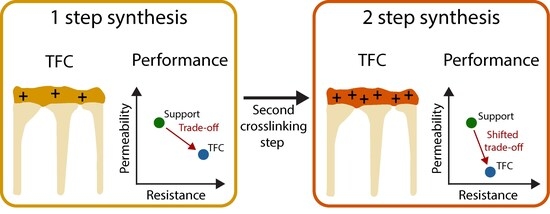
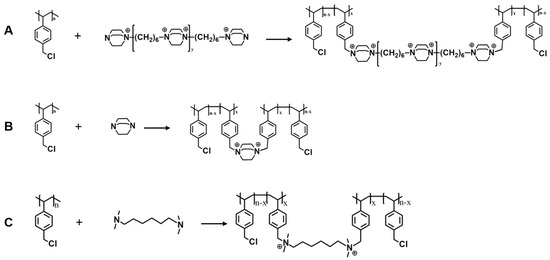
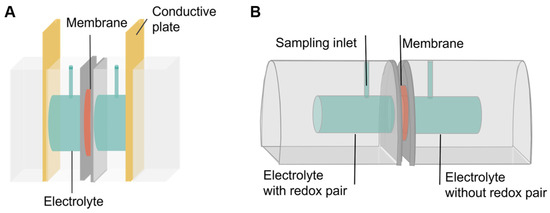
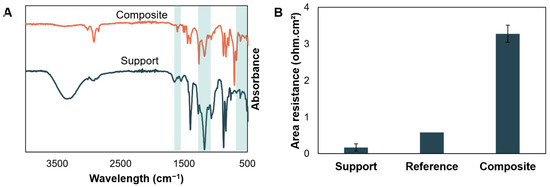
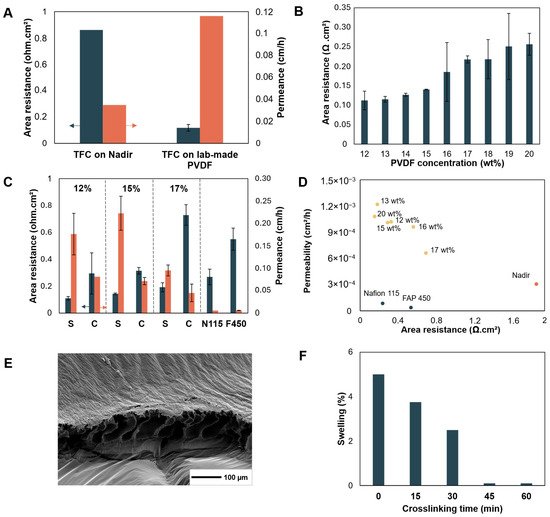
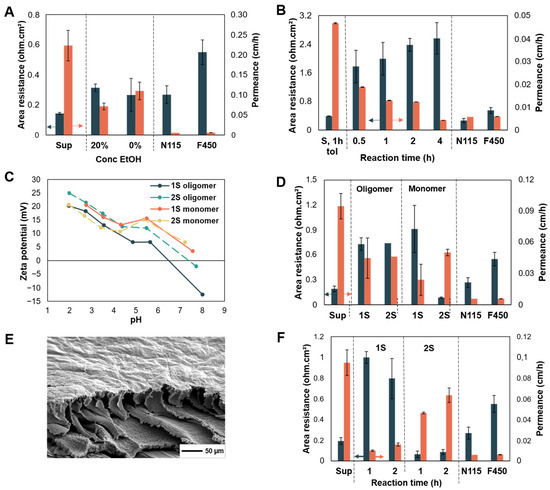
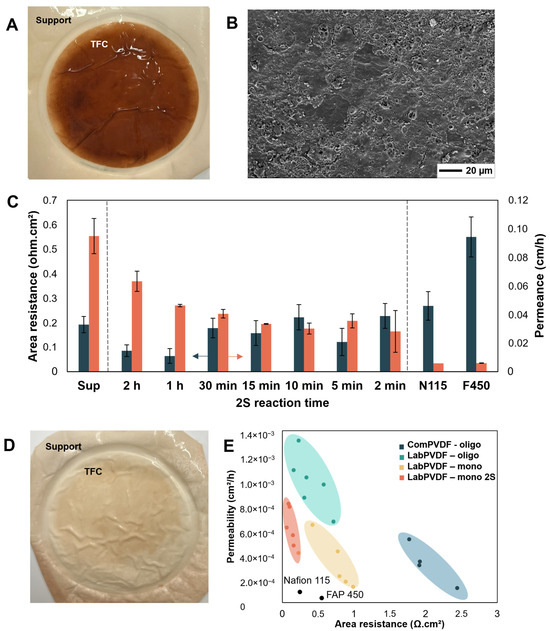
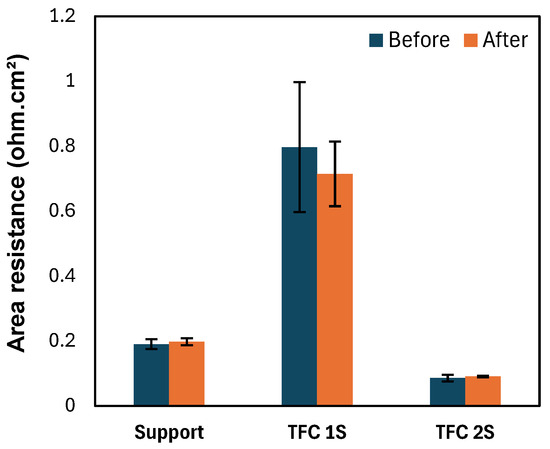
Redox flow batteries (RFBs) are an interesting option for long-term energy storage. A well-performing membrane sits at the heart of the electrochemical battery cell and should effectively mitigate crossover of active species while minimizing resistance. However, current commercial membranes are rather expensive and demonstrate sub-optimal performance, leading to an extensive search for alternatives. Research on membranes for RFBs has long been dominated by dense ion-exchange membranes and porous membranes, both potentially with fillers. In recent years, increased interest in alternative morphologies such as thin-film composites (TFCs) has ignited new research directions. TFCs consist of a thin dense layer on top of a porous support, aiming to merge the advantages of both. Traditionally, TFCs are made using polyamide top layers. In this paper, a novel chemistry is developed with increased chemical stability for RFBs. Poly(vinylbenzyl chloride) is crosslinked interfacially with a diamine, demonstrating for the first time the potential of support-mediated interfacial crosslinking with two immiscible solvents. Optimization of the support, amine crosslinker, reaction time and synthesis procedure allowed a shift of the trade-off between vanadium crossover and proton transport, highlighting the opportunities for this promising TFC chemistry.
Full article
(This article belongs to the Section Membrane Applications for Energy)
►▼
Show Figures

Graphical abstract
Open AccessArticle
Second-Pass Vessel Arrangement and Separation-Limited Operation in Two-Pass Seawater Reverse Osmosis Under Progressive Fouling: Implications for Electrolytic Hydrogen Production
by
Tomas Rojas, Pablo Cassorla, Adrian Rojas and Gonzalo Aguila
Membranes 2026, 16(9), 290; https://doi.org/10.3390/membranes16090290 - 28 Aug 2026
Abstract
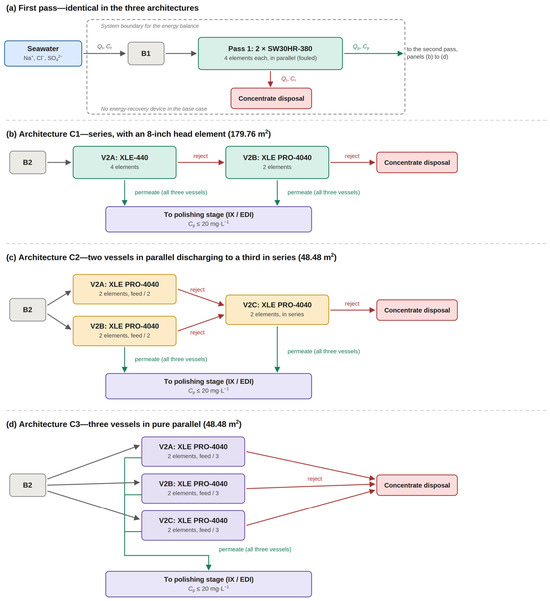
Seawater reverse osmosis (SWRO) supplies the purification chain of electrolytic hydrogen plants, yet its long-term behaviour under fouling is rarely resolved at train level. This work presents a dynamic, quasi-steady-state model of a two-pass SWRO train and compares three second-pass architectures under progressive
[...] Read more.
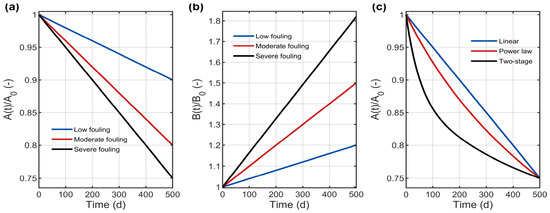
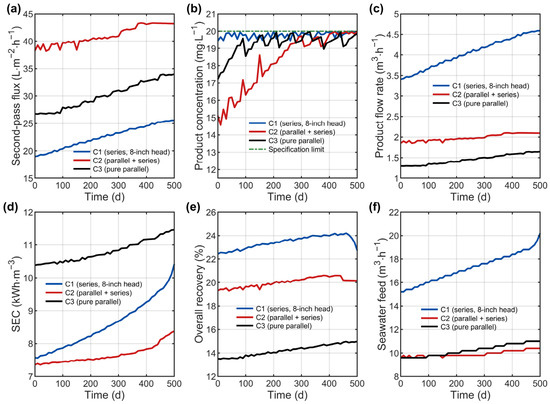
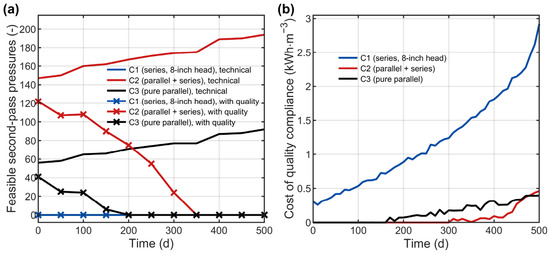
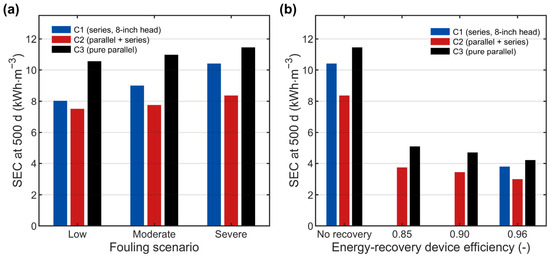
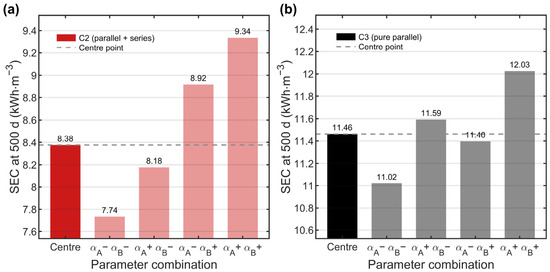
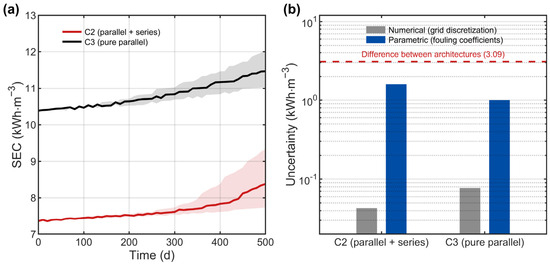
Seawater reverse osmosis (SWRO) supplies the purification chain of electrolytic hydrogen plants, yet its long-term behaviour under fouling is rarely resolved at train level. This work presents a dynamic, quasi-steady-state model of a two-pass SWRO train and compares three second-pass architectures under progressive first-pass fouling, represented by time-evolving water- and solute-permeability coefficients. At each of 51 instants over a 500-day horizon, the operating point is re-optimized to minimize specific energy consumption (SEC), subject to a product limit of 20 mg·L−1 set by the downstream polishing stage rather than the electrolyzer. Two share-membrane types, element count and installed area, differ only in vessel arrangement; the third is the industrial reference. Arrangement alone changes SEC by 36.9–41.6% across three fouling scenarios, 8.38 against 11.46 kWh·m−3 under severe fouling, widening to 71% at fixed production. Fouling constrains the system through separation, not hydraulics: the technically admissible operating window widens as membranes degrade, whereas the window satisfying the product specification closes. The energy penalty of compliance begins at days 310 and 170, respectively, accumulating about twice as fast thereafter in the former. Energy recovery reduces SEC by 63–64% without altering the ordering.
Full article
(This article belongs to the Section Membrane Applications for Water Treatment)
►▼
Show Figures

Figure 1
Open AccessArticle
Improved Removal of Neonicotinoid Insecticides from Real Water Matrices by Modified UF and NF Membranes
by
Francisco J. Real, Juan L. Acero, Esther Matamoros and Carolina Godoy
Membranes 2026, 16(9), 289; https://doi.org/10.3390/membranes16090289 - 28 Aug 2026
Abstract
The removal of five neonicotinoid insecticides, acetamiprid, chlothianidin, imidacloprid, thiacloprid, and thiamethoxam, was explored using various commercial ultrafiltration (MW, PT, and GK) and nanofiltration (HL) membranes provided by GE Osmonics Labstore. Several modification techniques have also been applied to one ultrafiltration membrane, including
[...] Read more.
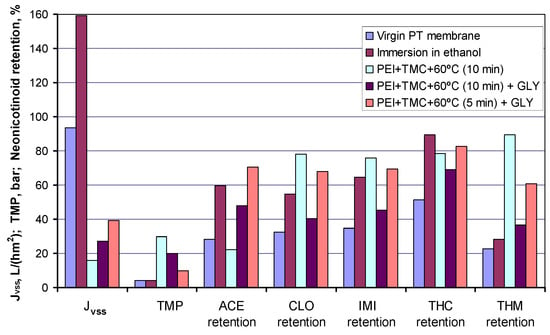
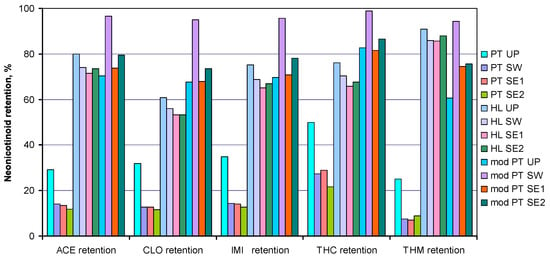
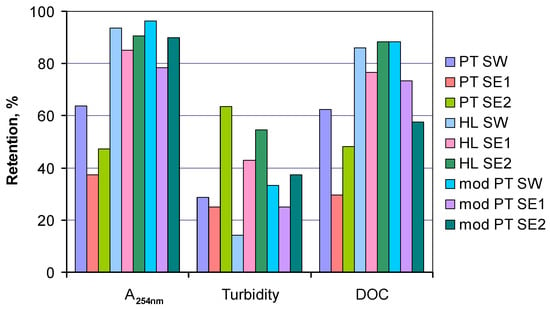
The removal of five neonicotinoid insecticides, acetamiprid, chlothianidin, imidacloprid, thiacloprid, and thiamethoxam, was explored using various commercial ultrafiltration (MW, PT, and GK) and nanofiltration (HL) membranes provided by GE Osmonics Labstore. Several modification techniques have also been applied to one ultrafiltration membrane, including immersion in hot water, sodium hydroxide, and ethanol solutions, as well as interfacial polymerization with monomers such as polyethyleneimine and trimesoyl chloride, to improve micropollutant retention while maintaining adequate permeability. The results show that only immersion in ethanol (60% solution or absolute ethanol) improved membrane performance. Among the reagents and conditions tested for membrane surface modification via polymerization, the sequential application of polyethyleneimine, trimesoyl chloride, oven curing at 60 °C, followed by immersion in a glycerol solution was the most efficient. The optimal modified membrane was tested with real water matrices (two secondary effluents from wastewater treatment plants and a surface water sample) in which the neonicotinoids were dissolved. The modified ultrafiltration membrane showed higher retention (80–95%) than commercial ultrafiltration (15–60%) and levels similar to nanofiltration membranes (70–95%), demonstrating greater efficiency in retaining neonicotinoids under real water conditions, although the permeability was about half that of the commercial nanofiltration membrane. Therefore, this modification process is a promising alternative to commercial membranes for removing micropollutants from urban wastewater and should be considered.
Full article
(This article belongs to the Special Issue Membrane Technologies for Water Purification (2nd Edition))
►▼
Show Figures

Figure 1
Open AccessArticle
Tailoring Polyetherimide Ultrafiltration Membranes via Non-Solvent- and Vapor-Induced Phase Separation: Effects of Fabrication Pathway and Membrane Formulation on Morphology and Bovine Serum Albumin Separation Performance
by
Mohammad Hosein Moghadasin, Masoud Salavati, Mohammed Majdoub, Ahmed Al-Ostaz, Alexander M. Lopez and Sasan Nouranian
Membranes 2026, 16(9), 288; https://doi.org/10.3390/membranes16090288 - 28 Aug 2026
Abstract
Polyetherimide (PEI) ultrafiltration membranes were fabricated for bovine serum albumin (BSA) separation using nonsolvent-induced phase separation (NIPS) and vapor-induced phase separation (VIPS). In the NIPS approach, membranes containing varying amounts of Pluronic P-123, with or without graphene nanoplatelets (GNPs), were prepared. Pluronic P-123
[...] Read more.
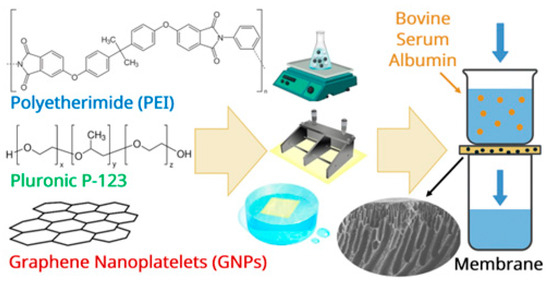
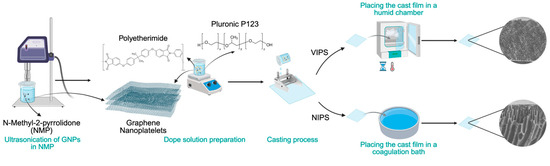
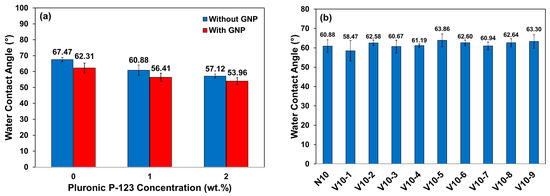
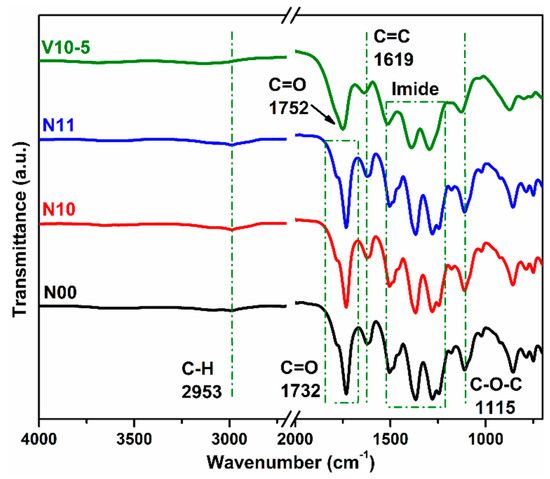
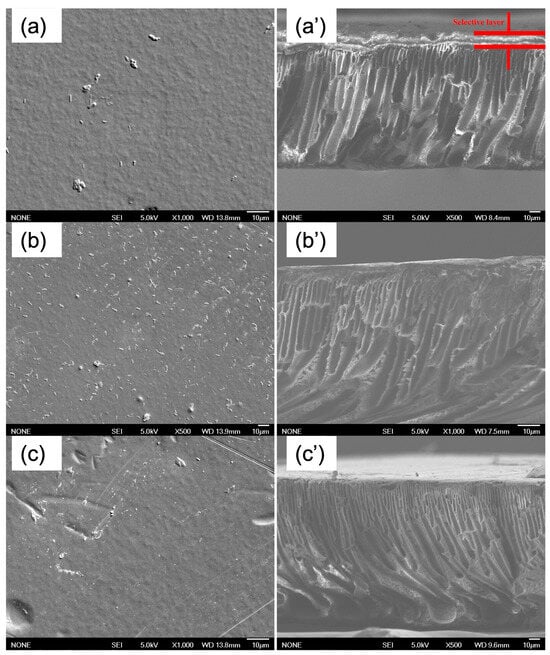
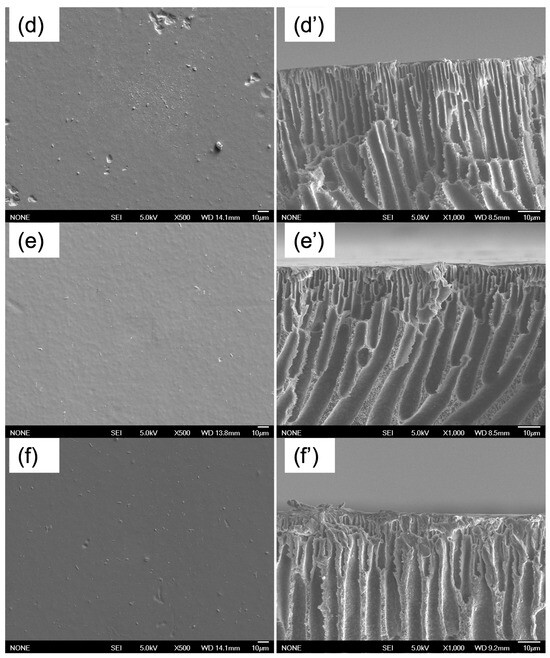
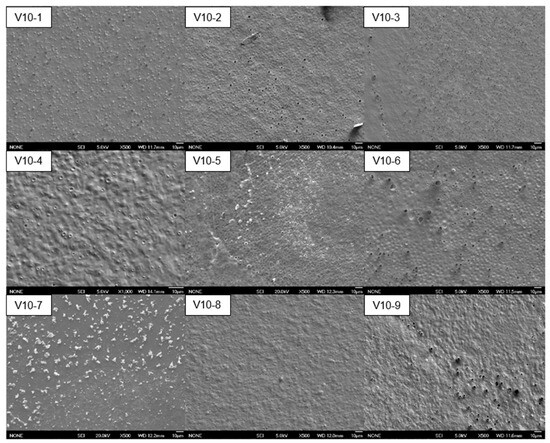
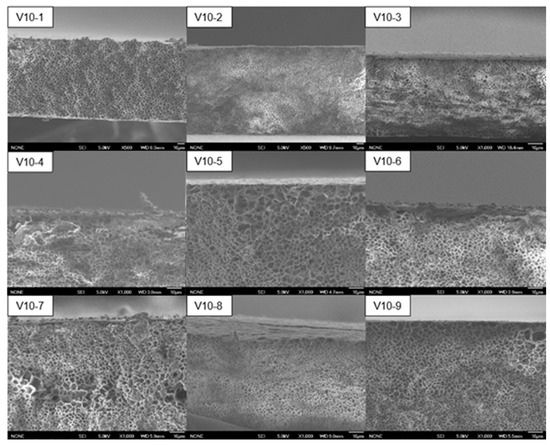
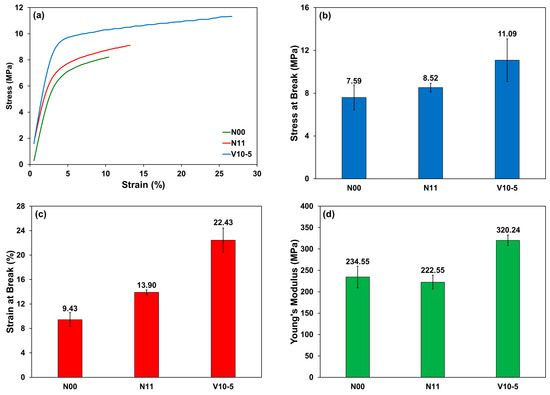
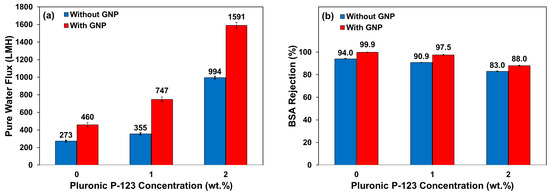
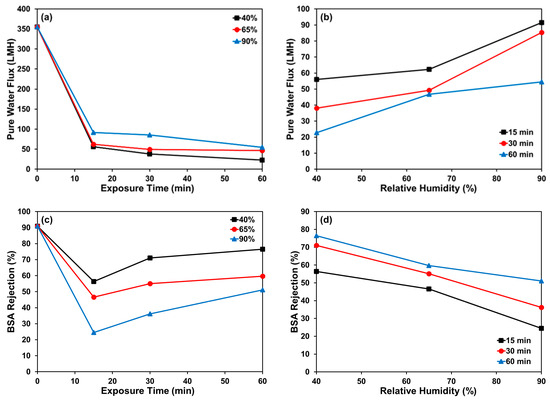
Polyetherimide (PEI) ultrafiltration membranes were fabricated for bovine serum albumin (BSA) separation using nonsolvent-induced phase separation (NIPS) and vapor-induced phase separation (VIPS). In the NIPS approach, membranes containing varying amounts of Pluronic P-123, with or without graphene nanoplatelets (GNPs), were prepared. Pluronic P-123 acted as a pore-forming agent, while GNPs enhanced permeability without compromising rejection. The membrane with 1 wt.% Pluronic P-123 achieved a pure water flux (PWF) of 355 LMH and 90% BSA rejection. Incorporating 1 wt.% GNPs further improved performance to 747 LMH and 98% rejection. VIPS membranes were fabricated using the same composition as N10, containing 17 wt.% PEI and 1 wt.% Pluronic P-123 without GNPs, to isolate the effect of the fabrication pathway. Increasing vapor exposure time reduced PWF but generally improved BSA rejection, whereas higher RH increased PWF while decreasing rejection. The composition-matched NIPS membrane, N10, exhibited a PWF of 355 LMH and approximately 91% BSA rejection. In comparison, the highest PWF and BSA rejection among the VIPS membranes were 91 LMH and 76.5%, respectively, and the selected balanced VIPS condition at 30 min and 65% RH yielded approximately 49 LMH and 55% rejection. The higher performance of N11, which achieved 747 LMH and 98% rejection, is attributed to GNP incorporation within the NIPS series and was not used to isolate the fabrication-pathway effect. Overall, the composition-matched comparison demonstrates that NIPS produced a more favorable morphology and BSA separation performance than VIPS under the investigated conditions.
Full article
(This article belongs to the Special Issue Polymeric Membranes Engineered for Different Separation Processes)
►▼
Show Figures

Graphical abstract
Open AccessFeature PaperArticle
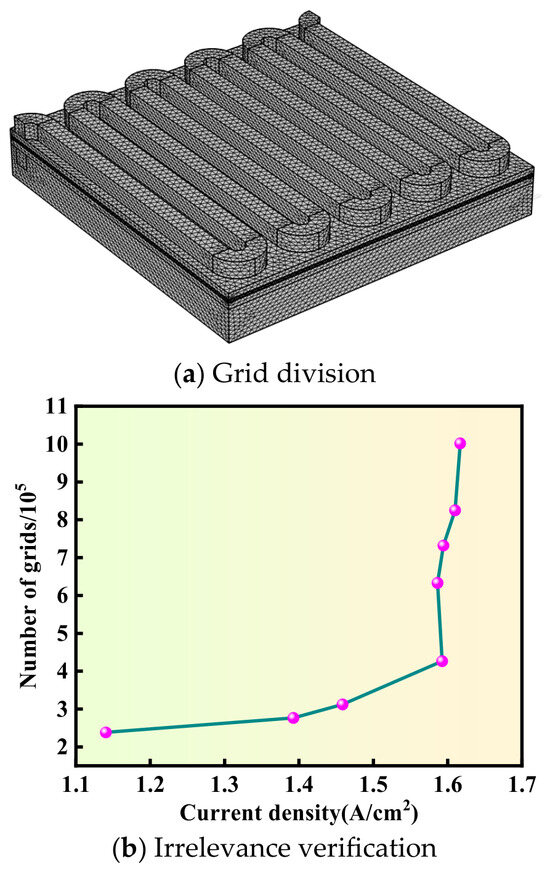
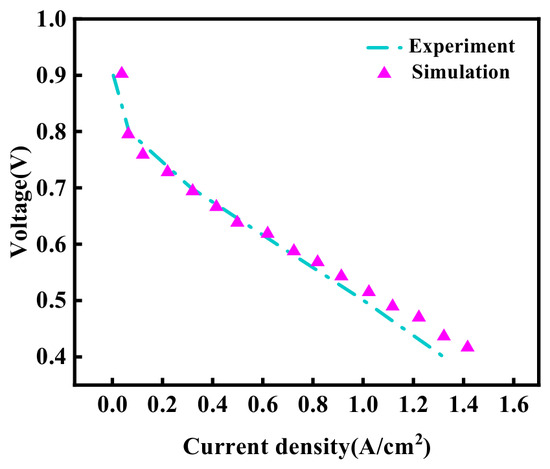
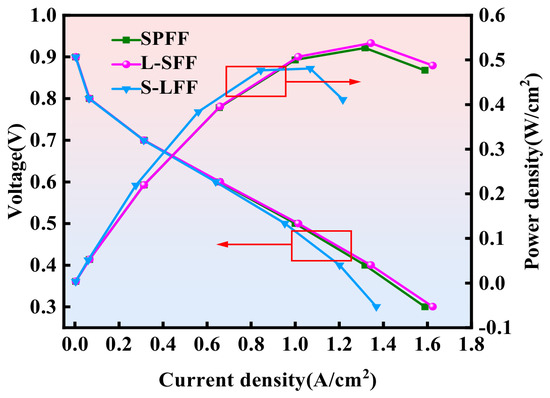
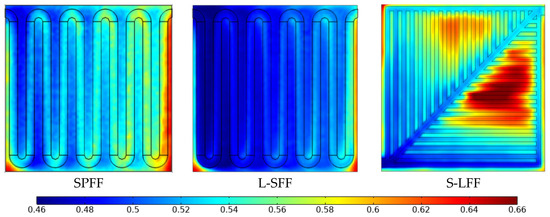
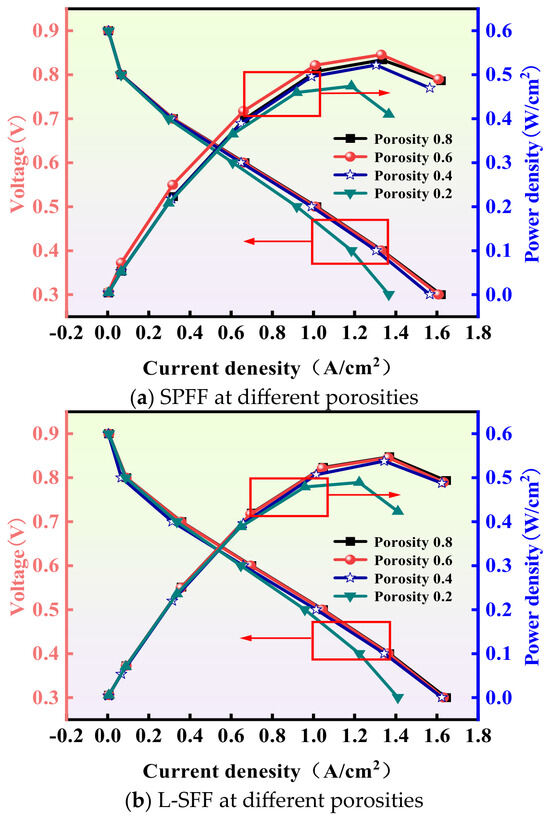
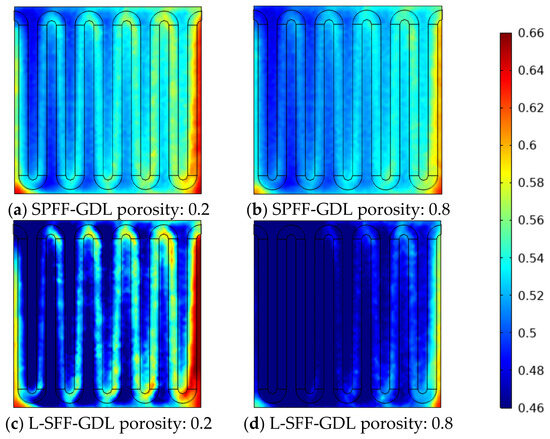
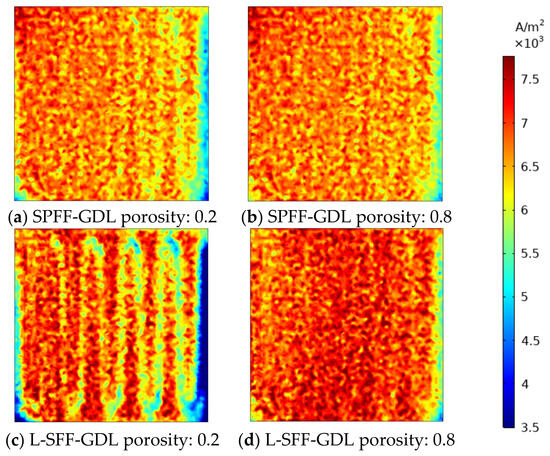
A Leaf-Vein-Inspired Composite Flow Channel for Enhanced Mass Transport and Performance in Proton Exchange Membrane Fuel Cells
by
Tingjie Ba, Hongyi Zeng, Wanjun Wu, Dong Jiao and Yongyuan Huang
Membranes 2026, 16(9), 287; https://doi.org/10.3390/membranes16090287 - 28 Aug 2026
Abstract
A leaf-vein–serpentine composite flow field (L-SFF) is proposed to improve reactant distribution, water management, and electrochemical performance of proton exchange membrane fuel cells (PEMFCs). The L-SFF consists of a main trunk and multilevel branches inspired by coconut palm leaf veins, with a branching
[...] Read more.
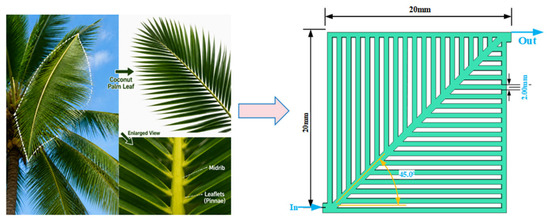
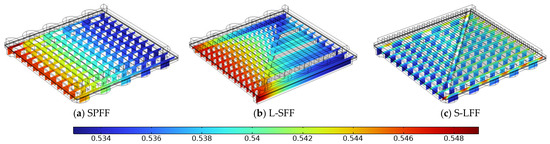
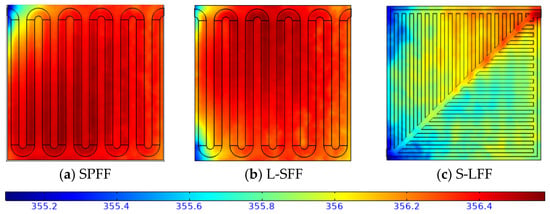
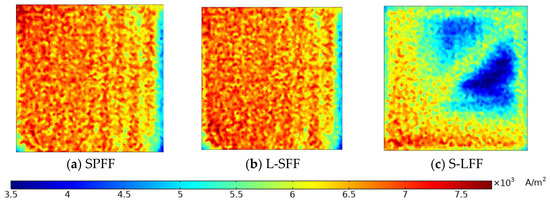
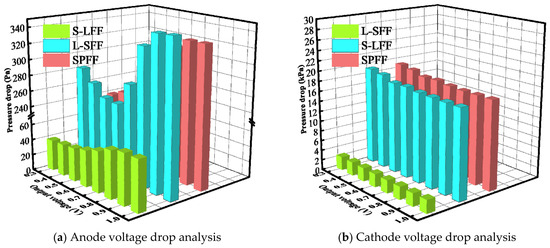
A leaf-vein–serpentine composite flow field (L-SFF) is proposed to improve reactant distribution, water management, and electrochemical performance of proton exchange membrane fuel cells (PEMFCs). The L-SFF consists of a main trunk and multilevel branches inspired by coconut palm leaf veins, with a branching angle of 45° and a branch width of 2 mm. Three-dimensional multiphysics models of the traditional serpentine flow field (SPFF), cathode leaf-vein–serpentine flow field (S-LFF), and anode leaf–vein–serpentine flow field (L-SFF) were developed using COMSOL Multiphysics 6.1 to investigate current density, membrane water content, temperature distribution, and power output. Under 0.6 V, 353 K, and 1 bar conditions, the L-SFF achieves a maximum power density of 0.538 W·cm−2, approximately 2.1% higher than SPFF, with an average anode current density of 7092.0 A·m−2 and a current-density uniformity index of 0.135. The L-SFF also exhibits improved membrane water distribution, with an average water mole fraction of 0.513, and maintains an average membrane temperature of 356.61 K. Furthermore, the effect of GDL porosity on performance was evaluated. When the GDL porosity decreases from 0.8 to 0.2, the maximum power density decreases from 0.534 to 0.474 W·cm−2 for SPFF (11.2%) and from 0.547 to 0.489 W·cm−2 for L-SFF (10.6%), indicating better tolerance to variations in porous transport properties. The results demonstrate that the L-SFF structure enhances reactant transport, water management, and performance stability, providing an effective strategy for PEMFC flow-field optimization.
Full article
(This article belongs to the Special Issue Advanced Membranes for Hydrogen Energy Systems: Fuel Cells and Electrolyzers)
►▼
Show Figures

Figure 1
Open AccessReview
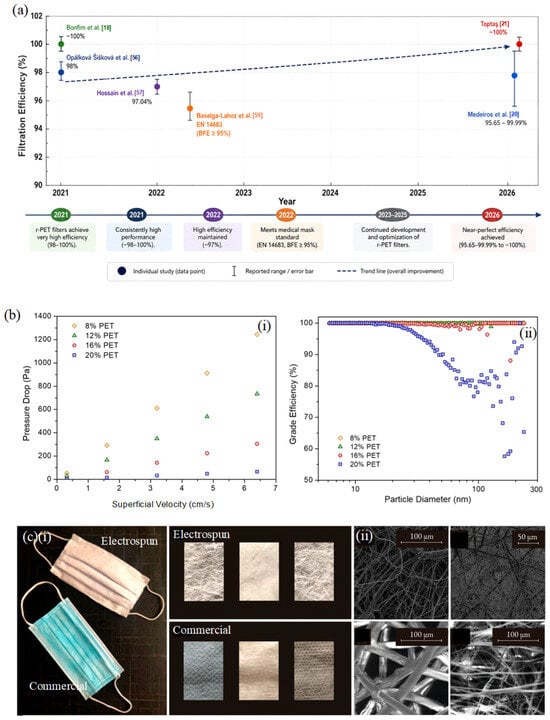
Morphological Engineering of Electrospun Recycled Polyethylene Terephthalate (r-PET) Nanofibrous Membranes for Sustainable Air Filtration: A Critical Review
by
Wei Lin Ng, Abu Bakar Sulong, Eng-Poh Ng and Soon Huat Tan
Membranes 2026, 16(9), 286; https://doi.org/10.3390/membranes16090286 - 28 Aug 2026
Abstract
The growing demand for high-performance air filtration materials, coupled with increasing concerns over plastic waste accumulation, has accelerated interest in sustainable filtration technologies. Recycled polyethylene terephthalate (r-PET) has emerged as a promising feedstock for electrospun nanofibrous membranes due to the abundance, low cost,
[...] Read more.
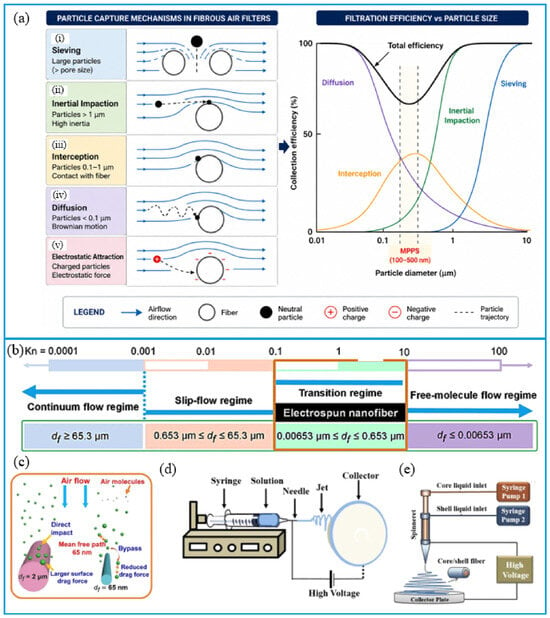
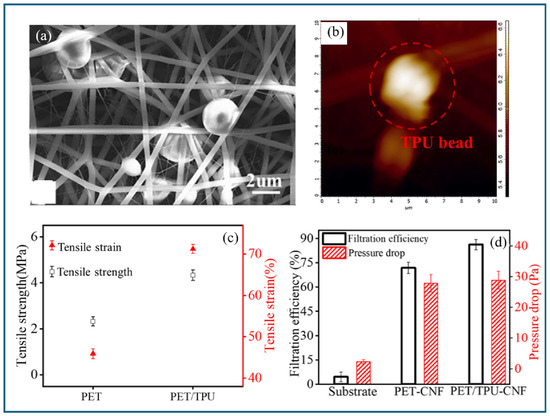
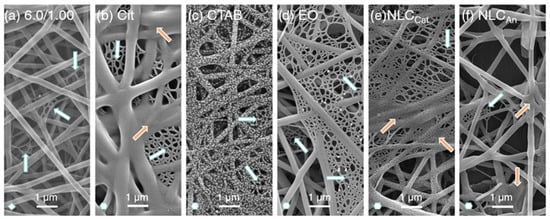
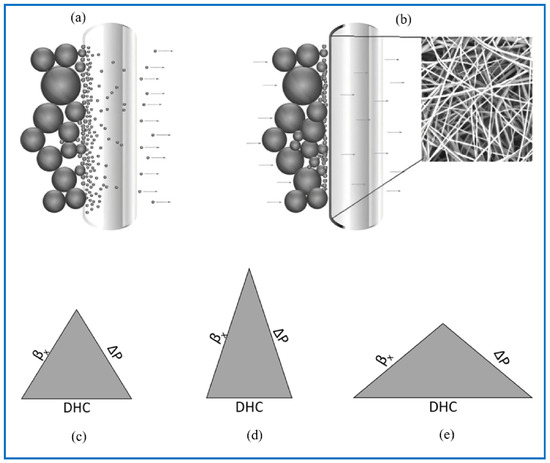
The growing demand for high-performance air filtration materials, coupled with increasing concerns over plastic waste accumulation, has accelerated interest in sustainable filtration technologies. Recycled polyethylene terephthalate (r-PET) has emerged as a promising feedstock for electrospun nanofibrous membranes due to the abundance, low cost, and sustainability of this plastic waste feedstock. The filtration performance of r-PET membranes has been demonstrated to be comparable to that of conventional virgin polymer filters. This review critically examines recent developments in electrospun r-PET nanofibrous membranes for air filtration applications, with particular emphasis on the role of membrane morphology in governing filtration performance. Unlike previous reviews that primarily summarize electrospinning techniques or recycled polymer applications, this review critically evaluates how membrane morphology—including fiber diameter, pore architecture, bead-on-string structures, and multilayer configurations—governs filtration performance in electrospun r-PET membranes. Evidence suggests that rational morphological engineering plays a more decisive role than polymer chemistry in overcoming the conventional filtration efficiency–pressure drop trade-off. Finally, future research opportunities in scalable manufacturing, environmentally benign processing, and artificial intelligence-assisted membrane design are discussed to support the development of next-generation sustainable air filtration media.
Full article
(This article belongs to the Section Membrane Fabrication and Characterization)
►▼
Show Figures

Figure 1

Open AccessArticle
The Myelin Sheath as a Multilamellar Electromechanical System: Bilayer Stack Analogs, Energy Buffering, and Biological Memory
by
Dima Bolmatov, Zack Woodel, Igor M. Gussev, Miguel Turrero García, Erik B. Watkins, Yong Q. Cai and Ilia N. Ivanov
Membranes 2026, 16(9), 285; https://doi.org/10.3390/membranes16090285 - 28 Aug 2026
Abstract
The myelin sheath has traditionally been viewed as a passive electrical insulator that accelerates nerve impulse propagation. Recent experimental studies, however, indicate that myelin is a dynamic biological material whose structure and hydration state adapt to neuronal activity, metabolic conditions, and environmental perturbations.
[...] Read more.
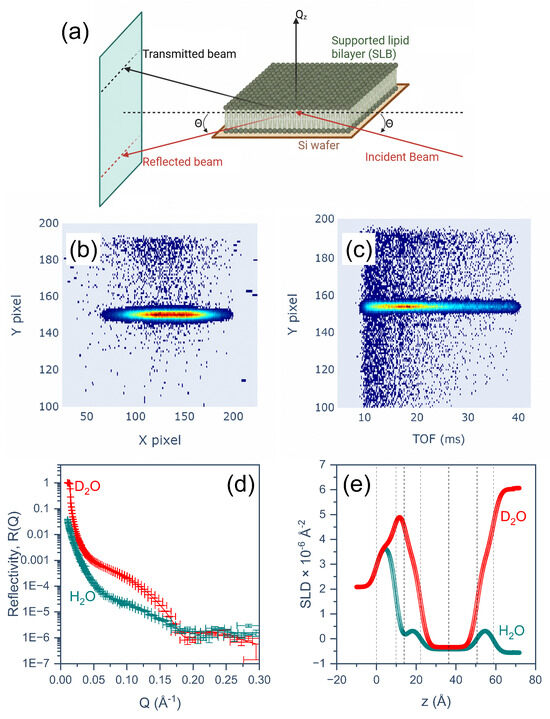
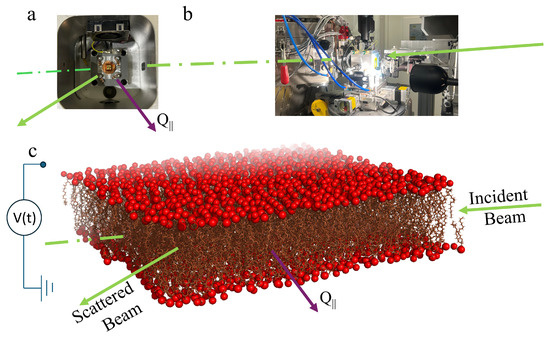
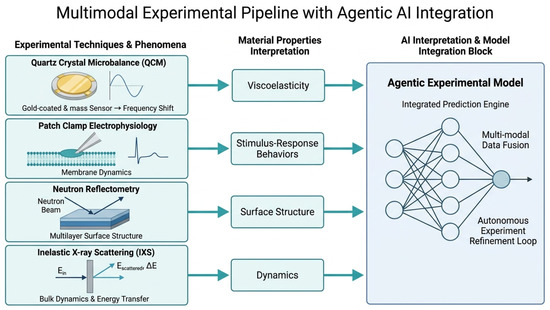
The myelin sheath has traditionally been viewed as a passive electrical insulator that accelerates nerve impulse propagation. Recent experimental studies, however, indicate that myelin is a dynamic biological material whose structure and hydration state adapt to neuronal activity, metabolic conditions, and environmental perturbations. Building on these observations, we propose a conceptual framework that treats myelin as an adaptive electromechanical multilamellar interface, in which coupled lipid bilayers, hydration layers, and interlayer interactions influence energy dissipation, structural adaptation, and history-dependent behavior. Within this framework, collective excitations and delayed relaxation processes are hypothesized to contribute to transient energy storage and adaptive responses to electrical activity in the integrated axon–glia system. We further argue that testing this framework requires multimodal characterization combining electrophysiology with neutron and X-ray scattering, terahertz spectroscopy, and data-driven analysis to establish quantitative relationships between membrane structure, dynamics, and function. This work outlines experimentally testable predictions and provides a foundation for investigating how electromechanical adaptation of myelin may contribute to normal neural function and the early biophysical changes associated with demyelinating disease.
Full article
(This article belongs to the Special Issue Membranes and Memory: From Fundamentals and Mechanisms to Neuromorphic Devices)
►▼
Show Figures

Figure 1
Open AccessArticle
A Study on the Recycling of Sodium Citrate (Na3Cit) Waste Solution via Bipolar Membrane Electrodialysis
by
Young-Jae Lee, Min-Hyuk Seo, Jae-Hyuk Chang, Jun-Hee Kim and Jae-Woo Ahn
Membranes 2026, 16(9), 284; https://doi.org/10.3390/membranes16090284 - 27 Aug 2026
Abstract
Citric acid-based leaching is gaining attention as an environmentally friendly alternative to conventional sulfuric acid-based processes for recycling spent lithium-ion batteries (LIBs), but it generates sodium citrate (Na3Cit)-rich wastewater that is difficult to treat using conventional technologies. Bipolar membrane (BM) electrodialysis
[...] Read more.
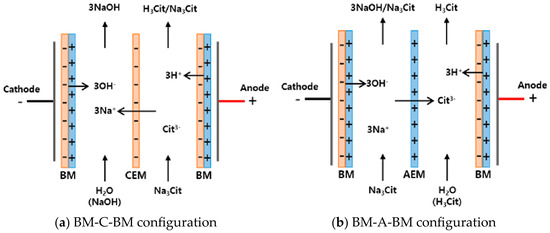
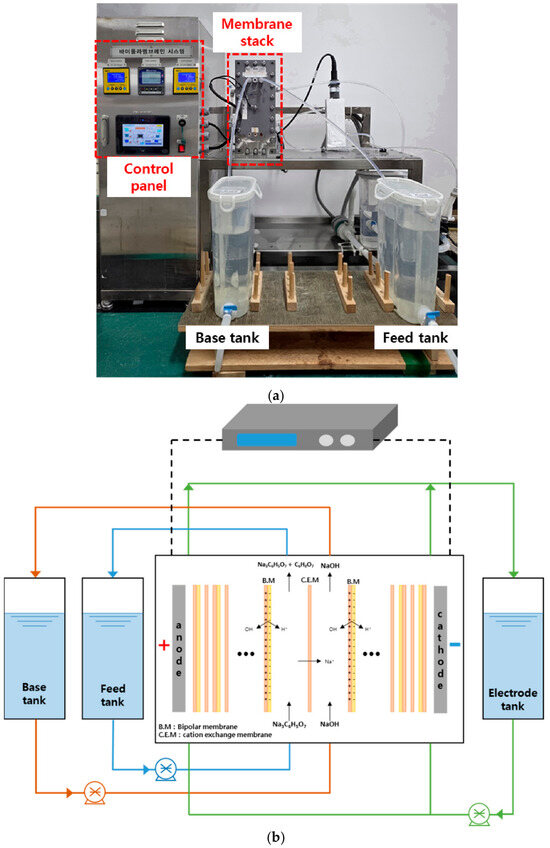
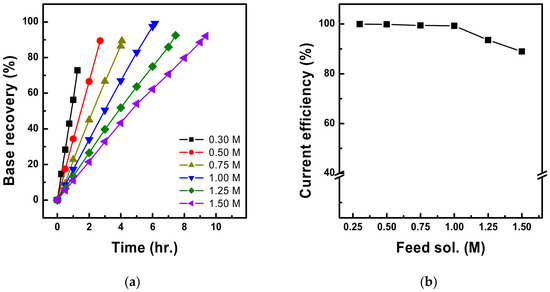
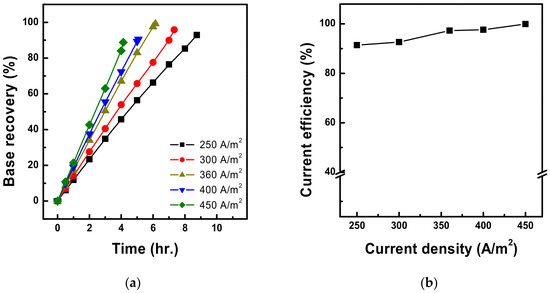
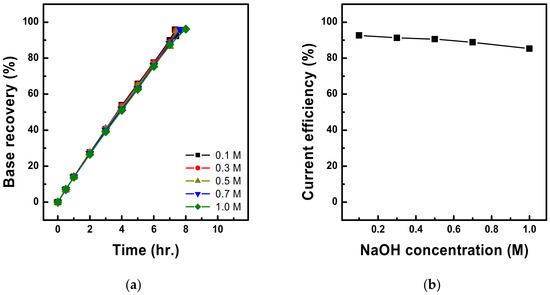
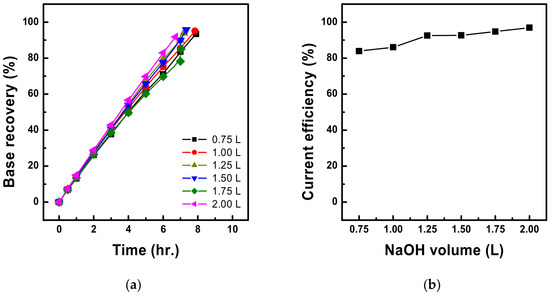
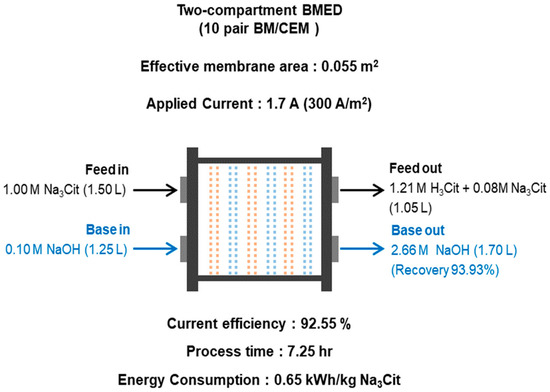
Citric acid-based leaching is gaining attention as an environmentally friendly alternative to conventional sulfuric acid-based processes for recycling spent lithium-ion batteries (LIBs), but it generates sodium citrate (Na3Cit)-rich wastewater that is difficult to treat using conventional technologies. Bipolar membrane (BM) electrodialysis (BMED), particularly a two-compartment BM/cation-exchange membrane (CEM) configuration, offers a simple and energy-efficient solution for simultaneously recovering acids and bases from such wastewater without external reagents, enabling a closed-loop resource-circulation approach that remains largely unexplored for this specific waste stream. This system was applied to treat Na3Cit wastewater generated from citric acid-based spent LIB leaching, and the recovery feasibility and process performance of citric acid and NaOH were evaluated. The effects of feed concentration, current density, initial base concentration, and initial base volume on NaOH recovery, current efficiency, and energy consumption were investigated. Under the optimal conditions (1.00 M Na3Cit, 300 A/m2, 0.1 M NaOH, 1.25 L), a NaOH recovery of 93.93%, current efficiency of 92.55%, and energy consumption of 0.65 kWh/kg were achieved. This study demonstrates that Na3Cit wastewater can be treated via BMED without external reagents, yielding high-purity NaOH, whereas the recovered acid stream contains residual unreacted Na3Cit, and its direct reuse in the leaching process requires further verification. These findings provide a fundamental basis for developing BMED-based resource-circular processes.
Full article
(This article belongs to the Special Issue Advanced Membrane-Based Technologies for Sustainable Industrial Wastewater Treatment and Resource Recovery)
►▼
Show Figures

Figure 1

Open AccessArticle
Power-Dissipation Model for Water Dissociation in Bipolar Membranes: Model Extension to High Current Density and Experimental Validation
by
Mohamed Fadel Anass Ma-el-ainine, Rachid Boukhili and Oumarou Savadogo
Membranes 2026, 16(9), 283; https://doi.org/10.3390/membranes16090283 - 26 Aug 2026
Abstract
Water dissociation (WD) at the internal junction of bipolar membranes (BPMs) is the key process enabling acid/base generation under reverse bias, yet the physical origin of its strong enhancement remains debated. In our previous work, we proposed a power-dissipation model in which WD
[...] Read more.
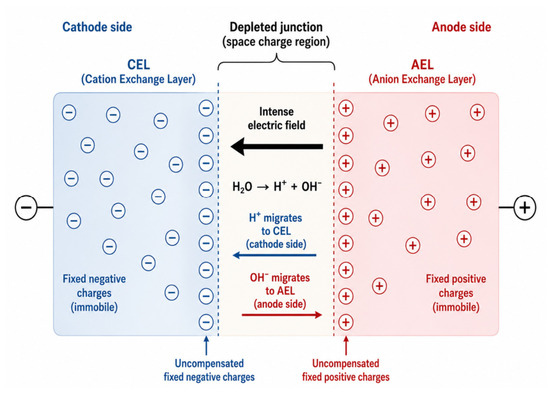
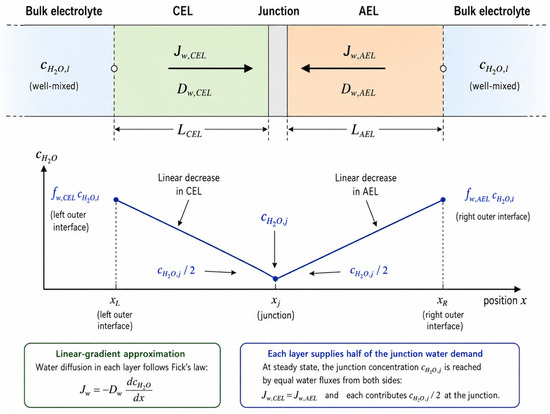
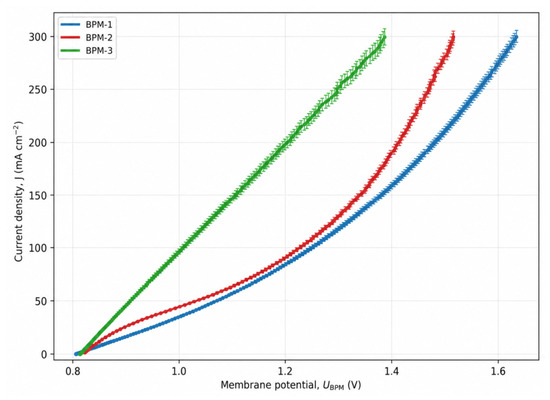
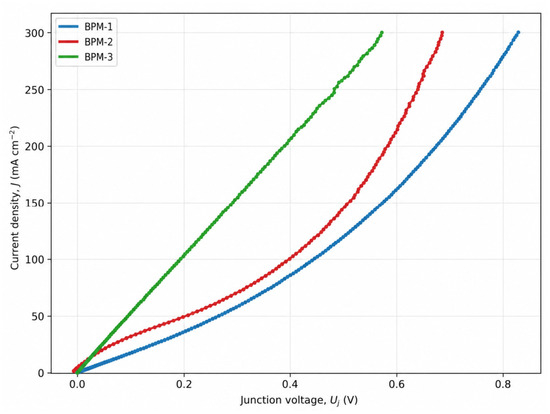
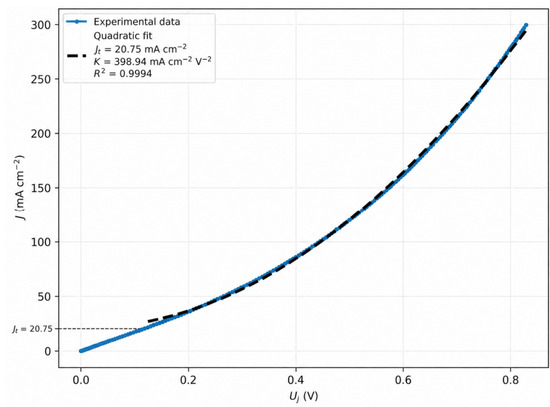
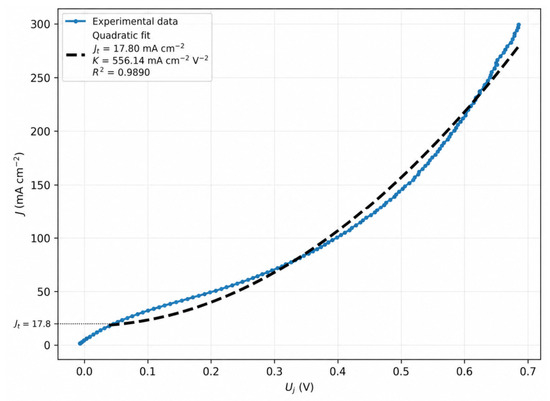
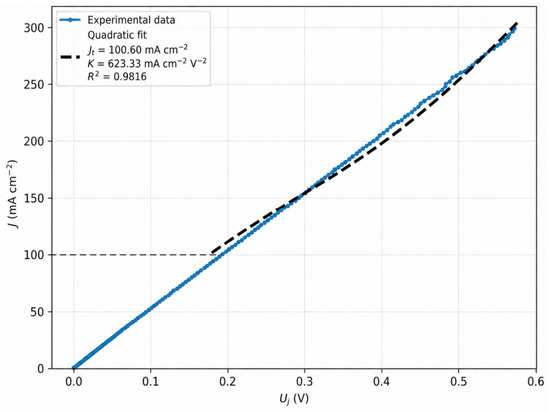
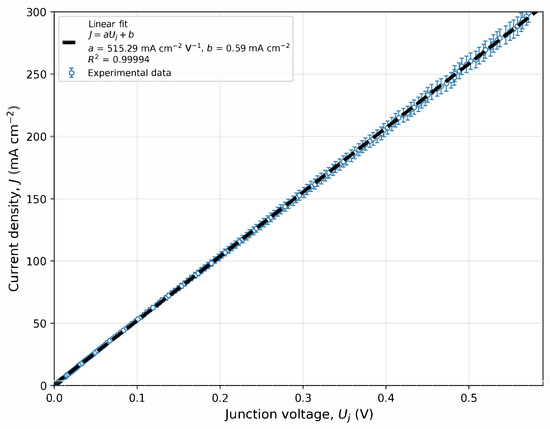
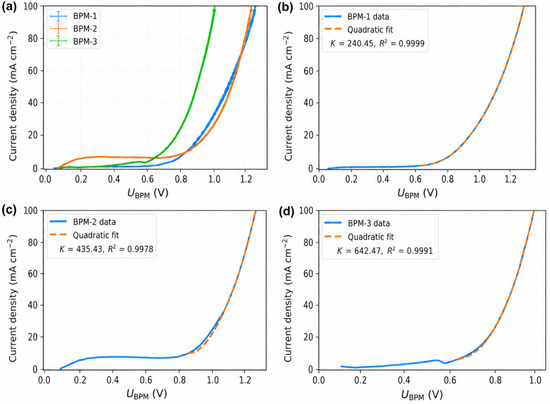
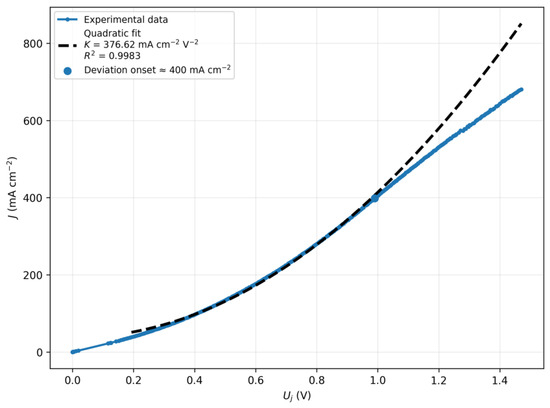
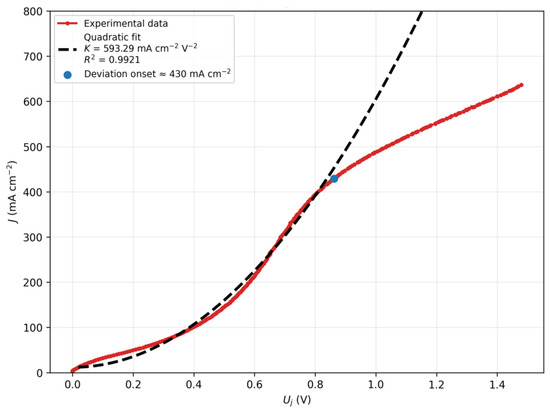
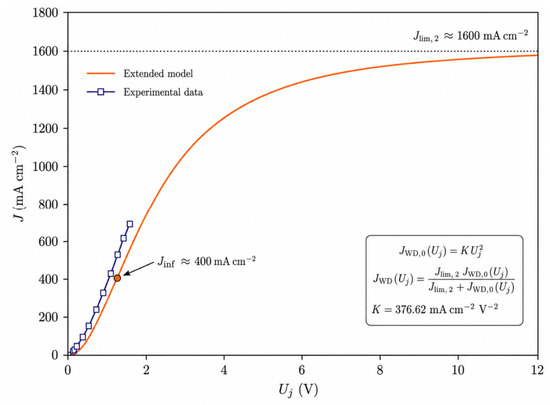
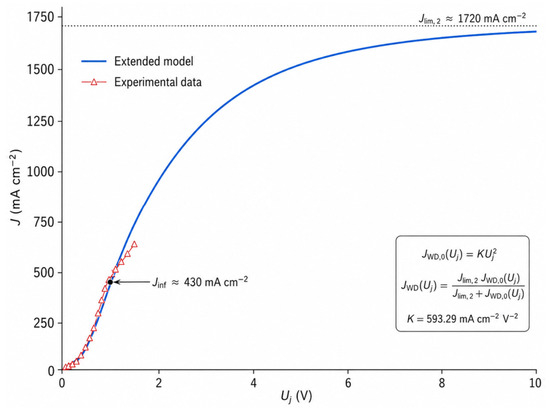
Water dissociation (WD) at the internal junction of bipolar membranes (BPMs) is the key process enabling acid/base generation under reverse bias, yet the physical origin of its strong enhancement remains debated. In our previous work, we proposed a power-dissipation model in which WD is enhanced by an intense electric field through local power dissipation by autoprotolysis ions. Here, we experimentally validate this model using three commercial BPMs under acid/base and neutral salt conditions and extend it to high current density by incorporating finite water supply to the BPM junction. Under acid/base conditions, two BPMs showed strong field-dominated quadratic behavior, while a catalyst-containing BPM displayed a predominantly linear response, indicating that heterogeneous interfacial catalysis can mask the purely field-driven signature. In neutral , all three BPMs exhibited excellent quadratic fits, confirming that the predicted behavior is robust. The fitted prefactor varied with membrane type and electrolyte configuration, reflecting differences in hydration, junction thickness, transport behavior, and catalysis effect. The model was extended at higher current density to include finite diffusive water supply to the junction. The resulting saturation law links the intrinsic quadratic WD current to a water-transport-limited current , and predicts an inflection point at .
Full article
(This article belongs to the Special Issue Ion Conducting Membranes for Electrochemical and Waste Water Treatments Applications)
►▼
Show Figures

Figure 1

Open AccessReview
Nanomaterial-Modified Antibacterial Membranes for Water Treatment: From Dimensional Classification and Modification Strategies to Antimicrobial Mechanisms
by
Lu Pei, Bingrong Wang, Yutong Zheng, Yang Liu, Yang Zhou and Xiangdong Zeng
Membranes 2026, 16(9), 282; https://doi.org/10.3390/membranes16090282 - 24 Aug 2026
Abstract
Membrane separation technology is extensively used in water treatment. However, during long-term operation, biofouling caused by bacteria and other microorganisms significantly limits the service life of membranes. Introducing antibacterial nanomaterials onto the membrane surface or into the internal structure is an effective way
[...] Read more.
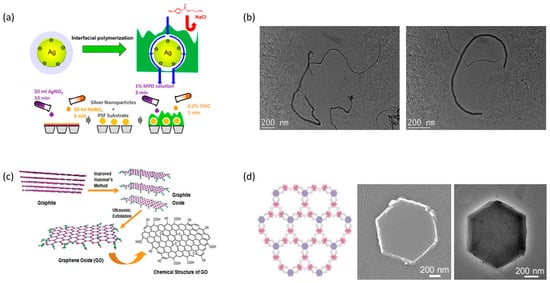
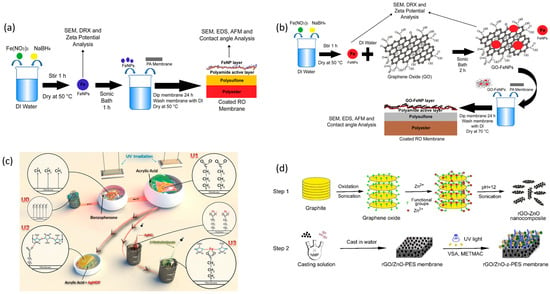
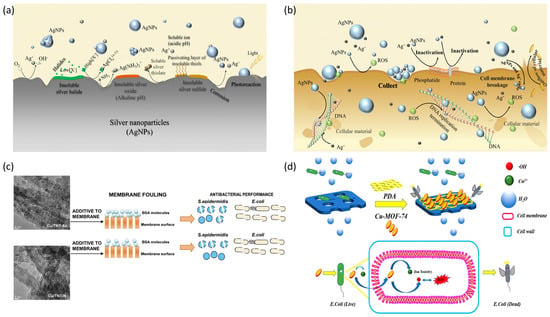
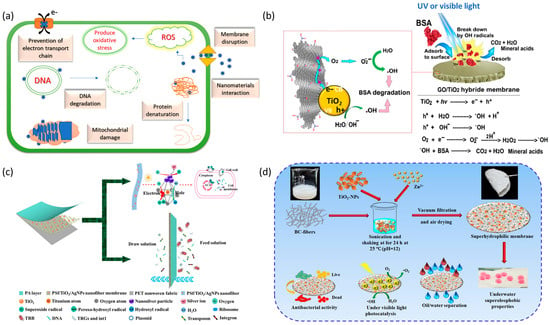
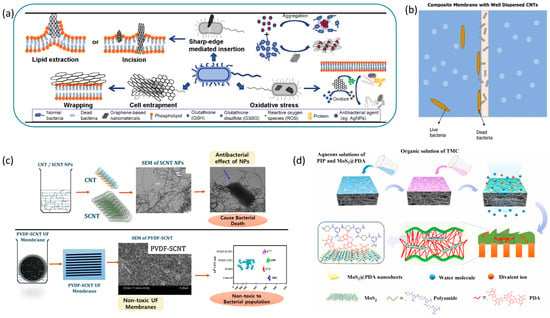
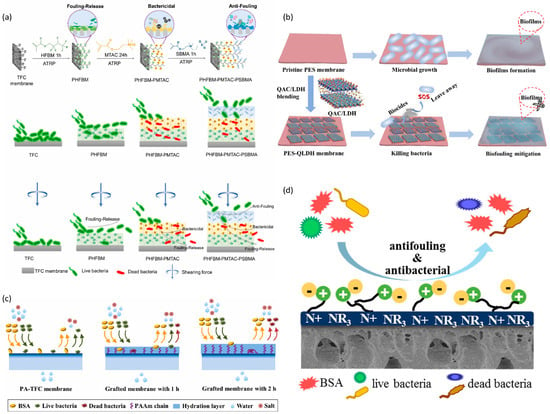
Membrane separation technology is extensively used in water treatment. However, during long-term operation, biofouling caused by bacteria and other microorganisms significantly limits the service life of membranes. Introducing antibacterial nanomaterials onto the membrane surface or into the internal structure is an effective way to combat biofouling. This review systematically summarizes recent progress in antibacterial membranes modified with different nanomaterials. First, we classify antibacterial nanomaterials by dimensionality and highlight their physicochemical properties and effects on overall membrane performance. Furthermore, we summarize the advantages, disadvantages, and applicability of three antibacterial nanomaterial modification strategies for membranes, including surface coating, grafting, and blending. Subsequently, we analyze in depth the main antibacterial mechanisms that enhance membrane performance, including metal ion release, reactive oxygen species oxidation, physical contact disruption, and anti-adhesion, as well as their synergistic effects. Finally, we critically evaluate the remaining challenges, such as interfacial compatibility between nanomaterials and polymers, controlled release of metal ions, and environmental safety. This review provides a reference for the rational design of high-performance antibacterial membranes.
Full article
(This article belongs to the Special Issue Novel Membrane Materials and Membrane Modification)
►▼
Show Figures

Figure 1
Open AccessArticle
An Offline Digital-Twin-Assisted Decision-Support Framework for Dynamic RO Under Kuwait Solar-Availability Conditions
by
Fajer M. Alelaj, Mohammed A. Bou-Rabee, Mustafa Fadel, Shafqat Aziz, Adil Aslam Mir, Abdulrahman Alharbi and Hussain Al-Sairfi
Membranes 2026, 16(9), 281; https://doi.org/10.3390/membranes16090281 - 23 Aug 2026
Abstract
Reverse osmosis (RO) desalination is a major technology for freshwater production in arid regions, but its energy demand becomes more challenging when the system is supplied by variable renewable energy. This study presents an offline digital-twin-assisted decision-support framework for dynamic RO under Kuwait
[...] Read more.
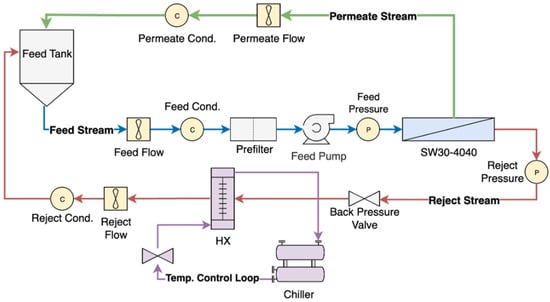
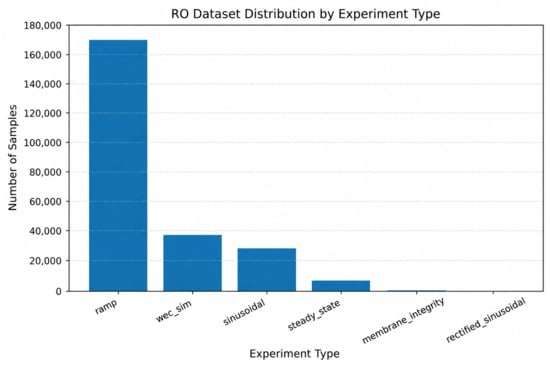
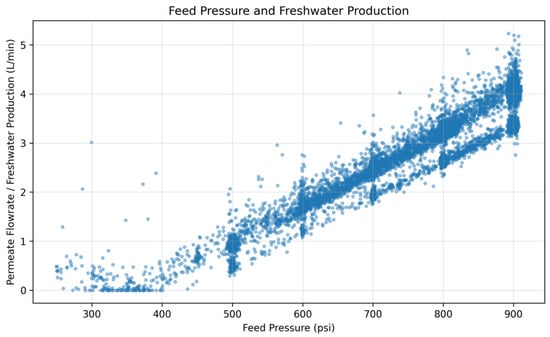
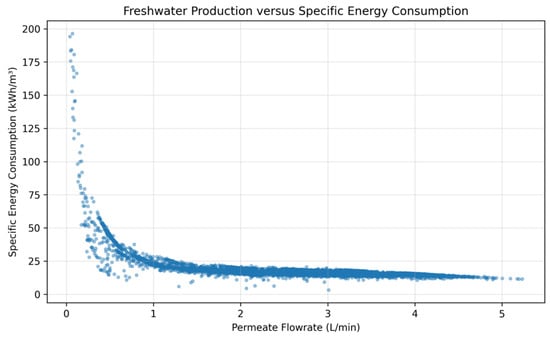
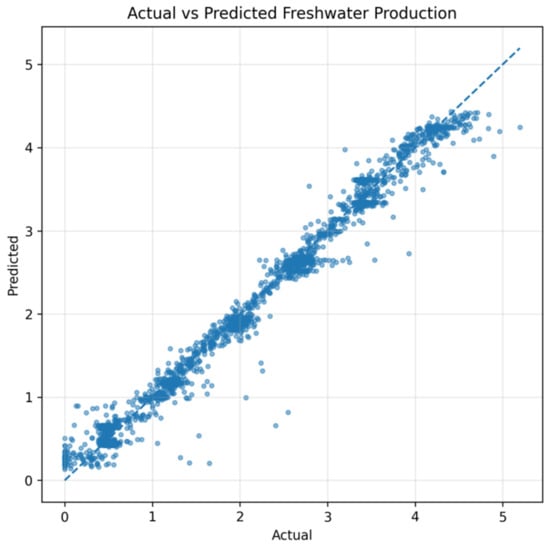
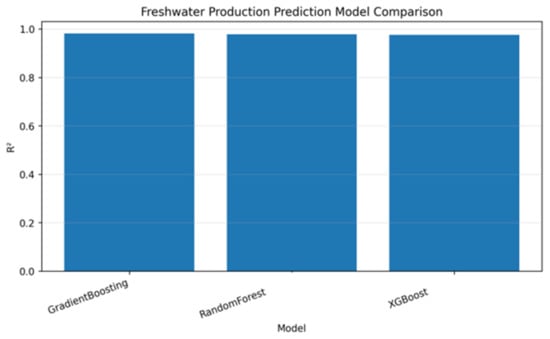
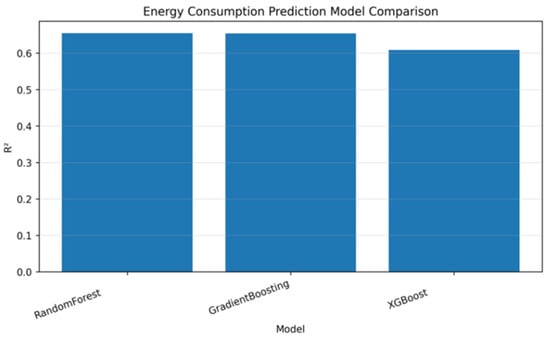
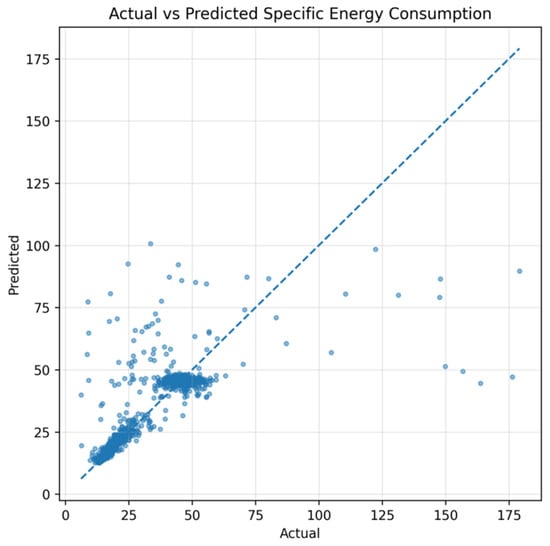
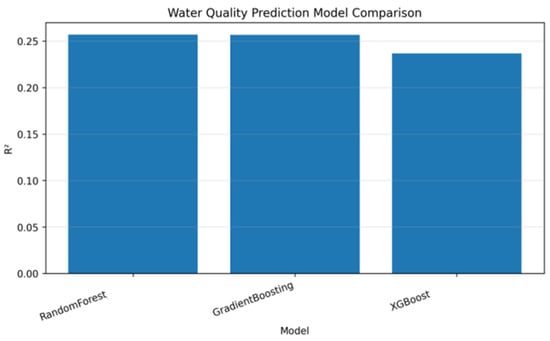
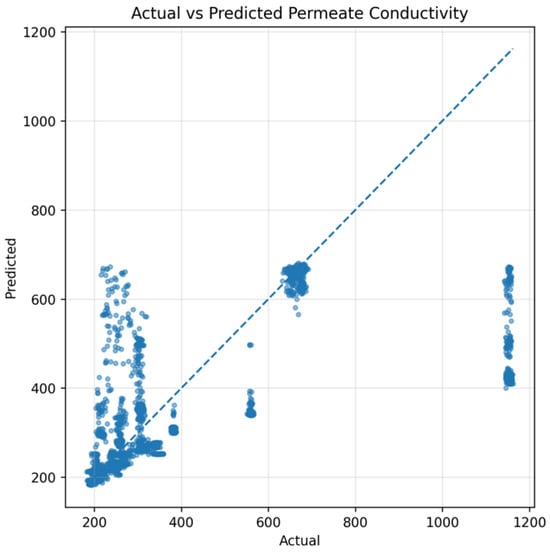
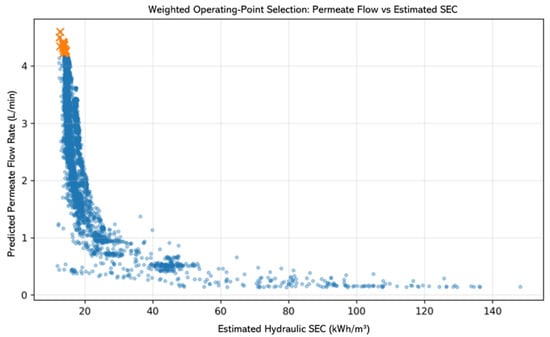
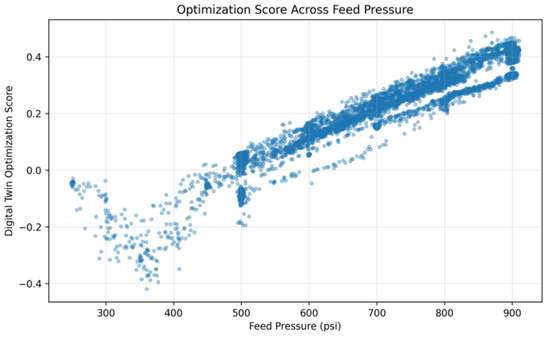
Reverse osmosis (RO) desalination is a major technology for freshwater production in arid regions, but its energy demand becomes more challenging when the system is supplied by variable renewable energy. This study presents an offline digital-twin-assisted decision-support framework for dynamic RO under Kuwait solar-availability conditions. Within this framework, the predictive models are driven primarily by the dynamic RO process variables, while NASA Prediction Of Worldwide Energy Resources (POWER) data provide the Kuwait solar-availability context, and the PV power margin serves as a scenario-level energy indicator. The purpose is to predict instantaneous permeate flow rate, estimate specific energy consumption, and identify energy-efficient operating conditions using machine learning. Kuwait City was used as the solar case-study location. Hourly solar and meteorological data were obtained from NASA POWER, while dynamic RO membrane data were obtained from the open experimental wave desalination dataset published by the National Renewable Energy Laboratory (NREL) through Data.gov and the Marine and Hydrokinetic Data Repository. The RO dataset includes steady-state, ramp, sinusoidal, and Wave Energy Converter SIMulator (WEC-Sim) pressure/flow experiments. The process-flow image used in the system description was also taken from the same NREL dataset and is cited in the figure caption. The raw RO files were cleaned, harmonized, and transformed into a process-informed modeling dataset. Derived features included pressure rate, recovery ratio, salt rejection, estimated pump power, specific energy consumption (SEC), PV power margin, and rolling pressure/flow features. Three supervised regression models were tested: Gradient Boosting, Random Forest, and XGBoost. A representative subset of 60,000 records was used to preserve the main experimental conditions while reducing redundancy in the densely sampled sequential data. Results show that permeate flow rate can be predicted with high accuracy using Gradient Boosting (R2 = 0.981; RMSE = 0.161 L/min). The moderate energy prediction performance yielded an R2 of 0.654 and RMSE of 7.570 kWh/m3 for Random Forest. The accuracy of permeate conductivity predictions was lower (R2 = 0.257; RMSE = 245.44 µS/cm) because membrane and feed characterizing parameters should be included for an adequate water quality control. The proposed approach is best suited as an offline decision-support framework for dynamic RO process analysis.
Full article
(This article belongs to the Special Issue Next-Generation Functional Membranes for Energy, Environment, and Biomedicine)
►▼
Show Figures

Figure 1
Open AccessArticle
Performance Assessment of a Hybrid Solar-Driven Photocatalysis–Membrane Distillation Process for the Removal of Ketoprofen from Seawater
by
Kacper Szymański, Alba Ruiz-Aguirre, Aleksandra Piątkowska, Sylwia Mozia and Guillermo Zaragoza
Membranes 2026, 16(9), 280; https://doi.org/10.3390/membranes16090280 - 22 Aug 2026
Abstract
In the present research, the application of a photocatalytic reactor operated under simulated solar-light-assisted air gap membrane distillation (AGMD) is proposed to remove ketoprofen from seawater. TiO2 at a concentration of 1 g/L, containing sulfur, was applied as a photocatalyst. The AGMD
[...] Read more.
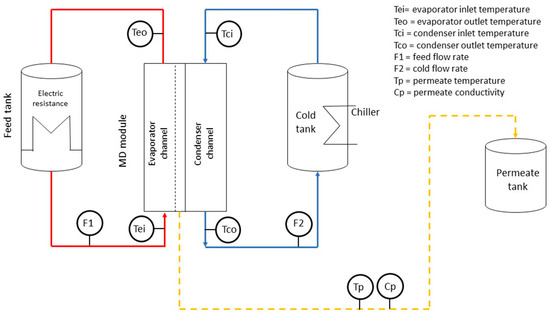
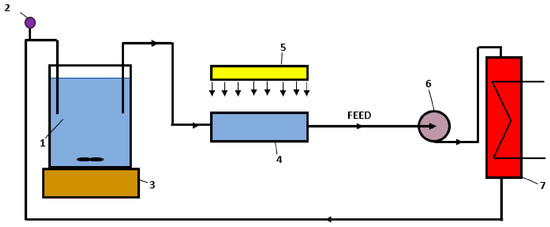
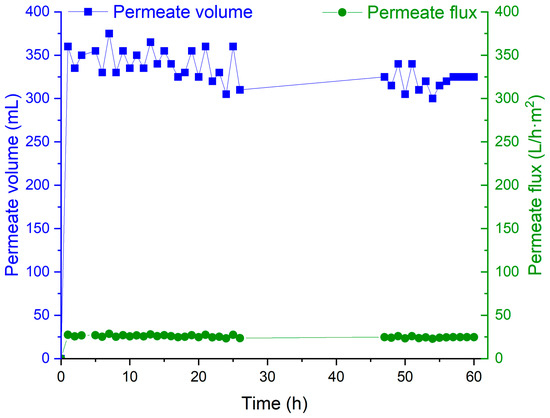
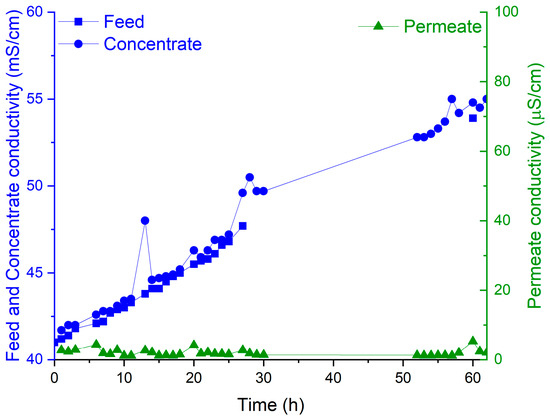
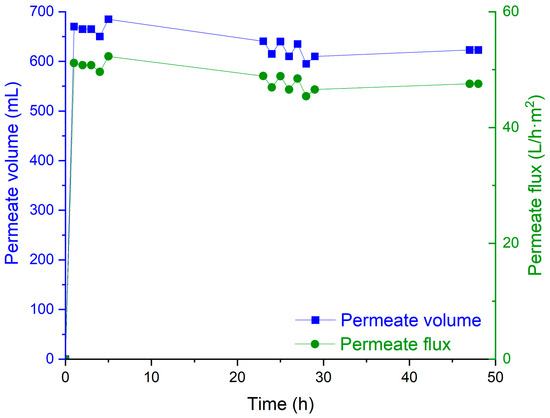
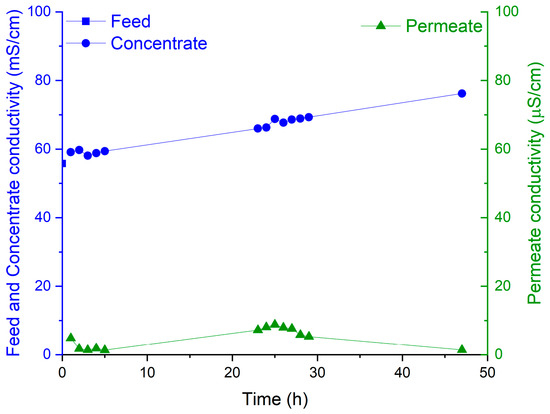
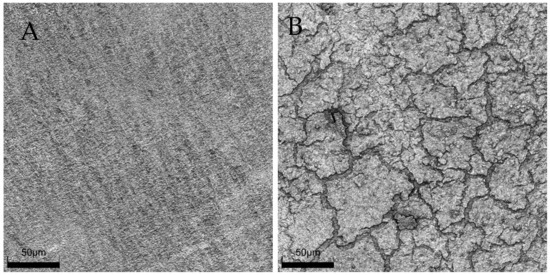
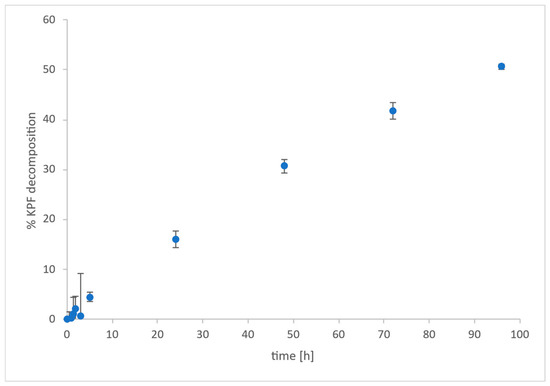
In the present research, the application of a photocatalytic reactor operated under simulated solar-light-assisted air gap membrane distillation (AGMD) is proposed to remove ketoprofen from seawater. TiO2 at a concentration of 1 g/L, containing sulfur, was applied as a photocatalyst. The AGMD process was carried out under a feed temperature of 60–80 °C and a membrane area of 131 cm2 during long-term operation. Simulated solar light was applied as an irradiance source. At the first stage of the process, the feed was concentrated for 73 h, and after that, the solution of seawater spiked with ketoprofen was photocatalytically treated for 96 h. Based on the experiments, it was found that 51% of ketoprofen was removed after the solar-driven photocatalysis process. Pure distillate without salts (conductivity below 2 µS/cm) and ketoprofen were obtained after 73 h. The performance of the membrane exhibited ca. two times higher permeate flux at an operation temperature of 80 °C in comparison with 60 °C, i.e., 24.7 L/h·m2 and 47.3 L/h·m2, respectively. Despite the presence of small deposits on the membrane surface, no membrane wetting was observed. The concentration of ketoprofen in the concentrates during the AGMD process and solar-driven photocatalysis can remove this pharmaceutical even from matrices enriched with salts (high AGMD concentrate), with good efficiency.
Full article
(This article belongs to the Special Issue Selected Papers from Water, Wastewater, Waste—Infrastructure and Technology Conference 2026)
►▼
Show Figures

Figure 1

Open AccessArticle
A Dual-Functional CO2-Selective Membrane for Biogas Upgrading in a Microalgae Membrane Bioreactor
by
Yongze Lu, Xiaohuan Wang, Mingchao Zhu, Shouwen Chen, Zhaoxia Hu and Na Li
Membranes 2026, 16(8), 279; https://doi.org/10.3390/membranes16080279 - 21 Aug 2026
Abstract
Upgrading biogas to pipeline-quality methane requires the efficient removal of CO2, yet conventional physicochemical routes remain energy-intensive. Coupling a CO2-selective membrane with microalgal photosynthetic fixation offers a green alternative, but is constrained by the low CO2/CH4
[...] Read more.
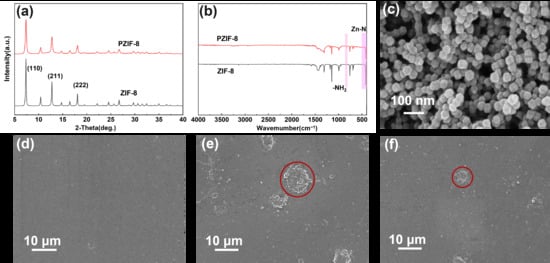
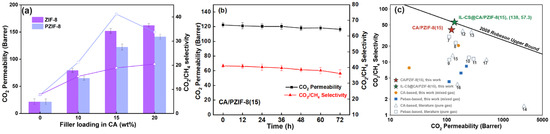
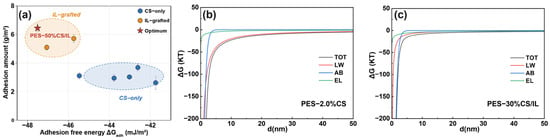
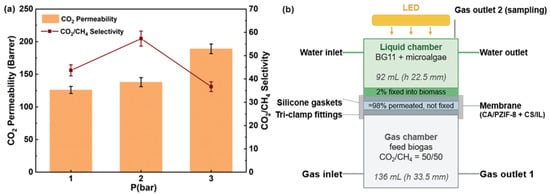
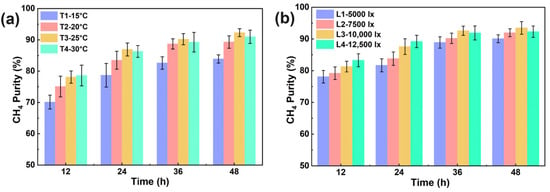
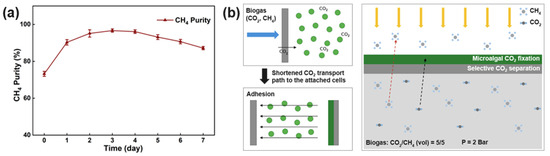
Upgrading biogas to pipeline-quality methane requires the efficient removal of CO2, yet conventional physicochemical routes remain energy-intensive. Coupling a CO2-selective membrane with microalgal photosynthetic fixation offers a green alternative, but is constrained by the low CO2/CH4 selectivity of common membranes and the poor adhesion of microalgae to hydrophobic membrane surfaces. Here, a dual-functional composite membrane was developed that simultaneously provides CO2/CH4 sieving and a biocompatible interface for microalgal attachment, and was integrated into a microalgae membrane bioreactor (MMBR). A cellulose acetate mixed-matrix membrane incorporating polyethyleneimine-grafted ZIF-8 (CA/PZIF-8(15)) achieved a mixed-gas CO2 permeability of 122.3 Barrer and a CO2/CH4 selectivity of 41.17. An ionic-liquid-modified chitosan (CS/IL) coating, first optimized on a commercial flat-sheet polyethersulfone (PES) membrane used as a model surface for the adhesion study, reversed the surface charge from −30.8 to +3.75 mV, lowered the water contact angle to 51.2°, and increased the day-7 adhesion of Scenedesmus obliquus by ~108%. Transferring the coating onto CA/PZIF-8(15) further raised the permeability to 138 Barrer and the selectivity to 57.31, placing the composite above the 2008 Robeson upper bound. In the MMBR, CH4 purity reached 95.13% after 48 h; a mass balance on the recirculating gas volume indicated that essentially all of the CO2 removed from the gas phase permeated the membrane, of which an estimated 2% was fixed into microalgal biomass while the remainder was retained in the liquid phase. This work offers a membrane-design strategy that bridges gas-separation functionality and microalgal carbon fixation for sustainable biogas upgrading.
Full article
(This article belongs to the Special Issue Manufacture and Functionalization Modification of Membranes for Separation)
►▼
Show Figures

Figure 1
Open AccessReview
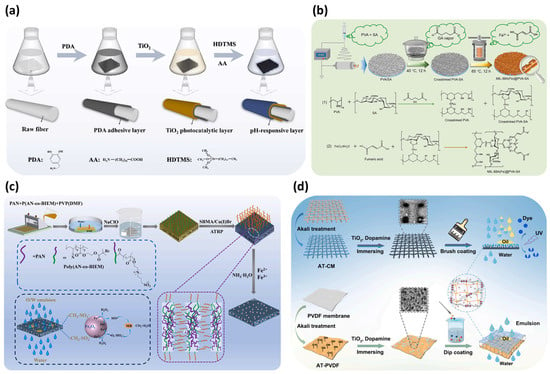
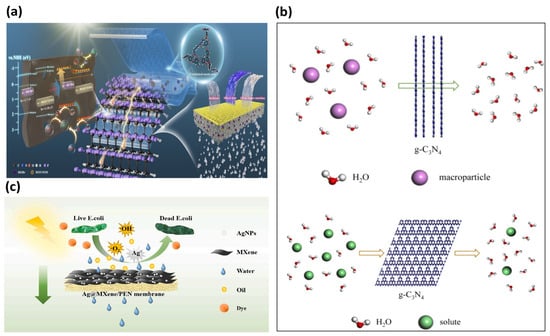
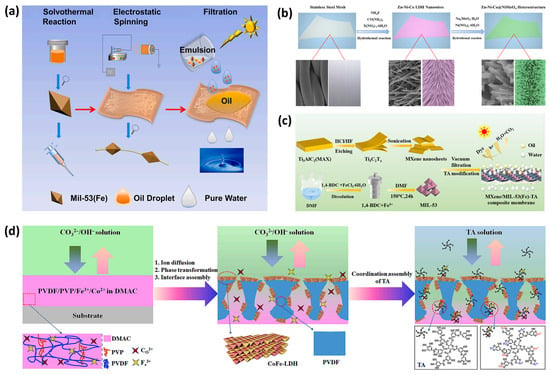
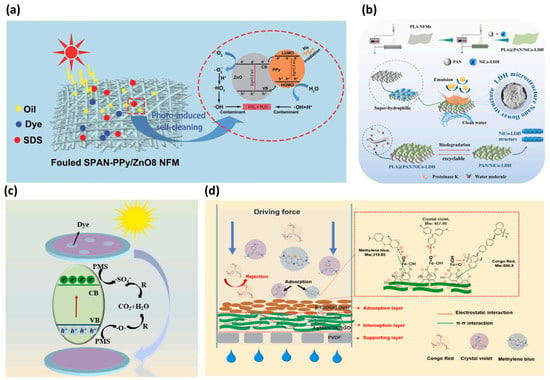
Multifunctional Membranes for Simultaneous Oil/Water Separation and Organic Pollutant Removal: A Review
by
Zengqing Kang, Yutong Zheng, Tao Wang, Huan Chen, Hua Dong and Junda Liu
Membranes 2026, 16(8), 278; https://doi.org/10.3390/membranes16080278 - 19 Aug 2026
Abstract
Oily wastewater commonly contains dissolved organic contaminants such as dyes, antibiotics, and phenolic compounds. Conventional stepwise treatment processes involve complex operation, high energy consumption, and severe membrane fouling. Multifunctional membranes integrating oil/water separation, pollutant adsorption or catalytic degradation, and membrane self-cleaning provide a
[...] Read more.
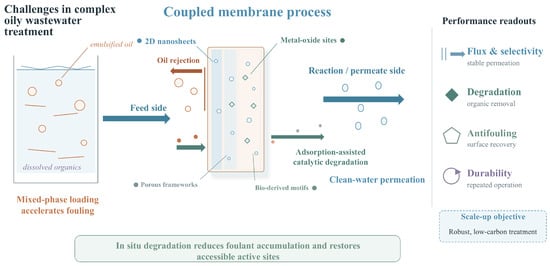
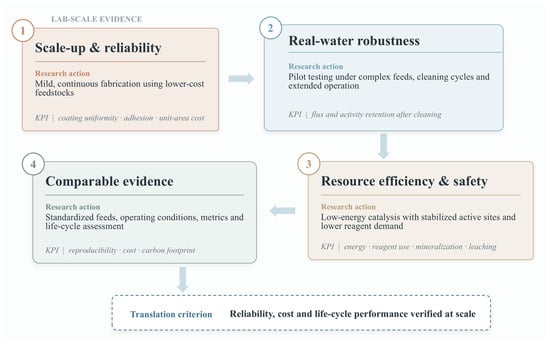
Oily wastewater commonly contains dissolved organic contaminants such as dyes, antibiotics, and phenolic compounds. Conventional stepwise treatment processes involve complex operation, high energy consumption, and severe membrane fouling. Multifunctional membranes integrating oil/water separation, pollutant adsorption or catalytic degradation, and membrane self-cleaning provide a promising solution for treating complex oily wastewater. This review summarizes recent advances in multifunctional membranes based on metal oxides, two-dimensional (2D) materials, three-dimensional (3D) porous structures, and biomass-derived materials. Key strategies, including micro and nanoscale structure regulation, wettability control, interlayer channel optimization, heterojunction construction, and active site engineering, are discussed together with the synergistic mechanisms involving oil/water separation, adsorption enrichment, photocatalysis, and Fenton reactions. Approaches for improving membrane flux, separation efficiency, degradation activity, antifouling performance, and cycling stability are also reviewed. Finally, challenges related to scalable fabrication, adaptability to real wastewater, long-term stability, and standardized evaluation are outlined, providing guidance for the design and practical application of multifunctional membranes.
Full article
(This article belongs to the Special Issue Novel Membrane Materials and Membrane Modification)
►▼
Show Figures

Figure 1

Open AccessReview
Liposomal Delivery Systems for Allergen-Specific Immunotherapy: From Molecular Design to Clinical Application
by
Daria N. Melnikova, Andrey E. Potapov, Daria S. Zavoiko and Tatiana V. Ovchinnikova
Membranes 2026, 16(8), 277; https://doi.org/10.3390/membranes16080277 - 19 Aug 2026
Abstract
Liposomal systems are commonly used in drug delivery due to their low toxicity, biocompatibility and biodegradability. In this review, the influence of physicochemical parameters of liposomes, namely size, surface charge, and lipid composition, on biodistribution, dendritic cell uptake, and the character of the
[...] Read more.
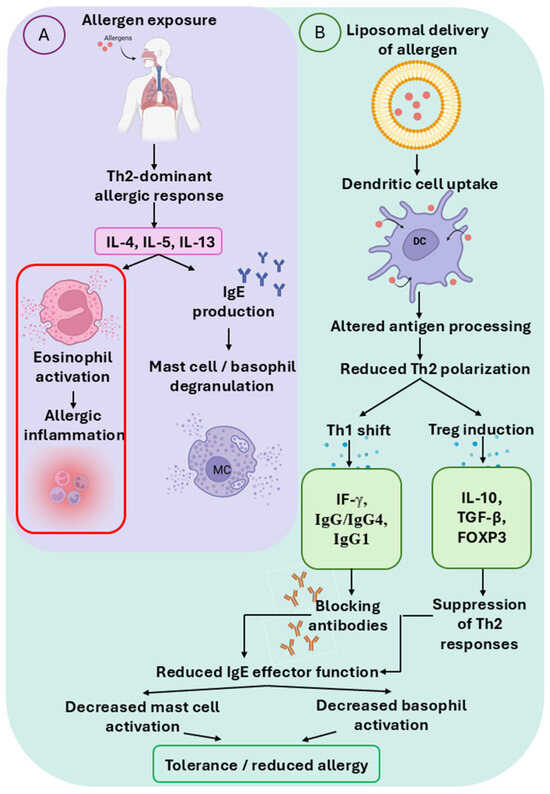
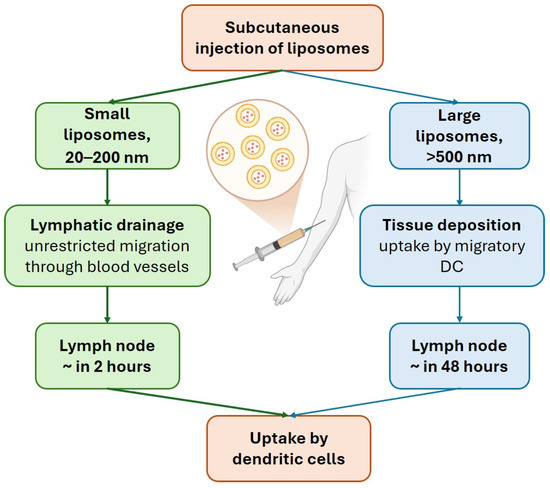
Liposomal systems are commonly used in drug delivery due to their low toxicity, biocompatibility and biodegradability. In this review, the influence of physicochemical parameters of liposomes, namely size, surface charge, and lipid composition, on biodistribution, dendritic cell uptake, and the character of the induced immune response is examined. The potential of strategies such as targeting C-type lectin receptors, the combined use of toll-like receptor agonists and tolerogenic molecules, and an approach based on high-affinity antigen binding to liposomes via coiled coil-forming peptides is evaluated. Mechanisms of tolerance induction at the humoral, cytokine, and cellular levels are discussed, including the switch from a Th2 to a regulatory T-cell response and the formation of blocking antibodies. Special attention is paid to safety aspects associated with the use of liposomal systems, specifically avoidance of pseudoallergic reactions linked to the complement system activation and the toxicity of cationic lipids, as well as approaches for minimization of these risks. The main obstacles to clinical application and promising directions of further research necessary for the development of effective and safe liposomal allergy vaccines are outlined. This review summarizes current data on the use of liposomal systems for allergen-specific immunotherapy.
Full article
(This article belongs to the Special Issue Liposomal Membranes: From Fundamental Biophysics to Therapeutic Applications)
►▼
Show Figures

Figure 1
Open AccessArticle
Direct Graft Copolymerization of Cellulose Acetate Membrane with Bio-Based Itaconic Acid for Pollutant Removal from Wastewater
by
Abir S. Abdel-Naby, Salsabeel S. Abo-Ghonaim, Salha N. Alharthi, Hagar H. Alhaddad and Nuhu Dalhat Mu’azu
Membranes 2026, 16(8), 276; https://doi.org/10.3390/membranes16080276 - 18 Aug 2026
Abstract
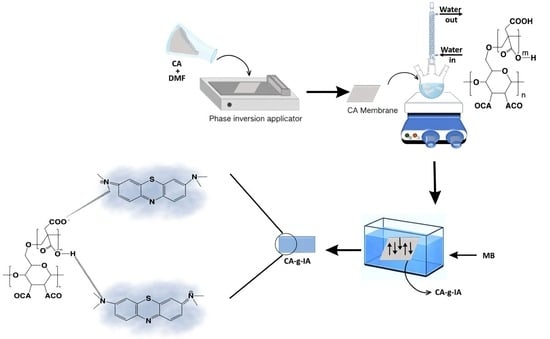
Cellulose acetate (CA) is a promising bio-derived membrane material for water treatment; however, its limited availability of active functional sites can restrict its affinity toward dissolved pollutants. In this study, a cellulose acetate membrane was fabricated by phase inversion and subsequently functionalized through
[...] Read more.
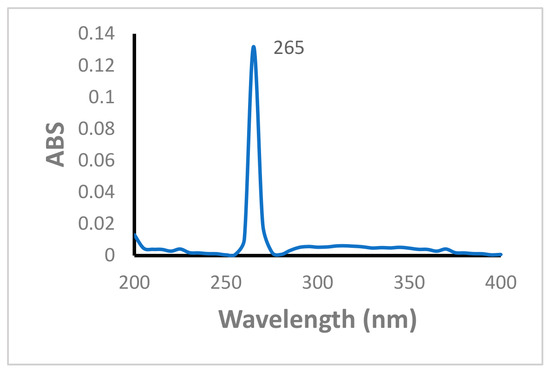
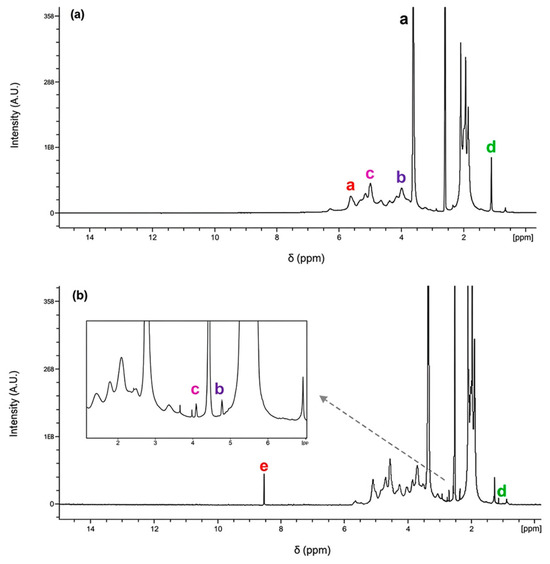
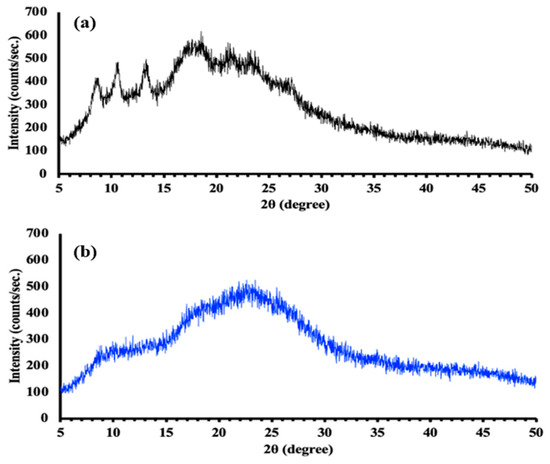
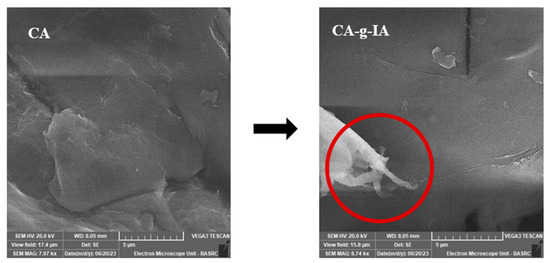
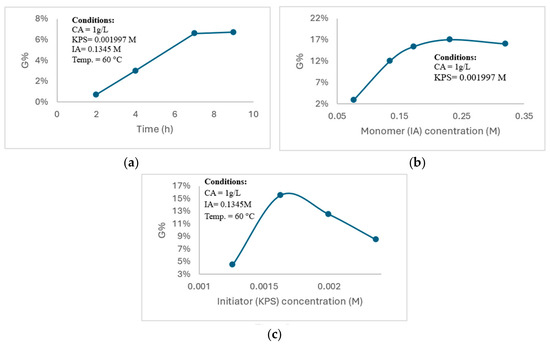
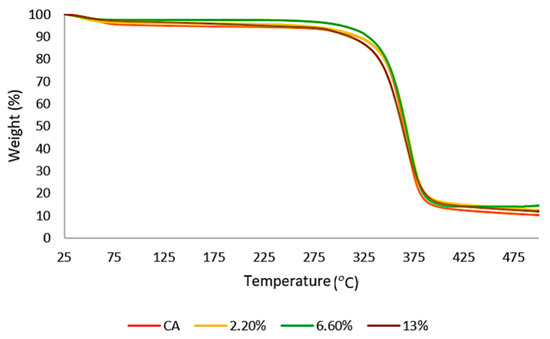
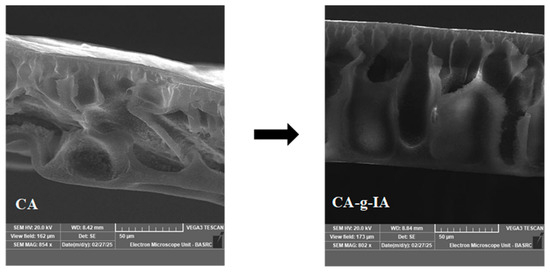
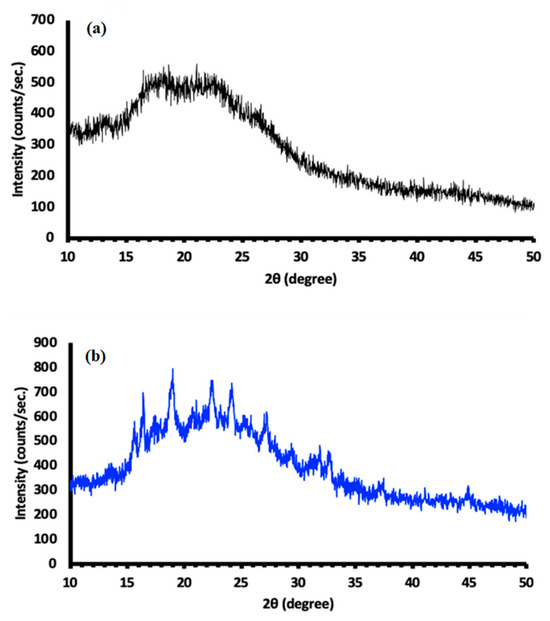
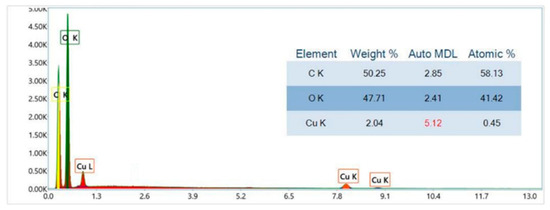
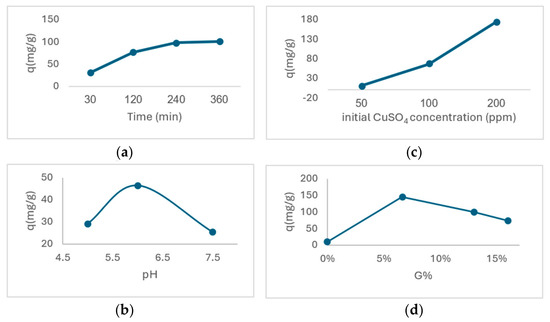
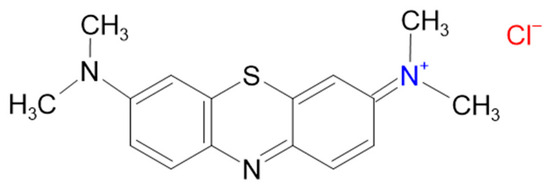
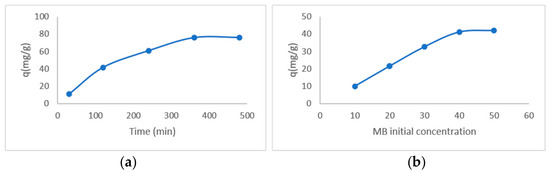
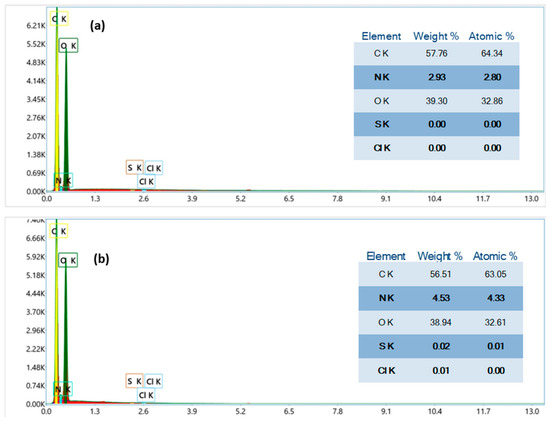
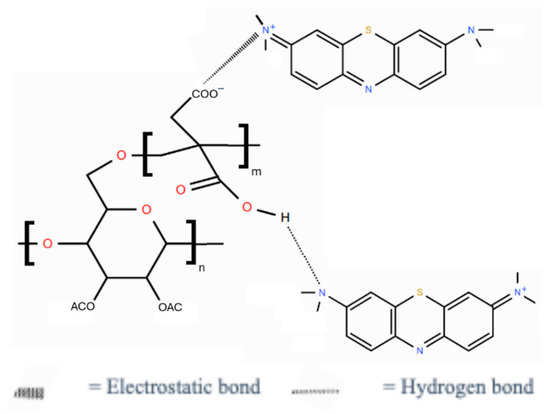
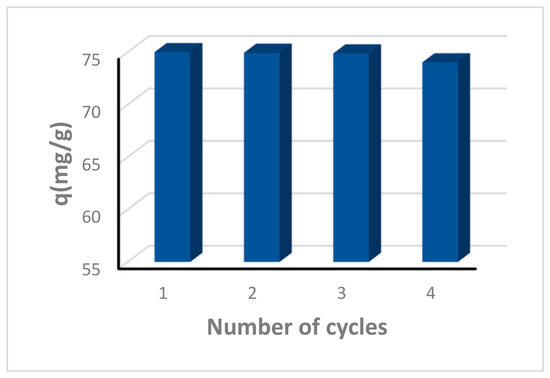
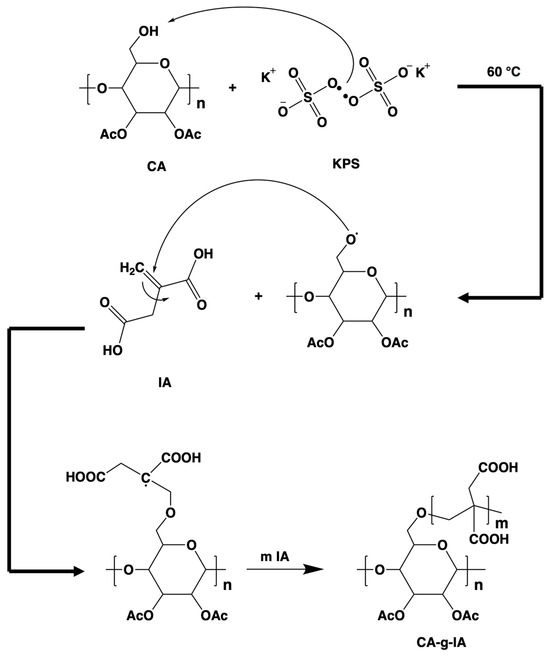
Cellulose acetate (CA) is a promising bio-derived membrane material for water treatment; however, its limited availability of active functional sites can restrict its affinity toward dissolved pollutants. In this study, a cellulose acetate membrane was fabricated by phase inversion and subsequently functionalized through novel direct graft copolymerization with bio-based itaconic acid (IA) using potassium persulfate (KPS) as an initiator in an aqueous medium. The grafting approach introduced carboxylic functional groups into the CA matrix, providing additional active sites for pollutant removal. The successful grafting was confirmed by UV–Vis and 1H NMR spectroscopy, while XRD indicated changes in the structural organization of the polymer matrix. SEM/EDS characterization further revealed morphological changes associated with grafting, and cross-sectional SEM showed the development of finger-like, continuous pore channels within the modified membrane. The effects of reaction time, IA concentration, and KPS concentration on the grafting percentage were systematically evaluated, with grafting increasing up to an optimum range before declining at excessive monomer or initiator concentrations. Thermal analysis demonstrated improved stability after grafting, with the 6.6% grafted CA-g-IA membrane exhibiting an initial decomposition temperature of 351 °C and a reduced weight loss of 85% at 500 °C, compared with 344 °C and 91%, respectively, for pristine CA. The 6.6% CA-g-IA membrane was subsequently evaluated for the removal of Cu(II) and methylene blue (MB) from aqueous solutions. Cu(II) uptake was strongly influenced by contact time, solution pH, initial concentration, and grafting percentage, with the highest performance observed around pH 6 and 240 min contact time. The membrane also maintained its Cu(II)-binding performance over four regeneration cycles following HNO3 treatment. Overall, direct IA grafting provides a simple bio-based functionalization strategy for enhancing the pollutant-binding functionality of cellulose acetate membranes, demonstrating potential for the removal of metal ions and cationic dyes from contaminated water.
Full article
(This article belongs to the Section Membrane Applications for Water Treatment)
►▼
Show Figures

Graphical abstract
Open AccessArticle
Mixing and Aeration Effects in Outdoor Dual-Chamber Microbial Fuel Cells with Agarose Salt Bridges
by
Mohamad K. Khawaja, Nour Alnajjar and Ammar Alkhalidi
Membranes 2026, 16(8), 275; https://doi.org/10.3390/membranes16080275 - 18 Aug 2026
Abstract
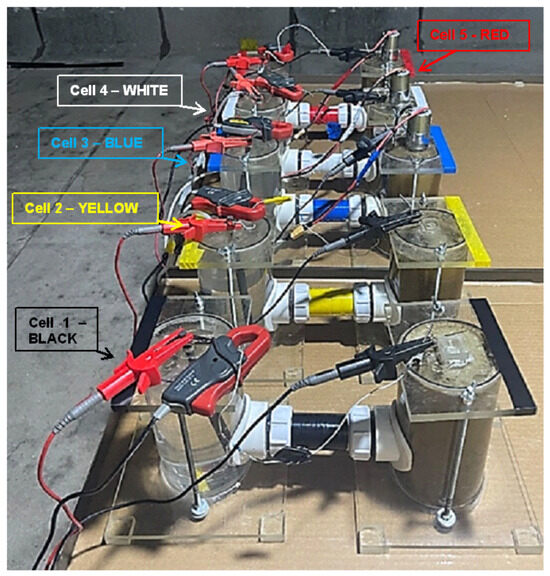
Microbial fuel cells (MFCs) provide a membrane-based bioelectrochemical route for simultaneous wastewater treatment and electricity generation. This study investigates the effect of aeration and mixing on the performance of dual-chamber microbial fuel cells (DCMFCs) operated outdoors using sugar-mix substrates. Five DCMFC configurations were
[...] Read more.
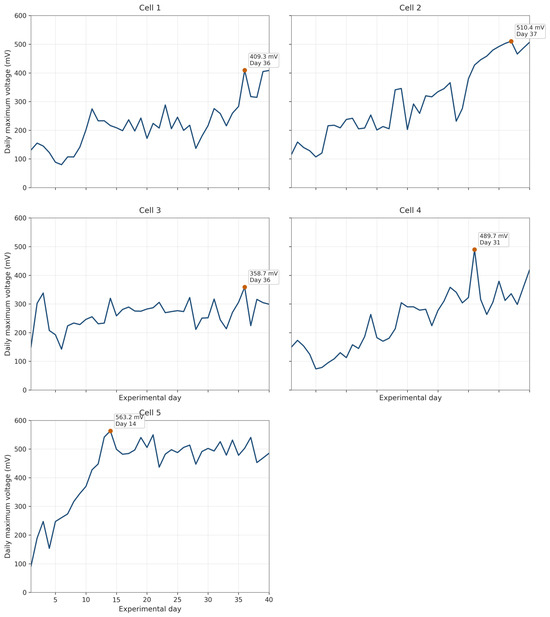
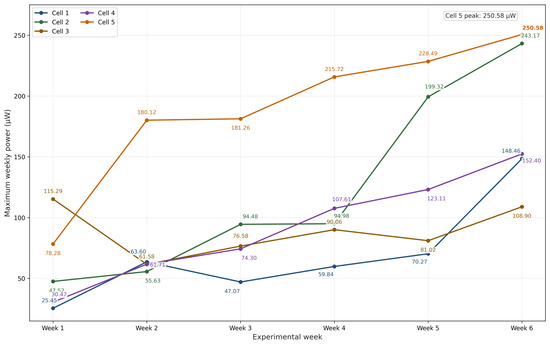
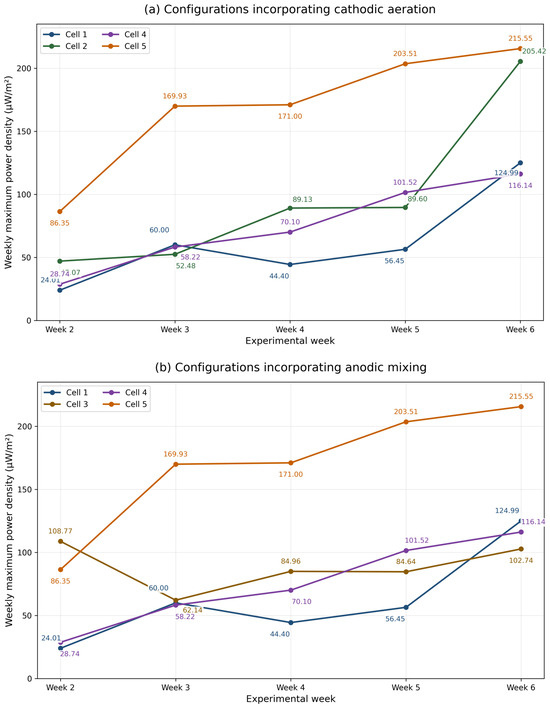
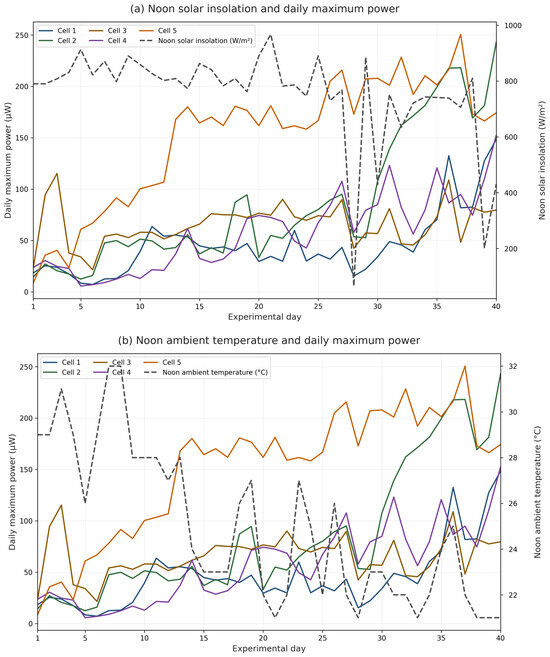
Microbial fuel cells (MFCs) provide a membrane-based bioelectrochemical route for simultaneous wastewater treatment and electricity generation. This study investigates the effect of aeration and mixing on the performance of dual-chamber microbial fuel cells (DCMFCs) operated outdoors using sugar-mix substrates. Five DCMFC configurations were evaluated over 40 days, including baseline operation and individual or combined aeration and mixing strategies. Voltage and current were recorded every 15 min, while solar insolation and ambient temperature were monitored to assess environmental effects. Chemical oxygen demand (COD) was measured to evaluate wastewater treatment performance. The configuration with continuous aeration and mixing achieved the best performance, reaching a maximum voltage of 563.2 mV and a peak power output of 250.58 µW. Compared with baseline Cell 1, Cell 5 showed a 72.5% higher Week 6 maximum power density. The final COD concentration in Cell 5 was 12.4% lower than that measured in baseline Cell 1; this represents an endpoint difference rather than a reactor-specific COD removal efficiency. Exploratory correlation analysis showed configuration-dependent associations between electrical output and ambient conditions but did not identify a consistent positive relationship between solar insolation and power generation. These results demonstrate that combined aeration and mixing can improve DCMFC performance under realistic outdoor conditions and support the development of scalable, low-resource systems for decentralized bioenergy generation and wastewater treatment.
Full article
(This article belongs to the Special Issue Advanced Membrane Technologies for Hypersaline Wastewater, Groundwater, and Seawater Desalination)
►▼
Show Figures

Figure 1
Journal Menu
► ▼ Journal Menu-
- Membranes Home
- Aims & Scope
- Editorial Board
- Reviewer Board
- Topical Advisory Panel
- Early Career Editorial Board
- Instructions for Authors
- Special Issues
- Topics
- Sections & Collections
- Article Processing Charge
- Indexing & Archiving
- Editor’s Choice Articles
- Most Cited & Viewed
- Journal Statistics
- Journal History
- Journal Awards
- Society Collaborations
- Conferences
- Editorial Office
Journal Browser
► ▼ Journal BrowserHighly Accessed Articles
Latest Books
E-Mail Alert
News
Topics
Topic in
Applied Sciences, Clean Technol., Energies, Membranes, Polymers, Sustainability, Water
New Advances in Membrane Technology and Its Contribution to Sustainability
Topic Editors: Patricia Luis Alconero, Bart Van der BruggenDeadline: 12 September 2026
Topic in
C, Membranes, Polymers, Water, Environments, Toxics, Recycling
Waste-Based Materials for Environmental Remediation
Topic Editors: Huayi Chen, Yulong ZhangDeadline: 31 October 2026
Topic in
Chemistry, Membranes, Molecules, Processes, Separations, Polymers
Membranes for Contaminant Separation in Fluids
Topic Editors: Jing Wang, Guoliang YangDeadline: 30 November 2026
Topic in
Clean Technol., Molecules, Processes, Separations, Water, Membranes, Environments
Advances in Separation Engineering
Topic Editors: Anyun Zhang, Salman Masoudi Soltani, Maria AtanassovaDeadline: 5 January 2027
Conferences
Special Issues
Special Issue in
Membranes
Nano-Confined Transport in Advanced Membranes for Enhanced Filtration and Desalination: From Mechanisms to Scalable Applications
Guest Editors: Ning Wei, Yue ZhangDeadline: 10 September 2026
Special Issue in
Membranes
Machine Learning-Enabled Digital Twins for Membrane Process Optimisation
Guest Editor: Olawumi Oluwafolakemi SadareDeadline: 10 September 2026
Special Issue in
Membranes
Advanced 2D Nanomaterials for Ion-Selective Membranes: Design, Mechanisms and Applications
Guest Editors: Seunghyun Hong, Meng SunDeadline: 20 September 2026
Special Issue in
Membranes
Membrane Technology for Resource Recovery and Separation
Guest Editors: Jawad Mustafa, Priscila E. Valverde-Armas, Leonardo GutierrezDeadline: 30 September 2026
Topical Collections
Topical Collection in
Membranes
Feature Papers in 'Membranes in Life Sciences'
Collection Editor: Shiro Suetsugu
Topical Collection in
Membranes
Featured Reviews in Membrane Science
Collection Editors: Spas D. Kolev, Tae-Hyun Bae, Laurent Bazinet, Claus Hélix-Nielsen
Topical Collection in
Membranes
Feature Papers in Membrane Engineering and Applications
Collection Editors: Benjamin S. Hsiao, Francesco Lufrano, Sanghyun Jeong, Cristiana Boi, Priyanka Sharma
Topical Collection in
Membranes
Feature Papers in Membrane Processing and Engineering
Collection Editor: Jia Wei Chew