23 pages, 1460 KB  
Review
Bioprocessing to Preserve and Improve Microalgae Nutritional and Functional Potential: Novel Insight and Perspectives
by Michela Verni, Chiara Demarinis, Carlo Giuseppe Rizzello and Erica Pontonio
Foods 2023, 12(5), 983; https://doi.org/10.3390/foods12050983 - 26 Feb 2023
Cited by 66 | Viewed by 10427
Abstract
Microalgae are aquatic unicellular microorganisms and, although various species are approved for human consumption, Arthrospira and Chlorella are the most widespread. Several nutritional and functional properties have been bestowed to microalgae principal micro- and macro-nutrients, with antioxidant, immunomodulatory and anticancer being the most [...] Read more.
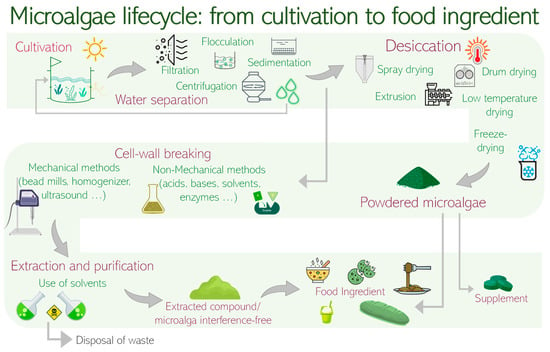
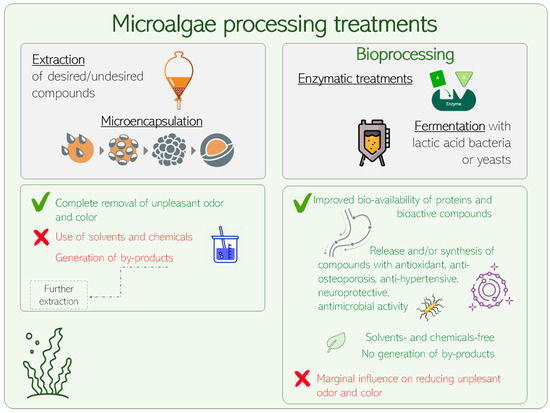
Microalgae are aquatic unicellular microorganisms and, although various species are approved for human consumption, Arthrospira and Chlorella are the most widespread. Several nutritional and functional properties have been bestowed to microalgae principal micro- and macro-nutrients, with antioxidant, immunomodulatory and anticancer being the most common. The many references to their potential as a food of the future is mainly ascribed to the high protein and essential amino acid content, but they are also a source of pigments, lipids, sterols, polysaccharides, vitamins, and phenolic compounds with positive effects on human health. Nevertheless, microalgae use is often hindered by unpleasant color and flavor and several strategies have been sought to minimize such challenges. This review provides an overview of the strategies so far proposed and the main nutritional and functional characteristic of microalgae and the foods made thereof. Processing treatments have been used to enrich microalgae-derived substrates in compounds with antioxidant, antimicrobial, and anti-hypertensive properties. Extraction, microencapsulation, enzymatic treatments, and fermentation are the most common, each with their own pros and cons. Yet, for microalgae to be the food of the future, more effort should be put into finding the right pre-treatments that can allow the use of the whole biomass and be cost-effective while bringing about features that go beyond the mere increase of proteins. Full article
Show Figures

Figure 1
14 pages, 2261 KB  
Article
Xanthine Oxidase Inhibitory Peptides from Larimichthys polyactis: Characterization and In Vitro/In Silico Evidence
by Xiaoling Chen, Weiliang Guan, Yujin Li, Jinjie Zhang and Luyun Cai
Foods 2023, 12(5), 982; https://doi.org/10.3390/foods12050982 - 25 Feb 2023
Cited by 32 | Viewed by 3935
Abstract
Hyperuricemia is linked to a variety of disorders that can have serious consequences for human health. Peptides that inhibit xanthine oxidase (XO) are expected to be a safe and effective functional ingredient for the treatment or relief of hyperuricemia. The goal of this [...] Read more.
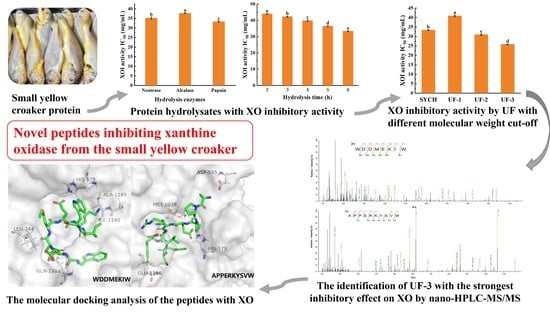
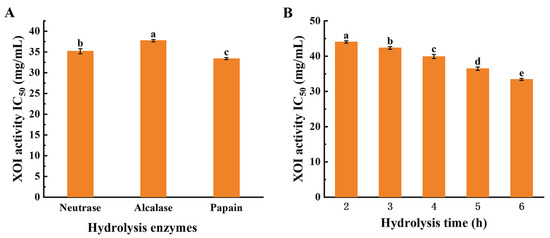
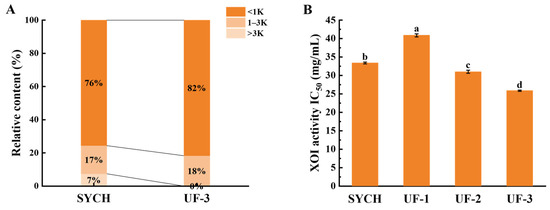
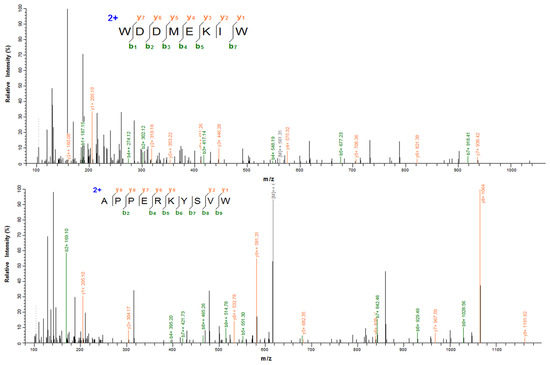
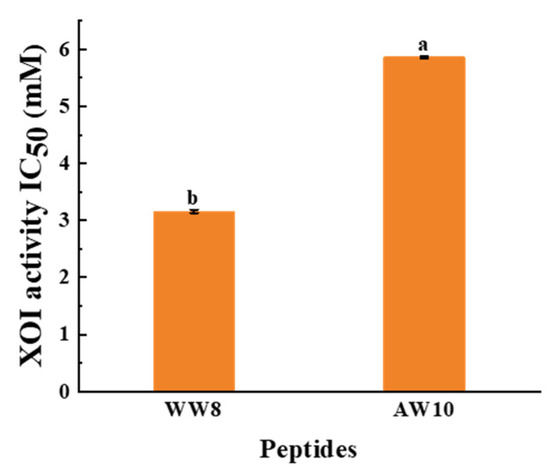
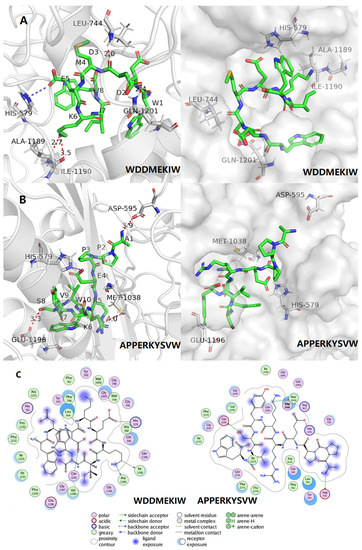
Hyperuricemia is linked to a variety of disorders that can have serious consequences for human health. Peptides that inhibit xanthine oxidase (XO) are expected to be a safe and effective functional ingredient for the treatment or relief of hyperuricemia. The goal of this study was to discover whether papain small yellow croaker hydrolysates (SYCHs) have potent xanthine oxidase inhibitory (XOI) activity. The results showed that compared to the XOI activity of SYCHs (IC50 = 33.40 ± 0.26 mg/mL), peptides with a molecular weight (MW) of less than 3 kDa (UF-3) after ultrafiltration (UF) had stronger XOI activity, which was reduced to IC50 = 25.87 ± 0.16 mg/mL (p < 0.05). Two peptides were identified from UF-3 using nano-high-performance liquid chromatography–tandem mass spectrometry. These two peptides were chemically synthesized and tested for XOI activity in vitro. Trp-Asp-Asp-Met-Glu-Lys-Ile-Trp (WDDMEKIW) (p < 0.05) had the stronger XOI activity (IC50 = 3.16 ± 0.03 mM). The XOI activity IC50 of the other peptide, Ala-Pro-Pro-Glu-Arg-Lys-Tyr-Ser-Val-Trp (APPERKYSVW), was 5.86 ± 0.02 mM. According to amino acid sequence results, the peptides contained at least 50% hydrophobic amino acids, which might be responsible for reducing xanthine oxidase (XO) catalytic activity. Furthermore, the inhibition of the peptides (WDDMEKIW and APPERKYSVW) against XO may depend on their binding to the XO active site. According to molecular docking, certain peptides made from small yellow croaker proteins were able to bind to the XO active site through hydrogen bonds and hydrophobic interactions. The results of this work illuminate SYCHs as a promising functional candidate for the prevention of hyperuricemia. Full article
Show Figures

Graphical abstract

12 pages, 2496 KB  
Article
Colloidal Nanoparticles Isolated from Duck Soup Exhibit Antioxidant Effect on Macrophages and Enterocytes
by Ligen Xu, Mingcai Duan, Zhaoxia Cai, Tao Zeng, Yangying Sun, Shuang Cheng, Qiang Xia, Changyu Zhou, Jun He, Lizhi Lu and Daodong Pan
Foods 2023, 12(5), 981; https://doi.org/10.3390/foods12050981 - 25 Feb 2023
Cited by 10 | Viewed by 3175
Abstract
Food-derived colloidal nanoparticles (CNPs) have been found in many food cooking processes, and their specific effects on human health need to be further explored. Here, we report on the successful isolation of CNPs from duck soup. The hydrodynamic diameters of the obtained CNPs [...] Read more.
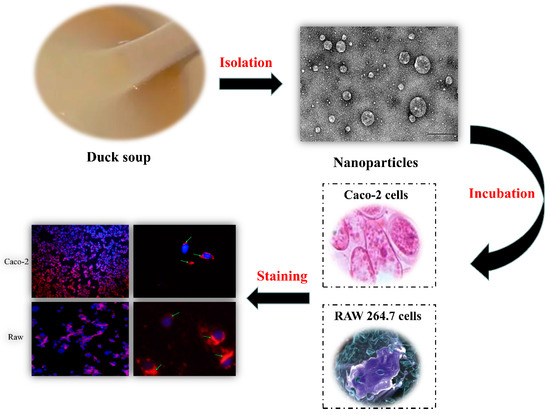
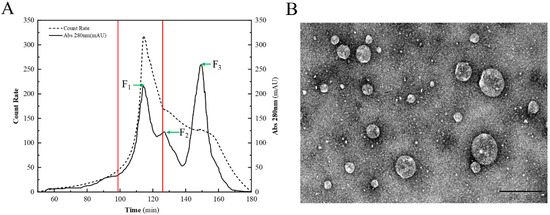
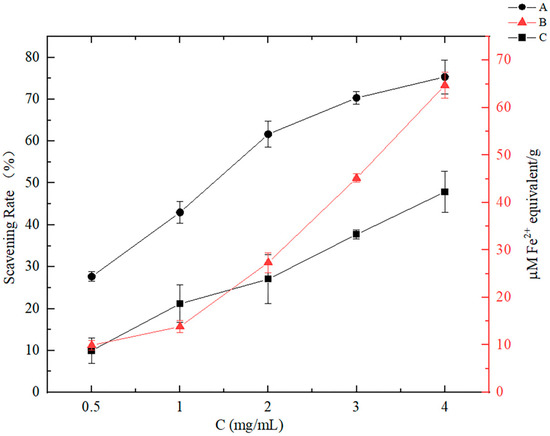
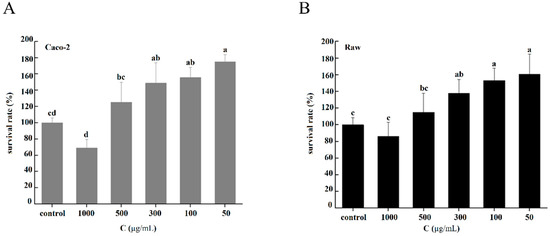
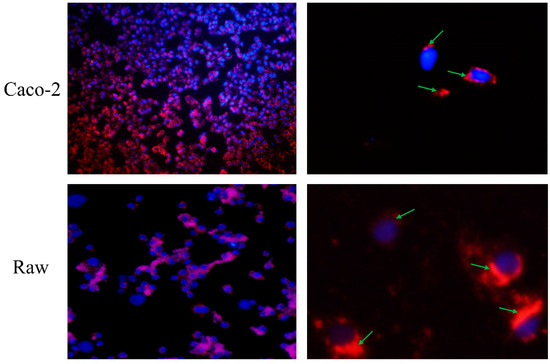
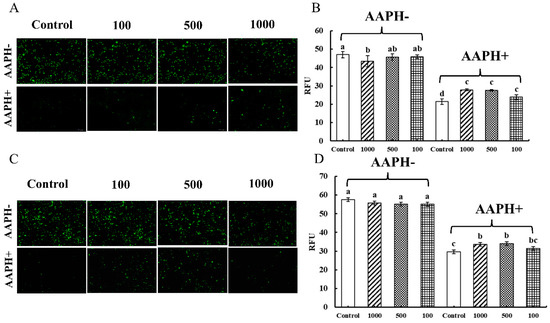
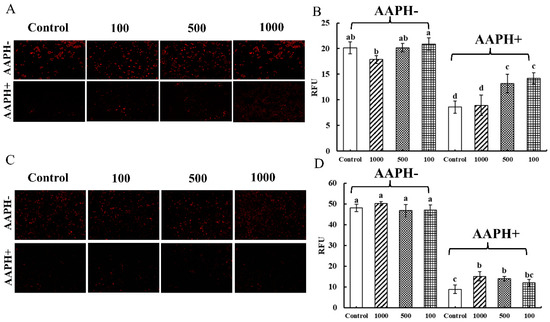
Food-derived colloidal nanoparticles (CNPs) have been found in many food cooking processes, and their specific effects on human health need to be further explored. Here, we report on the successful isolation of CNPs from duck soup. The hydrodynamic diameters of the obtained CNPs were 255.23 ± 12.77 nm, which comprised lipids (51.2%), protein (30.8%), and carbohydrates (7.9%). As indicated by the tests of free radical scavenging and ferric reducing capacities, the CNPs possessed remarkable antioxidant activity. Macrophages and enterocytes are essential for intestinal homeostasis. Therefore, RAW 264.7 and Caco-2 were applied to establish an oxidative stress model to investigate the antioxidant characteristics of the CNPs. The results showed that the CNPs from duck soup could be engulfed by these two cell lines, and could significantly alleviate 2,2′-Azobis(2-methylpropionamidine) dihydrochloride (AAPH)-induced oxidative damage. It indicates that the intake of duck soup is beneficial for intestinal health. These data contribute to revealing the underlying functional mechanism of Chinese traditional duck soup and the development of food-derived functional components. Full article
(This article belongs to the Section Nutraceuticals, Functional Foods, and Novel Foods)
Show Figures

Graphical abstract

17 pages, 3973 KB  
Article
Effect of Catechin on the Formation of Polycyclic Aromatic Hydrocarbons in Camellia oleifera Oil during Thermal Processing
by Wenjun Pei, Jiaqi Wang, Lu Zhang, Yiwen Guo, Minjie Cao, Ruijie Liu, Ming Chang and Xingguo Wang
Foods 2023, 12(5), 980; https://doi.org/10.3390/foods12050980 - 25 Feb 2023
Cited by 15 | Viewed by 2460
Abstract
Polycyclic aromatic hydrocarbons (PAHs) in oil are affected by many factors, including temperature, time, and PAHs precursors. Phenolic compounds, as beneficial endogenous components of oil, are often associated with the inhibition of PAHs. However, studies have found that the presence of phenols may [...] Read more.
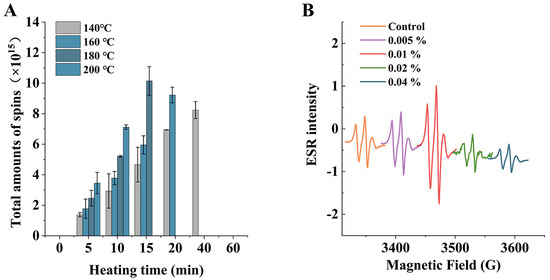
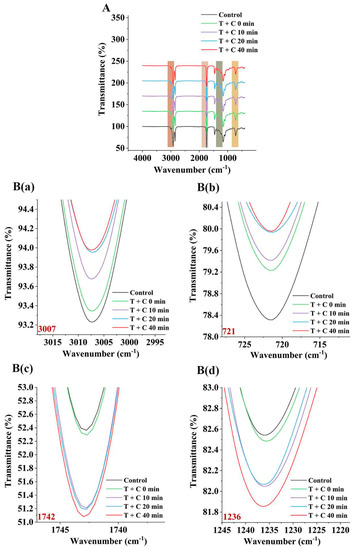
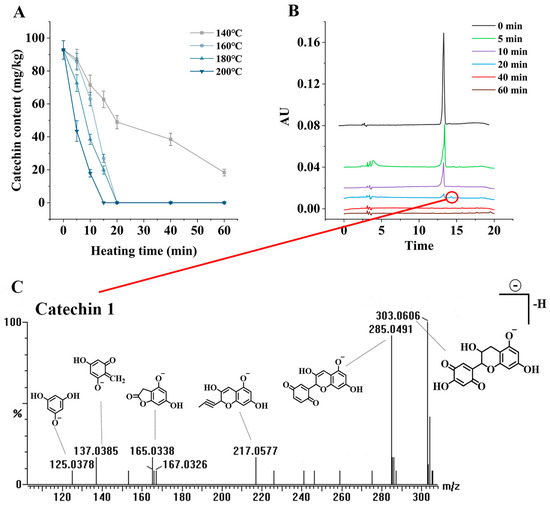
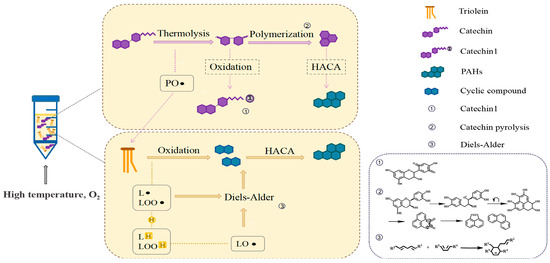
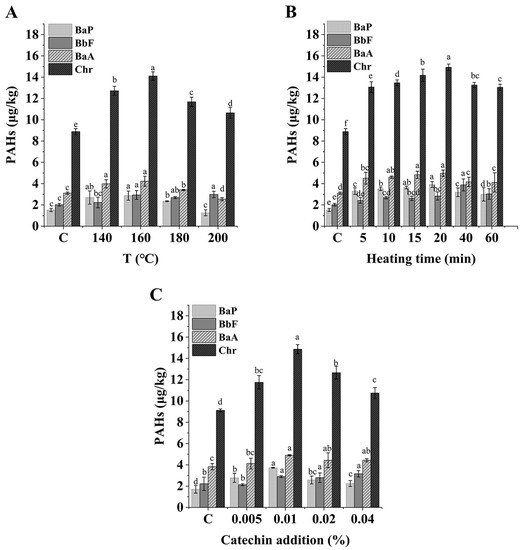
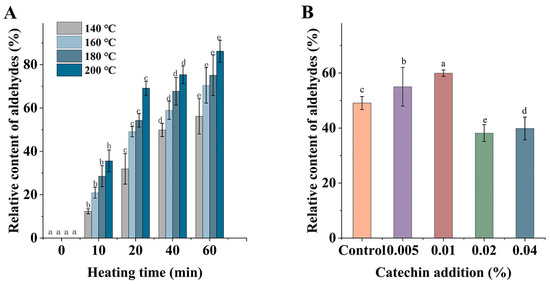
Polycyclic aromatic hydrocarbons (PAHs) in oil are affected by many factors, including temperature, time, and PAHs precursors. Phenolic compounds, as beneficial endogenous components of oil, are often associated with the inhibition of PAHs. However, studies have found that the presence of phenols may lead to increased levels of PAHs. Therefore, this study took Camellia oleifera (C. oleifera) oil as the research object, in order to study the effect of catechin in the formation of PAHs under different heating conditions. The results showed that PAH4 were generated rapidly during the lipid oxidation induction period. When the addition of catechin was >0.02%, more free radicals were quenched than generated, thus inhibiting the generation of PAH4. ESR, FT-IR, and other technologies were employed to prove that when the catechin addition was <0.02%, more free radicals were produced than quenched, causing lipid damage and increasing PAHs intermediates. Moreover, the catechin itself would break and polymerize to form aromatic ring compounds, ultimately leading to the conclusion that phenolic compounds in oil may be involved in the formation of PAHs. This provides suggestions for the flexible processing of phenol-rich oil to balance the retention of beneficial substances, and for the safe control of hazardous substances in real-life applications. Full article
(This article belongs to the Special Issue Safety and Functional Analysis of Lipids and Derivatives in Foods)
Show Figures

Figure 1
17 pages, 8544 KB  
Article
The Effect and Mechanism of Corilagin from Euryale Ferox Salisb Shell on LPS-Induced Inflammation in Raw264.7 Cells
by Minrui Wu, Yuhan Jiang, Junnan Wang, Ting Luo, Yang Yi, Hongxun Wang and Limei Wang
Foods 2023, 12(5), 979; https://doi.org/10.3390/foods12050979 - 25 Feb 2023
Cited by 21 | Viewed by 4036
Abstract
(1) Background: Euryale ferox Salisb is a large aquatic plant of the water lily family and an edible economic crop with medicinal value. The annual output of Euryale ferox Salisb shell in China is higher than 1000 tons, often as waste or used [...] Read more.
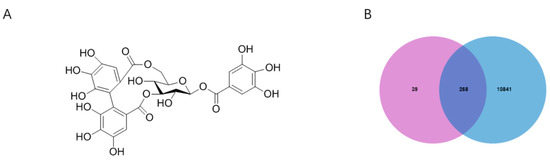
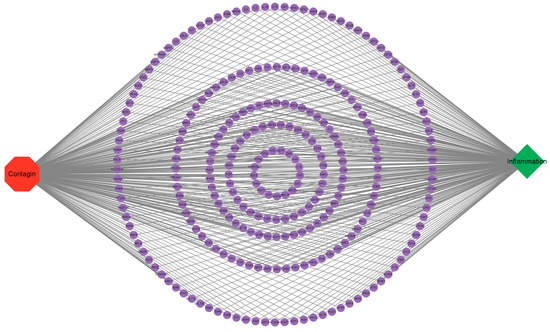
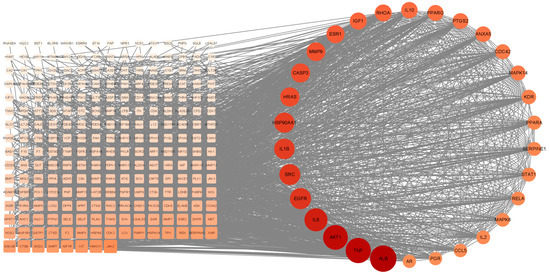
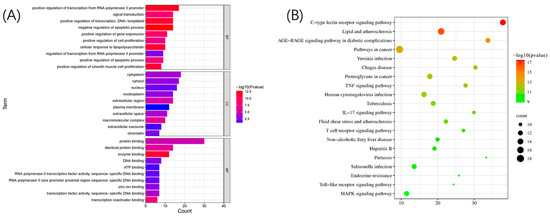
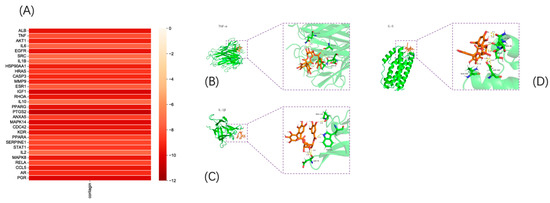
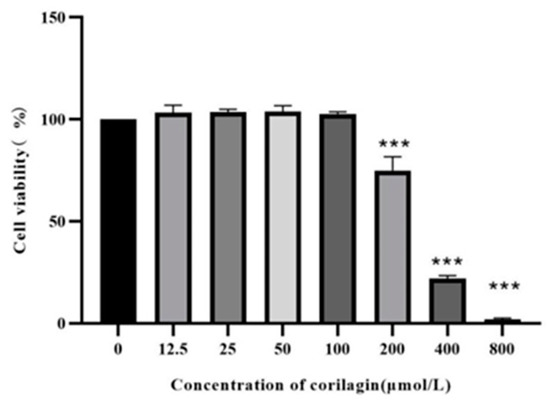
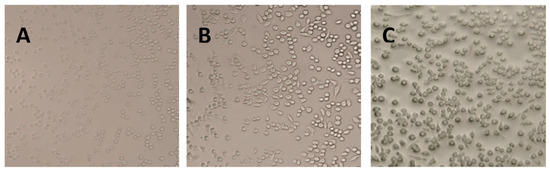
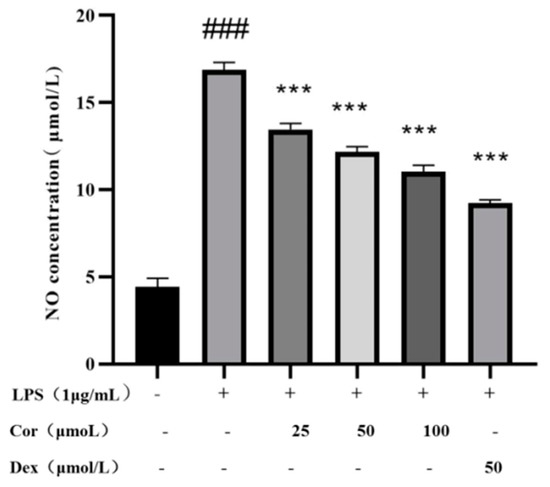
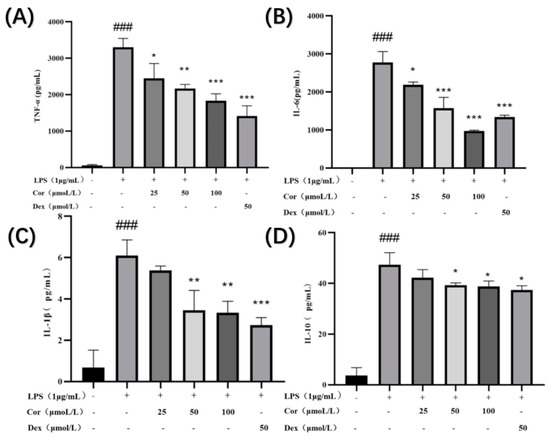
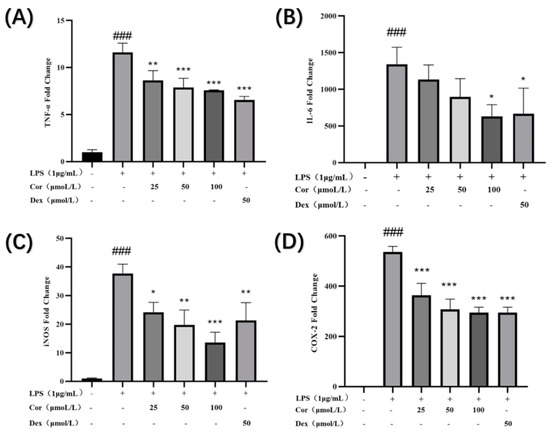
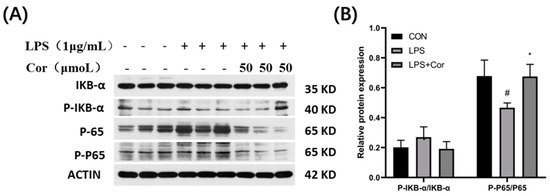
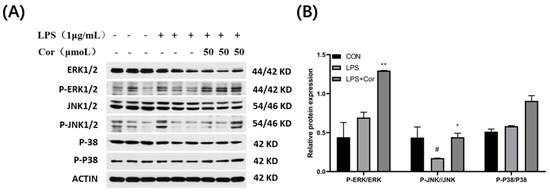
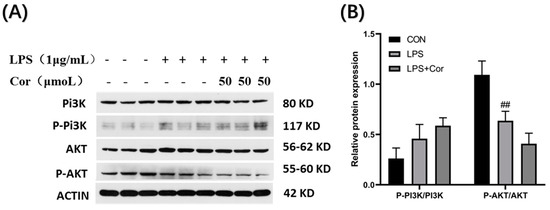
(1) Background: Euryale ferox Salisb is a large aquatic plant of the water lily family and an edible economic crop with medicinal value. The annual output of Euryale ferox Salisb shell in China is higher than 1000 tons, often as waste or used as fuel, resulting in waste of resources and environmental pollution. We isolated and identified the corilagin monomer from Euryale ferox Salisb shell and discovered its potential anti-inflammatory effects. This study aimed to investigate the anti-inflammatory effect of corilagin isolated from Euryale ferox Salisb shell. (2) Methods: We predict the anti-inflammatory mechanism by pharmacology. LPS was added to 264.7 cell medium to induce an inflammatory state, and the safe action range of corilagin was screened using CCK-8. The Griess method was used to determine NO content. The presence of TNF-α, IL-6, IL-1β, and IL-10 was determined by ELISA to evaluate the effect of corilagin on the secretion of inflammatory factors, while that of reactive oxygen species was detected by flow cytometry. The gene expression levels of TNF-α, IL-6, COX-2, and iNOS were determined using qRT-PCR. qRT-PCR and Western blot were used to detect the mRNA and expression of target genes in the network pharmacologic prediction pathway. (3) Results: Network pharmacology analysis revealed that the anti-inflammatory effect of corilagin may be related to MAPK and TOLL-like receptor signaling pathways. The results demonstrated the presence of an anti-inflammatory effect, as indicated by the reduction in the level of NO, TNF-α, IL-6, IL-1β, IL-10, and ROS in Raw264.7 cells induced by LPS. The results suggest that corilagin reduced the expression of TNF-α, IL-6, COX-2, and iNOS genes in Raw264.7 cells induced by LPS. The downregulation of the phosphorylation of IκB-α protein related to the toll-like receptor signaling pathway and upregulation of the phosphorylation of key proteins in the MAPK signaling pathway, P65 and JNK, resulted in reduced tolerance toward lipopolysaccharide, allowing for the exertion of the immune response. (4) Conclusions: The results demonstrate the significant anti-inflammatory effect of corilagin from Euryale ferox Salisb shell. This compound regulates the tolerance state of macrophages toward lipopolysaccharide through the NF-κB signaling pathway and plays an immunoregulatory role. The compound also regulates the expression of iNOS through the MAPK signaling pathway, thereby alleviating the cell damage caused by excessive NO release. Full article
(This article belongs to the Special Issue Analysis of Natural Compounds Exercising Health Importance from Food)
Show Figures

Figure 1
17 pages, 5137 KB  
Article
Development Control and Inactivation of Byssochlamys nivea Ascospores by Hyperbaric Storage at Room Temperature
by Carlos A. Pinto, Diogo Galante, Edelman Espinoza-Suarez, Vítor M. Gaspar, João F. Mano, Francisco J. Barba and Jorge A. Saraiva
Foods 2023, 12(5), 978; https://doi.org/10.3390/foods12050978 - 25 Feb 2023
Cited by 2 | Viewed by 3762
Abstract
This study tested hyperbaric storage (25–150 MPa, for 30 days) at room-temperature (HS/RT, 18–23 °C) in order to control the development of Byssochlamys nivea ascospores in apple juice. In order to mimic commercially pasteurized juice contaminated with ascospores, thermal pasteurization (70 and 80 [...] Read more.
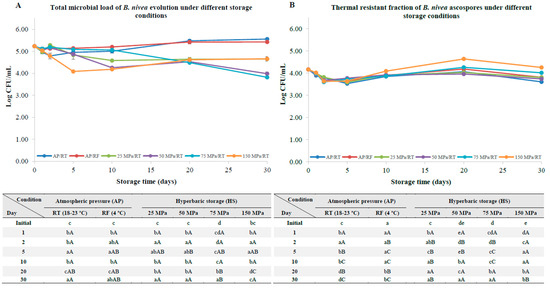
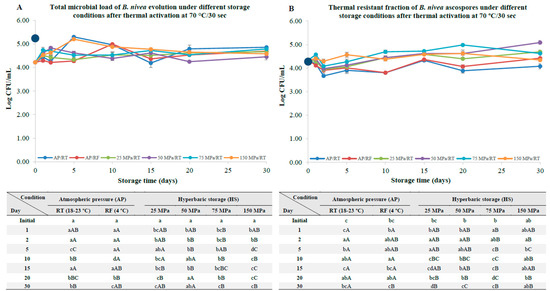
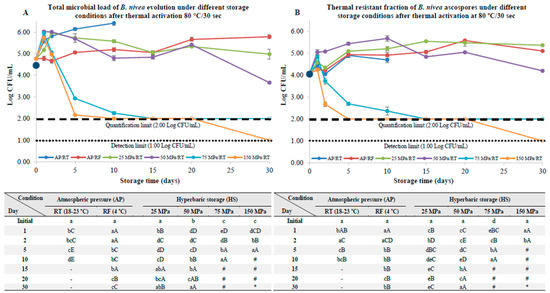
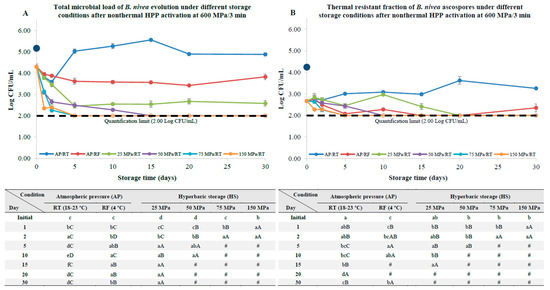
This study tested hyperbaric storage (25–150 MPa, for 30 days) at room-temperature (HS/RT, 18–23 °C) in order to control the development of Byssochlamys nivea ascospores in apple juice. In order to mimic commercially pasteurized juice contaminated with ascospores, thermal pasteurization (70 and 80 °C for 30 s) and nonthermal high pressure pasteurization (600 MPa for 3 min at 17 °C, HPP) took place, and the juice was afterwards placed under HS/RT conditions. Control samples were also placed in atmospheric pressure (AP) conditions at RT and were refrigerated (4 °C). The results showed that HS/RT, in samples without a pasteurization step and those pasteurized at 70 °C/30 s, was able to inhibit ascospore development, contrarily to samples at AP/RT and refrigeration. HS/RT for samples pasteurized at 80 °C/30 s evidenced ascospore inactivation, especially at 150 MPa, wherein an overall reduction of at least 4.73 log units of ascospores was observed to below detection limits (1.00 Log CFU/mL); meanwhile, for HPP samples, especially at 75 and 150 MPa, an overall reduction of 3 log units (to below quantification limits, 2.00 Log CFU/mL) was observed. Phase-contrast microscopy revealed that the ascospores do not complete the germination process under HS/RT, hence avoiding hyphae formation, which is important for food safety since mycotoxin development occurs only after hyphae formation. These findings suggest that HS/RT is a safe food preservation methodology, as it prevents ascospore development and inactivates them following commercial-like thermal or nonthermal HPP pasteurization, preventing mycotoxin production and enhancing ascospore inactivation. Full article
(This article belongs to the Special Issue Advance and Future Challenges to Microbial Food Safety)
Show Figures

Figure 1
14 pages, 2499 KB  
Article
Optimizing Levilactobacillus brevis NPS-QW 145 Fermentation for Gamma-Aminobutyric Acid (GABA) Production in Soybean Sprout Yogurt-like Product
by Yue Zhang, Mengjiao Zhu, Wenjing Lu, Cen Zhang, Di Chen, Nagendra P. Shah and Chaogeng Xiao
Foods 2023, 12(5), 977; https://doi.org/10.3390/foods12050977 - 25 Feb 2023
Cited by 19 | Viewed by 4686
Abstract
Gamma-aminobutyric acid (GABA) is a non-protein amino acid with various physiological functions. Levilactobacillus brevis NPS-QW 145 strains active in GABA catabolism and anabolism can be used as a microbial platform for GABA production. Soybean sprouts can be treated as a fermentation substrate for [...] Read more.
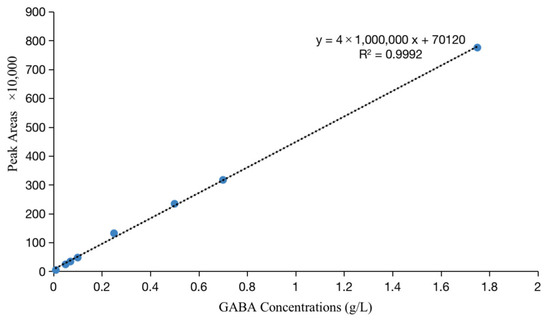
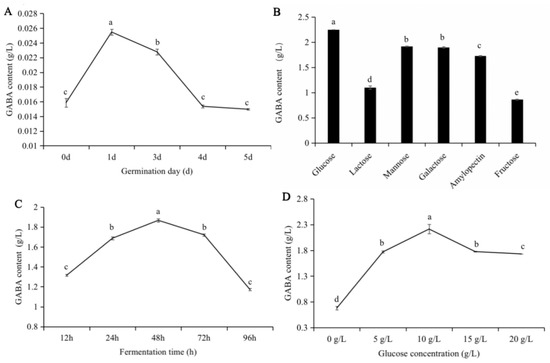
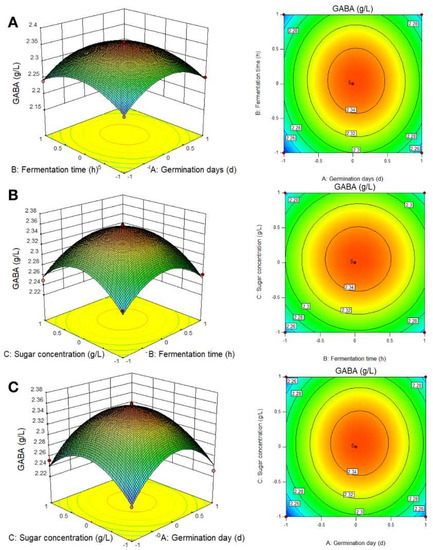
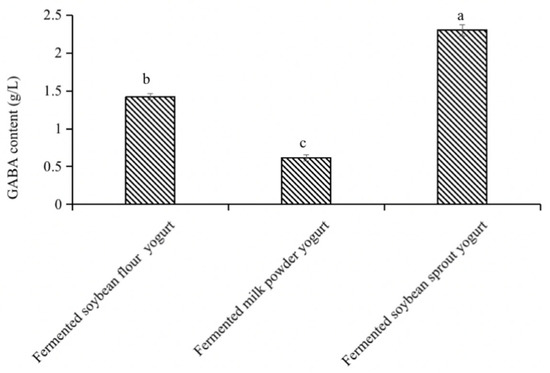
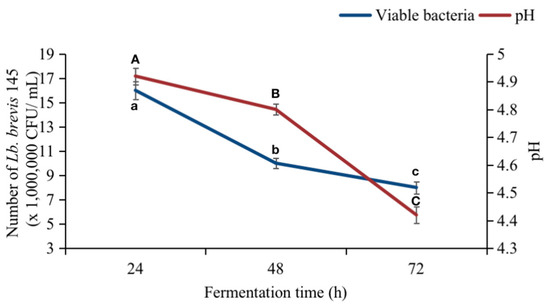
Gamma-aminobutyric acid (GABA) is a non-protein amino acid with various physiological functions. Levilactobacillus brevis NPS-QW 145 strains active in GABA catabolism and anabolism can be used as a microbial platform for GABA production. Soybean sprouts can be treated as a fermentation substrate for making functional products. This study demonstrated the benefits of using soybean sprouts as a medium to produce GABA by Levilactobacillus brevis NPS-QW 145 when monosodium glutamate (MSG) is the substrate. Based on this method, a GABA yield of up to 2.302 g L−1 was obtained with a soybean germination time of one day and fermentation of 48 h with bacteria using 10 g L−1 glucose according to the response surface methodology. Research revealed a powerful technique for producing GABA by fermentation with Levilactobacillus brevis NPS-QW 145 in foods and is expected to be widely used as a nutritional supplement for consumers. Full article
Show Figures

Figure 1
3 pages, 176 KB  
Editorial
Toward Exploring and Utilizing the Nutritional and Functional Properties of Cereal Crops
by Yaqiong Wang, Min Tu, Guangyuan He, Yin Li and Junli Chang
Foods 2023, 12(5), 976; https://doi.org/10.3390/foods12050976 - 25 Feb 2023
Cited by 6 | Viewed by 2918
Abstract
Cereal crops are of great importance in the development of human civilization and fall into two groups, major crops and minor crops [...] Full article
(This article belongs to the Topic Nutritional and Functional Properties of Cereal Crops)
13 pages, 1398 KB  
Article
Effects of Addition of Tea Polyphenol Palmitate and Process Parameters on the Preparation of High-Purity EPA Ethyl Ester
by Xuyang Ding, Fujun Liu, Rui Zheng, Xuechen Pei, Ziye Wang, Dayong Zhou and Fawen Yin
Foods 2023, 12(5), 975; https://doi.org/10.3390/foods12050975 - 25 Feb 2023
Cited by 1 | Viewed by 3325
Abstract
High-purity eicosapentaenoic acid (EPA) ethyl ester (EPA-EE) can be produced from an integrated technique consisting of saponification, ethyl esterification, urea complexation, molecular distillation and column separation. In order to improve the purity and inhibit oxidation, tea polyphenol palmitate (TPP) was added before the [...] Read more.
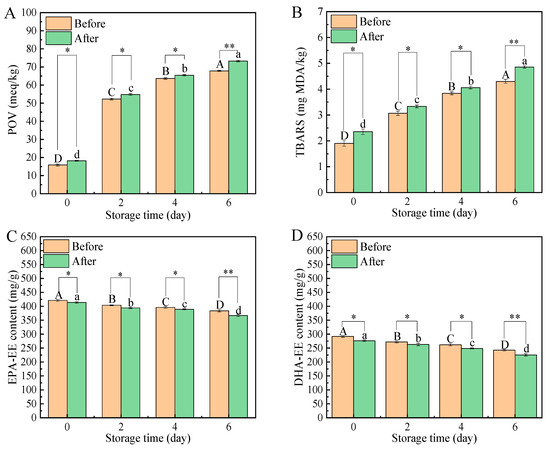
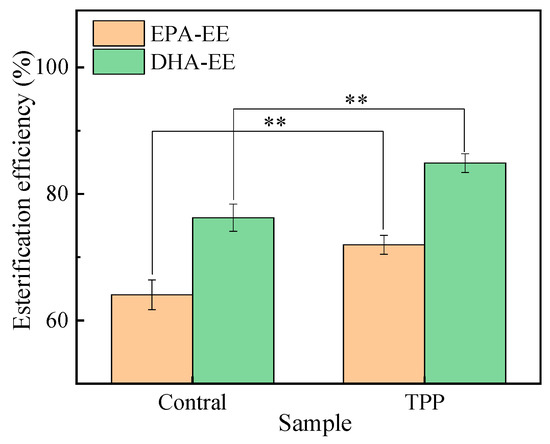
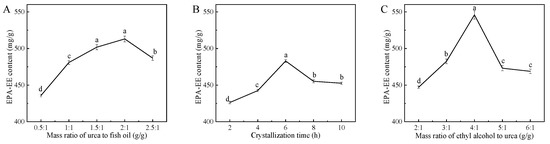
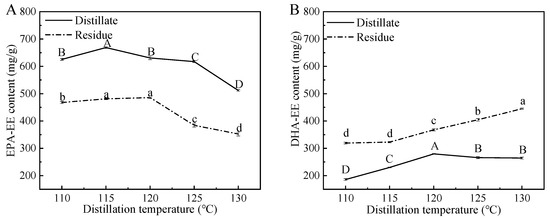
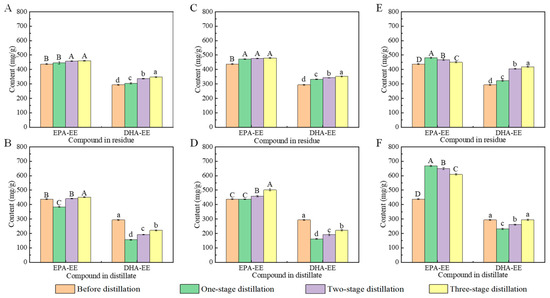
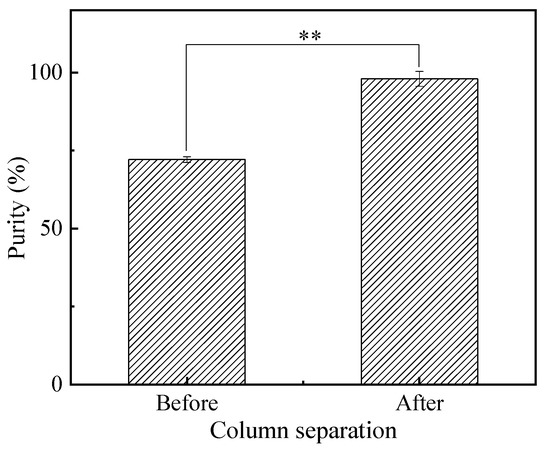
High-purity eicosapentaenoic acid (EPA) ethyl ester (EPA-EE) can be produced from an integrated technique consisting of saponification, ethyl esterification, urea complexation, molecular distillation and column separation. In order to improve the purity and inhibit oxidation, tea polyphenol palmitate (TPP) was added before the procedure of ethyl esterification. Furthermore, through the optimization of process parameters, 2:1 (mass ratio of urea to fish oil, g/g), 6 h (crystallization time) and 4:1 (mass ratio of ethyl alcohol to urea, g/g) were found to be the optimum conditions in the procedure of urea complexation. Distillate (fraction collection), 115 °C (distillation temperature) and one stage (the number of stages) were found to be the optimum conditions for the procedure of molecular distillation. With the addition of TPP and the above optimum conditions, high-purity (96.95%) EPA-EE was finally obtained after column separation. Full article
Show Figures

Figure 1
12 pages, 3342 KB  
Article
Detection of Methicillin-Resistant Staphylococcus aureus among Foodborne Pathogenic Strains and Assessment of Their Adhesion Ability and Cytotoxic Effects in HCT-116 Cells
by Abderrahmen Merghni, Hiba Hamdi, Marwa Ben Abdallah, Zaki M. Al-Hasawi, Diana A. Al-Quwaie and Salwa Abid-Essefi
Foods 2023, 12(5), 974; https://doi.org/10.3390/foods12050974 - 24 Feb 2023
Cited by 7 | Viewed by 3639
Abstract
Staphylococcus aureus is one of the high-threat pathogens equipped with a repertoire of virulence factors making it responsible for many infections in humans, including foodborne diseases. The present study aims to characterize antibiotic resistance and virulence factors in foodborne S. aureus isolates, and [...] Read more.
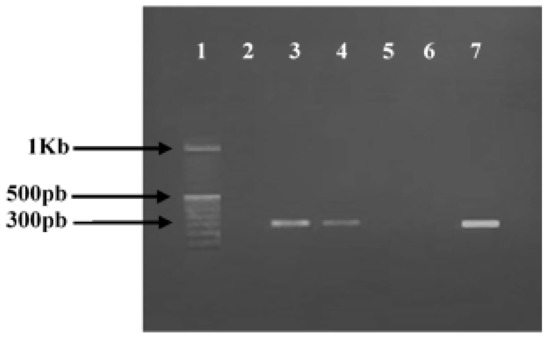
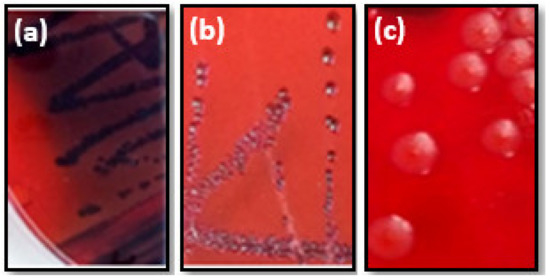
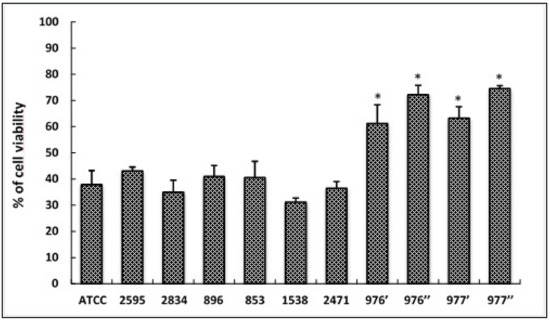
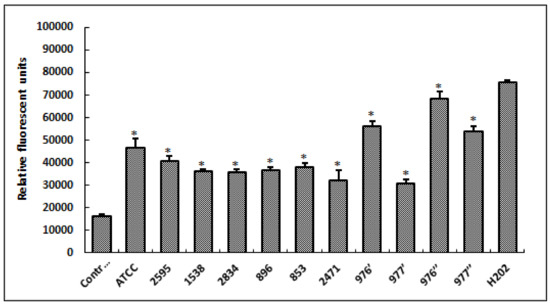
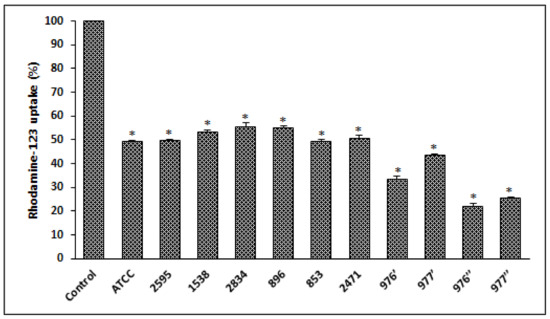
Staphylococcus aureus is one of the high-threat pathogens equipped with a repertoire of virulence factors making it responsible for many infections in humans, including foodborne diseases. The present study aims to characterize antibiotic resistance and virulence factors in foodborne S. aureus isolates, and to investigate their cytotoxic effects in human intestinal cells (HCT-116). Our results revealed methicillin resistance phenotypes (MRSA) along with the detection of mecA gene (20%) among tested foodborne S. aureus strains. Furthermore, 40% of tested isolates showed a strong ability for adhesion and biofilm formation. A high rate of exoenzymes production by tested bacteria was also registered. Additionally, treatment with S. aureus extracts leads to a significant decrease in HCT-116 cell viability, accompanied by a reduction in the mitochondrial membrane potential (MMP), as a result of reactive oxygen species (ROS) generation. Thereby, S. aureus food poisoning remains daunting and needs particular concern to prevent foodborne illness. Full article
(This article belongs to the Section Food Microbiology)
Show Figures

Figure 1
21 pages, 1132 KB  
Article
Prunus lusitanica L. Fruits: A Promising Underexploited Source of Nutrients with Potential Economic Value
by Ana Abraão, Manyou Yu, Irene Gouvinhas, Luís Ferreira, Amélia M. Silva, Raúl Domínguez-Perles and Ana Barros
Foods 2023, 12(5), 973; https://doi.org/10.3390/foods12050973 - 24 Feb 2023
Cited by 6 | Viewed by 5482
Abstract
In recent times, less-known fruit species have increasingly attracted worldwide attention and their health benefits are at the forefront. The fruits of plants from the genus Prunus are good sources of nutrients due to their economic, agronomic, and healthy values. However, Prunus lusitanica [...] Read more.
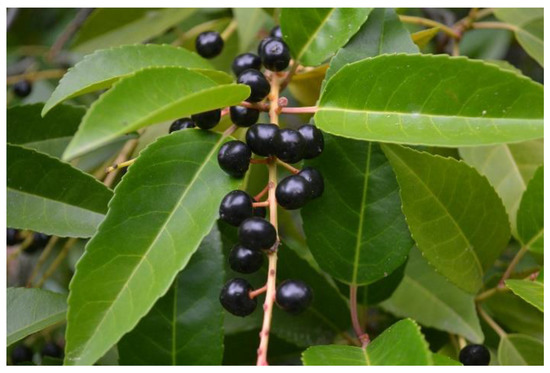
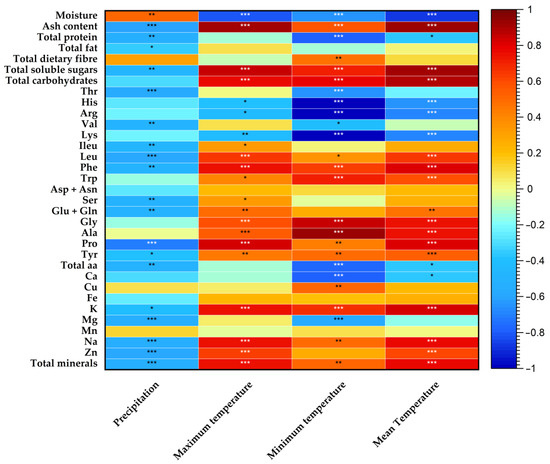
In recent times, less-known fruit species have increasingly attracted worldwide attention and their health benefits are at the forefront. The fruits of plants from the genus Prunus are good sources of nutrients due to their economic, agronomic, and healthy values. However, Prunus lusitanica L., commonly known as Portuguese laurel cherry is considered an endangered species. Thus, the present work aimed to monitor the nutritional components of P. lusitanica fruits grown in three locations in northern Portugal for four consecutive years (2016–2019), using AOAC (Association of Official Analytical Chemists), spectrophotometric, and chromatographic analysis. The results evidenced the abundance of phytonutrients in P. lusitanica, such as proteins, fat, carbohydrates, soluble sugars, dietary fibre, amino acids, and minerals. It was also highlighted that the variation of nutritional components was relatively linked to the year factor, being especially relevant in the frame of the current changing climate, among others. These findings suggest that P. lusitanica L. deserves to be conserved and planted because of its food and nutraceutical applications. However, more detailed information on this rare plant species, such as phytophysiology, phytochemistry, bioactivity, pharmacology, etc., is certainly required for the design and development of appropriate uses and valorization alternatives for this species. Full article
(This article belongs to the Section Plant Foods)
Show Figures

Figure 1
22 pages, 1814 KB  
Article
Thiamine and Biotin: Relevance in the Production of Volatile and Non-Volatile Compounds during Saccharomyces cerevisiae Alcoholic Fermentation in Synthetic Grape Must
by Marie Sarah Evers, Chloé Roullier-Gall, Christophe Morge, Celine Sparrow, Antoine Gobert, Stefania Vichi and Hervé Alexandre
Foods 2023, 12(5), 972; https://doi.org/10.3390/foods12050972 - 24 Feb 2023
Cited by 25 | Viewed by 5189
Abstract
Vitamins are major cofactors to numerous key metabolic pathways in enological yeasts, and both thiamine and biotin, notably, are believed to be essential to yeast fermentation and growth, respectively. In order to further assess and clarify their role in winemaking, and in the [...] Read more.
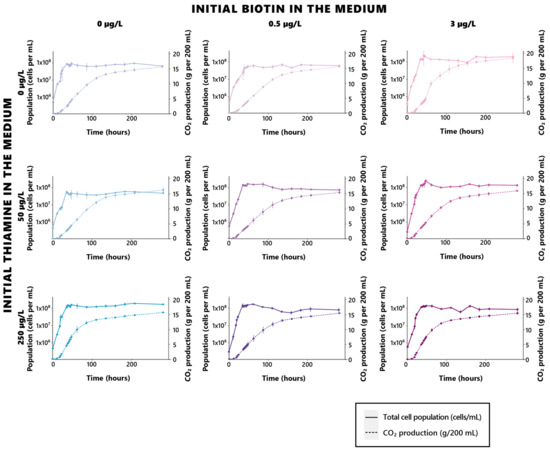
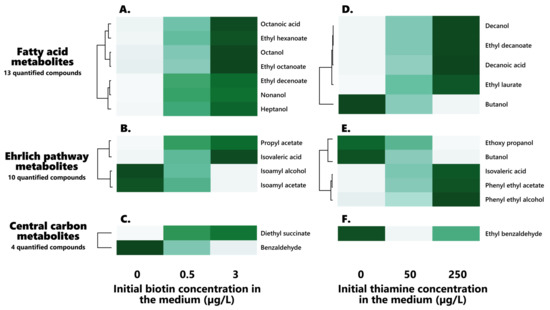
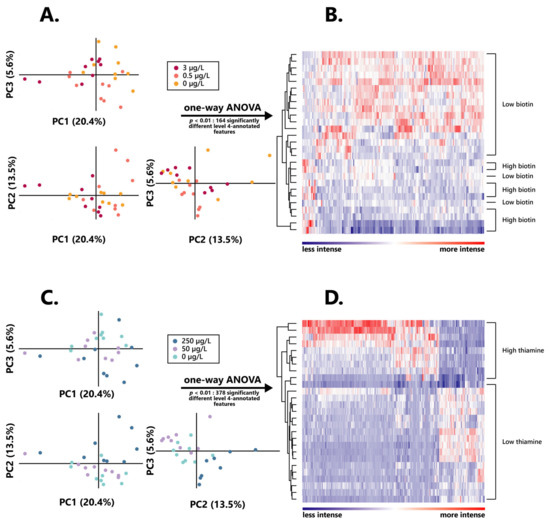
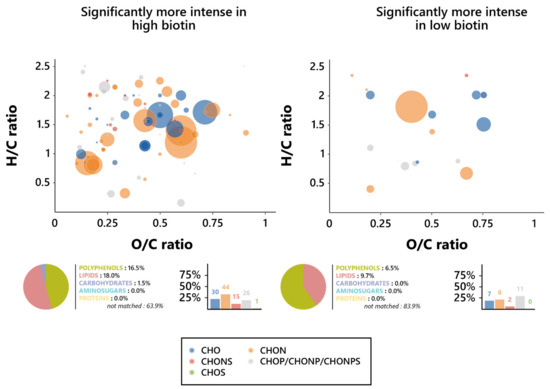
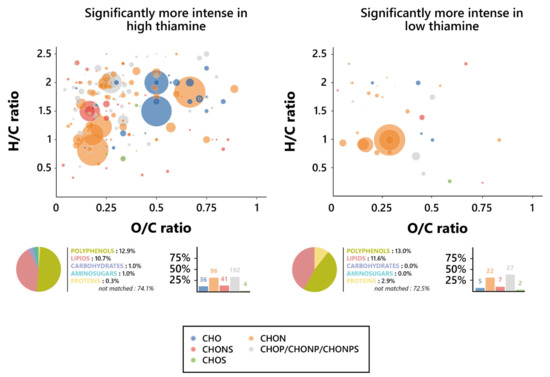
Vitamins are major cofactors to numerous key metabolic pathways in enological yeasts, and both thiamine and biotin, notably, are believed to be essential to yeast fermentation and growth, respectively. In order to further assess and clarify their role in winemaking, and in the resulting wine, alcoholic fermentations of a commercial Saccharomyces cerevisiae active dried yeast were conducted in synthetic media containing various concentrations of both vitamins. Growth and fermentation kinetics were monitored and proved the essential character of biotin in yeast growth, and of thiamine in fermentation. The synthetic wine volatile compounds were quantified, and notable influences of both vitamins appeared, through a striking positive effect of thiamine on the production of higher alcohols, and of biotin on fatty acids. Beyond the evidence of this influence on fermentations and on the production of volatiles, this work proves, for the first time, the impact held by vitamins on wine yeasts’ exometabolome, investigated through an untargeted metabolomic analysis. This highlighted chemical differences in the composition of synthetic wines through a notably marked influence of thiamine on 46 named S. cerevisiae metabolic pathways, and especially in amino acid-associated metabolic pathways. This provides, overall, the first evidence of the impact held by both vitamins on the wine. Full article
(This article belongs to the Section Drinks and Liquid Nutrition)
Show Figures

Figure 1
16 pages, 3280 KB  
Review
Insights into Ultrasonication Treatment on the Characteristics of Cereal Proteins: Functionality, Conformational and Physicochemical Characteristics
by Yang Wang, Jiarui Liu, Zhaoli Zhang, Xiangren Meng, Tingxuan Yang, Wangbin Shi, Ronghai He and Haile Ma
Foods 2023, 12(5), 971; https://doi.org/10.3390/foods12050971 - 24 Feb 2023
Cited by 51 | Viewed by 4830
Abstract
Background: It would be impossible to imagine a country where cereals and their byproducts were not at the peak of foodstuff systems as a source of food, fertilizer, or for fiber and fuel production. Moreover, the production of cereal proteins (CPs) has recently [...] Read more.
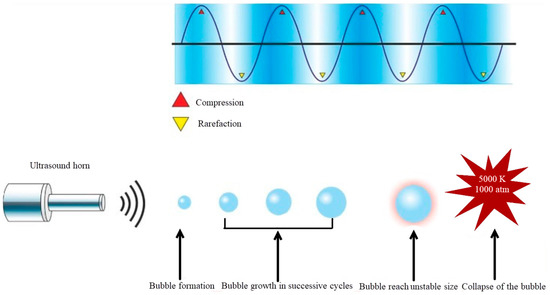
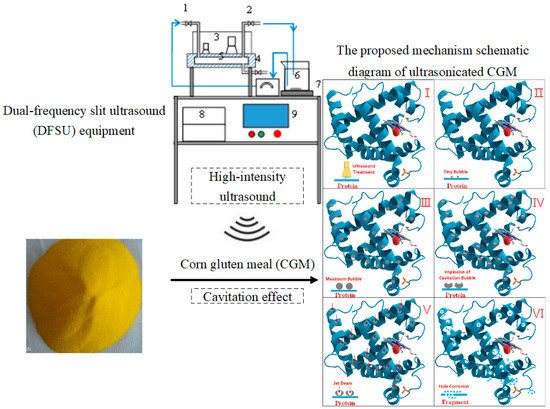
Background: It would be impossible to imagine a country where cereals and their byproducts were not at the peak of foodstuff systems as a source of food, fertilizer, or for fiber and fuel production. Moreover, the production of cereal proteins (CPs) has recently attracted the scientific community’s interest due to the increasing demands for physical wellbeing and animal health. However, the nutritional and technological enhancements of CPs are needed to ameliorate their functional and structural properties. Ultrasonic technology is an emerging nonthermal method to change the functionality and conformational characteristics of CPs. Scope and approach: This article briefly discusses the effects of ultrasonication on the characteristics of CPs. The effects of ultrasonication on the solubility, emulsibility, foamability, surface-hydrophobicity, particle-size, conformational-structure, microstructural, enzymatic-hydrolysis, and digestive properties are summarized. Conclusions: The results demonstrate that ultrasonication could be used to enhance the characteristics of CPs. Proper ultrasonic treatment could improve functionalities such as solubility, emulsibility, and foamability, and is a good method for altering protein structures (including surface hydrophobicity, sulfhydryl and disulfide bonds, particle size, secondary and tertiary structures, and microstructure). In addition, ultrasonic treatment could effectively promote the enzymolytic efficiency of CPs. Furthermore, the in vitro digestibility was enhanced after suitable sonication treatment. Therefore, ultrasonication technology is a useful method to modify cereal protein functionality and structure for the food industry. Full article
(This article belongs to the Section Food Engineering and Technology)
Show Figures

Figure 1
22 pages, 345 KB  
Review
A Comprehensive Review of Pesticide Residues in Peppers
by Jae-Han Shim, Jong-Bang Eun, Ahmed A. Zaky, Ahmed S. Hussein, Ahmet Hacimüftüoğlu and A. M. Abd El-Aty
Foods 2023, 12(5), 970; https://doi.org/10.3390/foods12050970 - 24 Feb 2023
Cited by 42 | Viewed by 9572
Abstract
Pesticides are chemicals that are used to control pests such as insects, fungi, and weeds. Pesticide residues can remain on crops after application. Peppers are popular and versatile foods that are valued for their flavor, nutrition, and medicinal properties. The consumption of raw [...] Read more.
Pesticides are chemicals that are used to control pests such as insects, fungi, and weeds. Pesticide residues can remain on crops after application. Peppers are popular and versatile foods that are valued for their flavor, nutrition, and medicinal properties. The consumption of raw or fresh peppers (bell and chili) can have important health benefits due to their high levels of vitamins, minerals, and antioxidants. Therefore, it is crucial to consider factors such as pesticide use and preparation methods to fully realize these benefits. Ensuring that the levels of pesticide residues in peppers are not harmful to human health requires rigorous and continuous monitoring. Several analytical methods, such as gas chromatography (GC), liquid chromatography (LC), mass spectrometry (MS), infrared spectroscopy (IR), ultraviolet–visible spectroscopy (UV–Vis), and nuclear magnetic resonance spectroscopy (NMR), can detect and quantify pesticide residues in peppers. The choice of analytical method depends on the specific pesticide, that is being tested for and the type of sample being analyzed. The sample preparation method usually involves several processes. This includes extraction, which is used to separate the pesticides from the pepper matrix, and cleanup, which removes any interfering substances that could affect the accuracy of the analysis. Regulatory agencies or food safety organizations typically monitor pesticide residues in peppers by stipulating maximum residue limits (MRLs). Herein, we discuss various sample preparation, cleanup, and analytical techniques, as well as the dissipation patterns and application of monitoring strategies for analyzing pesticides in peppers to help safeguard against potential human health risks. From the authors’ perspective, several challenges and limitations exist in the analytical approach to monitoring pesticide residues in peppers. These include the complexity of the matrix, the limited sensitivity of some analytical methods, cost and time, a lack of standard methods, and limited sample size. Furthermore, developing new analytical methods, using machine learning and artificial intelligence, promoting sustainable and organic growing practices, improving sample preparation methods, and increasing standardization could assist efficiently in analyzing pesticide residues in peppers. Full article
(This article belongs to the Special Issue Food Pesticide Residues Monitoring and Health Risk Assessment)
21 pages, 1724 KB  
Article
Monitoring Moroccan Honeys: Physicochemical Properties and Contamination Pattern
by Abir Massous, Tarik Ouchbani, Vincenzo Lo Turco, Federica Litrenta, Vincenzo Nava, Ambrogina Albergamo, Angela Giorgia Potortì and Giuseppa Di Bella
Foods 2023, 12(5), 969; https://doi.org/10.3390/foods12050969 - 24 Feb 2023
Cited by 37 | Viewed by 5164
Abstract
The physicochemical traits and an array of organic and inorganic contaminants were monitored in monofloral honeys (i.e., jujube [Ziziphus lotus], sweet orange [Citrus sinensis], PGI Euphorbia [Euphorbia resinifera] and Globularia alyphum) from the Moroccan Béni Mellal-Khénifra [...] Read more.
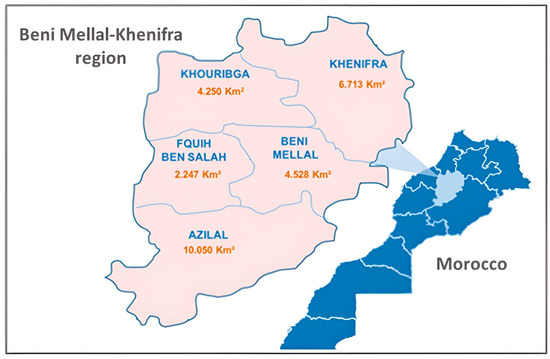
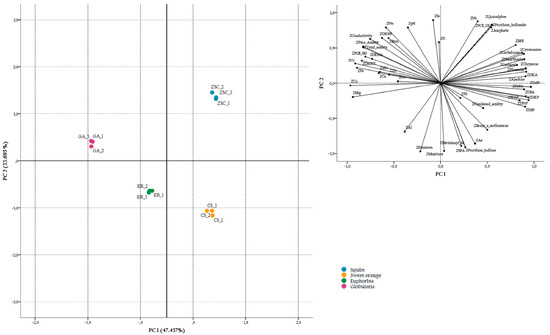
The physicochemical traits and an array of organic and inorganic contaminants were monitored in monofloral honeys (i.e., jujube [Ziziphus lotus], sweet orange [Citrus sinensis], PGI Euphorbia [Euphorbia resinifera] and Globularia alyphum) from the Moroccan Béni Mellal-Khénifra region (i.e., Khénifra, Beni Méllal, Azlal and Fquih Ben Salah provinces). Moroccan honeys were in line with the physicochemical standards set by the European Union. However, a critical contamination pattern has been outlined. In fact, jujube, sweet orange, and PGI Euphorbia honeys contained pesticides, such as acephate, dimethoate, diazinon, alachlor, carbofuran and fenthion sulfoxide, higher than the relative EU Maximum Residue Levels. The banned 2,3′,4,4′,5-pentachlorobiphenyl (PCB118) and 2,2′,3,4,4′,5,5′-heptachlorobiphenyl (PCB180) were detected in all samples and quantified in jujube, sweet orange and PGI Euphorbia honeys; while polycyclic aromatic hydrocarbons (PAHs), such as chrysene and fluorene, stood out for their higher contents in jujube and sweet orange honeys. Considering plasticizers, all honeys showed an excessive amount of dibutyl phthalate (DBP), when (improperly) considering the relative EU Specific Migration Limit. Furthermore, sweet orange, PGI Euphorbia and G. alypum honeys were characterized by Pb exceeding the EU Maximum Level. Overall, data from this study may encourage Moroccan governmental bodies to strengthen their monitoring activity in beekeeping and to find suitable solutions for implementing more sustainable agricultural practices. Full article
Show Figures

Figure 1