14 pages, 6610 KB  
Article
Revealing the Phenolic Acids in Cardamine violifolia Leaves by Transcriptome and Metabolome Analyses
by Shen Rao 1,*, Xin Cong 2, Haodong Liu 1, Yili Hu 1, Wei Yang 2, Hua Cheng 1, Shuiyuan Cheng 1 and Yue Zhang 2,*
1 School of Modern Industry for Selenium Science and Engineering, National R&D Center for Se-Rich Agricultural Products Processing Technology, Wuhan Polytechnic University, Wuhan 430023, China
2 Enshi Se-Run Material Engineering Technology Co., Ltd., Enshi 445000, China
Metabolites 2022, 12(11), 1024; https://doi.org/10.3390/metabo12111024 - 26 Oct 2022
Cited by 16 | Viewed by 3139
Abstract
Cardamine violifolia, a species belonging to the Brassicaceae family, is a selenium hyperaccumulator and a nutritious leafy vegetable. Our previous study showed that C. violifolia leaves are rich in total phenolic acids, but the composition and corresponding genes remain unknown. In this [...] Read more.
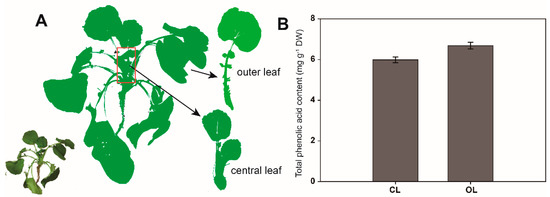
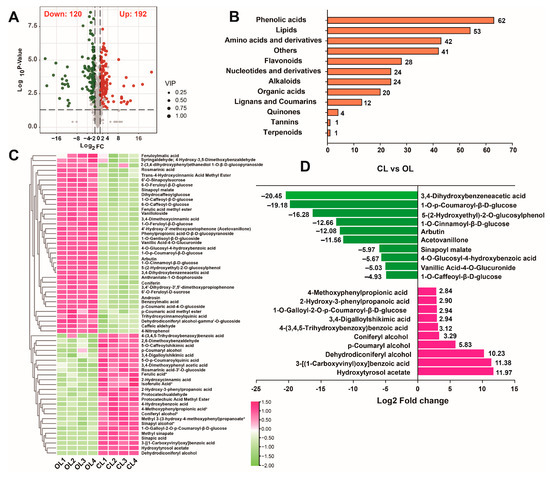
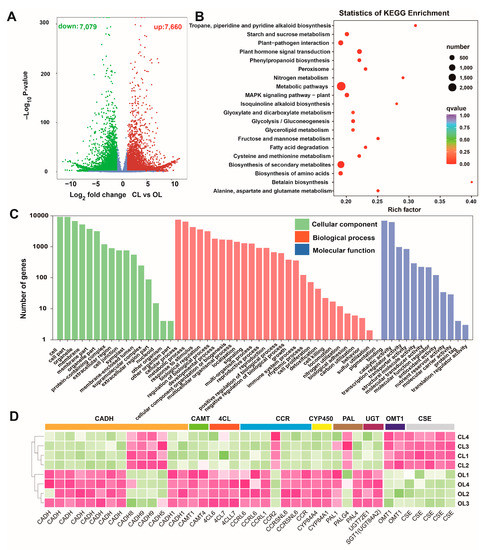
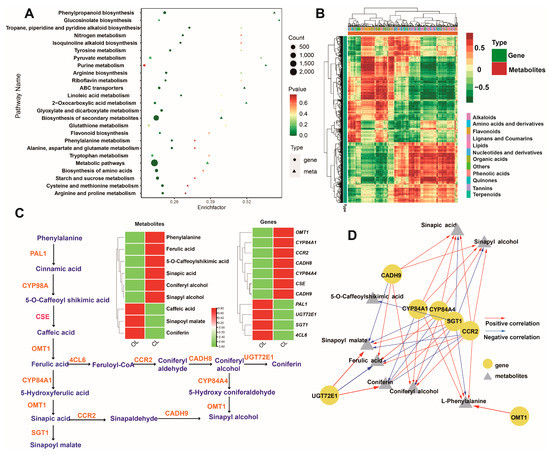
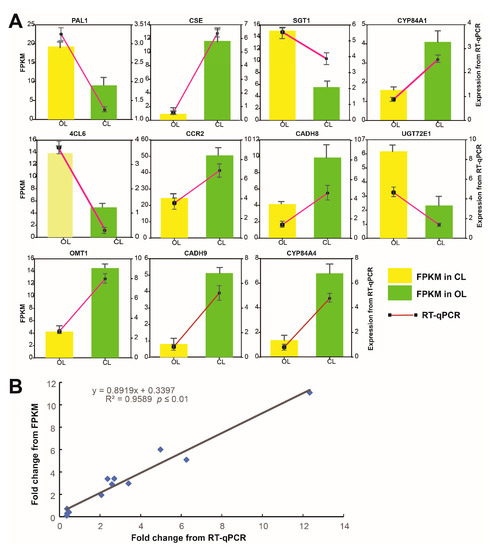
Cardamine violifolia, a species belonging to the Brassicaceae family, is a selenium hyperaccumulator and a nutritious leafy vegetable. Our previous study showed that C. violifolia leaves are rich in total phenolic acids, but the composition and corresponding genes remain unknown. In this study, we investigated the phenolic acid compounds and potential gene regulation network in the outer leaves (OL) and central leaves (CL) of C. violifolia using transcriptome and metabolome analyses. Results showed that the OL contained a higher total phenolic acid content than the CL. Metabolome analysis revealed a total of 115 phenolic acids, 62 of which (e.g., arbutin, rosmarinic acid, hydroxytyrosol acetate, and sinapic acid) were differentially accumulated between the CL and OL of C. violifolia. Transcriptome analysis showed that the differentially expressed genes were significantly enriched in the pathways of secondary metabolite biosynthesis and phenylpropanoid biosynthesis. Conjoint analysis of the transcriptome and metabolome indicated that seven genes (CYP84A1, CYP84A4, CADH9, SGT1, UGT72E1, OMT1, and CCR2) and eight phenolic acids (sinapic acid, sinapyl alcohol, 5-O-caffeoylshikimic acid, sinapoyl malate, coniferin, coniferyl alcohol, L-phenylalanine, and ferulic acid) constituted a possible regulatory network. This study revealed the phenolic acid compounds and possible regulatory network of C. violifolia leaves and deepened our understanding of its nutrient value. Full article
Show Figures

Figure 1
22 pages, 7994 KB  
Article
The Discovery of Potential SARS-CoV-2 Natural Inhibitors among 4924 African Metabolites Targeting the Papain-like Protease: A Multi-Phase In Silico Approach
by Eslam B. Elkaeed 1,*, Mohamed M. Khalifa 2, Bshra A. Alsfouk 3, Aisha A. Alsfouk 3, Abdul-Aziz M. M. El-Attar 4, Ibrahim H. Eissa 2,* and Ahmed M. Metwaly 5,6,*
1 Department of Pharmaceutical Sciences, College of Pharmacy, AlMaarefa University, Riyadh 13713, Saudi Arabia
2 Pharmaceutical Medicinal Chemistry & Drug Design Department, Faculty of Pharmacy (Boys), Al-Azhar University, Cairo 11884, Egypt
3 Department of Pharmaceutical Sciences, College of Pharmacy, Princess Nourah bint Abdulrahman University, P.O. Box 84428, Riyadh 11671, Saudi Arabia
4 Pharmaceutical Analytical Chemistry Department, Faculty of Pharmacy, Al-Azhar University, Nasr City, Cairo 11884, Egypt
5 Pharmacognosy and Medicinal Plants Department, Faculty of Pharmacy (Boys), Al-Azhar University, Cairo 11884, Egypt
6 Biopharmaceutical Products Research Department, Genetic Engineering and Biotechnology Research Institute, City of Scientific Research and Technological Applications (SRTA-City), Alexandria 21934, Egypt
Metabolites 2022, 12(11), 1122; https://doi.org/10.3390/metabo12111122 - 16 Nov 2022
Cited by 15 | Viewed by 2948
Abstract
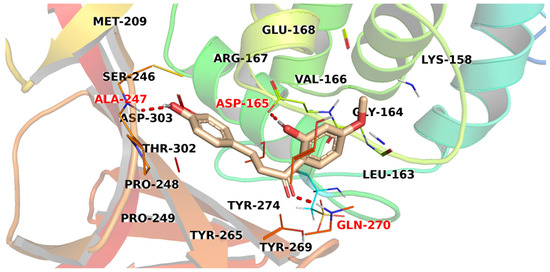
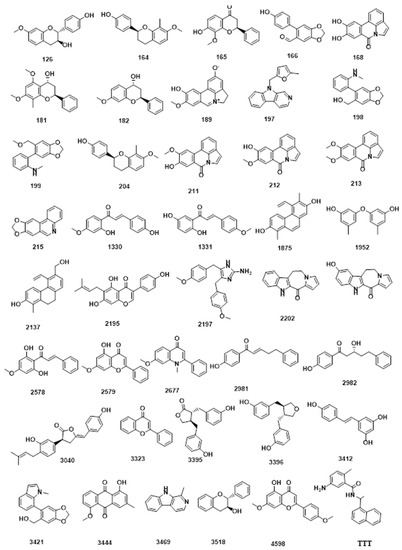
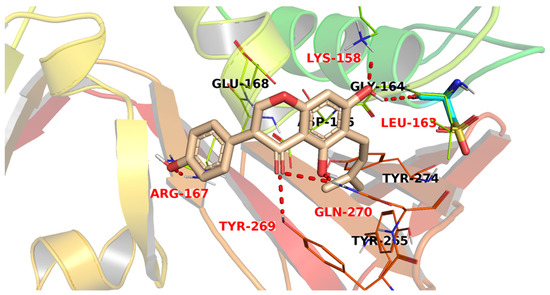
Four compounds, hippacine, 4,2′-dihydroxy-4′-methoxychalcone, 2′,5′-dihydroxy-4-methoxychalcone, and wighteone, were selected from 4924 African natural metabolites as potential inhibitors against SARS-CoV-2 papain-like protease (PLpro, PDB ID: 3E9S). A multi-phased in silico approach was employed to select the most similar metabolites to the co-crystallized ligand ( [...] Read more.
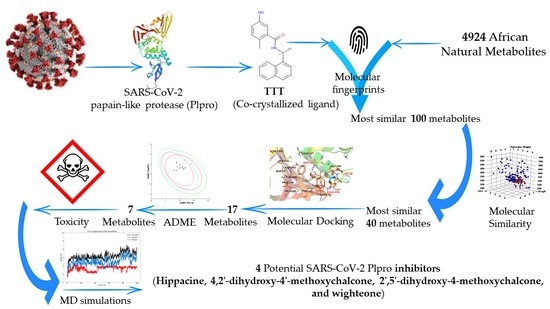
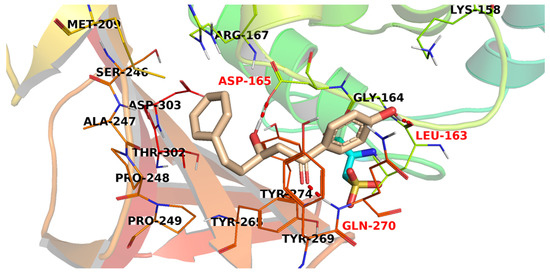
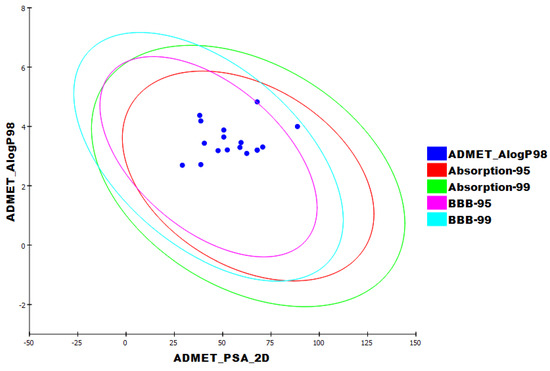
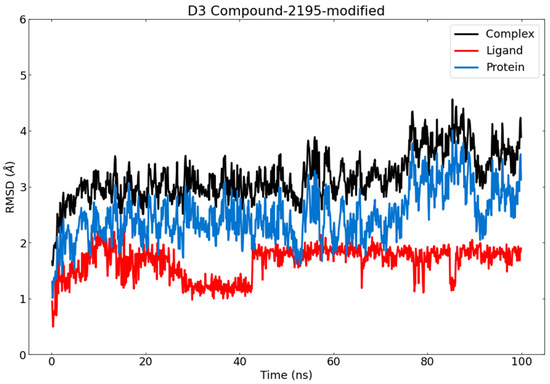
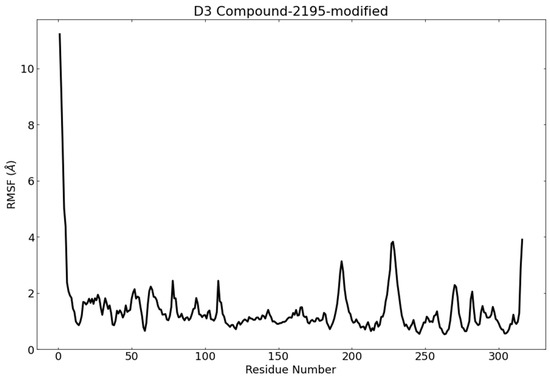
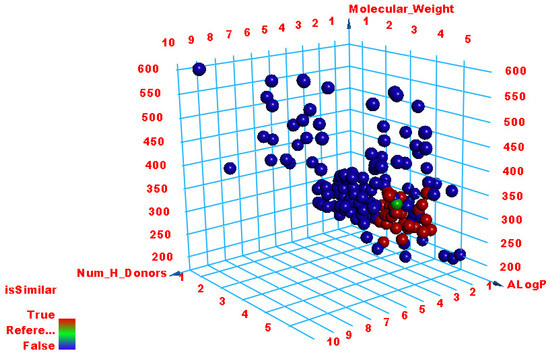
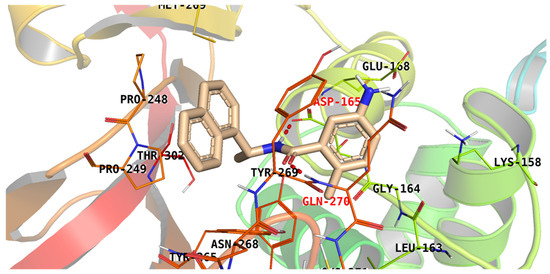
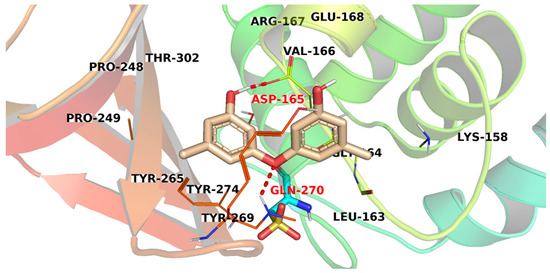
Four compounds, hippacine, 4,2′-dihydroxy-4′-methoxychalcone, 2′,5′-dihydroxy-4-methoxychalcone, and wighteone, were selected from 4924 African natural metabolites as potential inhibitors against SARS-CoV-2 papain-like protease (PLpro, PDB ID: 3E9S). A multi-phased in silico approach was employed to select the most similar metabolites to the co-crystallized ligand (TTT) of the PLpro through molecular fingerprints and structural similarity studies. Followingly, to examine the binding of the selected metabolites with the PLpro (molecular docking. Further, to confirm this binding through molecular dynamics simulations. Finally, in silico ADMET and toxicity studies were carried out to prefer the most convenient compounds and their drug-likeness. The obtained results could be a weapon in the battle against COVID-19 via more in vitro and in vivo studies. Full article
(This article belongs to the Special Issue COVIDomics: Metabolomic Views on COVID-19 and Related Diseases)
Show Figures

Graphical abstract

17 pages, 1220 KB  
Article
The Influence of Energy Balance, Lipolysis and Ketogenesis on Metabolic Adaptation in Cows Milked Twice and Three Times Daily
by Srđan Krnjaić 1, Marko Cincović 1, Radojica Djoković 2, Branislava Belić 1, Jožica Ježek 3 and Jože Starič 3,*
1 Department of Veterinary Medicine, Faculty of Agriculture, Novi Sad, University of Novi Sad, Trg Dositeja Obradovića 8, 21000 Novi Sad, Serbia
2 Department of Animal Science, Faculty of Agronomy Čačak, University of Kragujevac, Cara Dušana 34, 32000 Čačak, Serbia
3 Veterinary Faculty, University of Ljubljana, Gerbičeva 60, 1000 Ljubljana, Slovenia
Metabolites 2022, 12(11), 1090; https://doi.org/10.3390/metabo12111090 - 10 Nov 2022
Cited by 15 | Viewed by 3226
Abstract
Increasing milk production requires increasing milking frequency (MF) from two times daily (2X) to three (3X) or more. High milk production leads to negative energy balance (NEB) and homeorhesis, characterized by lipolysis, ketogenesis, and endocrinological changes. The relationship among energy balance (EB), lipolysis, [...] Read more.
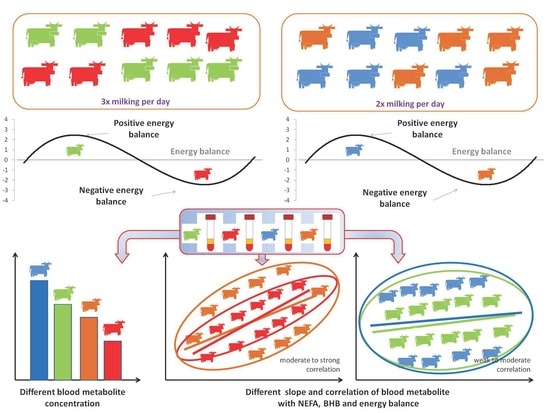
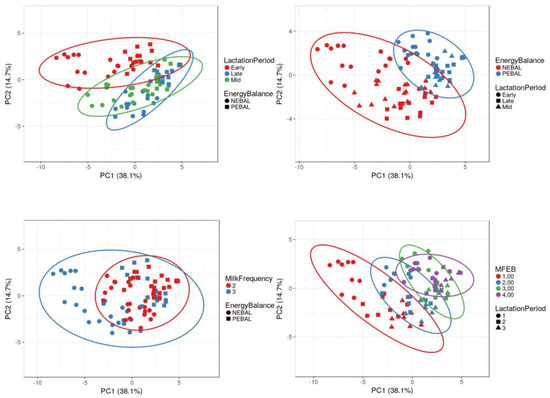
Increasing milk production requires increasing milking frequency (MF) from two times daily (2X) to three (3X) or more. High milk production leads to negative energy balance (NEB) and homeorhesis, characterized by lipolysis, ketogenesis, and endocrinological changes. The relationship among energy balance (EB), lipolysis, and ketogenesis with endocrine and metabolic parameters in blood of cows milked 2X and 3X daily was studied. Holstein Friesian cows milked 2X (n = 45) and 3X (n = 45) were analyzed, with approximately 50% of cows in each group in positive EB (PEB) and 50% in NEB. After determining EB, blood samples were collected from all cows and blood serum was analyzed for non-esterified fatty acids (NEFA), beta-hydroxybutyrate (BHB), glucose (GLU), cholesterol (CHOL), triglycerides (TGC), total bilirubin (TBIL), aspartate aminotransferase (AST), gamma-glutamyl transferase (GGT), calcium (Ca), inorganic phosphate (P), total protein (TPROT), albumin (ALB), urea, insulin (INS), T3, T4, and cortisol (CORT), and the RQUICKIBHB index of insulin resistance was calculated. Cows milked 3X in NEB represent a special cluster that partially overlaps with cows milked 2X in NEB and has no contact points with cows in PEB. Cows milked 3X had higher levels of NEFA, BHB, AST, GGT, TBIL, and CORT and lower levels of GLU, Ca, INS, and T4. Cows milked 3X in NEB had higher levels of NEFA, BHB, AST, GGT, TBIL, and CORT and lower levels of GLU, CHOL, TGC, TPROT, P, INS, RQUICKIBHB, and T3 compared with cows milked 2X in NEB and cows in PEB. In cows milked 3X, lipolysis and ketogenesis were much more prominent, and EB levels were lower, implying a pronounced shift in homeorhesis. Metabolic and endocrinology parameters were determined mainly by the values of EB, NEFA, and BHB in cows milked 3X in NEB compared with other categories of cows. The results confirm the peculiarity of metabolic adaptation in cows with increased MF, characterized not only by differences in the concentration of metabolites but also in their interactions. Full article
(This article belongs to the Special Issue Advances in Metabolic Challenges and Nutrition Research in Dairy Cows)
Show Figures

Graphical abstract

24 pages, 3287 KB  
Article
Multi-Omics Investigation into Acute Myocardial Infarction: An Integrative Method Revealing Interconnections amongst the Metabolome, Lipidome, Glycome, and Metallome
by Si Ying Lim 1,2, Felicia Li Shea Lim 2, Inmaculada Criado-Navarro 2, Xin Hao Yeo 2, Hiranya Dayal 2, Sri Dhruti Vemulapalli 2, Song Jie Seah 2, Anna Karen Carrasco Laserna 2,3, Xiaoxun Yang 4, Sock Hwee Tan 4, Mark Y. Chan 4 and Sam Fong Yau Li 1,2,*
1 NUS Graduate School’s Integrative Sciences & Engineering Programme (ISEP), National University of Singapore, Singapore 119077, Singapore
2 Department of Chemistry, National University of Singapore, Singapore 117543, Singapore
3 Central Instrumentation Facility (Laguna Campus), Office of the Vice President for Research and Innovation, De La Salle University, Manila 1004, Philippines
4 Cardiovascular Research Institute, Yong Loo Lin School of Medicine, National University of Singapore, Singapore 117599, Singapore
Metabolites 2022, 12(11), 1080; https://doi.org/10.3390/metabo12111080 - 8 Nov 2022
Cited by 15 | Viewed by 4211
Abstract
Acute myocardial infarction (AMI) is a leading cause of mortality and morbidity worldwide. This work aims to investigate the translational potential of a multi-omics study (comprising metabolomics, lipidomics, glycomics, and metallomics) in revealing biomechanistic insights into AMI. Following the N-glycomics and metallomics studies [...] Read more.
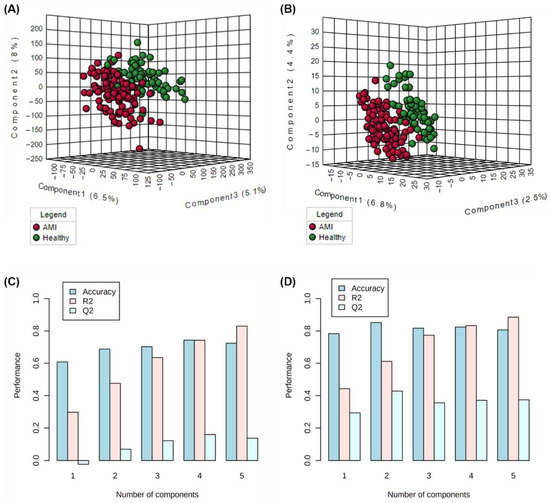
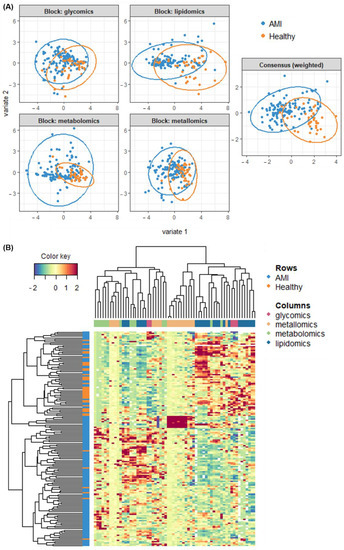
Acute myocardial infarction (AMI) is a leading cause of mortality and morbidity worldwide. This work aims to investigate the translational potential of a multi-omics study (comprising metabolomics, lipidomics, glycomics, and metallomics) in revealing biomechanistic insights into AMI. Following the N-glycomics and metallomics studies performed by our group previously, untargeted metabolomic and lipidomic profiles were generated and analysed in this work via the use of a simultaneous metabolite/lipid extraction and liquid chromatography–tandem mass spectrometry (LC–MS/MS) analysis workflow. The workflow was applied to blood plasma samples from AMI cases (n = 101) and age-matched healthy controls (n = 66). The annotated metabolomic (number of features, n = 27) and lipidomic (n = 48) profiles, along with the glycomic (n = 37) and metallomic (n = 30) profiles of the same set of AMI and healthy samples were integrated and analysed. The integration method used here works by identifying a linear combination of maximally correlated features across the four omics datasets, via utilising both block-partial least squares-discriminant analysis (block-PLS-DA) based on sparse generalised canonical correlation analysis. Based on the multi-omics mapping of biomolecular interconnections, several postulations were derived. These include the potential roles of glycerophospholipids in N-glycan-modulated immunoregulatory effects, as well as the augmentation of the importance of Ca–ATPases in cardiovascular conditions, while also suggesting contributions of phosphatidylethanolamine in their functions. Moreover, it was shown that combining the four omics datasets synergistically enhanced the classifier performance in discriminating between AMI and healthy subjects. Fresh and intriguing insights into AMI, otherwise undetected via single-omics analysis, were revealed in this multi-omics study. Taken together, we provide evidence that a multi-omics strategy may synergistically reinforce and enhance our understanding of diseases. Full article
(This article belongs to the Section Integrative Metabolomics)
Show Figures

Figure 1
20 pages, 5358 KB  
Article
Revealing the Pathogenesis of Salt-Sensitive Hypertension in Dahl Salt-Sensitive Rats through Integrated Multi-Omics Analysis
by Ya-nan Ou-Yang 1, Meng-di Yuan 1, Zheng-mao Yang 2, Zhuo Min 3, Yue-xin Jin 1 and Zhong-min Tian 1,*
1 The Key Laboratory of Biomedical Information Engineering of Ministry of Education, School of Life Science and Technology, Xi’an Jiaotong University, Xi’an 710049, China
2 Puripharm Co., Ltd., Huzhou 313000, China
3 Department of Brewing Engineering, Moutai University, Renhuai 564500, China
Metabolites 2022, 12(11), 1076; https://doi.org/10.3390/metabo12111076 - 7 Nov 2022
Cited by 15 | Viewed by 4161
Abstract
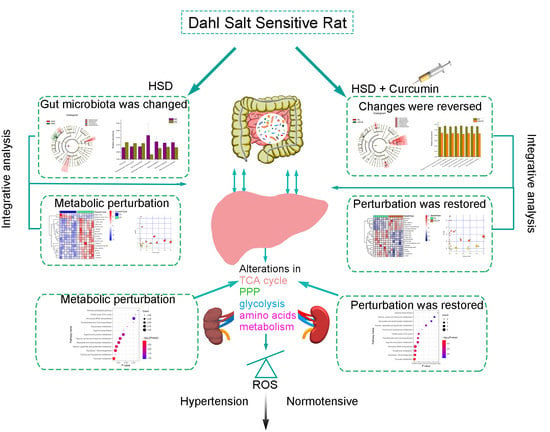
Salt-induced renal metabolism dysfunction is an important mechanism of salt-sensitive hypertension. Given that the gut-liver axis is the first hit of a high-salt diet (HSD), we aimed to identify the extra-renal mechanism from hepatic metabolism and gut microbiota, and attempted to relieve the [...] Read more.
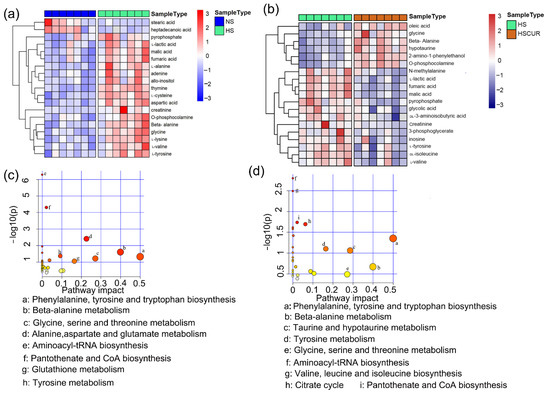
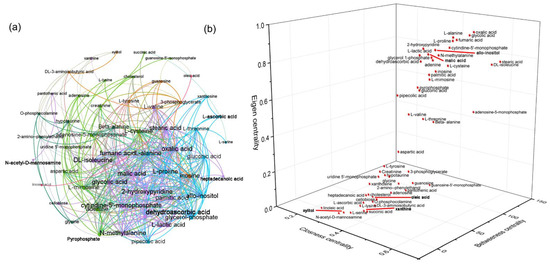
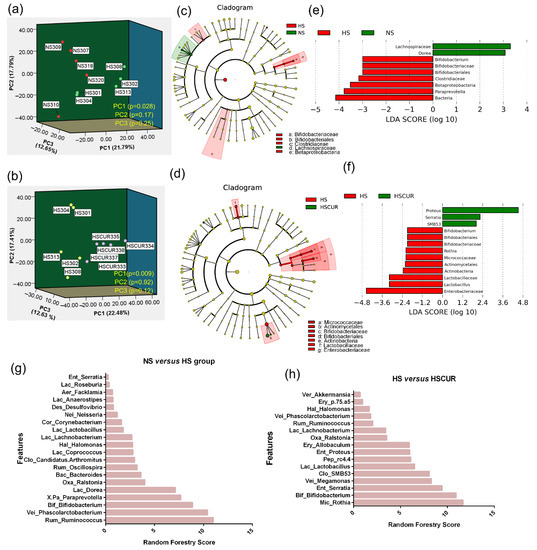
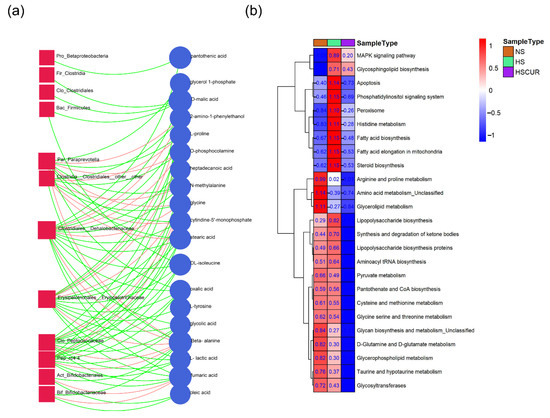
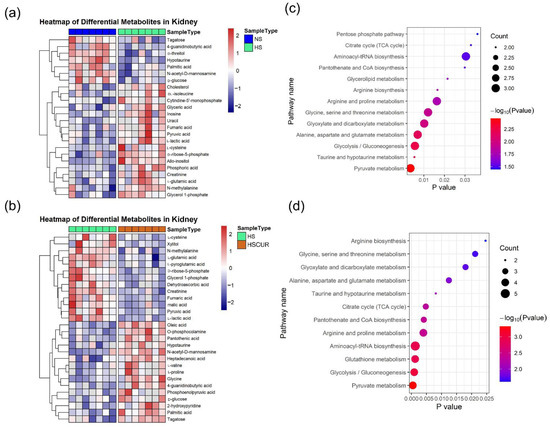
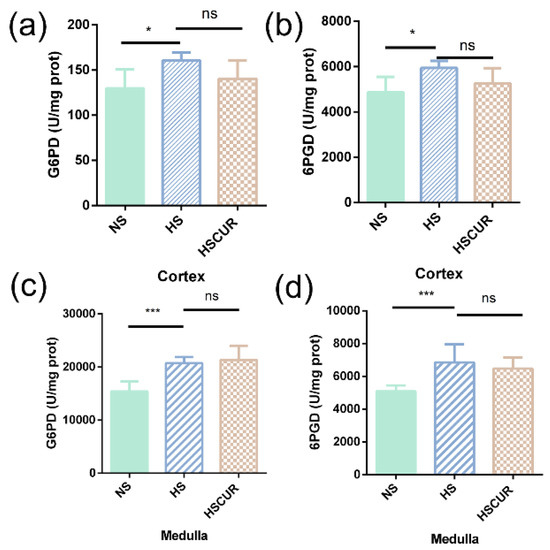
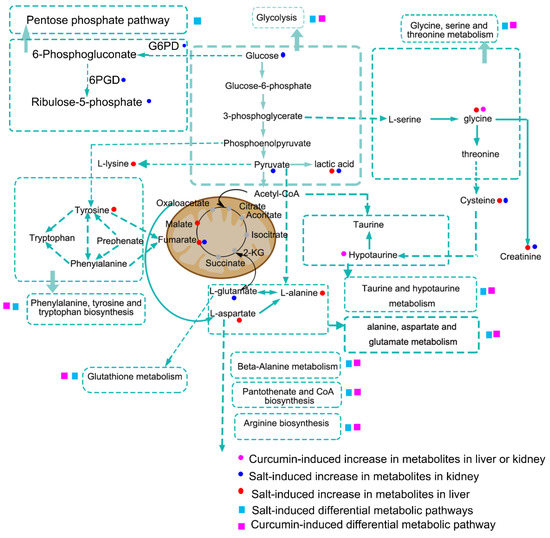
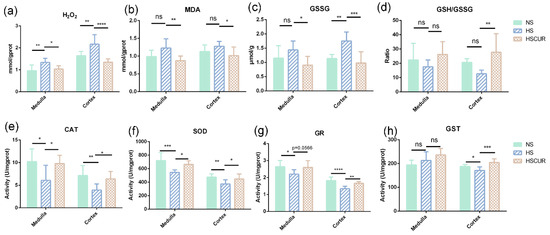
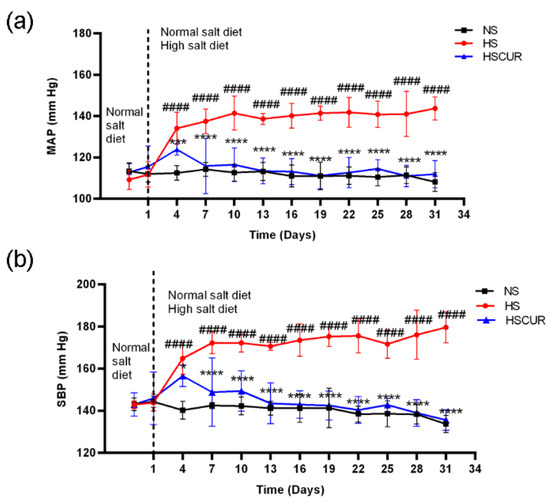
Salt-induced renal metabolism dysfunction is an important mechanism of salt-sensitive hypertension. Given that the gut-liver axis is the first hit of a high-salt diet (HSD), we aimed to identify the extra-renal mechanism from hepatic metabolism and gut microbiota, and attempted to relieve the salt-induced metabolic dysfunctions by curcumin. Untargeted metabolomics analysis was performed to identify the changes in hepatic metabolic pathways, and integrated analysis was employed to reveal the relationship between hepatic metabolic dysfunction and gut microbial composition. HSD induced significant increase in fumaric acid, l-lactic acid, creatinine, l-alanine, glycine, and l-cysteine levels, and amino acids metabolism pathways associated with glycolysis were significantly altered, including alanine, aspartate, and glutamate metabolism; glycine, serine, and threonine metabolism, which were involved in the regulation of blood pressure. Integrated multi-omics analysis revealed that changes in Paraprevotella, Erysipelotrichaceae, and genera from Clostridiales are associated with metabolic disorders. Gene functional predication analysis based on 16S Ribosomal RNA sequences showed that the dysfunction in hepatic metabolism were correlated with enhanced lipopolysaccharide (LPS) biosynthesis and apoptosis in gut microbes. Curcumin (50 mg/kg/d) might reduce gut microbes-associated LPS biosynthesis and apoptosis, partially reverse metabolic dysfunction, ameliorate renal oxidative stress, and protect against salt-sensitive hypertension. Full article
Show Figures

Graphical abstract

18 pages, 3783 KB  
Article
Mammary Fibrosis Tendency and Mitochondrial Adaptability in Dairy Cows with Mastitis
by Xingchi Kan 1,2,†, Guiqiu Hu 1,†, Yiyao Liu 1, Ping Xu 1, Yaping Huang 1, Xiangyu Cai 1, Wenjin Guo 1, Shoupeng Fu 1,* and Juxiong Liu 1,*
1 Key Laboratory of Zoonoses Research, Ministry of Education, College of Veterinary Medicine, Jilin University, 5333 Xi’an Road, Changchun 130062, China
2 Zhijiang Laboratory, Kechuang Avenue, Hangzhou 311121, China
These authors contributed equally to this work.
Metabolites 2022, 12(11), 1035; https://doi.org/10.3390/metabo12111035 - 28 Oct 2022
Cited by 15 | Viewed by 3188
Abstract
Dairy cow mammary gland fibrosis causes huge economic losses to livestock production, however, research on dairy cow mammary gland fibrosis is in its infancy and it lacks effective treatments. Therefore, the purpose of this experiment was to explore the correlation between mastitis and [...] Read more.
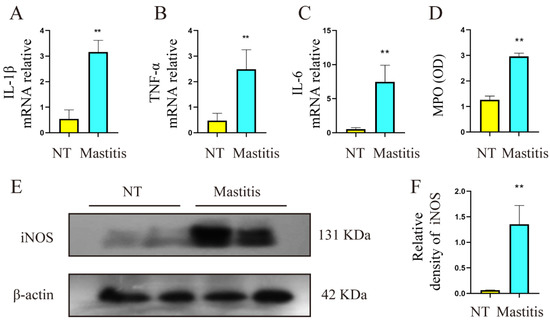
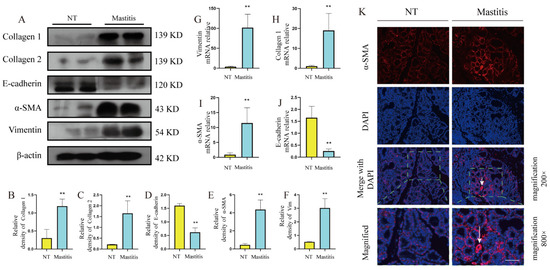
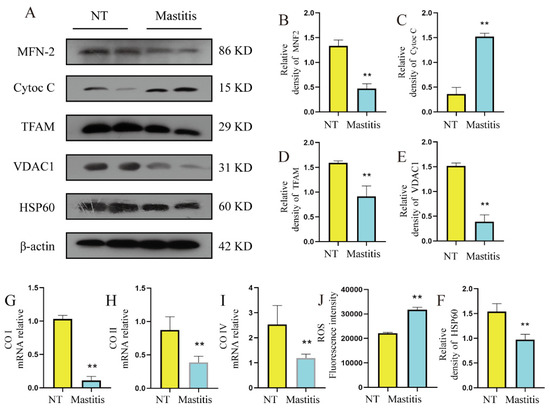
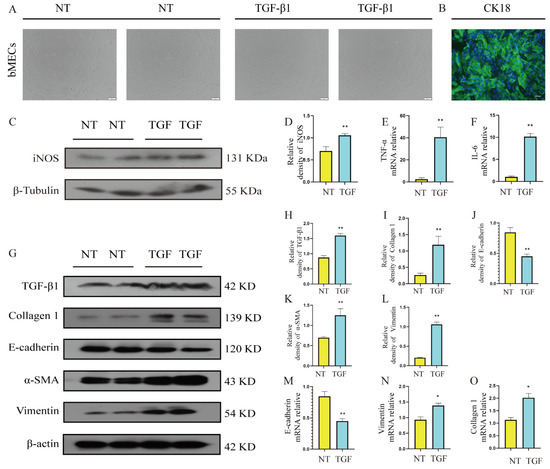
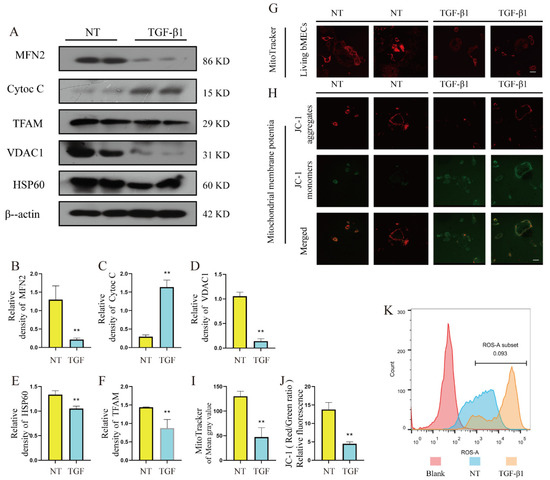
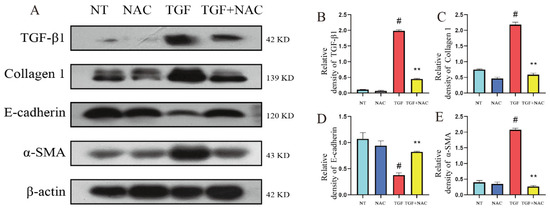
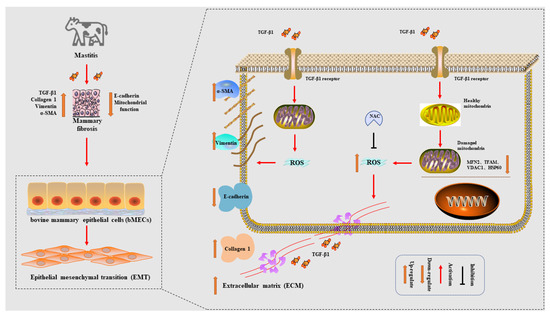
Dairy cow mammary gland fibrosis causes huge economic losses to livestock production, however, research on dairy cow mammary gland fibrosis is in its infancy and it lacks effective treatments. Therefore, the purpose of this experiment was to explore the correlation between mastitis and fibrosis and mitochondrial damage, and to further explore its pathogenesis. In vivo, mammary tissue and milk samples were collected from healthy cows (n = 10) and mastitis cows (n = 10). The results of the study showed that compared with the control group, the mastitis tissue showed tissue damage, accumulation of collagen fibers, and the content of TGF-β1 in mammary tissue and milk was significantly increased; the level of inflammatory mediators was significantly increased; the fibrotic phenotype, collagen 1, α-SMA, vimentin gene, and protein levels were significantly increased, while the E-cadherin gene and protein levels were significantly decreased. In vitro, based on TGF-β1-induced bMECs, the above experimental results were further confirmed, and TGF-β1 significantly promoted the fibrotic phenotype of bMECs. On the other hand, in vivo results showed that fibrotic mammary tissue had a significantly stronger mitochondrial damage phenotype and significantly higher ROS than the control group. In vitro, the results also found that TGF-β1 induced a significant increase in the mitochondrial damage phenotype of bMECs, accompanied by a large amount of ROS production. Furthermore, in a TGF-β1-induced bMEC model, inhibiting the accumulation of ROS effectively alleviated the elevated fibrotic phenotype of TGF-β1-induced bMECs. In conclusion, the fibrotic phenotype of mammary gland tissue in dairy cows with mastitis was significantly increased, and mastitis disease was positively correlated with mammary fibrotic lesions. In an in vitro and in vivo model of cow mammary fibrosis, bMECs have impaired mitochondrial structure and dysfunction. Inhibiting the accumulation of ROS effectively alleviates the elevated fibrotic phenotype, which may be a potential therapeutic approach to alleviate mammary fibrosis. Full article
(This article belongs to the Special Issue Nutritional and Metabolic Diseases in Animals)
Show Figures

Figure 1
13 pages, 14605 KB  
Article
Molecular Dynamics Study on Selected Bioactive Phytochemicals as Potential Inhibitors of HIV-1 Subtype C Protease
by Francis Oluwole Shode 1,*, John Omo-osagie Uhomoibhi 1, Kehinde Ademola Idowu 1, Saheed Sabiu 1 and Krishna Kuben Govender 2,3
1 Department of Biotechnology and Food Science, Faculty of Applied Sciences, Durban University of Technology (DUT), P.O. Box 1334, Durban 4000, South Africa
2 Department of Chemical Sciences, University of Johannesburg, Doornfontein Campus, P.O. Box 17011, Johannesburg 2028, South Africa
3 National Institute for Theoretical and Computational Sciences, NITHeCS, Stellenbosch 7602, South Africa
Metabolites 2022, 12(11), 1155; https://doi.org/10.3390/metabo12111155 - 21 Nov 2022
Cited by 14 | Viewed by 2590
Abstract
Acquired immunodeficiency syndrome (AIDS), one of the deadliest global diseases, is caused by the Human Immunodeficiency Virus (HIV). To date, there are no known conventional drugs that can cure HIV/AIDS, and this has prompted continuous scientific efforts in the search for novel and [...] Read more.
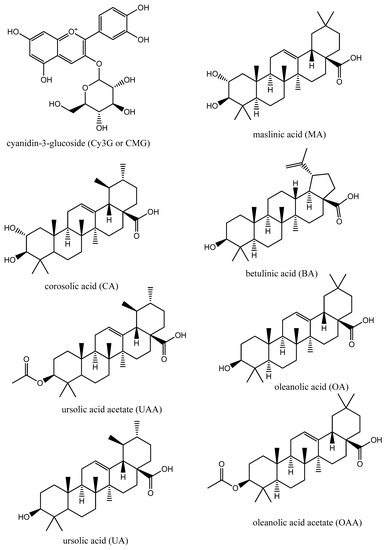
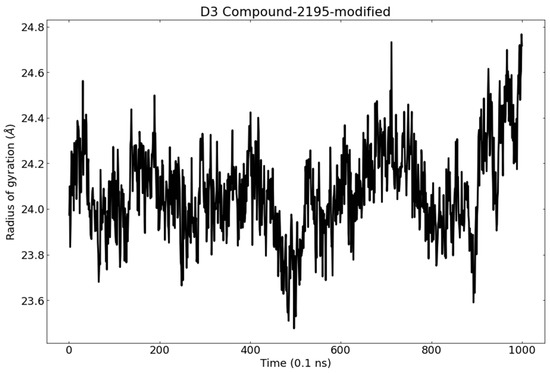
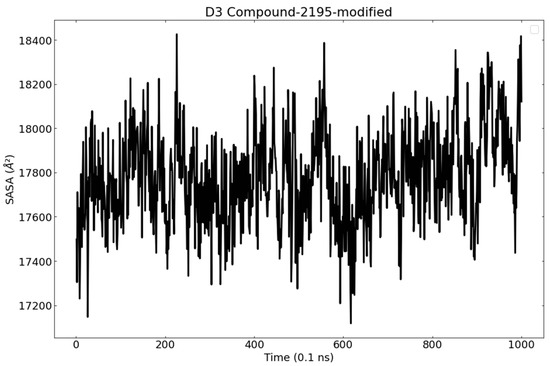
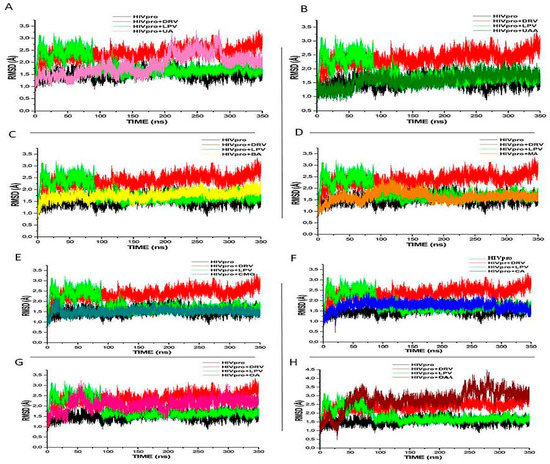
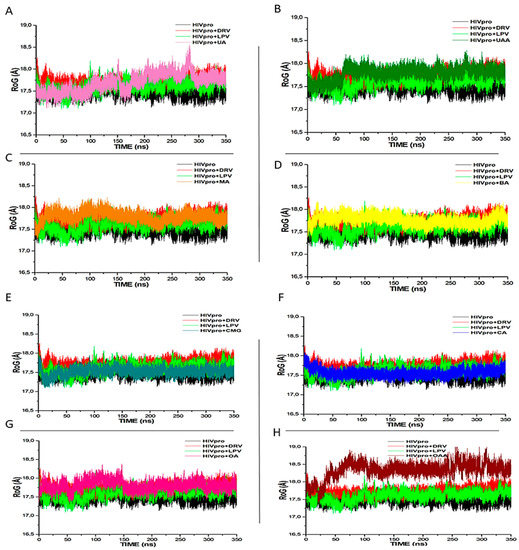
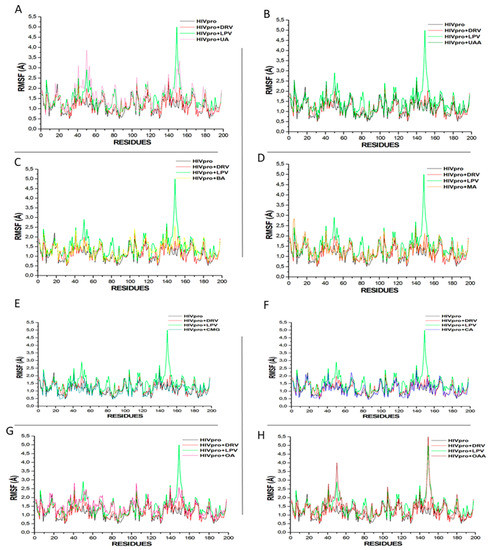
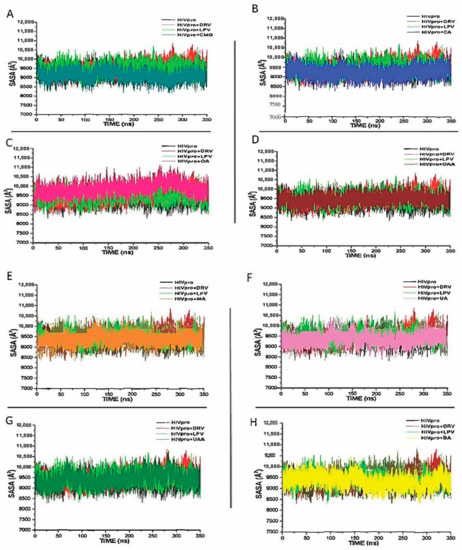
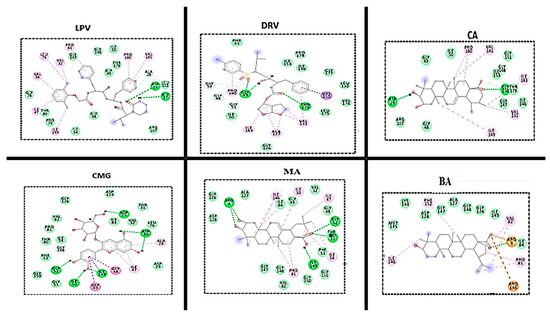
Acquired immunodeficiency syndrome (AIDS), one of the deadliest global diseases, is caused by the Human Immunodeficiency Virus (HIV). To date, there are no known conventional drugs that can cure HIV/AIDS, and this has prompted continuous scientific efforts in the search for novel and potent anti-HIV therapies. In this study, molecular dynamics simulation (MDS) and computational techniques were employed to investigate the inhibitory potential of bioactive compounds from selected South African indigenous plants against HIV-1 subtype C protease (HIVpro). Of the eight compounds (CMG, MA, UA, CA, BA, UAA, OAA and OA) evaluated, only six (CMG (−9.9 kcal/mol), MA (−9.3 kcal/mol), CA (−9.0 kcal/mol), BA (−8.3 kcal/mol), UAA (−8.5 kcal/mol), and OA (−8.6 kcal/mol)) showed favourable activities against HIVpro and binding landscapes like the reference FDA-approved drugs, Lopinavir (LPV) and Darunavir (DRV), with CMG and MA having the highest binding affinities. Using the structural analysis (root-mean-square deviation (RMSD), fluctuation (RMSF), and radius of gyration (RoG) of the bound complexes with HIVpro after 350 ns, structural evidence was observed, indicating that the six compounds are potential lead candidates for inhibiting HIVpro. This finding was further corroborated by the structural analysis of the enzyme–ligand complexe systems, where structural mechanisms of stability, flexibility, and compactness of the study metabolites were established following binding with HIVpro. Furthermore, the ligand interaction plots revealed that the metabolites interacted hydrophobically with the active site amino residues, with identification of other key residues implicated in HIVpro inhibition for drug design. Overall, this is the first computational report on the anti-HIV-1 activities of CMG and MA, with efforts on their in vitro and in vivo evaluations underway. Judging by the binding affinity, the degree of stability, and compactness of the lead metabolites (CMG, MA, CA, BA, OA, and UAA), they could be concomitantly explored with conventional HIVpro inhibitors in enhancing their therapeutic activities against the HIV-1 serotype. Full article
(This article belongs to the Section Nutrition and Metabolism)
Show Figures

Figure 1
14 pages, 1446 KB  
Article
Running for Your Life: Metabolic Effects of a 160.9/230 km Non-Stop Ultramarathon Race on Body Composition, Inflammation, Heart Function, and Nutritional Parameters
by Daniel A. Bizjak 1,*, Sebastian V. W. Schulz 1, Lucas John 1, Jana Schellenberg 1, Roman Bizjak 1, Jens Witzel 2, Sarah Valder 3, Tihomir Kostov 3, Jan Schalla 3, Jürgen M. Steinacker 1, Patrick Diel 3 and Marijke Grau 3
1 Department of Internal Medicine, Division of Sports and Rehabilitation Medicine, University Hospital Ulm, 89075 Ulm, Germany
2 Department of Central IT, Division Applications and Databases, University of Zurich, 8057 Zurich, Switzerland
3 Institute of Cardiovascular Research and Sports Medicine, Molecular and Cellular Sports Medicine, German Sport University Cologne, 50933 Cologne, Germany
Metabolites 2022, 12(11), 1138; https://doi.org/10.3390/metabo12111138 - 18 Nov 2022
Cited by 14 | Viewed by 5136
Abstract
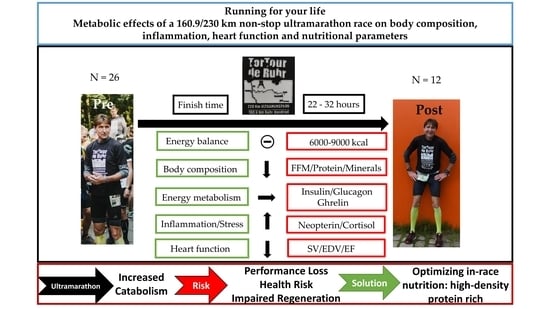
Moderate endurance exercise leads to an improvement in cardiovascular performance, stress resilience, and blood function. However, the influence of chronic endurance exercise over several hours or days is still largely unclear. We examined the influence of a non-stop 160.9/230 km ultramarathon on body [...] Read more.
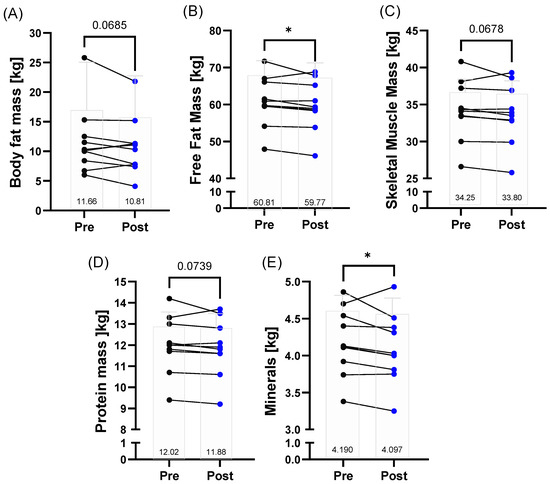
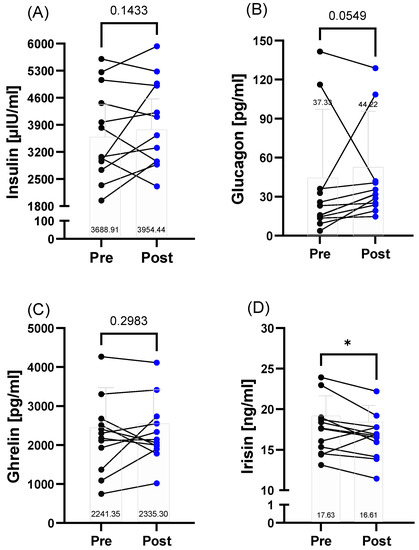
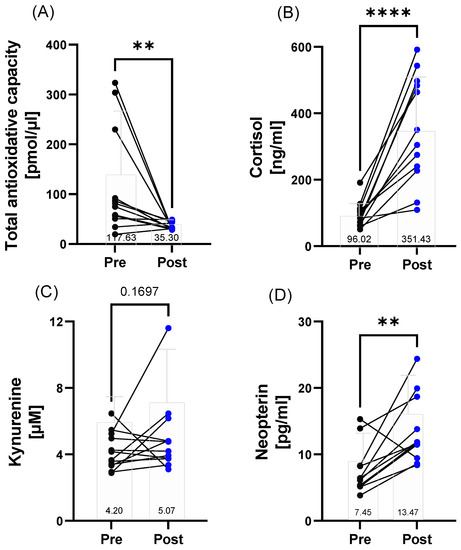
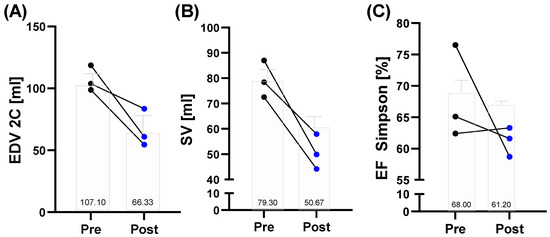
Moderate endurance exercise leads to an improvement in cardiovascular performance, stress resilience, and blood function. However, the influence of chronic endurance exercise over several hours or days is still largely unclear. We examined the influence of a non-stop 160.9/230 km ultramarathon on body composition, stress/cardiac response, and nutrition parameters. Blood samples were drawn before (pre) and after the race (post) and analyzed for ghrelin, insulin, irisin, glucagon, cortisol, kynurenine, neopterin, and total antioxidant capacity. Additional measurements included heart function by echocardiography, nutrition questionnaires, and body impedance analyses. Of the 28 included ultra-runners (7f/21m), 16 participants dropped out during the race. The remaining 12 finishers (2f/10m) showed depletion of antioxidative capacities and increased inflammation/stress (neopterin/cortisol), while energy metabolism (insulin/glucagon/ghrelin) remained unchanged despite a high negative energy balance. Free fat mass, protein, and mineral content decreased and echocardiography revealed a lower stroke volume, left end diastolic volume, and ejection fraction post race. Optimizing nutrition (high-density protein-rich diet) during the race may attenuate the observed catabolic and inflammatory effects induced by ultramarathon running. As a rapidly growing discipline, new strategies for health prevention and extensive monitoring are needed to optimize the athletes’ performance. Full article
(This article belongs to the Special Issue Metabolic Flexibility in Exercise Performances and Metabolic Diseases)
Show Figures

Graphical abstract

19 pages, 3328 KB  
Article
Exposure to Environmentally Relevant Levels of PFAS Causes Metabolic Changes in the Freshwater Amphipod Austrochiltonia subtenuis
by Georgia M. Sinclair 1,*, Sara M. Long 2, Navneet Singh 3, Timothy L. Coggan 3, Matthew P. J. Askeland 3 and Oliver A. H. Jones 1
1 Australian Centre for Research on Separation Science (ACROSS), School of Science, RMIT University, Bundoora West Campus, P.O. Box 71, Bundoora, VIC 3083, Australia
2 Aquatic Environmental Stress Research Group (AQUEST), School of Science, RMIT University, Bundoora West Campus, P.O. Box 71, Bundoora, VIC 3083, Australia
3 ADE Consulting Group, Williamstown North, VIC 3016, Australia
Metabolites 2022, 12(11), 1135; https://doi.org/10.3390/metabo12111135 - 18 Nov 2022
Cited by 14 | Viewed by 7056
Abstract
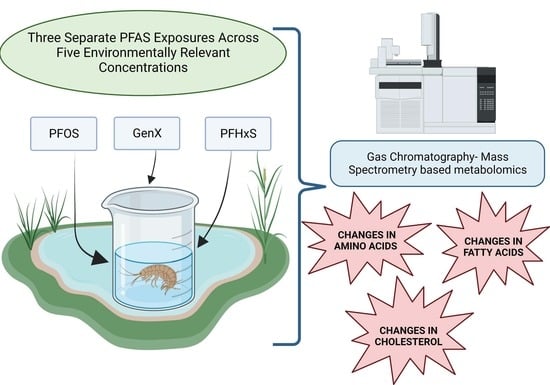
Per and polyfluoroalkyl substances (PFAS) are of concern to environmental regulators due to their widespread occurrence, persistence and reported toxicity. However, little data exist on the effects of PFAS at environmentally relevant concentrations. The development of molecular markers for PFAS exposure would therefore [...] Read more.
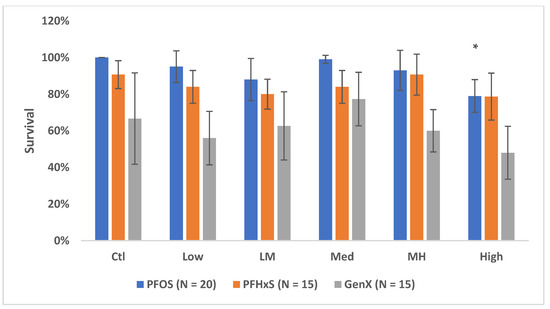
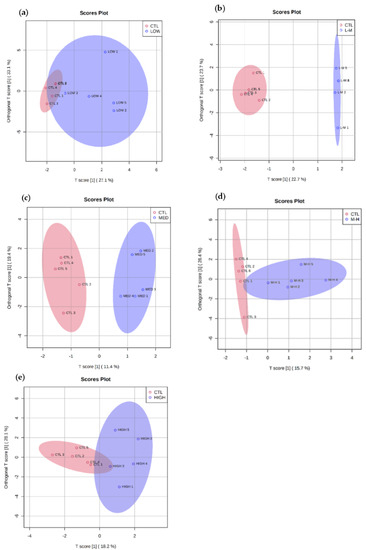
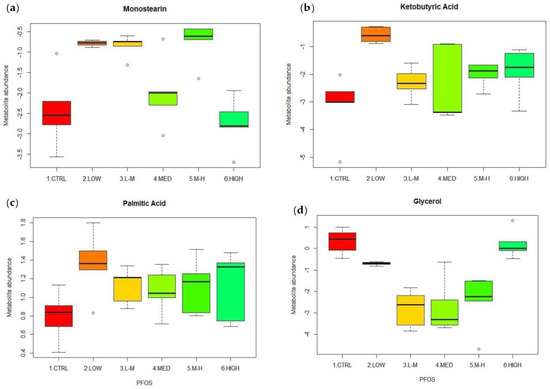
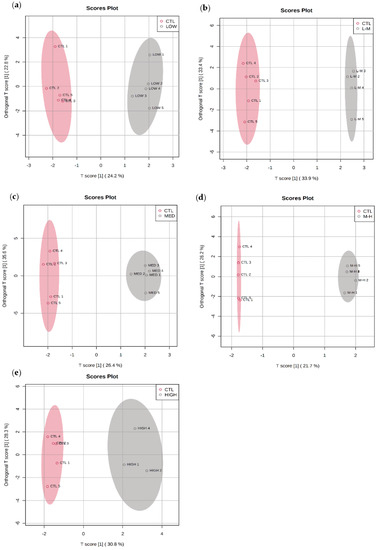
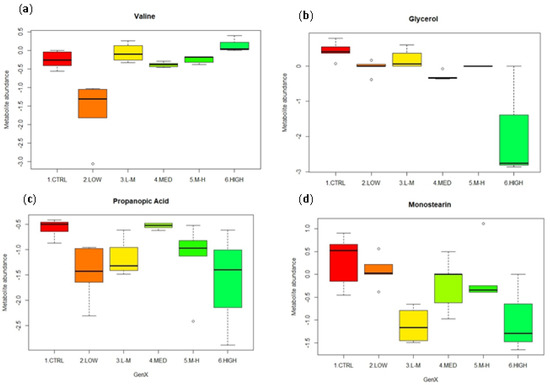
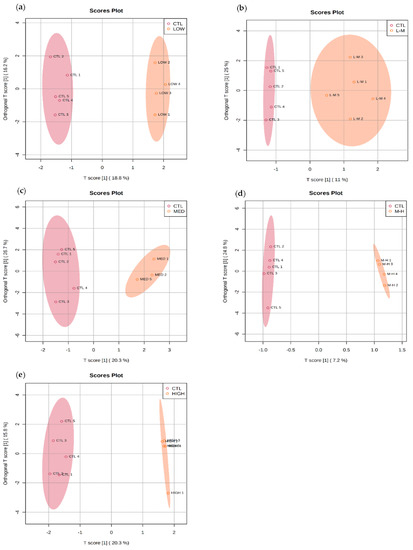
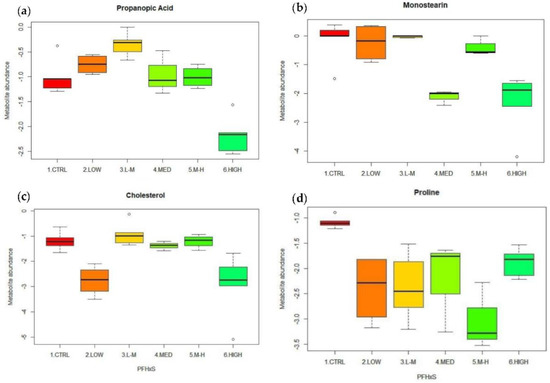
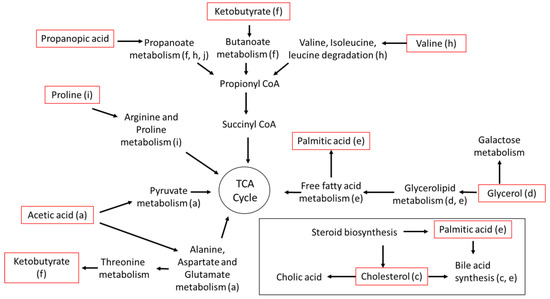
Per and polyfluoroalkyl substances (PFAS) are of concern to environmental regulators due to their widespread occurrence, persistence and reported toxicity. However, little data exist on the effects of PFAS at environmentally relevant concentrations. The development of molecular markers for PFAS exposure would therefore be useful to better understand the environmental risks of these compounds. In this study, we assessed if such markers could be developed using Gas Chromatography–Mass Spectrometry-based metabolomics. We exposed the freshwater amphipod Austrochiltonia subtenuis to a range of environmentally relevant concentrations of perfluoro-octane sulfonic acid (PFOS), hexafluoropropylene oxide dimer acid (GenX) and perfluorohexanesulphonic acid (PFHxS) for 7 days at five concentrations. A metabolic response was detected in all concentrations and treatments even though the survival rates only differed significantly at the highest exposure levels. The metabolic response differed between compounds but all three PFAS induced changes in the levels of amino acids, fatty acids, and cholesterol, in line with the literature. PFOS was found to bioaccumulate. Both GenX and PFHxS were eliminated from the amphipods, but PFHxS was eliminated at a slower rate than GenX. This information improves our understanding of the sublethal effects of PFAS as well as their environmental fate and behaviour. Full article
(This article belongs to the Special Issue Integrated Systems Biology: Challenges and Future Perspectives)
Show Figures

Graphical abstract

13 pages, 13032 KB  
Article
Palmitic Acid Promotes Lung Metastasis of Melanomas via the TLR4/TRIF-Peli1-pNF-κB Pathway
by Xuedan Zhang 1,†, Xiaoyu Li 1,†, Guohang Xiong 1, Fang Yun 1, Yu Feng 1, Qinxuan Ni 1, Na Wu 1, Lijuan Yang 1, Zihan Yi 2, Qiao Zhang 1, Zhe Yang 3, Yingmin Kuang 4,*, Buqing Sai 1,* and Yuechun Zhu 1,*
1 Department of Biochemistry and Molecular Biology, School of Basic Medicine, Kunming Medical University, Kunming 650500, China
2 Department of Medical Oncology, The Third Affiliated Hospital of Kunming Medical University (Tumor Hospital of Yunnan Province), Kunming 650500, China
3 Department of Pathology, The First Affiliated Hospital of Kunming Medical University, Kunming 650500, China
4 Department of Organ Transplantation, The First Affiliated Hospital of Kunming Medical University, Kunming 650500, China
These authors contribute equally to this work.
Metabolites 2022, 12(11), 1132; https://doi.org/10.3390/metabo12111132 - 17 Nov 2022
Cited by 14 | Viewed by 3330
Abstract
A high-fat diet plays an important role in aggravating cancers. Palmitic acid (PA) is one of the components of saturated fatty acids; it has been reported to promote tumor proliferation in melanomas, but the signal transduction pathway mediated by palmitic acid remains unclear. [...] Read more.
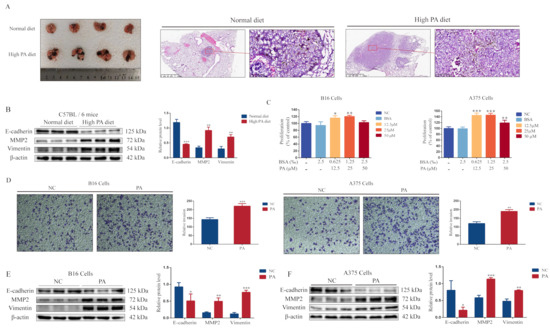
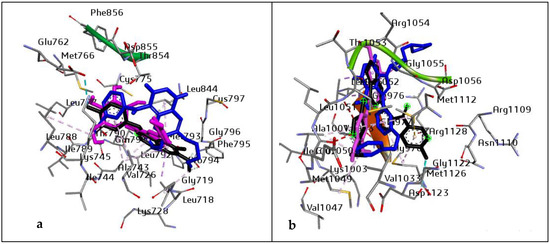
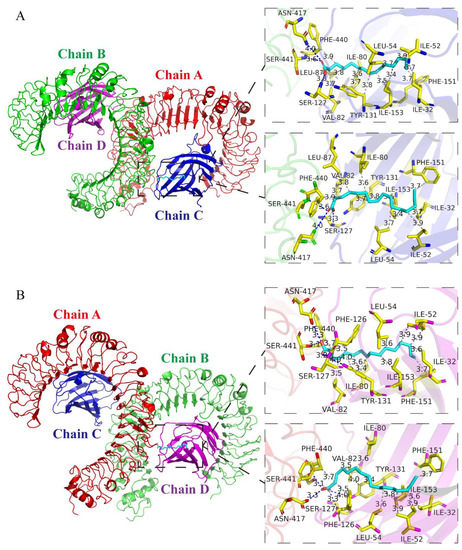
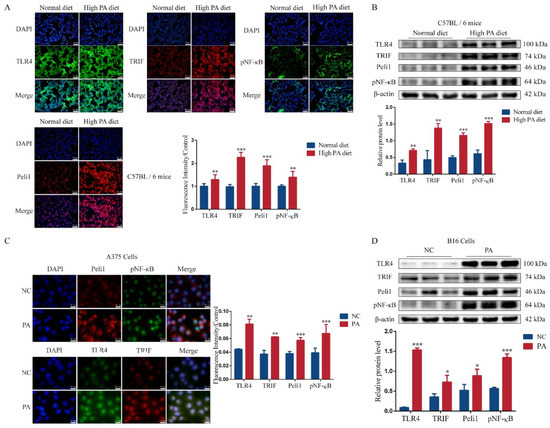
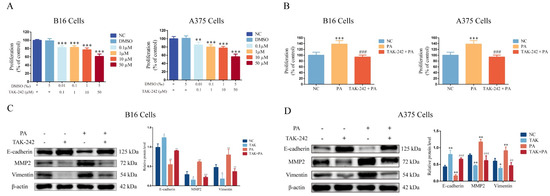
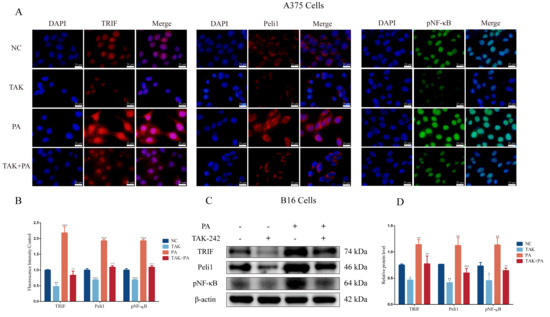
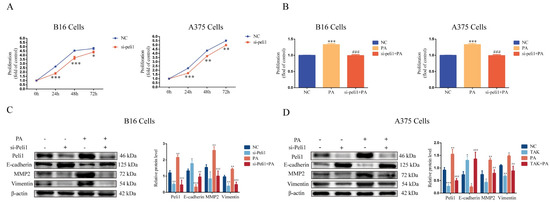
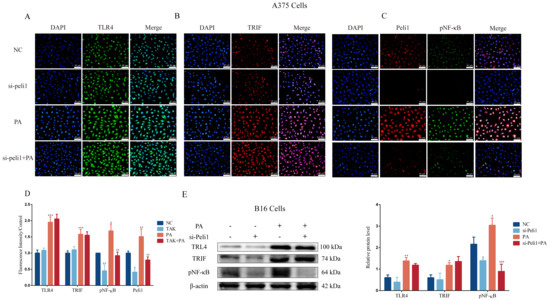
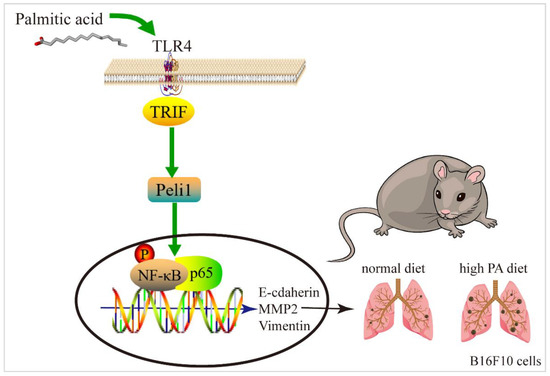
A high-fat diet plays an important role in aggravating cancers. Palmitic acid (PA) is one of the components of saturated fatty acids; it has been reported to promote tumor proliferation in melanomas, but the signal transduction pathway mediated by palmitic acid remains unclear. This study showed that palmitic acid can promote the lung metastasis of melanomas. Moreover, the interaction between palmitic acid and toll-like receptor 4 (TLR4) was predicted by molecular docking. The experimental results proved that palmitic acid could promote the TLR4 and Toll/IL-1 receptor domain-containing adaptor-inducing IFN-β (TRIF) expression. The expression of Pellino1 (Peli1) and the phosphorylation of NF-kappa B (pNF-κB) were downregulated after the suppression of TLR4 and the silencing of Peli1 also inhibited the phosphorylation of NF-κB. Therefore, we concluded that palmitic acid promoted the lung metastasis of melanomas through the TLR4/TRIF-Peli1-pNF-κB pathway. Full article
Show Figures

Figure 1

13 pages, 2290 KB  
Article
Butin Mitigates Memory Impairment in Streptozotocin-Induced Diabetic Rats by Inhibiting Oxidative Stress and Inflammatory Responses
by Asma B. Omer 1, Mahmood Hassan Dalhat 2, Mohammad Kaleem Khan 2,3, Obaid Afzal 4, Abdulmalik S. A. Altamimi 4, Sami I. Alzarea 5, Waleed Hassan Almalki 6 and Imran Kazmi 2,*
1 Department of Basic Health Sciences, Foundation Year for the Health Colleges, Princess Nourah bint Abdul Rahman University, Riyadh 11671, Saudi Arabia
2 Department of Biochemistry, Faculty of Science, King Abdulaziz University, Jeddah 21589, Saudi Arabia
3 Department of Pharmacology, Dadasaheb Balpande College of Pharmacy, Nagpur 440037, India
4 Department of Pharmaceutical Chemistry, College of Pharmacy, Prince Sattam bin Abdulaziz University, Al-Kharj 11942, Saudi Arabia
5 Department of Pharmacology, College of Pharmacy, Jouf University, Sakaka 72341, Saudi Arabia
6 Department of Pharmacology, College of Pharmacy, Umm Al-Qura University, Makkah 21955, Saudi Arabia
Metabolites 2022, 12(11), 1050; https://doi.org/10.3390/metabo12111050 - 1 Nov 2022
Cited by 14 | Viewed by 3041
Abstract
It has been reported from the previous literature that butin restores mitochondrial dysfunction by modulation of oxidative stress and glutamate-induced neurotoxicity in mouse hippocampus HT22 cells. Butin also possesses an anti-Huntington’s effect in rats. Considering the current background, this study was designed to [...] Read more.
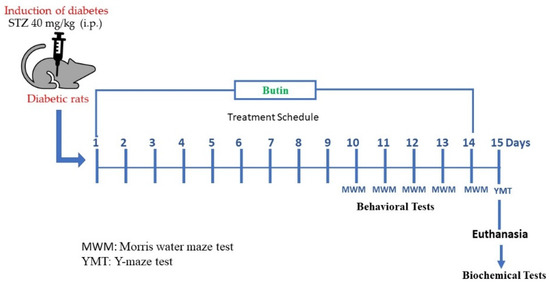
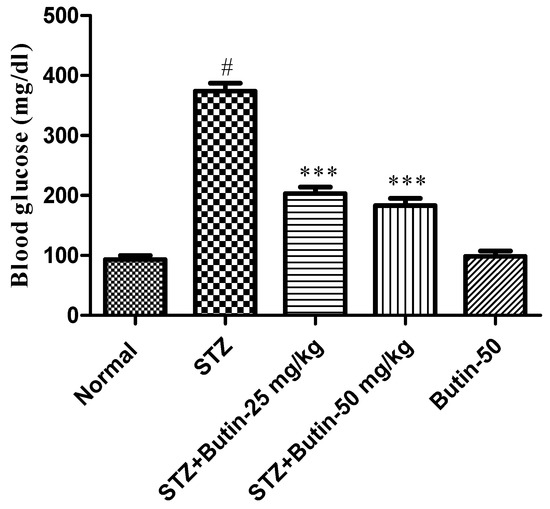
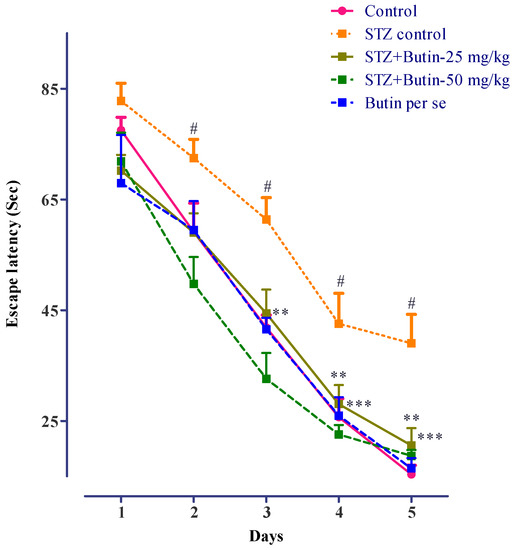
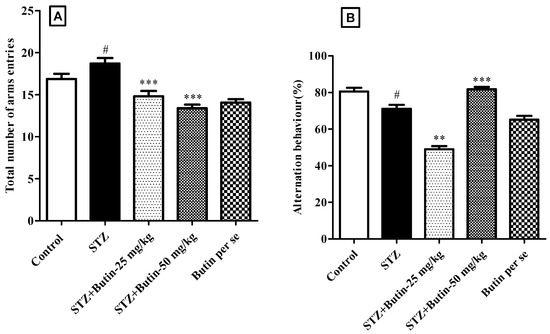
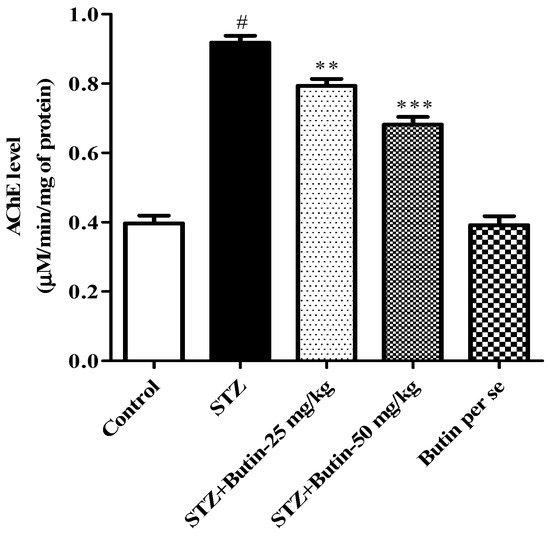
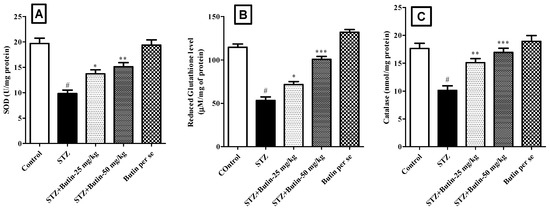
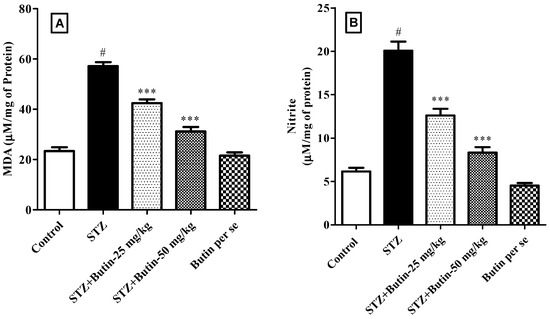
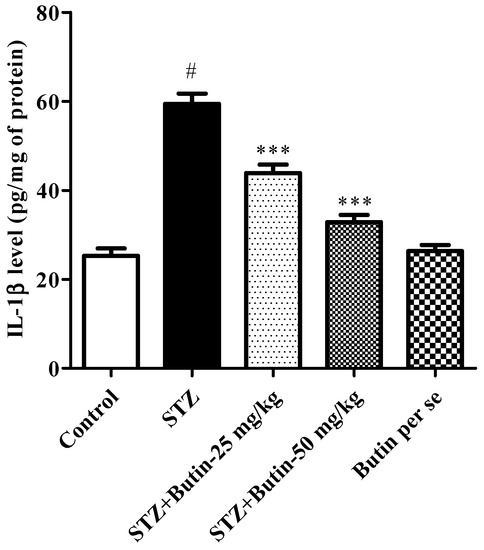
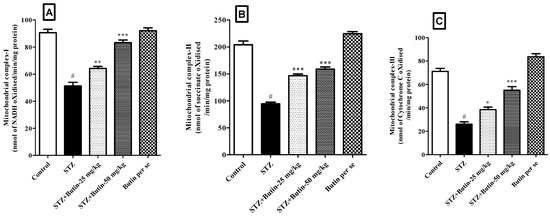
It has been reported from the previous literature that butin restores mitochondrial dysfunction by modulation of oxidative stress and glutamate-induced neurotoxicity in mouse hippocampus HT22 cells. Butin also possesses an anti-Huntington’s effect in rats. Considering the current background, this study was designed to evaluate the neuroprotective effect of butin against memory loss caused by streptozotocin (STZ). STZ (40 mg/kg) was intraperitoneally injected into rats. Three days later, diabetic rats were identified and included in the study. A total of 30 rats (12 nondiabetic and 18 diabetics) were grouped as Group A (control-non-diabetic rats) and Group B (STZ diabetic control) were treated with 1 mL of sodium CMC (0.5% w/v). Group C (STZ+ butin 25) were treated with butin 25 mg/kg. Group D (STZ+ butin 50) and Group E (butin per se) were administered with butin 50 mg/kg. Each therapy was administered orally once each day for 15-day. The Morris water maze and the Y-maze behavioural tests were run throughout the experimental programme. Animals were put to death on day 15 and their brains were removed for biochemical assays (CAT, SOD, GSH, MDA, nitrite, acetylcholinesterase (AchE), IL-1, and mitochondrial enzyme complexes). Rats with neurobehavioral impairments brought on by STZ have less spontaneous movement, learning capacity, and memory. Additionally, STZ decreased endogenous antioxidants and increased pro-inflammatory cytokines, nitrite, MDA, and AchE. Neurobehavioral deficits and metabolic markers were dramatically improved by butin. Full article
Show Figures

Figure 1
21 pages, 4712 KB  
Article
Network Pharmacology- and Molecular Dynamics Simulation-Based Bioprospection of Aspalathus linearis for Type-2 Diabetes Care
by Ayesha Akoonjee 1, Athika Rampadarath 1, Christiana Eleojo Aruwa 1, Taibat Arinola Ajiboye 2, Abdulwakeel Ayokun-nun Ajao 1 and Saheed Sabiu 1,*
1 Department of Biotechnology and Food Science, Faculty of Applied Sciences, Durban University of Technology, Durban 4000, South Africa
2 Department of Biochemistry, University of Abuja, Abuja 900105, Nigeria
Metabolites 2022, 12(11), 1013; https://doi.org/10.3390/metabo12111013 - 24 Oct 2022
Cited by 14 | Viewed by 4315
Abstract
The medicinal herb Aspalathus linearis (rooibos) is globally recognized in type-2 diabetes mellitus (T2DM) treatment due to its known and distinctive compounds. This work utilized network pharmacology (NP) coupled with molecular dynamics simulation in gaining new insight into the anti-diabetic molecular mechanism of [...] Read more.
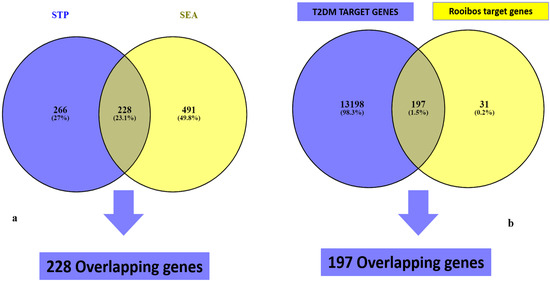
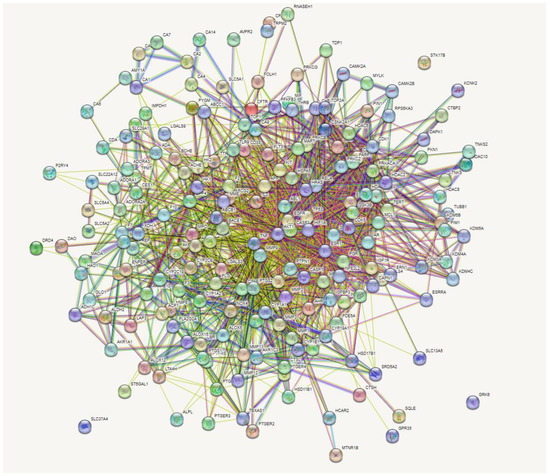
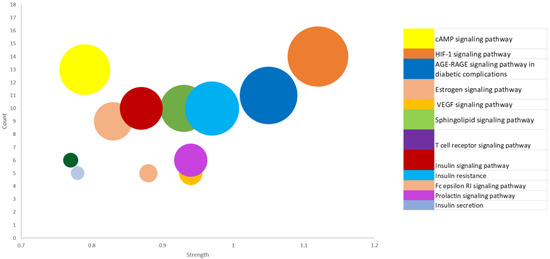
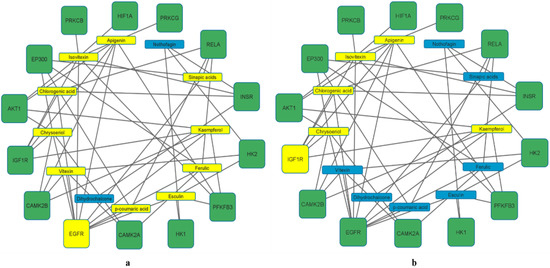
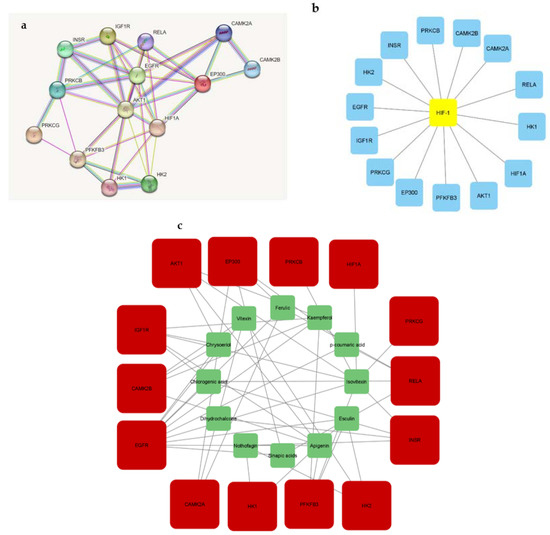
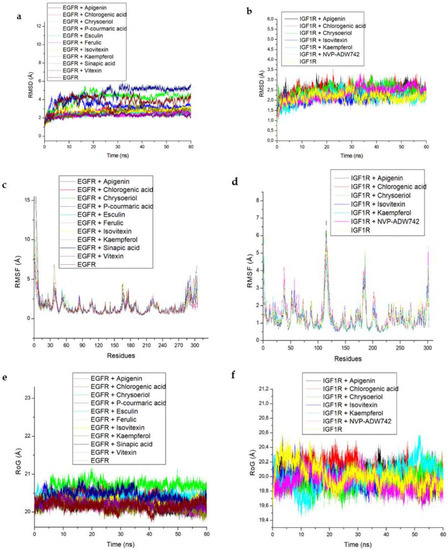
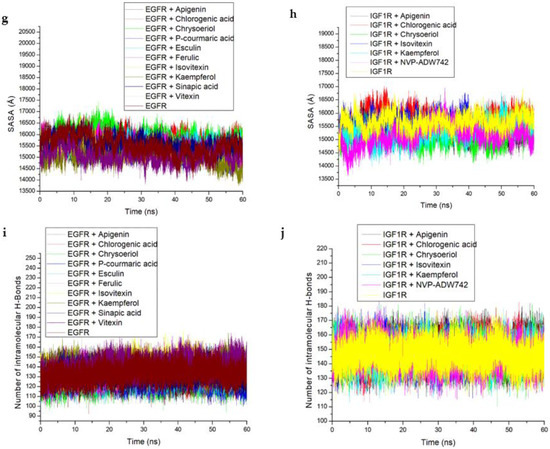
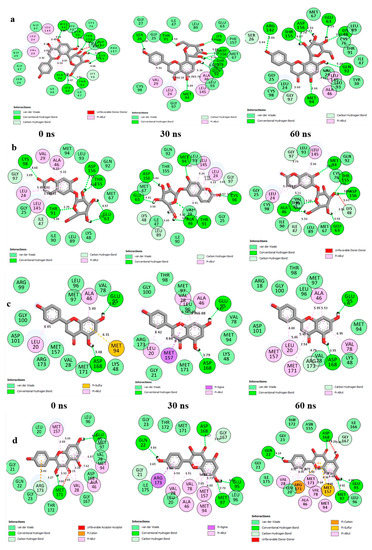
The medicinal herb Aspalathus linearis (rooibos) is globally recognized in type-2 diabetes mellitus (T2DM) treatment due to its known and distinctive compounds. This work utilized network pharmacology (NP) coupled with molecular dynamics simulation in gaining new insight into the anti-diabetic molecular mechanism of action of rooibos teas. It looked at the interactions between rooibos constituents with various relevant protein receptors and signaling routes associated with T2DM progression. The initial analysis revealed 197 intersecting gene targets and 13 bioactive rooibos constituents linked to T2DM. The interactions between proteins and compounds to the target matrix were generated with the Cystoscope platform and STRING database. These analyses revealed intersecting nodes active in T2DM and hypoxia-inducible factor 1 (HIF-1) as an integral receptors target. In addition, KEGG analysis identified 11 other pathways besides the hub HIF-1 signaling route which may also be targeted in T2DM progression. In final molecular docking and dynamics simulation analysis, a significant binding affinity was confirmed for key compound-protein matrices. As such, the identified rooibos moieties could serve as putative drug candidates for T2DM control and therapy. This study shows rooibos constituents’ interaction with T2DM-linked signaling pathways and target receptors and proposes vitexin, esculin and isovitexin as well as apigenin and kaempferol as respective pharmacologically active rooibos compounds for the modulation of EGFR and IGF1R in the HIF-1 signaling pathway to maintain normal homeostasis and function of the pancreas and pancreatic β-cells in diabetics. Full article
Show Figures

Figure 1
15 pages, 1542 KB  
Article
Differentiation of Geographical Origin of White and Brown Rice Samples Using NMR Spectroscopy Coupled with Machine Learning Techniques
by Maham Saeed 1, Jung-Seop Kim 1, Seok-Young Kim 1, Ji Eun Ryu 1, JuHee Ko 1, Syed Farhan Alam Zaidi 2, Jeong-Ah Seo 3, Young-Suk Kim 4, Do Yup Lee 5 and Hyung-Kyoon Choi 1,*
1 College of Pharmacy, Chung-Ang University, Seoul 06974, Korea
2 Department of Computer Science and Engineering, Chung-Ang University, Seoul 06974, Korea
3 School of Systems Biomedical Science, Soongsil University, Seoul 06978, Korea
4 Department of Food Science and Biotechnology, Ewha Womans University, Seoul 03760, Korea
5 Center for Food and Bioconvergence, Department of Agricultural Biotechnology, Research Institute for Agricultural and Life Sciences, Seoul National University, Seoul 08826, Korea
Metabolites 2022, 12(11), 1012; https://doi.org/10.3390/metabo12111012 - 24 Oct 2022
Cited by 14 | Viewed by 3343
Abstract
Rice (Oryza sativa L.) is a widely consumed food source, and its geographical origin has long been a subject of discussion. In our study, we collected 44 and 20 rice samples from different regions of the Republic of Korea and China, respectively, [...] Read more.
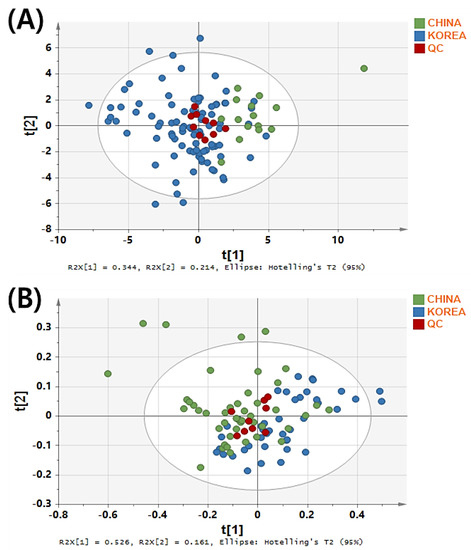
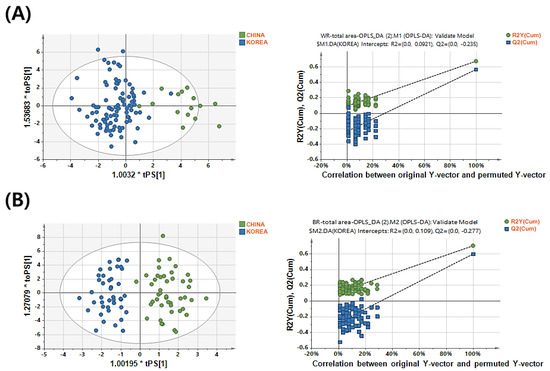
Rice (Oryza sativa L.) is a widely consumed food source, and its geographical origin has long been a subject of discussion. In our study, we collected 44 and 20 rice samples from different regions of the Republic of Korea and China, respectively, of which 35 and 29 samples were of white and brown rice, respectively. These samples were analyzed using nuclear magnetic resonance (NMR) spectroscopy, followed by analyses with various data normalization and scaling methods. Then, leave-one-out cross-validation (LOOCV) and external validation were employed to evaluate various machine learning algorithms. Total area normalization, with unit variance and Pareto scaling for white and brown rice samples, respectively, was determined as the best pre-processing method in orthogonal partial least squares–discriminant analysis. Among the various tested algorithms, support vector machine (SVM) was the best algorithm for predicting the geographical origin of white and brown rice, with an accuracy of 0.99 and 0.96, respectively. In external validation, the SVM-based prediction model for white and brown rice showed good performance, with an accuracy of 1.0. The results of this study suggest the potential application of machine learning techniques based on NMR data for the differentiation and prediction of diverse geographical origins of white and brown rice. Full article
(This article belongs to the Special Issue Metabolomics in the Study of Cereal Grains and Their Derived Products)
Show Figures

Figure 1
15 pages, 853 KB  
Review
Exploring the Relationship between Obesity, Metabolic Syndrome and Neuroendocrine Neoplasms
by Xiaoyang Lan 1, Nicola Fazio 2 and Omar Abdel-Rahman 3,*
1 Department of Medicine, University of Alberta, Edmonton, AB T6G 1Z2, Canada
2 Division of Gastrointestinal Medical Oncology, European Institute of Oncology (Istituto Europeo di Oncologia—IEO), Istituto di Ricovero e Cura a Carattere Scientifico—IRCCS, 20141 Milan, Italy
3 Department of Oncology, Cross Cancer Institute, University of Alberta, Edmonton, AB T6G 1Z2, Canada
Metabolites 2022, 12(11), 1150; https://doi.org/10.3390/metabo12111150 - 21 Nov 2022
Cited by 13 | Viewed by 2744
Abstract
Obesity is a major burden for modern medicine, with many links to negative health outcomes, including the increased incidence of certain cancer types. Interestingly, some studies have supported the concept of an “Obesity Paradox”, where some cancer patients living with obesity have been [...] Read more.
Obesity is a major burden for modern medicine, with many links to negative health outcomes, including the increased incidence of certain cancer types. Interestingly, some studies have supported the concept of an “Obesity Paradox”, where some cancer patients living with obesity have been shown to have a better prognosis than non-obese patients. Neuroendocrine neoplasms (NENs) are malignancies originating from neuroendocrine cells, in some cases retaining important functional properties with consequences for metabolism and nutritional status. In this review, we summarize the existing evidence demonstrating that obesity is both a risk factor for developing NENs as well as a good prognostic factor. We further identify the limitations of existing studies and further avenues of research that will be necessary to optimize the metabolic and nutritional status of patients living with NENs to ensure improved outcomes. Full article
(This article belongs to the Special Issue Metabolic Syndrome in Neuroendocrine Tumors)
9 pages, 2194 KB  
Article
MALDI Mass Spectrometry Imaging Reveals the Existence of an N-Acyl-homoserine Lactone Quorum Sensing System in Pseudomonas putida Biofilms
by Rattanaburi Pitchapa 1, Sivamoke Dissook 1,†, Sastia Prama Putri 1, Eiichiro Fukusaki 1,2 and Shuichi Shimma 1,2,*
1 Department of Biotechnology, Graduate School of Engineering, Osaka University, 2-1 Yamadaoka, Suita 5650871, Osaka, Japan
2 Osaka University Shimadzu Analytical Innovation Laboratory, Osaka University, 2-1 Yamadaoka, Suita 5650871, Osaka, Japan
Current address: Department of Biochemistry, Faculty of Medicine, Chiang Mai University, Intawaroros Muang, Chiang Mai 50200, Thailand.
Metabolites 2022, 12(11), 1148; https://doi.org/10.3390/metabo12111148 - 21 Nov 2022
Cited by 13 | Viewed by 3477
Abstract
Quorum sensing (QS) is generally used to describe the process involving the release and recognition of signaling molecules, such as N-acyl-homoserine lactones, by bacteria to coordinate their response to population density and biofilm development. However, detailed information on the heterogeneity of QS [...] Read more.
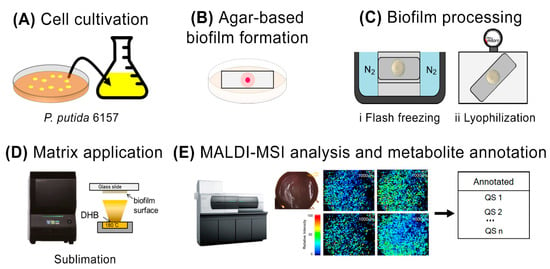
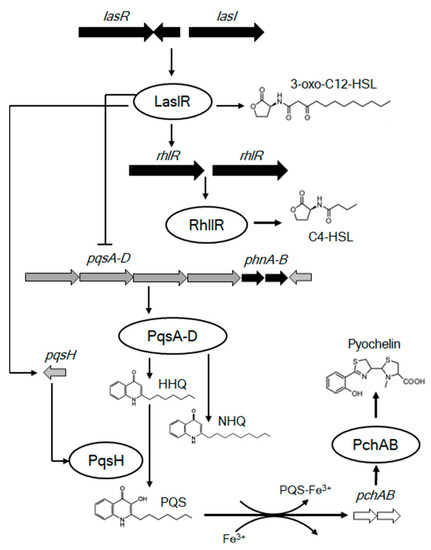
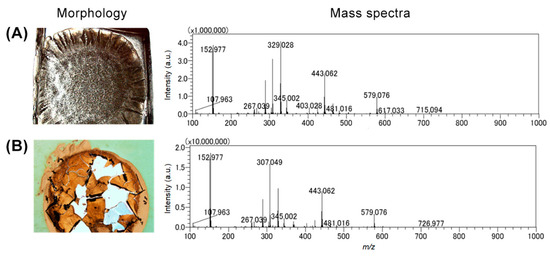
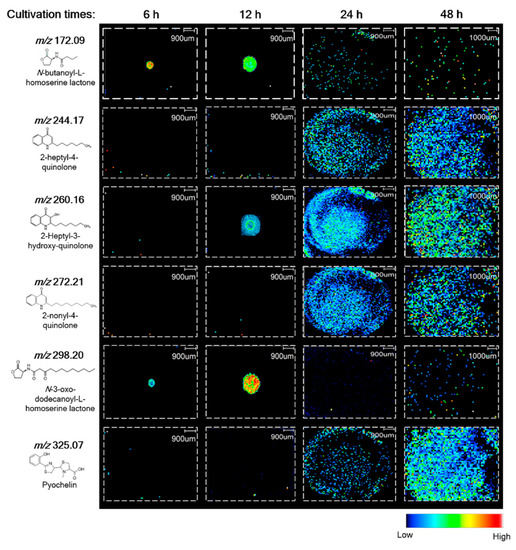
Quorum sensing (QS) is generally used to describe the process involving the release and recognition of signaling molecules, such as N-acyl-homoserine lactones, by bacteria to coordinate their response to population density and biofilm development. However, detailed information on the heterogeneity of QS metabolites in biofilms remains largely unknown. Here, we describe the utilization of matrix-assisted laser desorption/ionization (MALDI) mass spectrometry imaging (MSI) to follow the production of specific metabolites, including QS metabolites, during Pseudomonas putida biofilm development. To do so, a method to grow an agar-based biofilm was first established, and MALDI-MSI was used to detect and visualize the distribution of QS metabolites in biofilms at different cultivation times. This study demonstrated that N-acyl-homoserine lactones are homogeneously produced in the early stages of P. putida biofilm formation. In contrast, the spatial distribution of quinolones and pyochelin correlated with the swarming motility of P. putida in mature biofilms. These two metabolites are involved in the production of extracellular polymeric substances and iron chelators. Our study thus contributes to establishing the specific temporal regulation and spatial distribution of N-acyl-homoserine lactone-related metabolites and quinolone and pyochelin in P. putida biofilms. Full article
Show Figures

Figure 1