22 pages, 10818 KB  
Article
KappaMask: AI-Based Cloudmask Processor for Sentinel-2
by Marharyta Domnich, Indrek Sünter, Heido Trofimov, Olga Wold, Fariha Harun, Anton Kostiukhin, Mihkel Järveoja, Mihkel Veske, Tanel Tamm, Kaupo Voormansik, Aire Olesk, Valentina Boccia, Nicolas Longepe and Enrico Giuseppe Cadau
Remote Sens. 2021, 13(20), 4100; https://doi.org/10.3390/rs13204100 - 13 Oct 2021
Cited by 36 | Viewed by 8413
Abstract
The Copernicus Sentinel-2 mission operated by the European Space Agency (ESA) provides comprehensive and continuous multi-spectral observations of all the Earth’s land surface since mid-2015. Clouds and cloud shadows significantly decrease the usability of optical satellite data, especially in agricultural applications; therefore, an [...] Read more.
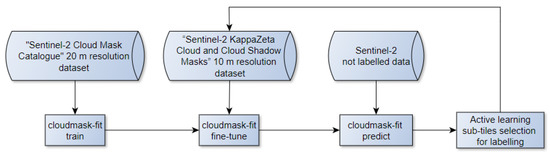
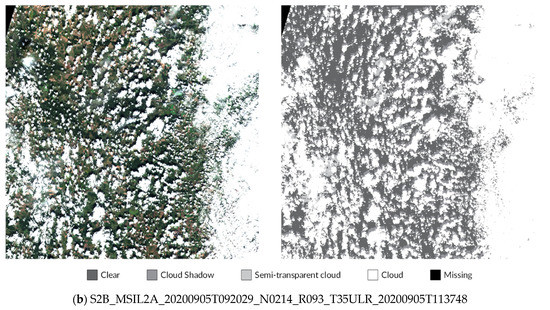
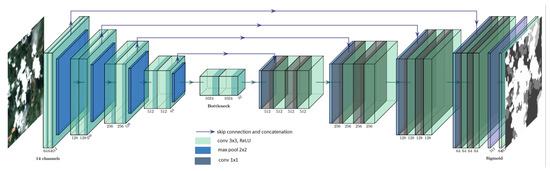
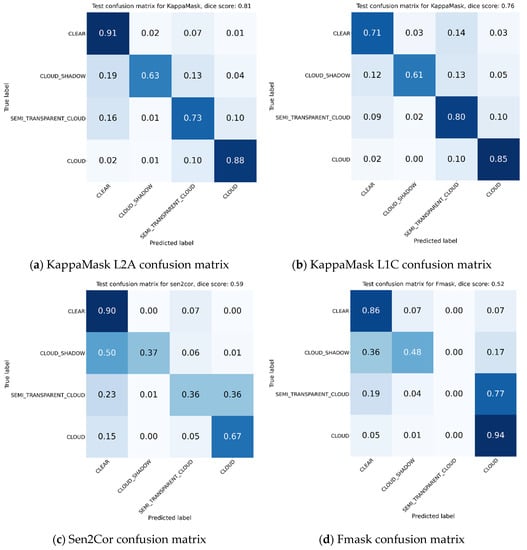
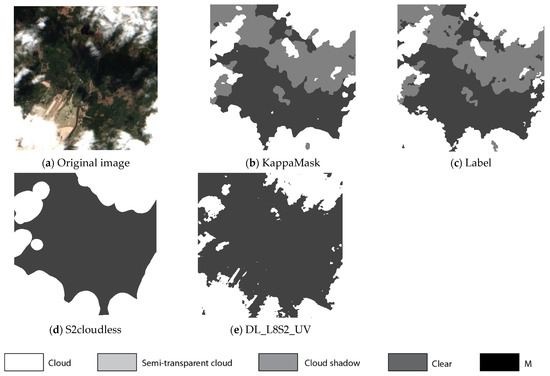
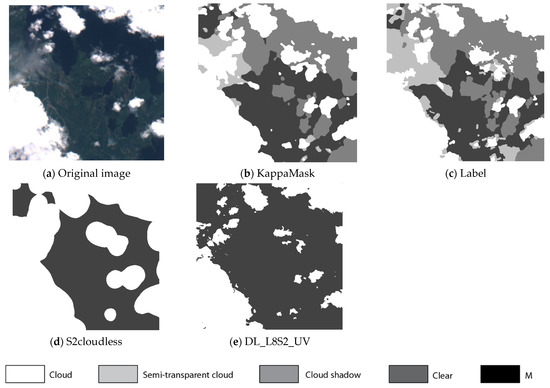
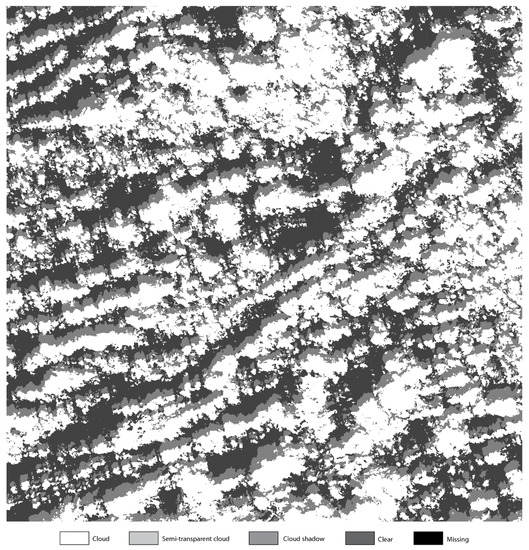
The Copernicus Sentinel-2 mission operated by the European Space Agency (ESA) provides comprehensive and continuous multi-spectral observations of all the Earth’s land surface since mid-2015. Clouds and cloud shadows significantly decrease the usability of optical satellite data, especially in agricultural applications; therefore, an accurate and reliable cloud mask is mandatory for effective EO optical data exploitation. During the last few years, image segmentation techniques have developed rapidly with the exploitation of neural network capabilities. With this perspective, the KappaMask processor using U-Net architecture was developed with the ability to generate a classification mask over northern latitudes into the following classes: clear, cloud shadow, semi-transparent cloud (thin clouds), cloud and invalid. For training, a Sentinel-2 dataset covering the Northern European terrestrial area was labelled. KappaMask provides a 10 m classification mask for Sentinel-2 Level-2A (L2A) and Level-1C (L1C) products. The total dice coefficient on the test dataset, which was not seen by the model at any stage, was 80% for KappaMask L2A and 76% for KappaMask L1C for clear, cloud shadow, semi-transparent and cloud classes. A comparison with rule-based cloud mask methods was then performed on the same test dataset, where Sen2Cor reached 59% dice coefficient for clear, cloud shadow, semi-transparent and cloud classes, Fmask reached 61% for clear, cloud shadow and cloud classes and Maja reached 51% for clear and cloud classes. The closest machine learning open-source cloud classification mask, S2cloudless, had a 63% dice coefficient providing only cloud and clear classes, while KappaMask L2A, with a more complex classification schema, outperformed S2cloudless by 17%. Full article
(This article belongs to the Special Issue Computer Vision and Deep Learning for Remote Sensing Applications)
Show Figures

Figure 1
23 pages, 5963 KB  
Article
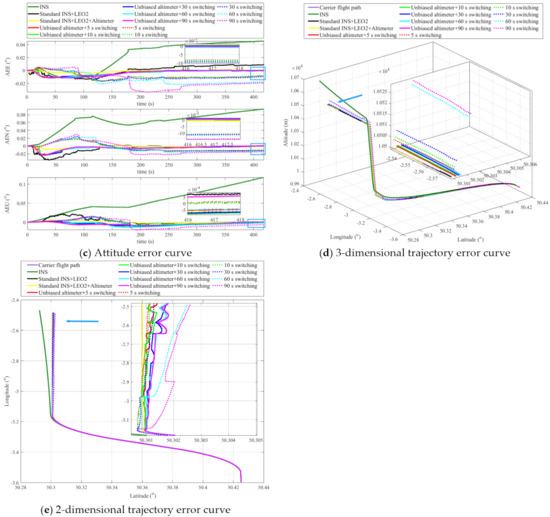
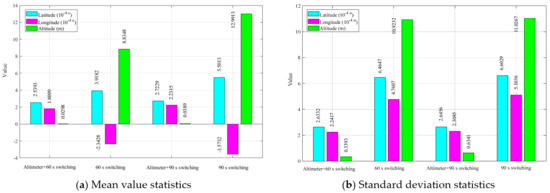
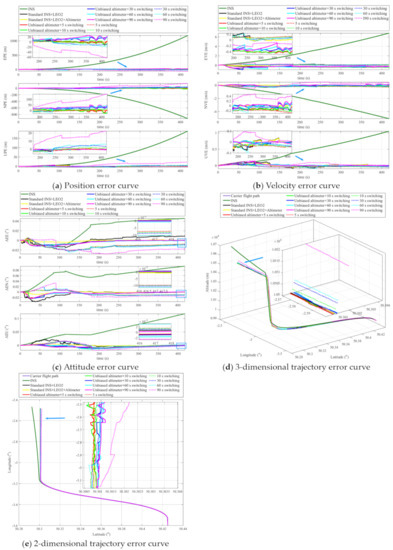
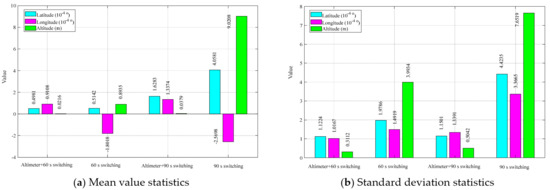
Altimeter + INS/Giant LEO Constellation Dual-Satellite Integrated Navigation and Positioning Algorithm Based on Similar Ellipsoid Model and UKF
by Lvyang Ye, Yikang Yang, Xiaolun Jing, Hengnian Li, Haifeng Yang and Yunxia Xia
Remote Sens. 2021, 13(20), 4099; https://doi.org/10.3390/rs13204099 - 13 Oct 2021
Cited by 16 | Viewed by 3237
Abstract
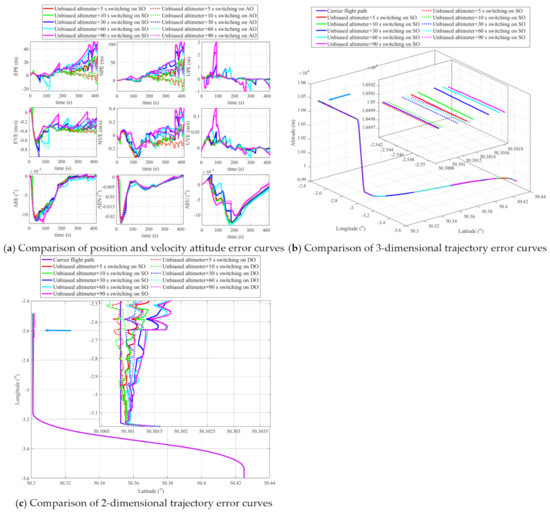
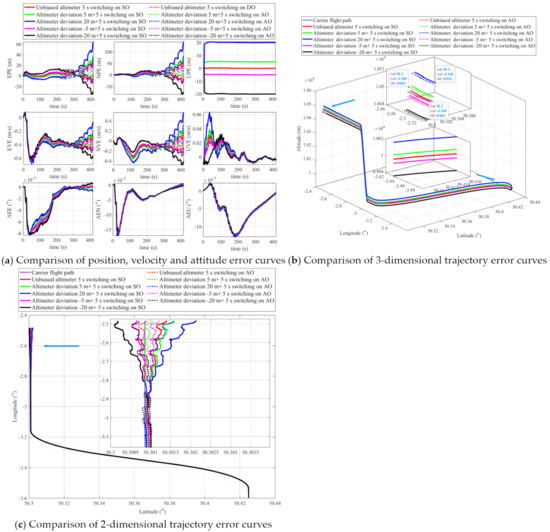
To solve the problem of location service interruption that is easily caused by incomplete visual satellite environments such as occlusion, urban blocks and mountains, we propose an altimeter + inertial navigation system (INS) + giant low earth orbit (LEO) dual-satellite (LEO2) switching integrated [...] Read more.
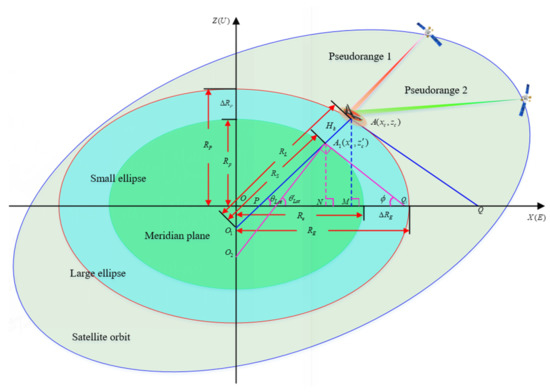
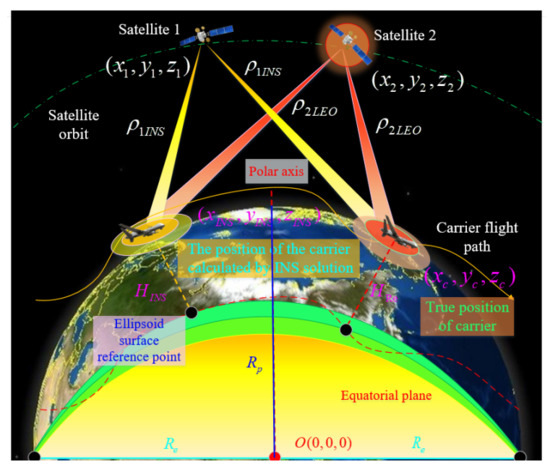
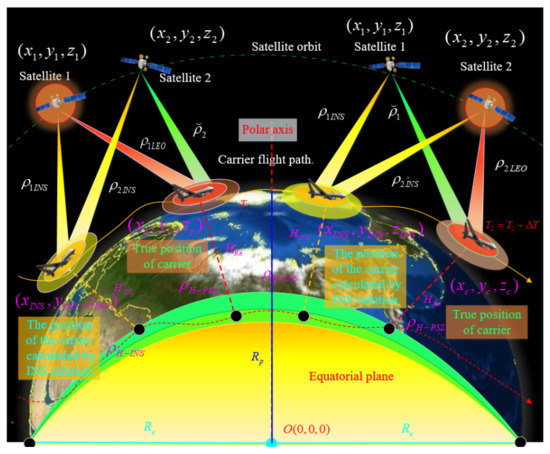
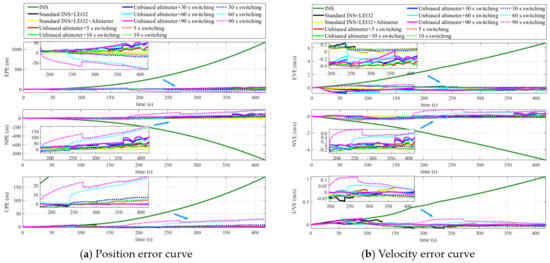
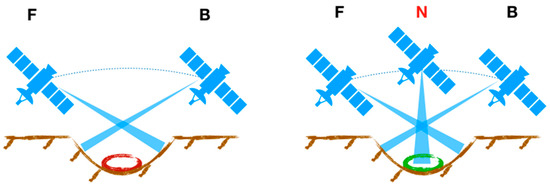
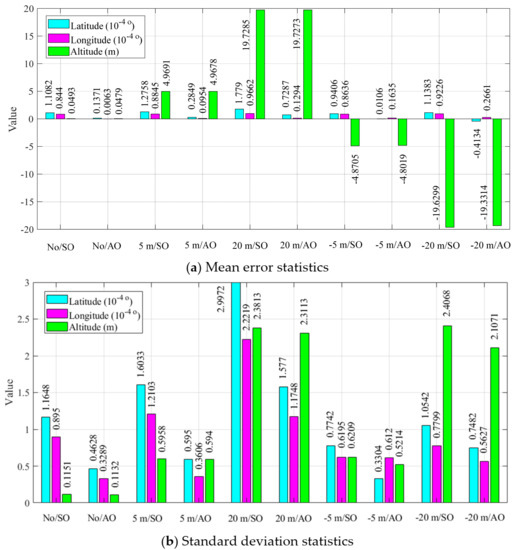
To solve the problem of location service interruption that is easily caused by incomplete visual satellite environments such as occlusion, urban blocks and mountains, we propose an altimeter + inertial navigation system (INS) + giant low earth orbit (LEO) dual-satellite (LEO2) switching integrated navigation algorithm based on a similar ellipsoid model and unscented Kalman filter (UKF). In addition to effectively improving the INS error, for the INS + LEO dual-satellite switching algorithm without altimeter assistance, our algorithm can also significantly suppress the problem of excessive navigation and positioning error caused by this algorithm in a long switching time, it does not require frequent switching of LEO satellites, and can ensure navigation and positioning functions without affecting LEO satellite communication services. In addition, the vertical dilution of precision (VDOP) value can be improved through the clock error elimination scheme, so, the vertical accuracy can be improved to a certain extent. For different altimeter deviations, we provide simulation experiments under different altimeter deviations; it can be found that after deducting the fixed height deviation, the algorithm can also achieve good accuracy. Compared with other typical algorithms, our proposed algorithm has higher accuracy, lower cost and stronger real-time performance, and is suitable for navigation and positioning scenarios in harsh environments. Full article
(This article belongs to the Section Satellite Missions for Earth and Planetary Exploration)
Show Figures

Figure 1
22 pages, 10532 KB  
Article
Hyperspectral Image Mixed Noise Removal Using Subspace Representation and Deep CNN Image Prior
by Lina Zhuang, Michael K. Ng and Xiyou Fu
Remote Sens. 2021, 13(20), 4098; https://doi.org/10.3390/rs13204098 - 13 Oct 2021
Cited by 26 | Viewed by 4200
Abstract
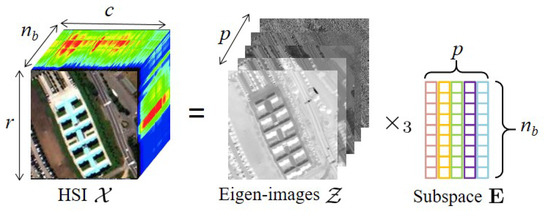
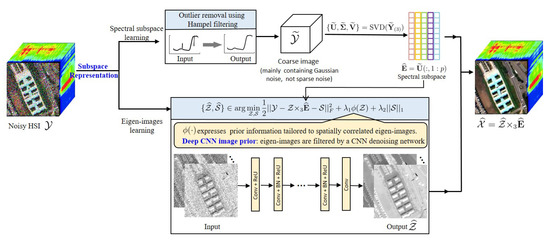
The ever-increasing spectral resolution of hyperspectral images (HSIs) is often obtained at the cost of a decrease in the signal-to-noise ratio (SNR) of the measurements. The decreased SNR reduces the reliability of measured features or information extracted from HSIs, thus calling for effective [...] Read more.
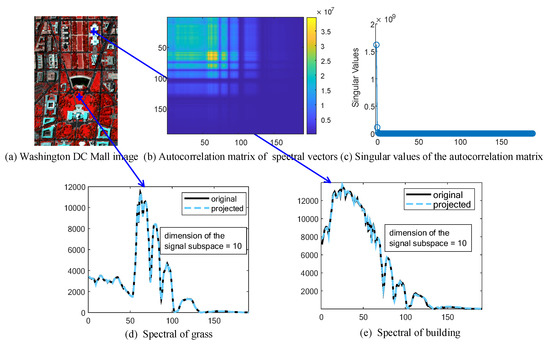
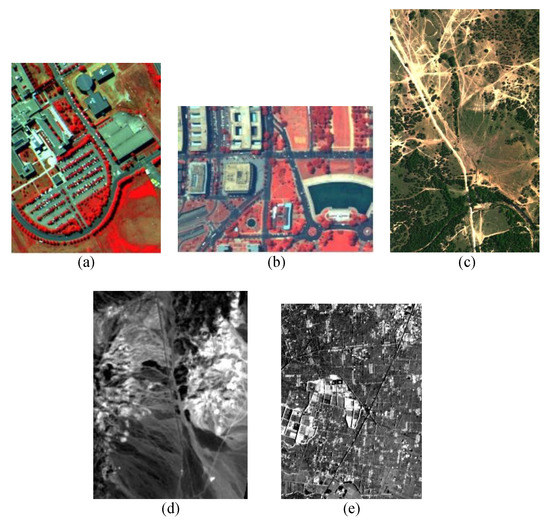
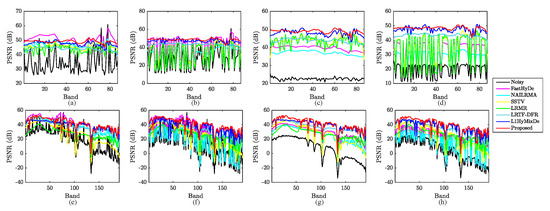
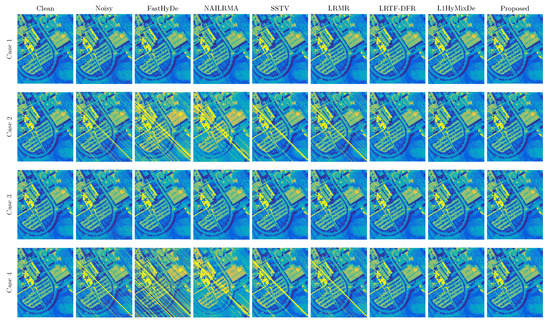
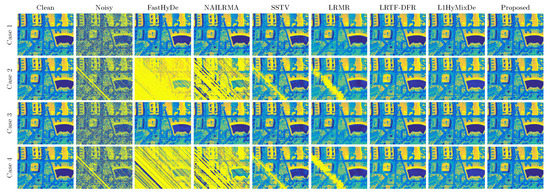
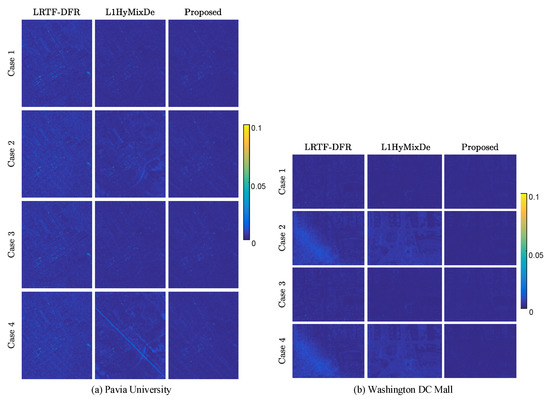
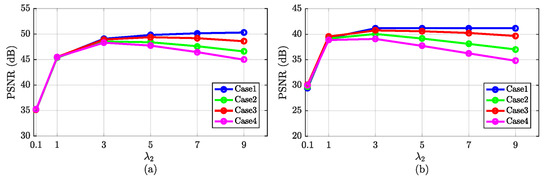
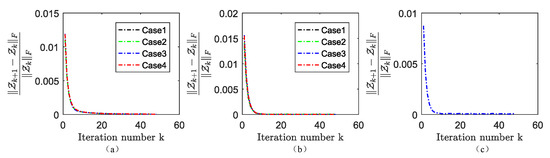
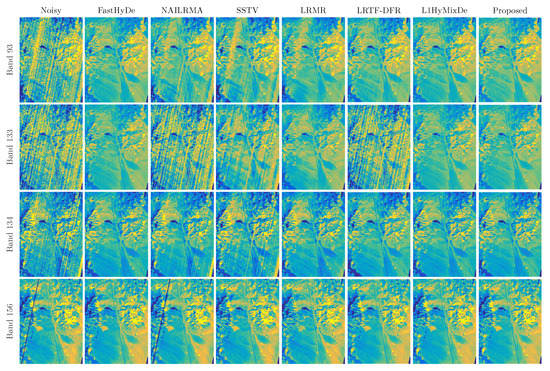
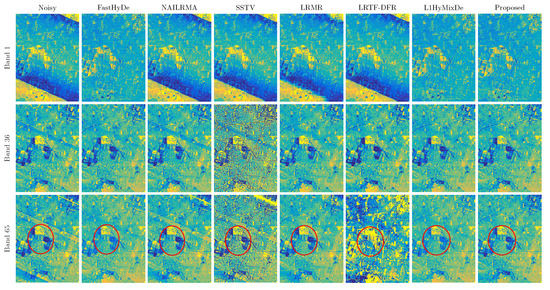
The ever-increasing spectral resolution of hyperspectral images (HSIs) is often obtained at the cost of a decrease in the signal-to-noise ratio (SNR) of the measurements. The decreased SNR reduces the reliability of measured features or information extracted from HSIs, thus calling for effective denoising techniques. This work aims to estimate clean HSIs from observations corrupted by mixed noise (containing Gaussian noise, impulse noise, and dead-lines/stripes) by exploiting two main characteristics of hyperspectral data, namely low-rankness in the spectral domain and high correlation in the spatial domain. We take advantage of the spectral low-rankness of HSIs by representing spectral vectors in an orthogonal subspace, which is learned from observed images by a new method. Subspace representation coefficients of HSIs are learned by solving an optimization problem plugged with an image prior extracted from a neural denoising network. The proposed method is evaluated on simulated and real HSIs. An exhaustive array of experiments and comparisons with state-of-the-art denoisers were carried out. Full article
(This article belongs to the Section Remote Sensing Image Processing)
Show Figures

Figure 1
24 pages, 13472 KB  
Article
Accelerated Multi-View Stereo for 3D Reconstruction of Transmission Corridor with Fine-Scale Power Line
by Wei Huang, San Jiang, Sheng He and Wanshou Jiang
Remote Sens. 2021, 13(20), 4097; https://doi.org/10.3390/rs13204097 - 13 Oct 2021
Cited by 8 | Viewed by 4251
Abstract
Fast reconstruction of power lines and corridors is a critical task in UAV (unmanned aerial vehicle)-based inspection of high-voltage transmission corridors. However, recent dense matching algorithms suffer the problem of low efficiency when processing large-scale high-resolution UAV images. This study proposes an efficient [...] Read more.
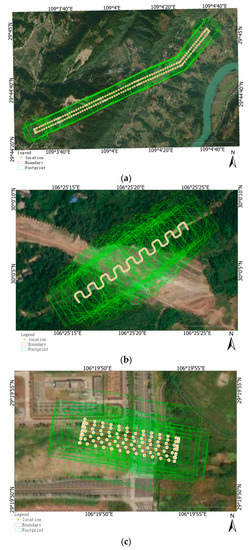
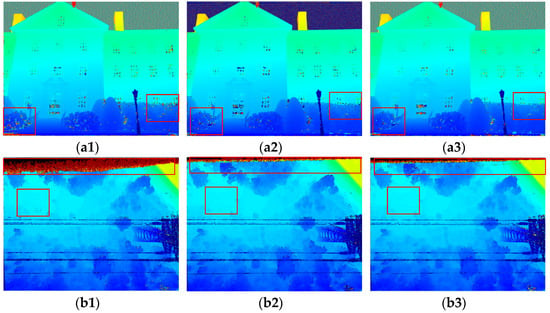
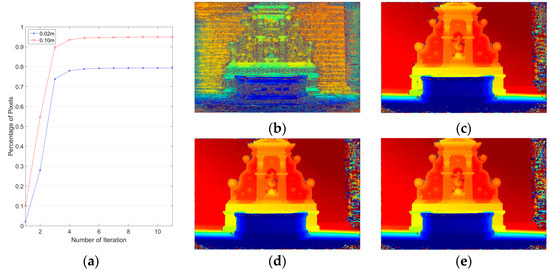
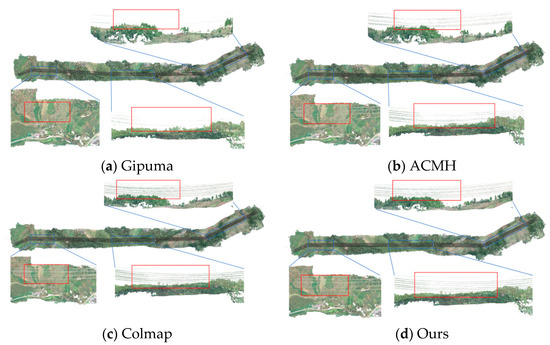
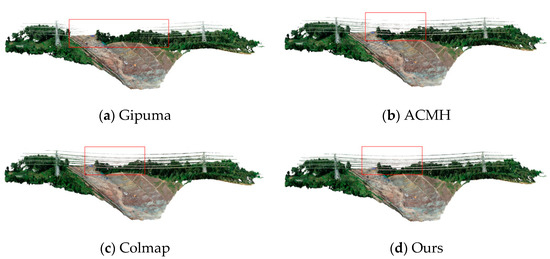
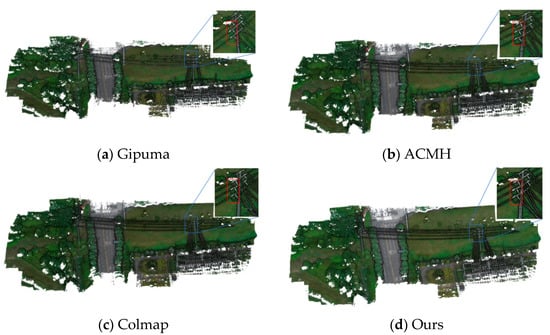
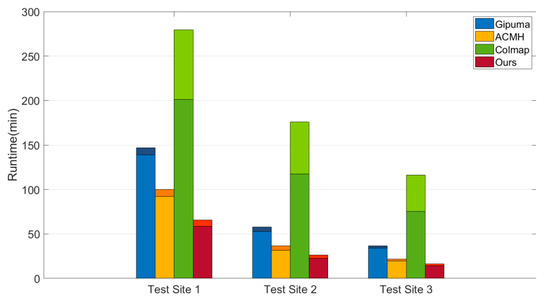
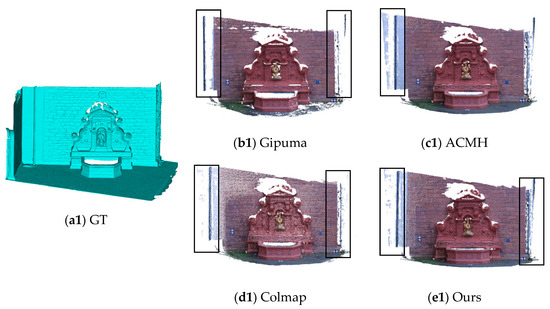
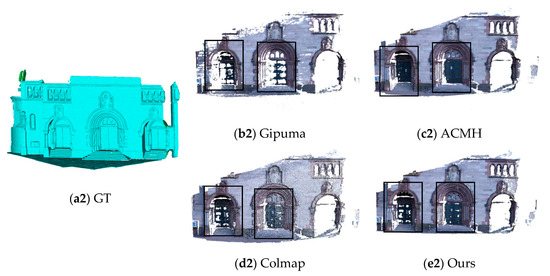
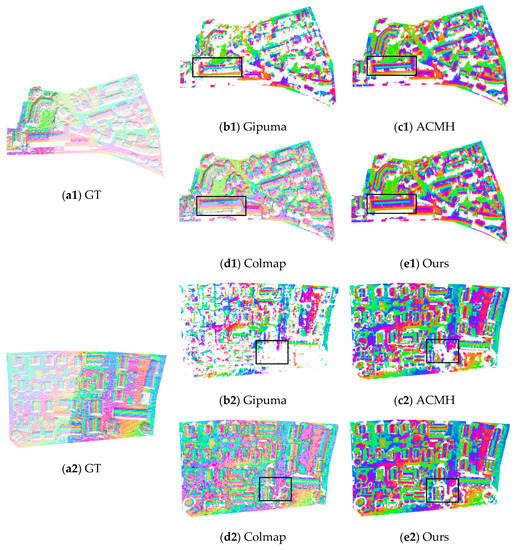
Fast reconstruction of power lines and corridors is a critical task in UAV (unmanned aerial vehicle)-based inspection of high-voltage transmission corridors. However, recent dense matching algorithms suffer the problem of low efficiency when processing large-scale high-resolution UAV images. This study proposes an efficient dense matching method for the 3D reconstruction of high-voltage transmission corridors with fine-scale power lines. First, an efficient random red-black checkerboard propagation is proposed, which utilizes the neighbor pixels with the most similar color to propagate plane parameters. To combine the pixel-wise view selection strategy adopted in Colmap with the efficient random red-black checkerboard propagation, the updating schedule for inferring visible probability is improved; second, strategies for decreasing the number of matching cost computations are proposed, which can reduce the unnecessary hypotheses for verification. The number of neighbor pixels necessary to propagate plane parameters is reduced with the increase of iterations, and the number of the combinations of depth and normal is reduced for the pixel with better matching cost in the plane refinement step; third, an efficient GPU (graphics processing unit)-based depth map fusion method is proposed, which employs a weight function based on the reprojection errors to fuse the depth map. Finally, experiments are conducted by using three UAV datasets, and the results indicate that the proposed method can maintain the completeness of power line reconstruction with high efficiency when compared to other PatchMatch-based methods. In addition, two benchmark datasets are used to verify that the proposed method can achieve a better F1 score, 4–7 times faster than Colmap. Full article
(This article belongs to the Special Issue Techniques and Applications of UAV-Based Photogrammetric 3D Mapping)
Show Figures

Figure 1
16 pages, 9666 KB  
Article
Global Wave Height Slowdown Trend during a Recent Global Warming Slowdown
by Yuhan Cao, Changming Dong, Ian R. Young and Jingsong Yang
Remote Sens. 2021, 13(20), 4096; https://doi.org/10.3390/rs13204096 - 13 Oct 2021
Cited by 13 | Viewed by 5495
Abstract
It has been reported that global warming results in the increase of globally averaged wave heights. What happened to the global-averaged wave heights during the global warming slowdown period (1999–2013)? Using reanalysis products, together with remote sensing and in situ observational data, it [...] Read more.
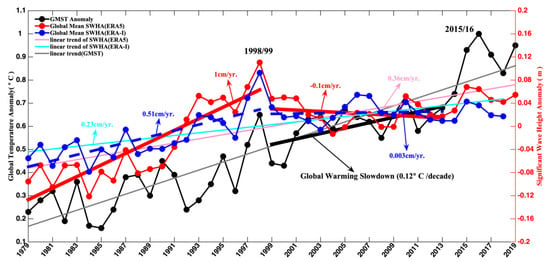
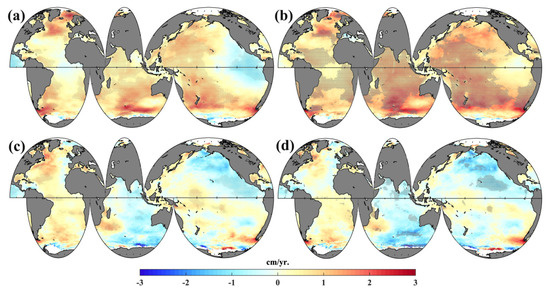
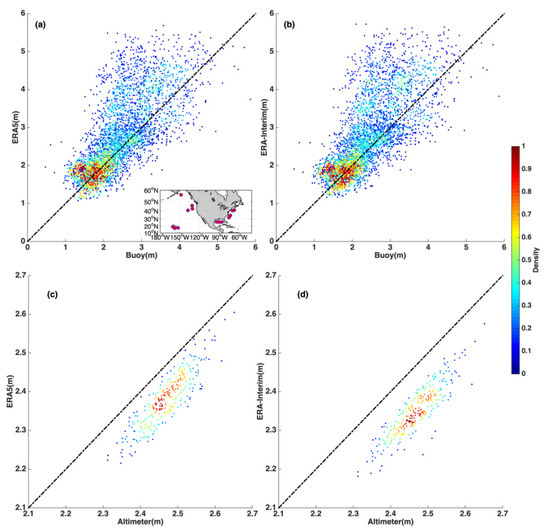
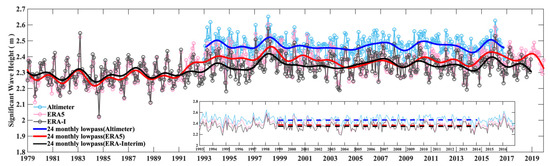
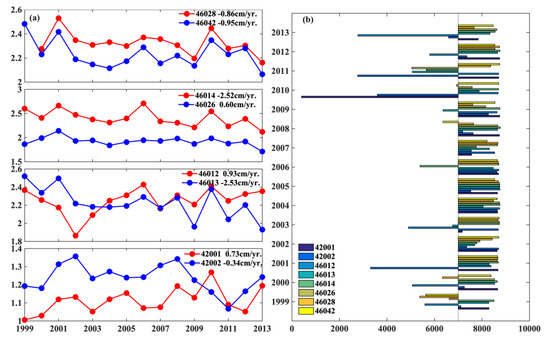
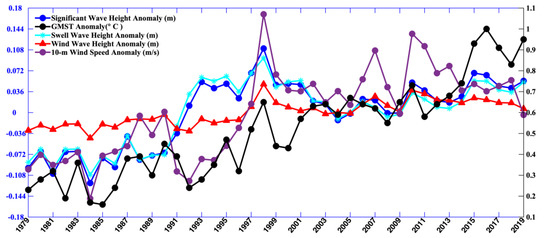
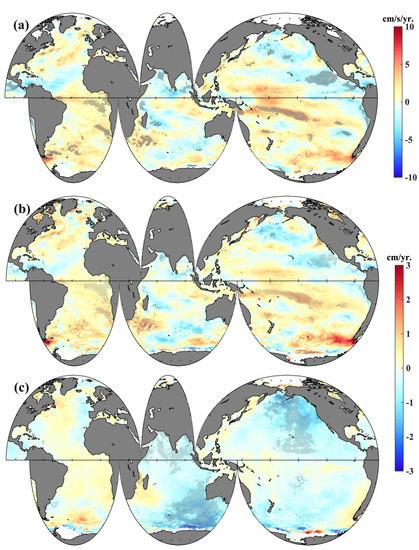
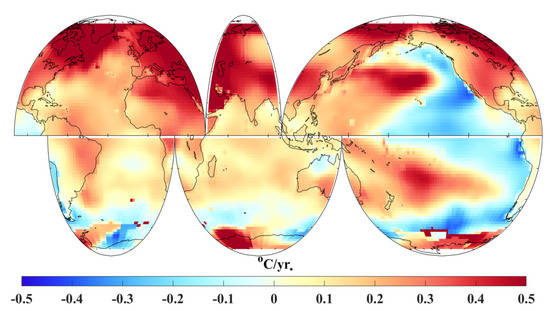
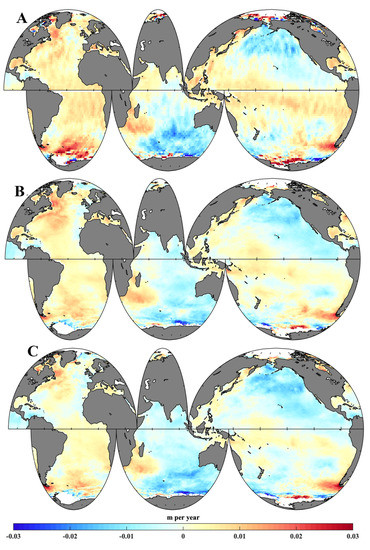
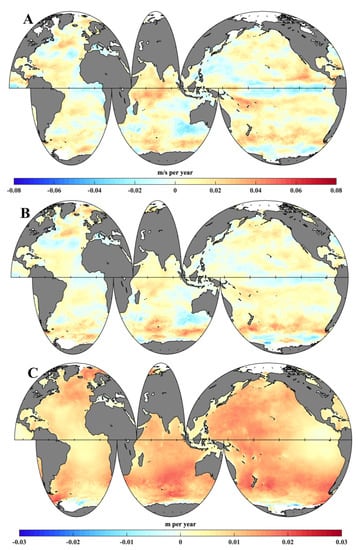
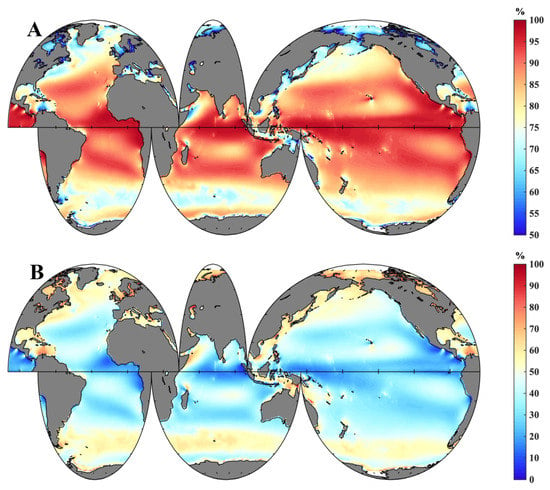
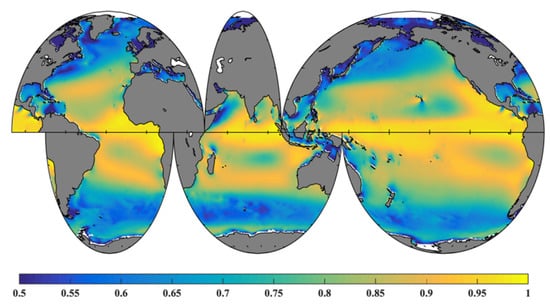
It has been reported that global warming results in the increase of globally averaged wave heights. What happened to the global-averaged wave heights during the global warming slowdown period (1999–2013)? Using reanalysis products, together with remote sensing and in situ observational data, it was found that the temporal variation pattern of the globally averaged wave heights was similar to the slowdown trend in the increase in global mean surface temperature during the same period. The analysis of the spatial distribution of trends in wave height variation revealed different rates in global oceans: a downward trend in the northeastern Pacific and southern Indian Ocean, and an upward trend in other regions. The decomposition of waves into swells and wind waves demonstrates that swells dominate global wave height variations, which indicates that local sea surface winds indirectly affect the slowdown in the rate of wave height growth. Full article
Show Figures

Figure 1
22 pages, 5682 KB  
Article
Within-Field Rice Yield Estimation Based on Sentinel-2 Satellite Data
by Belen Franch, Alberto San Bautista, David Fita, Constanza Rubio, Daniel Tarrazó-Serrano, Antonio Sánchez, Sergii Skakun, Eric Vermote, Inbal Becker-Reshef and Antonio Uris
Remote Sens. 2021, 13(20), 4095; https://doi.org/10.3390/rs13204095 - 13 Oct 2021
Cited by 42 | Viewed by 8399
Abstract
Rice is considered one of the most important crops in the world. According to the Food and Agriculture Organization of the United Nations (FAO), rice production has increased significantly (156%) during the last 50 years, with a limited increase in cultivated area (24%). [...] Read more.
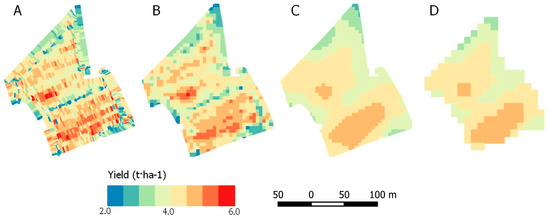
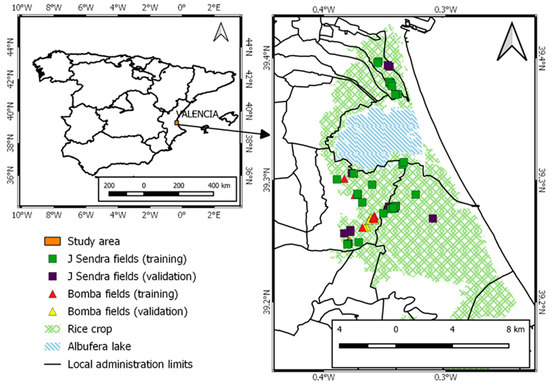
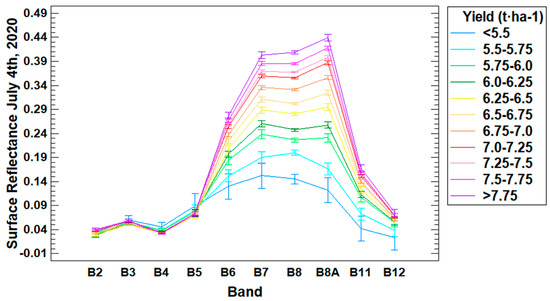
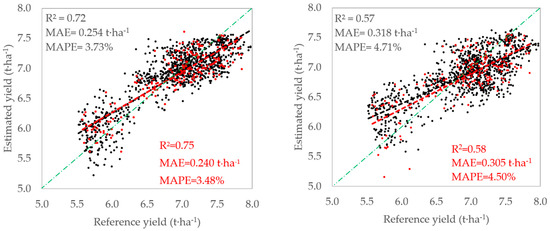
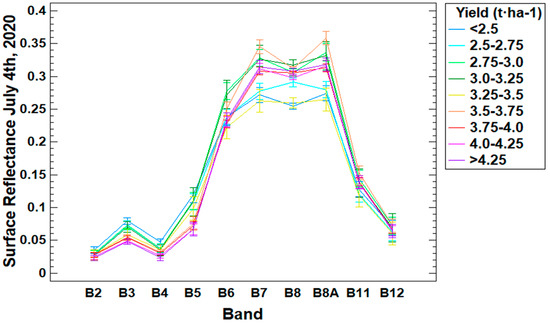
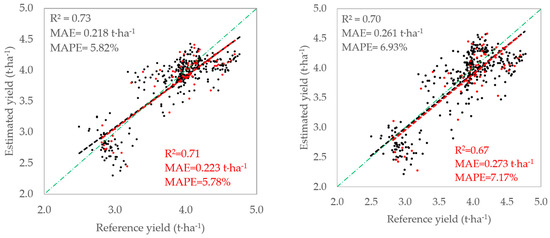
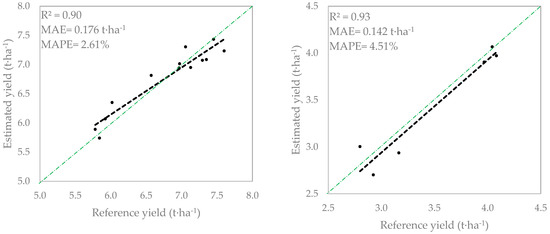
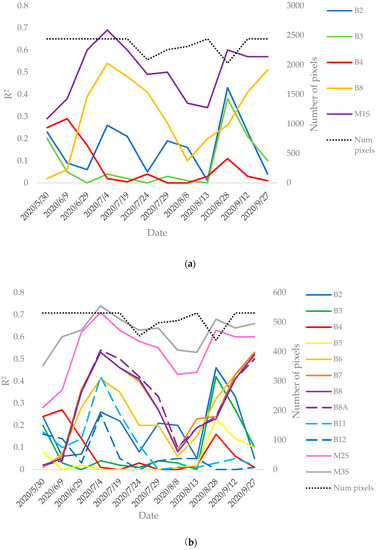
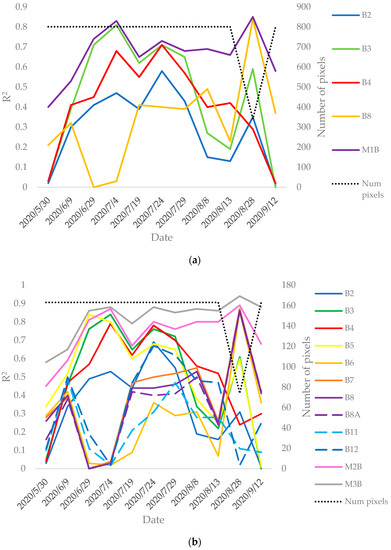
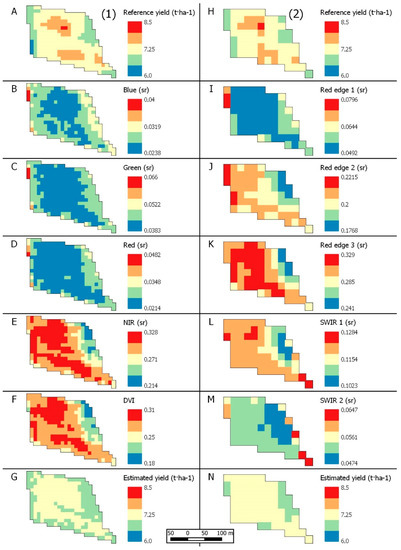
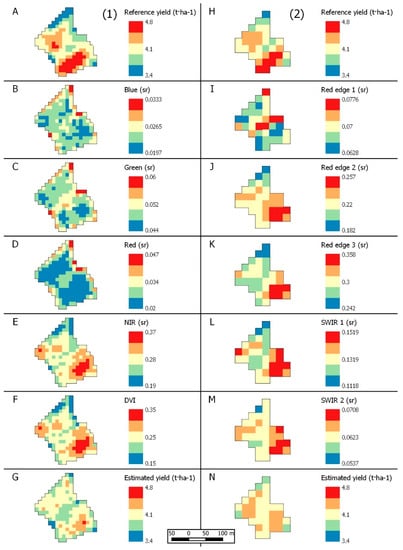
Rice is considered one of the most important crops in the world. According to the Food and Agriculture Organization of the United Nations (FAO), rice production has increased significantly (156%) during the last 50 years, with a limited increase in cultivated area (24%). With the recent advances in remote sensing technologies, it is now possible to monitor rice crop production for a better understanding of its management at field scale to ultimately improve rice yields. In this work, we monitor within-field rice production of the two main rice varieties grown in Valencia (Spain) JSendra and Bomba during the 2020 season. The sowing date of both varieties was May 22–25, while the harvesting date was September 15–17 for Bomba and October 5–8 for JSendra. Rice yield data was collected over 66.03 ha (52 fields) by harvesting machines equipped with onboard sensors that determine the dry grain yield within irregular polygons of 3–7 m width. This dataset was split in two, selecting 70% of fields for training and 30% for validation purposes. Sentinel-2 surface reflectance spectral data acquired from May until September 2020 was considered over the test area at the two different spatial resolutions of 10 and 20 m. These two datasets were combined assessing the best combination of spectral reflectance bands (SR) or vegetation indices (VIs) as well as the best timing to infer final within-field yields. The results show that SR improves the performance of models with VIs. Furthermore, the correlation of each spectral band and VIs with the final yield changes with the dates and varieties. Considering the training data, the best correlation with the yields is obtained on July 4, with R2 for JSendra of 0.72 at 10 m and 0.76 at 20 m resolution, while the R2 for Bomba is 0.87 at 10 m and 0.92 at 20 m resolution. Based on the validation dataset, the proposed models provide within-field yield modelling Mean Absolute Error (MAE) of 0.254 t×ha−1 (Mean Absolute Percentage Error, MAPE, of 3.73%) for JSendra at 10 m (0.240 t×ha−1; 3.48% at 20 m) and 0.218 t×ha−1 (MAPE 5.82%) for Bomba (0.223 t×ha−1; 5.78% at 20 m) on July 4, that is three months before harvest. At parcel level the model’s MAE is 0.176 t×ha−1 (MAPE 2.61%) for JSendra and 0.142 t×ha−1 (MAPE 4.51%) for Bomba. These results confirm the close correlation between the rice yield and the spectral information from satellite imagery. Additionally, these models provide a timeliness overview of underperforming areas within the field three months before the harvest where farmers can improve their management practices. Furthermore, it highlights the importance of optimum agronomic management of rice plants during the first weeks of rice cultivation (40–50 days after sowing) to achieve high yields. Full article
(This article belongs to the Special Issue Remote Sensing for Precision Agriculture)
Show Figures

Figure 1
19 pages, 3653 KB  
Article
Detecting the Surface Signature of Riverine and Effluent Plumes along the Bulgarian Black Sea Coast Using Satellite Data
by Irina Gancheva, Elisaveta Peneva and Violeta Slabakova
Remote Sens. 2021, 13(20), 4094; https://doi.org/10.3390/rs13204094 - 13 Oct 2021
Cited by 5 | Viewed by 3137
Abstract
The clear and reliable detection of effluent plumes using satellite data is especially challenging. The surface signature of such events is of a small scale; it shows a complex interaction with the local environment and depends greatly on the effluent and marine water [...] Read more.
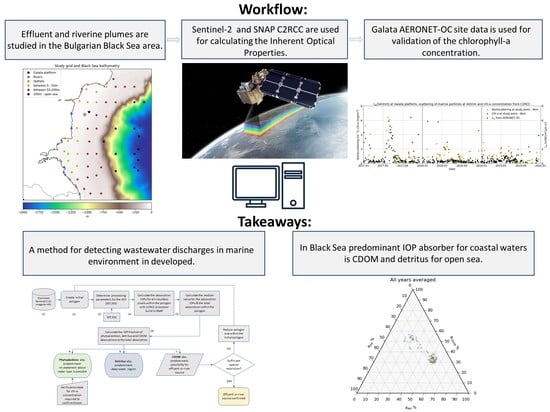
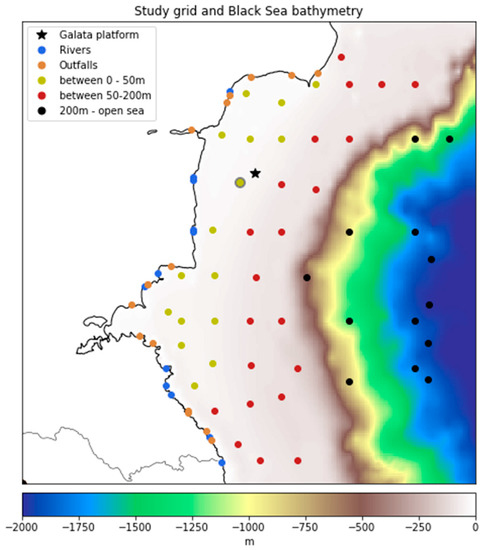
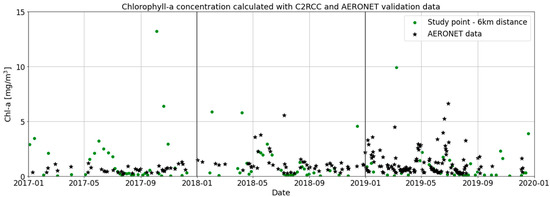
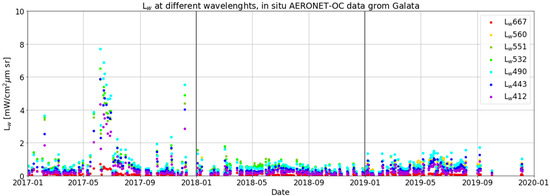
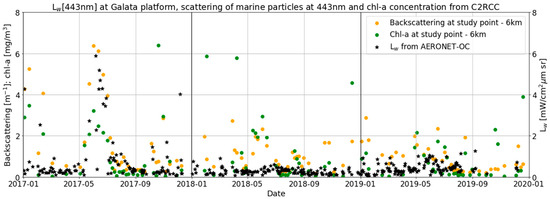
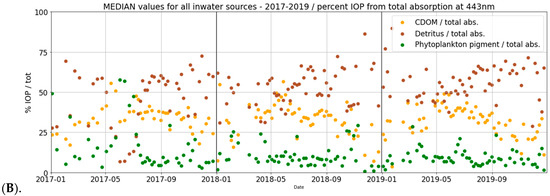
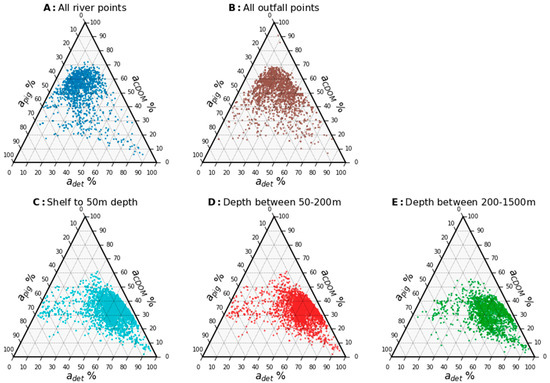
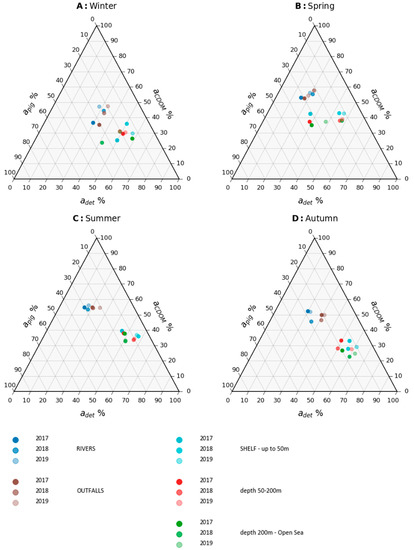
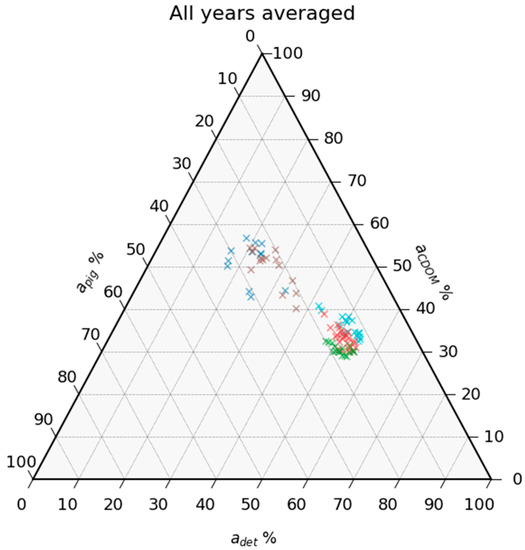
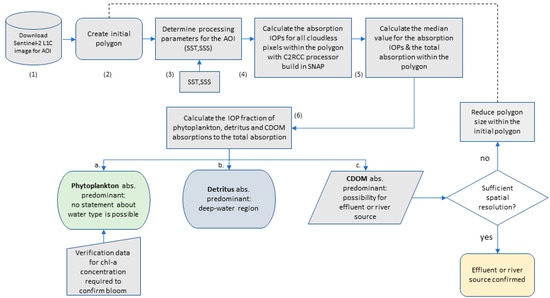
The clear and reliable detection of effluent plumes using satellite data is especially challenging. The surface signature of such events is of a small scale; it shows a complex interaction with the local environment and depends greatly on the effluent and marine water constitution. In the context of remote sensing techniques for detecting treated wastewater discharges, we study the surface signature of small river plumes, as they share specific characteristics, such as higher turbidity levels and increased nutrient concentration, and are fresh compared to the salty marine water. The Bulgarian Black Sea zone proves to be a challenging study area, with its optically complex waters and positive freshwater balance. Additionally, the Bulgarian Black Sea coast is a known tourist destination with an increased seasonal load; thus, the problem of the identification of wastewater discharges is a topical issue. In this study, we analyze the absorption components of the Inherent Optical Properties (IOPs) for 84 study points that are located at outfall discharging areas, river estuaries and at different distances from the shoreline, reaching the open sea area at a bottom depth of more than 2000 m. The calculations of IOPs take into account all available Sentinel 2 cloudless acquisitions for three years from 2017 until 2019 and are performed using the Case-2 Regional CoastColour (C2RCC) processor, implemented in the Sentinel Application Platform (SNAP). The predominant absorber for each study area and its temporal variation is determined, deriving the specific characteristics of the different areas and tracking their seasonal and annual course. Optical data from the Galata AERONET-OC site are used for validating the absorption coefficient of phytoplankton pigment. A conclusion regarding the possibility of distinguishing riverine, marine and coastal water is derived. The study provides a sound basis for estimating the advantages and drawbacks of optical satellite data for tracking the extent of effluent and fluvial plumes with unknown concentrations of optically significant seawater constituents. Full article
(This article belongs to the Special Issue Remote Sensing of the Sea Surface and the Upper Ocean)
Show Figures

Graphical abstract

20 pages, 6216 KB  
Article
Forest Cover and Sustainable Development in the Lumbini Province, Nepal: Past, Present and Future
by Bhagawat Rimal, Hamidreza Keshtkar, Nigel Stork and Sushila Rijal
Remote Sens. 2021, 13(20), 4093; https://doi.org/10.3390/rs13204093 - 13 Oct 2021
Cited by 10 | Viewed by 10970
Abstract
The analysis of forest cover change at different scales is an increasingly important research topic in environmental studies. Forest Landscape Restoration (FLR) is an integrated approach to manage and restore forests across various landscapes and environments. Such restoration helps to meet the targets [...] Read more.
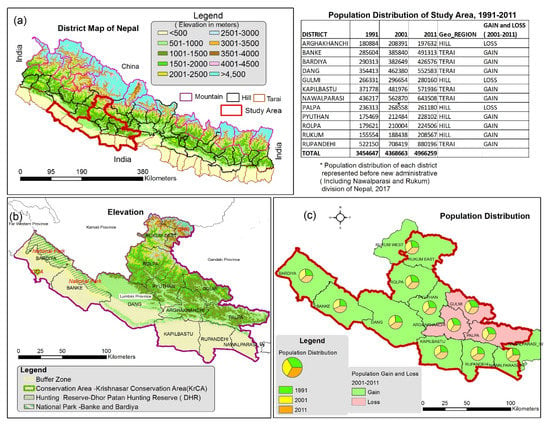
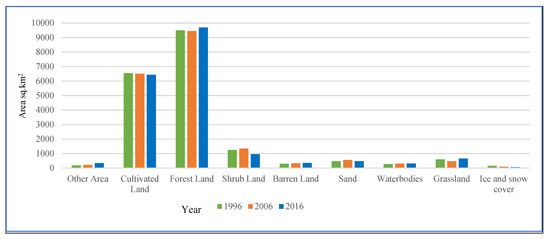
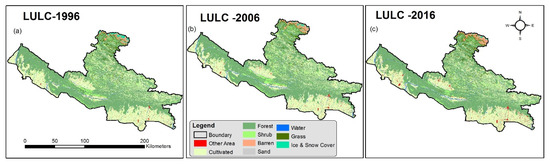
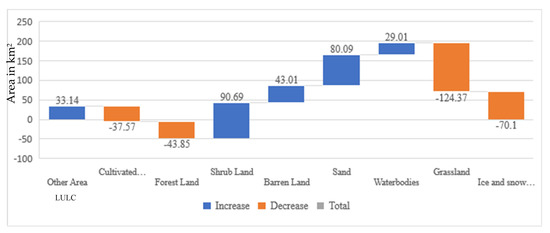
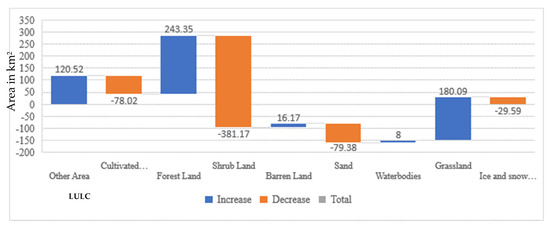
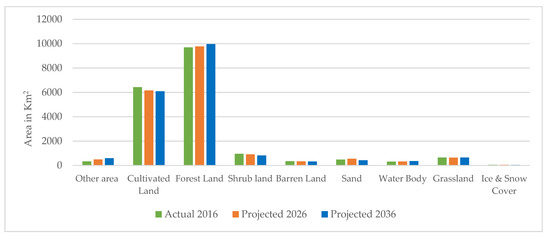
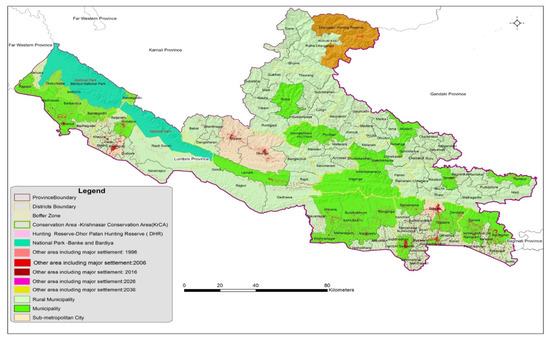
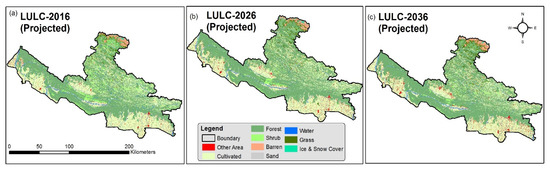
The analysis of forest cover change at different scales is an increasingly important research topic in environmental studies. Forest Landscape Restoration (FLR) is an integrated approach to manage and restore forests across various landscapes and environments. Such restoration helps to meet the targets of Sustainable Development Goal (SDG)–15, as outlined in the UN Environment’s sixth Global Outlook, which includes the sustainable management of forests, the control of desertification, reducing degradation, biodiversity loss, and the conservation of mountain ecosystems. Here, we have used time series Landsat images from 1996 to 2016 to see how land use, and in particular forest cover, have changed between 1996 and 2016 in the Lumbini Province of Nepal. In addition, we simulated projections of land cover (LC) and forest cover change for the years 2026 and 2036 using a hybrid cellular automata Markov chain (CA–Markov) model. We found that the overall forest area increased by 199 km2 (2.1%), from a 9491 km2 (49.3%) area in 1996 to 9691 km2 (50.3%) area in 2016. Our modeling suggests that forest area will increase by 81 km2 (9691 to 9772 km2) in 2026 and by 195 km2 (9772 km2 to 9966 km2) in 2036. They are policy, planning, management factors and further strategies to aid forest regeneration. Clear legal frameworks and coherent policies are required to support sustainable forest management programs. This research may support the targets of the Sustainable Development Goals (SDG), the land degradation neutral world (LDN), and the UN decade 2021–2031 for ecosystem restoration. Full article
(This article belongs to the Special Issue Remote Sensing of Ecosystems)
Show Figures

Figure 1
14 pages, 9076 KB  
Article
Visual Digital Forest Model Based on a Remote Sensing Data and Forest Inventory Data
by Marsel Vagizov R., Eugenie Istomin P., Valerie Miheev L., Artem Potapov P. and Natalya Yagotinceva V.
Remote Sens. 2021, 13(20), 4092; https://doi.org/10.3390/rs13204092 - 13 Oct 2021
Cited by 10 | Viewed by 5247
Abstract
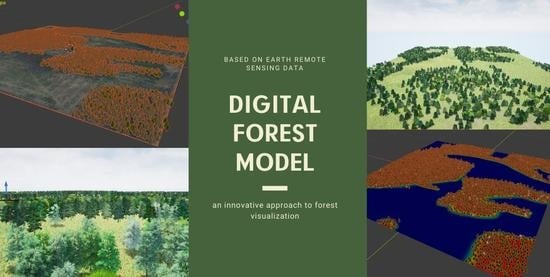
This article discusses the process of creating a digital forest model based on remote sensing data, three-dimensional modeling, and forest inventory data. Remote sensing data of the Earth provide a fundamental tool for integrating subsequent objects into a digital forest model, enabling the [...] Read more.
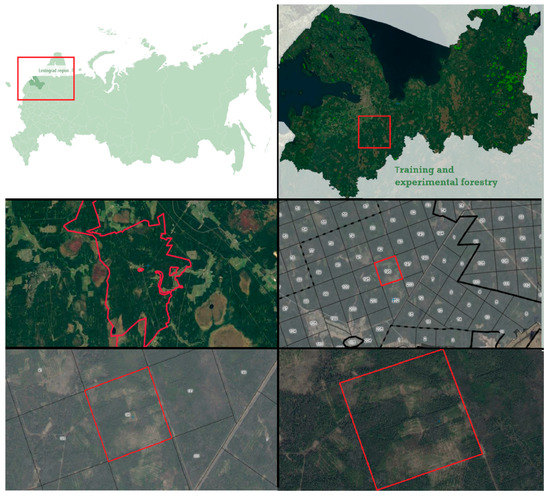
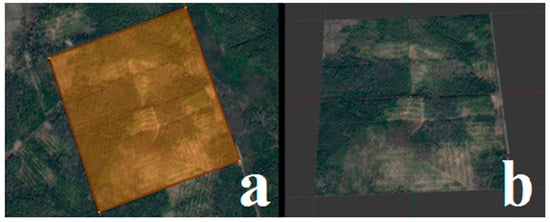
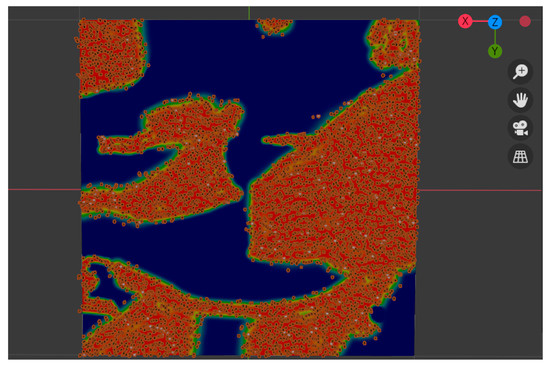
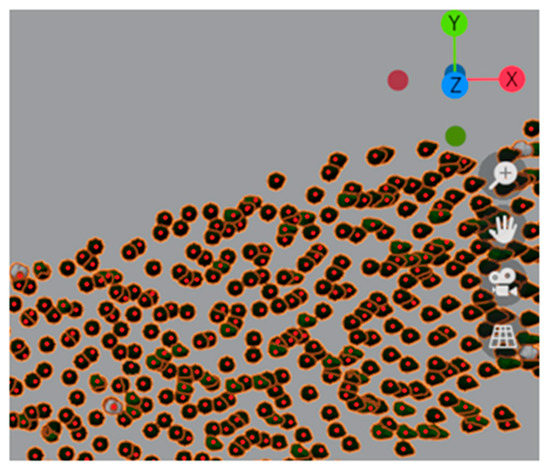
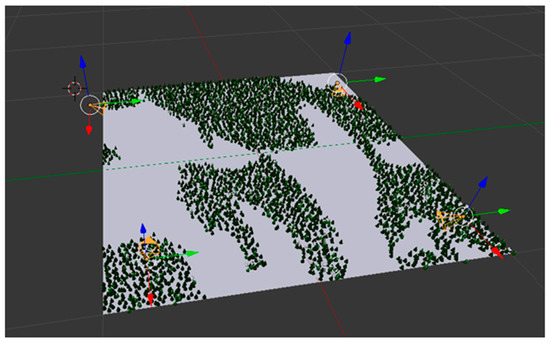
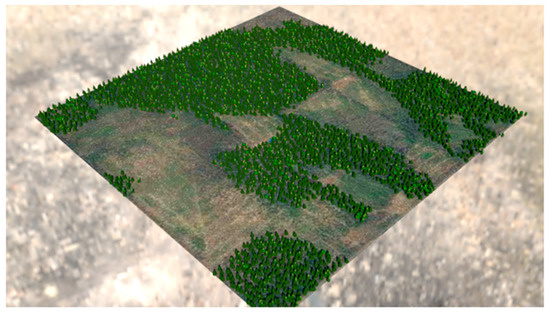
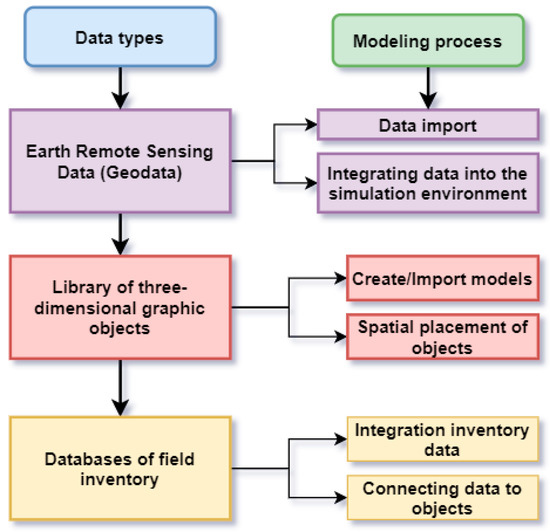
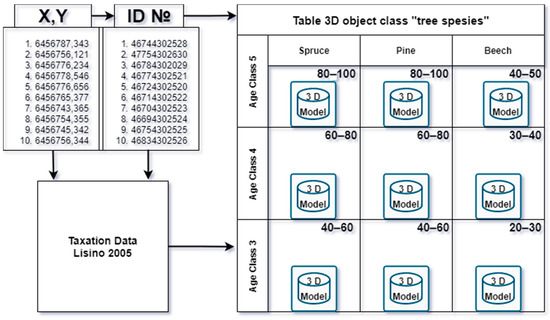
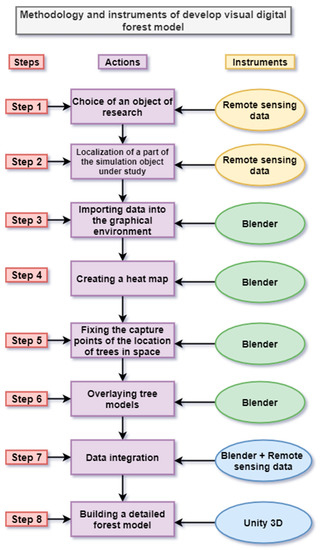
This article discusses the process of creating a digital forest model based on remote sensing data, three-dimensional modeling, and forest inventory data. Remote sensing data of the Earth provide a fundamental tool for integrating subsequent objects into a digital forest model, enabling the creation of an accurate digital model of a selected forest quarter by using forest inventory data in educational and experimental forestry, and providing a valuable and extensive database of forest characteristics. The formalization and compilation of technologies for connecting forest inventory databases and remote sensing data with the construction of three-dimensional tree models for a dynamic display of changes in forests provide an additional source of data for obtaining new knowledge. The quality of forest resource management can be improved by obtaining the most accurate details of the current state of forests. Using machine learning and regression analysis methods as part of a digital model, it is possible to visually assess the course of planting growth, changes in species composition, and other morphological characteristics of forests. The goal of digital, interactive forest modeling is to create virtual simulations of the future status of forests using a combination of predictive forest inventory models and machine learning technology. The research findings provide a basic idea and technique for developing local digital forest models based on remote sensing and data integration technologies. Full article
Show Figures

Graphical abstract

18 pages, 6827 KB  
Article
A Comparative Estimation of Maize Leaf Water Content Using Machine Learning Techniques and Unmanned Aerial Vehicle (UAV)-Based Proximal and Remotely Sensed Data
by Helen S. Ndlovu, John Odindi, Mbulisi Sibanda, Onisimo Mutanga, Alistair Clulow, Vimbayi G. P. Chimonyo and Tafadzwanashe Mabhaudhi
Remote Sens. 2021, 13(20), 4091; https://doi.org/10.3390/rs13204091 - 13 Oct 2021
Cited by 82 | Viewed by 6520
Abstract
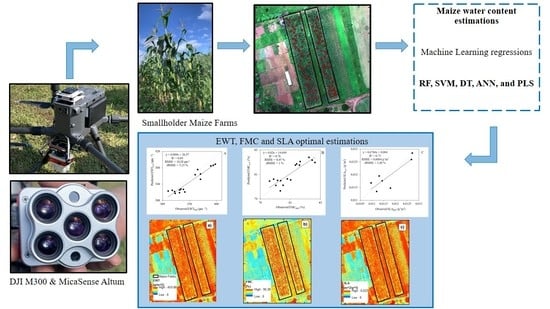
Determining maize water content variability is necessary for crop monitoring and in developing early warning systems to optimise agricultural production in smallholder farms. However, spatially explicit information on maize water content, particularly in Southern Africa, remains elementary due to the shortage of efficient [...] Read more.
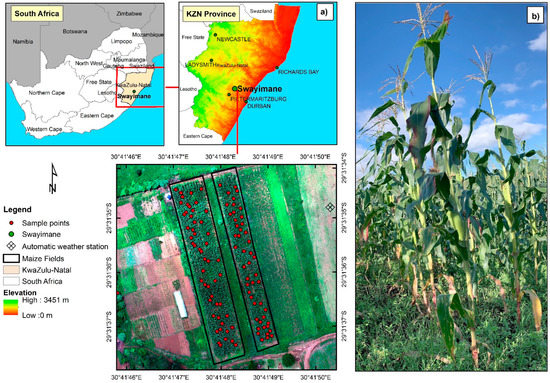
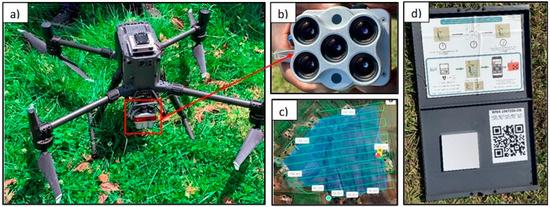
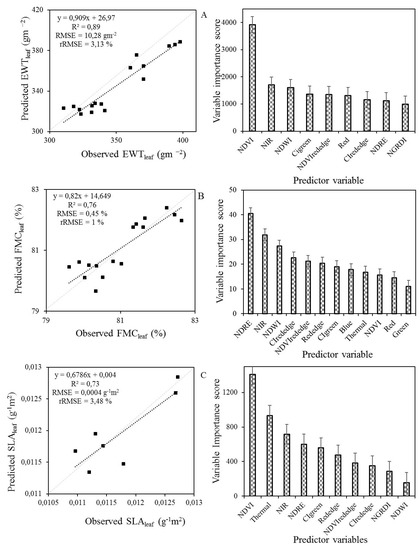
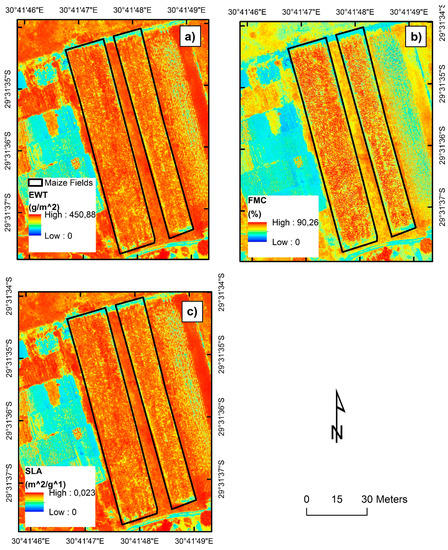
Determining maize water content variability is necessary for crop monitoring and in developing early warning systems to optimise agricultural production in smallholder farms. However, spatially explicit information on maize water content, particularly in Southern Africa, remains elementary due to the shortage of efficient and affordable primary sources of suitable spatial data at a local scale. Unmanned Aerial Vehicles (UAVs), equipped with light-weight multispectral sensors, provide spatially explicit, near-real-time information for determining the maize crop water status at farm scale. Therefore, this study evaluated the utility of UAV-derived multispectral imagery and machine learning techniques in estimating maize leaf water indicators: equivalent water thickness (EWT), fuel moisture content (FMC), and specific leaf area (SLA). The results illustrated that both NIR and red-edge derived spectral variables were critical in characterising the maize water indicators on smallholder farms. Furthermore, the best models for estimating EWT, FMC, and SLA were derived from the random forest regression (RFR) algorithm with an rRMSE of 3.13%, 1%, and 3.48%, respectively. Additionally, EWT and FMC yielded the highest predictive performance and were the most optimal indicators of maize leaf water content. The findings are critical towards developing a robust and spatially explicit monitoring framework of maize water status and serve as a proxy of crop health and the overall productivity of smallholder maize farms. Full article
(This article belongs to the Special Issue UAV Imagery for Precision Agriculture)
Show Figures

Graphical abstract

21 pages, 5015 KB  
Article
A Novel Approach for Forest Fragmentation Susceptibility Mapping and Assessment: A Case Study from the Indian Himalayan Region
by Amit Kumar Batar, Hideaki Shibata and Teiji Watanabe
Remote Sens. 2021, 13(20), 4090; https://doi.org/10.3390/rs13204090 - 13 Oct 2021
Cited by 15 | Viewed by 7225
Abstract
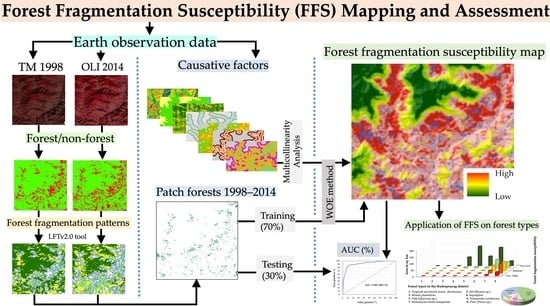
An estimation of where forest fragmentation is likely to occur is critically important for improving the integrity of the forest landscape. We prepare a forest fragmentation susceptibility map for the first time by developing an integrated model and identify its causative factors in [...] Read more.
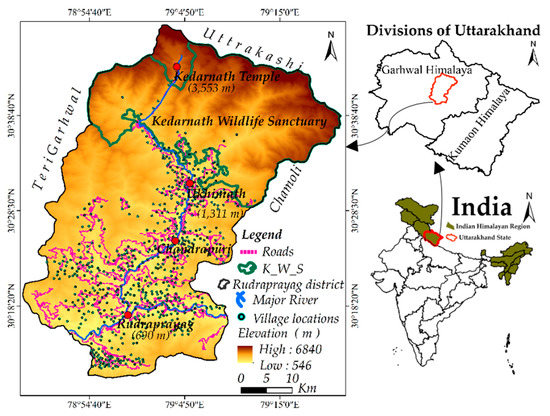
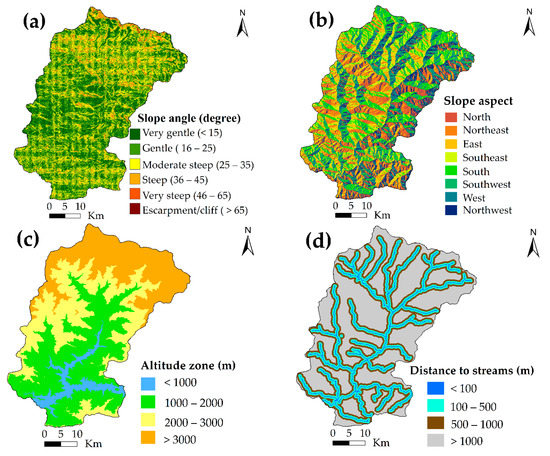
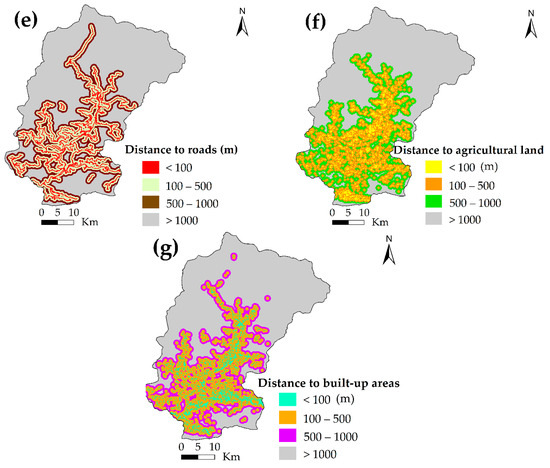
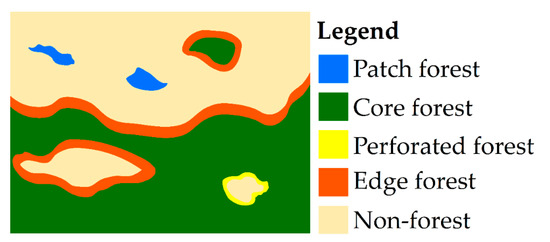
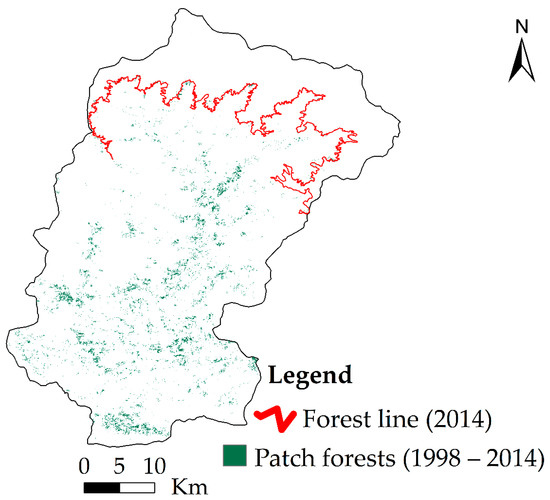
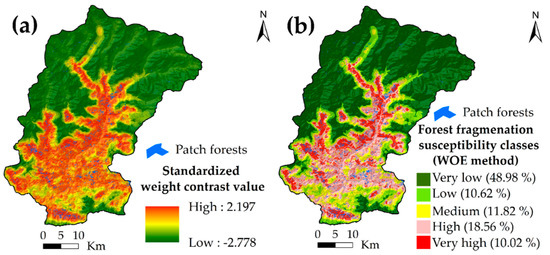
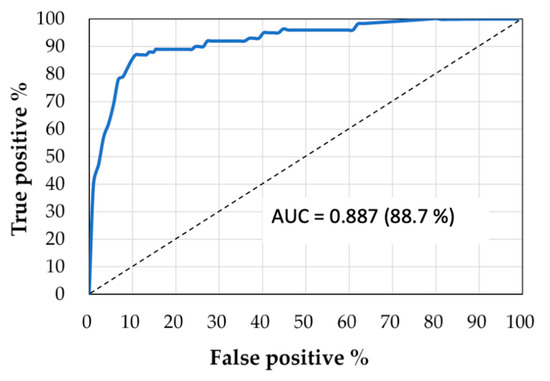
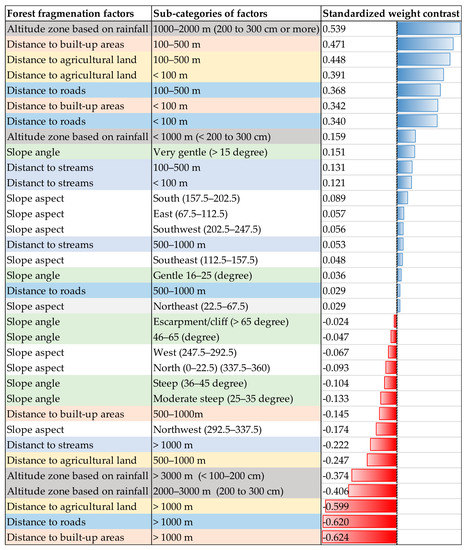
An estimation of where forest fragmentation is likely to occur is critically important for improving the integrity of the forest landscape. We prepare a forest fragmentation susceptibility map for the first time by developing an integrated model and identify its causative factors in the forest landscape. Our proposed model is based upon the synergistic use of the earth observation data, forest fragmentation approach, patch forests, causative factors, and the weight-of-evidence (WOE) method in a Geographical Information System (GIS) platform. We evaluate the applicability of the proposed model in the Indian Himalayan region, a region of rich biodiversity and environmental significance in the Indian subcontinent. To obtain a forest fragmentation susceptibility map, we used patch forests as past evidence of completely degraded forests. Subsequently, we used these patch forests in the WOE method to assign the standardized weight value to each class of causative factors tested by the Variance Inflation Factor (VIF) method. Finally, we prepare a forest fragmentation susceptibility map and classify it into five levels: very low, low, medium, high, and very high and test its validity using 30% randomly selected patch forests. Our study reveals that around 40% of the study area is highly susceptible to forest fragmentation. This study identifies that forest fragmentation is more likely to occur if proximity to built-up areas, roads, agricultural lands, and streams is low, whereas it is less likely to occur in higher altitude zones (more than 2000 m a.s.l.). Additionally, forest fragmentation will likely occur in areas mainly facing south, east, southwest, and southeast directions and on very gentle and gentle slopes (less than 25 degrees). This study identifies Himalayan moist temperate and pine forests as being likely to be most affected by forest fragmentation in the future. The results suggest that the study area would experience more forest fragmentation in the future, meaning loss of forest landscape integrity and rich biodiversity in the Indian Himalayan region. Our integrated model achieved a prediction accuracy of 88.7%, indicating good accuracy of the model. This study will be helpful to minimize forest fragmentation and improve the integrity of the forest landscape by implementing forest restoration and reforestation schemes. Full article
(This article belongs to the Special Issue Remote Sensing for Mountain Ecosystems)
Show Figures

Graphical abstract

19 pages, 8989 KB  
Article
Estimating Snowpack Density from Near-Infrared Spectral Reflectance Using a Hybrid Model
by Mohamed Karim El Oufir, Karem Chokmani, Anas El Alem and Monique Bernier
Remote Sens. 2021, 13(20), 4089; https://doi.org/10.3390/rs13204089 - 13 Oct 2021
Cited by 5 | Viewed by 5047
Abstract
Improving the estimation of snow density is a key task in current snow research. Characterization of the variability of density in time and space is essential for the estimation of water equivalent, hydroelectric power production, assessment of natural hazards (avalanches, floods, etc.). Hyperspectral [...] Read more.
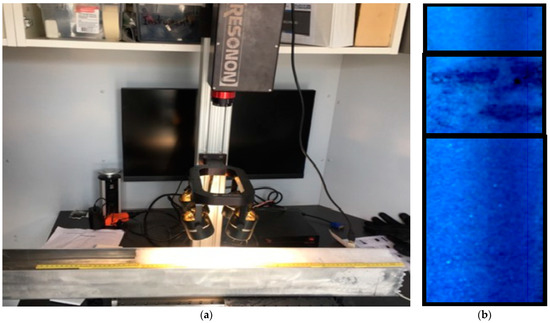
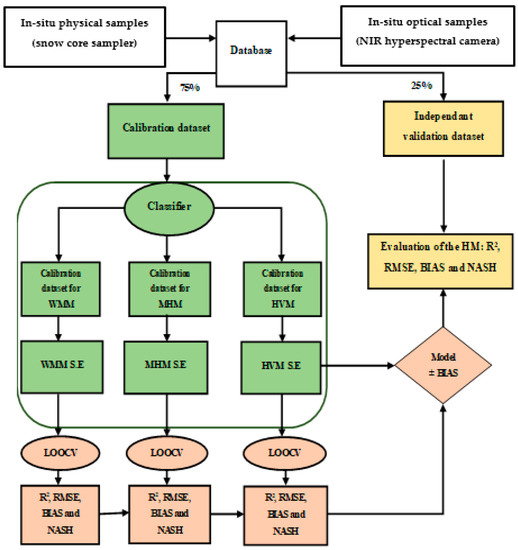
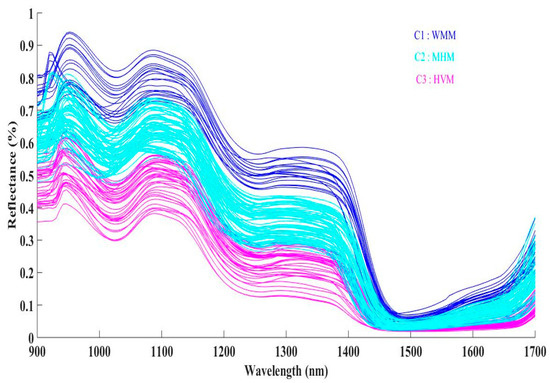
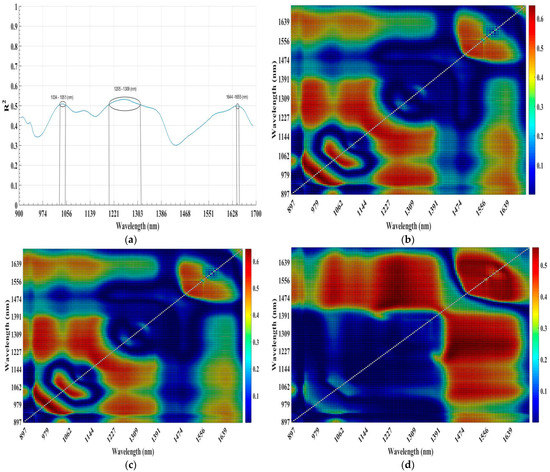
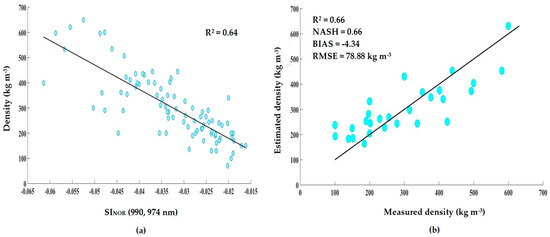
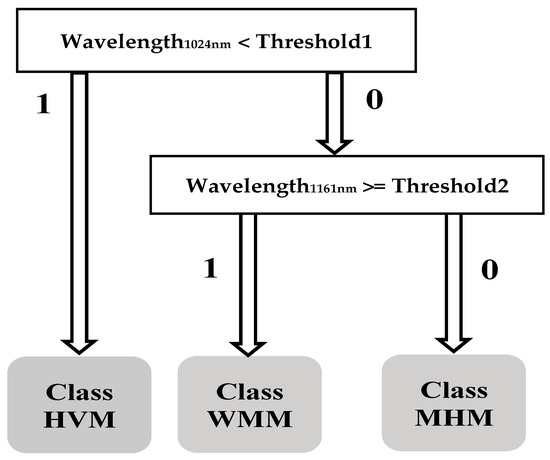
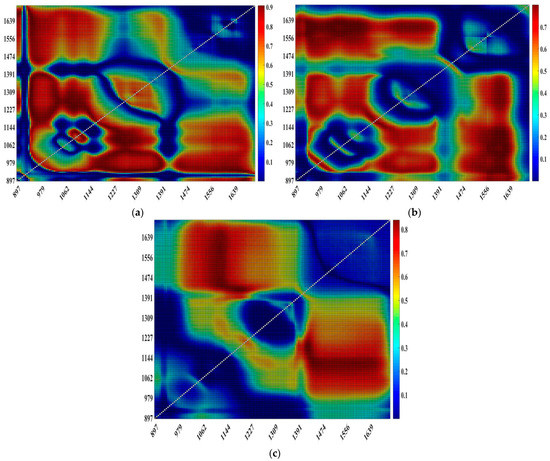
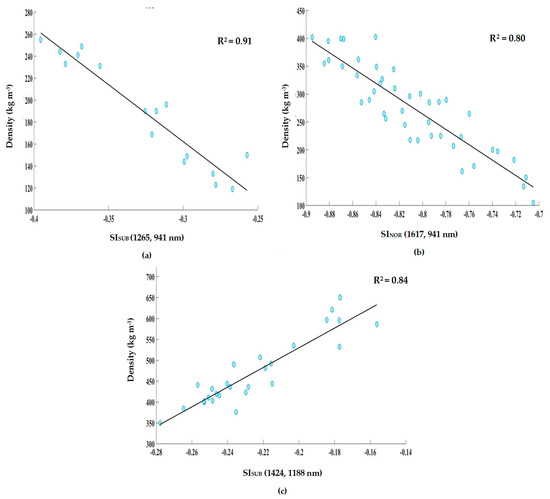
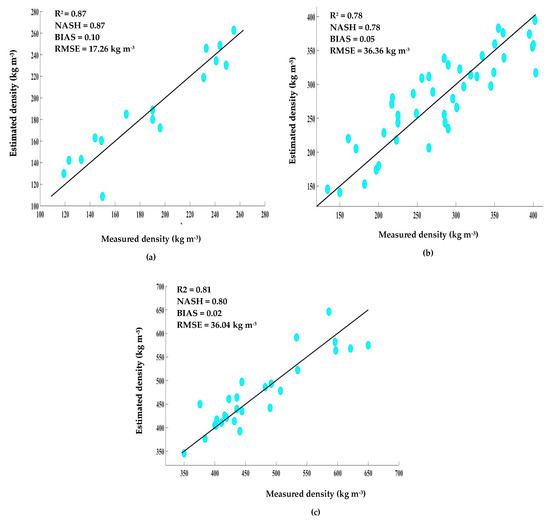
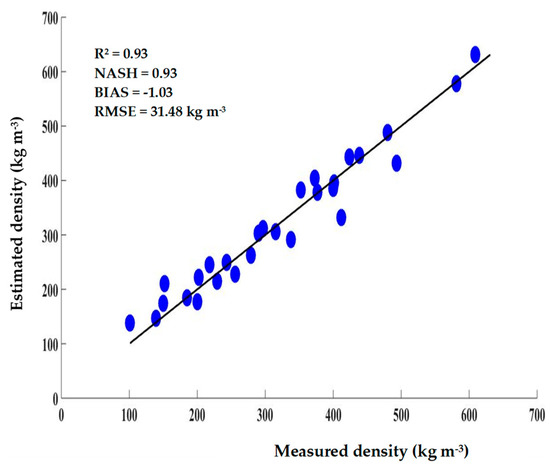
Improving the estimation of snow density is a key task in current snow research. Characterization of the variability of density in time and space is essential for the estimation of water equivalent, hydroelectric power production, assessment of natural hazards (avalanches, floods, etc.). Hyperspectral imaging is proving to be a promising and reliable tool for monitoring and estimating this physical property. Indeed, the spectral reflectance of snow is partly controlled by changes in its physical properties, particularly in the near-infrared (NIR) part of the spectrum. For this purpose, several models have been designed to estimate snow density from spectral information. However, none has yet achieved significant performance. One of the major difficulties is that the relationship between snow density and spectral reflectance is non-bijective (surjective). Indeed, several reflectance amplitudes can be associated with the same density and vice versa, so the correlation between density and spectral reflectance can be very poor. To resolve this issue, a hybrid snow density estimation model based on spectral data is proposed in this work. The principle behind this model is to classify the snow density prior to its estimation by means of a specific estimator corresponding to a predetermined snow density class. These additional steps eliminate the surjective relation by converting it into three bijective relations between density and spectral reflectance. The calibration step showed that the densities included within the three classes are sensitive to different spectral regions, with R2 > 0.80. The results of the cross-validation for the specific estimators were also satisfactory with R2 > 0.78 and RMSE < 36.36 kg m−3. The overall performance of the hybrid model (HM), when tested with independent data, demonstrated the effectiveness of using proximal NIR hyperspectral imagery to estimate snow density (R2 = NASH = 0.93). Full article
Show Figures

Figure 1
26 pages, 20300 KB  
Article
Velocity Estimation of Ocean Surface Currents in along-Track InSAR System Based on Conditional Generative Adversarial Networks
by He Yan, Qianru Hou, Guodong Jin, Xing Xu, Gong Zhang and Daiyin Zhu
Remote Sens. 2021, 13(20), 4088; https://doi.org/10.3390/rs13204088 - 13 Oct 2021
Cited by 6 | Viewed by 2774
Abstract
Velocity estimation of ocean surface currents is of great significance in the fields of the fishery, shipping, sewage discharge, and military affairs. Over the last decade, along-track interferometric synthetic aperture radar (along-track InSAR) has been demonstrated to be one of the important instruments [...] Read more.
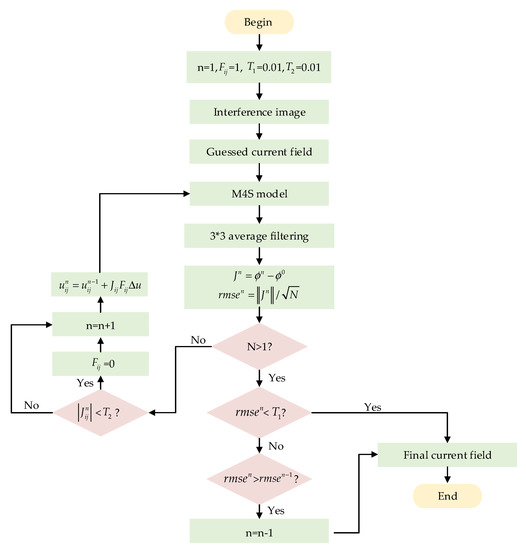
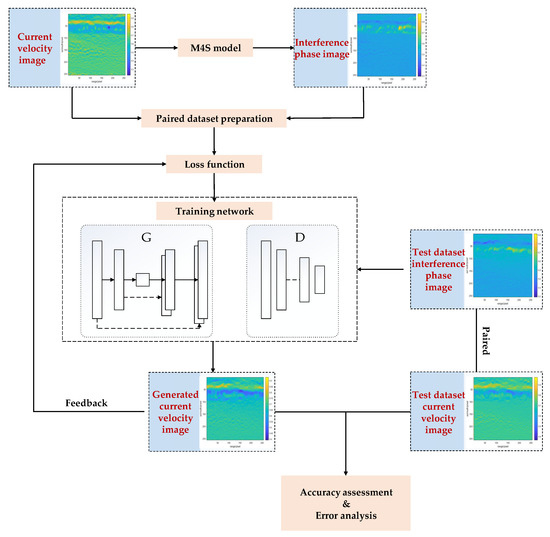
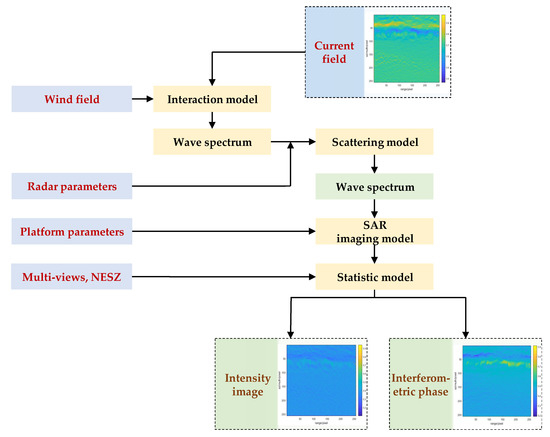
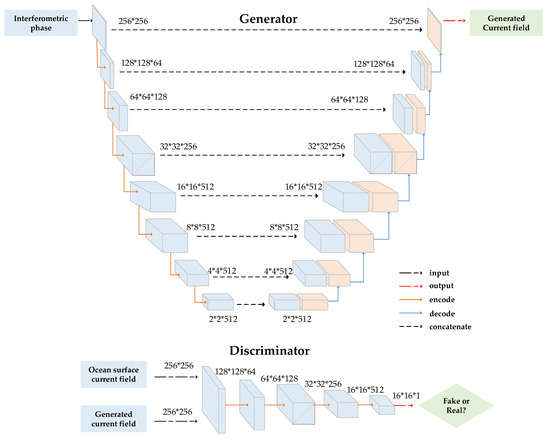
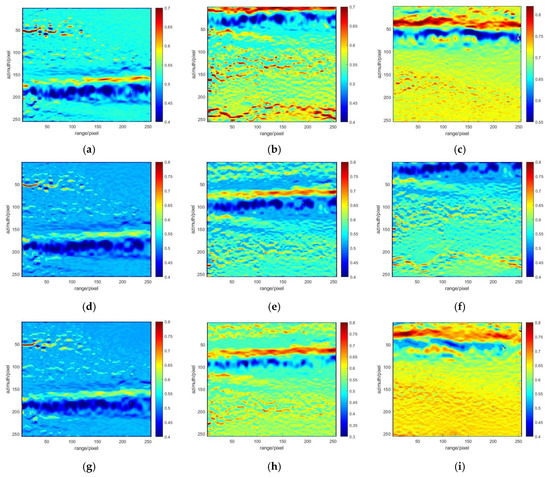
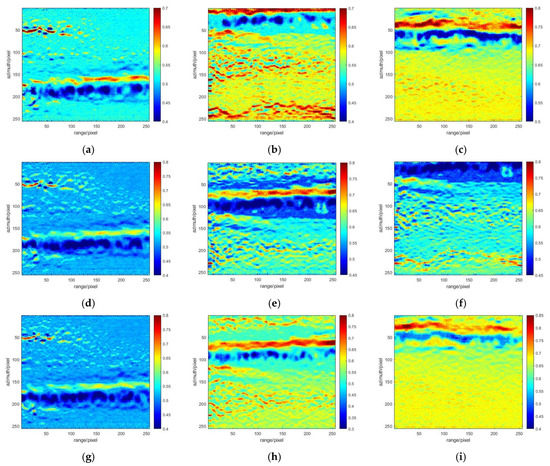
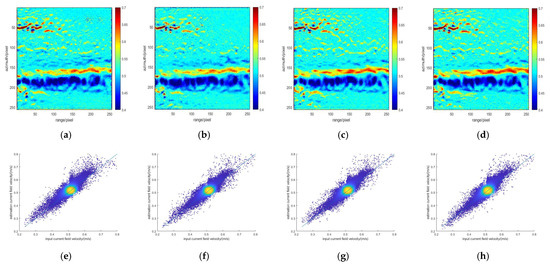
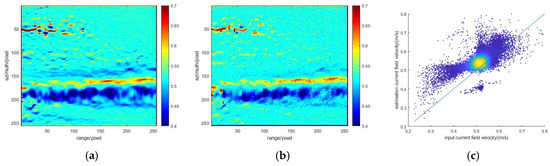
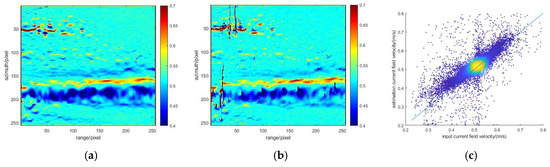
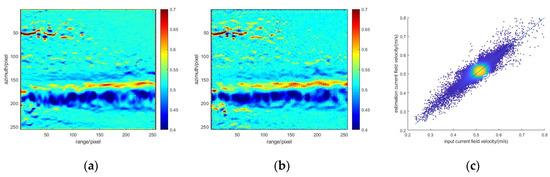
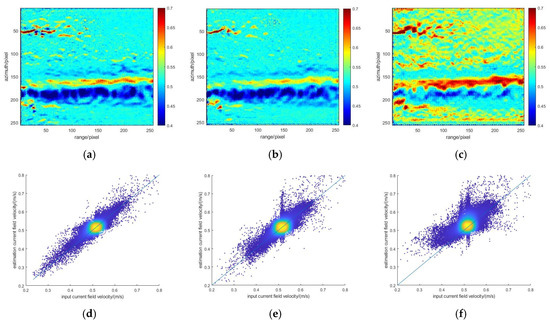
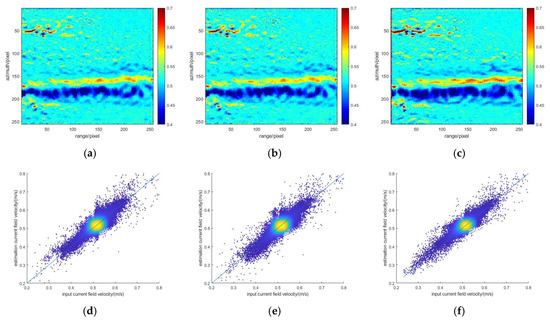
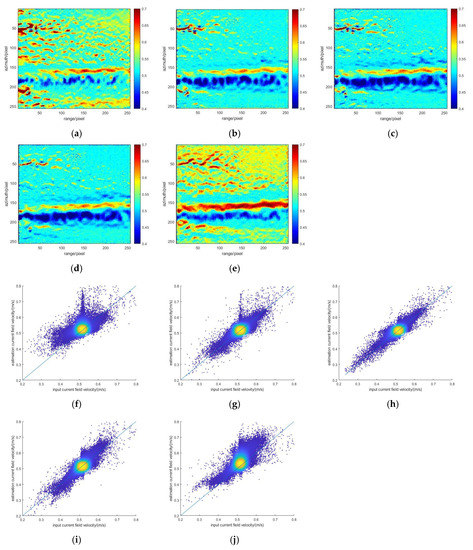
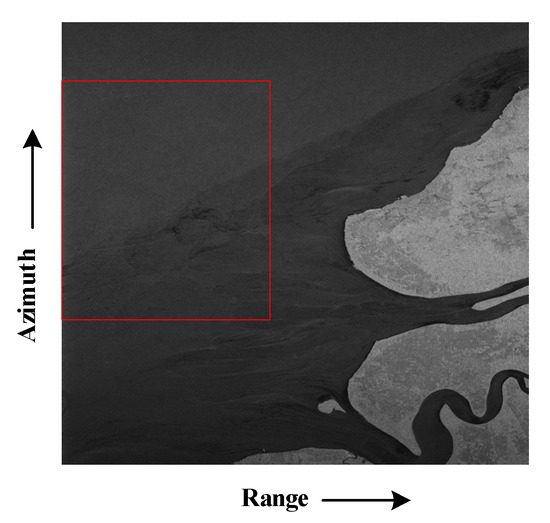
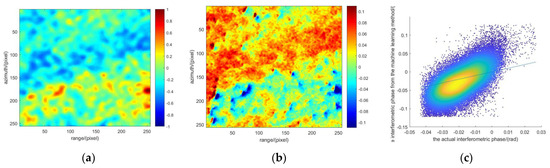
Velocity estimation of ocean surface currents is of great significance in the fields of the fishery, shipping, sewage discharge, and military affairs. Over the last decade, along-track interferometric synthetic aperture radar (along-track InSAR) has been demonstrated to be one of the important instruments for large-area and high-resolution ocean surface current velocity estimation. The calculation method of the traditional ocean surface current velocity, as influenced by the large-scale wave orbital velocity and the Bragg wave phase velocity, cannot easily separate the current velocity, characterized by large error and low efficiency. In this paper, a novel velocity estimation method of ocean surface currents is proposed based on Conditional Generative Adversarial Networks (CGANs). The main processing steps are as follows: firstly, the known ocean surface current field diagrams and their corresponding interferometric phase diagrams are constructed as the training dataset; secondly, the estimation model of the ocean surface current field is constructed based on the pix2pix algorithm and trained by the training dataset; finally, the interferometric phase diagrams in the test dataset are input into the trained model. In the simulation experiment, processing results of the proposed method are compared with those of traditional ocean surface current velocity estimation methods, which demonstrate the efficiency and effectiveness of the novel method. Full article
Show Figures

Figure 1
17 pages, 13575 KB  
Article
On the Use of Tri-Stereo Pleiades Images for the Morphometric Measurement of Dolines in the Basaltic Plateau of Azrou (Middle Atlas, Morocco)
by Maria Teresa Melis, Luca Pisani and Jo De Waele
Remote Sens. 2021, 13(20), 4087; https://doi.org/10.3390/rs13204087 - 13 Oct 2021
Cited by 14 | Viewed by 3779
Abstract
Hundreds of large and deep collapse dolines dot the surface of the Quaternary basaltic plateau of Azrou, in the Middle Atlas of Morocco. In the absence of detailed topographic maps, the morphometric study of such a large number of features requires the use [...] Read more.
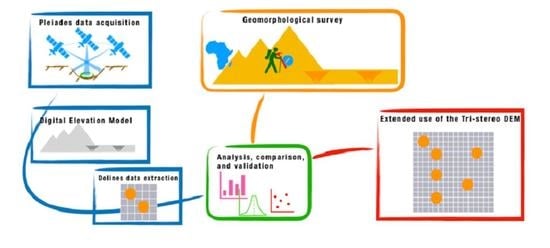
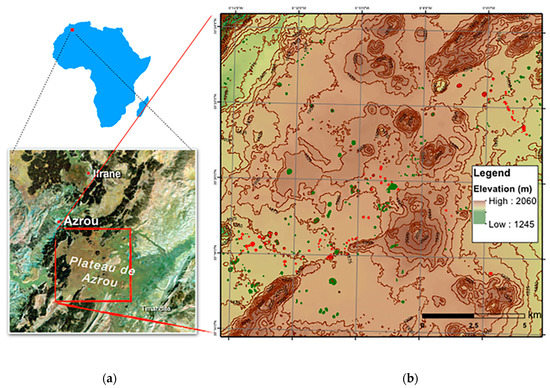
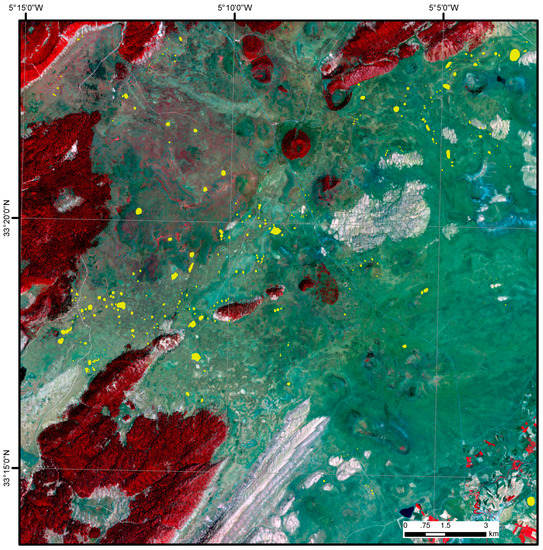
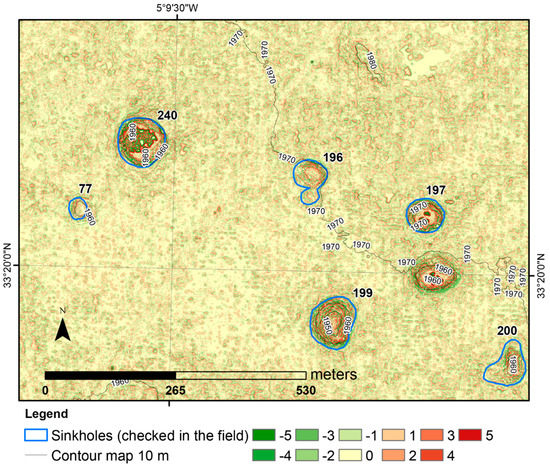
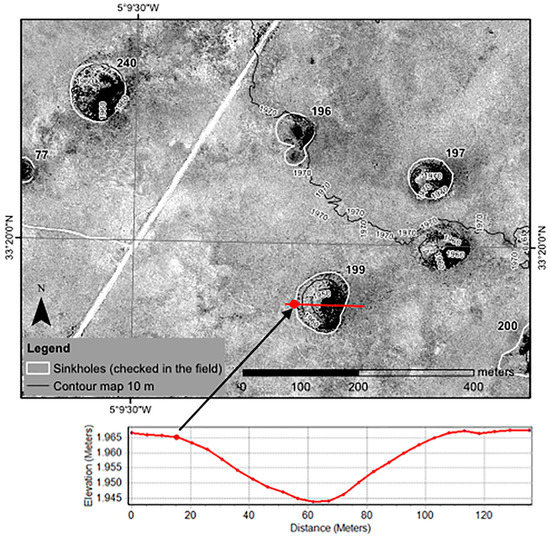
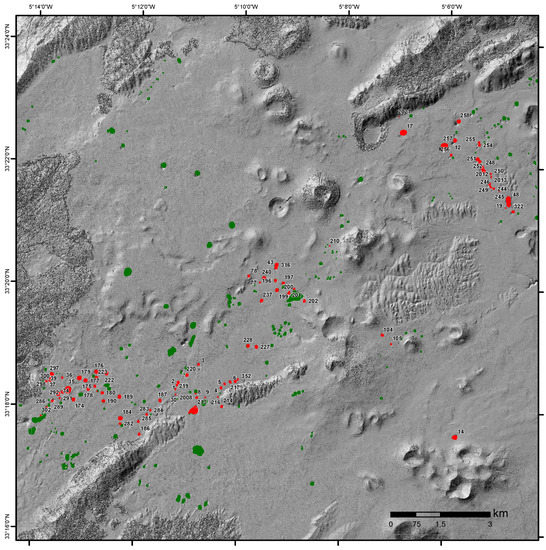
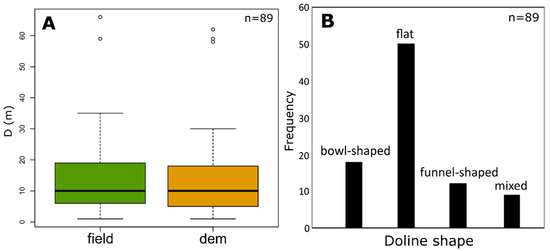
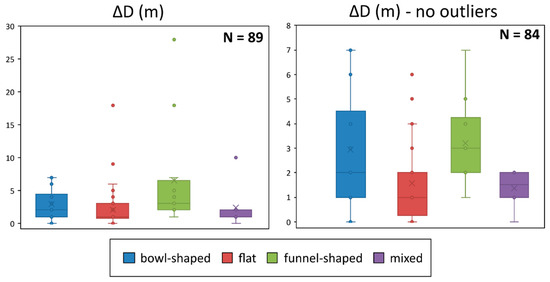
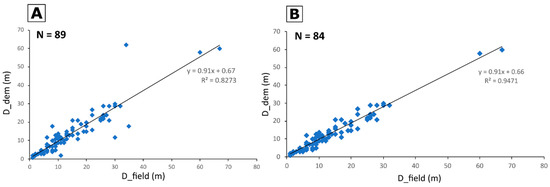
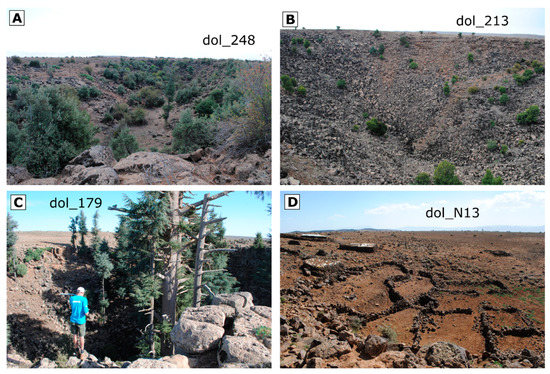
Hundreds of large and deep collapse dolines dot the surface of the Quaternary basaltic plateau of Azrou, in the Middle Atlas of Morocco. In the absence of detailed topographic maps, the morphometric study of such a large number of features requires the use of remote sensing techniques. We present the processing, extraction, and validation of depth measurements of 89 dolines using tri-stereo Pleiades images acquired in 2018–2019 (the European Space Agency (ESA) © CNES 2018, distributed by Airbus DS). Satellite image-derived DEMs were field-verified using traditional mapping techniques, which showed a very good agreement between field and remote sensing measures. The high resolution of these tri-stereo images allowed to automatically generate accurate morphometric datasets not only regarding the planimetric parameters of the dolines (diameters, contours, orientation of long axes), but also for what concerns their depth and altimetric profiles. Our study demonstrates the potential of using these types of images on rugged morphologies and for the measurement of steep depressions, where traditional remote sensing techniques may be hindered by shadow zones and blind portions. Tri-stereo images might also be suitable for the measurement of deep and steep depressions (skylights and collapses) on Martian and Lunar lava flows, suitable targets for future planetary cave exploration. Full article
(This article belongs to the Special Issue New Trends in High Resolution Imagery Processing)
Show Figures

Graphical abstract

17 pages, 45481 KB  
Article
Spatial Analysis of Urban Residential Sensitivity to Heatwave Events: Case Studies in Five Megacities in China
by Guoqing Zhi, Bin Meng, Juan Wang, Siyu Chen, Bin Tian, Huimin Ji, Tong Yang, Bingqing Wang and Jian Liu
Remote Sens. 2021, 13(20), 4086; https://doi.org/10.3390/rs13204086 - 13 Oct 2021
Cited by 19 | Viewed by 4217
Abstract
Urban heatwaves increase residential health risks. Identifying urban residential sensitivity to heatwave risks is an important prerequisite for mitigating the risks through urban planning practices. This research proposes a new paradigm for urban residential sensitivity to heatwave risks based on social media Big [...] Read more.
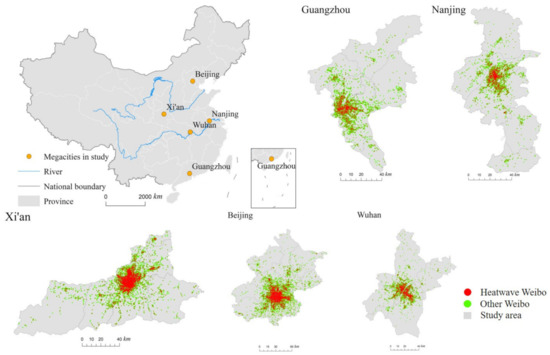
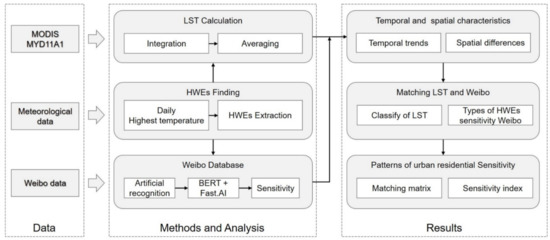
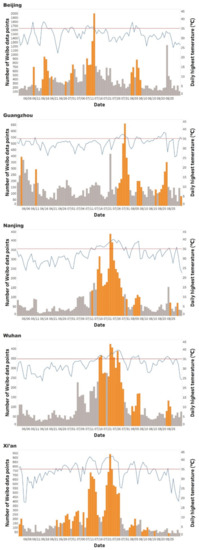
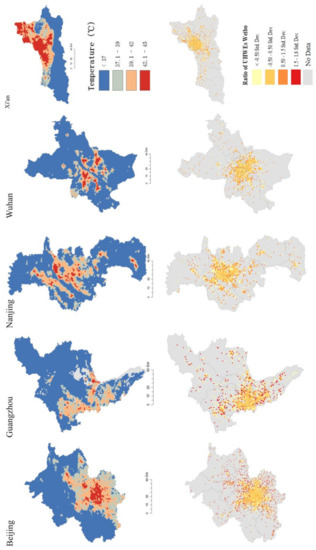
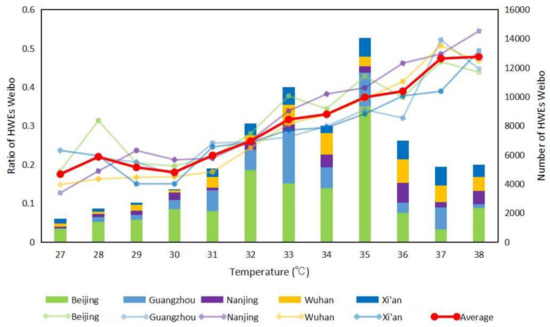
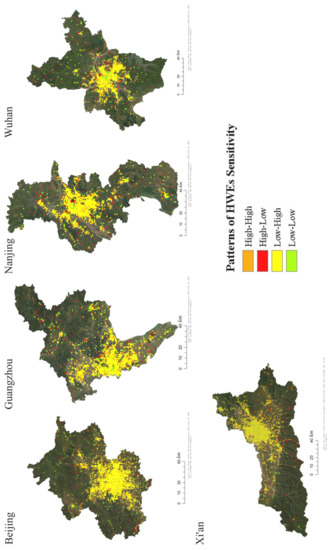
Urban heatwaves increase residential health risks. Identifying urban residential sensitivity to heatwave risks is an important prerequisite for mitigating the risks through urban planning practices. This research proposes a new paradigm for urban residential sensitivity to heatwave risks based on social media Big Data, and describes empirical research in five megacities in China, namely, Beijing, Nanjing, Wuhan, Xi’an and Guangzhou, which explores the application of this paradigm to real-world environments. Specifically, a method to identify urban residential sensitive to heatwave risks was developed by using natural language processing (NLP) technology. Then, based on remote sensing images and Weibo data, from the perspective of the relationship between people (group perception) and the ground (meteorological temperature), the relationship between high temperature and crowd sensitivity in geographic space was studied. Spatial patterns of the residential sensitivity to heatwaves over the study area were characterized at fine scales, using the information extracted from remote sensing information, spatial analysis, and time series analysis. The results showed that the observed residential sensitivity to urban heatwave events (HWEs), extracted from Weibo data (Chinese Twitter), best matched the temporal trends of HWEs in geographic space. At the same time, the spatial distribution of observed residential sensitivity to HWEs in the cities had similar characteristics, with low sensitivity in the urban center but higher sensitivity in the countryside. This research illustrates the benefits of applying multi-source Big Data and intelligent analysis technologies to the understand of impacts of heatwave events on residential life, and provide decision-making data for urban planning and management. Full article
(This article belongs to the Special Issue Advances to GIS for Sensing of Earth and Human Interaction)
Show Figures

Figure 1