

-
Applications of Carbon Dots and Graphene Quantum Dots in Treatment of Diabetes -
Current State of Knowledge of the Anticancer Properties of Polyphenolic Compounds from Garlic (Allium sativum L.) -
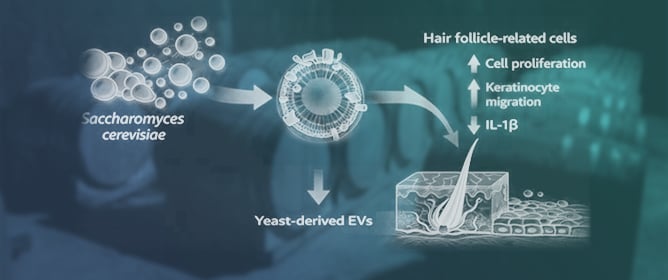
Multifunctional Bioactivity of Saccharomyces cerevisiae Extracellular Vesicle in Hair Follicle-Related Cellular Models -
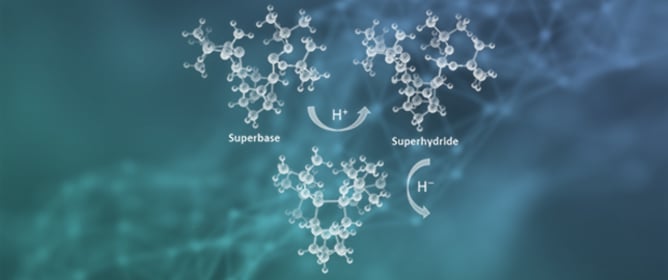
Bis(phosphazenyl)phosphines: From Superbases to Superhydrides
Journal Description
Molecules
Molecules
is a leading international, peer-reviewed, open access journal of chemistry published semimonthly online by MDPI. The International Society of Nucleosides, Nucleotides & Nucleic Acids (IS3NA), Spanish Society of Medicinal Chemistry (SEQT) and International Society of Heterocyclic Chemistry (ISHC) are affiliated with Molecules and their members receive discounts on the article processing charges.
- Open Access— free for readers, with article processing charges (APC) paid by authors or their institutions.
- High Visibility: indexed within Scopus, SCIE (Web of Science), PubMed, MEDLINE, PMC, Reaxys, CaPlus / SciFinder, MarinLit, AGRIS, and other databases.
- Journal Rank: JCR - Q2 (Biochemistry and Molecular Biology) / CiteScore - Q1 (Organic Chemistry)
- Rapid Publication: manuscripts are peer-reviewed and a first decision is provided to authors approximately 15.6 days after submission; acceptance to publication is undertaken in 3.4 days (median values for papers published in this journal in the first half of 2026).
- Recognition of Reviewers: reviewers who provide timely, thorough peer-review reports receive vouchers entitling them to a discount on the APC of their next publication in any MDPI journal, in appreciation of the work done.
- Sections: published in 25 topical sections.
- Testimonials: See what our editors and authors say about Molecules.
- Companion journal: Foundations.
- Journal Cluster of Chemical Reactions and Catalysis: Catalysts, Chemistry, Electrochem, Inorganics, Molecules, Organics, Oxygen, Photochem, Reactions, Sustainable Chemistry.
Impact Factor:
5.1 (2025);
5-Year Impact Factor:
5.5 (2025)
Latest Articles
The MDPV Derivative α-PHP Regulates Cellular Differentiation and Triggers Apoptotic Cell Death and Ultrastructural Changes in Murine 3D Neurospheres
Molecules 2026, 31(14), 2453; https://doi.org/10.3390/molecules31142453 (registering DOI) - 13 Jul 2026
Abstract
Cumulative reports of psychiatric and neurological outcomes due to synthetic cathinones continue to raise public concern. However, the understanding of the neurotoxic mechanism of action is still poorly understood, particularly for the under-explored αPHP, one of the main MDPV derivatives. In particular, the
[...] Read more.
Cumulative reports of psychiatric and neurological outcomes due to synthetic cathinones continue to raise public concern. However, the understanding of the neurotoxic mechanism of action is still poorly understood, particularly for the under-explored αPHP, one of the main MDPV derivatives. In particular, the effects of this synthetic drug on neural stem/progenitor cell cultures are still unknown. Therefore, in the proposed in vitro study, the effects of increasing αPHP concentrations (50–2000 μM) on cell morphology, neuronal/glial differentiation, cell death pathways, and ultrastructure have been evaluated after exposure in murine 2D NSPCs and 3D neurospheres using complementary techniques, i.e., phase contrast microscopy, immunocytochemistry, confocal microscopy, and transmission electron microscopy. We observed that αPHP was able to induce a dose-dependent neurotoxic and neuromodulatory effect in murine 2D NSPC cultures and a 3D neurosphere model, affecting neuronal/glial differentiation, activating the apoptotic pathway, and inducing morphological and ultrastructural changes. The present study could pave the way for a broadened knowledge of synthetic cathinone (SCs) toxicology, needed to establish the right treatment for novel psychoactive substance (NPS) exposure and the possible consequences for public health.
Full article
Open AccessArticle
Lupinine as an Acetylcholinesterase Inhibitor from Anabasis salsa (C.A. Mey.) Benth. ex Volkens—Isolation by Centrifugal Partition Chromatography
by
Pernesh Zh. Bekisheva, Malgorzata Kozyra, Maryna Koval, Khorlan I. Itzhanova, Zhangeldy S. Nurmaganbetov and Wirginia Kukula-Koch
Molecules 2026, 31(14), 2452; https://doi.org/10.3390/molecules31142452 (registering DOI) - 13 Jul 2026
Abstract
This study investigates the phytochemical composition and acetylcholinesterase (AChE) inhibitory activity of Anabasis salsa (C.A. Mey.) Benth. ex Volkens (Chenopodiaceae), with a particular focus on secondary metabolites present in its extracts. The plant extracts were profiled using HPLC-ESI-QTOF-MS/MS, revealing a diverse composition including
[...] Read more.
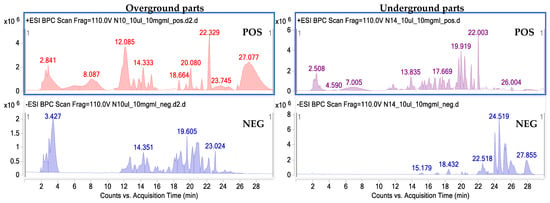
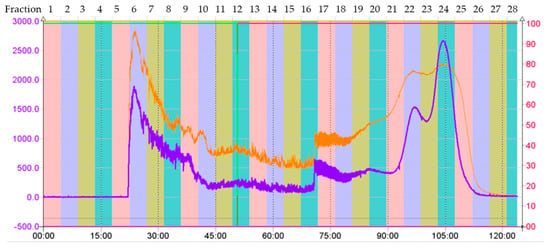
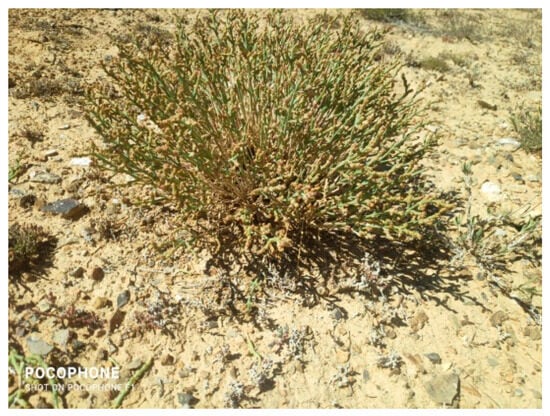
This study investigates the phytochemical composition and acetylcholinesterase (AChE) inhibitory activity of Anabasis salsa (C.A. Mey.) Benth. ex Volkens (Chenopodiaceae), with a particular focus on secondary metabolites present in its extracts. The plant extracts were profiled using HPLC-ESI-QTOF-MS/MS, revealing a diverse composition including organic acids, phenolic compounds, flavonoids, and alkaloids. The latter were represented by anabasine and lupinine that were identified as significantly present compounds. Depending on the type of extract and plant part, lupinine was present in the extracts at a quantity range from 0.0033 to 6.35%, and its highest concentration was noted in the acidified macerate from the overground parts of the plant. Centrifugal partition chromatography (CPC) operated using the solvent system composed of MTBE:ACN:n-BuOH:H2O, 2:2:1:5 (v/v/v/v), was applied for the fractionation of the most promising extract, enabling efficient separation using a biphasic solvent system. The obtained fractions were evaluated for AChE inhibitory activity, and the most active fractions were found to contain lupinine, which was successfully isolated in a purified fraction using CPC. These findings highlight lupinine as a significant bioactive compound with neuroprotective potential and demonstrate the applicability of CPC as an efficient and scalable method for the isolation of alkaloids from complex plant matrices.
Full article
(This article belongs to the Special Issue Isolation, Analysis, and Biological Activities of Secondary Metabolites Derived from Plants)
►▼
Show Figures

Figure 1
Open AccessReview
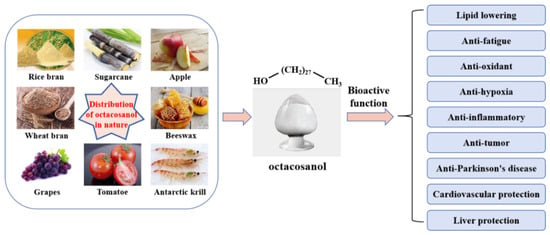
Octacosanol: A Natural Bioactive Ingredient for Atherosclerosis Prevention and Cardiovascular Health Promotion
by
Xiuli Yang, Haixia Han, Zixuan He and Mingxi Jia
Molecules 2026, 31(14), 2451; https://doi.org/10.3390/molecules31142451 (registering DOI) - 13 Jul 2026
Abstract
Cardiovascular diseases remain the top cause of death worldwide, with atherosclerosis as a key underlying factor. Natural bioactive ingredients from functional foods are increasingly sought after for preventing chronic metabolic and heart conditions due to their safety and suitability for long-term use. Octacosanol
[...] Read more.
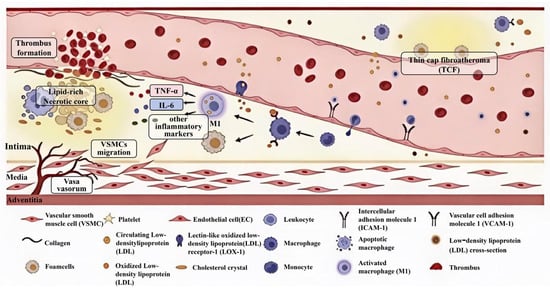
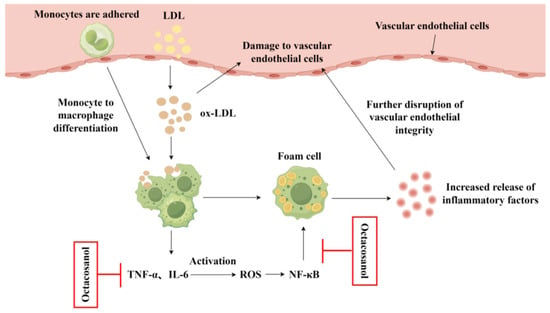
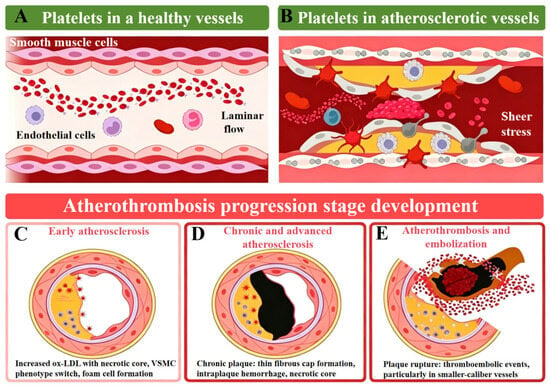
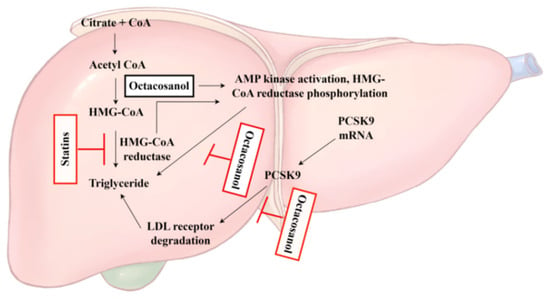
Cardiovascular diseases remain the top cause of death worldwide, with atherosclerosis as a key underlying factor. Natural bioactive ingredients from functional foods are increasingly sought after for preventing chronic metabolic and heart conditions due to their safety and suitability for long-term use. Octacosanol is a naturally occurring long-chain fatty alcohol primarily isolated from plant waxes, including rice bran wax and sugarcane wax. Emerging evidence indicates that octacosanol exhibits promising antioxidant properties and may exert protective effects against atherosclerosis through modulation of lipid metabolism and endothelial function. Unlike statins, which can cause side effects over time, octacosanol works gently through several pathways: it protects blood vessel lining by clearing reactive oxygen species and activating endothelial nitric oxide synthase (eNOS); reduces vascular inflammation by blocking nuclear factor kappa-B (NF-κB) and mitogen-activated protein kinase (MAPK) signaling; moderates lipid metabolism by lowering 3-hydroxy-3-methylglutaryl-coenzyme A (HMG-CoA) reductase activity and proprotein convertase subtilisin/kexin type 9 (PCSK9) expression; and suppresses excessive platelet aggregation to reduce thrombotic risk. When taken alongside statins, it boosts lipid control while easing statin-related side effects. With its excellent safety profile, octacosanol is an ideal natural ingredient for functional foods, offering a novel multi-target dietary approach to support long-term cardiovascular health.
Full article
(This article belongs to the Section Natural Products Chemistry)
►▼
Show Figures

Figure 1
Open AccessArticle
A Comparative Study of the Effect of TiO2 and CuO Nanoparticles as an Additive to Mineral Oil on the Tribological Properties of Steel Friction Pairs
by
Michał Cichomski, Wiktor Stanek, Renata Stanecka-Badura, Magdalena Małecka, Zdzisław Kinart, Joanna Kowalczyk, Monika Anna Madej and Mariusz Dudek
Molecules 2026, 31(14), 2450; https://doi.org/10.3390/molecules31142450 (registering DOI) - 13 Jul 2026
Abstract
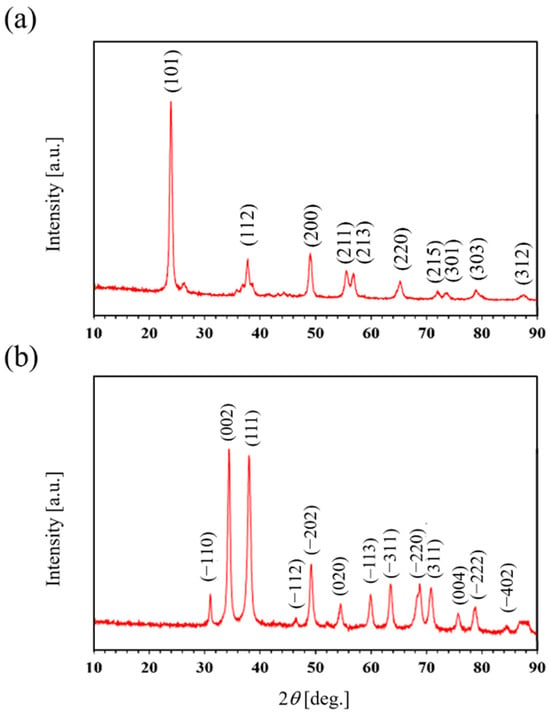
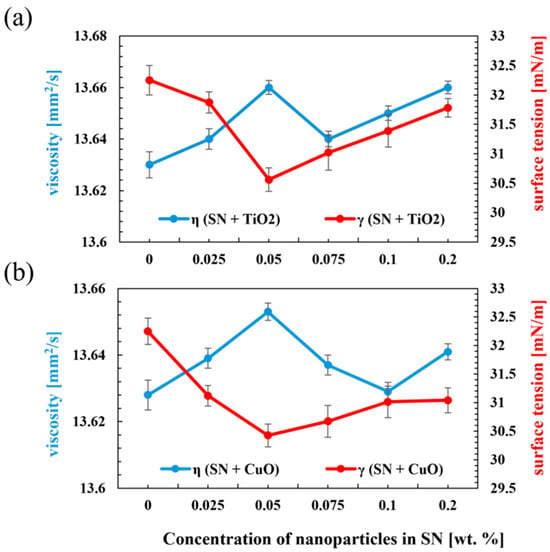
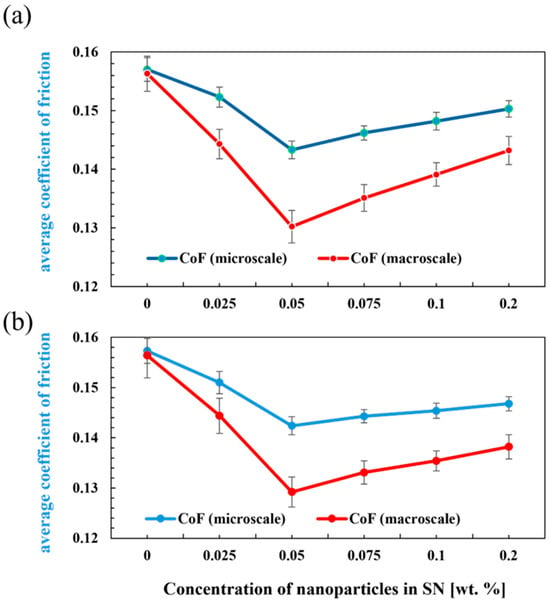
This study presents the effect of adding crystalline titanium dioxide (TiO2) and copper oxide (CuO) nanoparticles to SN mineral oil on the tribological properties of steel samples. X-ray diffraction confirmed the crystal structure of the nanoparticles and atomic force microscopy confirmed
[...] Read more.
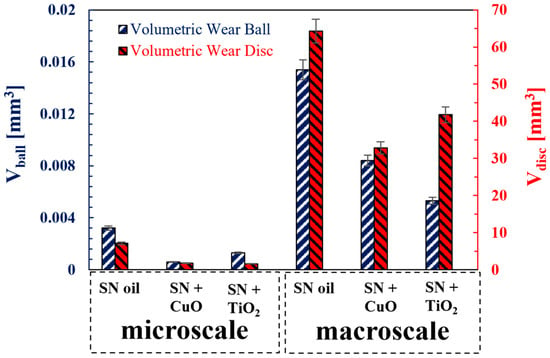
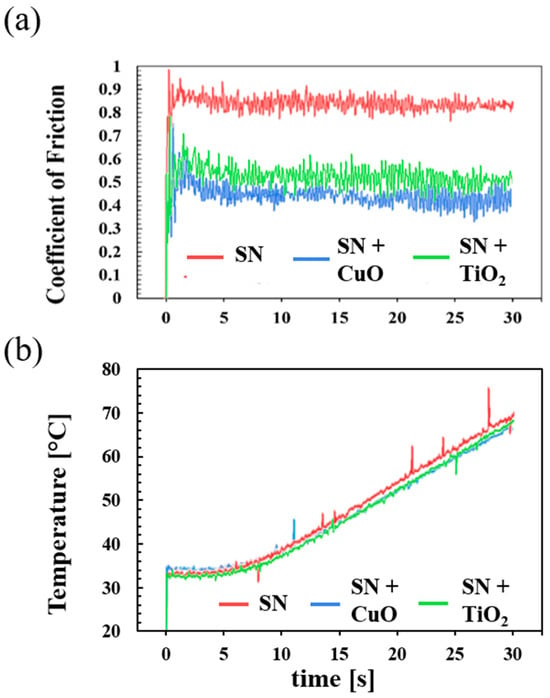
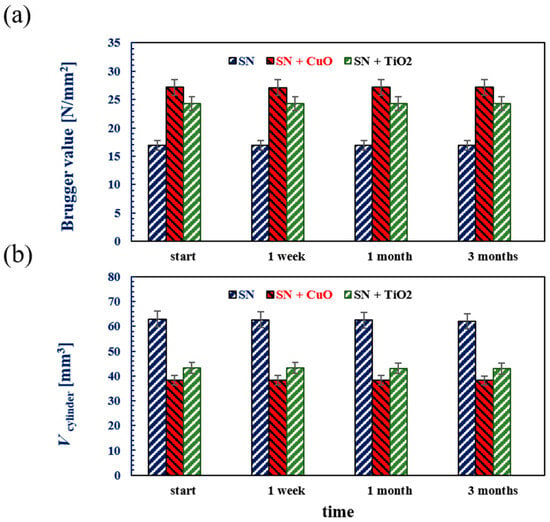
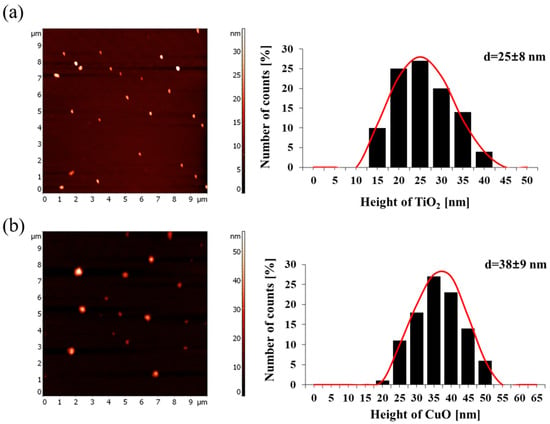
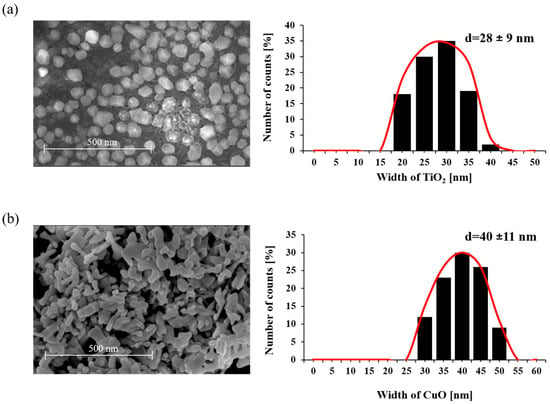
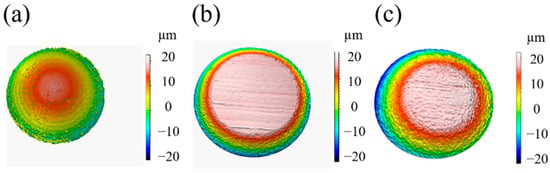
This study presents the effect of adding crystalline titanium dioxide (TiO2) and copper oxide (CuO) nanoparticles to SN mineral oil on the tribological properties of steel samples. X-ray diffraction confirmed the crystal structure of the nanoparticles and atomic force microscopy confirmed their nanometric size (~30 nm). Based on viscosity, surface tension, and finally micro- and macroscale ball-on-disc measurements, the optimal concentration of nanoparticles in oil samples was determined at 0.05 wt.%. The addition of TiO2 and CuO nanoparticles to SN oil reduced wear and the coefficient of friction. Moreover, macroscale tests using the XCT tribotester in a cylinder-on-ring configuration showed a higher Brugger value than in SN oil without nanoparticle additives, while a reduction in the coefficient of friction occurred. Analysis of the worn surfaces indicates that the lower coefficient of friction and wear is the result of the formation of protective anti-wear tribofilm containing nanoparticles. The conducted ball-on-disc and Brugger tests confirmed the beneficial effect of TiO2 and CuO nanoparticle addition on the tribological properties of the oil and helped explain the mechanism of lubrication of steel surfaces used in friction tests.
Full article

(This article belongs to the Special Issue Multifunctional Coatings and Films Based on Nanomaterials)
►▼
Show Figures

Figure 1
Open AccessArticle
Stability of Polyphenols and Antioxidant Activity of Cellulose-Based Encapsulates Enriched with Tart Cherry Juice Polyphenols
by
Josipa Krezić, Ivana Buljeta, Anita Pichler and Mirela Kopjar
Molecules 2026, 31(14), 2449; https://doi.org/10.3390/molecules31142449 (registering DOI) - 13 Jul 2026
Abstract
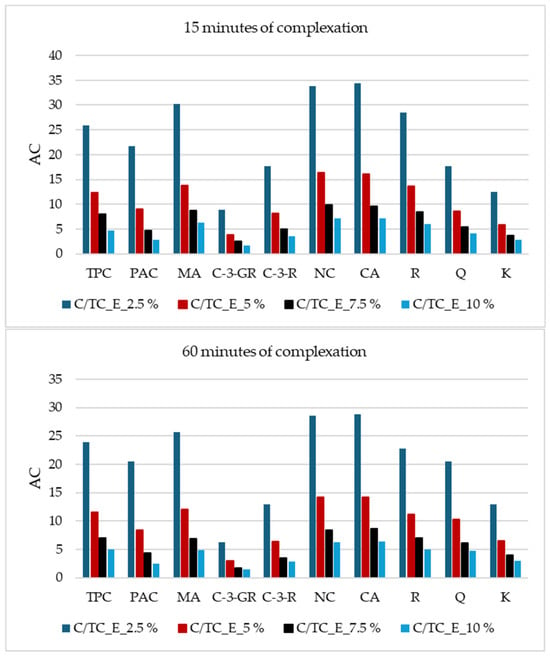
This study investigated the potential of cellulose as a carrier for bioactive phenolic compounds from tart cherry juice. Using a freeze-drying method, encapsulates were prepared by varying cellulose content (2.5%, 5%, 7.5%, and 10%) and complexation times (15 and 60 min) while maintaining
[...] Read more.
This study investigated the potential of cellulose as a carrier for bioactive phenolic compounds from tart cherry juice. Using a freeze-drying method, encapsulates were prepared by varying cellulose content (2.5%, 5%, 7.5%, and 10%) and complexation times (15 and 60 min) while maintaining a constant juice volume. The prepared encapsulates were characterized by determining the concentrations of total phenols, monomeric anthocyanins, and proanthocyanidins, alongside antioxidant activity by spectrophotometric methods, individual polyphenols by HPLC, color parameters and structural changes via IR spectroscopy. Additionally, the stability of these parameters was evaluated after one year of storage at room temperature. Results indicated that the highest concentrations of phenolic compounds and the strongest antioxidant potential were achieved with 2.5% cellulose content (the lowest content) after 15 min of complexation (shorter time). Concentrations of polyphenols decreased as the cellulose contents increased. Although changes in chemical parameters occurred during storage, the results confirm that cellulose is a viable carrier for tart cherry phenolics, particularly at lower contents, offering a promising approach for formulating stable bioactive delivery systems.
Full article

(This article belongs to the Special Issue Phenolic Compounds: Chemistry and Health Benefits)
►▼
Show Figures

Figure 1
Open AccessArticle
Zwitterionic Surfactant-Based Silica Nanofluid for Enhanced Oil Recovery: Oil Displacement Behavior and Mechanisms
by
Zhenfeng Ma, Mingwei Zhao, Haoran Xue, Zhihao Zhang, Ying Li, Huan Zhang, Xinjie Xu and Ziyi Wang
Molecules 2026, 31(14), 2448; https://doi.org/10.3390/molecules31142448 (registering DOI) - 13 Jul 2026
Abstract
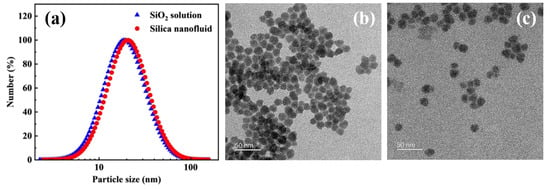
Nanomaterials have shown great potential for enhanced oil recovery in low-permeability reservoirs because of their excellent interfacial regulation capability. However, their stability and interfacial activity are challenged under extreme reservoir conditions. In this work, a silica nanofluid composed of SiO2 nanoparticles and
[...] Read more.
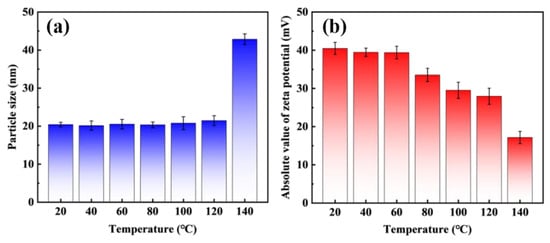
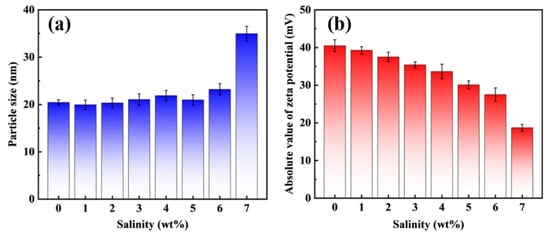
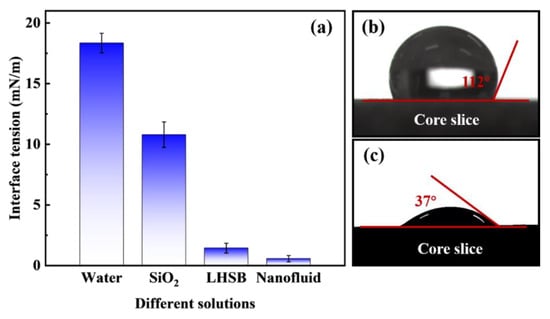
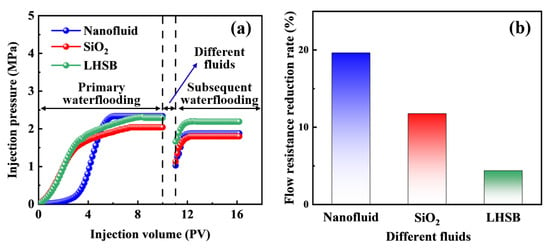
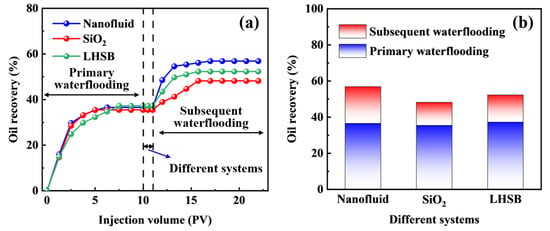
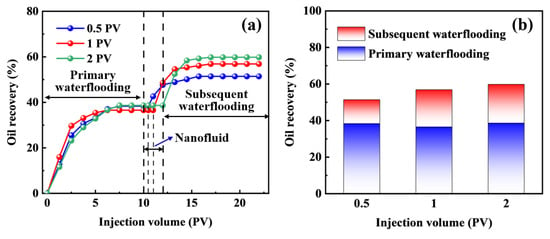
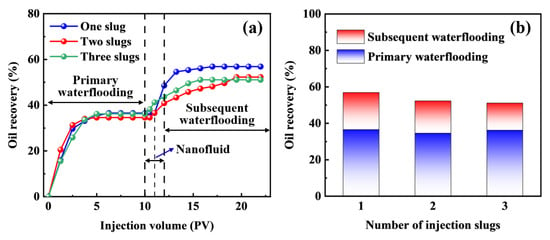
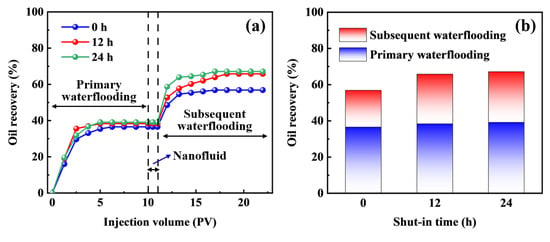
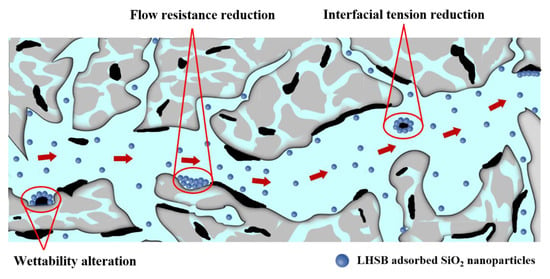
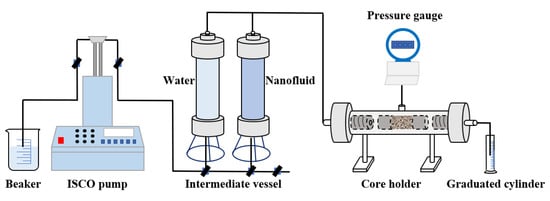
Nanomaterials have shown great potential for enhanced oil recovery in low-permeability reservoirs because of their excellent interfacial regulation capability. However, their stability and interfacial activity are challenged under extreme reservoir conditions. In this work, a silica nanofluid composed of SiO2 nanoparticles and the zwitterionic surfactant lauramidopropyl hydroxy sulfobetaine (LHSB) was prepared, and its interfacial regulation characteristics and enhanced oil recovery mechanisms were systematically investigated. The results show that the introduction of LHSB effectively improves the dispersion stability of silica nanoparticles, and the prepared nanofluid maintains good stability at temperatures up to 120 °C and salinities up to 6 wt%. The silica nanofluid exhibits excellent interfacial activity and wettability alteration capability, reducing the oil–water interfacial tension to 0.57 mN/m and decreasing the static water contact angle on the rock surface from 112° to 37°. Meanwhile, the nanofluid significantly reduces flow resistance in porous media, achieving a flow resistance reduction rate of 20%. Oil displacement experiments indicate that injection volume, injection slug number, and shut-in time all have significant effects on oil recovery performance. The optimal operating condition was determined to be 1 PV single-slug injection followed by a 12 h shut-in period, under which the oil recovery during subsequent waterflooding reached 27%. We expect that this study will provide valuable insights into nanofluid formulation design, support the efficient development of low-permeability reservoirs, and offer a theoretical basis and technical guidance for field applications.
Full article
(This article belongs to the Special Issue 30th Anniversary of Molecules—Recent Advances in Applied Chemistry)
►▼
Show Figures

Figure 1
Open AccessArticle
Drug Release Behavior of Enrofloxacin Molecularly Imprinted Polymer Synthesized via Electron Beam Irradiation
by
Xiang Li, Zixian Zheng, Jie Gao and Tao Chen
Molecules 2026, 31(14), 2447; https://doi.org/10.3390/molecules31142447 - 13 Jul 2026
Abstract
Traditional thermal polymerization for imprinted polymers suffers from long reaction time and initiator residues. This study proposes an initiator-free and fast reaction electron beam irradiation technique to synthesize enrofloxacin (ENRO) molecularly imprinted polymers (MIPs) for sustained drug release. ENRO-based MIPs were prepared using
[...] Read more.
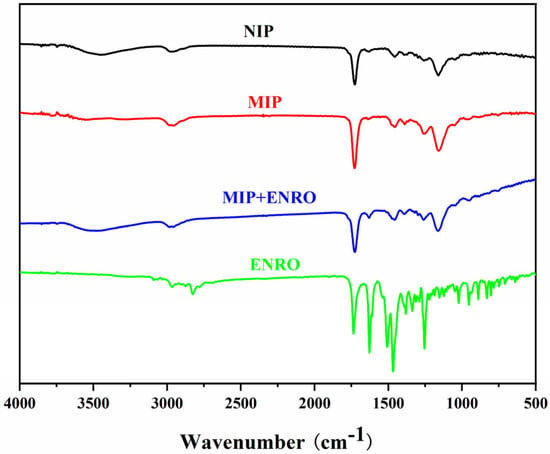
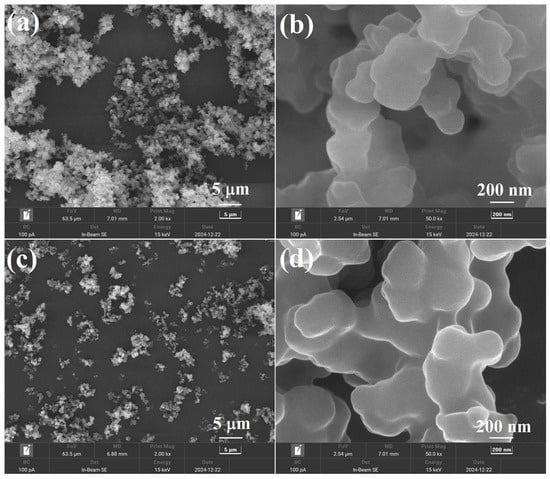
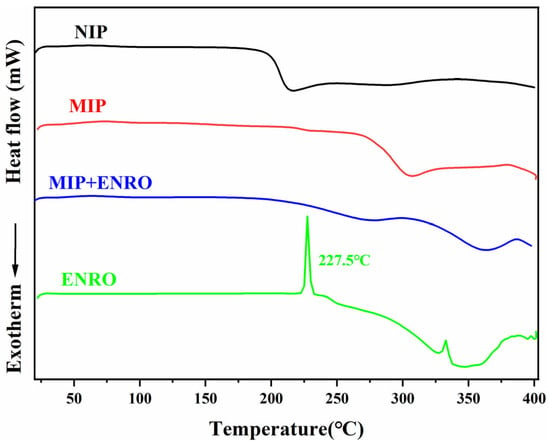
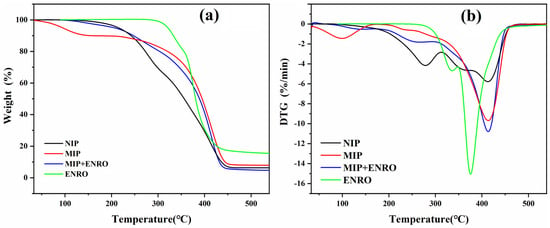
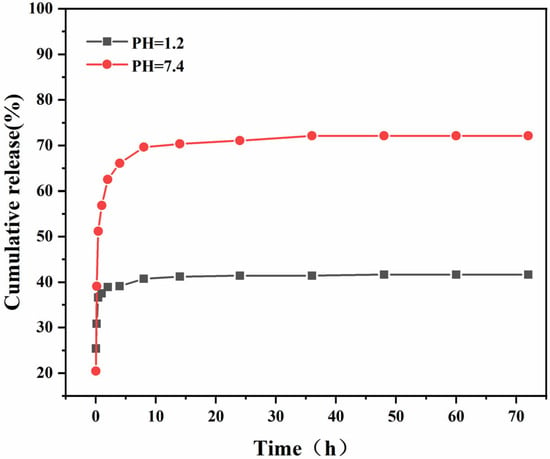
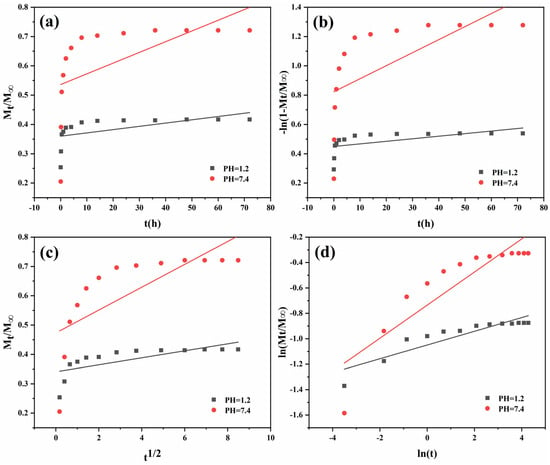
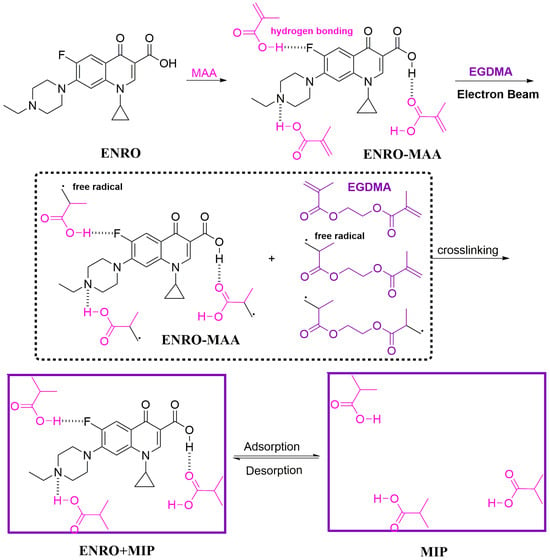
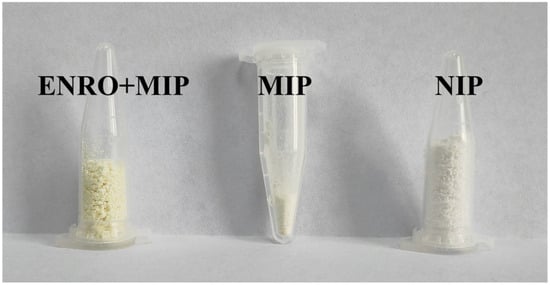
Traditional thermal polymerization for imprinted polymers suffers from long reaction time and initiator residues. This study proposes an initiator-free and fast reaction electron beam irradiation technique to synthesize enrofloxacin (ENRO) molecularly imprinted polymers (MIPs) for sustained drug release. ENRO-based MIPs were prepared using methacrylic acid (MAA) as a functional monomer and ethylene glycol dimethacrylate (EGDMA) as a crosslinker under electron beam irradiation within 2 h. The structure was characterized by SEM, FTIR, DSC, and TG. Drug loading capacity was determined via solvent elution, and drug release behavior was evaluated in simulated physiological environments. The MIP exhibited a high drug loading ratio of 13.27% and porous morphology (SEM). FTIR confirmed complete template removal, while thermal analysis indicated uniform drug dispersion and enhanced stability. Cumulative release was pH-dependent: 72.12% at pH 7.4 (physiological) and 41.67% at pH 1.2 (gastric). Drug release kinetics followed the Korsmeyer–Peppas model (R2 > 0.88), dominated by Fickian diffusion. Electron beam irradiation enables initiator-free synthesis of ENRO-based MIP with high loading capacity and pH-responsive sustained release, offering significant potential for targeted antibiotic delivery.
Full article
(This article belongs to the Special Issue Feature Papers in Macromolecular Chemistry, 2nd Edition)
►▼
Show Figures

Figure 1
Open AccessArticle
A Comparative Analysis of the Action Mechanisms of Cannabidiol, Cannabigerol, and Cannabinol in Human Cholangiocarcinoma Cell Lines
by
Sahaphum Laprom, Boonya Shuntawiwat, Punyabhorn Rattanacheeworn, Yamaratee Jaisin, Kiattawee Choowongkomon and Papavee Samatiwat
Molecules 2026, 31(14), 2446; https://doi.org/10.3390/molecules31142446 - 13 Jul 2026
Abstract
Background: Chemoresistance remains a major obstacle in managing cholangiocarcinoma (CCA). The cannabis plant contains several phytocannabinoids, including cannabidiol (CBD), cannabigerol (CBG), and cannabinol (CBN), which exhibit anticancer properties. However, to the best of our knowledge, their effects on CCA have not been previously
[...] Read more.
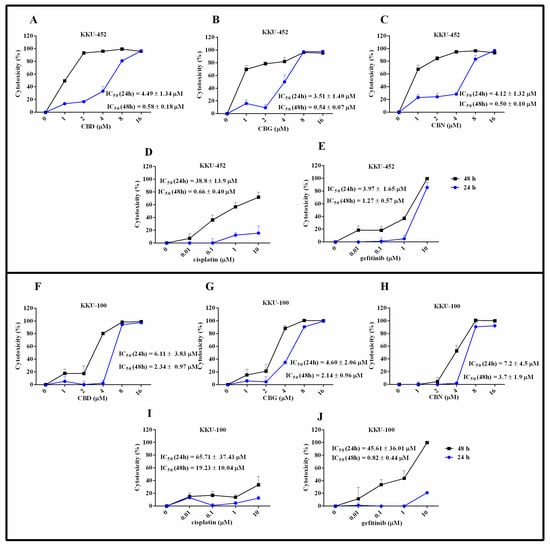
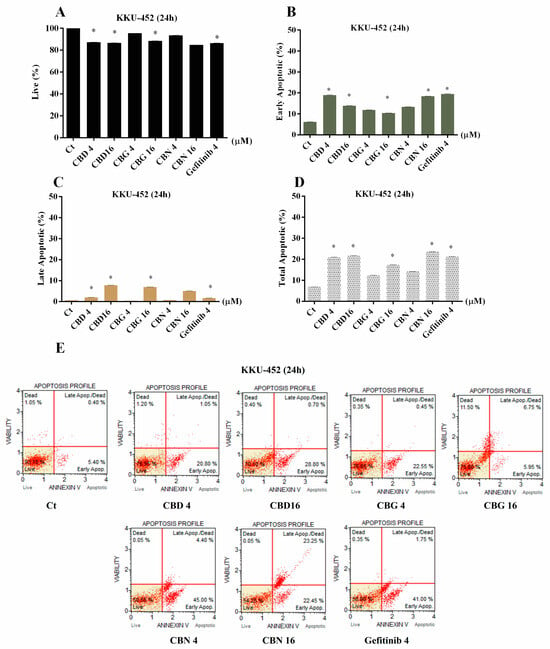
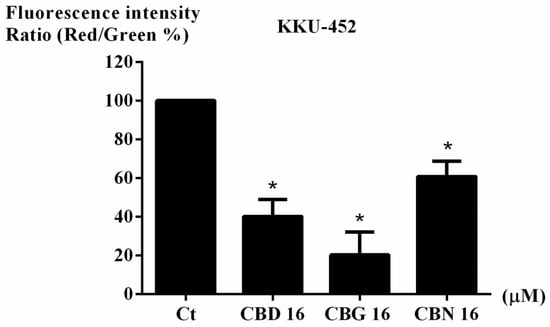
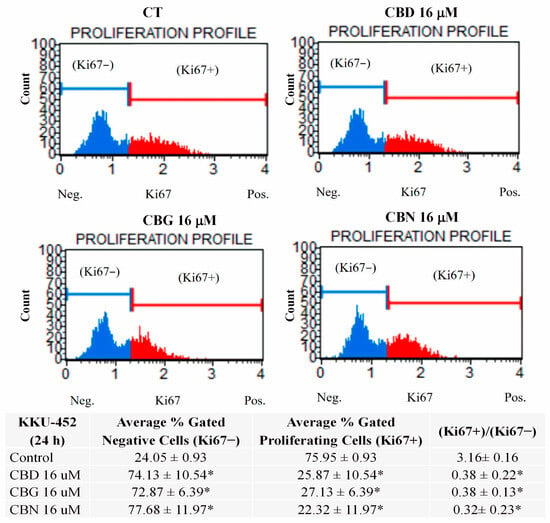
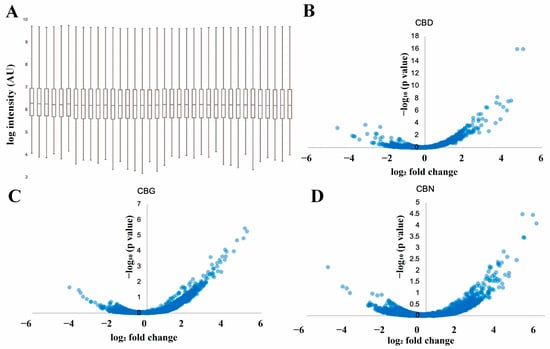
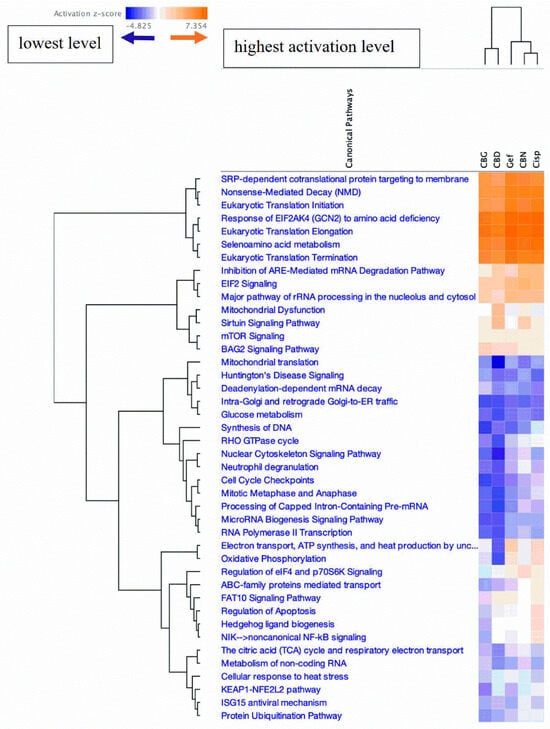
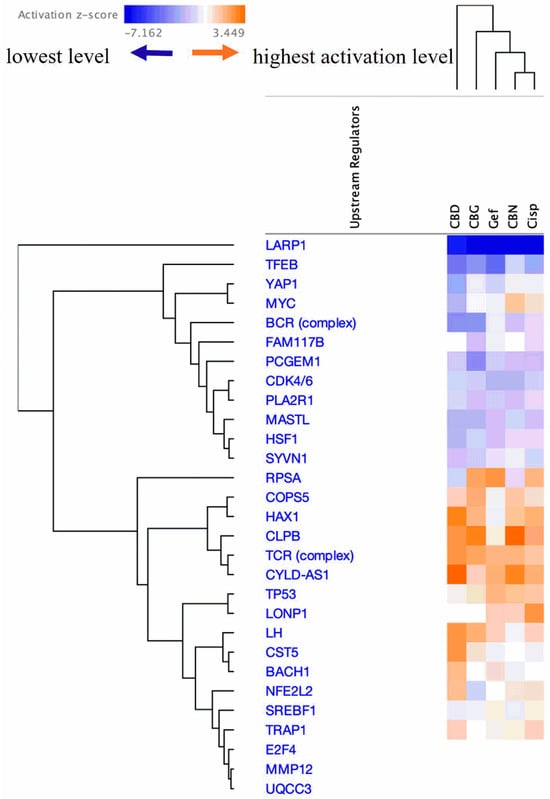
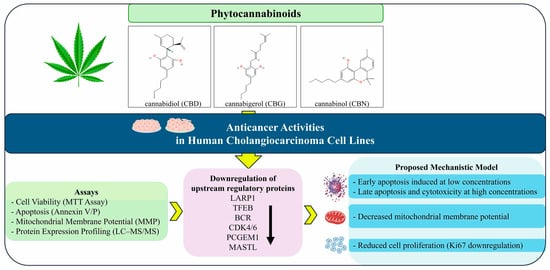
Background: Chemoresistance remains a major obstacle in managing cholangiocarcinoma (CCA). The cannabis plant contains several phytocannabinoids, including cannabidiol (CBD), cannabigerol (CBG), and cannabinol (CBN), which exhibit anticancer properties. However, to the best of our knowledge, their effects on CCA have not been previously investigated. This study aimed to explore the molecular mechanisms underlying the anticancer effects of CBD, CBG, and CBN in CCA cells. Methods: KKU-100 and KKU-452 cells were treated with varying concentrations of CBD, CBG, and CBN for 24 and 48 h. Cytotoxicity was assessed using the MTT assay, and half maximal inhibitory concentration (IC50) values were calculated. KKU 452 cells were further analyzed for apoptosis, mitochondrial membrane potential (MMP), and Ki67 expression using flow cytometry. Proteomics profiling was performed to compare the effect of these cannabinoids with those of gefitinib and cisplatin. Results: Monotherapy with CBD, CBG, or CBN induced dose-dependent cytotoxicity at 24 and 48 h with lower IC50 values than those of cisplatin and comparable efficacy to that of gefitinib. At low doses, CBD, CBG, and CBN induced early apoptosis, while higher doses triggered late apoptosis. MMP loss increased by 2.5-, 4.9-, and 1.7-fold, respectively, after 6 h. Ki67, highly expressed in KKU-452 cells (Ki67-positive ratio = 3.16 ± 0.16), was significantly reduced after the cannabinoid treatment, with Ki67-positive ratios of 0.38 ± 0.22, 0.38 ± 0.13, and 0.32 ± 0.23 for CBD, CBG, and CBN, respectively. Proteomics analysis identified 2781 proteins affected by CBD, CBG, CBN, cisplatin, and gefitinib. All three cannabinoids downregulated key upstream regulatory proteins (LARP1, TFEB, and BCR). Similar patterns of LARP1 and TFEB downregulation were also observed with cisplatin and gefitinib. CBN showed the closest similarity to cisplatin, followed by gefitinib, by targeting CDK4/6 and PCGEM1 proteins. CBD and CBG exhibited the greatest similarity to each other, also influencing MASTL expression. Conclusions: CBD, CBG, and CBN exhibit potential anticancer activity in CCA by suppressing proliferation, reducing Ki67 expression, and inducing apoptosis through MMP disruption. The identification of shared molecular targets, including LARP1 and TFEB, provides new mechanistic insight and supports the potential development of cannabinoid-based therapeutic strategies for cholangiocarcinoma.
Full article
(This article belongs to the Special Issue Bioactive Natural Products: Isolation, Modification, and Therapeutic Potential)
►▼
Show Figures

Figure 1
Open AccessReview
Bioleaching Strategies for Recovering Critical Metals from Spent Lithium-Ion Batteries at High Pulp Density
by
Qi Chen and Yanling Gu
Molecules 2026, 31(14), 2445; https://doi.org/10.3390/molecules31142445 - 13 Jul 2026
Abstract
In recent years, owing to the extensive application of lithium-ion batteries (LIBs) in large-scale energy storage, transportation systems, and portable electronics, the LIB market has expanded rapidly. Proper recycling of spent LIBs can significantly alleviate environmental and economic burdens. Bioleaching, as an environmentally
[...] Read more.
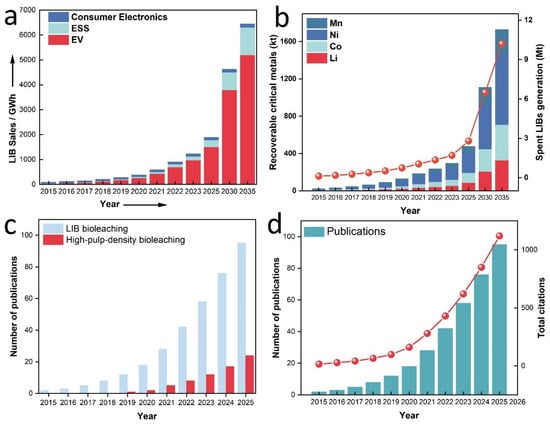
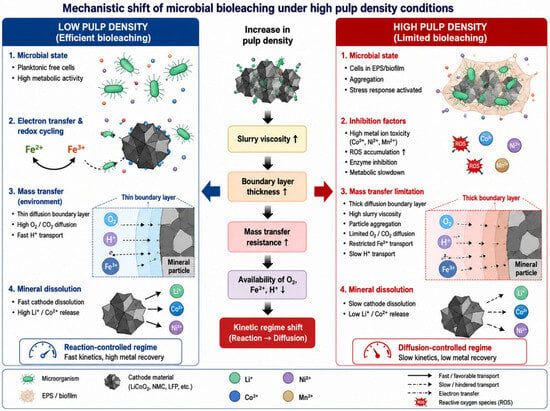
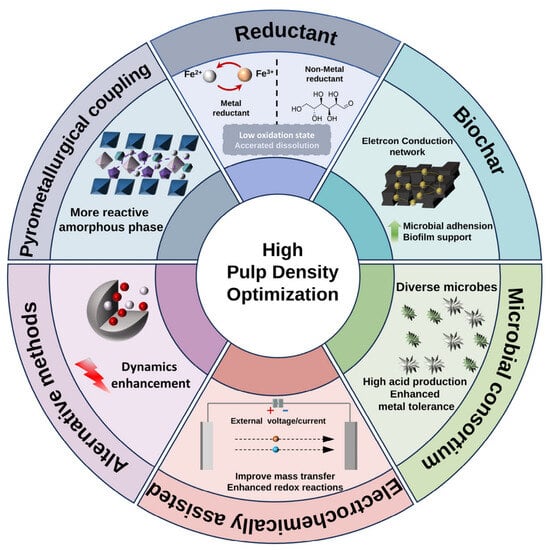
In recent years, owing to the extensive application of lithium-ion batteries (LIBs) in large-scale energy storage, transportation systems, and portable electronics, the LIB market has expanded rapidly. Proper recycling of spent LIBs can significantly alleviate environmental and economic burdens. Bioleaching, as an environmentally friendly and cost-effective approach for metal recovery from primary and secondary resources, is particularly suitable for the processing of spent LIBs. However, its efficiency significantly decreases under high-pulp-density conditions. Therefore, improving metal recovery performance under such conditions remains a critical challenge. This review systematically summarizes the microorganisms and leaching strategies employed for LIB bioleaching in the related peer-reviewed publications from 2015 to 2025, which were retrieved from the Web of Science, Scopus, and ScienceDirect databases. Based on this, this review analyzes the mechanistic limitations under high-pulp-density conditions and elucidates the key factors responsible for reduced efficiency. Furthermore, several process-intensification strategies are discussed, along with future perspectives for industrial-scale application. The increasing market demand and rapid technological development in LIB recycling highlight the strong potential of bioleaching technologies. This review provides mechanistic insights into microbial recovery processes and offers guidance for future research on high-pulp-density bioleaching systems.
Full article
(This article belongs to the Special Issue Advanced Technologies for Water Pollution Control)
►▼
Show Figures

Figure 1
Open AccessArticle
Interpretable Spectral Evidence Learning from Vis/NIR Imaging for Non-Destructive Authentication of Herbal Medicines
by
Zhihui Fan, Chao Ma, Shaowen Jing, Jiayu Huang and Mingkun Zhang
Molecules 2026, 31(14), 2444; https://doi.org/10.3390/molecules31142444 - 12 Jul 2026
Abstract
Rapid and non-destructive authentication of herbal medicines is important for quality control and market supervision. This study established an interpretable spectral evidence learning framework for visible and near-infrared (Vis/NIR) imaging-based authentication of Codonopsis Radix (CR) and Aurantii Fructus (AF). Compact 31-band mean gray-value
[...] Read more.
Rapid and non-destructive authentication of herbal medicines is important for quality control and market supervision. This study established an interpretable spectral evidence learning framework for visible and near-infrared (Vis/NIR) imaging-based authentication of Codonopsis Radix (CR) and Aurantii Fructus (AF). Compact 31-band mean gray-value spectra were analyzed at ROI and sample levels. CR sample-level spectra were obtained by ROI-group averaging, whereas AF records were retained as individual sample spectra with image-group information used for leakage-controlled validation. Raw spectra, Savitzky–Golay smoothing, multiplicative scatter correction, and standard normal variate correction were compared with machine-learning and deep-learning classifiers. A fold-contained lightweight diffusion (LD) module was further introduced to provide class-conditioned spectral augmentation and denoising-error evidence. Under grouped cross-validation, the strongest non-LD Linear SVM models achieved accuracy/macro-F1 values of 0.9231/0.9238 for CR and 0.9025/0.9018 for AF. After LD augmentation, the best LD-augmented SVM models reached macro-F1 values of 0.9427 and 0.9197, respectively. Across all evaluated model–dataset combinations, LD increased the overall mean macro-F1 from 0.7302 to 0.8189. Model-aligned wavelength evidence and top-wavelength subset tests further showed that selected LED-band subsets retained useful discriminative information within the present imaging configuration. These results support the feasibility of compact Vis/NIR image-based authentication of herbal materials under grouped validation.
Full article
(This article belongs to the Special Issue Analytical Methods for Safety and Quality Control of Functional Food)
Open AccessArticle
Potassium-Modulated Ni Catalysts for Enhanced Hydrogen Production from Textile Waste via Microwave Pyrolysis
by
Xiange Wu, Yuxing Huang, Bo Zhang, Junhao Chen, Jingran Xia, Rui Bai and Wuwan Xiong
Molecules 2026, 31(14), 2443; https://doi.org/10.3390/molecules31142443 - 12 Jul 2026
Abstract
The conversion of waste textiles into valuable products is an effective route to mitigate low-value solid waste accumulation and recover energy. In this work, nickel and potassium were introduced into textile waste via an impregnation method, and their roles in microwave-assisted catalytic pyrolysis
[...] Read more.
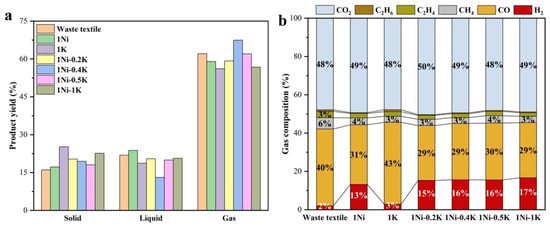
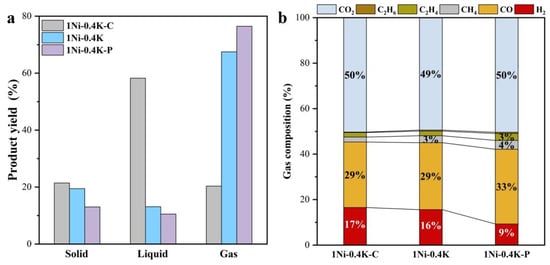
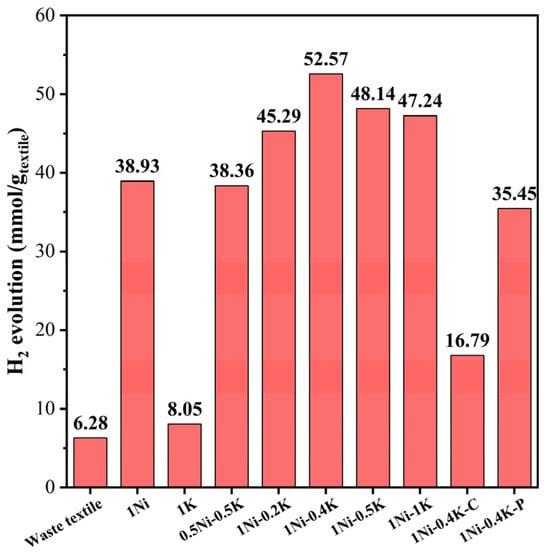
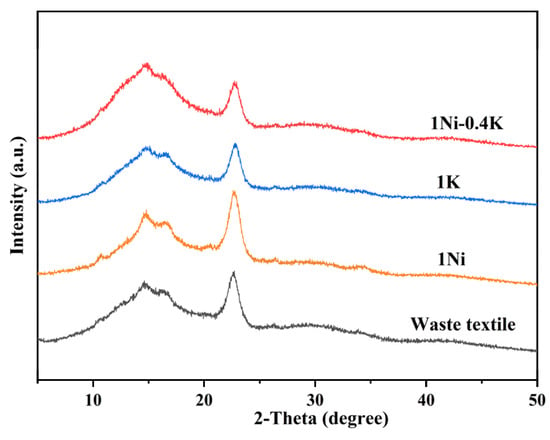
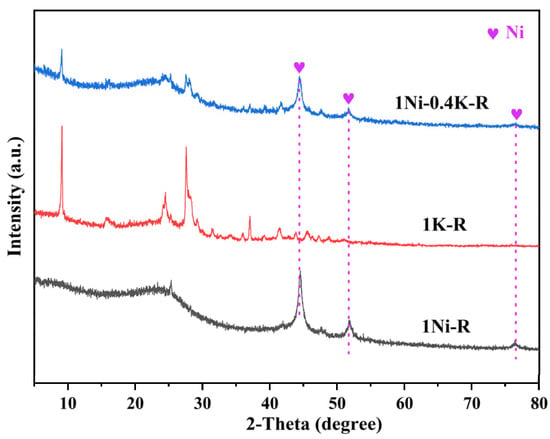
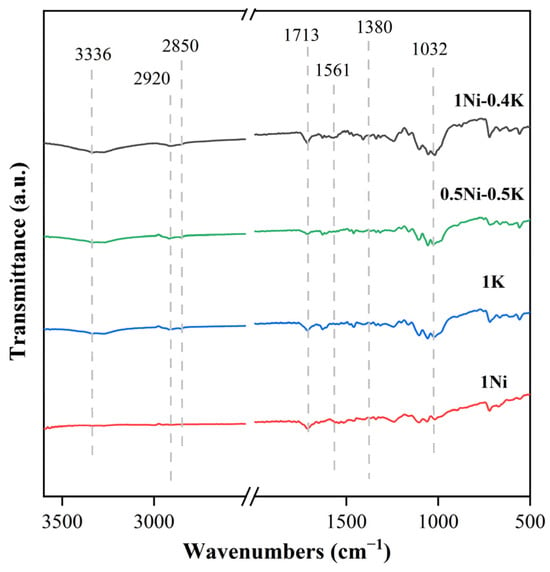
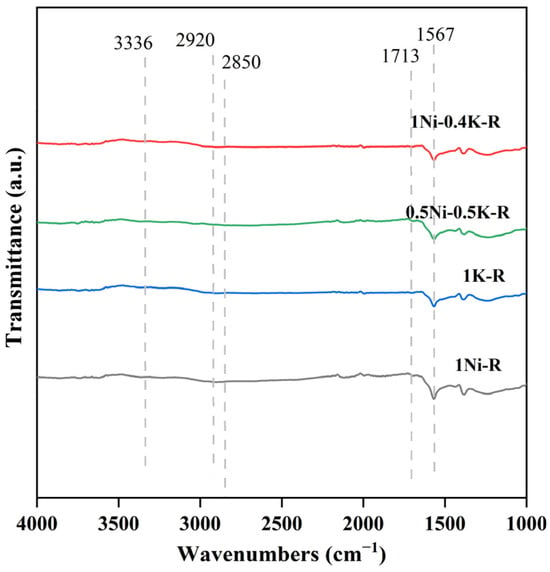
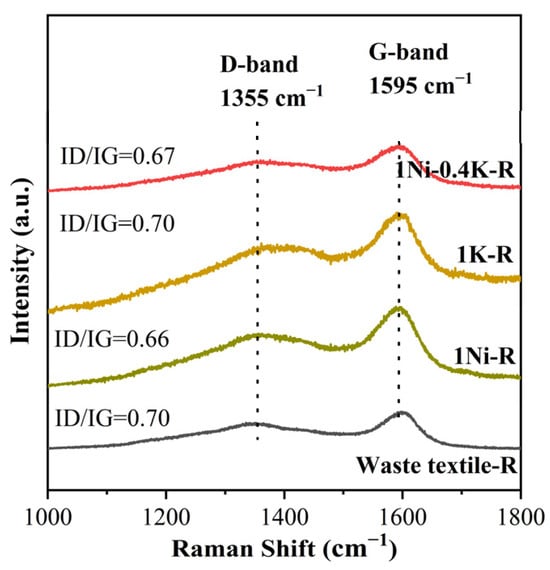
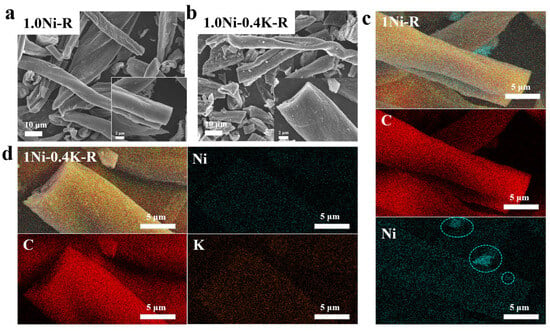
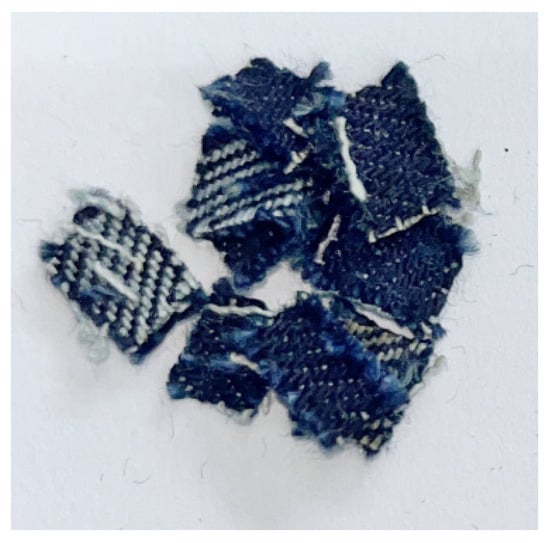
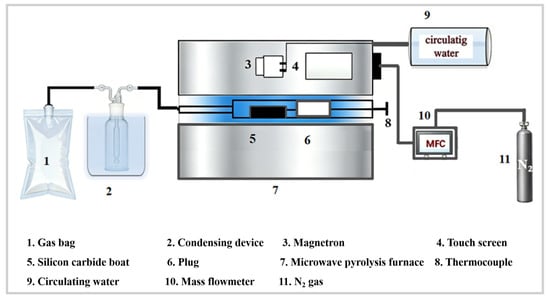
The conversion of waste textiles into valuable products is an effective route to mitigate low-value solid waste accumulation and recover energy. In this work, nickel and potassium were introduced into textile waste via an impregnation method, and their roles in microwave-assisted catalytic pyrolysis were investigated with a focus on hydrogen production. The results show that co-loading 1 wt.% Ni and 0.4 wt.% K significantly enhances gas formation, with a total gas yield of 67.47% and a hydrogen yield of 52.57 mmol/g. Hydrogen production was markedly improved compared with the untreated textiles, the physical mixing methods, and the conventional pyrolysis. Structural characterization by XRD and SEM mapping confirmed that K addition effectively suppressed the agglomeration of Ni species. FTIR analysis suggests that a synergistic catalytic effect between K and Ni promotes the conversion of macromolecular components into smaller gaseous products. The improved hydrogen production can be associated with the combined effect of enhanced Ni dispersion and promoted decomposition reactions. This work provides new insights into the design of alkali-promoted Ni catalysts for efficient hydrogen production from textile waste under microwave pyrolysis conditions.
Full article
(This article belongs to the Special Issue Agricultural and Food Residues: Treatment and Valorization of By-Products and Wastes)
►▼
Show Figures

Figure 1
Open AccessArticle
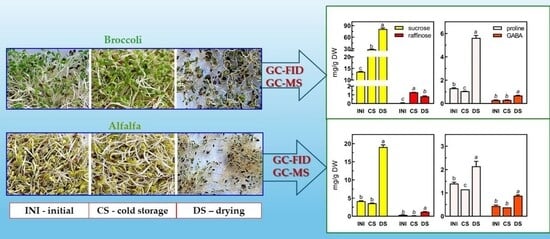
Cold Storage and Drying Alter Polar Metabolite Profiles in Commercial Sprouts of Eight Plant Species
by
Lesław Bernard Lahuta, Karolina Stałanowska and Marcin Horbowicz
Molecules 2026, 31(14), 2442; https://doi.org/10.3390/molecules31142442 - 12 Jul 2026
Abstract
►▼
Show Figures
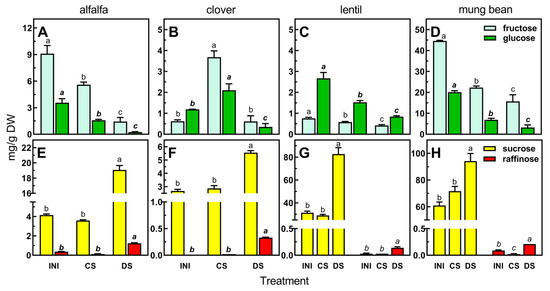
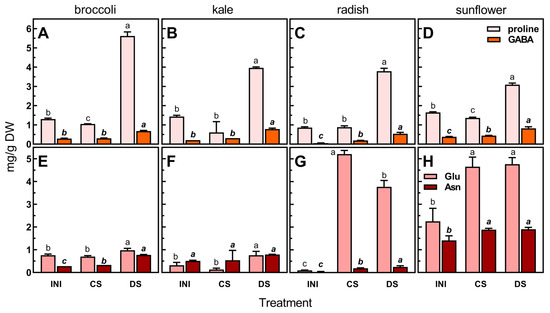
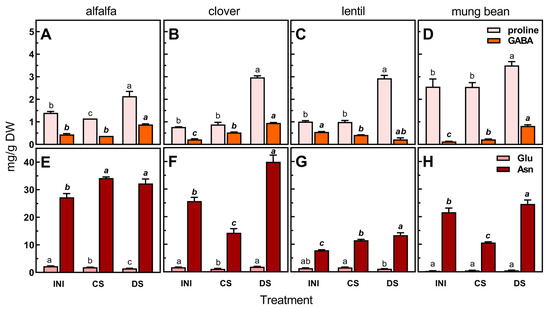
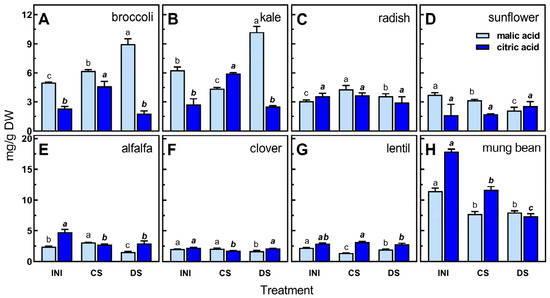
The application of the gas chromatography coupled to mass spectrometry (GC-MS) has been applied for metabolite profiling in sprouts of Brassicaceae (broccoli, kale, radish), sunflower, and Fabaceae (alfalfa, clover, lentil, and mung bean). Soluble carbohydrates were quantitatively the major fraction of total polar
[...] Read more.
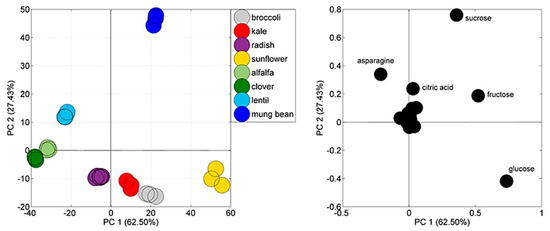
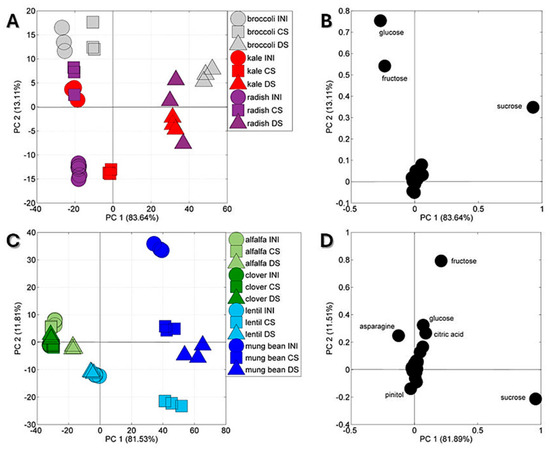
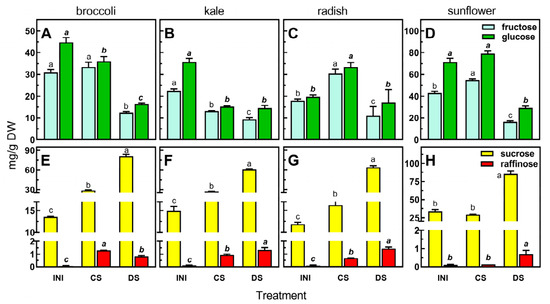
The application of the gas chromatography coupled to mass spectrometry (GC-MS) has been applied for metabolite profiling in sprouts of Brassicaceae (broccoli, kale, radish), sunflower, and Fabaceae (alfalfa, clover, lentil, and mung bean). Soluble carbohydrates were quantitatively the major fraction of total polar metabolites in Brassicaceae and sunflower sprouts. The main sugars in sunflower, mung bean, and Brassicaceae sprouts were fructose and glucose, while in clover, alfalfa, and lentil sprouts, the dominant sugar was sucrose. Myo-inositol was found in the sprouts of all analyzed species, while d-chiro-inositol, epi-inositol, or scyllo-inositol, as well as d-pinitol, were present in the sprouts of some legumes. Among the amino acids in clover and alfalfa sprouts, asparagine, serine, and threonine were quantitatively dominant. During cold storage of sprouts or their drying, a decrease in the content of monosaccharides and an increase in the levels of sucrose were found. Furthermore, such conditions of sprouts storage caused an accumulation of raffinose, proline, and γ-aminobutyric acid. The reduction in the content of monosaccharides and the increase in the content of free amino acids in dried sprouts is new information. Moreover, information about the small effects of low-temperature storage and drying of sprouts on the content of cyclitols seems to be valuable.
Full article
Graphical abstract
Open AccessArticle
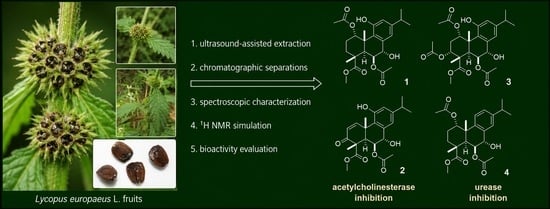
New Aromatic Abietane Diterpenoids from Lycopus europaeus L. Fruits: 1H NMR Simulation-Aided Structure Elucidation and Enzyme Inhibition Screening
by
Marija S. Genčić, Danijela N. Nikolić, Jelena D. Živanović, Jelena M. Denić and Niko S. Radulović
Molecules 2026, 31(14), 2441; https://doi.org/10.3390/molecules31142441 - 12 Jul 2026
Abstract
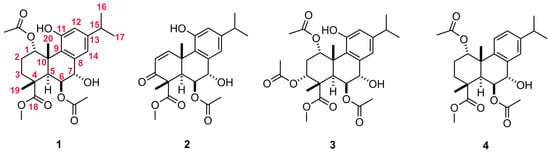
The fruits of Lycopus europaeus L. represent an unusual source of highly oxygenated aromatic abietane diterpenoids. Following our previous identification of euroabienol (1) from this plant material, a phytochemical reinvestigation of the dichloromethane fruit extract was undertaken to characterize related minor
[...] Read more.
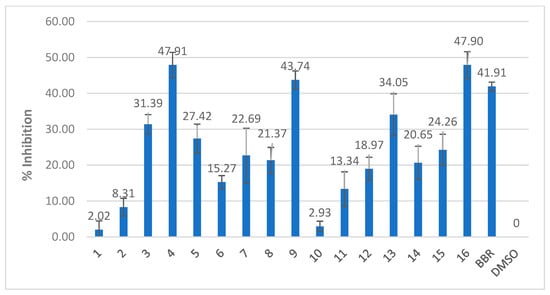
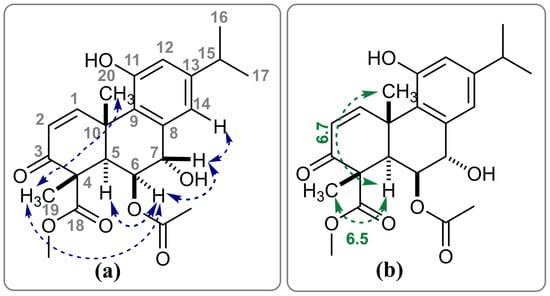
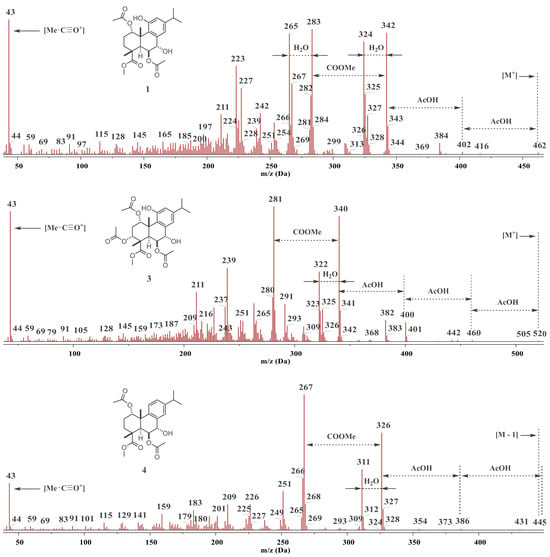
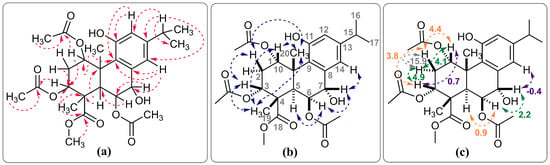
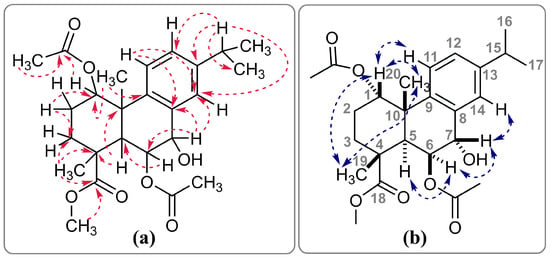
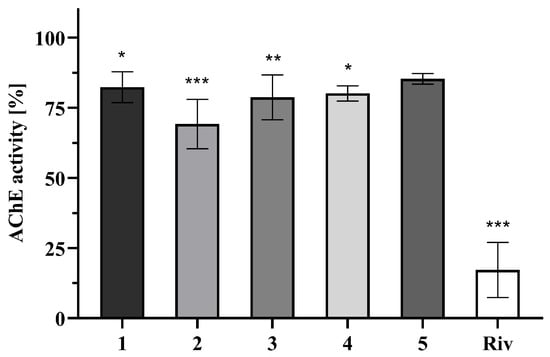
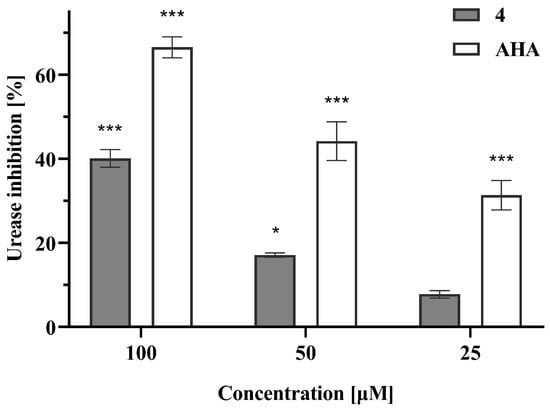
The fruits of Lycopus europaeus L. represent an unusual source of highly oxygenated aromatic abietane diterpenoids. Following our previous identification of euroabienol (1) from this plant material, a phytochemical reinvestigation of the dichloromethane fruit extract was undertaken to characterize related minor constituents. Three new aromatic abietane diterpenoids, 4-epileonubiastrin (2), 3α-acetoxyeuroabienol (3), and 11-deoxyeuroabienol (4), were isolated together with euroabienol (1). Their structures and relative configurations were established by MS, HRMS, IR, and extensive 1D and 2D NMR analyses. Manual iterative full spin analysis of selected 1H NMR spin systems enabled refined determination of chemical shifts and coupling constants and provided additional support for conformational and configurational assignments, particularly in structurally congested parts of the molecules. To obtain a preliminary indication of biological relevance, compounds 1–4 and the semisynthetic O-methylated euroabienol derivative 5 were evaluated for acetylcholinesterase and urease inhibition. The observed effects were modest: compound 2 showed the highest AChE inhibition, reaching 31% at 50 μM, whereas compound 4 was the most active against jack bean urease, producing 40% inhibition at 100 μM. The study expands current knowledge of L. europaeus fruit diterpenoids and illustrates the value of 1H NMR simulation as a complementary tool in the elucidation of closely related abietane natural products.
Full article
(This article belongs to the Section Natural Products Chemistry)
►▼
Show Figures

Graphical abstract
Open AccessArticle
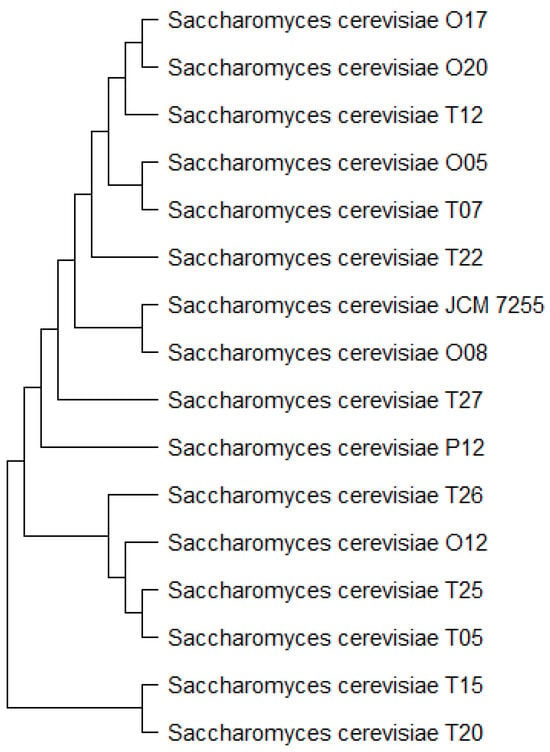
In Vitro Study of Probiotic Properties and Safety Aspects of Saccharomyces Yeast Strains Isolated from Traditional Fermented Food in Algeria
by
Ahmed Ararem, Adam Staniszewski, Abderrahmane Houicher and Monika Kordowska-Wiater
Molecules 2026, 31(14), 2440; https://doi.org/10.3390/molecules31142440 - 12 Jul 2026
Abstract
Algerian fermented foods represent a precious source of indigenous yeasts with potentially probiotic properties, which can serve as regional, functional starter cultures. The aim of the present research is to isolate and genetically identify strains obtained from traditional fermented foods and investigate their
[...] Read more.
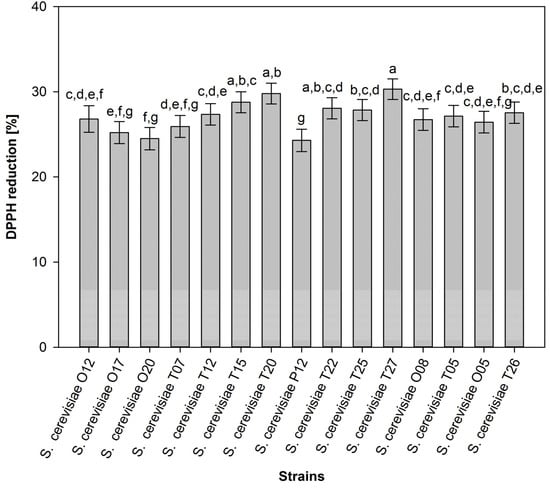
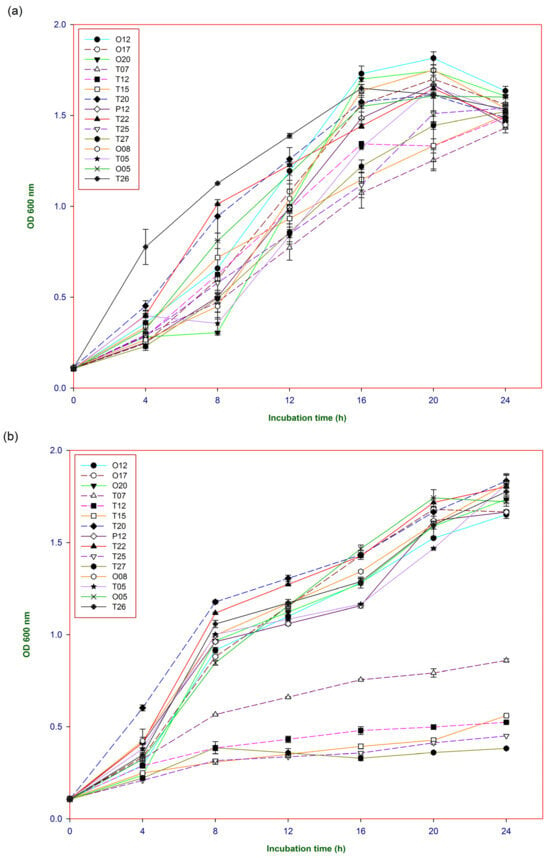
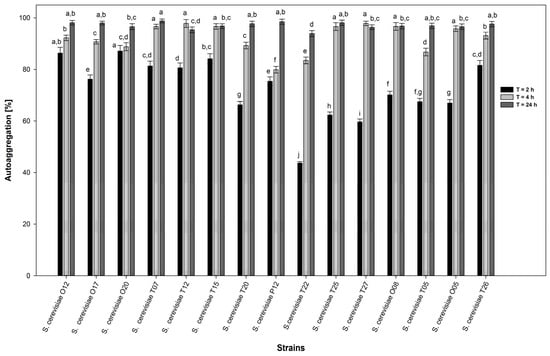
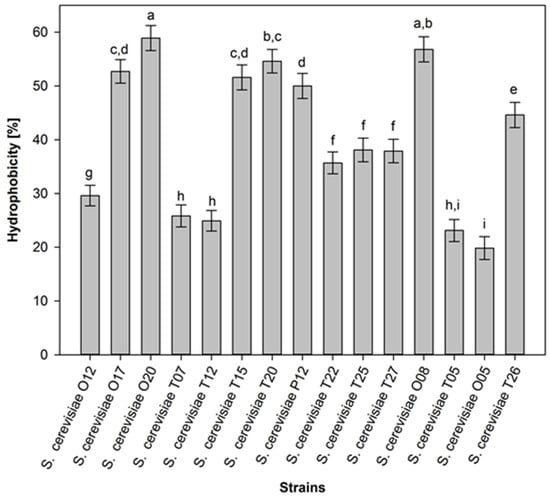
Algerian fermented foods represent a precious source of indigenous yeasts with potentially probiotic properties, which can serve as regional, functional starter cultures. The aim of the present research is to isolate and genetically identify strains obtained from traditional fermented foods and investigate their probiotic properties and safety aspects in vitro. The molecular identification revealed fifteen S. cerevisiae strains obtained from sourdoughs and marinated peppers samples. All tested strains showed the ability to grow at 37 °C and to survive well at 0.3% (w/v) bile salts with high resistance to pH 2.5. The auto-aggregation rates of tested strains reached 93.90% after 24 h of incubation, while seven of fifteen strains showed high hydrophobicity values in xylene (44.60–58.90%), indicating their ability to survive and to adhere to the host intestinal mucosa. All S. cerevisiae isolates showed a good antioxidant activity and exhibited varying levels of antibacterial activity, but not against Listeria innocua. A lack of hemolysis, gelatinase, protease and phospholipase was recorded for all tested strains, while a strong phytase activity was observed in these strains, which may enhance mineral availability and reduce antinutritional effects of plant-based food. Based on these results, five S. cerevisiae strains showed promising probiotic properties and safety aspects, which can be used as potential probiotic strains in functional food industries and/or in the medical field.
Full article
(This article belongs to the Special Issue Probiotics and Other Functional Microorganisms in Food Quality and Nutrition)
►▼
Show Figures

Figure 1
Open AccessReview
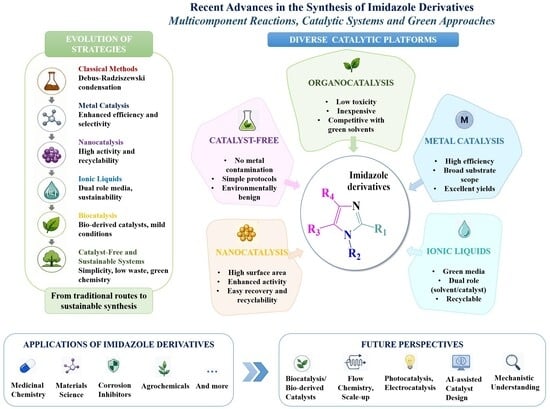
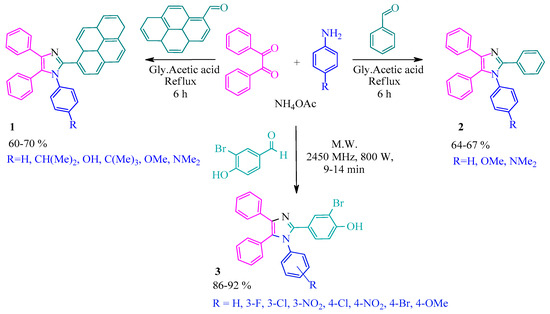
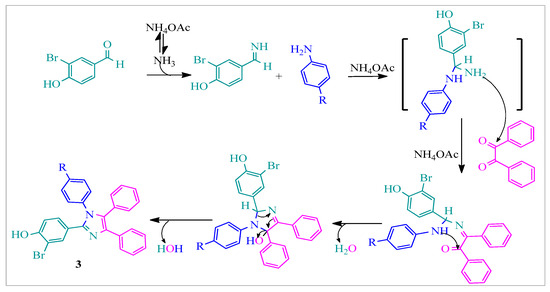
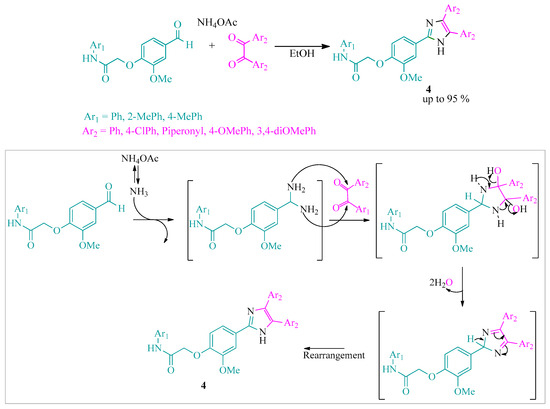
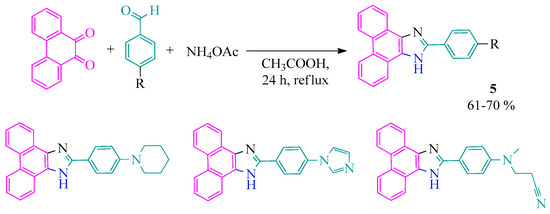
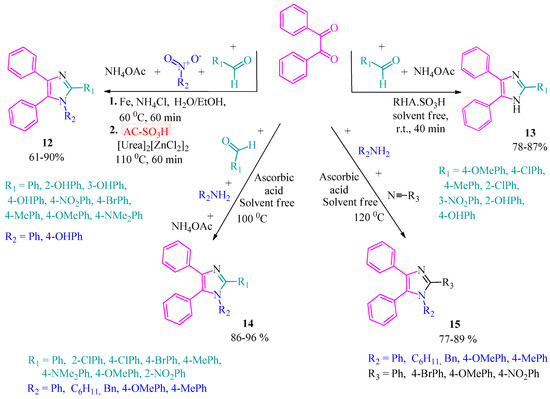
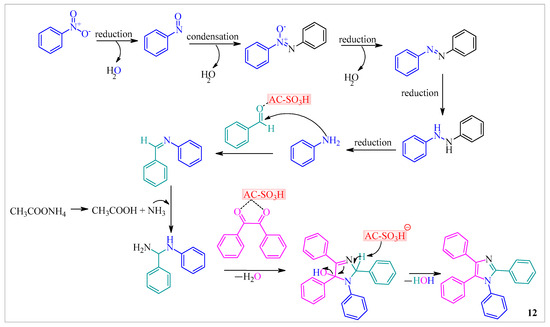
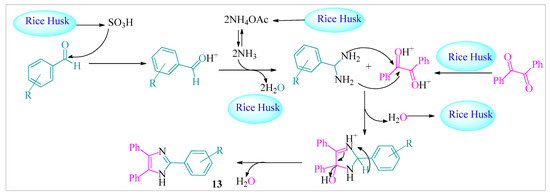
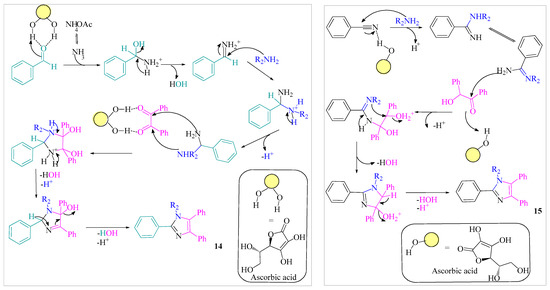
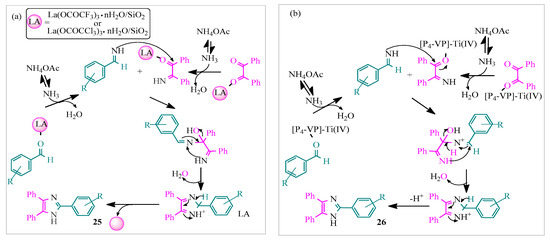
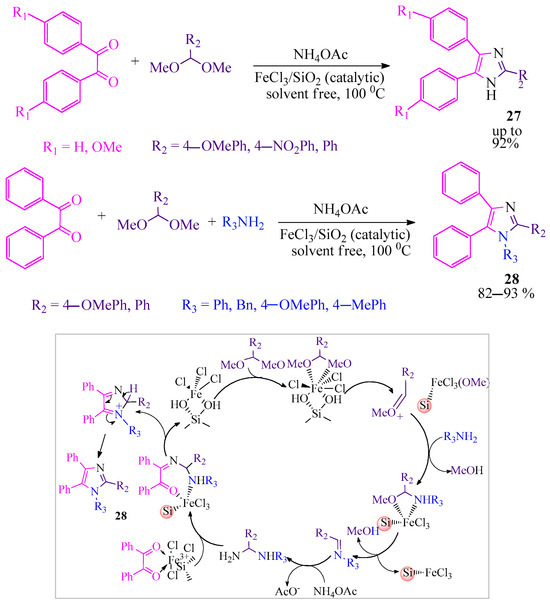
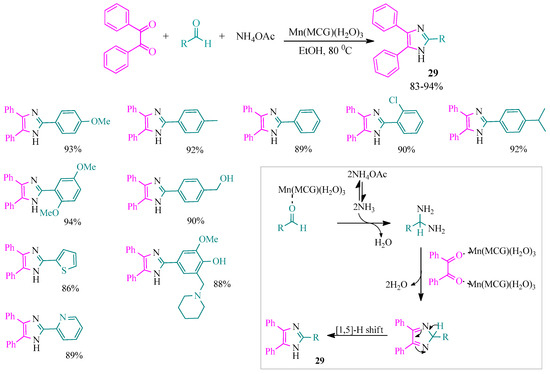
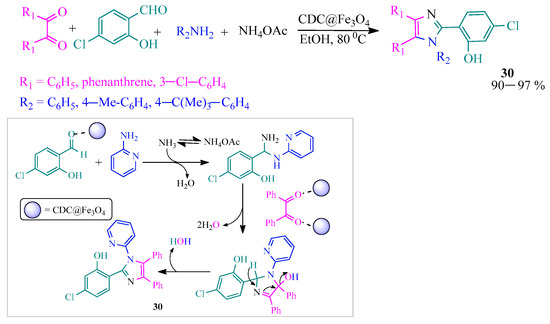
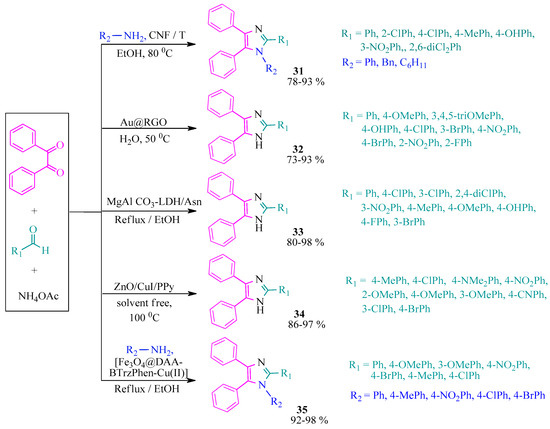
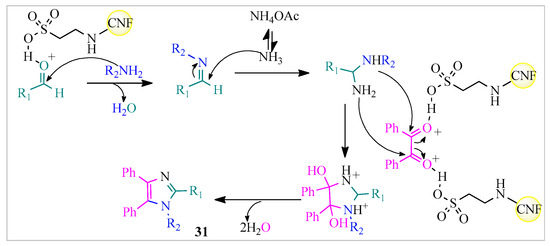
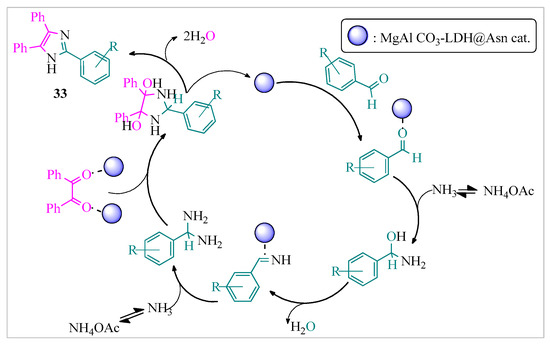
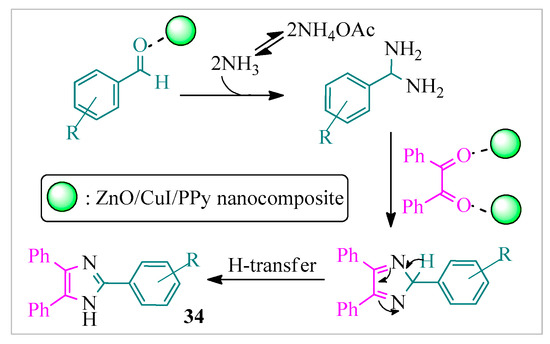
Recent Progress in the Sustainable Synthesis of Imidazole Derivatives: Advances in Multicomponent Reactions, Catalysis, and Green Chemistry
by
Altynay B. Kaldybayeva, Timur T. Shapinov, Feyyaz Durap and Valentina K. Yu
Molecules 2026, 31(14), 2439; https://doi.org/10.3390/molecules31142439 - 11 Jul 2026
Abstract
Imidazole derivatives represent a privileged class of nitrogen-containing heterocycles that continue to attract considerable attention owing to their structural versatility, synthetic accessibility, and wide range of applications in medicinal chemistry, materials science, catalysxis, and corrosion inhibition. In recent years, significant efforts have been
[...] Read more.
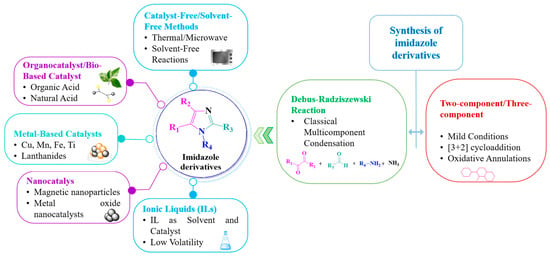
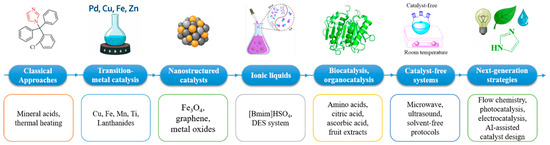
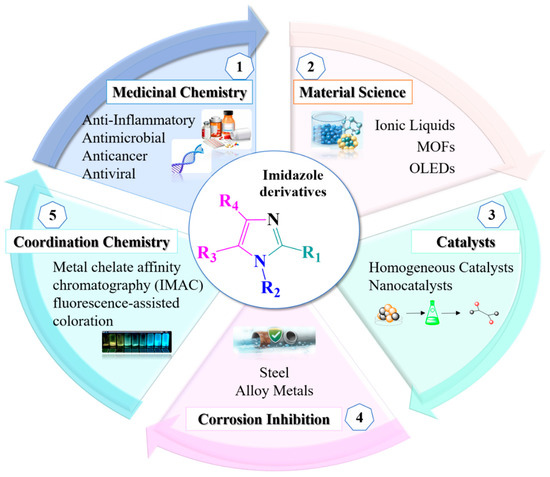
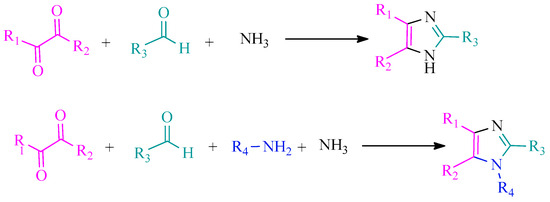
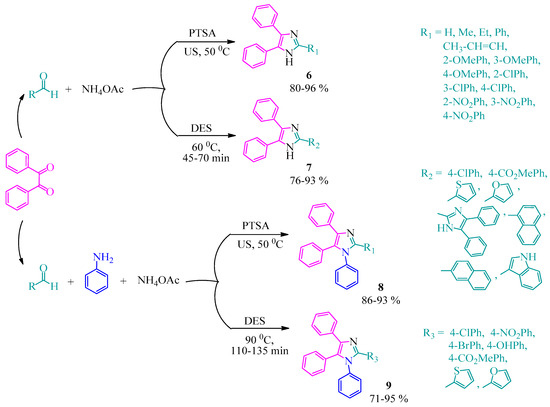
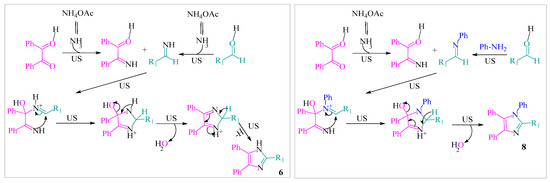
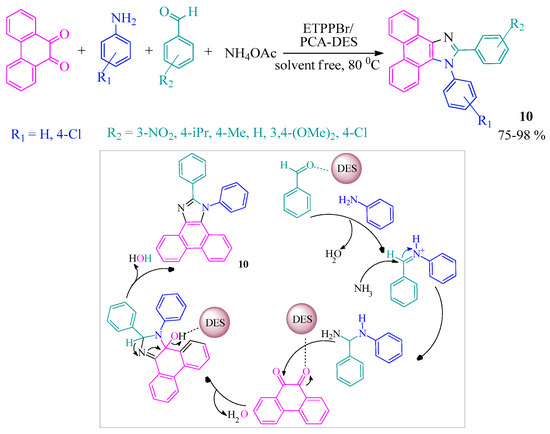
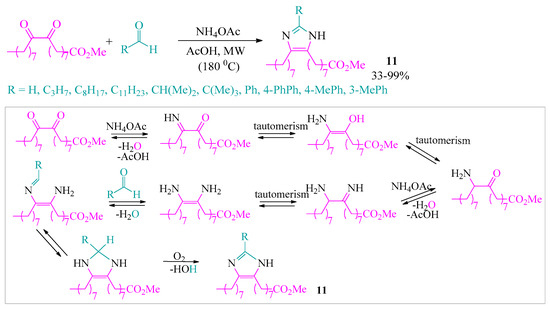
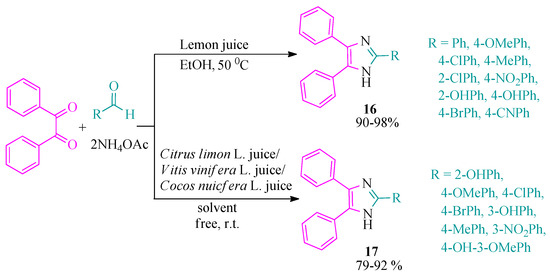
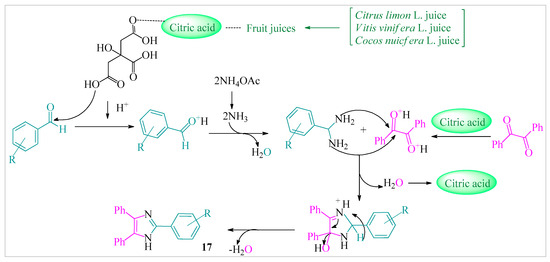
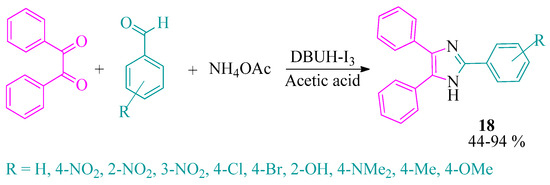
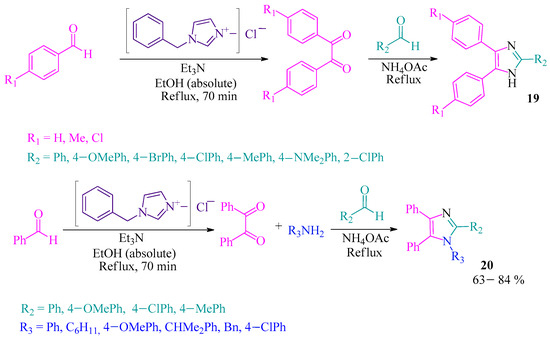
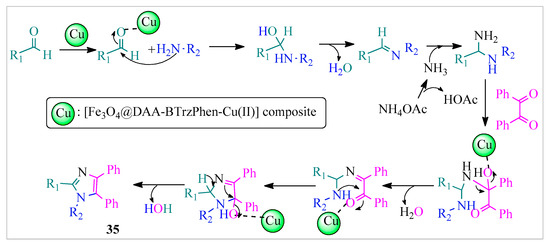
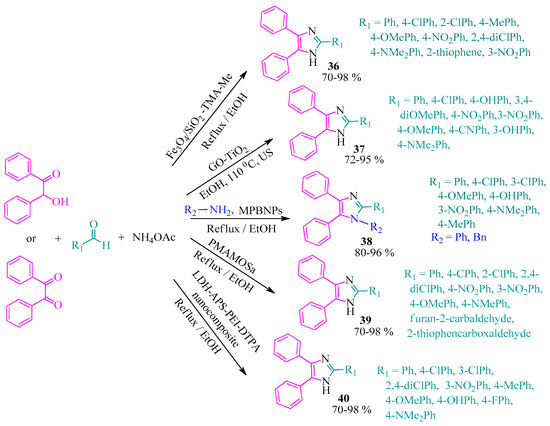
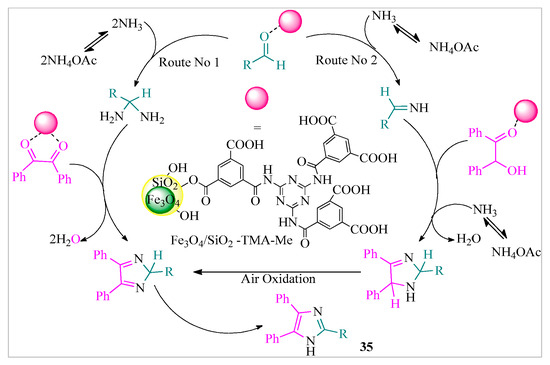
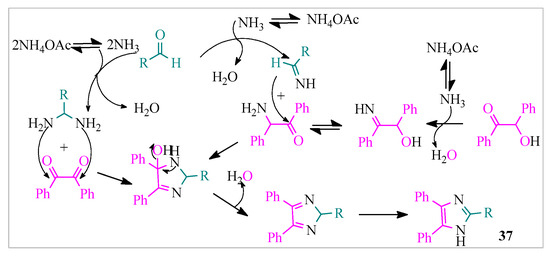
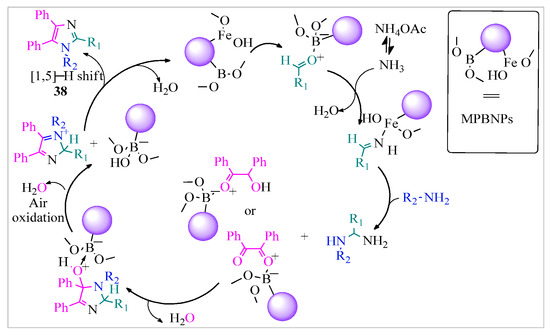
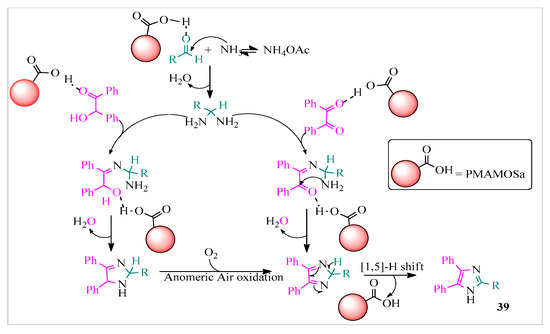
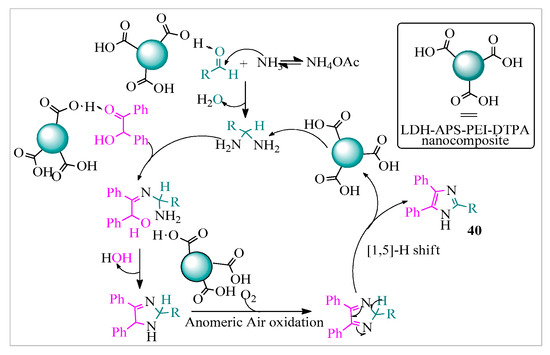
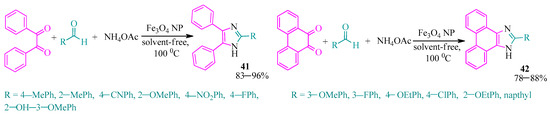
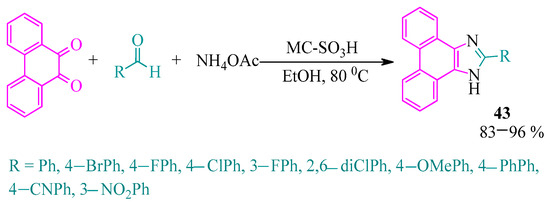
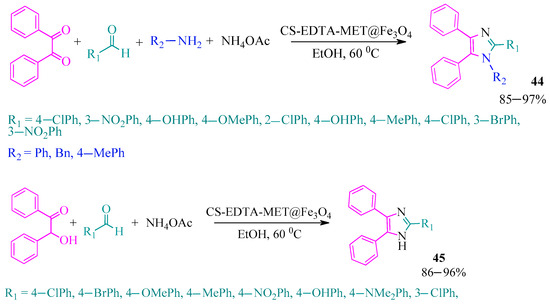
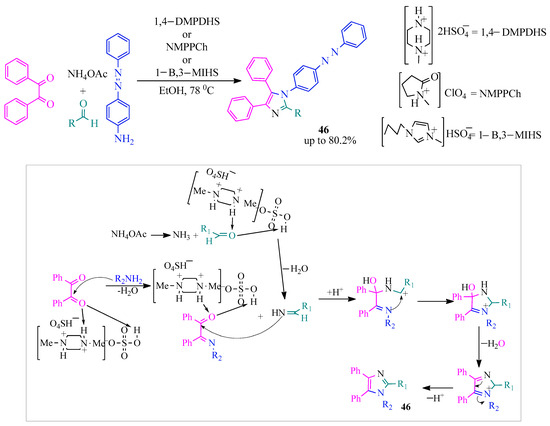
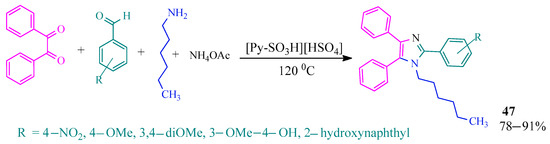
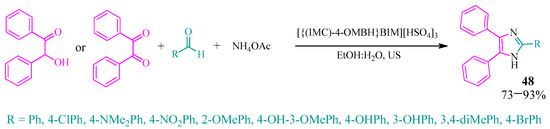
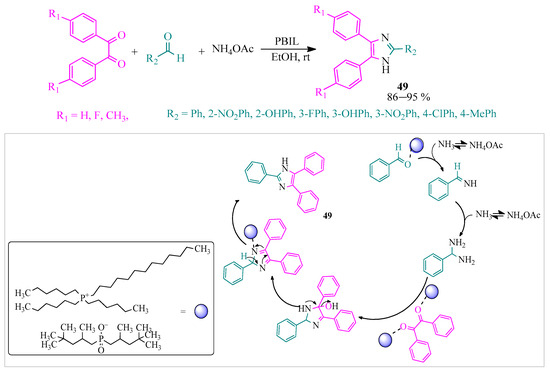
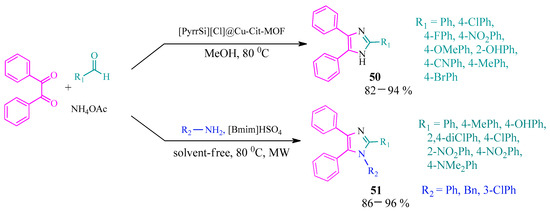
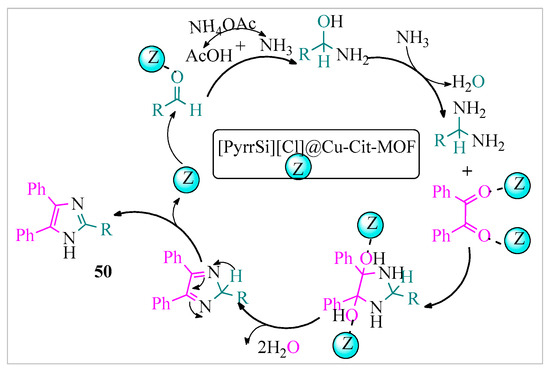
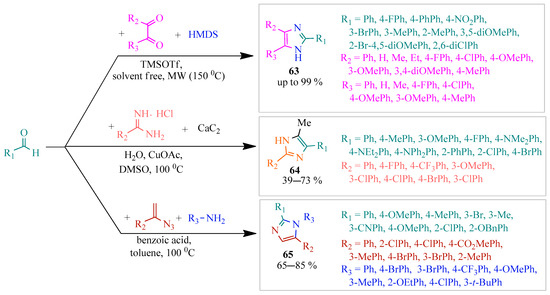
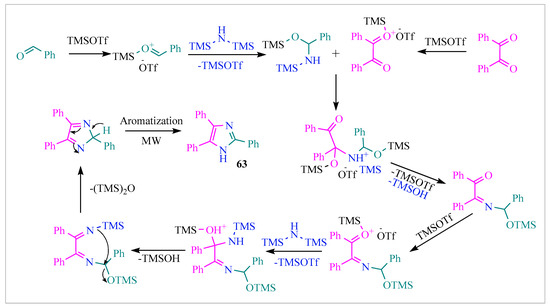
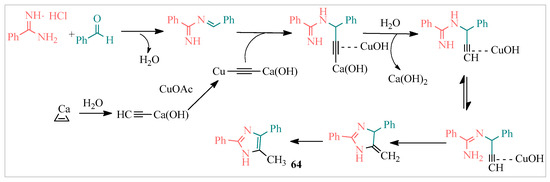
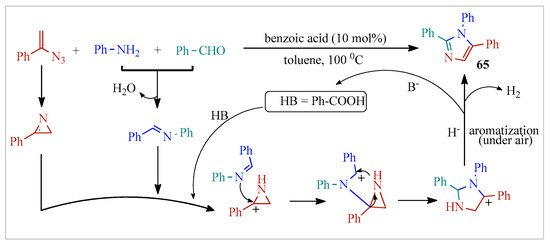
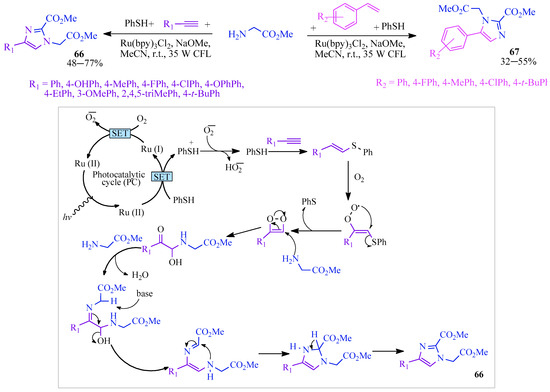
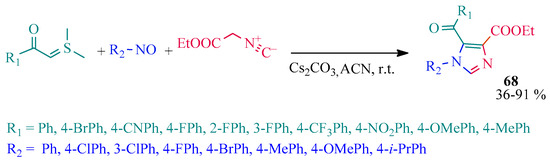
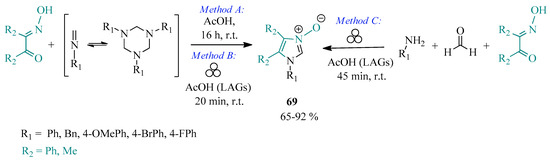
Imidazole derivatives represent a privileged class of nitrogen-containing heterocycles that continue to attract considerable attention owing to their structural versatility, synthetic accessibility, and wide range of applications in medicinal chemistry, materials science, catalysxis, and corrosion inhibition. In recent years, significant efforts have been directed towards the development of efficient, sustainable, and experimentally simple synthetic methodologies for substituted imidazoles. This review summarizes and critically evaluates recent advances (mainly from 2021 onward) in the synthesis of imidazole derivatives, with particular emphasis on multicomponent reactions, especially the Debus–Radziszewski condensation. Catalyst-free protocols, organocatalysts, metal-based catalysts, nanocatalysts, and ionic liquids are systematically discussed and compared. In addition, alternative two- and three-component strategies that enable access to nonclassical substitution patterns are reviewed. The advantages and limitations of each approach are highlighted with respect to reaction efficiency, substrate scope, sustainability, and practical applicability. This review aims to serve as a comprehensive reference for synthetic chemists seeking rational strategies for the preparation of structurally diverse imidazole derivatives.
Full article
(This article belongs to the Special Issue Synthesis and Derivatization of Heterocyclic Compounds)
►▼
Show Figures

Graphical abstract
Open AccessArticle
Electrostatic Potential at Nuclei vs. Atomic Charges as Descriptors of Hydrogen-Bond Basicity of Molecules
by
Ivan V. Atanasov, Diana Cheshmedzhieva, Sonia Ilieva, Boris Galabov and Henry F. Schaefer III
Molecules 2026, 31(14), 2438; https://doi.org/10.3390/molecules31142438 - 11 Jul 2026
Abstract
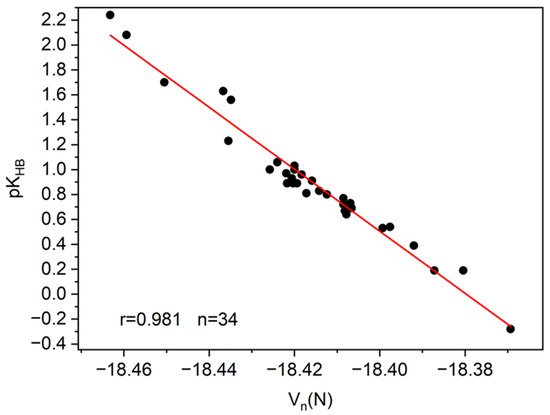
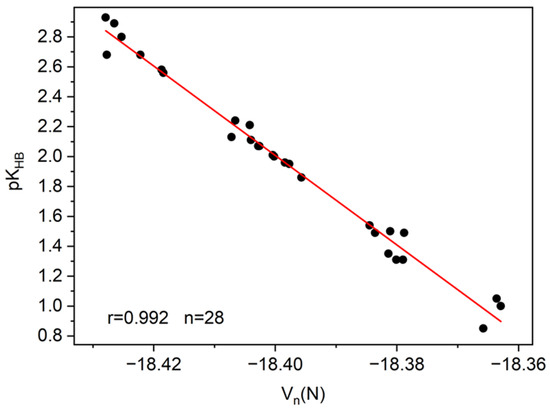
In this work, we comparatively assess the utility of electrostatic potential at nuclei (Vn) and several frequently used atomic partial charge schemes for describing hydrogen-bond basicity. This is accomplished with a total of 114 examples across four classes of molecules:
[...] Read more.
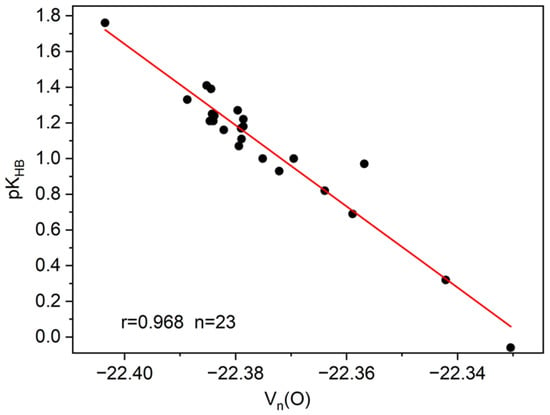
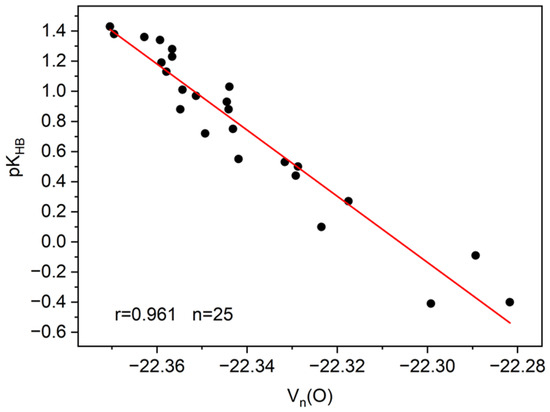
In this work, we comparatively assess the utility of electrostatic potential at nuclei (Vn) and several frequently used atomic partial charge schemes for describing hydrogen-bond basicity. This is accomplished with a total of 114 examples across four classes of molecules: ketones, ethers, nitriles, and substituted pyridine derivatives. Density functional theory calculations at the CPCM//PBE0-D3/def2-TZVPP level were employed to evaluate reactivity descriptors for the most basic site in each molecule. The effectiveness of the descriptors was assessed through their correlation with experimental basicity data. Three widely used partial charge models—Hirshfeld, CM5, and NPA—were considered. Strong correlations between both Vn and partial charges with basicity were observed across all four molecular classes. Notably, the electrostatic potential at the nucleus (Vn) consistently exhibits stronger correlations with the experimental pKHB values than the partial charge models, highlighting its robustness as a quantitatively reliable descriptor of basicity across diverse organic systems. Both descriptors display inherent system dependence, and meaningful correlations with basicity are observed primarily within individual classes of compounds.
Full article
(This article belongs to the Section Computational and Theoretical Chemistry)
►▼
Show Figures

Figure 1
Open AccessArticle
Rare Earth Elements in the Soil–Grape–Wine System: Opportunities and Limitations for Geographical Origin Authentication
by
Abakumov Aleksey, Temerdashev Zaual, Gipich Evgeniy and Scheludko Olga
Molecules 2026, 31(14), 2437; https://doi.org/10.3390/molecules31142437 - 11 Jul 2026
Abstract
To establish the relationship between the composition of wine and its regional origin, the most stable chemical parameters are selected because their variation is easiest to trace. Together with “classical” micro- and macroelements, rare earth elements (REEs) can be used for such purposes.
[...] Read more.
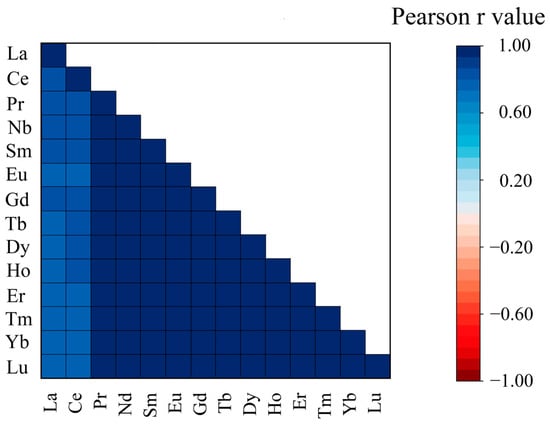
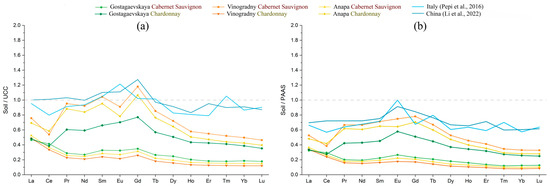
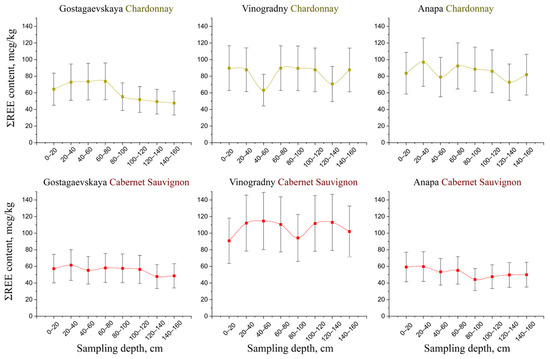
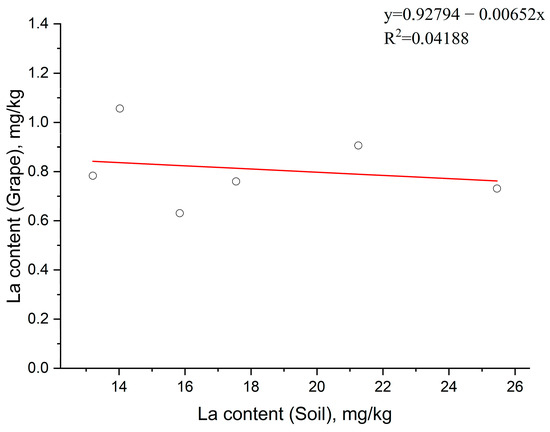
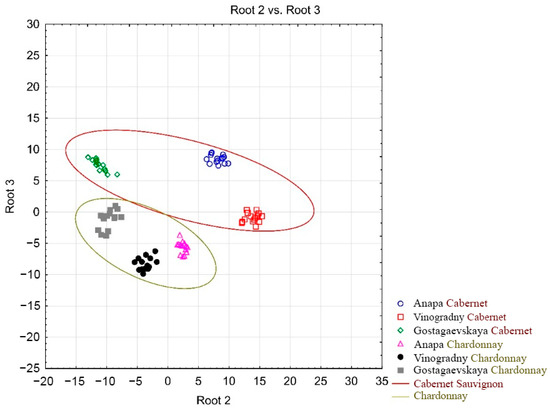
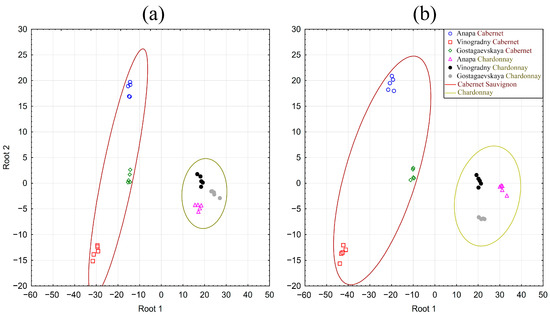
To establish the relationship between the composition of wine and its regional origin, the most stable chemical parameters are selected because their variation is easiest to trace. Together with “classical” micro- and macroelements, rare earth elements (REEs) can be used for such purposes. However, the relationship between REE content in wine and its regional origin has not been systematically studied. This study examines the migration of REEs in the “soil-grape-wine” system to identify the relationship along the entire chain and establish the geographical origin of grapes and wine. The research was carried out on grapes and wines from the Chardonnay and Cabernet Sauvignon varieties, as well as soil samples selected from different vineyards. The concentrations of La, Ce, Pr, Nd, Sm, Eu, Gd, Tb, Dy, Ho, Er, Tm, Yb and Lu in the studied samples were determined using ICP-MS. It was established that the studied soil samples are characterized by relatively low REE concentrations. Low transfer of REEs from soil to grapes was observed because the soils are rich in clay minerals that firmly retain these elements. Statistically significant differences in the REE content of grapes from different regions were detected (p < 0.05). Multidimensional analysis methods allowed us to group grape samples into clusters based on varietal and regional origin. Discriminant analysis showed the possibility of using the concentration of REEs as markers of the geographical origin of grapes. Of all the REEs, only La and Ce are reliably established in all wines. When determining the geographical origin of wine, the use of REE content is limited due to their very low concentrations in wine. In this regard, it has been proposed to use them in combination with macro- and microelements, which improves the classification performance of the model.
Full article
(This article belongs to the Special Issue Analytical Strategies for Food Authentication and Traceability)
►▼
Show Figures

Figure 1
Open AccessArticle
Diagnostic Ion-Guided Isolation and Characterization of Trace Periplocin-Derived Cardenolide Metabolites from Rat Urine
by
Peng Zhao, Fanjiao Zuo, Caixia Li, Haoran Wu, Yingjing Zhao, Yanjin Li, Yameng Zhu, Ye Shang, Liqin Ding and Jun He
Molecules 2026, 31(14), 2436; https://doi.org/10.3390/molecules31142436 - 11 Jul 2026
Abstract
Cardiac glycosides from Periplocae Cortex are bioactive constituents, but isolating and structurally confirming their trace in vivo metabolites remains challenging because authentic standards are often unavailable. We developed a steroid-core fragment-guided strategy based on the diagnostic ion at m/z 355.2270 that
[...] Read more.
Cardiac glycosides from Periplocae Cortex are bioactive constituents, but isolating and structurally confirming their trace in vivo metabolites remains challenging because authentic standards are often unavailable. We developed a steroid-core fragment-guided strategy based on the diagnostic ion at m/z 355.2270 that integrates metabolite screening, targeted purification, and structural characterization. Periplocin-related analytes were detected in rat urine and plasma after oral periplocin administration using HPLC-QQQ-MS/MS and UPLC-Q-TOF-MS/MS. Guided by the diagnostic ion, 13 L of rat urine was fractionated using macroporous resin, Sephadex LH-20, ODS chromatography, and preparative HPLC. Two trace metabolites were isolated and identified as gomphogenin (M1, 4 mg) and 17α-asclepioside (M2, 8 mg) by HR-MS and NMR spectroscopy. Periplocin, periplogenin, and periplocymarin were confirmed using reference standards. Structural comparison supported a putative transformation pathway involving deglycosylation and steroid-core modification. In a hypoxia/reoxygenation-injured H9c2 cell model, M1 and M2 increased cell viability at 50 μM, supporting further evaluation using complementary cellular endpoints. This diagnostic-ion-guided workflow enables the targeted isolation of trace cardenolide metabolites from biological matrices and provides reference compounds for future pharmacokinetic and pharmacological studies.
Full article
(This article belongs to the Section Analytical Chemistry)
Open AccessArticle
Selected Thieno[2,3-d] Pyrimidine Derivatives Target Breast Cancer Cell Proliferation and Membrane Organization
by
Aleksandrina Nesheva, Ivan Iliev, Anelia Mavrova, Denitsa Yancheva, Aneliya Kostadinova, Severina Semkova, Albena Momchilova, Iana Tsoneva, Biliana Nikolova and Galya Staneva
Molecules 2026, 31(14), 2435; https://doi.org/10.3390/molecules31142435 - 11 Jul 2026
Abstract
Breast cancer remains one of the leading causes of cancer-related mortality among women worldwide, highlighting the urgent need for novel therapeutic agents with improved efficacy and selectivity. In this study, we investigated the anticancer potential of selected thieno[2,3-d]pyrimidine-based hybrids in breast
[...] Read more.
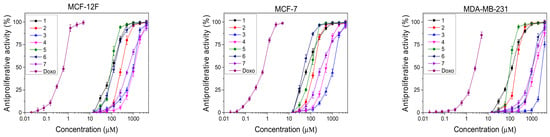
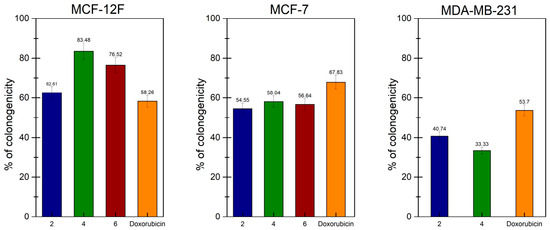
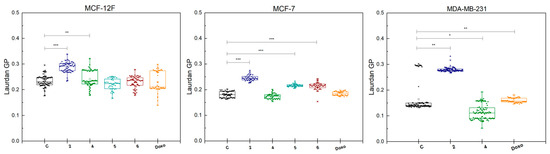
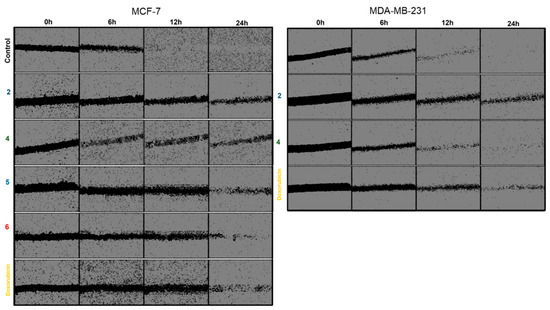
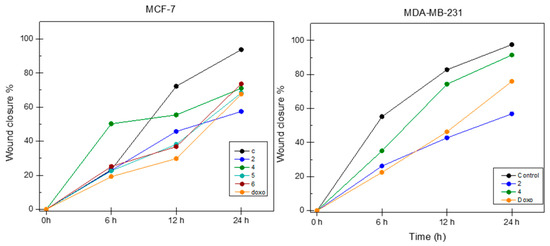
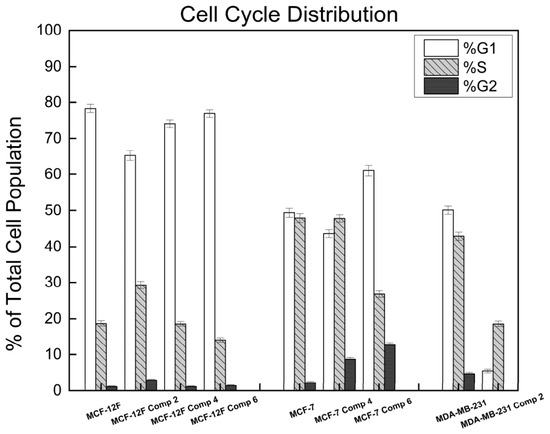
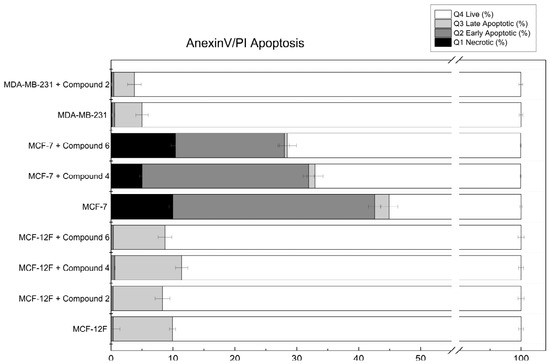
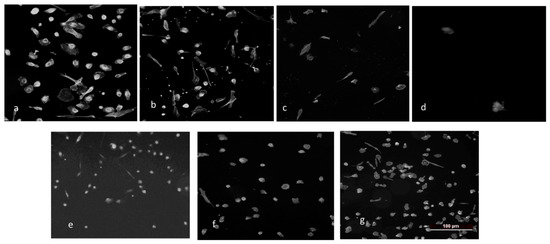
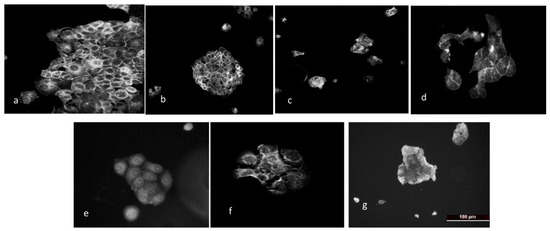
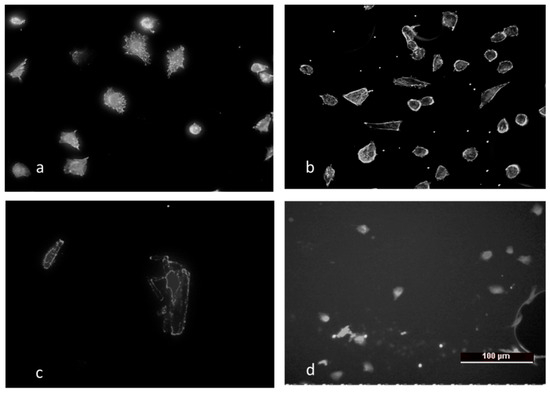
Breast cancer remains one of the leading causes of cancer-related mortality among women worldwide, highlighting the urgent need for novel therapeutic agents with improved efficacy and selectivity. In this study, we investigated the anticancer potential of selected thieno[2,3-d]pyrimidine-based hybrids in breast cancer cell models with different metastatic potential. The compounds were evaluated for their effects on cell viability, clonogenic survival, migration, cell-cycle progression, cytoskeletal organization, and plasma membrane organization. Several derivatives exhibited concentration-dependent antiproliferative activity, inhibited colony formation and cell migration, disrupted cytoskeletal integrity, and modulated plasma membrane organization. Cell-cycle analysis revealed compound- and cell line-dependent alterations in the distribution of cells across the G1, S, and G2/M phases. Among the tested compounds, derivatives 1, 5, and 6 displayed the most favorable biological profiles, combining antiproliferative activity with moderate selectivity toward breast cancer cells, whereas compound 2 exerted the most pronounced effects on plasma membrane organization and cell migration. Collectively, these findings identify selected thieno[2,3-d]pyrimidine-based hybrids as promising lead compounds for the development of novel anticancer agents targeting both tumor cell proliferation and plasma membrane organization.
Full article
(This article belongs to the Special Issue The Anticancer Drugs: A New Perspective)
►▼
Show Figures

Figure 1
Open AccessArticle
KI17: A Bioinspired Peptide Derived from Talisia esculenta with In Vitro Anticancer and Immunomodulatory Activities
by
Ana Paula Ramos Pereira, Ana Cristina Jacobowski, Camila de Oliveira Gutierrez, Octávio Luiz Franco, Marlon Henrique Cardoso, Thaís de Andrade Farias Rodrigues, Rodrigo Juliano Oliveira, Priscila Aiko Hiane, Rita de Cássia Avellaneda Guimarães, Ana Paula de Araújo Boleti and Maria Lígia Rodrigues Macedo
Molecules 2026, 31(14), 2434; https://doi.org/10.3390/molecules31142434 - 11 Jul 2026
Abstract
Cancer therapy remains limited by drug resistance and poor selectivity, while inflammation-driven tumor progression further complicates treatment outcomes. Antimicrobial peptides (AMPs) have emerged as promising therapeutic alternatives due to their multifunctional properties. In this study, we investigated the anticancer and immunomodulatory activities of
[...] Read more.
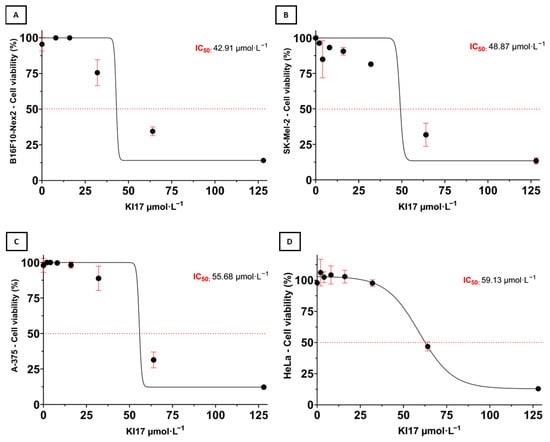
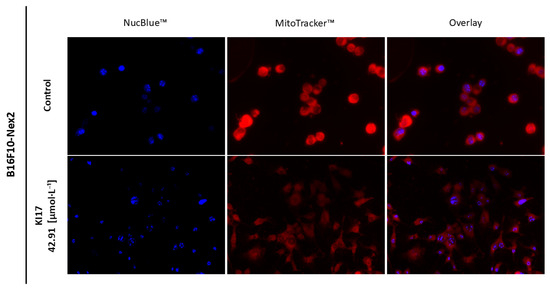
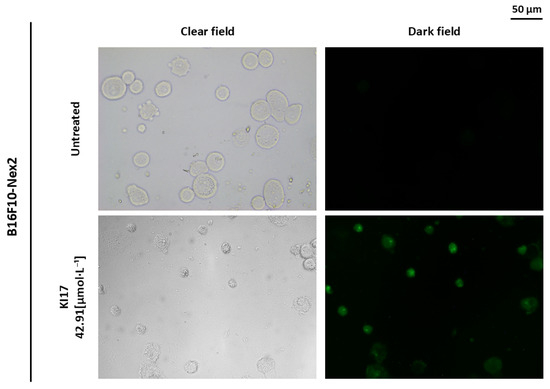
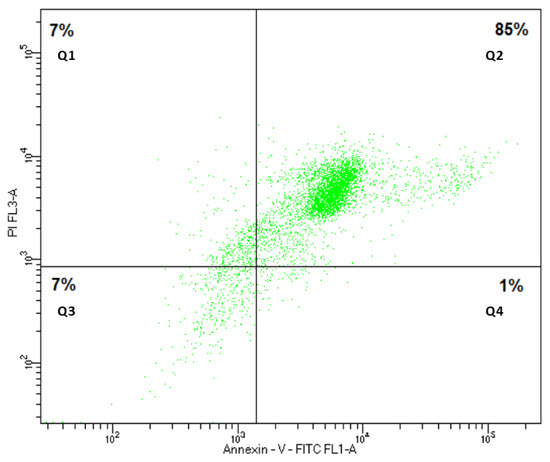
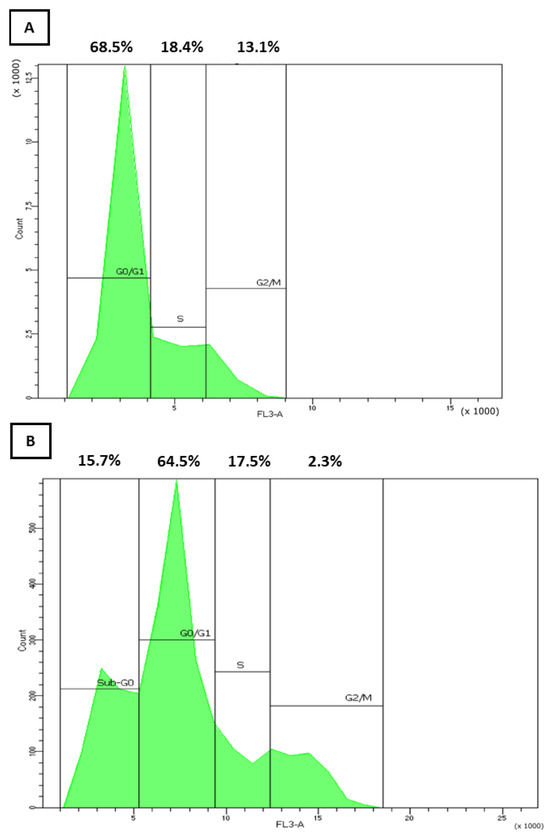
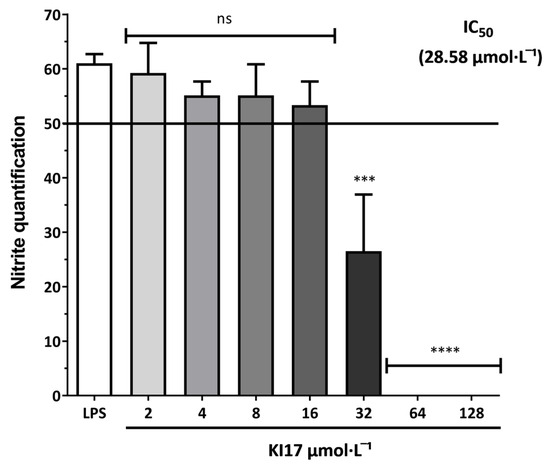
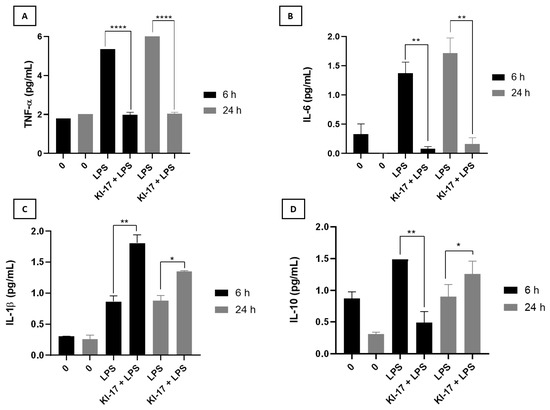
Cancer therapy remains limited by drug resistance and poor selectivity, while inflammation-driven tumor progression further complicates treatment outcomes. Antimicrobial peptides (AMPs) have emerged as promising therapeutic alternatives due to their multifunctional properties. In this study, we investigated the anticancer and immunomodulatory activities of KI17, a rationally designed peptide derived from GL18, a peptide fragment identified from the talisin protein of Talisia esculenta. KI17 exhibited dose-dependent antiproliferative effects against murine and human melanoma (B16F10-Nex2, SK-MEL-2, A375) and cervical cancer (HeLa) cell lines, while displaying reduced cytotoxicity toward non-tumoral BV-2 microglial cells, resulting in a favorable selectivity index. Mechanistic analyses revealed that KI17 induces morphological alterations, mitochondrial dysfunction, caspase activation, and late-stage apoptosis, together with G0/G1 cell cycle arrest accompanied by accumulation of the Sub-G0 population, indicating coordinated regulation of cell death and cell cycle progression. KI17 effectively suppressed lipopolysaccharide (LPS)-induced microglial activation, markedly reducing pro-inflammatory cytokine and nitric oxide production without compromising cell viability. These biological activities are consistent with the peptide’s optimized physicochemical features, including increased cationicity, amphipathicity, and α-helical folding. Overall, our findings demonstrate that KI17 combines selective anticancer activity with potent immunomodulatory effects, highlighting its potential as a bioinspired peptide for further preclinical development in cancer therapy.
Full article
(This article belongs to the Special Issue New Therapeutic Tools Against MDR Tumors: Discovery, Synthesis and Evaluation of Bioactive Compounds: 2nd Edition)
►▼
Show Figures

Figure 1
Journal Menu
► ▼ Journal Menu-
- Molecules Home
- Aims & Scope
- Editorial Board
- Reviewer Board
- Topical Advisory Panel
- Early Career Editorial Board
- Instructions for Authors
- Special Issues
- Topics
- Sections & Collections
- Article Processing Charge
- Indexing & Archiving
- Editor’s Choice Articles
- Most Cited & Viewed
- Journal Statistics
- Journal History
- Journal Awards
- Society Collaborations
- Conferences
- Editorial Office
- 30th Anniversary
Journal Browser
► ▼ Journal Browser-
arrow_forward_ios
Forthcoming issue
arrow_forward_ios Current issue - Vol. 31 (2026)
- Vol. 30 (2025)
- Vol. 29 (2024)
- Vol. 28 (2023)
- Vol. 27 (2022)
- Vol. 26 (2021)
- Vol. 25 (2020)
- Vol. 24 (2019)
- Vol. 23 (2018)
- Vol. 22 (2017)
- Vol. 21 (2016)
- Vol. 20 (2015)
- Vol. 19 (2014)
- Vol. 18 (2013)
- Vol. 17 (2012)
- Vol. 16 (2011)
- Vol. 15 (2010)
- Vol. 14 (2009)
- Vol. 13 (2008)
- Vol. 12 (2007)
- Vol. 11 (2006)
- Vol. 10 (2005)
- Vol. 9 (2004)
- Vol. 8 (2003)
- Vol. 7 (2002)
- Vol. 6 (2001)
- Vol. 5 (2000)
- Vol. 4 (1999)
- Vol. 3 (1998)
- Vol. 2 (1997)
- Volumes not published by MDPI
Highly Accessed Articles
Latest Books
E-Mail Alert
News
10 July 2026
Meet Us Virtually at the 5th International Electronic Conference on Processes (ECP 2026), 20–22 October 2026
Topics
Topic in
Chemistry, IJMS, Molecules, Quantum Reports, Symmetry, Magnetochemistry
Theoretical, Quantum and Computational Chemistry—2nd Edition
Topic Editors: Jorge Garza, Andrei L. TchougréeffDeadline: 31 July 2026
Topic in
Applied Sciences, ChemEngineering, Molecules, Processes, Reactions, Separations
Processing Design and Intensification in Chemical Engineering
Topic Editors: Yang Yuan, Wenyu Xiang, Haisheng ChenDeadline: 25 August 2026
Topic in
Biomolecules, Chemistry, IJMS, Molecules, Pharmaceuticals
Enzymes and Enzyme Inhibitors in Drug Research
Topic Editors: Athina Geronikaki, Cosimo D. Altomare, Maria Stefania SinicropiDeadline: 11 September 2026
Topic in
Biomedicines, IJMS, Sci. Pharm., Molecules, Future Pharmacology, Biomolecules
Natural Products and Drug Discovery—2nd Edition
Topic Editors: Sonia Piacente, Marta MenegazziDeadline: 30 September 2026
Conferences
27–29 September 2027
Meet Us Virtually at the 1st International Online Conference on Molecules (IOCMO 2027), 27–29 September 2027

5–19 November 2026
Meet Us at the 30th International Electronic Conference on Synthetic Organic Chemistry (ECSOC-30), 5–19 November 2026

Special Issues
Special Issue in
Molecules
Precise Design and Action Mechanism of Photocatalytic Nanomaterials
Guest Editor: Yaya YangDeadline: 15 July 2026
Special Issue in
Molecules
Synthesis, In Silico Studies and Anticancer Activity of Heterocyclic Compounds
Guest Editor: Arif MermerDeadline: 15 July 2026
Special Issue in
Molecules
Novel Analytical Techniques in Food Chemistry
Guest Editor: Marilena DasenakiDeadline: 15 July 2026
Topical Collections
Topical Collection in
Molecules
Qualitative and Quantitative Analysis of Bioactive Natural Products
Collection Editors: Elisa Ovidi, Valentina Laghezza Masci
Topical Collection in
Molecules
Natural Products as Leads or Drugs against Neglected Tropical Diseases
Collection Editors: Thomas J. Schmidt, Valeria Sülsen, Josphat Matasyoh
Topical Collection in
Molecules
Bioactive Natural Molecules from Functional Foods
Collection Editors: Eun Kyoung Seo, Joo-Won Nam
Topical Collection in
Molecules
Efficient Pharmaceutical and Chemical Approaches for Anticancer Therapy: Design, Preliminary Evaluations, and Further Developments
Collection Editors: Helen Osborn, Mohammad Najlah, Jean Jacques Vanden Eynde, Annie Mayence, Tien Huang