




-
Influence of Age on the Effectiveness of Lee Silverman Voice Treatment® BIG in Patients with Parkinson’s Disease: A Retrospective Exploratory Observational Study -
Knowledge, Attitudes, and Practices of Oral Care for Residential Older People Among Healthcare Providers in Macao -
Frailty Predicts Neurological Outcome in Chronic Subdural Hematoma: A Single-Center Prospective Cohort Study -
Association Between the Color Kanji Pick-Out Test App Performance and Cognitive Frailty as a Potential Early Screening Marker for Cognitive Decline
Journal Description
Geriatrics
Geriatrics
is an international, peer-reviewed, scientific open access journal on geriatric medicine published bimonthly online by MDPI.
- Open Access— free for readers, with article processing charges (APC) paid by authors or their institutions.
- High Visibility: indexed within Scopus, ESCI (Web of Science), PubMed, PMC, and other databases.
- Journal Rank: CiteScore - Q2 (Health (Social Science))
- Rapid Publication: manuscripts are peer-reviewed and a first decision is provided to authors approximately 27.7 days after submission; acceptance to publication is undertaken in 3.6 days (median values for papers published in this journal in the first half of 2026).
- Recognition of Reviewers: Reviewers whose reports are timely and of high quality receive an APC discount voucher for a future publication in an MDPI journal. Become a reviewer.
- Journal Cluster of Healthcare Sciences and Services: Geriatrics, Journal of Ageing and Longevity, Healthcare, Hospitals, Nursing Reports, Women, Journal of Gerontology and Geriatrics and Primary and Hospital Care.
Impact Factor:
2.4 (2025);
5-Year Impact Factor:
2.7 (2025)
Latest Articles
Burning Questions: Oral Ulceration Secondary to Improper Bisphosphonate Administration in Advanced Dementia
Geriatrics 2026, 11(5), 128; https://doi.org/10.3390/geriatrics11050128 - 8 Sep 2026
Abstract
Background: Oral bisphosphonates are first-line osteoporosis therapy but can cause mucosal chemical injury when tablets are retained rather than swallowed correctly. This risk is heightened in cognitively impaired older adults with dysphagia or difficulty complying with medication administration guidelines. Case Presentation: A 73-year-old
[...] Read more.
Background: Oral bisphosphonates are first-line osteoporosis therapy but can cause mucosal chemical injury when tablets are retained rather than swallowed correctly. This risk is heightened in cognitively impaired older adults with dysphagia or difficulty complying with medication administration guidelines. Case Presentation: A 73-year-old female nursing home resident with advanced vascular dementia presented with 24 h of oral pain, reduced intake, lethargy and new facial swelling. She had received monthly ibandronic acid 150 mg for two years, with documented difficulty swallowing tablets but no formal swallowing assessment. Examination showed ulceration of the left lower lip and anterior tongue with mild vestibular swelling. Clinical investigations excluded haematinic deficiency and osteonecrosis; traumatic, lichenoid, vesiculobullous and neoplastic causes were considered unlikely based on distribution, clinical features and temporal association with the recent dose. Bisphosphonate-associated chemical mucosal injury was diagnosed by hospital dental services. Ibandronic acid was discontinued, topical treatment initiated, and ulcers resolved by three weeks. Denosumab was substituted in view of the patient’s dysphagia and cognitive status. Discussion: This case supports the existing literature identifying inappropriate administration—often linked to dysphagia or physical impairment—as a leading cause of oral bisphosphonate-associated ulceration, typically affecting the tongue and lower lip. Ibandronate-related cases are rarely reported, likely reflecting prescribing frequency rather than lower risk. Current guidelines lack explicit recommendations addressing dysphagia or cognition in prescribing decisions. Conclusions: Presence of dysphagia and cognitive status should be assessed before and during oral bisphosphonate therapy. New oral pain, ulceration or facial swelling should prompt oral examination and medication review, with alternative antiresorptive agents considered when oral administration is impaired.
Full article
(This article belongs to the Special Issue Oral Health Care in Older Adults)
►
Show Figures

Open AccessArticle
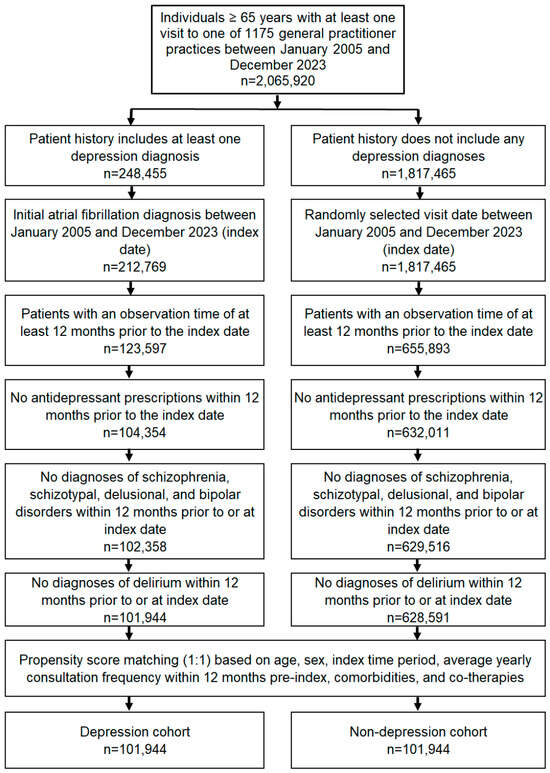
Depression and Risk of Delirium in Older Adults: A Retrospective Cohort Study Using German Primary Care Data
by
Christina Ryngler, Jens Bohlken, Nguyen Tien Huy and Karel Kostev
Geriatrics 2026, 11(5), 127; https://doi.org/10.3390/geriatrics11050127 - 8 Sep 2026
Abstract
Background: Depression and delirium are common neuropsychiatric disorders in older adults. Although studies suggest an association between the two conditions, evidence regarding the long-term risk of delirium in older patients with depression in outpatient primary care remains limited. Objective: This study examined the
[...] Read more.
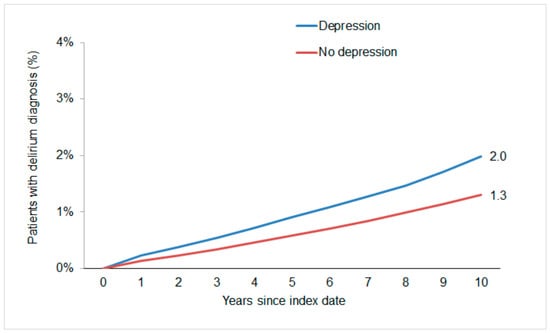
Background: Depression and delirium are common neuropsychiatric disorders in older adults. Although studies suggest an association between the two conditions, evidence regarding the long-term risk of delirium in older patients with depression in outpatient primary care remains limited. Objective: This study examined the relationship between depression and delirium in individuals aged ≥65 years. Methods: This retrospective cohort study used data from the German IQVIA Disease Analyzer database. It included individuals aged ≥65 years who received their first diagnosis of depression between 2005 and 2023. Using propensity score matching, patients with depression were matched 1:1 with individuals without depression. The primary outcome was incident delirium (ICD-10: F05). Time-dependent Cox regression models were applied for up to ten years of follow-up. Results: After matching, the study population consisted of 203,888 individuals (mean age: 75.8 years; 66% female). The incidence of delirium was higher in patients with depression than in controls (2.0% vs. 1.3%). Depression was associated with an elevated risk of delirium within the first two years after diagnosis (HR 1.42; 95% CI 1.14–1.75) and between six and ten years (HR 1.48; 95% CI 1.05–2.11). No statistically significant association was observed between years 3 and 5. Incident dementia was also associated with delirium (HR 1.52; 95% CI 1.14–2.02). Conclusions: Among older adults receiving outpatient care, depression was associated with a higher rate of subsequently documented delirium. These results complement existing evidence from inpatient settings. Due to the observational nature of the study, causal inferences cannot be made. In a sensitivity analysis excluding individuals with dementia at baseline, the association remained statistically significant across all intervals (HR 1.74, 1.53, and 1.82 for 0–2, 3–5, and 6–10 years, respectively).
Full article
(This article belongs to the Section Geriatric Psychiatry and Psychology)
►▼
Show Figures

Figure 1
Open AccessReview
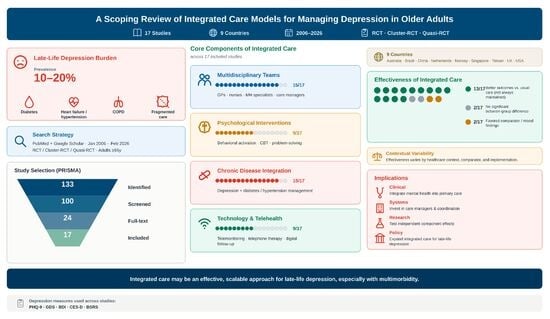
A Scoping Review of Integrated Care Models for Managing Depression in Older Adults
by
Mia Haddad, Jittima Panyasarawut, Chaowalit Srisoem, Dennis Miezah and Ling Shi
Geriatrics 2026, 11(5), 126; https://doi.org/10.3390/geriatrics11050126 - 8 Sep 2026
Abstract
Background: Depression is a major health issue among older adults and is frequently accompanied by chronic physical conditions. Conventional care of depression in older adults is delivered through primary care settings and often fails to address the complex interactions between mental health, physical
[...] Read more.
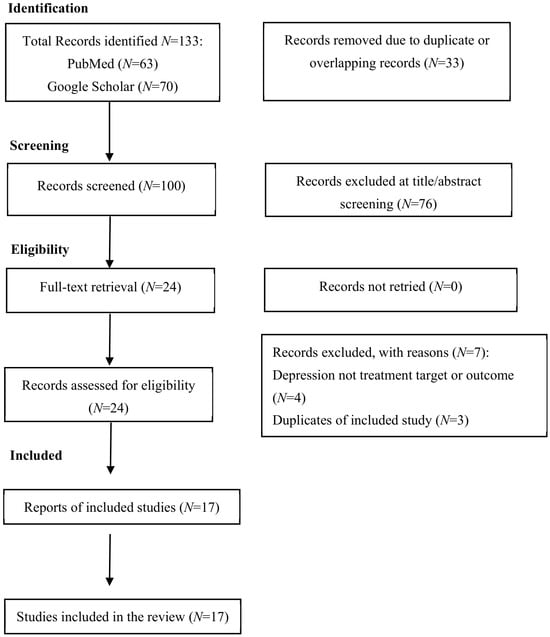
Background: Depression is a major health issue among older adults and is frequently accompanied by chronic physical conditions. Conventional care of depression in older adults is delivered through primary care settings and often fails to address the complex interactions between mental health, physical illness, and social determinants of health in this population. Integrated care models, characterized by coordinated, multidisciplinary, and patient-centered approaches, have emerged as a promising strategy for improving depression outcomes in late life. Objective: This scoping review aimed to characterize integrated care models for managing depression in older adults. The review examined the structure and implementation of these models and evaluated depression-related outcomes. Methods: A systematic literature search was conducted in PubMed and Google Scholar. Studies published in English between 2006 and February 2026 were considered. Eligible studies included randomized controlled trials (RCTs), cluster RCTs, and quasi-RCTs that evaluated integrated care interventions targeting depression in adults aged 65 years or older or mixed adult populations that included older adults. One reviewer conducted the search and initial screening, and four additional reviewers evaluated the eligibility of full-text reports and extracted data using a structured template. Results were synthesized descriptively. Results: Seventeen studies met the inclusion criteria. Integrated care interventions were implemented across primary care clinics, community health centers, and home healthcare programs in several countries. Participants commonly had depression alongside chronic medical conditions, including diabetes, hypertension, heart failure, or chronic obstructive pulmonary disease. Integrated care models varied in staffing, therapeutic components, specialist involvement, delivery intensity, and comparator conditions. Most interventions incorporated multidisciplinary care teams; structured symptom monitoring; care coordination; behavioral or psychological interventions; and, in some studies, chronic disease management, social support, or technology-supported follow-up. Thirteen studies reported a favorable depression-related finding at one or more assessment points; however, benefits were not always sustained, and some studies reported null- or comparator-favoring findings. Conclusions: Integrated care for depression in older adults encompasses heterogeneous models implemented across diverse healthcare contexts. Common themes included multidisciplinary collaboration, coordinated follow-up, structured psychological or behavioral treatment, symptom monitoring, and integration of mental and physical health management. Favorable outcomes were reported in most studies, but findings varied by population, setting, comparator, intervention intensity, and follow-up duration. These findings may inform future program design, although the effectiveness of the integrated care models and the independent contribution of individual components remain uncertain.
Full article
(This article belongs to the Section Geriatric Public Health)
►▼
Show Figures

Graphical abstract
Open AccessArticle
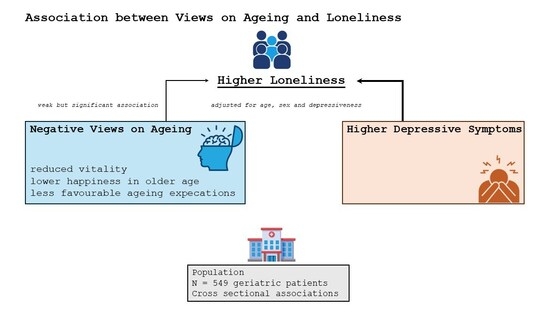
Views on Ageing and Loneliness in Older Patients Undergoing Geriatric Treatment
by
Luise Umfermann, Aline Schönenberg and Tino Prell
Geriatrics 2026, 11(5), 125; https://doi.org/10.3390/geriatrics11050125 - 7 Sep 2026
Abstract
Background/Objectives: Loneliness is a clinically relevant psychosocial factor in later life and has been associated with adverse mental, cognitive, and physical health outcomes. Views on ageing may shape social engagement, coping, and perceived belonging, but evidence from geriatric patient populations remains limited.
[...] Read more.
Background/Objectives: Loneliness is a clinically relevant psychosocial factor in later life and has been associated with adverse mental, cognitive, and physical health outcomes. Views on ageing may shape social engagement, coping, and perceived belonging, but evidence from geriatric patient populations remains limited. This study examined whether views on ageing are associated with loneliness in geriatric patients. Secondary analyses explored subjective age, including felt age and the perceived onset of old age. Methods: This cross-sectional analysis used baseline data from two prospective observational studies in geriatric patients (N = 459). Loneliness was assessed with the three-item UCLA Loneliness Scale. Views on ageing were measured using five items from the German Ageing Survey. Associations were examined using Spearman correlations, non-parametric group comparisons, and multiple linear regression. Results: Participants had a mean age of 83.1 years and 65.6% were female. The mean UCLA loneliness score was 1.54 ± 2.07, and the mean views on ageing sum score was 13.21 ± 2.72. More negative views on ageing were associated with higher loneliness (ρ = 0.122, p = 0.009). In the fully adjusted regression model, views on ageing remained independently associated with loneliness after adjustment for chronological age, sex, and depressive symptoms (β = 0.117, p = 0.014; adjusted R2 = 0.051). Depressive symptoms were also independently associated with loneliness (β = 0.182, p < 0.001), whereas chronological age and sex were not. At the item level, associations with loneliness were mainly driven by reduced positive ageing-related beliefs. Higher felt age was associated with higher loneliness (ρ = 0.151, p = 0.003), while a later perceived onset of old age was associated with lower loneliness (ρ = −0.136, p = 0.017). Conclusions: In geriatric patients, more negative views on ageing were weakly associated with higher loneliness independent of depressive symptoms. The small effect size suggests that views on ageing should be interpreted as one modest component within a broader biopsychosocial understanding of loneliness in geriatric care.
Full article
(This article belongs to the Section Geriatric Psychiatry and Psychology)
►▼
Show Figures

Graphical abstract
Open AccessArticle
Coaching-Driven Digital Literacy for Older Adults: Results from AGAPE Ecosystem Pilot Study
by
Matei Teodorescu, Chiara Pedrini, Ileana Ciobanu, Andreea Georgiana Marin, Emanuela Elena Mihai, Sabrina Tazzari, Maria Luigia del Vicario, Jensen Selwyn Joymangul, Ana Goreti Oliveira, Elena Tamburini, Francesco Agnoloni, Francesca Cecchi and Mihai Berteanu
Geriatrics 2026, 11(5), 124; https://doi.org/10.3390/geriatrics11050124 - 6 Sep 2026
Abstract
Introduction: Rapid technological development requires continuous learning and adaptation, yet many older adults (OAs) face difficulties using digital technologies. The AGAPE project (Active aGeing And Personalised service Ecosystem) aimed to promote active and healthy ageing (AHA) among adults aged 65+ by supporting independent
[...] Read more.
Introduction: Rapid technological development requires continuous learning and adaptation, yet many older adults (OAs) face difficulties using digital technologies. The AGAPE project (Active aGeing And Personalised service Ecosystem) aimed to promote active and healthy ageing (AHA) among adults aged 65+ by supporting independent functioning reducing caregiver burden, and improving eHealth literacy through personalized, user-friendly digital services co-created and tested in Italy, Portugal, and Romania. Objective: AGAPE pilot phase evaluated the effectiveness and usability of innovation adoption strategies designed to improve technology acceptance, digital literacy, and behavioural change among older adults and caregivers. This study examined participants’ perceptions of digital technologies and self-reported digital efficacy during a multicomponent intervention combining repeated technology use, personalized coaching, digital literacy and health education, technical assistance, and support from informal and formal caregivers. Material and Methods: The multiple-sites uncontrolled pilot study combined home-based use of the AGAPE digital technologies with long-term combined personalized support. Data were collected at baseline (T0), intermediate (T1), and final (T2) assessments using the System Usability Scale (SUS), technostress questionnaire, digital adoption questionnaire (TAM-derived), EQ-5D-5L, CarerQoL-7D, and the UCLA Loneliness Scale, complemented by participant feedback, technology usage, and activity data. Results: The study included 217 participants, of whom 146 were OAs. Over the course of the intervention, participants showed reductions in technostress and improvements in perceived digital efficacy, although the magnitude and direction of change varied across pilot sites. The findings also indicated that contextual and social factors contributed to technology adoption and engagement. Conclusions: Participation in the multicomponent AGAPE intervention was associated with positive longitudinal changes in technology-related perceptions, technostress, and digital self-efficacy. The findings support the feasibility and potential of combining digital technologies with personalized coaching and broader interpersonal support to facilitate technology adoption among older adults. However, given the uncontrolled study design and the integrated nature of the intervention, the observed changes cannot be attributed independently to coaching or to any single intervention component.
Full article
(This article belongs to the Special Issue Digital Health Equity: Bridging the Gap for Elderly People and People with Disabilities)
Open AccessArticle
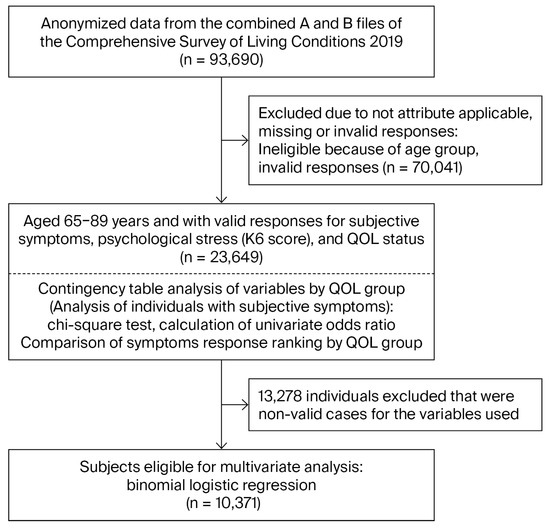
Association Between Subjective Symptoms, Psychological Stress and Quality of Life Among Older Japanese Adults
by
Sachie Ono, Akira Komatsuzaki, Yukika Enoki, Takeshi Kamoda, Chikage Kato and Kiyoka Arashi
Geriatrics 2026, 11(5), 123; https://doi.org/10.3390/geriatrics11050123 - 4 Sep 2026
Abstract
Background/Objectives: A crucial issue in Japan, as a rapidly aging society, is supporting the quality of life (QOL) of older adults to ensure they do not require long-term care. This study aims to examine the association between subjective symptoms and psychological stress
[...] Read more.
Background/Objectives: A crucial issue in Japan, as a rapidly aging society, is supporting the quality of life (QOL) of older adults to ensure they do not require long-term care. This study aims to examine the association between subjective symptoms and psychological stress and QOL decline using a large-scale Japanese national statistics database. Methods: Anonymized data were analyzed from 23,649 adults aged ≥ 65 years, obtained from the Comprehensive Survey of Living Conditions carried out in 2019 in Japan. The degree of association of different factors with QOL decline was analyzed using univariate symptom analysis and adjusted odds ratios (ORs) obtained through binary logistic regression. We also compared the reported frequency and mean number of symptoms in a group with poor QOL and one with good/regular QOL. Results: In the group with poor QOL, significantly more individuals were aged ≥ 75 years, had high levels of psychological stress (Kessler Psychological Distress Scale [K6]), and reported subjective symptoms (p < 0.01). The mean number of symptoms was significantly higher in this group (5.77) than in the good/regular QOL group (3.34, p < 0.01). In the binary logistic regression, the variables with the highest adjusted ORs were the K6 group (4.49), impaired limb movement (2.81), and numbness of the limbs (2.01). Conclusions: These findings indicate that different symptoms, including stress, have varying impacts on QOL in older adults. Addressing symptoms associated with reduced QOL in community-dwelling older adults may help promote continued aging in place.
Full article
(This article belongs to the Section Geriatric Public Health)
►▼
Show Figures

Figure 1

Open AccessSystematic Review
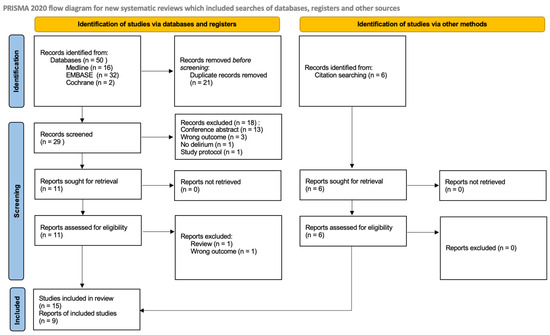
Specialized Delirium Care Environments in Hospitalized Older Adults: A Systematic Review
by
Henri Perrin, Giulio Mastria, Alberto Garcia Manjon and Patrizia D’Amelio
Geriatrics 2026, 11(5), 122; https://doi.org/10.3390/geriatrics11050122 - 4 Sep 2026
Abstract
Purpose: Delirium is a frequent and serious condition in older patients, associated with severe adverse outcomes and lacking proven pharmacological treatments. Non-pharmacological multicomponent strategies are recommended, and specialized delirium care environments (e.g., delirium room, delirium unit, psychogeriatric unit) have been proposed as a
[...] Read more.
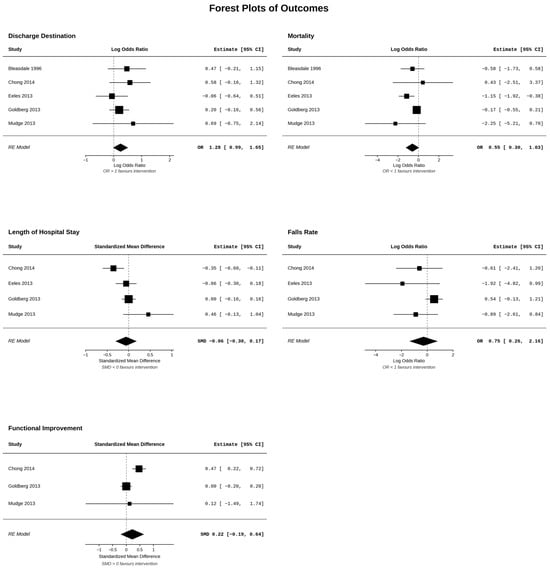
Purpose: Delirium is a frequent and serious condition in older patients, associated with severe adverse outcomes and lacking proven pharmacological treatments. Non-pharmacological multicomponent strategies are recommended, and specialized delirium care environments (e.g., delirium room, delirium unit, psychogeriatric unit) have been proposed as a potential strategy to improve the management of delirium in hospitalized older adults. Our objective was to provide the first systematic review and pooled analysis on the subject, synthesizing the characteristics of specialized delirium environments in the care of delirium and their association with clinical outcomes. Methods: A systematic search of MEDLINE, Cochrane, and EMBASE identified studies on patients aged 65 years and older with delirium or related acute confusional states admitted to specialized delirium care environments. Study quality was assessed using Cochrane’s risk of bias tools, and exploratory pooled analyses were conducted when at least three studies reported the same outcome. Results: Nine studies, reported across 15 publications and including 2226 patients, met the inclusion criteria. Interventions were heterogeneous in structure and content, but most combined delirium-oriented staff training, enhanced surveillance, environmental adaptation, and multicomponent non-pharmacological care. Comparator groups were also diverse and included standard wards, earlier versions of specialized care models, indirect admission pathways, and non-delirious controls. The narrative synthesis suggested that specialized delirium care environments were most consistently associated with shorter delirium duration, more favorable discharge outcomes, lower physical restraint use, and better functional recovery, while findings for length of stay, falls, psychotropic drug use, and mortality were less consistent. Exploratory pooled analyses suggested a favorable direction of effect for several outcomes, particularly discharge destination and mortality, but pooled estimates were not statistically significant and should not be interpreted as definitive evidence of efficacy. All included studies were judged to be at a high or critical risk of bias. Conclusions: Specialized delirium care environments appear promising for the management of delirium in hospitalized older adults, particularly for outcomes closely related to day-to-day delirium care. However, the current evidence base is limited by substantial heterogeneity in intervention models, comparator groups, and outcome definitions, as well as by a high risk of bias across studies. These findings support further evaluation of specialized delirium care models, but do not yet allow firm conclusions regarding their effectiveness.
Full article
(This article belongs to the Section Geriatric Psychiatry and Psychology)
►▼
Show Figures

Figure 1
Open AccessCase Report
Very Late-Onset Myasthenia Gravis in a Very Elderly Patient: Diagnostic Challenges and Importance of Early Recognition
by
Nermina Polimac Gorana and Almedina Spiljak
Geriatrics 2026, 11(5), 121; https://doi.org/10.3390/geriatrics11050121 - 4 Sep 2026
Abstract
Background: Myasthenia gravis is an autoimmune disorder of the neuromuscular junction characterized by fluctuating skeletal muscle weakness. Late-onset MG (onset ≥ 50 and <65 years) and very late-onset MG (VLOMG; onset ≥ 65 years) are increasingly recognized subgroups, and diagnosis in very elderly
[...] Read more.
Background: Myasthenia gravis is an autoimmune disorder of the neuromuscular junction characterized by fluctuating skeletal muscle weakness. Late-onset MG (onset ≥ 50 and <65 years) and very late-onset MG (VLOMG; onset ≥ 65 years) are increasingly recognized subgroups, and diagnosis in very elderly patients remains challenging because symptoms frequently overlap with age-related conditions and comorbidities. Case Presentation: An 88-year-old man with very late-onset myasthenia gravis (symptom onset at approximately age 85) was urgently referred because of a several-day history of rapidly worsening dysphagia and dysarthria, superimposed on fluctuating diplopia, dysphagia, dysarthria, and fatigable bulbar symptoms that had progressively worsened over the preceding three years. Initial diagnostic evaluation was challenging because of advanced age, previous lacunar infarctions, and multiple comorbidities, including pulmonary thromboembolism, chronic kidney disease, and permanent pacemaker implantation (which precluded brain MRI). Neurological examination and the characteristic fluctuation of symptoms raised suspicion of myasthenia gravis. Serological testing confirmed markedly elevated acetylcholine receptor antibodies, whereas MuSK antibodies were negative. Repetitive nerve stimulation was not performed given the high antibody titer and unambiguous clinical presentation. Thoracic computed tomography excluded thymoma. Treatment with pyridostigmine, azathioprine (maintenance dose kept lower than standard due to chronic kidney disease stage IIIB), and low-dose prednisone (selected due to age and comorbidity profile) resulted in early, patient-reported clinical improvement (approximately 60% in speech and swallowing) over eight weeks of follow-up; a validated severity scale (MG-ADL) showed a score of six (scoring range 0–24). Conclusions: Myasthenia gravis should remain an important differential diagnosis in very elderly patients presenting with fluctuating ocular and bulbar symptoms, even in the presence of multiple comorbidities that may obscure the diagnosis. In this patient, early recognition, antibody testing, and individualised initiation of therapy were followed by meaningful short-term improvement; a single case with eight weeks of follow-up cannot establish that such therapy prevents disease progression or myasthenic crisis, and longer follow-up and additional cases are needed.
Full article
(This article belongs to the Section Geriatric Neurology)
Open AccessReview
Behavioral Interventions to Increase Physical Activity Among Dementia Caregivers: A Narrative Review of Behavior Theory, Behavior Change Techniques, and Mechanisms of Behavior Change
by
Ashley M. Goodwin, Alex Makhnevich, Karina W. Davidson, Liron Sinvani and Mark J. Butler
Geriatrics 2026, 11(5), 120; https://doi.org/10.3390/geriatrics11050120 - 3 Sep 2026
Abstract
Background: Due to the rise in Alzheimer disease (AD) and AD-related dementias (AD/ADRD) in an aging population, millions of caregivers will be at risk for physical and mental health decline. As those they care for already have physical and cognitive impairment, it is
[...] Read more.
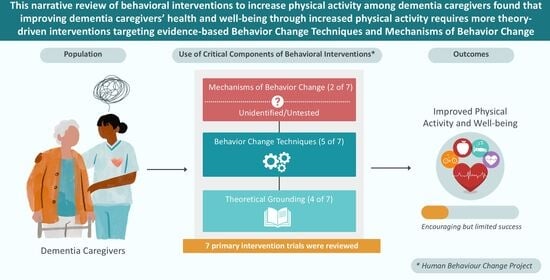
Background: Due to the rise in Alzheimer disease (AD) and AD-related dementias (AD/ADRD) in an aging population, millions of caregivers will be at risk for physical and mental health decline. As those they care for already have physical and cognitive impairment, it is crucial that caregivers maintain health-promoting behaviors. Because regular physical activity (PA) prevents functional loss and improves physical health and well-being, understanding how to help caregivers adopt and sustain PA despite unique time, caregiving, and self-efficacy barriers is a pressing public-health priority. Existing health-promoting interventions among dementia caregivers, including PA, have demonstrated limited success. To overcome the fragmentation and slow synthesis of behavioral science evidence, the Human Behavior-Change Project advocates theoretical grounding, systematic mapping of intervention components (e.g., behavior change techniques [BCTs]) using standardized taxonomies, and explicit specification of mechanisms of behavior change (MoBCs). Objective: To examine the limited success of health-promotion interventions among dementia caregivers we aimed to conduct a narrative review to synthesize evidence from interventions that evaluated PA in dementia caregivers across three domains: (1) use of behavioral theory to inform intervention design, (2) specification of BCTs, and (3) identification and measurement of MoBCs. Methods: Two scientific databases were searched to identify representative studies and reviews, using key terms including “physical activity”, “intervention”, “dementia”, and “caregiver” from inception to July 2025. Results: Seven primary intervention trials and six reviews were selected for inclusion. Gaps across the domains were identified to inform priority areas for future research. Conclusions: There is a need to develop tailored, theory-driven PA interventions that target empirically supported BCTs and MoBCs to improve dementia caregivers’ health and well-being.
Full article
(This article belongs to the Special Issue Healthy Ageing and Lifestyle Medicine: Current Knowledge and Future Direction (2nd Edition))
►▼
Show Figures

Graphical abstract
Open AccessArticle
Long-Term Survival of Very Elderly Patients with Heart Failure Managed in a Comprehensive Heart Failure Management Unit
by
Sonia González-Sosa, Alba Rodríguez-Quintana, Pablo Santana-Vega, Jose A. Rodríguez-González, José M. García-Vallejo, Jorge Arencibia-Borrego and Alicia Conde-Martel
Geriatrics 2026, 11(5), 119; https://doi.org/10.3390/geriatrics11050119 - 3 Sep 2026
Abstract
Background: Heart failure (HF) is the leading cause of hospitalisation in older adults, with incidence increasing markedly with age. However, long-term outcome data in patients aged ≥85 years remain limited. We evaluated survival and predictors of mortality in this very elderly HF
[...] Read more.
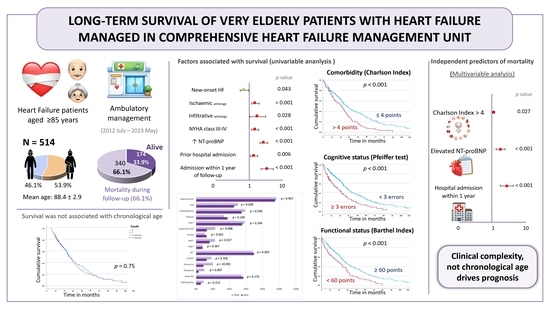
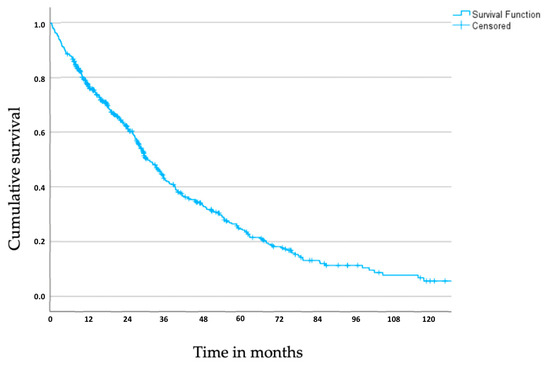
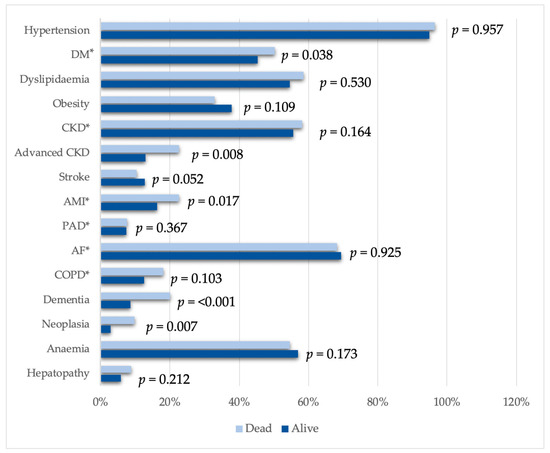
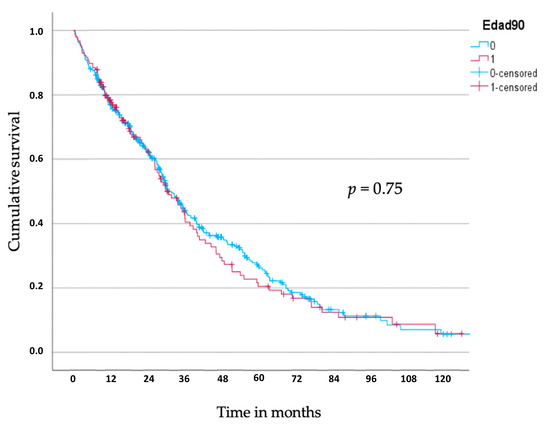
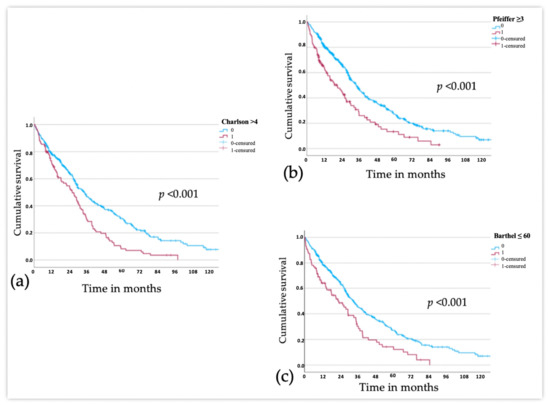
Background: Heart failure (HF) is the leading cause of hospitalisation in older adults, with incidence increasing markedly with age. However, long-term outcome data in patients aged ≥85 years remain limited. We evaluated survival and predictors of mortality in this very elderly HF population enrolled in a structured outpatient programme. Methods: A retrospective observational study was conducted, including patients aged ≥85 years assessed at a Comprehensive HF Management Unit between 2012–2023. Demographic characteristics, comorbidities, functional (Barthel) and cognitive (Pfeifer) status, laboratory parameters, hospitalisations, and survival status were collected. Long-term survival was estimated using the Kaplan–Meier method, and predictors of mortality were analysed using Cox regression models. Results: A total of 514 patients were included (mean age 88.4 ± 3 years, 46.1% male); 340 (66.1%) died during follow-up. Survival was 77% at 1 year, 50% at 2.5 years, and 25% at 5 years. Mortality was associated with diabetes (p = 0.038), advanced chronic kidney disease (p = 0.008), dementia (p < 0.001), neoplasia (p = 0.007), ischaemic heart disease (p < 0.001), history of HF (p = 0.043), NYHA III–IV (p < 0.001) and elevated NT-proBNP (p < 0.001). Worse functional and cognitive status, higher comorbidity according to the Charlson Comorbidity Index and readmission at one year (all p < 0.001) were also related to mortality. In the first multivariable model, worse cognitive and functional status, a higher Charlson comorbidity index, NYHA class III–IV, and high NT-proBNP were independent predictors of mortality. When 1-year HF readmission was added to the model, the Charlson index (HR:1.10; 95%CI 1.01–1.19), high NT-proBNP (HR:1.76; 95%CI 1.30–2.38) and HF readmissions within 1 year (HR:2.68; 95%CI 1.72–4.16) remained independently associated with mortality. Conclusions: In patients aged ≥85 years with HF, survival was poor, with only half alive at 2.5 years and 25% at 5 years. Comorbidity burden, high natriuretic peptides, and early readmission independently predicted mortality, underscoring the importance of comprehensive assessment in this population.
Full article
(This article belongs to the Section Cardiogeriatrics)
►▼
Show Figures

Graphical abstract
Open AccessReview
A Patient- and Function-Centric Model/Approach for Hypoglycemia Management in Older Adults
by
Kannayiram Alagiakrishnan, Laurie Mereu, Gulelala Rahim, Mahua Ghosh and Albert Vu
Geriatrics 2026, 11(5), 118; https://doi.org/10.3390/geriatrics11050118 - 3 Sep 2026
Abstract
►▼
Show Figures
Diabetes-related hypoglycemia contributes substantially to increased morbidity, mortality, health-care utilization, and reduced quality of life. Older adults with diabetes represent a heterogeneous group of patients who need individualized blood glucose targets to avoid hypoglycemia. Since the elderly present with varying degrees of functional
[...] Read more.
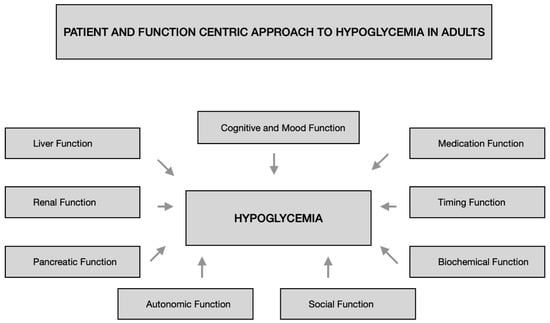
Diabetes-related hypoglycemia contributes substantially to increased morbidity, mortality, health-care utilization, and reduced quality of life. Older adults with diabetes represent a heterogeneous group of patients who need individualized blood glucose targets to avoid hypoglycemia. Since the elderly present with varying degrees of functional and cognitive status and individualized health needs, their management varies among individuals. Complicating this, the hypoglycemia risk in older adults treated with insulin also varies due to aging, renal dysfunction, cognitive impairment, and other comorbidities. The challenge for healthcare providers is in considering all aspects of care in order to avoid hypoglycemia in elderly individuals. In this review, we introduce a Patient and Function Centric Approach to the assessment and management of hypoglycemia in older adults. This holistic framework extends beyond blood glucose values to systematically evaluate the other domains of patients’ health that influence hypoglycemia risk, including biochemical, medication, timing, autonomic, cognitive, mood, renal, pancreatic, hepatic, social, and physical function. The management of hypoglycemia in older adults should also include strategies to address both fear of hypoglycemia and hypoglycemia unawareness. In addition to physical limitations, the psychosocial barriers to self-care in older individuals with hypoglycemia are also of paramount importance. Using tools that measure diabetes burden, diabetes distress, and fear of hypoglycemia provides valuable insights into patient wellbeing. The use of newer anti-hyperglycemic medications, sensor-augmented insulin pump therapy, intranasal glucagon, and continuous glucose monitoring (CGM) has significantly contributed to reduced hypoglycemia incidence in individuals with diabetes. Overall, successful management requires a collaborative approach that empowers patients, respects their individual needs and preferences and helps them face the challenges associated with diabetes management with confidence rather than fear or anxiety. Adopting a patient- and function-centric approach to hypoglycemia management allows clinicians to move beyond a one-size-fits-all model and adopt individualized glycemic targets that improve overall diabetes control and mental well-being.
Full article

Figure 1
Open AccessReview
Minimally Invasive Implant Rehabilitation in Geriatric Patients: A Comprehensive Narrative Review of Contemporary Strategies to Avoid Extensive Bone Augmentation Procedures
by
Angelo Aliberti, Wien Cirine Ben Amor, Mauro Mariniello, Gilberto Sammartino, Oreste Trosino and Francesco Giordano
Geriatrics 2026, 11(5), 117; https://doi.org/10.3390/geriatrics11050117 - 1 Sep 2026
Abstract
Background/Objectives: The management of edentulism and severe alveolar bone loss in older adults remains a significant challenge in implant dentistry. Given the potential biological and therapeutic burden associated with extensive regenerative procedures, increasing interest has been directed toward treatment strategies that utilize
[...] Read more.
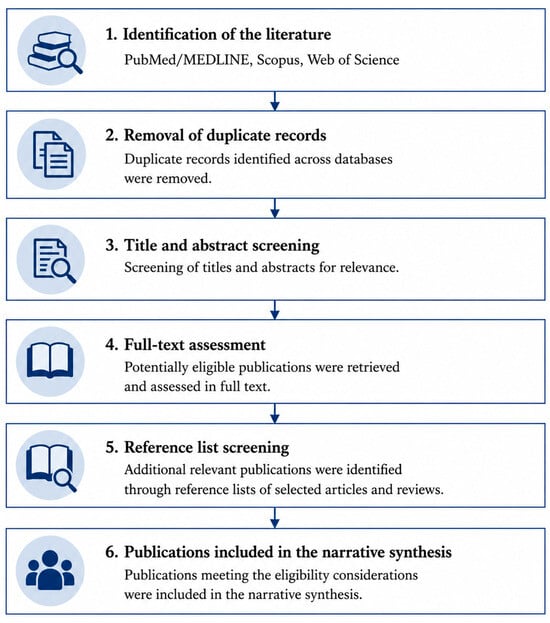
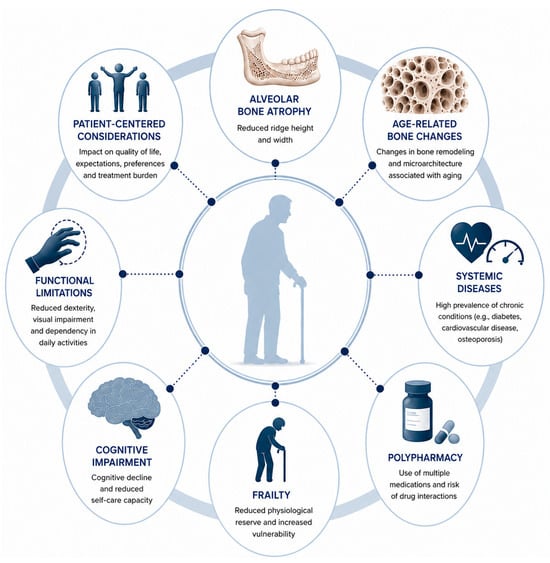
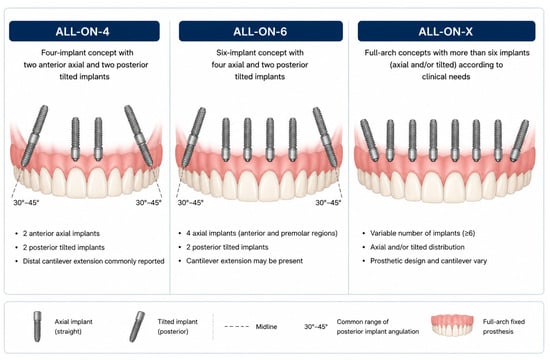
Background/Objectives: The management of edentulism and severe alveolar bone loss in older adults remains a significant challenge in implant dentistry. Given the potential biological and therapeutic burden associated with extensive regenerative procedures, increasing interest has been directed toward treatment strategies that utilize available anatomy and reduce surgical complexity. This narrative review examined contemporary augmentation-avoidance approaches for implant rehabilitation in geriatric patients. Methods: A structured narrative literature search was performed in PubMed/MEDLINE, Scopus, and Web of Science, including studies published up to 30 May 2026. Clinical studies, systematic, umbrella and narrative reviews, meta-analyses that evaluate augmentation-avoidance approaches in implant dentistry were considered. The review examined evidence relevant to older adults, including clinical, prosthetic, functional, and patient-centered outcomes. Results: The available literature describes multiple strategies for managing reduced bone availability, including short and ultra-short implants, narrow-diameter implants, tilted implant concepts, pterygoid and trans-sinus implants, zygomatic implants, immediate loading protocols, flapless and computer-guided surgery, and implant-retained overdentures. These approaches have broadened the range of treatment options available for patients with reduced bone availability and may reduce the need for extensive regenerative procedures in selected clinical situations. In addition to implant and prosthetic outcomes, increasing attention has been directed toward oral health-related quality of life, masticatory function, treatment satisfaction, and maintenance requirements. However, evidence specifically focused on geriatric populations remains limited. Conclusions: Contemporary implant dentistry offers several alternatives to extensive bone regeneration in carefully selected geriatric patients, although current evidence is largely extrapolated from mixed adult populations. Treatment planning should integrate anatomical conditions with systemic health, functional status, frailty-related factors, and long-term maintenance considerations. Further geriatric-focused research is needed to support patient-centered decision-making and optimize long-term rehabilitation outcomes in aging populations.
Full article
(This article belongs to the Special Issue Oral Health Care in Older Adults)
►▼
Show Figures

Figure 1

Open AccessArticle
Translating Mortality Hazard Ratios into Remaining-Lifespan Measures in Older Adults Using Japanese Complete Life Tables: A Deterministic Reference-Table Study
by
Takashi Shibuya, Nobuo Kutsuna, Tomoya Ohida, Miwa Nakamura and Hanako Kinugasa
Geriatrics 2026, 11(5), 116; https://doi.org/10.3390/geriatrics11050116 - 31 Aug 2026
Abstract
►▼
Show Figures
Background/Objectives: Mortality hazard ratios (HRs) do not directly express remaining lifespan or fixed-time survival. We constructed Japanese age–sex–HR reference tables and examined uncertainty, time patterns, and age-based translation. Methods: Using the 23rd Complete Life Tables for Japan, 2020, we transformed annual death probabilities
[...] Read more.
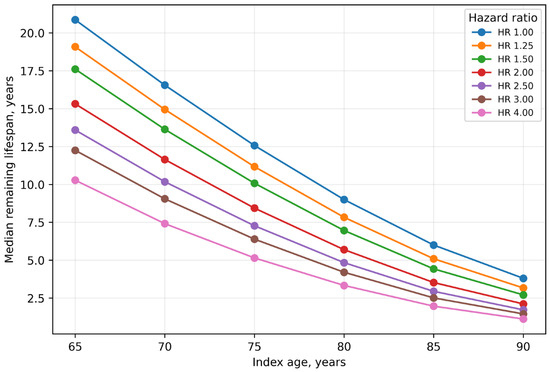
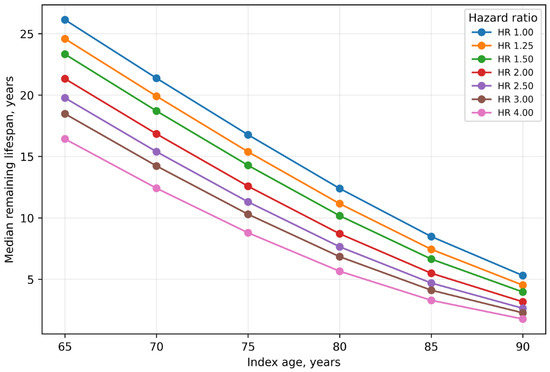
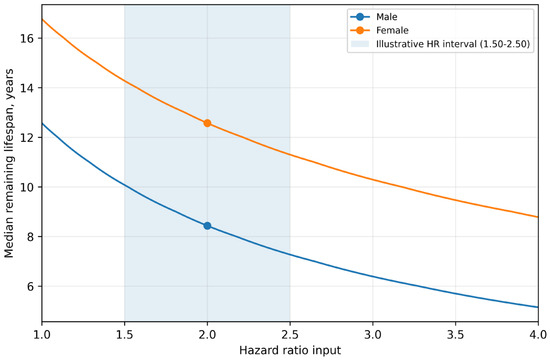
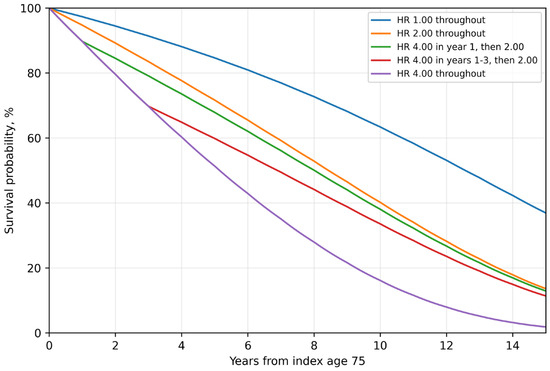
Background/Objectives: Mortality hazard ratios (HRs) do not directly express remaining lifespan or fixed-time survival. We constructed Japanese age–sex–HR reference tables and examined uncertainty, time patterns, and age-based translation. Methods: Using the 23rd Complete Life Tables for Japan, 2020, we transformed annual death probabilities at index ages of 65–90 years with HRs of 1.00–4.00. Outcomes were median remaining lifespan; mean remaining years; 1-, 3-, 5-, and 10-year survival; and a baseline-equivalent age shift obtained by matching each transformed median to the HR 1.00 median curve. Results: At the age of 75 years, the median remaining lifespans at HRs of 1.00, 1.50, 2.00, 2.50, and 4.00 were 12.6, 10.1, 8.4, 7.3, and 5.1 years in men and 16.8, 14.3, 12.6, 11.3, and 8.8 years in women. An HR of 2.00 corresponded to baseline-equivalent age shifts of 5.8 and 4.8 years. A hypothetical HR interval of 1.50–2.50 translated to median ranges of 7.3–10.1 and 11.3–14.3 years. Relative to an HR of 2.00 throughout, a one-year front-loaded HR of 4.00 followed by an HR of 2.00 reduced median lifespan by 0.42 and 0.19 years but reduced 5-year survival by 3.8 and 1.9 percentage points. Conclusions: Life tables provide reproducible translations of HRs. Applying an external HR requires proportionality and transportability assumptions; the outputs are not validated patient-specific prognoses.
Full article

Figure 1
Open AccessArticle
Prevalence of Sarcopenia and Factors Associated with Body Composition and Protein Intake in Institutionalized Older Adults from Three Long-Term Care Facilities in Loja, Ecuador: A Cross-Sectional Study
by
Ana Sofía Vivanco-Zárate, Mateo Julián Sánchez-Sánchez and Estefanía Bautista-Valarezo
Geriatrics 2026, 11(5), 115; https://doi.org/10.3390/geriatrics11050115 - 31 Aug 2026
Abstract
Background/Objectives: Sarcopenia is a common public health problem in older adults and is associated with an increased risk of morbidity and mortality, particularly in institutionalized populations. This study aimed to determine the prevalence of sarcopenia in institutionalized older adults, assess the adequacy of
[...] Read more.
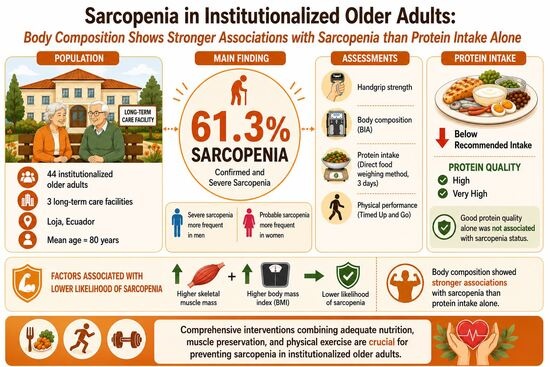
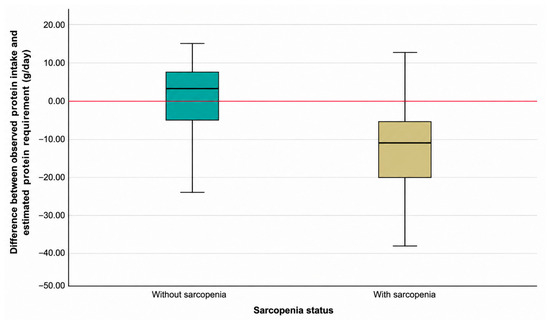
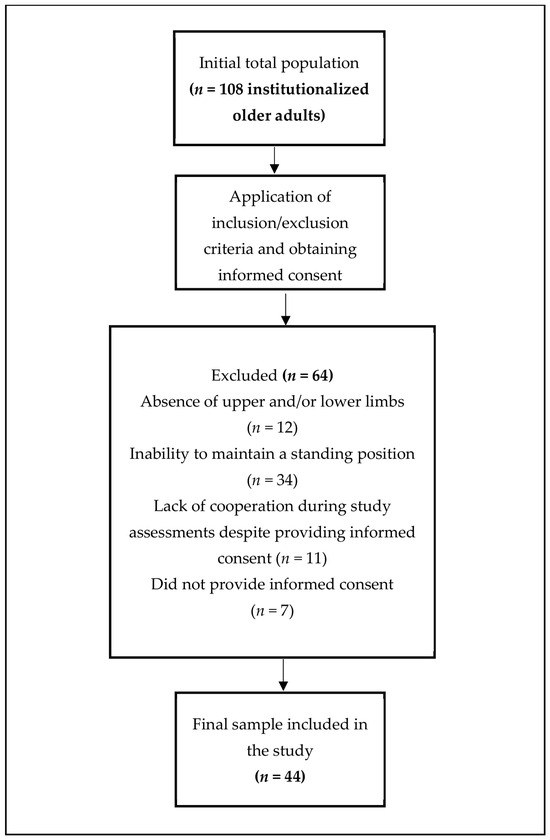
Background/Objectives: Sarcopenia is a common public health problem in older adults and is associated with an increased risk of morbidity and mortality, particularly in institutionalized populations. This study aimed to determine the prevalence of sarcopenia in institutionalized older adults, assess the adequacy of protein intake in terms of quantity and quality, and identify factors associated with its presence. Methods: An observational, analytical, cross-sectional study was conducted in three institutional care homes in Loja canton, Ecuador, between 2024 and 2025. A total of 44 older adults aged ≥65 years were included. Sarcopenia was diagnosed according to the EWGSOP2 criteria, and protein intake was assessed using the direct food-weighing method over three days. Descriptive, comparative, and binary logistic regression analyses were performed. Results: The prevalence of confirmed and severe sarcopenia was 61.3%. Severe sarcopenia was more frequent in men, whereas probable sarcopenia was more frequent in women. Participants with sarcopenia presented with lower skeletal muscle mass, skeletal muscle index, and muscle strength. Protein intake was generally insufficient compared with international recommendations, although protein quality was predominantly high or very high. Higher skeletal muscle mass and higher body mass index were independently associated with a lower likelihood of sarcopenia. Conclusions: Sarcopenia in institutionalized older adults appears to be more closely associated with body composition and overall nutritional status than with protein quantity or quality alone. These findings support a comprehensive approach to the prevention and management of sarcopenia that combines adequate nutrition with tailored physical exercise interventions.
Full article
(This article belongs to the Special Issue Healthy Ageing and Lifestyle Medicine: Current Knowledge and Future Direction (2nd Edition))
►▼
Show Figures

Graphical abstract
Open AccessArticle
The Association of an Electronic Frailty Index with Glaucoma Shunt Outcomes
by
Neel Edupuganti, Richa Saxena and Atalie C. Thompson
Geriatrics 2026, 11(5), 114; https://doi.org/10.3390/geriatrics11050114 - 31 Aug 2026
Abstract
►▼
Show Figures
Background/Objectives: Recent studies have shown frailty to be a significant predictor of postoperative complications and mortality across multiple surgical fields. Older adults with glaucoma refractory to medical management often require drainage implantation to achieve intraocular pressure control, yet the impact of frailty
[...] Read more.
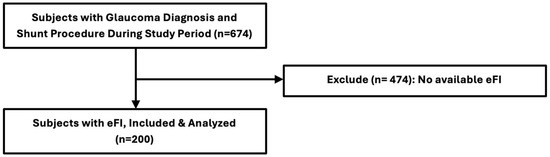
Background/Objectives: Recent studies have shown frailty to be a significant predictor of postoperative complications and mortality across multiple surgical fields. Older adults with glaucoma refractory to medical management often require drainage implantation to achieve intraocular pressure control, yet the impact of frailty remains unstudied. This study evaluated the association of frailty status with glaucoma shunt success and postoperative complications. Methods: A retrospective single-center review was performed for older adults who underwent glaucoma drainage device implantation from January 2015 to July 2025. Included patients had a documented electronic frailty index (eFI) score and were followed for up to 1 year of follow-up. Partial surgical success was defined as an IOP of 5–21 mmHg with a ≥20% IOP reduction from baseline at 1 year; complete success additionally required absence of severe complications. Logistic regression assessed predictors of surgical success. Kaplan–Meier and Cox proportional hazards models evaluated time to postoperative complications. Results: Among 200 patients/eyes (mean age = 70.6 years), 60% were pre-frail or frail. At 1 year, 79% achieved partial success, and nearly two-thirds had no postoperative complications. Frail/pre-frail status was significantly associated with a higher risk of postoperative complications (HR = 1.90, 95% CI (1.07, 3.36), p = 0.027) though not with achieving partial success (OR = 1.49, 95% CI (0.72, 3.07)). There were no significant sociodemographic predictors of postoperative complication timing (all p > 0.05). Conclusions: Being pre-frail or frail meaningfully increased vulnerability to postoperative complications but was not associated with achieving partial or complete surgical success. The elevated complication risk highlights the importance of frailty assessment in preoperative planning for older adults. Future studies should evaluate how integrating frailty screening into perioperative discussions may optimize outcomes and support shared decision-making in aging patients undergoing glaucoma surgery.
Full article

Figure 1
Open AccessArticle
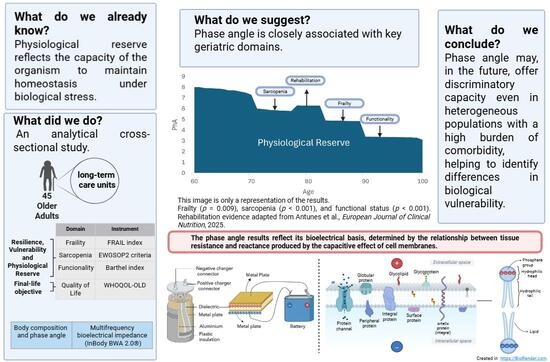
Novel Hypothesis on Phase Angle as a Candidate Marker Associated with Physiological Reserve in Geriatric Patients in Long-Term Care
by
Alejandro Padilla Isassi, Rosalba Maya Hernández, María Elisa Otero Cerdeira and Ingrid Alejandra Abarca Salinas
Geriatrics 2026, 11(5), 113; https://doi.org/10.3390/geriatrics11050113 - 25 Aug 2026
Abstract
►▼
Show Figures
Background: Physiological reserve reflects the capacity of the organism to maintain homeostasis under biological stress. We suggest the hypothesis that phase angle derived from bioelectrical impedance analysis could be a potential objective marker of Physiological reserve. Methods: An analytical cross-sectional study
[...] Read more.
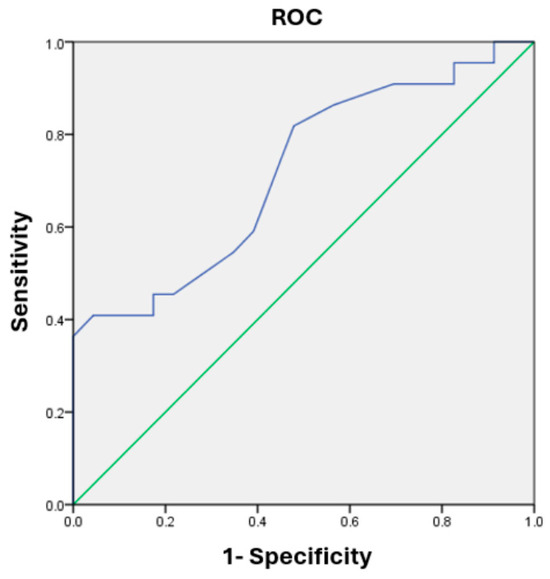
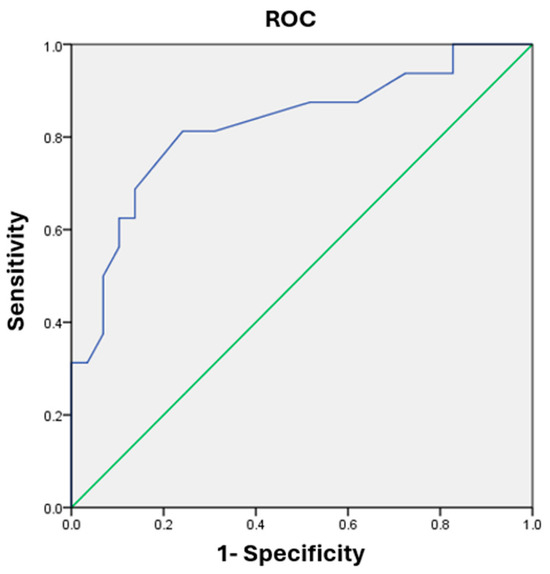
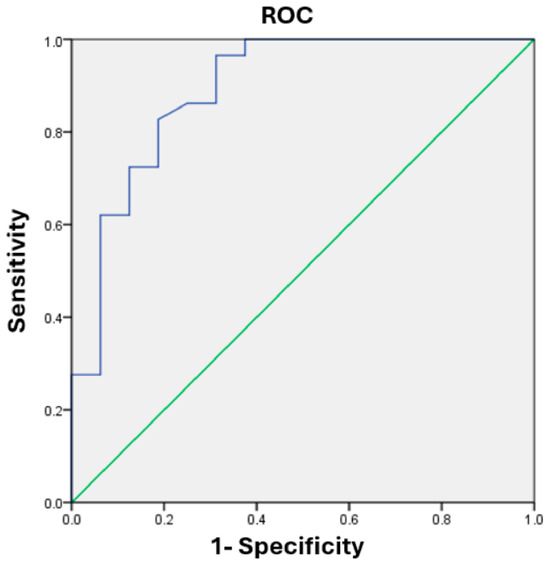
Background: Physiological reserve reflects the capacity of the organism to maintain homeostasis under biological stress. We suggest the hypothesis that phase angle derived from bioelectrical impedance analysis could be a potential objective marker of Physiological reserve. Methods: An analytical cross-sectional study was conducted in 45 older adults residing in long-term care units at Hospital Español de México (2025). Frailty was assessed with the FRAIL index, sarcopenia using EWGSOP2 criteria, functionality with the Barthel Index, and quality of life with WHOQOL-OLD. Body composition and phase angle were measured by multifrequency bioelectrical impedance (InBody BWA 2.0®). Associations were analyzed using ROC curves and regression models. Results: Phase angle (PA) was closely associated with key geriatric domains. Frail participants showed significantly lower PA values (3.1 ± 0.7 vs. 3.8 ± 0.9; p = 0.009), while sarcopenic patients presented lower PA (3.1 ± 0.7 vs. 4.1 ± 0.9; p < 0.001). PA demonstrated a strong positive correlation with functional status (r = 0.668; p < 0.001). A moderate positive correlation was observed with quality of life (r = 0.551; p = 0.001). In an exploratory multivariable analysis, PA was independently associated with age (B = −0.063; p < 0.001), functionality (B = 0.013; p < 0.001), and frailty (B = −0.137; p = 0.044). Conclusions: The phase angle is associated with key geriatric conditions that are related to reduced physiological reserves in older adults in long-term care, addressing the hypothesis that phase angle reflects physiological reserve at the cellular level by providing preliminary cross-sectional evidence.
Full article

Graphical abstract
Open AccessArticle
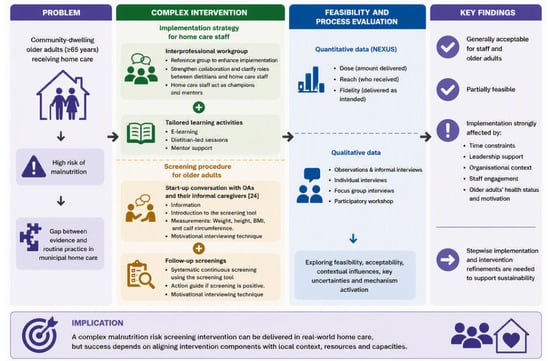
Feasibility and Process Evaluation of a Screening Intervention for Early Detection of Malnutrition Risk Among Community-Dwelling Older Adults Receiving Home Care Services
by
Tine Louise Launholt, Palle Larsen, Jemma Hawkins and Hanne Kaae Kristensen
Geriatrics 2026, 11(4), 112; https://doi.org/10.3390/geriatrics11040112 - 21 Aug 2026
Abstract
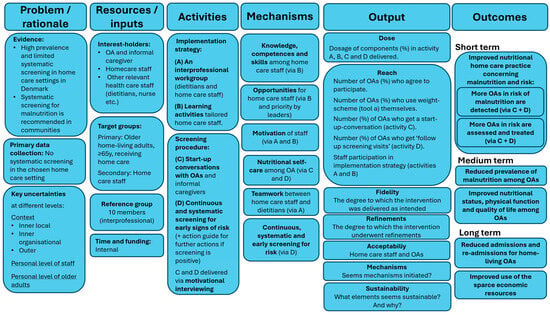
Background: Malnutrition is prevalent among older adults (OAs), ≥65 years, receiving home care services. Despite recommendations for early detection and multifactorial interventions, a gap remains between routine practice and evidence. We therefore developed a complex intervention for early detection of malnutrition risk in
[...] Read more.
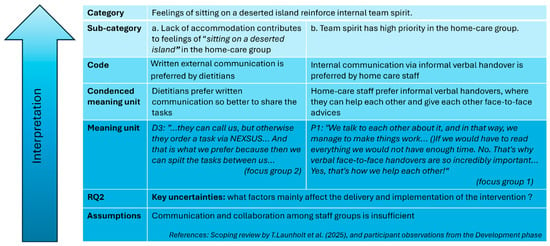
Background: Malnutrition is prevalent among older adults (OAs), ≥65 years, receiving home care services. Despite recommendations for early detection and multifactorial interventions, a gap remains between routine practice and evidence. We therefore developed a complex intervention for early detection of malnutrition risk in a Danish home care setting, comprising an implementation strategy with staff learning activities and a screening procedure with a start-up conversation and follow-up screenings. This article outlines the feasibility test and process evaluation of the intervention. Methods: Guided by the Medical Research Council (MRC/NIHR) framework for complex interventions and MRC process evaluation guidance, the evaluation was conducted in two parts. Part 1 focused on case-level feasibility, while Part 2 examined implementation feasibility within routine home care practice. Qualitative data were collected through participant observations, informal interviews, semi-structured individual interviews, focus group interviews, and a participatory workshop. Quantitative data were extracted from the electronic patient record (NEXUS, Systematic A/S, Aarhus, Denmark). Qualitative data were analysed using qualitative content analysis, and quantitative data using descriptive statistics. Results: All eligible OAs (12/12) received a start-up conversation in Part 1 compared with 5/16 (31%) in Part 2, while follow-up screenings declined from 61/71 (86%) to 37/50 (74%). Overall, staff perceived the learning activities as useful and were able to deliver the screening procedure. However, delivery and implementation were influenced by time constraints, leadership support, workplace culture, and organisational infrastructures. OAs showed willingness to participate, yet their prerequisites for engagement were more limited than anticipated. Conclusion: The intervention could be delivered in a real-world home care setting, but delivery, implementation, and activation of proposed mechanisms were constrained by resource limitations, competing priorities, workplace culture, and organisational infrastructures. To improve uptake, intervention adaptations and a stepwise implementation approach are recommended.
Full article
(This article belongs to the Section Geriatric Nutrition)
►▼
Show Figures

Graphical abstract
Open AccessReview
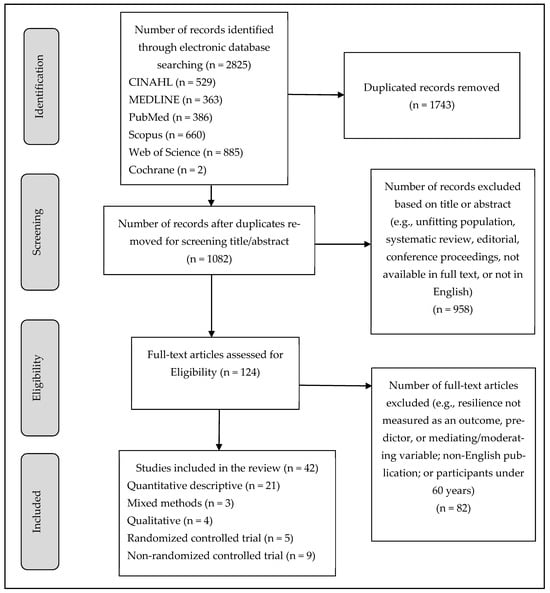
Navigating Adversity in Older Age: An Integrative Review of Contemporary Resilience Concepts and Measurement Challenges
by
Chonlakarn Songsri, Pras Ramluggun and Pimwalunn Aryuwat
Geriatrics 2026, 11(4), 111; https://doi.org/10.3390/geriatrics11040111 - 20 Aug 2026
Abstract
Background/Objectives: Ageing populations face complex challenges, yet many older adults maintain well-being despite adversity. Understanding resilience offers critical direction for health promotion. This integrative review takes a conceptual and methodological approach to resilience in older adults, with clear implications for geriatric care.
[...] Read more.
Background/Objectives: Ageing populations face complex challenges, yet many older adults maintain well-being despite adversity. Understanding resilience offers critical direction for health promotion. This integrative review takes a conceptual and methodological approach to resilience in older adults, with clear implications for geriatric care. The review addresses: (1) how resilience is conceptualised and measured; (2) individual, social, and contextual factors linked to resilience; and (3) the effectiveness of interventions that aim to promote resilience. Methods: Following Whittemore and Knafl’s framework, a systematic search of six databases (PubMed, CINAHL, MEDLINE, Scopus, Web of Science, and Cochrane CENTRAL; 2016–2025) identified 42 empirical studies across 18 countries of diverse designs. Quality was assessed using the Mixed Methods Appraisal Tool, and thematic analysis identified five convergent themes. Results: Most studies explicitly defined resilience using trait-, process-, or outcome-based frameworks and employed validated instruments, most commonly the CD-RISC. Self-efficacy, spirituality, sense of coherence, and gratitude were consistently associated with resilience. Family relationships, social networks, and community participation were important relational correlates. Health status, education, economic security, and digital literacy were key contextual factors. Six longitudinal studies linked higher resilience to reduced mortality, slower cognitive decline, and attenuated frailty progression. Seven intervention studies, including five randomised controlled trials, supported physical activity, mindfulness, positive thinking training, Tai Chi, and technology-supported exercise as promising intervention modalities, though one web-based programme yielded null findings. Conclusions: Resilience in older adults is a multifaceted and potentially modifiable construct. Growing longitudinal evidence extends its relevance beyond psychological well-being to physical health outcomes, though cross-sectional designs predominate and limit causal inference. Measurement heterogeneity across more than twenty instruments underscores the need for international consensus and culturally valid tools. Larger longitudinal studies and adequately powered trials are needed to guide definitive practice and policy for ageing populations worldwide.
Full article
(This article belongs to the Section Healthy Aging)
►▼
Show Figures

Figure 1

Open AccessArticle
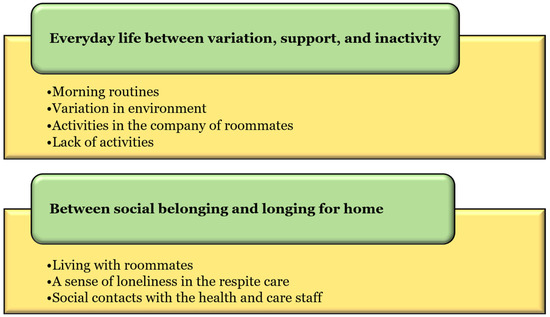
Experience of Respite Care with Alternating Housing Among People with Dementia: A Mixed-Methods Study
by
Mirkka Söderman, Annelie K. Gusdal and Lena-Karin Gustafsson
Geriatrics 2026, 11(4), 110; https://doi.org/10.3390/geriatrics11040110 - 19 Aug 2026
Abstract
Background: In line with international aging policies, most people with dementia receive care at home. Community-based respite services aim to relieve, support, or share caregiving responsibilities. More person-centered knowledge based on experiences from this group is needed to increase informed decisions about
[...] Read more.
Background: In line with international aging policies, most people with dementia receive care at home. Community-based respite services aim to relieve, support, or share caregiving responsibilities. More person-centered knowledge based on experiences from this group is needed to increase informed decisions about planning of qualitative respite care. The aim of this study is to describe how people with dementia experience respite care with alternating housing, i.e., living partly at home, partly in residential care, refer to their everyday life and well-being. Methods: A mixed-methods design was used. The qualitative approach focused on variations of dilemmas in interviews with people with dementia who were granted and received respite care (n = 8). Also, a quantitative approach focused on quality of life using behavioral and psychological symptom scores. Results: Everyday life at the respite care accommodation described by people with dementia included morning routines, variation in the environment, activities in the company of roommates, but also a lack of activities. Social belonging was described by people with dementia through living with roommates and through social contact with the healthcare staff. Quality of life and behavioral and psychological ratings varied between individuals and settings, but no consistent pattern was identified. Conclusions: Respite care appears to maintain a high quality of life and a low level of psychological symptoms for most of the people with dementia. Although the sample was small, these results are nevertheless an important contribution to the phenomenon, experiences of respite care by people with dementia, that need further research. Furthermore, these results can give decision-makers guidance for professional care efforts.
Full article
(This article belongs to the Section Geriatric Psychiatry and Psychology)
►▼
Show Figures

Figure 1
Open AccessReview
Fragmented Care, Fragmented Safety: Care Coordination and Deprescribing Strategies to Reduce Polypharmacy-Related Harm in Assisted Living—A Public Health Perspective
by
Amani Mohammed, Mahmoud Abuhasanein, Martin Wawruch and Viktor Foltin
Geriatrics 2026, 11(4), 109; https://doi.org/10.3390/geriatrics11040109 - 18 Aug 2026
Abstract
Background: Assisted living houses an older, frailer and more heavily medicated population than ever, yet is often regulated as a social and not a clinical setting with no on-site nursing requirement. Polypharmacy accumulates where medication oversight is thinnest. Objective: To map the extent,
[...] Read more.
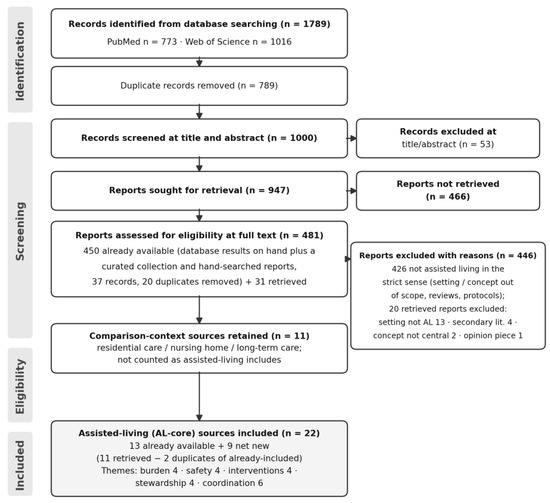
Background: Assisted living houses an older, frailer and more heavily medicated population than ever, yet is often regulated as a social and not a clinical setting with no on-site nursing requirement. Polypharmacy accumulates where medication oversight is thinnest. Objective: To map the extent, nature and distribution of research on medication safety in assisted living in the narrow sense, and where the evidence clusters and thins. Methods: In this scoping review, PubMed and Web of Science were searched (26 May 2026; window 2010–2025) and records screened against a strict two-gate rule: assisted living in the narrow sense, explicitly labelled and central, plus a central medication-safety or coordination concept. Residential-care and long-term-care populations fell outside it. Titles, abstracts and full texts were screened and charted thematically. Results: Twenty-two sources met the strict definition, drawn from four countries: the United States (13), Finland (6), Canada (2) and the United Kingdom (1). Five themes emerged, covering burden (4), safety (4), interventions (4), antimicrobial stewardship (4) and coordination and regulation (6). A further 11 comparison-context reports were kept separately. Every randomised trial was Finnish and came from one research programme. Conclusions: Assisted living has become a high-acuity medication environment without matching oversight. The setting-specific literature is real but sparse, and rigorous deprescribing and coordination trials remain scarce. The binding constraint is structural rather than pharmacological, a missing point of clinical accountability that is patterned by regulation, so closing the gap is as much a public-health task as a clinical one.
Full article
(This article belongs to the Section Geriatric Public Health)
►▼
Show Figures

Figure 1
Journal Menu
► ▼ Journal Menu-
- Geriatrics Home
- Aims & Scope
- Editorial Board
- Reviewer Board
- Topical Advisory Panel
- Instructions for Authors
- Special Issues
- Topics
- Sections & Collections
- Article Processing Charge
- Indexing & Archiving
- Most Cited & Viewed
- Journal Statistics
- Journal History
- Journal Awards
- Conferences
- Editorial Office
- 10th Anniversary
Journal Browser
► ▼ Journal BrowserHighly Accessed Articles
Latest Books
E-Mail Alert
News
Topics
Topic in
Geriatrics, IJMS, Life, Sports, Neurology International, Obesities
Exercise and Human Aging: Physiological and Psychological Functions
Topic Editors: Samuel Da Silva Aguiar, Ismael Perez-SuarezDeadline: 20 September 2026
Topic in
Brain Sciences, Children, Foods, Geriatrics, Nutrients, Clinics and Practice, Dietetics, JGG
Lifestyle, Health and Mental Well-Being Across the Lifespan
Topic Editors: Tonia Vassilakou, Rena I. Kosti, Maria G. GrammatikopoulouDeadline: 31 December 2026
Topic in
IJMS, Cells, Biomolecules, Geriatrics, Immuno
Inflammaging: The Immunology of Aging, 2nd Edition
Topic Editors: Brianna Cyr, Juan Pablo de Rivero VaccariDeadline: 15 February 2027
Topic in
Behavioral Sciences, Brain Sciences, Geriatrics
Psychopathology and Developmental Trajectories
Topic Editors: Donatella Rita Petretto, Carmelo Masala, Stefan BogaertsDeadline: 31 March 2027
Conferences
Special Issues
Special Issue in
Geriatrics
Exercise Interventions for Healthy Aging
Guest Editors: Pedro Gargallo, Iván Chulvi MedranoDeadline: 30 October 2026
Special Issue in
Geriatrics
REACH at Twenty Years: Evolution and Impact of a Multi-Component Behavioral Caregiving Intervention
Guest Editors: Linda Nichols, Jennifer Martindale-AdamsDeadline: 31 October 2026
Special Issue in
Geriatrics
Digital Innovations in Geriatric and Gerontological Care
Guest Editor: Satu EloDeadline: 31 October 2026
Special Issue in
Geriatrics
Quality of Life in Older Adults with Musculoskeletal or Neuromuscular Disorders: Assessment and Intervention Strategies
Guest Editor: Tatsunori IkemotoDeadline: 20 December 2026
Topical Collections
Topical Collection in
Geriatrics
Joint Arthroplasty in the Oldest People
Collection Editors: Juan F. Blanco, Carmen da Casa
Topical Collection in
Geriatrics
Ageism, the Black Sheep of the Decade of Healthy Ageing
Collection Editor: Lydia Gimenez Llort
Topical Collection in
Geriatrics
Responding to the Pandemic: Geriatric Care Models
Collection Editor: James Powers