
Journal Description
Future Internet
Future Internet
is an international, peer-reviewed, open access journal on internet technologies and the information society, published monthly online by MDPI.
- Open Access— free for readers, with article processing charges (APC) paid by authors or their institutions.
- High Visibility: indexed within Scopus, ESCI (Web of Science), Ei Compendex, dblp, Inspec, and other databases.
- Journal Rank: JCR - Q2 (Computer Science, Information Systems) / CiteScore - Q1 (Computer Networks and Communications)
- Rapid Publication: manuscripts are peer-reviewed and a first decision is provided to authors approximately 15 days after submission; acceptance to publication is undertaken in 3.7 days (median values for papers published in this journal in the first half of 2026).
- Recognition of Reviewers: reviewers who provide timely, thorough peer-review reports receive vouchers entitling them to a discount on the APC of their next publication in any MDPI journal, in appreciation of the work done.
- Journal Clusters of Network and Communications Technology: Future Internet, IoT, Telecom, Journal of Sensor and Actuator Networks, Network, Signals.
Impact Factor:
4.6 (2025);
5-Year Impact Factor:
3.9 (2025)
Latest Articles
Machine Learning-Based Short-Term Visibility Classification for Wireless Optical Communication Systems Using METAR and Microwave-Link Features at Bangkok Airports
Future Internet 2026, 18(8), 392; https://doi.org/10.3390/fi18080392 (registering DOI) - 25 Jul 2026
Abstract
Rapid growth in connected devices, artificial intelligence applications, and the Internet of Things (IoT) is driving demand for ultra-high data rates, low latency, and energy-efficient communication infrastructure. Wireless optical communication (WOC), including free-space optical (FSO), is recognized as a disruptive technology for 6G
[...] Read more.
Rapid growth in connected devices, artificial intelligence applications, and the Internet of Things (IoT) is driving demand for ultra-high data rates, low latency, and energy-efficient communication infrastructure. Wireless optical communication (WOC), including free-space optical (FSO), is recognized as a disruptive technology for 6G and future-generation networks. However, atmospheric visibility critically affects WOC/FSO link availability, capacity, and reliability. This study proposes a machine learning (ML)-based low-visibility classification model that integrates Meteorological Aerodrome Reports (METARs) with microwave-link received-signal (Rx) features. Visibility below 6000 m is predicted at the 1 h, 3 h, and 6 h horizons using 18 months of data from Suvarnabhumi Airport (VTBS) and Don Mueang Airport (VTBD) in Bangkok, Thailand. Four ML algorithms, namely logistic regression, random forest, extreme gradient boosting, and light gradient boosting machine (LGBM), are evaluated against persistence and Terminal Aerodrome Forecast (TAF) baselines. In a 100-round block-bootstrap evaluation, LGBM with METAR-Rx achieved the highest mean F1 scores at the 1 h and 3 h horizons, outperforming TAF by 28 and 20 percentage points at the 1 h horizon for VTBS and VTBD, respectively. SHAP and ablation analyses suggested that current visibility is the dominant predictor, while Rx features provide complementary information and improve F1 performance by approximately 1–4 percentage points. Seasonal analysis shows stronger cool-season performance, while rainy-season prediction remains challenging. Adding visibility-trend features further improves performance, with the best combined model achieving 1 h F1 scores of 0.7253 for VTBS and 0.6495 for VTBD. These findings indicate that integrating the METAR-Rx feature set can support short-term low-visibility classification.
Full article
(This article belongs to the Special Issue Disruptive Technologies and Digital Transformation)
►
Show Figures
Open AccessReview
Agentic AI and Multi-Agent Collaboration in Healthcare: A Comprehensive Survey of Architectures, Clinical Safety, and Future Directions
by
Subir Biswas, Rajib Mondal and Manob Jyoti Saikia
Future Internet 2026, 18(8), 391; https://doi.org/10.3390/fi18080391 (registering DOI) - 25 Jul 2026
Abstract
In the healthcare and clinical domain, artificial intelligence (AI) is evolving from earlier models that primarily predicted outcomes or generated content toward agentic AI systems that demonstrate the capability to make decisions and complete tasks autonomously. Previous research on AI has contributed significantly
[...] Read more.
In the healthcare and clinical domain, artificial intelligence (AI) is evolving from earlier models that primarily predicted outcomes or generated content toward agentic AI systems that demonstrate the capability to make decisions and complete tasks autonomously. Previous research on AI has contributed significantly to disease identification, deep learning applications, large language models (LLMs), and generative AI. These systems primarily function as assistive tools, as they generate text or predictions without directly interacting with clinical infrastructures. Therefore, recent research trends are increasingly oriented toward agentic AI systems that extend beyond traditional predictive and generative model performance. This manuscript provides a detailed review of the current state of agentic AI, starting with the evolution of AI and the concept of a medical agent. A medical agent refers to an intelligent AI system designed to assist in clinical or administrative tasks by analyzing data, supporting decision making, and interacting with healthcare environments. Its underlying agentic AI architecture integrates planning, memory, reasoning, and environmental interaction to enable autonomous tool use, multi-agent collaboration, and continuous perception decision action loops across diverse healthcare applications and clinical workflows. The review further examines safety mechanisms, including human-in-the-loop oversight, self-verification strategies, and regulatory alignment frameworks, which are designed to ensure reliability, accountability, compliance, and safe deployment in regulated healthcare environments. Our findings indicate that a large number of AI agents have been introduced in various manuscripts for healthcare applications; however, fully autonomous systems remain challenging to achieve, as AI still faces several limitations related to reliability, interpretability, data dependency, and integration within complex clinical workflows. In response to these challenges, this survey shifts the focus from task-specific model performance to system-level autonomy and workflow orchestration, providing a structured foundation for understanding the design, deployment, governance, and limitations of agentic AI systems in modern healthcare ecosystems.
Full article
(This article belongs to the Special Issue Intelligent Sensor and Internet of Medical Things for Smart Healthcare)
Open AccessArticle
Domain-Tag Guided Multimodal Explanations for Trustworthy Image Authentication in the Social Internet of Things
by
Junaid Akram, Ali Anaissi and Jingyao Zhang
Future Internet 2026, 18(8), 390; https://doi.org/10.3390/fi18080390 (registering DOI) - 25 Jul 2026
Abstract
The Social Internet of Things (SIoT) connects smart devices into social networks in which they share, forward, and consume visual content on behalf of their owners. As generative models become more capable, the images that circulate among these connected devices are increasingly easy
[...] Read more.
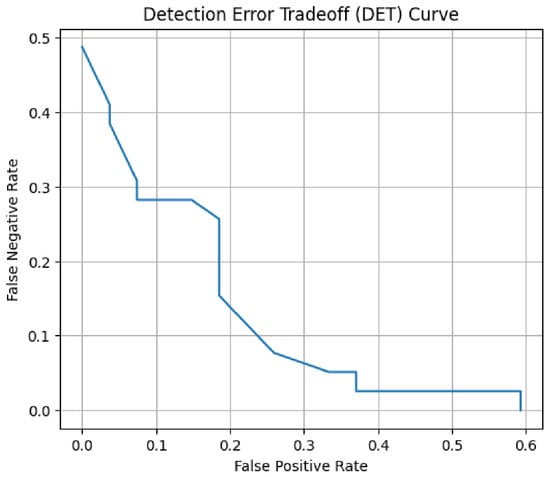
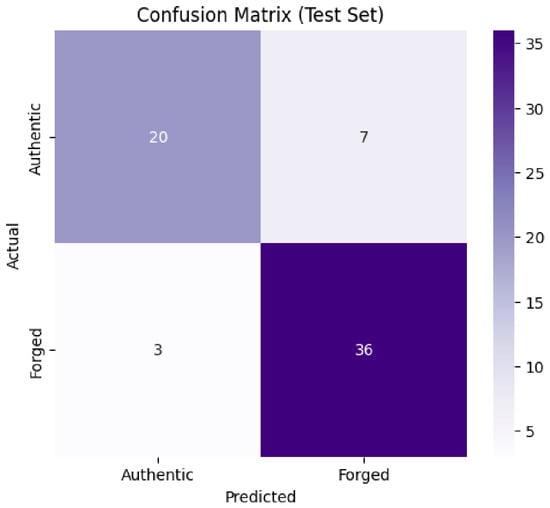
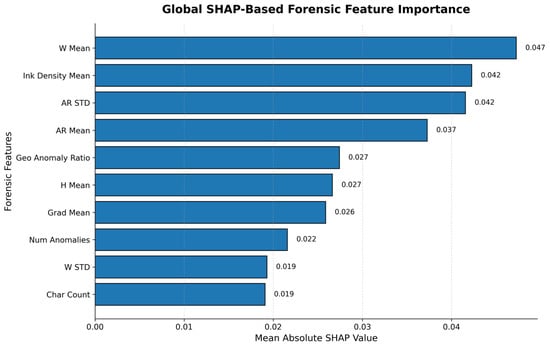
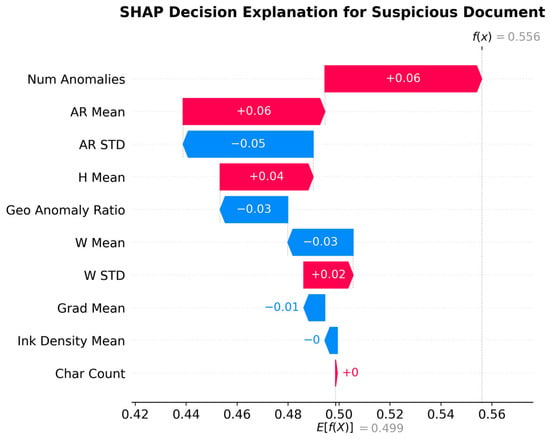
The Social Internet of Things (SIoT) connects smart devices into social networks in which they share, forward, and consume visual content on behalf of their owners. As generative models become more capable, the images that circulate among these connected devices are increasingly easy to fake or manipulate, which threatens the trust relationships that hold an SIoT network together. Most existing forgery detectors return only a real or fake label, which gives a connected device no basis on which to decide whether to trust a neighbor or relay a piece of content. We propose an explainable image authentication framework for SIoT that classifies an image as real or fake and also provides a human-readable explanation and localized visual evidence for its decision. Our architecture, the Domain-Tag Guided Explainable Forgery Detection Module (DTE-FDM), uses a domain tag generator to predict the manipulation type (Photoshop, DeepFake, or AI-generated inpainting) and feeds it as a prompt to a multimodal large language model, which improves cross-domain generalization and produces a textual rationale. A Multimodal Forgery Localization Module (MFLM) and then grounds the explanation in the image by highlighting manipulated regions using a Tamper Comprehension Module combined with the Segment-Anything Model. We train the two modules in two stages on a multimodal tampered image dataset (MMTD) with triplet annotations. On MMTD, the method reaches 87.17% accuracy and 0.8696 F1, outperforming recent baselines, generates more relevant explanations (0.8566 CSS, 0.4348 ROUGE-L), and localizes manipulated regions with a mean IoU of 0.3438. The results show that large multimodal models can support accurate, transparent, and trust-aware content authentication for SIoT.
Full article
Open AccessArticle
Intelligent Carbon-Aware Gateway Placement for Green IoT Networks
by
Francisco-Jose Alvarado-Alcon, Rafael Asorey-Cacheda, Joan Garcia-Haro and Antonio-Javier Garcia-Sanchez
Future Internet 2026, 18(8), 389; https://doi.org/10.3390/fi18080389 (registering DOI) - 25 Jul 2026
Abstract
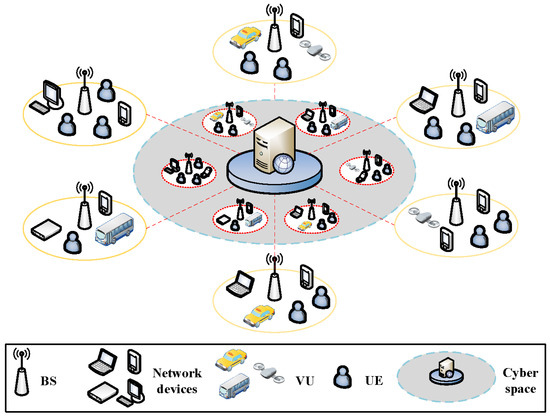
Sustainable Internet of Things (IoT) deployments require network planning strategies that explicitly account for environmental impact and not only traditional performance and energy metrics. This work analyzes how input representations affect a learning-based framework for carbon footprint (CF)-aware gateway placement in LoRa multi-hop
[...] Read more.
Sustainable Internet of Things (IoT) deployments require network planning strategies that explicitly account for environmental impact and not only traditional performance and energy metrics. This work analyzes how input representations affect a learning-based framework for carbon footprint (CF)-aware gateway placement in LoRa multi-hop IoT networks. Building on a previous CF model and an integer linear programming dataset, a multilayer perceptron is retrained using different input encodings: end-device coordinates, traffic-based weights, spatial sampling regions (SSRs), and a global CF estimate. Their contributions are evaluated through Shapley additive explanations (SHAP)-based explainability analysis, ablation studies, and sensitivity analysis. Results show that the CF estimate is the most influential input, acting as a global guidance signal that drives large gateway relocations. The combination of raw coordinates and SSR-based spatial summaries achieves the best performance by capturing both fine spatial detail and collective relay opportunities, while traffic-based weights mainly contribute through aggregate effects. These findings provide practical guidelines for designing CF-aware learning pipelines and offer insights to support future research on environmentally aware artificial intelligence for IoT network planning.
Full article
(This article belongs to the Section Internet of Things)
►▼
Show Figures

Graphical abstract
Open AccessArticle
SMRE: A Lightweight Statistical Mean Rényi Entropy Approach for Early DDoS Detection in SDN
by
Bavani Kannan, Deepalakshmi Perumalsamy, Ranjit Panigrahi, Paolo Barsocchi and Akash Kumar Bhoi
Future Internet 2026, 18(8), 388; https://doi.org/10.3390/fi18080388 (registering DOI) - 25 Jul 2026
Abstract
►▼
Show Figures
Software-Defined Networking (SDN) centralizes control logic, improving programmability but exposing the controller to volumetric and low-rate Distributed Denial of Service (DDoS) attacks. Entropy-based detectors often raise late alarms or require significant traffic distribution changes, while machine-learning approaches impose high training and inference overhead.
[...] Read more.
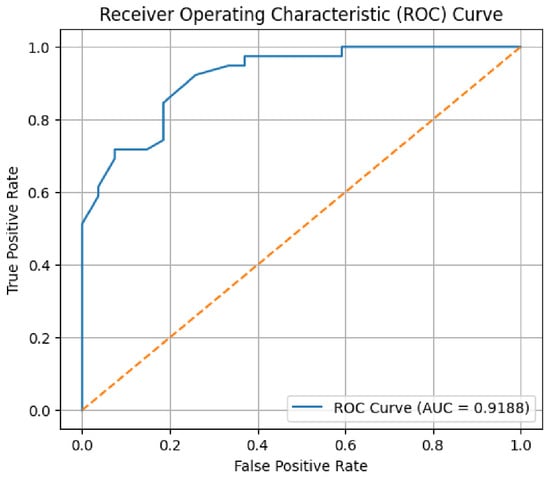
Software-Defined Networking (SDN) centralizes control logic, improving programmability but exposing the controller to volumetric and low-rate Distributed Denial of Service (DDoS) attacks. Entropy-based detectors often raise late alarms or require significant traffic distribution changes, while machine-learning approaches impose high training and inference overhead. To address these issues, this work proposes a Statistical Mean Renyi Entropy (SMRE)-based early-warning system that amplifies micro-level disturbances in flow randomness using a tunable sensitivity weight (μ). The formulation enhances responsiveness to entropy deviations without adding computational complexity, enabling O(n) single-pass execution per monitoring window. The method was implemented on a Mininet testbed (nine switches, 64 hosts, POX controller with the L3_learning module) with mixed benign traffic and hping3/Scapy-generated UDP and TCP flood attack traffic at intensities ranging from 10 to 75%. Experimental results demonstrate that SMRE detects early-stage attacks with 94.7–98.1% accuracy, 0.8–2.3% false positive rate, and 6.5–14 ms detection latency, outperforming Shannon and classical Renyi entropy detectors. ROC analysis (AUC ≈ 0.99) and paired t-tests (p < 0.01) confirm statistical significance. Resource profiling shows negligible CPU and memory overhead, supporting real-time deployment. By eliminating model training and ensuring robust early detection, SMRE offers a lightweight and practical detection mechanism for SDN environments, whose applicability to cloud, edge, and IoT deployments will be further substantiated through validation on real traffic traces and multi-controller architectures.
Full article

Figure 1
Open AccessReview
Low-Latency Edge Computing Architectures for Real-Time Vehicle Warning Systems: A Review
by
Redeemer Kwei Amartey and Duan Zhao
Future Internet 2026, 18(8), 387; https://doi.org/10.3390/fi18080387 (registering DOI) - 24 Jul 2026
Abstract
►▼
Show Figures
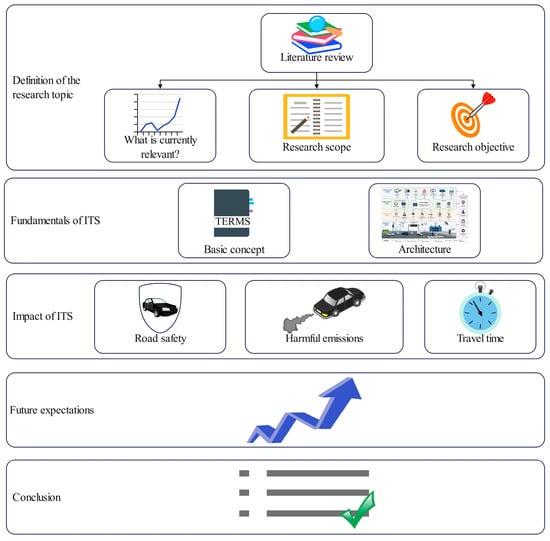
Real-time vehicle warning systems are critical for collision prevention, yet they face stringent sub-10 ms latency requirements under severe energy and computational constraints. This review systematically surveys low-latency edge computing architectures for such systems, explicitly comparing CPU-based, GPU-accelerated, FPGA-based, ASIC/NPU-embedded, fog, and cloud-only
[...] Read more.
Real-time vehicle warning systems are critical for collision prevention, yet they face stringent sub-10 ms latency requirements under severe energy and computational constraints. This review systematically surveys low-latency edge computing architectures for such systems, explicitly comparing CPU-based, GPU-accelerated, FPGA-based, ASIC/NPU-embedded, fog, and cloud-only processing paradigms. We examine edge intelligence frameworks for intelligent transportation systems, the computational demands of collision avoidance algorithms, V2X communication protocols, and hardware accelerators. A key contribution is a comparative analysis of latency, power consumption, and area trade-offs, revealing that FPGA accelerators achieve deterministic sub-millisecond processing at 5–15 W, while emerging NPUs offer 1–5 W alternatives for fixed-function inference. A critical synthesis of the literature identifies major gaps: the absence of standardized benchmarks, insufficient field-testing of FPGA prototypes, and underutilized potential of approximate computing in safety loops. Furthermore, we introduce fog computing as a vital intermediary layer to bridge edge-cloud gaps. This review consolidates over 58 core studies and offers practical, actionable insights for designing next-generation vehicular safety systems.
Full article

Graphical abstract
Open AccessArticle
Comparative Study of Ground-Slot Geometries for 5G Microstrip Antenna Performance Enhancement
by
Amjad Hindi, Farouq Al-Taweel, Issam Trrad, Majed Dwairi, Elvira Dwairi and Safaa Moqbel
Future Internet 2026, 18(8), 386; https://doi.org/10.3390/fi18080386 - 24 Jul 2026
Abstract
This research paper investigates the impact of inserting a ground slot on the frequency performance of a monopole-type microstrip patch antenna. To examine this, a reference antenna, which is a simple rectangular monopole with the dimensions 2.4 × 2.04 mm2, was
[...] Read more.
This research paper investigates the impact of inserting a ground slot on the frequency performance of a monopole-type microstrip patch antenna. To examine this, a reference antenna, which is a simple rectangular monopole with the dimensions 2.4 × 2.04 mm2, was mounted on a 12 × 12 mm2 Rogers RT 5880 substrate with a thickness of 0.254 mm and a dielectric constant of εᵣ = 2.2. It was also fed by a 50 Ω microstrip line. This work compares the effects of four different geometries of rectangular ground slots: rectangular, triangular, half-ring, and half-circle, on the performance of the microstrip patch antenna. The no-slot baseline antenna showed a resonance of 12.55 GHz and a reflection coefficient of −15.9 dB. Adding a ground slot allowed the advent of single or dual-resonant frequencies, which significantly enhanced the appropriateness of the antenna in 5G usage. Notably, the rectangular slot with b1 = 3 mm achieved a resonance of 22.5 GHz, with a reflection coefficient of −33.7 dB, while b1 = 1 mm enabled dual-band operation at 11.77 GHz and 38.3 GHz. Triangular slots provided strong single-frequency operation between 26 GHz and 31 GHz, and the half-circle slot with r3 = 1 mm resonated at 12 GHz with a reflection coefficient of −39.5 dB. Although the half-ring slot had a comparatively lower reflection coefficient, it still showed dual-band potential at 11.1 GHz and 34.14 GHz. The simulation results were validated using HFSS, demonstrating good alignment. The gain of the selected antennas was also investigated, where the highest gain of 4.2 dBi was achieved by the half-ring slot design, and the lowest gain of 3.09 dBi was obtained with the half-circle slot. These findings confirm that ground-slot integration is an effective technique for frequency tuning and performance enhancement in 5G antenna design.
Full article
(This article belongs to the Special Issue 5G/6G and Beyond: The Future of Wireless Communications Systems)
►▼
Show Figures

Figure 1
Open AccessArticle
Explainable AI for Securing Perception-Layer Sensor Data in IoT Environmental Danger Detection Systems
by
Taha Al-Jadir, Iván García-Magariño and Raquel Lacuesta Gilaberte
Future Internet 2026, 18(8), 385; https://doi.org/10.3390/fi18080385 - 24 Jul 2026
Abstract
This paper presents an explainable defense framework against perception-layer and Man-in-the-Middle (MitM) attacks in Internet of Things (IoT)-based environmental hazard warning systems. These systems rely on heterogeneous sensors (gas, light, sound, temperature, and humidity) whose integrity is crucial for reliable environmental alerts. Perception-layer
[...] Read more.
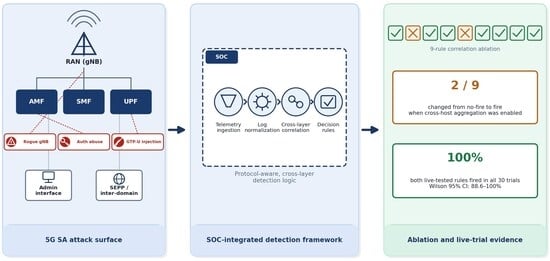
This paper presents an explainable defense framework against perception-layer and Man-in-the-Middle (MitM) attacks in Internet of Things (IoT)-based environmental hazard warning systems. These systems rely on heterogeneous sensors (gas, light, sound, temperature, and humidity) whose integrity is crucial for reliable environmental alerts. Perception-layer attacks such as spoofing, jamming, and data injection can compromise sensor readings, while MitM attacks threaten communication reliability. The proposed approach integrates incremental Dynamic Time Warping (DTW) for time-series anomaly detection with a tree- based ensemble classifier (XGBoost), in addition to Shapley Additive Explanations (SHAP) for interpretability. A comparative evaluation framework jointly considers detection performance and explanation quality through metrics including pre-registering a Casual Ground Truth based on network protocol localized Precision@ K feature overlap metrics (Q), instead of relying on subjective human-expert or global rank correlations to quantitively evaluate the explanation transparency. Experimental simulations using an authentic EdgeIIoT-2022 dataset under 3-fold forward–chaining cross-validation demonstrated high detection accuracy and moderated explainability scores. The results prove the framework’s ability to detect and explain adversarial behaviors in sensor networks, strengthening trust, transparency, and resilience in safety-critical IoT infrastructures.
Full article
(This article belongs to the Special Issue Cyber Security in the New “Edge Computing and IoT” World, 2nd Edition)
►▼
Show Figures

Figure 1
Open AccessArticle
A Governance-Oriented Framework for Blockchain Adoption in Waste Management Systems: The Case of Plastic Bank
by
Irenee Dondjio and Marinos Themistocleous
Future Internet 2026, 18(8), 384; https://doi.org/10.3390/fi18080384 - 24 Jul 2026
Abstract
This study examines how blockchain technology is associated with institutional governance and operational effectiveness in blockchain-enabled plastic recovery, with particular attention to resource-constrained developing regions and Less Developed Countries (LDCs). Although prior research highlights blockchain’s technical capabilities, less attention has been given to
[...] Read more.
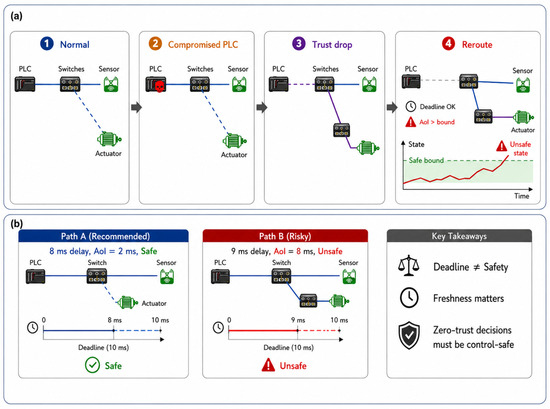
This study examines how blockchain technology is associated with institutional governance and operational effectiveness in blockchain-enabled plastic recovery, with particular attention to resource-constrained developing regions and Less Developed Countries (LDCs). Although prior research highlights blockchain’s technical capabilities, less attention has been given to the institutional, socio-technical, financial, and data governance conditions that shape practical adoption. To address this gap, the paper develops a literature-derived Blockchain-Enabled Waste Management Framework (B-WMF) and evaluates it through an interpretivist single-case study of Plastic Bank. The findings suggest that blockchain’s primary value in this case lies less in technological novelty than in its capacity to support verified recovery records, incentive-linked participation, auditability, and multi-stakeholder coordination. At the same time, the case shows that traceability, tokenized incentives, interoperability, and decentralized verification remain conditional on data quality at the source, institutional oversight, regulatory alignment, and sustainable business models. The paper contributes by reframing blockchain as a socio-technical governance infrastructure for blockchain-enabled plastic recovery, while offering practical guidance for circular economy initiatives operating in resource-constrained environments.
Full article
(This article belongs to the Special Issue Blockchain and Big Data Analytics)
►▼
Show Figures

Figure 1

Open AccessReview
AutoML for Network-Based Intrusion Detection: Evaluation Practice, Dataset Quality, and Deployment Constraints
by
Abdulla Amin Aburomman and Mamun Bin Ibne Reaz
Future Internet 2026, 18(8), 383; https://doi.org/10.3390/fi18080383 - 23 Jul 2026
Abstract
Machine learning techniques for network-based intrusion detection systems (NIDS) have advanced considerably over the past decade. Still, improvements are inhibited by handcrafted feature pipelines, isolated public benchmark data, and evaluation procedures that do not reflect real-life deployment. AutoML, a branch of ML automating
[...] Read more.
Machine learning techniques for network-based intrusion detection systems (NIDS) have advanced considerably over the past decade. Still, improvements are inhibited by handcrafted feature pipelines, isolated public benchmark data, and evaluation procedures that do not reflect real-life deployment. AutoML, a branch of ML automating model selection, automated architecture search, and the creation of model pipelines, may help overcome these shortcomings. While numerous NIDS applications employing automated ML techniques have been proposed, and recent surveys have mapped the AutoML framework landscape for network intrusion detection, no existing review critically audits the evaluation practice of this literature: the quality of its benchmark datasets, the reproducibility of its reported results, and the realism of its deployment assumptions. This paper critically reviews 26 research works published between January 2023 and June 2026, collected via a two-phase structured search: a documented keyword search across five databases (Scopus, IEEE Xplore, Web of Science, ACM Digital Library, and Google Scholar), followed by full-text eligibility screening, citation chaining, and expert evaluation. Findings drawn from this collection capture trends observed among the selected studies, rather than reflecting the broader state of the field. Analysis of the corpus reveals that 88% of dataset-verified studies evaluate exclusively or partly on the legacy benchmark family (KDD-derived, CICIDS, UNSW-NB15, CIDDS), 21% evaluate on a single dataset only, and among attribute-verified studies only 32% release source code, 40% report statistical significance testing, and 36% include variance analysis, findings that collectively motivate the four contributions of this study. First, a recommended evaluation framework is proposed, addressing baseline parity, transparent search-space and budget reporting, nested cross-validation for selection-bias control, and stability reporting across multiple random seeds. Second, a dataset quality scoring framework is introduced, assessing five dimensions: overlap rate, duplication rate, label correctness, attack-type representativeness, and coverage of benign, IoT, and IIoT traffic. Third, a cross-domain justification is provided for neural architecture search (NAS) and meta-learning in NIDS, grounded in advances in federated NAS, out-of-distribution robustness, edge-constrained search cost reduction, and few-shot adaptation. Fourth, a structured research roadmap is outlined, targeting real-world validation, standardized benchmarks, curated datasets, resource-aware AutoML, and privacy-preserving federated NAS. In contrast to prior surveys of AutoML for network intrusion detection, which map frameworks and computational paradigms, this review contributes a formalized evaluation checklist, an explicit and partially empirically validated dataset quality scoring scheme, and evidence-based methodological guidance grounded in a transparent, fully enumerated study corpus.
Full article
(This article belongs to the Section Cybersecurity)
►▼
Show Figures

Figure 1
Open AccessArticle
From Collaborative Logistics Theory to Implementation: A Multi-Organizational Hyperledger Fabric Network for Vertical and Horizontal Collaboration
by
Yousra Chabba, Moulay Ali El Oualidi and Mustapha Ahlaqqach
Future Internet 2026, 18(8), 382; https://doi.org/10.3390/fi18080382 - 23 Jul 2026
Abstract
►▼
Show Figures
Collaborative logistics strategies—both vertical supply-chain coordination and horizontal competitor cooperation—can improve resource utilization, service quality, and supply-chain resilience through cooperation among supply-chain actors. However, their implementation remains constrained by long-standing concerns regarding data transparency, confidentiality, and trust, while many blockchain-based proposals remain largely
[...] Read more.
Collaborative logistics strategies—both vertical supply-chain coordination and horizontal competitor cooperation—can improve resource utilization, service quality, and supply-chain resilience through cooperation among supply-chain actors. However, their implementation remains constrained by long-standing concerns regarding data transparency, confidentiality, and trust, while many blockchain-based proposals remain largely conceptual and lack empirical validation. This study addresses this gap by presenting the design, implementation, and evaluation of a multi-organizational Hyperledger Fabric network supporting both vertical and horizontal collaborative logistics interactions. The proposed network models independent factories, warehouses, and clients through separate organizations connected across dedicated collaboration channels and protected by Private Data Collections for confidential information exchange. The implementation was deployed on Kubernetes and evaluated through functional validation, privacy and governance tests, and Hyperledger Caliper performance benchmarks comprising more than 3000 transactions. Results demonstrate successful execution of collaborative logistics workflows, enforcement of access-control and confidentiality requirements, and quantification of performance under varying workloads. By providing a reproducible implementation and empirical evaluation, this paper contributes practical evidence on how blockchain technology can support collaborative logistics strategies beyond conceptual frameworks.
Full article

Figure 1
Open AccessArticle
Heterogeneous Conditional Counter-Inspection: Configurable Error Control and Weak-Filter Recovery for 5G Network Intrusion Detection
by
Khaoula Tahori, Imade Fahd Eddine Fatani, Mohamed Moughit and Hicham Magri
Future Internet 2026, 18(7), 381; https://doi.org/10.3390/fi18070381 - 22 Jul 2026
Abstract
Intrusion detection systems for 5G networks are typically reported at a single operating point, obscuring the trade-off between missed attacks and false alarms that governs real deployments. Building on a lightweight conditional counter-inspection pipeline, in which a global classifier is selectively validated by
[...] Read more.
Intrusion detection systems for 5G networks are typically reported at a single operating point, obscuring the trade-off between missed attacks and false alarms that governs real deployments. Building on a lightweight conditional counter-inspection pipeline, in which a global classifier is selectively validated by curriculum-biased experts under a unanimous dissent rule, we remove the constraint that all components share one learning algorithm, assigning decision trees, random forests, extremely randomized trees, and histogram-based gradient boosting independently to the global (G), malicious-biased (EM), and benign-biased (EB) roles. Across two datasets of contrasting difficulty, 5G-NIDD and UNSW-NB15, all 14 evaluated tree-based configurations reduce missed attacks, by 36.5–79.6% on 5G-NIDD, confirming that the recovery effect is a property of the architecture rather than of decision trees. The expert assignment also selects which error the system controls: the same pipeline can be steered toward fewer false alarms, fewer missed attacks, or higher aggregate F1 without retraining the first stage. The mechanism also rescues a weak linear filter: on 5G-NIDD it cuts false positives and false negatives by 92.8% and 95.8%, and on UNSW-NB15 it raises F1 from 0.903 to 0.934 while reducing missed attacks by 35.5%. These results reframe the pipeline as a configurable validation layer matched to a deployment’s cost structure. We further show, through direct measurement on both datasets, that the conditional routing evaluates at most four of seven models per record, keeping classifier inference below 0.1 ms per record and leaving the detection stage a small contributor to overall processing cost.
Full article
(This article belongs to the Special Issue Cybersecurity and Resilience in IoT and Distributed Networks (Including AI‑Enabled Approaches))
►▼
Show Figures

Figure 1

Open AccessEditorial
Artificial Intelligence and Control Systems for Industry 4.0 and 5.0: Recent Advances, Knowledge Gaps, and Future Research Directions
by
Filipe Pereira and Paulo Leitão
Future Internet 2026, 18(7), 380; https://doi.org/10.3390/fi18070380 - 21 Jul 2026
Abstract
Artificial intelligence, control systems, industrial IoT, digital twins, and cyber–physical production systems are reshaping the technological foundations of advanced manufacturing [...]
Full article
(This article belongs to the Special Issue Artificial Intelligence and Control Systems for Industry 4.0 and 5.0)
Open AccessArticle
Imbalance-Aware Cross-Modal Focal Modulation for Cross-Dataset Audio-Visual Deepfake Detection
by
Shahad Mohammad Bn Dokiey, Tariq M. Khan and Qazi Emad Ul Haq
Future Internet 2026, 18(7), 379; https://doi.org/10.3390/fi18070379 - 20 Jul 2026
Abstract
Audio-visual deepfake detection remains challenging under cross-dataset distribution shift, especially when the source-domain training data are severely imbalanced. Existing middle-fusion detectors often rely on softmax-based cross-attention, which can learn sharp source-domain token interactions and may transfer poorly to unseen datasets. This study proposes
[...] Read more.
Audio-visual deepfake detection remains challenging under cross-dataset distribution shift, especially when the source-domain training data are severely imbalanced. Existing middle-fusion detectors often rely on softmax-based cross-attention, which can learn sharp source-domain token interactions and may transfer poorly to unseen datasets. This study proposes FocalNet, an audio-visual detector that replaces the cross-attention block of the 2D3MF framework with cross-modal focal modulation. The proposed module aggregates multi-scale temporal context before audio-visual interaction, enabling softmax-free contextual modulation between visual MARLIN features and audio EAT features. We evaluate the method under a strict FakeAVCeleb-to-DFDC protocol, where all training and validation is performed on FakeAVCeleb and the DFDC is used only as an unseen target-domain test set. Compared with the reproduced 2D3MF baseline, which collapses to a single-class prediction pattern on the DFDC, FocalNet achieves substantially stronger zero-shot score separation, with a DFDC ROC-AUC of 0.9324. Thresholded analysis further shows an improved balanced accuracy, macro F1 score, and MCC when the frozen source-domain operating point is applied. The model also preserves practical efficiency, requiring comparable FLOPs and lower per-sample inference time than the reproduced baseline. These findings suggest that cross-modal focal modulation is a promising alternative to attention-based middle fusion for audio-visual deepfake detection under dataset shifts, while broader validation across additional unseen datasets, multi-seed training, and deployment-oriented calibration remain important for future work.
Full article
(This article belongs to the Special Issue Cybersecurity and Resilience in IoT and Distributed Networks (Including AI‑Enabled Approaches))
►▼
Show Figures

Graphical abstract
Open AccessArticle
Voltage/VAR Control in Active Distribution Networks via DRL Under False Data Injection Attacks on Distributed PV Systems
by
Haoyu You, Deyuan Lu, Ju Lin and Yingjun Lv
Future Internet 2026, 18(7), 378; https://doi.org/10.3390/fi18070378 - 20 Jul 2026
Abstract
►▼
Show Figures
Owing to its capability to handle uncertainties and provide rapid responses, Deep Reinforcement Learning (DRL) has been widely applied to Volt-Var Control (VVC) in Active Distribution Networks (ADNs). However, existing studies still present two main limitations. First, the characteristics of power equipment have
[...] Read more.
Owing to its capability to handle uncertainties and provide rapid responses, Deep Reinforcement Learning (DRL) has been widely applied to Volt-Var Control (VVC) in Active Distribution Networks (ADNs). However, existing studies still present two main limitations. First, the characteristics of power equipment have not been adequately integrated with the action properties of DRL, which may compromise the control performance. Second, current DRL-based VVC methods for ADNs remain insufficiently resilient to False Data Injection Attacks (FDIAs) targeting Photovoltaic systems (PVs), significantly increasing the risks of voltage instability and operational insecurity in distribution networks. To address these challenges, a novel segmented power-constraint method is proposed to reconcile the mismatch between the control characteristics of traditional PV inverters and the action-generation mechanism of DRL agents. Furthermore, by incorporating a Distribution-Based Correction Observer into the twin delayed deep deterministic policy gradient algorithm, the proposed method enhances the resilience of DRL-based control against corrupted PV measurement data. This enables the agent to maintain reliable decision-making capabilities even when PV data are compromised. Simulation results demonstrate that the proposed method effectively enhances voltage stability, reduces power losses, and maintains robust control performance under false data injection attacks.
Full article

Figure 1
Open AccessArticle
Trigger, Not Root Cause: Re-Examining GitHub’s 2024 to 2026 Availability Decline Under Artificial Intelligence-Driven Load
by
Vlad-Ștefan Dieaconu, Răzvan Rughiniș, Ebru Resul and Dinu Țurcanu
Future Internet 2026, 18(7), 377; https://doi.org/10.3390/fi18070377 - 20 Jul 2026
Abstract
Over two years, the code-hosting platform GitHub suffered a sustained decline in availability that became acute by mid-2026. A widely repeated explanation blames artificial intelligence, in particular AI coding assistants and autonomous agents acting on code at machine speed. We argue that this
[...] Read more.
Over two years, the code-hosting platform GitHub suffered a sustained decline in availability that became acute by mid-2026. A widely repeated explanation blames artificial intelligence, in particular AI coding assistants and autonomous agents acting on code at machine speed. We argue that this account confuses a trigger with a root cause. Treating the episode as an explanatory single-case study built only from public evidence, namely GitHub’s reports and post mortems, independent incident tracking, disclosures from other operators, and the reliability literature, we separate proximate triggers from structural causes. Three pre-existing weaknesses recur: services coupled tightly enough for a localized fault to cascade, weak protection against misbehaving client traffic, and capacity that could not expand quickly enough to absorb non-diurnal load. Agentic traffic exposed and amplified these weaknesses but did not create them; GitHub’s own statements and the theory of metastable failure support this reading, and incidents with the same structural signature predate the surge by more than a year. We set out architectural remedies, among them cell-based isolation with shuffle sharding, decoupling of critical paths, admission control and load shedding, quality-of-service tiering, and predictive elasticity, and close with a resilience agenda for an internet where automated requests now exceed human ones.
Full article
(This article belongs to the Special Issue Disruptive Technologies and Digital Transformation)
►▼
Show Figures

Figure 1

Open AccessArticle
PromptSentinel-X: A Leakage-Aware and Context-Aware Framework for Prompt-Injection Detection in Large Language Model-Powered Web Agents
by
Lily Popova Zhuhadar
Future Internet 2026, 18(7), 376; https://doi.org/10.3390/fi18070376 - 19 Jul 2026
Abstract
Large language model (LLM)-powered web agents combine privileged instructions with user requests, webpages, retrieved documents, tool outputs, memory, and conversation history, creating prompt-injection risks that static text classification may not capture. This study presents PromptSentinel-X, a leakage-aware and context-aware screening framework. The primary
[...] Read more.
Large language model (LLM)-powered web agents combine privileged instructions with user requests, webpages, retrieved documents, tool outputs, memory, and conversation history, creating prompt-injection risks that static text classification may not capture. This study presents PromptSentinel-X, a leakage-aware and context-aware screening framework. The primary benchmark contained 1581 English records from the Prompt Injection Malignant dataset; 30,015 external prompt-injection, jailbreak, and benign hard-negative records were reserved for transfer and stress testing. The framework uses prompt-family-aware partitioning, trusted–untrusted context segmentation, calibrated risk prediction, robustness analysis, and deployment-oriented routing. On a 465-record group-aware test set, PromptSentinel-X achieved 0.9849 accuracy, 0.8887 macro-F1, 0.9851 attack recall, a 0.0050 benign false-positive rate, 0.9971 area under the receiver operating characteristic curve (AUROC), 0.9836 area under the precision-recall curve (AUPRC), and 0.0153 expected calibration error. Random splitting produced a higher baseline macro-F1 but 144 leakage warnings. Context-aware macro-F1 declined from 0.8301 for static prompts to 0.6306 for multi-turn, 0.3844 for retrieval-augmented generation, and 0.3200 for memory scenarios. PromptSentinel-X is positioned as a calibrated screening and escalation component, not a stand-alone authorization mechanism. Broader tool, memory, multimodal browser, multilingual, and end-to-end agent studies remain necessary.
Full article
(This article belongs to the Special Issue Advances in Agentic and Generative AI for Secure Software Systems and Cyber-Resilience in Future Internet)
►▼
Show Figures

Figure 1
Open AccessArticle
Enhancing Orthopedic Care with Telemedicine: Assessing Feasibility and Patient Engagement in Early Discharge Pathways
by
Daniela Platano, Roberto Tedeschi, Leonardo Pellicciari, Stefania Orsini, Antonella Orlandi Magli, Giuseppina Mariagrazia Farella, Federico Vender, Lisa Berti and Fabio La Porta
Future Internet 2026, 18(7), 375; https://doi.org/10.3390/fi18070375 - 19 Jul 2026
Abstract
Background: To investigate the feasibility of telemedicine-enabled functional assessments using a patient-reported outcome questionnaire based on the International Classification of Functioning Disability (ICF) and Health in elderly subjects following a program of early home discharge for femur fracture. Design: A questionnaire consisting of
[...] Read more.
Background: To investigate the feasibility of telemedicine-enabled functional assessments using a patient-reported outcome questionnaire based on the International Classification of Functioning Disability (ICF) and Health in elderly subjects following a program of early home discharge for femur fracture. Design: A questionnaire consisting of 59 items associated with the appropriate ICF categories and including the condition of functioning, activity and participation, and relevant contextual factors was developed to define the patient function profile one month after hospital discharge. Subjects/Patients: Elderly patients who underwent surgery for femur fracture were recruited from an orthopedic unit of the hospital. Methods: The questionnaire, together with an assessment of patients’ satisfaction, was administered through a telemedicine platform. Results: Only 75.9% (22 subjects, age = 79 ± 9.7 years, 73% female) of the recruited participants completed the questionnaire within the designated timeframe. Walking impairments and difficulty in climbing stairs were reported as the most affected activities. Regarding the patients’ satisfaction, most of the patients were satisfied with the proposed tele-evaluation, although 73% were against further remote evaluation. Conclusions: The findings emphasize the challenges of elderly patients’ adherence to tele-evaluation, highlighting difficulties in the use of new technologies within specific patient cohorts.
Full article
(This article belongs to the Special Issue Artificial Intelligence-Enabled Smart Healthcare)
►▼
Show Figures

Figure 1

Open AccessArticle
VizARE: An Intermediate Representation to Support the Visualization of Association Rules in Data Mining
by
Carlos Fernandez-Basso, Maria Dolores Ruiz, Miguel Molina-Solana and Maria J. Martin-Bautista
Future Internet 2026, 18(7), 374; https://doi.org/10.3390/fi18070374 - 17 Jul 2026
Abstract
►▼
Show Figures
Data mining techniques are currently highly useful and widely used in industry, business and government. However, their broad adoption is sometimes limited because non-expert users are required to accurately interpret and deal with the complex results obtained. In this paper, we put forward
[...] Read more.
Data mining techniques are currently highly useful and widely used in industry, business and government. However, their broad adoption is sometimes limited because non-expert users are required to accurately interpret and deal with the complex results obtained. In this paper, we put forward a methodology for the display of association rules using an intermediate form. This technique enables efficient processing of the rules by generating a standard format through a graph structure that allows us to adapt the rules to different display tools. We also show some illustrative examples of the usefulness of this intermediate form.
Full article

Figure 1
Open AccessArticle
A Lightweight Fingerprint Recognition Pipeline Based on Hierarchical Energy-Feature Decomposition
by
Yajuan Sun, Maolin Li, Qinge Wu and Shuyan Wu
Future Internet 2026, 18(7), 373; https://doi.org/10.3390/fi18070373 - 17 Jul 2026
Abstract
►▼
Show Figures
Fingerprint recognition remains challenging when ridge structures are degraded by noise, weak contrast, translation, rotation, and local deformation during acquisition. Although deep-learning approaches have improved biometric recognition, they often require large labeled datasets and carefully specified training protocols, which can limit their use
[...] Read more.
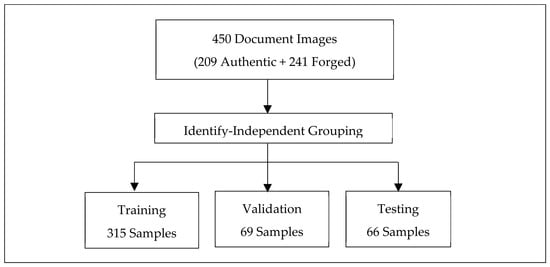
Fingerprint recognition remains challenging when ridge structures are degraded by noise, weak contrast, translation, rotation, and local deformation during acquisition. Although deep-learning approaches have improved biometric recognition, they often require large labeled datasets and carefully specified training protocols, which can limit their use in small-data or resource-constrained scenarios. This paper presents a lightweight fingerprint recognition pipeline based on hierarchical energy-feature decomposition. The pipeline integrates Template Integrated Mean (TIM) preprocessing, region-of-interest localization, coefficient-feature extraction, energy-feature extraction, and two-stage template matching. Coefficient features are used for coarse candidate screening, whereas energy features are used for fine matching within the reduced candidate set. On the evaluated fingerprint dataset, the proposed method achieves a closed-set identification accuracy of 97.86% under the reported gallery/probe protocol. Additional aggregate-level statistical checks and baseline configuration details are provided to clarify the evaluation scope and comparison protocol.
Full article

Figure 1
Journal Menu
► ▼ Journal Menu-
- Future Internet Home
- Aims & Scope
- Editorial Board
- Reviewer Board
- Topical Advisory Panel
- Instructions for Authors
- Special Issues
- Topics
- Sections & Collections
- Article Processing Charge
- Indexing & Archiving
- Editor’s Choice Articles
- Most Cited & Viewed
- Journal Statistics
- Journal History
- Journal Awards
- Conferences
- Editorial Office
Journal Browser
► ▼ Journal BrowserHighly Accessed Articles
Latest Books
E-Mail Alert
News
Topics
Topic in
Electronics, Future Internet, Information, Sensors
Secure Cyber Physical Systems: Machine Learning and Cryptography
Topic Editors: Henry Griffith, Heena Rathore, Yuchen JiangDeadline: 31 July 2026

Topic in
AI, BDCC, Future Internet, Information, Sustainability
Big Data and Artificial Intelligence, 3rd Edition
Topic Editors: Miltiadis D. Lytras, Andreea Claudia SerbanDeadline: 30 August 2026
Topic in
AI, Nutrients, Social Sciences, Behavioral Sciences, Future Internet
The Synthetic Society: Processes and Products
Topic Editors: Francesco La Barbera, Roberta RiversoDeadline: 30 September 2026
Topic in
AI, Applied Sciences, Computers, Electronics, Entropy, Future Internet, Information, IoT, Sensors, Telecom
Advances in Sixth Generation and Beyond (6G&B)
Topic Editors: Luis Javier García Villalba, Ana Lucila Sandoval OrozcoDeadline: 31 October 2026
Conferences
Special Issues
Special Issue in
Future Internet
Efficient and Secure Wireless Communications and Networking: Architecture and Applications
Guest Editors: Călin Vlădeanu, Alexandru MarțianDeadline: 31 July 2026
Special Issue in
Future Internet
AI and Industry 4.0
Guest Editors: Zhiwei Feng, Qiang He, Bingxian LuDeadline: 31 July 2026
Special Issue in
Future Internet
Artificial Intelligence in Next-Generation Networks: Cloud/Edge Perspectives and Applications
Guest Editors: Dimitris Karampatzakis, Thomas Lagkas, Kalliopi KravariDeadline: 31 July 2026
Special Issue in
Future Internet
Applications of Neural Networks in Internet of Things
Guest Editors: Xu Yang, Yanjun ZhangDeadline: 10 August 2026
Topical Collections
Topical Collection in
Future Internet
Information Systems Security
Collection Editor: Luis Javier Garcia Villalba
Topical Collection in
Future Internet
Innovative People-Centered Solutions Applied to Industries, Cities and Societies
Collection Editors: Dino Giuli, Filipe Portela
Topical Collection in
Future Internet
Featured Reviews of Future Internet Research
Collection Editor: Dino Giuli
Topical Collection in
Future Internet
5G/6G Networks for the Internet of Things: Communication Technologies and Challenges
Collection Editor: Sachin Sharma