


-
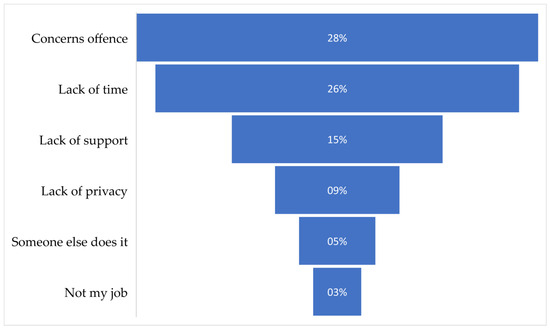
Higher Ultra-Processed Food (UPF) Intake Is Associated with Lower Food Literacy in Greek Adults with Overweight or Obesity: Results from a Cross-Sectional Study -
Diet Protocols and Weight Management Products: An Evidence-Based Narrative Review -
Enhancing Product Value and Energy Efficiency in Seafood By-Product Processing Using Pulsed Electric Fields: A Critical Review
Journal Description
Dietetics
Dietetics
is an international, peer-reviewed, open access journal on all aspects of human dietetics published bimonthly online by MDPI.
- Open Access— free for readers, with article processing charges (APC) paid by authors or their institutions.
- High Visibility: indexed within ESCI (Web of Science), EBSCO and other databases.
- Rapid Publication: manuscripts are peer-reviewed and a first decision is provided to authors approximately 25.8 days after submission; acceptance to publication is undertaken in 8.7 days (median values for papers published in this journal in the first half of 2026).
- Recognition of Reviewers: APC discount vouchers, optional signed peer review, and reviewer names published annually in the journal.
- Dietetics is a companion journal of Nutrients.
- Journal Cluster of Food, Nutrition, and Health Science: Beverages, Dietetics, Foods, Nutraceuticals, Nutrients and Obesities.
Impact Factor:
1.8 (2025);
5-Year Impact Factor:
1.8 (2025)
Latest Articles
Monofloral Honeys as Functional Interactomes: Navigating Bioavailability, Gut Microbiota Transformation, and Food Integrity Pressures
Dietetics 2026, 5(3), 43; https://doi.org/10.3390/dietetics5030043 - 15 Jul 2026
Abstract
►
Show Figures
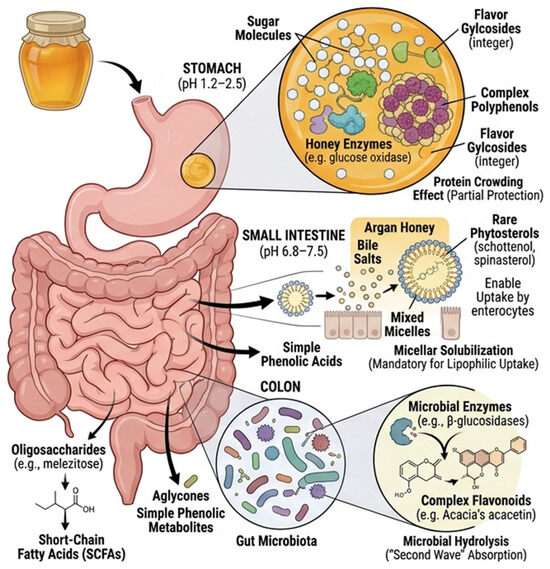
While standard dietary frameworks and public health guidelines predominantly evaluate honey based on its high free-sugar content to regulate caloric intake, its comprehensive role as a complex and dense biological signaling matrix is often less characterized. This review integrates raw chemical profiling with
[...] Read more.
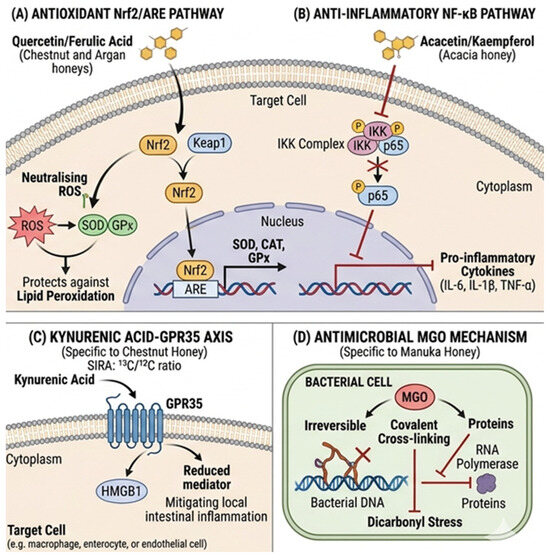
While standard dietary frameworks and public health guidelines predominantly evaluate honey based on its high free-sugar content to regulate caloric intake, its comprehensive role as a complex and dense biological signaling matrix is often less characterized. This review integrates raw chemical profiling with physiological bioaccessibility to evaluate the effect of the floral source on the functional quality of monofloral honeys. Through a structured literature-based comparative synthesis, the specific enzymatic behaviors, gastrointestinal metabolic fates, and chemical biomarkers of four representative monofloral honeys—Manuka, Chestnut, Acacia, and Argan—were systematically mapped and contrasted. Honey bioactives undergo extensive metabolic transformation during gastrointestinal transit, actively communicating with the mucosal environment rather than acting as a static nutrient solution The synthesized literature highlights distinct botanical-specific mechanisms: Manuka honey matrices exhibit well-characterized topical antimicrobial kinetics, while data on Chestnut honey suggest a potential role in cellular redox homeostasis via the Nrf2 pathway and a highly specific, though preclinical, signaling axis through kynurenic acid–GPR35 interactions. Furthermore, in vitro profiles of Acacia honey support its potential to modulate digestive carbohydrate enzymes, providing a plausible framework for its lower postprandial glycemic responses. Conversely, Argan honey bioactivity remains restricted to preliminary baseline antioxidant screenings. We also note that sophisticated sugar adulteration and climate change create critical “phytochemical drift,” endangering the therapeutic consistency of honey. In summary, the identification of honey as a “functional interactome” offers a strong scientific foundation for evidence-based dietetics. The targeted use of verified medical-grade monofloral honeys must be supported by advanced authenticity testing, metabolomics, and in vivo pharmacokinetics in future clinical dietetic interventions.
Full article
Open AccessArticle
A Qualitative Exploration of Food Security Among Collegiate Student-Athletes from the Perspective of Athletic Professionals
by
Barbara Gordon, Natalie Christensen, Jenifer Reader and Cynthia Blanton
Dietetics 2026, 5(3), 42; https://doi.org/10.3390/dietetics5030042 - 14 Jul 2026
Abstract
►▼
Show Figures
Though it has been well established that a subset of collegiate student-athletes in the United States (U.S.) are not food secure, efficacious solutions for mitigating this issue appear to be elusive. This study identified system-level barriers and enablers to food security among student-athletes
[...] Read more.
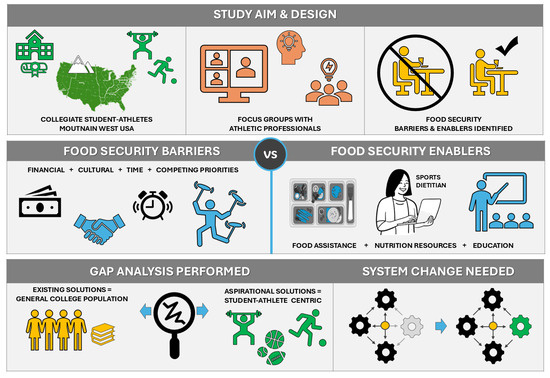
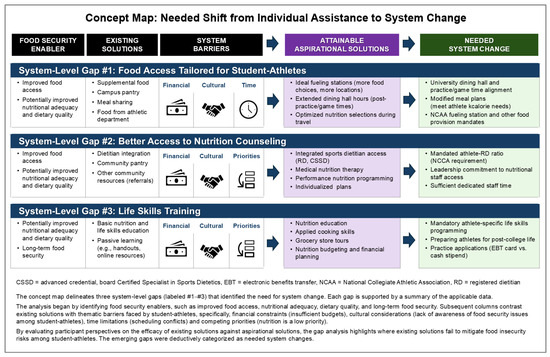
Though it has been well established that a subset of collegiate student-athletes in the United States (U.S.) are not food secure, efficacious solutions for mitigating this issue appear to be elusive. This study identified system-level barriers and enablers to food security among student-athletes through the lens of collegiate athletic professionals (athletic directors, athletic trainers, sports dietitians, and strength and conditioning coaches). Using a phenomenological-informed design and constructivist theoretical framework, researchers explored the experiences and insights of participants (n = 27, Division I, northwestern U.S.) via six online focus groups July–December 2023. Categorical themes for barriers to food security were finances, culture, and competing priorities; enablers were on-campus supplemental food assistance, referrals to community services, and educational programming. A gap analysis was performed; existing solutions enabling food security and aspirational solutions for addressing food insecurity were compared, and gaps identified. Based on the insights of athletic professionals, a lack of student-athlete-centric solutions to ensure food security emerged. The introduction of shared revenue programs in American college sports may address some of food security barriers; however, additional funds may not mitigate the contribution of competing priorities and scheduling issues experienced by student-athletes. System-level changes are required to enable food security among this population.
Full article

Graphical abstract
Open AccessArticle
Low-Protein Diets and Plant-Based Diets in Chronic Kidney Disease: Understanding Dietitians’ Perspectives and Practice Trends
by
Jenny L. Chu, Alainn Bailey, Joachim Sackey and Laura Byham-Gray
Dietetics 2026, 5(3), 41; https://doi.org/10.3390/dietetics5030041 - 9 Jul 2026
Abstract
Protein intake recommendations for patients with chronic kidney disease (CKD) stages 3–5 without kidney replacement therapy (KRT) remain controversial. This study investigated current practice trends related to the 2020 Kidney Disease Outcomes Quality Initiative (KDOQI) protein guidelines and dietitians’ perspectives on low-protein diets
[...] Read more.
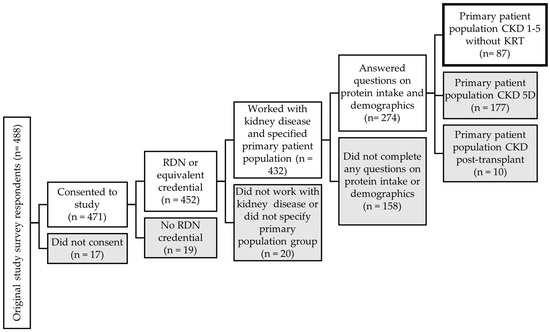
Protein intake recommendations for patients with chronic kidney disease (CKD) stages 3–5 without kidney replacement therapy (KRT) remain controversial. This study investigated current practice trends related to the 2020 Kidney Disease Outcomes Quality Initiative (KDOQI) protein guidelines and dietitians’ perspectives on low-protein diets (LPDs) and plant-based diets in CKD. This mixed-methods explanatory sequential study included a secondary analysis of an online survey (N = 87), followed by a conventional content analysis of two virtual focus groups (N = 11). Most survey respondents reported prescribing the KDOQI-recommended protein amounts of 0.55–0.6 g/kg/d in patients without diabetes (65.9%) and 0.6–0.8 g/kg/d in patients with diabetes (81.5%). Use of keto-acid analogs (KAs) was low among survey participants (18.4%). Focus group participants described varied approaches for calculating protein goals but overwhelmingly stressed the importance of individualized care. Key factors influencing recommendations included nutritional status, food preferences, comorbidities, current intake, and knowledge, beliefs, attitudes, and motivations. In summary, most participants recommended LPDs consistent with the KDOQI guidelines; however, KA use was uncommon. Despite differences in decision-making, participants emphasized individualizing protein recommendations to each patient’s unique needs. Given the exploratory nature of this work and the small, self-selected sample, these results provide preliminary insights that warrant further investigation in more diverse samples.
Full article
(This article belongs to the Special Issue Clinical Nutrition in the Era of Precision: Bioactives, Microbiome and Targeted Dietetic Interventions)
►▼
Show Figures

Figure 1
Open AccessArticle
Evaluating Mexican American Young Adult College Students’ Perceptions of the Cultural Competence of Registered Dietitian Nutritionists
by
Alexa Tanner, Richard J. Cass, Gregory Snow and Rickelle Richards
Dietetics 2026, 5(3), 40; https://doi.org/10.3390/dietetics5030040 - 2 Jul 2026
Abstract
►▼
Show Figures
Registered dietitian nutritionists (RDNs) have an opportunity to play a central role in improving nutritional outcomes among Mexican American young adult college students by helping them make culturally relevant adaptations to their eating patterns. Previous research has suggested limited representation of Mexican Americans
[...] Read more.
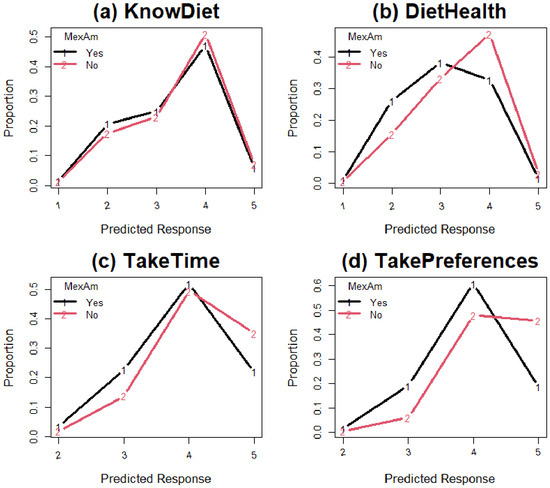
Registered dietitian nutritionists (RDNs) have an opportunity to play a central role in improving nutritional outcomes among Mexican American young adult college students by helping them make culturally relevant adaptations to their eating patterns. Previous research has suggested limited representation of Mexican Americans among RDNs; therefore, the cultural competence of RDNs as perceived by Mexican Americans is uncertain. The purpose of this study was to evaluate how young adult college-age Mexican Americans (defined as 18–30 years old) perceive the cultural competence of RDNs. A sample of Mexican American (n = 93) and non-Mexican American (n = 120) young adult college students completed a 19-item online survey, with researchers using a subset of 4 survey items related to perceived cultural competence of RDNs in the present study. Descriptive statistics, Fisher’s exact tests with adjusted standardized residuals, and ordinal regression models were used. Fisher’s exact tests indicated that Mexican American young adult college students, compared to non-Mexican American young adult college students, reported less agreement that RDNs were knowledgeable about a traditional Mexican diet, that RDNs would take time to know students’ food preferences, and that RDNs would take personal preferences into account during nutrition counseling (p < 0.05). These associations, however, became insignificant in adjusted regression models. Rather, results indicated that other variables, such as age and lack of prior experience with an RDN, were associated with poorer perceptions.
Full article

Figure 1
Open AccessArticle
Differential Associations of Mediterranean Diet Adherence and Physical Activity with Domain-Specific Quality of Life Among Rotating-Shift Nurses: A Pilot Cross-Sectional Study
by
Aristotelis Sakkas, Sousana Papadopoulou, Kyriakos Kazakos, Maria Lavdaniti and Evgenia Minasidou
Dietetics 2026, 5(3), 39; https://doi.org/10.3390/dietetics5030039 - 1 Jul 2026
Abstract
Rotating shift work has been associated with impaired quality of life and changes in health behaviors among nurses. Although maintaining a healthy diet and engaging in physical activity may be associated with better quality of life, evidence in shift-working nurses remains limited. This
[...] Read more.
Rotating shift work has been associated with impaired quality of life and changes in health behaviors among nurses. Although maintaining a healthy diet and engaging in physical activity may be associated with better quality of life, evidence in shift-working nurses remains limited. This pilot cross-sectional study explored associations between adherence to the Mediterranean diet, physical activity, and quality of life among nurses in Northern Greece from October 2025 to February 2026. A total of 100 nurses working rotating shifts participated in the study. Quality of life, adherence to the Mediterranean diet, and physical activity were assessed using the WHOQOL-BREF, MedDietScore, and IPAQ questionnaires, respectively. The mean MedDietScore was 22.56 ± 4.83, and the mean physical activity was 711.16 ± 576.05 MET-min/week. Adherence to the Mediterranean diet was positively associated with the Physical Health, Psychological Health, and Environment domains. In the multivariable model, physical activity remained positively and independently associated with Physical Health (β = 0.31, p = 0.002), whereas both physical activity and adherence to the Mediterranean diet were positively associated with the Environment domain. These findings suggest that lifestyle behaviors are associated with specific dimensions of quality of life among shift-working nurses and emphasize the need for larger studies.
Full article
(This article belongs to the Topic The Link Between Dietary Patterns and Health Outcomes)
Open AccessArticle
Rebound Response in Food Intake to Light–Dark Reversal Stress Is Not Established in Young Adult Female Rats
by
Tomoko Fujiwara, Masanori Ono, Kiyora Kozu, Takiko Daikoku, Hitoshi Ando, Hiroshi Fujiwara and Rieko Nakata
Dietetics 2026, 5(3), 38; https://doi.org/10.3390/dietetics5030038 - 1 Jul 2026
Abstract
►▼
Show Figures
Underweight in pregnant women adversely affects the next generation. Although young female underweight has become an important issue even in developed countries, the precise mechanisms that induce an underweight status in young women remains unknown. To examine the influence of feeding timing in
[...] Read more.
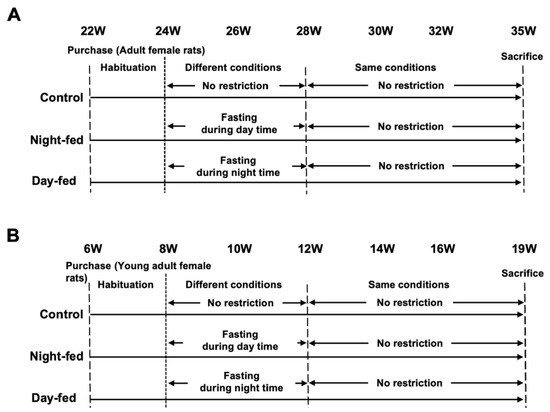
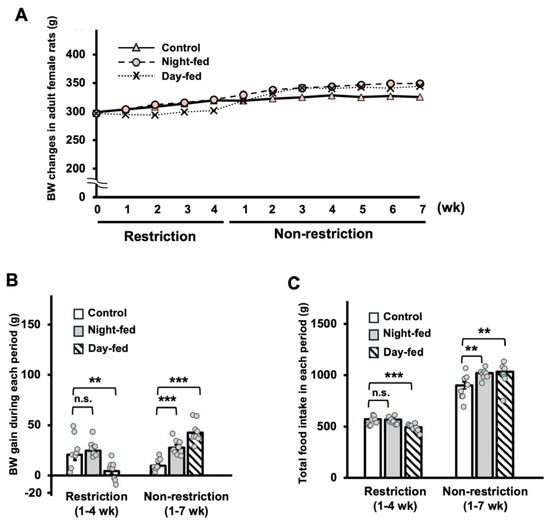
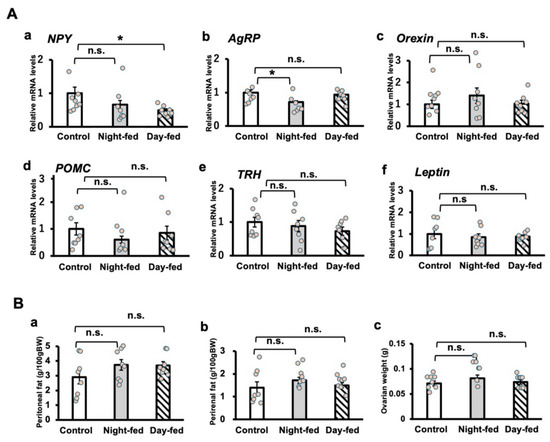
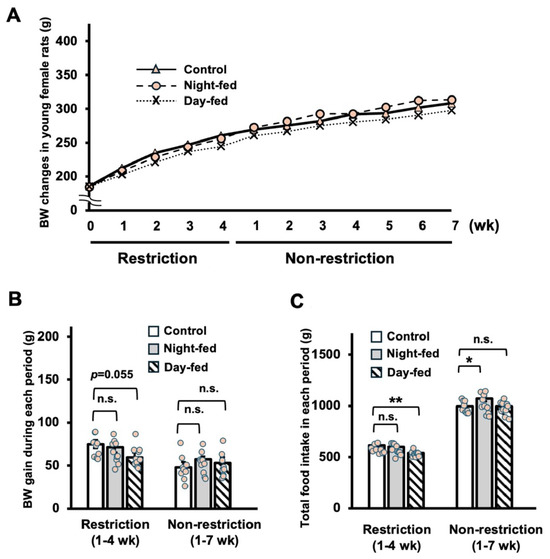
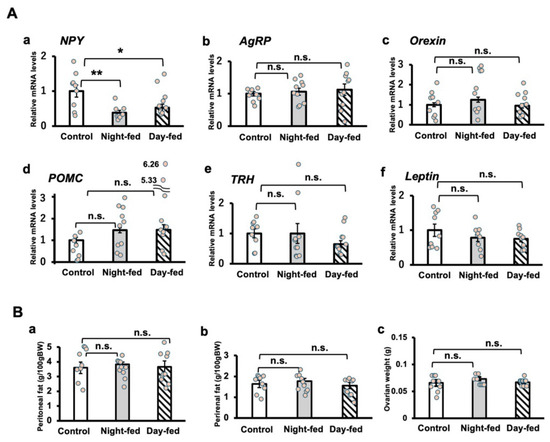
Underweight in pregnant women adversely affects the next generation. Although young female underweight has become an important issue even in developed countries, the precise mechanisms that induce an underweight status in young women remains unknown. To examine the influence of feeding timing in young women on the following underweight conditions, we examined the effects of chronic light–dark cycle-reversed feeding restriction on post-restriction dietary behaviors using adult and young adult female rats. Eight- and 24-week-aged female Wistar rats were classified into three groups: (1) the control group (without time or calorie restriction), (2) the night-time-fed group that was fed only during the active phase, and (3) the daytime-fed group that was fed only during the non-active phase. After a 4-week feeding restriction, all groups were additionally fed ad libitum for 7 weeks with daily food intake and weight gain measurements. After sacrifice, mRNA expressions of neuropeptide Y (NPY), agouti-related protein (AgRP), orexin-A, pro-opiomelanocortin (POMC), and thyrotropin-releasing hormone (TRH) in the hypothalamus and leptin in the fatty tissues were examined by real-time PCR. Daytime-fed groups decreased food intake during restriction. After stress relief, adult rats showed a rebound increase in food intake beyond the level of the control group, whereas young adult rats showed no significant rebound response. At the end of the non-restricted period, both adult and young adult rats in the daytime-fed group reduced NPY expression in the hypothalamus. These findings indicate that recovery responses in food intake against chronic light–dark cycle-reversed stress are different between adult and young adult rats. The lower response in young adult rats may provide clues to elucidating a new mechanism for underweight status in young females.
Full article

Figure 1

Open AccessArticle
Disordered Eating Is Underdiagnosed in Those with Type 1 Diabetes When Using a Conventional Questionnaire as Opposed to a Diabetes-Specific Questionnaire
by
Laura Keaver, Ava Murray, Mary Harron and Catherine McHugh
Dietetics 2026, 5(3), 37; https://doi.org/10.3390/dietetics5030037 - 24 Jun 2026
Abstract
Disordered eating has been identified as a concern among individuals with type 1 diabetes mellitus (T1DM) and is associated with poorer glycaemic control, which may result in vascular complications and increased morbidity and mortality. Despite this, there is a paucity of research examining
[...] Read more.
Disordered eating has been identified as a concern among individuals with type 1 diabetes mellitus (T1DM) and is associated with poorer glycaemic control, which may result in vascular complications and increased morbidity and mortality. Despite this, there is a paucity of research examining disordered eating behaviour (DEB) among individuals with T1DM in Ireland. This study aimed to examine the prevalence of DEB among adults with T1DM attending an Irish hospital outpatient clinic. This cross-sectional study recruited 95 adults with T1DM attending an outpatient diabetes clinic at Sligo University Hospital. Screening for DEB was conducted using self-reported measures, including the Diabetes Eating Problem Survey–Revised (DEPS-R) and the Eating Disorder Examination Questionnaire (EDE-Q 6.0). DEB was identified in 16.3% (n = 15) of the participants using the DEPS-R and in 3.2% (n = 3) using the EDE-Q 6.0. Higher levels of DEB were observed among the female participants; however, a notable prevalence was also identified among the male participants. DEB demonstrated a weak positive correlation with body mass index (BMI) and a negative correlation with age and height. No association was found between DEB and glycated haemoglobin (HbA1c). The substantial prevalence of DEB among adults with T1DM, with nearly one in six participants affected, highlights the presence of clinically relevant disordered eating symptoms in this population. The findings suggest potential differences in case identification between diabetes-specific and generic screening tools. These results support further evaluation of diabetes-specific screening instruments such as the DEPS-R in adult T1DM populations within larger studies before routine clinical implementation.
Full article
Open AccessArticle
FEED Europe: An Exploratory Study of Food Insecurity Screening and Referral Practices of Dietitians Practicing in Europe
by
Elena Carrillo-Alvarez, Amanda Avery, Elwira Gliwska, Katarzyna Janiszewska, Raimon Milà-Villarroel and Júlia Muñoz-Martinez
Dietetics 2026, 5(2), 36; https://doi.org/10.3390/dietetics5020036 - 17 Jun 2026
Abstract
►▼
Show Figures
Background/Objectives: Household food insecurity is a modifiable social determinant of health with important implications for diet quality and health outcomes. Dietitians are well positioned to identify and respond to food insecurity; however, little is known about how this is addressed in routine dietetic
[...] Read more.
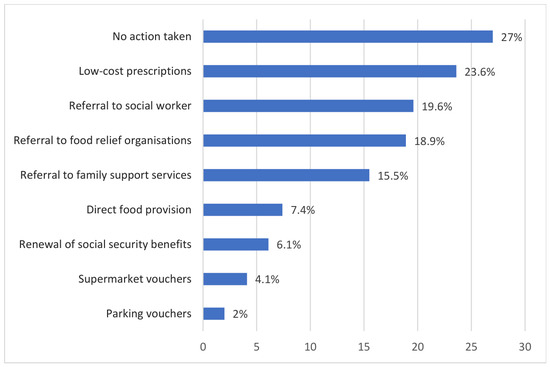
Background/Objectives: Household food insecurity is a modifiable social determinant of health with important implications for diet quality and health outcomes. Dietitians are well positioned to identify and respond to food insecurity; however, little is known about how this is addressed in routine dietetic practice across Europe. This exploratory study examined food insecurity screening and response practices among dietitians practicing in Europe and examined associated correlates using the Capability, Opportunity, and Motivation Model of Behaviour (COM-B). Methods: An online cross-sectional survey informed by the COM-B framework was distributed through the European Federation of Associations of Dietitians’ institutional communication channels between February and June 2024. Participants were recruited using a voluntary, convenience-based sampling strategy through professional networks and social media dissemination. A total of 148 dietitians practicing in European countries responded. The questionnaire assessed routine food insecurity screening practices, COM-B correlates, perceived barriers, actions taken following identification, and learning needs. Quantitative data were analysed descriptively, and open-ended responses were used illustratively to contextualise reported practices. Results: Food insecurity screening was not systematically embedded in routine dietetic practice, with 11.6% of respondents reporting routine screening and 30.2% not asking about food insecurity. Identification of food insecurity did not consistently translate into follow-up action, and responses were predominantly referral-based rather than involving direct material support. While capability and motivation to address food insecurity were generally high, opportunity-related factors—such as time constraints, limited organisational support, and unclear referral pathways—emerged as the main barriers shaping professional behaviour. Substantial heterogeneity was observed across practice settings. Conclusions: In this sample of dietitians practicing in Europe, food insecurity screening and response were variable and often constrained by organisational and contextual factors. These findings highlight the need for system-level support and practice-oriented training to facilitate the integration of food insecurity into routine dietetic care.
Full article

Figure 1
Open AccessReview
Factors and Mechanisms Underlying Individual Differences in Intestinal Susceptibility to Dietary Emulsifiers: A Review
by
Gabriela Riebeek and Anje A. te Velde
Dietetics 2026, 5(2), 35; https://doi.org/10.3390/dietetics5020035 - 10 Jun 2026
Abstract
Dietary emulsifiers, common in processed and ultra-processed foods, improve food texture and shelf life but may affect gut health by interacting with the microbiota and intestinal barrier. While emulsifiers have long been considered safe, growing evidence links their presence in ultra-processed foods to
[...] Read more.
Dietary emulsifiers, common in processed and ultra-processed foods, improve food texture and shelf life but may affect gut health by interacting with the microbiota and intestinal barrier. While emulsifiers have long been considered safe, growing evidence links their presence in ultra-processed foods to chronic disease risk. This review aims to evaluate the current understanding of the factors and mechanisms underlying individual differences in intestinal mucosal susceptibility to dietary emulsifiers. A search of PubMed and Embase through February 2026 identified eight relevant studies. Overall, the available evidence indicates a heterogeneous and highly individualized host response to dietary emulsifiers. These differences appear to be strongly influenced by the gut microbiota and its functional properties, while animal studies further suggest that host factors such as sex-related differences in microbial composition may also contribute to variability in response. Importantly, not all emulsifiers have the same effects, underscoring compound-specific impacts on gut physiology. The findings demonstrate that sensitivity to dietary emulsifiers varies substantially between individuals, challenging the long-standing assumption that these additives are universally safe. Given the multifactorial nature of this susceptibility, particularly the role of the gut microbiota, future research should adopt an integrative approach that combines microbial profiling with host genetics, immune responses, and early-life exposures. Such efforts will be essential to identify at-risk individuals and to inform more personalized dietary recommendations aimed at preserving intestinal health and reducing disease risk. Importantly, there is a clear need for larger, well-powered studies that can validate and expand upon these initial observations.
Full article
(This article belongs to the Special Issue Personalized Nutrition and Dietary Interventions in Inflammatory Bowel Disease (IBD))
Open AccessSystematic Review
The Nature and Impact of Postoperative Dietary Counselling Delivered by Dietitians on Clinical Outcomes After Metabolic and Bariatric Surgery: A Systematic Review
by
Aala Alfailakawi, Sally Moore, Valentine Nlebedim and Jennifer Bernadette Moore
Dietetics 2026, 5(2), 34; https://doi.org/10.3390/dietetics5020034 - 9 Jun 2026
Abstract
►▼
Show Figures
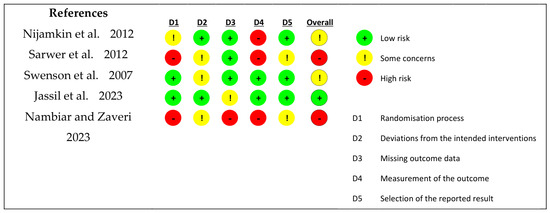
Obesity prevalence has increased globally, and metabolic bariatric surgery (MBS) is the most effective treatment for severe obesity. However, the impact of postoperative dietary counselling (DC) on clinical outcomes including weight is unclear. This review aims to assess the nature and impact of
[...] Read more.
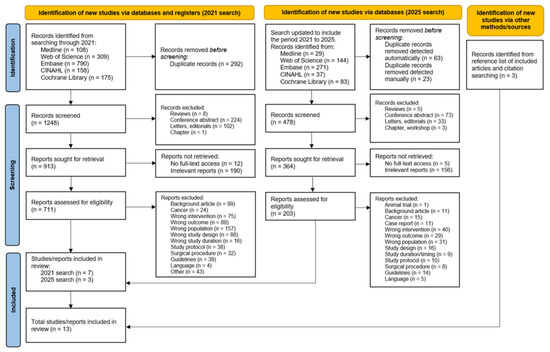
Obesity prevalence has increased globally, and metabolic bariatric surgery (MBS) is the most effective treatment for severe obesity. However, the impact of postoperative dietary counselling (DC) on clinical outcomes including weight is unclear. This review aims to assess the nature and impact of postoperative DC delivered by dietitians on clinical outcomes in adults undergoing post-MBS, focusing on weight change as the primary outcome, and body composition, nutritional status, biochemical parameters, and complications as secondary outcomes. Five databases (Medline, Embase, Web of Science, CINAHL, and Cochrane Library) were searched for observational studies and randomised controlled trials (RCTs) assessing DC related to weight change. Thirteen studies met the inclusion criteria (five RCTs and eight observational studies), involving 4173 individuals. Eight studies reported no significant difference in weight outcomes between the groups receiving DC and comparison groups. However, secondary outcomes such as nutritional status, complications, and levels of transferrin saturation, vitamin B12, and vitamin D showed improvements with more frequent DC. The components of DC delivered by dietitians varied, including advice on micronutrient supplements, protein intake, physical activity, transition diets, healthy eating, and mindful eating. Evidence supporting the efficacy of postoperative DC in promoting weight loss is limited by short-term assessment and inconsistencies in reporting weight outcomes, highlighting the need for long-term RCTs to ascertain its effectiveness.
Full article

Figure 1

Open AccessArticle
Dietary Intake and Predictors of Healthy Eating in Midwestern American College Students: An Observational Study
by
Anna Simonson, Jacquelyn Zera and Gregory Farnell
Dietetics 2026, 5(2), 33; https://doi.org/10.3390/dietetics5020033 - 1 Jun 2026
Abstract
►▼
Show Figures
College students often maintain poor dietary habits, notably low fruit and vegetable intake. Common barriers include limited time, cost, and lack of nutritional knowledge. This study examined dietary behaviors, barriers, and factors influencing Healthy Eating Scores (HES) among college students. Participants (N =
[...] Read more.
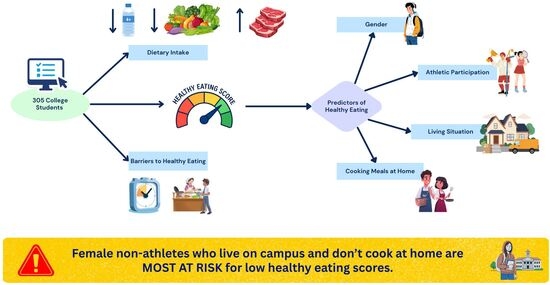
College students often maintain poor dietary habits, notably low fruit and vegetable intake. Common barriers include limited time, cost, and lack of nutritional knowledge. This study examined dietary behaviors, barriers, and factors influencing Healthy Eating Scores (HES) among college students. Participants (N = 224; age = 20.3 ± 2.5 years, BMI = 23.9 ± 4.1 kg/m2, 78.9% female, and 91.3% white) completed an online survey. Results indicate meat overconsumption with underconsumption of water, fruits, and vegetables. Limited time and healthy options were the primary perceived barriers. Tests of between-subject effects identified gender (F = 4.38, p = 0.04) and living situation (F = 4.42, p < 0.01) as independent HES predictors. Backward stepwise linear regression (adj. R2 = 0.22, p < 0.001) further indicated that being male, an athlete, living off-campus, and cooking at home were significantly associated with higher HES. Conversely, non-athlete females living on campus emerged as the most vulnerable group for low HES. These findings suggest that future interventions should target specific demographic vulnerabilities to improve dietary outcomes and mitigate barriers in the college population.
Full article

Graphical abstract
Open AccessArticle
Public Policies for Healthy Eating: The Portuguese Experience with the Taxation of Sugary Drinks
by
Alexandre Morais Nunes, Andreia Matos, João Ricardo Catarino, Susana Sobral and Sérgio Alves
Dietetics 2026, 5(2), 32; https://doi.org/10.3390/dietetics5020032 - 1 Jun 2026
Abstract
Over the past decade, Portugal has increasingly focused on public policies that promote healthy eating, driven by growing concerns about the population’s health and its social, economic, and political effects. These policies aim to reduce unhealthy eating habits, which are major risk factors
[...] Read more.
Over the past decade, Portugal has increasingly focused on public policies that promote healthy eating, driven by growing concerns about the population’s health and its social, economic, and political effects. These policies aim to reduce unhealthy eating habits, which are major risk factors for disease, and to reduce the overall disease burden. Tax measures are specifically intended to curb the consumption of foods high in sugar, salt, and saturated fats to prevent chronic non-communicable diseases such as obesity, type 2 diabetes, and cardiovascular disease. This article analyzes the measures adopted in Portugal to reduce sugar consumption and examines their effects on tax revenue and consumption volume. Using document analysis, the results indicate a decrease of 3853 tons in sugar consumption and tax revenue of 432 million euros from taxing sugary drinks and sweeteners since 2017. Although significant progress has been made, including product reformulation to reduce sugar content, challenges remain. It is essential to continue and expand these policies to other products, along with ongoing impact assessments, to foster a healthier future in line with the World Health Organization’s guidelines for 2030.
Full article
Open AccessBrief Report
Does the Short-Term Use of Continuous Glucose Monitoring Detect Favorable Effects of Vinegar Ingestion at Mealtime in Adults with Prediabetes? A Pilot Trial
by
Novia Shin Ying Chiew, Emily Dow, Hassan Ghasemzadeh and Carol S. Johnston
Dietetics 2026, 5(2), 31; https://doi.org/10.3390/dietetics5020031 - 21 May 2026
Abstract
►▼
Show Figures
Clinical trials suggest that daily vinegar ingestion improves fasting blood glucose concentrations, postprandial glucose excursions, and hemoglobin A1c levels in patients with prediabetes and type 2 diabetes. With the recent commercialization of continuous glucose monitoring (CGM) technologies, diabetes patients as well as other
[...] Read more.
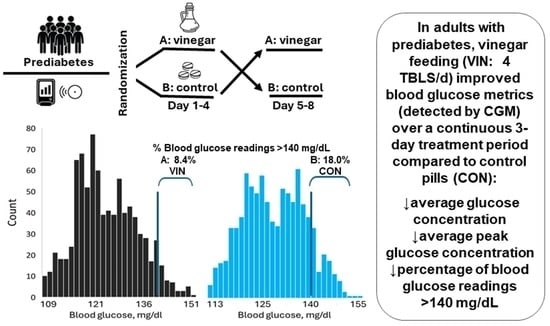
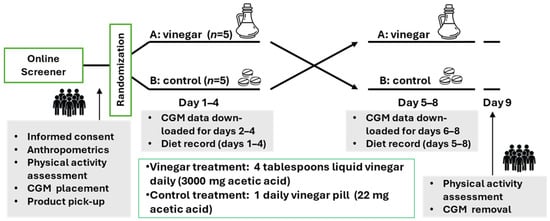
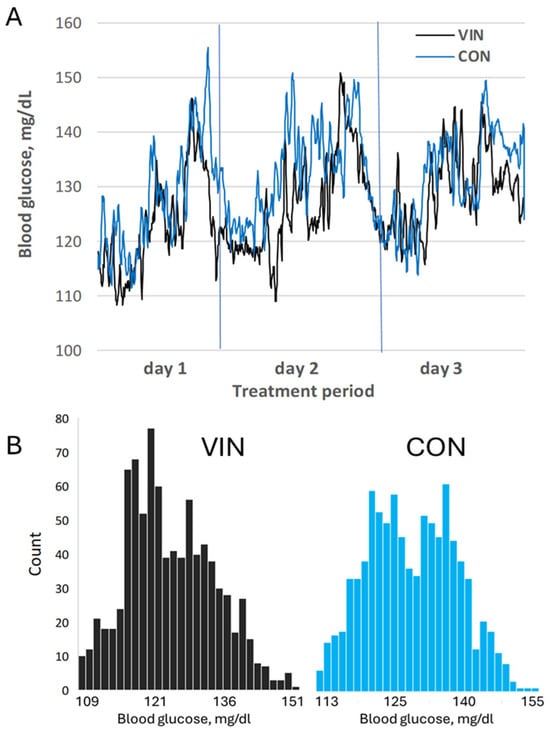
Clinical trials suggest that daily vinegar ingestion improves fasting blood glucose concentrations, postprandial glucose excursions, and hemoglobin A1c levels in patients with prediabetes and type 2 diabetes. With the recent commercialization of continuous glucose monitoring (CGM) technologies, diabetes patients as well as other health-conscious individuals can evaluate the impact of food choices in real-time and make data-driven decisions to improve dietary behaviors. This 9-day, randomized crossover study documented CGM-derived glycemic patterns during vinegar ingestion in adults with prediabetes. Participants consumed two tablespoons of vinegar twice daily with meals for four days or a control tablet each morning for four days in random order. For each phase, fasting blood glucose on day four, average blood glucose across three days, and peak glucose excursion across three days were calculated. Fasting glucose concentrations of participants (n = 10 women; 36.6 ± 15.6 y; 33.9 ± 6.5 kg/m2) averaged 105.8 ± 20.6 mg/dL at baseline. Vinegar ingestion was associated with significant reductions in the mean glucose concentration (−4.4 mg/dL) and the frequency of blood glucose excursions > 140 mg/dL (−10%) in comparison to the control treatment, but fasting glucose concentrations were unaffected. These data suggest that vinegar-induced improvements in blood glucose can be observed in real-time using a CGM device in adults with prediabetes.
Full article

Graphical abstract
Open AccessArticle
Exploring the Relationship Between Nutrition Literacy and Mediterranean Diet Adherence in Type 2 Diabetes: A Cross-Sectional Study
by
Georgia Tsakalou and Kalliopi Georgakouli
Dietetics 2026, 5(2), 30; https://doi.org/10.3390/dietetics5020030 - 12 May 2026
Abstract
Adherence to the Mediterranean Diet (MD) is a cornerstone in managing Type 2 Diabetes Mellitus (T2DM), with patients’ Nutrition Literacy (NL) playing a potential role in their dietary choices. This cross-sectional study investigated the association between NL and MD adherence in 81 patients
[...] Read more.
Adherence to the Mediterranean Diet (MD) is a cornerstone in managing Type 2 Diabetes Mellitus (T2DM), with patients’ Nutrition Literacy (NL) playing a potential role in their dietary choices. This cross-sectional study investigated the association between NL and MD adherence in 81 patients with T2DM from two Greek hospitals. Participants completed the NLS-GR questionnaire to assess NL and the 14-MEDAS for MD adherence, while socio-demographic and clinical data, including glycated haemoglobin (HbA1c), BMI, and disease duration, were obtained through researcher-conducted interviews and medical records. Median HbA1c was 6.9%, duration of T2DM was 13 years, and BMI 26.9 kg/m2. A total of 71.6% had moderate MD adherence (median 14-MEDAS: 7), and 96.3% had adequate NL (median NLS-GR: 23). HbA1c showed a weak negative correlation (r = −0.238, p = 0.033) with the 14-MEDAS. Median duration of DM showed a low negative correlation with NL (NLS-GR: r = −0.323, p = 0.003). No statistically significant correlation was found between 14-MEDAS and NLS-GR (r = 0.032, p = 0.775). Although MD adherence was correlated with HbA1c, neither MD adherence nor nutrition literacy were independent predictors after adjustment for confounding factors. Further studies are needed to demonstrate the extent to which NL can influence adherence to a specific dietary pattern.
Full article
Open AccessArticle
Supporting Mealtimes: Palatability of IDDSI Level 3 Smoothies
by
Carrie Knight, Simone Camel, Orlene Martens, Kerrilyn Phillips and Dawn Erickson
Dietetics 2026, 5(2), 29; https://doi.org/10.3390/dietetics5020029 - 8 May 2026
Abstract
►▼
Show Figures
Background: Dysphagia is a medically complex condition that often necessitates modified food textures to ensure safe swallowing. As smoothies continue to grow in popularity, developing nutritionally balanced recipes that meet the International Dysphagia Diet Standardisation Initiative (IDDSI) Level 3 guidelines may offer practical,
[...] Read more.
Background: Dysphagia is a medically complex condition that often necessitates modified food textures to ensure safe swallowing. As smoothies continue to grow in popularity, developing nutritionally balanced recipes that meet the International Dysphagia Diet Standardisation Initiative (IDDSI) Level 3 guidelines may offer practical, appealing options for caregivers and individuals managing dysphagia. Standardized recipes can potentially also support consistency in preparation. Purpose: The purpose of this research was to develop and evaluate palatable smoothie recipes that meet the IDDSI Level 3 consistency guidelines. Method: In this descriptive pilot study, using a pre-test/post-test design, 32 preprofessional students evaluated three smoothies prepared in a laboratory setting. Both fresh and frozen ingredients were used, and each smoothie was tested for IDDSI Level 3 consistency using the IDDSI funnel. Participants rated the smoothies on color, aroma, texture, flavor, appearance, palatability, and overall acceptability using a five-point Likert scale. Results: The results varied across evaluation criteria. Texture and color were the most influential factors in participants’ assessments. The strong impact of texture was an unexpected finding, as all smoothies met Level 3 standards according to the IDDSI funnel. Conversely, the influence of color was expected, as visual presentation is known to significantly affect food perception and acceptance. Conclusions: Given their nutritional value and ease of preparation, smoothies can be a practical addition to modified diets. While IDDSI Level 3 appears to be an appropriate consistency for this purpose, further research may be needed to evaluate the reliability of the IDDSI funnel in ensuring consistent texture outcomes.
Full article

Figure A1
Open AccessArticle
The Role of Plant-Forward Eating in Modulating the Association of Micronutrients with Blood Pressure and Body Composition
by
Mohamad Motevalli, Clemens Drenowatz, Markus Schauer, Susanne Mair, Michael Kohlberger, Gerhard Ruedl and Katharina Wirnitzer
Dietetics 2026, 5(2), 28; https://doi.org/10.3390/dietetics5020028 - 2 May 2026
Abstract
Micronutrient status is strongly influenced by dietary patterns; however, the extent to which plant-forward dietary patterns versus omnivorous diets shape micronutrient profiles and their associations with blood pressure, body composition, and cardiovascular health remains unclear. This cross-sectional study aimed to comprehensively assess associations
[...] Read more.
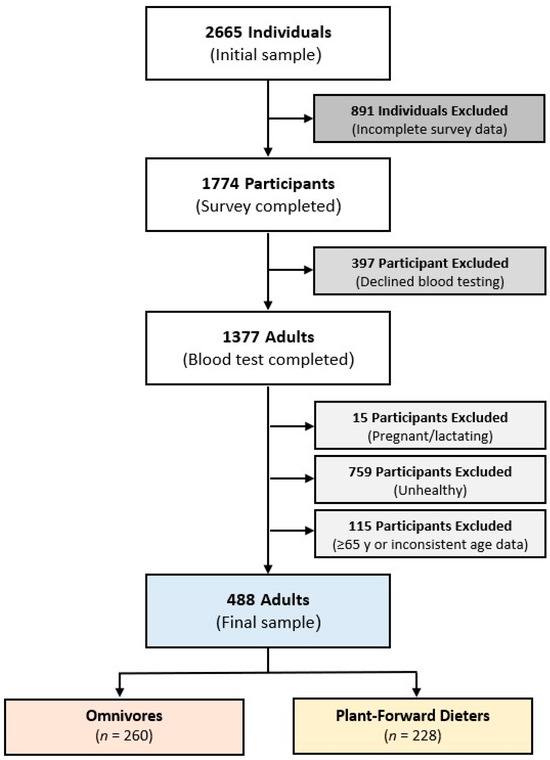
Micronutrient status is strongly influenced by dietary patterns; however, the extent to which plant-forward dietary patterns versus omnivorous diets shape micronutrient profiles and their associations with blood pressure, body composition, and cardiovascular health remains unclear. This cross-sectional study aimed to comprehensively assess associations between blood micronutrient profiles, blood pressure, and body composition in adults, with analyses stratified by dietary patterns to compare omnivorous and plant-forward dieters. Secondary cross-sectional analyses were conducted using data from an exploratory study of 488 Austrian adults (median age: 38 y [IQR 21]; 48% female, 52% male). Participants were classified as omnivores (n = 260) or plant-forward dieters (including 194 flexitarians, 25 vegetarians, and 9 vegans; n = 228). Blood pressure and anthropometric measurements were obtained alongside fasting venous blood sample analysis to quantify a comprehensive panel of micronutrient, hematological, lipid, and inflammatory biomarkers. Micronutrient concentrations were standardized (scaled −1 to +1, truncated ±3) and evaluated for deficiency or excess according to sex-specific reference ranges. Linear regression was used to analyze the association of micronutrients with BMI, including age and sex as covariates. Vitamin D showed the highest micronutrient deficiency, observed in 96% of omnivores and 93% of plant-forward dieters. Across both dietary subgroups, multiple micronutrients, together with age and sex, were significant correlates of body weight, body mass index, and blood pressure (p < 0.05). Significant differences between omnivores and plant-forward dieters were observed for blood pressure, lipid, hematological, and inflammatory markers, with participants adhering to plant-forward dietary habits exhibiting lower blood pressure and more favorable lipid profiles (p < 0.05). The findings highlight the potential of diet-type-specific strategies for personalized cardiometabolic risk management.
Full article
(This article belongs to the Special Issue Clinical Nutrition in the Era of Precision: Bioactives, Microbiome and Targeted Dietetic Interventions)
►▼
Show Figures

Figure 1
Open AccessArticle
Identification of Nutrition-Focused Physical Exam and Other Nutrition Assessment Components Specific to Bariatric Surgery: A Modified Delphi Study
by
Jane Sylvestre, Laura Byham-Gray and Diane Rigassio Radler
Dietetics 2026, 5(2), 27; https://doi.org/10.3390/dietetics5020027 - 1 May 2026
Abstract
►▼
Show Figures
Bariatric surgery (BS) is effective for treating obesity but carries significant nutritional risks. Patients often develop micronutrient deficiencies, loss of muscle mass, and other physiological complications. Standardized methods such as the Nutrition-Focused Physical Exam (NFPE) may not adequately capture physical findings specific to
[...] Read more.
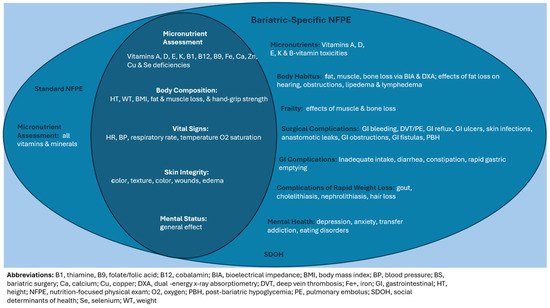
Bariatric surgery (BS) is effective for treating obesity but carries significant nutritional risks. Patients often develop micronutrient deficiencies, loss of muscle mass, and other physiological complications. Standardized methods such as the Nutrition-Focused Physical Exam (NFPE) may not adequately capture physical findings specific to BS. This study aimed to develop an expanded and modified bariatric-specific NFPE tool and achieve expert consensus on its essential components using a modified Delphi methodology. A literature review identified clinical signs of malnutrition and nutritional complications unique to patients undergoing BS, which informed proposed BS-NFPE components. A three-round modified Delphi study with expert bariatric dietitians (n = 25) achieved consensus (≥75% agreement) on 43 BS-NFPE components, including physical signs of micronutrient deficiencies and toxicities, changes in muscle and fat stores, indicators of surgical complications, gastrointestinal symptoms, and mental health effects. Experts also supported incorporating functional considerations and social determinants of health. This study introduces the first evidence-informed modified BS-NFPE tool to address limitations of the standard NFPE in bariatric populations. Use of BS-specific features may help clinicians identify malnutrition earlier, tailor care, and improve long-term patient support. Future research should evaluate this tool in clinical practice.
Full article

Figure 1

Open AccessReview
Diet Protocols and Weight Management Products: An Evidence-Based Narrative Review
by
Antonio Peracchia, Cecilia Rustichelli and Rossella Avallone
Dietetics 2026, 5(2), 26; https://doi.org/10.3390/dietetics5020026 - 1 May 2026
Abstract
►▼
Show Figures
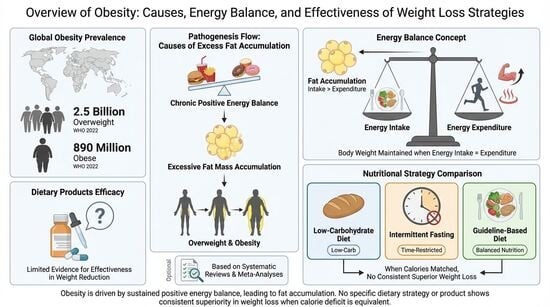
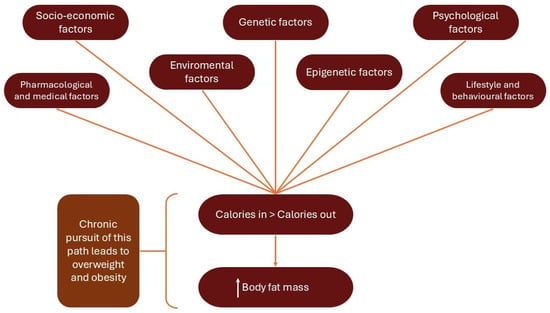
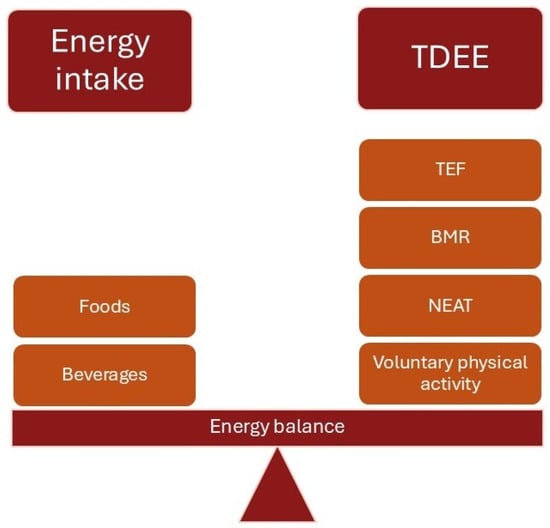
Obesity is currently recognized as a chronic and multifactorial disease. According to epidemiological data released by the World Health Organization in 2022, more than 2.5 billion adults were overweight and more than 890 million were affected by obesity. The aim of this narrative
[...] Read more.
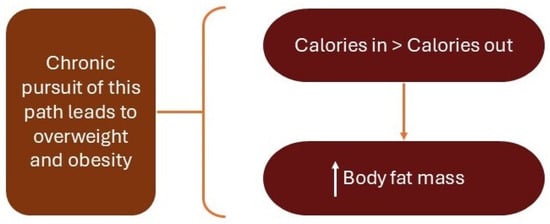
Obesity is currently recognized as a chronic and multifactorial disease. According to epidemiological data released by the World Health Organization in 2022, more than 2.5 billion adults were overweight and more than 890 million were affected by obesity. The aim of this narrative review is to clarify what leads to overweight and obesity, to explain the concept of energy balance, to address the limited effectiveness of dietary products marketed for weight reduction, to examine commonly promoted nutritional strategies for weight loss and to challenge claims of their superiority. The most recent, robust, and high-quality evidence available on the topic was selected, with particular emphasis on systematic reviews and meta-analyses. Overweight and obesity are characterized by an excessive accumulation of fat mass. At the basis of excessive adipose tissue accumulation lies a persistent positive energy balance. Energy balance is generally considered a central physiological determinant of body weight regulation. Approaches that do not explicitly incorporate this principle may be associated with variable or unsustained outcomes. Available evidence suggests that, when an equivalent caloric deficit is achieved, differences in the timing of energy intake or in dietary patterns—such as intermittent fasting or low-carbohydrate diets—are not consistently associated with greater weight loss compared with other guideline-based dietary strategies. Some supplements supporting weight loss, in selected cases, may offer marginal support; however, based on the current state of scientific knowledge, no product represents an effective shortcut for weight loss.
Full article

Graphical abstract
Open AccessBrief Report
Feasibility of a New Dietary Recall Method: Augmenting Interviewer-Administered 24-Hour Dietary Recalls with Photo-Based Mobile Food Records
by
Tamara P. Mancilha, Brad P. Yentzer, Samira Deshpande, Lisa Harnack, Erika Helgeson, Niki Oldenburg and Lisa Senye Chow
Dietetics 2026, 5(2), 25; https://doi.org/10.3390/dietetics5020025 - 23 Apr 2026
Abstract
►▼
Show Figures
Background: Assessing food and nutrient intake is an important yet challenging component of nutrition research, particularly in populations at higher risk for dietary underreporting. Objective: To evaluate the feasibility, acceptability, and preliminary measurement characteristics of augmenting interviewer-administered 24 h dietary recalls with
[...] Read more.
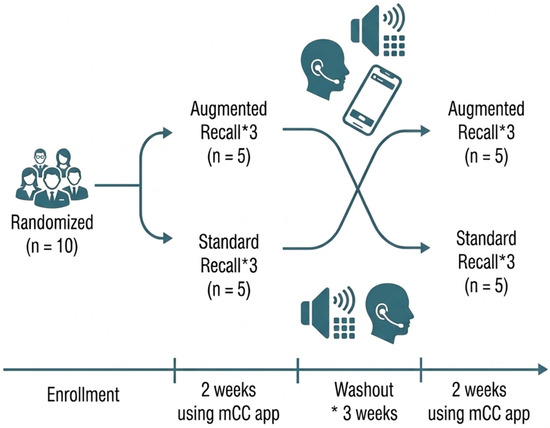
Background: Assessing food and nutrient intake is an important yet challenging component of nutrition research, particularly in populations at higher risk for dietary underreporting. Objective: To evaluate the feasibility, acceptability, and preliminary measurement characteristics of augmenting interviewer-administered 24 h dietary recalls with a photo-based mobile food record application (mCC: my Circadian Clock). Design: This was a randomized cross-over feasibility study in which each participant completed two sets of three 24 h dietary recalls. One set consisted of standard interviewer-administered recalls, while the other incorporated dietary intake captured via the mCC app during the 24 h preceding the recall to guide the interview. Participants: Participants (n = 10) were adults aged 18–65 years with obesity (BMI > 30 kg/m2) and less than a college-level education, recruited from a general community setting. Main Outcome Measures: Primary feasibility outcomes included recall adherence, protocol completion, participant burden, and usability of the mobile application. Secondary and exploratory outcomes included average energy intake (kcal/day), number of food items and eating occasions reported, Healthy Eating Index (HEI)-2015 scores, and recall duration. Statistical Analyses: Descriptive statistics and paired t-tests were used to explore differences between methods; analyses were considered exploratory and hypothesis-generating. Results: All enrolled participants completed every scheduled recall, resulting in 100% adherence and protocol completion. Most participants (70%) rated the mCC app as easy or very easy to use, although 60% reported greater burden with the Augmented Recalls. Average energy intake was 274 kcal/day lower with the augmented method compared with Standard Recalls (95% CI: −597, 50; p = 0.09), with no clear differences observed in reported food items, eating occasions, HEI-2015 scores, or recall duration. Conclusions: Augmenting interviewer-administered 24 h dietary recalls with a photo-based mobile food record is feasible and acceptable in adults with obesity, though it did not demonstrate clear improvements in dietary intake capture in this small feasibility sample. These findings provide practical guidance for refining technology-assisted recall protocols and informing the design of future, adequately powered studies.
Full article

Figure 1

Open AccessArticle
Higher Ultra-Processed Food (UPF) Intake Is Associated with Lower Food Literacy in Greek Adults with Overweight or Obesity: Results from a Cross-Sectional Study
by
Maria Ioannidou, Marios Skordis, Ioannis Kavvadias, Georgios I. Panoutsopoulos and Evaggelia Fappa
Dietetics 2026, 5(2), 24; https://doi.org/10.3390/dietetics5020024 - 9 Apr 2026
Abstract
►▼
Show Figures
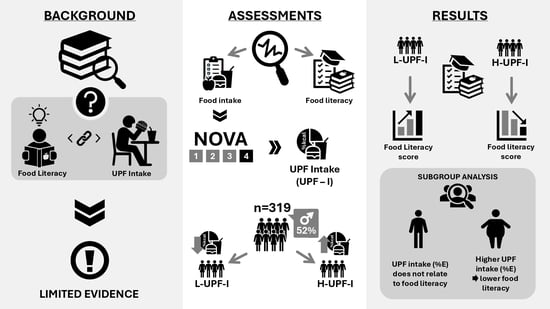
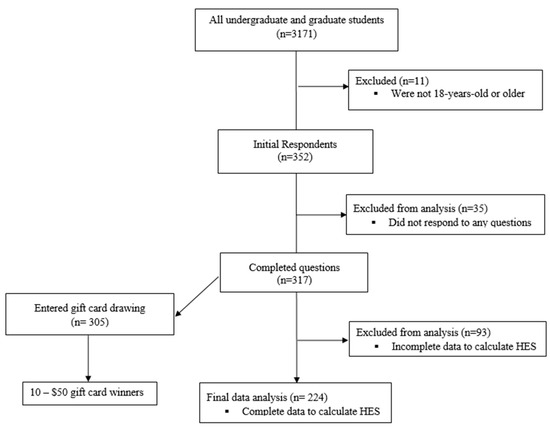
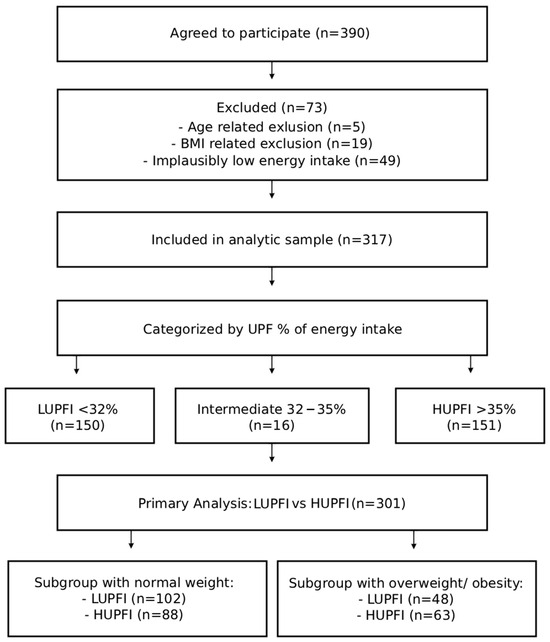
Background: Given the limited evidence in the field, the present study aimed to explore the association of UPF intake with food literacy levels in an adult Mediterranean-based population. Methods: Self-reported demographic and anthropometric data were collected from 317 apparently healthy adults (52.5% males)
[...] Read more.
Background: Given the limited evidence in the field, the present study aimed to explore the association of UPF intake with food literacy levels in an adult Mediterranean-based population. Methods: Self-reported demographic and anthropometric data were collected from 317 apparently healthy adults (52.5% males) Food literacy and dietary intake of this population were also assessed. Foods were classified as ultra-processed according to the NOVA system, and their contribution to total daily energy intake (%) was calculated. Then, participants were grouped into the (1) higher UPF intake (HUPFI), and (2) lower UPF intake (LUPFI) groups, based on the median value of this population as a cut-off. Results: Between-group analysis revealed that LUPFI scored statistically significantly higher than the HUPFI group in total food literacy (93.5 [84.0–104.0] vs. 86.0 [78.0–99.0], p < 0.001) and in three out of five food literacy sub-dimensions. Sub-analysis revealed no differences between LUPFI and HUPFI groups of individuals with normal weight. In participants with overweight or obesity, the LUPFI group scored lower than the HUPFI in the total food literacy score (95.0 [87.0–104.0] vs. 81.0 [70.0–94.0], p < 0.001) and in each sub-dimension. Conclusions: Higher UPF intake was associated, in adults with overweight or obesity, with lower levels of food literacy.
Full article

Graphical abstract
Highly Accessed Articles
Latest Books
E-Mail Alert
News
Topics
Topic in
Dietetics, Foods, Nutrients
Dietary Carbohydrate Chemistry, Nutrition, and Utilization
Topic Editors: Bin Zhang, Lijun Sun, Zhuqing XieDeadline: 31 July 2026
Topic in
Dietetics, Nutrients, Obesities, Diseases, IJMS, Metabolites
Dietary Habits in Liver Health and Disease: Preclinical and Clinical Studies
Topic Editors: Evelyn Nunes Goulart Da Silva Pereira, Rosane Harter Griep, Anissa DaliryDeadline: 31 December 2026
Topic in
Dietetics, Genealogy, Nutrients
Ancestry, Nutrition, and Health: From Ancestral Diets to Modern Nutritional Science
Topic Editors: Naim Akhtar Khan, Athena LeoussiDeadline: 15 January 2027
Topic in
Dietetics, Diseases, Foods, Nutrients, JCM
Environmental Influences on Dietary Patterns and Disease Risk: Nutritional Pathways and Health Implications
Topic Editors: Yuquan Chen, Guanhu YangDeadline: 1 February 2027
Conferences
Special Issues
Special Issue in
Dietetics
Nutritional Strategies to Improve Exercise Performance and Recovery
Guest Editor: Derek BallDeadline: 15 November 2026
Special Issue in
Dietetics
Personalized Nutrition and Dietary Interventions in Inflammatory Bowel Disease (IBD)
Guest Editor: Bahram H. ArjmandiDeadline: 15 December 2026
Special Issue in
Dietetics
Nutrigenetics, Nutrigenomics, and Personalized Nutrition
Guest Editors: Sara Mahdavi, Ahmed El-SohemyDeadline: 25 December 2026
Special Issue in
Dietetics
Clinical Nutrition in the Era of Precision: Bioactives, Microbiome and Targeted Dietetic Interventions
Guest Editor: Carmen Lucas-AbellánDeadline: 25 December 2026