Journal Description
Coasts
Coasts
is an international, peer-reviewed, open access journal on coastal engineering, management, conservation, biology and ecology, published quarterly online by MDPI.
- Open Access— free for readers, with article processing charges (APC) paid by authors or their institutions.
- High Visibility: indexed within Scopus, GeoRef, and other databases.
- Rapid Publication: manuscripts are peer-reviewed and a first decision is provided to authors approximately 27.7 days after submission; acceptance to publication is undertaken in 6.6 days (median values for papers published in this journal in the first half of 2026).
- Recognition of Reviewers: APC discount vouchers, optional signed peer review, and reviewer names published annually in the journal.
- Journal Clusters of Water Resources: Water, Journal of Marine Science and Engineering, Hydrology, Resources, Oceans, Limnological Review, Coasts.
Latest Articles
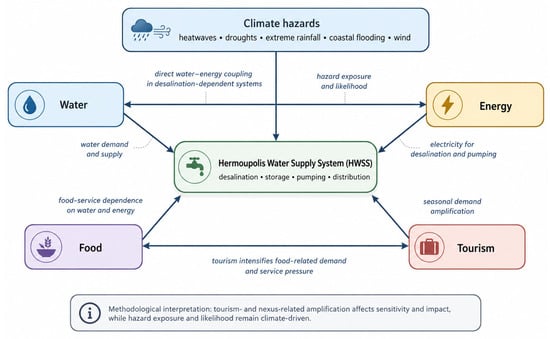
Integrating the Water–Energy–Food–Tourism (WEFT) Nexus into Climate Risk Assessment of Desalination-Dependent Island Water Systems: A Mediterranean Case Study
Coasts 2026, 6(3), 28; https://doi.org/10.3390/coasts6030028 - 2 Jul 2026
Abstract
►
Show Figures
Mediterranean islands face increasing climate risks from rising temperatures, prolonged droughts, extreme precipitation, and sea-level rise, while seasonal tourism intensifies water and energy demand during the most vulnerable periods of the year. This study examines whether incorporating tourism as an intrinsic component of
[...] Read more.
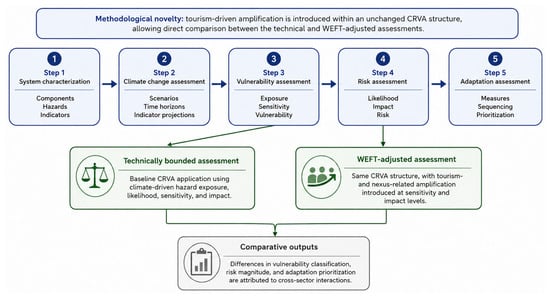
Mediterranean islands face increasing climate risks from rising temperatures, prolonged droughts, extreme precipitation, and sea-level rise, while seasonal tourism intensifies water and energy demand during the most vulnerable periods of the year. This study examines whether incorporating tourism as an intrinsic component of the Water–Energy–Food nexus changes the assessment of climate risks in desalination-dependent island water systems. To address this question, the Water–Energy–Food (WEF) nexus is extended to Water–Energy–Food–Tourism (WEFT) and integrated into an EU-aligned Climate Risk and Vulnerability Assessment framework. The approach is applied to the Hermoupolis Water Supply System on Syros Island, Greece, where potable water supply depends largely on energy-intensive desalination. A technically bounded climate risk assessment is compared with a WEFT-adjusted assessment that accounts for tourism-driven demand amplification and water–energy interdependencies while keeping hazard exposure and likelihood climate-driven. The results show that heatwaves constitute the dominant near-term risk because they coincide with peak water demand and high electricity requirements for desalination. When tourism amplification is included, drought-related risks shift from medium to high already in the near future for key production and pumping components, indicating earlier emergence of critical risk conditions without changes in hazard probability. Coastal risks become more important toward the end of the century, especially under high-emission scenarios. The main contribution of the study is to show that tourism-driven amplification can be operationally incorporated into sensitivity and impact assessment while preserving comparability with a conventional CRVA. The proposed WEFT–KTM framework provides a transferable basis for assessing and prioritizing adaptation in desalination-dependent, tourism-driven Mediterranean island systems.
Full article
Open AccessArticle
Coastal Sustainability and Environmental Resilience in France: A Decadal Assessment of Littoral Dynamics Using Satellite Images
by
Polina Lemenkova
Coasts 2026, 6(3), 27; https://doi.org/10.3390/coasts6030027 - 2 Jul 2026
Abstract
French coastal systems are characterized by strong environmental gradients and increasing anthropogenic pressures, resulting in rapid land cover transformations across coastal landscapes. This study investigates land cover dynamics along the northern, western, and southern French coasts using Sentinel-2 summer image time series acquired
[...] Read more.
French coastal systems are characterized by strong environmental gradients and increasing anthropogenic pressures, resulting in rapid land cover transformations across coastal landscapes. This study investigates land cover dynamics along the northern, western, and southern French coasts using Sentinel-2 summer image time series acquired between 2015 and 2025. The research aims to identify the most dynamic coastal regions and determine where land cover transitions are most pronounced. A harmonized workflow was developed in GRASS GIS for preprocessing Sentinel imagery, generating seasonal composites, classifying land cover using a Random Forest (RF) supervised algorithm, and detecting changes through time. All imagery was processed using CORINE Land Cover (Level 1) classification nomenclature and projected to Lambert-93 (EPSG:2154). Comparative analyses were performed among the three coastal regions using statistical indicators of change intensity, persistence, and transition rates. The results reveal substantial regional differences in coastal dynamics, with the southern Mediterranean coast exhibiting the highest transformation rate (22.9% of total area changed, at 2.29% yr ), followed by the northern English Channel coast (18.6%; 1.86% yr ) and the western Atlantic coast (14.2%; 1.42% yr ). Urbanization and natural vegetation loss were identified as dominant transition types across all regions. The study demonstrates the effectiveness of Sentinel-2 time series and open-source GRASS GIS methods for long-term coastal monitoring and provides a reproducible framework for large-scale assessments of coastal land cover dynamics in Europe.
Full article
(This article belongs to the Special Issue Trade-Offs in Coastal Conservation: Management, Tourism, and Environment)
Open AccessArticle
Spatial Heterogeneity of Microplastic Contamination in a Tropical Sandy Beach: Influence of Management Regimes and Recreational Use
by
Kanokporn Kaewsong, Jetsada Wongprom, Adisak Ngiamsanoi and Surinthon Bunrod
Coasts 2026, 6(3), 26; https://doi.org/10.3390/coasts6030026 - 29 Jun 2026
Abstract
►▼
Show Figures
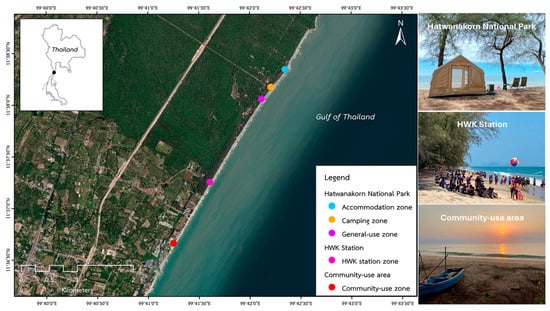
Microplastic contamination is a growing environmental concern in coastal ecosystems, particularly on recreational beaches where human activities may influence plastic inputs. This study investigated microplastic abundance and particle characteristics across five recreational zones along Hatwanakorn Beach in the Gulf of Thailand, focusing on
[...] Read more.
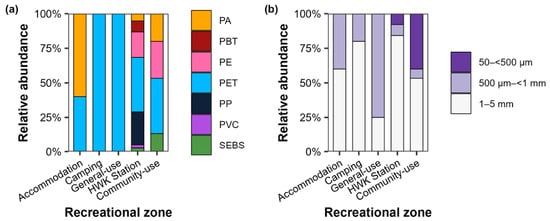
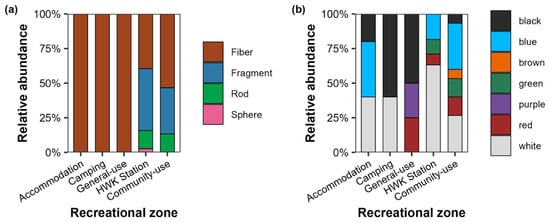
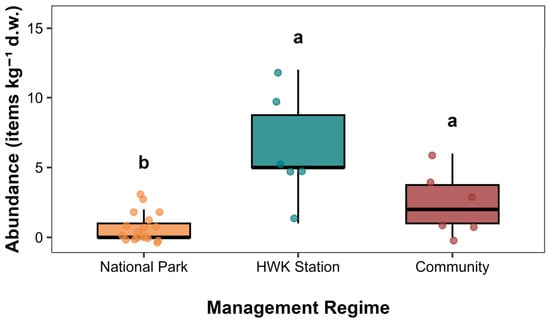
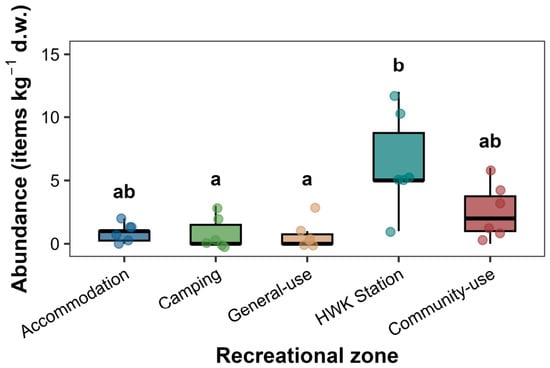
Microplastic contamination is a growing environmental concern in coastal ecosystems, particularly on recreational beaches where human activities may influence plastic inputs. This study investigated microplastic abundance and particle characteristics across five recreational zones along Hatwanakorn Beach in the Gulf of Thailand, focusing on fine-scale variability within a spatially continuous beach system and across management regimes. Supratidal sediments were collected using a quadrat-based approach, and polymer types were identified using Fourier Transform Infrared spectroscopy (FTIR). Fibers were the predominant particle type, followed by fragments, and most particles were classified as large microplastics (1–5 mm). Significant spatial differences in abundance were observed among recreational zones (Kruskal–Wallis test, χ2 = 13.37, p = 0.0096). At the management regime scale, a negative binomial generalized linear model also indicated significant differences (χ2 = 30.58, p < 0.001), with higher abundance in the Hatwanakorn Forestry Research and Student Training Station (HWK Station) and Community regimes than in the National Park regime. These results indicate that microplastic distribution can be spatially heterogeneous even within a continuous recreational beach system, underscoring the importance of accounting for fine-scale spatial variability when assessing microplastic contamination in coastal environments.
Full article

Figure 1
Open AccessArticle
Assessment of Shoreline Dynamics in a Hurricane-Impacted Arid Region Using CoastSat and GIS Techniques
by
Luis Valderrama-Landeros, Samuel Velázquez-Salazar and Francisco Flores-de-Santiago
Coasts 2026, 6(2), 25; https://doi.org/10.3390/coasts6020025 - 18 Jun 2026
Abstract
►▼
Show Figures
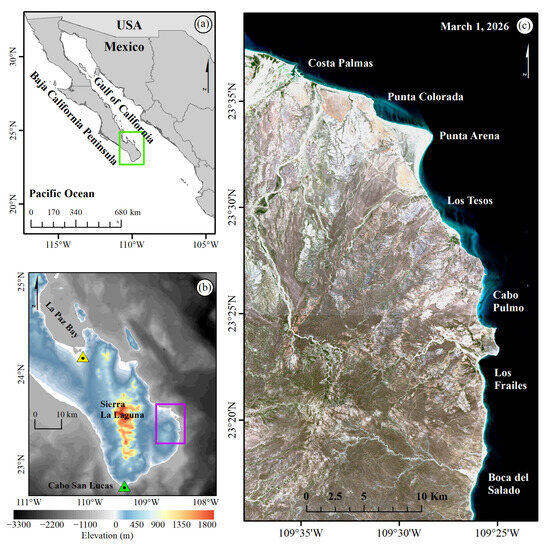
Coastal zones are dynamic interfaces where land, ocean, and atmosphere interact, making them sensitive indicators of environmental change. However, quantifying shoreline movement across long distances and over multi-year timescales remains challenging using traditional ground-based methods alone. We conducted an analysis of environmental factors
[...] Read more.
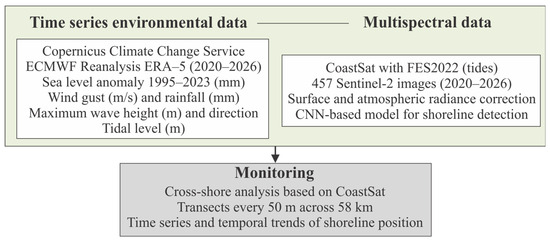
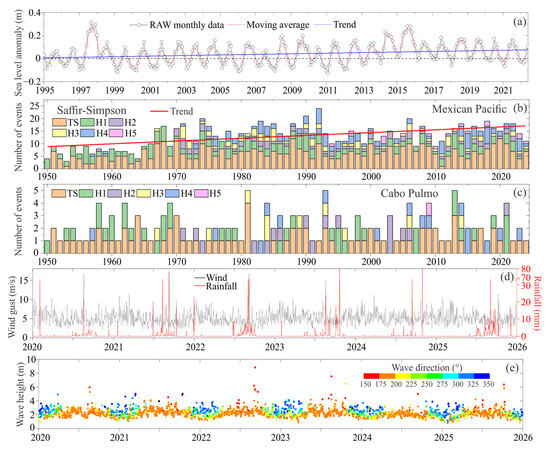
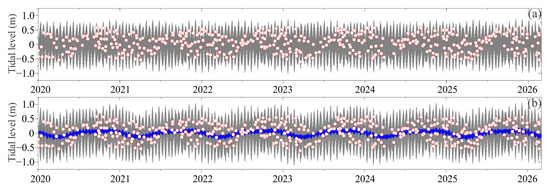
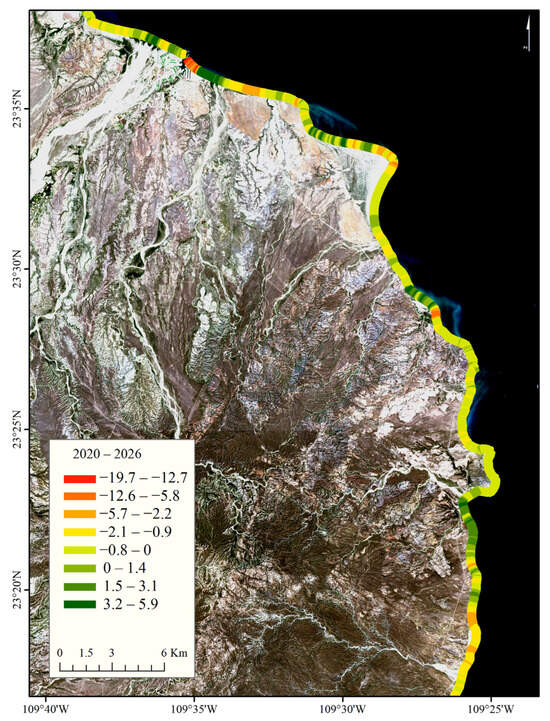
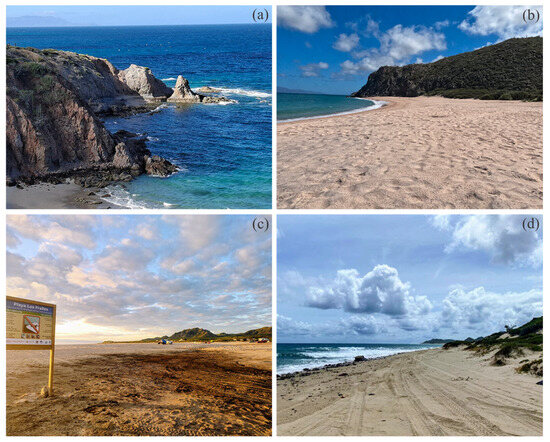
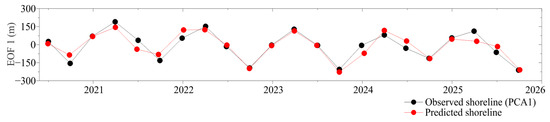
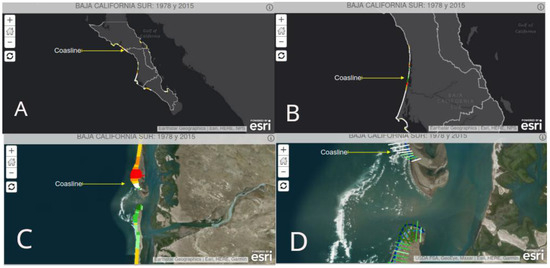
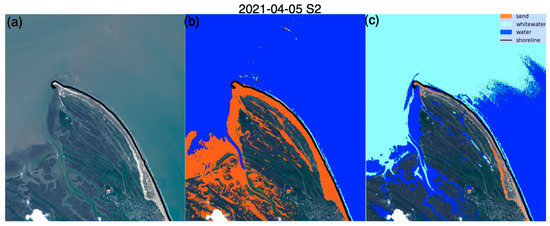
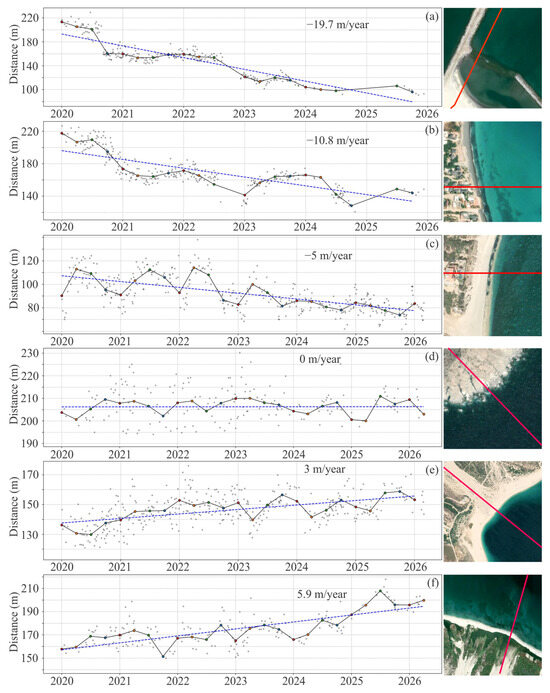
Coastal zones are dynamic interfaces where land, ocean, and atmosphere interact, making them sensitive indicators of environmental change. However, quantifying shoreline movement across long distances and over multi-year timescales remains challenging using traditional ground-based methods alone. We conducted an analysis of environmental factors and shoreline dynamics along a 58 km stretch of the arid Cabo Pulmo shoreline in Mexico from 2020 to 2026 using the CoastSat tool. The landscape is characterized by a diverse array of geographical features, including sandy beaches, granite cliffs, estuarine systems, and various anthropogenic structures. Results indicated a sea-level rise of 2 mm/year over the last 27 years, which is consistent with the reported range for the Pacific (1.8 to 3.8 mm/year). Notably, we observed an increasing trend of Category 4 and 5 hurricanes in the Mexican Pacific, with an average of 1 additional hurricane per decade (1950–2023). A total of 457 Sentinel-2 satellite images were used for automated analysis using the CoastSat platform, all of which were acquired under tidal conditions not exceeding 1 m. Our findings indicate that the granite cliffs show no detectable horizontal changes in the satellite images; however, their minimal vertical erosion contributes sediment to adjacent beaches. The most significant shoreline erosion was observed north of a marina breakwater, measuring −19.7 m, attributed to the disruption of littoral transport toward the southeast. In contrast, sandy beaches located in front of streams and estuaries—characterized by a lack of infrastructure (houses and breakwaters) and gentle slopes of 2° to 4°—demonstrated positive accretion of up to 5.9 m. According to the autoregressive distributed lag model, wave energy and hurricane-driven wind gusts are the primary agents of shoreline retreat, displacing sediment seaward to the continental shelf. Sea level rise exacerbates this retreat, while rainfall plays a minor but contributing role by transporting sediment during hurricanes in this arid region. This study highlights the effectiveness of CoastSat as a neural network-based tool for analyzing shoreline changes; however, we faced certain limitations, such as the absence of in situ beach profiles due to restricted access.
Full article

Figure 1
Open AccessArticle
Individual Variation in Diet of Four Fishes in Shallow Tropical Estuarine Areas: Comparisons Between Seasons and Habitats
by
Rayssa Soares da Silva-Rodrigues and André Luiz Machado Pessanha
Coasts 2026, 6(2), 24; https://doi.org/10.3390/coasts6020024 - 17 Jun 2026
Abstract
►▼
Show Figures
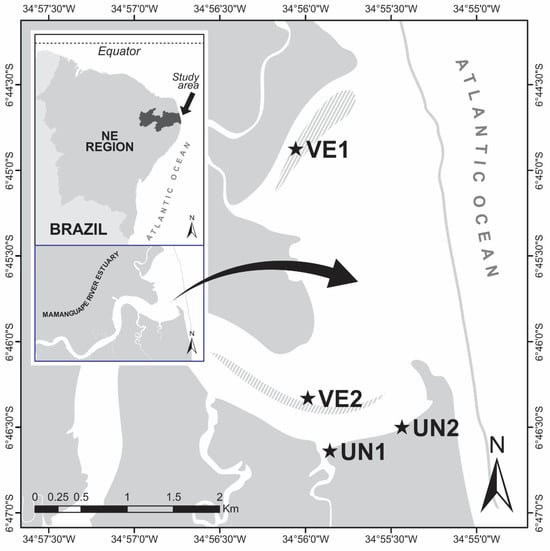
For the development of conservation and management strategies, scientists often define a ‘typical’ individual from a population and act as if all members of that group are basically the same, ecologically speaking. However, studies have found that resource use can vary among individuals
[...] Read more.
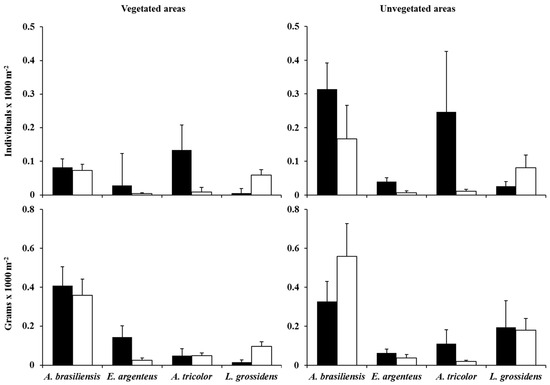
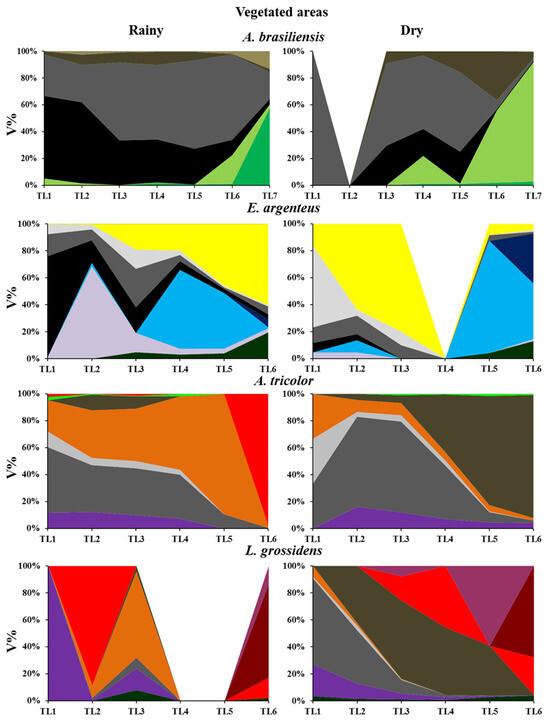
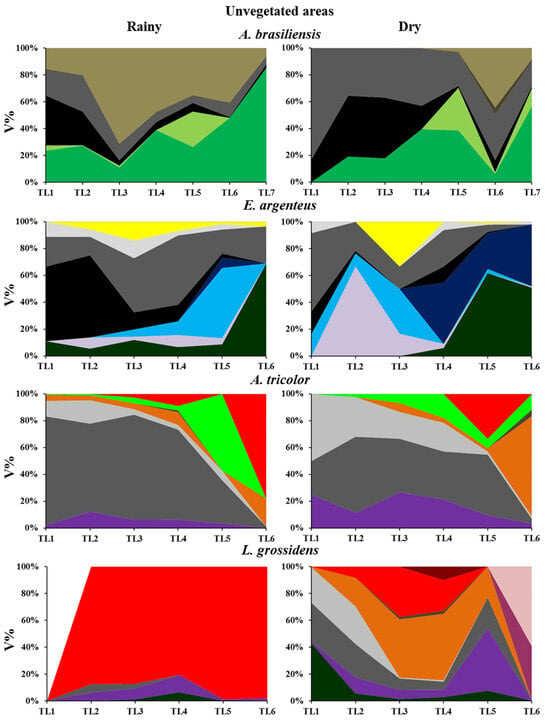
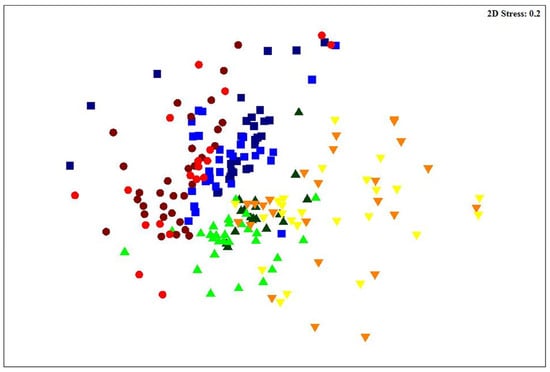
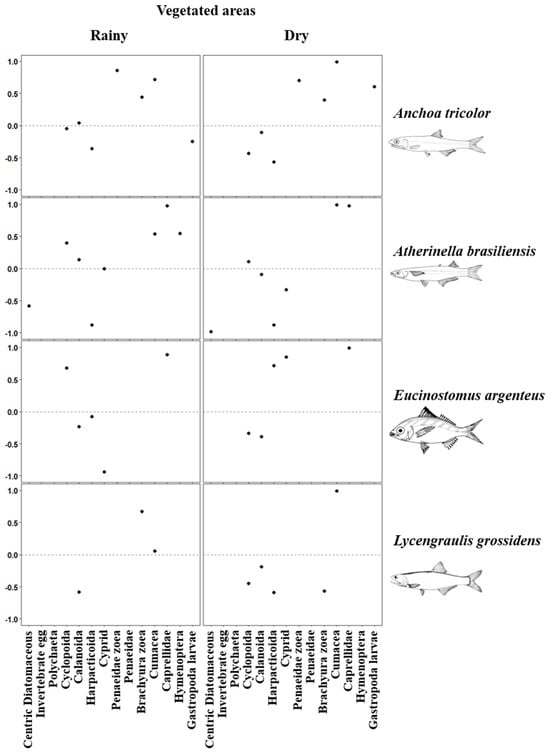
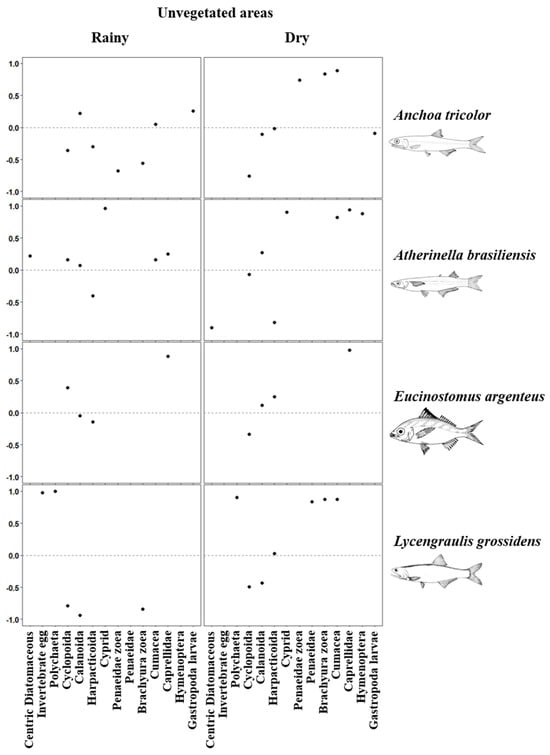
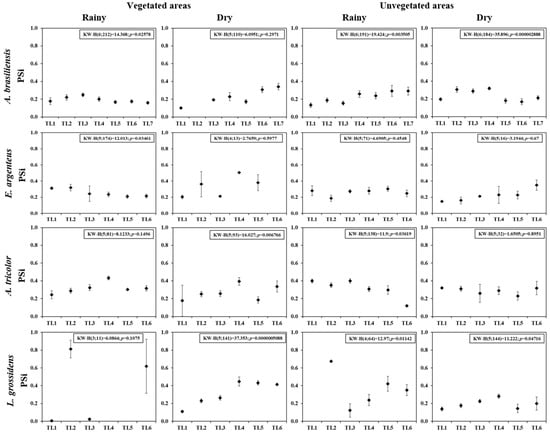
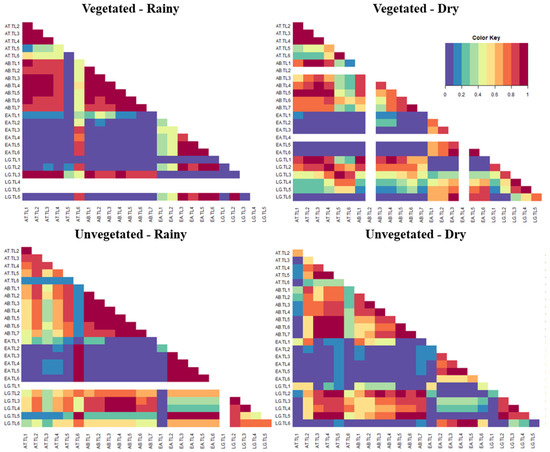
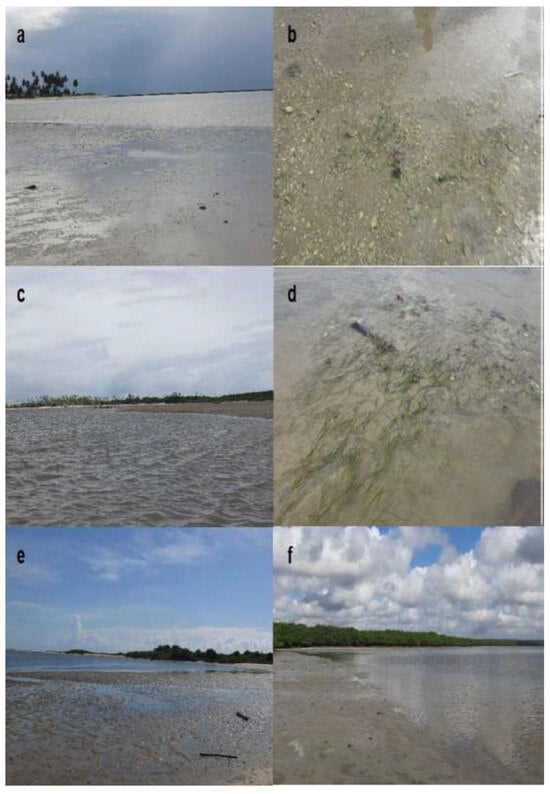
For the development of conservation and management strategies, scientists often define a ‘typical’ individual from a population and act as if all members of that group are basically the same, ecologically speaking. However, studies have found that resource use can vary among individuals from the same population, often due to their life stage, and that this variation helps reduce intraspecific competition among them. In this study, the feeding habits and the degree of individual specialization in the use of food resources, determined by the individual specialization index, were analyzed for the populations of the Brazilian silverside (Atherinella brasiliensis), mojarra (Eucinostomus argenteus), and two anchovy species (Anchoa tricolor and Lycengraulis grossidens) in different estuarine habitats. A total of 3855 specimens were collected from vegetated and unvegetated areas during the rainy and dry seasons of 2014. Overall, the highest density and biomass were registered in unvegetated areas. Density differed significantly among sites for A. brasiliensis, while for anchovies it differed significantly among seasons. Species exhibited spatial segregation in feeding, with anchovies feeding primarily in the water column, while A. brasiliensis and E. argenteus were benthic feeders. Despite using similar items, benthic species showed little dietary overlap, coexisting through differential use of prey proportions. A. brasiliensis, E. argenteus and A. tricolor were generalists, with the first two showing high intrapopulational diet variation (low IS values), whereas L. grossidens was a specialist with narrower niche breadth and lower individual specialization. Corroborating the Niche Variation Hypothesis, generalist species had a higher degree of individual specialization, which may be related both to an attempt at resource partitioning and to reducing intraspecific competition.
Full article

Figure 1
Open AccessArticle
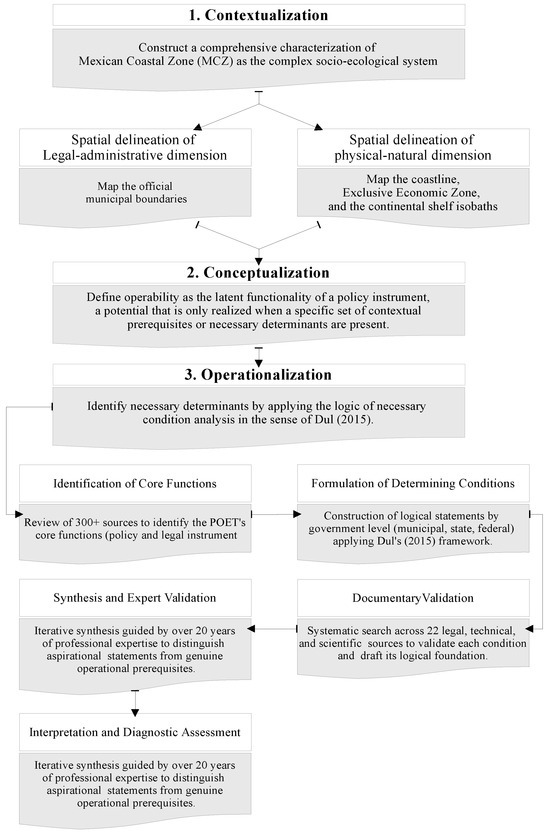
The Operational Conditions of Marine Ecological Territory Management Instruments in the Mexican Coastal Zone
by
Yessil Varinka Saenz-Aguilar and María Teresa Sánchez-Salazar
Coasts 2026, 6(2), 23; https://doi.org/10.3390/coasts6020023 - 3 Jun 2026
Abstract
►▼
Show Figures
Marine spatial planning instruments often exhibit a gap between regulatory design and on-the-ground effectiveness. This study examines this gap in Mexico’s marine Ecological Territory Management Programs (POETs) within the Mexican Coastal Zone (MCZ) using a novel operational analysis methodology grounded in the logic
[...] Read more.
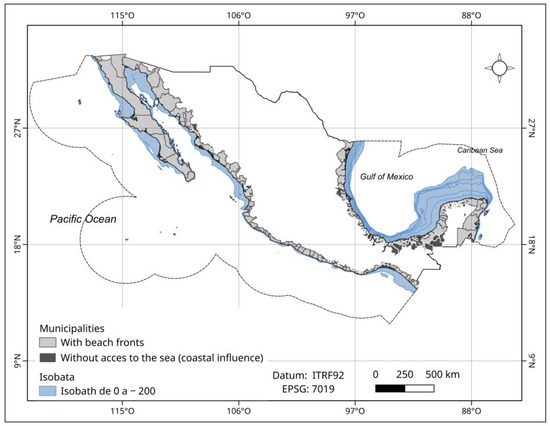
Marine spatial planning instruments often exhibit a gap between regulatory design and on-the-ground effectiveness. This study examines this gap in Mexico’s marine Ecological Territory Management Programs (POETs) within the Mexican Coastal Zone (MCZ) using a novel operational analysis methodology grounded in the logic of necessary determinants 32. We propose an operability conceptualization defined as the latent functionality of a policy instrument, only realized when specific contextual prerequisites are present, shifting analytical focus from policy design to preconditions for effective functioning. Derived from doctoral research reviewing over 300 sources on Mexican ecological planning and coastal management, we identify 47 necessary determinants organized by level of government (municipal, state, federal), validated through a documentary sample of 22 sources. The MCZ encompasses 264 municipalities (154 with coastline and 110 influenced), 24,945 km of coastline (1:50,000 scale), and 10,570 km2 of continental shelf. Marine POETs operate within a complex public management system comprising over 500 legal instruments and approximately 300 public operators safeguarding the environmental rights of 25.6 million coastal inhabitants. Despite this, persistent environmental degradation and unresolved land-use conflicts point to a systemic operability deficit. We provide a transferable analytical framework for diagnosing policy implementation failures in complex coastal governance systems.
Full article

Figure 1
Open AccessArticle
Assessment of Nearshore Coastal and Infrastructural Vulnerability Due to Coastal Hazards Along the East Coast of the UAE: A Remote Sensing and GIS Perspective
by
P. Subraelu, Fouad Lamghari Ridouane, Francois Mitterand Tsombou and Maryam Alhefeiti
Coasts 2026, 6(2), 22; https://doi.org/10.3390/coasts6020022 - 3 Jun 2026
Abstract
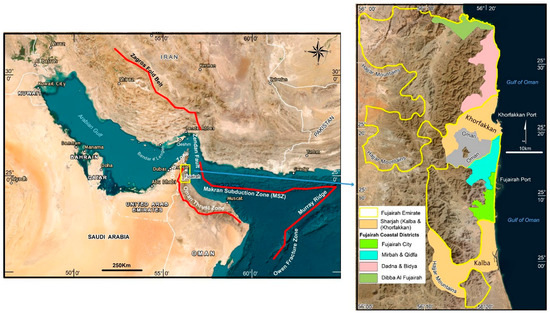
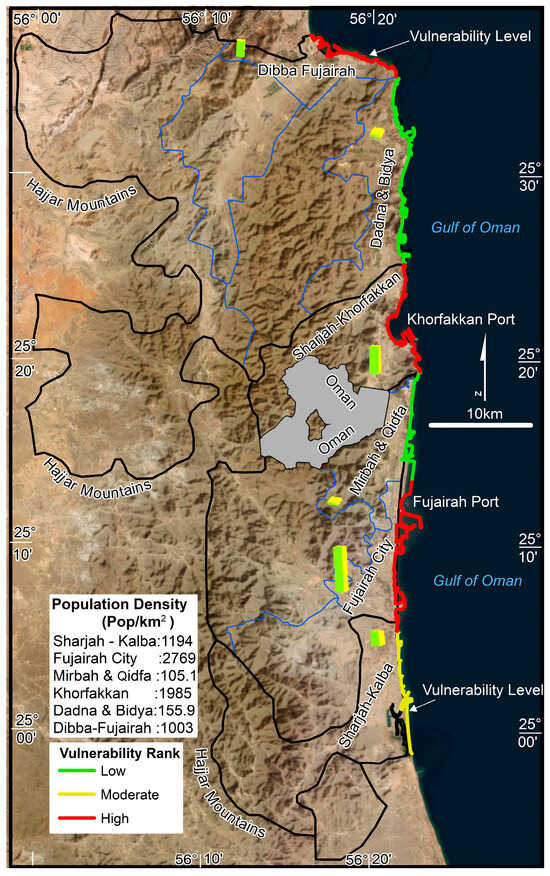
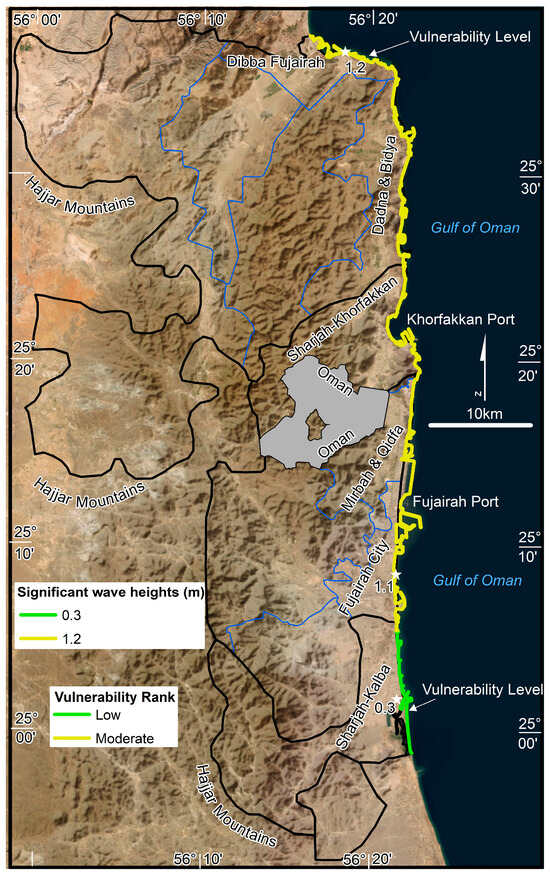
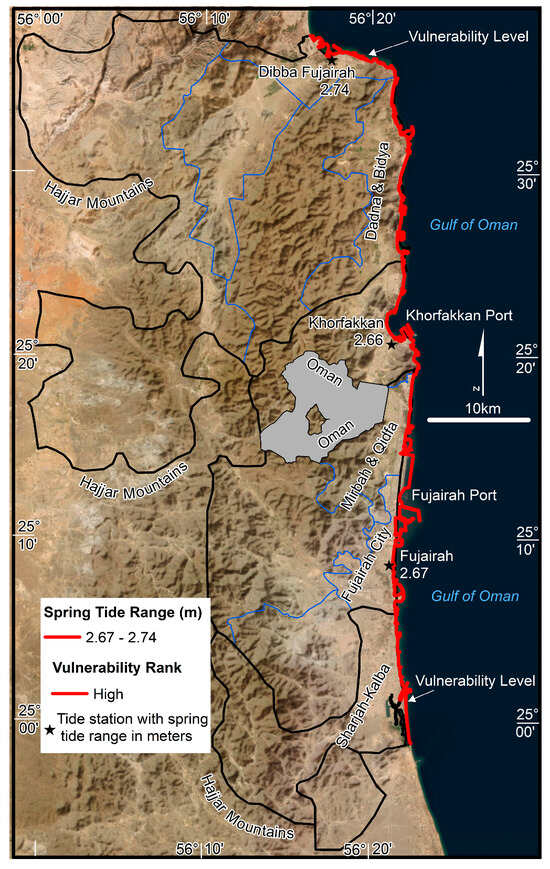
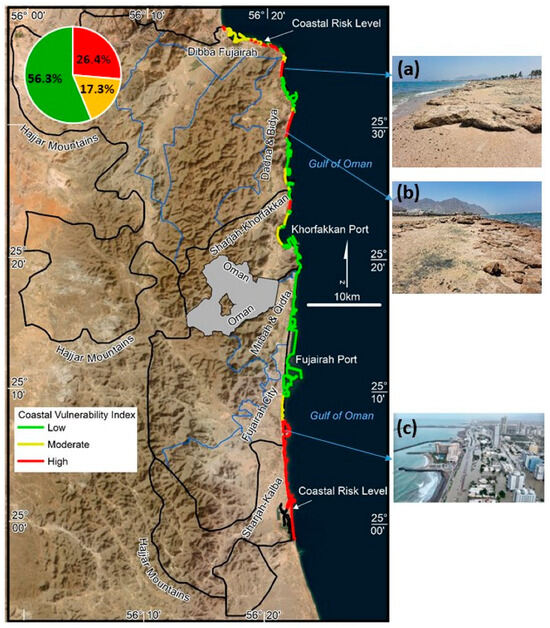
As they are home to numerous significant ecosystems, natural resources, and a growing population, coastal regions are among the most vital locations on Earth. This study, pertaining to the east coast of the UAE, integrates nine distinct characteristics to provide a thorough methodology
[...] Read more.
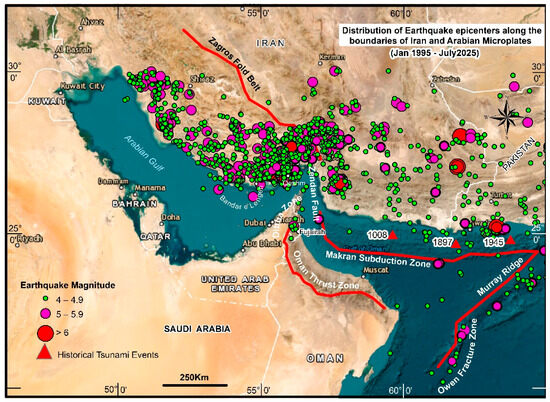
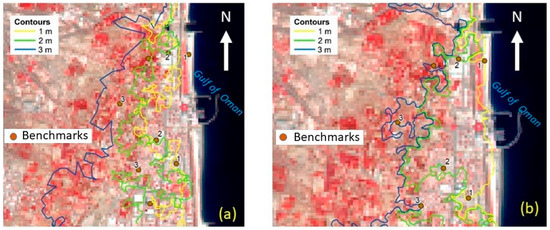
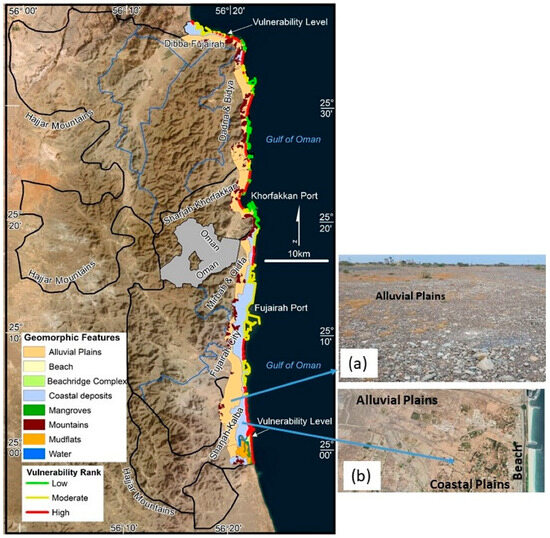
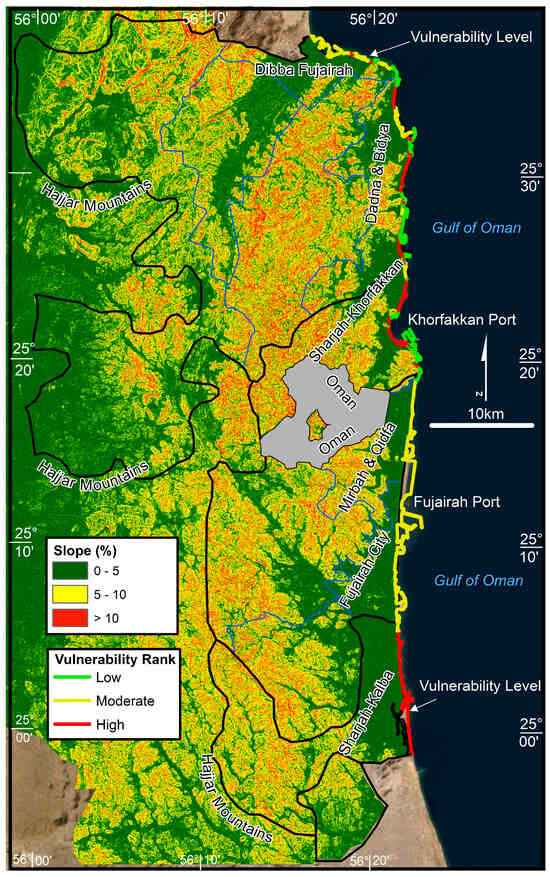
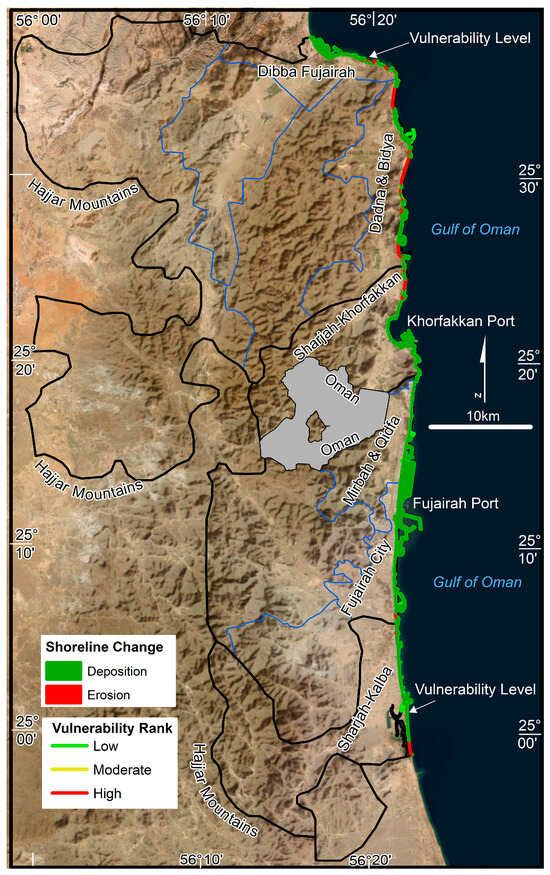
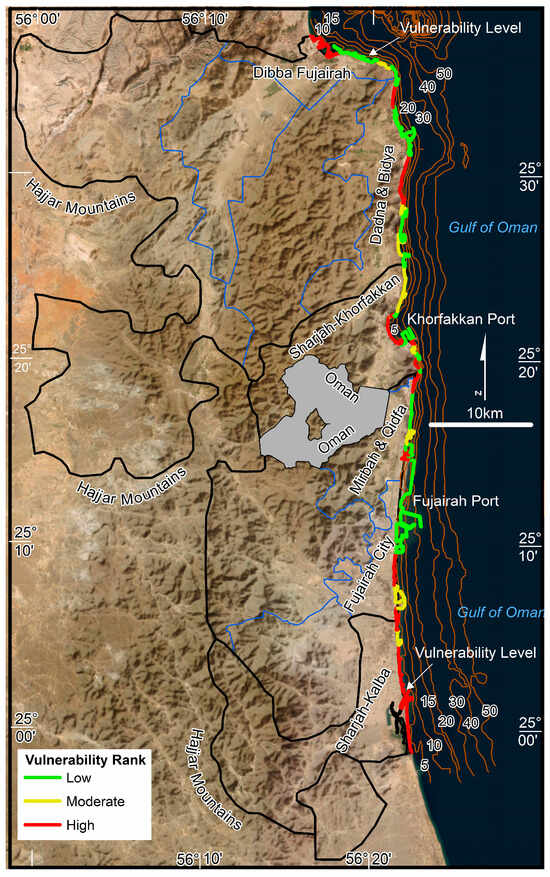
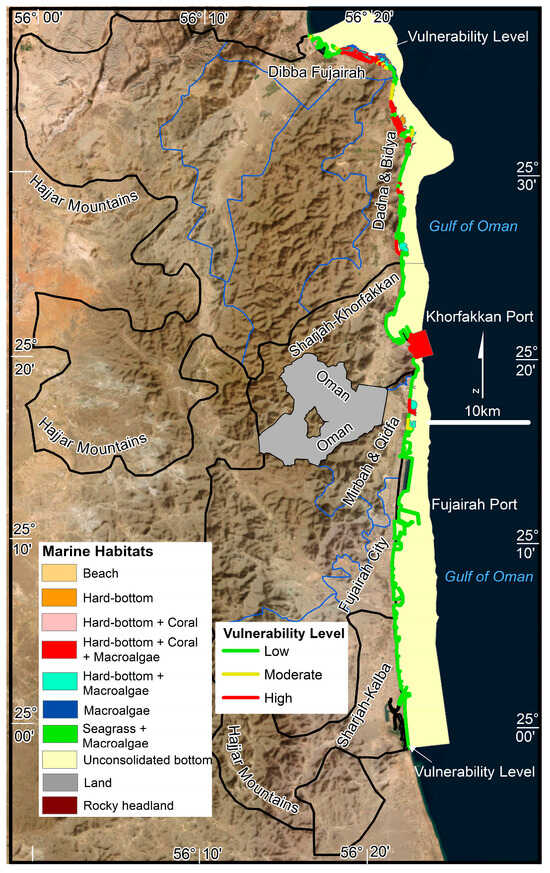
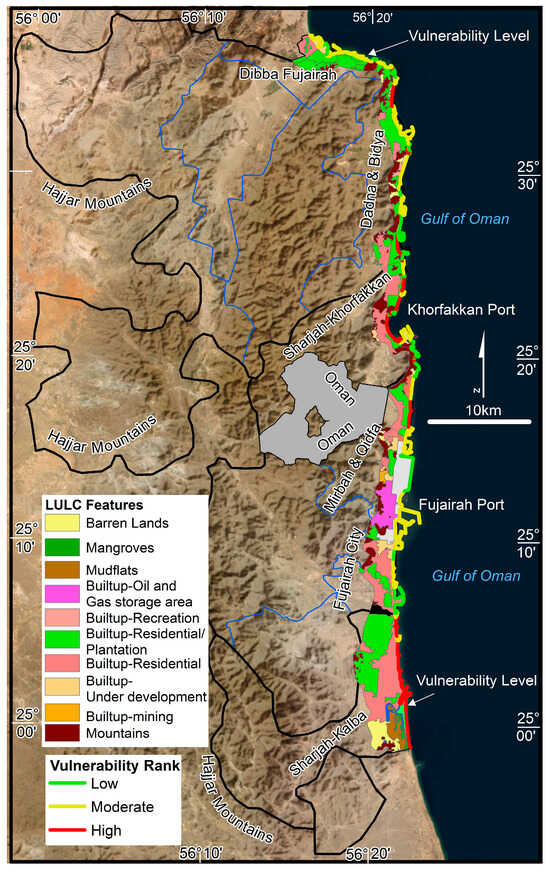
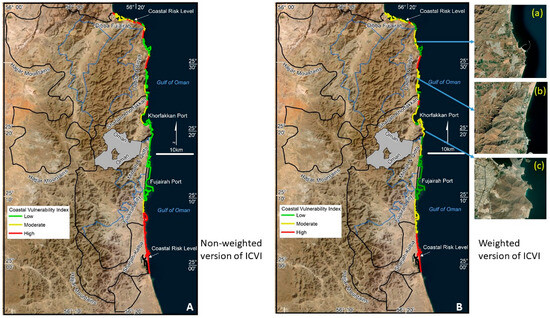
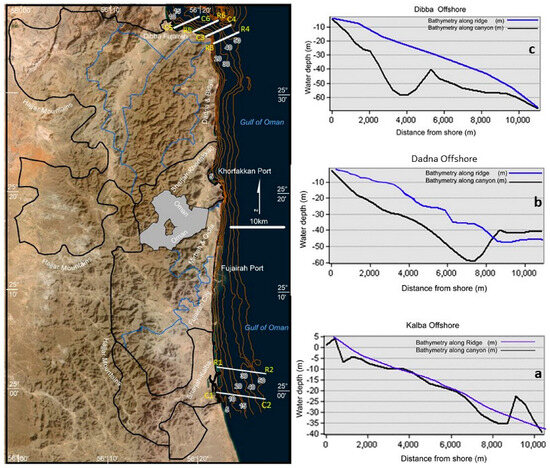
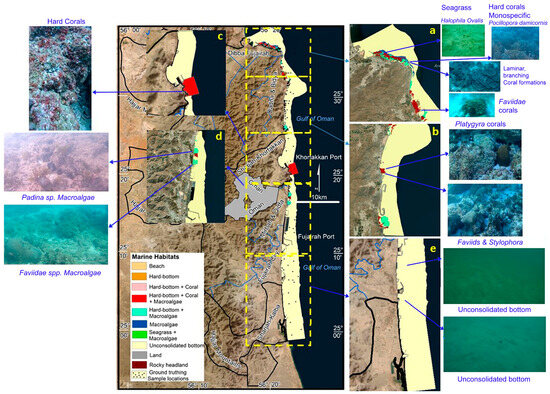
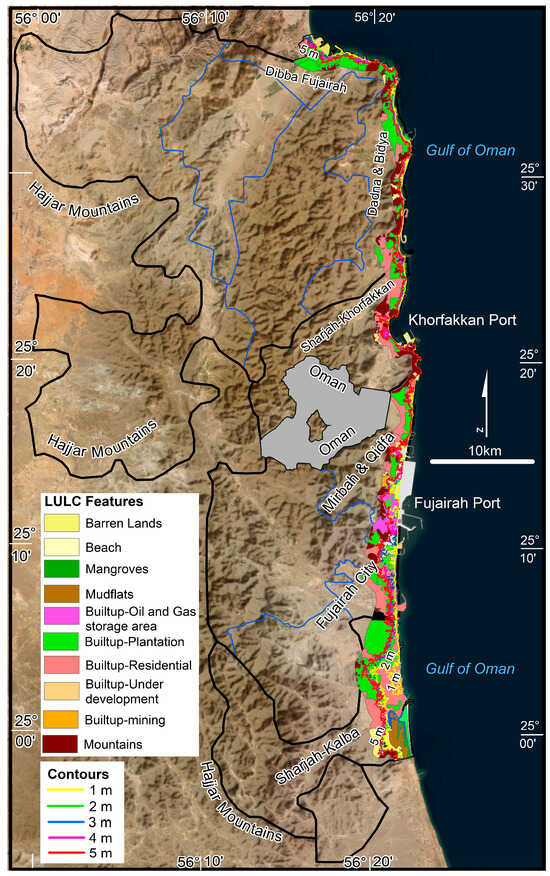
As they are home to numerous significant ecosystems, natural resources, and a growing population, coastal regions are among the most vital locations on Earth. This study, pertaining to the east coast of the UAE, integrates nine distinct characteristics to provide a thorough methodology for assessing integrated coastal vulnerability. Land use and land cover (LULC), nearshore bathymetry, coastal geomorphology, coastal slope, shoreline erosion and deposition, population density, wave and tide, and nearshore benthic features are important parameters that are examined. For the first time, coastal benthic features are included to assess coastal vulnerability in this region. By combining the variably weighted rank values of the nine variables, an Integrated Coastal Vulnerability Index was created, which divides the coastline into low-, moderate-, and high-risk categories. The methodology improves the precision of regional risk assessments by combining these factors with data from real-time coastal surveillance. Approximately 26.4% of the UAE’s 178 km east coast (or 47.1 km) is at high risk, followed by 17.3% (or 30.9 km) at moderate risk and 56.3% (or 100.2 km) at low risk. The offshore areas of the east coast of the UAE are prone to shoaling and tunneling effects from incoming high waves at certain areas due to the concave-shaped bathymetry and medium-range canyons present, which exacerbate storm surges or tsunamis due to the shoaling effect. For a 3 m rise in sea level, most significantly, 5.58 km2 of plantation and 14.39 km2 of residential areas will be damaged in the Kalba and Fujairah regions. Additional commercial spaces totaling 1.07 km2 will also have an impact, adding to the existing 2.59 km2 of oil bunkers in Fujairah. More than 40,000 people who live within 3.0 m of the UAE’s east coast in six separate districts—Kalba, Fujairah City, Mirbah and Qidfa, Khorfakkan, Dadna and Bidya, and Dibba—will be impacted if a tsunami wave or storm surge of three meters strikes the east coast. Our results are intended to assist government agencies, coastal planners, and policymakers in the Northeast Emirates (Fujairah and Sharjah) in creating sustainable and successful adaptation and mitigation plans for areas most vulnerable to coastal hazards. In addition to enhancing scientific knowledge of coastal vulnerabilities, this integrative method is a useful tool for making well-informed decisions in the face of shifting socio-economic and climatic situations.
Full article
(This article belongs to the Special Issue Coastal Hydrology and Climate Change: Challenges and Solutions)
►▼
Show Figures

Figure 1
Open AccessArticle
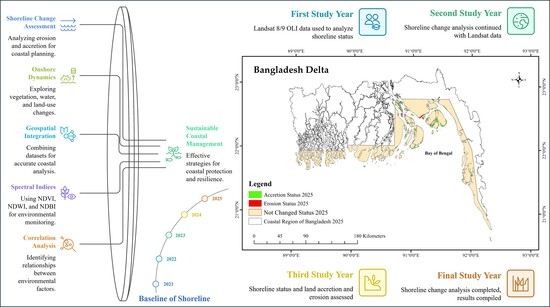
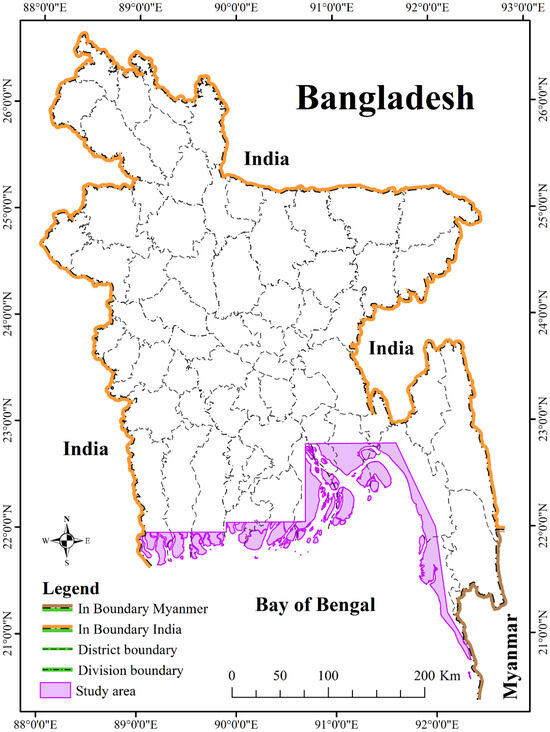
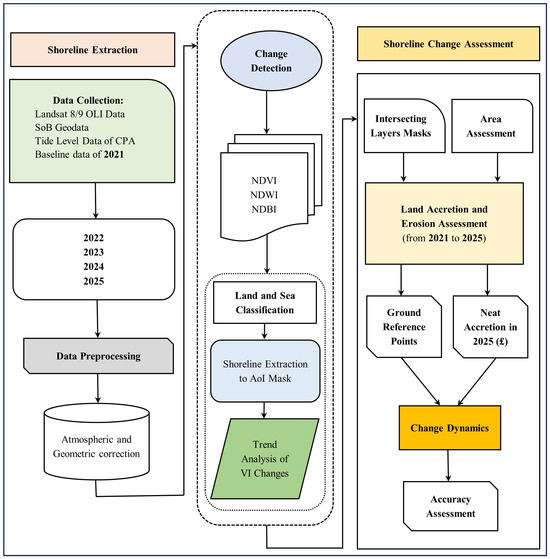
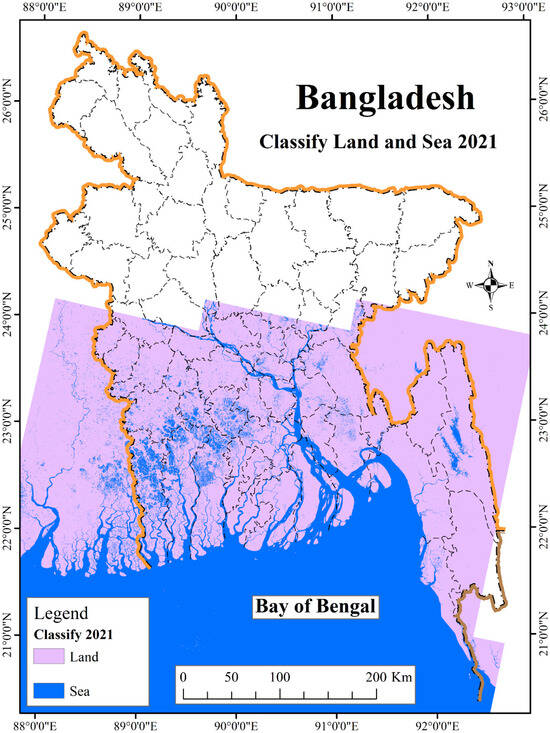
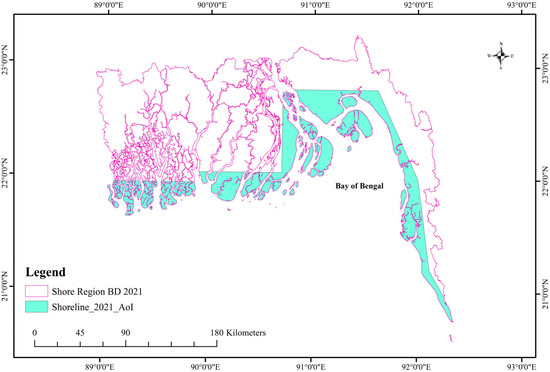
Shoreline and Onshore Phenological Characteristics Change Assessment of Bangladesh Delta Adjacent to the Bay of Bengal from 2021 to 2025 Using Satellite Remote Sensing
by
Md. Shamsuzzoha, Sanjida Hossain Setu, Israt Zahan Oyshi, Wang Lei, Md. Anwarul Abedin, Ayesha Akter and Tofael Ahamed
Coasts 2026, 6(2), 21; https://doi.org/10.3390/coasts6020021 - 19 May 2026
Abstract
►▼
Show Figures
Bangladesh is an extremely climate-exposed country, with erosion, accretion, tidal surges, and cyclones continuously modifying coastal districts. Shoreline change in Bangladesh is crucial for sustainable coastal management and disaster resilience. Therefore, the objectives of this research are as follows: (i) to assess accretion-
[...] Read more.
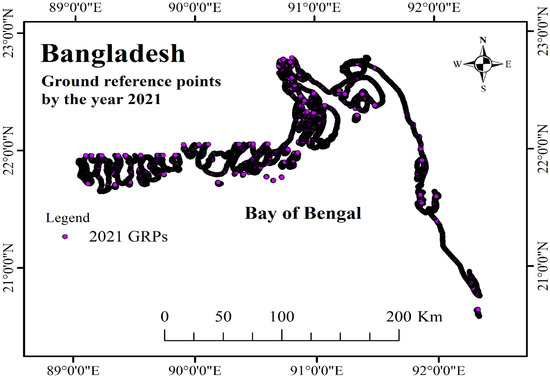
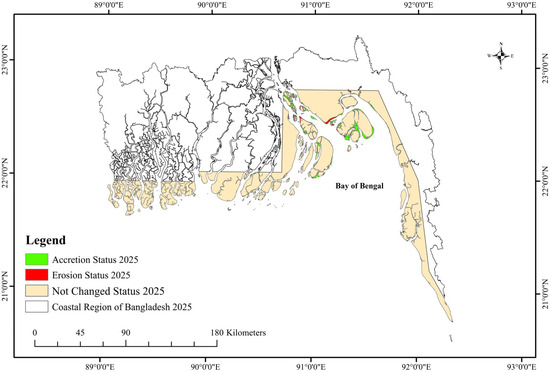
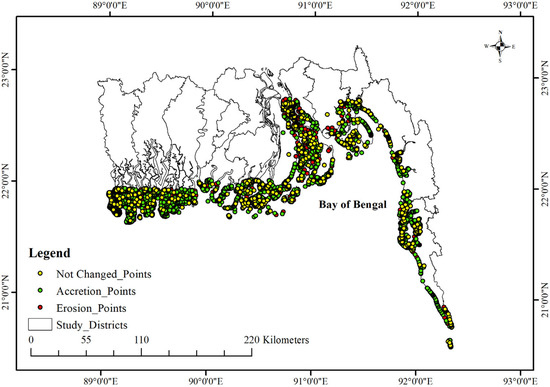
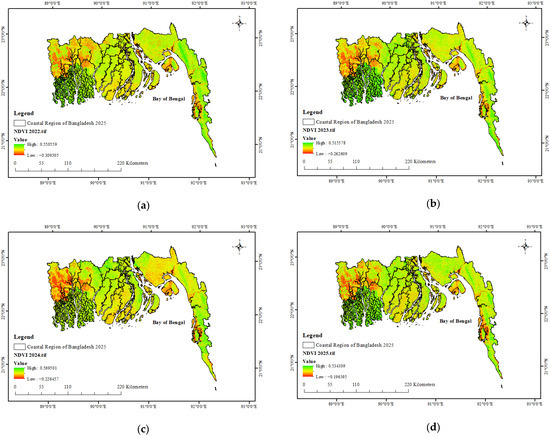
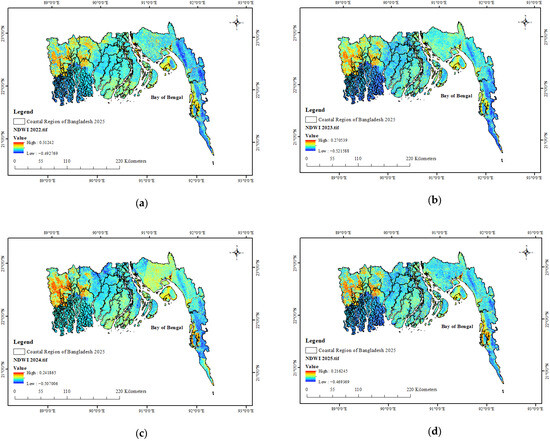
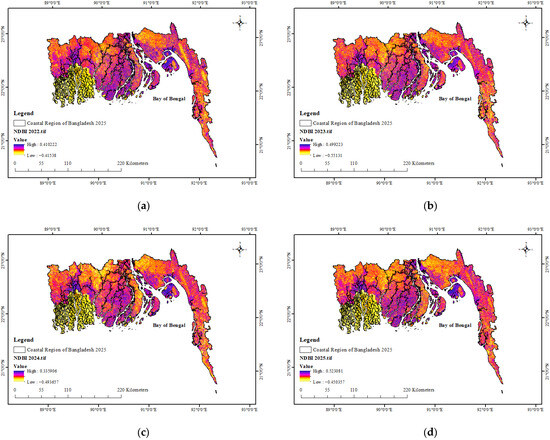
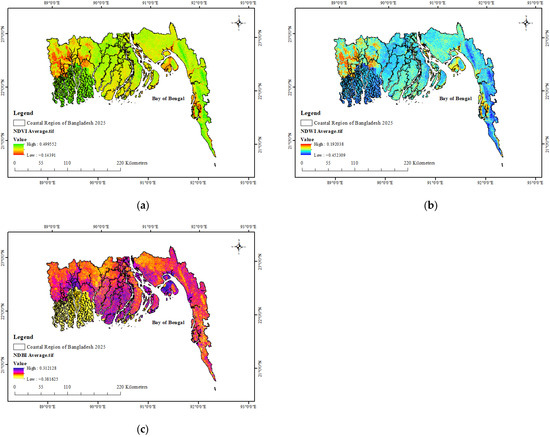
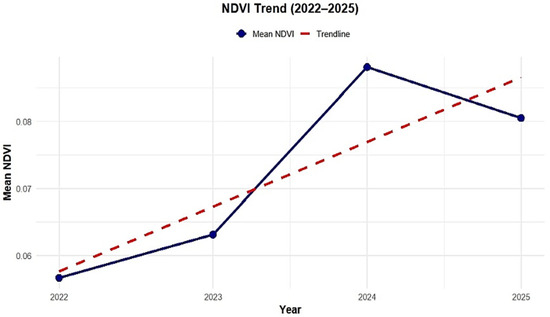
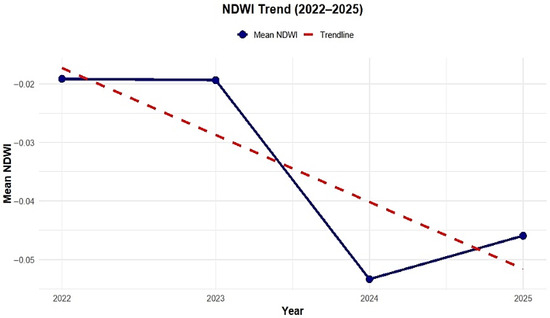
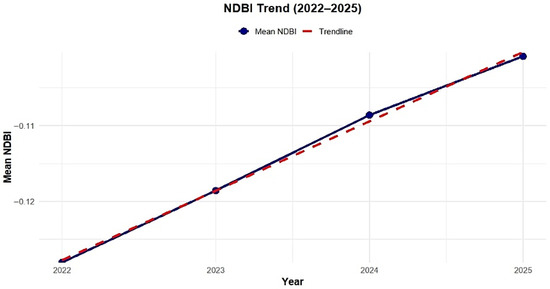
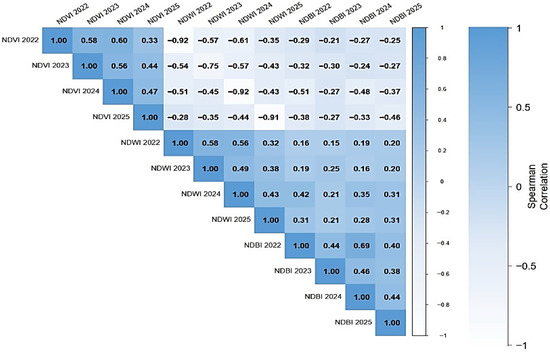
Bangladesh is an extremely climate-exposed country, with erosion, accretion, tidal surges, and cyclones continuously modifying coastal districts. Shoreline change in Bangladesh is crucial for sustainable coastal management and disaster resilience. Therefore, the objectives of this research are as follows: (i) to assess accretion- and erosion-based shoreline changes of the Bangladesh delta adjacent to the Bay of Bengal for 2021–2025 using a fixed 2021 reference shoreline and a 2025 shoreline proxy extracted from Landsat 8/9 imagery, and (ii) to explore onshore change dynamics from satellite-derived NDVI, NDBI, and NDWI for 2022–2025. The study covers 14 coastal districts and integrates the 2021 baseline shoreline, Survey of Bangladesh geospatial datasets, and 17,055 Ground Reference Points (GRPs) to support geometric consistency and spatially explicit reporting at the delta scale. Three spectral indices—Normalized Difference Vegetation Index (NDVI), Normalized Difference Water Index (NDWI), and Normalized Difference Built-up Index (NDBI)—were applied to assess vegetation health, surface water distribution, and built-up/exposed land characteristics. Results indicate spatial variability in coastal change, with 383.49 km2 of land gained through accretion and 124.12 km2 lost to erosion, resulting in a neat accretion of 259.37 km2 between 2021 and 2025; 8747.91 km2 remained geomorphologically stable. Spectral index trends show minimal inter-annual NDVI and NDWI variability, suggesting stable vegetation cover and no long-term expansion of surface water. In contrast, a slight increase in NDBI indicates localized exposure of new sediments or small-scale land-use transitions along emerging coastal zones. Spearman correlation analysis highlights consistent negative relationships between NDVI and NDWI and moderate contrasts between NDVI and NDBI, reinforcing the coexistence of vegetation recovery, water withdrawal, and sediment-driven land emergence. The novelty of this study lies in the provision of consistent, near-real-time coastal change inventory for the full ~710 km Bangladesh delta coastline by combining a common 2021 baseline shoreline with harmonized Landsat 8/9 OLI surface reflectance (2022–2025) and linked onshore spectral-index dynamics over the same period. Overall, this short-term assessment reveals a sedimentary system that is active but balanced, with accretion surpassing erosion despite cyclone-affected disturbances, underscoring the value of operational satellite monitoring for coastal management, hazard preparedness, and climate-adaptive planning.
Full article

Graphical abstract
Open AccessArticle
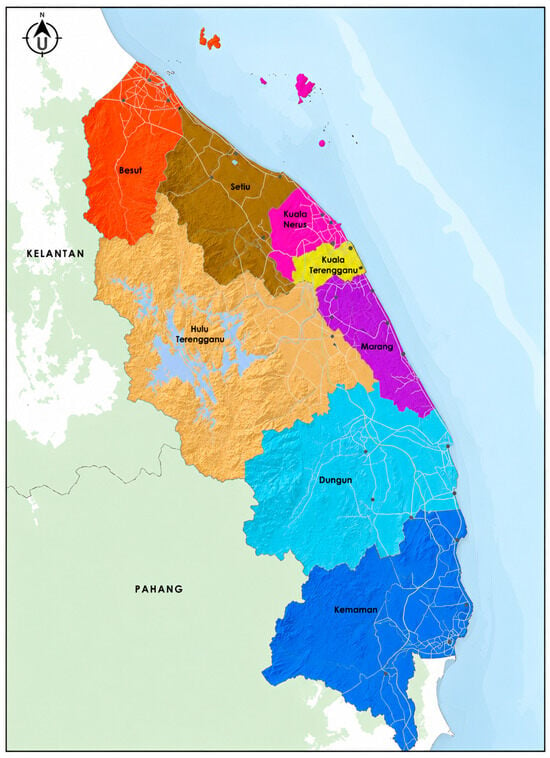
Governing Marine Space in Peninsular Malaysia: A Framework for Marine Spatial Planning (MSP)
by
Husni Alhan Md Salimun, Mohd Fadzil Mohd Akhir, Nazli Aziz, Che Din Mohd Safuan, Xiong-Zhi Xue, Mohd Fikri Mohamad and Wan Izatul Asma Wan Talaat
Coasts 2026, 6(2), 20; https://doi.org/10.3390/coasts6020020 - 14 May 2026
Abstract
►▼
Show Figures
Marine spatial planning (MSP) has emerged as a key governance approach for managing competing uses of marine space. However, implementing MSP in federal governance systems presents unique challenges due to the distribution of authority across multiple levels of government and sectoral institutions. This
[...] Read more.
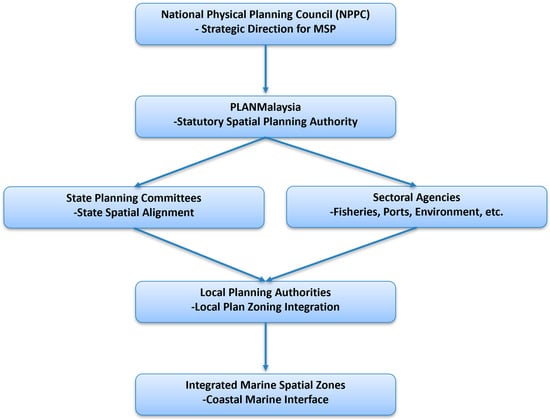
Marine spatial planning (MSP) has emerged as a key governance approach for managing competing uses of marine space. However, implementing MSP in federal governance systems presents unique challenges due to the distribution of authority across multiple levels of government and sectoral institutions. This study examines the governance feasibility of MSP in Peninsular Malaysia by analyzing the interaction between constitutional arrangements, as well as legal, policy, institutional, and stakeholder perspectives. The coastal districts of Kuala Terengganu and Kuala Nerus are examined as potential pilot areas for exploring MSP implementation within existing planning mechanisms. This study adopts a qualitative governance analysis based on document review and stakeholder perspectives. Relevant constitutional provisions, policy documents, and institutional mandates are analyzed using qualitative coding in ATLAS.ti and synthesized through a Thematic Analysis Matrix. The findings indicate that Malaysia possesses several governance elements necessary for initiating MSP, including the statutory spatial planning system under the Town and Country Planning Act 1976 (Act 172) and policy recognition of coastal–marine integration. However, governance responsibilities remain dispersed across administrative levels and sectoral agencies. This study proposes a governance pathway demonstrating how MSP may be incrementally integrated within existing spatial planning mechanisms, through Local Plan adaptation and strengthened institutional coordination.
Full article

Figure 1
Open AccessArticle
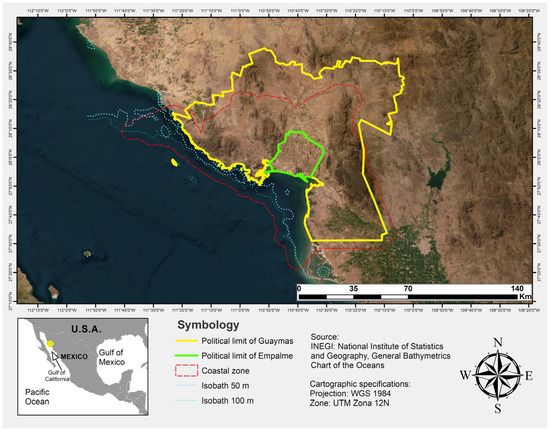
Ecological Risk in Coastal Ecosystems: Assessment in Two Municipalities in the Gulf of California, Mexico
by
Andrea Escamilla-Trejo, Thelma Michelle Ruiz-Ruiz, Elia Inés Polanco-Mizquez, Luz María Cruz García and José Alfredo Arreola-Lizárraga
Coasts 2026, 6(2), 19; https://doi.org/10.3390/coasts6020019 - 8 May 2026
Abstract
►▼
Show Figures
Ecological risk assessment of ecosystems facing anthropogenic pressures informs coastal management. This study evaluated the ecological risk of ecosystems in two coastal municipalities in the Gulf of California, Mexico. The coastal area under study spans 175 km of coastline and includes various ecosystems,
[...] Read more.
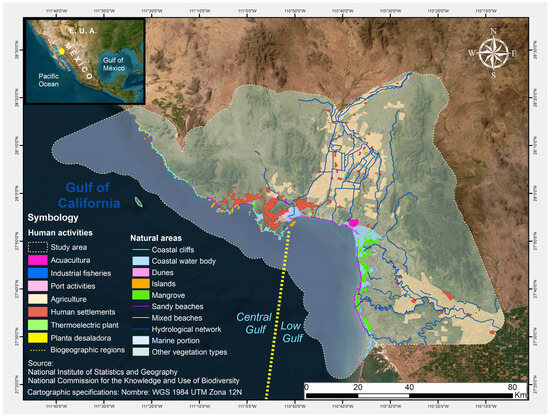
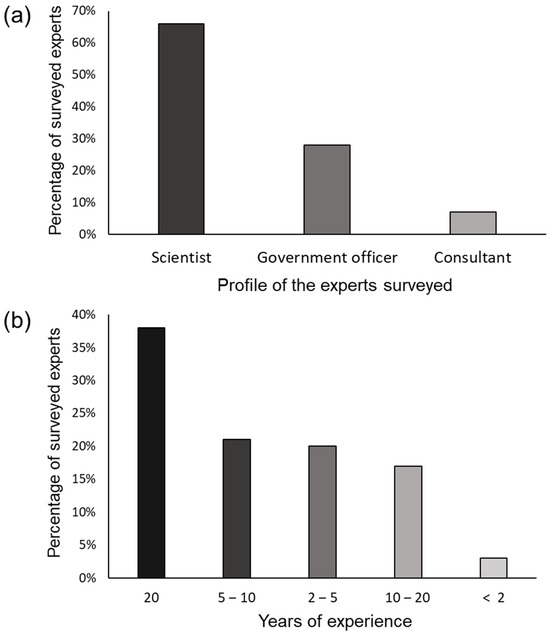
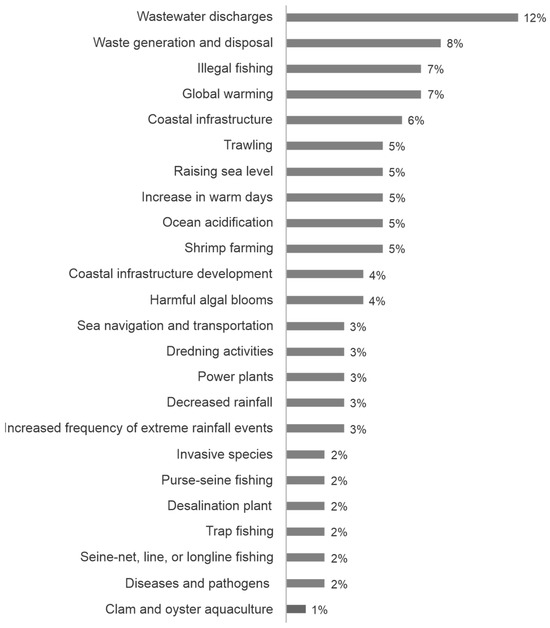
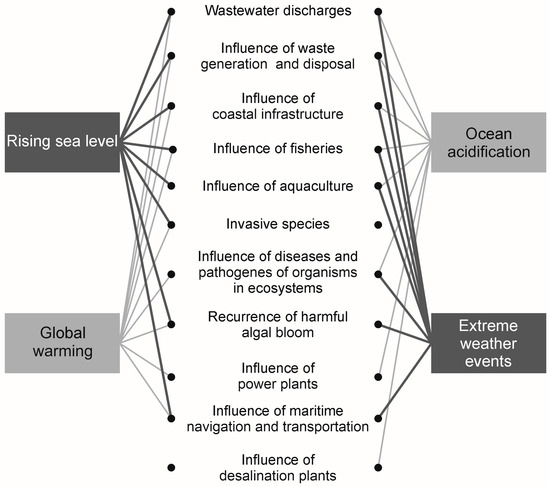
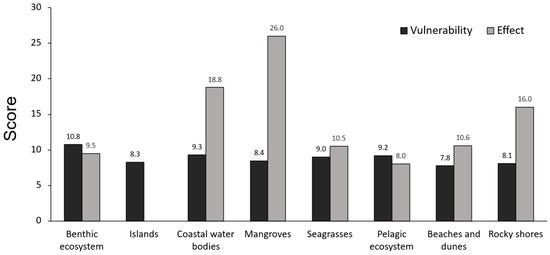
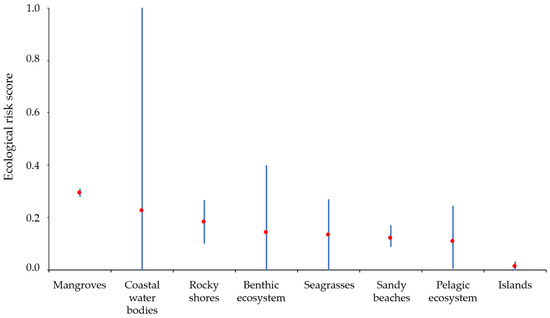
Ecological risk assessment of ecosystems facing anthropogenic pressures informs coastal management. This study evaluated the ecological risk of ecosystems in two coastal municipalities in the Gulf of California, Mexico. The coastal area under study spans 175 km of coastline and includes various ecosystems, as well as the cities of Guaymas and Empalme (~160,000 inhabitants). Ecological risk was assessed by surveying the opinions of experts on local and global activities and influences (climate change), the ecological consequences of hazards, and the resilience (fragmentation) and natural recovery of ecosystems. In addition, potential synergies between human activities and the effects of climate change were identified. The results showed that the main threats are discharges of raw or poorly treated wastewater into the sea, the generation and dumping of garbage, and illegal fishing. Wastewater discharges represent the local threat that interacts most intensively with the effects of climate change. Mangroves, coastal water bodies, and rocky shores face the greatest ecological risk due to continuous exposure to anthropogenic threats, poorly planned urban growth, and industrial development. Approximately 20% of the coastal zone is estimated to correspond to the metropolitan areas of Guaymas and Empalme, where the greatest ecological risk occurs, and these represent opportunities to promote coastal management processes aimed at ecosystem restoration and planned urban development to prevent the loss of coastal ecosystem functions and the services they provide to society.
Full article

Figure 1
Open AccessArticle
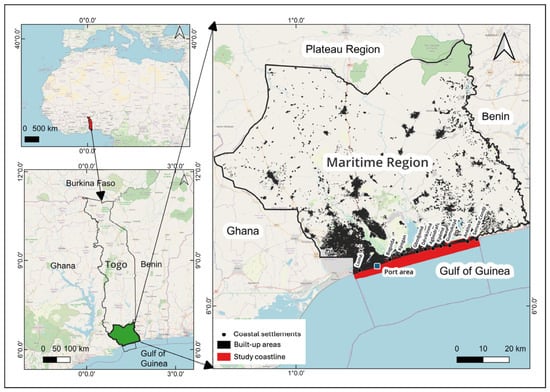
Coastal Vulnerability and Risk Analysis Along the Littoral of Togo
by
Dkawlma Tora, Giorgio Fontolan, Saverio Fracaros and Annelore Bezzi
Coasts 2026, 6(2), 18; https://doi.org/10.3390/coasts6020018 - 4 May 2026
Abstract
►▼
Show Figures
This study presents the first fine-scale Coastal Vulnerability Index (CVI) assessment for Togo, evaluating coastal vulnerability and risk along the country’s 50 km barrier coastline in the context of accelerating erosion, rising sea level, and growing human exposure. Using remote sensing, GIS, and
[...] Read more.
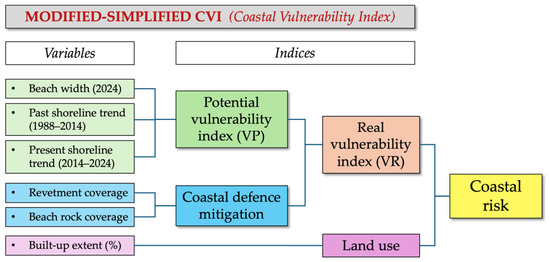
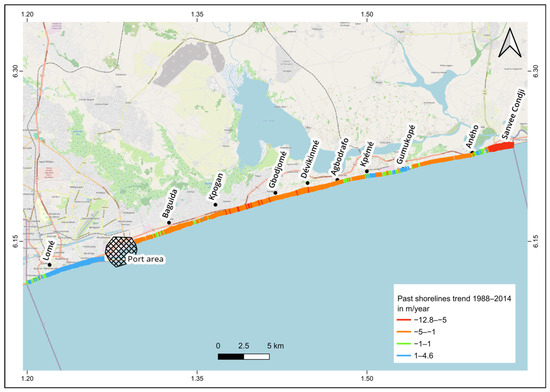
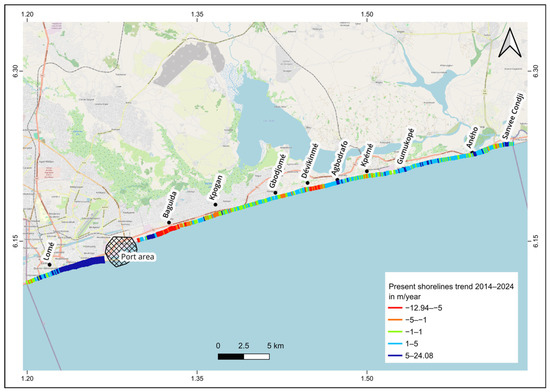
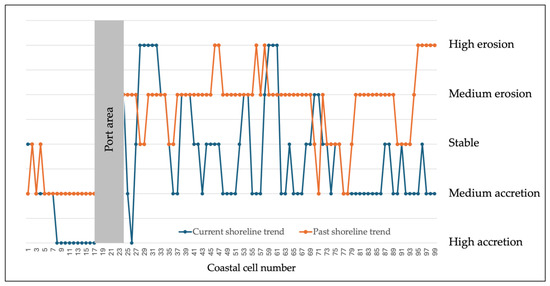
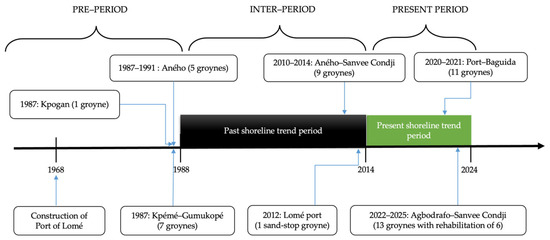
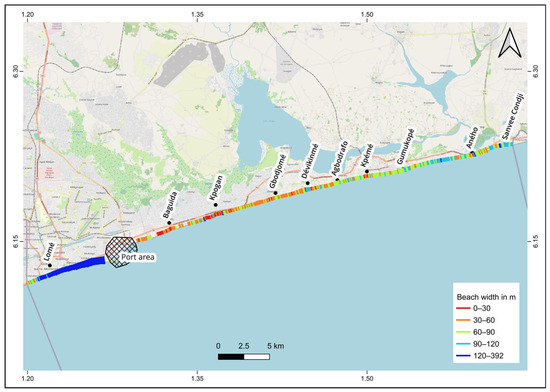
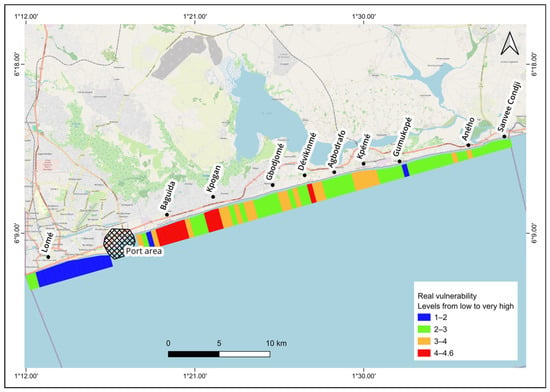
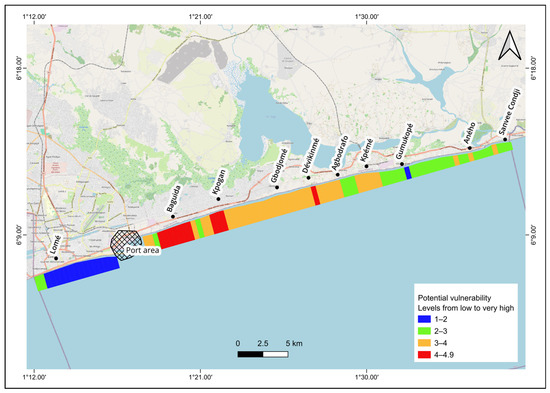
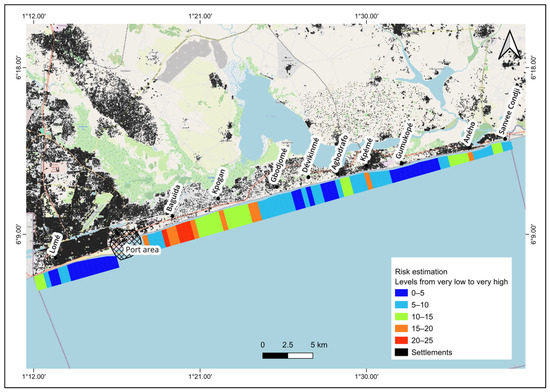
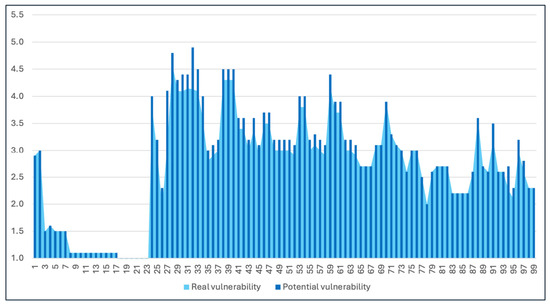
This study presents the first fine-scale Coastal Vulnerability Index (CVI) assessment for Togo, evaluating coastal vulnerability and risk along the country’s 50 km barrier coastline in the context of accelerating erosion, rising sea level, and growing human exposure. Using remote sensing, GIS, and a CVI framework, shoreline trend rates, beach width, land use, and the role of existing coastal defences were analysed to support risk-informed decision-making. The coastline was segmented into 99 coastal units of 500 m, and shoreline trend rates were computed using the End Point Rate (EPR) method based on multi-temporal satellite-derived shorelines spanning from 1988 to 2024. Results show strong spatial contrasts in vulnerability, with the eastern sector of the Port of Lomé, particularly a 24.5 km stretch, exhibiting high vulnerability due to persistent shoreline retreat and narrow beach widths. In contrast, the western coastline displays lower vulnerability levels. Several erosion hotspots were identified, including Baguida and Dévinkemé, where recent shoreline retreat reaches up to −12.8 m/year. Existing coastal defences locally mitigate erosion impacts, reducing the extent of highly vulnerable shoreline from 23.5 km to 15 km. The integrated risk assessment identifies 6.5 km of coastline, primarily in the eastern port area, as being at high risk due to the combined effects of erosion and dense human settlement. These results provide spatially explicit information to support integrated coastal zone management, land-use planning, and adaptation strategies in Togo.
Full article

Figure 1
Open AccessArticle
Influence of Long Jetties on Coastal and Estuarine Hydro-Sedimentological Patterns in a Microtidal Region: Potential for Mud Deposit Formation
by
Monique Franzen, Eduardo Siegle, Aldo Sottolichio and Elisa H. L. Fernandes
Coasts 2026, 6(2), 17; https://doi.org/10.3390/coasts6020017 - 15 Apr 2026
Abstract
►▼
Show Figures
Given the continuous expansion of global trade, coastal and estuarine environments have been increasingly modified by anthropogenic pressures associated with port development, particularly through inlet stabilization by jetties, which often causes unintended environmental changes. This study evaluates alterations in estuarine and coastal hydro-sedimentological
[...] Read more.
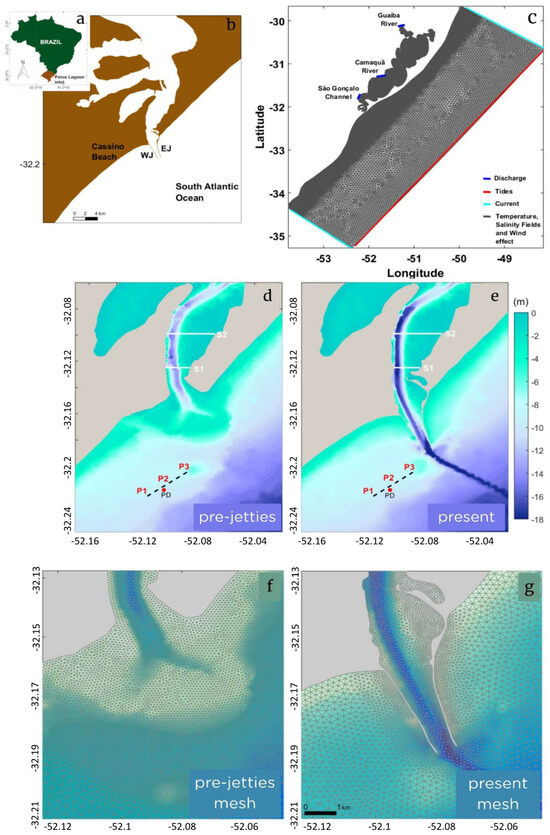
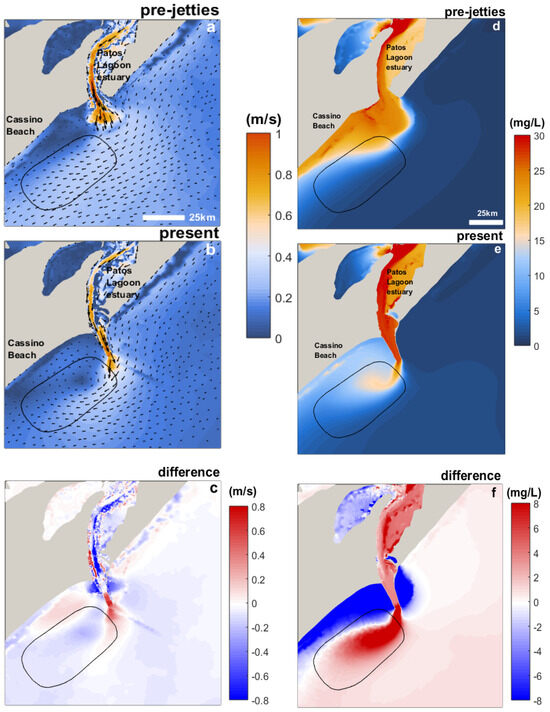
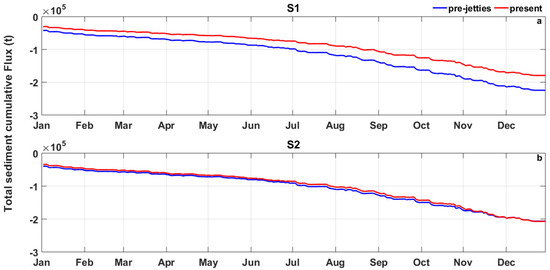
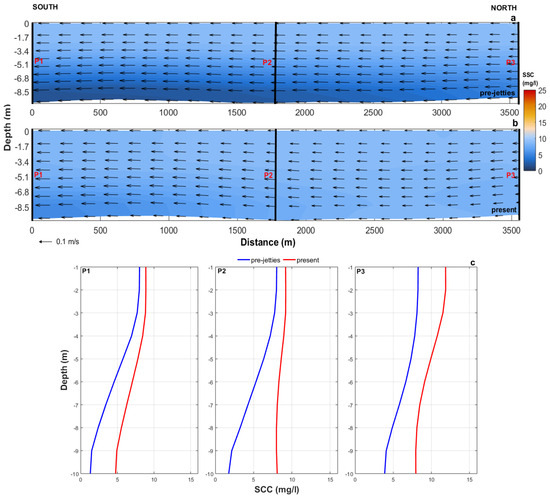
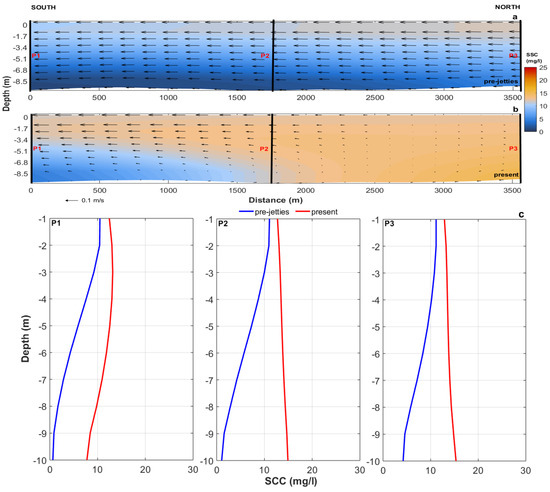
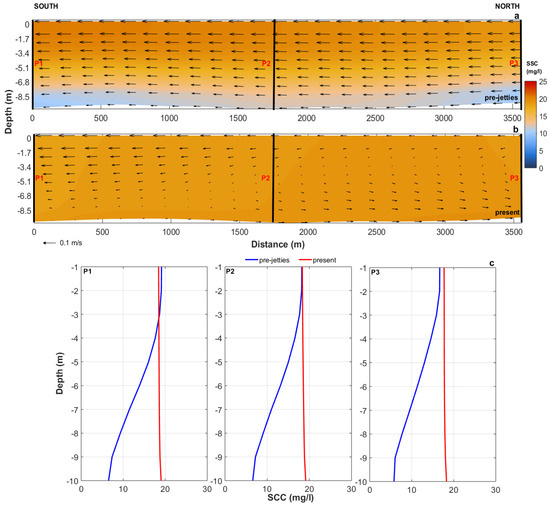
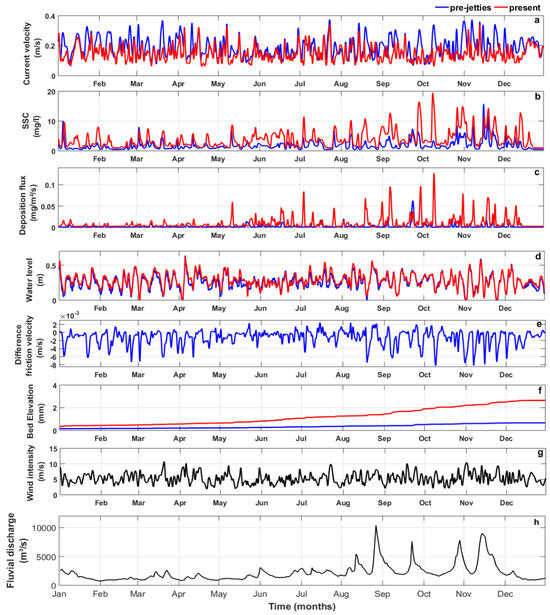
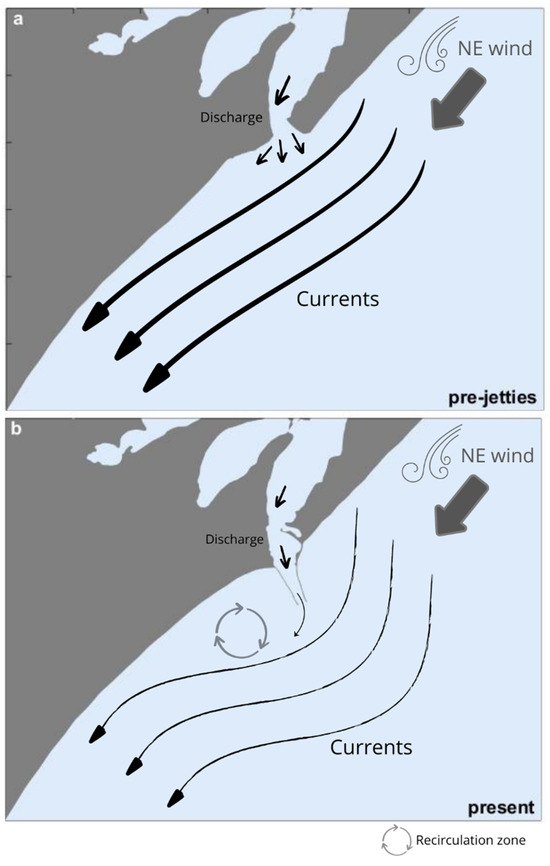
Given the continuous expansion of global trade, coastal and estuarine environments have been increasingly modified by anthropogenic pressures associated with port development, particularly through inlet stabilization by jetties, which often causes unintended environmental changes. This study evaluates alterations in estuarine and coastal hydro-sedimentological dynamics resulting from the construction of jetties (1911–1915) in the Patos Lagoon estuary, Brazil. A calibrated and validated numerical model (TELEMAC-3D) was used to compare pre-jetties and present conditions. Results showed that the morphological changes induced by the jetties altered estuarine circulation and sediment retention mechanisms. The reduction in current velocities within the channel increased sediment trapping, decreasing sediment transport capacity towards the adjacent coast. In contrast, along the plume jet, flow acceleration enhanced offshore export of fine suspended sediments, shifting deposition from nearshore areas to deeper offshore zones. Under northeastern wind conditions, a higher potential for mud deposition near the western jetty was observed in the post-construction scenario, reflecting a change in local deposition trends. These human-induced modifications not only reorganize sediment pathways but also influence habitat distribution and deposition patterns, highlighting the importance of considering engineering structures in sustainable coastal and estuarine management strategies.
Full article

Figure 1
Open AccessArticle
Wind as an Influential Factor in the Transport and Destination of Oil from Spills Along the Brazilian Semiarid Coast (Ceará State, Northeast Brazil)
by
Alexandre Medeiros de Carvalho, Lidriana de Souza Pinheiro, Antonio Rodrigues Ximenes Neto, Vanda Claudino-Sales, Sérgio Rossi, José Francisco Soares Lima Júnior, Regimario Pereira Lima Filho, Beatriz Diniz Lopes, Thalya dos Santos Sousa and Rivelino Martins Cavalcante
Coasts 2026, 6(2), 16; https://doi.org/10.3390/coasts6020016 - 9 Apr 2026
Abstract
►▼
Show Figures
Oil spills along the northeast coast of Brazil have the potential to cause catastrophic contamination of coastal environments and their associated biota. Beyond the direct contamination processes occurring on beaches, oil can also be transported inland by tides through estuaries. In addition, wind-driven
[...] Read more.
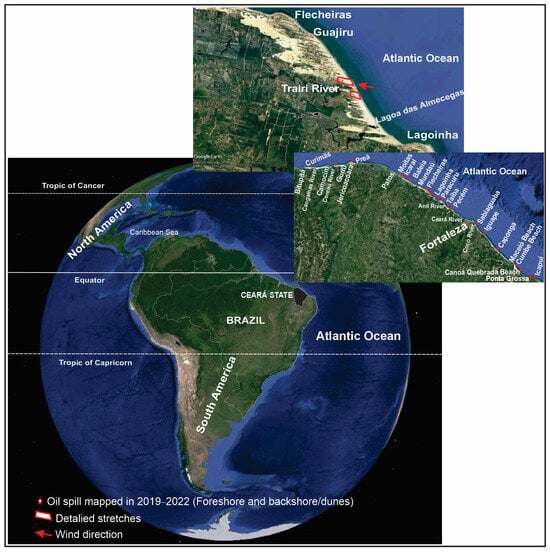
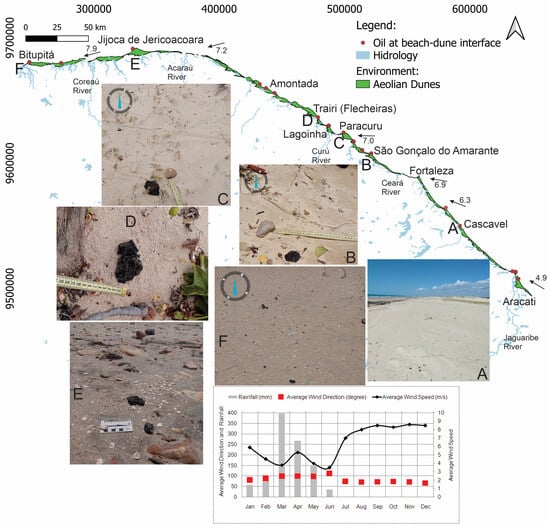
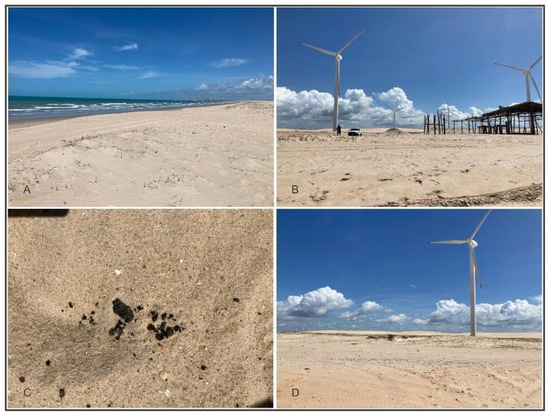
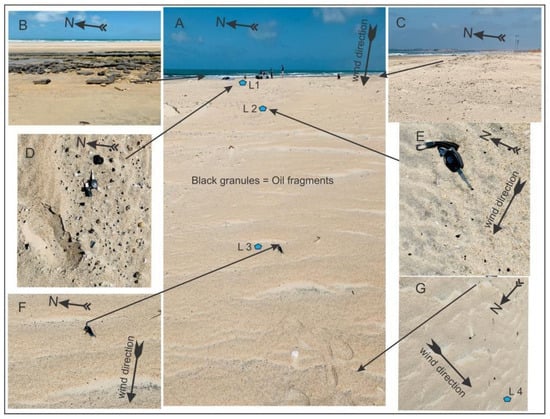
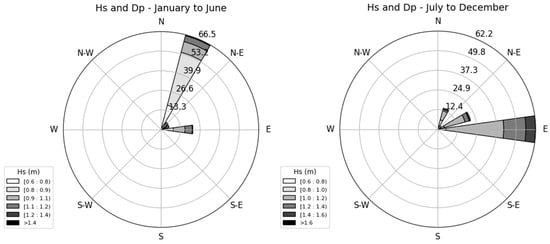
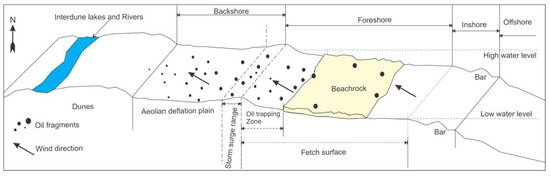
Oil spills along the northeast coast of Brazil have the potential to cause catastrophic contamination of coastal environments and their associated biota. Beyond the direct contamination processes occurring on beaches, oil can also be transported inland by tides through estuaries. In addition, wind-driven transport of oil was observed in nearly all sections studied along the coast. Therefore, this study evaluated the potential of wind to transport oil fragments inland using both direct and indirect methods, including field observations and GIS-based mapping tools. The results identified and quantified oil fragmentation processes and wind-driven transport over relatively large distances (hundreds of meters). The presence of exhumed beachrock, combined with the absence or low elevation of foredunes and the high potential for wind transport, plays a crucial role in trapping oil on the beach surface. These factors further facilitate the fragmentation and inland dispersal of oil particles, allowing them to penetrate deeper into the coastal environment. The findings underscore the importance of assessing the contamination risks posed by oil fragments as they become incorporated into aeolian and other interconnected inland systems.
Full article

Figure 1
Open AccessArticle
Predicting Seiche-Impacted Estuarine Water Levels with Machine Learning Methods
by
Nicolas Guillou
Coasts 2026, 6(2), 15; https://doi.org/10.3390/coasts6020015 - 7 Apr 2026
Abstract
►▼
Show Figures
In estuarine environments, machine learning (ML) methods have been widely applied to predict water-level variations prone to flooding. However, most studies have focused on low-frequency components driven by tides and surges, neglecting high-frequency oscillations such as seiches. This study addresses this gap by
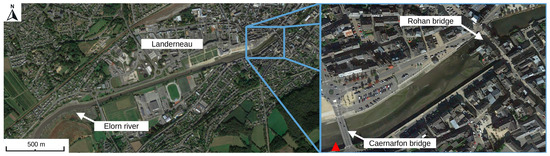
[...] Read more.
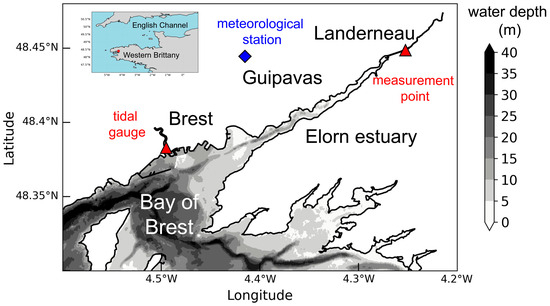
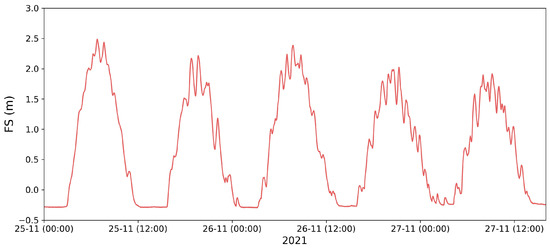
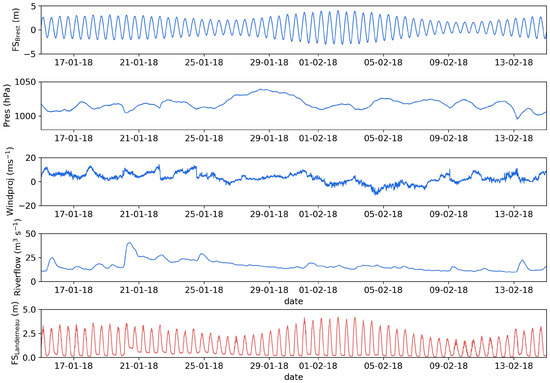
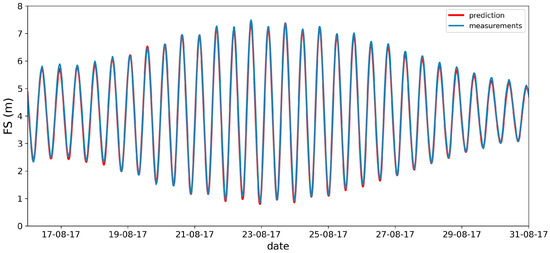
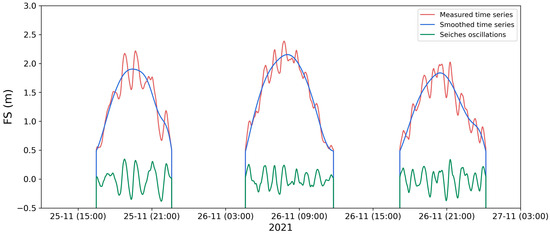
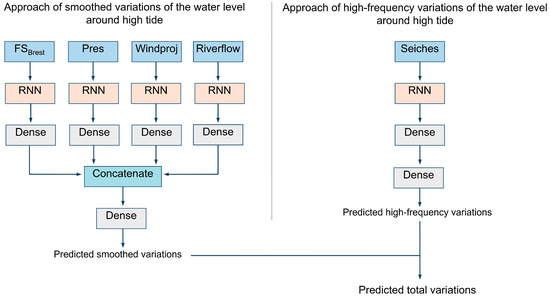
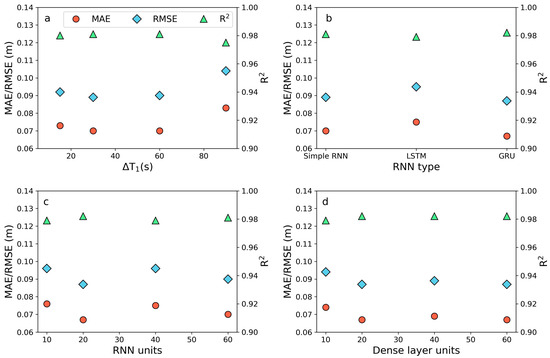
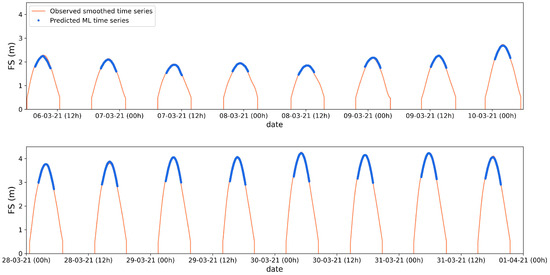
In estuarine environments, machine learning (ML) methods have been widely applied to predict water-level variations prone to flooding. However, most studies have focused on low-frequency components driven by tides and surges, neglecting high-frequency oscillations such as seiches. This study addresses this gap by assessing the ability of ML methods to predict seiche-influenced water levels. The application was conducted in the upper Elorn estuary (France), where seiches exceeded 0.6 m in height, with first-mode periods of 45–70 min. The ML procedure relied on a series of recurrent neural networks (RNNs, LSTM, and GRUs) and was implemented in a two-step framework to separately predict (i) low-frequency water-level variations and (ii) high-frequency seiche oscillations. The model accurately reproduced low-frequency dynamics (with a coefficient of determination of 0.98) and captured a substantial portion of seiches-related variability during major events. The integration of seiches improved peak total water-level predictions, reducing the mean absolute error by 30% during tidal cycles characterized by strong seiches (amplitude exceeding 0.1 m). Furthermore, the inclusion of seiches enhanced the estimation of the highest 10% peak water levels while reducing the tendency to underestimate measurements. These findings emphasize the importance of integrating seiche-generating physical processes into ML-based forecasting frameworks.
Full article

Figure 1
Open AccessArticle
Temperature Gradients on the Coast of Peru: Characteristics and Impacts
by
Mark R. Jury
Coasts 2026, 6(2), 14; https://doi.org/10.3390/coasts6020014 - 2 Apr 2026
Abstract
►▼
Show Figures
This study considers temperature gradients over recent decades near Trujillo, Peru, (8.15 S, 78.95 W) using high-resolution data assimilation. Statistical analyses describe a steep gradient from the cool foggy coast to the warm coastal plains below the Andes. A cross-coast transect is analyzed
[...] Read more.
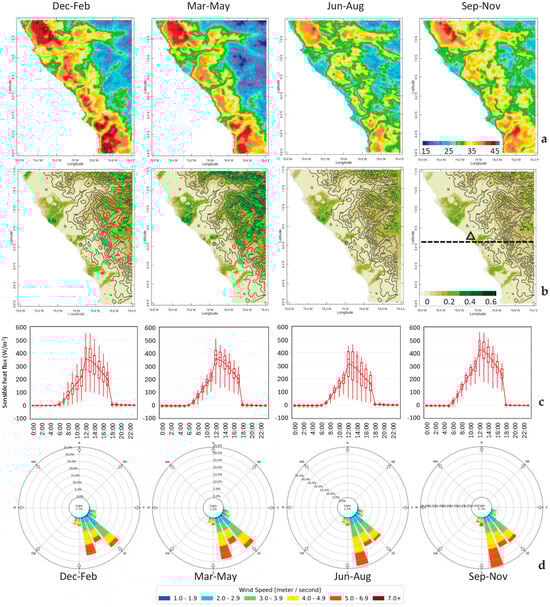
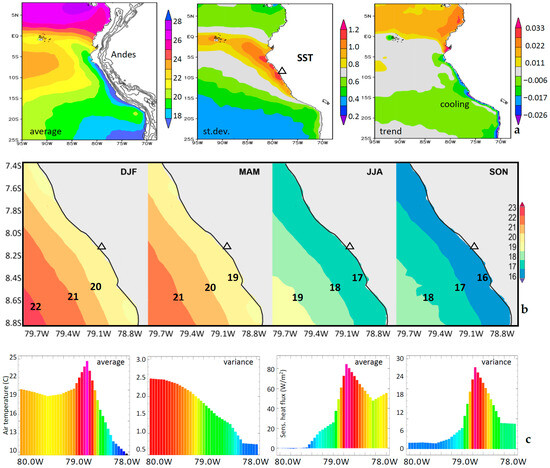
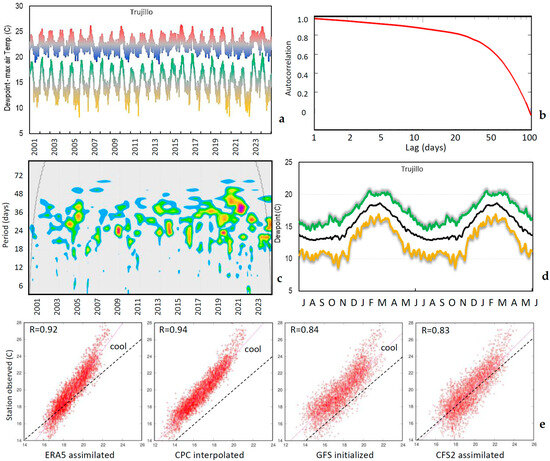
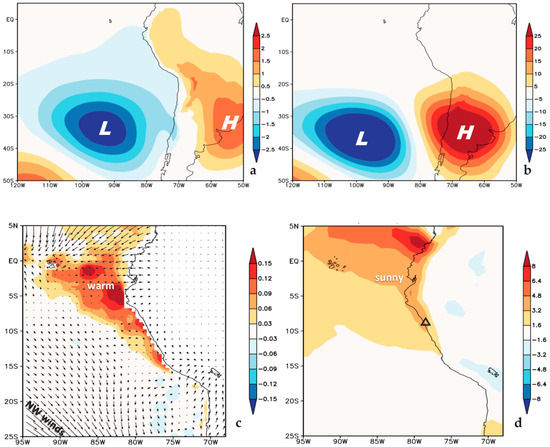
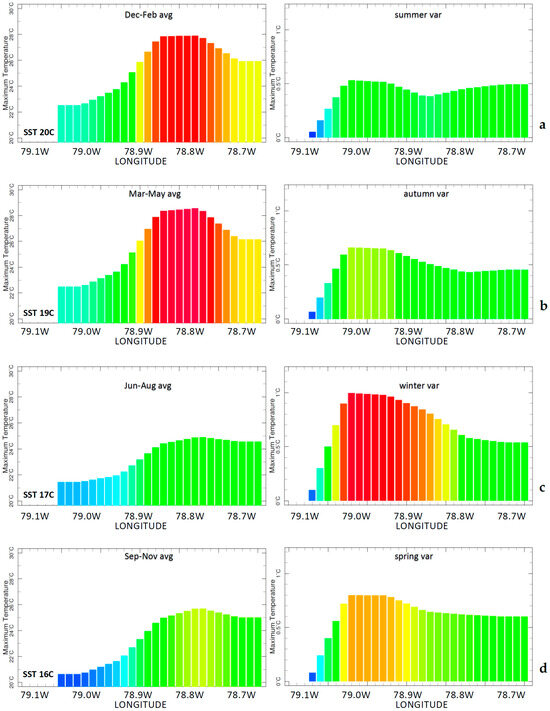
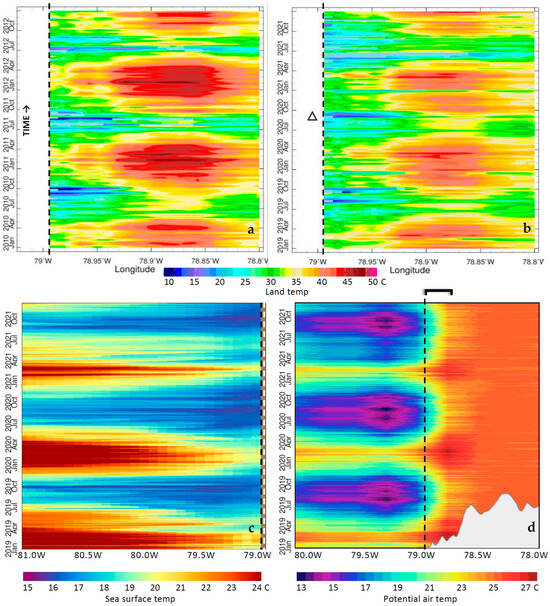
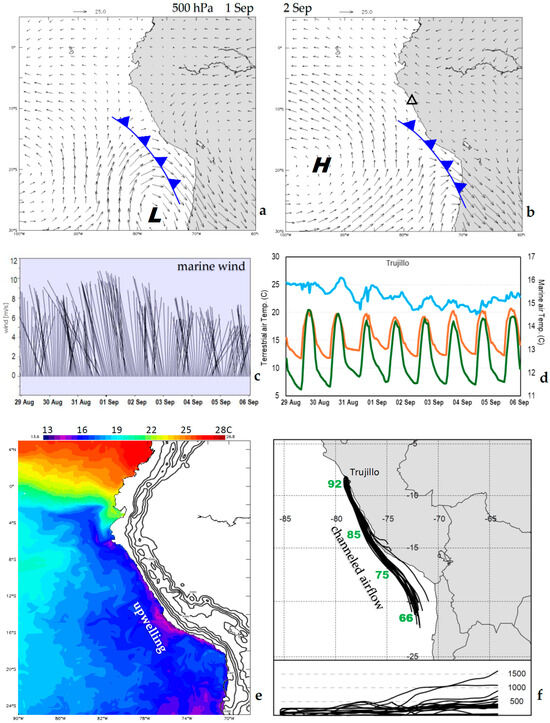
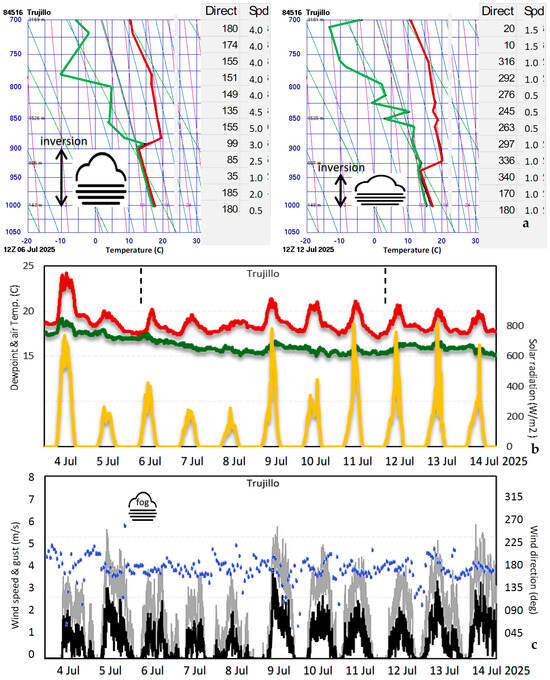
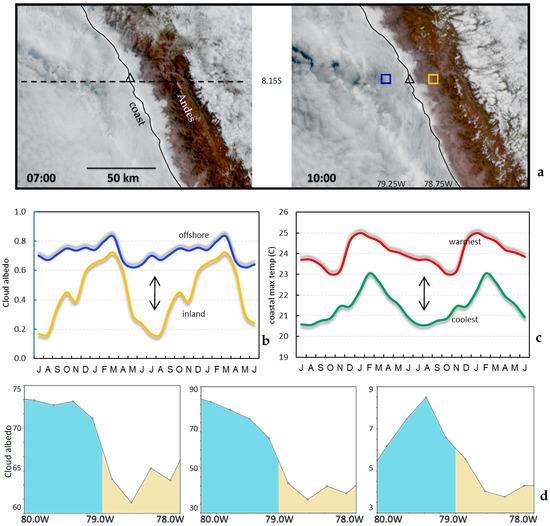
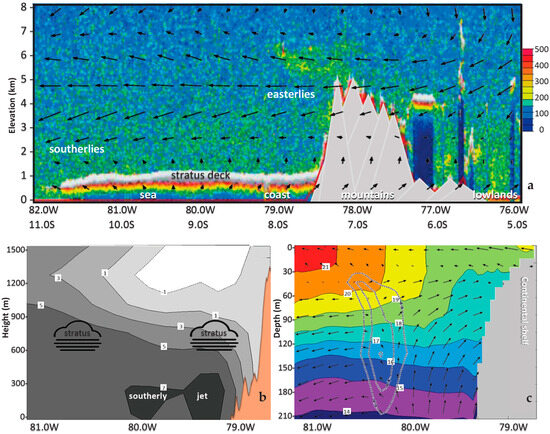
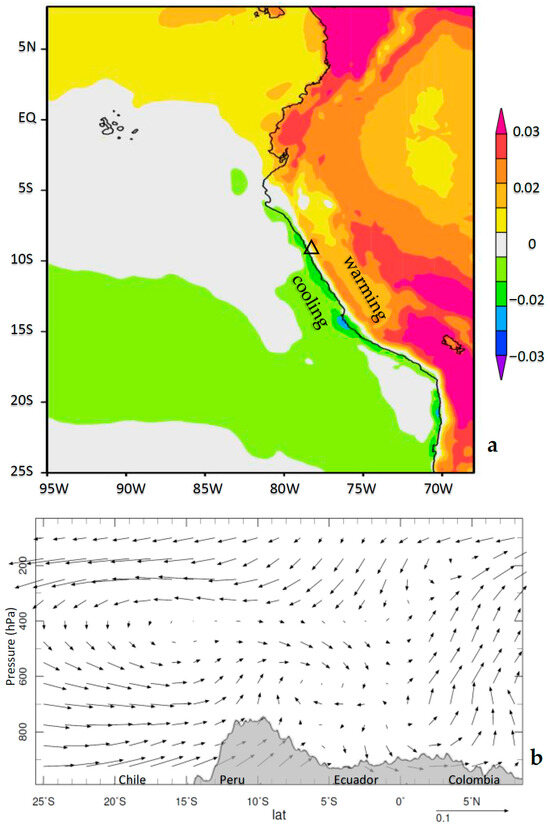
This study considers temperature gradients over recent decades near Trujillo, Peru, (8.15 S, 78.95 W) using high-resolution data assimilation. Statistical analyses describe a steep gradient from the cool foggy coast to the warm coastal plains below the Andes. A cross-coast transect is analyzed for seasonal changes in maximum air temperature from SENAMHI station data interpolated with satellite infrared measurements. Weather forecasts aimed at the urban area show a cool bias at higher temperatures and often under-represent the landward increase of 5 °C/10 km, induced by wind-driven upwelling and turbulent heat flux. Morning fog-stratus tends to delay diurnal heating on the beachfront, whereas, a few kilometers inland, warming occurs due to the segregating effect of channeled long-shore winds. Although seasonality is limited near Trujillo, winter exhibits the greatest variance of maximum temperature due to fluctuations of cloud albedo. Regressions of temperature time series onto meteorological fields identify that a subtropical trough/ridge pattern leads to higher winter values due to weaker upwelling, warmer sea temperatures, and reduced fog-stratus. Long-term trends for increased sea/land gradients have implications for the adaptation to climate change.
Full article

Figure 1
Open AccessArticle
Runoff and Sediment Flux on the North Coast of KwaZulu-Natal: Counter-Acting Beach Erosion from Rising Seas?
by
Mark R. Jury
Coasts 2026, 6(2), 13; https://doi.org/10.3390/coasts6020013 - 1 Apr 2026
Abstract
►▼
Show Figures
A remote analysis of coastal sedimentation in northern KwaZulu-Natal (KZN), South Africa, describes how summer runoff and winter wave-action operate within a highly variable climate. Despite rising sea levels, the sediment flux can sustain beaches under certain conditions. Daily satellite red-band reflectivity and
[...] Read more.
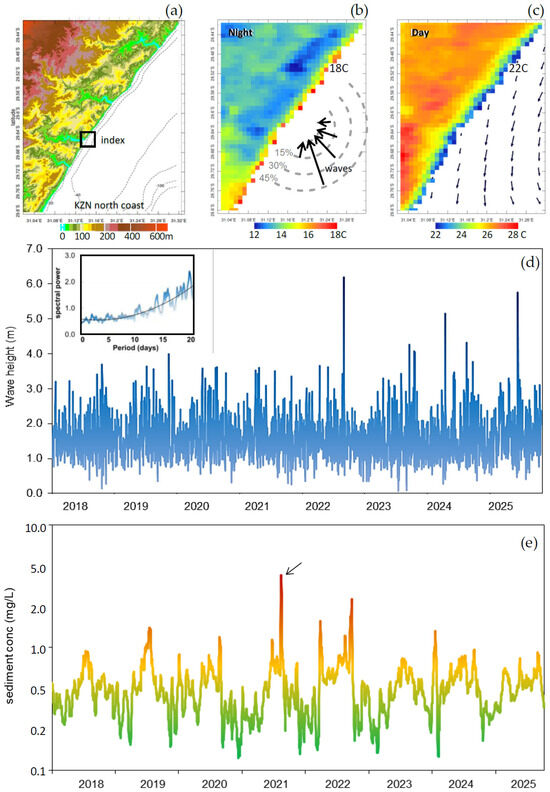
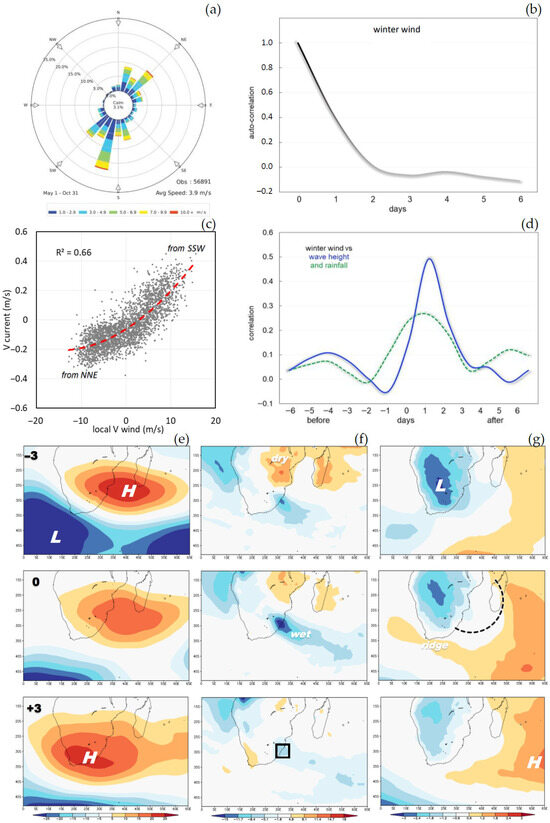
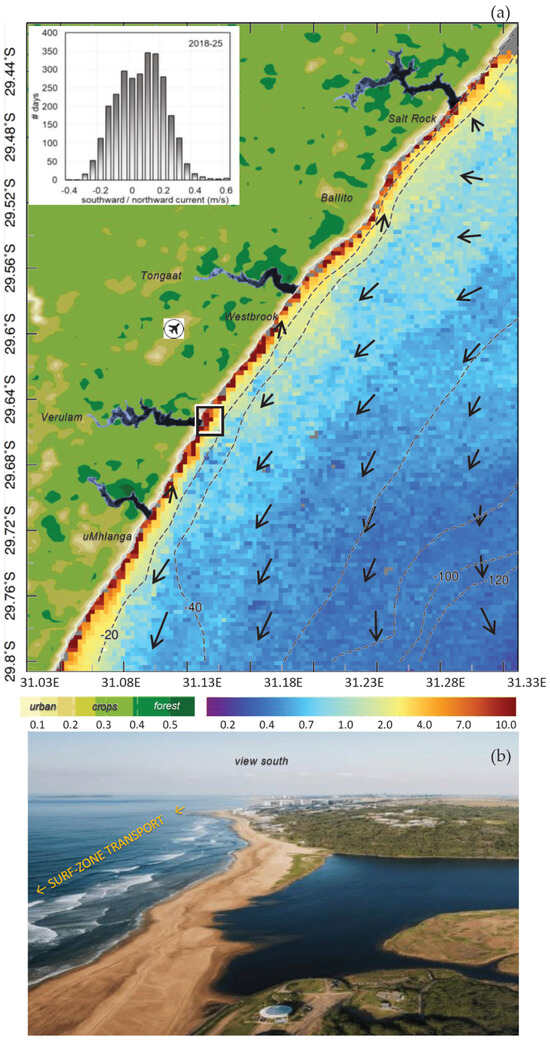
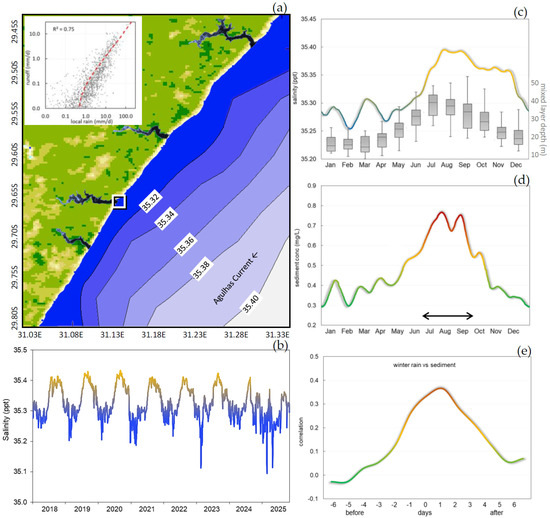
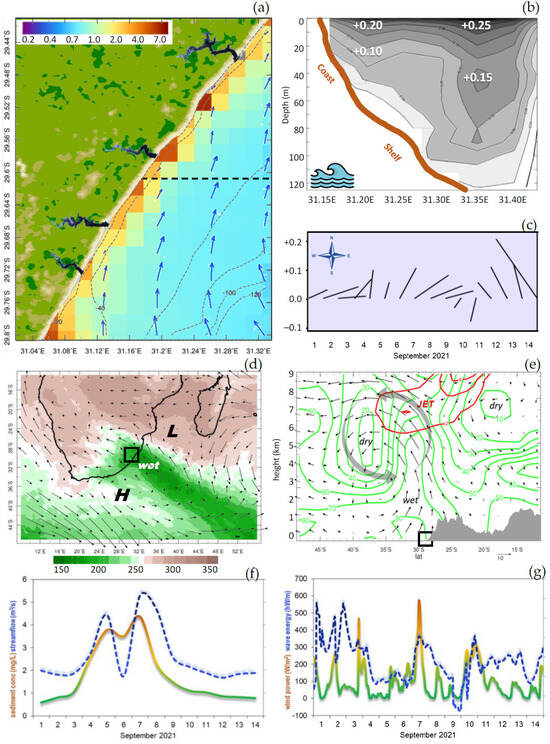
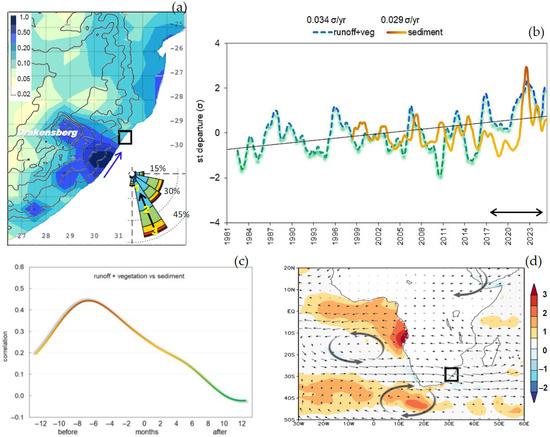
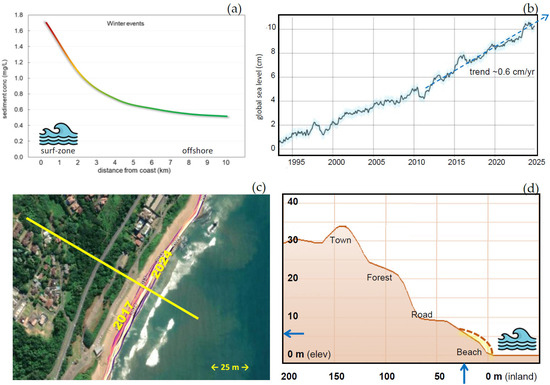
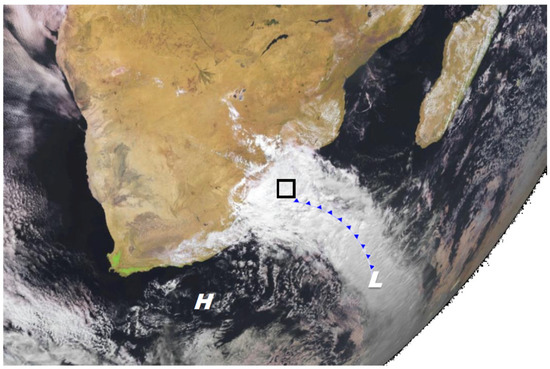
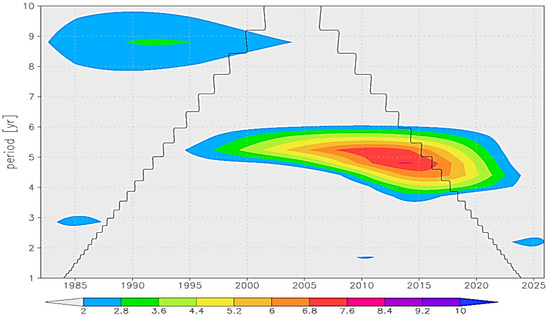
A remote analysis of coastal sedimentation in northern KwaZulu-Natal (KZN), South Africa, describes how summer runoff and winter wave-action operate within a highly variable climate. Despite rising sea levels, the sediment flux can sustain beaches under certain conditions. Daily satellite red-band reflectivity and ocean–atmosphere reanalysis datasets were studied over the period of 2018–2025. Statistical results indicate that streamflow discharges are spread northward by oblique wave-driven currents. Sediment concentrations peak during late winter (>1 mg/L, May–October) when deep turbulent mixing (>40 m) mobilizes sand from the seabed. A case study from September 2021 revealed that ridging high-pressure/cut-off low weather patterns can simultaneously increase streamflow, wave energy, and wind power, creating a surf-zone sediment conveyor along the coast of northern KZN. Long-term climate diagnostics from 1981 to 2025 reveal upward trends in coastal runoff, vegetation, and turbidity (0.29 σ/yr) that point to an increasingly vigorous water cycle. The warming of the southeast Atlantic intensifies the sub-tropical upper-level westerlies and late winter storms over southeast Africa. These processes occur in 5–8 year cycles and drive shoreline advance and retreat, from accretion ~1 T/m and storm surge inundations up to 5.5 m. Using Digital Earth, it was noted that ~1/4 of beaches around Africa are gaining sediment while ~1/3 are eroding. Although remote information could not close the sediment budget, realistic estimates of long-shore transport in the surf-zone (>104 kg/yr/m) and on the beach (>103 kg/yr/m) were calculated. These provide an emerging explanation for the resilience of northern KZN beaches, as sea levels rise at a rate of 0.6 cm/yr.
Full article

Figure 1
Open AccessArticle
Positive Influence of Mussel Aquaculture on Epibenthic Macrofauna: An Example of Restorative Aquaculture in Coastal Ecosystems
by
Estela Carbonell-Garzon, Angela Mateo, Laura Leyva, Paula Daban, Jesus Troncoso and Pablo Sanchez-Jerez
Coasts 2026, 6(1), 12; https://doi.org/10.3390/coasts6010012 - 18 Mar 2026
Abstract
►▼
Show Figures
Human activities have driven habitat degradation and biodiversity loss in marine ecosystems, highlighting the need for strategies that reconcile food production with ecosystem restoration. Restorative aquaculture has emerged as a potential tool to enhance habitat complexity, nutrient cycling, and biodiversity. The review highlighted
[...] Read more.
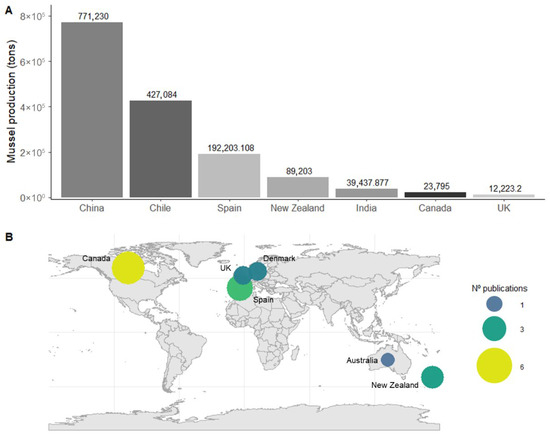
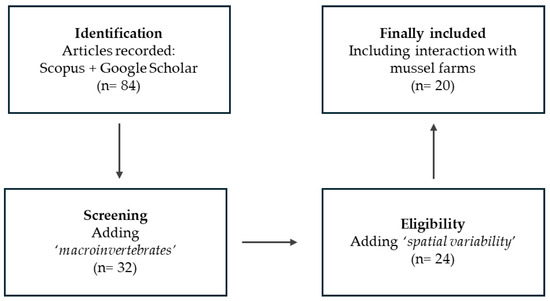
Human activities have driven habitat degradation and biodiversity loss in marine ecosystems, highlighting the need for strategies that reconcile food production with ecosystem restoration. Restorative aquaculture has emerged as a potential tool to enhance habitat complexity, nutrient cycling, and biodiversity. The review highlighted a global imbalance between mussel production and research on its ecological benefits, with most studies emphasizing environmental impacts rather than positive ecosystem effects. Mussel farms enhance habitat complexity and provide trophic subsidies through mussel fall-off, supporting higher abundances of crustaceans and echinoderms, including commercial species such as lobsters. Ecological effects vary with spatial scale, production type (inshore vs. offshore), substrate characteristics, and farm structure. This review highlights both the ecological benefits and potential risks, including ecological traps. Research gaps include the need for quantitative assessments and long-term monitoring. Mussel farms act as both trophic and structural facilitators, demonstrating how low-trophic aquaculture can synergistically support marine biodiversity and ecosystem resilience. Properly managed, mussel farming could transition from a food production activity to a regenerative ecological tool.
Full article

Figure 1
Open AccessArticle
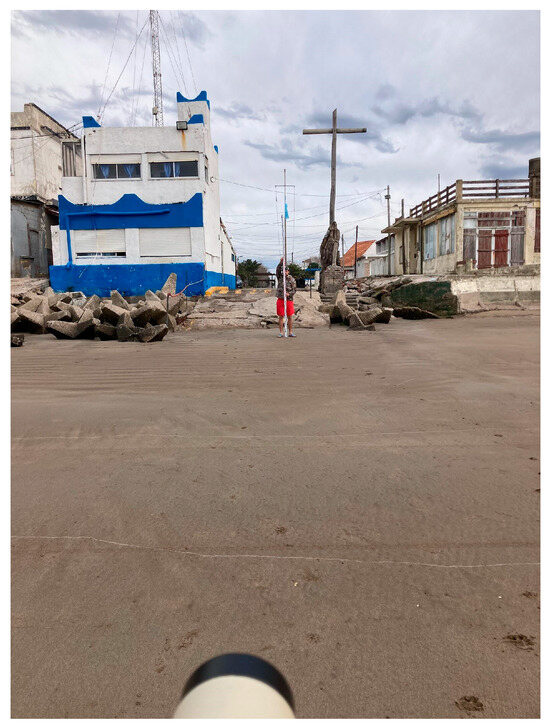
Regional Validation of Satellite-Derived Beach Width and Slope in Microtidal Environments: The Role of Water Level Forcing and Classifier Training
by
Carolina Billet, Guadalupe Alonso, Matías Dinápoli and Walter Dragani
Coasts 2026, 6(1), 11; https://doi.org/10.3390/coasts6010011 - 13 Mar 2026
Cited by 1
Abstract
►▼
Show Figures
Satellite-derived shorelines (SDSs) are increasingly used to monitor beach morphology worldwide, yet their application remains poorly validated in microtidal environments strongly influenced by atmospheric forcing. In this study, the performance of CoastSat and CoastSat.slope using nine years of in situ beach profiles from
[...] Read more.
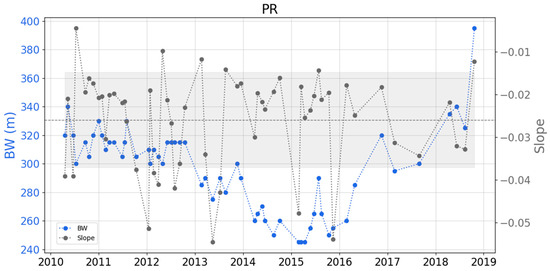
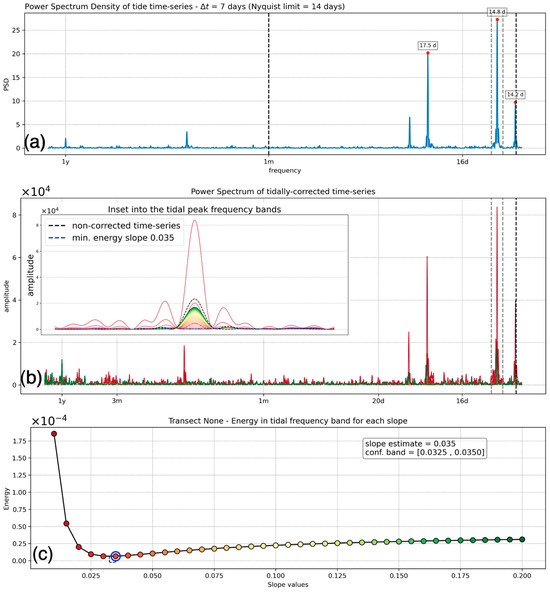
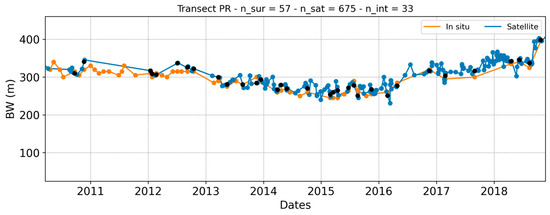
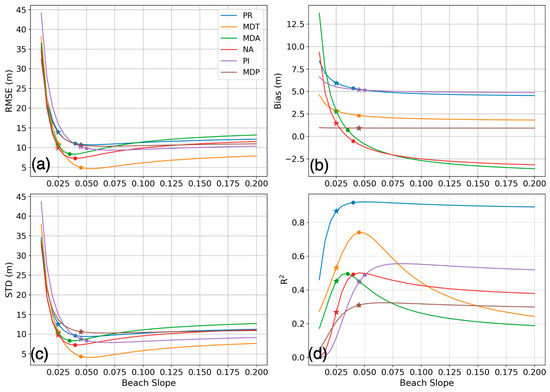
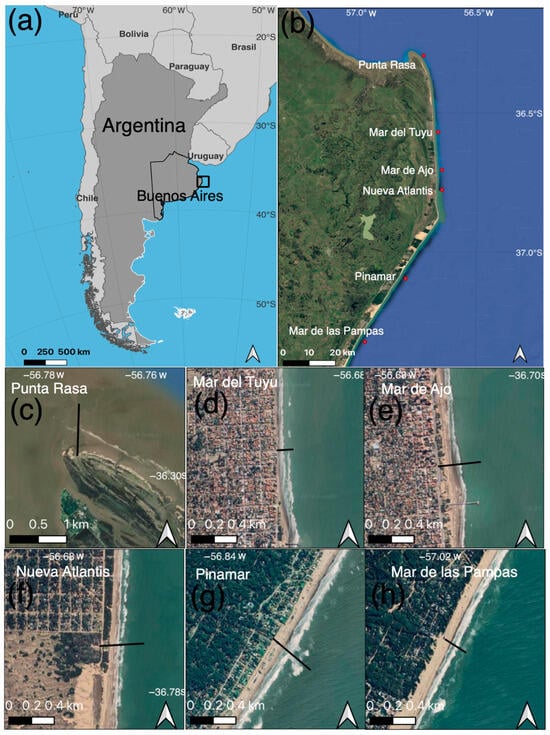
Satellite-derived shorelines (SDSs) are increasingly used to monitor beach morphology worldwide, yet their application remains poorly validated in microtidal environments strongly influenced by atmospheric forcing. In this study, the performance of CoastSat and CoastSat.slope using nine years of in situ beach profiles from six sandy beaches in Buenos Aires (Argentina) was evaluated. The analysis compares alternative sea level forcings—including global tidal predictions (FES2022), a regional barotropic model with meteorological forcing (MSAS), and wave setup from reanalysis products—and evaluates the effect of using locally trained classifiers on shoreline detection. The results show that locally trained classifiers markedly reduced RMSE values, from 9–21 m with the default classifier to 7–12 m with the locally trained one, while the MSAS model consistently outperforms FES2022 for sea level corrections across all sites. CoastSat.slope provided effective slope estimates for tidal corrections but tended to overestimate values relative to field data. Sensitivity tests confirmed that overestimation has a smaller impact on water level correction than underestimation, explaining why validation metrics improved when using CS.slope-derived slopes. These findings translate into actionable guidelines: (i) prioritize regional sea level models when nontidal variability is large; (ii) apply wave setup corrections cautiously in microtidal coasts; and (iii) use locally trained classifiers in heterogeneous or urbanized beaches. Overall, this study demonstrates that with appropriate parameterization, CoastSat is a reliable tool for shoreline monitoring in atmospherically forced, microtidal coasts, and its methodological insights are transferable to other low-energy, data-scarce regions worldwide.
Full article

Figure 1

Open AccessArticle
Bridging Local and Regional Scales: Ecological and Governance Assessment of Urban Dune Lake Wetlands in a Coastal Metropolis
by
Patricia Moreno-Casasola, Andrés De la Rosa, Luis Alberto Peralta Peláez, Ceferino Vázquez Báez and Hugo López Rosas
Coasts 2026, 6(1), 10; https://doi.org/10.3390/coasts6010010 - 4 Mar 2026
Abstract
►▼
Show Figures
Urban wetlands in coastal cities are under growing strain from urban growth, climate change, and governance that is often fragmented. This study evaluates the condition of the freshwater dune lakes located in the Veracruz–Boca del Río–Medellín conurbation in Mexico, a protected corridor made
[...] Read more.
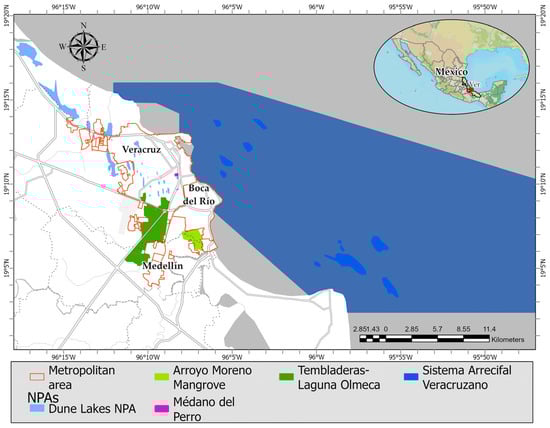
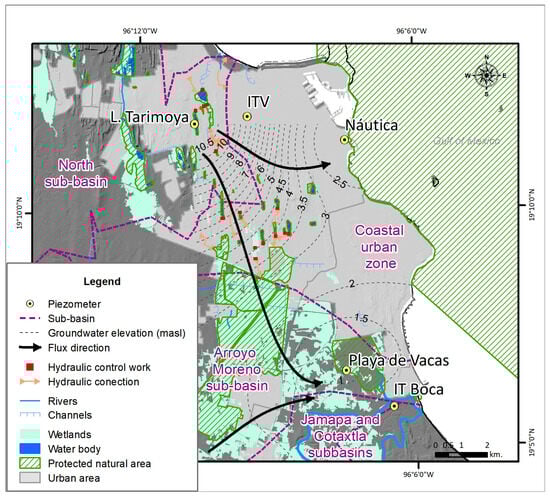
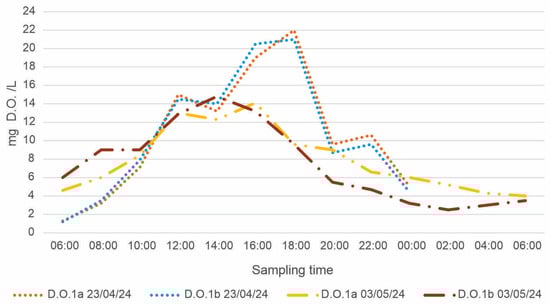
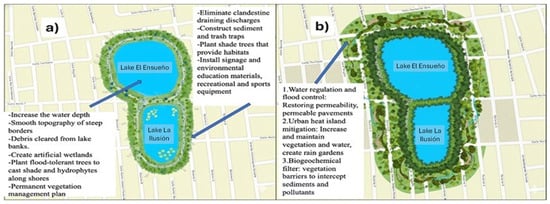
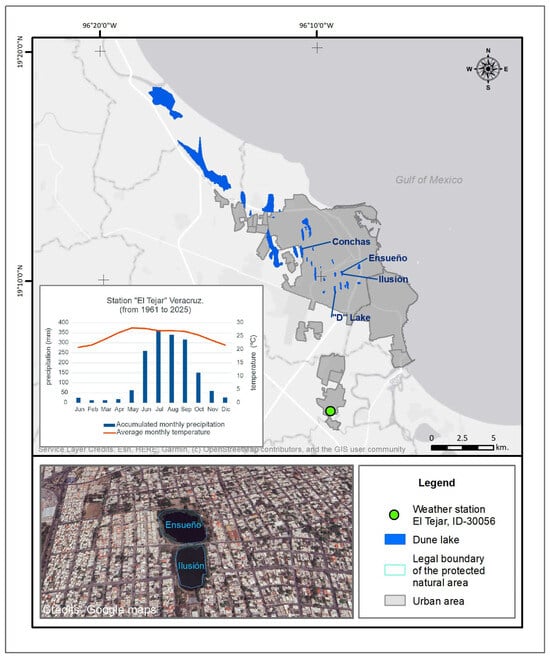
Urban wetlands in coastal cities are under growing strain from urban growth, climate change, and governance that is often fragmented. This study evaluates the condition of the freshwater dune lakes located in the Veracruz–Boca del Río–Medellín conurbation in Mexico, a protected corridor made up of 33 dune lakes that is increasingly pressured by urban expansion. We used an interdisciplinary approach that combined ecological monitoring, legal analysis, and participatory management tools. Fieldwork included 24 h monitoring of dissolved oxygen, measurements of Biochemical Oxygen Demand (BOD5) in representative systems, a diachronic review of the legal evolution of five Natural Protected Areas (NPAs), and community workshops to jointly design interventions. The results showed strong day–night swings in oxygen (4.0–14.8 mg/L) linked to vegetation dynamics, with nighttime hypoxia posing risks for aquatic fauna. BOD5 ranged from 4.8 to 150.3 mg/L, pointing to severe organic pollution in the most degraded system. The legal review identified repeated patterns of environmental regression, expressed through reductions in protected polygons, the legalization of irregular settlements, and the fragmentation of protected areas through judicial processes. In response, we propose a hybrid management model that brings together riparian restoration, Sustainable Urban Drainage Systems (SUDS), green infrastructure, and participatory monitoring, emphasizing a key 100 m buffer zone. This integrated strategy aims to improve flood regulation, reduce urban heat island effects, and enhance water quality, while also reinforcing community stewardship and legal protection. We conclude that conserving these urban wetlands effectively requires adaptive approaches that connect landscape-scale and local-scale actions, which are essential for climate adaptation in rapidly urbanizing coastal regions.
Full article

Figure 1
Open AccessArticle
Storm Events Along the Coasts of Senegal
by
Cheikh Omar Tidjani Cisse, Rafael Almar and Mamadou Sadio
Coasts 2026, 6(1), 9; https://doi.org/10.3390/coasts6010009 - 3 Mar 2026
Abstract
Coastal storms represent a major environmental issue and constitute an important challenge for coastal flood management. This study analyzes the frequency and characteristics of storms on the Senegalese coast between 1993 and 2023, focusing on four coastal cities: Dakar, Saint-Louis, Mbour, and Cap-Skring.
[...] Read more.
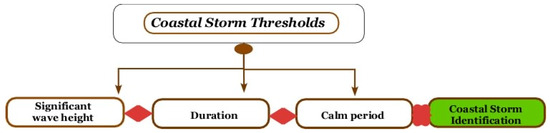
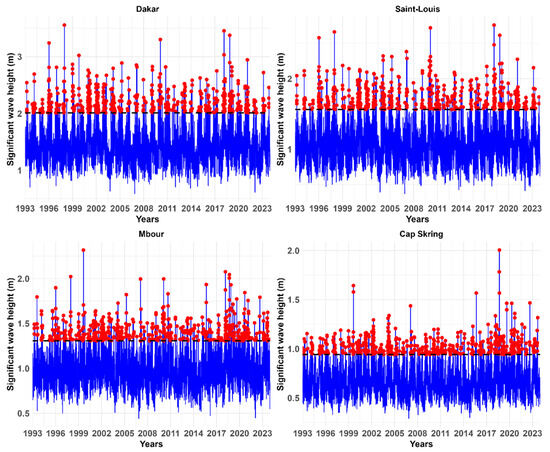
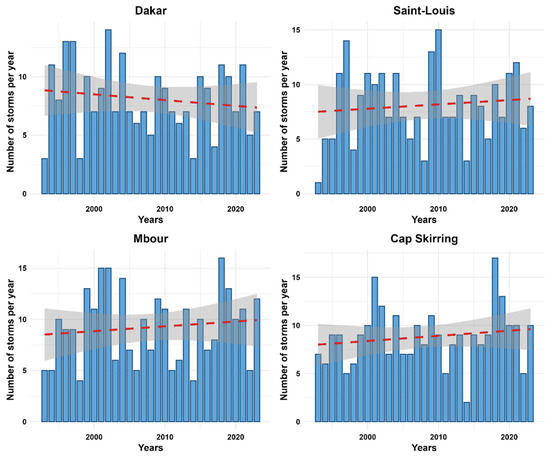
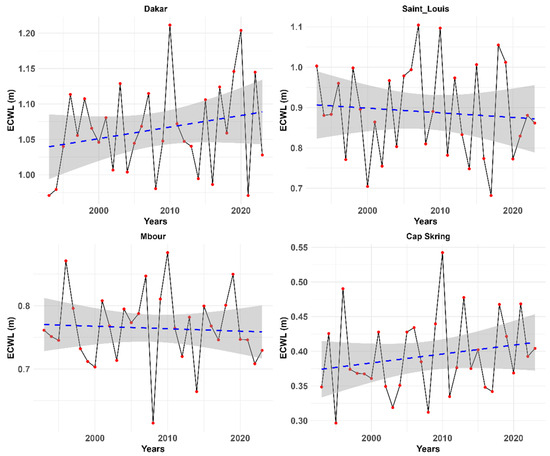
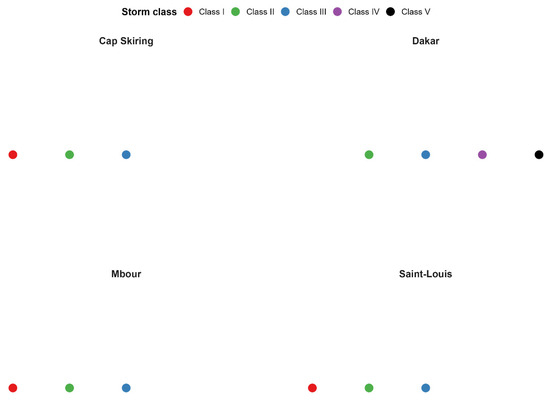
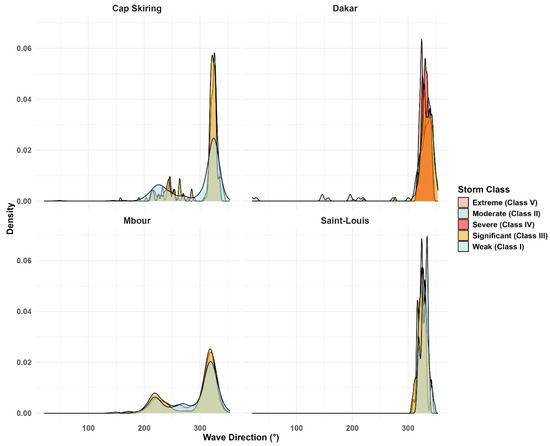
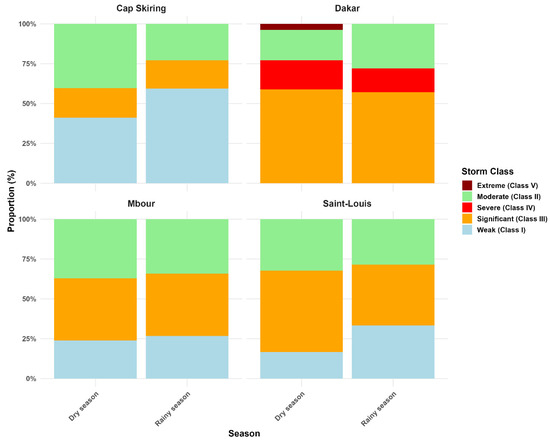
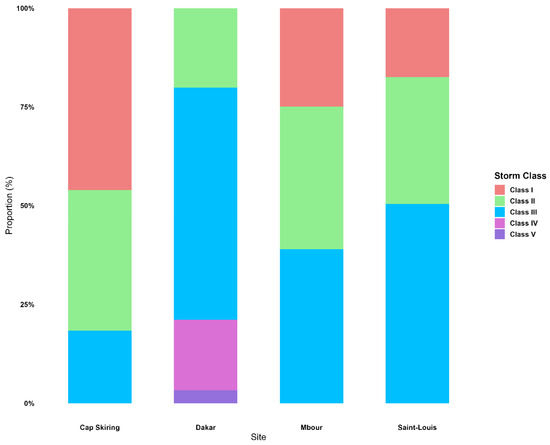
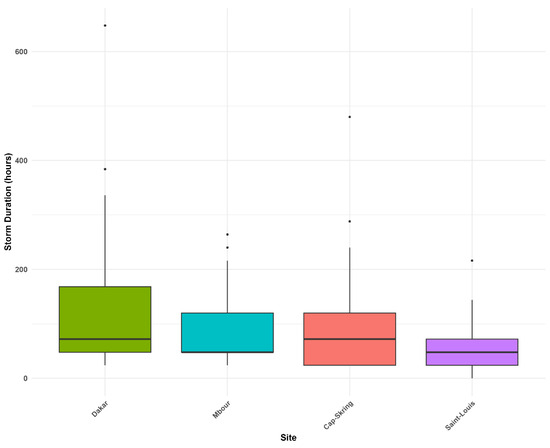
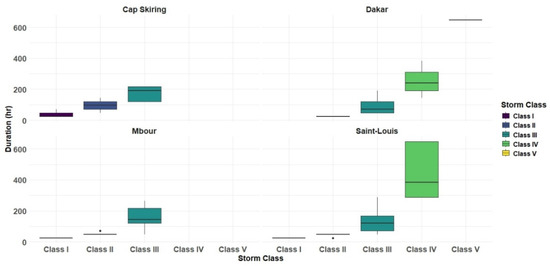
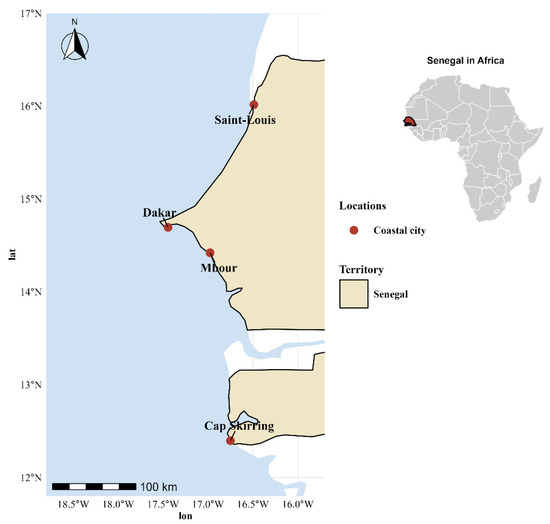
Coastal storms represent a major environmental issue and constitute an important challenge for coastal flood management. This study analyzes the frequency and characteristics of storms on the Senegalese coast between 1993 and 2023, focusing on four coastal cities: Dakar, Saint-Louis, Mbour, and Cap-Skring. The analysis is based on wave data from the ERA5 model and on meteorological and oceanographic data from different models. Storms were detected using the Peak Over Threshold (POT) method, based on the 95th percentile and fitted to a generalized Pareto distribution (GPD). The results reveal a contrasted spatial distribution of coastal storms, with a higher occurrence in Dakar and Saint-Louis. An apparent increase in the frequency of storms is observed in Saint-Louis, Mbour, and Cap-Skring, while an apparent decrease is noted in Dakar; however, these trends are not statistically significant. Extreme coastal water levels (ECWL) associated with storms show an opposite evolution, with an apparent decrease in the first three regions and an apparent increase in Dakar. The most intense and longest storms, in terms of energy content (Es), are mainly observed in Dakar and Saint-Louis. A linear relationship is highlighted between the duration and intensity of storms. Storm occurrence shows a strong seasonal modulation, with a predominance during the dry season (November to May). The most energetic storms are mostly generated by waves from the west to west-northwest direction in Dakar and Saint-Louis, while Mbour and Cap-Skring present a wider directional window. This first analysis at the scale of the Senegalese coast provides essential elements for understanding the risk of coastal storms and constitutes support for coastal flood management in a context of climate change.
Full article
(This article belongs to the Special Issue Coastal Hydrology and Climate Change: Challenges and Solutions)
►▼
Show Figures

Figure 1
Highly Accessed Articles
Latest Books
E-Mail Alert
News
Topics
Topic in
Coasts, Energies, JMSE, Sustainability, Future Transportation
Maritime Transportation in the Blue Economy and Green Shipping Technology
Topic Editors: Chungkuk Jin, Junghwan Choi, Won-Ju Lee, Hokeun KangDeadline: 15 September 2026
Topic in
AI, Coasts, JMSE, Oceans, Remote Sensing, Sci, Water
Artificial Intelligence and Machine Learning Methods in Ocean Engineering
Topic Editors: Shu Zhang, Hongjie Ma, Muwei Jian, Haibin Cai, Xuewu DaiDeadline: 31 July 2027
Conferences
Special Issues
Special Issue in
Coasts
Trade-Offs in Coastal Conservation: Management, Tourism, and Environment
Guest Editor: Leonardo Lopes CostaDeadline: 31 December 2026
Special Issue in
Coasts
Coastal Benthic Biodiversity: Patterns, Processes, Pressures and Restoration
Guest Editors: Chengye Hu, Jianyu DongDeadline: 31 December 2026
Special Issue in
Coasts
Advanced Numerical Modeling and Experimental Methods in Coastal Engineering
Guest Editors: Guang Yin, Wengang Qi, Muk Chen OngDeadline: 25 February 2027
Special Issue in
Coasts
Wave–Seabed–Structure Interaction
Guest Editors: Titi Sui, B. Mutlu Sumer, Bin ZhuDeadline: 5 March 2027