

-
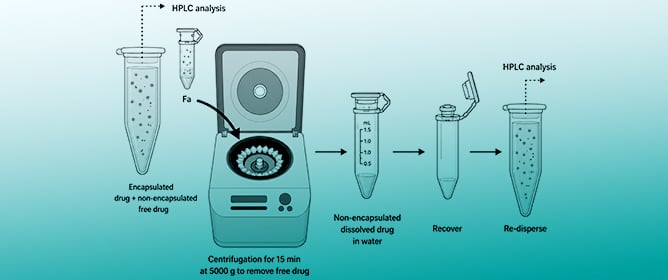
Assessment of pH-Responsive Ionisable Lipid Nanoparticles as Cisplatin Delivery Vehicles for Treating Cisplatin-Resistant Ovarian Cancer -
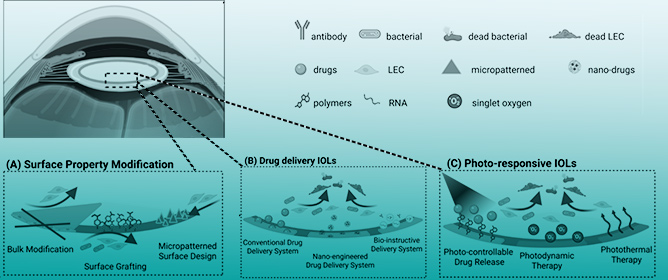
Intraocular Lens Modifications for Postoperative Complication Prevention: Advances in Surface Engineering, Drug Delivery, and Photo-Responsive Strategies -
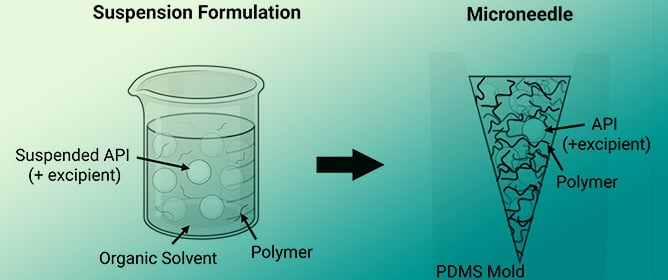
Fabrication of Microneedle Patches by Suspension Casting of Drugs in Organic Solvents -
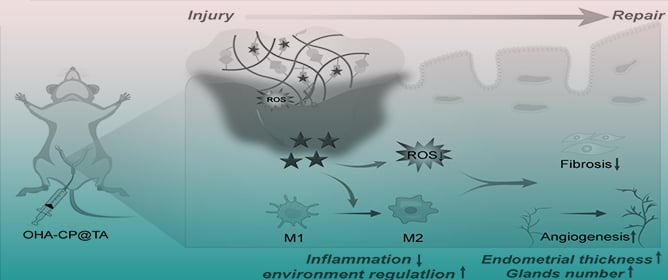
A Reactive Oxygen Species-Responsive Biomimetic Adhesive Hydrogel Mediates Immunoregulation to Effectively Prevent Intrauterine Adhesions -
Co-Formulation of Pembrolizumab Murine Surrogate RMP1-14 with Imagent Ultrasound Contrast Agent Enhances Intratumoral Antibody Delivery Through a Transient Increase in Tumor Blood Perfusion
Journal Description
Pharmaceutics
Pharmaceutics
is a peer-reviewed, open access journal on the science and technology of pharmaceutics and biopharmaceutics, published monthly online by MDPI. The Spanish Society of Pharmaceutics and Pharmaceutical Technology (SEFIG), Pharmaceutical Solid State Research Cluster (PSSRC), Academy of Pharmaceutical Sciences (APS) and Korean Society of Pharmaceutical Sciences and Technology (KSPST) are affiliated with Pharmaceutics and their members receive a discount on the article processing charges.
- Open Access— free for readers, with article processing charges (APC) paid by authors or their institutions.
- High Visibility: indexed within Scopus, SCIE (Web of Science), PubMed, PMC, Embase, CAPlus / SciFinder, and other databases.
- Journal Rank: JCR - Q1 (Pharmacology and Pharmacy) / CiteScore - Q1 (Pharmaceutical Science)
- Rapid Publication: manuscripts are peer-reviewed and a first decision is provided to authors approximately 16.3 days after submission; acceptance to publication is undertaken in 3.3 days (median values for papers published in this journal in the first half of 2026).
- Recognition of Reviewers: reviewers who provide timely, thorough peer-review reports receive vouchers entitling them to a discount on the APC of their next publication in any MDPI journal, in appreciation of the work done.
- Companion journals for Pharmaceutics include: Future Pharmacology, Journal of Pharmaceutical and BioTech Industry and Medicines.
- Journal Clusters-Pharmaceutical Science: Scientia Pharmaceutica, Marine Drugs, Pharmaceuticals, Pharmaceutics, Pharmacy, Biologics, Future Pharmacology, Pharmacoepidemiology, Drugs and Drug Candidates and Journal of Pharmaceutical and BioTech Industry.
Impact Factor:
6.9 (2025);
5-Year Impact Factor:
6.7 (2025)
Latest Articles
Natural Oral Absorption of Therapeutic Peptides: Mechanisms and Physiological Determinants
Pharmaceutics 2026, 18(9), 1091; https://doi.org/10.3390/pharmaceutics18091091 (registering DOI) - 29 Aug 2026
Abstract
Although oral peptide drug administration is the most desirable for both patients and healthcare systems, it is a major pharmaceutical challenge. Typically, less than 1% of orally administered peptide therapeutics reaches the systemic circulation. Modern research has focused on overcoming the physiological barriers
[...] Read more.
Although oral peptide drug administration is the most desirable for both patients and healthcare systems, it is a major pharmaceutical challenge. Typically, less than 1% of orally administered peptide therapeutics reaches the systemic circulation. Modern research has focused on overcoming the physiological barriers responsible for the poor peptide drug bioavailability, while little attention has been given to understanding how measurable absorption occurs despite the barriers. This review aimed to explore the physiological factors that influence oral peptide absorption, such as enzymatic degradation and pH effects, motility, microbiota, transporters, tight junctions, and the effect of inflammation. The available data indicate that these factors function not only as barriers but may also create limited opportunities for peptide uptake. Enzymatic degradation and microbial metabolism reduce the availability of intact peptide drugs yet may generate biologically relevant fragments. Tight junctions are generally regarded as restrictive barriers but are shown to exhibit dynamic regulations that may permit transient paracellular transport. Similarly, gastrointestinal motility, microbiota, and inflammatory processes influence epithelial permeability and duration of peptide exposure both to absorptive surfaces and to degradative enzymes. In contrast, transporter-mediated uptake appears unlikely to account for the absorption of intact peptide drugs due to their substrate size limitations. Together, the findings suggest that measurable oral peptide absorption is unlikely to result from a single dominant pathway but rather from the cumulative contribution of the mechanisms. Improved understanding of these endogenous mechanisms may open opportunities to enhance oral peptide bioavailability and support the development of more effective therapeutics.
Full article
(This article belongs to the Special Issue Oral Nanomedicine for Peptide and Protein Delivery)
Open AccessFeature PaperArticle
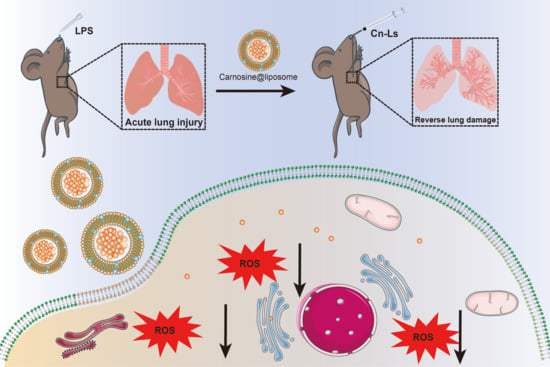
Therapeutic Effects of Intratracheally Nebulized Carnosine-Loaded Liposomes on Lipopolysaccharide-Induced Acute Lung Injury
by
Chao Fang, Lixin Xie, Daihan Xie, Jingting Yin, Shiji Zhang, Yiling Gan, Xiaodong Hou, Fanlei Kong, Yu Huo and Xiuli Liu
Pharmaceutics 2026, 18(9), 1090; https://doi.org/10.3390/pharmaceutics18091090 (registering DOI) - 29 Aug 2026
Abstract
Introduction: Acute lung injury (ALI) is characterized by severe inflammation and oxidative stress. However, effective pharmacological interventions for ALI remain limited. Carnosine, an endogenous dipeptide known for its redox-regulating and immunomodulatory activities, has demonstrated promising protective effects. In the present study, inhalable
[...] Read more.
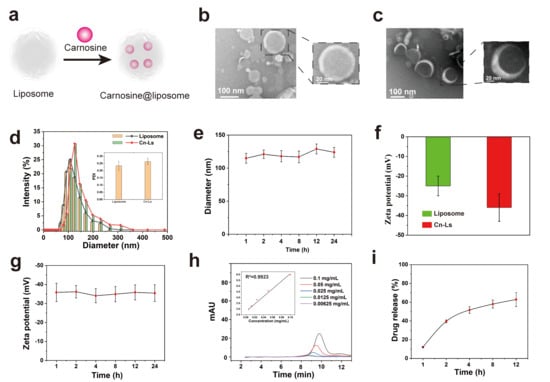
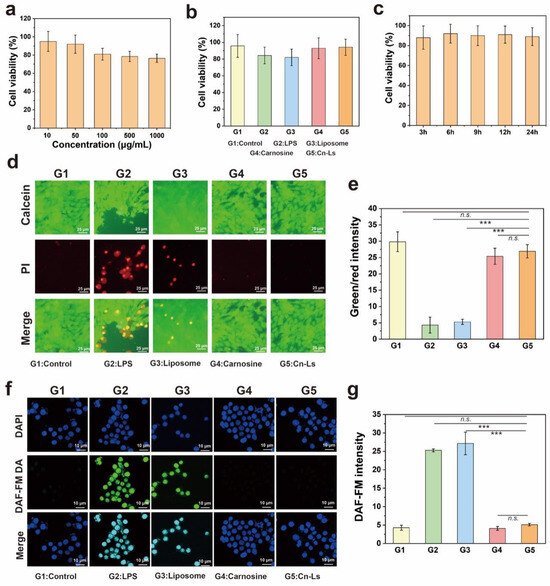
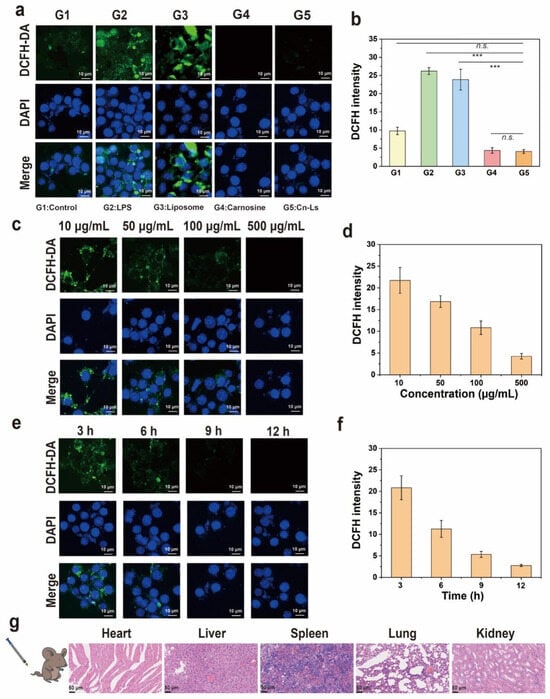
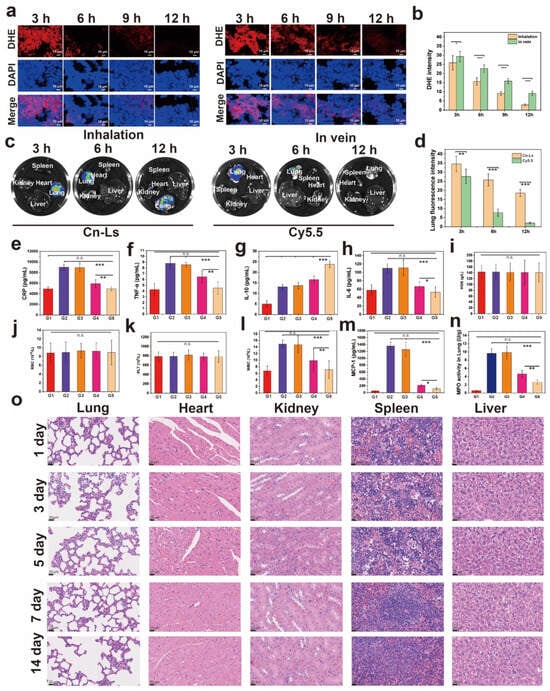
Introduction: Acute lung injury (ALI) is characterized by severe inflammation and oxidative stress. However, effective pharmacological interventions for ALI remain limited. Carnosine, an endogenous dipeptide known for its redox-regulating and immunomodulatory activities, has demonstrated promising protective effects. In the present study, inhalable carnosine-loaded liposomes (Cn-Ls) were developed to enhance pulmonary delivery and achieve localized treatment in a lipopolysaccharide (LPS)-induced ALI model in mice. Methods: Cn-Ls were prepared and systematically evaluated for their morphology, stability, drug-loading capacity, and release kinetics. In vitro assays were performed to evaluate their cytocompatibility, antioxidant activity, and effects on LPS-induced reactive oxygen species (ROS) generation. In an ALI model, inhaled Cn-Ls were administered to assess pulmonary retention and therapeutic efficacy, including lung inflammation, oxidative stress, circulating levels of C-reactive protein (CRP), tumor necrosis factor (TNF)-α, interleukin (IL)-6, lung architecture, and respiratory function. Results: Encapsulation of carnosine within liposomes markedly prolonged its pulmonary retention (t1/2 = 1.7 h vs. 1.0 h for free carnosine), providing a more sustained lung-retentive delivery profile for up to 12 h. In vitro assays showed that Cn-Ls had excellent cytocompatibility, reduced cell death, exhibited potent antioxidant activity, and effectively suppressed LPS-induced ROS generation. In an ALI model, inhaled Cn-Ls markedly mitigated lung inflammation and oxidative stress, reduced circulating levels of CRP, TNF-α, and IL-6, preserved lung architecture, and improved respiratory function. Compared with free carnosine, Cn-Ls exhibited enhanced pulmonary retention and superior therapeutic efficacy. Conclusions: These results identified inhalable Cn-Ls as a potential nanotherapeutic approach for targeted ALI management and provided a foundation for further translational development. However, additional investigations are required to assess the long-term safety of Cn-Ls, optimize formulation stability and scalability, and further elucidate the underlying therapeutic mechanisms before clinical translation.
Full article
(This article belongs to the Section Nanomedicine and Nanotechnology)
►▼
Show Figures

Figure 1
Open AccessArticle
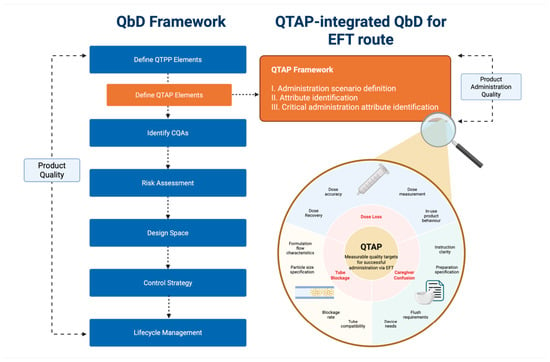
Introducing the Quality Target Administration (QTAP) Profile for Enteral Feeding Tube Medications
by
Smita Salunke, Chi Kin Anthony Chan and Sifan Hu
Pharmaceutics 2026, 18(9), 1089; https://doi.org/10.3390/pharmaceutics18091089 (registering DOI) - 29 Aug 2026
Abstract
Background/Objectives: The administration of medicines via enteral feeding tubes presents unique challenges, including dose loss, tube blockage, and user-dependent variability. Although Quality by Design (QbD) frameworks provide a structured approach to product quality, administration-related quality attributes are rarely assessed in a systematic manner
[...] Read more.
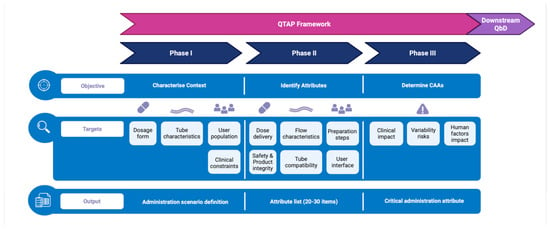
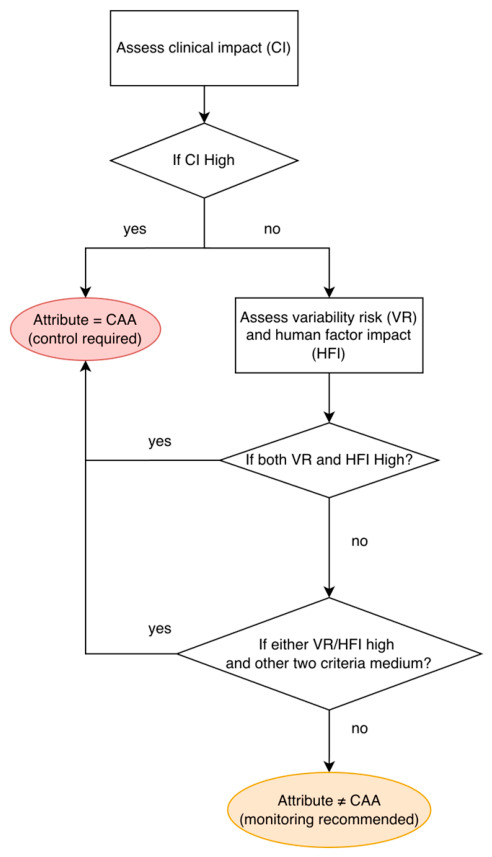
Background/Objectives: The administration of medicines via enteral feeding tubes presents unique challenges, including dose loss, tube blockage, and user-dependent variability. Although Quality by Design (QbD) frameworks provide a structured approach to product quality, administration-related quality attributes are rarely assessed in a systematic manner during pharmaceutical development. A conceptual framework, termed the Quality Target Administration Profile (QTAP), was developed to extend QbD principles to the administration stage. Methods: The framework comprises three phases: administration context characterization, administration attribute identification, and risk-based determination of Critical Administration Attributes (CAAs). QTAP was applied to three representative EFT administration scenarios: a ready-to-use oral suspension, a crushed tablet, and an oral solution. Results: Application of the framework identified 18–32 administration attributes across the three representative scenarios and prioritized 5–6 CAAs per scenario according to clinical impact, variability risk, and human-factor considerations. Administration quality requirements varied across scenarios, reflecting differences in administration context, including dosage form, patient population, clinical setting, and user characteristics. QTAP provides a structured approach for identifying and prioritizing administration-related quality considerations within pharmaceutical development. Conclusions: As a conceptual framework, QTAP is intended to complement rather than replace existing QbD approaches. Future prospective validation, including human-factor studies and real-world evaluations, is needed to establish its practical utility and predictive value.
Full article
(This article belongs to the Special Issue Paediatric and Neonatal Specific Dosage Forms and Administration)
►▼
Show Figures

Figure 1
Open AccessArticle
Associations Between Early-Life Exposure to Different Antibiotic Agents and the Risks of Autism Spectrum Disorder and Attention-Deficit/Hyperactivity Disorder: A Nationwide Population-Based Study
by
Hao-Yuan Lee, Yu-Chia Chang, Chyi-Liang Chen, Shu-Hua Ko, Yu-Ling Huang, Shang-Po Shen, Yu-Lung Hsu, Wen-Yuan Lee and Hung-Chih Lin
Pharmaceutics 2026, 18(9), 1088; https://doi.org/10.3390/pharmaceutics18091088 - 28 Aug 2026
Abstract
Background/Objectives: Autism spectrum disorder (ASD) and attention-deficit/hyperactivity disorder (ADHD) substantially affect quality of life. Previous studies have not evaluated whether the associations between early-life antibiotic exposure and the risks of ASD and ADHD differ according to the antibiotic agents administered during infancy. Methods:
[...] Read more.
Background/Objectives: Autism spectrum disorder (ASD) and attention-deficit/hyperactivity disorder (ADHD) substantially affect quality of life. Previous studies have not evaluated whether the associations between early-life antibiotic exposure and the risks of ASD and ADHD differ according to the antibiotic agents administered during infancy. Methods: This nationwide case–control study used Taiwan’s National Health Insurance Research Database, Birth Reporting Database, and Maternal and Child Health Database. The cohort included 1,693,718 term neonates born between 2004 and 2015 and followed through to 2022. For ASD (n = 7265) and ADHD (n = 39,056) cases, antibiotic-exposed children were matched 1:1 with unexposed children based on sex, gestational age, birth weight, and birth year. Adjusted hazard ratios (aHRs) and 95% confidence intervals (CIs) were estimated using multivariable Cox proportional hazards models. Results: Oral antibiotic exposure was associated with lower ASD but higher ADHD risk, while parenteral exposure was associated with increased risks of both outcomes. Amoxicillin and erythromycin exposure during the first year of life were associated with lower ASD risk, whereas ampicillin exposure at 4–12 months was associated with higher ASD risk (all p £ 0.033). For ADHD, exposure to amoxicillin/clavulanic acid, cefixime, ampicillin, and ampicillin/sulbactam was associated with increased risk, whereas erythromycin, cephalexin, and sulfamethoxazole-trimethoprim were associated with reduced risk (all p < 0.047). Conclusions: Associations between early-life antibiotic exposure and the risks of ASD and ADHD varied according to antibiotic agents, route of administration, and timing of exposure. These findings may help explain inconsistencies among previous studies and inform antibiotic prescribing during infancy.
Full article
(This article belongs to the Topic Challenges and Future Prospects of Antibacterial Therapy, 2nd Edition)
Open AccessArticle
Microfluidic Production and Characterisation of Cyclosporine A-Loaded Lipid–Chitosan Hybrid Nanoparticles as Candidate Pulmonary Drug Delivery Systems
by
Pierpaolo Palermo, Davide De Angelis, Elisa Sgarbi, Irene Bassanetti, Michael M. Tunney and Dimitrios A. Lamprou
Pharmaceutics 2026, 18(9), 1087; https://doi.org/10.3390/pharmaceutics18091087 - 28 Aug 2026
Abstract
Backgorund/Objectives: Respiratory diseases represent a substantial global health burden and require effective localised pulmonary delivery strategies, particularly for poorly water-soluble therapeutic molecules. Nanoparticle-based drug delivery systems, especially those manufactured using microfluidics, have emerged as promising approaches to overcome pulmonary barriers, enhance local drug
[...] Read more.
Backgorund/Objectives: Respiratory diseases represent a substantial global health burden and require effective localised pulmonary delivery strategies, particularly for poorly water-soluble therapeutic molecules. Nanoparticle-based drug delivery systems, especially those manufactured using microfluidics, have emerged as promising approaches to overcome pulmonary barriers, enhance local drug retention, and reduce systemic side effects. Among these nanocarriers, solid lipid nanoparticles (SLNs) and solid hybrid nanoparticles (SHNs) combine biocompatibility with controlled release and improved formulation stability. Methods: In this study, SLNs and lipid–chitosan SHNs were developed using microfluidic technology as candidate platforms for pulmonary drug delivery, with Cyclosporine A (CyA) used as a model hydrophobic cyclic peptide. Nanocarriers were produced using 1,2-dipalmitoyl-sn-glycero-3-phosphocholine (DPPC) and cholesterol as lipids, with low-molecular-weight chitosan incorporated to obtain hybrid systems. Physicochemical properties were evaluated using dynamic light scattering (DLS) and ζ potential measurements, while morphology and structural organisation were investigated using transmission electron microscopy (TEM), Fourier-transform infrared spectroscopy (FTIR), thermogravimetric analysis (TGA), and differential scanning calorimetry (DSC). Results: The microfluidic approach enabled the production of nanoparticles with controlled sizes below 200 nm, narrow size distributions, and good reproducibility. In addition, the SHNs exhibited a positive surface charge, high encapsulation efficiency (~80%), and good colloidal and thermal stability. In vitro release studies showed an initial burst release followed by sustained CyA release, reaching approximately 94% cumulative release within 6 h. The Korsmeyer–Peppas model was used as the standard kinetic model. No blank nanoparticles were used as controls in the EE and release assay. Conclusions: Overall, these findings support further investigation of microfluidic-produced lipid and hybrid nanoparticles as candidate platforms for pulmonary drug delivery.
Full article
(This article belongs to the Special Issue Microfluidic Assembly of Nanocomplexes for Drug and Gene Delivery)
Open AccessArticle
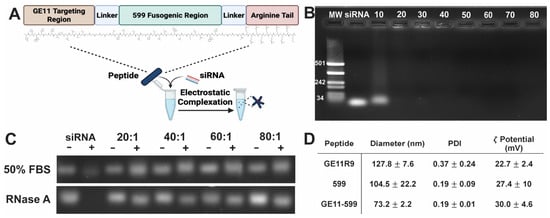
An EGFR-Targeted Fusogenic Tandem Peptide for siRNA Delivery in Glioblastoma
by
Jessica R. Boulos, Karen E. Russi, Jordan Kinnitt, Daphne Gomez Escudero, Tyler Willis, Jorrian Abadeer, Emalee Mann, Aaron Cristina Anderson and Angela Alexander-Bryant
Pharmaceutics 2026, 18(9), 1086; https://doi.org/10.3390/pharmaceutics18091086 - 28 Aug 2026
Abstract
Background/Objectives: RNA interference (RNAi) represents a promising therapeutic approach for silencing oncogenes involved in cancer progression by utilizing small interfering RNA (siRNA). However, siRNA requires an efficient delivery system to overcome cellular uptake and endosomal escape barriers. This study aimed to evaluate
[...] Read more.
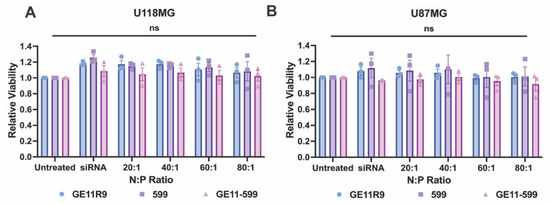
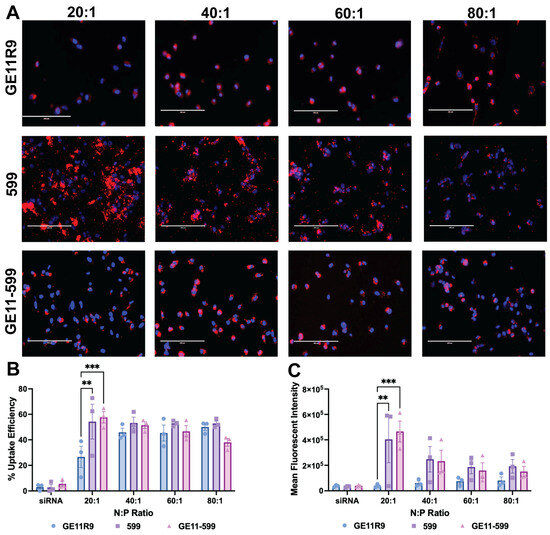
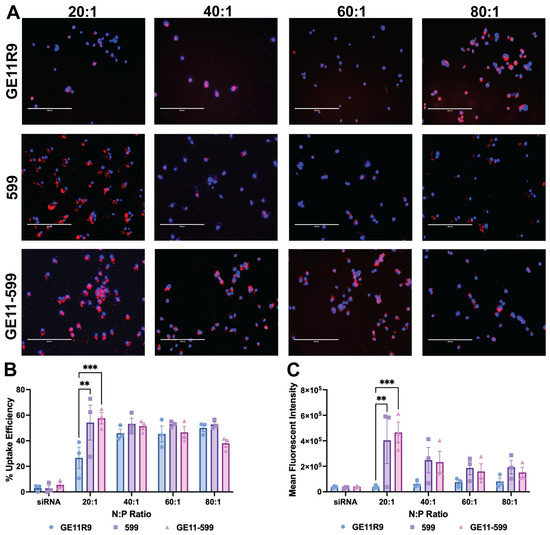
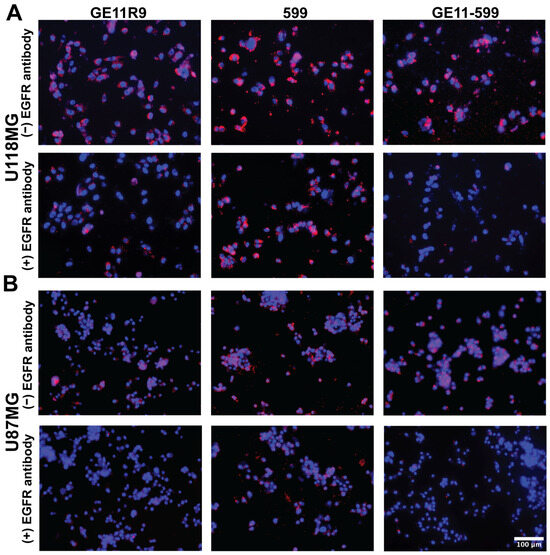
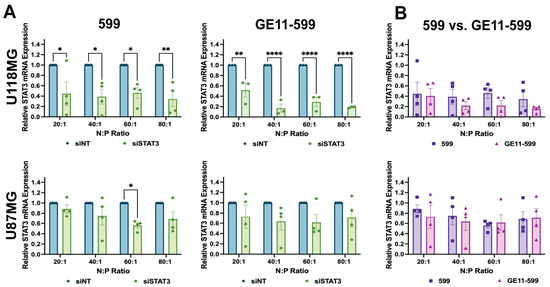
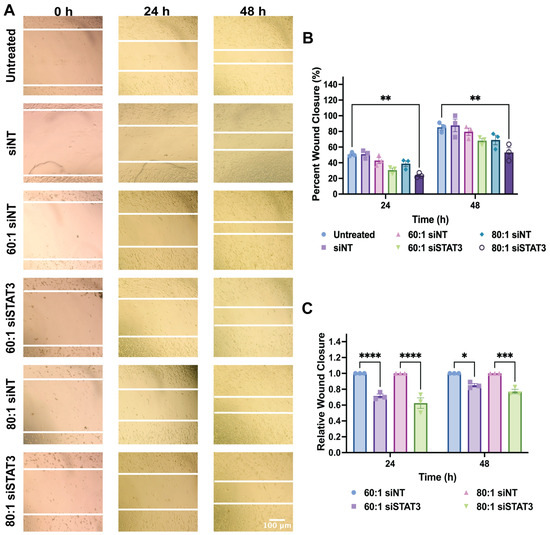
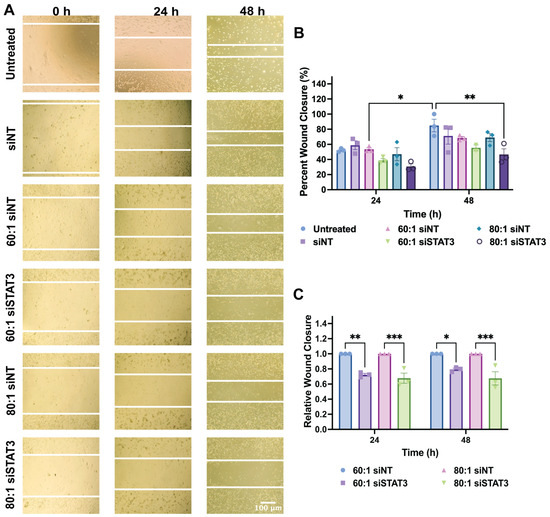
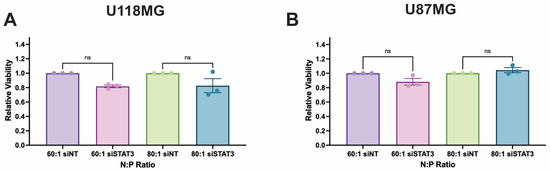
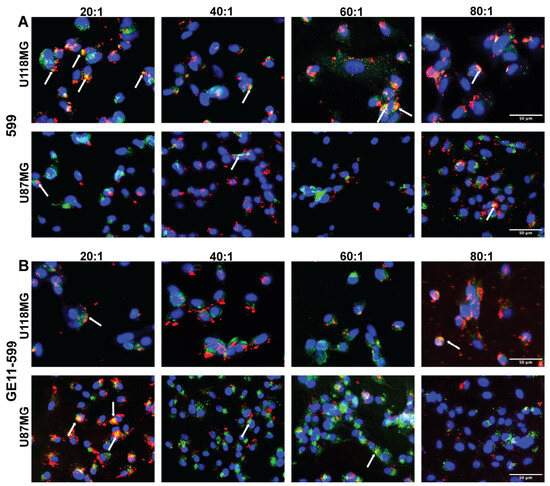
Background/Objectives: RNA interference (RNAi) represents a promising therapeutic approach for silencing oncogenes involved in cancer progression by utilizing small interfering RNA (siRNA). However, siRNA requires an efficient delivery system to overcome cellular uptake and endosomal escape barriers. This study aimed to evaluate a multifunctional tandem peptide, GE11-599, designed to enhance the targeted delivery of siRNA and maintain its bioactivity in glioblastoma (GBM) cells. Methods: The GE11-599 peptide, consisting of an EGFR-targeting GE11 motif and a 599 fusogenic domain, was complexed with siRNA via electrostatic interactions to form nanoparticles. We assessed nanoparticle physicochemical properties, protection of siRNA from serum and RNase degradation, and cellular uptake in two GBM cell lines (U118MG and U87MG). Mechanistic studies evaluated receptor-mediated endocytosis and the subsequent escape from endosomes. Functional assays quantified STAT3 gene silencing and downstream effects on cell migration following treatment with GE11-599–siSTAT3 complexes. Results: GE11-599 formed positively charged, monodisperse nanoparticles capable of protecting siRNA from degradation. The tandem peptide significantly enhanced cellular internalization through EGFR-mediated endocytosis and facilitated endosomal escape of siRNA. Treatment with GE11-599–siSTAT3 resulted in robust gene silencing, achieving up to an 80% reduction in STAT3 mRNA expression. Downstream functional assessment showed a 40% decrease in migration in GBM cells treated with GE11-599–siSTAT3 complexes. Conclusions: The GE11-599 tandem peptide effectively enhances cell-specific internalization and endosomal escape of siRNA in GBM cells, resulting in increased siRNA bioactivity and functional gene silencing. These findings support GE11-599 as a promising siRNA delivery platform for targeting EGFR-expressing cancers.
Full article
(This article belongs to the Special Issue Nanoparticles for Glioblastoma Therapy)
►▼
Show Figures

Figure 1
Open AccessArticle
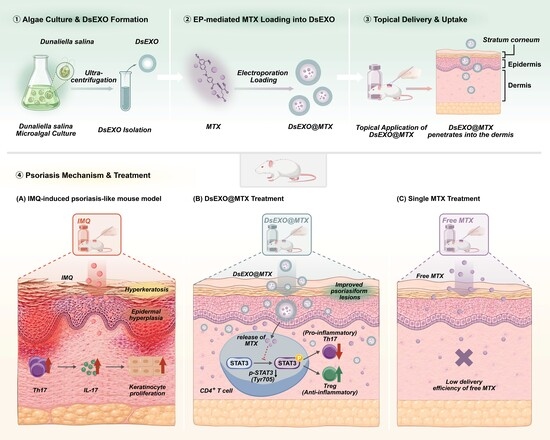
Topical Dunaliella salina-Derived Exosome Loaded with Methotrexate Alleviates Psoriasis-like Inflammation via STAT3-Dependent Th17/Treg Balance
by
Yitong Yang, Dandan Guo, Wei Chen, Binbin Sun, Mengyu Qiu, Kai Wang, Wenbo Dou, Kang Wang, Zhanjiang Zhang and Shuying Feng
Pharmaceutics 2026, 18(9), 1085; https://doi.org/10.3390/pharmaceutics18091085 - 28 Aug 2026
Abstract
Background: Methotrexate (MTX) is a well-established therapeutic agent for psoriasis owing to its anti-inflammatory and immunomodulatory effects. However, its clinical use is limited by insufficient local accumulation in skin lesions and the potential risk of systemic exposure. Dunaliella salina-derived exosome (DsEXO)
[...] Read more.
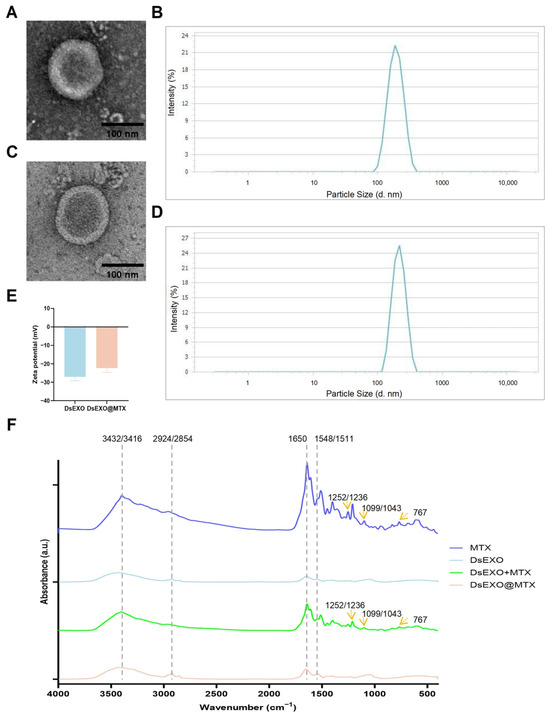
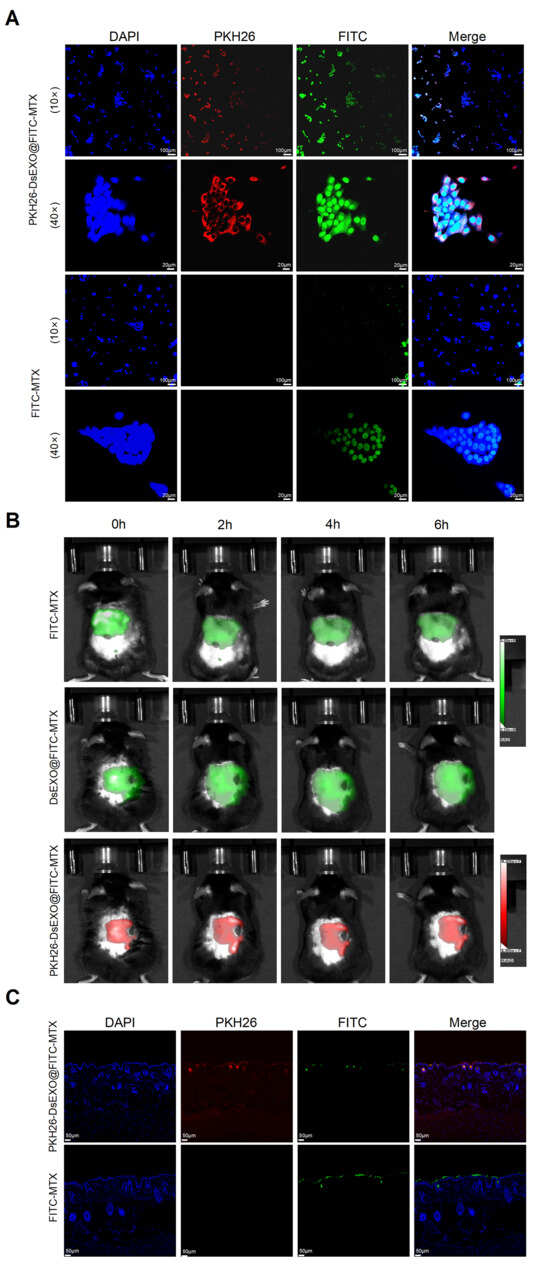
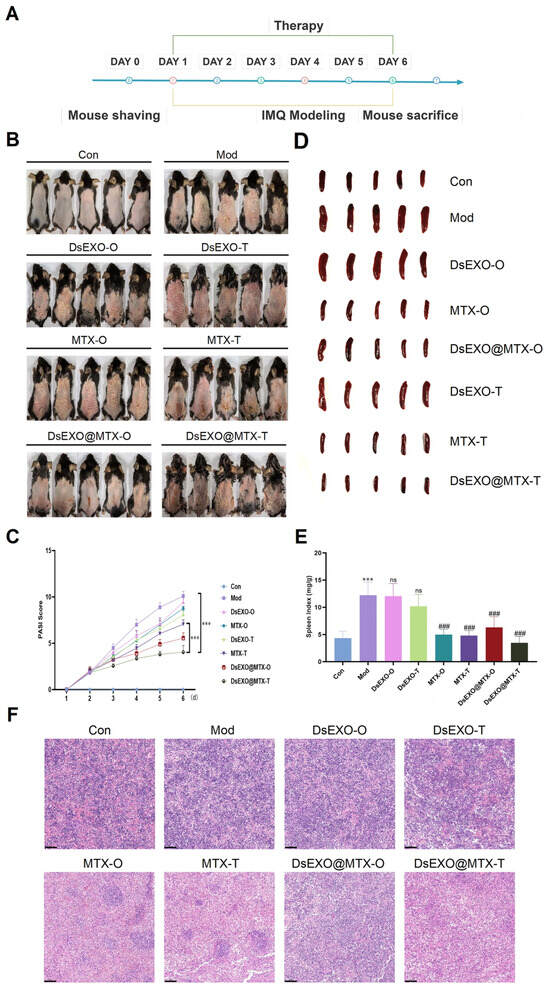
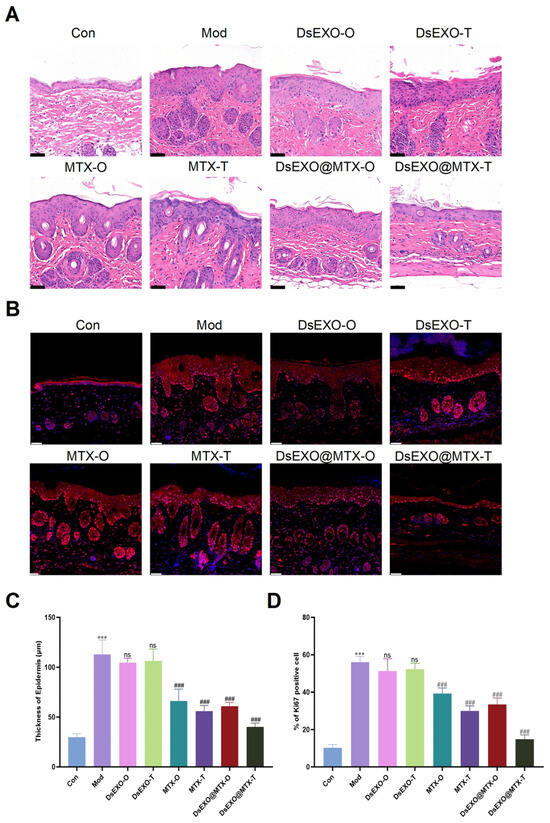
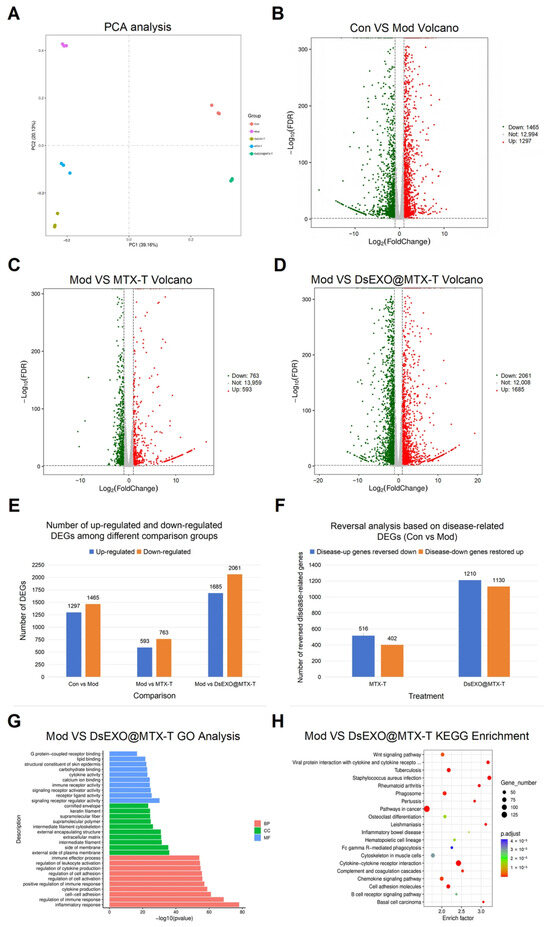
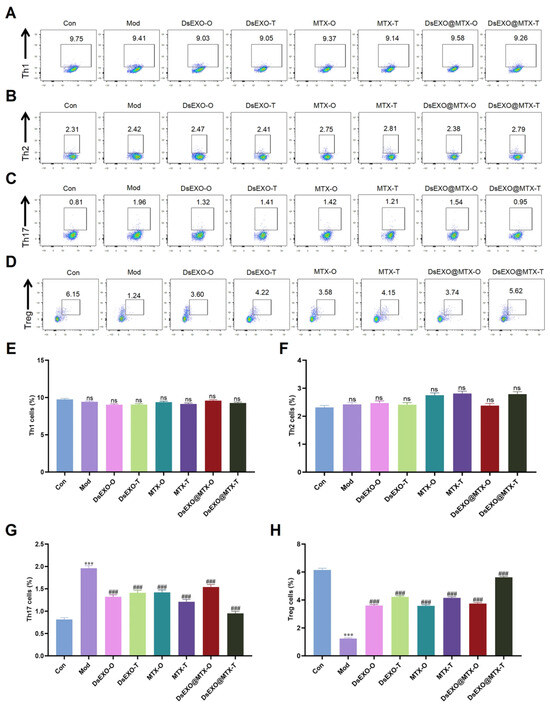
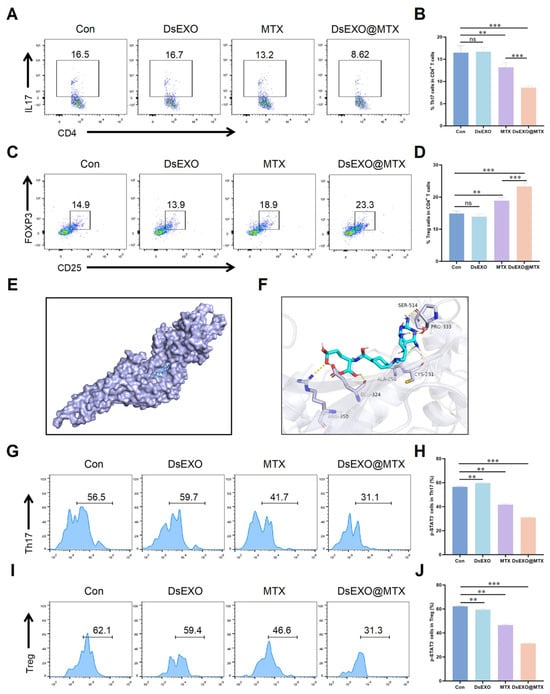
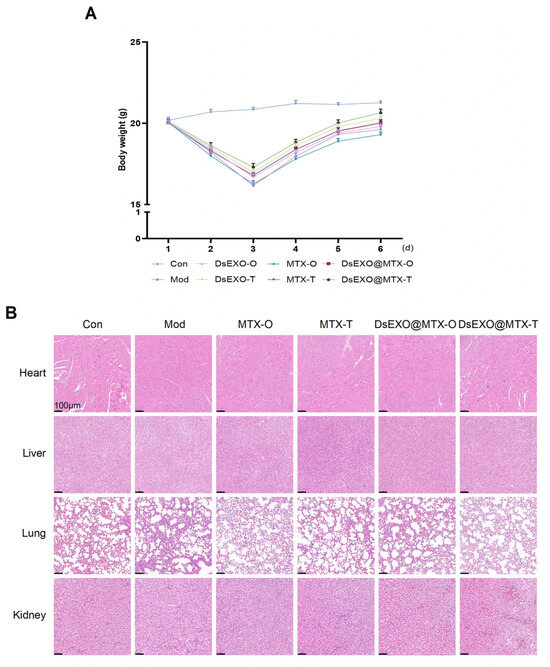
Background: Methotrexate (MTX) is a well-established therapeutic agent for psoriasis owing to its anti-inflammatory and immunomodulatory effects. However, its clinical use is limited by insufficient local accumulation in skin lesions and the potential risk of systemic exposure. Dunaliella salina-derived exosome (DsEXO) has favorable biocompatibility, low immunogenicity and potential skin delivery capacity, making it a promising natural nanocarrier for topical MTX delivery. This study aimed to construct Dunaliella salina-derived exosome loaded with methotrexate (DsEXO@MTX) and evaluate its therapeutic efficacy and potential mechanisms in psoriasis-like skin inflammation. Methods: DsEXO@MTX was prepared and characterized in terms of morphology, particle size, surface charge and drug-loading capacity. Cellular uptake, skin retention and tissue distribution were evaluated using fluorescence imaging and skin section analysis. Therapeutic efficacy was evaluated in an imiquimod-induced psoriasis-like mouse model by clinical scoring, histopathological examination, spleen index measurement and Ki-67 immunofluorescence staining. STAT3 phosphorylation and Th17/Treg differentiation were further examined to explore the potential immunomodulatory mechanism. Results: DsEXO@MTX exhibited a relatively uniform particle size distribution and drug-loading capacity. In vivo fluorescence imaging and skin section analysis showed that DsEXO@MTX enhanced local skin retention and promoted fluorescence distribution in epidermal and dermal regions. It significantly alleviated IMQ-induced erythema, scaling, epidermal thickening, inflammatory infiltration, splenomegaly and abnormal keratinocyte proliferation in psoriasis-like mice. Mechanistically, DsEXO@MTX reduced STAT3 phosphorylation and modulated Th17/Treg differentiation, suggesting restoration of immune balance in psoriatic inflammation. Conclusions: DsEXO@MTX represents a natural exosome-like nanovesicle-mediated topical MTX delivery system that improves local drug delivery and enhances therapeutic efficacy in IMQ-induced psoriasis-like skin inflammation, particularly when administered topically. These findings provide a potential strategy for safer and more efficient local treatment of psoriasis.
Full article
(This article belongs to the Section Nanomedicine and Nanotechnology)
►▼
Show Figures

Graphical abstract
Open AccessArticle
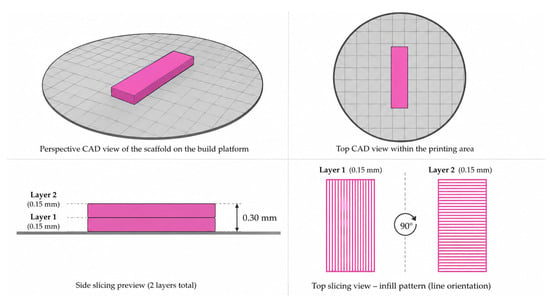
Toward 4D Biomaterials: Comparing Electrospun and 3D-Printed Shape-Memory Scaffolds
by
Luigi Ruccolo, Aleksandra Evangelista, Francesco Andresini, Rossella Dorati, Ida Genta, Marco Benazzo, Pietro Canzi, Elena Carlotto, Bice Conti and Silvia Pisani
Pharmaceutics 2026, 18(9), 1084; https://doi.org/10.3390/pharmaceutics18091084 - 28 Aug 2026
Abstract
Background/Objectives: Shape-memory biodegradable scaffolds (4D scaffolds) represent promising platforms for minimally invasive tissue engineering and localized drug delivery. This study investigated how two different fabrication techniques, electrospinning (ES) and extrusion-based direct ink writing (DIW), influence the structural, thermal, mechanical, shape-memory, and drug-release
[...] Read more.
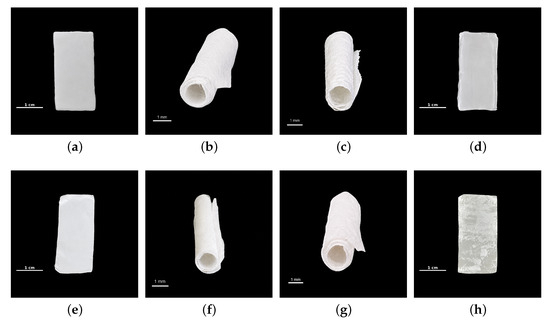
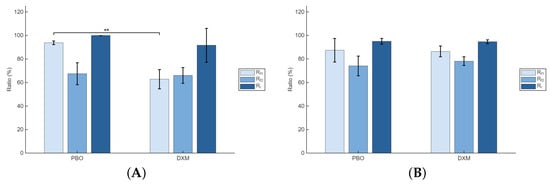
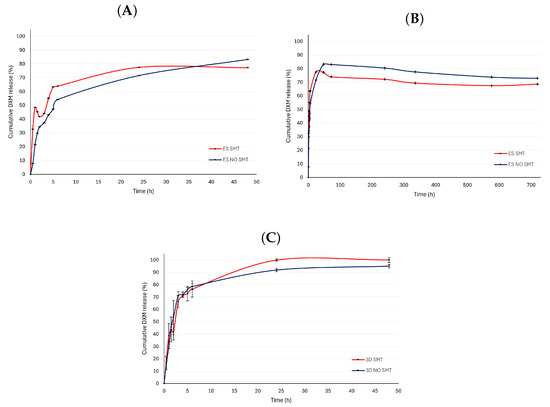
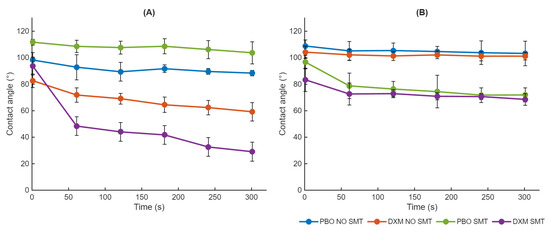
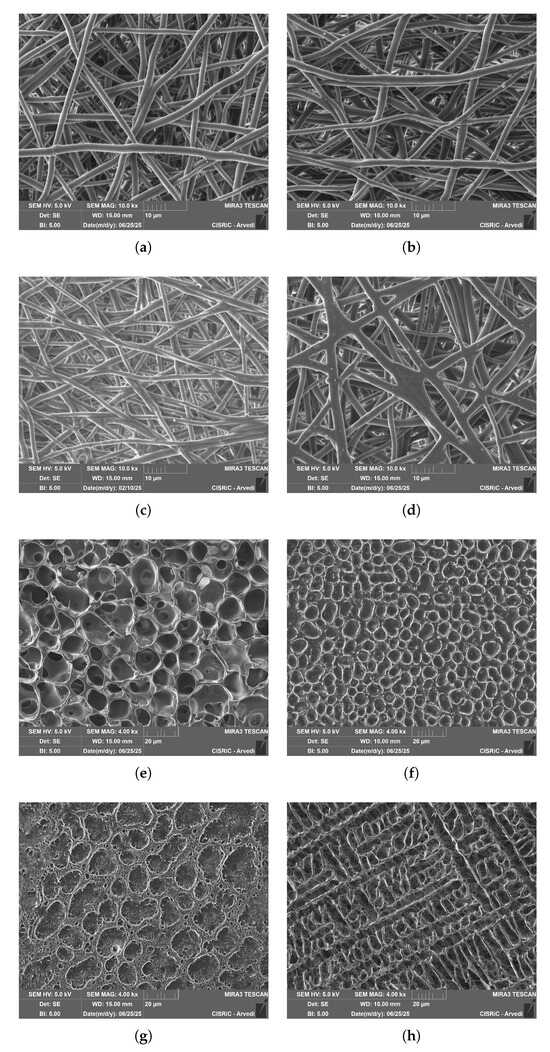
Background/Objectives: Shape-memory biodegradable scaffolds (4D scaffolds) represent promising platforms for minimally invasive tissue engineering and localized drug delivery. This study investigated how two different fabrication techniques, electrospinning (ES) and extrusion-based direct ink writing (DIW), influence the structural, thermal, mechanical, shape-memory, and drug-release properties of poly(L-lactide-co-caprolactone) (PLA/PCL 70:30) scaffolds loaded with dexamethasone (DXM). Methods: DXM-loaded PLA/PCL 70:30 scaffolds were fabricated by ES and DIW. The resulting matrices were characterized in terms of morphology, mass, thickness, drug-loading efficiency, thermal properties by differential scanning calorimetry, shape-memory performance, tensile mechanical properties, and in vitro DXM release. Results: Both fabrication techniques produced DXM-loaded matrices with comparable mass and thickness and high loading efficiencies (>82%). Glass transition temperatures ranged between 33 and 39 °C, supporting thermally induced shape recovery under physiologically relevant conditions, while ES processing was associated with higher polymer crystallinity. All scaffolds exhibited shape-memory behavior, with recovery ratios exceeding 90%. ES scaffolds displayed a microporous nanofibrous architecture, whereas DIW scaffolds showed a more open and highly porous structure. These morphological differences were reflected in their mechanical behavior: ES scaffolds exhibited higher tensile strength (up to 16.5 MPa vs. 1.9 MPa) and elongation at break (up to 320% vs. 243%). Drug-release profiles were also fabrication-dependent, with ES scaffolds reaching a plateau at approximately 80% DXM release, whereas DIW scaffolds showed near-complete release within 48 h. Conclusions: Both fabrication approaches preserved the thermoresponsive shape-memory behavior of PLA/PCL 70:30 but generated distinct scaffold architectures that strongly influenced mechanical performance and DXM-release kinetics.
Full article
(This article belongs to the Special Issue Shape Memory Polymers for Drug Delivery and Tissue Engineering)
►▼
Show Figures

Figure 1
Open AccessReview
Tumor Microenvironment-Responsive Polymeric Nanocarriers for the Treatment of Triple-Negative Breast Cancer
by
Adnan Murad Bhayo, Ying Li, Alaa R. Aboushanab, Junyi Lin, Ashkan Hassankhanirad, Wei Li and Jingjing Sun
Pharmaceutics 2026, 18(9), 1083; https://doi.org/10.3390/pharmaceutics18091083 - 28 Aug 2026
Abstract
Triple-negative breast cancer (TNBC) is an aggressive and heterogeneous subtype lacking effective targeted therapies. Its tumor microenvironment (TME) exhibits distinct features, including acidity, redox imbalance, elevated reactive oxygen species (ROS), and hypoxia, which provide exploitable triggers for targeted drug delivery. Stimuli-responsive polymeric nanocarriers
[...] Read more.
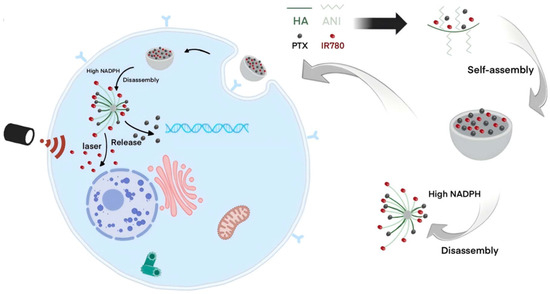
Triple-negative breast cancer (TNBC) is an aggressive and heterogeneous subtype lacking effective targeted therapies. Its tumor microenvironment (TME) exhibits distinct features, including acidity, redox imbalance, elevated reactive oxygen species (ROS), and hypoxia, which provide exploitable triggers for targeted drug delivery. Stimuli-responsive polymeric nanocarriers have emerged as promising platforms that enable spatiotemporally controlled and site-specific therapeutic release in response to these endogenous cues, as well as exogenous stimuli such as temperature and light. These systems improve drug accumulation, penetration, and therapeutic efficacy while reducing systemic toxicity. Unlike previous reviews that broadly discuss nanocarriers in cancer therapy, this review focuses on the structure–function relationships of TME-responsive polymeric systems in TNBC and their translational limitations. We summarize recent advances in pH-, redox-, ROS-, hypoxia-, photo- and temperature-responsive polymers, highlighting their design strategies and therapeutic applications. Key challenges, including stimulus heterogeneity, limited in vivo validation, and clinical translation barriers, are also discussed. This review provides a concise framework for the rational design of programmable, multi-responsive polymeric nanomedicines for TNBC therapy.
Full article
(This article belongs to the Special Issue Drug Delivery Strategies and Novel Approaches for Cancer Treatment)
►▼
Show Figures

Figure 1
Open AccessReview
Food Effects, Pharmacokinetic Drug–Drug Interactions, and Clinical Optimization of Oral Anticancer Agents
by
Abdullah A. Assiri
Pharmaceutics 2026, 18(9), 1082; https://doi.org/10.3390/pharmaceutics18091082 - 28 Aug 2026
Abstract
Oral targeted therapies now constitute a substantial and growing proportion of anticancer drug therapy, shifting administration from the controlled intravenous setting to patient-managed oral therapy in the outpatient setting, where systemic exposure depends on factors that parenteral therapy largely bypasses. Food effects, gastric
[...] Read more.
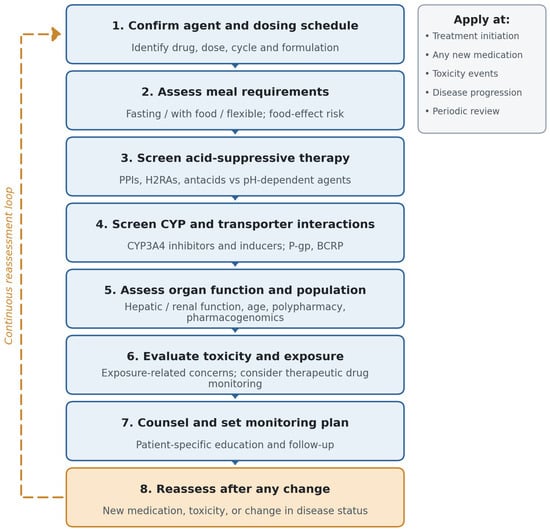
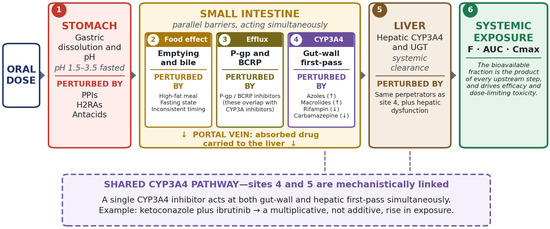
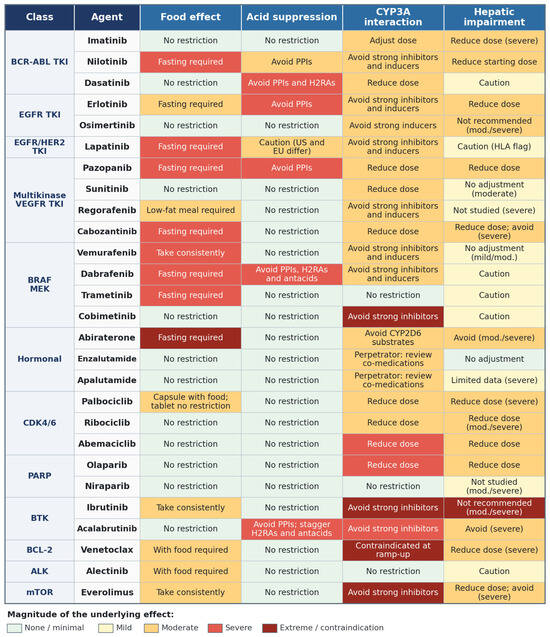
Oral targeted therapies now constitute a substantial and growing proportion of anticancer drug therapy, shifting administration from the controlled intravenous setting to patient-managed oral therapy in the outpatient setting, where systemic exposure depends on factors that parenteral therapy largely bypasses. Food effects, gastric pH, first-pass metabolism, transporter activity, organ function, concomitant medications and adherence contribute to variability in exposure, and many oral anticancer agents have narrow therapeutic indices in which modest exposure changes carry clinical consequence. This review synthesizes the pharmacokinetic determinants of oral anticancer drug exposure across twenty-seven exemplar agents spanning the main mechanistic classes and translates them into actionable pharmacy practice. Its contribution is a cross-class agent-level comparison in which within-class divergences are made explicit, the integration of determinants usually reviewed separately, and an explicit statement of the evidence level behind every entry. We examine food effects, the interaction between acid-suppressive therapy and pH-dependent agents, the dominant role of cytochrome P450 3A4 and of the efflux transporters P-glycoprotein and breast cancer resistance protein, and the exposure–response relationships that motivate therapeutic drug monitoring, for which the evidence remains uneven and does not yet support routine use. We propose a structured framework for operationalizing these principles in daily practice.
Full article
(This article belongs to the Special Issue Pharmacokinetics of Orally Administered Drugs, 3rd Edition)
►▼
Show Figures

Figure 1
Open AccessArticle
Radiofrequency Microporation Enhances Topical Minoxidil Delivery and Hair Regeneration in Androgenetic Alopecia
by
Na-Young Yu, Kyu-Jin Cho, Saeeun Ryu, Gyulim Kim, Jae-Woo Shin, Donghee Park, Jongho Won, Young-Kee Shin, Eun-Ah Kim, Sang-Goo Cho, Nae-Won Kang, Byung-Hoon Lee, Nam-Young Kim, Eun-Seong Kim and Dae-Duk Kim
Pharmaceutics 2026, 18(9), 1081; https://doi.org/10.3390/pharmaceutics18091081 - 28 Aug 2026
Abstract
Background/Objectives: Androgenetic alopecia (AGA) is the most prevalent form of hair loss. Although topical minoxidil (MNX) is widely used to treat AGA, its efficacy is limited by poor penetration across the stratum corneum. This study evaluated radiofrequency (RF) microporation as a means
[...] Read more.
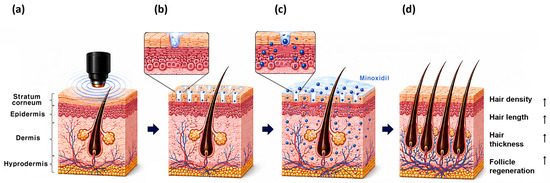
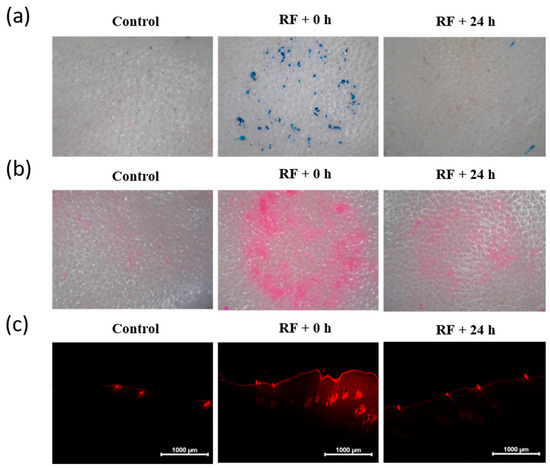
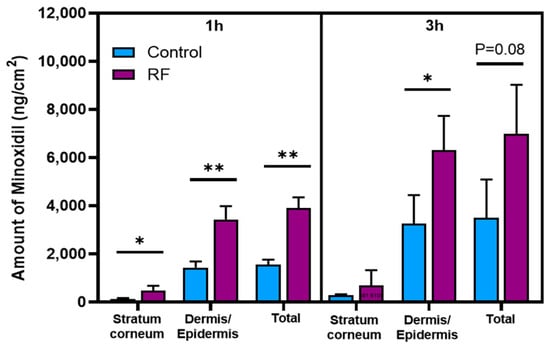
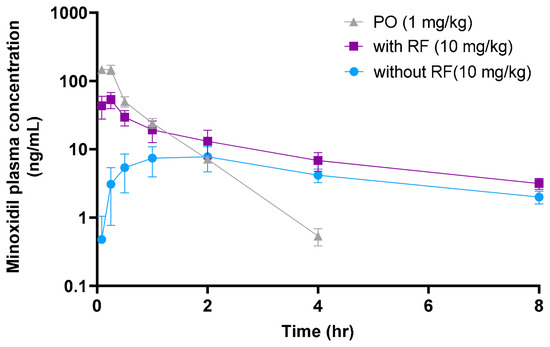
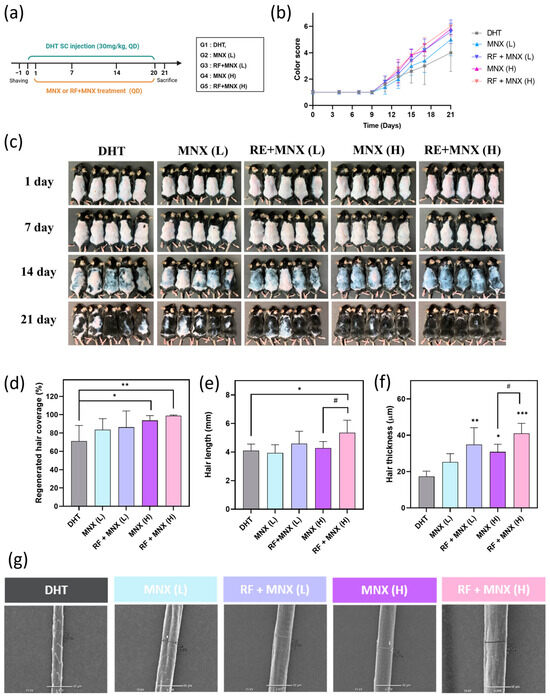
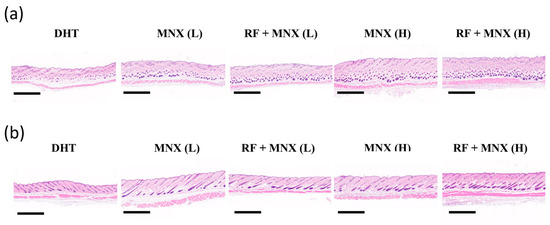
Background/Objectives: Androgenetic alopecia (AGA) is the most prevalent form of hair loss. Although topical minoxidil (MNX) is widely used to treat AGA, its efficacy is limited by poor penetration across the stratum corneum. This study evaluated radiofrequency (RF) microporation as a means of enhancing cutaneous MNX delivery and hair-regrowth efficacy in a dihydrotestosterone (DHT)-induced AGA mouse model. Methods: RF-induced skin permeabilization and barrier recovery were assessed in rats using methylene blue and rhodamine B staining. In vivo skin deposition and pharmacokinetic studies were conducted to quantify cutaneous MNX accumulation and systemic exposure. Hair-regrowth efficacy was evaluated in DHT-treated mice. Results: RF microporation generated transient microchannels in the stratum corneum, increased rhodamine B penetration into deeper skin layers, and allowed substantial barrier recovery within 24 h. RF pretreatment significantly increased MNX deposition in the epidermis/dermis by 2.40-fold at 1 h and 1.94-fold at 3 h compared with topical MNX alone. RF-assisted topical administration resulted in a relative bioavailability of 11.17%, compared with 4.74% for topical administration without RF, while dose-normalized systemic exposure remained substantially lower than that following oral administration. In the AGA model, RF-assisted MNX treatment significantly increased hair coverage, length, and shaft thickness. Histological analysis further showed more prominent follicular structures in the RF-assisted MNX groups. Conclusions: RF microporation creates transient microchannels that enhance cutaneous MNX delivery and improve hair-regrowth efficacy. Importantly, RF-assisted topical administration maintained substantially lower systemic exposure than oral administration, supporting its potential as a needle-free strategy for topical AGA therapy and further translational evaluation.
Full article
(This article belongs to the Special Issue Advanced Drug Delivery Systems for Enhanced Transdermal and Dermal Delivery)
►▼
Show Figures

Figure 1
Open AccessArticle
Development of Prolonged-Release Orodispersible Minitablets Containing Bisoprolol Fumarate
by
Justyna Srebro, Witold Brniak, Paulina Poloczek, Marian Paluch and Aleksander Mendyk
Pharmaceutics 2026, 18(9), 1080; https://doi.org/10.3390/pharmaceutics18091080 - 27 Aug 2026
Abstract
Background/Objectives: Bisoprolol fumarate (BF) is a cardioselective beta-blocker used to treat pediatric heart failure and certain tachyarrhythmias. Currently, it is administered mainly as extemporaneously prepared suspensions from crushed tablets, which may cause issues with dose accuracy, stability, and palatability. Orodispersible minitablets (MODTs)
[...] Read more.
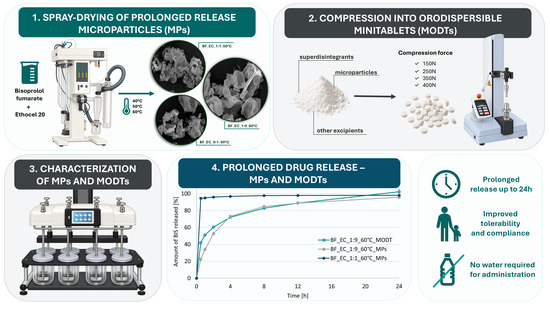
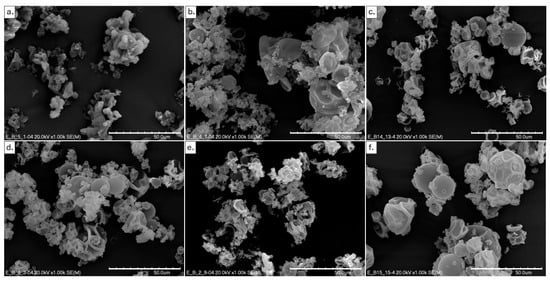
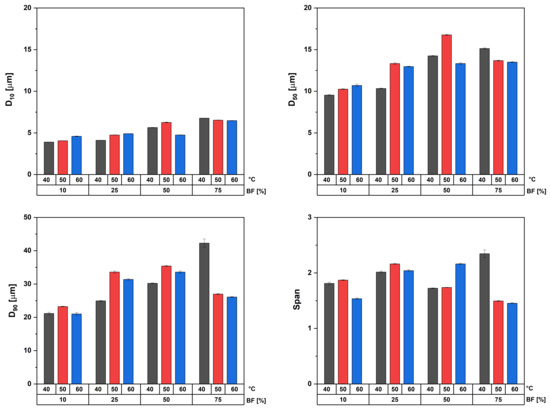
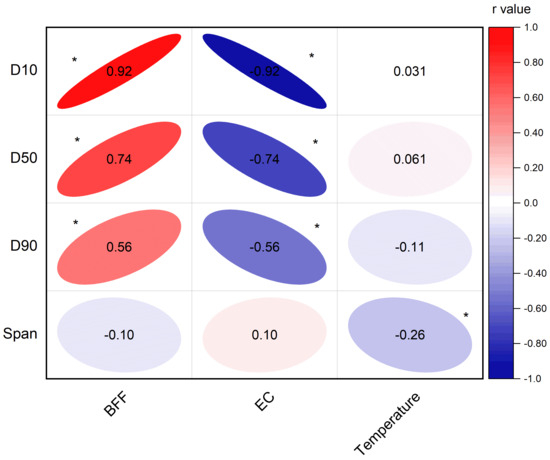
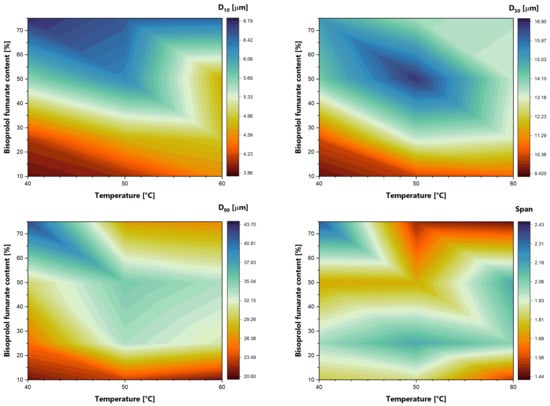
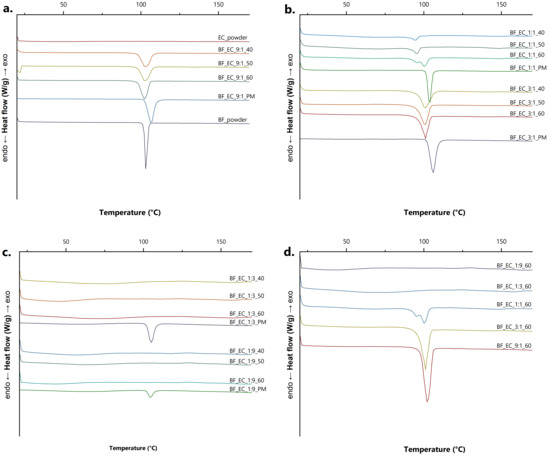
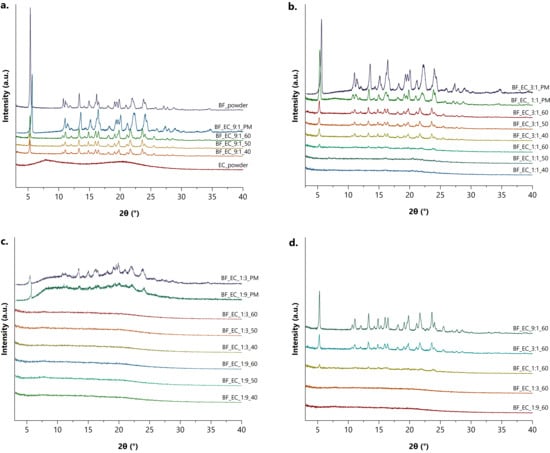
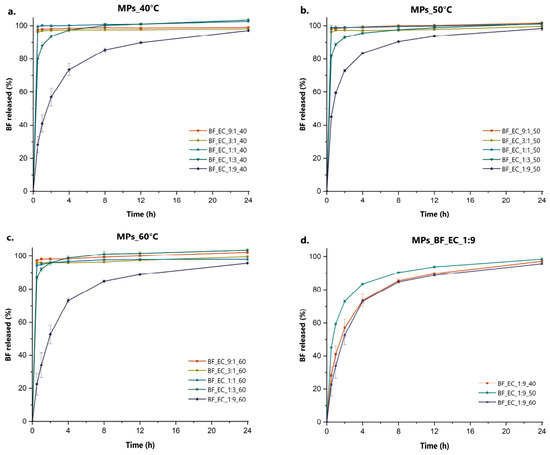
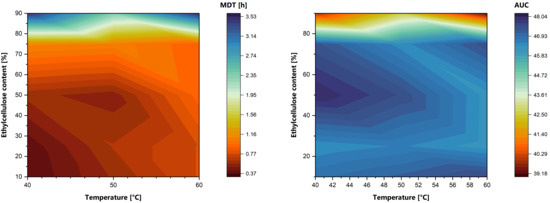
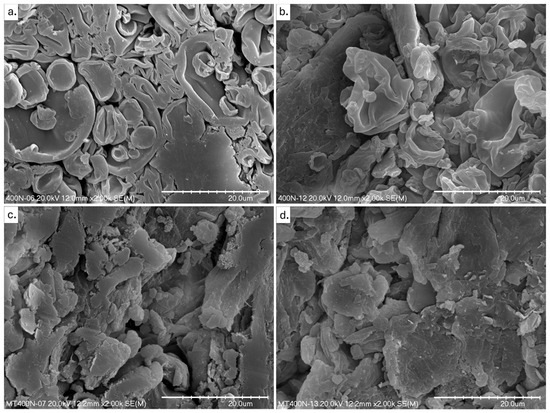
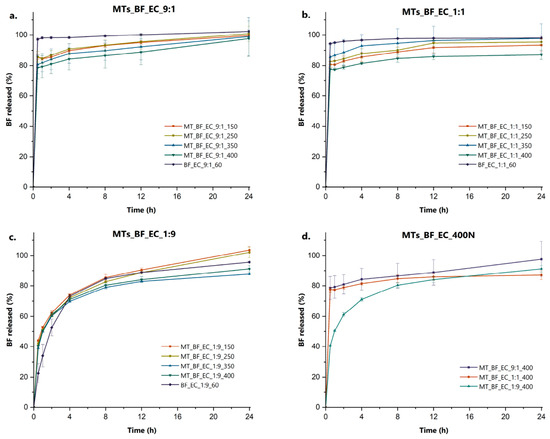
Background/Objectives: Bisoprolol fumarate (BF) is a cardioselective beta-blocker used to treat pediatric heart failure and certain tachyarrhythmias. Currently, it is administered mainly as extemporaneously prepared suspensions from crushed tablets, which may cause issues with dose accuracy, stability, and palatability. Orodispersible minitablets (MODTs) may facilitate administration and individualized dosing, while prolonged release could potentially reduce peak-to-trough fluctuations and, thus, minimize adverse effects such as hypotension or bradycardia. This proof-of-concept study aimed to develop spray-dried prolonged-release microparticles containing BF, incorporate them into MODTs, and evaluate the effect of compression on drug release. Methods: Microparticles were prepared by spray drying ethanolic solutions of BF and ethylcellulose at 40 °C, 50 °C, and 60 °C. Their characterization included scanning electron microscopy, X-ray diffraction, differential scanning calorimetry, thermogravimetric analysis and dissolution studies. Selected microparticles were compressed into 3 mm MODTs, which were evaluated for mechanical properties, disintegration, and BF release. Results: Formulations containing 10% BF and 90% ethylcellulose released from 52.6% to 73% of BF after 2 h, increasing to 84.8–90.0% after 8 h and reaching 96% after 24 h. Solid-state analyses indicated complete amorphization of the drug in these microparticles. The spray-drying temperature affected process efficiency but did not significantly impacted morphology or dissolution behavior. The optimized MODTs disintegrated in less than 30 s and had a tensile strength of up to 2.62 MPa. Importantly, compression increased the initial BF release from 26.4% for the microparticles to 43.9% for the MODTs at 0.5 h, resulting in f2 values of 45.04–48.46. Despite the higher initial BF release, the moderately prolonged-release profile was maintained in the case of MODTs. Conclusions: These findings demonstrate the feasibility of combining prolonged-release microparticles with orodispersible minitablets as a proof-of-concept for a pediatric drug delivery approach.
Full article
(This article belongs to the Special Issue Microparticle-Based Drug Delivery Systems)
►▼
Show Figures

Graphical abstract
Open AccessArticle
Hidden Solid-State Transformation of Darunavir in Low-Temperature Hot-Melt-Extruded Granules: Implications for Pharmacy Compounding and Routine Quality Control
by
Mark Mandrik, Veronika Makarova, Ludmila Korol, Ivan Sadkovskii, Ivan Krasnyuk and Sergey Antonov
Pharmaceutics 2026, 18(9), 1079; https://doi.org/10.3390/pharmaceutics18091079 - 27 Aug 2026
Abstract
Background: Hot-melt extrusion (HME) is a scalable pharmaceutical technology increasingly relevant to flexible manufacturing, including small-batch production, personalized dosage-form development, and potential use in pharmacy compounding. When translated into compounding practice, however, HME introduces a risk that routine quality-control methods available in pharmacies
[...] Read more.
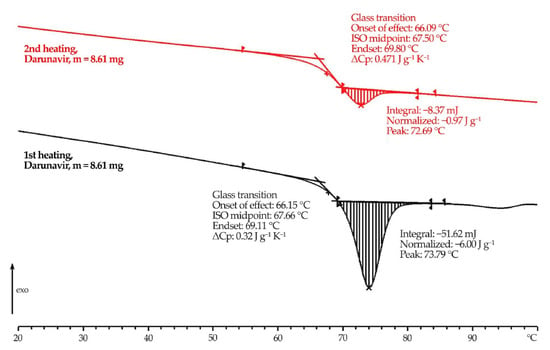
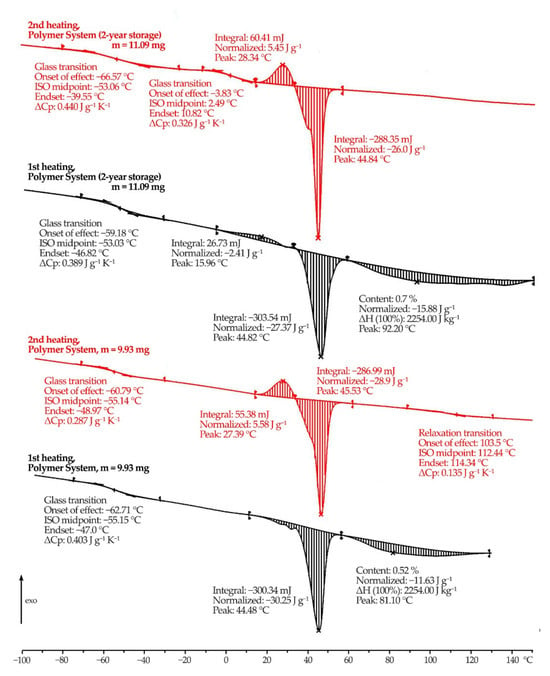
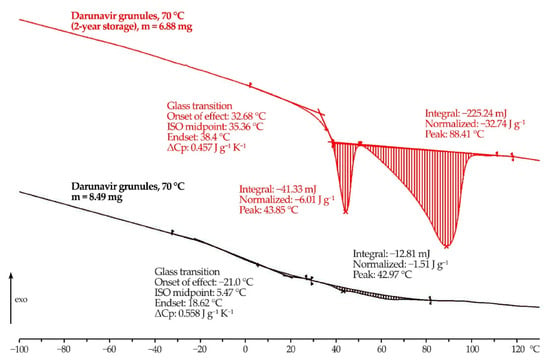
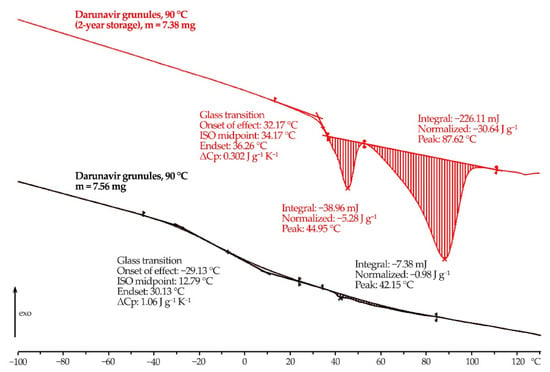
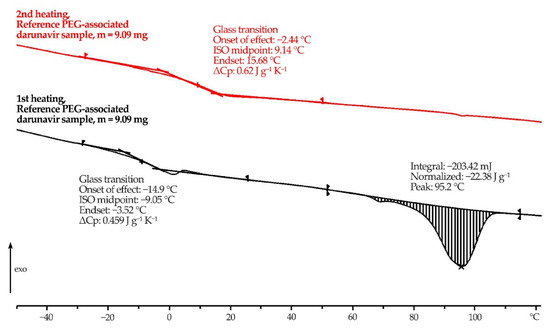
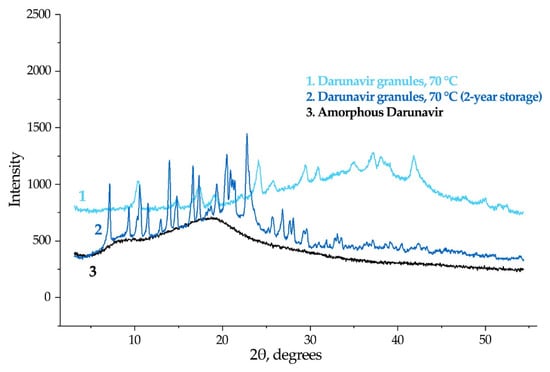
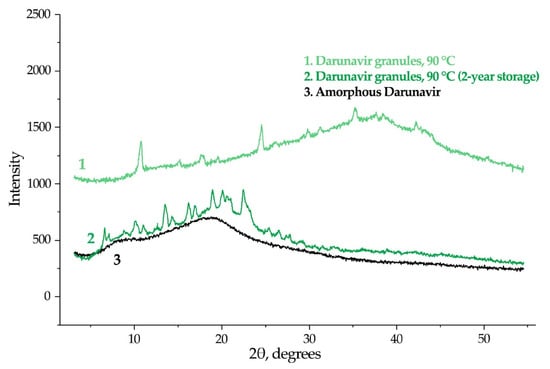
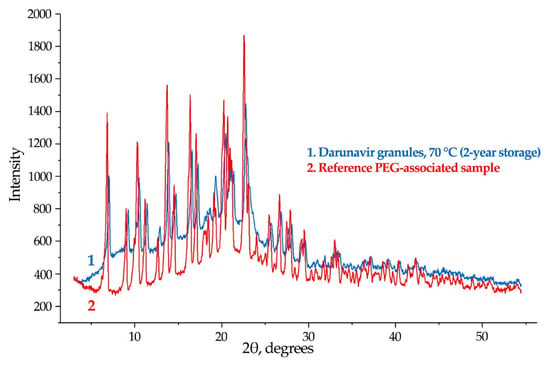
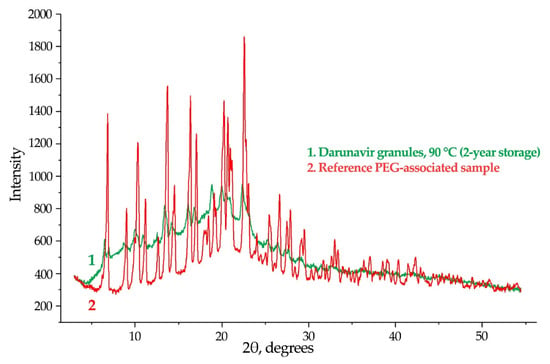
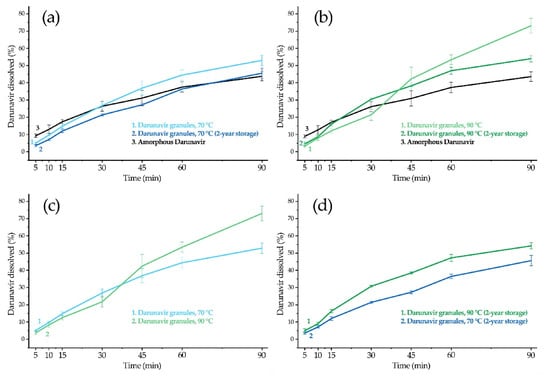
Background: Hot-melt extrusion (HME) is a scalable pharmaceutical technology increasingly relevant to flexible manufacturing, including small-batch production, personalized dosage-form development, and potential use in pharmacy compounding. When translated into compounding practice, however, HME introduces a risk that routine quality-control methods available in pharmacies may be insufficient to reliably assess the stability of extrusion-based preparations. Methods: Granules containing 50% (w/w) darunavir were prepared by HME at 70 and 90 °C using a previously developed polymeric premix. Samples were stored for 24 months under ambient conditions. During storage, routine quality attributes were evaluated, including appearance, particle size distribution, loss on drying, disintegration time, content uniformity, and assay. Solid-state changes were investigated using differential scanning calorimetry (DSC) and X-ray diffraction (XRD), with a reference PEG-associated darunavir sample prepared and characterized for comparative analysis. Changes in drug release and darunavir content were assessed by dissolution testing and HPLC analysis, respectively. Results: Granules produced at both extrusion temperatures retained acceptable routine quality attributes throughout the 24-month storage period. No substantial changes were detected by visual inspection, pharmacopoeial tests, or UV assay. However, DSC revealed a new thermal event after storage, while XRD showed the formation of a new crystalline phase. Comparison with the reference PEG-associated sample supported the assignment of this phase as a PEG-associated crystalline phase of darunavir. Importantly, this transformation occurred even though the routine quality attributes evaluated in pharmacy compounding practice remained unchanged. Dissolution profiles differed between samples tested immediately after preparation and after long-term storage, with a more pronounced overall difference for granules produced at 90 °C, whereas HPLC confirmed comparable darunavir content in all investigated samples. Discussion: Our results show that routine compounding quality control can meet conventional acceptance criteria while failing to detect API solid-state changes in the investigated HME-derived system. In the PEG-containing matrix, amorphous darunavir undergoes storage-induced crystallization, forming a PEG-associated crystalline phase consistent with its known affinity for polyol-containing media. Conclusions: Acceptable routine quality attributes do not necessarily reflect the solid-state stability of APIs in HME-based formulations. These results highlight the need for solid-state risk assessment when developing extrusion-based systems intended for pharmacy compounding and other personalized manufacturing models in which routine quality control may not include advanced solid-state characterization.
Full article
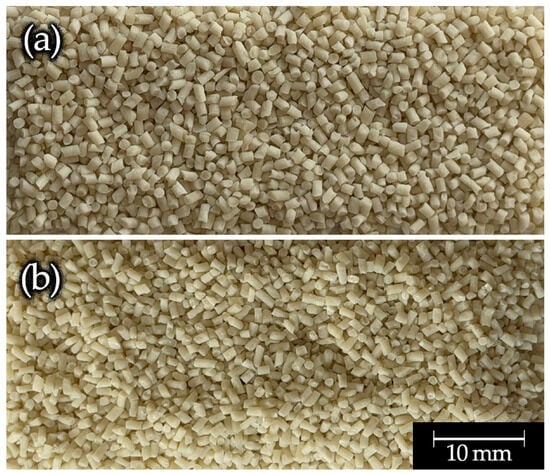
(This article belongs to the Section Pharmaceutical Technology, Manufacturing and Devices)
►▼
Show Figures

Figure 1
Open AccessCorrection
Correction: Satapathy et al. Solid Lipid Nanoparticles (SLNs): An Advanced Drug Delivery System Targeting Brain Through BBB. Pharmaceutics 2021, 13, 1183
by
Mantosh Kumar Satapathy, Ting-Lin Yen, Jing-Shiun Jan, Ruei-Dun Tang, Jia-Yi Wang, Rajeev Taliyan and Chih-Hao Yang
Pharmaceutics 2026, 18(9), 1078; https://doi.org/10.3390/pharmaceutics18091078 - 27 Aug 2026
Abstract
There was an error in the original publication [...]
Full article
Open AccessReview
GHK-Cu as a Bioactive Metallopeptide and Drug-Delivery Cargo: Coordination Chemistry, Formulation Science, Therapeutic Evidence, and a Translational Roadmap
by
Diana-Maria Mateescu, Dragos-Mihai Gavrilescu, Ruxandra-Ioana Mincioaga, Ana-Maria Pah, Ana-Olivia Toma, Daniela-Vasilica Serban, Cristiana Adina Avram, Maria-Laura Craciun, Bogdan Enache and Camelia-Oana Muresan
Pharmaceutics 2026, 18(9), 1077; https://doi.org/10.3390/pharmaceutics18091077 - 27 Aug 2026
Abstract
Background/Objectives: Glycyl-L-histidyl-L-lysine (GHK) and its copper(II) complex GHK-Cu have been studied for matrix remodeling, inflammation, redox regulation, angiogenesis, and tissue repair, yet the literature frequently treats GHK-Cu as a single active ingredient despite formulation-dependent variation in coordination state, speciation, stability, pharmacokinetics, and
[...] Read more.
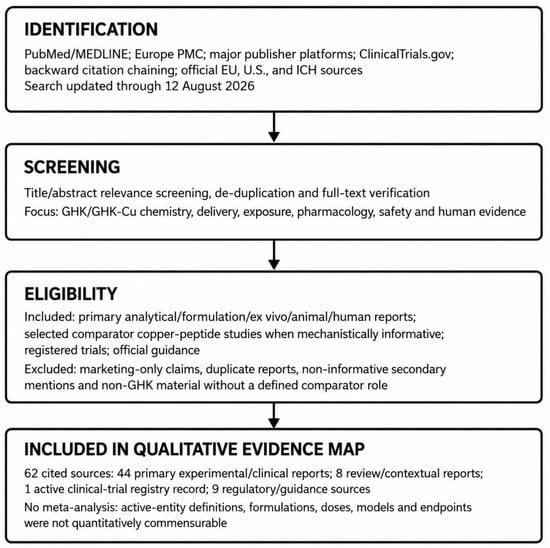
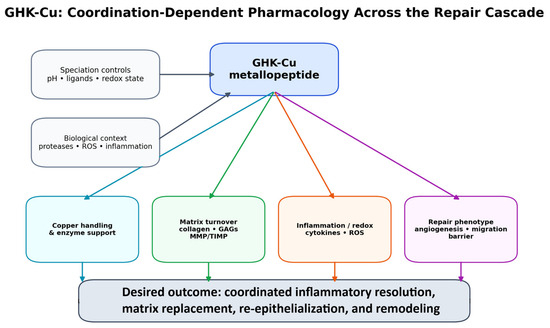
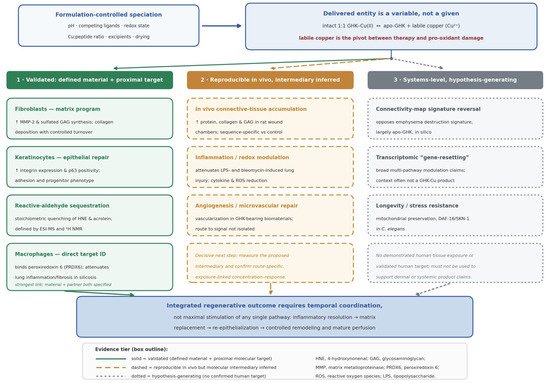
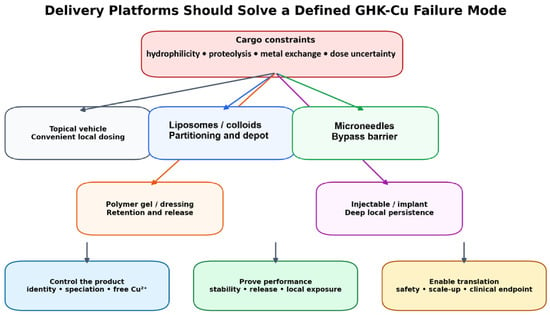
Background/Objectives: Glycyl-L-histidyl-L-lysine (GHK) and its copper(II) complex GHK-Cu have been studied for matrix remodeling, inflammation, redox regulation, angiogenesis, and tissue repair, yet the literature frequently treats GHK-Cu as a single active ingredient despite formulation-dependent variation in coordination state, speciation, stability, pharmacokinetics, and toxicity. We critically evaluate GHK-Cu simultaneously as a bioactive metallopeptide and as a drug-delivery cargo, with explicit separation of apo-GHK, canonical GHK-Cu, GHK-derived copper peptides, and non-GHK copper-peptide systems. Methods: We conducted a structured systematic evidence-mapping review of PubMed/MEDLINE, Europe PMC, major publisher platforms, ClinicalTrials.gov, backward citation chains, and official European Union, U.S., and ICH regulatory sources from database inception through 12 August 2026. Biological evidence level and chemical/formulation quality were graded independently using an author-defined two-axis framework. Delivery studies were extracted against a fixed matrix comprising formulation, claimed loading, molar copper occupancy, labile copper, species-resolved release, factorial controls, stability/manufacturability, and objective outcome. Quantitative pooling was not performed because active-entity definitions, formulations, doses, models, comparators, and endpoints were not quantitatively commensurable. Results: Preclinical data consistently support effects on matrix remodeling, epithelial repair, inflammatory/redox regulation, and angiogenesis, but the clinical evidence remains sparse and does not meet contemporary active-entity quality standards. Historical cosmetic reports are small or incompletely characterized; a 13-participant post-CO2-laser study was negative on objective endpoints, whereas a 2026 18-participant split-face eyebrow study reported positive cosmetic hair outcomes but did not define GHK-Cu speciation or local exposure. The ongoing phase 2 acute-wound study NCT07437586 remains recruiting and has no efficacy results; its registration cannot be used as evidence of clinical translation. Across delivery studies, particle size, polydispersity, encapsulation efficiency, total peptide/copper content, and bulk release are often reported, whereas molar occupancy, labile copper, and release of intact GHK-Cu versus apo-GHK/free copper are usually not resolved. Conclusions: Translation is limited less by biological plausibility than by pharmaceutical definition and evidence attribution. We define the “active pharmaceutical entity” operationally as the reproducible chemical state intended to mediate pharmacology at administration, not as an established regulatory designation or a claim that one immutable molecular species persists in biological fluids. We further propose, explicitly as an author-derived development framework rather than a consensus standard, a control strategy based on molar occupancy, route-specific labile copper specifications, orthogonal speciation, mechanism-linked potency, species-resolved release, factorial controls, route-specific safety decision thresholds, ICH-aligned stability, and GMP-scalable manufacture. Until these requirements are met and controlled clinical efficacy is demonstrated, GHK-Cu should be regarded as a promising but unproven therapeutic cargo rather than a clinically validated regenerative drug.
Full article
(This article belongs to the Special Issue Peptide-Based Drug Delivery Systems: From Design to Application)
►▼
Show Figures

Figure 1
Open AccessArticle
Relaxation Polyamorphism of Rosuvastatin and Physicochemical Characterisation of a Rosuvastatin–Carvedilol Co-Amorphous System
by
Agata Olszewska, Maria Brycka, Anita Umerska, Lidia Tajber, Marek Pyda and Marcin Skotnicki
Pharmaceutics 2026, 18(9), 1076; https://doi.org/10.3390/pharmaceutics18091076 - 27 Aug 2026
Abstract
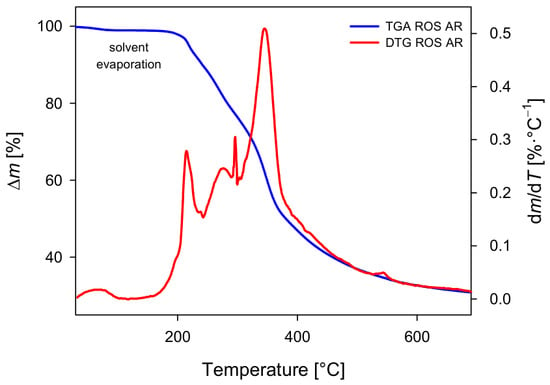
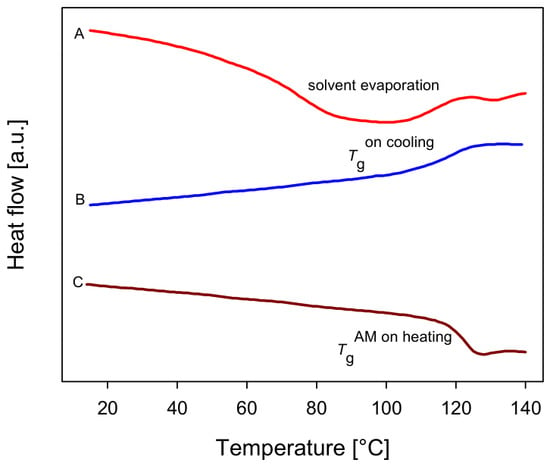
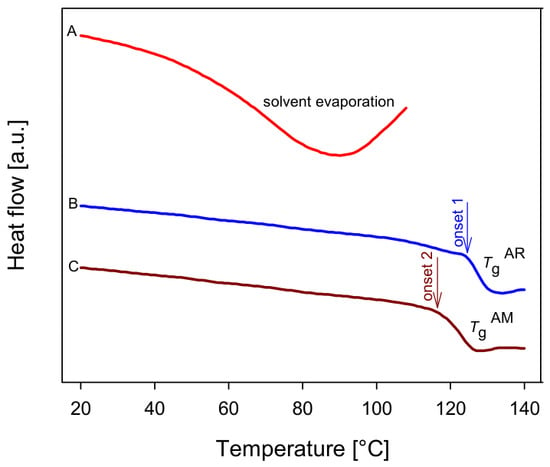
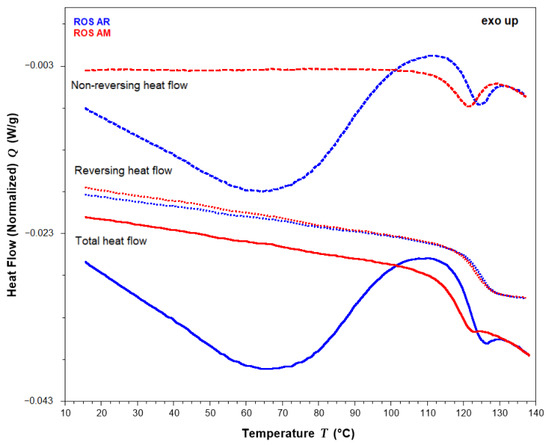
Objective: In this study, the solid-state properties of two amorphous forms of rosuvastatin calcium (ROS) and co-amorphous systems of rosuvastatin with carvedilol (CAR) were investigated. Methods: The studied systems were investigated using TGA, DSC, TMDSC, PXRD, SAXS, SSNMR, and DVS. Results
[...] Read more.
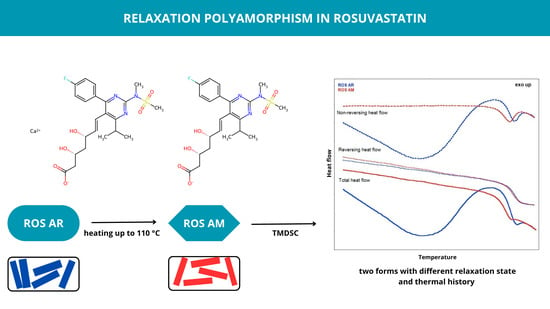
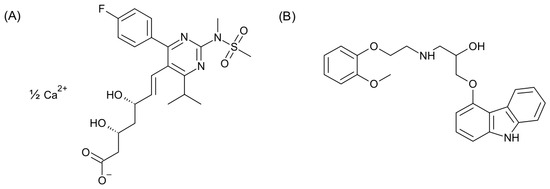
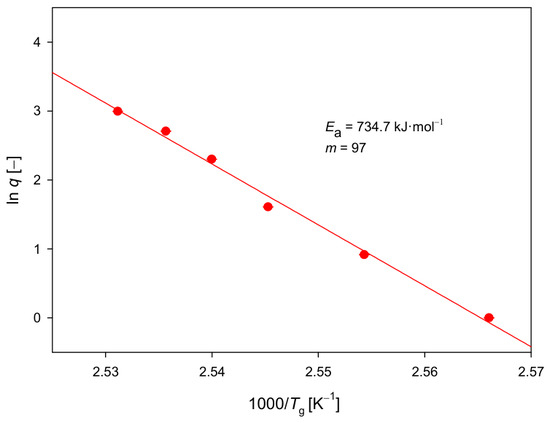
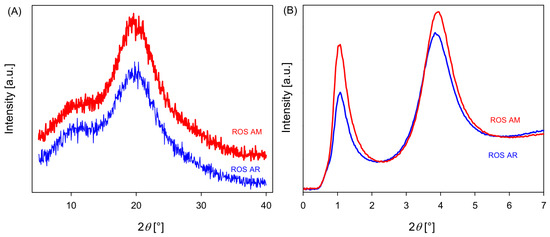
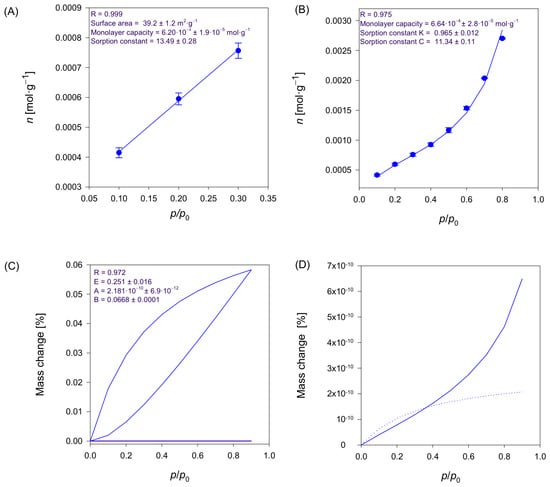
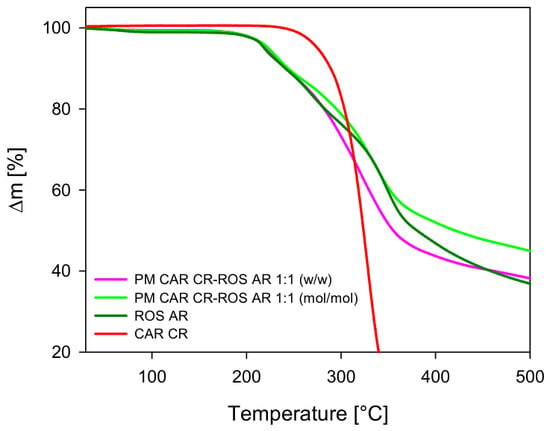
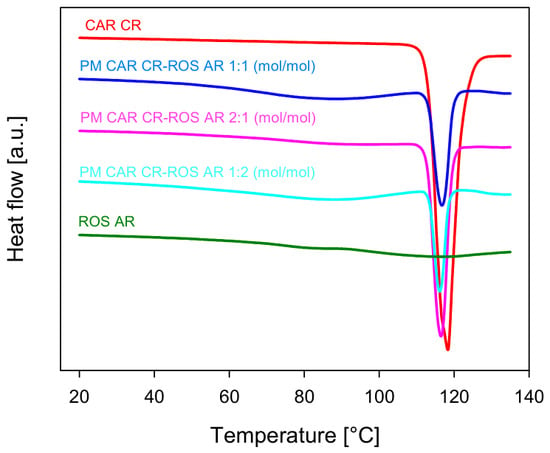
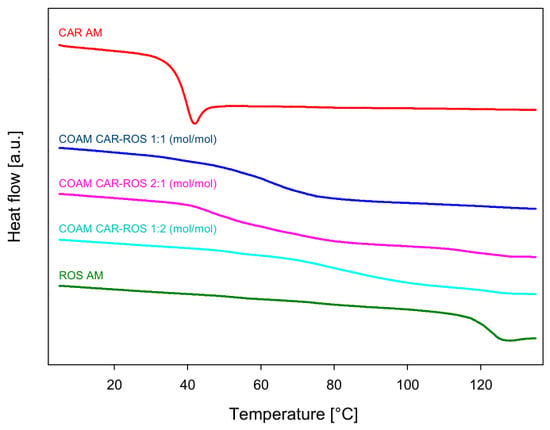
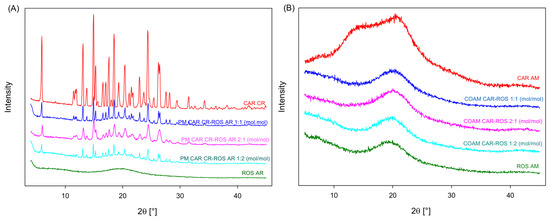
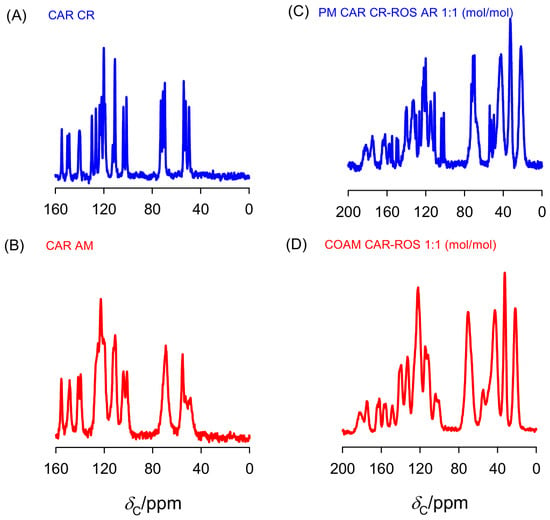
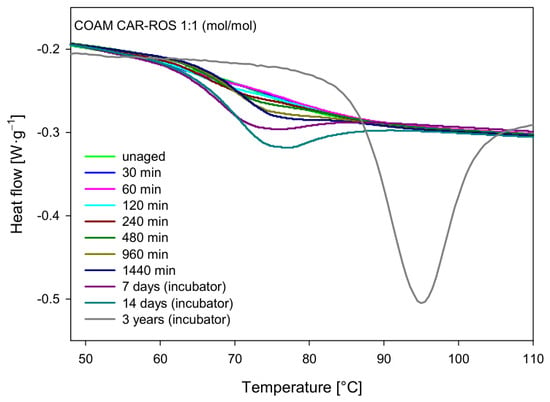
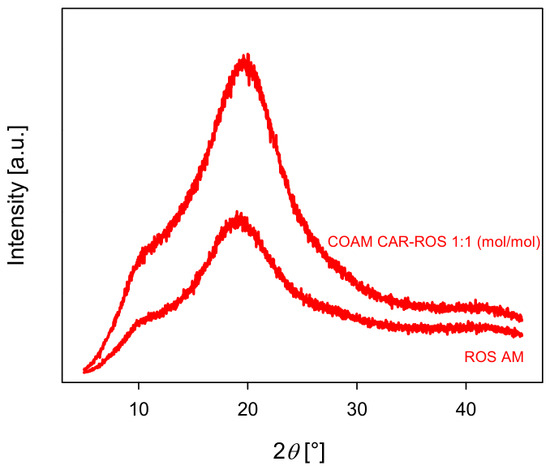
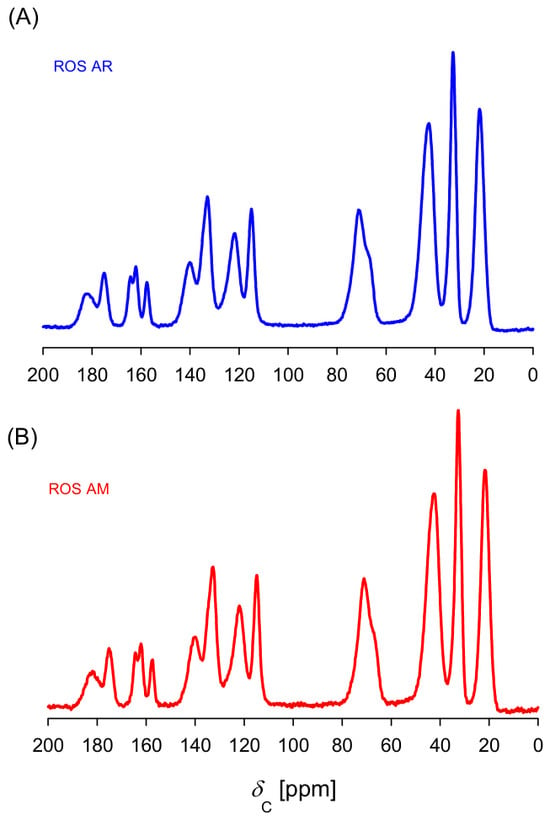
Objective: In this study, the solid-state properties of two amorphous forms of rosuvastatin calcium (ROS) and co-amorphous systems of rosuvastatin with carvedilol (CAR) were investigated. Methods: The studied systems were investigated using TGA, DSC, TMDSC, PXRD, SAXS, SSNMR, and DVS. Results: DSC, TMDSC and SAXS revealed subtle differences between as-received ROS (ROS AR) and freshly prepared amorphous ROS (ROS AM), providing evidence of relaxation polyamorphism. Analysis of the scanning-rate dependence of the glass transition temperature classified ROS as a fragile glass former. Water sorption studies of ROS AR using Brunauer–Emmett–Teller analysis, the Guggenheim–Anderson–de Boer equation, and Young–Nelson models indicated a moderate specific surface area and multilayer adsorption, with water binding both at the surface and within the bulk. Co-amorphous CAR–ROS systems in various molar ratios exhibited single glass transitions, confirming the formation of homogenous amorphous phases. Negative deviations from the Couchman–Karasz equation indicated non-ideal mixing behaviour. Physical ageing studies showed high stability of the ROS AM and CAR-ROS 1:1 co-amorphous system, which remained amorphous after three years of storage. Conclusions: Overall, ROS forms stable amorphous and co-amorphous systems with CAR, exhibiting favourable miscibility, structural stability, and potential for application in fixed-dose combination formulations.
Full article
(This article belongs to the Special Issue Advances in Amorphous Solid Dispersions)
►▼
Show Figures

Graphical abstract
Open AccessArticle
Microfluidic Production of Dexamethasone-Loaded PLGA Microparticles: Dynamic Solvent Extraction Improves Process Robustness During the Droplet-to-Particle Transition
by
Nader Amanatchi, Ilyesse Bihi, Matthieu Briet, Wim De Malsche and Karine H. Hellemans
Pharmaceutics 2026, 18(9), 1075; https://doi.org/10.3390/pharmaceutics18091075 - 27 Aug 2026
Abstract
Background/Objectives: Poly(lactic-co-glycolic acid) (PLGA) microparticles are used for sustained drug delivery, yet their final quality depends on both initial droplet formation and the subsequent solvent-extraction-driven droplet-to-particle transition. Microfluidics provides excellent control over precursor droplets, but this control may be partially lost during particle
[...] Read more.
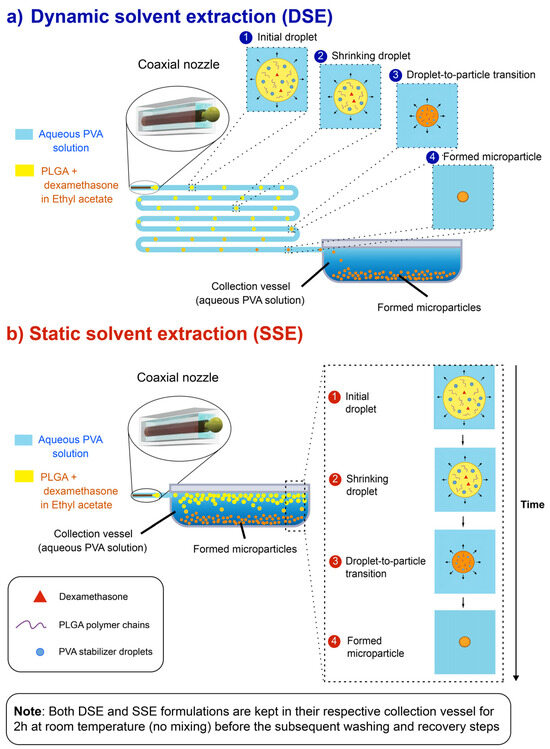
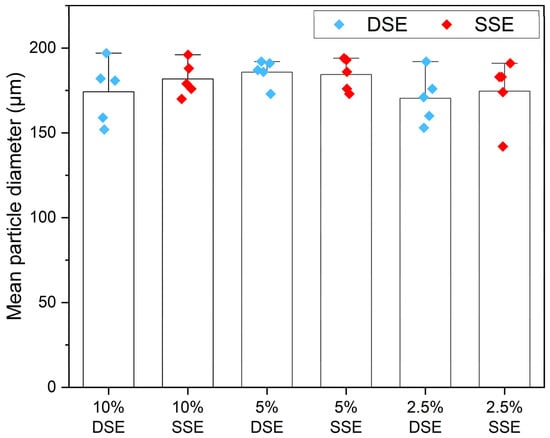
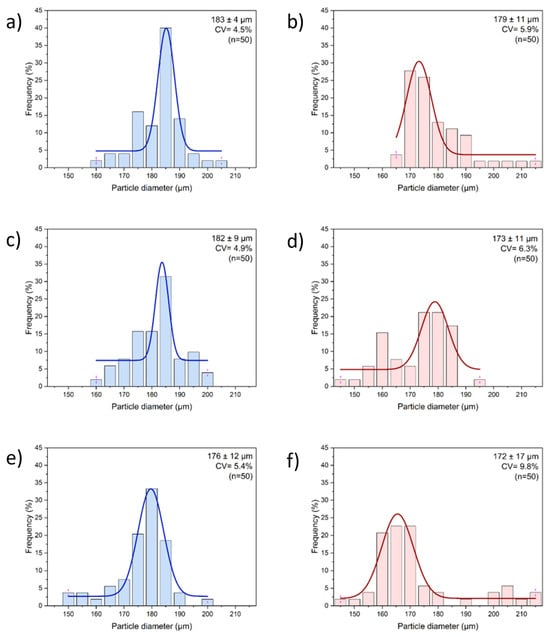
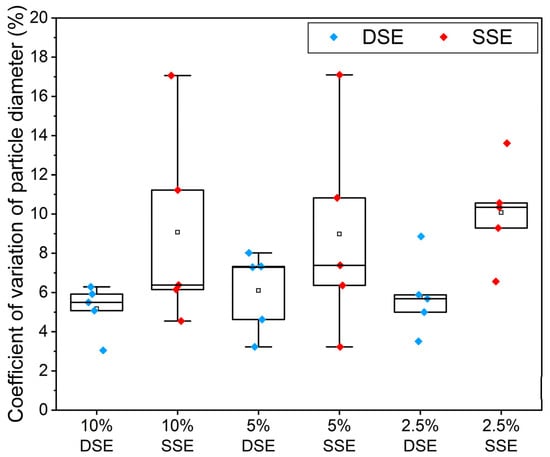
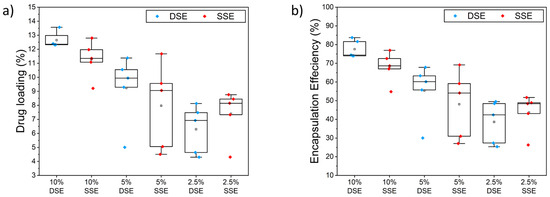
Background/Objectives: Poly(lactic-co-glycolic acid) (PLGA) microparticles are used for sustained drug delivery, yet their final quality depends on both initial droplet formation and the subsequent solvent-extraction-driven droplet-to-particle transition. Microfluidics provides excellent control over precursor droplets, but this control may be partially lost during particle formation. We previously developed dynamic solvent extraction (DSE), in which the droplet-to-particle transition occurs progressively during continuous transport through an extended microfluidic channel. Here, we investigated whether this control improves quality attributes and release of drug-loaded PLGA microparticles. Methods: Dexamethasone (DEX)-loaded PLGA microparticles were produced using DSE or static solvent extraction (SSE), in which microfluidic droplets were transferred to an external aqueous medium for particle formation. Three PLGA concentrations (2.5, 5, and 10% (w/v)) were investigated, with processing conditions selected to obtain comparable final particle sizes and reduce size as a confounding variable. Results: DSE significantly reduced particle-size coefficient of variation compared with SSE, indicating better preservation of size uniformity. Drug loading and encapsulation efficiency were governed mainly by PLGA concentration, with no significant effect of extraction strategy. Morphological effects were formulation-dependent, with the most pronounced defects in 5% (w/v) SSE particles. All formulations provided sustained DEX release over 70 days. Although the overall effect of extraction strategy on 24 h burst release was not statistically significant, DSE consistently produced numerically lower burst release, with the largest and most variable burst observed for the morphologically heterogeneous 5% (w/v) SSE formulation. Conclusions: These findings extend DSE to drug-loaded sustained-release microparticles and identify the solvent-extraction environment as an important determinant of final particle quality.
Full article
(This article belongs to the Section Drug Delivery and Controlled Release)
►▼
Show Figures

Figure 1
Open AccessArticle
Green-Synthesized Gold Nanoparticles Using Pfaffia glomerata Extract Improve Maternal Hypertension and Angiogenic Markers in Pregnant Hypertensive Rats
by
Maria Medina de Azevedo, Maria Luiza Fidelis da Silva, Gabriela Pereira da Silva, Joyner David Anaya Miranda, Annye Vitória Moraes, Luana Ale Bertoncello Pael, Telma Lélia Gonçalves Schultz de Carvalho, Giselle Nathaly Calaça, Thainá Aparecida Rafael Silva, Bianca Viana Silva, Thaylla Bianca de Almeida Vilela, João Pedro Vilella Neto, Ariany Carvalho dos Santos, Ana Paula de Carlos Sela, Monique Assis de Vasconcelos Barros, Francislaine Aparecida dos Reis Lívero, Otávio Akira Sakai, Érica Marusa Pergo Coelho and Arquimedes Gasparotto Junior
Pharmaceutics 2026, 18(9), 1074; https://doi.org/10.3390/pharmaceutics18091074 - 27 Aug 2026
Abstract
Background: Hypertensive disorders of pregnancy present a major global health challenge. Green nanotechnology offers a strategy to enhance the stability and efficacy of bioactive natural products. This study evaluated gold nanoparticles green-synthesized with Pfaffia glomerata extract (AuNPs-PG) against gestational hypertension and fetal complications
[...] Read more.
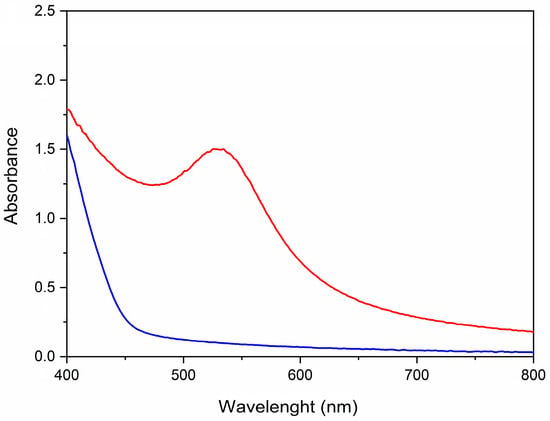
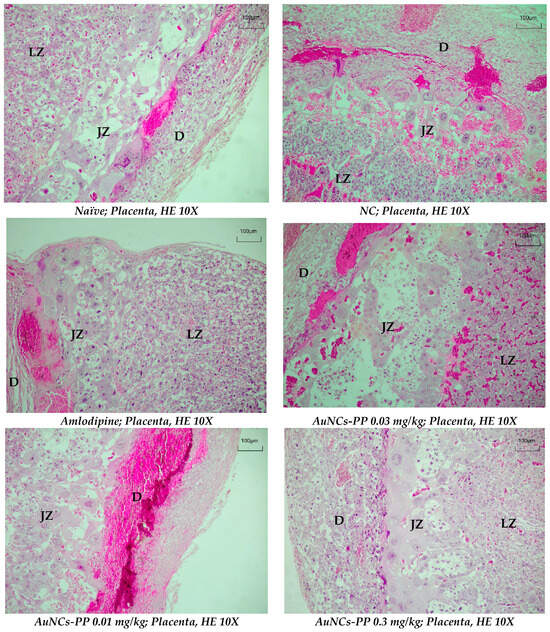
Background: Hypertensive disorders of pregnancy present a major global health challenge. Green nanotechnology offers a strategy to enhance the stability and efficacy of bioactive natural products. This study evaluated gold nanoparticles green-synthesized with Pfaffia glomerata extract (AuNPs-PG) against gestational hypertension and fetal complications in spontaneously hypertensive rats (SHRs). Methods: P. glomerata root extract was characterized by UHPLC-MS/MS. AuNPs-PG were green-synthesized with 2 mmol/L HAuCl4 (1:5 v/v) at 40 °C and characterized by UV-Vis and DLS. Pregnant Wistar-Kyoto and SHRs were divided into naive, negative control (NC), amlodipine (5 mg/kg), and AuNPs-PG groups (0.03, 0.1, and 0.3 mg/kg) treated daily on gestational days 1–18 to evaluate maternal cardiovascular, renal, biochemical, and reproductive outcomes. Results: UHPLC-MS/MS identified 38 compounds. AuNPs-PG showed a plasmon band at 520–550 nm and 88.1 nm hydrodynamic diameter. In SHRs, 0.3 mg/kg AuNPs-PG reduced systolic blood pressure by 18.5% and mean arterial pressure by 15.4%, while mitigating vascular dysfunction by lowering phenylephrine vasoconstriction by 52.7% and boosting acetylcholine vasodilation by 239.3%. Treatment shortened QTc interval by 26.4%, normalized T-wave inversion, and restored renal excretion, increasing urinary volume by 75.0% and sodium by 94.2%. Furthermore, AuNPs-PG elevated placental growth factor by 180.9%, lowered malondialdehyde by 63.5%, and preserved placental histology. Consequently, mean fetal weight increased by 21.6%, implantation index by 50.5%, and offspring-to-mother ratio by 129.6%. Conclusions: AuNPs-PG (0.3 mg/kg) effectively mitigate maternal and fetal complications in gestational hypertension. Gold nanoparticles serve as nanocarriers, whereas surface-adsorbed phytochemicals drive the biological effects.
Full article
(This article belongs to the Special Issue Nanocarriers in Cardiovascular Medicine: Current Applications and Future Perspectives)
►▼
Show Figures

Figure 1
Open AccessReview
Bridging the Lab-to-Clinic Gap in Intranasal Nanomaterial-Based Chemotherapy for Glioblastoma
by
Sophia Leslie, Stella Rios, Hana Elnahas and Megan Keniry
Pharmaceutics 2026, 18(9), 1073; https://doi.org/10.3390/pharmaceutics18091073 - 27 Aug 2026
Abstract
Clinical outcomes for brain cancer are often poor because the blood–brain/tumor barrier hinders effective drug delivery to malignant tissue. Glioblastoma, the most common primary brain malignancy in adults, has an average survival of approximately fourteen months. Here, we discuss novel strategies that our
[...] Read more.
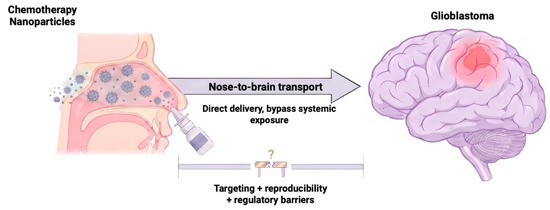
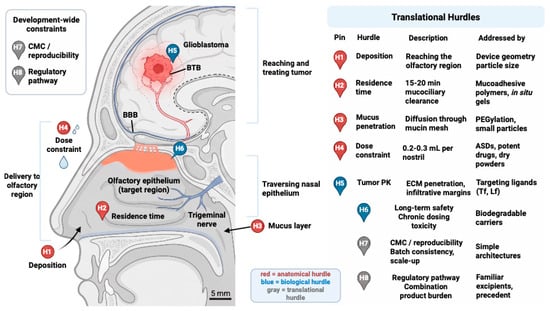
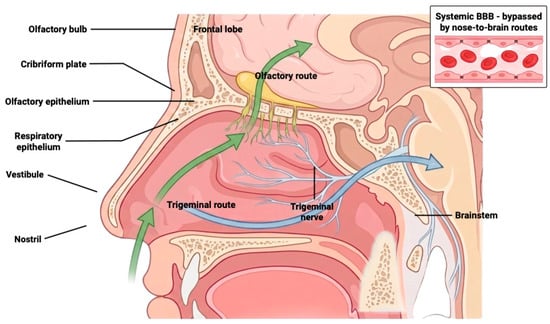
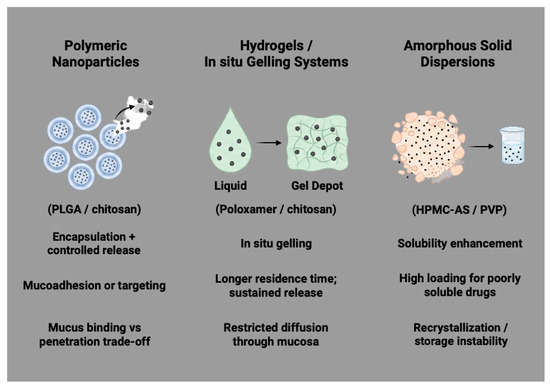
Clinical outcomes for brain cancer are often poor because the blood–brain/tumor barrier hinders effective drug delivery to malignant tissue. Glioblastoma, the most common primary brain malignancy in adults, has an average survival of approximately fourteen months. Here, we discuss novel strategies that our research group and others are developing to deliver chemotherapy to the brain via the nasal cavity. Although significant hurdles remain, intranasal delivery holds substantial promise for improving outcomes for patients with brain cancer. Intranasal delivery is noninvasive, permits repeated dosing, and has been shown to enable direct nose-to-brain transport that bypasses the blood–brain barrier. Challenges such as accurately targeting drugs to the appropriate region of the nasal cavity at therapeutically relevant doses, while maintaining reproducibility, make this cutting-edge approach a regulatory challenge. The prolonged path to clinical translation discourages many researchers from pursuing this potentially life-saving strategy. Nevertheless, preclinical studies demonstrate that intranasal delivery can achieve up to ten-fold higher concentrations of select drugs in the brain. Cancer chemotherapeutics span a wide range of molecular formats, from small molecules to 150-kilodalton antibodies. Accordingly, delivery strategies must be carefully matched to the molecular properties of each therapeutic. Here, we focus on the intranasal delivery of small molecule inhibitors using nanomaterial-based platforms, including aerosols, lipids, gold nanoparticles, gels, emulsions, fibers, and their combinations. Ultimately, we hope that intranasal delivery approaches will be translated to provide patients with better therapeutic outcomes.
Full article
(This article belongs to the Topic Application of Nanomaterials and Nanobiotechnology in Cancer)
►▼
Show Figures

Graphical abstract
Open AccessArticle
Development of a Sacha Inchi Oil-Based Nanoemulsion Containing Mangosteen Pericarp Extract and Its Antioxidant Activity
by
Nur Aisyah, Ikra Nurohman, Sriwidodo Sriwidodo, Patihul Husni, Cecep Suhandi, Gofarana Wilar, Ahmad Choibar Tridakusumah and Sabreena Safuan
Pharmaceutics 2026, 18(9), 1072; https://doi.org/10.3390/pharmaceutics18091072 - 27 Aug 2026
Abstract
Background/Objectives: Mangosteen pericarp extract (Garcinia mangostana L.) exhibits robust antioxidant properties. However, its pharmaceutical application is hindered by poor water solubility and low physicochemical stability. This study aimed to develop a lipid-based nanoemulsion to overcome these limitations and assess its physicochemical characteristics,
[...] Read more.
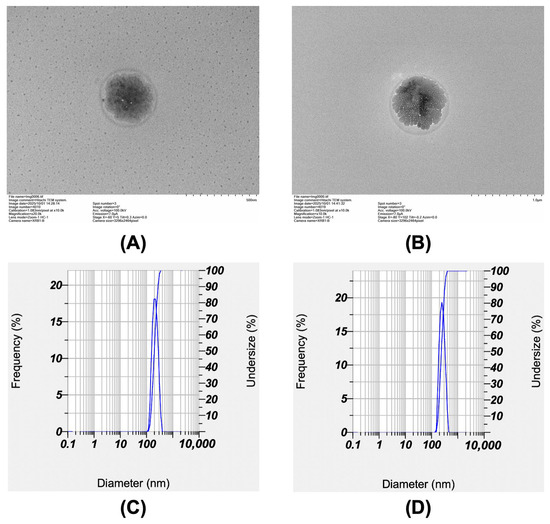
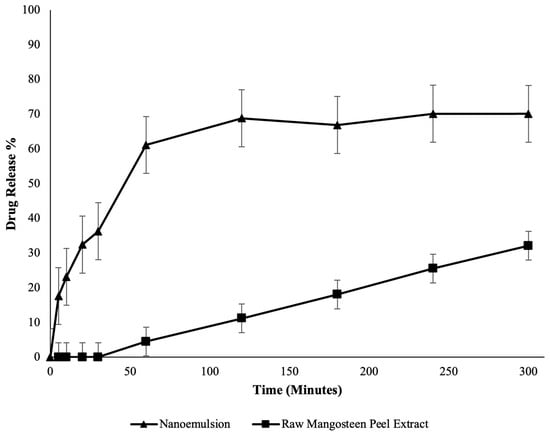
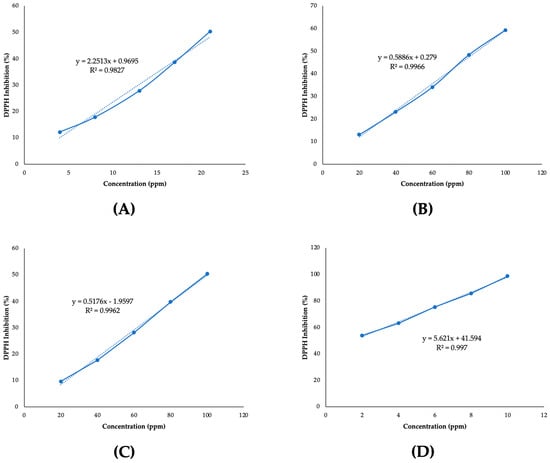
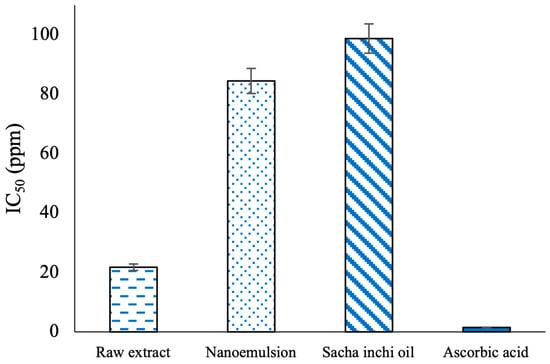
Background/Objectives: Mangosteen pericarp extract (Garcinia mangostana L.) exhibits robust antioxidant properties. However, its pharmaceutical application is hindered by poor water solubility and low physicochemical stability. This study aimed to develop a lipid-based nanoemulsion to overcome these limitations and assess its physicochemical characteristics, radical scavenging capacity, and dissolution profiles. Methods: Nanoemulsions were prepared by high-shear homogenization followed by ultrasonication method using sacha inchi oil (Plukenetia volubilis L.) across varying hydrophilic–lipophilic balance (HLB) values. Formulations were characterized by emulsion type, pH, rheology, droplet size, surface charge, encapsulation efficiency, and morphology via transmission electron microscopy. Antioxidant capacity was quantified using the DPPH assay, while in vitro dissolution experiments measured solubility enhancement relative to unformulated extract. Results: All formulations formed stable oil-in-water systems without phase separation. The HLB 10 formulation exhibited optimal performance, yielding a mean droplet diameter of 490.03 ± 32.12 nm, zeta potential of −52.73 ± 0.09 mV, and encapsulation efficiency of 89.14 ± 0.19%. Micrographs revealed well-structured spherical droplets. The raw extract showed strong antioxidant activity (IC50 = 21.68 ppm), which remained functional in nanoemulsion (IC50 = 84.48 ppm). Dissolution testing indicated a 13.4-fold improvement over raw powder. However, storage evaluation indicated chemical loss of bioactive constituents over one month. Conclusions: Sacha inchi oil-based nanoemulsions significantly enhance the dissolution rate of mangosteen pericarp extract while maintaining functional antioxidant potential. Although chemical stability during storage remains a limitation requiring further optimization, this nanocarrier platform offers strong potential to overcome solubility barriers for oral bioactive delivery.
Full article
(This article belongs to the Special Issue Emerging Strategies to Enhance Solubility of Poorly Soluble Drugs: From Nanosystems to Molecular Innovations)
►▼
Show Figures

Figure 1
Journal Menu
► ▼ Journal Menu-
- Pharmaceutics Home
- Aims & Scope
- Editorial Board
- Reviewer Board
- Topical Advisory Panel
- Early Career Editorial Board
- Instructions for Authors
- Special Issues
- Topics
- Sections & Collections
- Article Processing Charge
- Indexing & Archiving
- Editor’s Choice Articles
- Most Cited & Viewed
- Journal Statistics
- Journal History
- Journal Awards
- Society Collaborations
- Conferences
- Editorial Office
Journal Browser
► ▼ Journal BrowserHighly Accessed Articles
Latest Books
E-Mail Alert
News
19 August 2026
The 2nd International Conference on Bioengineering: Bioengineering in an Era of AI (BIOENG 2026) Announces Distinguished Speakers Lineup and Late-Breaking Poster Submission Opportunity
25 August 2026
Pharmaceutics | Selected Papers in 2025 in the “Physical Pharmacy and Formulation” Section
Topics
Topic in
Bioengineering, Molecules, Pharmaceuticals, Pharmaceutics, Processes, Sci. Pharm.
Complementary Strategies in Drug Delivery: From Particle Engineering to System Optimization
Topic Editors: Barbara R. Conway, Hisham Al-ObaidiDeadline: 30 October 2026
Topic in
Antibiotics, IJMS, Microbiology Research, Pharmaceuticals, Pharmaceutics, Nanomaterials, Microorganisms
Challenges and Future Prospects of Antibacterial Therapy, 2nd Edition
Topic Editors: Kwang-sun Kim, Zehra EdisDeadline: 30 November 2026
Topic in
Applied Microbiology, Microorganisms, Pharmaceuticals, Pharmaceutics, Foods
Probiotics: New Avenues
Topic Editors: Daniela Machado, José Carlos AndradeDeadline: 10 December 2026
Topic in
Biomedicines, Cancers, Cells, JCM, Pharmaceutics, Reports, Allergies
The Tumor Microenvironment, Immuno-Oncology, and Immune Checkpoint: Implications for Current and Emergent Immunotherapies, 2nd Edition
Topic Editors: Joaquim Carreras, Luis J. Castro-VegaDeadline: 31 December 2026
Conferences
Special Issues
Special Issue in
Pharmaceutics
Microfluidic Assembly of Nanocomplexes for Drug and Gene Delivery
Guest Editors: Tiago Albertini Balbino, Ismail EşDeadline: 30 August 2026
Special Issue in
Pharmaceutics
Pharmacogenomics-Enabled Drug Delivery and Personalised Therapeutics
Guest Editors: Aaron J. Courtenay, Jessica V. Moore, Aaron HuttonDeadline: 30 August 2026
Special Issue in
Pharmaceutics
Research Progress on the Anticancer and Controlled Release of Plant Active Components in Pharmaceutics
Guest Editor: Zvezdelina Lyubenova YanevaDeadline: 31 August 2026
Special Issue in
Pharmaceutics
Advances in Drug Delivery, Diagnostics, and Therapeutics for Cancer: Toward Personalized Oncology
Guest Editors: Andreas Tzakos, Tim R. Crook, Nelofer Syed, George AlexiouDeadline: 31 August 2026
Topical Collections
Topical Collection in
Pharmaceutics
Women in Pharmaceutics
Collection Editors: Donatella Paolino, Cinzia Anna Ventura
Topical Collection in
Pharmaceutics
Advanced Pharmaceutical Science and Technology in Portugal
Collection Editors: João Sousa, Carla Vitorino, Alberto A. C. C. Pais
Topical Collection in
Pharmaceutics
Advanced Drug Delivery Systems and Technology in Hungary
Collection Editors: Romána Zelkó, Istvan Antal