11 pages, 1983 KB  
Article
BTH Treatment Delays the Senescence of Postharvest Pitaya Fruit in Relation to Enhancing Antioxidant System and Phenylpropanoid Pathway
by Xiaochun Ding, Xiaoyang Zhu, Wang Zheng, Fengjun Li, Shuangling Xiao and Xuewu Duan
Foods 2021, 10(4), 846; https://doi.org/10.3390/foods10040846 - 13 Apr 2021
Cited by 39 | Viewed by 4083
Abstract
The plant resistance elicitor Benzo (1,2,3)-thiadiazole-7-carbothioic acid S-methyl ester (BTH) can enhance disease resistance of harvested fruit. Nonetheless, it is still unknown whether BTH plays a role in regulating fruit senescence. In this study, exogenous BTH treatment efficiently delayed the senescence of postharvest [...] Read more.
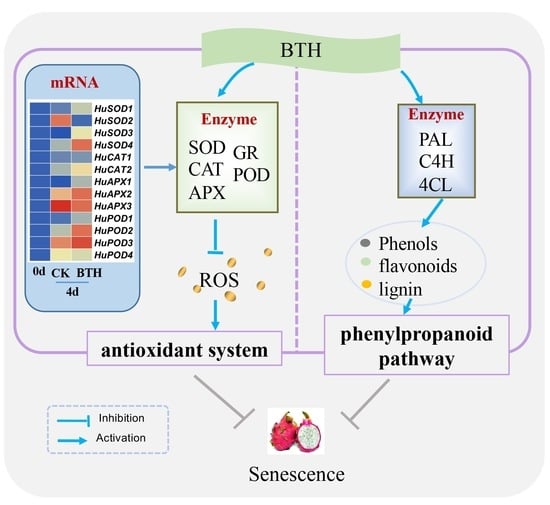
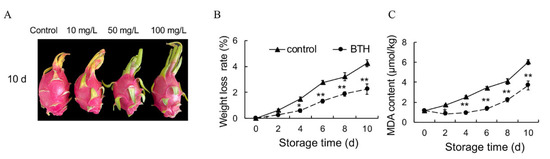
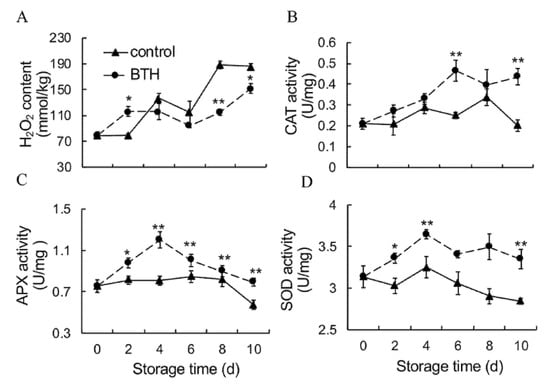
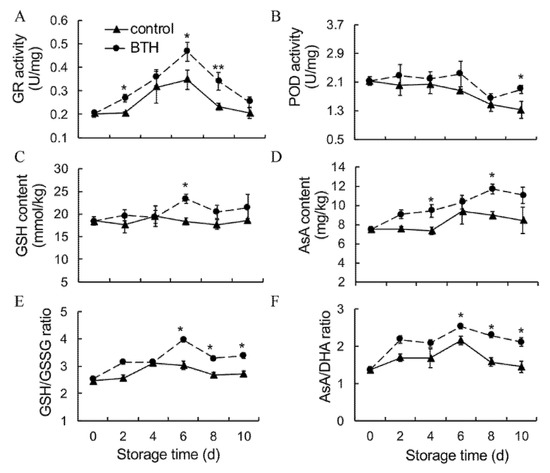
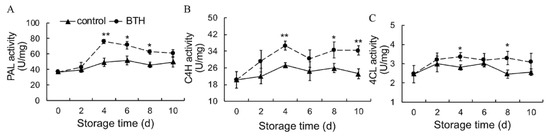
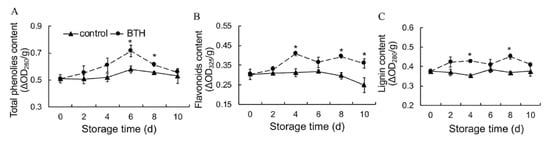
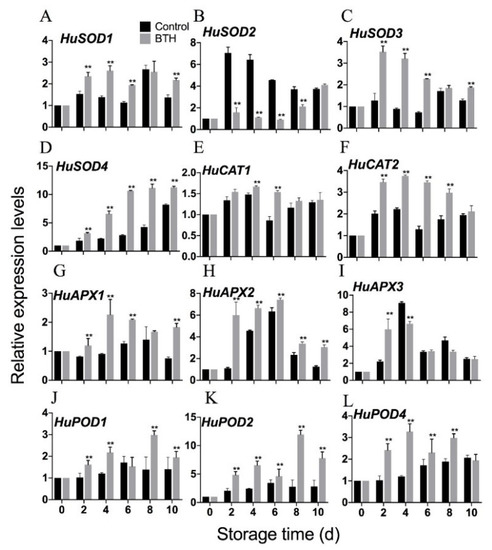
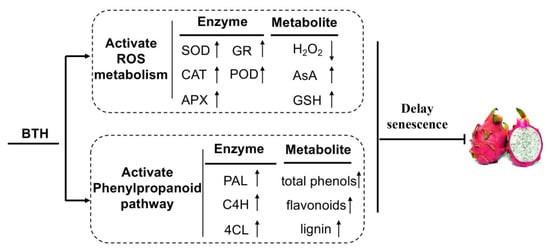
The plant resistance elicitor Benzo (1,2,3)-thiadiazole-7-carbothioic acid S-methyl ester (BTH) can enhance disease resistance of harvested fruit. Nonetheless, it is still unknown whether BTH plays a role in regulating fruit senescence. In this study, exogenous BTH treatment efficiently delayed the senescence of postharvest pitaya fruit with lower lipid peroxidation level. Furthermore, BTH-treated fruit exhibited lower hydrogen peroxide (H2O2) content, higher contents of reduced ascorbic acid (AsA) and reduced glutathione (GSH) levels and higher ratios of reduced to oxidized glutathione (GSH/GSSG) and ascorbic acid (AsA/DHA), as well as higher activities of ROS scavenging enzymes, including superoxide dismutase (SOD), catalase (CAT), ascorbate peroxidase (APX), peroxidase (POD) and glutathione reductase (GR) in comparison with control fruit. Moreover, BTH treatment enhanced the activities of phenylpropanoid pathway-related enzymes, including cinnamate-4-hydroxylase (C4H), phenylalanine ammonia-lyase (PAL) and 4-coumarate/coenzyme A ligase (4CL) and the levels of phenolics, flavonoids and lignin. In addition, BTH treatment upregulated the expression of HuSOD1/3/4, HuCAT2, HuAPX1/2 and HuPOD1/2/4 genes. These results suggested that application of BTH delayed the senescence of harvested pitaya fruit in relation to enhanced antioxidant system and phenylpropanoid pathway. Full article
Show Figures

Graphical abstract

11 pages, 3741 KB  
Article
An Approach to Investigate Content-Related Quality of Nutraceuticals Used by Slovenian Consumers: A Case Study with Folate and Vitamin D Supplements
by Katja Žmitek, Sanja Krušič and Igor Pravst
Foods 2021, 10(4), 845; https://doi.org/10.3390/foods10040845 - 13 Apr 2021
Cited by 11 | Viewed by 6711
Abstract
A predisposition for the efficiency of nutraceuticals is that the product contains a sufficient quantity of a vitamin. Several studies have highlighted different quality issues. Our objective was to investigate whether the contents of the vitamins in selected types of food supplements were [...] Read more.
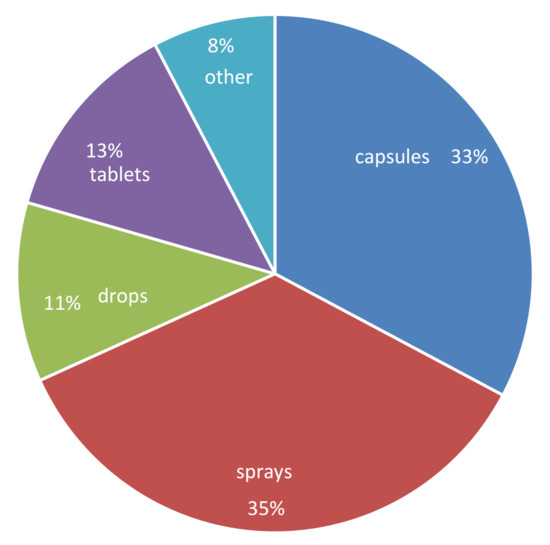
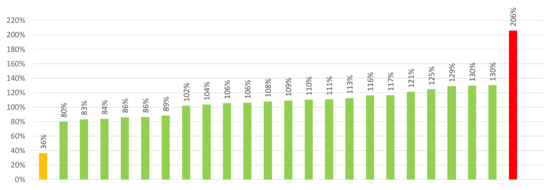
A predisposition for the efficiency of nutraceuticals is that the product contains a sufficient quantity of a vitamin. Several studies have highlighted different quality issues. Our objective was to investigate whether the contents of the vitamins in selected types of food supplements were in accordance with labeling. We focused on two types of food supplements where content-related quality issues could result in public health risks: food supplements for supplementation with (a) folic acid (as 5-methyltetrahydrofolate (5-MTHF)) in pregnancy and (b) with vitamin D in the general population. The study was done on supplements from the global supply that are typically used by Slovenian consumers. We sampled one production batch of 30 different food supplements—six and 24 samples with 5-MTHF and cholecalciferol, respectively. We found samples with vitamin contents outside the 80–150% tolerance interval in both sets. Particularly, 5-MTHF was found to be more problematic, probably due to its lower stability. This study shows the need for better quality control. Quality control is needed during both the manufacturing process and product shelf lifetimes. Content quality should be also subject to external controls by authorities. Voluntarily quality control schemes would also enable consumers to identify products of sufficient quality. Full article
Show Figures

Figure 1

13 pages, 4558 KB  
Article
Effect of Humidity-Controlled Dehydration on Microbial Growth and Quality Characteristics of Fresh Wet Noodles
by Jun-Jie Xing, Dong-Hui Jiang, Zhen Yang, Xiao-Na Guo and Ke-Xue Zhu
Foods 2021, 10(4), 844; https://doi.org/10.3390/foods10040844 - 13 Apr 2021
Cited by 14 | Viewed by 5750
Abstract
Humidity-controlled dehydration (HCD) was innovatively applied in this paper to control the growth of microorganisms in fresh wet noodles (FWN). Effects of HCD treatment with different temperatures (40, 60 or 80 °C), relative humidity (RH, 50%, 70% or 90%) and treatment time (5–32 [...] Read more.
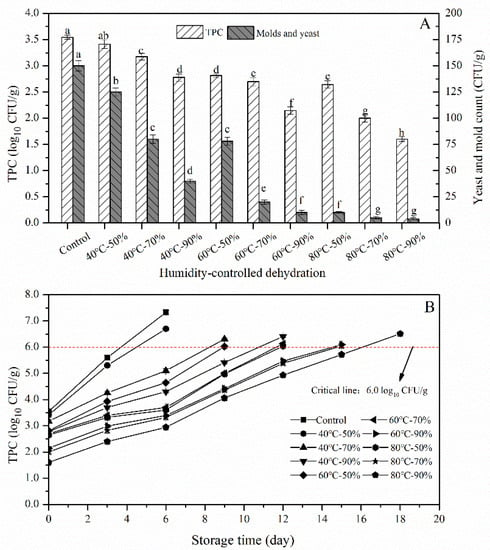
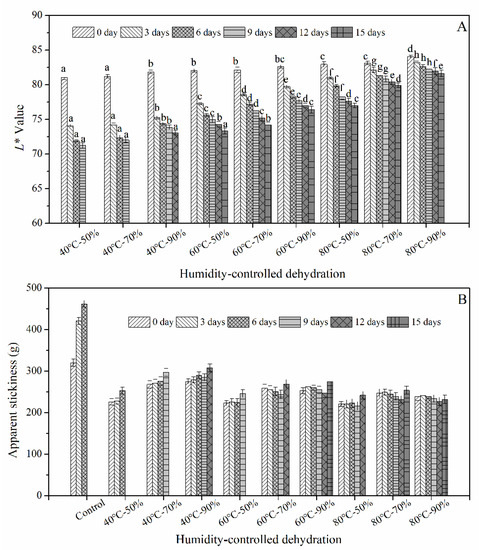
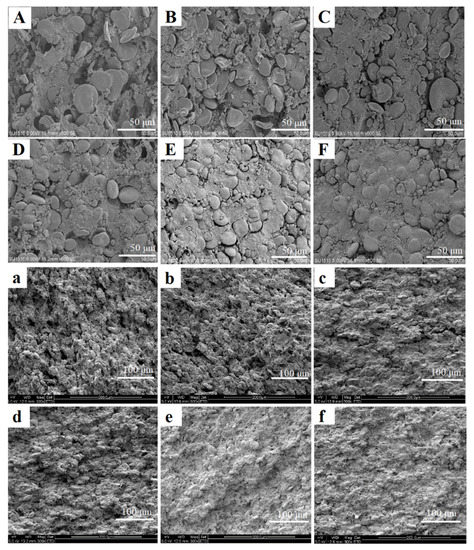
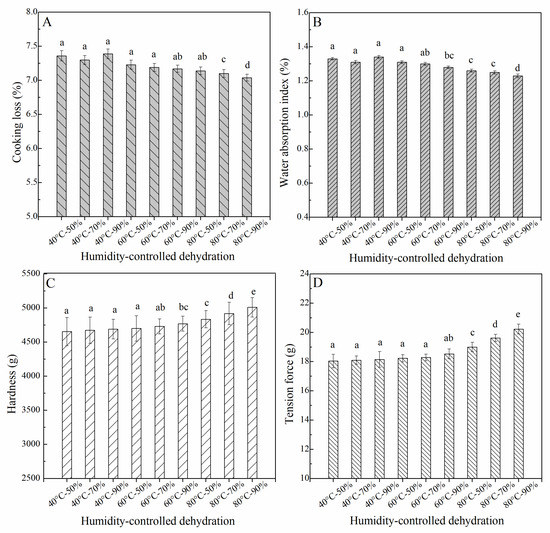
Humidity-controlled dehydration (HCD) was innovatively applied in this paper to control the growth of microorganisms in fresh wet noodles (FWN). Effects of HCD treatment with different temperatures (40, 60 or 80 °C), relative humidity (RH, 50%, 70% or 90%) and treatment time (5–32 min) on the total plate count (TPC), the shelf-life, and qualities of FWN were investigated. The results showed that HCD reduced the initial microbial load on the fresh noodles and extended the shelf-life up to 14–15 days under refrigeration temperature (10 °C). A 1.39 log10 CFU/g reduction for the initial TPC was achieved after HCD treatment at the temperature of 60 °C and RH of 90%. HCD with higher RH had a more positive influence on quality improvement. The L* values, the apparent stickiness, and the cooking properties of the noodle body were improved by HCD while good sensory and texture quality of noodles were still maintained after the dehydration process. Full article
Show Figures

Figure 1

16 pages, 2021 KB  
Article
High-Moisture Meat Analogues Produced from Yellow Pea and Faba Bean Protein Isolates/Concentrate: Effect of Raw Material Composition and Extrusion Parameters on Texture Properties
by Ferawati Ferawati, Izalin Zahari, Malin Barman, Mohammed Hefni, Cecilia Ahlström, Cornelia Witthöft and Karolina Östbring
Foods 2021, 10(4), 843; https://doi.org/10.3390/foods10040843 - 13 Apr 2021
Cited by 163 | Viewed by 17904
Abstract
Yellow pea and faba bean are potential candidates to replace soybean-based ingredients due to their suitability for cultivation in the northern hemisphere, non-genetically modified organisms cultivation practice and low risk of allergenicity. This study examined the functionality of local yellow pea and faba [...] Read more.
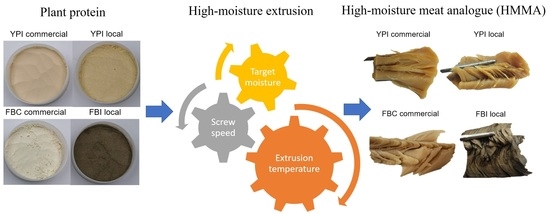
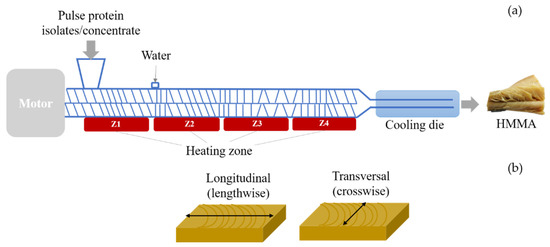
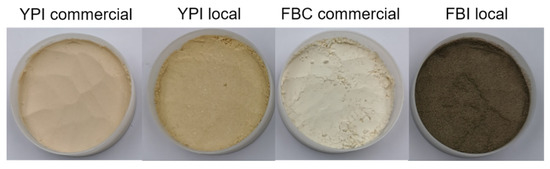
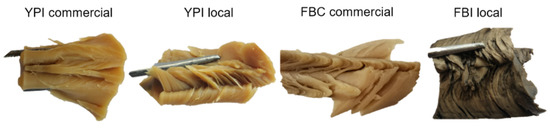
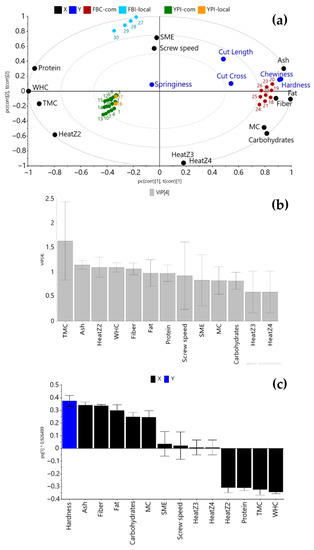
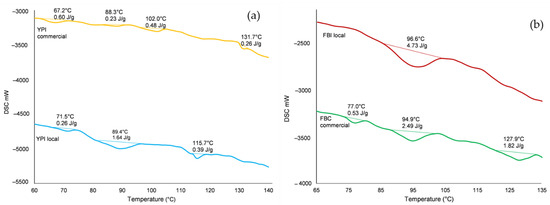
Yellow pea and faba bean are potential candidates to replace soybean-based ingredients due to their suitability for cultivation in the northern hemisphere, non-genetically modified organisms cultivation practice and low risk of allergenicity. This study examined the functionality of local yellow pea and faba bean protein isolates/concentrate as meat analogue products. The most critical factors affecting the texture properties of meat analogue were also determined. Extrusion was used to produce high-moisture meat analogues (HMMAs) from yellow pea and faba bean protein isolates/concentrates and HMMAs with fibrous layered structures was successfully produced from both imported commercial and local sources. The texture properties of the HMMA produced were mainly affected by the ash, fiber and protein content and water-holding capacity of the source protein. Three extrusion process parameters (target moisture content, extrusion temperature, screw speed), also significantly affected HMMA texture. In conclusion, functional HMMA can be produced using protein isolates derived from locally grown pulses. Full article
(This article belongs to the Section Food Physics and (Bio)Chemistry)
Show Figures

Graphical abstract

16 pages, 1880 KB  
Article
Which Company Characteristics Make a Food Business at Risk for Food Fraud?
by Saskia M. van Ruth and Onno Nillesen
Foods 2021, 10(4), 842; https://doi.org/10.3390/foods10040842 - 13 Apr 2021
Cited by 19 | Viewed by 4156
Abstract
Fraud can happen to any food business, but some sectors show more historical evidence of food fraud than others. This may be due to particular company characteristics that affect a company’s level of vulnerability. In the current study, we examined the relevance of [...] Read more.
Fraud can happen to any food business, but some sectors show more historical evidence of food fraud than others. This may be due to particular company characteristics that affect a company’s level of vulnerability. In the current study, we examined the relevance of the industry segment, business size, and location of food businesses on their food fraud vulnerabilities. Over 8000 food fraud vulnerability self-assessments conducted by food businesses active in 20 industry segments located in five continents were collected and the data analyzed. Results revealed that a company’s industry segment (chain and tier) affects its fraud vulnerability greatly and to a larger extent than the size of the business. The effect of industry segment on fraud vulnerability appears fairly similar across continents, whereas the effect of business size exhibits large geographical variation. The results demonstrate that those involved in animal product supply chains and end of chain nodes (catering, retail) are most vulnerable, and so are larger businesses, and businesses located in Africa and Asia. Current results imply that company characteristics are important determinants of the level of fraud vulnerability, and they may be used reversely in the future, i.e., as predictors of vulnerability. Full article
(This article belongs to the Section Food Quality and Safety)
Show Figures

Figure 1

10 pages, 962 KB  
Article
Validation of Antiobesity Effects of Black Soybean Seed Coat Powder Suitable as a Food Material: Comparisons with Conventional Yellow Soybean Seed Coat Powder
by Yuuki Moriyasu, Chiho Fukumoto, Maki Wada, Erika Yano, Hiroshi Murase, Masatoshi Mizuno, Nobuhiro Zaima and Tatsuya Moriyama
Foods 2021, 10(4), 841; https://doi.org/10.3390/foods10040841 - 13 Apr 2021
Cited by 13 | Viewed by 4012
Abstract
In this study, we fed obese model mice black soybean seed coat powder (BSCP) and evaluated the antiobesity effects. As a control, normal yellow soybean seed coat powder (YSCP) was used. C57BL/6J, a high-fat diet-induced obesity model mouse, was fed a high-fat diet [...] Read more.
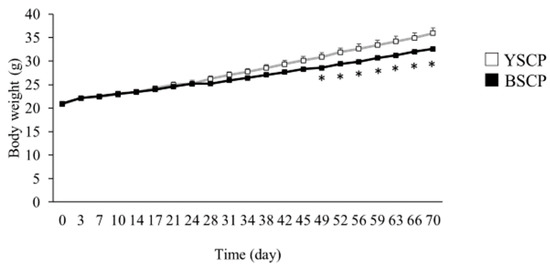
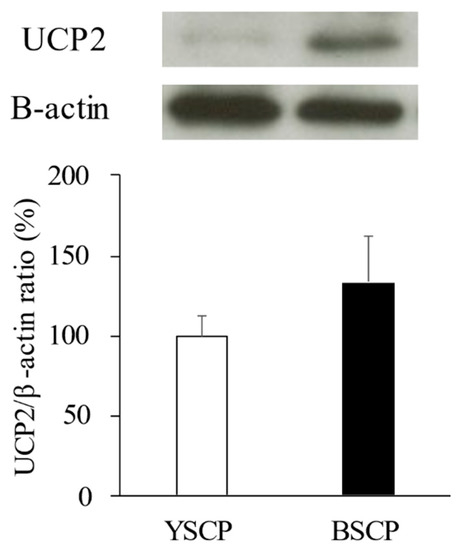
In this study, we fed obese model mice black soybean seed coat powder (BSCP) and evaluated the antiobesity effects. As a control, normal yellow soybean seed coat powder (YSCP) was used. C57BL/6J, a high-fat diet-induced obesity model mouse, was fed a high-fat diet containing BSCP or YSCP (20% fat) to induce obesity. The results showed that in the BSCP group, it caused significant suppression of body weight gain and suppression of white adipose tissue weight compared with the YSCP group. Moreover, it significantly decreased serum leptin levels, which correlated with visceral fat mass, and increased antidiabetic adipocytokine and adiponectin levels. Therefore, this suggests the pigmented components contained in BSCP have an antiobesity effect in obese model mice. It is suggested that this material, which can be prepared without extraction with an organic solvent and is suitable for use as a food material, could be a functional food material with a practicable antiobesity effect. Full article
(This article belongs to the Special Issue Soybean Processing and Utilization)
Show Figures

Figure 1

13 pages, 3117 KB  
Article
Authenticity Assessment and Fraud Quantitation of Coffee Adulterated with Chicory, Barley, and Flours by Untargeted HPLC-UV-FLD Fingerprinting and Chemometrics
by Nerea Núñez, Javier Saurina and Oscar Núñez
Foods 2021, 10(4), 840; https://doi.org/10.3390/foods10040840 - 12 Apr 2021
Cited by 26 | Viewed by 5704
Abstract
Coffee, one of the most popular drinks around the world, is also one of the beverages most susceptible of being adulterated. Untargeted high-performance liquid chromatography with ultraviolet and fluorescence detection (HPLC-UV-FLD) fingerprinting strategies in combination with chemometrics were employed for the authenticity assessment [...] Read more.
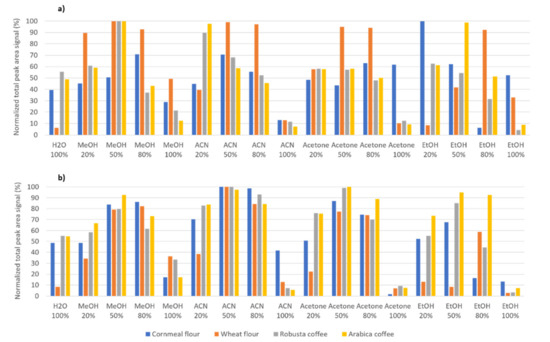
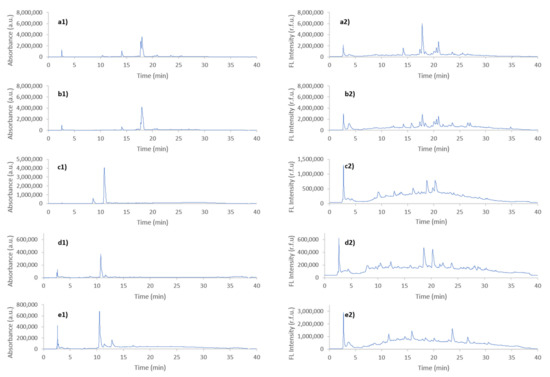
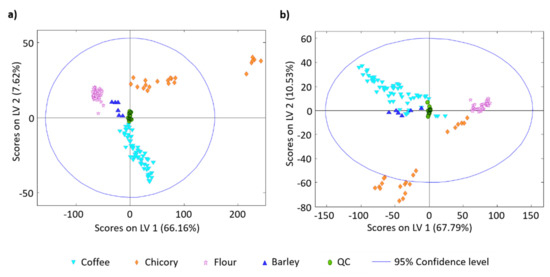
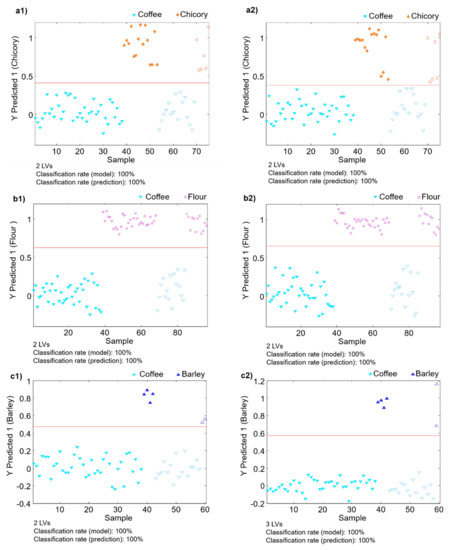
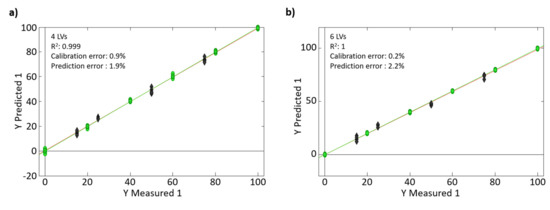
Coffee, one of the most popular drinks around the world, is also one of the beverages most susceptible of being adulterated. Untargeted high-performance liquid chromatography with ultraviolet and fluorescence detection (HPLC-UV-FLD) fingerprinting strategies in combination with chemometrics were employed for the authenticity assessment and fraud quantitation of adulterated coffees involving three different and common adulterants: chicory, barley, and flours. The methodologies were applied after a solid–liquid extraction procedure with a methanol:water 50:50 (v/v) solution as extracting solvent. Chromatographic fingerprints were obtained using a Kinetex® C18 reversed-phase column under gradient elution conditions using 0.1% formic acid aqueous solution and methanol as mobile phase components. The obtained coffee and adulterants extract HPLC-UV-FLD fingerprints were evaluated by partial least squares regression-discriminants analysis (PLS-DA) resulting to be excellent chemical descriptors for sample discrimination. One hundred percent classification rates for both PLS-DA calibration and prediction models were obtained. In addition, Arabica and Robusta coffee samples were adulterated with chicory, barley, and flours, and the obtained HPLC-UV-FLD fingerprints subjected to partial least squares (PLS) regression, demonstrating the feasibility of the proposed methodologies to assess coffee authenticity and to quantify adulteration levels (down to 15%), showing both calibration and prediction errors below 1.3% and 2.4%, respectively. Full article
Show Figures

Figure 1

25 pages, 1843 KB  
Review
Potential Health Benefits of Plant Food-Derived Bioactive Components: An Overview
by Mrinal Samtiya, Rotimi E. Aluko, Tejpal Dhewa and José Manuel Moreno-Rojas
Foods 2021, 10(4), 839; https://doi.org/10.3390/foods10040839 - 12 Apr 2021
Cited by 462 | Viewed by 25623
Abstract
Plant foods are consumed worldwide due to their immense energy density and nutritive value. Their consumption has been following an increasing trend due to several metabolic disorders linked to non-vegetarian diets. In addition to their nutritive value, plant foods contain several bioactive constituents [...] Read more.
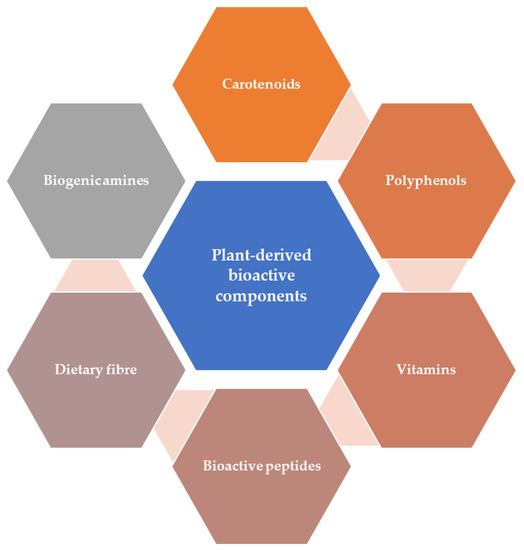
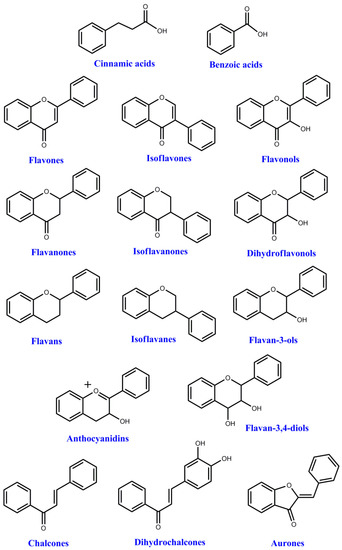
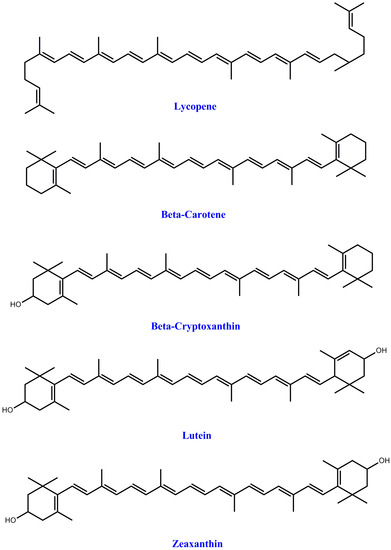
Plant foods are consumed worldwide due to their immense energy density and nutritive value. Their consumption has been following an increasing trend due to several metabolic disorders linked to non-vegetarian diets. In addition to their nutritive value, plant foods contain several bioactive constituents that have been shown to possess health-promoting properties. Plant-derived bioactive compounds, such as biologically active proteins, polyphenols, phytosterols, biogenic amines, carotenoids, etc., have been reported to be beneficial for human health, for instance in cases of cancer, cardiovascular diseases, and diabetes, as well as for people with gut, immune function, and neurodegenerative disorders. Previous studies have reported that bioactive components possess antioxidative, anti-inflammatory, and immunomodulatory properties, in addition to improving intestinal barrier functioning etc., which contribute to their ability to mitigate the pathological impact of various human diseases. This review describes the bioactive components derived from fruit, vegetables, cereals, and other plant sources with health promoting attributes, and the mechanisms responsible for the bioactive properties of some of these plant components. This review mainly compiles the potential of food derived bioactive compounds, providing information for researchers that may be valuable for devising future strategies such as choosing promising bioactive ingredients to make functional foods for various non-communicable disorders. Full article
(This article belongs to the Special Issue The Metabolism and Health Benefits of Bioactive Compounds in Foods)
Show Figures

Graphical abstract
17 pages, 3589 KB  
Article
Process Simulation and Techno-Economic Analysis of Large-Scale Bioproduction of Sweet Protein Thaumatin II
by Kirolos D. Kelada, Daniel Tusé, Yuri Gleba, Karen A. McDonald and Somen Nandi
Foods 2021, 10(4), 838; https://doi.org/10.3390/foods10040838 - 12 Apr 2021
Cited by 26 | Viewed by 8954
Abstract
There are currently worldwide efforts to reduce sugar intake due to the various adverse health effects linked with the overconsumption of sugars. Artificial sweeteners have been used as an alternative to nutritive sugars in numerous applications; however, their long-term effects on human health [...] Read more.
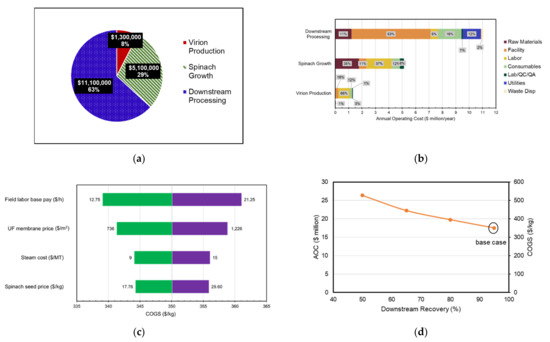
There are currently worldwide efforts to reduce sugar intake due to the various adverse health effects linked with the overconsumption of sugars. Artificial sweeteners have been used as an alternative to nutritive sugars in numerous applications; however, their long-term effects on human health remain controversial. This led to a shift in consumer preference towards non-caloric sweeteners from natural sources. Thaumatins are a class of intensely sweet proteins found in arils of the fruits of the West-African plant Thaumatococcus daniellii. Thaumatins’ current production method through aqueous extraction from this plant and uncertainty of the harvest from tropical rainforests limits its supply while the demand is increasing. Despite successful recombinant expression of the protein in several organisms, no large-scale bioproduction facilities exist. We present preliminary process design, process simulation, and economic analysis for a large-scale (50 metric tons/year) production of a thaumatin II variant using several different molecular farming platforms. Full article
Show Figures

Figure 1

15 pages, 5804 KB  
Article
Rheology, Microstructure, and Storage Stability of Emulsion-Filled Gels Stabilized Solely by Maize Starch Modified with Octenyl Succinylation and Pregelatinization
by Myeongsu Jo, Min Jea Chang, Kelvin K. T. Goh, Choongjin Ban and Young Jin Choi
Foods 2021, 10(4), 837; https://doi.org/10.3390/foods10040837 - 12 Apr 2021
Cited by 21 | Viewed by 5796
Abstract
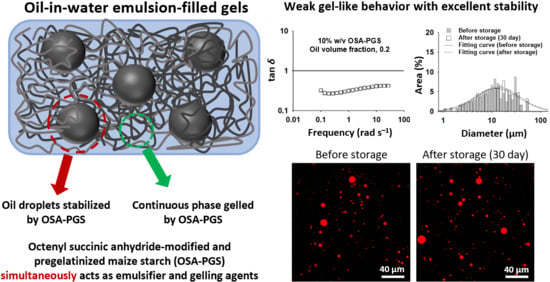
We prepared emulsion-filled gels stabilized using octenyl succinic anhydride-modified and pregelatinized maize starch (OSA-PGS). The effect of the oil volume fraction (Φ, 0.05–0.20) and OSA-PGS concentration (3–10% w/v) on the rheological and microstructural properties of the emulsion-filled gels was evaluated. [...] Read more.
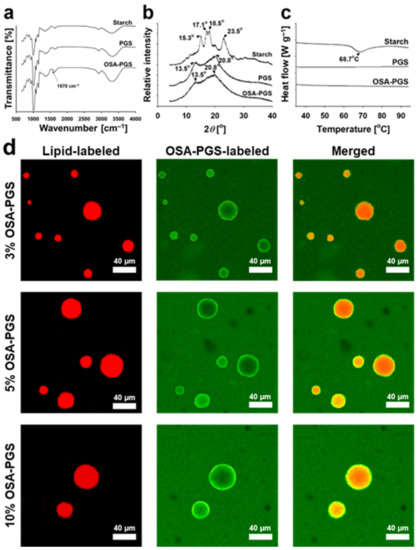
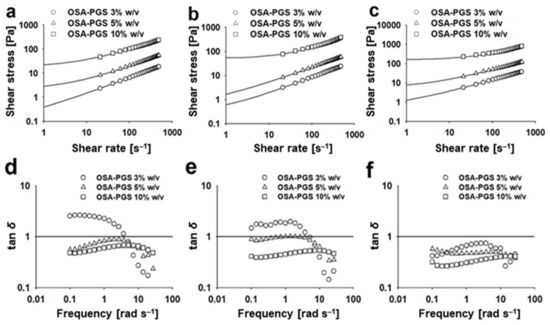
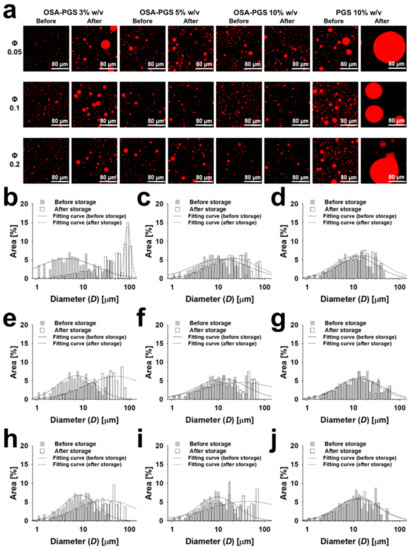
We prepared emulsion-filled gels stabilized using octenyl succinic anhydride-modified and pregelatinized maize starch (OSA-PGS). The effect of the oil volume fraction (Φ, 0.05–0.20) and OSA-PGS concentration (3–10% w/v) on the rheological and microstructural properties of the emulsion-filled gels was evaluated. Confocal fluorescence images showed that OSA-PGS stabilized the emulsion, indicated by the formation of a thick layer surrounding the oil droplets, and simultaneously gelled the aqueous phase. All of the emulsions exhibited shear-thinning flow behavior, but only those with 10% w/v OSA-PGS were categorized as Herschel–Bulkley fluids. The rheological behavior of the emulsion-filled gels was significantly affected by both the OSA-PGS concentration and Φ. The mean diameters (D1,0, D3,2, and D4,3) of oil droplets with 10% w/v OSA-PGS were stable during 30 days of storage under ambient conditions, indicating good stability. These results provide a basis for the design of systems with potential applications within the food industry. Full article
Show Figures

Graphical abstract
17 pages, 4411 KB  
Article
Using Sensory Wheels to Characterize Consumers’ Perception for Authentication of Taiwan Specialty Teas
by Tsung-Chen Su, Meei-Ju Yang, Hsuan-Han Huang, Chih-Chun Kuo and Liang-Yü Chen
Foods 2021, 10(4), 836; https://doi.org/10.3390/foods10040836 - 12 Apr 2021
Cited by 31 | Viewed by 13846
Abstract
In the context of fair trade and protection of consumer rights, the aim of this study was to combat adulteration, counterfeiting, and fraud in the tea market, and rebuild the image of high-quality Taiwan teas. Experts at the Tea Research and Extension Station, [...] Read more.
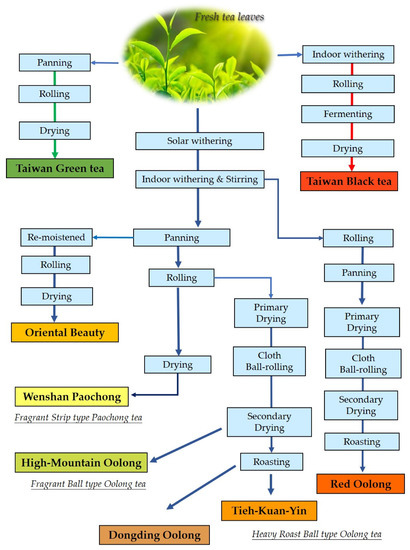
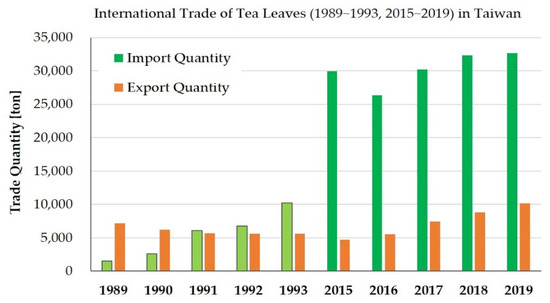
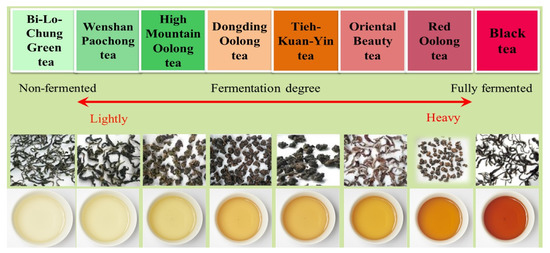
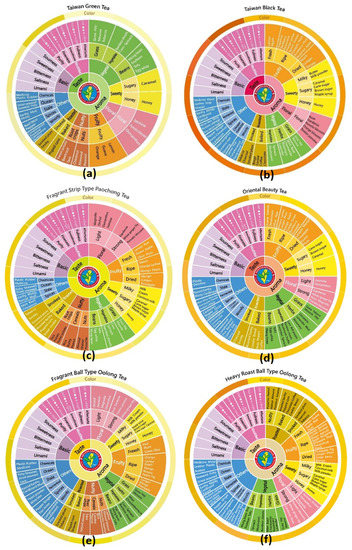
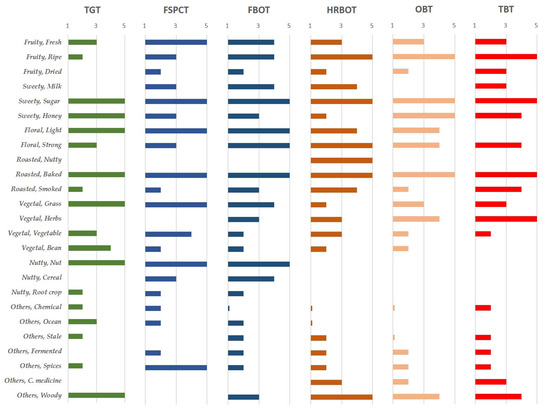
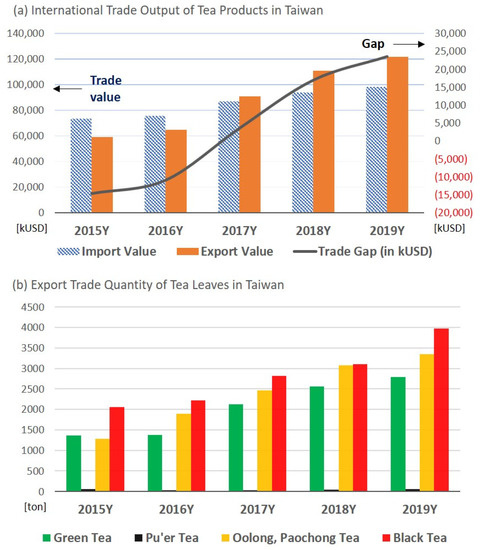
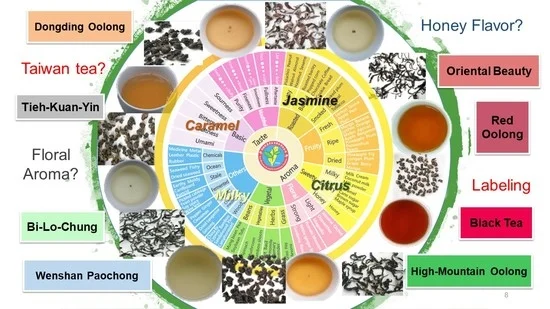
In the context of fair trade and protection of consumer rights, the aim of this study was to combat adulteration, counterfeiting, and fraud in the tea market, and rebuild the image of high-quality Taiwan teas. Experts at the Tea Research and Extension Station, Taiwan (TRES), are engaged in promotion of the systems of origin identification (AOC) and grading for authentication of Taiwan’s premium teas. From tea evaluation competitions (bottom-up quality campaign), the flavor descriptions and consumers’ perceptions were deconvoluted and characterized for the eight Taiwan specialty teas, namely, Bi-Luo-Chun, Wenshan Paochong, High-Mountain Oolong, Dongding Oolong, Tieh-Kuan-Yin, Red Oolong, Oriental Beauty, and Taiwan black tea. Then, according to the manufacturing processes, producing estates and flavor characters, the specialty teas were categorized into six sensory wheels. The flavor descriptors of the sensory wheels were also recognized in consumers’ feedback. In recent years, the performance of international trade in tea also demonstrates that the policy guidelines for authentication of specialty teas are helpful to the production and marketing. Furthermore, the development of sensory wheels of Taiwan’s specialty teas is the cornerstone to the establishment of the Taiwan-tea assortment and grading system (TAGs) for communication with the new generation consumers, enthusiasts, sellers, and producers. Full article
(This article belongs to the Section Sensory and Consumer Sciences)
Show Figures

Graphical abstract
19 pages, 13892 KB  
Article
Gut Flora-Mediated Metabolic Health, the Risk Produced by Dietary Exposure to Acetamiprid and Tebuconazole
by Jingkun Liu, Fangfang Zhao, Yanyang Xu, Jing Qiu and Yongzhong Qian
Foods 2021, 10(4), 835; https://doi.org/10.3390/foods10040835 - 12 Apr 2021
Cited by 13 | Viewed by 3060
Abstract
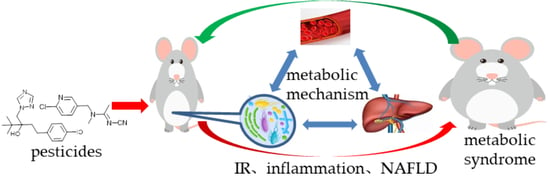
The low-level and long-term exposure of pesticides was found to induce metabolic syndrome to mice. Metabolic pathways and mechanisms were investigated by detecting gut flora with metabolites, host circulation, and their interrelations. Results showed that the abundances of flora species and their metabolism [...] Read more.
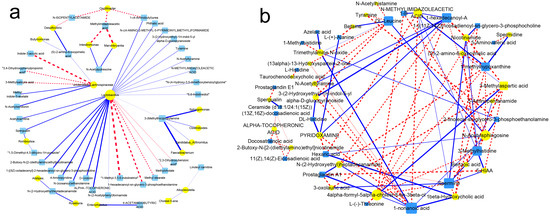
The low-level and long-term exposure of pesticides was found to induce metabolic syndrome to mice. Metabolic pathways and mechanisms were investigated by detecting gut flora with metabolites, host circulation, and their interrelations. Results showed that the abundances of flora species and their metabolism were altered, consequently leading to metabolic disorders. A correlation analysis between gut flora and their metabolic profiling further explained these changes and associations. The metabolic profiling of host circulation was also performed to characterize metabolic disorders. The associations of host circulation with gut flora were established via their significantly different metabolites. Alterations to the liver metabolism clarified potential pathways and mechanisms for the disorders. Metabolic disorders were evidently released by dietary and micro-ecological intervention, directly proving that gut flora comprise a vital medium in metabolic health risk caused by pesticide exposure. This work supplied theoretical bases and intervention approaches to body metabolic problems caused by pesticide exposure mediated by gut flora. Full article
(This article belongs to the Section Food Quality and Safety)
Show Figures

Graphical abstract

3 pages, 185 KB  
Editorial
Motivations Associated with Food Choices and Eating Practices
by Raquel P. F. Guiné
Foods 2021, 10(4), 834; https://doi.org/10.3390/foods10040834 - 12 Apr 2021
Cited by 7 | Viewed by 4133
Abstract
The principal reason that influences people’s eating characteristics is to satisfy basic body stimuli, like feeling hunger and the need for satiety [...] Full article
(This article belongs to the Special Issue Motivations Associated with Food Choices and Eating Practices)
15 pages, 1145 KB  
Article
Quality Characteristics and Consumer Acceptance of High-Moisture Mozzarella Obtained from Heat-Treated Goat Milk
by Michele Faccia, Giuseppe Gambacorta, Antonella Pasqualone, Carmine Summo and Francesco Caponio
Foods 2021, 10(4), 833; https://doi.org/10.3390/foods10040833 - 11 Apr 2021
Cited by 10 | Viewed by 3798
Abstract
High-moisture mozzarella is a pasta filata cheese manufactured from cow or buffalo milk that has spread all over the world. Its manufacturing from the milk of small ruminants (goat and sheep) has been recently proposed to innovate this ailing sector. Previously, a protocol [...] Read more.
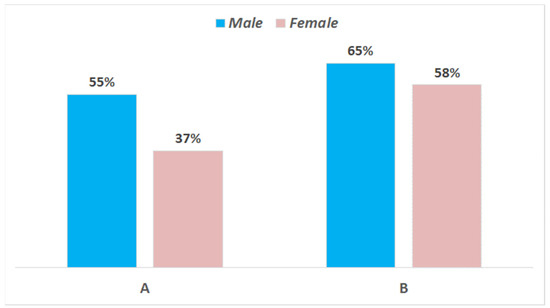
High-moisture mozzarella is a pasta filata cheese manufactured from cow or buffalo milk that has spread all over the world. Its manufacturing from the milk of small ruminants (goat and sheep) has been recently proposed to innovate this ailing sector. Previously, a protocol was reported for making goat mozzarella from unpasteurized milk but, according to legislation, the microbiological safety of raw milk fresh cheeses is not guaranteed. In the present research, two new protocols were tested for producing mozzarella from pasteurized milk prepared by two different low-temperature long-time treatments (67 °C or 63 °C × 30 min). The obtained cheeses were subjected to physical–chemical and microbiological analyses and to consumer testing. The results showed that the heat treatments caused longer coagulation times than those reported in the literature, despite pre-acidification (at pH 5.93 or 6.35) having been performed to counterbalance the expected worsening of the coagulation aptitude. The obtained products showed differences in the chemical composition, texture, proteolysis, and lipolysis. Both pasteurization and pre-acidification played a role in determining these variations. Consumer testing indicated that mozzarella obtained from milk heated at the lower temperature and coagulated at a higher pH reached a good level of appreciation (62%). Full article
(This article belongs to the Section Dairy)
Show Figures

Figure 1

56 pages, 3469 KB  
Review
Modernization of Control of Pathogenic Micro-Organisms in the Food-Chain Requires a Durable Role for Immunoaffinity-Based Detection Methodology—A Review
by Aldert A. Bergwerff and Sylvia B. Debast
Foods 2021, 10(4), 832; https://doi.org/10.3390/foods10040832 - 11 Apr 2021
Cited by 23 | Viewed by 8675
Abstract
Food microbiology is deluged by a vastly growing plethora of analytical methods. This review endeavors to color the context into which methodology has to fit and underlines the importance of sampling and sample treatment. The context is that the highest risk of food [...] Read more.
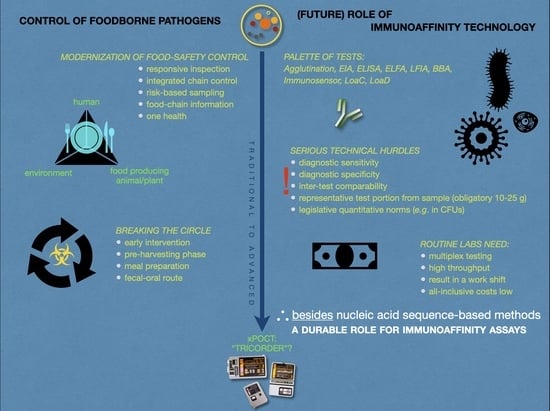
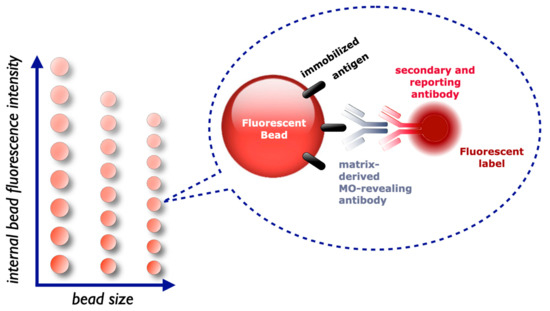
Food microbiology is deluged by a vastly growing plethora of analytical methods. This review endeavors to color the context into which methodology has to fit and underlines the importance of sampling and sample treatment. The context is that the highest risk of food contamination is through the animal and human fecal route with a majority of foodborne infections originating from sources in mass and domestic kitchens at the end of the food-chain. Containment requires easy-to-use, failsafe, single-use tests giving an overall risk score in situ. Conversely, progressive food-safety systems are relying increasingly on early assessment of batches and groups involving risk-based sampling, monitoring environment and herd/flock health status, and (historic) food-chain information. Accordingly, responsible field laboratories prefer specificity, multi-analyte, and high-throughput procedures. Under certain etiological and epidemiological circumstances, indirect antigen immunoaffinity assays outperform the diagnostic sensitivity and diagnostic specificity of e.g., nucleic acid sequence-based assays. The current bulk of testing involves therefore ante- and post-mortem probing of humoral response to several pathogens. In this review, the inclusion of immunoglobulins against additional invasive micro-organisms indicating the level of hygiene and ergo public health risks in tests is advocated. Immunomagnetic separation, immunochromatography, immunosensor, microsphere array, lab-on-a-chip/disc platforms increasingly in combination with nanotechnologies, are discussed. The heuristic development of portable and ambulant microfluidic devices is intriguing and promising. Tant pis, many new platforms seem unattainable as the industry standard. Comparability of results with those of reference methods hinders the implementation of new technologies. Whatever the scientific and technological excellence and incentives, the decision-maker determines this implementation after weighing mainly costs and business risks. Full article
(This article belongs to the Special Issue Novel Analytical Methods in Food Analysis)
Show Figures

Graphical abstract