24 pages, 5167 KB  
Article
Multiwater Index Synergistic Monitoring of Typical Wetland Water Bodies in the Arid Regions of West-Central Ningxia over 30 Years
by Haiwei Pang, Xinwei Wang, Ruiping Hou, Wanxue You, Zhen Bian and Guoqing Sang
Water 2023, 15(1), 20; https://doi.org/10.3390/w15010020 - 21 Dec 2022
Cited by 3 | Viewed by 3225
Abstract
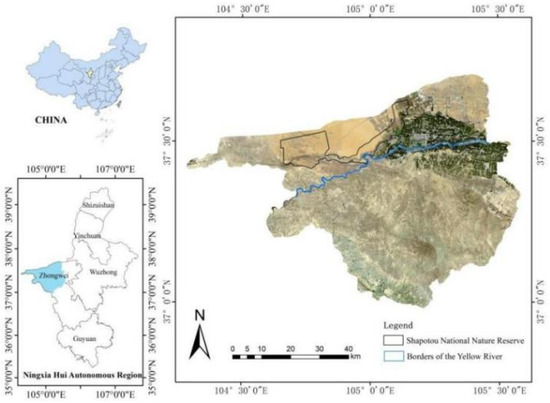
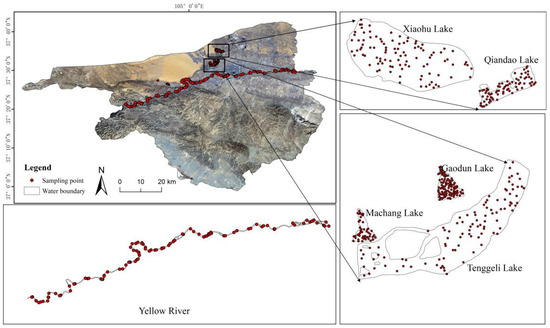
The Shapotou National Nature Reserve in the Ningxia Hui Autonomous Region is a typical arid region in China. There is an exceptionally serious problem of surface water resource conservation, and dynamic monitoring of surface water with the help of water indices can help [...] Read more.
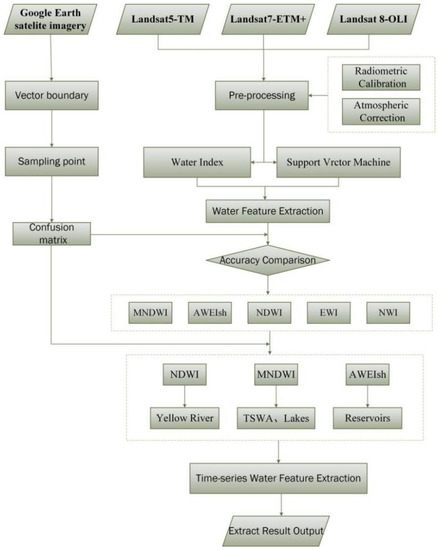
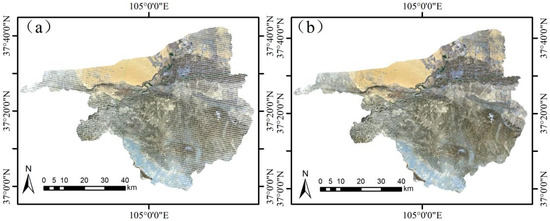
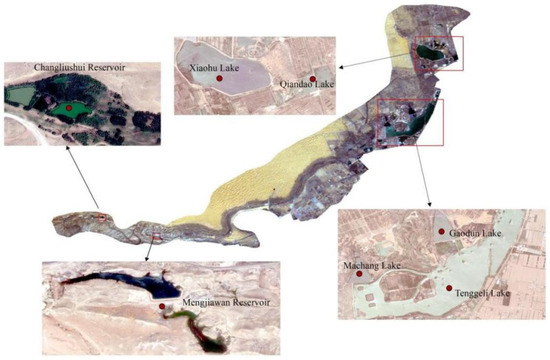
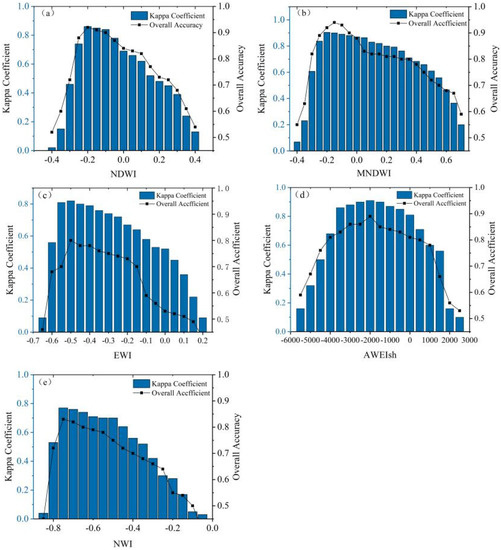
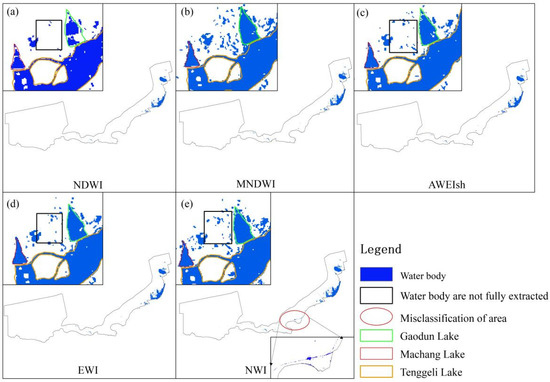
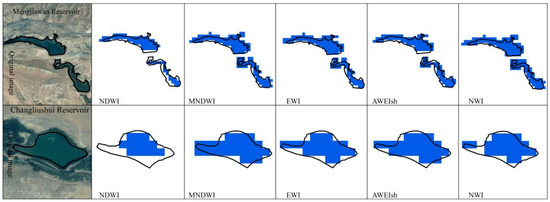
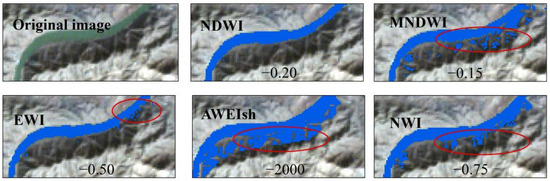
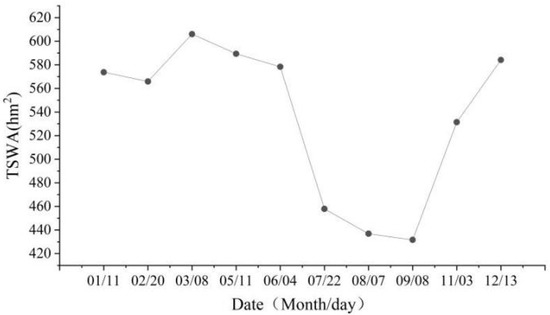
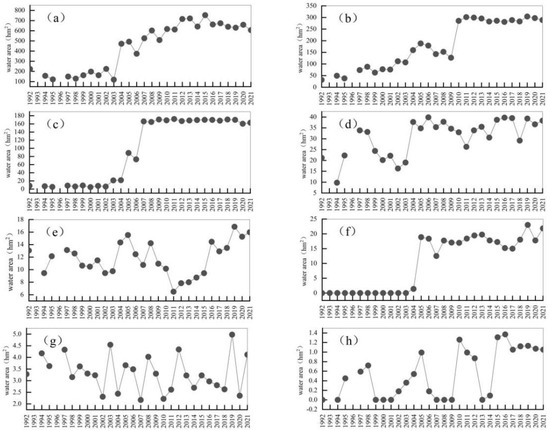
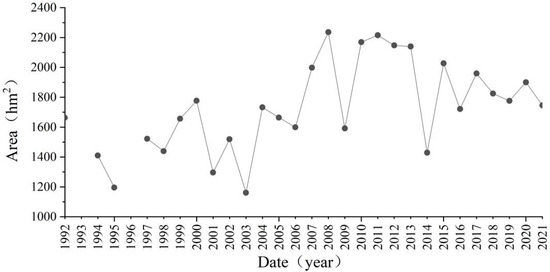
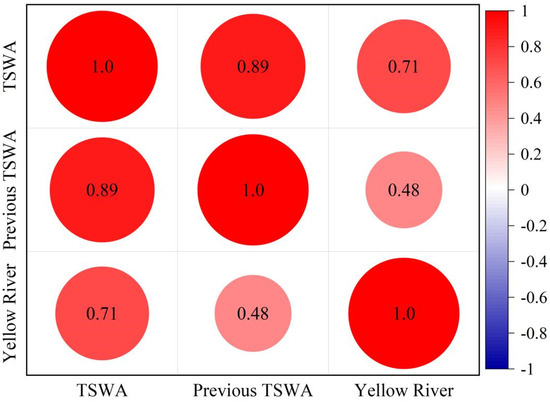
The Shapotou National Nature Reserve in the Ningxia Hui Autonomous Region is a typical arid region in China. There is an exceptionally serious problem of surface water resource conservation, and dynamic monitoring of surface water with the help of water indices can help to elucidate its change patterns and impact mechanisms. Here, we analysed the characteristics of interannual variation in surface water area in the study area from 1992–2021. The correlation coefficients of the surface water area in the previous year and the contemporaneous water bodies of the Yellow River with the total surface water area (TSWA) were calculated. The results show the following: ① In terms of the classification accuracy of the two methods, water indices and support vector machine classification, water indices are more suitable for water body extraction in the study area. In particular, the three water indices, NDWI, MNDWI and AWEIsh, were more effective, with average overall accuracies of 90.38%, 90.33% and 90.36% over the 30-year period, respectively. ② From the TSWA extraction results from the last 30 years, the TSWA showed an increasing trend with an increase of 368.28 hm2. Among the areas, Tenggeli Lake contributed the most to the increase in TSWA. ③ The highest correlation between the TSWA and the previous year’s TSWA was 0.89, indicating that the better way to protect the water body is to maintain water surface stability year-round. The surface water area of the Yellow River and TSWA also showed a strong correlation, indicating that the rational use of Yellow River water is also an important direction for the future conservation of water resources in the study area. Full article
(This article belongs to the Section Hydrology)
Show Figures

Figure 1
14 pages, 4770 KB  
Article
The Influence of Different Climate and Terrain Factors on Vegetation Dynamics in the Lancang River Basin
by Yao Cheng, Zeshen Yuan, Yajun Li, Jingjing Fan, Meiqin Suo and Yuchun Wang
Water 2023, 15(1), 19; https://doi.org/10.3390/w15010019 - 21 Dec 2022
Cited by 6 | Viewed by 2429
Abstract
Vegetation plays an important role in soil and water conservation, regulating the atmosphere and maintaining ecosystem stability, as well as influencing regional hydrology and water–sand processes. In this study, spatial patterns in the response of climate and terrain factors to the Normalized Difference [...] Read more.
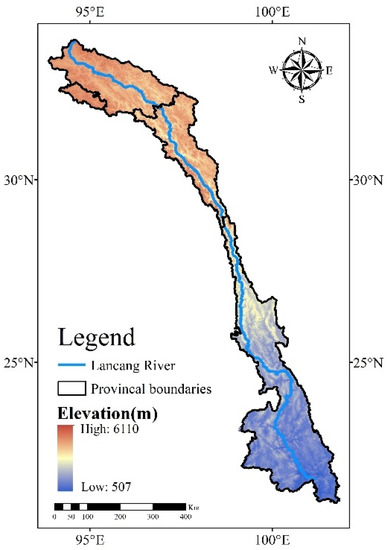
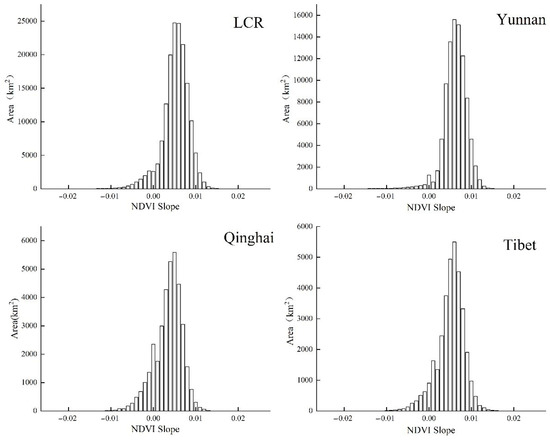
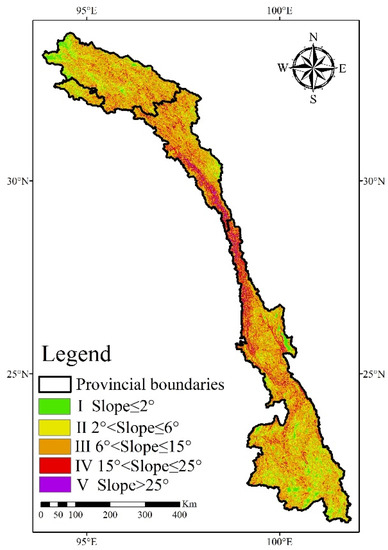
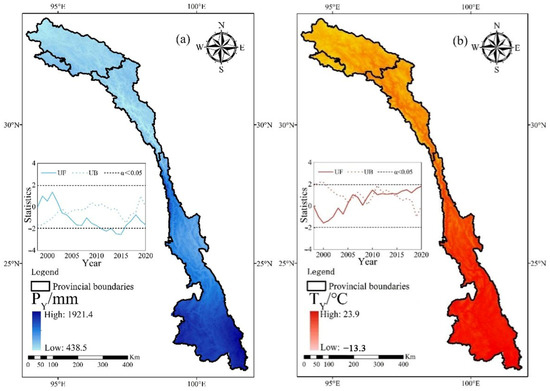
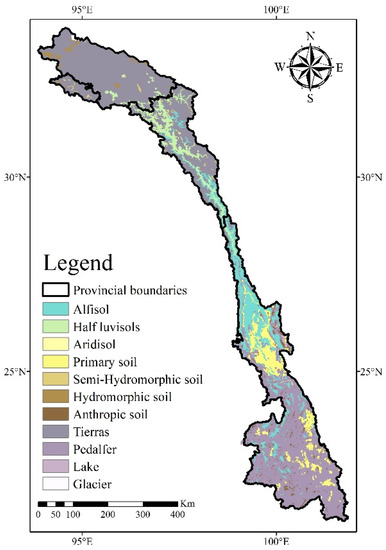
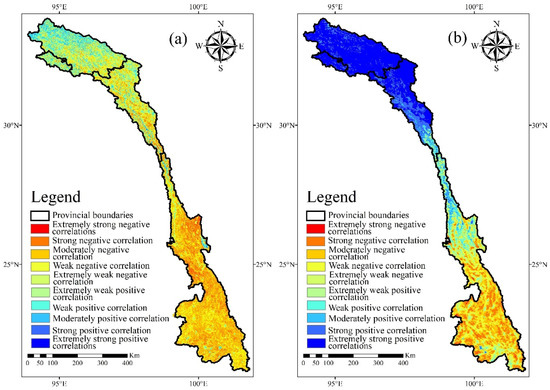
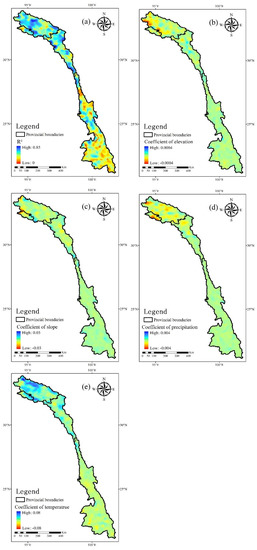
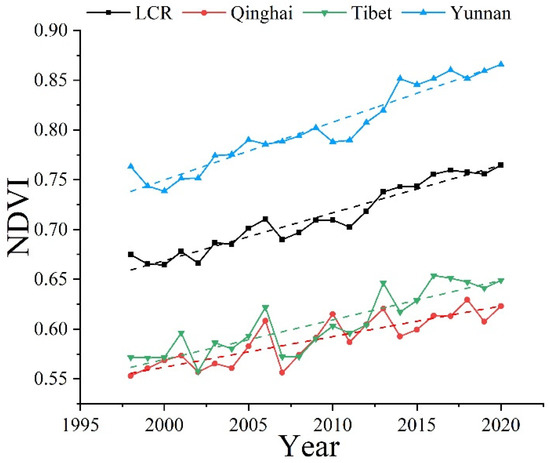
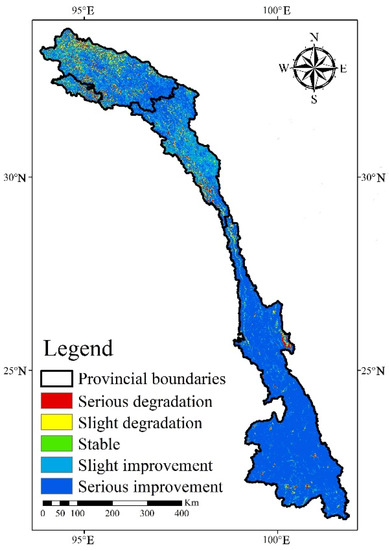
Vegetation plays an important role in soil and water conservation, regulating the atmosphere and maintaining ecosystem stability, as well as influencing regional hydrology and water–sand processes. In this study, spatial patterns in the response of climate and terrain factors to the Normalized Difference Vegetation Index (NDVI) and its dynamic characteristics were examined in the Lancang River Basin, by using a Geographically Weighted Regression (GWR) according to the Moderate Resolution Imaging Spectroradiometer (MODIS) NDVI data. The results showed that the NDVI in the study area showed a significant increasing trend in time, with 6.39% of the NDVI degraded and 90.85% of the NDVI increased in space. In the Pearson correlation analysis, precipitation was mainly negatively correlated with the NDVI, while temperature was mainly positively correlated with the NDVI, especially in Qinghai and Tibet. Among the soil types, iron-alluvium, incipient soils, and leached soils are particularly suitable for vegetation growth. In conclusion, the effects of climate and topographic factors on the NDVI are roughly the same in the Yunnan section, but opposite in the Qinghai section and Tibet section. Full article
(This article belongs to the Section Ecohydrology)
Show Figures

Figure 1
22 pages, 4651 KB  
Article
Hydroclimate Impact Analyses and Water Management in the Central Rift Valley Basin in Ethiopia
by Lemma Adane Truneh, Svatopluk Matula and Kamila Báťková
Water 2023, 15(1), 18; https://doi.org/10.3390/w15010018 - 21 Dec 2022
Cited by 3 | Viewed by 3897
Abstract
This study explores the impacts of climate change on the major components of the water balance such as surface runoff (Q), water yield (WY), and evapotranspiration (ET) in the Central Rift Valley Basin (CRVB) in Ethiopia. Projected climate data from the climate emission [...] Read more.
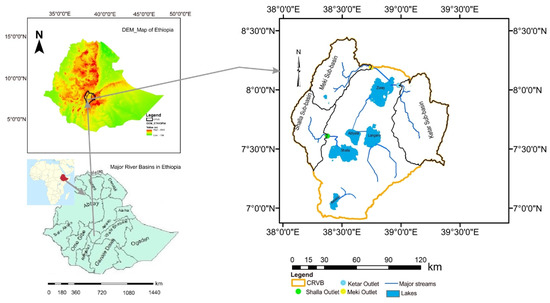
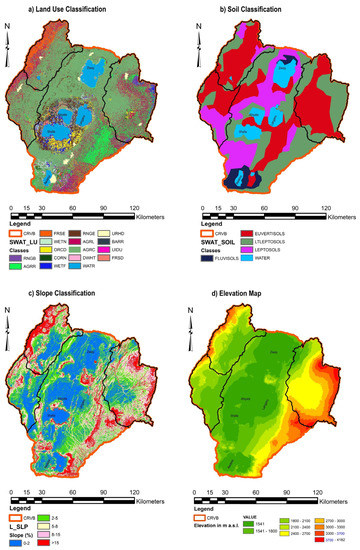
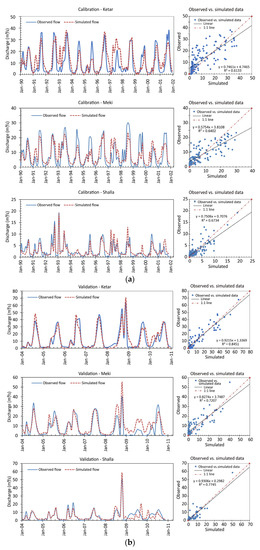
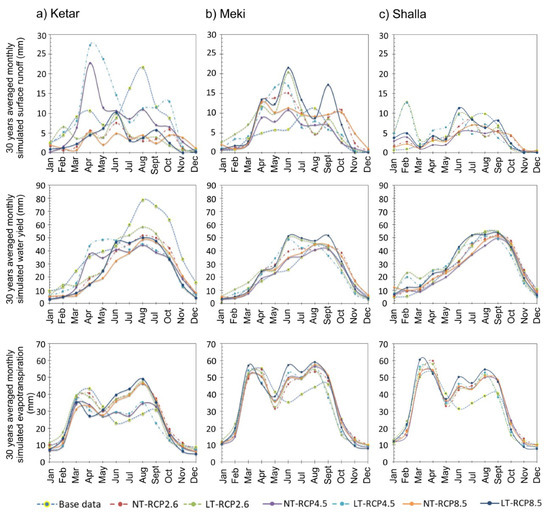
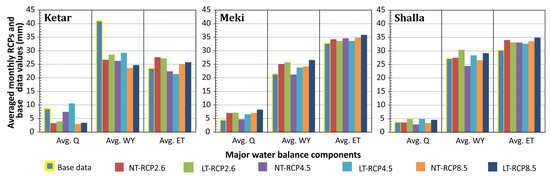
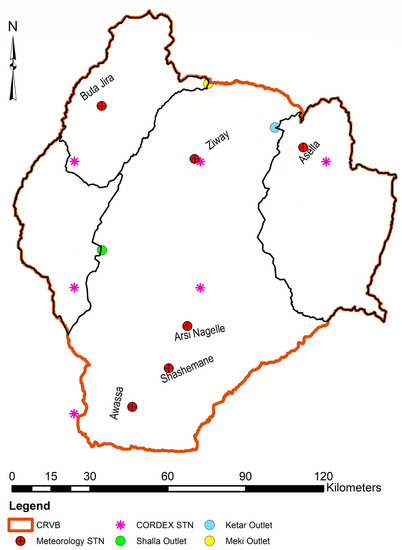
This study explores the impacts of climate change on the major components of the water balance such as surface runoff (Q), water yield (WY), and evapotranspiration (ET) in the Central Rift Valley Basin (CRVB) in Ethiopia. Projected climate data from the climate emission scenarios were used for the analyses. Representative concentration pathway (RCP) data from the MIROC-RCA4 ensemble driving climate models were downscaled, bias-corrected, and applied for impact analyses. Climate scenario analyses for the near-term (2031–2060) and long-term (2070–2099) periods were used to assess the conditions of the water balance components. The endo hydrogenic CRVB was divided into three sub-basins, and their respective hydroclimatic impacts were simulated separately with calibrated Arc-SWAT models. The future impacts simulated on the annual average basis vary in their maximum ranges from −65.2% to +85.8% in Q, from −42.2% to +23.9% in WY, and from −4.1% to +17.3% in ET compared to the baseline data outputs in the individual sub-basin. Water management options according to the water balance sensitivities to the climate impacts were proposed for each of the sub-basins. SWAT-based studies aimed at balanced water resources management in combination with agricultural practices within the CRVB are recommended for future research. Full article
(This article belongs to the Topic Water Management in the Era of Climatic Change)
Show Figures

Figure 1
15 pages, 1850 KB  
Article
Intermittent Rivers as a Challenge for Freshwater Ecosystems Quality Evaluation: A Study Case in the Ribeira de Silveirinhos, Portugal
by Sara Rodrigues, Bárbara Xavier, Sandra Nogueira and Sara C. Antunes
Water 2023, 15(1), 17; https://doi.org/10.3390/w15010017 - 21 Dec 2022
Cited by 8 | Viewed by 4651
Abstract
Intermittent rivers and streams are aquatic ecosystems that lose hydrological connectivity during drought periods. Anthropogenic pressures combined with climate change accelerate the spatial and temporal intermittency of these ecosystems, promoting alterations in ecology and ecosystem functions. This study aimed to assess the ecological [...] Read more.
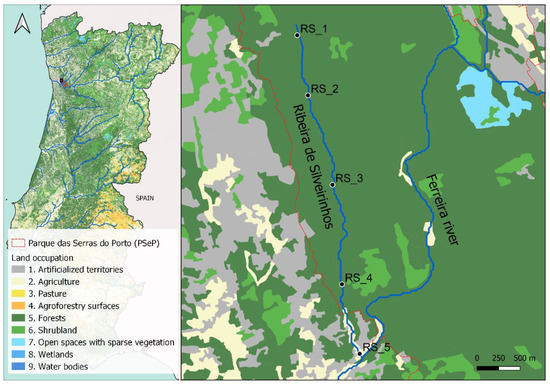
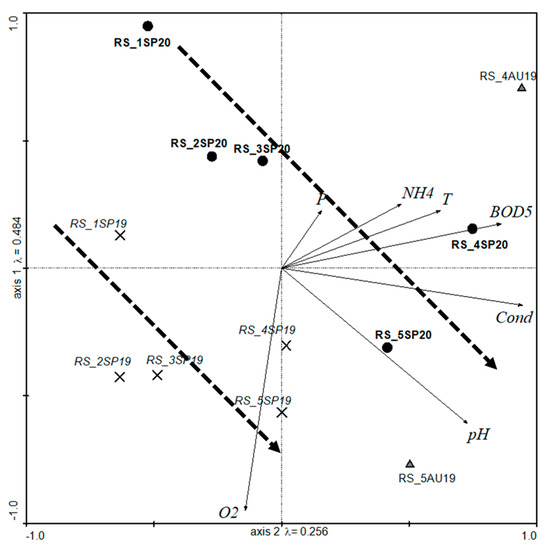
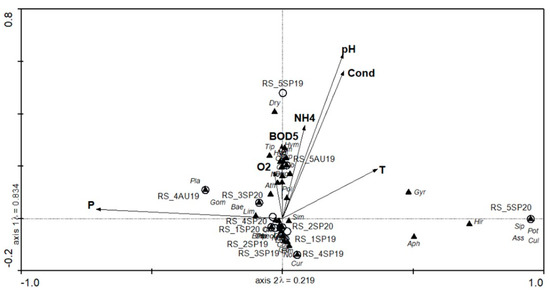
Intermittent rivers and streams are aquatic ecosystems that lose hydrological connectivity during drought periods. Anthropogenic pressures combined with climate change accelerate the spatial and temporal intermittency of these ecosystems, promoting alterations in ecology and ecosystem functions. This study aimed to assess the ecological status of Ribeira de Silveirinhos, located in the municipalities of Valongo and Gondomar (north of Portugal), using the metrics described in the Water Framework Directive. Thus, five sampling sites were selected along Ribeira de Silveirinhos. Sampling was done in three different periods, spring of 2019 and 2020, and autumn of 2019. At each site, physical and chemical water parameters were measured, and the benthic macroinvertebrates community was characterized. Physical and chemical parameters showed low pH values at upstream sites (where the dry phase occurs and is surrounded by Eucalyptus monoculture) and high concentrations of phosphorus at the downstream sites (subjected to several anthropogenic activities, iron waters, and agriculture). The macroinvertebrate community revealed low values of specific abundance and richness, especially during the dry period. Sensitive taxa (Ephemeroptera, Plecoptera, and Trichoptera) were negatively correlated with flow intermittency. Results showed that Ribeira de Silveirinhos is classified between “poor” and “moderate” in terms of ecological status. Intermittent streams are undervalued, so their protection is at risk. Thus, it is important to consider the specific ecological functioning of these ecosystems and to adjust the planning and management models in order to guarantee ecological quality and conservation processes. Full article
(This article belongs to the Special Issue Ecological and Ecotoxicological Assessment of Water Quality)
Show Figures

Figure 1
23 pages, 3880 KB  
Article
Understanding Drainage Dynamics and Irrigation Management in a Semi-Arid Mediterranean Basin
by Víctor Altés, Joaquim Bellvert, Miquel Pascual and Josep Maria Villar
Water 2023, 15(1), 16; https://doi.org/10.3390/w15010016 - 21 Dec 2022
Cited by 7 | Viewed by 4013
Abstract
Irrigation is one of the main users of water worldwide and its overuse may affect the natural regimes of water systems. To avoid this, drainage and irrigation management needs to be improved. This study aims to determine the amount of water lost to [...] Read more.
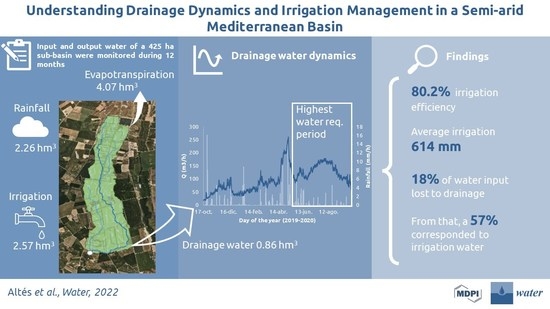
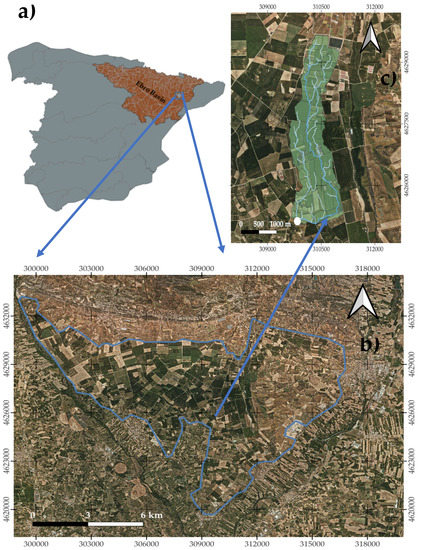
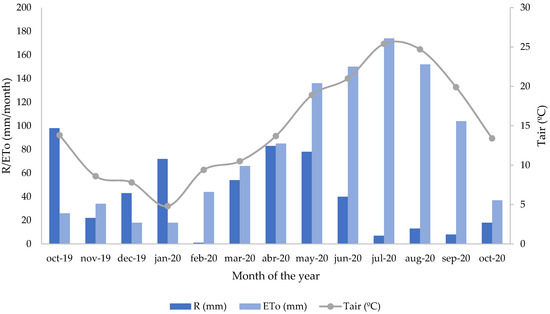
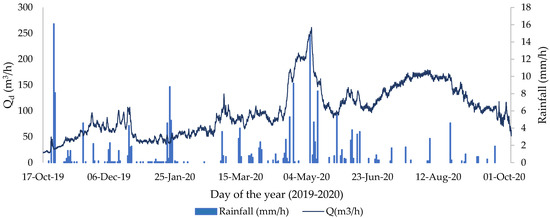
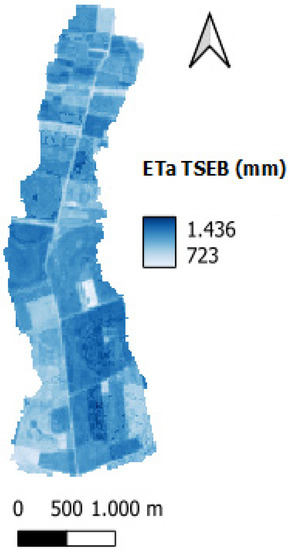
Irrigation is one of the main users of water worldwide and its overuse may affect the natural regimes of water systems. To avoid this, drainage and irrigation management needs to be improved. This study aims to determine the amount of water lost to drainage in a semi-arid Mediterranean irrigated area. Water use, rainfall and drainage were monitored for 12 months (2019–2020) in a 425 ha sub-basin in the Algerri-Balaguer irrigation district (8000 ha, NE Spain). In addition, irrigation requirements were estimated using the single-crop FAO-56 method and a two-source energy balance model (TSEB) was used to estimate actual evapotranspiration in the sub-basin. Water lost to drainage in the sub-basin was estimated as 18% of the total water that entered the perimeter as irrigation and rainfall, which are almost five time higher than theoretical requirements of leaching. Out of the total drainage water, 57% was estimated to be irrigation water and 43% rainwater. The average amount of irrigation water used was 614 mm and irrigation efficiency in the sub-basin was estimated at 80.2% and averaged actual evapotranspiration at 1144 mm. The available margin of improvement is between 19.3% of the present irrigation drainage ratio and the 3.8% estimated with the leaching requirement model. Full article
(This article belongs to the Section Water, Agriculture and Aquaculture)
Show Figures

Graphical abstract

20 pages, 4578 KB  
Article
Tidal Flushing Rather Than Non-Point Source Nitrogen Pollution Drives Nutrient Dynamics in A Putatively Eutrophic Estuary
by Johannes R. Krause, Michelle E. Gannon, Autumn J. Oczkowski, Morgan J. Schwartz, Lena K. Champlin, David Steinmann, Martha Maxwell-Doyle, Emily Pirl, Victoria Allen and Elizabeth Burke Watson
Water 2023, 15(1), 15; https://doi.org/10.3390/w15010015 - 21 Dec 2022
Cited by 10 | Viewed by 4591
Abstract
The effects of nonpoint source nutrients on estuaries can be difficult to pinpoint, with researchers often using indicator species, monitoring, and models to detect influence and change. Here, we made stable isotope measurements of nitrogen and carbon in sediment, water column particulates, primary [...] Read more.
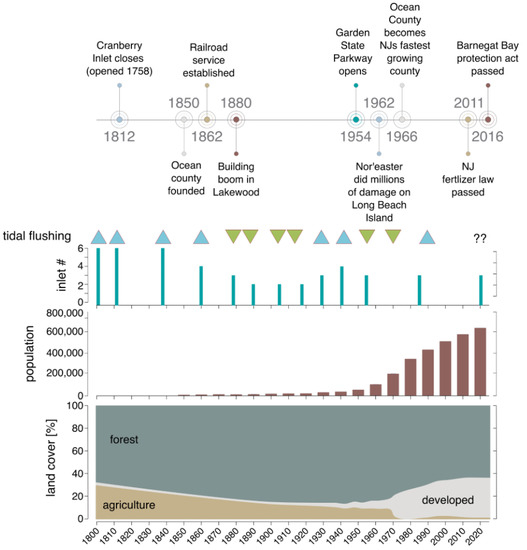
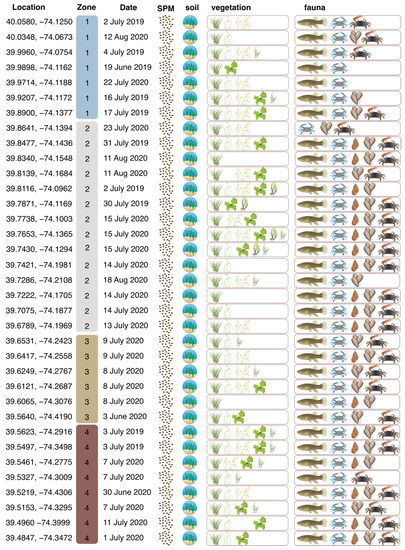
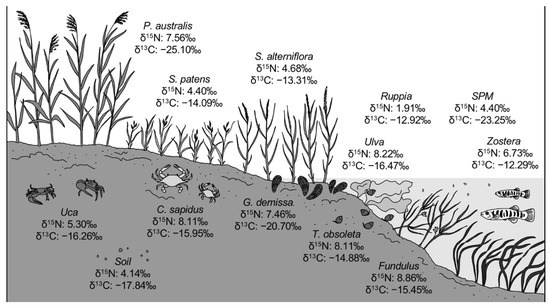
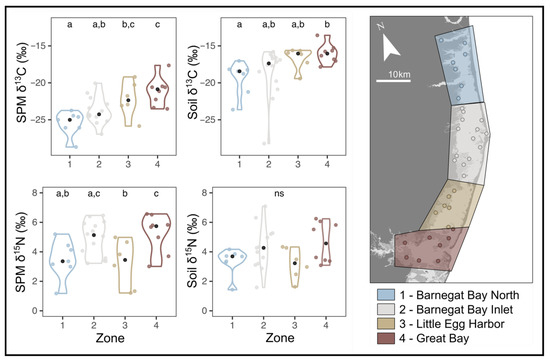
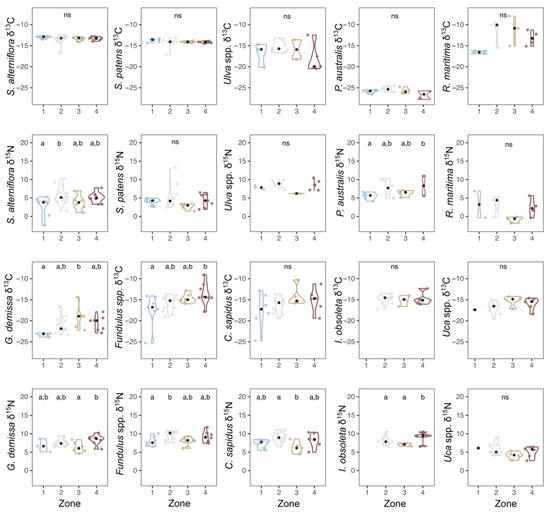
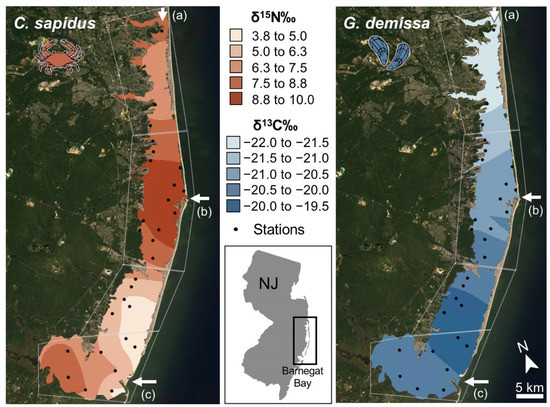
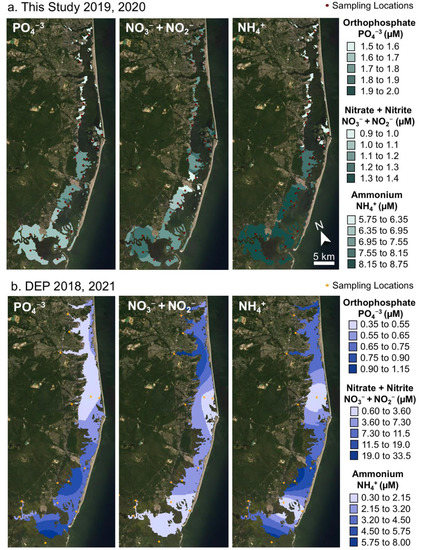
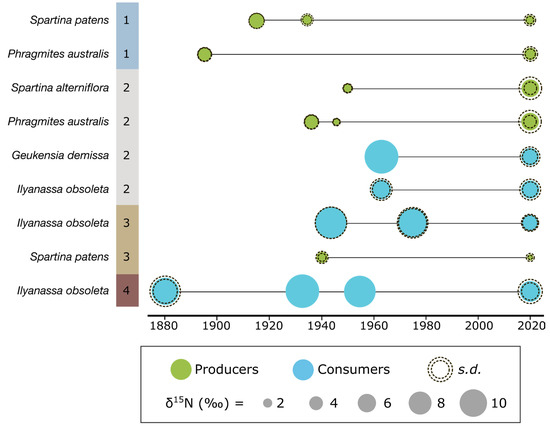
The effects of nonpoint source nutrients on estuaries can be difficult to pinpoint, with researchers often using indicator species, monitoring, and models to detect influence and change. Here, we made stable isotope measurements of nitrogen and carbon in sediment, water column particulates, primary producers, and consumers at 35 stations in the reportedly eutrophic Barnegat Bay (New Jersey) to assess N sources and processing pathways. Combined with water quality and hydrological data, our C and N isoscapes revealed four distinct geographic zones with diverging isotopic baselines, indicating variable nutrient sources and processing pathways. Overall, the carbon stable isotopes (δ13C) reflected the terrestrial-marine gradient with the most depleted values in the urban and poorly flushed north of the estuary to the most enriched values in the salt marsh-dominated south. In contrast, the nitrogen stable isotope values (δ15N) were most enriched near the oceanic inlets and were consistent with offshore δ15N values in particulate organic matter. Several biogeochemical processes likely alter δ15N, but the relatively lower δ15N values associated with the most urbanized area indicate that anthropogenic runoff is not a dominant N source to this area. Our findings stand in contrast to previous studies of similar estuaries, as δ15N signatures of biota in this system are inversely correlated to population density and nutrient concentrations. Further, our analyses of archival plant (Spartina sp., Phragmites australis) and shell (Geukensia demissa, Ilyanassa obsoleta) samples collected between 1880 and 2020 indicated that δ15N values have decreased over time, particularly in the consumers. Overall, we find that water quality issues appear to be most acute in the poorly flushed parts of Barnegat Bay and emphasize the important role that oceanic exchange plays in water quality and associated estuarine food webs in the lagoon. Full article
(This article belongs to the Special Issue Application of Stable Isotopes in Marine Ecosystems)
Show Figures

Figure 1
19 pages, 2235 KB  
Article
Screening for Antibiotics and Their Degradation Products in Surface and Wastewaters of the POCTEFA Territory by Solid-Phase Extraction-UPLC-Electrospray MS/MS
by Sebastiano Gozzo, Samuel Moles, Katarzyna Kińska, Maria P. Ormad, Rosa Mosteo, Jairo Gómez, Francisco Laborda and Joanna Szpunar
Water 2023, 15(1), 14; https://doi.org/10.3390/w15010014 - 21 Dec 2022
Cited by 10 | Viewed by 6145
Abstract
A method based on UPLC-MS/MS (ultraperformance liquid chromatography—tandem mass spectrometry) was optimized for the analysis of a broad set of antibiotics and their metabolites in surface and wastewaters after their preconcentration by solid-phase extraction (SPE). The method was applied to the monitoring of [...] Read more.
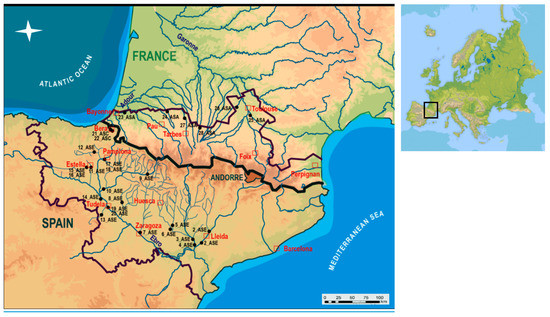
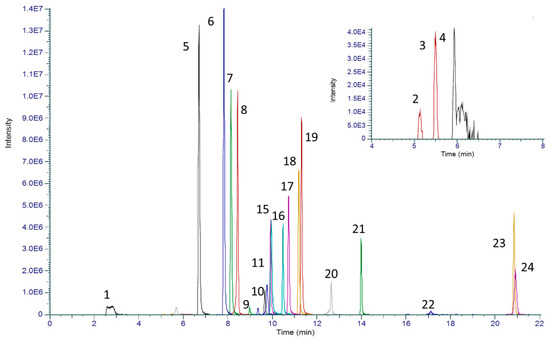
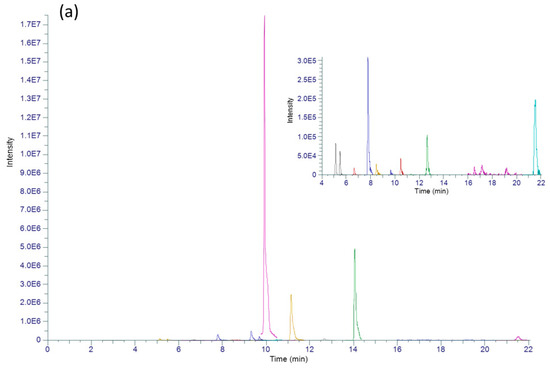
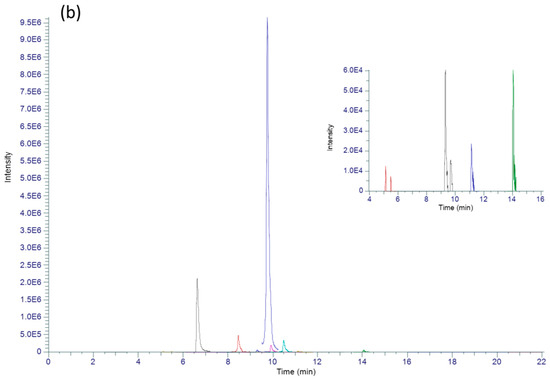
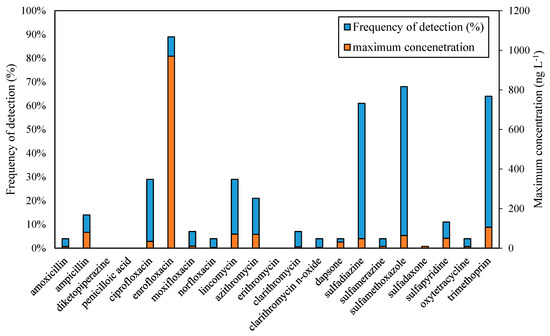
A method based on UPLC-MS/MS (ultraperformance liquid chromatography—tandem mass spectrometry) was optimized for the analysis of a broad set of antibiotics and their metabolites in surface and wastewaters after their preconcentration by solid-phase extraction (SPE). The method was applied to the monitoring of the river basin of the POCTEFA (Interregional Programme Spain-France-Andorra) territory (Spain and France) in frame of a sampling campaign (2020–2021) including 40 sampling points, 28 of them corresponding to surface waters and 12 to wastewaters. In total, 21 antibiotics belonging to different families, i.e., ciprofloxacin, sulfamethoxazole, trimethoprim, azithromycin, and their metabolites were detected. A higher overall antibiotic contamination was observed in the Spanish part of the POCTEFA territory. Several metabolites of the target antibiotics, some of them supposed to be more toxic than their parent compounds, were identified in the entire sampling network. Fluoroquinolones and sulfamethoxazole, as well as their metabolites, presented the highest detection frequency both in wastewaters and surface waters, and, consequently, should be considered as target compounds in the monitoring of the water resources of the POCTEFA territory. Full article
(This article belongs to the Topic Emerging Contaminants in the Aquatic Environment)
Show Figures

Figure 1
18 pages, 1492 KB  
Article
Carbon Dioxide Concentration and Emissions along a Trophic Gradient in Tropical Karst Lakes
by Mariana Vargas-Sánchez, Javier Alcocer, Salvador Sánchez-Carrillo, Luis A. Oseguera, Erika M. Rivera-Herrera, Ismael Soria-Reinoso, Andrea Guzmán-Arias, Felipe García-Oliva and Martín Merino-Ibarra
Water 2023, 15(1), 13; https://doi.org/10.3390/w15010013 - 21 Dec 2022
Cited by 7 | Viewed by 3748
Abstract
Inland aquatic ecosystems are valuable sentinels of anthropic-associated changes (e.g., agriculture and tourism). Eutrophication has become of primary importance in altering aquatic ecosystem functioning. Quantifying the CO2 emissions by inland aquatic ecosystems of different trophic statuses may provide helpful information about the [...] Read more.
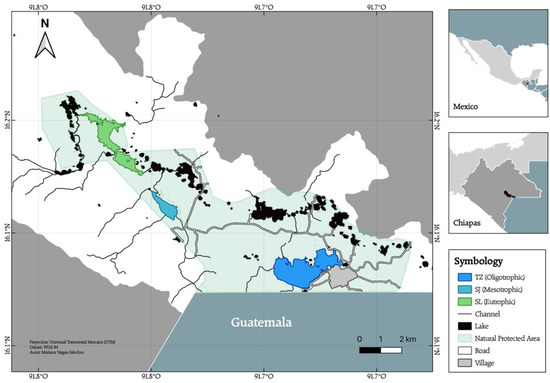
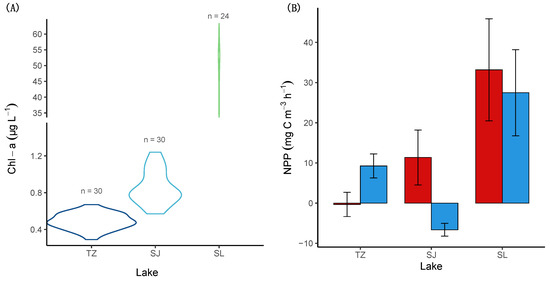
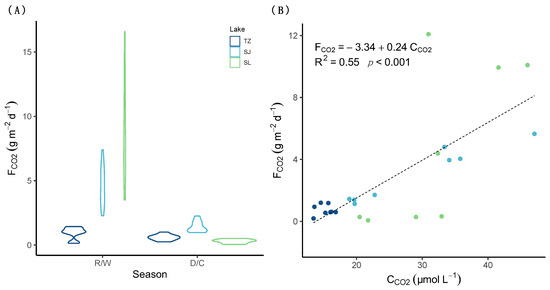
Inland aquatic ecosystems are valuable sentinels of anthropic-associated changes (e.g., agriculture and tourism). Eutrophication has become of primary importance in altering aquatic ecosystem functioning. Quantifying the CO2 emissions by inland aquatic ecosystems of different trophic statuses may provide helpful information about the role of eutrophication on greenhouse gas emissions. This study investigated diel and seasonal carbon dioxide (CO2) concentrations and emissions in three tropical karst lakes with different trophic statuses. We measured CO2 emissions using static floating chambers twice daily during the rainy/warm and dry/cold seasons while the lakes were thermally stratified and mixed, respectively. The CO2 concentration was estimated by gas chromatography and photoacoustic spectroscopy. The results showed a significant seasonal variation in the dissolved CO2 concentration (CCO2) and the CO2 flux (FCO2), with the largest values in the rainy/warm season but not along the diel cycle. The CCO2 values ranged from 13.3 to 168.6 µmol L−1 averaging 41.9 ± 35.3 µmol L−1 over the rainy/warm season and from 12.9 to 38.0 µmol L−1 with an average of 21.0 ± 7.2 µmol L−1 over the dry/cold season. The FCO2 values ranged from 0.2 to 12.1 g CO2 m−2 d−1 averaging 4.9 ± 4.0 g CO2 m−2 d−1 over the rainy/warm season and from 0.1 to 1.7 g CO2 m−2 d−1 with an average of 0.8 ± 0.5 g CO2 m−2 d−1 over the dry/cold season. During the rainy/warm season the emission was higher in the eutrophic lake San Lorenzo (9.1 ± 1.2 g CO2 m−2 d−1), and during the dry/cold the highest emission was recorded in the mesotrophic lake San José (1.42 ± 0.2 g CO2 m−2 d−1). Our results indicated that eutrophication in tropical karst lakes increased CO2 evasion rates to the atmosphere mainly due to the persistence of anoxia in most of the lake’s water column, which maintained high rates of anaerobic respiration coupled with the anaerobic oxidation of methane. Contrarily, groundwater inflows that provide rich-dissolved inorganic carbon waters sustain emissions in meso and oligotrophic karstic tropical lakes. Full article
(This article belongs to the Special Issue Contribution of Carbon Dioxide from Water Bodies to the Atmosphere)
Show Figures

Figure 1
12 pages, 1604 KB  
Article
A Framework for Recovering Waste Heat Energy from Food Processing Effluent
by Yang Luo, Sandeep Jagtap, Hana Trollman and Guillermo Garcia-Garcia
Water 2023, 15(1), 12; https://doi.org/10.3390/w15010012 - 21 Dec 2022
Cited by 10 | Viewed by 7845
Abstract
Effluent water from food processing retains considerable heat energy after emission from treatment systems. Heat recovery technologies that may be appropriate for implementation in the food processing industry have been widely explored, and selection of the most suitable methodologies has been pursued. A [...] Read more.
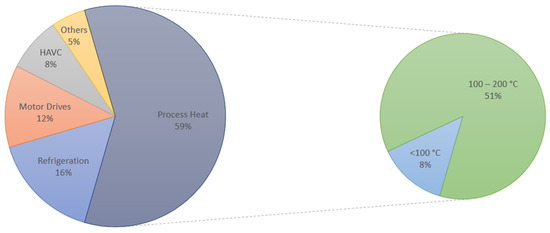
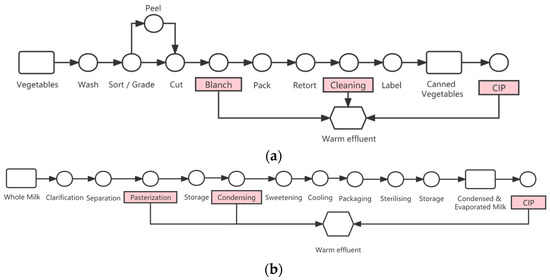
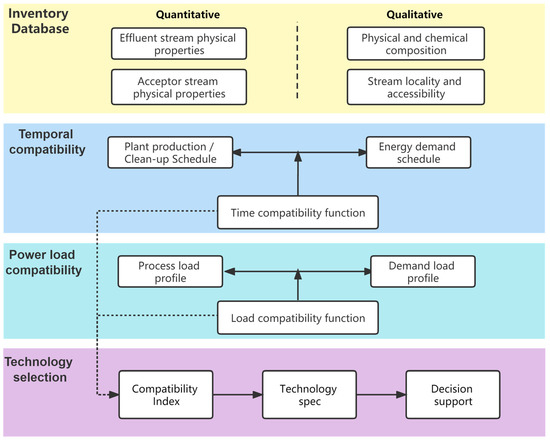
Effluent water from food processing retains considerable heat energy after emission from treatment systems. Heat recovery technologies that may be appropriate for implementation in the food processing industry have been widely explored, and selection of the most suitable methodologies has been pursued. A four-stage framework is introduced in this paper to evaluate the potential recoverability of waste heat along with acceptor streams. The systematic approach utilizes thermal and temporal compatibility tools and cost–benefit analyses to determine the ideal heat-recovery equipment for food processing effluent. The applicability of this framework is demonstrated through an industrial case study undertaken in a vegetable canning processing facility. Based on the findings, the framework yields an efficient and optimized heat recovery approach to reducing the total energy demand of the facility. Full article
(This article belongs to the Special Issue Feature Papers of Water-Energy Nexus)
Show Figures

Figure 1
15 pages, 6738 KB  
Article
Flow Pattern and Erosion in a 90-Degrees Sharp Bend around a W−Weir
by Vida Atashi, Mahmood Shafai Bejestan and Yeo Howe Lim
Water 2023, 15(1), 11; https://doi.org/10.3390/w15010011 - 21 Dec 2022
Cited by 4 | Viewed by 4601
Abstract
Different flow-altering methods, such as W−Weirs, have been developed to reduce erosion. For this study, we performed two experiments: (1) installing a W−Weir in various positions to determine the best angle for placement, and (2) investigating the variation of flow patterns and bed [...] Read more.
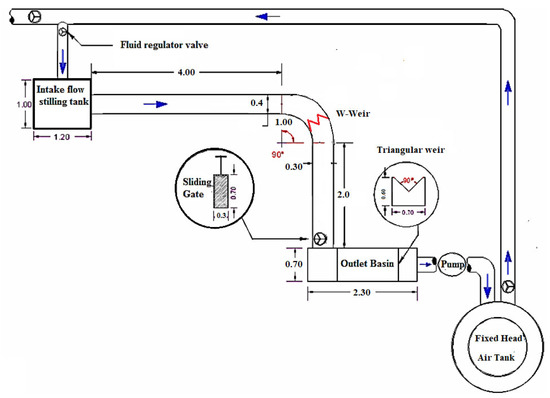
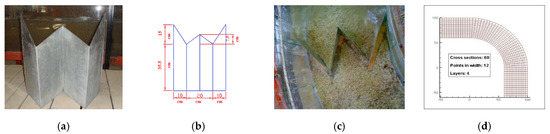
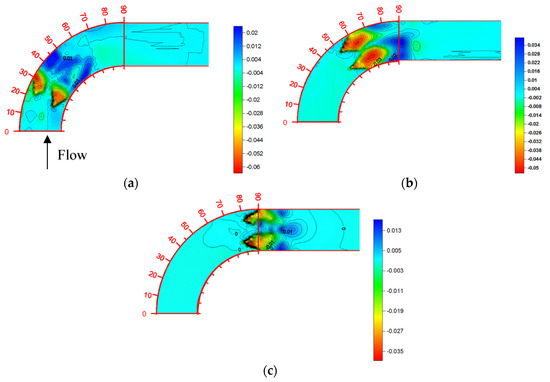
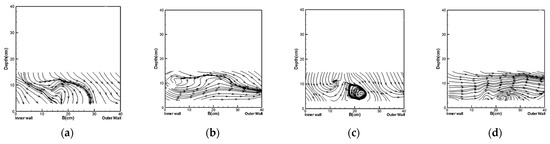
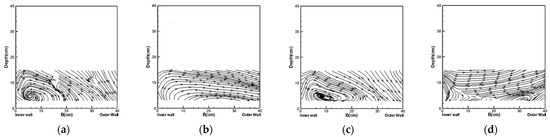
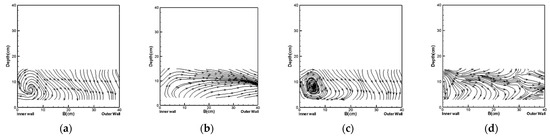
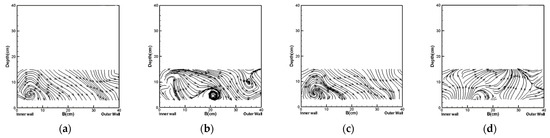
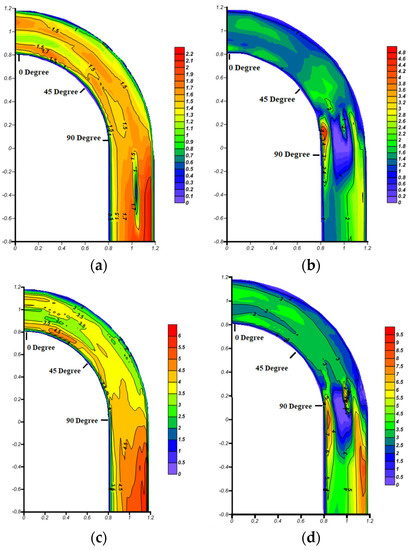
Different flow-altering methods, such as W−Weirs, have been developed to reduce erosion. For this study, we performed two experiments: (1) installing a W−Weir in various positions to determine the best angle for placement, and (2) investigating the variation of flow patterns and bed shear stress distribution in a 90-degree sharp bend by measuring the 3D components of flow velocities, with and without W−Weirs, where the greatest scour depth occurs. The results from the three installation angles indicate that less scour depth and volume of sediment removal occur when the weir is located close to the end of a bend. In addition, the value of the secondary circular power without a weir was higher than the position with a weir; however, this value significantly increased at 70 degrees due to turbulence flow near the W−Weir. This secondary flow power reduction at 45 degrees with a W−Weir increased by 65.8 percent for a Froude number value of 0.17, and by 29.8 percent for a Froude number value of 0.28, compared to values without the W−Weir, respectively. Full article
(This article belongs to the Special Issue Sediment Transport at Bridges and River Training Structures)
Show Figures

Figure 1
18 pages, 3671 KB  
Article
Management of Macrolide Antibiotics (Erythromycin, Clarithromycin and Azithromycin) in the Environment: A Case Study of Environmental Pollution in Lithuania
by Inga Baranauskaite-Fedorova and Jolanta Dvarioniene
Water 2023, 15(1), 10; https://doi.org/10.3390/w15010010 - 21 Dec 2022
Cited by 18 | Viewed by 7505
Abstract
Of all the antibiotics used today for human treatment in the world, macrolide antibiotics—erythromycin, clarithromycin and azithromycin—stand out the most for misuse, and they were included as high-risk substances in the monitoring Watch List of Regulation 2018/840/EU. The aim of the present research [...] Read more.
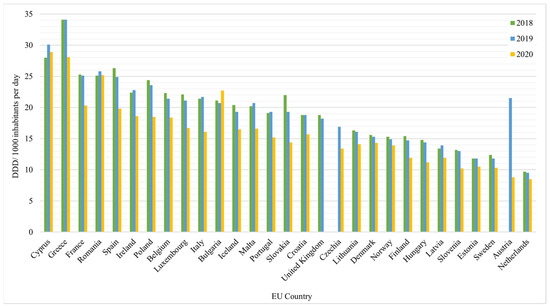
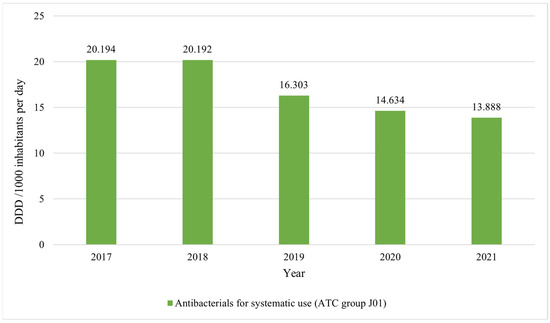
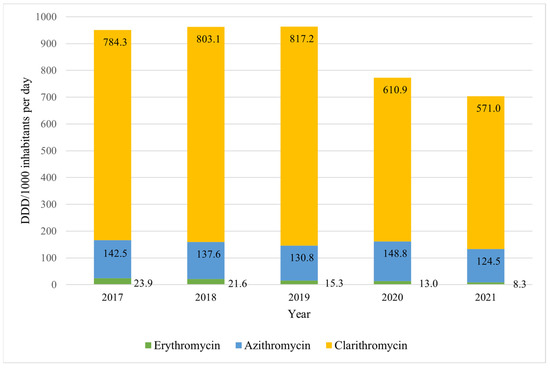
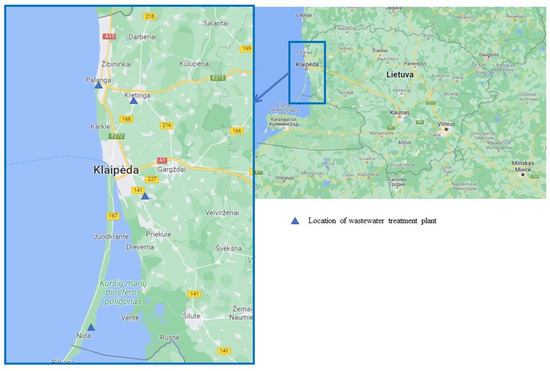
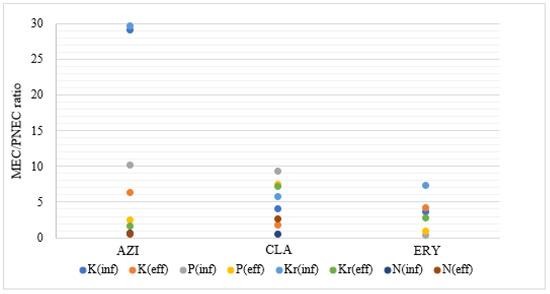
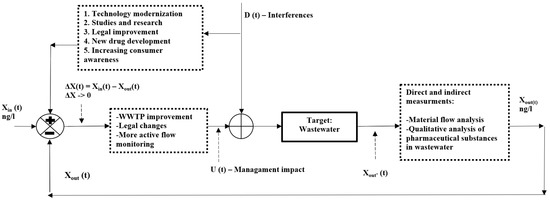
Of all the antibiotics used today for human treatment in the world, macrolide antibiotics—erythromycin, clarithromycin and azithromycin—stand out the most for misuse, and they were included as high-risk substances in the monitoring Watch List of Regulation 2018/840/EU. The aim of the present research was to investigate the level of target human pharmaceuticals’ prevalence in the environment by the substance flow analysis (SFA) approach and to determine the potential risks of the antibiotics for the environment. The target for the environmental investigations was Lithuania. For SFA, 2021 consumption input data were used, and such key processes as the consumption rate, disposal and distribution of pharmaceuticals in the environment were analyzed. The analysis revealed that the largest part of pharmaceutical contaminants (80.1%) enters wastewater treatment plants. The risk quotient approach was based on the determination of predicted environmental concentrations (PECs), measured environmental concentrations (MECs) and their ratio to the predicted no-effect environmental concentrations (PNECs). The analysis revealed that clarithromycin causes a high potential risk for the aquatic environment in effluents from the wastewater treatment plants (WWTP); PEC/PNEC > 7. For azithromycin and erythromycin, the estimated PEC values were between 0.1 and 1. Clarithromycin concentration in the effluents of two target WWTPs showed a significant risk quotient (MEC/PNEC) of higher than 7. Recommendations on how to reduce the release of pharmaceutical residues into the environment have been proposed in the framework of the environmental management system. Full article
(This article belongs to the Special Issue Risk Assessment of Pollutants in Aquatic Environment)
Show Figures

Figure 1
21 pages, 34009 KB  
Article
Pollution Source Apportionment of River Tributary Based on PMF Receptor Model and Water Quality Remote Sensing in Xinjian River, China
by Guanhua Zhou, Sizhong Chen, Anqi Li, Chongbin Xu, Guifei Jing, Qian Chen, Yinbo Hu, Shunjie Tang, Meile Lv and Kejian Xiao
Water 2023, 15(1), 7; https://doi.org/10.3390/w15010007 - 20 Dec 2022
Cited by 12 | Viewed by 4708
Abstract
Accurately identifying the source and controlling the total amount of pollutants are the basis for achieving regulation of pollution sources, which is critical for the prevention and control of surface water pollution. For this purpose, this study used the Xinjian River in Jinyun [...] Read more.
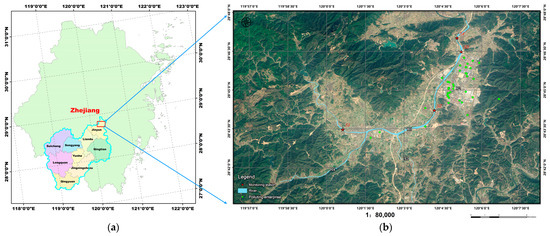
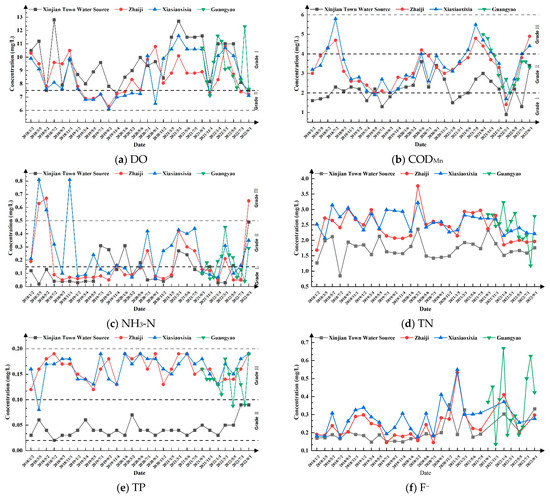
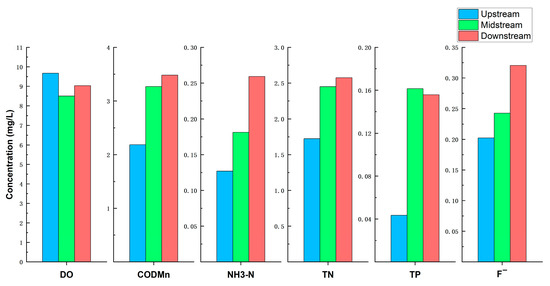
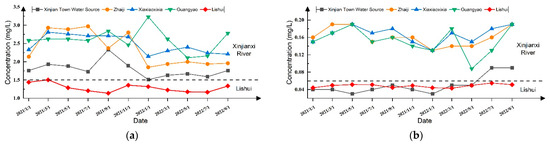
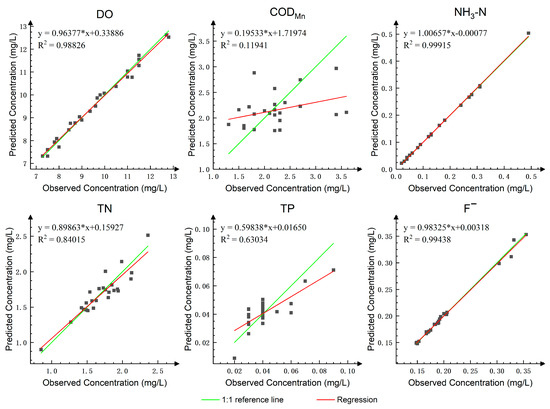
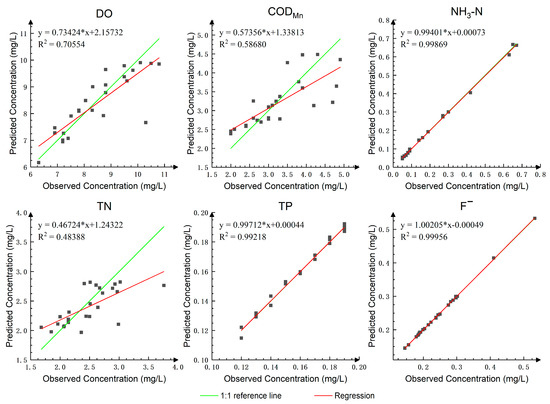
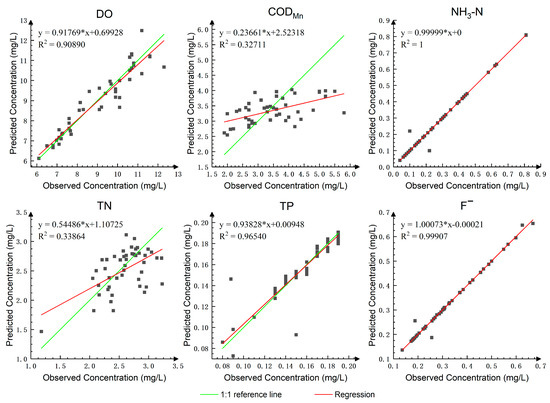
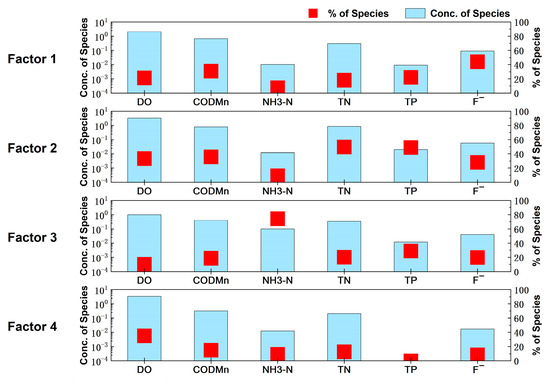
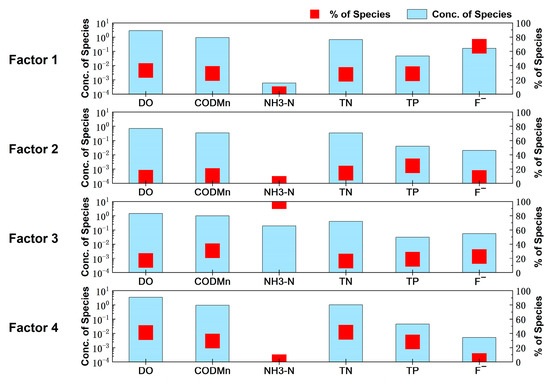
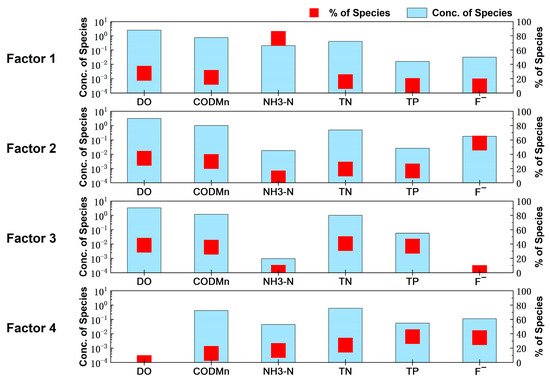
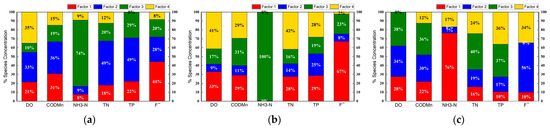
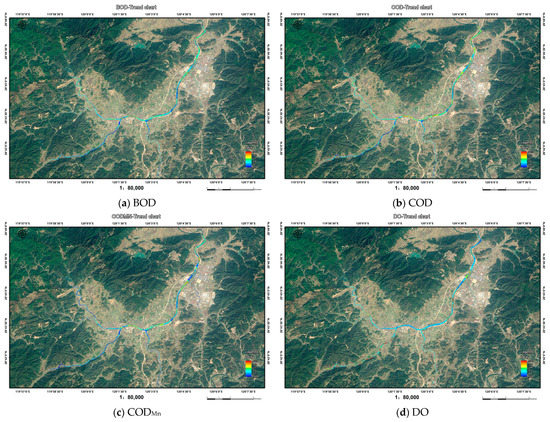
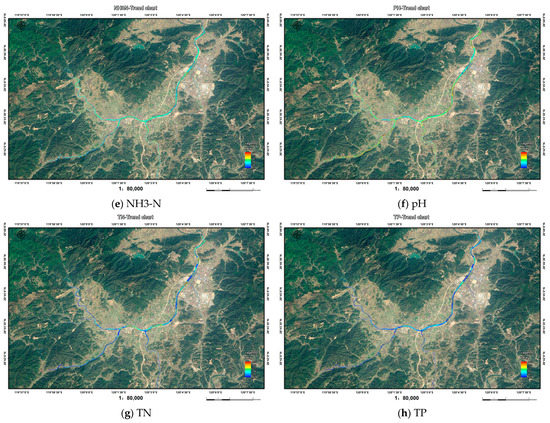
Accurately identifying the source and controlling the total amount of pollutants are the basis for achieving regulation of pollution sources, which is critical for the prevention and control of surface water pollution. For this purpose, this study used the Xinjian River in Jinyun County, Lishui City, Zhejiang Province, China, as a case study to explore whether and how the tributary inflow impacts the downstream water quality. The main pollution sources in the upstream, midstream, and downstream of the Xinjian River were apportioned using the Positive Matrix Factorization (PMF) model based on the water quality data from four sample stations from January 2018 to September 2022. According to the unmatched factor in different sections, it is plausible to infer that the TN and TP are mainly caused by the tributaries. To enhance the reliability of pollution source apportionment based on the receptor model, a series of remote sensing images with high resolution were used to derive the water quality concentrations to present the spatial distribution and reveal the long-term trend of the local water environment. It is anticipated that the apportionment results could be of great assistance to local authorities for the control and management of pollution, as well as the protection of riverine water quality. Full article
(This article belongs to the Section Water Quality and Contamination)
Show Figures

Figure 1
27 pages, 12201 KB  
Article
Framework for Healthiness Assessment of Water Cycle to Decide the Priority of Enhancement and Restoration Plans
by Youngkyu Jin, Sangho Lee, Taeuk Kang, Yeulwoo Kim and Namjoo Lee
Water 2023, 15(1), 6; https://doi.org/10.3390/w15010006 - 20 Dec 2022
Cited by 1 | Viewed by 2584
Abstract
The water cycle in watersheds is vulnerable due to climate change; hence, the need for sustainable watershed management is increasing. This paper suggests a framework for a healthiness assessment of the water cycle to provide a guideline for systematic watershed management considering the [...] Read more.
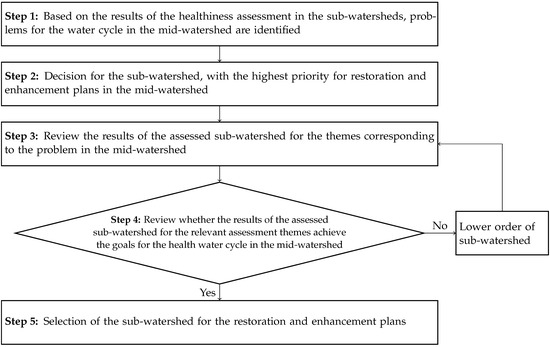
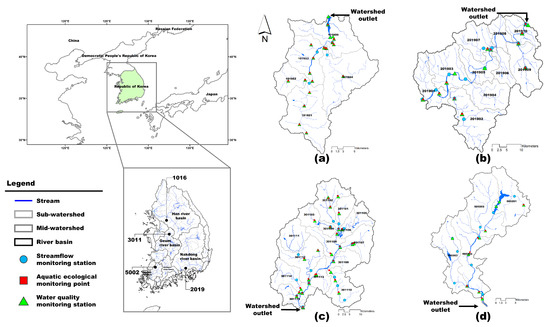
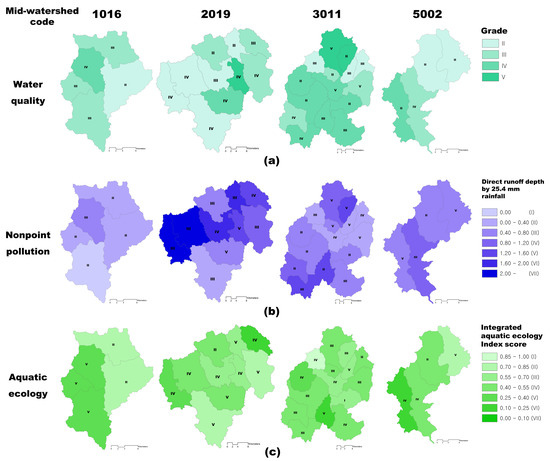
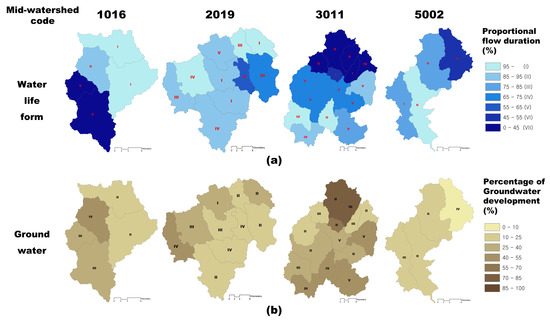
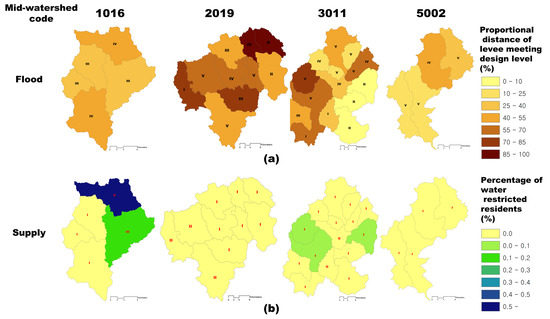
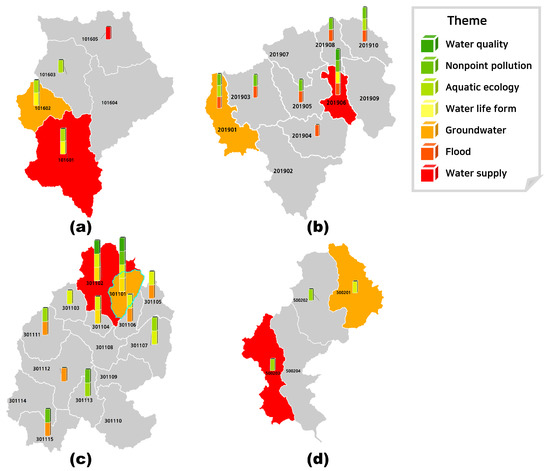
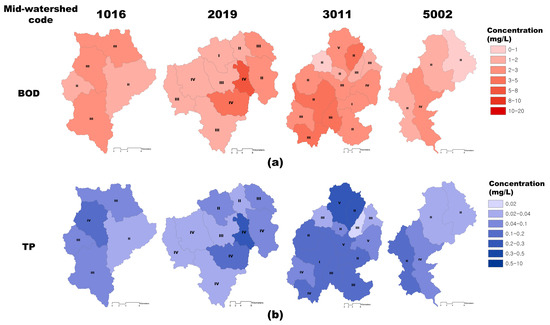
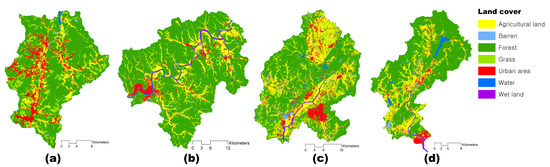
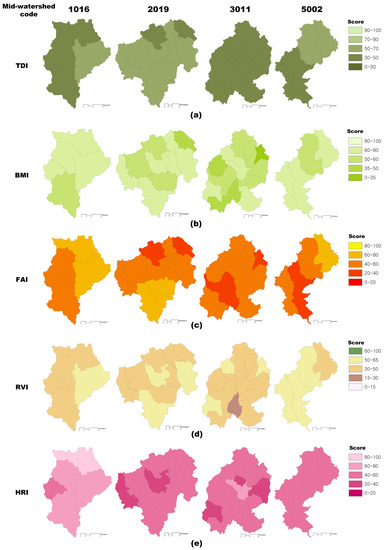
The water cycle in watersheds is vulnerable due to climate change; hence, the need for sustainable watershed management is increasing. This paper suggests a framework for a healthiness assessment of the water cycle to provide a guideline for systematic watershed management considering the previous and current states. The suggested framework aims to prioritize restoration and enhancement plans based on the graded healthiness of the water cycle elements by the watersheds. The framework is composed of two assessment procedures: a problem-focused assessment to identify problems such as flood, drought, and river depletion in the watershed and the highest priority assessment to select the watershed for enhancement and restoration plans. The healthiness assessment method for each metric is suggested based on the Korean Framework Act on Water Management. The framework was applied to four different watersheds in South Korea. The framework is proven to be an effective method to identify practical emerging problems for the water cycle in each watershed. The framework can contribute to providing technical information to detect the water problem of the watershed by objectively diagnosing the watersheds with various potential water problems via the healthiness assessment. Full article
(This article belongs to the Special Issue Advance in Water Management and Water Policy Research)
Show Figures

Figure 1
13 pages, 2298 KB  
Article
Removal of Clostridium perfringens and Staphylococcus spp. in Microalgal–Bacterial Systems: Influence of Microalgal Inoculum and CO2/O2 Addition
by Graziele Ruas, Sarah Lacerda Farias, Bruno A. B. dos Reis, Mayara Leite Serejo, Gustavo Henrique Ribeiro da Silva and Marc Árpád Boncz
Water 2023, 15(1), 5; https://doi.org/10.3390/w15010005 - 20 Dec 2022
Cited by 5 | Viewed by 4129
Abstract
Conventional biological wastewater treatment systems have a low pathogen removal capacity. Microalgae-based systems are sustainable and low-cost alternatives for wastewater treatment and are capable of removing pathogens from domestic effluents. Other microorganisms have been identified as alternative indicators of disinfection since they have [...] Read more.
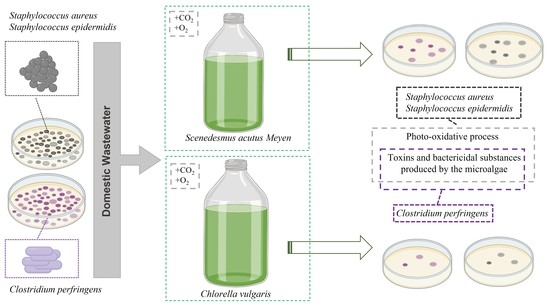
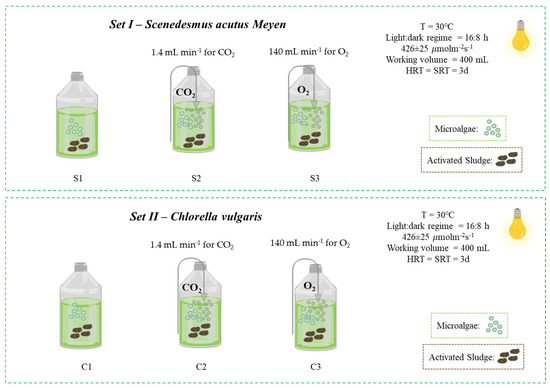
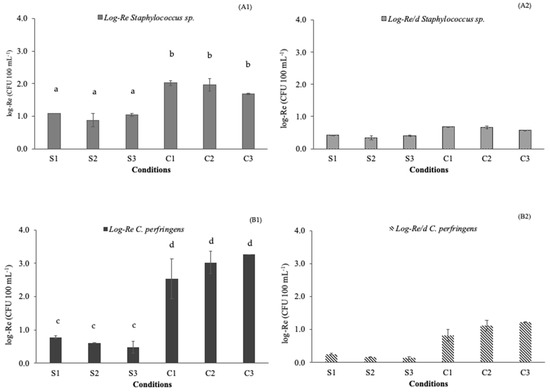
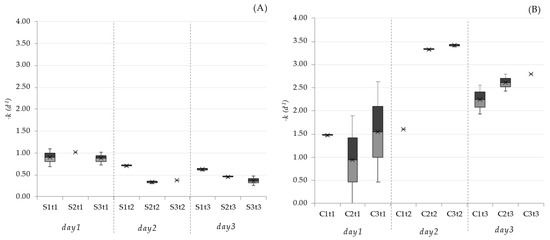
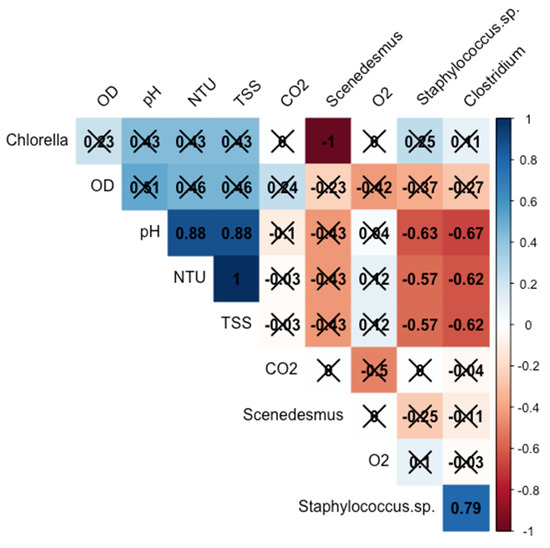
Conventional biological wastewater treatment systems have a low pathogen removal capacity. Microalgae-based systems are sustainable and low-cost alternatives for wastewater treatment and are capable of removing pathogens from domestic effluents. Other microorganisms have been identified as alternative indicators of disinfection since they have greater resistance than Escherichia coli, either because of the formation of spores or because of other mechanisms of protection, and because they spread in wastewater treatment plants; the most important are Clostridium perfringens and Staphylococcus spp. This study assessed the influence of microalgal strains (e.g., Chlorella vulgaris and Scenedesmus acutus Meyen) and the addition of CO2 and O2 on the removal of C. perfringens and Staphylococcus spp. from domestic wastewater in microalgal–bacterial systems. The removal of C. perfringens (2.5 to 3.2 log units) and Staphylococcus sp. (1.8 to 2.0 log units) was higher when using Chlorella sp. inoculum. The addition of CO2 and O2 did not have a significant effect on the removal of pathogenic bacteria. The main mechanism of C. perfringens removal was by means of toxins and bactericidal substances produced by the microalgae, while Staphylococcus spp. removal also occurred through photooxidative processes. Full article
Show Figures

Graphical abstract

15 pages, 2326 KB  
Article
Assessment of the Impacts of Phyto-Remediation on Water Quality of the Litani River by Means of Two Wetland Plants (Sparganium erectum and Phragmites australis)
by Fadi Karam, Rachelle Haddad, Nabil Amacha, Wissam Charanek and Jérôme Harmand
Water 2023, 15(1), 4; https://doi.org/10.3390/w15010004 - 20 Dec 2022
Cited by 5 | Viewed by 4573
Abstract
Water pollution from human activities is largely a result of the discharge of wastewater and industrial waste into rivers. Phytoremediation, the technique that uses plants to remove pollutants from the polluted waters, is a growing field of research because of its various environmental [...] Read more.
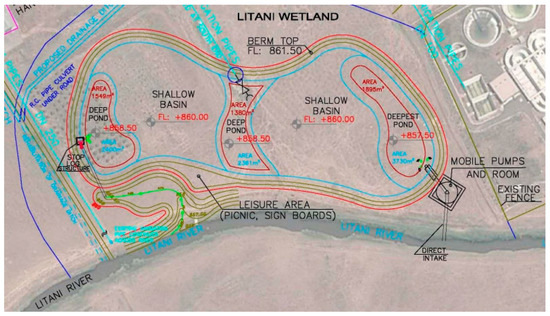
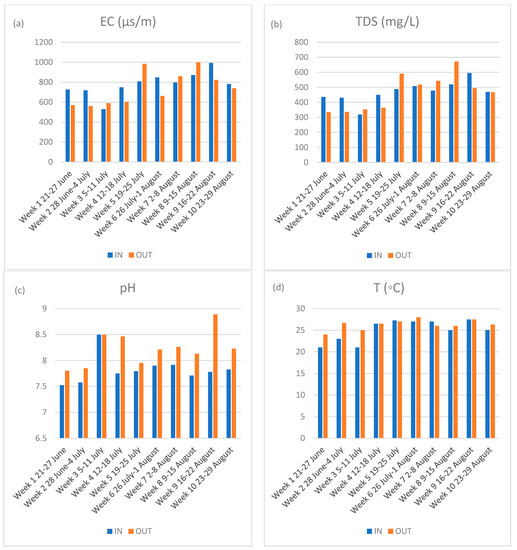
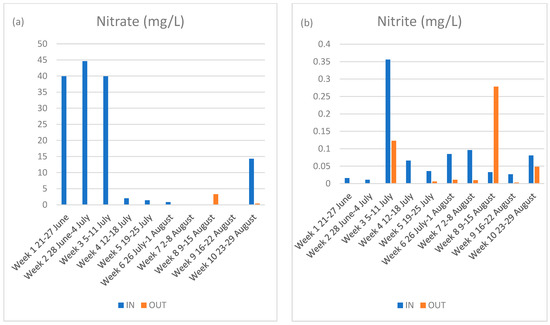
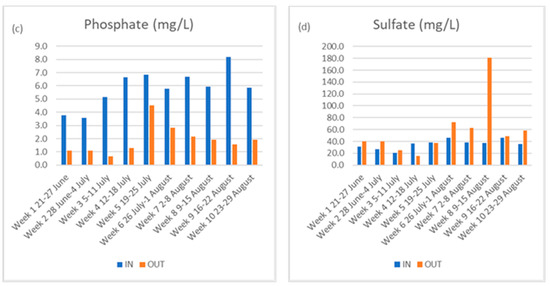
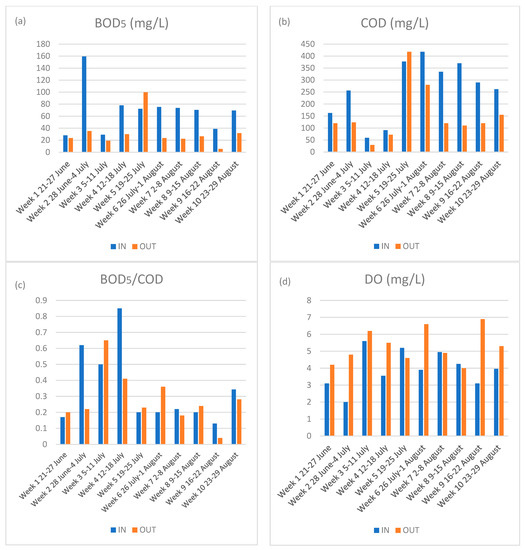
Water pollution from human activities is largely a result of the discharge of wastewater and industrial waste into rivers. Phytoremediation, the technique that uses plants to remove pollutants from the polluted waters, is a growing field of research because of its various environmental advantages. This study aims to evaluate the efficiency of a constructed wetland in removing pollutants and treating the polluted waters of the Litani River in Lebanon, by means of two aquatic plants, Phragmites australis and Sparganium erectum. Results showed that the levels of the physicochemical and biological parameters measured on water samples at downstream of the wetland were lower than those obtained at upstream. Results revealed that average removal efficiency was 41% for chemical oxygen demand (COD), 54% for biological oxygen demand (BOD5), 97% for nitrate (NO3), 40% for nitrite (NO2), 67% for phosphate (PO43−), while it was negative (−62%) for sulfate (SO42−), indicating an increase in sulfate content in the treated effluent returning to the river. On the other hand, most of the effluent chemical and biological characteristics were within the provisional discharge limits of effluent to water body set by the Ministry of Environment (MoE) and Lebanese Wastewater Reuse Guidelines of the Food and Agricultural Organization of the United Nations (FAO). Statistical analyses also showed significant variations (p < 0.5) among the two sampling sites along the wetland. Our findings clearly demonstrate that phytoremediation is a viable solution to remove pollutants in a competitive environment and improve the quality of contaminated waters by acting as a sink for various contaminants. The gained experience may be scalable to other sites and environments across the country. Full article
(This article belongs to the Special Issue Waste Water Used for Green Production in Cities)
Show Figures

Figure 1
22 pages, 5800 KB  
Article
Urban Flood Loss Estimation and Evacuation Design Based on a 500-Year Extreme Flood Event in Syracuse City
by Yunrui Si, Junli Li and Youbin Si
Water 2023, 15(1), 3; https://doi.org/10.3390/w15010003 - 20 Dec 2022
Cited by 4 | Viewed by 3846
Abstract
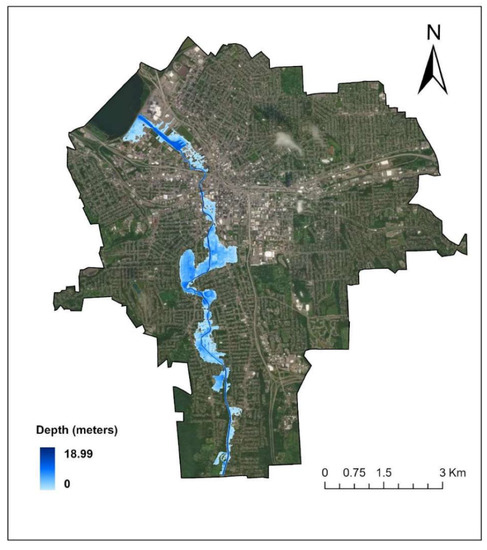
To understand the potential risk of flooding in Syracuse City, New York State, USA, this research attempted to accomplish the flood hazard assessment for a simulated 500-year flood event in the downstream floodplain of Onondaga Creek within Syracuse. Based on the commonly used [...] Read more.
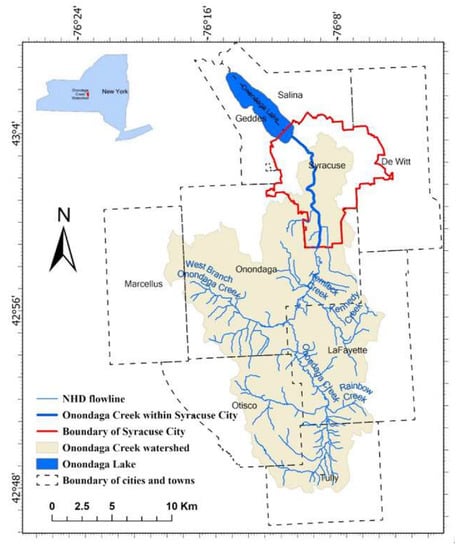
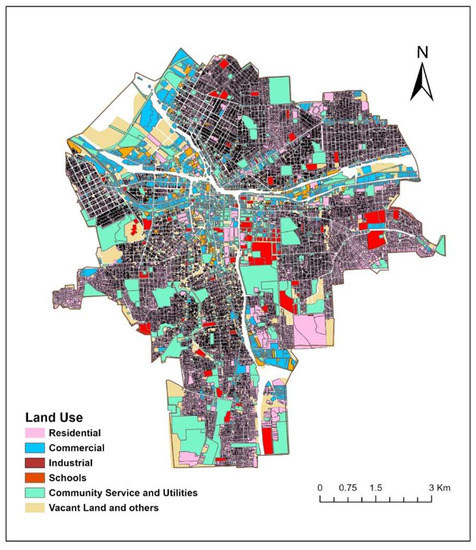
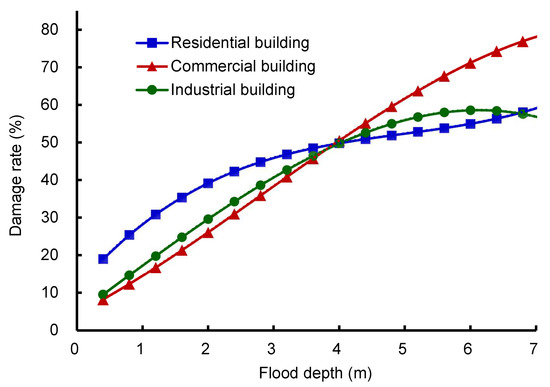
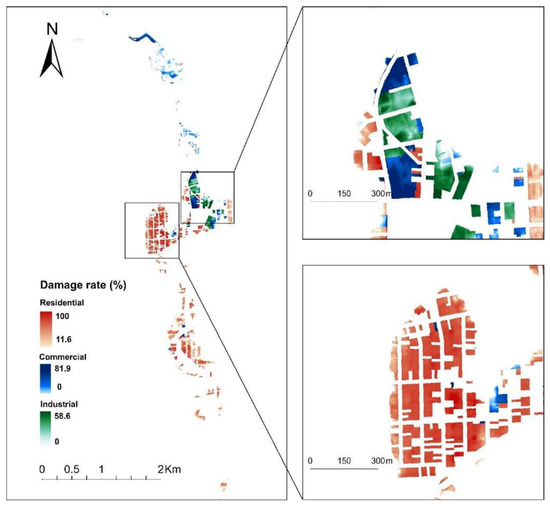
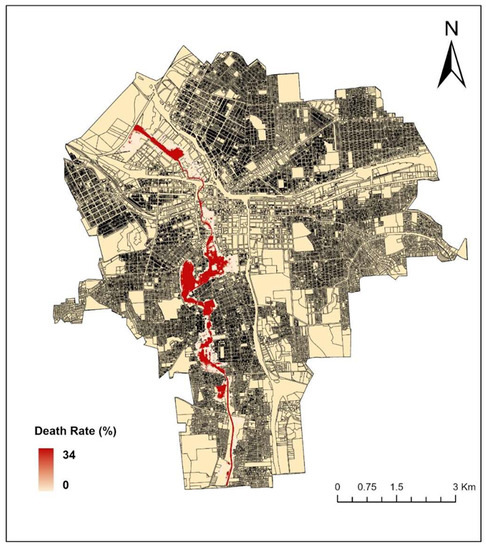
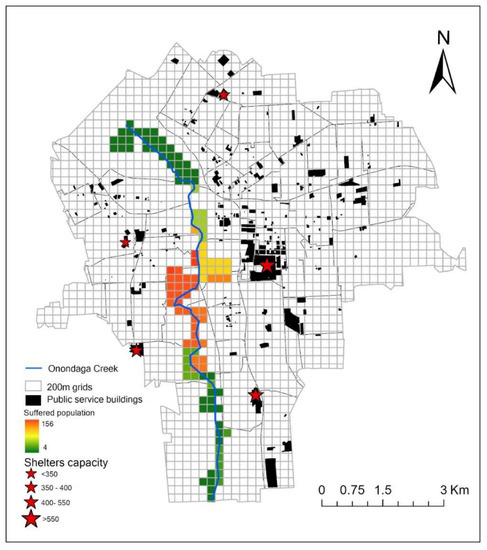
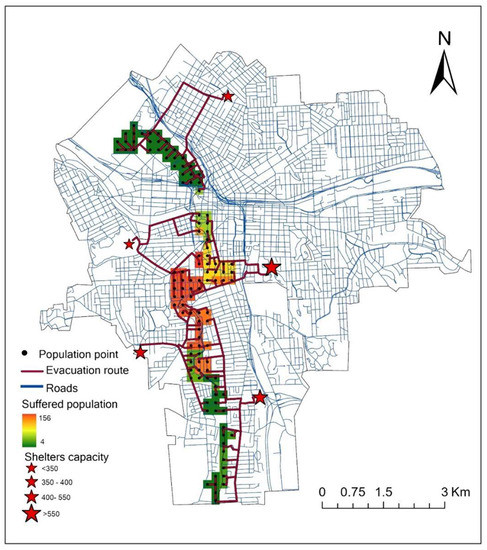
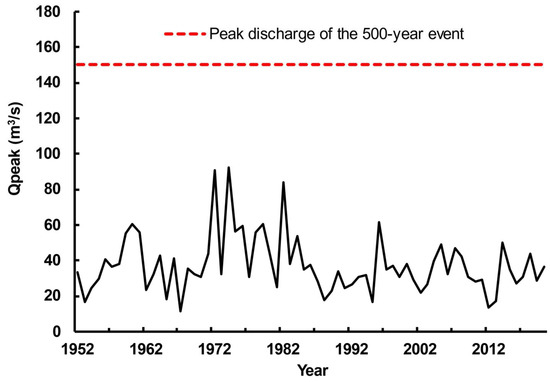
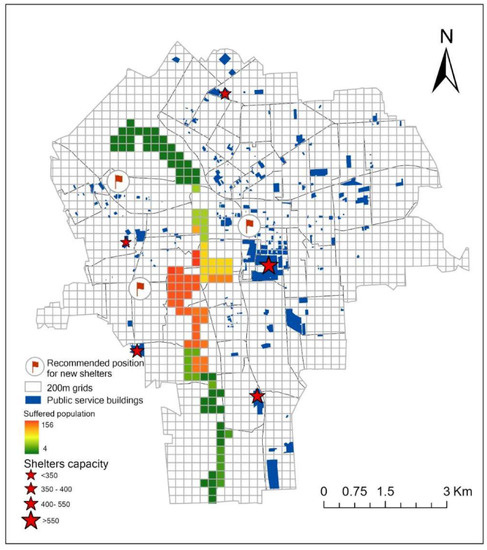
To understand the potential risk of flooding in Syracuse City, New York State, USA, this research attempted to accomplish the flood hazard assessment for a simulated 500-year flood event in the downstream floodplain of Onondaga Creek within Syracuse. Based on the commonly used category of flood damages, the flood damage of Syracuse was divided into loss of buildings and loss of population. The results showed that the city’s center would have the highest damage rate for buildings and a total of 1139 buildings would be inundated, of which 326 buildings would be severely damaged by more than 80%. Furthermore, about 7390 people would be directly affected by the flood event, among which approximately 900 people might lose their lives. Communities near Onondaga Creek were assigned designated evacuation shelters based on the accessibility and distance to the shelters. The shortest available evacuation routes were calculated. More shelters should be provided in the central downtown area, with its large population, and distributed along the western bank of Onondaga Creek. This research offered a first approximate flood loss estimation that might lead to more attention and studies concerning a potential flood hazard in the future. It also provided science-based guidelines for city authorities to refer to in practical flood hazard mitigation. Full article
(This article belongs to the Section Hydrology)
Show Figures

Figure 1
22 pages, 77639 KB  
Article
Floods and Emergency Management: Elaboration of Integral Flood Maps Based on Emergency Calls (112)—Episode of September 2019 (Vega Baja del Segura, Alicante, Spain)
by Antonio Oliva and Jorge Olcina
Water 2023, 15(1), 2; https://doi.org/10.3390/w15010002 - 20 Dec 2022
Cited by 8 | Viewed by 6386
Abstract
Emergency mapping makes it possible to manage an emergency situation and even to analyze the catastrophic event, a posteriori, in order to improve action protocols for Civil Protection. The emergency maps are produced from the analysis of calls to the Emergency Coordination Centre [...] Read more.
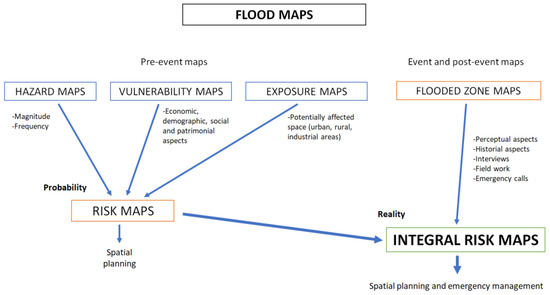
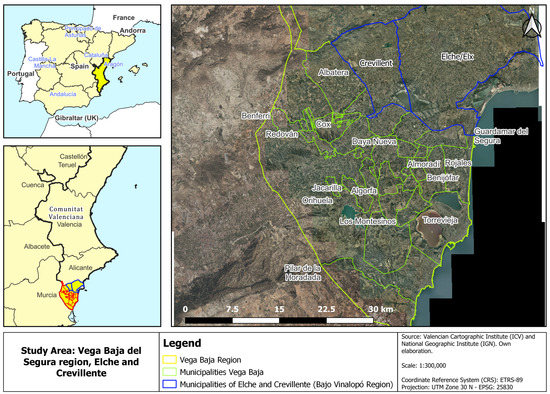
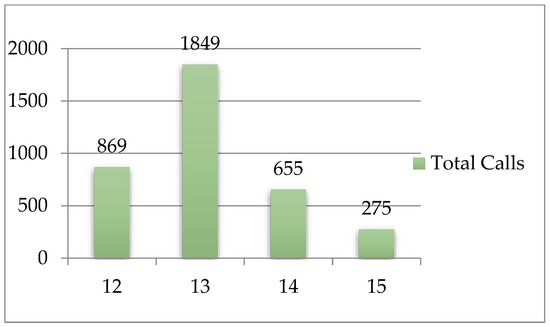
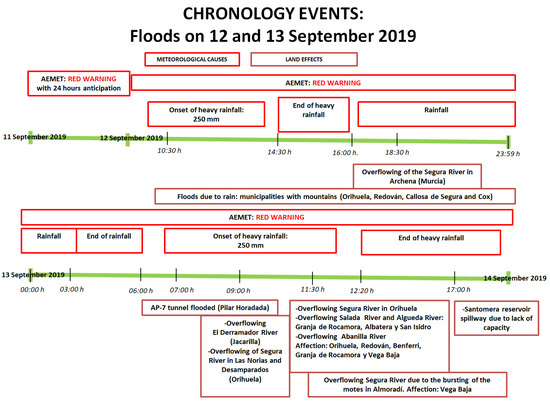
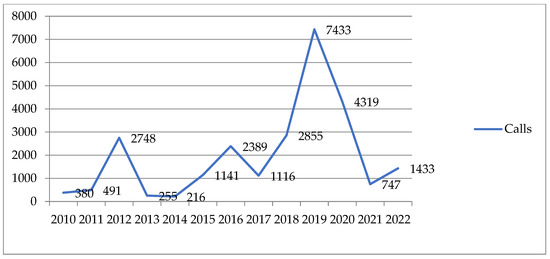
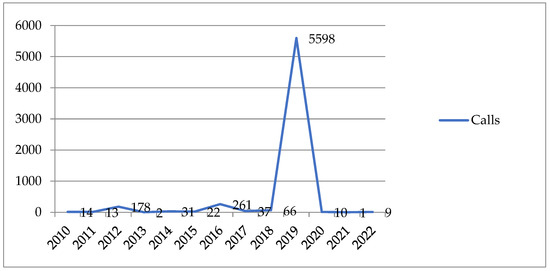
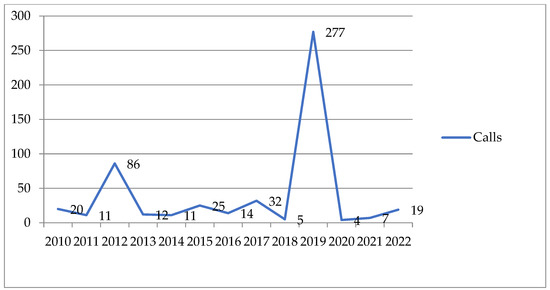
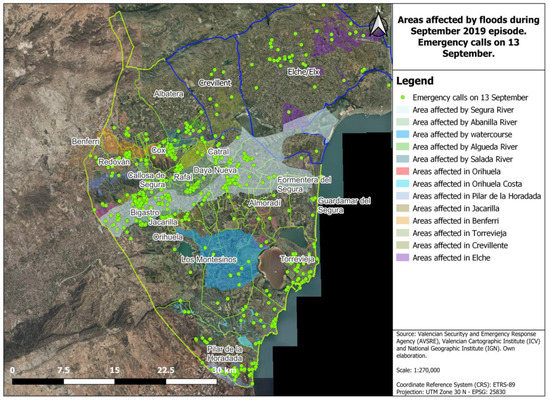
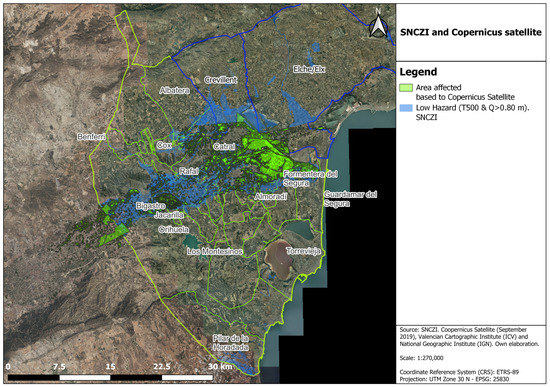
Emergency mapping makes it possible to manage an emergency situation and even to analyze the catastrophic event, a posteriori, in order to improve action protocols for Civil Protection. The emergency maps are produced from the analysis of calls to the Emergency Coordination Centre (911 or 112). Thus, the concept of integral risk mapping arises, in which risk mapping and aspects that allow for more realistic analysis and mapping through the analysis of emergency calls in the event of a natural event converge. In this case, the analysis is focused on the floods that occurred from 12 to 15 September 2019 in the Vega Baja del Segura district (Alicante, Spain). The results obtained show that this is the flooding episode with the highest number of emergency calls in Valencian region and Vega Baja del Segura district (2010–2022). Likewise, the spatial-temporal analysis of the geolocation of the calls and their reasons, have allowed us to draw up a much more detailed map of flooding or affected areas in 2019 than the official maps. In conclusion, the analysis of emergency calls makes it possible to identify problems and vulnerable areas where proposals can be made to reduce the impact of floods and increase the resilience of a territory. At the same time, it is presented as a novel field of research for the analysis of natural and anthropic risks. Full article
(This article belongs to the Special Issue Flood Risk Management: Interaction between Humans and Floods)
Show Figures

Figure 1
30 pages, 30530 KB  
Article
Modeling the Groundwater Dynamics of the Celaya Valley Aquifer
by Ana B. Rubio-Arellano, Jose A. Ramos-Leal, Víctor M. Vázquez-Báez and José I. Rodriguez Mora
Water 2023, 15(1), 1; https://doi.org/10.3390/w15010001 - 20 Dec 2022
Cited by 3 | Viewed by 4703
Abstract
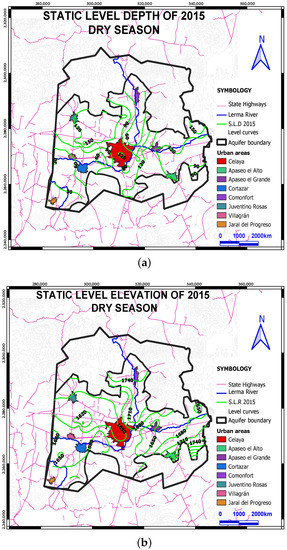
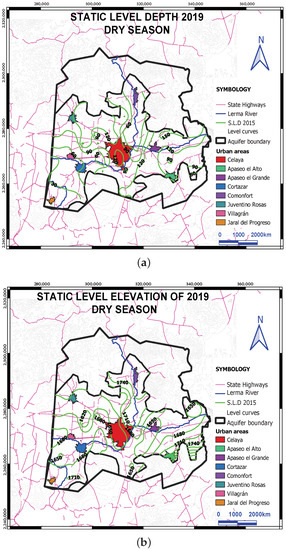
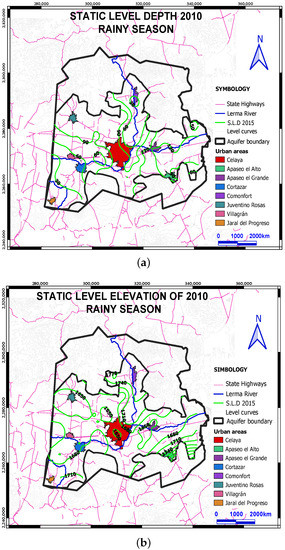
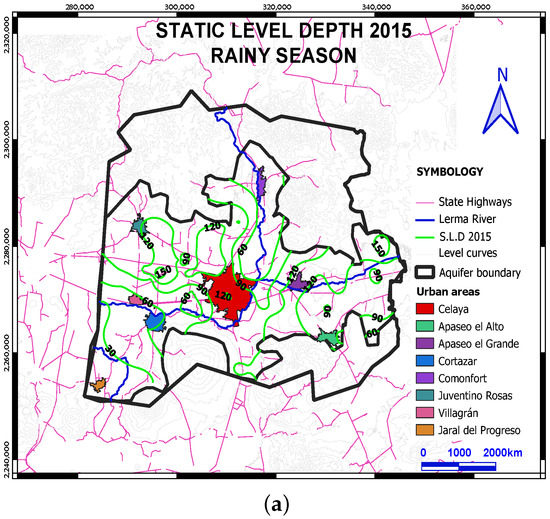
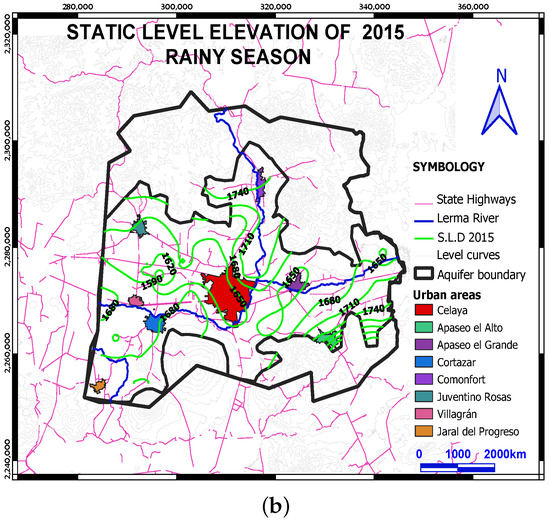
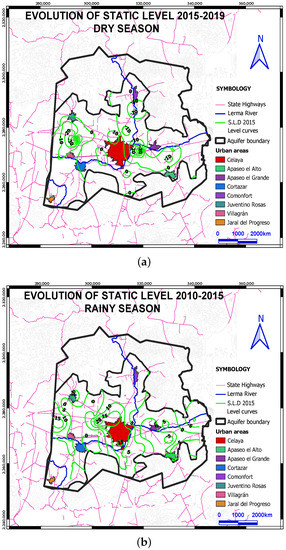
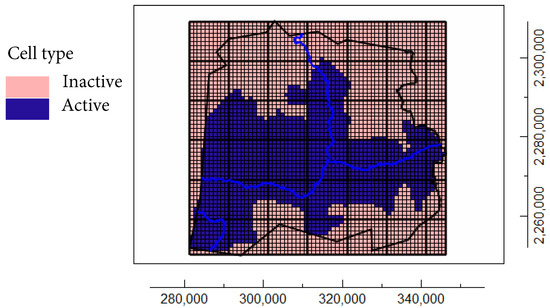
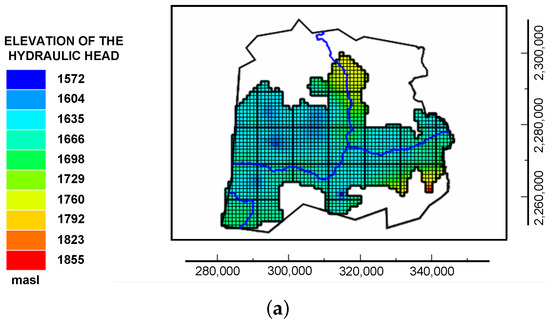
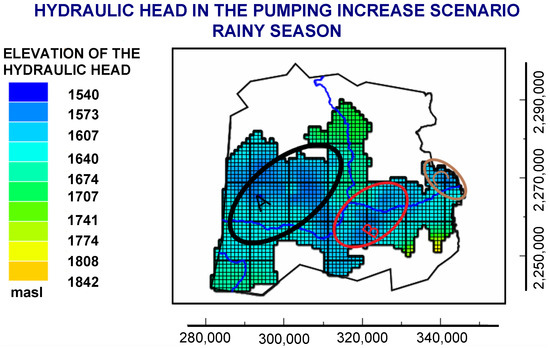
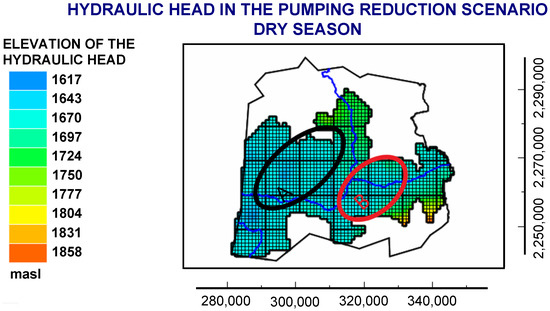
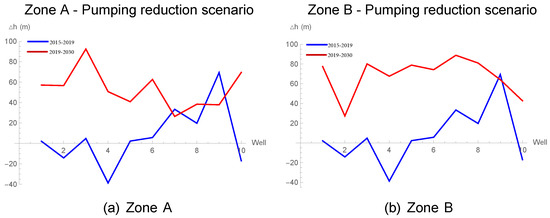
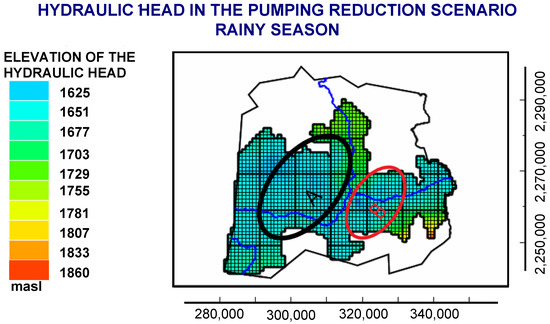
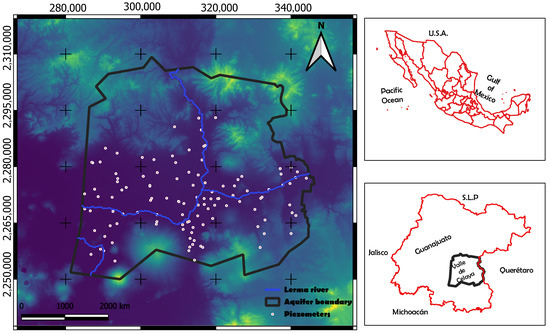
We propose a hydrodynamic simulation model to understand the piezometric operation of the Celaya Valley aquifer. The aquifer is located at the east of Guanajuato State in México. Our proposed model reproduces, under transitory conditions, the performance of the aquifer during the dry [...] Read more.
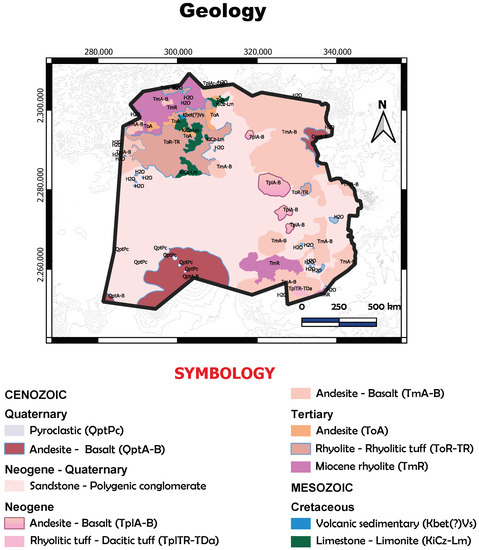
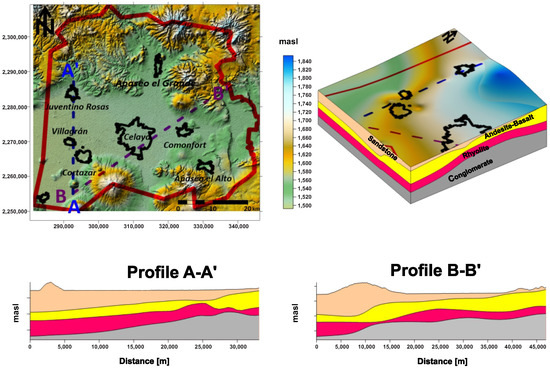
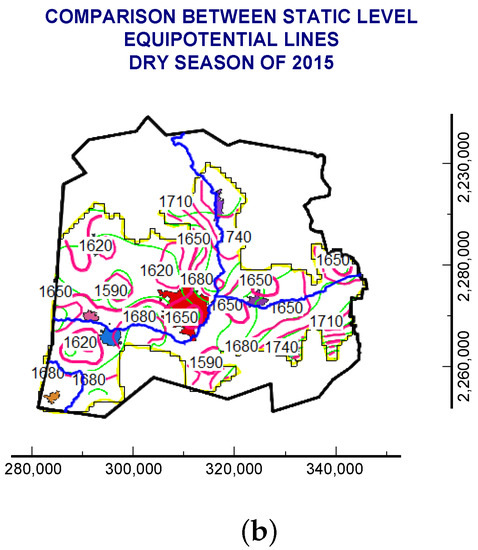
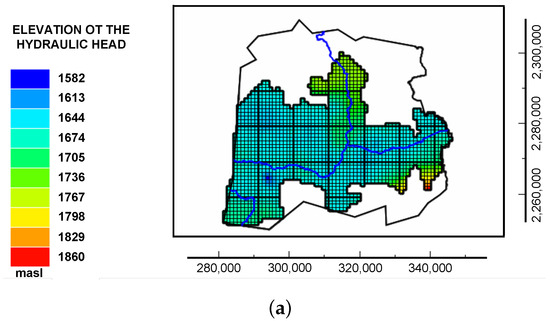
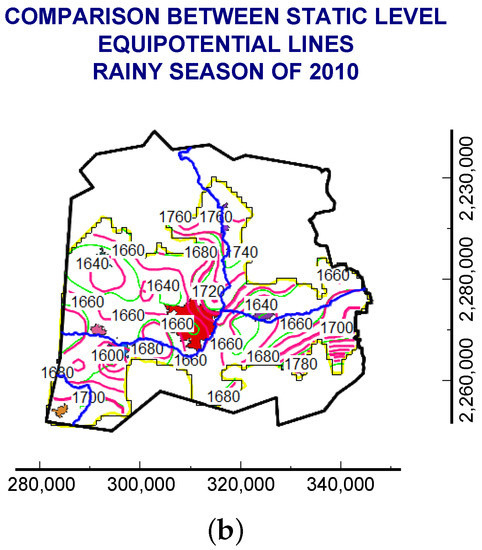
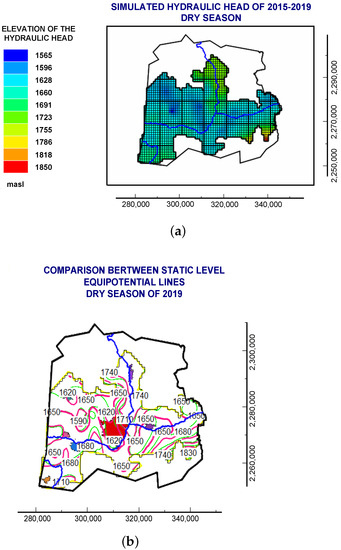
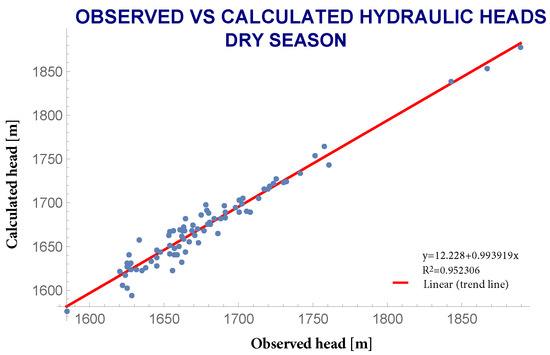
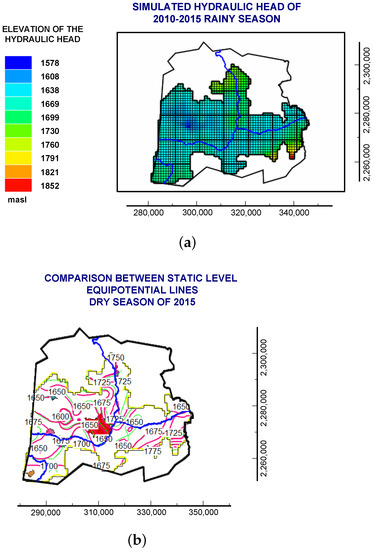
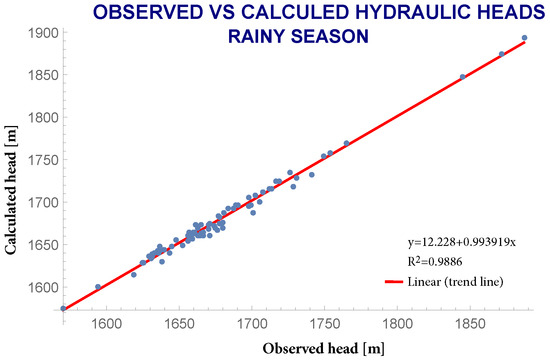
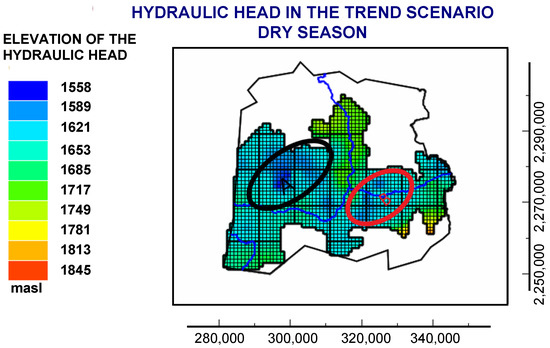
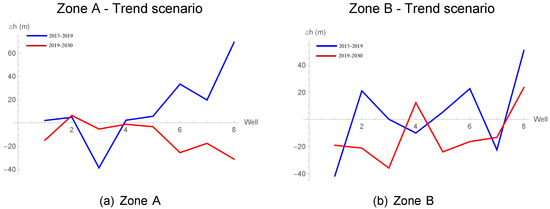
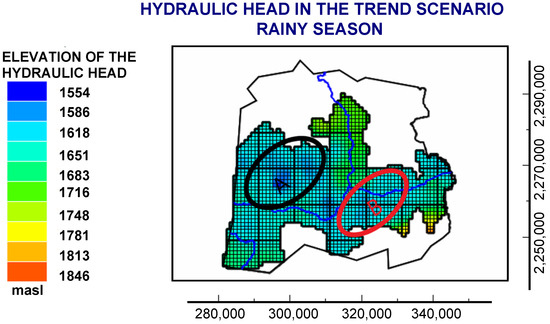
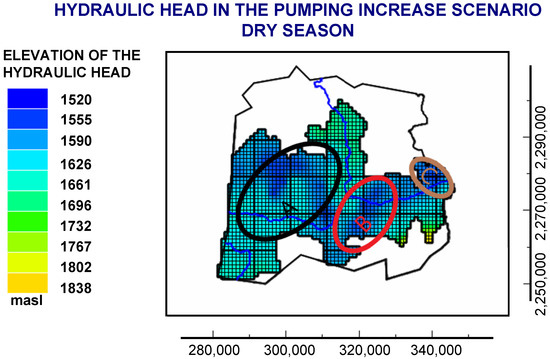
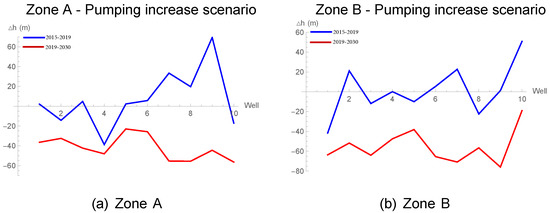
We propose a hydrodynamic simulation model to understand the piezometric operation of the Celaya Valley aquifer. The aquifer is located at the east of Guanajuato State in México. Our proposed model reproduces, under transitory conditions, the performance of the aquifer during the dry season from year 2015 to 2019 and the rainy season from year 2010 to 2015. The simulation was projected for the two seasons up to eleven years ahead and considering only three simulation scenarios (one should bear in mind that there are a number of different and interesting scenarios): trend, pump reduction and pump increase. In general terms, the model accurately reproduces the natural conditions of the aquifer. It is necessary to continue taking measures for the preservation of water; similarly, it is suggested to continue monitoring the aquifer piezometric levels to update the model based on data availability. Full article
(This article belongs to the Section Hydrogeology)
Show Figures

Figure 1