25 pages, 1041 KB  
Review
Utility of Common Marmoset (Callithrix jacchus) Embryonic Stem Cells in Liver Disease Modeling, Tissue Engineering and Drug Metabolism
by Rajagopal N. Aravalli and Clifford J. Steer
Genes 2020, 11(7), 729; https://doi.org/10.3390/genes11070729 - 30 Jun 2020
Cited by 8 | Viewed by 5470
Abstract
The incidence of liver disease is increasing significantly worldwide and, as a result, there is a pressing need to develop new technologies and applications for end-stage liver diseases. For many of them, orthotopic liver transplantation is the only viable therapeutic option. Stem cells [...] Read more.
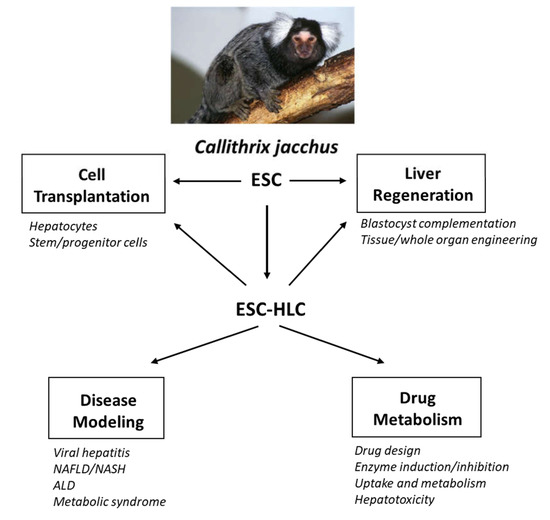
The incidence of liver disease is increasing significantly worldwide and, as a result, there is a pressing need to develop new technologies and applications for end-stage liver diseases. For many of them, orthotopic liver transplantation is the only viable therapeutic option. Stem cells that are capable of differentiating into all liver cell types and could closely mimic human liver disease are extremely valuable for disease modeling, tissue regeneration and repair, and for drug metabolism studies to develop novel therapeutic treatments. Despite the extensive research efforts, positive results from rodent models have not translated meaningfully into realistic preclinical models and therapies. The common marmoset Callithrix jacchus has emerged as a viable non-human primate model to study various human diseases because of its distinct features and close physiologic, genetic and metabolic similarities to humans. C. jacchus embryonic stem cells (cjESC) and recently generated cjESC-derived hepatocyte-like cells (cjESC-HLCs) could fill the gaps in disease modeling, liver regeneration and metabolic studies. They are extremely useful for cell therapy to regenerate and repair damaged liver tissues in vivo as they could efficiently engraft into the liver parenchyma. For in vitro studies, they would be advantageous for drug design and metabolism in developing novel drugs and cell-based therapies. Specifically, they express both phase I and II metabolic enzymes that share similar substrate specificities, inhibition and induction characteristics, and drug metabolism as their human counterparts. In addition, cjESCs and cjESC-HLCs are advantageous for investigations on emerging research areas, including blastocyst complementation to generate entire livers, and bioengineering of discarded livers to regenerate whole livers for transplantation. Full article
(This article belongs to the Special Issue Genes at Ten)
Show Figures

Figure 1
22 pages, 1632 KB  
Article
Chasing the Apomictic Factors in the Ranunculus auricomus Complex: Exploring Gene Expression Patterns in Microdissected Sexual and Apomictic Ovules
by Marco Pellino, Diego Hojsgaard, Elvira Hörandl and Timothy F. Sharbel
Genes 2020, 11(7), 728; https://doi.org/10.3390/genes11070728 - 30 Jun 2020
Cited by 17 | Viewed by 3624
Abstract
Apomixis, the asexual reproduction via seeds, is associated to polyploidy and hybridization. To identify possible signatures of apomixis, and possible candidate genes underlying the shift from sex to apomixis, microarray-based gene expression patterns of live microdissected ovules at four different developmental stages were [...] Read more.
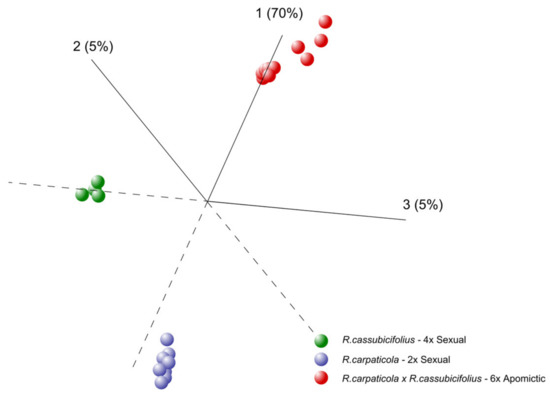
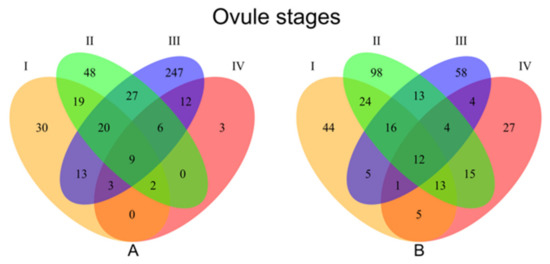
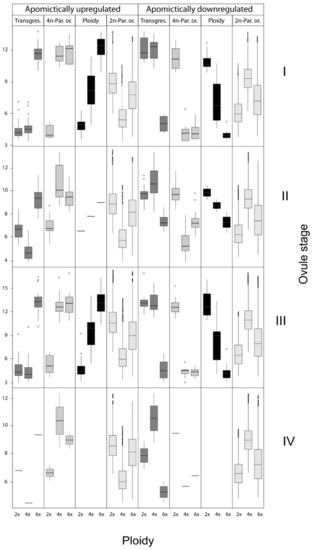
Apomixis, the asexual reproduction via seeds, is associated to polyploidy and hybridization. To identify possible signatures of apomixis, and possible candidate genes underlying the shift from sex to apomixis, microarray-based gene expression patterns of live microdissected ovules at four different developmental stages were compared between apomictic and sexual individuals of the Ranunculus auricomus complex. Following predictions from previous work on mechanisms underlying apomixis penetrance and expressivity in the genus, gene expression patterns were classified into three categories based on their relative expression in apomicts compared to their sexual parental ancestors. We found evidence of misregulation and differential gene expression between apomicts and sexuals, with the highest number of differences detected during meiosis progression and emergence of aposporous initial (AI) cells, a key developmental stage in the ovule of apomicts where a decision between divergent reproductive pathways takes place. While most of the differentially expressed genes (DEGs) could not be annotated, gene expression was classified into transgressive, parent of origin and ploidy effects. Genes related to gametogenesis and meiosis demonstrated patterns reflective of transgressive and genome dosage effects, which support the hypothesis of a dominant factor controlling apomixis in Ranunculus and modulated by secondary modifiers. Three genes with probable functions in sporogenesis and gametogenesis development are identified and characterized for future studies. Full article
(This article belongs to the Special Issue Molecular Basis of Apomixis in Plants)
Show Figures

Figure 1
13 pages, 1532 KB  
Article
Assigning the Sex-Specific Markers via Genotyping-by-Sequencing onto the Y Chromosome for a Torrent Frog Amolops mantzorum
by Wei Luo, Yun Xia, Bisong Yue and Xiaomao Zeng
Genes 2020, 11(7), 727; https://doi.org/10.3390/genes11070727 - 30 Jun 2020
Cited by 11 | Viewed by 9062
Abstract
We used a genotyping-by-sequencing (GBS) approach to identify sex-linked markers in a torrent frog (Amolops mantzorum), using 21 male and 19 female wild-caught individuals from the same population. A total of 141 putatively sex-linked markers were screened from 1,015,964 GBS-tags via [...] Read more.
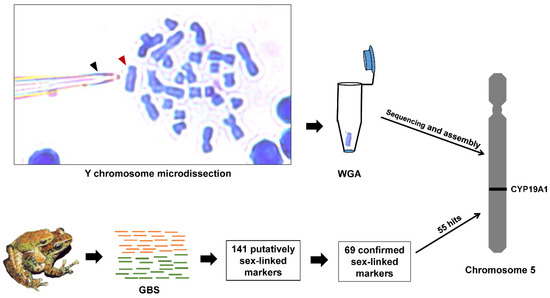
We used a genotyping-by-sequencing (GBS) approach to identify sex-linked markers in a torrent frog (Amolops mantzorum), using 21 male and 19 female wild-caught individuals from the same population. A total of 141 putatively sex-linked markers were screened from 1,015,964 GBS-tags via three approaches, respectively based on sex differences in allele frequencies, sex differences in heterozygosity, and sex-limited occurrence. With validations, 69 sex-linked markers were confirmed, all of which point to male heterogamety. The male specificity of eight sex markers was further verified by PCR amplifications, with a large number of additional individuals covering the whole geographic distribution of the species. Y chromosome (No. 5) was microdissected under a light microscope and amplified by whole-genome amplification, and a draft Y genome was assembled. Of the 69 sex-linked markers, 55 could be mapped to the Y chromosome assembly (i.e., 79.7%). Thus, chromosome 5 could be added as a candidate to the chromosomes that are particularly favored for recruitment in sex-determination in frogs. Three sex-linked markers that mapped onto the Y chromosome were aligned to three different promoter regions of the Rana rugosa CYP19A1 gene, which might be considered as a candidate gene for triggering sex-determination in A. mantzorum. Full article
Show Figures

Figure 1
24 pages, 3297 KB  
Article
Transcriptome Analysis of Skeletal Muscle Reveals Altered Proteolytic and Neuromuscular Junction Associated Gene Expressions in a Mouse Model of Cerebral Ischemic Stroke
by Peter J. Ferrandi, Mohammad Moshahid Khan, Hector G. Paez, Christopher R. Pitzer, Stephen E. Alway and Junaith S. Mohamed
Genes 2020, 11(7), 726; https://doi.org/10.3390/genes11070726 - 30 Jun 2020
Cited by 11 | Viewed by 5663
Abstract
Stroke is a leading cause of mortality and long-term disability in patients worldwide. Skeletal muscle is the primary systemic target organ of stroke that induces muscle wasting and weakness, which predominantly contribute to functional disability in stroke patients. Currently, no pharmacological drug is [...] Read more.
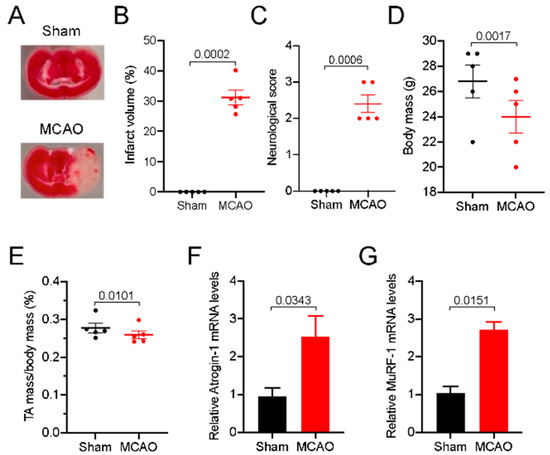
Stroke is a leading cause of mortality and long-term disability in patients worldwide. Skeletal muscle is the primary systemic target organ of stroke that induces muscle wasting and weakness, which predominantly contribute to functional disability in stroke patients. Currently, no pharmacological drug is available to treat post-stroke muscle morbidities as the mechanisms underlying post-stroke muscle wasting remain poorly understood. To understand the stroke-mediated molecular changes occurring at the transcriptional level in skeletal muscle, the gene expression profiles and enrichment pathways were explored in a mouse model of cerebral ischemic stroke via high-throughput RNA sequencing and extensive bioinformatic analyses. RNA-seq revealed that the elevated muscle atrophy observed in response to stroke was associated with the altered expression of genes involved in proteolysis, cell cycle, extracellular matrix remodeling, and the neuromuscular junction (NMJ). These data suggest that stroke primarily targets muscle protein degradation and NMJ pathway proteins to induce muscle atrophy. Collectively, we for the first time have found a novel genome-wide transcriptome signature of post-stroke skeletal muscle in mice. Our study will provide critical information to further elucidate specific gene(s) and pathway(s) that can be targeted to mitigate accountable for post-stroke muscle atrophy and related weakness. Full article
(This article belongs to the Section Molecular Genetics and Genomics)
Show Figures

Figure 1
15 pages, 2799 KB  
Article
Expression Analysis and Serodiagnostic Potential of Microneme Proteins 1 and 3 in Eimeria stiedai
by Wenrui Wei, Nengxing Shen, Jie Xiao, Yuanyuan Tao, Yuejun Luo, Christiana Angel, Xiaobin Gu, Yue Xie, Ran He, Bo Jing, Xuerong Peng and Guangyou Yang
Genes 2020, 11(7), 725; https://doi.org/10.3390/genes11070725 - 29 Jun 2020
Cited by 17 | Viewed by 4174
Abstract
Eimeria stiedai is an apicomplexan protozoan parasite that invades the liver and bile duct epithelial cells in rabbits and causes severe hepatic coccidiosis, resulting in significant economic losses in the domestic rabbit industry. Hepatic coccidiosis lacks the typical clinical symptoms and there is [...] Read more.
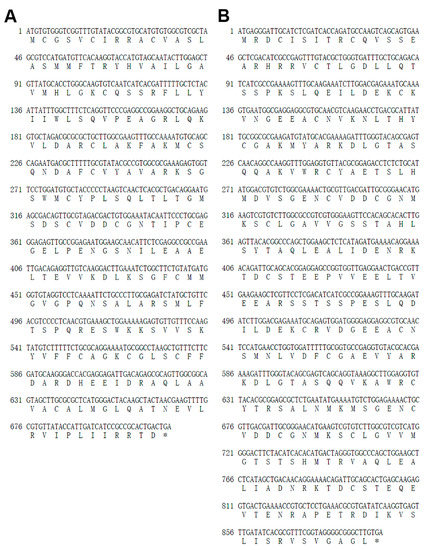
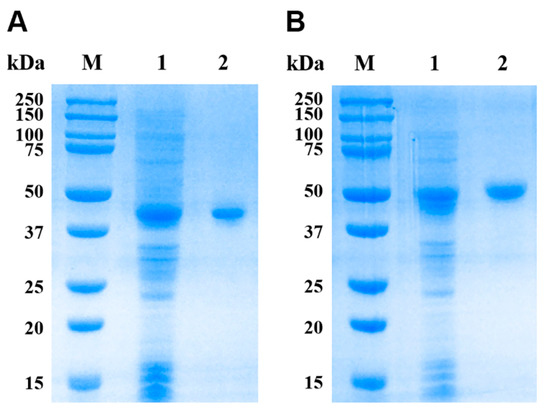
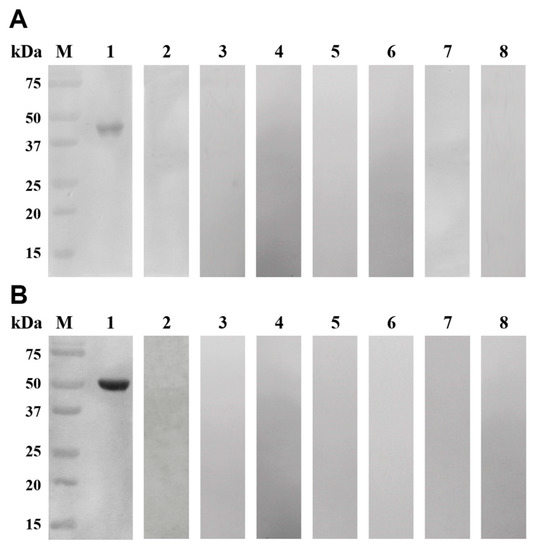
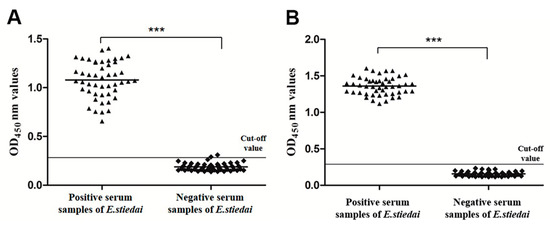
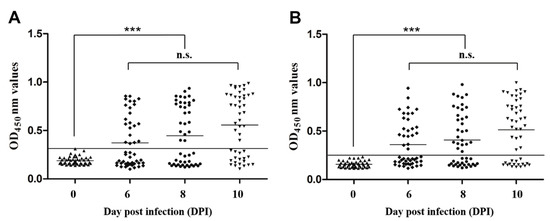
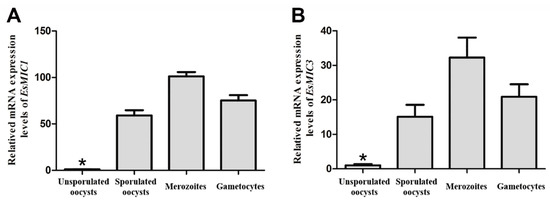
Eimeria stiedai is an apicomplexan protozoan parasite that invades the liver and bile duct epithelial cells in rabbits and causes severe hepatic coccidiosis, resulting in significant economic losses in the domestic rabbit industry. Hepatic coccidiosis lacks the typical clinical symptoms and there is a lack of effective premortem tools to timely diagnose this disease. Therefore, in the present study we cloned and expressed the two microneme proteins i.e., microneme protein 1 (EsMIC1) and microneme protein 3 (EsMIC3) from E. stiedai and used them as recombinant antigens to develop a serodiagnostic method for an effective diagnosis of hepatic coccidiosis. The cDNAs encoding EsMIC1 and EsMIC3 were cloned and the mRNA expression levels of these two genes at different developmental stages of E. stiedai were determined by quantitative real-time PCR analysis (qRT-PCR). The immunoreactivity of recombinant EsMIC1 (rEsMIC1) and EsMIC3 (rEsMIC3) proteins were detected by Western blotting, and indirect enzyme-linked immunosorbent assays (ELISAs) based on these two recombinant antigens were established to evaluate their serodiagnostic potential. Our results showed that the proteins encoded by the ORFs of EsMIC1 (711 bp) and EsMIC3 (891 bp) were approximately 25.89 and 32.39 kDa in predicted molecular weight, respectively. Both EsMIC1 and EsMIC3 showed the highest mRNA expression levels in the merozoites stage of E. stiedai. Western blotting analysis revealed that both recombinant proteins were recognized by E. stiedai positive sera, and the indirect ELISAs using rEsMIC1 and rEsMIC3 were developed based on their good immunoreactivity, with 100% (48/48) sensitivity and 97.9% (47/48) specificity for rEsMIC1 with 100% (48/48) sensitivity and 100% (48/48) specificity for rEsMIC3, respectively. Moreover, rEsMIC1- and rEsMIC3-based indirect ELISA were able to detect corresponding antibodies in sera at days 6, 8, and 10 post E. stiedai infection, with the highest positive diagnostic rate (62.5% (30/48) for rEsMIC1 and 66.7% (32/48) for rEsMIC3) observed at day 10 post infection. Therefore, both EsMIC1 and EsMIC3 can be used as potential serodiagnostic candidate antigens for hepatic coccidiosis caused by E. stiedai. Full article
(This article belongs to the Section Microbial Genetics and Genomics)
Show Figures

Figure 1
10 pages, 1032 KB  
Article
Optimized NGS Approach for Detection of Aneuploidies and Mosaicism in PGT-A and Imbalances in PGT-SR
by Carmen M. García-Pascual, Luis Navarro-Sánchez, Roser Navarro, Lucía Martínez, Jorge Jiménez, Lorena Rodrigo, Carlos Simón and Carmen Rubio
Genes 2020, 11(7), 724; https://doi.org/10.3390/genes11070724 - 29 Jun 2020
Cited by 60 | Viewed by 7912
Abstract
The detection of chromosomal aneuploidies and mosaicism degree in preimplantation embryos may be essential for achieving pregnancy. The aim of this study was to determine the robustness of diagnosing homogenous and mosaic aneuploidies using a validated algorithm and the minimal resolution for de [...] Read more.
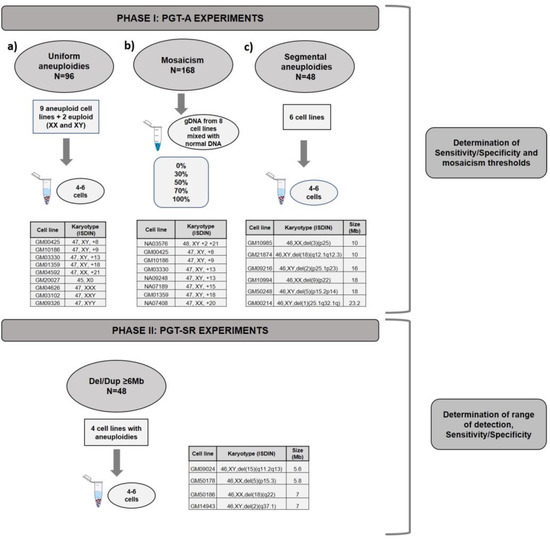
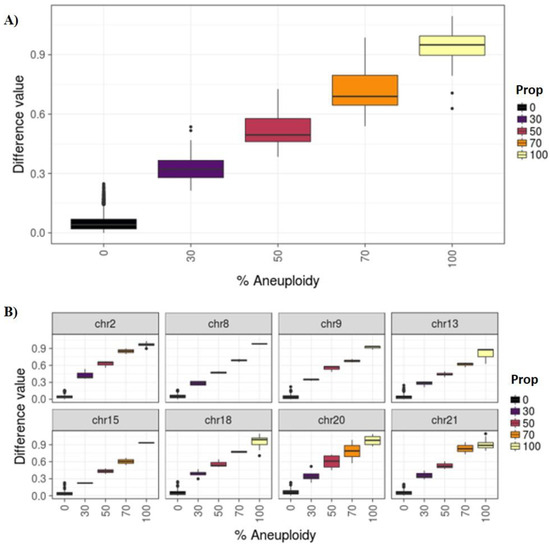
The detection of chromosomal aneuploidies and mosaicism degree in preimplantation embryos may be essential for achieving pregnancy. The aim of this study was to determine the robustness of diagnosing homogenous and mosaic aneuploidies using a validated algorithm and the minimal resolution for de novo and inherited deletions and duplications (Del/Dup). Two workflows were developed and validated: (a,b) preimplantation genetic testing for uniform whole and segmental aneuploidies, plus mixtures of euploid/aneuploid genomic DNA to develop an algorithm for detecting mosaicism; and (c) preimplantation genetic testing for structural rearrangements for detecting Del/Dup ≥ 6 Mb. Next-generation sequencing (NGS) was performed with automatic library preparation and multiplexing up to 24–96 samples. Specificity and sensitivity for PGT-A were both 100% for whole chromosomes and segmentals. The thresholds stablished for mosaicism were: euploid embryos (<30% aneuploidy), low mosaic (from 30% to <50%), high mosaic (50–70%) or aneuploid (>70%). In the PGT-SR protocol, changes were made to increase the detection level to ≥6 Mb. This is the first study reporting an accurate assessment of semiautomated-NGS protocols using Reproseq on pools of cells. Both protocols allow for the analysis of homogeneous and segmental aneuploidies, different degrees of mosaicism, and small Del/Dup with high sensitivity and specificity. Full article
(This article belongs to the Special Issue EmbryoGenetics)
Show Figures

Figure 1
27 pages, 1923 KB  
Review
CDK Regulation of Meiosis: Lessons from S. cerevisiae and S. pombe
by Anne M. MacKenzie and Soni Lacefield
Genes 2020, 11(7), 723; https://doi.org/10.3390/genes11070723 - 29 Jun 2020
Cited by 27 | Viewed by 13189
Abstract
Meiotic progression requires precise orchestration, such that one round of DNA replication is followed by two meiotic divisions. The order and timing of meiotic events is controlled through the modulation of the phosphorylation state of proteins. Key components of this phospho-regulatory system include [...] Read more.
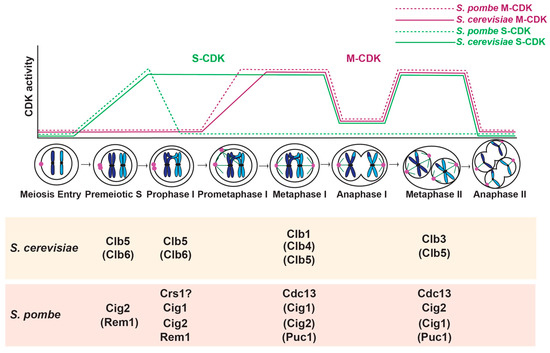
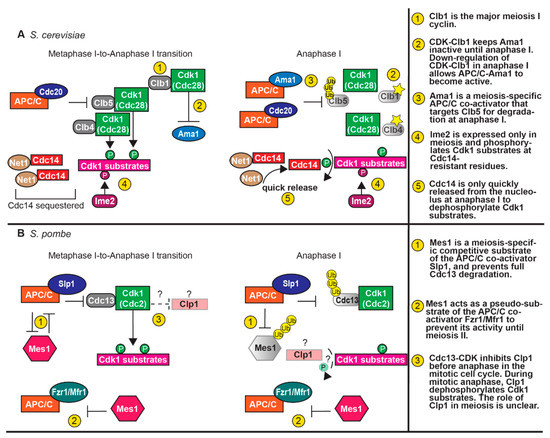
Meiotic progression requires precise orchestration, such that one round of DNA replication is followed by two meiotic divisions. The order and timing of meiotic events is controlled through the modulation of the phosphorylation state of proteins. Key components of this phospho-regulatory system include cyclin-dependent kinase (CDK) and its cyclin regulatory subunits. Over the past two decades, studies in budding and fission yeast have greatly informed our understanding of the role of CDK in meiotic regulation. In this review, we provide an overview of how CDK controls meiotic events in both budding and fission yeast. We discuss mechanisms of CDK regulation through post-translational modifications and changes in the levels of cyclins. Finally, we highlight the similarities and differences in CDK regulation between the two yeast species. Since CDK and many meiotic regulators are highly conserved, the findings in budding and fission yeasts have revealed conserved mechanisms of meiotic regulation among eukaryotes. Full article
(This article belongs to the Special Issue Chromosome Segregation Defects in the Origin of Genomic Instability)
Show Figures

Figure 1
24 pages, 1406 KB  
Review
Of Drugs and Trypanosomatids: New Tools and Knowledge to Reduce Bottlenecks in Drug Discovery
by Arijit Bhattacharya, Audrey Corbeil, Rubens L. do Monte-Neto and Christopher Fernandez-Prada
Genes 2020, 11(7), 722; https://doi.org/10.3390/genes11070722 - 29 Jun 2020
Cited by 47 | Viewed by 8131
Abstract
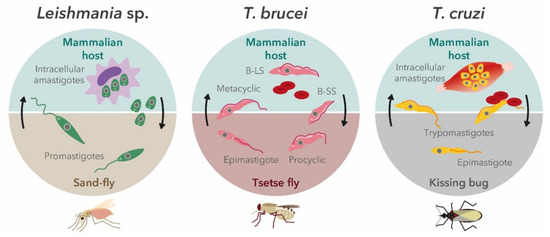
Leishmaniasis (Leishmania species), sleeping sickness (Trypanosoma brucei), and Chagas disease (Trypanosoma cruzi) are devastating and globally spread diseases caused by trypanosomatid parasites. At present, drugs for treating trypanosomatid diseases are far from ideal due to host toxicity, elevated [...] Read more.
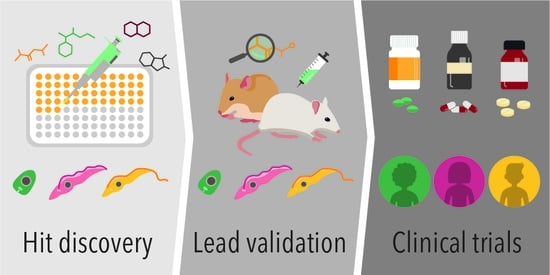
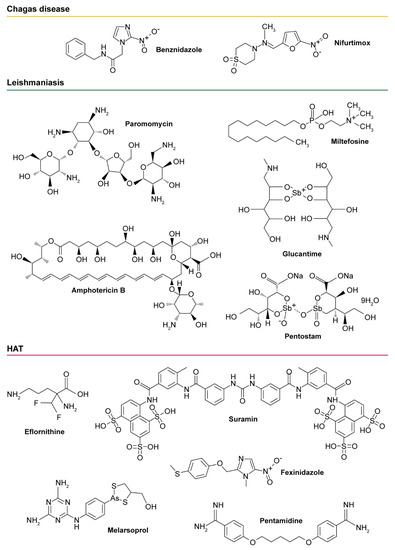
Leishmaniasis (Leishmania species), sleeping sickness (Trypanosoma brucei), and Chagas disease (Trypanosoma cruzi) are devastating and globally spread diseases caused by trypanosomatid parasites. At present, drugs for treating trypanosomatid diseases are far from ideal due to host toxicity, elevated cost, limited access, and increasing rates of drug resistance. Technological advances in parasitology, chemistry, and genomics have unlocked new possibilities for novel drug concepts and compound screening technologies that were previously inaccessible. In this perspective, we discuss current models used in drug-discovery cascades targeting trypanosomatids (from in vitro to in vivo approaches), their use and limitations in a biological context, as well as different examples of recently discovered lead compounds. Full article
(This article belongs to the Special Issue Kinetoplastid Genomics and Beyond)
Show Figures

Graphical abstract

13 pages, 1561 KB  
Article
The Potential Effect of Aberrant Testosterone Levels on Common Diseases: A Mendelian Randomization Study
by Ali Alamdar Shah Syed, Lin He and Yongyong Shi
Genes 2020, 11(7), 721; https://doi.org/10.3390/genes11070721 - 29 Jun 2020
Cited by 20 | Viewed by 6706
Abstract
Testosterone has historically been linked to sexual dysfunction; however, it has recently been shown to affect other physical and mental attributes. We attempted to determine whether changes in serum testosterone could play a role in chronic or degenerative diseases. We used two separate [...] Read more.
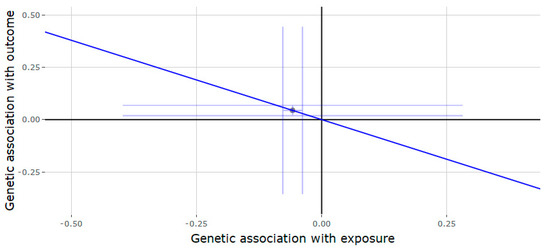
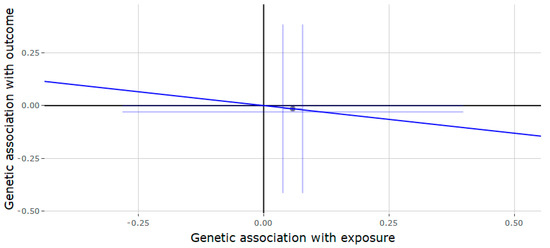
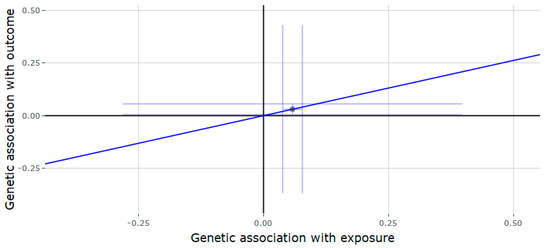
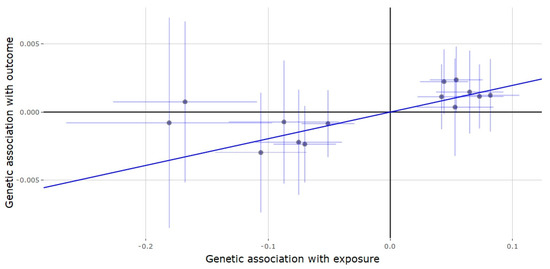
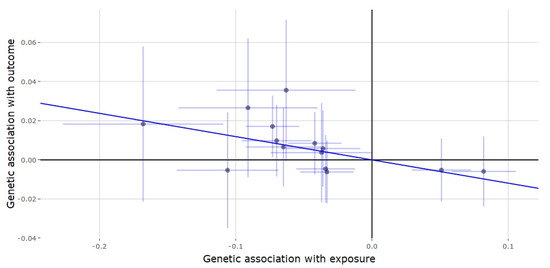
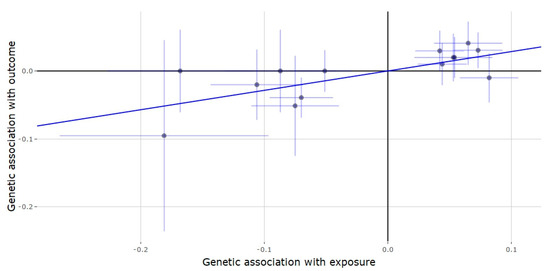
Testosterone has historically been linked to sexual dysfunction; however, it has recently been shown to affect other physical and mental attributes. We attempted to determine whether changes in serum testosterone could play a role in chronic or degenerative diseases. We used two separate genetic instruments comprising of variants from JMJD1C and SHBG regions and conducted a two-sample Mendelian randomization for type II diabetes (T2D), gout, rheumatoid arthritis (RA), schizophrenia, bipolar disorder, Alzheimer’s disease and depression. For the JMJD1C locus, one unit increase in log transformed testosterone was significantly associated with RA (OR = 1.69, p = 0.02), gout (OR = 0.469, p = 0.001) and T2D (OR = 0.769, p = 0.048). Similarly, one unit increase in log transformed testosterone using variants from the SHBG locus was associated with depression (OR = 1.02, p = 0.001), RA (OR = 1.32, p < 0.001) and T2D (OR = 0.88, p = 0.003). Our results show that low levels of serum testosterone levels may cause gout and T2D, while higher than normal levels of testosterone may result in RA and depression. Our findings suggest that fluctuations in testosterone levels may have severe consequences that warrant further investigation. Full article
(This article belongs to the Section Human Genomics and Genetic Diseases)
Show Figures

Figure 1
15 pages, 2660 KB  
Article
Cardiac Transcriptome Analysis Reveals Nr4a1 Mediated Glucose Metabolism Dysregulation in Response to High-Fat Diet
by Lihui Men, Wenting Hui, Xin Guan, Tongtong Song, Xuan Wang, Siwei Zhang and Xia Chen
Genes 2020, 11(7), 720; https://doi.org/10.3390/genes11070720 - 29 Jun 2020
Cited by 15 | Viewed by 5124
Abstract
Obesity is associated with an increased risk of developing cardiovascular disease (CVD), with limited alterations in cardiac genomic characteristics known. Cardiac transcriptome analysis was conducted to profile gene signatures in high-fat diet (HFD)-induced obese mice. A total of 184 differentially expressed genes (DEGs) [...] Read more.
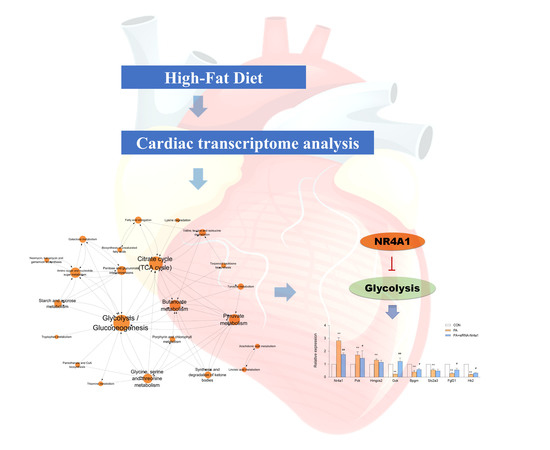
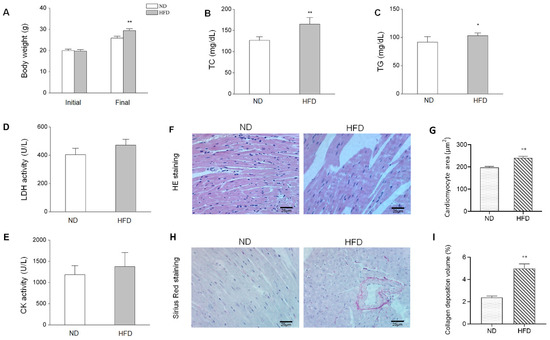
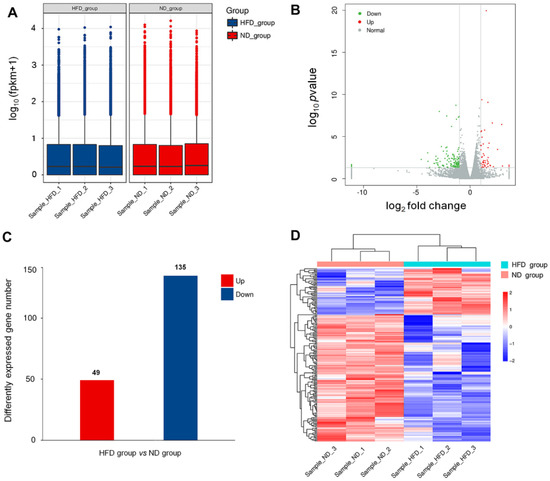
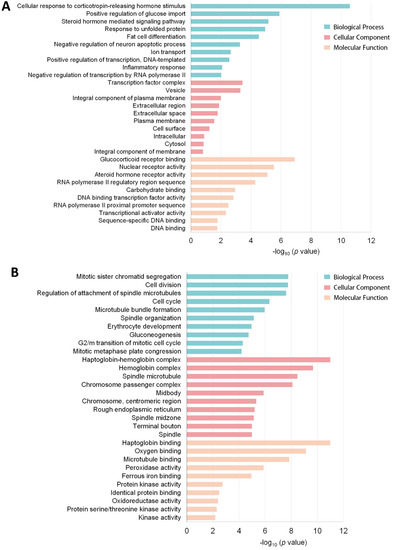
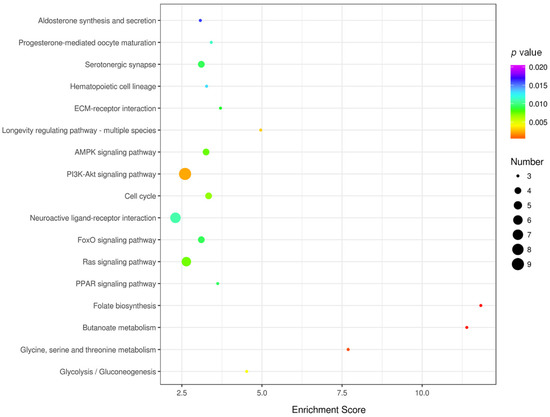
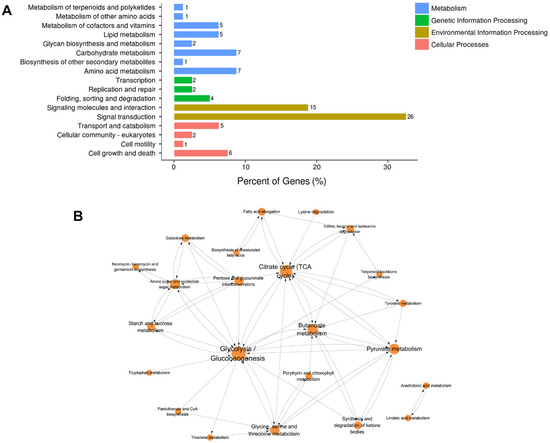
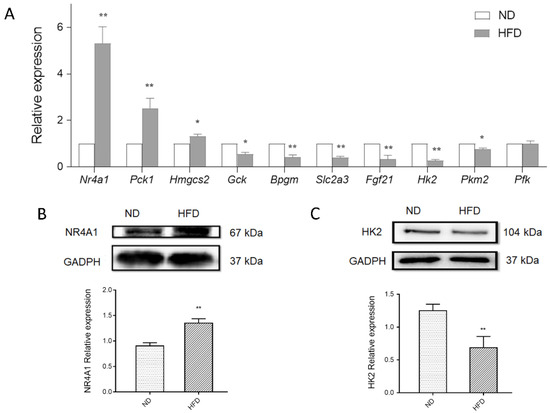
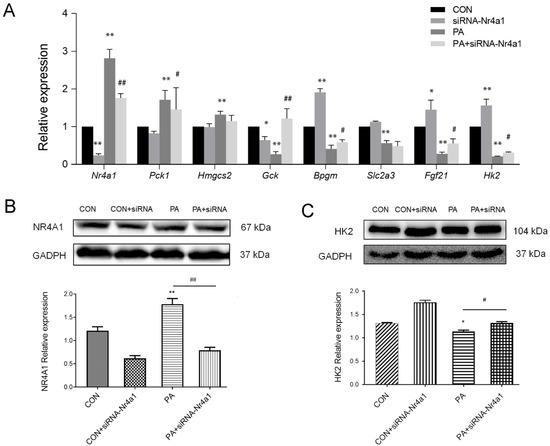
Obesity is associated with an increased risk of developing cardiovascular disease (CVD), with limited alterations in cardiac genomic characteristics known. Cardiac transcriptome analysis was conducted to profile gene signatures in high-fat diet (HFD)-induced obese mice. A total of 184 differentially expressed genes (DEGs) were identified between groups. Based on the gene ontology (GO) term enrichment and Kyoto Encyclopedia of Genes and Genomes (KEGG) pathway enrichment analysis of DEGs, the critical role of closely interlocked glucose metabolism was determined in HFD-induced cardiac remodeling DEGs, including Nr4a1, Fgf21, Slc2a3, Pck1, Gck, Hmgcs2, and Bpgm. Subsequently, the expression levels of these DEGs were evaluated in both the myocardium and palmitic acid (PA)-stimulated H9c2 cardiomyocytes using qPCR. Nr4a1 was highlighted according to its overexpression resulting from the HFD. Additionally, inhibition of Nr4a1 by siRNA reversed the PA-induced altered expression of glucose metabolism-related DEGs and hexokinase 2 (HK2), the rate-limiting enzyme in glycolysis, thus indicating that Nr4a1 could modulate glucose metabolism homeostasis by regulating the expression of key enzymes in glycolysis, which may subsequently influence cardiac function in obesity. Overall, we provide a comprehensive understanding of the myocardium transcript molecular framework influenced by HFD and propose Nr4a1 as a key glucose metabolism target in obesity-induced CVD. Full article
(This article belongs to the Section Technologies and Resources for Genetics)
Show Figures

Graphical abstract

19 pages, 2462 KB  
Review
PTEN Alterations and Their Role in Cancer Management: Are We Making Headway on Precision Medicine?
by Nicola Fusco, Elham Sajjadi, Konstantinos Venetis, Gabriella Gaudioso, Gianluca Lopez, Chiara Corti, Elena Guerini Rocco, Carmen Criscitiello, Umberto Malapelle and Marco Invernizzi
Genes 2020, 11(7), 719; https://doi.org/10.3390/genes11070719 - 28 Jun 2020
Cited by 137 | Viewed by 12430
Abstract
Alterations in the tumor suppressor phosphatase and tensin homolog (PTEN) occur in a substantial proportion of solid tumors. These events drive tumorigenesis and tumor progression. Given its central role as a downregulator of the phosphoinositide 3-kinase (PI3K)/Akt/mammalian target of rapamycin (mTOR) [...] Read more.
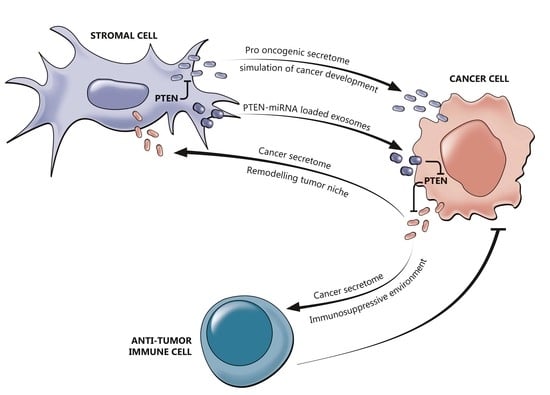
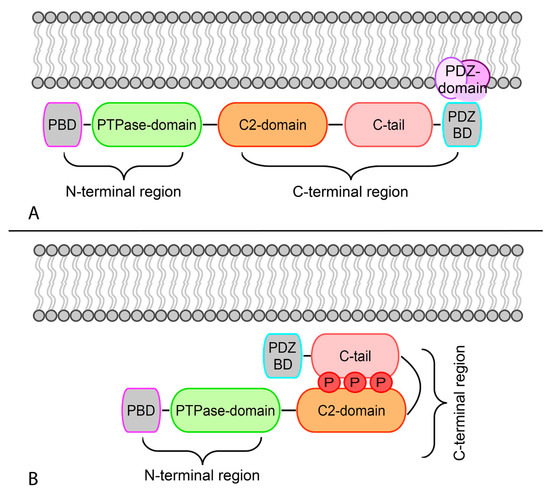
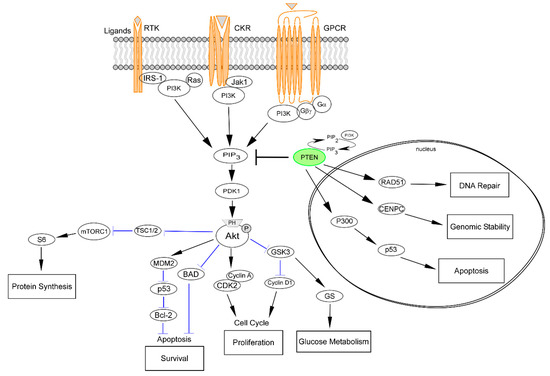
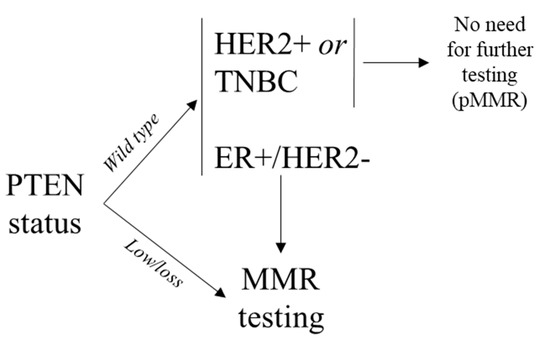
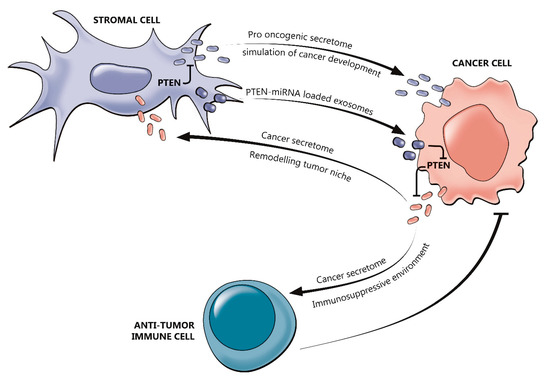
Alterations in the tumor suppressor phosphatase and tensin homolog (PTEN) occur in a substantial proportion of solid tumors. These events drive tumorigenesis and tumor progression. Given its central role as a downregulator of the phosphoinositide 3-kinase (PI3K)/Akt/mammalian target of rapamycin (mTOR) pathway, PTEN is deeply involved in cell growth, proliferation, and survival. This gene is also implicated in the modulation of the DNA damage response and in tumor immune microenvironment modeling. Despite the actionability of PTEN alterations, their role as biomarkers remains controversial in clinical practice. To date, there is still a substantial lack of validated guidelines and/or recommendations for PTEN testing. Here, we provide an update on the current state of knowledge on biologic and genetic alterations of PTEN across the most frequent solid tumors, as well as on their actual and/or possible clinical applications. We focus on possible tailored schemes for cancer patients’ clinical management, including risk assessment, diagnosis, prognostication, and treatment. Full article
(This article belongs to the Special Issue Molecular Biomarkers in Solid Tumors)
Show Figures

Graphical abstract

16 pages, 3060 KB  
Article
CircRNA-006258 Sponge-Adsorbs miR-574-5p to Regulate Cell Growth and Milk Synthesis via EVI5L in Goat Mammary Epithelial Cells
by Meng Zhang, Li Ma, Yuhan Liu, Yonglong He, Guang Li, Xiaopeng An and Binyun Cao
Genes 2020, 11(7), 718; https://doi.org/10.3390/genes11070718 - 28 Jun 2020
Cited by 27 | Viewed by 3212
Abstract
The development of the udder and the milk yield are closely related to the number and vitality of mammary epithelial cells. Many previous studies have proved that non-coding RNAs (ncRNAs) are widely involved in mammary gland development and the physiological activities of lactation. [...] Read more.
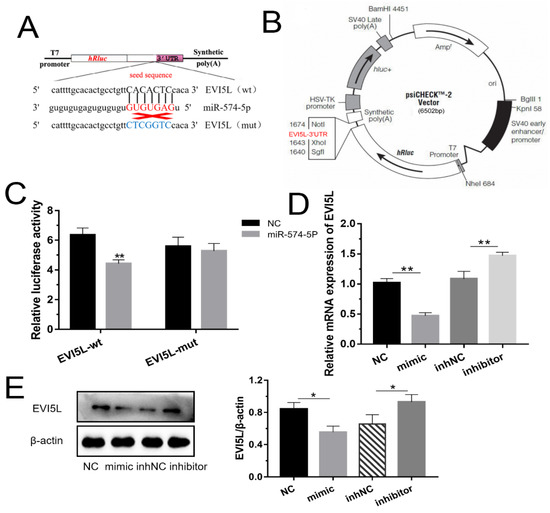
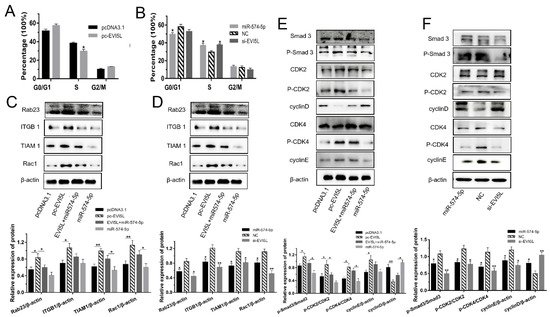
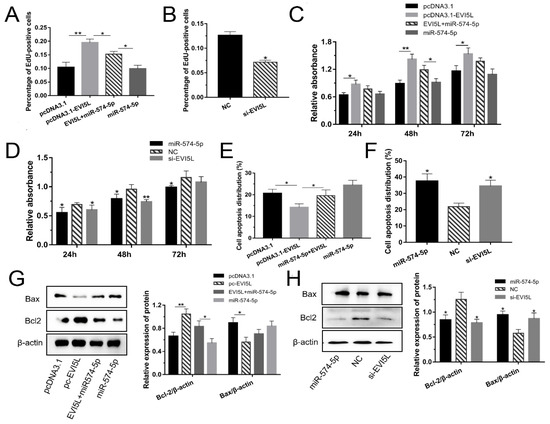
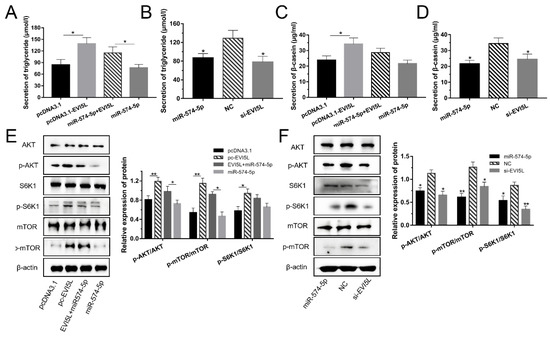
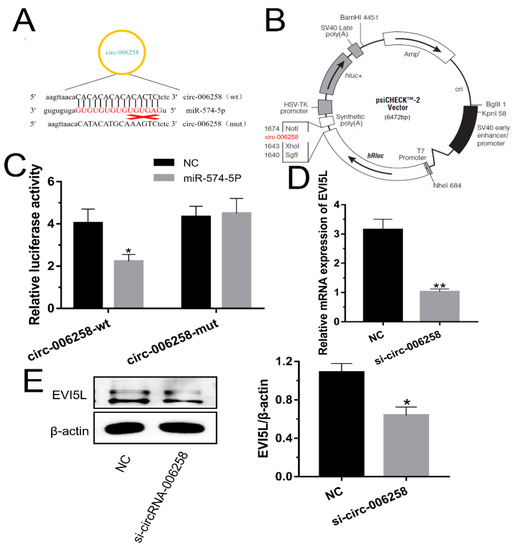
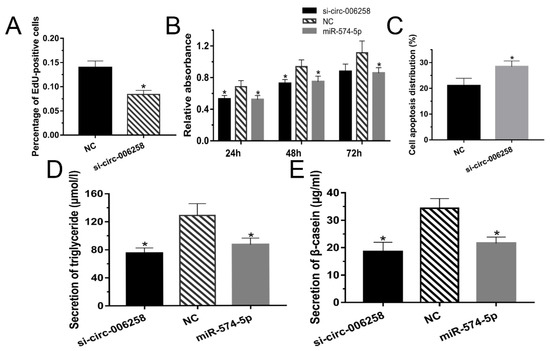
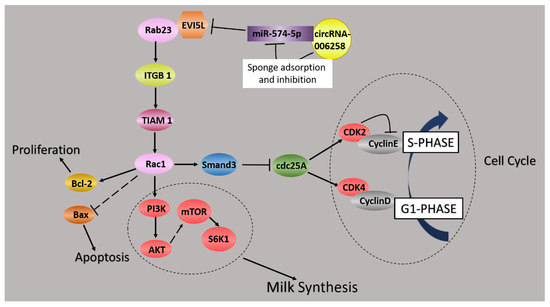
The development of the udder and the milk yield are closely related to the number and vitality of mammary epithelial cells. Many previous studies have proved that non-coding RNAs (ncRNAs) are widely involved in mammary gland development and the physiological activities of lactation. Our laboratory previous sequencing data revealed that miR-574-5p was differentially expressed during the colostrum and peak lactation stages, while the molecular mechanism of the regulatory effect of miR-574-5p on goat mammary epithelial cells (GMECs) is unclear. In this study, the targeting relationship was detected between miR-574-5p or ecotropic viral integration site 5-like (EVI5L) and circRNA-006258. The results declared that miR-574-5p induced the down-regulation of EVI5L expression at both the mRNA and protein levels, while circRNA-006258 relieved the inhibitory effect through adsorbing miR-574-5p. EVI5L blocked the G1 phase and promoted the S phase by activating the Rab23/ITGB1/TIAM1/Rac1-TGF-β/Smad pathway in GMECs. By increasing the protein expression of Bcl2 and reducing the protein expression of Bax, EVI5L promoted cell growth and inhibited apoptosis. The activation of the PI3K/AKT–mTOR signaling pathway promoted the production of triacylglycerol (TAG) and β-casein in GMECs. The circRNA–006258/miR-574-5p/EVI5L axis could regulate the cell growth and milk synthesis of GMECs by sponge-adsorbed miR-574-5p. These results would provide scientific evidence for precision animal breeding in the industry of dairy goats. Full article
(This article belongs to the Section Animal Genetics and Genomics)
Show Figures

Figure 1
26 pages, 1188 KB  
Article
Feature Selection for High-Dimensional and Imbalanced Biomedical Data Based on Robust Correlation Based Redundancy and Binary Grasshopper Optimization Algorithm
by Garba Abdulrauf Sharifai and Zurinahni Zainol
Genes 2020, 11(7), 717; https://doi.org/10.3390/genes11070717 - 27 Jun 2020
Cited by 30 | Viewed by 5136
Abstract
The training machine learning algorithm from an imbalanced data set is an inherently challenging task. It becomes more demanding with limited samples but with a massive number of features (high dimensionality). The high dimensional and imbalanced data set has posed severe challenges in [...] Read more.
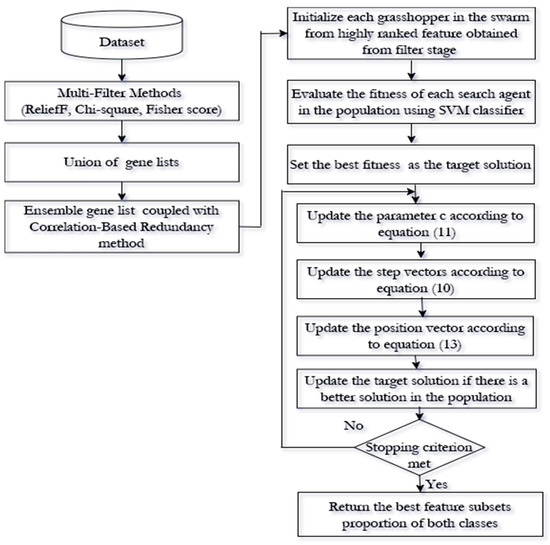
The training machine learning algorithm from an imbalanced data set is an inherently challenging task. It becomes more demanding with limited samples but with a massive number of features (high dimensionality). The high dimensional and imbalanced data set has posed severe challenges in many real-world applications, such as biomedical data sets. Numerous researchers investigated either imbalanced class or high dimensional data sets and came up with various methods. Nonetheless, few approaches reported in the literature have addressed the intersection of the high dimensional and imbalanced class problem due to their complicated interactions. Lately, feature selection has become a well-known technique that has been used to overcome this problem by selecting discriminative features that represent minority and majority class. This paper proposes a new method called Robust Correlation Based Redundancy and Binary Grasshopper Optimization Algorithm (rCBR-BGOA); rCBR-BGOA has employed an ensemble of multi-filters coupled with the Correlation-Based Redundancy method to select optimal feature subsets. A binary Grasshopper optimisation algorithm (BGOA) is used to construct the feature selection process as an optimisation problem to select the best (near-optimal) combination of features from the majority and minority class. The obtained results, supported by the proper statistical analysis, indicate that rCBR-BGOA can improve the classification performance for high dimensional and imbalanced datasets in terms of G-mean and the Area Under the Curve (AUC) performance metrics. Full article
(This article belongs to the Section Technologies and Resources for Genetics)
Show Figures

Figure 1
12 pages, 1798 KB  
Article
Four Individuals with a Homozygous Mutation in Exon 1f of the PLEC Gene and Associated Myasthenic Features
by Magdalena Mroczek, Hacer Durmus, Ana Töpf, Yesim Parman and Volker Straub
Genes 2020, 11(7), 716; https://doi.org/10.3390/genes11070716 - 27 Jun 2020
Cited by 19 | Viewed by 4553
Abstract
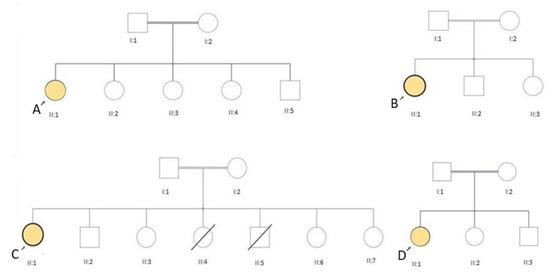
We identified the known c.1_9del mutation in the PLEC gene in four unrelated females from consanguineous families of Turkish origin. All individuals presented with slowly progressive limb-girdle weakness without any dermatological findings, and dystrophic changes observed in their muscle biopsies. Additionally, the neurological [...] Read more.
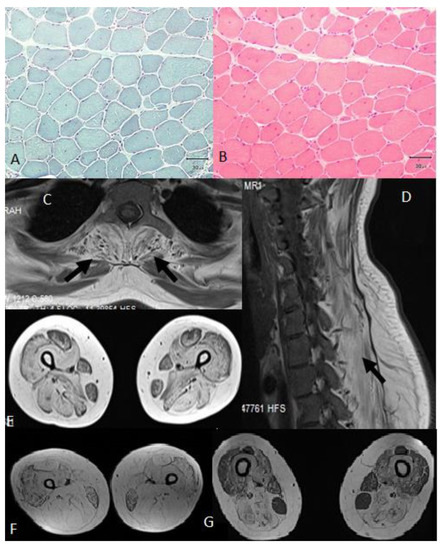
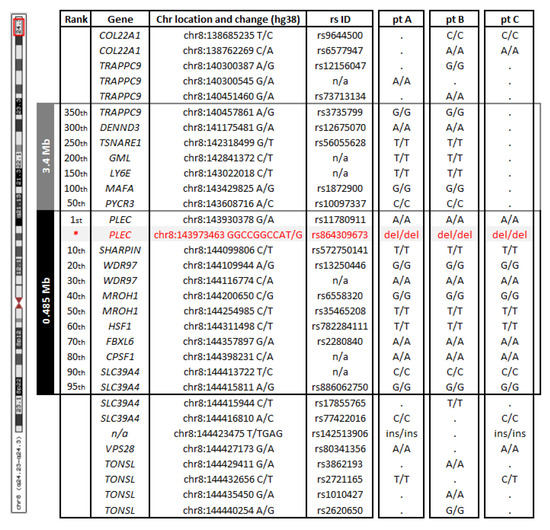
We identified the known c.1_9del mutation in the PLEC gene in four unrelated females from consanguineous families of Turkish origin. All individuals presented with slowly progressive limb-girdle weakness without any dermatological findings, and dystrophic changes observed in their muscle biopsies. Additionally, the neurological examination revealed ptosis, facial weakness, fatigability, and muscle cramps in all four cases. In two patients, repetitive nerve stimulation showed a borderline decrement and a high jitter was detected in all patients by single-fiber electromyography. Clinical improvement was observed after treatment with pyridostigmine and salbutamol was started. We further characterize the phenotype of patients with limb-girdle muscular dystrophy R17 clinically, by muscle magnetic resonance imaging (MRI) features and by describing a common 3.8 Mb haplotype in three individuals from the same geographical region. In addition, we review the neuromuscular symptoms associated with PLEC mutations and the role of plectin in the neuromuscular junction. Full article
Show Figures

Figure 1
20 pages, 2491 KB  
Article
Gene Networks Driving Genetic Variation in Milk and Cheese-Making Traits of Spanish Assaf Sheep
by Héctor Marina, Antonio Reverter, Beatriz Gutiérrez-Gil, Pâmela Almeida Alexandre, Laercio R. Porto-Neto, Aroa Suárez-Vega, Yutao Li, Cristina Esteban-Blanco and Juan-José Arranz
Genes 2020, 11(7), 715; https://doi.org/10.3390/genes11070715 - 27 Jun 2020
Cited by 18 | Viewed by 4138
Abstract
Most of the milk produced by sheep is used for the production of high-quality cheese. Consequently, traits related to milk coagulation properties and cheese yield are economically important to the Spanish dairy industry. The present study aims to identify candidate genes and their [...] Read more.
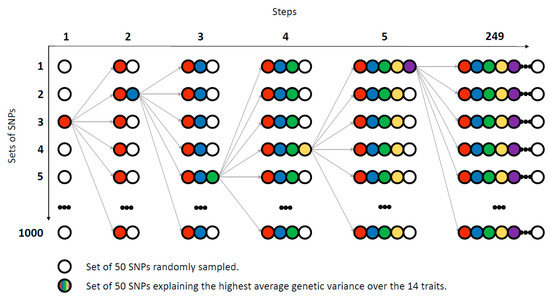
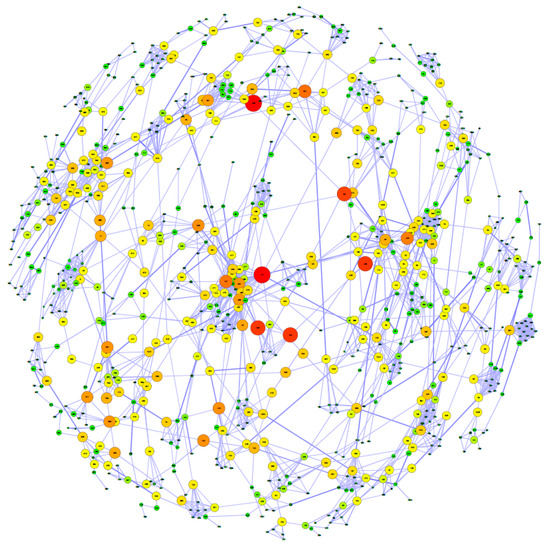
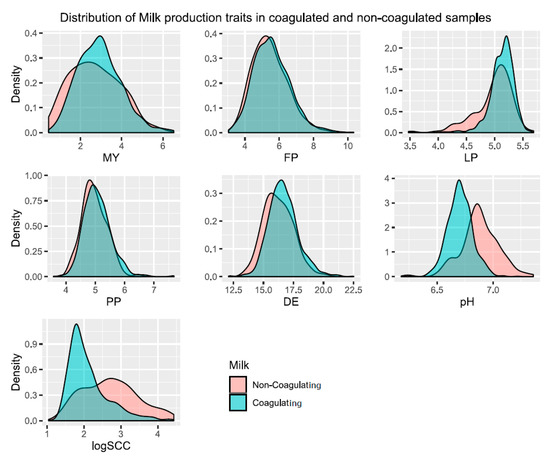
Most of the milk produced by sheep is used for the production of high-quality cheese. Consequently, traits related to milk coagulation properties and cheese yield are economically important to the Spanish dairy industry. The present study aims to identify candidate genes and their regulators related to 14 milk and cheese-making traits and to develop a low-density panel of markers that could be used to predict an individual’s genetic potential for cheese-making efficiency. In this study, we performed a combination of the classical genome-wide association study (GWAS) with a stepwise regression method and a pleiotropy analysis to determine the best combination of the variants located within the confidence intervals of the potential candidate genes that may explain the greatest genetic variance for milk and cheese-making traits. Two gene networks related to milk and cheese-making traits were created using the genomic relationship matrices built through a stepwise multiple regression approach. Several co-associated genes in these networks are involved in biological processes previously found to be associated with milk synthesis and cheese-making efficiency. The methodology applied in this study enabled the selection of a co-association network comprised of 374 variants located in the surrounding of genes showing a potential influence on milk synthesis and cheese-making efficiency. Full article
Show Figures

Figure 1