9 pages, 1329 KB  
Article
A Novel Peptide from Polypedates megacephalus Promotes Wound Healing in Mice
by Siqi Fu, Canwei Du, Qijian Zhang, Jiayu Liu, Xushuang Zhang and Meichun Deng
Toxins 2022, 14(11), 753; https://doi.org/10.3390/toxins14110753 - 2 Nov 2022
Cited by 14 | Viewed by 3012
Abstract
Amphibian skin contains wound-healing peptides, antimicrobial peptides, and insulin-releasing peptides, which give their skin a strong regeneration ability to adapt to a complex and harsh living environment. In the current research, a novel wound-healing promoting peptide, PM-7, was identified from the skin secretions [...] Read more.
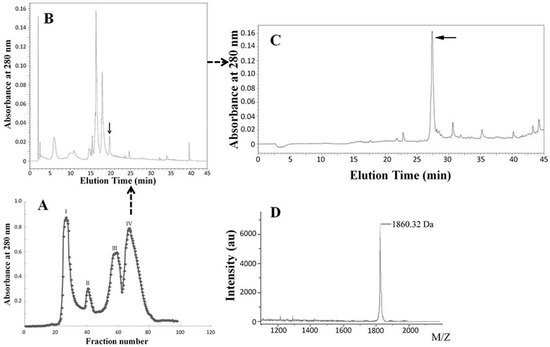
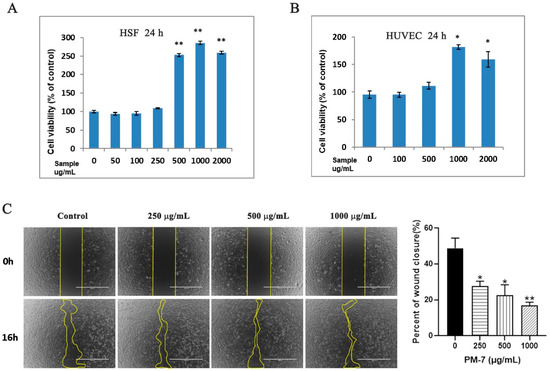
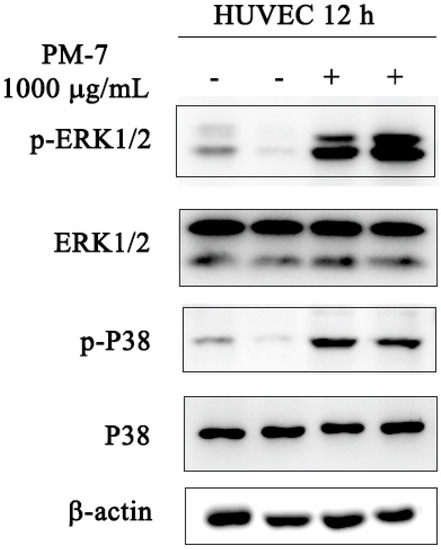
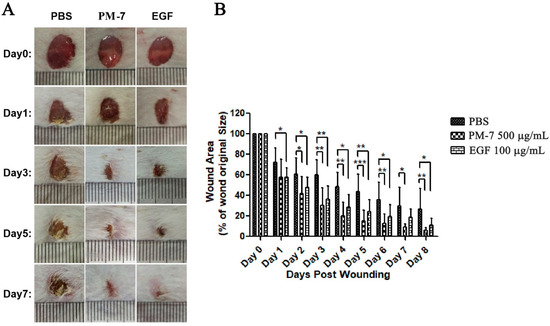
Amphibian skin contains wound-healing peptides, antimicrobial peptides, and insulin-releasing peptides, which give their skin a strong regeneration ability to adapt to a complex and harsh living environment. In the current research, a novel wound-healing promoting peptide, PM-7, was identified from the skin secretions of Polypedates megacephalus, which has an amino acid sequence of FLNWRRILFLKVVR and shares no structural similarity with any peptides described before. It displays the activity of promoting wound healing in mice. Moreover, PM-7 exhibits the function of enhancing proliferation and migration in HUVEC and HSF cells by affecting the MAPK signaling pathway. Considering its favorable traits as a novel peptide that significantly promotes wound healing, PM-7 can be a potential candidate in the development of novel wound-repairing drugs. Full article
(This article belongs to the Special Issue Advanced Research on Animal Venoms in China)
Show Figures

Figure 1
10 pages, 1355 KB  
Article
Effect of an Eco-Friendly Cuminaldehyde Guanylhydrazone Disinfectant on Shiga Toxin Production and Global Transcription of Escherichia coli
by Yan Wang, William M. Hart-Cooper, Reuven Rasooly, Michelle Qiu Carter, William J. Orts, Yongqiang Gu and Xiaohua He
Toxins 2022, 14(11), 752; https://doi.org/10.3390/toxins14110752 - 2 Nov 2022
Cited by 4 | Viewed by 2793
Abstract
Antimicrobials have been important medicines used to treat various infections. However, some antibiotics increase the expression of Shiga toxin (Stx). Also, the pervasive use of persistent antibiotics has led to ecotoxicity and antibiotic resistance. In this study, a newly developed broad-spectrum and reversible [...] Read more.
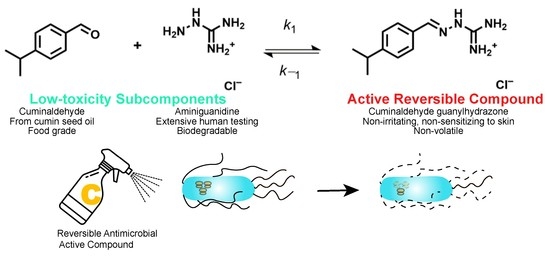
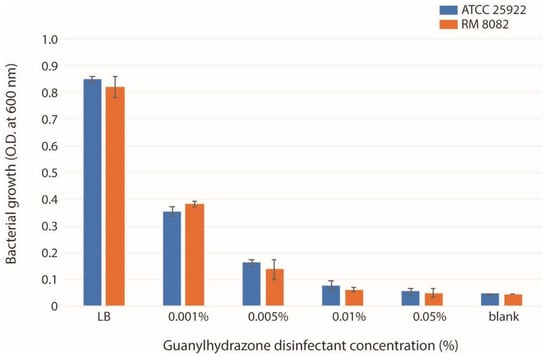
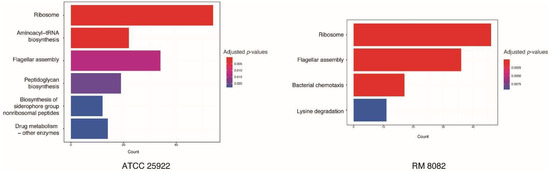
Antimicrobials have been important medicines used to treat various infections. However, some antibiotics increase the expression of Shiga toxin (Stx). Also, the pervasive use of persistent antibiotics has led to ecotoxicity and antibiotic resistance. In this study, a newly developed broad-spectrum and reversible antibiotic (guanylhydrazone disinfectant) was evaluated for its antibiotic activity and effects on Stx production and global transcription of bacteria. No Stx induction was observed in 25 Shiga toxin-producing E. coli (STEC) isolates treated with a sublethal concentration of the guanylhydrazone. A differential gene expression study comparing two guanylhydrazone-treated to non-treated E. coli strains indicated that the expression of a group of stress-responsive genes were enhanced. The Kyoto Encyclopedia of Genes and Genomes (KEGG) enrichment analysis revealed that guanylhydrazone treatment significantly downregulated the pathways of ribosome and flagellar assembly in both pathogenic and non-pathogenic strains and differentially regulated some pathways essential for bacteria to maintain cell shape and gain survival advantage in two strains. In addition, upregulation of antibiotic resistant genes related to the multidrug efflux system and virulence genes coding for colibactin, colicin, and adhesin was observed in strains treated with the disinfectant. The knowledge obtained in this study contributes to our understanding of the mode of this disinfectant action and facilitates our effort to better use disinfectants for STEC treatments. Full article
(This article belongs to the Special Issue Foodborne Toxins: Advanced Detection and Toxicity)
Show Figures

Graphical abstract

14 pages, 954 KB  
Review
Neurophysiological Basis of Deep Brain Stimulation and Botulinum Neurotoxin Injection for Treating Oromandibular Dystonia
by Hitoshi Maezawa, Masayuki Hirata and Kazuya Yoshida
Toxins 2022, 14(11), 751; https://doi.org/10.3390/toxins14110751 - 2 Nov 2022
Cited by 6 | Viewed by 5583
Abstract
Oromandibular dystonia (OMD) induces severe motor impairments, such as masticatory disturbances, dysphagia, and dysarthria, resulting in a serious decline in quality of life. Non-invasive brain-imaging techniques such as electroencephalography (EEG) and magnetoencephalography (MEG) are powerful approaches that can elucidate human cortical activity with [...] Read more.
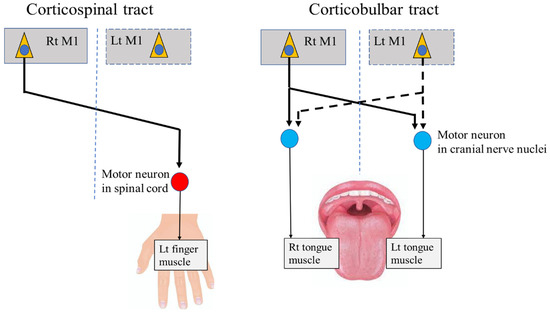
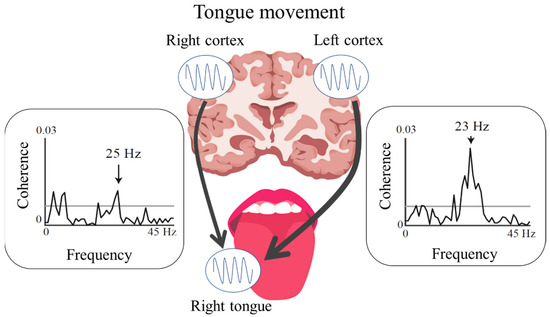
Oromandibular dystonia (OMD) induces severe motor impairments, such as masticatory disturbances, dysphagia, and dysarthria, resulting in a serious decline in quality of life. Non-invasive brain-imaging techniques such as electroencephalography (EEG) and magnetoencephalography (MEG) are powerful approaches that can elucidate human cortical activity with high temporal resolution. Previous studies with EEG and MEG have revealed that movements in the stomatognathic system are regulated by the bilateral central cortex. Recently, in addition to the standard therapy of botulinum neurotoxin (BoNT) injection into the affected muscles, bilateral deep brain stimulation (DBS) has been applied for the treatment of OMD. However, some patients’ OMD symptoms do not improve sufficiently after DBS, and they require additional BoNT therapy. In this review, we provide an overview of the unique central spatiotemporal processing mechanisms in these regions in the bilateral cortex using EEG and MEG, as they relate to the sensorimotor functions of the stomatognathic system. Increased knowledge regarding the neurophysiological underpinnings of the stomatognathic system will improve our understanding of OMD and other movement disorders, as well as aid the development of potential novel approaches such as combination treatment with BoNT injection and DBS or non-invasive cortical current stimulation therapies. Full article
Show Figures

Figure 1
9 pages, 724 KB  
Article
Status of the Resistance of Aphis gossypii Glover, 1877 (Hemiptera: Aphididae) to Afidopyropen Originating from Microbial Secondary Metabolites in China
by Ren Li, Shenhang Cheng, Pingzhuo Liang, Zhibin Chen, Yujia Zhang, Pei Liang, Lei Zhang and Xiwu Gao
Toxins 2022, 14(11), 750; https://doi.org/10.3390/toxins14110750 - 1 Nov 2022
Cited by 16 | Viewed by 2716
Abstract
The resistance of cotton aphids to various forms of commonly used pesticides has seriously threatened the safety of the cotton production. Afidopyropen is a derivative of microbial metabolites with pyropene insecticide, which has been shown to be effective in the management of Aphis [...] Read more.
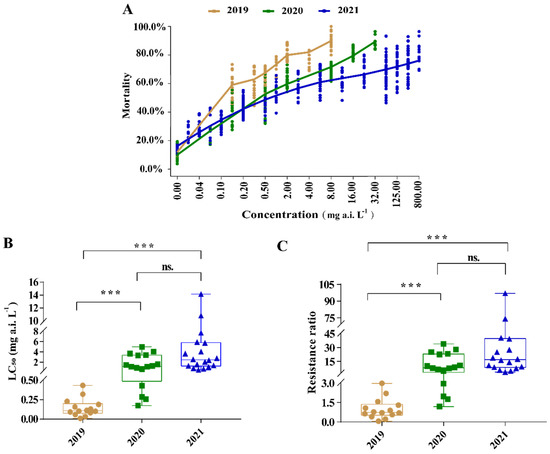
The resistance of cotton aphids to various forms of commonly used pesticides has seriously threatened the safety of the cotton production. Afidopyropen is a derivative of microbial metabolites with pyropene insecticide, which has been shown to be effective in the management of Aphis gossypii. Several field populations of Aphis gossypii were collected from the major cotton-producing regions of China from 2019 to 2021. The resistance of these populations to afidopyropen was estimated using the leaf-dipping method. The LC50 values of these field populations ranged from 0.005 to 0.591 mg a.i. L−1 in 2019, from 0.174 to 4.963 mg a.i. L−1 in 2020 and from 0.517 to 14.16 mg a.i. L−1 in 2021. The resistance ratios for all A. gossypii populations ranged from 0.03 to 3.97 in 2019, from 1.17 to 33.3 in 2020 and from 3.47 to 95.06 in 2021. The afidopyropen resistance exhibited an increasing trend in the field populations of Cangzhou, Binzhou, Yuncheng, Kuerle, Kuitun, Changji and Shawan from 2019 to 2021. This suggests that the resistance development of the cotton aphid to afidopyropen is inevitable. Therefore, it is necessary to rotate or mix afidopyropen with other insecticides in order to inhibit the development of afidopyropen resistance in field populations. Full article
Show Figures

Figure 1

15 pages, 3603 KB  
Article
Impact of Stagnation on the Diversity of Cyanobacteria in Drinking Water Treatment Plant Sludge
by Farhad Jalili, Hana Trigui, Juan Francisco Guerra Maldonado, Sarah Dorner, Arash Zamyadi, B. Jesse Shapiro, Yves Terrat, Nathalie Fortin, Sébastien Sauvé and Michèle Prévost
Toxins 2022, 14(11), 749; https://doi.org/10.3390/toxins14110749 - 31 Oct 2022
Cited by 5 | Viewed by 3118
Abstract
Health-related concerns about cyanobacteria-laden sludge of drinking water treatment plants (DWTPs) have been raised in the past few years. Microscopic taxonomy, shotgun metagenomic sequencing, and microcystin (MC) measurement were applied to study the fate of cyanobacteria and cyanotoxins after controlled sludge storage (stagnation) [...] Read more.
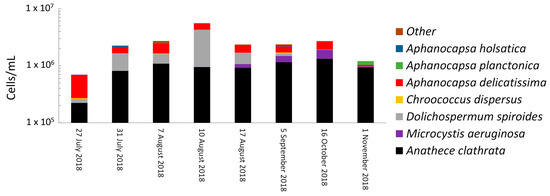
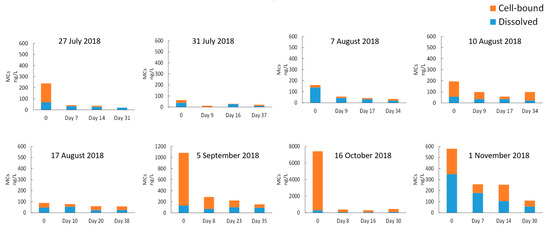
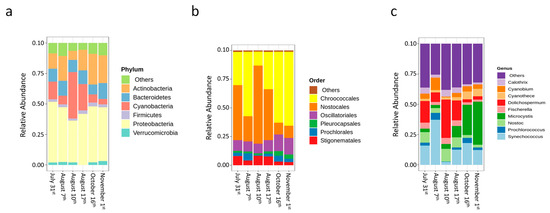
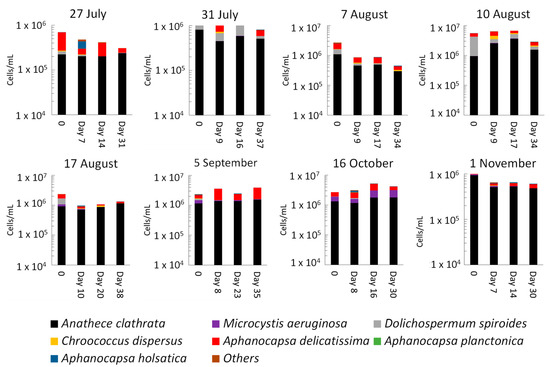
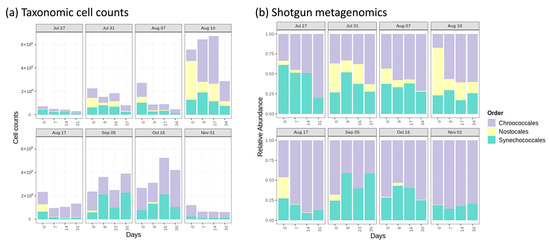
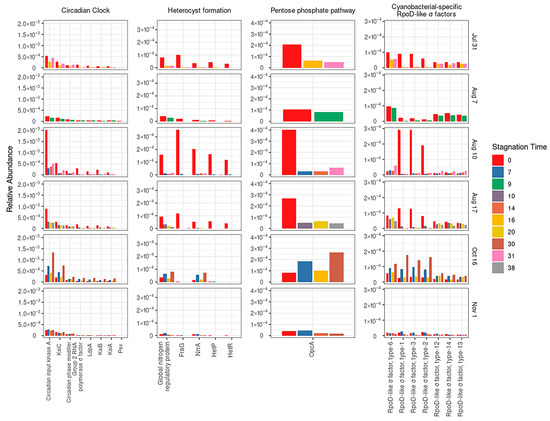
Health-related concerns about cyanobacteria-laden sludge of drinking water treatment plants (DWTPs) have been raised in the past few years. Microscopic taxonomy, shotgun metagenomic sequencing, and microcystin (MC) measurement were applied to study the fate of cyanobacteria and cyanotoxins after controlled sludge storage (stagnation) in the dark in a full-scale drinking water treatment plant within 7 to 38 days. For four out of eight dates, cyanobacterial cell growth was observed by total taxonomic cell counts during sludge stagnation. The highest observed cell growth was 96% after 16 days of stagnation. Cell growth was dominated by potential MC producers such as Microcystis, Aphanocapsa, Chroococcus, and Dolichospermum. Shotgun metagenomic sequencing unveiled that stagnation stress shifts the cyanobacterial communities from the stress-sensitive Nostocales (e.g., Dolichospermum) order towards less compromised orders and potential MC producers such as Chroococcales (e.g., Microcystis) and Synechococcales (e.g., Synechococcus). The relative increase of cyanotoxin producers presents a health challenge when the supernatant of the stored sludge is recycled to the head of the DWTP or discharged into the source. These findings emphasize the importance of a strategy to manage cyanobacteria-laden sludge and suggest practical approaches should be adopted to control health/environmental impacts of cyanobacteria and cyanotoxins in sludge. Full article
(This article belongs to the Special Issue Management of Cyanobacteria and Cyanotoxins in Waters)
Show Figures

Figure 1
14 pages, 2435 KB  
Article
Mycotoxins in Wheat Flours Marketed in Shanghai, China: Occurrence and Dietary Risk Assessment
by Haiyan Zhou, Anqi Xu, Meichen Liu, Zheng Yan, Luxin Qin, Hong Liu, Aibo Wu and Na Liu
Toxins 2022, 14(11), 748; https://doi.org/10.3390/toxins14110748 - 31 Oct 2022
Cited by 18 | Viewed by 4214
Abstract
The risk of exposure to mycotoxins through the consumption of wheat flours has long been a concern. A total of 299 wheat flours marketed in Shanghai Province of China were surveyed and analyzed for the co-occurrence of 13 mycotoxins through an ultra-high performance [...] Read more.
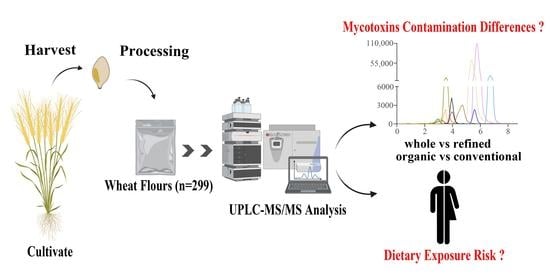
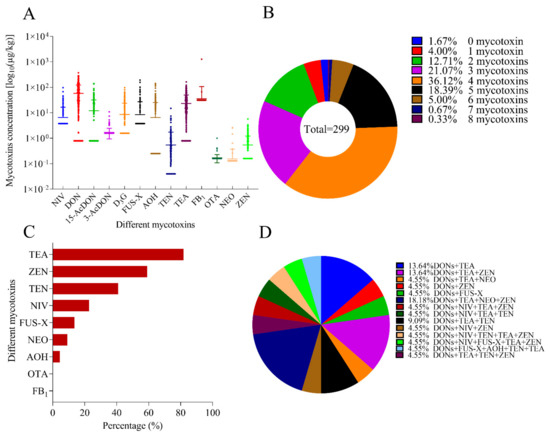
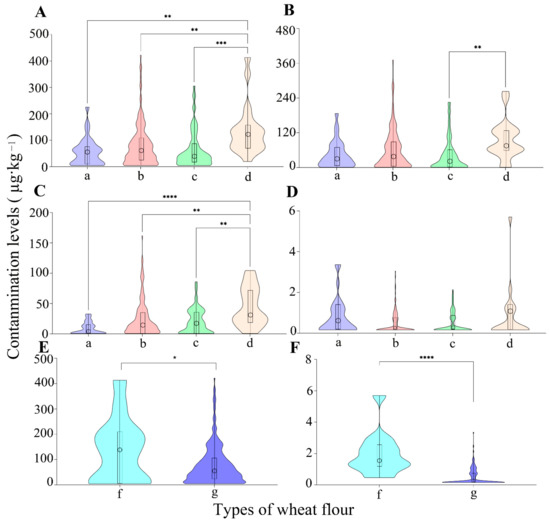
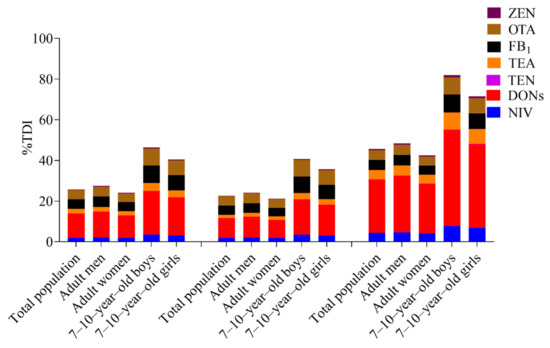
The risk of exposure to mycotoxins through the consumption of wheat flours has long been a concern. A total of 299 wheat flours marketed in Shanghai Province of China were surveyed and analyzed for the co-occurrence of 13 mycotoxins through an ultra-high performance liquid chromatography-tandem mass spectrometry (UPLC-MS/MS) method. The detection rates of mycotoxins in wheat flours ranged from 0.7~74.9% and their average contamination levels in wheat flours (0.2~57.6 µg kg−1) were almost lower than the existing regulations in cereals. However, their co-contamination rate was as high as 98.1%, especially Fusarium and Alternaria mycotoxins. Comparative analysis of different types of wheat flours showed that the average contamination levels in refined wheat flours with low-gluten were lower. Based on these contamination data and the existing consumption data of Shanghai residents, point evaluation and the Monte Carlo assessment model were used to preliminarily evaluate the potential dietary exposure risk. The probable daily intakes of almost all mycotoxins, except for alternariol, were under the health-based guidance values for 90% of different consumer groups. Health risks of dietary exposure to alternariol should be a concern and further studied in conjunction with an internal exposure assessment. Full article
(This article belongs to the Special Issue Detection, Control and Contamination of Mycotoxins)
Show Figures

Graphical abstract

13 pages, 976 KB  
Article
Preparation of Monoclonal Antibodies Specifically Reacting with the Trichothecene Mycotoxins Nivalenol and 15-Acetylnivalenol via the Introduction of a Linker Molecule into Its C-15 Position
by Kyoko Noda, Yuki Hirakawa, Tomomi Nishino, Ritsuto Sekizuka, Marin Kishimoto, Tomohiro Furukawa, Sakiko Sawane, Ayu Matsunaga, Naoki Kobayashi, Kazutoshi Sugita, Kenji Oonaka, Hiroko Kawakami, Yuji Otsuka, Tetsuya Yamamoto, Toshihiro Yamamoto, Taku Yoshiya, Maiko Watanabe, Machiko Saka, Keiko Momma, Masayo Kushiro and Shiro Miyakeadd Show full author list remove Hide full author list
Toxins 2022, 14(11), 747; https://doi.org/10.3390/toxins14110747 - 31 Oct 2022
Cited by 5 | Viewed by 3127
Abstract
Nivalenol (NIV) is a trichothecene mycotoxin that is more toxic than deoxynivalenol. It accumulates in grains due to infection with Fusarium species, which are the causative agents of scab or Fusarium head blight. An immunoassay, which is a rapid and easy analytical method, [...] Read more.
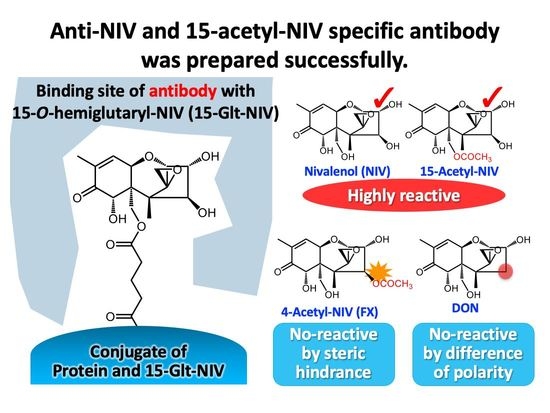
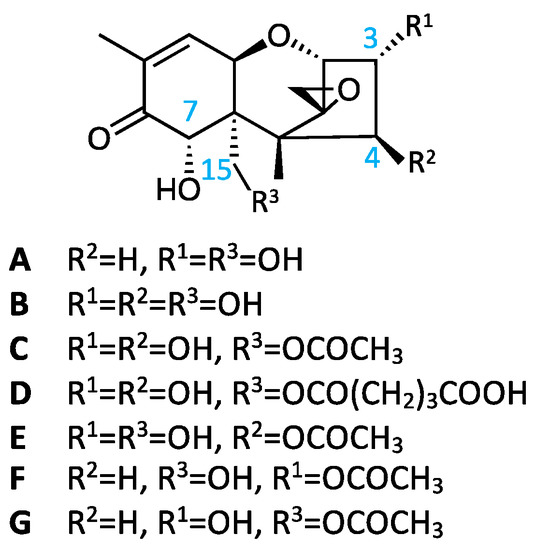
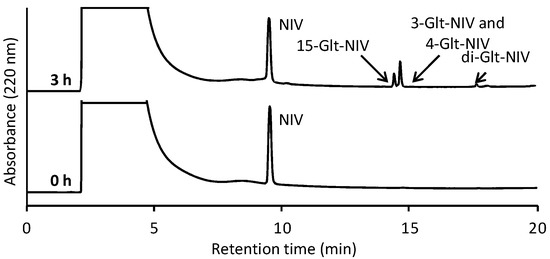
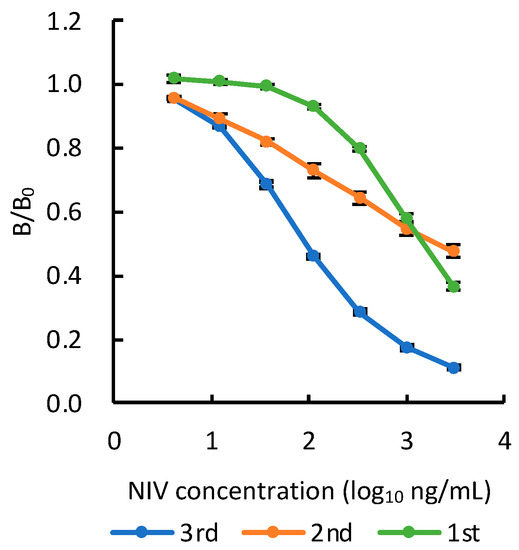
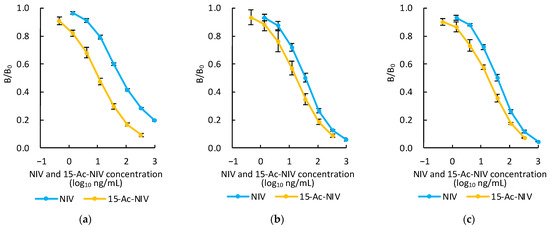
Nivalenol (NIV) is a trichothecene mycotoxin that is more toxic than deoxynivalenol. It accumulates in grains due to infection with Fusarium species, which are the causative agents of scab or Fusarium head blight. An immunoassay, which is a rapid and easy analytical method, is necessary for monitoring NIV in grains. However, a specific antibody against NIV has not been prepared previously. To establish an immunoassay, we prepared NIV, introduced a linker, and generated antibodies against it. NIV was prepared from a culture of Fusarium kyushuense obtained from pressed barley through chromatographic procedures with synthetic adsorbents and silica gel. NIV was reacted with glutaric anhydride, and the reaction was stopped before mono-hemiglutaryl-NIV was changed to di-hemiglutaryl-NIV. 15-O-Hemiglutaryl-NIV was isolated via preparative HPLC and bound to keyhole limpet hemocyanin (KLH) using the active ester method. Two different monoclonal antibodies were prepared by immunizing mice with the NIV-KLH conjugate. The 50% inhibitory concentration values were 36 and 37 ng/mL. These antibodies also showed high reactivity in a direct competitive enzyme-linked immunosorbent assay and specifically reacted with NIV and 15-acetyl-NIV but not with deoxynivalenol and 4-acetyl-NIV. Full article
(This article belongs to the Section Mycotoxins)
Show Figures

Graphical abstract

8 pages, 2016 KB  
Article
Effects of Zinc Acetate Hydrate Supplementation on Renal Anemia with Hypozincemia in Hemodialysis Patients
by Eiichi Sato, Shohei Sato, Manaka Degawa, Takao Ono, Hongmei Lu, Daisuke Matsumura, Mayumi Nomura, Noriaki Moriyama, Mayuko Amaha and Tsukasa Nakamura
Toxins 2022, 14(11), 746; https://doi.org/10.3390/toxins14110746 - 31 Oct 2022
Cited by 13 | Viewed by 3233
Abstract
Introduction and Aims: This study examined whether zinc supplementation with zinc acetate hydrate improved renal anemia with hypozincemia in patients undergoing hemodialysis. Methods: The study participants included 21 patients undergoing hemodialysis who presented with a serum zinc level < 60 mg/dL and who [...] Read more.
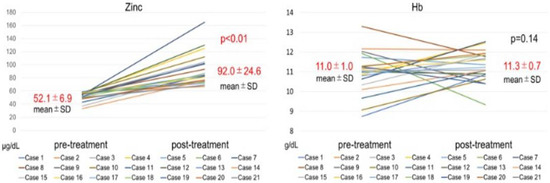
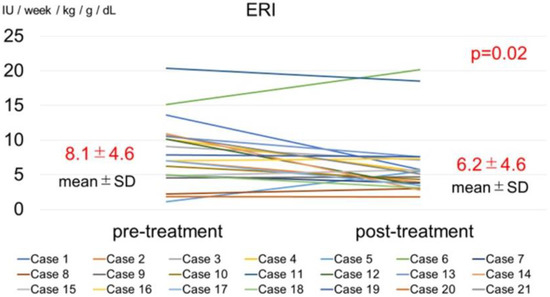
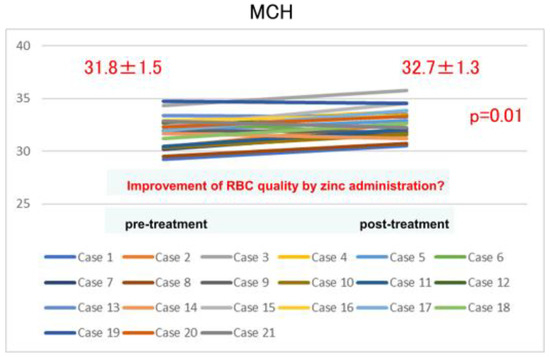
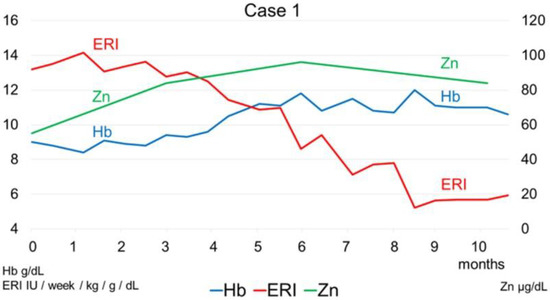
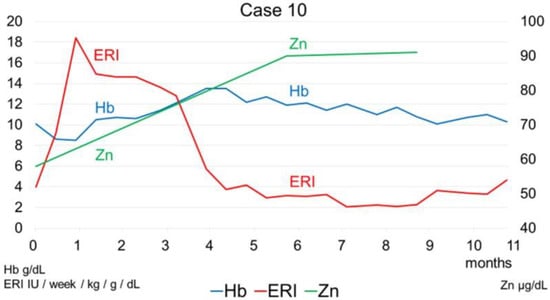
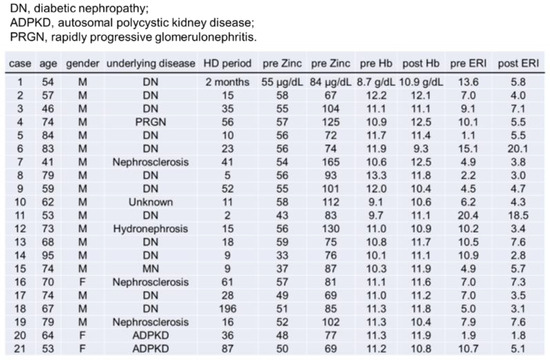
Introduction and Aims: This study examined whether zinc supplementation with zinc acetate hydrate improved renal anemia with hypozincemia in patients undergoing hemodialysis. Methods: The study participants included 21 patients undergoing hemodialysis who presented with a serum zinc level < 60 mg/dL and who were administered zinc acetate hydrate at 50 mg (reduced to 25 mg, as appropriate) for 6 months. Patients with a hemorrhagic lesion, acute-phase disease (pneumonia or cardiac failure), or hematologic disease and those whose treatment was switched from peritoneal dialysis to hemodialysis were excluded. The changes in the erythropoietin resistance index (ERI) before and after zinc acetate hydrate administration were examined. ERI was defined as the dose (IU) of erythropoiesis-stimulating agent (ESA)/week/body weight (kg)/hemoglobin content (g/dL). The differences between the two groups were analyzed using the Wilcoxon signed rank sum test, and p < 0.05 was considered statistically significant. Results: The study participants included 19 men and 2 women aged 41–95 years (mean ± standard deviation (SD): 67.1 ± 13.6). The changes in the values of parameters measured before and after zinc acetate hydrate administration were as follows: Blood Hb did not change significantly, from 10.0–13.6 g/dL (11.5 ± 1.0 g/dL) to 10.2–12.4 g/dL (11.4 ± 0.7 g/dL); serum zinc concentration significantly increased, from 33.0–59.0 mg/dL μg/dL (52.4 ± 7.6 mg/dL μg/dL) to 57.0–124.0 mg/dL μg/dL (84.1 ± 16.3 mg/dL μg/dL; p < 0.01); the ESA dose significantly decreased, from 0–12,000 IU/week (5630 ± 3351 IU/week) to 0–9000 IU/week (4428 ± 2779; p = 0.04); and ERI significantly decreased, from 0.0–18.2 (8.1 ± 5.1) to 0.0–16.0 (6.3 ± 4.3; p = 0.04). Conclusions: Zinc supplementation increased the serum zinc concentration and significantly reduced the ESA dose and ERI, suggesting that a correction of hypozincemia contributes to lessening renal anemia in these patients. Full article
(This article belongs to the Special Issue Complications of Chronic Kidney Disease)
Show Figures

Figure 1
14 pages, 1787 KB  
Article
Ochratoxin A Defective Aspergillus carbonarius Mutants as Potential Biocontrol Agents
by Belén Llobregat, Luis González-Candelas and Ana-Rosa Ballester
Toxins 2022, 14(11), 745; https://doi.org/10.3390/toxins14110745 - 31 Oct 2022
Cited by 12 | Viewed by 3889
Abstract
Aspergillus carbonarius is one of the main species responsible for wine, coffee and cocoa toxin contamination. The main mycotoxin produced by this fungus, ochratoxin A (OTA), is a secondary metabolite categorized as a possible carcinogen because of its significant nephrotoxicity and immunosuppressive effects. [...] Read more.
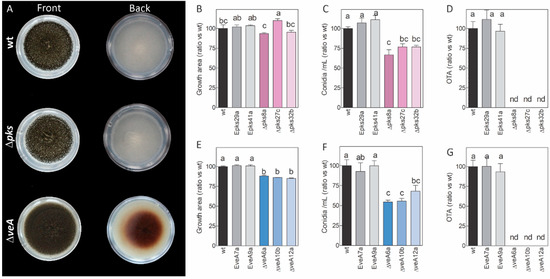
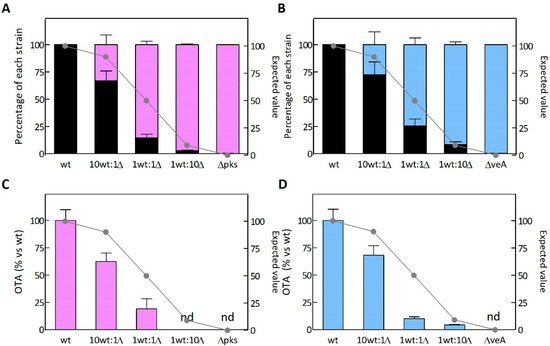
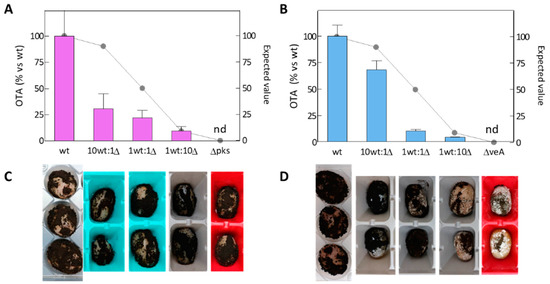
Aspergillus carbonarius is one of the main species responsible for wine, coffee and cocoa toxin contamination. The main mycotoxin produced by this fungus, ochratoxin A (OTA), is a secondary metabolite categorized as a possible carcinogen because of its significant nephrotoxicity and immunosuppressive effects. A polyketide synthase gene (otaA) encodes the first enzyme in the OTA biosynthetic pathway. It is known that the filamentous fungi, growth, development and production of secondary metabolites are interconnected processes governed by global regulatory factors whose encoding genes are generally located outside the gene clusters involved in the biosynthesis of each secondary metabolite, such as the veA gene, which forms part of the VELVET complex. Different fungal strains compete for nutrients and space when they infect their hosts, and safer non-mycotoxigenic strains may be able to outcompete mycotoxigenic strains during colonization. To determine the possible utility of biopesticides based on the competitive exclusion of mycotoxigenic strains by non-toxigenic ones, we used A. carbonarius ΔotaA and ΔveA knockout mutants. Our results showed that during both in vitro growth and infection of grapes, non-mycotoxigenic strains could outcompete the wild-type strain. Additionally, the introduction of the non-mycotoxigenic strain led to a drastic decrease in OTA during both in vitro growth and infection of grapes. Full article
(This article belongs to the Special Issue Occurrence and Determination of Mycotoxins)
Show Figures

Figure 1
14 pages, 2539 KB  
Article
Stability and Chemical Conversion of the Purified Reference Material of Gymnodimine-A under Different Temperature and pH Conditions
by Guixiang Wang, Jiangbing Qiu, Aifeng Li, Ying Ji, Zhixuan Tang and Philipp Hess
Toxins 2022, 14(11), 744; https://doi.org/10.3390/toxins14110744 - 29 Oct 2022
Cited by 3 | Viewed by 2777
Abstract
Gymnodimines (GYMs) are a group of fast-acting phycotoxins and their toxicological effects on human beings are still unclear due to the lack of sufficiently well-characterized large quantities of purified toxins for toxicology studies. In this study, a certified reference material (CRM) of GYM-A [...] Read more.
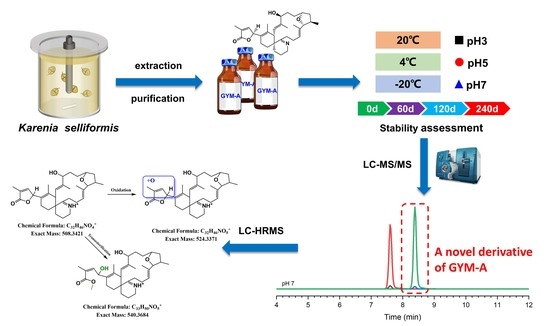
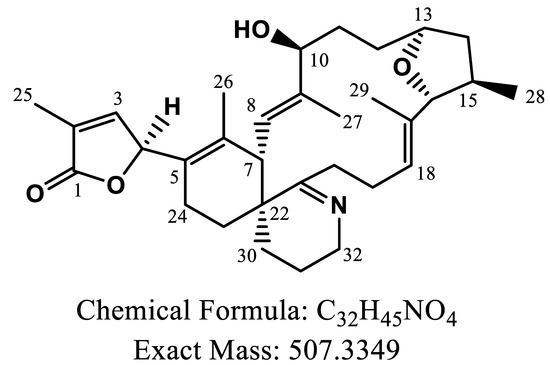
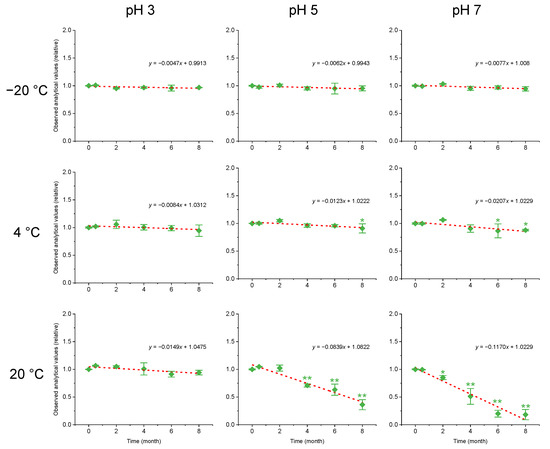
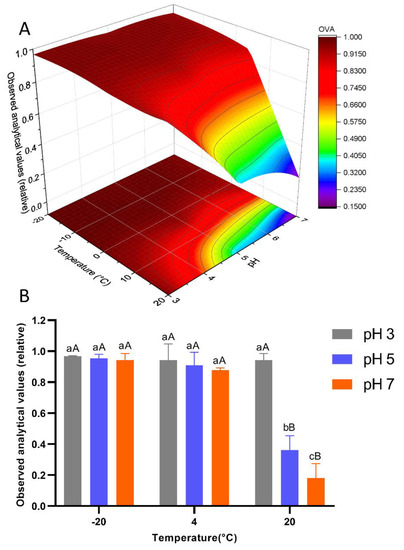
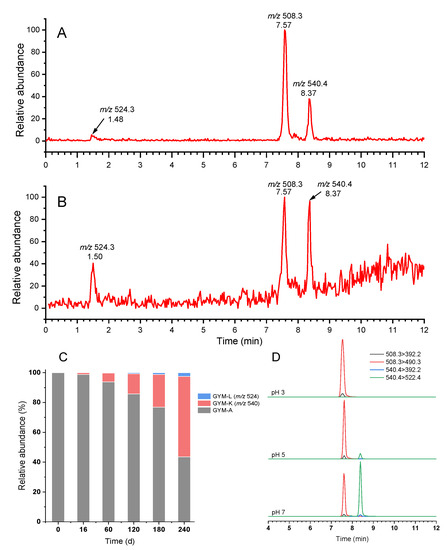
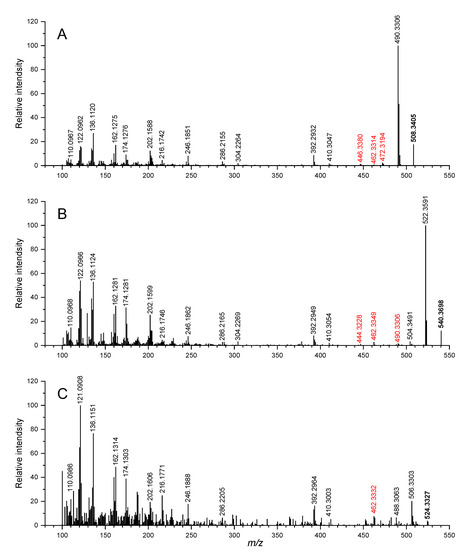
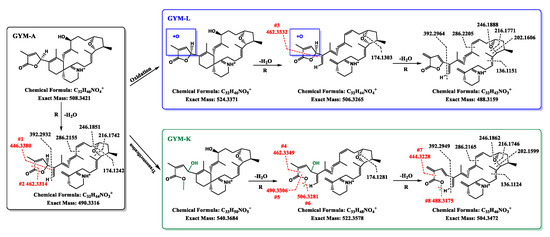
Gymnodimines (GYMs) are a group of fast-acting phycotoxins and their toxicological effects on human beings are still unclear due to the lack of sufficiently well-characterized large quantities of purified toxins for toxicology studies. In this study, a certified reference material (CRM) of GYM-A was prepared from the dinoflagellate Karenia selliformis, followed by multi-step chromatography separation and purification. Subsequently, the stability of GYM-A in methanolic media was evaluated at different temperature (−20, 4, and 20 °C) and pH (3, 5, and 7) conditions for 8 months, and the conversion products of GYM-A were explored by liquid chromatography–high resolution mass spectrometry (LC-HRMS). The results show that the stability of GYM-A decreased with increasing temperature and pH values. The GYM-A was stable during storage at −20 °C regardless of pH, but it decreased rapidly (81.8% ± 9.3%) at 20 °C in pH 7 solution after 8 months. Moreover, the concentrations of GYM-A did not significantly change at all temperatures in solutions with pH 3 (p > 0.05). It is recommended that GYM-A should be stored at low temperature (≤−20 °C) and pH (≤3) conditions for long-term storage in aqueous methanolic media. In addition, two conversion products of GYM-A, tentatively named as GYM-K (m/z 540) and GYM-L (m/z 524), were identified in the samples stored at high levels of pH and temperature. Based on the LC-HRMS data, the hypothetical chemical structures of both converting derivatives were proposed. A useful strategy for long-term storage of GYM-A CRM in aqueous methanolic media was suggested and two hypothesized conversion products of GYM-A were discovered in this study. Full article
(This article belongs to the Section Marine and Freshwater Toxins)
Show Figures

Graphical abstract

13 pages, 1745 KB  
Article
Does Deoxynivalenol Affect Amoxicillin and Doxycycline Absorption in the Gastrointestinal Tract? Ex Vivo Study on Swine Jejunum Mucosa Explants
by Marta Mendel, Wojciech Karlik, Urszula Latek, Magdalena Chłopecka, Ewelina Nowacka-Kozak, Katarzyna Pietruszka and Piotr Jedziniak
Toxins 2022, 14(11), 743; https://doi.org/10.3390/toxins14110743 - 29 Oct 2022
Cited by 4 | Viewed by 3998
Abstract
The presence of deoxynivalenol (DON) in feed may increase intestinal barrier permeability. Disturbance of the intestinal barrier integrity may affect the absorption of antibiotics used in animals. Since the bioavailability of orally administered antibiotics significantly affects their efficacy and safety, it was decided [...] Read more.
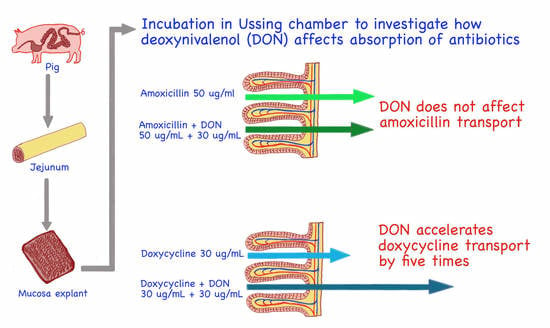
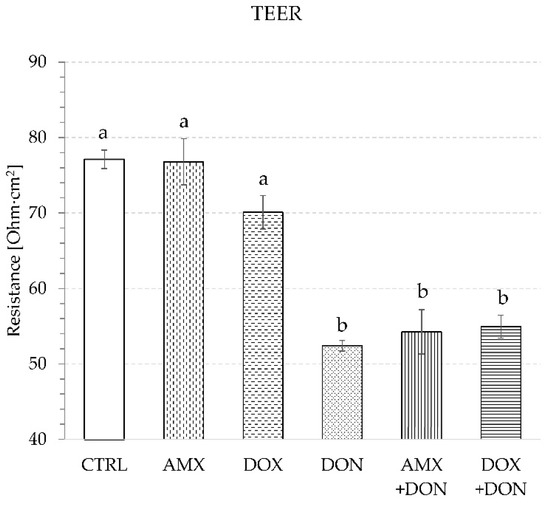
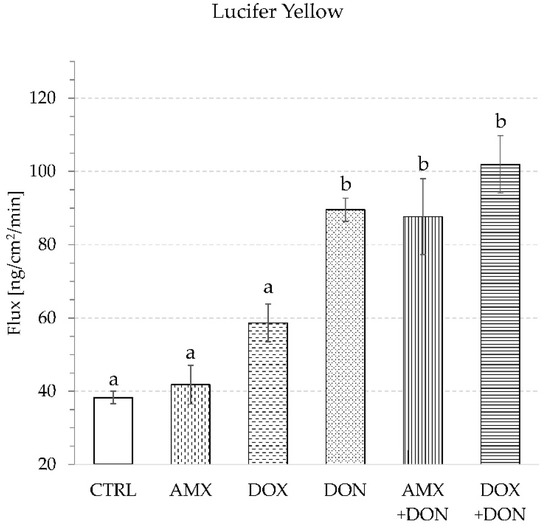
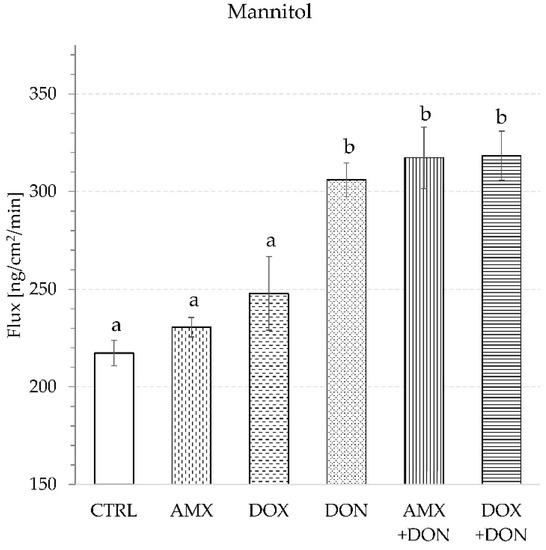
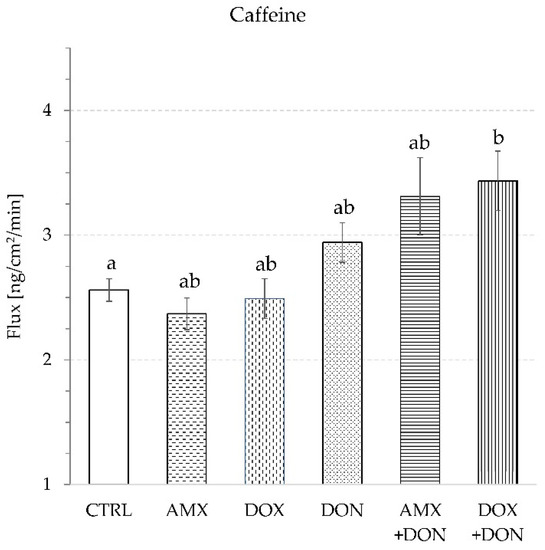
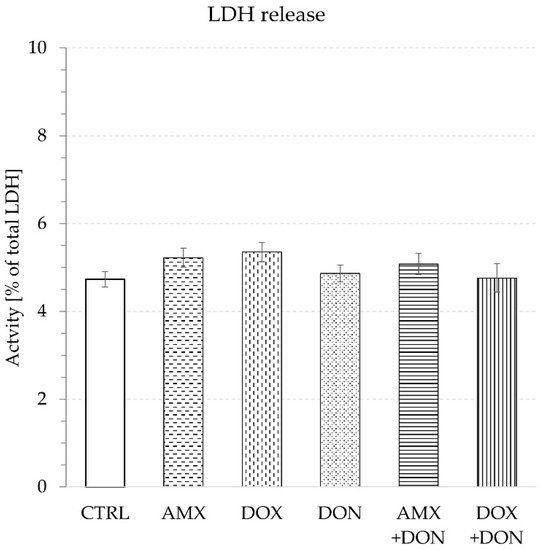
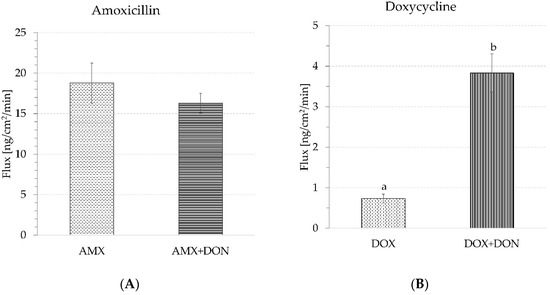
The presence of deoxynivalenol (DON) in feed may increase intestinal barrier permeability. Disturbance of the intestinal barrier integrity may affect the absorption of antibiotics used in animals. Since the bioavailability of orally administered antibiotics significantly affects their efficacy and safety, it was decided to evaluate how DON influences the absorption of the most commonly used antibiotics in pigs, i.e., amoxicillin (AMX) and doxycycline (DOX). The studies were conducted using jejunal explants from adult pigs. Explants were incubated in Ussing chambers, in which a buffer containing DON (30 µg/mL), AMX (50 µg/mL), DOX (30 µg/mL), a combination of AMX + DON, or a combination of DOX + DON was used. Changes in transepithelial electrical resistance (TEER), the flux of transcellular and intracellular transport markers, and the flux of antibiotics across explants were measured. DON increased the permeability of small intestine explants, expressed by a reduction in TEER and an intensification of transcellular marker transport. DON did not affect AMX transport, but it accelerated DOX transport by approximately five times. The results suggest that DON inhibits the efflux transport of DOX to the intestinal lumen, and thus significantly changes its absorption from the gastrointestinal tract. Full article
(This article belongs to the Special Issue Influence of Deoxynivalenol and Zearalenone in Feed on Animal Health)
Show Figures

Graphical abstract

15 pages, 1543 KB  
Article
Centrifugation-Assisted Solid-Phase Extraction Coupled with UPLC-MS/MS for the Determination of Mycotoxins in ARECAE Semen and Its Processed Products
by Huanyan Liang, Qianyu Hou, Yakui Zhou, Lei Zhang, Meihua Yang and Xiangsheng Zhao
Toxins 2022, 14(11), 742; https://doi.org/10.3390/toxins14110742 - 29 Oct 2022
Cited by 10 | Viewed by 3449
Abstract
Mycotoxins can occur naturally in a variety of agriculture products, including cereals, feeds, and Chinese herbal medicines (TCMs), via pre- and post-harvest contamination and are regulated worldwide. However, risk mitigation by monitoring for multiple mycotoxins remains a challenge using existing methods due to [...] Read more.
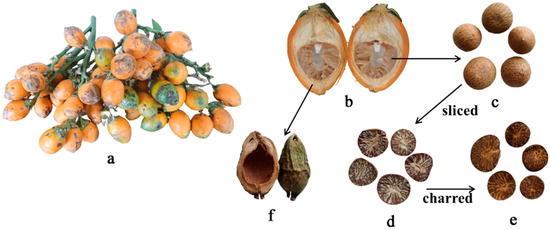
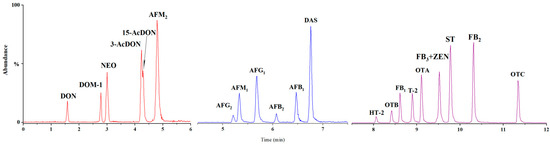
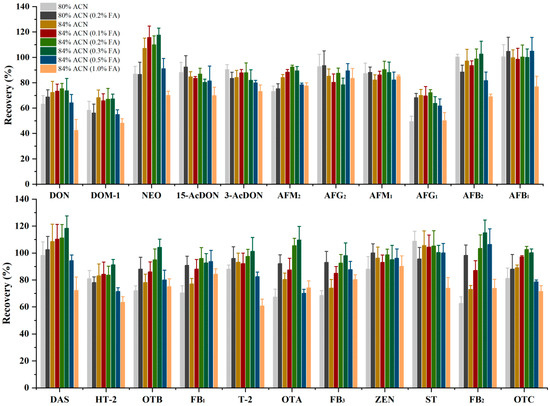
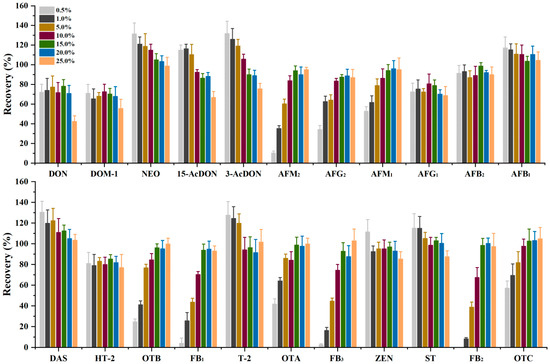
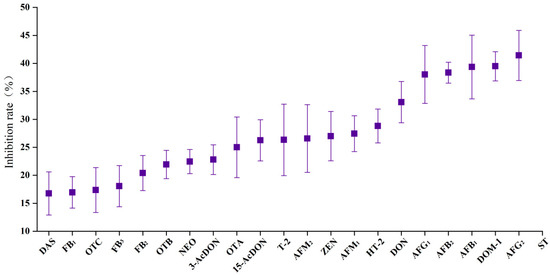
Mycotoxins can occur naturally in a variety of agriculture products, including cereals, feeds, and Chinese herbal medicines (TCMs), via pre- and post-harvest contamination and are regulated worldwide. However, risk mitigation by monitoring for multiple mycotoxins remains a challenge using existing methods due to their complex matrices. A multi-toxin method for 22 mycotoxins (aflatoxin B1, B2, G1, G2, M1, M2; ochratoxin A, B, C; Fumonisin B1, B2, B3; 15-acetyldeoxynivalenol, 3-acetyldeoxynivalenol, diace-toxyscirpenol, HT-2, T-2, deepoxy-deoxynivalenol, deoxynivalenol, neosolaniol, zearalenone, and sterigmatocystin) using centrifugation-assisted solid-phase extraction (SPE) clean-up prior to ultra-performance liquid chromatography-tandem mass spectrometry (UHPLC-MS/MS) analysis for Arecae Semen and its processed products was developed and validated. Several experimental parameters affecting the extraction and clean-up efficiency were systematically optimized. The results indicated good linearity in the range of 0.1–1000 μg/kg (r2 > 0.99), low limits of detection (ranging from 0.04 μg/kg to 1.5 μg/kg), acceptable precisions, and satisfactory recoveries for the selected mycotoxins. The validated method was then applied to investigate mycotoxin contamination levels in Areca catechu and its processed products. The mycotoxins frequently contaminating Areca catechu were aflatoxins (AFs), and the average contamination level and number of co-occurring mycotoxins in the Arecae Semen slices (Binlangpian) were higher than those in commercially whole Arecae Semen and Arecae Semen Tostum (Jiaobinlang). Sterigmatocystin was detected in 5 out of 30 Arecae Semen slices. None of the investigated mycotoxins were detected in Arecae pericarpium (Dafupi). The results demonstrated that centrifugation-assisted SPE coupled with UHPLC-MS/MS can be a useful tool for the analysis of multiple mycotoxins in Areca catechu and its processed products. Full article
Show Figures

Figure 1
9 pages, 631 KB  
Article
Long-Term Effects of a Single Application of Botulinum Toxin Type A in Temporomandibular Myofascial Pain Patients: A Controlled Clinical Trial
by Giancarlo De la Torre Canales, Mariana Barbosa Câmara-Souza, Rodrigo Lorenzi Poluha, Olívia Maria Costa de Figueredo, Bryanne Brissian de Souza Nobre, Malin Ernberg, Paulo César Rodrigues Conti and Célia Marisa Rizzatti-Barbosa
Toxins 2022, 14(11), 741; https://doi.org/10.3390/toxins14110741 - 29 Oct 2022
Cited by 28 | Viewed by 6298
Abstract
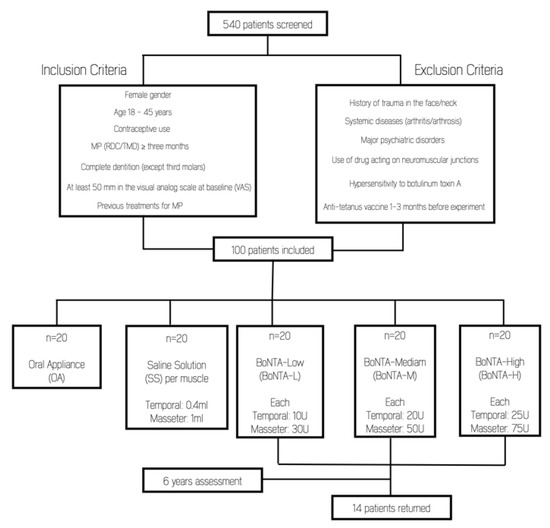
This study assessed the long-term effects of botulinum toxin type A (BoNT-A) in subjective pain, pain sensibility, and muscle thickness in persistent myofascial temporomandibular-disorder pain (MFP-TMD) patients. Fourteen female subjects with persistent MFP received BoNT-A treatment with different doses (10U-25U for temporalis muscle [...] Read more.
This study assessed the long-term effects of botulinum toxin type A (BoNT-A) in subjective pain, pain sensibility, and muscle thickness in persistent myofascial temporomandibular-disorder pain (MFP-TMD) patients. Fourteen female subjects with persistent MFP received BoNT-A treatment with different doses (10U-25U for temporalis muscle and 30U-75U for masseter muscle). The treatment was injected bilaterally in the masseter and anterior temporalis muscles in a single session. Clinical measurements included: self-perceived pain (VAS), pain sensibility (PPT), and muscles thickness (ultrasonography). Follow-up occurred 1, 3, 6, and 72 months after treatment for VAS and PPT and 1, 3, and 72 months for ultrasonography. For statistical analysis, the Friedman test with the Bonferroni test for multiple comparisons as a post hoc test was used for non-parametric repeated measures comparisons among the evaluation times. A 5% probability level was considered significant in all tests. VAS values presented a significant decrease throughout the study (p < 0.05). Regarding PPT values, a significant increase was found when comparing baseline data with post-treatment follow-ups (p < 0.05), and even though a significant decrease was found in muscle thickness when baseline values were compared with the 1- and 3-months assessments, no differences were found when compared with the 72 months follow-up (p > 0.05). A single injection of BoNT-A presents long-term effects in reducing pain in persistent MFP-TMD patients, and a reversibility of adverse effects on masticatory-muscle thickness. Full article
Show Figures

Figure 1
17 pages, 766 KB  
Review
Antimicrobial Activity Developed by Scorpion Venoms and Its Peptide Component
by Clara Andrea Rincón-Cortés, Martín Alonso Bayona-Rojas, Edgar Antonio Reyes-Montaño and Nohora Angélica Vega-Castro
Toxins 2022, 14(11), 740; https://doi.org/10.3390/toxins14110740 - 28 Oct 2022
Cited by 30 | Viewed by 6273
Abstract
Microbial infections represent a problem of great importance at the public health level, with a high rate of morbidity-mortality worldwide. However, treating the different diseases generated by microorganisms requires a gradual increase in acquired resistance when applying or using them against various antibiotic [...] Read more.
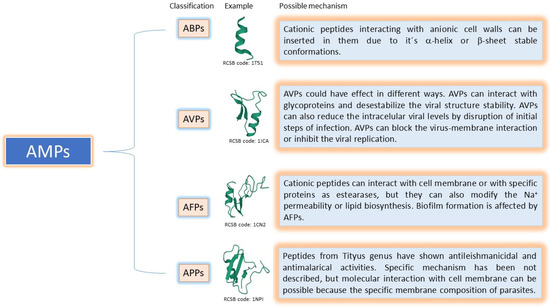
Microbial infections represent a problem of great importance at the public health level, with a high rate of morbidity-mortality worldwide. However, treating the different diseases generated by microorganisms requires a gradual increase in acquired resistance when applying or using them against various antibiotic therapies. Resistance is caused by various molecular mechanisms of microorganisms, thus reducing their effectiveness. Consequently, there is a need to search for new opportunities through natural sources with antimicrobial activity. One alternative is using peptides present in different scorpion venoms, specifically from the Buthidae family. Different peptides with biological activity in microorganisms have been characterized as preventing their growth or inhibiting their replication. Therefore, they represent an alternative to be used in the design and development of new-generation antimicrobial drugs in different types of microorganisms, such as bacteria, fungi, viruses, and parasites. Essential aspects for its disclosure, as shown in this review, are the studies carried out on different types of peptides in scorpion venoms with activity against pathogenic microorganisms, highlighting their high therapeutic potential. Full article
(This article belongs to the Section Animal Venoms)
Show Figures

Figure 1
13 pages, 2324 KB  
Article
A Pilot Study of A2NTX, a Novel Low-Molecular-Weight Neurotoxin Derived from Subtype A2 for Post-Stroke Lower Limb Spasticity: Comparison with OnabotulinumtoxinA
by Ryuji Kaji, Ai Miyashiro, Nori Sato, Taiki Furumoto, Toshiaki Takeuchi, Ryosuke Miyamoto, Tomoko Kohda, Yuishin Izumi and Shunji Kozaki
Toxins 2022, 14(11), 739; https://doi.org/10.3390/toxins14110739 - 28 Oct 2022
Cited by 3 | Viewed by 2826
Abstract
All the currently used type A botulinum neurotoxins for clinical uses are of subtype A1. We compared the efficacy and safety for the first time head-to-head between a novel botulinum toxin A2NTX prepared from subtype A2 and onabotulinumtoxinA (BOTOX) derived from A1 for [...] Read more.
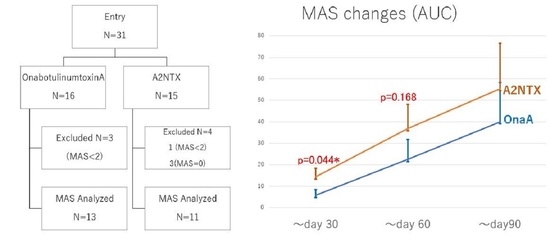
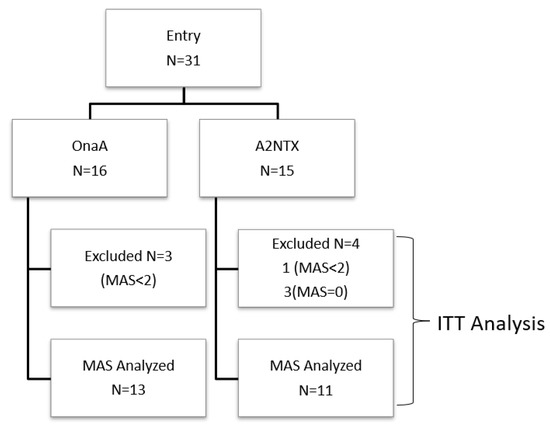
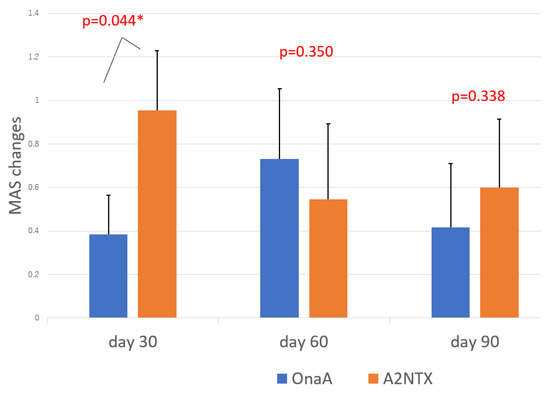
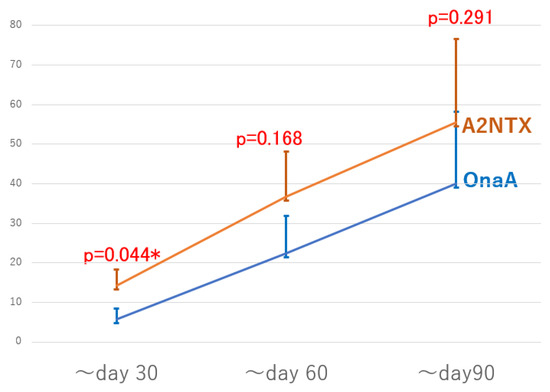
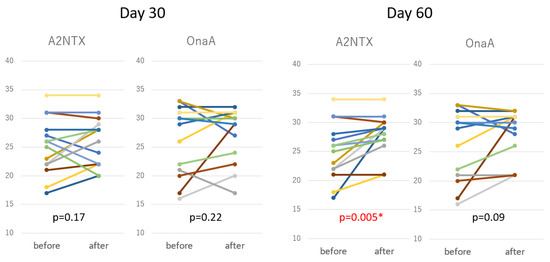
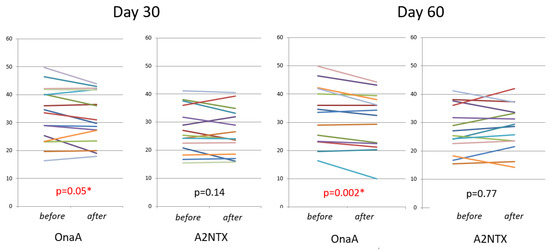
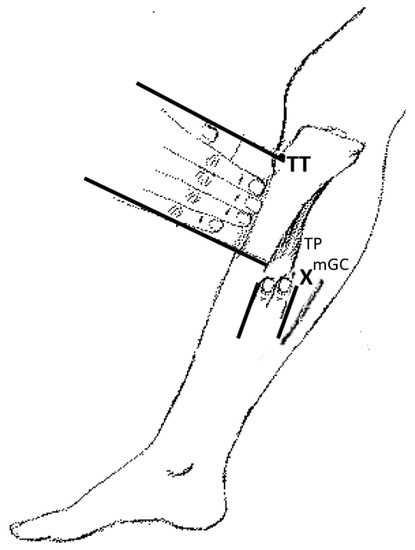
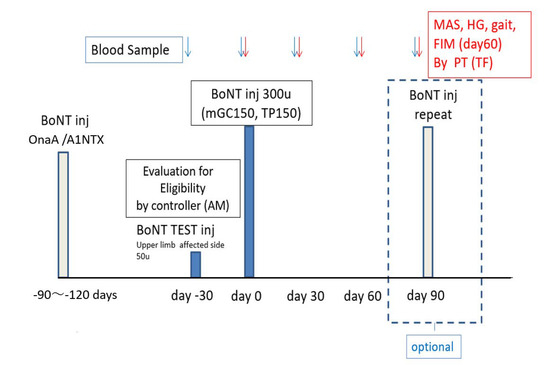
All the currently used type A botulinum neurotoxins for clinical uses are of subtype A1. We compared the efficacy and safety for the first time head-to-head between a novel botulinum toxin A2NTX prepared from subtype A2 and onabotulinumtoxinA (BOTOX) derived from A1 for post-stroke spasticity. We assessed the modified Ashworth scale (MAS) of the ankle joint, the mobility scores of Functional Independence Measure (FIM), and the grip power of the unaffected hand before and after injecting 300 units of BOTOX or A2NTX into calf muscles. The procedure was done in a blinded manner for the patient, the injecting physician, and the examiner. Stroke patients with chronic spastic hemiparesis (15 for A2NTX and 16 for BOTOX) were enrolled, and 11 for A2NTX and 13 for BOTOX (MAS of ankle; > or = 2) were entered for the MAS study. Area-under-curves of changes in MAS (primary outcome) were greater for A2NTX by day 30 (p = 0.044), and were similar by day 60. FIM was significantly improved in the A2NTX group (p = 0.005), but not in the BOTOX group by day 60. The hand grip of the unaffected limb was significantly decreased in the BOTOX-injected group (p = 0.002), but was unaffected in the A2NTX-injected group by day 60, suggesting there was less spread of A2NTX to the upper limb than there was with BOTOX. Being a small-sized pilot investigation with an imbalance in the gender of the subjects, the present study suggested superior efficacy and safety of A2NTX, and warrants a larger scale clinical trial of A2NTX to confirm these preliminary results. Full article
(This article belongs to the Special Issue Emerging Botulinum Neurotoxins for Clinical Uses)
Show Figures

Graphical abstract