27 pages, 24577 KB  
Article
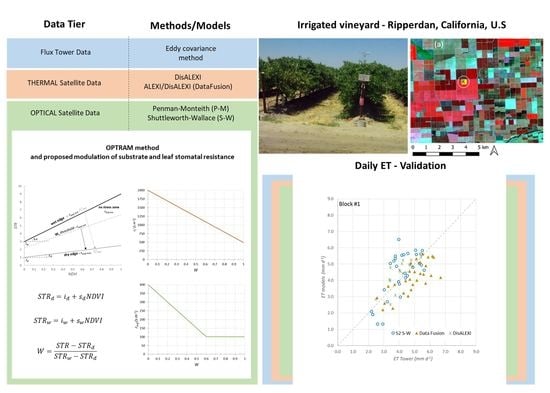
Determining Evapotranspiration by Using Combination Equation Models with Sentinel-2 Data and Comparison with Thermal-Based Energy Balance in a California Irrigated Vineyard
by Guido D’Urso, Salvatore Falanga Bolognesi, William P. Kustas, Kyle R. Knipper, Martha C. Anderson, Maria M. Alsina, Christopher R. Hain, Joseph G. Alfieri, John H. Prueger, Feng Gao, Lynn G. McKee, Carlo De Michele, Andrew J. McElrone, Nicolas Bambach, Luis Sanchez and Oscar Rosario Belfiore
Remote Sens. 2021, 13(18), 3720; https://doi.org/10.3390/rs13183720 - 17 Sep 2021
Cited by 27 | Viewed by 6122
Abstract
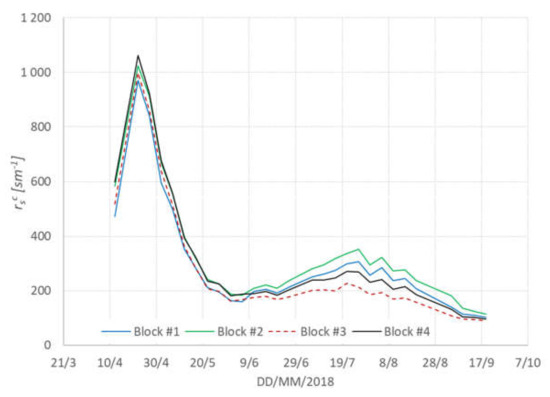
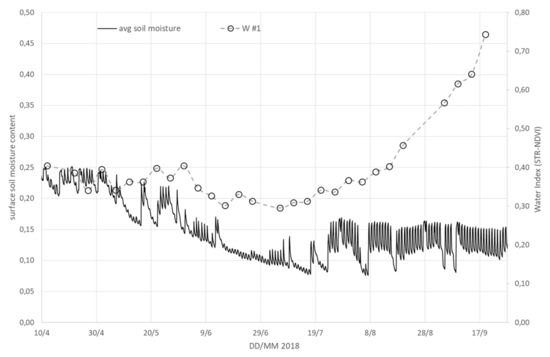
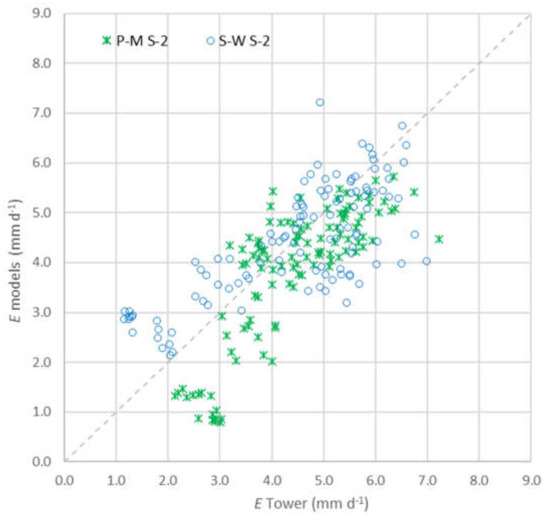
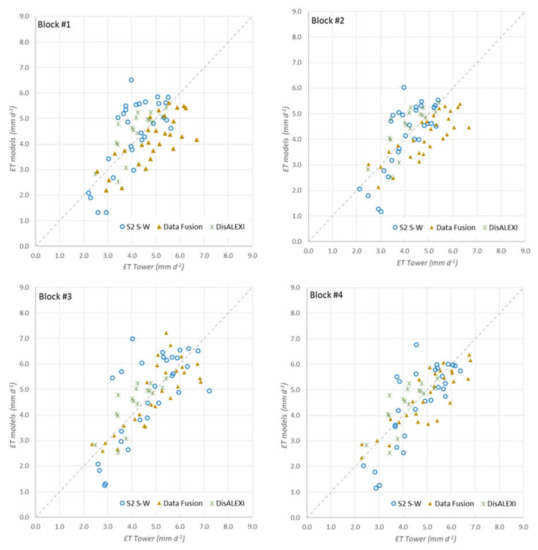
A new approach is proposed to derive evapotranspiration (E) and irrigation requirements by implementing the combination equation models of Penman–Monteith and Shuttleworth and Wallace with surface parameters and resistances derived from Sentinel-2 data. Surface parameters are derived from Sentinel-2 and used as an [...] Read more.
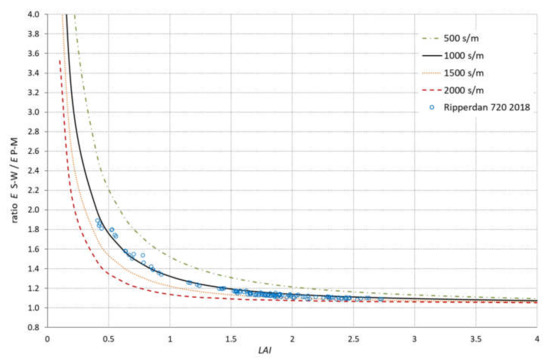
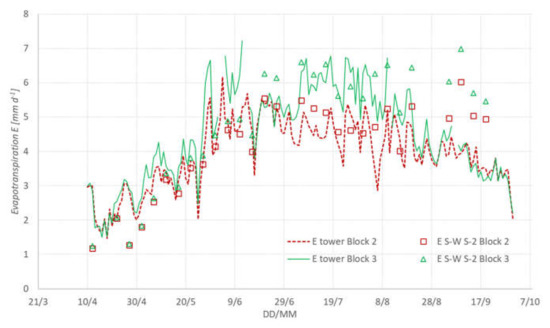
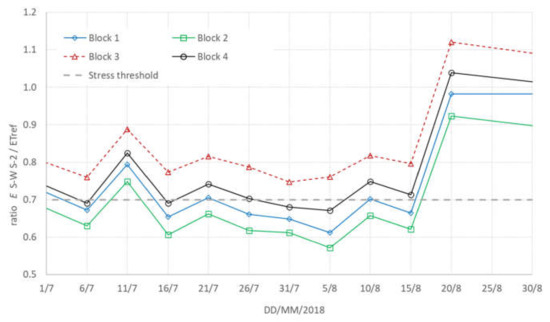
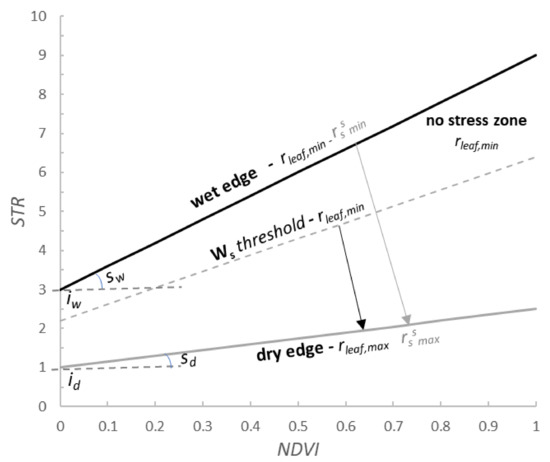
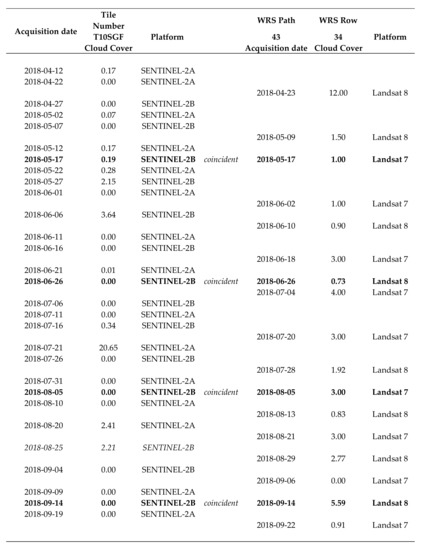
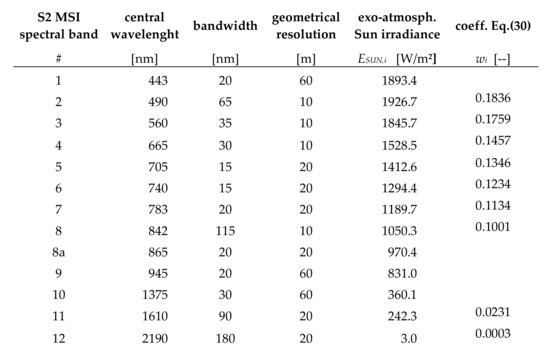
A new approach is proposed to derive evapotranspiration (E) and irrigation requirements by implementing the combination equation models of Penman–Monteith and Shuttleworth and Wallace with surface parameters and resistances derived from Sentinel-2 data. Surface parameters are derived from Sentinel-2 and used as an input in these models; namely: the hemispherical shortwave albedo, leaf area index and water status of the soil and canopy ensemble evaluated by using a shortwave infrared-based index. The proposed approach has been validated with data acquired during the GRAPEX (Grape Remote-sensing Atmospheric Profile and Evapotranspiration eXperiment) in California irrigated vineyards. The E products obtained with the combination equation models are evaluated by using eddy covariance flux tower measurements and are additionally compared with surface energy balance models with Landsat-7 and -8 thermal infrared data. The Shuttleworth and Wallace (S-W S-2) model provides an accuracy comparable to thermal-based methods when using local meteorological data, with daily E errors < 1 mm/day, which increased from 1 to 1.5 mm/day using meteorological forcing data from atmospheric models. The advantage of using the S-W S-2 modeling approach for monitoring ET is the high temporal revisit time of the Sentinel-2 satellites and the finer pixel resolution. These results suggest that, by integrating the thermal-based data fusion approach with the S-W S-2 modeling scheme, there is the potential to increase the frequency and reliability of satellite-based daily evapotranspiration products. Full article
(This article belongs to the Section Remote Sensing in Agriculture and Vegetation)
Show Figures

Graphical abstract
15 pages, 9065 KB  
Article
A Novel Approach for Permittivity Estimation of Lunar Regolith Using the Lunar Penetrating Radar Onboard Chang’E-4 Rover
by Ruigang Wang, Yan Su, Chunyu Ding, Shun Dai, Chendi Liu, Zongyu Zhang, Tiansheng Hong, Qing Zhang and Chunlai Li
Remote Sens. 2021, 13(18), 3679; https://doi.org/10.3390/rs13183679 - 15 Sep 2021
Cited by 27 | Viewed by 5164
Abstract
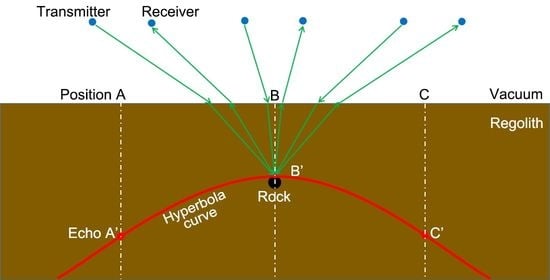
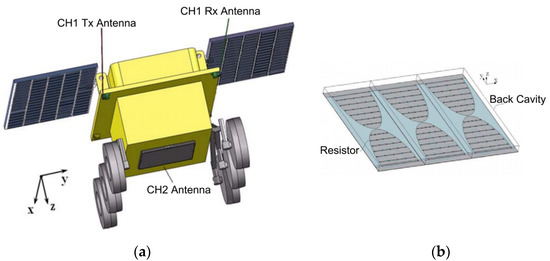
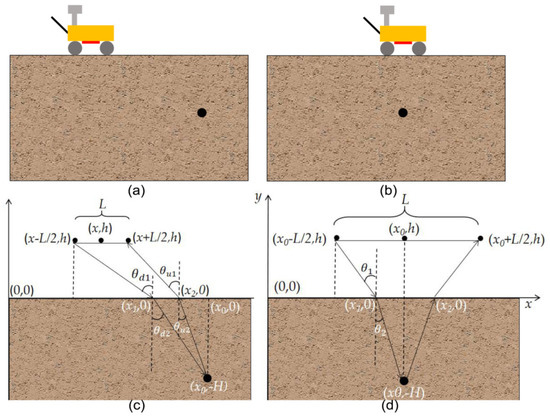
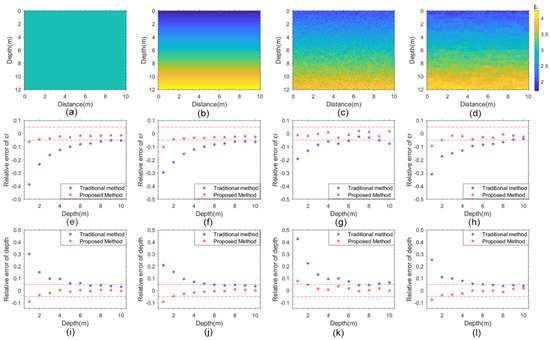
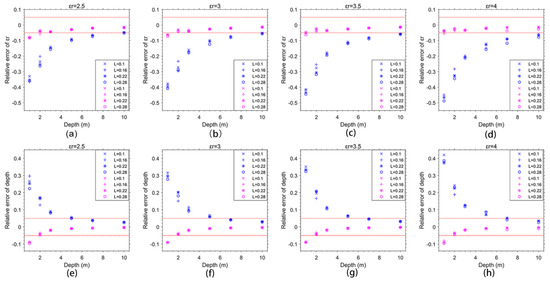
Accurate relative permittivity is essential to the further analysis of lunar regolith. The traditional hyperbola fitting method for the relative permittivity estimation using the lunar penetrating radar generally ignored the effect of the position and geometry of antennas. This paper proposed a new [...] Read more.
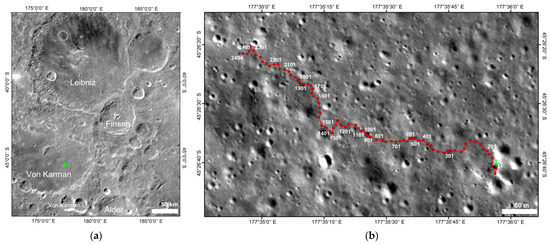
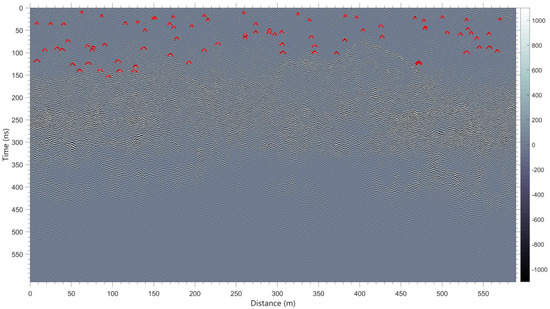
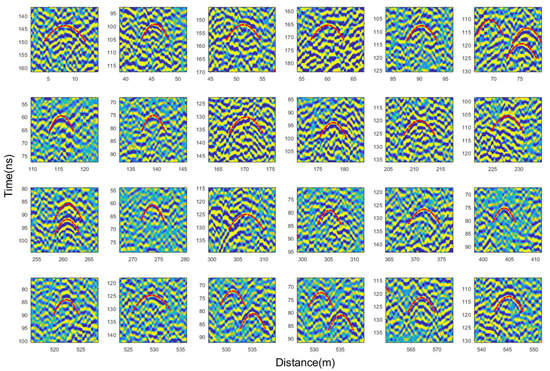
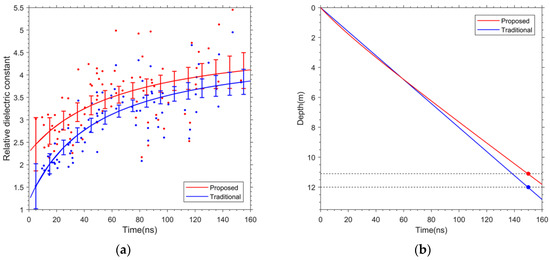
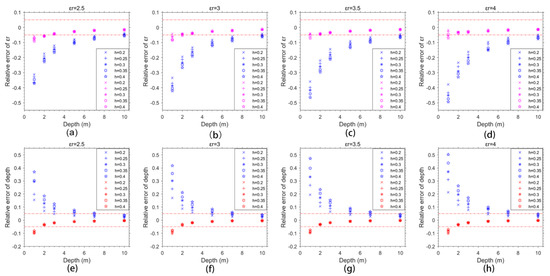
Accurate relative permittivity is essential to the further analysis of lunar regolith. The traditional hyperbola fitting method for the relative permittivity estimation using the lunar penetrating radar generally ignored the effect of the position and geometry of antennas. This paper proposed a new approach considering the antenna mounting height and spacing in more detail. The proposed method is verified by numerical simulations of the regolith models. Hence the relative permittivity of the lunar regolith is calculated using the latest high-frequency radar image obtained by the Yutu-2 rover within the first 24 lunar days. The simulation results show that the relative permittivity is underestimated when derived by the traditional method, especially at the shallow depth. The proposed method has improved the accuracy of the estimated lunar regolith relative permittivity at a depth of 0–3 m, 3–6 m, and 6–10 m by 35%, 14%, and 9%, respectively. The thickness of the lunar regolith at the Chang’E 4 landing site is reappraised to be 11.1 m, which improved by ~8% compared with previous studies. Full article
(This article belongs to the Special Issue Planetary Remote Sensing: Chang’E-4/5 and Mars Applications)
Show Figures

Graphical abstract
18 pages, 3905 KB  
Article
A National-Scale 1-km Resolution PM2.5 Estimation Model over Japan Using MAIAC AOD and a Two-Stage Random Forest Model
by Chau-Ren Jung, Wei-Ting Chen and Shoji F. Nakayama
Remote Sens. 2021, 13(18), 3657; https://doi.org/10.3390/rs13183657 - 13 Sep 2021
Cited by 27 | Viewed by 7345
Abstract
Satellite-based models for estimating concentrations of particulate matter with an aerodynamic diameter less than 2.5 μm (PM2.5) have seldom been developed in islands with complex topography over the monsoon area, where the transport of PM2.5 is influenced by both the [...] Read more.
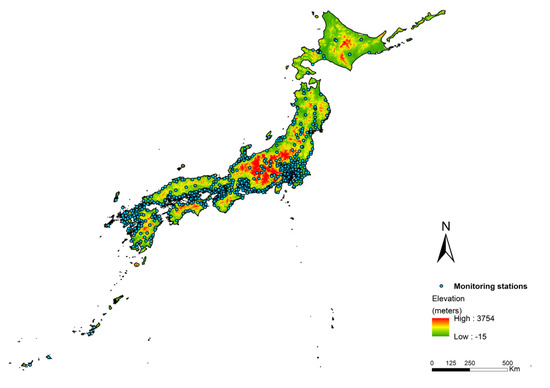
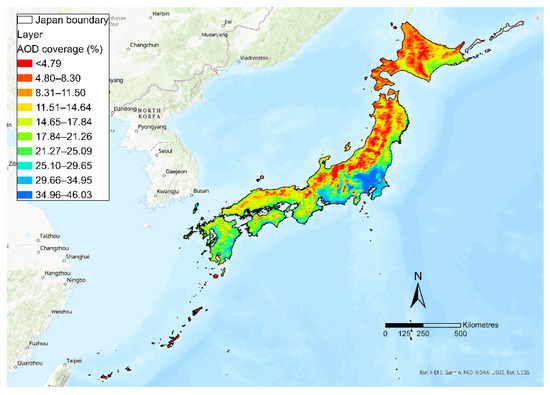
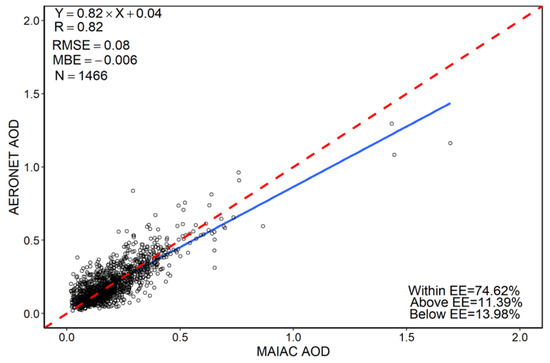
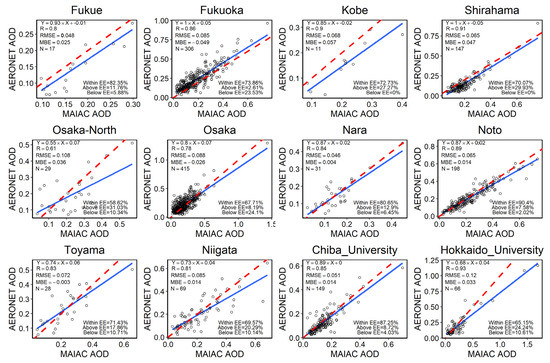
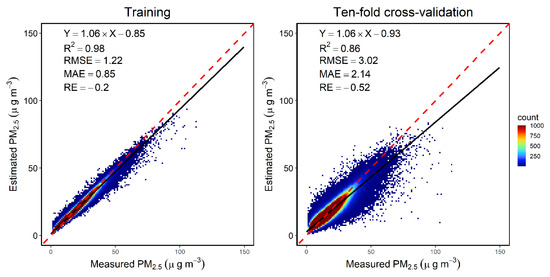
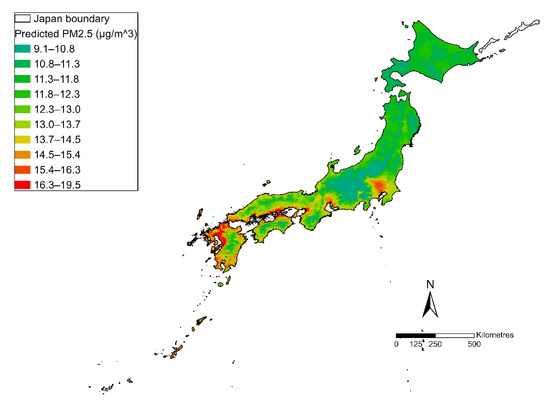
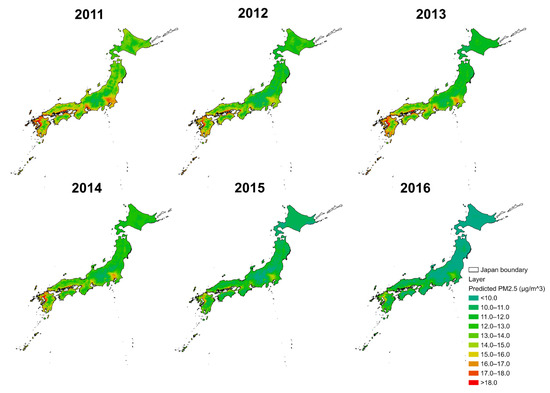
Satellite-based models for estimating concentrations of particulate matter with an aerodynamic diameter less than 2.5 μm (PM2.5) have seldom been developed in islands with complex topography over the monsoon area, where the transport of PM2.5 is influenced by both the synoptic-scale winds and local-scale circulations compared with the continental regions. We validated Multi-Angle Implementation of Atmospheric Correction (MAIAC) aerosol optical depth (AOD) with ground observations in Japan and developed a 1-km-resolution national-scale model between 2011 and 2016 to estimate daily PM2.5 concentrations. A two-stage random forest model integrating MAIAC AOD with meteorological variables and land use data was applied to develop the model. The first-stage random forest model was used to impute the missing AOD values. The second-stage random forest model was then utilised to estimate ground PM2.5 concentrations. Ten-fold cross-validation was performed to evaluate the model performance. There was good consistency between MAIAC AOD and ground truth in Japan (correlation coefficient = 0.82 and 74.62% of data falling within the expected error). For model training, the model showed a training coefficient of determination (R2) of 0.98 and a root mean square error (RMSE) of 1.22 μg/m3. For the 10-fold cross-validation, the cross-validation R2 and RMSE of the model were 0.86 and 3.02 μg/m3, respectively. A subsite validation was used to validate the model at the grids overlapping with the AERONET sites, and the model performance was excellent at these sites with a validation R2 (RMSE) of 0.94 (1.78 μg/m3). Additionally, the model performance increased as increased AOD coverage. The top-ten important predictors for estimating ground PM2.5 concentrations were day of the year, temperature, AOD, relative humidity, 10-m-height zonal wind, 10-m-height meridional wind, boundary layer height, precipitation, surface pressure, and population density. MAIAC AOD showed high retrieval accuracy in Japan. The performance of the satellite-based model was excellent, which showed that PM2.5 estimates derived from the model were reliable and accurate. These estimates can be used to assess both the short-term and long-term effects of PM2.5 on health outcomes in epidemiological studies. Full article
Show Figures

Figure 1

28 pages, 7434 KB  
Article
Documentation of Complex Environments Using 360° Cameras. The Santa Marta Belltower in Montanaro
by Lorenzo Teppati Losè, Filiberto Chiabrando and Fabio Giulio Tonolo
Remote Sens. 2021, 13(18), 3633; https://doi.org/10.3390/rs13183633 - 11 Sep 2021
Cited by 27 | Viewed by 4301
Abstract
Low-cost and fast surveying approaches are increasingly being deployed in several domains, including in the field of built heritage documentation. In parallel with mobile mapping systems, uncrewed aerial systems, and simultaneous location and mapping systems, 360° cameras and spherical photogrammetry are research topics [...] Read more.
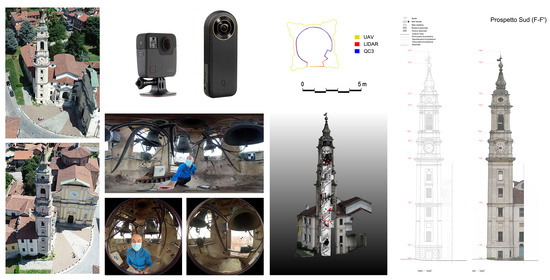
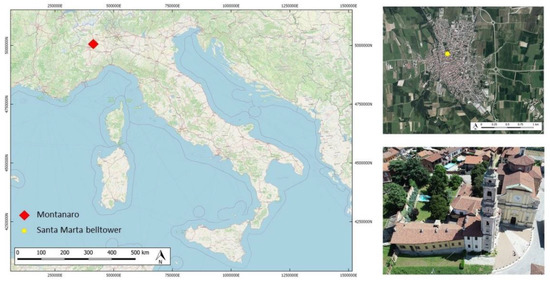
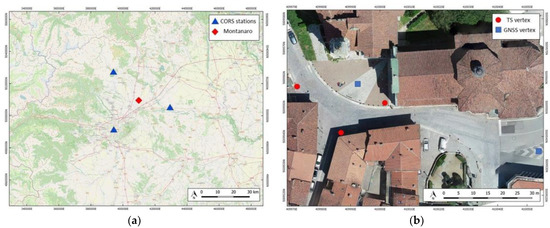
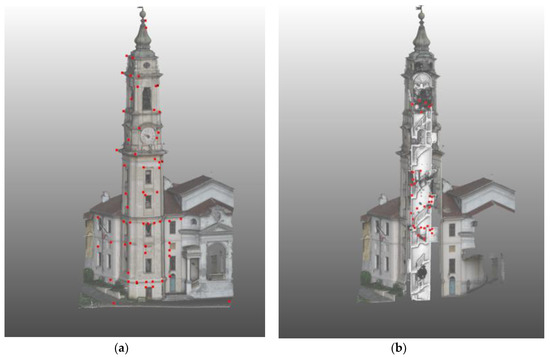
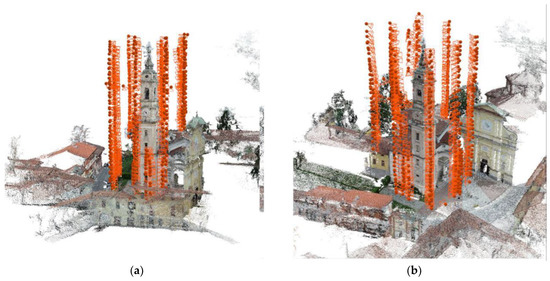
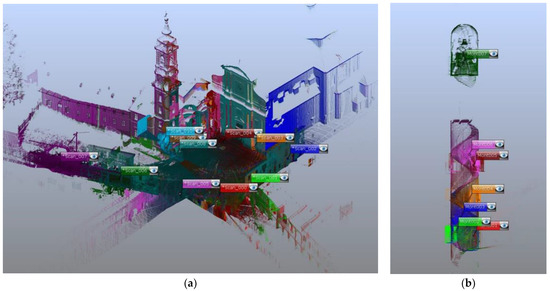
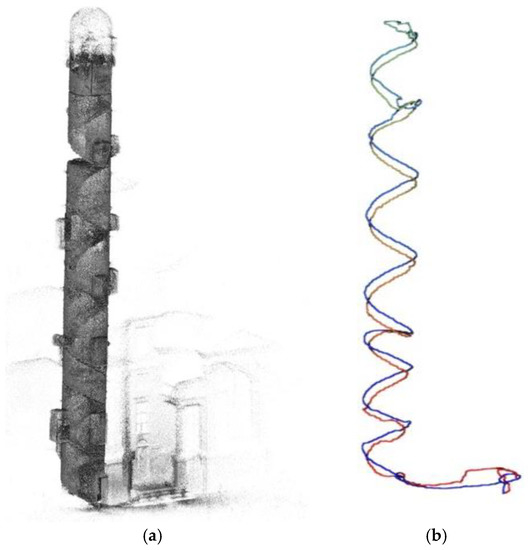
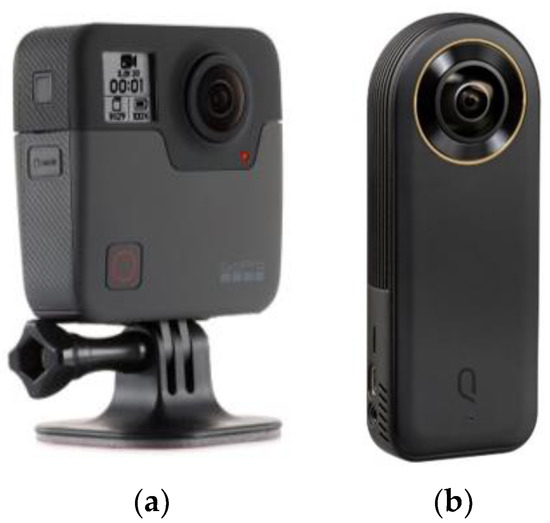
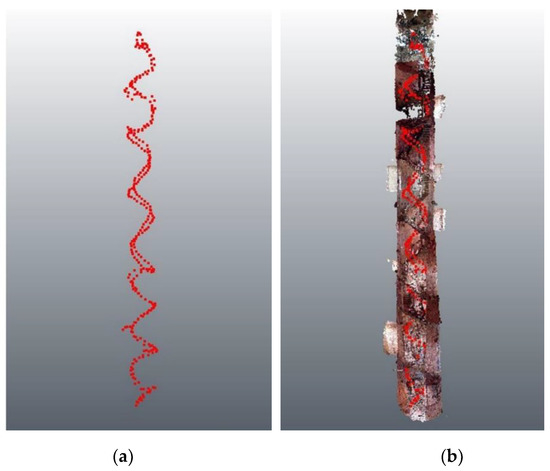
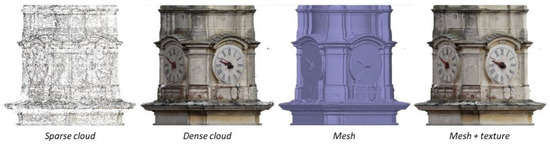
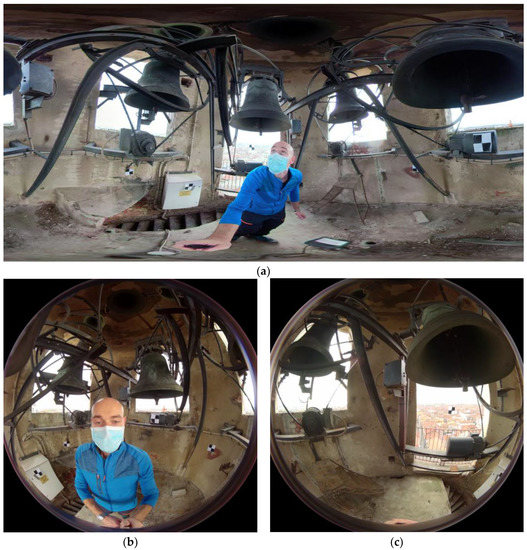
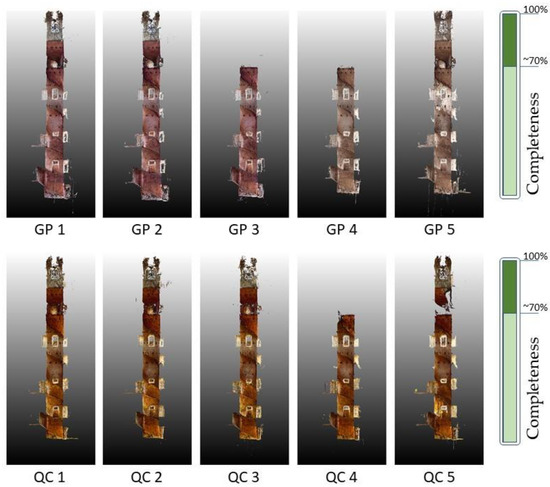
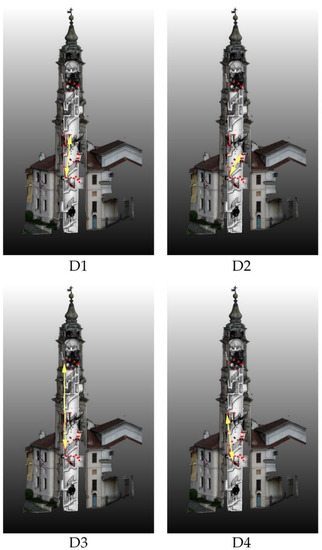
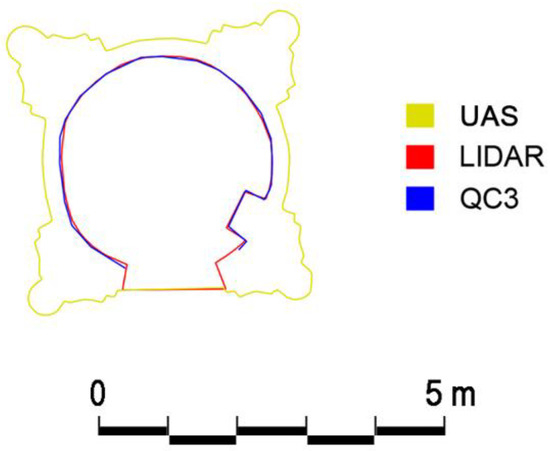
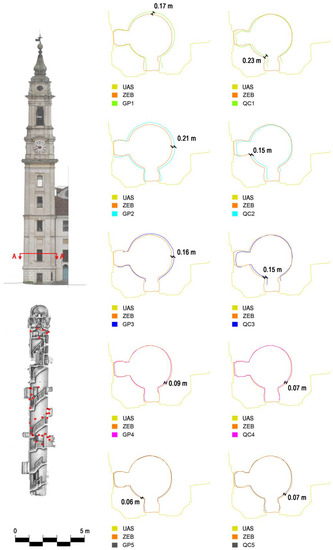
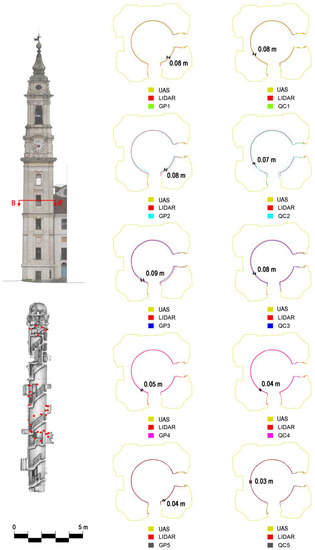
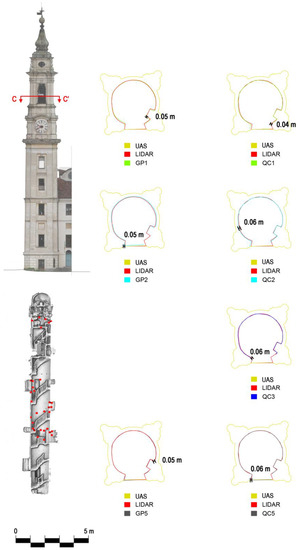
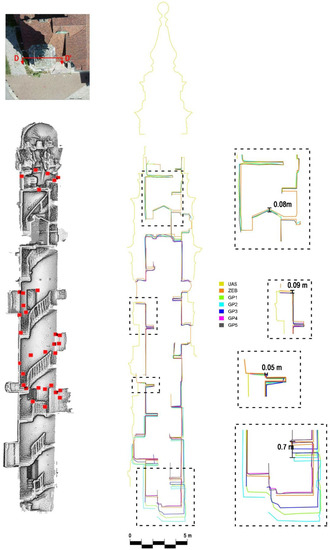
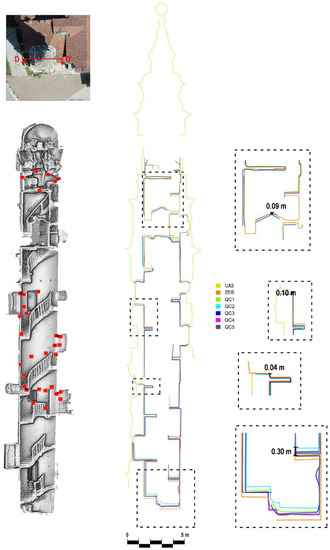
Low-cost and fast surveying approaches are increasingly being deployed in several domains, including in the field of built heritage documentation. In parallel with mobile mapping systems, uncrewed aerial systems, and simultaneous location and mapping systems, 360° cameras and spherical photogrammetry are research topics attracting significant interest for this kind of application. Although several instruments and techniques can be considered to be consolidated approaches in the documentation processes, the research presented in this manuscript is focused on a series of tests and analyses using 360° cameras for the 3D metric documentation of a complex environment, applied to the case study of a XVIII century belltower in Piemonte region (north-west Italy). Both data acquisition and data processing phases were thoroughly investigated and several processing strategies were planned, carried out, and evaluated. Data derived from consolidated 3D mapping approaches were used as a ground reference to validate the results derived from the spherical photogrammetry approach. The outcomes of this research confirmed, under specific conditions and with a proper setup, the possibility of using 360° images in a Structure from Motion pipeline to meet the expected accuracies of typical architectural large-scale drawings. Full article
Show Figures

Graphical abstract
14 pages, 3047 KB  
Article
Multiple Ship Tracking in Remote Sensing Images Using Deep Learning
by Jin Wu, Changqing Cao, Yuedong Zhou, Xiaodong Zeng, Zhejun Feng, Qifan Wu and Ziqiang Huang
Remote Sens. 2021, 13(18), 3601; https://doi.org/10.3390/rs13183601 - 9 Sep 2021
Cited by 27 | Viewed by 4199
Abstract
In remote sensing images, small target size and diverse background cause difficulty in locating targets accurately and quickly. To address the lack of accuracy and inefficient real-time performance of existing tracking algorithms, a multi-object tracking (MOT) algorithm for ships using deep learning was [...] Read more.
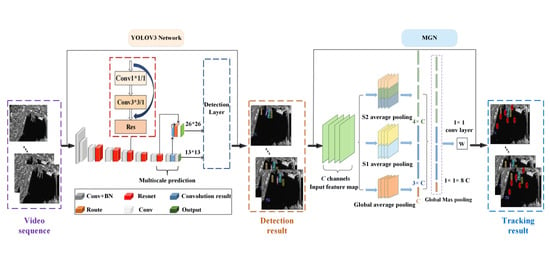
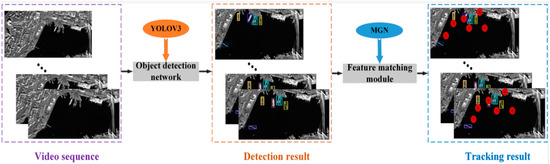
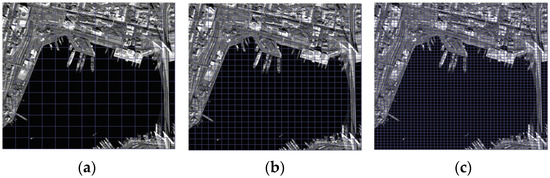
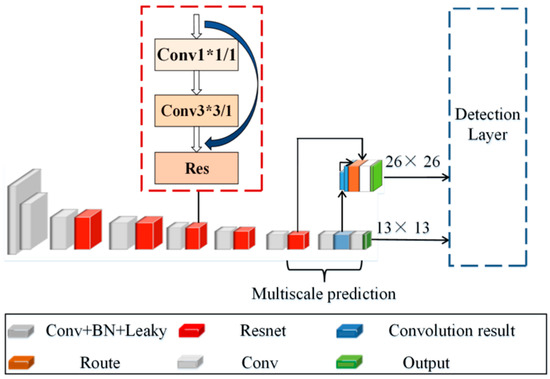
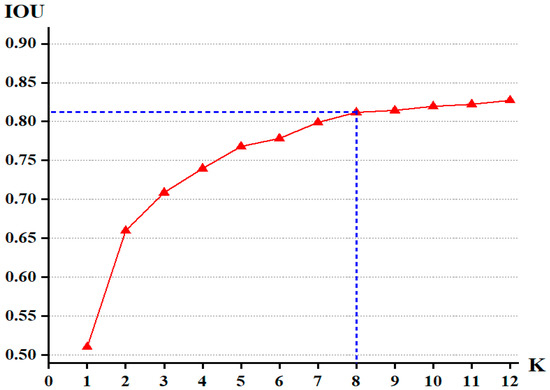
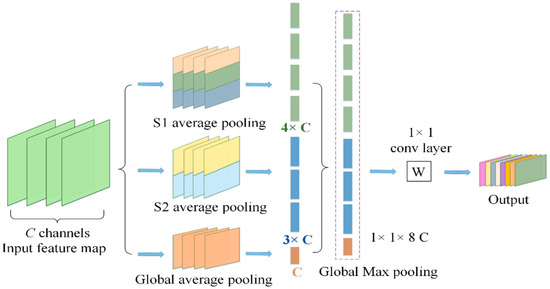
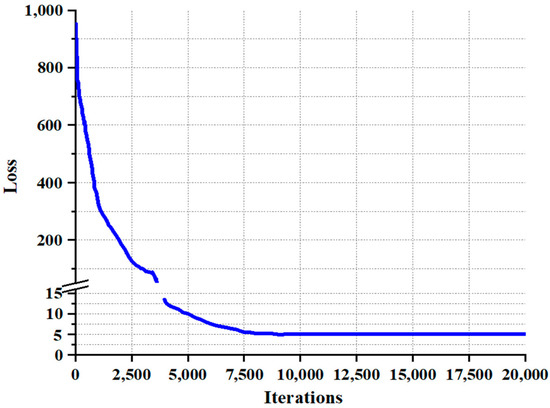
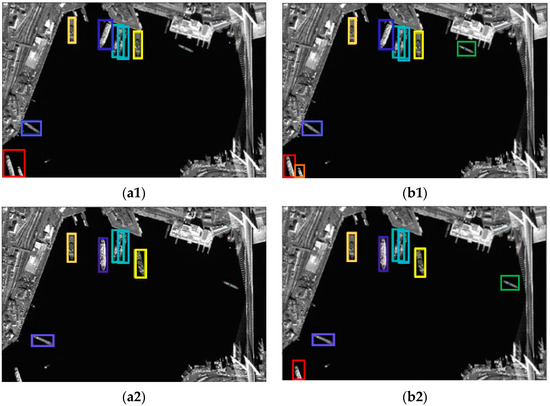
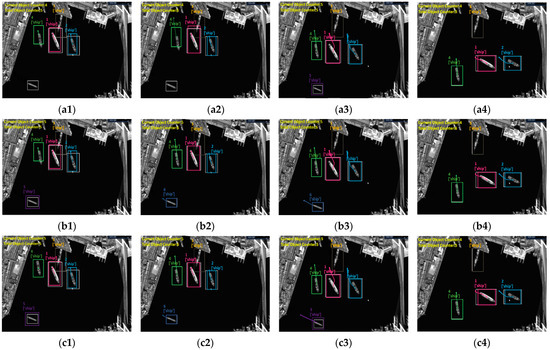
In remote sensing images, small target size and diverse background cause difficulty in locating targets accurately and quickly. To address the lack of accuracy and inefficient real-time performance of existing tracking algorithms, a multi-object tracking (MOT) algorithm for ships using deep learning was proposed in this study. The feature extraction capability of target detectors determines the performance of MOT algorithms. Therefore, you only look once (YOLO)-v3 model, which has better accuracy and speed than other algorithms, was selected as the target detection framework. The high similarity of ship targets will cause poor tracking results; therefore, we used the multiple granularity network (MGN) to extract richer target appearance information to improve the generalization ability of similar images. We compared the proposed algorithm with other state-of-the-art multi-object tracking algorithms. Results show that the tracking accuracy is improved by 2.23%, while the average running speed is close to 21 frames per second, meeting the needs of real-time tracking. Full article
(This article belongs to the Section AI Remote Sensing)
Show Figures

Graphical abstract
21 pages, 59669 KB  
Article
Feature Learning for SAR Target Recognition with Unknown Classes by Using CVAE-GAN
by Xiaowei Hu, Weike Feng, Yiduo Guo and Qiang Wang
Remote Sens. 2021, 13(18), 3554; https://doi.org/10.3390/rs13183554 - 7 Sep 2021
Cited by 27 | Viewed by 3901
Abstract
Even though deep learning (DL) has achieved excellent results on some public data sets for synthetic aperture radar (SAR) automatic target recognition(ATR), several problems exist at present. One is the lack of transparency and interpretability for most of the existing DL networks. Another [...] Read more.
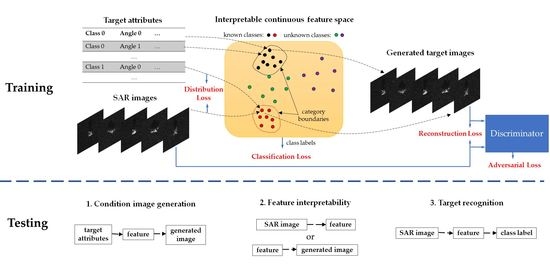
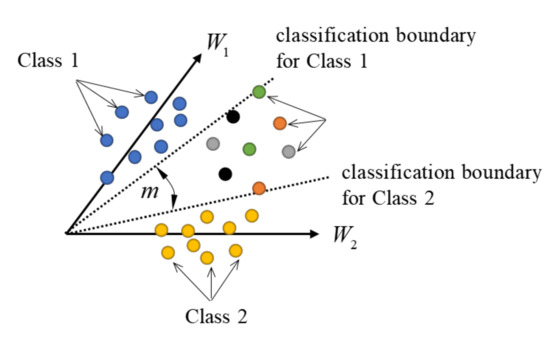
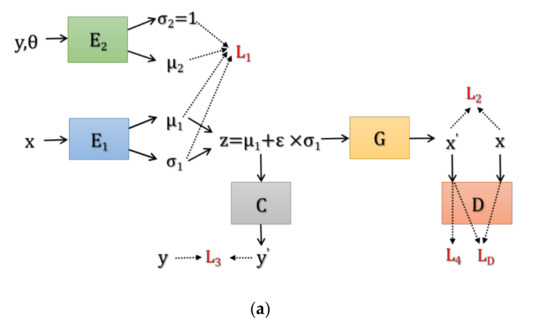
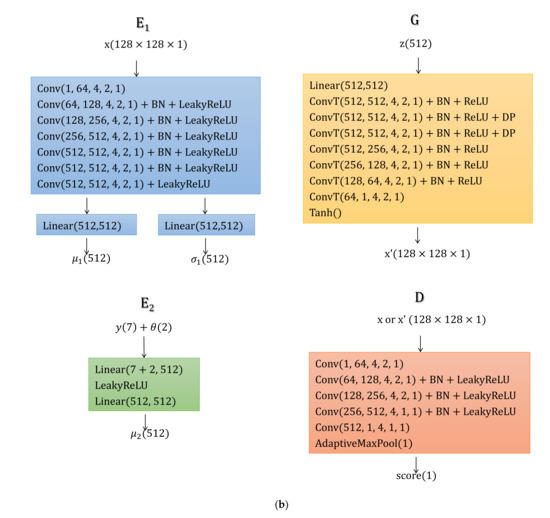
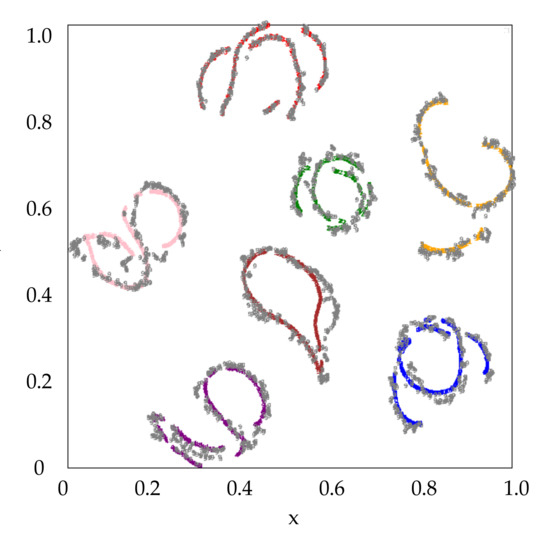
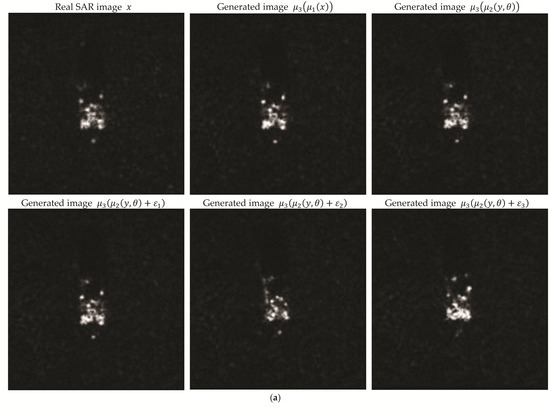
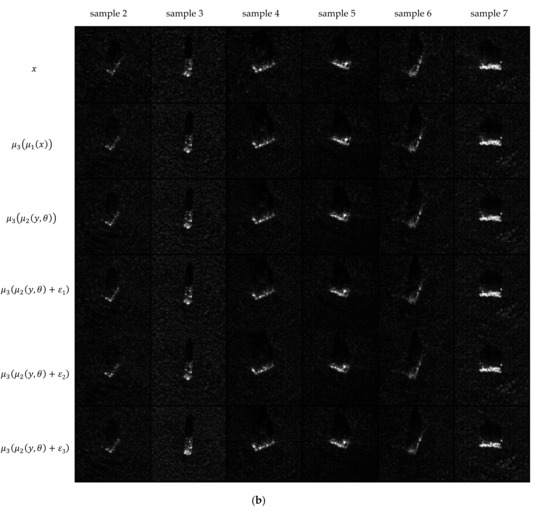
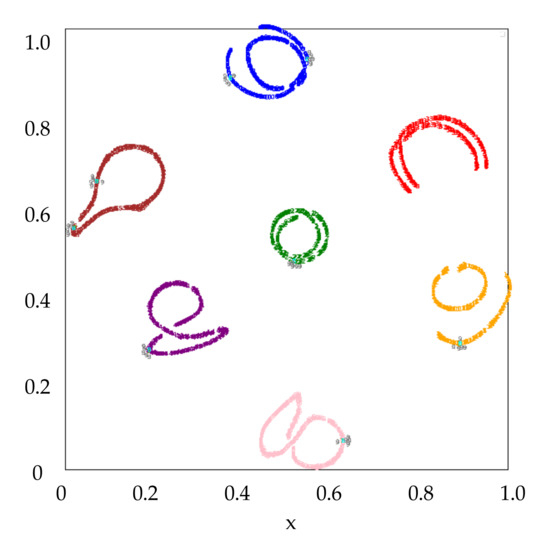
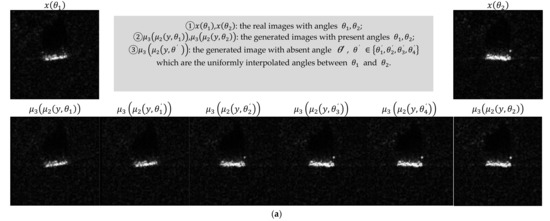
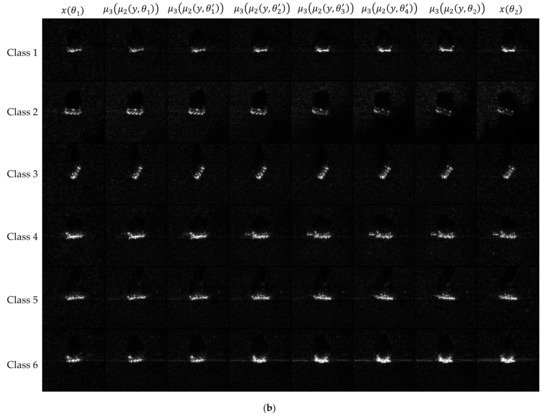
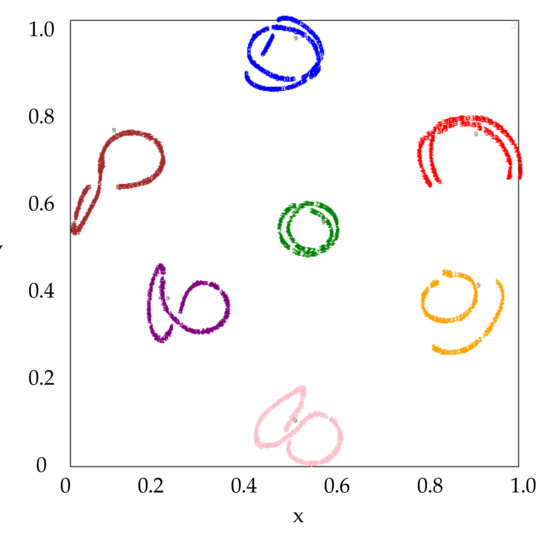
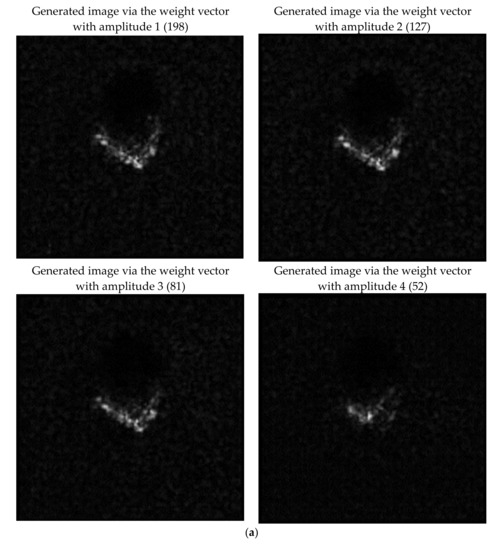
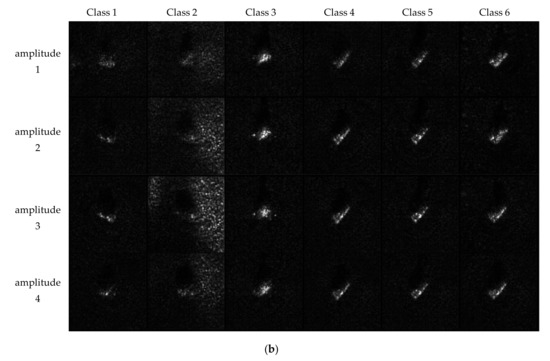
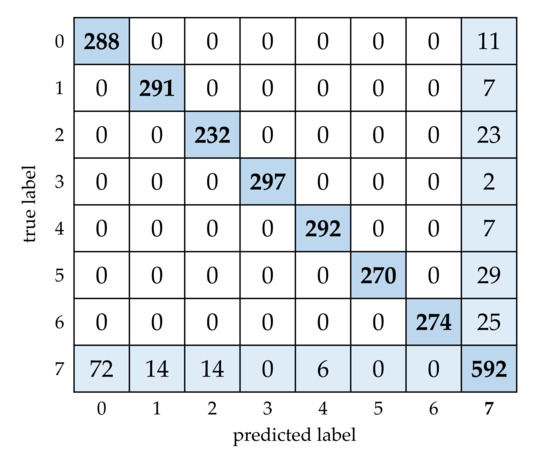
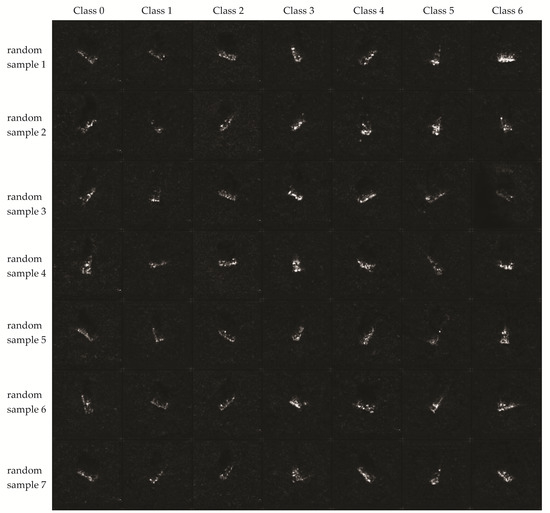
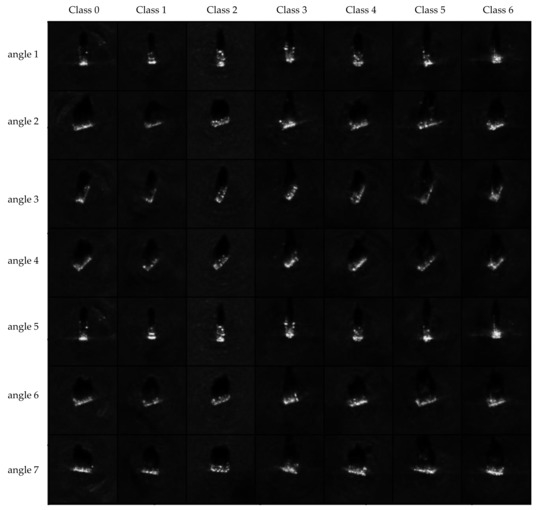
Even though deep learning (DL) has achieved excellent results on some public data sets for synthetic aperture radar (SAR) automatic target recognition(ATR), several problems exist at present. One is the lack of transparency and interpretability for most of the existing DL networks. Another is the neglect of unknown target classes which are often present in practice. To solve the above problems, a deep generation as well as recognition model is derived based on Conditional Variational Auto-encoder (CVAE) and Generative Adversarial Network (GAN). A feature space for SAR-ATR is built based on the proposed CVAE-GAN model. By using the feature space, clear SAR images can be generated with given class labels and observation angles. Besides, the feature of the SAR image is continuous in the feature space and can represent some attributes of the target. Furthermore, it is possible to classify the known classes and reject the unknown target classes by using the feature space. Experiments on the MSTAR data set validate the advantages of the proposed method. Full article
(This article belongs to the Section AI Remote Sensing)
Show Figures

Graphical abstract
27 pages, 6309 KB  
Article
Optimizing the Sowing Date to Improve Water Management and Wheat Yield in a Large Irrigation Scheme, through a Remote Sensing and an Evolution Strategy-Based Approach
by Salwa Belaqziz, Saïd Khabba, Mohamed Hakim Kharrou, El Houssaine Bouras, Salah Er-Raki and Abdelghani Chehbouni
Remote Sens. 2021, 13(18), 3789; https://doi.org/10.3390/rs13183789 - 21 Sep 2021
Cited by 26 | Viewed by 5495
Abstract
This study aims to investigate the effects of an optimized sowing calendar for wheat over a surface irrigation scheme in the semi-arid region of Haouz (Morocco) on irrigation water requirements, crop growth and development and on yield. For that, a scenario-based simulation approach [...] Read more.
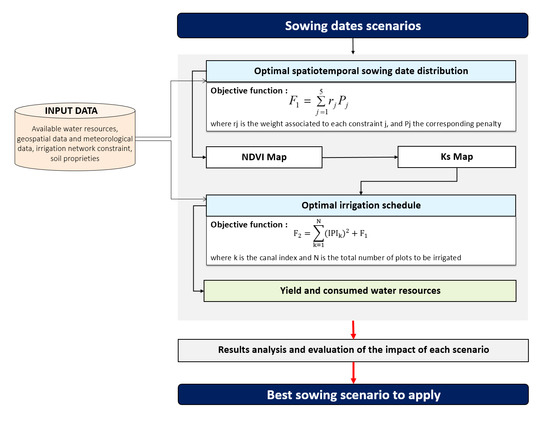
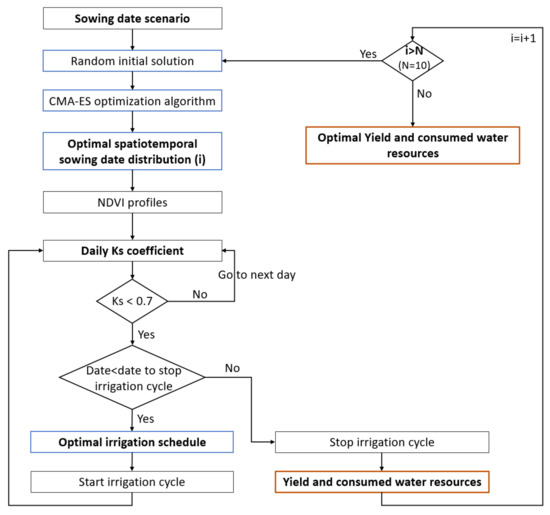
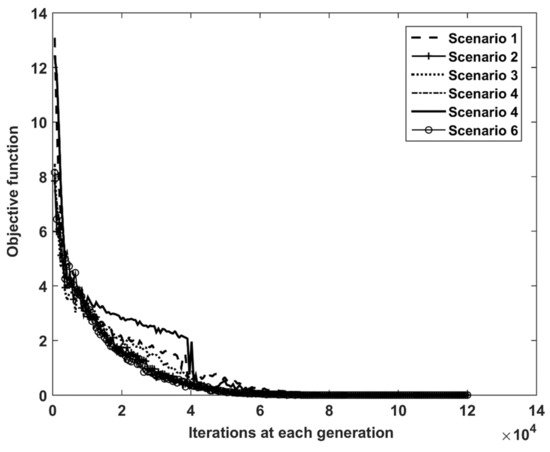
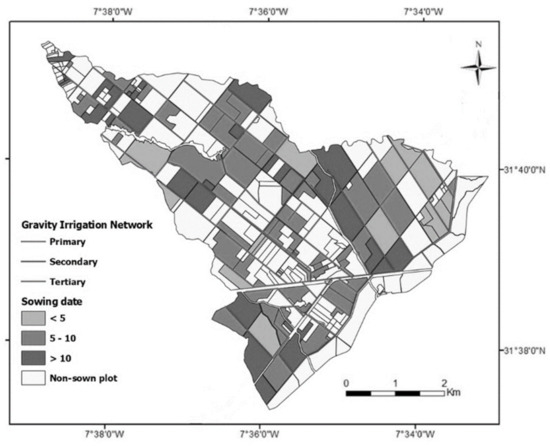
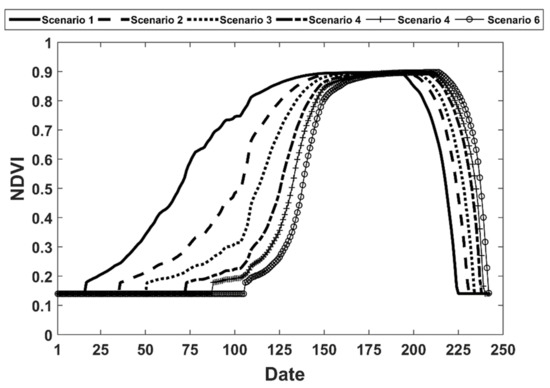
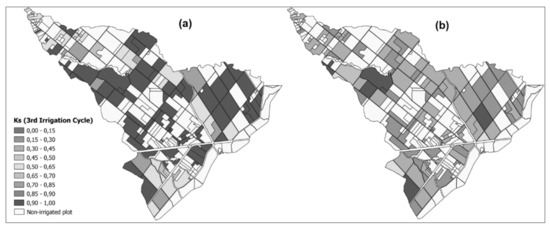
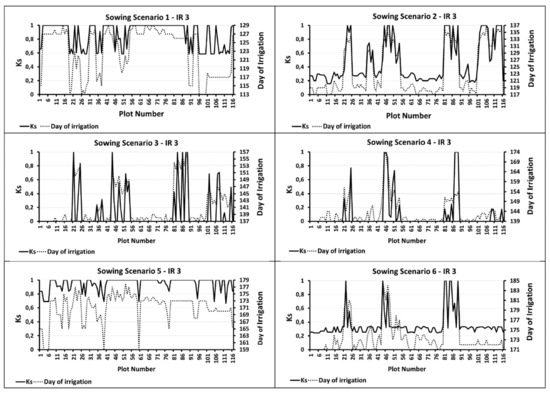
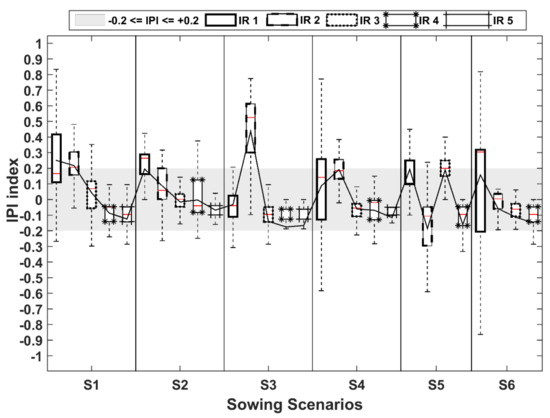
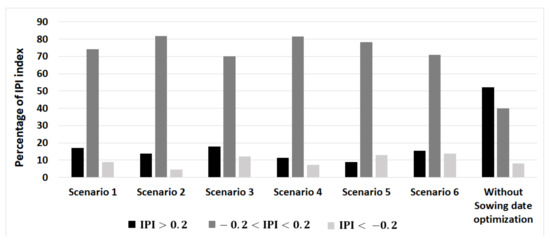
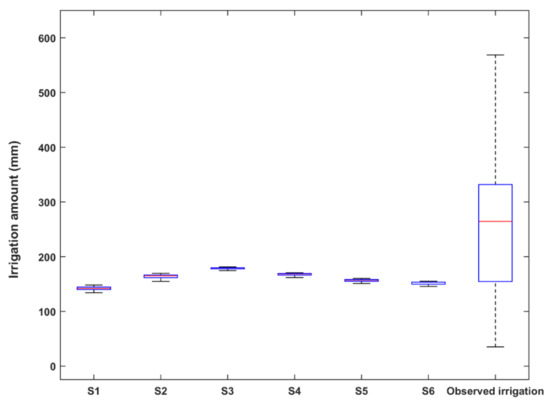
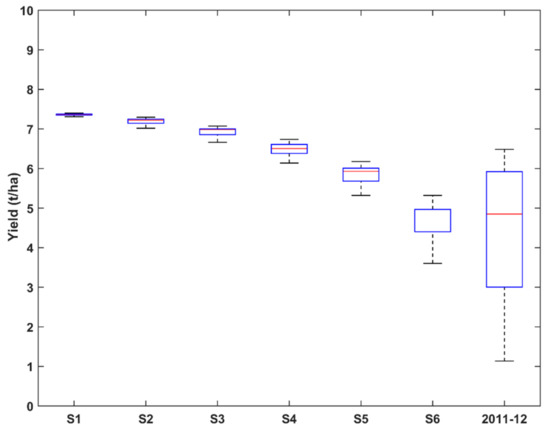
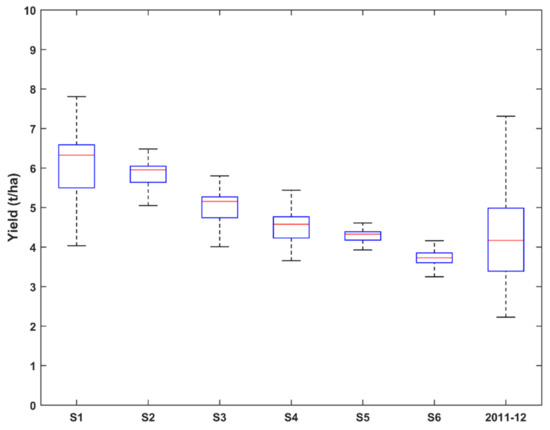
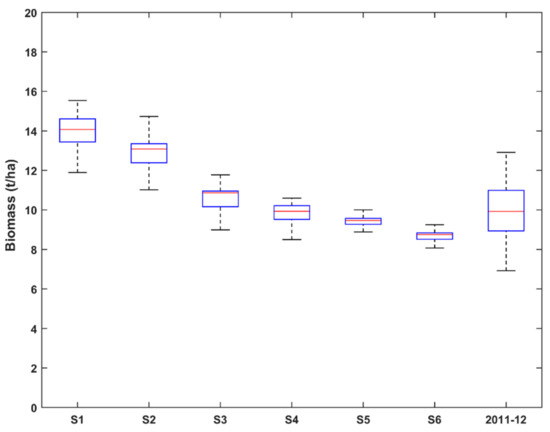
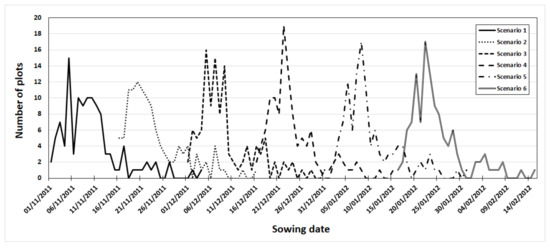
This study aims to investigate the effects of an optimized sowing calendar for wheat over a surface irrigation scheme in the semi-arid region of Haouz (Morocco) on irrigation water requirements, crop growth and development and on yield. For that, a scenario-based simulation approach based on the covariance matrix adaptation–evolution strategy (CMA-ES) was proposed to optimize both the spatiotemporal distribution of sowing dates and the irrigation schedules, and then evaluate wheat crop using the 2011–2012 growing season dataset. Six sowing scenarios were simulated and compared to identify the most optimal spatiotemporal sowing calendar. The obtained results showed that with reference to the existing sowing patterns, early sowing of wheat leads to higher yields compared to late sowing (from 7.40 to 5.32 t/ha). Compared with actual conditions in the study area, the spatial heterogeneity is highly reduced, which increased equity between farmers. The results also showed that the proportion of plots irrigated in time can be increased (from 40% to 82%) compared to both the actual irrigation schedules and to previous results of irrigation optimization, which did not take into consideration sowing dates optimization. Furthermore, considerable reduction of more than 40% of applied irrigation water can be achieved by optimizing sowing dates. Thus, the proposed approach in this study is relevant for irrigation managers and farmers since it provides an insight on the consequences of their agricultural practices regarding the wheat sowing calendar and irrigation scheduling and can be implemented to recommend the best practices to adopt. Full article
(This article belongs to the Special Issue Remote Sensing in Irrigated Crop Water Stress Assessment)
Show Figures

Graphical abstract
20 pages, 3450 KB  
Article
Glassboxing Deep Learning to Enhance Aircraft Detection from SAR Imagery
by Ru Luo, Jin Xing, Lifu Chen, Zhouhao Pan, Xingmin Cai, Zengqi Li, Jielan Wang and Alistair Ford
Remote Sens. 2021, 13(18), 3650; https://doi.org/10.3390/rs13183650 - 13 Sep 2021
Cited by 26 | Viewed by 4028
Abstract
Although deep learning has achieved great success in aircraft detection from SAR imagery, its blackbox behavior has been criticized for low comprehensibility and interpretability. Such challenges have impeded the trustworthiness and wide application of deep learning techniques in SAR image analytics. In this [...] Read more.
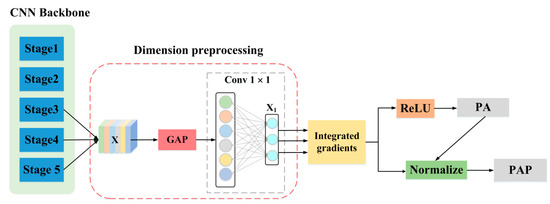
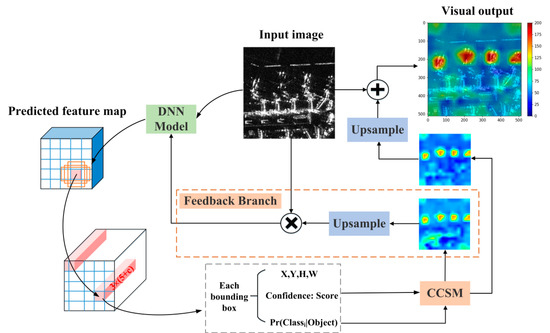
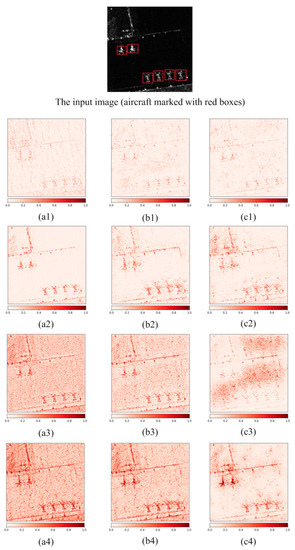
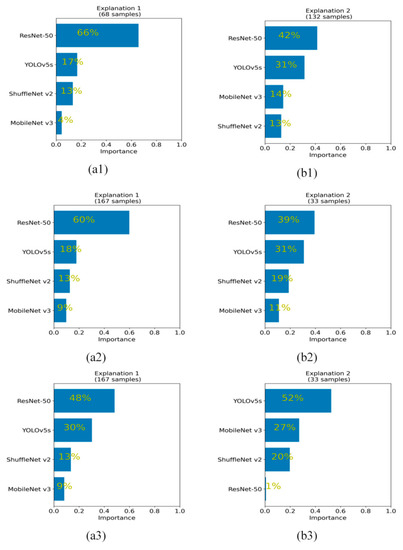
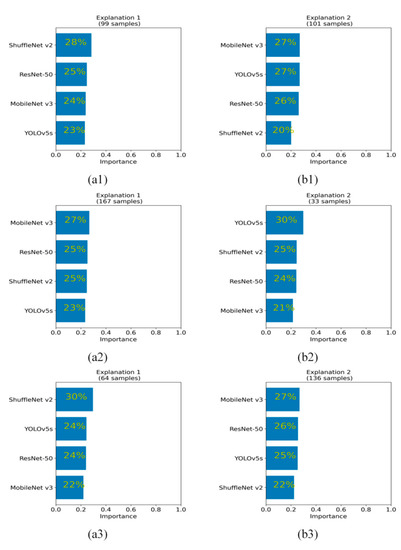
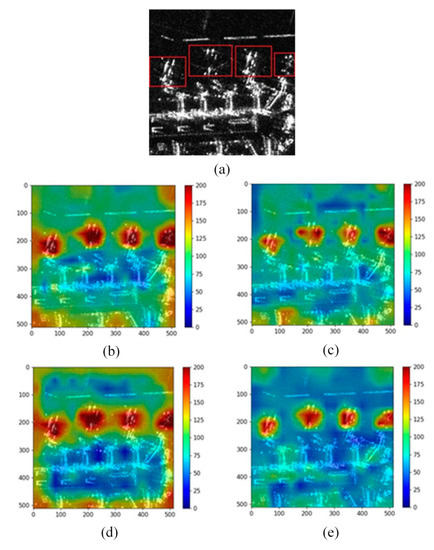
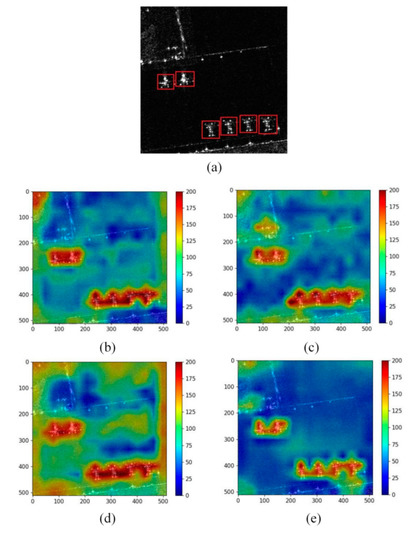
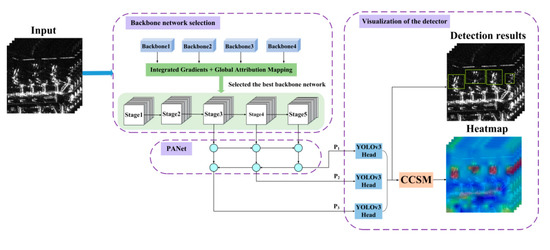
Although deep learning has achieved great success in aircraft detection from SAR imagery, its blackbox behavior has been criticized for low comprehensibility and interpretability. Such challenges have impeded the trustworthiness and wide application of deep learning techniques in SAR image analytics. In this paper, we propose an innovative eXplainable Artificial Intelligence (XAI) framework to glassbox deep neural networks (DNN) by using aircraft detection as a case study. This framework is composed of three parts: hybrid global attribution mapping (HGAM) for backbone network selection, path aggregation network (PANet), and class-specific confidence scores mapping (CCSM) for visualization of the detector. HGAM integrates the local and global XAI techniques to evaluate the effectiveness of DNN feature extraction; PANet provides advanced feature fusion to generate multi-scale prediction feature maps; while CCSM relies on visualization methods to examine the detection performance with given DNN and input SAR images. This framework can select the optimal backbone DNN for aircraft detection and map the detection performance for better understanding of the DNN. We verify its effectiveness with experiments using Gaofen-3 imagery. Our XAI framework offers an explainable approach to design, develop, and deploy DNN for SAR image analytics. Full article
Show Figures

Figure 1

20 pages, 4240 KB  
Article
A Parsimonious Approach to Estimate Soil Organic Carbon Applying Unmanned Aerial System (UAS) Multispectral Imagery and the Topographic Position Index in a Heterogeneous Soil Landscape
by Marc Wehrhan and Michael Sommer
Remote Sens. 2021, 13(18), 3557; https://doi.org/10.3390/rs13183557 - 7 Sep 2021
Cited by 25 | Viewed by 4324
Abstract
Remote sensing plays an increasingly key role in the determination of soil organic carbon (SOC) stored in agriculturally managed topsoils at the regional and field scales. Contemporary Unmanned Aerial Systems (UAS) carrying low-cost and lightweight multispectral sensors provide high spatial resolution imagery (<10 [...] Read more.
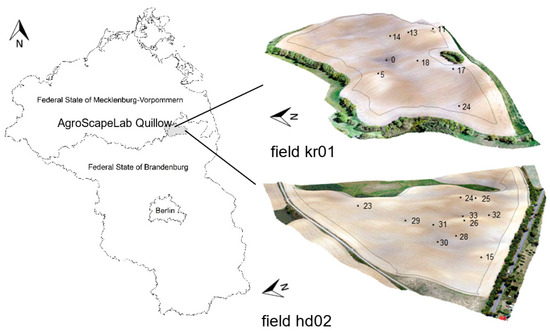
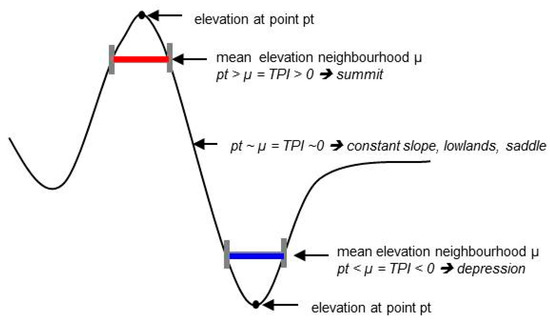
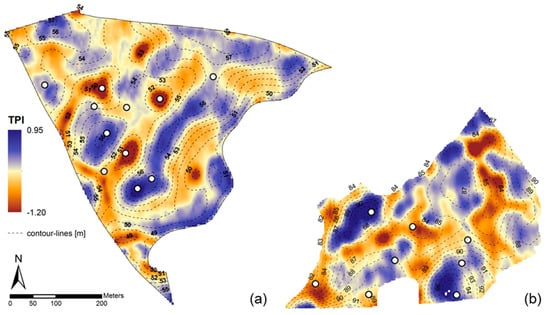
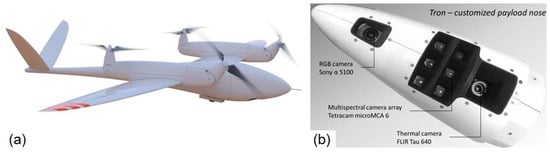
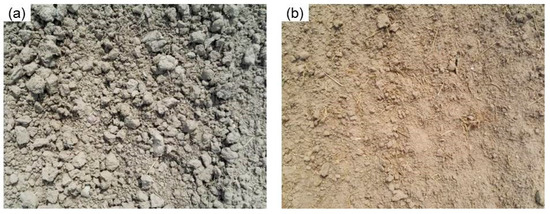
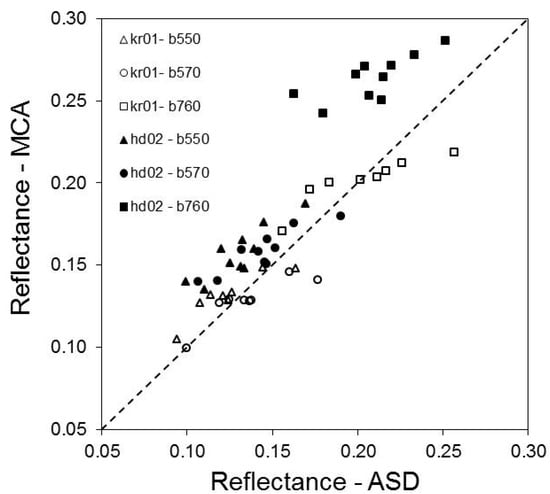
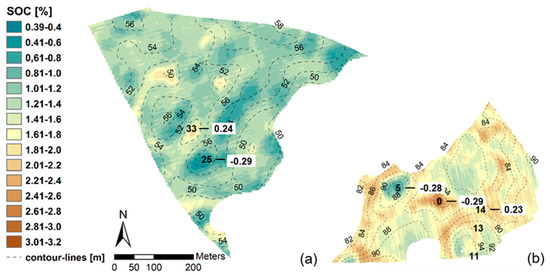
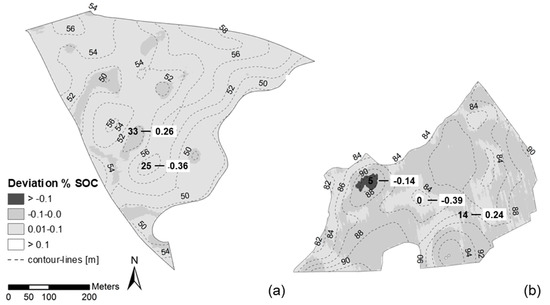
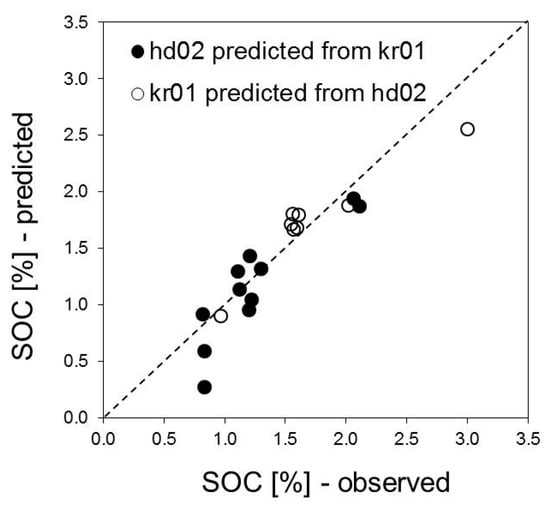
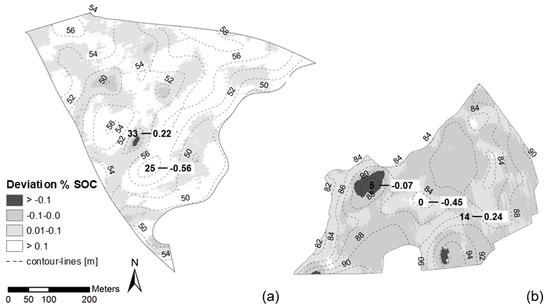
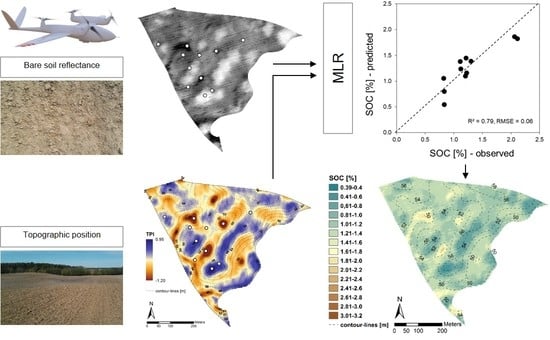
Remote sensing plays an increasingly key role in the determination of soil organic carbon (SOC) stored in agriculturally managed topsoils at the regional and field scales. Contemporary Unmanned Aerial Systems (UAS) carrying low-cost and lightweight multispectral sensors provide high spatial resolution imagery (<10 cm). These capabilities allow integrate of UAS-derived soil data and maps into digitalized workflows for sustainable agriculture. However, the common situation of scarce soil data at field scale might be an obstacle for accurate digital soil mapping. In our case study we tested a fixed-wing UAS equipped with visible and near infrared (VIS-NIR) sensors to estimate topsoil SOC distribution at two fields under the constraint of limited sampling points, which were selected by pedological knowledge. They represent all releva nt soil types along an erosion-deposition gradient; hence, the full feature space in terms of topsoils’ SOC status. We included the Topographic Position Index (TPI) as a co-variate for SOC prediction. Our study was performed in a soil landscape of hummocky ground moraines, which represent a significant of global arable land. Herein, small scale soil variability is mainly driven by tillage erosion which, in turn, is strongly dependent on topography. Relationships between SOC, TPI and spectral information were tested by Multiple Linear Regression (MLR) using: (i) single field data (local approach) and (ii) data from both fields (pooled approach). The highest prediction performance determined by a leave-one-out-cross-validation (LOOCV) was obtained for the models using the reflectance at 570 nm in conjunction with the TPI as explanatory variables for the local approach (coefficient of determination (R²) = 0.91; root mean square error (RMSE) = 0.11% and R² = 0.48; RMSE = 0.33, respectively). The local MLR models developed with both reflectance and TPI using values from all points showed high correlations and low prediction errors for SOC content (R² = 0.88, RMSE = 0.07%; R² = 0.79, RMSE = 0.06%, respectively). The comparison with an enlarged dataset consisting of all points from both fields (pooled approach) showed no improvement of the prediction accuracy but yielded decreased prediction errors. Lastly, the local MLR models were applied to the data of the respective other field to evaluate the cross-field prediction ability. The spatial SOC pattern generally remains unaffected on both fields; differences, however, occur concerning the predicted SOC level. Our results indicate a high potential of the combination of UAS-based remote sensing and environmental covariates, such as terrain attributes, for the prediction of topsoil SOC content at the field scale. The temporal flexibility of UAS offer the opportunity to optimize flight conditions including weather and soil surface status (plant cover or residuals, moisture and roughness) which, otherwise, might obscure the relationship between spectral data and SOC content. Pedologically targeted selection of soil samples for model development appears to be the key for an efficient and effective prediction even with a small dataset. Full article
Show Figures

Graphical abstract
18 pages, 56883 KB  
Article
Multi-Modality and Multi-Scale Attention Fusion Network for Land Cover Classification from VHR Remote Sensing Images
by Tao Lei, Linze Li, Zhiyong Lv, Mingzhe Zhu, Xiaogang Du and Asoke K. Nandi
Remote Sens. 2021, 13(18), 3771; https://doi.org/10.3390/rs13183771 - 20 Sep 2021
Cited by 24 | Viewed by 4440
Abstract
Land cover classification from very high-resolution (VHR) remote sensing images is a challenging task due to the complexity of geography scenes and the varying shape and size of ground targets. It is difficult to utilize the spectral data directly, or to use traditional [...] Read more.
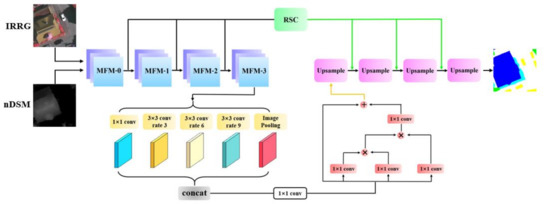
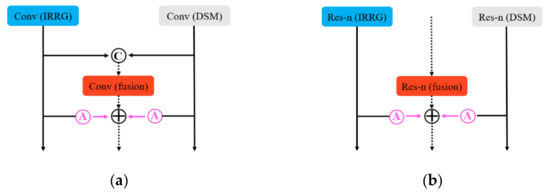
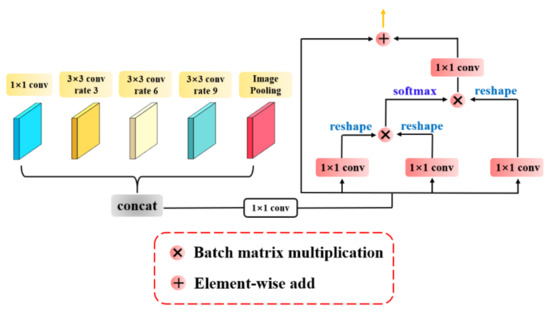
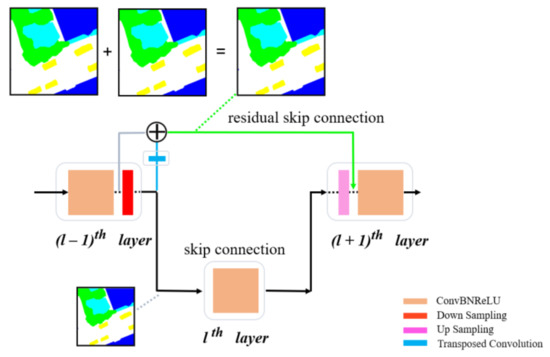
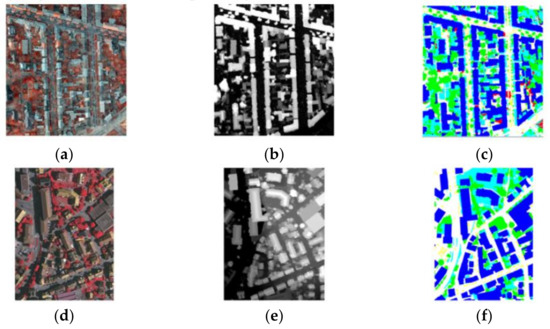
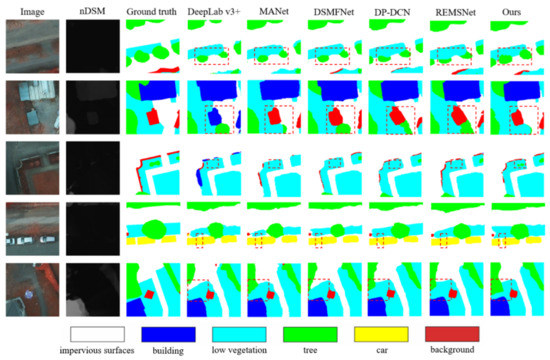
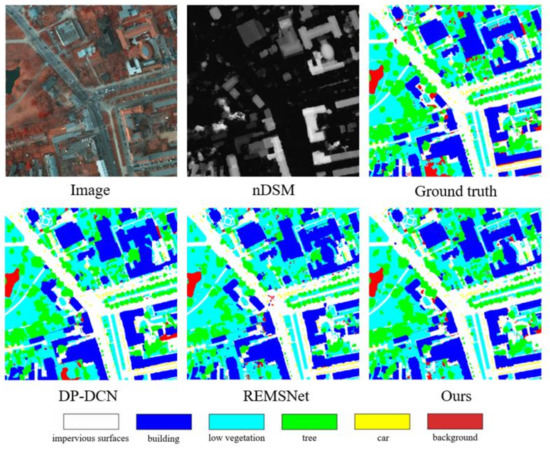
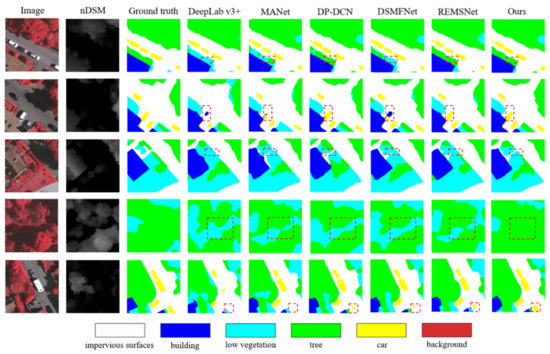
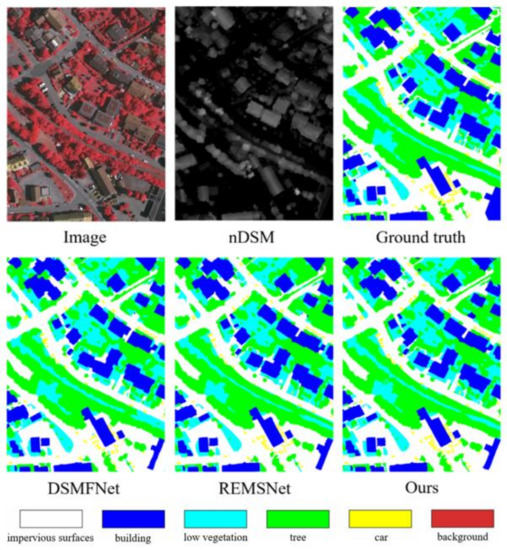
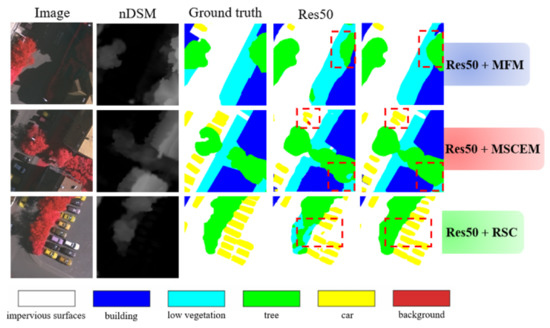
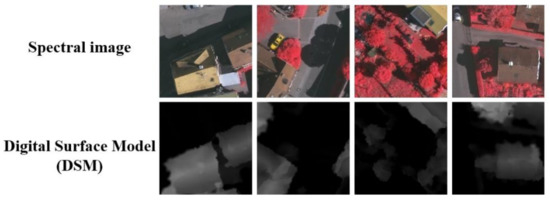
Land cover classification from very high-resolution (VHR) remote sensing images is a challenging task due to the complexity of geography scenes and the varying shape and size of ground targets. It is difficult to utilize the spectral data directly, or to use traditional multi-scale feature extraction methods, to improve VHR remote sensing image classification results. To address the problem, we proposed a multi-modality and multi-scale attention fusion network for land cover classification from VHR remote sensing images. First, based on the encoding-decoding network, we designed a multi-modality fusion module that can simultaneously fuse more useful features and avoid redundant features. This addresses the problem of low classification accuracy for some objects caused by the weak ability of feature representation from single modality data. Second, a novel multi-scale spatial context enhancement module was introduced to improve feature fusion, which solves the problem of a large-scale variation of objects in remote sensing images, and captures long-range spatial relationships between objects. The proposed network and comparative networks were evaluated on two public datasets—the Vaihingen and the Potsdam datasets. It was observed that the proposed network achieves better classification results, with a mean F1-score of 88.6% for the Vaihingen dataset and 92.3% for the Potsdam dataset. Experimental results show that our model is superior to the state-of-the-art network models. Full article
Show Figures

Figure 1

20 pages, 41231 KB  
Article
Identifying Dynamic Changes in Water Surface Using Sentinel-1 Data Based on Genetic Algorithm and Machine Learning Techniques
by Zelin Huang, Wei Wu, Hongbin Liu, Weichun Zhang and Jin Hu
Remote Sens. 2021, 13(18), 3745; https://doi.org/10.3390/rs13183745 - 18 Sep 2021
Cited by 24 | Viewed by 4023
Abstract
The knowledge of water surface changes provides invaluable information for water resources management and flood monitoring. However, the accurate identification of water bodies is a long-term challenge due to human activities and climate change. Sentinel-1 synthetic aperture radar (SAR) data have been drawn, [...] Read more.
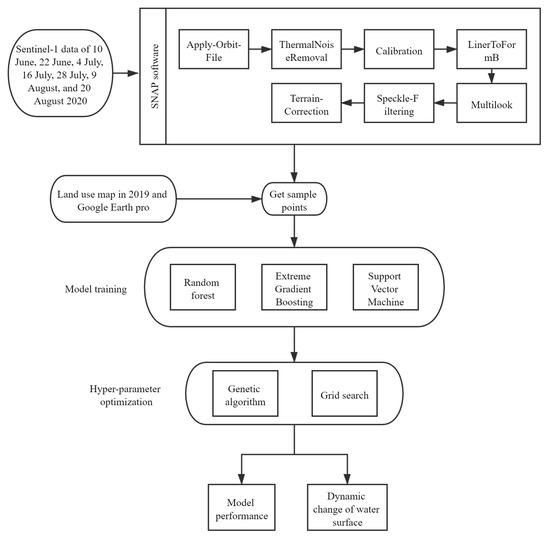
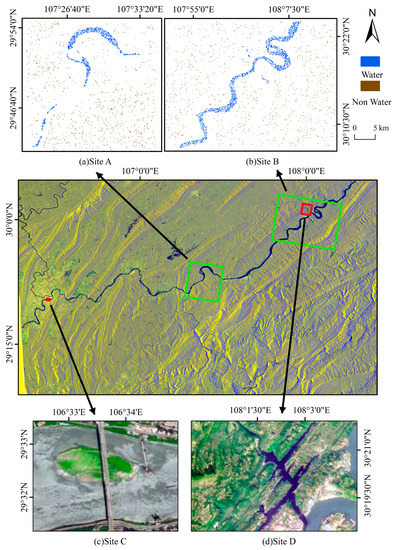
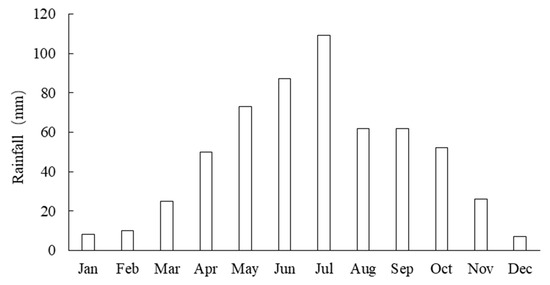
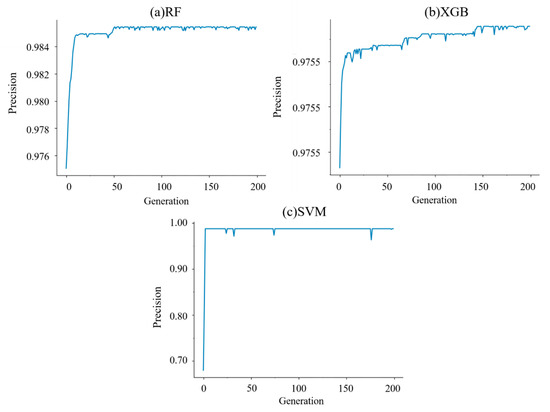
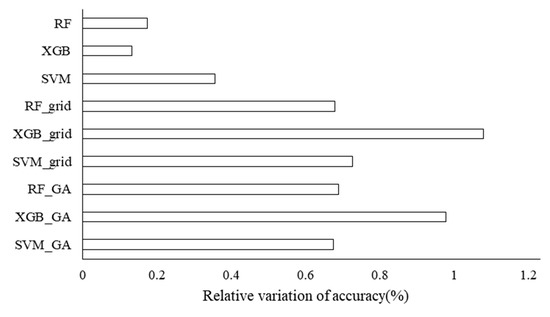
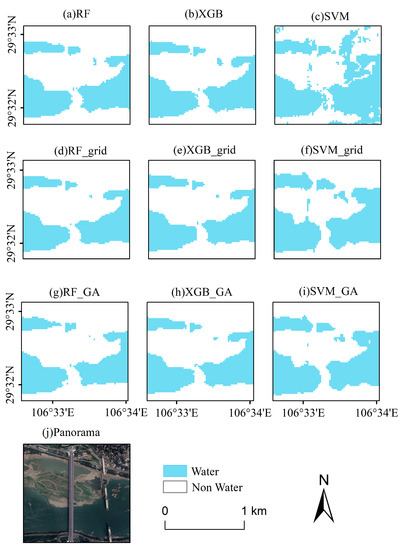
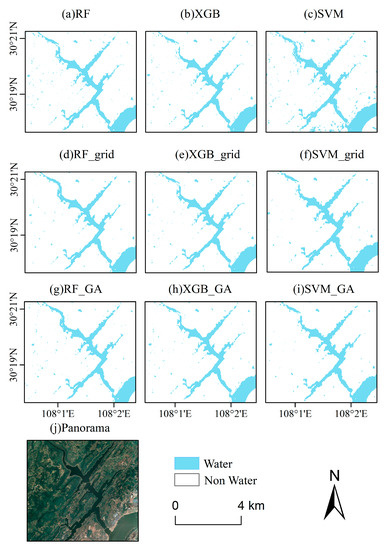
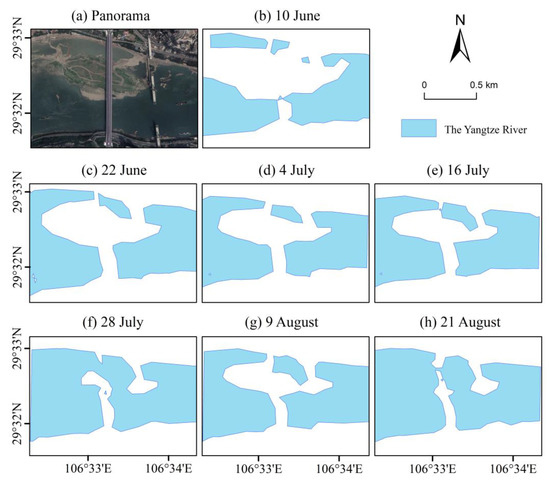
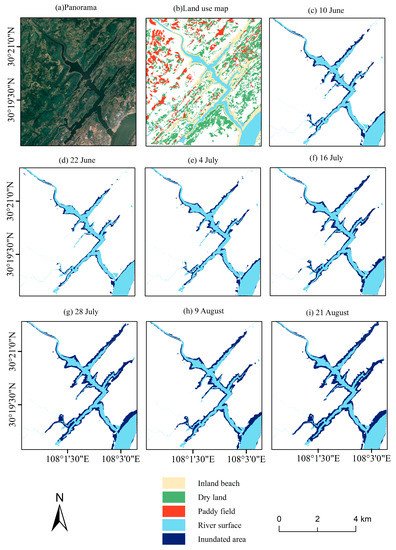
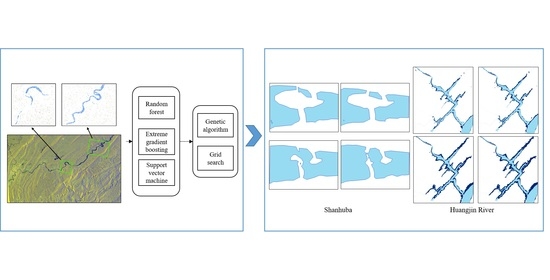
The knowledge of water surface changes provides invaluable information for water resources management and flood monitoring. However, the accurate identification of water bodies is a long-term challenge due to human activities and climate change. Sentinel-1 synthetic aperture radar (SAR) data have been drawn, increasing attention to water extraction due to the availability of weather conditions, water sensitivity and high spatial and temporal resolutions. This study investigated the abilities of random forest (RF), Extreme Gradient Boosting (XGB) and support vector machine (SVM) methods to identify water bodies using Sentinel-1 imageries in the upper stream of the Yangtze River, China. Three sets of hyper-parameters including default values, optimized by grid searches and genetic algorithms, were examined for each model. Model performances were evaluated using a Sentinel-1 image of the developed site and the transfer site. The results showed that SVM outperformed RF and XGB under the three scenarios on both the validated and transfer sites. Among them, SVM optimized by genetic algorithm obtained the best accuracy with precisions of 0.9917 and 0.985, kappa statistics of 0.9833 and 0.97, F1-scores of 0.9919 and 0.9848 on validated and transfer sites, respectively. The best model was then used to identify the dynamic changes in water surfaces during the 2020 flood season in the study area. Overall, the study further demonstrated that SVM optimized using a genetic algorithm was a suitable method for monitoring water surface changes with a Sentinel-1 dataset. Full article
Show Figures

Graphical abstract
25 pages, 3442 KB  
Article
Time-Domain Multidimensional Deconvolution: A Physically Reliable and Stable Preconditioned Implementation
by David Vargas, Ivan Vasconcelos, Matteo Ravasi and Nick Luiken
Remote Sens. 2021, 13(18), 3683; https://doi.org/10.3390/rs13183683 - 15 Sep 2021
Cited by 24 | Viewed by 4867
Abstract
Multidimensional deconvolution constitutes an essential operation in a variety of geophysical scenarios at different scales ranging from reservoir to crustal, as it appears in applications such as surface multiple elimination, target-oriented redatuming, and interferometric body-wave retrieval just to name a few. Depending on [...] Read more.
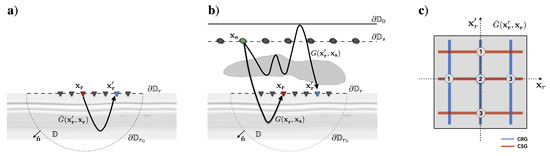
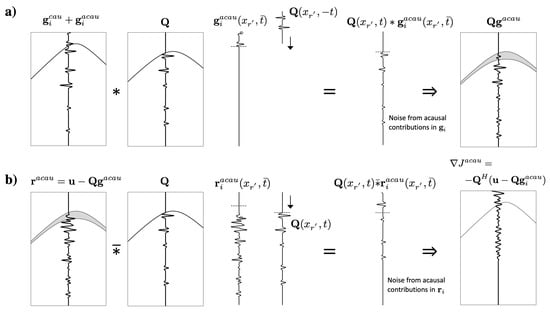
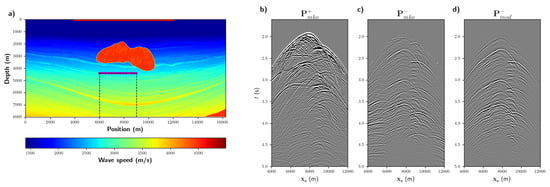
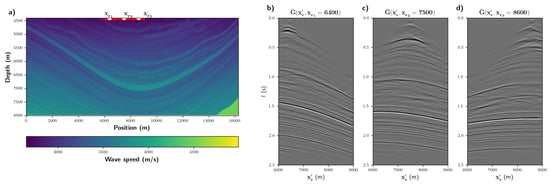
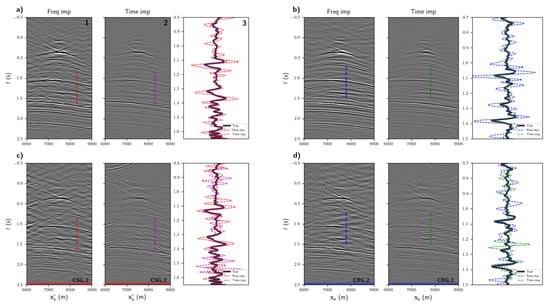
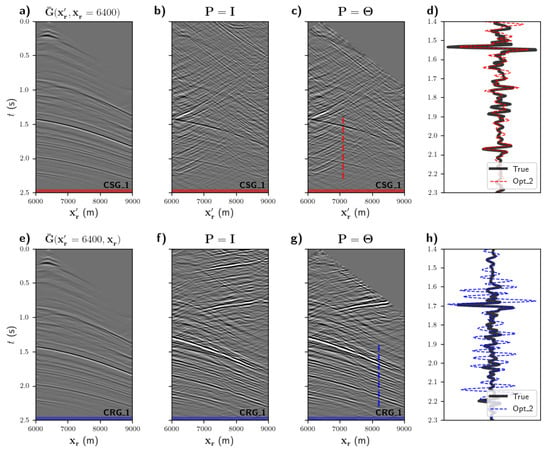
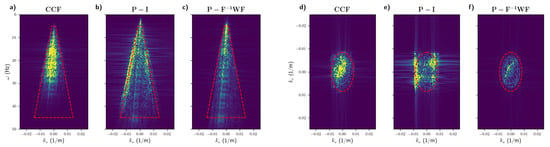
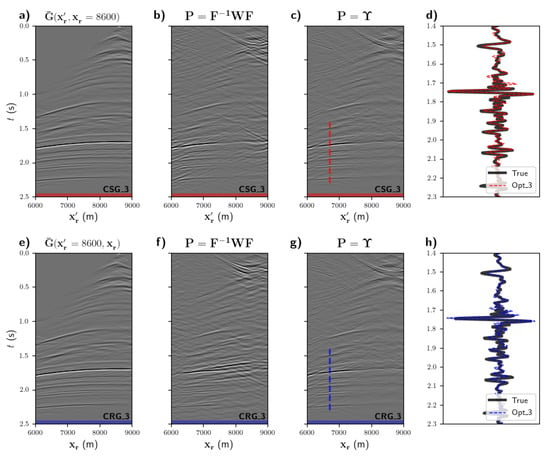
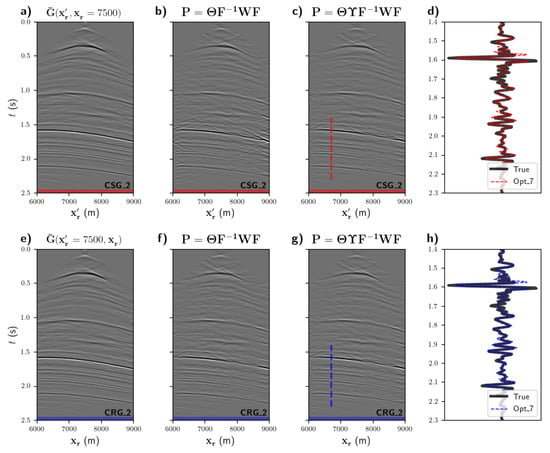
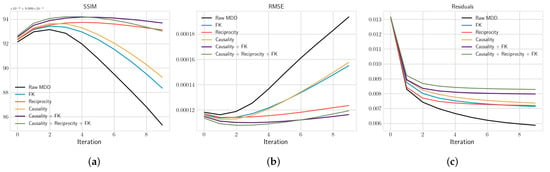
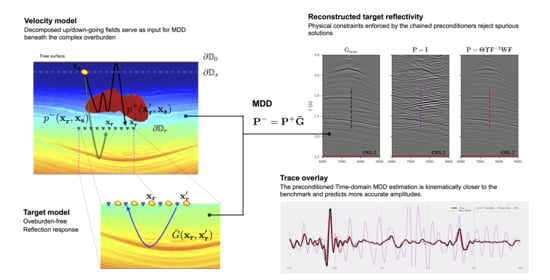
Multidimensional deconvolution constitutes an essential operation in a variety of geophysical scenarios at different scales ranging from reservoir to crustal, as it appears in applications such as surface multiple elimination, target-oriented redatuming, and interferometric body-wave retrieval just to name a few. Depending on the use case, active, microseismic, or teleseismic signals are used to reconstruct the broadband response that would have been recorded between two observation points as if one were a virtual source. Reconstructing such a response relies on the the solution of an ill-conditioned linear inverse problem sensitive to noise and artifacts due to incomplete acquisition, limited sources, and band-limited data. Typically, this inversion is performed in the Fourier domain where the inverse problem is solved per frequency via direct or iterative solvers. While this inversion is in theory meant to remove spurious events from cross-correlation gathers and to correct amplitudes, difficulties arise in the estimation of optimal regularization parameters, which are worsened by the fact they must be estimated at each frequency independently. Here we show the benefits of formulating the problem in the time domain and introduce a number of physical constraints that naturally drive the inversion towards a reduced set of stable, meaningful solutions. By exploiting reciprocity, time causality, and frequency-wavenumber locality a set of preconditioners are included at minimal additional cost as a way to alleviate the dependency on an optimal damping parameter to stabilize the inversion. With an interferometric redatuming example, we demonstrate how our time domain implementation successfully reconstructs the overburden-free reflection response beneath a complex salt body from noise-contaminated up- and down-going transmission responses at the target level. Full article
(This article belongs to the Special Issue Advances in Seismic Interferometry)
Show Figures

Graphical abstract
31 pages, 28098 KB  
Article
Satellite-Based Human Settlement Datasets Inadequately Detect Refugee Settlements: A Critical Assessment at Thirty Refugee Settlements in Uganda
by Jamon Van Den Hoek and Hannah K. Friedrich
Remote Sens. 2021, 13(18), 3574; https://doi.org/10.3390/rs13183574 - 8 Sep 2021
Cited by 24 | Viewed by 7324
Abstract
Satellite-based broad-scale (i.e., global and continental) human settlement data are essential for diverse applications spanning climate hazard mitigation, sustainable development monitoring, spatial epidemiology and demographic modeling. Many human settlement products report exceptional detection accuracies above 85%, but there is a substantial blind spot [...] Read more.
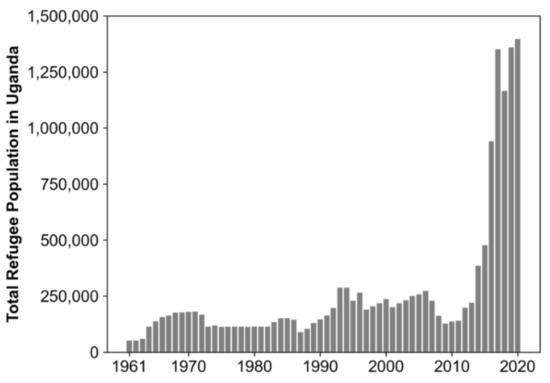
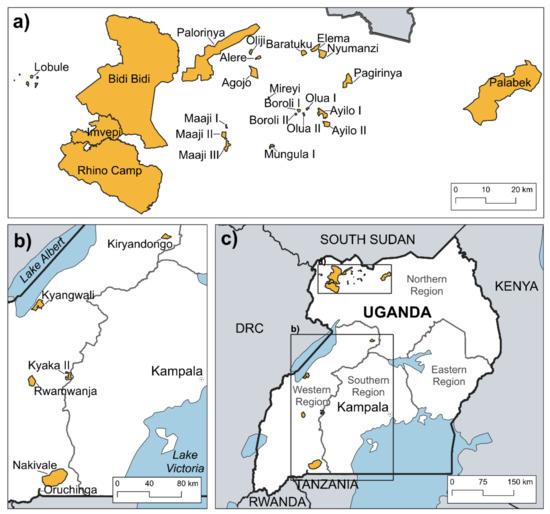
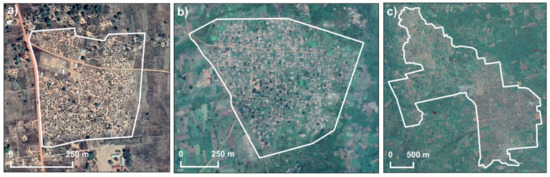
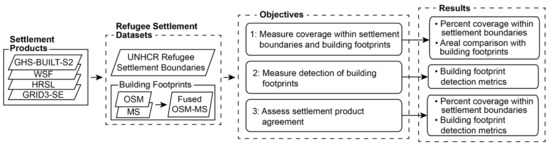
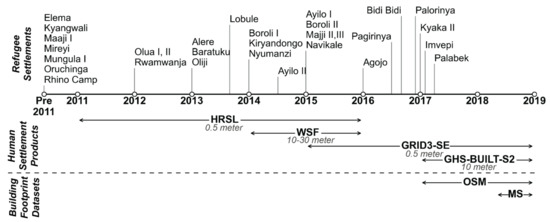
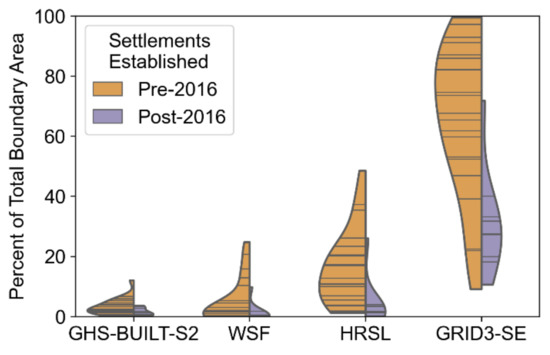
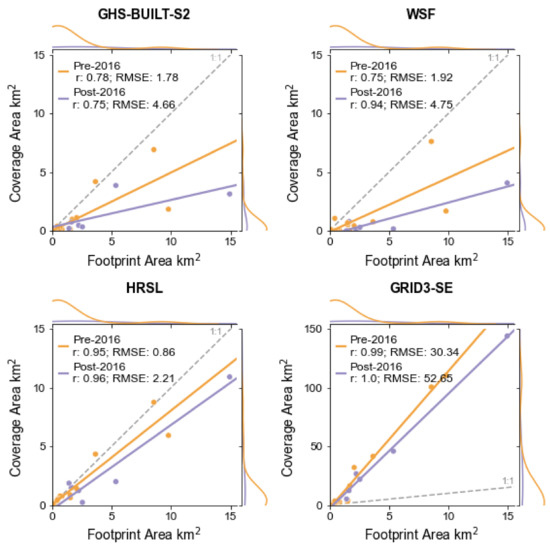
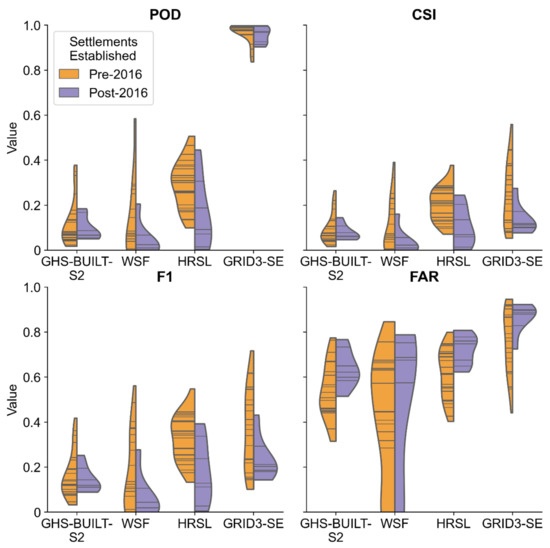
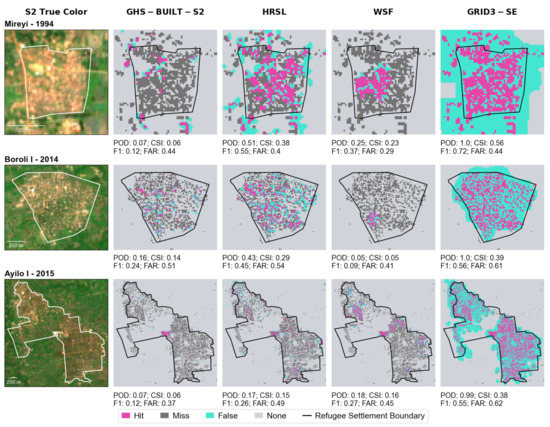
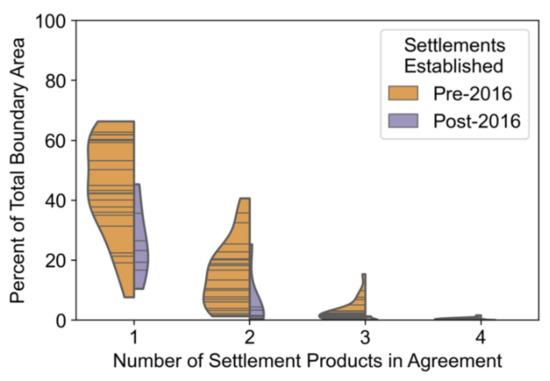
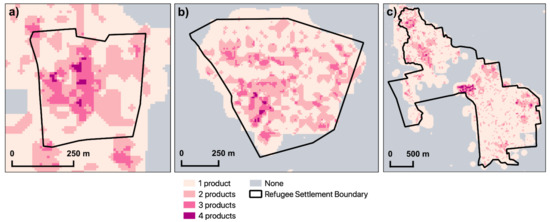
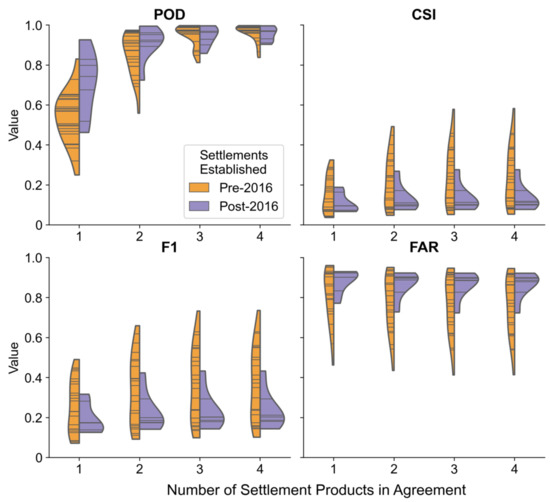
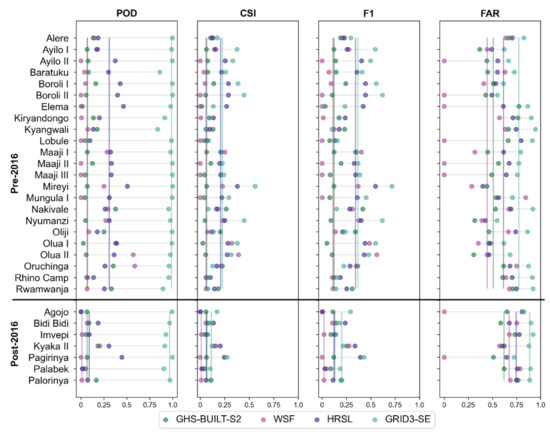
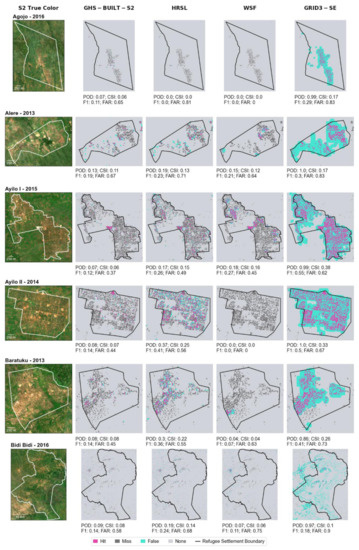
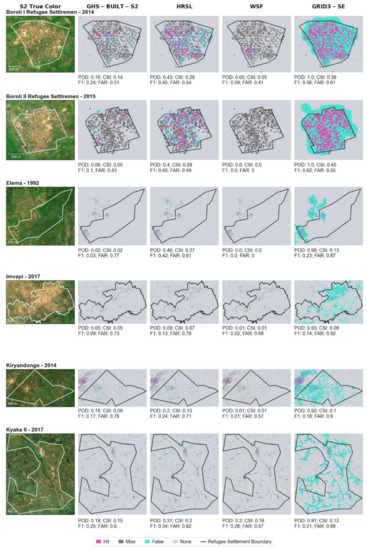
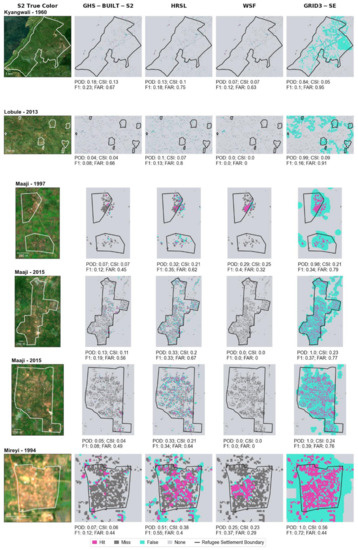
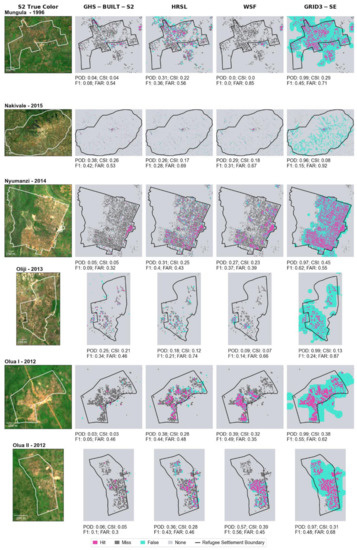
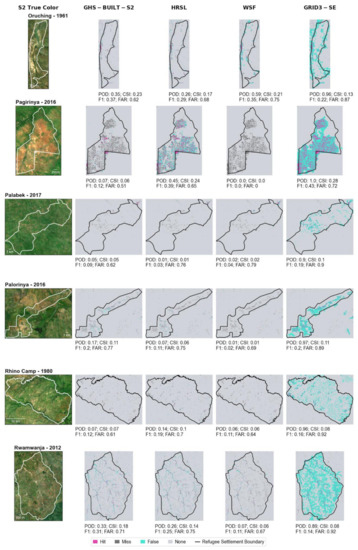
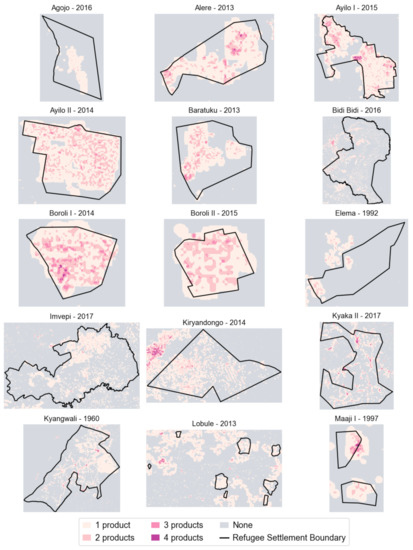
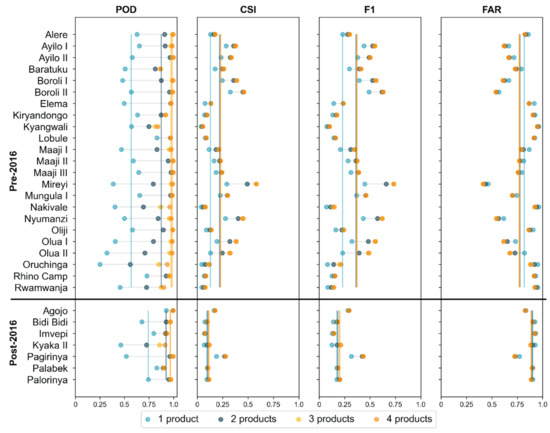
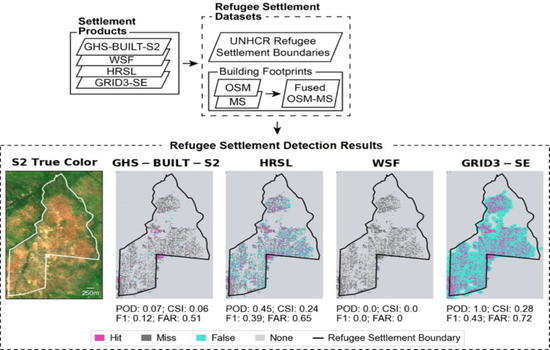
Satellite-based broad-scale (i.e., global and continental) human settlement data are essential for diverse applications spanning climate hazard mitigation, sustainable development monitoring, spatial epidemiology and demographic modeling. Many human settlement products report exceptional detection accuracies above 85%, but there is a substantial blind spot in that product validation typically focuses on large urban areas and excludes rural, small-scale settlements that are home to 3.4 billion people around the world. In this study, we make use of a data-rich sample of 30 refugee settlements in Uganda to assess the small-scale settlement detection by four human settlement products, namely, Geo-Referenced Infrastructure and Demographic Data for Development settlement extent data (GRID3-SE), Global Human Settlements Built-Up Sentinel-2 (GHS-BUILT-S2), High Resolution Settlement Layer (HRSL) and World Settlement Footprint (WSF). We measured each product’s areal coverage within refugee settlement boundaries, assessed detection of 317,416 building footprints and examined spatial agreement among products. For settlements established before 2016, products had low median probability of detection and F1-score of 0.26 and 0.24, respectively, a high median false alarm rate of 0.59 and tended to only agree in regions with the highest building density. Individually, GRID3-SE offered more than five-fold the coverage of other products, GHS-BUILT-S2 underestimated the building footprint area by a median 50% and HRSL slightly underestimated the footprint area by a median 7%, while WSF entirely overlooked 8 of the 30 study refugee settlements. The variable rates of coverage and detection partly result from GRID3-SE and HRSL being based on much higher resolution imagery, compared to GHS-BUILT-S2 and WSF. Earlier established settlements were generally better detected than recently established settlements, showing that the timing of satellite image acquisition with respect to refugee settlement establishment also influenced detection results. Nonetheless, settlements established in the 1960s and 1980s were inconsistently detected by settlement products. These findings show that human settlement products have far to go in capturing small-scale refugee settlements and would benefit from incorporating refugee settlements in training and validating human settlement detection approaches. Full article
Show Figures

Graphical abstract
24 pages, 6805 KB  
Article
Mapping Canopy Heights in Dense Tropical Forests Using Low-Cost UAV-Derived Photogrammetric Point Clouds and Machine Learning Approaches
by He Zhang, Marijn Bauters, Pascal Boeckx and Kristof Van Oost
Remote Sens. 2021, 13(18), 3777; https://doi.org/10.3390/rs13183777 - 20 Sep 2021
Cited by 23 | Viewed by 6515
Abstract
Tropical forests are a key component of the global carbon cycle and climate change mitigation. Field- or LiDAR-based approaches enable reliable measurements of the structure and above-ground biomass (AGB) of tropical forests. Data derived from digital aerial photogrammetry (DAP) on the [...] Read more.
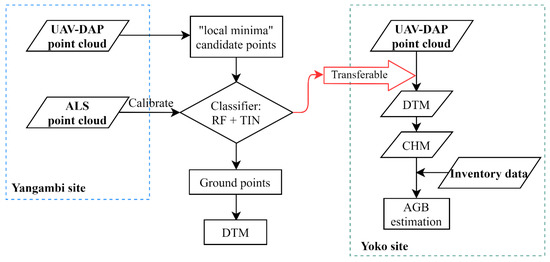
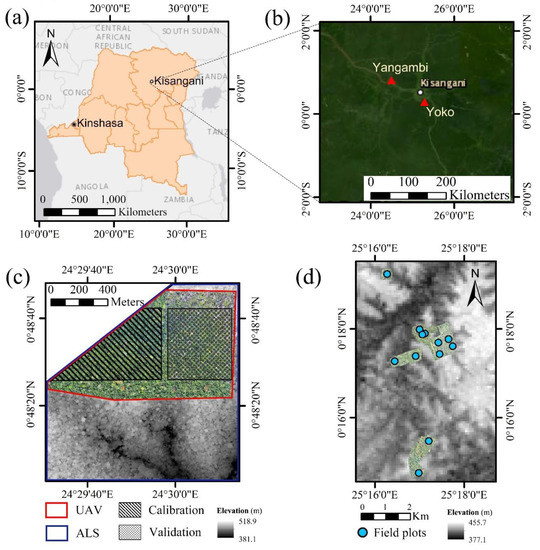
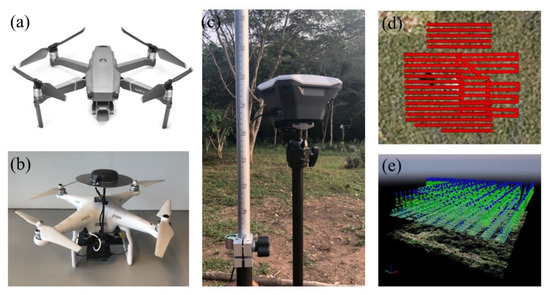
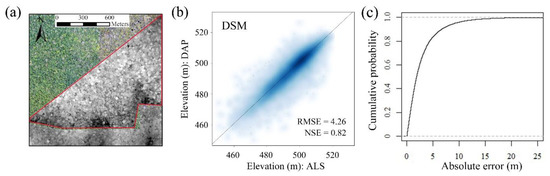
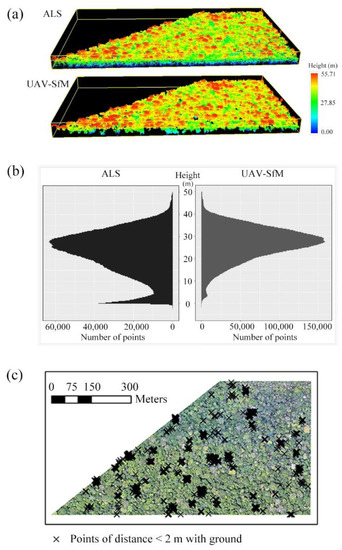
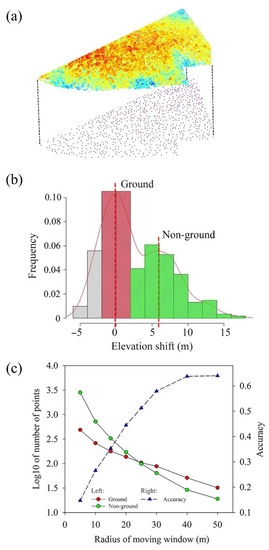
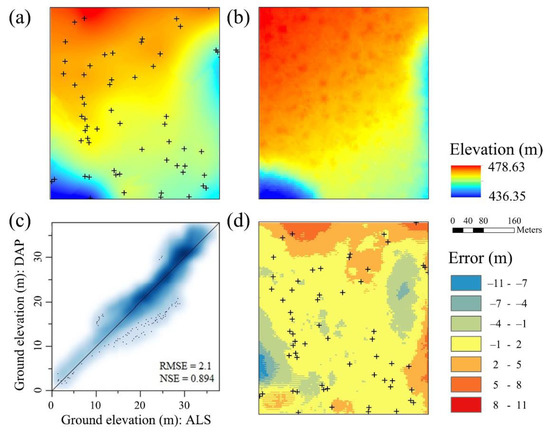
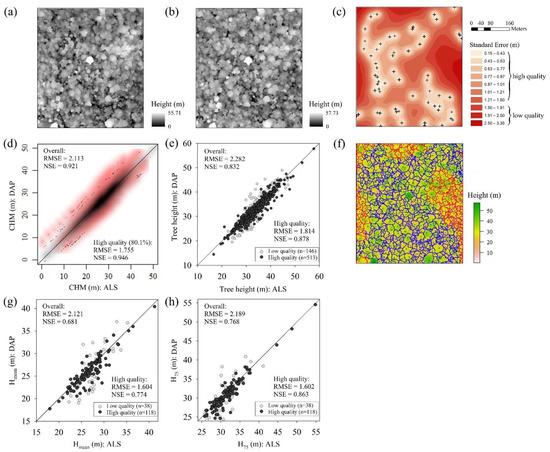
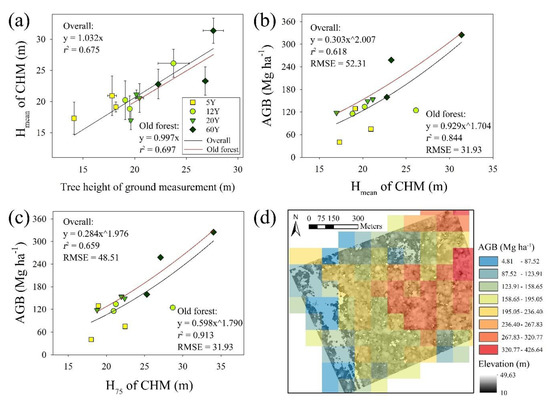
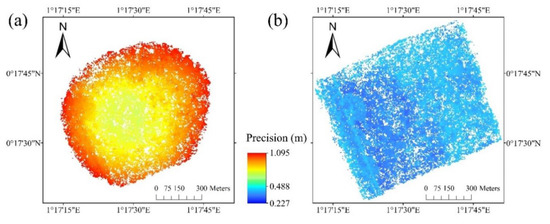
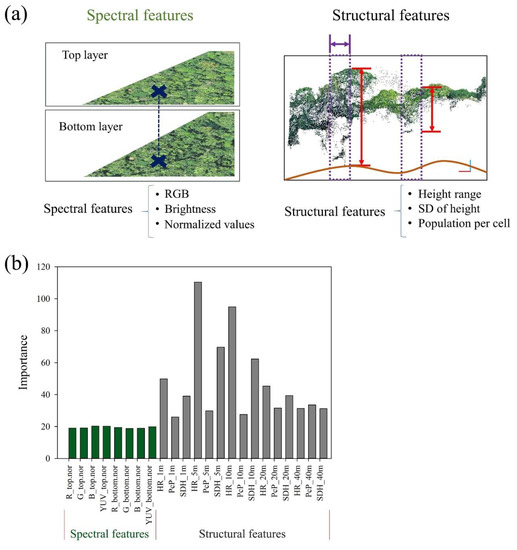
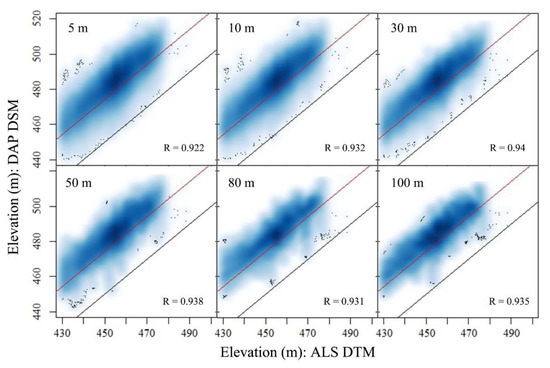
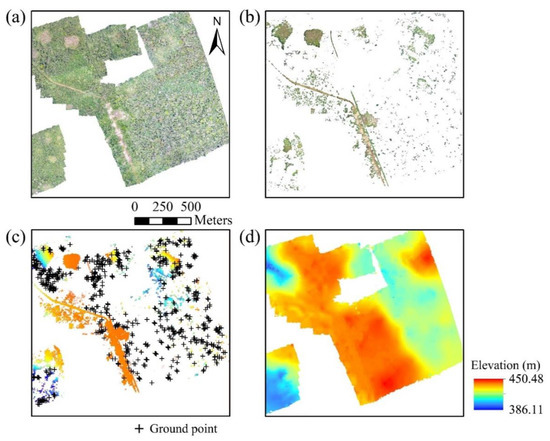
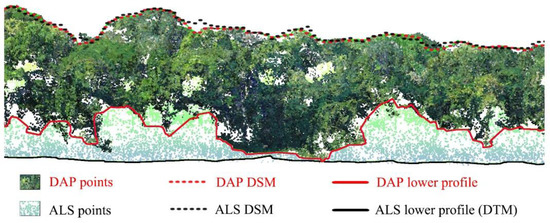
Tropical forests are a key component of the global carbon cycle and climate change mitigation. Field- or LiDAR-based approaches enable reliable measurements of the structure and above-ground biomass (AGB) of tropical forests. Data derived from digital aerial photogrammetry (DAP) on the unmanned aerial vehicle (UAV) platform offer several advantages over field- and LiDAR-based approaches in terms of scale and efficiency, and DAP has been presented as a viable and economical alternative in boreal or deciduous forests. However, detecting with DAP the ground in dense tropical forests, which is required for the estimation of canopy height, is currently considered highly challenging. To address this issue, we present a generally applicable method that is based on machine learning methods to identify the forest floor in DAP-derived point clouds of dense tropical forests. We capitalize on the DAP-derived high-resolution vertical forest structure to inform ground detection. We conducted UAV-DAP surveys combined with field inventories in the tropical forest of the Congo Basin. Using airborne LiDAR (ALS) for ground truthing, we present a canopy height model (CHM) generation workflow that constitutes the detection, classification and interpolation of ground points using a combination of local minima filters, supervised machine learning algorithms and TIN densification for classifying ground points using spectral and geometrical features from the UAV-based 3D data. We demonstrate that our DAP-based method provides estimates of tree heights that are identical to LiDAR-based approaches (conservatively estimated NSE = 0.88, RMSE = 1.6 m). An external validation shows that our method is capable of providing accurate and precise estimates of tree heights and AGB in dense tropical forests (DAP vs. field inventories of old forest: r2 = 0.913, RMSE = 31.93 Mg ha−1). Overall, this study demonstrates that the application of cheap and easily deployable UAV-DAP platforms can be deployed without expert knowledge to generate biophysical information and advance the study and monitoring of dense tropical forests. Full article
(This article belongs to the Special Issue UAV Applications for Forest Management: Wood Volume, Biomass, Mapping)
Show Figures

Figure 1

17 pages, 831 KB  
Article
Tensor-Based Reduced-Dimension MUSIC Method for Parameter Estimation in Monostatic FDA-MIMO Radar
by Tengxian Xu, Xianpeng Wang, Mengxing Huang, Xiang Lan and Lu Sun
Remote Sens. 2021, 13(18), 3772; https://doi.org/10.3390/rs13183772 - 20 Sep 2021
Cited by 23 | Viewed by 3697
Abstract
Frequency diverse array (FDA) radar has attracted much attention due to the angle and range dependence of the beam pattern. Multiple-input-multiple-output (MIMO) radar has high degrees of freedom (DOF) and spatial resolution. The FDA-MIMO radar, a hybrid of FDA and MIMO radar, can [...] Read more.
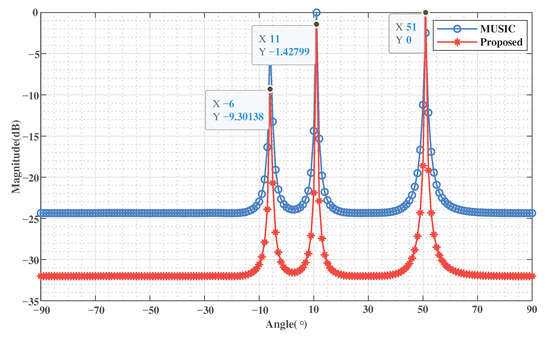
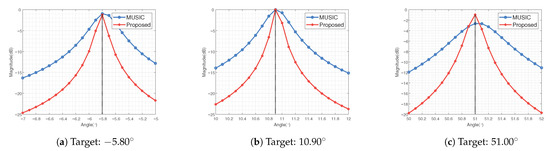
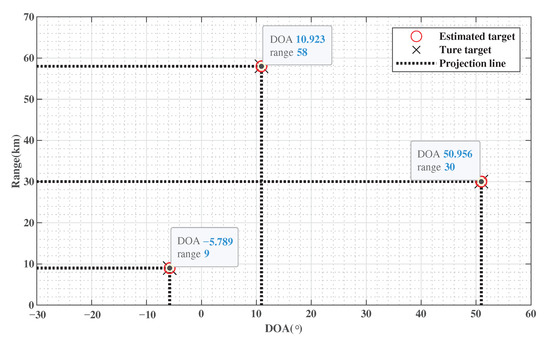
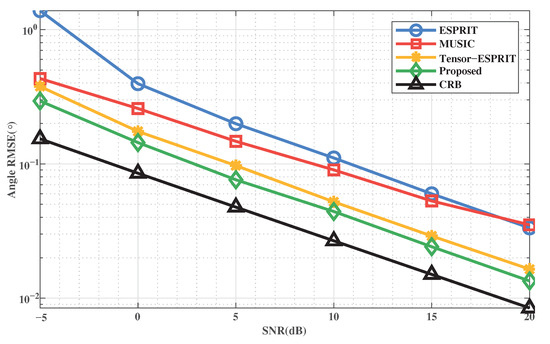
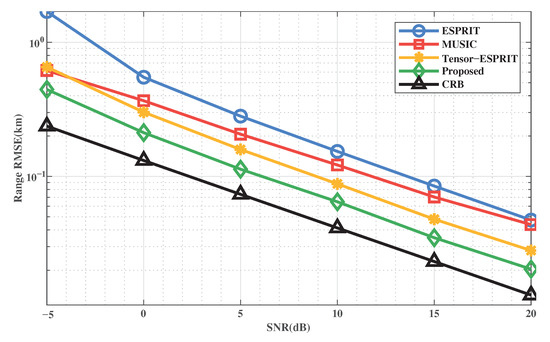
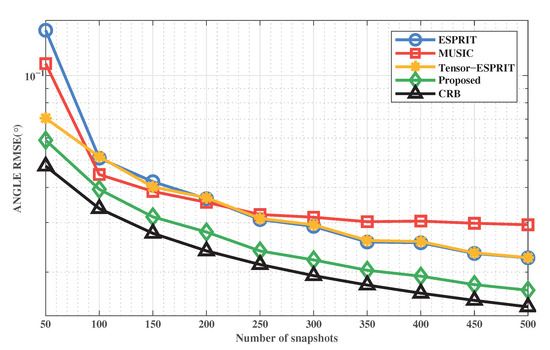
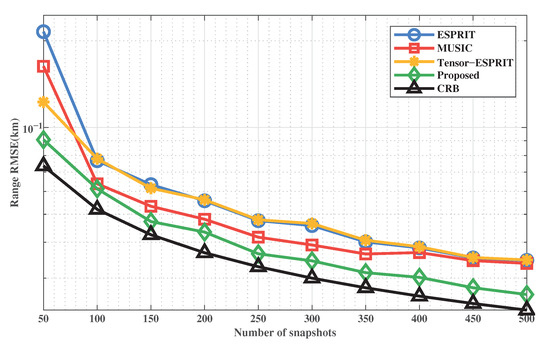
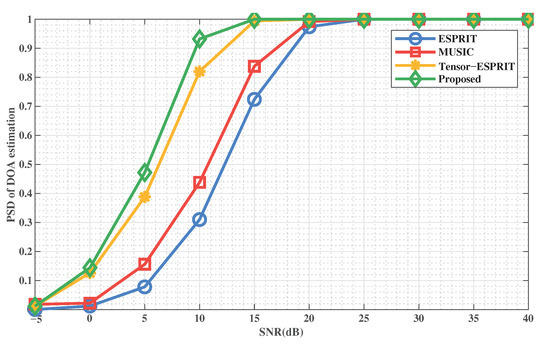
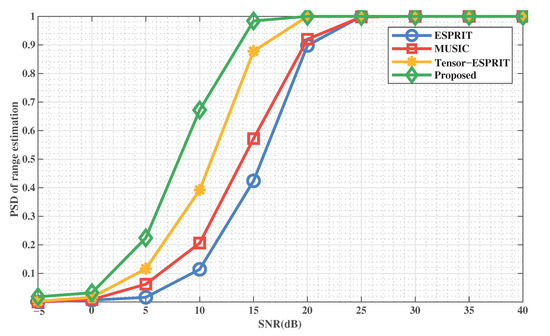
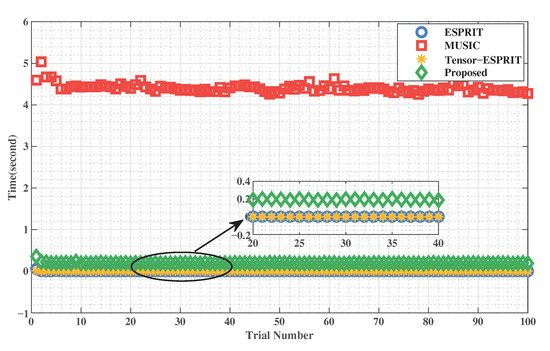
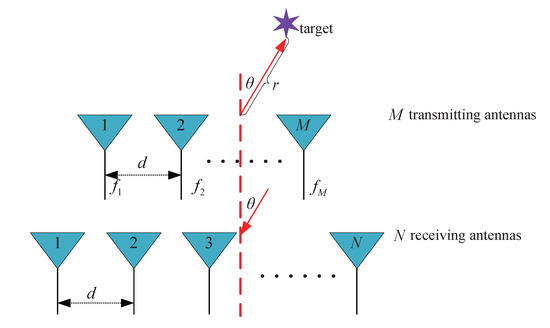
Frequency diverse array (FDA) radar has attracted much attention due to the angle and range dependence of the beam pattern. Multiple-input-multiple-output (MIMO) radar has high degrees of freedom (DOF) and spatial resolution. The FDA-MIMO radar, a hybrid of FDA and MIMO radar, can be used for target parameter estimation. This paper investigates a tensor-based reduced-dimension multiple signal classification (MUSIC) method, which is used for target parameter estimation in the FDA-MIMO radar. The existing subspace methods deteriorate quickly in performance with small samples and a low signal-to-noise ratio (SNR). To deal with the deterioration difficulty, the sparse estimation method is then proposed. However, the sparse algorithm has high computation complexity and poor stability, making it difficult to apply in practice. Therefore, we use tensor to capture the multi-dimensional structure of the received signal, which can optimize the effectiveness and stability of parameter estimation, reduce computation complexity and overcome performance degradation in small samples or low SNR simultaneously. In our work, we first obtain the tensor-based subspace by the high-order-singular value decomposition (HOSVD) and establish a two-dimensional spectrum function. Then the Lagrange multiplier method is applied to realize a one-dimensional spectrum function, estimate the direction of arrival (DOA) and reduce computation complexity. The transmitting steering vector is obtained by the partial derivative of the Lagrange function, and automatic pairing of target parameters is then realized. Finally, the range can be obtained by using the least square method to process the phase of transmitting steering vector. Method analysis and simulation results prove the superiority and reliability of the proposed method. Full article
Show Figures

Figure 1