15 pages, 7174 KB  
Article
A Short-Term Prediction Model of Wind Power with Outliers: An Integration of Long Short-Term Memory, Ensemble Empirical Mode Decomposition, and Sample Entropy
by Yuanzhuo Du 1, Kun Zhang 1,*, Qianzhi Shao 2 and Zhe Chen 1
1 School of Electrical Engineering, Shenyang University of Technology, Shenyang 110870, China
2 Industrial Branch, State Grid Liaoning Electric Power Co., Ltd., Shenyang 110004, China
Sustainability 2023, 15(7), 6285; https://doi.org/10.3390/su15076285 - 6 Apr 2023
Cited by 6 | Viewed by 1984
Abstract
Wind power generation is a type of renewable energy that has the advantages of being pollution-free and having a wide distribution. Due to the non-stationary characteristics of wind power caused by atmospheric chaos and the existence of outliers, the prediction effect of wind [...] Read more.
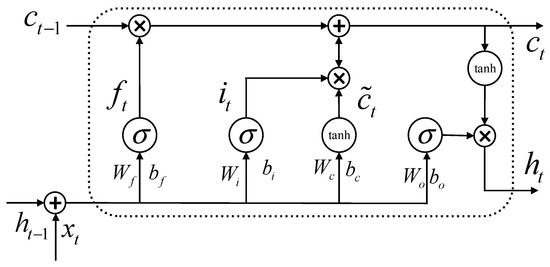
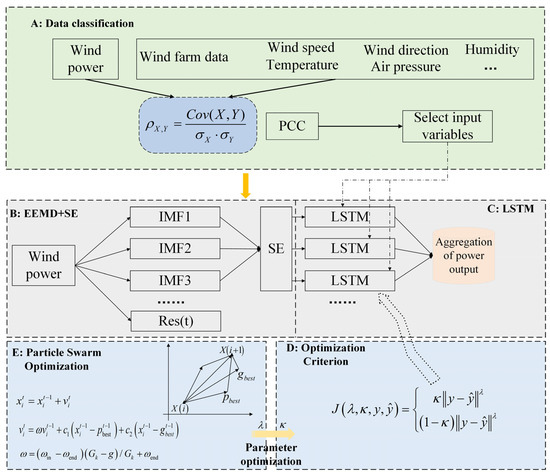
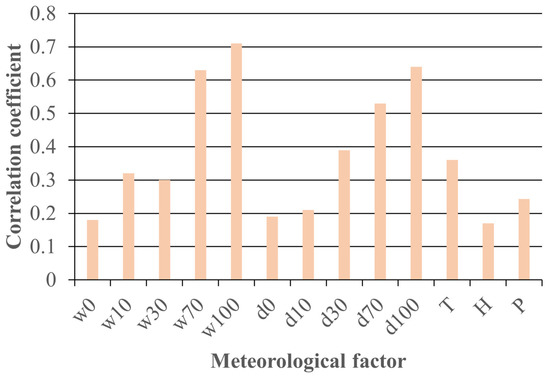
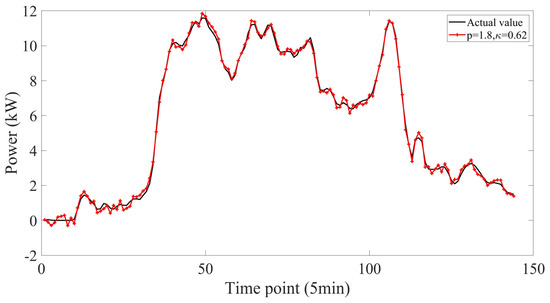
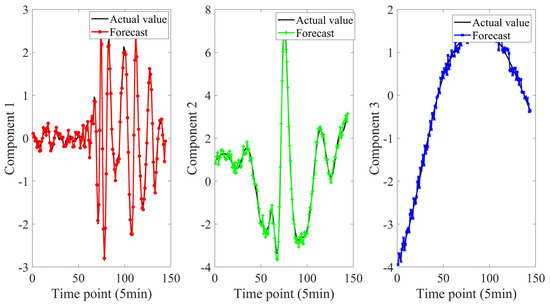
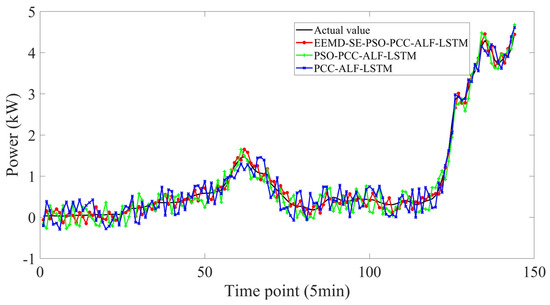
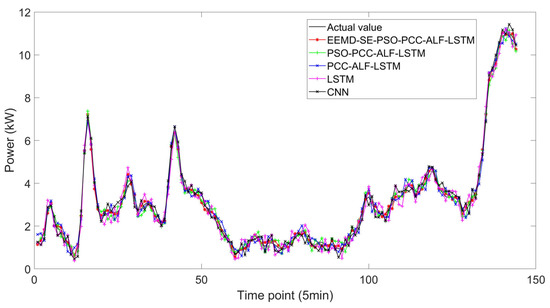
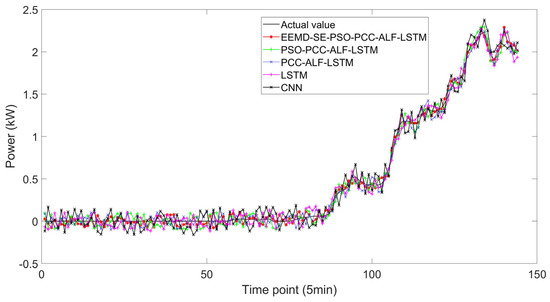
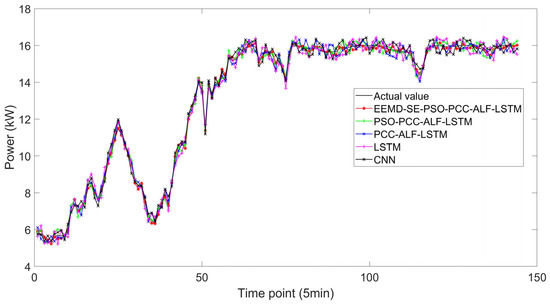
Wind power generation is a type of renewable energy that has the advantages of being pollution-free and having a wide distribution. Due to the non-stationary characteristics of wind power caused by atmospheric chaos and the existence of outliers, the prediction effect of wind power needs to be improved. Therefore, this study proposes a novel hybrid prediction method that includes data correlation analyses, power decomposition and reconstruction, and novel prediction models. The Pearson correlation coefficient is used in the model to analyze the effects between meteorological information and power. Furthermore, the power is decomposed into different sub-models by ensemble empirical mode decomposition. Sample entropy extracts the correlations among the different sub-models. Meanwhile, a long short-term memory model with an asymmetric error loss function is constructed considering outliers in the power data. Wind power is obtained by stacking the predicted values of subsequences. In the analysis, compared with other methods, the proposed method shows good performance in all cases. Full article
Show Figures

Figure 1
23 pages, 13409 KB  
Article
Groundwater Modeling to Assess Climate Change Impacts and Sustainability in the Tana Basin, Upper Blue Nile, Ethiopia
by Fahad Khan Khadim 1, Zoi Dokou 2, Rehenuma Lazin 1, Amvrossios C. Bagtzoglou 1 and Emmanouil Anagnostou 1,*
1 Department of Civil and Environmental Engineering, University of Connecticut, Storrs, CT 06269, USA
2 Department of Civil Engineering, California State University, Sacramento, CA 95819, USA
Sustainability 2023, 15(7), 6284; https://doi.org/10.3390/su15076284 - 6 Apr 2023
Cited by 9 | Viewed by 3852
Abstract
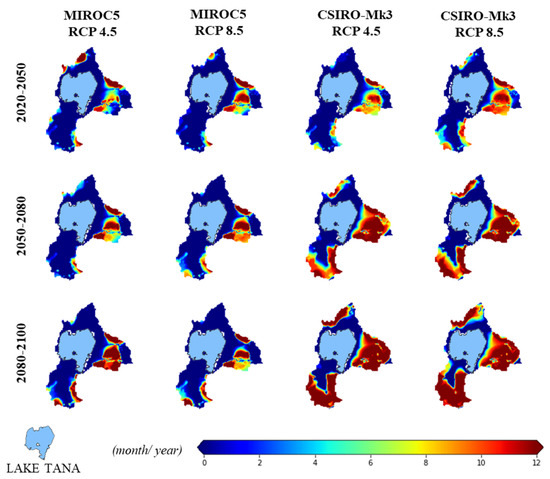
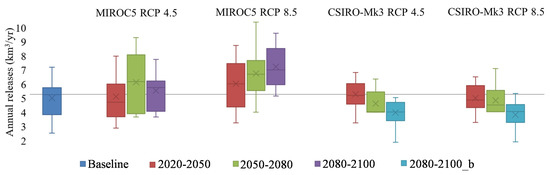
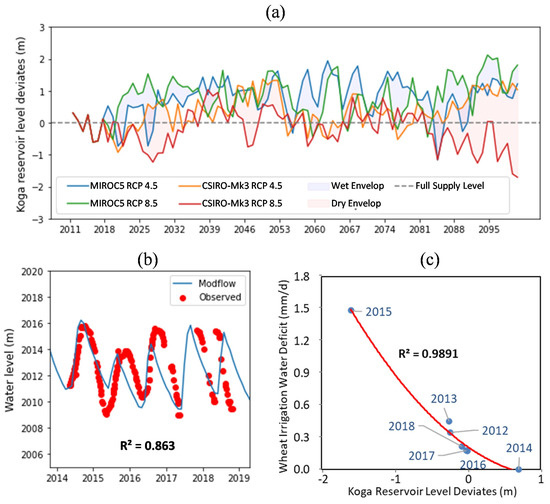
Climate change effects on long-term groundwater (GW) resource developments in the Tana Basin, Ethiopia, are a growing concern. Efforts to provide estimates under various climatic uncertainties are lacking in the region. To address this need, we deployed a fine-resolution (500 m) GW model [...] Read more.
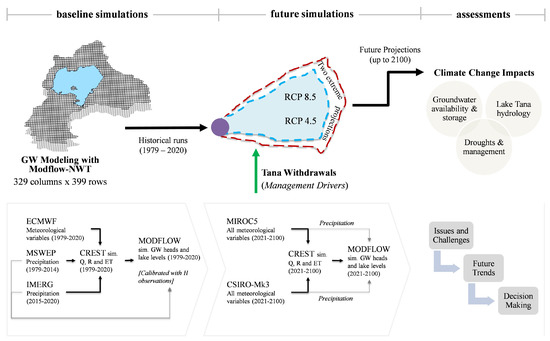
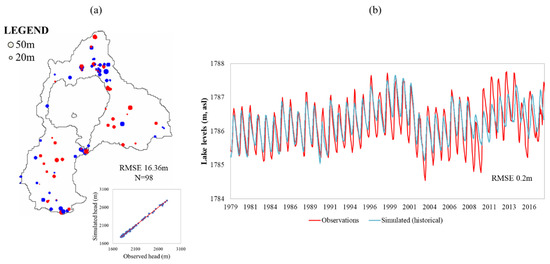
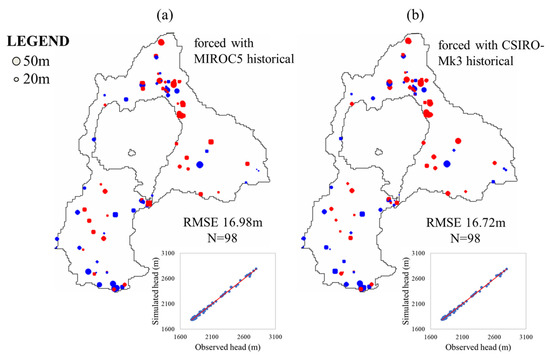
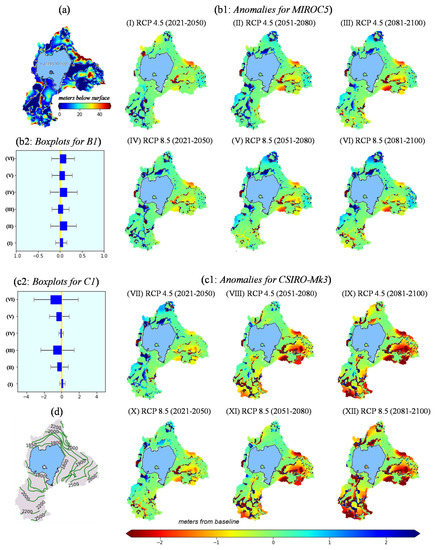
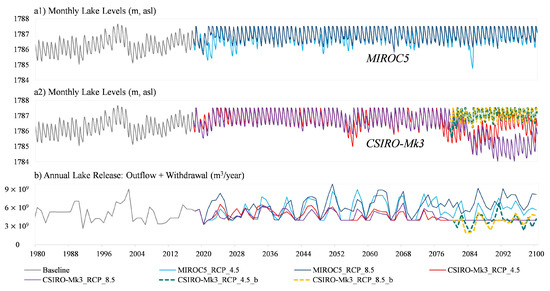
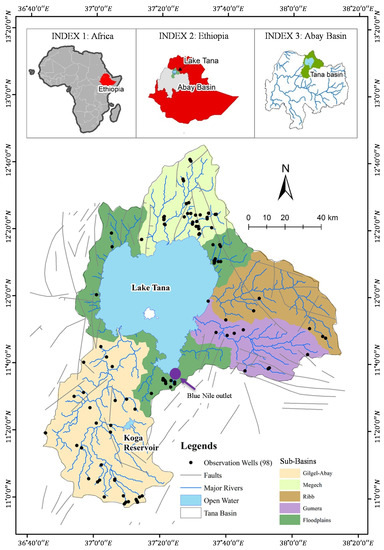
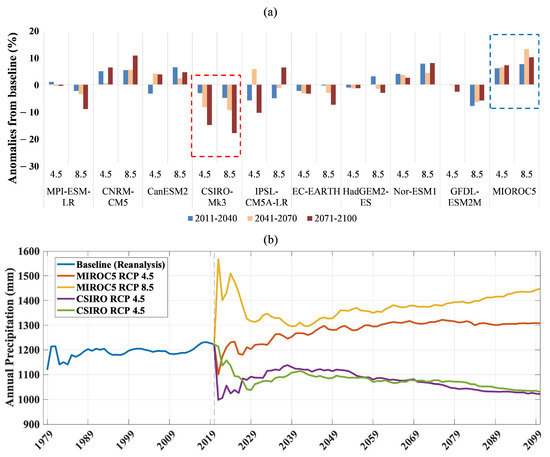
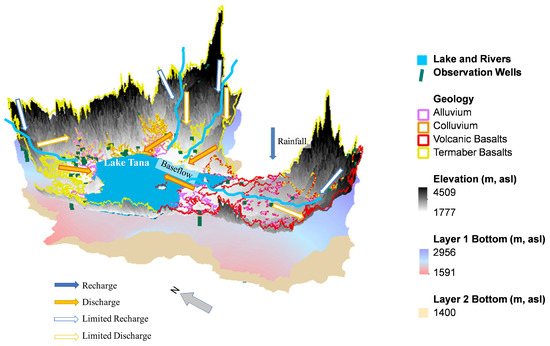
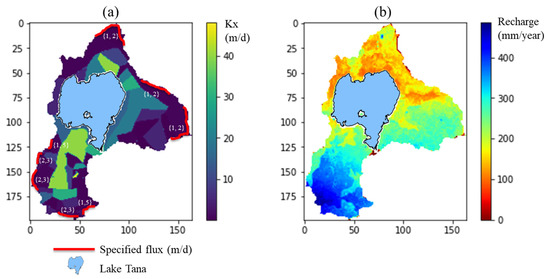
Climate change effects on long-term groundwater (GW) resource developments in the Tana Basin, Ethiopia, are a growing concern. Efforts to provide estimates under various climatic uncertainties are lacking in the region. To address this need, we deployed a fine-resolution (500 m) GW model using MODFLOW-NWT for the Tana Basin, Upper the Blue Nile region. The GW model was calibrated based on 98 historical instantaneous well-level measurements (RMSE = 16.36 m, 1.6% of range), and 38 years of monthly lake level data (RMSE = 0.2 m, 6.7% of range). We used the model to simulate long-term climate change impacts by considering two representative concentration pathways, (RCPs) 4.5 and 8.5, from the two extreme global circulation models (MIROC5 for wetter conditions and CSIRO-Mk3 for drier conditions) available in the region. While the MIROC5 simulated GW table (GWT) was found to be stable, the CSIRO-Mk3 simulated GWT exhibited large fluctuations within +2 m to −4 m by 2100 due to climate change. More critical impacts were predicted for the lake, where total lake releases from the baseline scenario were foreseen to be changed by +50% (MIROC5) or −22% (CSIRO-Mk3) by the end of 2100. Full article
Show Figures

Figure 1
33 pages, 7972 KB  
Article
Status of Lighting Technology Application in Indonesia
by Umar Khayam 1,*, Arpan Zaeni 1, Kevin Marojahan Banjar-Nahor 1, Deny Hamdani 1, Ngapuli Irmea Sinisuka 1, Pascal Dupuis 2, Georges Zissis 2 and Laurent Canale 3,*
1 School of Electrical Engineering and Informatics, Institut Teknologi Bandung, Kota Bandung 40132, Jawa Barat, Indonesia
2 LAPLACE UMR 5213, Université Toulouse III—Paul Sabatier, 31062 Toulouse, France
3 LAPLACE UMR 5213, CNRS, 31062 Toulouse, France
Sustainability 2023, 15(7), 6283; https://doi.org/10.3390/su15076283 - 6 Apr 2023
Cited by 12 | Viewed by 6561
Abstract
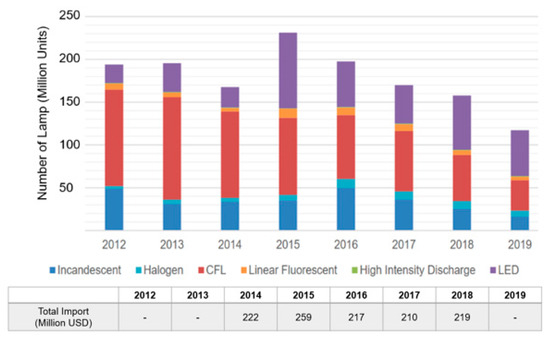
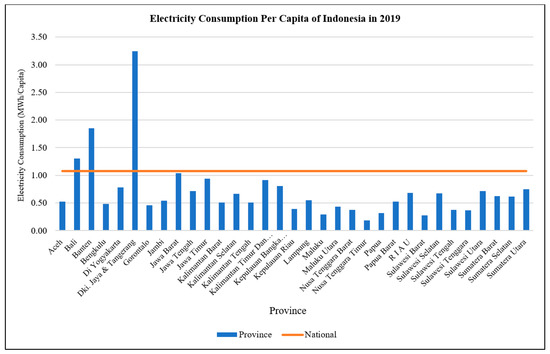
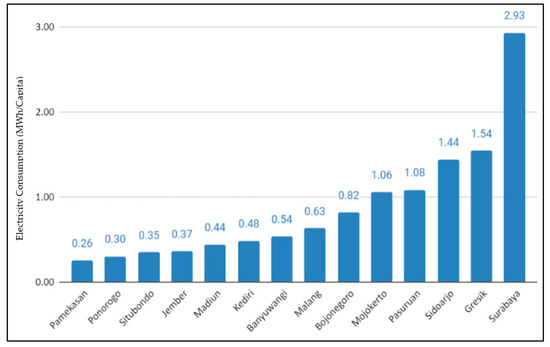
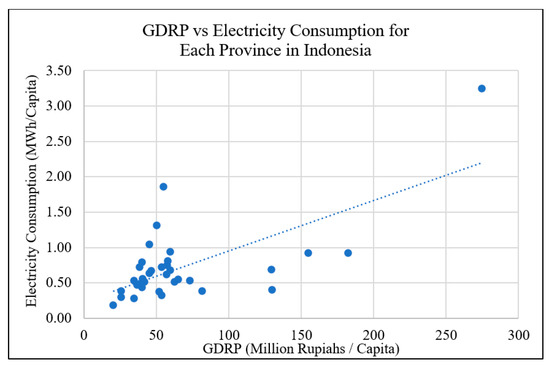
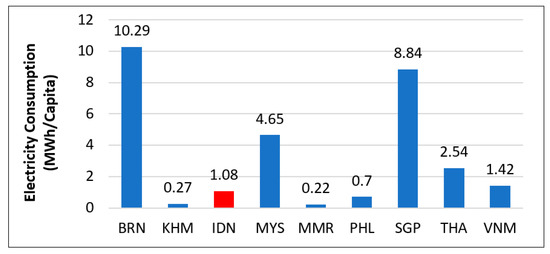
In 2019, Indonesia’s electricity consumption exceeded 278 TWH, or about 1.08 MWh/capita. This value shows a considerable increase in electricity consumption which has doubled in just a decade. Previous studies have shown that the proportion of electricity consumption used for lighting needs is [...] Read more.
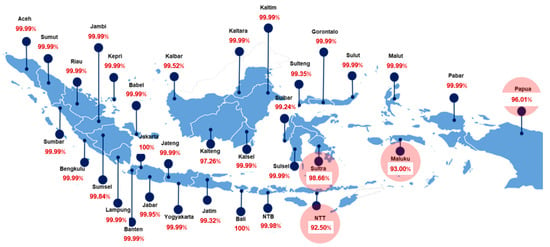
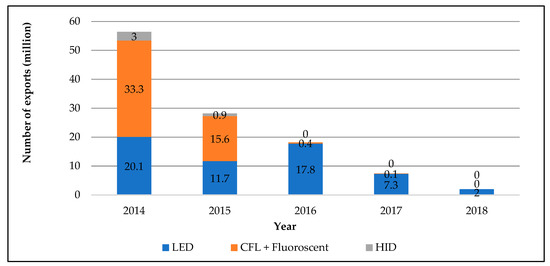
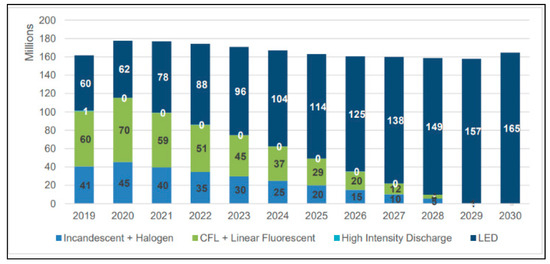
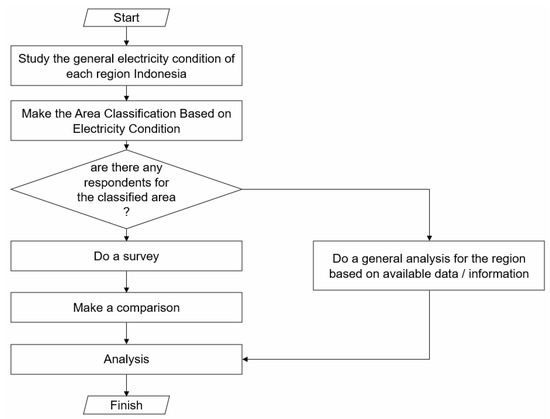
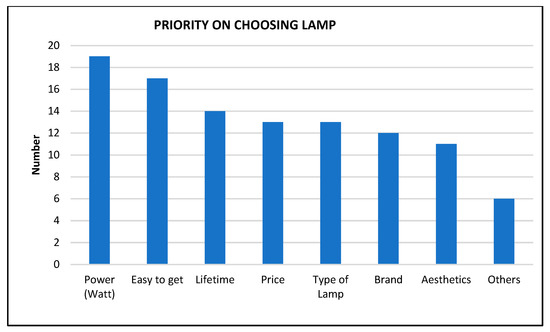
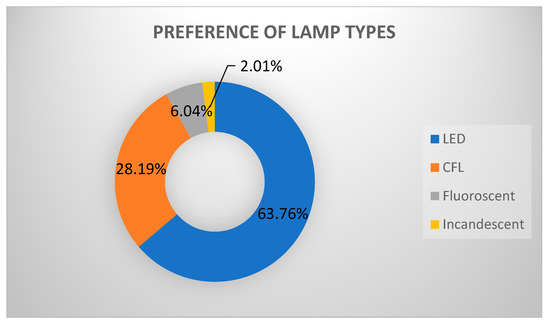
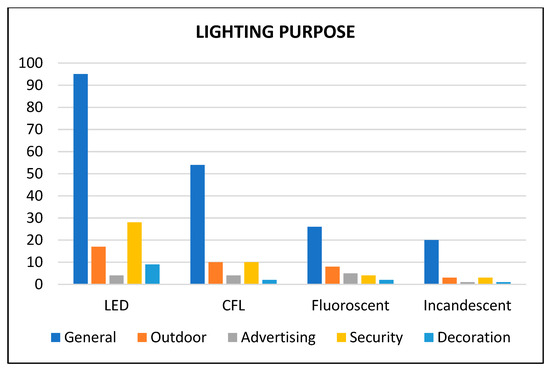
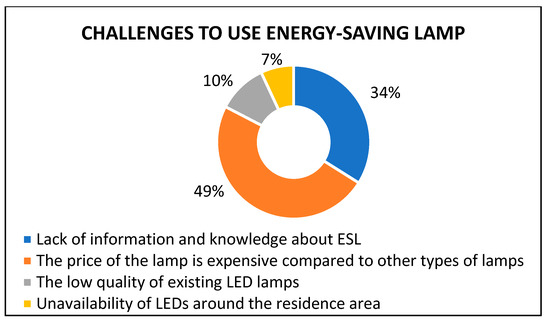
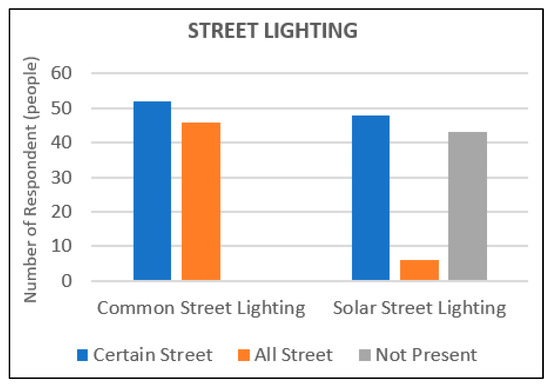
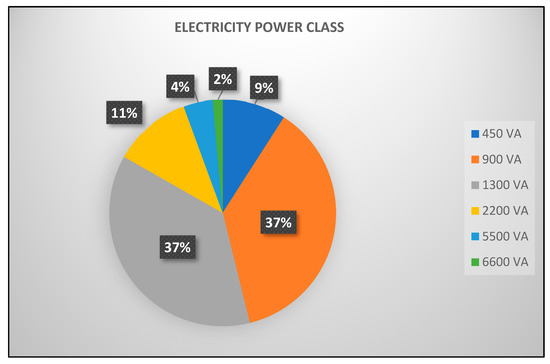
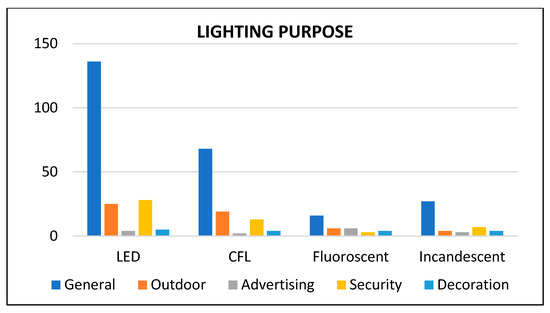
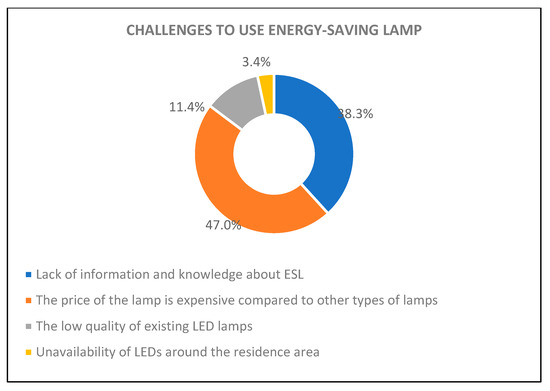
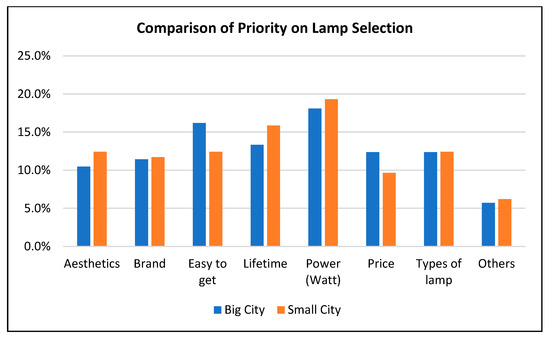
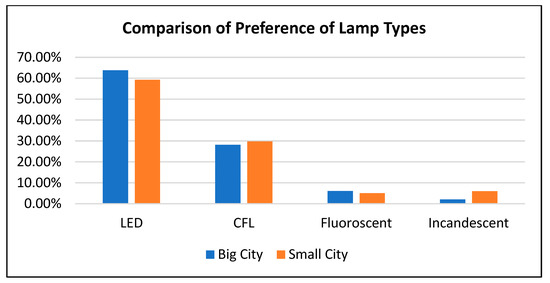
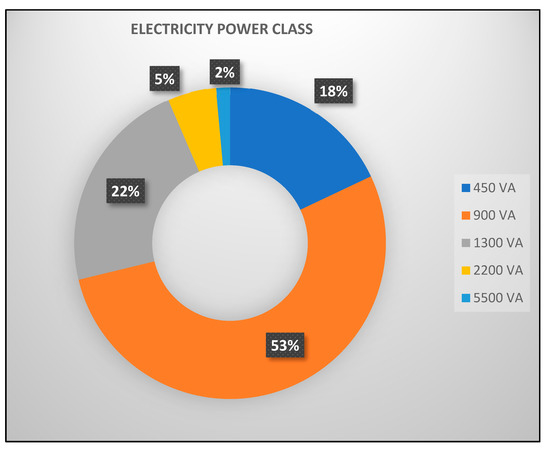
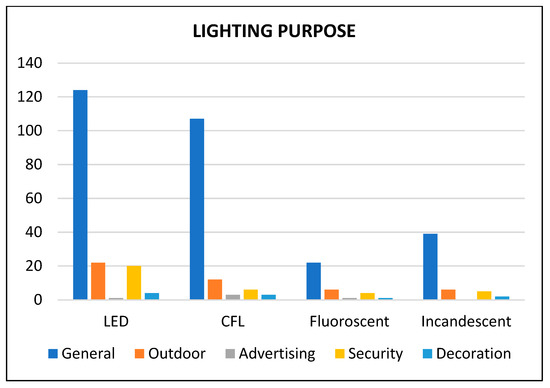
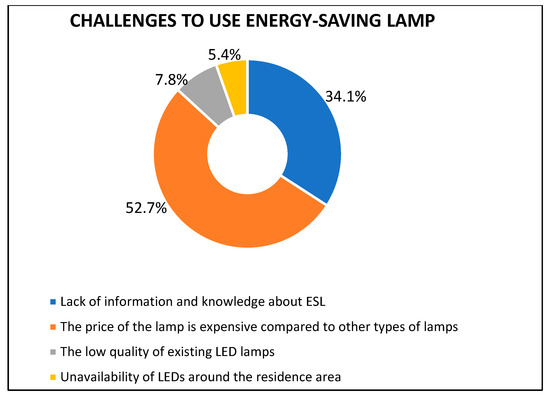
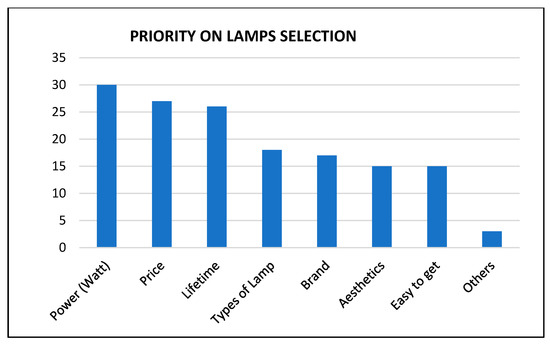
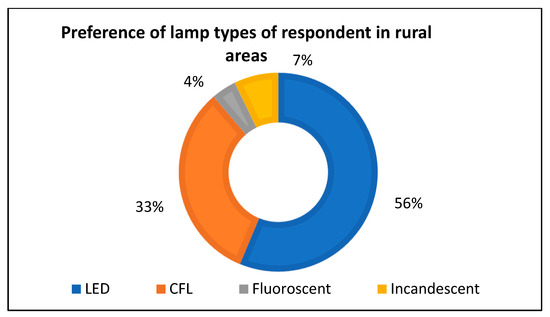
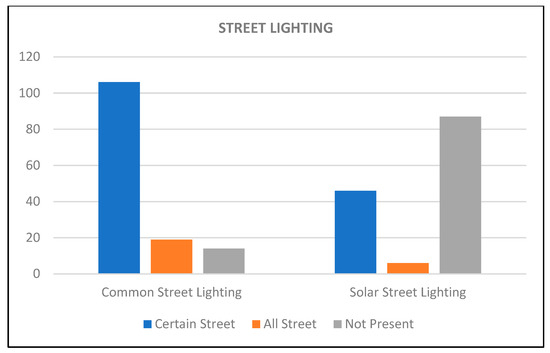
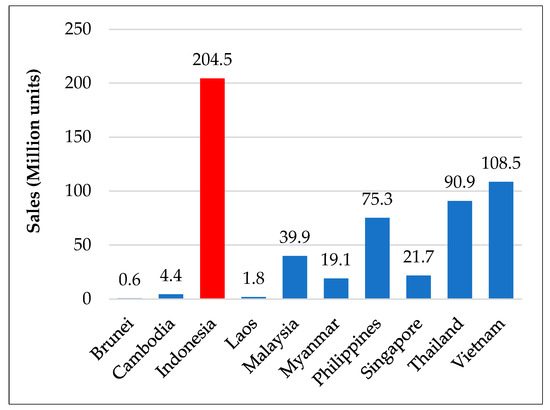
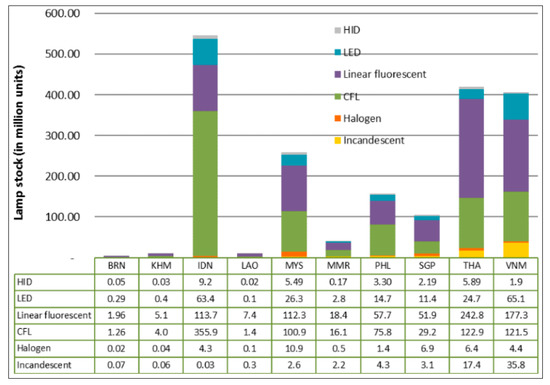
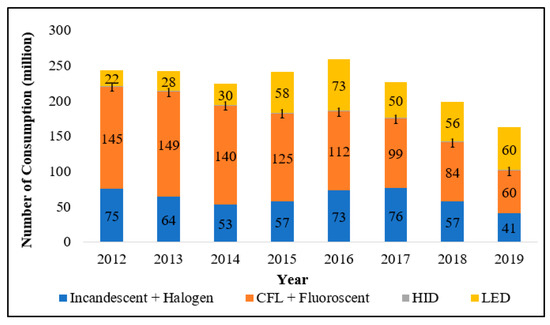
In 2019, Indonesia’s electricity consumption exceeded 278 TWH, or about 1.08 MWh/capita. This value shows a considerable increase in electricity consumption which has doubled in just a decade. Previous studies have shown that the proportion of electricity consumption used for lighting needs is correlated to the country’s GDP. This is generally around 20 to 50% of electricity production but can go up to 86% in the case of Tanzania. Indonesia is the 4th country in the world in terms of population and its lighting market as well as its lighting-related energy consumption has a strong impact on several levels: societal, environmental but also economic and energy. Having a knowledge of the lamps used by the Indonesian people is therefore particularly interesting and important, in particular in the context which presents a great societal diversity but also in a context of energy saving. Indonesia is an archipelagic country made up of 5 large islands and over 17,000 small islands with widely varying levels of population density. This island geography leads Indonesia to face challenges in the distribution and production of electrical energy, which affects the use of lamps in various types of regions. The overview of this study was done by collecting data from various sources, especially BPS (Biro Pusat Statistik/Statistic Center Bureau of Indonesia), CLASP (an NGO for clean energy), the Ministry of Energy and Mineral Resources of Indonesia (ESDM), PLN (Indonesian Electrical Company), etc. The data obtained from these sources provides several descriptions of general lighting conditions in Indonesia viewed from several angles, such as growth of lamp market, use of lamp types, percentage of use of lamps with energy saving (ESL), etc. Considering that Indonesia has various regional characteristics, in this study, the survey of a total of 394 respondents was conducted on the use of lamps by creating regional categories based on electrical conditions, power consumption, and electricity per capita, among others. The categories of areas observed fall into 5 types based on their population and geography: large cities, small towns, rural/village areas, islands and remote areas. The results of compiling data from these various sources show that the types of lamps used by Indonesians follow the lighting trend in the world. The use of LED lamps has a utilization percentage of around 52%, much higher than other types of lamps such as CFL, fluorescent or incandescent. Based on the survey conducted, it is known that the widely used LED power is between 1 and 10 watts with a usage time of 8 to 12 h per day. In the next few years, it is estimated that the use of LEDs in Indonesia will increase as the government has prepared various regulations and policies related to energy saving, one of which relates to lighting. Full article
(This article belongs to the Special Issue Sustainable Outdoor Lighting)
Show Figures

Figure 1
23 pages, 6985 KB  
Article
Modeling Car-Following Behavior with Different Acceptable Safety Levels
by Maosheng Li 1,2, Jing Fan 1,* and Jaeyoung Lee 1,2,3
1 School of Traffic and Transportation Engineering, Central South University, Changsha 410075, China
2 Smart Transportation Key Laboratory of Hunan Province, Central South University, 22 South Shaoshan Road, Changsha 410075, China
3 Department of Civil, Environmental & Construction Engineering, University of Central Florida, Orlando, FL 32816, USA
Sustainability 2023, 15(7), 6282; https://doi.org/10.3390/su15076282 - 6 Apr 2023
Cited by 5 | Viewed by 3072
Abstract
In normal car-following (CF) states, the minimum safe braking distance (MSBD) is virtually an unmeasurable variable, mainly due to the diversity of drivers’ reaction times and vehicles’ braking performance. The average MSBD regarding the reaction time and decelerations as constant values is sometimes [...] Read more.
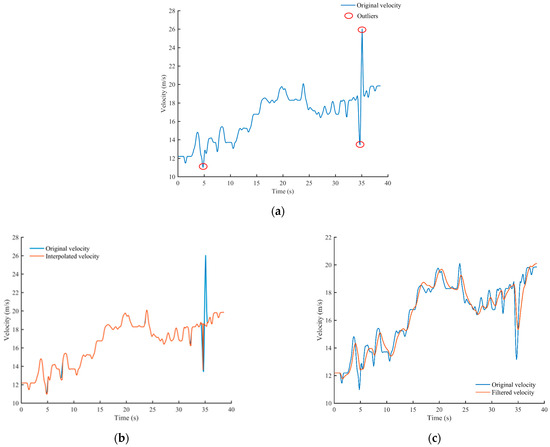
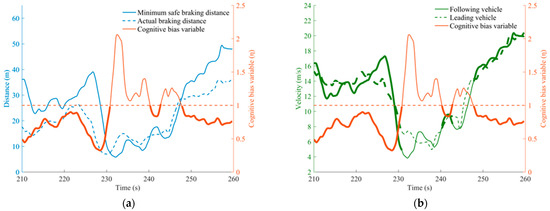
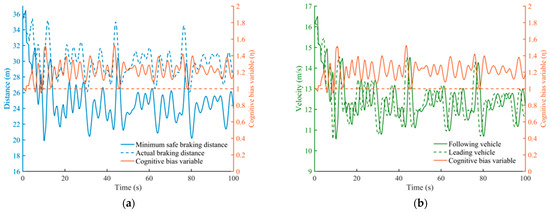
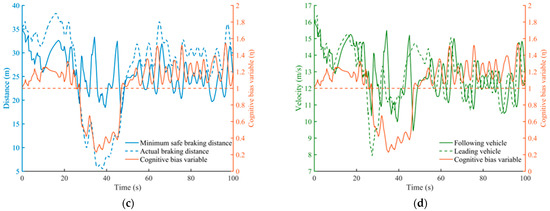
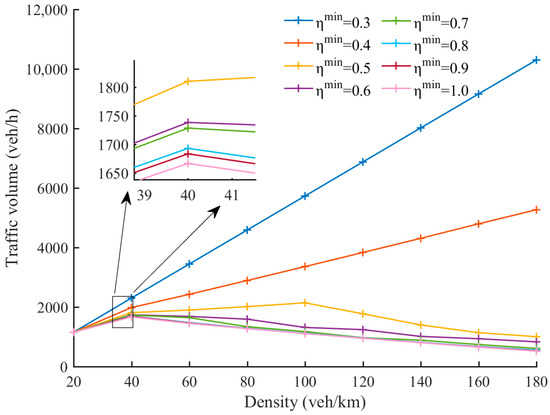
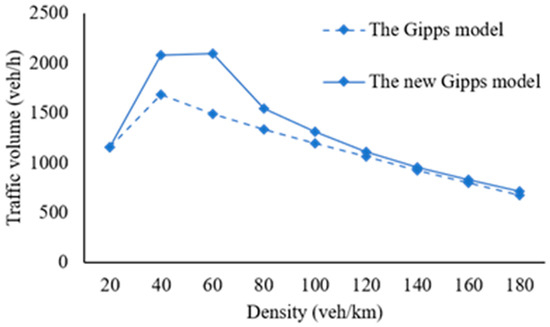
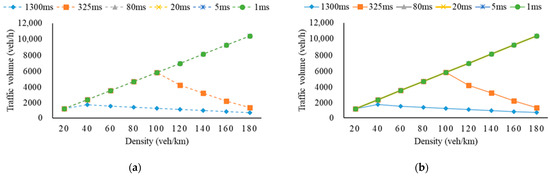
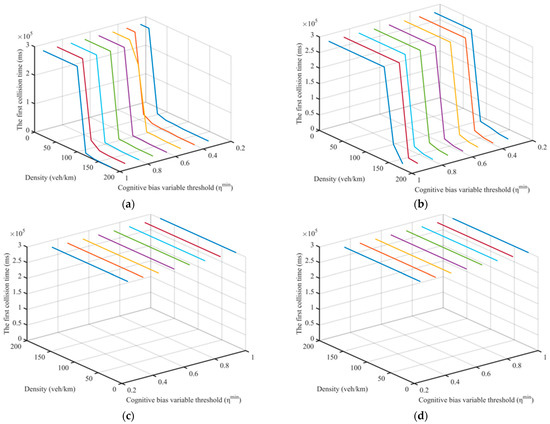
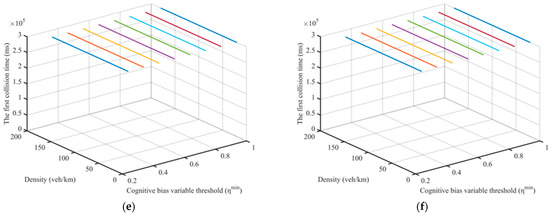
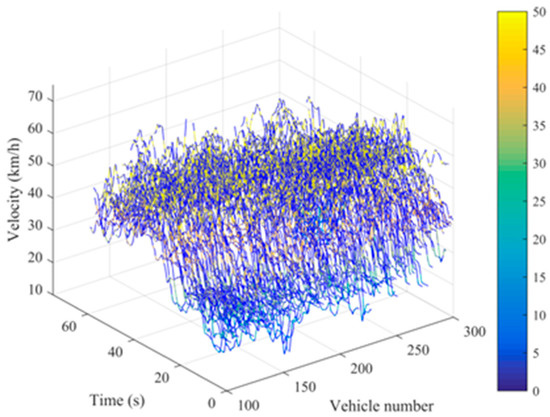
In normal car-following (CF) states, the minimum safe braking distance (MSBD) is virtually an unmeasurable variable, mainly due to the diversity of drivers’ reaction times and vehicles’ braking performance. The average MSBD regarding the reaction time and decelerations as constant values is sometimes greater than the distance used for safe braking of the following vehicle when the leading vehicle applies an emergency brake, which is named the short-distance CF behavior. The short-distance CF conveys that drivers adopt strategies of lower acceptable safety levels, which can be applied to intelligent connected technology (ICT). The objective of this paper was to extend the CF model to accommodate manual driving behavior on the state of different safety levels, and to analyze road traffic flow in the environment from manual driving to high-level intelligent driving with different delays. First, the cognitive bias variable was defined as the ratio of the actual braking distance available to the average MSBD to indirectly analyze different safety levels. Second, the Gipps model was extended, depending on the cognitive bias variable threshold and the duration length of the short-distance CF state, to reproduce driving behaviors with different acceptable safety levels more accurately by numerical simulation. Finally, using models to numerically simulate the impact of vehicles on road traffic flow was carried out. CF behaviors with lower acceptable safety levels under manual driving conditions increase traffic efficiency, and road capacity and safety are significantly improved due to ICT enabling a shortened reaction time. The short-distance driving applied to ICT is expected to be a strategy for traffic congestion mitigation. Full article
Show Figures

Figure 1
29 pages, 21294 KB  
Article
Waste as Resource for Pakistan: An Innovative Business Model of Regenerative Circular Economy to Integrate Municipal Solid Waste Management Sector
by Asif Iqbal 1,*, Abdullah Yasar 1, Amtul Bari Tabinda 1, Rafia Haider 2, Imran Ali Sultan 3, Aman Anwer Kedwii 4, Muhammad Murtaza Chaudhary 5,6, Muhammad Minhaj Sheikh 4 and Abdul-Sattar Nizami 1
1 Sustainable Development Study Center (SDSC), Government College University, Lahore 54000, Pakistan
2 Capital Development Authority (CDA), Government of Pakistan, Islamabad 04404, Pakistan
3 Department of Urban Studies and Planning, Massachusetts Institute of Technology (MIT), Cambridge, MA 2139, USA
4 The Urban Unit, Planning and Development Department, Government of the Punjab, Lahore 54000, Pakistan
5 Department of Pharmacy, University of Huddersfield, Huddersfield HD1 3DH, UK
6 Department of Chemical Sciences, University of Huddersfield, Huddersfield HD1 3DH, UK
Sustainability 2023, 15(7), 6281; https://doi.org/10.3390/su15076281 - 6 Apr 2023
Cited by 20 | Viewed by 15318
Abstract
Municipal solid waste (MSW) management is a global concern, especially in low–middle-income countries such as Pakistan, which require the redressal of MSW treatment issues to attain sustainability in the waste sector. The prosperity of municipal solid waste (MSW) collectors, i.e., the sanitary workers, [...] Read more.
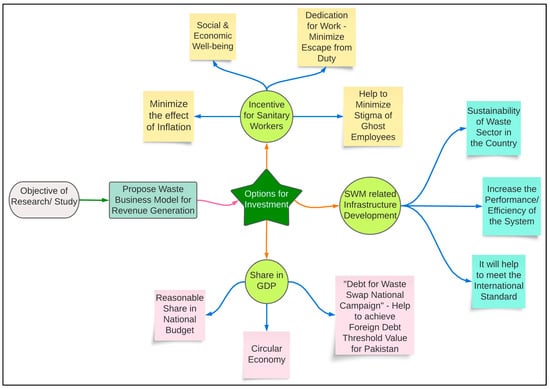
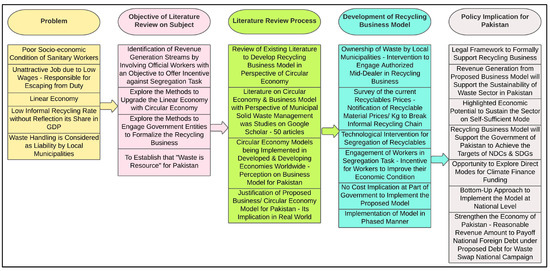
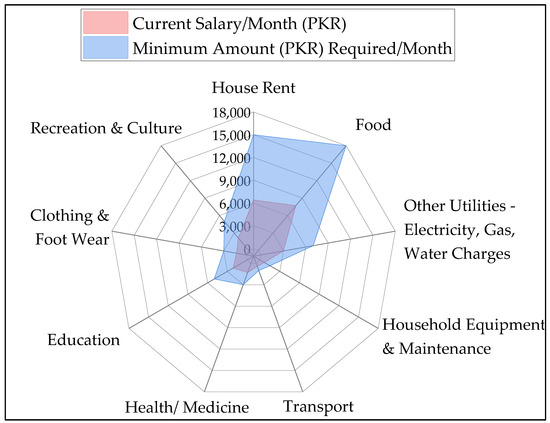
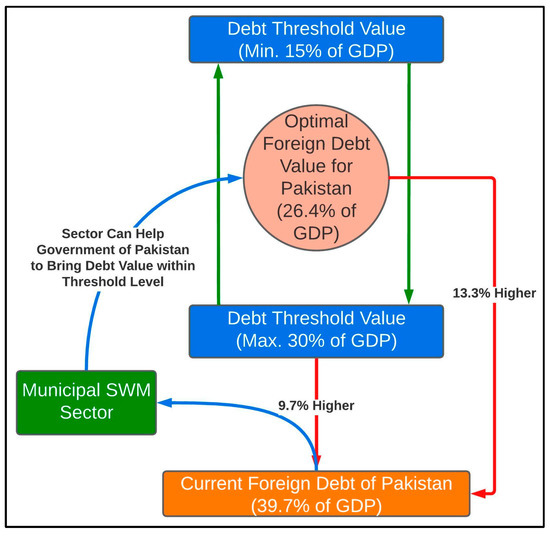
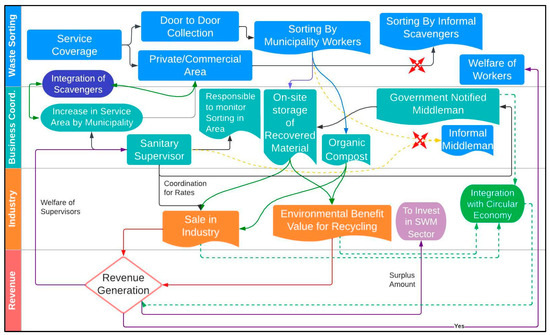
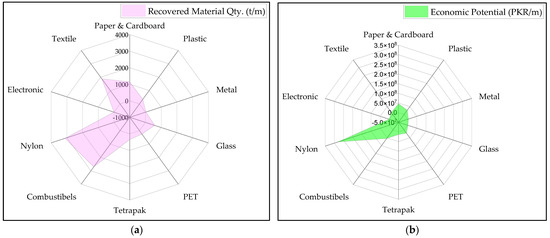
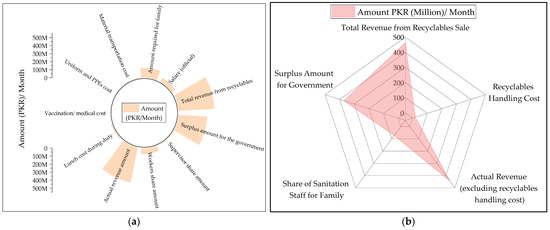
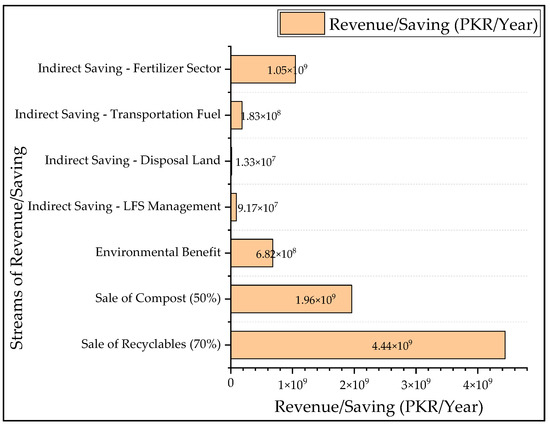
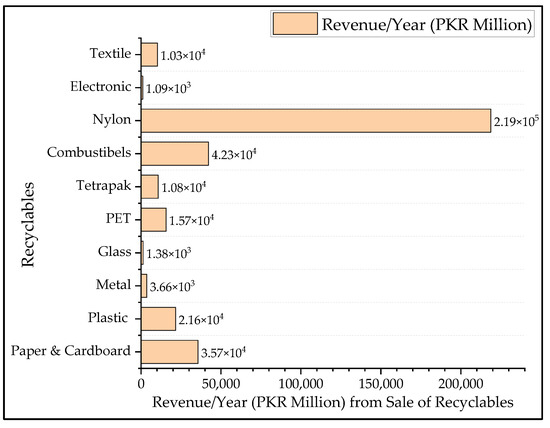
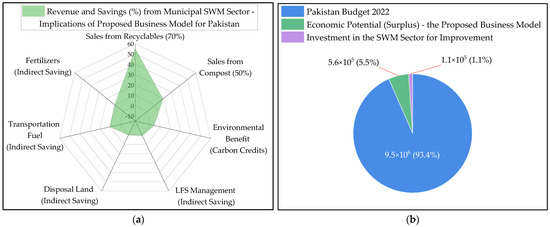
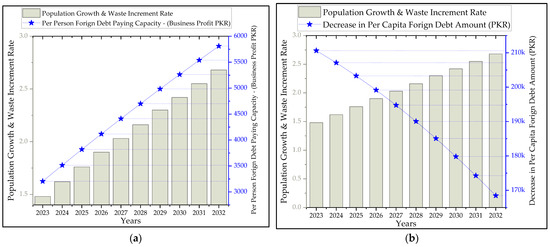
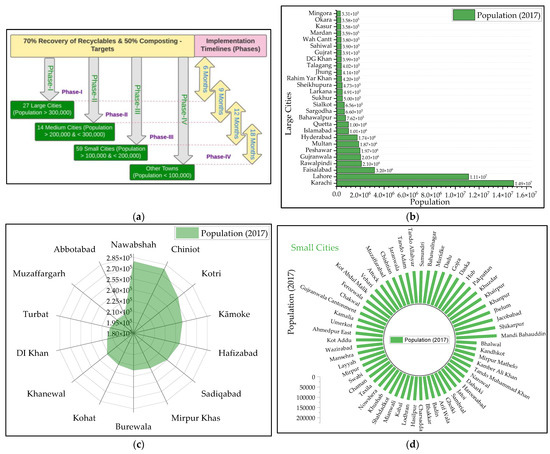
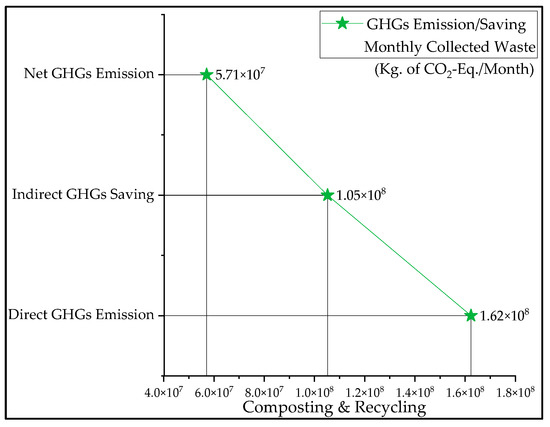
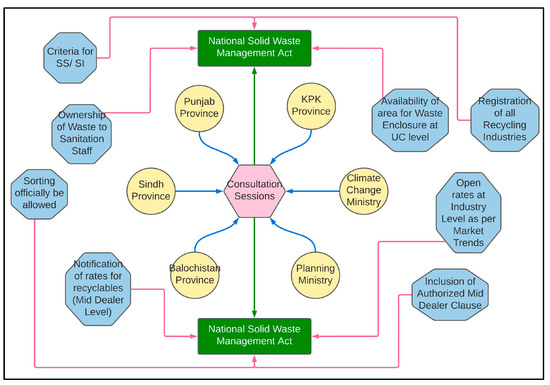
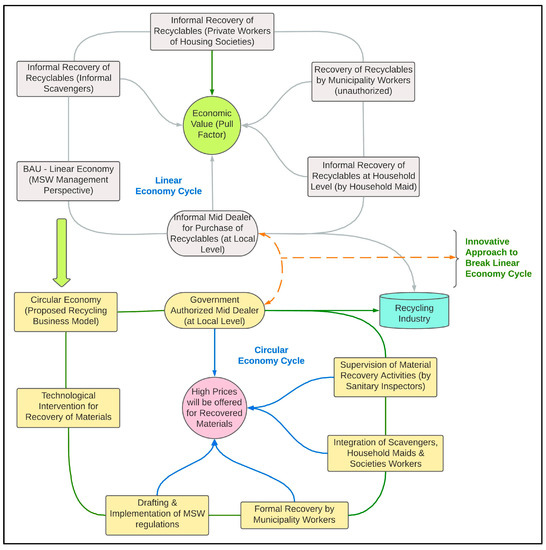
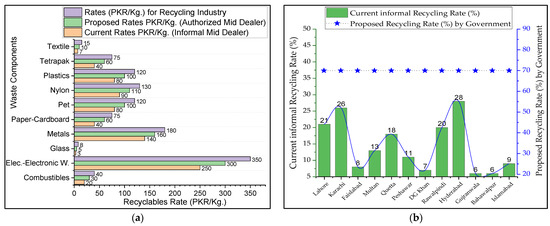
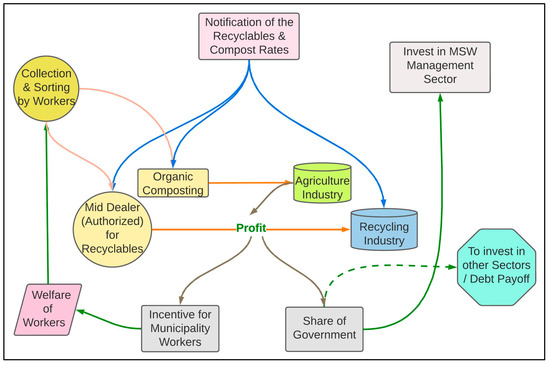
Municipal solid waste (MSW) management is a global concern, especially in low–middle-income countries such as Pakistan, which require the redressal of MSW treatment issues to attain sustainability in the waste sector. The prosperity of municipal solid waste (MSW) collectors, i.e., the sanitary workers, is critical in the waste management hierarchy. Hence, the health, safety, social welfare, economic conditions and overall wellbeing of this tier need to be focused on more. Safeguarding the interests of the sanitary workers will support the MSW management sector in sustainability, which will help to generate revenue and minimize climatic impacts. An innovative MSW business model with waste ownership and technological intervention has excellent potential to support the sector towards a circular economy in Pakistan, the fifth most populous country in the world, generating about 100,000 metric tons of MSW per day. The proposed recycling business model will ensure a daily material recovery of 26,070 tons with 4721 tons of compost manufacturing in the country, which ultimately helps towards achieving the sustainable development goals (SDGs) and meeting the targets of nationally determined contributors (NDCs) by 2030. In addition, the sector’s economic potential can contribute 5.5% to the total annual budget and possibly pay 1.4% of the gross domestic product (GDP) per annum to service national foreign debt, thus helping maintain the debt threshold value with an opportunity to accelerate the economic growth of Pakistan. Full article
(This article belongs to the Special Issue Regenerative Circular Economy in Business Models and Strategies)
Show Figures

Figure 1

19 pages, 883 KB  
Article
Flat Roofs Renovation Planning on Public Buildings Using Fuzzy Multi-Criteria Analysis
by Katarina Rogulj *, Nikša Jajac and Katja Batinić
Faculty of Civil Engineering, Architecture and Geodesy, University of Split, 21000 Split, Croatia
Sustainability 2023, 15(7), 6280; https://doi.org/10.3390/su15076280 - 6 Apr 2023
Cited by 4 | Viewed by 3278
Abstract
Renovation of flat roofs typically involves repairing or replacing the existing roof to improve its performance and extend its lifespan. The renovation process may include a range of tasks depending on the condition of the roof, such as repairing leaks, replacing damaged or [...] Read more.
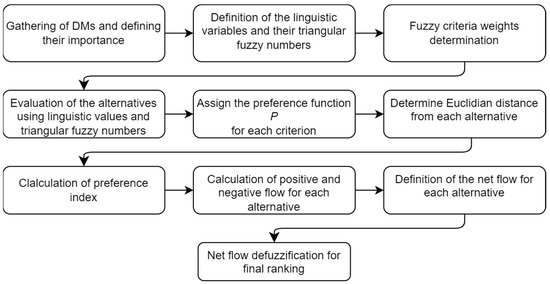
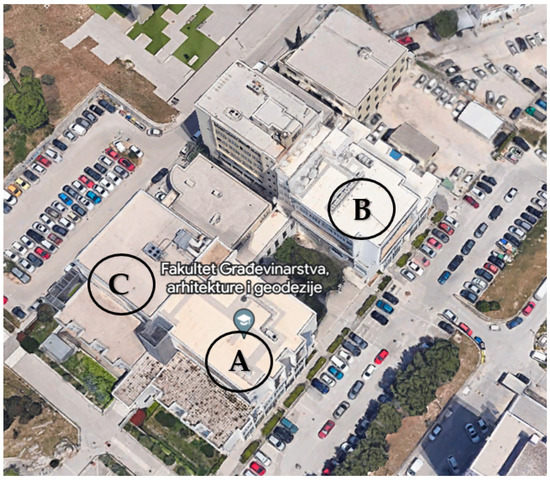
Renovation of flat roofs typically involves repairing or replacing the existing roof to improve its performance and extend its lifespan. The renovation process may include a range of tasks depending on the condition of the roof, such as repairing leaks, replacing damaged or deteriorated materials, adding insulation, or upgrading drainage systems. This research aim was to establish the priority of renovation of flat roofs of the public building based on the principles of multi-criteria analysis and fuzzy set theory, using the multi-criteria method PROMETHEE II in fuzzy logic form (F-PROMETHEE II). The proposed approach is adequate due to its ability to transform the uncertain and vague information received from an expert into a fuzzy number. This way, the objective outcome can be obtained, the criteria conflict removed and the alternatives ranking and mutual comparison enabled. It was necessary to analyze the existing literature, the flat roofs of a public building in terms of their current condition, and define the main goals and criteria for the roof renovation project. Based on the defined goals and criteria, the roofs are evaluated and ranked according to the priority for renovation. The planning process of renovation of flat roofs was carried out specifically on the building of the Faculty of Civil Engineering, Architecture and Geodesy in Split. Full article
Show Figures

Figure 1
23 pages, 7044 KB  
Article
An Improved Multi-Objective Optimization and Decision-Making Method on Construction Sites Layout of Prefabricated Buildings
by Gang Yao, Rui Li and Yang Yang *
Key Laboratory of New Technology for Construction of Cities in Mountain Area, School of Civil Engineering, Chongqing University, Chongqing 400045, China
Sustainability 2023, 15(7), 6279; https://doi.org/10.3390/su15076279 - 6 Apr 2023
Cited by 34 | Viewed by 4915
Abstract
Construction site layout planning (CSLP) that considers multi-objective optimization problems is essential to achieving sustainable construction. Previous CSLP optimization methods have applied to traditional cast-in-place buildings, and they lack the application for sustainable prefabricated buildings. Furthermore, commonly used heuristic algorithms still have room [...] Read more.
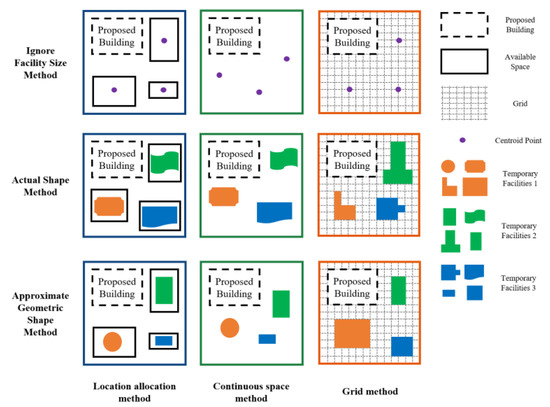
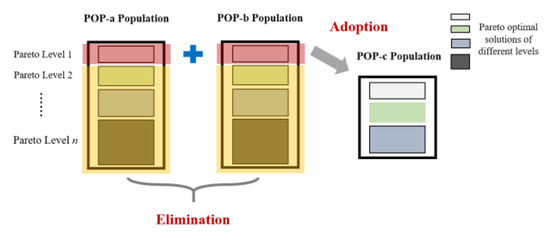
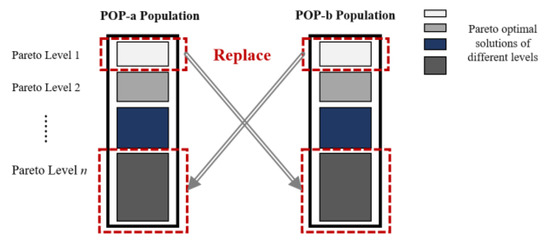
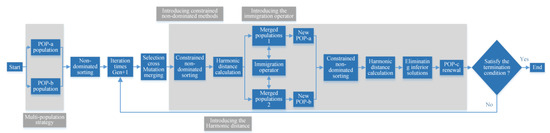
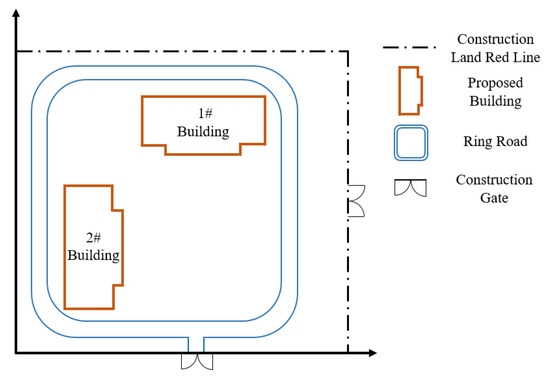
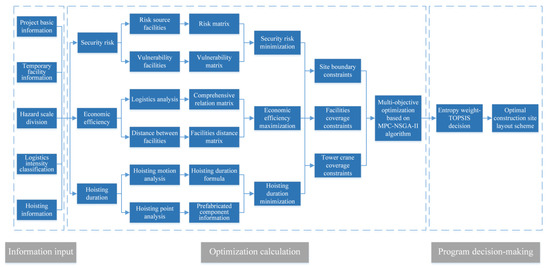
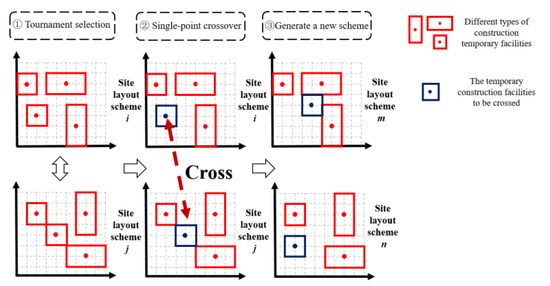
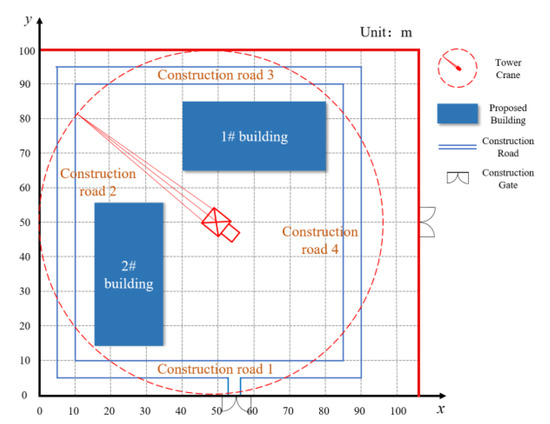
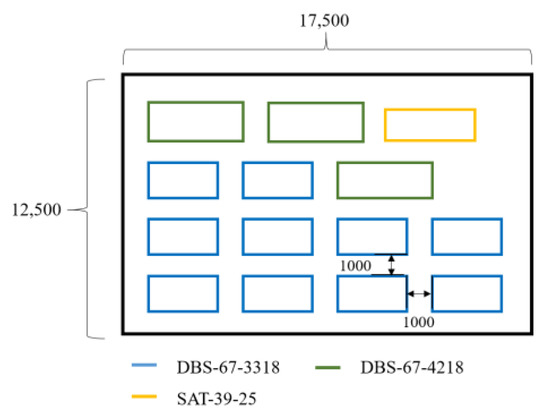
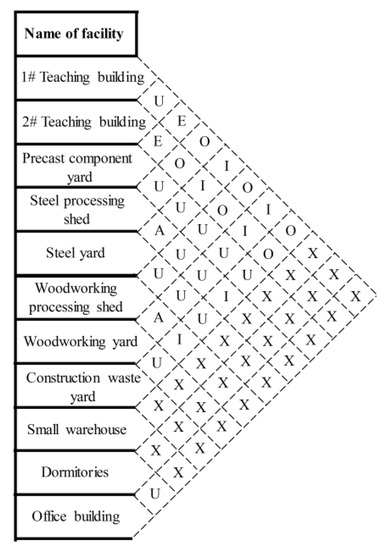
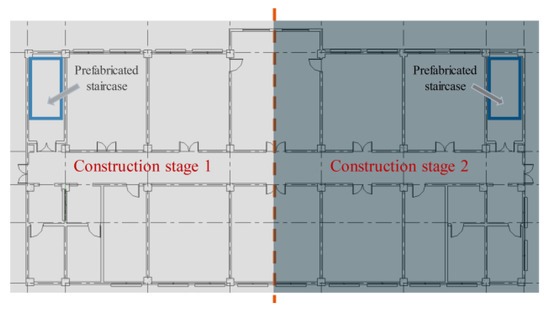
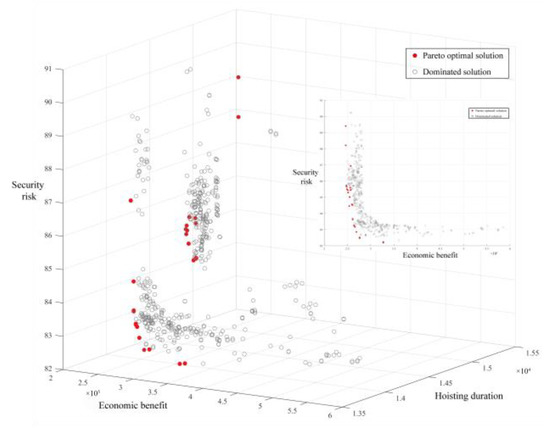
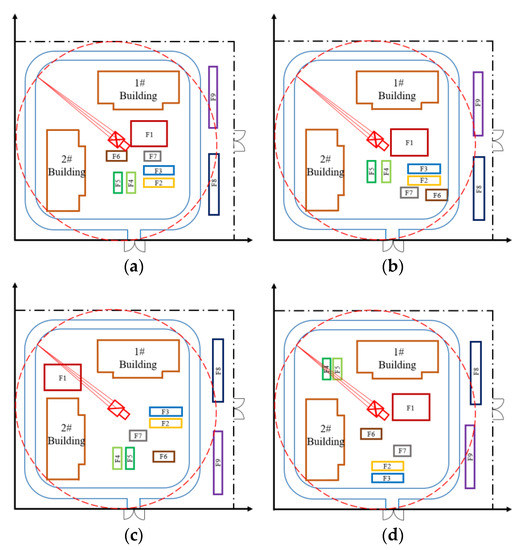
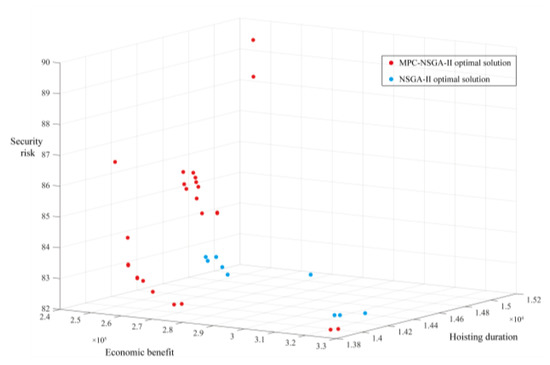
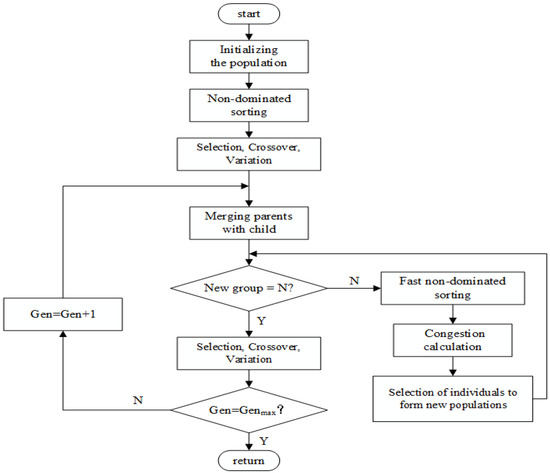
Construction site layout planning (CSLP) that considers multi-objective optimization problems is essential to achieving sustainable construction. Previous CSLP optimization methods have applied to traditional cast-in-place buildings, and they lack the application for sustainable prefabricated buildings. Furthermore, commonly used heuristic algorithms still have room for improvement regarding the search range and computational efficiency of optimal solution acquisition. Therefore, this study proposes an improved multi-objective optimization and decision-making method for layout planning on the construction sites of prefabricated buildings (CSPB). Firstly, the construction site and temporary facilities are expressed mathematically. Then, relevant constraints are determined according to the principles of CSLP. Ten factors affecting the layout planning on the CSPB are identified and incorporated into the method of layout planning on the CSPB in different ways. Based on the elitist non-dominated sorting genetic algorithm (NSGA-II), an improved multiple population constraint NSGA-II (MPC-NSGA-II) is proposed. This introduces the multi-population strategy and immigration operator to expand the search range of the algorithm and improve its computational efficiency. Combined with the entropy weight and technique for order preference by similarity to an ideal solution (TOPSIS), improved multi-objective optimization and decision for the CSLP model is developed on the CSPB. Practical cases verify the effectiveness and superiority of the algorithm and model. It is found that the proposed MPC-NSGA-II can solve the drawbacks of the premature and low computational efficiency of NSGA-II for multi-constrained and multi-objective optimization problems. In the layout planning on the CSPB, the MPC-NSGA-II algorithm can improve the quality of the optimal solution and reduce the solution time by 75%. Full article
(This article belongs to the Special Issue Sustainable Structures and Construction in Civil Engineering)
Show Figures

Figure 1
18 pages, 3799 KB  
Article
A Multi-Subject Game-Based Operation Strategy for VPPs Integrating Wind-Solar-Storage
by Hengyu Liu 1,2,*, Qingqi Zhao 1,3, Yang Liu 1, Zuoxia Xing 1, Dawei Hu 1,2, Pengfei Zhang 1, Zhi Zhang 2 and Jiazheng Sun 2
1 The School of Electrical Engineering, Shenyang University of Technology, Shenyang 110870, China
2 Electric Power Research Institute of State Grid Liaoning Electric Power Co., Ltd., Shenyang 110000, China
3 Skills Training Center of State Grid Liaoning Electric Power Co., Ltd., Jinzhou 121000, China
Sustainability 2023, 15(7), 6278; https://doi.org/10.3390/su15076278 - 6 Apr 2023
Cited by 10 | Viewed by 2580
Abstract
Along with the continuous development of renewable energy sources (RES) such as wind power and photovoltaic, a large proportion of RES were connected to the power grid. However, the volatility and intermittency of RES threaten the safe and stable operation of the power [...] Read more.
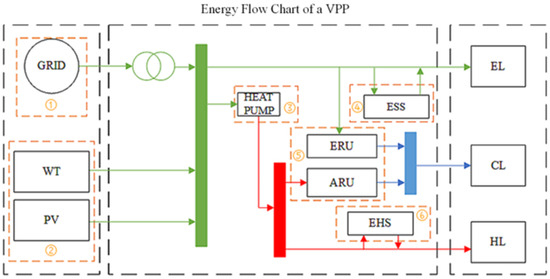
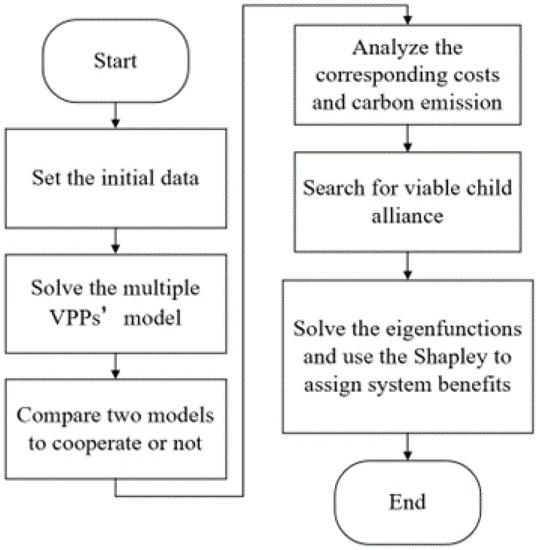
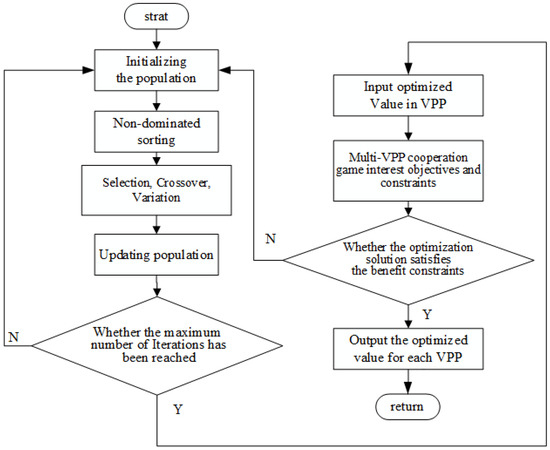
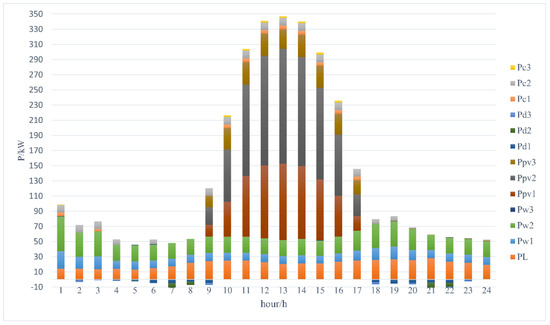
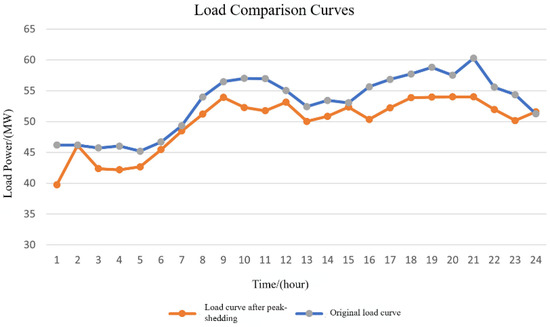
Along with the continuous development of renewable energy sources (RES) such as wind power and photovoltaic, a large proportion of RES were connected to the power grid. However, the volatility and intermittency of RES threaten the safe and stable operation of the power system. Virtual power plants (VPPs) were introduced to solve such problems. In order to study the cooperation mode of integrating wind-solar-storage for multi VPPs, this paper established multi-objective individual and joint dispatching model for single VPP and multi VPPs with wind-solar-storage, respectively. Then, this paper analyzed the cooperation and the fair distribution of benefits between VPPs. By establishing the competitive strategies of the participating subjects and integrating the Shapley value to effectively distribute the benefits, the cooperative game theory was applied to effectively enhance the benefit in the VPP, to maximize the economic benefits, and to reduce the RES uncertainty risks and carbon emissions, which provided new ideas for the subsequent research on the optimal operation of RES and their engineering applications. NSGA-II was adopted to solve the multi-objective optimization problem. The strategy achieved a 10.1% reduction on the original peak load. It could effectively reduce the peak load of the VPP and ensure the accuracy of load regulation, to reach 12% of the total capacity of the VPP. Full article
Show Figures

Figure 1
22 pages, 570 KB  
Article
How Does a Regulatory Minority Shareholder Influence the ESG Performance? A Quasi-Natural Experiment
by Di Song 1, Canyu Xu 2,*, Zewei Fu 1 and Chao Yang 3
1 Business School, China University of Political Science and Law, Beijing 100088, China
2 Business School, East China University of Science and Technology, Shanghai 200237, China
3 School of Accountancy, Beijing Wuzi University, Beijing 101149, China
Sustainability 2023, 15(7), 6277; https://doi.org/10.3390/su15076277 - 6 Apr 2023
Cited by 9 | Viewed by 4479
Abstract
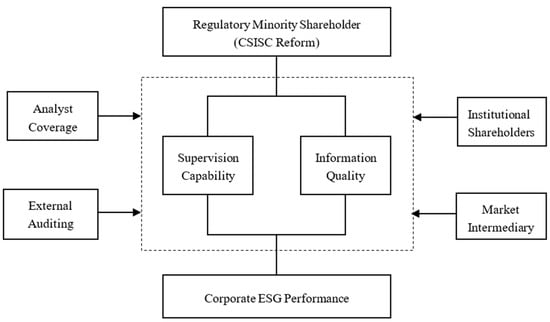
Based on China’s newly established Securities Investor Services Center (CSISC), a minority shareholder protection mechanism, we investigated how the CSISC shareholder influences the ESG performance of listed companies. Using a difference-in-differences analysis for a sample of Chinese listed companies during 2013–2017, we found [...] Read more.
Based on China’s newly established Securities Investor Services Center (CSISC), a minority shareholder protection mechanism, we investigated how the CSISC shareholder influences the ESG performance of listed companies. Using a difference-in-differences analysis for a sample of Chinese listed companies during 2013–2017, we found that the pilot reform of CSISC shareholding has a positive influence on the ESG performance of listed companies. We also found that this effect exists in large companies and in companies in non-high-polluting industries. Besides, analysts’ attention, external auditing quality, institutional shareholding, and highly-developed market intermediary and legal systems can strengthen the effect of CSISC shareholding on corporate ESG performance. Our findings inspire regulators in emerging markets to establish suitable mechanisms to protect minority shareholder rights in the long run. Full article
Show Figures

Figure 1
16 pages, 14844 KB  
Article
Identification of Natural Nearly or Nanoscale Particles in Bituminous Coal: An Important Form of Elements in Coal
by Peng Zhang 1, Jing Lu 2, Lei Zuo 1, Yaqin Wang 1, Rui Liu 1,*, Dongping Tao 1, Zhaoying Chen 3, Gang Tao 4 and Kun Wang 5
1 School of Resources and Environmental Engineering, Shandong University of Technology, Zibo 255000, China
2 Shandong Polytechnic College, Jining 272067, China
3 State Key Laboratory of Coal and Coalbed Methane Co-Production, Jincheng 048012, China
4 School of Environment and Resource, Southwest University of Science and Technology, Mianyang 621010, China
5 Resources and Geosciences, China University of Mining and Technology, Xuzhou 221116, China
Sustainability 2023, 15(7), 6276; https://doi.org/10.3390/su15076276 - 6 Apr 2023
Cited by 5 | Viewed by 2230
Abstract
Nanoparticles are ubiquitous in nature and are also found in raw coal, which plays an irreplaceable role in the global economy. In this study, raw coal samples were obtained from Gaojiapu Coal Mine in Shanxi Province, China. The elementary composition of nanoparticles was [...] Read more.
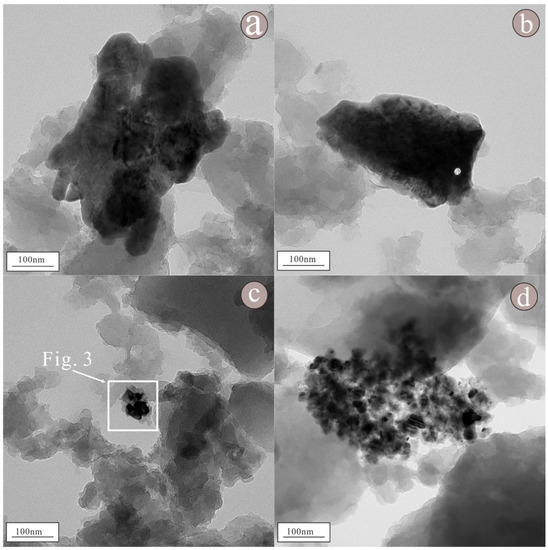
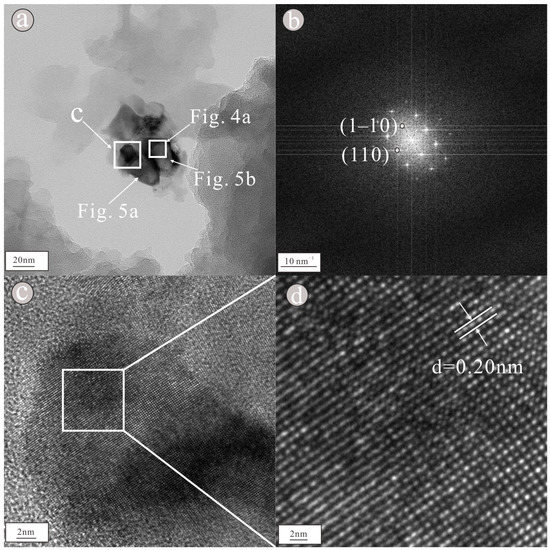
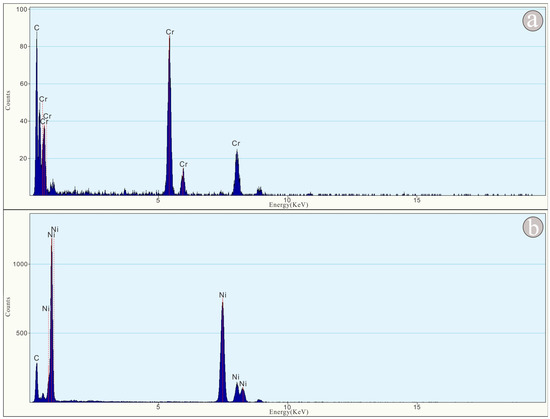
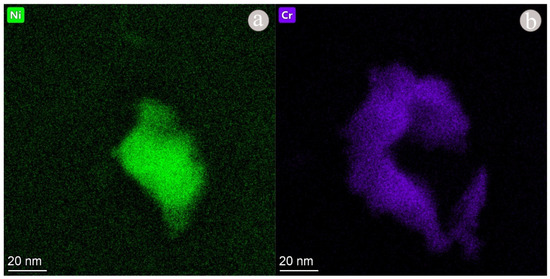
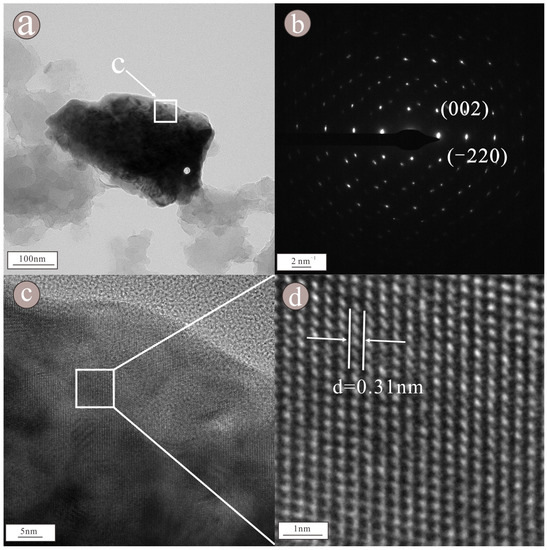
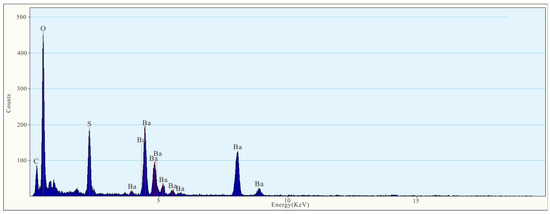
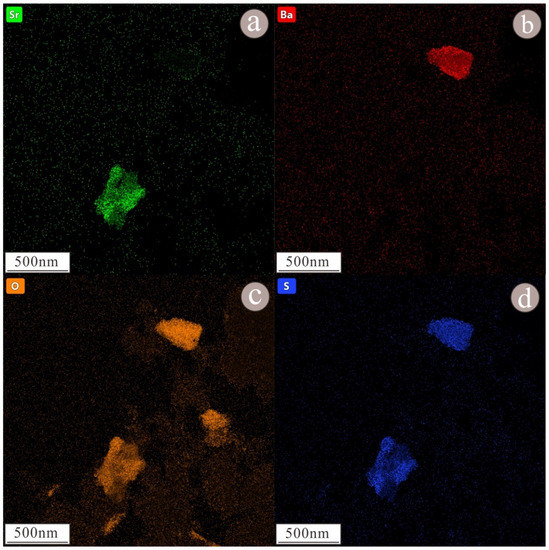
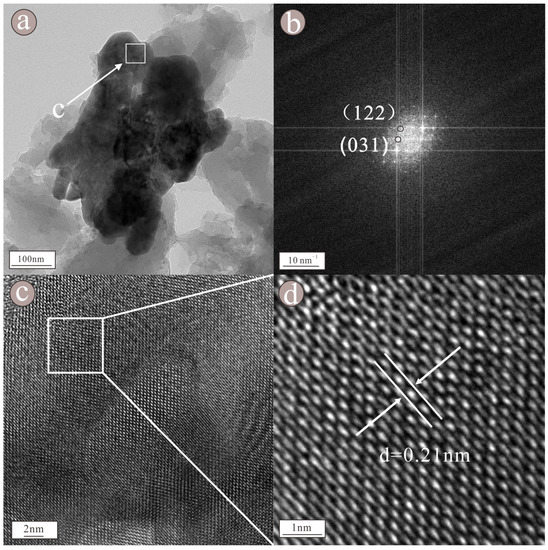
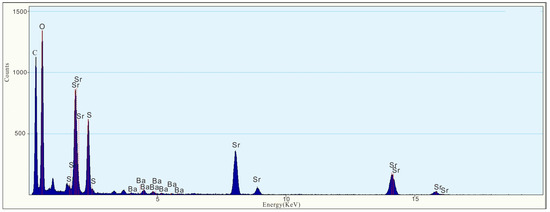
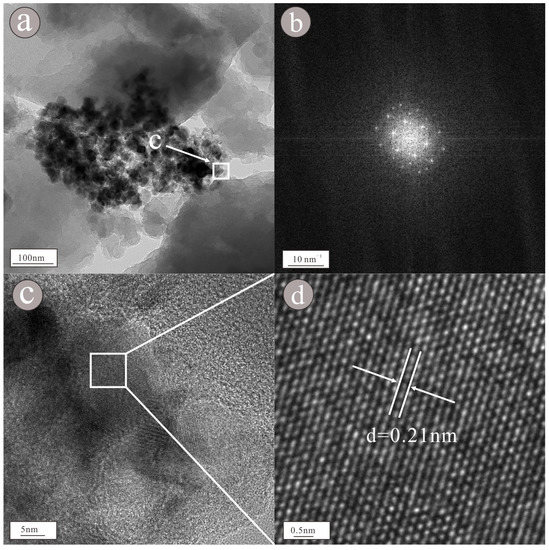
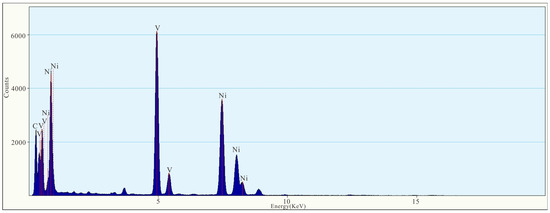
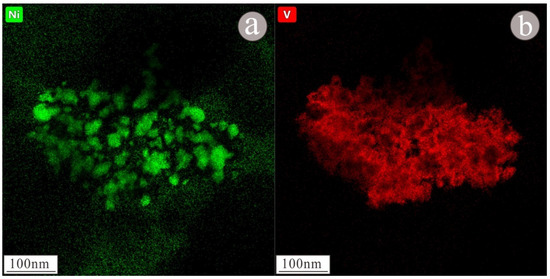
Nanoparticles are ubiquitous in nature and are also found in raw coal, which plays an irreplaceable role in the global economy. In this study, raw coal samples were obtained from Gaojiapu Coal Mine in Shanxi Province, China. The elementary composition of nanoparticles was determined using energy-dispersive X-ray spectroscopy. The structural and chemical characteristics of nanoparticles were analyzed using transmission electron microscopy. Results revealed that there were multiple types of nanoparticles in the raw coal, such as S-, Ca-, Ba-, Ni-, Cr-, Si-, Sr-, and V-bearing nanoparticles. These nanoparticles exhibited various sizes and complex, irregular shapes. Our findings revealed that elemental nanoparticles occur in raw coal. These nanoparticles include celestite and barite nanoparticles. In addition, nanoparticles with Ni, Cr, and V in composition are also included in raw coal. These nanoparticles, which contain heavy metal elements, have great potential to harm the human body. Meanwhile, compared with the characteristics of nanoparticles produced by coal combustion, the nanoparticles in raw coal may be an important potential source of the nanoparticles produced by coal combustion. Full article
Show Figures

Figure 1
23 pages, 1916 KB  
Article
Why Corporate Sustainability Is Not Yet Measured
by Mariapia Pazienza 1,*, Martin de Jong 1 and Dirk Schoenmaker 1,2
1 Rotterdam School of Management, Erasmus University, 3062 PA Rotterdam, The Netherlands
2 D.S. Centre for Economic Policy Research, London EC1V ODX, UK
Sustainability 2023, 15(7), 6275; https://doi.org/10.3390/su15076275 - 6 Apr 2023
Cited by 13 | Viewed by 6061
Abstract
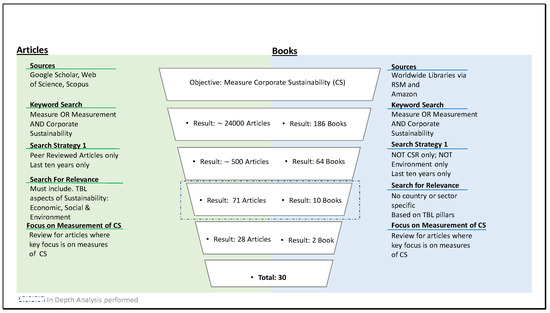
Measuring Corporate Sustainability (CS) has been identified as an important enabler for integrating sustainability into corporate practices. Different methodologies and frameworks for measuring CS have been developed in the literature with limited success, as reflected by the lack of application in the real [...] Read more.
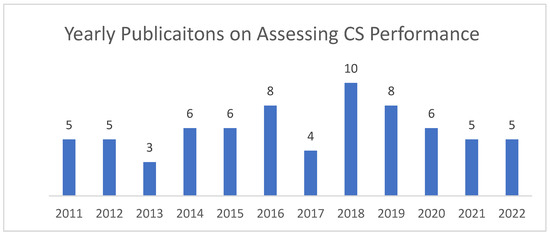
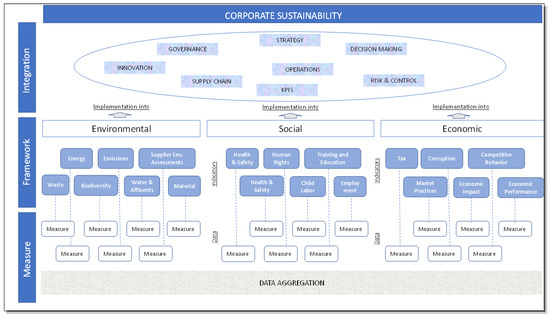
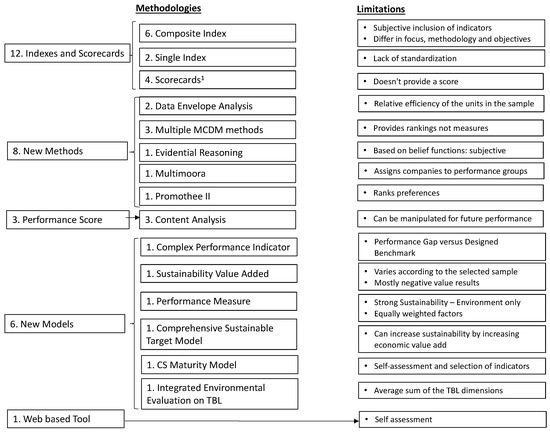
Measuring Corporate Sustainability (CS) has been identified as an important enabler for integrating sustainability into corporate practices. Different methodologies and frameworks for measuring CS have been developed in the literature with limited success, as reflected by the lack of application in the real world. Among practitioners, the effort has been on developing frameworks that provide useful indicators of the different items that need to be considered for integrating sustainability. Notwithstanding the increasing attention and progress on the subject, a cohesive and applicable measure of CS across firms, industries and geographies is still missing. This paper provides an examination of the different methodologies for measuring CS, with an analysis of their merits and limitations, as well as guidance for future research focus. The findings show a failure to coherently link the mathematical measurement and data aggregation methodologies to a well-constructed concept where the linkage between the defining features and causal relations are appropriately identified. The proposed models and mathematical techniques are not able to inform on the extent to which a corporation acts sustainably because sustainability is not being measured in its highest extension, making the results narrow, non-referential and non-comparable. Furthermore, there is confusion between developing the indicators of CS, providing their measurement and enabling their integration. Full article
(This article belongs to the Section Economic and Business Aspects of Sustainability)
Show Figures

Figure 1
18 pages, 5875 KB  
Article
Urban Scale Monitoring Approach for the Assessment of Rising Damp Effects in Venice
by Laura Falchi, Martina Corradini, Eleonora Balliana and Elisabetta Zendri *
Department of Environmental Sciences, Informatics, Statistics, Università Ca’ Foscari, 30123 Venice, Italy
Sustainability 2023, 15(7), 6274; https://doi.org/10.3390/su15076274 - 6 Apr 2023
Cited by 6 | Viewed by 4022
Abstract
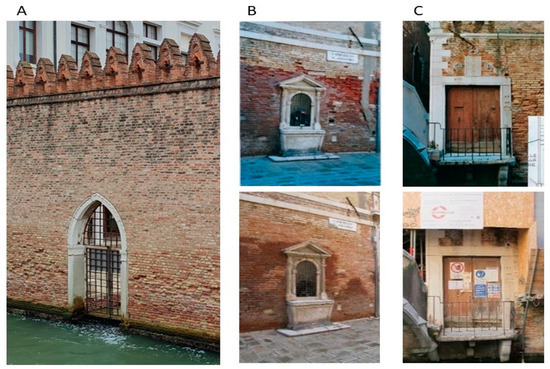
In coastal areas, the rising damp of salty water is a well-known degradation factor of historical masonries, leading to visible features such as crusts, masonry erosion, and plaster loss. Venetian masonries are strongly affected by decay caused by rising damp exacerbated by direct [...] Read more.
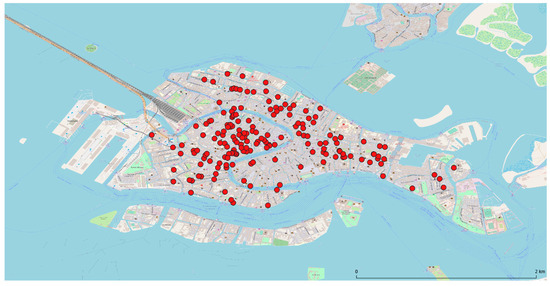
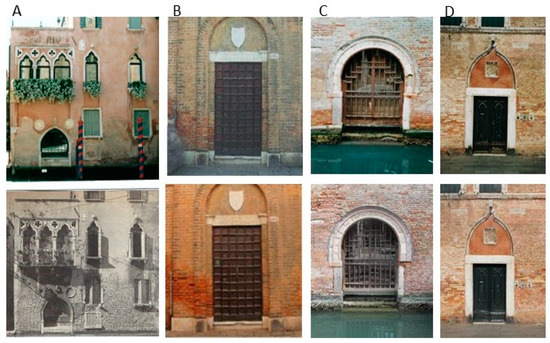
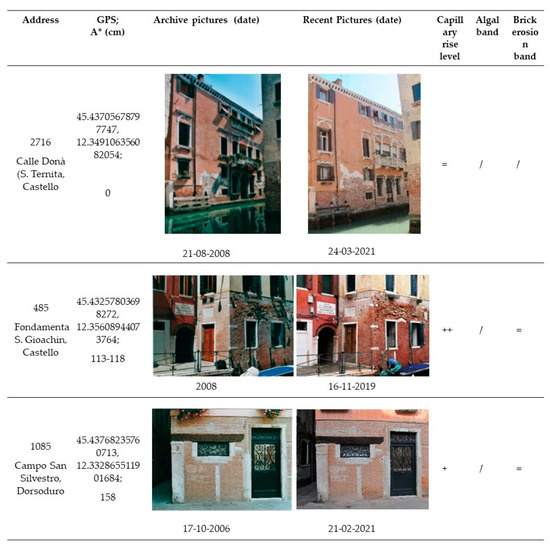
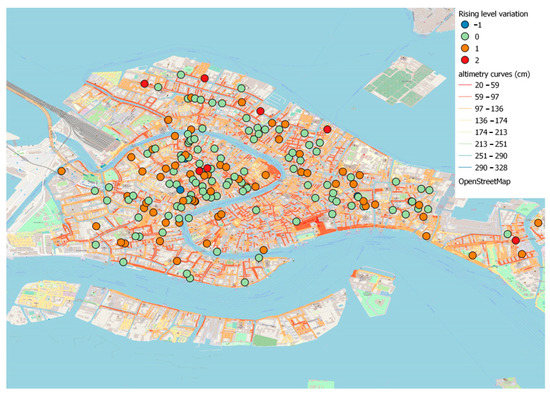
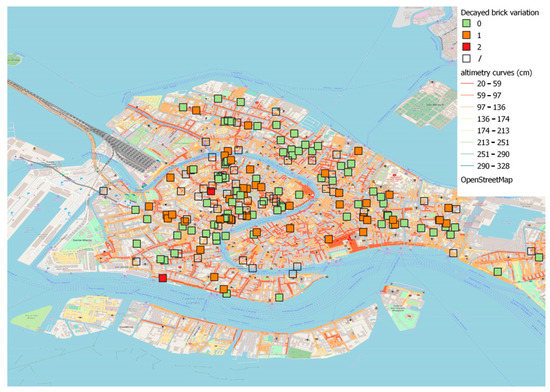
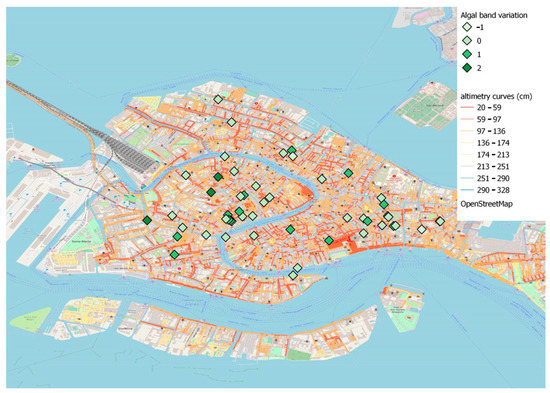
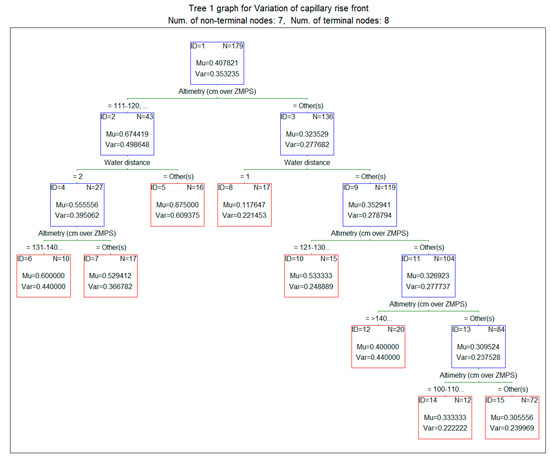
In coastal areas, the rising damp of salty water is a well-known degradation factor of historical masonries, leading to visible features such as crusts, masonry erosion, and plaster loss. Venetian masonries are strongly affected by decay caused by rising damp exacerbated by direct contact with salty water. Recurrent flooding due to high tides and an increase in the frequency of flooding events, also related to climate change, raises concern about the impacts. Although several studies have been carried out on probable future scenarios, a valuation of the decay risk due to rising damp at the urban level still needs to be implemented. This paper proposes a non-invasive and economically sustainable approach for evaluating rising damp effects at an urban scale. The approach includes a collection of archive images of masonries affected by rising damp dating back to the 1990s; a visual survey of the actual conservation state of masonries; a classification based on significant descriptors; and a discussion on exposure conditions and conservation states. The descriptors chosen are rising damp levels, biological growth, plaster loss, efflorescence, and brick erosion. The evaluation was implemented in a georeferenced system suitable for future comparisons, thus providing a management tool for the city’s preservation. Full article
Show Figures

Figure 1
23 pages, 398 KB  
Article
Impact of Innovation-Oriented Human Resource on Small and Medium Enterprises’ Performance
by Mahvish Aslam 1, Imran Shafi 2, Jamil Ahmed 3, Mirtha Silvana Garat de Marin 4,5,6, Emmanuel Soriano Flores 4,7,8, Marco Antonio Rojo Gutiérrez 4,5,7 and Imran Ashraf 9,*
1 Islamabad Campus, Abasyn University, Islamabad 44000, Pakistan
2 College of Electrical and Mechanical Engineering, National University of Sciences and Technology (NUST), Islamabad 44000, Pakistan
3 Hazara University Mansehra, Mansehra 21300, Pakistan
4 Faculty of Social Sciences and Humanities, Universidad Europea del Atlántico, 39011 Santander, Spain
5 Department of Projects, Universidad Internacional Iberoamericana, Arecibo, PR 00613, USA
6 Department of Extension, Universidade Internacional do Cuanza, Cuito P.O. Box 841, Angola
7 Department of Projects, Universidad Internacional Iberoamericana, Campeche 24560, Mexico
8 Department of Projects, Fundación Universitaria Internacional de Colombia, Bogotá 111311, Colombia
9 Department of Information and Communication Engineering, Yeungnam University, Gyeongsan 38541, Republic of Korea
Sustainability 2023, 15(7), 6273; https://doi.org/10.3390/su15076273 - 6 Apr 2023
Cited by 21 | Viewed by 12597
Abstract
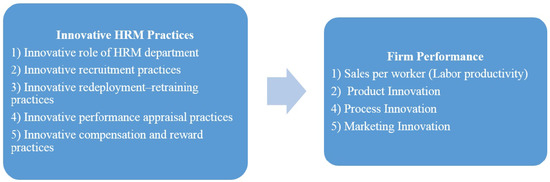
This research paper aims to examine the impact of innovative HRM practices, including employee participation, performance appraisal, reward and compensation, recruitment and selection, and redeployment–retraining on firm performance. For this purpose, four different models are utilized to examine the impact of innovative HRM [...] Read more.
This research paper aims to examine the impact of innovative HRM practices, including employee participation, performance appraisal, reward and compensation, recruitment and selection, and redeployment–retraining on firm performance. For this purpose, four different models are utilized to examine the impact of innovative HRM department practices on the performance of small and medium enterprises (SMEs) in a country. The dependent variable, firm performance, is proxified by different variables such as labor productivity, product innovation, process innovation, and marketing innovation. For empirical analysis, primary data are collected using a questionnaire. Estimation is conducted using ordinary least squares (OLS) and logit regression techniques. The estimated results indicate that most innovative HRM practices have a statistically significant impact on firm performance in terms of labor productivity, product, process, and marketing innovations. These results imply that SMEs in a country may observe the benefits of devoting greater attention to innovative HRM practices to achieve their future growth potential. Full article
Show Figures

Figure 1
26 pages, 663 KB  
Article
Structuring and Measuring Environmental Sustainability in the Steel Sector: A Single Case Study
by Laura Tolettini 1,2,* and Eleonora Di Maria 2
1 Feralpi Siderurgica SpA, 25017 Lonato Del Garda, Italy
2 Department of Economics and Management, Università Degli Studi Di Padova, 35121 Padova, Italy
Sustainability 2023, 15(7), 6272; https://doi.org/10.3390/su15076272 - 6 Apr 2023
Cited by 8 | Viewed by 6503
Abstract
Climate change policies are affecting the economic and structural viability of European Union (EU) industries, particularly in the energy-intensive sector, with very challenging goals of EU Agenda 2030 in terms of CO2 reductions and energy efficiency. This ecological transition can be supported [...] Read more.
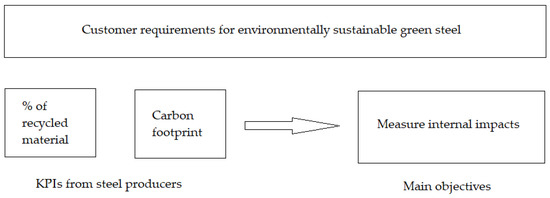
Climate change policies are affecting the economic and structural viability of European Union (EU) industries, particularly in the energy-intensive sector, with very challenging goals of EU Agenda 2030 in terms of CO2 reductions and energy efficiency. This ecological transition can be supported by the employment of innovative technologies, enabling production process efficiency, resource optimization and supply-chain integration. Nevertheless, it is still empirically unclear how energy-intensive industries will complete their ecological transition successfully, especially in terms of achieving environmental sustainability practices within the organization and in the supply-chain without endangering their economic availability. Moreover, the assessment of environmental sustainability performance is still not a unique standard framework, causing loss of transparency and traceability towards internal and external stakeholders, such as managers, investors and business partners. With 20 qualitative interviews of customers and experts of a company leader in the steel construction sector in Italy and Germany, the Feralpi Group, this paper explores the implications of strategic environmental sustainability indicators, which can transparently assess company performance. Preliminary results underline how shared standardized indicators are fundamental for a tighter supply-chain integration, giving impulse and significance to the steel producers’ efforts for environmental sustainability excellence. Future research should further investigate the connection between environmental sustainability strategies and performance indicators for a more integrated sustainability framework. Full article
Show Figures

Figure 1
16 pages, 21073 KB  
Article
Research on the Impact of Urban Expansion on Habitat Quality in Chengdu
by Xiaoling Xie * and Qi Zhu
School of Architecture and Urban Planning, Lanzhou Jiaotong University, Lanzhou 730070, China
Sustainability 2023, 15(7), 6271; https://doi.org/10.3390/su15076271 - 6 Apr 2023
Cited by 19 | Viewed by 3581
Abstract
Land use changes caused by urban expansion have a significant impact on regional ecological environment and biodiversity. Exploring the impact of urban expansion on habitat quality can guide the future sustainable development path and ecological conservation of cities. The InVEST model was used [...] Read more.
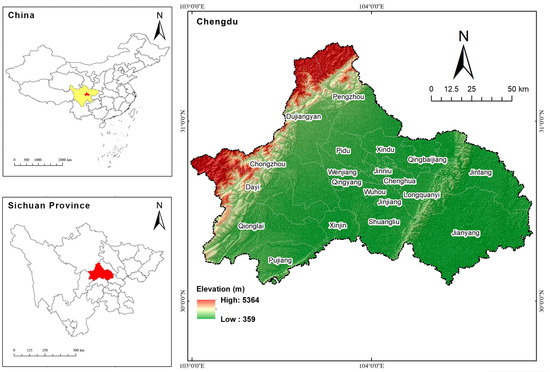
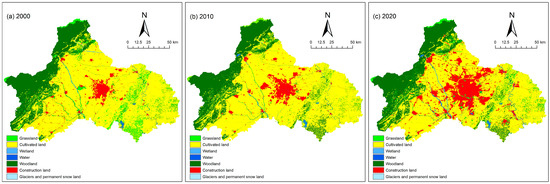
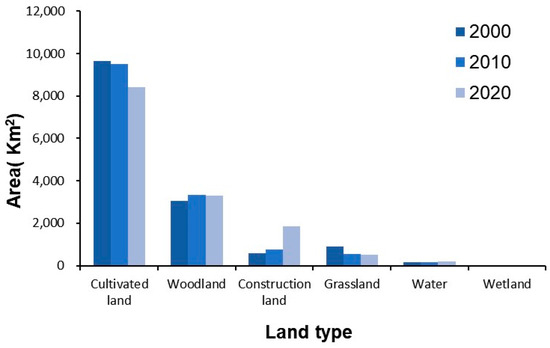
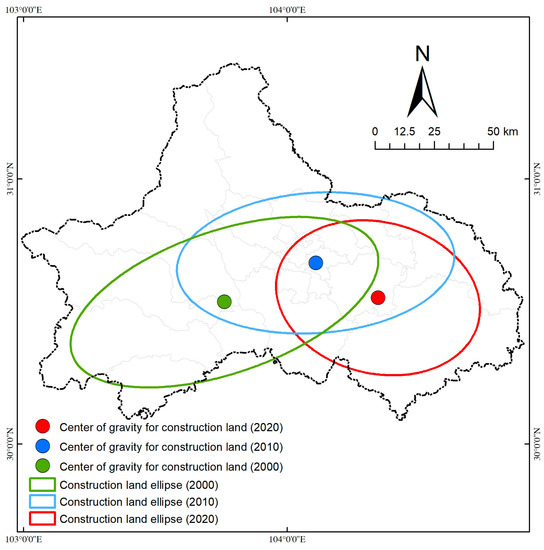
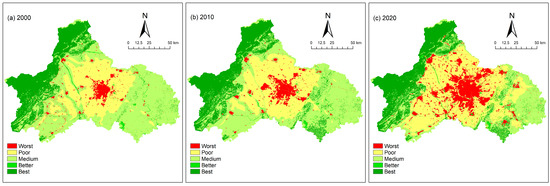
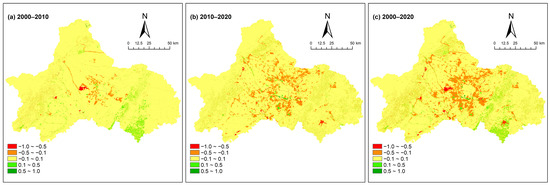
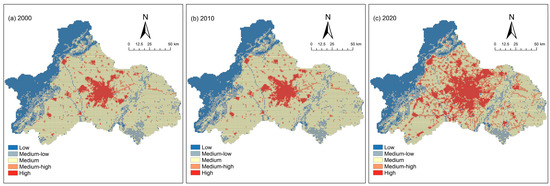
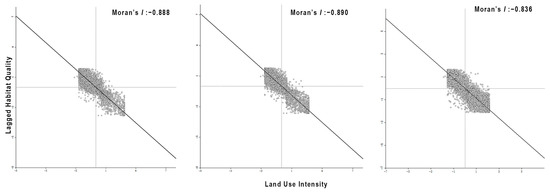
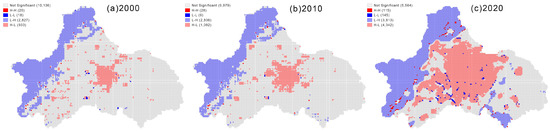
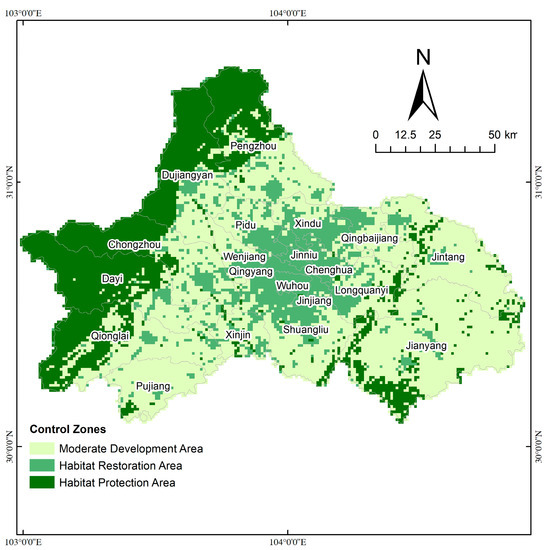
Land use changes caused by urban expansion have a significant impact on regional ecological environment and biodiversity. Exploring the impact of urban expansion on habitat quality can guide the future sustainable development path and ecological conservation of cities. The InVEST model was used to evaluate the habitat quality indices of Chengdu in the three periods covering 2000, 2010 and 2020; land use intensity was used to quantitatively characterize the projection of urban expansion on spatial structure and then analyze the impact of urban expansion on habitat quality; we then proposed a spatial control zoning strategy. The results show that: (1) from 2010 to 2020, construction land in Chengdu grew by 140.58%, 5.52 times the expansion rate of the previous decade, as the city entered a phase of rapid development; (2) the center of gravity of construction land moved in a “back to the center-eastward” trajectory and the city shifted to a compact expansion development pattern; (3) urban expansion was an important cause of habitat quality decline as the overall habitat quality in Chengdu was on a degradation trend, with a spatial distribution of habitat quality characterized by high habitat quality in the eastern and western regions and low habitat quality in the central region; and (4) habitat quality and land use intensity showed a significant negative spatial correlation. The study area was dominated by two clusters: “high land use intensity–low habitat quality” and “low land use intensity–high habitat quality”. The results of the study show that researchers can protect high-quality habitat space in cities, improve habitat quality in areas of habitat degradation in urban expansion, and guide the green and sustainable development of urban land use in the future. Full article
Show Figures

Figure 1