18 pages, 5216 KB  
Article
Evaluation of Terrestrial Water Storage Changes and Major Driving Factors Analysis in Inner Mongolia, China
by Yi Guo, Fuping Gan, Baikun Yan, Juan Bai, Naichen Xing and Yue Zhuo
Sensors 2022, 22(24), 9665; https://doi.org/10.3390/s22249665 - 9 Dec 2022
Cited by 14 | Viewed by 3043
Abstract
Quantitative assessment of the terrestrial water storage (TWS) changes and the major driving factors have been hindered by the lack of direct observations in Inner Mongolia, China. In this study, the spatial and temporal changes of TWS and groundwater storage (GWS) in Inner [...] Read more.
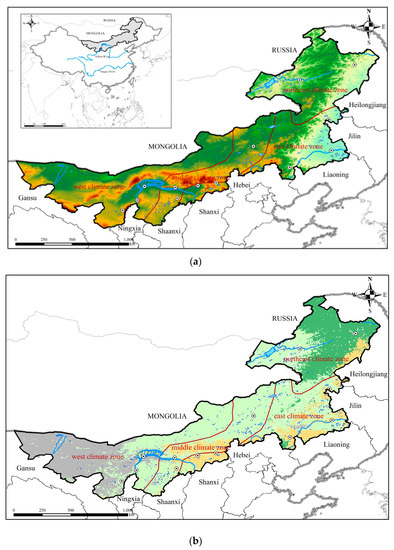
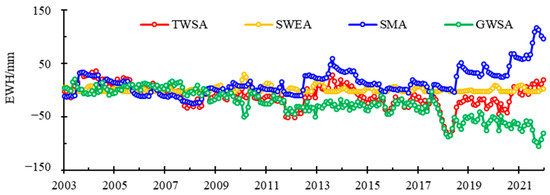
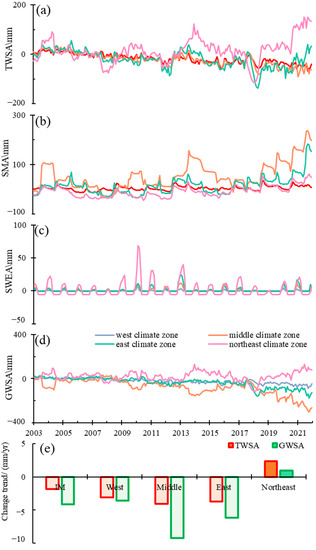
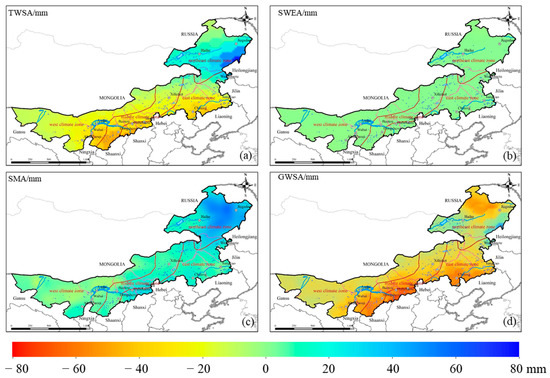
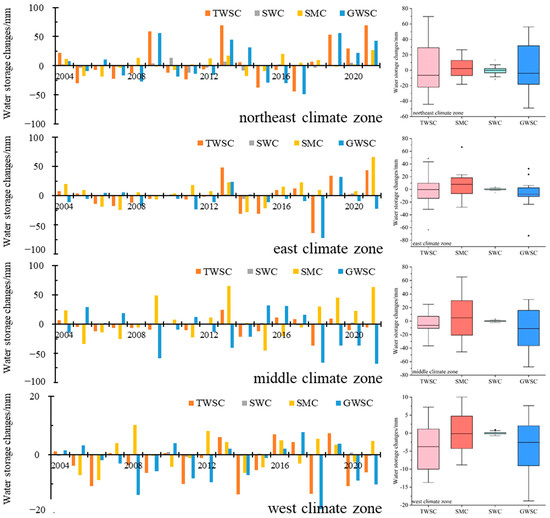
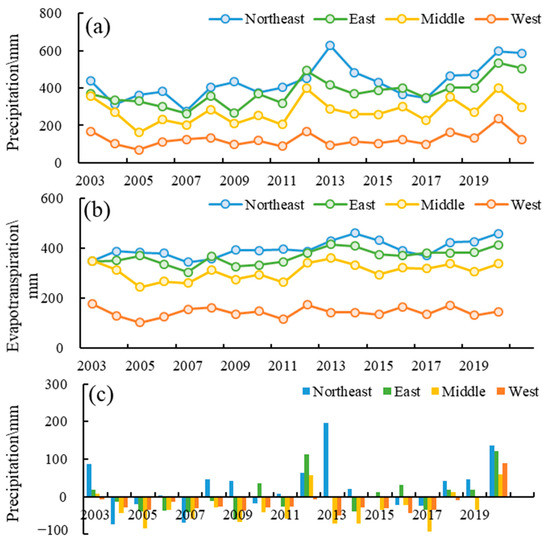
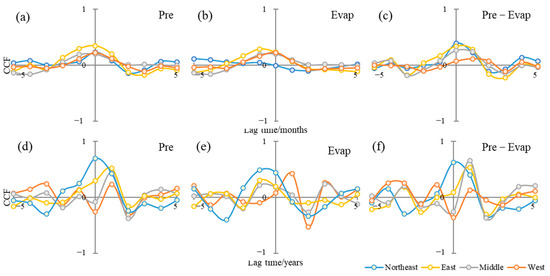
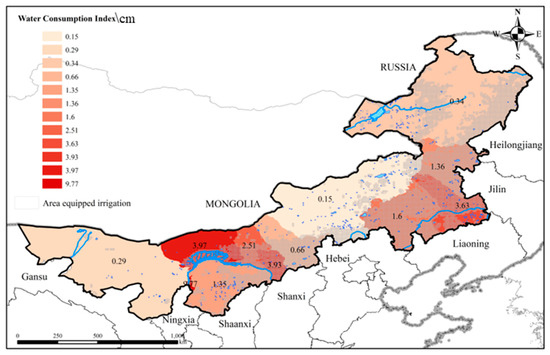
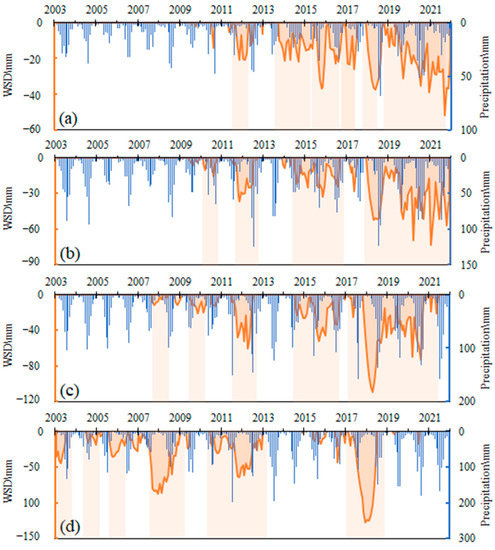
Quantitative assessment of the terrestrial water storage (TWS) changes and the major driving factors have been hindered by the lack of direct observations in Inner Mongolia, China. In this study, the spatial and temporal changes of TWS and groundwater storage (GWS) in Inner Mongolia during 2003–2021 were evaluated using the satellite gravity data from the Gravity Recovery and Climate Experiment (GRACE) and the GRACE Follow On combined with data from land surface models. The results indicated that Inner Mongolia has experienced a widespread TWS loss of approximately 1.82 mm/yr from 2003–2021, with a more severe depletion rate of 4.15 mm/yr for GWS. Meteorological factors were the driving factors for water storage changes in northeastern and western regions. The abundant precipitation increased TWS in northeast regions at 2.36 mm/yr. Anthropogenic activities (agricultural irrigation and coal mining) were the driving factors for water resource decline in the middle and eastern regions (especially in the agropastoral transitional zone), where the decrease rates were 4.09 mm/yr and 3.69 mm/yr, respectively. In addition, the severities of hydrological drought events were identified based on water storage deficits, with average severity values of 17 mm, 18 mm, 24 mm, and 33 mm for the west, middle, east, and northeast regions, respectively. This study established a basic framework for water resource changes in Inner Mongolia and provided a scientific foundation for further water resources investigation. Full article
(This article belongs to the Section Remote Sensors)
Show Figures

Figure 1
26 pages, 5857 KB  
Article
Design and Implementation of an Open-Source SCADA System for a Community Solar-Powered Reverse Osmosis System
by Sheikh Usman Uddin, Mirza Jabbar Aziz Baig and Mohammad Tariq Iqbal
Sensors 2022, 22(24), 9631; https://doi.org/10.3390/s22249631 - 8 Dec 2022
Cited by 14 | Viewed by 13535
Abstract
Design and implementation of an open-source-based supervisory control and data acquisition (SCADA) system for a community solar-powered reverse osmosis are presented in this paper. A typical SCADA system available on the market is proprietary and has a high initial and maintenance cost. Aside [...] Read more.
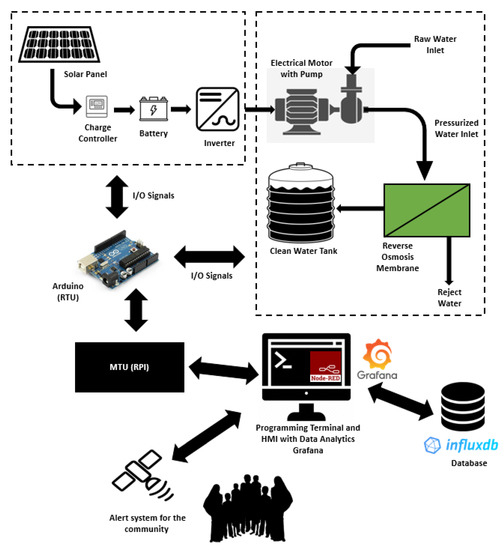
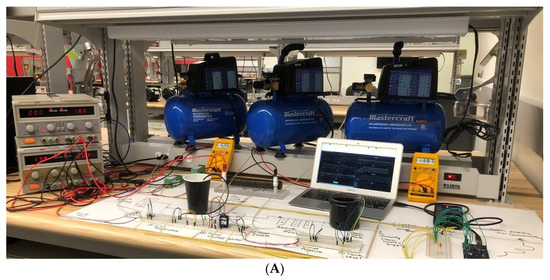
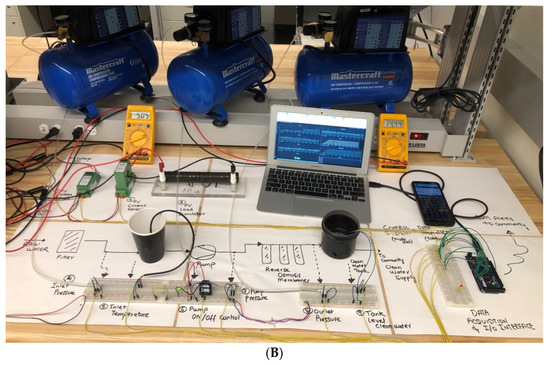
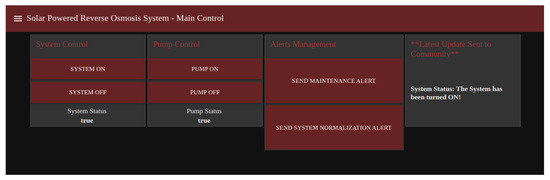
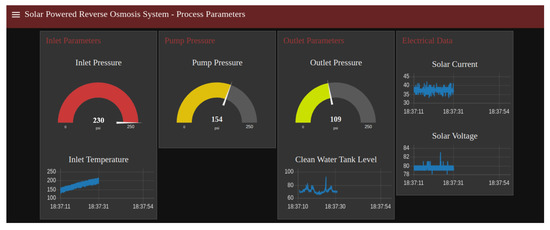
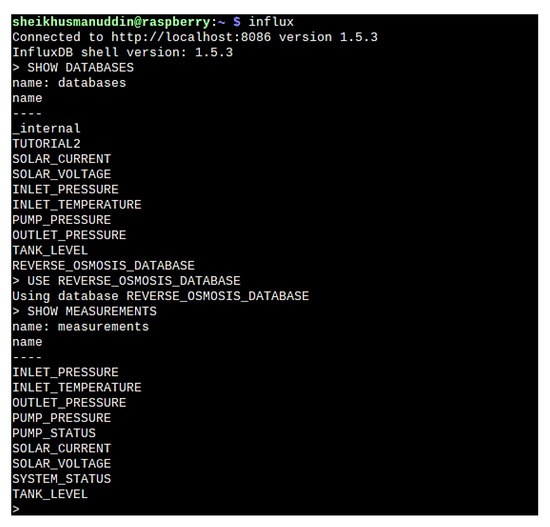
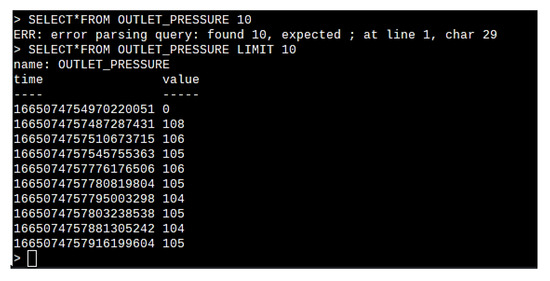
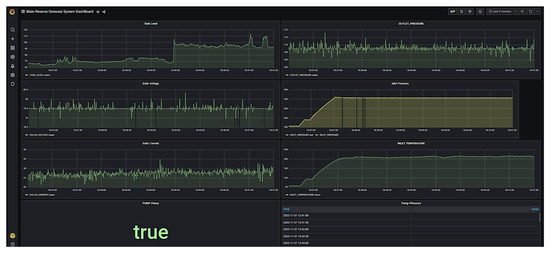
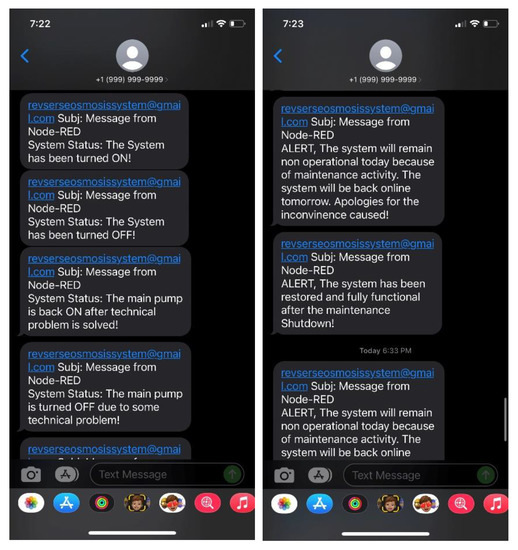
Design and implementation of an open-source-based supervisory control and data acquisition (SCADA) system for a community solar-powered reverse osmosis are presented in this paper. A typical SCADA system available on the market is proprietary and has a high initial and maintenance cost. Aside from that, there is no SCADA system with an alert system available to give users updates and status information concerning the system. The objective of this study is to develop a comprehensive SCADA design that takes advantage of open-source technology to address the world’s most pressing problem, access to clean water. The designed reverse Osmosis system also uses renewable energy-based power sources. In this system, all data is stored and analyzed locally, which ensures the data is secure and allows the user to make data-driven decisions based on the collected data. Among the main components of this system are the field instrument devices (FIDs), the remote terminal unit (RTU), the main terminal units (MTUs), the web-based programming software, and the data analytics software. The Node-Red programming and dashboard tool, Grafana for data analytics, and InfluxDB for database management run on the main terminal unit having Debian operating system. Data is transmitted from the FIDs to the RTU, which then redirects it to the MTU via serial communication. Node-Red displays the data processed by the MTU on its dashboard as well, as the data is stored locally on the MTU and is displayed by means of Grafana, which is also installed on the same MTU. Through the Node-Red dashboard, the system is controlled, and notifications are sent to the community. Full article
(This article belongs to the Special Issue IoT-Based Cyber-Physical System: Challenges and Future Direction)
Show Figures

Figure 1
11 pages, 2925 KB  
Article
Smartphone-Based Optical Fiber Fluorescence Temperature Sensor
by Jianwei Huang, Ting Liu, Yeyu Zhang, Chengsen Zhan, Xiaona Xie, Qing Yu and Dingrong Yi
Sensors 2022, 22(24), 9605; https://doi.org/10.3390/s22249605 - 8 Dec 2022
Cited by 14 | Viewed by 3759
Abstract
Optical fiber sensors are one preferred solution for temperature sensing, especially for their capability of real-time monitoring and remote detection. However, many of them still suffer from a huge sensing system and complicated signal demodulate process. In order to solve these problems, we [...] Read more.
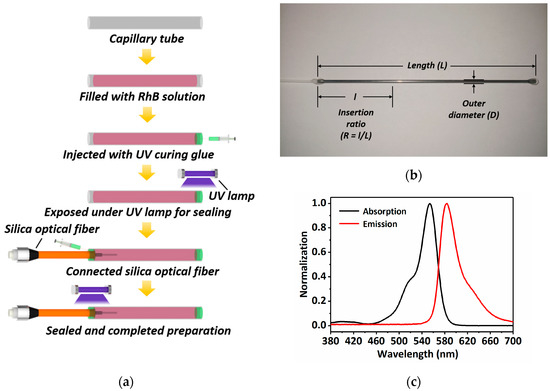
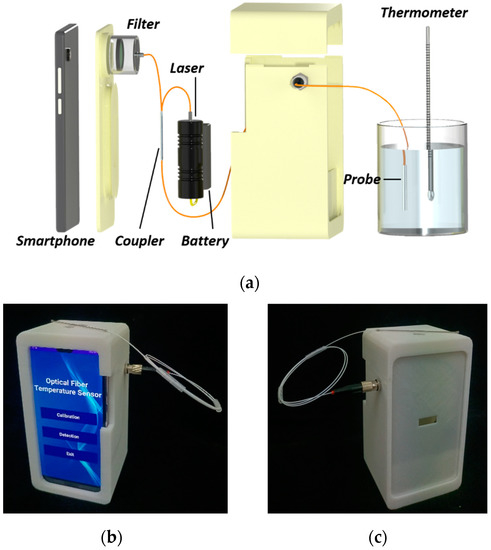
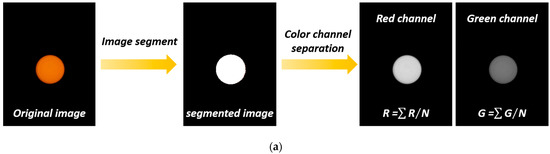
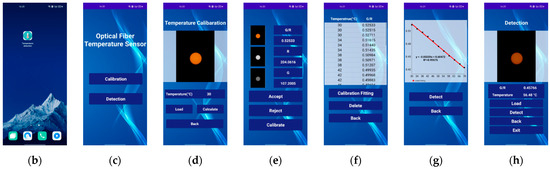
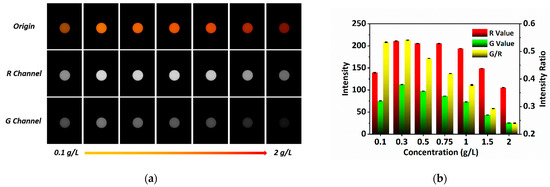
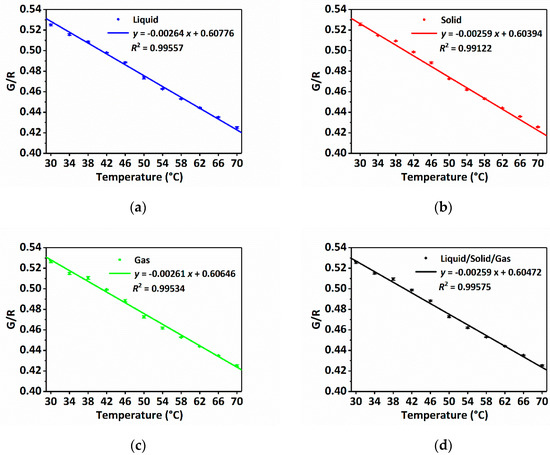
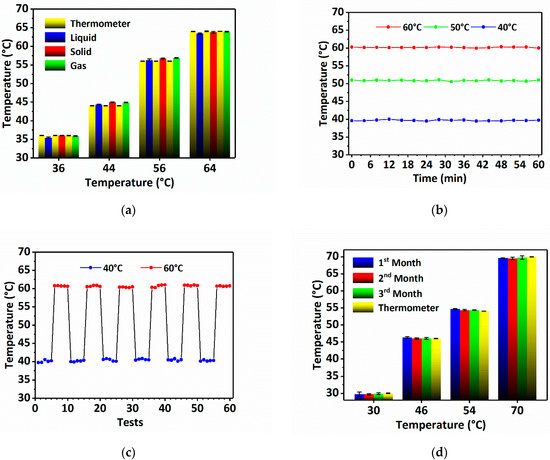
Optical fiber sensors are one preferred solution for temperature sensing, especially for their capability of real-time monitoring and remote detection. However, many of them still suffer from a huge sensing system and complicated signal demodulate process. In order to solve these problems, we propose a smartphone-based optical fiber fluorescence temperature sensor. All the components, including the laser, filter, fiber coupler, batteries, and smartphone, are integrated into a 3D-printed shell, on the side of which there is a fiber flange used for the sensing probe connection. The fluorescence signal of the rhodamine B solution encapsulated in the sensing probe can be captured by the smartphone camera and extracted into the R value and G value by a self-developed smartphone application. The temperature can be quantitatively measured by the calibrated G/R-temperature relation, which can be unified using the same linear relationship in all solid–liquid–gas environments. The performance verifications prove that the sensor can measure temperature in high accuracy, good stability and repeatability, and has a long conservation time for at least 3 months. The proposed sensor not only can measure the temperature for remote and real-time detection needs, but it is also handheld with a small size of 167 mm × 85 mm × 75 mm supporting on-site applications. It is a potential tool in the temperature sensing field. Full article
(This article belongs to the Section Sensing and Imaging)
Show Figures

Figure 1
14 pages, 1608 KB  
Article
Highly Sensitive and Selective Graphene Nanoribbon Based Enzymatic Glucose Screen-Printed Electrochemical Sensor
by Ema Gričar, Josip Radić, Boštjan Genorio and Mitja Kolar
Sensors 2022, 22(24), 9590; https://doi.org/10.3390/s22249590 - 7 Dec 2022
Cited by 14 | Viewed by 3394
Abstract
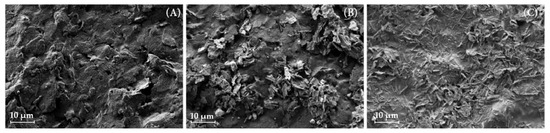
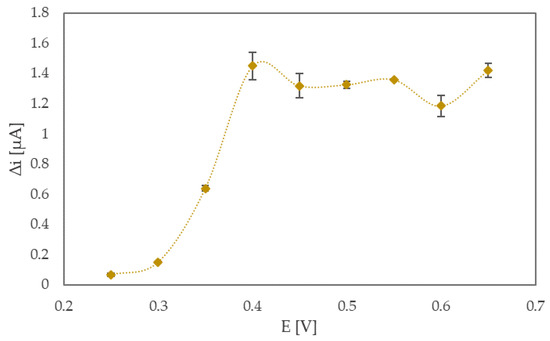
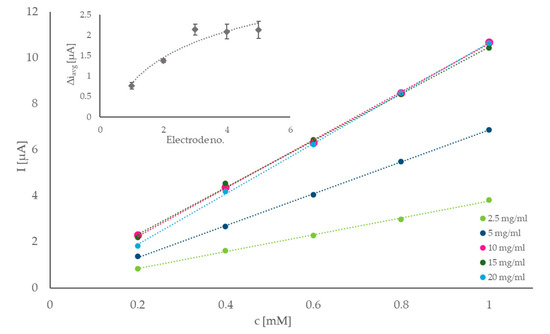
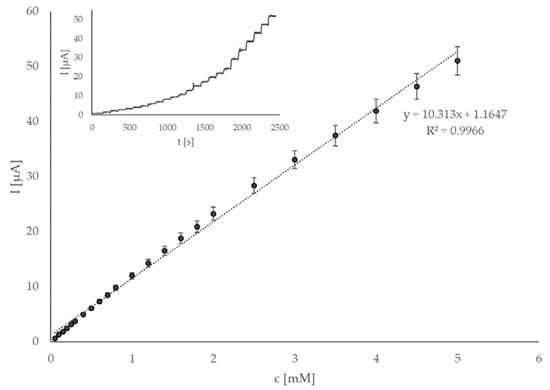
A simple, sensitive, cost effective, and reliable enzymatic glucose biosensor was developed and tested. Nitrogen-doped heat-treated graphene oxide nanoribbons (N-htGONR) were used for modification of commercially available screen-printed carbon electrodes (SPCEs), together with MnO2 and glucose oxidase. The resulting sensors were optimized [...] Read more.
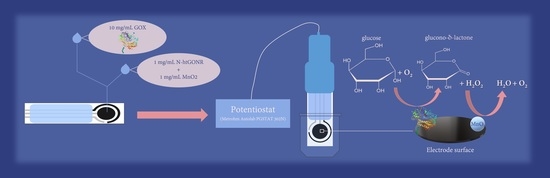
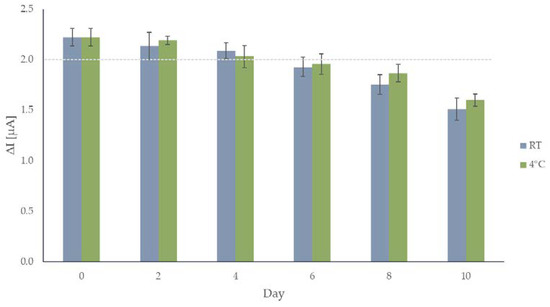
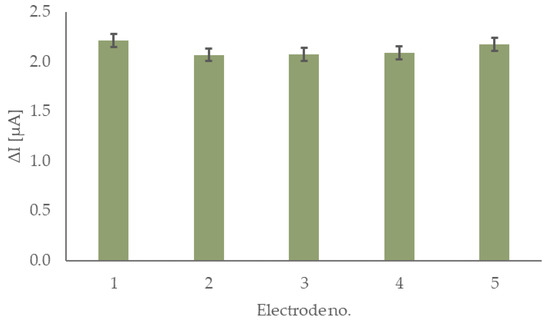
A simple, sensitive, cost effective, and reliable enzymatic glucose biosensor was developed and tested. Nitrogen-doped heat-treated graphene oxide nanoribbons (N-htGONR) were used for modification of commercially available screen-printed carbon electrodes (SPCEs), together with MnO2 and glucose oxidase. The resulting sensors were optimized and used to detect glucose in a wide linear range (0.05–5.0 mM) by a simple amperometric method, where the limit of detection was determined to be 0.008 mM. (lifetime), and reproducibility studies were also carried out and yielded favorable results. The sensor was then tested against potential interfering species present in food and beverage samples before its application to real matrix. Spiked beer samples were analyzed (with glucose recovery between 93.5 and 103.5%) to demonstrate the suitability of the developed sensor towards real food and beverage sample applications. Full article
(This article belongs to the Special Issue Biosensors and Electrochemical Sensors)
Show Figures

Graphical abstract

17 pages, 4583 KB  
Article
Fast Iterative Shrinkage-Thresholding Algorithm with Continuation for Brain Injury Monitoring Imaging Based on Electrical Impedance Tomography
by Xuechao Liu, Tao Zhang, Jian’an Ye, Xiang Tian, Weirui Zhang, Bin Yang, Meng Dai, Canhua Xu and Feng Fu
Sensors 2022, 22(24), 9934; https://doi.org/10.3390/s22249934 - 16 Dec 2022
Cited by 13 | Viewed by 3182
Abstract
Electrical impedance tomography (EIT) is low-cost and noninvasive and has the potential for real-time imaging and bedside monitoring of brain injury. However, brain injury monitoring by EIT imaging suffers from image noise (IN) and resolution problems, causing blurred reconstructions. To address these problems, [...] Read more.
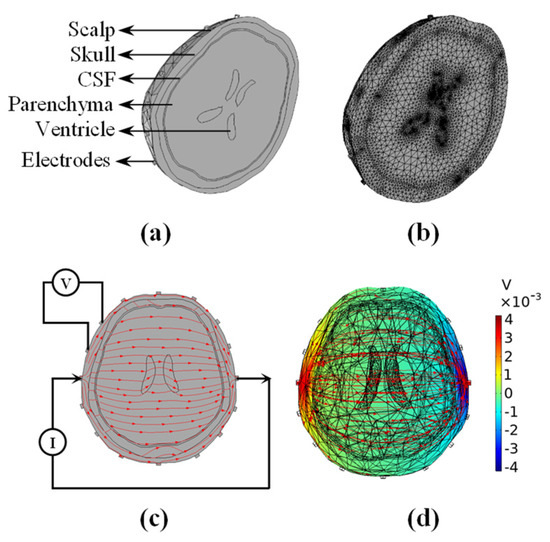
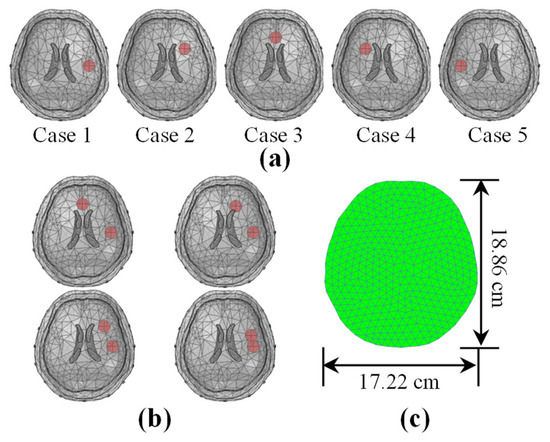
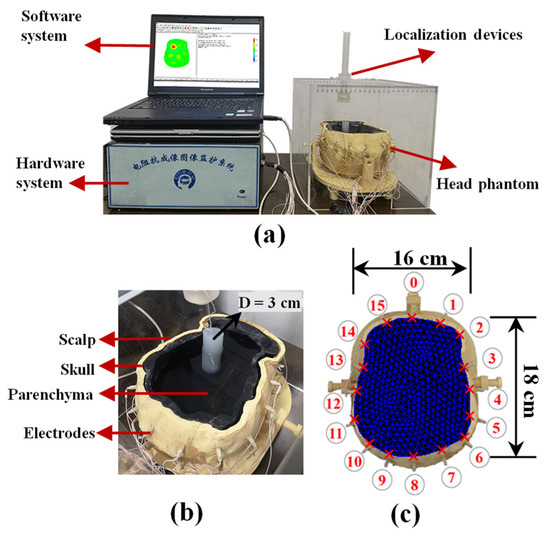
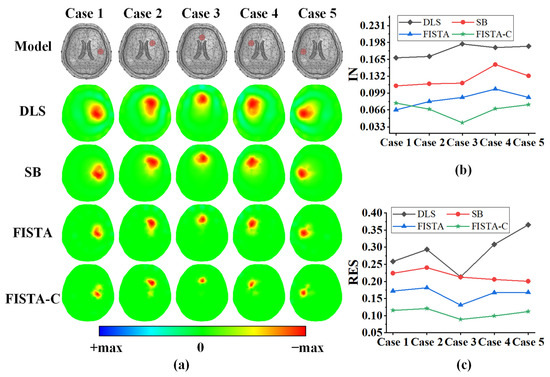
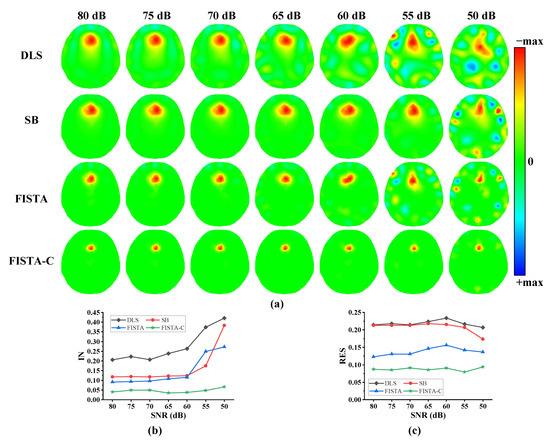
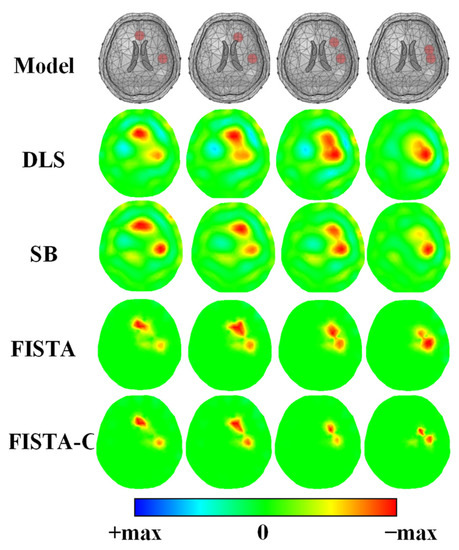
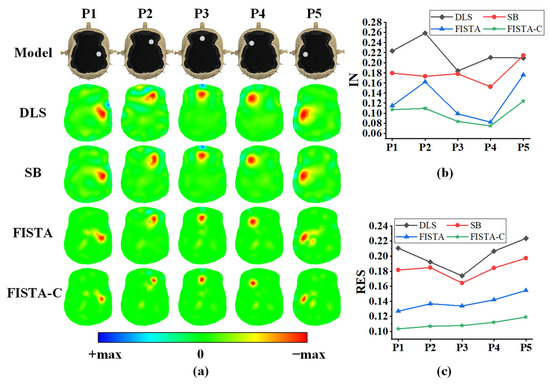
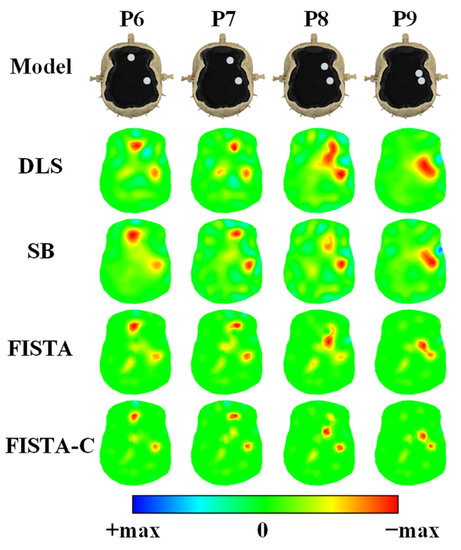
Electrical impedance tomography (EIT) is low-cost and noninvasive and has the potential for real-time imaging and bedside monitoring of brain injury. However, brain injury monitoring by EIT imaging suffers from image noise (IN) and resolution problems, causing blurred reconstructions. To address these problems, a least absolute shrinkage and selection operator model is built, and a fast iterative shrinkage-thresholding algorithm with continuation (FISTA-C) is proposed. Results of numerical simulations and head phantom experiments indicate that FISTA-C reduces IN by 63.2%, 47.2%, and 29.9% and 54.4%, 44.7%, and 22.7%, respectively, when compared with the damped least-squares algorithm, the split Bergman, and the FISTA algorithms. When the signal-to-noise ratio of the measurements is 80–50 dB, FISTA-C can reduce IN by 83.3%, 72.3%, and 68.7% on average when compared with the three algorithms, respectively. Both simulation and phantom experiments suggest that FISTA-C produces the best image resolution and can identify the two closest targets. Moreover, FISTA-C is more practical for clinical application because it does not require excessive parameter adjustments. This technology can provide better reconstruction performance and significantly outperforms the traditional algorithms in terms of IN and resolution and is expected to offer a general algorithm for brain injury monitoring imaging via EIT. Full article
(This article belongs to the Section Biomedical Sensors)
Show Figures

Figure 1
14 pages, 4985 KB  
Article
Design of Airborne Large Aperture Infrared Optical System Based on Monocentric Lens
by Jiyan Zhang, Teng Qin, Zhexin Xie, Liting Sun, Zhengyu Lin, Tianhao Cao and Chentao Zhang
Sensors 2022, 22(24), 9907; https://doi.org/10.3390/s22249907 - 16 Dec 2022
Cited by 13 | Viewed by 4612
Abstract
Conventional reconnaissance camera systems have been flown on manned aircraft, where the weight, size, and power requirements are not stringent. However, today, these parameters are important for unmanned aerial vehicles (UAVs). This article provides a solution to the design of airborne large aperture [...] Read more.
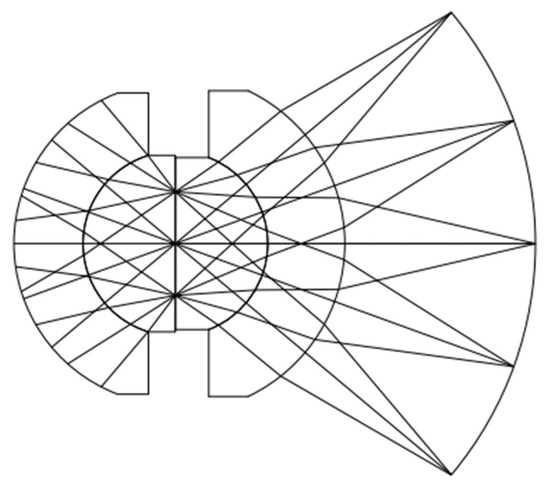
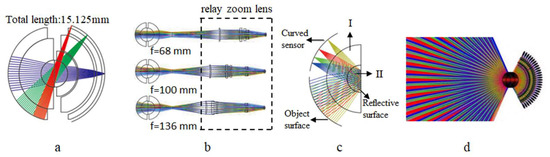
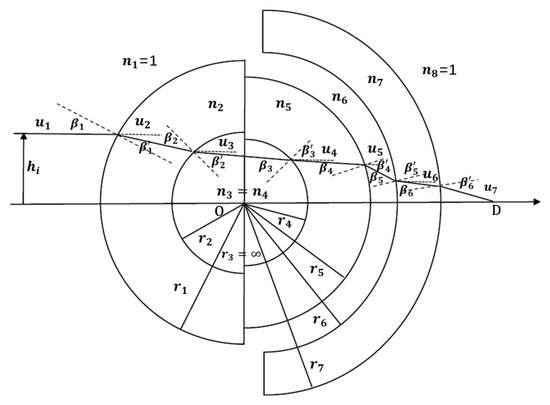
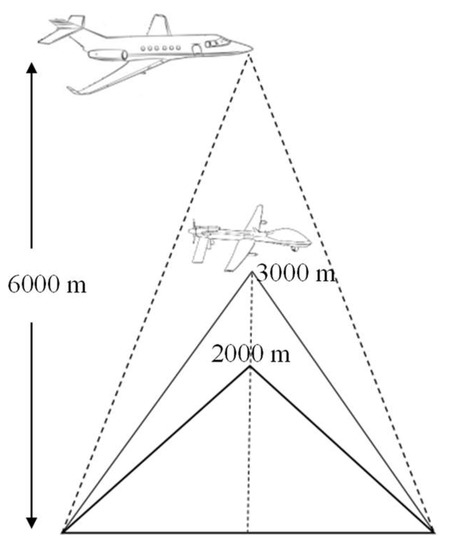
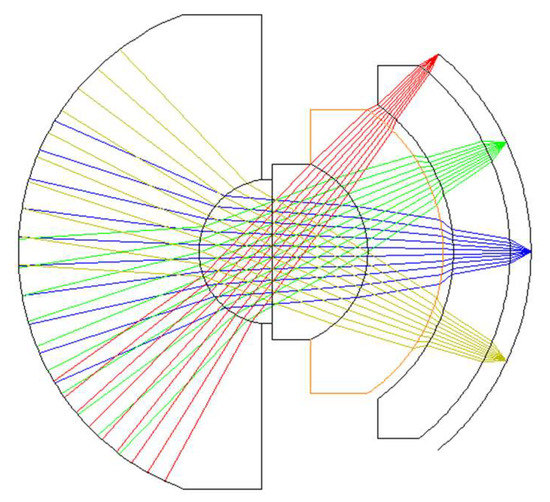
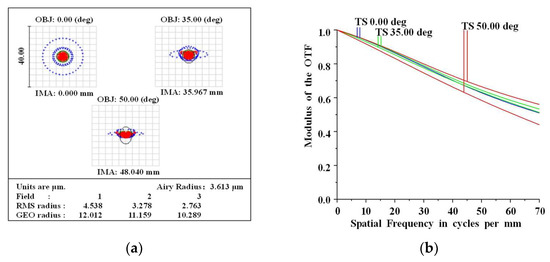
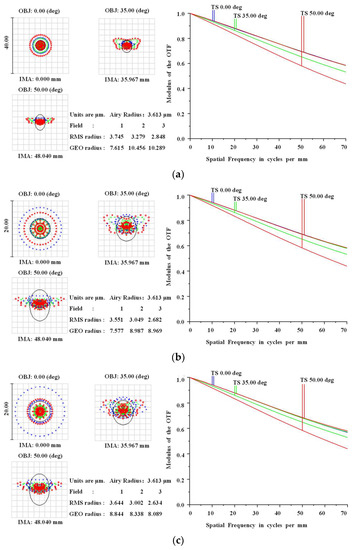
Conventional reconnaissance camera systems have been flown on manned aircraft, where the weight, size, and power requirements are not stringent. However, today, these parameters are important for unmanned aerial vehicles (UAVs). This article provides a solution to the design of airborne large aperture infrared optical systems, based on a monocentric lens that can meet the strict criteria of aerial reconnaissance UAVs for a wide field of view (FOV) and lightness of airborne electro-optical pod cameras. A monocentric lens has a curved image plane, consisting of an array of microsensors, which can provide an image with 368 megapixels over a 100° FOV. We obtained the initial structure of a five-glass (5GS) asymmetric monocentric lens with an air gap, using ray-tracing and global optimization algorithms. According to the design results, the ground sampling distance (GSD) of the system is 0.33 m at 3000 m altitude. The full-field modulation transfer function (MTF) value of the system is more than 0.4 at a Nyquist frequency of 70 lp/mm. We present a primary thermal control method, and the image quality was steady throughout the operating temperature range. This compactness and simple structure fulfill the needs of uncrewed airborne lenses. This work may facilitate the practical application of monocentric lens in UAVs. Full article
(This article belongs to the Special Issue Mid-Infrared Sensors and Applications)
Show Figures

Figure 1
12 pages, 4523 KB  
Communication
Improved Quasi-Z-Source High Step-Up DC–DC Converter Based on Voltage-Doubler Topology
by Toru Sai, Younghyun Moon and Yasuhiro Sugimoto
Sensors 2022, 22(24), 9893; https://doi.org/10.3390/s22249893 - 15 Dec 2022
Cited by 13 | Viewed by 3336
Abstract
The step-up DC–DC converter is widely used for applications such as IoT sensor nodes, energy harvesting, and photovoltaic (PV) systems. In this article, a new topological quasi-Z-source (QZ) high step-up DC–DC converter for the PV system is proposed. The topology of this converter [...] Read more.
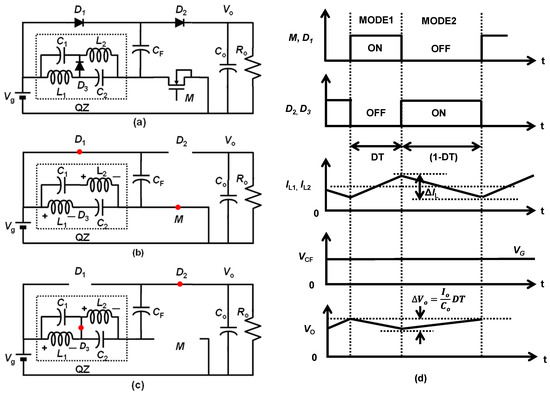
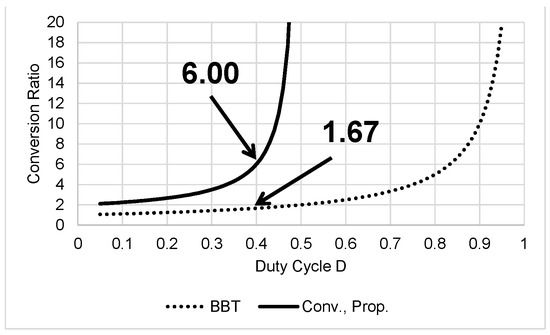
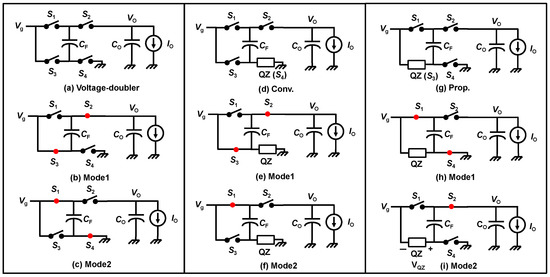
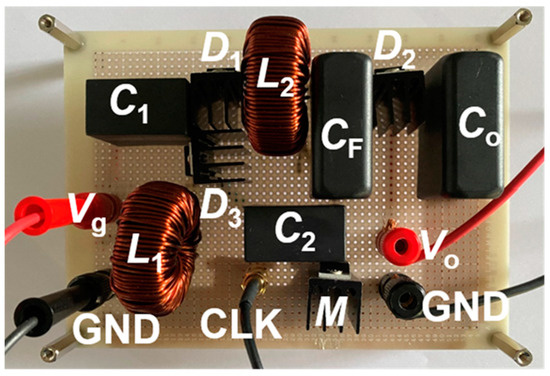
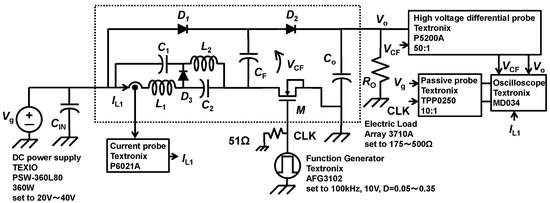
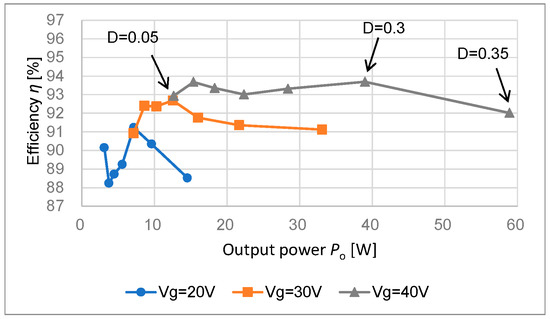
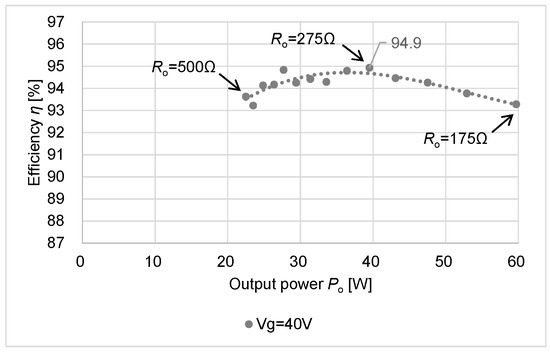
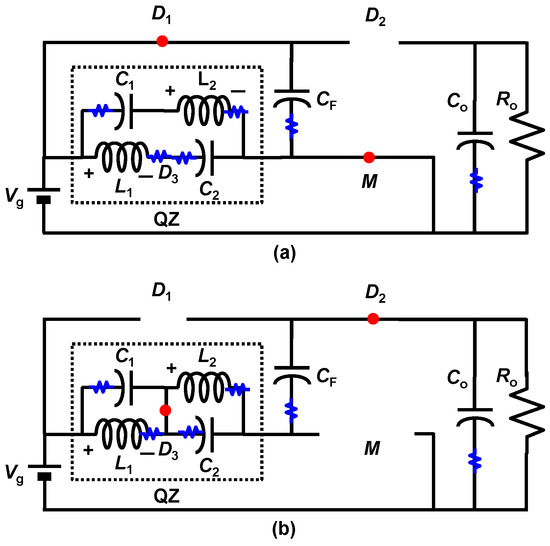
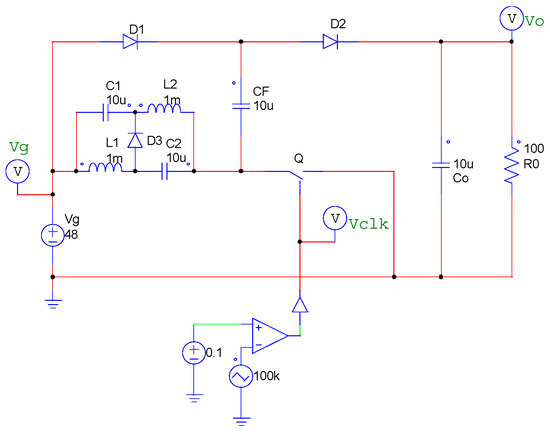
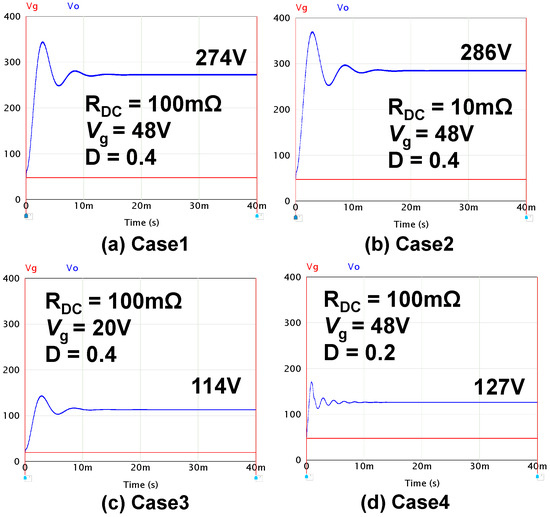
The step-up DC–DC converter is widely used for applications such as IoT sensor nodes, energy harvesting, and photovoltaic (PV) systems. In this article, a new topological quasi-Z-source (QZ) high step-up DC–DC converter for the PV system is proposed. The topology of this converter is based on the voltage-doubler circuits. Compared with a conventional quasi-Z-source DC–DC converter, the proposed converter features low voltage ripple at the output, the use of a common ground switch, and low stress on circuit components. The new topology, named a low-side-drive quasi-Z-source boost converter (LQZC), consists of a flying capacitor (CF), the QZ network, two diodes, and a N-channel MOS switch. A 60 W laboratory prototype DC–DC converter achieved 94.9% power efficiency. Full article
Show Figures

Figure 1
21 pages, 3427 KB  
Article
Interactive Lane Keeping System for Autonomous Vehicles Using LSTM-RNN Considering Driving Environments
by Yonghwan Jeong
Sensors 2022, 22(24), 9889; https://doi.org/10.3390/s22249889 - 15 Dec 2022
Cited by 13 | Viewed by 6245
Abstract
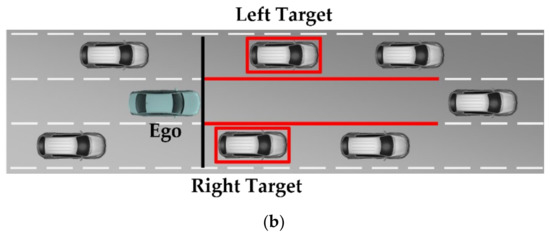
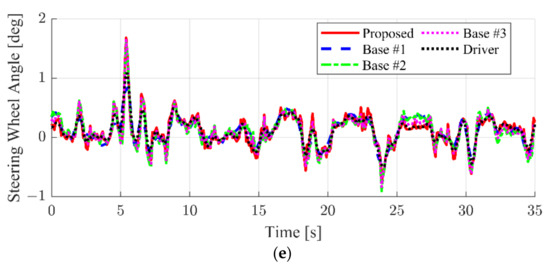
This paper presents an interactive lane keeping model for an advanced driver assistant system and autonomous vehicle. The proposed model considers not only the lane markers but also the interaction with surrounding vehicles in determining steering inputs. The proposed algorithm is designed based [...] Read more.
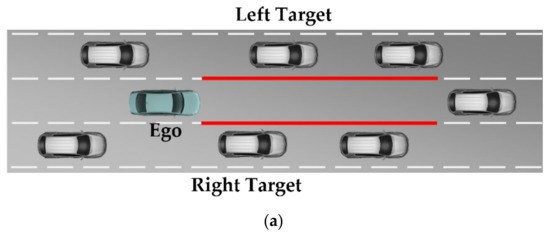
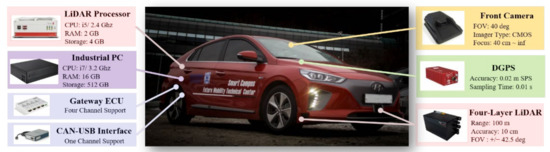
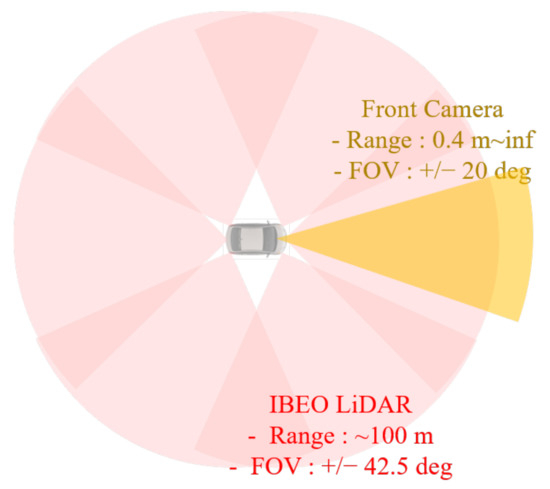
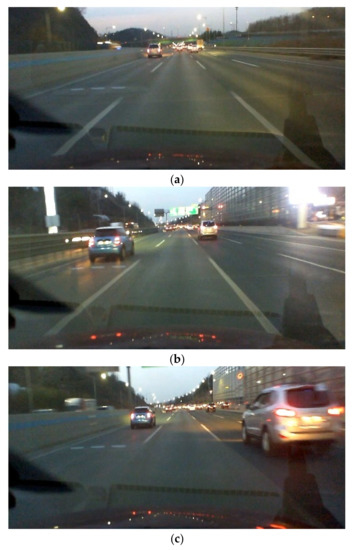
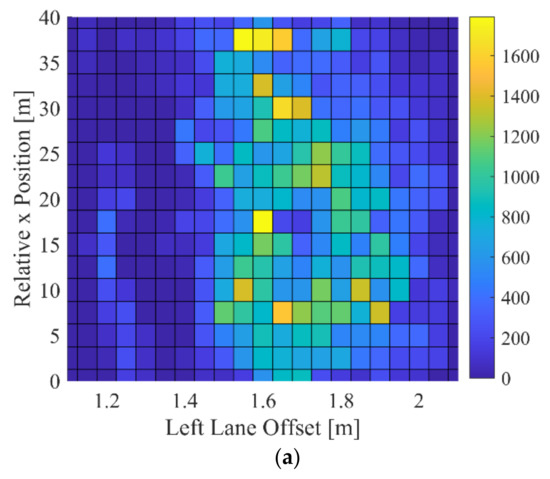
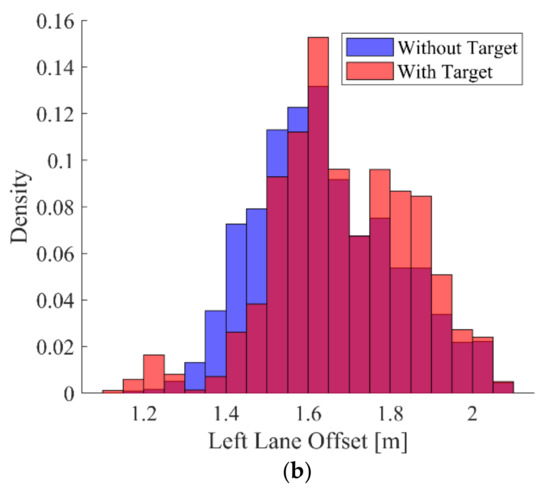
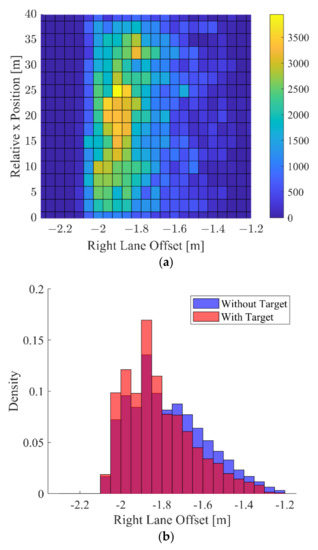
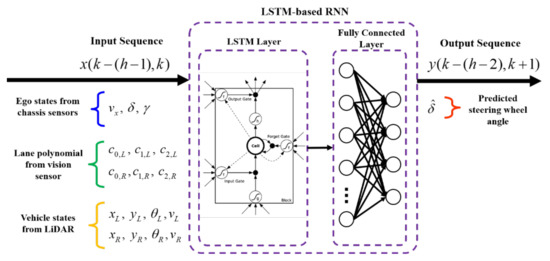
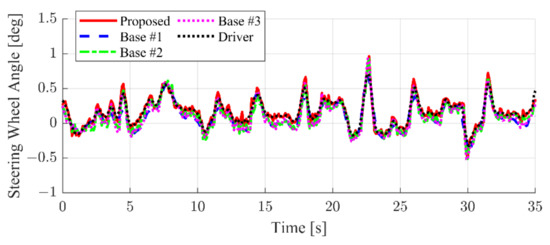
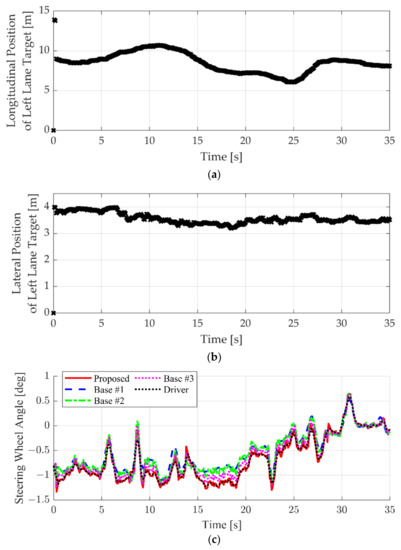
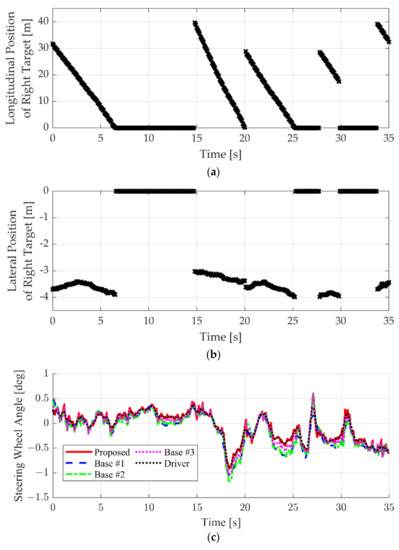
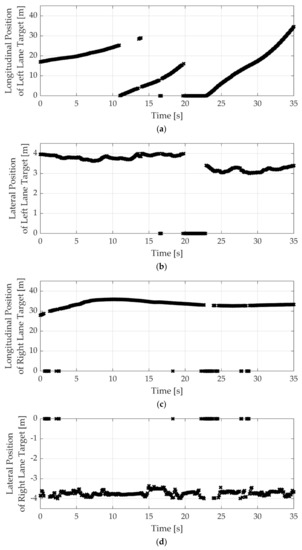
This paper presents an interactive lane keeping model for an advanced driver assistant system and autonomous vehicle. The proposed model considers not only the lane markers but also the interaction with surrounding vehicles in determining steering inputs. The proposed algorithm is designed based on the Recurrent Neural Network (RNN) with long short-term memory cells, which are configured by the collected driving data. A data collection vehicle is equipped with a front camera, LiDAR, and DGPS. The input features of the RNN consist of lane information, surrounding targets, and ego vehicle states. The output feature is the steering wheel angle to keep the lane. The proposed algorithm is evaluated through similarity analysis and a case study with driving data. The proposed algorithm shows accurate results compared to the conventional algorithm, which only considers the lane markers. In addition, the proposed algorithm effectively responds to the surrounding targets by considering the interaction with the ego vehicle. Full article
(This article belongs to the Special Issue Artificial Intelligence in Automotive Technology)
Show Figures

Figure 1
17 pages, 1008 KB  
Article
Optimal Geometries for AOA Localization in the Bayesian Sense
by Kutluyil Dogancay
Sensors 2022, 22(24), 9802; https://doi.org/10.3390/s22249802 - 14 Dec 2022
Cited by 13 | Viewed by 3128
Abstract
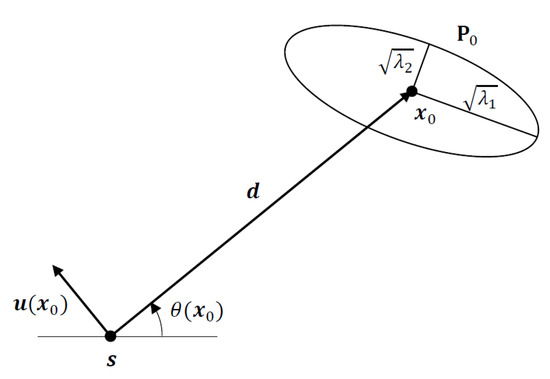
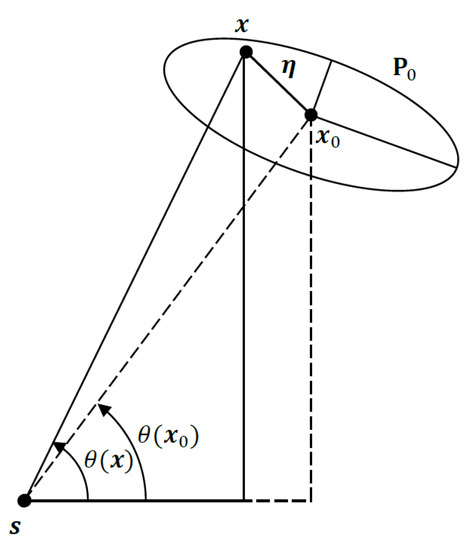
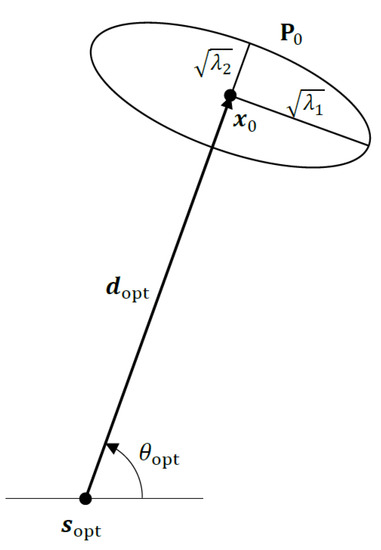
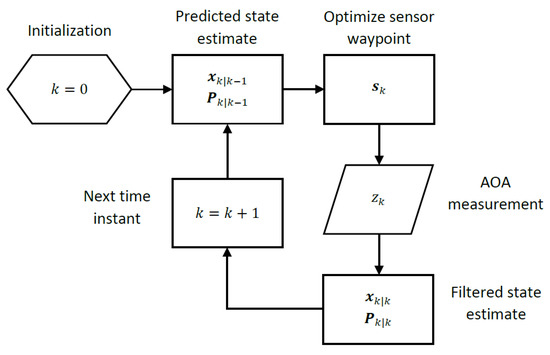
This paper considers the optimal sensor placement problem for angle-of-arrival (AOA) target localization in the 2D plane with a Gaussian prior. Optimal sensor locations are analytically determined for a single AOA sensor using the D- and A-optimality criteria and an approximation of the [...] Read more.
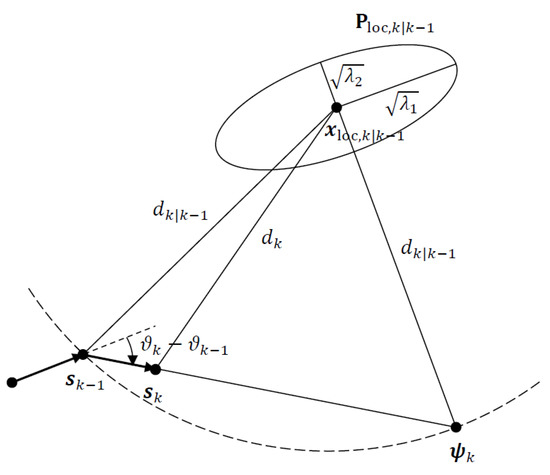
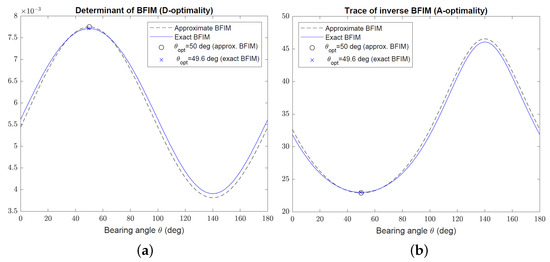
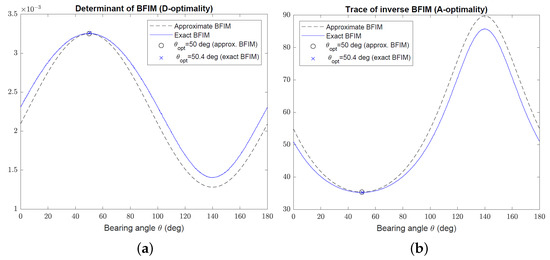
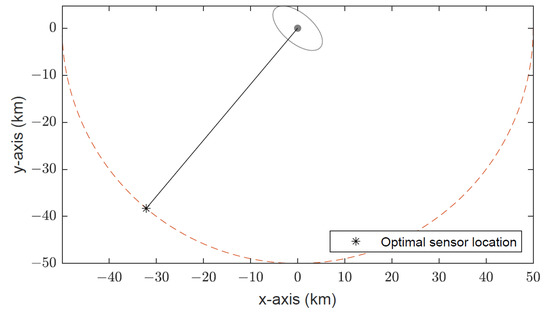
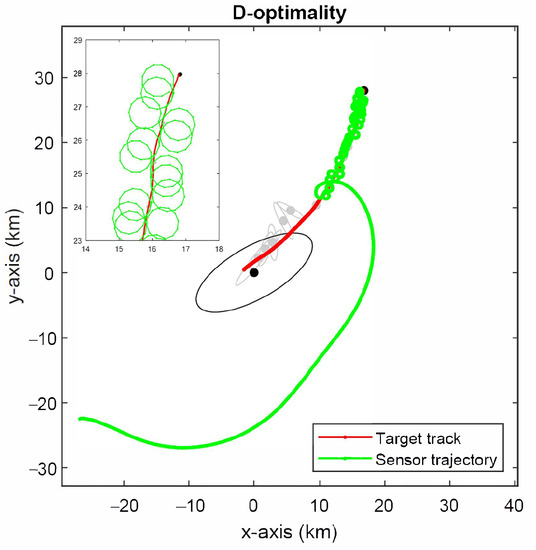
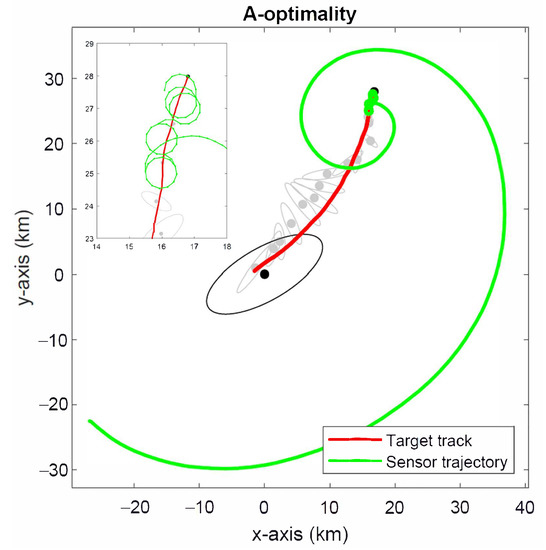
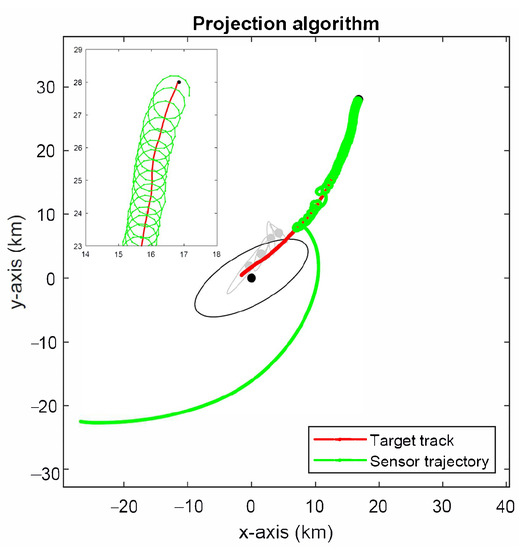
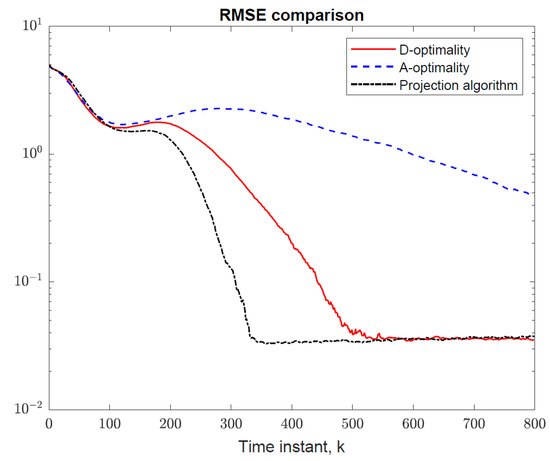
This paper considers the optimal sensor placement problem for angle-of-arrival (AOA) target localization in the 2D plane with a Gaussian prior. Optimal sensor locations are analytically determined for a single AOA sensor using the D- and A-optimality criteria and an approximation of the Bayesian Fisher information matrix (BFIM). Optimal sensor placement is shown to align with the minor axis of the prior covariance error ellipse for both optimality criteria. The approximate BFIM is argued to be valid for a sufficiently small prior covariance compared with the target range. Optimal sensor placement results obtained for Bayesian target localization are extended to manoeuvring target tracking. For sensor trajectory optimization subject to turn-rate constraints, numerical search methods based on the D- and A-optimality criteria as well as a new closed-form projection algorithm that aims to achieve alignment with the minor axis of the prior error ellipse are proposed. It is observed that the two optimality criteria generate significantly different optimal sensor trajectories despite having the same optimal sensor placement for the localization of a stationary target. Analysis results and the performance of the sensor trajectory optimization methods are demonstrated with simulation examples. It is observed that the new closed-form projection algorithm achieves superior tracking performance compared with the two numerical search methods. Full article
Show Figures

Figure 1
13 pages, 1053 KB  
Article
Adaptive Approach to Time-Frequency Analysis of AE Signals of Rocks
by Olga Lukovenkova, Yuri Marapulets and Alexandra Solodchuk
Sensors 2022, 22(24), 9798; https://doi.org/10.3390/s22249798 - 13 Dec 2022
Cited by 13 | Viewed by 3039
Abstract
The paper describes a new adaptive approach to the investigation of acoustic emission of rocks, the anomalies of which may serve as short-term precursors of strong earthquakes. The basis of the approach is complex methods for monitoring acoustic emission and for analysis of [...] Read more.
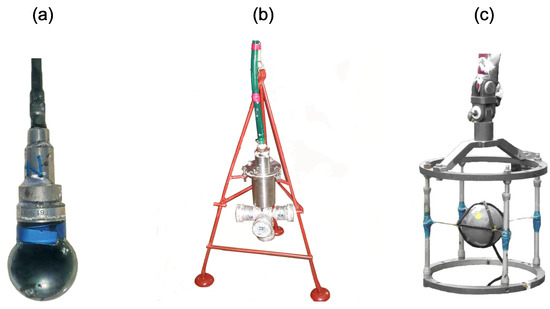
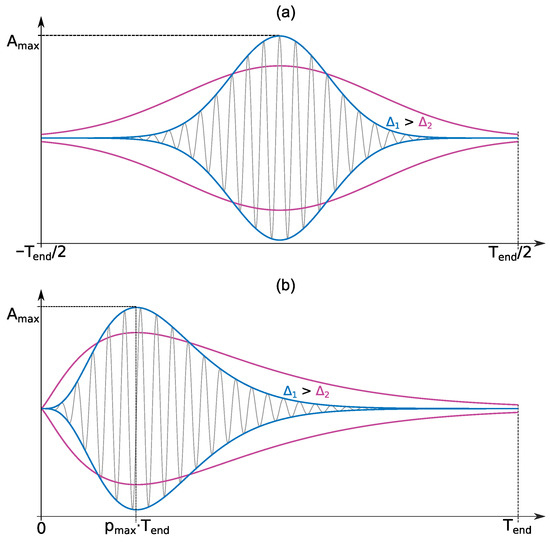
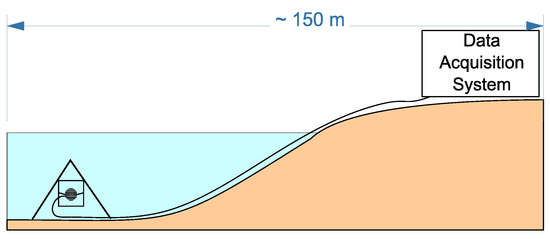
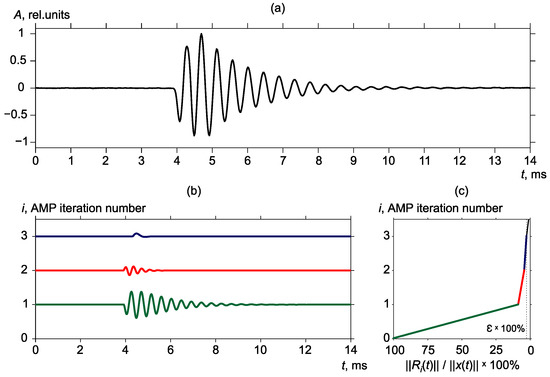
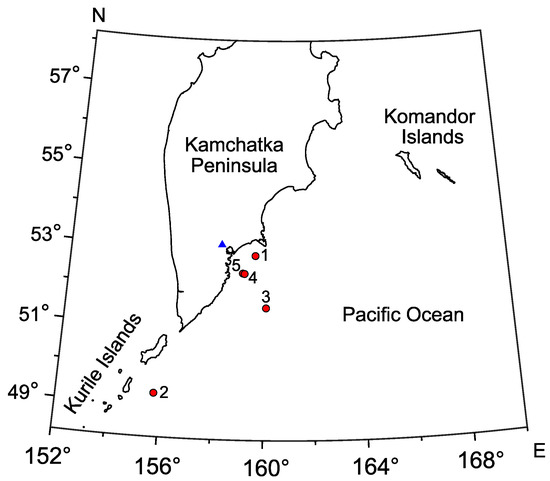
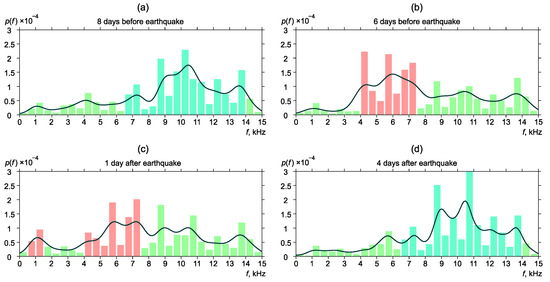
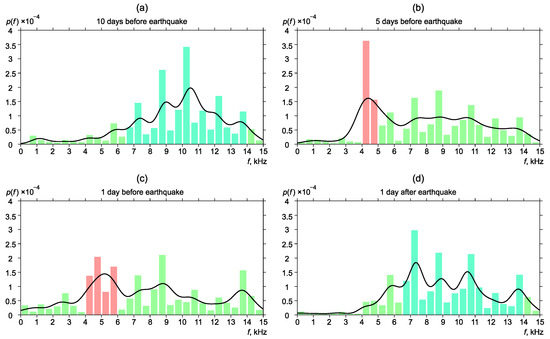
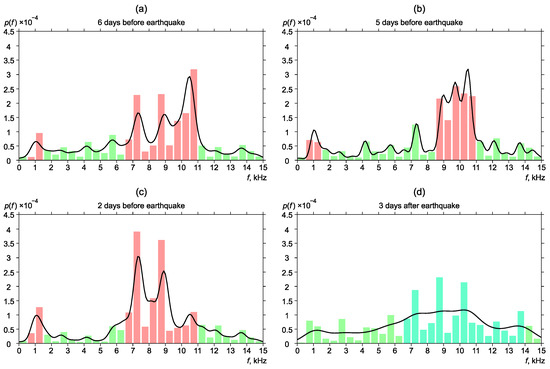
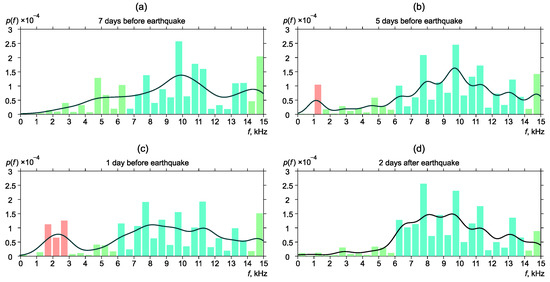
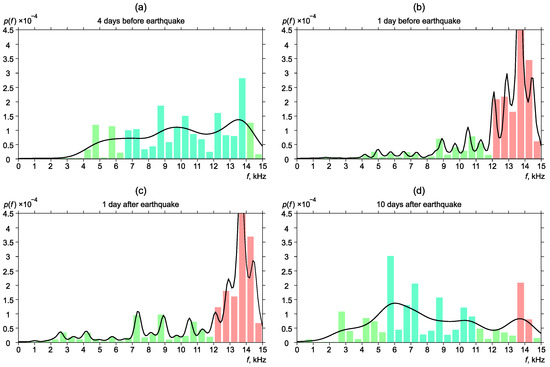
The paper describes a new adaptive approach to the investigation of acoustic emission of rocks, the anomalies of which may serve as short-term precursors of strong earthquakes. The basis of the approach is complex methods for monitoring acoustic emission and for analysis of its time-frequency content. Piezoceramic hydrophones and vector receivers, installed at the bottom of natural and artificial water bodies, as well as in boreholes with water, are used as acoustic emission sensors. To perform a time-frequency analysis of geoacoustic signals, we use a sparse approximation based on the developed Adaptive Matching Pursuit algorithm. The application of this algorithm in the analysis makes it possible to adapt to the concrete characteristics of each geoacoustic pulse. Results of the application of the developed approach for the investigation of acoustic emission anomalies, occurring before earthquakes, are presented. We analyzed the earthquakes, that occurred from 2011 to 2016 in the seismically active region of the Kamchatka peninsula, which is a part of the circum-Pacific orogenic belt also known as the “Ring of Fire”. It was discovered that geoacoustic pulse frequency content changes before a seismic event and returns to the initial state after an earthquake. That allows us to make a conclusion on the transformation of acoustic emission source scales before earthquakes. The obtained results may be useful for the development of the systems for environmental monitoring and detection of earthquake occurrences. Full article
Show Figures

Figure 1
19 pages, 5663 KB  
Article
Three-Dimensional Digital Image Correlation Based on Speckle Pattern Projection for Non-Invasive Vibrational Analysis
by Alvaro Souto Janeiro, Antonio Fernández López, Marcos Chimeno Manguan and Pablo Pérez-Merino
Sensors 2022, 22(24), 9766; https://doi.org/10.3390/s22249766 - 13 Dec 2022
Cited by 13 | Viewed by 6449
Abstract
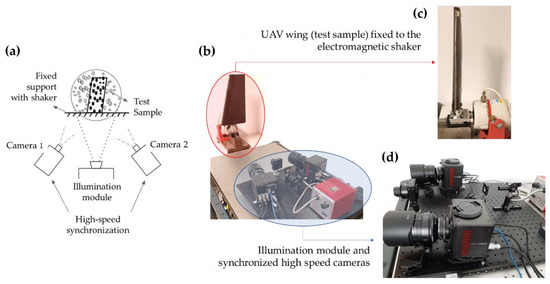
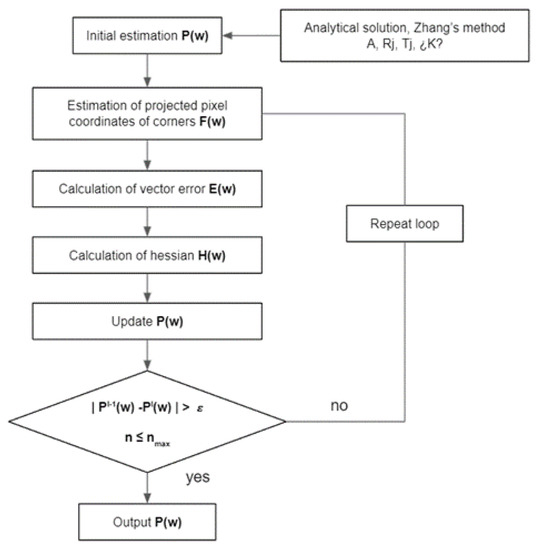
Non-contact vibration measurements are relevant for non-invasively characterizing the mechanical behavior of structures. This paper presents a novel methodology for full-field vibrational analysis at high frequencies using the three-dimensional digital image correlation technique combined with the projection of a speckle pattern. The method [...] Read more.
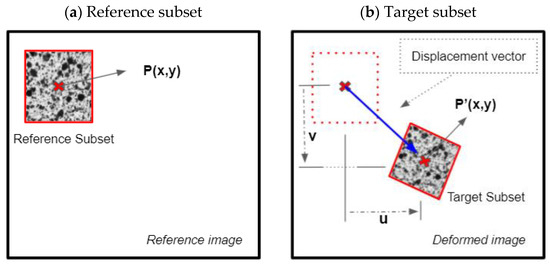
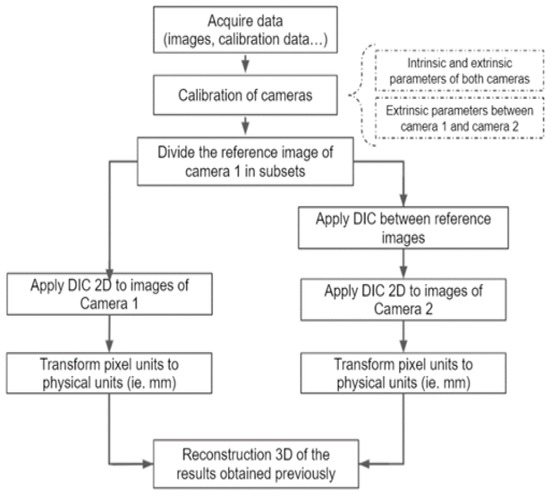
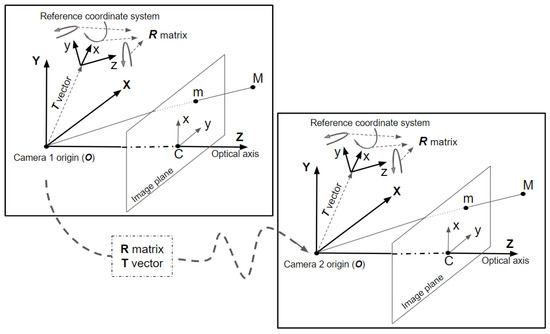
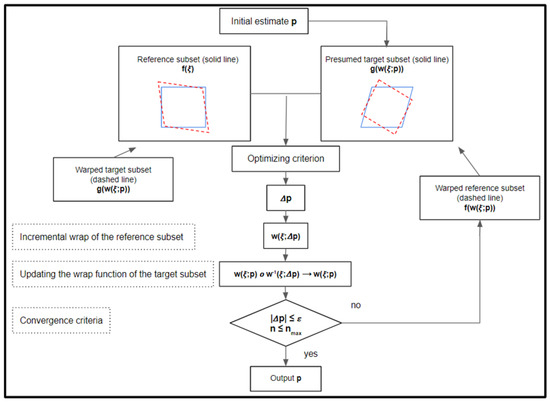
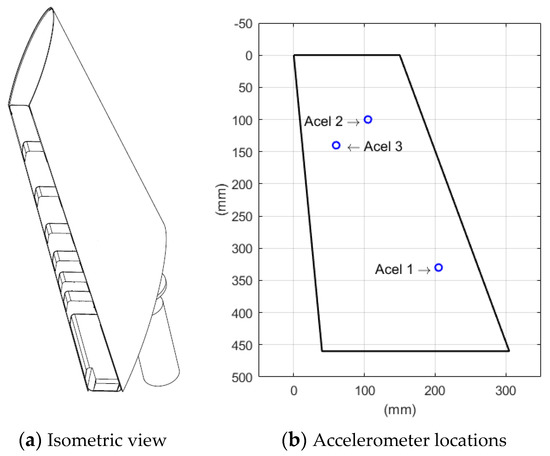
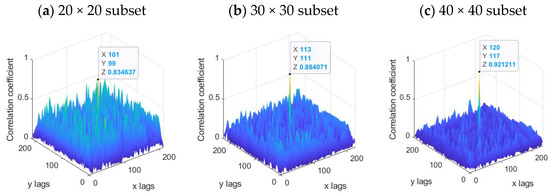
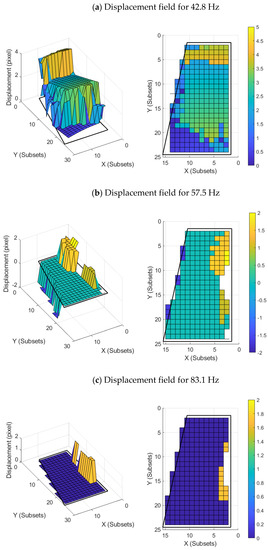
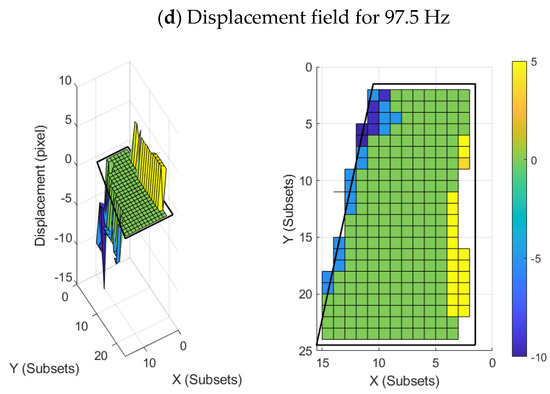
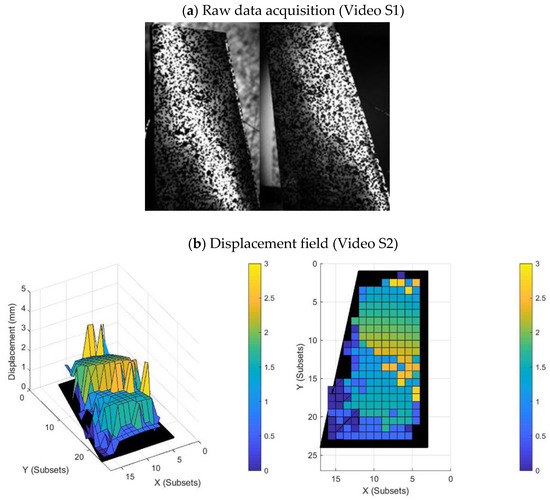
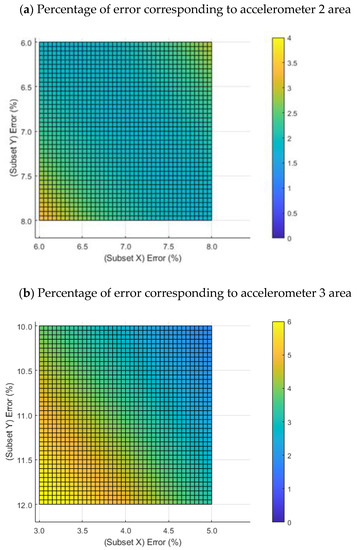
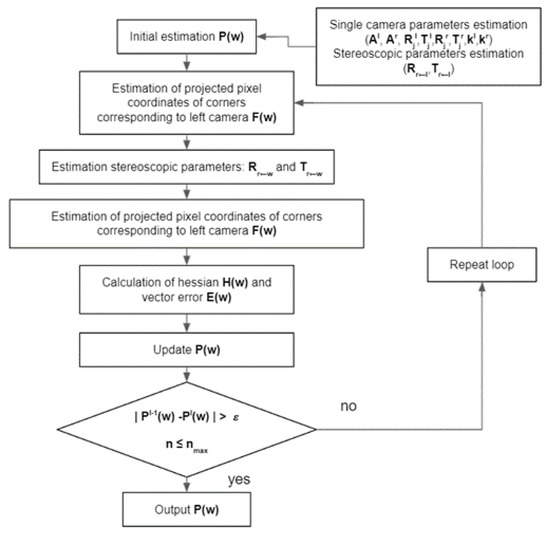
Non-contact vibration measurements are relevant for non-invasively characterizing the mechanical behavior of structures. This paper presents a novel methodology for full-field vibrational analysis at high frequencies using the three-dimensional digital image correlation technique combined with the projection of a speckle pattern. The method includes stereo calibration and image processing routines for accurate three-dimensional data acquisition. Quantitative analysis allows the extraction of several deformation parameters, such as the cross-correlation coefficients, shape and intensity, as well as the out-of-plane displacement fields and mode shapes. The potential of the methodology is demonstrated on an Unmanned Aerial Vehicle wing made of composite material, followed by experimental validation with reference accelerometers. The results obtained with the projected three-dimensional digital image correlation show a percentage of error below 5% compared with the measures of accelerometers, achieving, therefore, high sensitivity to detect the dynamic modes in structures made of composite material. Full article
(This article belongs to the Special Issue Structural Health Monitoring Based on Sensing Technology)
Show Figures

Figure 1
19 pages, 13429 KB  
Article
UAV-Based Volumetric Measurements toward Radio Environment Map Construction and Analysis
by Antoni Ivanov, Bilal Muhammad, Krasimir Tonchev, Albena Mihovska and Vladimir Poulkov
Sensors 2022, 22(24), 9705; https://doi.org/10.3390/s22249705 - 11 Dec 2022
Cited by 13 | Viewed by 3688
Abstract
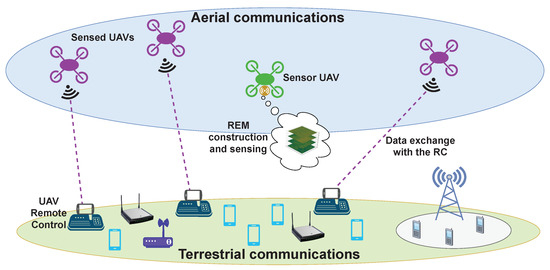
Unmanned aerial vehicle (UAV)-empowered communications have gained significant attention in recent years due to the promise of agile coverage provision for a large number of various mobile nodes on the ground and in three-dimensional (3D) space. Consequently, there is a need for efficient [...] Read more.
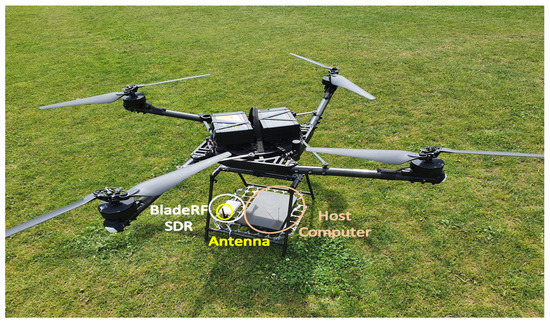
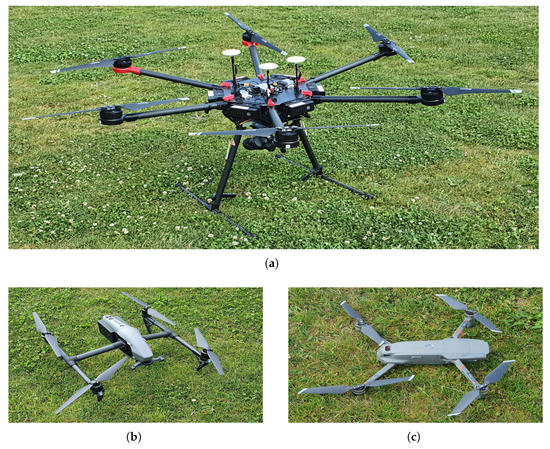
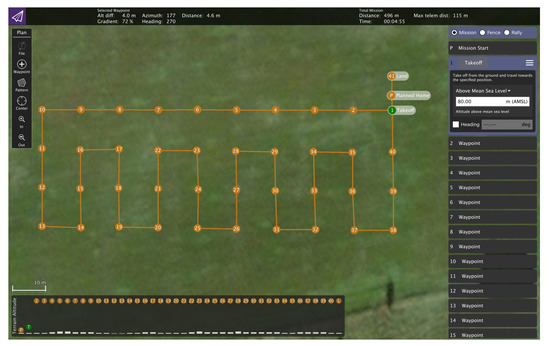
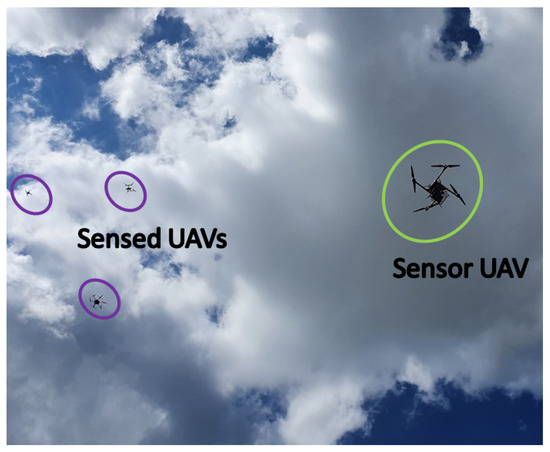
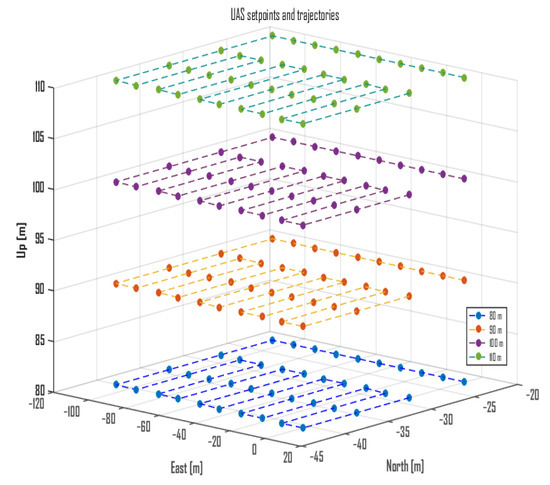
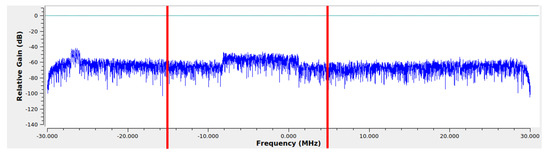
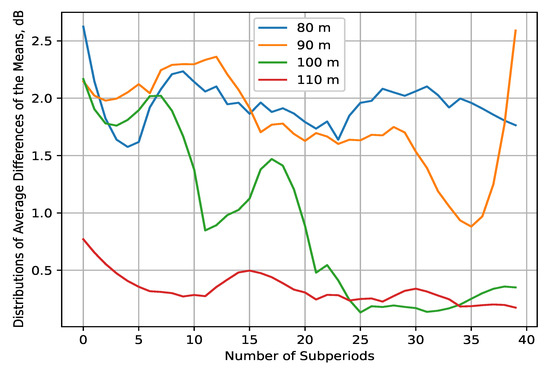
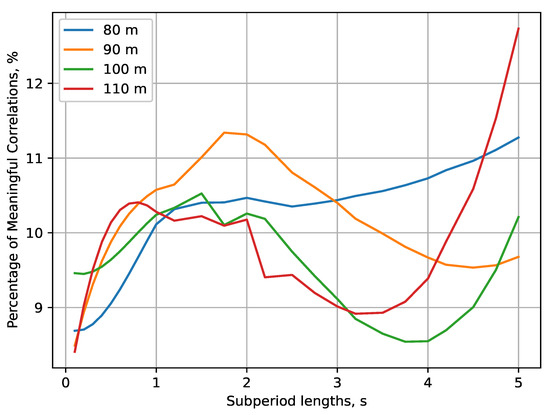
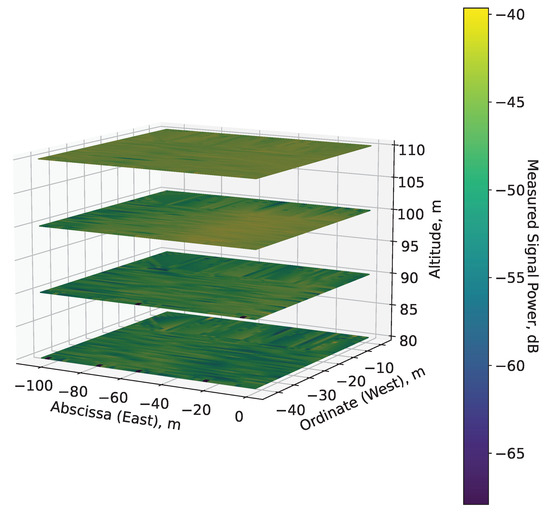
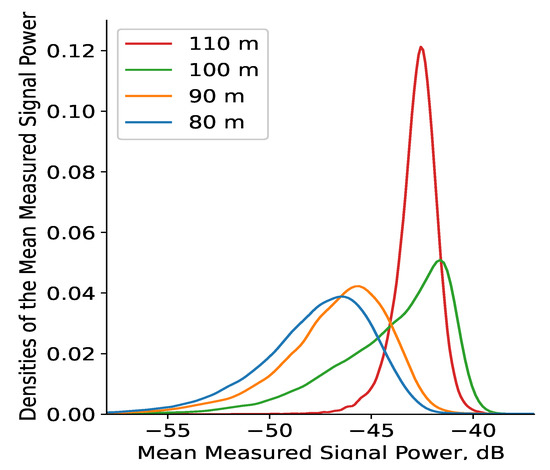
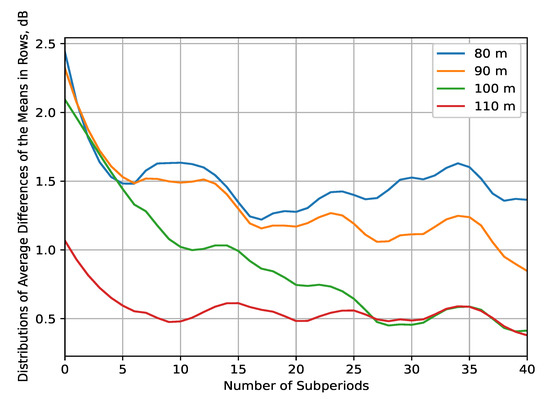
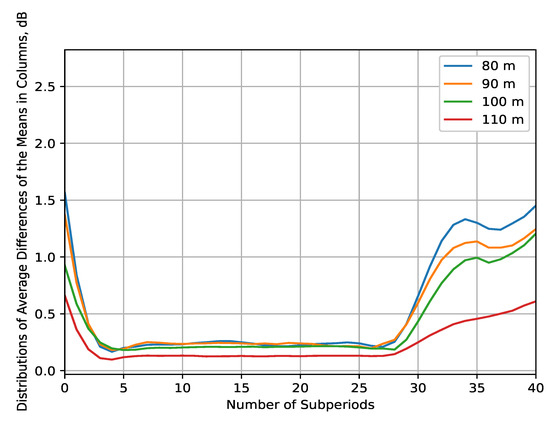
Unmanned aerial vehicle (UAV)-empowered communications have gained significant attention in recent years due to the promise of agile coverage provision for a large number of various mobile nodes on the ground and in three-dimensional (3D) space. Consequently, there is a need for efficient spectrum utilization in these dense aerial networks, which is characterized through radio environment maps (REMs), the construction of which is an important research area. Nevertheless, due to the difficult collection of radio frequency (RF) data, there are limited works that are based on real-world measurement campaigns. This paper presents a novel experimental setup that includes a constellation of three UAVs, the communication signals of which are measured by a software-defined radio (SDR) mounted on a separate UAV. It follows a trajectory that defines the REM’s two-dimensional (2D) area on a plane, executed at four altitudes, to extend the REM to 3D. The measurements are then processed and their features (received mean power level, average difference of the mean power, percentage of meaningful correlations) are analyzed in the temporal, spatial, and frequency domains to determine the utilization of a 20 MHz band in the 2.4 GHz spectrum, as well as their variation with altitude. This analysis provides a base for research in reducing the amount of measurements (by identifying the regions of low and of high interest) and spectrum occupancy prediction for UAV-based communication coexistence. Full article
Show Figures

Figure 1
22 pages, 6447 KB  
Article
Hybrid Fiber Optic Cable for Strain Profiling and Crack Growth Measurement in Rock, Cement, and Brittle Installation Media
by Samuel Nowak, Taghi Sherizadeh, Mina Esmaeelpour, Dogukan Guner and Kutay E. Karadeniz
Sensors 2022, 22(24), 9685; https://doi.org/10.3390/s22249685 - 10 Dec 2022
Cited by 13 | Viewed by 4744
Abstract
Brillouin scattering-based distributed fiber optic sensing (DFOS) technologies such as Brillouin optical time domain reflectometry (BOTDR) and Brillouin optical time domain analysis (BOTDA) have broad applicability for the long term and real-time monitoring of large concrete structures, underground mine excavations, pit slopes, and [...] Read more.
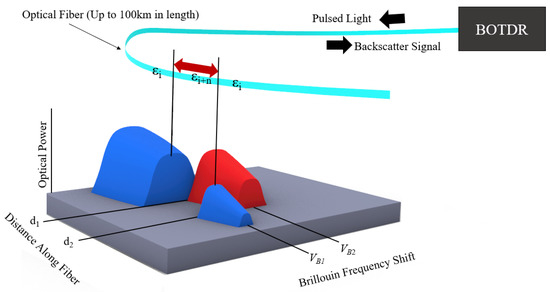
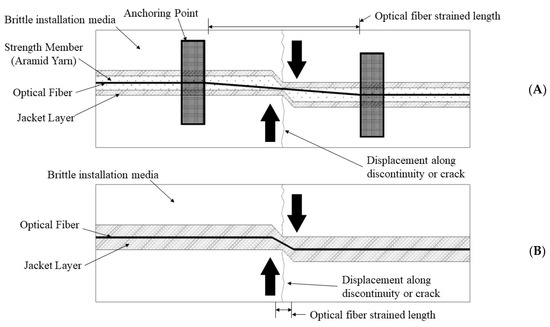
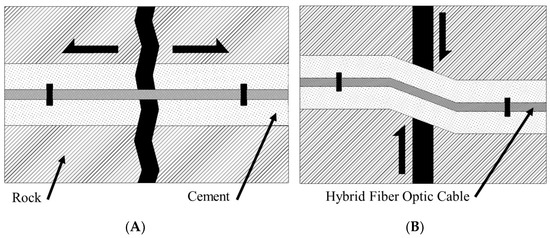
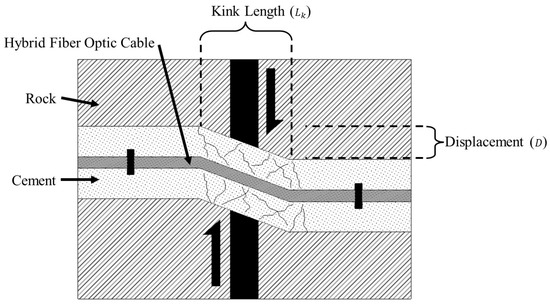
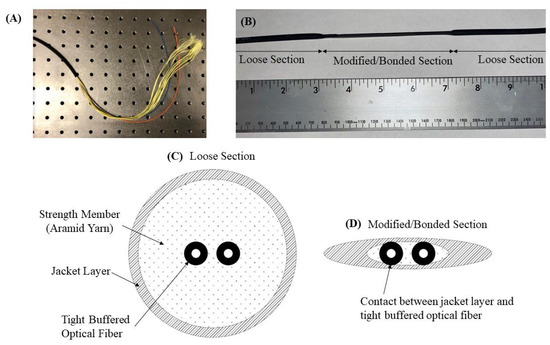
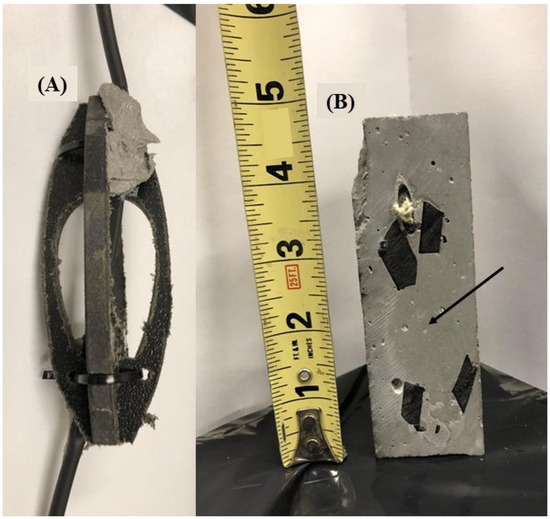
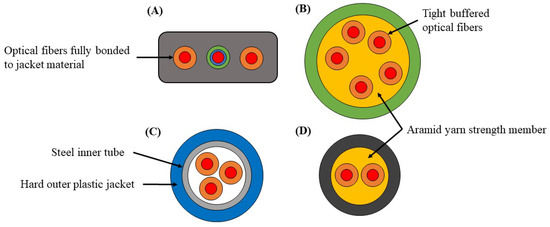
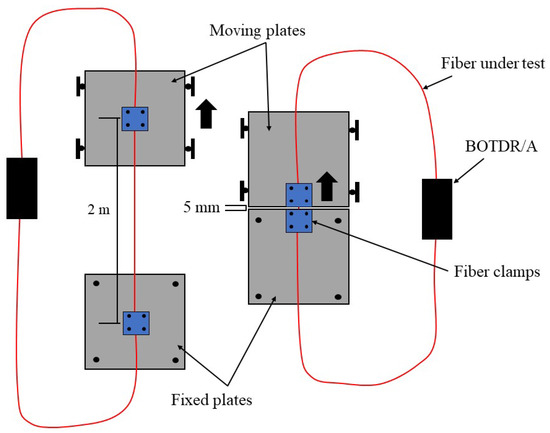
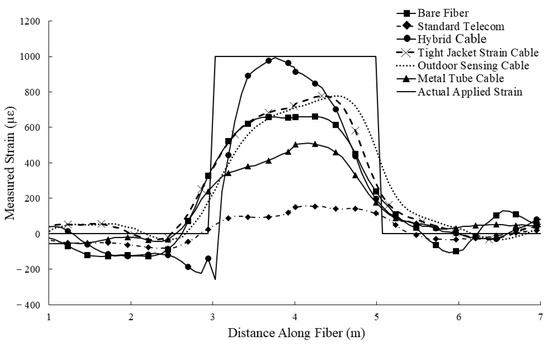
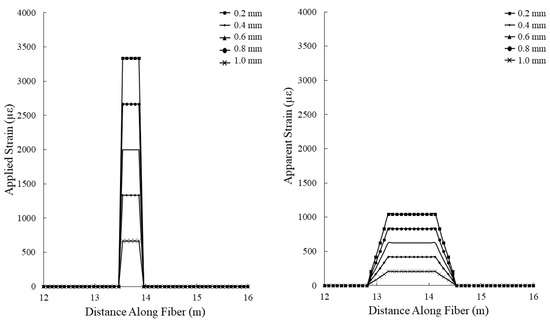
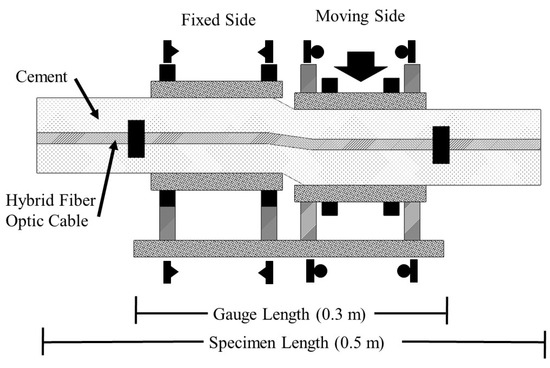
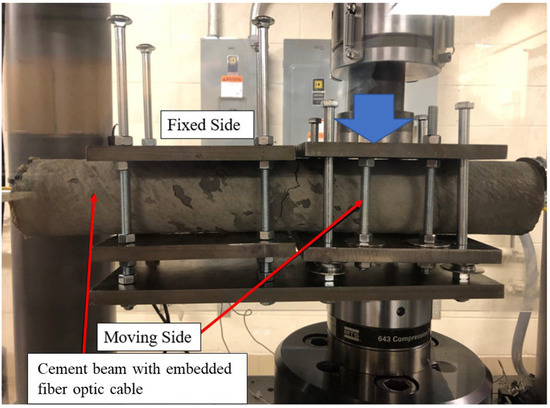
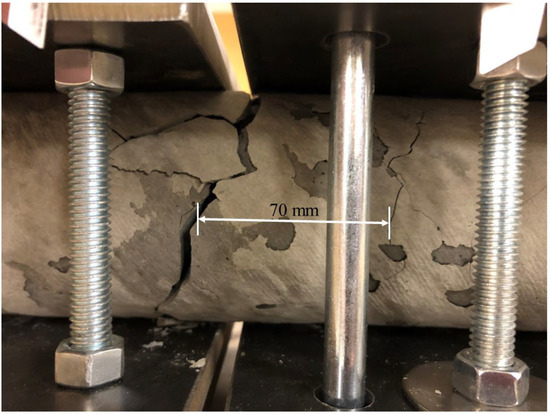
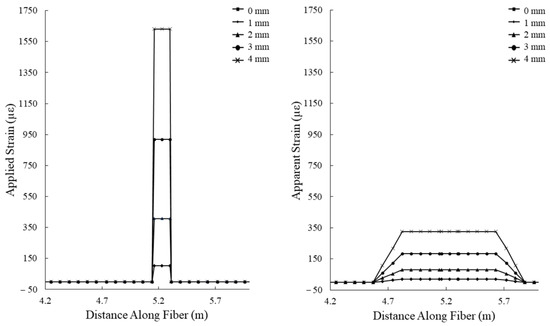
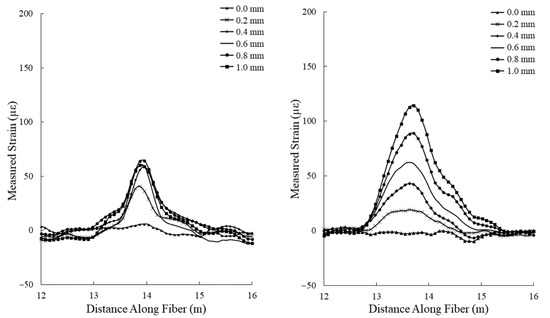
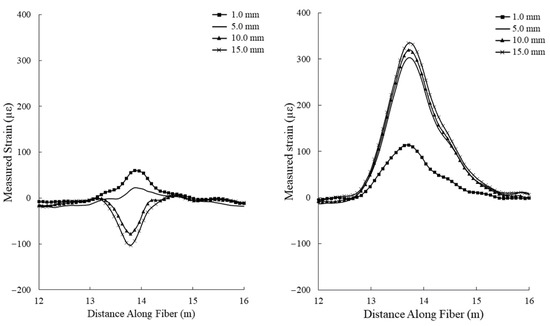
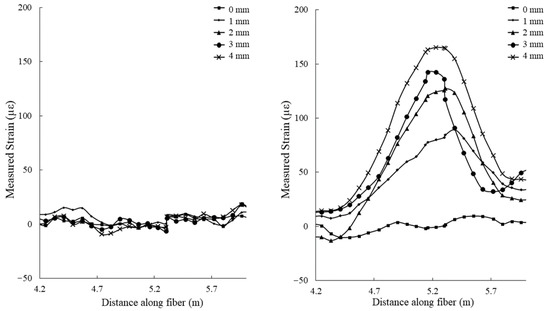
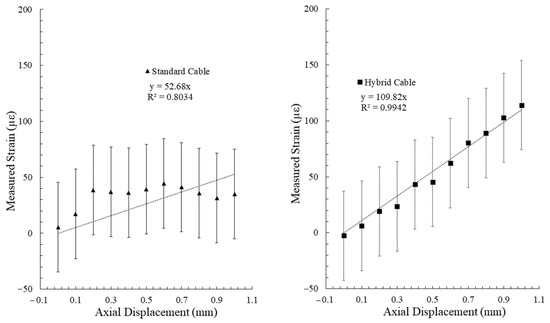
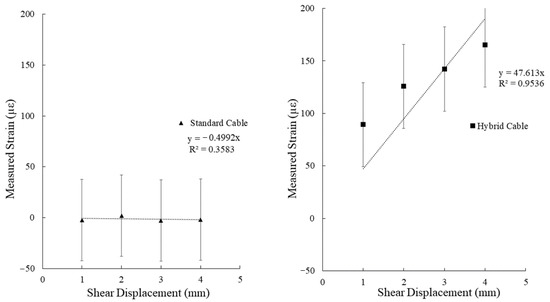
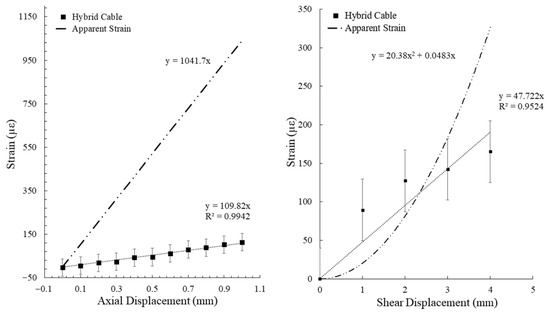
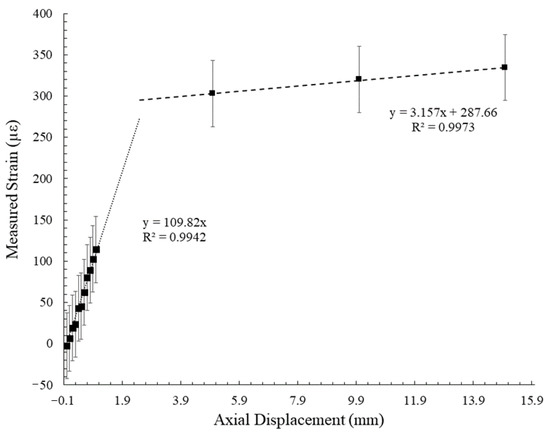
Brillouin scattering-based distributed fiber optic sensing (DFOS) technologies such as Brillouin optical time domain reflectometry (BOTDR) and Brillouin optical time domain analysis (BOTDA) have broad applicability for the long term and real-time monitoring of large concrete structures, underground mine excavations, pit slopes, and deep subsurface wellbores. When installed in brittle media, however, the meter scale spatial resolution of the BOTDR/A technology prohibits the detection or measurement of highly localized deformations, such as those which form at or along cracks, faults, and other discontinuities. This work presents a novel hybrid fiber optic cable with the ability to self-anchor to any brittle installation media without the need for manual installation along fixed interval points. Laboratory scale testing demonstrates the ability of the hybrid fiber optic cable to measure strains across highly localized deformation zones in both tension and shear. In addition, results show the applicability of the developed technology for strain monitoring in high displacement environments. Linear relationships are proposed for use in estimating the displacement magnitude along discontinuities in brittle media from strain signals collected from the hybrid fiber optic cable. The hybrid fiber optic cable has broad potential applications, such as geomechanical monitoring in underground mines, surface pits, large civil infrastructure projects, and deep subsurface wellbores. The benefits of fiber optic sensing, such as the intrinsic safety of the sensors, the long sensing range, and real time capabilities make this a compelling technique for long term structural health monitoring (SHM) in a wide range of industrial and civil applications. Full article
(This article belongs to the Special Issue Distributed Optical Fiber Sensors for Concrete Structure Monitoring)
Show Figures

Figure 1
12 pages, 1994 KB  
Article
High Precision Feature Fast Extraction Strategy for Aircraft Attitude Sensor Fault Based on RepVGG and SENet Attention Mechanism
by Zhen Jia, Kai Wang, Yang Li, Zhenbao Liu, Jian Qin and Qiqi Yang
Sensors 2022, 22(24), 9662; https://doi.org/10.3390/s22249662 - 9 Dec 2022
Cited by 13 | Viewed by 2744
Abstract
The attitude sensor of the aircraft can give feedback on the perceived flight attitude information to the input of the flight controller to realize the closed-loop control of the flight attitude. Therefore, the fault diagnosis of attitude sensors is crucial for the flight [...] Read more.
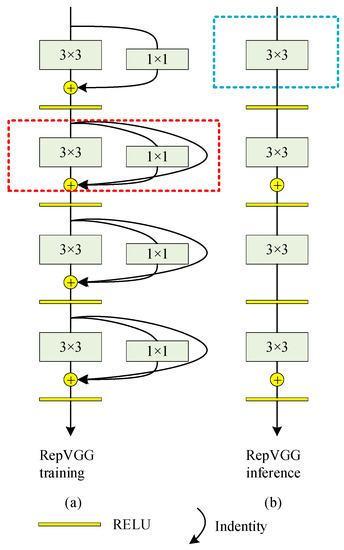
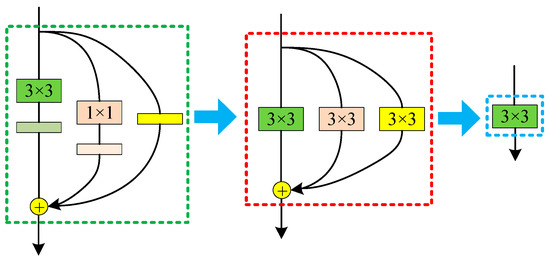
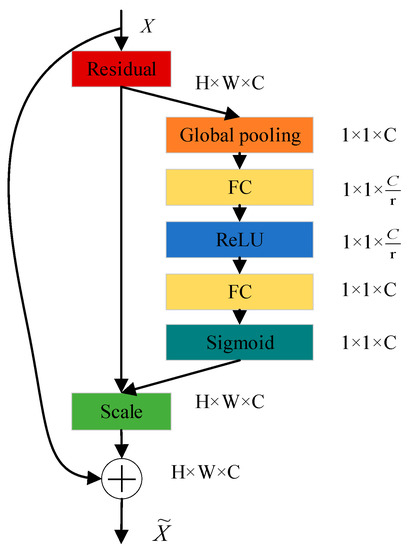
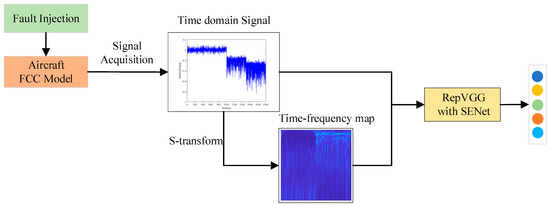
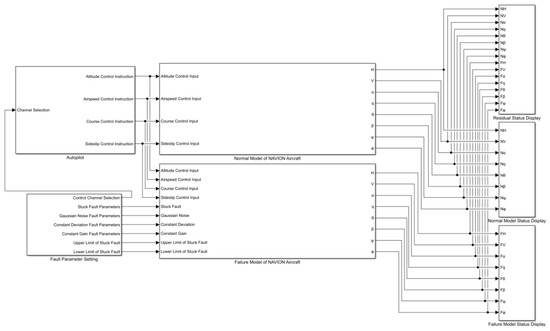
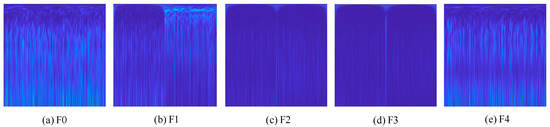
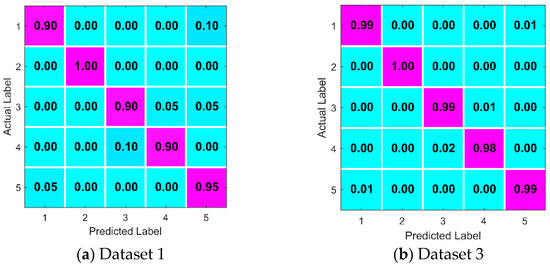
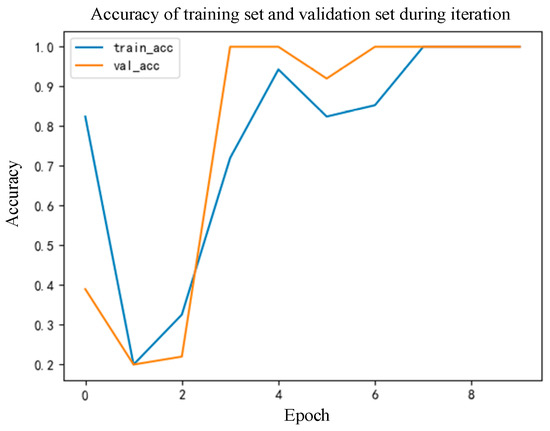
The attitude sensor of the aircraft can give feedback on the perceived flight attitude information to the input of the flight controller to realize the closed-loop control of the flight attitude. Therefore, the fault diagnosis of attitude sensors is crucial for the flight safety of aircraft, in view of the situation that the existing diagnosis methods fail to give consideration to both the diagnosis rate and the diagnosis accuracy. In this paper, a fast and high-precision fault diagnosis strategy for aircraft sensor is proposed. Specifically, the aircraft’s dynamics model and the attitude sensor’s fault model are built. The SENet attention mechanism is used to allocate weights for the collected time-domain fault signals and transformed time-frequency signals, and then inject the fused feature signals with weights into the RepVGG based on the convolutional neural network structure for deep feature mining and classification. Experimental results show that the proposed method can achieve good precision speed tradeoff. Full article
Show Figures

Figure 1
12 pages, 1737 KB  
Article
Automatic Gender and Age Classification from Offline Handwriting with Bilinear ResNet
by Irina Rabaev, Izadeen Alkoran, Odai Wattad and Marina Litvak
Sensors 2022, 22(24), 9650; https://doi.org/10.3390/s22249650 - 9 Dec 2022
Cited by 13 | Viewed by 4364
Abstract
This work focuses on automatic gender and age prediction tasks from handwritten documents. This problem is of interest in a variety of fields, such as historical document analysis and forensic investigations. The challenge for automatic gender and age classification can be demonstrated by [...] Read more.
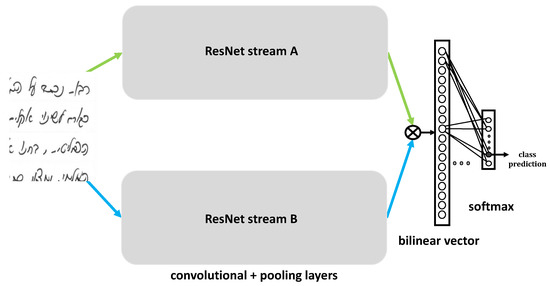
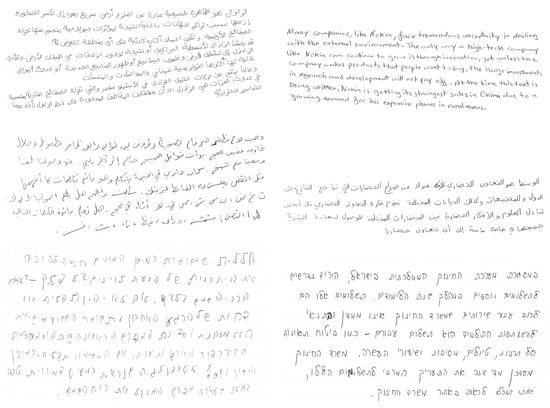
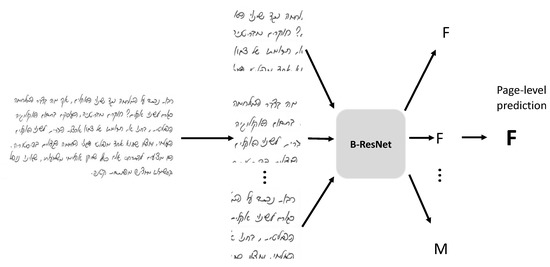
This work focuses on automatic gender and age prediction tasks from handwritten documents. This problem is of interest in a variety of fields, such as historical document analysis and forensic investigations. The challenge for automatic gender and age classification can be demonstrated by the relatively low performances of the existing methods. In addition, despite the success of CNN for gender classification, deep neural networks were never applied for age classification. The published works in this area mostly concentrate on English and Arabic languages. In addition to Arabic and English, this work also considers Hebrew, which was much less studied. Following the success of bilinear Convolutional Neural Network (B-CNN) for fine-grained classification, we propose a novel implementation of a B-CNN with ResNet blocks. To our knowledge, this is the first time the bilinear CNN is applied for writer demographics classification. In particular, this is the first attempt to apply a deep neural network for the age classification. We perform experiments on documents from three benchmark datasets written in three different languages and provide a thorough comparison with the results reported in the literature. B-ResNet was top-ranked in all tasks. In particular, B-ResNet outperformed other models on KHATT and QUWI datasets on gender classification. Full article
(This article belongs to the Special Issue Vision and Sensor-Based Sensing in Human Action Recognition)
Show Figures

Figure 1