Journal Description
Technologies
Technologies
is an international, peer-reviewed, open access journal singularly focusing on emerging scientific and technological trends, published monthly online by MDPI.
- Open Access— free for readers, with article processing charges (APC) paid by authors or their institutions.
- High Visibility: indexed within ESCI (Web of Science), Scopus, Inspec, Ei Compendex, INSPIRE, and other databases.
- Journal Rank: JCR - Q1 (Engineering, Multidisciplinary) / CiteScore - Q1 (Computer Science (miscellaneous))
- Rapid Publication: manuscripts are peer-reviewed and a first decision is provided to authors approximately 19.1 days after submission; acceptance to publication is undertaken in 3.6 days (median values for papers published in this journal in the second half of 2025).
- Recognition of Reviewers: reviewers who provide timely, thorough peer-review reports receive vouchers entitling them to a discount on the APC of their next publication in any MDPI journal, in appreciation of the work done.
- Testimonials: See what our editors and authors say about Technologies.
- Journal Cluster of Mechanical Manufacturing and Automation Control: Aerospace, Automation, Drones, Journal of Manufacturing and Materials Processing, Machines, Robotics and Technologies.
Impact Factor:
3.6 (2024);
5-Year Impact Factor:
4.2 (2024)
Latest Articles
Agentic AI for Climate-Resilient Building Retrofit: A Multi-Hazard Optimization Framework
Technologies 2026, 14(6), 313; https://doi.org/10.3390/technologies14060313 - 22 May 2026
Abstract
Addressing building vulnerability to climate hazards requires advanced tools to support adaptation decisions. To this end, the current study presents an Agentic Artificial Intelligence (Agentic AI) Optimization framework to enhance the climate resilience of existing buildings, bridging policy guidelines and a practical tool
[...] Read more.
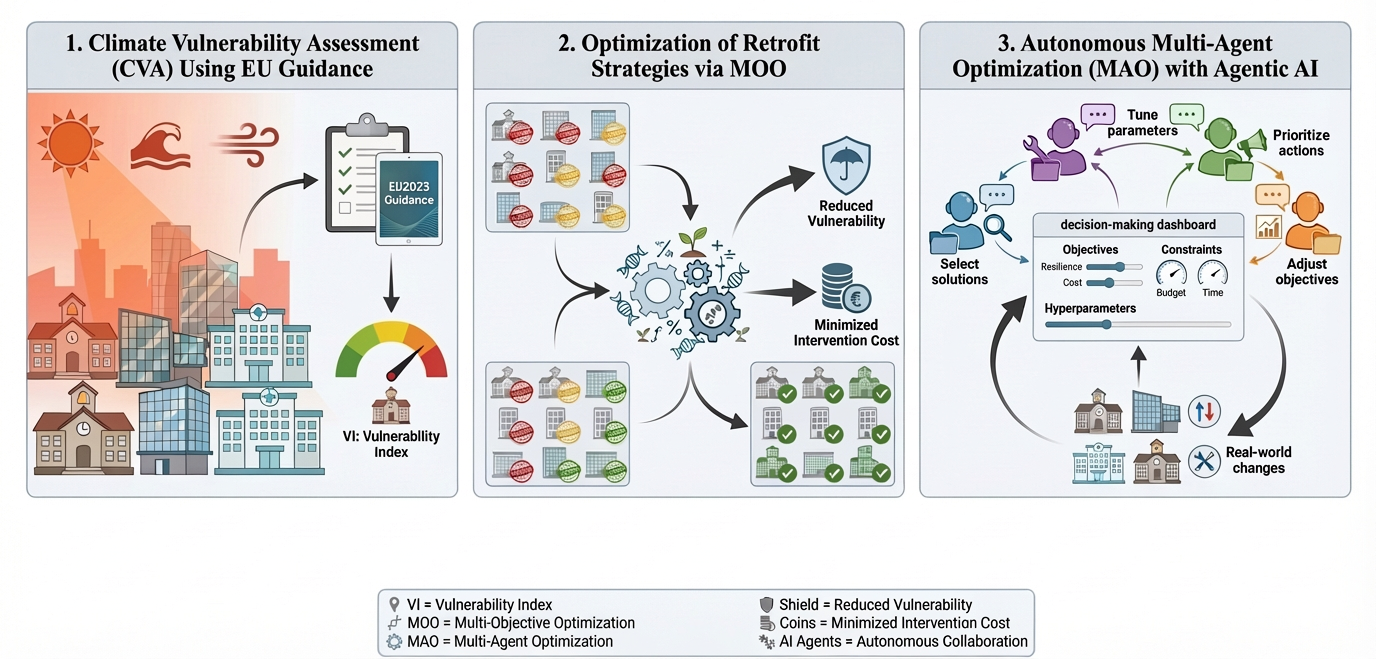
Addressing building vulnerability to climate hazards requires advanced tools to support adaptation decisions. To this end, the current study presents an Agentic Artificial Intelligence (Agentic AI) Optimization framework to enhance the climate resilience of existing buildings, bridging policy guidelines and a practical tool for optimized and context-aware retrofit strategies. Aligned with EU Guidance, the framework operationalizes a Climate Vulnerability Assessment (CVA) within a Multi-Objective Optimization (MOO) engine through a multi-agent architecture. Specialized subagents, including Requirements, Cost, Strategy, and XAI Agents, collaborate to understand user goals, manage budget constraints, optimize strategies, and produce explainable reports. Two metaheuristic optimizers, such as Multi-Objective Invasive Weed (MO-IWO) and Grey Wolf (MO-GWO), were coupled with Multi-Criteria Decision Making (MCDM) models to minimize building vulnerability and adaptation costs against multiple climate hazards (e.g., heat waves and heavy precipitation). Results show that, despite MO-GWO’s lower computational burden, MO-IWO performed more robustly and is selected as the superior optimizer for integration into the Agentic AI system. Ultimately, the framework provides a scalable approach to asset management, significantly improving decision-making for building retrofits.
Full article
(This article belongs to the Section Construction Technologies)
►
Show Figures
Open AccessArticle
Comparative Kinematics and Static Analysis of Regular and Irregular Hexagonal Stewart–Gough Platform Configurations
by
Tony Punnoose Valayil and Tarek H. Mokhtar
Technologies 2026, 14(6), 312; https://doi.org/10.3390/technologies14060312 - 22 May 2026
Abstract
►▼
Show Figures
The Stewart–Gough Platform (SGP) is a spatial parallel manipulator offering high accuracy, rigidity, and adaptability, with applications spanning medical systems, marine engineering, agriculture, manufacturing, entertainment, aerospace, and architectural installations. This paper presents a comparative analytical and computational study of three SGP configurations: the
[...] Read more.
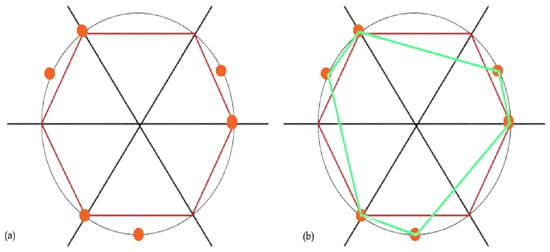
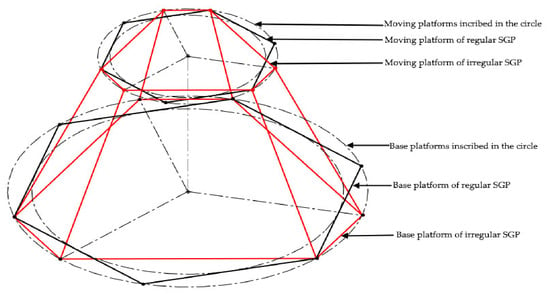
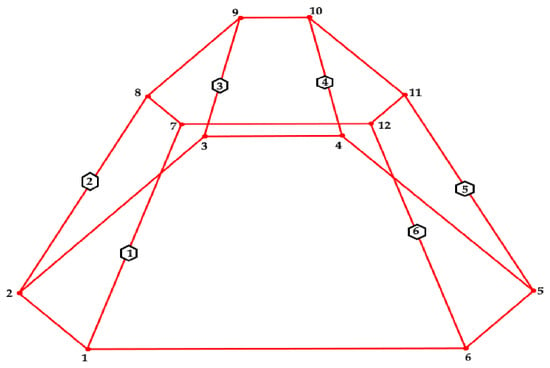
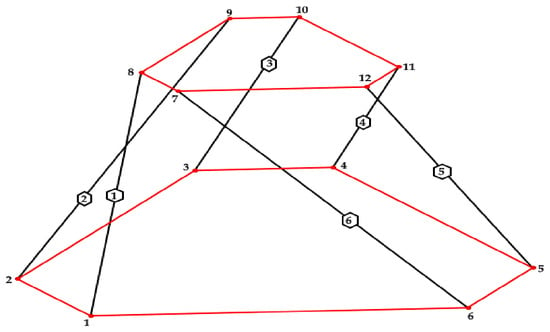
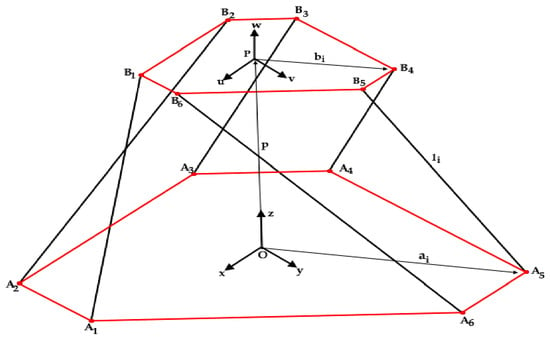
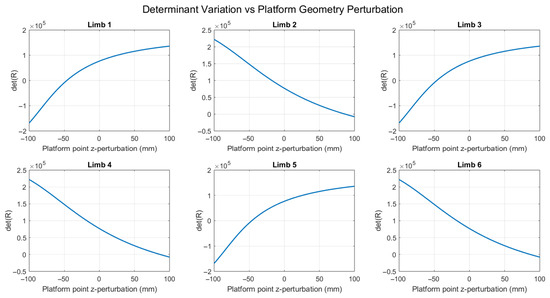
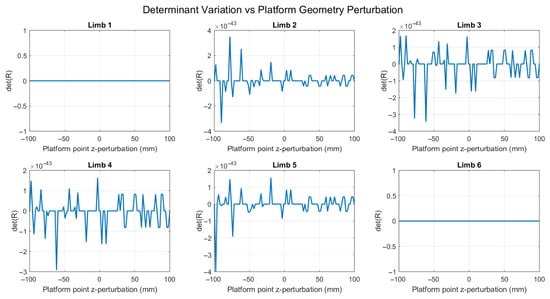
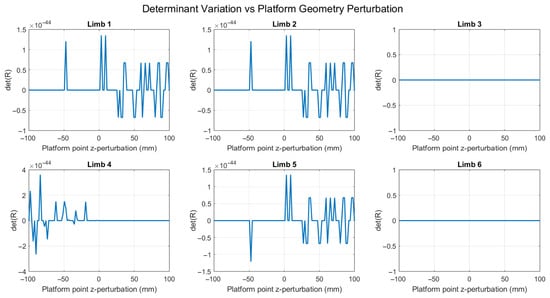
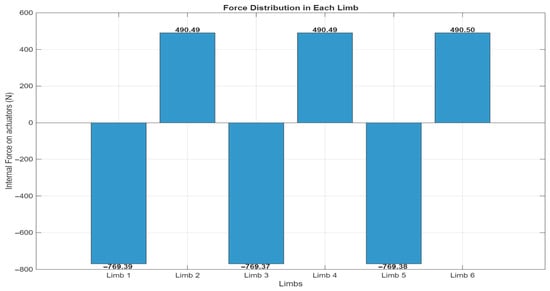
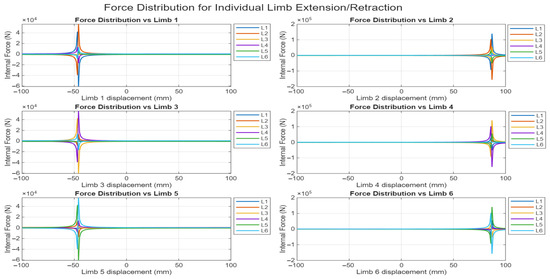
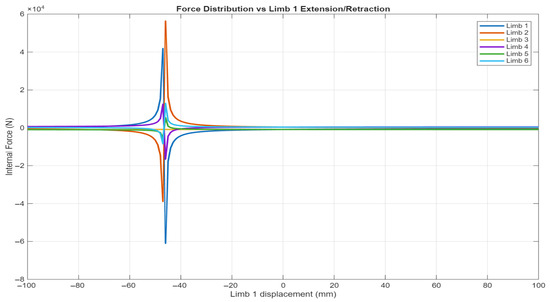
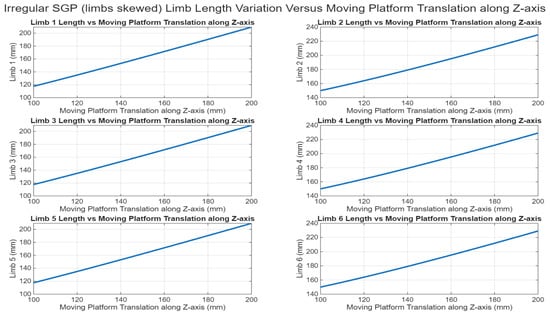
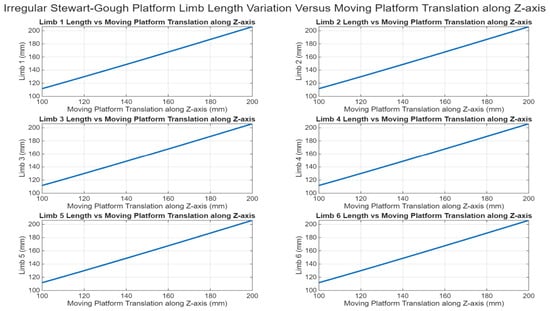
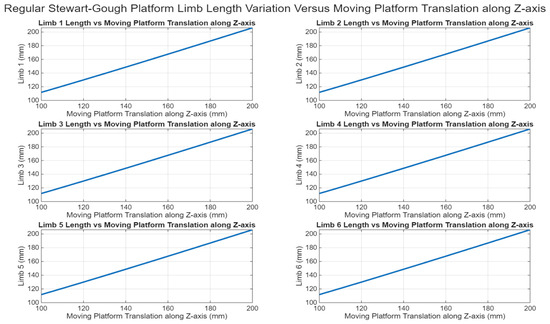
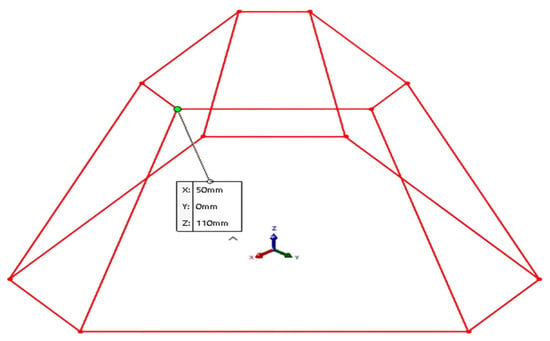
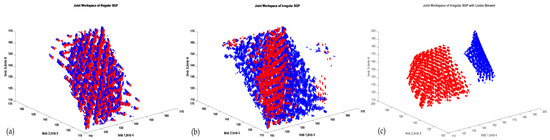
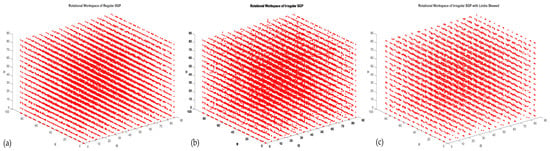
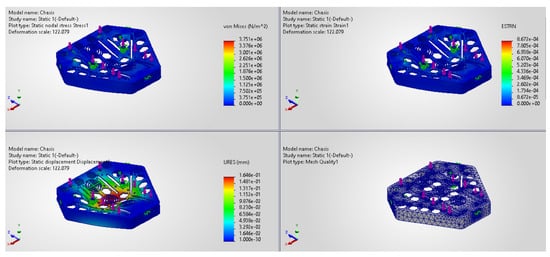
The Stewart–Gough Platform (SGP) is a spatial parallel manipulator offering high accuracy, rigidity, and adaptability, with applications spanning medical systems, marine engineering, agriculture, manufacturing, entertainment, aerospace, and architectural installations. This paper presents a comparative analytical and computational study of three SGP configurations: the regular SGP, with regular hexagonal base and top platforms; the Irregular-Parallel SGP, derived from the regular SGP by a novel graphical decomposition-and-modification procedure and characterized by similar symmetric hexagonal platforms with limbs preserved parallel; and the Irregular-Skewed SGP, in which the irregular hexagonal platforms of the Irregular-Parallel SGP are retained, but the limbs are connected in an inclined, alternating clockwise (or anticlockwise) topology. The Irregular–Skewed SGP is free from the constraint singularity that persists in the first two configurations and requires the shortest maximum actuator stroke. Static force analysis shows that the regular SGP and the Irregular–Parallel SGP both exhibit a rank-deficient rigidity matrix (rank = 3) across the geometric scaling range tested (radius ratios 1:2 to 1:10; inter-platform distances 100–1000 mm), whereas the Irregular-Skewed SGP achieves full rank (rank = 6) through inclined limb connectivity and is the only configuration capable of sustaining static equilibrium under the loading conditions examined. The forward kinematics of the Irregular-Parallel SGP is verified against a SolidWorks model: under a 9 mm uniform limb extension, the MATLAB and SolidWorks positions of node 7 agree to within 1.27 mm. The rotational workspace volume is equivalent across the three configurations, but the density of valid solution points within that workspace differs. The workspace within joint limits, alternating compression–tension force partition, and asymmetric stroke economy of the Irregular-Skewed SGP indicate applicability to kinetic facades and transformable interiors in architectural-robotics deployment.
Full article

Figure 1
Open AccessArticle
Ethics-Aware AI Agents for Adaptive Education: A Multi-Agent Theoretical Framework
by
Nikolaos Pellas
Technologies 2026, 14(5), 311; https://doi.org/10.3390/technologies14050311 - 21 May 2026
Abstract
The integration of artificial intelligence (AI) in education has made significant advancements in personalized learning and adaptive instruction. However, current systems remain limited by three critical gaps: (a) fragmented architectures that decouple technical performance from ethical governance, (b) the treatment of fairness and
[...] Read more.
The integration of artificial intelligence (AI) in education has made significant advancements in personalized learning and adaptive instruction. However, current systems remain limited by three critical gaps: (a) fragmented architectures that decouple technical performance from ethical governance, (b) the treatment of fairness and accountability as external constraints rather than embedded design principles, and (c) reliance on single-modality data that inadequately represents complex learning environments. These restrictions hinder scalability and limit the capacity of AI systems to deliver equitable, transparent, and context-aware educational experiences. This study aims to address these challenges by designing and validating an ethics-aware, multi-agent conceptual framework for adaptive education in which personalization and responsible AI are co-developed as integrated system properties. The proposed architecture uses five coordinated agents: perception, pedagogy, assessment, feedback, and ethics monitoring. These five agents share one knowledge layer containing learner profiles, domain models, competency structures, interaction histories, and machine-readable policy rules. A four-stage feedback loop comprises: (a) outcome aggregation, (b) system evaluation and validation, (c) teacher review and intervention, and (d) agent update and policy refinement. It enables real-time adaptation, teacher oversight, and iterative system improvement. Adopting a design science research (DSR) methodology and mixed-methods evaluation across functional, pedagogical, ethical, and system-level dimensions, the proposed framework is expected to demonstrate improved learner modeling accuracy, enhanced knowledge tracing, and more robust multimodal engagement analysis compared to centralized and single-modality approaches. Based on design science evaluation against established benchmarks and component-level validation in a simulated learning management system (LMS), this theoretical framework is projected to improve learner modeling accuracy, enhance knowledge tracing, and enable more robust multimodal engagement analysis compared with centralized and single-modality approaches. These projections constitute theoretically derived hypothesis and remain subject to empirical validation in live deployment studies. This study’s theoretical contribution lies in demonstrating that ethics-by-design and adaptive personalization are architecturally compatible and mutually reinforcing design principles.
Full article
(This article belongs to the Collection Technology Advances in IoT Learning and Teaching)
Open AccessArticle
Sensor-Health- and Belief-Aware Risk-Adaptive High-Order Control Barrier Function Safety Filtering for Dynamic Obstacle Avoidance
by
Yongsheng Ma, Guobao Zhang and Yongming Huang
Technologies 2026, 14(5), 310; https://doi.org/10.3390/technologies14050310 - 20 May 2026
Abstract
Control-barrier-function-based safety filters are promising for autonomous driving, but most existing formulations treat obstacle perception as deterministic or account only for bounded ego state-estimation errors. This becomes limiting when obstacle existence, position, motion, and sensing quality vary online. We present a sensor-health- and
[...] Read more.
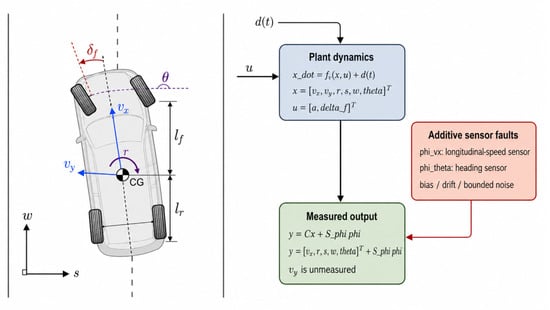
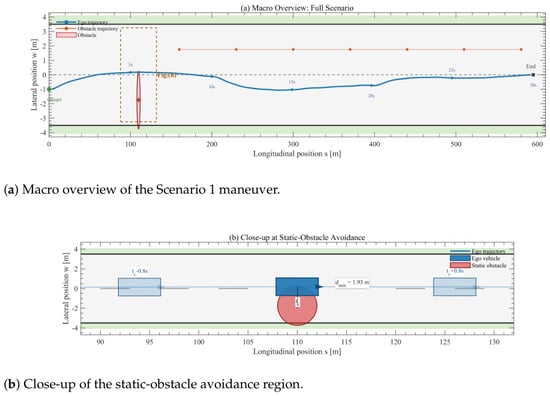
Control-barrier-function-based safety filters are promising for autonomous driving, but most existing formulations treat obstacle perception as deterministic or account only for bounded ego state-estimation errors. This becomes limiting when obstacle existence, position, motion, and sensing quality vary online. We present a sensor-health- and belief-aware risk-adaptive high-order control barrier function (HOCBF) safety filter for dynamic obstacle avoidance. The method uses obstacle belief from a perception/tracking module, inflates residual obstacle uncertainty according to an object-wise sensor-health score, and converts upper-tail risk into adaptive HOCBF tightening through conditional value-at-risk (CVaR). Sensor health enters the controller through both covariance inflation and online CVaR confidence scheduling. The resulting quadratic program combines deterministic ego-error robustness with probabilistic perception uncertainty while minimally modifying the nominal control input. The zero-slack solution guarantees forward invariance of the risk-tightened safe set under the stated assumptions, whereas the slack-activated mode provides a quantified least-violation fallback rather than a strict safety guarantee. Simulations on a nonlinear 3-DOF bicycle model evaluate critical cut-in, sudden perception degradation, merge-bottleneck, fixed-CVaR, sensitivity, runtime-scaling, heterogeneous multi-obstacle, and heavy-tailed uncertainty cases.
Full article
Open AccessArticle
Robust Integration of Fault-Tolerant Observer and CBF Safety Control: A Separation Principle Approach
by
Yongsheng Ma, Hongwei Zhu, Guobao Zhang and Yongming Huang
Technologies 2026, 14(5), 309; https://doi.org/10.3390/technologies14050309 - 20 May 2026
Abstract
►▼
Show Figures
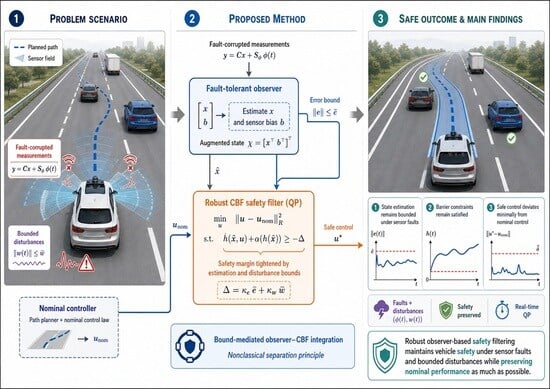
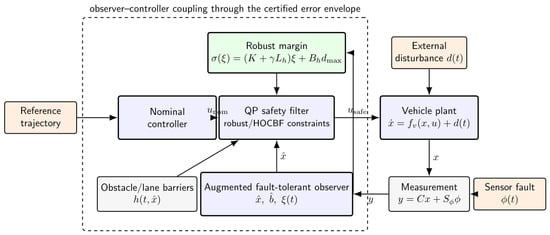
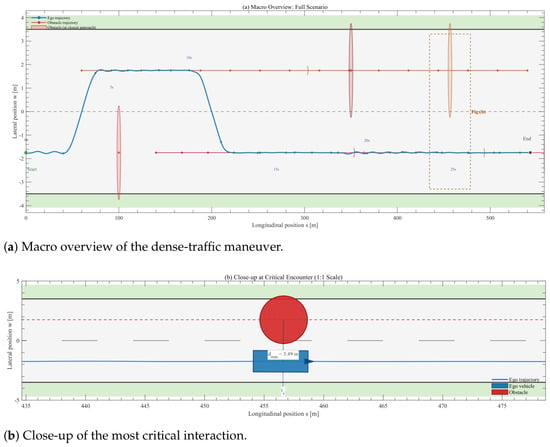
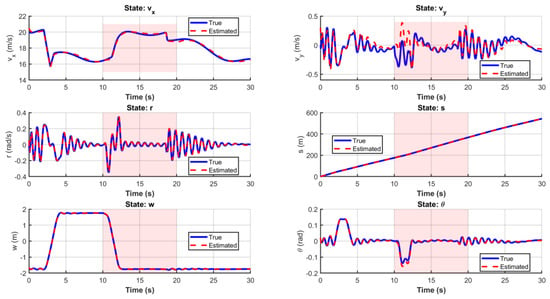
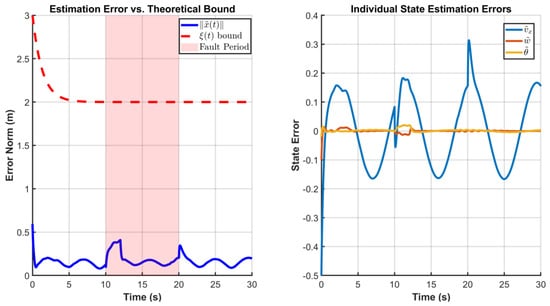
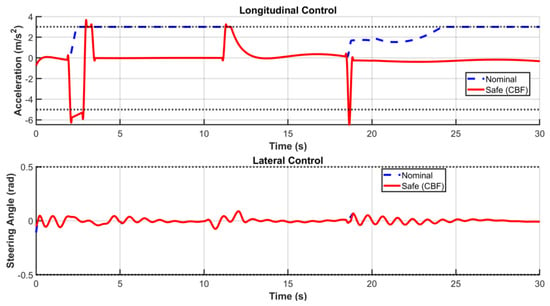
Autonomous vehicles must enforce safety constraints even when their state estimates are corrupted by sensor faults and disturbances. This paper develops a separation-based robust safety-control framework that couples a fault-tolerant observer with a control barrier function (CBF) safety filter through an explicit estimation-error
[...] Read more.
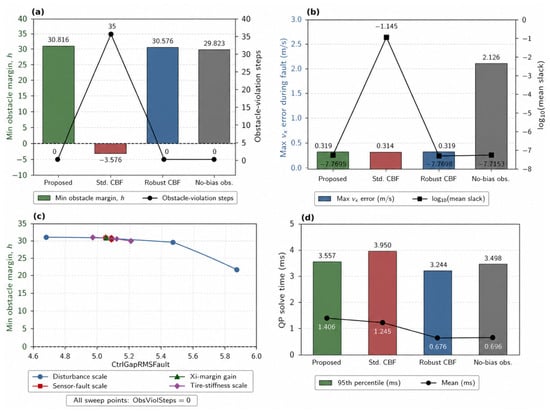
Autonomous vehicles must enforce safety constraints even when their state estimates are corrupted by sensor faults and disturbances. This paper develops a separation-based robust safety-control framework that couples a fault-tolerant observer with a control barrier function (CBF) safety filter through an explicit estimation-error envelope. First, a uniformly ultimately bounded observer-error estimate is derived. This bound is then injected into an estimated-state robust CBF condition, yielding safety margins that account for both observation error and bounded disturbances. The construction is further extended to time-varying safe sets induced by moving obstacles. For implementation, the resulting condition is realized as a quadratic-program safety filter with high-order obstacle and lane constraints. Simulations on a nonlinear 3-DOF bicycle model evaluate bias faults, gust-like disturbances, dense traffic, and tightened stress tests. Compared with a standard CBF baseline and observer/safety-filter ablations, the proposed method preserves nonnegative safety margins while keeping slack activation negligible. Additional sensitivity experiments quantify the trade-off among safety margin, slack usage, observer accuracy, control conservatism, and QP computation time. The results support the proposed architecture as a practical bridge between bounded state estimation and fault-aware safety filtering.
Full article

Graphical abstract
Open AccessArticle
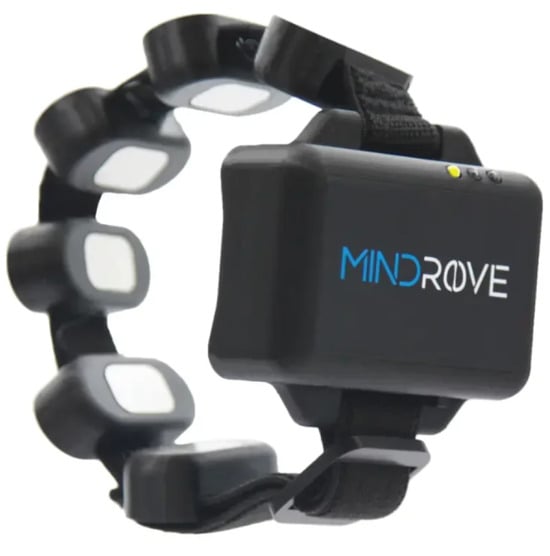
Portable Holonomic Educational Robot Platform for Home Laboratory—Study Case: AI-Based Electromyography Control
by
Erick Alexander Noboa, Lourdes Ruiz, György Eigner and Péter Galambos
Technologies 2026, 14(5), 308; https://doi.org/10.3390/technologies14050308 - 20 May 2026
Abstract
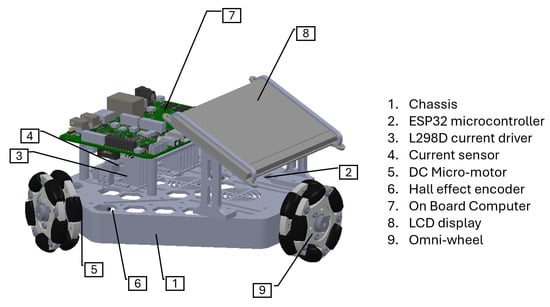
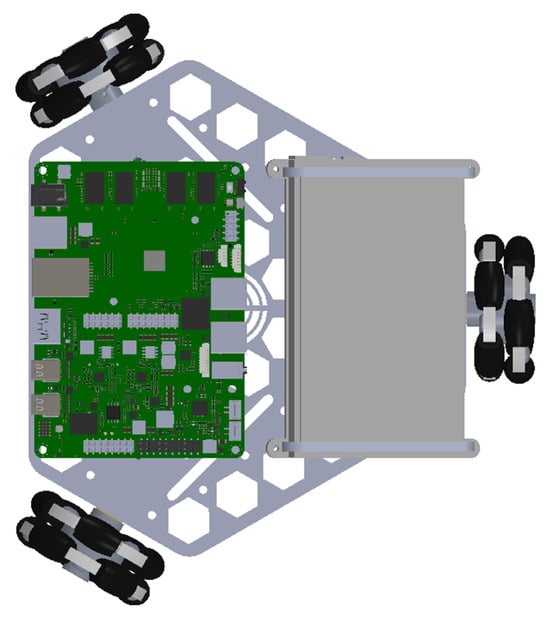
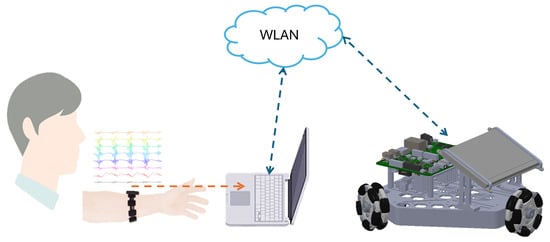
The post-pandemic evolution of education involving mechatronics and machine learning has shifted the demand for robotic hardware from centralized laboratories to accessible laboratories in home environments. This paper presents a portable three-wheeled holonomic robotic platform designed for remote research and home office experimentation.
[...] Read more.
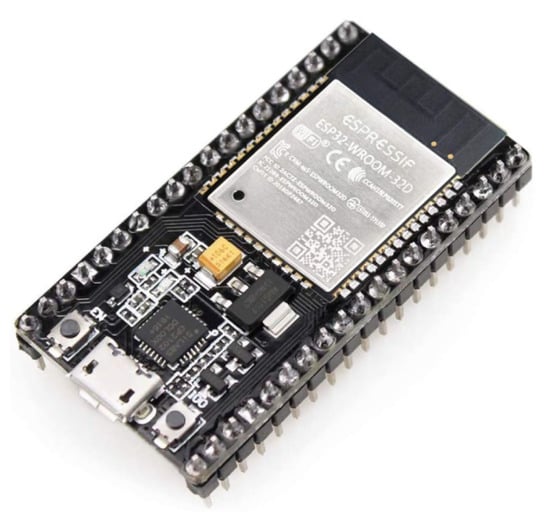
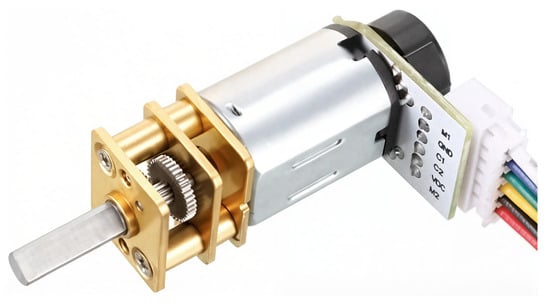
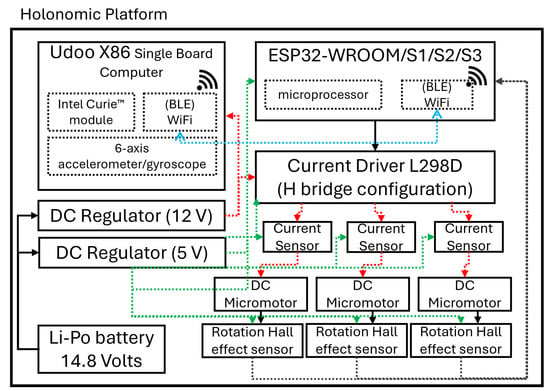
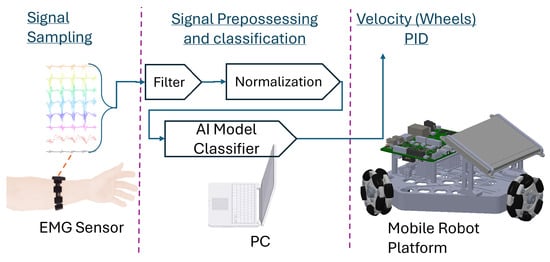
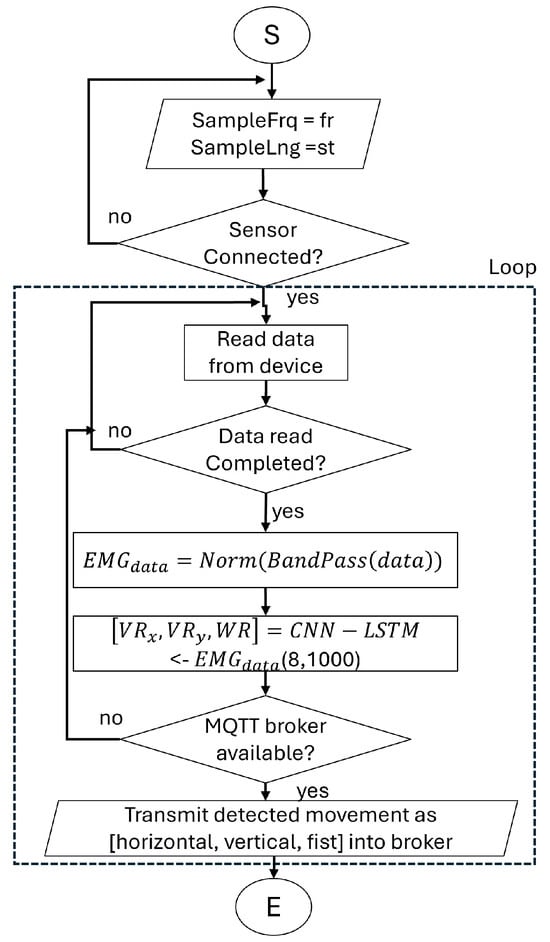
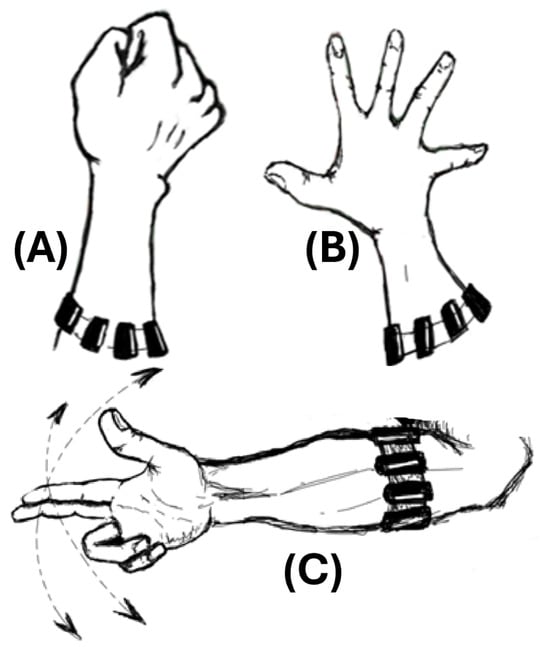
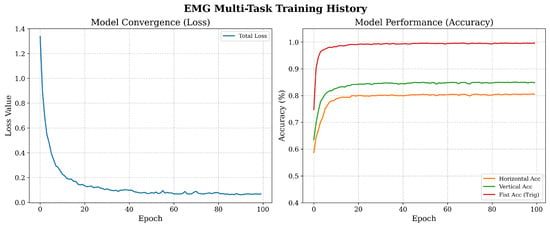
The post-pandemic evolution of education involving mechatronics and machine learning has shifted the demand for robotic hardware from centralized laboratories to accessible laboratories in home environments. This paper presents a portable three-wheeled holonomic robotic platform designed for remote research and home office experimentation. The proposed system utilizes a modular design and low-cost philosophy comprising a custom embedded control system driven by an ESP32-WROOM microcontroller, which manages a closed-loop PID velocity controller using Hall effect feedback from three DC micromotors. In contrast, external nodes allow the reception, conditioning, and classification of 8-channel surface electromyography (sEMG) data sampled at 500 Hz. To address the non-stationarity and stochastic noise in raw sEMG signals, this study implements a hybrid Deep Learning (DL) architecture that complements 2D Convolutional Neural Networks (CNN) for spatial feature extraction with Long Short-Term Memory (LSTM) networks for temporal context awareness. This model decodes the neuromuscular intent of the user into real-time holonomic velocity vectors, achieving validation accuracies of 80.51% for horizontal movement, 84.86% for vertical translation, and 99.56% for the Fist/no-Fist state. By synthesizing advanced AI-based teleoperation with a portable design, this study establishes a scalable framework for the next generation of “laboratory-at-home” educational tools and research regardless of physical location.
Full article
(This article belongs to the Special Issue Emerging Paradigms in AI, Autonomous Systems, and Intelligent Technologies—2nd Edition)
►▼
Show Figures

Figure 1
Open AccessArticle
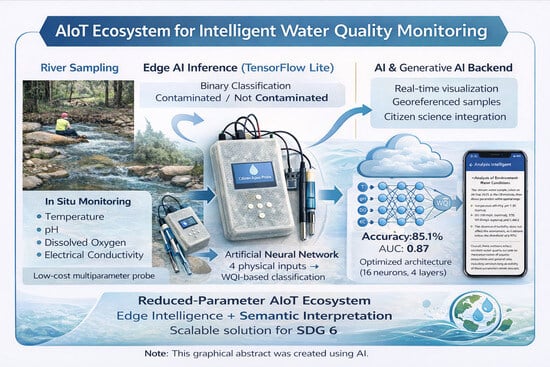
Green Plasma Process for Converting Natural Gas into Valuable Organic Products and Carbon with Preferential Ethane Adsorption
by
Alexander Logunov, Andrey Vorotyntsev, Igor Prokhorov, Alexey Maslov, Artem Belousov, Ivan Zanozin, Evgeniya Logunova, Artem Kulikov, Sergei Zelentsov, Alexander Ganov, Ilia Senchenko, Anton Petukhov and Ilya Vorotyntsev
Technologies 2026, 14(5), 307; https://doi.org/10.3390/technologies14050307 - 18 May 2026
Abstract
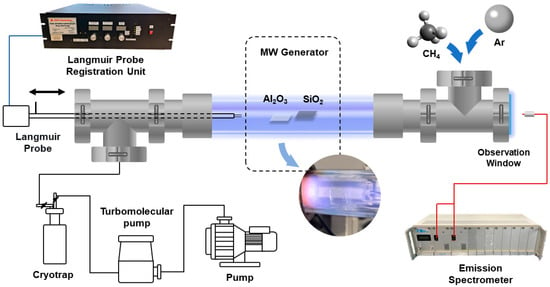
To accelerate the transition to sustainable energy, efficient methods for CO2-free hydrogen production and carbon utilization are needed. This study presents a new, sustainable approach for the simultaneous production of hydrogen, valuable hydrocarbons, and functional carbon materials by converting methane in
[...] Read more.
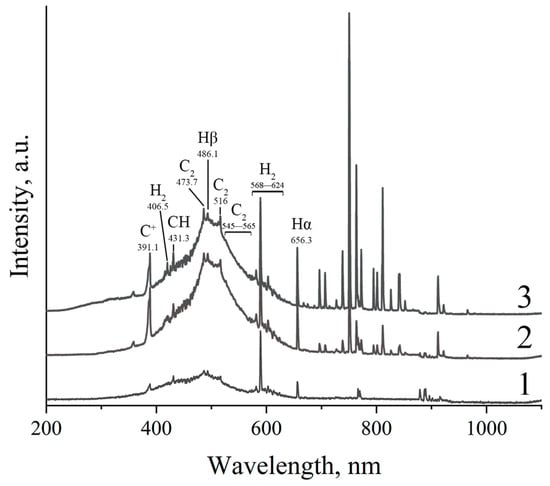
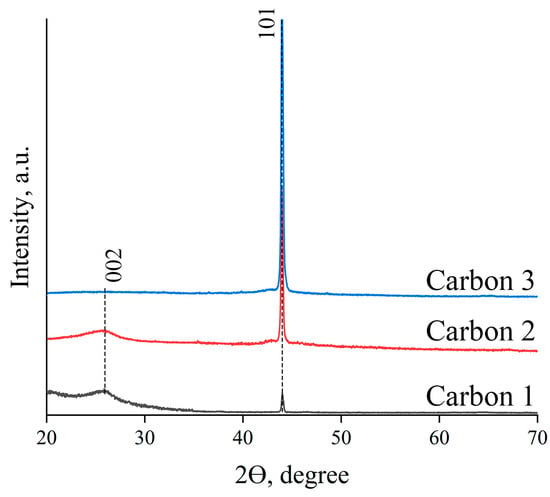
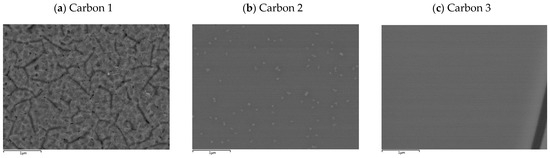
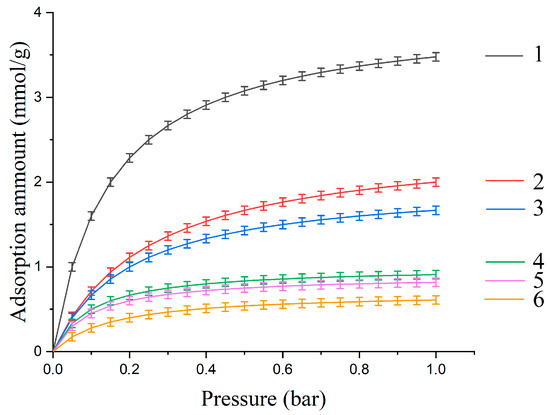
To accelerate the transition to sustainable energy, efficient methods for CO2-free hydrogen production and carbon utilization are needed. This study presents a new, sustainable approach for the simultaneous production of hydrogen, valuable hydrocarbons, and functional carbon materials by converting methane in low-pressure microwave plasma. Compared to traditional methane reforming methods (such as steam reforming), our plasma-based process operates at low temperatures, eliminates direct CO2 emissions, and enables the conversion of methane into three valuable products: (1) environmentally friendly hydrogen for fuel cells and energy storage systems, (2) a range of valuable organic products (C2H2, C2H4, C2H6), and (3) functional carbon films with self-improving catalytic properties. Optical emission spectroscopy (OES) and the Langmuir double probe method were used for plasma diagnostics, revealing an increase in the concentration of active species (CH, Hα, C2) and electron temperature upon argon addition. The structure, morphology, and impurity composition of the deposited films were investigated using X-ray diffraction (XRD), scanning electron microscopy (SEM), and inductively coupled plasma mass spectrometry (ICP-MS), respectively. Gas-phase byproducts were analyzed using gas chromatography–mass spectrometry (GC-MS). Argon addition at an Ar/CH4 ratio of 1 leads to the formation of carbon films with a more ordered structure, as confirmed by XRD data, and improved surface morphology. It was established that argon, by effectively participating in the excitation and dissociation processes of methane molecules through energy transfer from metastable states and increased electron temperature, optimizes plasma–chemical reactions, promoting the deposition of higher-quality carbon coatings.
Full article
(This article belongs to the Section Innovations in Materials Science and Materials Processing)
►▼
Show Figures

Figure 1

Open AccessArticle
IISD-YOLO: Infrared Detection of Insulator Strings for Transmission Lines Based on Improved YOLOv11
by
Chen-Hao Zhao, Yi-Feng Ren, Long-Kun Cao and Hong-Yu Wang
Technologies 2026, 14(5), 306; https://doi.org/10.3390/technologies14050306 - 18 May 2026
Abstract
►▼
Show Figures
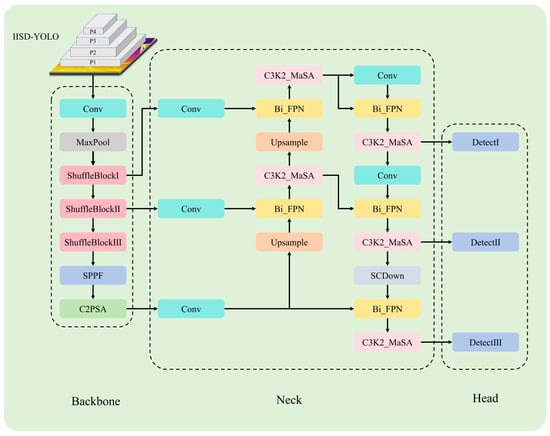
In the area of transmission line inspection, one of the prominent areas of research has been to unite Unmanned Aerial Vehicles (UAVs) with neural network object detection algorithms. This area of research is challenging because of high computational resource consumption and poor infrared
[...] Read more.
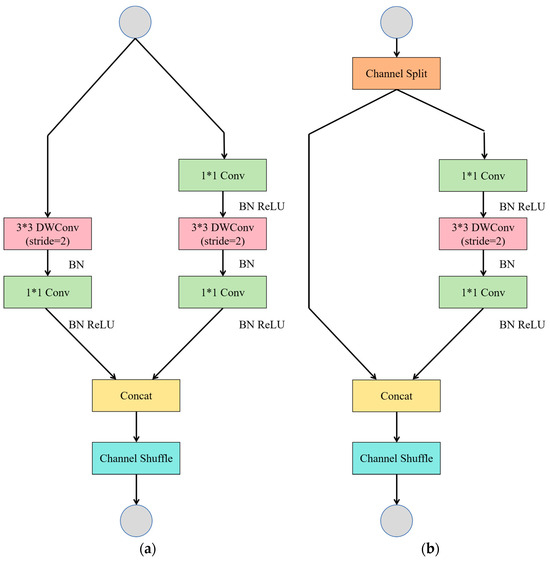
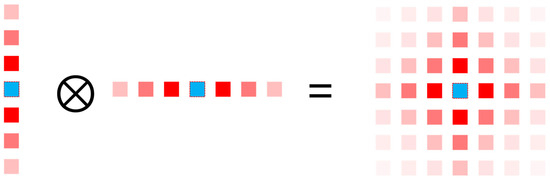
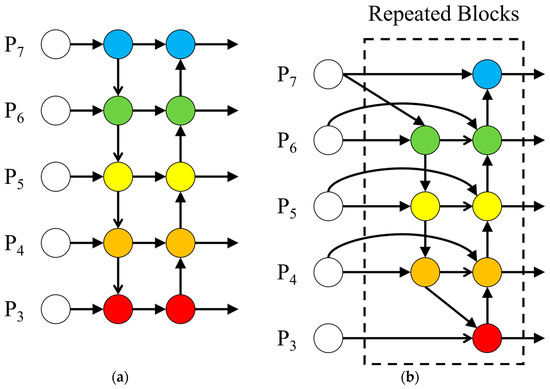
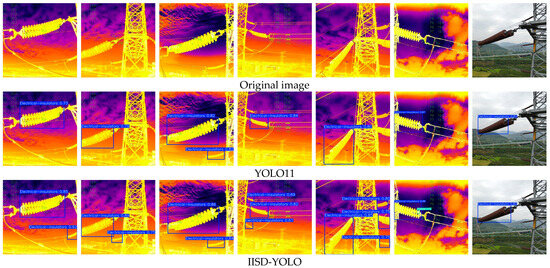
In the area of transmission line inspection, one of the prominent areas of research has been to unite Unmanned Aerial Vehicles (UAVs) with neural network object detection algorithms. This area of research is challenging because of high computational resource consumption and poor infrared detection capabilities. In this study we propose an infrared image detection algorithm, named IISD-YOLO, using a modified version of the YOLOv11 network, to detect infrared transmission line insulator strings. Firstly, the original object detection layer was removed and replaced with the ShuffleNetv2 network to achieve the goal of a lightweight model; subsequently, based on the original feature extraction module C3k2, the Manhattan Self-Attention (MaSA) mechanism was introduced to design a new feature extraction module, C3k2-MaSA, which enhances the feature extraction capability for infrared objects; finally, the bidirectional feature pyramid network (Bi-FPN) is used to replace the original feature fusion module, enhancing the network’s ability to process and fuse information at different scales. The comparative experiments show that compared with the mainstream YOLO models, IISD-YOLO has improved by 4.5, 6.1, and 4.8 percentage points respectively on mAP@50 over YOLOv5, YOLOv8, and YOLOv10; furthermore, this model outperforms advanced models including YOLO-CIR, FA-YOLO, YOFIR, and RT-DETR, with improvements of 2.9, 9.1, 5.0, and 1.1 percentage points respectively on mAP@50. The ablation study shows that each improvement effectively enhances the overall performance. Compared with the original YOLOv11, the IISD-YOLO has increased its mAP@50 by 3.5 percentage points, while reducing the number of Params by 1.1 million and the computational GFLOPs by 2 G. These results confirm the superior performance of IISD-YOLO in infrared insulator string detection.
Full article

Figure 1
Open AccessArticle
Usability and Feasibility of a Contrast Avoidance Model-Based Virtual Reality Protocol Designed for Generalized Anxiety Disorder
by
Barbora Darmová, Iveta Fajnerová and Lora Appel
Technologies 2026, 14(5), 305; https://doi.org/10.3390/technologies14050305 - 16 May 2026
Abstract
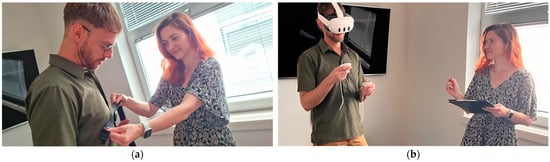
Generalized anxiety disorder (GAD) is characterized by persistent, excessive, and difficult-to-control worry. The Contrast Avoidance Model (CAM) proposes that individuals with GAD use worry to sustain negative emotional arousal, thereby avoiding sharp negative emotional contrasts that would otherwise follow unexpected adverse events. A
[...] Read more.
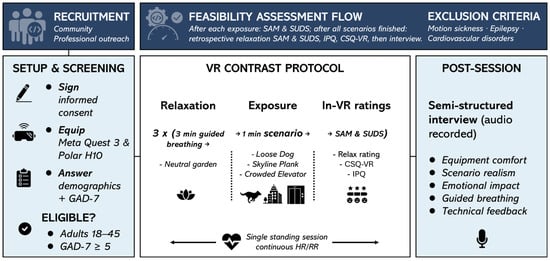
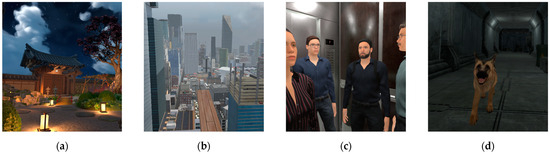
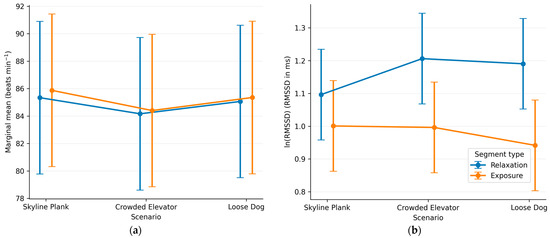
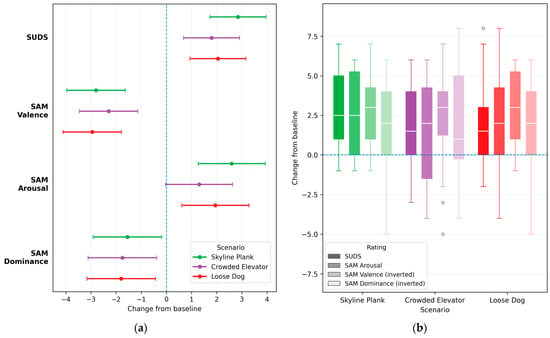
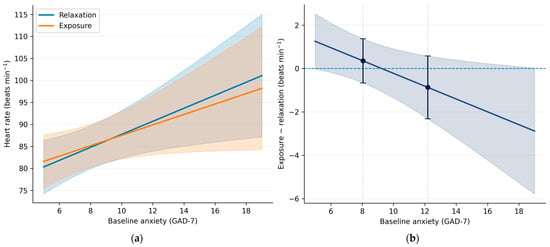
Generalized anxiety disorder (GAD) is characterized by persistent, excessive, and difficult-to-control worry. The Contrast Avoidance Model (CAM) proposes that individuals with GAD use worry to sustain negative emotional arousal, thereby avoiding sharp negative emotional contrasts that would otherwise follow unexpected adverse events. A virtual reality (VR) protocol was developed to simulate such contrasts by alternating guided relaxation with brief anxiety-inducing scenarios (skyline plank, crowded elevator, and loose dog encounter). This study evaluated the usability and feasibility of this protocol in 20 subclinical adults aged 18–45 who met a screening threshold of GAD-7 ≥ 5, using a Meta Quest 3 headset and Polar H10 heart rate sensor. Exposure segments produced a significant decrease in RMSSD (β = −0.185, p < 0.001), consistent with reduced parasympathetic activity during exposure, whereas heart rate did not differ significantly between conditions. Subjectively, exposure increased SUDS (β = 2.23, p < 0.001) and SAM arousal (β = 1.95, p < 0.001), and decreased SAM valence (β = −2.68, p < 0.001) and dominance (β = −1.70, p = 0.005). Presence scores, cybersickness ratings, and qualitative feedback supported the usability of the protocol and identified concrete design refinements. These results support the feasibility of the protocol and provide a foundation for future controlled clinical evaluation.
Full article
(This article belongs to the Special Issue VR for Cognitive and Emotional Well-Being)
►▼
Show Figures

Figure 1
Open AccessArticle
Digital Transformation and AI Readiness in Public Knowledge Ecosystems: Assessing Digital Maturity in European Public Libraries
by
Ioana Cornelia Cristina Crihană and Josef Rebenda
Technologies 2026, 14(5), 304; https://doi.org/10.3390/technologies14050304 - 15 May 2026
Abstract
This paper discusses how digital transformation takes place in public knowledge institutions by examining public libraries as socio-technical service ecosystems, and conceptualizes digital maturity. Based on Service-Dominant Logic and the socio-technical systems theory, this study explores digital maturity as a natural product of
[...] Read more.
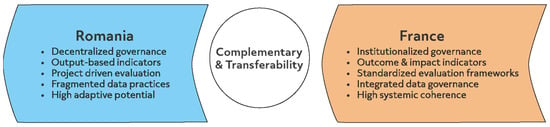
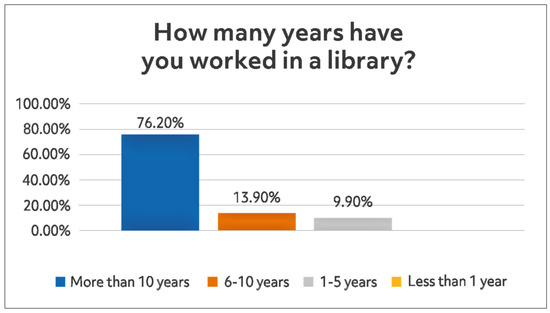
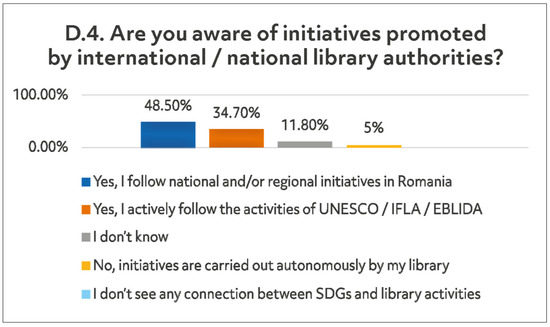
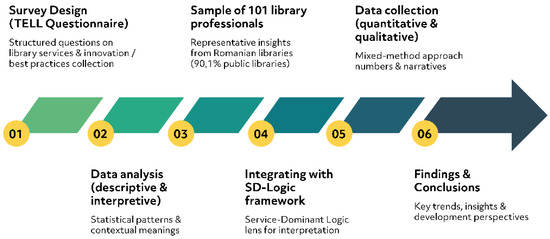
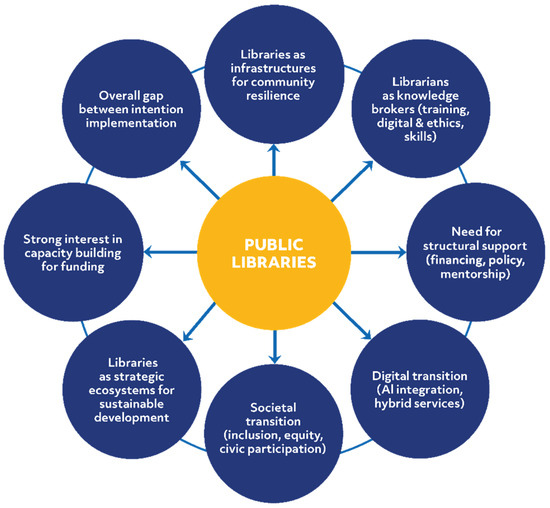
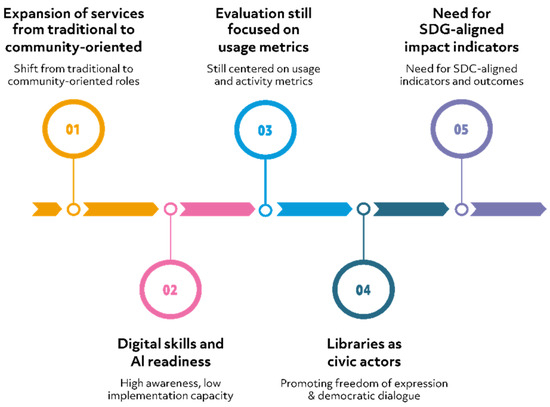
This paper discusses how digital transformation takes place in public knowledge institutions by examining public libraries as socio-technical service ecosystems, and conceptualizes digital maturity. Based on Service-Dominant Logic and the socio-technical systems theory, this study explores digital maturity as a natural product of convergence in technological infrastructures, professional expertise, governance mechanisms, and community involvement. The data analysis is conducted on a structured 48-item questionnaire which, at its turn, is based on a sample of 101 members of library staff in public libraries in Romania. The Romanian dataset is contextualized by using a national comparative dataset comprising 363 respondents from France. We employ a mixed method of descriptive and inferential statistical analyses and thematic coding in order to investigate institutional adaptability, AI readiness, and service development trends. The results reveal the continuing movement from collection-centered models toward hybrid physical–digital service platforms and differences in digital maturity and overall strategic planning among institutions. The results demonstrate that digital maturity is sensitive to the organized coordination and the planning capability in institutions rather than to isolated technological adoption. Drawing from this evidence, the study proposes an analytical framework and a tempered analytical lens for interpreting digital transformation processes in public knowledge ecosystems, forming a solid foundation for more general investigations of institutional adaptation to digitally mediated environments.
Full article
(This article belongs to the Topic Challenges and Opportunities of Integrating Service Science with Data Science and Artificial Intelligence)
►▼
Show Figures

Figure 1

Open AccessArticle
A Comparative Framework for Formal Representation Strategies in Sign Language Avatar Systems
by
Nurzada Amangeldy, Aigerim Yerimbetova, Marek Milosz, Akmaral Kassymova, Elmira Daiyrbayeva and Nazira Tursynova
Technologies 2026, 14(5), 303; https://doi.org/10.3390/technologies14050303 - 14 May 2026
Abstract
►▼
Show Figures
This paper proposes a unified methodological framework for evaluating heterogeneous approaches to avatar-based sign language visualization. The study introduces a four-dimensional analytical framework based on four independent criteria: (A1) pipeline architecture and degree of automation, (A2) data and annotation requirements, (A3) portability across
[...] Read more.
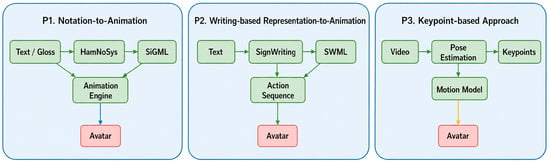
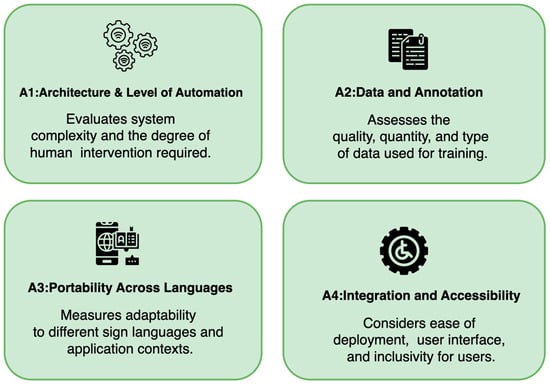
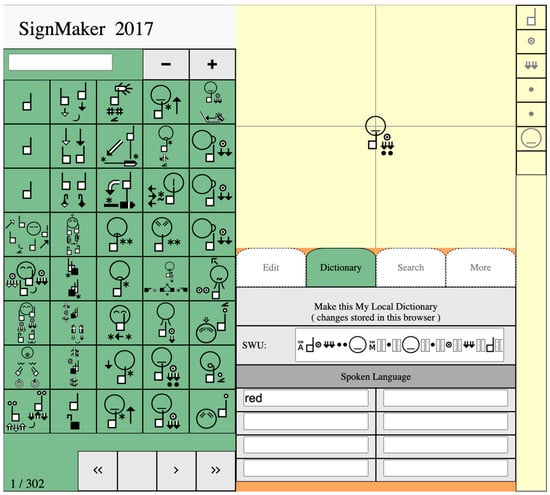
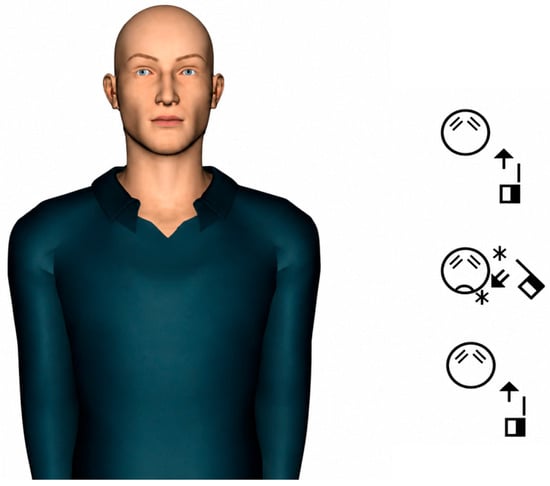
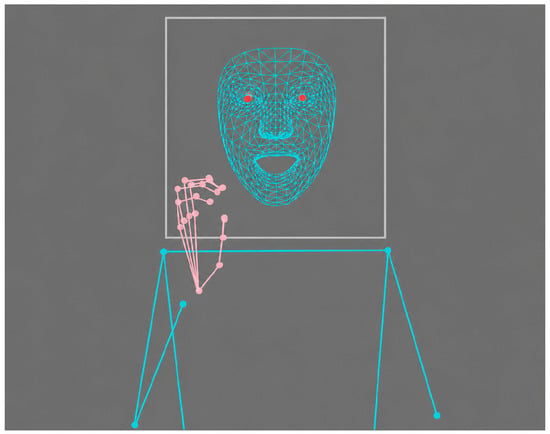
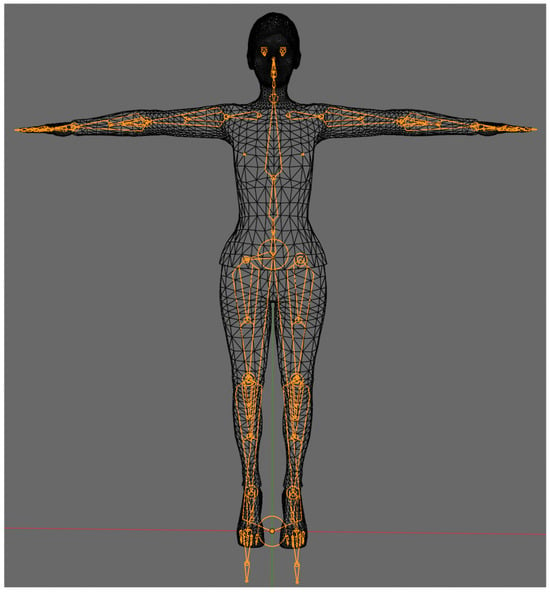
This paper proposes a unified methodological framework for evaluating heterogeneous approaches to avatar-based sign language visualization. The study introduces a four-dimensional analytical framework based on four independent criteria: (A1) pipeline architecture and degree of automation, (A2) data and annotation requirements, (A3) portability across sign languages and domains, and (A4) integration and accessibility. The framework is applied to a comparative analysis of three dominant paradigms: (P1) notation → animation (e.g., HamNoSys), (P2) writing-based representation → animation (e.g., SignWriting), and (P3) keypoint-based animation and Artificial Intelligence (AI) methods. The comparative assessment shows that the differences between the paradigms are structural and reflect trade-offs among linguistic accuracy, automation level, scalability, and user accessibility, rather than the superiority of any one technology. Overall, the structured comparative framework (A1–A4) is applied for analyzing three paradigms of sign language avatar generation. It enables a systematic evaluation of architectural, data-related, and practical characteristics, highlighting key trade-offs between linguistic accuracy, scalability, and accessibility.
Full article

Figure 1
Open AccessReview
Non-Prosthetic Assistive Technologies for Persons with Hearing Losses: A Survey
by
Reemas Alsubaiei, Farah AlHayek, Mariam Alsahhaf, Ghadah Alajmi, Aliah Almutairi, Karim Youssef, Ghina El Mir, Sherif Said, Taha Beyrouthy and Samer Al Kork
Technologies 2026, 14(5), 302; https://doi.org/10.3390/technologies14050302 - 13 May 2026
Abstract
Millions of persons worldwide experience varying degrees of hearing loss, traditionally addressed through prosthetic solutions such as hearing aids and cochlear implants. However, a significant proportion of individuals cannot benefit from these technologies, cannot access them, or choose not to use them. In
[...] Read more.
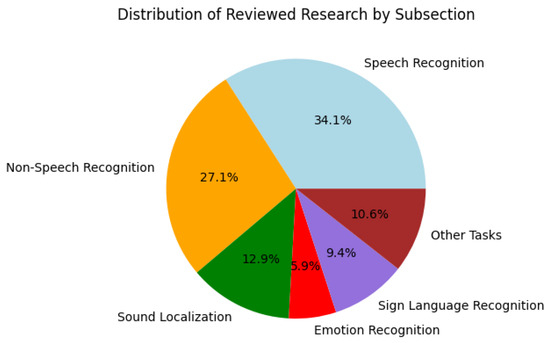
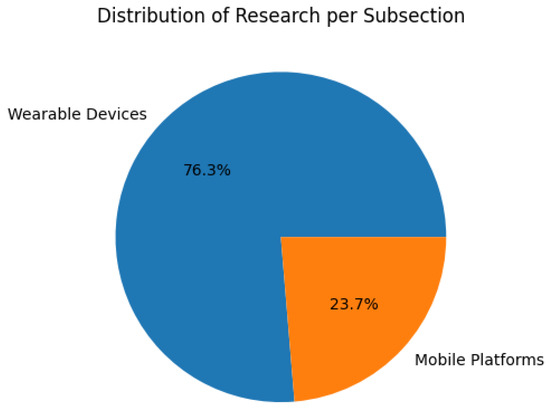
Millions of persons worldwide experience varying degrees of hearing loss, traditionally addressed through prosthetic solutions such as hearing aids and cochlear implants. However, a significant proportion of individuals cannot benefit from these technologies, cannot access them, or choose not to use them. In this context, non-prosthetic assistive technologies have emerged as a complementary paradigm, leveraging advances in sensing, artificial intelligence, and wearable computing to transform acoustic information into alternative perceptual representations rather than restoring auditory function. This survey provides a review of such systems, focusing on technologies that enhance environmental awareness, communication, and social interaction. Existing approaches are categorized along two main dimensions: the tasks they perform and the platforms on which they operate. Task-oriented analysis includes sound recognition (speech and non-speech), sound source localization, emotion recognition, sign language recognition, and related emerging functionalities. Platform-based analysis emphasizes wearable devices and mobile solutions enabling real-time and context-aware assistance. The survey further highlights key research trends, including real-time auditory scene analysis, portable processing, and artificial intelligence. It shows that recent studies increasingly demonstrate that combining auditory, visual, and haptic modalities improves robustness and usability in real-world conditions, particularly in noisy and dynamic environments. Finally, open challenges such as energy efficiency, latency, evaluation methodologies, and user acceptance are discussed. By synthesizing existing work and identifying open research directions, this survey aims to provide a structured foundation for future developments in intelligent, non-prosthetic assistive systems that redefine how auditory information is accessed and interpreted.
Full article
(This article belongs to the Section Assistive Technologies)
►▼
Show Figures

Figure 1

Open AccessReview
From Acquisition to Validation: Methodological Dependencies and Reproducibility in EEG-Based Alzheimer’s Disease Detection
by
Ruimin Wang, Takenao Sugi and Takao Yamasaki
Technologies 2026, 14(5), 301; https://doi.org/10.3390/technologies14050301 - 13 May 2026
Abstract
Alzheimer’s disease (AD) is a progressive neurodegenerative disorder for which early detection and reliable monitoring remain major clinical challenges. Electroencephalography (EEG) combined with machine learning has attracted growing interest as a scalable and non-invasive approach to AD detection, yet reported classification accuracies vary
[...] Read more.
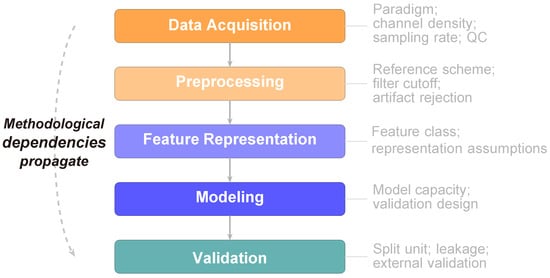
Alzheimer’s disease (AD) is a progressive neurodegenerative disorder for which early detection and reliable monitoring remain major clinical challenges. Electroencephalography (EEG) combined with machine learning has attracted growing interest as a scalable and non-invasive approach to AD detection, yet reported classification accuracies vary widely across studies and are rarely comparable or clinically translatable. One important reason is that the analytical pipeline—from data acquisition to model validation—involves numerous methodological choices whose inter-stage dependencies and reproducibility implications are rarely made explicit. In this narrative review, we adopt a methodological chain framework to make these dependencies explicit, organizing EEG-based AD research into five sequential stages: data acquisition, preprocessing, feature representation, modeling, and validation. Choices at each stage can shape downstream analyses, inflate reported performance, and reduce cross-study comparability in ways that are difficult to detect when stages are assessed independently. These effects are particularly consequential in EEG-based AD research, where cohorts are typically small and biomarkers are subtle. We make three primary contributions: (1) we describe inter-stage methodological dependencies that may contribute to reproducibility problems and performance inflation; (2) we synthesize major sources of methodological variability across representative EEG–AD studies and evaluate their differential impact on spectral, connectivity, and complexity features; and (3) we provide practical, stage-aligned recommendations culminating in a minimum reporting checklist.
Full article
(This article belongs to the Special Issue Assistive Technologies in Care and Rehabilitation: Research, Developments, and International Initiatives—Second Edition)
►▼
Show Figures

Figure 1
Open AccessArticle
Micro-Attention CNN Hybrid Architecture for Real-Time Stress Detection Using Minimalistic Bio-Signals
by
Chaymae Yahyati, Ismail Lamaakal, Yassine Maleh, Khalid El Makkaoui and Ibrahim Ouahbi
Technologies 2026, 14(5), 300; https://doi.org/10.3390/technologies14050300 - 13 May 2026
Abstract
Real-time psychological stress detection on wearable and edge devices requires models that are accurate, computationally efficient, and small enough for on-device deployment. This paper proposes a Micro-Attention CNN Hybrid Architecture for stress recognition using wearable bio-signals. The model uses six sensor channels, namely
[...] Read more.
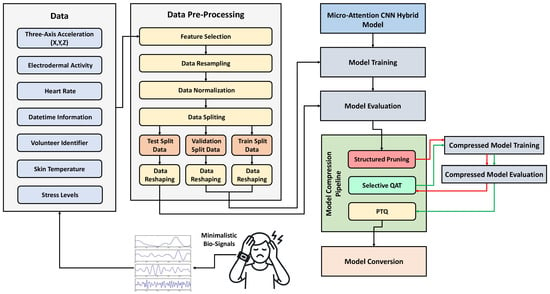
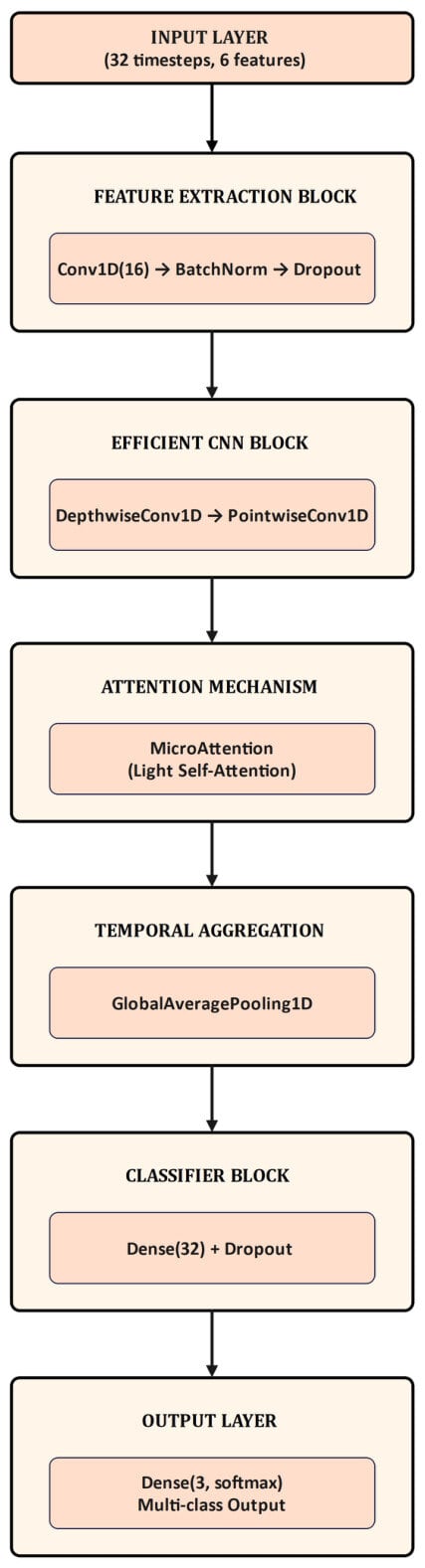
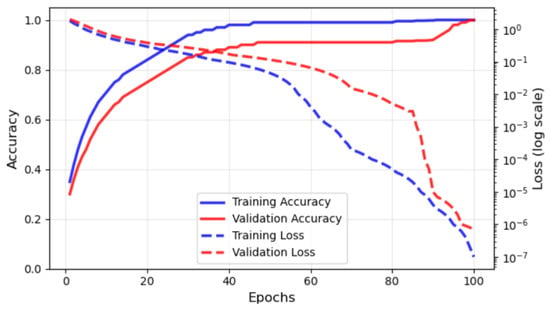
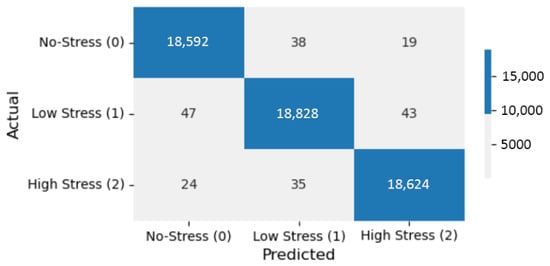
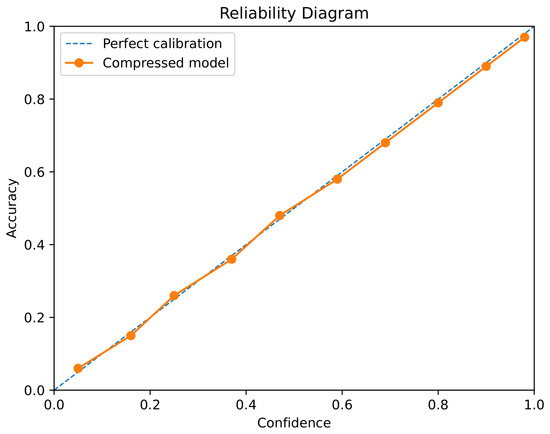
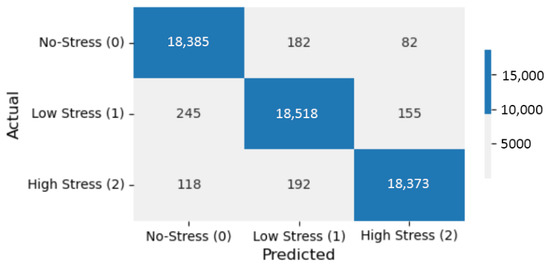
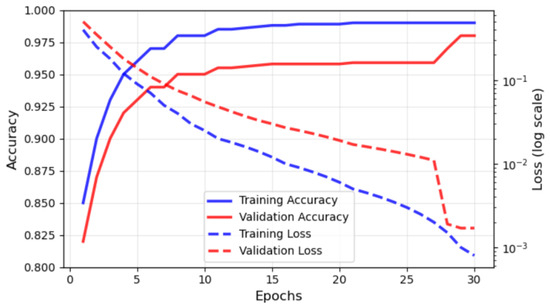
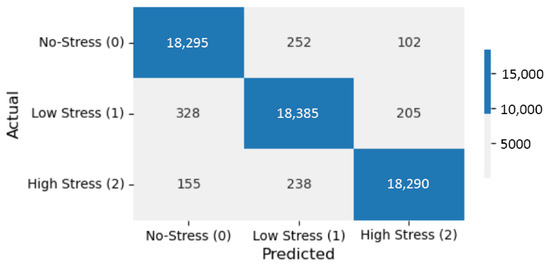
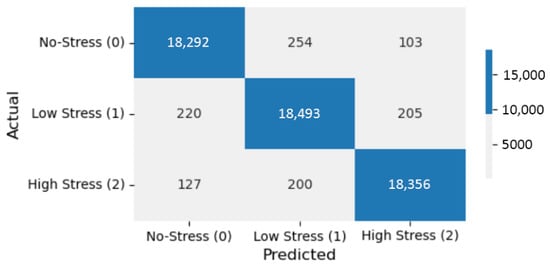
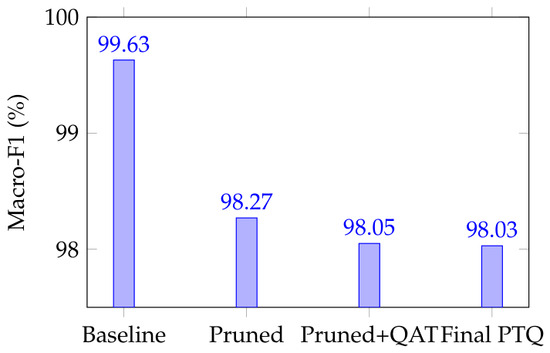
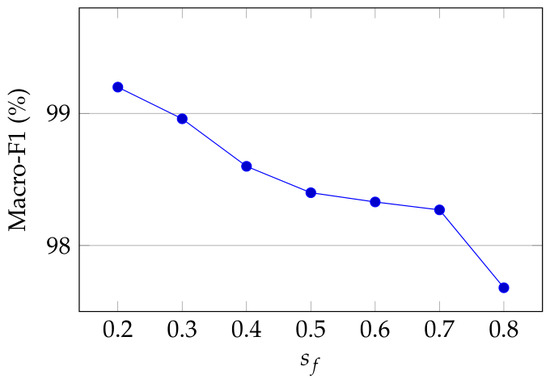
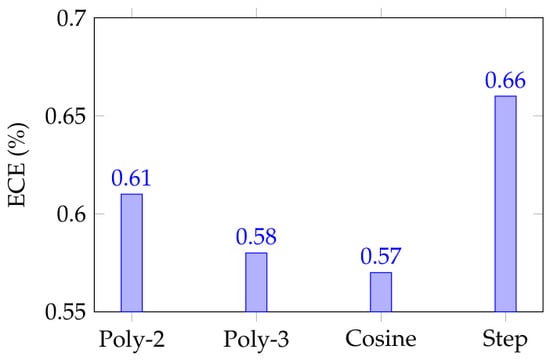
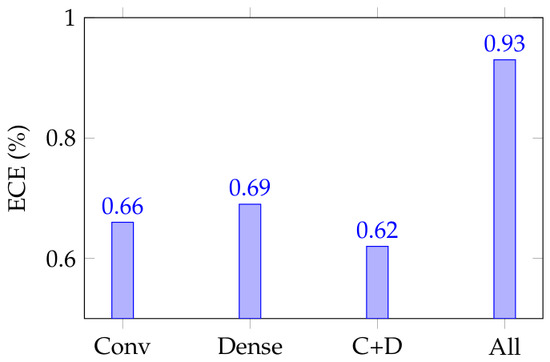
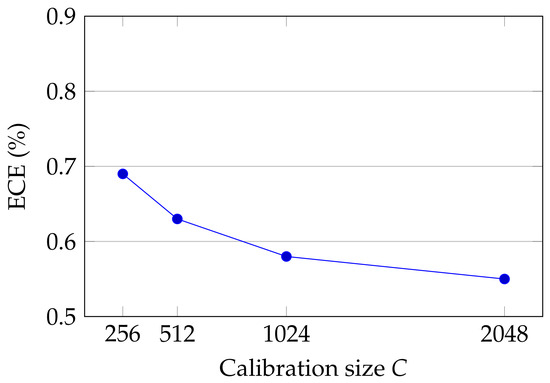
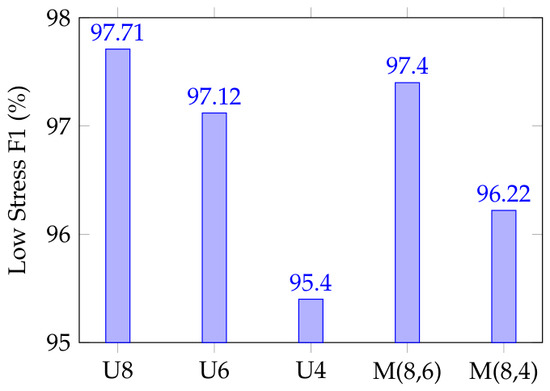
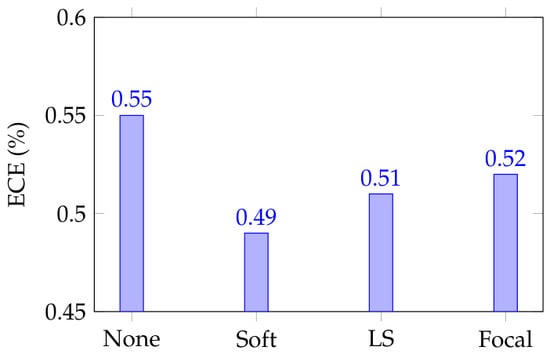
Real-time psychological stress detection on wearable and edge devices requires models that are accurate, computationally efficient, and small enough for on-device deployment. This paper proposes a Micro-Attention CNN Hybrid Architecture for stress recognition using wearable bio-signals. The model uses six sensor channels, namely tri-axial acceleration, electrodermal activity, heart rate, and skin temperature, and classifies three stress levels: no stress, low stress, and high stress. This study is conducted on a public wearable sensor dataset collected from 15 nurses during hospital work, providing a realistic benchmark for continuous stress monitoring under practical conditions. The proposed architecture combines one-dimensional and depthwise separable convolutions with a lightweight attention module to emphasize the most informative temporal patterns in short multivariate signal segments. To support deployment on resource-constrained devices, we further apply structured pruning, selective quantization-aware training, and post-training quantization. The full-precision model achieves a Macro-F1 score of 99.63%, while the final compressed model retains 98.03% Macro-F1 with a model size of 1.76 kilobytes and a CPU inference latency of 0.40 ms. Additional analyses show that most residual errors occur near the boundary between low stress and neighboring classes, while simple post-compression calibration improves reliability. These results demonstrate that accurate and low-latency stress detection using wearable bio-signals is feasible on compact edge hardware without transmitting raw sensor streams off-device.
Full article
(This article belongs to the Special Issue AI-Enabled Smart Healthcare Systems)
►▼
Show Figures

Figure 1

Open AccessArticle
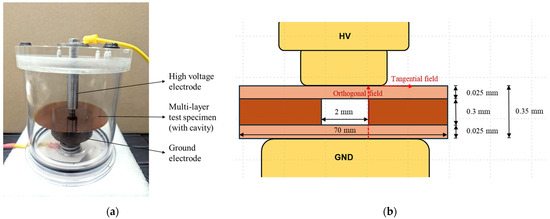
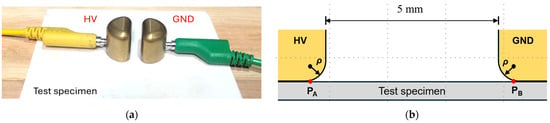
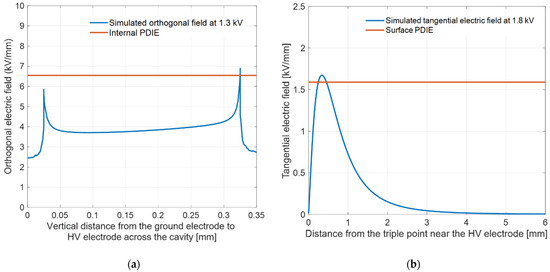
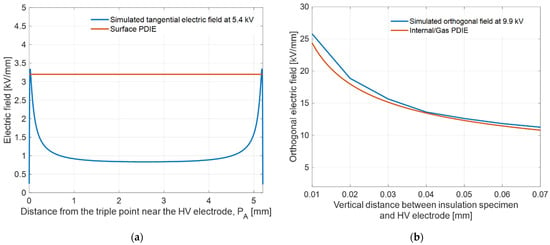
Moving from the Paschen Law to More Accurate Electrical Discharge Models for the Design of Insulation Systems Under Variable Pressure
by
Gian Carlo Montanari and Sukesh Babu Myneni
Technologies 2026, 14(5), 299; https://doi.org/10.3390/technologies14050299 - 13 May 2026
Abstract
►▼
Show Figures
The Paschen law, especially in its linear approximation, is said to be useful for predicting the partial discharge inception voltage (PDIV) in insulation systems when considering different defect sizes and pressure values. Hence, it is often used for designing electrical insulation systems in
[...] Read more.
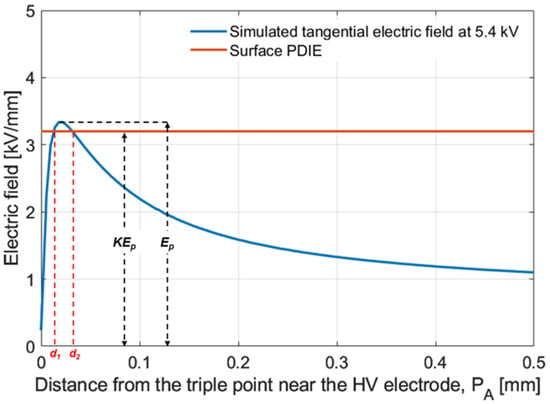
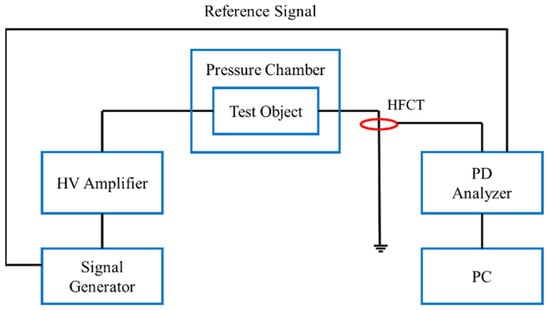
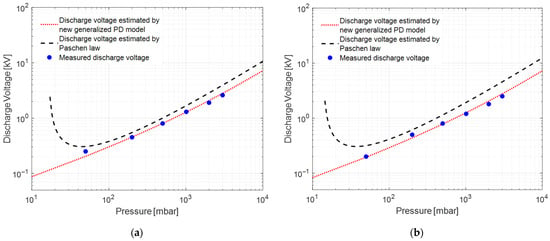
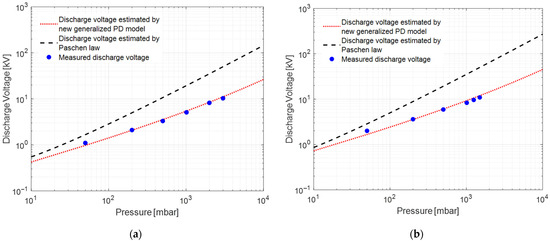
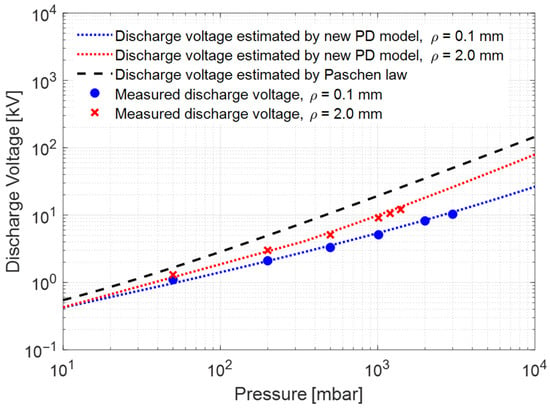
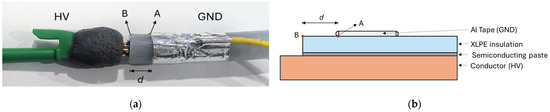
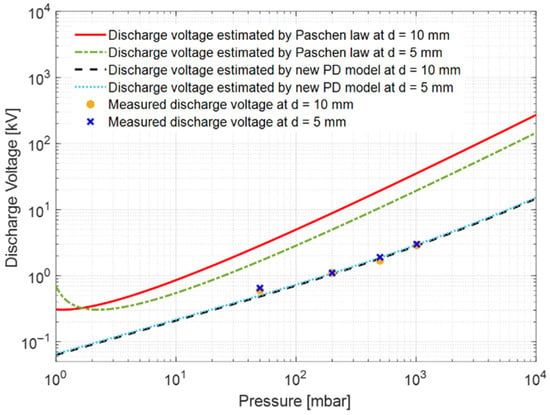
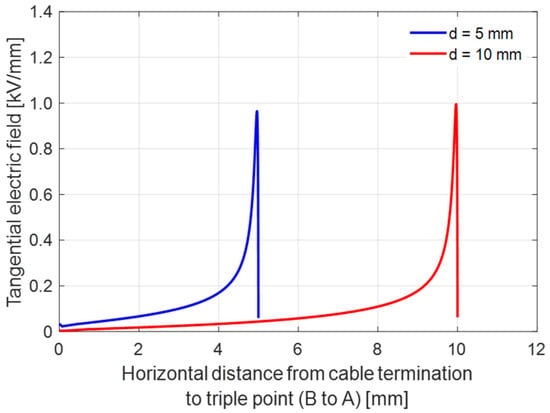
The Paschen law, especially in its linear approximation, is said to be useful for predicting the partial discharge inception voltage (PDIV) in insulation systems when considering different defect sizes and pressure values. Hence, it is often used for designing electrical insulation systems in aerospace applications. This paper presents a comparison between PDIV estimates provided by the Paschen law and a new model applicable to internal and surface discharges in electrical insulation systems under varying pressure and defect size or creepage distance. It is shown that the Paschen law estimates can often be very far from the measured PDIV values for both surface and internal defects and at pressures above and below standard atmospheric pressure (SAP), which can negatively affect the design and reliability of insulation systems. On the contrary, the proposed model provides accurate and consistent PDIV estimates, which are very close to those measured, for both internal and surface discharges. The lower limit of the model application/validation is 50 mbar from SAP.
Full article

Figure 1
Open AccessArticle
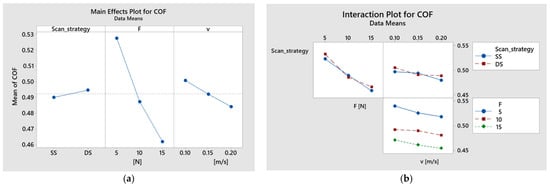
Low-Cost Active Cell Balancing Battery Management System for Electric Vehicles with Cell Charger as Cell Balancer
by
Amin Amin, Feri Yusivar, Faiz Husnayain and Aam Muharam
Technologies 2026, 14(5), 298; https://doi.org/10.3390/technologies14050298 - 12 May 2026
Abstract
►▼
Show Figures
Cell imbalance in battery packs can cause premature termination during battery discharge and recharge processes. This condition can decrease the usable energy of the battery. The cost of batteries can reach 30–40% of the price of an electric vehicle, so battery cell balancing
[...] Read more.
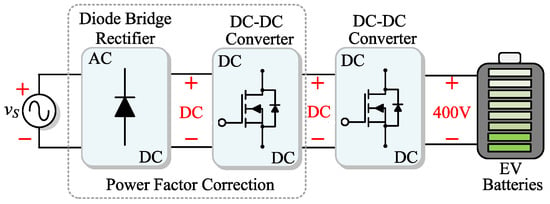
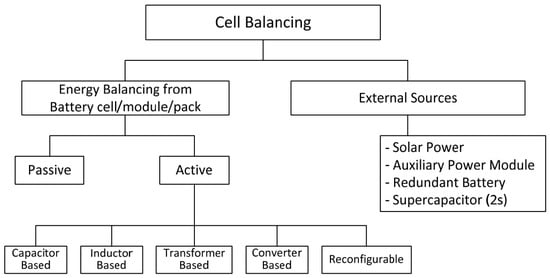
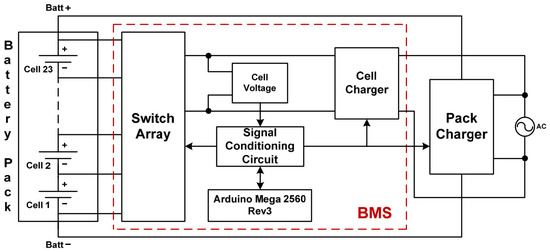
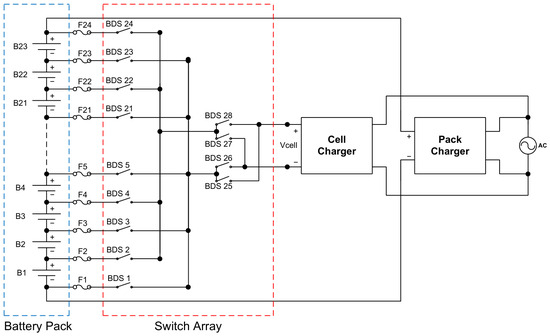
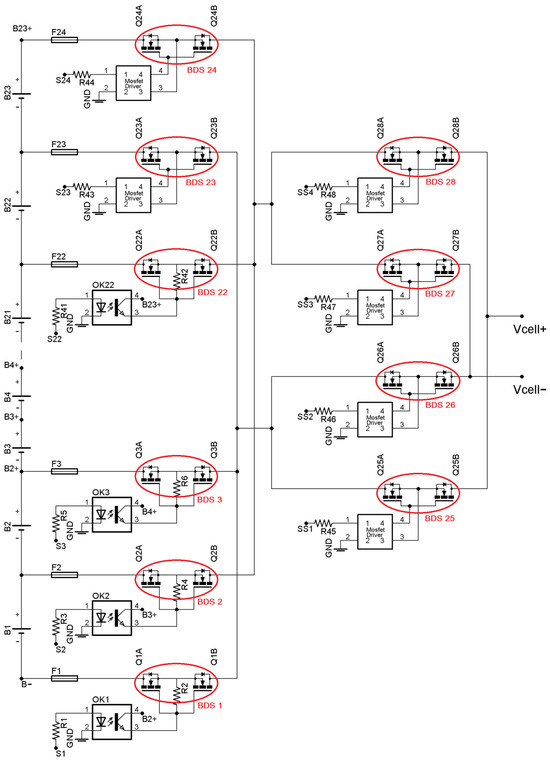
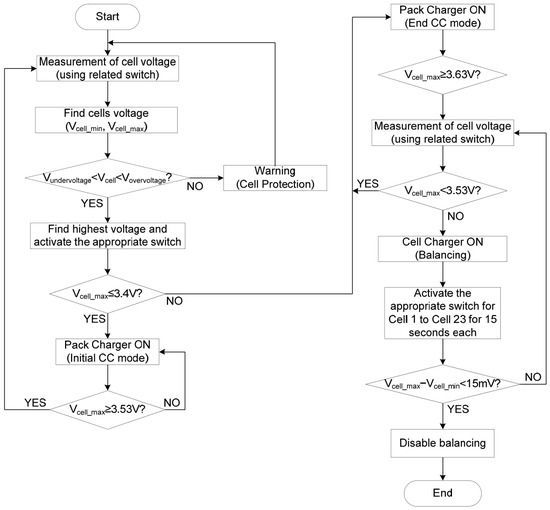
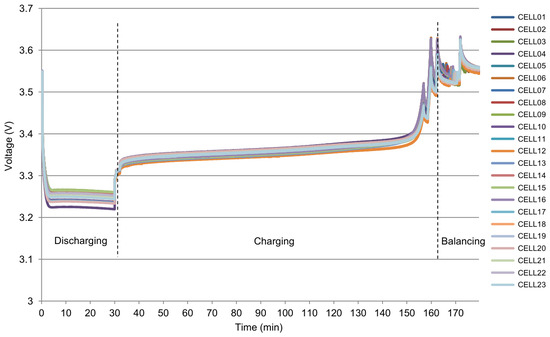
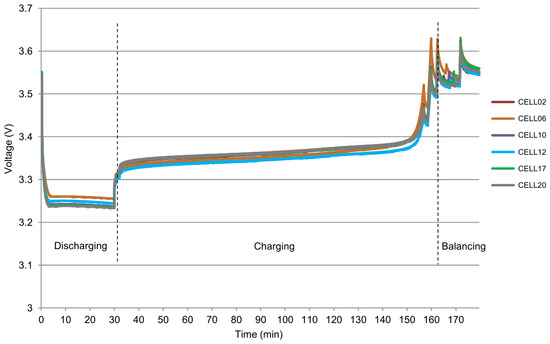
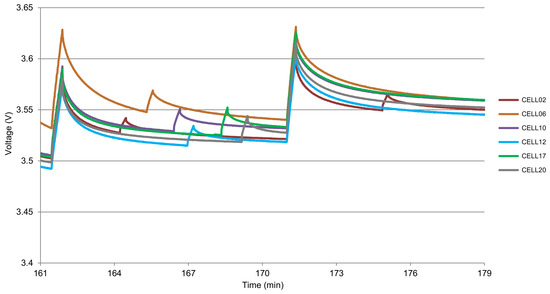
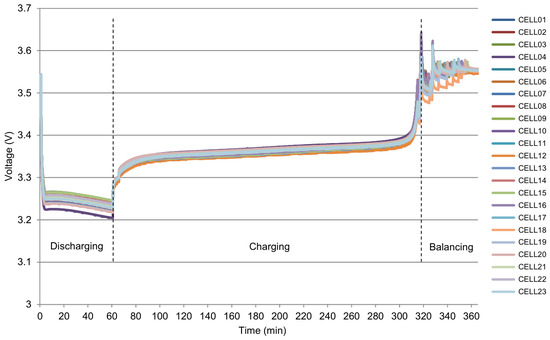
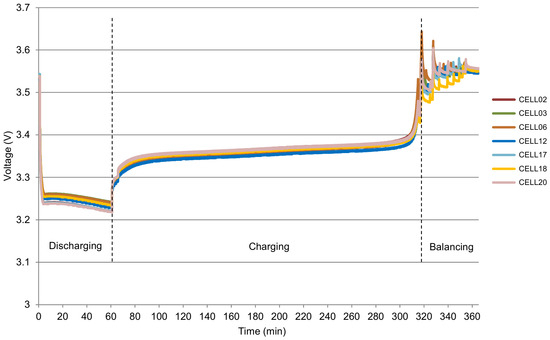
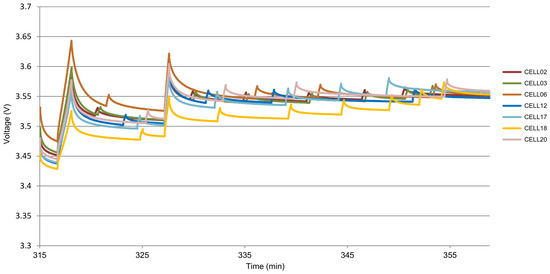
Cell imbalance in battery packs can cause premature termination during battery discharge and recharge processes. This condition can decrease the usable energy of the battery. The cost of batteries can reach 30–40% of the price of an electric vehicle, so battery cell balancing in a battery management system (BMS) and a battery thermal management system (BTMS) is very important to maximize battery capacity, safety, and life. In conventional active balancing studies, the cell-balancing process draws energy from the cells or battery pack, resulting in a reduction in battery pack energy due to power losses during the balancing process. This condition can reduce the range of electric vehicles. In this paper, a battery balancing system with a reduced number of switches and low cost, as well as the use of a cell charger, is proposed. The cell charger will draw energy from the electrical grid so that it can maximize the energy in the battery pack. A balancing current of 3 A from the cell charger is used in the balancing process. A 23S1P 100 Ah LiFePO4 battery pack, consisting of 23 cells, is used for validation. Test results show that the proposed battery balancing system can balance the voltage of 23 battery cells for 40 minutes from the highest and lowest voltage difference of 116.7 mV to 11.8 mV.
Full article

Figure 1
Open AccessSystematic Review
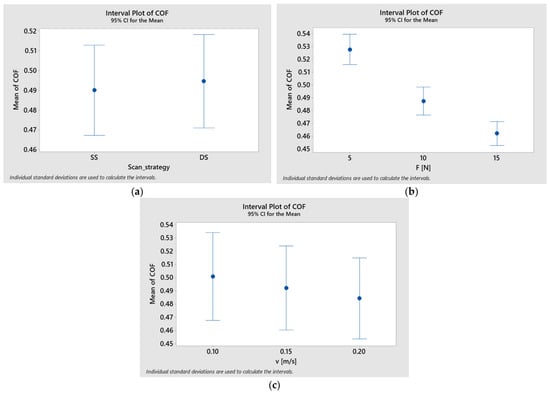
Robot Performance Evaluation for Engineering Applications: A Systematic Review of Metrics, Methods and Practices
by
Xiang Wei, Songjie Peng and Baosheng Zhao
Technologies 2026, 14(5), 297; https://doi.org/10.3390/technologies14050297 - 12 May 2026
Abstract
►▼
Show Figures
Robotics integration across manufacturing, healthcare, and hazardous environments demands robust performance evaluation. This study proposes a comprehensive Task–Environment–System–Metric (TESM) framework to link operational tasks and environmental constraints with quantifiable metrics. Based on TESM, a multi-level evaluation system is established, covering kinematic/dynamic performance, perception,
[...] Read more.
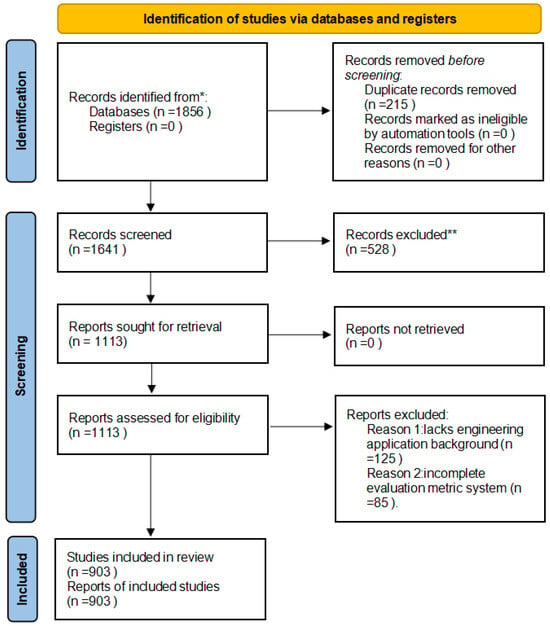
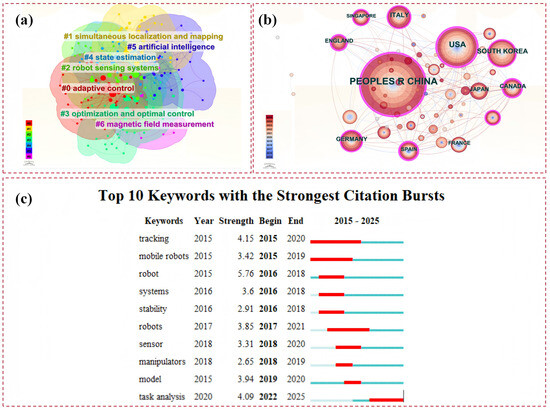
Robotics integration across manufacturing, healthcare, and hazardous environments demands robust performance evaluation. This study proposes a comprehensive Task–Environment–System–Metric (TESM) framework to link operational tasks and environmental constraints with quantifiable metrics. Based on TESM, a multi-level evaluation system is established, covering kinematic/dynamic performance, perception, human–robot interaction (HRI), reliability, and lifecycle economics. We systematically review key evaluation methodologies, including mechanistic modeling, digital twin simulation, physical testing, and multi-criteria decision-making (MCDM). Furthermore, typical engineering applications—ranging from industrial manipulators and mobile robots to collaborative and field systems are analyzed to demonstrate practical implementation. Despite significant progress, challenges persist regarding unified standards, testing fidelity, and the “black box” nature of data-driven assessments in safety-critical scenarios. This review concludes by identifying future research directions, such as establishing benchmark testing platforms, improving lifecycle assessment schemes, and developing modular evaluation tools. These advancements aim to ensure the scalable and reliable deployment of robotic systems in complex engineering environments.
Full article

Figure 1
Open AccessArticle
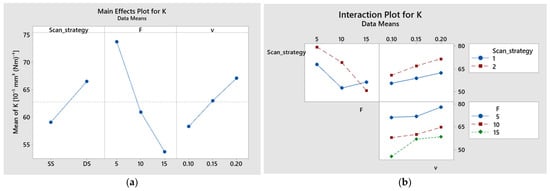
AIoT Ecosystem for Intelligent Water Quality Monitoring Through Edge Processing and Generative Artificial Intelligence
by
Giovanni Rafael Caicedo Escorcia, Liliana Vera-Londoño and Jaime Andres Perez-Taborda
Technologies 2026, 14(5), 296; https://doi.org/10.3390/technologies14050296 - 12 May 2026
Abstract
Water quality monitoring remains a critical challenge for achieving Sustainable Development Goal 6, particularly in rural and resource-constrained environments where conventional laboratory-based methods are costly and slow. This study presents the development and field validation of an Artificial Intelligence of Things (AIoT) ecosystem
[...] Read more.
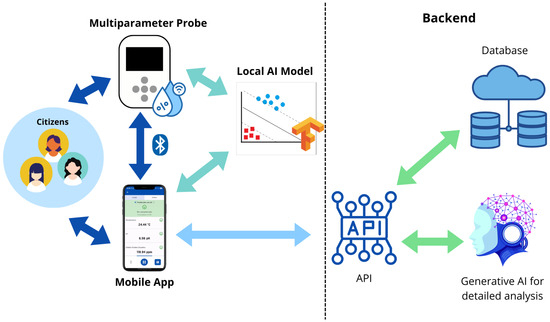
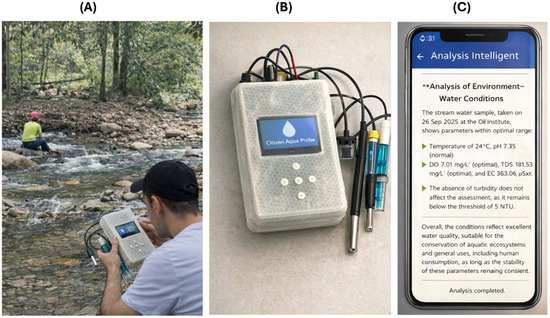
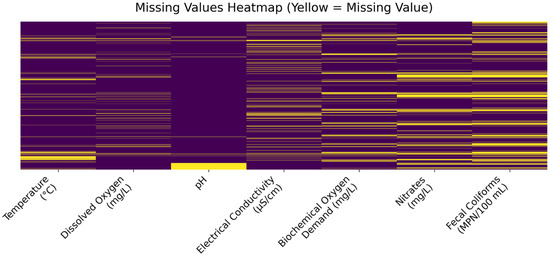
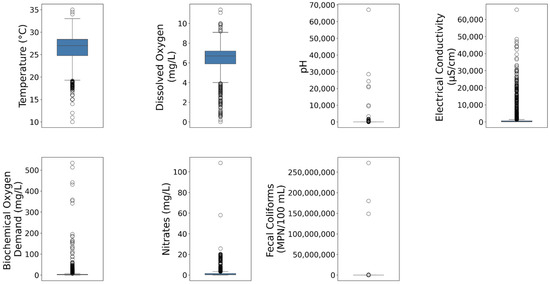
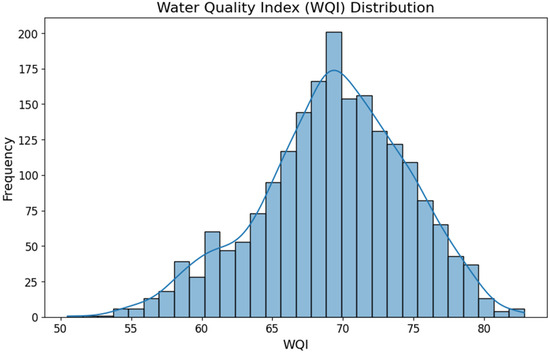
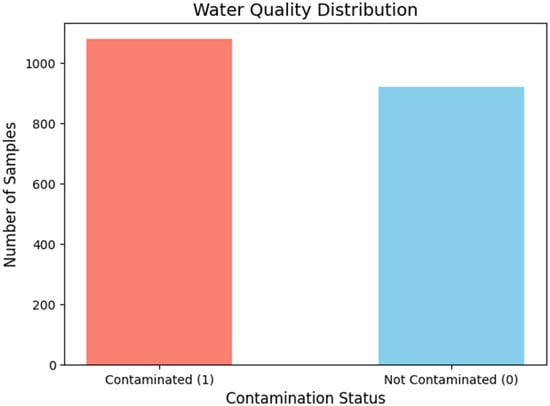
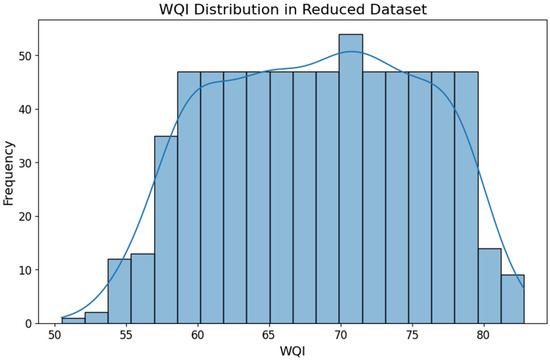
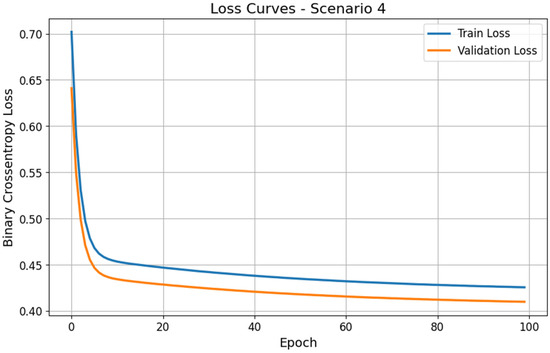
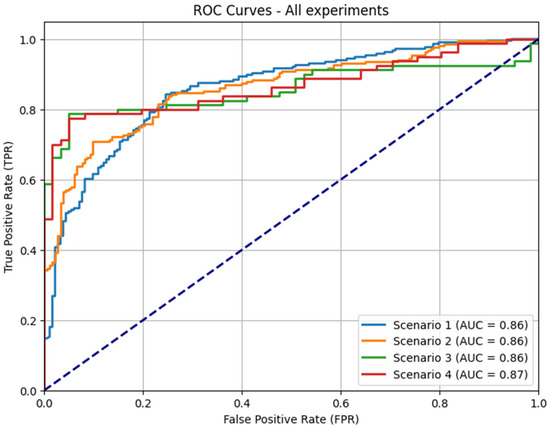
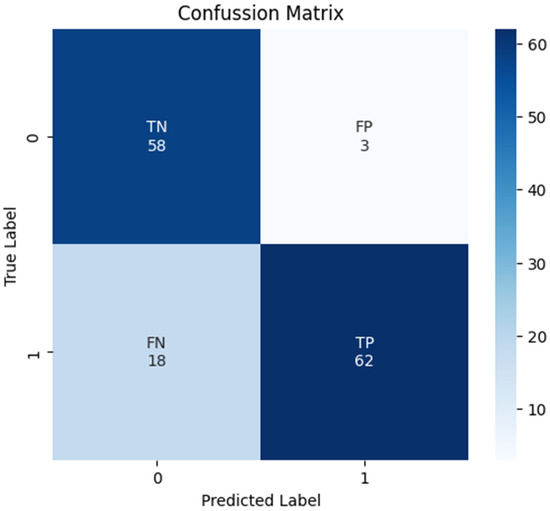
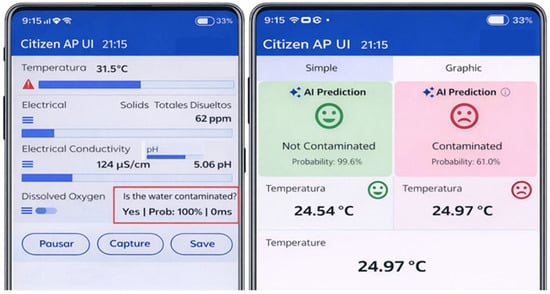
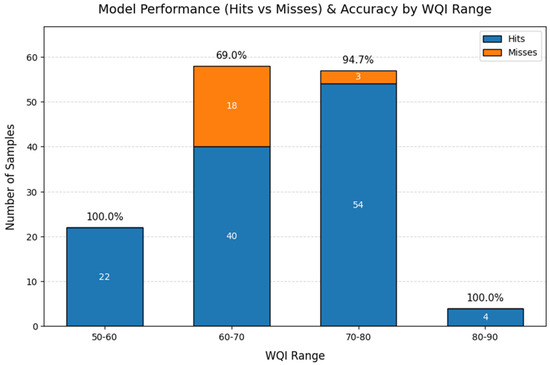
Water quality monitoring remains a critical challenge for achieving Sustainable Development Goal 6, particularly in rural and resource-constrained environments where conventional laboratory-based methods are costly and slow. This study presents the development and field validation of an Artificial Intelligence of Things (AIoT) ecosystem for intelligent, low-cost, and real-time water quality assessment using edge computing and generative artificial intelligence. The system integrates a laboratory-developed multiparameter probe measuring temperature, pH, dissolved oxygen, and electrical conductivity with a mobile application and a cloud-based backend. Field validation was conducted in riverine environments in the municipality of Pueblo Bello (Cesar, Colombia), where the system was deployed for in situ data acquisition and real-time inference. A supervised Artificial Neural Network (ANN) was trained to classify water quality based on a Water Quality Index (WQI) ground truth derived from a public dataset, employing KNN-based missing data imputation, interquartile range outlier filtering, stratified balancing, and grid search hyperparameter optimization. The best-performing model achieved 85.1% accuracy and an AUC of 0.87 using only four physical parameters and was successfully deployed in TensorFlow Lite format on both the embedded probe and the mobile application with sub-millisecond inference time. Integration with a generative AI backend provides contextual natural-language interpretations of measurements. These results demonstrate that reduced-parameter edge AI systems can provide reliable environmental diagnostics while enhancing accessibility and citizen engagement for participatory water monitoring.
Full article
(This article belongs to the Special Issue Sustainable Water and Environmental Technologies of Global Relevance)
►▼
Show Figures

Graphical abstract
Open AccessArticle
Robot-Assisted Omnidirectional Gait Training: Control System Design and Fall Prediction
by
Shuoyu Wang and Taiki Miyaji
Technologies 2026, 14(5), 295; https://doi.org/10.3390/technologies14050295 - 12 May 2026
Abstract
The number of patients with lower-limb dysfunction is increasing each year due to aging, illness, accidents, and other factors. Without timely rehabilitation and rapid recovery of walking function, further physical and mental deterioration may be accelerated, potentially leading to long-term bedriddenness. This study
[...] Read more.
The number of patients with lower-limb dysfunction is increasing each year due to aging, illness, accidents, and other factors. Without timely rehabilitation and rapid recovery of walking function, further physical and mental deterioration may be accelerated, potentially leading to long-term bedriddenness. This study discusses gait training in rehabilitation therapy from the perspectives of kinesiology, cognitive science, walking function, and safety, and an omnidirectional gait training robot was developed. This study proposed a control system construction method for an omnidirectional gait training robot based on both prescription-based training and autonomous training. In the prescription-based training system, the target values are derived from the training prescription, and the control objective is to guide the patient to walk along the robot’s prescribed path and speed. In the autonomous training system, the target values are automatically generated based on the patient’s walking intentions, and the control objective is for the robot to safely follow the patient’s movement. A necessary condition for robot-assisted autonomous gait training is effective fall prevention. A fall prediction strategy based on foot position information and handrail pressure data was developed. Using this strategy, the robot can predict falls immediately before they occur, similar to a physical therapist, thereby reducing the risk of falls during gait training. Experimental results demonstrate the feasibility of implementing this strategy.
Full article
(This article belongs to the Special Issue Assistive Technologies in Care and Rehabilitation: Research, Developments, and International Initiatives—Second Edition)
►▼
Show Figures

Graphical abstract
Open AccessArticle
Modeling and Implementation of a Practical Methodology to Size LCL Filter in a Photovoltaic Park
by
Judith Gálvez-García, Vicente Torres-García, Juan Ramón Rodríguez, José Ángel Barrios and Alberto Cavazos
Technologies 2026, 14(5), 294; https://doi.org/10.3390/technologies14050294 - 12 May 2026
Abstract
►▼
Show Figures
This paper presents a sizing and optimization methodology for LCL filters tailored to high-capacity modular power systems. The approach prioritizes the strategic selection of the resonance frequency, an asymmetric inductance design, and strict harmonic current limits. The methodology is validated through a case
[...] Read more.
This paper presents a sizing and optimization methodology for LCL filters tailored to high-capacity modular power systems. The approach prioritizes the strategic selection of the resonance frequency, an asymmetric inductance design, and strict harmonic current limits. The methodology is validated through a case study simulation of a 126 MW photovoltaic plant in a region of Mexico, analyzing its 2.34 MW inverter architecture. The simulations show that precise capacitor sizing for reactive power management, combined with a passive resistive damping strategy, ensures compliance with grid interconnection standards (IEEE 1547) and power quality standards (IEC 61000). This approach simplifies practical implementation by eliminating the need for complex active damping control algorithms. Additionally, dynamic decoupling is validated through time-domain step responses, and frequency-domain sensitivity analysis confirms robust stability margins even under ±20% variations in passive parameters. Ultimately, the system achieves voltage total harmonic distortion (THD) levels below 0.18%, demonstrating a scalable solution for maintaining grid stability.
Full article

Figure 1
Journal Menu
► ▼ Journal Menu-
- Technologies Home
- Aims & Scope
- Editorial Board
- Reviewer Board
- Topical Advisory Panel
- Instructions for Authors
- Special Issues
- Topics
- Sections & Collections
- Article Processing Charge
- Indexing & Archiving
- Editor’s Choice Articles
- Most Cited & Viewed
- Journal Statistics
- Journal History
- Journal Awards
- Conferences
- Editorial Office
Journal Browser
► ▼ Journal BrowserHighly Accessed Articles
Latest Books
E-Mail Alert
News
Topics
Topic in
Electronics, Future Internet, Technologies, Telecom, Network, Microwave, Information, Signals
Advanced Propagation Channel Estimation Techniques for Sixth-Generation (6G) Wireless Communications
Topic Editors: Han Wang, Fangqing Wen, Xianpeng WangDeadline: 31 May 2026
Topic in
ChemEngineering, Chemistry, Energies, Processes, Sustainability, Technologies
Advances in Green Energy and Energy Derivatives
Topic Editors: Muhammad Sajid, Nisar Ali, Muhammad Farooq, Mairui ZhangDeadline: 20 June 2026
Topic in
Energies, Machines, Modelling, Vehicles, Applied Mechanics, Future Transportation, Technologies
Dynamics, Control and Simulation of Electric Vehicles
Topic Editors: Xiang Chen, Xiangyu Wang, Congzhi LiuDeadline: 30 June 2026
Topic in
AI, Computers, Education Sciences, Societies, Future Internet, Technologies
AI Trends in Teacher and Student Training
Topic Editors: José Fernández-Cerero, Marta Montenegro-RuedaDeadline: 11 July 2026
Conferences
Special Issues
Special Issue in
Technologies
Sustainable Water and Environmental Technologies of Global Relevance
Guest Editor: Miklas ScholzDeadline: 30 May 2026
Special Issue in
Technologies
Application and Management of Blockchain Technologies
Guest Editors: Aref Meddeb, Bacem MbarekDeadline: 31 May 2026
Special Issue in
Technologies
Smart Technologies Shaping the Future of Tourism and Hospitality
Guest Editor: Tamara GajićDeadline: 31 May 2026
Special Issue in
Technologies
Application of Artificial Intelligence in Medical Image Analysis
Guest Editors: Masateru Kawakubo, Tamás HaideggerDeadline: 31 May 2026
Topical Collections
Topical Collection in
Technologies
Selected Papers from the PETRA Conference Series
Collection Editor: Fillia Makedon
Topical Collection in
Technologies
Technology Advances in IoT Learning and Teaching
Collection Editors: Sergio Martin Gutiérrez, George F. Fragulis
Topical Collection in
Technologies
Electrical Technologies
Collection Editors: Valeri Mladenov, Vasiliki Vita
Topical Collection in
Technologies
Review Papers Collection for Advanced Technologies
Collection Editor: Manoj Gupta