
Journal Description
Obesities
Obesities
is an international, peer-reviewed, open access journal on all aspects of obesity published bimonthly online by MDPI.
- Open Access— free for readers, with article processing charges (APC) paid by authors or their institutions.
- High Visibility: indexed within ESCI (Web of Science), Scopus and other databases.
- Rapid Publication: manuscripts are peer-reviewed and a first decision is provided to authors approximately 21.6 days after submission; acceptance to publication is undertaken in 3.3 days (median values for papers published in this journal in the first half of 2026).
- Recognition of Reviewers: APC discount vouchers, optional signed peer review, and reviewer names published annually in the journal.
- Journal Cluster of Food, Nutrition, and Health Science: Beverages, Dietetics, Foods, Nutraceuticals, Nutrients and Obesities.
Impact Factor:
1.6 (2025);
5-Year Impact Factor:
1.6 (2025)
Latest Articles
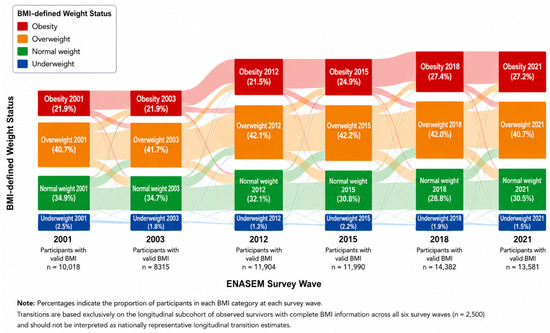
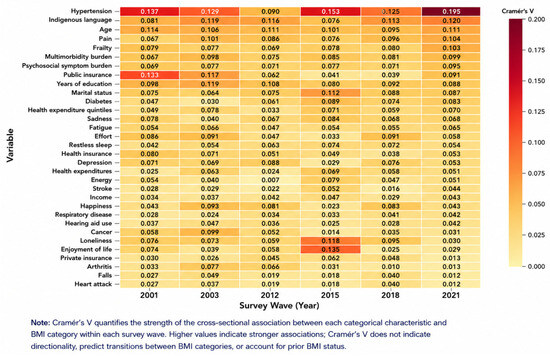
Temporal Patterns and Cross-Sectional Correlates of BMI-Defined Weight Status Among Mexican Adults Aged 50 Years and Older
Obesities 2026, 6(4), 59; https://doi.org/10.3390/obesities6040059 - 11 Aug 2026
Abstract
Background: Fluctuations in body mass index (BMI) have been associated with frailty, functional decline, and increased morbidity and mortality. However, evidence on the longitudinal evolution of weight status in aging populations remains limited. This study aimed to characterize population-level patterns and individual longitudinal
[...] Read more.
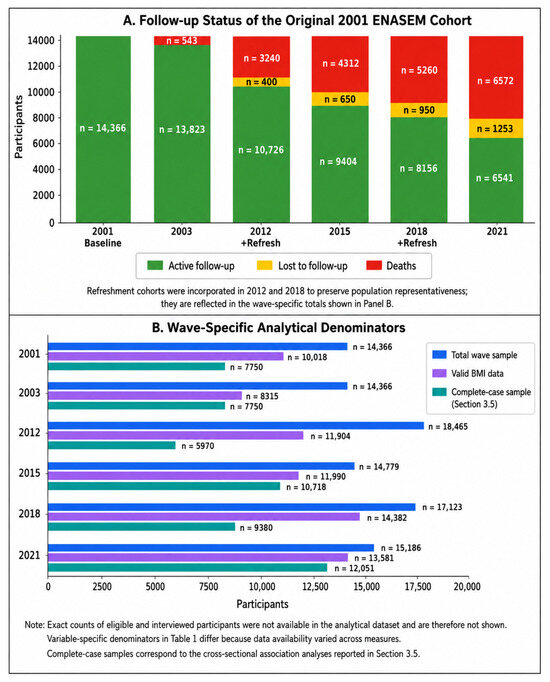
Background: Fluctuations in body mass index (BMI) have been associated with frailty, functional decline, and increased morbidity and mortality. However, evidence on the longitudinal evolution of weight status in aging populations remains limited. This study aimed to characterize population-level patterns and individual longitudinal fluctuations in BMI-defined weight status among Mexican adults aged 50 years and older between 2001 and 2021 and to examine factors associated with BMI categories across survey waves. Methods: This observational study was based on a secondary analysis of data from the Mexican Health and Aging Study (ENASEM). Data from the 2001, 2003, 2012, 2015, 2018, and 2021 survey waves were analyzed. Weight status was classified according to BMI as underweight, normal weight, overweight, or obesity. Differences in weight status were assessed using χ2 tests adjusted for the complex survey design. Results: Most participants remained in the same BMI category during follow-up; however, relevant transitions between categories were observed, particularly between 2001–2003 and 2018–2021. The longitudinal analysis showed that 32% to 38% of individuals changed BMI category between periods. Obesity showed high persistence, whereas overweight showed greater variability. Wave-specific cross-sectional analyses showed that older age was consistently associated with lower BMI-category position, whereas several socioeconomic and clinical characteristics also exhibited cross-sectional associations with BMI category across survey waves. Conclusions: Although the population-level BMI distribution showed relative stability, relevant individual-level fluctuations were observed. Age and several sociodemographic characteristics were associated with differences in weight status patterns.
Full article
(This article belongs to the Special Issue Obesity in the 21st Century: Public Health Perspectives and Population Solutions)
►
Show Figures
Open AccessArticle
Preoperative Factors Including Endoscopic Findings in Predicting Gastroesophageal Reflux Disease (GERD) After Sleeve Gastrectomy: An Observational Cohort Study
by
Justyna Rymarowicz, Mateusz Michalczak, Izabela Powalacz, Jakub Michalczak, Anna Dąbrowska, Józefina Jamsran and Piotr Major
Obesities 2026, 6(4), 58; https://doi.org/10.3390/obesities6040058 - 9 Aug 2026
Abstract
►▼
Show Figures
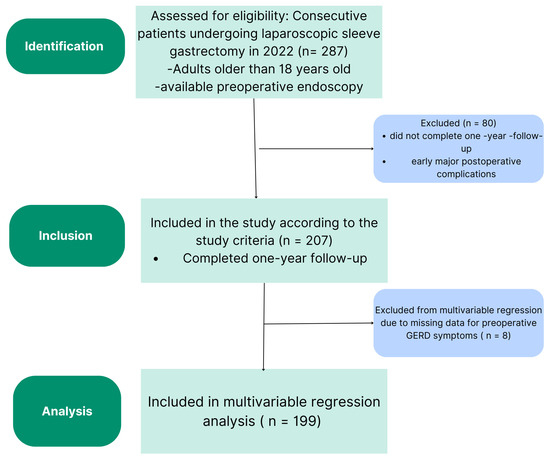
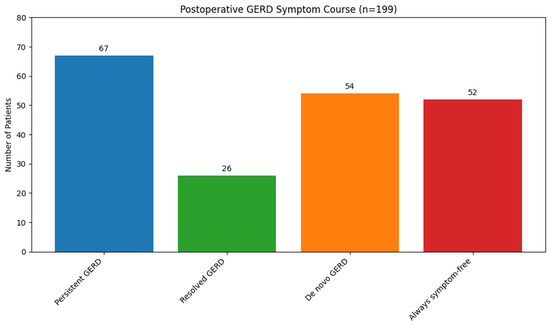
Background: Gastroesophageal reflux disease remains a common postoperative issue after sleeve gastrectomy. This study examined whether preoperative symptoms, clinical factors, and endoscopic findings predict reflux symptoms one year after surgery. Methods: We performed an observational cohort study including 207 patients who underwent sleeve
[...] Read more.
Background: Gastroesophageal reflux disease remains a common postoperative issue after sleeve gastrectomy. This study examined whether preoperative symptoms, clinical factors, and endoscopic findings predict reflux symptoms one year after surgery. Methods: We performed an observational cohort study including 207 patients who underwent sleeve gastrectomy (SG). Preoperative variables included age, sex, BMI, comorbidities, preexisting GERD symptoms, and esophagogastroduodenoscopy (EGD) results. GERD symptoms were evaluated at 1 year. Multivariable logistic regression identified factors associated with GERD after surgery, GERD resolution, and de novo GERD. Results: One year after SG, the prevalence of GERD increased from 45% to 60% (p = 0.003). Preexisting GERD symptoms (OR 2.54 (95% CI 1.39–4.63, p = 0.002) and lower preoperative BMI (OR 0.93; 95% CI 0.88–0.99; p = 0.027) were independently linked to GERD after surgery. Among patients with preoperative GERD, higher preoperative BMI was associated with symptom resolution (OR 1.11; 95% CI 1.03–1.21; p = 0.011). Neither Hill classification nor mild-to-moderate (Los Angeles grade A/B) esophagitis on EGD predicted GERD outcomes. Conclusions: Preexisting GERD symptoms and BMI were the most reliable predictors of GERD after surgery. Preoperative Hill classification and esophagitis showed no significant association in this cohort.
Full article

Figure 1
Open AccessArticle
Bovine Milk Whey Intake in Offspring Rats Shows Restorative Metabolic Effects Against Negative Fetal Programming Induced by Maternal Obesity
by
Brenda Berenice Carranza-Castillo, Sergio Roberto Zamudio-Hernández and Lucia Quevedo-Corona
Obesities 2026, 6(4), 57; https://doi.org/10.3390/obesities6040057 - 6 Aug 2026
Abstract
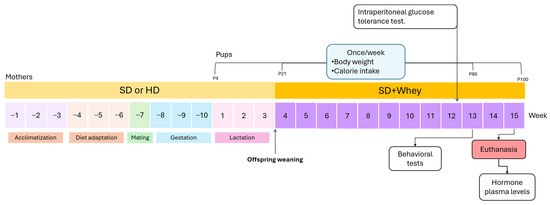
Maternal obesity has been associated with offspring fetal programming, increasing the risk of developing chronic diseases in adulthood, including type 2 diabetes, hypertension, and behavioral disorders such as anxiety and depression. Milk whey (MW) peptides, administered as a supplement, reduce food intake and
[...] Read more.
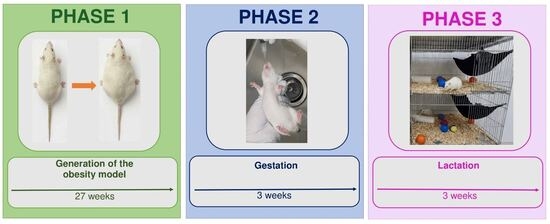
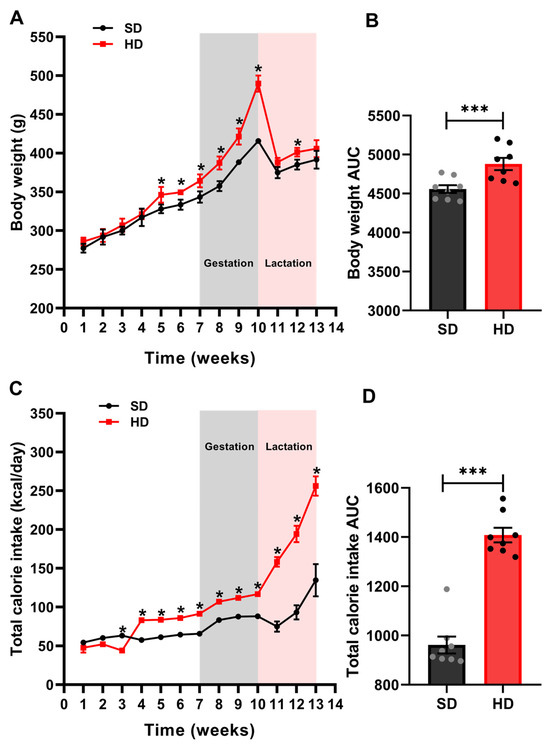
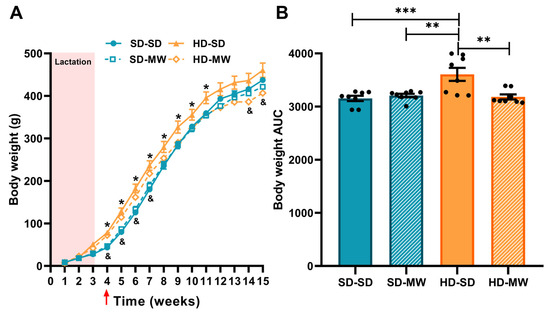
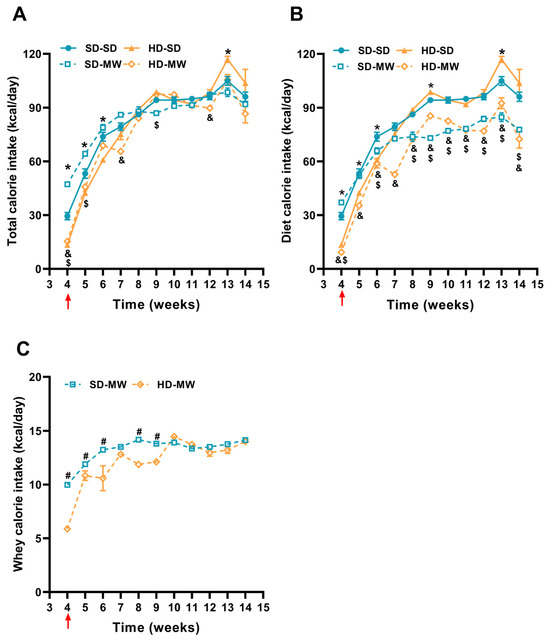
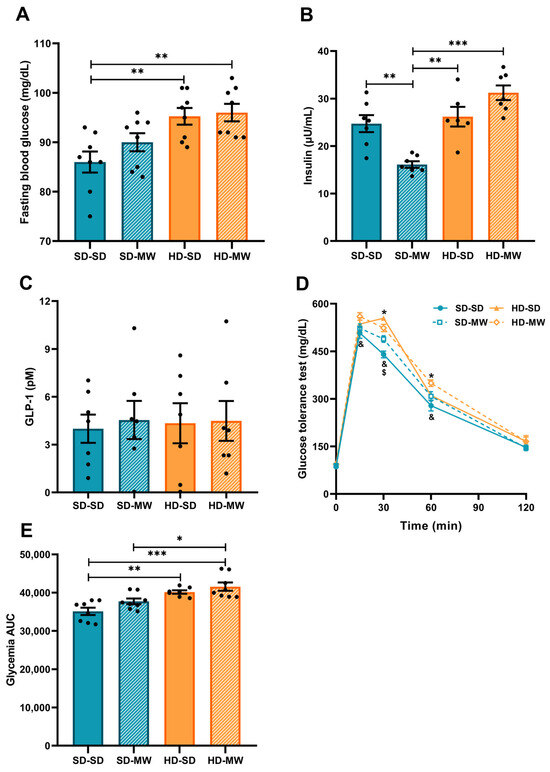
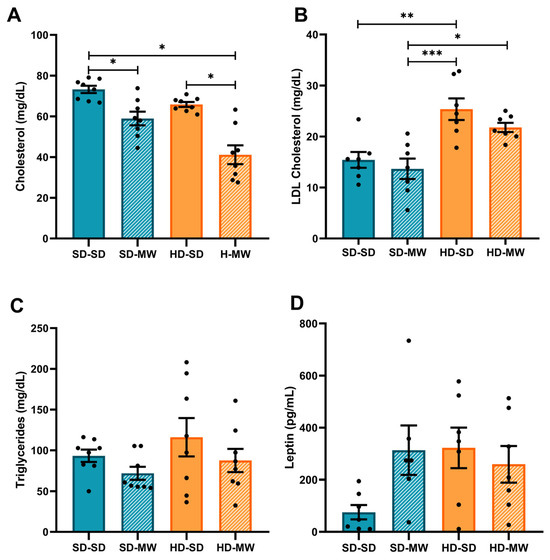
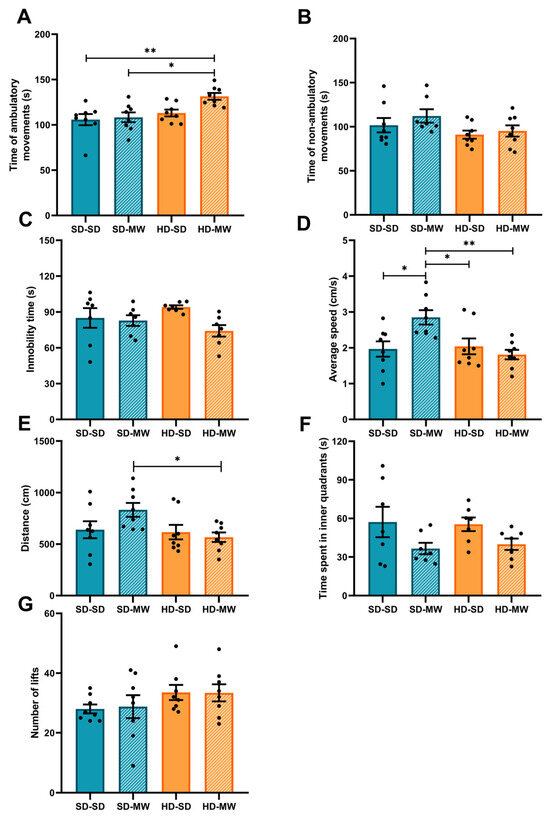
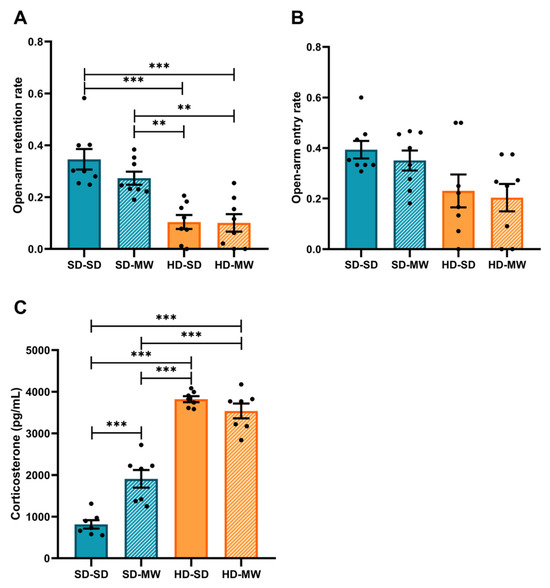
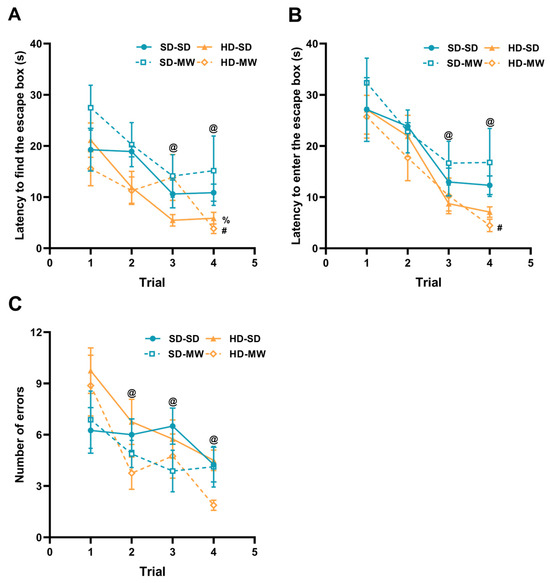
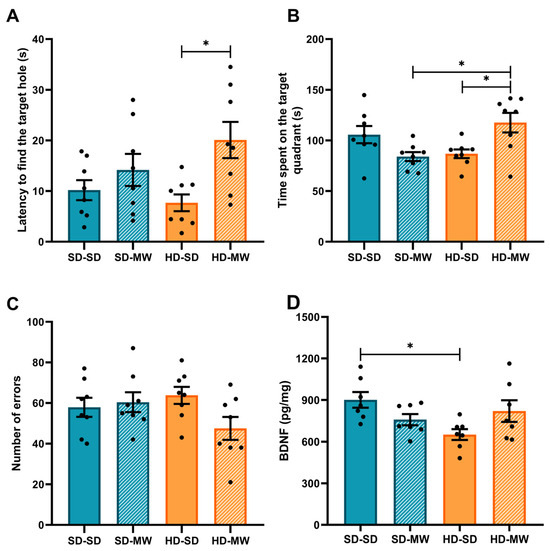
Maternal obesity has been associated with offspring fetal programming, increasing the risk of developing chronic diseases in adulthood, including type 2 diabetes, hypertension, and behavioral disorders such as anxiety and depression. Milk whey (MW) peptides, administered as a supplement, reduce food intake and body weight in overweight rodents. The aim of this work was to study the possible metabolic and behavioral restorative effects of a bovine MW supplement against the negative fetal programming of juvenile offspring. Dam Wistar rats were fed during gestation and lactation with a standard (SD) or a hypercaloric diet (HD); after weaning, the male offspring were fed SD or SD and MW. HD dams showed increases in blood cholesterol, body weight, and calorie intake, while administering MW in offspring from HD mothers reduced these alterations. Serum corticosterone, LDL cholesterol, fasting blood glucose, and glucose intolerance were significantly higher in offspring from HD dams; however, MW did not affect these changes. Offspring from HD dams showed signs of anxiety that were not reversed by MW, as well as a reduction in hippocampal BDNF that was partially restored with MW. Maternal HD consumption during pregnancy and lactation elicited negative developmental programming of adult offspring metabolism, which was partially restored by bovine MW supplementation.
Full article
(This article belongs to the Topic Nutrition, Obesity and Metabolic Diseases)
►▼
Show Figures

Figure 1
Open AccessReview
MicroRNAs and Bariatric/Metabolic Surgery: Biomarkers, Mediators of Metabolic Remission, or Both?
by
Antonina Gerganova-Sirakova, Konstantin Grozdev, Antoaneta Gateva, Radka Kaneva, Iveta Nedeva, Yavor Assyov, Vera Karamfilova, Tsvetan Gatev, Darina Kachakova-Yordanova, Veronika Petkova, Radosveta Bozhilova, Silva Kyurkchiyan, Kristina Sirakova and Zdravko Kamenov
Obesities 2026, 6(4), 56; https://doi.org/10.3390/obesities6040056 - 30 Jul 2026
Abstract
Purpose of Review: Obesity is a growing global health challenge, with severe obesity projected to affect up to 25% of individuals with obesity by 2030. Bariatric surgery remains the most effective treatment, yet the molecular mechanisms underlying its metabolic benefits are not fully
[...] Read more.
Purpose of Review: Obesity is a growing global health challenge, with severe obesity projected to affect up to 25% of individuals with obesity by 2030. Bariatric surgery remains the most effective treatment, yet the molecular mechanisms underlying its metabolic benefits are not fully understood. This review summarizes current evidence on the role of microRNAs in bariatric/metabolic surgery and evaluates their potential as biomarkers and therapeutic targets. Recent Findings: Bariatric surgery induces significant alterations in circulating and tissue-specific miRNA profiles, particularly those involved in glucose metabolism, inflammation, and adipose tissue remodeling. Among the most frequently reported candidates, miR-122, miR-221, miR-27a, miR-126, miR-144, miR-222, miR-223, miR-375, miR-92a, and miR-155 have been associated with weight loss, improved insulin sensitivity, and diabetes remission. Emerging data suggest that these miRNAs may act not only as biomarkers of metabolic recovery but also as regulators of insulin signaling, inflammatory pathways, and adipocyte function. Summary: Current evidence supports a role for miRNAs in the metabolic adaptations observed after bariatric surgery. Although further validation is required, miRNAs show promise as minimally invasive biomarkers for predicting and monitoring treatment response and may provide insight into the molecular mechanisms underlying obesity remission and improvement of obesity-related comorbidities.
Full article
Open AccessArticle
Effect of Supplementing Physical Rehabilitation with Electrostimulation in People with Obesity: A Randomized Controlled Trial
by
Lena Seite, Mélodie Garot, Madeline Gate, Cristian Preda, Marion Buyse and Marie-André Salaun
Obesities 2026, 6(4), 55; https://doi.org/10.3390/obesities6040055 - 17 Jul 2026
Abstract
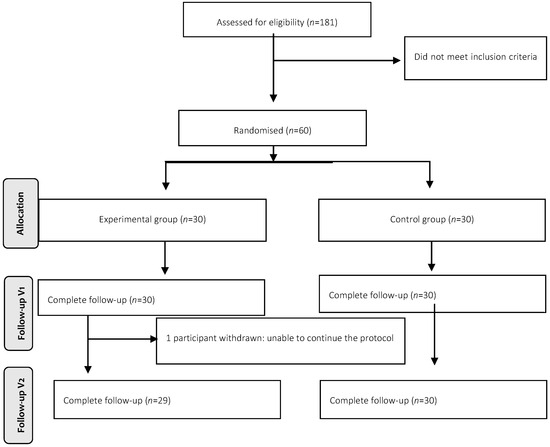
Background: Regular physical activity is recommended for obesity management, but adherence remains difficult for many patients. Neuromuscular electrical stimulation (EMS) has been proposed as an adjunctive intervention. Methods: In this prospective, single-center, randomized controlled trial, adults with severe or morbid obesity (BMI ≥
[...] Read more.
Background: Regular physical activity is recommended for obesity management, but adherence remains difficult for many patients. Neuromuscular electrical stimulation (EMS) has been proposed as an adjunctive intervention. Methods: In this prospective, single-center, randomized controlled trial, adults with severe or morbid obesity (BMI ≥ 35 kg/m2) enrolled in a three-week inpatient rehabilitation program were randomized 1:1 to rehabilitation program alone (control group) or rehabilitation supplemented with EMS (5 sessions/week, 20 min/session, 75 Hz). Outcomes assessed at admission and discharge included body composition, lipid and glucose metabolism, continuous glucose monitoring, physical capacity, quality of life, adherence, and safety. Results: Both groups showed significant improvements in BMI, waist circumference, body composition, lipid and carbohydrate profiles, and physical performance assessed by the 6 min walk test, without significant between-group differences. BMI decreased by −0.9 kg/m2 in controls and −1.2 kg/m2 in the EMS group (both p < 0.001). Waist circumference also decreased significantly in both groups. EMS showed a potential effect on continuous glucose monitoring parameters, but this was no longer significant after adjustment for diabetes status. Conclusions: Adding EMS to inpatient rehabilitation did not provide additional benefits for weight loss or body composition.)
Full article
(This article belongs to the Special Issue Exercise and Obesity Beyond Caloric Expenditure: Insights from Clinical and Tactical Populations)
►▼
Show Figures

Figure 1

Open AccessArticle
From Rejection to Reimbursement: Innovative Strategies for Access to Anti-Obesity Pharmacotherapy in Mexico
by
Alberto Retana-Guzman, Eunice Carpio-Macedo, Juan Carlos Garnica-Cuellar, Horacio Marquez-González and Jessie Nallely Zurita-Cruz
Obesities 2026, 6(4), 54; https://doi.org/10.3390/obesities6040054 - 17 Jul 2026
Abstract
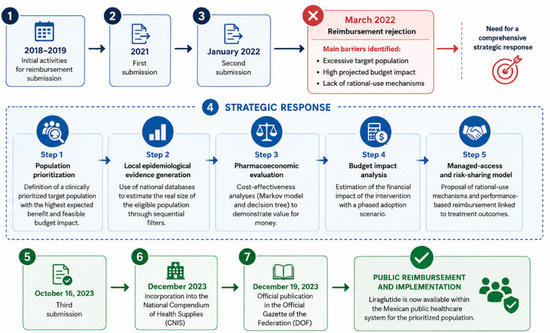
Background: Access to anti-obesity pharmacotherapy within publicly funded healthcare systems remains limited because of concerns regarding affordability, budget impact, and appropriate patient selection. This study describes the methodological and strategic process that enabled the incorporation and public reimbursement of anti-obesity pharmacotherapy for obesity
[...] Read more.
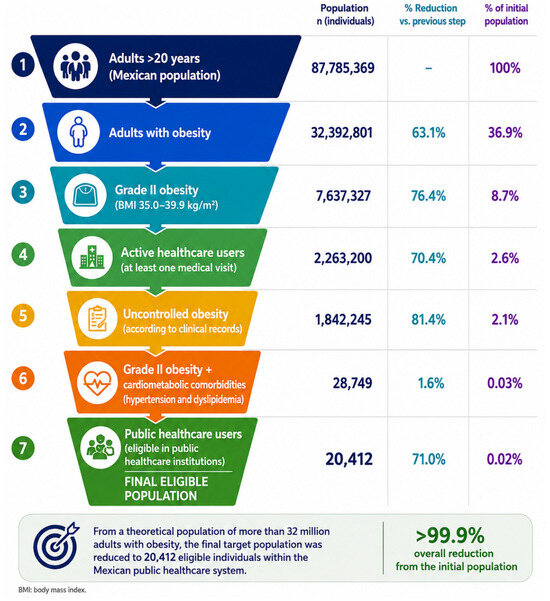
Background: Access to anti-obesity pharmacotherapy within publicly funded healthcare systems remains limited because of concerns regarding affordability, budget impact, and appropriate patient selection. This study describes the methodological and strategic process that enabled the incorporation and public reimbursement of anti-obesity pharmacotherapy for obesity management within the Mexican public healthcare system. Methods: A descriptive health policy and market-access analysis was conducted. The reimbursement strategy included five sequential phases: identification of reimbursement barriers, definition of a clinically prioritized target population through expert consensus, generation of local epidemiological evidence, development of pharmacoeconomic and budget impact analyses, and implementation of managed-access and risk-sharing mechanisms. Results: Initial reimbursement attempts were unsuccessful because of concerns regarding the large size of the potentially eligible population and projected budget impact. Sequential application of epidemiological, clinical, and healthcare utilization criteria reduced the potential candidate population from 32,392,801 adults with obesity to 20,412 eligible patients receiving care within public healthcare institutions. Pharmacoeconomic analyses demonstrated favorable cost-effectiveness, while budget impact analyses estimated an average annual investment of MXN $286 million, representing less than 1% of the national pharmaceutical budget over five years. These findings supported the development and regulatory approval of a managed-access strategy that subsequently enabled the incorporation of anti-obesity pharmacotherapy into the National Compendium of Health Supplies in December 2023. Conclusions: Combining local epidemiological evidence, population prioritization, pharmacoeconomic evaluation, and innovative reimbursement mechanisms enabled public access to anti-obesity pharmacotherapy in Mexico. This framework may serve as a model for improving access to obesity therapies in middle-income countries.
Full article
(This article belongs to the Special Issue Obesity in the 21st Century: Public Health Perspectives and Population Solutions)
►▼
Show Figures

Figure 1
Open AccessArticle
Translation and Initial Psychometric Evaluation of a Korean Version of the Modified Weight-Bias Internalization Scale (K-WBIS) in Korean Adult Women
by
Si Woo Chae, Katrina T. Obleada and Janet D. Latner
Obesities 2026, 6(4), 53; https://doi.org/10.3390/obesities6040053 - 16 Jul 2026
Abstract
Research has examined the negative consequences of internalized weight bias on mental health (e.g., disordered eating, depression, anxiety). In South Korea’s patriarchal society, appearance rather than ability or talent is considered the principal determinant of a woman’s success, as evidenced by high rates
[...] Read more.
Research has examined the negative consequences of internalized weight bias on mental health (e.g., disordered eating, depression, anxiety). In South Korea’s patriarchal society, appearance rather than ability or talent is considered the principal determinant of a woman’s success, as evidenced by high rates of cosmetic surgery and anti-fat bias. Given strict appearance norms and pervasive weight stigma, we developed a Korean version of the Modified Weight Bias Internalization Scale (K-WBIS), examined its psychometric properties, and explored its associations with other established measures. Confirmatory factor analysis was used to assess the factor structure. An item was removed, and a revised 10-item one-factor model was estimated. The final model demonstrated an acceptable incremental model fit indices (CFI = 0.934, TLI = 0.909, SRMR = 0.047), although RMSEA remained elevated (RMSEA = 0.163). The 10-item K-WBIS demonstrated promising psychometric properties in a sample of South Korean adult women. Findings provide preliminary support for the K-WBIS and warrant further evaluation in larger and more diverse Korean-speaking populations.
Full article
Open AccessSystematic Review
Effects of Aquatic Exercise Training on Cardiovascular Functions and Cardiometabolic Risk Factors in Overweight and Obese Individuals: A Systematic Review and Meta-Analysis of Randomized Controlled Trials
by
Iqbal Ali Shah, Farhan Yousaf, Shahid Ishaq, Shin-Da Lee and Bor-Tsang Wu
Obesities 2026, 6(4), 52; https://doi.org/10.3390/obesities6040052 - 14 Jul 2026
Abstract
►▼
Show Figures
Excess adiposity increases cardiovascular and cardiometabolic risks, while aquatic exercise may reduce mechanical barriers to participation. This systematic review and meta-analysis examined aquatic exercise training in individuals with overweight or obesity. PubMed, Web of Science, and the Cochrane Library were searched through to
[...] Read more.
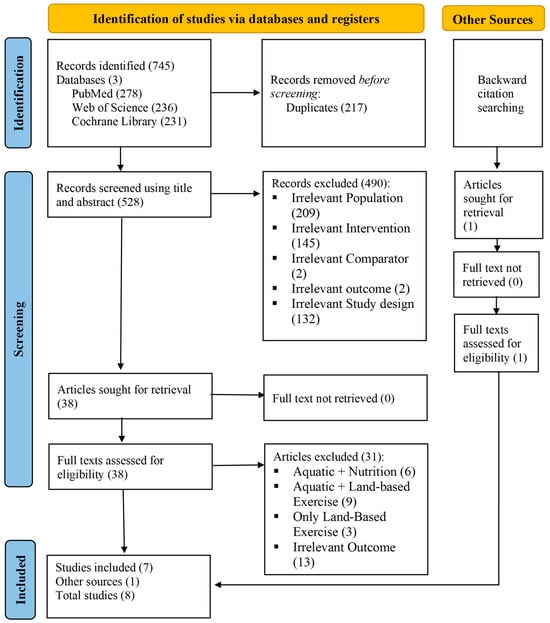
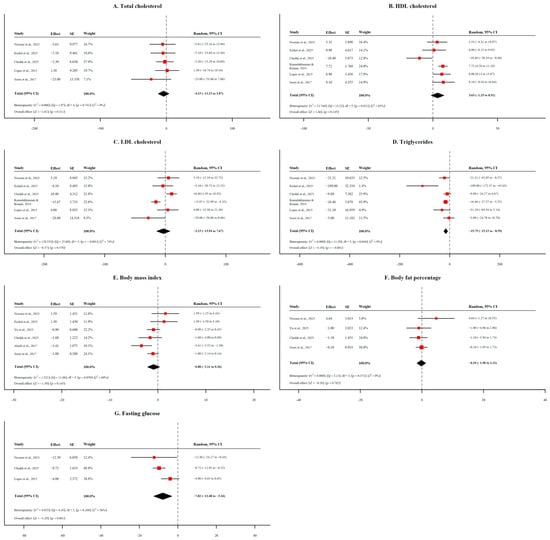
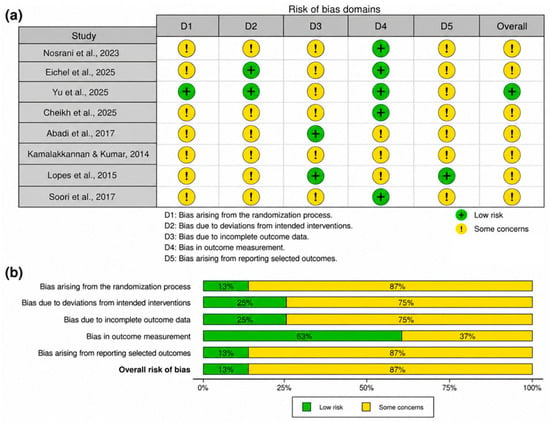
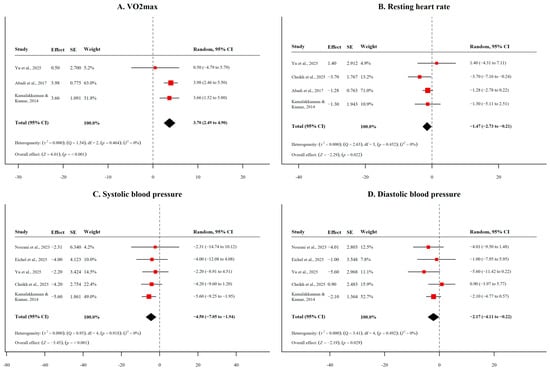
Excess adiposity increases cardiovascular and cardiometabolic risks, while aquatic exercise may reduce mechanical barriers to participation. This systematic review and meta-analysis examined aquatic exercise training in individuals with overweight or obesity. PubMed, Web of Science, and the Cochrane Library were searched through to June 2026. Eight randomized controlled trials involving 295 participants were included. Random-effects meta-analyses showed increased VO2 max (MD 3.70 mL·kg−1·min−1, 95% CI 2.49–4.90; p < 0.001) and lower resting heart rate (MD −1.47 beats/min, 95% CI −2.73 to −0.21), systolic blood pressure (MD −4.50 mmHg, 95% CI −7.05 to −1.94), diastolic blood pressure (MD −2.17 mmHg, 95% CI −4.11 to −0.22), triglycerides (MD −15.75 mg/dL, 95% CI −23.12 to −8.39), and fasting glucose (MD −7.82 mg/dL, 95% CI −12.48 to −3.16). No significant pooled effects were observed for total cholesterol, HDL cholesterol, LDL cholesterol, BMI, or body fat percentage. Evidence certainty ranged from low to very low. Aquatic exercise may improve selected cardiovascular and metabolic outcomes, although small samples and heterogeneity limit confidence. Future research must focus on high-quality RCTs to further confirm these findings. PROSPERO: CRD420261340445.
Full article

Figure 1
Open AccessArticle
Real-World Self-Reported Weight Loss During the Use of a Lifestyle Therapy Prescription Digital Therapeutic in Adults with Obesity and Self-Reported Cardiovascular Risk Factors or Cardiovascular Disease
by
Kathleen Wiencke, Romina Zimmermann, Annika Gentz, Sara Clever, Saemundur J. Oddsson, Till Hasenberg, David O. Arnar and Andrew Grannell
Obesities 2026, 6(4), 51; https://doi.org/10.3390/obesities6040051 - 11 Jul 2026
Abstract
►▼
Show Figures
Obesity is a risk factor in cardiovascular disease (CVD), and scalable treatment approaches are needed in routine care. The aim of this retrospective observational study was to investigate self-reported weight change during the use of a prescription digital therapy for multimodal lifestyle therapy
[...] Read more.
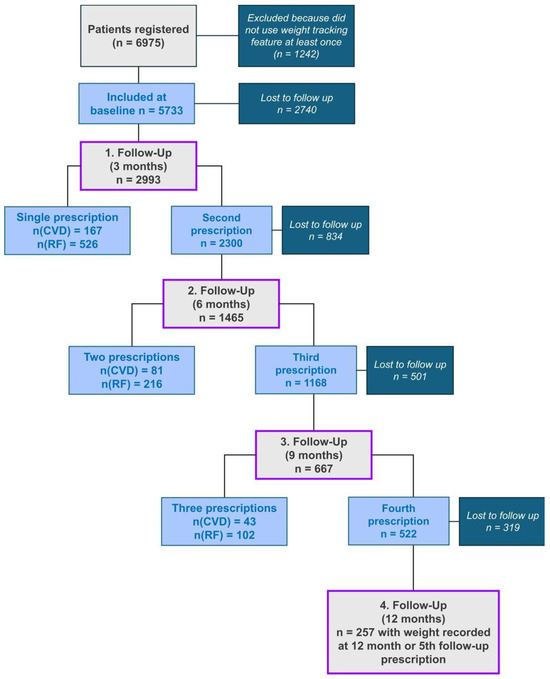
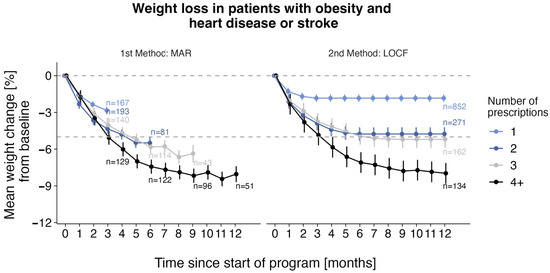
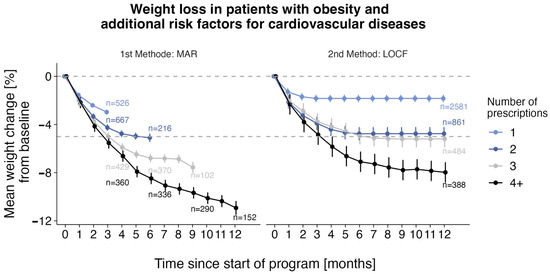
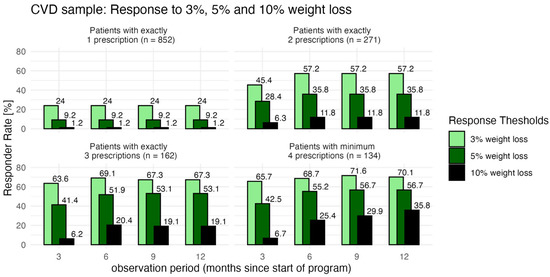
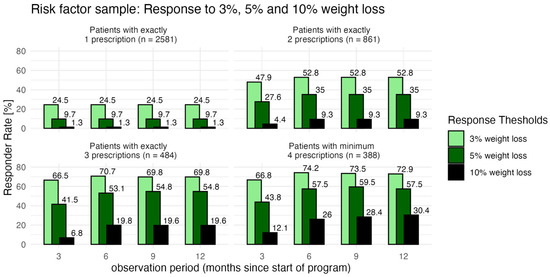
Obesity is a risk factor in cardiovascular disease (CVD), and scalable treatment approaches are needed in routine care. The aim of this retrospective observational study was to investigate self-reported weight change during the use of a prescription digital therapy for multimodal lifestyle therapy for obesity. Adults with obesity and self-reported CVD risk factors (n = 4314) or self-reported established CVD (n = 1418) prescribed zanadio for up to 12 months were included. The primary outcome was percentage change in self-reported body weight over time. Clinically meaningful weight loss (≥5%) was observed in patients on continued prescriptions, with greater weight loss observed in patients with prolonged program exposure. The results were directionally consistent across analyses that used a randomly missing approach and a sensitivity analysis with the last observation forward, although estimates varied in magnitude. Interpretation of this data in a real-world setting is limited by self-reported weight and comorbidity data, attrition which is typical for weight loss programs in the reality of care, and uncertainty about the mechanism of missing data. These results suggest that zanadio may support clinically meaningful self-reported weight loss in patients continuing treatment, but further studies linking clinical data and with longer follow-up are needed.
Full article

Figure 1
Open AccessArticle
Spousal Obesity Concordance in Male-Headed Cohabiting Couples in Peru: A Cross-Sectional DHS Analysis
by
Holly E. Delgado-Toro, Jhonatan Cusma-Regalado, Jhosmer Ballena-Caicedo, Kevin Cusma-Regalado, Fiorella E. Zuzunaga-Montoya and Víctor Juan Vera-Ponce
Obesities 2026, 6(4), 50; https://doi.org/10.3390/obesities6040050 - 9 Jul 2026
Abstract
Obesity is a major public health problem in Peru. Cohabiting couples may show obesity clustering because of partner selection, shared household routines, and broader structural exposures. This study aimed to describe spousal similarity in body mass index (BMI) and obesity status among DHS-eligible
[...] Read more.
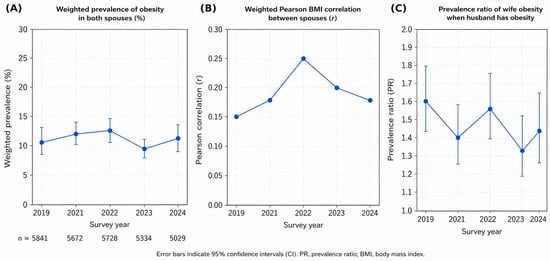
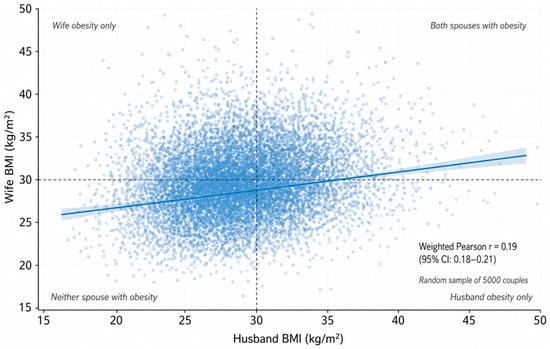
Obesity is a major public health problem in Peru. Cohabiting couples may show obesity clustering because of partner selection, shared household routines, and broader structural exposures. This study aimed to describe spousal similarity in body mass index (BMI) and obesity status among DHS-eligible male-headed cohabiting couples in Peru and to examine variation across sociodemographic subgroups. We conducted a cross-sectional analysis of DHS 2019 and 2021–2024, excluding 2020. The study included heterosexual cohabiting couples in which the man was the household head aged ≥ 18 years and the woman was the spouse/partner aged 15–49 years, with anthropometric measurements available for both. BMI was calculated from measured weight and height; obesity was defined as BMI ≥ 30 kg/m2. We accounted for the complex survey design and used Pearson correlations, weighted kappa statistics, and Poisson regression with robust variance to estimate crude and exploratory adjusted prevalence ratios (PRs) for obesity clustering. The final analytic sample included 27,604 couples. Obesity prevalence was 25.8% in husbands and 33.3% in wives. Overall, 52.1% of couples had neither spouse with obesity, 14.5% had only the husband with obesity, 22.0% had only the wife with obesity, and 11.3% had obesity in both spouses. BMI correlation between spouses was r = 0.19 (95% CI: 0.18–0.21), the weighted kappa for BMI categories was 0.17, and the crude PR for wife obesity given husband obesity was 1.47 (95% CI: 1.39–1.56). In exploratory adjusted models, the PR for wife obesity given husband obesity was 1.34 (95% CI: 1.26–1.41), and the reverse PR for husband obesity given wife obesity was 1.39 (95% CI: 1.31–1.49). Observed concordance was somewhat stronger in urban, coastal, and wealthier subgroups but remained modest overall. Among DHS-eligible heterosexual cohabiting couples in Peru, restricted to male household heads and female spouses/partners aged 15–49 years, obesity showed positive but modest spousal concordance. These findings support cautious incorporation of couple-level perspectives into obesity surveillance and future research, but they do not establish causal mechanisms or demonstrate the effectiveness of couple-based screening or interventions.
Full article
(This article belongs to the Topic Dietary Habits in Liver Health and Disease: Preclinical and Clinical Studies)
►▼
Show Figures

Figure 1

Open AccessArticle
Associations Between the Maternal Blood Microbiome During Pregnancy and Early Childhood Growth Trajectories: A Pilot Study
by
Qi Zhao, Chi-Yang Chiu, Luhang Han, Anna Joy G. Rogers, Jiawang Liu, Kaja Z. LeWinn and Nicole R. Bush
Obesities 2026, 6(4), 49; https://doi.org/10.3390/obesities6040049 - 8 Jul 2026
Abstract
►▼
Show Figures
Objective: Maternal blood microbiome signatures during pregnancy have been linked to adverse birth outcomes. We conducted a pilot study to examine whether they are also associated with early childhood growth in offspring and to explore maternal metabolites as potential mediators of these relationships.
[...] Read more.
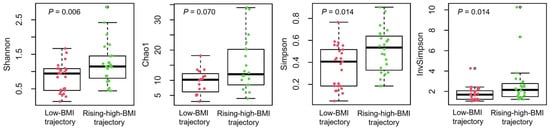
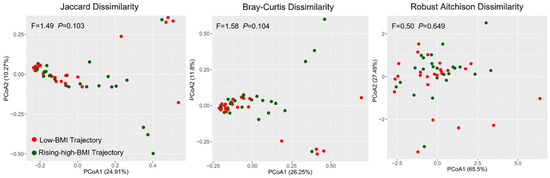
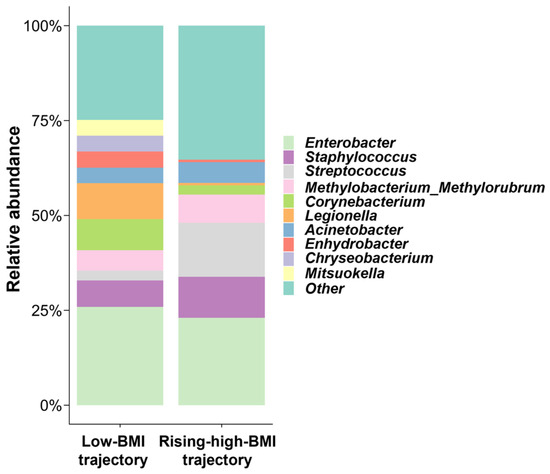
Objective: Maternal blood microbiome signatures during pregnancy have been linked to adverse birth outcomes. We conducted a pilot study to examine whether they are also associated with early childhood growth in offspring and to explore maternal metabolites as potential mediators of these relationships. Methods: This study included 50 mother-child dyads from a prospective pregnancy cohort. Children were selected based on distinct body mass index (BMI) growth trajectories from birth to 4 years, including 25 children in a rising-high-BMI trajectory and 25 in a low-BMI trajectory. Maternal plasma collected during the second trimester underwent 16S rRNA gene sequencing for microbial profiling and an untargeted metabolomics analysis. Microbial diversity indices were compared between groups. Multivariable logistic regression models assessed associations between microbial taxa and BMI trajectories with adjustment for covariates. Mediation analyses evaluated whether maternal metabolites mediated observed associations. Results: Higher maternal blood microbial α-diversity was observed among mothers of children in the rising-high-BMI trajectory. Greater abundance of Gammaproteobacteria/Proteobacteria (class/phylum) was associated with lower odds of membership in the rising-high-BMI trajectory, whereas Bacteroidia/Bacteroidota and Actinobacteria/Actinobacteriota were associated with a greater risk. Mediation analyses identified several maternal metabolites that potentially linked prenatal microbial taxa to child growth outcomes. Key mediators included metabolites involved in benzoate metabolism (e.g., 4-vinylphenol sulfate for taxa Gammaproteobacteria/Proteobacteria), lipid metabolism (e.g., 1-linoleoyl-GPG (18:2) for Bacteroidia/Bacteroidota), glutathione metabolism (cysteinylglycine disulfide for Bacteroidia/Bacteroidota), branched-chain amino acid metabolism (3-hydroxy-2-ethylpropionate for Bacteroidia/Bacteroidota), histidine metabolism (imidazole propionate for Actinobacteria/Actinobacteriota), and TCA cycle (glutaconate for Actinobacteria/Actinobacteriota). These pathways are implicated in oxidative stress, adipocyte differentiation, insulin signaling, and energy metabolism, processes that are highly relevant to obesity development. Conclusion: Findings suggest that prenatal blood microbial signatures may influence early childhood growth through metabolic pathways related to obesity. These pilot study findings support further investigation into the role of prenatal blood microbial signatures in child development and health outcome prediction in larger studies.
Full article

Figure 1
Open AccessArticle
Influence of Latinx Fathers’ Behaviors, Cognitions, Affect, and Family Congruence on Youth Energy Balance-Related Health Outcomes
by
Matthew R. Rodriguez, Ghaffar Ali Hurtado Choque, Kevin Roy and Marla Reicks
Obesities 2026, 6(4), 48; https://doi.org/10.3390/obesities6040048 - 8 Jul 2026
Abstract
►▼
Show Figures
Obesity is a critical public health issue in the United States, which disproportionately affects Latinx youth compared to youth in other racial/ethnic groups. While research suggests fathers can influence their children’s dietary intake and physical activity behaviors, few studies have included fathers in
[...] Read more.
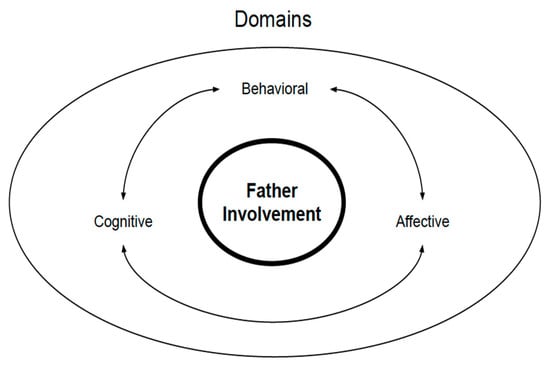
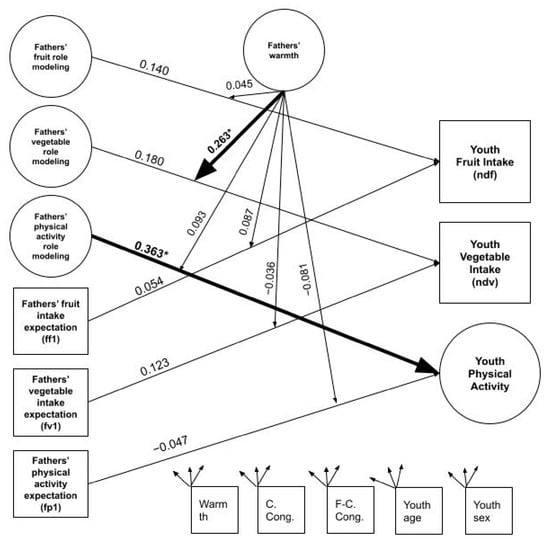
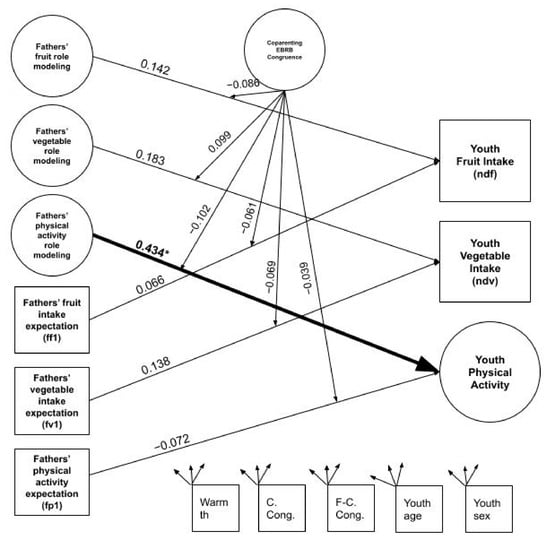
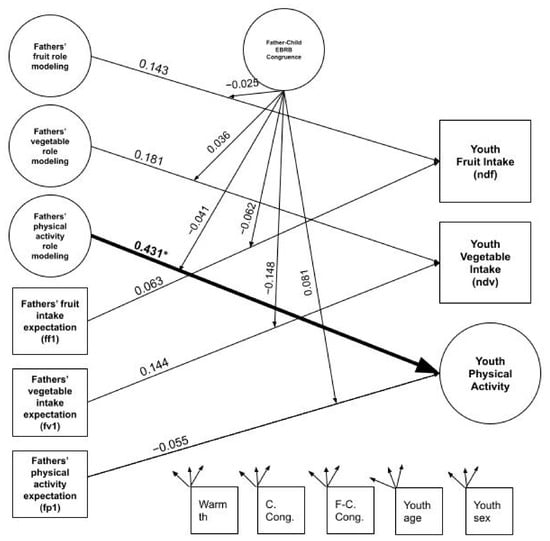
Obesity is a critical public health issue in the United States, which disproportionately affects Latinx youth compared to youth in other racial/ethnic groups. While research suggests fathers can influence their children’s dietary intake and physical activity behaviors, few studies have included fathers in pediatric obesity studies and examined what mechanisms shape youth health outcomes. A greater understanding about fathers’ role modeling and expectations for their youth can provide critical evidence in addressing Latinx youth health outcomes. This research examined the extent to which fathers’ role modeling, expectations, family congruence, and warmth relate to youth energy balance-related behaviors. This study used cross-sectional data collected at baseline before Latinx fathers and children entered an obesity prevention program (n = 193). Latent moderation structural analyses tested the theorized pathways based on Palkovitz’s conceptual framework of father involvement, including youth age and sex as covariates. Fathers’ physical activity role modeling significantly predicted youth moderate-to-vigorous physical activity, p = 0.002. Fathers’ warmth significantly moderated vegetable role modeling, = 0.263, p = 0.019. By testing Palkovitz’s conceptual framework of father involvement, this study increases the understanding about the theorized pathways between fathers’ role modeling/expectations and youth health outcomes.
Full article

Figure 1
Open AccessArticle
The Influence of Emotional Dysregulation on Bariatric Surgery Outcome: A 2-Year Observational Study
by
Margherita Barbuti, Giulia Carignani, Francesco Weiss, Andrea Bordacchini, Claudia Carmassi, Alba Calderone, Ferruccio Santini and Giulio Perugi
Obesities 2026, 6(4), 47; https://doi.org/10.3390/obesities6040047 - 2 Jul 2026
Abstract
►▼
Show Figures
Background: Bariatric surgery is the most effective long-term treatment for severe obesity; however, a subset of patients fails to achieve optimal weight loss. This study investigated the role of psychiatric disorders and transdiagnostic psychopathological traits in predicting weight loss outcomes two years after
[...] Read more.
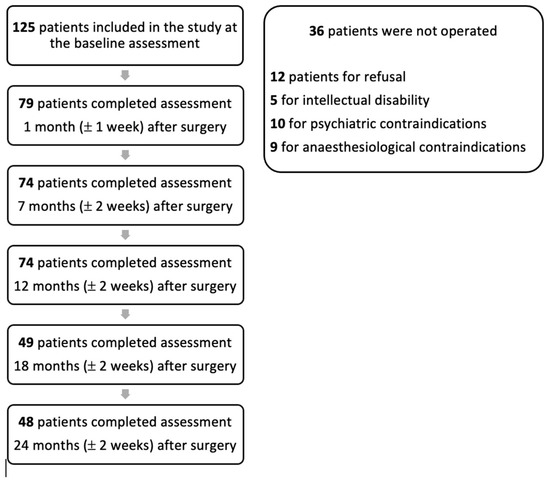
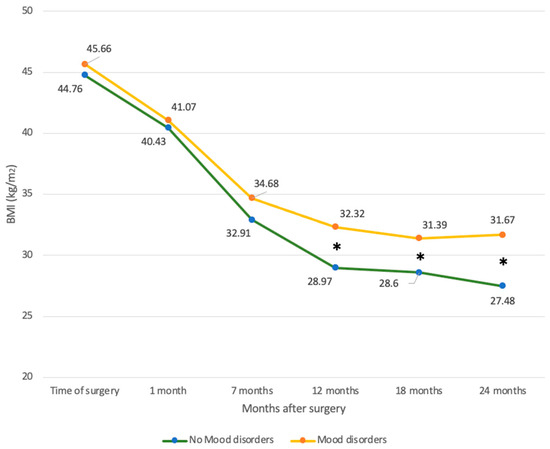
Background: Bariatric surgery is the most effective long-term treatment for severe obesity; however, a subset of patients fails to achieve optimal weight loss. This study investigated the role of psychiatric disorders and transdiagnostic psychopathological traits in predicting weight loss outcomes two years after surgery. Methods: This prospective naturalistic study included 125 consecutive bariatric surgery candidates undergoing routine preoperative psychiatric assessment. Psychiatric comorbidities, emotional dysregulation and ADHD-related dimensions were assessed using structured clinical interviews and self-report questionnaires. Weight outcomes were evaluated at 24 months after bariatric surgery, with post-surgical inadequate weight loss defined as percentage of excess weight loss (%EWL) < 50%. Results: Of the 125 patients initially assessed, 89 underwent bariatric surgery and 48 completed the follow-up. At 24 months, 10 patients (20.8%) showed inadequate weight loss. Poorer weight outcomes were associated with older age, sleeve gastrectomy, and lifetime mood disorders, whereas no significant associations emerged with anxiety disorders or binge eating disorder. Patients with inadequate weight loss showed higher levels of emotional dysregulation, while no differences emerged for other ADHD-related dimensions. Emotional dysregulation remained significantly associated with poorer weight outcomes in multivariate analysis. Conclusions: Emotional dysregulation may represent a transdiagnostic factor influencing bariatric surgery outcomes, supporting the importance of integrating emotional and cognitive dimensions into preoperative assessment and postoperative care.
Full article

Figure 1
Open AccessArticle
Determinants of Clinically Significant Weight Loss Among People with Obesity: The Roles of Healthcare Engagement, Motivation, and Comorbidities
by
Assim A. Alfadda, Arthur C. Isnani, Mahmoud Shams Eldin, Salini Scaria Joy, Hadeel M. Awwad, Othman M. Othman, Heba Elkhateb and Kenneth Domero
Obesities 2026, 6(4), 46; https://doi.org/10.3390/obesities6040046 - 29 Jun 2026
Abstract
Background: A 5–10% weight loss has shown significant clinical improvements in the overall well-being of people with obesity (PwO). This study investigated the characteristics of PwO, their interaction with healthcare providers (HCP), associated comorbid conditions, and how these factors influence greater weight loss.
[...] Read more.
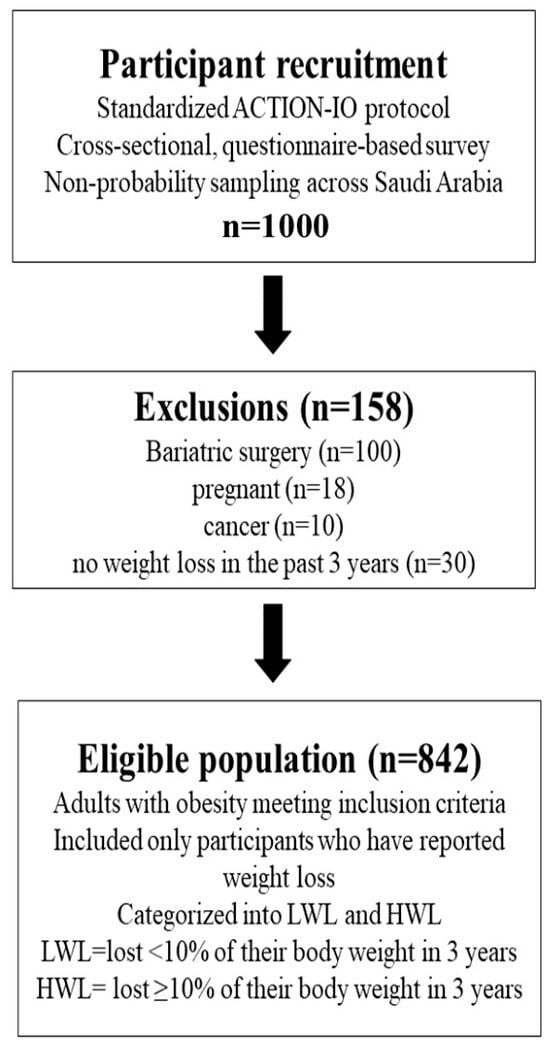
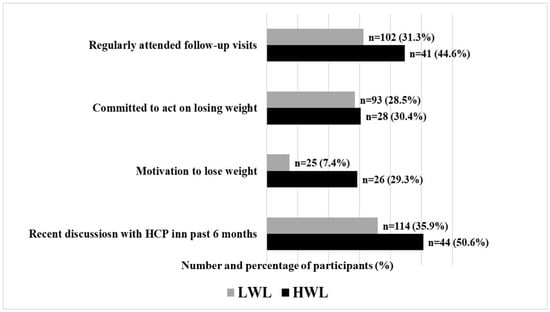
Background: A 5–10% weight loss has shown significant clinical improvements in the overall well-being of people with obesity (PwO). This study investigated the characteristics of PwO, their interaction with healthcare providers (HCP), associated comorbid conditions, and how these factors influence greater weight loss. Methods: A cross-sectional analysis of PwO aged ≥ 18 years using data from the Saudi Arabia Awareness, Care and Treatment in Obesity Management (ACTION-IO) study. We evaluated the relationship between PwO who achieved 5 to <10% weight loss (LWL) and those who achieved ≥10% weight loss (HWL) during the preceding 3 years. Owing to the cross-sectional design, associations rather than causal relationships were evaluated between participant characteristics and clinically significant weight loss. Results: A total of 842 PwO were surveyed, 133 (15.8%) had HWL, and 709 (84.2%) had a weight loss of <10% within 3 years (LWL). HWL was observed in individuals with cardiovascular disease and depression/anxiety, as well as those who were motivated and committed to weight-loss interventions. PwO who had LWL had fewer interactions with their HCP and had a lack of support from friends and family. After adjustment for demographic factors, exercise, and weight-loss medication use, having discussed weight management with a healthcare provider within the previous 6 months (OR = 2.525, 95% CI = 1.692–3.768, p < 0.001), commitment to weight-loss action (OR = 1.572, 95% CI = 1.071–2.309, p = 0.021), cardiovascular disease (OR = 2.496, 95% CI = 1.175–5.300, p = 0.020), and depression/anxiety (OR = 2.734, 95% CI = 1.605–4.655, p < 0.001) were independently associated with achieving ≥10% weight loss. Conclusion: Greater weight loss was associated with more frequent discussions with healthcare providers, higher motivation and commitment to weight-loss efforts, and stronger family support. Cardiovascular disease and depression/anxiety were also independently associated with clinically significant weight loss. These findings identify factors associated with successful weight loss that warrant further investigation in longitudinal studies.
Full article
(This article belongs to the Special Issue Obesity and Its Comorbidities: Prevention and Therapy 2026)
►▼
Show Figures

Figure 1

Open AccessReview
Ultra-Processed Food Consumption and Obesity and Adiposity Among Young Adults: A Narrative Review of Recent Evidence
by
Juman Yaghi, Narmeen Al-Awwad and Reema Tayyem
Obesities 2026, 6(4), 45; https://doi.org/10.3390/obesities6040045 - 28 Jun 2026
Abstract
Ultra-processed foods (UPFs) are foods formulated through extensive industrial processing, with little or no natural food constituents, and include ingredients such as artificial colors, flavors, and other food additives to enhance shelf life and palatability. They are typically energy-dense and poor in essential
[...] Read more.
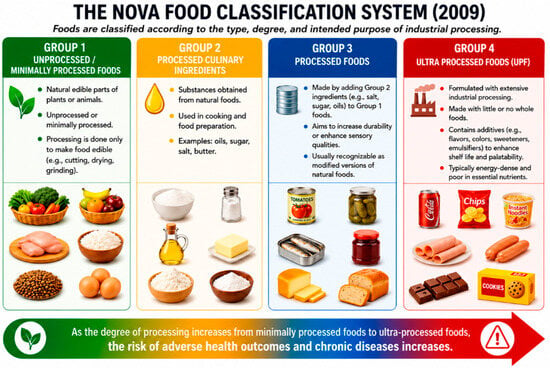
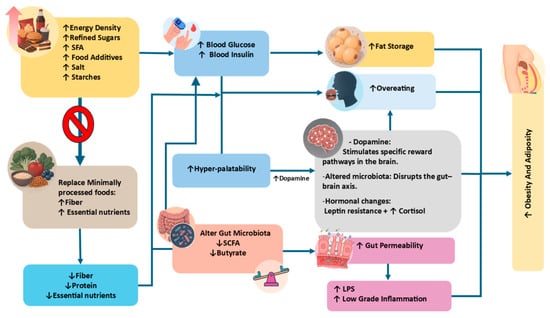
Ultra-processed foods (UPFs) are foods formulated through extensive industrial processing, with little or no natural food constituents, and include ingredients such as artificial colors, flavors, and other food additives to enhance shelf life and palatability. They are typically energy-dense and poor in essential nutrients, including products such as sugar-sweetened beverages, packaged snacks, processed meats, instant noodles and confectioneries. UPF intake has been associated with a wide range of metabolic and inflammatory diseases, especially obesity and adiposity. The transition to independent living and increased dietary autonomy among young adults, particularly university students, are associated with higher reliance on UPF. This narrative review aims to examine the global evidence on the association between UPF consumption and obesity and adiposity outcomes among young adults. Most reviewed studies demonstrated a consistent positive association between UPF consumption and increased obesity and adiposity risks among young adults. UPF consumption within this population is substantial, ranging between 25% and 50% of total energy intake (TEI). The association between UPF consumption and increased risk of obesity and adiposity can be explained through multiple biological and behavioral mechanisms, including high energy density and palatability, disruption of satiety signaling, gut microbiota alterations, and hormonal dysregulation. To reduce the long-term burden of obesity among young adults, public efforts should be directed to important health interventions, such as university awareness nutritional programs, front-of-pack labeling, and policy-level restrictions on UPF marketing.
Full article
(This article belongs to the Special Issue The Impact of Food Compounds on Obesity Mechanisms)
►▼
Show Figures

Figure 1

Open AccessArticle
Smoking, Central Obesity, and Periodontitis Among Iraqi Dental Patients: Exploring Metabolic-Behavioral Risk Clustering in a Cross-Sectional Study
by
Mohamed Saeed M. Ali, Omar Husham Ali and Hadeel Mazin Akram
Obesities 2026, 6(4), 44; https://doi.org/10.3390/obesities6040044 - 25 Jun 2026
Abstract
Smoking and central obesity have both been linked to periodontitis, but their combined relationship with periodontal disease may be influenced by demographic and behavioral factors. This cross-sectional study analyzed records of 420 adult dental patients attending the College of Dentistry at the University
[...] Read more.
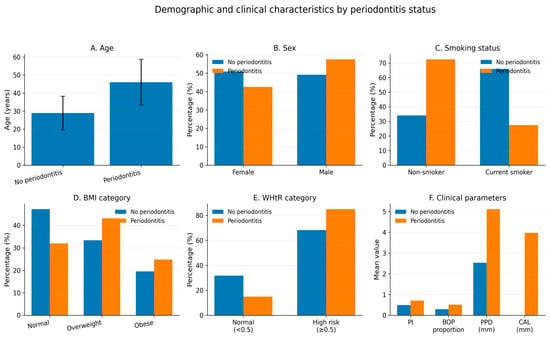
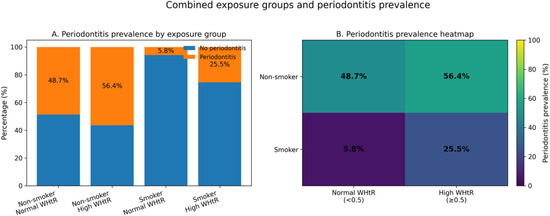
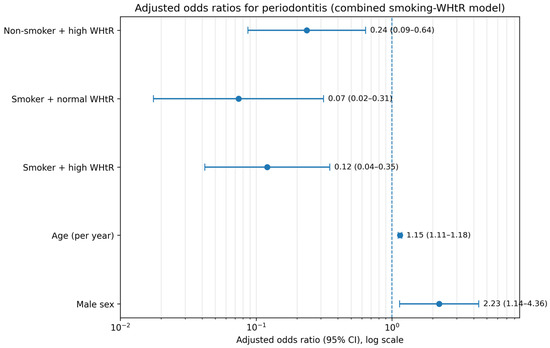
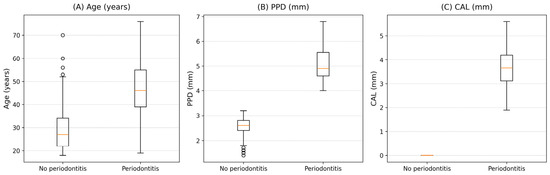
Smoking and central obesity have both been linked to periodontitis, but their combined relationship with periodontal disease may be influenced by demographic and behavioral factors. This cross-sectional study analyzed records of 420 adult dental patients attending the College of Dentistry at the University of Baghdad. Data included demographic characteristics, smoking status, periodontal clinical findings, body mass index (BMI), and waist-to-height ratio (WHtR). Periodontitis was defined according to the 2018 classification framework, and logistic regression models were used to examine the associations of smoking and obesity-related indicators with periodontitis. The overall prevalence of periodontitis was 36.4%. Participants with periodontitis were significantly older than those without periodontitis (46.0 vs. 28.9 years; p < 0.0001). In the fully adjusted model, age remained the strongest factor associated with periodontitis (OR = 1.15 per year; 95% CI: 1.11–1.18; p < 0.001). The apparent association between smoking and periodontitis was substantially influenced by age, as current smoking was more common among younger participants in this sample. The association between smoking status and periodontitis appeared to differ according to WHtR category (interaction term p = 0.016); however, this finding should be interpreted cautiously because of the cross-sectional design and age imbalance across exposure groups. Overall, the findings suggest that age was the dominant factor associated with periodontitis in this dental patient sample, while the relationship between smoking, central obesity, and periodontitis requires further investigation in longitudinal studies with detailed smoking and metabolic data.
Full article
(This article belongs to the Topic Nutrition, Obesity and Metabolic Diseases)
►▼
Show Figures

Figure 1
Open AccessArticle
Meal-Specific and Qualitative Patterns of Ultra-Processed Food Consumption in Adults with Food Addiction and Excess Weight: A Secondary Cross-Sectional Analysis of a Randomized Controlled Trial
by
Débora C. Ferro, Marianna V. C. Rocha, Thayná X. R. de Oliveira, Mariana K. de B. Lima, Cellyne V. da Silva and Nassib B. Bueno
Obesities 2026, 6(3), 43; https://doi.org/10.3390/obesities6030043 - 20 Jun 2026
Abstract
►▼
Show Figures
Evidence suggests that individuals with food addiction (FA) consume more ultra-processed foods (UPFs), but gaps remain regarding which types and at which meals. This study compared the types of UPFs consumed and the meals with the highest UPF density between individuals with and
[...] Read more.
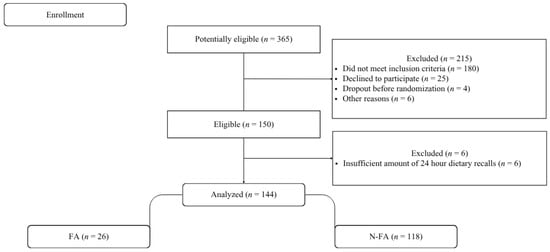
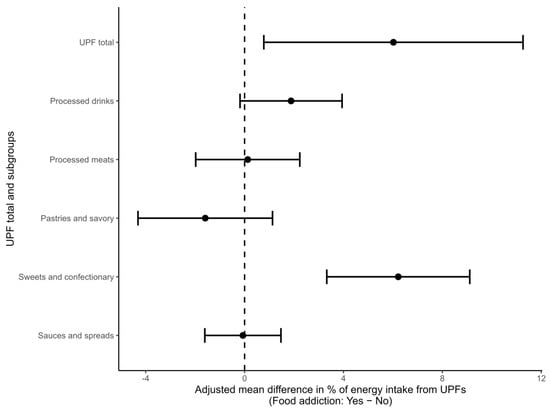
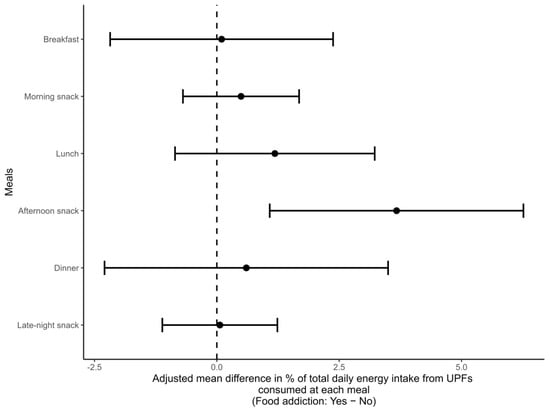
Evidence suggests that individuals with food addiction (FA) consume more ultra-processed foods (UPFs), but gaps remain regarding which types and at which meals. This study compared the types of UPFs consumed and the meals with the highest UPF density between individuals with and without FA. Food intake was assessed via 24 h dietary recalls, and foods were classified via the NOVA system and disaggregated into subgroups. FA was identified using the modified Yale Food Addiction Scale 2.0. Linear regression compared UPF consumption between groups, adjusted for confounders. A total of 144 participants were analyzed, and 26 (18%) met the criteria for FA. In multivariable analysis, the FA group had a higher UPF energy contribution (in %kcal) than those without FA (28.30% vs. 22.30%; p = 0.02), and a lower consumption of unprocessed and minimally processed foods (47.40% vs. 54.40%; p = 0.03). Higher consumption of ultra-processed sweets and confectionery (10.39% vs. 4.18%; p = 0.001) and greater UPF intake as part of the afternoon snack (8.34% vs. 4.67%; p = 0.005) were also observed in the FA group. UPF consumption differed between groups. Individuals with FA showed a sweets-dominant, meal-specific pattern with a higher intake of ultra-processed sweets and confectionery, concentrated during the afternoon snack.
Full article

Figure 1
Open AccessArticle
Biochemical and Tissular Effects of Enriched Environment and Supplementation with Lacticaseibacillus rhamnosus GG on Obese Pregnant Rats
by
Luz del Carmen Pérez-Allende, Socorro Herrera-Meza, Rubí Viveros-Contreras, Armando Jesús Martínez, Omar Arroyo-Helguera, Aleph A. Corona-Morales and Victoria Eugenia Bolado-García
Obesities 2026, 6(3), 42; https://doi.org/10.3390/obesities6030042 - 19 Jun 2026
Abstract
►▼
Show Figures
The global obesity epidemic is expanding at an alarming rate, posing significant health risks for women of reproductive age due to immediate pregnancy complications and adverse long-term effects on offspring. Consequently, several non-pharmacological strategies have been proposed to mitigate these impacts. Therefore, we
[...] Read more.
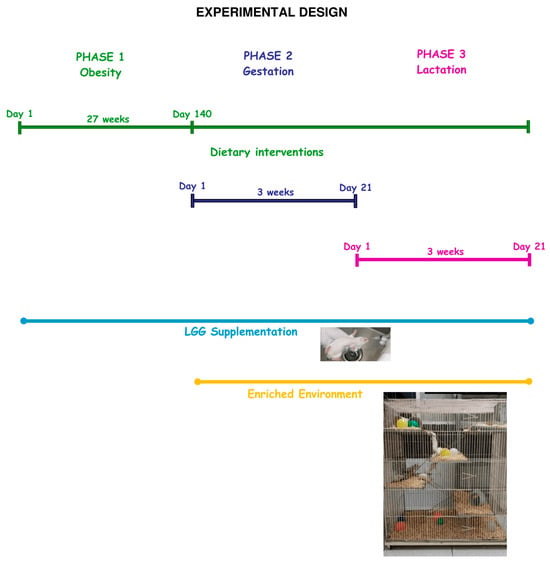
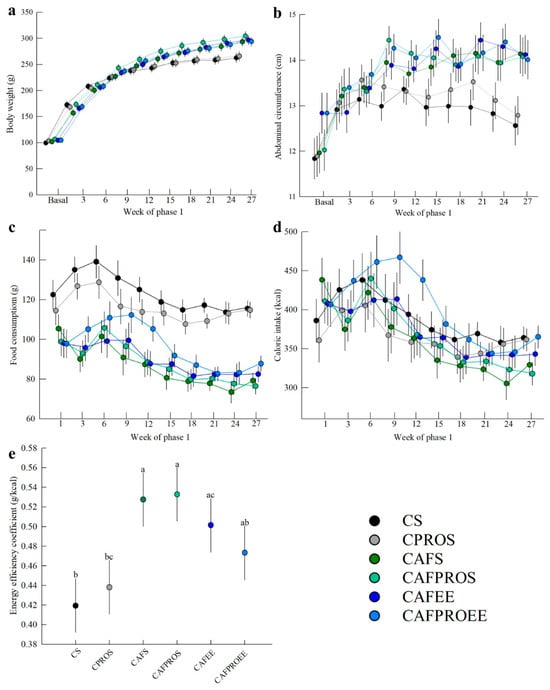
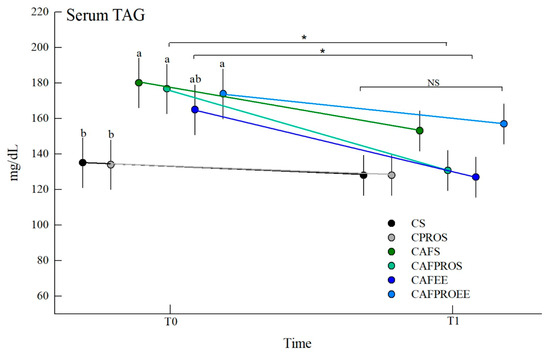
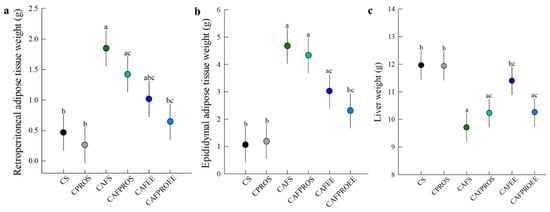
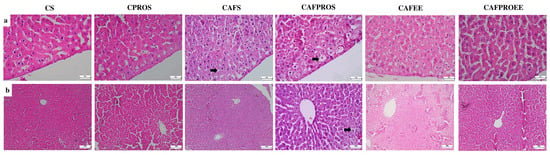
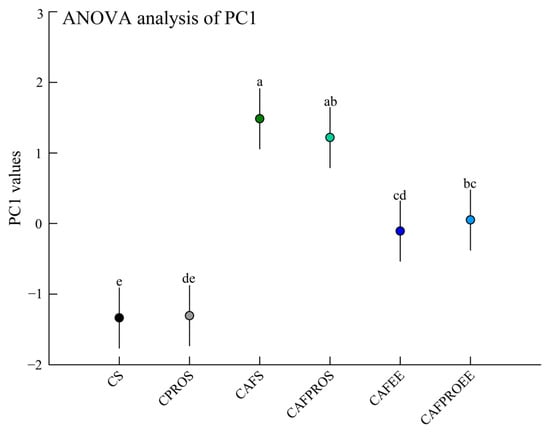
The global obesity epidemic is expanding at an alarming rate, posing significant health risks for women of reproductive age due to immediate pregnancy complications and adverse long-term effects on offspring. Consequently, several non-pharmacological strategies have been proposed to mitigate these impacts. Therefore, we hypothesized that the combined application of the probiotic Lacticaseibacillus rhamnosus GG (LGG) and enriched environment (EE) will result in improved metabolic and histopathologic findings within a model of maternal obesity, surpassing the efficacy of individual therapeutic strategies. Using nulliparous Wistar rats, LGG was administered before, during, and after gestation, while EE was implemented during pregnancy and lactation. LGG supplementation and an enriched environment separately improved blood triacylglycerols. The enriched environment was more effective in reducing the effects of maternal obesity, even lessening liver damage observed in obese subjects in the form of vacuolar infiltrates. The results obtained suggest a potential functional interaction in this combined model, and the findings indicate that LGG may have influenced the modulation of enriched environment effects on metabolic parameters. Diet, probiotic supplementation, and environmental setting during the perinatal period have specific effects on biochemical and tissular parameters, establishing their descriptive role as non-pharmacological intervention strategies and underscoring the need for mechanistic studies to elucidate the biological pathways underlying these effects.
Full article

Graphical abstract
Open AccessArticle
Sociodemographic and Psychological Correlates of Eating Attitudes and BMI in Bariatric Surgery Candidates: The Role of Resilience and Personality
by
Evangelos Ntouros, Myrto Samara, Fotios Economou, Marianna Tsatali, Paraskevas Sdralis, Agorastos Agorastos, Vasilis P. Bozikas and Elias Sdralis
Obesities 2026, 6(3), 41; https://doi.org/10.3390/obesities6030041 - 16 Jun 2026
Abstract
►▼
Show Figures
Obesity poses a significant challenge to societies and healthcare systems worldwide. Metabolic bariatric surgery (MBS) has emerged as a proven primary intervention for severe obesity. This cross-sectional study investigated the interplay between sociodemographic and psychological factors and their influence on attitudes toward eating
[...] Read more.
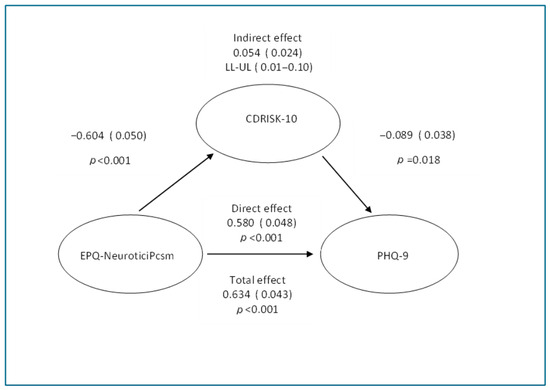
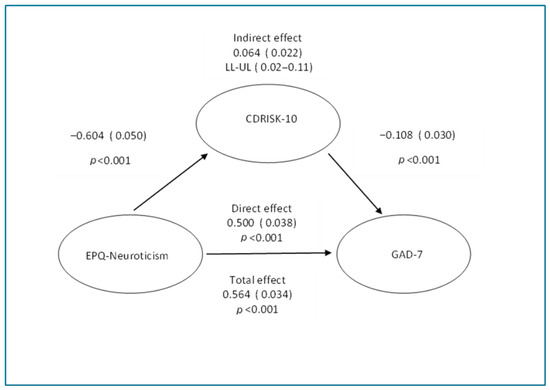
Obesity poses a significant challenge to societies and healthcare systems worldwide. Metabolic bariatric surgery (MBS) has emerged as a proven primary intervention for severe obesity. This cross-sectional study investigated the interplay between sociodemographic and psychological factors and their influence on attitudes toward eating and body mass index (BMI) among candidates undergoing MBS. Recruitment took place over a period of more than five years. Sociodemographic and BMI data were collected, and psychological evaluations were conducted using standardized self-report questionnaires and clinical interviews. Data were analysed using Pearson and Spearman correlations, multiple linear regression, and bootstrapped mediation analysis. After exclusion of those who did not meet surgical suitability criteria, declined participation, or had incomplete data, the study included 515 participants. Significant associations were found between lower educational attainment, unmarried status, and higher BMI. High neuroticism was linked to increased BMI, depression, and anxiety. Resilience was moderately negatively correlated with anxiety and depressive symptoms and showed a small but statistically significant indirect (partial mediating) effect on the relationship between neuroticism and anxiety or depressive symptoms, although its small magnitude and the cross-sectional design preclude causal interpretation. The findings demonstrate that several variables play substantial roles in eating attitudes and influence BMI in this population. Notably, resilience emerges as a significant psychological factor. However, further research is warranted to fully elucidate its role and impact. These insights provide valuable guidance for refining preoperative assessments.
Full article

Figure 1
Open AccessArticle
A Novel Diagnostic Application of the SF-36 Role-Physical Domain for Identifying Clinical Obesity
by
Luiza Dias Machado, Larissa da Silva Souza Cordeiro, Caroline de Barros Gomes, Edison Iglesias de Oliveira Vidal and Gislane Lelis Vilela de Oliveira
Obesities 2026, 6(3), 40; https://doi.org/10.3390/obesities6030040 - 6 Jun 2026
Abstract
Obesity is an adiposity-based low-grade chronic inflammatory disease characterized by excessive fat accumulation and/or dysregulated adipose function, affecting health, quality of life, and mortality. Despite the implementation of public health strategies and individualized therapeutic interventions, obesity currently affects more than one billion people
[...] Read more.
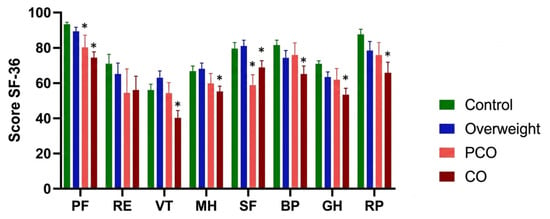
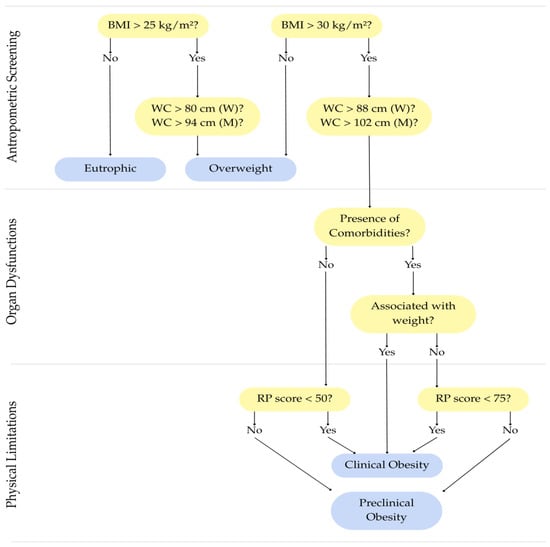
Obesity is an adiposity-based low-grade chronic inflammatory disease characterized by excessive fat accumulation and/or dysregulated adipose function, affecting health, quality of life, and mortality. Despite the implementation of public health strategies and individualized therapeutic interventions, obesity currently affects more than one billion people worldwide. Although the distinction between preclinical obesity (PCO) and clinical obesity (CO) has recently been conceptually established, practical tools capable of translating this distinction into clinical diagnosis are still lacking. In this study, we proposed a novel diagnostic framework in which the SF-36 Role-Physical (RP) domain functions as a screening tool to identify physical limitations associated with CO. The framework integrates anthropometric criteria (body mass index and waist circumference), organ dysfunction (presence of comorbidities), and objectively defined physical limitations based on RP domain cutoff values. To validate the framework, patients’ inflammatory profiles were evaluated. Our results demonstrated that stratification based on this functional model could identify a phenotype characterized by a distinct pro-inflammatory profile. CO patients exhibited significantly increased IL-6 and IL-17A levels compared with the PCO and overweight groups. Taken together, these findings suggest that this approach may serve as a simple, low-cost, and clinically applicable strategy to support differentiation between preclinical and clinical obesity. However, larger longitudinal and multicenter studies are needed to validate these findings.
Full article
(This article belongs to the Special Issue Obesity in the 21st Century: Public Health Perspectives and Population Solutions)
►▼
Show Figures

Figure 1

Highly Accessed Articles
Latest Books
E-Mail Alert
News
Topics
Topic in
Behavioral Sciences, Children, Healthcare, IJERPH, JFMK, Obesities
The Effect of Physical Activity on the Population's Health
Topic Editors: Stefania Paduano, Federica ValerianiDeadline: 31 August 2026
Topic in
Geriatrics, IJMS, Life, Sports, Neurology International, Obesities
Exercise and Human Aging: Physiological and Psychological Functions
Topic Editors: Samuel Da Silva Aguiar, Ismael Perez-SuarezDeadline: 20 September 2026
Topic in
Nutrients, Metabolites, Healthcare, Children, Obesities, Life
Non-Communicable Diseases Silent Killer: Metabolic and Obesity Risks of Sedentary Behaviors
Topic Editors: Kotsedi Daniel Monyeki, Machoene Derrick SekgalaDeadline: 30 September 2026
Topic in
Dietetics, Nutrients, Obesities, Diseases, IJMS, Metabolites
Dietary Habits in Liver Health and Disease: Preclinical and Clinical Studies
Topic Editors: Evelyn Nunes Goulart Da Silva Pereira, Rosane Harter Griep, Anissa DaliryDeadline: 31 December 2026
Conferences
Special Issues
Special Issue in
Obesities
How to Prevent Obesity and Inflammatory Disease 2025-2026
Guest Editor: Sara BaldassanoDeadline: 31 August 2026
Special Issue in
Obesities
Exercise and Obesity Beyond Caloric Expenditure: Insights from Clinical and Tactical Populations
Guest Editors: Diego Ribeiro De Souza, Sandro Massao Hirabara, Gabriel Nasri Marzuca Nassr, Diogo Antonio Alves De Vasconcelos, Tiago Fernandes, Filip KukićDeadline: 15 September 2026
Special Issue in
Obesities
Obesity in the 21st Century: Public Health Perspectives and Population Solutions
Guest Editors: Ritesh Chimoriya, Kritika RanaDeadline: 30 November 2026
Special Issue in
Obesities
Novel Technology-Based Exercise for Childhood Obesity Prevention
Guest Editors: Alessandra Amato, Sara BaldassanoDeadline: 30 November 2026