
-
Annual Fecundity of European Anchovy: A Case Study in the North Aegean Sea (Eastern Mediterranean) -
Impact of Solubilized Mannan Oligosaccharide Supplementation on Growth Performance, Digestive Health, Stress Resistance, and Economic Efficiency in Pacific White Shrimp (Penaeus vannamei) Raised in an Intensive Synbiotic System -
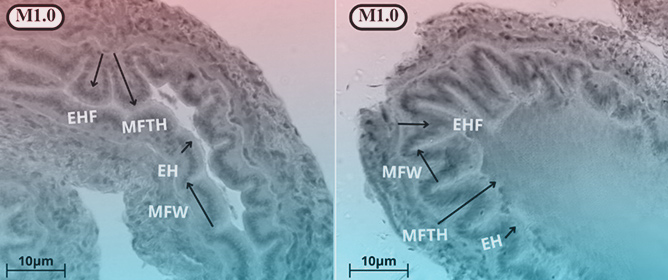
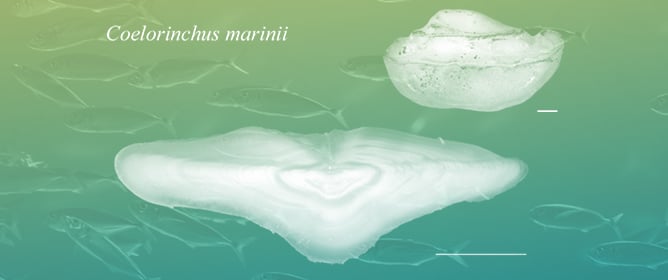
Revealing Ontogenetic Vertical Migration in Deep-Sea Grenadiers (Macrouridae) from the Southwestern Atlantic Through Otolith Microchemistry
Journal Description
Fishes
Fishes
is an international, peer-reviewed, scientific, open access journal covering fishes and aquatic animals research, and is published monthly online by MDPI. The Iberian Society of Ichthyology (SIBIC) and Brazilian Society of Aquaculture and Aquatic Biology (Aquabio) are affiliated with Fishes and their members receive a discount on the article processing charges.
- Open Access— free for readers, with article processing charges (APC) paid by authors or their institutions.
- High Visibility: indexed within Scopus, SCIE (Web of Science), GEOBASE, PubAg, FSTA, and other databases.
- Journal Rank: JCR - Q1 (Marine and Freshwater Biology) / CiteScore - Q1 (Ecology, Evolution, Behavior and Systematics)
- Rapid Publication: manuscripts are peer-reviewed and a first decision is provided to authors approximately 18.2 days after submission; acceptance to publication is undertaken in 2.8 days (median values for papers published in this journal in the first half of 2026).
- Recognition of Reviewers: reviewers who provide timely, thorough peer-review reports receive vouchers entitling them to a discount on the APC of their next publication in any MDPI journal, in appreciation of the work done.
- Companion journals for Fishes include: Aquaculture Journal and Smart Fisheries.
- Journal Cluster of Aquatic Sciences: Aquaculture Journal, Fishes, Hydrobiology, Phycology, and Smart Fisheries.
Impact Factor:
2.9 (2025);
5-Year Impact Factor:
3.0 (2025)
Latest Articles
Dietary Supplementation with Shrimp Processing Waste Extracts in Astaxanthin-Containing Diets Improves Pigmentation of Blood Parrot Cichlids (Vieja melanurus × Amphilophus citrinellus)
Fishes 2026, 11(9), 527; https://doi.org/10.3390/fishes11090527 - 7 Sep 2026
Abstract
Red coloring determines the commercial value of blood parrot cichlids (Vieja melanurus × Amphilophus citrinellus). While synthetic astaxanthin (SA) is commonly used to improve hue, its expensive cost has prompted the quest for more sustainable alternatives. This 60-day study looked at
[...] Read more.
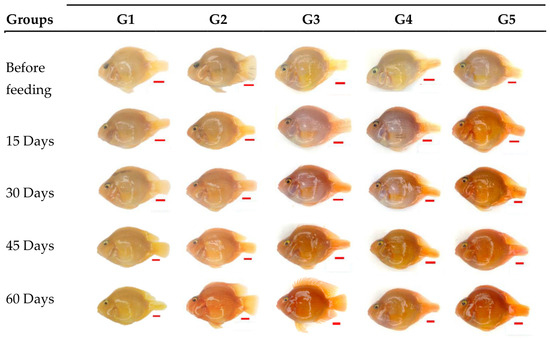
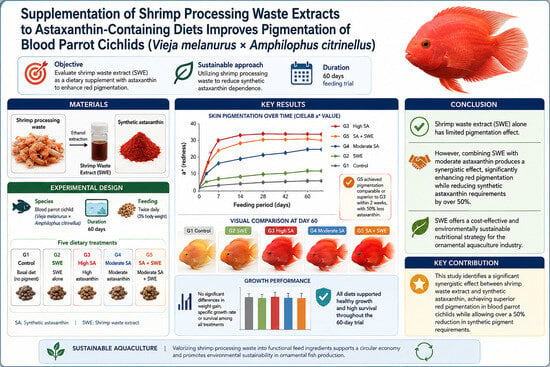
Red coloring determines the commercial value of blood parrot cichlids (Vieja melanurus × Amphilophus citrinellus). While synthetic astaxanthin (SA) is commonly used to improve hue, its expensive cost has prompted the quest for more sustainable alternatives. This 60-day study looked at shrimp waste extract (SWE) as a dietary supplement for color improvement. Fish were assigned to five diets: basal control (G1, 0 mg/kg SA: 0 mg/kg SWE), SWE alone (G2, 0 mg/kg SA: 7.7 mg/kg SWE), high SA (G3, 90 mg/kg SA: 0 mg/kg SWE), moderate SA (G4, 45 mg/kg SA: 0 mg/kg SWE), and mixed SA with SWE (G5, 45 mg/kg SA: 7.7 mg/kg SWE). Growth and CIELAB skin pigmentation were evaluated. Growth performance was consistent across all treatments. Colorimetric study found that while the SWE alone (G2) significantly improved pigmentation compared to the control, it was less effective than the high-SA diet. However, incorporating SWE into the moderate-SA diet (G5) resulted in a promising complementary response. Despite having half the SA concentration, G5 achieved pigmentation that was comparable or superior to the G3 diet by the end of the feeding trial. These data revealed that, while SWE has lower independent activity, it is an effective complementary additive for shortening the feeding period required to achieve a similar redness. Finally, SWE enables the partial substitution of synthetic astaxanthin, providing a cost-effective and environmentally sustainable nutritional strategy for the ornamental aquaculture business.
Full article
(This article belongs to the Section Nutrition and Feeding)
►
Show Figures
Open AccessArticle
Short-Term Dietary Inclusion of Methylococcus capsulatus-Derived Single-Cell Protein Modulates Growth and Immune-Gene Expression in Juvenile Rainbow Trout (Oncorhynchus mykiss)
by
Hannah Malene Jensen, Kaan Kumas, Per Walter Kania, Kurt Buchmann, Eleni Ntokou and Nana Wentzel Thorringer
Fishes 2026, 11(9), 526; https://doi.org/10.3390/fishes11090526 - 7 Sep 2026
Abstract
We here report immunomodulatory effects of feeding with microbial single-cell protein (SCP from Methylococcus capsulatus) on female rainbow trout (Oncorhynchus mykiss) following replacement of conventional feed proteins in a 30-day feeding period. Conventional protein ingredients (soy protein concentrate, fishmeal (FM),
[...] Read more.
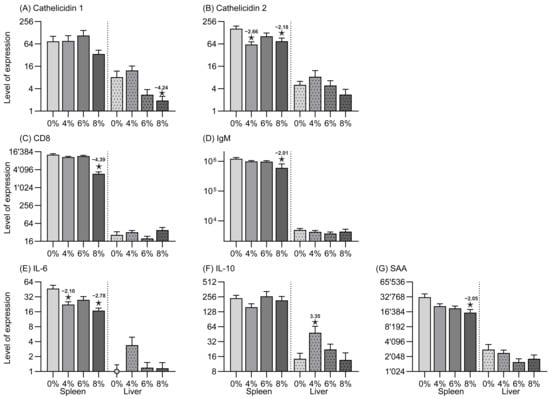
We here report immunomodulatory effects of feeding with microbial single-cell protein (SCP from Methylococcus capsulatus) on female rainbow trout (Oncorhynchus mykiss) following replacement of conventional feed proteins in a 30-day feeding period. Conventional protein ingredients (soy protein concentrate, fishmeal (FM), wheat gluten meal and corn gluten meal) were partially replaced with microbial SCP at graded inclusion levels (0, 4, 6 and 8% SCP). Growth performance parameters, such as final body weight (FBW) and final fish length (FL), were elevated at 6% SCP inclusion. In the present investigation we found that immune gene expression in the liver and spleen was regulated following feeding microbial SCP in a concentration-dependent way. Feed with 4% SCP inclusion induced a significant upregulation of the hepatic expression of IL-10 (p < 0.05), whereas splenic expression of IL-6 and Cathelicidin-2 genes were downregulated. No significant differences were observed at 6% SCP inclusion. At 8% SCP inclusion, splenic expression of multiple immune-related genes, including those encoding Cathelicidin-2, CD8, IgM, IL-6, and SAA, was significantly downregulated, along with hepatic expression of Cathelicidin-1 (p < 0.05). Although immune gene expression was downregulated at 8% SCP inclusion, growth performance was not adversely affected. These findings indicate that up to 8% of conventional feed protein can be replaced with microbial SCP without compromising growth performance, although immune gene regulation varies depending on tissue and inclusion level. Gene regulation and health effects induced by feeding rainbow trout with high microbial SCP inclusion feed and over longer time periods should be further investigated. For this purpose, we recommend studies on functional immune parameters such as vaccine responsiveness and antibody production.
Full article
(This article belongs to the Section Nutrition and Feeding)
►▼
Show Figures

Figure 1
Open AccessArticle
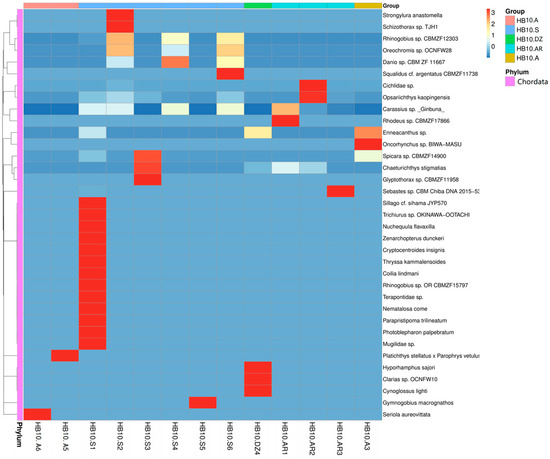
Fishery Resource Assessment with eDNA Metabarcoding and Acoustic Survey in Xiangyun Bay, Bohai Sea
by
Leiming Yin, Hongyang Chen, Shuang Song, Zihang Wang, Hexiang Yang, Jianyu Sun, Shengkai Lin, Binbin Xing, Qingxia Li and Tao Tian
Fishes 2026, 11(9), 525; https://doi.org/10.3390/fishes11090525 - 5 Sep 2026
Abstract
Xiangyun Bay Marine Ranch, in the Bohai Sea, China, is an important fishery resource area but has long been affected by eutrophication, habitat destruction, and overfishing. To support resource conservation and management, this study combined environmental DNA (eDNA) metabarcoding, acoustic survey, and a
[...] Read more.
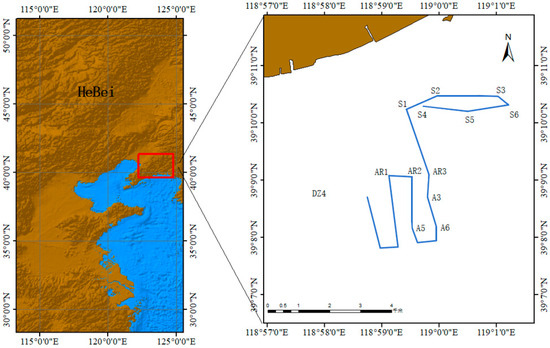
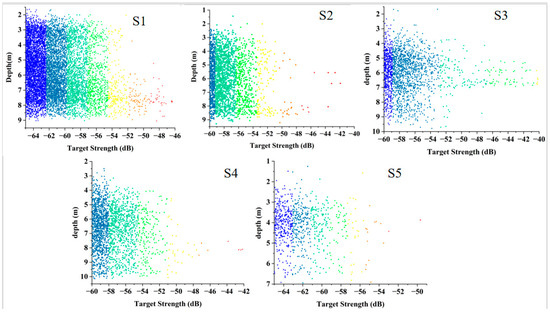
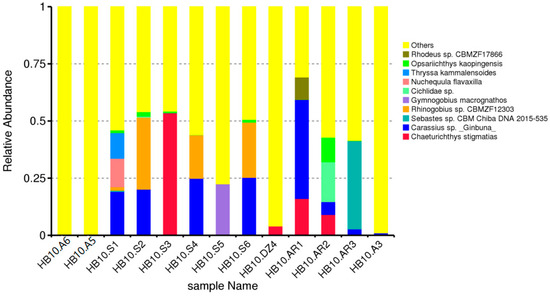
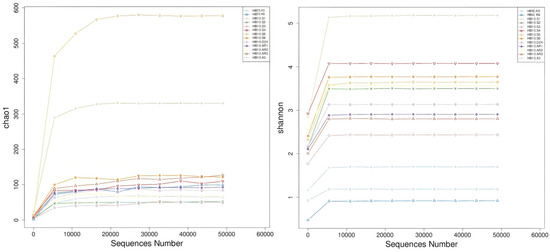
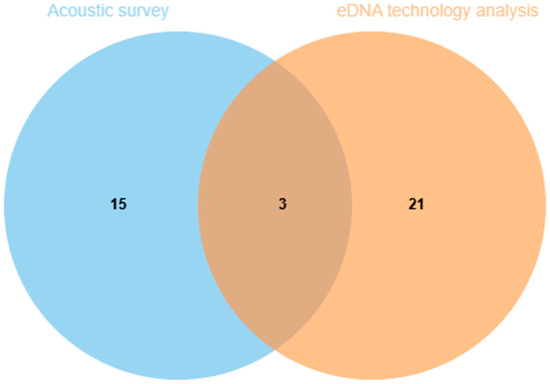
Xiangyun Bay Marine Ranch, in the Bohai Sea, China, is an important fishery resource area but has long been affected by eutrophication, habitat destruction, and overfishing. To support resource conservation and management, this study combined environmental DNA (eDNA) metabarcoding, acoustic survey, and a traditional net survey to assess fish resources. The traditional net survey collected 18 fish species (2143 individuals), with Speartailed goby (Chaeturichthys stigmatias) and Indian flathead (Platycephalus indicus) as the dominant species (~70% of total). An acoustic survey revealed that fish resource density in the reef area ranged from 6.05 × 10⁻⁵ to 9.38 × 10⁻⁵ ind/m2, with vertical distribution concentrated in the 1–3 m water layer; strong scatterers (−47 to −42 dB) at 3 m depth indicated benthic large individuals. The eDNA analysis generated 1,091,731 high-quality sequences assigned to 39 fish species, with dominant species including Kammal thryssa (Thryssa kammalensis), Yellow-spotted slipmouth (Nuchequula flavaxilla), and Large-mouth naked goby (Gymnoglobus macrognathos). In conclusion, the acoustic survey demonstrates unique advantages in assessing spatial distribution of fishery resources, while eDNA technology serves as an effective supplement to traditional net surveys. Their combined application provides more accurate scientific evidence for the production management and sustainable utilization of marine ranches.
Full article
(This article belongs to the Special Issue Technology for Fish and Fishery Monitoring—2nd Edition)
►▼
Show Figures

Figure 1
Open AccessArticle
Ultra-Fine-Grained Fish Recognition with a Pruned Lightweight Transformer Based on Few-Shot Learning
by
Zhou Zhou, Zhengxi Wei, Xinle Zhang, Xianbao Cheng, Junlin Deng, Xin Han and Ning Wu
Fishes 2026, 11(9), 524; https://doi.org/10.3390/fishes11090524 - 5 Sep 2026
Abstract
Reliable identification and behavioural tracking of individual fish are increasingly required in aquaculture monitoring and ecological conservation, yet such tasks often rely on extremely limited image samples. Individual-level fish recognition remains challenging because subtle inter-individual variations in stripe patterns, spots and body markings
[...] Read more.
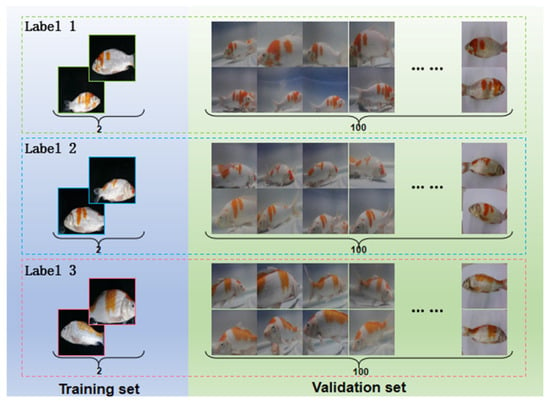
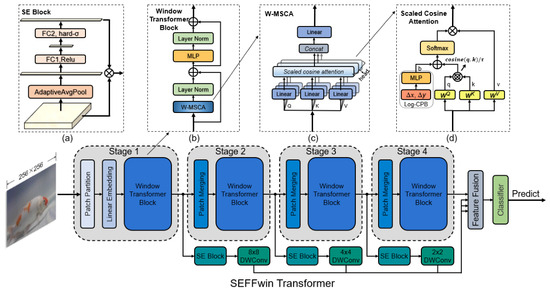
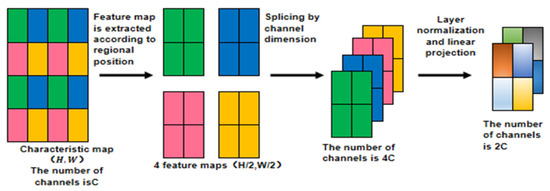
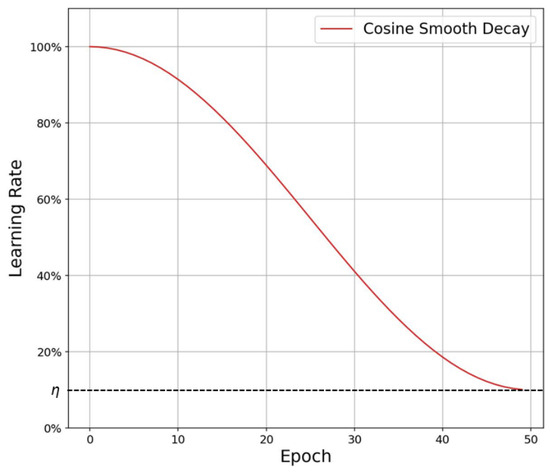
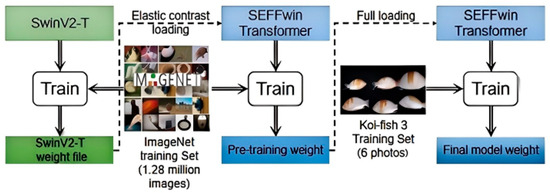
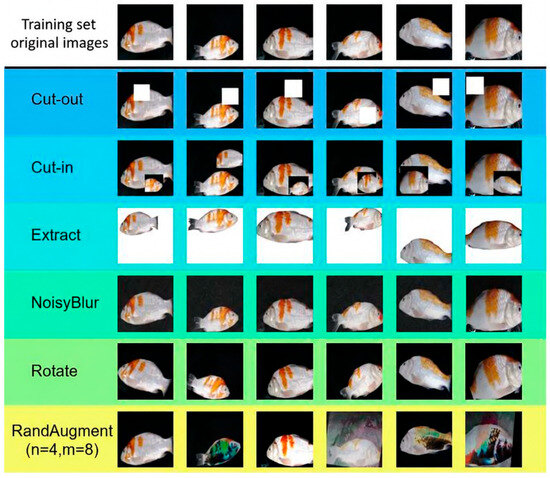
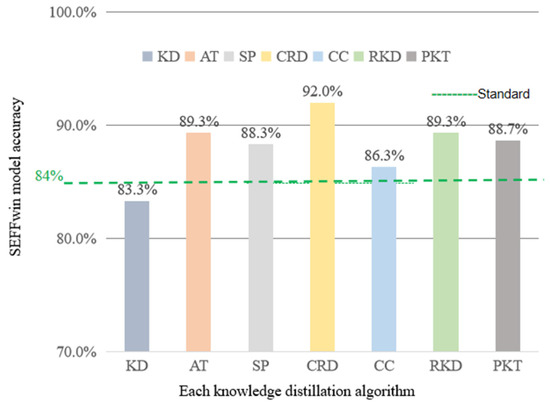
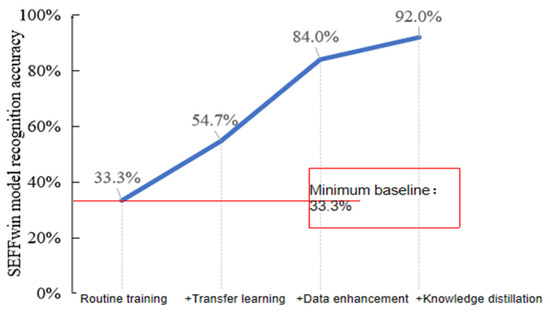
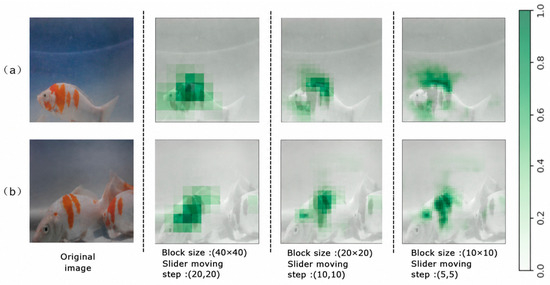
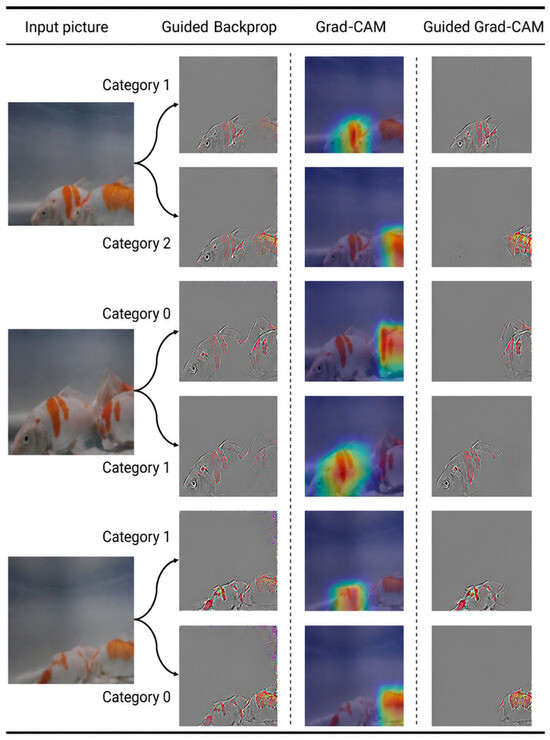
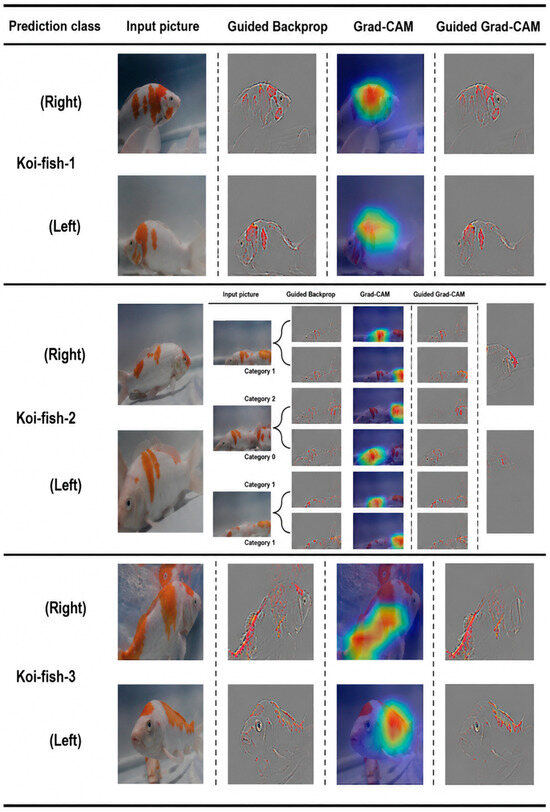
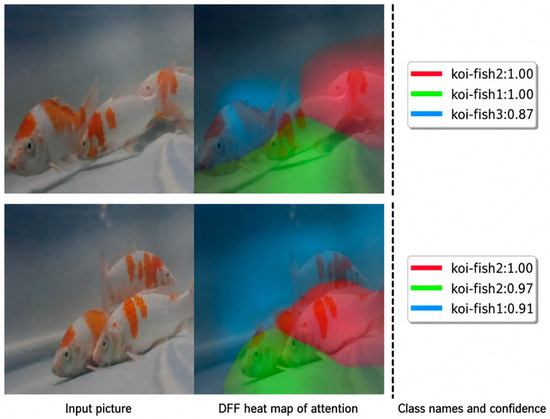
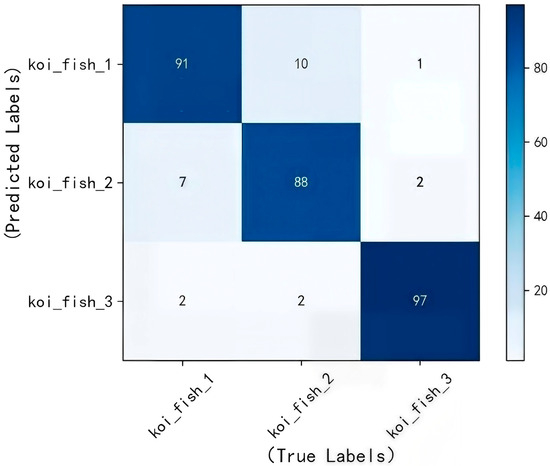
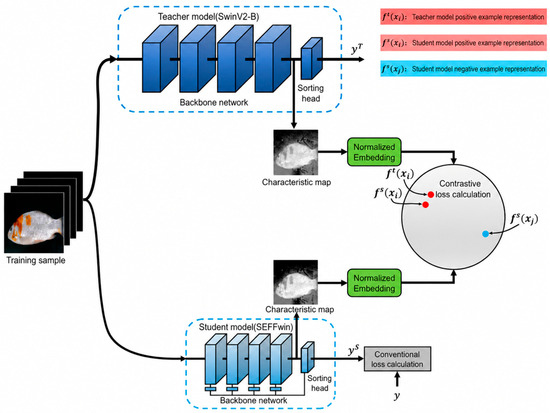
Reliable identification and behavioural tracking of individual fish are increasingly required in aquaculture monitoring and ecological conservation, yet such tasks often rely on extremely limited image samples. Individual-level fish recognition remains challenging because subtle inter-individual variations in stripe patterns, spots and body markings are difficult to distinguish, while annotated datasets are scarce and costly to construct. To address these challenges, this study proposes Squeeze-and-Excitation Feature-Fusion Window Transformer (SEFFwin), a lightweight vision Transformer derived from Swin Transformer V2 for ultra-fine-grained fish recognition under extreme few-shot conditions. Through structured pruning, the SEFFwin backbone contains approximately 11.30 million parameters, excluding the task-specific classification layer. To support evaluation, we construct Koi-fish-3, a dedicated few-shot benchmark consisting of three individual koi categories, with only two training images and 100 validation images per class. Transfer learning, data augmentation and knowledge distillation are further incorporated to improve model optimisation under severely limited supervision. Experimental results show that SEFFwin achieves 92.0% top-1 accuracy on Koi-fish-3, outperforming representative lightweight baselines while maintaining high computational efficiency. Post-hoc interpretability analysis indicates that SEFFwin consistently attends to biologically meaningful stripe and spot patterns and can weakly localise class-specific regions. These findings demonstrate that SEFFwin provides an accurate and efficient solution for individual fish recognition under extreme data scarcity, offering practical value for intelligent aquaculture and ecological monitoring, while also providing insights into compact Transformer design for low-resource fine-grained recognition.
Full article
(This article belongs to the Special Issue Technology for Fish and Fishery Monitoring—2nd Edition)
►▼
Show Figures

Figure 1
Open AccessArticle
Reservoir Patchiness Influences Fish Condition: Khor-Scale Heterogeneity in Lake Nasser (Egypt) and Implications for Global Inland Fisheries
by
Alaa M. Younis, Khaled Y. AbouelFadl, Khaled Mohammed-Geba, Doaa Hamed-Mohamed and Mostafa A. Khaled
Fishes 2026, 11(9), 523; https://doi.org/10.3390/fishes11090523 - 4 Sep 2026
Abstract
Global inland fisheries depend on large reservoirs, yet many assessments assume spatial homogeneity despite complex embayed morphometry. We tested whether khor-scale structure within Lake Nasser, Egypt, explains variation in two commercially important catfishes. Six distinct khors spanning the north–south axis (Ghazal, Sheniara, Garf
[...] Read more.
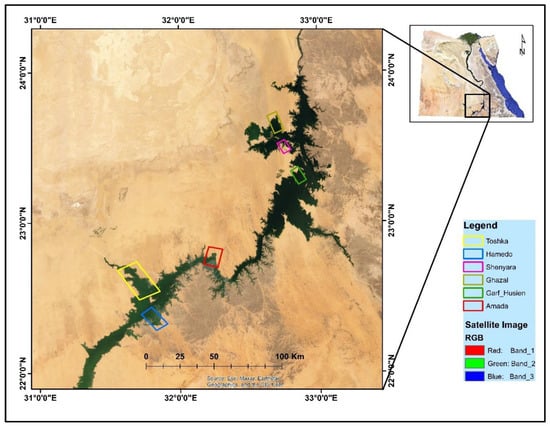
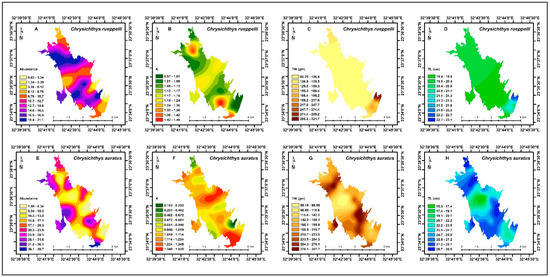
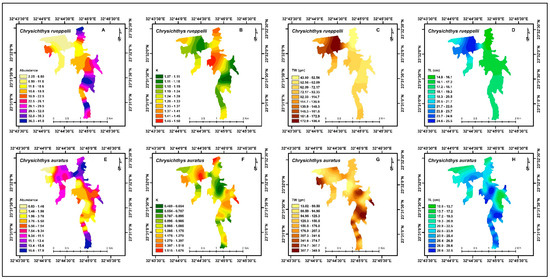
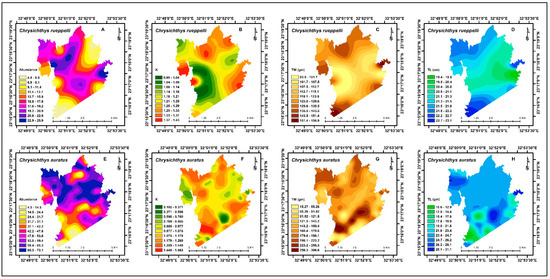
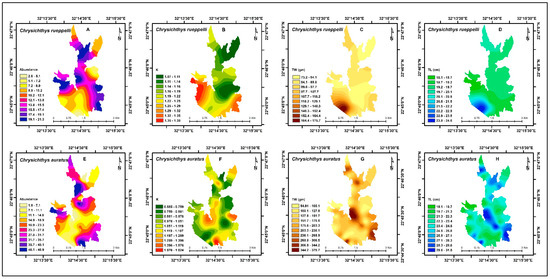
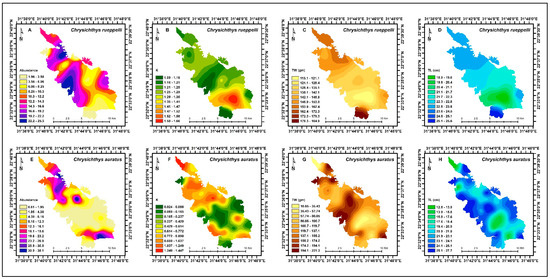
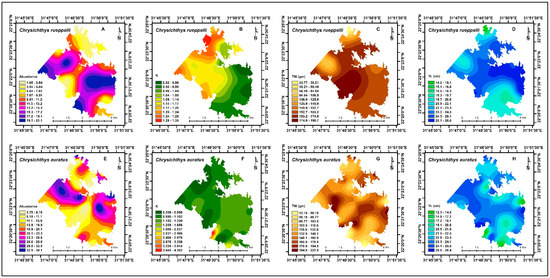
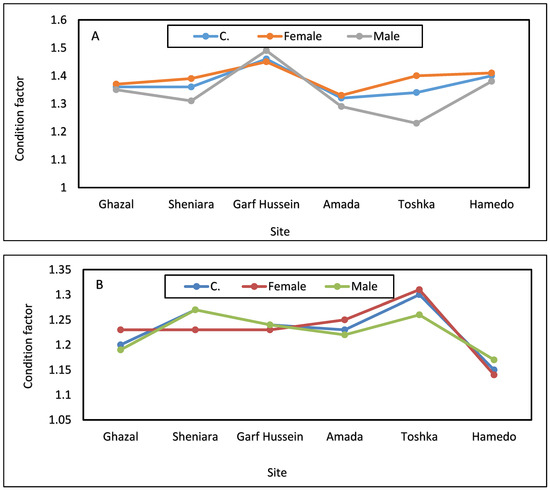
Global inland fisheries depend on large reservoirs, yet many assessments assume spatial homogeneity despite complex embayed morphometry. We tested whether khor-scale structure within Lake Nasser, Egypt, explains variation in two commercially important catfishes. Six distinct khors spanning the north–south axis (Ghazal, Sheniara, Garf Hussein, Amada, Toshka, and Hamedo) were sampled with standardized effort (72 net-nights; 12 per khor, 3 representative areas ≥ 500 m apart × 4 campaigns, March–June 2021), yielding 398 fish (268 Chrysichthysauratus, 130 C. rueppelli). Abundance was expressed as standardized CPUE (fish·net-night−1). C. auratus CPUE ranged from 2.83 (Ghazal) to 5.92 (Garf Hussein), while C. rueppelli CPUE was relatively uniform (1.50–1.92). C. auratus attained the largest TL in Ghazal (25.51 ± 2.9 cm) and the highest condition K in Garf Hussein (1.46 ± 0.18). C. rueppelli attained the greatest TL and weight in southern khors, especially Hamedo (23.3 ± 2.33 cm, 146.7 ± 30.5 g), while its highest condition was in Toshka (1.30 ± 0.15). Sex ratio was significantly female-biased for C. auratus (92 M:176 F, 1:1.91, p < 0.001) but not for C. rueppelli (55 M:75 F, 1:1.36, p = 0.079). Results show embayment-scale CPUE and condition, not whole-lake means, capture key population patterns, improving precision of mega-reservoir fisheries management.
Full article
(This article belongs to the Section Fishery Economics, Policy, and Management)
►▼
Show Figures

Figure 1
Open AccessEditorial
Microbial Pathogens, Disease Control and Veterinary Drug Use in Aquaculture
by
Yali Wang and Haipeng Cao
Fishes 2026, 11(9), 522; https://doi.org/10.3390/fishes11090522 - 4 Sep 2026
Abstract
The rapid intensification of global aquaculture, particularly the widespread application of recirculating aquaculture systems (RAS), has substantially improved aquatic product yield [...]
Full article
(This article belongs to the Special Issue Microbial Pathogens, Disease Control and Veterinary Drug Use in Aquaculture)
Open AccessArticle
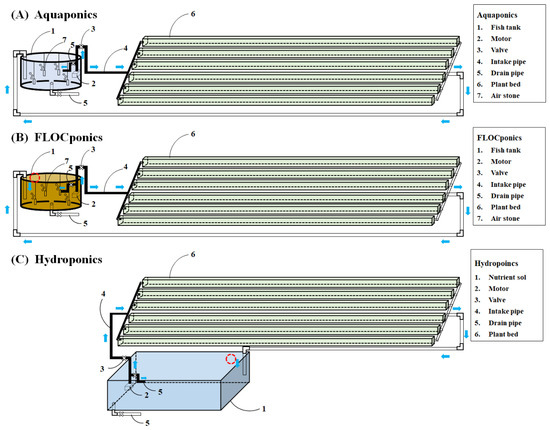
Comparative Analysis of Eel (Anguilla japonica) Growth Performance and ‘Caipira’ Lettuce (Lactuca sativa) Productivity in Relation to Nitrogen Concentrations Across Aquaponics, FLOCponics and Hydroponics Systems
by
Jong Ryeol Choe, Junseong Park, Ju-Ae Hwang and Hyeongsu Kim
Fishes 2026, 11(9), 521; https://doi.org/10.3390/fishes11090521 - 4 Sep 2026
Abstract
►▼
Show Figures
This study compared conventional aquaponics (AP), biofloc-based aquaponics (FLOCponics, FP), and hydroponics (HP) in terms of juvenile eel (Anguilla japonica) growth, ‘Caipira’ lettuce (Lactuca sativa) productivity, and water-quality characteristics. The AP and FP treatments each comprised three replicate fish
[...] Read more.
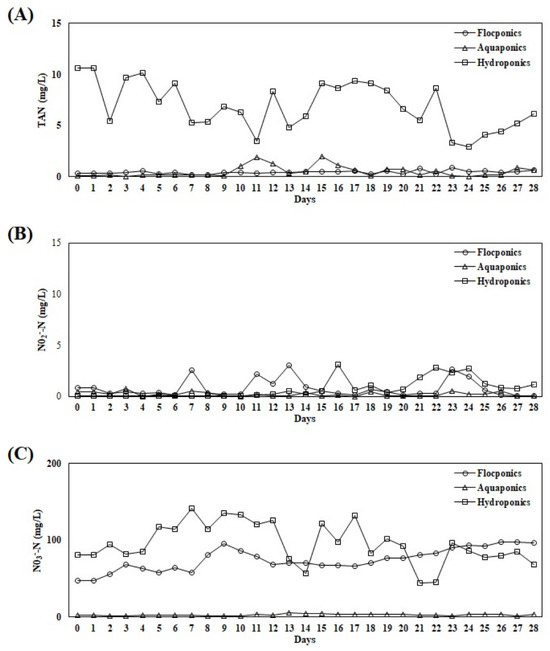
This study compared conventional aquaponics (AP), biofloc-based aquaponics (FLOCponics, FP), and hydroponics (HP) in terms of juvenile eel (Anguilla japonica) growth, ‘Caipira’ lettuce (Lactuca sativa) productivity, and water-quality characteristics. The AP and FP treatments each comprised three replicate fish tank–plant cultivation systems stocked with 119 eels per tank, whereas HP was included as a control for plant production. Eels reared in FP exhibited a higher estimated final biomass and specific growth rate and a lower feed conversion ratio than those reared in AP. The total and shoot biomass of lettuce were higher in FP than in AP and were comparable to those obtained in HP.
Full article

Figure 1
Open AccessArticle
The Influence of Leader Length on Fishing Efficiency and Anatomical Hooking Location During Catch-and-Release Float Fishing
by
Piotr Traczuk, Tomasz Kajetan Czarkowski and Andrzej Kapusta
Fishes 2026, 11(9), 520; https://doi.org/10.3390/fishes11090520 - 2 Sep 2026
Abstract
►▼
Show Figures
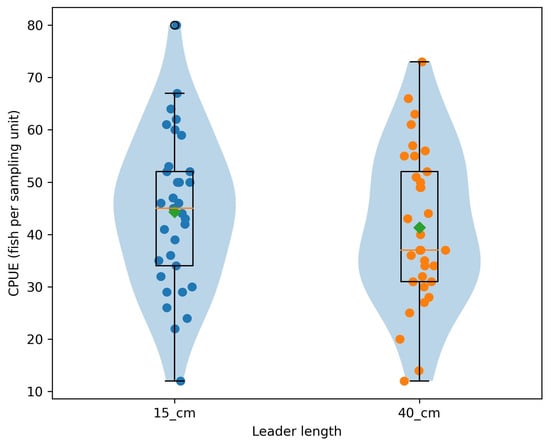
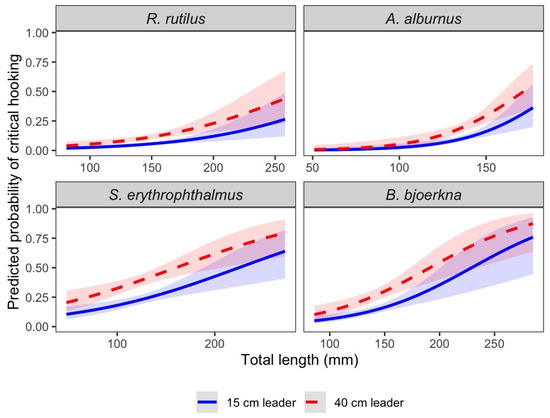
Catch-and-release (C&R) fishing has become a common practice. Anatomical hooking location (AHL) can be crucial to fish survival. The length of the slack line connecting the hook to the rest of the rig (leader) can affect both the anatomical hooking location and catch
[...] Read more.
Catch-and-release (C&R) fishing has become a common practice. Anatomical hooking location (AHL) can be crucial to fish survival. The length of the slack line connecting the hook to the rest of the rig (leader) can affect both the anatomical hooking location and catch efficiency. In this study, we set out to determine whether such a scenario would occur. A total of 2826 fish representing nine species were captured during the study. The shorter leader (15 cm) yielded 1462 fish (51.7%), whereas 1364 fish (48.3%) were captured using the 40 cm leader. Mean catch per unit effort (CPUE) was higher for the shorter leader (44.3 fish h−1) than for the longer leader (41.3 fish h−1). Fish were most frequently hooked in superficial, non-critical anatomical hooking locations within the mouth (upper and lower jaw and mouth corners). Safe hook placements accounted for 88.0% of captures with the 15 cm leader and 78.7% with the 40 cm leader. The research supported our hypothesis and predictions: a shorter leader is safer for fish and less likely to cause deep hooking in critical anatomical locations. On the other hand, shallower hooking was associated with higher catch efficiency. Our findings can help anglers design terminal tackle appropriately.
Full article

Figure 1
Open AccessArticle
Optimal Dietary Glycerol Monolaurate Supplementation Enhances Growth Performance and Intestinal Health in Hybrid Grouper (♀ Epinephelus fuscoguttatus × ♂ E. lanceolatus)
by
Shouguo Yang, Donghui Zhang, Hebert Ely Vasquez, Fen Cheng, Xiangyu Wu, Luqing Pan and Xianming Tang
Fishes 2026, 11(9), 519; https://doi.org/10.3390/fishes11090519 - 2 Sep 2026
Abstract
This study investigated the effects of glycerol monolaurate (GML) on the growth performance, physiological efficacy, intestinal structure, and microbiota of hybrid juvenile ♀ Epinephelus fuscoguttatus × ♂ E. lanceolatus. A total of 594 groupers were administered diets supplemented with 0, 2, 4,
[...] Read more.
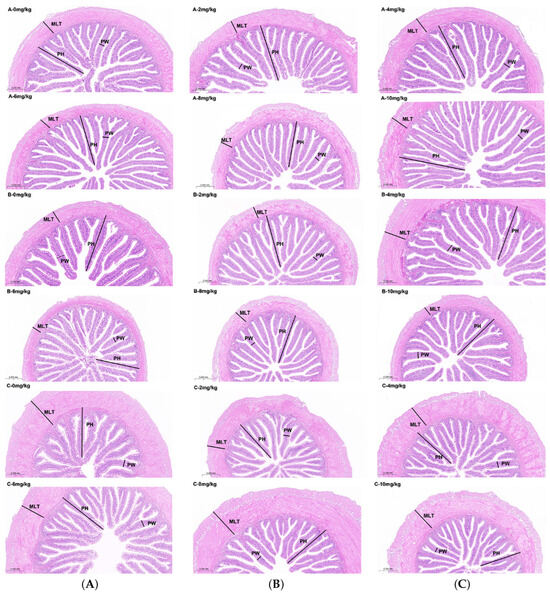
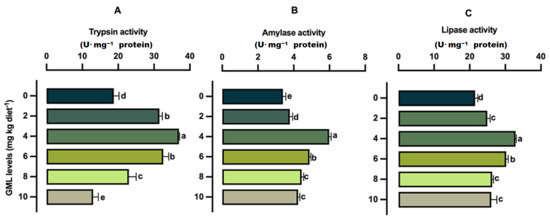
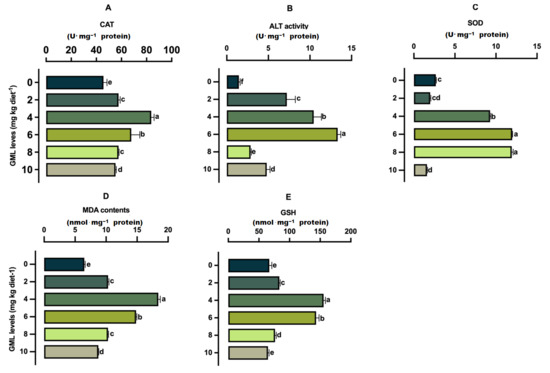
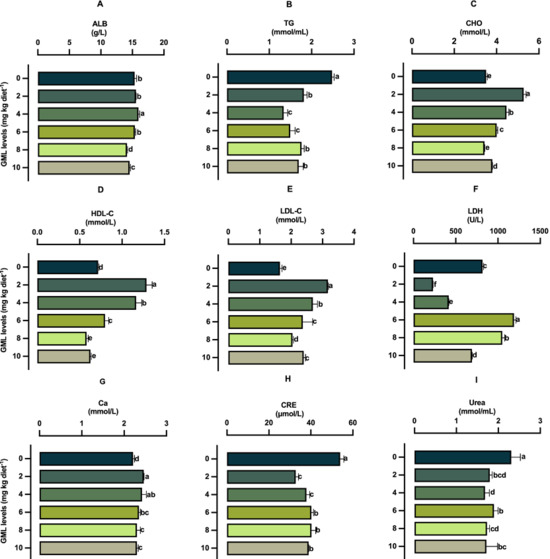
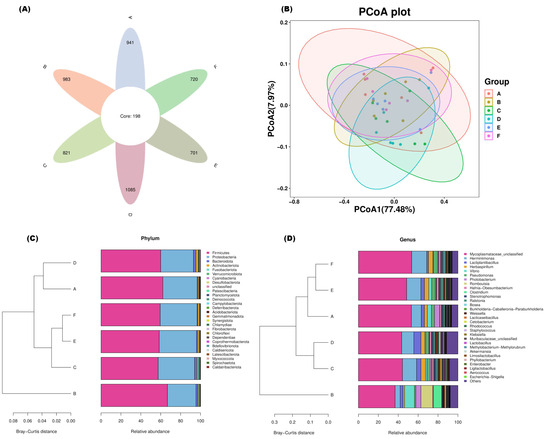
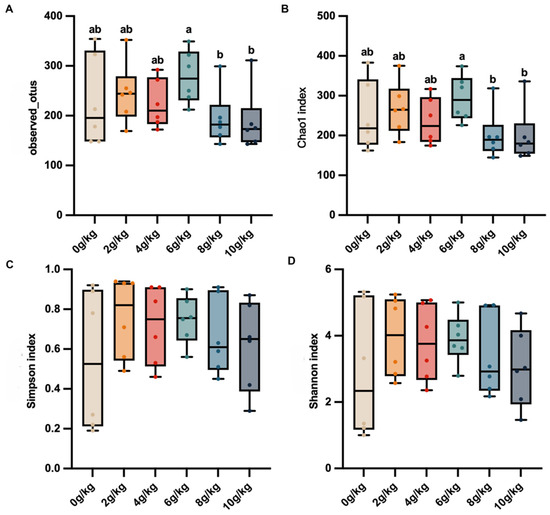
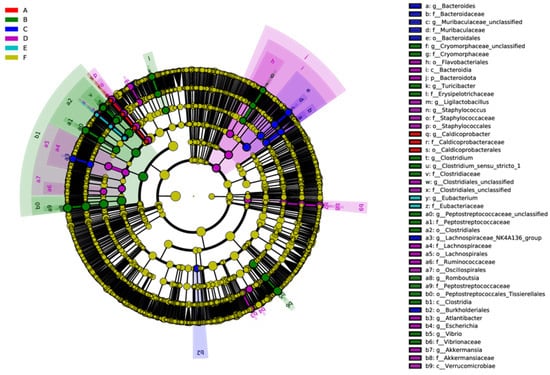
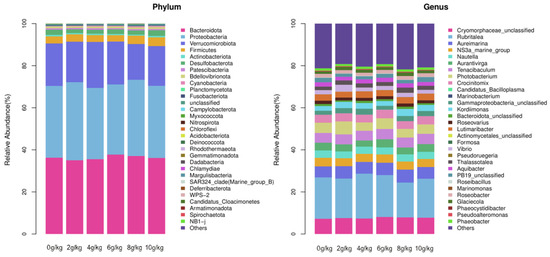
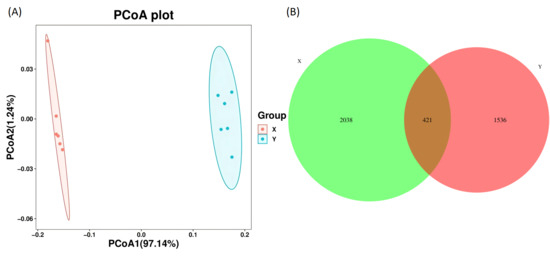
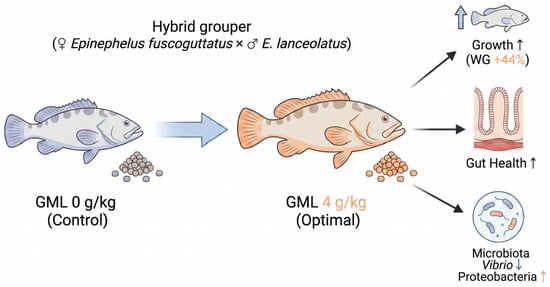
This study investigated the effects of glycerol monolaurate (GML) on the growth performance, physiological efficacy, intestinal structure, and microbiota of hybrid juvenile ♀ Epinephelus fuscoguttatus × ♂ E. lanceolatus. A total of 594 groupers were administered diets supplemented with 0, 2, 4, 6, 8, or 10 g/kg of GML over an 80-day period. The findings indicated that the group receiving 4 g/kg GML supplementation demonstrated significantly enhanced growth performance, as evidenced by increased weight gain, specific growth rate, and a reduced feed conversion ratio compared with the control and other experimental groups. This growth enhancement was associated with elevated catalase and glutathione levels, suggesting improved antioxidant capacity that may contribute to enhanced immune function. Furthermore, fish in the 4 g/kg group exhibited increased digestive enzyme activity and significantly improved intestinal morphology, characterized by thicker muscular layers and a greater fold width and height. Furthermore, compared with the control group, GML supplementation elevated the relative abundance of Proteobacteria while reducing that of Firmicutes at the phylum level. At the genus level, GML markedly suppressed the relative abundance of Mycoplasma and Vibrio. These compositional alterations are potentially linked to improved energy acquisition and a decreased risk of pathogenic infections. Collectively, these results reveal that GML acts as a promising functional feed additive to boost growth performance, optimize digestive capacity, and sustain intestinal structural integrity in hybrid grouper. Based on these results, the optimal GML supplementation dose was determined to be 4 g/kg, providing valuable insights into the role of GML in aquaculture practices for hybrid grouper.
Full article
(This article belongs to the Special Issue Towards Sustainable Aquafeeds: Strategies and Mechanisms of Fish Meal and Oil Replacement)
►▼
Show Figures

Graphical abstract
Open AccessArticle
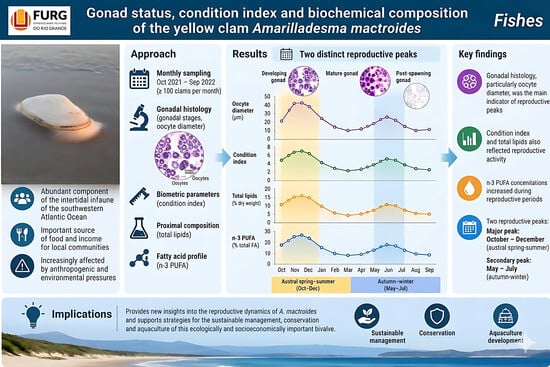
Gonad Status, Condition Index and Biochemical Composition of the Yellow Clam Amarilladesma mactroides
by
Melissa Herrera-Perez, Débora Machado Fracalossi, Virginia Fonseca Pedrosa, Renata Oselame Nobrega, José Maria Monserrat, Luis Alberto Romano and Ronaldo Olivera Cavalli
Fishes 2026, 11(9), 518; https://doi.org/10.3390/fishes11090518 - 2 Sep 2026
Abstract
The yellow clam, Amarilladesma mactroides, is an abundant component of the intertidal infauna of the southwestern Atlantic Ocean and an important source of food and income for local communities. In recent years, this species has been increasingly affected by anthropogenic and environmental
[...] Read more.
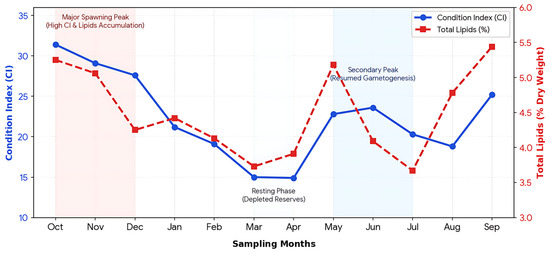
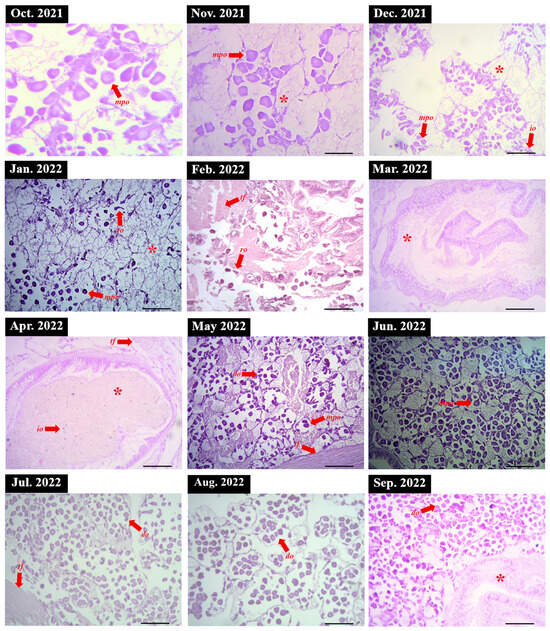
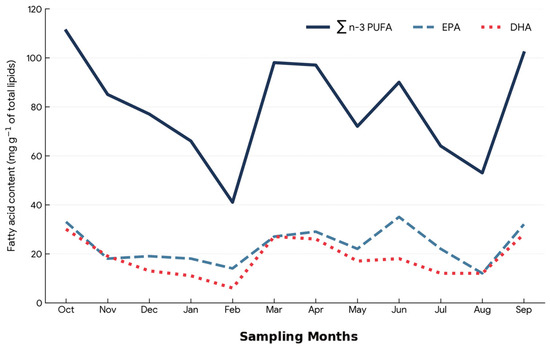
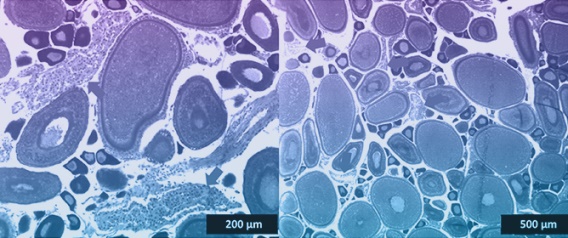
The yellow clam, Amarilladesma mactroides, is an abundant component of the intertidal infauna of the southwestern Atlantic Ocean and an important source of food and income for local communities. In recent years, this species has been increasingly affected by anthropogenic and environmental pressures, contributing to the decline and collapse of several populations. In this study, we characterized the reproductive cycle of A. mactroides in the southernmost region of Brazil using standard approaches, including gonadal histology and biometric parameters, complemented by analyses of proximal composition and fatty acid profiles. Monthly samples of ≥100 clams were collected from October 2021 to September 2022. The results revealed two distinct reproductive peaks: a major peak from October to December (austral spring–summer) and a less pronounced peak from May to July (autumn–winter). Although gonadal histology, particularly oocyte diameter, provided the primary evidence for defining these reproductive peaks, the condition index and concentrations of total lipids and n-3 polyunsaturated fatty acids (n-3 PUFA) also proved useful indicators of reproductive activity. These findings provide new insights into the reproductive dynamics of A. mactroides in southern Brazil and may contribute to the development of strategies for the sustainable management, conservation and aquaculture of this ecologically and socioeconomically important bivalve.
Full article
(This article belongs to the Section Aquatic Invertebrates)
►▼
Show Figures

Graphical abstract
Open AccessArticle
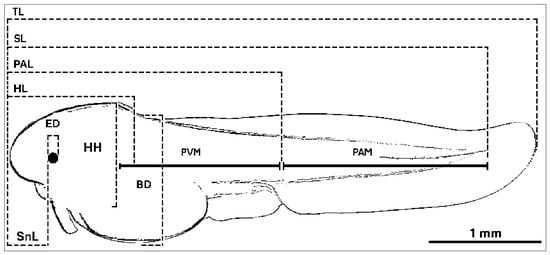
Establishing a First-Feeding Protocol for the Larviculture of the Neotropical Catfish Pseudopimelodus atricaudus
by
Luis Alarcón-Martínez, Miguel Guzmán-Yance, César Montes-Petro, Carlos Tapia-Pacheco, Diana Madariaga-Mendoza, José Espinosa-Araujo and Víctor Atencio-García
Fishes 2026, 11(9), 517; https://doi.org/10.3390/fishes11090517 - 2 Sep 2026
Abstract
The development of first-feeding protocols is a critical step in the domestication of native fish species for aquaculture. This study aimed to evaluate the first-feeding management of Pseudopimelodus atricaudus, a Neotropical catfish with aquaculture potential, using four prey types: Artemia nauplii (AN),
[...] Read more.
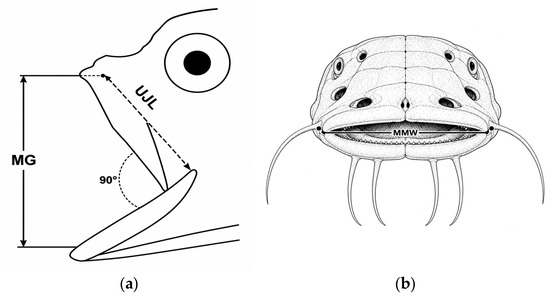
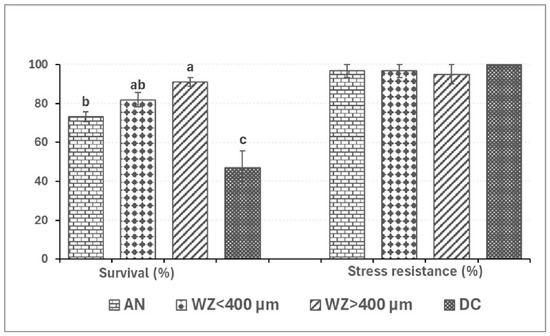
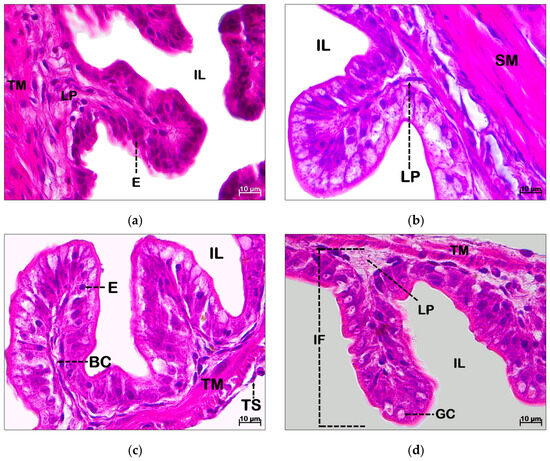
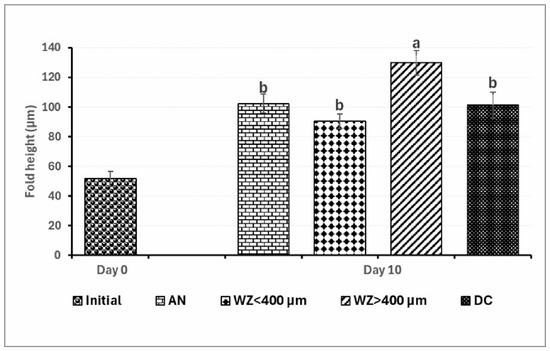
The development of first-feeding protocols is a critical step in the domestication of native fish species for aquaculture. This study aimed to evaluate the first-feeding management of Pseudopimelodus atricaudus, a Neotropical catfish with aquaculture potential, using four prey types: Artemia nauplii (AN), decapsulated Artemia cysts (DC), wild zooplankton smaller than 400 µm (WZ < 400), and larger than 400 µm (WZ > 400). Larvae of P. atricaudus begin exogenous feeding at 30 h post-hatch (1.5 ± 0.02 mg and 5.2 ± 0.01 mm) and have a maximum mouth width of 611.4 ± 11.7 µm. Larvae fed WZ > 400 µm showed significantly higher growth (13.7 ± 0.2 mm, 94.6 ± 1.8 mg) and final survival (91.2 ± 2.2%) compared to the other treatments (p < 0.05), as well as a greater intestinal fold height (129.8 ± 8.4 µm, p < 0.05). No significant differences in hypoxia stress resistance were detected among treatments (p > 0.05). This study demonstrated that WZ > 400 µm is an appropriate prey for managing the first feeding of P. atricaudus.
Full article
(This article belongs to the Section Nutrition and Feeding)
►▼
Show Figures

Figure 1
Open AccessArticle
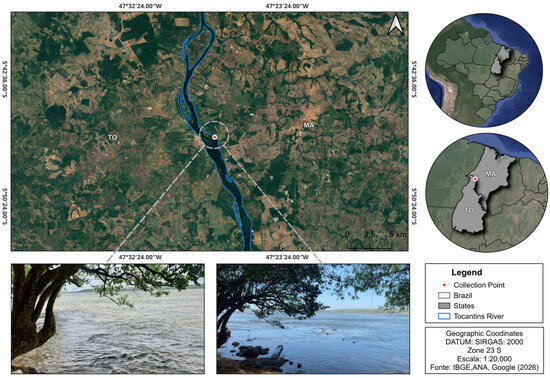
Biometric Variation, Length–Weight Relationship, and Sex Ratio of Prochilodus nigricans in the Middle Tocantins River
by
Letícia Almeida Barbosa Gomes, Thiago Machado da Silva Acioly, Lucas de Oliveira Vieira, Felipe Polivanov Ottoni, Marcelo Francisco da Silva and Diego Carvalho Viana
Fishes 2026, 11(9), 516; https://doi.org/10.3390/fishes11090516 - 1 Sep 2026
Abstract
►▼
Show Figures
This study investigates the length–weight relationship, growth patterns, and population structure of Prochilodus nigricans in a tropical river environment, providing biometric information relevant to ecological studies, fisheries assessment, and conservation planning. A total of 139 individuals were sampled across rainy and dry seasons,
[...] Read more.
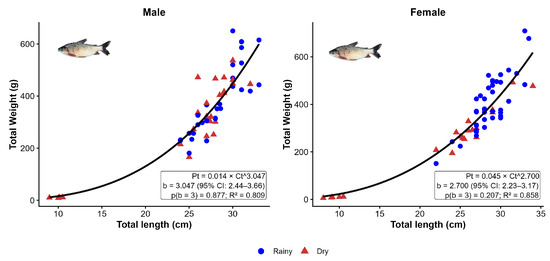
This study investigates the length–weight relationship, growth patterns, and population structure of Prochilodus nigricans in a tropical river environment, providing biometric information relevant to ecological studies, fisheries assessment, and conservation planning. A total of 139 individuals were sampled across rainy and dry seasons, and biometric variables (BD—Body Depth, TL—Total Length, SL—Standard Length, TW—Total Weight, and GW—Gonad Weight) were compared using descriptive statistics and regression analyses. Significant differences in biometric parameters were observed between seasons and sexes. Among the sampled individuals, body depth, standard length, total length, and total weight were significantly higher during the rainy season for both sexes; however, these differences should be interpreted with caution because different gill-net mesh sizes were used between hydrological periods. Gonad weight and gonadosomatic index (GSI) differed significantly between males and females in both seasons. A significant overall effect of season was detected for gonad weight, although pairwise seasonal differences were observed only in males, whereas no significant seasonal effect was detected for GSI. Length–weight relationships indicated isometric growth in both sexes. These results provide baseline biometric information useful for future ecological studies and complementary fisheries assessments of P. nigricans in the Tocantins–Araguaia Basin.
Full article

Figure 1
Open AccessArticle
Interspecific Competition Between Dominant Macrobenthic Species and Meretrix meretrix in a Clam Aquaculture Area
by
Haopeng Hu, Yan Liu, Longyu Liu, Peng Gao, Yanming Sui, Shuai Han, Mei Jiang and Lei Li
Fishes 2026, 11(9), 515; https://doi.org/10.3390/fishes11090515 - 1 Sep 2026
Abstract
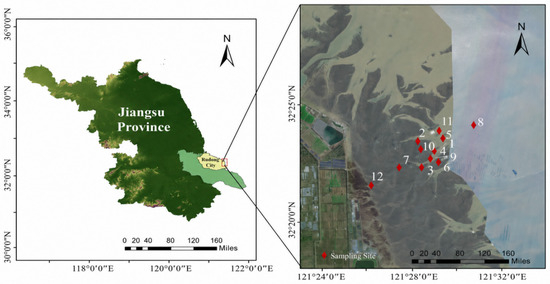
Understanding niche differentiation and interspecific coexistence patterns of macrobenthos provides critical references for ecological assessment of bivalve aquaculture. Seasonal field surveys (Autumn 2023–Summer 2024) across 12 sampling sites were conducted in an intensive Meretrix meretrix tidal flat farm in Rudong, Jiangsu. Synchronous water
[...] Read more.
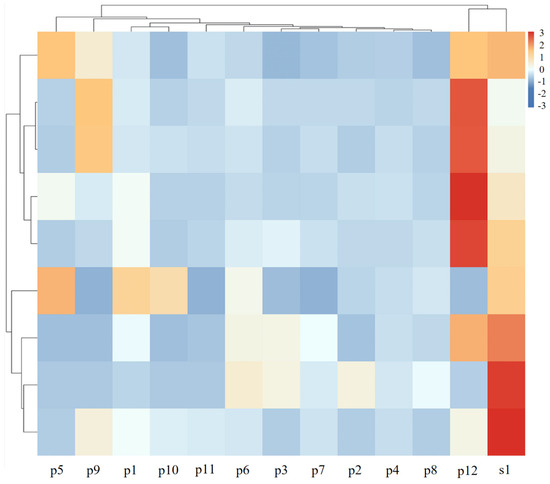
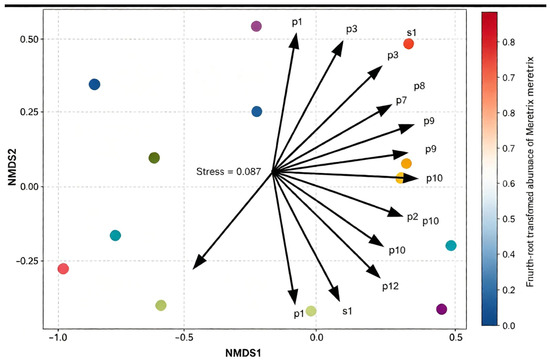
Understanding niche differentiation and interspecific coexistence patterns of macrobenthos provides critical references for ecological assessment of bivalve aquaculture. Seasonal field surveys (Autumn 2023–Summer 2024) across 12 sampling sites were conducted in an intensive Meretrix meretrix tidal flat farm in Rudong, Jiangsu. Synchronous water depth, sediment grain size and total organic carbon (TOC), and salinity were measured at each station to characterize habitat gradients; no unfarmed reference tidal flats were included, so all community patterns only reflect within-farm variation. The study area has sustained 10-year continuous bottom culture with baseline juvenile stocking density of 250 ind./m2 and twice-yearly manual harvesting. A total of 58 macrobenthic taxa were identified, and 13 dominant species were screened with a dominance index threshold Y > 0.02. All abundance data were fourth-root-transformed before Bray–Curtis community analysis to reduce bias of hyper-abundant taxa. Standardized Shannon niche breadth (0–1 normalized, r = 48 site–season composite units) and permutation-tested (999 replicates) Pianka niche overlap/similarity coefficients were calculated to quantify resource utilization similarity. Niche breadth ranged from 0.018 to 0.971, with farmed M. meretrix showing the maximum value, indicating broader seasonal resource adaptation. High niche overlap (>0.50) was detected between M. meretrix and four wild dominant species (Nephtys californiensis, Moerella iridescens, Lingula anatina, Umbonium thomasi). Notably, niche metrics derived solely from spatial abundance data cannot directly confirm interspecific competition or trophic segregation; the stable coexistence observed in our assemblage is tentatively hypothesized to be driven by vertical sediment partitioning and divergent feeding guilds based on published functional studies, without direct in situ trophic or stratified sediment evidence from this work. Hierarchical UPGMA clustering (0.35 Bray–Curtis distance threshold) and corrected NMDS ordination (48 site–season units, dominant-species fitted vectors) illustrated distinct functional groups. Based on the observed niche convergence among filter-feeding bivalves under local farming conditions, the range of 230–280 ind./m2 is presented as an observational reference. Controlled manipulative experiments with gradient stocking densities are needed to test whether this range can balance aquaculture yield and benthic biodiversity.
Full article
(This article belongs to the Special Issue Impacts of Environmental Stressors on Aquatic Animals: Mechanisms, Risk Assessment and Mitigation Strategies)
►▼
Show Figures

Figure 1
Open AccessArticle
Nuclear Following Associations Between Caranx crysos and Two Rays, Dasyatis pastinaca and Aetomylaeus bovinus, Observed in Malta, Central Mediterranean
by
Mark-Anthony Falzon and Patrick J. Schembri
Fishes 2026, 11(9), 514; https://doi.org/10.3390/fishes11090514 - 1 Sep 2026
Abstract
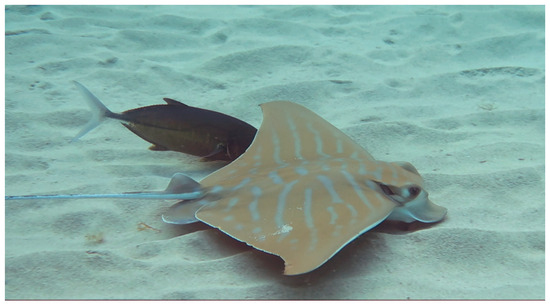
An association of Blue runner, Caranx crysos (Carangidae), with two species of rays, Common stingray Dasyatis pastinaca (Dasyatidae) and Bull ray Aetomylaeus bovinus (Myliobatidae), in which an individual C. crysos (the follower fish) follows a foraging ray (the nuclear species), is described, based
[...] Read more.
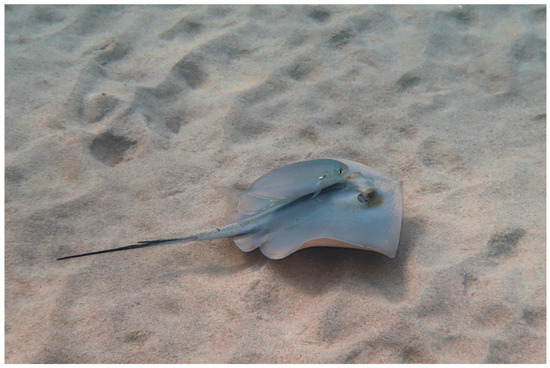
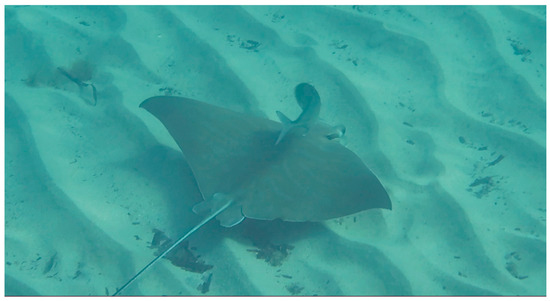
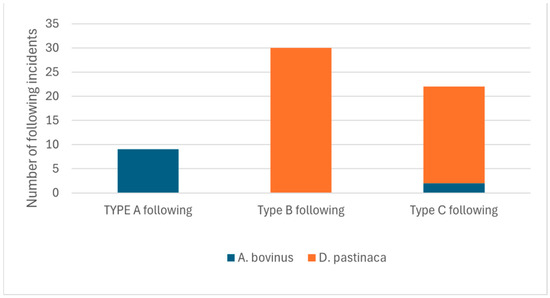
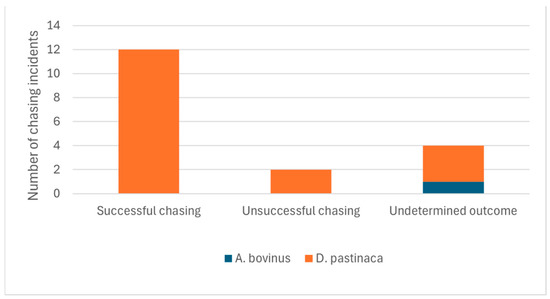
An association of Blue runner, Caranx crysos (Carangidae), with two species of rays, Common stingray Dasyatis pastinaca (Dasyatidae) and Bull ray Aetomylaeus bovinus (Myliobatidae), in which an individual C. crysos (the follower fish) follows a foraging ray (the nuclear species), is described, based on a sample of 61 video clips. Follower fish show three types of behaviour: swimming under the pectoral fin of the nuclear ray, swimming above the mid-dorsal line of the nuclear ray and very close to it, or swimming above the ray and darting from side to side. The first two of these behaviours seem to be species-specific as the first is only shown when the nuclear ray is A. bovinus and the second when the nuclear ray is D. pastinaca. Following fish do not allow conspecifics to approach the nuclear ray but are mostly indifferent to non-conspecifics doing so. The following fish benefit from the association by feeding on prey disturbed by the foraging activities of the nuclear ray but the nuclear ray is unreactive to the following fish, suggesting that this is a case of trophic commensalism.
Full article
(This article belongs to the Section Biology and Ecology)
►▼
Show Figures

Figure 1
Open AccessArticle
Dietary Astaxanthin Improves Growth, Modulates Skin Antioxidants and Transcriptomics in Koi Carp (Cyprinus carpio) Under Acute Cold Stress
by
Ahmed E. Elshafey, Shuchang Cao, Sebastianus Ken Chandra, Bin Wen and Zaizhong Chen
Fishes 2026, 11(9), 513; https://doi.org/10.3390/fishes11090513 - 31 Aug 2026
Abstract
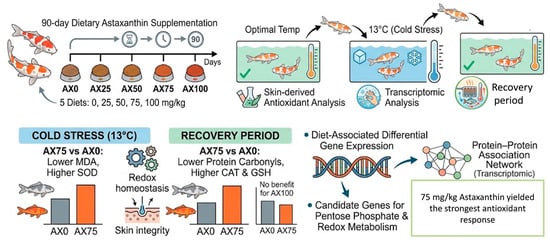
Cold stress disrupts redox homeostasis and skin structural integrity in ornamental koi carp (Cyprinus carpio). To address the unclear long-term effects of astaxanthin (AX), this study examined 90-day dietary supplementation on growth and skin-derived antioxidant mechanisms during cold shock and recovery.
[...] Read more.
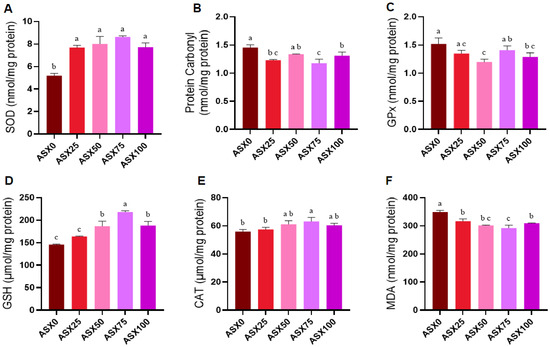
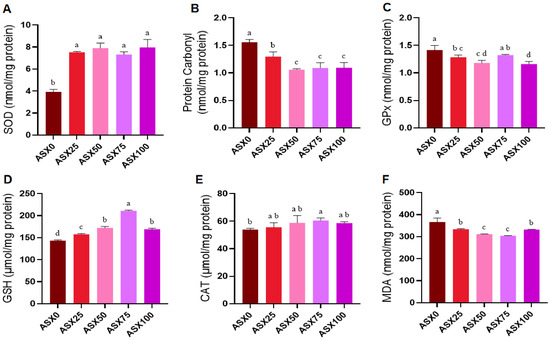
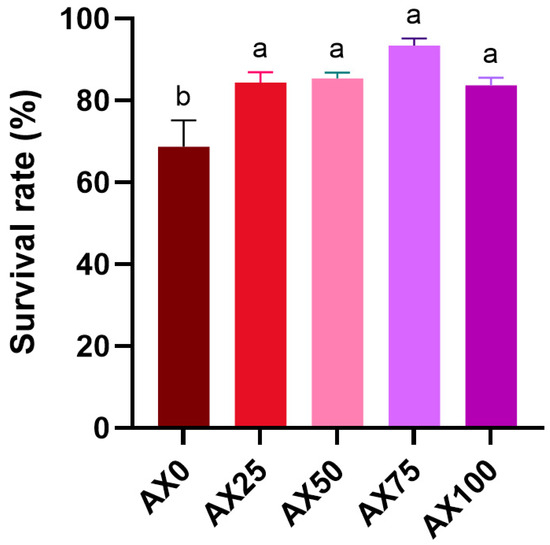
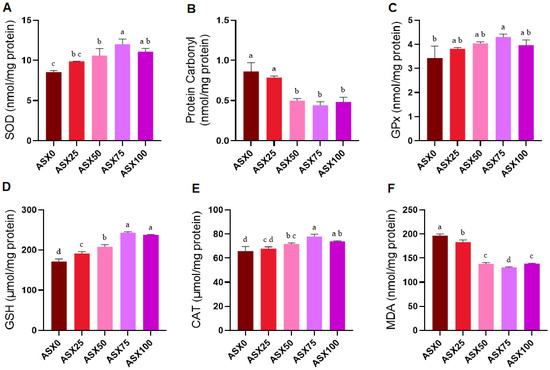
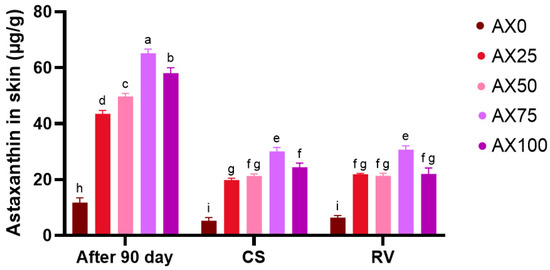
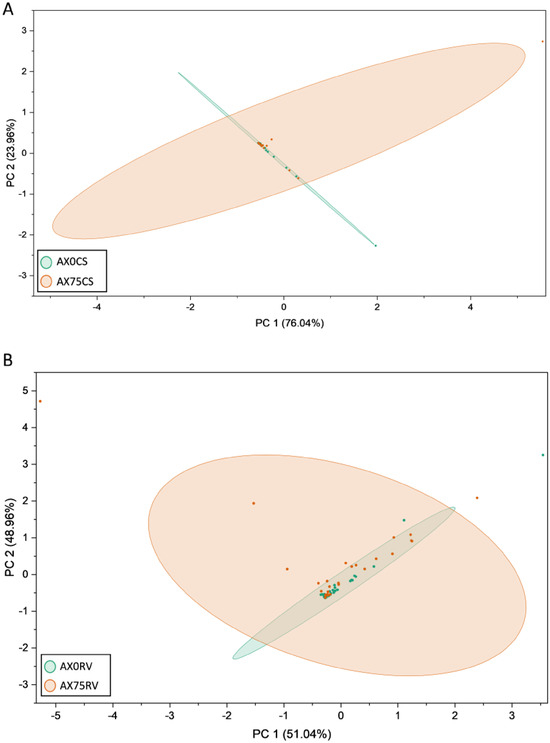
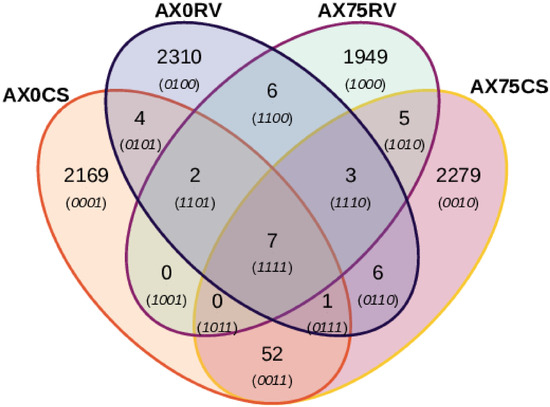
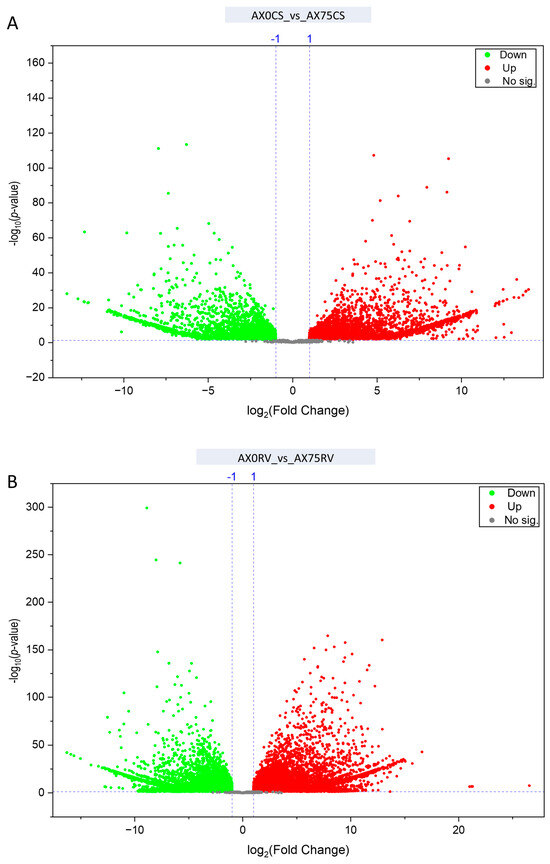
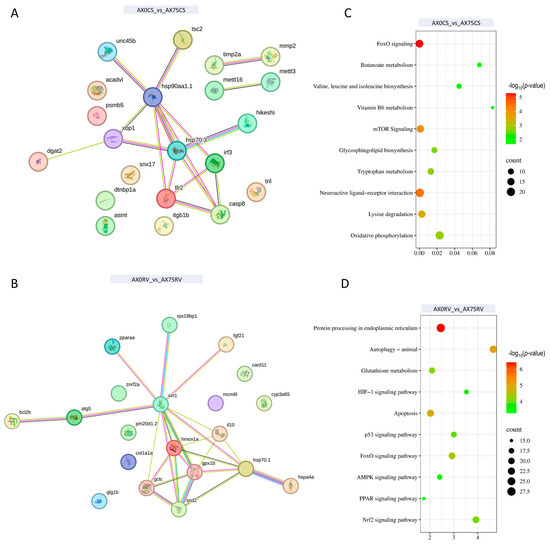
Cold stress disrupts redox homeostasis and skin structural integrity in ornamental koi carp (Cyprinus carpio). To address the unclear long-term effects of astaxanthin (AX), this study examined 90-day dietary supplementation on growth and skin-derived antioxidant mechanisms during cold shock and recovery. Koi carp were administered with one of the 5 diets containing the following 0 mg/kg (AX0), 25 mg/kg (AX25), 50 mg/kg (AX50), 75 mg/kg (AX75) and 100 mg/kg (AX100) of astaxanthin for 90 days then growth performance are measured; antioxidant of the fish skin was assessed thereafter they were exposed to an acute transfer to a temperature of 13 °C; MDA, GSH, SOD, CAT, protein carbonyls, and GPX were measured in skin samples collected after 90 days of dietary AX, following cold-stress exposure, and after the recovery period. Transcriptomic analysis and protein–protein association network analysis were performed for the AX0 and AX75 groups following cold-stress exposure and after the recovery period. AX75 treatment showed the highest growth performance. Under cold-stress conditions, the AX0 group exhibited higher MDA levels and lower SOD activity, whereas the AX75 group showed lower MDA levels and higher SOD activity. During the recovery period, AX75 showed increased CAT activity and GSH levels, along with low levels of MDA and protein carbonyls in comparison to the AX0 group. Transcriptomic analysis revealed diet-associated differential expression of candidate genes related to pentose phosphate and redox metabolism. Overall, the results of this study showed that 75 mg/kg astaxanthin enhanced growth and produced the strongest antioxidant response against cold stress and assisted in recovery.
Full article
(This article belongs to the Special Issue Ornamental Fish)
►▼
Show Figures

Graphical abstract
Open AccessReview
Hematological Profiles in European Seabass (Dicentrarchus labrax): Methodological Variability, Analytical Constraints and Implications for Reference Value Interpretation
by
Sevasti-Aliki Kounida, Michail-Aggelos Valsamidis, Sofia Pappou and Vasileios Bakopoulos
Fishes 2026, 11(9), 512; https://doi.org/10.3390/fishes11090512 - 30 Aug 2026
Abstract
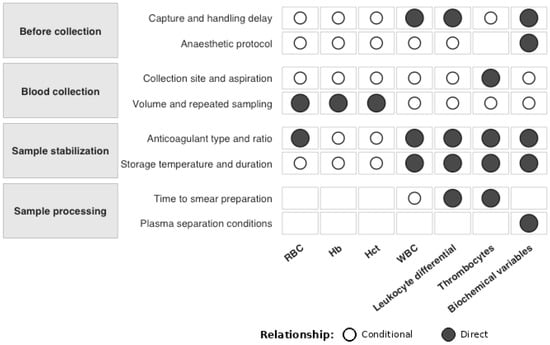
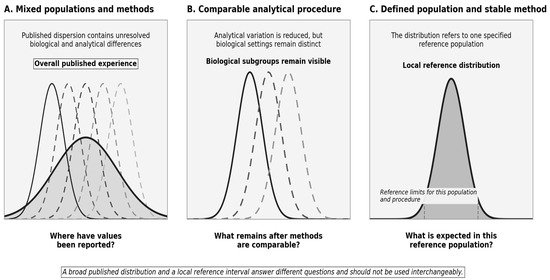
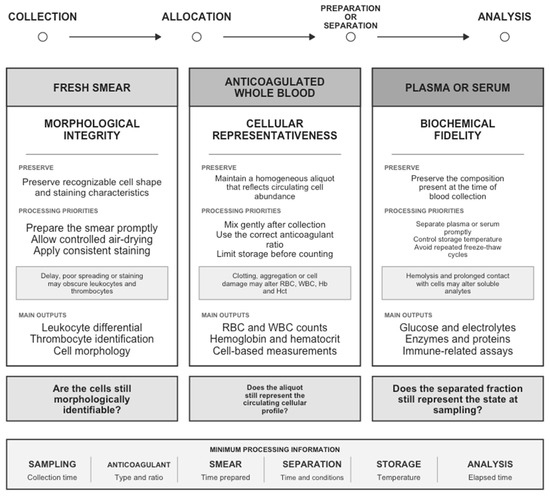
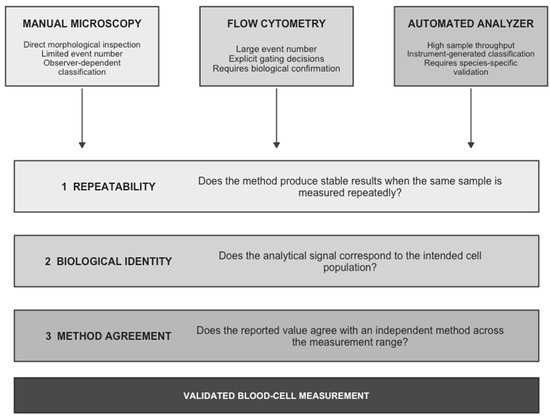
European seabass (Dicentrarchus labrax) hematology is widely used in nutrition, welfare, stress and health studies, yet results from different laboratories are often difficult to compare. This critical narrative review examines how preanalytical handling, analytical procedure and biological context affect that comparability.
[...] Read more.
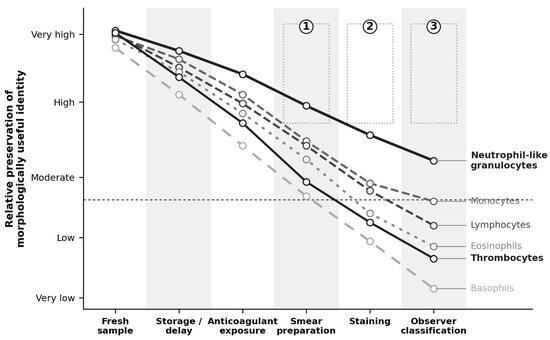
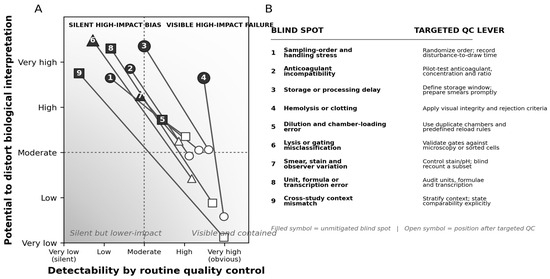
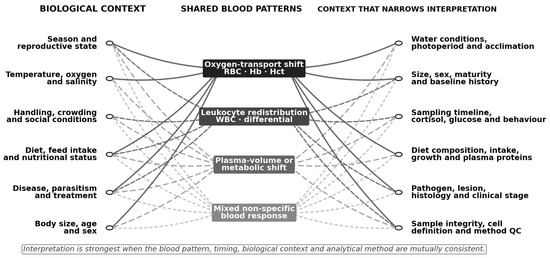
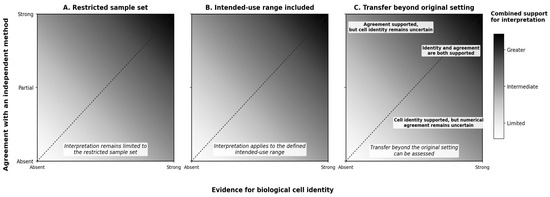
European seabass (Dicentrarchus labrax) hematology is widely used in nutrition, welfare, stress and health studies, yet results from different laboratories are often difficult to compare. This critical narrative review examines how preanalytical handling, analytical procedure and biological context affect that comparability. It is written for researchers, diagnostic laboratories and aquaculture health teams that collect or use D. labrax blood data. Primary European seabass studies are discussed directly where they provide quantitative operating conditions, method comparisons or measurable biological changes. Manual microscopy, automated analyzers and flow cytometry are considered separately because nucleated erythrocytes and thrombocytes create different sources of error in each approach. The review distinguishes practical quality-control checks from the fuller reporting required for reproducibility and separates published operating conditions from numerical limits that have not been validated for the species. Seasonal studies show large coordinated shifts in red blood cell count (RBC), hemoglobin concentration (Hb) and hematocrit (Hct), whereas white blood cell count (WBC) and thrombocyte results remain particularly dependent on cell definition and analytical method. Published pooled estimates are useful for broad comparison but not as universal diagnostic limits. The most defensible use of European seabass hematology is therefore within a defined population, a stated sampling protocol and a method whose performance is known for the intended measurement.
Full article
(This article belongs to the Special Issue Physiological Responses of Fish to Stressors)
►▼
Show Figures

Figure 1
Open AccessArticle
Seasonal Growth, Reproduction, and Health of the Pacific Oysters Cultured in an Intertidal Rack System in Garorim Bay, West Coast of Korea
by
Hee-Jung Lee, Jong-Won Park, Jeong-Ho Lee, Kwang-Sik Choi and Hyun-Ki Hong
Fishes 2026, 11(9), 511; https://doi.org/10.3390/fishes11090511 - 30 Aug 2026
Abstract
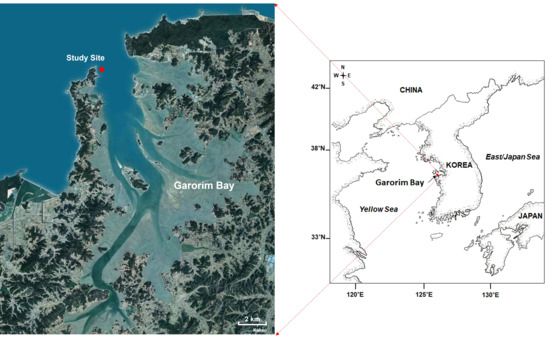
This study investigated seasonal variation in tissue growth, reproductive status, energy reserves, and digestive tubule condition in the Pacific oyster, Magallana gigas, cultured in an off-bottom intertidal rack system in Garorim Bay on the west coast of Korea. Monthly samples of adult
[...] Read more.
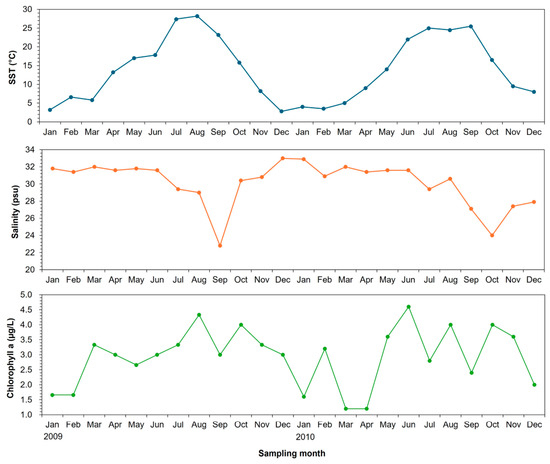
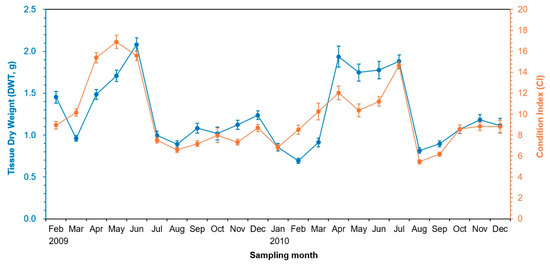
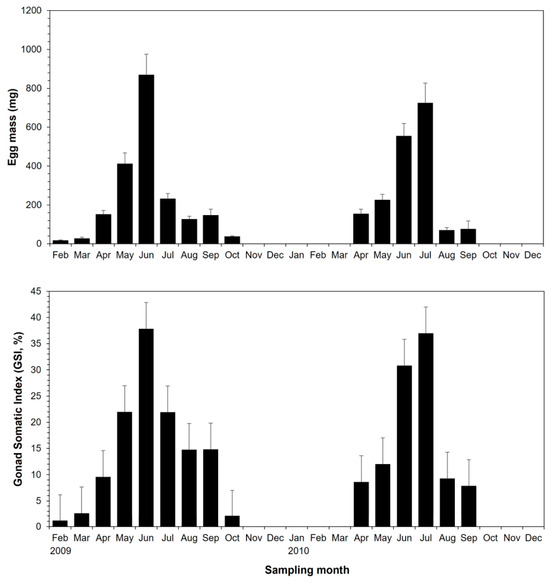
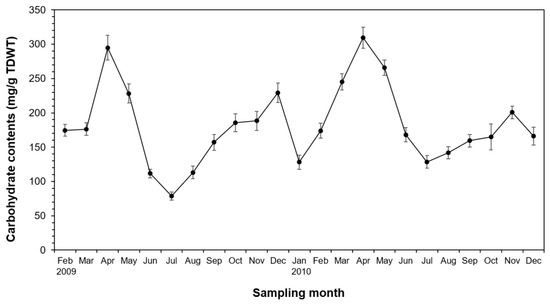
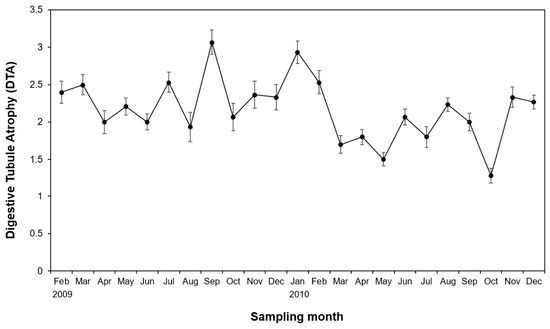
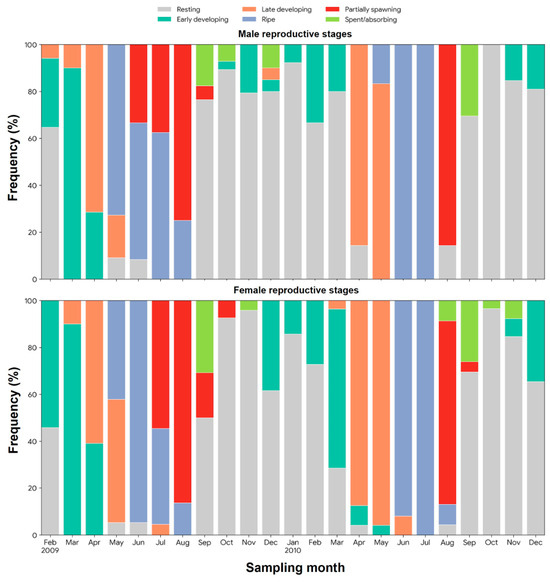
This study investigated seasonal variation in tissue growth, reproductive status, energy reserves, and digestive tubule condition in the Pacific oyster, Magallana gigas, cultured in an off-bottom intertidal rack system in Garorim Bay on the west coast of Korea. Monthly samples of adult oysters were collected from February 2009 to December 2010. Condition index (CI), total carbohydrate content, reproductive stage, female reproductive effort estimated by indirect enzyme-linked immunosorbent assay (ELISA), and digestive tubule atrophy (DTA) were measured concurrently in individual oysters. Gametogenesis was largely synchronized between sexes and was strongly associated with seasonal sea surface temperature ( , ). Carbohydrate content peaked in early spring and declined during the spawning season. In females, carbohydrate content was negatively correlated with gonad somatic index (GSI) ( , ), suggesting that oysters investing more heavily in egg production tended to have lower remaining carbohydrate reserves. GSI showed interannual variation in spawning timing, peaking at 37.9% in June 2009 and 37.0% in July 2010. DTA showed temporal variation, with relatively elevated values in late summer–early autumn 2009 and mid-winter 2010. The late-summer 2009 increase in DTA coincided with a marked decline in salinity; however, monthly mean analyses did not establish a causal relationship between salinity and DTA. Together, these results indicate that the seasonal physiological condition of intertidal rack-cultured oysters reflects a dynamic balance between reproductive investment, carbohydrate reserves, and digestive gland condition, with this balance potentially modified by seasonal environmental variability. These results provide a cross-sectional, multi-parameter baseline for seasonal monitoring of reproductive status, energy reserves, and digestive tubule condition in intertidal rack-cultured oysters in Garorim Bay.
Full article
(This article belongs to the Special Issue Sustainable Bivalve Mollusks Aquaculture)
►▼
Show Figures

Figure 1
Open AccessArticle
Proof-of-Concept Beam-Position-Resolved Backscatter Measurements of Three Preserved Cultured-Fish Specimens Using Calibrated High-Frequency Narrow-Beam Broadband Acoustics
by
Shujie Wan, Jing Cheng, Zhijun Wang and Guodong Li
Fishes 2026, 11(9), 510; https://doi.org/10.3390/fishes11090510 - 29 Aug 2026
Abstract
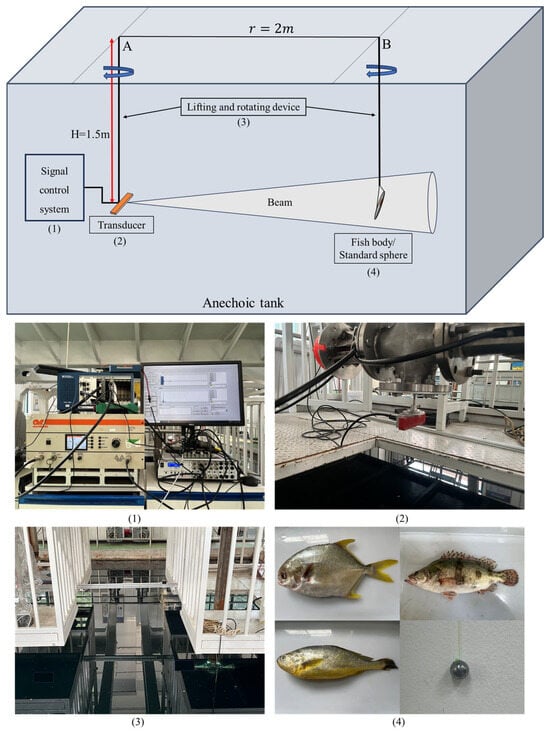
High-frequency broadband acoustics can provide fine spatial resolution for near-range fish measurements, but the performance and limitations of beam-position-resolved backscatter measurements require careful evaluation. This proof-of-concept study examined one commercially sourced, dead, previously frozen specimen of each of three cultured fishes: golden pompano
[...] Read more.
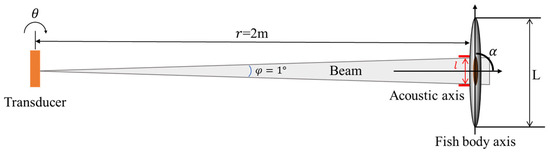
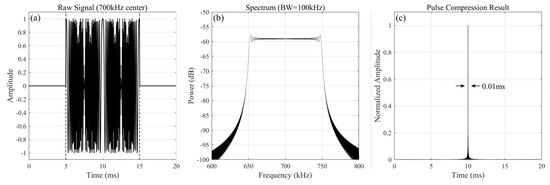
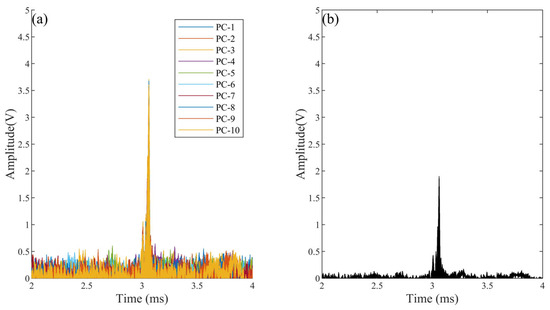
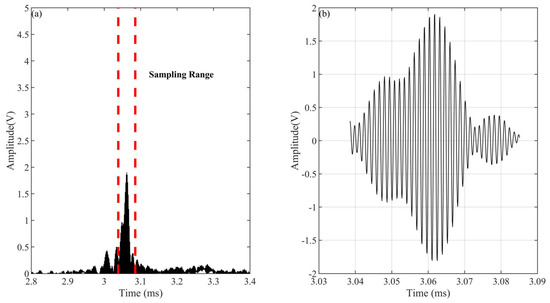
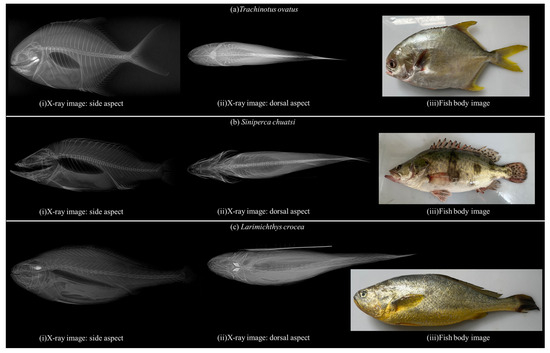
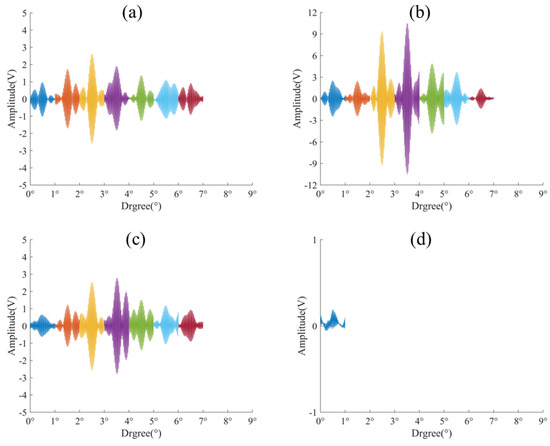
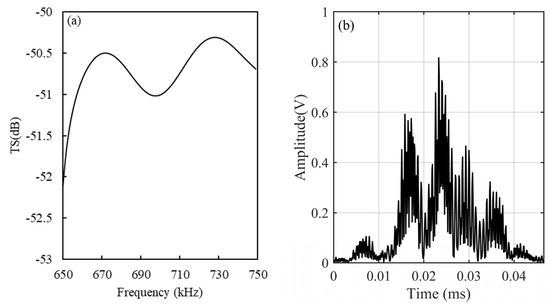
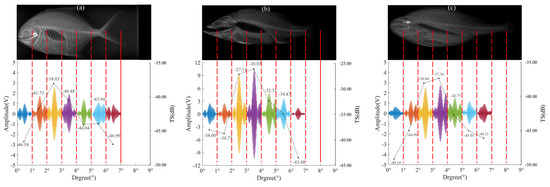
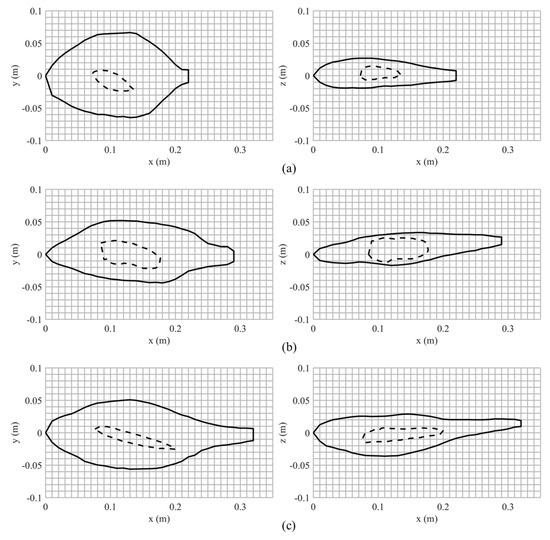
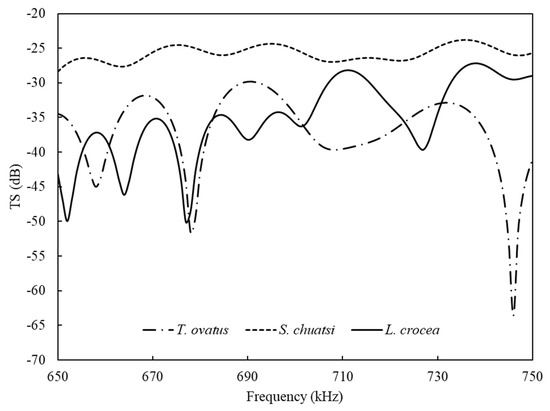
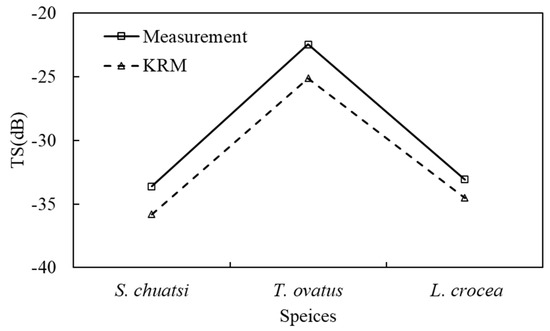
High-frequency broadband acoustics can provide fine spatial resolution for near-range fish measurements, but the performance and limitations of beam-position-resolved backscatter measurements require careful evaluation. This proof-of-concept study examined one commercially sourced, dead, previously frozen specimen of each of three cultured fishes: golden pompano (Trachinotus ovatus; 24.4 cm), mandarin fish (Siniperca chuatsi; 29.1 cm), and large yellow croaker (Larimichthys crocea; 31.2 cm). A 650–750 kHz narrow-beam system was referenced to a 10.3 mm tungsten-carbide sphere, and matched-filter pulse compression and 1° stepwise scanning were used to estimate a beam-position-resolved backscatter metric along each body. At broadside incidence, the section-summed backscatter indices were −33.61, −22.45, and −33.07 dB for the T. ovatus, S. chuatsi, and L. crocea specimens, respectively. The section-summed abdominal backscatter index, in the region occupied by the swimbladder in the post-thaw X-ray images, exceeded the arithmetic mean of the head and tail group indices by 9.71 ± 1.84 dB (range: 8.27–11.86 dB). Tailward beam positions fell below the noise floor at approximately 12.5% of the expected scan positions for S. chuatsi and 22.2% for L. crocea. A 15° departure from broadside reduced the section-summed index by 3.73–11.43 dB. Kirchhoff-ray-mode (KRM) simulations based on post-thaw dual-view X-ray geometry were broadly consistent with the specimen-level contrast observed among the preserved specimens, but were 0.92–2.74 dB lower than the corresponding broadside section-summed measurement indices at 700 kHz. These differences are not a quantitative validation because the measured and modeled estimators, frequency weighting, geometry, and tissue parameters were not equivalent. These results demonstrate the feasibility of a calibrated beam-position workflow for preserved specimens, while not establishing live-fish target strength, species benchmarks, or biomass-estimation performance.
Full article
(This article belongs to the Special Issue Applications of Hydroacoustic Technology to Marine Ecology and Fisheries)
►▼
Show Figures

Figure 1
Open AccessArticle
Black Soldier Fly Larvae as a Fishmeal Alternative: Effects on Growth, Muscle Quality, Antioxidant Status and Gut Microbiota of Juvenile Pangasius
by
Jinghua Fu, Jianpeng Li, Ke Zhang and Minjun Xu
Fishes 2026, 11(9), 509; https://doi.org/10.3390/fishes11090509 - 29 Aug 2026
Abstract
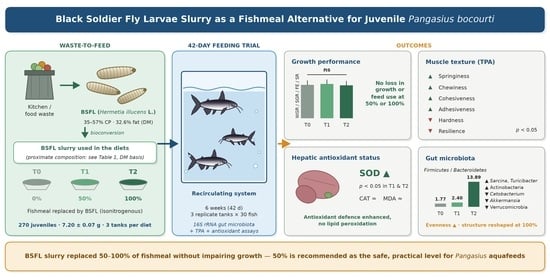
To evaluate the economic and ecological potential of black soldier fly larvae (BSFL) slurry as a fishmeal alternative, 270 juvenile Pangasius (initial body weight: 7.20 ± 0.07 g) were acclimated for two weeks and randomly allocated to three dietary treatments (T0, T1, T2),
[...] Read more.
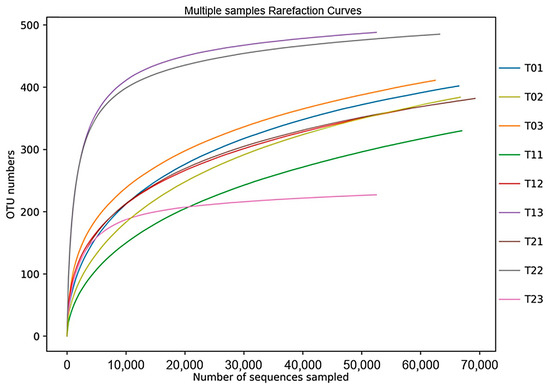
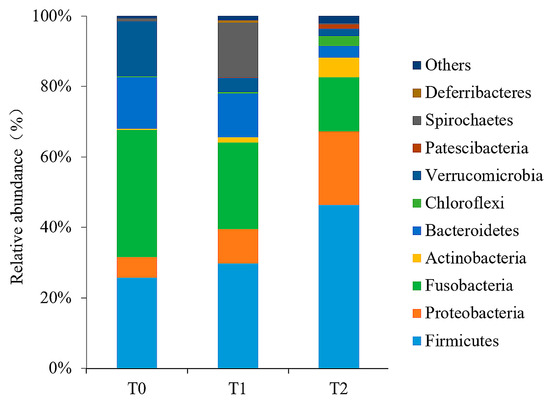
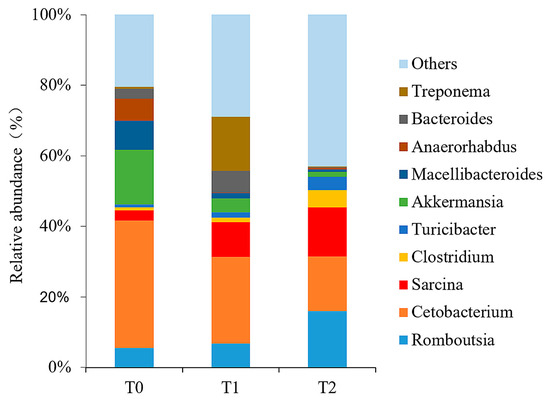
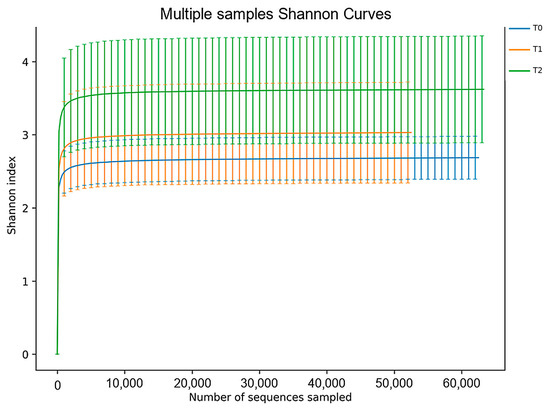
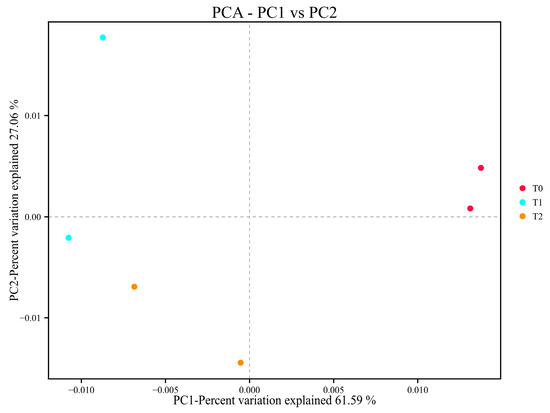
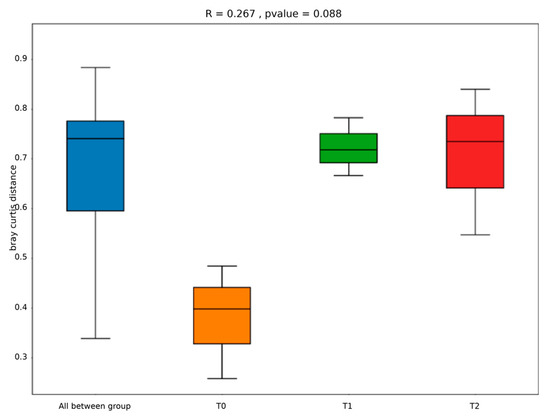
To evaluate the economic and ecological potential of black soldier fly larvae (BSFL) slurry as a fishmeal alternative, 270 juvenile Pangasius (initial body weight: 7.20 ± 0.07 g) were acclimated for two weeks and randomly allocated to three dietary treatments (T0, T1, T2), with three biological replicates per treatment. The feeding trial lasted six weeks (42 days). Fish in T0 were fed the basal diet, while T1 and T2 diets replaced 50% and 100% of fishmeal with BSFL on an isonitrogenous basis, respectively. At trial termination, whole-body proximate composition, muscle texture, and intestinal microbiota were analyzed. BSFL inclusion at 50–100% fishmeal replacement did not compromise growth performance. Moisture and ash content did not differ among treatments (p > 0.05), whereas BSFL supplementation significantly altered muscle texture, reducing hardness and resilience while increasing springiness, chewiness, cohesiveness, and adhesiveness. Both 50% and 100% BSFL replacement enhanced hepatic antioxidant capacity, evidenced by significantly higher superoxide dismutase (SOD) activity (p < 0.05). BSFL also modulated intestinal microbiota and enhanced community evenness, though without significant intergroup differences in bacterial abundance (p > 0.05). This study demonstrated that BSFL could replace 50–100% of fishmeal in diets for juvenile Pangasius, maintaining growth performance while modifying nutritional profiles, muscle texture, hepatic antioxidant status, and intestinal microbiota. Nevertheless, 100% fishmeal replacement triggered distinct shifts in intestinal microbial composition despite satisfactory growth, and the 50% substitution level was, therefore, recommended as a safe proportion for practical aquafeeds.
Full article
(This article belongs to the Section Nutrition and Feeding)
►▼
Show Figures

Graphical abstract
Open AccessArticle
Fortifying Depurated Clams: Evaluation of the Antioxidant and Nutritional Impact of Microencapsulated Diets Containing Nannochloropsis sp. and Vitamin Supplementation
by
Vitória Pereira, Sílvia F. S. Pires, Pedro Bem-Haja, Andreia C. M. Rodrigues, Amadeu M. V. M. Soares, Luís E. C. Conceição, Mário Pacheco and Rui J. M. Rocha
Fishes 2026, 11(9), 508; https://doi.org/10.3390/fishes11090508 - 28 Aug 2026
Abstract
Conventional bivalve depuration protocols may compromise organoleptic and nutritional quality, largely as a consequence of fasting. This study investigates an innovative post-depuration feeding strategy in the clam Ruditapes decussatus using microencapsulated diets containing Nannochloropsis sp. supplemented with either a standard dose of vitamins
[...] Read more.
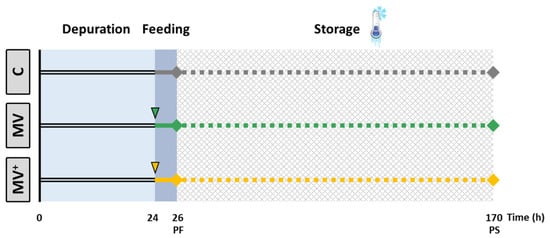
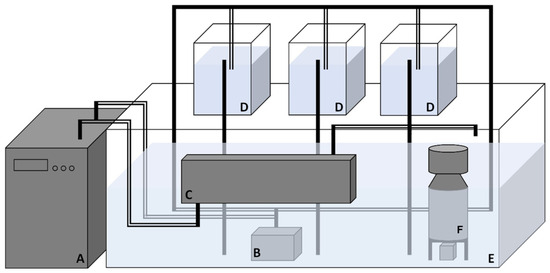
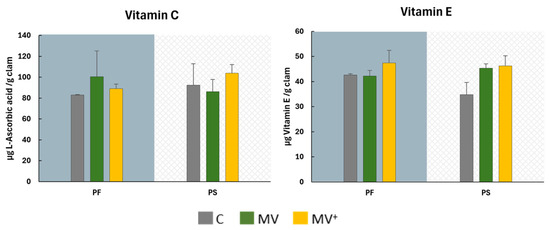
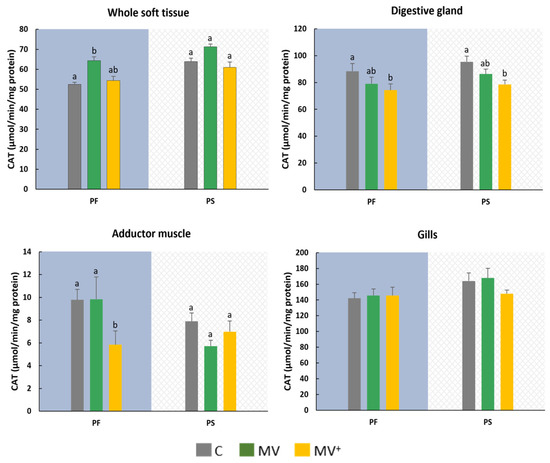
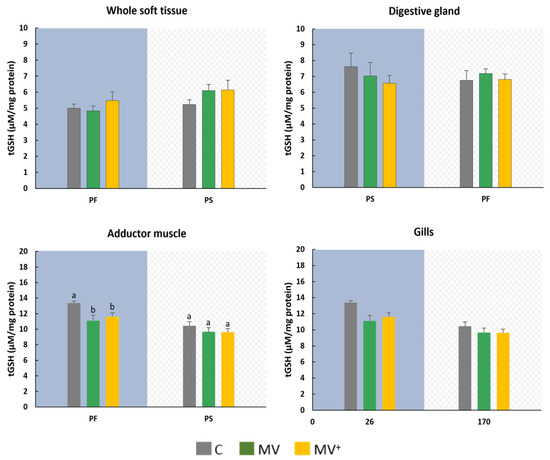
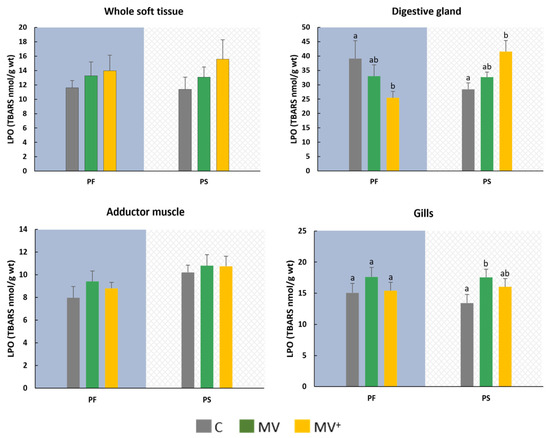
Conventional bivalve depuration protocols may compromise organoleptic and nutritional quality, largely as a consequence of fasting. This study investigates an innovative post-depuration feeding strategy in the clam Ruditapes decussatus using microencapsulated diets containing Nannochloropsis sp. supplemented with either a standard dose of vitamins C and E (MV) or a high dose—4× the standard level—of these vitamins (MV+). A three-phase experiment was conducted comprising 24 h of depuration, 2 h of post-depuration feeding, and 6 days of refrigerated storage at 5 ± 1 °C. Clams were sampled after feeding (PF) and after refrigerated storage (PS) and assessed for condition index (CI), vitamin C and E contents, antioxidant defense markers, including catalase activity (CAT) and total glutathione (tGSH), and oxidative damage, assessed through lipid peroxidation (LPO). CI did not differ significantly among dietary treatments. At PF, dietary treatment modulated antioxidant-related responses, particularly in the MV+ group. In the digestive gland, MV+ showed significantly lower LPO than the Control at PF, whereas after refrigerated storage this response was reversed. These findings indicate that the potential benefits associated with vitamin-enriched post-depuration feeding were not fully retained, with increased LPO at PS indicating greater oxidative damage. Further research is required to optimize this feeding strategy and evaluate its feasibility at commercial scale.
Full article
(This article belongs to the Special Issue Towards Sustainable Aquafeeds: Strategies and Mechanisms of Fish Meal and Oil Replacement)
►▼
Show Figures

Figure 1
Journal Menu
► ▼ Journal Menu-
- Fishes Home
- Aims & Scope
- Editorial Board
- Reviewer Board
- Topical Advisory Panel
- Early Career Editorial Board
- Instructions for Authors
- Special Issues
- Topics
- Sections
- Article Processing Charge
- Indexing & Archiving
- Editor’s Choice Articles
- Most Cited & Viewed
- Journal Statistics
- Journal History
- Journal Awards
- Society Collaborations
- Conferences
- Editorial Office
- 10th Anniversary
Journal Browser
► ▼ Journal BrowserHighly Accessed Articles
Latest Books
E-Mail Alert
News
1 September 2026
MDPI INSIGHTS: The CEO’s Letter #38 – 2 Million Published Articles, Outstanding Reviewers, Michele Parrinello Award, AIS 2026 & WSF-12
20 August 2026
Meet Us at the 5th Fisheries Ecology and Environment Conference, 28–30 August, Weihai, China
Topics
Topic in
Fishes, Foods, Microplastics, Veterinary Sciences, Poultry, Animals, Ruminants
Micro- and Nanoplastics in Animals and Livestock Production
Topic Editors: Sonia Tassone, Beniamino T. Cenci-Goga, Samia Ben Said, Khalil AbidDeadline: 31 December 2026
Topic in
Animals, Aquaculture Journal, Biology, Fishes, Life
Sex Differentiation Mechanisms in Aquatic Species
Topic Editors: Mingyou Li, Zhihui Sun, Jun ZhangDeadline: 31 January 2027
Topic in
Biology, Data, Diversity, Fishes, Animals, Conservation, Hydrobiology
Intersection Between Macroecology and Data Science
Topic Editors: Paulo Branco, Gonçalo DuarteDeadline: 23 April 2027
Topic in
Aquaculture Journal, Fishes, Microorganisms, Animals, Sustainability
Women's Topic Series: Aquaculture
Topic Editors: Patrícia Díaz-Rosales, Camino OrdásDeadline: 8 May 2027
Conferences
Special Issues
Special Issue in
Fishes
Feature Papers by Fishes’ Editorial Board Members
Guest Editor: Maria Angeles EstebanDeadline: 10 September 2026
Special Issue in
Fishes
Immunology, Environment, and Nutrition of Aquatic Animals
Guest Editor: Quanquan CaoDeadline: 10 September 2026
Special Issue in
Fishes
Technology for Fish and Fishery Monitoring—2nd Edition
Guest Editor: Vincent KerzérhoDeadline: 10 September 2026
Special Issue in
Fishes
Genetics and Breeding of Fishes
Guest Editor: Wuhui LiDeadline: 10 September 2026