
Topical Advisory Panel applications are now closed. Please contact the Editorial Office with any queries.
Journal Description
Fire
Fire
is an international, peer-reviewed, open access journal about the science, policy, and technology of fires and how they interact with communities and the environment, published monthly online by MDPI.
- Open Access— free for readers, with article processing charges (APC) paid by authors or their institutions.
- High Visibility: indexed within Scopus, SCIE (Web of Science), AGRIS, PubAg, and other databases.
- Journal Rank: JCR - Q1 (Forestry) / CiteScore - Q1 (Forestry)
- Rapid Publication: manuscripts are peer-reviewed and a first decision is provided to authors approximately 20.3 days after submission; acceptance to publication is undertaken in 3.6 days (median values for papers published in this journal in the first half of 2026).
- Recognition of Reviewers: reviewers who provide timely, thorough peer-review reports receive vouchers entitling them to a discount on the APC of their next publication in any MDPI journal, in appreciation of the work done.
- Paper Types: in addition to regular articles we accept Perspectives, Case Studies, Data Descriptors, Technical Notes, and Monographs.
- Journal Cluster of Ecosystem and Resource Management: Forests, Diversity, Fire, Conservation, Ecologies, Biosphere and Wild.
Impact Factor:
3.2 (2025);
5-Year Impact Factor:
3.3 (2025)
Latest Articles
Research on the Effect of Ambient Temperature on the Thermal Safety Evolution of Cycling-Aged Lithium-Ion Batteries
Fire 2026, 9(8), 350; https://doi.org/10.3390/fire9080350 - 13 Aug 2026
Abstract
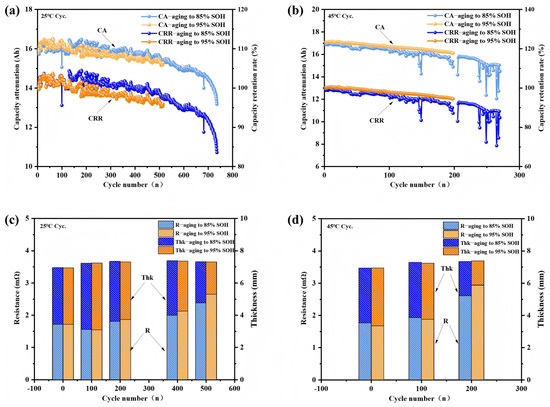
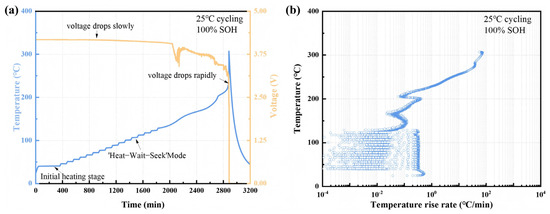
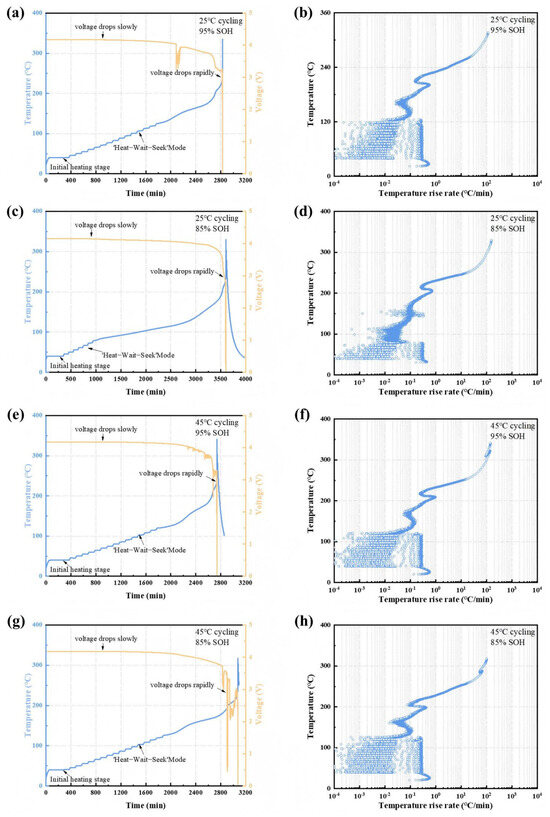
With the rapid development of recycling and secondary utilization of end-of-life battery materials, it is crucial to clarify the impact of full-lifecycle degradation on the thermal safety limits of lithium-ion batteries. This study focuses on a 16 Ah NCM613|graphite pouch battery. First, it
[...] Read more.
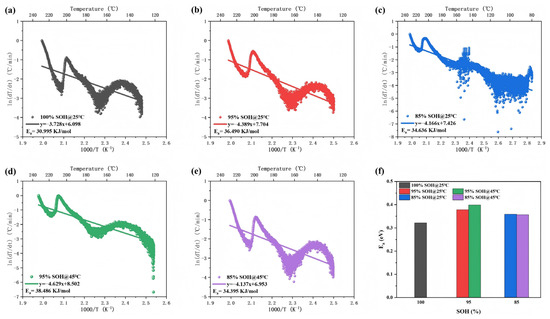
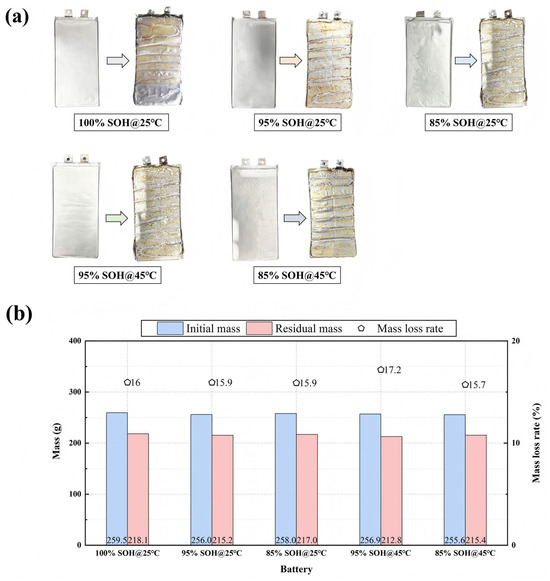
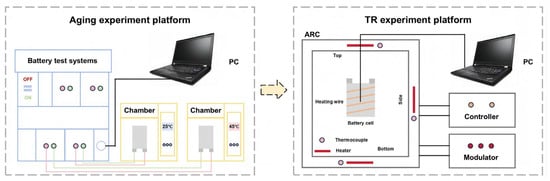
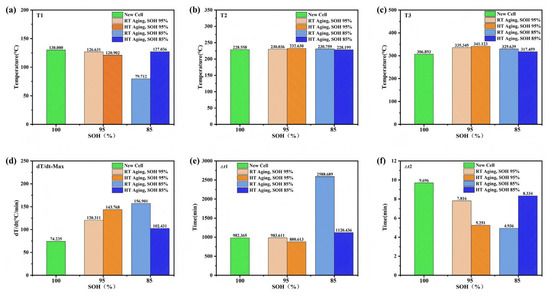
With the rapid development of recycling and secondary utilization of end-of-life battery materials, it is crucial to clarify the impact of full-lifecycle degradation on the thermal safety limits of lithium-ion batteries. This study focuses on a 16 Ah NCM613|graphite pouch battery. First, it analyzes the evolution of capacity decay, thickness expansion, and internal resistance during cycling at room temperature (25 °C) and high temperature (45 °C). Furthermore, an adiabatic accelerated calorimeter (ARC) is employed to investigate the influence of different states of health (SOH) levels (95% and 85%) on the battery’s thermal runaway characteristics. The findings indicate that, macroscopically, batteries in all states follow similar voltage–temperature failure pathways, with mass loss rates confined to a narrow range of approximately 16%, emphasizing the low catastrophic potential of mid-nickel chemistry. However, the microscopic kinetic mechanisms exhibit significant anisotropy: although thickness and internal resistance display no apparent abrupt increase during the late stage of room temperature aging, the capacity exhibits a highly nonlinear plunge behavior. The severe internal lithium plating side reaction triggered by this phenomenon causes the self-heating onset temperature to drop rapidly from 130.0 °C in the fresh state to 79.7 °C. Concurrently, the activation energy of the exothermic side reaction, fitted using a simplified Arrhenius equation, exhibits a non-monotonic variation with aging progress. In the early stages of aging at 95% SOH, due to high temperatures promoting more significant growth of the interfacial film or moderate film formation at room temperature enhancing interfacial thermal stability, the activation energies for both aged batteries increase, and the energy barrier at high temperatures is slightly higher than at room temperature; however, during the deep aging stage at 85% SOH, due to the degradation of active material components and the emergence of lithium plating characteristics, the energy barrier significantly decreases, with high-temperature-aged batteries exhibiting a greater reduction, highlighting the cumulative negative impact of prolonged high-temperature exposure on thermal safety. The research provides a core scientific basis for establishing a battery safety early warning and dynamic health management system covering the entire lifecycle.
Full article
(This article belongs to the Special Issue Thermal Runaway in Lithium Batteries: Fire Mechanisms, Early Warning and Advanced Suppression)
►
Show Figures
Open AccessArticle
Effect of High Temperatures on Fire-Retardant-Modified Spruce and Beech Wood: Thermal Analysis, Heat Transfer, Chemical Composition, and Physical Properties
by
David Novák, Kateřina Hájková, Vlastimil Borůvka and Tomáš Kytka
Fire 2026, 9(8), 349; https://doi.org/10.3390/fire9080349 - 13 Aug 2026
Abstract
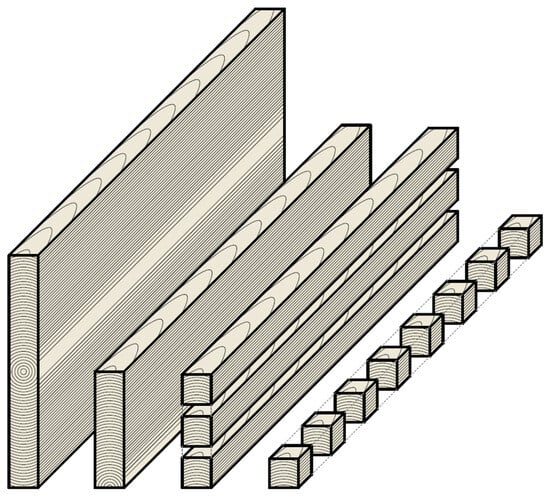
Potassium silicate is used as an inorganic fire-retardant treatment for wood, but its effect on the short-term thermal response of different species under combined temperature–moisture conditions remains insufficiently described. This study investigated spruce (Picea abies (L.) H. Karst) and beech (Fagus
[...] Read more.
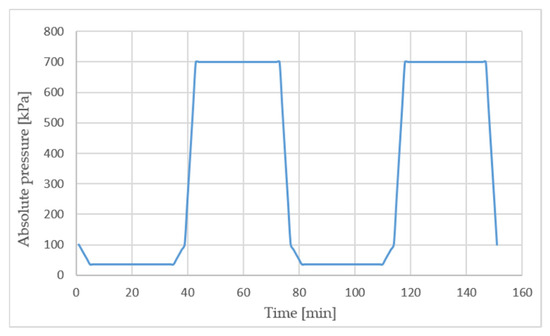
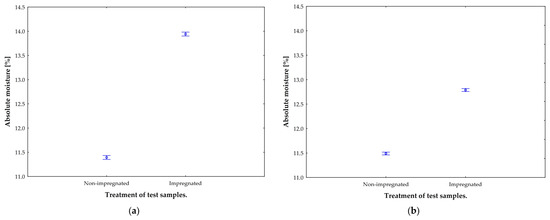
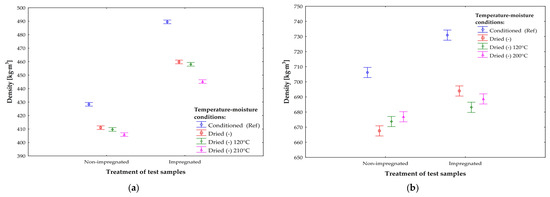
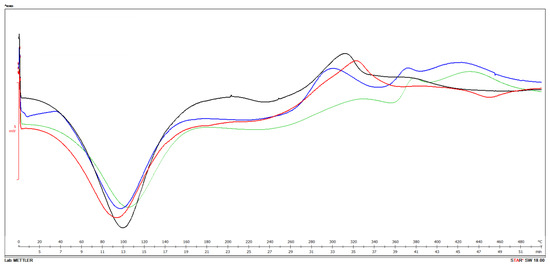
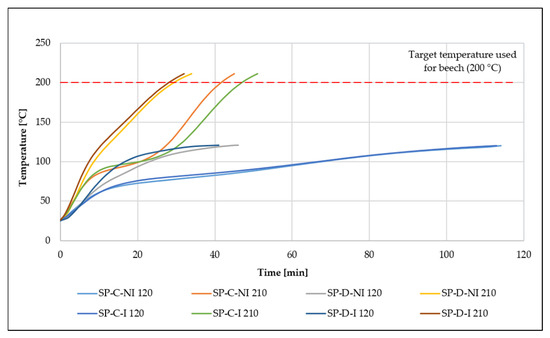
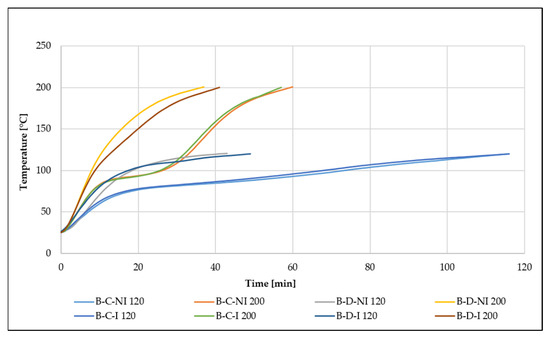
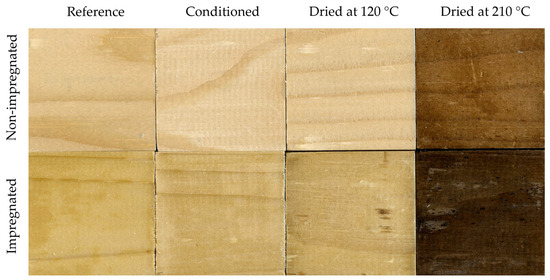
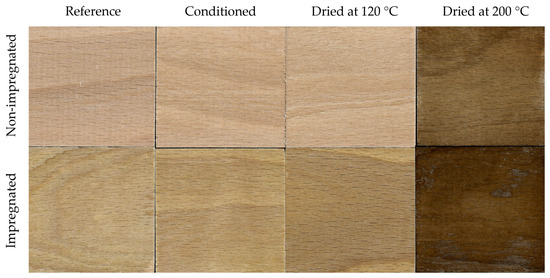
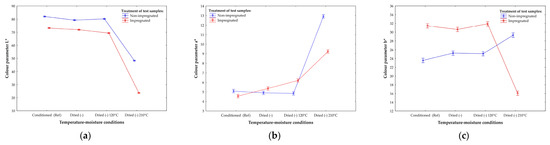
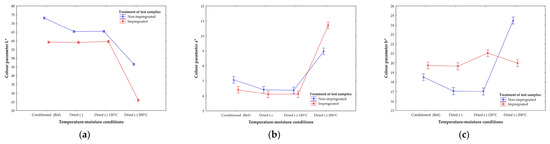
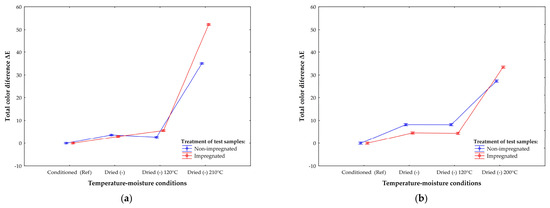
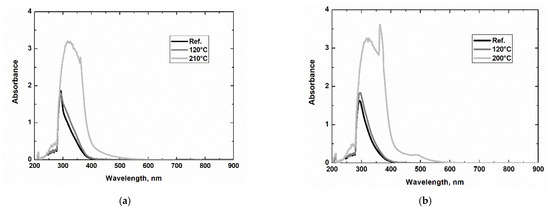
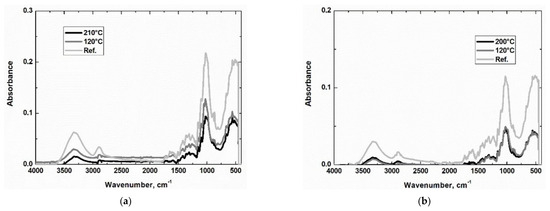
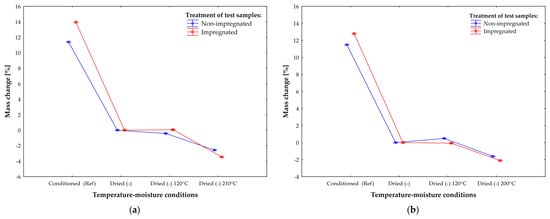
Potassium silicate is used as an inorganic fire-retardant treatment for wood, but its effect on the short-term thermal response of different species under combined temperature–moisture conditions remains insufficiently described. This study investigated spruce (Picea abies (L.) H. Karst) and beech (Fagus sylvatica L.) wood impregnated with potassium silicate and exposed to temperatures representing drying, mild thermal loading and the onset of thermal degradation. The evaluation included impregnation uptake, moisture content, mass changes, heat-transfer behavior, differential scanning calorimetry (DSC), chemical composition, Fourier-transform infrared spectroscopy (FTIR) of isolated cellulose and color measurements. Spruce showed higher uptake than beech, with an average weight percentage gain (WPG) of 10.5% compared with 3.6%. The treatment increased equilibrium moisture content by 2.6 percentage points in spruce and 1.1 percentage points in beech. Heat-transfer measurements showed that temperature and moisture governed heating: higher target temperatures were reached faster, whereas air-conditioned samples heated more slowly due to water evaporation. At lower temperatures, the direct effect of impregnation on heating time was limited, whereas at higher temperatures the treatment more clearly affected the subsequent degradation response. DSC revealed lower thermal resistance of beech and increased endothermic heat absorption in impregnated samples, particularly spruce. Higher-temperature exposure caused mass loss, hemicellulose degradation, moderate cellulose structure modification and visible color changes, with ΔE* exceeding 52 in impregnated spruce after 210 °C. The elevated-temperature response was governed by wood species, uptake, moisture content and thermal exposure level.
Full article
(This article belongs to the Special Issue Fire Safety and Structural Performance of Wood and Sustainable Building Materials Including Their Composites)
►▼
Show Figures

Figure 1
Open AccessArticle
Theoretical Modeling and Simulation System for Large-Scale Urban Fire Spread Path Prediction
by
Bin Sun
Fire 2026, 9(8), 348; https://doi.org/10.3390/fire9080348 - 13 Aug 2026
Abstract
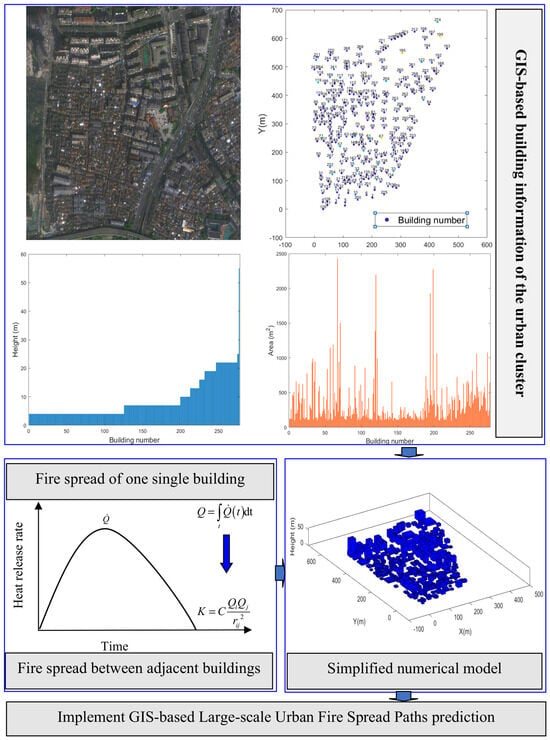
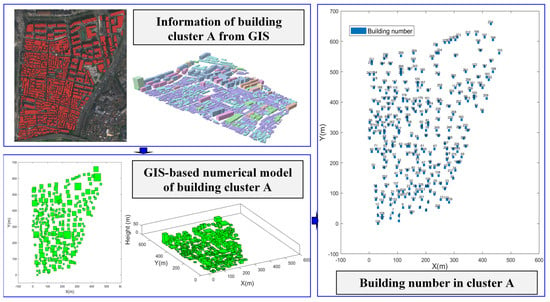
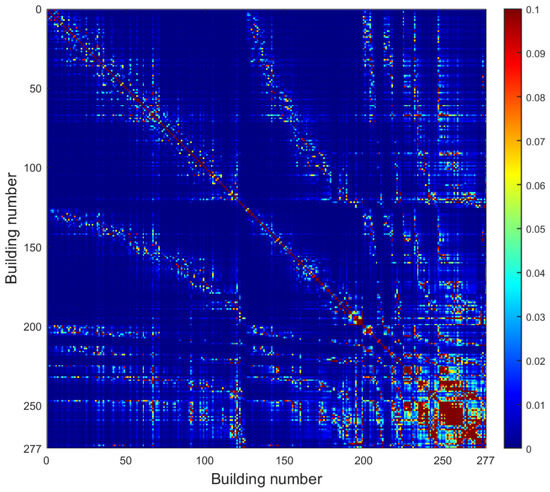
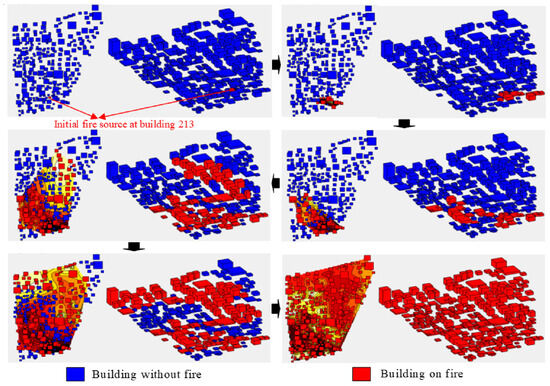
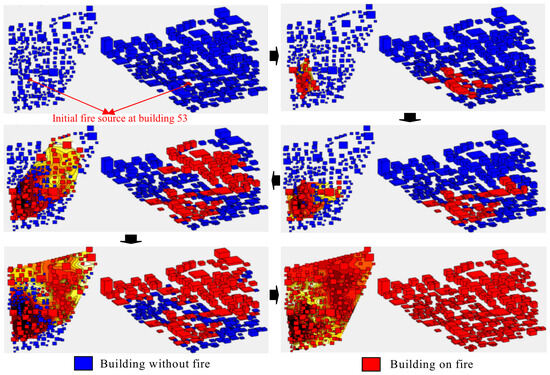
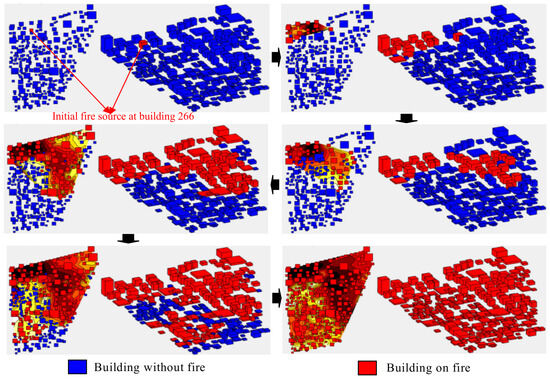
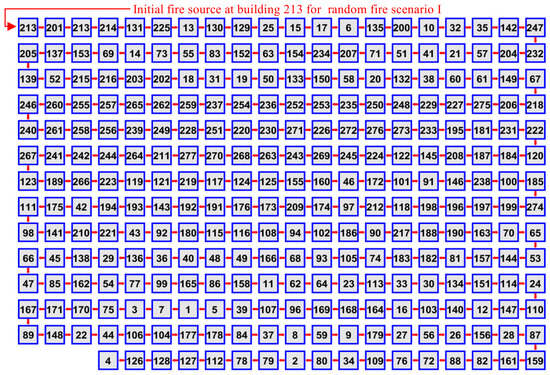
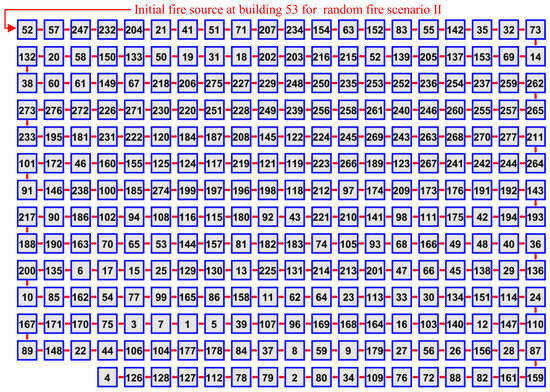
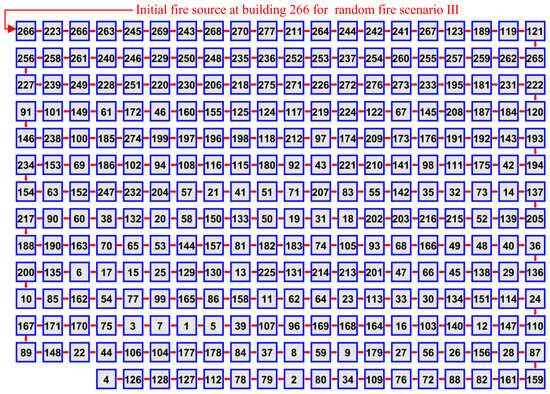
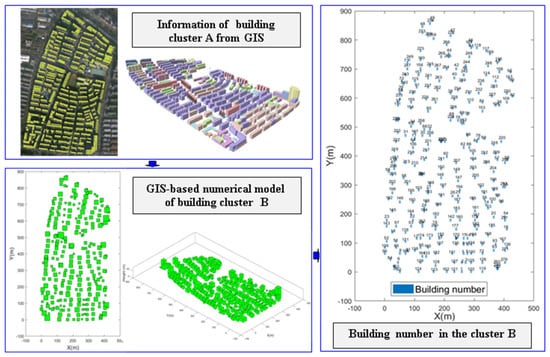
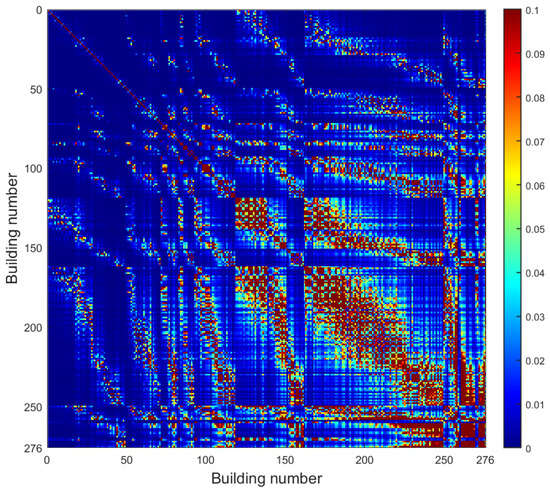
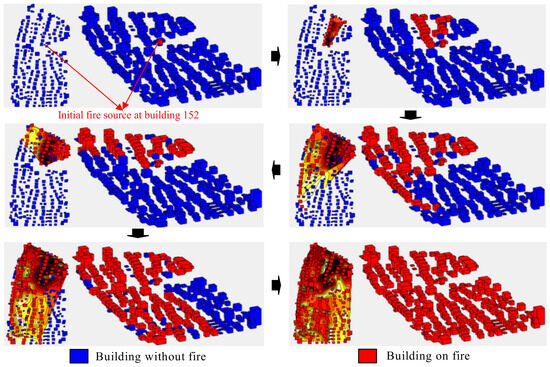
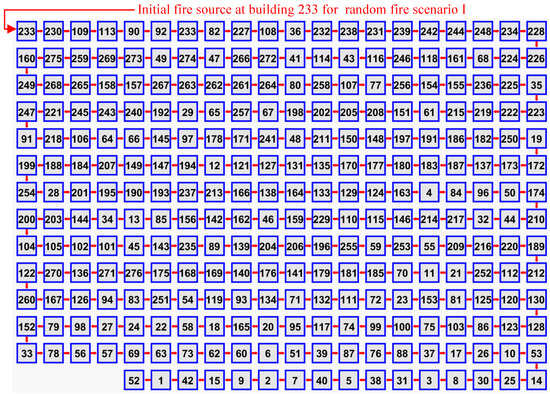
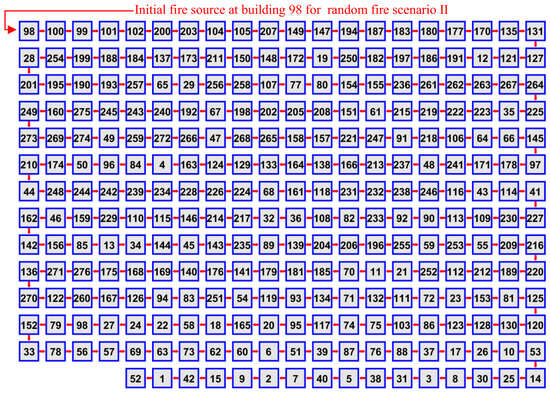
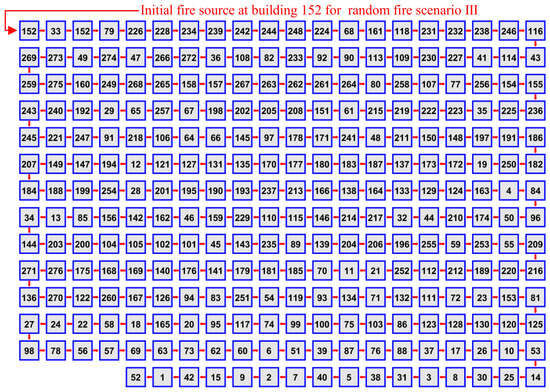
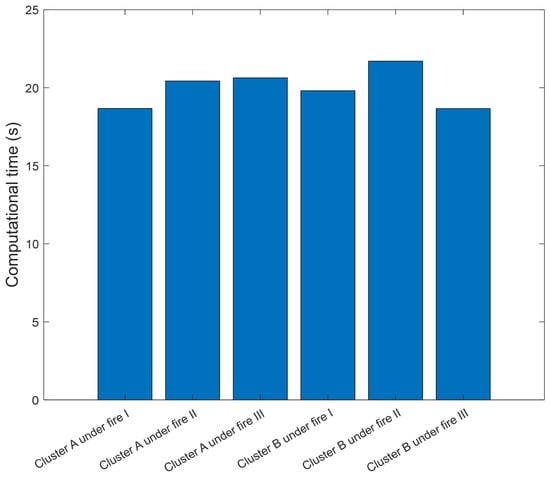
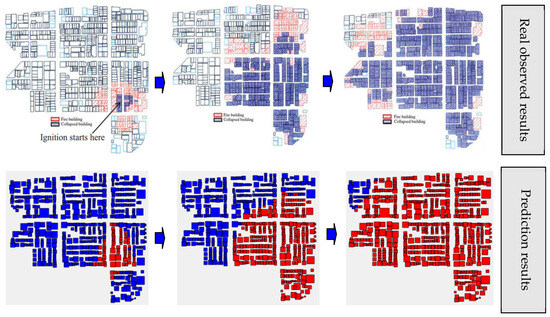
This study addresses the critical need for accurate and efficient large-scale urban fire spread path prediction in dense urban areas by proposing a new gravitational framework-based theory. Its core innovation is the “characteristic attractive force” model, which mechanistically quantifies fire spread as a
[...] Read more.
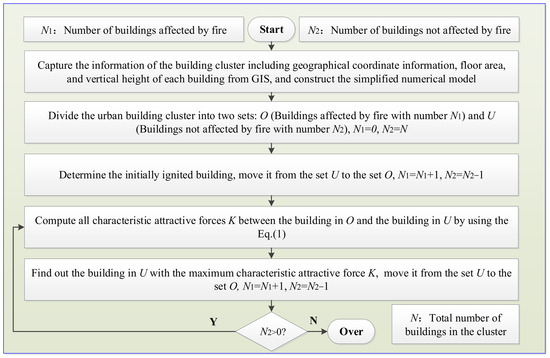
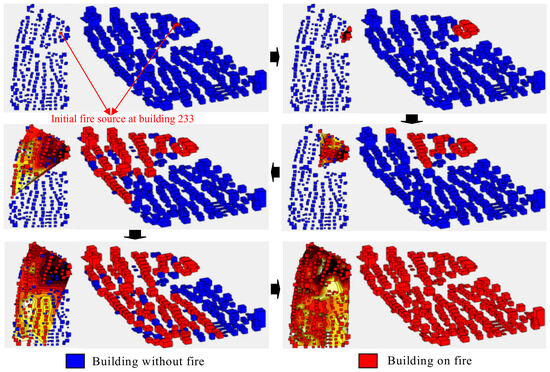
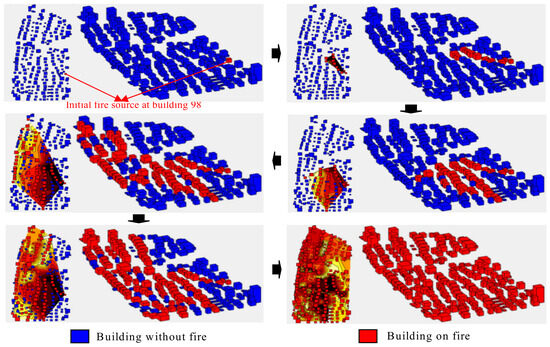
This study addresses the critical need for accurate and efficient large-scale urban fire spread path prediction in dense urban areas by proposing a new gravitational framework-based theory. Its core innovation is the “characteristic attractive force” model, which mechanistically quantifies fire spread as a dynamic interaction between buildings, integrating factors like spacing, height, area and density effects to predict trajectories from the initially ignited building. This study adopts a GIS-based rapid prediction framework that circumvents the dependence on complex physical parameters. It utilizes high-precision spatial data and optimized algorithms to streamline prediction processes while retaining favorable prediction accuracy. Validated on two real-world clusters, the proposed approach enables effective visualization of dynamic propagation trajectories and pathway spectra that characterize the detailed propagation routes and ignition sequences. Notably, the framework achieves exceptional efficiency, completing predictions for large clusters in tens of seconds per scenario, making it suitable for real-time risk assessment. Overall, this work advances urban fire modeling with an innovative, efficient, and practical tool to support fire safety engineering and emergency management decision-making.
Full article
(This article belongs to the Special Issue Fire Safety and Risk Management in Emerging New Energy Systems)
►▼
Show Figures

Figure 1
Open AccessArticle
A Preliminary Assessment of Irrigated Green Firebreaks for Reducing Fire Spread and Intensity in Wildland–Urban Interface Landscapes: Noosa Shire, Australia
by
Jady D. Smith, Anthony Power, Francis E. Putz and Sam Van Holsbeeck
Fire 2026, 9(8), 347; https://doi.org/10.3390/fire9080347 - 13 Aug 2026
Abstract
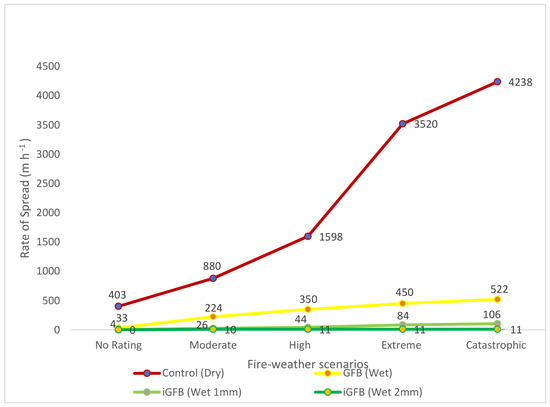
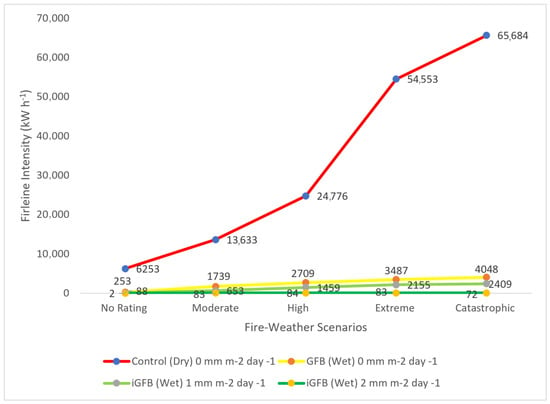
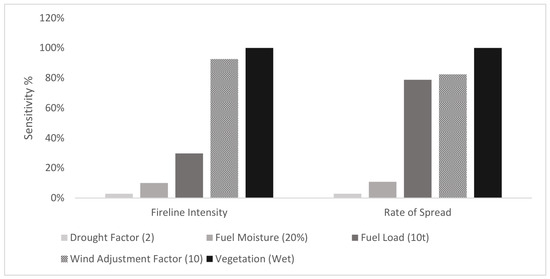
Climate change, altered ecosystems, and expanding development in fire-prone landscapes are increasing fire risk in the wildland–urban interface (WUI). This study uses Noosa, southeast Queensland, Australia, as a case study for a preliminary modeling assessment of irrigated green firebreaks (iGFBs). Using the AMICUS
[...] Read more.
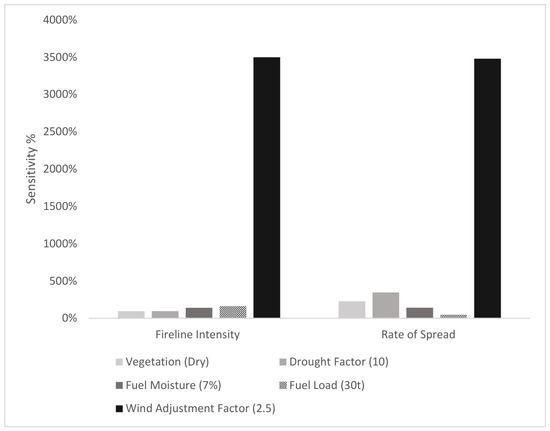
Climate change, altered ecosystems, and expanding development in fire-prone landscapes are increasing fire risk in the wildland–urban interface (WUI). This study uses Noosa, southeast Queensland, Australia, as a case study for a preliminary modeling assessment of irrigated green firebreaks (iGFBs). Using the AMICUS Vesta Mk2 fire-behavior model, fire spread rates and fireline intensity were compared across dry eucalypt control scenarios, non-irrigated green firebreak scenarios, and irrigated green firebreak scenarios receiving 1 and 2 mm m−2 day−1 of water. In line with future climate predictions, these scenarios were compared under progressively worsening fire-weather conditions. The drought-affected dry eucalypt control produced the highest predicted fire spread rates and fireline intensity, and although non-irrigated green firebreak scenarios reduced fire behavior, they may still exceed typical suppression thresholds under catastrophic conditions. In contrast, iGFB scenarios consistently reduced both fire spread rates and fireline intensity across all fire-weather classes. Sensitivity analysis indicated that the model outputs were most responsive to drought- and moisture-related assumptions, supporting the importance of fuel moisture in the performance of the iGFB concept. Although iGFBs are not a stand-alone solution suitable for all settings, the findings provide a preliminary region-specific proof of concept for iGFBs and support the need for further applied research.
Full article
(This article belongs to the Special Issue Torchbearers: The Next Generation of Fire and Emergency Research)
►▼
Show Figures

Figure 1

Open AccessFeature PaperArticle
Wildfires, Land Markets, and Agrarian Inequality in Northern Pakistan
by
Umar Daraz and Štefan Bojnec
Fire 2026, 9(8), 346; https://doi.org/10.3390/fire9080346 - 13 Aug 2026
Abstract
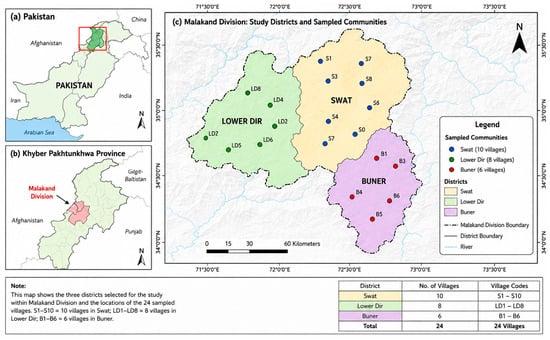
Wildfires are increasingly recognized as environmental disturbances associated with socio-economic transformations in agrarian systems. This study examines the associations between reported wildfire exposure, land-market outcomes, and agrarian inequality in the Malakand Division of northern Pakistan, a region characterized by forest–agriculture interfaces and livelihood
[...] Read more.
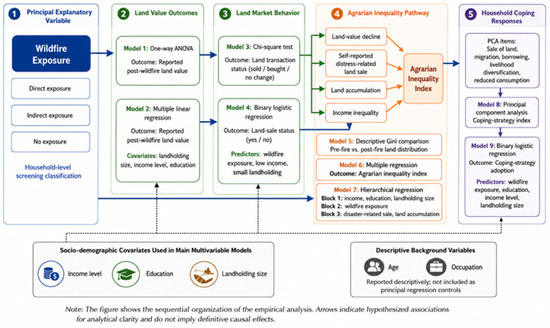
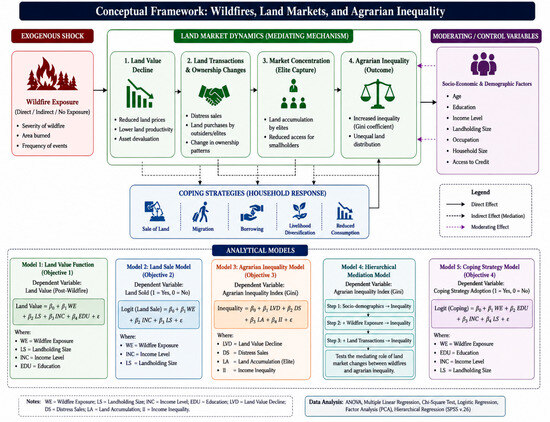
Wildfires are increasingly recognized as environmental disturbances associated with socio-economic transformations in agrarian systems. This study examines the associations between reported wildfire exposure, land-market outcomes, and agrarian inequality in the Malakand Division of northern Pakistan, a region characterized by forest–agriculture interfaces and livelihood dependence on land. The study aims to analyze how different levels of wildfire exposure are associated with land values, ownership patterns, market transactions, inequality, and coping strategies among farming households. A quantitative cross-sectional design was employed using a sample of 400 households selected through multistage sampling. Data were collected through structured questionnaires and analyzed using ANOVA, chi-square tests, multiple and logistic regression, hierarchical regression, and principal component analysis. Results show that reported land values differed significantly across wildfire-exposure categories (F = 48.72, p < 0.001), with directly exposed households reporting the lowest values. Regression analysis identified direct wildfire exposure as the strongest negative statistical predictor of reported land value (β = −0.468, p < 0.001), while directly exposed households had substantially higher odds of reporting land sales (Exp(B) = 6.35). Chi-square results indicate a significant association between wildfire exposure and land transactions (χ2 = 64.82, p < 0.001). Retrospectively reported landholding data show an increase in the Gini coefficient from 0.41 before the reported fire period to 0.53 afterward. The addition of land-transaction variables increased the explained variance in agrarian inequality to 72%, which is consistent with a potential land-market pathway but does not constitute evidence of causal mediation. Coping strategies such as land sale, migration, and borrowing emerged as dominant reported responses among affected households. The study concludes that wildfire exposure is strongly associated with land devaluation, land sales, and greater agrarian inequality. Because the study is cross-sectional and lacks an independently observed pre-fire baseline or causal identification strategy, these findings should not be interpreted as definitive causal effects.
Full article
(This article belongs to the Special Issue Wildfire Disturbance and Post-Fire Landscape Recovery)
►▼
Show Figures

Figure 1
Open AccessArticle
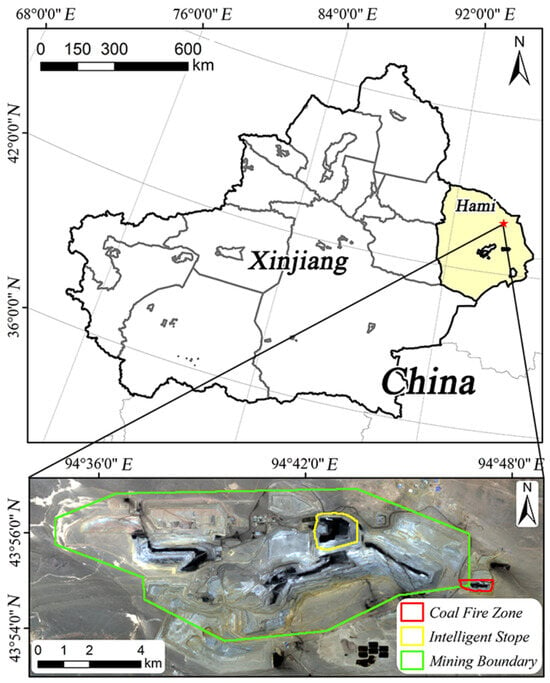
Remote Sensing Identification and Extraction Algorithms for Coal Fire Risk Areas: A Case Study of the Xingsheng Open-Pit Coal Mine in Xinjiang, China
by
Penghui Jia, Haihui Han, Xiaojuan Yan, Chendi Gao, Chuntao Yin and Xiaoyan Chen
Fire 2026, 9(8), 345; https://doi.org/10.3390/fire9080345 - 13 Aug 2026
Abstract
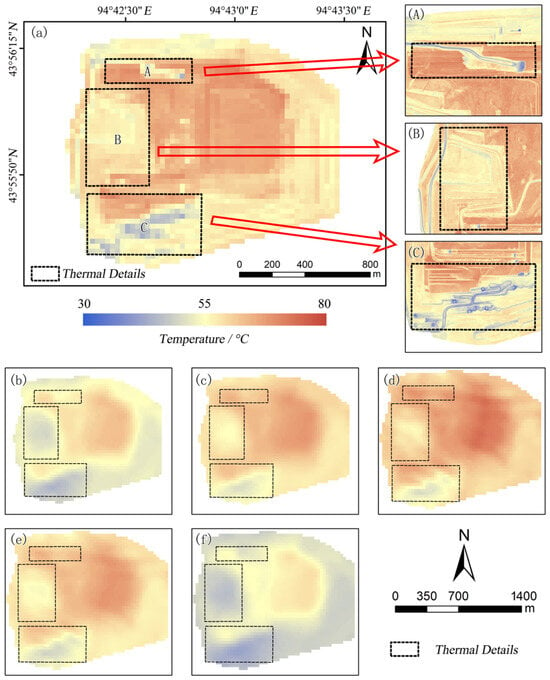
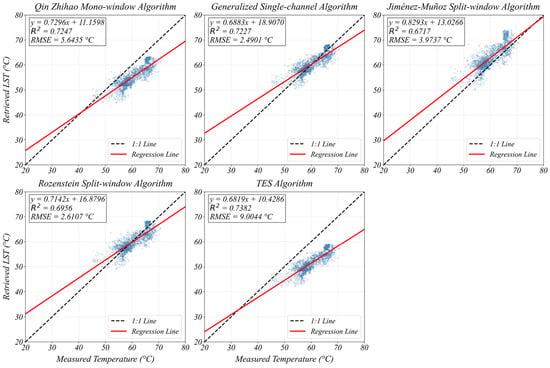
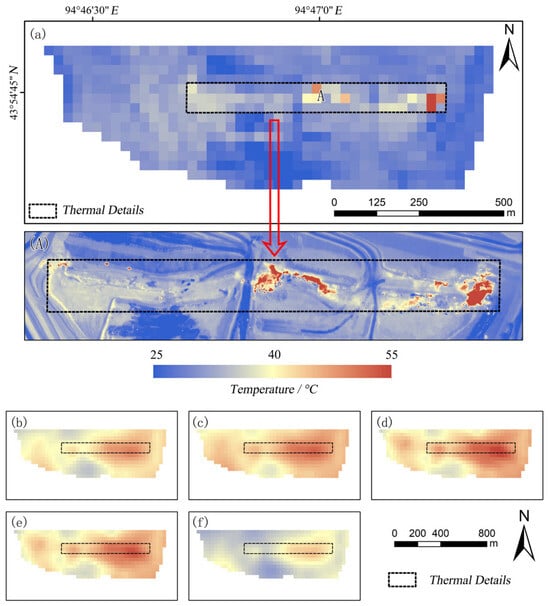
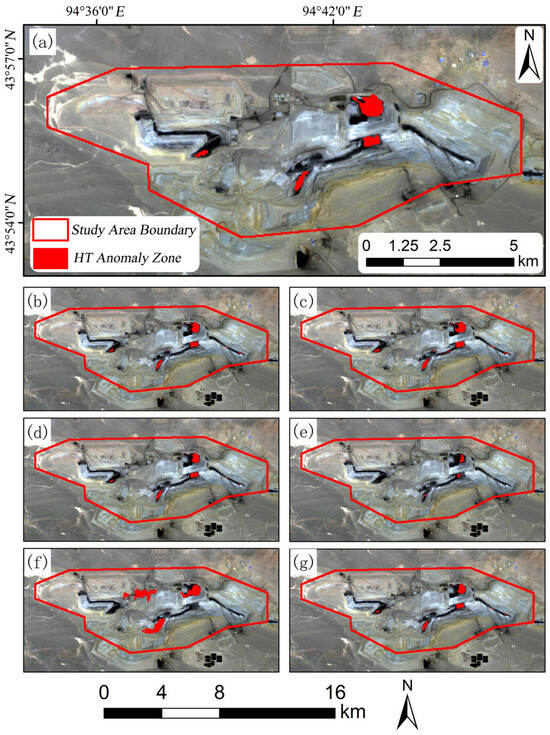
Identifying coal fire risk areas is essential for safe production in coal mines. Land Surface Temperature (LST) retrieval and high-temperature anomaly extraction are core techniques for coal fire risk detection. To address the insufficient evaluation of the accuracy of relevant algorithms for arid
[...] Read more.
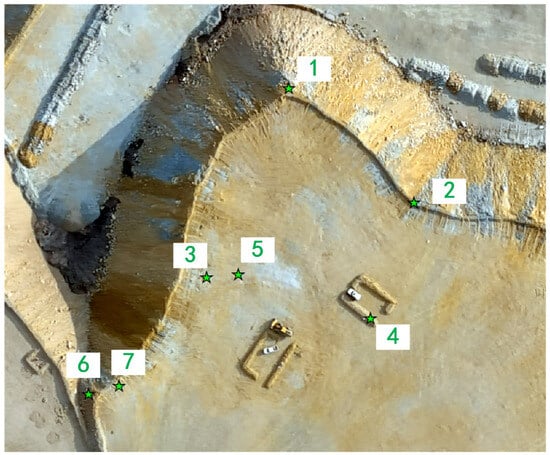
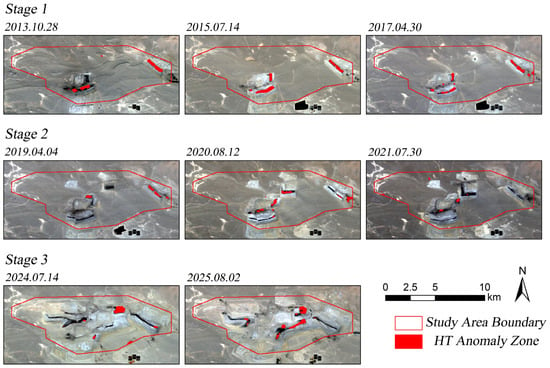
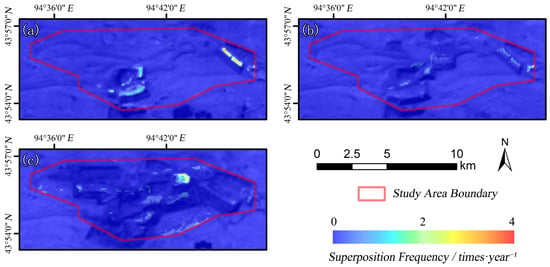
Identifying coal fire risk areas is essential for safe production in coal mines. Land Surface Temperature (LST) retrieval and high-temperature anomaly extraction are core techniques for coal fire risk detection. To address the insufficient evaluation of the accuracy of relevant algorithms for arid open-pit mines, this study takes the Xingsheng Open-Pit Coal Mine in Yiwu County, Xinjiang as the research object. Based on Landsat imagery and UAV thermal infrared data, we systematically compared five mainstream LST retrieval algorithms and six high-temperature anomaly extraction algorithms and determined the optimal combination for long-term monitoring. The results indicate that all five algorithms can effectively depict LST spatial distribution under normal temperature conditions. The Jiménez-Muñoz split-window algorithm performs best for small-scale coal fire identification, with a mean absolute error of 3.25 °C and a relative error of 5.53%, and its fitting slope of 0.82 proves superior stability. For high-temperature anomaly extraction methods, the gradient threshold method achieves a 100% overlap rate with actual anomalies and no omission, which is ideal for large-scale surveys; the cluster analysis method balances detection accuracy and economic benefits for pit-scale investigations. Using 52 valid Landsat images from 2013 to 2025, long-term monitoring reveals that high-temperature anomalies are most active in summer, with an average patch area of 5.65 × 10⁵ m2, and weaken sharply in winter. According to the observed spatiotemporal evolution patterns, the dynamic changes in thermal anomalies are inferred to be mainly associated with human mining activities, with coal seam conditions as the secondary influencing factor. This study provides reliable technical references for coal mine safety management and coal fire disaster prevention.
Full article
(This article belongs to the Section Fire Science Models, Remote Sensing, and Data)
►▼
Show Figures

Figure 1

Open AccessArticle
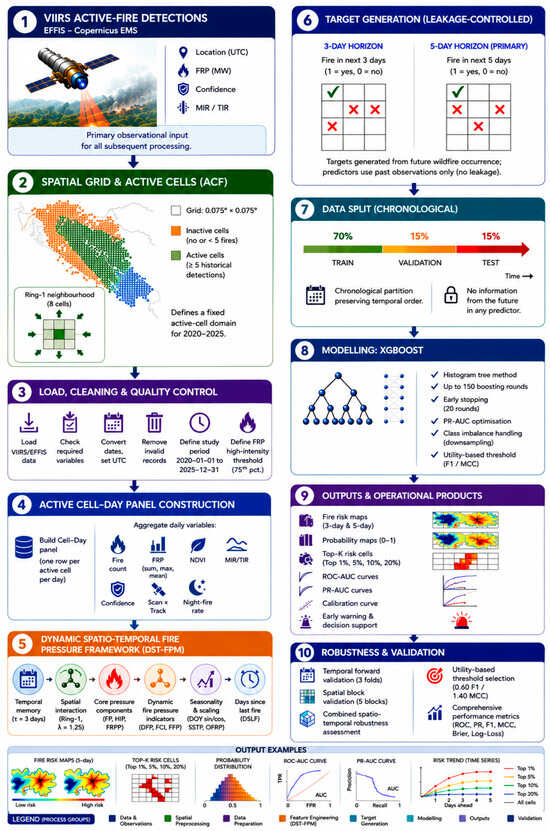
Dynamic Spatio-Temporal Fire Pressure Modelling for Short-Term Wildfire Forecasting
by
Milorad Giljača, Vladan Radonjić, Oto Iker, Ivana Rašović and Sonja Pravilović
Fire 2026, 9(8), 344; https://doi.org/10.3390/fire9080344 - 12 Aug 2026
Abstract
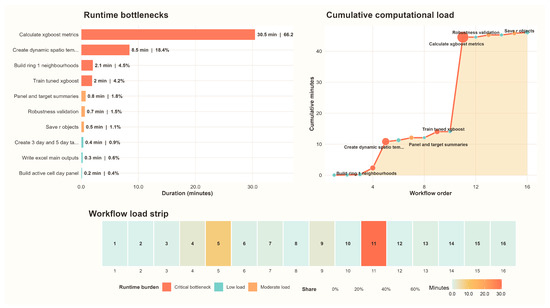
Accurate short-term wildfire forecasting is essential for effective early warning, operational planning, and resource allocation. This study proposes the Dynamic Spatio-Temporal Fire Pressure Model (DST-FPM), a leakage-controlled forecasting framework that integrates wildfire memory, spatial connectivity, cumulative fire pressure, and seasonal variability using historical
[...] Read more.
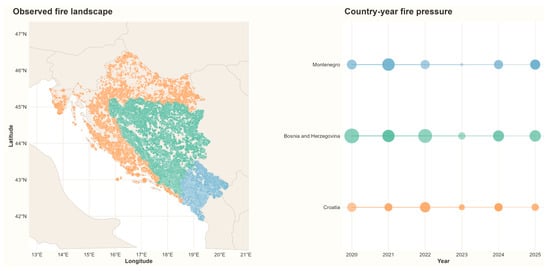
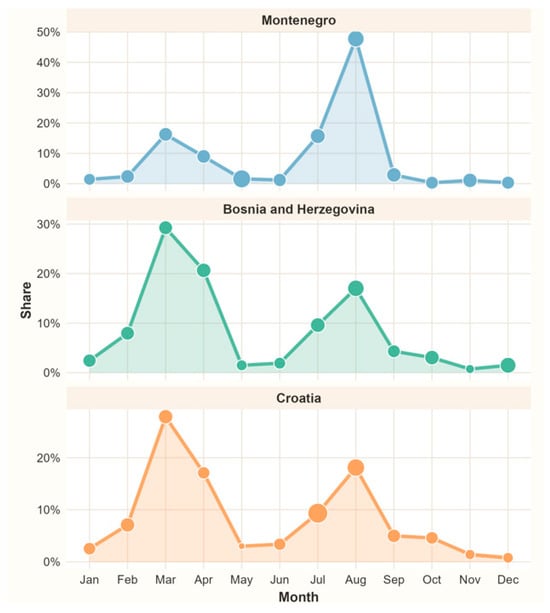
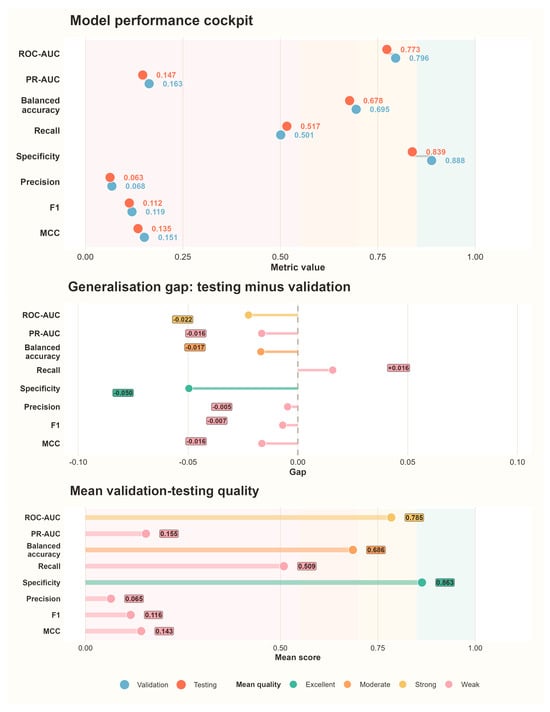
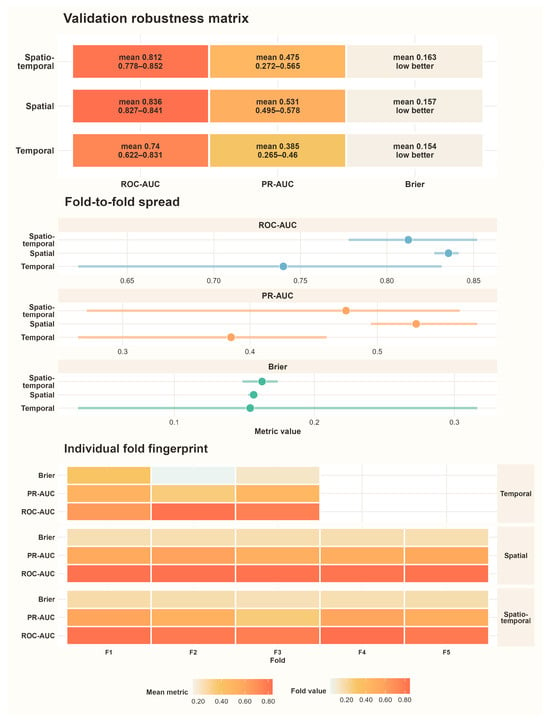
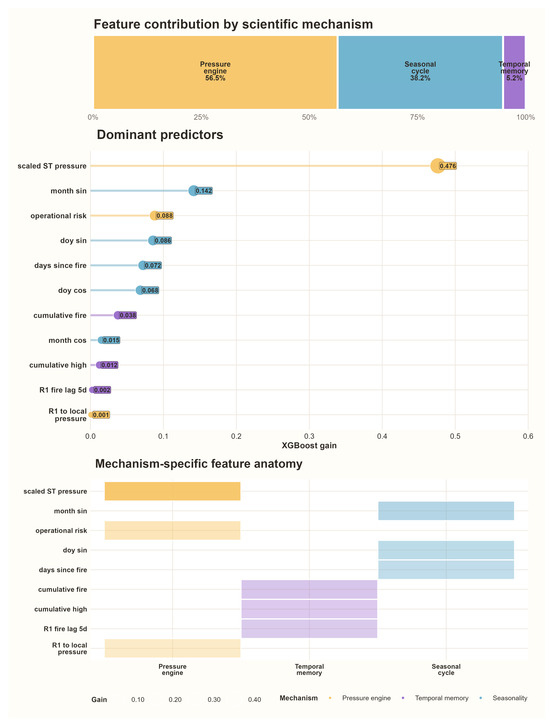
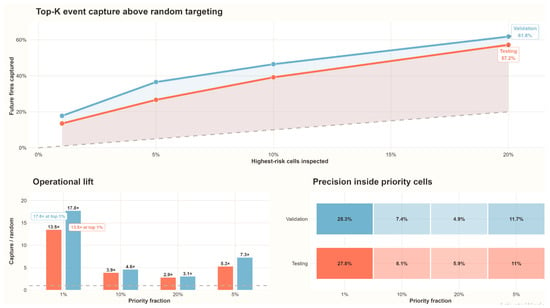
Accurate short-term wildfire forecasting is essential for effective early warning, operational planning, and resource allocation. This study proposes the Dynamic Spatio-Temporal Fire Pressure Model (DST-FPM), a leakage-controlled forecasting framework that integrates wildfire memory, spatial connectivity, cumulative fire pressure, and seasonal variability using historical satellite-derived active fire detections. The framework combines an Active Cell Framework (ACF), Dynamic Fire Pressure (DFP), the Fire Connectivity Index (FCI), Five-Day Fire Pressure (FFP), and the Operational Fire Risk Pressure (OFRP) index within an Extreme Gradient Boosting (XGBoost) model to predict wildfire occurrence over three-day and five-day forecasting horizons, with the five-day horizon adopted as the primary operational scenario. The methodology was evaluated across Bosnia and Herzegovina, Croatia, and Montenegro using 3,591,054 grid-cell-day observations collected between January 2020 and December 2025. Independent chronological training, validation, and testing datasets were combined with temporal, spatial, and spatio-temporal validation procedures to assess model robustness. For the primary five-day forecasting horizon, the proposed framework achieved a ROC AUC of 0.773, a PR AUC of 0.147, a balanced accuracy of 0.678, and a Matthews correlation coefficient of 0.135 on the independent testing dataset, while maintaining stable performance across all validation procedures. The fitted XGBoost model consistently assigned high predictive importance to the proposed fire pressure indicators, while Top-K analysis showed that 13.5% of future wildfire occurrences were identified within only 1% of the highest-priority grid-cell-day observations. These findings indicate that integrating wildfire memory, spatial connectivity, cumulative fire pressure, and seasonal variability provide complementary predictive information for short-term wildfire forecasting while preserving interpretability, robustness, and operational applicability.
Full article
(This article belongs to the Special Issue Advanced Approaches to Wildfire Detection, Monitoring and Surveillance—2nd Edition)
►▼
Show Figures

Figure 1
Open AccessArticle
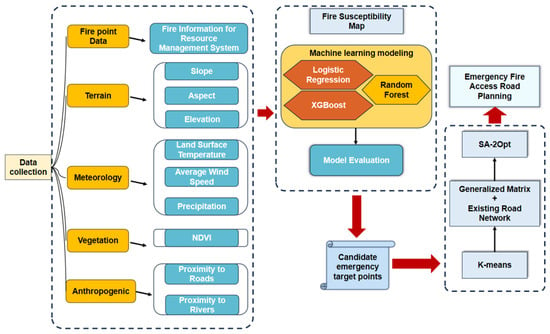
GIS-Based Wildfire Susceptibility Mapping and Firefighting Access Route Planning in Primeval Forests
by
Yiyu Wang, Guiyun Gao, Aibin Wang, Ao Wang and Jikun Liu
Fire 2026, 9(8), 343; https://doi.org/10.3390/fire9080343 - 11 Aug 2026
Abstract
►▼
Show Figures
The increasing frequency and severity of wildfires pose growing challenges to ecological security in remote forest regions. In road-sparse primeval forests, wildfire prevention and ground emergency response are constrained not only by fire-prone environmental conditions, but also by limited tactical access routes. Existing
[...] Read more.
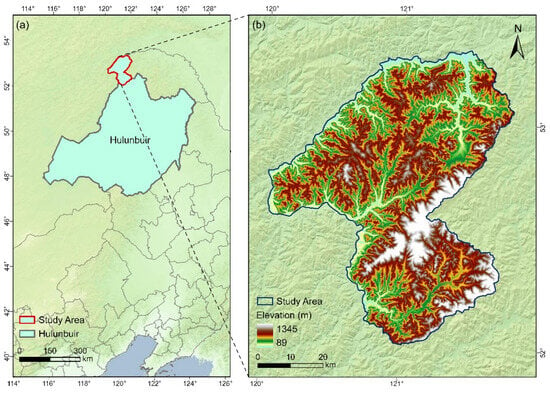
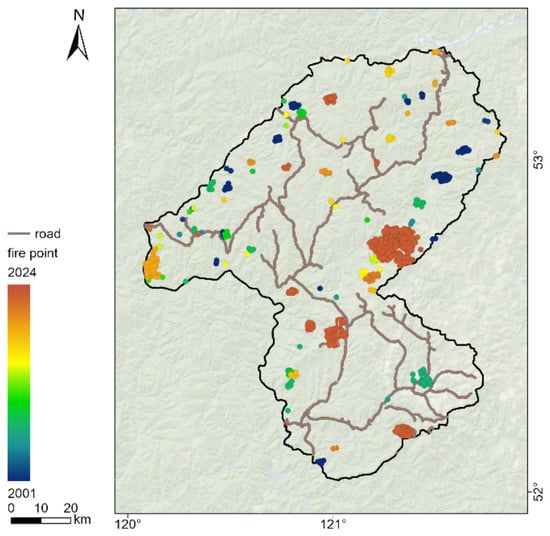
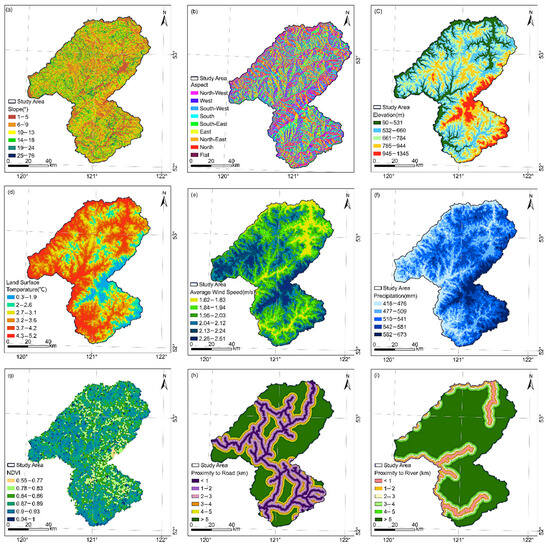
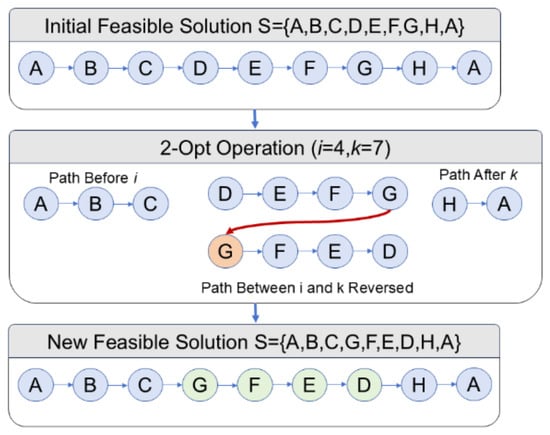
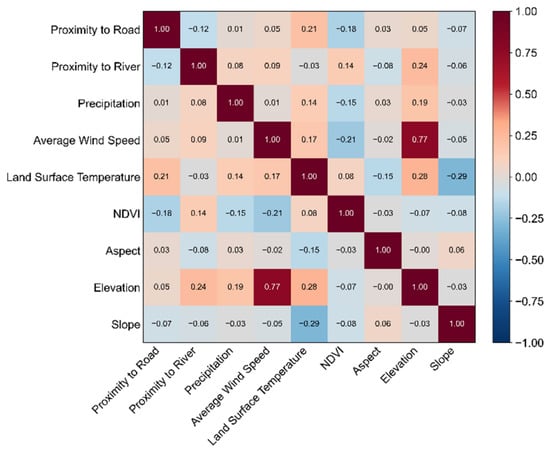
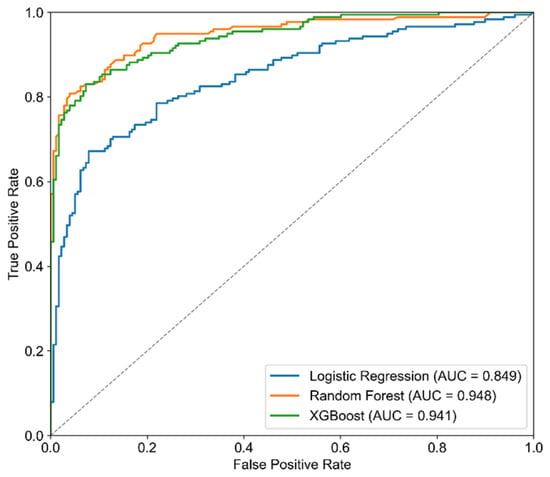
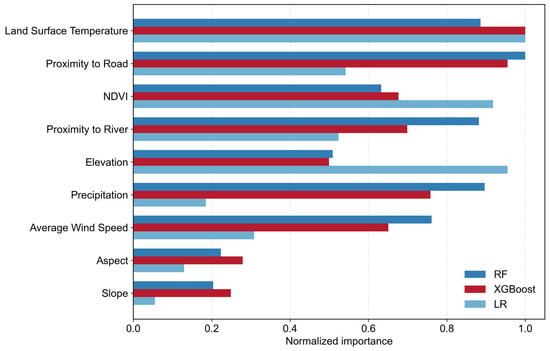
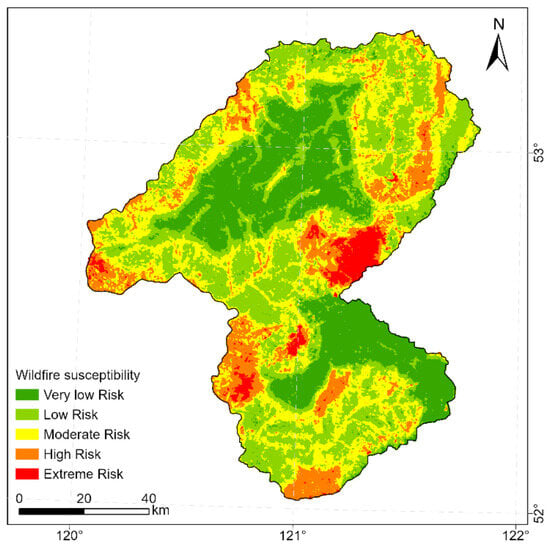
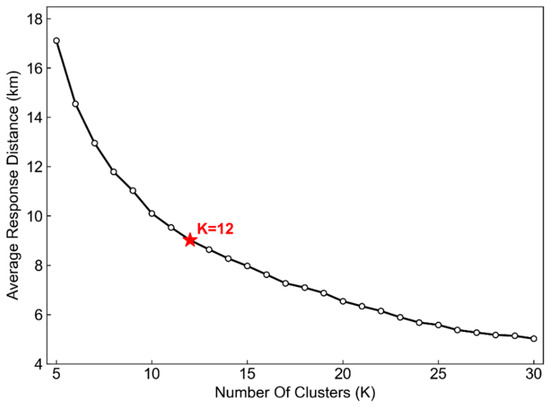
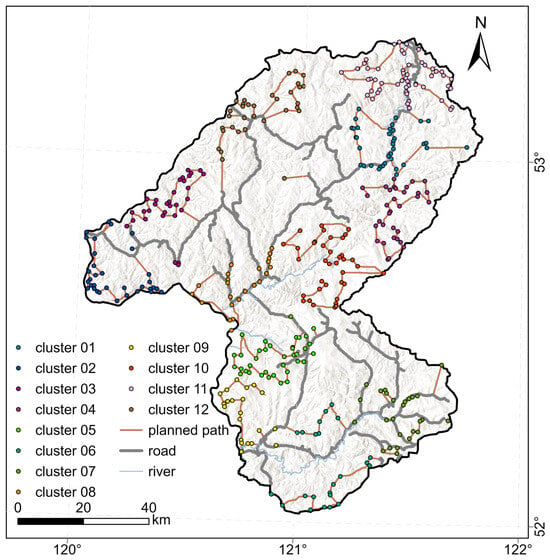
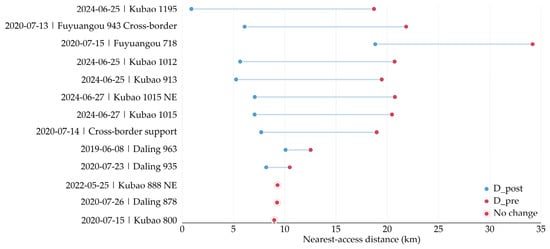
The increasing frequency and severity of wildfires pose growing challenges to ecological security in remote forest regions. In road-sparse primeval forests, wildfire prevention and ground emergency response are constrained not only by fire-prone environmental conditions, but also by limited tactical access routes. Existing wildfire susceptibility studies can identify areas with higher fire occurrence potential, whereas route planning studies often optimize access without explicitly considering where fires are more likely to occur. This study developed a GIS-based decision-support framework linking wildfire susceptibility modelling with firefighting access route planning in the northern primeval forest region of the Greater Khingan Mountains, China, to improve the efficiency of wildfire prevention and response in areas with sparse road networks. Using 887 historical fire points and nine environmental and anthropogenic predictors, Logistic Regression (LR), Random Forest (RF), and Extreme Gradient Boosting (XGBoost) models were compared to identify relatively wildfire-prone areas. High-susceptibility locations were grouped into operational management zones using K-means clustering. A generalized forest traversal cost surface was constructed by integrating terrain, vegetation, land cover, water constraints, and existing-road accessibility, and a hybrid simulated annealing and 2-opt algorithm was used to design candidate access corridors. Results show that the RF model achieved the best internal-validation performance (AUC = 0.948; overall accuracy = 0.873), and feature-importance comparison showed that land surface temperature, proximity to roads, and NDVI were the most influential predictors. In total, 386 target points extracted from the high- and extreme-susceptibility classes were grouped into 12 spatial clusters. The optimized network identified 1008.46 km of candidate corridors and reduced the mean nearest-access distance for 13 historical wildfire events by 53.7% after the planned network was incorporated. After incorporating the planned corridors into the existing road system, the road-network density increased from 0.96 to 2.015 m/hm2. These findings demonstrate that susceptibility-driven route planning can translate predicted fire-prone areas into prioritized management units and candidate access corridors, thereby reducing spatial accessibility gaps and supporting phased patrol deployment and emergency-resource allocation in road-sparse primeval forests.
Full article

Figure 1
Open AccessArticle
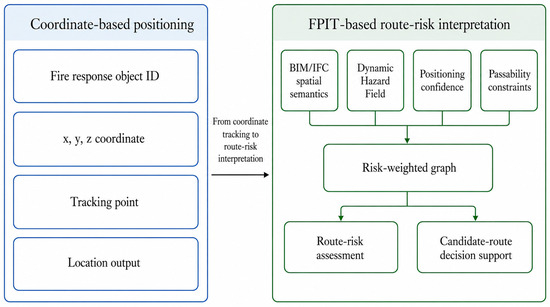
An FPIT-Based Dynamic Hazard-Aware Route-Risk Assessment Model for Fireground Decision Support in Building Fires
by
Yu-Tsung Ho, Chung-Chyi Chou and Yi-Lin Chen
Fire 2026, 9(8), 342; https://doi.org/10.3390/fire9080342 - 8 Aug 2026
Abstract
Indoor positioning identifies location but does not directly indicate whether a route remains passable, how hazard exposure changes, or which alternative should be considered under deteriorating fire conditions. As a result, a geometrically shorter route may still be selected despite greater hazard exposure,
[...] Read more.
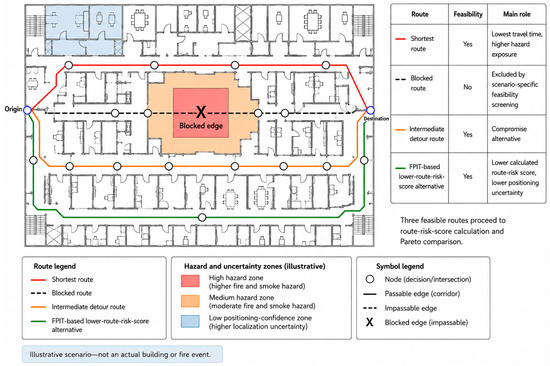
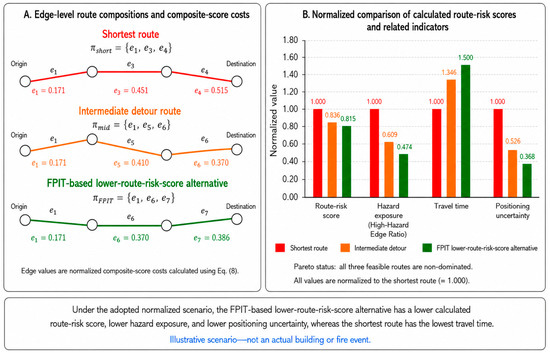
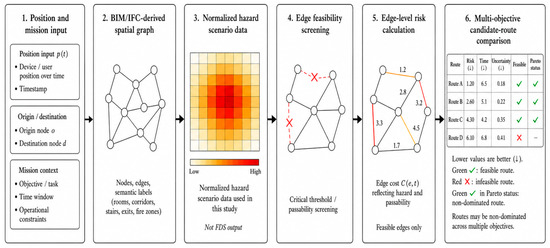
Indoor positioning identifies location but does not directly indicate whether a route remains passable, how hazard exposure changes, or which alternative should be considered under deteriorating fire conditions. As a result, a geometrically shorter route may still be selected despite greater hazard exposure, blockage, or positioning uncertainty. This study proposes a dynamic hazard-aware route-risk assessment model based on Fire Positioning Infrastructure Theory (FPIT) for fireground decision support in building fires. The model converts BIM/IFC spatial semantics into a computable graph, maps normalized hazard scenario data onto graph edges, excludes edges exceeding scenario-specific hazard or blockage criteria, and evaluates the remaining feasible routes using an integrated route-risk score, hazard exposure, travel time, and positioning uncertainty. A normalized illustrative computational demonstration showed that the conventional shortest route had the lowest travel time but higher route-risk score, hazard exposure, and positioning uncertainty. The FPIT-based lower-route-risk-score alternative had lower values for these indicators but required longer travel time, while the intermediate detour provided a compromise. Pareto comparison retained the three feasible routes as non-dominated alternatives with different score–time–uncertainty characteristics. The computational demonstration illustrates the model’s internal calculability, traceability, comparability, and ability to represent route trade-offs; it does not constitute empirical validation or evidence of operational effectiveness in actual fireground environments.
Full article
(This article belongs to the Special Issue Building Fires, Evacuations and Rescue)
►▼
Show Figures

Figure 1

Open AccessArticle
Research on Prediction of Ignition Delay Using Feedforward Neural Networks as Surrogate Model of CFD
by
Weiwei Fan, Mingyang Ma, Fan Li and Wu Wei
Fire 2026, 9(8), 341; https://doi.org/10.3390/fire9080341 - 6 Aug 2026
Abstract
►▼
Show Figures
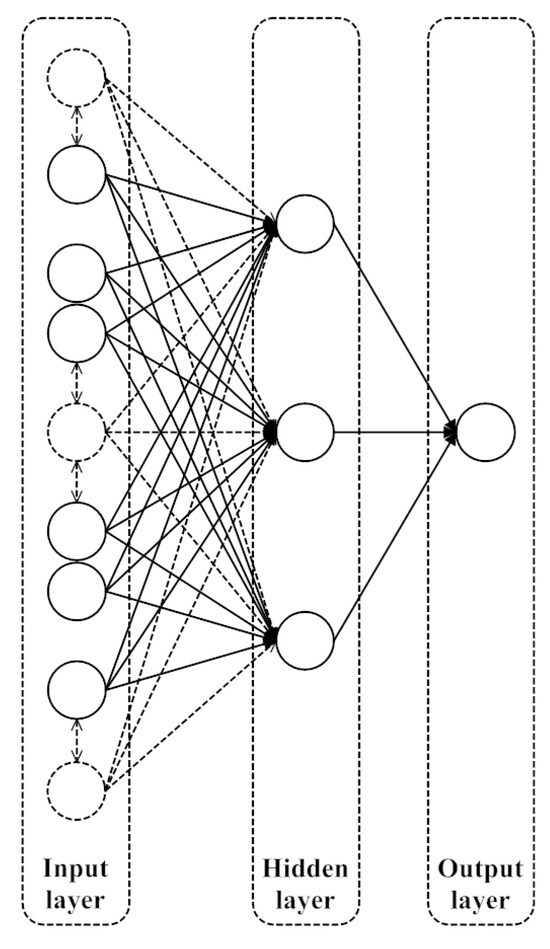
Based on the decoupled n-dodecane skeletal mechanism and the computational fluid dynamics (CFD) numerical framework, a multilayer feedforward neural network surrogate model was developed to predict ignition delay in a constant-volume combustion vessel. The Levenberg–Marquardt optimizer with adaptive damping coefficients was used for
[...] Read more.
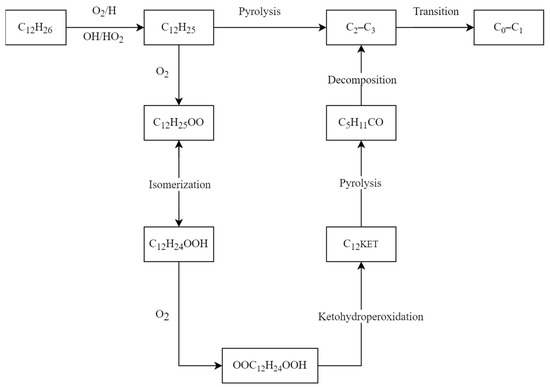
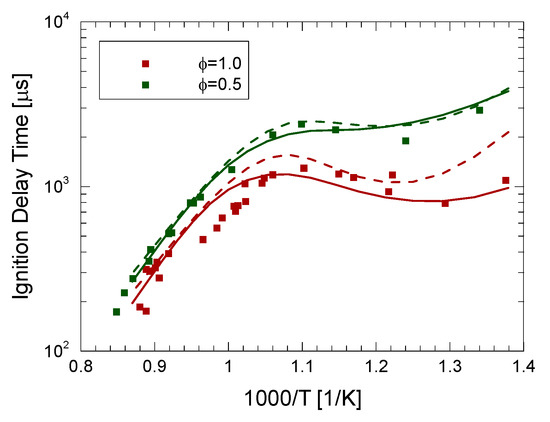
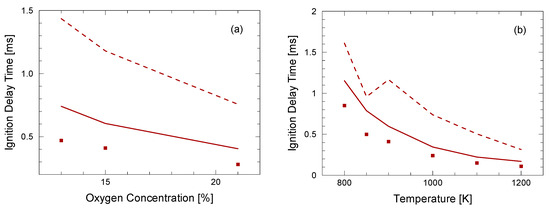
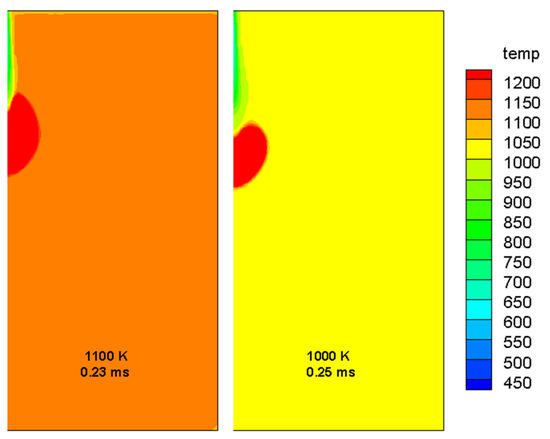
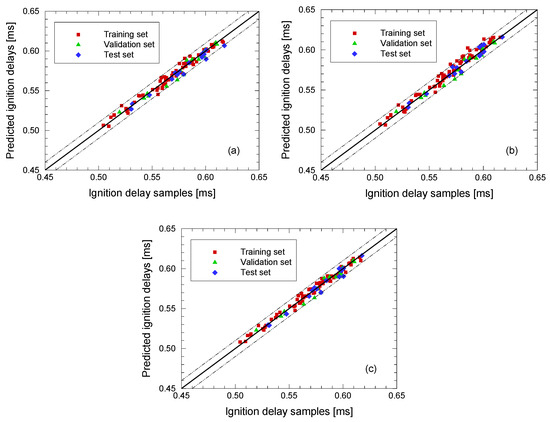
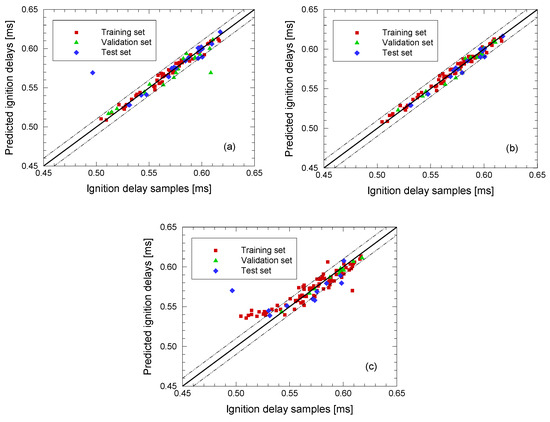
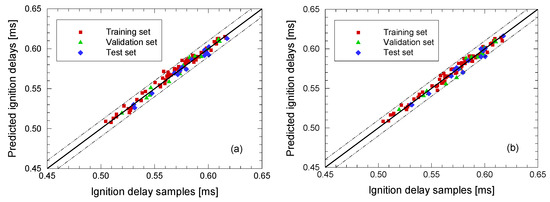
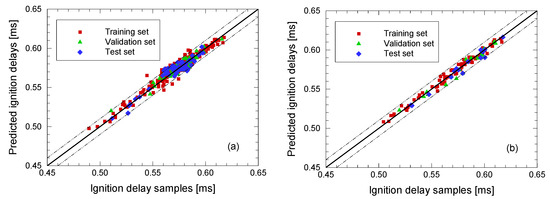
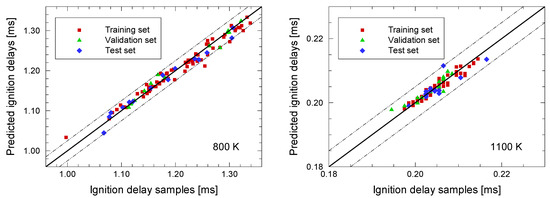
Based on the decoupled n-dodecane skeletal mechanism and the computational fluid dynamics (CFD) numerical framework, a multilayer feedforward neural network surrogate model was developed to predict ignition delay in a constant-volume combustion vessel. The Levenberg–Marquardt optimizer with adaptive damping coefficients was used for model training, with mean squared error as the loss function and an inherent early stopping mechanism to prevent overfitting without additional weight decay regularization. To eliminate random interference from initial parameter settings, the surrogate model underwent 1000 repeated training trials, each with random weight re-initialization. The effects of hidden neurons, data partition strategy, normalization scheme, and sample size on predictive performance were systematically examined. The optimal configuration—three hidden neurons, a 70:15:15 data split, and a 105-sample training set—showed low sensitivity to data normalization. The resulting surrogate model is concise and sample-efficient, maintaining satisfactory prediction accuracy at 800 K and 1100 K while substantially reducing computational overhead. It provides a practical and reliable tool for subsequent combustion prediction and uncertainty quantification of hydrocarbon fuels. The feedforward neural network surrogate model substantially cuts the computational overhead for fuel combustion prediction to merely 15–20 min for every batch of 60 samples.
Full article

Figure 1
Open AccessArticle
Decoupled Topology Distance Distillation for Lightweight Smoke Detection in Aerial Remote Sensing Images
by
Dongyin Lai, Lin Liu, Juanxiu Liu, Jing Zhang, Xiaohui Du, Ruqian Hao and Xudong Wang
Fire 2026, 9(8), 340; https://doi.org/10.3390/fire9080340 - 6 Aug 2026
Abstract
Early aerial smoke detection is vital for wildfire response, but deploying accurate two-stage deep detectors on resource-limited Unmanned Aerial Vehicles (UAVs) remains computationally prohibitive. Moreover, under uniform supervision, standard knowledge distillation struggles on aerial smoke data, where foreground–background imbalance is severe and smoke
[...] Read more.
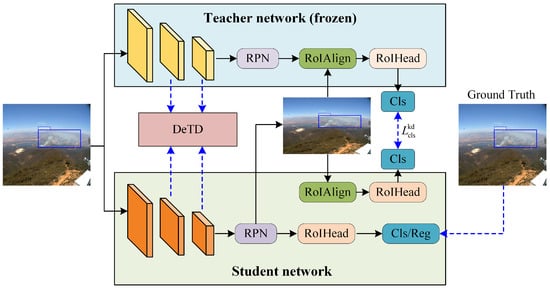
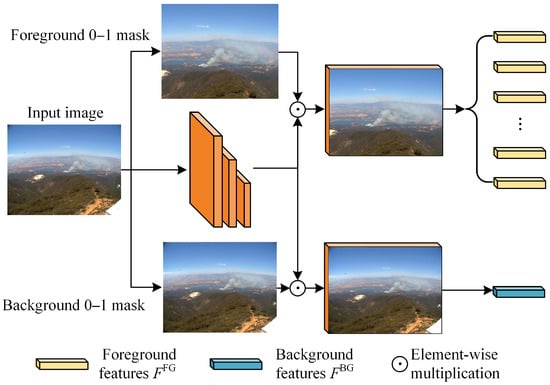
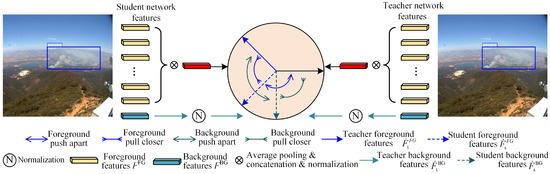
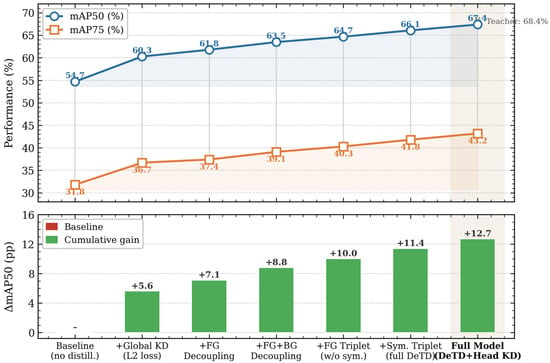
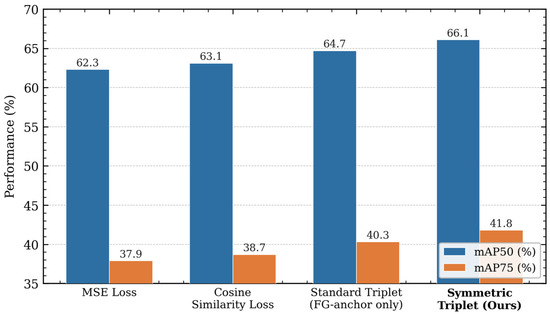
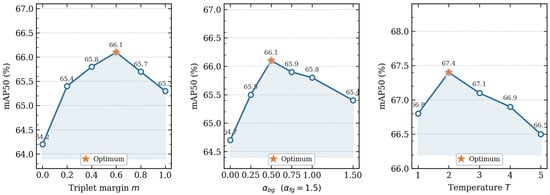
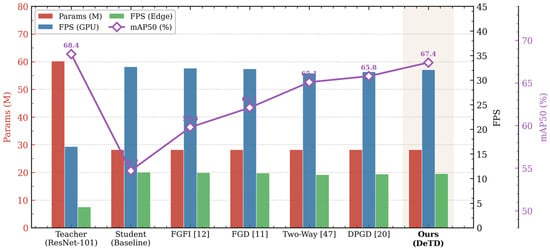
Early aerial smoke detection is vital for wildfire response, but deploying accurate two-stage deep detectors on resource-limited Unmanned Aerial Vehicles (UAVs) remains computationally prohibitive. Moreover, under uniform supervision, standard knowledge distillation struggles on aerial smoke data, where foreground–background imbalance is severe and smoke boundaries are visually ambiguous. To resolve this, we propose the Decoupled Topology Distance Distillation (DeTD) framework to compress two-stage smoke detectors for real-time edge inference. DeTD features three key innovations. First, a decoupling module uses ground-truth-derived binary masks to isolate smoke and background features, mitigating distillation class imbalance. Second, a topology distance distillation module projects these decoupled features onto a unit hypersphere, employing a novel Symmetric Triplet Loss. This jointly optimizes the intra-class compactness and inter-class separability of both the foreground and background relational geometry between the teacher and student networks. Third, prediction-head soft-label distillation transfers class-conditional knowledge, synergistically complementing the intermediate-feature distillation. Comprehensive experiments on the D-Fire benchmark and a custom aerial UAV dataset yield mAP50 scores of 67.4% and 70.6%, respectively. DeTD consistently outperforms thirteen recent distillation baselines, and the lightweight student attains real-time-compatible inference, narrowing the accuracy–efficiency gap and indicating feasibility for deployment on resource-constrained UAV edge hardware.
Full article
(This article belongs to the Special Issue Machine Learning (ML) and Deep Learning (DL) Applications in Wildfire Science: Principles, Progress and Prospects (2nd Edition))
►▼
Show Figures

Figure 1
Open AccessArticle
The Dual Role of Longitudinal Ventilation in Tunnel Fires: Smoke Control Versus Structural Thermal Exposure
by
Aliaksei Patsekha, Robert Galler and Mario Weitzer
Fire 2026, 9(8), 339; https://doi.org/10.3390/fire9080339 - 6 Aug 2026
Abstract
Longitudinal ventilation is a primary smoke-control strategy in road tunnels, yet its effect on structural thermal exposure remains insufficiently quantified under full-scale conditions. This study examined whether increased airflow mitigates lining heating by lowering peak temperatures or instead redistributes thermal loading in time
[...] Read more.
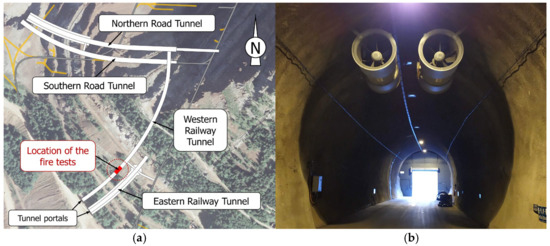
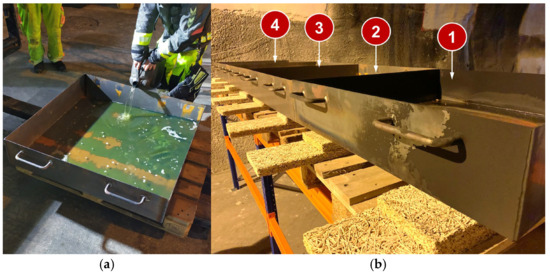
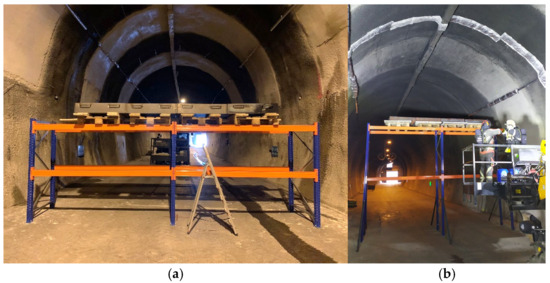
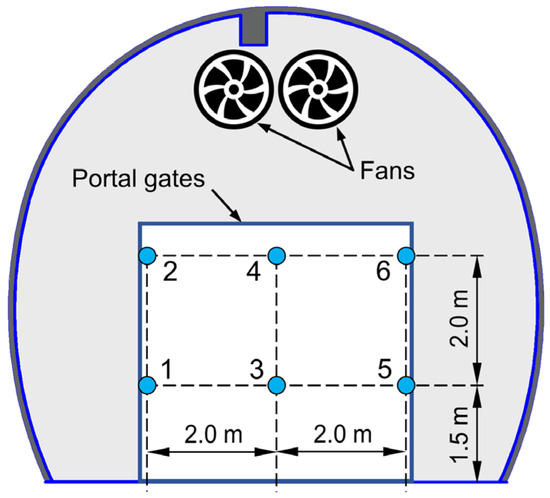
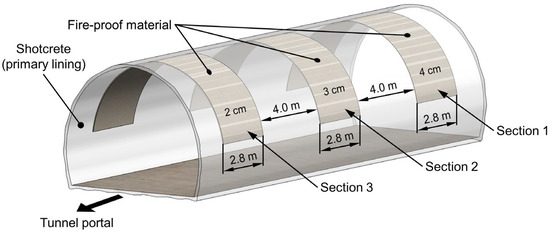
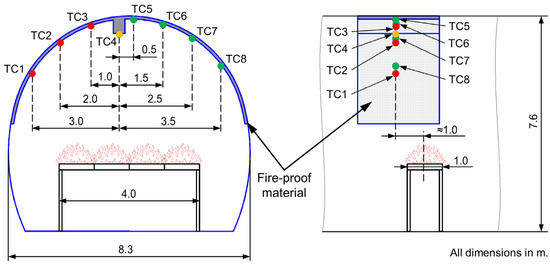
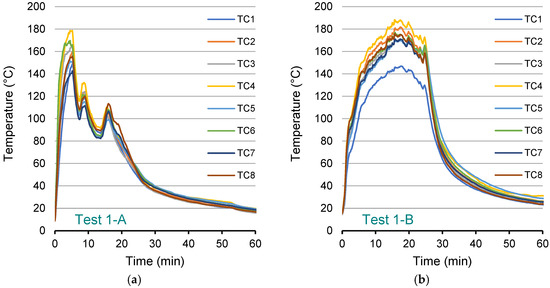
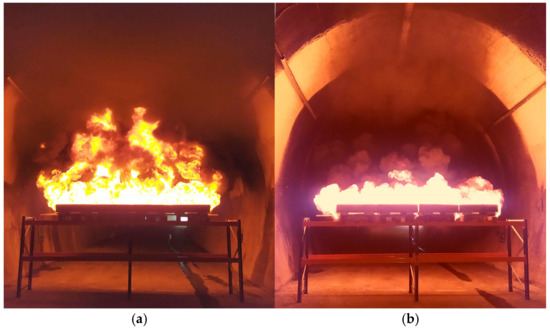
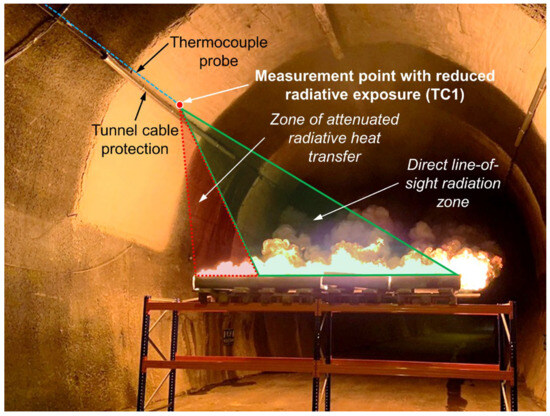
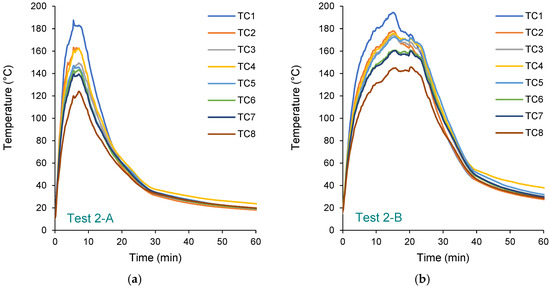
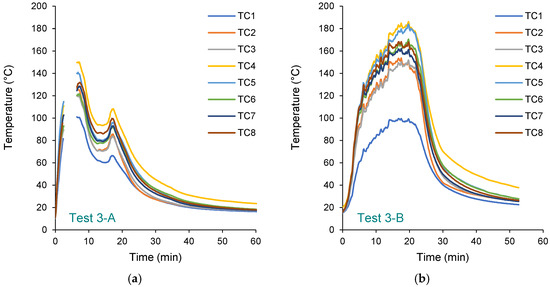
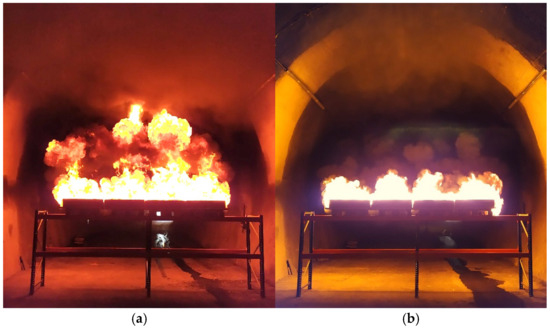
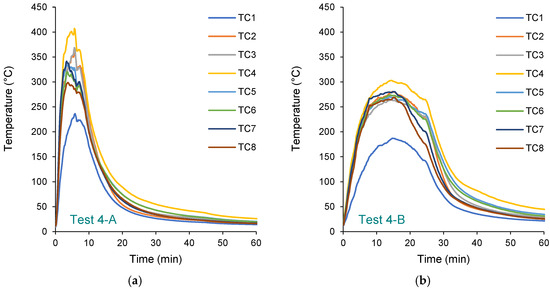
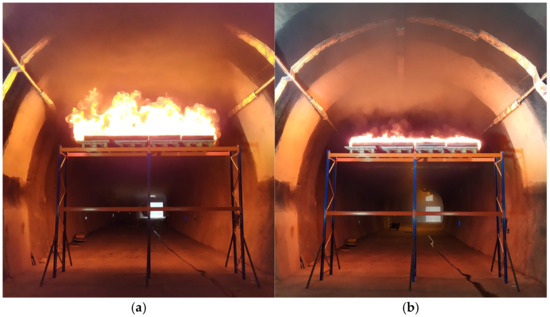
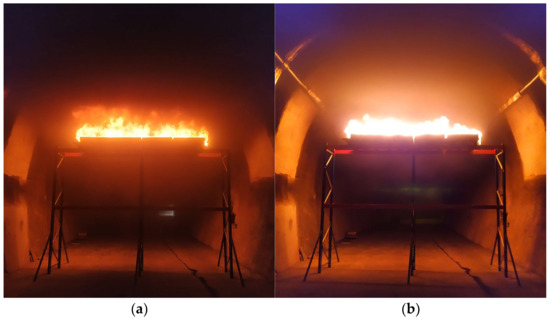
Longitudinal ventilation is a primary smoke-control strategy in road tunnels, yet its effect on structural thermal exposure remains insufficiently quantified under full-scale conditions. This study examined whether increased airflow mitigates lining heating by lowering peak temperatures or instead redistributes thermal loading in time and space. Full-scale gasoline–diesel pool-fire experiments were conducted at the Research Centre “Zentrum am Berg” under two ventilation regimes and two fire-source elevations, while surface temperatures of protected tunnel linings were recorded continuously. Higher ventilation generally delayed peak temperatures and produced broader high-temperature plateaus, despite similar or moderately lower peak values at the lower source elevation. When the fire source was positioned closer to the tunnel ceiling, lower ventilation produced higher but shorter-lived temperature peaks, whereas stronger ventilation reduced maxima but prolonged heating. Overall, cumulative thermal exposure, quantified by a temperature–time integral, was greater under higher-airflow conditions. These results show that, within the tested range of ventilation and source-elevation conditions, peak temperature alone does not adequately represent structural fire severity and that duration-dependent exposure metrics should be included in performance-based tunnel fire design.
Full article
(This article belongs to the Special Issue Tunnel Fire Behavior: Dynamics, Smoke Management, and Safety Strategies)
►▼
Show Figures

Figure 1
Open AccessArticle
TriRHC-YOLO: A Method for Early Forest Fire Detection in Complex Environments Based on UAV Images
by
Bo Song, Bo Li, Zhiyong Zhang, Yun Chen, Qingyang Wang, Xing Zhang, Zhen Cao, Tao Yue and Jianwu Jiang
Fire 2026, 9(8), 338; https://doi.org/10.3390/fire9080338 - 6 Aug 2026
Abstract
►▼
Show Figures
To address the problems of small fire-spot scale, blurred boundaries, complex backgrounds, and insufficient feature representation of weak targets in Unmanned Aerial Vehicle (UAV)-based early forest fire detection, a YOLOv8n-based forest fire detection model, termed TriRHC-YOLO, is proposed. The model first introduces Reparameterized
[...] Read more.
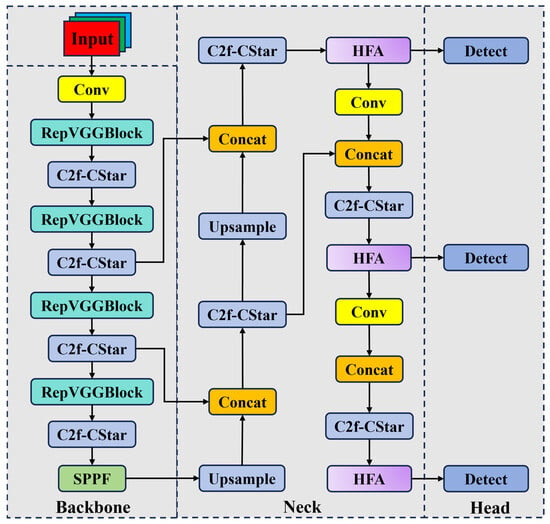
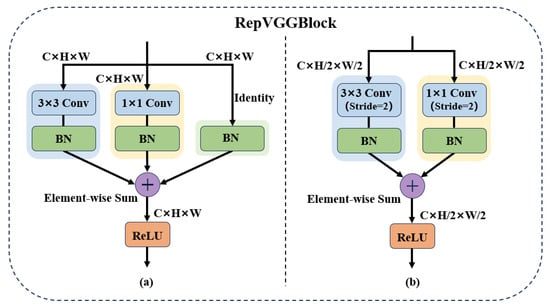
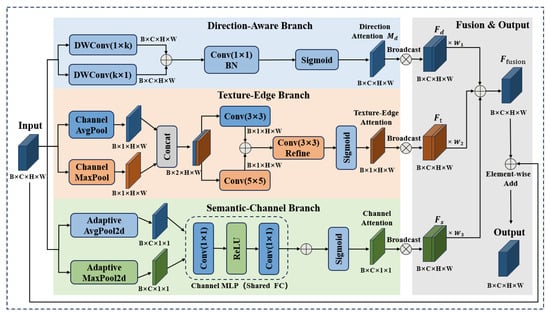
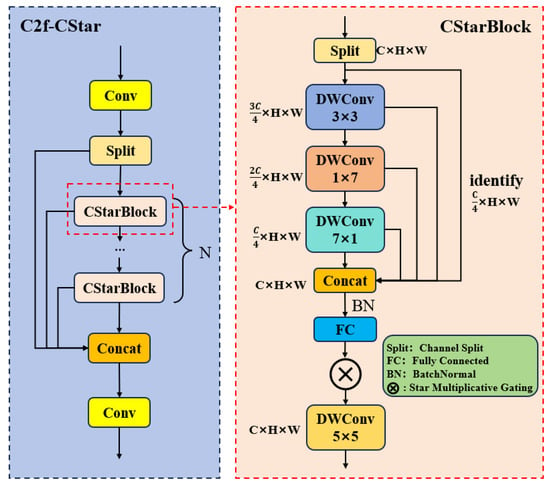
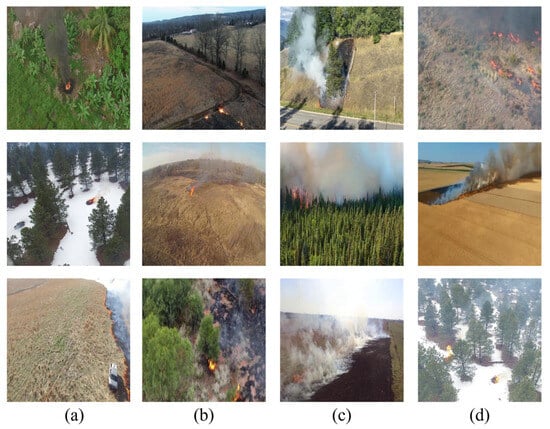
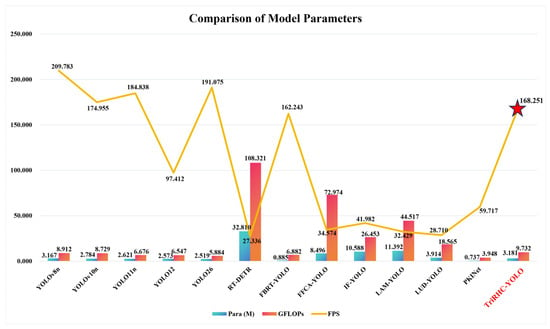
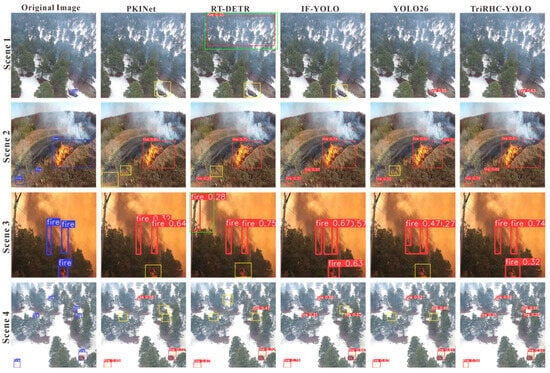
To address the problems of small fire-spot scale, blurred boundaries, complex backgrounds, and insufficient feature representation of weak targets in Unmanned Aerial Vehicle (UAV)-based early forest fire detection, a YOLOv8n-based forest fire detection model, termed TriRHC-YOLO, is proposed. The model first introduces Reparameterized VGG (RepVGG)Block into the backbone network to enhance the extraction capability of shallow local features. Subsequently, a Hierarchical Feature Attention (HFA) module is designed to collaboratively model fire-spot features from three levels, namely directional structures, local textures, and global semantics, thereby enhancing the network’s capability to discriminate fire targets and suppressing interference from complex forest backgrounds. Finally, a Cross Stage Partial Feature Fusion with Cascade Star Block (C2f-CStar) module is designed to improve the representation capability of the model for local structural information and weak salient fire-spot features under complex backgrounds through cascaded spatial feature reconstruction and a star-shaped multiplicative gating mechanism. In addition, a UAV-specific early forest fire detection dataset is constructed based on the FLAME and FLAME_VISION datasets, and experimental validation is conducted on this dataset. The experimental results show that the proposed TriRHC-YOLO outperforms several classical YOLO algorithms, including YOLO11n, YOLO12, and YOLO26, as well as six advanced YOLO-based improved models. The Recall, mean Average Precision (mAP)@0.5, and mAP@0.5:0.95 reach 0.769, 0.848, and 0.608, respectively. The results of the ablation experiments further verify the effectiveness of the three designed modules. Moreover, the proposed model contains only 3.181 M parameters and achieves 168.251 Frames Per Second (FPS), demonstrating favorable real-time detection capability. Overall, the proposed method can effectively improve the detection accuracy of early weak fire targets and the background suppression capability under complex forest backgrounds, making it suitable for real-time UAV-based forest fire inspection tasks.
Full article

Figure 1
Open AccessArticle
Influence of Wind Gusts on Ignition Dynamics and Heat Release in Wildland Fuels
by
Shusmita Saha and Jeanette Cobian-Iñiguez
Fire 2026, 9(8), 337; https://doi.org/10.3390/fire9080337 - 5 Aug 2026
Abstract
Wind gusts are known to significantly influence wildfire behavior, yet their direct role in ignition dynamics remains underexplored in laboratory settings. This study investigates how controlled wind gusts affect ignition behavior, combustion transitions, and heat re-lease characteristics of wildland fuels using a bench-scale
[...] Read more.
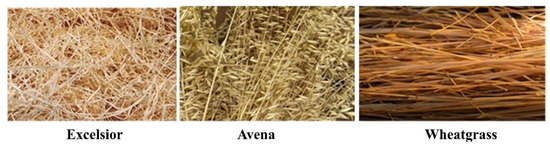
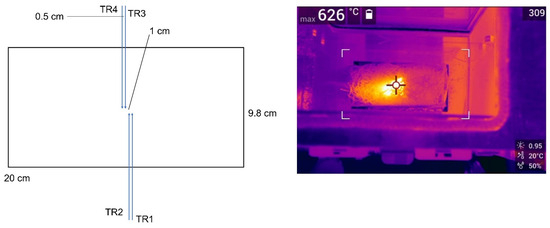
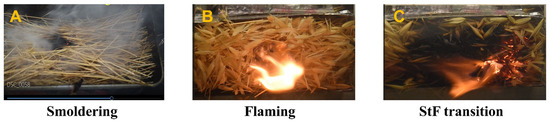
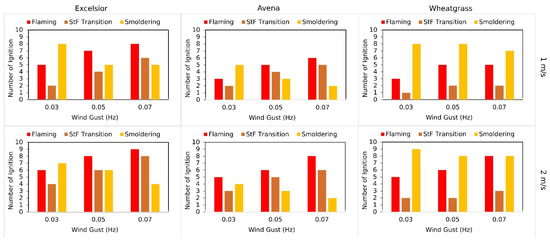
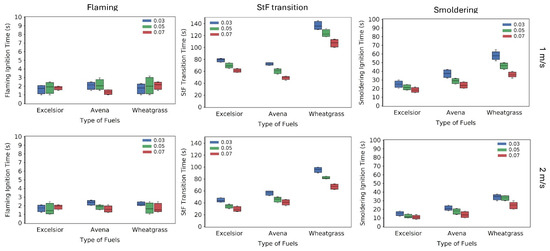
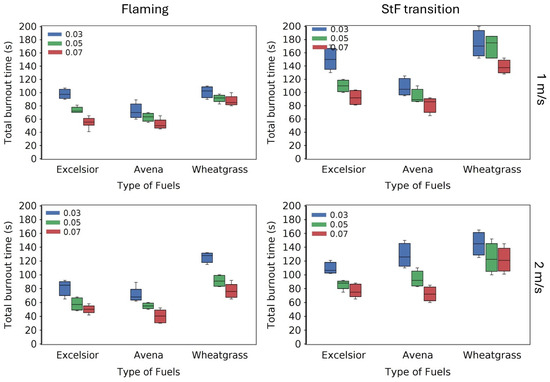
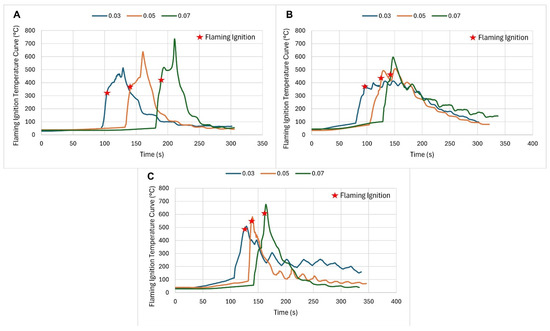
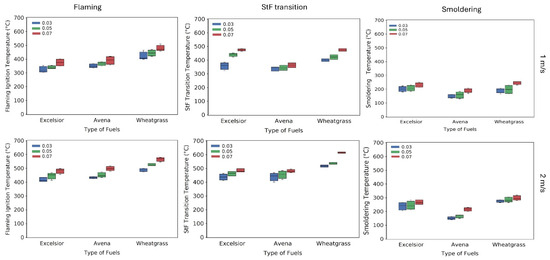
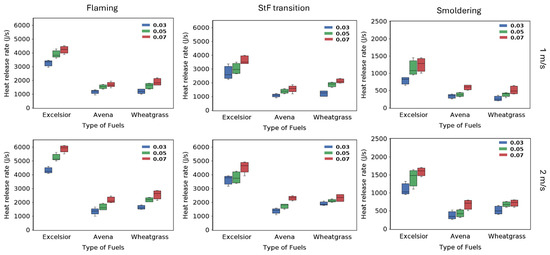
Wind gusts are known to significantly influence wildfire behavior, yet their direct role in ignition dynamics remains underexplored in laboratory settings. This study investigates how controlled wind gusts affect ignition behavior, combustion transitions, and heat re-lease characteristics of wildland fuels using a bench-scale wind tunnel. Three fuel types, Excelsior, wild oat (Avena), and Wheatgrass were exposed to heated stainless-steel par-ticles under varying wind speeds (1.0 and 2.0 m/s) and gust frequencies (0.03, 0.05, and 0.07 Hz). Key ignition parameters, including ignition temperature, ignition delay, smol-dering-to-flaming (StF) transition, burnout time, and heat release rate (HRR), were measured and analyzed. The results show that increasing gust frequency consistently impacted ignition behavior which reduces ignition and transition times across all fuels while raising ignition temperatures and HRR. For instance, StF transition times in Avena dropped from 58 to 42 s and flaming ignition temperatures rose from ~415 °C to ~498 °C as gust frequency increased from 0.03 Hz to 0.07 Hz at 2.0 m/s wind speed. Also, for the same set of experiments, HRR rose from 1674 J/s to 2372 J/s with increasing gusts. These findings indicate that gusty winds enhance convective heat transfer and oxygen availability, accelerating fire initiation and intensifying combustion. The results offer valuable insights for improving predictive fire spread models, ignition risk assessments, and wildfire mitigation strategies under transient wind conditions.
Full article
(This article belongs to the Special Issue Integrative Approaches to Wildland Fire Research: From Fundamental Fuel Behavior to Advanced Technological Solutions)
►▼
Show Figures

Figure 1

Open AccessArticle
Study on the Effect of Surface Air Leakage on Coal Spontaneous Combustion in Shallow-Buried Composite Goafs: A Case Study of Huojitu Coal Mine
by
Delei Kong, Dong Ma, Yongning Yu, Yixuan Yang, Fucheng Zhang and Huogen Luo
Fire 2026, 9(8), 336; https://doi.org/10.3390/fire9080336 - 5 Aug 2026
Abstract
Coal spontaneous combustion is a severe hazard in the goafs of shallow-buried coal seams, particularly under the condition of continuous surface air leakage. This study conducted an integrated experimental and 3D multi-field coupled numerical investigation based on the Huojitu Coal Mine. Experimental kinetic
[...] Read more.
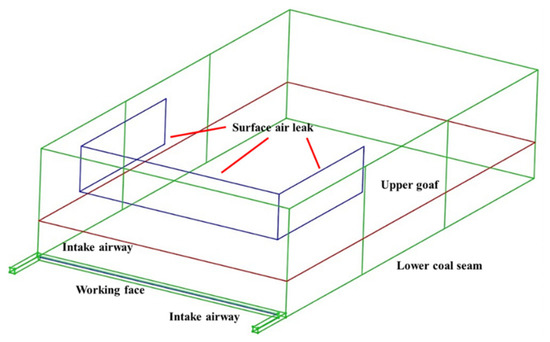
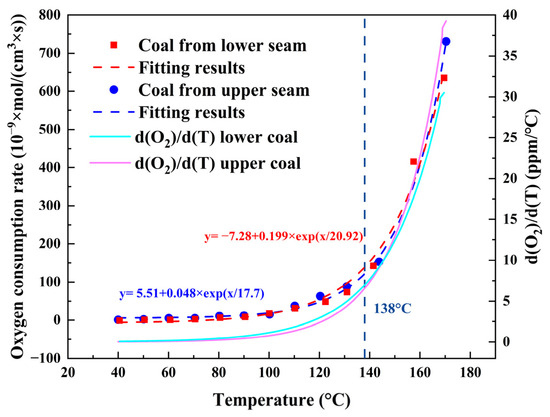
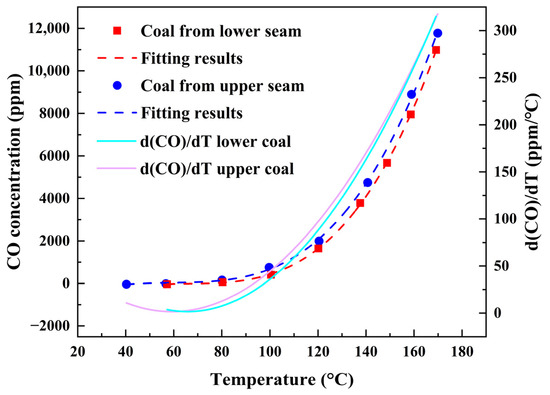
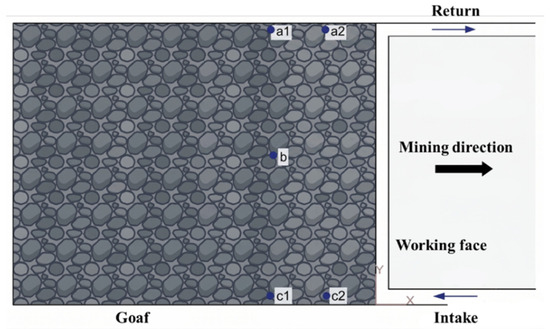
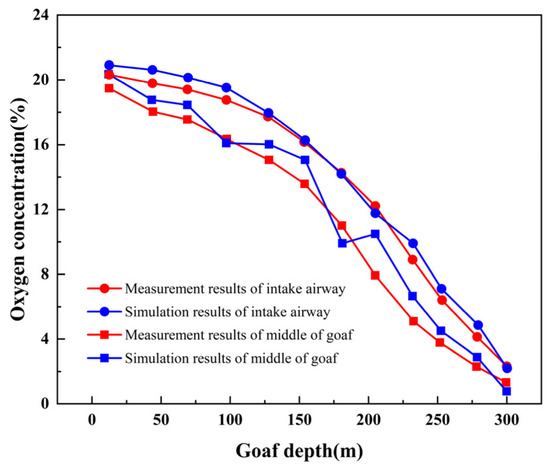
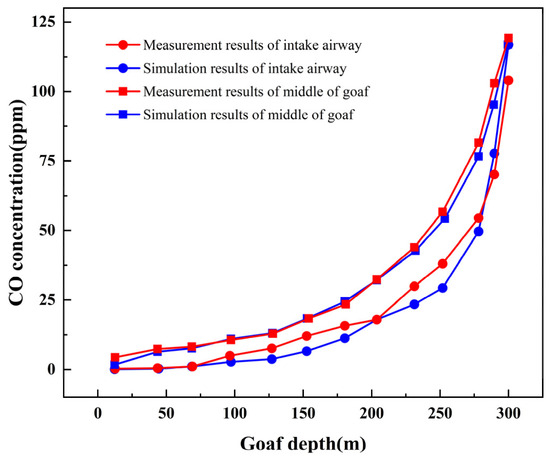
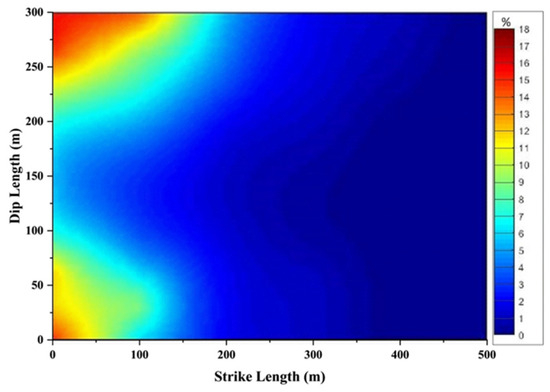
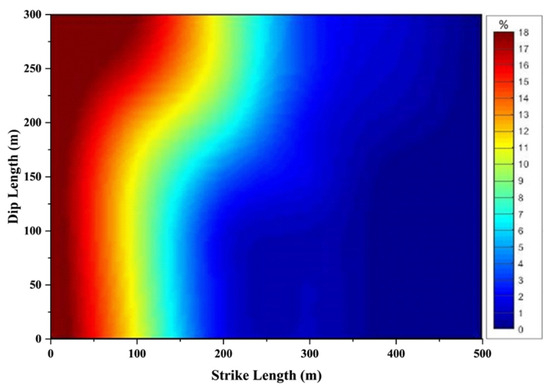
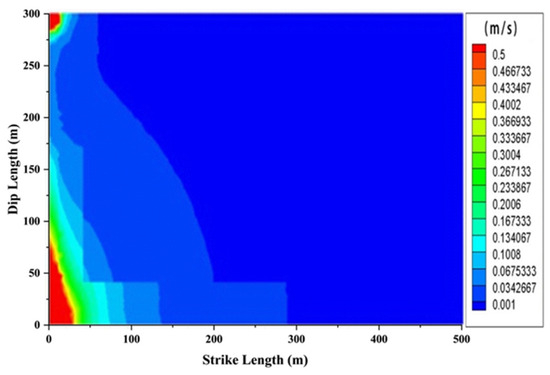
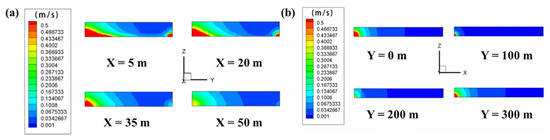
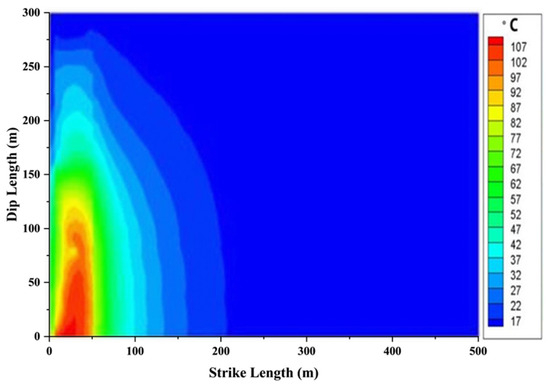
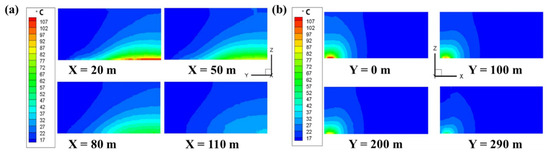
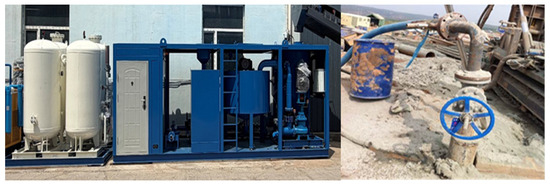
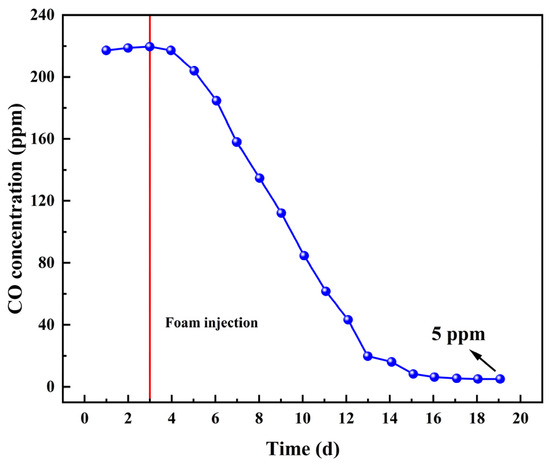
Coal spontaneous combustion is a severe hazard in the goafs of shallow-buried coal seams, particularly under the condition of continuous surface air leakage. This study conducted an integrated experimental and 3D multi-field coupled numerical investigation based on the Huojitu Coal Mine. Experimental kinetic analyses revealed that the upper seam coal exhibits a significantly higher oxygen consumption rate and CO generation capacity than the lower seam coal, characterized by an earlier initial CO generation temperature of 40 °C compared to 60 °C. Subsequent simulations indicated that the flow field and oxygen distribution within the overlying goaf exhibit a distinct “U-shaped” profile governed by surface air leakage. The sequential extraction of the lower coal seam significantly expands the oxidation zone on the return side of the overlying goaf, leading to the formation of a critical high-temperature zone exceeding 100 °C near the return side of the setup entry. Guided by these findings, a three-phase foam technology was implemented in the field, effectively encapsulating the residual coal and drastically reducing the CO concentration at the upper corner from a peak of 221 ppm to a stable 5 ppm. The findings highlight the role of surface air leakage in coal mining and provide corresponding strategies to mitigate spontaneous combustion risks in shallow-buried coal seams.
Full article
(This article belongs to the Special Issue Fire/Explosion Risk Assessment and Loss Prevention of Hazardous Materials, Mines and Natural Gas, 2nd Edition)
►▼
Show Figures

Figure 1

Open AccessArticle
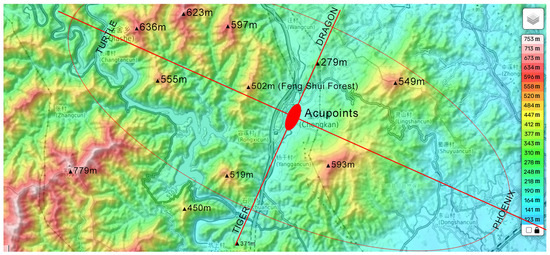
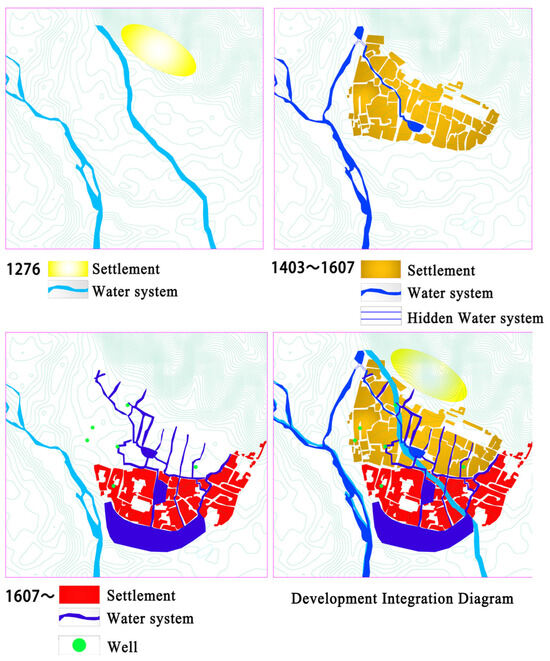
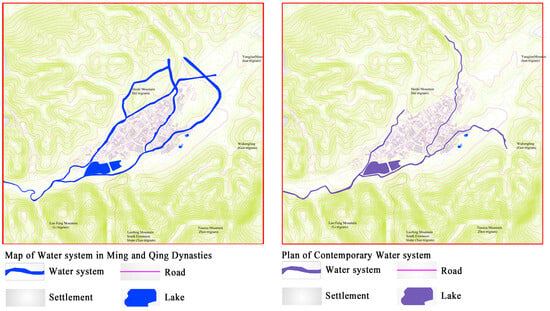
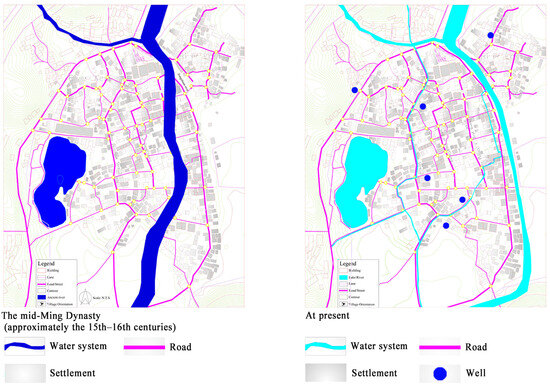
Fire-Prevention-Oriented Environmental Design and Governance: A Case Study Focusing on Vernacular Residential World Heritage Sites
by
Shu-Chen Tsai, Meng-Xin Chi and Wei-Min Luo
Fire 2026, 9(8), 335; https://doi.org/10.3390/fire9080335 - 4 Aug 2026
Abstract
The aim of this study is to explore the fire resilience of traditional ancient villages in Huizhou, China, and to reveal “traditional environmental planning knowledge” as a spatial survival strategy for high-density settlements. This study adopts a qualitative interpretive paradigm, combining historical geography
[...] Read more.
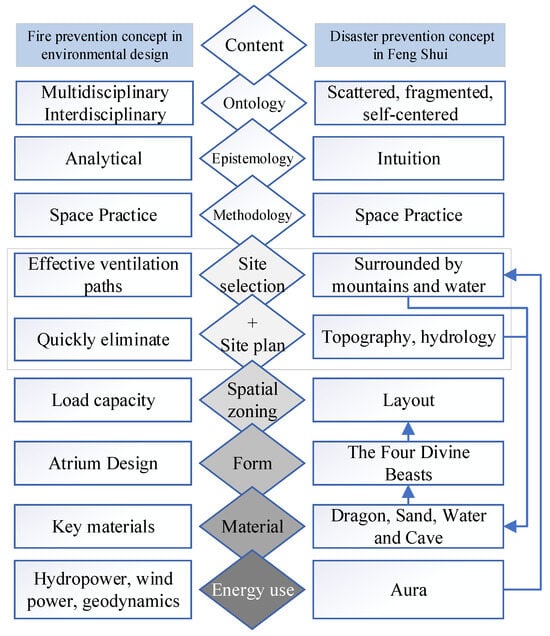
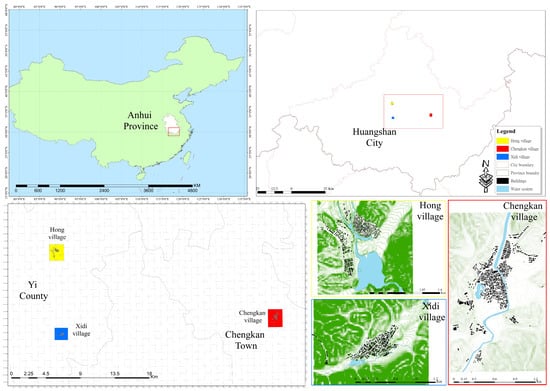
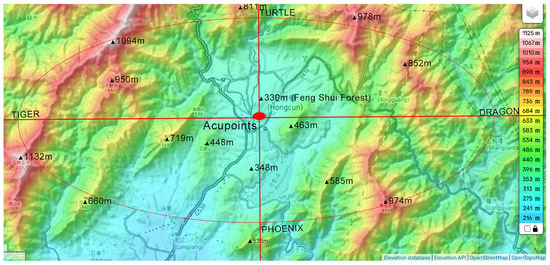
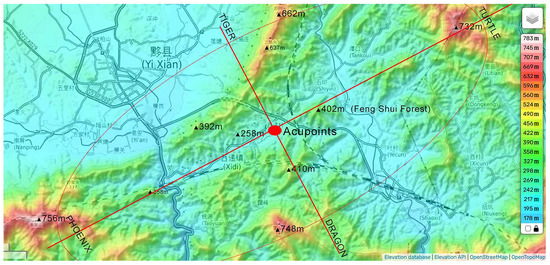
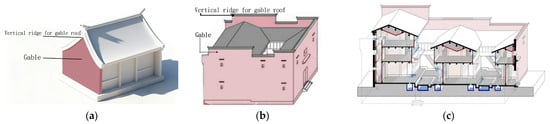
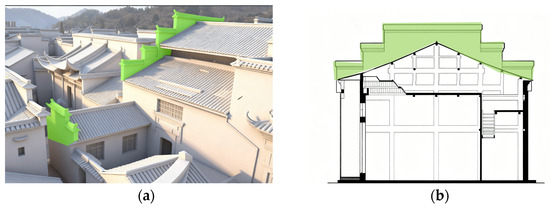
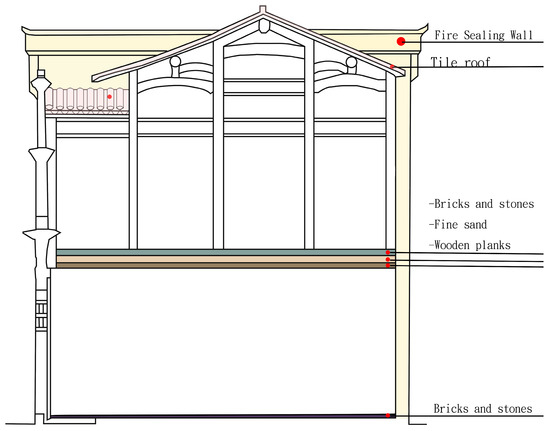
The aim of this study is to explore the fire resilience of traditional ancient villages in Huizhou, China, and to reveal “traditional environmental planning knowledge” as a spatial survival strategy for high-density settlements. This study adopts a qualitative interpretive paradigm, combining historical geography with a literature review, field surveys, and overlay analysis. The study found that these villages, during site selection, utilized basin topography to construct a multi-level disaster mitigation system encompassing “macro-level water systems, meso-level alleyways, micro-level firewalls, and sandwich fire-extinguishing floors.” This endogenous physical technology, based on defensive awareness and community agreements, achieves a dynamic balance of resilience between humans and the environment. The cultural interpretation based on the indicators in this study primarily reflects the disaster resilience potential of traditional planning. The conclusions should be carefully interpreted within the framework of traditional environmental design. Furthermore, commercial intervention, infrastructure renovation, and population loss are leading to the neglect of this defensive space. This lack of a holistic perspective will trigger the “resilience degradation” of ancient villages. Future research urgently needs to establish a “resilience decay model” to quantitatively assess the disaster resistance capabilities remaining after damage to the surrounding buffer space, based on traditional environmental planning knowledge.
Full article
(This article belongs to the Special Issue Current Advances in the Assessment and Mitigation of Fire Risk in Buildings and Urban Areas: 2nd Edition)
►▼
Show Figures

Figure 1
Open AccessArticle
Hidden Heat Before Flames: Multispectral Deep Learning for Early Warning of Concealed Fire Hazards in Insulated Structures
by
Boning Li, Rui Guo, Zhen Cao, Li Wang, Qixing Zhang and Xi Zhang
Fire 2026, 9(8), 334; https://doi.org/10.3390/fire9080334 - 4 Aug 2026
Abstract
Concealed fires within the insulation layers of buildings, such as cold storage facilities and cinemas, present a serious fire hazard because heat generated by electrical faults can accumulate behind protective panels before ignition and then spread rapidly once combustion begins. Conventional fire detection
[...] Read more.
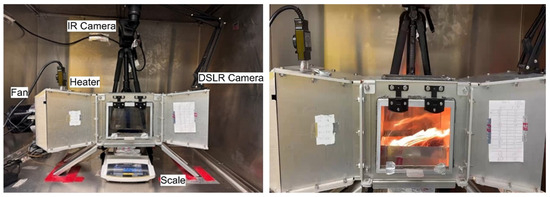
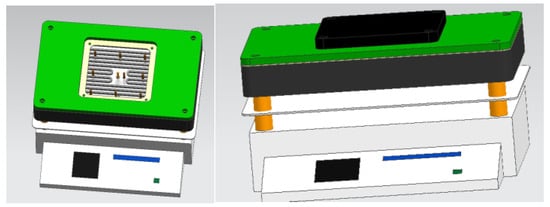
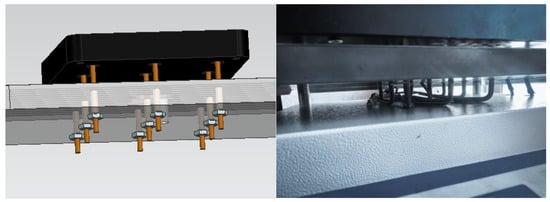
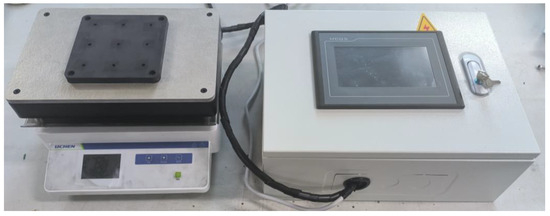
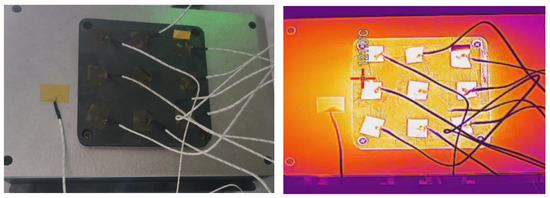
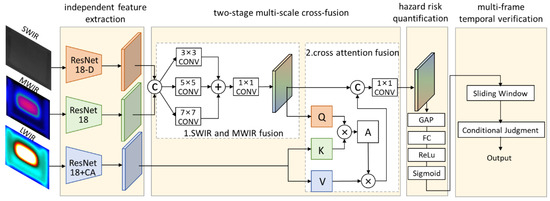
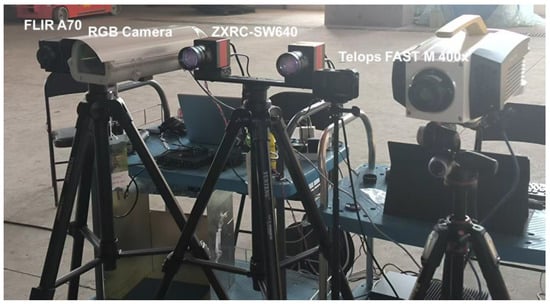
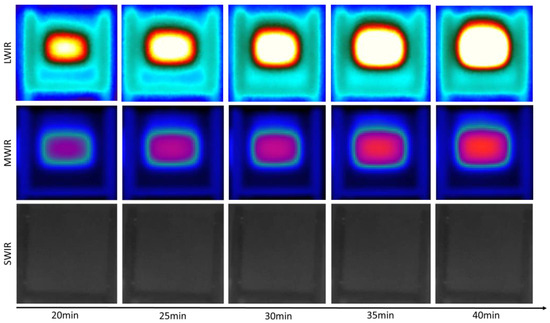
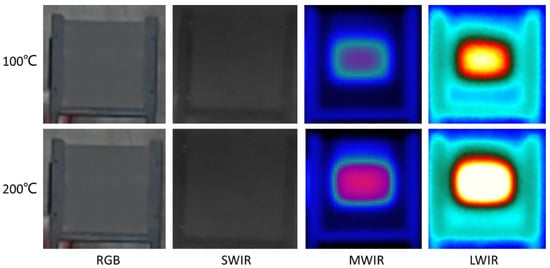
Concealed fires within the insulation layers of buildings, such as cold storage facilities and cinemas, present a serious fire hazard because heat generated by electrical faults can accumulate behind protective panels before ignition and then spread rapidly once combustion begins. Conventional fire detection methods have limited capability to identify these hidden thermal abnormalities at the pre-ignition stage. To address this problem, this paper proposes a deep learning method, called the Multi-Scale Cross-Modal Fusion Network (MSCMFNet), that uses multispectral images to identify abnormal heat sources beneath insulation layers before visible combustion occurs. A standardized experimental platform was developed to accurately simulate subsurface heat sources within the pre-ignition temperature range of insulation materials. Instead of relying on fixed temperature thresholds, the proposed method learns the characteristic spectral patterns produced by hidden heating. It extracts information from different spectral bands, combines these complementary features, and verifies the persistence of detected heat sources over time to reduce false alarms caused by non-fire disturbances. Experimental results demonstrate that the proposed method can effectively detect concealed thermal anomalies before ignition, providing reliable early warning and offering a promising approach to improving fire safety in buildings that make extensive use of insulation materials.
Full article
(This article belongs to the Special Issue Fire Detection and Fire Signal Processing)
►▼
Show Figures

Figure 1
Open AccessArticle
Microstructural Features of the Transition from Thermal Degradation to Initial Char Formation in Spruce Wood
by
Katarína Dúbravská, Miroslava Mamoňová and Viera Kučerová
Fire 2026, 9(8), 333; https://doi.org/10.3390/fire9080333 - 4 Aug 2026
Abstract
►▼
Show Figures
This study investigated microstructural, optical, and thermal changes in spruce wood (Picea abies) exposed to controlled laboratory heating to identify indicators associated with the transition from progressive thermal degradation to the initial char formation. Cubic specimens measuring 20 × 20 ×
[...] Read more.
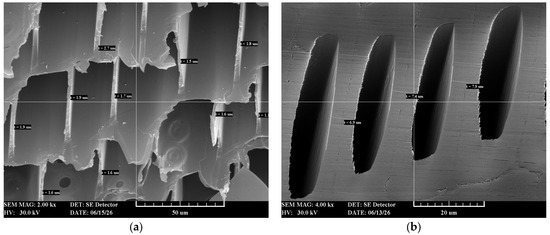
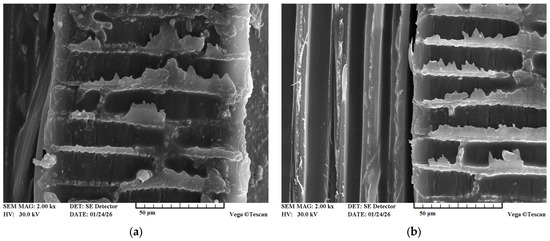
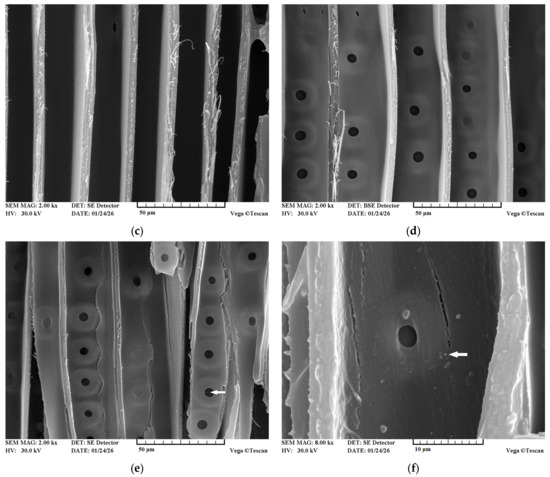
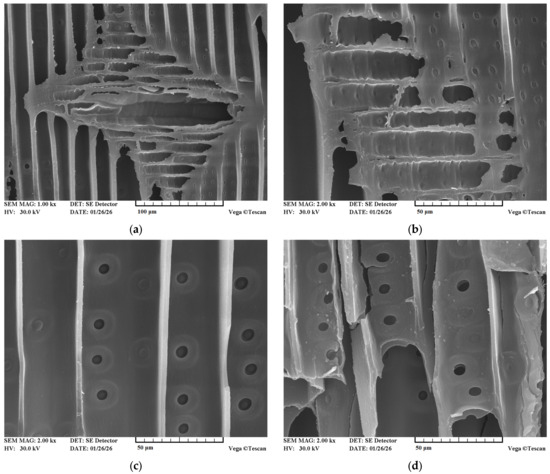
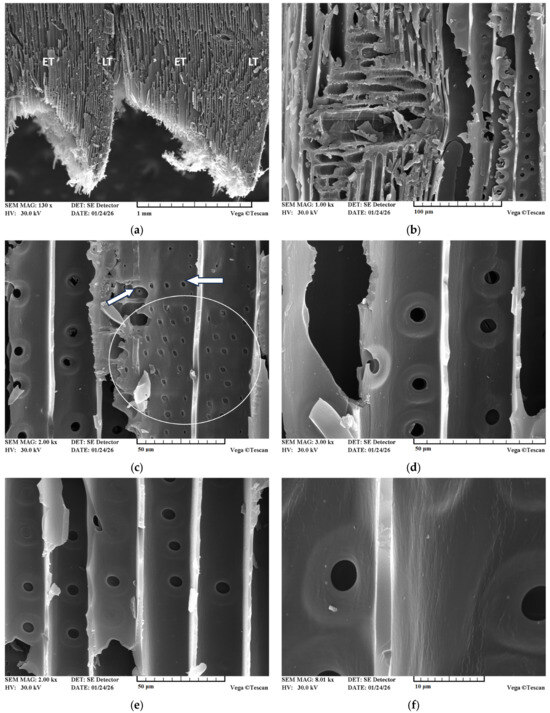
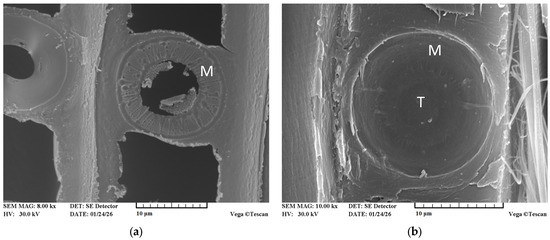
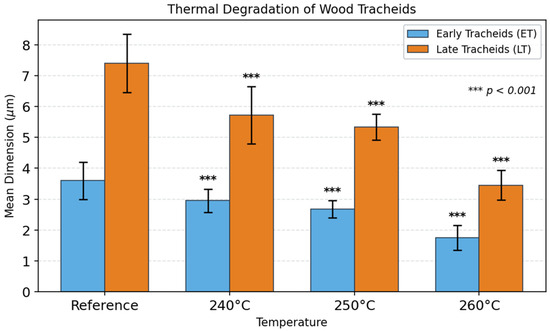
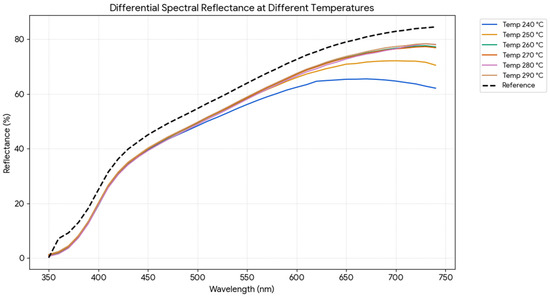
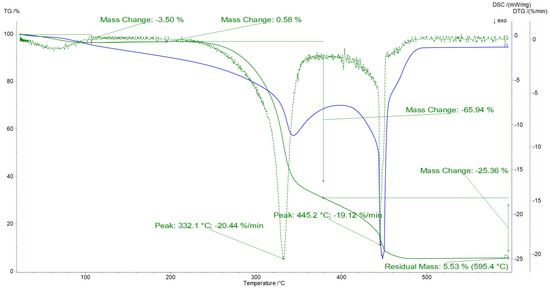
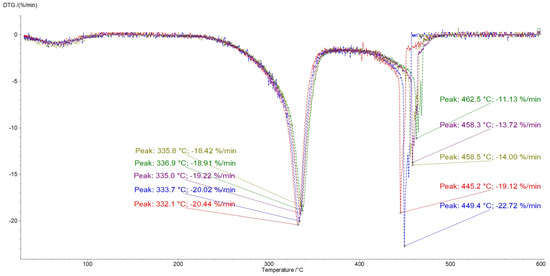
This study investigated microstructural, optical, and thermal changes in spruce wood (Picea abies) exposed to controlled laboratory heating to identify indicators associated with the transition from progressive thermal degradation to the initial char formation. Cubic specimens measuring 20 × 20 × 20 mm were exposed to selected temperatures between 240 and 300 °C under atmospheric conditions, with a 15 min isothermal exposure period. Microstructural changes were evaluated by scanning electron microscopy (SEM) and quantitative tracheid double cell wall measurements, supported by simultaneous thermal analysis (STA) and color and reflectance analyses. Simultaneous thermal analysis (TG/DTG/DSC) was performed on separate specimens from the same wood material to provide complementary thermal evidence. The most pronounced microstructural changes were observed between 250 and 260 °C, including substantial thinning of tracheid cell walls, degradation of bordered pits, increased brittleness, and localized structural collapse. Quantitative measurements showed reductions in double cell wall thickness exceeding 50% at 260 °C. TG/DTG analysis indicated the onset of intensive thermal degradation at 254.2 ± 1.48 °C, while optical measurements showed pronounced darkening and reduced differentiation of reflectance spectra above approximately 260 °C. The combined evaluation of complementary analytical methods indicates that the 250–260 °C interval represents a condition-dependent microstructural transition associated with accelerated thermal degradation and the early development of a charred structure under the applied experimental conditions. These findings provide complementary experimental evidence for interpreting the early stages of wood charring and may support the interpretation and future refinement of heat transfer and pyrolysis models. They complement, rather than replace, the conventional 300 °C engineering char line criterion used in structural fire design.
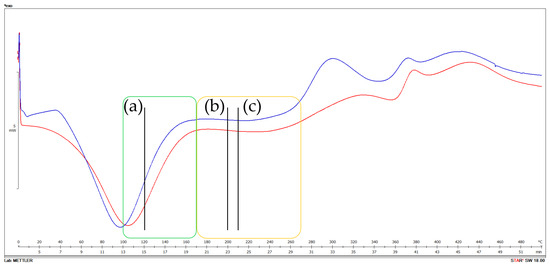
Full article

Figure 1
Open AccessArticle
High-Silica Fiber/Silica Aerogel Composite for Bridge-Cable Fire Protection: HC-Fire Tests and Numerical Simulation
by
Senlin Yao, Shian Jin, Shaokun Ge, Ya Ni, Gaoming Du, Yingjian Hu and Yin Liang
Fire 2026, 9(8), 332; https://doi.org/10.3390/fire9080332 - 4 Aug 2026
Abstract
This study evaluates high-silica fiber/silica aerogel composites (HSFACs) for the passive fire protection of bridge cables. The primary objective is to reveal the high-temperature degradation mechanism of HSFAC and quantitatively determine a reliable thickness scheme for long-term hydrocarbon-fire protection of bridge cables. HSFAC
[...] Read more.
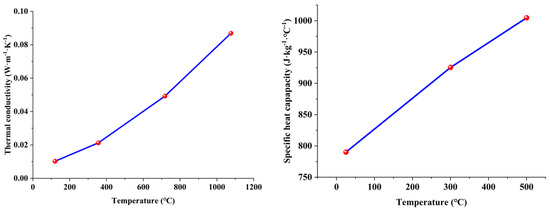
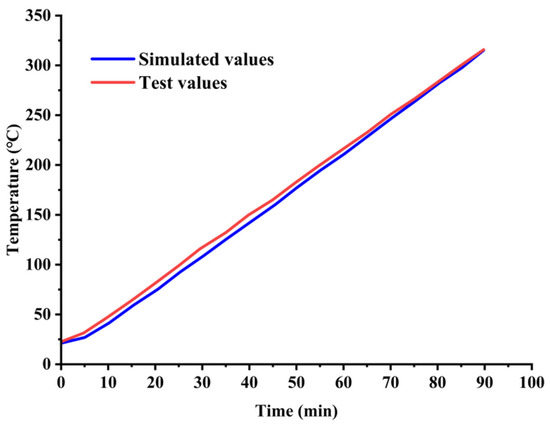
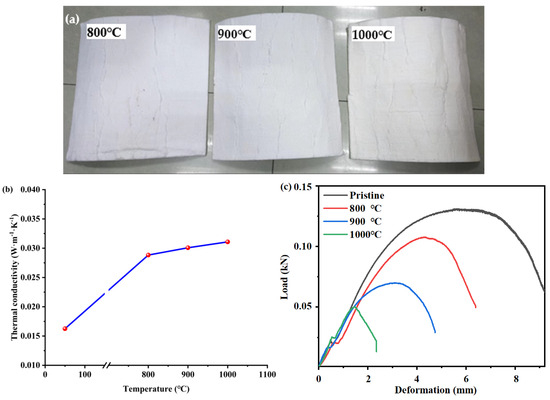
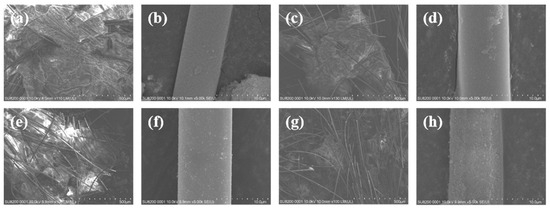
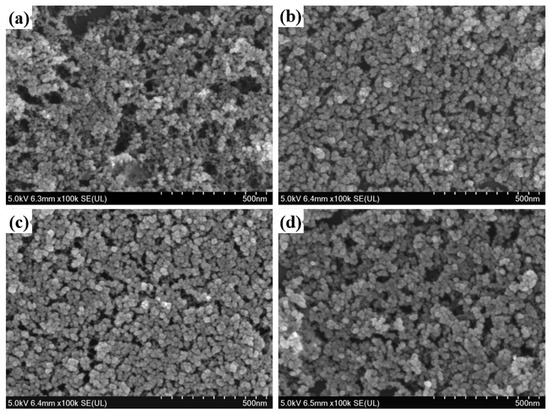
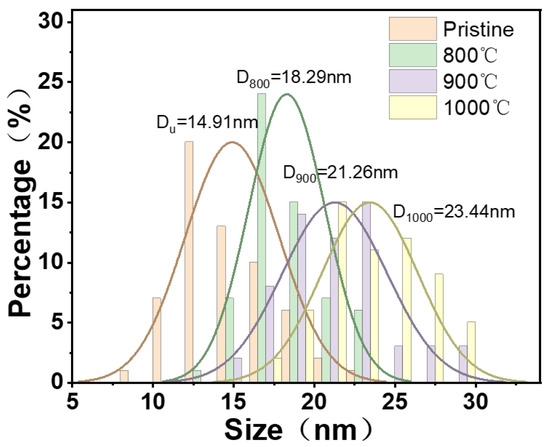
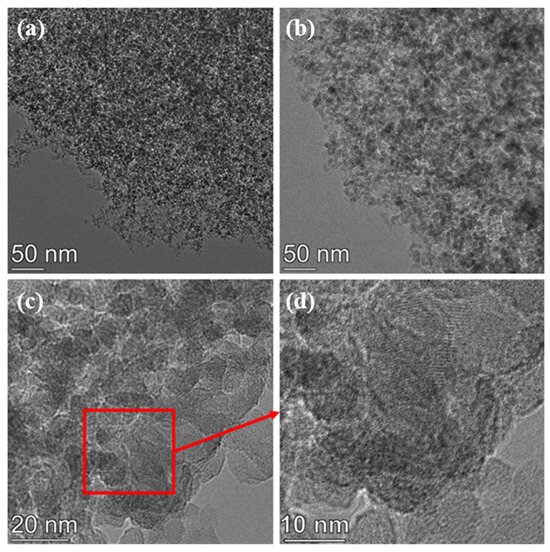
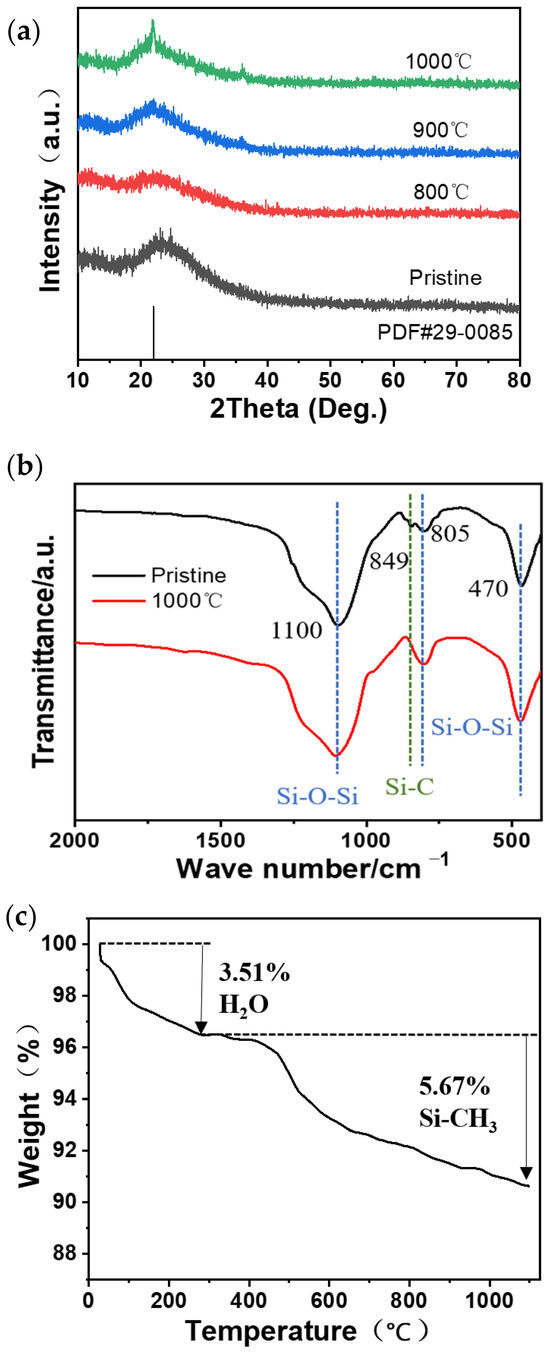
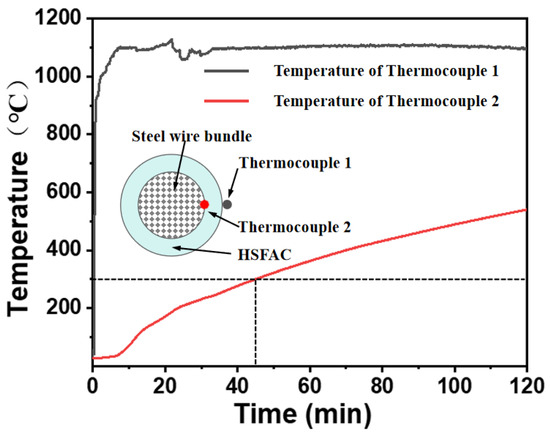
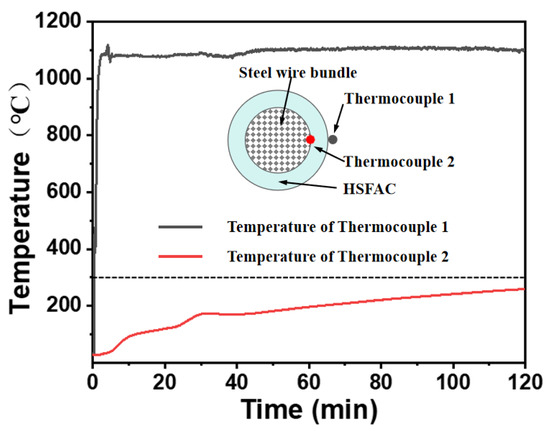
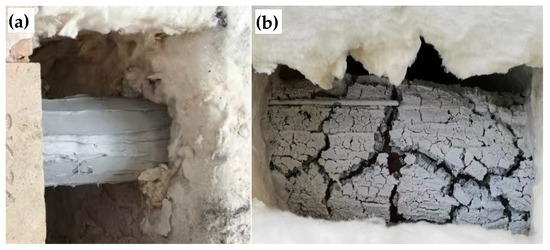
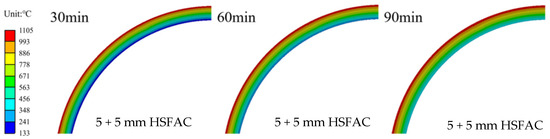
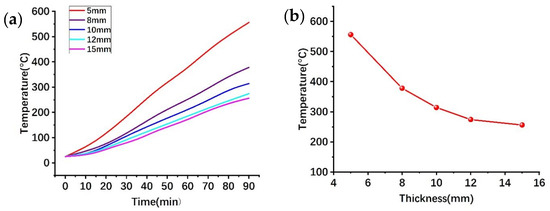
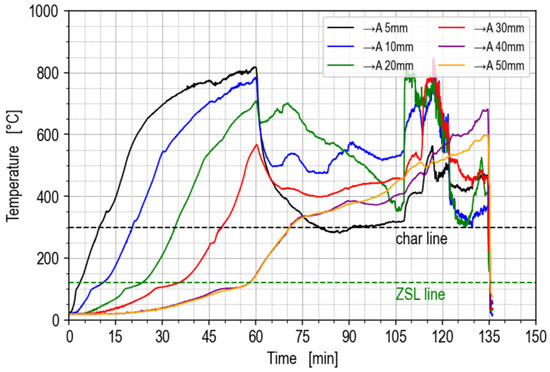
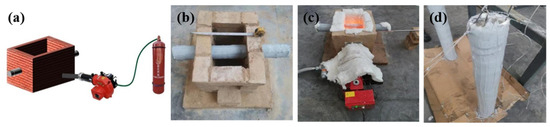
This study evaluates high-silica fiber/silica aerogel composites (HSFACs) for the passive fire protection of bridge cables. The primary objective is to reveal the high-temperature degradation mechanism of HSFAC and quantitatively determine a reliable thickness scheme for long-term hydrocarbon-fire protection of bridge cables. HSFAC specimens were heat-treated and characterized by thermal conductivity, tensile testing, SEM/TEM, FTIR, and TG analysis. A self-built furnace was used to assess an HSFAC-based cable protection system under hydrocarbon-fire exposure. Increasing heat-treatment temperature enlarged the pore and particle sizes of HSFAC and reduced its thermal-insulation performance. During 120 min of fire exposure, the cable protected by a single 5 mm HSFAC layer reached 300 °C within 45 min, whereas the cable protected by a double-layer 5 + 5 mm HSFAC system remained below 300 °C throughout the test. Finite element simulations validated against the experimental results confirmed that increasing HSFAC thickness improved thermal protection. After 90 min, the predicted cable-surface temperatures were 556 °C and 314 °C for HSFAC thicknesses of 5 mm and 10 mm, respectively. By integrating high-temperature material characterization, HC-fire testing, and thickness-dependent numerical analysis, this study links material degradation to system-level fire performance and provides a quantitative basis for HSFAC thickness design.
Full article
(This article belongs to the Special Issue Fire Risk Management and Emergency Prevention)
►▼
Show Figures

Figure 1
Open AccessArticle
AI Decision Support for Urban Fire Risk Management: A Framework for Validation, Governance, and Bounded Deployment
by
Eric Scheepbouwer
Fire 2026, 9(8), 331; https://doi.org/10.3390/fire9080331 - 4 Aug 2026
Abstract
AI-based decision support is moving into fire practice and governance, where it is used to prioritise inspections, analyse building and community risk, examine station coverage, support evacuation planning, interpret warnings, and explore fire scenarios. These tools can extend analytical capacity, but they also
[...] Read more.
AI-based decision support is moving into fire practice and governance, where it is used to prioritise inspections, analyse building and community risk, examine station coverage, support evacuation planning, interpret warnings, and explore fire scenarios. These tools can extend analytical capacity, but they also create a decision role migration problem: an output developed for prediction, prioritisation, warning, simulation, or planning may later be treated as clearance, justification, or authority. Existing fire model evaluation guidance recognises that validation is use-specific; AI systems add a further challenge because outputs can migrate across dashboards, reusable software components, interfaces, and institutional procedures. This article develops a role-sensitive framework for bounded deployment of AI decision support in urban fire risk management. The framework classifies AI outputs by epistemic role, decision proximity, validation basis, temporal coupling, consequence asymmetry, and governance explicitness. Its central synthesis is that evidence sufficient to warn may be insufficient to clear. Probabilistic outputs can support screening, investigation, prioritisation, and scenario analysis; permissive or safety-proximate claims require stronger assurance, uncertainty communication, fallback rules, and explicit authority allocation. The contribution is a governance logic for keeping exploratory, advisory, policy-shaping, and safety-proximate AI roles separate in urban fire management and policy formulation.
Full article
(This article belongs to the Special Issue Advances in Decision Support for Urban Fire Risk Management and Policy Formulation)
Journal Menu
► ▼ Journal Menu-
- Fire Home
- Aims & Scope
- Editorial Board
- Reviewer Board
- Topical Advisory Panel
- Instructions for Authors
- Special Issues
- Topics
- Sections & Collections
- Article Processing Charge
- Indexing & Archiving
- Editor’s Choice Articles
- Most Cited & Viewed
- Journal Statistics
- Journal History
- Journal Awards
- Conferences
- Editorial Office
Journal Browser
► ▼ Journal BrowserHighly Accessed Articles
Latest Books
E-Mail Alert
News
Topics
Topic in
Energies, Fire, Fuels, Processes, Sustainability
Combustion and Application of Carbon Neutral Fuel in Internal Combustion Engine
Topic Editors: Zezhou Guo, Cheng ShiDeadline: 28 February 2027
Topic in
Buildings, Fire, GeoHazards, Remote Sensing, Sci, Water
Disaster Risk Monitoring and Post-Disaster Reconstruction: Multidisciplinary Research Based on GIS and Related Technologies
Topic Editors: Liang Zhao, Yueqiao Yang, Ting Wang, Zhiduan Chen, Haoxi Lin, Yao Yang, Haoyu Deng, Guilin LiuDeadline: 1 June 2027
Topic in
Applied Sciences, Architecture, Buildings, CivilEng, Fire, Sci, Symmetry
Multi-Hazard Design and Performance Assessment of Construction Projects
Topic Editors: Chiara Bedon, Antonio FormisanoDeadline: 30 June 2027
Conferences
Special Issues
Special Issue in
Fire
Performance-Based Design in Structural Fire Engineering, Volume III
Guest Editor: Maged A. YoussefDeadline: 31 August 2026
Special Issue in
Fire
Integrating AI and Remote Sensing for Monitoring and Mapping Fire Impacts on Agroforestry and Wildlife Systems
Guest Editors: Tommaso Orusa, Samuele De Petris, Filippo Sarvia, Annalisa VianiDeadline: 31 August 2026
Special Issue in
Fire
Fire Prevention and Flame Retardant Materials—2nd Edition
Guest Editors: Long Yan, Xuebao Wang, Yachao WangDeadline: 31 August 2026
Topical Collections
Topical Collection in
Fire
Diversity Leaders in Fire Science
Collection Editors: Alistair M. S. Smith, Natasha Ribeiro, Tiago Miguel Ferreira, Grant Williamson, Christine Eriksen
Topical Collection in
Fire
Intelligent Wildfire Detection and Risk Prevention
Collection Editors: Akmalbek Abdusalomov, Young Im Cho