
Journal Description
Drones
Drones
is an international, peer-reviewed, open access journal that focuses on the design and applications of drones (including unmanned aerial vehicles (UAVs), Unmanned Aircraft Systems (UASs), Remotely Piloted Aircraft Systems (RPASs), etc.) and also of unmanned marine/water/underwater drones, unmanned ground vehicles, fully autonomous driving and space drones, and published monthly online by MDPI. The Association of Remotely Piloted Aircraft Systems UK (ARPAS-UK) is affiliated with Drones and its members receive discounts on the article processing charges.
- Open Access— free for readers, with article processing charges (APC) paid by authors or their institutions.
- High visibility: indexed within Scopus, SCIE (Web of Science), Inspec, Ei Compendex and other databases.
- Journal Rank: JCR - Q2 (Remote Sensing) / CiteScore - Q1 (Aerospace Engineering)
- Rapid Publication: manuscripts are peer-reviewed and a first decision is provided to authors approximately 20.8 days after submission; acceptance to publication is undertaken in 2.7 days (median values for papers published in this journal in the second half of 2025).
- Recognition of Reviewers: reviewers who provide timely, thorough peer-review reports receive vouchers entitling them to a discount on the APC of their next publication in any MDPI journal, in appreciation of the work done.
- Journal Cluster of Mechanical Manufacturing and Automation Control: Aerospace, Automation, Drones, Journal of Manufacturing and Materials Processing, Machines, Robotics and Technologies.
Impact Factor:
5.2 (2025);
5-Year Impact Factor:
5.3 (2025)
Latest Articles
SMG-UAV: Sparse Mutual Guided RGB–Event Fusion for Robust UAV Detection in Challenging Dynamic Environments
Drones 2026, 10(7), 486; https://doi.org/10.3390/drones10070486 (registering DOI) - 25 Jun 2026
Abstract
Robust unmanned aerial vehicle (UAV) detection in real low-altitude anti-UAV scenarios remains challenging due to motion blur, extreme illumination, cluttered backgrounds, and tiny target sizes. Most existing UAV detectors rely on RGB imagery, but their performance often degrades severely under these adverse conditions.
[...] Read more.
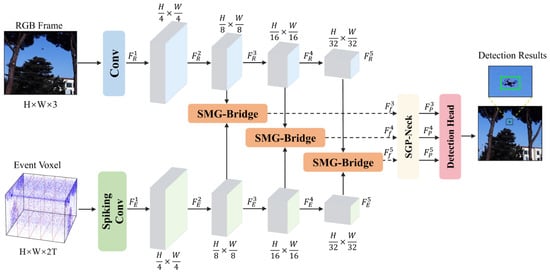
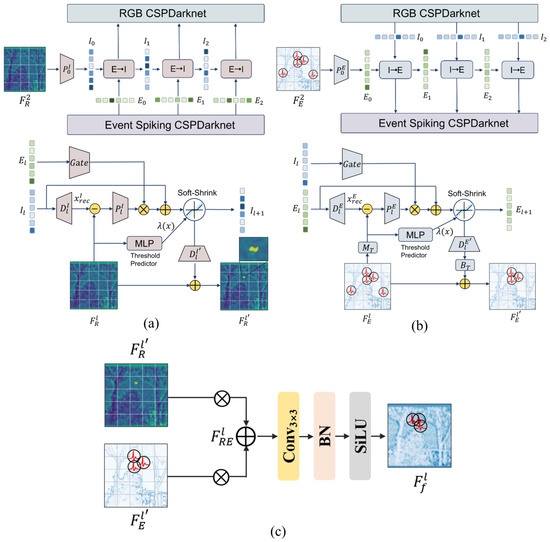
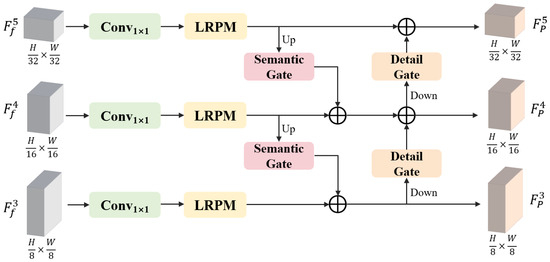
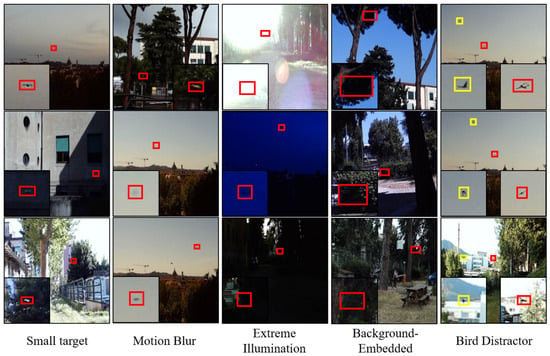
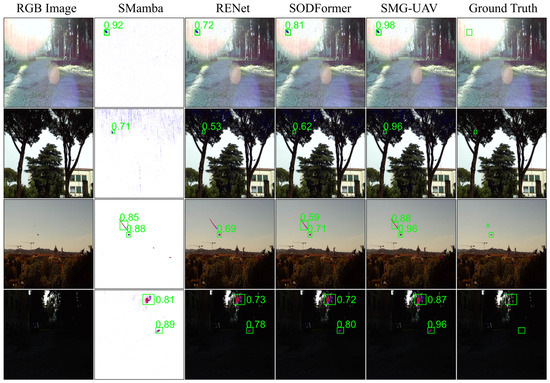
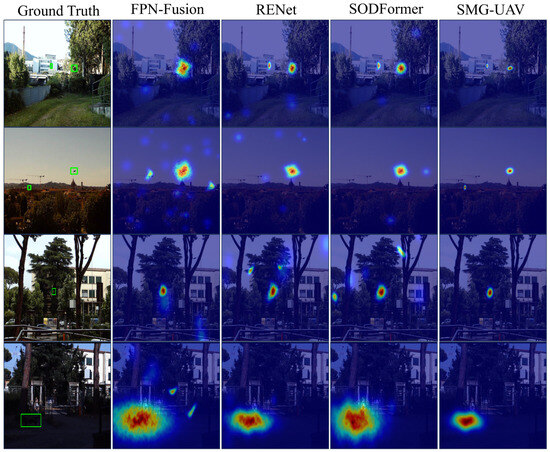
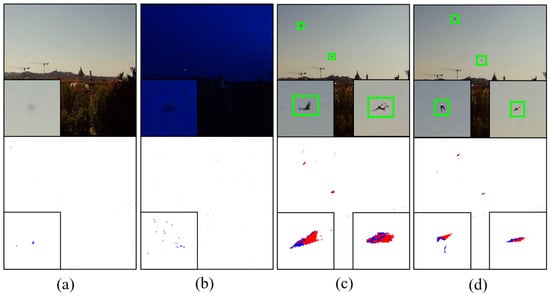
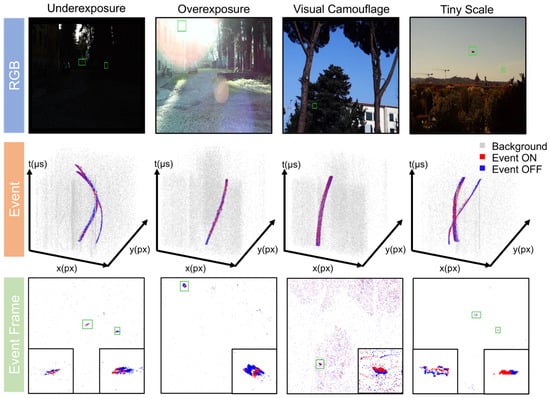
Robust unmanned aerial vehicle (UAV) detection in real low-altitude anti-UAV scenarios remains challenging due to motion blur, extreme illumination, cluttered backgrounds, and tiny target sizes. Most existing UAV detectors rely on RGB imagery, but their performance often degrades severely under these adverse conditions. Event cameras, as a neuromorphic sensing modality, capture motion-sensitive responses with high temporal resolution and thus provide complementary cues for robust UAV detection. However, existing RGB–event fusion detectors usually employ homogeneous feature extraction and generic fusion mechanisms, which are insufficient to handle heterogeneous modality degradation and exploit reliable cross-modal cues. To address this limitation, we propose SMG-UAV, a sparse mutual guided RGB–event fusion network for robust small-UAV detection. The proposed method integrates a hybrid dual-branch backbone for modality-specific representation learning, a Sparse Mutual Guided Bridge for bidirectional sparse cross-modal refinement, and a Selective Gated Pyramid Neck for multiscale enhancement of weak UAV responses. Experiments on the Florence RGB-Event Drone Dataset (FRED) and the Neuromorphic-RGB Drone Detection Dataset (NeRDD) demonstrate that SMG-UAV achieves state-of-the-art performance, outperforming the strongest competing method by an average of 5.2 points in , while delivering stronger robustness under multiple challenging anti-UAV conditions.
Full article
(This article belongs to the Special Issue Detection, Identification and Tracking of UAVs and Drones: 2nd Edition)
►
Show Figures
Open AccessArticle
Development and Techno-Economic Feasibility of a Low-Cost UAV Platform for Crop Protection in Indian Smallholder Farms
by
Paawan Kumar, Pritish Kumar Varadwaj and Suneel Yadav
Drones 2026, 10(7), 485; https://doi.org/10.3390/drones10070485 (registering DOI) - 25 Jun 2026
Abstract
Modern agriculture in developing regions faces significant challenges due to labor scarcity and the health hazards associated with the manual application of chemical treatments. This study presents the design, development, and techno-economic evaluation of an experimental hexacopter unmanned ariel vehicle (UAV) platform specifically
[...] Read more.
Modern agriculture in developing regions faces significant challenges due to labor scarcity and the health hazards associated with the manual application of chemical treatments. This study presents the design, development, and techno-economic evaluation of an experimental hexacopter unmanned ariel vehicle (UAV) platform specifically tailored for crop protection on fragmented, smallholder farmlands. The research aims to bridge the gap between expensive imported technology and the practical needs of small-scale farmers by providing a cost-effective, locally manufacturable solution. The methodology involved the integration of a modular spraying system and optimized control architecture into a high-stability hexacopter frame. Experimental evaluations focused on flight stability, payload capacity, and spray uniformity using water-sensitive media. The results indicate that the developed platform achieves high coverage efficiency while significantly reducing chemical waste compared to traditional manual methods. Furthermore, the economic analysis suggests that the operational costs are substantially lower than those of comparable imported systems, offering a favorable payback period within a few crop seasons. These findings demonstrate that an indigenous UAV spraying platform can enhance both operational safety and economic feasibility for smallholder agriculture.
Full article
(This article belongs to the Section Drone Design and Development)
Open AccessArticle
YOLOSO: An Improved YOLO-Based Algorithm for UAV to Detect Small Ground Targets
by
Bo Lang, Huamin Yang, Ruoning Xu and Hongzhi Li
Drones 2026, 10(7), 484; https://doi.org/10.3390/drones10070484 (registering DOI) - 25 Jun 2026
Abstract
►▼
Show Figures
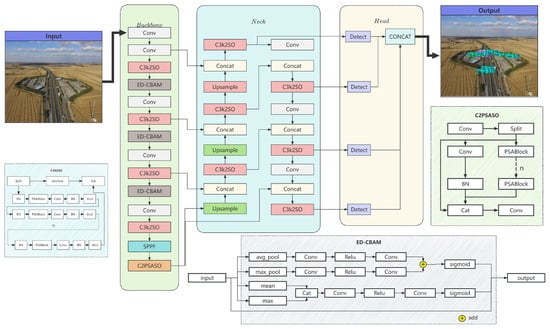
In response to the challenges in UAV-oriented ground small-object localization and detection, including the easy loss of tiny target features, insufficient scale adaptability, severe interference from complex backgrounds, as well as high missed and false detection rates and the inadequate localization accuracy of
[...] Read more.
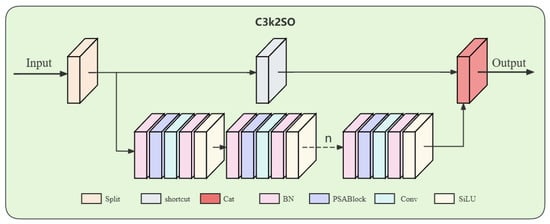
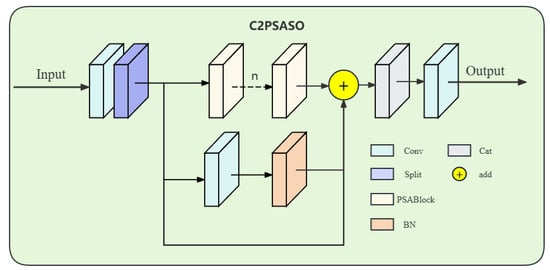
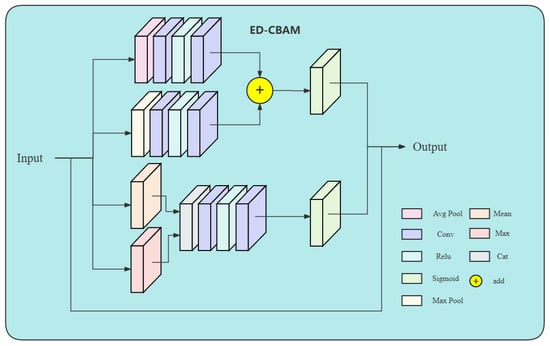
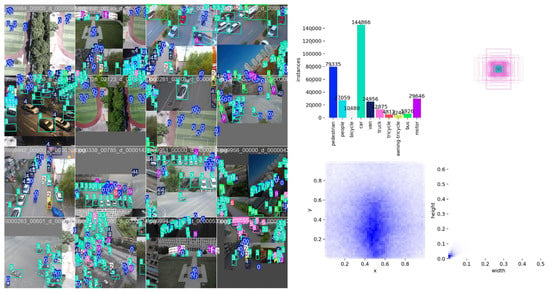
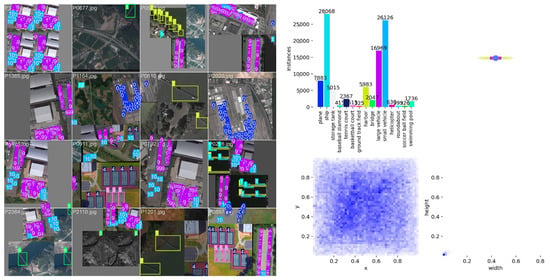
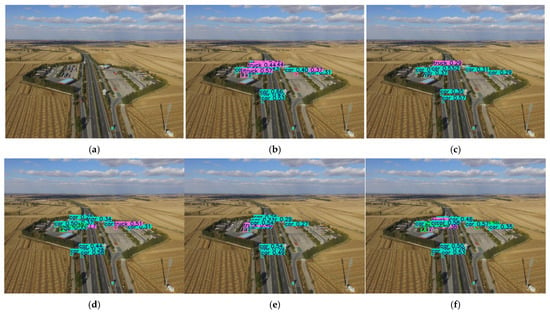
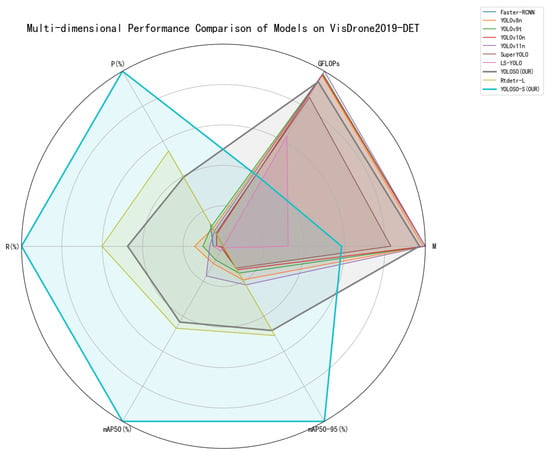
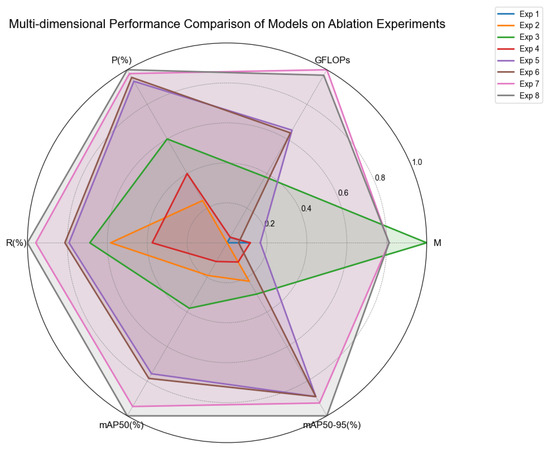
In response to the challenges in UAV-oriented ground small-object localization and detection, including the easy loss of tiny target features, insufficient scale adaptability, severe interference from complex backgrounds, as well as high missed and false detection rates and the inadequate localization accuracy of the conventional YOLOv11n model in such scenarios, this paper takes YOLOv11n as the basic framework and performs systematic optimization from three aspects, network structure, core modules, and feature enhancement, proposing a lightweight small-object-enhanced detection algorithm named YOLOSO for UAV applications. By introducing a P2 high-resolution feature branch with a stride of 4, a four-scale detection structure consisting of P2-P3-P4-P5 is constructed, which reduces the minimum detection stride from 8 to 4 and alleviates the loss of detailed feature information for ultra-tiny targets. A bidirectional “top-down + bottom-up” multi-scale feature fusion strategy is utilized to improve the complementation between deep semantic information and shallow detailed features, while the core modules C3k2SO and C2PSASO are optimized and redesigned, respectively; by adjusting the channel compression ratio (0.25 for shallow modules and 0.75 for deep modules in C3k2SO; 0.25 in C2PSASO), optimizing the convolution kernel configuration (combining 1 × 3 and 3 × 1 convolutions), increasing the number of attention heads (from 4 to 8), and introducing residual connections with a 1 × 1 convolutional branch, the refinement and focusing ability of small-object feature extraction are improved. Additionally, an Enhanced Dual-branch Convolutional Block Attention Module (ED-CBAM) is proposed to further suppress background interference. Experimental results on the VisDrone2019-DET dataset demonstrate that the proposed YOLOSO contains 3.56M parameters and maintains a lightweight structure, attaining P, R, and mAP50 values of 47.2%, 36.8%, and 37.3% in the test set, which are 4.5 percentage points, 4.8 percentage points, and 3.7 percentage points higher than those of the baseline YOLOv11n (42.7%, 32.0% and 33.6%), respectively. Meanwhile, the medium-to-large version YOLOSO-S (14.85M parameters, 45.3% mAP50) reduces the number of parameters by 53.6% compared with the same-scale Rtdetr-L (32.0M) while achieving significantly better performance (37.8% mAP50). Experiments on the DOTAv1 dataset further confirm the generalization of YOLOSO, achieving 62.2% precision and 27.3% mAP50, outperforming all compared YOLO models. Evaluated on the DOTA-v1 dataset, YOLOSO achieves a feasible FPS of 20.53. Although slightly slower than mainstream lightweight YOLO models, the substantial accuracy gains fully offset the minor inference speed loss, and such performance trade-off is acceptable for practical UAV deployment. Ablation experiments verify that structural optimization (2.8 percentage points mAP50 improvement, from 33.6% to 36.4%) and the proposed C2PSASO (0.7 percentage points mAP50 improvement to 34.3%) and C3k2SO (1.4 percentage points mAP50 improvement to 35.0%) modules all contribute positive performance gains with favorable complementarity. While retaining lightweight characteristics, the model effectively enhances the detection accuracy of small objects in unmanned aerial vehicle scenarios and can provide technical references for practical applications such as remote sensing monitoring and security patrolling.
Full article

Figure 1
Open AccessArticle
A High- and Low-Level Decoupled Reinforcement Learning Method for Multi-UAV Cooperative Search
by
Jianjie Qiu, Yichao Cai, Hao Li, Lei Ni, Kai Yuan and Siyuan Cui
Drones 2026, 10(7), 483; https://doi.org/10.3390/drones10070483 (registering DOI) - 24 Jun 2026
Abstract
Multi-UAV cooperative search with static unknown targets requires both efficient regional allocation and responsive local maneuvering. However, single-level learning methods often suffer from redundant coverage, unclear division of labor, and unstable training. This paper proposes a high- and low-level decoupled reinforcement learning method
[...] Read more.
Multi-UAV cooperative search with static unknown targets requires both efficient regional allocation and responsive local maneuvering. However, single-level learning methods often suffer from redundant coverage, unclear division of labor, and unstable training. This paper proposes a high- and low-level decoupled reinforcement learning method for multi-UAV cooperative search. The high level periodically generates UAV-specific regional goals from visitation maps, target-existence belief maps, and UAV positions, while a spatial self-attention module enhances the representation of unvisited regions, high-belief target areas, and UAV distributions. The low level performs discrete steering actions based on local observations and high-level contexts, supported by a structured reward that encourages coverage, target discovery, goal-oriented progress, repeated-visit suppression, and boundary-safe motion. Simulation experiments are conducted in a two-dimensional grid environment with static targets and ideal sensing. Under this simplified simulation setting, the proposed method achieves higher training return and coverage rate than representative baseline algorithms while maintaining a high final target discovery rate and reaching the discovery threshold earlier. Ablation and visualization results further demonstrate the effectiveness and interpretability of the proposed hierarchical guidance mechanism within the considered simulation scenario.
Full article
(This article belongs to the Special Issue Advances in Cartography, Mission Planning, Path Search, and Path Following for Drones: 2nd Edition)
Open AccessCorrection
Correction: Alotaibi, N.; BinSaeedan, W. Adaptive Reinforcement Learning-Driven Jellyfish Search Optimizer for Cooperative Multi-UAV Path Planning Under Dynamic and Adversarial Conditions. Drones 2026, 10, 394
by
Nader Alotaibi and Wojdan BinSaeedan
Drones 2026, 10(7), 482; https://doi.org/10.3390/drones10070482 (registering DOI) - 24 Jun 2026
Abstract
In the original publication [...]
Full article
Open AccessArticle
CC-MBS: A Missing-Modality-Robust Multimodal Sample Selection Strategy for UAV Swarms
by
Yuntao Xu, Bing Chen, Feng Hu, Yue Cai and Zhuqing Xu
Drones 2026, 10(7), 481; https://doi.org/10.3390/drones10070481 (registering DOI) - 23 Jun 2026
Abstract
In resource-constrained UAV swarm systems, multimodal sensory data are often affected by complex environmental factors, resulting in modality missing, signal degradation, and asynchrony, which significantly reduce the reliability of multimodal learning and incremental model updates. To address this issue, we propose a Compensatory
[...] Read more.
In resource-constrained UAV swarm systems, multimodal sensory data are often affected by complex environmental factors, resulting in modality missing, signal degradation, and asynchrony, which significantly reduce the reliability of multimodal learning and incremental model updates. To address this issue, we propose a Compensatory Collaboration Modality-Balanced Sample Selection framework (CC-MBS), which improves robustness through modality quality modeling and cross-UAV collaborative compensation. Specifically, a modality confidence vector is introduced to quantify modality reliability from missing rate, degradation, and asynchrony. A lightweight collaboration mechanism is designed to exchange low-dimensional confidence information instead of high-dimensional features or model parameters. Based on the compensated confidence, a modality-aware sample selection strategy is further developed to prioritize high-value samples under limited memory. Experimental results in simulated UAV-swarm-inspired benchmark settings show that CC-MBS outperforms representation-based methods such as ShaSpec and its parameter aggregation variants (AVG, PFM, POW) in both modality compensation accuracy and communication–computation efficiency under missing conditions. In addition, it achieves stronger robustness than MBS and training-dynamics-based methods such as EL2N and GraNd in sample selection. These results demonstrate that CC-MBS effectively improves robustness and data efficiency for multimodal incremental learning under incomplete modalities.
Full article
(This article belongs to the Special Issue Cross-Modal Autonomous Cooperation for Intelligent Unmanned Systems)
Open AccessArticle
Dual-Layer Adaptive T-Perturbation and Opposition-Based MOPSO for 3D UAV Path Planning in Complex Threat Environments
by
Chenyang Sun, Xingyu He, Duo Qi and Xiaoyue Ren
Drones 2026, 10(7), 480; https://doi.org/10.3390/drones10070480 (registering DOI) - 23 Jun 2026
Abstract
Three-dimensional UAV operations require path planning methods that can jointly maintain route efficiency, threat avoidance, and trajectory smoothness under spatially distributed and time-varying constraints. To address this problem, this paper develops an integrated Dual-Layer Adaptive T-perturbation and Opposition-based Multi-Objective Particle Swarm Optimization framework,
[...] Read more.
Three-dimensional UAV operations require path planning methods that can jointly maintain route efficiency, threat avoidance, and trajectory smoothness under spatially distributed and time-varying constraints. To address this problem, this paper develops an integrated Dual-Layer Adaptive T-perturbation and Opposition-based Multi-Objective Particle Swarm Optimization framework, termed DATO-MOPSO, for 3D UAV path planning in complex threat environments. The method integrates a dual-layer adaptive inertia-weight and velocity-regulation mechanism with symmetric T-perturbation, an elite quasi-opposition-based learning strategy for diversity recovery and feasible local exploitation, and an archive-driven simulated annealing rule for stagnation-aware personal-best updating. A three-objective model minimizing path length, threat exposure, and path smoothness is established, and comparative experiments against MOPSO, ZAMOPSO, NSGA-II, and SPEA2 are conducted in both static and dynamic environments, together with statistical and ablation analyses. In the static scenario, DATO-MOPSO achieved the highest mean HV and stable repeated-run performance, but its IGD was comparable to ZAMOPSO with higher computational cost. In the dynamic scenario, DATO-MOPSO showed its main advantage, achieving the highest mean HV and the lowest mean IGD with statistically significant HV and IGD improvements over all baselines. Overall, DATO-MOPSO is most advantageous in time-varying complex threat environments, whereas its static-scenario advantages are accompanied by higher computational cost.
Full article
(This article belongs to the Special Issue Path Planning, Trajectory Tracking and Guidance for UAVs: 3rd Edition)
Open AccessArticle
Closed-Loop 3D Path Planning and Local Replanning for UAV Inspection in GIS Rooms
by
Xiaoyi Liu, Yuhan Yin, Kunxiao Wu, Yetong Zhang, Jianyong Zheng, Penghao Chen, Kangxin Cai and Fei Mei
Drones 2026, 10(7), 479; https://doi.org/10.3390/drones10070479 (registering DOI) - 23 Jun 2026
Abstract
►▼
Show Figures
To address the problems of closed-loop task organization, strong corridor constraints, and path failure after local disturbances in unmanned aerial vehicle (UAV) inspection of gas-insulated switchgear (GIS) rooms, this paper proposes a topology-and-corridor-guided bias-suppressed D* (TCG-BS-D*) method for closed-loop three-dimensional (3D) path planning
[...] Read more.
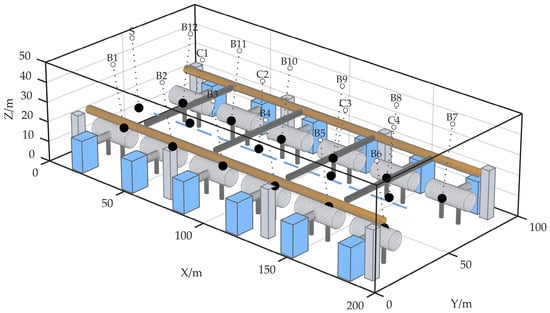
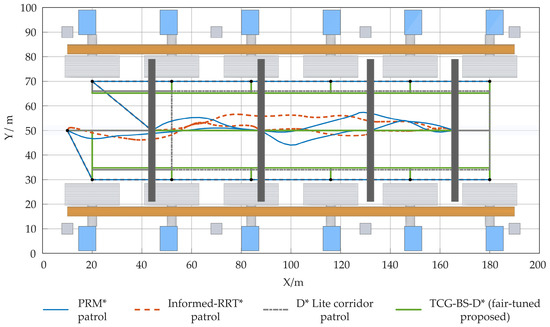
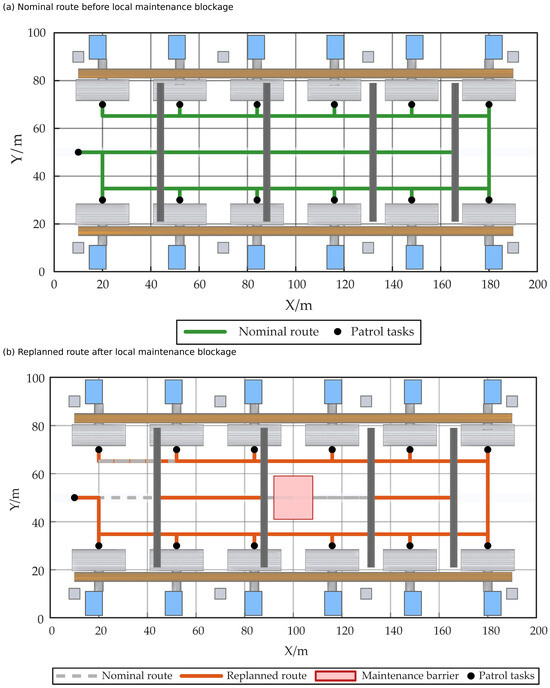
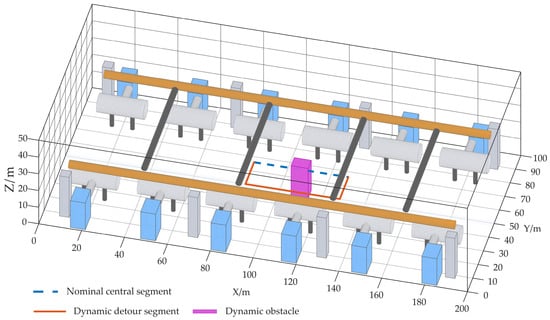
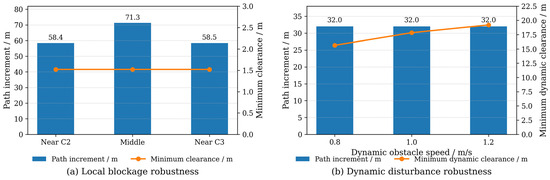
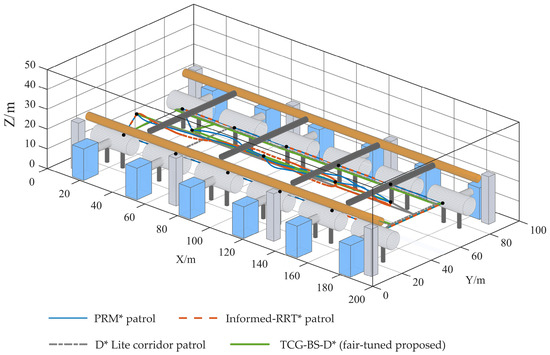
To address the problems of closed-loop task organization, strong corridor constraints, and path failure after local disturbances in unmanned aerial vehicle (UAV) inspection of gas-insulated switchgear (GIS) rooms, this paper proposes a topology-and-corridor-guided bias-suppressed D* (TCG-BS-D*) method for closed-loop three-dimensional (3D) path planning and local replanning. The proposed method constructs a structured guidance model based on the inspection-corridor topology, generates local 3D path segments according to a predetermined inspection sequence, and forms a nominal closed-loop inspection path through bias suppression and path regularization. Meanwhile, for local maintenance blockage and dynamic disturbance scenarios, an alternative local replanning strategy is applied to the affected path segments. Simulation results show that, under the static closed-loop inspection condition, the proposed method achieves a total path length of 700.22 m, a total inspection time of 269.32 s, an average safety clearance of 8.18 m, 37 large-angle turns, a corridor adherence rate of 80.73%, and a task completion rate of 100%, showing superior performance in inspection efficiency, safety margin, trajectory regularity, and corridor consistency. Under the local blockage condition, the replanned path introduces path-length and time increments of 71.29 m and 25.88 s, respectively, while maintaining the minimum safety clearance at 1.52 m and increasing the corridor adherence rate to 83.91%. Under dynamic disturbance conditions, the minimum dynamic safety clearance is improved from −2.71 m to 17.84 m, effectively eliminating the local dynamic collision risk. The results demonstrate that the proposed method can balance closed-loop path-generation efficiency, corridor-structure consistency, safety margin, and adaptability to local disturbances, providing an effective solution for UAV inspection path planning in GIS rooms.
Full article

Figure 1
Open AccessArticle
Dynamics and Experimental Validation of a UAV-Borne Flexible Net for Intercepting Low, Slow, and Small Targets
by
Kunlin Han, Yiming Liu, Ziming Xiong, Jiafeng Hu, Hao Lu, Minqian Sun and Tongxin Zhang
Drones 2026, 10(7), 478; https://doi.org/10.3390/drones10070478 (registering DOI) - 23 Jun 2026
Abstract
The escalating security risks associated with unauthorized unmanned aerial vehicles (UAVs) in advancing smart cities necessitate the development of robust active countermeasures. This work presents a novel approach centered on a UAV-borne flexible net system and provides a rigorous investigation into its complex
[...] Read more.
The escalating security risks associated with unauthorized unmanned aerial vehicles (UAVs) in advancing smart cities necessitate the development of robust active countermeasures. This work presents a novel approach centered on a UAV-borne flexible net system and provides a rigorous investigation into its complex nonlinear dynamics. This study establishes a lumped-mass, semi-spring–damper dynamic model of the flexible capture net, characterizing its key dynamic properties, including deployment performance, aerodynamic attitude, and the high-impact phenomena of collision and entanglement with the target UAV. To verify the reliability of the proposed method, numerical simulations are combined with field tests for systematic validation. Comparative analysis reveals excellent quantitative agreement, with over 80% conformity in the net’s spatial configuration between simulated and experimental results. This paper illuminates the fundamental principles governing energy dissipation and transient tension dynamics pre- and post-capture. This study provides preliminary evidence for the feasibility of the proposed method and identifies key directions for future investigation. The findings offer guidance for the design and optimization of future systems intended to neutralize low, slow, and small (LSS) aerial threats.
Full article
Open AccessArticle
Reinforcement-Learning-Based Hybrid Truck–Drone Delivery Optimization
by
Youyao Gao, Tongchang Liu and Huan Jin
Drones 2026, 10(7), 477; https://doi.org/10.3390/drones10070477 (registering DOI) - 23 Jun 2026
Abstract
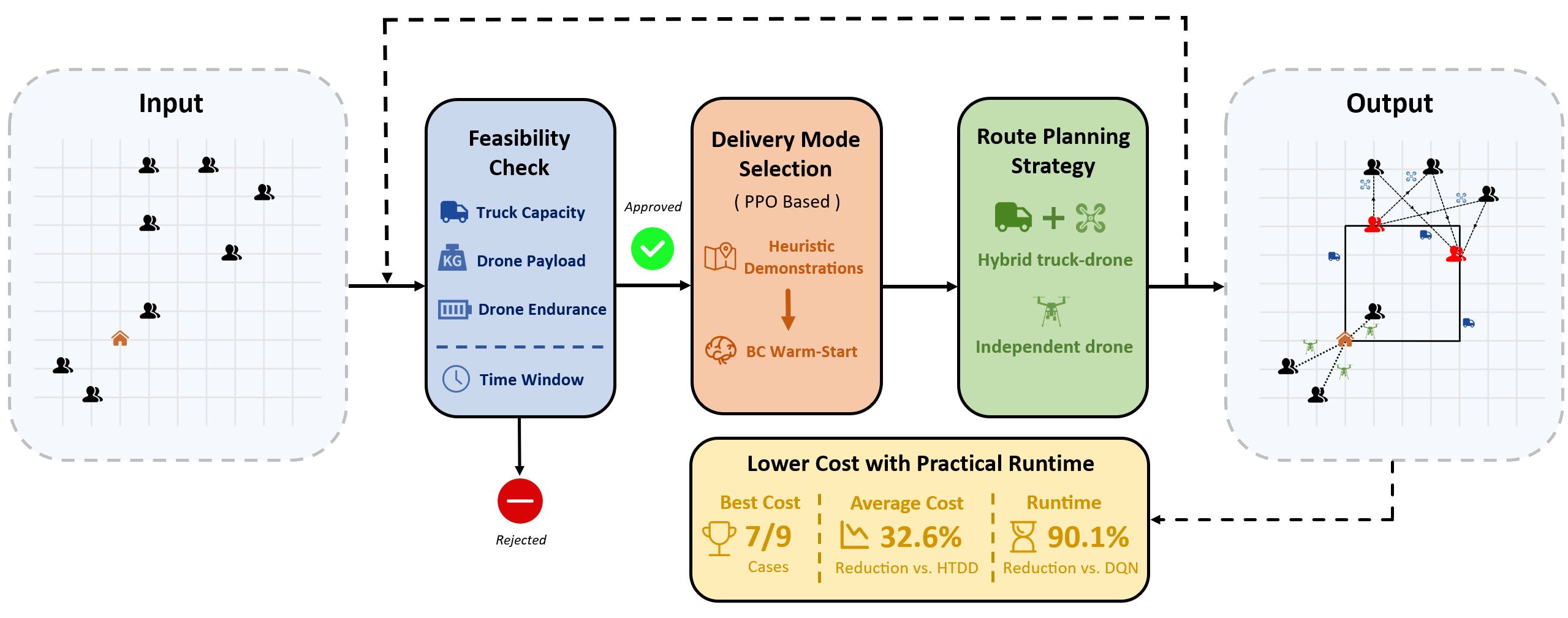
This paper studies large-scale last-mile delivery using a heterogeneous fleet of trucks, onboard drones in a hybrid truck–drone mode, and independent drones. Orders are first screened by a feasibility check; feasible orders are then assigned to one of the three modes by a
[...] Read more.
This paper studies large-scale last-mile delivery using a heterogeneous fleet of trucks, onboard drones in a hybrid truck–drone mode, and independent drones. Orders are first screened by a feasibility check; feasible orders are then assigned to one of the three modes by a delivery mode selection policy and routed using mode-specific planning algorithms. The delivery mode selection policy is trained with Proximal Policy Optimization (PPO), warm-started by behaviour cloning from heuristic decisions. For route planning, we use a five-step procedure for the hybrid mode and simple depot round trips for independent drones. Experiments on Solomon VRPTW benchmarks and extended instances (100/200/400 customers; R/C/RC distributions) show lower total cost than representative heuristic baselines and metaheuristics, with practical runtime. Sensitivity analysis over fleet sizes further indicates competitive performance across a range of truck and drone configurations, especially for medium and large fleets.
Full article
(This article belongs to the Special Issue Optimizing MIMO Systems for UAV Communication Networks)
►▼
Show Figures

Graphical abstract
Open AccessArticle
Data-Driven Optimization of Truck–Drone Collaborative Delivery with Shared Fleet Allocation
by
Didem Cicek, Murat Simsek and Burak Kantarci
Drones 2026, 10(7), 476; https://doi.org/10.3390/drones10070476 (registering DOI) - 23 Jun 2026
Abstract
Truck–drone collaborative delivery (TDCD) refers to a coordinated logistics paradigm in which drones are deployed from delivery trucks to serve nearby customers, enabling parallelized last-mile operations. Much of the existing TDCD literature relies on synthetic datasets and manufacturer-declared drone specifications, which may overestimate
[...] Read more.
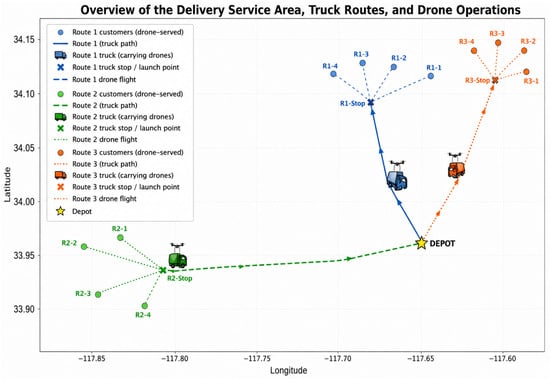
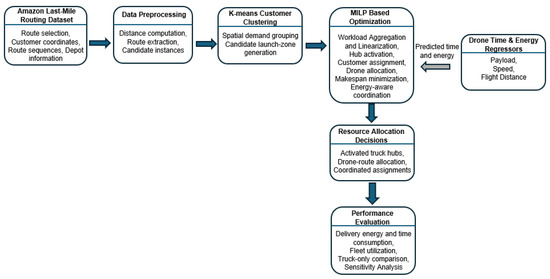
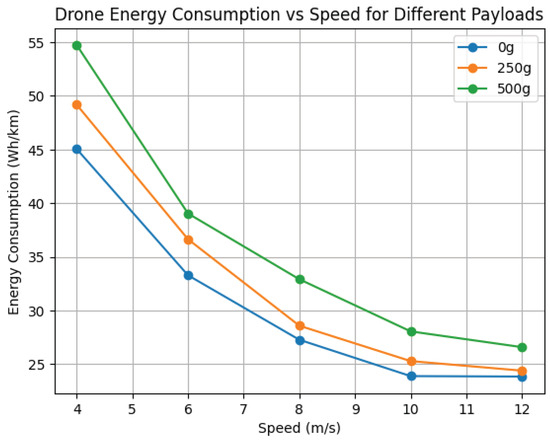
Truck–drone collaborative delivery (TDCD) refers to a coordinated logistics paradigm in which drones are deployed from delivery trucks to serve nearby customers, enabling parallelized last-mile operations. Much of the existing TDCD literature relies on synthetic datasets and manufacturer-declared drone specifications, which may overestimate performance in real-world operations. This study develops an empirically informed, route-based Mixed-Integer Linear Programming (MILP) framework that integrates empirically derived drone performance models with constrained fleet allocation decisions. Using delivery routes from the Amazon Last Mile Routing Dataset (2021), we consider three electric trucks departing from a common depot, each equipped with drones drawn from a shared fleet of 10 units. Drone flight time and energy consumption are modeled using regression functions calibrated with real flight test data from a DJI Matrice 100 platform, capturing observed variations due to payload and operational conditions. The optimization jointly determines truck stop selection, customer assignments, and drone allocation while minimizing a weighted combination of route makespan, total energy consumption, and fleet size under operational and energy constraints. The results indicate that coordinated truck–drone delivery can achieve substantial reductions in both delivery completion time and energy consumption relative to conventional truck-only delivery. These findings demonstrate the effectiveness of coordinated truck–drone operations under realistic constraints and highlight the importance of data-driven modeling and fleet-level resource allocation in improving last-mile delivery performance.
Full article
(This article belongs to the Section Innovative Urban Mobility)
►▼
Show Figures

Figure 1

Open AccessArticle
Experimental Investigation of Alcohol-Blended Aviation Fuels for Hybrid Power Sources in UAV Applications
by
Maria Căldărar, Tiberius-Florian Frigioescu, Mădălin Dombrovschi, Gabriel-Petre Badea, Laurențiu Ceatră, Flavia-Elena Blaga and Răzvan Roman
Drones 2026, 10(6), 475; https://doi.org/10.3390/drones10060475 (registering DOI) - 22 Jun 2026
Abstract
The development of low-emission and reliable propulsion systems is essential for extending the operational capability of unmanned aerial vehicles (UAVs). Although aviation decarbonization is widely recognized as an important objective, it must be considered within the broader context of limited renewable-energy availability. Recent
[...] Read more.
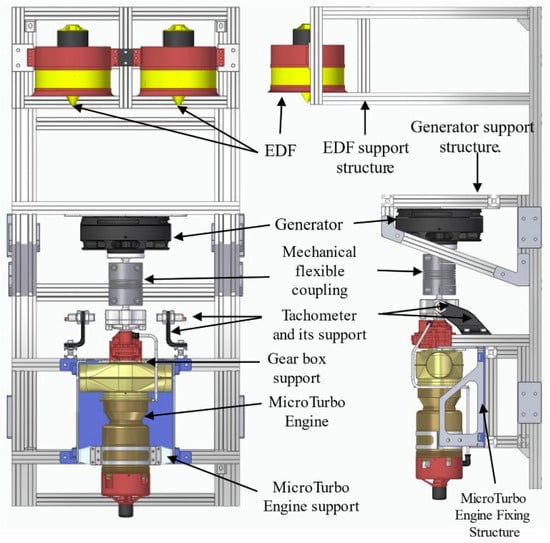
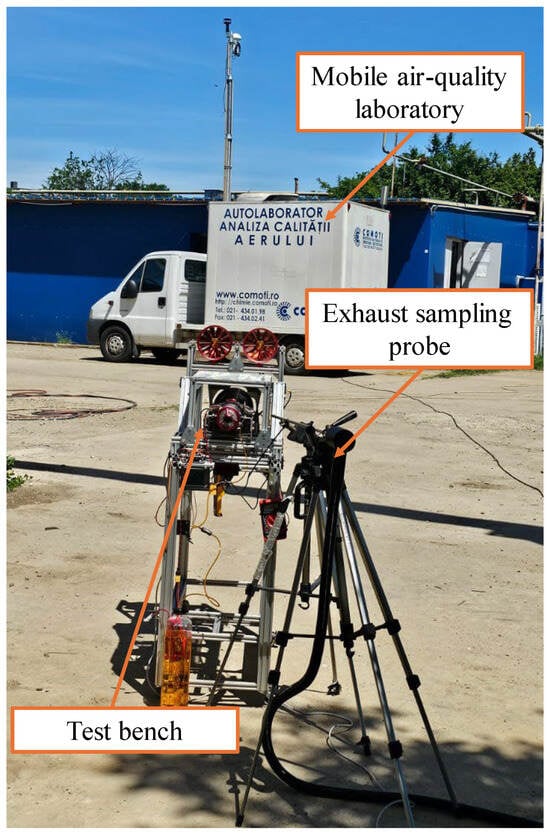
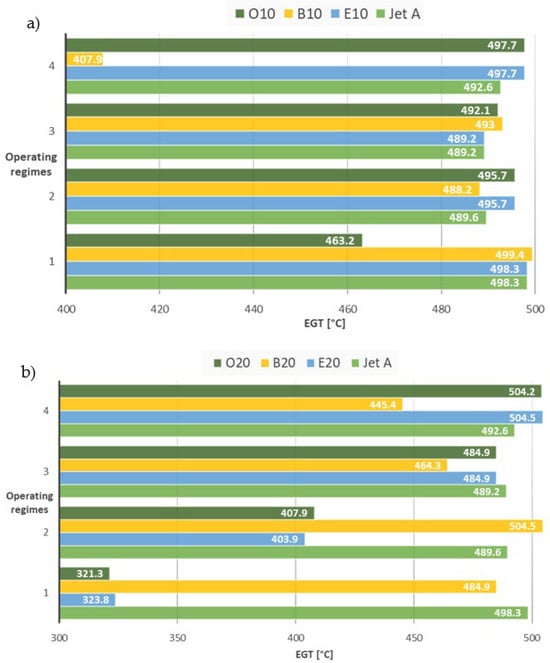
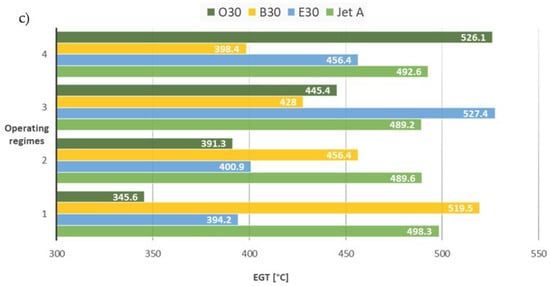
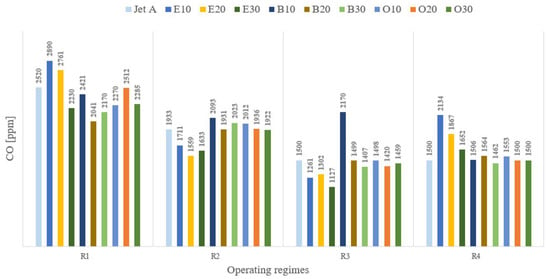
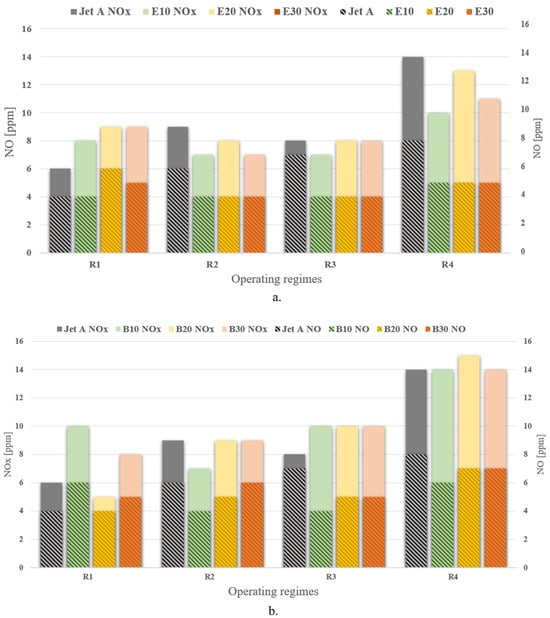
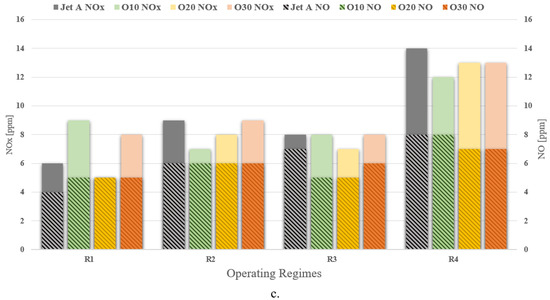
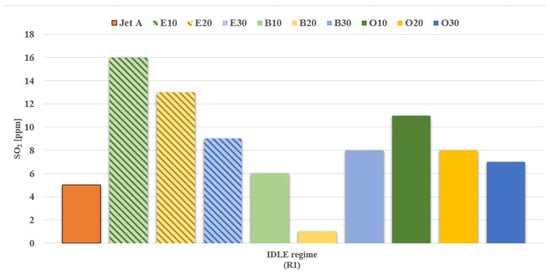
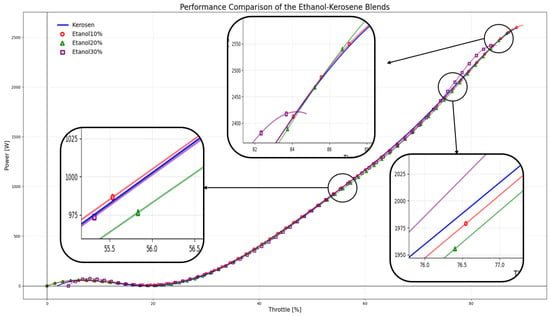
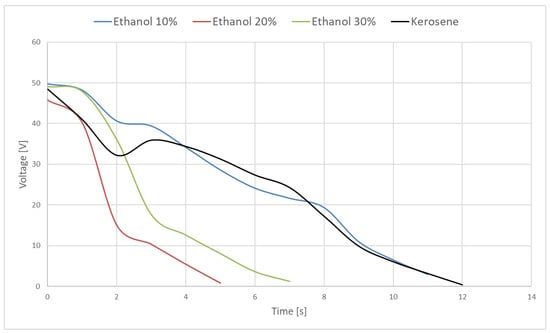
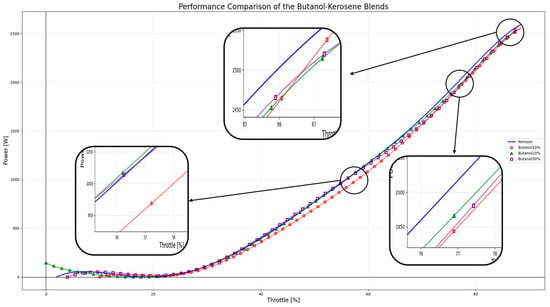
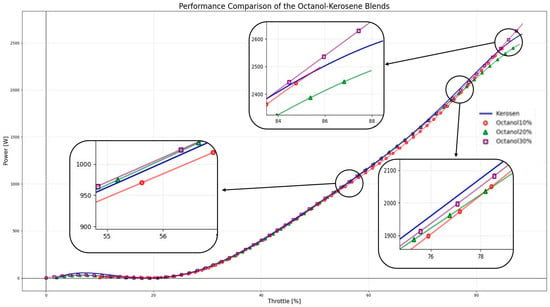
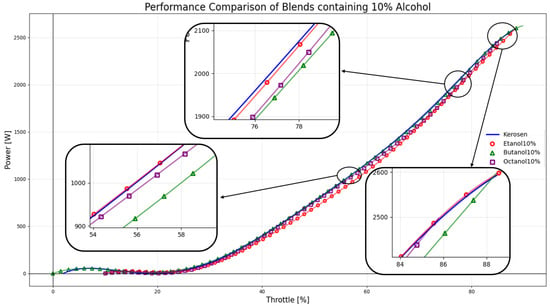
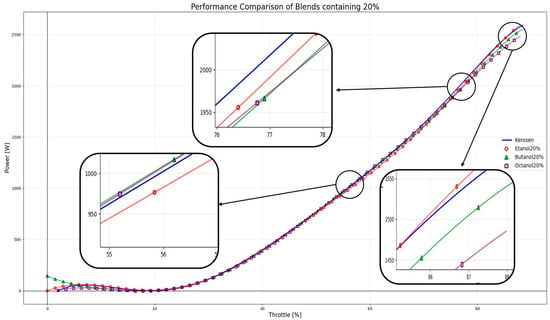
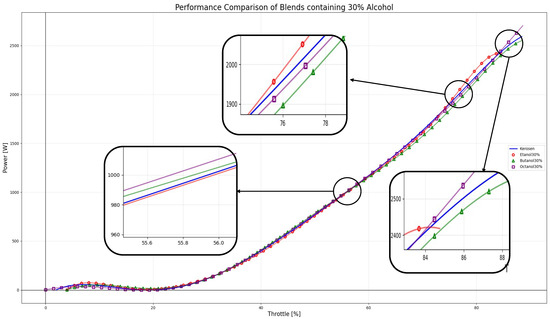
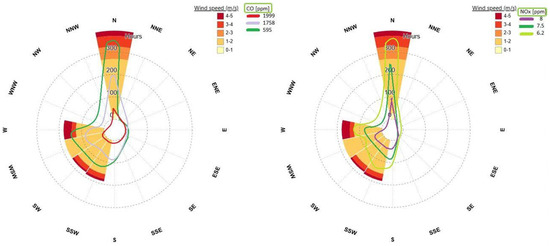
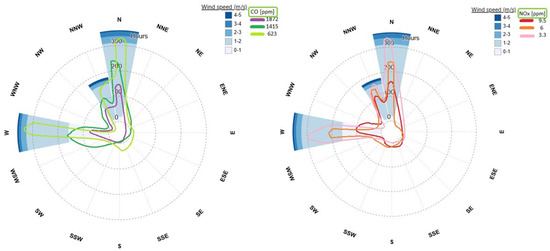
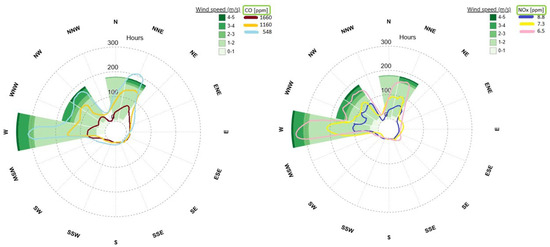
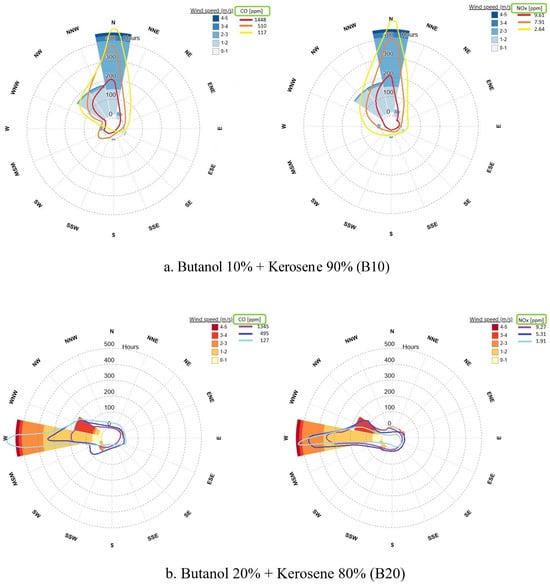
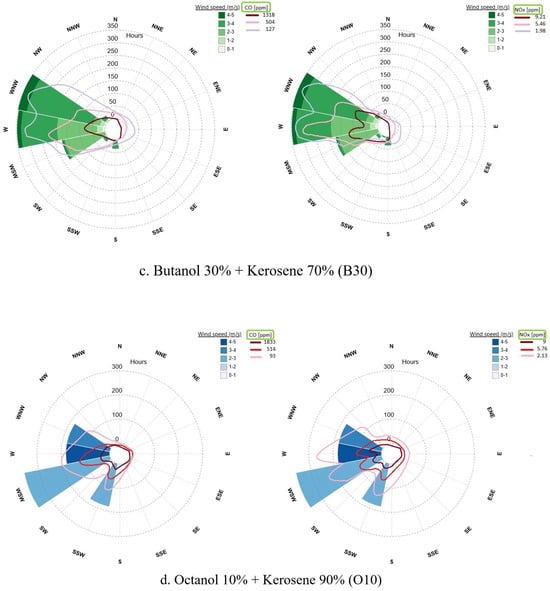
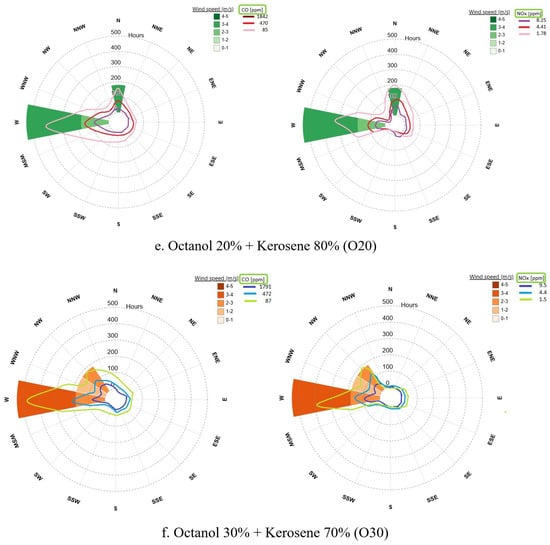
The development of low-emission and reliable propulsion systems is essential for extending the operational capability of unmanned aerial vehicles (UAVs). Although aviation decarbonization is widely recognized as an important objective, it must be considered within the broader context of limited renewable-energy availability. Recent system-level analyses of transportation decarbonization have shown that the allocation of renewable electricity and sustainable fuels should prioritize sectors where direct electrification is most efficient, while hard-to-electrify sectors require alternative pathways. Aviation is one of the most difficult transport sectors to electrify because of strict energy-density requirements, especially for long-endurance airborne platforms. Therefore, sustainable liquid fuels and hybrid propulsion systems should not be considered universal replacements for electrification, but rather complementary solutions for applications where batteries alone cannot provide the required endurance, payload capacity or operational flexibility. In this context, the present study focuses on alcohol–kerosene blends for hybrid UAV power systems, where liquid-fuel energy density and partial emission reduction remain relevant engineering requirements. This work provides one of the first systematic experimental evaluations of ethanol–, butanol– and octanol–kerosene blends in a micro-turboprop engine operating as part of a hybrid UAV power-generation architecture. Unlike previous studies focused mainly on micro-turbojet thrust response, the present work evaluates the coupled influence of alcohol chain length and blending ratio on exhaust gas temperature, gaseous emissions, electrical output and operational stability under multi-load conditions representative of UAV operation. Jet-A and nine alcohol–kerosene blends containing 10%, 20% and 30% ethanol, butanol or octanol by volume were tested over four operating regimes, from idle to 2500 W electrical load. The results show that ethanol blends provided the strongest CO reduction, with E30 reducing CO by 24.9% relative to Jet-A under R3, while E10 offered the most balanced behavior across the full operating range. Higher ethanol fractions improved CO suppression but introduced NOx and low-load stability penalties. Octanol blends, particularly O20, exhibited the most kerosene-like and stable response, supporting reliable power delivery with reduced operational variability. Butanol blends showed intermediate behavior without providing a dominant advantage. A multi-criteria evaluation combining emissions, EGT behavior, relative performance, operational stability and cost identified E10 as the best overall compromise for hybrid UAV use. The study demonstrates that alcohol chain length produces nonlinear system-level effects in hybrid micro-turboprop architectures and provides an experimental basis for fuel selection in low-emission UAV power systems.
Full article
(This article belongs to the Special Issue Hydrogen and Hybrid Propulsion Systems for UAV Applications)
►▼
Show Figures

Figure 1

Open AccessReview
Non-Acoustic Detection and Localization of Large Underwater Targets for Unmanned Platforms: A Review of Wake-Based, Magnetic, and Gravity Anomaly Methods
by
Hexing Zheng, Haitao Gu and Tianzhu Gao
Drones 2026, 10(6), 474; https://doi.org/10.3390/drones10060474 (registering DOI) - 22 Jun 2026
Abstract
The detection and localization of large underwater targets are important for maritime security, marine resource exploration, and underwater situational awareness, while the increasing acoustic stealth of underwater vehicles has limited conventional acoustic methods. This review provides a systematic overview of non-acoustic detection and
[...] Read more.
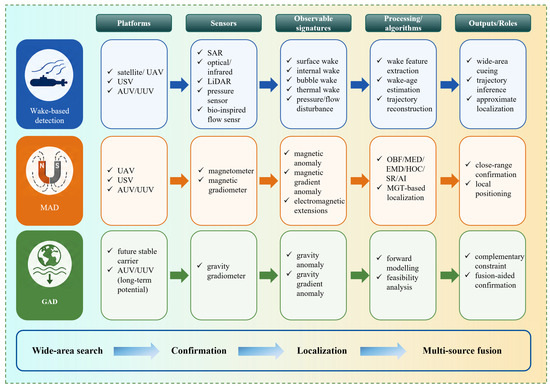
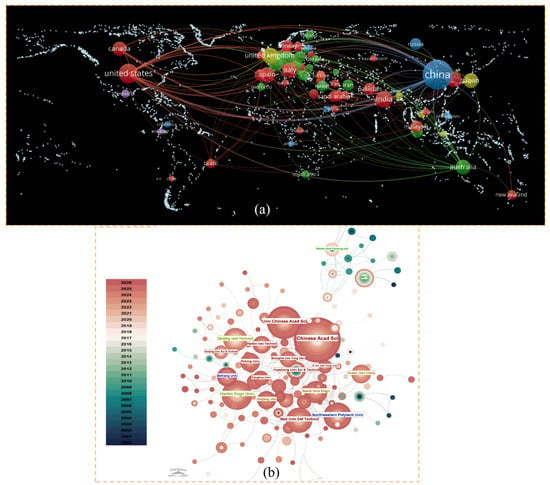
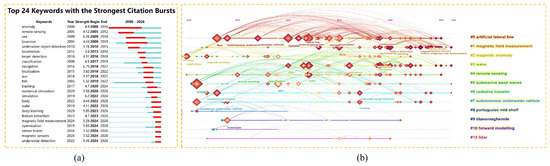
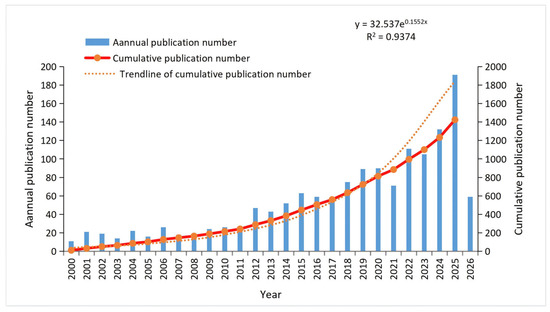
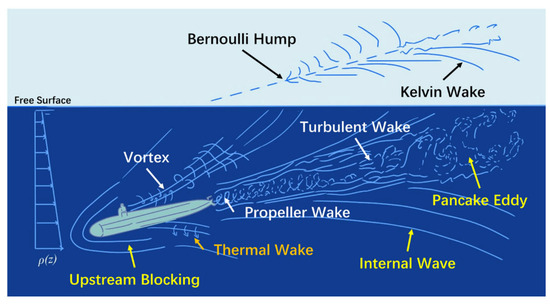
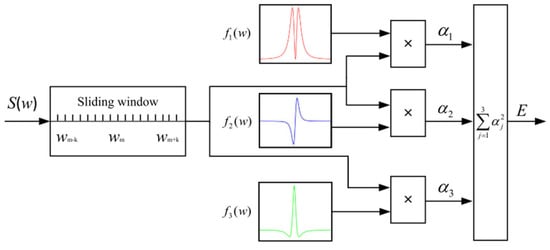
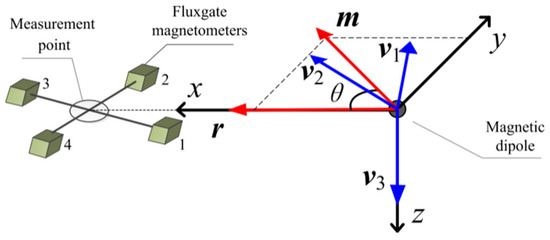
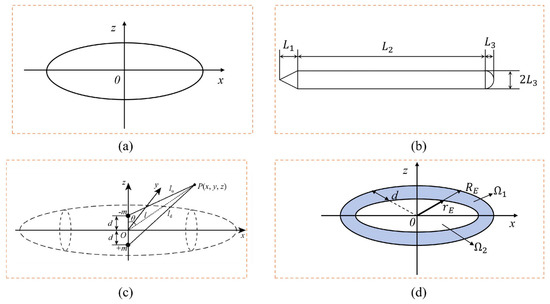
The detection and localization of large underwater targets are important for maritime security, marine resource exploration, and underwater situational awareness, while the increasing acoustic stealth of underwater vehicles has limited conventional acoustic methods. This review provides a systematic overview of non-acoustic detection and localization technologies for large underwater targets, with emphasis on their relevance to unmanned aerial, surface, and underwater platforms. Wake-based detection, magnetic anomaly detection (MAD), and gravity anomaly detection (GAD) are reviewed as three representative non-acoustic routes. A bibliometric analysis is first conducted to summarize research trends, major contributors, and emerging hotspots. Wake-based methods are discussed in terms of wake signatures, modeling approaches, sensing platforms, and localization potential. MAD is analyzed from the perspectives of magnetic dipole modeling, target-based detection, noise-based detection, artificial intelligence (AI)-based detection, and magnetic localization. GAD is discussed with respect to physical feasibility, gravity-gradient target modeling, inversion methods, and engineering constraints. The review shows that wake-based methods are suitable for wide-area search and trajectory inference, MAD is relatively mature for short-range confirmation and localization, and GAD remains promising but less mature. Future research should focus on onboard sensors, platform stability, weak-signal extraction, background suppression, quantitative evaluation metrics, multi-source fusion, autonomous mission planning, and multi-platform collaboration.
Full article
(This article belongs to the Special Issue Advances in Autonomous Underwater Drones: 2nd Edition)
►▼
Show Figures

Figure 1
Open AccessArticle
Cooperative Task Planning of Heterogeneous Unmanned Aerial Vehicle Formations Driven by a Multi-Objective Dolphin Echolocation Optimization Algorithm
by
Chengyuan Pang, Zongpu Li, Le Ru, Fan Sun and Jiaxu Chen
Drones 2026, 10(6), 473; https://doi.org/10.3390/drones10060473 (registering DOI) - 22 Jun 2026
Abstract
►▼
Show Figures
In the task planning of heterogeneous unmanned aerial vehicle formations, problems such as dynamic topological instability and sparse Pareto front exist, which affect the robustness of the planning. To address this, this paper proposes a cooperative task planning method based on multi-objective dolphin
[...] Read more.
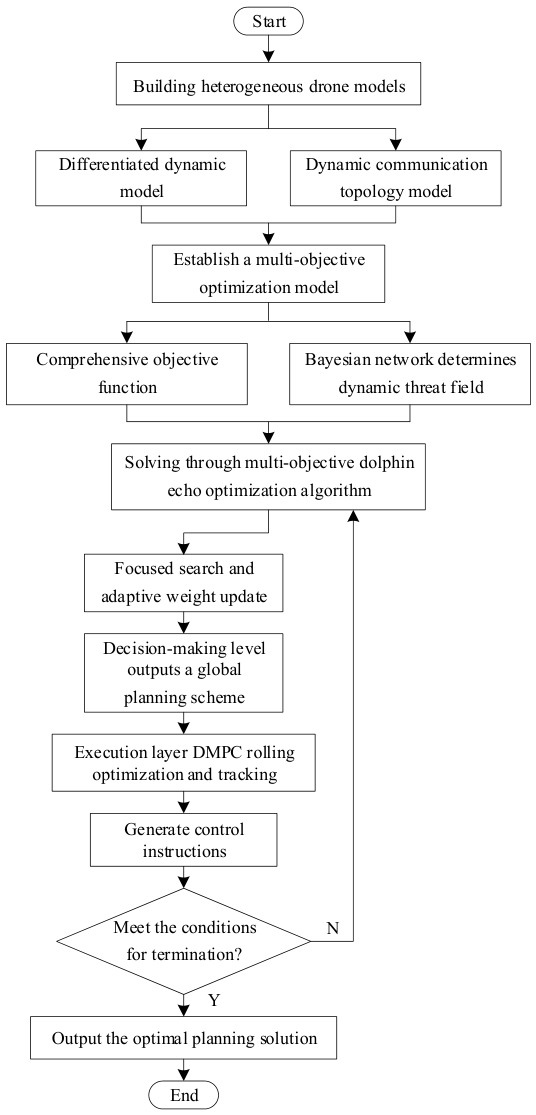
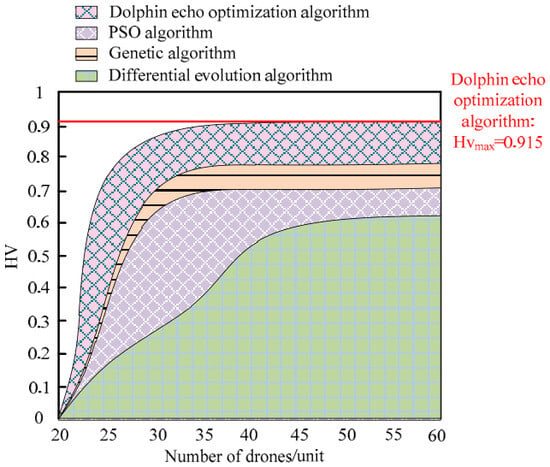
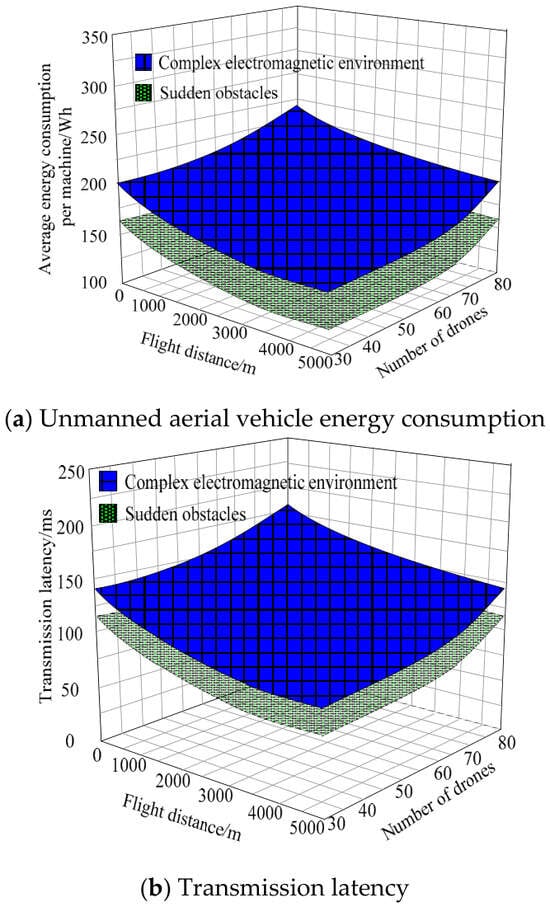
In the task planning of heterogeneous unmanned aerial vehicle formations, problems such as dynamic topological instability and sparse Pareto front exist, which affect the robustness of the planning. To address this, this paper proposes a cooperative task planning method based on multi-objective dolphin echolocation optimization driving. Firstly, a differentiated dynamic model of heterogeneous unmanned aerial vehicles covering different configurations such as rotors and fixed wings is constructed, and a dynamic communication topology model is established based on time-varying graph theory to quantify transmission delay and link stability. Then, a multi-objective optimization model is designed with task completion, energy balance, and time cost as the core, Bayesian networks are introduced to construct a dynamic threat field, and risk assessment and real-time response are achieved in complex environments. Based on this, a multi-objective dolphin echo optimization algorithm is adopted to solve the model, and its echo beam focusing search and adaptive weight allocation mechanism are utilized to effectively improve the convergence and distribution of the Pareto solution set. Finally, a “decision execution” hierarchical collaborative control architecture is constructed, utilizing the decision layer to output a global planning scheme and the execution layer to achieve rolling optimization and precise tracking of instructions through distributed model predictive control. The simulation test results show that this method can maintain high task completion, energy balance, and communication stability in different formation sizes and complex environments significantly better than traditional algorithms. When the formation size is between 20 and 60 sorties, the hypervolume (HV) index of this method is superior to that of the comparison method. In cases of sudden obstacles and complex electromagnetic interference scenarios, the average energy consumption of a single unmanned aerial vehicle after applying this method is maintained at 150–250 Wh, and the transmission delay is stable at 50–200 ms. The experimental results verify that this method has good planning robustness and collaborative real-time performance.
Full article

Figure 1
Open AccessArticle
U-Plan: An Integrated Framework for the Coordination and Real-Time Supervision of Heterogeneous Unmanned Aerial Systems
by
Ehsan Kouchaki, Miguel Angel de Frutos Carro, Jose Ramiro Martinez-de Dios and Anibal Ollero
Drones 2026, 10(6), 472; https://doi.org/10.3390/drones10060472 (registering DOI) - 20 Jun 2026
Abstract
►▼
Show Figures
Despite the large amount of successful existing methods and frameworks for planning sets of multiple unmanned aerial systems (UASs), there is still a lack of coordination frameworks that are capable of coping with real-world operational conditions. This paper presents U-Plan, an integrated management
[...] Read more.
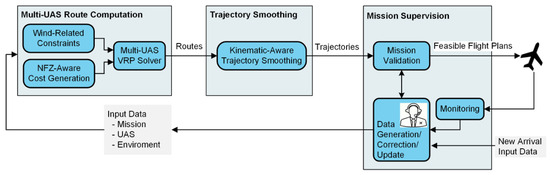
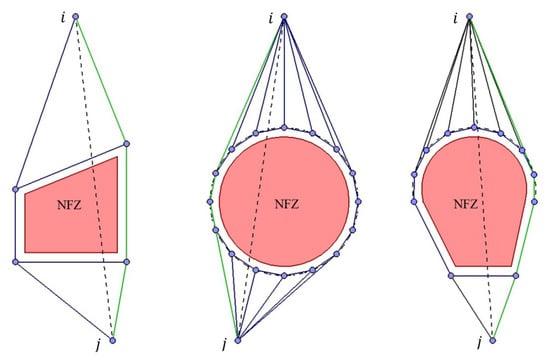
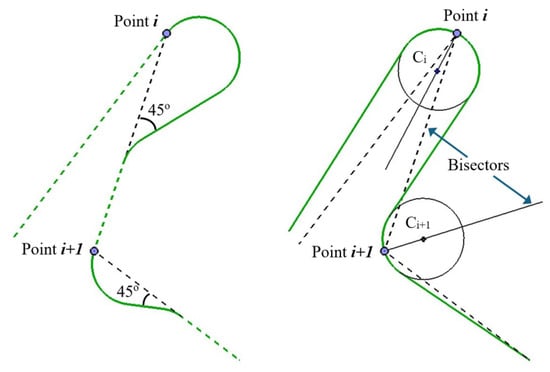
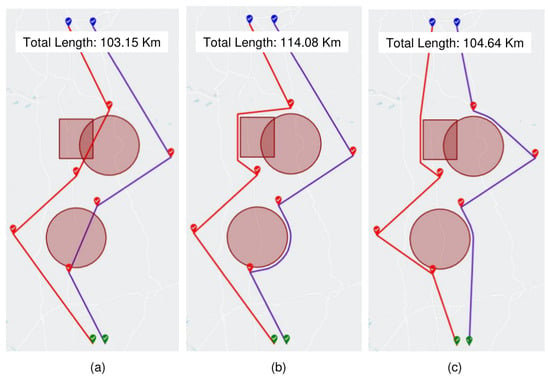
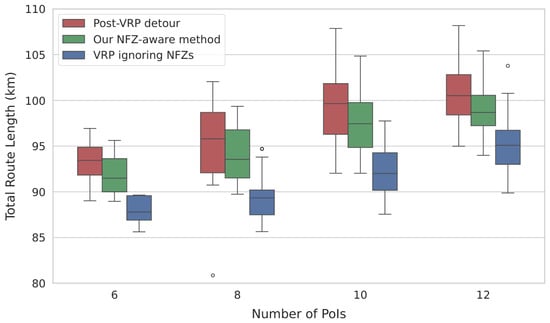
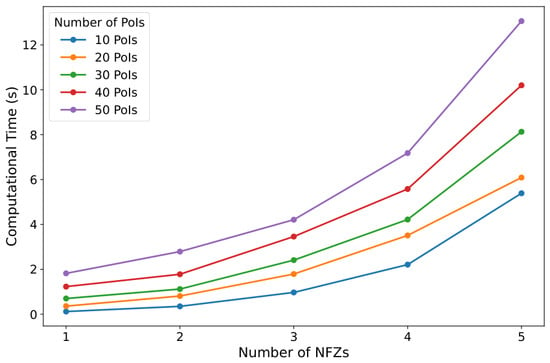
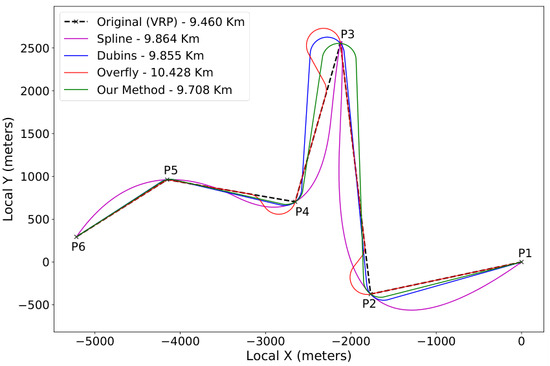
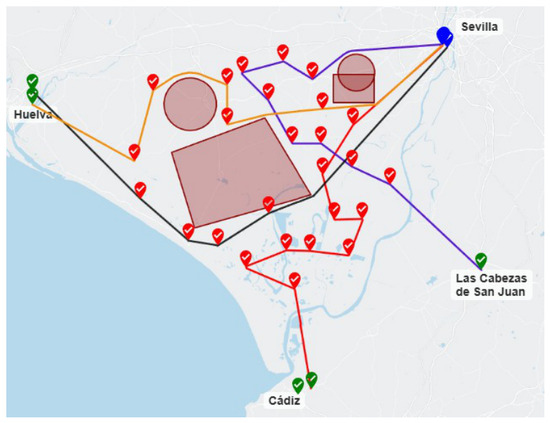
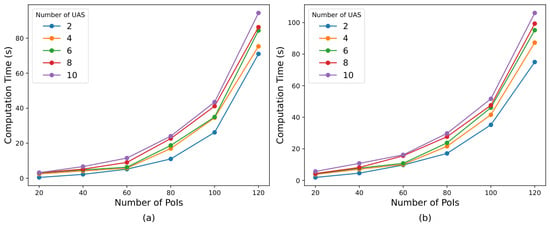
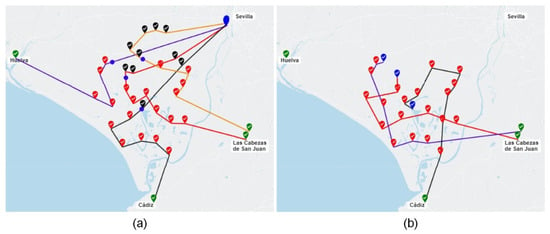
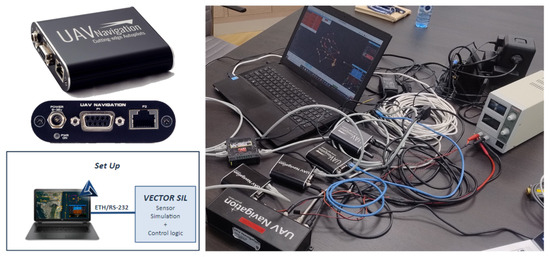
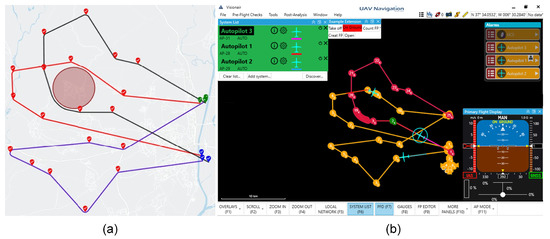
Despite the large amount of successful existing methods and frameworks for planning sets of multiple unmanned aerial systems (UASs), there is still a lack of coordination frameworks that are capable of coping with real-world operational conditions. This paper presents U-Plan, an integrated management framework for the coordination of multi-UAS missions. U-Plan is designed to plan, schedule, monitor, and replan a heterogeneous set of UASs to complete point of interest (PoI) visiting missions while ensuring that all the generated trajectories are safe, feasible, and compliant with the required PoIs’ arrival times, UAS kinematics and energy constraints, and the existing 3D no-fly zones (NFZs). U-Plan is designed as a practical tool for strongly dynamic missions and is built upon three core components: (1) an NFZ-aware route computation method that explicitly accounts for NFZs prior to vehicle routing problem (VRP) optimization, resulting in shorter NFZ-safe routes; (2) a trajectory smoothing module that ensures the generation of kinematically feasible trajectories for fixed-wing UASs; and (3) a mission supervision module for real-time monitoring and replanning in case of changes in the UAS, mission, wind speed, or airspace restrictions. To validate the proposed architecture, we conducted rigorous experiments utilizing the VECTOR-SIL autopilot and Visionair Ground Control Station to realistically replicate the behavior of certified fixed-wing autopilots under various weather conditions using the exact same hardware and flight control software that runs onboard the physical drones. The validation shows U-Plan’s capacity to efficiently satisfy complex mission requirements with strong scalability. Due to its high computational efficiency, U-Plan enables online mission replanning, allowing UAS fleets to seamlessly adapt to changes that are typical of real-world operational scenarios.
Full article

Figure 1
Open AccessArticle
UAV Hyperspectral Screening of Water Quality Parameters in Inland Aquaculture Ponds: A Small-Sample Reanalysis with Three-Layer Validation
by
Yapeng Wang, Xirui Xu, Shenglong Yang and Fei Wang
Drones 2026, 10(6), 471; https://doi.org/10.3390/drones10060471 - 19 Jun 2026
Abstract
Spatially explicit water-quality information is critical for precision management in pond aquaculture but point sampling alone cannot capture pond-to-pond heterogeneity in multi-unit farms. This single-date, single-farm study re-evaluated the potential of UAV hyperspectral imagery for water-quality screening in inland aquaculture ponds in Shanghai,
[...] Read more.
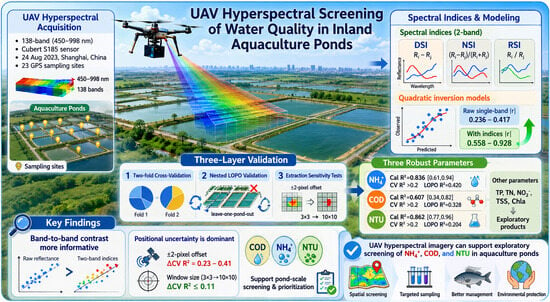
Spatially explicit water-quality information is critical for precision management in pond aquaculture but point sampling alone cannot capture pond-to-pond heterogeneity in multi-unit farms. This single-date, single-farm study re-evaluated the potential of UAV hyperspectral imagery for water-quality screening in inland aquaculture ponds in Shanghai, China, using site-matched extraction from a 138-band orthomosaic (450–998 nm, Cubert S185) acquired during a single UAV survey on 24 August 2023 and matched with 23 GPS-registered sampling sites. Eight water-quality parameters were analyzed: chemical oxygen demand (COD), total phosphorus (TP), total nitrogen (TN), ammonium ( ), nitrite ( ), nephelometric turbidity unit (NTU), chlorophyll-a (Chla), and total suspended solids (TSS). Raw single-band correlations were modest ( = 0.236–0.417), but two-band difference spectral indices (DSI), normalized spectral indices (NSI), and ratio spectral indices (RSI) substantially improved sensitivity, with reaching 0.558–0.928. Quadratic inversion models were calibrated on the full dataset and assessed using three validation layers: two-fold cross-validation, nested leave-one-pond-out (LOPO) validation with within-fold predictor reselection, and extraction-window sensitivity tests. Bootstrap 95% confidence intervals for calibration (Cal) R2 characterize small-sample uncertainty (n = 23). Three parameters satisfied all three defensibility criteria (Cal R2 > 0.5, CV R2 > 0.2, and LOPO R2 > 0.2): (Cal R2 = 0.836 [0.61, 0.94]; LOPO R2 = 0.420), COD (0.607 [0.34, 0.82]; 0.328), and NTU (0.862 [0.77, 0.96]; 0.204). TP, TN, , TSS, and Chla showed overfit behavior under nested holdout and were demoted to exploratory products. A TreeSHAP analysis confirmed that band-to-band contrast carried more explanatory power than raw reflectance magnitude. Extraction-sensitivity tests further demonstrated that positional uncertainty (±2-pixel offset: ΔCV = 0.23–0.41) exceeded averaging-window sensitivity (3 × 3→10 × 10: ΔCV ≤ 0.11), identifying geolocation control as the dominant robustness constraint. This single-date, single-farm reanalysis suggests that UAV hyperspectral imagery may support exploratory pond-scale screening of , COD, and NTU. However, robust quantitative inversion and broader transferability remain unverified and will require denser sampling, improved geolocation control, pond-edge masking, multi-site observations, and multi-temporal calibration.
Full article
(This article belongs to the Section Drones in Ecology)
►▼
Show Figures

Graphical abstract
Open AccessArticle
Research on Multi-Source Heterogeneous Collaborative Perception System Based on Unmanned Aerial Vehicle and Unmanned Ground Vehicle
by
Yufeng Li, Erming Tian, Xiaofeng Chen, Huiyan Han and Xinya Zhang
Drones 2026, 10(6), 470; https://doi.org/10.3390/drones10060470 - 19 Jun 2026
Abstract
Complex urban scenarios impose high demands on the environmental perception capabilities of unmanned systems, which serve as a prerequisite for executing autonomous missions such as disaster response, infrastructure inspection, and smart city operations. UAVs, leveraging their high mobility, can provide accurate prior maps
[...] Read more.
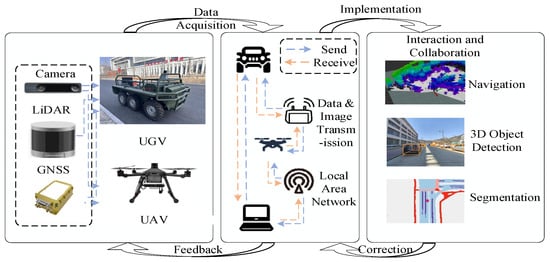
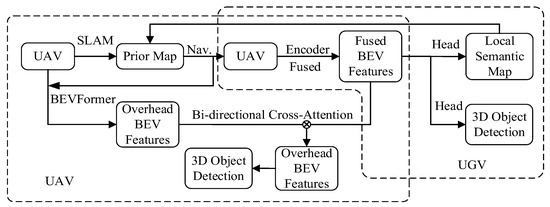
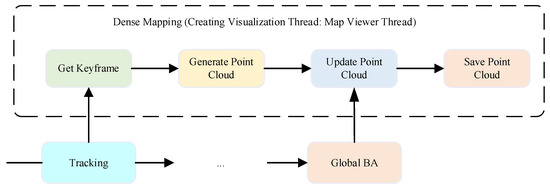
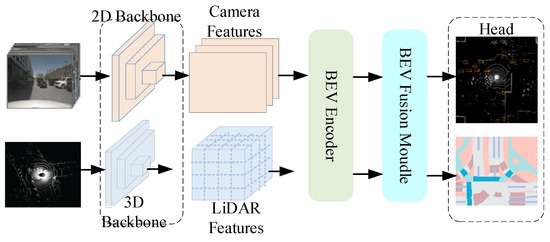
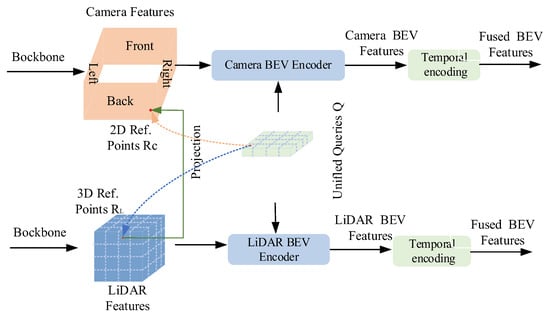
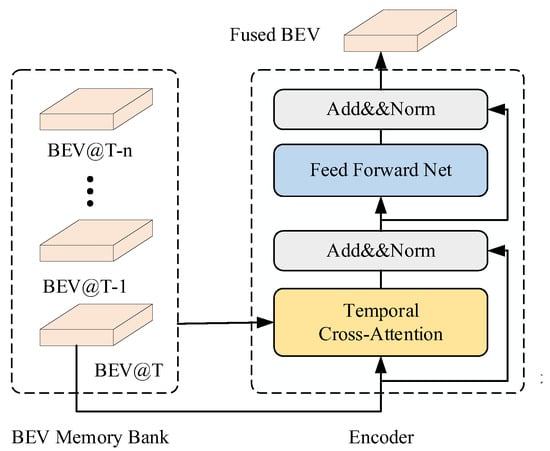
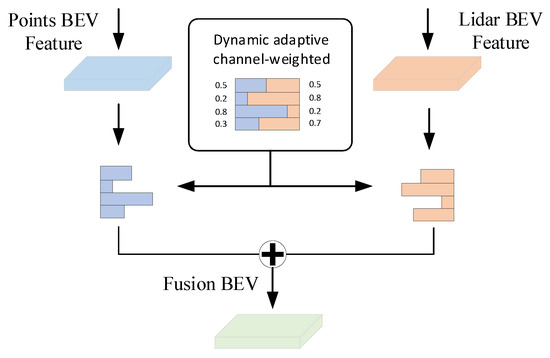
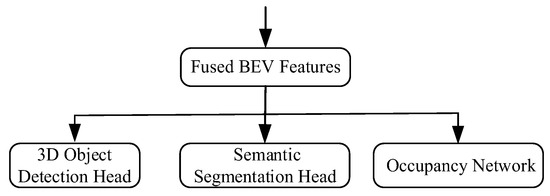
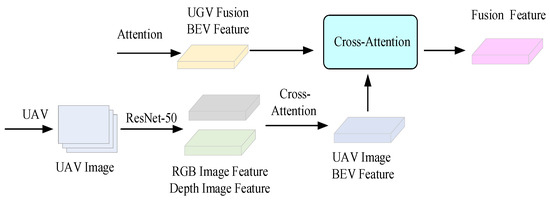
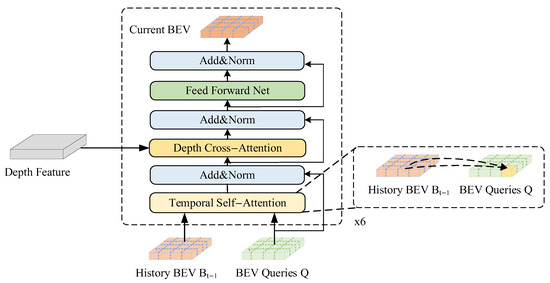
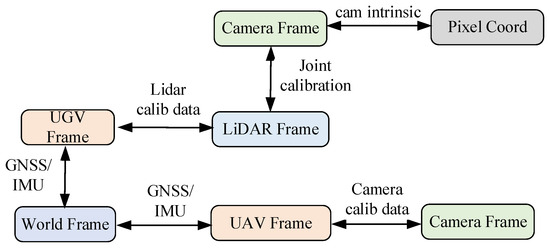
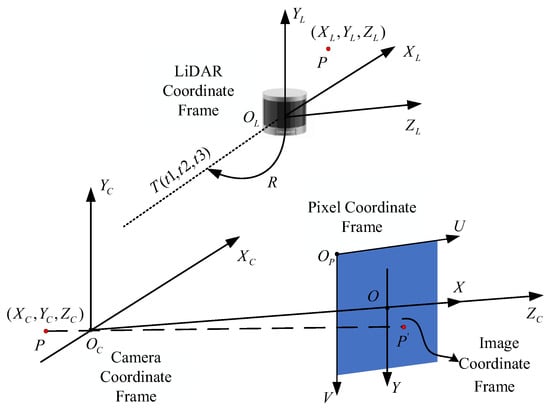
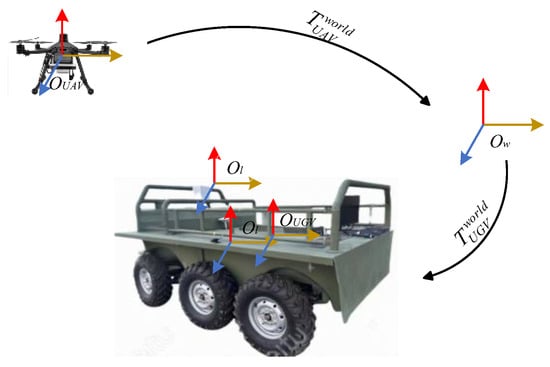
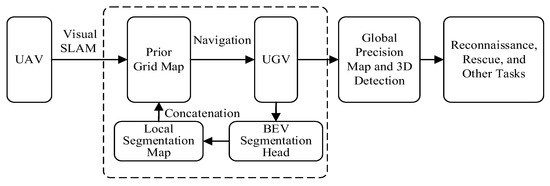
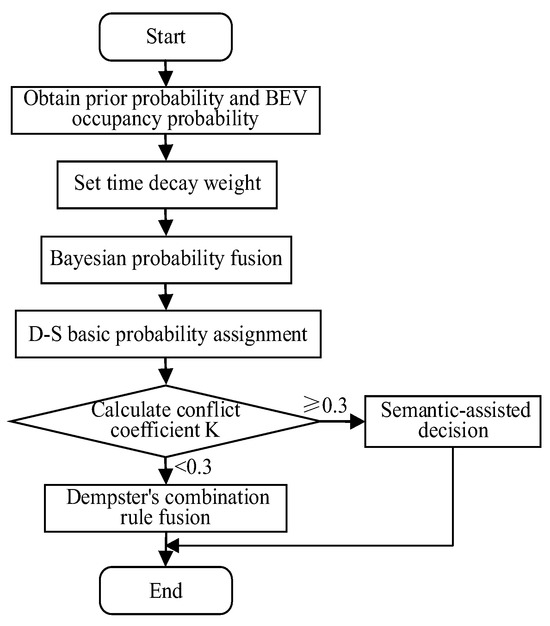
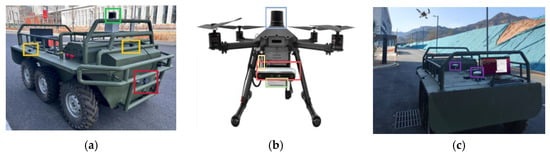
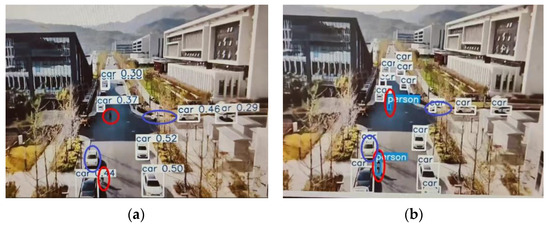
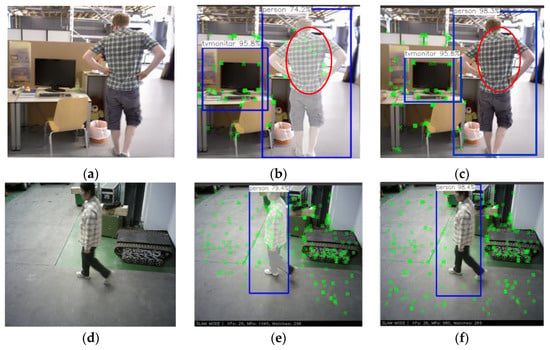
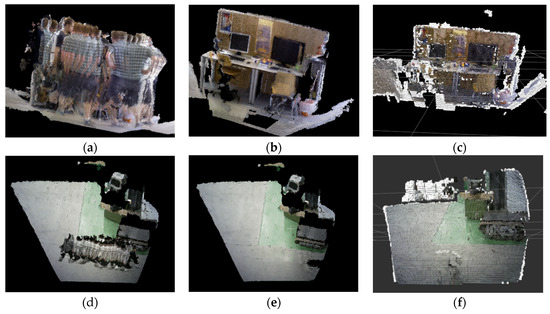
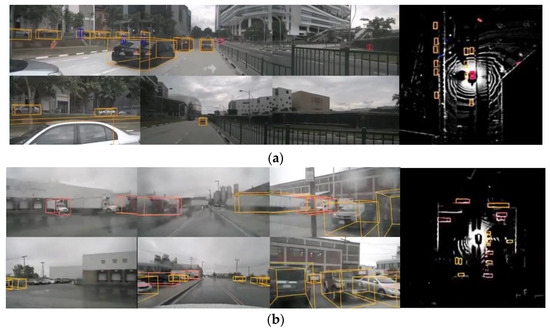
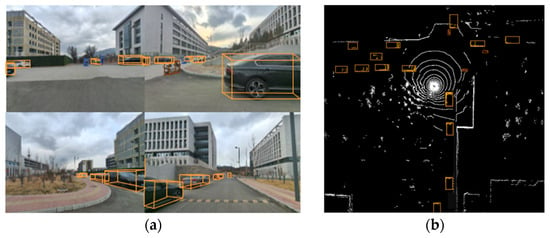
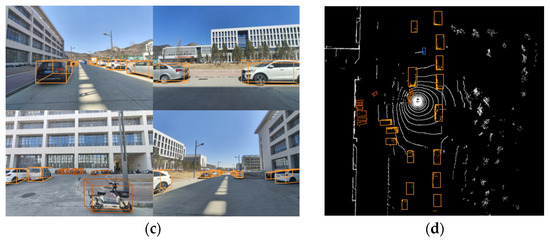
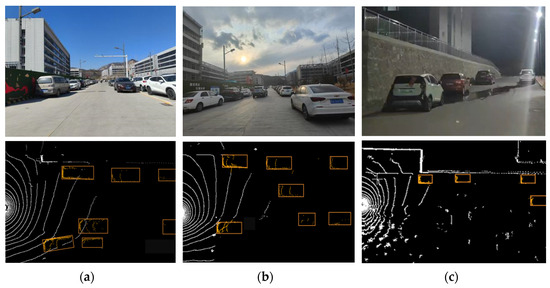
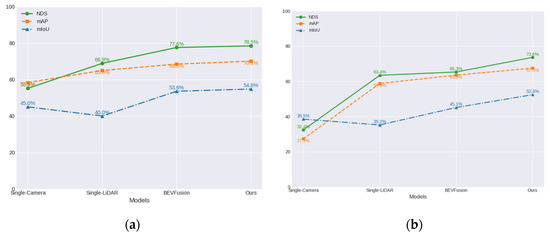
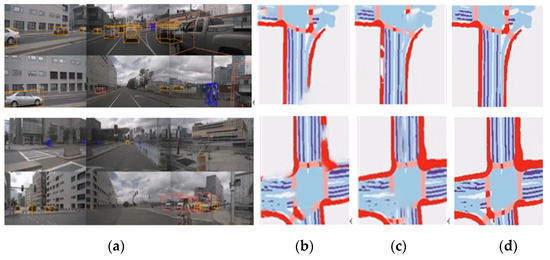
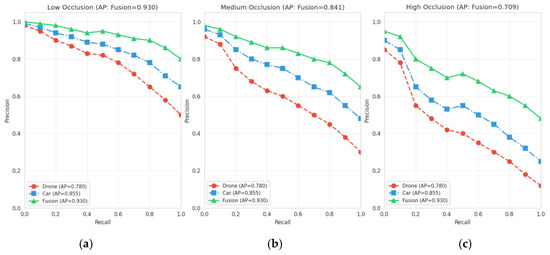
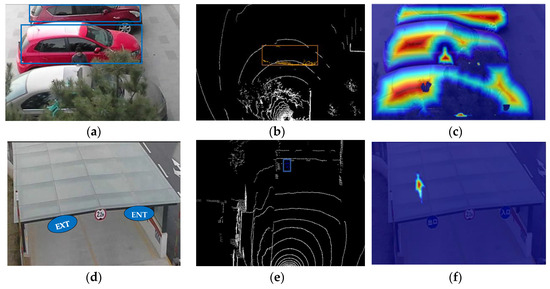
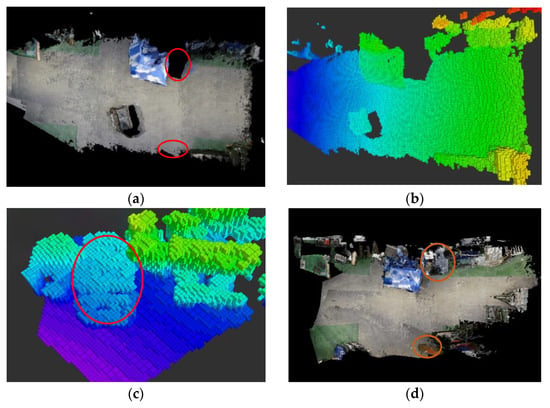
Complex urban scenarios impose high demands on the environmental perception capabilities of unmanned systems, which serve as a prerequisite for executing autonomous missions such as disaster response, infrastructure inspection, and smart city operations. UAVs, leveraging their high mobility, can provide accurate prior maps and wide-area aerial observation for unmanned ground vehicles. However, their long-range perception accuracy is limited. Conversely, UGVs can achieve high-precision environmental perception along their navigation paths using prior maps, but suffer from a constrained field of view. The collaboration between the two platforms complements their respective strengths, thereby enhancing 3D object perception and mapping accuracy in complex scenarios. To address the aforementioned challenges, this study proposes a cross-platform feature fusion method for 3D object perception and an incremental map updating approach for UAVs and UGVs. First, a dynamic SLAM method that integrates an optimized YOLOv8 with ORB-SLAM3 is employed to mitigate map blurring caused by dynamic noise, providing prior map information for UGVs. Second, a multimodal fusion perception model is constructed for UGVs, utilizing attention mechanisms to achieve deep fusion of multimodal Bird’s-Eye-View (BEV) features. This overcomes issues such as diminishing complementarity between modalities and weak temporal feature associations. Finally, an air ground fusion model based on a cross-attention mechanism is developed to fuse aerial view features with ground-based fused BEV features across platforms, yielding a unified feature representation for 3D object detection and generating a fused high-precision map. Experimental results demonstrate that under complex occlusion scenarios in a simulated dataset, the proposed collaborative perception system improves the mean Average Precision (mAP) by 12.7% and 15.7% compared to using a single UAV or a single UGV, respectively, while increasing the map accuracy F1-score by 0.21. This study provides technical support for achieving real-time and accurate air ground collaborative perception in complex dynamic environments.
Full article
(This article belongs to the Section Innovative Urban Mobility)
►▼
Show Figures

Figure 1

Open AccessArticle
Risk-A* and Real-Time MPC for Detection-Risk-Aware Low-Altitude Path Planning of a Fixed-Wing Medium-Altitude Long-Endurance UAV in Mountainous Terrain with Dynamic Radar-Based Sensing Constraints
by
Yunkai Qiu, Tianyu Yang and Yuanhong Liu
Drones 2026, 10(6), 469; https://doi.org/10.3390/drones10060469 - 18 Jun 2026
Abstract
Planning a low-detectability route for a fixed-wing UAV in mountainous environments with radar-based sensing constraints remains highly challenging. Conventional approaches struggle to simultaneously ensure both path quality and operational safety. To address this problem, this paper proposes a two-layer planning framework in which
[...] Read more.
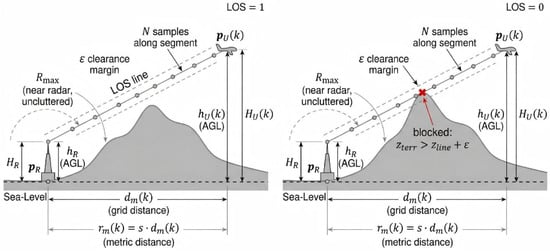
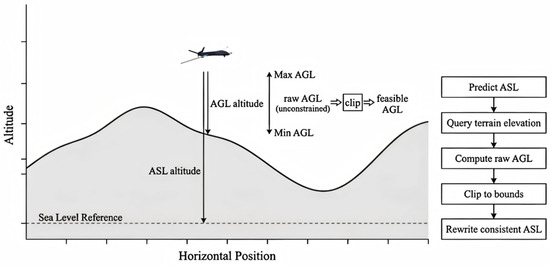
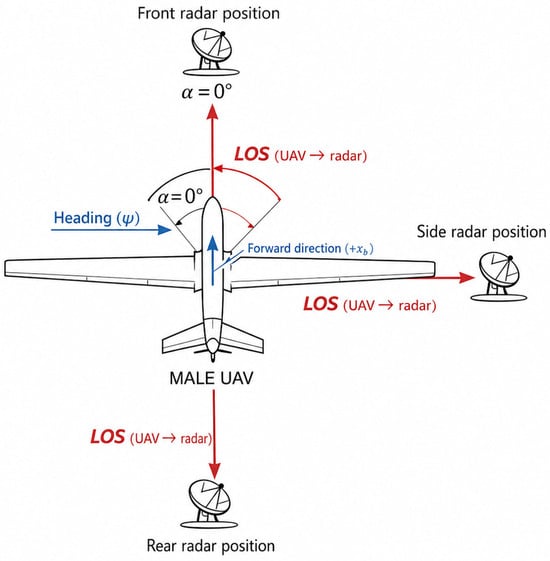
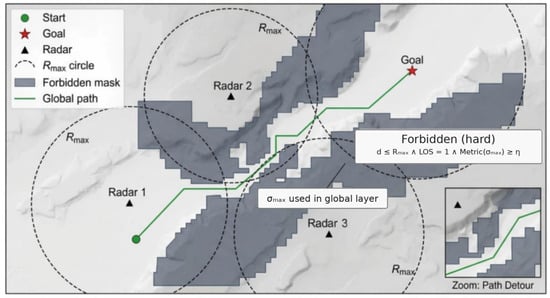
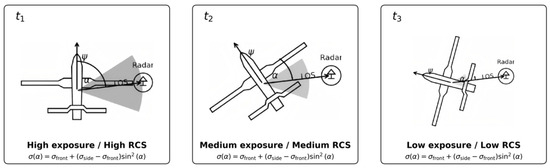
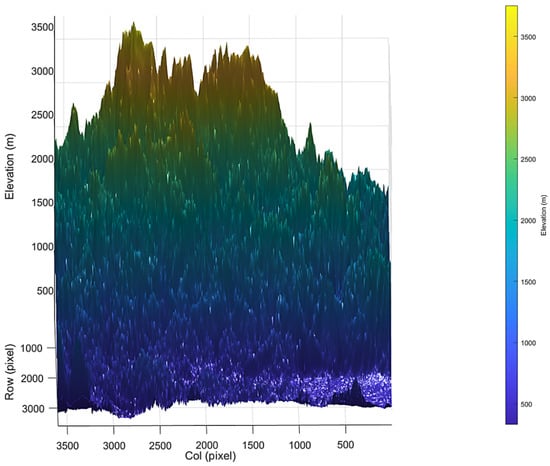
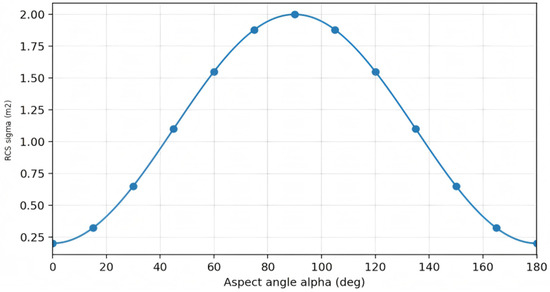
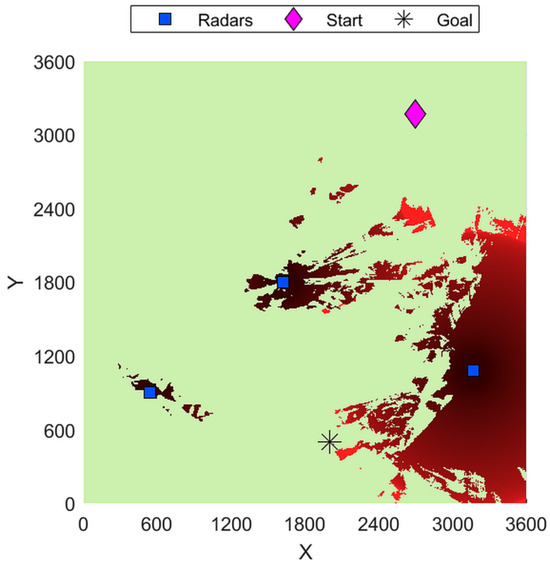
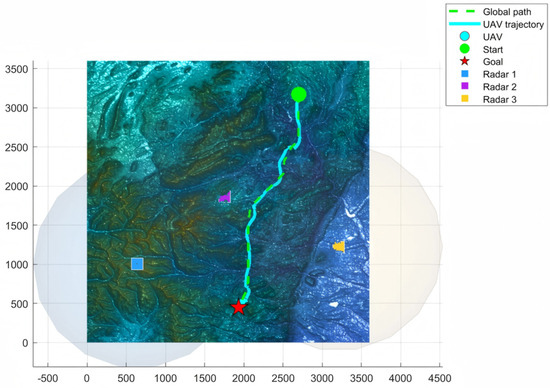
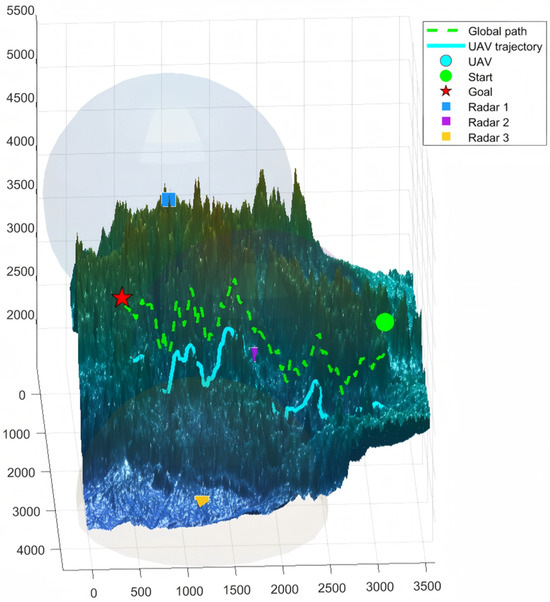
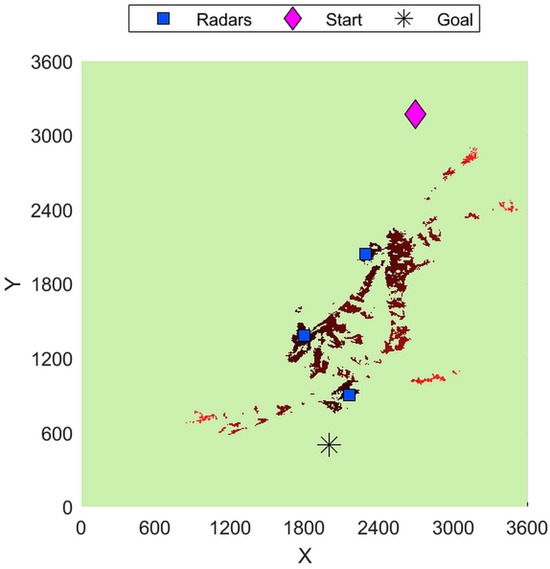
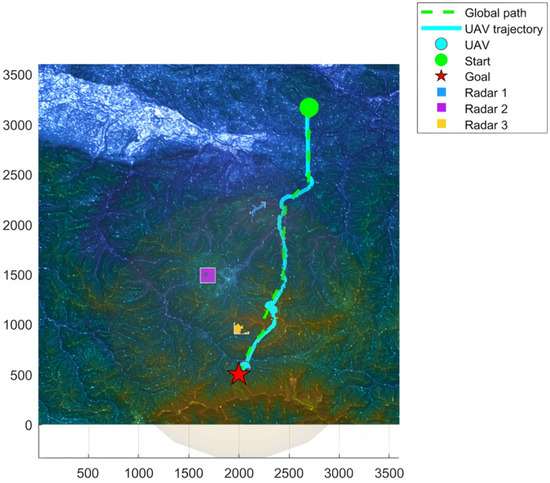
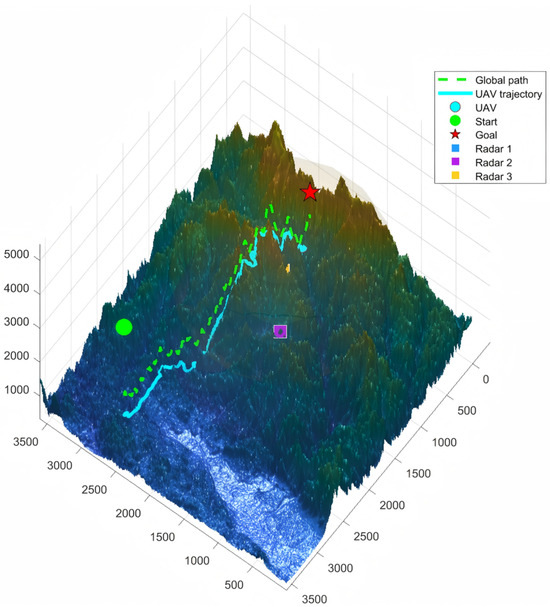
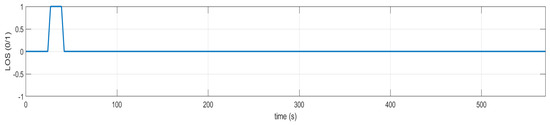
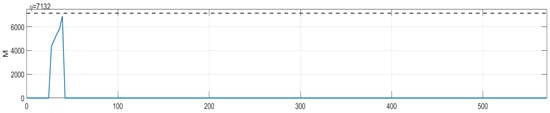
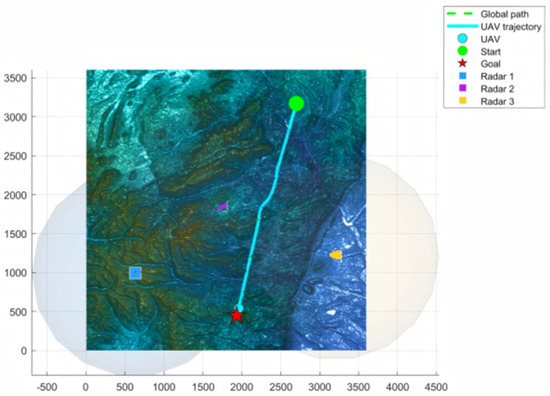
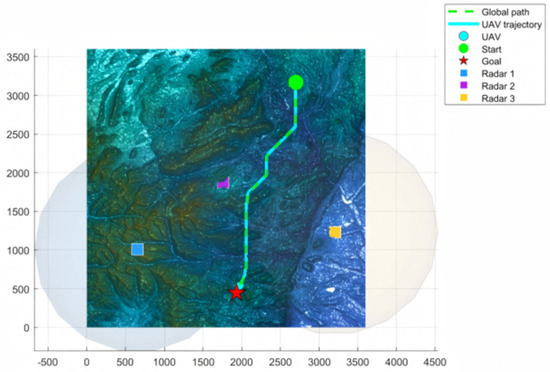
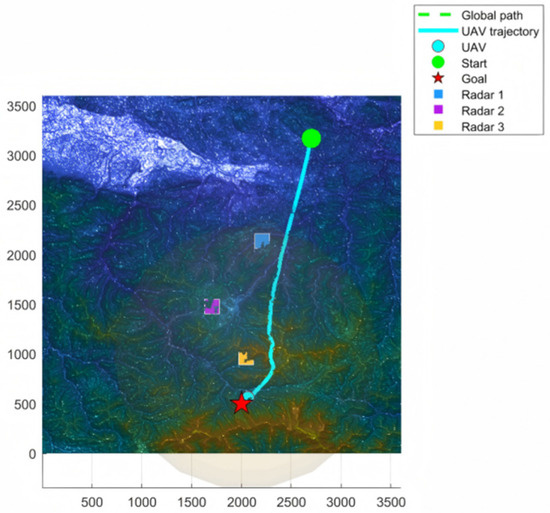
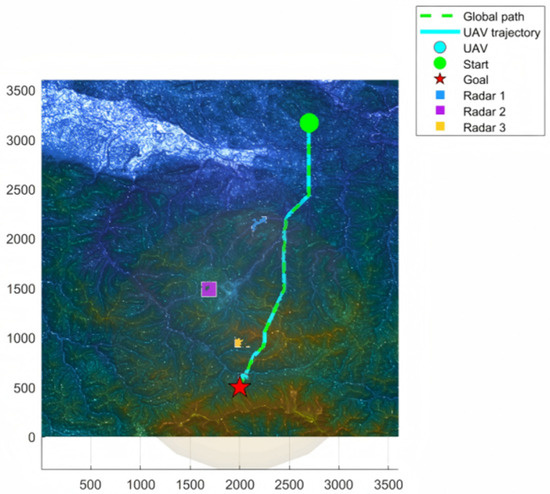
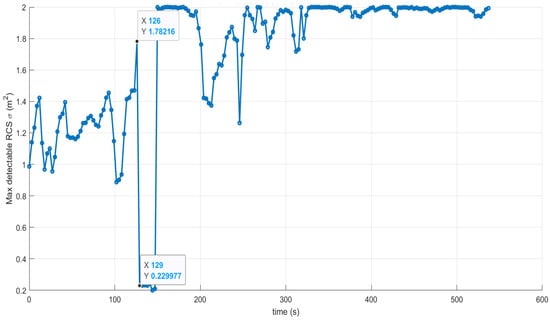
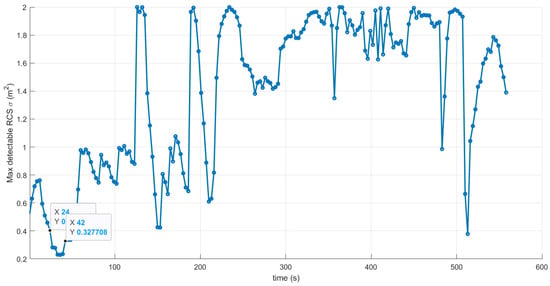
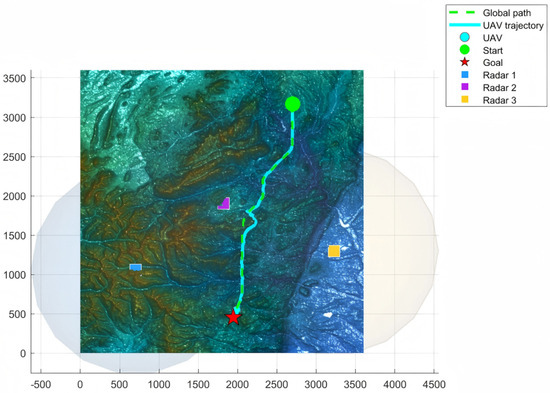
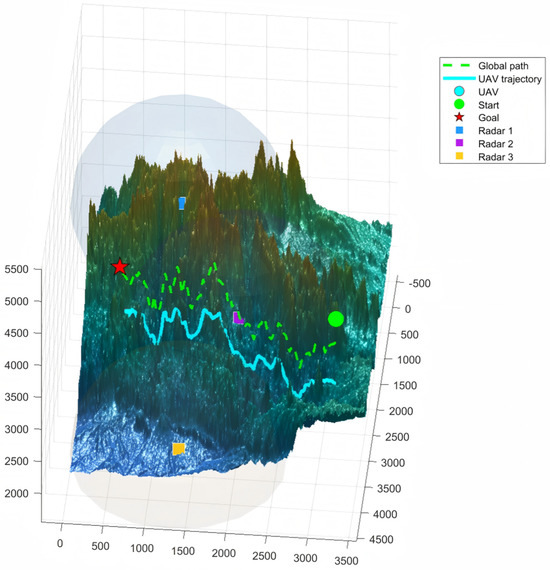
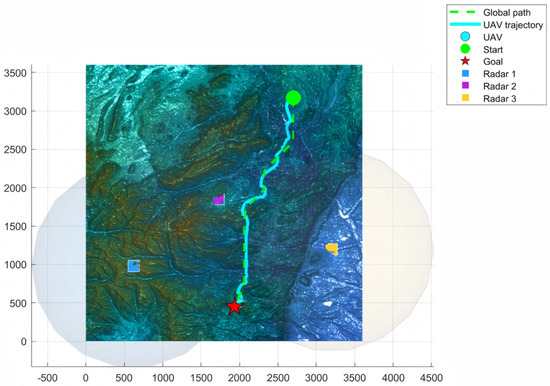
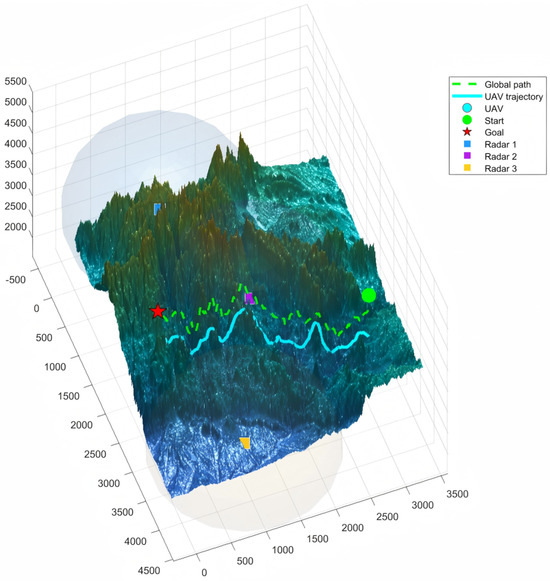
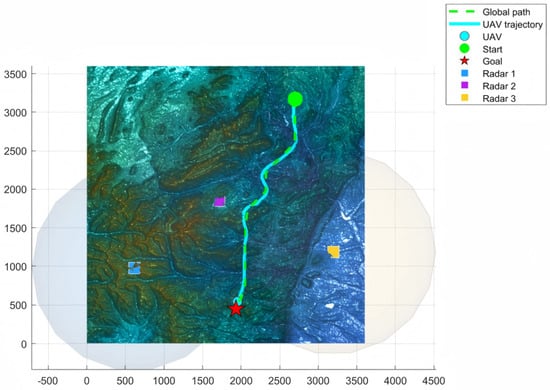
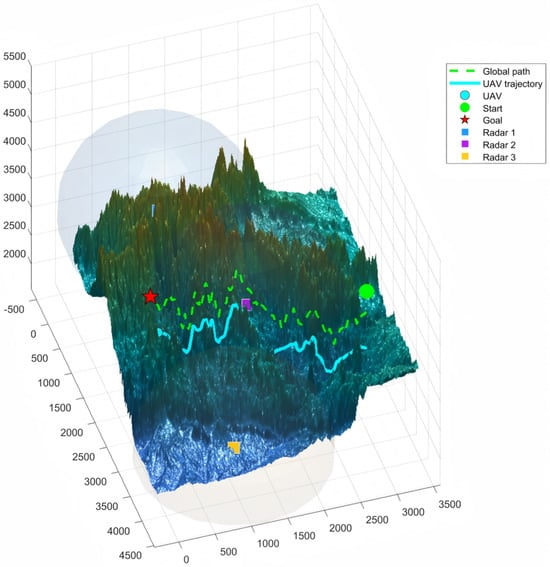
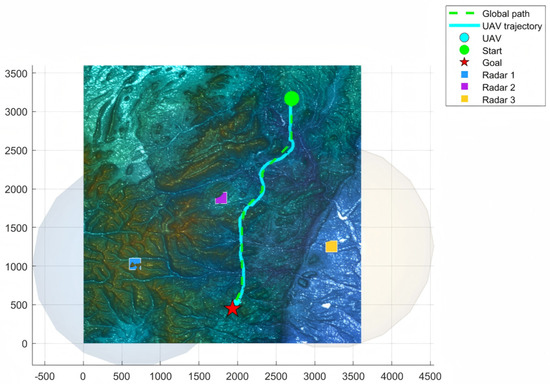
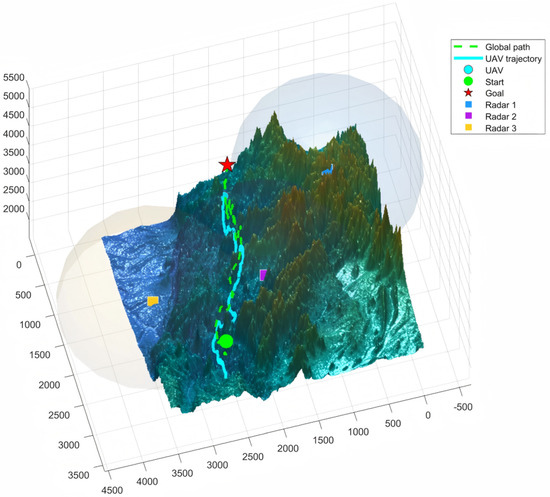
Planning a low-detectability route for a fixed-wing UAV in mountainous environments with radar-based sensing constraints remains highly challenging. Conventional approaches struggle to simultaneously ensure both path quality and operational safety. To address this problem, this paper proposes a two-layer planning framework in which a Risk-A* algorithm provides a global reference route, while a model predictive control (MPC) scheme performs online receding-horizon trajectory optimization. The proposed method combines prior radar-platform information with time-varying detection-risk cues to generate terrain-masked and detection-feasible trajectories. In this study, the framework is instantiated and evaluated on a representative fixed-wing medium-altitude long-endurance (MALE) UAV, where “medium-altitude” denotes the platform class rather than the flight altitude maintained during the low-altitude flight segment. As a result, the UAV can complete the entire flight while reducing the detection-risk metric and overall planning cost. Simulation results on two DEM-based mountainous terrain zones, with one nominal start-goal pair specified in each terrain zone and 50 repeated executions conducted for each scenario, demonstrate that the Risk-A*-MPC framework may yield slightly longer paths and flight times; however, it consistently satisfies the no detection-threshold-exceedance requirement under the tested conditions. In the two main terrain-zone scenarios, the recorded maximum MPC solve time was 0.812 s, which remained below the 3 s control update period and supports the real-time executability of the online MPC layer on the tested computational platform.
Full article
(This article belongs to the Collection Drones for Security and Defense Applications)
►▼
Show Figures

Figure 1
Open AccessArticle
LDA-D3QN-Based Autonomous Navigation for Unmanned Surface Vehicles in Complex Obstacle Scenarios
by
Guoquan Xiao, Ruijie Rao, Yuanming Chen and Xiaobin Hong
Drones 2026, 10(6), 468; https://doi.org/10.3390/drones10060468 - 18 Jun 2026
Abstract
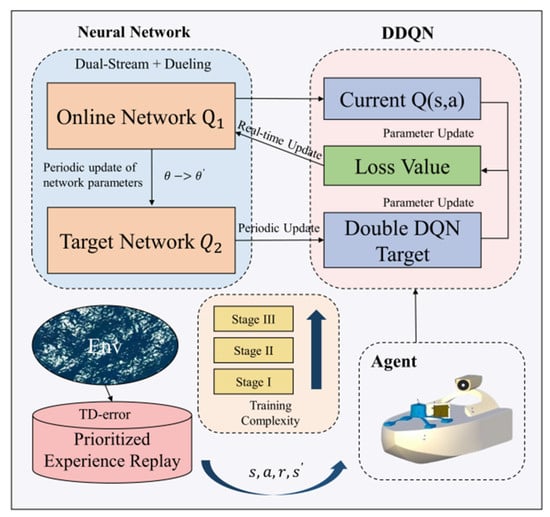
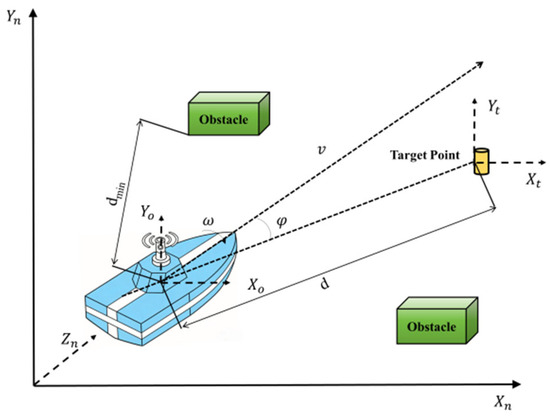
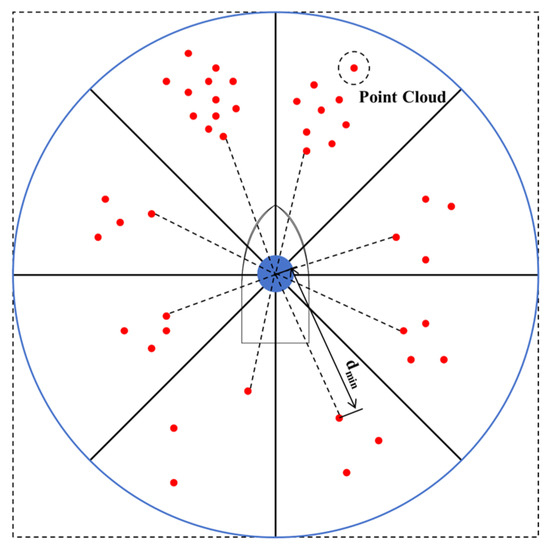
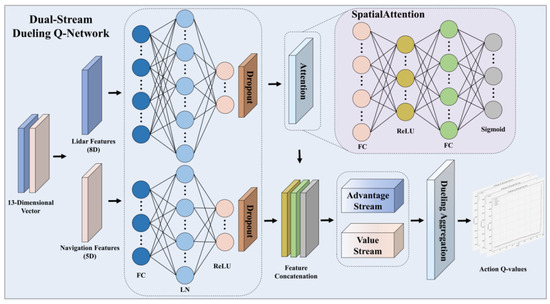
Autonomous navigation of unmanned surface vehicles (USVs) in complex obstacle scenarios remains challenging due to redundant perception inputs, unstable value estimation, and inefficient policy convergence. To address these problems, this paper proposes LDA-D3QN, an improved deep reinforcement learning method for USV autonomous navigation.
[...] Read more.
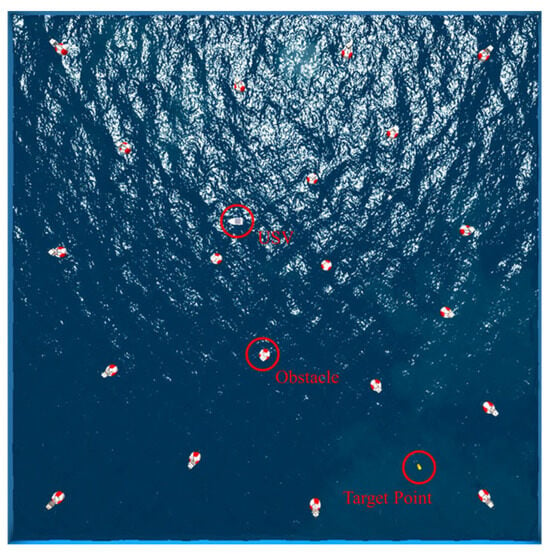
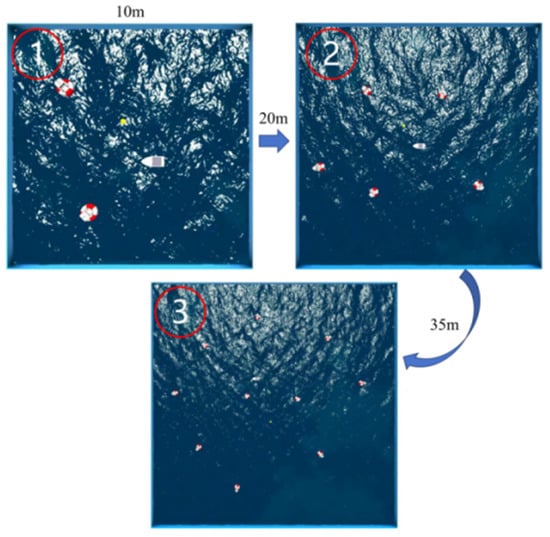
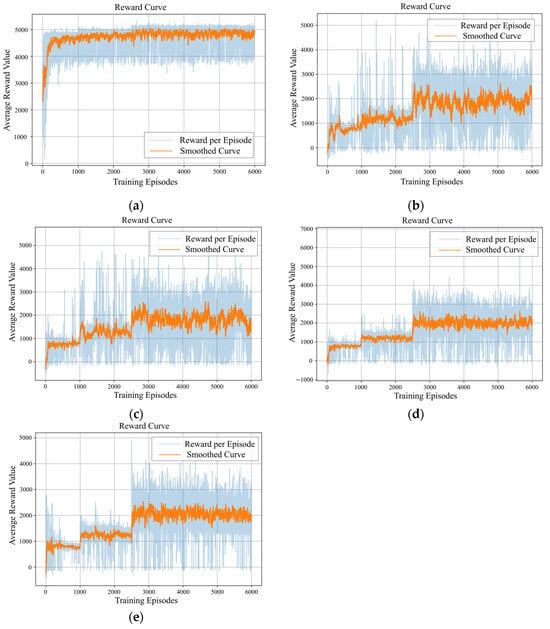
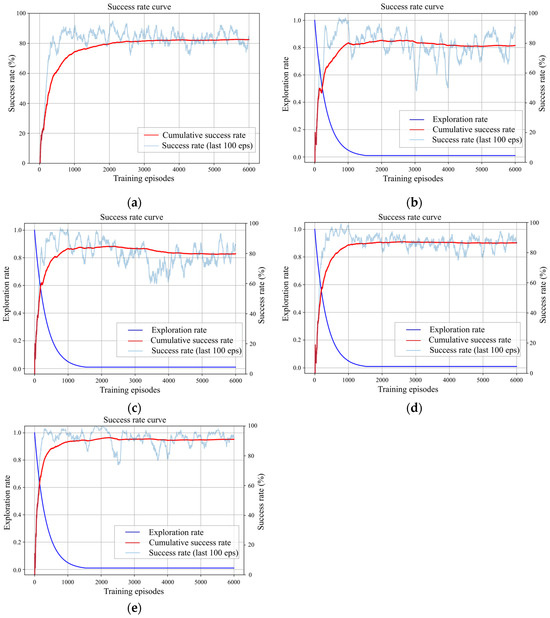
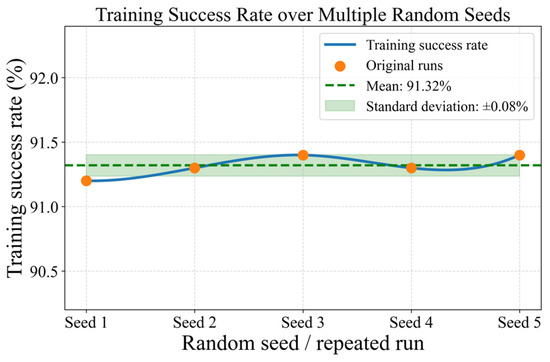
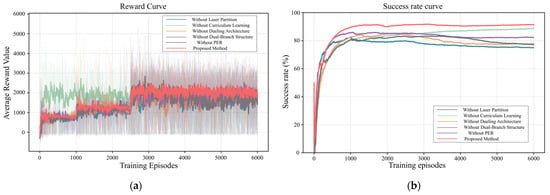
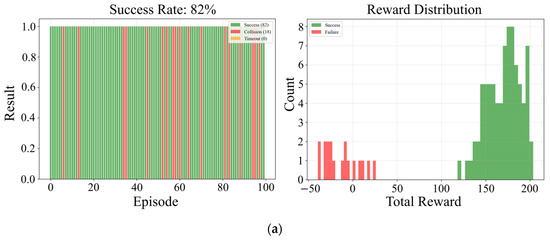
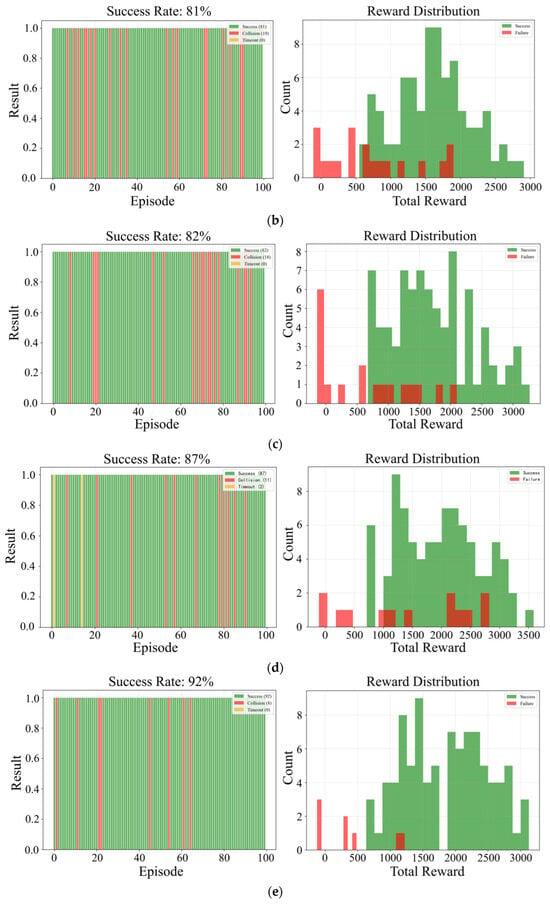
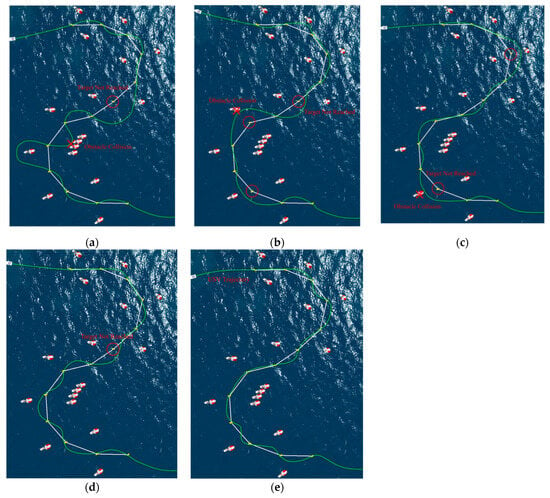
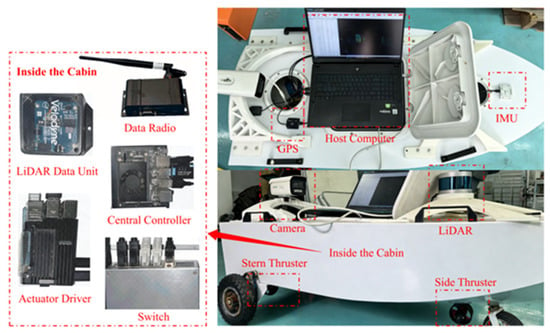
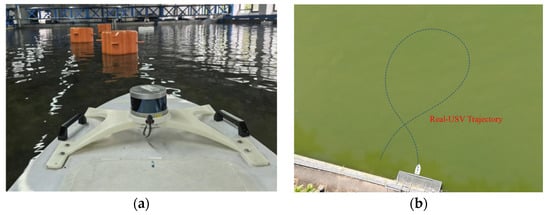
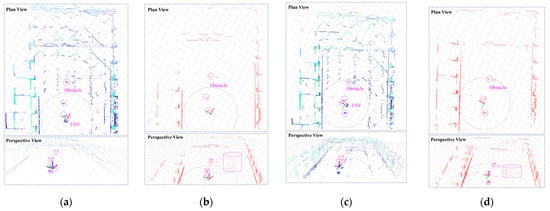
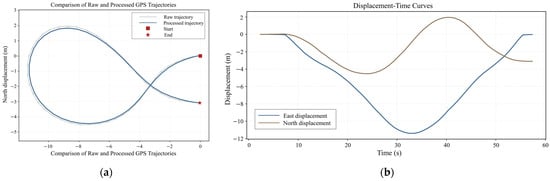
Autonomous navigation of unmanned surface vehicles (USVs) in complex obstacle scenarios remains challenging due to redundant perception inputs, unstable value estimation, and inefficient policy convergence. To address these problems, this paper proposes LDA-D3QN, an improved deep reinforcement learning method for USV autonomous navigation. The proposed method constructs a compact navigation state representation by combining target-related information with local obstacle features, allowing the agent to retain key decision-making information while reducing unnecessary environmental redundancy. Based on this representation, an enhanced value-learning framework is developed to improve the stability of navigation decisions in cluttered environments. Moreover, a reward-guided and staged training strategy is introduced to help the agent gradually adapt to increasingly complex navigation tasks. The proposed method was evaluated on a Unity–ROS–MATLAB integrated simulation platform. Experimental results show that LDA-D3QN achieves superior overall navigation performance compared with several representative reinforcement learning algorithms. Specifically, the proposed method achieves a final training success rate of 91.4%, outperforming PPO (82.3%), Dueling DQN (78.5%), Double DQN (79.8%), and Rainbow DQN (86.5%). Additional tests in complex multi-obstacle and multi-target scenarios further demonstrate that the learned policy can generate safe, stable, and effective navigation behaviors. Preliminary validation using real-USV sensor data also confirms the feasibility of the LiDAR and GPS data processing procedures, providing a basis for future closed-loop autonomous navigation experiments and multi-sensor fusion deployment.
Full article
(This article belongs to the Special Issue Intelligent Cooperative Control and Application of Unmanned Surface/Underwater Vehicles)
►▼
Show Figures

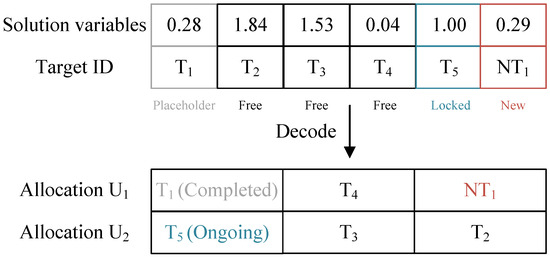
Figure 1

Open AccessArticle
A Multi-Swarm Dynamic Crow Search Algorithm for Multi-UAV Dynamic Task Allocation
by
Gengsong Li, Yi Liu, Qibin Zheng and Kun Liu
Drones 2026, 10(6), 467; https://doi.org/10.3390/drones10060467 - 18 Jun 2026
Abstract
Efficient cooperative task allocation is essential for multiple unmanned aerial vehicles (UAVs) performing complex missions. However, diverse dynamic events in real-world scenarios require rapid response through dynamic task allocation (DTA). Although evolutionary algorithms have been widely adopted for DTA, existing methods often fail
[...] Read more.
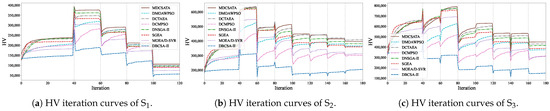
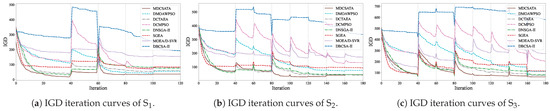
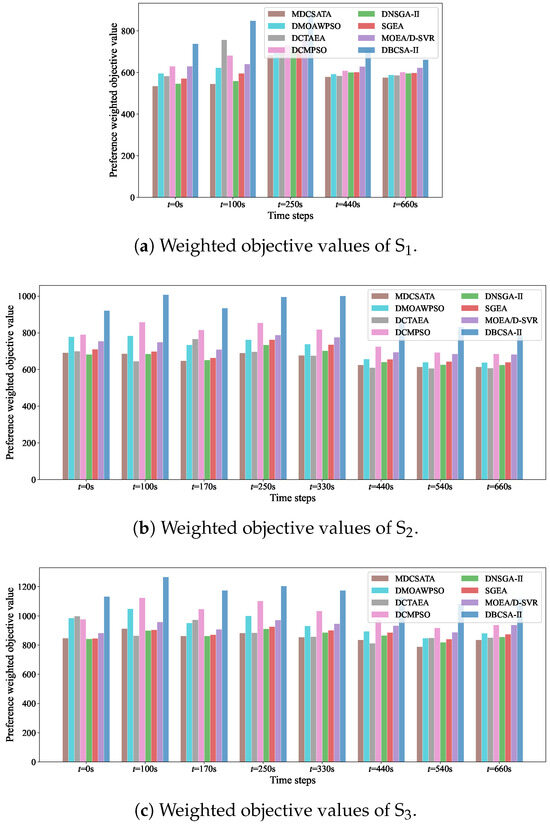
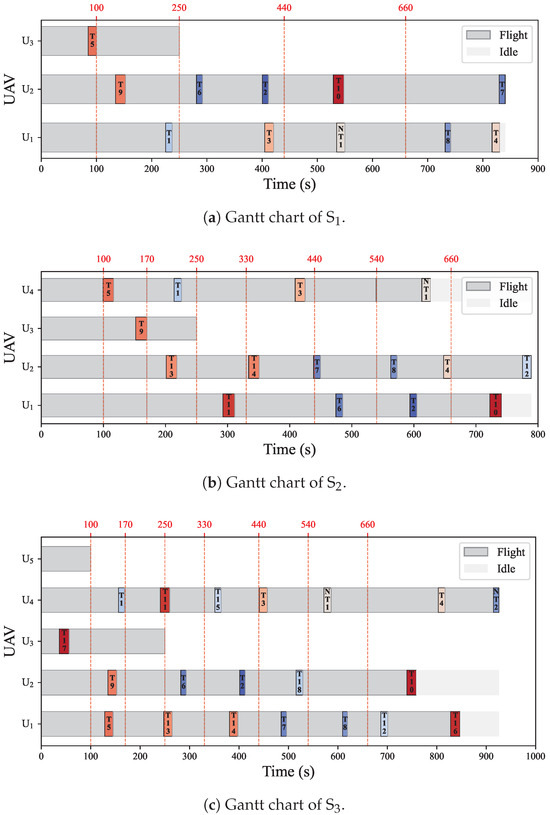
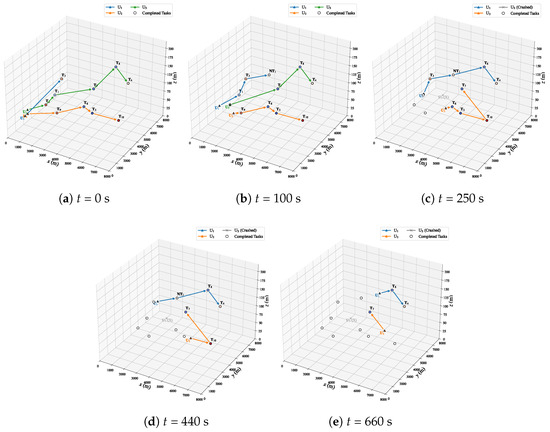
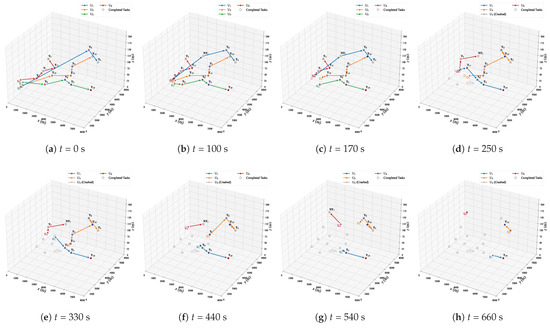
Efficient cooperative task allocation is essential for multiple unmanned aerial vehicles (UAVs) performing complex missions. However, diverse dynamic events in real-world scenarios require rapid response through dynamic task allocation (DTA). Although evolutionary algorithms have been widely adopted for DTA, existing methods often fail to maintain consistency between allocation decisions and actual operational states, consider only limited classes of dynamic events, and still leave room for performance improvement. This paper formulates multi-UAV DTA as a dynamic multi-objective optimization problem (DMOP) that jointly minimizes the residual target value and mission makespan, incorporating a state inheritance mechanism and a comprehensive set of dynamic events covering multiple facets of disruptions in observation task scenarios. To solve this DMOP, a multi-swarm dynamic crow search algorithm for task allocation (MDCSATA) is proposed, which integrates five strategies: violation-tolerant multi-swarm co-evolution for feasibility and diversity; objective-oriented heuristic initialization to accelerate convergence; an adaptive position update for better exploration and exploitation; stagnation and elite guided perturbation for intensified local exploitation; and an event-aware change response for rapid adaptation to dynamic events. Experiments on three constructed scenarios against seven state-of-the-art algorithms show that MDCSATA achieves superior performance on the evaluation metrics with acceptable runtime. It obtains the best MHV and MIGD in all scenarios, improving MHV by at least 0.93% and reducing MIGD by at least 12.92% across scenarios. These results confirm its effectiveness for DTA.
Full article
(This article belongs to the Special Issue Advanced Optimization Strategies for UAV Mission Planning and Operation)
►▼
Show Figures

Figure 1

Journal Menu
► ▼ Journal Menu-
- Drones Home
- Aims & Scope
- Editorial Board
- Reviewer Board
- Topical Advisory Panel
- Early Career Editorial Board
- Instructions for Authors
- Special Issues
- Topics
- Sections & Collections
- Article Processing Charge
- Indexing & Archiving
- Editor’s Choice Articles
- Most Cited & Viewed
- Journal Statistics
- Journal History
- Journal Awards
- Society Collaborations
- Conferences
- Editorial Office
Journal Browser
► ▼ Journal BrowserHighly Accessed Articles
Latest Books
E-Mail Alert
News
Topics
Topic in
Aerospace, Drones, Electronics, Remote Sensing, Sensors, Signals
Civil and Public Domain Applications of Unmanned Aviation 2025
Topic Editors: Kimon P. Valavanis, Nikolaos VitzilaiosDeadline: 30 June 2026
Topic in
Drones, Electronics, Eng, JMSE, Robotics, Sensors, Vehicles
Advanced Technologies and Applications for Unmanned Systems
Topic Editors: Jinchao Chen, Chao Chen, Yingjie ZhangDeadline: 31 July 2026
Topic in
Applied Sciences, Drones, Geomatics, Heritage, IJGI, Remote Sensing, Sensors
3D Documentation of Natural and Cultural Heritage
Topic Editors: Lorenzo Teppati Losè, Elisabetta Colucci, Arnadi MurtiyosoDeadline: 31 August 2026
Topic in
Applied Sciences, Electronics, Information, Drones, Sensors, BDCC, IJGI
Advances in Integrative AI, Machine Learning, and Big Data for Transformative Applications
Topic Editors: Peiying Zhang, Athanasios V. VasilakosDeadline: 31 October 2026
Conferences
Special Issues
Special Issue in
Drones
Digital Twins and Extended Reality: Opportunities and Challenges of Integrated Applications (2nd Edition)
Guest Editors: Daniela Oreni, Fabrizio Banfi, Davide MezzinoDeadline: 26 June 2026
Special Issue in
Drones
Advances in Drone Applications for Last-Mile Delivery Operations
Guest Editors: Yoon Seok Chang, Ilkyeong Moon, Chulung Lee, Taesu CheongDeadline: 30 June 2026
Special Issue in
Drones
Autonomous Drone Navigation in GPS-Denied Environments
Guest Editors: Hector Gutierrez, Yang LiuDeadline: 30 June 2026
Special Issue in
Drones
Advancing Space-Air-Ground-Sea Integrated Networks in Drones: Techniques, Applications, and Future Directions
Guest Editors: Dawei Wang, Hongbo Zhao, Li LiDeadline: 30 June 2026
Topical Collections
Topical Collection in
Drones
Editorial Board Members’ Collection Series: Drones in Emergencies Operations
Collection Editors: Gino Lim, Houbing Song, Israel Quintanilla García
Topical Collection in
Drones
Feature Papers of Drones Volume II
Collection Editors: Diego González-Aguilera, Pablo Rodríguez-Gonzálvez
Topical Collection in
Drones
Feature Papers Collection of the World’s Top 2% Scientists in Drones
Collection Editors: Diego González-Aguilera, Pablo Rodríguez-Gonzálvez
Topical Collection in
Drones
Drones for Security and Defense Applications
Collection Editors: Diego González-Aguilera, Pablo Rodríguez-Gonzálvez, Abdessattar Abdelkefi, Xiwang Dong, Petros Bithas, Oleg Yakimenko, Andrey V. Savkin, Eben N. Broadbent