

Journal Description
Disabilities
Disabilities
is an international, peer-reviewed, open access journal on the physical, biopsychosocial, and environmental aspects of disability, published bimonthly online by MDPI.
- Open Access— free for readers, with article processing charges (APC) paid by authors or their institutions.
- High Visibility: indexed within ESCI (Web of Science), Scopus, EBSCO, and other databases.
- Rapid Publication: manuscripts are peer-reviewed and a first decision is provided to authors approximately 38.9 days after submission; acceptance to publication is undertaken in 3.9 days (median values for papers published in this journal in the first half of 2026).
- Journal Rank: CiteScore - Q1 (Health Professions (miscellaneous))
- Recognition of Reviewers: APC discount vouchers, optional signed peer review, and reviewer names published annually in the journal.
- MDPI’s Journal Cluster of Social Studies: Challenges-Journal of Planetary Health, Disabilities, Genealogy, Laws, Sexes, Social Sciences, Societies and Systems.
Impact Factor:
1.5 (2025);
5-Year Impact Factor:
1.8 (2025)
Latest Articles
The Benefits of Overnight Programming for Individuals with Disabilities and Implications for Other Populations
Disabilities 2026, 6(4), 69; https://doi.org/10.3390/disabilities6040069 (registering DOI) - 12 Aug 2026
Abstract
Overnight programming is an effective intervention that builds social satisfaction, well-being and community; however, the mechanisms supporting these outcomes are not well understood. This qualitative study explores concepts that contribute to social benefits of overnight programs and outlines best practices. Using purposive convenience
[...] Read more.
Overnight programming is an effective intervention that builds social satisfaction, well-being and community; however, the mechanisms supporting these outcomes are not well understood. This qualitative study explores concepts that contribute to social benefits of overnight programs and outlines best practices. Using purposive convenience sampling of an agency that conducts overnight programming, eight adults with disabilities (ages 22–56) participated in semi-structured interviews. Researchers utilized thematic analysis to analyze the interviews. Five themes developed: (a) Experience (program activities, connection to friends, and fun), (b) Liminality (being away from everyday life, respite, and transitory spaces), (c) Opportunity (personal growth, and trying new things), (d) Social Facilitation (interactions between participants, like-mindedness and relationship building), and (e) Support (friends, and staff). Results illustrate overnight programming provides opportunities for participants to experience new things and build social connections. The findings of this study are consistent with the ideas of liminality and communitas, supported by sense of community theory. Practitioners should consider incorporating the four elements of sense of community (membership, influence, fulfillment of needs, and strong emotional connections) when designing overnight programming.
Full article
Open AccessArticle
Growth in Mothers of Children with Attention Deficit Hyperactivity Disorder: The Roles of Social Support and Parental Well-Being
by
Ayelet Harel-Gadassi and Raaya Alon
Disabilities 2026, 6(4), 68; https://doi.org/10.3390/disabilities6040068 - 31 Jul 2026
Abstract
Children with Attention Deficit Hyperactivity Disorder may experience difficulties in emotional regulation, social participation, academic functioning, and daily routines, which can place increased emotional, practical, and caregiving demands on parents. At the same time, parenting a child with Attention Deficit Hyperactivity Disorder is
[...] Read more.
Children with Attention Deficit Hyperactivity Disorder may experience difficulties in emotional regulation, social participation, academic functioning, and daily routines, which can place increased emotional, practical, and caregiving demands on parents. At the same time, parenting a child with Attention Deficit Hyperactivity Disorder is also associated with positive aspects, including opportunities for personal growth. The current study examined perceived growth among mothers of children with Attention Deficit Hyperactivity Disorder, and specifically the associations between types of social support (from family, friends and significant others), types of parental well-being (parents’ cognitive assessment, and positive and negative feelings toward parenting), and types of perceived growth (personal, social, and religious growth). Participants were 246 mothers of children with Attention Deficit Hyperactivity Disorder, aged 28–70 years (M = 43.31, SD = 7.52), who completed questionnaires assessing the primary study variables. Family and significant-other support were associated with personal, social, and religious growth, while friends’ support was associated only with personal and social growth. Positive feelings toward parenting were positively associated with all three dimensions of perceived growth, whereas cognitive assessment related only to personal and social growth. Negative feelings toward parenting were not significantly associated with growth. Hierarchical regression analysis indicated that social support explained a small but significant proportion of variance, but once parental well-being was added, only positive feelings remained uniquely associated with perceived growth. These findings highlight the potential importance of fostering positive parenting experiences and emotional well-being, alongside strengthening social support resources, among mothers of children with Attention Deficit Hyperactivity Disorder.
Full article
Open AccessReview
Evolving Health and Wellbeing of Thalidomide Survivors as They Age: A Scoping Review Update (2017–2025)
by
Sorana Bucseneanu, Elizabeth Newbronner, Sarah Nettleton, Jennifer Bousfield and Agne Ulyte
Disabilities 2026, 6(4), 67; https://doi.org/10.3390/disabilities6040067 - 30 Jul 2026
Abstract
►▼
Show Figures
Background: Thalidomide, prescribed to pregnant women in the late 1950s and early 1960s, caused severe congenital impairments known as thalidomide embryopathy, yet the long-term health and wellbeing of survivors as they reach older adulthood remains underexplored. Objectives: This scoping review updates the 2017
[...] Read more.
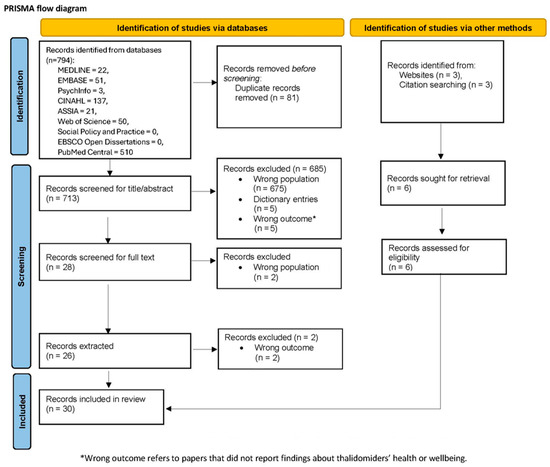
Background: Thalidomide, prescribed to pregnant women in the late 1950s and early 1960s, caused severe congenital impairments known as thalidomide embryopathy, yet the long-term health and wellbeing of survivors as they reach older adulthood remains underexplored. Objectives: This scoping review updates the 2017 Newbronner and Atkin review by exploring evidence published between 2017 and 2025 on the physical, mental, and social wellbeing of ageing thalidomide survivors, identifying emerging health issues, care needs, and evidence gaps. Methods: Searches across nine academic databases and grey literature sources identified studies reporting health, wellbeing, or quality of life among middle-aged and older adults with documented prenatal thalidomide exposure. Results: Thirty papers from the UK, Germany, Japan, Italy, Sweden, Canada, and Australia were included, showing pervasive musculoskeletal deterioration, chronic pain, and increased metabolic disorders. Mental health conditions, including depression, anxiety, and stress, were common and often linked to pain severity and functional limitations, alongside sensory impairments, dental issues, and functional decline, though many survivors demonstrated resilience. Conclusions: Ageing thalidomide survivors face complex, progressive health challenges that extend beyond congenital impairments, highlighting a need for coordinated, specialist care to support wellbeing in later life.
Full article

Figure 1
Open AccessArticle
Factors Associated with Physiotherapy Use in the Brazilian Stroke Population—Theoretical Analysis Based on Andersen’s Model: An Observational Study
by
Luana Castro Silva, Ramon Viana, Renata Jucá, Johnnatas Lopes, Christina Faria, Shamyr Sulyvan de Castro and Lidiane Lima
Disabilities 2026, 6(4), 66; https://doi.org/10.3390/disabilities6040066 - 24 Jul 2026
Abstract
►▼
Show Figures
Background: Given the high likelihood of disability and need for rehabilitation after a stroke, identifying the factors associated with the use of physiotherapy services may support actions to improve access to such services. Andersen’s Behavioral Model of Health Service helps to explain
[...] Read more.
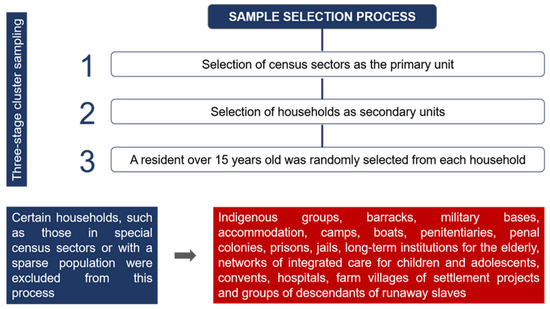
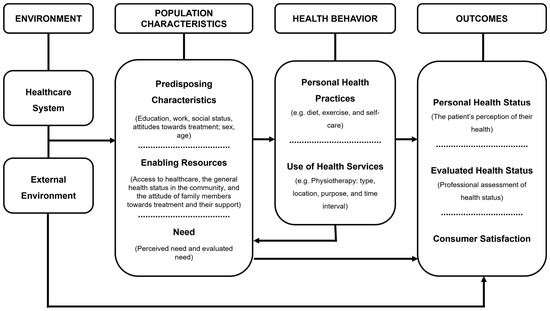
Background: Given the high likelihood of disability and need for rehabilitation after a stroke, identifying the factors associated with the use of physiotherapy services may support actions to improve access to such services. Andersen’s Behavioral Model of Health Service helps to explain determinants of health service use. This study aimed to identify the factors associated with using physiotherapy services after a stroke in Brazil based on Andersen’s model. Methods: We conducted a cross-sectional, population-based study using data from the 2019 National Health Survey. A total of 1974 adults with self-reported stroke were included. Twenty-two variables selected according to Andersen’s model were investigated. Variables associated with physiotherapy use in univariate analyses (p < 0.20) were included in logistic regression models. Analyses accounted for the complex sampling design and were performed using IBM SPSS Statistics version 22.0. Results: The study included 1974 individuals with stroke, with a mean age of 63.8 years (SD = 14.9), of whom 53.2% were women. The population characteristics indicated that individuals reporting limitations in their activities and stopped performing their usual tasks were 1.6 times more likely to use physiotherapy services [OR 1.6 (95%CI 1.1–2.1)]. The health behavior component revealed that self-care actions such as following a diet [OR 2.2 (95%CI 1.6–3.0)], regular use of aspirin [OR 1.3 (95%CI 1.0–1.9)], other medications [OR 2.3 (95%CI 1.6–3.2)], and use of other rehabilitation services [OR 8.1 (95%CI 5.7–11.3)] were significantly associated with using physiotherapy services. Conclusions: Stopping usual activities, following a diet, regular medication use, and other rehabilitation therapies are associated with physiotherapy use after stroke. These findings may support the development of strategies aimed at improving equitable access to rehabilitation services among stroke survivors.
Full article

Figure 1
Open AccessArticle
Contraceptive Awareness and Decision-Making Among Caregivers of Adolescent Learners with Intellectual Disabilities in Gauteng Province, South Africa: A Qualitative Study
by
Makwena Midah Sibuyi, Sophy Moloko, Siyanda Alex Ngema and Tshiamo Ramalepa
Disabilities 2026, 6(4), 65; https://doi.org/10.3390/disabilities6040065 - 17 Jul 2026
Abstract
Adolescents with intellectual disabilities are often excluded from mainstream sexual reproductive health education and services. This exclusion is due to stigma and systemic barriers further increasing their vulnerability to exploitation, unintended pregnancies, and limited contraceptive access. Additionally, adolescent childbearing has been linked to
[...] Read more.
Adolescents with intellectual disabilities are often excluded from mainstream sexual reproductive health education and services. This exclusion is due to stigma and systemic barriers further increasing their vulnerability to exploitation, unintended pregnancies, and limited contraceptive access. Additionally, adolescent childbearing has been linked to an increased risk of long-term health and functional limitations. This study explored contraceptive awareness and decision-making among caregivers of adolescent learners with intellectual disabilities in selected Special Care Centres in Tshwane District Gauteng province. This exploratory, descriptive qualitative research utilised a purposive sampling method to select caregivers from five Special Care Centres to participate in focus group discussions. The sample size was 29 participants. Interviews were audio recorded and transcribed verbatim. Data were analysed using inductive thematic analysis on NVivo15 software and halted after reaching saturation. Intercoder reliability was achieved with consensus agreement among researchers. Three overarching themes, supported by two sub-themes emerged: (1) Caregivers’ understanding of contraception: (1.1) Perceived benefits and disadvantages of contraception; (1.2) Early exposure to contraceptive information. (2) Socio-economic influences on contraceptive decision-making: (2.1) Financial burden; (2.2) Preference for permanent contraceptive method. (3) Negotiating cultural expectations and practical caregiving realities: (3.1) Community acceptance of contraceptive use; (3.2) Willingness to forgo biological grandchildren. Caregivers’ awareness and decisions about contraception reflect not only their health knowledge but also the socio-economic pressures they face and the practical realities that shape choices within their communities. This study recommends disability-inclusive sexual reproductive health education that provides contextually relevant insights for strengthening community-based interventions among adolescents with intellectual disability.
Full article
Open AccessReview
The Experience and Use of Power Mobility by Children with Complex Non-Ambulant Cerebral Palsy: A Scoping Review
by
Roslyn W. Livingstone, Ginny S. Paleg, Benjamin W. Fullerton, Débora Claësson, Pragashnie Govender and Lisbeth Nilsson
Disabilities 2026, 6(4), 64; https://doi.org/10.3390/disabilities6040064 - 16 Jul 2026
Abstract
►▼
Show Figures
Background/Objectives: To map the literature and describe the meaning, use, and experience of power mobility for children with complex non-ambulant cerebral palsy (Gross Motor Classification System (GMFCS) levels IV–V and Manual Abilities Classification System (MACS) levels III–V). Methods: Included searches in
[...] Read more.
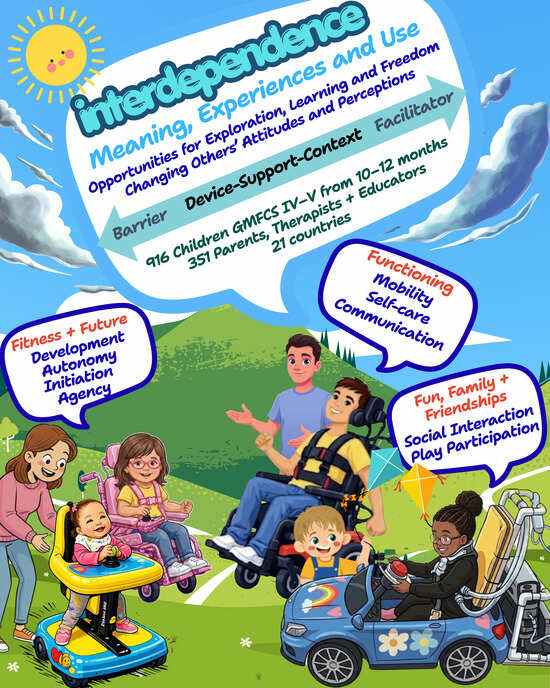
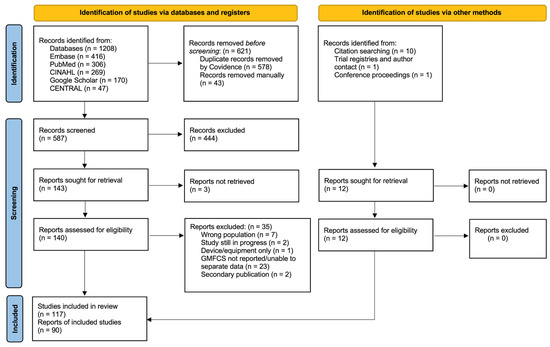
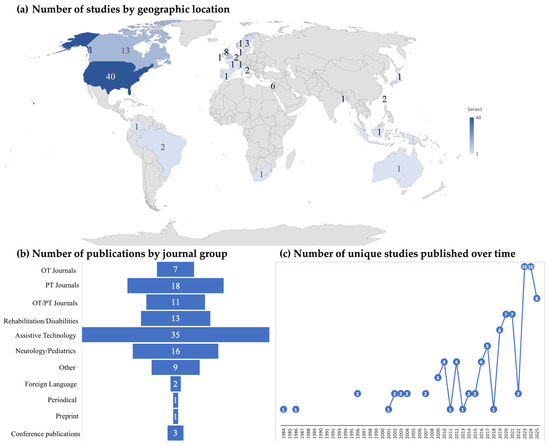
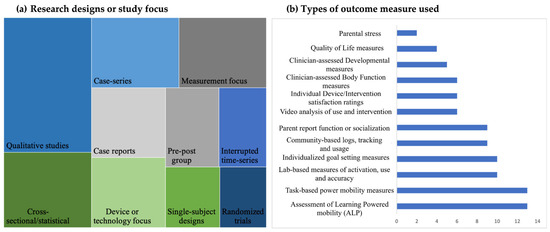
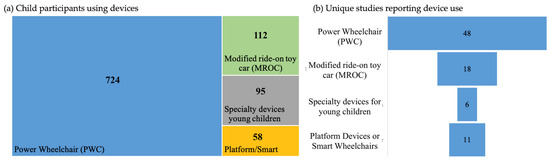
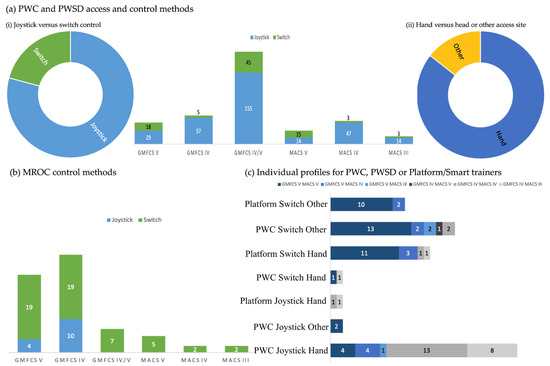
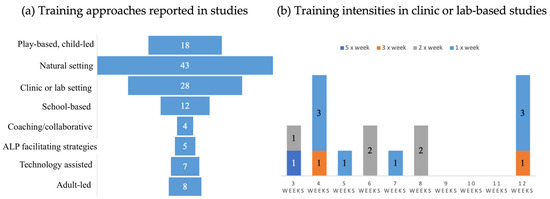
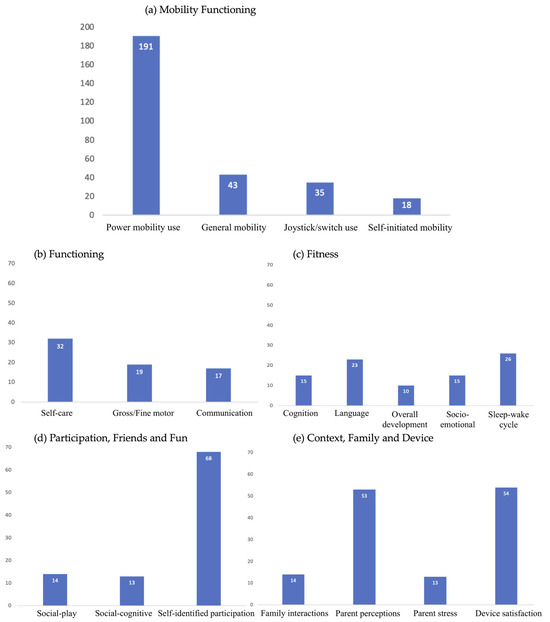
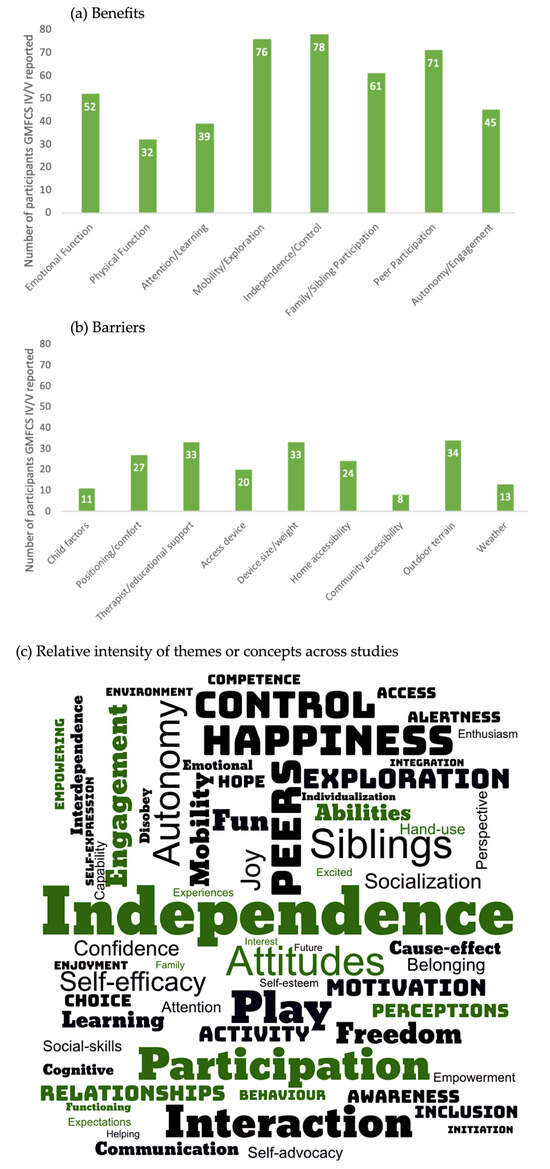
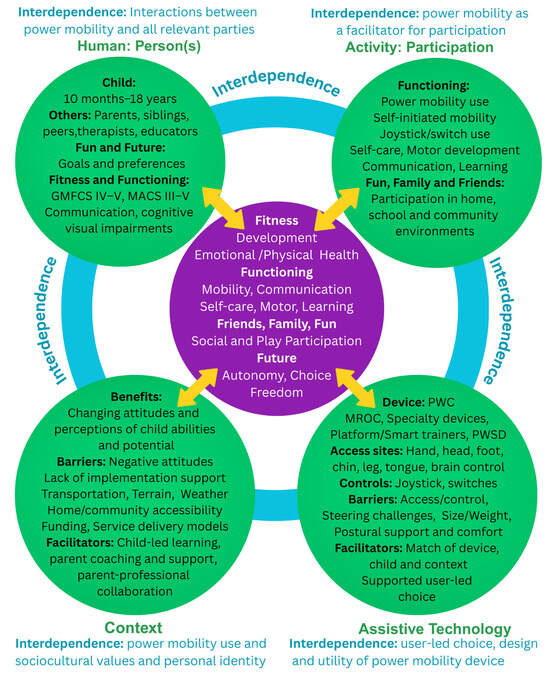
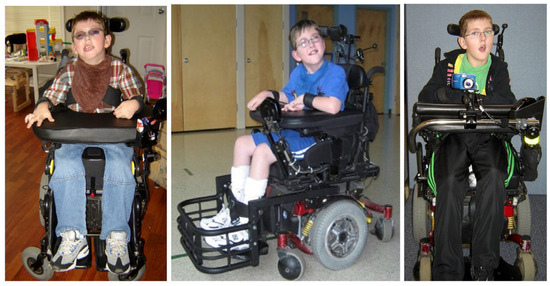
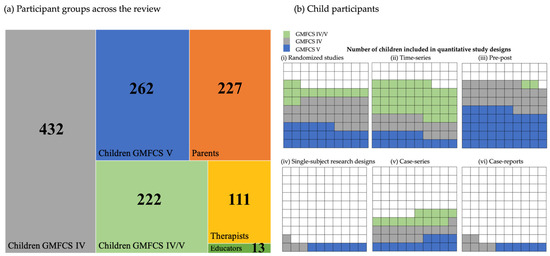
Background/Objectives: To map the literature and describe the meaning, use, and experience of power mobility for children with complex non-ambulant cerebral palsy (Gross Motor Classification System (GMFCS) levels IV–V and Manual Abilities Classification System (MACS) levels III–V). Methods: Included searches in five electronic databases, grey literature, and hand searches with no restrictions on date, study type, or language, as well as independent duplicate screening and data extraction. Outcomes and experiences were mapped to the integrated F-words Interdependence Human Activity Assistive Technology (iHAAT) framework. Results: In total, 90 studies, from randomized trials to case reports and qualitative designs, included 916 children (10 months–18 years; 432 GMFCS IV; 262 GMFCS V; 222 GMFCS IV/V), with 351 parents, therapists, or educators. Only 32 studies reported MACS levels. Power wheelchairs were used by 724 children (68 used switches rather than joysticks). Other children used modified ride-on cars, specialty pediatric devices, or platform/smart training devices. Based on 22 studies where this information was provided, alternate access/control methods were primarily used by children classified at GMFCS/MACS V, but there was considerable variability. Introduction predominantly occurred in natural settings with limited training or support. Significant and meaningful improvements in power mobility use were reported for intensive play-based, child-led, and caregiver-supported approaches; for virtual training with joystick users; and for skills-training approaches with older children who already achieved functional power wheelchair use. Conclusions: Children classified at GMFCS IV and V may benefit from power mobility experience to promote fitness, functioning, friends, family, fun, and future outcomes. Their use and experience of power mobility may be interdependent with parents, therapists, and educators, changing attitudes and perceptions of child potential.
Full article

Graphical abstract
Open AccessArticle
Developing and Evaluating a Picture-Book-Centered Multi-Component Intervention on Empowering Psycho-Emotional Well-Being of Deaf and Hard-of-Hearing (DHH) Children: A Mixed-Methods Feasibility Study
by
Jinlin Ye, Lei Yang, Yao Tang, Sulan Tang, Anna Axelin and Xianhong Li
Disabilities 2026, 6(4), 63; https://doi.org/10.3390/disabilities6040063 - 16 Jul 2026
Abstract
►▼
Show Figures
Interventions aimed at improving the psychological well-being of Deaf and Hard-of-Hearing children have been overlooked. This study aimed to develop a targeted picture-book-focused, multi-component psycho-emotional support intervention for Deaf and Hard-of-Hearing children and to evaluate its feasibility and acceptability. A mixed-methods design based
[...] Read more.
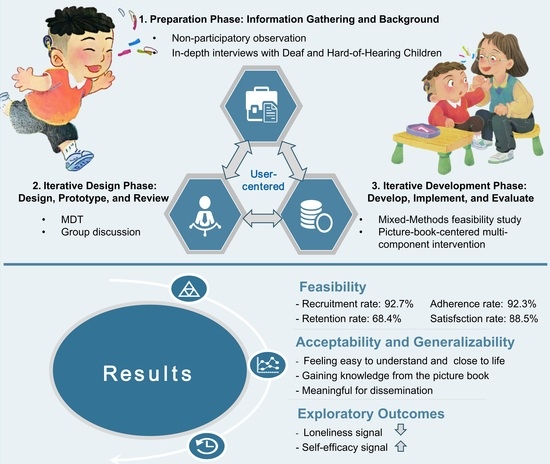
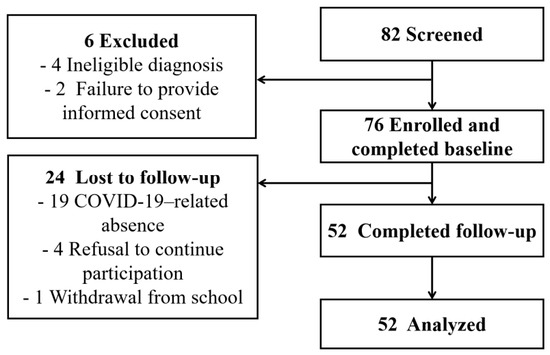
Interventions aimed at improving the psychological well-being of Deaf and Hard-of-Hearing children have been overlooked. This study aimed to develop a targeted picture-book-focused, multi-component psycho-emotional support intervention for Deaf and Hard-of-Hearing children and to evaluate its feasibility and acceptability. A mixed-methods design based on the Successive Approximation Model (SAM) was used. A user-centered picture book was developed and evaluated through a multi-component intervention involving 76 Deaf and Hard-of-Hearing children. Quantitative data were collected at baseline (T0) and one-month follow-up (T1) using the Children’s Loneliness Scale, the General Self-Efficacy Scale, and the Adolescent Mental Resilience Scale. Focus group interviews explored acceptability and appropriateness. Five empowering components were identified, which guided the development of the picture book. The recruitment rate of the study was 92.7% (76/82). A total of 68.4% (52/76) of participants completed the intervention and follow-up. The adherence rate was 92.3% (48/52). Most participants (88.5%, 46/52) reported satisfaction with the intervention. Exploratory changes were observed for loneliness (IQR 41.5 vs. 39.0; 95%CI: 0.275, 0.723) and self-efficacy (IQR 24.0 vs. 25.0; 95%CI: −0.577, −0.027), while resilience showed no significance (IQR 85.0 vs. 87.0; 95%CI: −0.176, 0.435). Most participants rated the picture book as acceptable and were willing to share it. The intervention appears acceptable, feasible, and appropriate, supporting the need for a randomized or implementation study.
Full article

Graphical abstract
Open AccessArticle
Predictors of Phantom Limb Pain, Psychological Factors and Chronic Musculoskeletal Pain Following Traumatic Lower-Limb Amputation: The Impact of Delayed Rehabilitation Services
by
Mosab Aldabbas, Ahmed Mousa, Osama N. Alshana, Ali Abuibaid, Khalil Khalidy, Marah Radi, Mahmoud Mousa, Mohammed Matar and Mahmoud Batniji
Disabilities 2026, 6(4), 62; https://doi.org/10.3390/disabilities6040062 - 15 Jul 2026
Abstract
Background: Phantom limb pain, poor sleep, musculoskeletal pain, and psychological distress are common in patients following traumatic lower-limb amputations. Nevertheless, there is still a lack of research on the connections between these variables and rehabilitation service accessibility. Evidence on phantom limb pain and
[...] Read more.
Background: Phantom limb pain, poor sleep, musculoskeletal pain, and psychological distress are common in patients following traumatic lower-limb amputations. Nevertheless, there is still a lack of research on the connections between these variables and rehabilitation service accessibility. Evidence on phantom limb pain and related rehabilitation factors remains limited in conflict-affected settings, where access to timely prosthetic and rehabilitation services may be substantially disrupted. Objective: The study aimed to determine the prevalence of phantom limb pain and chronic musculoskeletal pain, and to assess their correlation with sleep quality, depression, anxiety and access to rehabilitation services in individuals with traumatic lower-limb amputation. Methods: Between August 2025 and April 2026, 491 patients with unilateral traumatic lower-limb amputations who were receiving outpatient rehabilitation services participated in the study. The Pittsburgh Sleep Quality Index was used to measure sleep quality, while the Hospital Anxiety and Depression Scale was used to measure anxiety and depression. In addition, participants reported delays in physiotherapy and prosthetic fitting, phantom limb pain, and chronic musculoskeletal pain. Mann–Whitney U tests were used for group comparisons, while multiple regression analysis and Spearman correlations were used to assess the relationships. Results: Phantom limb pain was reported by 78.8% of participants, while 46.2% experienced chronic musculoskeletal pain. Among patients who had not received a prosthesis, the mean delay to prosthetic provision was 472.9 days, while the median delay was 502 days. Poorer sleep quality (β = 0.480, p < 0.001) and longer delays to prosthetic fitting (β = 0.184, p = 0.002) were independently associated with greater phantom limb pain intensity. Participants with chronic musculoskeletal pain and those who had not received a prosthesis experienced poorer sleep quality, greater depression and anxiety, and more severe phantom pain than participants without musculoskeletal pain and those who had received a prosthesis. Conclusions: Phantom limb and chronic musculoskeletal pain are highly prevalent after lower-limb amputation. Delayed prosthetic fitting and sleep disturbances are associated with greater phantom pain.
Full article
Open AccessArticle
Emerging Technologies and Employability in People with Visual Disabilities in a City in Northern Peru: A Model Based on Psychometric Network Analysis
by
Juan Amilcar Villanueva-Calderón, Eveling Sussety Balcazar-Paiva, Alexander Fernando Haro-Sarango, Gustavo Adolfo Ventura-Seclén, Fiorella Vanessa Li-Vega and Ida Blanca Pacheco-Gonzales
Disabilities 2026, 6(4), 61; https://doi.org/10.3390/disabilities6040061 - 15 Jul 2026
Abstract
►▼
Show Figures
Emerging technologies are reshaping labor market dynamics and redefining the competencies required for employability. However, their benefits remain unevenly distributed, particularly among socially vulnerable populations such as people with visual impairments. This study examined the relationship between emerging technologies and employability among individuals
[...] Read more.
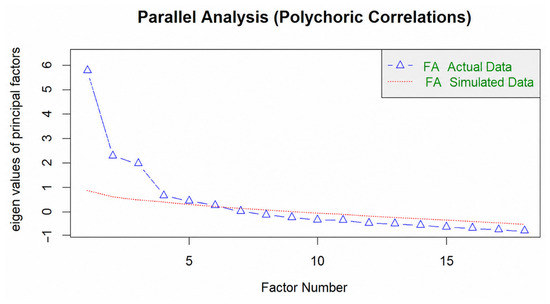
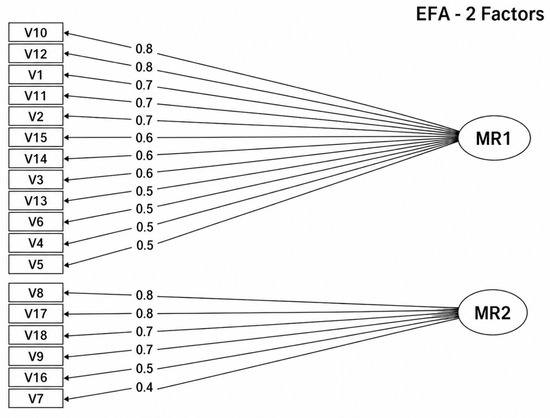
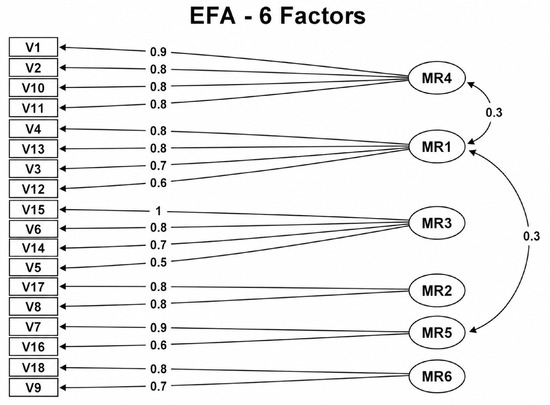
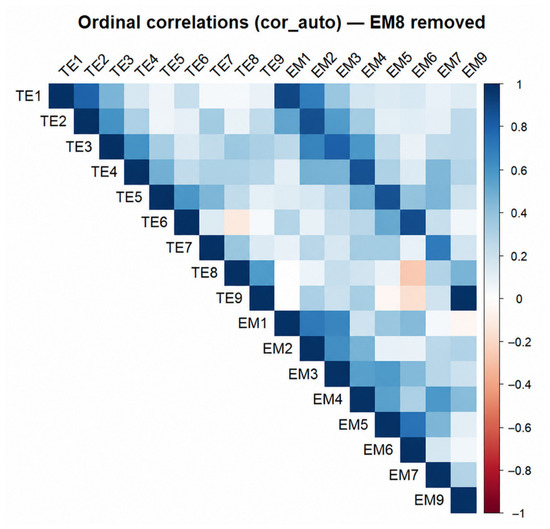
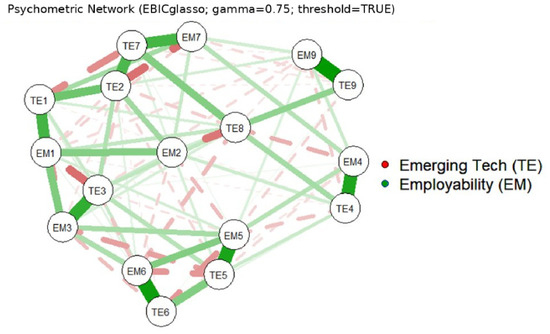
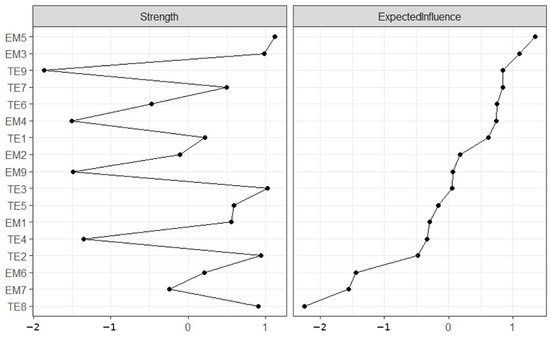
Emerging technologies are reshaping labor market dynamics and redefining the competencies required for employability. However, their benefits remain unevenly distributed, particularly among socially vulnerable populations such as people with visual impairments. This study examined the relationship between emerging technologies and employability among individuals with visual disabilities in a city in northern Peru, within the broader framework of inclusive development and equal opportunity. A quantitative, non-experimental, cross-sectional design was employed with a sample of 132 participants. Data were collected through a Likert-type questionnaire measuring indicators associated with emerging technologies and employability. To capture the structural interdependencies between both domains, the study used psychometric network analysis based on ordinal correlations and EBICglasso estimation. The resulting network comprised 17 nodes and 89 edges, with a predominance of cross-domain associations between technology and employability indicators. The nodes with the strongest expected influence were EM5, TE7, and TE9, suggesting that these indicators occupied relatively central positions within the estimated exploratory network. Taken together, the results suggest preliminary associations between employability-related indicators and technology-related indicators, particularly those linked to technological access, skills development, autonomy, and innovation. Given the exploratory nature of the instrument, the cross-sectional design, and the sample size, these findings should be interpreted as preliminary. In this context, psychometric network analysis is best understood as a complementary exploratory approach that helps identify conditional associations between indicators, while further psychometric confirmation of the instrument remains necessary.
Full article

Figure 1
Open AccessArticle
Teachers’ Implementation of Inclusive Education in Rural Schools of Kazakhstan
by
Beinegul Bekbolatova, Abdullah Eker and Sabyrkul Kalygulova
Disabilities 2026, 6(4), 60; https://doi.org/10.3390/disabilities6040060 - 8 Jul 2026
Abstract
Inclusive education has become an important component of educational reform in Kazakhstan, particularly through efforts to align national education policy with international principles of equity and access. However, implementation remains uneven between urban and rural schools. This study explores how teachers implement inclusive
[...] Read more.
Inclusive education has become an important component of educational reform in Kazakhstan, particularly through efforts to align national education policy with international principles of equity and access. However, implementation remains uneven between urban and rural schools. This study explores how teachers implement inclusive education practices in a rural secondary school in Northern Kazakhstan. A qualitative case study design was employed using semi-structured interviews with sixteen teachers working in inclusive classrooms. Data were analyzed through thematic analysis. The findings indicate that teachers demonstrate strong commitment to supporting students with diverse learning needs and regularly adapt instructional practices to promote classroom inclusion. At the same time, participants identified major challenges, including limited professional preparation, shortages of specialized support staff, insufficient instructional resources, and infrastructure constraints affecting rural schools. The findings further suggest that although inclusive education is increasingly emphasized within national educational policy, implementation in rural schools continues to be shaped by structural inequalities and unequal access to institutional support. The study contributes to the limited literature on inclusive education in Central Asia and highlights the importance of strengthening teacher professional development, institutional support systems, and rural educational infrastructure.
Full article
Open AccessArticle
Global Integration Method (Metódo de Integração Global—MIG): A Pilot Mixed-Methods RCT on the Effects of a Motor Training Program Integrated with Cognitive, Behavioral, and Narrative Strategies in Autistic Children
by
Deisiane Oliveira Souto, Reinaldo da Costa Paulino Netto, Arthur Felipe Barroso de Lima, Ana Clara De Carvalho Silva, Amanda Aparecida Alves Cunha Nascimento, Simone Rosa Barreto, Iolanda Costa Rodrigues, Gabriela Correa Rocha, Patrícia Aparecida Neves Santana and Thalita Karla Flores Cruz
Disabilities 2026, 6(4), 59; https://doi.org/10.3390/disabilities6040059 - 30 Jun 2026
Abstract
Motor impairments and limitations in functional performance are common in children with autism spectrum disorder, restricting participation in daily activities. This study aimed to compare the effectiveness of the MIG Program with conventional physical therapy in the development of socio-communicative motor skills and
[...] Read more.
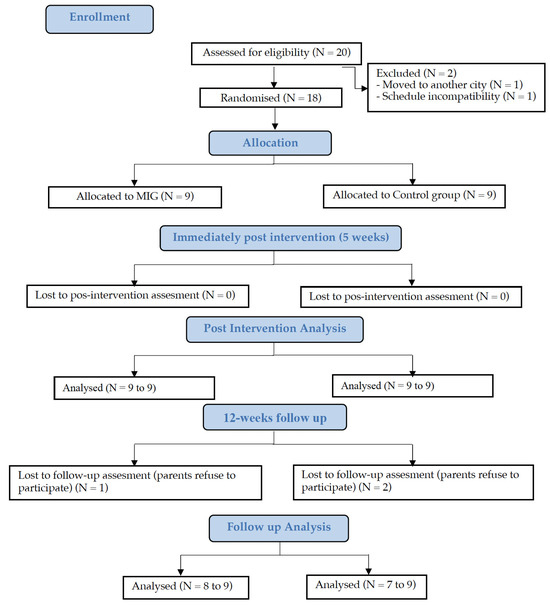
Motor impairments and limitations in functional performance are common in children with autism spectrum disorder, restricting participation in daily activities. This study aimed to compare the effectiveness of the MIG Program with conventional physical therapy in the development of socio-communicative motor skills and the achievement of functional goals. A mixed-methods randomized clinical trial was conducted with children with autism spectrum disorder aged 6 to 12 years (mean 8.73 ± 1.95; support levels 1 and 2), recruited from rehabilitation clinics in southeastern Brazil. Participants were randomly assigned to the MIG Program, which integrates contextualized functional motor training with narrative grammar strategies and the use of a therapeutic vest, or to conventional physical therapy based on traditional motor approaches. Primary outcomes included fundamental motor skills and functional goal attainment, while secondary outcomes were balance, gross and fine motor skills, and socio-communicative abilities. The RCT protocol was registered in the Brazilian Clinical Trials Registry (RBR-76pk39r), in 21 October 2025. The MIG Program was associated with greater improvements in fundamental motor skills and functional goal attainment compared to conventional physical therapy, with effects maintained at follow-up, as well as with more favorable trends in balance and communication outcomes; however, no clear differences were observed in gross and fine motor skills. Qualitative findings suggested increased engagement, autonomy, and participation in the MIG group. Overall, these preliminary findings indicate that the MIG Program may be a promising approach for supporting functional outcomes in children with autism spectrum disorder, although the results should be interpreted with caution given the small sample size and the number of outcomes assessed.
Full article
(This article belongs to the Special Issue From Early Signs to Outcomes: Screening, Diagnosis, and Intervention in Autism)
►▼
Show Figures

Figure 1
Open AccessArticle
Identifying 3D Printing and Assistive Technology Needs of Rehabilitation Stakeholders
by
Sara Benham, Katelyn Amy, Jessica Azar, Natalie Saunders, Corey Wilson and Monica Kaniamattam
Disabilities 2026, 6(4), 58; https://doi.org/10.3390/disabilities6040058 - 29 Jun 2026
Abstract
►▼
Show Figures
Despite growing interest in three-dimensional (3D) printing for assistive technology (AT), limited research has examined how rehabilitation stakeholders perceive its role within service delivery. This study explored the perspectives of clients who use AT, their care partners, and rehabilitation clinicians to identify perceived
[...] Read more.
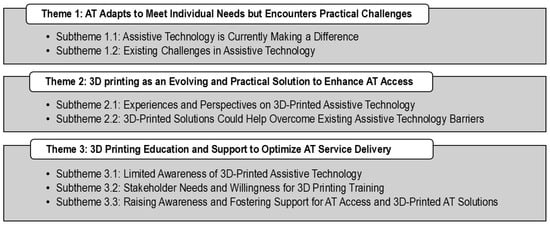
Despite growing interest in three-dimensional (3D) printing for assistive technology (AT), limited research has examined how rehabilitation stakeholders perceive its role within service delivery. This study explored the perspectives of clients who use AT, their care partners, and rehabilitation clinicians to identify perceived affordances and barriers of 3D-printed AT. A qualitative design using purposive sampling targeted individuals with prior exposure to 3D printing. Four in-person focus groups (n = 17) were conducted with nine clinicians, seven clients, and one care partner. One additional semi-structured interview was conducted with a care partner. Data were analyzed using reflexive thematic analysis. Three themes were identified: (1) AT adapts to meet individual needs but encounters practical challenges; (2) 3D printing is an evolving and practical solution to enhance AT access; and (3) education and support are essential to optimize 3D printing service delivery. 3D printing is a feasible complement to traditional AT service delivery when integrated within collaborative, client-centered rehabilitation models. Addressing gaps in education, durability, and structured follow-up processes may enhance the adoption and long-term effectiveness of 3D-printed AT.
Full article

Figure 1
Open AccessArticle
Informing Policy and Practice: The Impact of COVID-19 on Adults with Physical Disabilities in Taiwan
by
Yi-Fan Li, Chih-Tsen Liu, Yingying Zhao and Melissa Cornelius-Freyre
Disabilities 2026, 6(4), 57; https://doi.org/10.3390/disabilities6040057 - 29 Jun 2026
Abstract
The COVID-19 pandemic has significantly changed the way we work and live. For people with disabilities, the pandemic has differentially affected their healthcare experiences in several ways. Although existing studies have investigated health-related experiences during COVID-19 with individuals with disabilities, fewer research studies
[...] Read more.
The COVID-19 pandemic has significantly changed the way we work and live. For people with disabilities, the pandemic has differentially affected their healthcare experiences in several ways. Although existing studies have investigated health-related experiences during COVID-19 with individuals with disabilities, fewer research studies have explored the specific impact of the pandemic on individuals with disabilities in Taiwan. In Taiwan, the government implemented unique COVID-19 policies and measures, such as contact tracing. For individuals with disabilities, many of whom were influenced by the Independent Living Movement and in the process of exploring the possibilities of living on their own with support from others, the impact of the pandemic on their daily lives remained mostly unknown. Therefore, this study explored the perspectives of individuals with physical disabilities regarding COVID-19 control measures and how the pandemic affected their daily experiences, particularly their health-related experiences. We conducted semi-structured one-on-one interviews with 10 participants from Taiwan. After analyzing the participants’ experiences during the pandemic, three themes emerged: (1) concerns about COVID-19 policies; (2) emotional responses to the pandemic; (3) healthcare experiences during COVID-19. These themes guided our discussion of practice and policy implications.
Full article
Open AccessConcept Paper
From ‘Person with Disability’ to ‘Person in Situation of Disability’: Rethinking Language in Light of Context-Dependency of Functioning
by
Freddy Vasquez Yali, Tom Shakespeare and Shamyr Sulyvan de Castro
Disabilities 2026, 6(4), 56; https://doi.org/10.3390/disabilities6040056 - 25 Jun 2026
Abstract
►▼
Show Figures
Language significantly influences how disability is perceived and experienced. Within disability studies, terminology carries symbolic, political, and epistemological implications. This essay critically examines the contemporary debate between person-first language (“person with a disability”) and identity-first language (“disabled person”) and proposes the alternative term
[...] Read more.
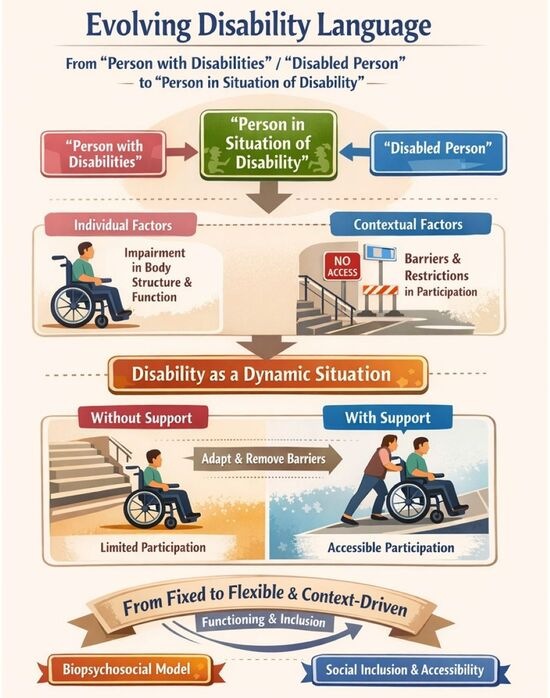
Language significantly influences how disability is perceived and experienced. Within disability studies, terminology carries symbolic, political, and epistemological implications. This essay critically examines the contemporary debate between person-first language (“person with a disability”) and identity-first language (“disabled person”) and proposes the alternative term “person in a situation of disability.” Grounded in the biopsychosocial model, this expression highlights the contextual, dynamic, and relational dimensions of disability. The article draws on historical, conceptual, and practical perspectives to show how environmental and social barriers construct disabling experiences. It argues that this terminology more accurately reflects contemporary understandings of disability as a modifiable interaction between the individual and their context. Such a shift has implications for research, public policy, education, and inclusive practices. Ultimately, adopting “Person in a Situation of Disability” moves beyond mere linguistic preference, representing a commitment to inclusive, anti-stigmatizing, and justice-oriented discourse.
Full article

Graphical abstract
Open AccessArticle
Experiences of Exclusion and Demands for Inclusion of People with Disabilities in Chile
by
Chenda Ramírez, Constanza López-Radrigán, César Cáceres and Steffanie Kloss
Disabilities 2026, 6(3), 55; https://doi.org/10.3390/disabilities6030055 - 22 Jun 2026
Abstract
►▼
Show Figures
This study emerges in Chile within the framework of an academic and political debate on inclusion, focused mainly on quantitative studies. Little is known about how the population and social groups give meaning to the experience of inclusion and exclusion from their subjectivity
[...] Read more.
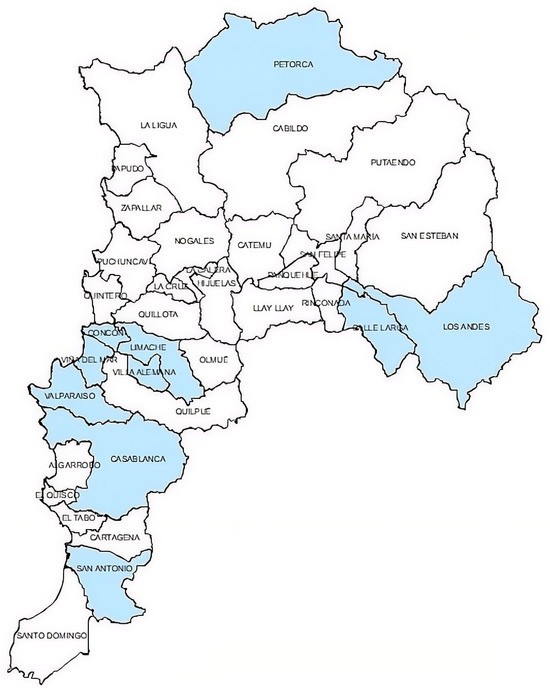
This study emerges in Chile within the framework of an academic and political debate on inclusion, focused mainly on quantitative studies. Little is known about how the population and social groups give meaning to the experience of inclusion and exclusion from their subjectivity and sociocultural contexts. Adopting a phenomenological and social representation approach, the research explores the perspectives of thirty individuals with disabilities across eleven cities in the Valparaíso Region. Unveiling their narratives, the study identifies employment, participation, and recognition of identity as pivotal to inclusion. Yet, predominant themes center around exclusion, stemming from perceived limited healthcare access, discrimination, job instability, state neglect, and universal accessibility deficits. Findings underscore a persistent charitable view of disability, perpetuating inequality across various dimensions. This study illuminates the nuanced meanings and experiences shaping social inclusion and exclusion in the region, contributing valuable insights to its broader discourse.
Full article

Figure 1
Open AccessStudy Protocol
Translating Knowledge into Practical Guidance for Sustainable Employment Across the Life Course of Individuals with Disabilities: Study Protocol and Cohort Profile of the Work–Life Study on Spinal Cord Injury
by
Urban Schwegler, Mahesh Sarki, George Austin-Cliff, Albert Marti and Martin W. G. Brinkhof
Disabilities 2026, 6(3), 54; https://doi.org/10.3390/disabilities6030054 - 18 Jun 2026
Abstract
►▼
Show Figures
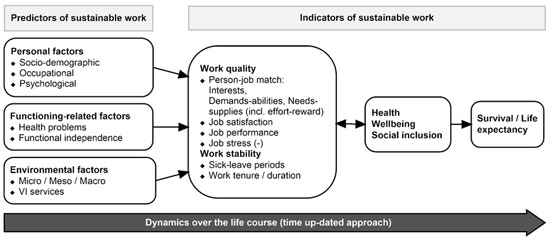
Vocational integration (VI) services aim to support sustainable employment for persons with disabilities. However, in individuals with spinal cord injury, evidence on effective intervention targets and the evaluation of sustainable integration remains limited. The Work–Life Study aims to build an evidence base for
[...] Read more.
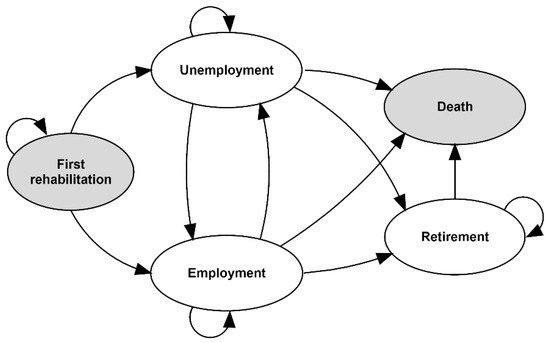
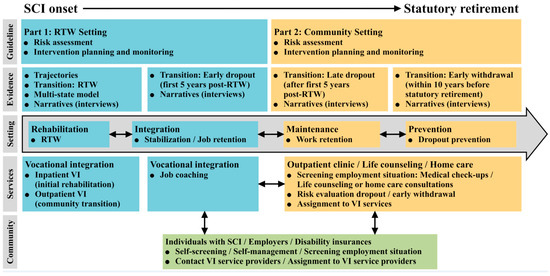
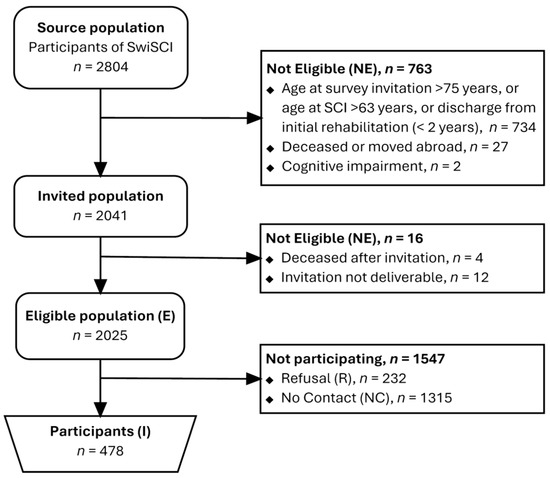
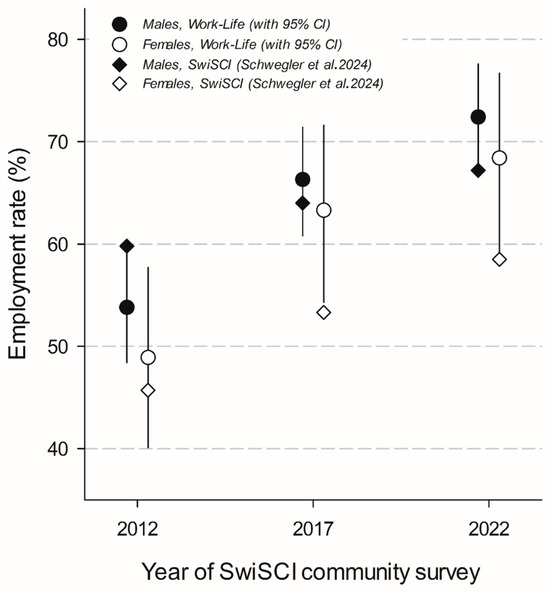
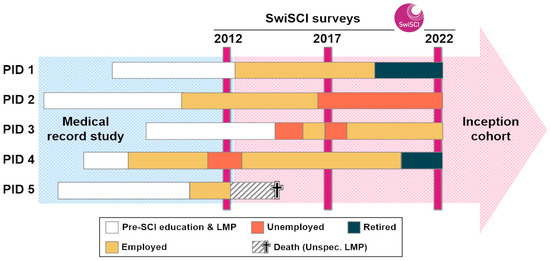
Vocational integration (VI) services aim to support sustainable employment for persons with disabilities. However, in individuals with spinal cord injury, evidence on effective intervention targets and the evaluation of sustainable integration remains limited. The Work–Life Study aims to build an evidence base for supporting sustainable employment in Switzerland by (1) identifying typical work–life trajectories; (2) examining key work–life transitions and their predictors; (3) establishing a multi-state model for intervention targets; (4) exploring individual work–life narratives; and (5) developing guidelines for personalized VI practice. The study combines a mixed methods design with a collaborative Integrated Knowledge Translation approach, actively involving VI professionals and individuals with spinal cord injury. Participants are recruited from the Swiss Spinal Cord Injury Cohort Study (SwiSCI). Work–life history data are collected through a Biographical Survey and Biographical Interviews and analyzed alongside SwiSCI data. Guideline development includes a stakeholder meeting with representatives from the Swiss Paraplegic Group, spinal cord injury clinics, individuals with spinal cord injury, employers, and disability insurers. Of 2041 eligible SwiSCI participants, 478 (23.4%) completed the Biographical Survey (median age 57.5 years; median time since injury 19.1 years), with responders and non-responders showing comparable characteristics. Work–life data closely matched existing SwiSCI data (rho > 0.8), indicating good recall. The resulting guidelines will help VI providers coordinate rehabilitation services to optimally promote sustainable employment for individuals with spinal cord injury.
Full article

Figure 1
Open AccessArticle
Beyond Care: An Occupational Perspective on the Role of Grandmothers and Grandfathers as Caregivers of Children with Disabilities
by
Brenda Sánchez-Sánchez and Pablo A. Cantero-Garlito
Disabilities 2026, 6(3), 53; https://doi.org/10.3390/disabilities6030053 - 18 Jun 2026
Abstract
Introduction: Increased life expectancy and the growing prevalence of disability have led grandmothers and grandfathers to assume a significant role in the care of grandchildren with disabilities. However, their experiences have been scarcely explored from a qualitative and occupational perspective. Objective: To
[...] Read more.
Introduction: Increased life expectancy and the growing prevalence of disability have led grandmothers and grandfathers to assume a significant role in the care of grandchildren with disabilities. However, their experiences have been scarcely explored from a qualitative and occupational perspective. Objective: To examine the experiences of grandmothers and grandfathers in relation to their participation in caregiving tasks for grandchildren with disabilities. Methods: A qualitative exploratory study framed within a constructivist–interpretive paradigm was conducted. Eleven grandparents of children with disabilities participated and were selected through criterion-based purposive sampling complemented by snowball recruitment. Data were collected through flexible semi-structured interviews and a field diary and were analyzed using inductive thematic analysis. Results: Three main themes emerged: (1) caregiver time, characterized by constant availability and occupational reorganization; (2) emotional impact, with predominant feelings of satisfaction, fulfillment, and strengthening of the emotional bond; and (3) adaptation to change, described as a progressive process of learning, acceptance, information seeking, and negotiation of family roles. Conclusions: The caregiving experience profoundly transforms the daily lives of grandmothers and grandfathers, constituting a highly demanding yet meaningful occupation. The findings highlight the need to recognize their role within the family system and to incorporate an occupational perspective into the support provided to this population.
Full article
Open AccessArticle
Disability-Inclusive Poverty Measurement: Adjusting Monetary Lines Through Equivalence Scales in Peru
by
Monica Pinilla-Roncancio, Marco Stampini and Natalie Vanessa Schwarz
Disabilities 2026, 6(3), 52; https://doi.org/10.3390/disabilities6030052 - 16 Jun 2026
Abstract
Approximately 16 per cent of the global population lives with a disability. Although there are no definitive figures, it is certain that a higher proportion of people with disabilities are poor compared with people who are living without disabilities. In the case of
[...] Read more.
Approximately 16 per cent of the global population lives with a disability. Although there are no definitive figures, it is certain that a higher proportion of people with disabilities are poor compared with people who are living without disabilities. In the case of monetary poverty, evidence for their levels of poverty is not conclusive; however, it is well known that people with disabilities face direct and indirect costs associated with their condition, and therefore their levels of income and consumption are lower in comparison with those of persons without disabilities; but in some cases, monetary poverty lines do not capture those differences. This study aims to analyse the levels of poverty of people with disabilities after computing an equivalence scale to capture the needs of people with disabilities and their families. To achieve this objective, we used the Income and Expenditures Survey 2022 (ENAHO-2022) from Peru. We first tested whether the current poverty line in Peru captures the needs of people with disabilities. Then we analysed the consumption patterns of households with and without members with disabilities. Finally, we proposed to adapt the national poverty line for Peru using an equivalence scale that captures the extra costs of living with a disability in Peru. Using this equivalence scale, we recalculated the poverty rate for households with disabilities. The results revealed that the presence of a member with a disability in the household reduces household income and consumption. The estimation of the equivalence scale showed that a household of one member was equivalent to a household with two members without disabilities. When recalculating the incidence of poverty, the percentage of households with disabilities living in poverty increased from 35% to 50% or 760,000 people with disabilities and their families became poor.
Full article
Open AccessArticle
What Can the Retrospective Experiences of Autistic Women Reveal About Supporting Autistic or Potentially Autistic Girls in School? An Exploration of School Experiences Based on Diagnosis During or Post-School
by
Angela Gordon, Laura Fox and Kathryn Asbury
Disabilities 2026, 6(3), 51; https://doi.org/10.3390/disabilities6030051 - 28 May 2026
Abstract
Autism is a neurodevelopmental condition that is often characterised by differences in social communication, sensory processes, and cognition. Due to the underdiagnosis of autism in women and girls, their voices are often missing from research, limiting our understanding of their experiences at school.
[...] Read more.
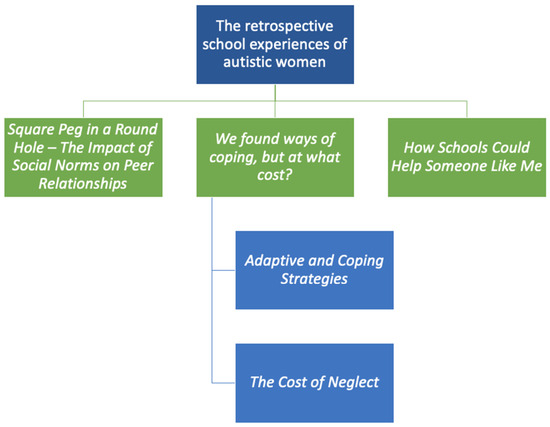
Autism is a neurodevelopmental condition that is often characterised by differences in social communication, sensory processes, and cognition. Due to the underdiagnosis of autism in women and girls, their voices are often missing from research, limiting our understanding of their experiences at school. This study addressed the gap around the factors which impacted women’s late and/or pre-diagnosed experiences of school by using semi-structured interviews with ten autistic women; among them, eight were diagnosed after school. The interviews were analysed through reflexive thematic analysis. Three themes and areas of insight were constructed from the data: (1) The impact of social norms on peer relationships. (2) We found ways of coping, but at what cost? (3) How schools could help someone like me. The findings show that all women in the study had negative school experiences, with diagnosis during school also being linked to identity and mental health difficulties. Schools should enhance pastoral support, foster positive relationships, improve communication, and use strengths-based approaches to improve outcomes for autistic girls. Proactively adopting neuroaffirming modifications may improve support during autistic girls’ formative years, leading to a lasting impact on their lives. This is particularly important for autistic girls, who face marginalisation on two levels: neurotypical expectations for females and stereotyped expectations of autism. The implications of these findings are discussed with suggestions for future research and practical implementations within mainstream school settings.
Full article
(This article belongs to the Special Issue From Early Signs to Outcomes: Screening, Diagnosis, and Intervention in Autism)
►▼
Show Figures

Figure 1
Open AccessConcept Paper
The Great Promise of Inclusion?
by
Antti Teittinen
Disabilities 2026, 6(3), 50; https://doi.org/10.3390/disabilities6030050 - 21 May 2026
Abstract
Inclusion has become a central concept in disability policy, education, and welfare state reform, yet its practical implementation remains ambivalent. While inclusion is promoted as a rights-based ideal grounded in equality, it can also function as an administrative label that obscures persistent exclusion.
[...] Read more.
Inclusion has become a central concept in disability policy, education, and welfare state reform, yet its practical implementation remains ambivalent. While inclusion is promoted as a rights-based ideal grounded in equality, it can also function as an administrative label that obscures persistent exclusion. Drawing on critical disability studies, this article analyses inclusion as a contested, power-laden concept and develops a three-stage framework—access, participation, and agency—to distinguish formal inclusion from substantive belonging and influence. The framework is applied to key domains of disabled people’s lives—education, housing, service systems, working life, crises, and digitalised everyday life—showing how ableist norms, managerial governance, and institutional logics can reproduce exclusion within ‘inclusive’ reforms, including forms of transformed institutionalisation. The article argues that meaningful inclusion requires dismantling ableist norms, addressing structural power relations, resourcing supports, and strengthening disabled people’s agency in decision-making.
Full article
Highly Accessed Articles
Latest Books
E-Mail Alert
News
Topics
Topic in
Antioxidants, Biomedicines, Disabilities, JCDD, Hearts, JCRM
Cardiovascular Disease in Special Populations: From Basic Science to Clinical Practice
Topic Editors: Song-Young Park, Gwenael LayecDeadline: 31 January 2027
Topic in
Administrative Sciences, Disabilities, Economies, Social Sciences, Societies, Sustainability
The Economics of Disability and the Third Sector: Overcoming Conventionalism
Topic Editors: José-María Montero, Lorenzo EscotDeadline: 28 February 2027
Topic in
Children, Disabilities, Future, Healthcare, IJERPH, Sports
Health, Physical Activity, and Recreation of Children with Sensory Impairments
Topic Editors: Lauren Lieberman, Pamela BeachDeadline: 30 June 2027
Special Issues
Special Issue in
Disabilities
AI and the Assessment of Neurodiversity and Intellectual Disability
Guest Editors: Malcolm MacLachlan, Zdenek Meier, Sharon Kleintjes, Kevin Marshall, Holly WescottDeadline: 30 September 2026
Special Issue in
Disabilities
Transportation and Disabilities: Challenges and Opportunities
Guest Editors: François Routhier, Krista L. Best, Willy AllègreDeadline: 31 October 2026
Special Issue in
Disabilities
From Early Signs to Outcomes: Screening, Diagnosis, and Intervention in Autism
Guest Editors: Annalisa Levante, Flavia LeccisoDeadline: 30 November 2026
Special Issue in
Disabilities
Caregiving in Families of Adults with Disabilities
Guest Editors: Tamar Heller, Sumithra MurthyDeadline: 30 November 2026
Topical Collections
Topical Collection in
Disabilities
Exclusive Papers Collection of Editorial Board Members of Disabilities
Collection Editor: Reinie Cordier