World Rock Art
A topical collection in Arts (ISSN 2076-0752). This collection belongs to the section "Visual Arts".
Submission Status:
Closed
|
Viewed by 594312
Share This Topical Collection
Editor
 Prof. Robert G. Bednarik
Prof. Robert G. Bednarik
E-Mail
Website
Collection Editor
1. International Federation of Rock Art Organisations (IFRAO), Caulfield South, VIC 3162, Australia
2. International Centre of Rock Art Dating (ICRAD), Hebei Normal University, Shijiazhuang 050024, China
Interests: pleistocene archaeology; epistemology; rock art; prehistoric art; cave art; dating methodology; archaeometry; Pleistocene seafaring; human evolution
Special Issues, Collections and Topics in MDPI journals
Topical Collection Information
Dear Colleagues,
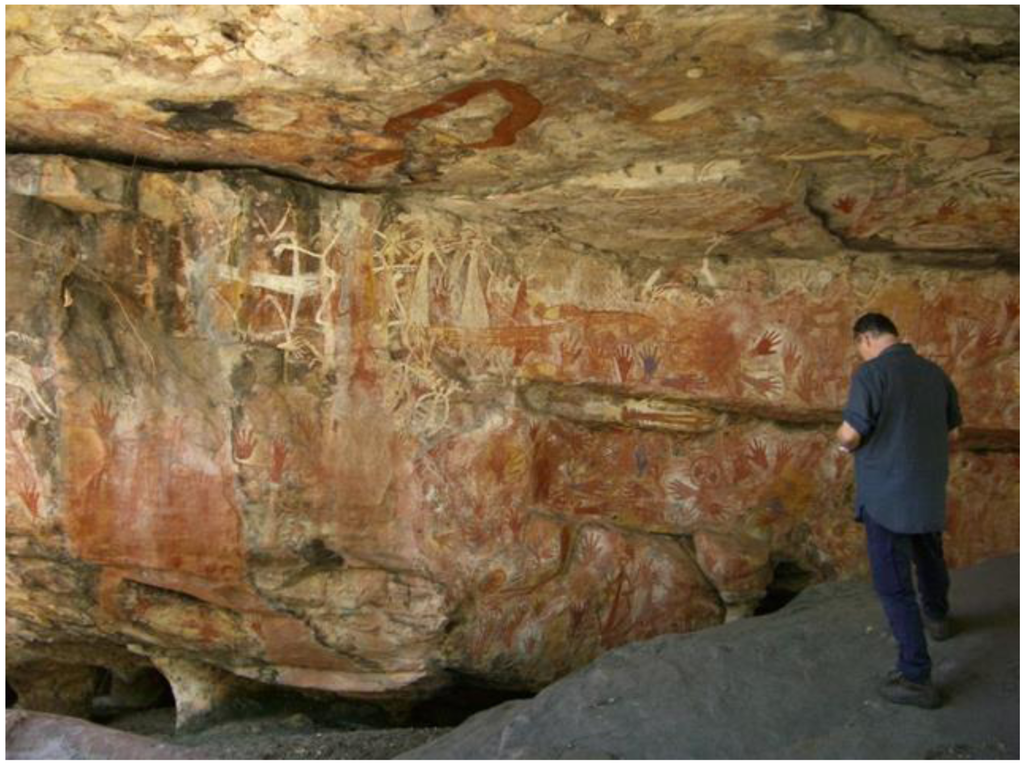
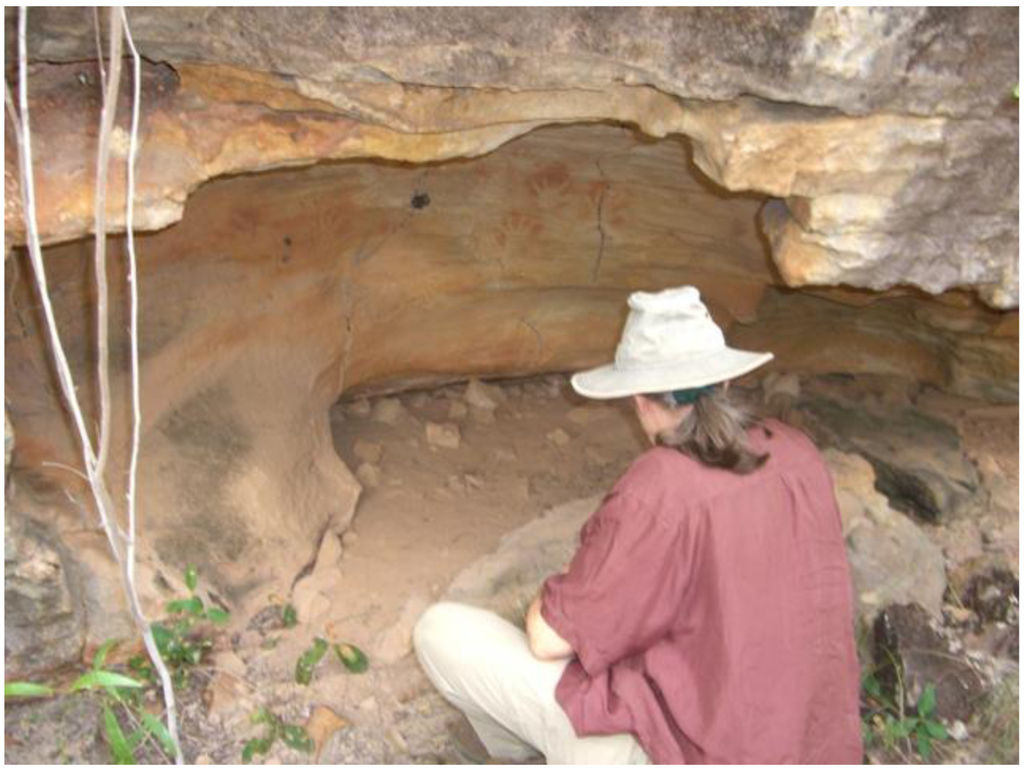
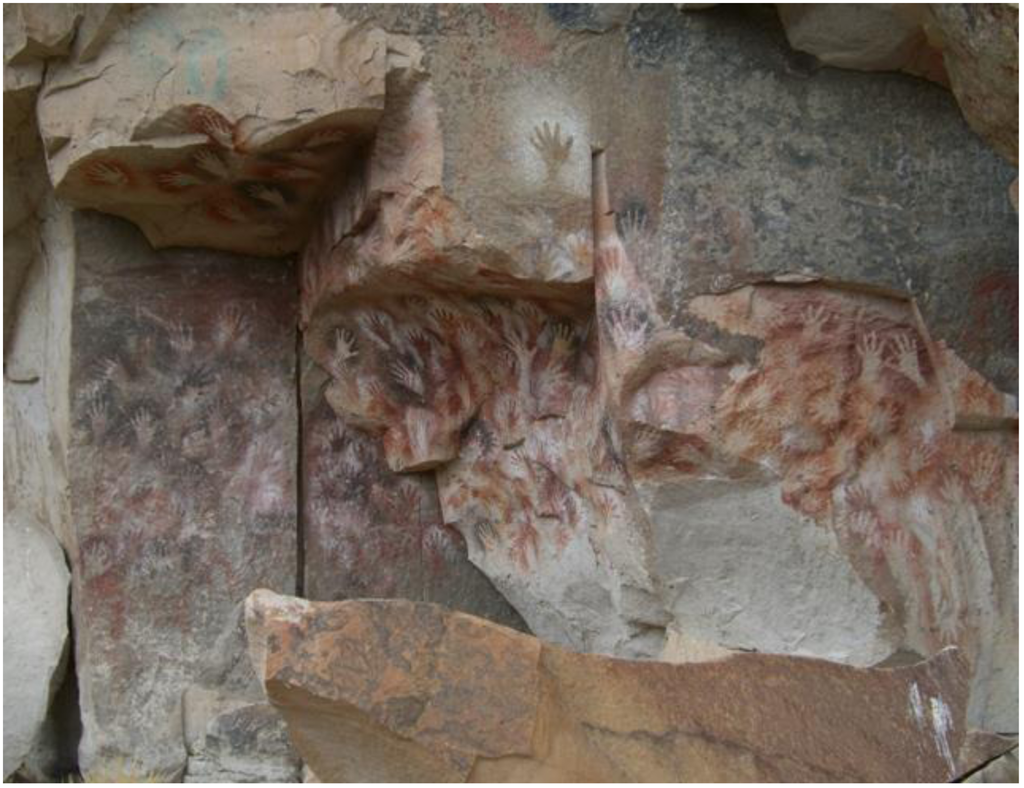
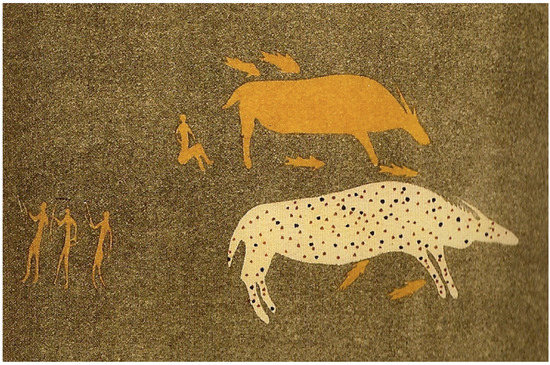
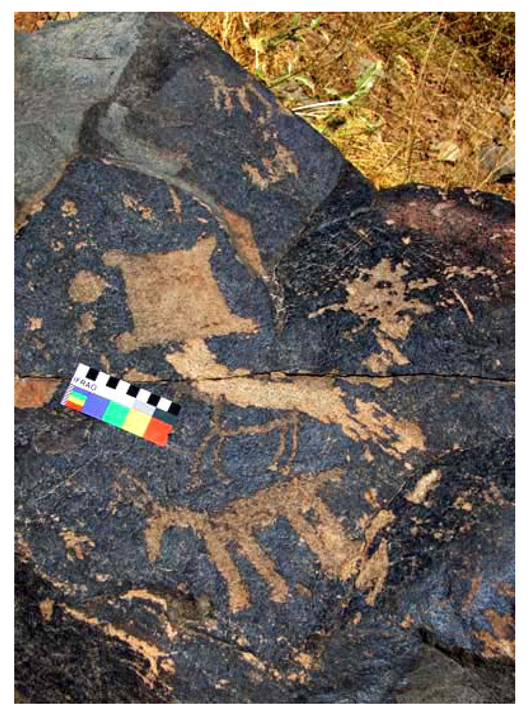
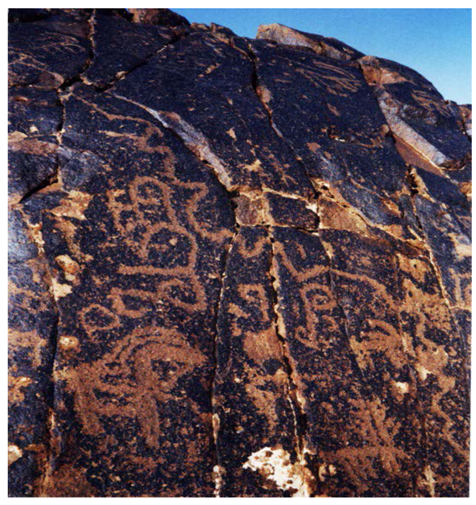
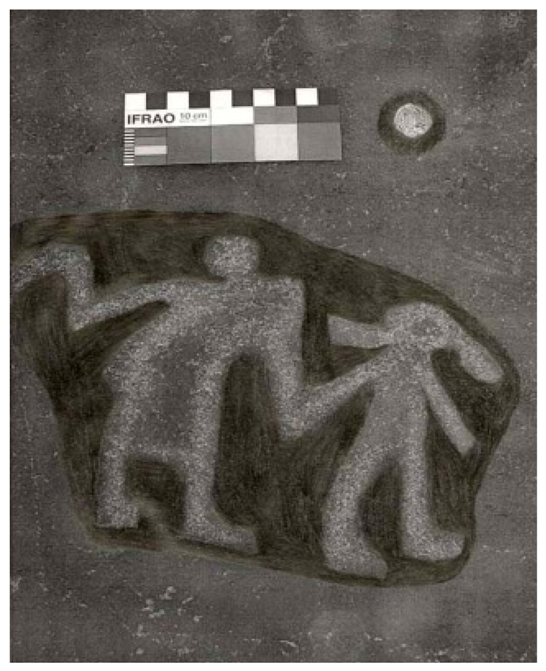
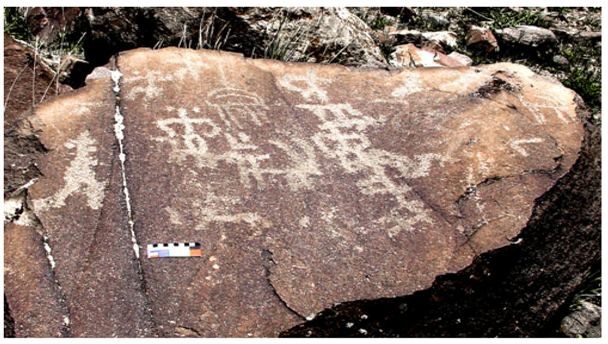
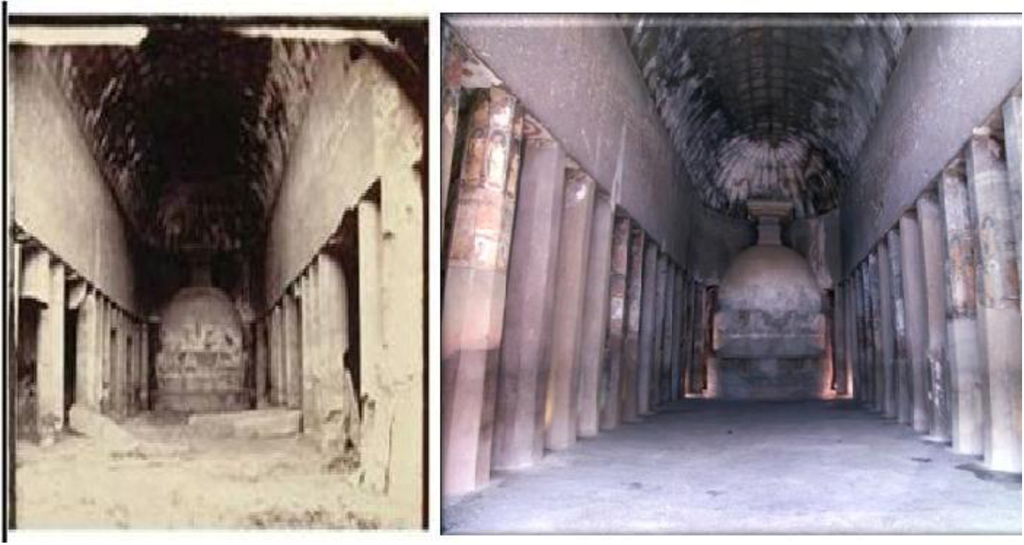
The corpus of hundreds of millions of rock art motifs surviving in the world today represents the principal source of information chronicling the cognitive evolution of humanity. It records the world views, concerns, beliefs and communication systems of mostly pre-literate peoples, from the Middle Pleistocene up to the most recent past. It is the largest body available for study that documents the development of the hominin ability of storing memory traces or cultural information external to the brain, as exograms, which is the primary difference between humans and other animals. It precedes systems of writing by up to hundreds of millennia, and it is the main repository of cultural information about nearly all of human history. It amounts to humanity’s longest record of cultural rather than technological evidence. In recent years the study of this immense resource has become an increasingly sophisticated scientific field, supplanting traditional approaches of simplistic interpretation and ethnocentric construal. This collection of Arts is dedicated to assembling a collection of scholarly articles that will serve as a benchmark for current research and priorities in rock art research. Contributions are invited on any topic demonstrating the present knowledge state of the discipline, from any continent and from the perspective of any related field. In particular this collection is hoped to illustrate the great diversity of world rock art, which reflects the cultural diversity of humanity, and from which ultimately all recent arts derive.
Prof. Robert G. Bednarik
Collection Editor
Manuscript Submission Information
Manuscripts should be submitted online at www.mdpi.com by registering and logging in to this website. Once you are registered, click here to go to the submission form. Manuscripts can be submitted until the deadline. All submissions that pass pre-check are peer-reviewed. Accepted papers will be published continuously in the journal (as soon as accepted) and will be listed together on the collection website. Research articles, review articles as well as short communications are invited. For planned papers, a title and short abstract (about 100 words) can be sent to the Editorial Office for announcement on this website.
Submitted manuscripts should not have been published previously, nor be under consideration for publication elsewhere (except conference proceedings papers). All manuscripts are thoroughly refereed through a double-blind peer-review process. A guide for authors and other relevant information for submission of manuscripts is available on the Instructions for Authors page. Arts is an international peer-reviewed open access semimonthly journal published by MDPI.
Please visit the Instructions for Authors page before submitting a manuscript. The Article Processing Charge (APC) has been waived for publication in this Collection. Submitted papers should be well formatted and use good English. Authors may use MDPI's English editing service prior to publication or during author revisions.
Keywords
- Paleolithic art
- Pleistocene archaeology
- rock art
- cave art
- petroglyph
- painted site
- heritage
Published Papers (42 papers)
Open AccessArticle
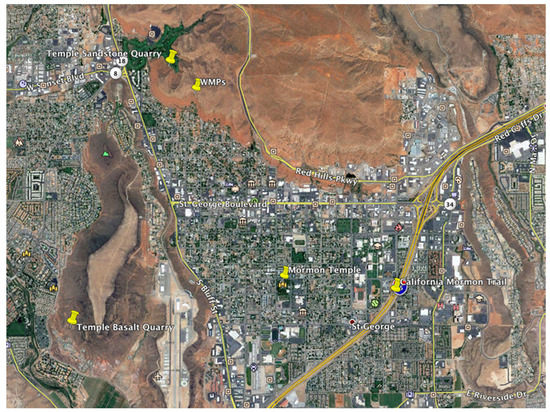
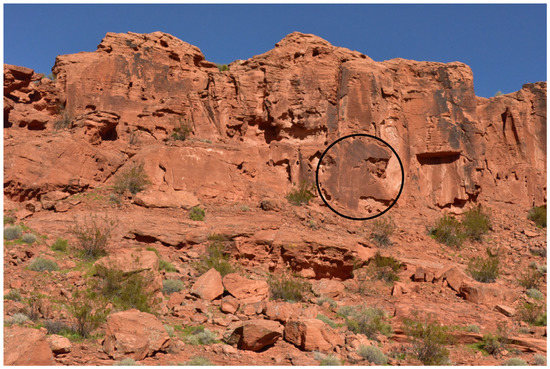
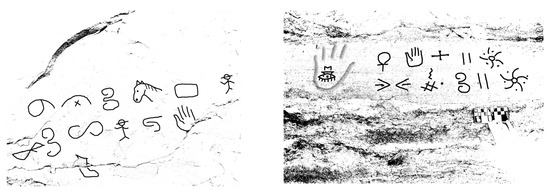
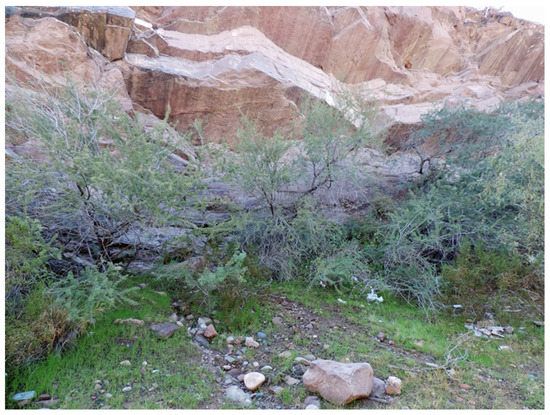
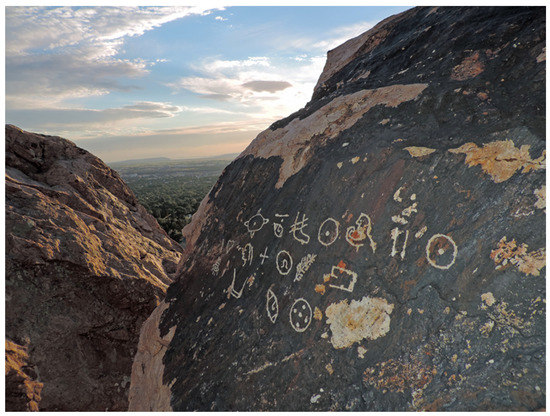
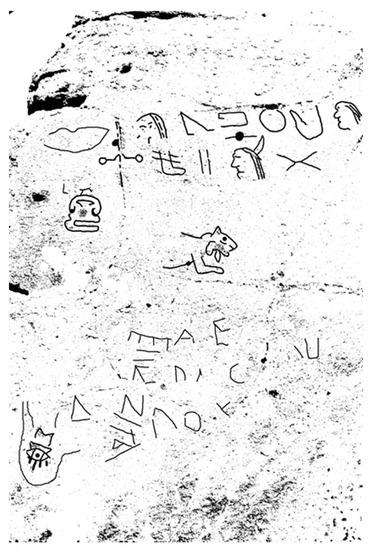
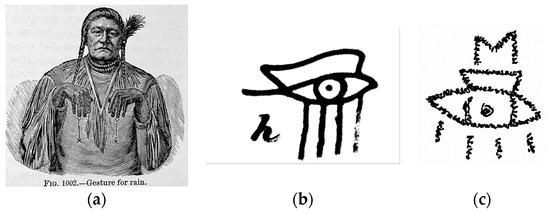
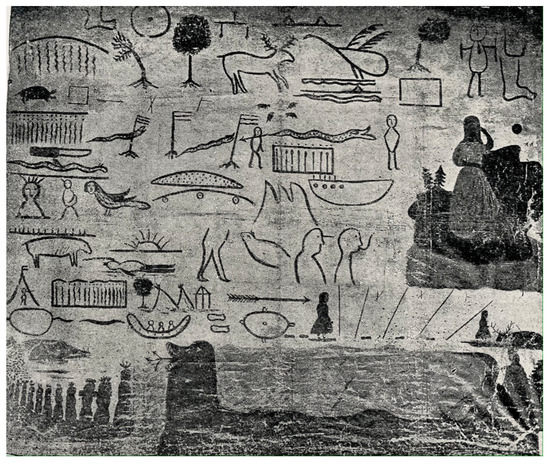
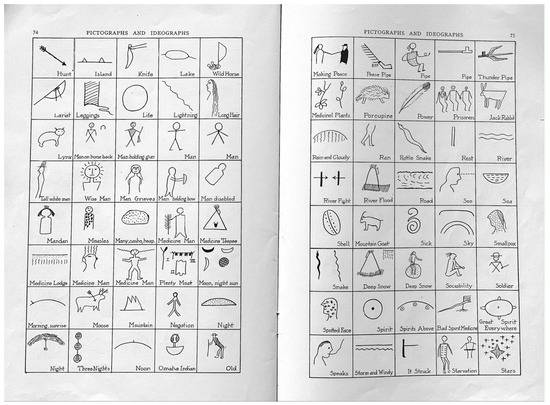
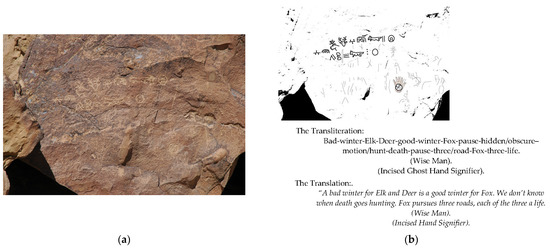
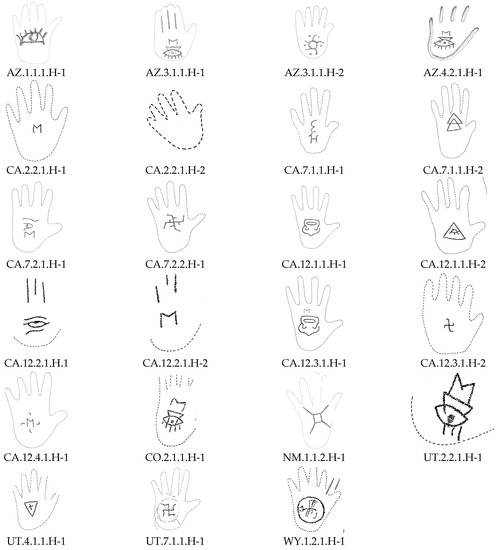
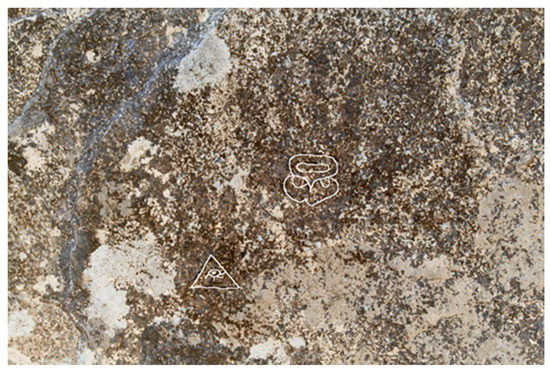
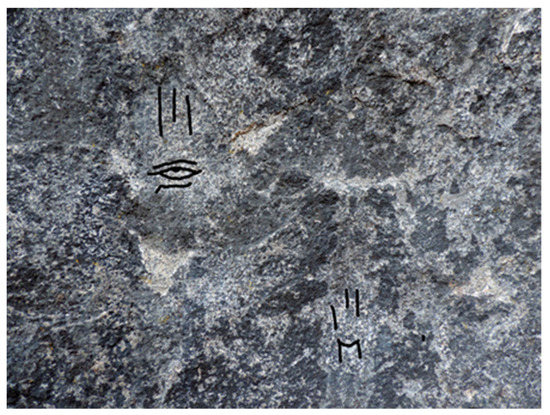
Western Message Petroglyphs: A Faux Indian Picture-Writing Project in the American West
by
Leigh Marymor
Viewed by 6993
Abstract
The term “Western Message Petroglyphs” (WMPs) refers to a number of petroglyph sites found scattered among eight western states that are recognized by their shared image content and layout. The imagery is drawn largely from a mash-up of late historic Native American sign-gesture
[...] Read more.
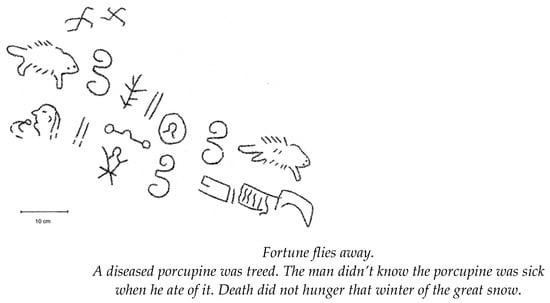
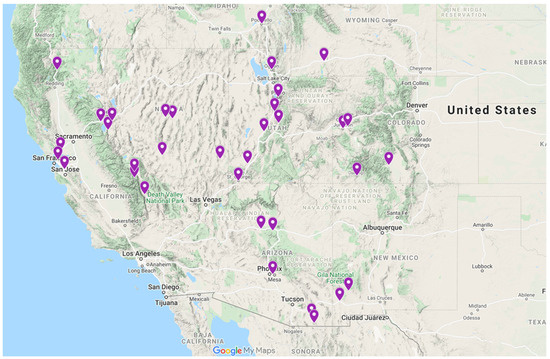
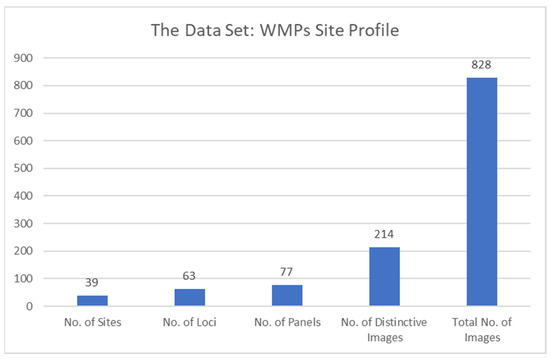
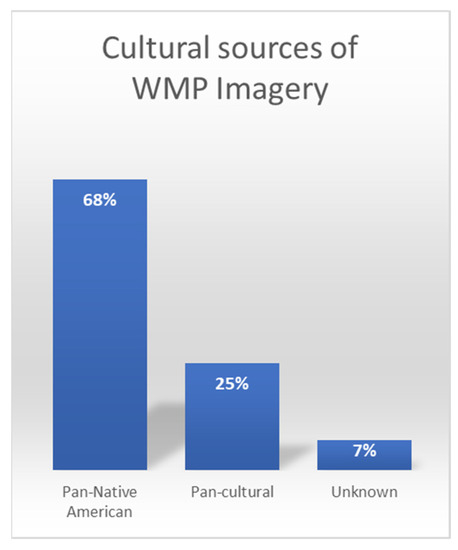
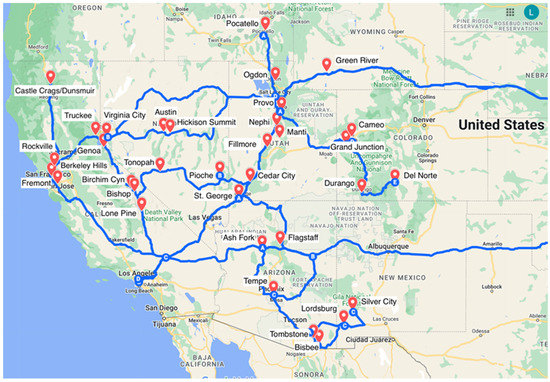
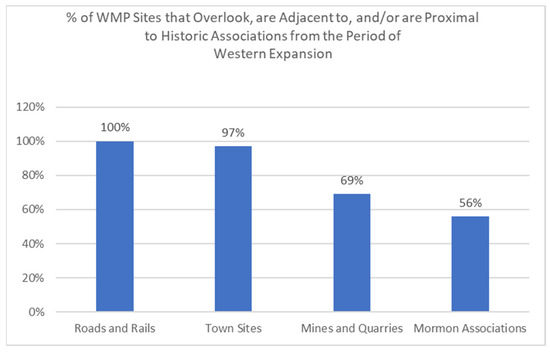
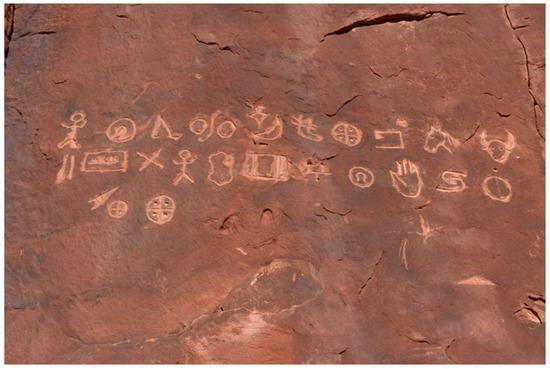
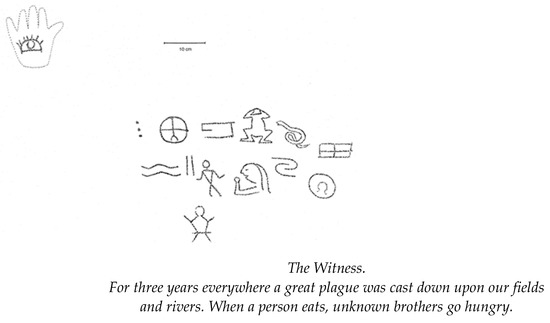
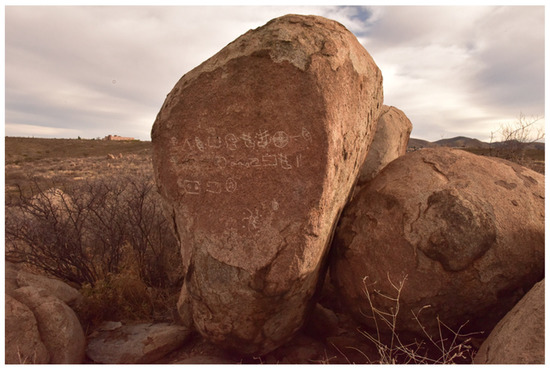
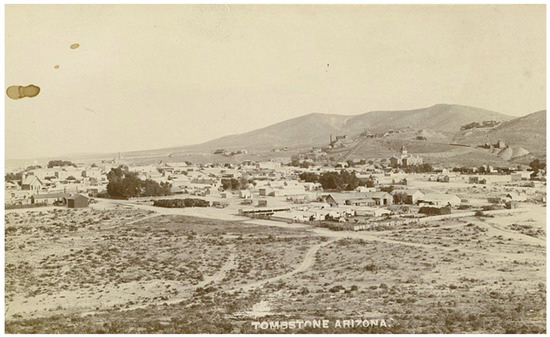
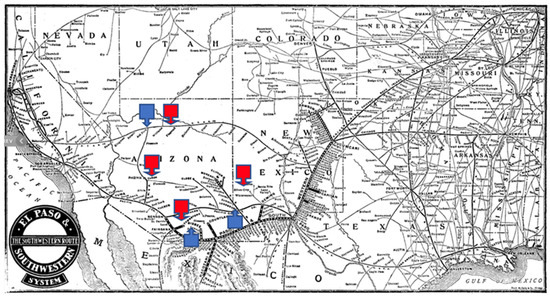
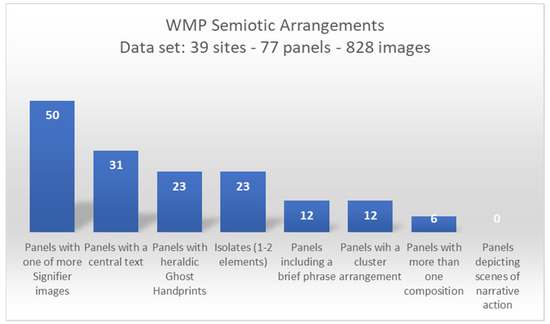
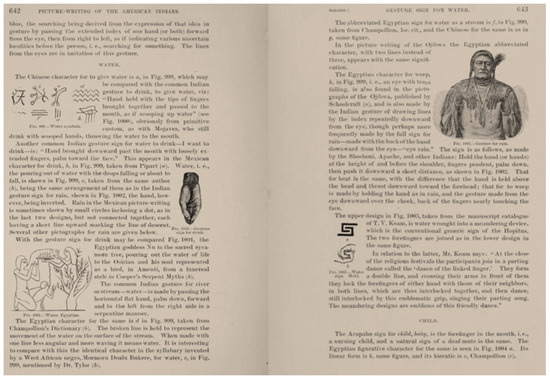
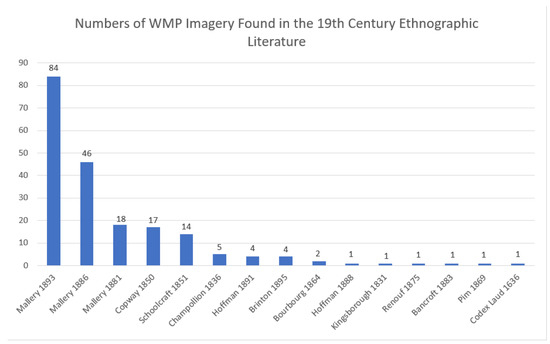
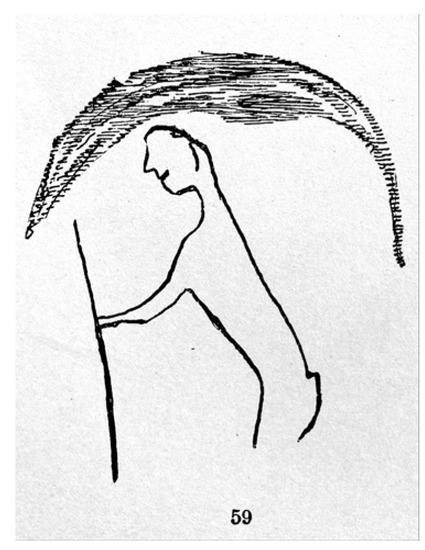
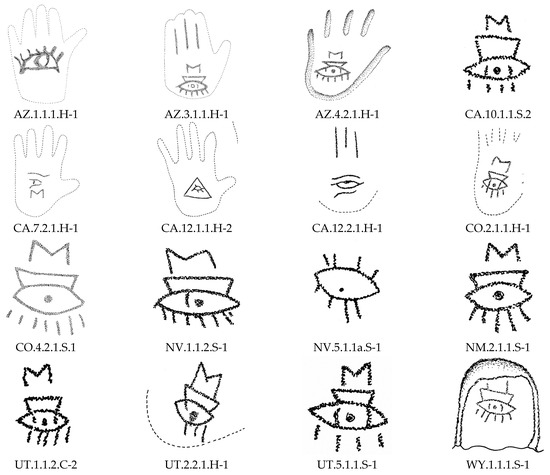
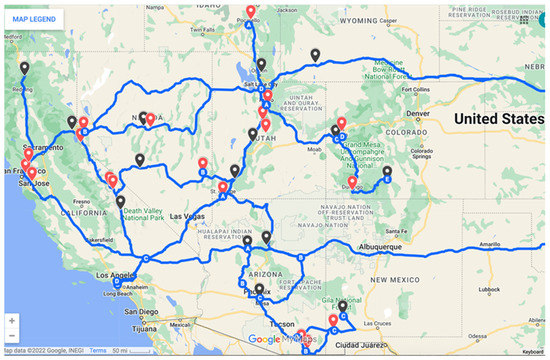
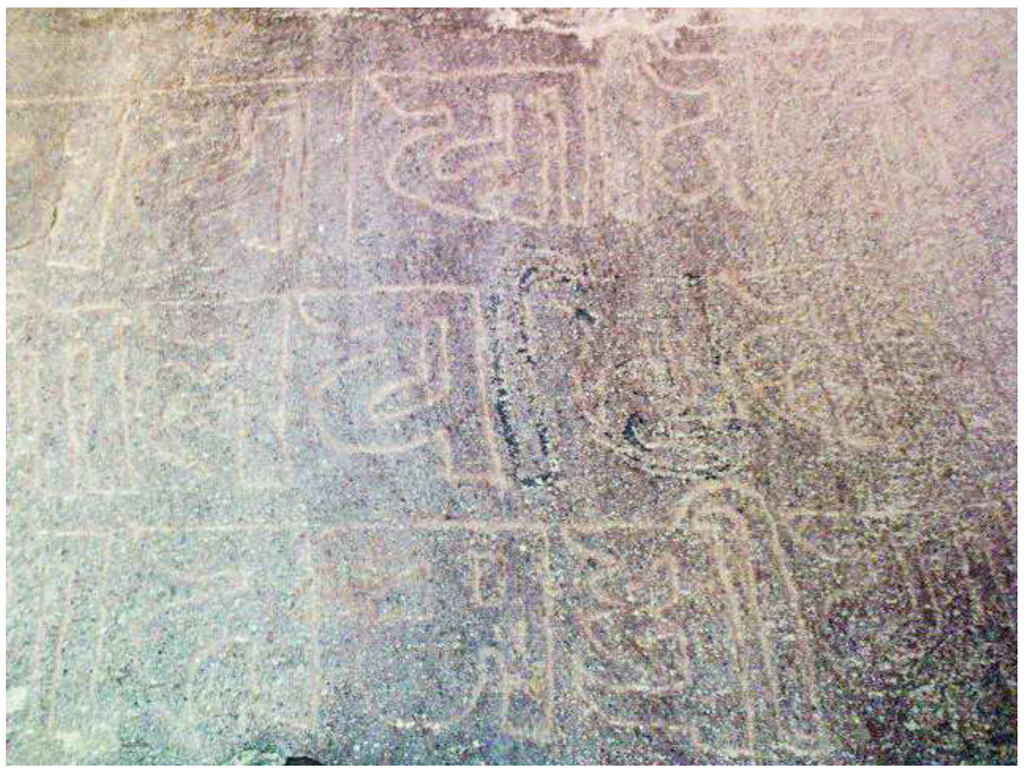
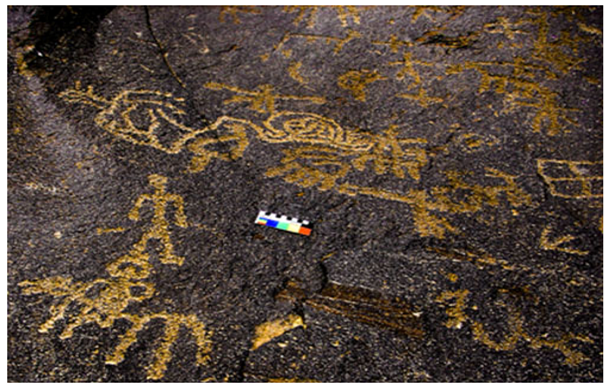
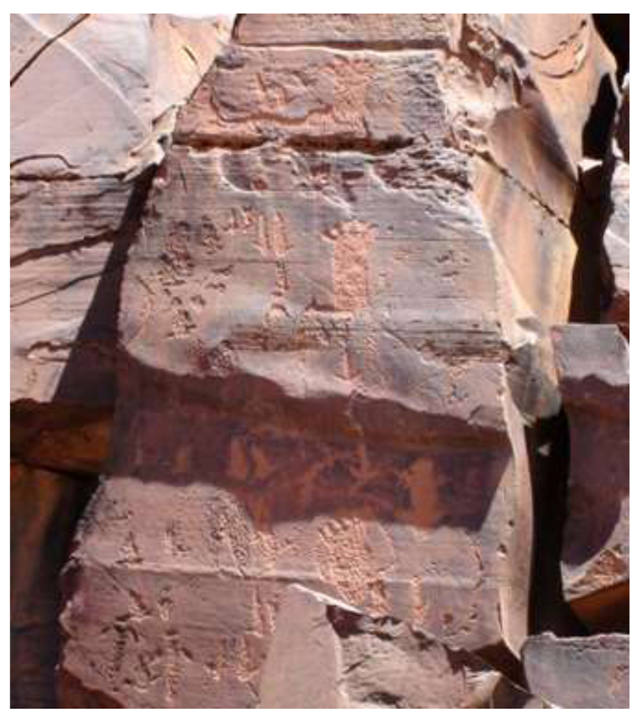
The term “Western Message Petroglyphs” (WMPs) refers to a number of petroglyph sites found scattered among eight western states that are recognized by their shared image content and layout. The imagery is drawn largely from a mash-up of late historic Native American sign-gesture language and picture-writing traditions inter-mixed with pan-cultural imagery from around the world. An increasing number of sites that fit this mold have been reported over the past 85 years or so, currently numbering 39 in all. There is no question that these sites date to post-European contact based on images in some panels that depict Euro-American cultural content (e.g., western-style house, rifle, whiskey keg, horse, etc.). The post-contact era is also apparent in the method used in rendering the engraved images evidenced by the smooth angular lines and chisel strikes produced by metal tools. This paper focuses on narrowing the time frame for these sites based on two additional streams of evidence. First, patterned associations with historic landscape settings tied to the era of western expansion bind the sites together into a coherent whole and set a floor for their oldest probable dates. An example of four sites located in Utah and Arizona illustrates their connection to the last quarter of the nineteenth century and the opening years of the twentieth. Secondly, a study of their imagery supports the proposed dates by revealing a “smoking gun” for the source of many of the individual icons. An example of the methodology used to translate a Western Message Petroglyph panel is described, and a profile of the central author who appears to have acted with a small group of others is suggested in order to aid in the search for this person(s) in the historic record of the American West.
Full article
►▼
Show Figures
Open AccessArticle
Patterns of Style, Diversity, and Similarity in Middle Orinoco Rock Art Assemblages
by
Philip Riris and José Oliver
Cited by 8 | Viewed by 6820
Abstract
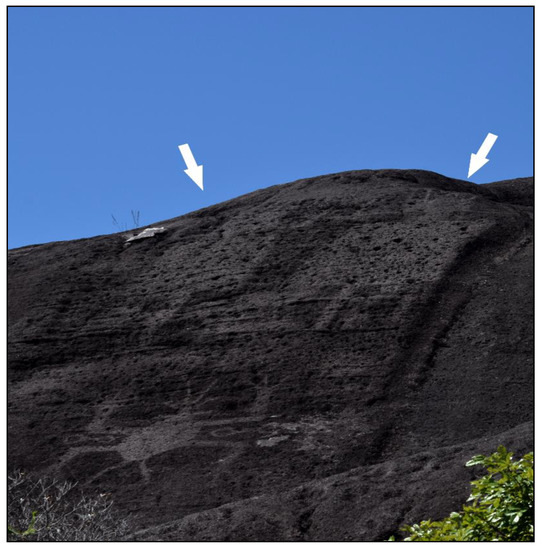
The area encompassed by the Orinoco river basin is home to some of the largest and most diverse rock art sites in lowland South America. In this paper, we aim to formally describe the spatial distribution and stylistic attributes of rock engravings and
[...] Read more.
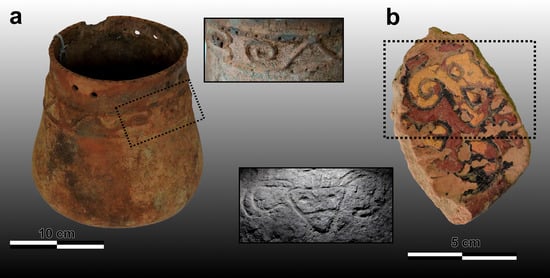
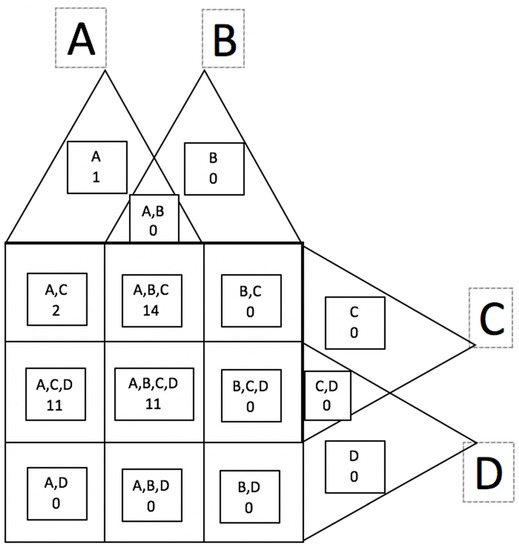
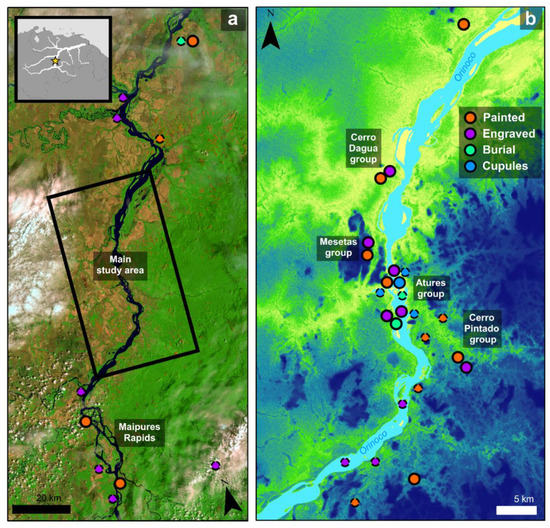
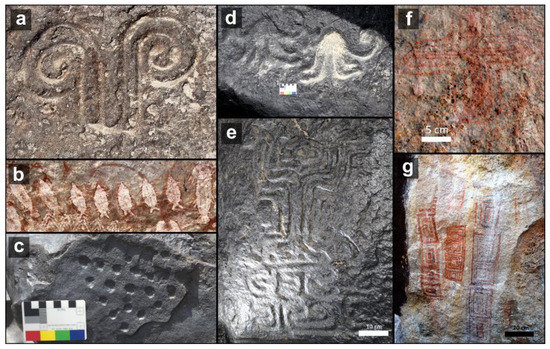
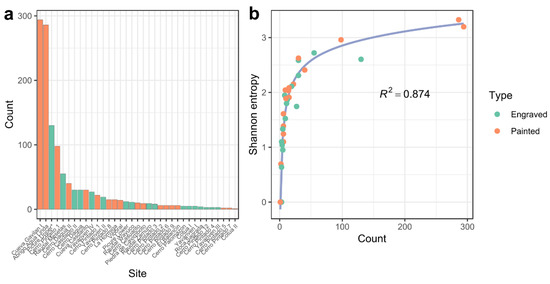
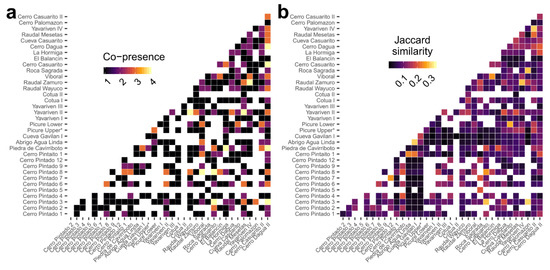
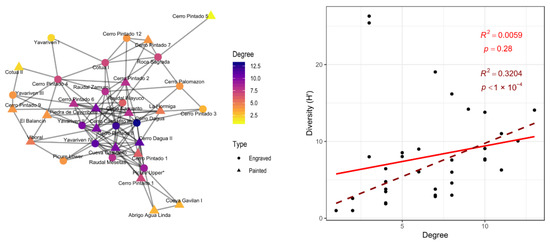
The area encompassed by the Orinoco river basin is home to some of the largest and most diverse rock art sites in lowland South America. In this paper, we aim to formally describe the spatial distribution and stylistic attributes of rock engravings and paintings on both banks of the Orinoco, centred on the Átures Rapids. Drawing on an exhaustive literature review and four years of field survey, we identify salient aspects of this corpus by investigating patterns of diversity and similarity. Based on a stylistic classification of Middle Orinoco rock art, this permits us to discuss potential links, as well as notable discontinuities, within the assemblage and possibly further afield. We consider the theoretical implications of our work for the study of pre-Columbian art and conclude with some suggestions for advances in methods for achieving the goal of deriving broader syntheses.
Full article
►▼
Show Figures
Open AccessArticle
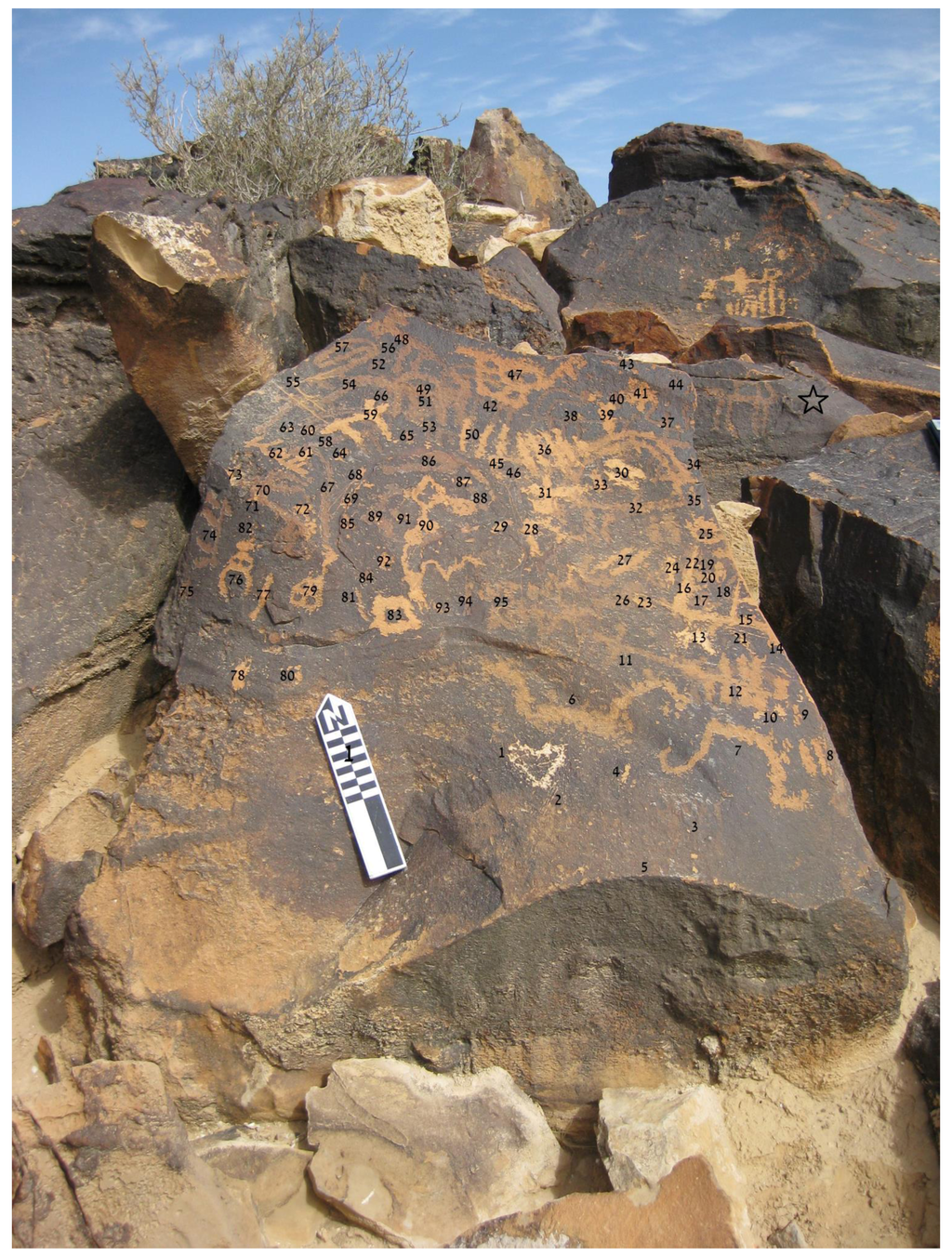
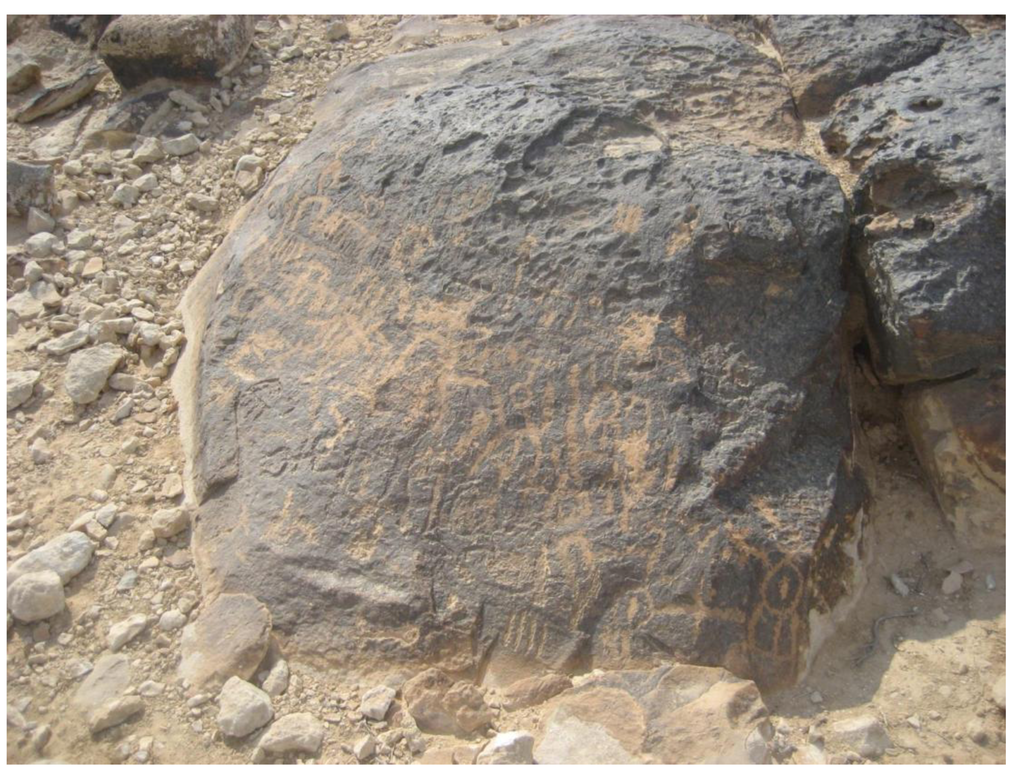
Rock Art of Soqotra, Yemen: A Forgotten Heritage Revisited
by
Julian Jansen van Rensburg
Cited by 2 | Viewed by 11825
Abstract
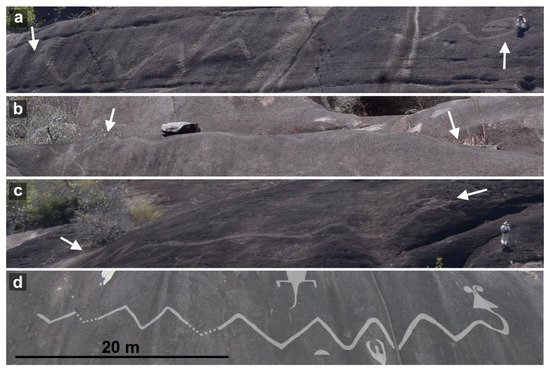
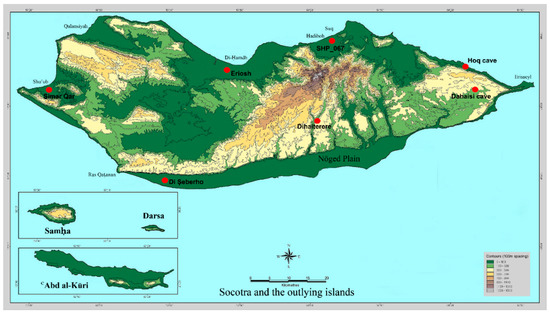
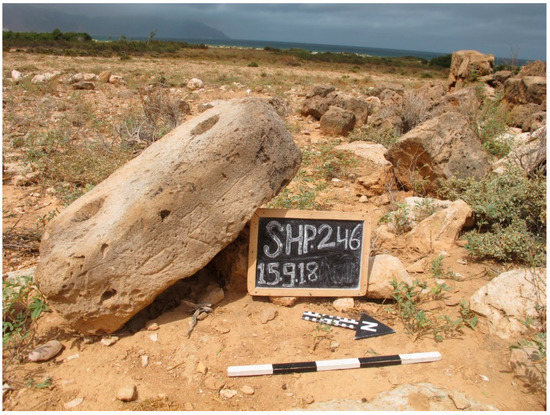
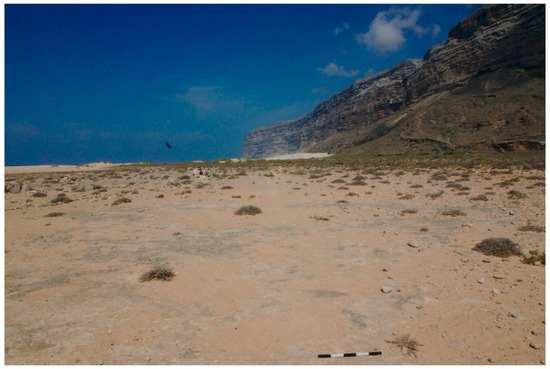
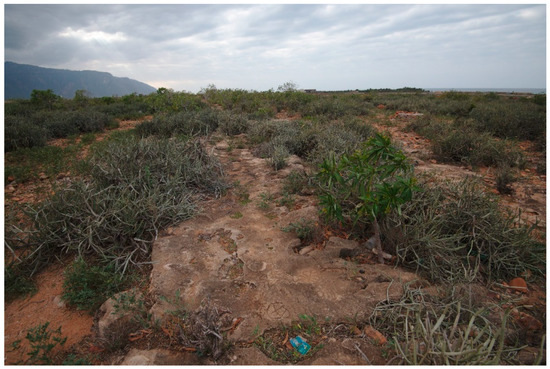
This paper presents a comprehensive review of historical and current rock art research on the island of Soqotra, Yemen and places these sites within a spatial framework from which it analyses themes concerning water and the visibility and invisibility of these sites within
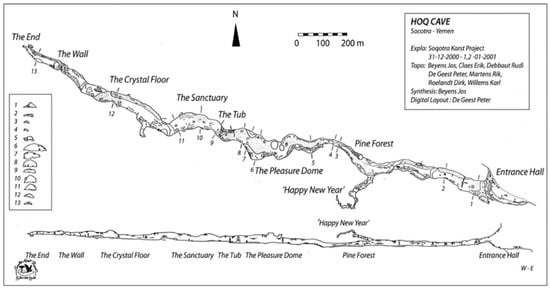
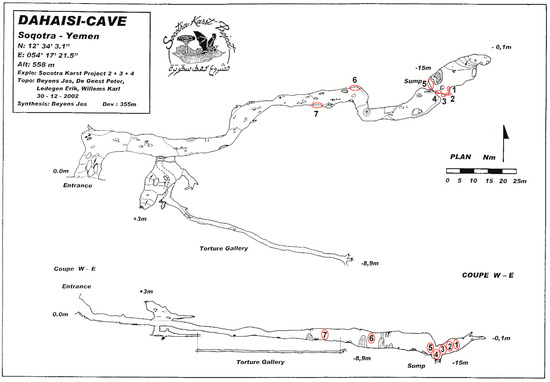
[...] Read more.
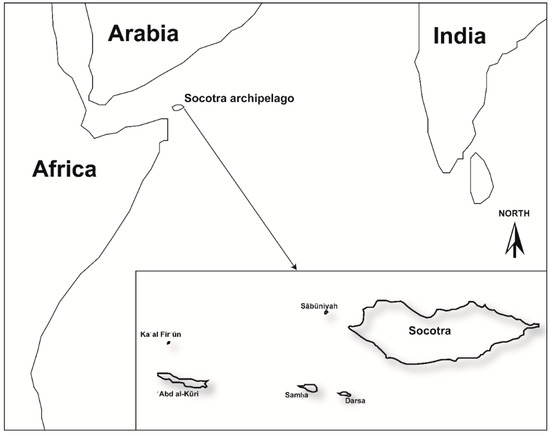
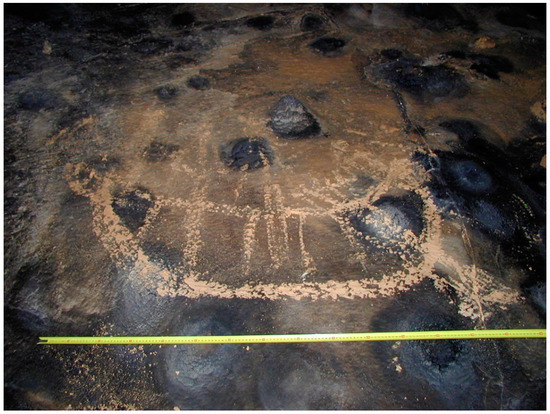
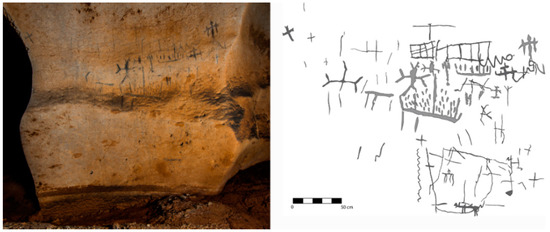
This paper presents a comprehensive review of historical and current rock art research on the island of Soqotra, Yemen and places these sites within a spatial framework from which it analyses themes concerning water and the visibility and invisibility of these sites within the broader landscape. The analysis of these sites shows how water was of fundamental importance to the indigenous inhabitants over the longue durée. It also highlights how rock art has not only been able to reinforce the ethnographic and historical accounts of the indigenous inhabitants, but also strengthen our temporal knowledge of the social and cultural lives of the inhabitants of Soqotra.
Full article
►▼
Show Figures
Open AccessProject Report
Paleolithic Rock Art: A Worldwide Literature Survey Extracted from the Rock Art Studies Bibliographic Database for the Years 1864–2017
by
Leigh Marymor
Cited by 2 | Viewed by 20500
Abstract
The Rock Art Studies Bibliographic Database is an open access; online resource that fulfills the need for a searchable portal into the world’s rock art literature. Geared to the broadest interests of rock art researchers; students; cultural resource managers; and the general public;
[...] Read more.
The Rock Art Studies Bibliographic Database is an open access; online resource that fulfills the need for a searchable portal into the world’s rock art literature. Geared to the broadest interests of rock art researchers; students; cultural resource managers; and the general public; the RAS database makes rock art literature accessible through a simple search interface that facilitates inquiries into multiple data fields; including authors’ names; title and publication; place-name keyword; subject keyword; ISBN/ISSN number and abstract. The results of a data search can further be sorted by any of the data fields; including: authors’ names; date; title; and so forth. An ever increasing number of citations within the database include web links to online versions of the reference cited; and many citations include full author’s abstracts. The data compilation has been undertaken by Leigh Marymor with the year 2018 marking the 25th year of continuous revision and expansion of the data. Over 37,000 citations are currently contained in the database. The RAS database first launched online as a joint project of the Bay Area Rock Art Research Association and University of California’s Bancroft Library. After thirteen years of collaboration; the project found a new home and collaborator at the Anthropology Department at the Museum of Northern Arizona. The Paleolithic Rock Art bibliography results from an export of data from the RAS database and captures a freeze-frame in the state of the rock art literature for the world’s Paleolithic rock art as compiled here in the year 2018. The online version of the RAS Bibliographic Database at the Museum of Northern Arizona is updated annually; and we refer the reader to that resource for up-to-date bibliographic data revisions and additions. Researchers who consult the online database in concert with their reference to the Paleolithic Rock Art bibliography will discover a powerful ally in further refining geographic and thematic inquiries.
Full article
Open AccessArticle
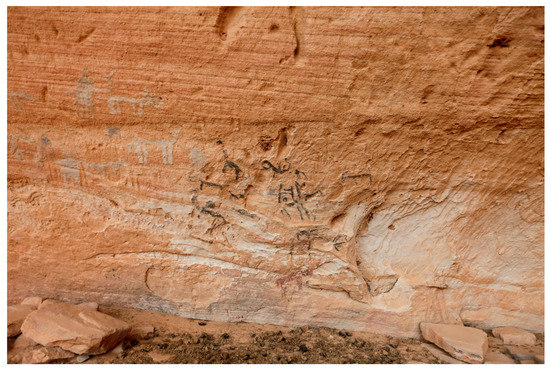
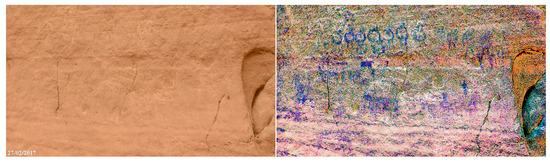
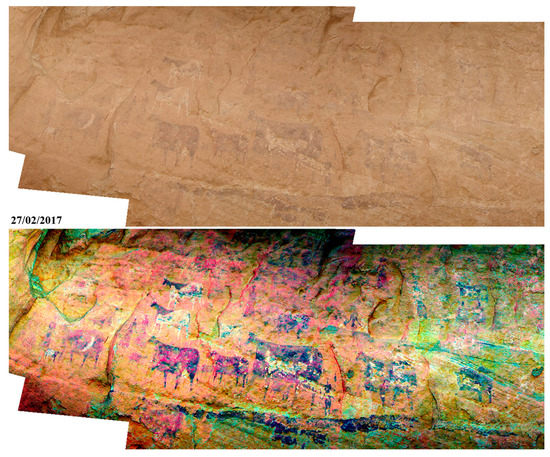
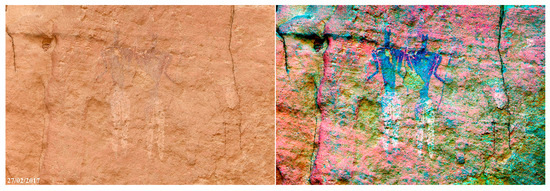
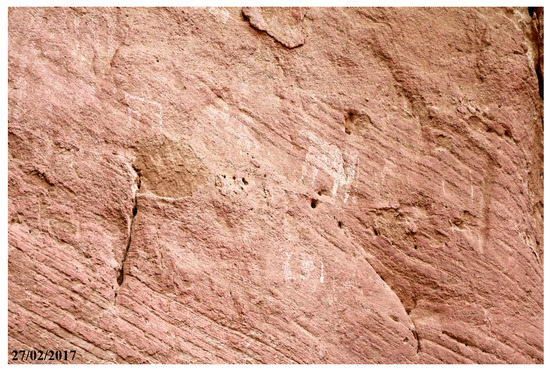
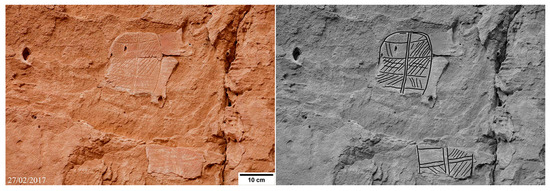
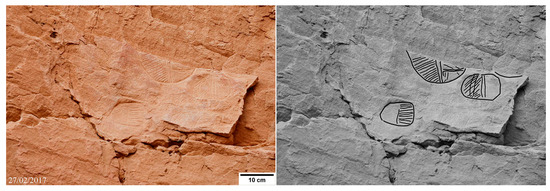
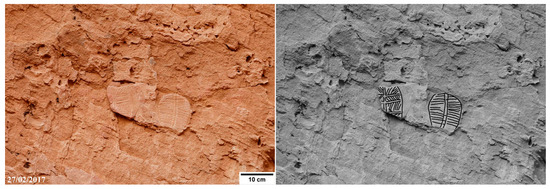
The Oval Engravings of Nabara 2 (Ennedi, Chad)
by
Alessandro Menardi Noguera
Viewed by 6746
Abstract
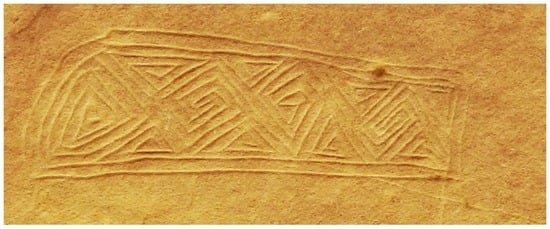
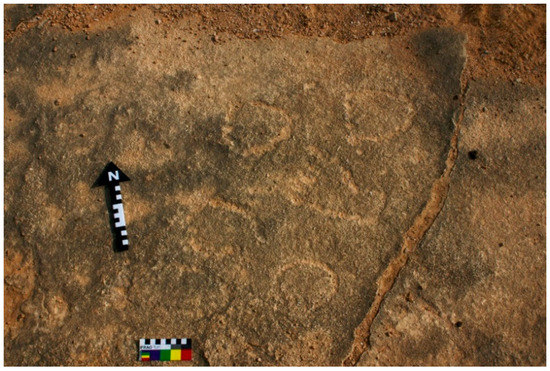
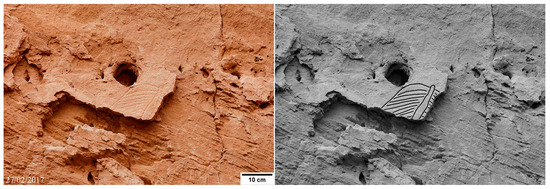
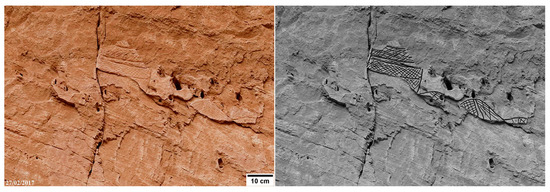
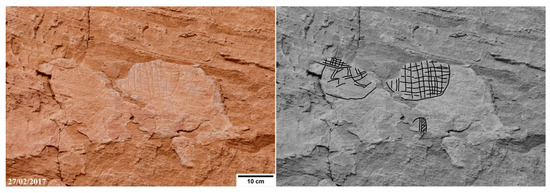
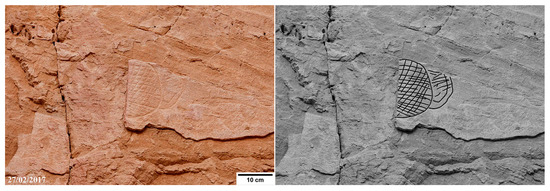
By revisiting the Nabara 2 shelter in the southern Ennedi (Chad), some previously unreported paintings and a whole set of unexpected oval engravings were surveyed. These engravings, internally decorated with patterns of lines, some featured by a single longitudinal element or a sort
[...] Read more.
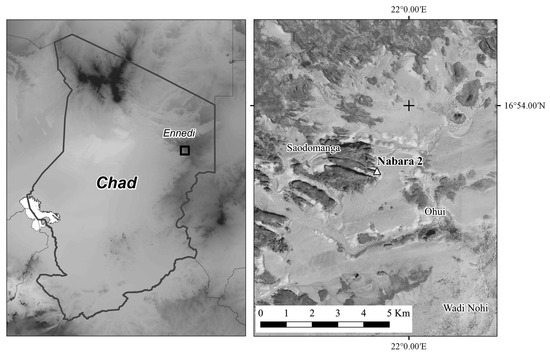
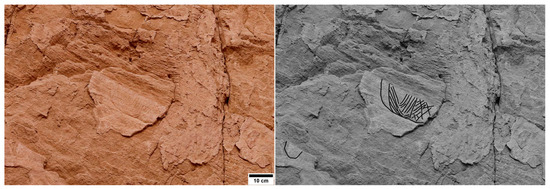
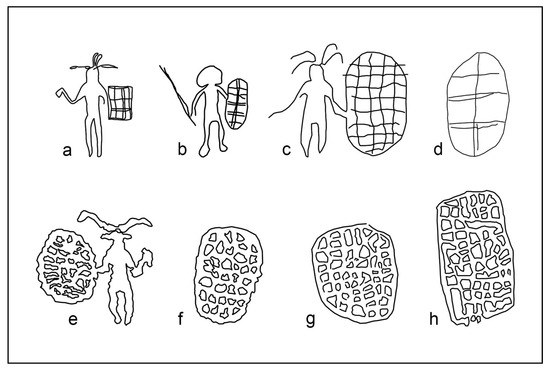
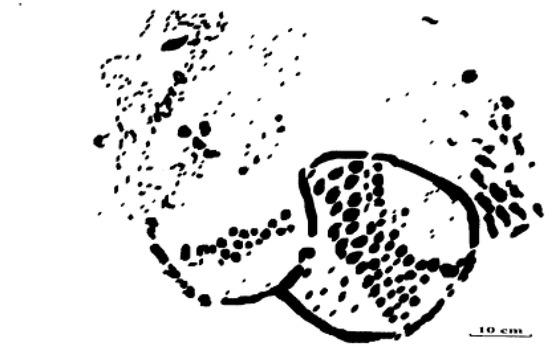
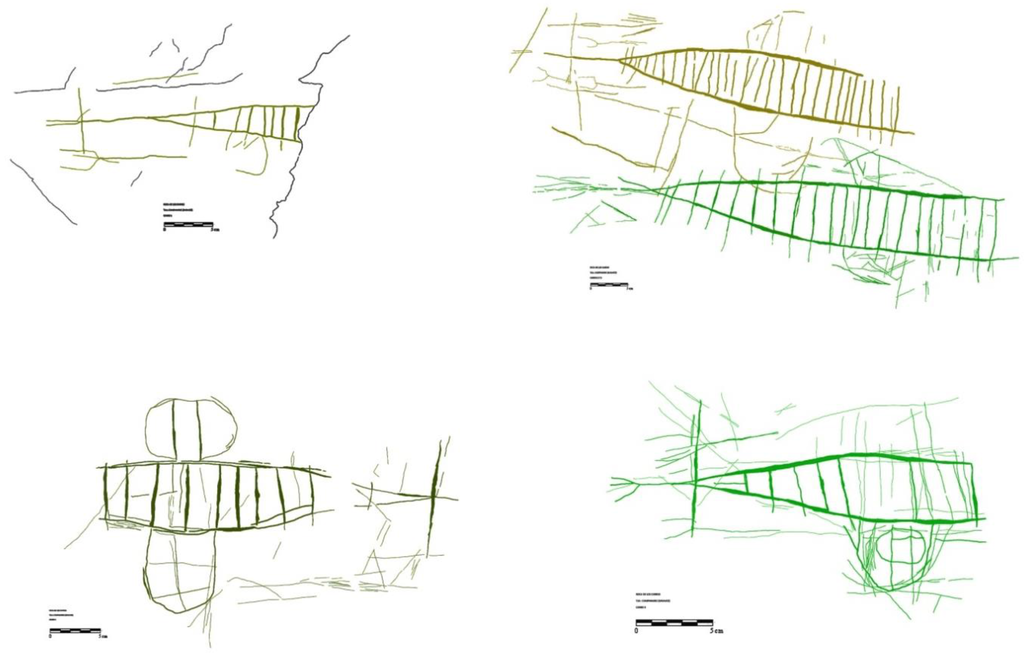
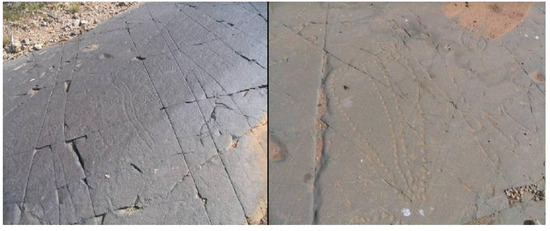
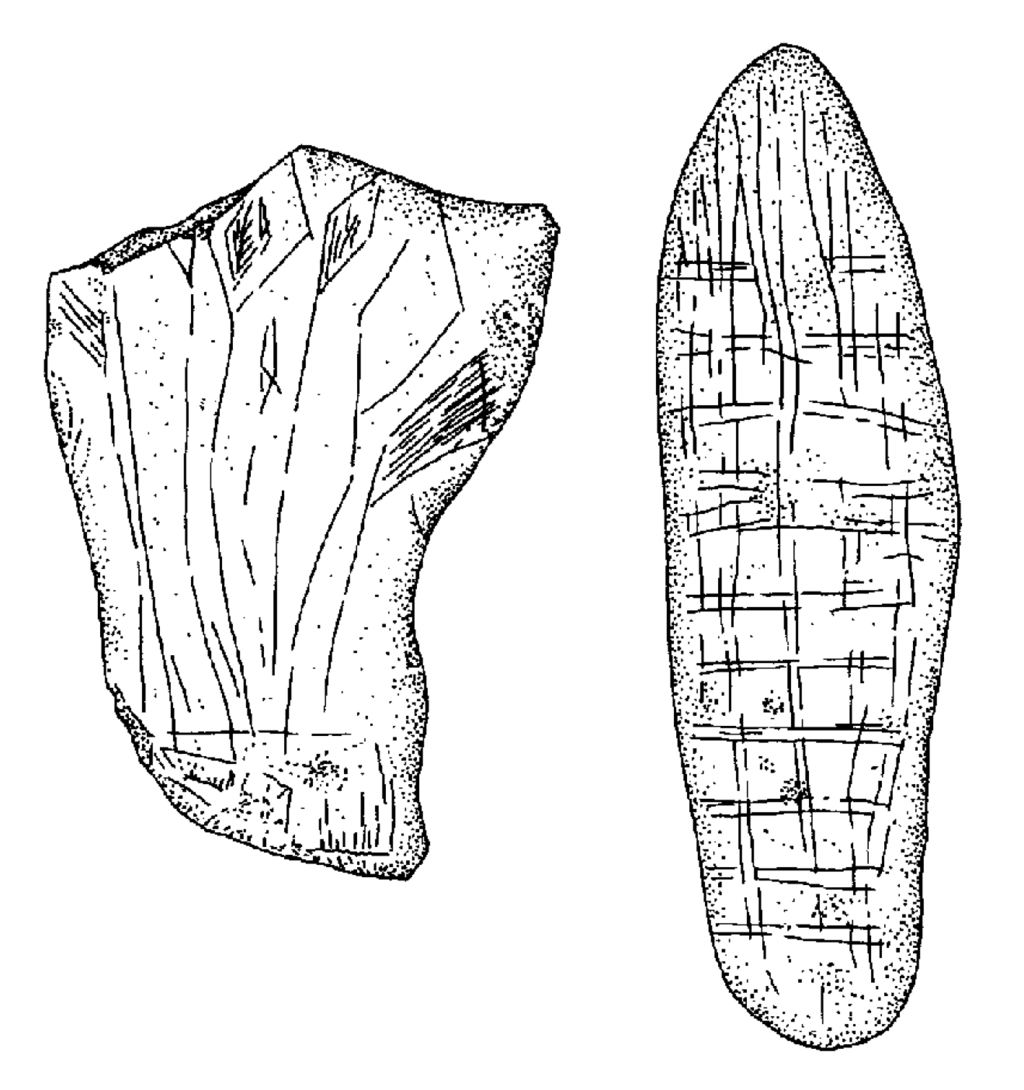
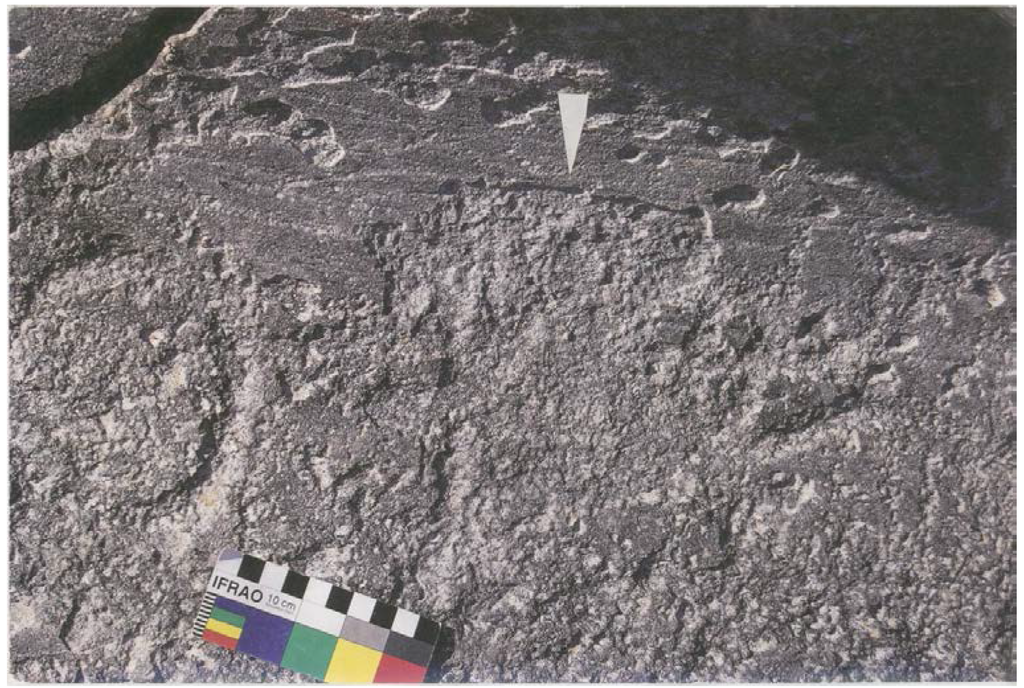
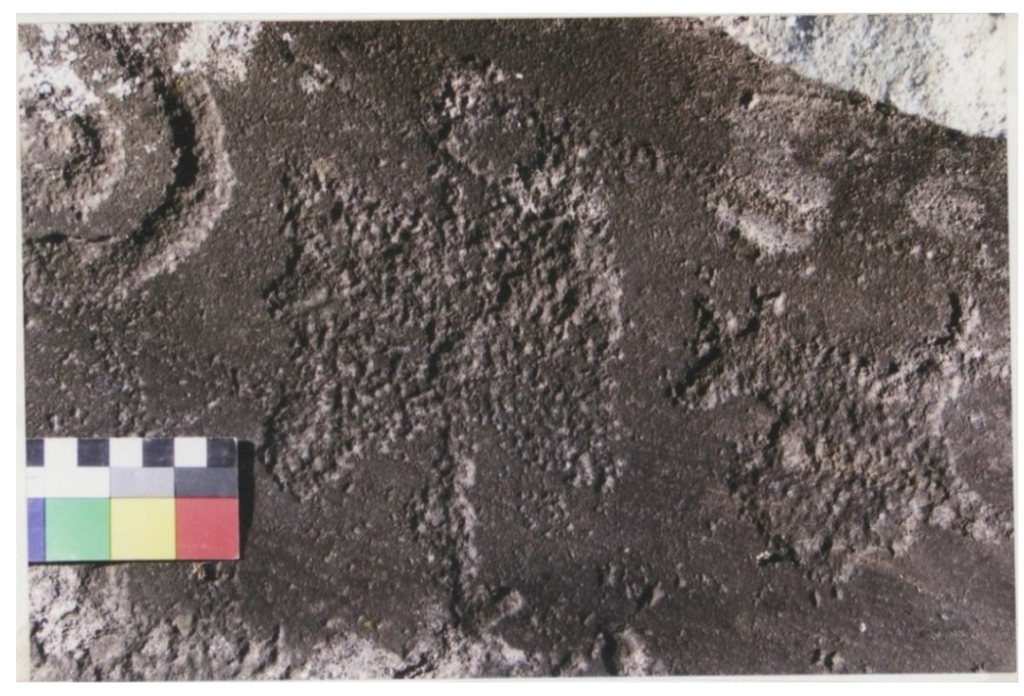
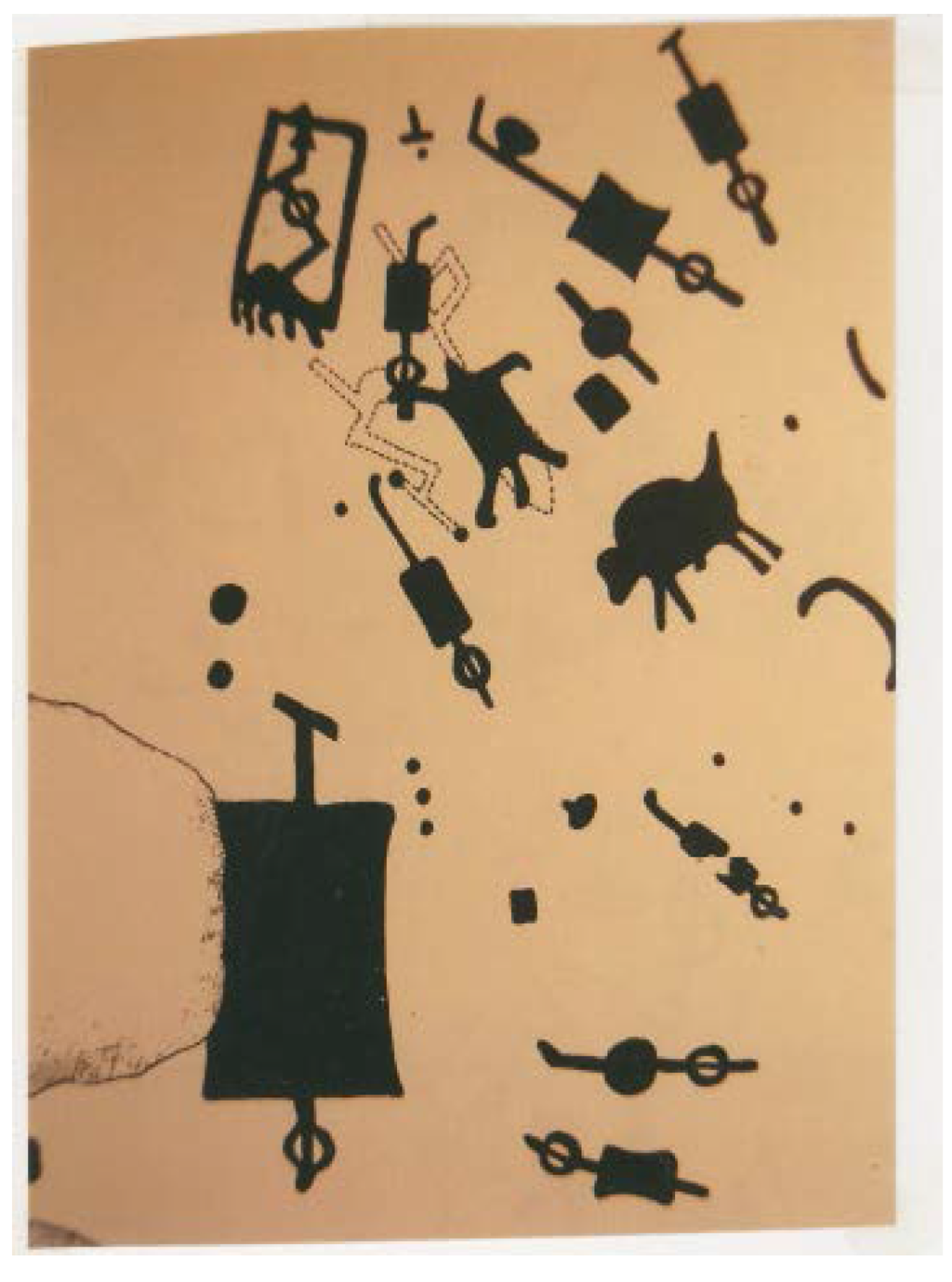
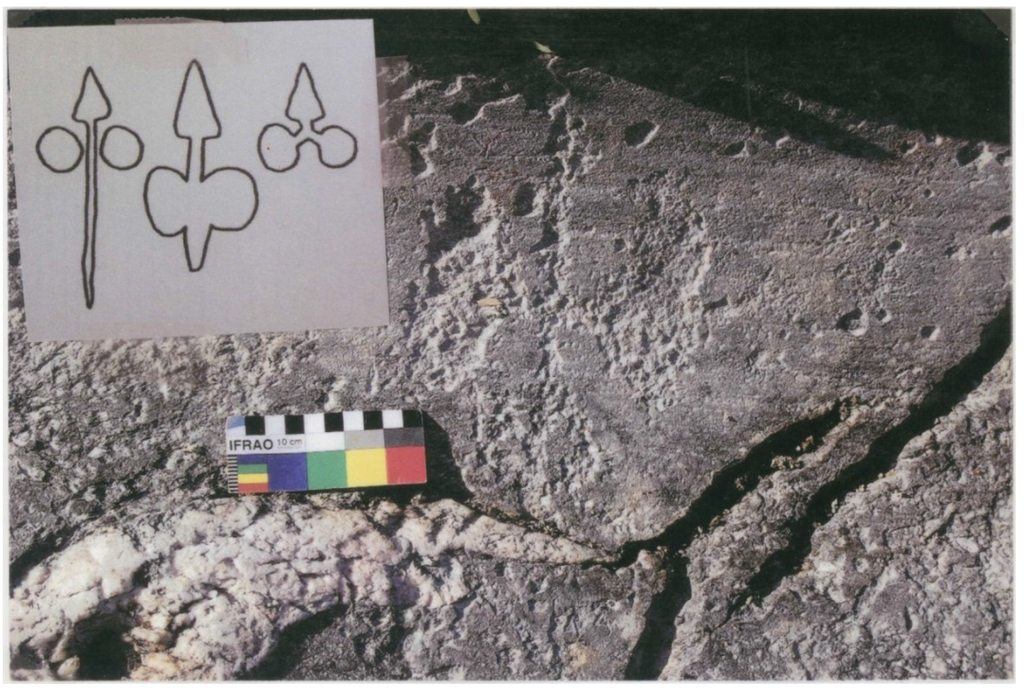
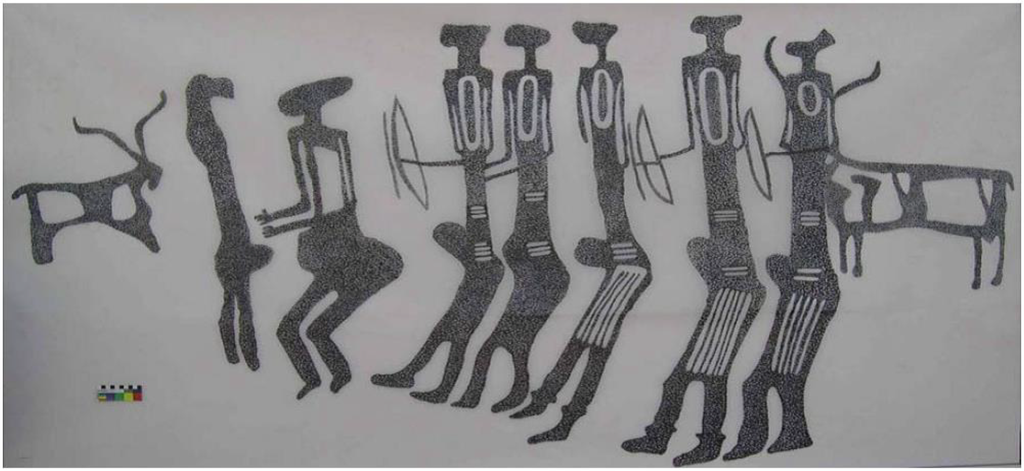
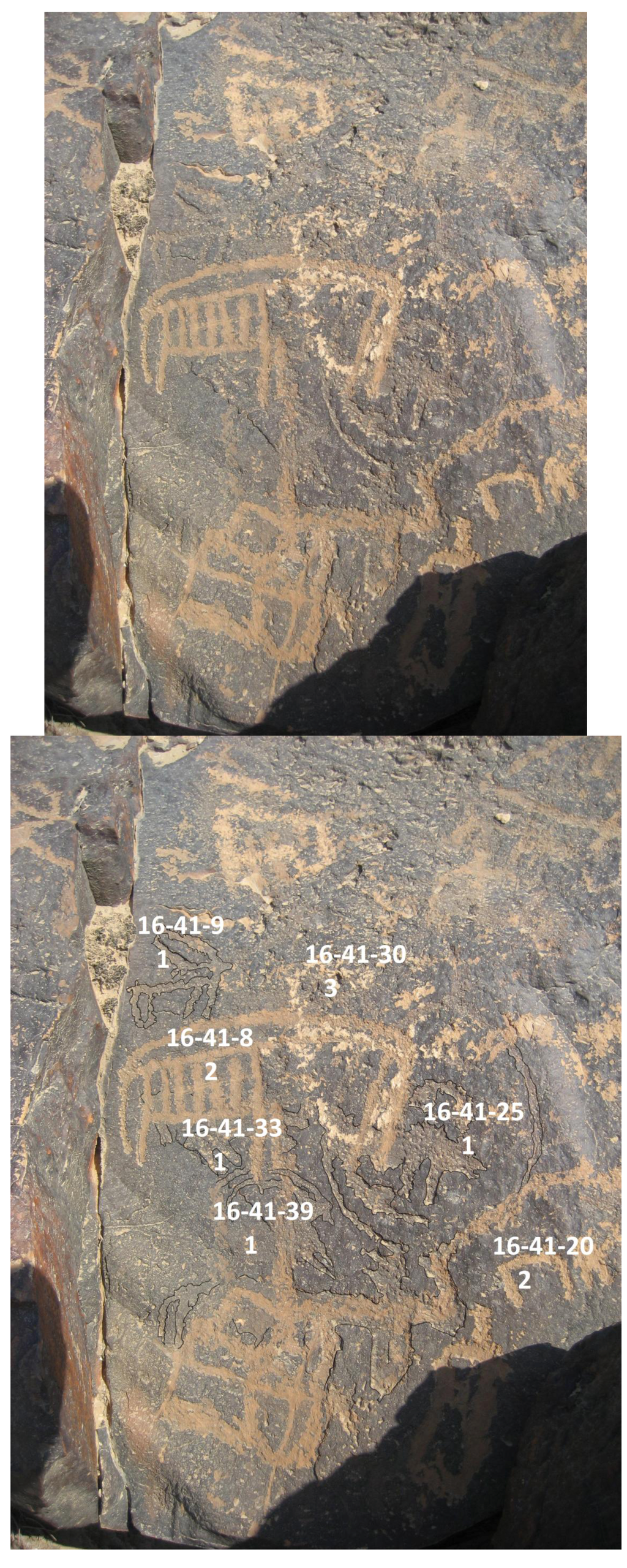
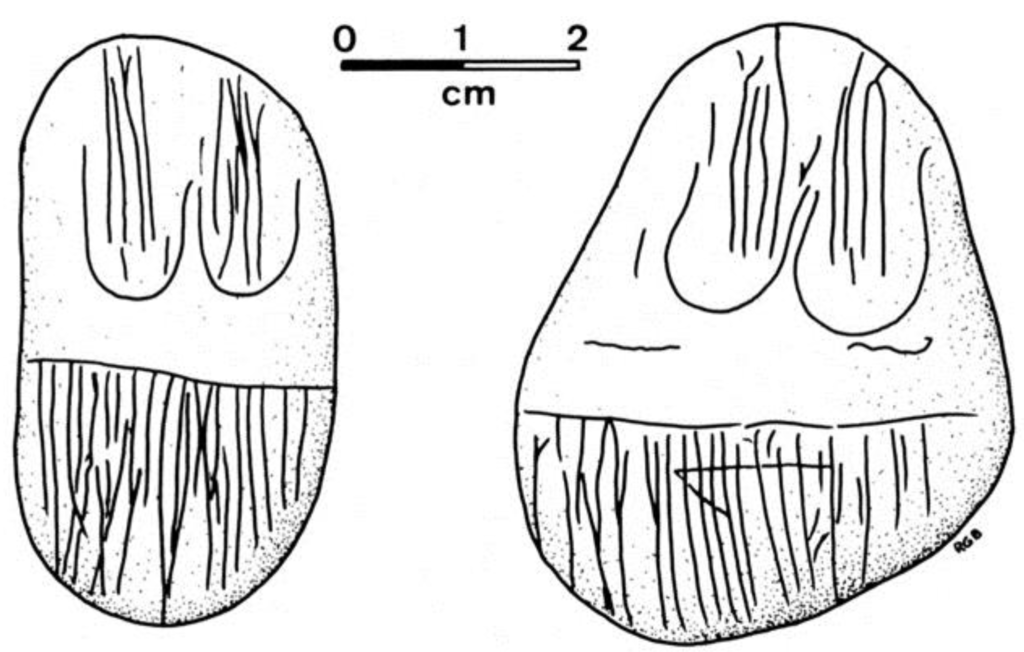
By revisiting the Nabara 2 shelter in the southern Ennedi (Chad), some previously unreported paintings and a whole set of unexpected oval engravings were surveyed. These engravings, internally decorated with patterns of lines, some featured by a single longitudinal element or a sort of reticular structure, make Nabara 2 an unparalleled site among the hundreds known in the region. Comparison with similar motifs associated to human depictions found at the western termination of the Ennedi Highland suggests these engravings could be depictions of shields, attributable to the pastoral period.
Full article
►▼
Show Figures
Open AccessArticle
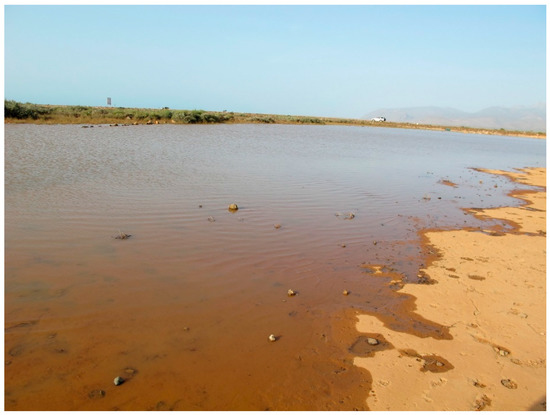
Sites with Paintings in Morocco and the Atlantic Sahara
by
Susan Searight
Cited by 3 | Viewed by 8732
Abstract
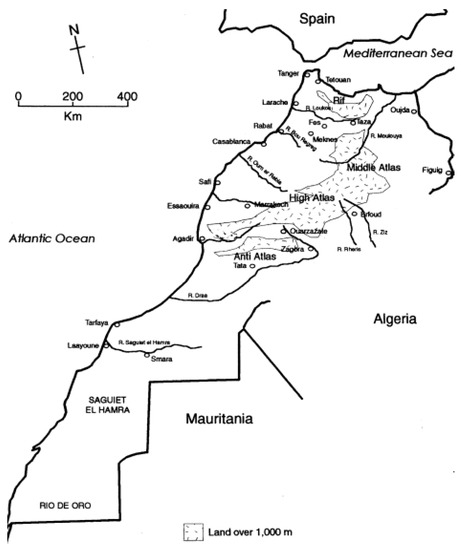
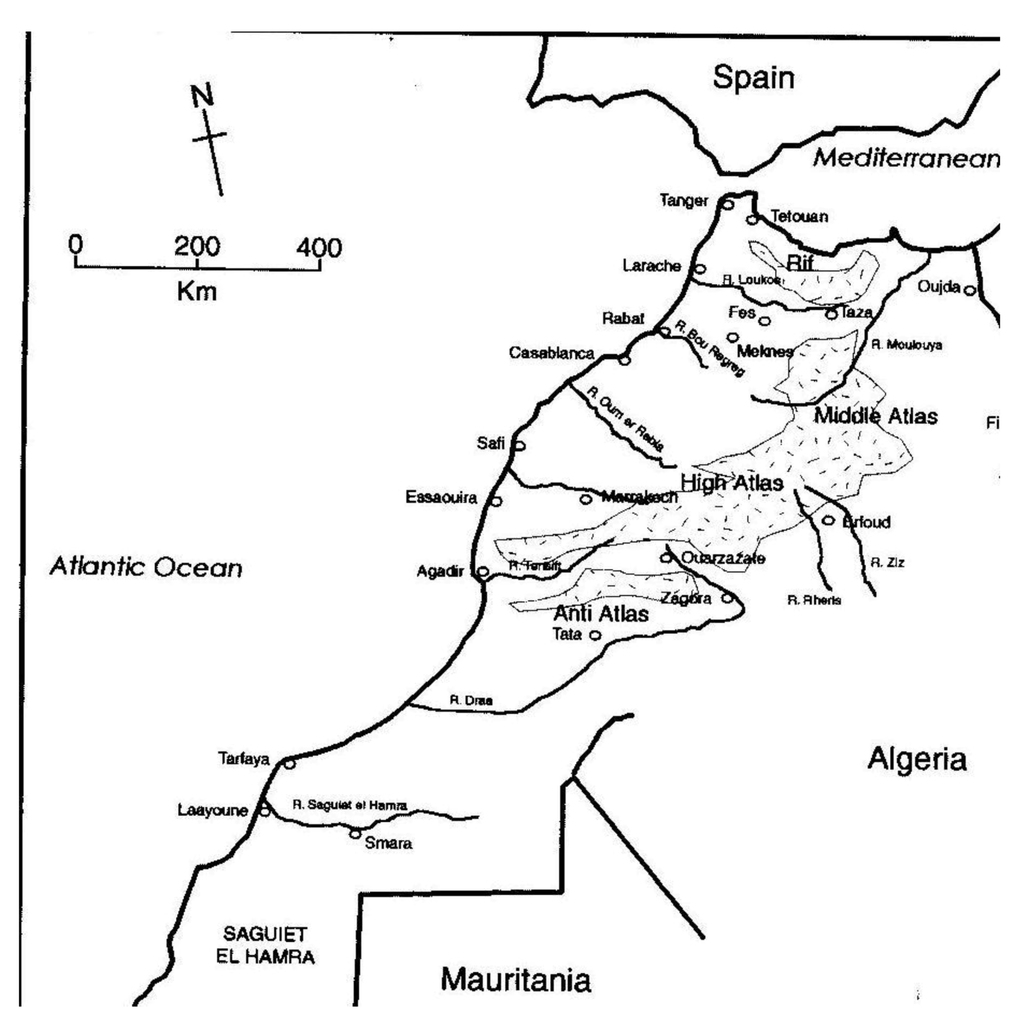
This article lists the rock art sites in Morocco with painted images so far published. It updates and includes the inventory of such sites published over 15 years ago. Short descriptions of the situation and contents of both new and old sites are
[...] Read more.
This article lists the rock art sites in Morocco with painted images so far published. It updates and includes the inventory of such sites published over 15 years ago. Short descriptions of the situation and contents of both new and old sites are given.
Full article
►▼
Show Figures
Open AccessArticle
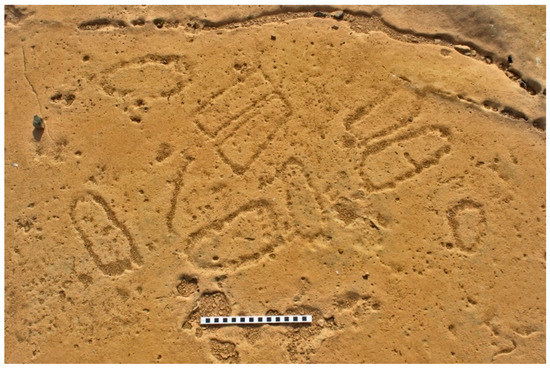
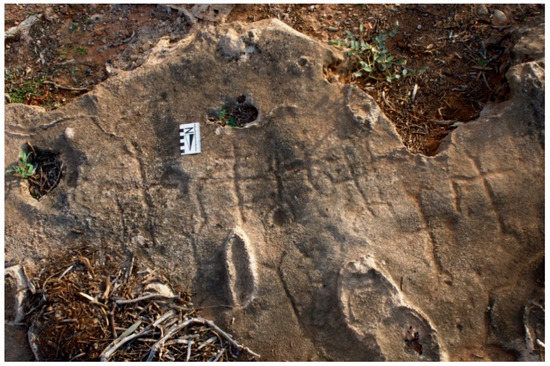
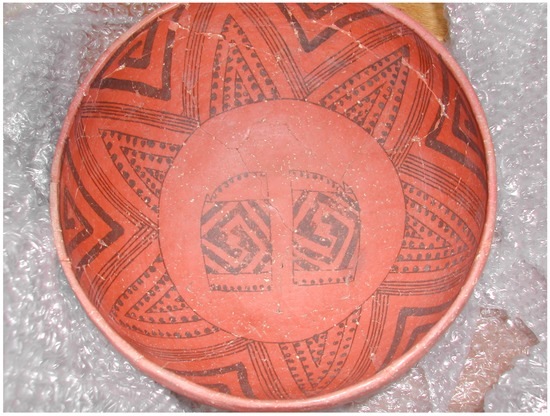
Sandals as Icons: Representations in Ancestral Pueblo Rock Art and Effigies in Stone and Wood
by
Polly Schaafsma
Cited by 4 | Viewed by 8496
Abstract
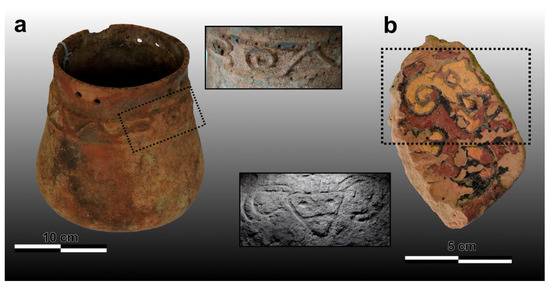
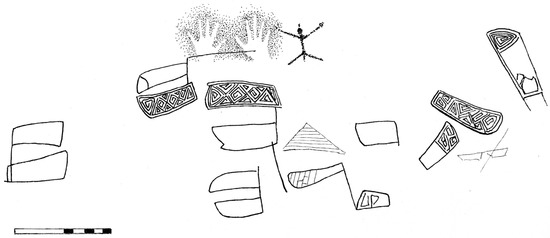
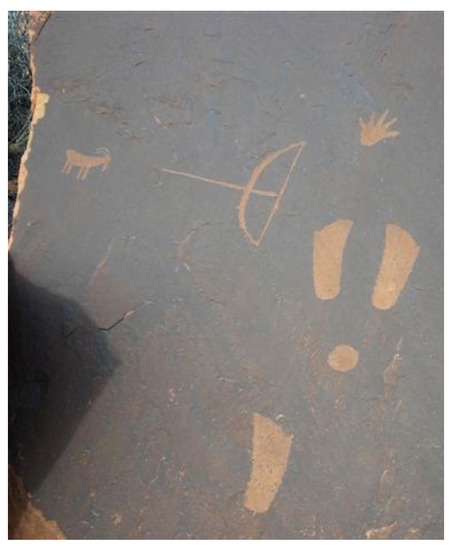
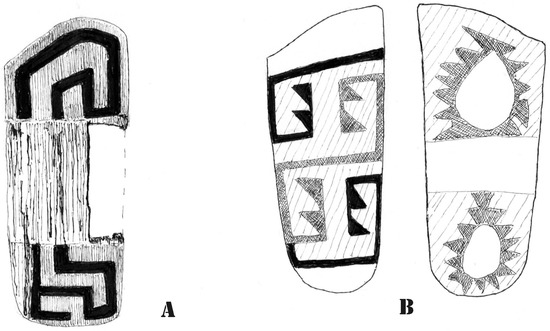
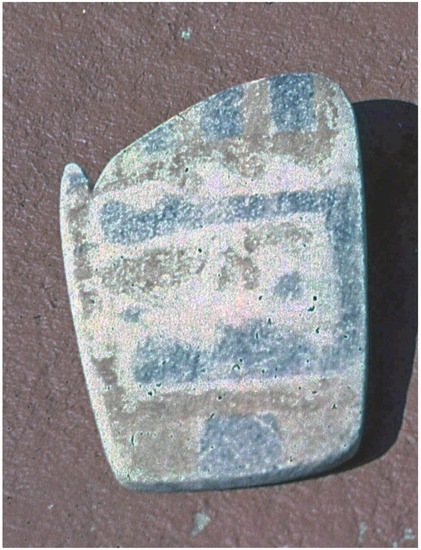
Dating the late 1000s to the mid-1200s CE, petroglyphs of sandal images are among others that distinguish ancient Pueblo rock art in the San Juan and Little Colorado River drainages on the Colorado Plateau from Ancestral Pueblo rock art elsewhere across the Southwest.
[...] Read more.
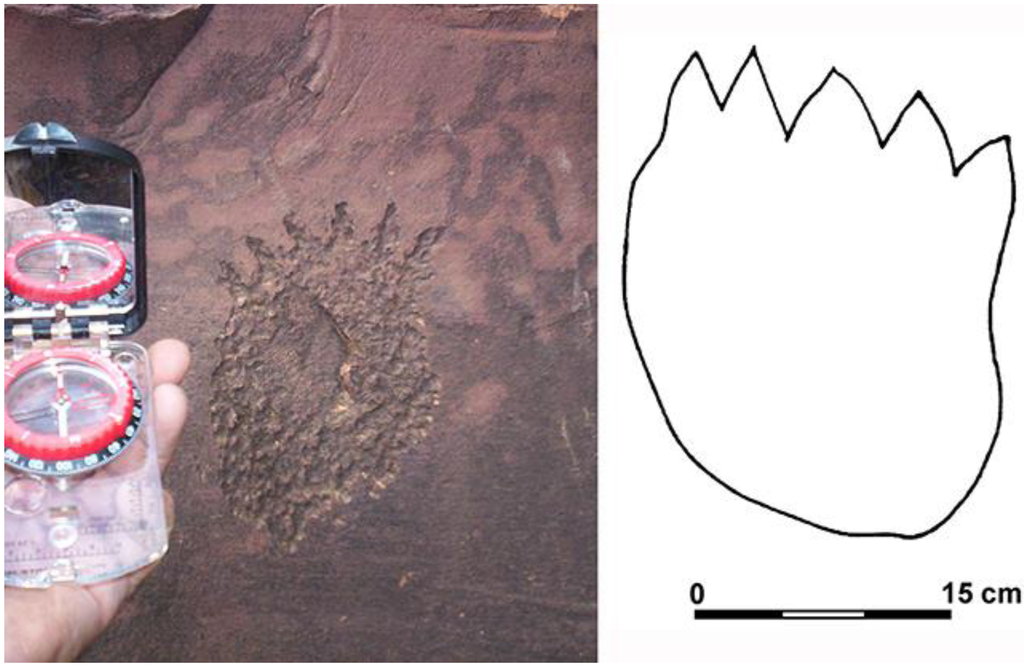
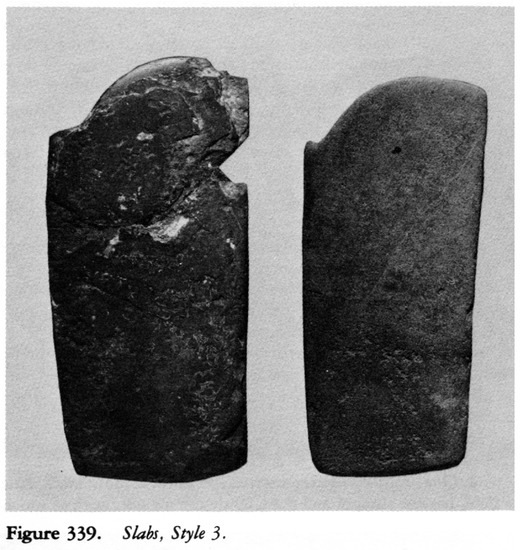
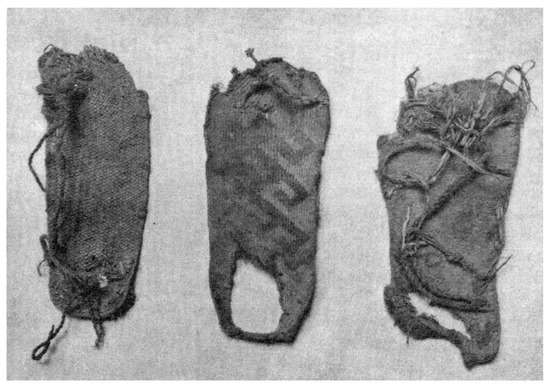
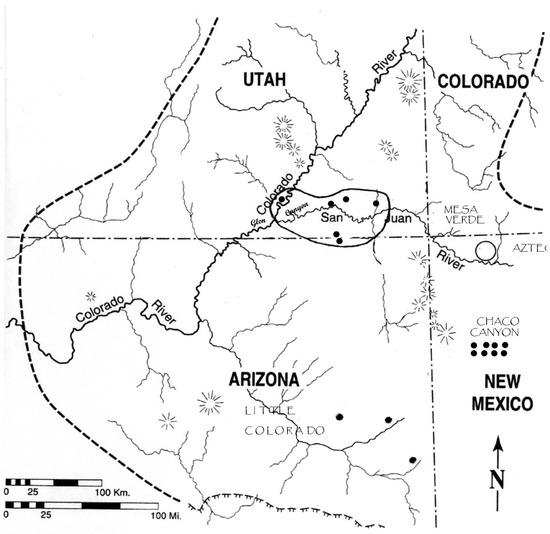
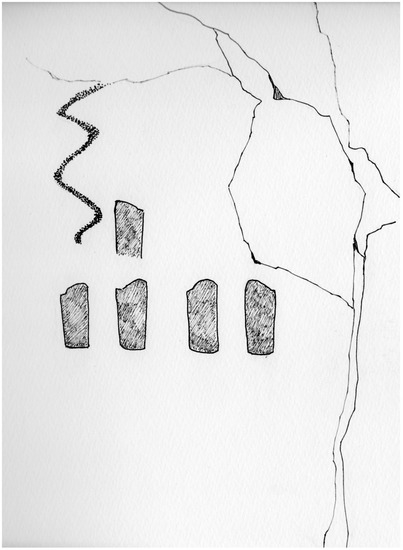
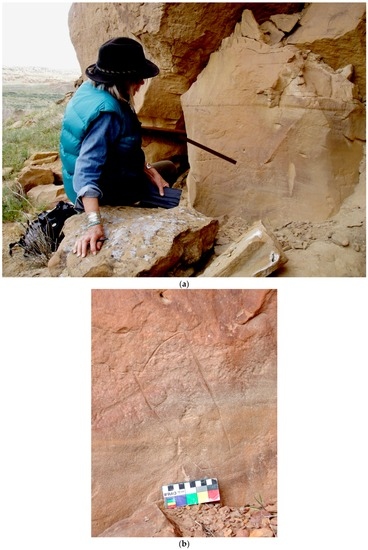
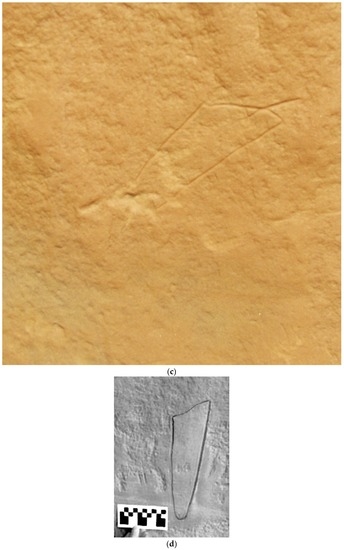
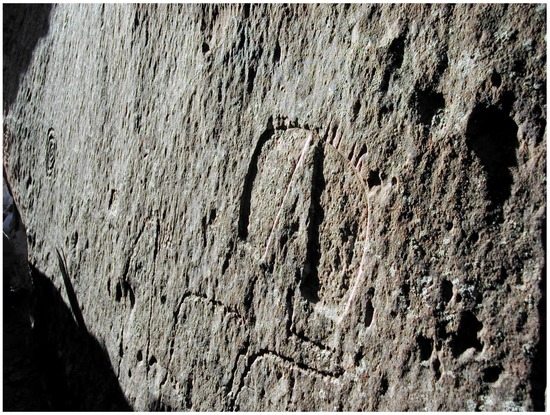
Dating the late 1000s to the mid-1200s CE, petroglyphs of sandal images are among others that distinguish ancient Pueblo rock art in the San Juan and Little Colorado River drainages on the Colorado Plateau from Ancestral Pueblo rock art elsewhere across the Southwest. The sandal “track” also has counterparts as effigies in stone and wood often found in ceremonial contexts in Pueblo sites. These representations reflect the sandal styles of the times, both plain in contour and the jog-toed variety, the latter characterized by a projection where the little toe is positioned. These representations are both plain and patterned, as are their material sandal counterparts. Their significance as symbolic icons is their dominant aspect, and a ritual meaning is implicit. As a component of a symbol system that was radically altered after 1300 CE, however, there is no ethnographic information that provides clues as to the sandal icon’s meaning. While there is no significant pattern of its associations with other symbolic content in the petroglyph panels, in some western San Juan sites cases a relationship to the hunt can be inferred. It is suggested that the track itself could refer to a deity, a mythological hero, or the carver ’s social identity. In conclusion, however, no clear meaning of the images themselves is forthcoming, and further research beckons.
Full article
►▼
Show Figures
Open AccessArticle
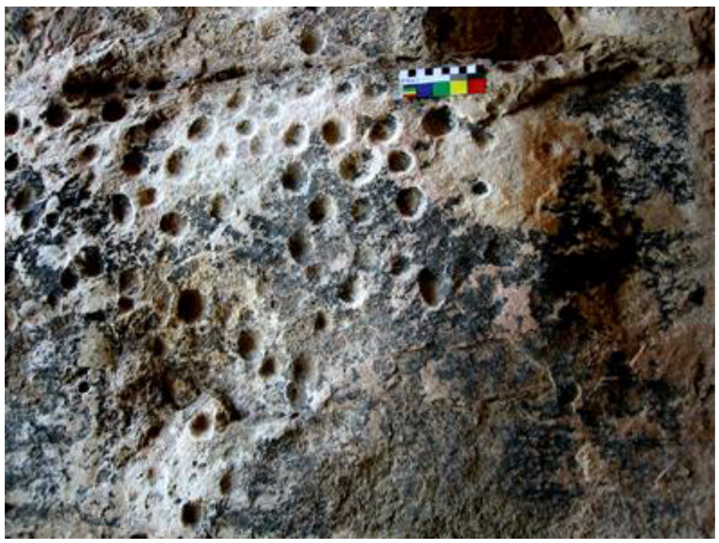
Manual of Cupule Replication Technology
by
Giriraj Kumar and Ram Krishna
Cited by 3 | Viewed by 9777
Abstract
Throughout the world, iconic rock art is preceded by non-iconic rock art. Cupules (manmade, roughly semi-hemispherical depressions on rocks) form the major bulk of the early non-iconic rock art globally. The antiquity of cupules extends back to the Lower Paleolithic in Asia and
[...] Read more.
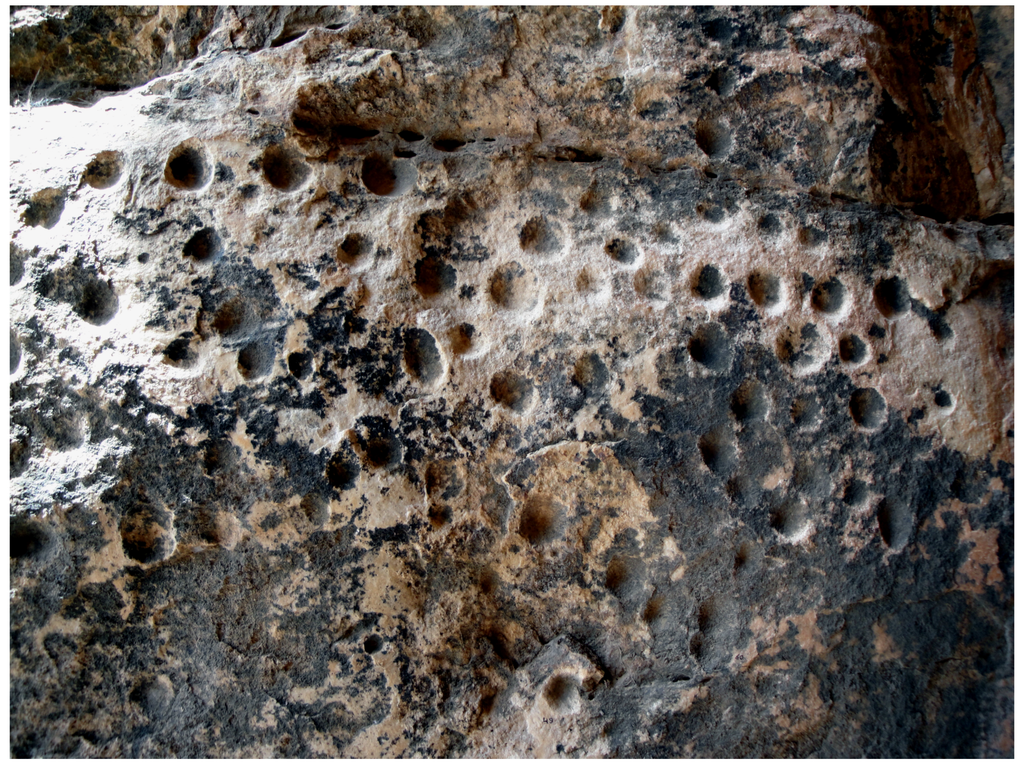
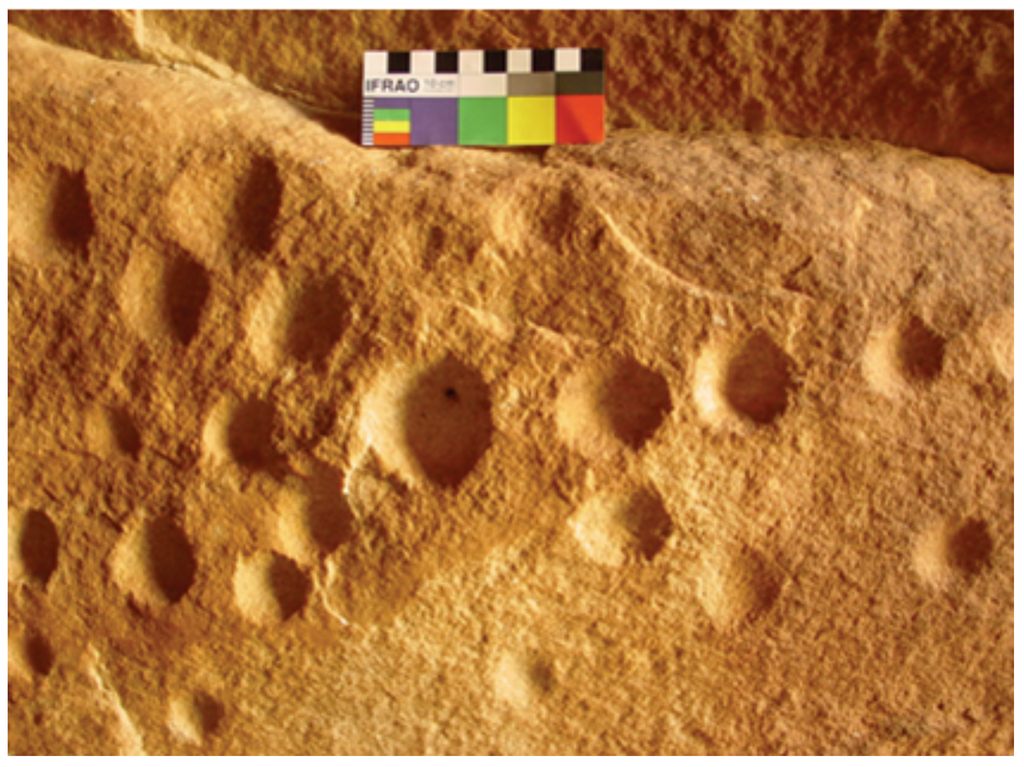
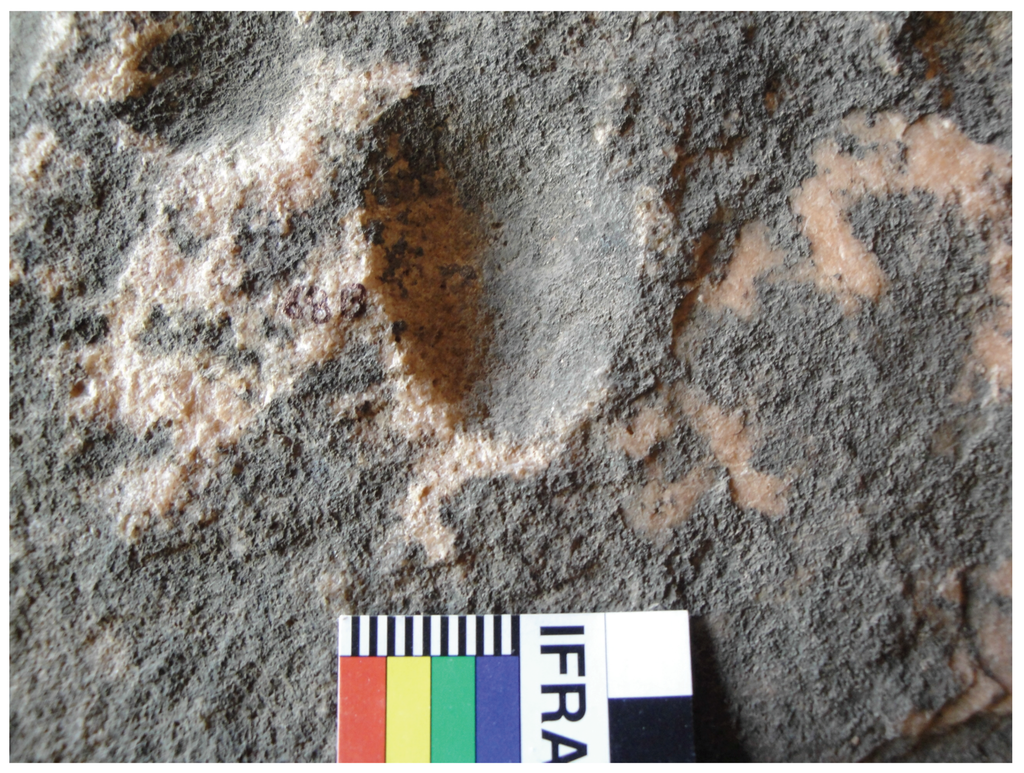
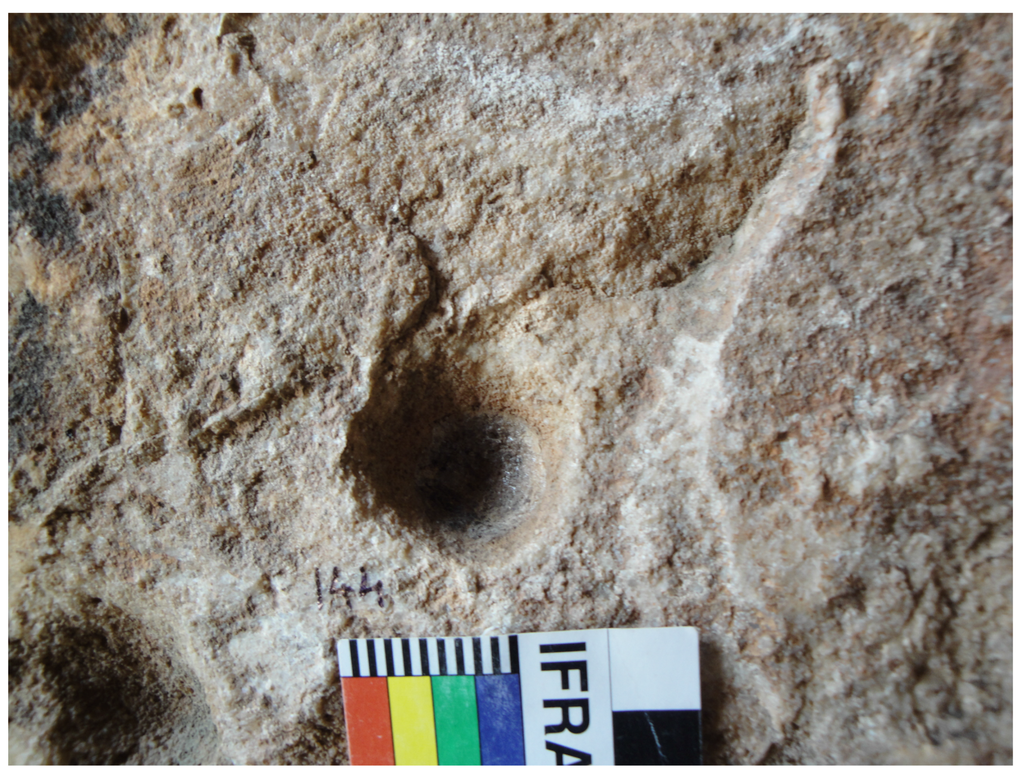
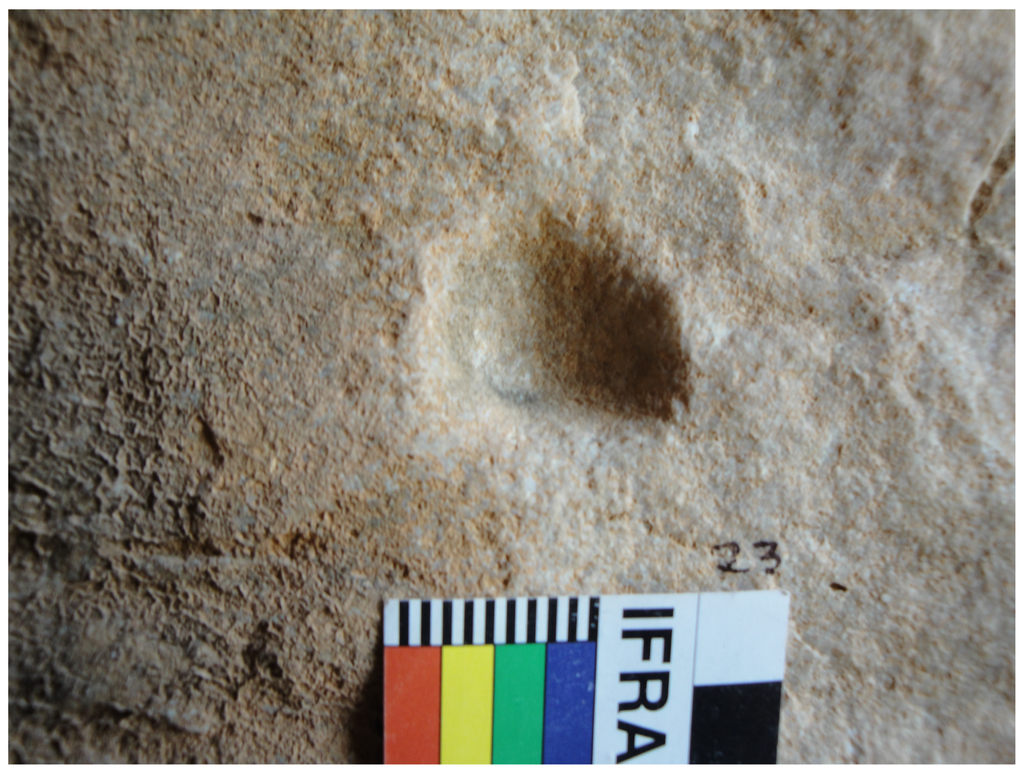
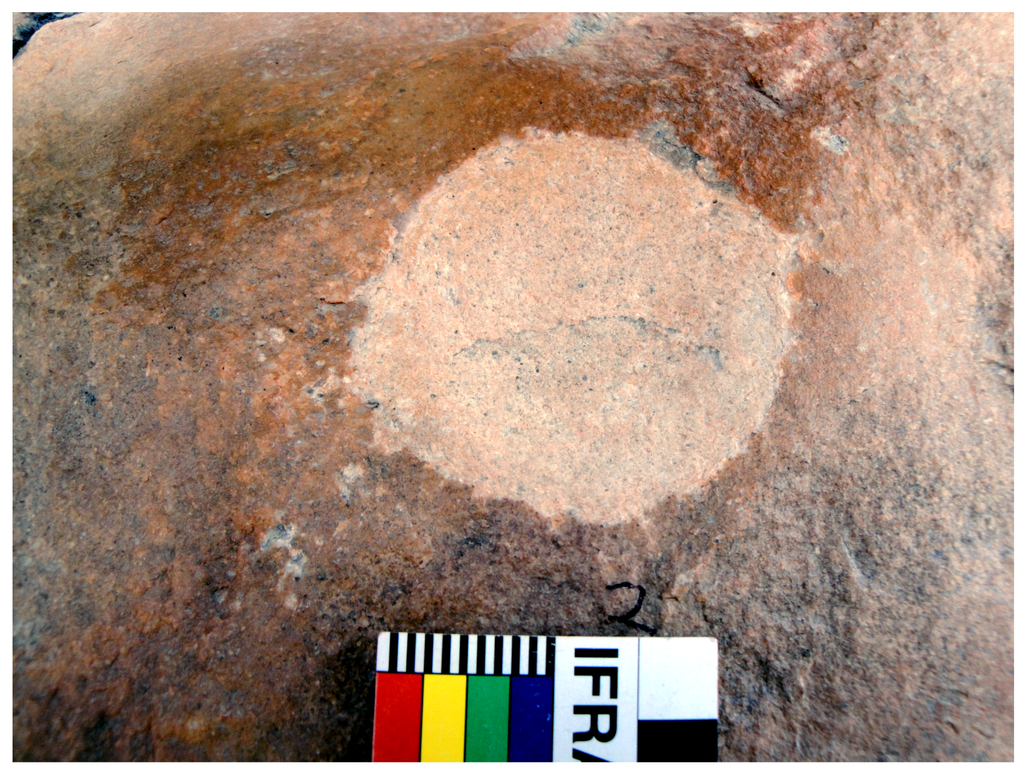
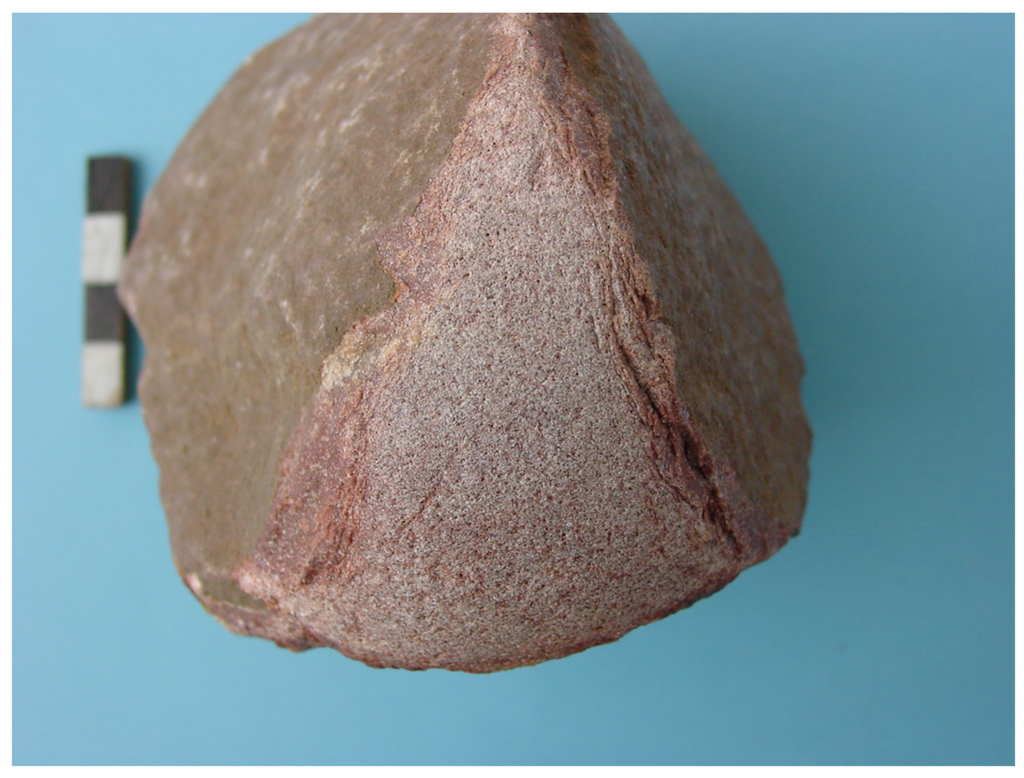
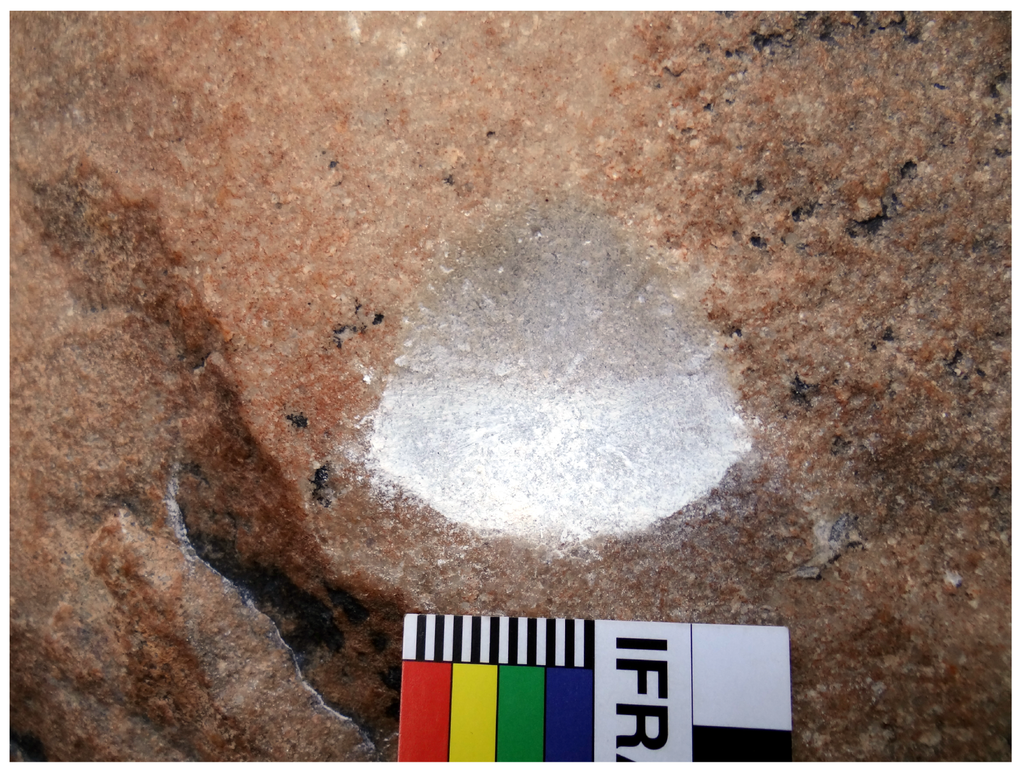
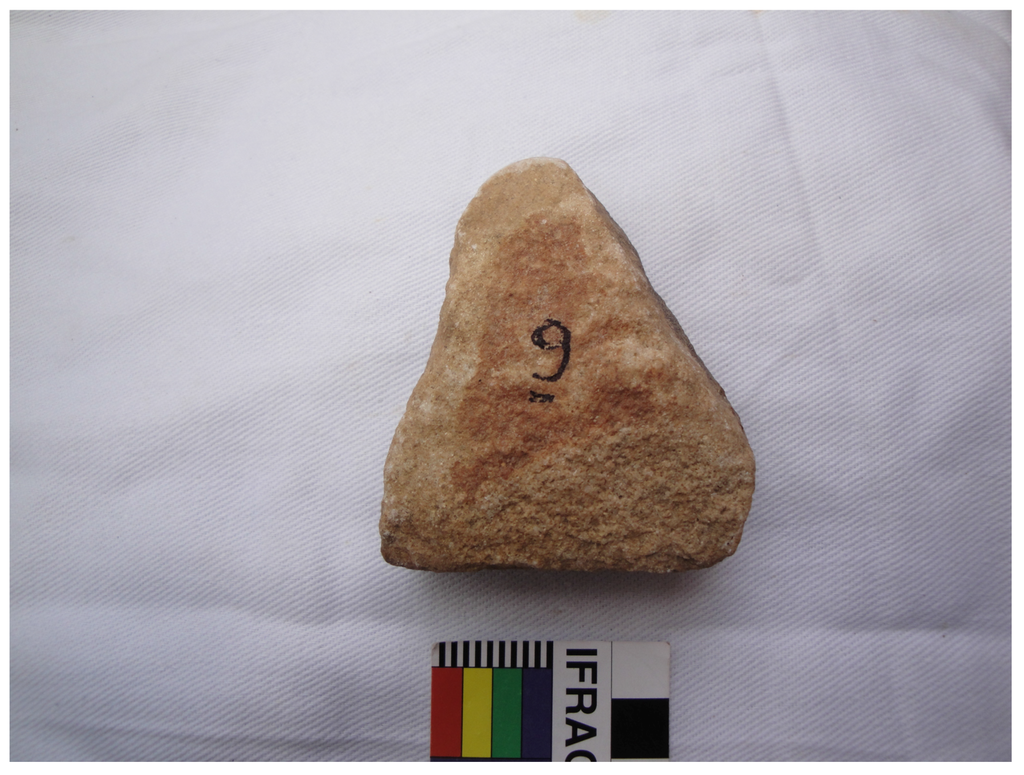
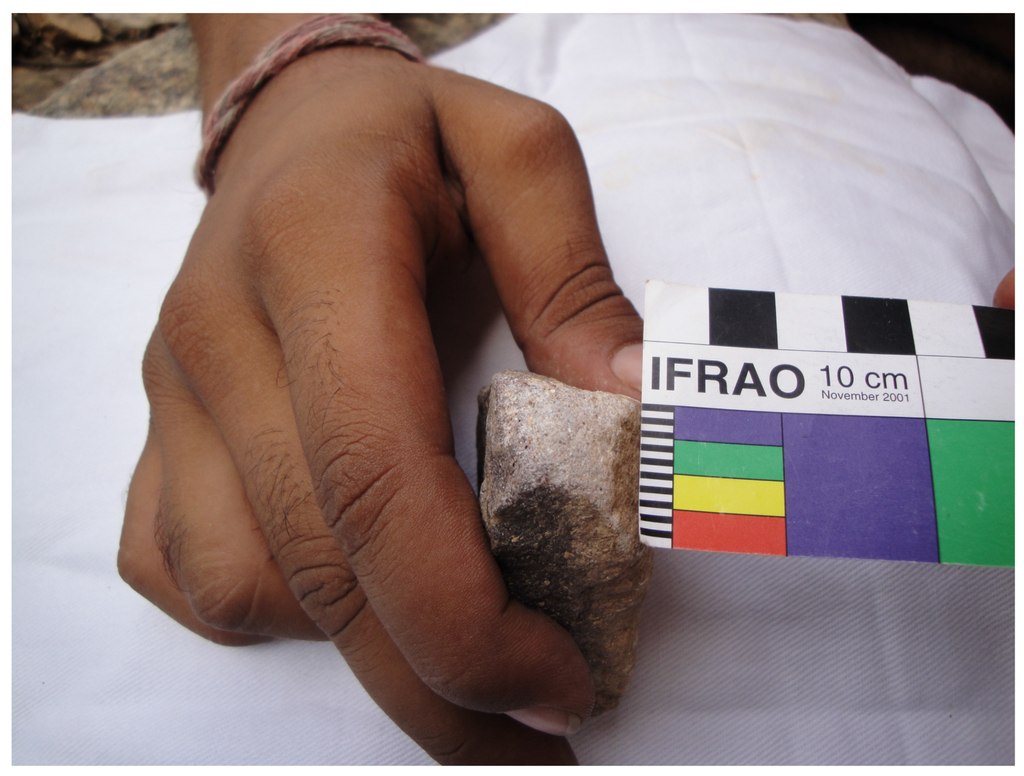
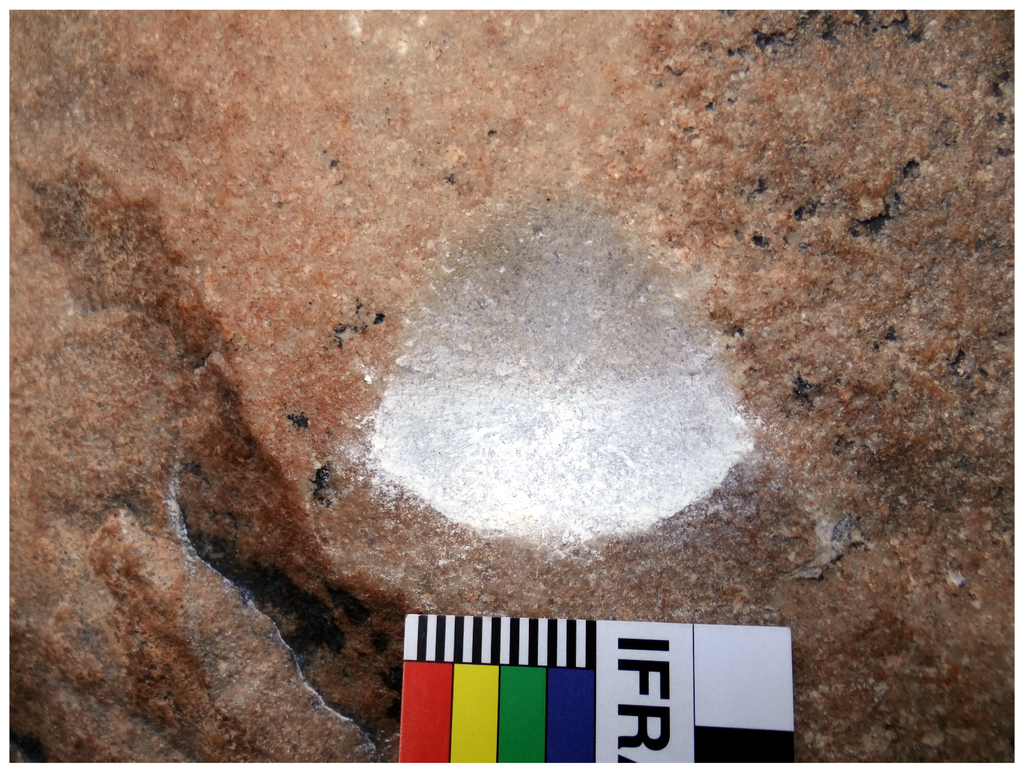
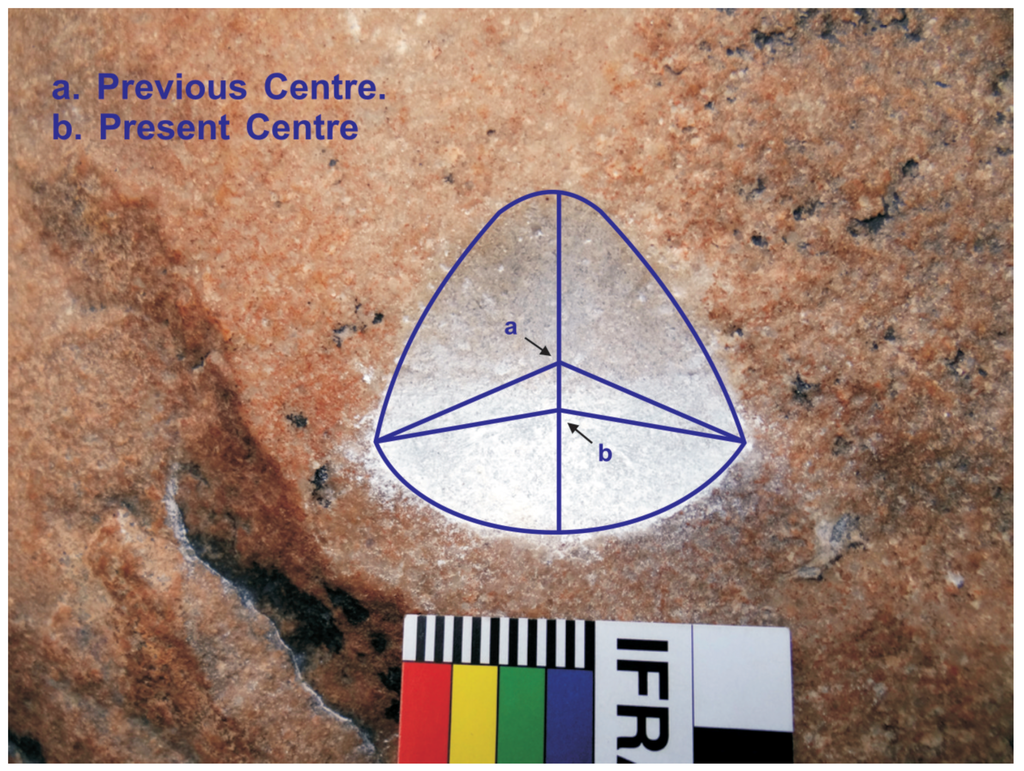
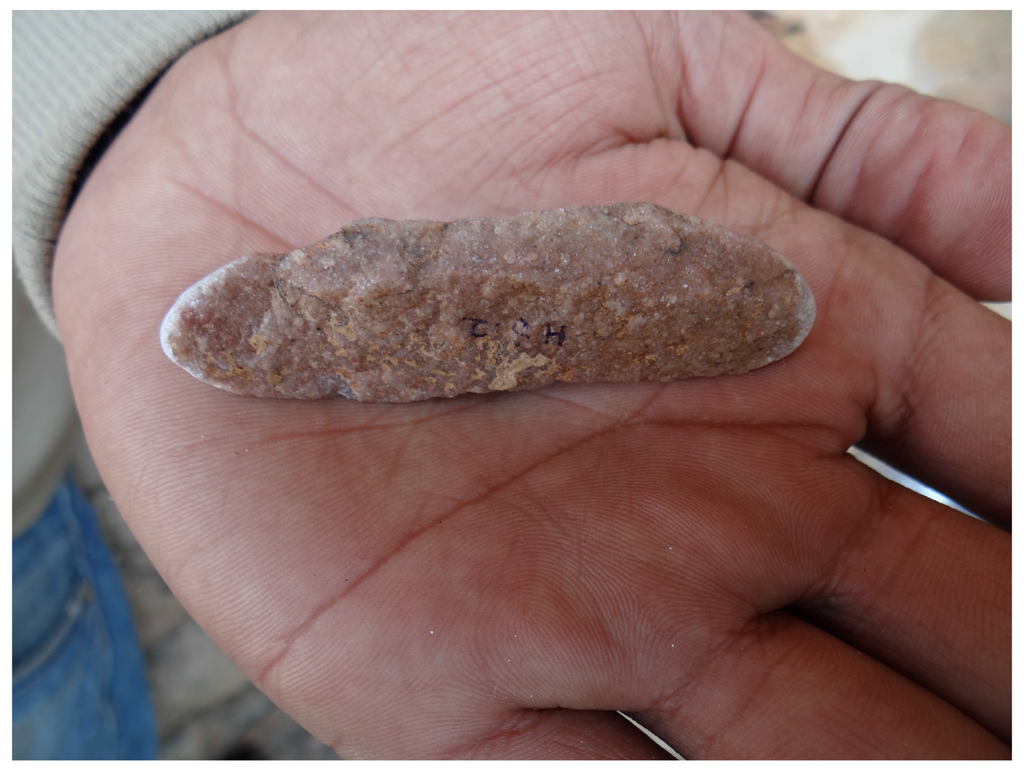
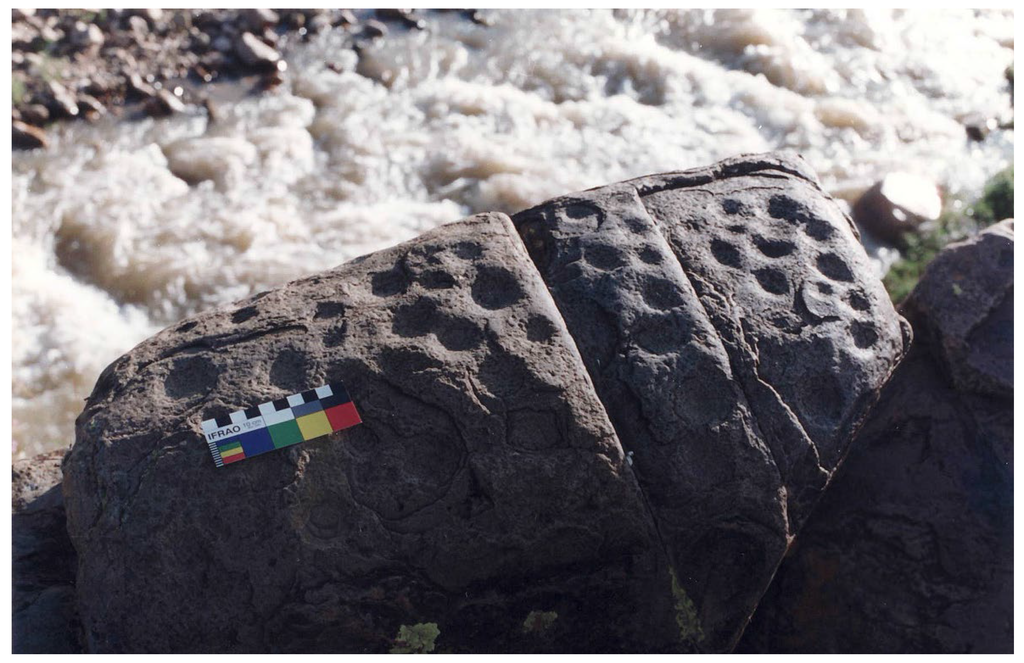
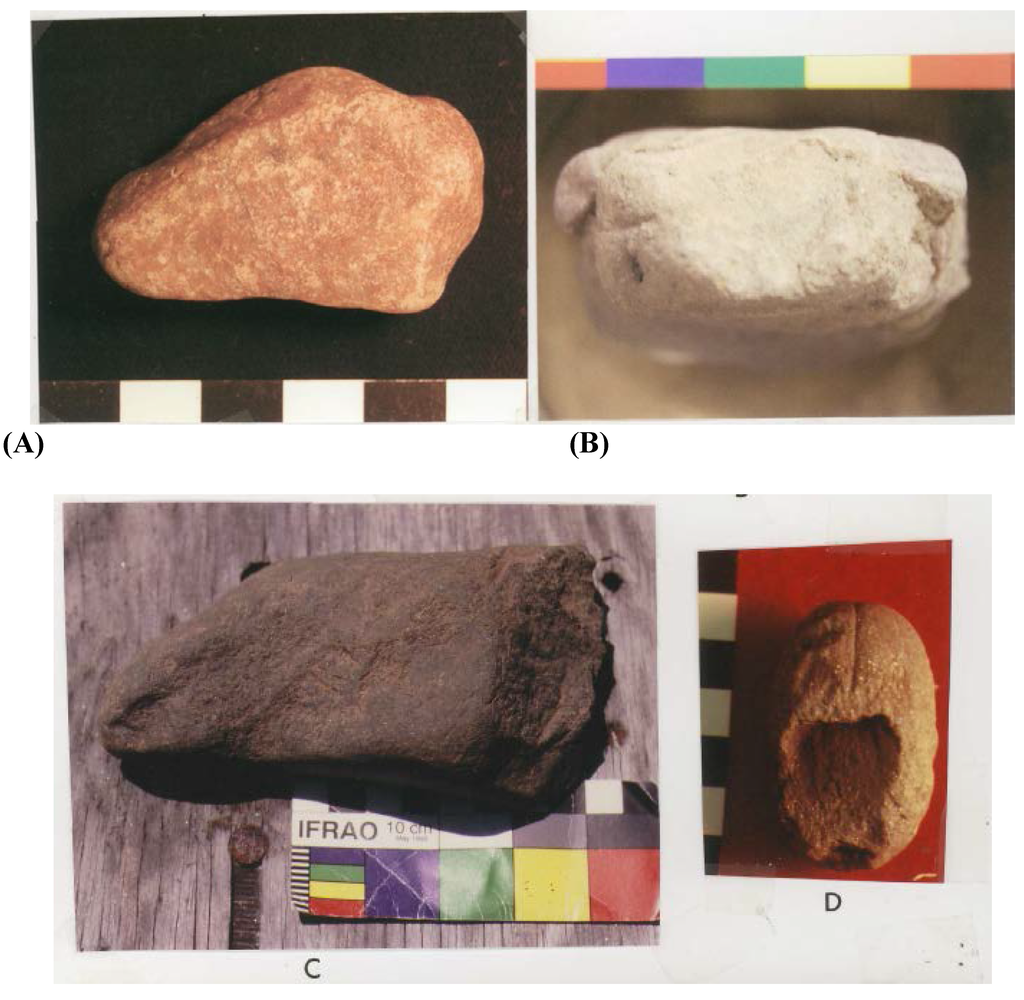
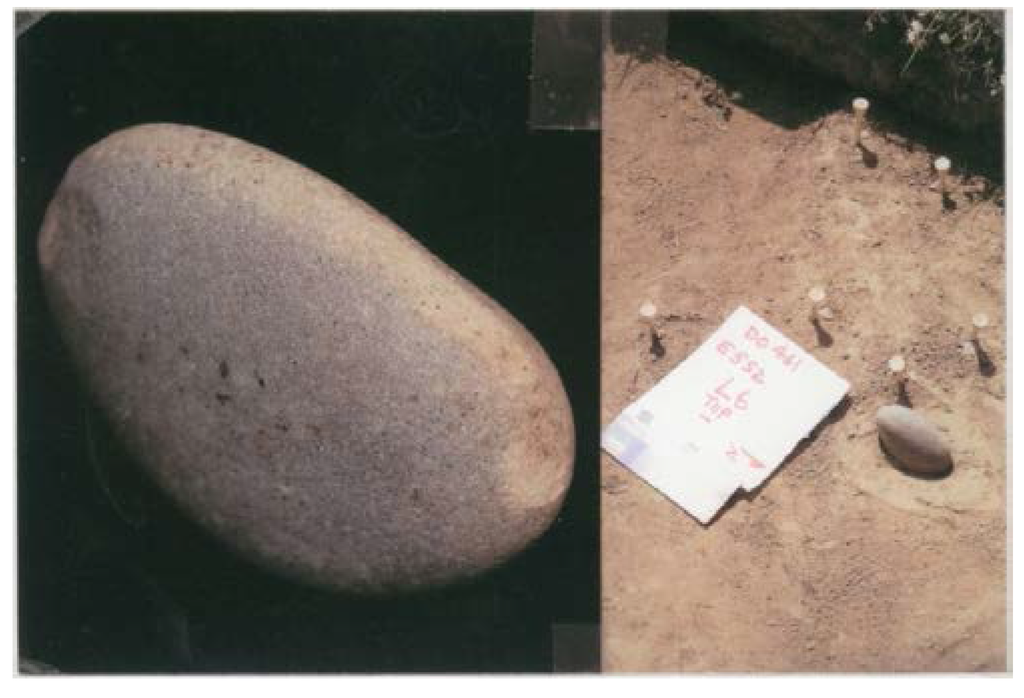
Throughout the world, iconic rock art is preceded by non-iconic rock art. Cupules (manmade, roughly semi-hemispherical depressions on rocks) form the major bulk of the early non-iconic rock art globally. The antiquity of cupules extends back to the Lower Paleolithic in Asia and Africa, hundreds of thousand years ago. When one observes these cupules, the inquisitive mind poses so many questions with regard to understanding their technology, reasons for selecting the site, which rocks were used to make the hammer stones used, the skill and cognitive abilities employed to create the different types of cupules, the objective of their creation, their age, and so on. Replication of the cupules can provide satisfactory answers to some of these questions. Comparison of the hammer stones and cupules produced by the replication process with those obtained from excavation can provide support to observations. This paper presents a manual of cupule replication technology based on our experience of cupule replication on hard quartzite rock near Daraki-Chattan in the Chambal Basin, India.
Full article
►▼
Show Figures
Open AccessArticle
Is It Art or Knowledge? Deconstructing Australian Aboriginal Creative Making
by
Elizabeth Cameron
Cited by 12 | Viewed by 32583
Abstract
Australian Aboriginal symbols are visual forms of knowledge that express cultural intellect. Being classified by a Western interpretation of “art” devalues thousands of years of generational knowledge systems, where visual information has been respected, appreciated and valued. This article highlights how Aboriginal creativity
[...] Read more.
Australian Aboriginal symbols are visual forms of knowledge that express cultural intellect. Being classified by a Western interpretation of “art” devalues thousands of years of generational knowledge systems, where visual information has been respected, appreciated and valued. This article highlights how Aboriginal creativity has little concept of aesthetical value, but is a cultural display of meaning relating to Creational periods, often labelled as The Dreamings. With over 350 different Aboriginal Nations in Australia, this article focuses of the Dharug Nation, located around the northern Sydney area of New South Wales. The Dharug term for the Creational period is Gunyalungalung—traditional ritualized customary lores (laws). These symbols are permanently located within the environment on open rock surfaces, caves and markings on trees. Whilst some symbols are manmade, others are made by Creational ancestral beings and contain deep story lines of information in sacredness. Therefore, creative imagery engraved or painted on rock surfaces are forms of conscious narratives that emphasise deep insight.
Full article
►▼
Show Figures
Open AccessArticle
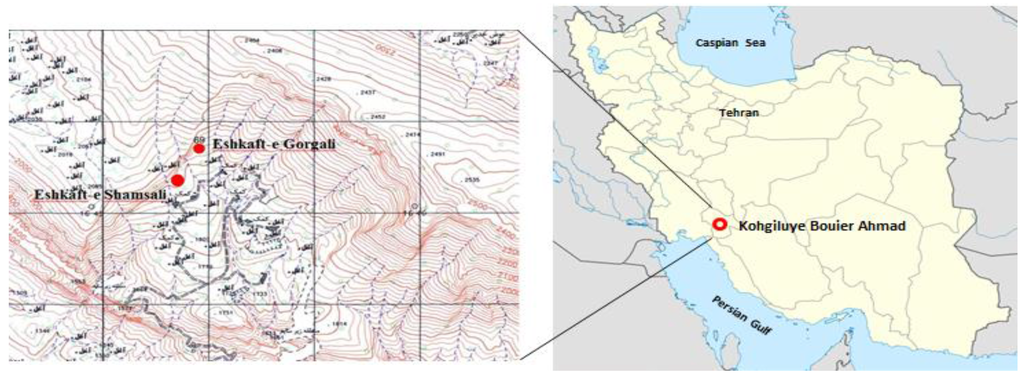
Discovering New Rock Paintings at Shmsali and Gorgali Rock Shelters in Kohgiluye and Bouier Ahmad Province, Southern Iran
by
Esmail Hemati Azandaryani, Hossein Qolami, Yaghob MohammadiFar and Abass Razmposh
Cited by 6 | Viewed by 6507
Abstract
The
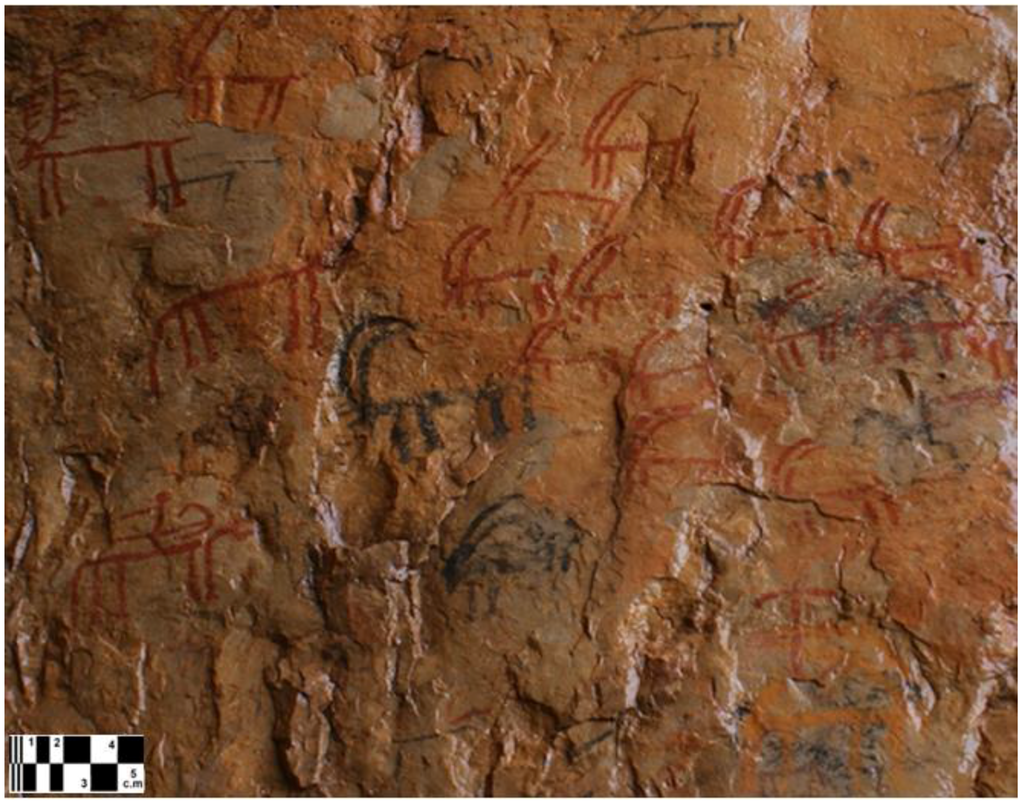
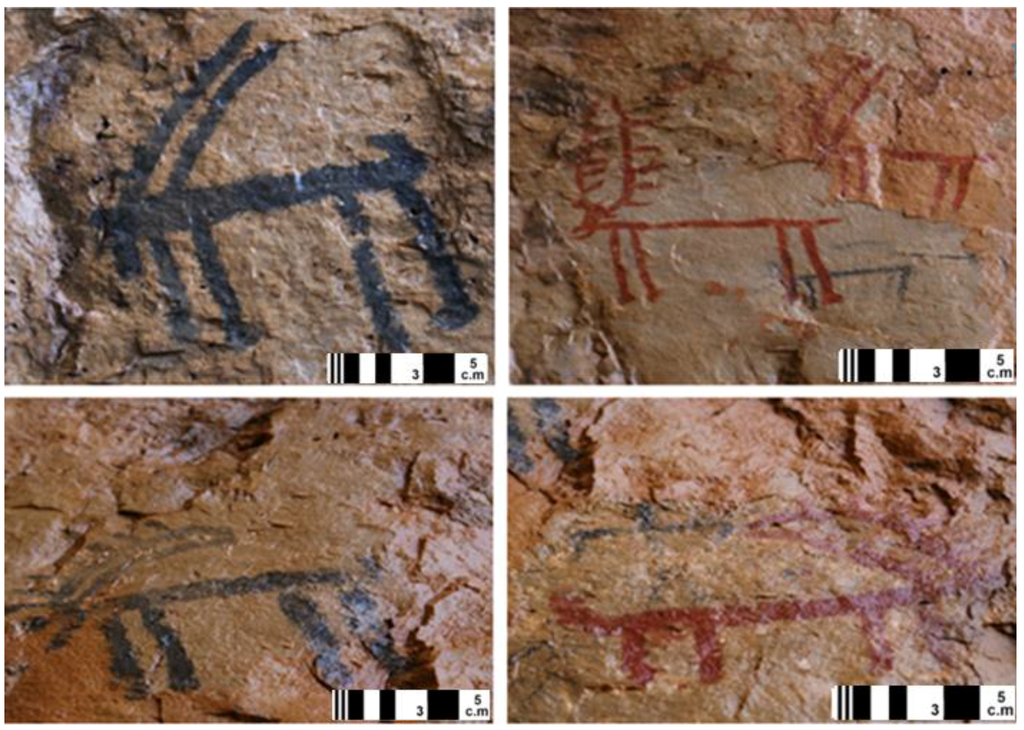
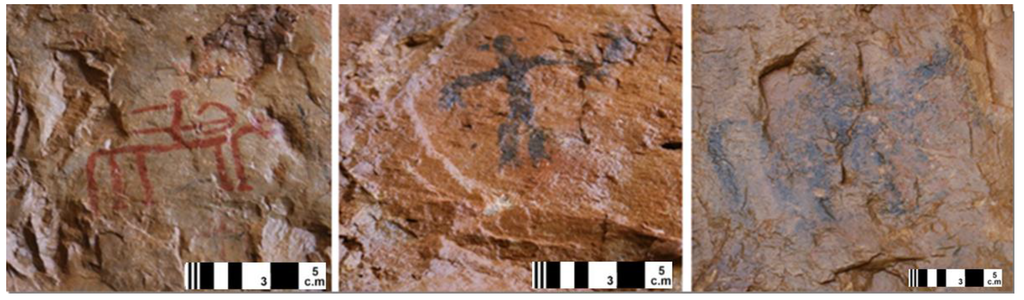
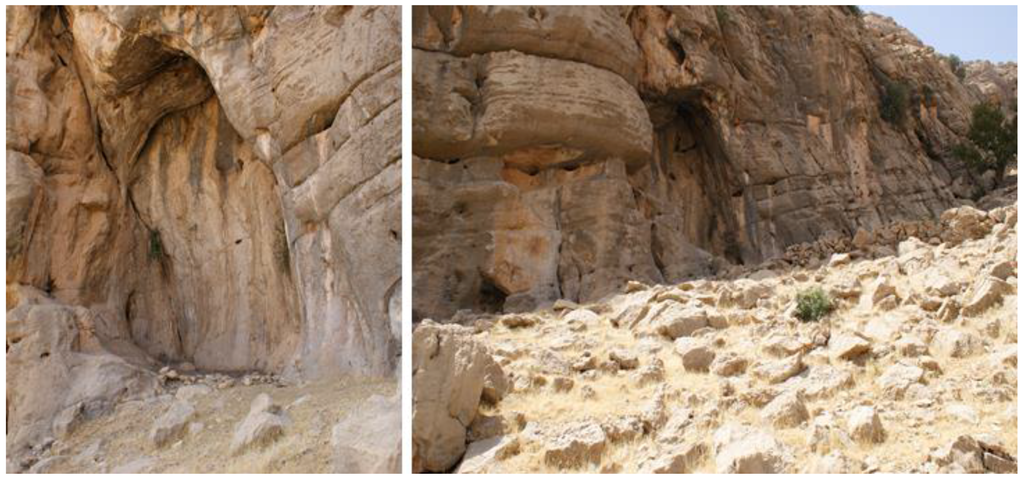
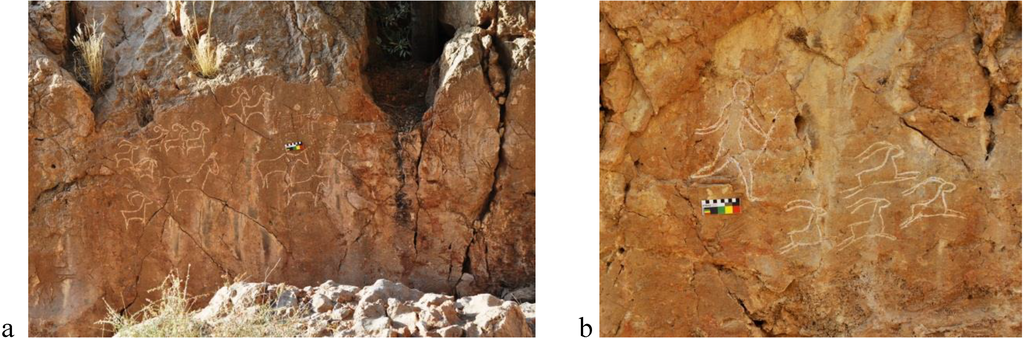
Shamsali and Gorgali rock shelters were discovered during an archaeological survey in 2009 at Kohgiluye Bouier Ahmad province, west of Iran. In total, 50 paintings occur at both rock shelters; 21 at Shamsali, and 29 remains at Gorgali rock shelter. The paintings
[...] Read more.
The
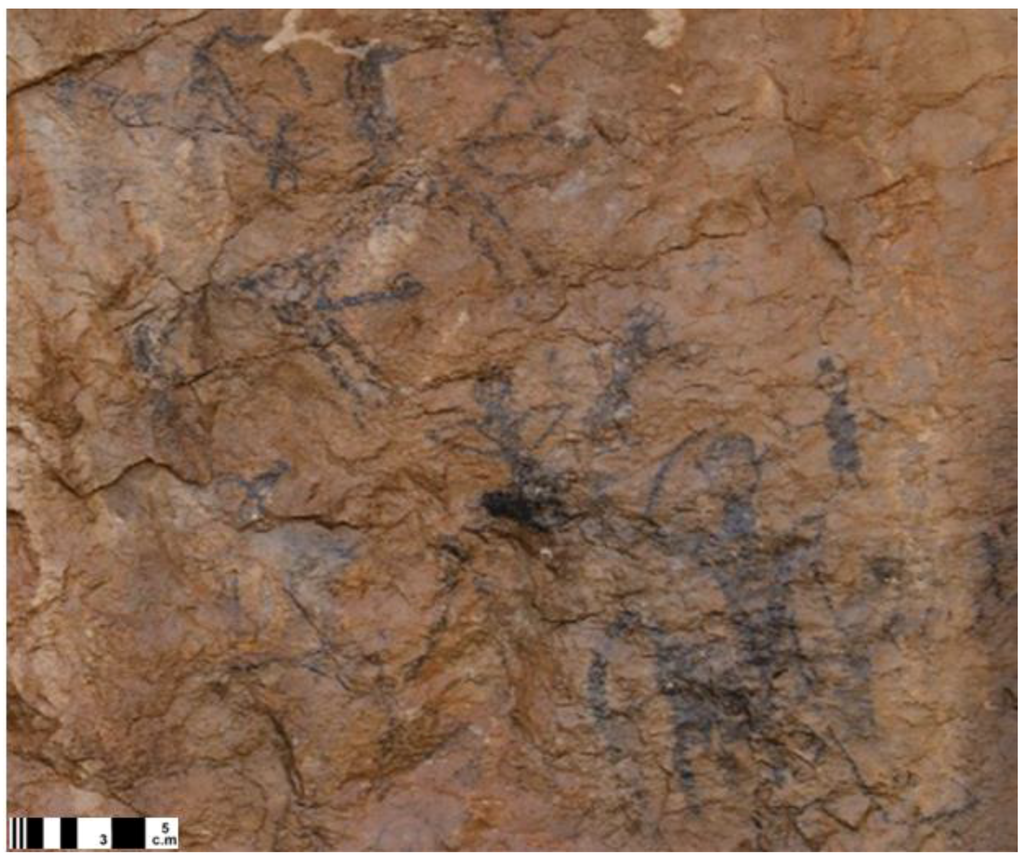
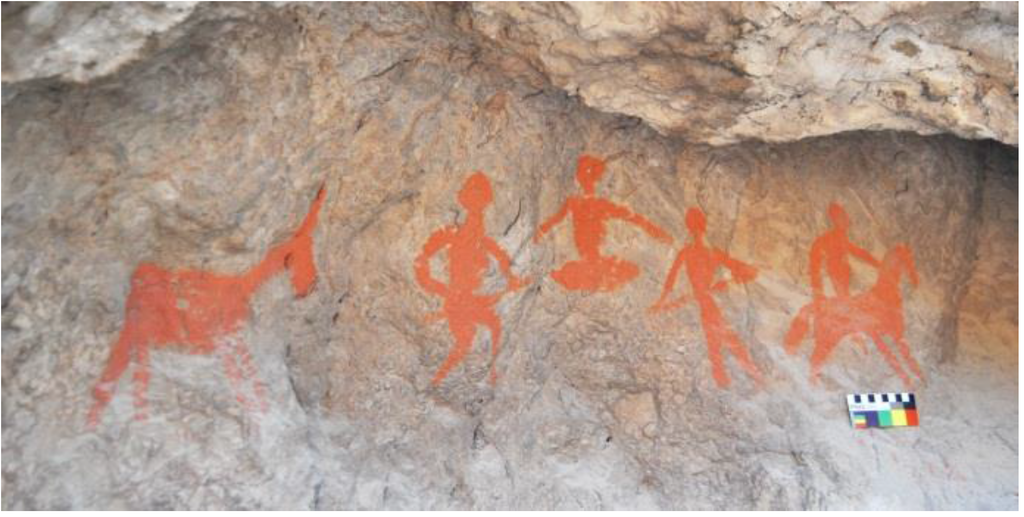
Shamsali and Gorgali rock shelters were discovered during an archaeological survey in 2009 at Kohgiluye Bouier Ahmad province, west of Iran. In total, 50 paintings occur at both rock shelters; 21 at Shamsali, and 29 remains at Gorgali rock shelter. The paintings consist of “ibex”, “Predators”, and “riders” in red and black. They are depicted stylistically in singular or plural subjects in profile. In addition, the most numerous images in the Shamsali and Gorgali rock shelters represent “ibex”, comparable with a large numbers of such motifs identified in other regions of Iran. There is no certainty in attributed dates, because we are lacking absolute dating methods.
Full article
►▼
Show Figures
Open AccessArticle
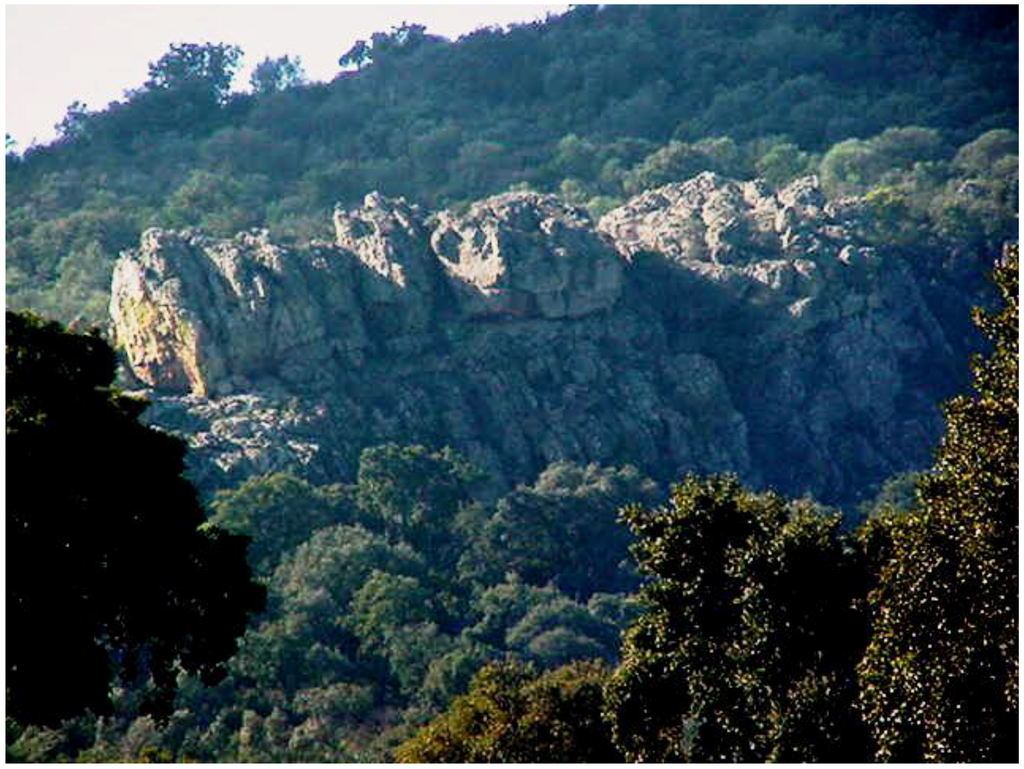
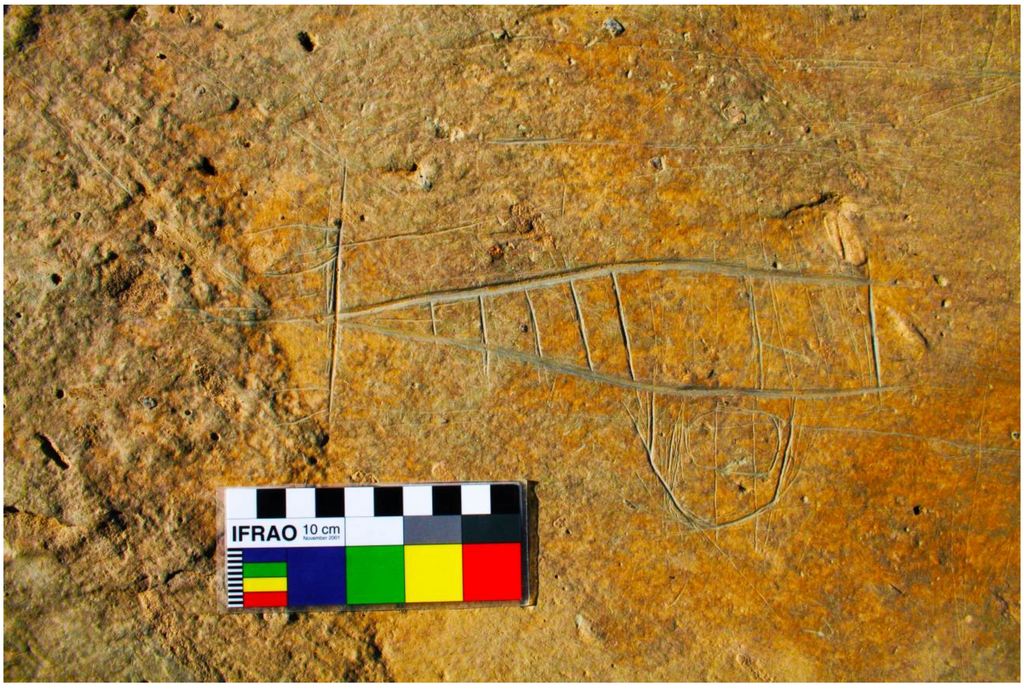
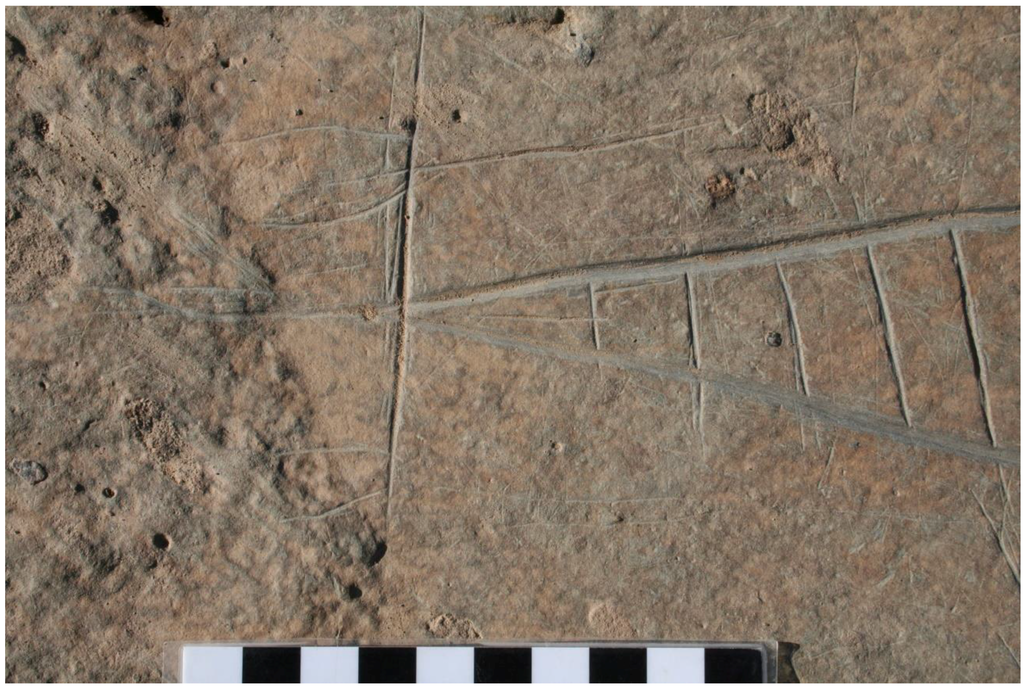
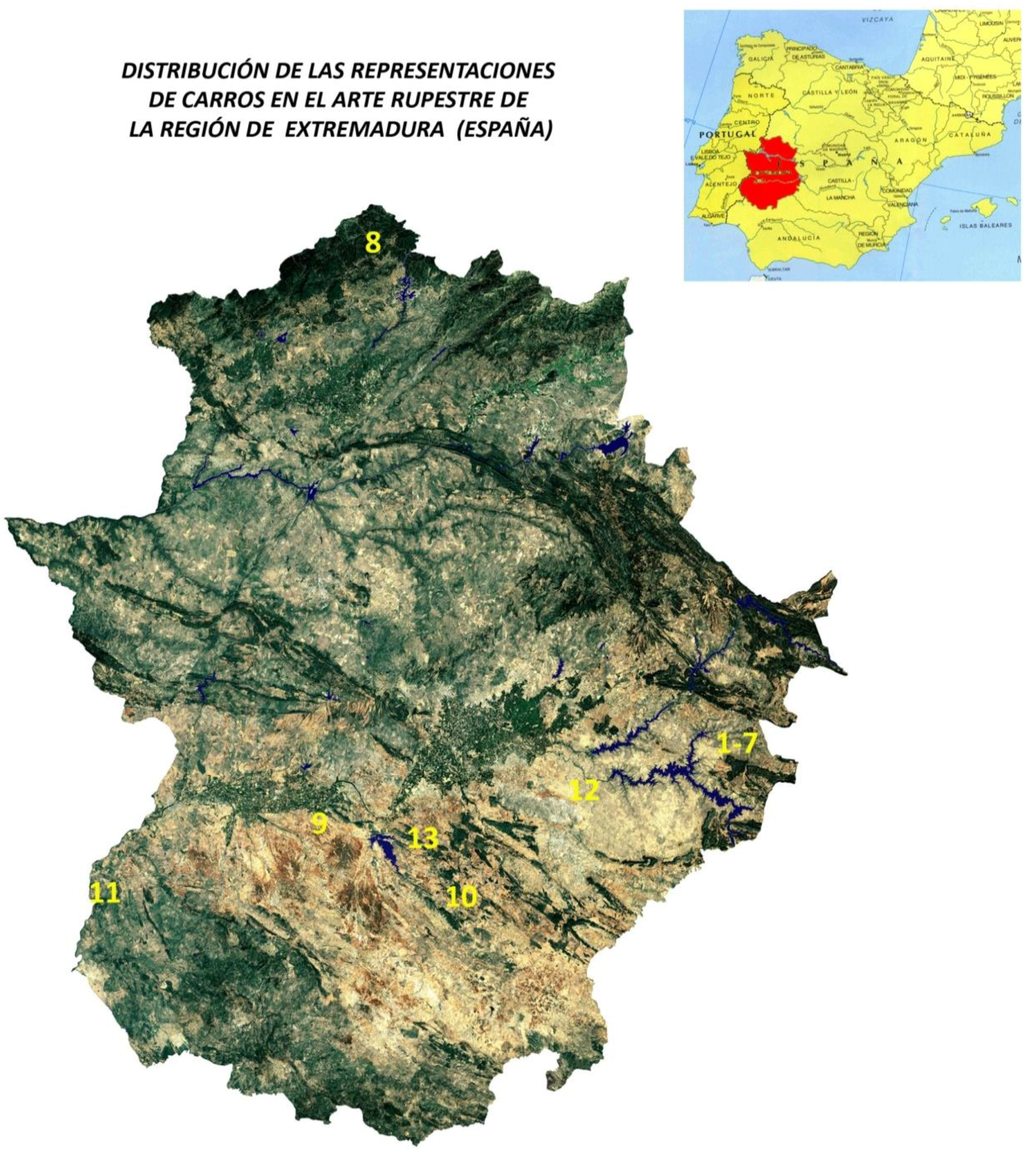
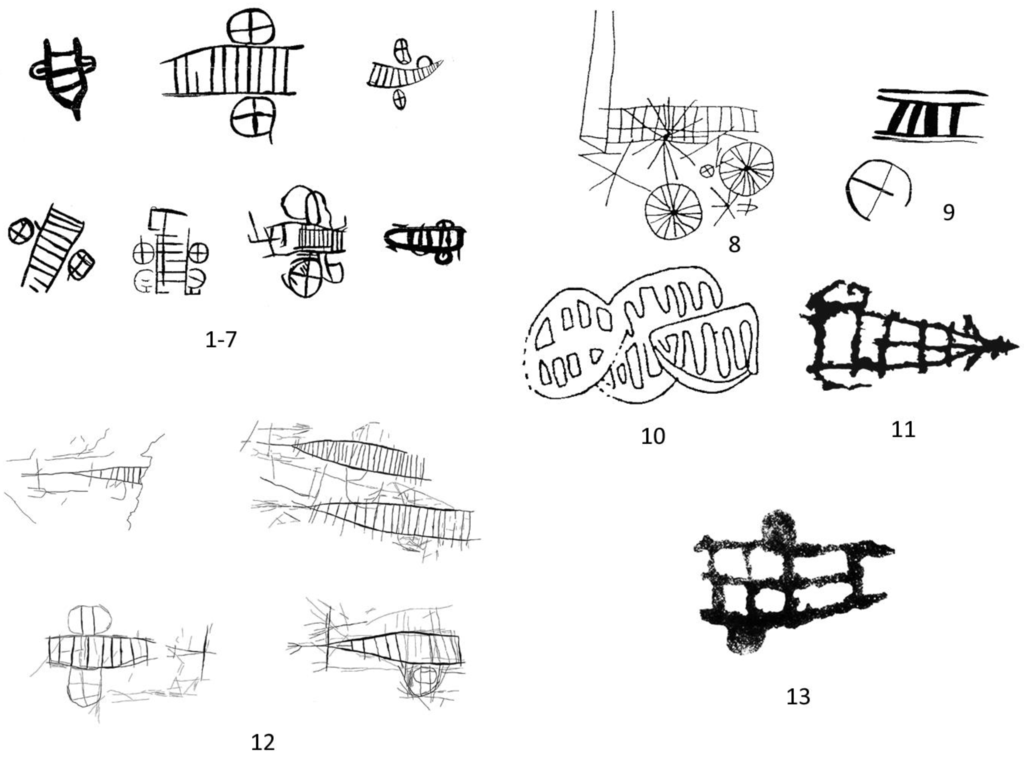
New Representations of “Chariots” in the Rock Art of Extremadura and Some Considerations of the Archaeological Context
by
Hipólito Collado Giraldo
Cited by 5 | Viewed by 6432
Abstract
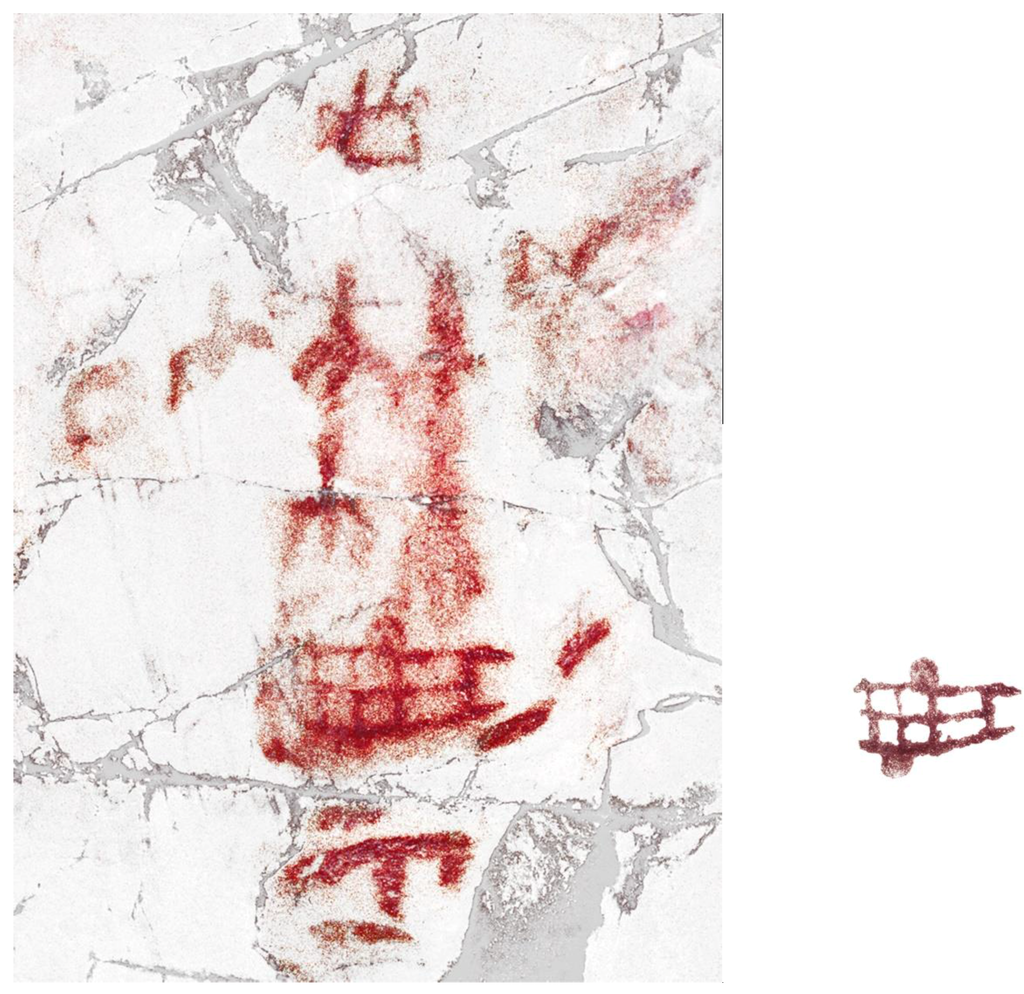
Depictions of “chariots” could be considered almost exceptional in the field of schematic rock art of the Iberian Peninsula. Their presence usually generates some discussions among researchers who are dedicated to the study of this artistic cycle to some extent.
Full article
►▼
Show Figures
Open AccessArticle
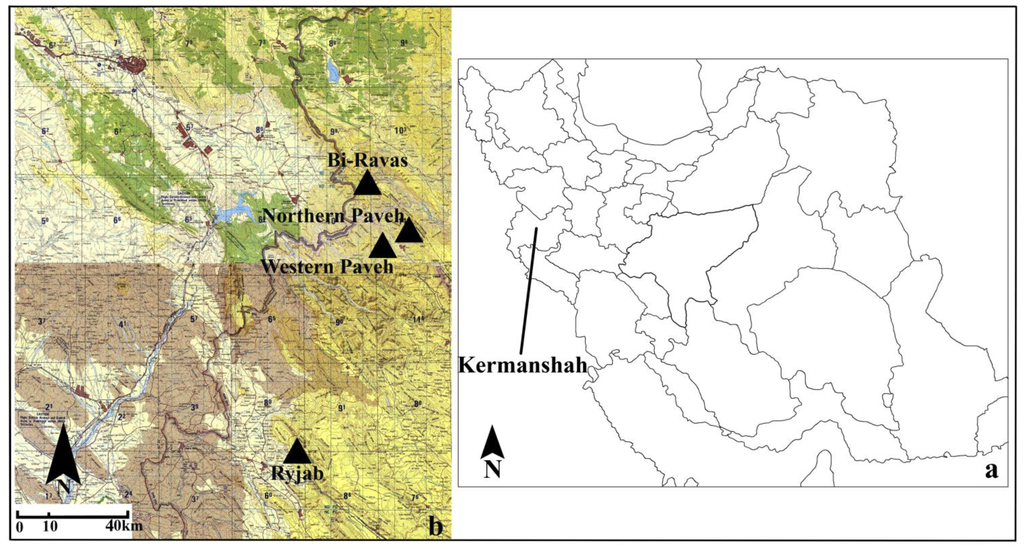
The Newly Found Petroglyphs in the Western Kermanshah
by
Jamal Lahafian
Cited by 2 | Viewed by 9832
Abstract
Recent field works have shown a great potential of rock art in western Iran, particularly in Kermanshah province. This paper has been prepared based on recent fieldwork, which has resulted in identifying new clusters of petroglyphs at the western part of Kermanshah province.
[...] Read more.
Recent field works have shown a great potential of rock art in western Iran, particularly in Kermanshah province. This paper has been prepared based on recent fieldwork, which has resulted in identifying new clusters of petroglyphs at the western part of Kermanshah province. Several rock art sites have been identified in Bi-Ravas, Havar Poinrhis in north of Paveh, the rock art to the west of Paveh and the petroglyphs of Ryjab or Ryjav village. The depictions include anthropomorphs, zoomorphs, geometric forms and cupules. A remarkable characteristic of the rock art in the region is the considerable number of cupules, which were identified in Bi-Ravas, North of Paveh and Ryjab village. Only one specimen of a purported hunting scene has been recognized in Biravas, where a primary chronology could be made with regard to the depiction of a horse-like animal, which has been illustrated with a harness. More fieldwork will be required in order to shed more light on the rock art of western Kermanshah.
Full article
►▼
Show Figures
Open AccessArticle
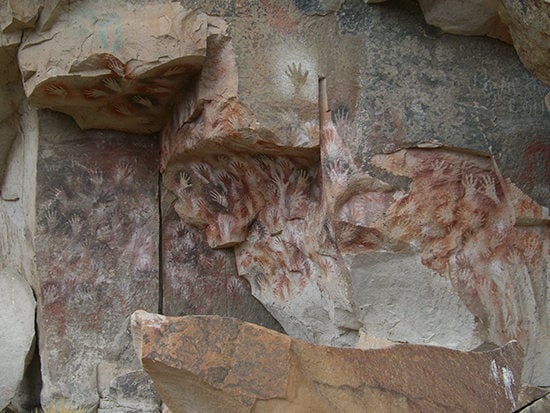
Hand Traces: Technical Aspects of Positive and Negative Hand-Marking in Rock Art
by
Patricia Dobrez
Cited by 4 | Viewed by 12702
Abstract
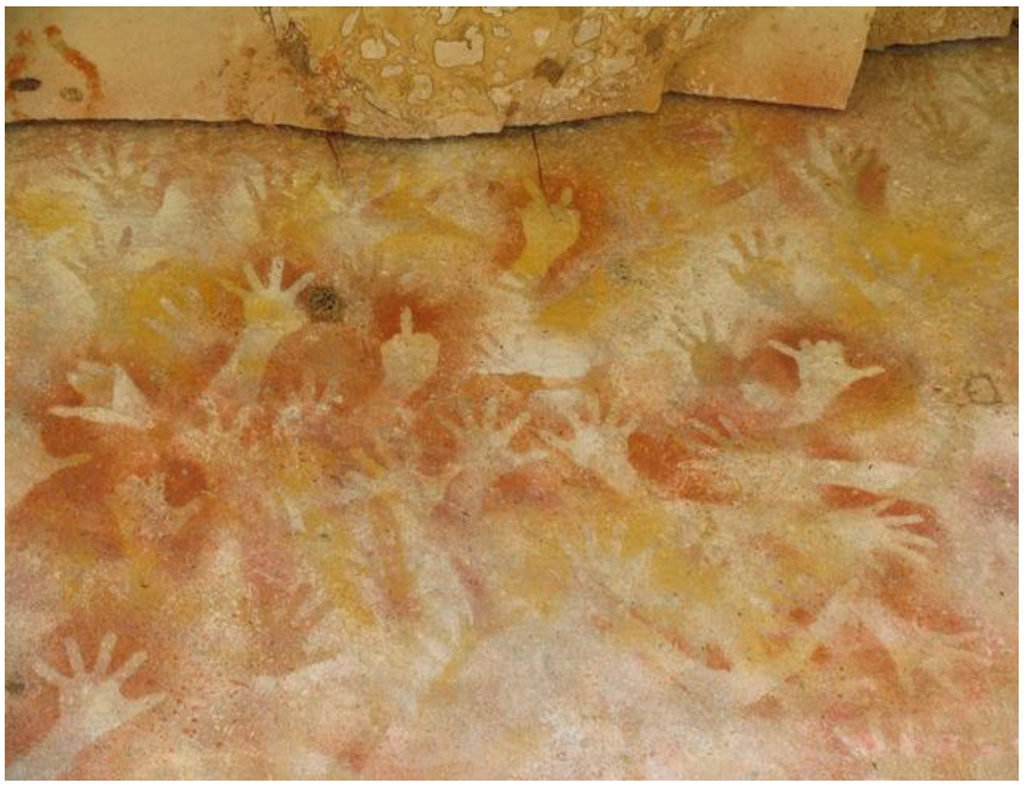
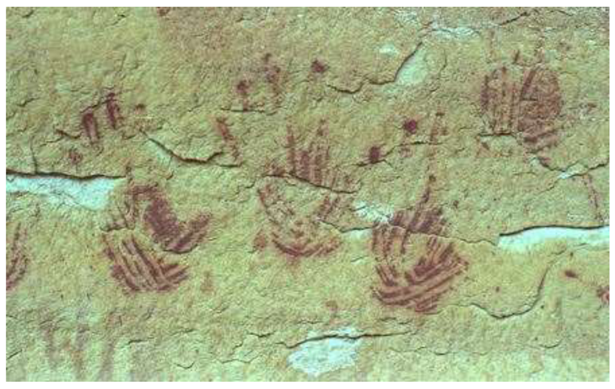
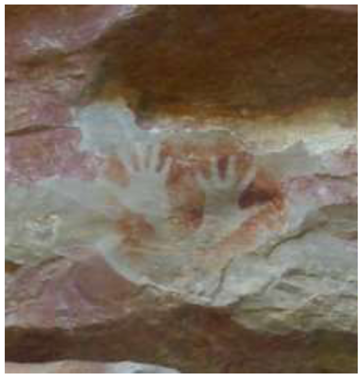
Affordances necessary for the making of hand traces in the form of stencils and prints—primarily the availability of pigment and a suitable surface—bear on our understanding of their emergence as early exograms. Matters relating to the question of how pigment was/is applied, the
[...] Read more.
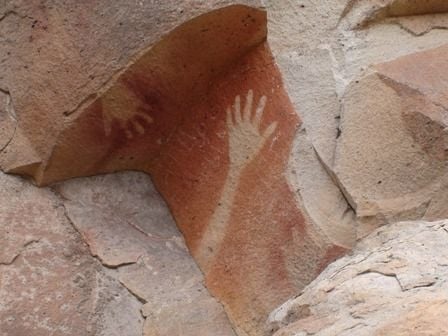
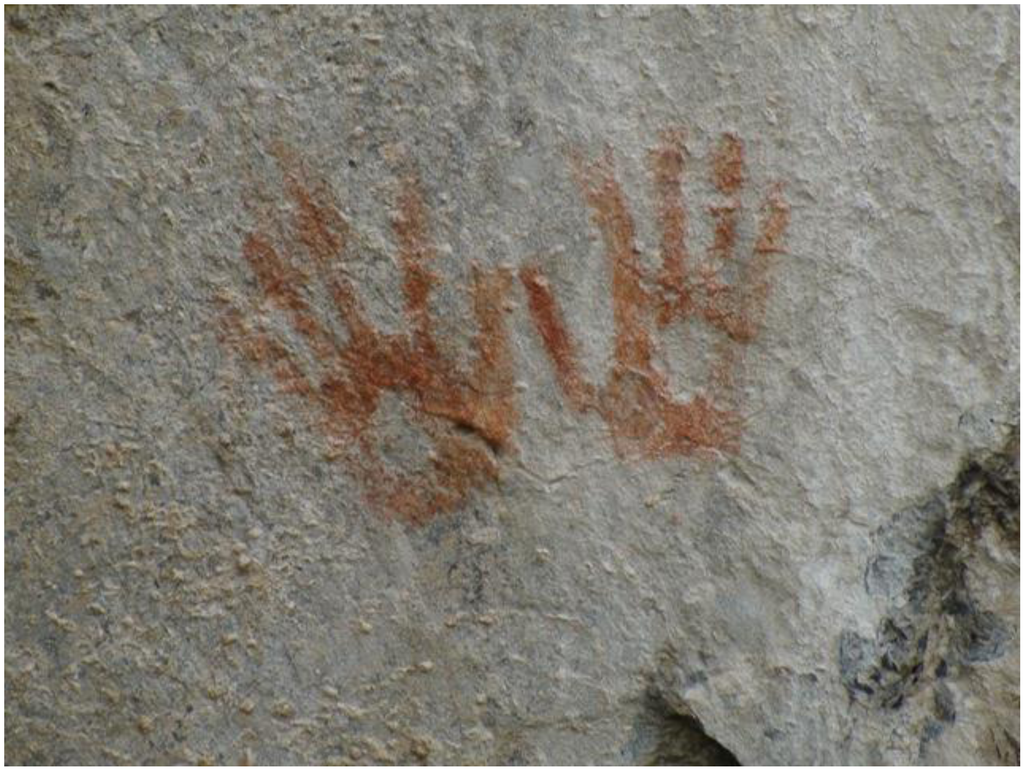
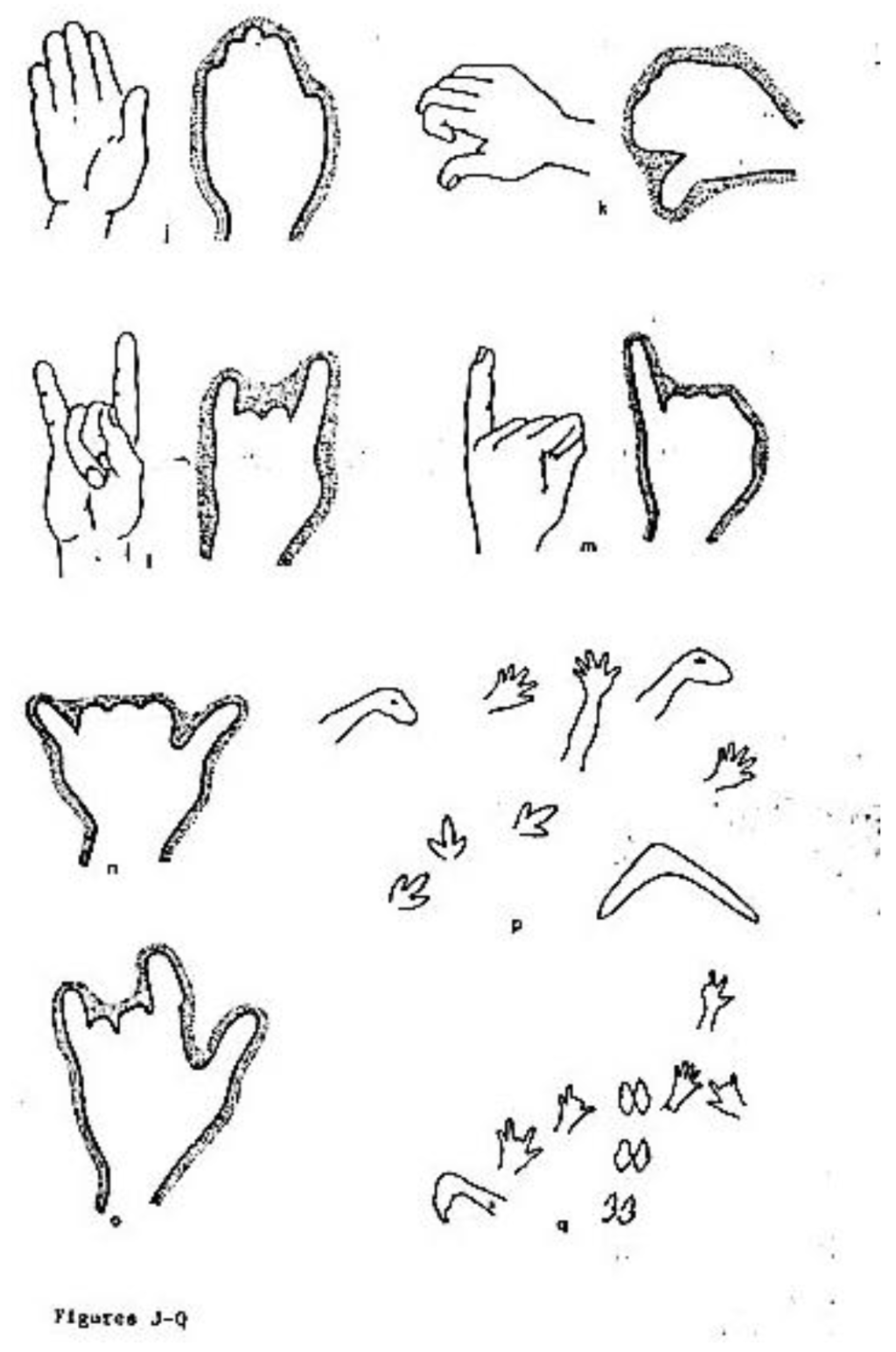
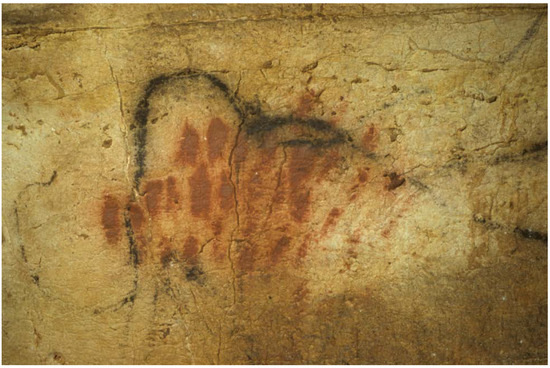
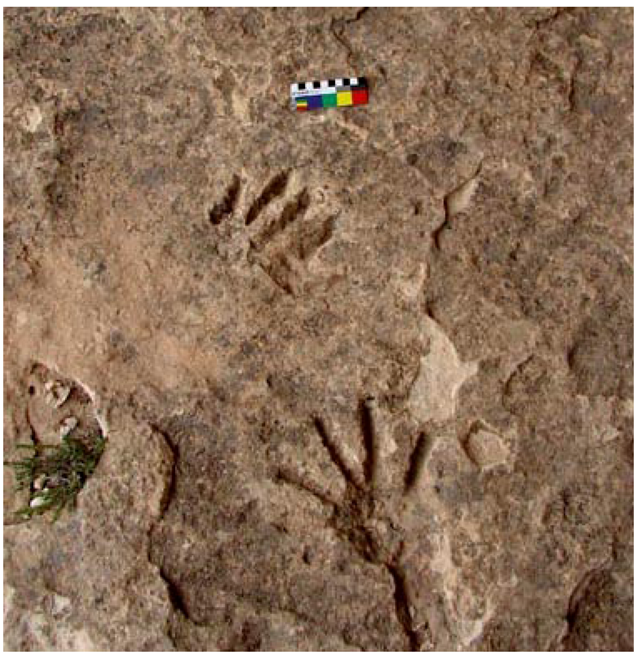
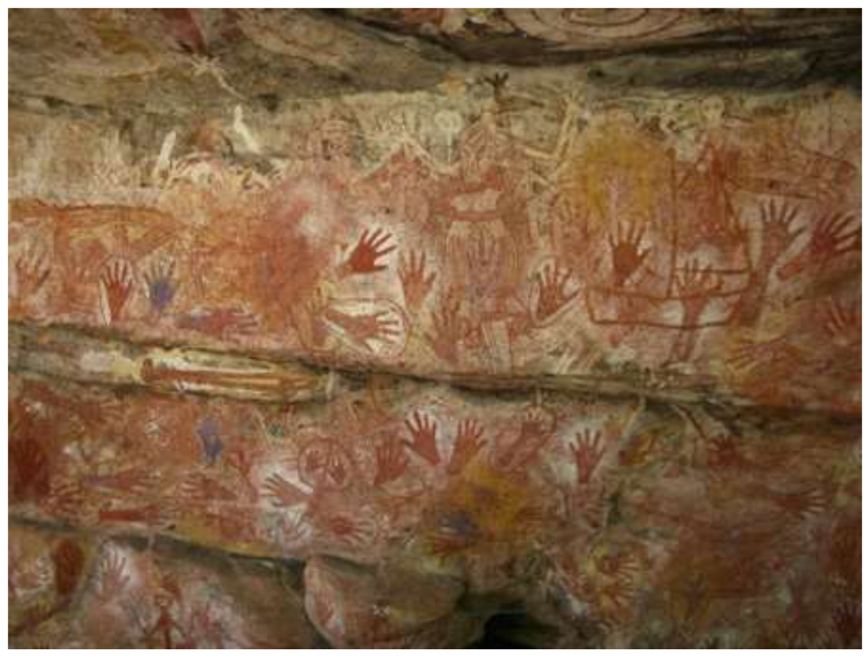
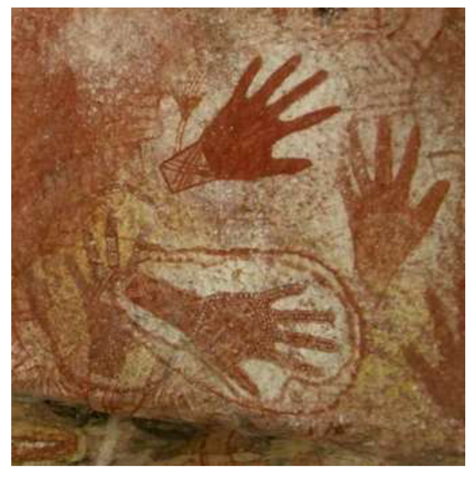
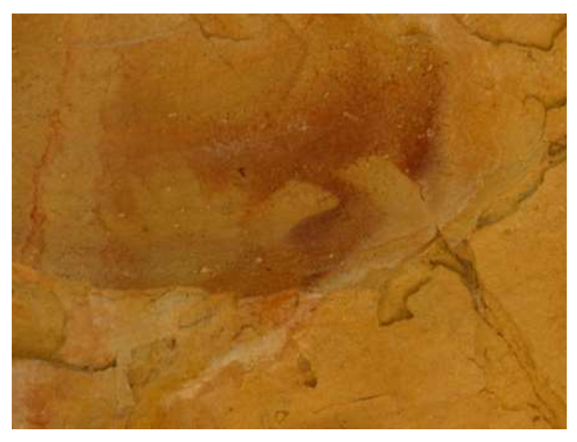
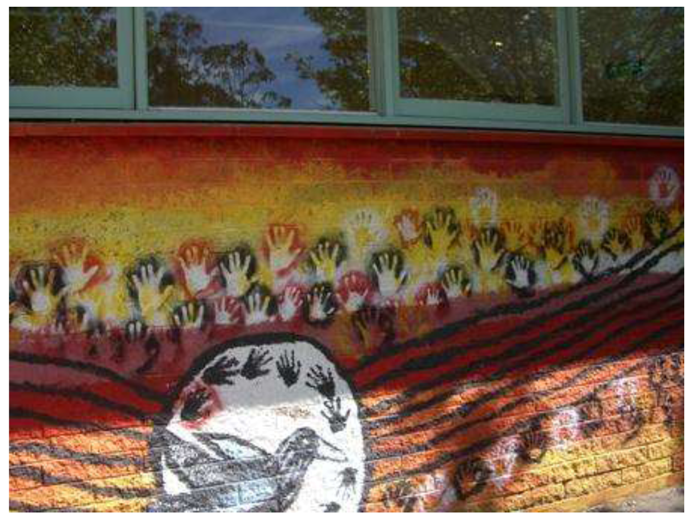
Affordances necessary for the making of hand traces in the form of stencils and prints—primarily the availability of pigment and a suitable surface—bear on our understanding of their emergence as early exograms. Matters relating to the question of how pigment was/is applied, the placement and embellishment of images, the procurement and preparation of ochre, and the selecting and priming of surfaces, are discussed here—as well as the intriguing occurrence of variant hands. Advantage is taken of Australia’s position as a zone of ongoing hand-marking practice to suggest what can be learned from ethnography. Finally, avenues for future research are proposed with a view to opening out a discussion of external information storage possibilities in relation to hand traces.
Full article
►▼
Show Figures
Open AccessReview
Pleistocene Paleoart of Europe
by
Robert G. Bednarik
Cited by 9 | Viewed by 14770
Abstract
As in Australia, Pleistocene rock art is relatively abundant in Europe, but it has so far received much more attention than the combined Ice Age paleoart of the rest of the world. Since archaeology initially rejected its authenticity for several decades, the cave
[...] Read more.
As in Australia, Pleistocene rock art is relatively abundant in Europe, but it has so far received much more attention than the combined Ice Age paleoart of the rest of the world. Since archaeology initially rejected its authenticity for several decades, the cave art of France and Spain and the portable paleoart from various regions of Europe have been the subjects of thousands of studies. It is shown, however, that much of the published information is unreliable and subjective, and that fundamental trends in the evidence have been misunderstood. In particular, the data implies that the paleoart of the Early Upper Paleolithic, the work of robust humans such as Neanderthals, is considerably more sophisticated and developed that that of more recent times. Thus, the European paleoart demonstrates that the teleological model of cultural “evolution” is false, which is to be expected because evolution is purely dysteleological. This is confirmed by the extensive record of pre-Upper Paleolithic European paleoart, which is comprehensively reviewed in this paper.
Full article
►▼
Show Figures
Open AccessArticle
Shades of the Rainbow Serpent? A KhoeSan Animal between Myth and Landscape in Southern Africa—Ethnographic Contextualisations of Rock Art Representations
by
Sian Sullivan and Chris Low
Cited by 13 | Viewed by 22596
Abstract
The snake is a potent entity in many cultures across the world, and is a noticeable global theme in rock art and inscribed landscapes. We mobilise our long-term ethnographic research with southern African KhoeSan peoples to situate and interpret the presence of snake
[...] Read more.
The snake is a potent entity in many cultures across the world, and is a noticeable global theme in rock art and inscribed landscapes. We mobilise our long-term ethnographic research with southern African KhoeSan peoples to situate and interpret the presence of snake motifs in the region’s rock art. We contextualise the snake as a transformative ontological mediator between everyday and “entranced” KhoeSan worlds (those associated with “altered states of consciousness”), to weave together both mythological and shamanistic interpretations of southern African rock art. Ethnographic explorations of experiences of snakes as both an aspect of natural history and the physical environment, and as embodiments of multiplicitous and mythical meaning by which to live and understand life, shed light on the presence of snakes and associated snake-themes in southern African rock art. By drawing on ethnographic material, and in conjunction with review of literature, we highlight a dynamic assemblage of extant associations between snakes, rain, water, fertility, blood, fat, transformation, dance and healing. We suggest that these extant associations have explanatory potential for understanding the meaning of these themes in the rock art created by the ancestors of contemporary KhoeSan peoples. Our paper contributes to a live debate regarding the interpretive relevance of ethnography for understanding rock art representations from the past.
Full article
►▼
Show Figures
Open AccessAddendum
Addendum: Bednarik, R.G. Pleistocene Palaeoart of the Americas. Arts, 2014, 3, 190-206.
by
Robert G. Bednarik
Viewed by 5821
Abstract
The author wishes to add the following paragraph to his paper published in
Arts [1], doi:10.3390/arts3020190, website: https://www.mdpi.com/2076-0752/3/2/190.[...]
Full article
►▼
Show Figures
Open AccessDiscussion
The Significance of the Pech Merle Spotted Horses
by
Derek Hodgson
Cited by 2 | Viewed by 9170
Abstract
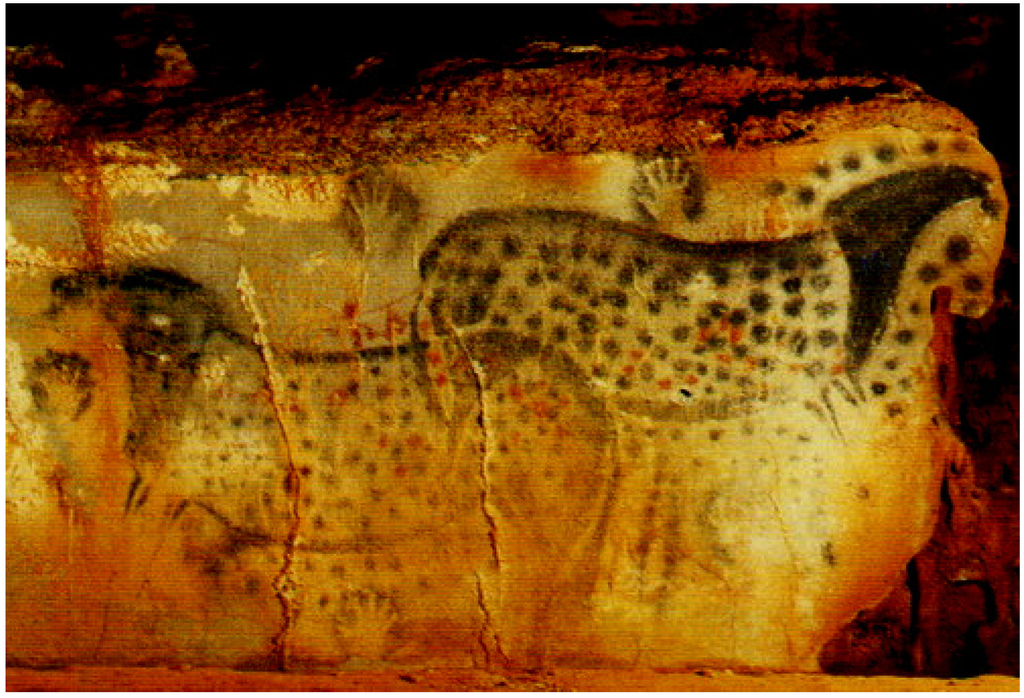
The Pech Merle spotted horses have been one of the key lines of evidence put forward in support of the notion Upper Palaeolithic cave depictions relate to a concern for the supernatural. Recent findings from genetics has cast doubt on this notion in
[...] Read more.
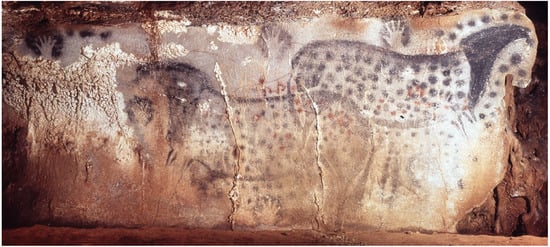
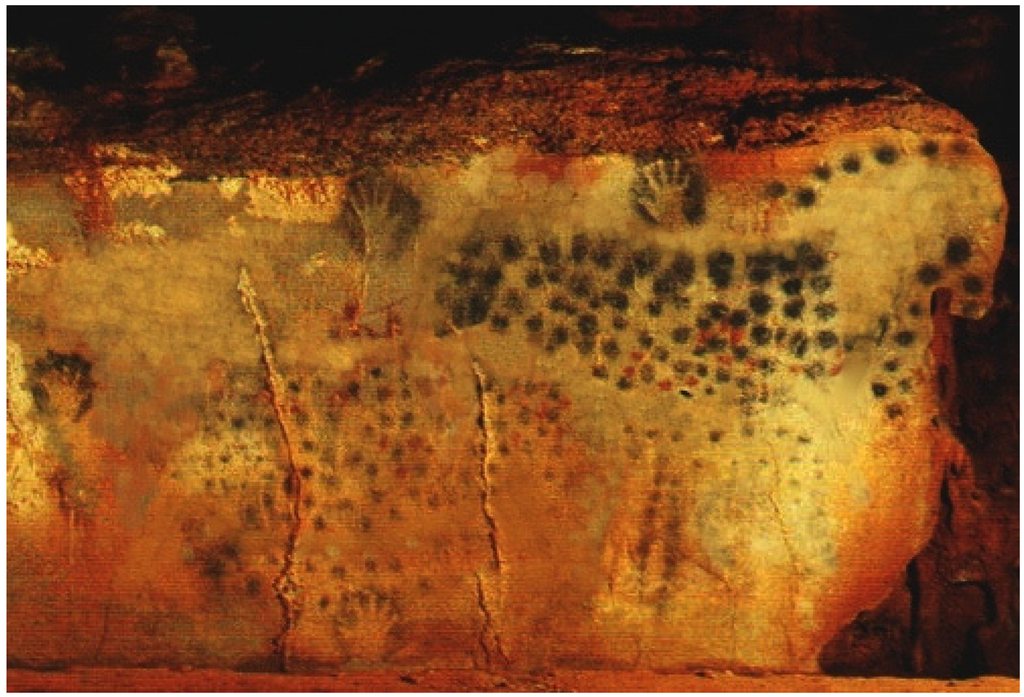
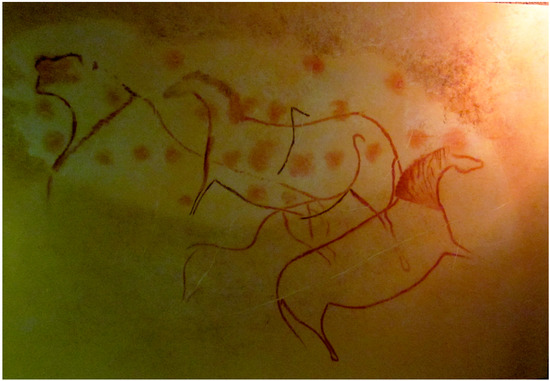
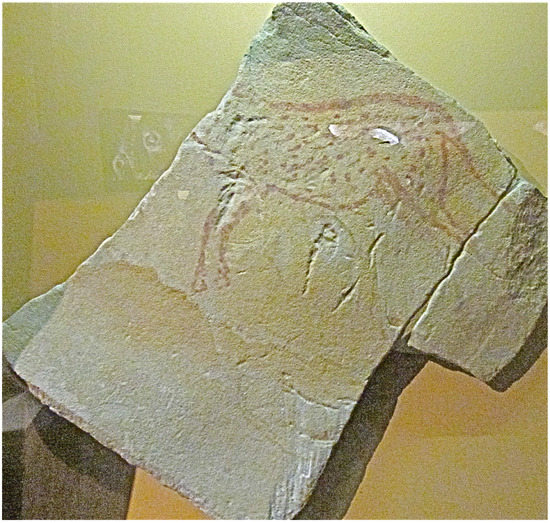
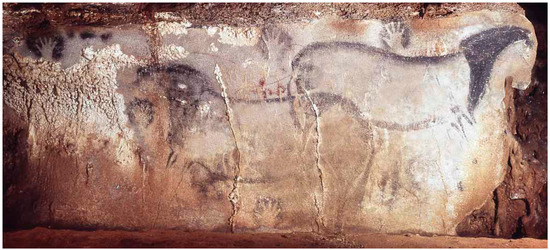
The Pech Merle spotted horses have been one of the key lines of evidence put forward in support of the notion Upper Palaeolithic cave depictions relate to a concern for the supernatural. Recent findings from genetics has cast doubt on this notion in confirming that such horses actually existed during the Upper Palaeolithic in Europe and therefore it is possible real, rather than fictitious, horses were being portrayed. As well as examining criticisms in response to this finding, the present paper presents further evidence to support the possibility real horses were portrayed and the implications for explanations that continue to rely on the supernatural.
Full article
►▼
Show Figures
Open AccessReview
Pleistocene Palaeoart of the Americas
by
Robert G. Bednarik
Cited by 5 | Viewed by 11712
Abstract
In contrast to the great time depth of Pleistocene rock art and mobiliary ‘art’ in the four other continents, the available evidence from the Americas is very limited, and restricted at best to the last part of the final Pleistocene. A review of
[...] Read more.
In contrast to the great time depth of Pleistocene rock art and mobiliary ‘art’ in the four other continents, the available evidence from the Americas is very limited, and restricted at best to the last part of the final Pleistocene. A review of what has so far become available is hampered by a considerable burden of literature presenting material contended to be of the Ice Age, even of the Mesozoic in some cases, that needs to be sifted through to find a minute number of credible claims. Even the timing of the first colonization of the Americas remains unresolved, and the lack of clear-cut substantiation of palaeoart finds predating about 12,000 years bp is conspicuous. There are vague hints of earlier human presence, rendering it likely that archaeology has failed to define its manifestations adequately, and Pleistocene palaeoart remains almost unexplored at this stage.
Full article
►▼
Show Figures
Open AccessReview
Pleistocene Paleoart of Australia
by
Robert G. Bednarik
Cited by 3 | Viewed by 10723
Abstract
Pleistocene rock art is abundant in Australia, but has so far received only limited attention. Instead there has been a trend, begun over a century ago, to search for presumed depictions of extinct megafauna and the tracks of such species. All these notions
[...] Read more.
Pleistocene rock art is abundant in Australia, but has so far received only limited attention. Instead there has been a trend, begun over a century ago, to search for presumed depictions of extinct megafauna and the tracks of such species. All these notions have been discredited, however, and the current evidence suggests that figurative depiction was introduced only during the Holocene, never reaching Tasmania. Nevertheless, some Australian rock art has been attributed to the Pleistocene by direct dating methods, and its nature implies that a significant portion of the surviving corpus of rock art may also be of such age. In particular much of Australian cave art is of the Ice Age, or appears to be so, and any heavily weathered or patinated petroglyphs on particularly hard rocks are good candidates for Pleistocene antiquity. On the other hand, there is very limited evidence of mobiliary paleoart of such age in Australia.
Full article
►▼
Show Figures
Open AccessReview
Palaeoart at Two Million Years Ago? A Review of the Evidence
by
James B. Harrod
Cited by 7 | Viewed by 14096
Abstract
Current archaeological evidence supports the claim that symbolic behavior, including palaeoart, first emerged in human evolution around 1 million years ago. The purpose of this article is to review archaeological studies that might support the hypothesis that the earliest palaeoart actually is evident
[...] Read more.
Current archaeological evidence supports the claim that symbolic behavior, including palaeoart, first emerged in human evolution around 1 million years ago. The purpose of this article is to review archaeological studies that might support the hypothesis that the earliest palaeoart actually is evident around 2 million years ago. This review identifies nine Oldowan artifacts that have been proposed as possible non-utilitarian and possibly symbolic behavior. Among seven stone tools, the three strongest candidates are the Olduvai Gorge, the FLK North grooved and pecked cobble, ~1.80 million years ago, and MNK Main subspheroid with hexagon shape framing an apparent natural dot-and-undulating-line motif, ~1.5–1.6 million years ago, both initially reported and described by Mary Leakey; and the curated Koobi Fora FxJj1 “broken core” with inner rhomboid shape, ~1.87 million years ago. All six stone tools from Olduvai Gorge need scientific re-examination to determine their chaîne opératoire and assess non-utilitarian features. If even one of the Olduvai Gorge artifacts were validated as symbolic behavior this would indicate the emergence of palaeoart one million years earlier than current proposals. It would also suggest that
Homo habilis/rudolfensis or a very early
Homo erectus had substantially more advanced cognitive, design and symbolic competencies than inferred in current theories. It would constitute a challenge to develop more advanced cognitive semiotic and art-theoretic analytical tools for illuminating the role of such palaeoart in hominin cultural evolution.
Full article
►▼
Show Figures
Open AccessArticle
The Rock Paintings of Kuh-e-Donbeh in Esfahan, Central Iran
by
Ebrahim Karimi
Cited by 5 | Viewed by 14165
Abstract
Although a great number of petroglyphs have been identified in Iran, only a few rock painting sites have been found. Despite this, a considerable number of rock paintings have been discovered in Kuh-e-Donbeh, which is a mountain located to the south-west of the
[...] Read more.
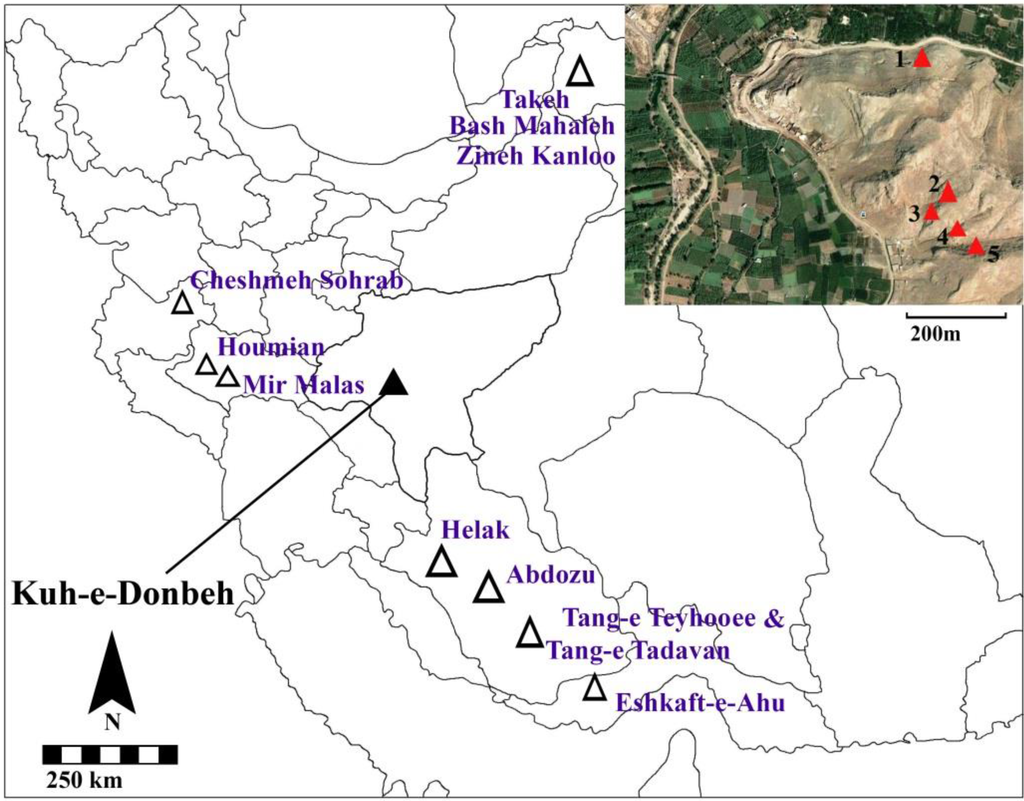
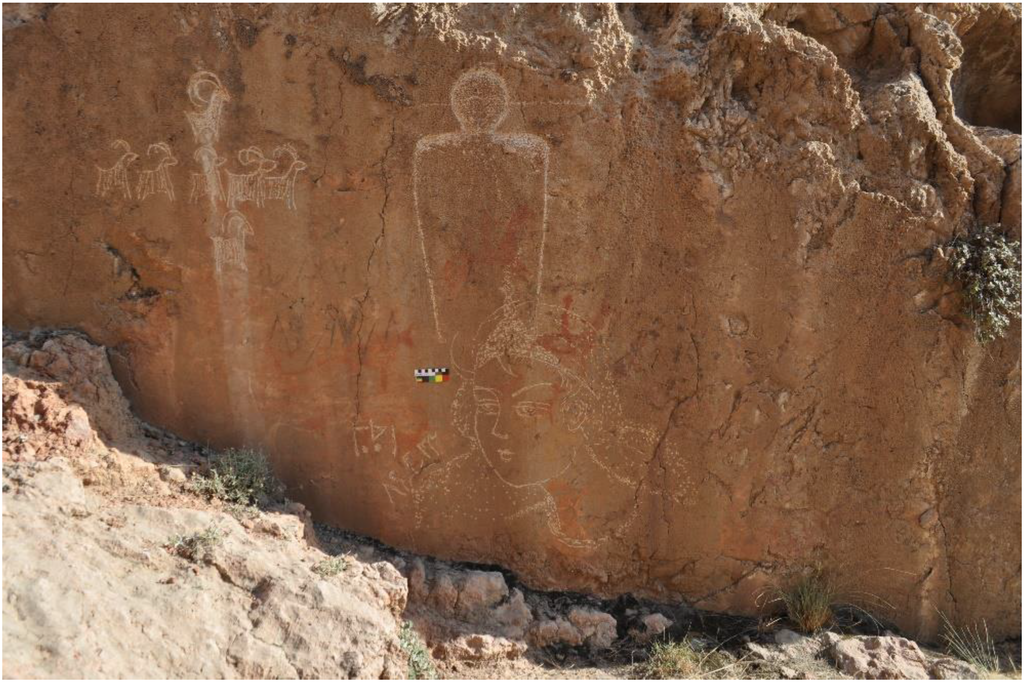
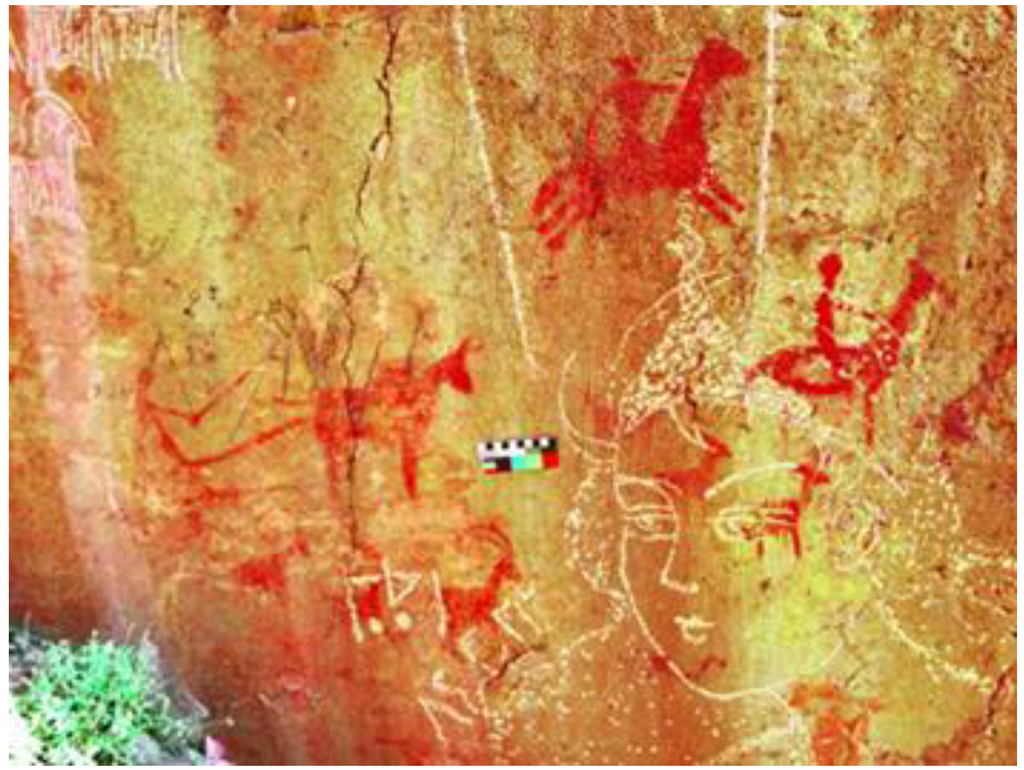
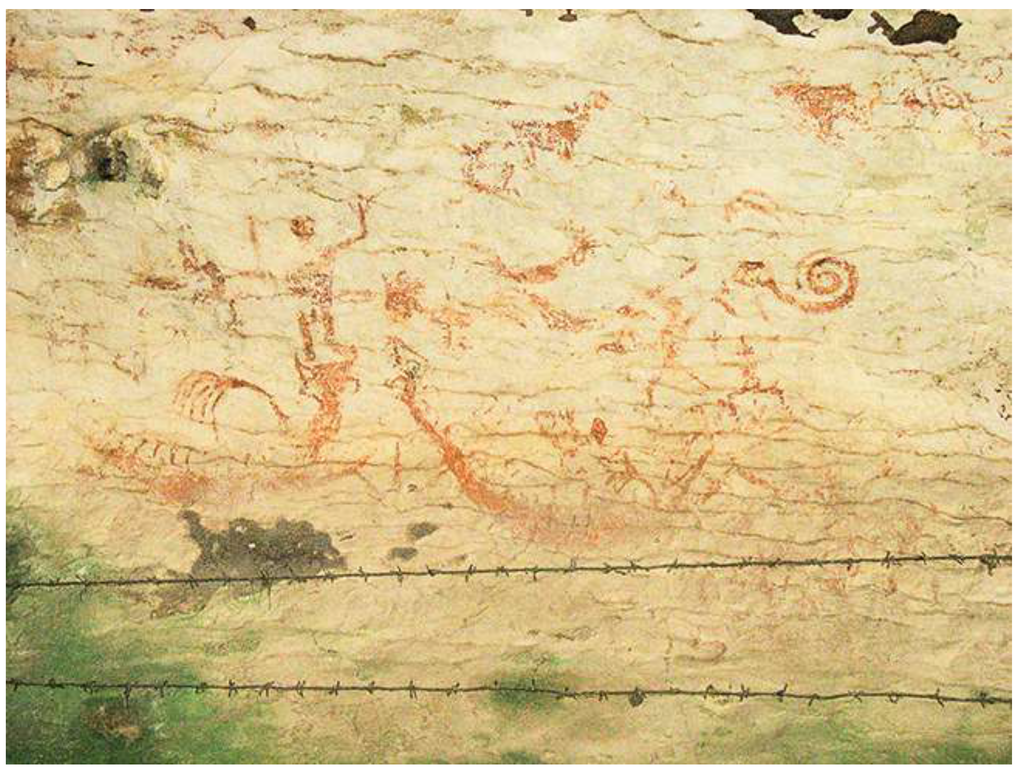
Although a great number of petroglyphs have been identified in Iran, only a few rock painting sites have been found. Despite this, a considerable number of rock paintings have been discovered in Kuh-e-Donbeh, which is a mountain located to the south-west of the city of Esfahan in central Iran. The paintings can be found on the rims of seasonal water channels on this mountain. All the depictions are painted with red pigment sourced from the immediate region. The motifs depicted include zoomorphs, anthropomorphs, horse-riding scenes, and some unknown shapes,
etc. A farming theme is also prevalent in the corpus. The paintings are located in five areas and, in some cases, have been subject to intense weathering. Some of the rock paintings may date to the historic period, but reliable dating is not currently possible. So, analysis of the pigments for more secure scientific dating will be required.
Full article
►▼
Show Figures
Open AccessArticle
Rock Art Research in Southeast Asia: A Synthesis
by
Noel Hidalgo Tan
Cited by 21 | Viewed by 34613
Abstract
Rock art has been known in Southeast Asia since the early 19th century, but relatively little attention has been paid to this class of archaeological material. This paper attempts to correct the perception that there is little rock art known in the region;
[...] Read more.
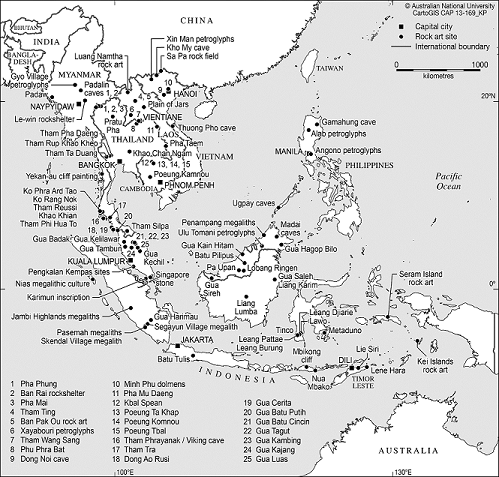
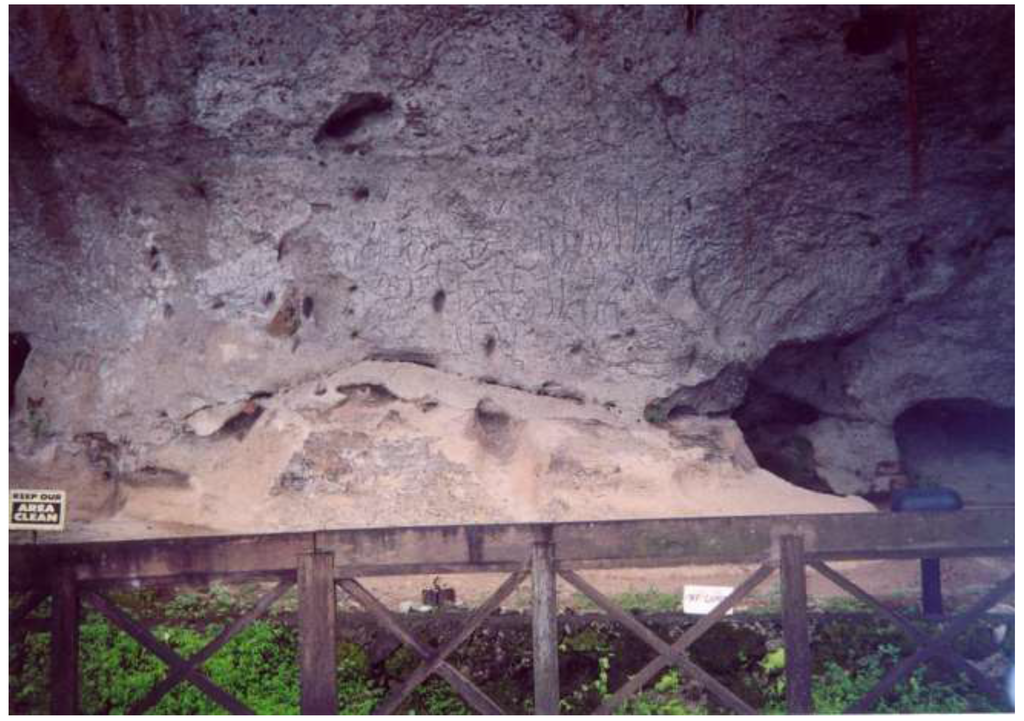
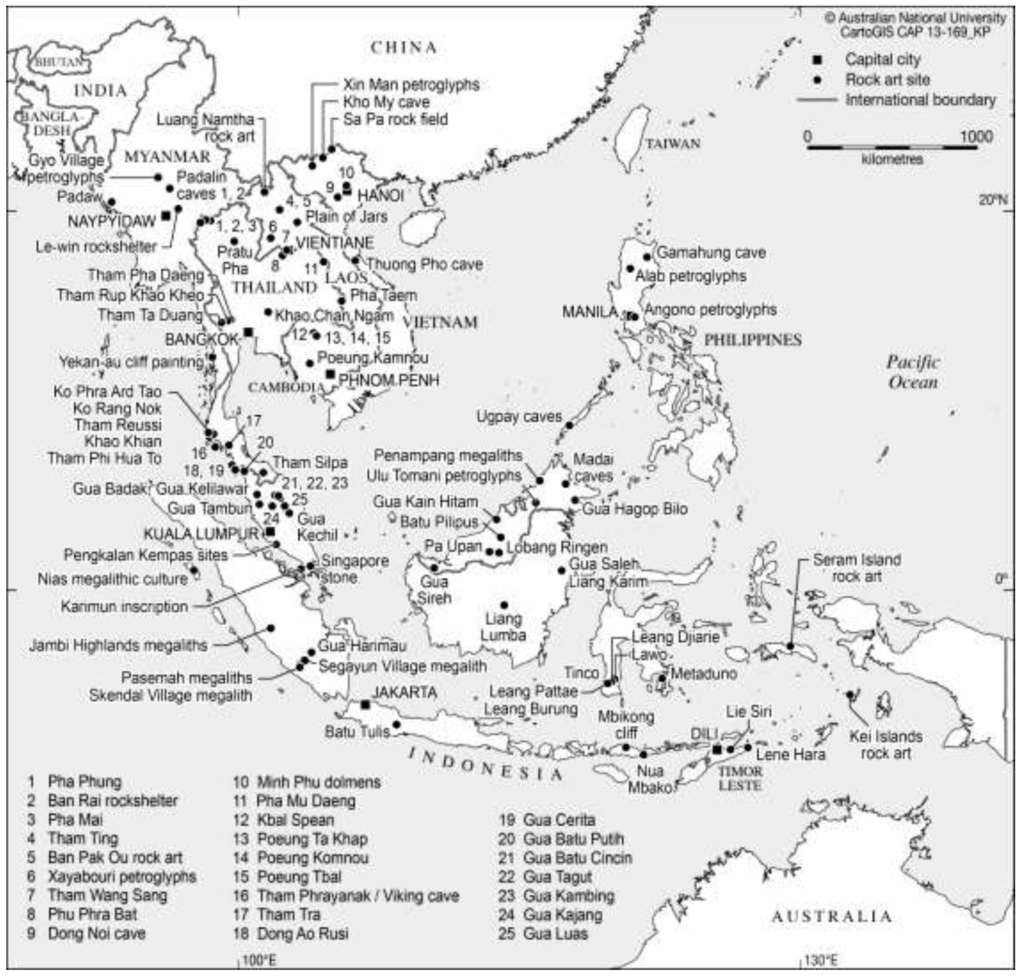
Rock art has been known in Southeast Asia since the early 19th century, but relatively little attention has been paid to this class of archaeological material. This paper attempts to correct the perception that there is little rock art known in the region; especially in the light of intensified research efforts over the last 30 years that have led to the discovery of numerous new sites. Over a thousand rock art sites are known in the form of rock paintings, petroglyphs and megaliths in Southeast Asia, and their distribution across the various territories are uneven. This paper summarises the state of rock art research in Southeast Asia and discusses some of the challenges of studying rock art in this region, research trends and new finds from recent research.
Full article
►▼
Show Figures
Open AccessArticle
Dating Petroglyphs from Fugoppe Cave, Japan
by
Masaru Ogawa
Cited by 1 | Viewed by 11146
Abstract
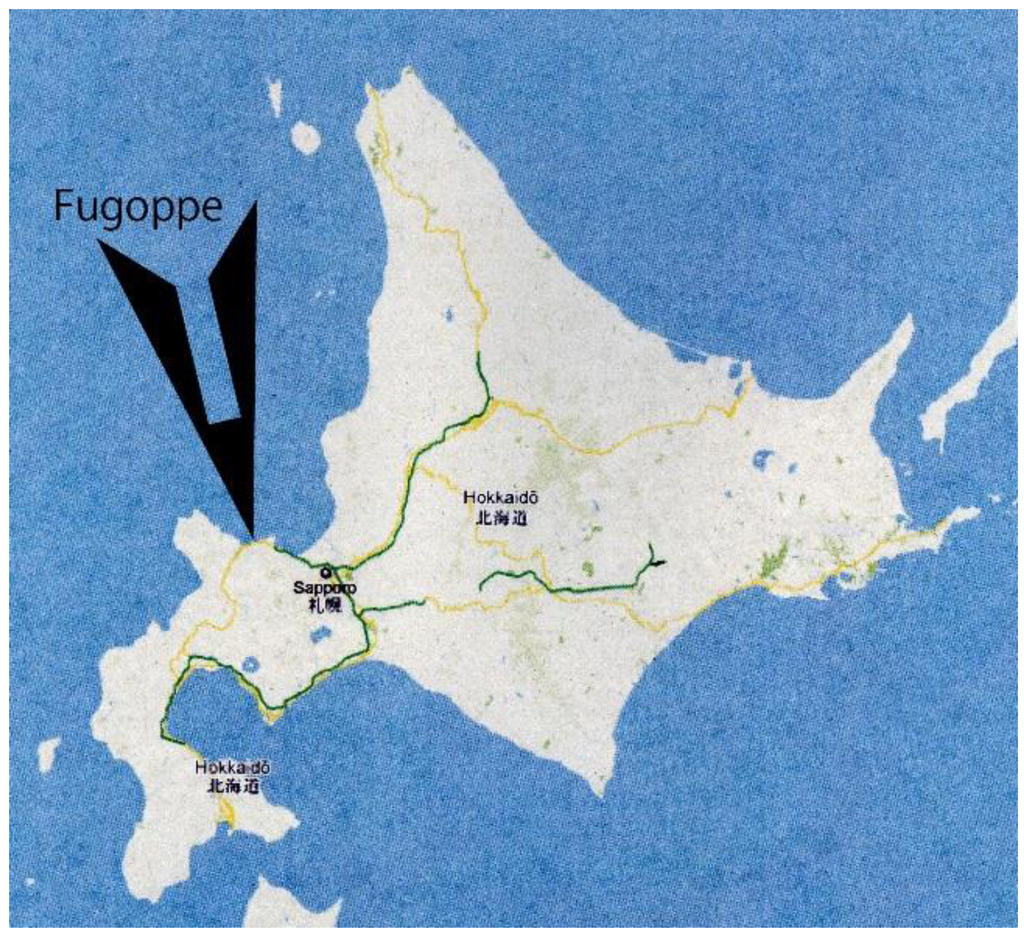
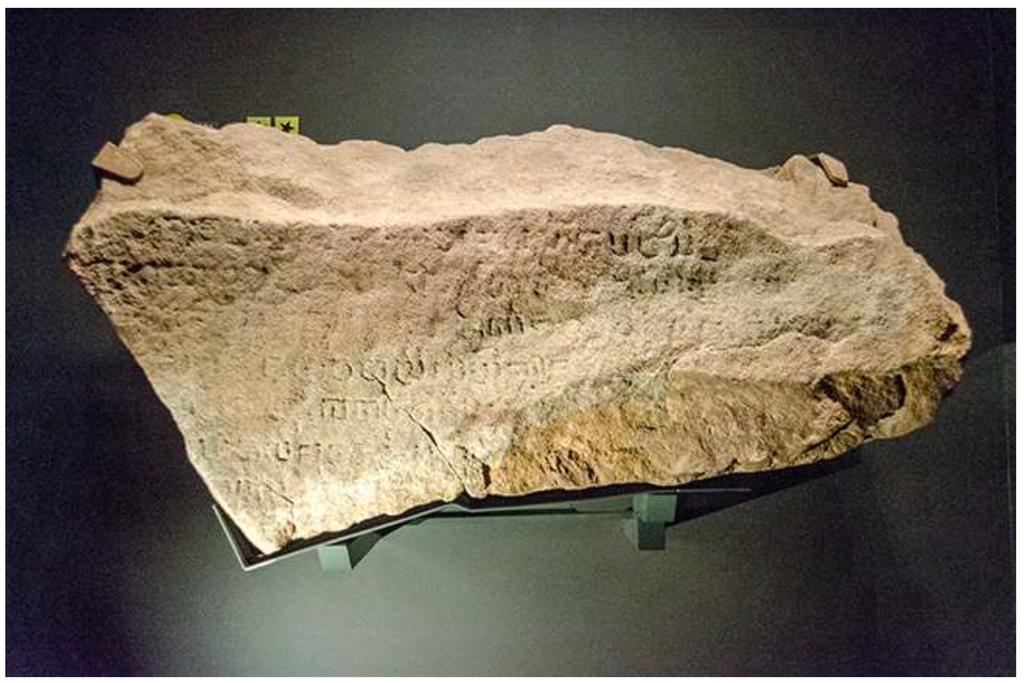
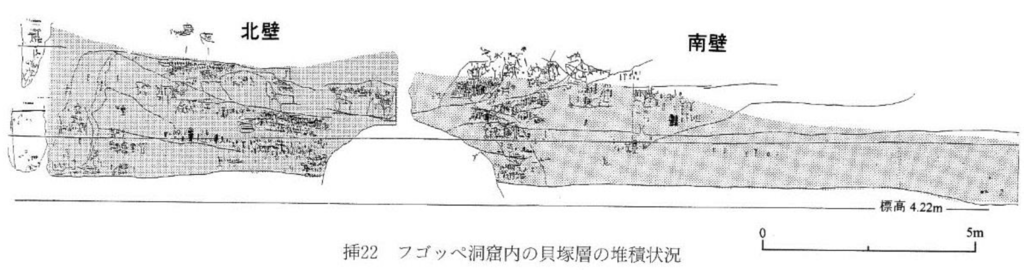
For over 20 years, I have tried to establish a relative date for petroglyphs in Fugoppe Cave, Japan. Unsuspected amidst debris accumulating from about 1300 years ago, the petroglyphs were rediscovered accidentally in 1950. From an analysis of petroglyphs on fallen rocks scattered
[...] Read more.
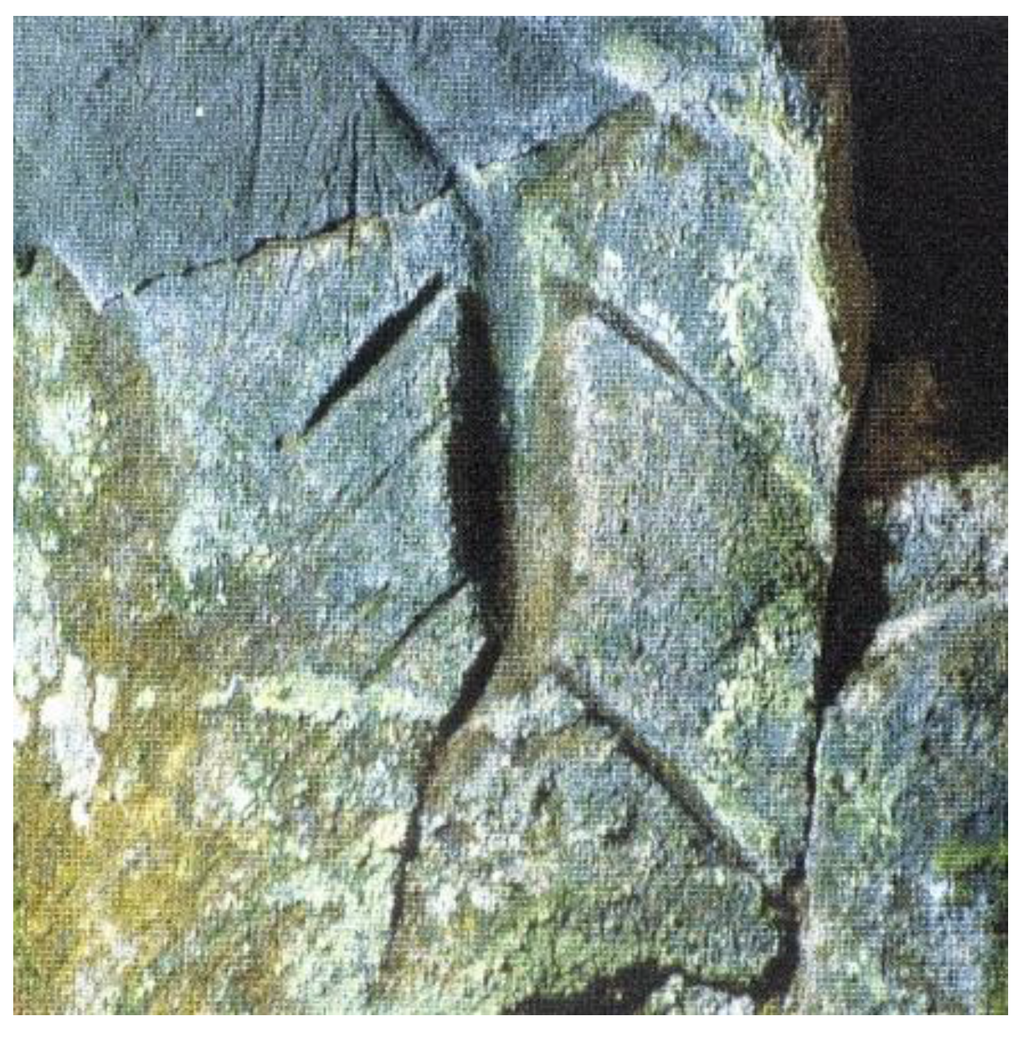
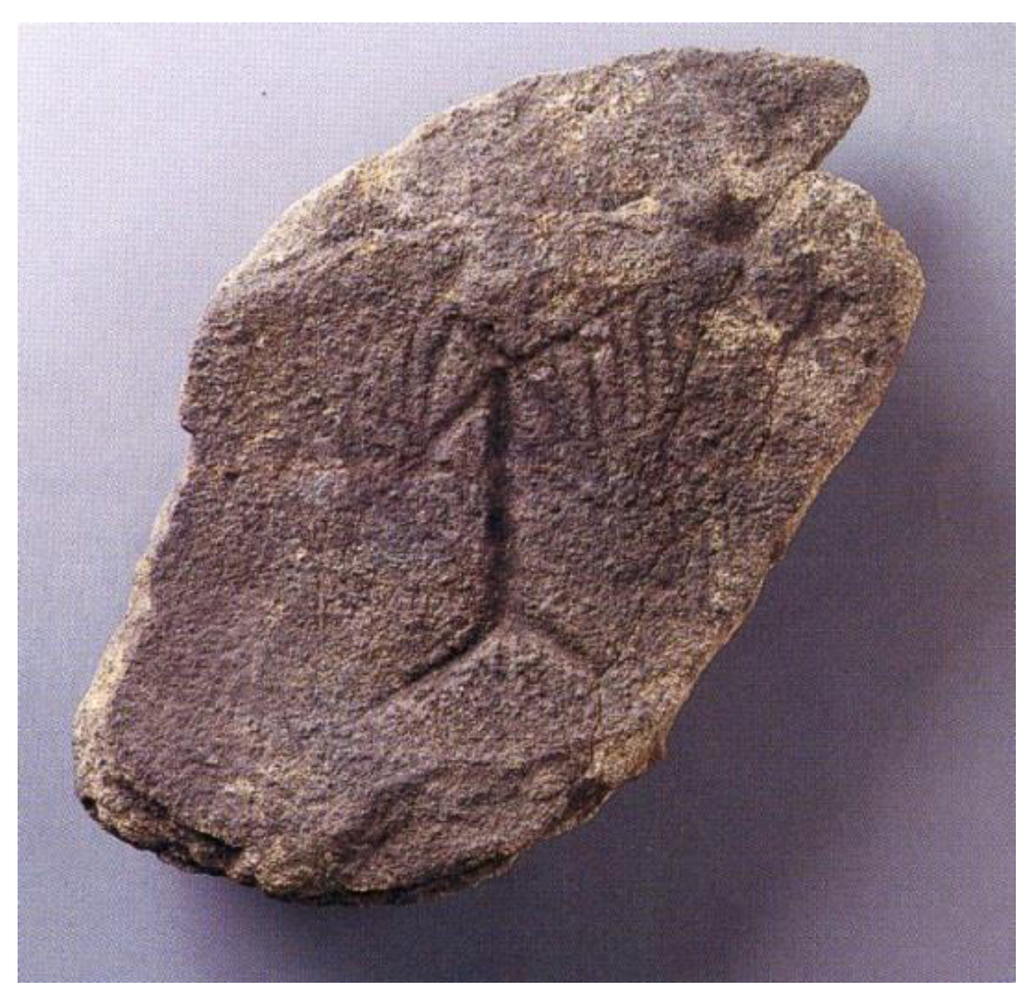
For over 20 years, I have tried to establish a relative date for petroglyphs in Fugoppe Cave, Japan. Unsuspected amidst debris accumulating from about 1300 years ago, the petroglyphs were rediscovered accidentally in 1950. From an analysis of petroglyphs on fallen rocks scattered randomly on the site floor, I argue that the artworks date from
ca.1900 years ago. The cave itself, formed by wave action, saw its main occupation by pottery-making people from 1700–1500 years ago; although the petroglyphs on the rock walls predated their occupation, it seems unlikely that the occupants attached any meaning to them.
Full article
►▼
Show Figures
Open AccessArticle
Archaeological Investigations at a Wisconsin Petroglyph Site
by
Jack Steinbring
Viewed by 10001
Abstract
Preliminary test excavations at the Hensler Petroglyph Site in East Central Wisconsin, U.S.A. have disclosed the remains of aboriginal engravings below Aeolian sediments dated to
ca. 15,000 years B.P. The stratified deposits lying adjacent to an engraved panel, containing 35 pecked images,
[...] Read more.
Preliminary test excavations at the Hensler Petroglyph Site in East Central Wisconsin, U.S.A. have disclosed the remains of aboriginal engravings below Aeolian sediments dated to
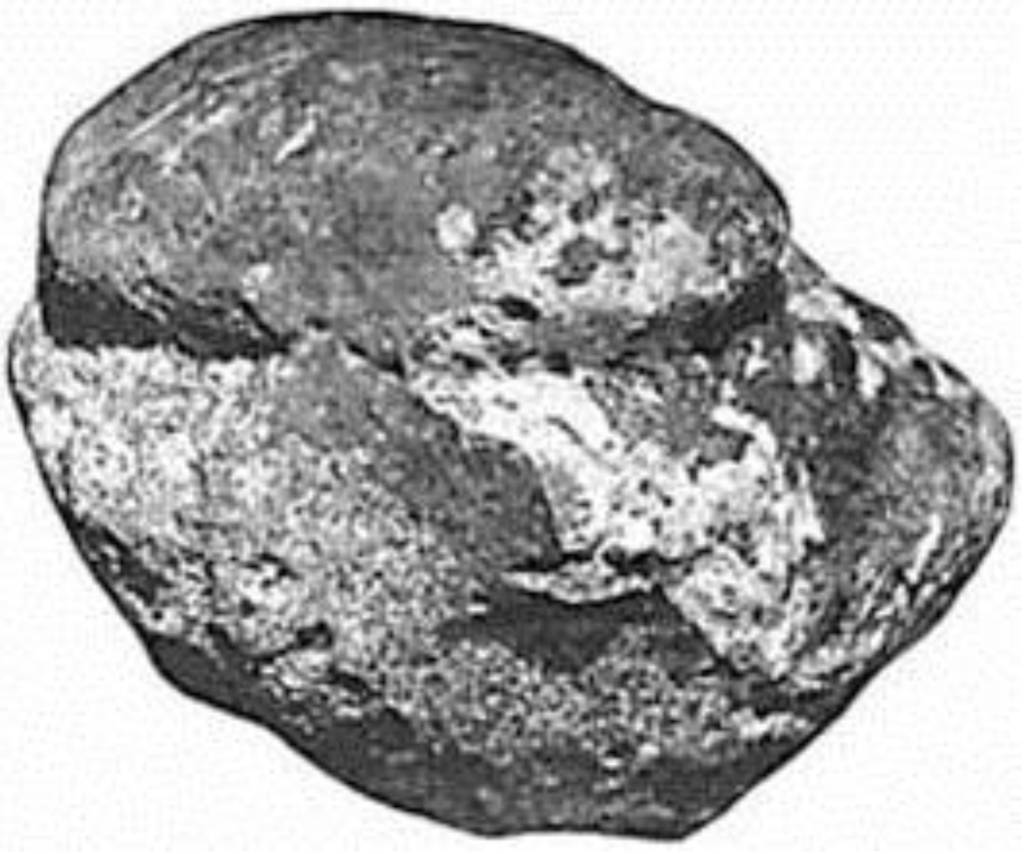
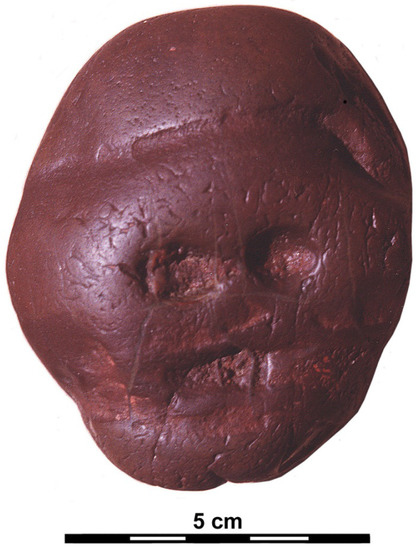
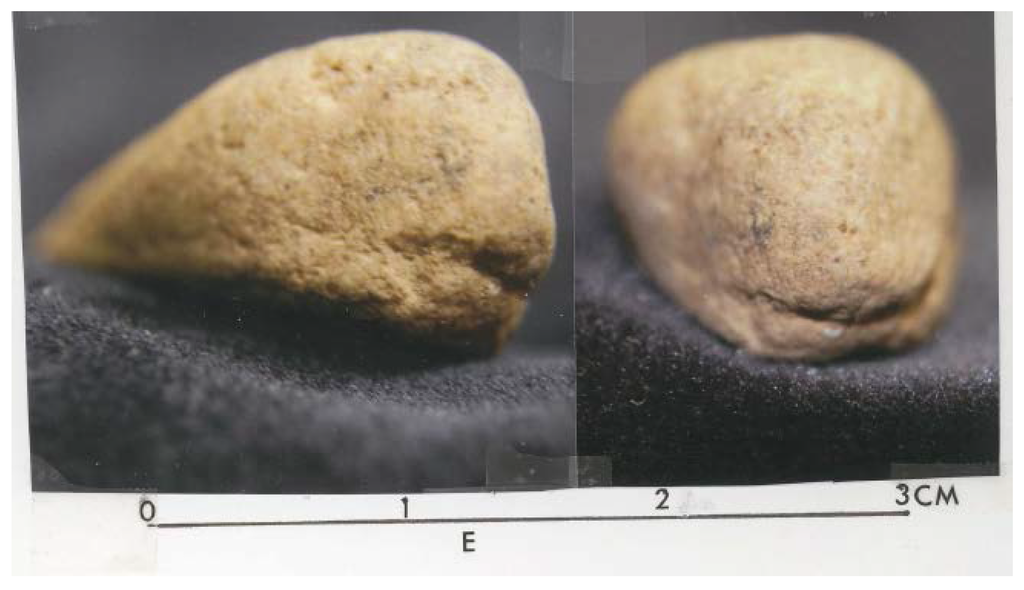
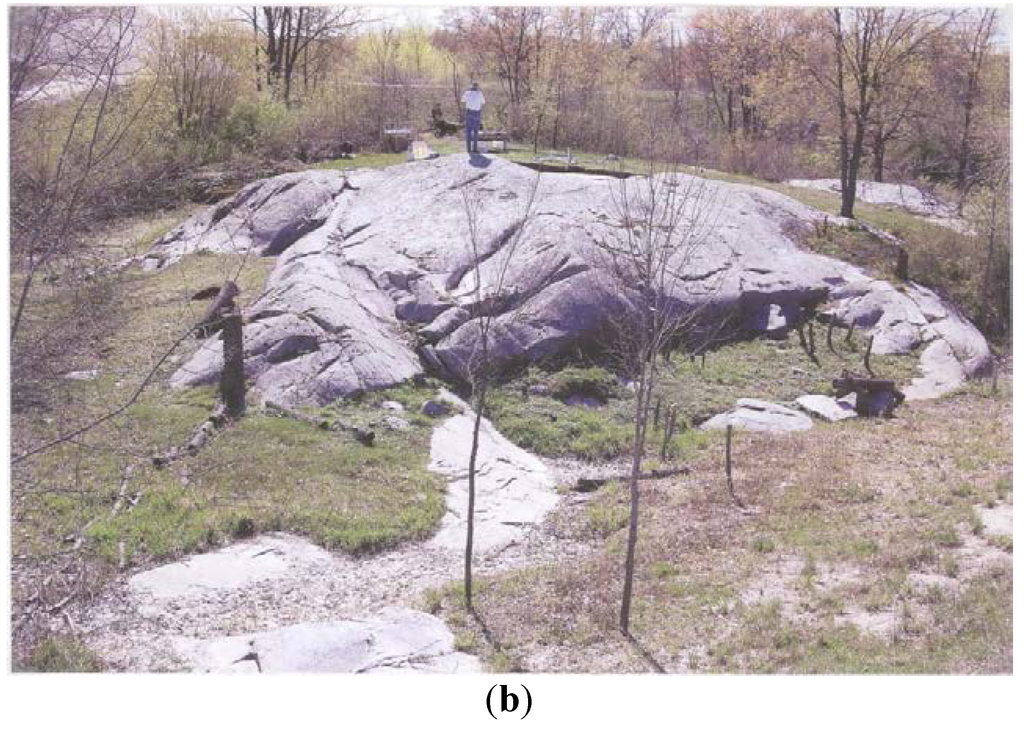
ca. 15,000 years B.P. The stratified deposits lying adjacent to an engraved panel, containing 35 pecked images, have yielded animal-like cobbles, some covered with red ochre, apparently picked for some esoteric use. The site itself has unusual natural shapes in the rock formation, along with acoustical properties, lightning strikes, a magnetic anomaly, and geographic prominence. Collectively these factors are thought to have attracted the ancient rock artists to the site.
Full article
►▼
Show Figures
Open AccessArticle
Amerindian Cosmologies and European Prehistoric Cave Art: Reasons for and Usefulness of a Comparison
by
Enrico Comba
Viewed by 8151
Abstract
Several anthropological studies conducted in recent years among different Native American cultures have revealed a series of common features in ontological premises and cosmological frameworks. These features seem to be shared by most of the Native peoples in both North and South America.
[...] Read more.
Several anthropological studies conducted in recent years among different Native American cultures have revealed a series of common features in ontological premises and cosmological frameworks. These features seem to be shared by most of the Native peoples in both North and South America. They include: a system of relationships between humans and non-human beings based on an ontology “of persons” as contrasted to the ontology “of things” typical of the Western attitude towards Nature; a structure of the cosmos made by superposed layers, which express the idea of a reality represented as comprising hidden dimensions and invisible domains; and the key role played by ecstatic practitioners in establishing relationships with and acquiring knowledge from these multiple dimensions of the universe. Here, the idea is suggested that these elements could be profitably utilized to interpret the meaning of Paleolithic cave art, not simply implying a series of typological likenesses, but suggesting the possibility of historic (pre-historic) links. It should be remembered that the main settlement of the Americas occurred in a period (from 30,000–20,000 years B.P.) which is contemporaneous with the creation of the masterworks in the caves of France and Spain.
Full article
Open AccessArticle
The Meaning of the Dots on the Horses of Pech Merle
by
Barbara Olins Alpert
Cited by 4 | Viewed by 21474
Abstract
Recent research in the DNA of prehistoric horses has resulted in a new interpretation of the well-known panel of the
Spotted horses of Pech Merle. The conclusion that has been popularized by this research is that the artists accurately depicted the animals as
[...] Read more.
Recent research in the DNA of prehistoric horses has resulted in a new interpretation of the well-known panel of the
Spotted horses of Pech Merle. The conclusion that has been popularized by this research is that the artists accurately depicted the animals as they saw them in their environment. It has long been evident that some artists of the European Ice Age caves were able to realize graphic memesis to a remarkable degree. This new study of the genome of ancient horses appears to confirm the artist’s intention of creating the actual appearance of dappled horses. I will question this conclusion as well as the relevance of this study to the art by examining the
Spotted horses in the context of the entire panel and the panel in the context of the whole cave. To further enlarge our view, I will consider the use of similar dots and dappling in the rock art of other paleolithic people. The visual effect of dots will be seen in terms of their psychological impact. Discoveries by neuroscientists regarding the effect of such stimuli on human cognition will be mentioned. I will conclude with another possible interpretation of the meaning of the
Spotted horses of Pech Merle.
Full article
►▼
Show Figures
Open AccessArticle
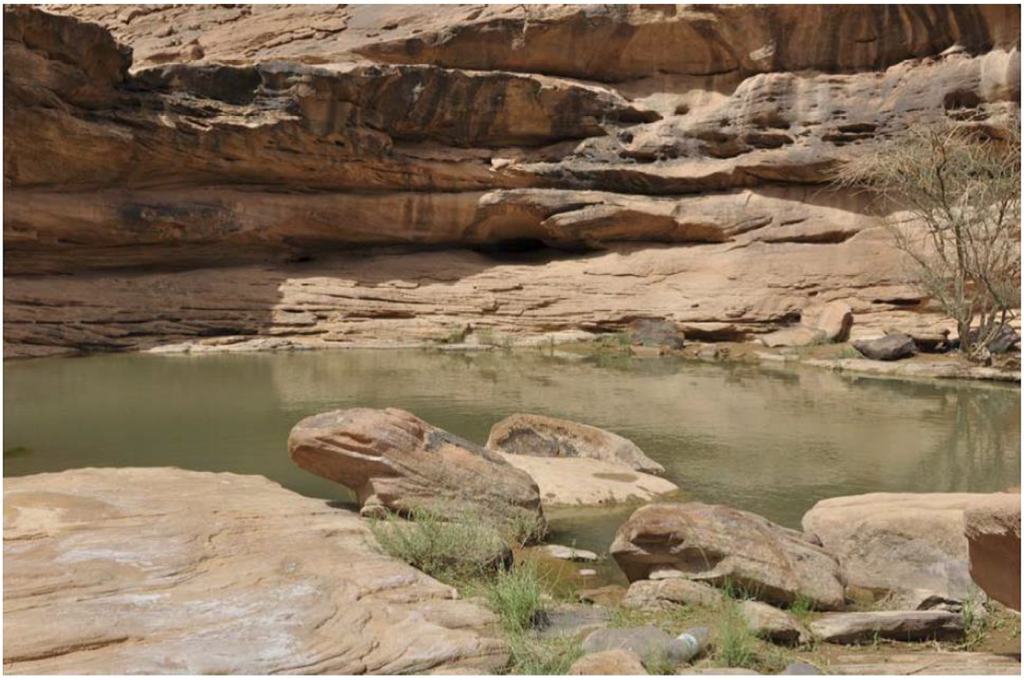
Rock Art of Saudi Arabia
by
Majeed Khan
Cited by 14 | Viewed by 25751
Abstract
It is not only oil in which Saudi Arabia is rich, but it is also among the four richest rock art regions of the world. Hundreds and thousands of petroglyphs, painted rock art, and ancient Arabian inscriptions sites are located all over the
[...] Read more.
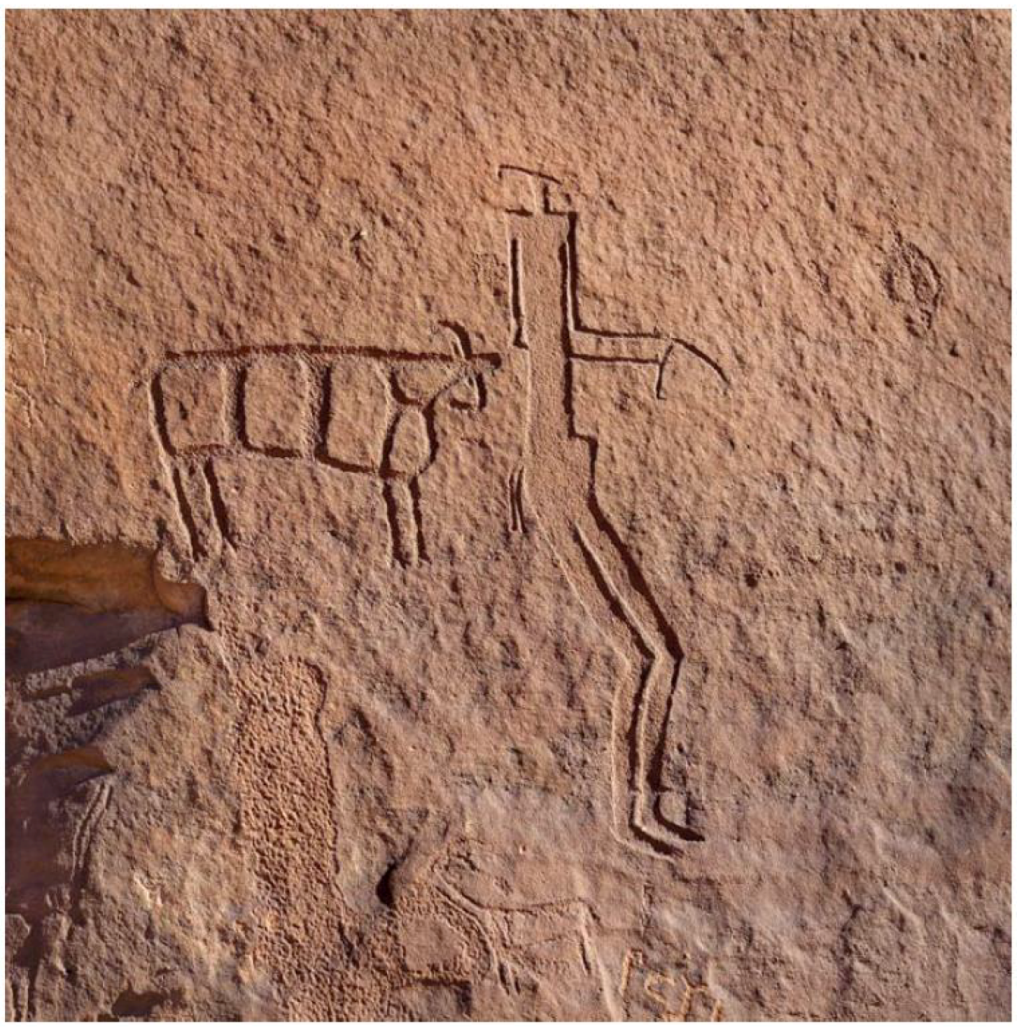
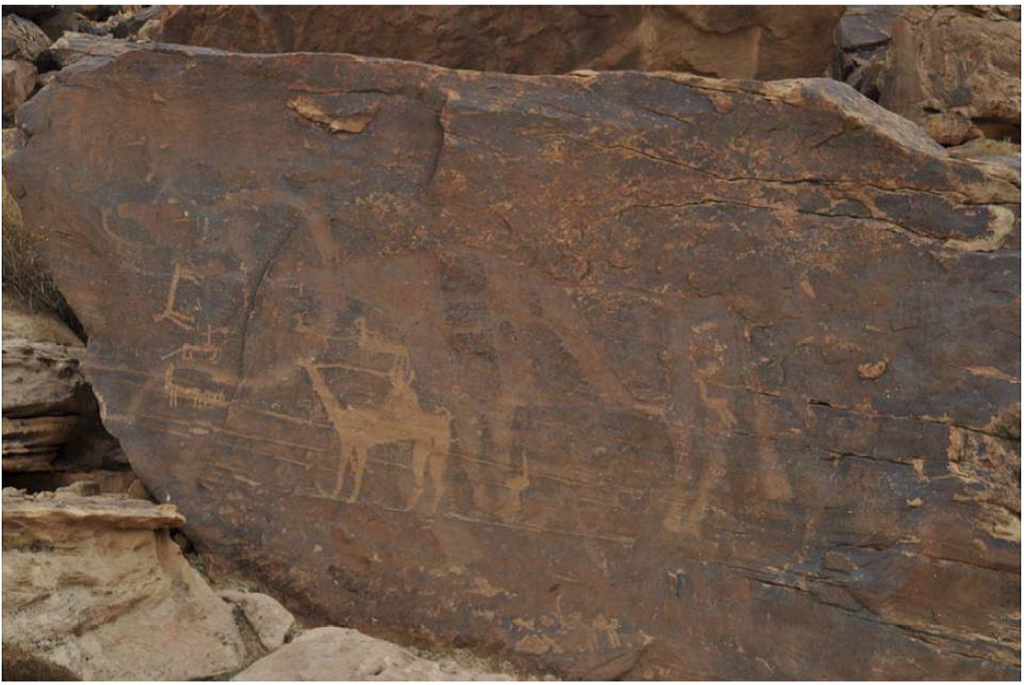
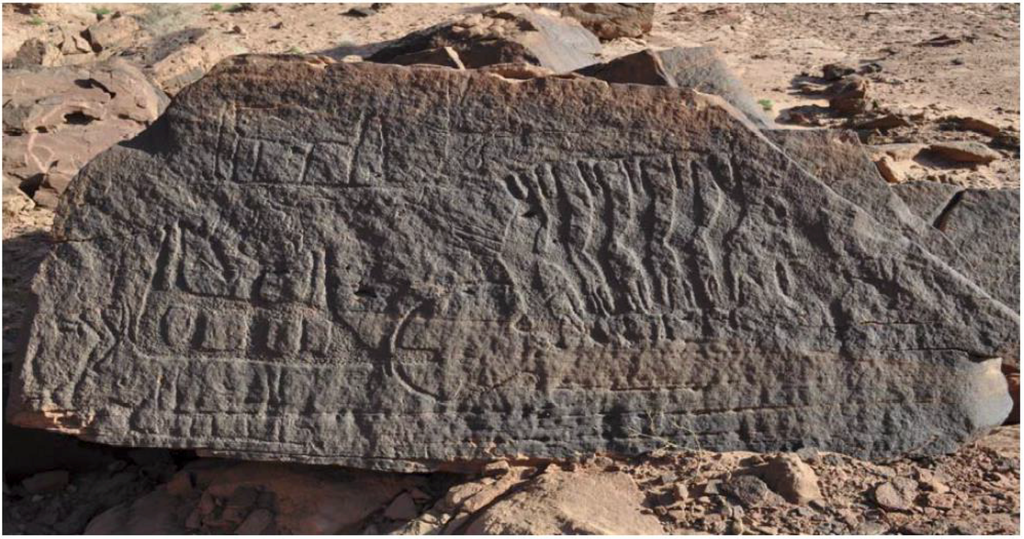
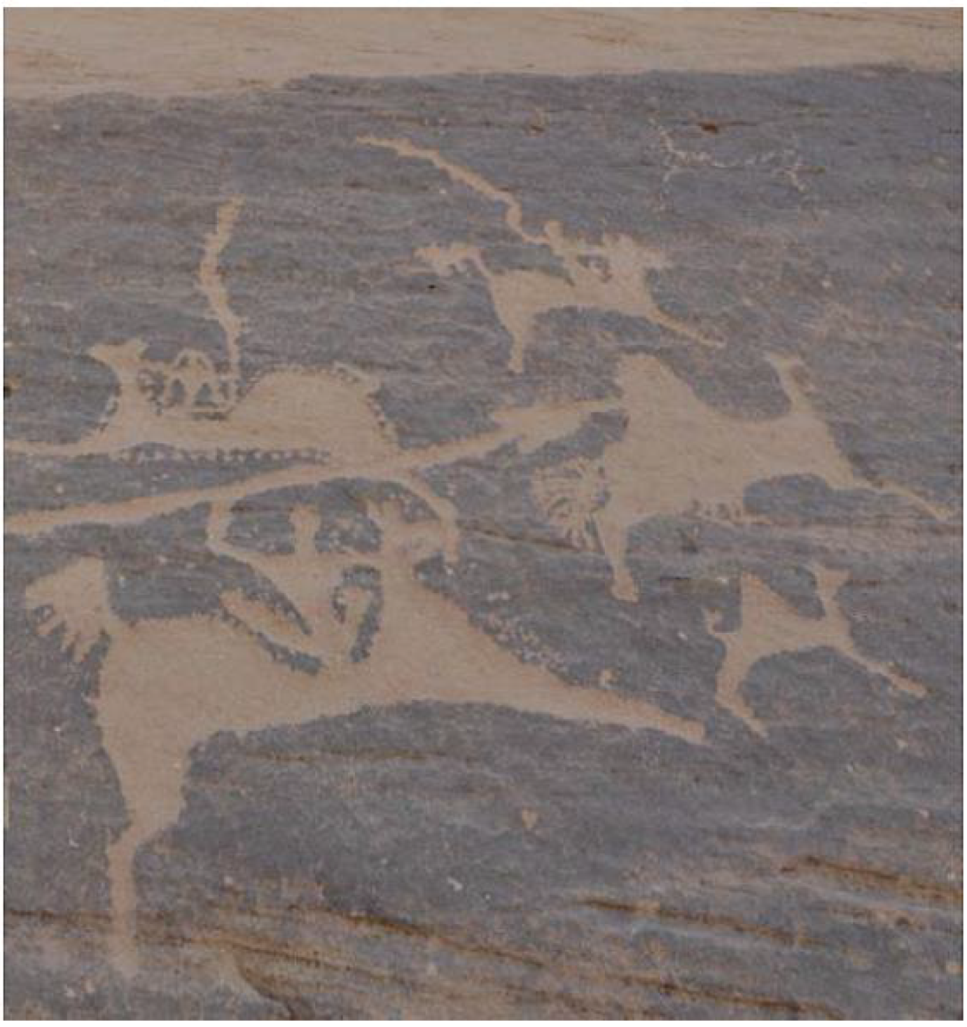
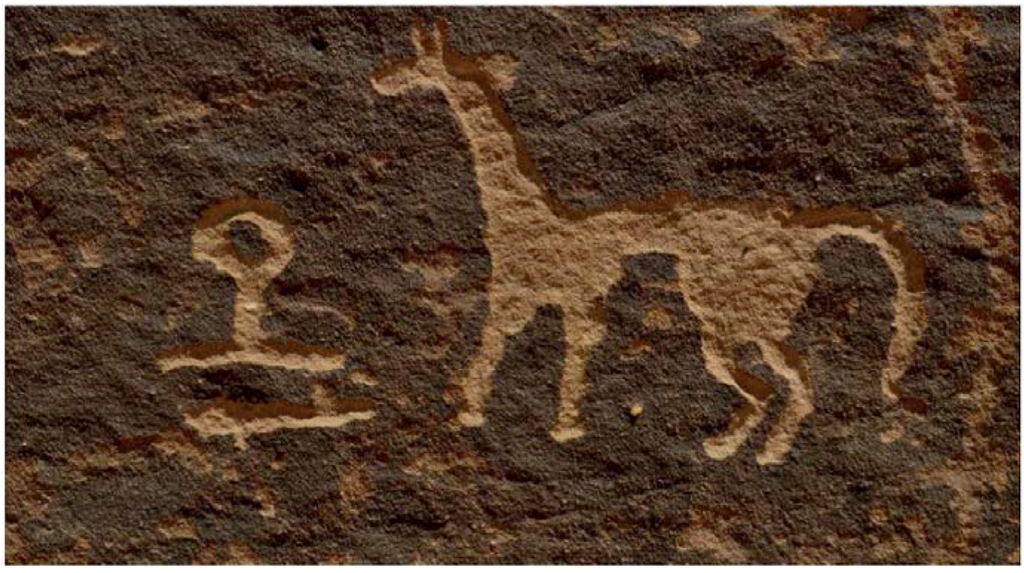
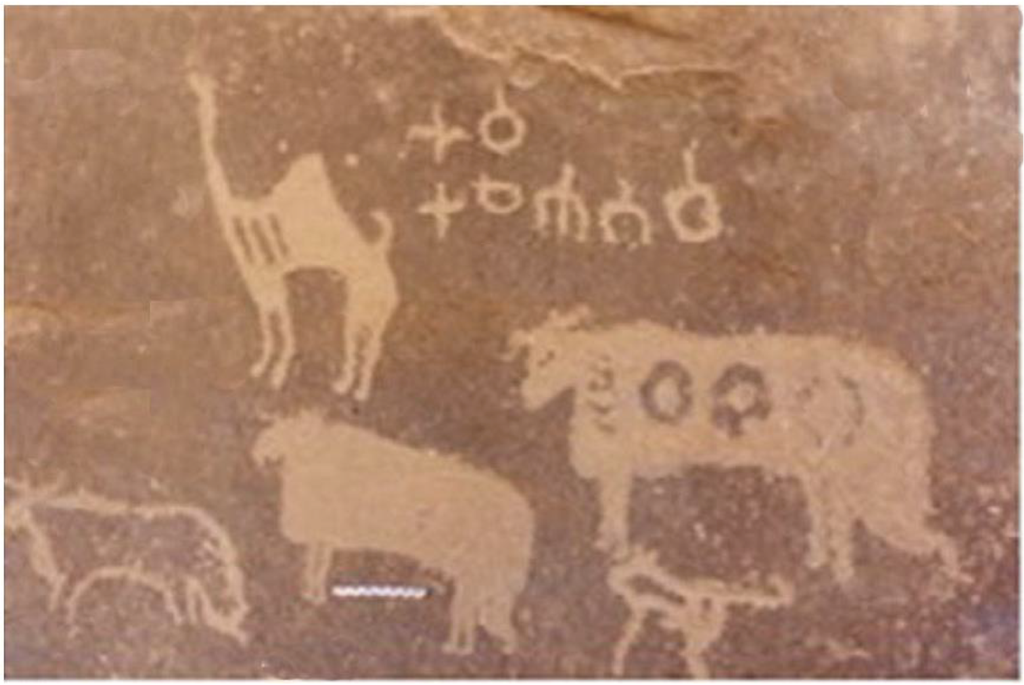
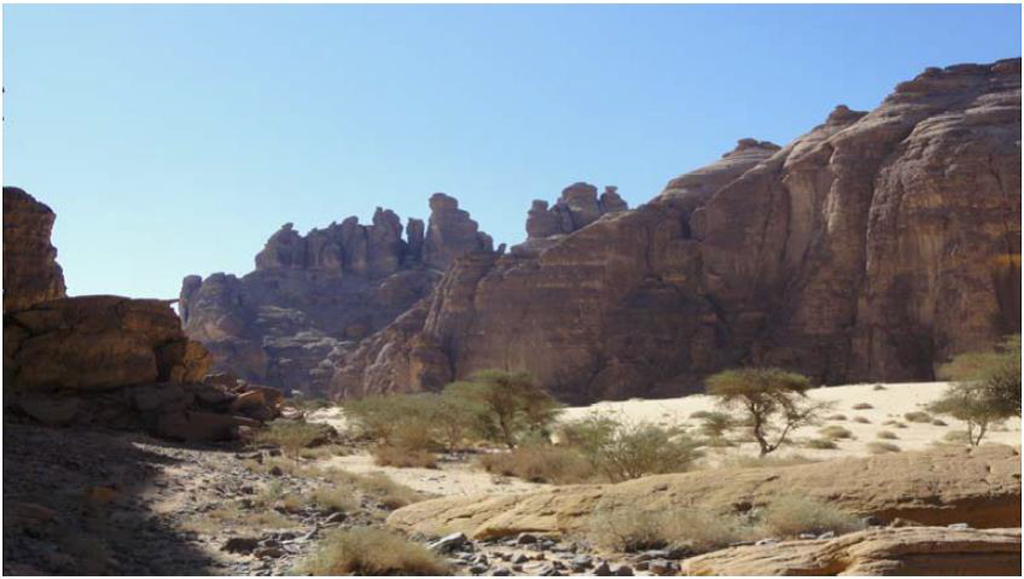
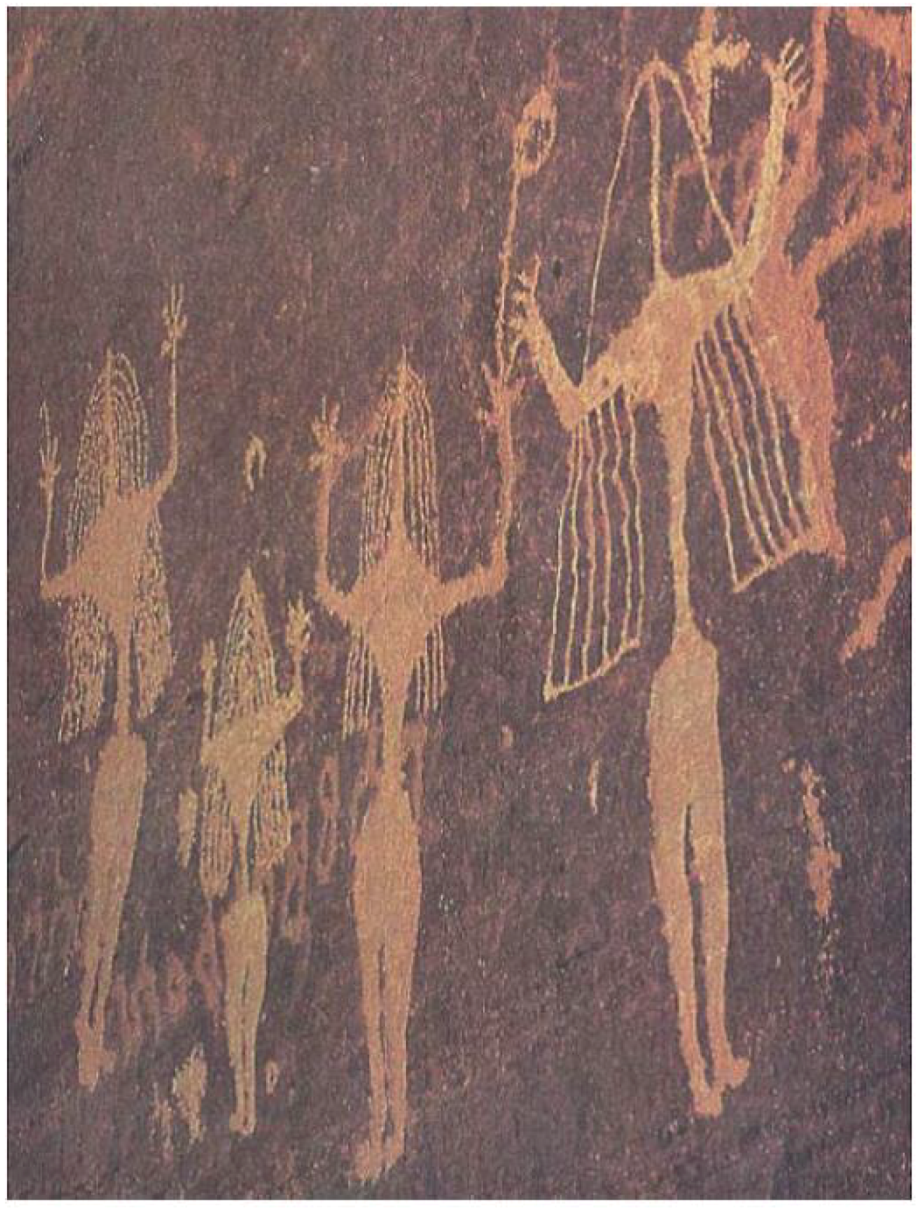
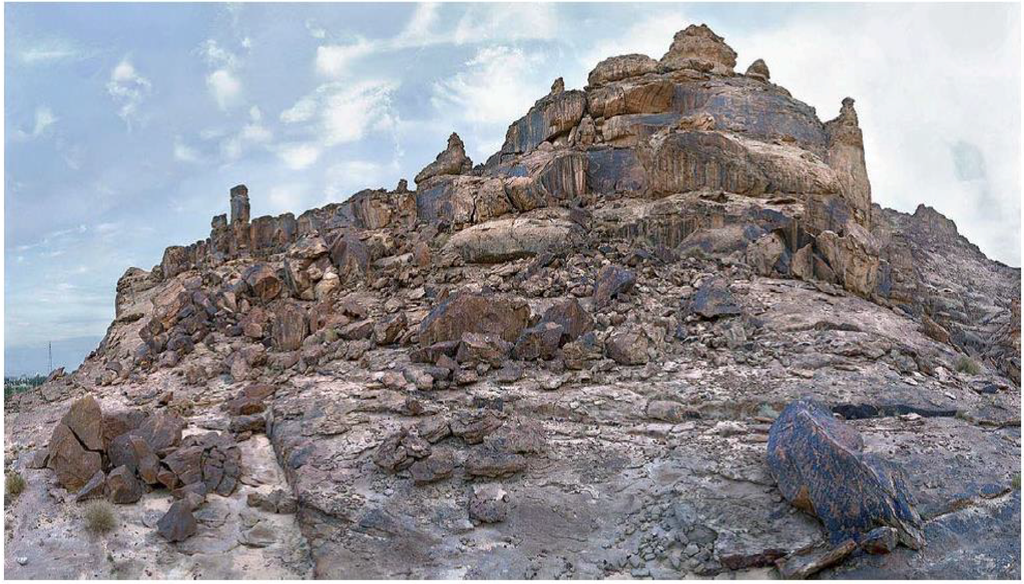
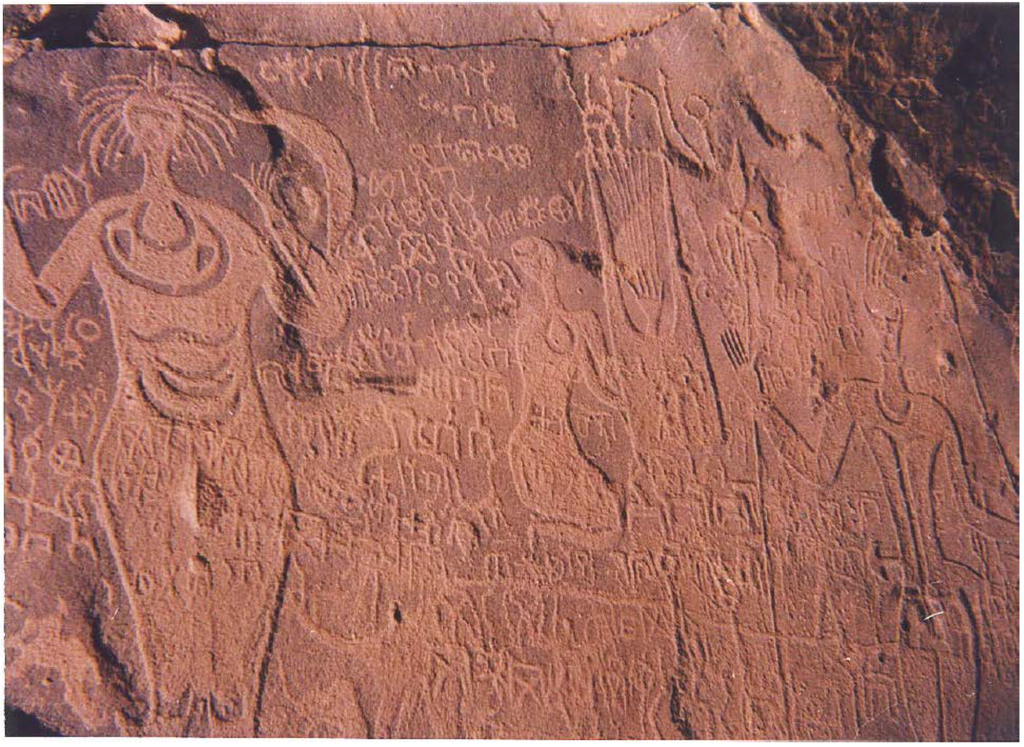
It is not only oil in which Saudi Arabia is rich, but it is also among the four richest rock art regions of the world. Hundreds and thousands of petroglyphs, painted rock art, and ancient Arabian inscriptions sites are located all over the country, representing various cultural phases, from the Neolithic until the recent past. One can see the naturalistic, schematic, abstract, mythical, and mystical images representing ancient ideology, thoughts about the metaphysical world, religious entity, economy, environment, human activities, and variety of animal types, according to particular climatic and environmental conditions. The rock art of Saudi Arabia is the mirror of its rich cultural heritage of so-called Bedouin or desert dwellers that surprises the world with its 4000 archaeological and more than 1500 rock art sites.
Full article
►▼
Show Figures
Open AccessArticle
The Perception of Depicted Motion
by
Livio Dobrez
Cited by 7 | Viewed by 12352
Abstract
Everyone knows that you can read a galloping horse in a still image as galloping. This paper asks how it is that we perceive motion in pictures. It considers perception of real motion in point-light experiments and the perception of motion in stills
[...] Read more.
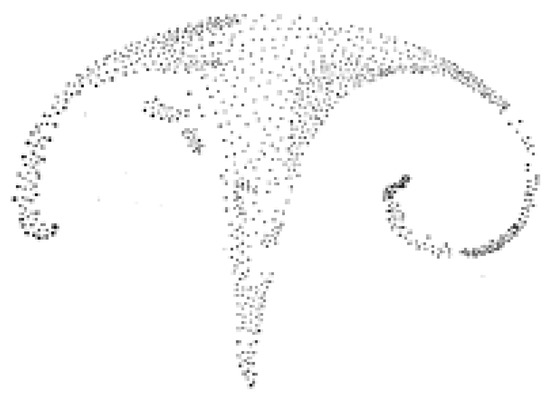
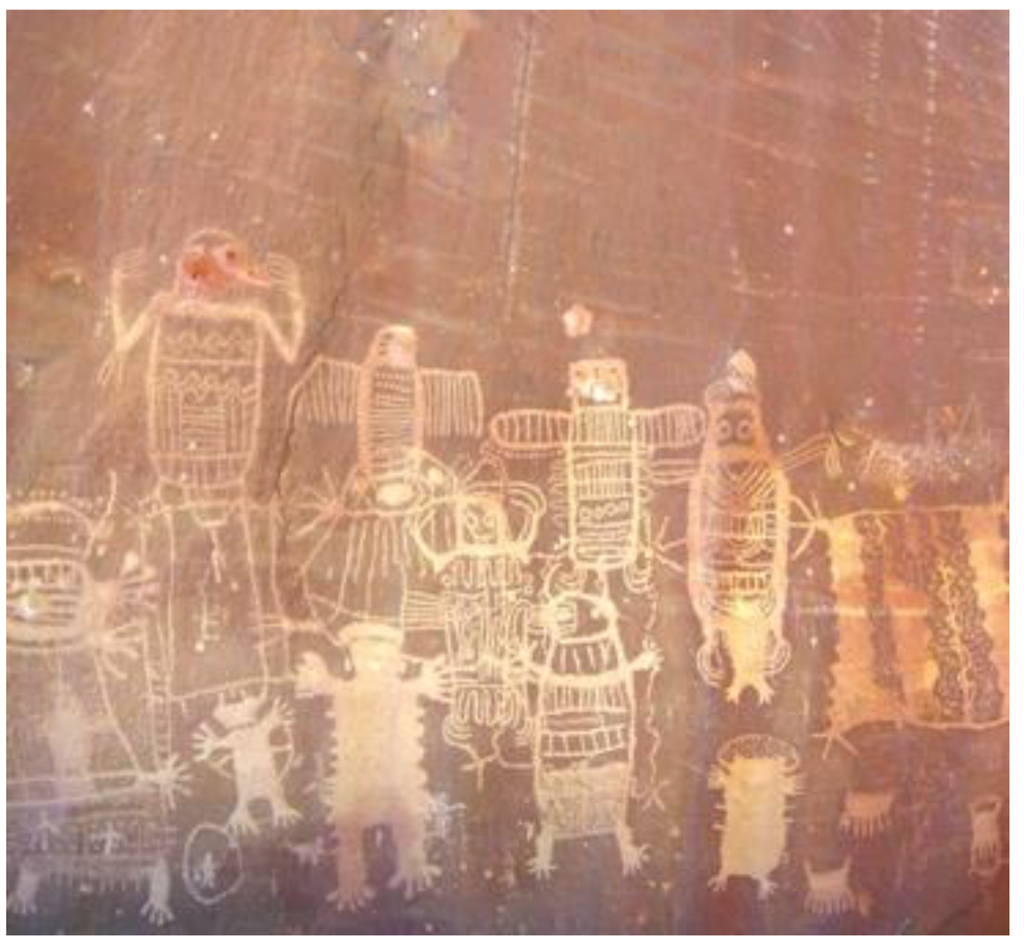
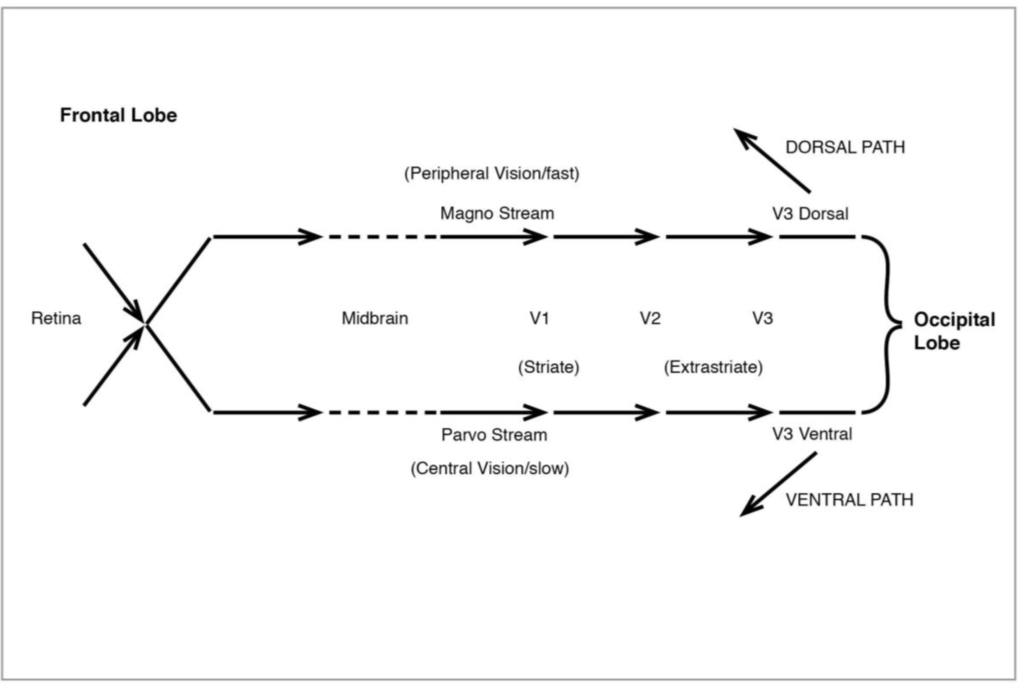
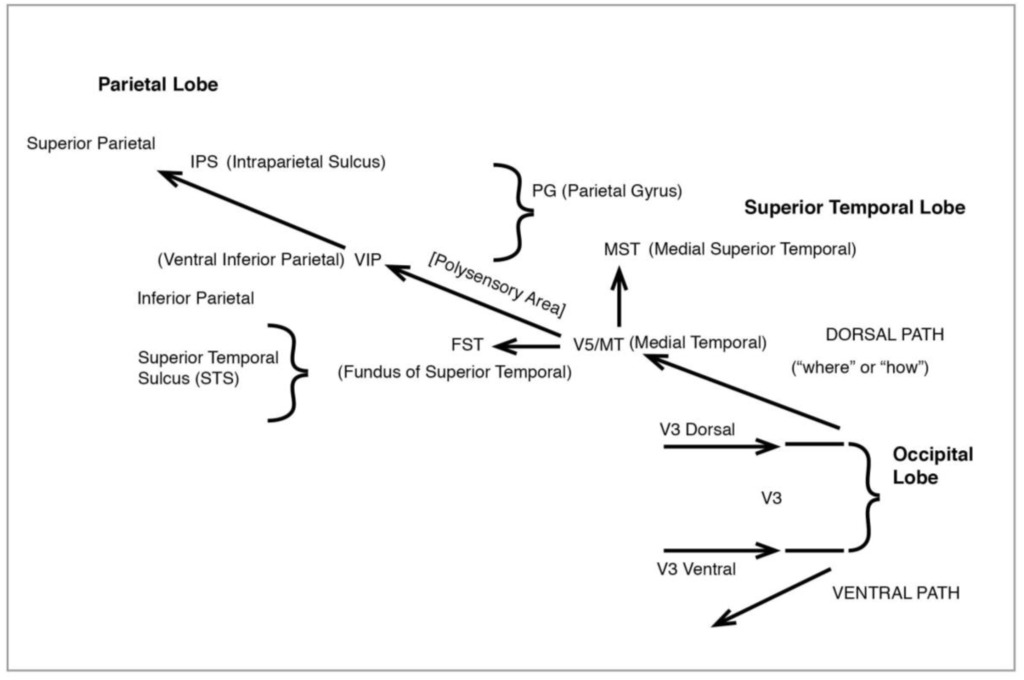
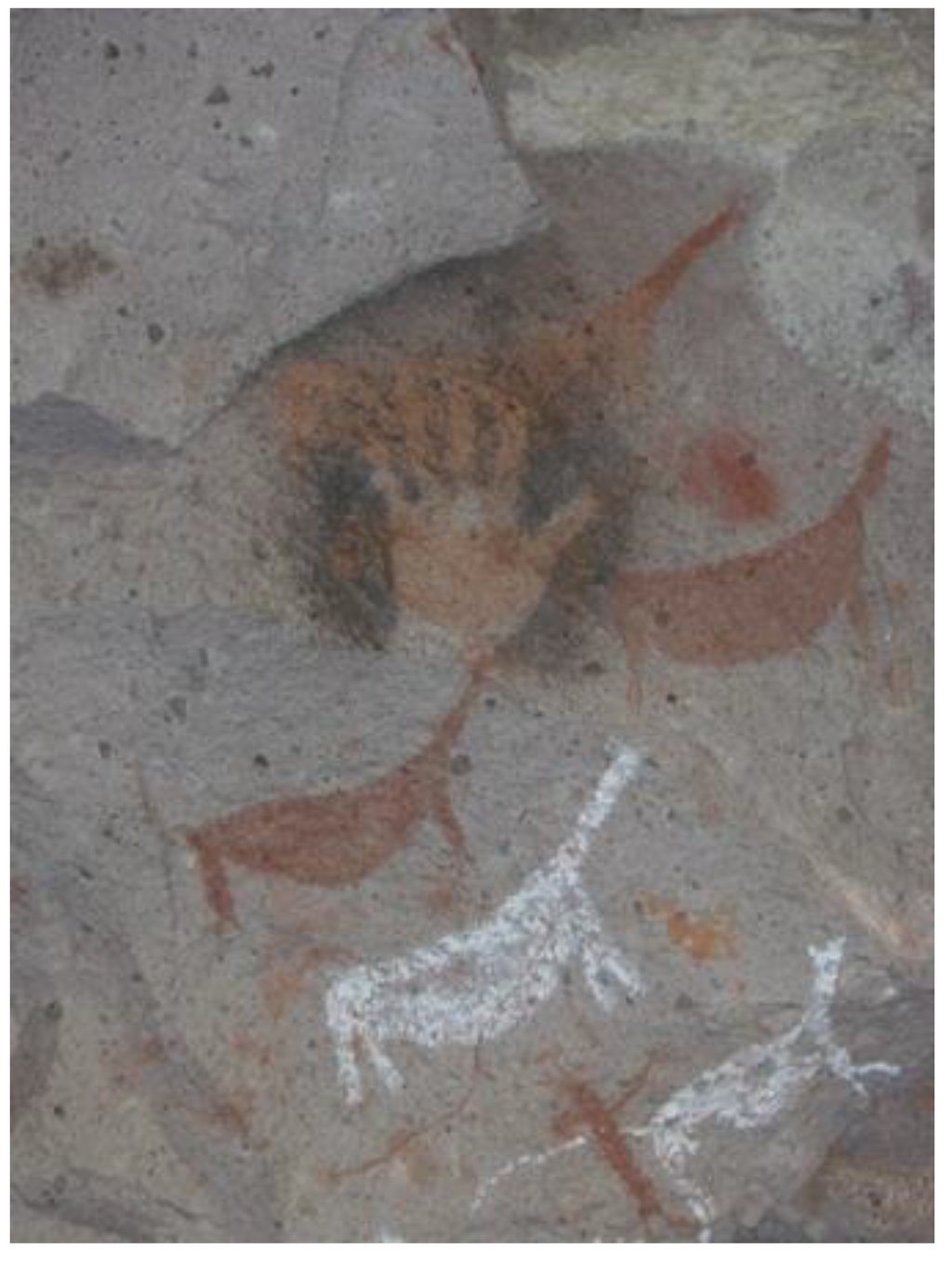
Everyone knows that you can read a galloping horse in a still image as galloping. This paper asks how it is that we perceive motion in pictures. It considers perception of real motion in point-light experiments and the perception of motion in stills via the work of various psychologists, in the course of which it raises theoretical questions about the nature of visual perception. It then offers a detailed examination of knowledge regarding neural substrates for both real and depicted motion perception. Finally, it combines psychological and neurophysiological perspectives with phenomenologically-oriented observation of pictures, discussing both frontoparallel motion and motion in depth (in particular the phenomenon of “looming”) in terms of two kinds of depictions, the “narrative” and the “performative”. Examples are drawn from all kinds of pictures, but focus is on world rock art, whose time depth is especially amenable to the universalist approach adopted by the paper.
Full article
►▼
Show Figures
Open AccessArticle
Saharan Rock Art: Local Dynamics and Wider Perspectives
by
Marina Gallinaro
Cited by 14 | Viewed by 20261
Abstract
Rock art is the best known evidence of the Saharan fragile heritage. Thousands of engraved and painted artworks dot boulders and cliffs in open-air sites, as well as the rock walls of rockshelters and caves located in the main massifs. Since its pioneering
[...] Read more.
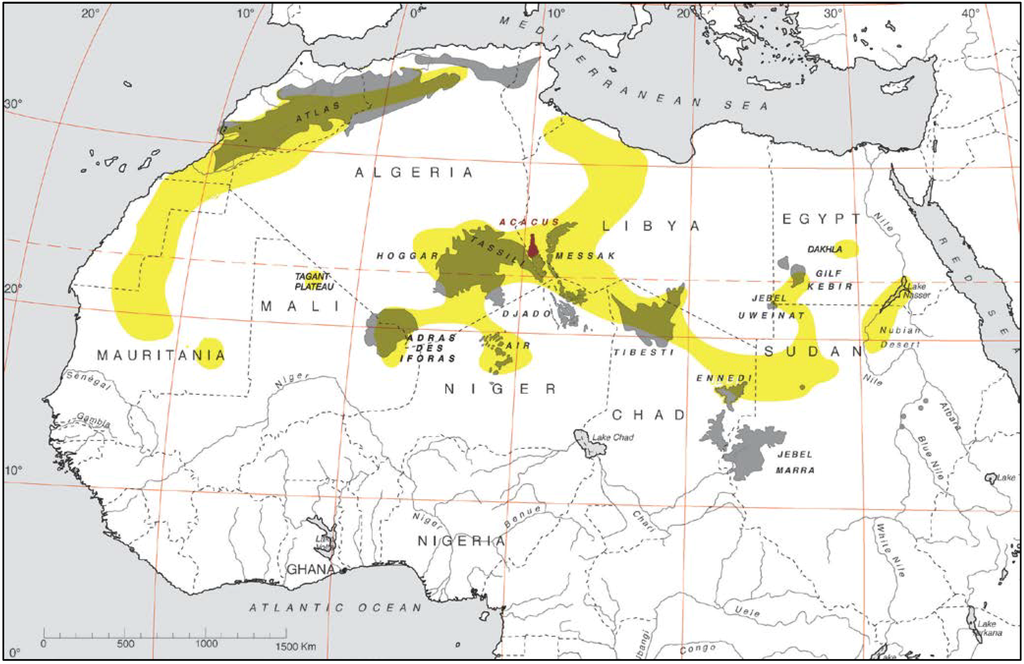
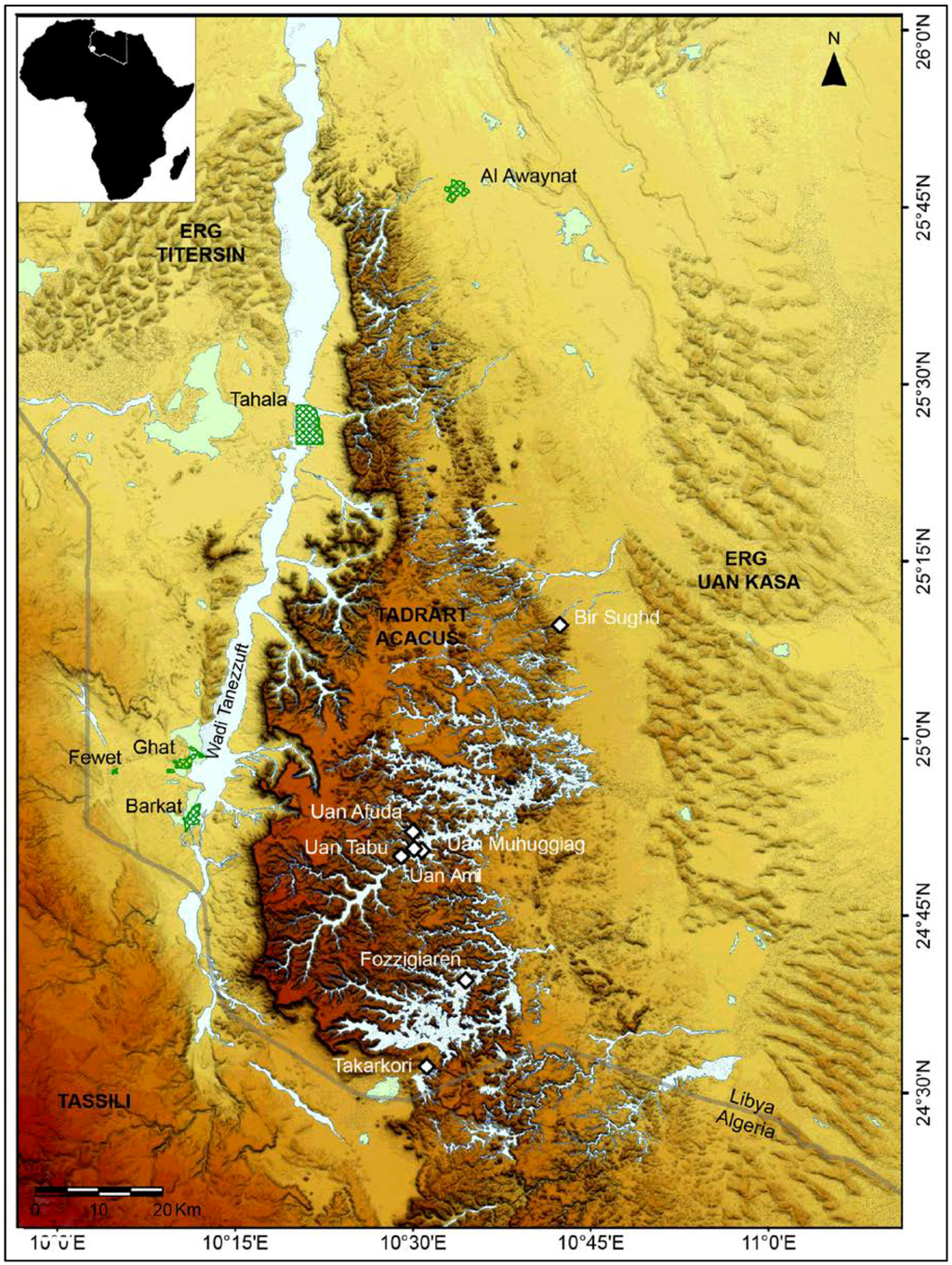
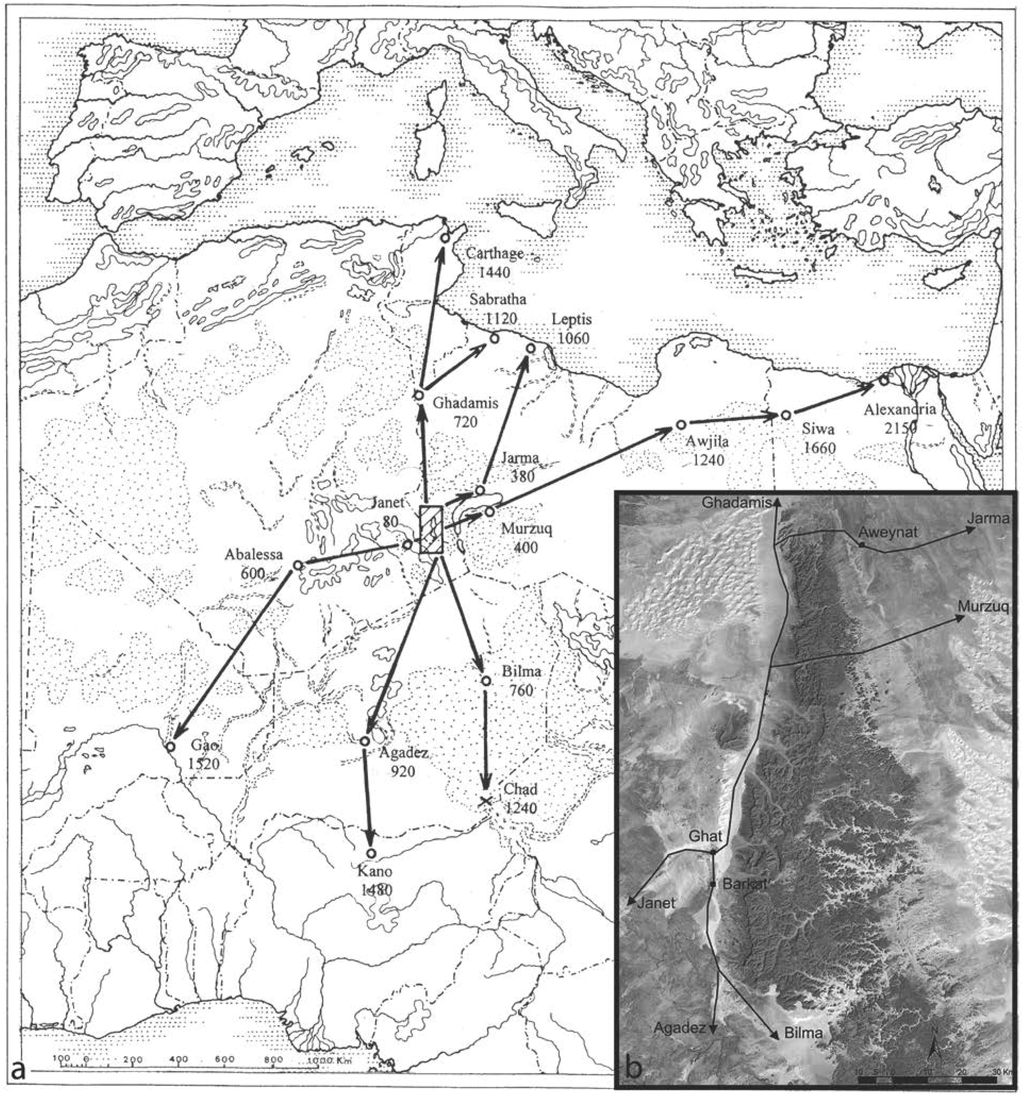
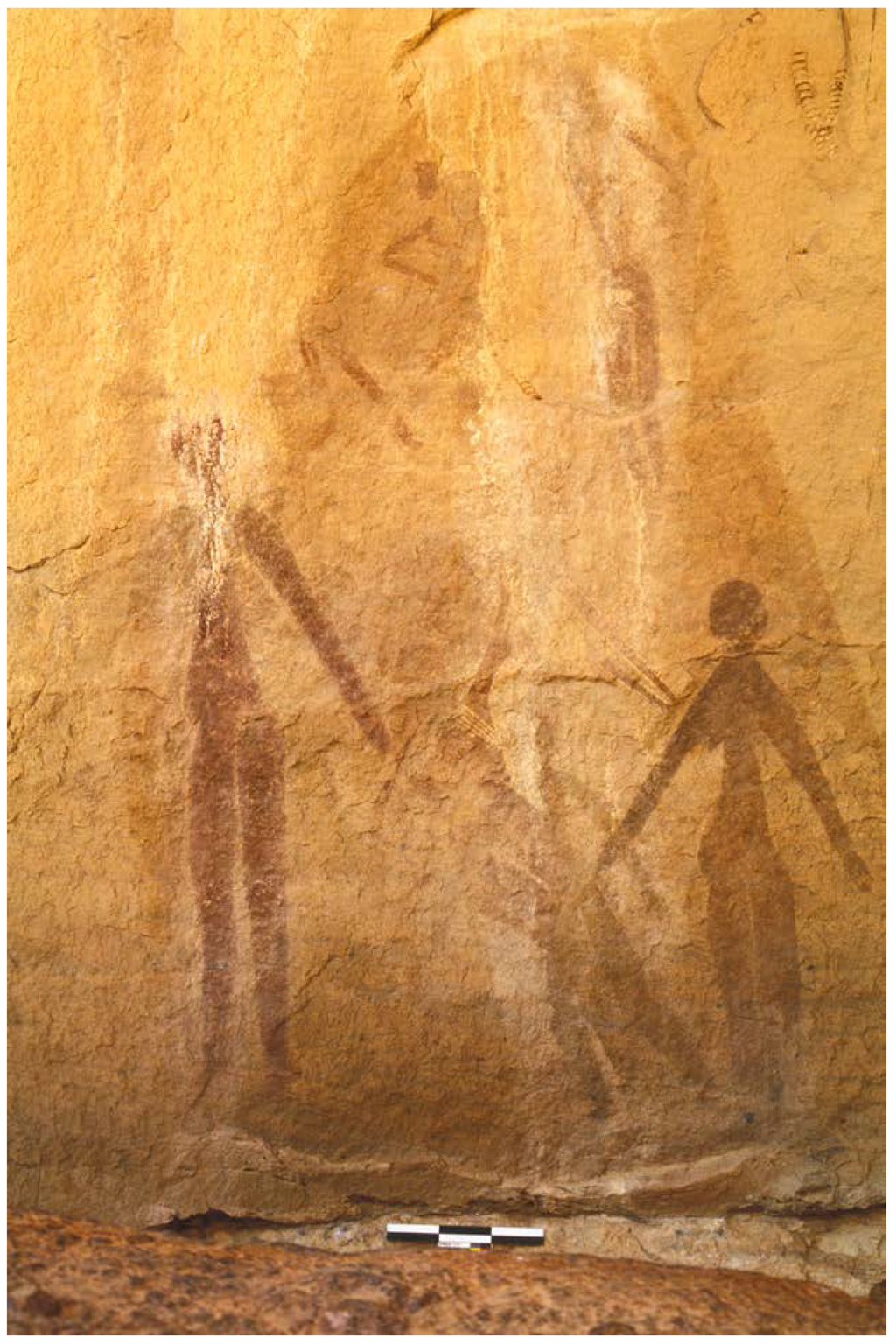
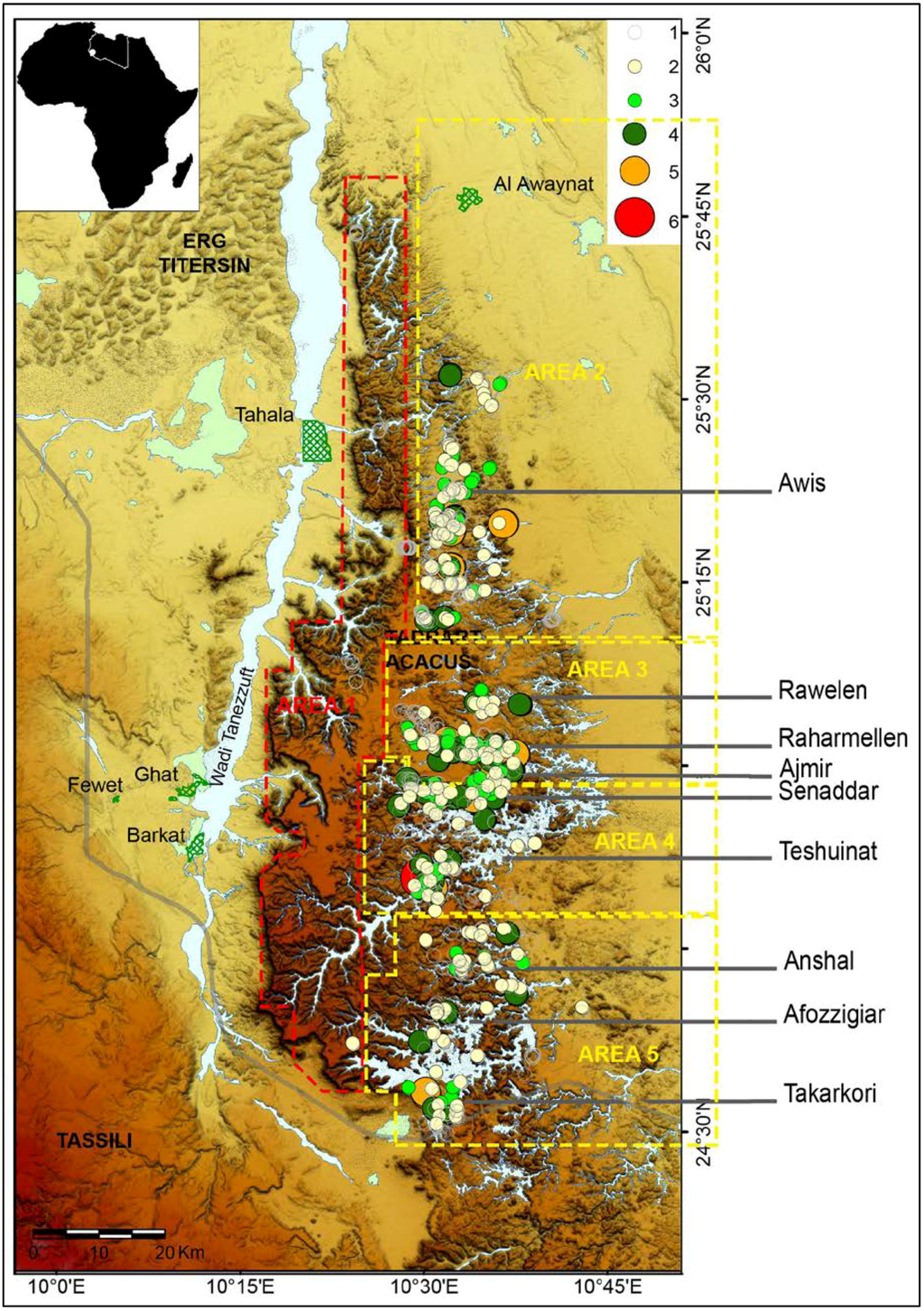
Rock art is the best known evidence of the Saharan fragile heritage. Thousands of engraved and painted artworks dot boulders and cliffs in open-air sites, as well as the rock walls of rockshelters and caves located in the main massifs. Since its pioneering discovery in the late 19th century, rock art captured the imagination of travellers and scholars, representing for a long time the main aim of research in the area. Chronology, meaning and connections between the different recognized artistic provinces are still to be fully understood. The central massifs, and in particular the "cultural province" encompassing Tadrart Acacus and Tassili n’Ajer, played and still play a key role in this scenario. Recent analytical and contextual analyses of rock art contexts seem to open new perspectives. Tadrart Acacus, for the richness and variability of artworks, for the huge archaeological data known, and for its proximity to other important areas with rock art (Tassili n’Ajjer, Algerian Tadrart and Messak massifs) is an ideal context to analyze the artworks in their environmental and social-cultural context, and to define connections between cultural local dynamics and wider regional perspectives.
Full article
►▼
Show Figures
Open AccessReview
Rock Art in Kurdistan Iran
by
Jamal Lahafian
Cited by 3 | Viewed by 17270
Abstract
Kurdistan, with great potential and prehistoric resources, has numerous petroglyphs in different areas of the province. During the last 14 years of extensive field study, more than 30 sites of rock art have been identified and introduced by the author. In this article,
[...] Read more.
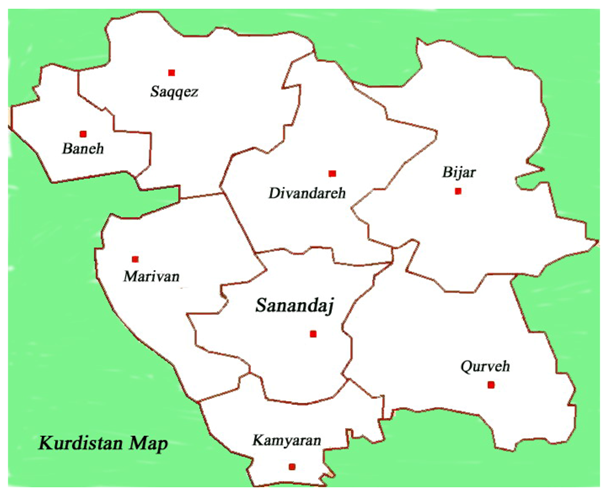
Kurdistan, with great potential and prehistoric resources, has numerous petroglyphs in different areas of the province. During the last 14 years of extensive field study, more than 30 sites of rock art have been identified and introduced by the author. In this article, we summarize these rock art areas in Iranian Kurdistan.
Full article
►▼
Show Figures
Open AccessArticle
The Case for Hand Stencils and Prints as Proprio-Performative
by
Patricia Dobrez
Cited by 12 | Viewed by 16692
Abstract
Hand stencils and prints are found globally in rock art, reflecting the
sine qua non role of the hand in human evolution. The body itself is the tool, and it affords the registering, in the form of a trace, of what perceptual psychology
[...] Read more.
Hand stencils and prints are found globally in rock art, reflecting the
sine qua non role of the hand in human evolution. The body itself is the tool, and it affords the registering, in the form of a trace, of what perceptual psychology terms an “ecological self”. More than a “signature”, a hand mark is uniquely “proprio-performative”, combining inscription of individuality with direct address. The first part of this paper looks at what might get in the way of a universally readable primary meaning by methodically addressing issues of technique and cultural specificity. Having cleared the ground, it proceeds to make its argument for hand stencils and prints as constituting a special category of rock art imagery. It does this by having recourse to ideas currently under discussion in cognitive psychology: awareness of self-agency and body-ownership, as well as the notion of perceived looming in pictures. Finally, an appeal is made to the claim for a key mirror neuron role in communication. Because they are traces of
actions eliciting mirror-neuronal responses, hand marks are seen as affording a readily accessible external term in an exchange of meaning on which a system of graphic communication might be built.
Full article
►▼
Show Figures
Open AccessArticle
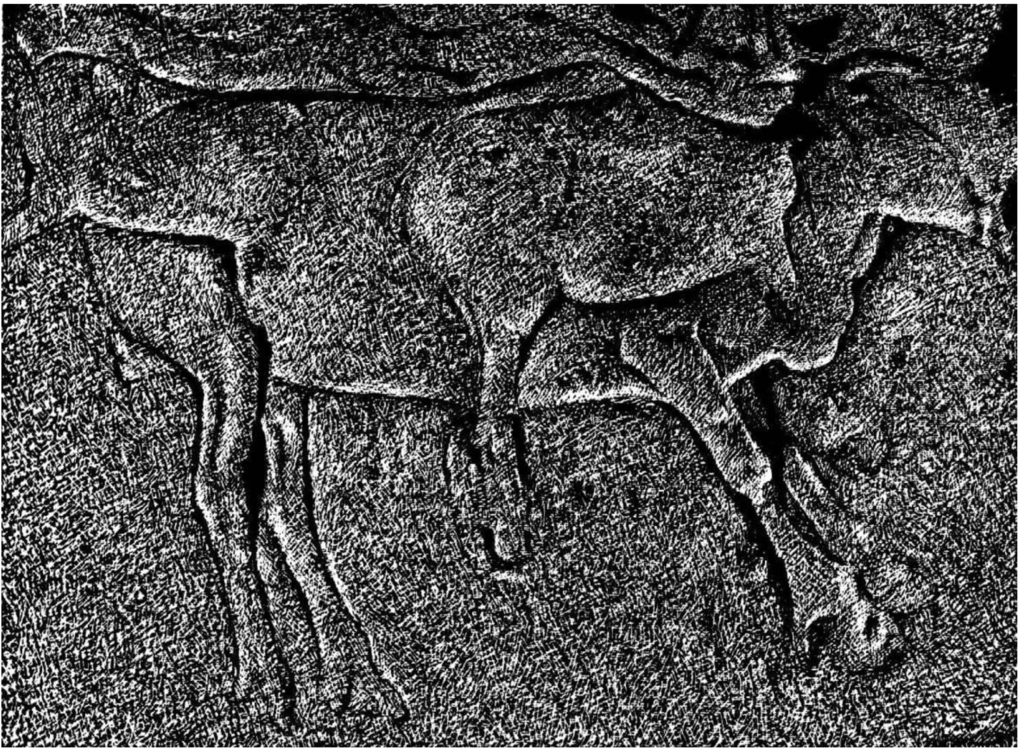
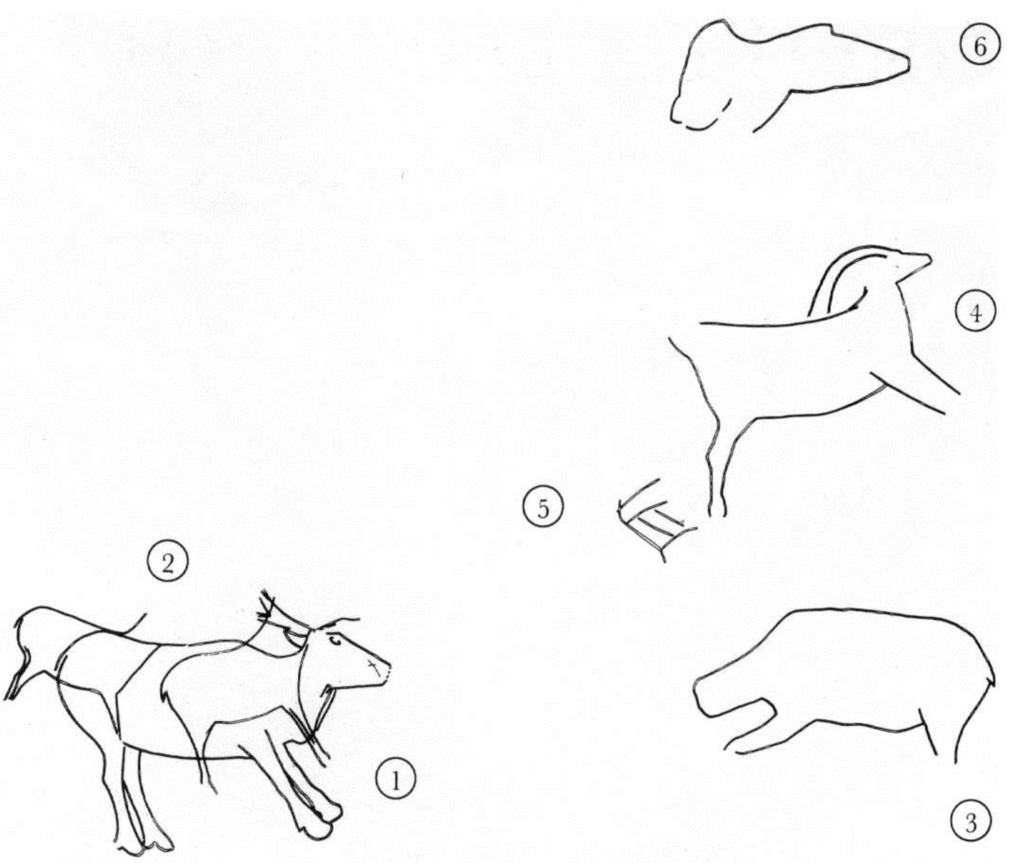
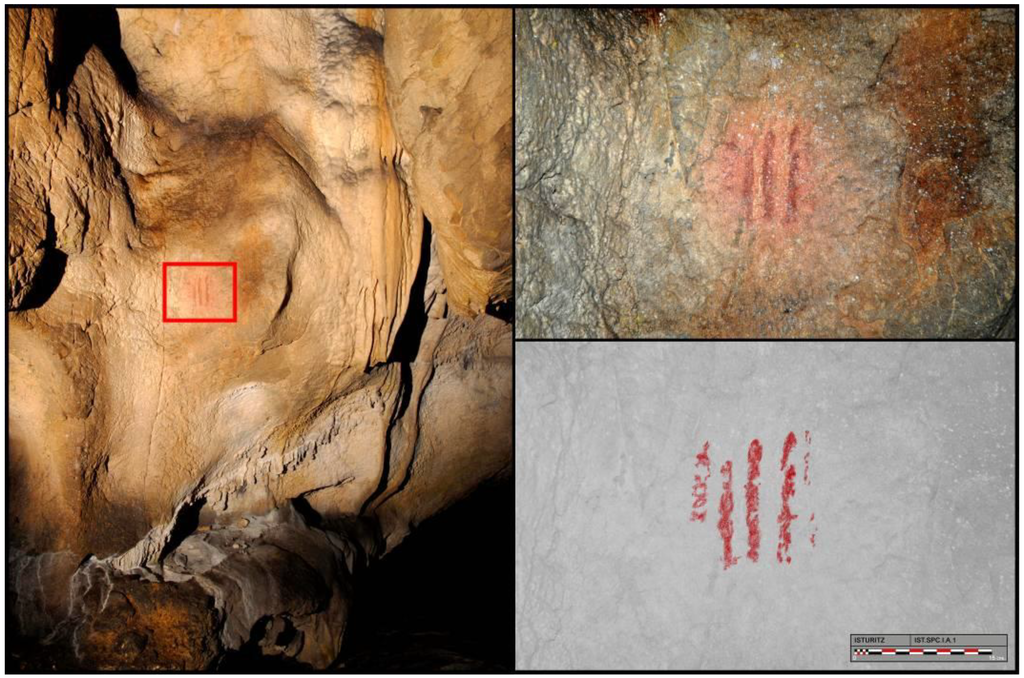
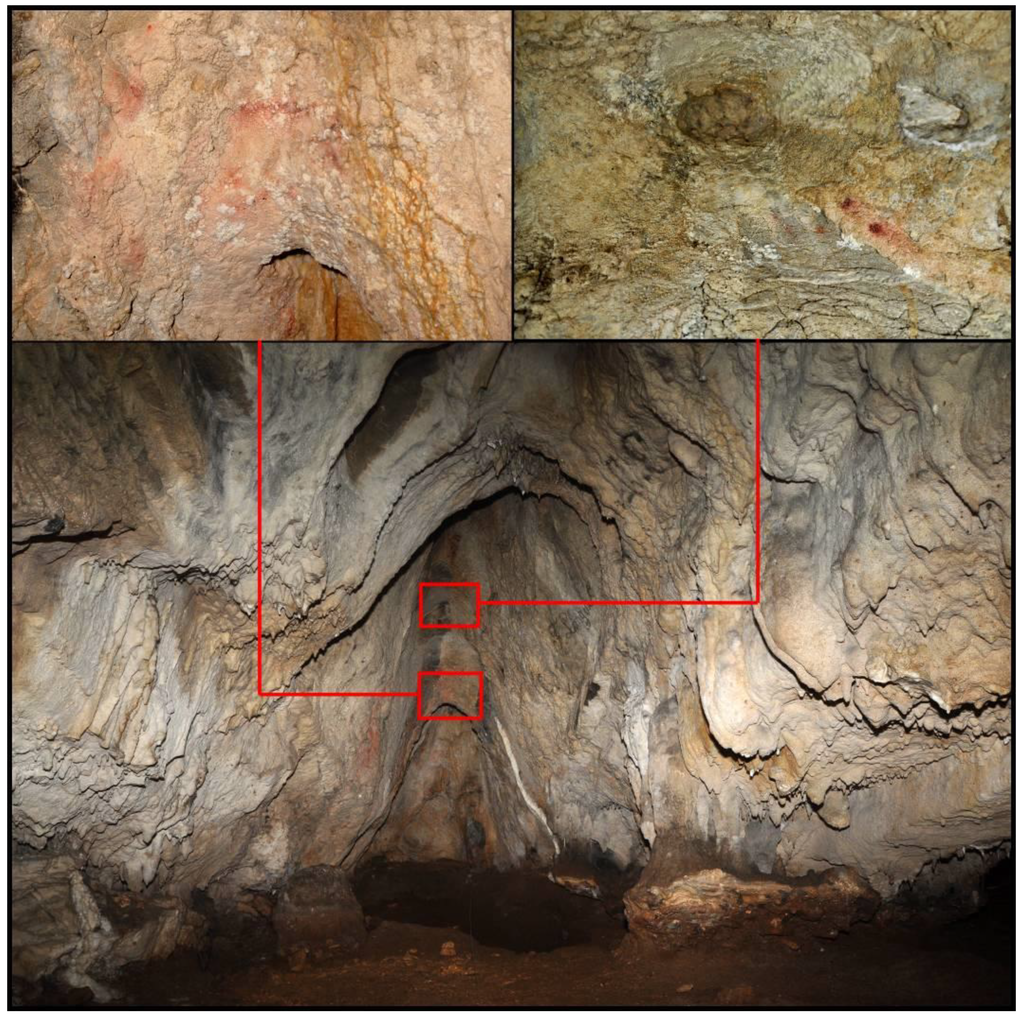
The Cave of Isturitz (West Pyrenees, France): One Century of Research in Paleolithic Parietal Art
by
Diego Garate, Aude Labarge, Olivia Rivero, Christian Normand and Joëlle Darricau
Cited by 14 | Viewed by 13031
Abstract
The cave of Isturitz is one of the most important archaeological sites of the prehistory of Western Europe. Human occupations followed each other in the cavity from at least the Middle Paleolithic to the Roman age. In 1913, Passermard started archaeological excavations there,
[...] Read more.
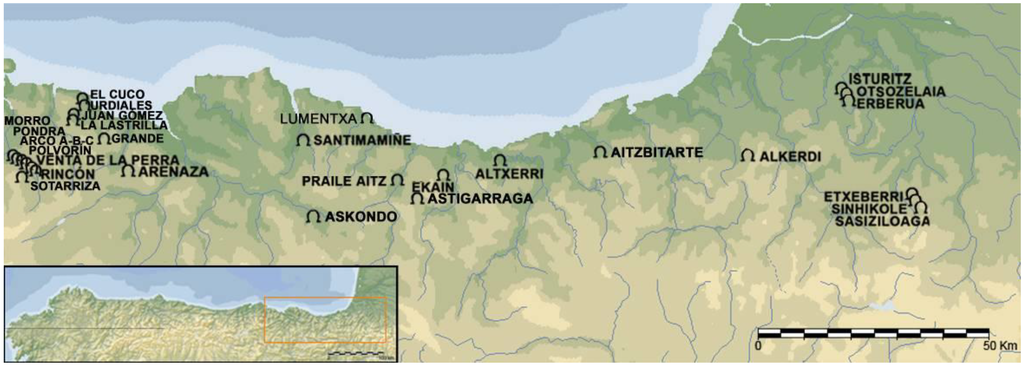
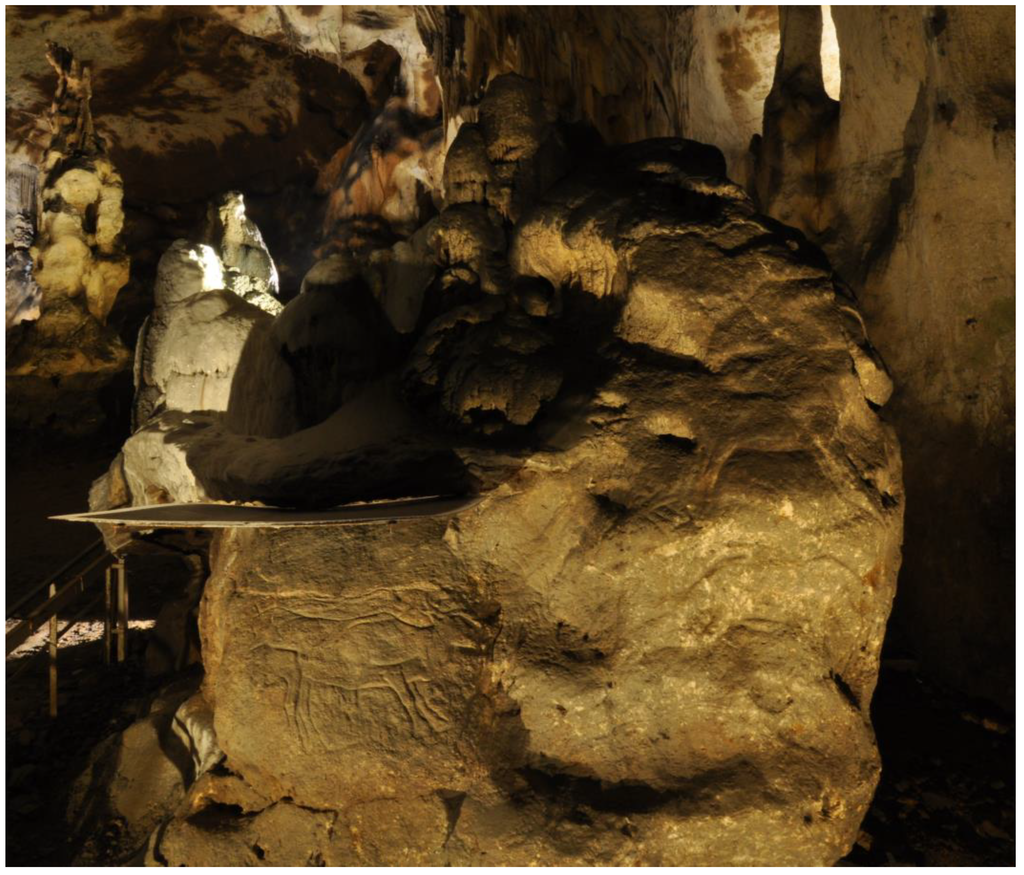
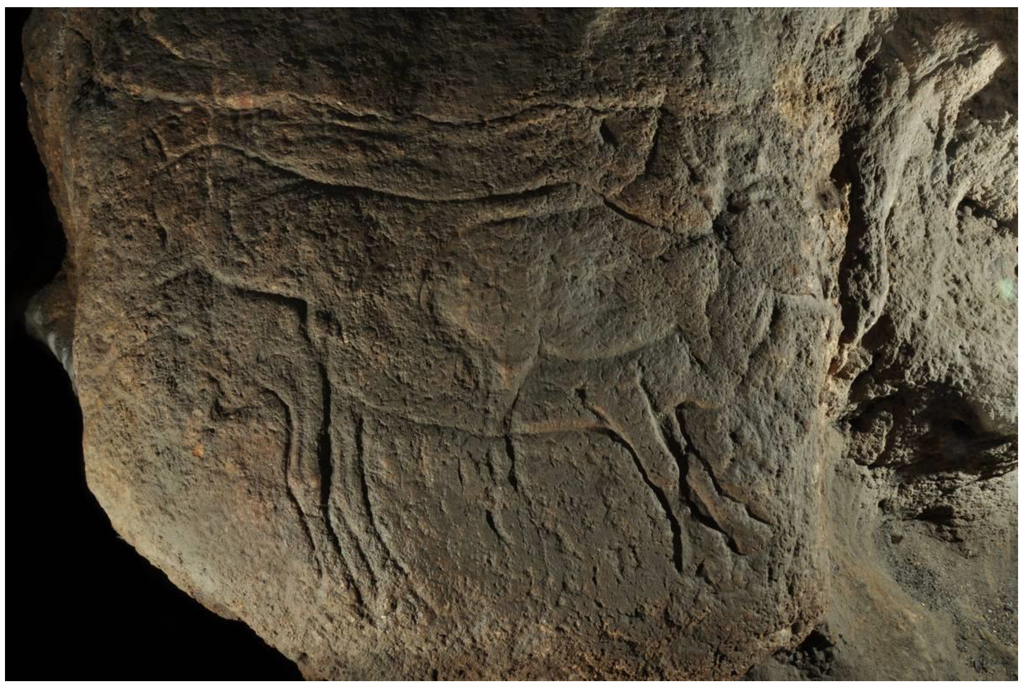
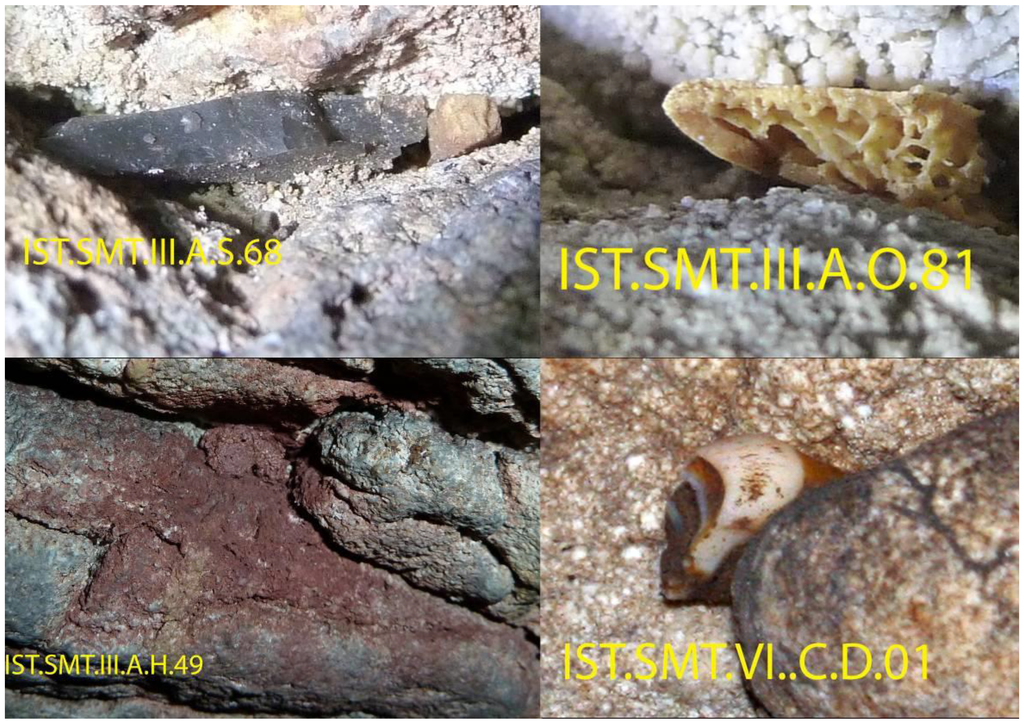
The cave of Isturitz is one of the most important archaeological sites of the prehistory of Western Europe. Human occupations followed each other in the cavity from at least the Middle Paleolithic to the Roman age. In 1913, Passermard started archaeological excavations there, and a calcite pillar was discovered next to the original entrance that was sculpted with a dozen of animal representations. In this excavation, the Magdalenian levels yielded a considerable quantity of portable art objects. In the last few years, several workers have resumed the study of those pieces. Since 2011, we have created a research team for the study of the parietal figures of the cave, as well as other elements, for example the objects embedded in the walls. We present here our first results, which improve in the understanding of the artistic activities of Upper Palaeolithic peoples by shedding light at the art analyzed in Isturitz.
Full article
►▼
Show Figures
Open AccessArticle
Chronological Trends in Negev Rock Art: The Har Michia Petroglyphs as a Test Case
by
Davida Eisenberg-Degen and Steven A. Rosen
Cited by 23 | Viewed by 11729
Abstract
Negev rock art comprises a large and diverse corpus of motifs and compositions developed over the course of several millennia. As dating of specific elements is at present not possible, the rock art was analyzed statistically through the study of individual panels where
[...] Read more.
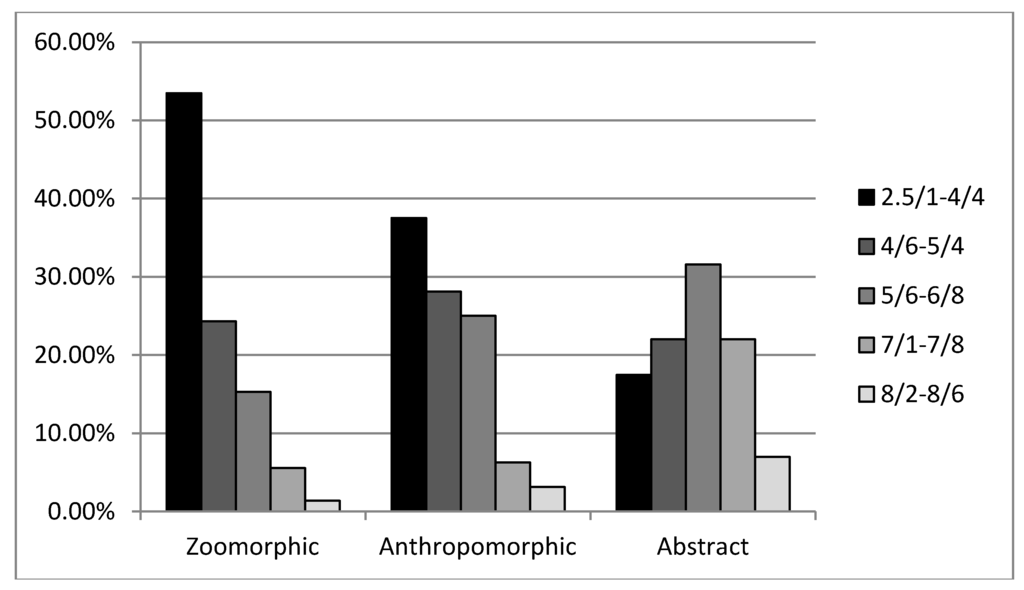
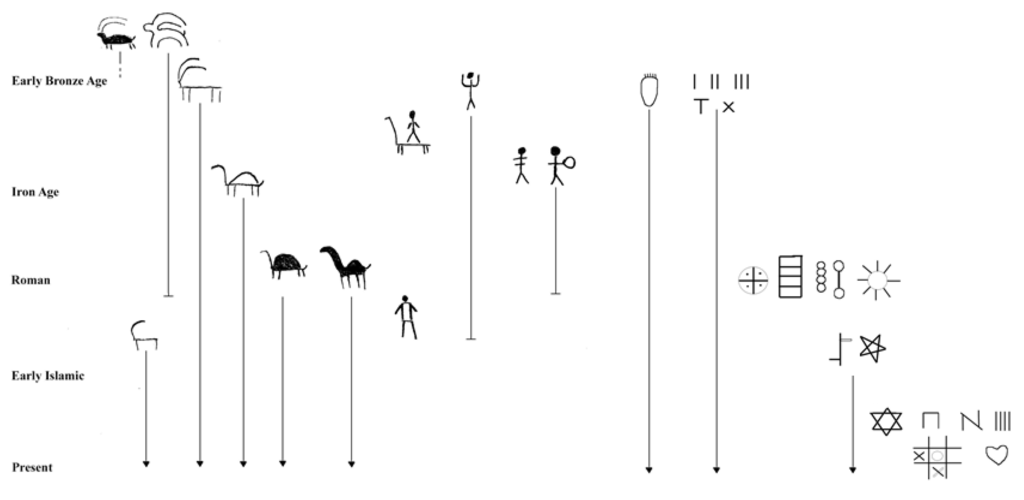
Negev rock art comprises a large and diverse corpus of motifs and compositions developed over the course of several millennia. As dating of specific elements is at present not possible, the rock art was analyzed statistically through the study of individual panels where internal sequences of engraving could be discerned. Examining the set of such individual sequences, larger scale reconstruction of engraving phases, sequences and patterns were recognized. Additional chronological markers, such as the presence of domestic camels or other chronologically diagnostic features, offer benchmarks for tying the general trends to more absolute frameworks. The reconstructed patterns reflect the long term history of the Negev and some of the most significant cultural and social transitions in the region are reflected visually through the rock art, notably a form of self-expression, a crucial complement to the historical sequences derived from sedentary peoples living farther north. For example the introduction of the domestic camel and its symbolic and economic significance is well evident in the rock art. Similarly, the emergence of Islam is expressed through the mark makers’ preference for "abstract" (non-figurative) motifs. One motif found throughout all engraving phases, transcending the religious, political and economic structures of Negev society, is the “ibex”. Although Negev societies have all focused, to one degree or another, on sheep and goat pastoralism, these animals are rarely present in the Negev rock art and never as herds. Ibex, whose role in the diet and daily subsistence was minimal, was the most commonly depicted zoomorphic motif.
Full article
►▼
Show Figures
Open AccessReview
No Reprieve for Tasmanian Rock Art
by
Peter C. Sims
Cited by 2 | Viewed by 22052
Abstract
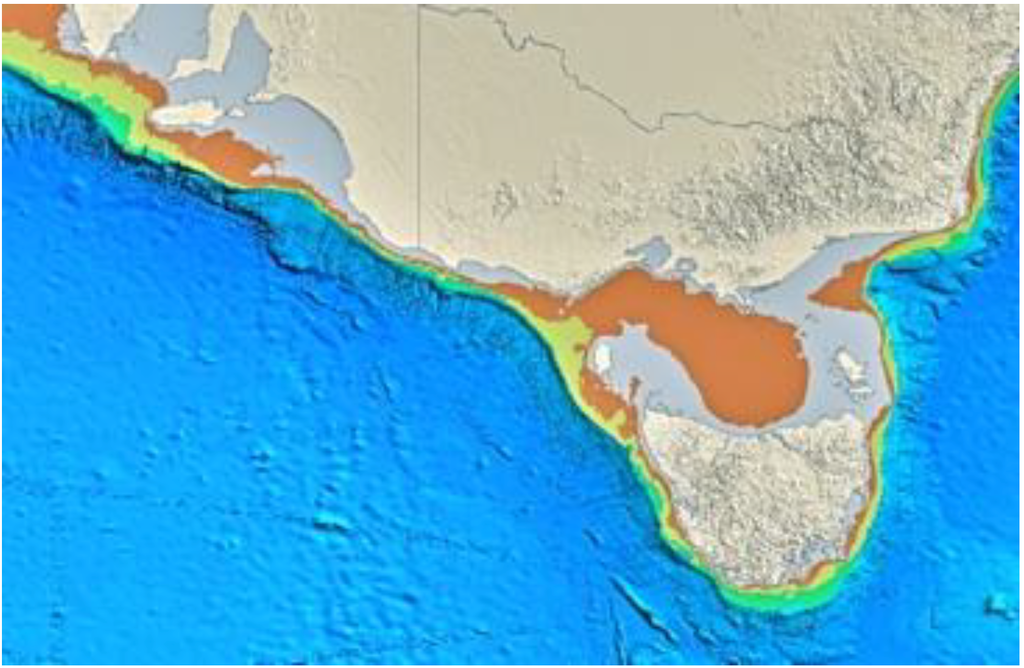
The Australian State of Tasmania, at latitude 42 degrees south, became an island about 8,000 years ago when the sea rose to its present level, following the melting of polar and glacial ice that covered much of the land mass. After that time,
[...] Read more.
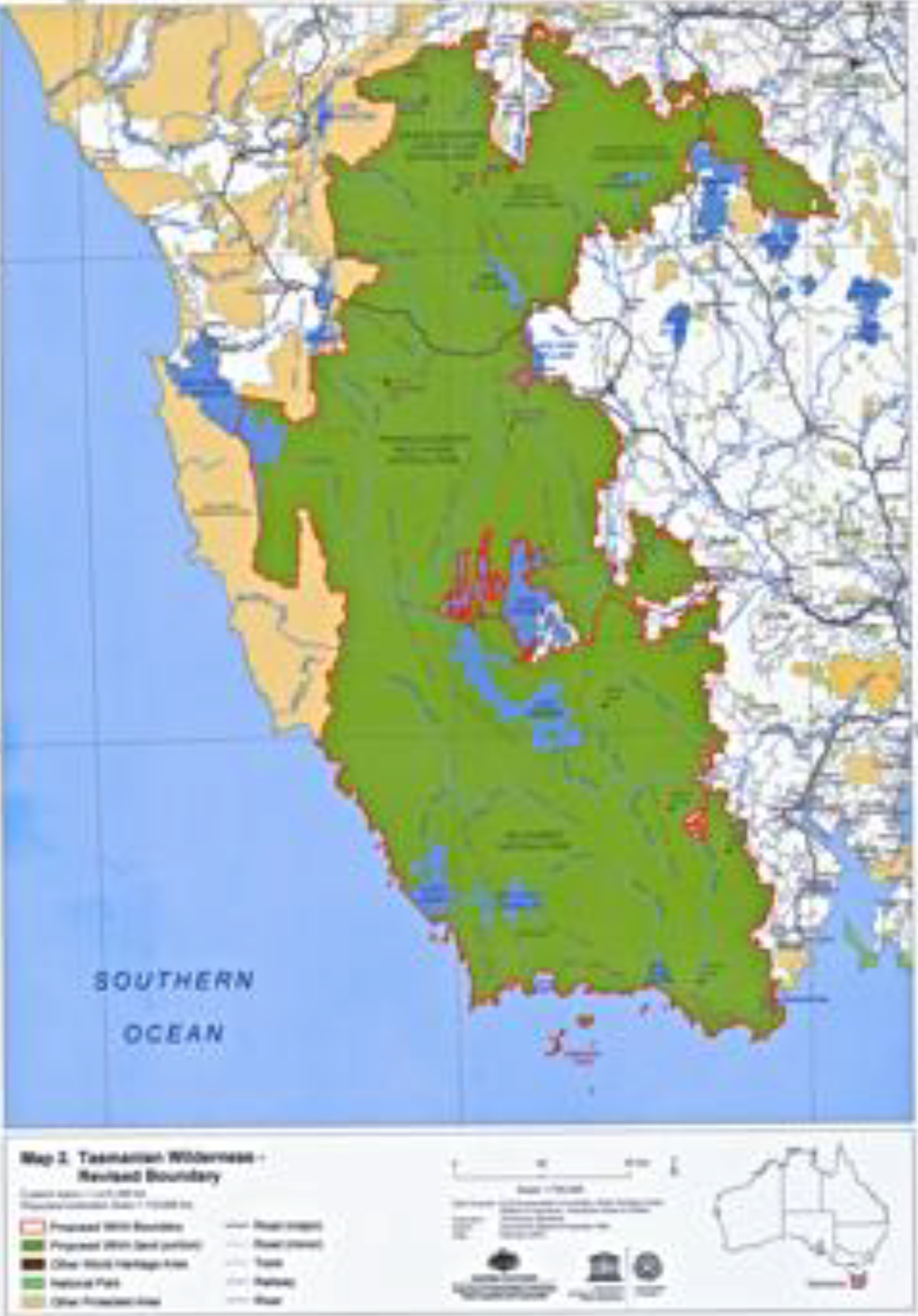
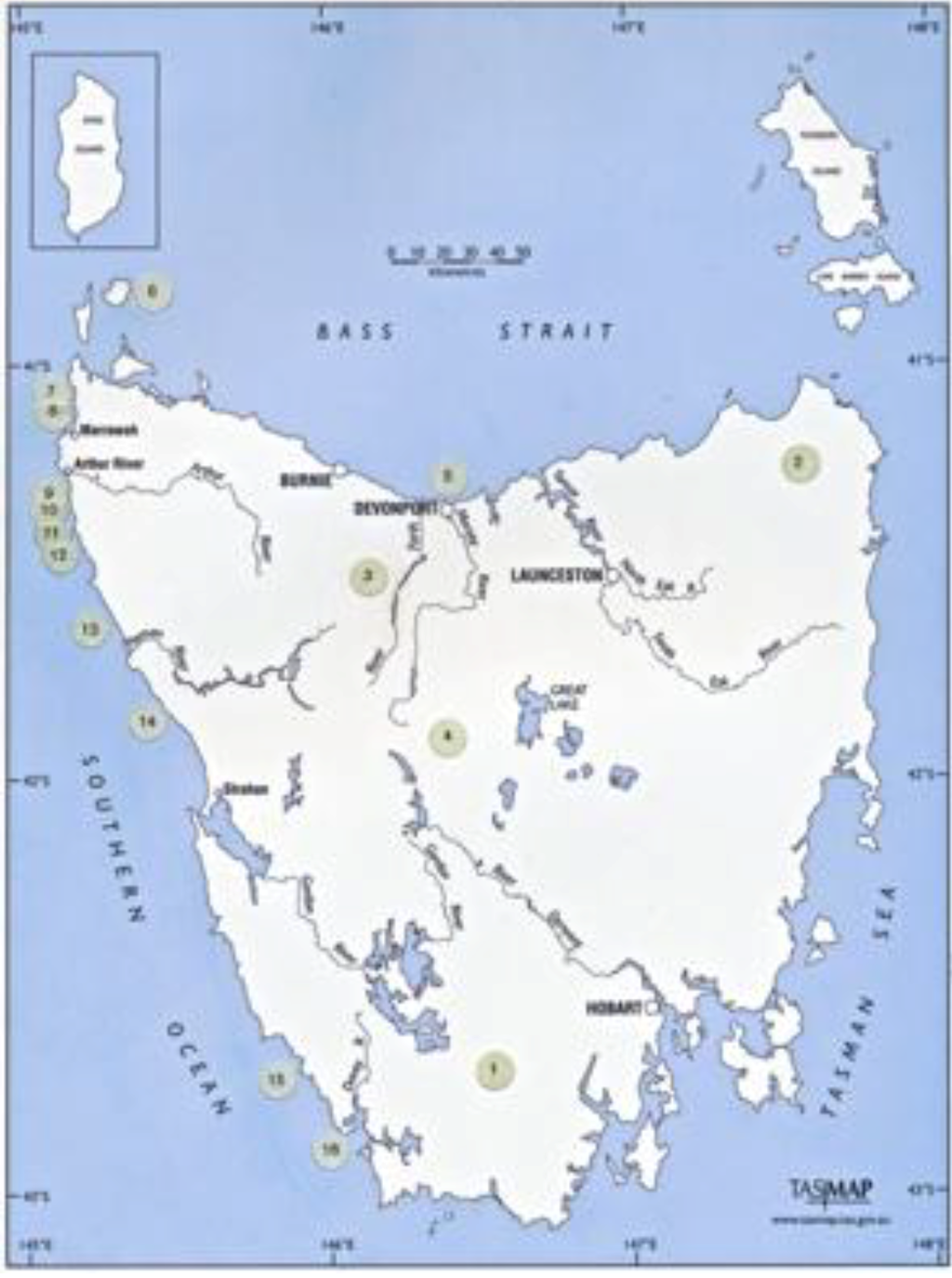
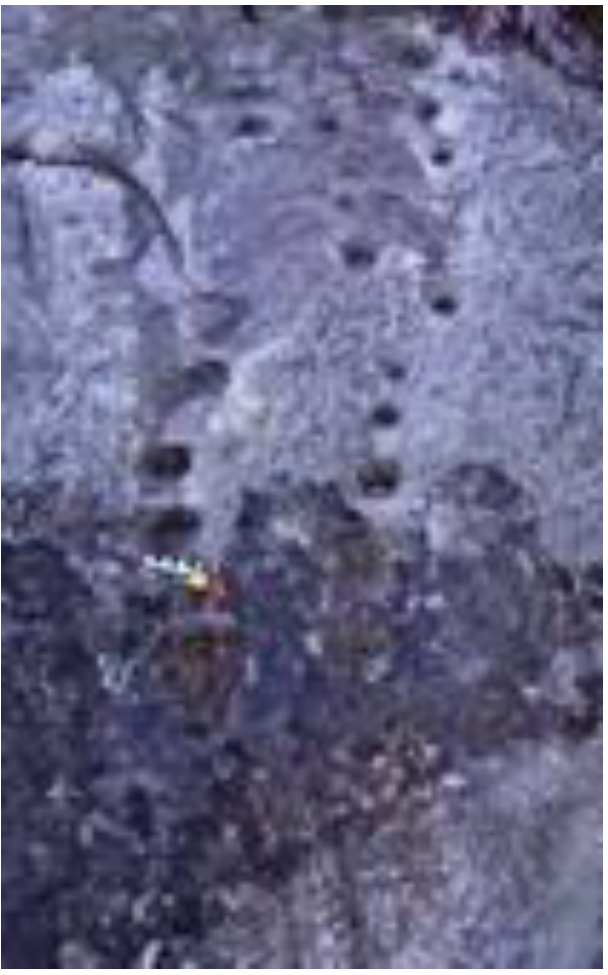
The Australian State of Tasmania, at latitude 42 degrees south, became an island about 8,000 years ago when the sea rose to its present level, following the melting of polar and glacial ice that covered much of the land mass. After that time, the Tasmanian Aboriginal rock art developed independently of mainland Australia, with its form being basically linear with some naturalistic figures and a predominance of cupules. The petroglyphs with one lithophone site occur on various rock substrates varying in hardness from granite to sandstone. Many sites exist along the western coastline that borders the Southern Ocean where the landscape in some places has changed little since the arrival of Europeans in 1803. The significance of this Tasmanian Aboriginal cultural heritage along what is now known as the Tarkine Coast, named after an Aboriginal band that once inhabited this area, was recognised by the Australian Government in February 2013 when a 21,000 ha strip, 2 km wide, was inscribed on its National Heritage Register, being one of 98 special places listed in the country. However, politics and racism hamper its management. This paper is based on the results of 40 years of field recording of the Tasmanian Aboriginal rock art sites, many of which remain unpublished.
Full article
►▼
Show Figures
Open AccessArticle
Late Pleistocene and Early Holocene Rock Art from the Mongolian Altai: The Material and its Cultural Implications
by
Esther Jacobson-Tepfer
Cited by 11 | Viewed by 11225
Abstract
Rock-pecked images from the northern Mongolian Altai attest to the presence of human communities within the high valleys of that region during the Late Pleistocene and Early Holocene. The material provides evidence that is hitherto largely missing from the archaeological record of that
[...] Read more.
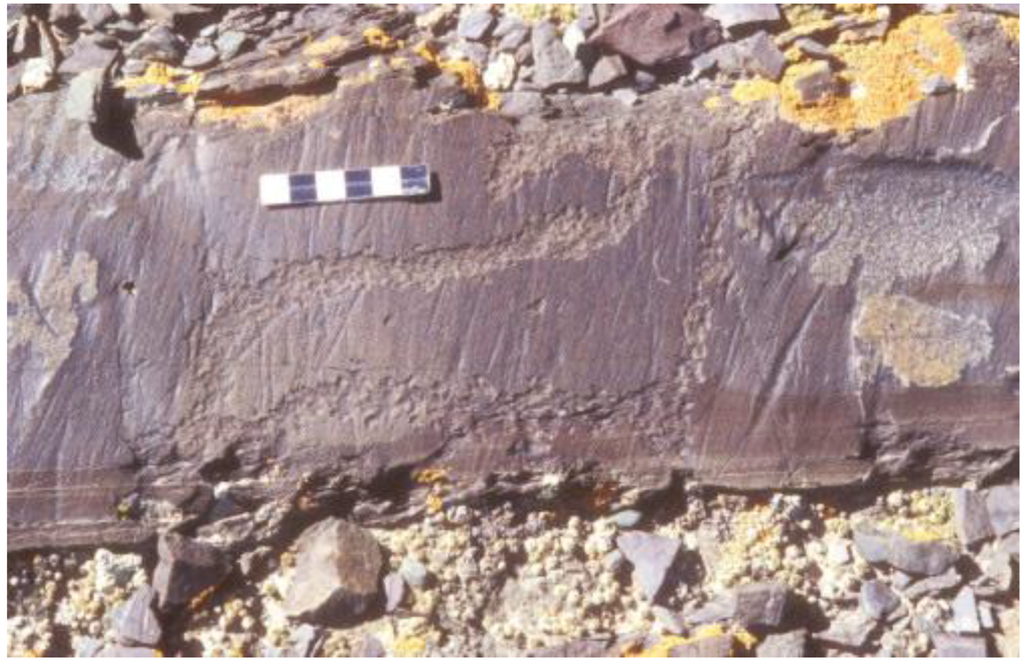
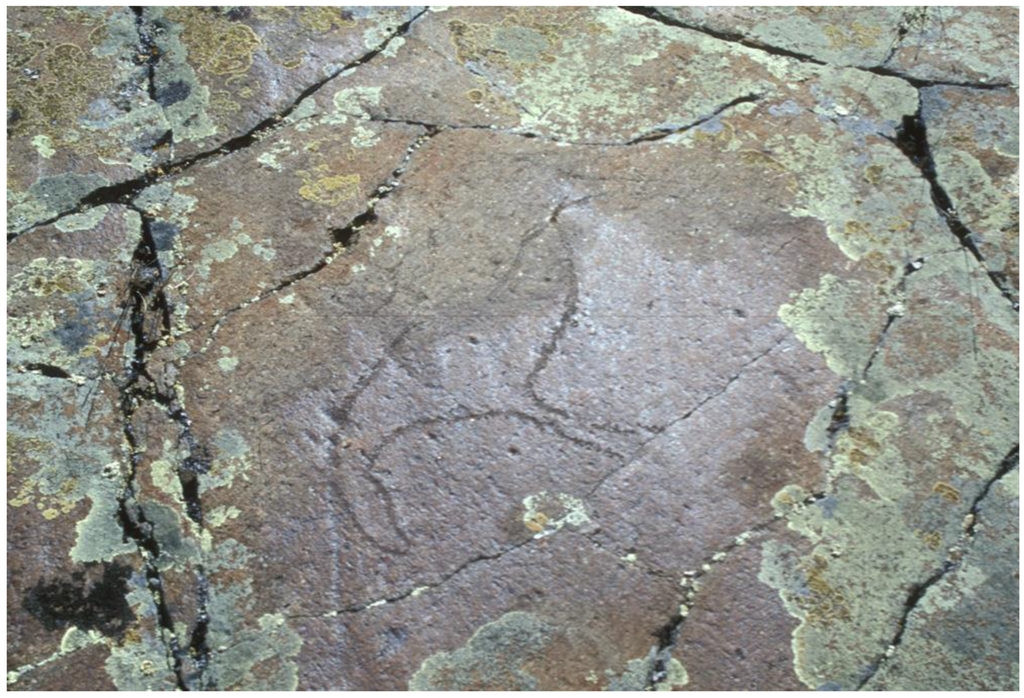
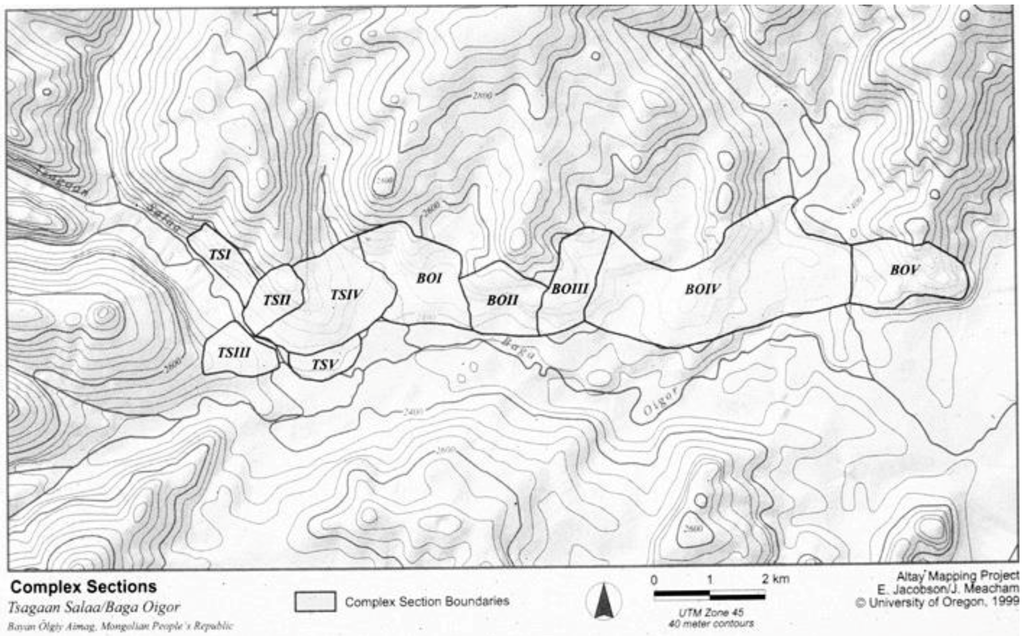
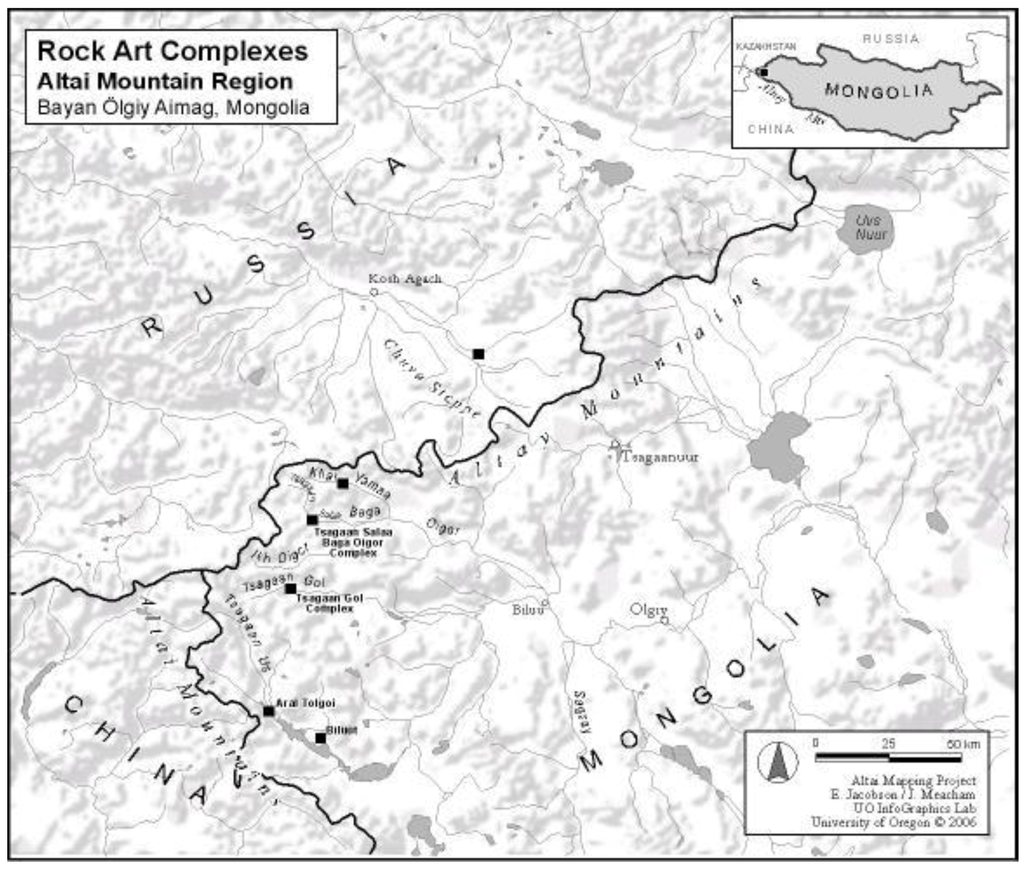
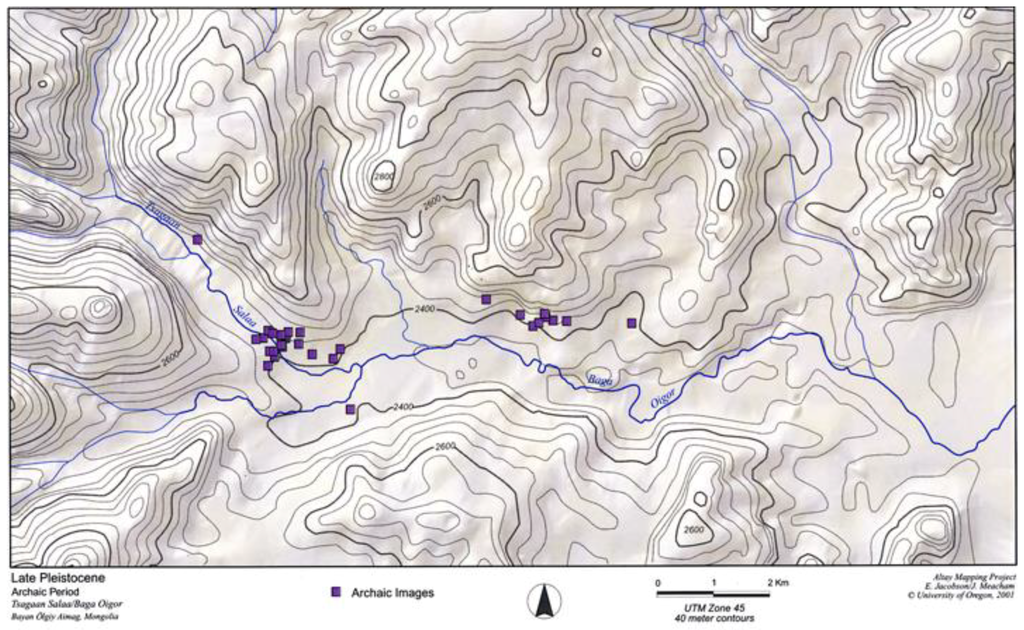
Rock-pecked images from the northern Mongolian Altai attest to the presence of human communities within the high valleys of that region during the Late Pleistocene and Early Holocene. The material provides evidence that is hitherto largely missing from the archaeological record of that region. This paper reviews the rock art, its find sites and larger physical contexts and uses evidence from paleoenvironmental studies to propose dating and cultural significance. The material is compared with other sites said to have Paleolithic imagery from Mongolia and the adjoining Russian Altai. The body of presented material offers a major resource for the study of early hunter-gatherer communities at the interface of Central and North Asia.
Full article
►▼
Show Figures
Open AccessArticle
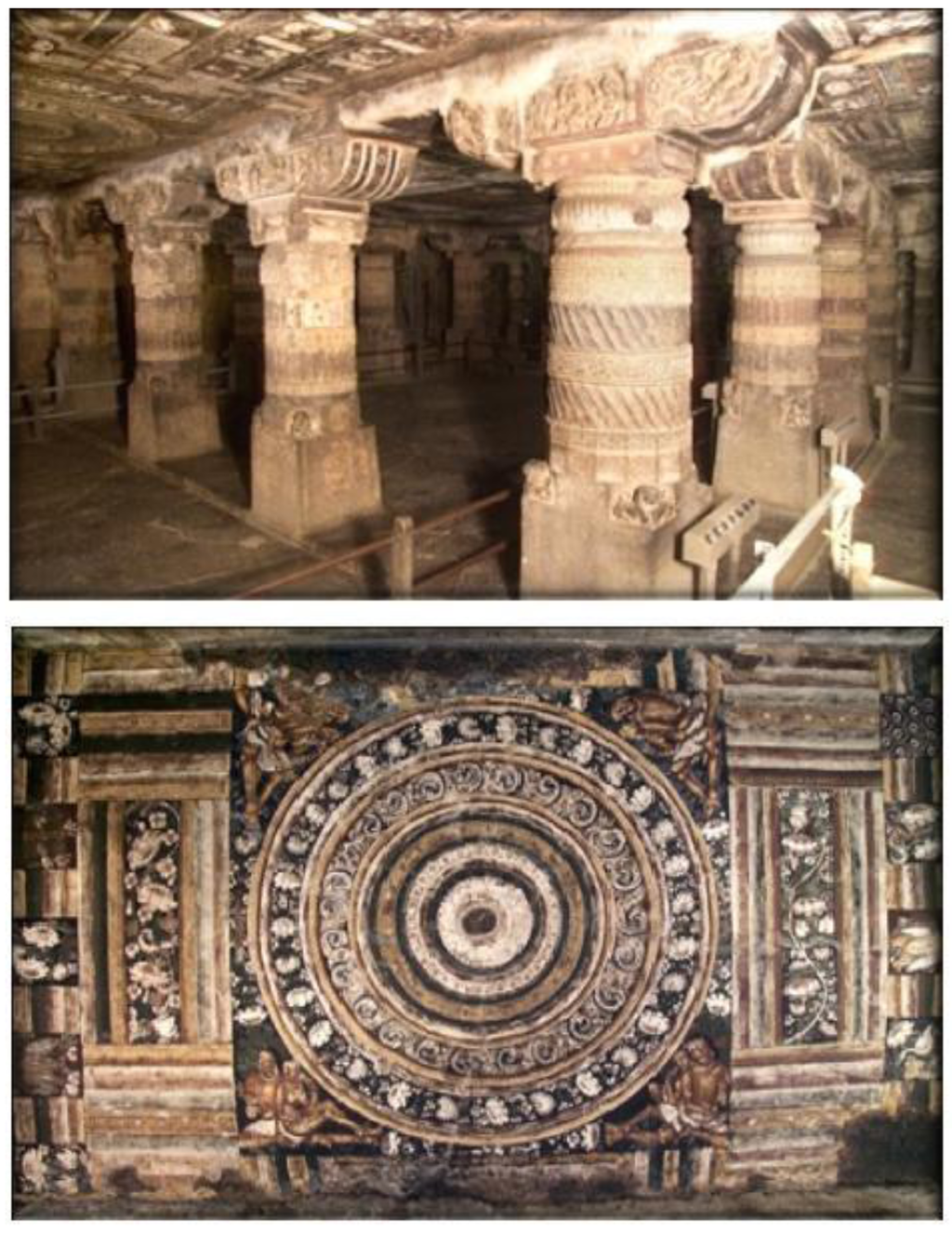
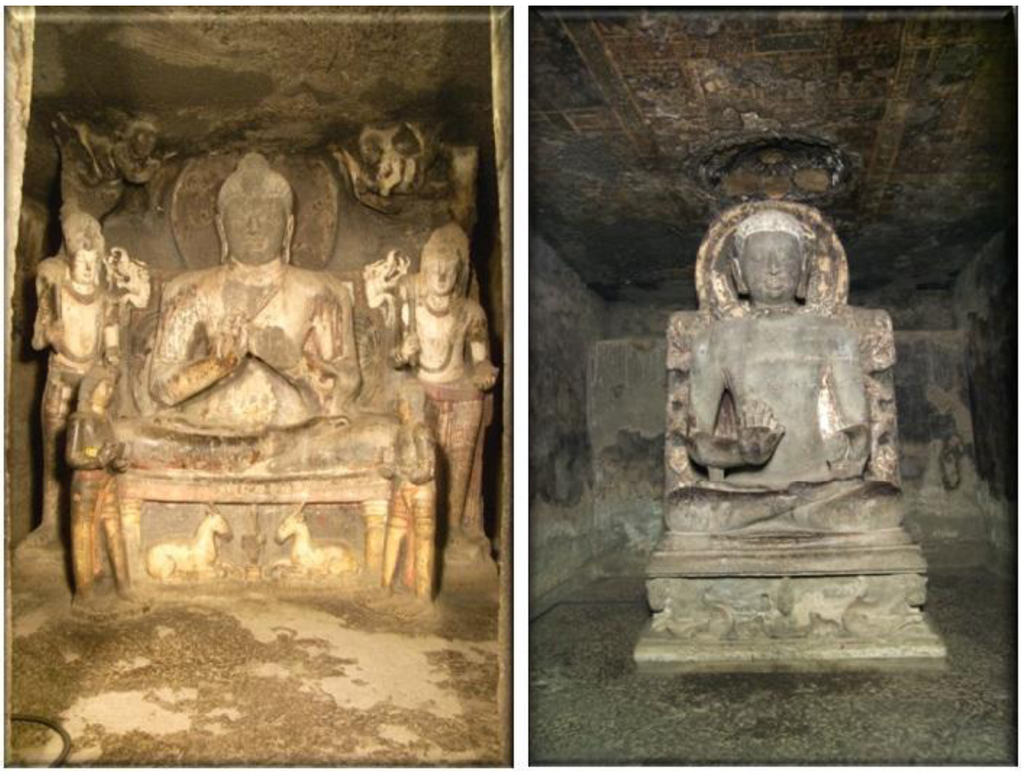
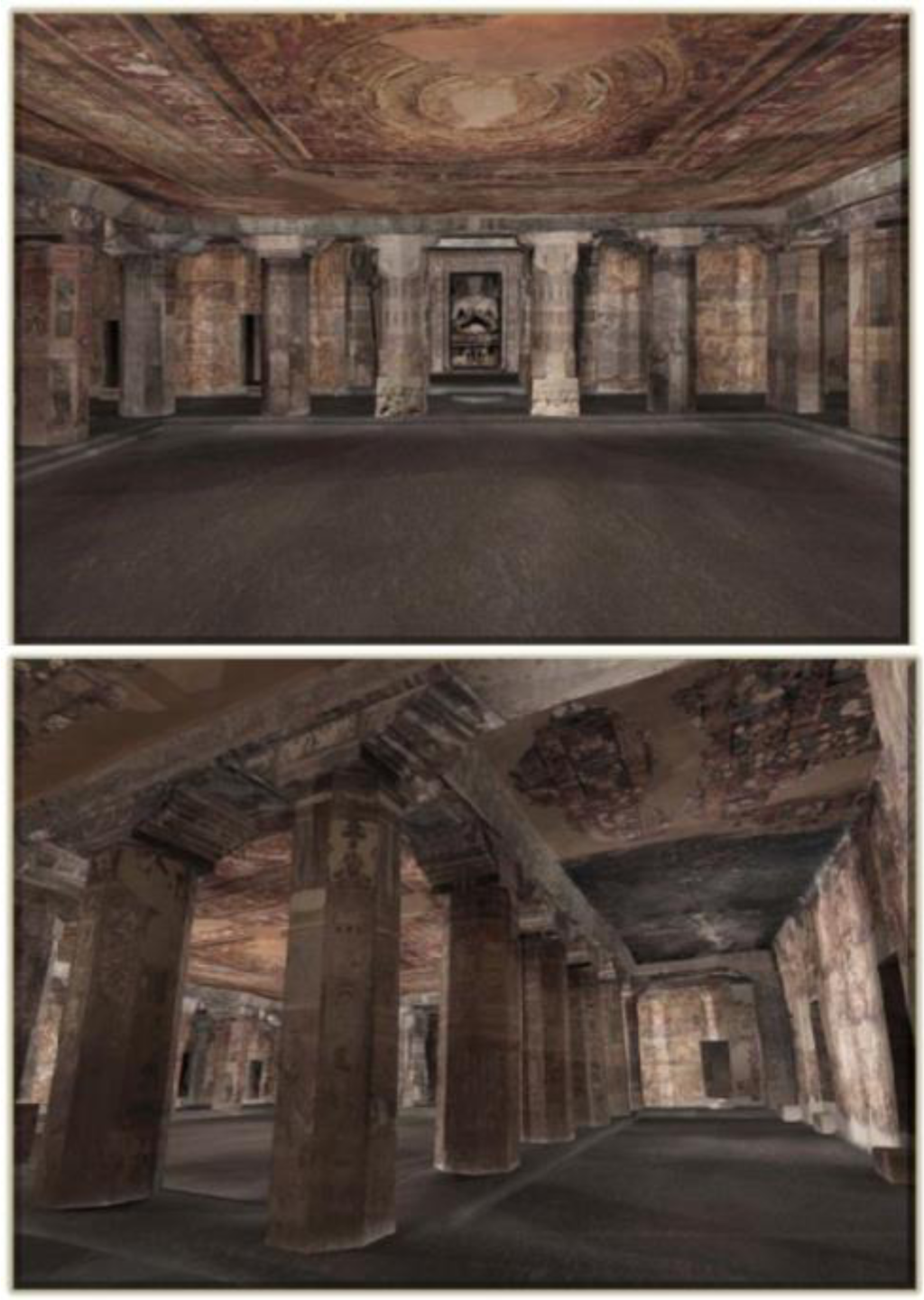
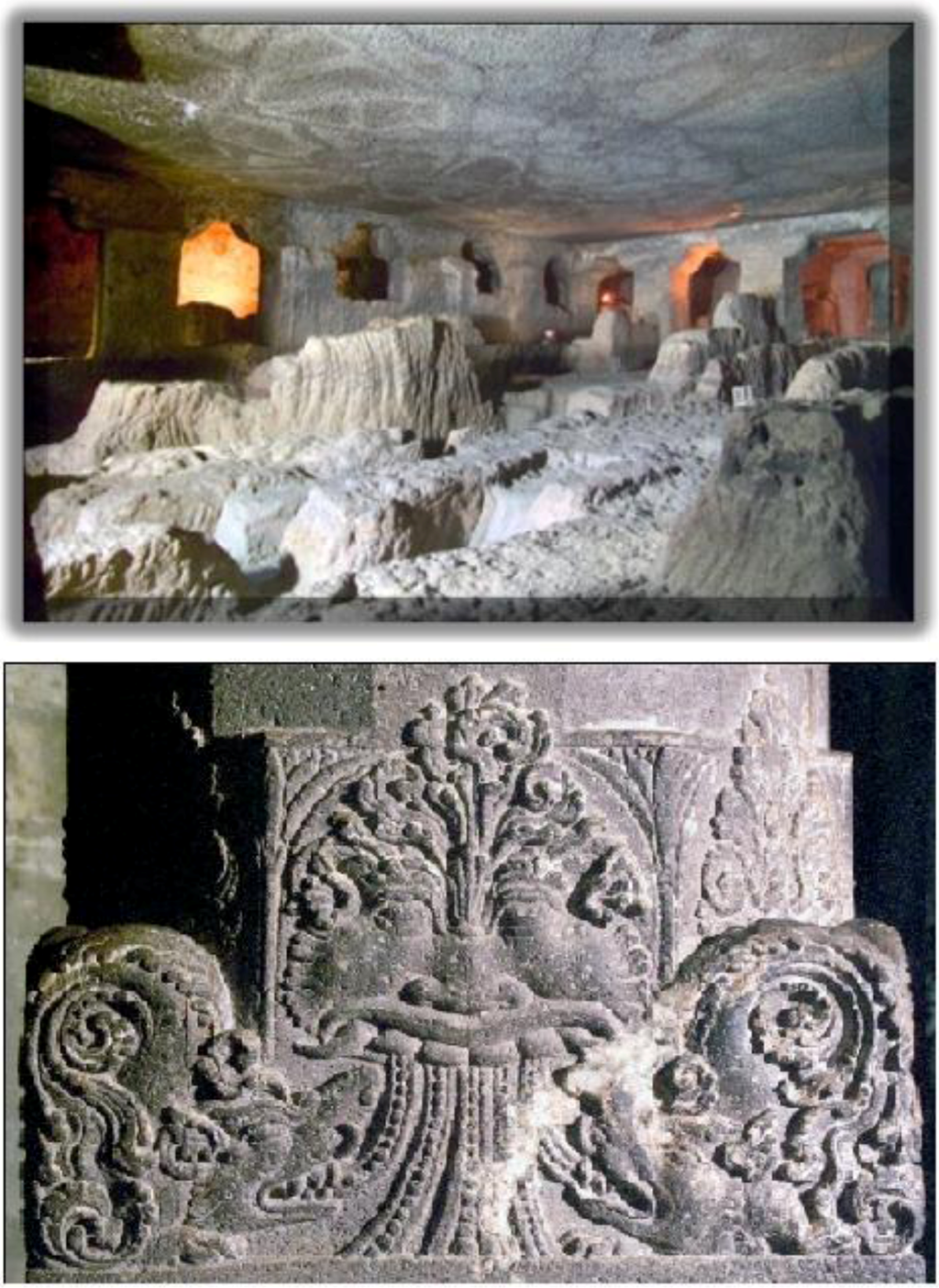
Architectural History and Painting Art at Ajanta: Some Salient Features
by
Manager Singh and Babasaheb Ramrao Arbad
Cited by 5 | Viewed by 30640
Abstract
The present paper deals with the period of India’s greatest cultural fluorescence, The Golden Age. A lively intellectual debate has been going on among historians and archaeologists on the subject of the chronology of the caves at Ajanta. The study shows addition of
[...] Read more.
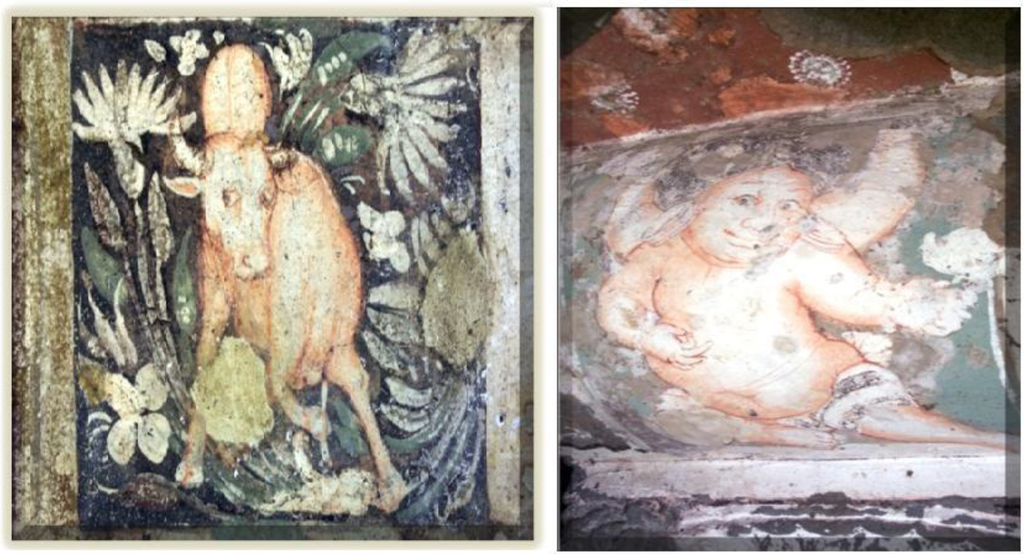
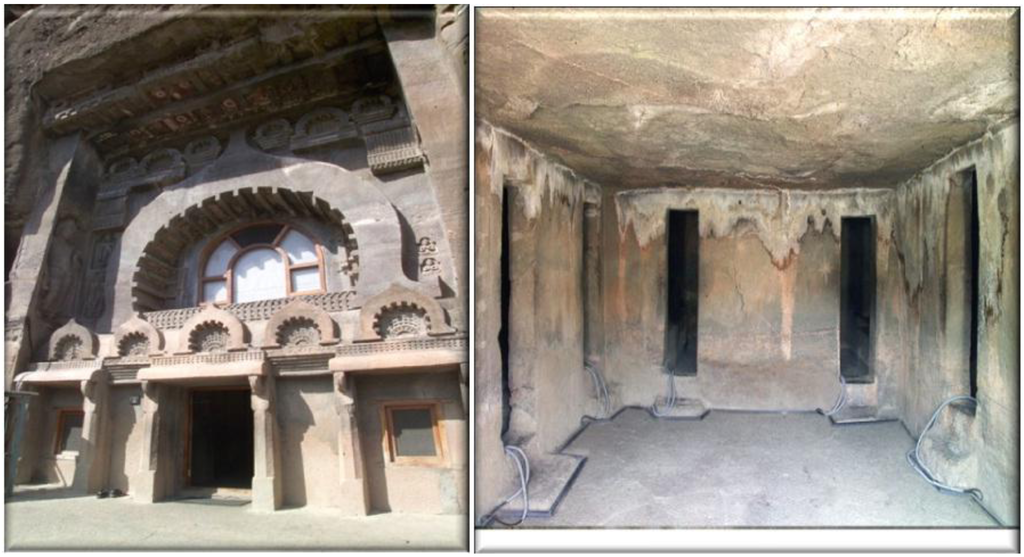
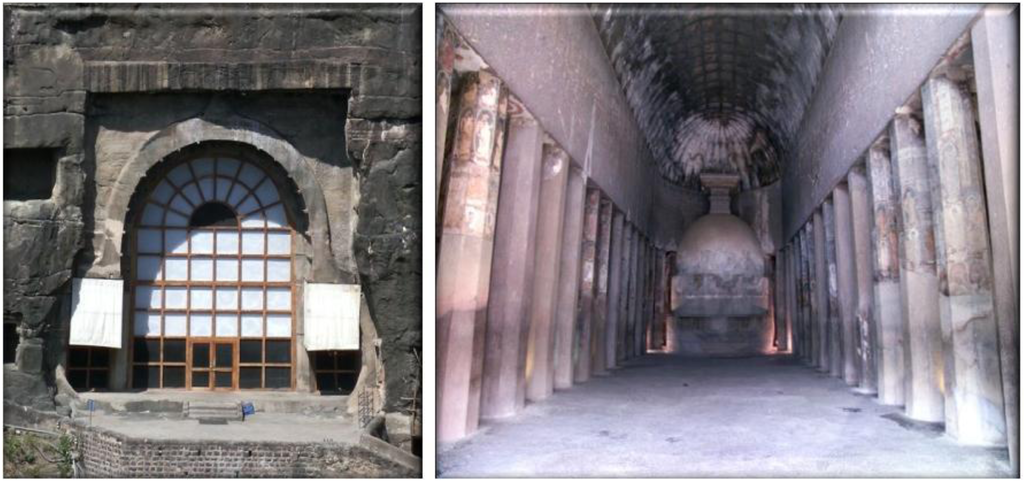
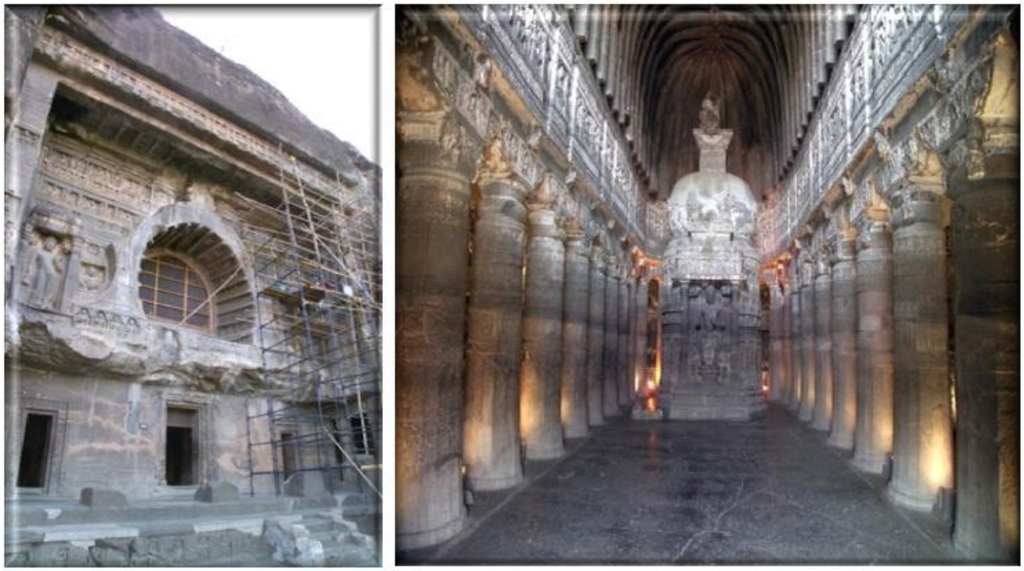
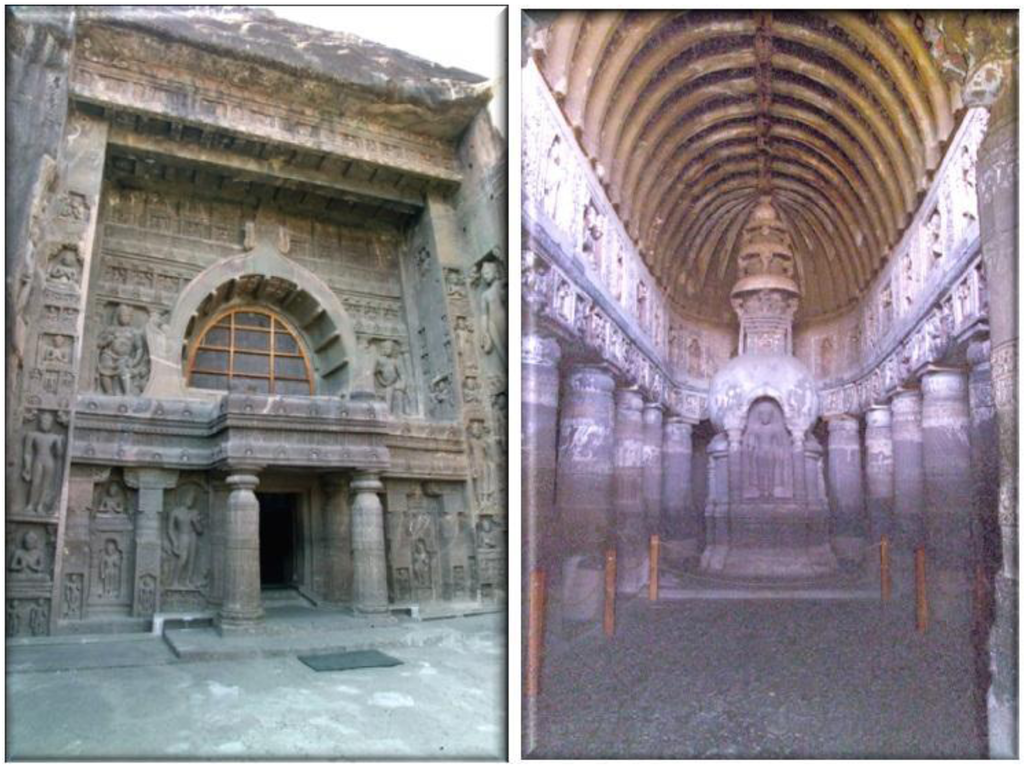
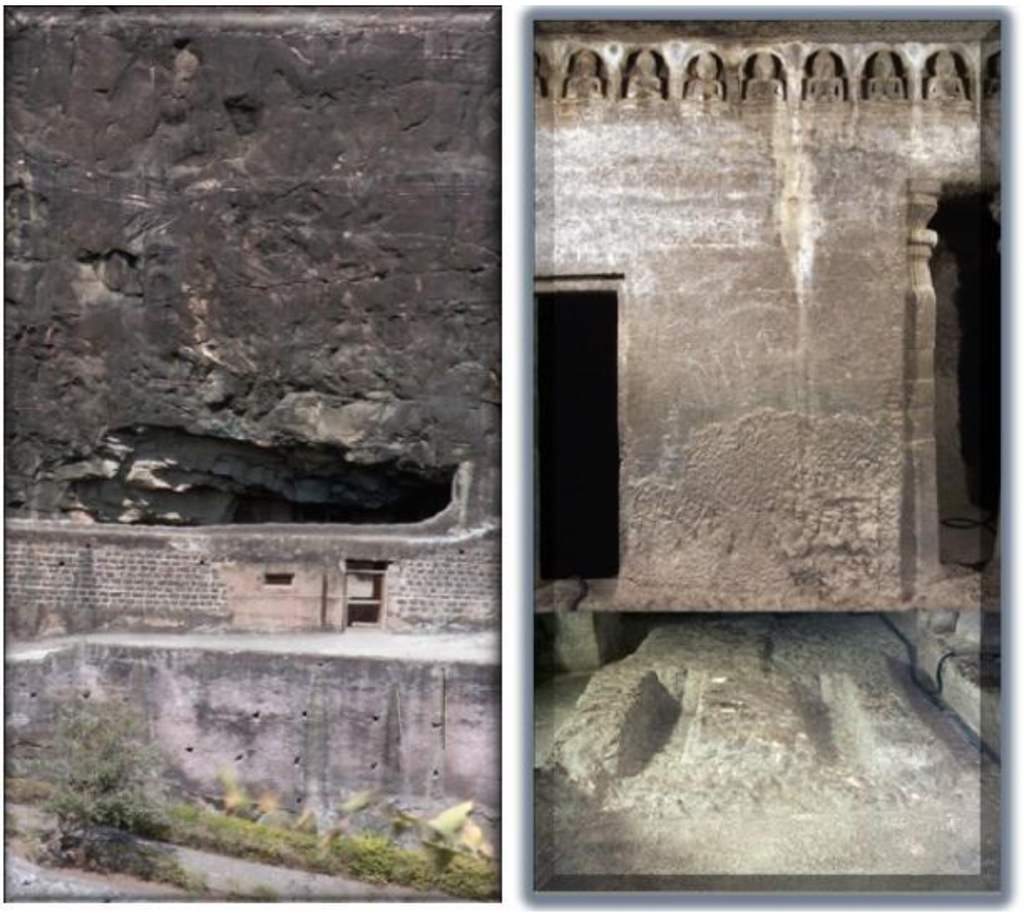
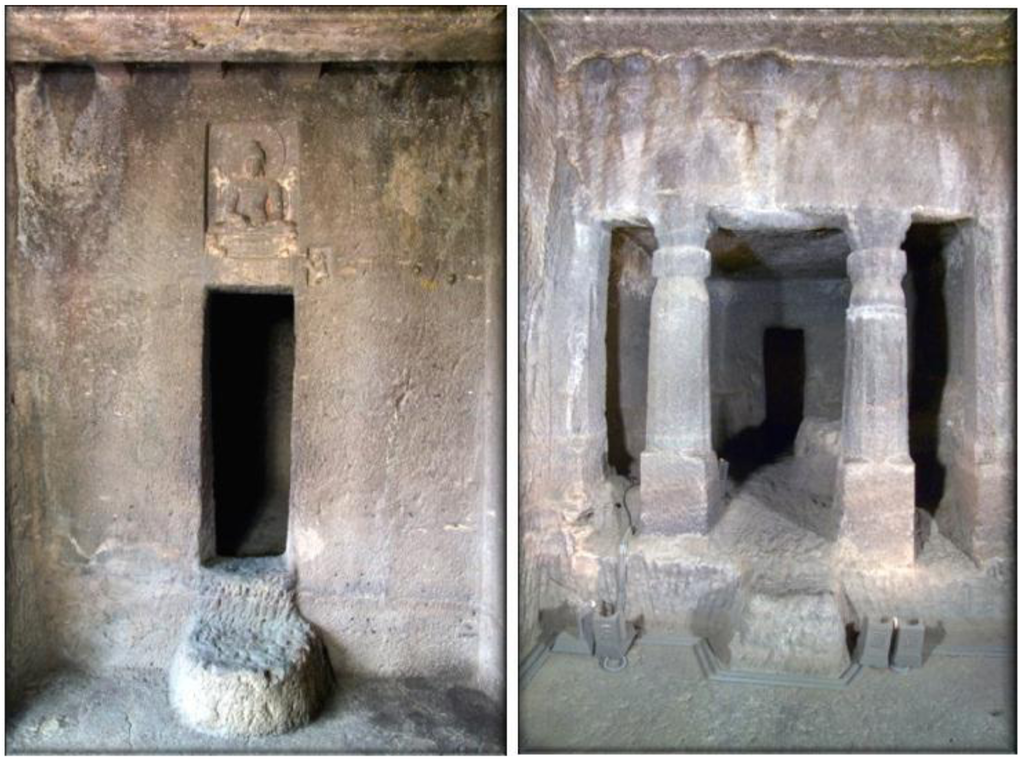
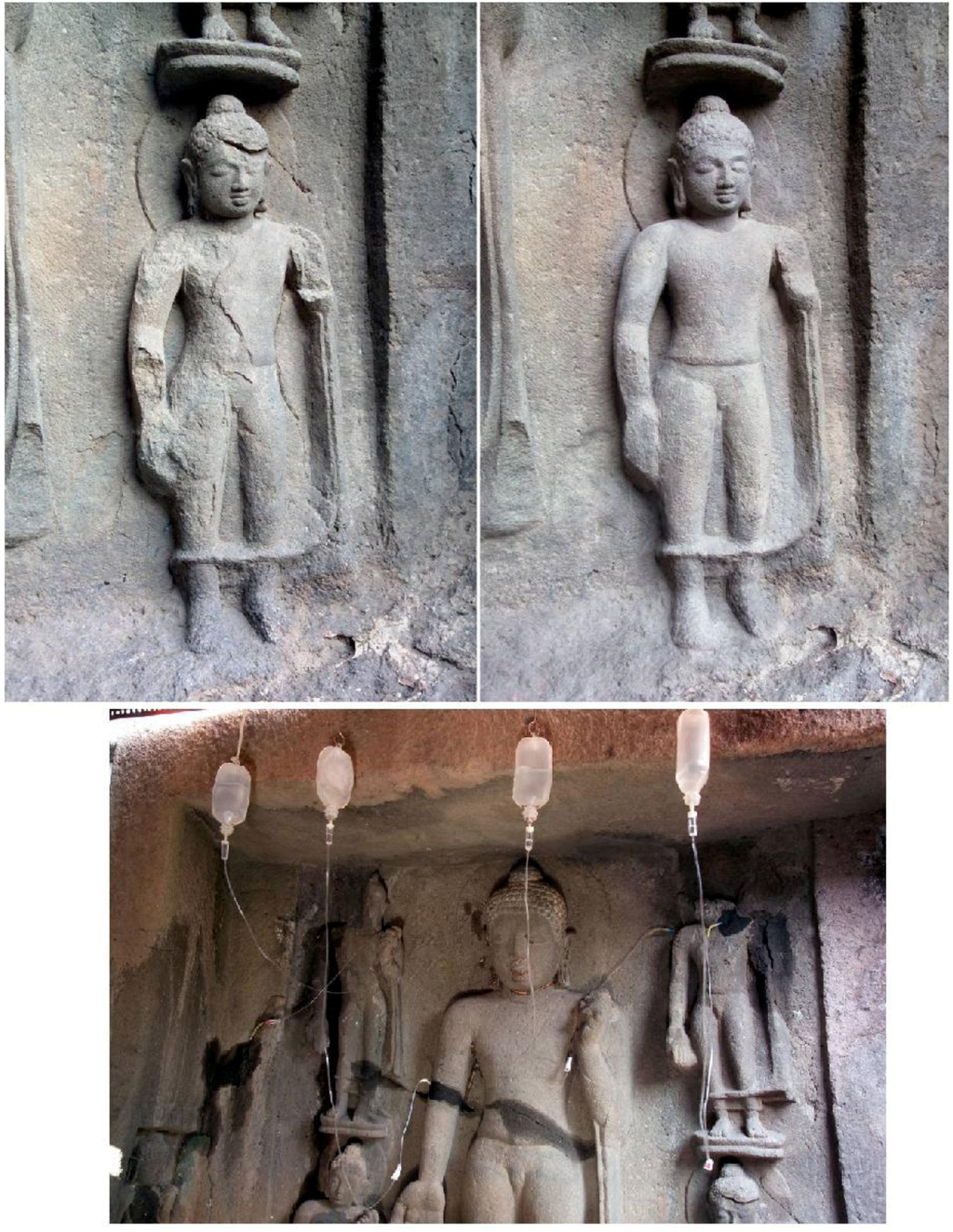
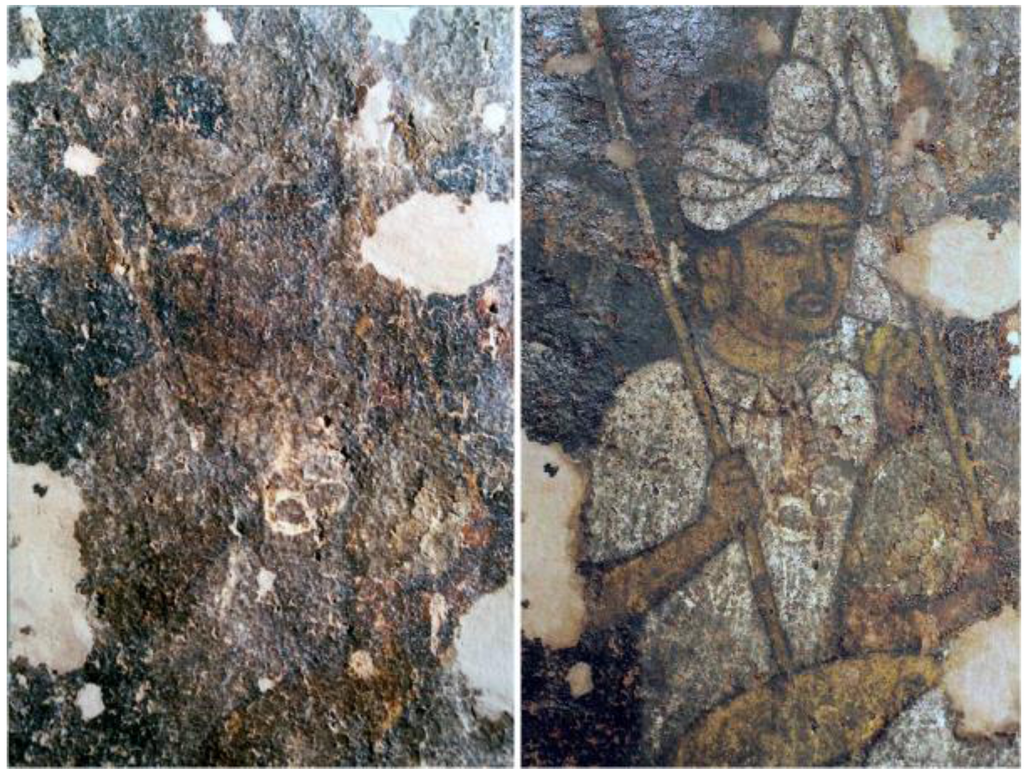
The present paper deals with the period of India’s greatest cultural fluorescence, The Golden Age. A lively intellectual debate has been going on among historians and archaeologists on the subject of the chronology of the caves at Ajanta. The study shows addition of many iconographic styles from Ajanta to Bagh caves and vice-versa due to movement of skilled workers and craftsmen between these two Buddhist sites. Many iconographic figures were added / deleted depending on the local condition of rock at both the sites. The art and architecture of these sites reflects India’s great materials culture. The Ajanta paintings are not just a milestone in the history of development of world art but they also convey unique insights about the life of ancient Indians and their culture. This paper outlines some of the architectural features introduced from Ajanta into the other cultures. Furthermore, structural conservation measures and scientific methodology adopted for the preservation of Ajanta murals have also been highlighted.
Full article
►▼
Show Figures
Open AccessBrief Report
Rock Art of the Howz-Māhy Region in Central Iran
by
Ebrahim Karimi Mobarakabadi
Cited by 5 | Viewed by 8235
Abstract
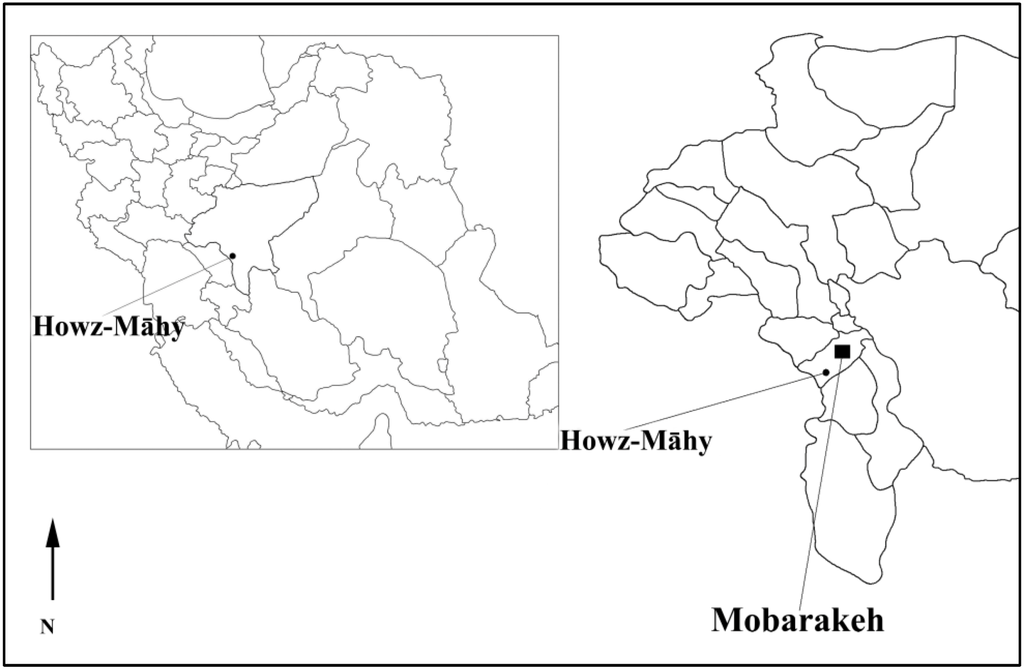
Howz-Māhy is a region located in the center of Iran, where a considerable number of petroglyphs can be found in two sites, at Ghārā-Tepe I and II. Ghārā-Tepe I is the largest site and includes a variety of depictions, especially geometric markings. In
[...] Read more.
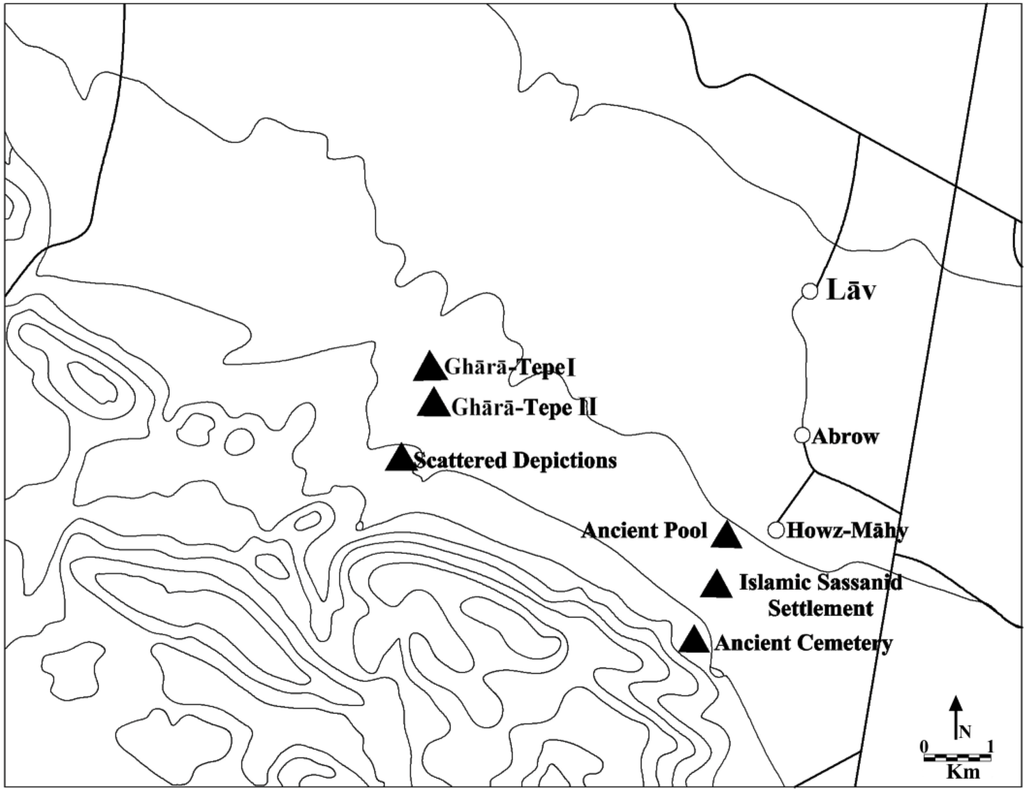
Howz-Māhy is a region located in the center of Iran, where a considerable number of petroglyphs can be found in two sites, at Ghārā-Tepe I and II. Ghārā-Tepe I is the largest site and includes a variety of depictions, especially geometric markings. In addition, various depictions can be found throughout the region situated on isolated cliffs and stones on the edge of an ancient pool. The most common image is of ibexes. There are also several other kinds of representations that show animals, humans, geometric markings, and so on, which can be found on panels. Despite difficulties for dating the petroglyphs of Iran, microerosion analysis should be applicable for dating the engravings of Howz-Māhy, especially in Ghārā-Tepe I.
Full article
►▼
Show Figures
Open AccessReview
Pleistocene Palaeoart of Asia
by
Robert G. Bednarik
Cited by 10 | Viewed by 22222
Abstract
This comprehensive overview considers the currently known Pleistocene palaeoart of Asia on a common basis, which suggests that the available data are entirely inadequate to form any cohesive synthesis about this corpus. In comparison to the attention lavished on the corresponding record available
[...] Read more.
This comprehensive overview considers the currently known Pleistocene palaeoart of Asia on a common basis, which suggests that the available data are entirely inadequate to form any cohesive synthesis about this corpus. In comparison to the attention lavished on the corresponding record available from Eurasia’s small western appendage, Europe, it is evident that Pleistocene palaeoart from the rest of the world has been severely neglected. Southern Asia, in particular, holds great promise for the study of early cognitive development of hominins, and yet this potential has remained almost entirely unexplored. Asia is suggested to be the key continent in any global synthesis of ‘art’ origins, emphasising the need for a comprehensive pan-continental research program. This is not just to counter-balance the incredible imbalance in favour of Europe, but to examine the topic of Middle Pleistocene palaeoart development effectively.
Full article
►▼
Show Figures
Open AccessNew Book Received
Rock Art Glossary: A Multilingual Dictionary, Expanded Second Edition (First Edition 2001). Edited by Robert G. Bednarik, Ahmed Achrati, Tang Huisheng, Alfred Muzzolini, George Dimitriadis, Dario Seglie, Fernando Coimbra, Yakov A. Sher and Mario Consens. Australian Rock Art Research Association, Inc., Melbourne, 2010; 274 Pages, in English, Arabic, Chinese, French, German, Greek, Italian, Portuguese, Russian and Spanish, with Translation Tables. Price $A 38.00, ISBN 978-0-646-53471-8
by
Shu-Kun Lin
Viewed by 6598
Abstract
This is the first dictionary compiled specifically for rock art research. It follows the publication of an English rock art glossary in the journal
Rock Art Research in November 2000. To be adopted by the International Federation of Rock Art Organisations (IFRAO), it
[...] Read more.
This is the first dictionary compiled specifically for rock art research. It follows the publication of an English rock art glossary in the journal
Rock Art Research in November 2000. To be adopted by the International Federation of Rock Art Organisations (IFRAO), it has been translated by some of the world’s foremost scholars in the field into Arabic, Chinese, French, German, Greek, Italian, Portuguese, Spanish and Russian. In a discipline that has hitherto been without an agreed terminology, even communication within a single language has been difficult. The proliferation of idiosyncratic terminologies of often academically isolated researchers, many of which have been used by only one scholar, has not only retarded progress and the transference of knowledge, it has led to countless misunderstandings and even personal feuds. The purpose of this dictionary is to create a single terminological standard as well as a cross-lingual uniformity of usage. It focuses particularly on scientific aspects, technical applications and epistemological rigour. It does not set out to create a terminological straitjacket for the discipline, but a common standard of reference, particularly in areas that have in the past been susceptible to greatly differing interpretations. This dictionary comprises sections in ten languages, each listing the same terms alphabetically. It also contains a table interlinking all of these languages, listing all terms explained. This translation table is organised alphabetically according to the English terms. The volume is indispensable for scientific translators, rock art scholars, archaeologists and others concerned with aspects of pre-Historic rock art, and is also intended for the guidance of students and authors working in this field.
Full article
Open AccessBrief Report
Morocco’s Rock Art: Age and Meaning
by
Susan Searight
Cited by 3 | Viewed by 10938
Abstract
The general distribution of the rock art sites in Morocco is indicated in this report. The vast majority are situated in southern Morocco, in the region of the River Draa and further south. One important exception is the High Atlas mountain range. The
[...] Read more.
The general distribution of the rock art sites in Morocco is indicated in this report. The vast majority are situated in southern Morocco, in the region of the River Draa and further south. One important exception is the High Atlas mountain range. The location of these sites is shown to be fairly standardised. Four different groups of engravings are identified, based on technique and theme. In the absence of any direct dating of the engravings, these groups can only be placed in a relative chronological order, using dates known for climatic conditions and the introduction of animals or objects. A problem concerns the reliability of these ‘known’ dates, often based on extrapolation from dated information from neighbouring countries. Two recent excavations close to rock art sites have yielded C14 dates for population presence in the area without advancing knowledge on the date of the rock art. The reason for sites’ geographical situation in the landscape can probably be surmised reasonably accurately, but the interpretation of this art remains largely a matter of speculation and intelligent guesswork. Current projects aimed to advance knowledge of the age of the art are described.
Full article
►▼
Show Figures
Open AccessReview
Pleistocene Palaeoart of Africa
by
Robert G. Bednarik
Cited by 20 | Viewed by 15375
Abstract
This comprehensive review of all currently known Pleistocene rock art of Africa shows that the majority of sites are located in the continent’s south, but that the petroglyphs at some of them are of exceptionally great antiquity. Much the same applies to portable
[...] Read more.
This comprehensive review of all currently known Pleistocene rock art of Africa shows that the majority of sites are located in the continent’s south, but that the petroglyphs at some of them are of exceptionally great antiquity. Much the same applies to portable palaeoart of Africa. The current record is clearly one of paucity of evidence, in contrast to some other continents. Nevertheless, an initial synthesis is attempted, and some preliminary comparisons with the other continents are attempted. Certain parallels with the existing record of southern Asia are defined.
Full article
►▼
Show Figures
Open AccessNew Book Received
Rock Art Science: The Scientific Study Of Palaeoart. By Robert G. Bednarik, Second Edition, Expanded and Updated. Aryan Books, International, New Delhi, 2007; 220 Pages. Price $A 80.00, ISBN 81-7305-319-7
by
Shu-Kun Lin
Viewed by 6135
Abstract
In the uncertain horizon of a discipline in desperate need for consensus, a man stands alone, raising high above personal feuds a warning flag on which the reader can read: “We cannot afford to get it wrong, the resource is not renewable!”
Full article