



-
Urban Water Leakage Detection over Dark Fiber Networks Based on Distributed Acoustic Sensing and Sparse Autoencoders -
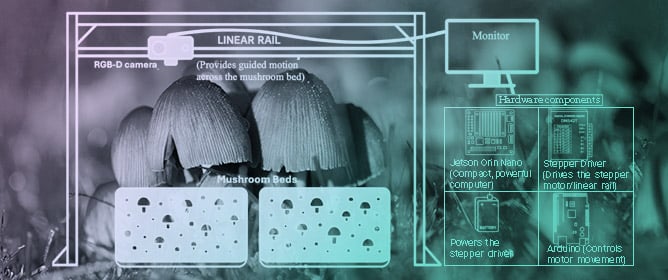
RD-GuideNet Framework for Depth-Guided Detection, Segmentation, and Tracking of White Button Mushrooms -
A Cross-Layer Framework Integrating RF and OWC with Dynamic Modulation Scheme Selection for 6G Networks -
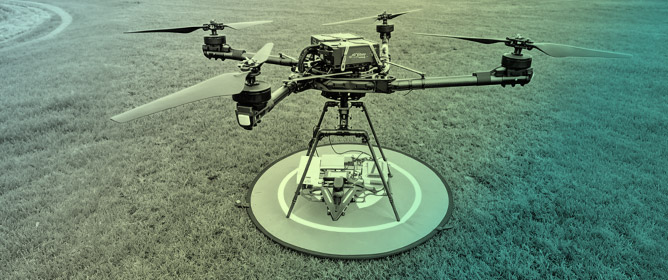
Two-Antenna Gain Measurement Method Using Two UAVs -
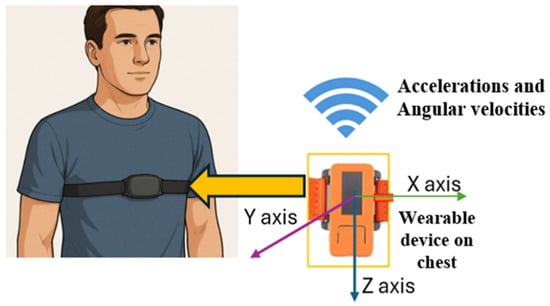
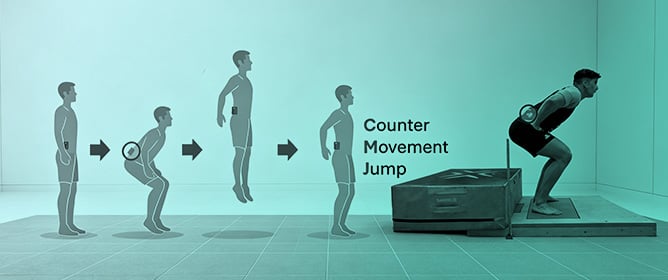
A High-Frequency Wearable IMU-Based System for Countermovement Jump Assessment
Journal Description
Sensors
Sensors
is an international, peer-reviewed, open access journal on the science and technology of sensors, published semimonthly online by MDPI. The Polish Society of Applied Electromagnetics (PTZE), Japan Society of Photogrammetry and Remote Sensing (JSPRS), Spanish Society of Biomedical Engineering (SEIB), International Society for the Measurement of Physical Behaviour (ISMPB), Chinese Society of Micro-Nano Technology (CSMNT) and more are affiliated with Sensors and their members receive discounts on the article processing charges.
- Open Access — free for readers, with article processing charges (APC) paid by authors or their institutions.
- High Visibility: indexed within Scopus, SCIE (Web of Science), PubMed, MEDLINE, PMC, Ei Compendex, Inspec, Astrophysics Data System, and other databases.
- Journal Rank: JCR - Q2 (Instruments and Instrumentation) / CiteScore - Q1 (Instrumentation)
- Rapid Publication: manuscripts are peer-reviewed and a first decision is provided to authors approximately 17.8 days after submission; acceptance to publication is undertaken in 2.8 days (median values for papers published in this journal in the first half of 2026).
- Recognition of Reviewers: reviewers who provide timely, thorough peer-review reports receive vouchers entitling them to a discount on the APC of their next publication in any MDPI journal, in appreciation of the work done.
- Companion journals for Sensors include: Chips, Targets, AI Sensors and IJMD.
- Journal Cluster of Instruments and Instrumentation: Actuators, AI Sensors, Instruments, Metrology, Micromachines and Sensors.
Impact Factor:
4.0 (2025);
5-Year Impact Factor:
4.1 (2025)
Latest Articles
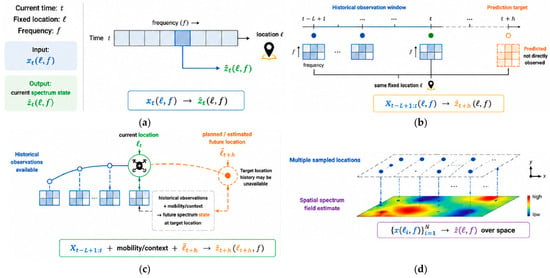
Label-Efficient and Lightweight Spectrum Prediction for UAV-Based Spectrum Sensing: A Critical Review
Sensors 2026, 26(17), 5567; https://doi.org/10.3390/s26175567 (registering DOI) - 2 Sep 2026
Abstract
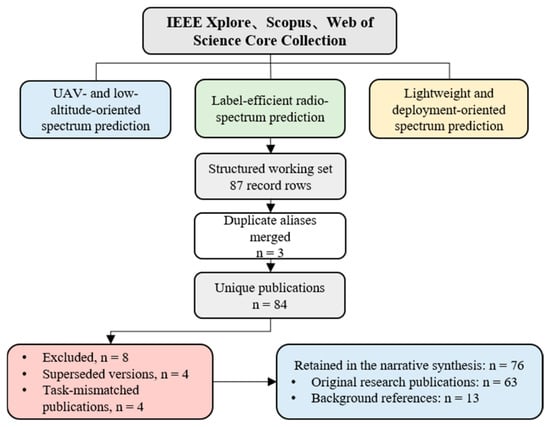
Radio-spectrum prediction can support proactive channel verification, sensing scheduling, and access decisions in unmanned aerial vehicle (UAV) systems. However, existing evidence remains fragmented across UAV-oriented prediction, label-efficient learning, and deployment-oriented efficiency. This article presents a structured critical review of studies identified in IEEE
[...] Read more.
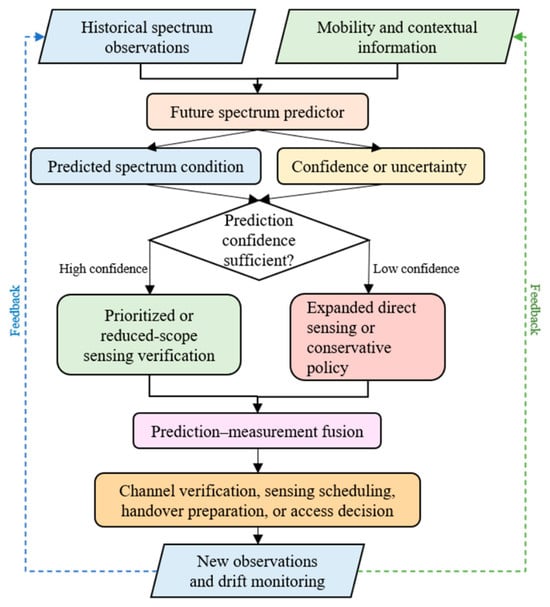
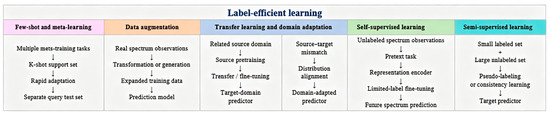
Radio-spectrum prediction can support proactive channel verification, sensing scheduling, and access decisions in unmanned aerial vehicle (UAV) systems. However, existing evidence remains fragmented across UAV-oriented prediction, label-efficient learning, and deployment-oriented efficiency. This article presents a structured critical review of studies identified in IEEE Xplore, Scopus, and the Web of Science Core Collection from database inception to 24 August 2026. Studies were included when they evaluated the prediction of a future spectrum-related condition and were excluded when they addressed only current-state sensing, static spectrum mapping, UAV detection or classification, localization, or superseded study versions. The final corpus comprised 76 retained publications, including 63 original studies and 13 background references. The original studies included 14 direct UAV-related prediction studies, 38 transferable radio-spectrum studies, and 11 UAV-scenario studies. The review shows that transfer learning currently provides the most consistent support for reducing target-domain data requirements when related source bands, sensing stations, or radio environments are available. Self-supervised and other unlabeled-data methods are particularly relevant to UAV missions that can continuously collect spectrum traces but cannot obtain extensive labels, whereas meta-learning remains promising but lacks a standardized support–query evaluation protocol for UAV spectrum prediction. Generative augmentation can expand limited training data, but its effectiveness depends on whether the generated samples preserve the temporal, spectral, spatial, and propagation characteristics of the target environment. Lightweight architectures, online learning, model compression, knowledge distillation, FPGA implementation, and embedded execution provide complementary efficiency mechanisms, but their benefits should be distinguished from one another. Embedded prediction-related processing has been demonstrated on Raspberry Pi and software-defined-radio platforms; however, no end-to-end validation of a UAV-mounted predictor during flight was identified. Overall, the evidence suggests a conditional trade-off among target-domain data requirements, prediction generalization, adaptation cost, and deployment efficiency rather than a universal conflict between few-shot learning and lightweight models. The principal research gap is the limited joint validation of UAV-acquired data, target-domain adaptation, efficient inference, uncertainty-aware decision making, and onboard hardware under representative flight conditions.
Full article
(This article belongs to the Section Sensors and Robotics)
►
Show Figures
Open AccessArticle
Investigation of Position-Dependent Signal Propagation Delay in Large-Pitch AC-LGAD Using a Two-Dimensional Transmission-Line Model
by
Houqian Ding, Weiyi Sun, Xiang Li, Mengzhao Li, Zhijun Liang, Mei Zhao, Tianyuan Zhang, Yuan Feng, Xinhui Huang, Yunyun Fan, Tianya Wu, Xuan Yang, Bo Liu, Wei Wang, Gaobo Xu and Ming Qi
Sensors 2026, 26(17), 5566; https://doi.org/10.3390/s26175566 (registering DOI) - 2 Sep 2026
Abstract
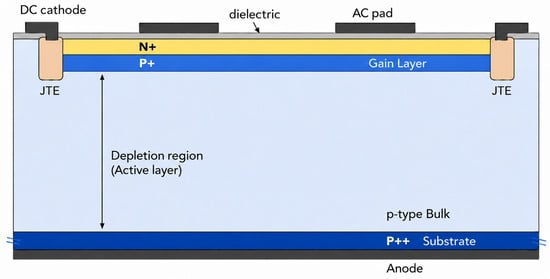
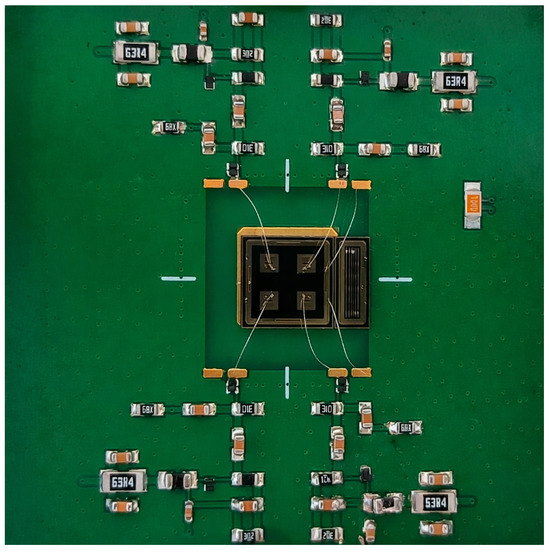
This paper presents a study of position-dependent signal propagation delay in large-pitch pixelated AC-coupled Low-Gain Avalanche Detectors (AC-LGADs). In AC-LGADs, a continuous resistive layer and segmented AC-coupled readout electrodes enable charge sharing and simultaneous timing and position measurements. However, lateral signal
[...] Read more.
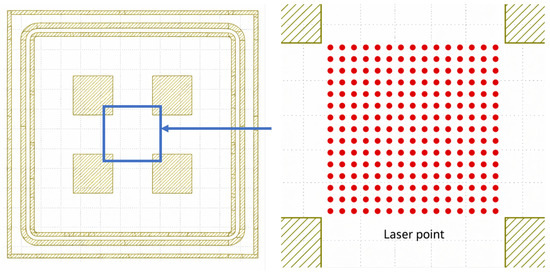
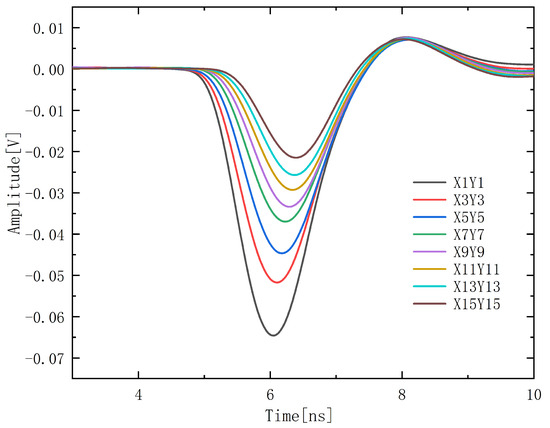
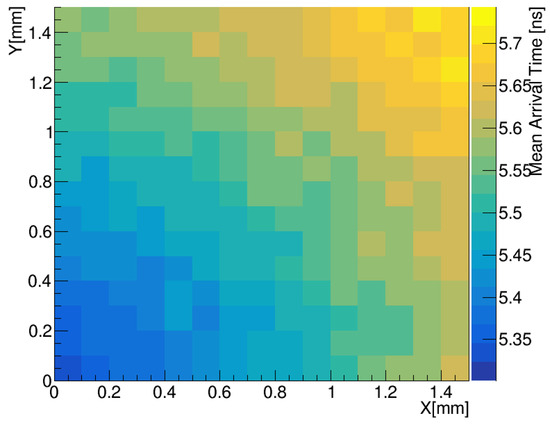
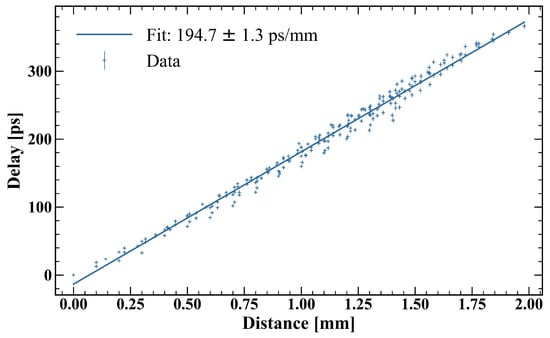
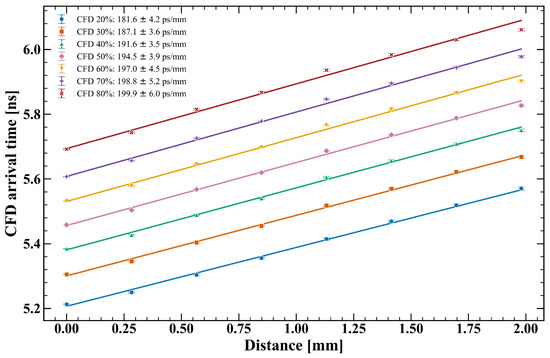
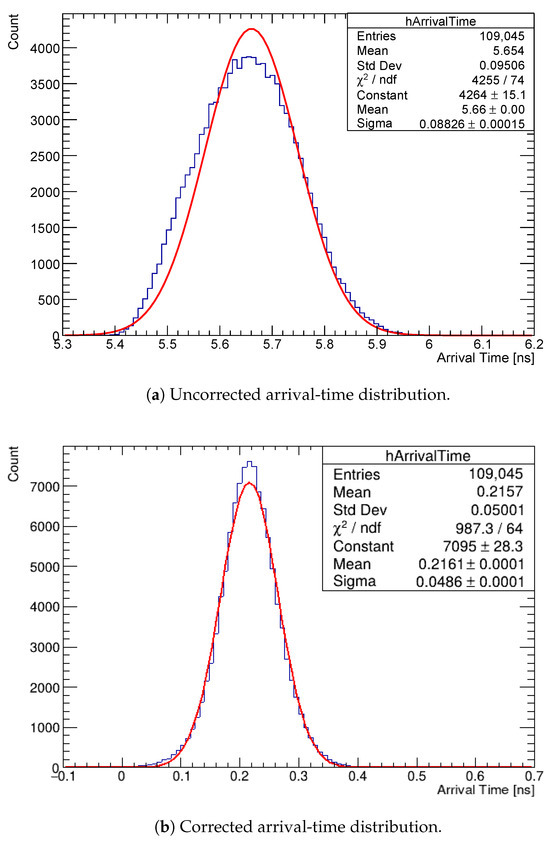
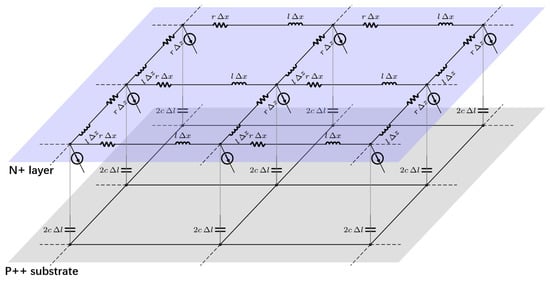
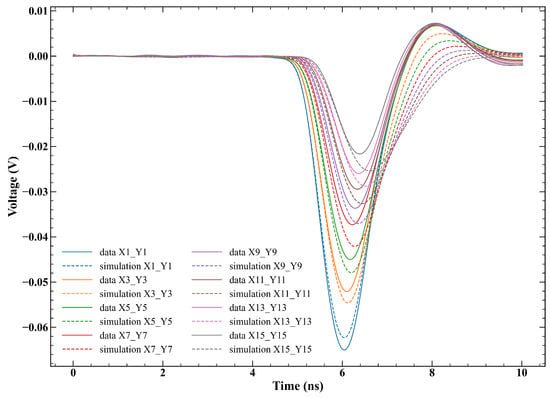
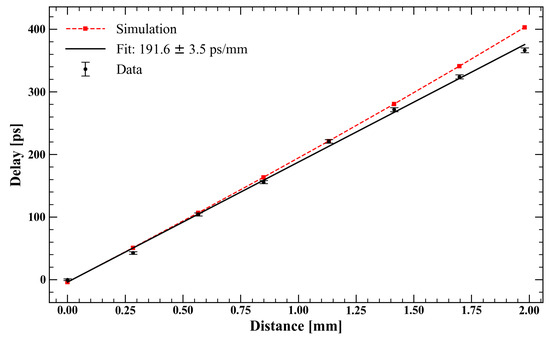
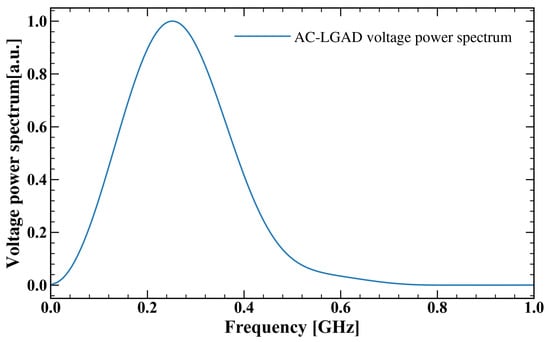
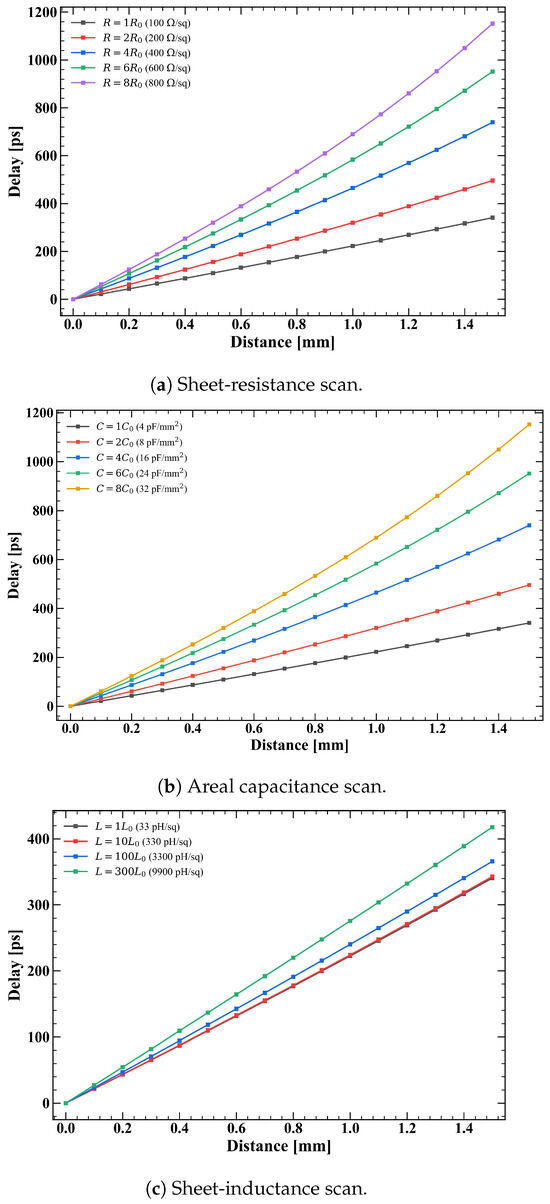
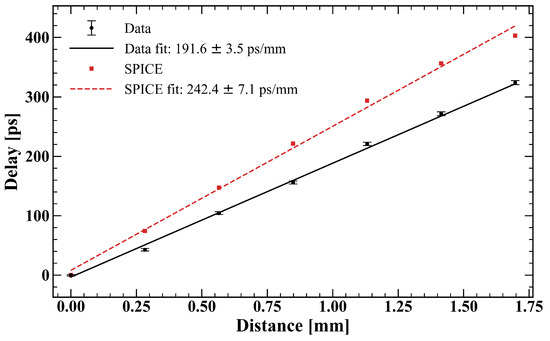
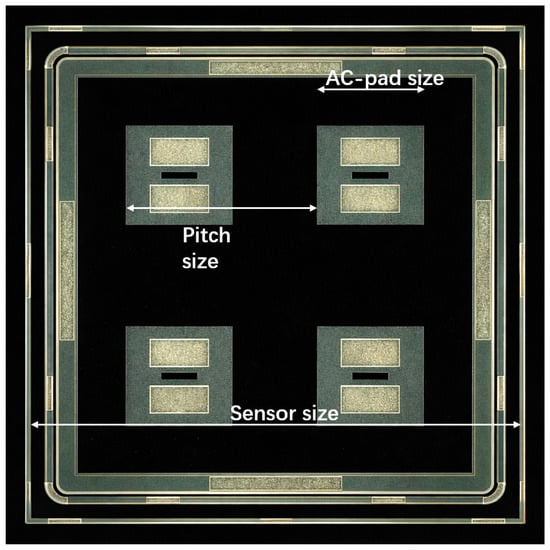
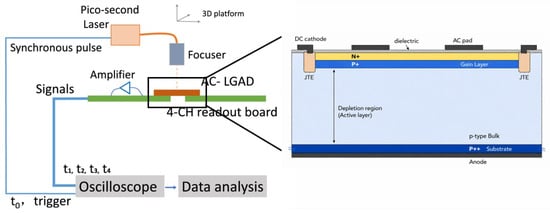
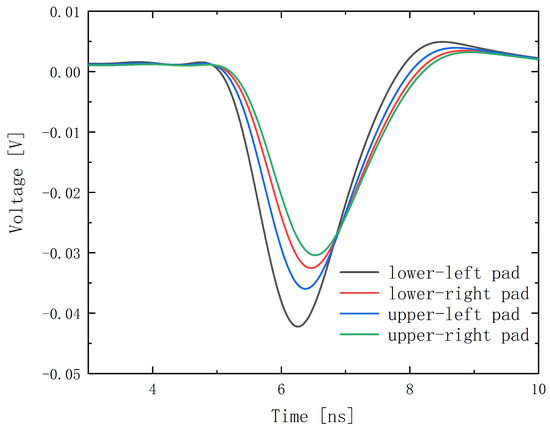
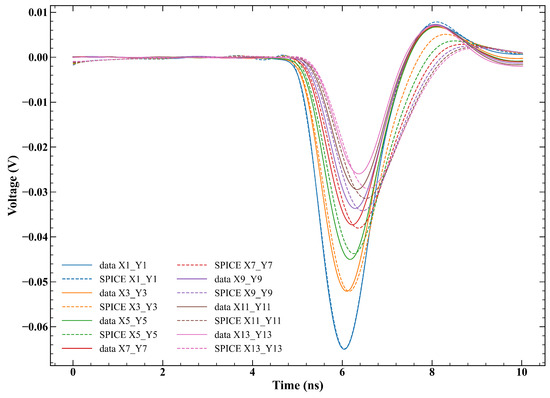
This paper presents a study of position-dependent signal propagation delay in large-pitch pixelated AC-coupled Low-Gain Avalanche Detectors (AC-LGADs). In AC-LGADs, a continuous resistive layer and segmented AC-coupled readout electrodes enable charge sharing and simultaneous timing and position measurements. However, lateral signal transport in the resistive layer can introduce a position-dependent delay in the measured signal arrival time. In this work, an IHEP-designed pixel AC-LGAD was characterized using a two-dimensional picosecond laser scan. The measured leading-edge arrival time shows an approximately linear dependence on an effective propagation distance, with a delay slope of about for the tested device. After applying a position-dependent delay correction, the sigma of the combined arrival-time distribution over the scanned region is reduced from 88.3 ps to 48.6 ps. To interpret the observed delay, an equivalent two-dimensional lossy transmission-line model is developed for the continuous resistive layer. The model provides a semi-quantitative description of the leading-edge delay and indicates that, within the measured signal bandwidth, the transport is dominated by the resistive term and is therefore dispersive and diffusion-like. A distributed SPICE network including the pad-area response and capacitive charge sharing provides a complementary circuit-level cross-check of the approximately linear distance dependence. These results quantify the propagation-induced timing delay in large-pitch AC-LGADs and provide guidance for timing correction and future optimization of the resistive-layer sheet resistance.
Full article
(This article belongs to the Section Physical Sensors)
►▼
Show Figures

Figure 1

Open AccessArticle
Architecture-Level Event-Oriented Frontend for Heterogeneous Sensor Inference in Photonic Stochastic Systems
by
Oleg Angelsky, Myroslav Strynadko, Claudia Zenkova, Roman Zaiats, Xinzheng Zhang, Jun Zheng and Jingxian Cai
Sensors 2026, 26(17), 5565; https://doi.org/10.3390/s26175565 (registering DOI) - 2 Sep 2026
Abstract
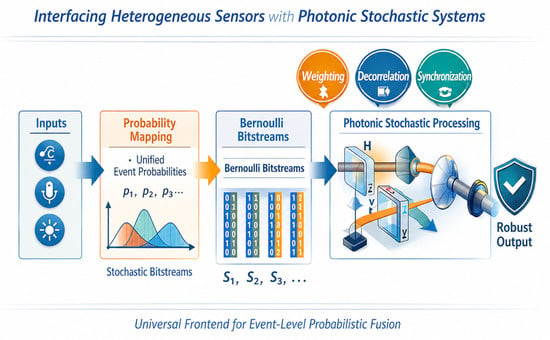
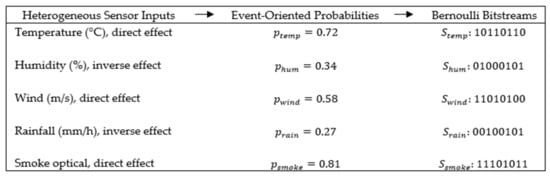
Heterogeneous sensor systems generate measurements in incompatible physical units, which complicates their direct integration with photonic stochastic processors. This study proposes an architecture-level event-oriented frontend that converts heterogeneous sensor channels into unified event-oriented probabilities and then into Bernoulli bitstreams compatible with polarization-encoded optical
[...] Read more.
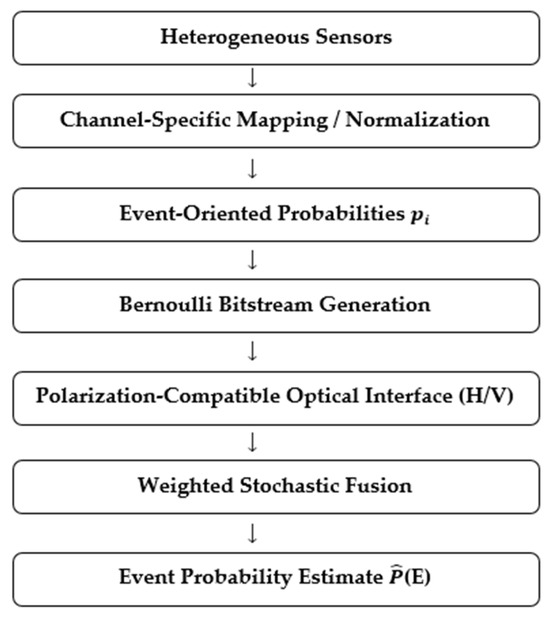
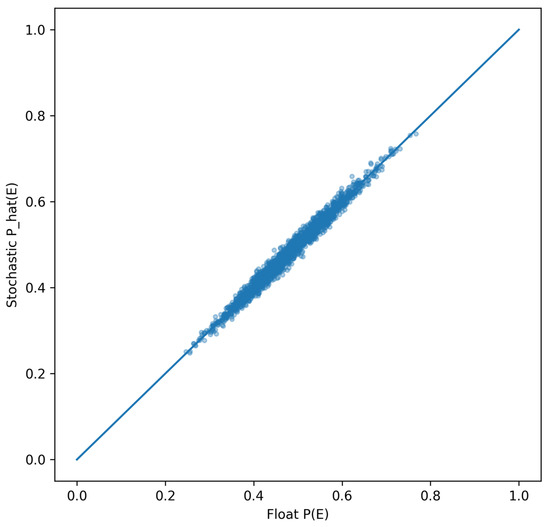
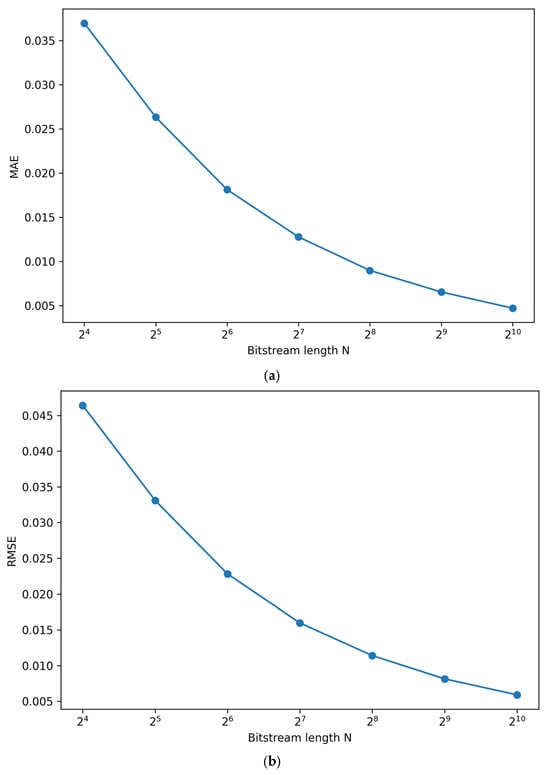
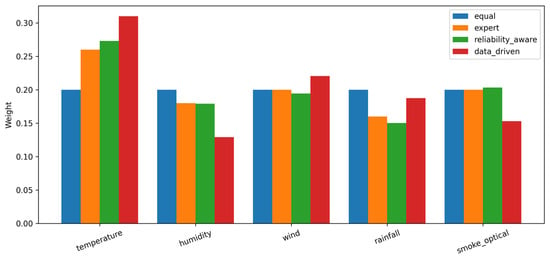
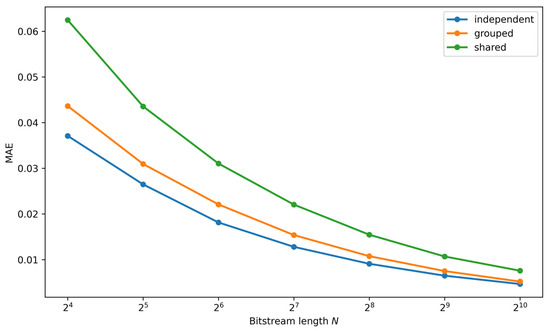
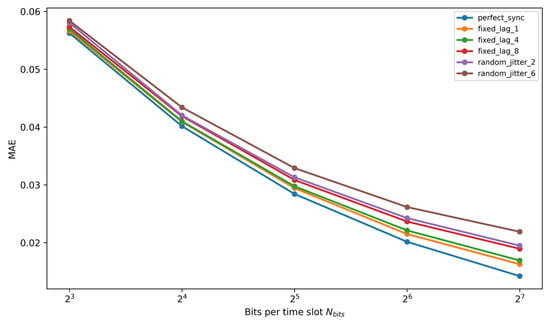
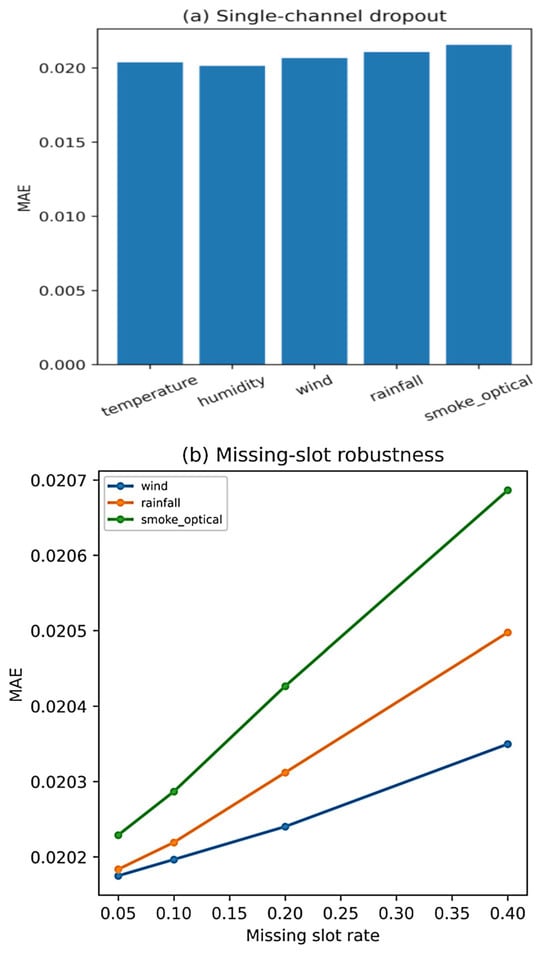
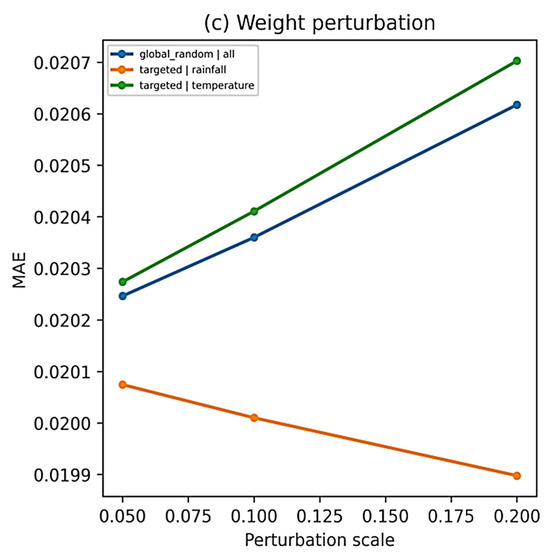
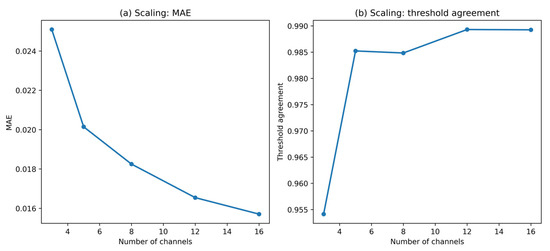
Heterogeneous sensor systems generate measurements in incompatible physical units, which complicates their direct integration with photonic stochastic processors. This study proposes an architecture-level event-oriented frontend that converts heterogeneous sensor channels into unified event-oriented probabilities and then into Bernoulli bitstreams compatible with polarization-encoded optical interfaces. The framework combines sensor-to-probability mapping, weighted event-level fusion, stochastic bitstream generation, and system-level control of correlation and synchronization. Its performance was investigated through reproducible Colab-based modeling using baseline validation, weighting-strategy comparison, static and time-varying decorrelation/synchronization studies, and robustness/scaling analysis. The validation framework also includes a first-order analysis of photonic-interface nonidealities and a semi-real validation case using a digitized 520 nm optical smoke-transmittance response from the literature. The results show that the stochastic event estimate converges toward the float reference with increasing bitstream length, reliability-aware weighting outperforms equal and tested data-driven weighting in the benchmark, independent stream generation provides the best inference quality, and synchronization mismatch becomes measurable in time-varying fusion. The frontend also demonstrates graceful degradation under channel corruption and favorable scaling under mixed informative, weak, redundant, conflicting, and noisy channel configurations. These findings indicate that heterogeneous sensors can be interfaced with photonic stochastic systems through a common event-level representation and that weighting, decorrelation, synchronization, and robustness must be treated as core frontend design variables.
Full article
(This article belongs to the Section Electronic Sensors)
►▼
Show Figures

Graphical abstract
Open AccessArticle
From Alarms to Probabilities: Stratified Human Review, Label-Noise Correction, and Calibrated Risk Grading for Industrial Vibration Anomaly Detection
by
Tao Feng, Kun Chen, Jing Wang, Haonan Guo, Jiewen Wen and Tong Ji
Sensors 2026, 26(17), 5564; https://doi.org/10.3390/s26175564 (registering DOI) - 2 Sep 2026
Abstract
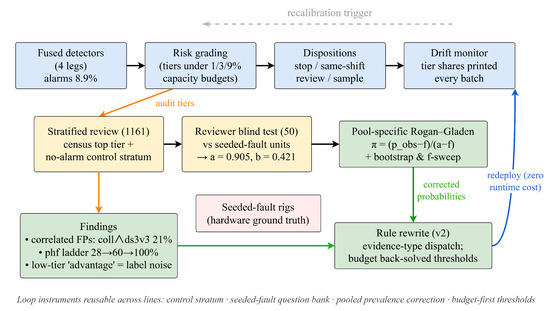
Industrial anomaly detectors emit binary alarms, but production lines need graded dispositions. Calibrating alarms into fault probabilities requires ground truth, coming only from noisy human review treated as exact. We report a deployed closed loop on a reciprocating-compressor line (46,023 units, nine test
[...] Read more.
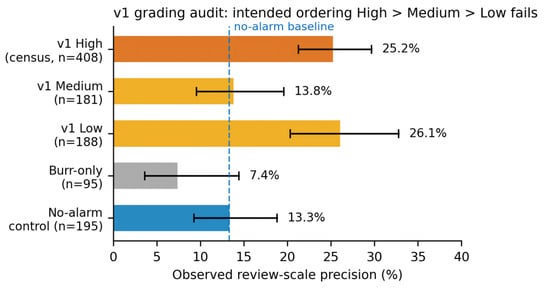
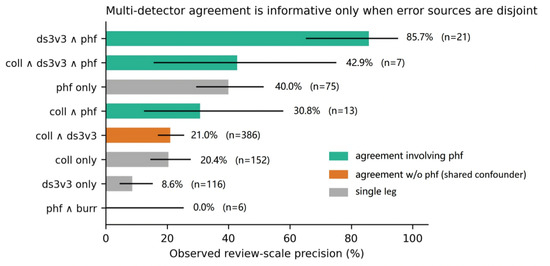
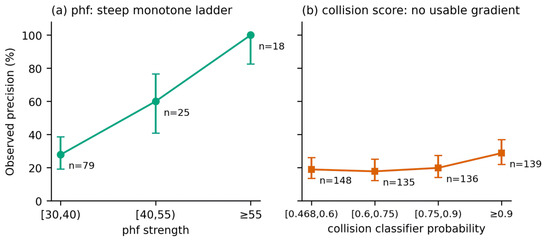
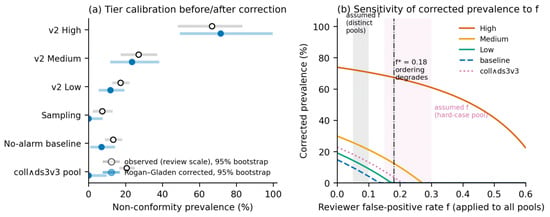
Industrial anomaly detectors emit binary alarms, but production lines need graded dispositions. Calibrating alarms into fault probabilities requires ground truth, coming only from noisy human review treated as exact. We report a deployed closed loop on a reciprocating-compressor line (46,023 units, nine test campaigns, four fused detector legs). A stratified review of 1161 units audited a fusion-score grading and refuted its assumed monotonicity: precision was 25.2%/13.8%/26.1% for high/medium/low tiers. The cause was correlated false positives: two legs firing on shared broadband transients agreed on 480 units at 21.0% precision—detector agreement is not independent evidence—whereas one periodicity feature was monotone (27.8% → 60.0% → 100%). A blind test against seeded fault units (hardware ground truth) measured reviewer sensitivity at 0.905 and specificity at 0.421 on hard cases; Rogan–Gladen correction restored monotonicity (95% of bootstrap replicates; 83% under campaign-cluster resampling), exposed the low-tier advantage as a label-noise artifact, and re-estimated no-alarm prevalence at 4–10% versus the observed 13.3%. Corrected evidence drove a redeployed rule calibrating tiers at ≈67%/27%/17% under review budgets (≤1%/≤3%/≤9% of production). The methodology—stratified audit, seeded-fault blind testing, and evaluation-side prevalence correction—transfers to any human-verified system.
Full article
(This article belongs to the Section Fault Diagnosis & Sensors)
►▼
Show Figures

Figure 1

Open AccessArticle
A Center-of-Pressure Guided Finger-Press Sensor for Cuffless Blood Pressure Estimation
by
Farhad Ali Irinel Gul and Dan Tudose
Sensors 2026, 26(17), 5563; https://doi.org/10.3390/s26175563 - 1 Sep 2026
Abstract
Cuffless blood pressure estimation using the finger-pressing method remains sensitive to improper finger centering and inconsistent contact force, which degrade the accuracy of the oscillometric envelope and PPG signal morphology. This paper details the development of a research prototype that integrates three force
[...] Read more.
Cuffless blood pressure estimation using the finger-pressing method remains sensitive to improper finger centering and inconsistent contact force, which degrade the accuracy of the oscillometric envelope and PPG signal morphology. This paper details the development of a research prototype that integrates three force sensors and a photoplethysmograph (PPG) sensor to quantify the finger–device interaction. This system is intended as a pre-clinical research tool rather than a clinically validated medical device. We implement a weighted centroid algorithm for center of pressure (CoP) feedback to guide geometric centering, alongside a Hybrid Ridge Regression model to estimate the total contact force. The system was evaluated on a pre-clinical pilot cohort of 48 healthy participants (1274 recordings), comparing inflationary (ramp-up) and deflationary (ramp-down) interaction modalities. Force calibration achieved a mean absolute error (MAE) of 1.2 g, with hardware analysis confirming a limited zero-load baseline drift of −0.29% over 50 days. The best single-recording calibrated model achieved a mean absolute error (MAE) of 5.55 mmHg (systolic) and 5.20 mmHg (diastolic), with a mean error (ME) ± standard deviation (SD) of and mmHg, respectively, in this pilot cohort, demonstrating the feasibility of the three-point force-sensing design with CoP tracking.
Full article
(This article belongs to the Special Issue Advanced Bio-Signal Processing for Health Monitoring)
Open AccessReview
Dataset Fragmentation, Cognitive Variability, and Reproducibility Challenges in EEG-Based Brain–Computer Interfaces: A PRISMA-Based Systematic Review
by
Janis Peksa
Sensors 2026, 26(17), 5562; https://doi.org/10.3390/s26175562 - 1 Sep 2026
Abstract
Public EEG-based brain–computer interface (BCI) datasets are expanding rapidly, yet differences in sensors, experimental protocols, task/event semantics, preprocessing, participant context, and evaluation limit reproducibility and cross-dataset learning. This review examined whether heterogeneous EEG-BCI resources can support reproducible analysis across sources. A PRISMA-based systematic
[...] Read more.
Public EEG-based brain–computer interface (BCI) datasets are expanding rapidly, yet differences in sensors, experimental protocols, task/event semantics, preprocessing, participant context, and evaluation limit reproducibility and cross-dataset learning. This review examined whether heterogeneous EEG-BCI resources can support reproducible analysis across sources. A PRISMA-based systematic mapping review of literature published from 2014 to June 2026 was conducted across Scopus, Web of Science Core Collection, IEEE Xplore, PubMed, and ACM Digital Library, yielding 16,920 records. Following screening and evidence-focused curation, a curated synthesis corpus of 129 publications was retained and confirmed by full-text review. Evidence was coded across structural, semantic, procedural, human/contextual, and computational fragmentation, and reporting transparency was assessed using ten criteria. The synthesis identified heterogeneity in acquisition, channel layouts, task/event definitions, preprocessing, participant/session context, and evaluation design. Existing standards, ontologies, software platforms, benchmark frameworks, and transfer-learning methods address complementary layers but do not provide complete semantic interoperability. Within the retained corpus, the median transparency score was 9/10; data availability was stated in 61.2% and code or pipeline availability in 20.9%. These frequencies describe the curated corpus rather than the field as a whole. Scalable cross-dataset analysis requires analysis-dependent compatibility rules, explicit provenance, contextual metadata, and auditable transformations that preserve dataset identity, uncertainty, and information loss.
Full article
(This article belongs to the Special Issue Sensor-Based EEG Brain–Computer Interfaces: Technologies and Applications)
Open AccessArticle
SEELE: Sense-Driven Edge-Cloud Foreground–Background Split Rendering for Immersive Media Services
by
Yuxuan Xiao, Han Xiao, Chuxing Fang, Shaoyun Wu, Mingyu Zhao, Enbo Wang and Changqiao Xu
Sensors 2026, 26(17), 5561; https://doi.org/10.3390/s26175561 - 1 Sep 2026
Abstract
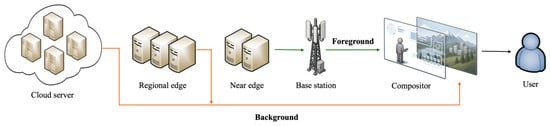
Immersive media services increasingly rely on edge-cloud rendering to deliver interactive visual content under dynamic network, computing, and mobility conditions. Rendering an entire scene as a single service couples interaction-sensitive foreground content with context-oriented background content, making it difficult to jointly control latency,
[...] Read more.
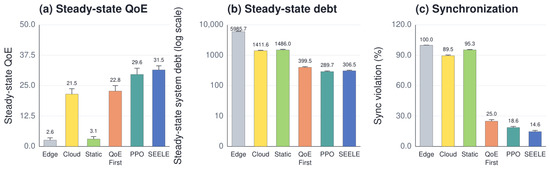
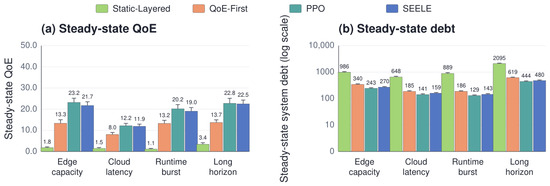
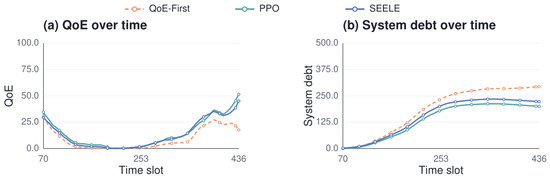
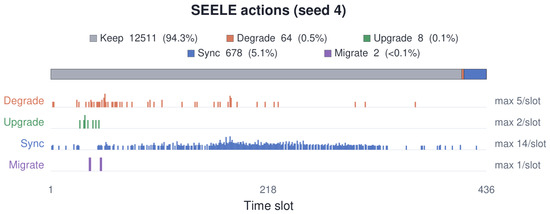
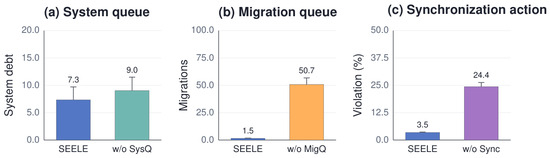
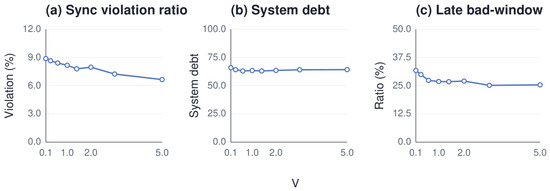
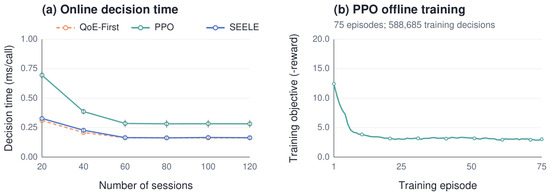
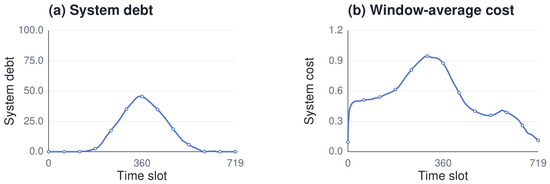
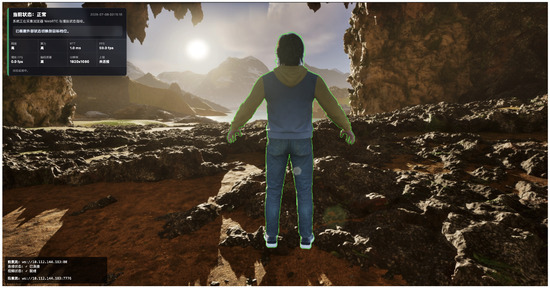
Immersive media services increasingly rely on edge-cloud rendering to deliver interactive visual content under dynamic network, computing, and mobility conditions. Rendering an entire scene as a single service couples interaction-sensitive foreground content with context-oriented background content, making it difficult to jointly control latency, quality, synchronization, and migration overhead. This paper studies sense-driven edge-cloud foreground–background split rendering for immersive media services. We formulate an online decision problem in which foreground and background rendering layers can be independently controlled under long-term system and migration cost budgets. The formulation turns structural scene separation into a coupled layer-state control problem by preserving asymmetric QoE roles and a common composition requirement. We propose SEELE, a Lyapunov-guided online control algorithm that represents accumulated budget pressure with two virtual queues and converts the long-term constrained problem into lightweight per-slot decisions. The resulting per-slot rule balances immediate QoE loss against queue-weighted system and migration costs. Under sustained resource and network stress, SEELE provides steady-state QoE statistically comparable to a pretrained PPO policy while significantly reducing synchronization violations and improving composition stability. It also improves steady-state QoE and system debt over deterministic and QoE-prioritized baselines. A prototype implementation and controlled characterization further validate split-stream deployment, runtime observability, practical control hooks, and the latency–capacity tradeoff of layered rendering.
Full article
(This article belongs to the Special Issue Intelligent Agent Communication, Computing and Sensing)
►▼
Show Figures

Figure 1

Open AccessSystematic Review
Multimodal Flotation Sensing: A Systematic Review of State Identification and Sensor Readiness
by
Karshyga Akishev, Alexandr Podvalov, Abdikarim Zeinullin, Yelaman Aibuldinov, Arman Nurmaganbetov, Nursultan Toktar and Sabina Khussainova
Sensors 2026, 26(17), 5560; https://doi.org/10.3390/s26175560 - 1 Sep 2026
Abstract
Reliable state identification is essential for intelligent flotation control because recovery, concentrate grade, entrainment, and mineral losses are only partially observable online. This systematic review examines field instrumentation, online analyzers, froth imaging, temporal synchronization, machine-vision methods, multimodal soft sensing, and the engineering requirements
[...] Read more.
Reliable state identification is essential for intelligent flotation control because recovery, concentrate grade, entrainment, and mineral losses are only partially observable online. This systematic review examines field instrumentation, online analyzers, froth imaging, temporal synchronization, machine-vision methods, multimodal soft sensing, and the engineering requirements that determine whether a predictive model can operate as an industrial sensor. Scopus and Web of Science publications from 2021 to June 2026 were screened using a PRISMA-based protocol. The systematic evidence base includes 98 peer-reviewed technical studies published between 2021 and June 2026, and two PRISMA methodological publications are used to ensure the methodology for presenting the review. Additional methodological and contextual sources cited outside the systematic body of evidence are not included in the number of studies reflected in PRISMA. The evidence shows that machine vision is the most mature non-contact sensing approach, supporting bubble-size measurement, froth-velocity estimation, operating-state recognition, grade prediction, and visual monitoring. Current research is shifting from handcrafted descriptors toward convolutional, transformer, self-supervised, graph-based, temporal, and multimodal models. However, predictive accuracy alone does not demonstrate industrial readiness when camera geometry, illumination, contamination, delay compensation, temporal leakage, domain shift, uncertainty, inference latency, and SCADA/PLC integration are not evaluated. A five-dimensional Sensor Readiness Index is proposed to assess metrological validity, temporal integrity, validation rigor, operational robustness, and automation integration. The review defines the principal requirements for reliable industrial deployment of flotation sensing systems.
Full article
(This article belongs to the Section Industrial Sensors)
Open AccessArticle
DiMMPose: A Diffusion-Mamba Hybrid Framework with Multi-Prompt for Efficient and Robust 3D Human Pose Estimation
by
Xu Li, Xuefeng Guan, Chang Liu, Zengjie Wang, Xiaoyu Chen, Qingyang Xu, Shuyang Hou, Xiaopu Zhang and Huayi Wu
Sensors 2026, 26(17), 5559; https://doi.org/10.3390/s26175559 - 1 Sep 2026
Abstract
Monocular 3D Human Pose Estimation (3D HPE) typically adopts a two-stage approach: estimating 2D joint positions from images and then lifting them to 3D coordinates, effectively reducing dataset bias inherent in direct methods. However, current lifting techniques face two key challenges: many Transformer-based
[...] Read more.
Monocular 3D Human Pose Estimation (3D HPE) typically adopts a two-stage approach: estimating 2D joint positions from images and then lifting them to 3D coordinates, effectively reducing dataset bias inherent in direct methods. However, current lifting techniques face two key challenges: many Transformer-based methods rely on attention-based or staged spatial–temporal modeling, which can limit efficient long-range frame-joint reasoning, while diffusion models support probabilistic modeling of pose uncertainty but remain sensitive to joint-coordinate noise. We propose DiMMPose, a diffusion-based framework enhanced by Mamba’s state-space model for robust and efficient 3D pose estimation. Its denoising process consists of two coordinated modules. The Spatiotemporal Mamba Block (STMB) serves as the core feature extraction module, employing internal Pose Mamba components with bidirectional state propagation and linear complexity to efficiently model long-range frame-joint dependencies. STMB further refines these features through Spatiotemporal Scan and Merge, which traverses the same skeleton tokens in complementary frame-joint orders and fuses the resulting representations. The Multi-Prompt Mamba Denoiser (MPMD) combines structured prompts encoded by LongCLIP with learnable prompt representations to provide anatomical and motion-related guidance during denoising. DiMMPose achieves an average MPJPE of 28.9 mm on Human3.6M under the DET setting, with action-specific errors of 21.2 mm for Walking and 22.0 mm for WalkTogether. It improves over FinePOSE by 3.0 mm, reduces inference latency by 57.1%, and achieves 23.0 mm MPJPE on MPI-INF-3DHP (N = 243).
Full article
(This article belongs to the Section Sensing and Imaging)
Open AccessArticle
Comparative Evaluation of Cross-Sectional Geometric Feature Extraction Algorithms for LiDAR-Based Inclination Detection of Lattice Steel Towers
by
Mingduan Zhou, Guanxiu Wu, Lu Qin and Shufa Li
Sensors 2026, 26(17), 5558; https://doi.org/10.3390/s26175558 - 1 Sep 2026
Abstract
Non-contact inclination detection based on LiDAR point clouds has become an effective approach for structural condition assessment. However, due to measurement noise, lattice structural characteristics, and discontinuous point distributions, cross-sectional point clouds of lattice steel towers often contain outliers, local missing regions, and
[...] Read more.
Non-contact inclination detection based on LiDAR point clouds has become an effective approach for structural condition assessment. However, due to measurement noise, lattice structural characteristics, and discontinuous point distributions, cross-sectional point clouds of lattice steel towers often contain outliers, local missing regions, and irregular boundaries, which may affect the reliability of extracted geometric features. This study establishes a comparative framework to investigate the influence of cross-sectional feature extraction algorithms on LiDAR-based inclination detection of lattice steel towers. The universality and performance of the RANSAC and Marching Square algorithms were systematically evaluated using a 110 kV overhead transmission line operating tower. Terrestrial laser scanning was employed to acquire the point cloud data. The initial registration results were subsequently further optimized through initial point cloud registration and multi-station adjustment. Four cross-sectional slicing schemes were designed, and the two algorithms were independently applied to extract cross-sectional geometric features and calculate centroid coordinates. The tower inclination was then determined by fitting the spatial distribution of centroid points. Experimental results demonstrated that both algorithms successfully extracted cross-sectional features and achieved reliable inclination detection results, with all inclination ratios satisfying the requirement specified in DL/T 741—2019 (Code of Practice for Operation of Overhead Transmission Lines). The RANSAC-based method produced inclination ratios ranging from 8.52‰ to 8.82‰, with a variation range of 0.30‰ and a mean deviation of 0.12‰. In comparison, the Marching Square-based method showed a larger variation range of 1.00‰ and a mean deviation of 0.41‰. The results indicate that RANSAC provides better robustness against point cloud noise, local data gaps, and boundary irregularities due to its inlier–outlier discrimination capability, whereas Marching Square exhibits advantages in preserving continuous contour representations when point cloud distributions are relatively complete. This study provides practical insights into the selection and optimization of cross-sectional feature extraction algorithms for LiDAR-based inclination assessment of lattice steel towers.
Full article
(This article belongs to the Section Radar Sensors)
Open AccessReview
Extraction of Time-Varying Signals in GNSS and Geophysical Interpretation: Methods, Advances, and Challenges
by
Xiangjun Li, Shuguang Wu, Houpu Li, Bing Liu, Shaofeng Bian and Yuefan He
Sensors 2026, 26(17), 5557; https://doi.org/10.3390/s26175557 - 1 Sep 2026
Abstract
Precise signal extraction and geophysical interpretation of Global Navigation Satellite System (GNSS) coordinate time series constitute the core foundation for establishing the International Terrestrial Reference Frame (ITRF) and inverting surface mass redistribution. This paper reviews major advances in this field across four dimensions:
[...] Read more.
Precise signal extraction and geophysical interpretation of Global Navigation Satellite System (GNSS) coordinate time series constitute the core foundation for establishing the International Terrestrial Reference Frame (ITRF) and inverting surface mass redistribution. This paper reviews major advances in this field across four dimensions: model framework, signal characteristics, extraction methods, and geophysical mechanisms. Key findings include: (1) Maximum Likelihood Estimation (MLE) has become the recognized standard for linear trend extraction: by jointly estimating deformation parameters and the noise covariance, it corrects the up to 5–10-fold underestimation of velocity uncertainty that arises in conventional least-squares analyses when colored noise is present but a white-noise covariance is assumed; (2) in CMONOC benchmark tests reported by Wu et al., Variational Mode Decomposition (VMD) achieves an average 69.8% residual RMS reduction at 97.9% of stations—results that are promising but not yet independently replicated on other networks—while the self-supervised model GNSS-FM (currently an unreviewed preprint) represents an emerging intelligent analysis paradigm; (3) the combined effect of atmospheric, non-tidal ocean and hydrological loading explains about 42% of the residual power of the annual vertical signal globally after pole tide correction and reduces the weighted mean vertical annual amplitude from 4.19 mm to 3.19 mm, while for horizontal components the fraction explained by current loading models is much smaller (amplitude ratio, explained variance and RMS/WRMS reduction are distinct metrics and are not directly interchangeable). This paper further highlights that the annual period was reported to fluctuate between 363 and 367 days at the ten CMONOC stations analyzed by Li et al.—a time variability that, if general, challenges fixed-frequency signal separation methods, although apparent period changes may also arise from amplitude/phase modulation, spectral leakage, finite-record effects, colored noise or data gaps—and it identifies thermoelastic deformation (TED) as a long-neglected but potentially quantifiable component, based on a recently released preprint dataset that has not yet undergone peer review. Finally, key research prospects are outlined, including physics-informed fusion methods, self-supervised foundation models, and a unified multi-source inversion framework.
Full article
(This article belongs to the Special Issue Advances in GNSS Signal Processing and Navigation—Third Edition)
Open AccessArticle
Real-Time Physiological Fatigue Prediction for Human–Robot Collaborative Manufacturing Using Wearable Sensor Fusion and Hybrid Deep Learning: An In Silico Digital Twin Study
by
Claudio Urrea
Sensors 2026, 26(17), 5556; https://doi.org/10.3390/s26175556 - 1 Sep 2026
Abstract
Musculoskeletal fatigue precedes much of the injury burden in manufacturing, yet most monitoring schemes register an injury only once it has occurred, which becomes critical where operators share a workspace with collaborative robots. This paper presents a wearable sensing platform and a learning
[...] Read more.
Musculoskeletal fatigue precedes much of the injury burden in manufacturing, yet most monitoring schemes register an injury only once it has occurred, which becomes critical where operators share a workspace with collaborative robots. This paper presents a wearable sensing platform and a learning pipeline that track operator fatigue continuously during human–robot collaborative assembly, evaluated in silico. Eight surface electromyography (sEMG) channels, six inertial measurement units, and four force-sensitive resistors feed a 127-dimensional descriptor computed over 30 windows. Eight classifiers were trained on 1536 simulated working hours from 24 anthropometrically diverse synthetic operators. Under leave-operators-out cross-validation, a 1D-CNN–LSTM hybrid reached 89.3% three-class accuracy and 87.1% balanced accuracy with 73.9 k parameters and 22 inference on a Jetson Nano; a CNN–BiLSTM–attention model gained 0.3 percentage points for 1.6 times the parameters, a difference that was not statistically significant. Ablation attributed 7.0 points of balanced accuracy to sEMG and 5.0 points to three contextual variables requiring no sensor. Alerts preceded severe fatigue by roughly 12 , and alert-triggered task reallocation cut peak shoulder load by 43% while retaining 94% of baseline throughput. Every result characterizes a simulated environment: the study establishes internal consistency, latency feasibility, and design trade-offs, and prospective validation with human operators remains a prerequisite for deployment.
Full article
(This article belongs to the Special Issue Multimodal Sensing and Learning for Wearable Systems: Challenges, Methods, and Applications)
Open AccessArticle
Characterization of Latency Sources in a MicroPython-Based ESP32 Edge–Cloud Sensor Network
by
Katarzyna Smelcerz
Sensors 2026, 26(17), 5555; https://doi.org/10.3390/s26175555 - 1 Sep 2026
Abstract
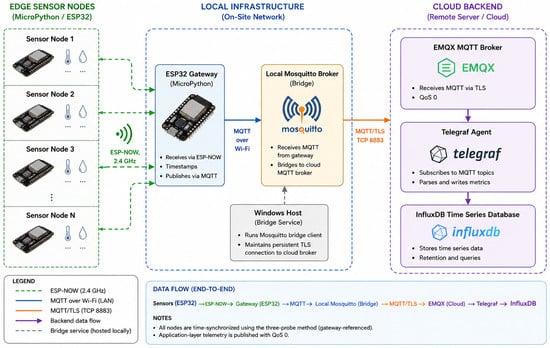
This paper presents the design and experimental characterization of a distributed ESP32/MicroPython edge–cloud sensing system with packet-level latency decomposition. Sensor nodes transmit periodic telemetry to an ESP32 gateway over ESP-NOW; the gateway appends reception and MQTT-publication timestamps and forwards records through a local
[...] Read more.
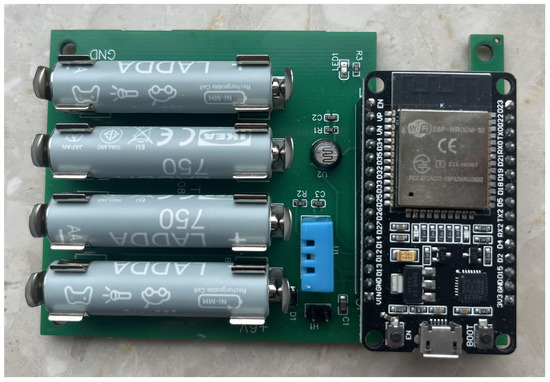
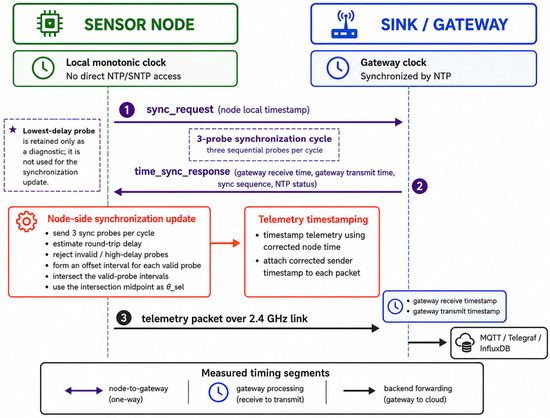
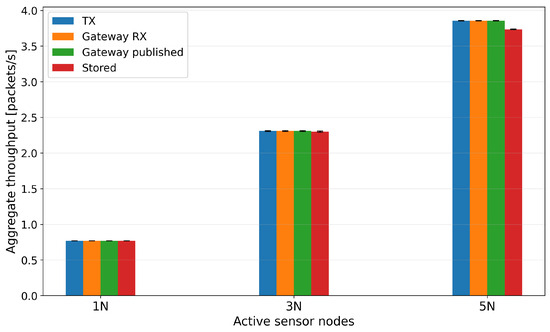
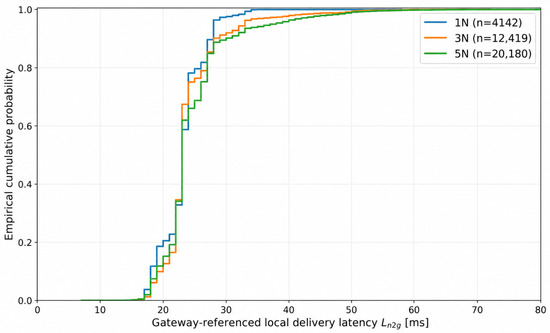
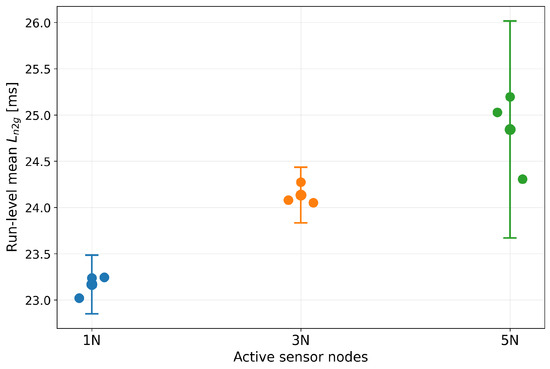
This paper presents the design and experimental characterization of a distributed ESP32/MicroPython edge–cloud sensing system with packet-level latency decomposition. Sensor nodes transmit periodic telemetry to an ESP32 gateway over ESP-NOW; the gateway appends reception and MQTT-publication timestamps and forwards records through a local Mosquitto bridge v2.1.2, EMQX Cloud v5, Telegraf v1.36.0, and InfluxDB Cloud Serverless (Storage Engine Version 3). A three-probe two-way gateway-referenced synchronization procedure provides corrected sender timestamps while exposing an interval-based synchronization-uncertainty diagnostic. The bridge-assisted campaign comprised three independent 30 min repetitions with one, three, and five active nodes. Across runs, mean gateway-referenced node-to-gateway latency was 23.17 ± 0.13 ms, 24.13 ± 0.12 ms, and 24.84 ± 0.47 ms, respectively; the corresponding p95 values were 28 ms, 33 ms, and 37–38 ms. Mean gateway-processing latency remained nearly unchanged at 13.31–13.46 ms. Exact full-run database-visible PDR was 100% in all one-node runs, 99.28–99.88% in the three-node runs, and 96.75–97.05% in the five-node runs. Independent GPIO/oscilloscope validation showed a reproducible positive software-to-hardware difference of 12.132 ± 1.819 ms across run means, so the local metric is interpreted as a gateway-referenced application-level delivery metric rather than unbiased physical one-way radio latency. Relative to aggregate end-to-end reporting, the instrumentation separates local, gateway, and downstream ingestion contributions rather than claiming a universally faster transport method. Quantitative performance and scaling claims are confined to the evaluated bridge-assisted configuration and controlled indoor periodic workload.
Full article
(This article belongs to the Section Sensor Networks)
►▼
Show Figures

Figure 1

Open AccessArticle
Low-Cost Spray-Patterned Triboelectric Textiles for Wearable Interaction and Energy Harvesting
by
Hebo Gong, Shijian Luo and Ping Shan
Sensors 2026, 26(17), 5554; https://doi.org/10.3390/s26175554 - 1 Sep 2026
Abstract
Smart textile interfaces hold promise for battery-free wearable interaction, yet their adoption is limited by complex fabrication and insufficient on-body evaluation. We present TriboTex, a low-cost spray-patterning workflow that forms nylon–Cu–nylon triboelectric stacks on cotton textiles using laser-cut PET stencils and commercially available
[...] Read more.
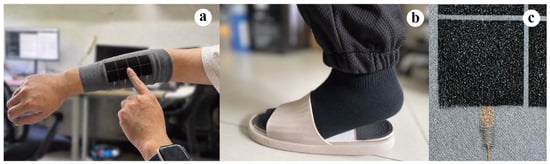
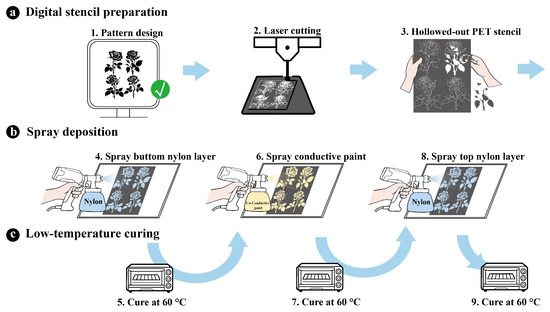
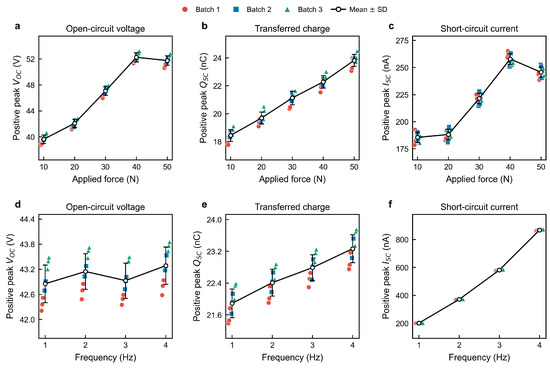
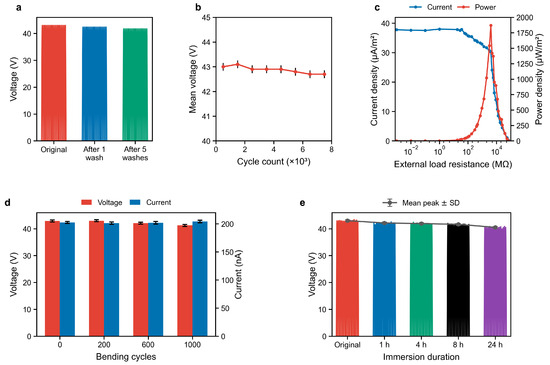
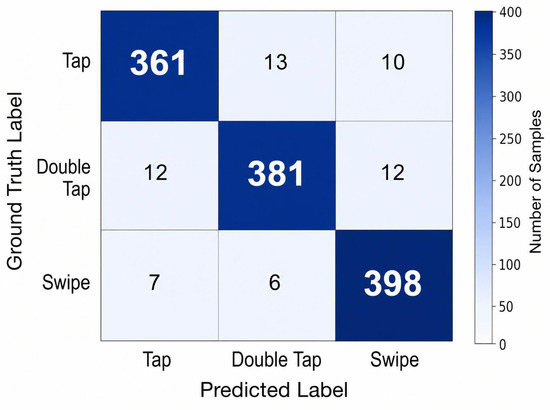
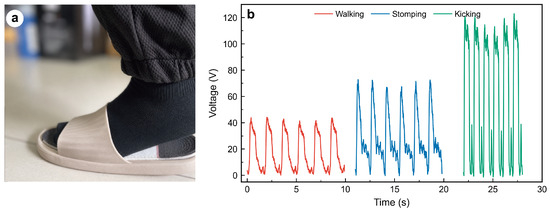
Smart textile interfaces hold promise for battery-free wearable interaction, yet their adoption is limited by complex fabrication and insufficient on-body evaluation. We present TriboTex, a low-cost spray-patterning workflow that forms nylon–Cu–nylon triboelectric stacks on cotton textiles using laser-cut PET stencils and commercially available materials. The core consumables cost approximately USD 0.003/cm2, and sensor geometry can be rapidly iterated by modifying only the digital stencil. Controlled characterization across nine devices from three fabrication batches showed a peak open-circuit voltage of 52.3 V and a maximum power density of 1870 µW/m2 at 4 GΩ. The output retained 96.1% of its initial voltage after 1000 bending cycles and 94.2% after 24 h of simplified saline immersion. Three-sample environmental sweeps showed voltage amplitudes of 41.9–43.7 V from 15 to 45 °C, with a decrease to 27.7 V at 0 °C; the humidity response remained within 92.7–104.5% of the 20% RH value over 20–60% RH but decreased to 19.9% at 70% RH. Two wearable prototypes were developed: a single-electrode garment sleeve recognized tap, double-tap, and swipe gestures with 95.0% accuracy across 1200 trials from 12 participants; a single-electrode insole generated action-dependent peak voltages up to 123 V under repeated foot loading and was connected through a rectification and voltage-regulation module to charge a battery. Across the two 12-participant studies, attachment and fit stability emerged as shared integration requirements, while participant feedback and controlled humidity measurements highlighted moisture management as a priority for reliable on-body sensing and energy capture. The primary contribution is an accessible, low-cost, and geometry-flexible route for early-stage wearable sensing experiments and application demonstrations, supported by documented fabrication, electrical characterization, and human-centered evaluation.
Full article
(This article belongs to the Special Issue Advances in Sensor Technologies for Wearable Applications: 2nd Edition)
►▼
Show Figures

Figure 1
Open AccessArticle
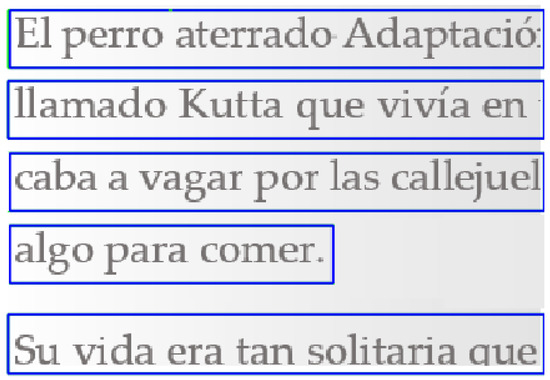
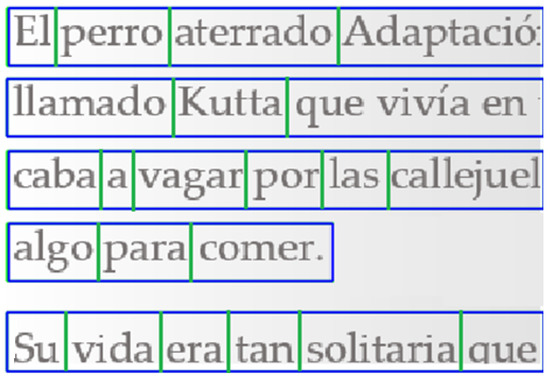
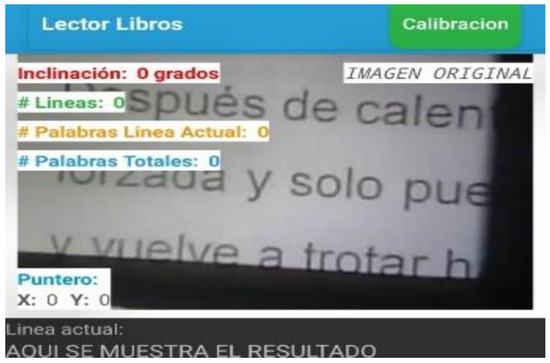
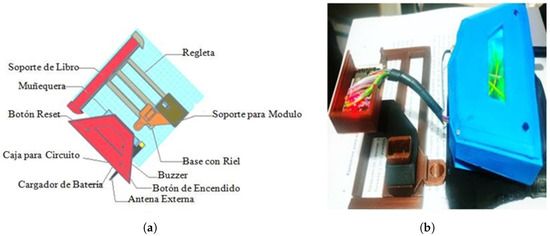
Development of a Low-Cost Portable System for Text-to-Speech Conversion: A Mechanical-Aided Optical Solution for Educational Inclusion
by
Leonardo Rentería, Margarita Mayacela, Juan Cepeda, Mireya Alvarez and Mario Guillen
Sensors 2026, 26(17), 5553; https://doi.org/10.3390/s26175553 - 1 Sep 2026
Abstract
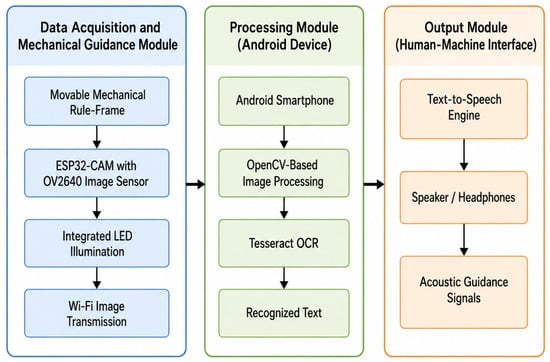
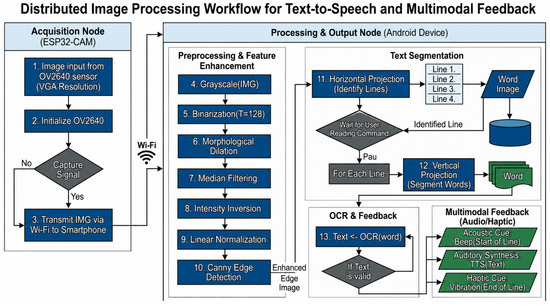
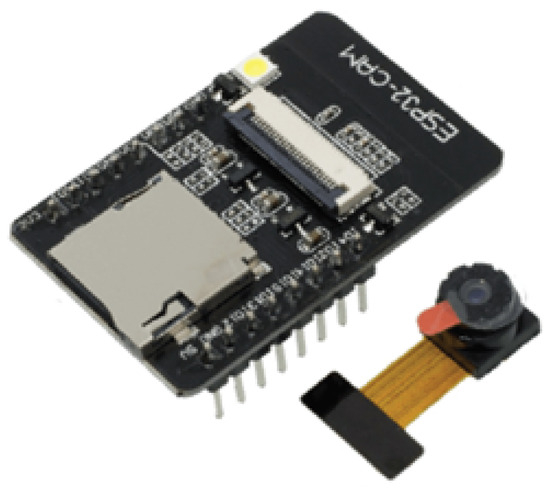
This study presents a low-cost assistive reading system based on a distributed architecture, in which an ESP32-CAM performs image acquisition while an Android application executes the image-processing, optical character recognition, and text-to-speech stages. The processing pipeline includes fixed-threshold binarization, morphological dilation, median filtering,
[...] Read more.
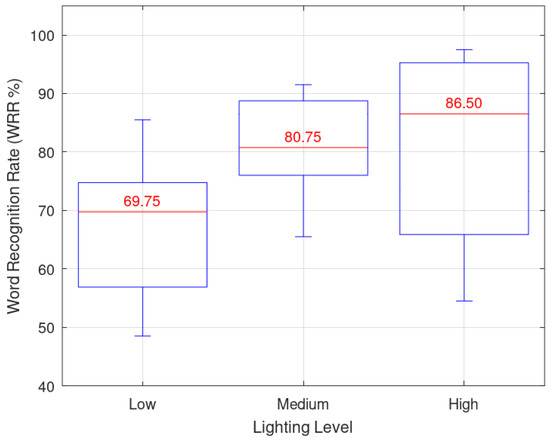
This study presents a low-cost assistive reading system based on a distributed architecture, in which an ESP32-CAM performs image acquisition while an Android application executes the image-processing, optical character recognition, and text-to-speech stages. The processing pipeline includes fixed-threshold binarization, morphological dilation, median filtering, Canny edge detection, and projection-based text segmentation. A key contribution is the mechanical sliding rule-frame, designed to maintain horizontal alignment between the camera and the printed text and to reduce perspective-related errors. The system was evaluated through 36 trials conducted with six participants under Low, Medium, and High Lighting conditions. A repeated-measures analysis showed a statistically significant effect of lighting on the Word Recognition Rate (WRR), with significantly lower performance under Low Lighting than under Medium and High Lighting, while no significant difference was found between Medium and High Lighting. Across all trials, the prototype achieved an overall mean WRR of 76.53%, with a median of 78.75% and a maximum observed WRR of 97.50%. Exploratory participant-level correlations between mean WRR, age, and prior reading experience were not statistically significant and were interpreted cautiously because of the small sample size. These findings provide preliminary evidence of the technical feasibility of combining mechanical alignment with a low-cost portable reading architecture for educational accessibility, while highlighting the need for further validation with larger samples and more diverse operating conditions.
Full article
(This article belongs to the Section Sensors and Robotics)
►▼
Show Figures

Figure 1
Open AccessArticle
Sparse Image Registration-Based Marker-Free Hand Acupoint Localization Using TCM Template Queries
by
Shujian Zhang, Shuyue Zhang, Chi Zhang and Jianqing Peng
Sensors 2026, 26(17), 5552; https://doi.org/10.3390/s26175552 - 1 Sep 2026
Abstract
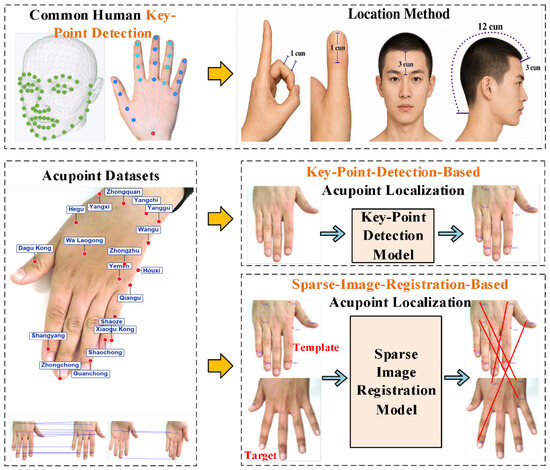
Deep learning for sensor-based medical imaging provides a non-contact and data-driven route for anatomical surface analysis and personalized traditional Chinese medicine (TCM) applications. However, accurate hand-acupoint localization from camera-acquired hand images remains challenging because expert-annotated acupoint datasets are limited and inter-subject anatomical variations
[...] Read more.
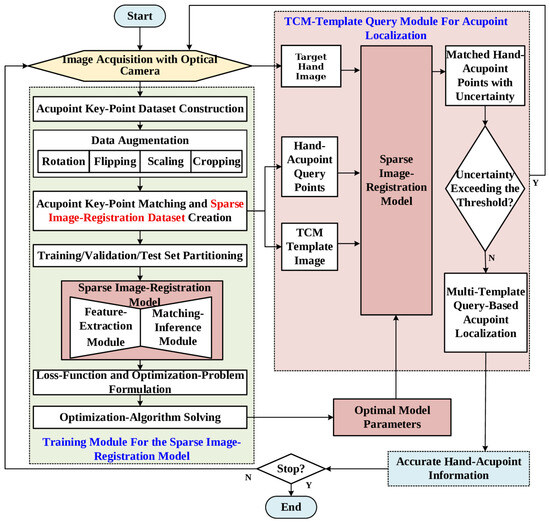
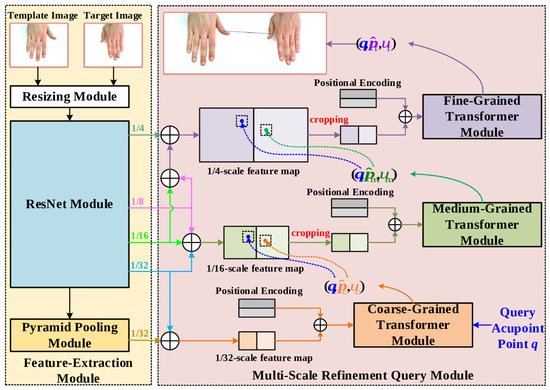
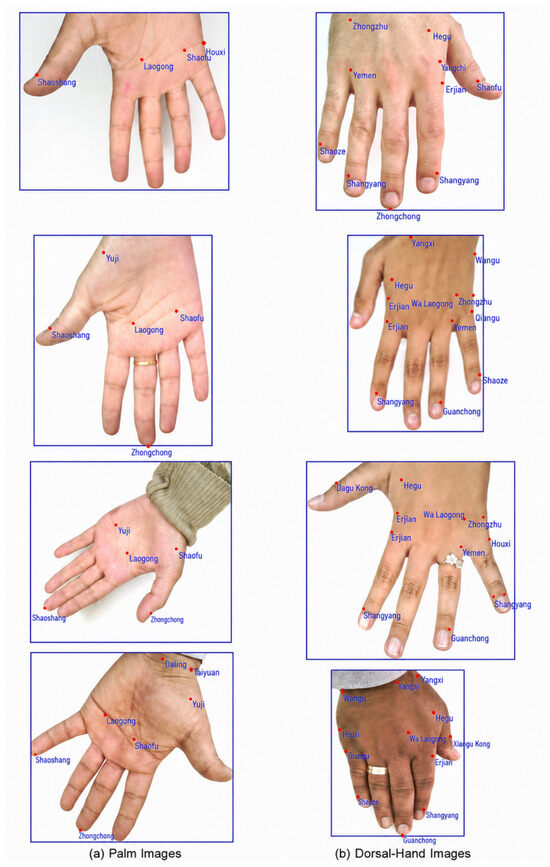
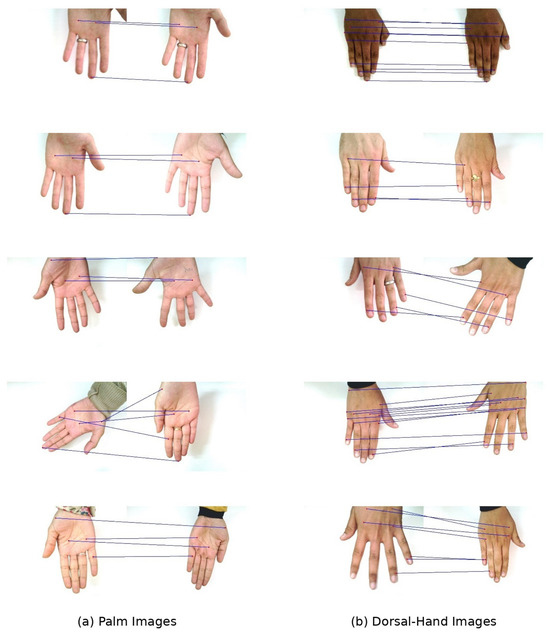
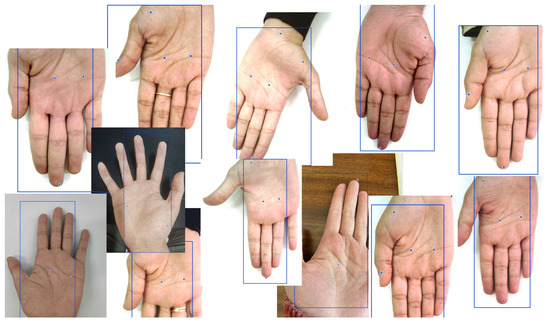
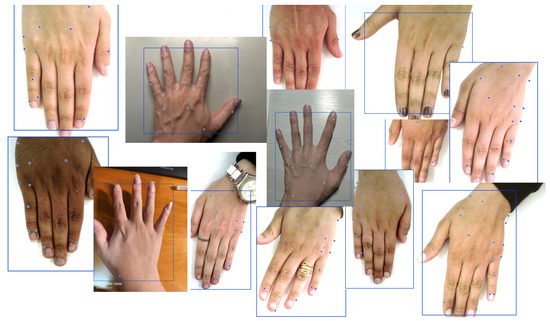
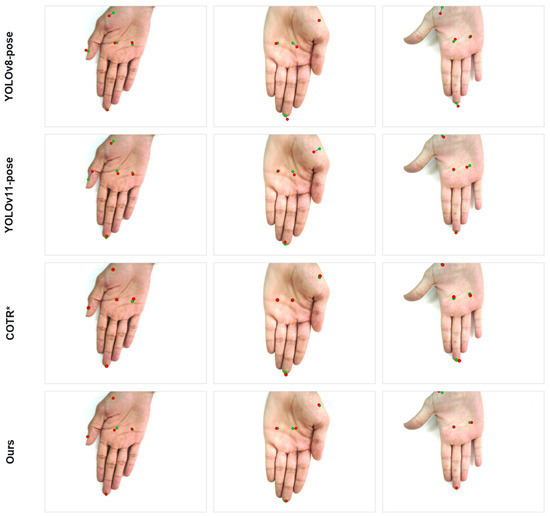
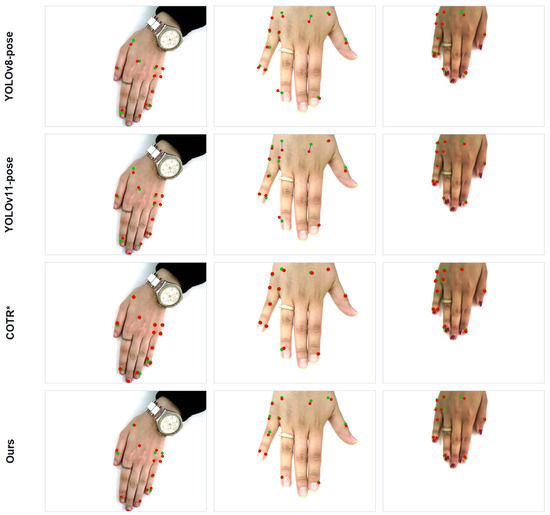
Deep learning for sensor-based medical imaging provides a non-contact and data-driven route for anatomical surface analysis and personalized traditional Chinese medicine (TCM) applications. However, accurate hand-acupoint localization from camera-acquired hand images remains challenging because expert-annotated acupoint datasets are limited and inter-subject anatomical variations are significant. This paper proposes a marker-free hand-acupoint localization method based on deep feature correspondence learning and sparse image registration. The task is formulated as template-to-target correspondence estimation, in which expert-annotated acupoints in a TCM template image are used as query points and mapped to a target hand image acquired by an optical imaging sensor. A Transformer-based architecture is employed to correlate multi-scale image features, and an uncertainty-aware matching formulation is used to estimate both acupoint positions and unreliable matches. Unlike conventional keypoint detection networks, the proposed method exploits TCM template priors and reduces the dependence on dense target-image acupoint annotations. The constructed dataset contains 1400 images from 378 participants. Participant-level partitioning was performed before image-pair generation, yielding a held-out test set of 38 participants (140 images). Palm and dorsal-hand views were evaluated separately against keypoint-detection baselines and COTR. On this participant-independent internal test set, the proposed method achieved AAPE values of 18.42 pixels for palm images and 12.60 pixels for dorsal-hand images, while reducing inference time from 11,000 ms for COTR to 600 ms. These results indicate the feasibility of template-guided image-based hand-acupoint localization with reference to expert annotations.
Full article
(This article belongs to the Section Sensing and Imaging)
►▼
Show Figures

Figure 1
Open AccessArticle
Comparative Analysis of Support Vector Machine Variants for Human Activity Recognition Using Wearable Sensor Data
by
Minh Long Hoang
Sensors 2026, 26(17), 5551; https://doi.org/10.3390/s26175551 - 1 Sep 2026
Abstract
Human Activity Recognition (HAR) using wearable sensor data is widely applied in healthcare, smart environments, and mobile systems. Support Vector Machines (SVMs) are commonly used for HAR due to their strong generalization ability. However, traditional approaches often rely on single kernels and may
[...] Read more.
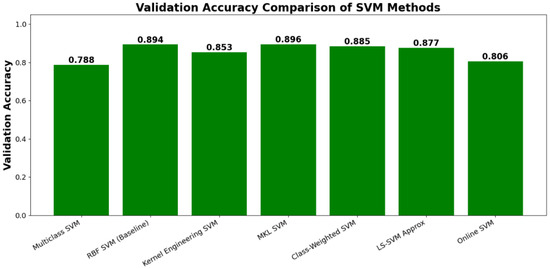
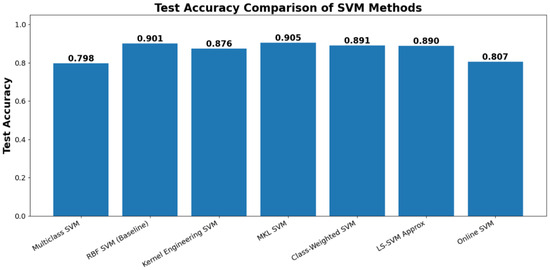
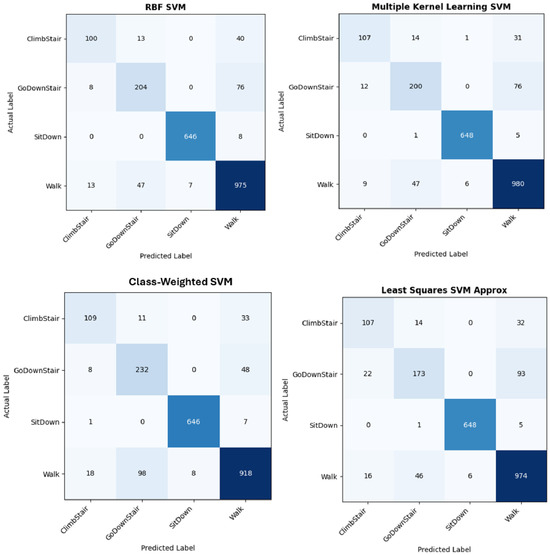
Human Activity Recognition (HAR) using wearable sensor data is widely applied in healthcare, smart environments, and mobile systems. Support Vector Machines (SVMs) are commonly used for HAR due to their strong generalization ability. However, traditional approaches often rely on single kernels and may not fully capture complex motion patterns. This research presents a comparative analysis of seven SVM-based methods, including Multiclass SVMs, Radial Basis Function (RBF) SVMs, Kernel Engineering SVMs, Multiple Kernel Learning (MKL) SVMs, Class-Weighted SVMs, Least Squares SVM approximation, and Online Incremental SVMs. A unified experimental framework with consistent preprocessing and hyperparameter tuning using Grid Search with cross-validation is employed to ensure fair evaluation. Results show that kernel-based methods outperform linear and approximate models. The MKL SVM achieves the highest accuracy, slightly surpassing the RBF baseline, by combining multiple kernels to capture diverse data characteristics. Kernel Engineering SVM also improves performance, while Fuzzy and LS-SVM provide competitive results with enhanced robustness. In contrast, Multiclass and Online SVM exhibit lower accuracy. Thes results demonstrate that improving feature representation through advanced kernel design is key to enhancing HAR performance.
Full article
(This article belongs to the Special Issue Smart Sensors and Advanced Sensing Technologies for Healthcare)
►▼
Show Figures

Figure 1
Open AccessArticle
Configuration Design and Workspace Analysis of a Large-Scale Motion Simulator Based on Cable-Driven Parallel Technology
by
Fei Guo, Wanhong Lin, Jiangang Chao and Hua Deng
Sensors 2026, 26(17), 5550; https://doi.org/10.3390/s26175550 - 1 Sep 2026
Abstract
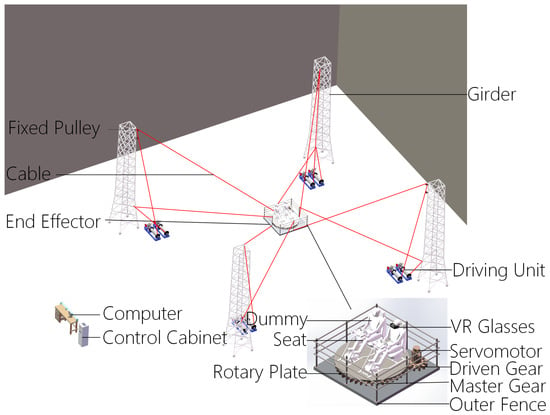
Concentrating on a large-scale motion simulator, this article proposes the cable-driven parallel mechanism (CDPM), whose virtues are simplified geometry, being lightweight, and having a large workspace, high workload, and fast dynamic performance. To meet engineering requirements for motion simulation, we devise several CDPM
[...] Read more.
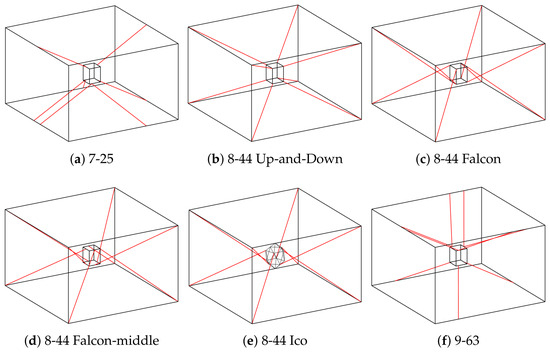
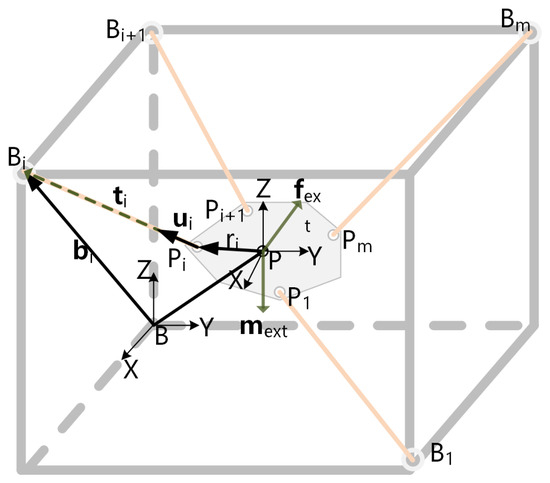
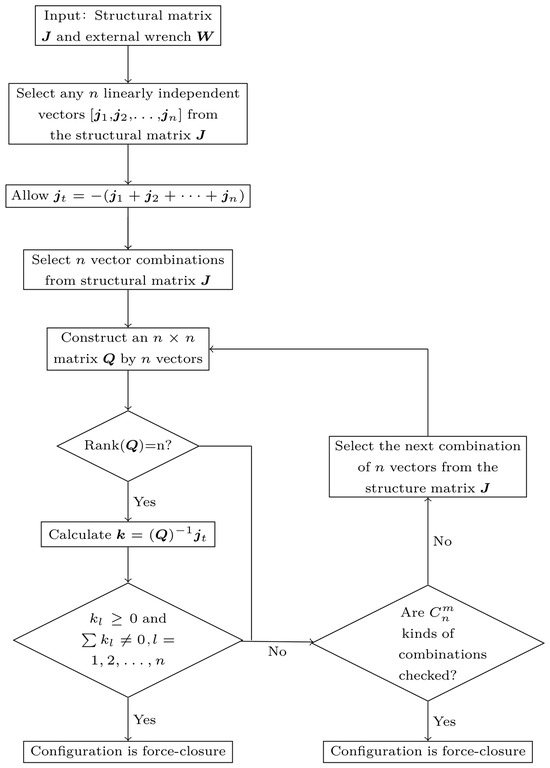
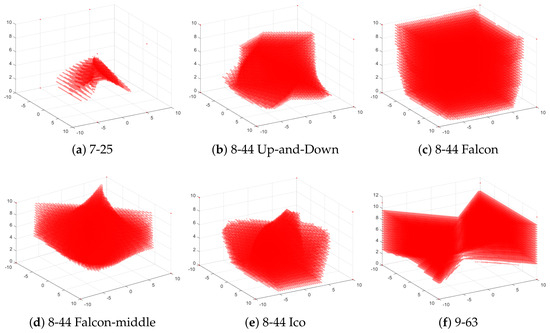
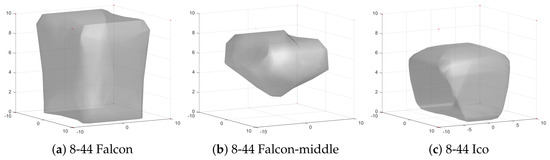
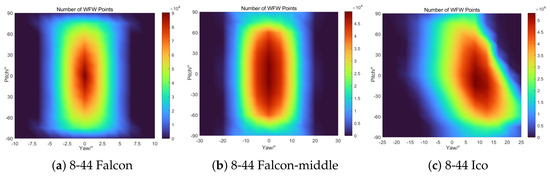
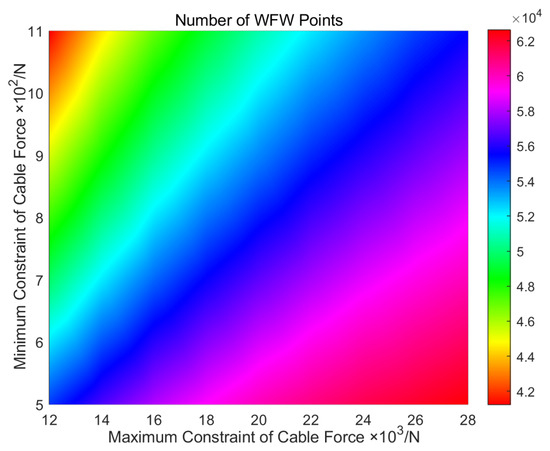
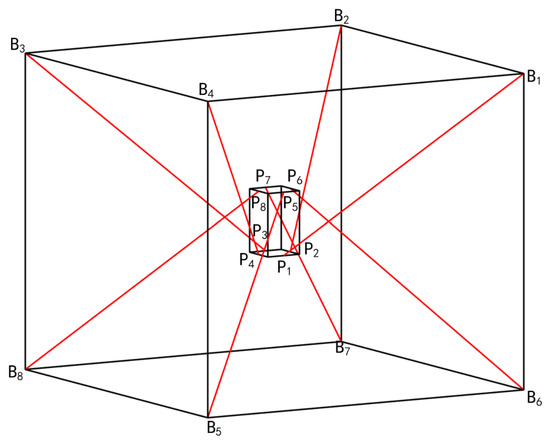
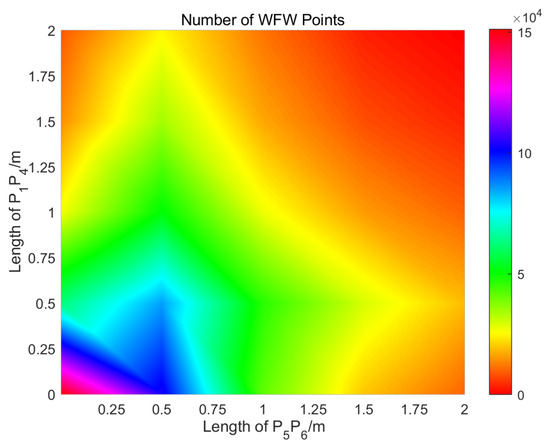
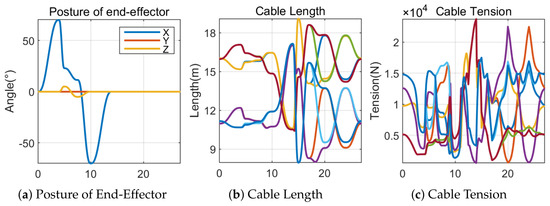
Concentrating on a large-scale motion simulator, this article proposes the cable-driven parallel mechanism (CDPM), whose virtues are simplified geometry, being lightweight, and having a large workspace, high workload, and fast dynamic performance. To meet engineering requirements for motion simulation, we devise several CDPM configurations and establish a systematic selection procedure. The target configuration is determined based on several constraints, including the simulator’s installation space, the end-effector’s shape and load, and the required degrees of freedom (DOFs) and motion range. We calculate the wrench-closure workspace (WCW) and wrench-feasible workspace (WFW), incorporating the range of posture variations into their volume calculations. These workspaces serve as key criteria for configuration selection. Based on the WFW, we optimize the distal attachment points of the cables connected to the end-effector and adjust the minimum and maximum cable tension constraints. This optimization provides the basis for selecting the cable and motor models and ultimately establishes the optimal configuration. The proposed method encompasses the entire process, from defining large-scale motion requirements to determining the final parameters of the simulator.
Full article
(This article belongs to the Special Issue Robotics: Precision, Sensing and Control)
►▼
Show Figures

Figure 1
Open AccessCommunication
Automated Road Marking Wear Assessment via Multimodal Fusion of LiDAR Intensity and YOLOv11 Semantic Segmentation
by
Pin-Yung Chen, Shu-Wei Hsu, Po-Wei Chen, Hao-Chu Lin, Chien-Chiang Tung and Shin-Hung Chang
Sensors 2026, 26(17), 5549; https://doi.org/10.3390/s26175549 - 31 Aug 2026
Abstract
Road markings support lane guidance, traffic regulation, and machine perception, but their field inspection still depends largely on manual surveys or local retroreflectivity measurements. This study presents a vehicle-mounted inspection framework that fuses LiDAR intensity with camera-based semantic segmentation for automated road marking
[...] Read more.
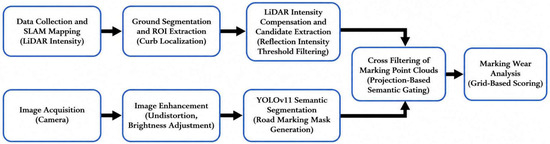
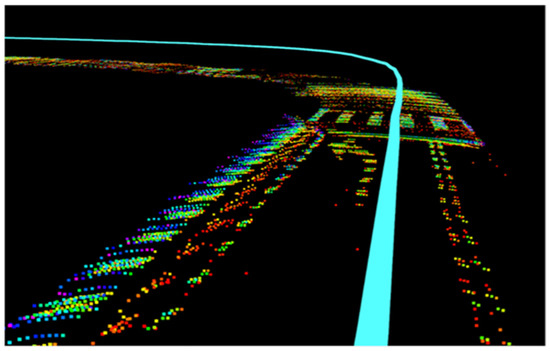
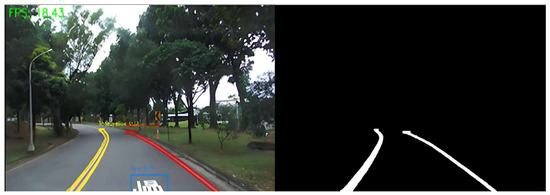
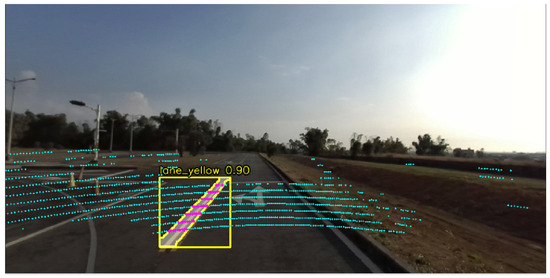
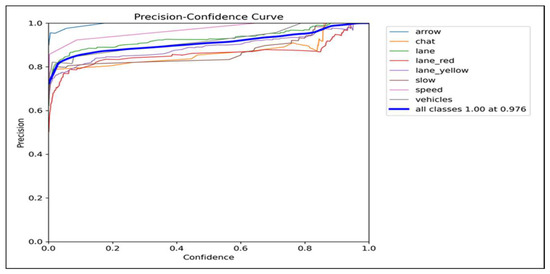
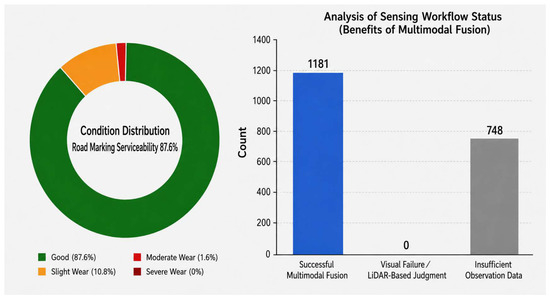
Road markings support lane guidance, traffic regulation, and machine perception, but their field inspection still depends largely on manual surveys or local retroreflectivity measurements. This study presents a vehicle-mounted inspection framework that fuses LiDAR intensity with camera-based semantic segmentation for automated road marking wear assessment. The platform integrates LiDAR, a stereo camera, IMU, GNSS, and an industrial computer. LiDAR-inertial mapping provides spatial alignment, while ground filtering, region-of-interest extraction, and adaptive intensity thresholding generate preliminary marking candidates. A YOLOv11 segmentation model produces pixel-level marking masks, and LiDAR candidates are projected onto the image plane for semantic confirmation. Confirmed points are accumulated into grid cells and evaluated using reflectance, point density, fusion retention, and geometric coverage indicators. In a representative route, 2441 grid units were analyzed: 1210 units were valid for formal grading, with 1060 good, 131 slightly worn, and 19 moderately worn units; 1231 units were reserved for review. The mean composite score of the valid grids was 0.906. A five-report aggregate further showed that 87.2% of the units received valid wear categories. The results indicate that multimodal fusion transforms road marking inspection into a quantitative, spatially referenced, and reportable process.
Full article
(This article belongs to the Topic Innovation, Communication and Engineering, 2nd Edition)
►▼
Show Figures

Figure 1
Open AccessArticle
Explainable Machine Learning for Human Activity Recognition Using Auxetic cTPU Knee-Worn Sensors
by
Abeer Elkhouly, Umar Asghar and Ganga Raj
Sensors 2026, 26(17), 5548; https://doi.org/10.3390/s26175548 - 31 Aug 2026
Abstract
This paper presents a wearable soft strain sensor based on a commercially available conductive thermoplastic polyurethane (cTPU) 3D-printed as an auxetic soft metamaterial for human activity recognition. The growing demand for flexible and wearable electronics, driven by advances in artificial intelligence, highlights the
[...] Read more.
This paper presents a wearable soft strain sensor based on a commercially available conductive thermoplastic polyurethane (cTPU) 3D-printed as an auxetic soft metamaterial for human activity recognition. The growing demand for flexible and wearable electronics, driven by advances in artificial intelligence, highlights the importance of such sensors in healthcare, medical rehabilitation, soft robotics, and human–machine interfaces. The auxetic cTPU sensor was mechanically and electrically characterized through empirical measurements and validated against numerical simulations. A single sensor mounted on a knee brace was used to collect gait signals across four activities: running, walking, standing, and sitting. Two classification approaches were investigated. A Long Short-Term Memory (LSTM) network was trained directly on the raw time-series signal, with the best configuration achieving 96% accuracy using Relative Standard Deviation Normalization with 50 hidden units. Traditional machine learning models, namely Random Forest and XGBoost, were trained on 30 extracted time-domain and frequency-domain features per motion cycle, achieving 100% and 97.33% accuracy, respectively, under five-fold cross-validation. To enhance model transparency, explainability analysis using SHAP identified power spectral density and the first harmonic frequency as the most consistently influential features across both models, with dynamic activities driven by frequency characteristics and stationary activities distinguished by signal mean amplitude. The results demonstrate that auxetic cTPU soft strain sensors combined with machine learning and explainable artificial intelligence provide an accurate and interpretable solution for wearable human activity recognition, highlighting their potential for applications in robotics, healthcare, and human–robot interfaces.
Full article
(This article belongs to the Section Wearables)
Journal Menu
► ▼ Journal Menu-
- Sensors Home
- Aims & Scope
- Editorial Board
- Reviewer Board
- Topical Advisory Panel
- Early Career Editorial Board
- Instructions for Authors
- Special Issues
- Topics
- Sections & Collections
- Article Processing Charge
- Indexing & Archiving
- Editor’s Choice Articles
- Most Cited & Viewed
- Journal Statistics
- Journal History
- Journal Awards
- Society Collaborations
- Conferences
- Editorial Office
Journal Browser
► ▼ Journal Browser-
arrow_forward_ios
Forthcoming issue
arrow_forward_ios Current issue - Vol. 26 (2026)
- Vol. 25 (2025)
- Vol. 24 (2024)
- Vol. 23 (2023)
- Vol. 22 (2022)
- Vol. 21 (2021)
- Vol. 20 (2020)
- Vol. 19 (2019)
- Vol. 18 (2018)
- Vol. 17 (2017)
- Vol. 16 (2016)
- Vol. 15 (2015)
- Vol. 14 (2014)
- Vol. 13 (2013)
- Vol. 12 (2012)
- Vol. 11 (2011)
- Vol. 10 (2010)
- Vol. 9 (2009)
- Vol. 8 (2008)
- Vol. 7 (2007)
- Vol. 6 (2006)
- Vol. 5 (2005)
- Vol. 4 (2004)
- Vol. 3 (2003)
- Vol. 2 (2002)
- Vol. 1 (2001)
Highly Accessed Articles
Latest Books
E-Mail Alert
News
Topics
Topic in
Applied Sciences, Energies, Sensors
Advances in Oil and Gas Wellbore Integrity, 2nd Edition
Topic Editors: Kai Wang, Jie Wu, Min QinDeadline: 30 September 2026
Topic in
Electronics, Information, Mathematics, Sensors
Extended Reality: Models and Applications
Topic Editors: Moldoveanu Alin, Anca Morar, Robert Gabriel LupuDeadline: 31 October 2026
Topic in
Aerospace, Applied Sciences, Drones, Electronics, Eng, Remote Sensing, Sensors
Unmanned Vehicles Technology and Embodied Intelligence Systems for Intelligent Transportation
Topic Editors: Jian Chen, Min Xia, Hui XieDeadline: 20 November 2026
Topic in
Coatings, Electronics, JSAN, Nanomaterials, Sensors
Modeling, Fabrication, and Characterization of Semiconductor Materials and Devices, 2nd Edition
Topic Editors: Ana-Maria Lepadatu, Andrei Avram, Martino Aldrigo, Florin NastaseDeadline: 30 November 2026
Conferences
Special Issues
Special Issue in
Sensors
Biodegradable and Polimer-Based Sensors
Guest Editors: Vytautas Bucinskas, Andrius DzedzickisDeadline: 5 September 2026
Special Issue in
Sensors
Event-Based Vision Technology: From Imaging to Perception and Control
Guest Editors: Tomasz Kryjak, Thomas MesquidaDeadline: 10 September 2026
Special Issue in
Sensors
Advanced Sensors in Brain–Computer Interfaces
Guest Editor: Eduardo QuilesDeadline: 10 September 2026
Special Issue in
Sensors
Vehicular Sensing for Improved Urban Mobility: 2nd Edition
Guest Editors: Constantin-Florin Caruntu, Ciprian-Romeo ComsaDeadline: 10 September 2026
Topical Collections
Topical Collection in
Sensors
Signal Processing, Control, and Estimation for Intelligent Sensor Systems
Collection Editor: Wilmar Hernandez
Topical Collection in
Sensors
Advances in Human-Robot Interaction: Sensing, Cognition and Control
Collection Editors: Abolfazl Zaraki, Hamed Rahimi Nohooji
Topical Collection in
Sensors
Medical Image Classification
Collection Editors: Sheryl Berlin Brahnam, Loris Nanni, Rick Brattin