15 pages, 1480 KB  
Review
Plants under the Attack of Allies: Moving towards the Plant Pathobiome Paradigm
by Mohamed Mannaa and Young-Su Seo
Plants 2021, 10(1), 125; https://doi.org/10.3390/plants10010125 - 9 Jan 2021
Cited by 59 | Viewed by 10315
Abstract
Plants are functional macrobes living in a close association with diverse communities of microbes and viruses as complex systems that continuously interact with the surrounding environment. The microbiota within the plant holobiont serves various essential and beneficial roles, such as in plant growth [...] Read more.
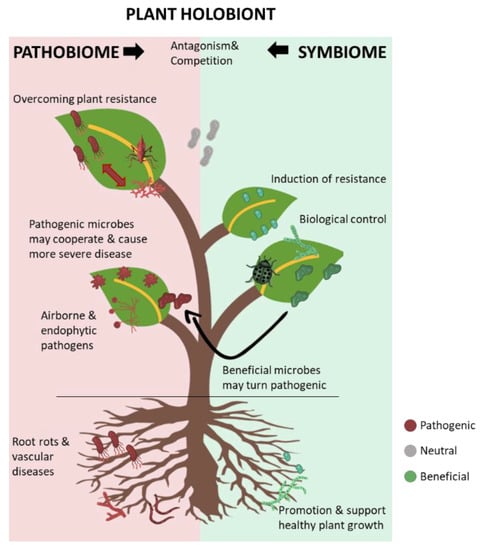
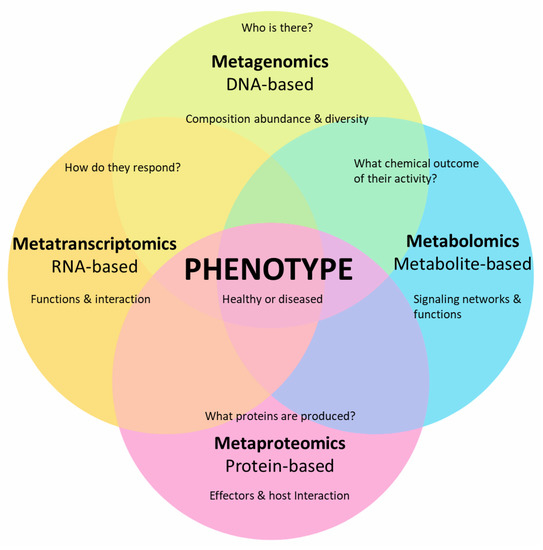
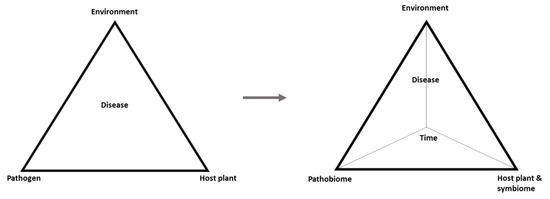
Plants are functional macrobes living in a close association with diverse communities of microbes and viruses as complex systems that continuously interact with the surrounding environment. The microbiota within the plant holobiont serves various essential and beneficial roles, such as in plant growth at different stages, starting from seed germination. Meanwhile, pathogenic microbes—differentiated from the rest of the plant microbiome based on their ability to damage the plant tissues through transient blooming under specific conditions—are also a part of the plant microbiome. Recent advances in multi-omics have furthered our understanding of the structure and functions of plant-associated microbes, and a pathobiome paradigm has emerged as a set of organisms (i.e., complex eukaryotic, microbial, and viral communities) within the plant’s biotic environment which interact with the host to deteriorate its health status. Recent studies have demonstrated that the one pathogen–one disease hypothesis is insufficient to describe the disease process in many cases, particularly when complex organismic communities are involved. The present review discusses the plant holobiont and covers the steady transition of plant pathology from the one pathogen–one disease hypothesis to the pathobiome paradigm. Moreover, previous reports on model plant diseases, in which more than one pathogen or co-operative interaction amongst pathogenic microbes is implicated, are reviewed and discussed. Full article
(This article belongs to the Special Issue Pathobiomes and Plant Immunity)
Show Figures

Figure 1
12 pages, 2139 KB  
Article
GC-MS Based Identification of the Volatile Components of Six Astragalus Species from Uzbekistan and Their Biological Activity
by Haidy A. Gad, Nilufar Z. Mamadalieva, Stefan Böhmdorfer, Thomas Rosenau, Gokhan Zengin, Rano Z. Mamadalieva, Nawal M. Al Musayeib and Mohamed L. Ashour
Plants 2021, 10(1), 124; https://doi.org/10.3390/plants10010124 - 8 Jan 2021
Cited by 24 | Viewed by 5349
Abstract
The compositions of volatile components in the aerial parts of six Astragalus species, namely A. campylotrichus (Aca), A. chiwensis (Ach), A. lehmannianus (Ale), A. macronyx (Ama), A. mucidus (Amu) and A. sieversianus ( [...] Read more.
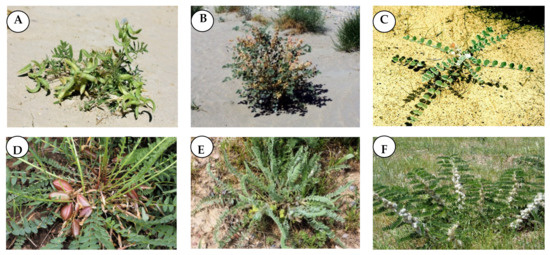
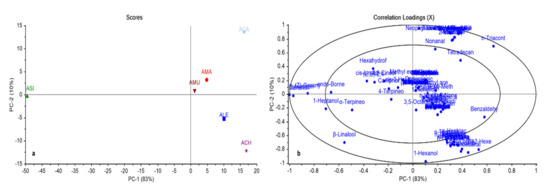
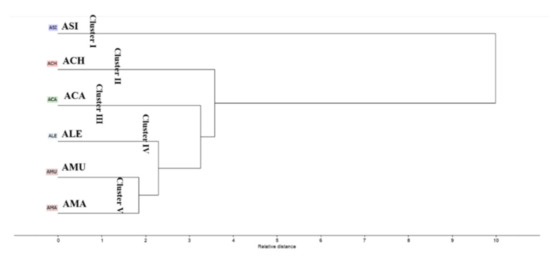
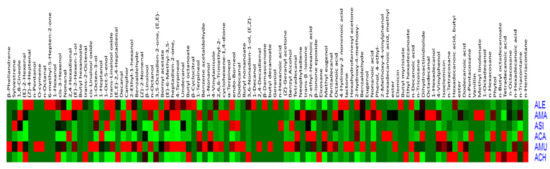
The compositions of volatile components in the aerial parts of six Astragalus species, namely A. campylotrichus (Aca), A. chiwensis (Ach), A. lehmannianus (Ale), A. macronyx (Ama), A. mucidus (Amu) and A. sieversianus (Asi), were investigated using gas chromatograph-mass spectrometry (GC-MS) analysis. Ninety-seven metabolites were identified, accounting for 73.28, 87.03, 74.38, 87.93, 85.83, and 91.39% of Aca, Ach, Ale, Ama, Amu and Asi whole oils, respectively. Sylvestrene was the most predominant component in Asi, Amu and Ama, with highest concentration in Asi (64.64%). In addition, (E)-2-hexenal was present in a high percentage in both Ale and Ach (9.97 and 10.1%, respectively). GC-MS based metabolites were subjected to principal component analysis (PCA) and hierarchal cluster analysis (HCA) to explore the correlations between the six species. The PCA score plot displayed clear differentiation of all Astragalus species and a high correlation between the Amu and Ama species. The antioxidant activity was evaluated in vitro using various assays, phosphomolybdenum (PM), 2,2 diphenyl-1-picryl-hydrazyl-hydrate (DPPH), 2,2-azino bis (3-ethylbenzothiazoline-6-sulphonic acid) (ABTS), cupric reducing antioxidant capacity (CUPRAC), ferric reducing power (FRAP) and ferrous ion chelation (FIC) assays. In addition, the potential for the volatile samples to inhibit both acetyl/butyrylcholinesterases (AChE, BChE), α- amylase, α-glucosidase and tyrosinase was assessed. Most of the species showed considerable antioxidant potential in the performed assays. In the DPPH assay, Ama exhibited the maximum activity (24.12 ± 2.24 mg TE/g sample), and the volatiles from Amu exhibited the highest activity (91.54 mgTE/g oil) in the ABTS radical scavenging assay. The effect was more evident in both CUPRAC and FRAP assays, where both Ale and Ama showed the strongest activity in comparison with the other tested species (84.06, 80.28 mgTE/g oil for CUPRAC and 49.47, 49.02 mgTE/g oil for FRAP, respectively). Asi demonstrated the strongest AChE (4.55 mg GALAE/g oil) and BChE (3.61 mg GALAE/g oil) inhibitory effect. Furthermore, the best tyrosinase inhibitory potential was observed for Ale (138.42 mg KAE/g). Accordingly, Astragalus species can be utilized as promising natural sources for many medicinally important components that could be tested as drug candidates for treating illnesses such as Alzheimer’s disease, diabetes mellitus and oxidative stress-related diseases. Full article
(This article belongs to the Collection Medicinal Chemistry of Aromatic Plants)
Show Figures

Figure 1
13 pages, 2168 KB  
Article
Assessment of Photo-Induced Cytotoxic Activity of Cachrys sicula and Cachrys libanotis Enriched-Coumarin Extracts against Human Melanoma Cells
by Mariangela Marrelli, Maria Rosaria Perri, Valentina Amodeo, Francesca Giordano, Giancarlo A. Statti, Maria Luisa Panno and Filomena Conforti
Plants 2021, 10(1), 123; https://doi.org/10.3390/plants10010123 - 8 Jan 2021
Cited by 20 | Viewed by 3423
Abstract
Photochemotherapy is one of the most interesting current therapeutic approaches for the treatment of melanoma. Different classes of naturally occurring phytochemicals demonstrated interesting photoactive properties. The aim of this study was to evaluate the photocytotoxic potential of two Cachrys species from Southern Italy: [...] Read more.
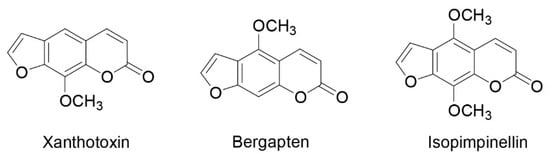
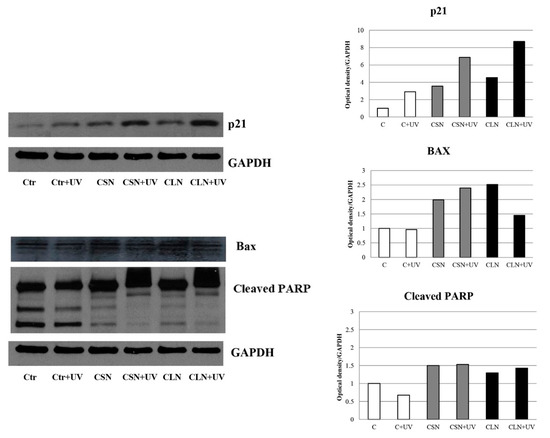
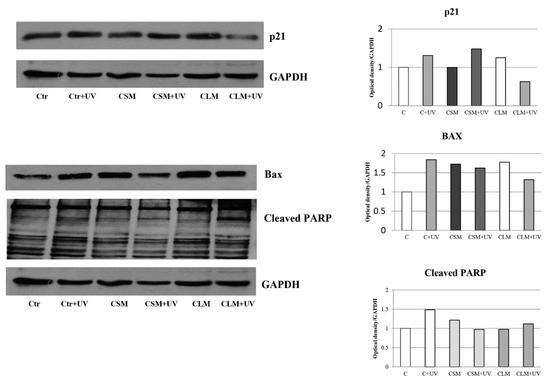
Photochemotherapy is one of the most interesting current therapeutic approaches for the treatment of melanoma. Different classes of naturally occurring phytochemicals demonstrated interesting photoactive properties. The aim of this study was to evaluate the photocytotoxic potential of two Cachrys species from Southern Italy: C. sicula and C. libanotis (Apiaceae). The enriched-coumarin extracts were obtained from aerial parts through both traditional maceration and pressurized cyclic solid-liquid (PCSL) extraction using Naviglio extractor®. Qualitative and quantitative analyses of furanocoumarins were performed with GC-MS. The photocytotoxic effects were verified on C32 melanoma cells irradiated at a dose of 1.08 J/cm2. The apoptotic responses were also assessed. Moreover, phenolic content and the in vitro antioxidant potential were estimated. Xanthotoxin, bergapten, and isopimpinellin were identified. All the samples induced concentration-dependent photocytotoxic effects (IC50 ranging from 3.16 to 18.18 μg/mL). The C. libanotis sample obtained with Naviglio extractor® was the most effective one (IC50 = 3.16 ± 0.21 μg/mL), followed by C. sicula sample obtained with the same technique (IC50 = 8.83 ± 0.20 μg/mL). Both Cachrys samples obtained through PCSL induced up-regulation of apoptotic signals such as BAX (Bcl2-associated X protein) and PARP (poly ADP-ribose polymerase) cleavage. Moreover, these samples proved to be more photoactive, giving a greater upregulation of p21 protein in the presence of UVA radiation. Obtained results suggest that investigated species could be promising candidates for further investigations aimed to find new potential drugs for the photochemotherapy of skin cancer. Full article
Show Figures

Figure 1
16 pages, 9415 KB  
Article
Genome-Wide Identification of Banana Csl Gene Family and Their Different Responses to Low Temperature between Chilling-Sensitive and Tolerant Cultivars
by Weina Yuan, Jing Liu, Tomáš Takáč, Houbin Chen, Xiaoquan Li, Jian Meng, Yehuan Tan, Tong Ning, Zhenting He, Ganjun Yi and Chunxiang Xu
Plants 2021, 10(1), 122; https://doi.org/10.3390/plants10010122 - 8 Jan 2021
Cited by 20 | Viewed by 3880
Abstract
The cell wall plays an important role in responses to various stresses. The cellulose synthase-like gene (Csl) family has been reported to be involved in the biosynthesis of the hemicellulose backbone. However, little information is available on their involvement in plant [...] Read more.
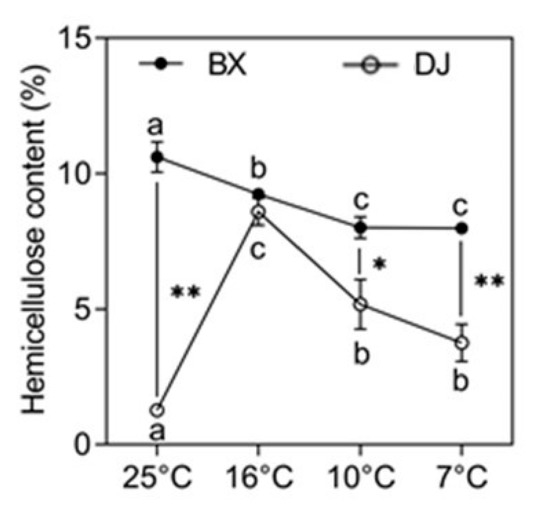
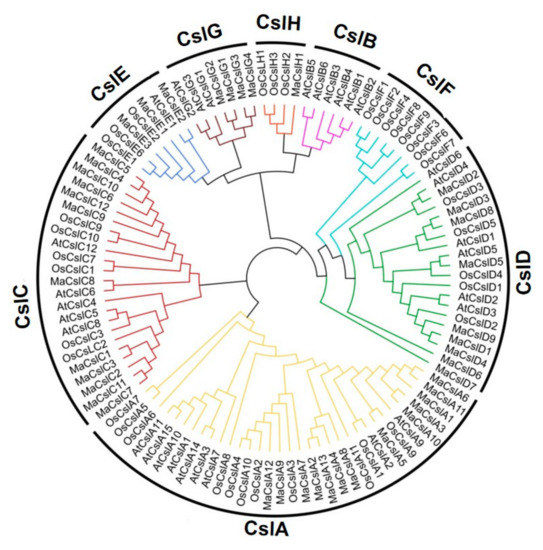
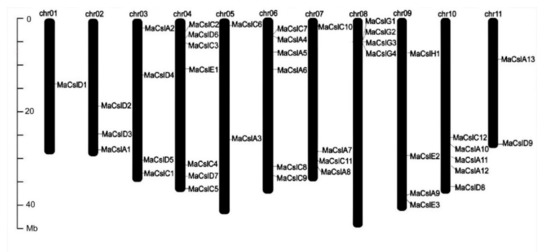
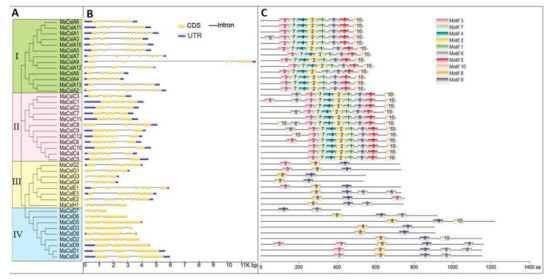
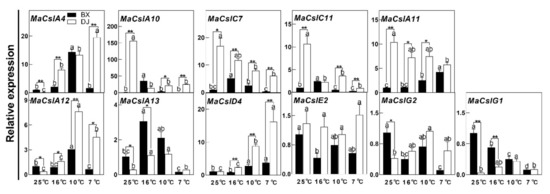
The cell wall plays an important role in responses to various stresses. The cellulose synthase-like gene (Csl) family has been reported to be involved in the biosynthesis of the hemicellulose backbone. However, little information is available on their involvement in plant tolerance to low-temperature (LT) stress. In this study, a total of 42 Csls were identified in Musa acuminata and clustered into six subfamilies (CslA, CslC, CslD, CslE, CslG, and CslH) according to phylogenetic relationships. The genomic features of MaCsl genes were characterized to identify gene structures, conserved motifs and the distribution among chromosomes. A phylogenetic tree was constructed to show the diversity in these genes. Different changes in hemicellulose content between chilling-tolerant and chilling-sensitive banana cultivars under LT were observed, suggesting that certain types of hemicellulose are involved in LT stress tolerance in banana. Thus, the expression patterns of MaCsl genes in both cultivars after LT treatment were investigated by RNA sequencing (RNA-Seq) technique followed by quantitative real-time PCR (qPCR) validation. The results indicated that MaCslA4/12, MaCslD4 and MaCslE2 are promising candidates determining the chilling tolerance of banana. Our results provide the first genome-wide characterization of the MaCsls in banana, and open the door for further functional studies. Full article
Show Figures

Figure 1
16 pages, 13919 KB  
Article
Influence of Pre-Harvest Gibberellic Acid and Post-Harvest 1-methyl Cyclopropane Treatments on Phenolic Compounds, Vitamin C and Organic Acid Contents during the Shelf Life of Strawberry Fruits
by Akgül Taş, Selma Kuru Berk, Erdal Orman, Muttalip Gundogdu, Sezai Ercişli, Neva Karatas, Tunde Jurikova, Anna Adamkova, Sarka Nedomova and Jiri Mlcek
Plants 2021, 10(1), 121; https://doi.org/10.3390/plants10010121 - 8 Jan 2021
Cited by 27 | Viewed by 5130
Abstract
In recent years, significant portions of the fresh fruits and vegetables produced worldwide have been decaying before reaching the consumer because of insufficient preservation after harvest. In this direction, we carried the study out to investigate the effect of gibberellic acid (GA3 [...] Read more.
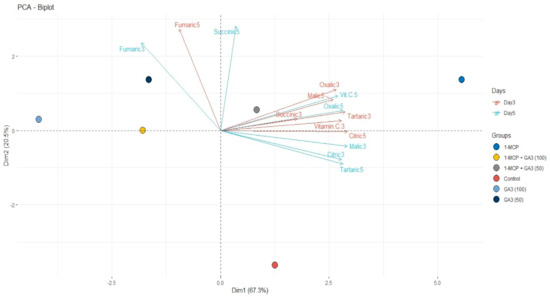
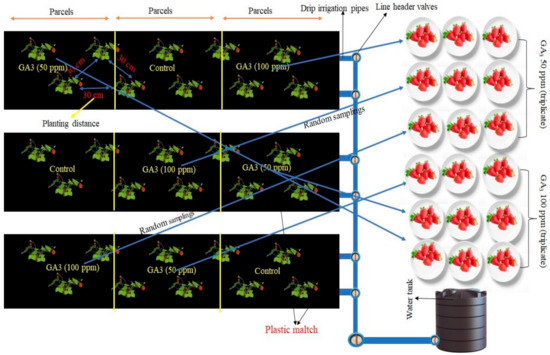
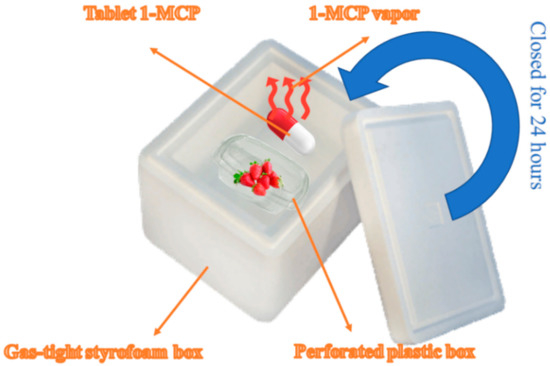
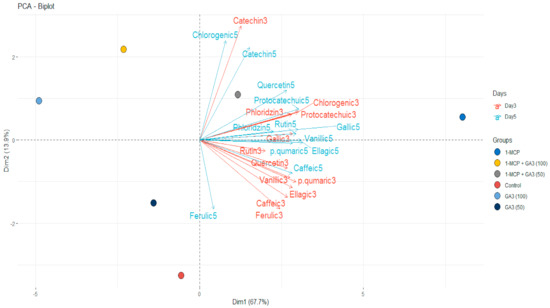
In recent years, significant portions of the fresh fruits and vegetables produced worldwide have been decaying before reaching the consumer because of insufficient preservation after harvest. In this direction, we carried the study out to investigate the effect of gibberellic acid (GA3) and 1-methyl cyclopropane (1-MCP) applications on phenolic compounds and organic acid contents of the strawberry fruits (cv. Albion) during shelf-life. Gibberellic acid treatments, which prepared in two different concentrations (50 and 100 ppm), were performed by spraying the leaves before harvest. 1-methyl cyclopropane applied after harvest. The results of the study showed a greater decrease in organic acids (except oxalic and succinic acid) in Gibberellic acid-applied fruits during shelf-life. Citric acid was recorded as the most abundant organic acid in the control group. In phenolic compounds, gallic acid (15.22 mg 100 g−1) and ellagic acid (9.38 mg 100 g−1) were recorded as the highest phenolic compounds on the third day. 1-MCP and GA3 (50 ppm) + 1-MCP treatment reduced the breakdown of vitamin C during the shelf-life of strawberry fruits compared to the control group. As a result, phenolic compounds, vitamin C, and organic acids decreased during the shelf-life, and 1-MCP applications slowed down the breakdown of these compounds. Full article
(This article belongs to the Special Issue Natural Resources of Berry and Medicinal Plants)
Show Figures

Figure 1
16 pages, 3082 KB  
Article
Short-Term Exposure to High Atmospheric Vapor Pressure Deficit (VPD) Severely Impacts Durum Wheat Carbon and Nitrogen Metabolism in the Absence of Edaphic Water Stress
by Dorra Fakhet, Fermín Morales, Iván Jauregui, Gorka Erice, Pedro M. Aparicio-Tejo, Carmen González-Murua, Ricardo Aroca, Juan J. Irigoyen and Iker Aranjuelo
Plants 2021, 10(1), 120; https://doi.org/10.3390/plants10010120 - 8 Jan 2021
Cited by 10 | Viewed by 4790
Abstract
Low atmospheric relative humidity (RH) accompanied by elevated air temperature and decreased precipitation are environmental challenges that wheat production will face in future decades. These changes to the atmosphere are causing increases in air vapor pressure deficit (VPD) and low soil water availability [...] Read more.
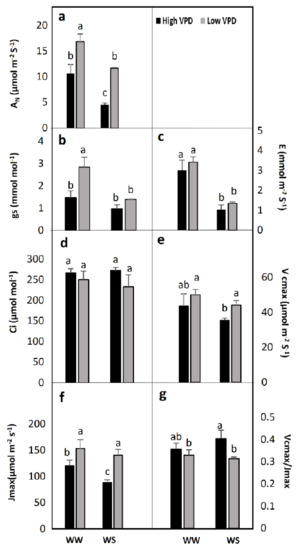
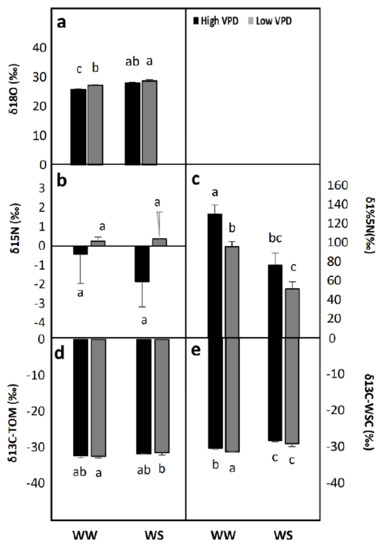
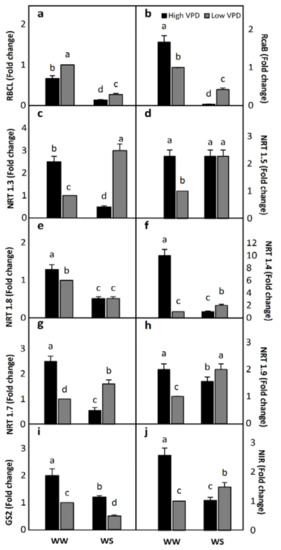
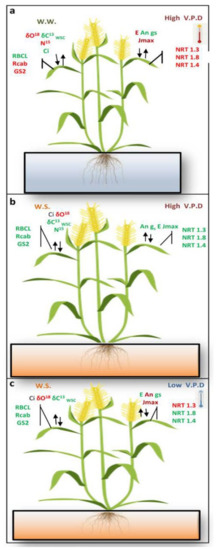
Low atmospheric relative humidity (RH) accompanied by elevated air temperature and decreased precipitation are environmental challenges that wheat production will face in future decades. These changes to the atmosphere are causing increases in air vapor pressure deficit (VPD) and low soil water availability during certain periods of the wheat-growing season. The main objective of this study was to analyze the physiological, metabolic, and transcriptional response of carbon (C) and nitrogen (N) metabolism of wheat (Triticum durum cv. Sula) to increases in VPD and soil water stress conditions, either alone or in combination. Plants were first grown in well-watered conditions and near-ambient temperature and RH in temperature-gradient greenhouses until anthesis, and they were then subjected to two different water regimes well-watered (WW) and water-stressed (WS), i.e., watered at 50% of the control for one week, followed by two VPD levels (low, 1.01/0.36 KPa and high, 2.27/0.62 KPa; day/night) for five additional days. Both VPD and soil water content had an important impact on water status and the plant physiological apparatus. While high VPD and water stress-induced stomatal closure affected photosynthetic rates, in the case of plants watered at 50%, high VPD also caused a direct impairment of the RuBisCO large subunit, RuBisCO activase and the electron transport rate. Regarding N metabolism, the gene expression, nitrite reductase (NIR) and transport levels detected in young leaves, as well as determinations of the δ15N and amino acid profiles (arginine, leucine, tryptophan, aspartic acid, and serine) indicated activation of N metabolism and final transport of nitrate to leaves and photosynthesizing cells. On the other hand, under low VPD conditions, a positive effect was only observed on gene expression related to the final step of nitrate supply to photosynthesizing cells, whereas the amount of 15N supplied to the roots that reached the leaves decreased. Such an effect would suggest an impaired N remobilization from other organs to young leaves under water stress conditions and low VPD. Full article
(This article belongs to the Special Issue Cereal Physiology and Breeding)
Show Figures

Figure 1
12 pages, 1126 KB  
Article
Sterols and Triterpenes from Dobera glabra Growing in Saudi Arabia and Their Cytotoxic Activity
by Wael M. Abdel-Mageed, Ali A. El-Gamal, Shaza M. Al-Massarani, Omer A. Basudan, Farid A. Badria, Maged S. Abdel-Kader, Adnan J. Al-Rehaily and Hanan Y. Aati
Plants 2021, 10(1), 119; https://doi.org/10.3390/plants10010119 - 8 Jan 2021
Cited by 14 | Viewed by 3832
Abstract
A new lupane caffeoyl ester, lup-20(29)-ene 3β-caffeate-30-al (7), and a new oleanane-type triterpene, 3β-hydroxyolean-13(18)-en-12-one (17), were isolated from the aerial parts of Dobera glabra (Forssk), along with ten known triterpenes, including seven lupane-type lupeol (1), [...] Read more.
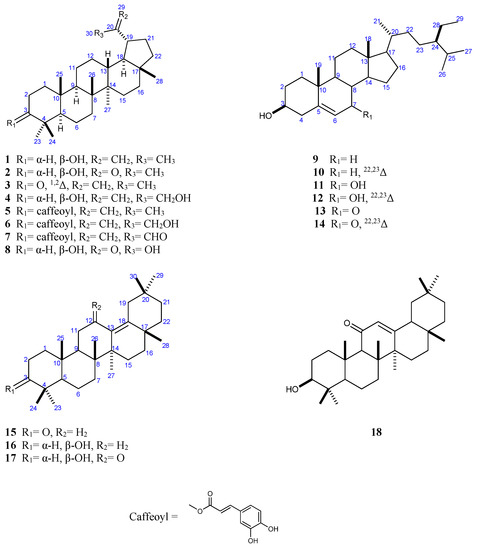
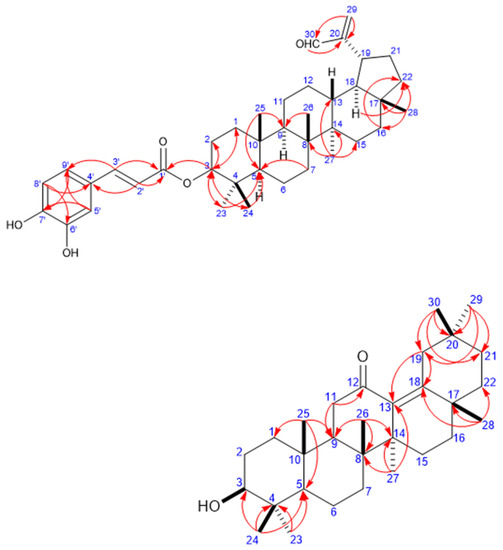
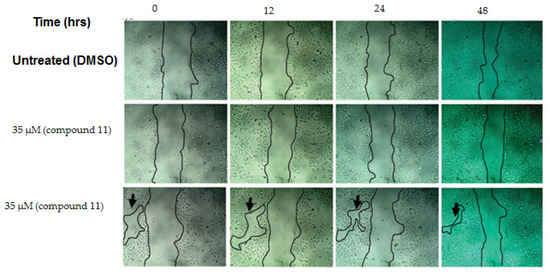
A new lupane caffeoyl ester, lup-20(29)-ene 3β-caffeate-30-al (7), and a new oleanane-type triterpene, 3β-hydroxyolean-13(18)-en-12-one (17), were isolated from the aerial parts of Dobera glabra (Forssk), along with ten known triterpenes, including seven lupane-type lupeol (1), 30-nor-lup-3β-ol-20-one (2), ∆1-lupenone (3), lup-20(29)-en-3β,30-diol (4), lupeol caffeate (5), 30-hydroxy lup-20(29)-ene 3β-caffeate (6), and betunaldehyde (8); three oleanane-type compounds were also identified, comprising δ-amyrone (15), δ-amyrin (16), and 11-oxo-β-amyrin (18); together with six sterols, comprising β-sitosterol (9), stigmasterol (10), 7α-hydroxy-β-sitosterol (11), 7α-hydroxy-stigmasterol (12), 7-keto-β-sitosterol (13), and 7-keto-stigmasterol (14). Their structures were elucidated using a variety of spectroscopic techniques, including 1D (1H, 13C, and DEPT-135 13C) and 2D (1H–1H COSY, 1H–13C HSQC, and 1H–13C HMBC) nuclear magnetic resonance (NMR) and accurate mass spectroscopy. Subsequently, the different plant extracts and some of the isolated compounds (1–9, 11 and 13) were investigated for their possible cytotoxic activity in comparison to cisplatin against a wide array of aggressive cancer cell lines, such as colorectal cancer (HCT-116), hepatocellular carcinoma (HepG-2), and prostate cancer (PC-3) cell lines. Compound 11 displayed broad cytotoxicity against all of the tested cell lines (IC50 ≅ 8 µg/mL in all cases), and a high safety margin against normal Vero cells (IC50 = 70 µg/mL), suggesting that 11 may be a highly selective and effective anticancer agent candidate. Notably, the evidence indicated that the mode of action of compound 11 could possibly consist of the inhibition of phosphodiesterase I (80.2% enzyme inhibition observed at 2 µM compound concentration). Full article
(This article belongs to the Section Phytochemistry)
Show Figures

Figure 1
24 pages, 2843 KB  
Review
The Role of Polyphenols in Abiotic Stress Response: The Influence of Molecular Structure
by Dunja Šamec, Erna Karalija, Ivana Šola, Valerija Vujčić Bok and Branka Salopek-Sondi
Plants 2021, 10(1), 118; https://doi.org/10.3390/plants10010118 - 8 Jan 2021
Cited by 619 | Viewed by 22982
Abstract
Abiotic stressors such as extreme temperatures, drought, flood, light, salt, and heavy metals alter biological diversity and crop production worldwide. Therefore, it is important to know the mechanisms by which plants cope with stress conditions. Polyphenols, which are the largest group of plant-specialized [...] Read more.
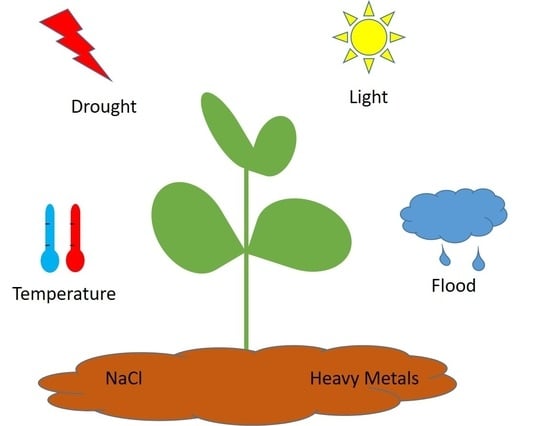
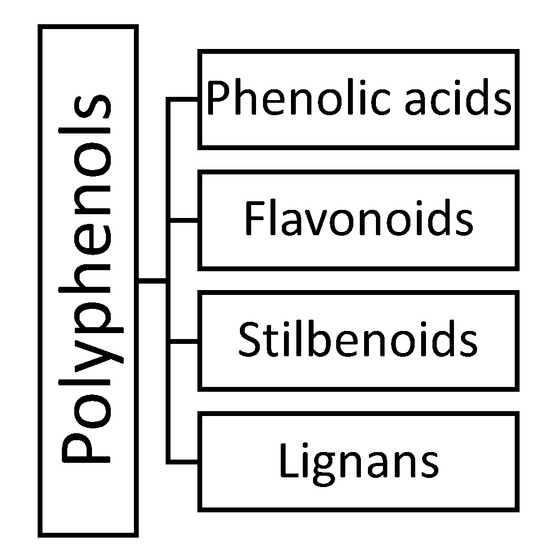
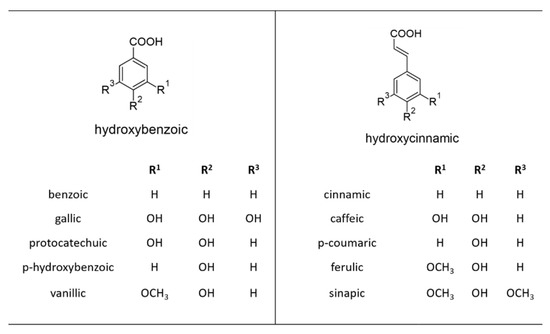
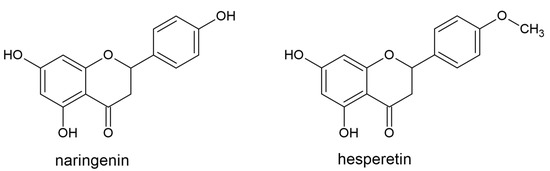
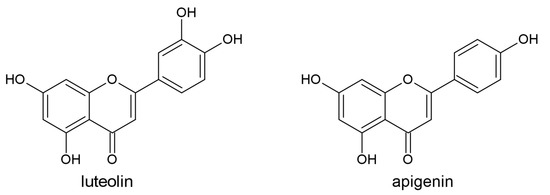
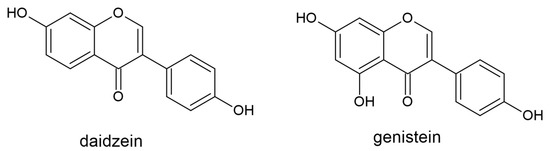
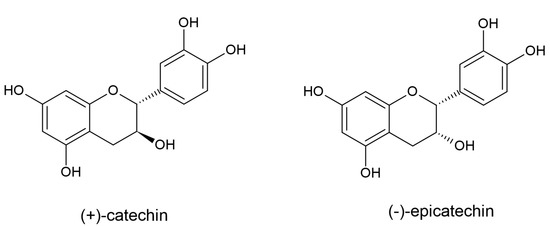
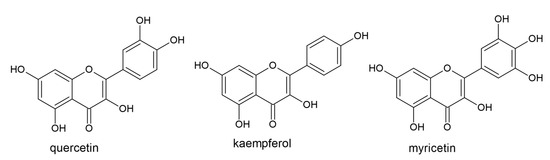
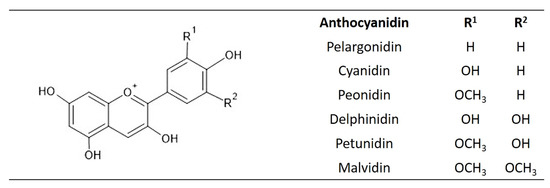
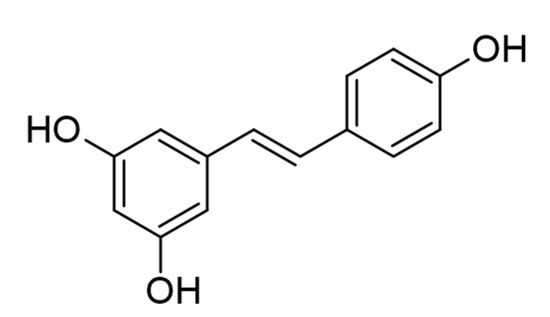
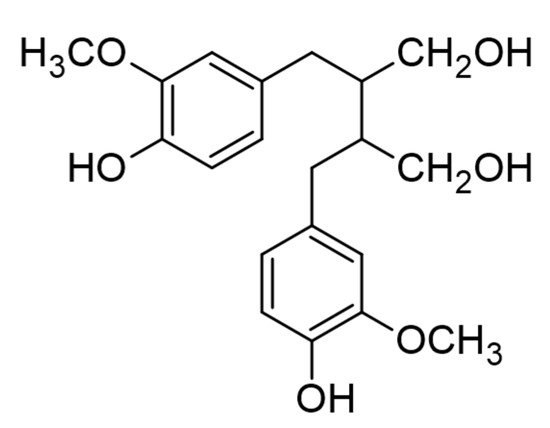
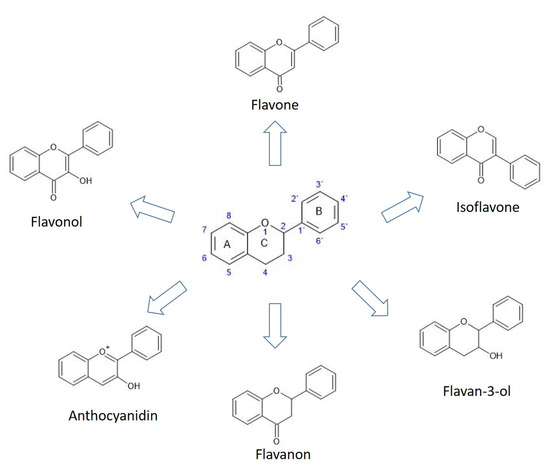
Abiotic stressors such as extreme temperatures, drought, flood, light, salt, and heavy metals alter biological diversity and crop production worldwide. Therefore, it is important to know the mechanisms by which plants cope with stress conditions. Polyphenols, which are the largest group of plant-specialized metabolites, are generally recognized as molecules involved in stress protection in plants. This diverse group of metabolites contains various structures, from simple forms consisting of one aromatic ring to more complex ones consisting of large number of polymerized molecules. Consequently, all these molecules, depending on their structure, may show different roles in plant growth, development, and stress protection. In the present review, we aimed to summarize data on how different polyphenol structures influence their biological activity and their roles in abiotic stress responses. We focused our review on phenolic acids, flavonoids, stilbenoids, and lignans. Full article
(This article belongs to the Special Issue Plant Polyphenols—from Plants to Human Health)
Show Figures

Graphical abstract

18 pages, 2660 KB  
Article
Phytochemical Analysis and Evaluation of Antioxidant and Biological Activities of Extracts from Three Clauseneae Plants in Northern Thailand
by Keerati Tanruean, Pisit Poolprasert, Nakarin Suwannarach, Jaturong Kumla and Saisamorn Lumyong
Plants 2021, 10(1), 117; https://doi.org/10.3390/plants10010117 - 8 Jan 2021
Cited by 21 | Viewed by 8346
Abstract
This study established the DNA barcoding sequences (matK and rbcL) of three plant species identified in the tribe Clauseneae, namely Clausena excavata, C. harmandiana and Murraya koenigii. The total phenolic and total flavonoid contents, together with the biological [...] Read more.
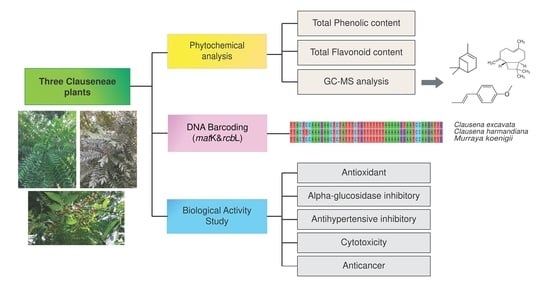
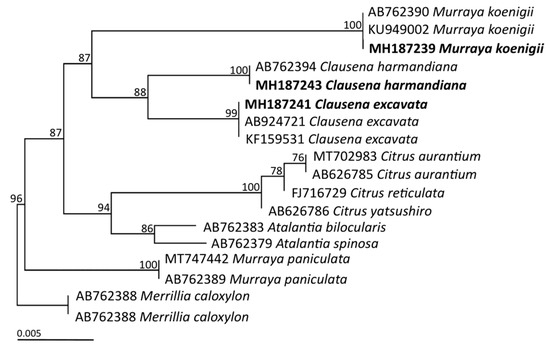
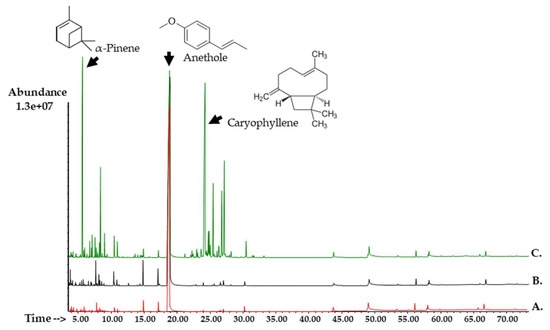
This study established the DNA barcoding sequences (matK and rbcL) of three plant species identified in the tribe Clauseneae, namely Clausena excavata, C. harmandiana and Murraya koenigii. The total phenolic and total flavonoid contents, together with the biological activities of the derived essential oils and methanol extracts, were also investigated. Herein, the success of obtaining sequences of these plant using two different barcode genes matK and rbcL were 62.5% and 100%, respectively. Both regions were discriminated by around 700 base pairs and these had resemblance with those of the Clausenae materials earlier deposited in Genbank at a 99–100% degree of identity. Additionally, the use of matK DNA sequences could positively confirm the identity as monophyletic. The highest total phenolic and total flavonoid content values (p < 0.05) were observed in the methanol extract of M. koenigii at 43.50 mg GAE/g extract and 66.13 mg QE/g extract, respectively. Furthermore, anethole was detected as the dominant compound in C. excavata (86.72%) and C. harmandiana (46.09%). Moreover, anethole (26.02%) and caryophyllene (21.15%) were identified as the major phytochemical compounds of M. koenigii. In terms of the biological properties, the M. koenigii methanol extract was found to display the greatest amount of antioxidant activity (DPPH; IC50 95.54 µg/mL, ABTS value 118.12 mg GAE/g extract, FRAP value 48.15 mg GAE/g extract), and also revealed the highest α-glucosidase and antihypertensive inhibitory activities with percent inhibition values of 84.55 and 84.95. Notably, no adverse effects on human peripheral blood mononuclear cells were observed with regard to all of the plant extracts. Furthermore, M. koenigii methanol extract exhibited promise against human lung cancer cells almost at 80% after 24 h and 90% over 48 h. Full article
Show Figures

Graphical abstract

13 pages, 1074 KB  
Article
Antinociceptive Effect of an Aqueous Extract and Essential Oil from Baccharis heterophylla
by Erika Castillejos-Ramírez, Araceli Pérez-Vásquez, Rafael Torres-Colín, Andrés Navarrete, Adolfo Andrade-Cetto and Rachel Mata
Plants 2021, 10(1), 116; https://doi.org/10.3390/plants10010116 - 8 Jan 2021
Cited by 7 | Viewed by 3272
Abstract
Infusions and poultices prepared from the aerial parts of Baccharis heterophylla Kunth (Asteraceae) are widely used in Oaxaca (Mexico) for relieving painful and inflammatory complaints. Therefore, the antinociceptive potential of an aqueous extract (31.6–316 mg/kg, p.o.) and essential oil (30–177 µg/paw, i.pl.) of [...] Read more.
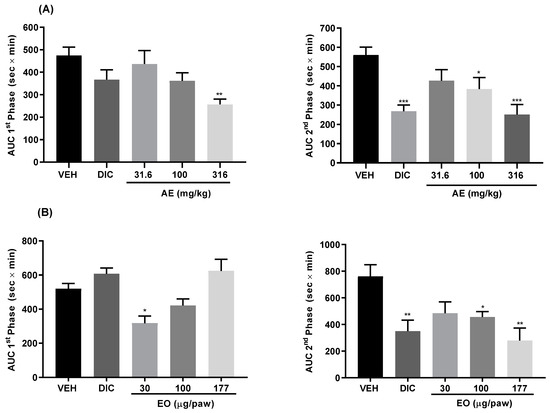
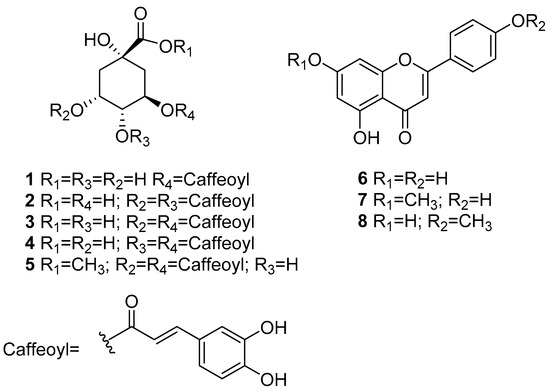
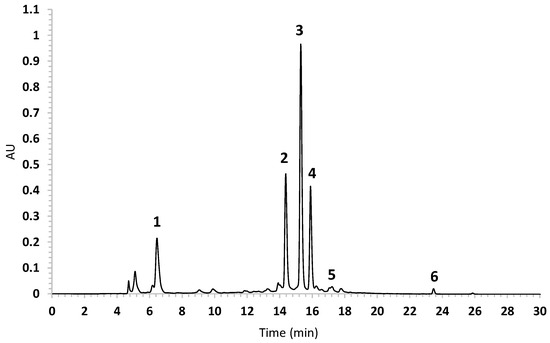
Infusions and poultices prepared from the aerial parts of Baccharis heterophylla Kunth (Asteraceae) are widely used in Oaxaca (Mexico) for relieving painful and inflammatory complaints. Therefore, the antinociceptive potential of an aqueous extract (31.6–316 mg/kg, p.o.) and essential oil (30–177 µg/paw, i.pl.) of the plant was assessed using the formalin test. Both preparations inhibited the formalin-induced nociception response (100–316 mg/kg and 100–177 µg/paw, respectively) during the test’s second phase. Chemical analysis of the aqueous extract revealed that the major active components were chlorogenic acid (1), 3,4-di-O-(E)-caffeoylquinic acid (2), 3,5-di-O-(E)-caffeoylquinic acid (3), 4,5-di-O-(E)-caffeoylquinic acid (4), 3,5-di-O-(E)-caffeoylquinic acid methyl ester (5), apigenin (6), genkwanin (7), acacetin (8). Compounds 15 and 8 are new for B. heterophylla. A high-pressure liquid chromatographic method for quantifying chlorogenic acid (1) and di-caffeoylquinic acids 24 in the plant was developed and validated. Analyses of the essential oil and the headspace solid-phase microextraction products, via gas-chromatography-mass spectrometry, revealed that the major volatiles were β-pinene, myrcene, D-limonene, β-caryophyllene, and α-caryophyllene, which have demonstrated antinociceptive properties. Full article
Show Figures

Figure 1
8 pages, 1878 KB  
Technical Note
An Optimized Protein Extraction Method for Gel-Free Proteomic Analysis of Opuntia Ficus-Indica
by Akiko Hashiguchi, Hisateru Yamaguchi, Keisuke Hitachi and Kazuo Watanabe
Plants 2021, 10(1), 115; https://doi.org/10.3390/plants10010115 - 8 Jan 2021
Cited by 4 | Viewed by 3796
Abstract
Opuntia spp. is an economically important vegetable crop with high stress-tolerance and health benefits. However, proteomic analysis of the plant has been difficult due to the composition of its succulent cladodes; the abundant polysaccharides interfere with protein extraction. To facilitate proteomic analysis of [...] Read more.
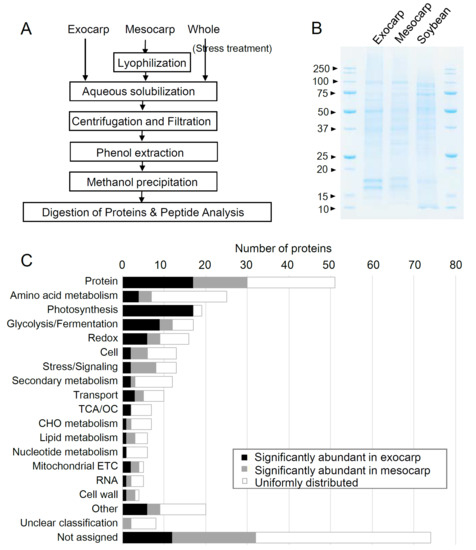
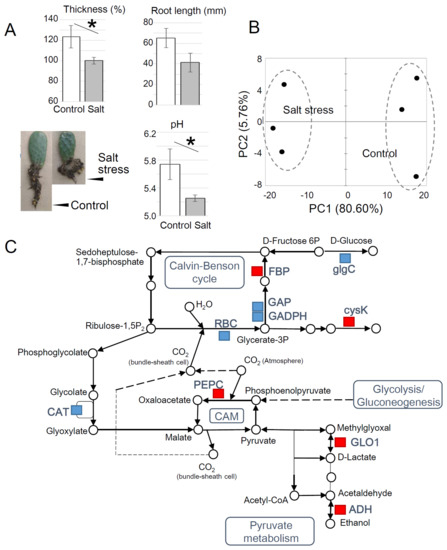
Opuntia spp. is an economically important vegetable crop with high stress-tolerance and health benefits. However, proteomic analysis of the plant has been difficult due to the composition of its succulent cladodes; the abundant polysaccharides interfere with protein extraction. To facilitate proteomic analysis of this plant, we present a rapid and simple protein extraction method for Opuntia ficus-indica (L.) Miller. The optimized method produced highly reproducible protein patterns and was compatible with a gel-free quantitative workflow without the need for additional purification. We successfully analyzed the cladode mesocarp and exocarp tissues, resulting in the identification of 319 proteins. In addition, we used this method to examine the relative changes in the Opuntia proteome in response to salt stress to determine whether physiological changes could be captured. Qualified observations were obtained, revealing that salt stress increased phosphoenolpyruvate carboxylase abundance and decreased ribulose-bisphosphate carboxylase in young O. ficus-indica plants. These findings suggest that Crassulacean acid metabolism is promoted under salinity. This study highlights the efficacy of our optimized protein extraction method for elucidating the metabolic adaptations of Opuntia using gel-free proteomic analysis. Full article
Show Figures

Figure 1
11 pages, 2007 KB  
Article
The Use of Essential Oils from Thyme, Sage and Peppermint against Colletotrichum acutatum
by Armina Morkeliūnė, Neringa Rasiukevičiūtė, Lina Šernaitė and Alma Valiuškaitė
Plants 2021, 10(1), 114; https://doi.org/10.3390/plants10010114 - 8 Jan 2021
Cited by 26 | Viewed by 4995
Abstract
The Colletotrichum spp. is a significant strawberry pathogen causing yield losses of up to 50%. The most common method to control plant diseases is through the use of chemical fungicides. The findings of plants antimicrobial activities, low toxicity, and biodegradability of essential oils [...] Read more.
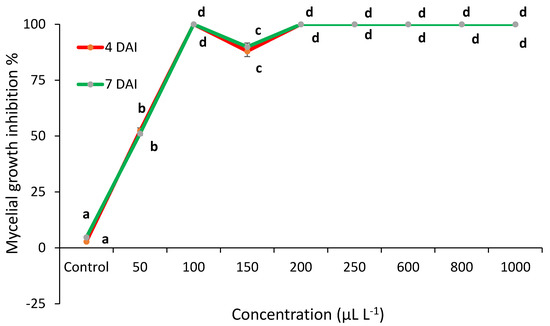
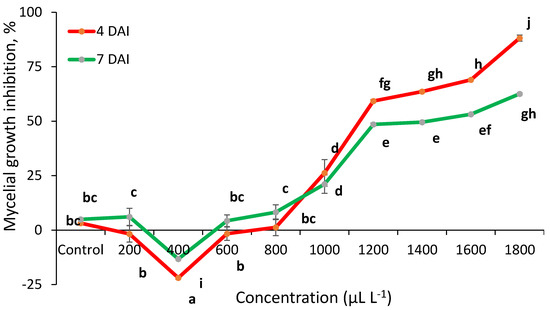
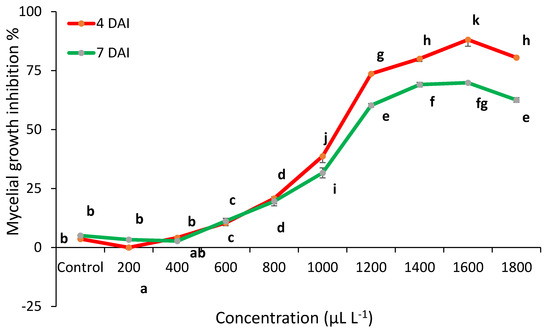
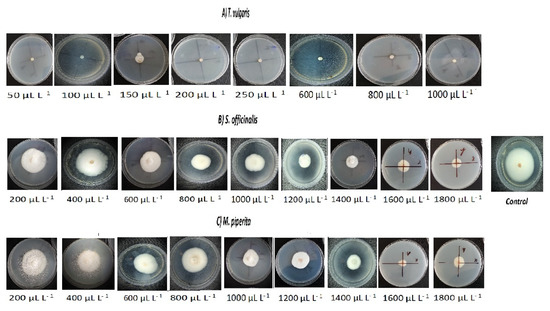
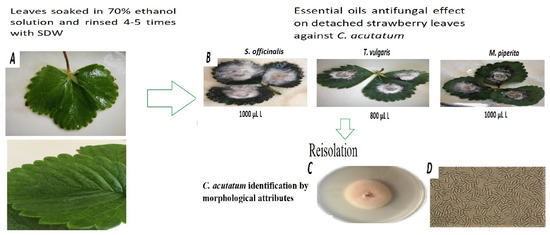
The Colletotrichum spp. is a significant strawberry pathogen causing yield losses of up to 50%. The most common method to control plant diseases is through the use of chemical fungicides. The findings of plants antimicrobial activities, low toxicity, and biodegradability of essential oils (EO), make them suitable for biological protection against fungal pathogens. The aim is to evaluate the inhibition of Colletotrichum acutatum by thyme, sage, and peppermint EO in vitro on detached strawberry leaves and determine EO chemical composition. Our results revealed that the dominant compound of thyme was thymol 41.35%, peppermint: menthone 44.56%, sage: α,β-thujone 34.45%, and camphor: 20.46%. Thyme EO inhibited C. acutatum completely above 200 μL L−1 concentration in vitro. Peppermint and sage EO reduced mycelial growth of C. acutatum. In addition, in vitro, results are promising for biological control. The detached strawberry leaves experiments showed that disease reduction 4 days after inoculation was 15.8% at 1000 μL L−1 of peppermint EO and 5.3% at 800 μL L−1 of thyme compared with control. Our findings could potentially help to manage C. acutatum; however, the detached strawberry leaves assay showed that EO efficacy was relatively low on tested concentrations and should be increased. Full article
Show Figures

Figure 1
17 pages, 4128 KB  
Article
Wheat, Rye, and Barley Genomes Can Associate during Meiosis in Newly Synthesized Trigeneric Hybrids
by María-Dolores Rey, Carmen Ramírez and Azahara C. Martín
Plants 2021, 10(1), 113; https://doi.org/10.3390/plants10010113 - 7 Jan 2021
Cited by 9 | Viewed by 4987
Abstract
Polyploidization, or whole genome duplication (WGD), has an important role in evolution and speciation. One of the biggest challenges faced by a new polyploid is meiosis, in particular, discriminating between multiple related chromosomes so that only homologs recombine to ensure regular chromosome segregation [...] Read more.
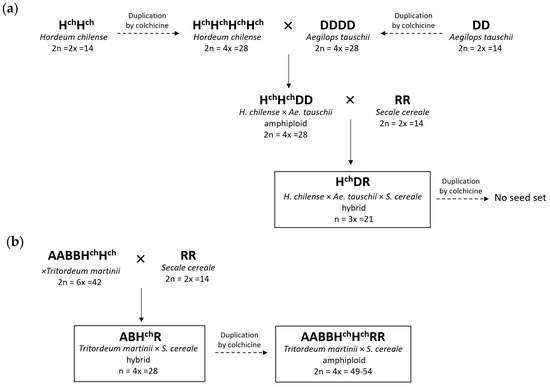
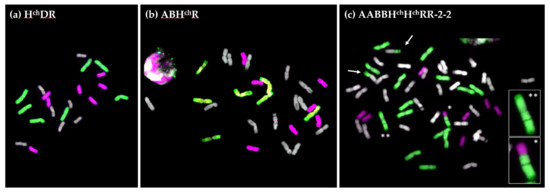
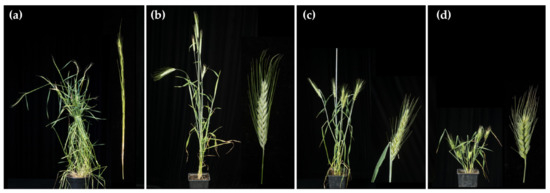
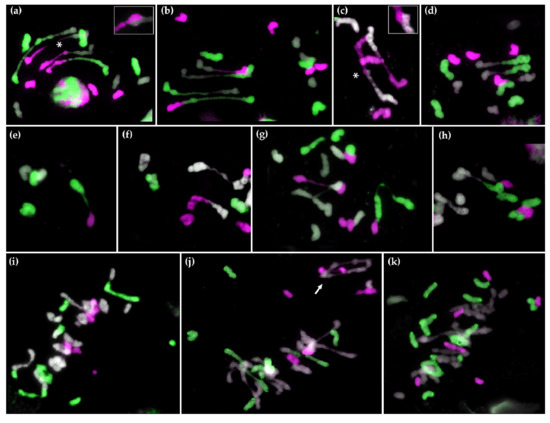
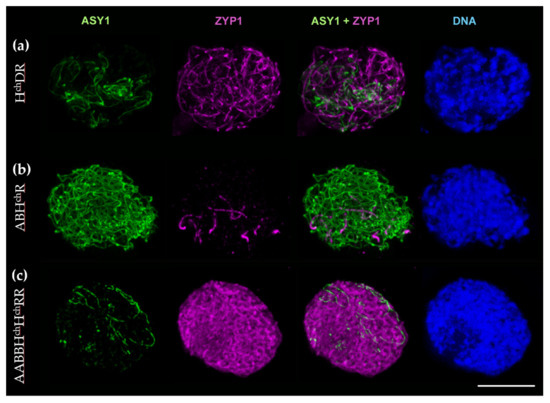
Polyploidization, or whole genome duplication (WGD), has an important role in evolution and speciation. One of the biggest challenges faced by a new polyploid is meiosis, in particular, discriminating between multiple related chromosomes so that only homologs recombine to ensure regular chromosome segregation and fertility. Here, we report the production of two new hybrids formed by the genomes of species from three different genera: a hybrid between Aegilops tauschii (DD), Hordeum chilense (HchHch), and Secale cereale (RR) with the haploid genomic constitution HchDR (n = 7× = 21); and a hybrid between Triticum turgidum spp. durum (AABB), H. chilense, and S. cereale with the constitution ABHchR (n = 7× = 28). We used genomic in situ hybridization and immunolocalization of key meiotic proteins to establish the chromosome composition of the new hybrids and to study their meiotic behavior. Interestingly, there were multiple chromosome associations at metaphase I in both hybrids. A high level of crossover (CO) formation was observed in HchDR, which shows the possibility of meiotic recombination between the different genomes. We succeeded in the duplication of the ABHchR genome, and several amphiploids, AABBHchHchRR, were obtained and characterized. These results indicate that recombination between the genera of three economically important crops is possible. Full article
(This article belongs to the Special Issue Stars in Plant Cell Biology)
Show Figures

Figure 1
12 pages, 1123 KB  
Article
Edible Chitosan/Propolis Coatings and Their Effect on Ripening, Development of Aspergillus flavus, and Sensory Quality in Fig Fruit, during Controlled Storage
by Pablo F. Aparicio-García, Rosa I. Ventura-Aguilar, Juan C. del Río-García, Mónica Hernández-López, Dagoberto Guillén-Sánchez, Dolores A. Salazar-Piña, Margarita de L. Ramos-García and Silvia Bautista-Baños
Plants 2021, 10(1), 112; https://doi.org/10.3390/plants10010112 - 7 Jan 2021
Cited by 37 | Viewed by 4937
Abstract
Biodegradable alternatives for the control of Aspergillus flavus in fig fruit were tested with the application of coatings based on chitosan (CS) and propolis (P). To potentiate the fungicidal effect, nanoparticles of these two (CSNPs and PNPs) were also considered. The objectives of [...] Read more.
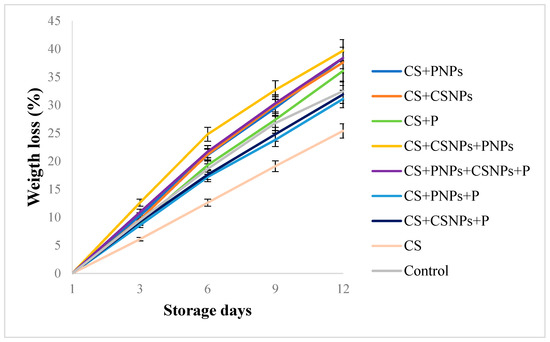
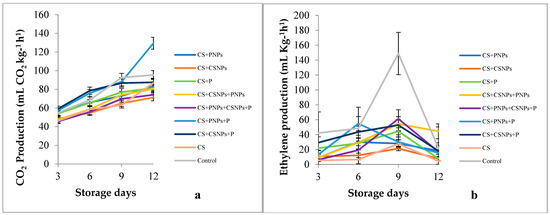
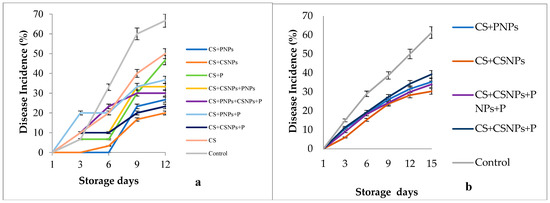
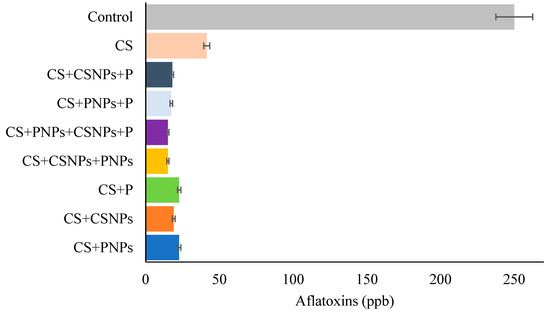
Biodegradable alternatives for the control of Aspergillus flavus in fig fruit were tested with the application of coatings based on chitosan (CS) and propolis (P). To potentiate the fungicidal effect, nanoparticles of these two (CSNPs and PNPs) were also considered. The objectives of this research were to evaluate the effect of different formulations on: (a) the ripening process of the fig, (b) the incidence of A. flavus and the production of aflatoxins, and (c) the acceptance of the treated fruit by a panel. The nanostructured coatings did not influence the ripening process of the fruit during the 12 days of storage, however, the antioxidant activity increased by approximately 30% with the coating CS + PNPs + P. The figs treated with CS + CSNPs + PNPs + P, inhibited the growth of the fungus by about 20% to 30% under laboratory and semi-commercial conditions. For all treatments, the aflatoxin production was lower than 20 ppb compared to the control with values of c.a. 250 ppb. The sensory quality was acceptable among the panel. The edible coatings can be a non-toxic alternative for post-harvest preservation and the consumption of fig fruit. The next step will be its inclusion and evaluation at a commercial level in packing houses. Full article
(This article belongs to the Special Issue Natural Products for Plant Pest and Disease Control)
Show Figures

Figure 1
14 pages, 2038 KB  
Article
Dissecting Hierarchies between Light, Sugar and Auxin Action Underpinning Root and Root Hair Growth
by Judith García-González, Jozef Lacek and Katarzyna Retzer
Plants 2021, 10(1), 111; https://doi.org/10.3390/plants10010111 - 7 Jan 2021
Cited by 23 | Viewed by 5742
Abstract
Plant roots are very plastic and can adjust their tissue organization and cell appearance during abiotic stress responses. Previous studies showed that direct root illumination and sugar supplementation mask root growth phenotypes and traits. Sugar and light signaling where further connected to changes [...] Read more.
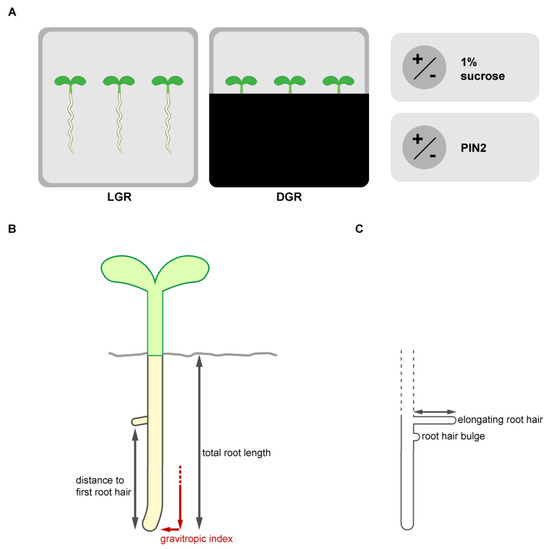
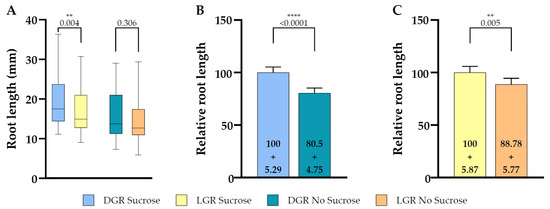
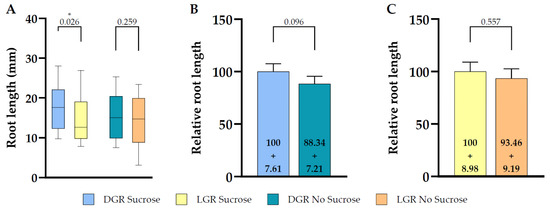
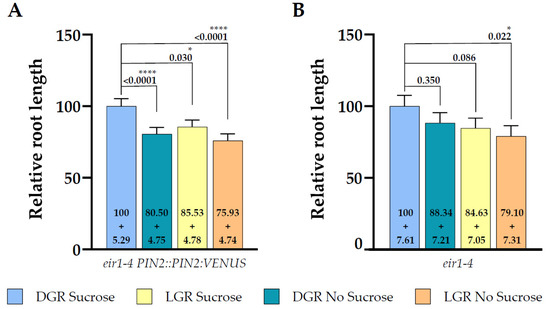
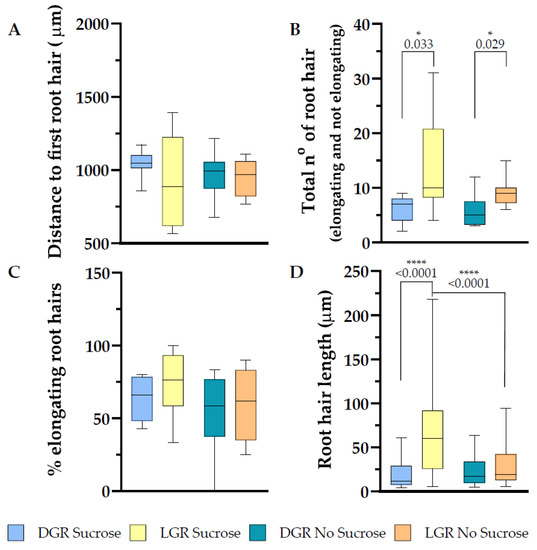
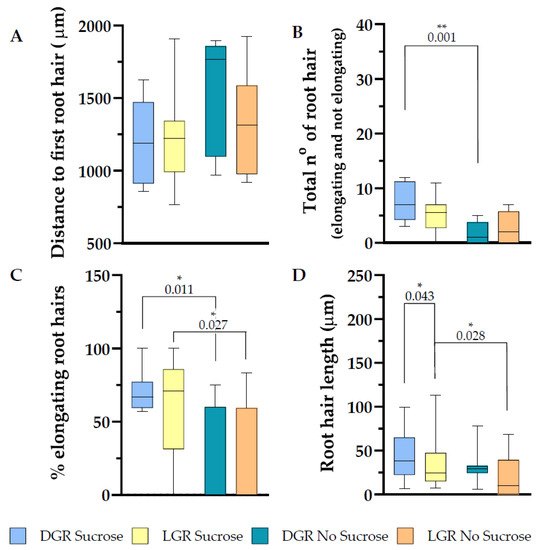
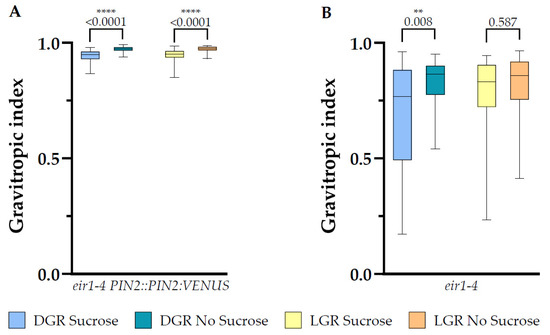
Plant roots are very plastic and can adjust their tissue organization and cell appearance during abiotic stress responses. Previous studies showed that direct root illumination and sugar supplementation mask root growth phenotypes and traits. Sugar and light signaling where further connected to changes in auxin biosynthesis and distribution along the root. Auxin signaling underpins almost all processes involved in the establishment of root traits, including total root length, gravitropic growth, root hair initiation and elongation. Root hair plasticity allows maximized nutrient uptake and therefore plant productivity, and root hair priming and elongation require proper auxin availability. In the presence of sucrose in the growth medium, root hair emergence is partially rescued, but the full potential of root hair elongation is lost. With our work we describe a combinatory study showing to which extent light and sucrose are antagonistically influencing root length, but additively affecting root hair emergence and elongation. Furthermore, we investigated the impact of the loss of PIN-FORMED2, an auxin efflux carrier mediating shootward auxin transporter, on the establishment of root traits in combination with all growth conditions. Full article
(This article belongs to the Special Issue Advances in Auxin Research)
Show Figures

Figure 1