18 pages, 1302 KB  
Review
Review of Cardiovascular Risk of Androgen Deprivation Therapy and the Influence of Race in Men with Prostate Cancer
by James Fradin, Felix J. Kim, Grace L. Lu-Yao, Eugene Storozynsky and William K. Kelly
Cancers 2023, 15(8), 2316; https://doi.org/10.3390/cancers15082316 - 15 Apr 2023
Cited by 20 | Viewed by 6223
Abstract
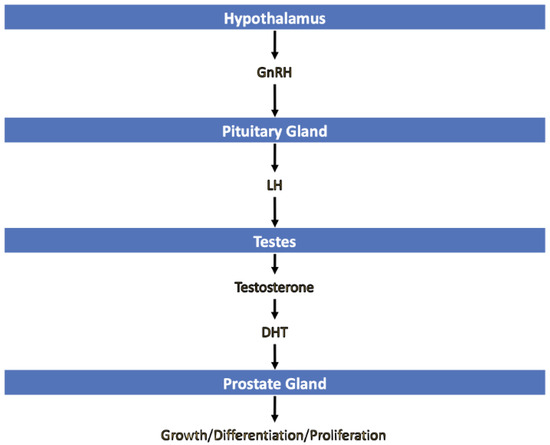
Androgen deprivation therapy is the cornerstone of prostate cancer therapy. Recent studies have revealed an association between androgen deprivation therapy and cardiovascular adverse effects such as myocardial infarction and stroke. This review summarizes the available research on the cardiovascular risk of men using [...] Read more.
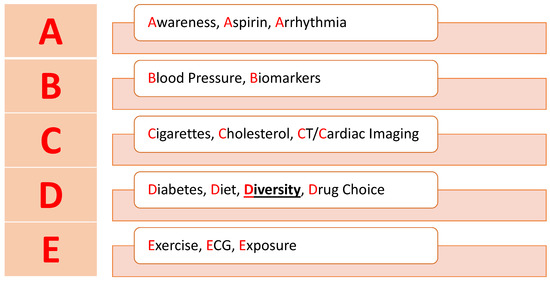
Androgen deprivation therapy is the cornerstone of prostate cancer therapy. Recent studies have revealed an association between androgen deprivation therapy and cardiovascular adverse effects such as myocardial infarction and stroke. This review summarizes the available research on the cardiovascular risk of men using androgen deprivation therapy. We also discuss racial disparities surrounding both prostate cancer and cardiovascular disease, emphasizing the importance of biological/molecular and socioeconomic factors in assessing baseline risk in patients beginning androgen ablation. Based on the literature, we provide recommendations for monitoring patients who are at high risk for a cardiovascular adverse event while being treated on androgen deprivation therapy. This review aims to present the current research on androgen deprivation therapy and cardiovascular toxicity with an emphasis on racial disparities and provides a framework for clinicians to decrease the cardiovascular morbidity in men that are being treated with hormone therapy. Full article
(This article belongs to the Section Cancer Therapy)
Show Figures

Figure 1
29 pages, 6370 KB  
Article
Advanced Radio Frequency Applicators for Thermal Magnetic Resonance Theranostics of Brain Tumors
by Nandita Saha, Andre Kuehne, Jason M. Millward, Thomas Wilhelm Eigentler, Ludger Starke, Sonia Waiczies and Thoralf Niendorf
Cancers 2023, 15(8), 2303; https://doi.org/10.3390/cancers15082303 - 14 Apr 2023
Cited by 11 | Viewed by 6189
Abstract
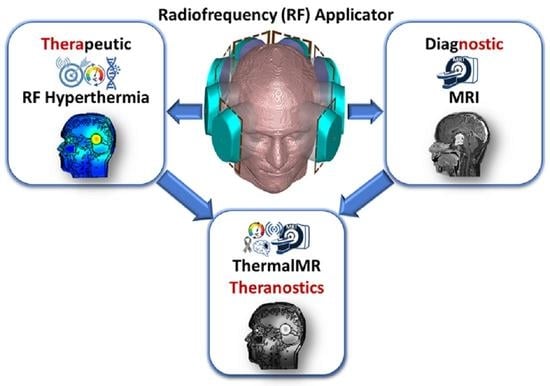
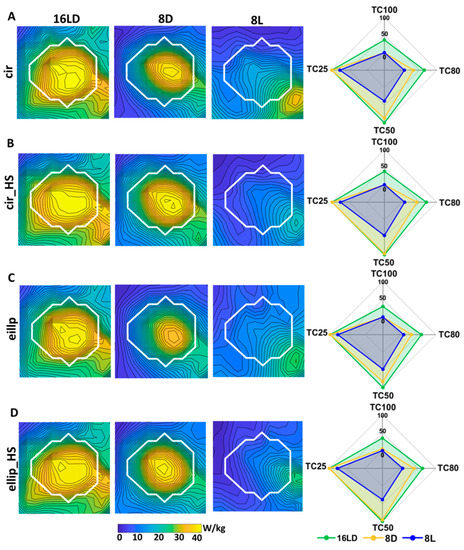
Thermal Magnetic Resonance (ThermalMR) is a theranostic concept that combines diagnostic magnetic resonance imaging (MRI) with targeted thermal therapy in the hyperthermia (HT) range using a radiofrequency (RF) applicator in an integrated system. ThermalMR adds a therapeutic dimension to a diagnostic MRI device. [...] Read more.
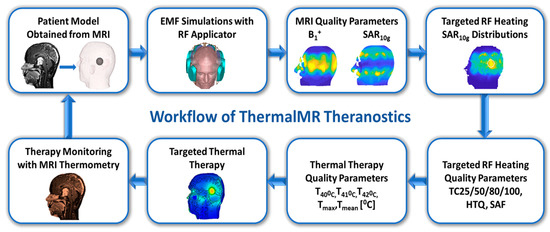
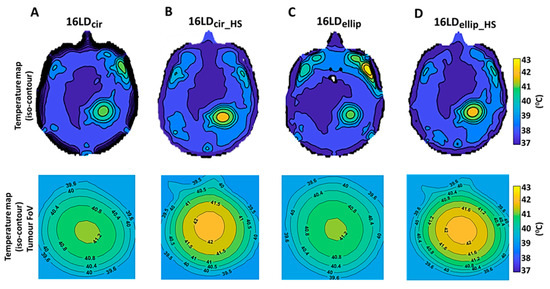
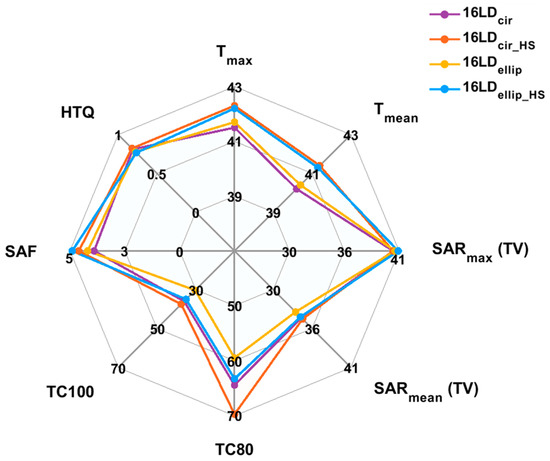
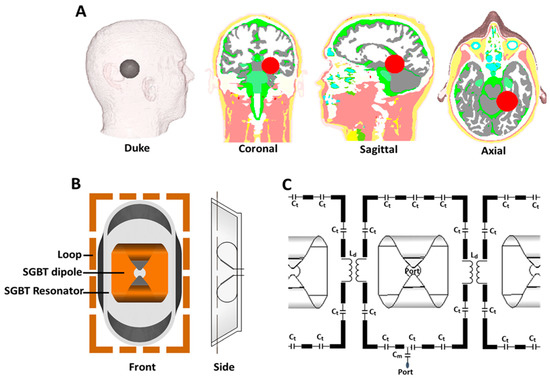
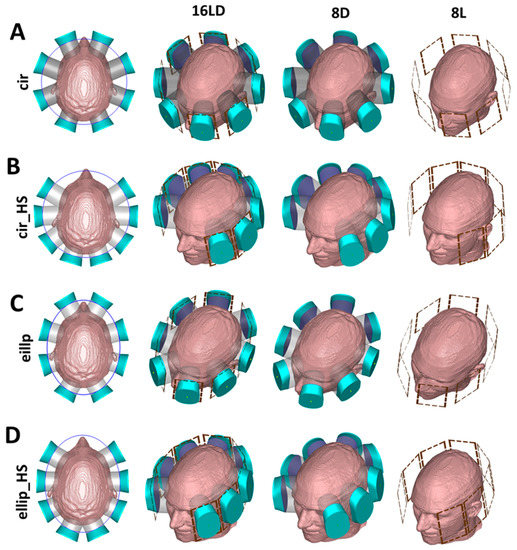
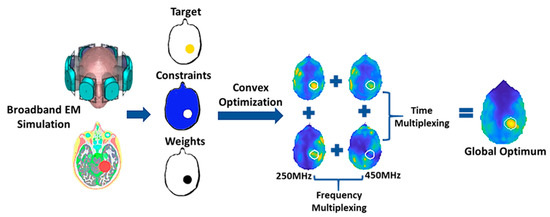
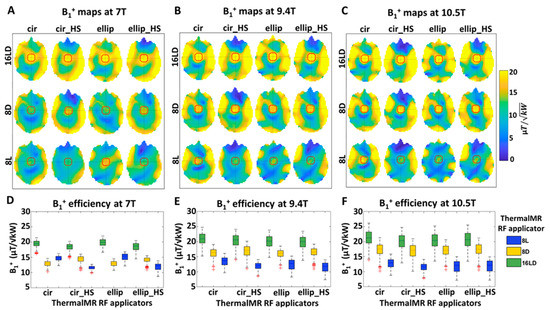
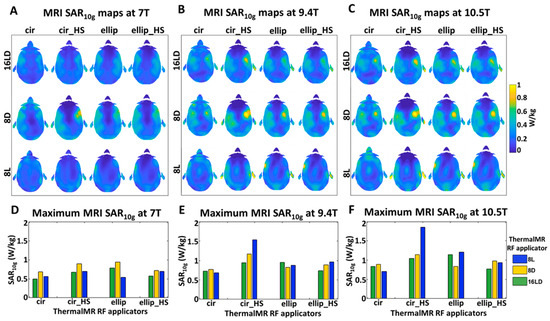
Thermal Magnetic Resonance (ThermalMR) is a theranostic concept that combines diagnostic magnetic resonance imaging (MRI) with targeted thermal therapy in the hyperthermia (HT) range using a radiofrequency (RF) applicator in an integrated system. ThermalMR adds a therapeutic dimension to a diagnostic MRI device. Focused, targeted RF heating of deep-seated brain tumors, accurate non-invasive temperature monitoring and high-resolution MRI are specific requirements of ThermalMR that can be addressed with novel concepts in RF applicator design. This work examines hybrid RF applicator arrays combining loop and self-grounded bow-tie (SGBT) dipole antennas for ThermalMR of brain tumors, at magnetic field strengths of 7.0 T, 9.4 T and 10.5 T. These high-density RF arrays improve the feasible transmission channel count, and provide additional degrees of freedom for RF shimming not afforded by using dipole antennas only, for superior thermal therapy and MRI diagnostics. These improvements are especially relevant for ThermalMR theranostics of deep-seated brain tumors because of the small surface area of the head. ThermalMR RF applicators with the hybrid loop+SGBT dipole design outperformed applicators using dipole-only and loop-only designs, with superior MRI performance and targeted RF heating. Array variants with a horse-shoe configuration covering an arc (270°) around the head avoiding the eyes performed better than designs with 360° coverage, with a 1.3 °C higher temperature rise inside the tumor while sparing healthy tissue. Our EMF and temperature simulations performed on a virtual patient with a clinically realistic intracranial tumor provide a technical foundation for implementation of advanced RF applicators tailored for ThermalMR theranostics of brain tumors. Full article
(This article belongs to the Collection Hyperthermia in Cancer Therapy)
Show Figures

Graphical abstract

20 pages, 856 KB  
Review
Neuroendocrine Tumors: Genomics and Molecular Biomarkers with a Focus on Metastatic Disease
by Erica S. Alexander and Etay Ziv
Cancers 2023, 15(8), 2249; https://doi.org/10.3390/cancers15082249 - 12 Apr 2023
Cited by 14 | Viewed by 6162
Abstract
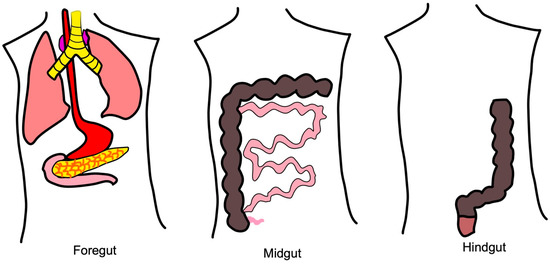
Neuroendocrine tumors (NETs) are considered rare tumors that originate from specialized endocrine cells. Patients often present with metastatic disease at the time of diagnosis, which negatively impacts their quality of life and overall survival. An understanding of the genetic mutations that drive these [...] Read more.
Neuroendocrine tumors (NETs) are considered rare tumors that originate from specialized endocrine cells. Patients often present with metastatic disease at the time of diagnosis, which negatively impacts their quality of life and overall survival. An understanding of the genetic mutations that drive these tumors and the biomarkers used to detect new NET cases is important to identify patients at an earlier disease stage. Elevations in CgA, synaptophysin, and 5-HIAA are most commonly used to identify NETs and assess prognosis; however, new advances in whole genome sequencing and multigenomic blood assays have allowed for a greater understanding of the drivers of NETs and more sensitive and specific tests to diagnose tumors and assess disease response. Treating NET liver metastases is important in managing hormonal or carcinoid symptoms and is imperative to improve patient survival. Treatment for liver-dominant disease is varied; delineating biomarkers that may predict response will allow for better patient stratification. Full article
(This article belongs to the Special Issue Liver Cancers Molecular Biomarkers Predicting Outcome)
Show Figures

Figure 1
16 pages, 1841 KB  
Review
Cooperation between Prostaglandin E2 and Epidermal Growth Factor Receptor in Cancer Progression: A Dual Target for Cancer Therapy
by Federica Finetti, Lucrezia Paradisi, Clizia Bernardi, Margherita Pannini and Lorenza Trabalzini
Cancers 2023, 15(8), 2374; https://doi.org/10.3390/cancers15082374 - 19 Apr 2023
Cited by 23 | Viewed by 6127
Abstract
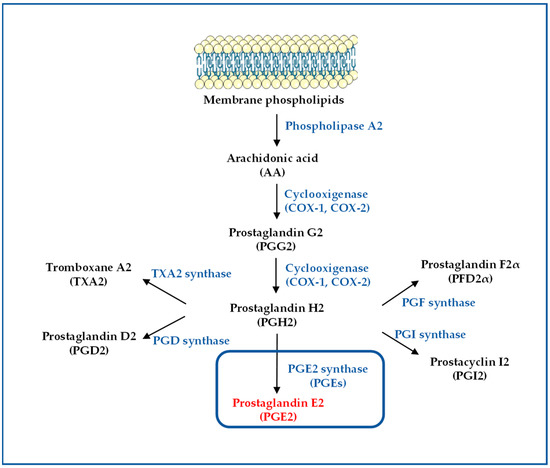
It is recognized that prostaglandin E2 (PGE2) is one key lipid mediator involved in chronic inflammation, and it is directly implicated in tumor development by regulating cancer cell growth and migration, apoptosis, epithelial–mesenchymal transition, angiogenesis, and immune escape. In addition, the expression of [...] Read more.
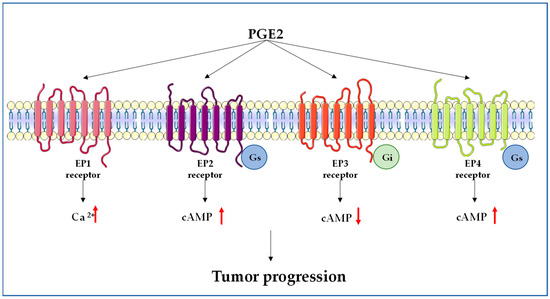
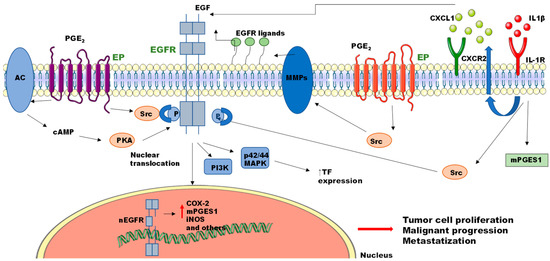
It is recognized that prostaglandin E2 (PGE2) is one key lipid mediator involved in chronic inflammation, and it is directly implicated in tumor development by regulating cancer cell growth and migration, apoptosis, epithelial–mesenchymal transition, angiogenesis, and immune escape. In addition, the expression of the enzymes involved in PGE2 synthesis, cyclooxygenase 2 (COX-2) and microsomal prostaglandin E synthase 1 (mPGES1), positively correlates with tumor progression and aggressiveness, clearly indicating the crucial role of the entire pathway in cancer. Moreover, several lines of evidence suggest that the COX2/mPGES1/PGE2 inflammatory axis is involved in the modulation of epidermal growth factor receptor (EGFR) signaling to reinforce the oncogenic drive of EGFR activation. Similarly, EGFR activation promotes the induction of COX2/mPGES1 expression and PGE2 production. In this review, we describe the interplay between COX2/mPGES1/PGE2 and EGFR in cancer, and new therapeutic strategies that target this signaling pathway, to outline the importance of the modulation of the inflammatory process in cancer fighting. Full article
Show Figures

Figure 1
23 pages, 5115 KB  
Article
The CDK4/6 Inhibitor Palbociclib Inhibits Estrogen-Positive and Triple Negative Breast Cancer Bone Metastasis In Vivo
by Lubaid Saleh, Penelope D. Ottewell, Janet E. Brown, Steve L. Wood, Nichola J. Brown, Caroline Wilson, Catherine Park, Simak Ali and Ingunn Holen
Cancers 2023, 15(8), 2211; https://doi.org/10.3390/cancers15082211 - 8 Apr 2023
Cited by 11 | Viewed by 5848
Abstract
CDK 4/6 inhibitors have demonstrated significant improved survival for patients with estrogen receptor (ER) positive breast cancer (BC). However, the ability of these promising agents to inhibit bone metastasis from either ER+ve or triple negative BC (TNBC) remains to be established. We therefore [...] Read more.
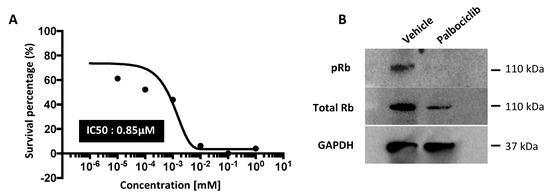
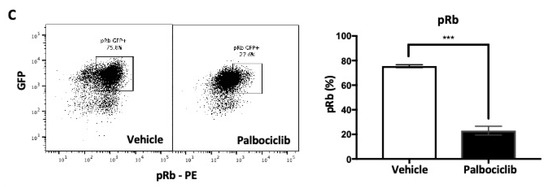
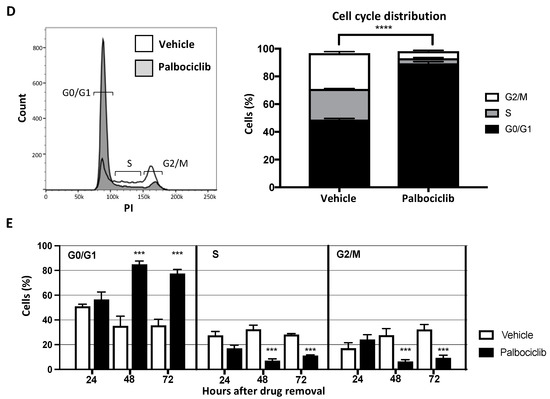
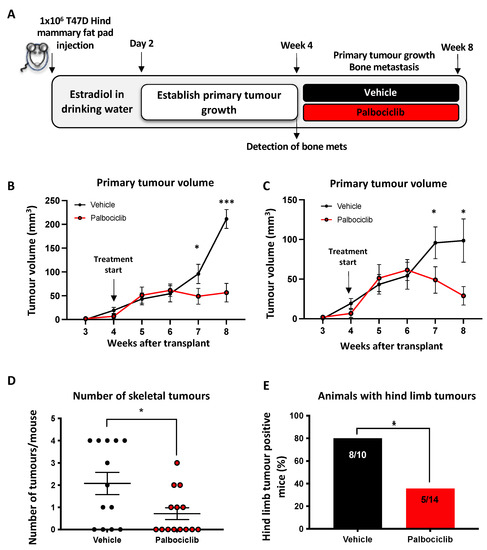
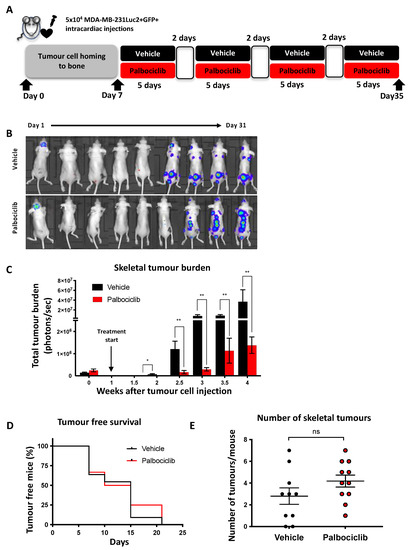
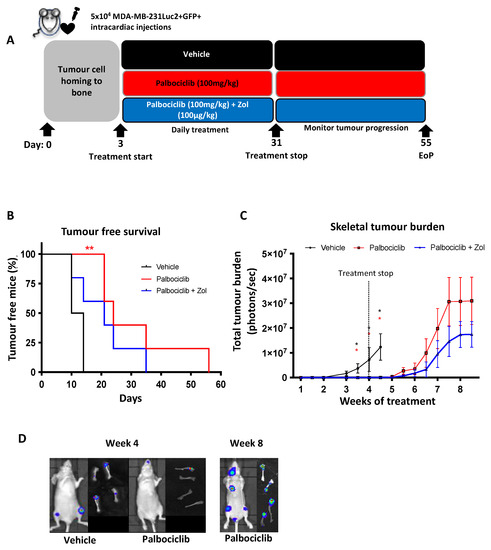
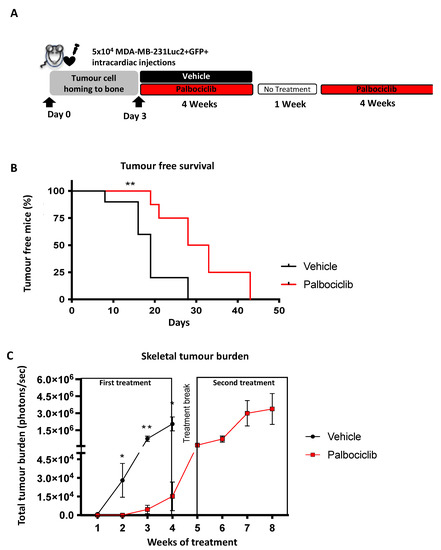
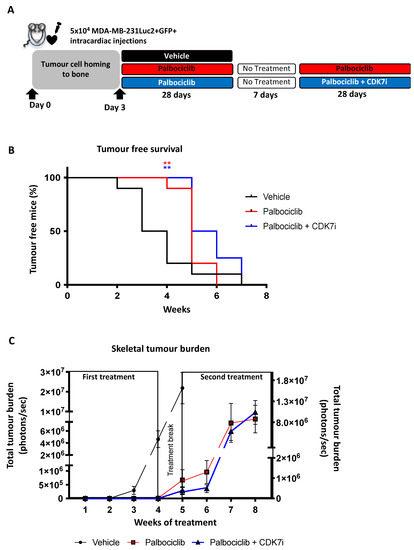
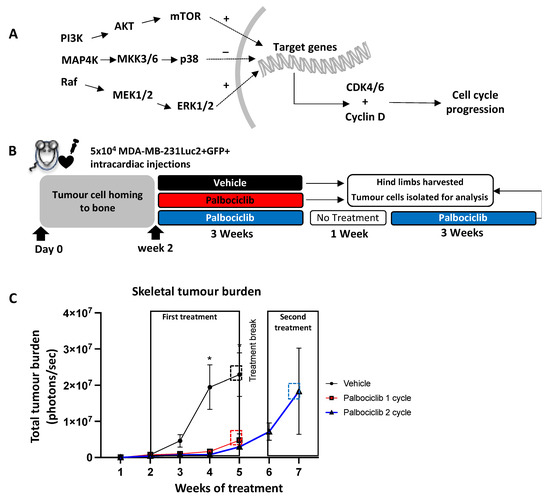
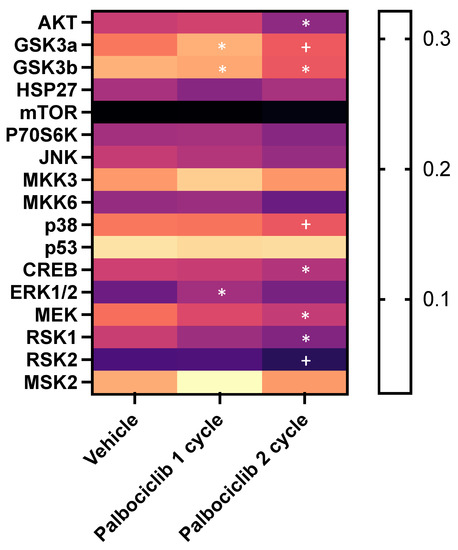
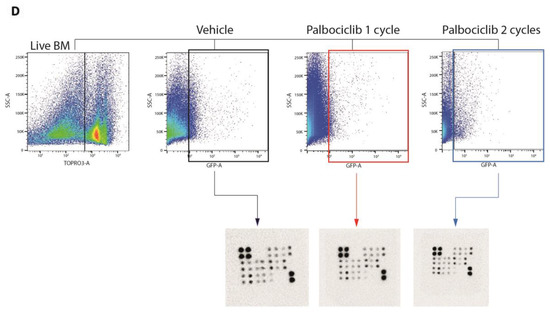
CDK 4/6 inhibitors have demonstrated significant improved survival for patients with estrogen receptor (ER) positive breast cancer (BC). However, the ability of these promising agents to inhibit bone metastasis from either ER+ve or triple negative BC (TNBC) remains to be established. We therefore investigated the effects of the CDK 4/6 inhibitor, palbociclib, using in vivo models of breast cancer bone metastasis. In an ER+ve T47D model of spontaneous breast cancer metastasis from the mammary fat pad to bone, primary tumour growth and the number of hind limb skeletal tumours were significantly lower in palbociclib treated animals compared to vehicle controls. In the TNBC MDA-MB-231 model of metastatic outgrowth in bone (intracardiac route), continuous palbociclib treatment significantly inhibited tumour growth in bone compared to vehicle. When a 7-day break was introduced after 28 days (mimicking the clinical schedule), tumour growth resumed and was not inhibited by a second cycle of palbociclib, either alone or when combined with the bone-targeted agent, zoledronic acid (Zol), or a CDK7 inhibitor. Downstream phosphoprotein analysis of the MAPK pathway identified a number of phosphoproteins, such as p38, that may contribute to drug-insensitive tumour growth. These data encourage further investigation of targeting alternative pathways in CDK 4/6-insensitive tumour growth. Full article
(This article belongs to the Special Issue Bone Metastasis in Breast Cancer)
Show Figures

Figure 1
14 pages, 959 KB  
Systematic Review
Gastric Neuroendocrine Tumors (g-NETs): A Systematic Review of the Management and Outcomes of Type 3 g-NETs
by Alice Laffi, Andrea Gerardo Antonio Lania, Alberto Ragni, Valentina Di Vito, Alessia Liccardi, Manila Rubino, Franz Sesti, Annamaria Colao, Antongiulio Faggiano and on behalf of the NIKE Group
Cancers 2023, 15(8), 2202; https://doi.org/10.3390/cancers15082202 - 8 Apr 2023
Cited by 19 | Viewed by 5846
Abstract
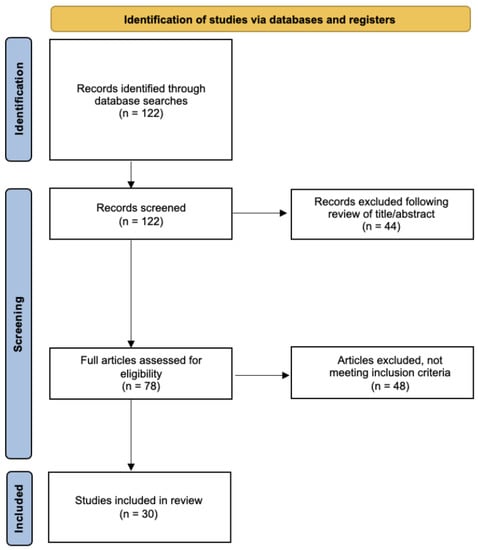
Purpose: to collect data from real-life experiences of the management of type 3 g-NETs and identify possible prognostic factors that may impact the decision-making process. Methods: We performed a systematic review of the literature on type 3 g-NET management using the PubMed, MEDLINE, [...] Read more.
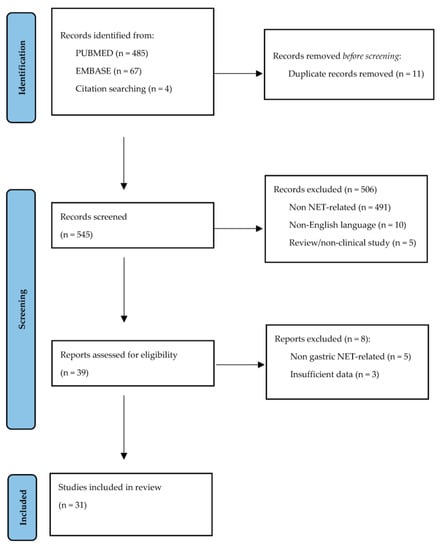
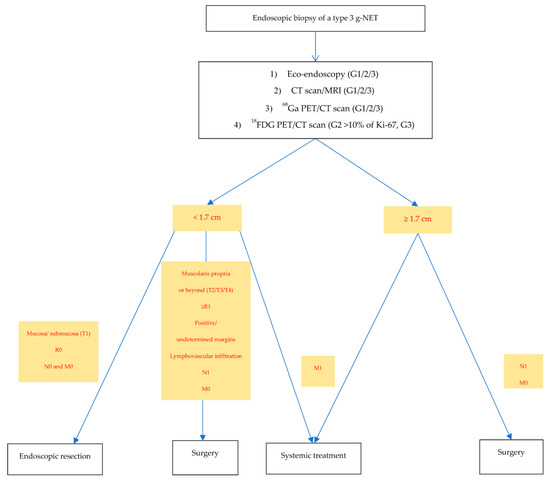
Purpose: to collect data from real-life experiences of the management of type 3 g-NETs and identify possible prognostic factors that may impact the decision-making process. Methods: We performed a systematic review of the literature on type 3 g-NET management using the PubMed, MEDLINE, and Embase databases. We included cohort studies, case series, and case reports written in the English language. Results: We selected 31 out of 556 articles from between 2001 and 2022. In 2 out of the 31 studies, a 10 mm and 20 mm cut-off size were respectively associated with a higher risk of gastric wall infiltration and/or lymph node and distant metastasis at diagnosis. The selected studies reported a higher risk of lymph node or distant metastasis at diagnosis in the case of muscularis propria infiltration or beyond, irrespective of the dimensions or grading. From these findings, size, grading, and gastric wall infiltration seem to be the most relevant factors in management staff making choices and prognoses of type 3 g-NET patients. We produced a hypothetical flowchart for a standardized approach to these rare diseases. Conclusion: Further prospective analyses are needed to validate the prognostic impact of the use of size, grading, and gastric wall infiltration as prognostic factors in the management of type 3 g-NETs. Full article
(This article belongs to the Section Cancer Pathophysiology)
Show Figures

Figure 1
26 pages, 1654 KB  
Review
Dendritic Cell Subsets in Melanoma: Pathophysiology, Clinical Prognosis and Therapeutic Exploitation
by Eleonora Sosa Cuevas, Philippe Saas and Caroline Aspord
Cancers 2023, 15(8), 2206; https://doi.org/10.3390/cancers15082206 - 8 Apr 2023
Cited by 14 | Viewed by 5839
Abstract
Evasion from immunity is a hallmark of cancer development. Dendritic cells (DCs) are strategic immune cells shaping anti-tumor immune responses, but tumor cells exploit DC versatility to subvert their functions. Unveiling the puzzling role of DCs in the control of tumor development and [...] Read more.
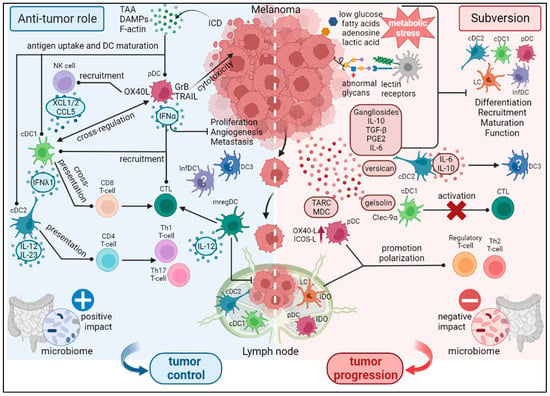
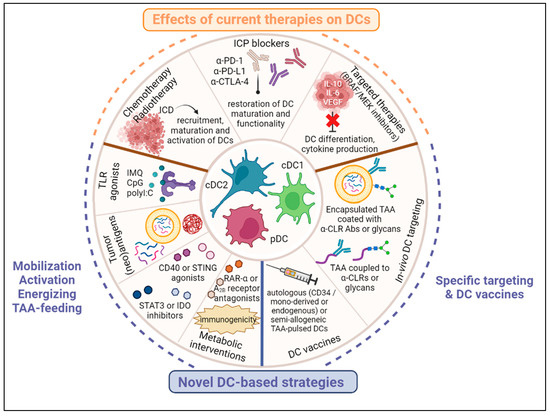
Evasion from immunity is a hallmark of cancer development. Dendritic cells (DCs) are strategic immune cells shaping anti-tumor immune responses, but tumor cells exploit DC versatility to subvert their functions. Unveiling the puzzling role of DCs in the control of tumor development and mechanisms of tumor-induced DC hijacking is critical to optimize current therapies and to design future efficient immunotherapies for melanoma. Dendritic cells, crucially positioned at the center of anti-tumor immunity, represent attractive targets to develop new therapeutic approaches. Harnessing the potencies of each DC subset to trigger appropriate immune responses while avoiding their subversion is a challenging yet promising step to achieve tumor immune control. This review focuses on advances regarding the diversity of DC subsets, their pathophysiology and impact on clinical outcome in melanoma patients. We provide insights into the regulation mechanisms of DCs by the tumor, and overview DC-based therapeutic developments for melanoma. Further insights into DCs’ diversity, features, networking, regulation and shaping by the tumor microenvironment will allow designing novel effective cancer therapies. The DCs deserve to be positioned in the current melanoma immunotherapeutic landscape. Recent discoveries strongly motivate exploitation of the exceptional potential of DCs to drive robust anti-tumor immunity, offering promising tracks for clinical successes. Full article
(This article belongs to the Special Issue Dendritic Cells in Cancer Immunology and Immunotherapy)
Show Figures

Figure 1
25 pages, 410 KB  
Review
Triple-Negative Breast Cancer: Basic Biology and Immuno-Oncolytic Viruses
by Michael L. Monaco, Omer A. Idris and Karim Essani
Cancers 2023, 15(8), 2393; https://doi.org/10.3390/cancers15082393 - 21 Apr 2023
Cited by 14 | Viewed by 5810
Abstract
Triple-negative breast cancer (TNBC) is the most lethal subtype of breast cancer. TNBC diagnoses account for approximately one-fifth of all breast cancer cases globally. The lack of receptors for estrogen, progesterone, and human epidermal growth factor 2 (HER-2, CD340) results in a lack [...] Read more.
Triple-negative breast cancer (TNBC) is the most lethal subtype of breast cancer. TNBC diagnoses account for approximately one-fifth of all breast cancer cases globally. The lack of receptors for estrogen, progesterone, and human epidermal growth factor 2 (HER-2, CD340) results in a lack of available molecular-based therapeutics. This increases the difficulty of treatment and leaves more traditional as well as toxic therapies as the only available standards of care in many cases. Recurrence is an additional serious problem, contributing substantially to its higher mortality rate as compared to other breast cancers. Tumor heterogeneity also poses a large obstacle to treatment approaches. No driver of tumor development has been identified for TNBC, and large variations in mutational burden between tumors have been described previously. Here, we describe the biology of six different subtypes of TNBC, based on differential gene expression. Subtype differences can have a large impact on metastatic potential and resistance to treatment. Emerging antibody-based therapeutics, such as immune checkpoint inhibitors, have available targets for small subsets of TNBC patients, leading to partial responses and relatively low overall efficacy. Immuno-oncolytic viruses (OVs) have recently become significant in the pursuit of effective treatments for TNBC. OVs generally share the ability to ignore the heterogeneous nature of TNBC cells and allow infection throughout a treated tumor. Recent genetic engineering has allowed for the enhancement of efficacy against certain tumor types while avoiding the most common side effects in non-cancerous tissues. In this review, TNBC is described in order to address the challenges it presents to potential treatments. The OVs currently described preclinically and in various stages of clinical trials are also summarized, as are their strategies to enhance therapeutic potential. Full article
(This article belongs to the Special Issue Systems Biology of Tumor Immune Microenvironment and Immuno-Oncology)
15 pages, 1030 KB  
Review
Targeting BCMA in Multiple Myeloma: Advances in Antibody-Drug Conjugate Therapy
by Lijie Xing, Yuntong Liu and Jiye Liu
Cancers 2023, 15(8), 2240; https://doi.org/10.3390/cancers15082240 - 11 Apr 2023
Cited by 19 | Viewed by 5806
Abstract
Multiple myeloma (MM) is an incurable cancer of the plasma cells. In the last twenty years, treatment strategies have evolved toward targeting MM cells—from the shotgun chemotherapy approach to the slightly more targeted approach of disrupting important MM molecular pathways to the immunotherapy [...] Read more.
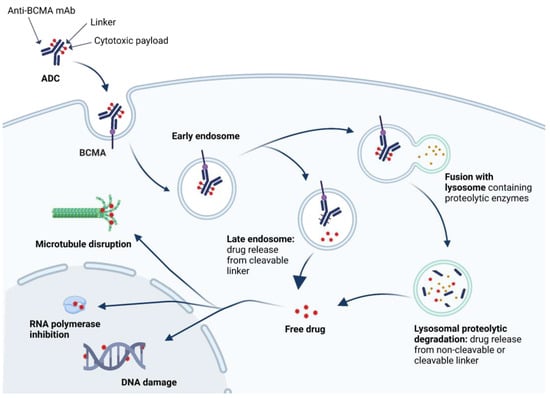
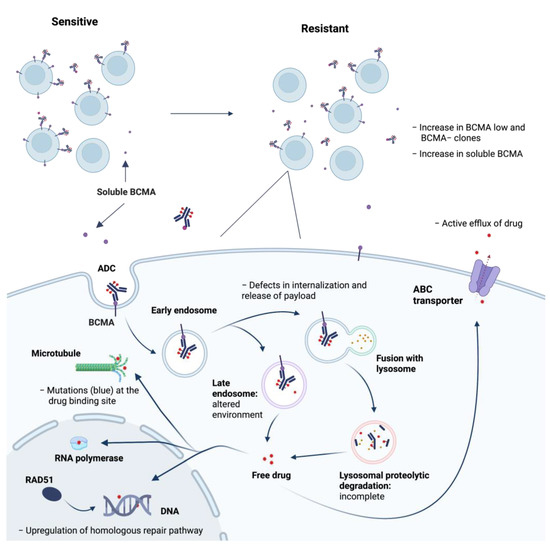
Multiple myeloma (MM) is an incurable cancer of the plasma cells. In the last twenty years, treatment strategies have evolved toward targeting MM cells—from the shotgun chemotherapy approach to the slightly more targeted approach of disrupting important MM molecular pathways to the immunotherapy approach that specifically targets MM cells based on protein expression. Antibody-drug conjugates (ADCs) are introduced as immunotherapeutic drugs which utilize an antibody to deliver cytotoxic agents to cancer cells distinctively. Recent investigations of ADCs for MM treatment focus on targeting B cell maturation antigen (BCMA), which regulates B cell proliferation, survival, maturation, and differentiation into plasma cells (PCs). Given its selective expression in malignant PCs, BCMA is one of the most promising targets in MM immunotherapy. Compared to other BCMA-targeting immunotherapies, ADCs have several benefits, such as lower price, shorter production period, fewer infusions, less dependence on the patient’s immune system, and they are less likely to over-activate the immune system. In clinical trials, anti-BCMA ADCs have shown safety and remarkable response rates in patients with relapsed and refractory MM. Here, we review the properties and clinical applications of anti-BCMA ADC therapies and discuss the potential mechanisms of resistance and ways to overcome them. Full article
(This article belongs to the Special Issue Actionable Vulnerabilities in Hematological Malignancies)
Show Figures

Figure 1
15 pages, 2988 KB  
Review
TGF-β as Predictive Marker and Pharmacological Target in Lung Cancer Approach
by Valeria Ramundo, Maria Luisa Palazzo and Elisabetta Aldieri
Cancers 2023, 15(8), 2295; https://doi.org/10.3390/cancers15082295 - 14 Apr 2023
Cited by 27 | Viewed by 5769
Abstract
Lung cancer (LC) represents the leading cause of cancer incidence and mortality worldwide. LC onset is strongly related to genetic mutations and environmental interactions, such as tobacco smoking, or pathological conditions, such as chronic inflammation. Despite advancement in knowledge of the molecular mechanisms [...] Read more.
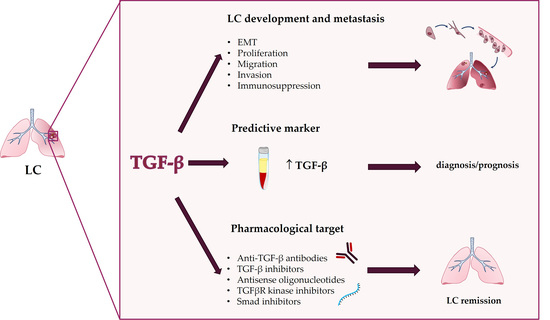
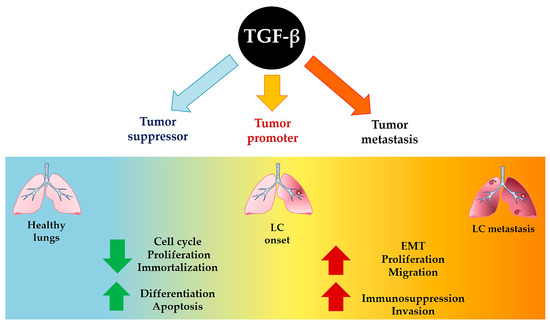
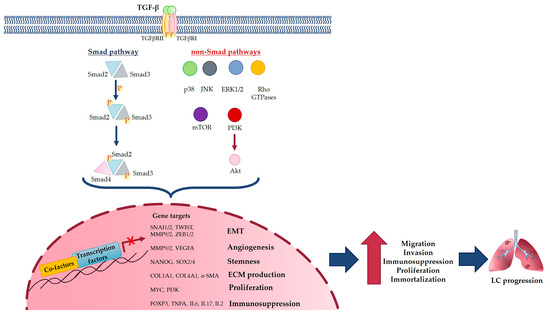
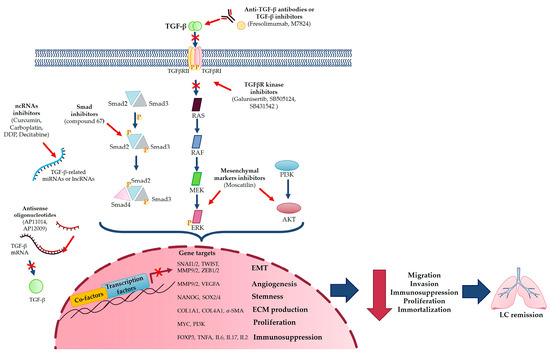
Lung cancer (LC) represents the leading cause of cancer incidence and mortality worldwide. LC onset is strongly related to genetic mutations and environmental interactions, such as tobacco smoking, or pathological conditions, such as chronic inflammation. Despite advancement in knowledge of the molecular mechanisms involved in LC, this tumor is still characterized by an unfavorable prognosis, and the current therapeutic options are unsatisfactory. TGF-β is a cytokine that regulates different biological processes, particularly at the pulmonary level, and its alteration has been demonstrated to be associated with LC progression. Moreover, TGF-β is involved in promoting invasiveness and metastasis, via epithelial to mesenchymal transition (EMT) induction, where TGF-β is the major driver. Thus, a TGF-β-EMT signature may be considered a potential predictive marker in LC prognosis, and TGF-β-EMT inhibition has been demonstrated to prevent metastasis in various animal models. Concerning a LC therapeutic approach, some TGF-β and TGF-β-EMT inhibitors could be used in combination with chemo- and immunotherapy without major side effects, thereby improving cancer therapy. Overall, targeting TGF-β may be a valid possibility to fight LC, both in improving LC prognosis and cancer therapy, via a novel approach that could open up new effective strategies against this aggressive cancer. Full article
(This article belongs to the Special Issue TGF-β Signaling and Its Roles in Cancers)
Show Figures

Graphical abstract

21 pages, 15648 KB  
Article
Ursolic Acid Alleviates Cancer Cachexia and Prevents Muscle Wasting via Activating SIRT1
by Weili Tao, Ze Ouyang, Zhiqi Liao, Lu Li, Yujie Zhang, Jiali Gao, Li Ma and Shiying Yu
Cancers 2023, 15(8), 2378; https://doi.org/10.3390/cancers15082378 - 20 Apr 2023
Cited by 19 | Viewed by 5676
Abstract
Skeletal muscle wasting is the most remarkable phenotypic feature of cancer cachexia that increases the risk of morbidity and mortality. However, there are currently no effective drugs against cancer cachexia. Ursolic acid (UA) is a lipophilic pentacyclic triterpene that has been reported to [...] Read more.
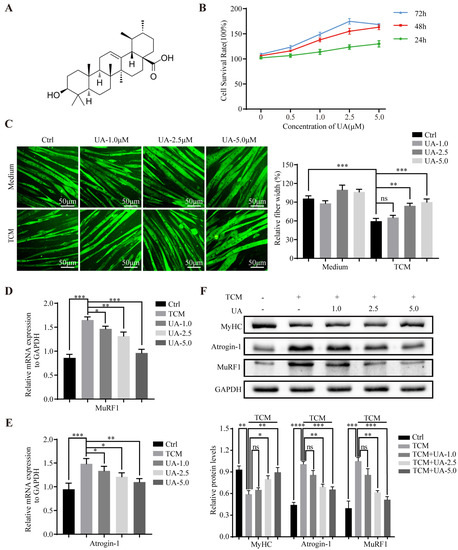
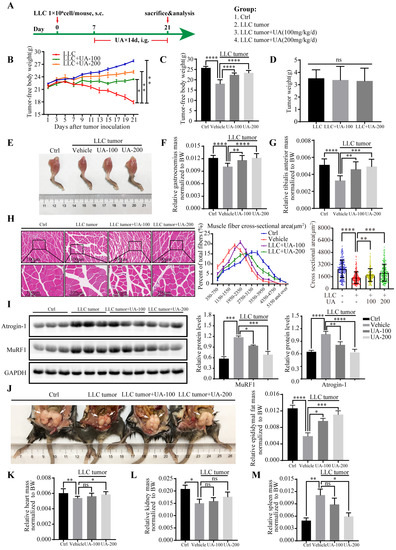
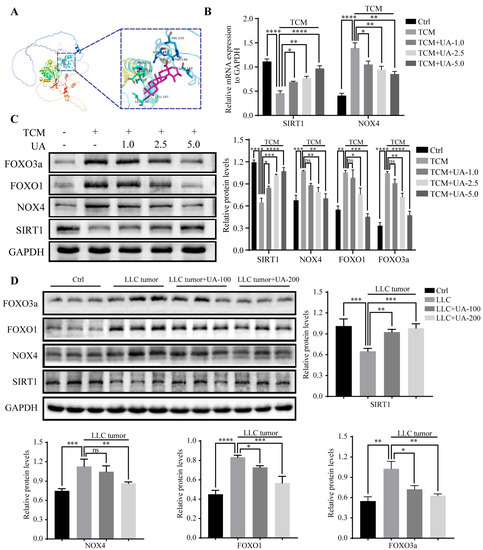
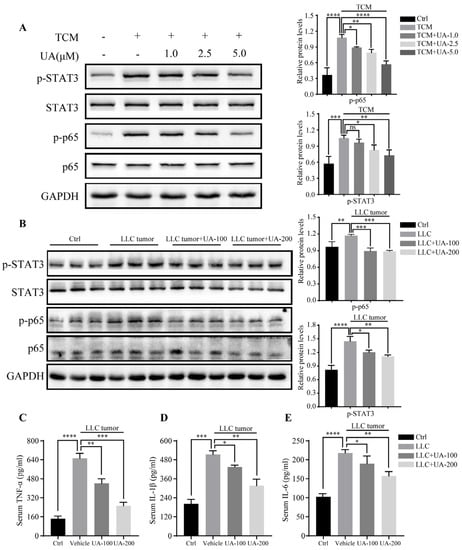
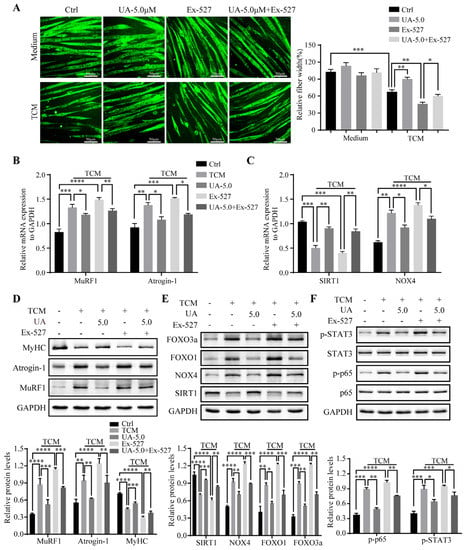
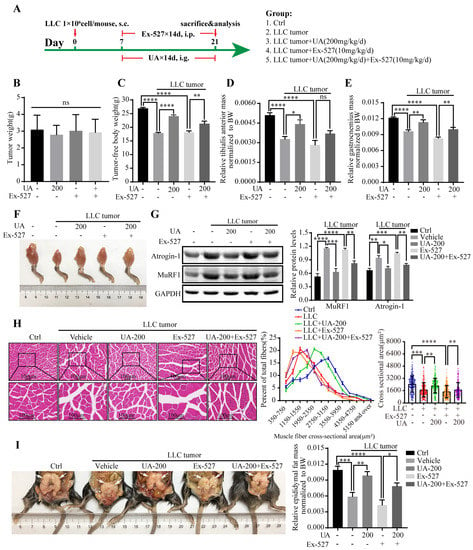
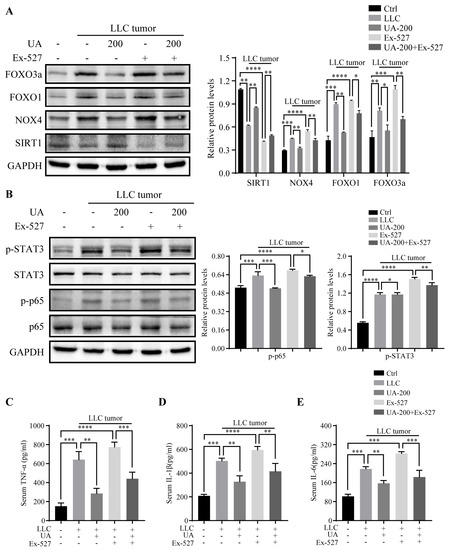
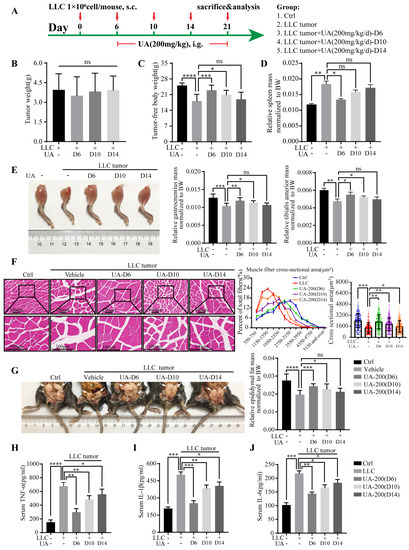
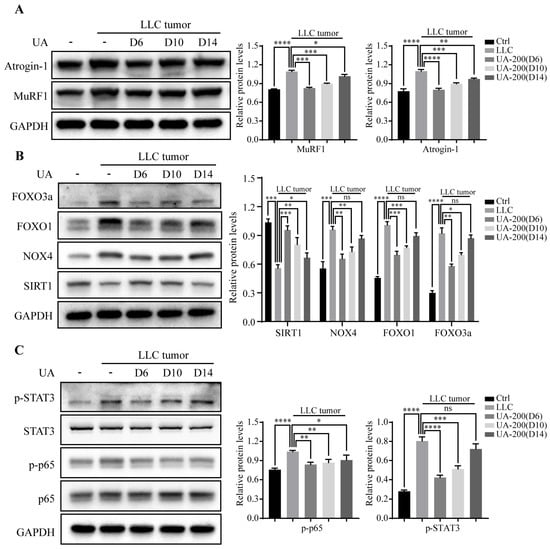
Skeletal muscle wasting is the most remarkable phenotypic feature of cancer cachexia that increases the risk of morbidity and mortality. However, there are currently no effective drugs against cancer cachexia. Ursolic acid (UA) is a lipophilic pentacyclic triterpene that has been reported to alleviate muscle atrophy and reduce muscle decomposition in some disease models. This study aimed to explore the role and mechanisms of UA treatment in cancer cachexia. We found that UA attenuated Lewis lung carcinoma (LLC)-conditioned medium-induced C2C12 myotube atrophy and muscle wasting of LLC tumor-bearing mice. Moreover, UA dose-dependently activated SIRT1 and downregulated MuRF1 and Atrogin-1. Molecular docking results revealed a good binding effect on UA and SIRT1 protein. UA rescued vital features wasting without impacting tumor growth, suppressed the elevated spleen weight, and downregulated serum concentrations of inflammatory cytokines in vivo. The above phenomena can be attenuated by Ex-527, an inhibitor of SIRT1. Furthermore, UA remained protective against cancer cachexia in the advanced stage of tumor growth. The results revealed that UA exerts an anti-cachexia effect via activating SIRT1, thereby downregulating the phosphorylation levels of NF-κB and STAT3. UA might be a potential drug against cancer cachexia. Full article
(This article belongs to the Special Issue Advances in Cancer Cachexia)
Show Figures

Figure 1
15 pages, 4360 KB  
Review
Rectal Cancer after Prostate Radiation: A Complex and Controversial Disease
by Dana M. Omer, Hannah M. Thompson, Floris S. Verheij, Jonathan B. Yuval, Roni Rosen, Nathalie R. A. Beets, Anisha Luthra, Paul B. Romesser, Philip B. Paty, Julio Garcia-Aguilar and Francisco Sanchez-Vega
Cancers 2023, 15(8), 2214; https://doi.org/10.3390/cancers15082214 - 9 Apr 2023
Cited by 9 | Viewed by 5665
Abstract
A small proportion of rectal adenocarcinomas develop in patients many years after the treatment of a previous cancer using pelvic radiation, and the incidence of these rectal cancers depends on the length of follow-up from the end of radiotherapy. The risk of radiation-associated [...] Read more.
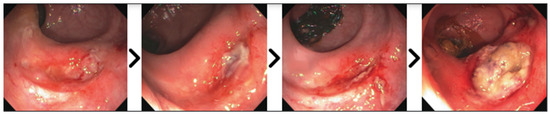
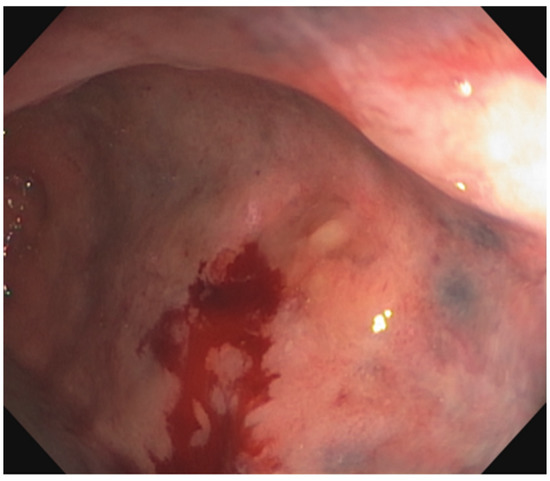
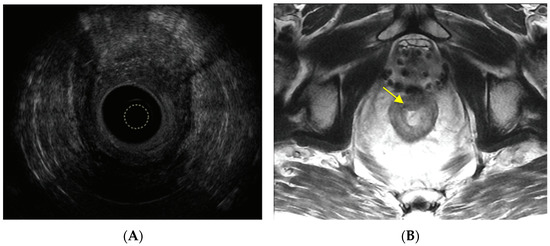
A small proportion of rectal adenocarcinomas develop in patients many years after the treatment of a previous cancer using pelvic radiation, and the incidence of these rectal cancers depends on the length of follow-up from the end of radiotherapy. The risk of radiation-associated rectal cancer (RARC) is higher in patients treated with prostate external beam radiotherapy than it is in patients treated with brachytherapy. The molecular features of RARC have not been fully investigated, and survival is lower compared to non-irradiated rectal cancer patients. Ultimately, it is unclear whether the worse outcomes are related to differences in patient characteristics, treatment-related factors, or tumor biology. Radiation is widely used in the management of rectal adenocarcinoma; however, pelvic re-irradiation of RARC is challenging and carries a higher risk of treatment complications. Although RARC can develop in patients treated for a variety of malignancies, it is most common in patients treated for prostate cancer. This study will review the incidence, molecular characteristics, clinical course, and treatment outcomes of rectal adenocarcinoma in patients previously treated with radiation for prostate cancer. For clarity, we will distinguish between rectal cancer not associated with prostate cancer (RCNAPC), rectal cancer in non-irradiated prostate cancer patients (RCNRPC), and rectal cancer in irradiated prostate cancer patients (RCRPC). RARC represents a unique but understudied subset of rectal cancer, and thus requires a more comprehensive investigation in order to improve its treatment and prognosis. Full article
(This article belongs to the Special Issue Gastrointestinal Oncology: Clinical Management)
Show Figures

Figure 1
16 pages, 1199 KB  
Review
What’s Next after Hypomethylating Agents Failure in Myeloid Neoplasms? A Rational Approach
by Hussein Awada, Carmelo Gurnari, Zhuoer Xie, Jan Philipp Bewersdorf and Amer M. Zeidan
Cancers 2023, 15(8), 2248; https://doi.org/10.3390/cancers15082248 - 12 Apr 2023
Cited by 9 | Viewed by 5636
Abstract
Hypomethylating agents (HMA) such as azacitidine and decitabine are a mainstay in the current management of patients with myelodysplastic syndromes/neoplasms (MDS) and acute myeloid leukemia (AML) as either single agents or in multidrug combinations. Resistance to HMA is not uncommon, and it can [...] Read more.
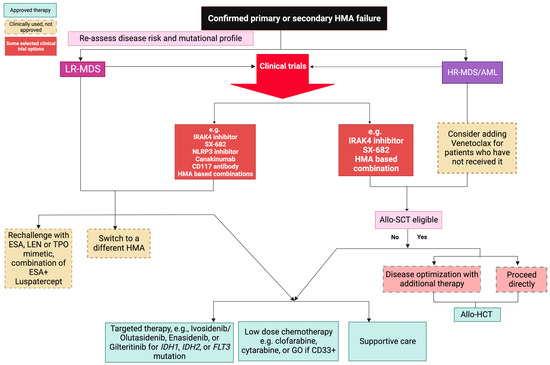
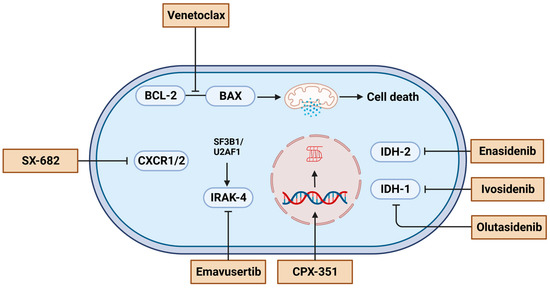
Hypomethylating agents (HMA) such as azacitidine and decitabine are a mainstay in the current management of patients with myelodysplastic syndromes/neoplasms (MDS) and acute myeloid leukemia (AML) as either single agents or in multidrug combinations. Resistance to HMA is not uncommon, and it can result due to several tumor cellular adaptations. Several clinical and genomic factors have been identified as predictors of HMA resistance. However, the management of MDS/AML patients after the failure of HMA remains challenging in the absence of standardized guidelines. Indeed, this is an area of active research with several potential therapeutic agents currently under development, some of which have demonstrated therapeutic potential in early clinical trials, especially in cases with particular mutational characteristics. Here, we review the latest findings and give a rational approach for such a challenging scenario. Full article
(This article belongs to the Special Issue Targeted Therapy for Acute Myeloid Leukemia)
Show Figures

Figure 1
19 pages, 1300 KB  
Review
Overcoming the Fibrotic Fortress in Pancreatic Ductal Adenocarcinoma: Challenges and Opportunities
by Kay K. Myo Min, Charlie B. Ffrench, Claire F. Jessup, Mia Shepherdson, Savio George Barreto and Claudine S. Bonder
Cancers 2023, 15(8), 2354; https://doi.org/10.3390/cancers15082354 - 18 Apr 2023
Cited by 20 | Viewed by 5616
Abstract
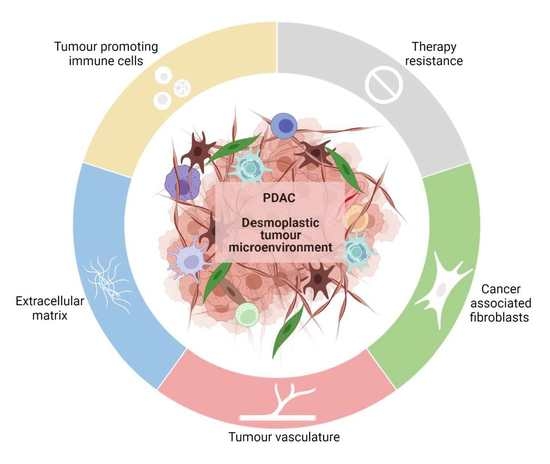
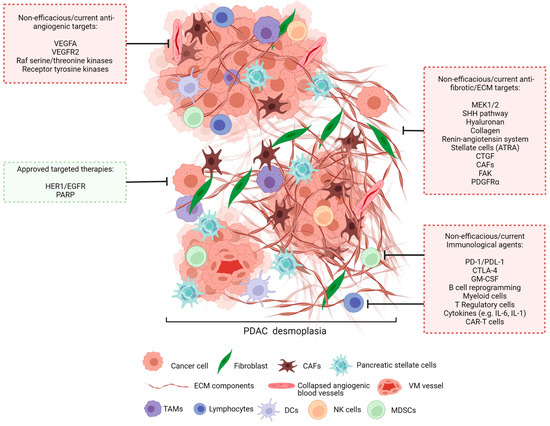
An overabundance of desmoplasia in the tumour microenvironment (TME) is one of the defining features that influences pancreatic ductal adenocarcinoma (PDAC) development, progression, metastasis, and treatment resistance. Desmoplasia is characterised by the recruitment and activation of fibroblasts, heightened extracellular matrix deposition (ECM) and [...] Read more.
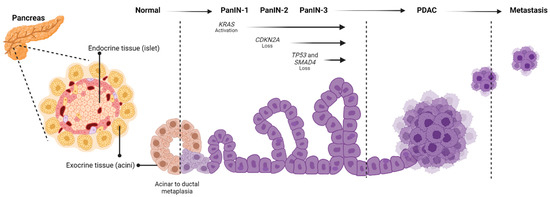
An overabundance of desmoplasia in the tumour microenvironment (TME) is one of the defining features that influences pancreatic ductal adenocarcinoma (PDAC) development, progression, metastasis, and treatment resistance. Desmoplasia is characterised by the recruitment and activation of fibroblasts, heightened extracellular matrix deposition (ECM) and reduced blood supply, as well as increased inflammation through an influx of inflammatory cells and cytokines, creating an intrinsically immunosuppressive TME with low immunogenic potential. Herein, we review the development of PDAC, the drivers that initiate and/or sustain the progression of the disease and the complex and interwoven nature of the cellular and acellular components that come together to make PDAC one of the most aggressive and difficult to treat cancers. We review the challenges in delivering drugs into the fortress of PDAC tumours in concentrations that are therapeutic due to the presence of a highly fibrotic and immunosuppressive TME. Taken together, we present further support for continued/renewed efforts focusing on aspects of the extremely dense and complex TME of PDAC to improve the efficacy of therapy for better patient outcomes. Full article
(This article belongs to the Special Issue Clinical and Translational Research in Gastrointestinal Cancers)
Show Figures

Graphical abstract

19 pages, 4994 KB  
Article
Repurposing Sulfasalazine as a Radiosensitizer in Hypoxic Human Colorectal Cancer
by Lisa Kerkhove, Febe Geirnaert, Amir Laraki Rifi, Ka Lun Law, Adrián Gutiérrez, Inge Oudaert, Cyril Corbet, Thierry Gevaert, Inès Dufait and Mark De Ridder
Cancers 2023, 15(8), 2363; https://doi.org/10.3390/cancers15082363 - 18 Apr 2023
Cited by 31 | Viewed by 5588
Abstract
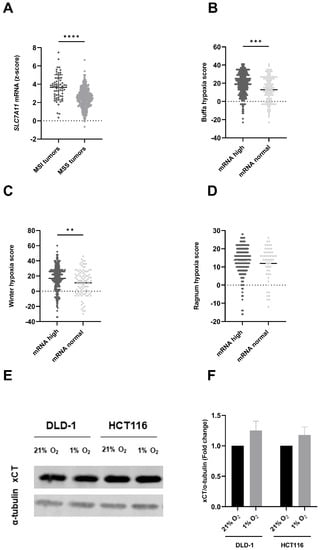
xCT overexpression in cancer cells has been linked to tumor growth, metastasis and treatment resistance. Sulfasalazine (SSZ), an FDA-approved drug for the treatment of rheumatoid sarthritis, and inflammatory bowel diseases, has anticancer properties via inhibition of xCT, leading to the disruption of redox [...] Read more.
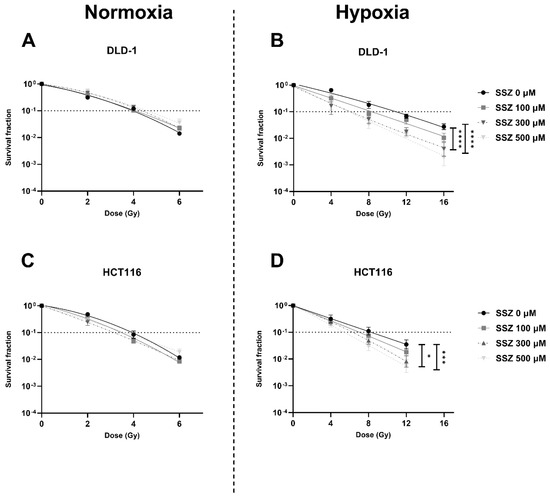
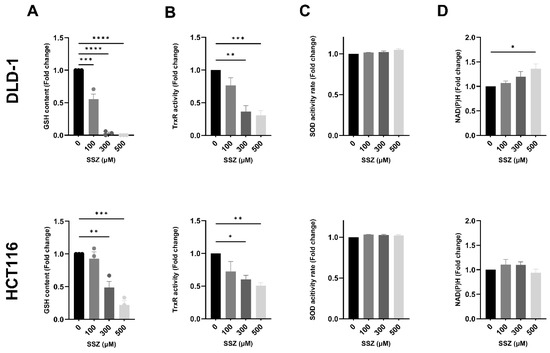
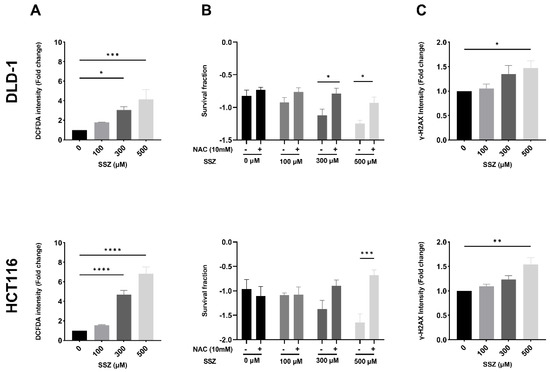
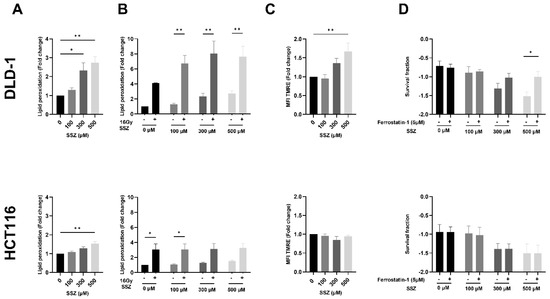
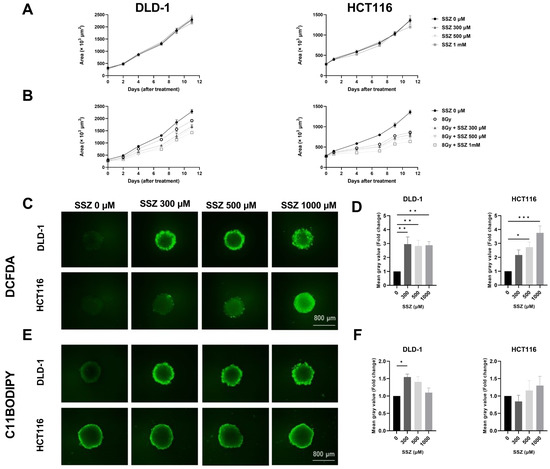
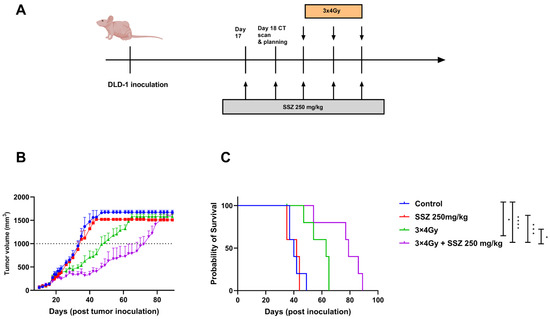
xCT overexpression in cancer cells has been linked to tumor growth, metastasis and treatment resistance. Sulfasalazine (SSZ), an FDA-approved drug for the treatment of rheumatoid sarthritis, and inflammatory bowel diseases, has anticancer properties via inhibition of xCT, leading to the disruption of redox homeostasis. Since reactive oxygen species (ROS) are pivotal for the efficacy of radiotherapy (RT), elevated levels of ROS are associated with improved RT outcomes. In this study, the influence of SSZ treatment on the radiosensitivity of human colorectal cancer (CRC) cells was investigated. Our principal finding in human HCT116 and DLD-1 cells was that SSZ enhances the radiosensitivity of hypoxic CRC cells but does not alter the intrinsic radiosensitivity. The radiosensitizing effect was attributed to the depletion of glutathione and thioredoxin reductase levels. In turn, the reduction leads to excessive levels of ROS, increased DNA damage, and ferroptosis induction. Confirmation of these findings was performed in 3D models and in DLD-1 xenografts. Taken together, this study is a stepping stone for applying SSZ as a radiosensitizer in the clinic and confirms that xCT in cancer cells is a valid radiobiological target. Full article
Show Figures

Figure 1