14 pages, 601 KB  
Article
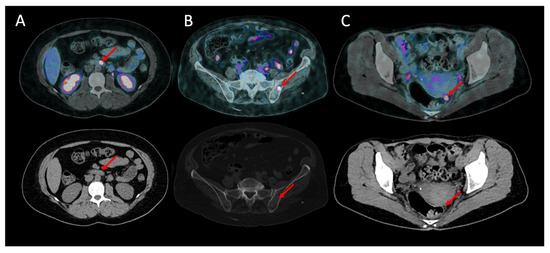
Prospective Multicentric Assessment of 68Ga-DOTANOC PET/CT in Grade 1-2 GEP-NET
by Alexandre Lugat, Éric Frampas, Yann Touchefeu, Éric Mirallié, Maëlle Le Bras, Hélène Senellart, Aurore Rauscher, Vincent Fleury, Loïc Campion, Vincent Rohmer, Olivier-François Couturier, Rachida Lebtahi, François Rouzet, Philippe Ruszniewski, Françoise Kraeber-Bodéré, Mickaël Bourgeois and Catherine Ansquer
Cancers 2023, 15(2), 513; https://doi.org/10.3390/cancers15020513 - 14 Jan 2023
Cited by 9 | Viewed by 4320
Abstract
The aim of this multicentric study was to prospectively compare 68Ga-DOTANOC PET/CT versus somatostatin receptor scintigraphy (SRS) with SPECT/CT, combined with multiphasic CT scan and MRI in patients with grade 1 or 2 gastroenteropancreatic neuroendocrine tumors (GEP-NET). Patients with histologically proven grade [...] Read more.
The aim of this multicentric study was to prospectively compare 68Ga-DOTANOC PET/CT versus somatostatin receptor scintigraphy (SRS) with SPECT/CT, combined with multiphasic CT scan and MRI in patients with grade 1 or 2 gastroenteropancreatic neuroendocrine tumors (GEP-NET). Patients with histologically proven grade 1 or 2 GEP-NET with suspicion of recurrence or progression, or with typical aspects of GEP-NET on morphological imaging, were explored with conventional imaging (CI): SRS with SPECT/CT, multiphasic CT scan and/or liver MRI followed by 68Ga-DOTANOC PET/CT. The gold standard was based on histology and imaging follow-up. The data of 105 patients (45 woman and 60 men; median age) were analyzed. 68Ga-DOTANOC PET/CT sensitivity was significantly higher than CI sensitivity in per-patient (98.9% vs. 88.6%, p = 0.016) and per-region (97.6% vs. 75.6%, p < 0.001) analyses, in the detection of the primary (97.9% vs. 78.7%; p = 0.016), peritoneal carcinomatosis (95% vs. 30%, p < 0.001), and bone metastases (100% vs. 33.3%, p = 0.041). 68Ga-DOTANOC PET/CT had an impact on the therapeutic management of 41.9% (44/105) patients compared to decisions based on CI explorations. Our data confirm the superiority of 68Ga-DOTANOC PET/CT over CI in the detection of peritoneal carcinomatosis and bone metastasis, as well as its strong therapeutic impact on the management of patients with grade 1-2 GEP-NETs. Full article
Show Figures

Figure 1
11 pages, 1255 KB  
Systematic Review
Natural Progression of Left Ventricular Function following Anthracyclines without Cardioprotective Therapy: A Systematic Review and Meta-Analysis
by Ainsley Ryan Yan Bin Lee, Chun En Yau, Chen Ee Low, Jiaqi Li, Sara Moiz Tyebally, Weiqin Lin, Li-Ling Tan, Chia-Te Liao, Wei-Ting Chang, Matilda Xinwei Lee, Chieh-Yang Koo and Ching-Hui Sia
Cancers 2023, 15(2), 512; https://doi.org/10.3390/cancers15020512 - 13 Jan 2023
Cited by 18 | Viewed by 3932
Abstract
Background: Anthracyclines form the backbone of many systemic chemotherapy regimens but are accompanied by dose-limiting cardiotoxicity. We elucidate the progression and severity of cardiac function over time, in the absence of cardioprotection, which less is known about. Methods: This PRISMA-guideline-adherent review was registered [...] Read more.
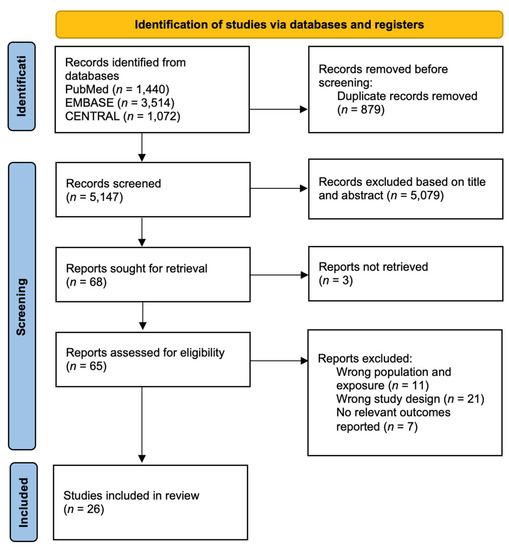
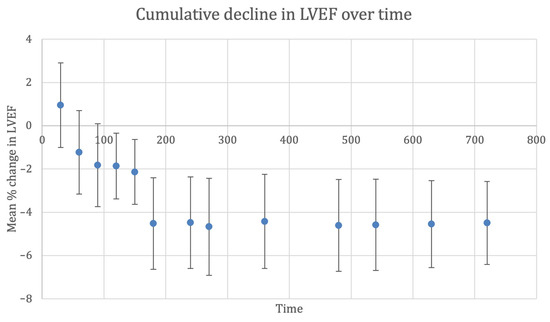
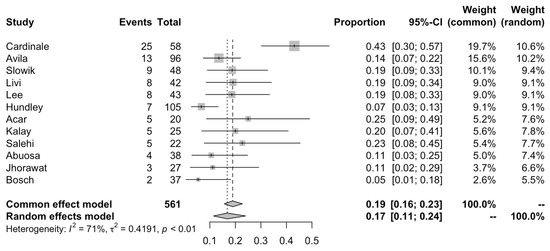
Background: Anthracyclines form the backbone of many systemic chemotherapy regimens but are accompanied by dose-limiting cardiotoxicity. We elucidate the progression and severity of cardiac function over time, in the absence of cardioprotection, which less is known about. Methods: This PRISMA-guideline-adherent review was registered on PROSPERO (CRD42022373496). Results: 26 studies met the eligibility criteria including a total of 910 patients. The overall reduction in post-anthracycline pooled mean left ventricular ejection fraction (LVEF) in placebo arms of the included randomised-controlled trials was 4.5% (95% CI, 2.6 to 6.4). The trend in LVEF showed a progressive decline until approximately 180 days, after which there was no significant change. Those receiving a cumulative anthracycline dose of 300 mg/m2 experienced a more profound reduction. The overall pooled risk of a 10% absolute decline in LVEF from baseline, or a decline to an LVEF below 50%, was 17% (95% CI: 11 to 24; I2 = 71%). Sensitivity analyses of baseline LVEF and trastuzumab treatment status did not yield significant differences. Conclusion: While the mean LVEF decline in patients without cardioprotective therapy was clinically small, a vulnerable subset experienced significant impairment. Further research to best identify those who benefit most from cardioprotective therapies when receiving anthracyclines is required. Full article
(This article belongs to the Section Systematic Review or Meta-Analysis in Cancer Research)
Show Figures

Figure 1
15 pages, 2513 KB  
Article
Heavy Ion-Responsive lncRNA EBLN3P Functions in the Radiosensitization of Non-Small Cell Lung Cancer Cells Mediated by TNPO1
by Haoyi Tang, Hao Huang, Zi Guo, Haitong Huang, Zihe Niu, Yi Ji, Yuyang Zhang, Huahui Bian and Wentao Hu
Cancers 2023, 15(2), 511; https://doi.org/10.3390/cancers15020511 - 13 Jan 2023
Cited by 9 | Viewed by 2996
Abstract
In recent decades, the rapid development of radiotherapy has dramatically increased the cure rate of malignant tumors. Heavy-ion radiotherapy, which is characterized by the “Bragg Peak” because of its excellent physical properties, induces extensive unrepairable DNA damage in tumor tissues, while normal tissues [...] Read more.
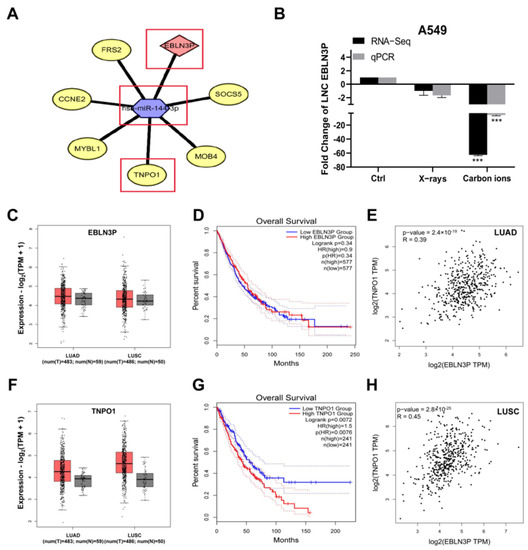
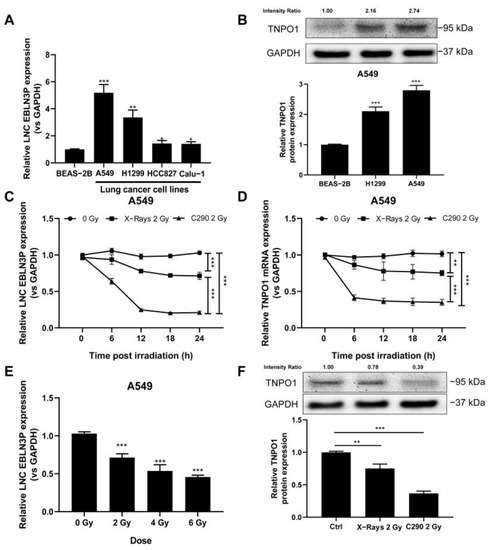
In recent decades, the rapid development of radiotherapy has dramatically increased the cure rate of malignant tumors. Heavy-ion radiotherapy, which is characterized by the “Bragg Peak” because of its excellent physical properties, induces extensive unrepairable DNA damage in tumor tissues, while normal tissues in the path of ion beams suffer less damage. However, there are few prognostic molecular biomarkers that can be used to assess the efficacy of heavy ion radiotherapy. In this study, we focus on non-small cell lung cancer (NSCLC) radiotherapy and use RNA sequencing and bioinformatic analysis to investigate the gene expression profiles of A549 cells exposed to X-ray or carbon ion irradiation to screen the key genes involved in the stronger tumor-killing effect induced by carbon ions. The potential ceRNA network was predicted and verified by polymerase chain amplification, western blotting analysis, colony formation assay, and apoptosis assay. The results of the experiments indicated that lncRNA EBLN3P plays a critical role in inhibiting carbon ion-induced cell proliferation and inducing apoptosis of NSCLC cells. These functions were achieved by the EBLN3P/miR-144-3p/TNPO1 (transportin-1) ceRNA network. In summary, the lncRNA EBLN3P functions as a ceRNA to mediate lung cancer inhibition induced by carbon ion irradiation by sponging miR-144-3p to regulate TNPO1 expression, indicating that EBLN3P may be a promising target for increasing the treatment efficacy of conventional radiotherapy for NSCLC. Full article
(This article belongs to the Section Molecular Cancer Biology)
Show Figures

Figure 1
15 pages, 3231 KB  
Article
Concurrent Inhibition of Akt and ERK Using TIC-10 Can Overcome Venetoclax Resistance in Mantle Cell Lymphoma
by Agnete Marie Granau, Pilar Aarøe Andersen, Theresa Jakobsen, Konstantina Taouxi, Nawar Dalila, Johanne Bay Mogensen, Lasse Sommer Kristensen, Kirsten Grønbæk and Konstantinos Dimopoulos
Cancers 2023, 15(2), 510; https://doi.org/10.3390/cancers15020510 - 13 Jan 2023
Cited by 2 | Viewed by 4011
Abstract
Venetoclax, a BCL-2 inhibitor, has proven to be effective in several hematological malignancies, including mantle cell lymphoma (MCL). However, development of venetoclax resistance is inevitable and understanding its underlying molecular mechanisms can optimize treatment response. We performed a thorough genetic, epigenetic and transcriptomic [...] Read more.
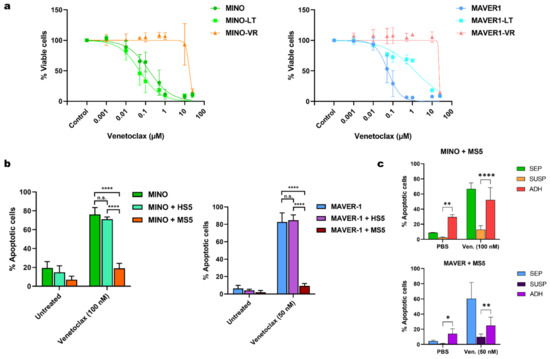
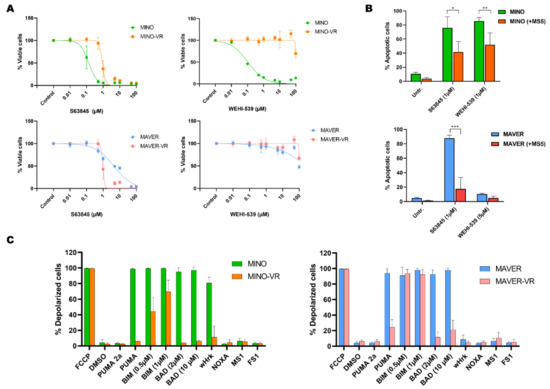
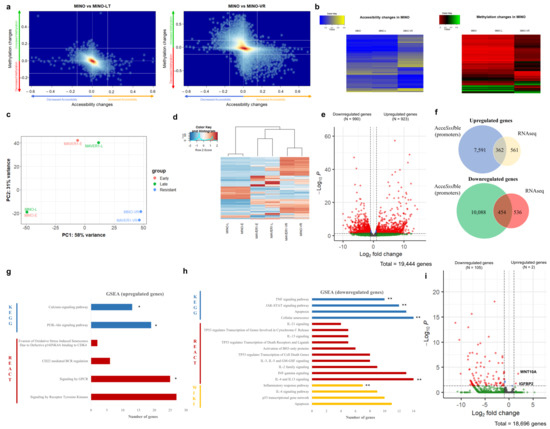
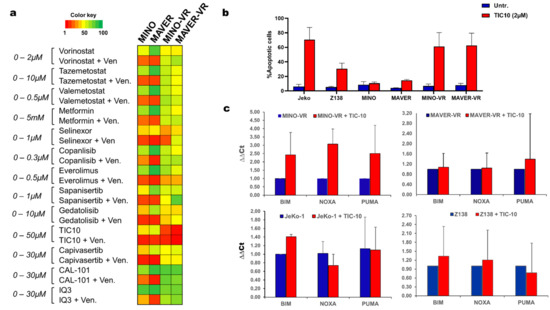
Venetoclax, a BCL-2 inhibitor, has proven to be effective in several hematological malignancies, including mantle cell lymphoma (MCL). However, development of venetoclax resistance is inevitable and understanding its underlying molecular mechanisms can optimize treatment response. We performed a thorough genetic, epigenetic and transcriptomic analysis of venetoclax-sensitive and resistant MCL cell lines, also evaluating the role of the stromal microenvironment using human and murine co-cultures. In our model, venetoclax resistance was associated with abrogated TP53 activity through an acquired mutation and transcriptional downregulation leading to a diminished apoptotic response. Venetoclax-resistant cells also exhibited an upregulation of the PI3K/Akt pathway, and pharmacological inhibition of Akt and ERK with TIC-10 led to cell death in all venetoclax-resistant cell lines. Overall, we highlight the importance of targeted therapies, such as TIC-10, against venetoclax resistance-related pathways, which might represent future therapeutic prospects. Full article
(This article belongs to the Section Molecular Cancer Biology)
Show Figures

Figure 1
19 pages, 4498 KB  
Article
The Role of Intratumor Microbiomes in Cervical Cancer Metastasis
by Lu Jiang, Baofeng Duan, Peng Jia, Yan Zhang and Xin Yan
Cancers 2023, 15(2), 509; https://doi.org/10.3390/cancers15020509 - 13 Jan 2023
Cited by 14 | Viewed by 3934
Abstract
Background: Intratumor microbiomes can influence tumorigenesis and progression. The relationship between intratumor microbiomes and cervical cancer metastasis, however, remains unclear. Methods: We examined 294 cervical cancer samples together with information on microbial expression, identified metastasis-associated microbiomes, and used machine learning methods to validate [...] Read more.
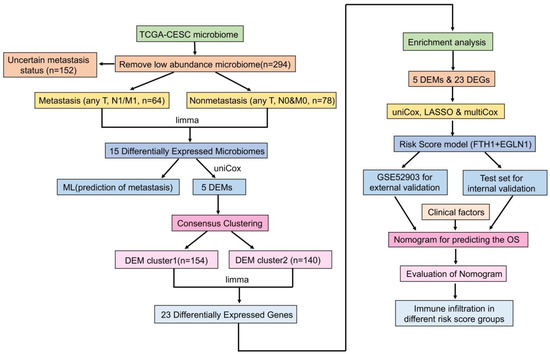
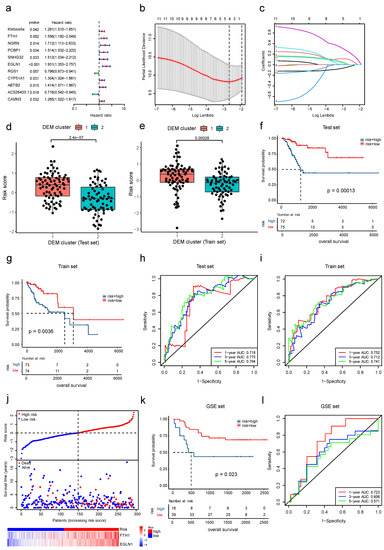
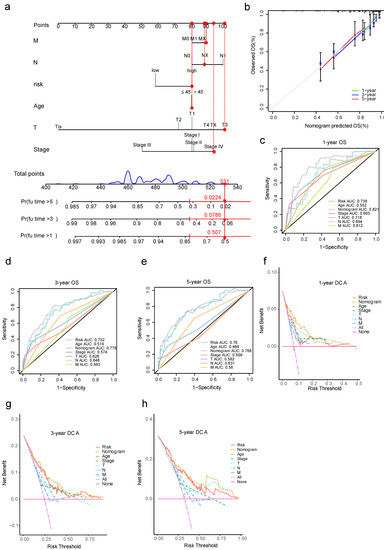
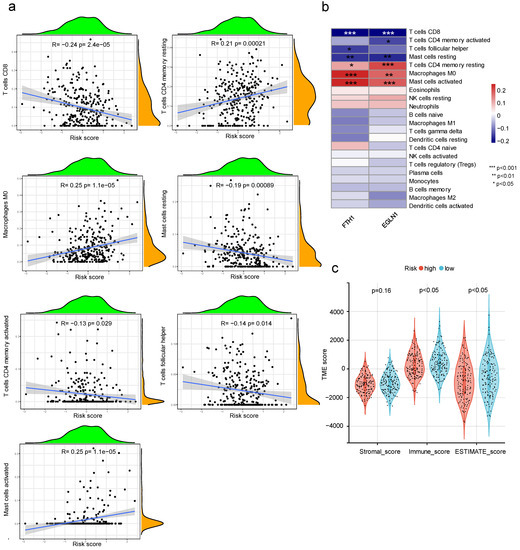
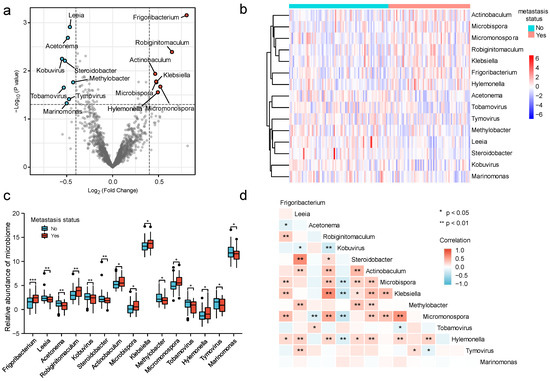
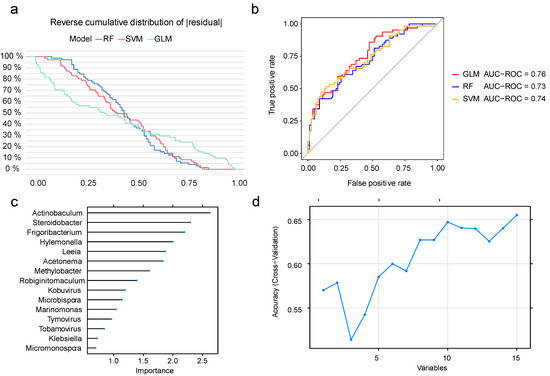
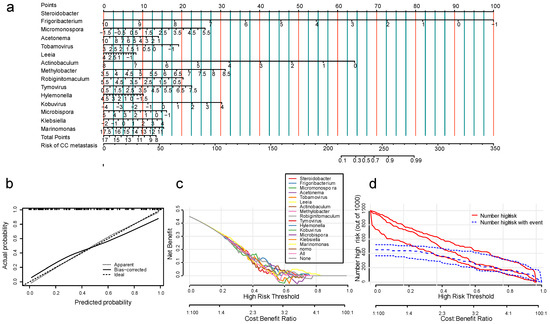
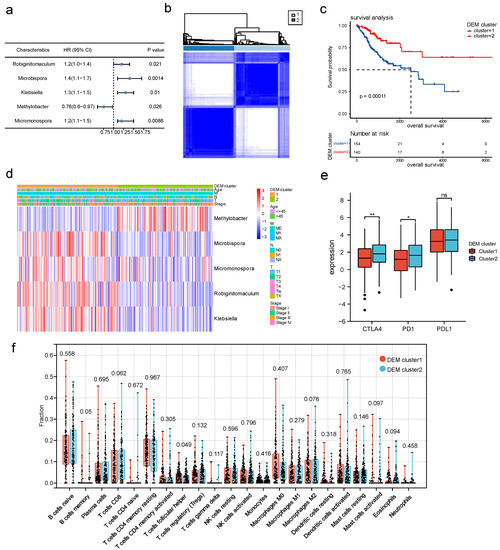
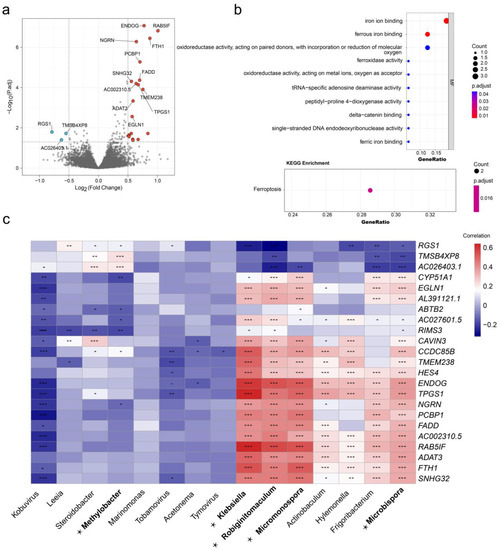
Background: Intratumor microbiomes can influence tumorigenesis and progression. The relationship between intratumor microbiomes and cervical cancer metastasis, however, remains unclear. Methods: We examined 294 cervical cancer samples together with information on microbial expression, identified metastasis-associated microbiomes, and used machine learning methods to validate their predictive ability on tumor metastasis. The tumors were subsequently typed based on differences in microbial expression. Differentially expressed genes in different tumor types were combined to construct a tumor-prognostic risk score model and a multiparameter nomogram model. In addition, we performed a functional enrichment analysis of differentially expressed genes to infer the mechanism of action between microbiomes and tumor cells. Results: Based on the 15 differentially expressed microbiomes, machine learning models were able to correctly predict the risk of cervical cancer metastasis. In addition, both the risk score and the nomogram model accurately predicted tumor prognosis. Differences in the expression of endogenous genes in tumors can influence the distribution of the intracellular microbiomes. Conclusions: Intratumoral microbiomes in cervical cancer are associated with tumor metastasis and influence disease prognosis. A change in gene expression within tumor cells is responsible for differences in the microbial populations within the tumor. Full article
(This article belongs to the Special Issue Clinical Studies and Outcomes in Gynecological Cancers)
Show Figures

Figure 1
16 pages, 990 KB  
Review
Surgical Strategies for Recurrent Hepatocellular Carcinoma after Resection: A Review of Current Evidence
by Flavio Milana, Michela Anna Polidoro, Simone Famularo, Ana Lleo, Renzo Boldorini, Matteo Donadon and Guido Torzilli
Cancers 2023, 15(2), 508; https://doi.org/10.3390/cancers15020508 - 13 Jan 2023
Cited by 12 | Viewed by 6914
Abstract
Hepatocellular carcinoma (HCC) is the most common primary liver cancer, and both liver resection and liver transplantation are considered potentially curative options. However, high recurrence rates affect the prognosis depending both on the primary HCC pathology characteristics or on the type and time [...] Read more.
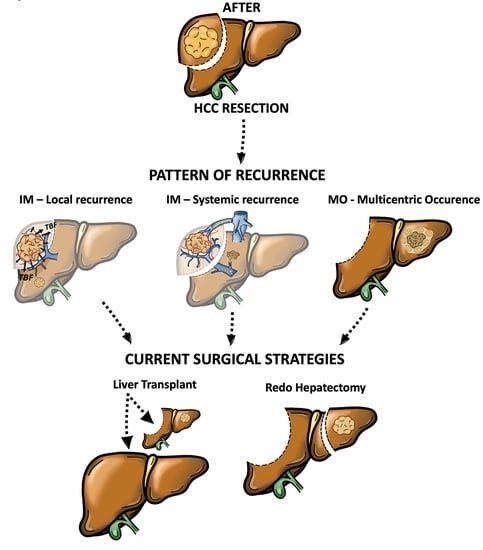
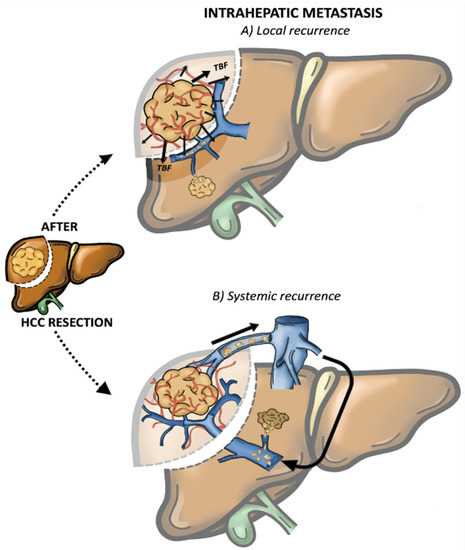
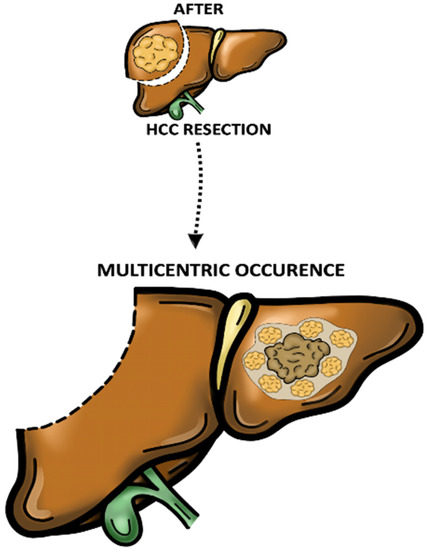
Hepatocellular carcinoma (HCC) is the most common primary liver cancer, and both liver resection and liver transplantation are considered potentially curative options. However, high recurrence rates affect the prognosis depending both on the primary HCC pathology characteristics or on the type and time of the relapse. While great attention has been usually posted on treatment algorithms for the first HCC, treatment algorithms for recurrent HCC (rHCC) are lacking. In these cases, surgery still represents a curative option with both redo hepatectomy and/or salvage liver transplantation, which are considered valid treatments in selected patients. In the current era of personalised medicine with promises of new systemic-targeted immuno-chemotherapies, we wished to perform a narrative review of the literature on the role of surgical strategies for rHCC. Full article
(This article belongs to the Special Issue Advanced Strategies in the Care of Hepatocellular Carcinoma Patients)
Show Figures

Graphical abstract

16 pages, 3981 KB  
Article
Characteristics and Clinical Outcomes of Patients with Chronic Lymphocytic Leukemia/Small Lymphocytic Lymphoma Receiving Ibrutinib for ≥5 Years in the RESONATE-2 Study
by Jennifer A. Woyach, Paul M. Barr, Thomas J. Kipps, Jacqueline C. Barrientos, Inhye E. Ahn, Paolo Ghia, Vincent Girardi, Emily Hsu, Mandy Jermain and Jan A. Burger
Cancers 2023, 15(2), 507; https://doi.org/10.3390/cancers15020507 - 13 Jan 2023
Cited by 16 | Viewed by 13059
Abstract
Primary results from the phase 3 RESONATE-2 study demonstrated superior efficacy and tolerability with ibrutinib versus chlorambucil in patients with chronic lymphocytic leukemia (CLL)/small lymphocytic lymphoma (SLL). Here, we describe characteristics and outcomes of patients who received ibrutinib treatment for ≥5 years in [...] Read more.
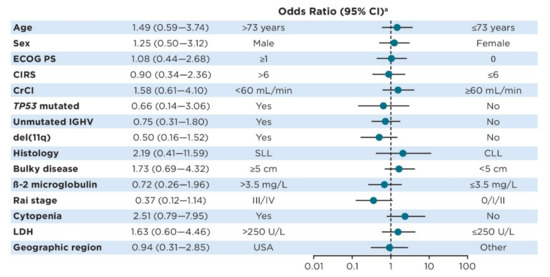
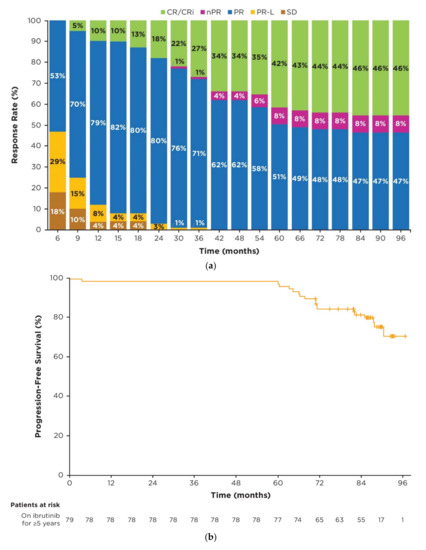
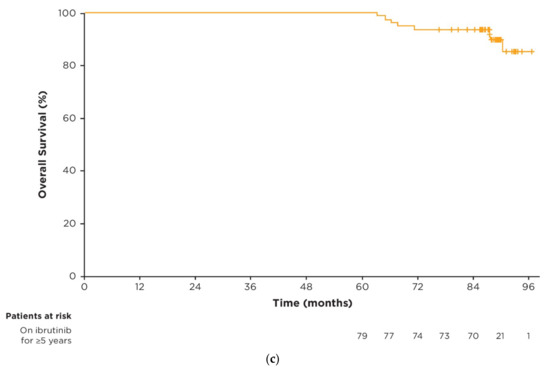
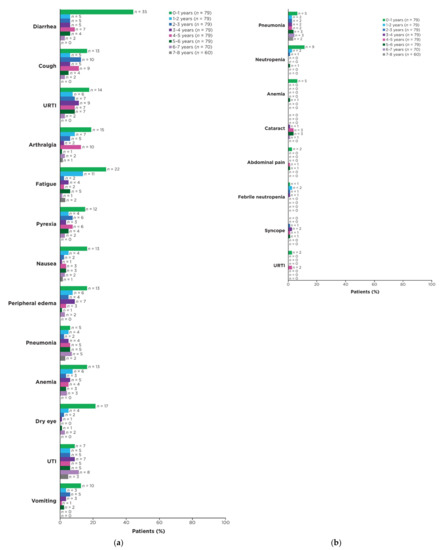
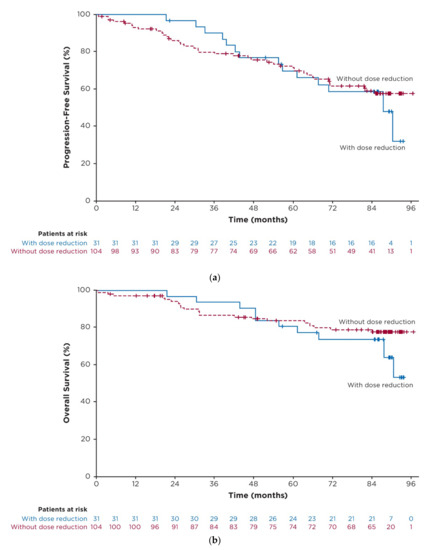
Primary results from the phase 3 RESONATE-2 study demonstrated superior efficacy and tolerability with ibrutinib versus chlorambucil in patients with chronic lymphocytic leukemia (CLL)/small lymphocytic lymphoma (SLL). Here, we describe characteristics and outcomes of patients who received ibrutinib treatment for ≥5 years in RESONATE-2. Patients aged ≥65 years with previously untreated CLL/SLL, without del(17p), were randomly assigned 1:1 to once-daily ibrutinib 420 mg until disease progression/unacceptable toxicity (n = 136) or chlorambucil 0.5–0.8 mg/kg for ≤12 cycles (n = 133). Baseline characteristics in ibrutinib-randomized patients (n = 136) were generally similar between patients on ibrutinib treatment for ≥5 years (n = 79) versus those on treatment for <5 years (n = 57). In patients on ibrutinib treatment for ≥5 years, complete response rates improved over time, reaching 42% by 5 years. Estimated 7-year progression-free survival and overall survival rates were 82% and 94%, respectively. Adverse events (AEs) led to dose reductions in 16/79 patients (20%); these AEs were resolved for 13/16 patients (81%). AEs led to dose holds (≥7 days) in 45/79 patients (57%); these AEs were resolved for 43/45 patients (96%). More than half (58%) of ibrutinib-randomized patients benefitted from ibrutinib treatment for ≥5 years regardless of baseline characteristics. Dose modification resolved AEs for most patients, thereby facilitating continued treatment. Full article
(This article belongs to the Special Issue Targeted Drugs in Chronic Lymphocytic Leukemia)
Show Figures

Figure 1
18 pages, 2674 KB  
Systematic Review
Relative Risk of Bladder and Kidney Cancer in Lynch Syndrome: Systematic Review and Meta-Analysis
by Anthony-Joe Nassour, Anika Jain, Nicholas Hui, George Siopis, James Symons and Henry Woo
Cancers 2023, 15(2), 506; https://doi.org/10.3390/cancers15020506 - 13 Jan 2023
Cited by 18 | Viewed by 8042
Abstract
Background: The association between Lynch syndrome (LS) and a higher risk of upper tract urothelial carcinoma is well established, but its effect on the risk of bladder and kidney cancers remains controversial. This review aimed to compare the relative risk (RR) of bladder [...] Read more.
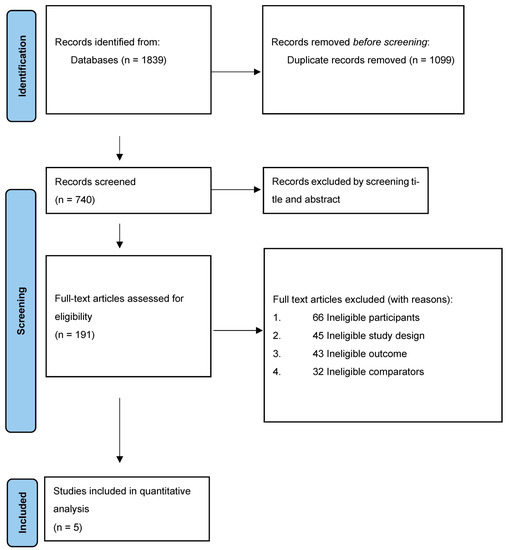
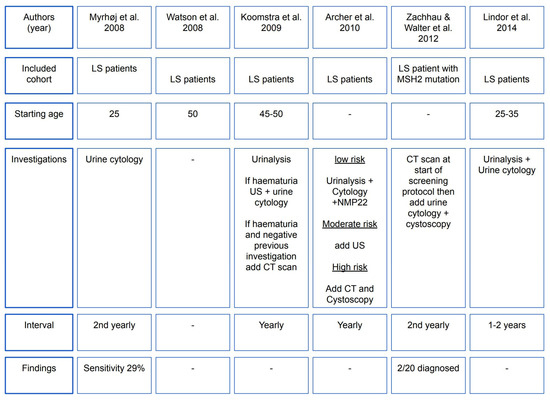
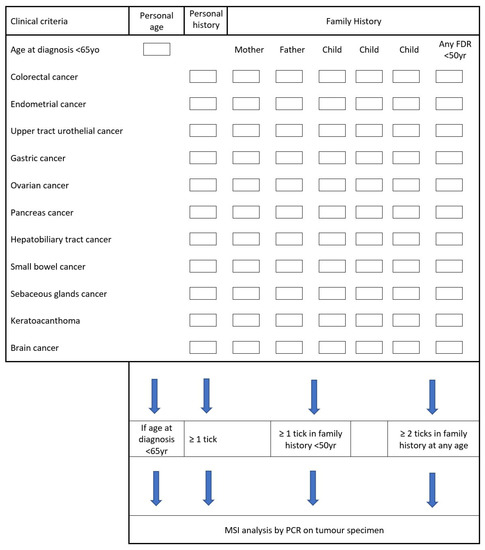
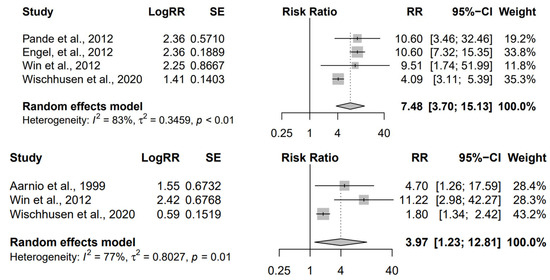
Background: The association between Lynch syndrome (LS) and a higher risk of upper tract urothelial carcinoma is well established, but its effect on the risk of bladder and kidney cancers remains controversial. This review aimed to compare the relative risk (RR) of bladder and kidney cancer in confirmed LS germline mutation carriers compared to the general population. Methods: Medline, Embase, Cochrane Central, and Google Scholar were searched on 14 July 2022 for studies published in English that reported on the rates of urological cancer in adults with confirmed LS germline mutation. The quality of included studies was assessed using Cochrane’s tool to evaluate risk of bias in cohort studies. Random effects meta-analysis estimated the pooled relative risk of bladder and kidney cancer in LS carriers compared to the general population. The quality of the overall evidence was evaluated using GRADE. Results: Of the 1839 records identified, 5 studies involving 7120 participants from 3 continents were included. Overall, LS carriers had a statistically significantly higher RR of developing bladder cancer (RR: 7.48, 95% CI: 3.70, 15.13) and kidney cancer (RR: 3.97, 95% CI: 1.23, 12.81) compared to unaffected participants (p < 0.01). The quality of the evidence was assessed as “low” due to the inclusion of cohort studies, the substantial heterogeneity, and moderate-to-high risk of bias. Conclusion: Lynch syndrome is associated with a significant increase in the relative risk of kidney and bladder cancer. Clinicians should adopt a lower threshold for germline mutation genetic testing in individuals who present with bladder cancer. Further studies evaluating the role and cost-effectiveness of novel urine-based laboratory tests are needed. High-quality studies in histologically proven renal cell carcinoma and their underlying germline mutations are necessary to strengthen the association with LS. Full article
(This article belongs to the Special Issue Multidisciplinary Approaches in Bladder Cancer)
Show Figures

Figure 1
13 pages, 2715 KB  
Article
E3 Ubiquitin Ligase TRIP12 Controls Exit from Mitosis via Positive Regulation of MCL-1 in Response to Taxol
by Kripa S. Keyan, Rania Alanany, Amira Kohil and Omar M. Khan
Cancers 2023, 15(2), 505; https://doi.org/10.3390/cancers15020505 - 13 Jan 2023
Cited by 5 | Viewed by 3457
Abstract
Chemotherapy resistance is a major hurdle in cancer treatment. Taxol-based chemotherapy is widely used in the treatment of cancers including breast, ovarian, and pancreatic cancer. Loss of function of the tumor suppressor F-box WD-40 domain containing 7 (FBW7) mutations leads to [...] Read more.
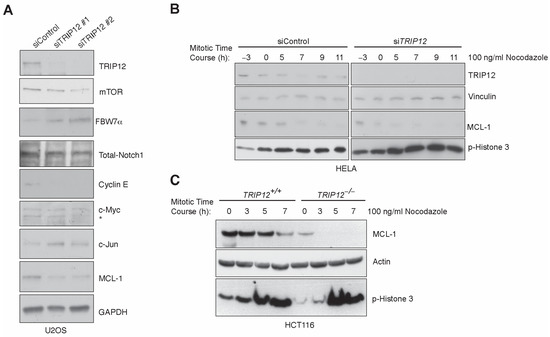
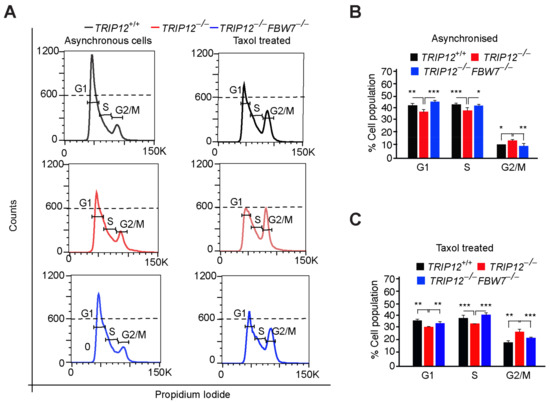
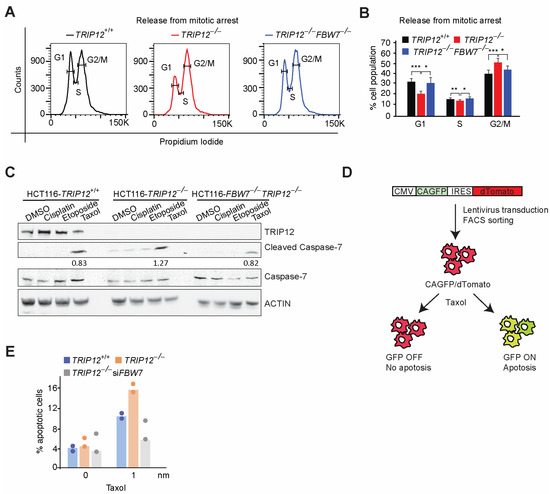
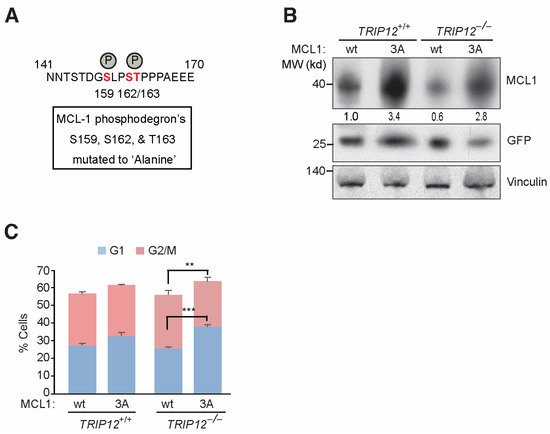
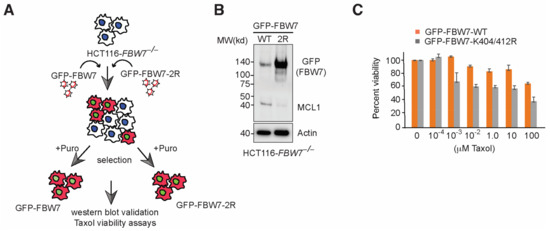
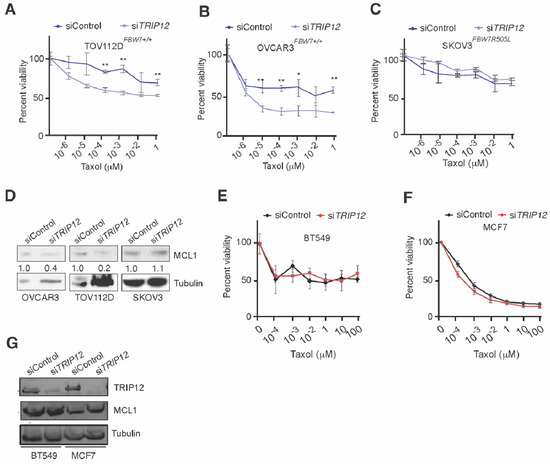
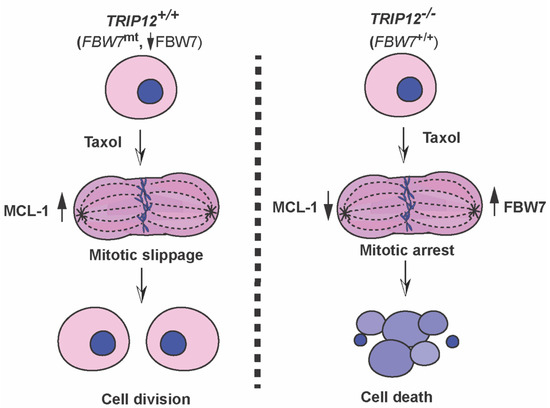
Chemotherapy resistance is a major hurdle in cancer treatment. Taxol-based chemotherapy is widely used in the treatment of cancers including breast, ovarian, and pancreatic cancer. Loss of function of the tumor suppressor F-box WD-40 domain containing 7 (FBW7) mutations leads to the accumulation of its substrate MCL-1 which is associated with Taxol resistance in human cancers. We recently showed that E3 ubiquitin ligase TRIP12 is a negative regulator of FBW7 protein. In this study, we find that Taxol-induced mitotic block in cancer cells is partly controlled by TRIP12 via its positive regulation of MCL-1 protein. Genetic inhibition of TRIP12 accelerates MCL-1 protein degradation in mitosis. Notably, introducing double-point mutations in lysines 404/412 of FBW7 to arginine which makes it resistant to proteasomal degradation, leads to the sharp reduction of MCL-1 protein levels and sensitizes cancer cells to Taxol-induced cell death. Finally, TRIP12 deletion leads to enhanced mitotic arrest and cell death in an FBW7 and MCL-1 dependent manner in multiple cell lines including colorectal and ovarian cancer but not in breast cancer. Thus, the TRIP12/FBW7/MCL-1 axis may provide a therapeutic target to overcome Taxol-associated chemotherapy resistance in cancer. Full article
(This article belongs to the Special Issue Cancer Chemotherapy Resistance)
Show Figures

Figure 1
18 pages, 1714 KB  
Review
Mechanisms of Acquired Resistance and Tolerance to EGFR Targeted Therapy in Non-Small Cell Lung Cancer
by Houssein Chhouri, David Alexandre and Luca Grumolato
Cancers 2023, 15(2), 504; https://doi.org/10.3390/cancers15020504 - 13 Jan 2023
Cited by 79 | Viewed by 15591
Abstract
Non-small cell lung cancers (NSCLC) harboring activating mutations of the epidermal growth factor receptor (EGFR) are treated with specific tyrosine kinase inhibitors (EGFR-TKIs) of this receptor, resulting in clinically responses that can generally last several months. Unfortunately, EGFR-targeted therapy also favors the emergence [...] Read more.
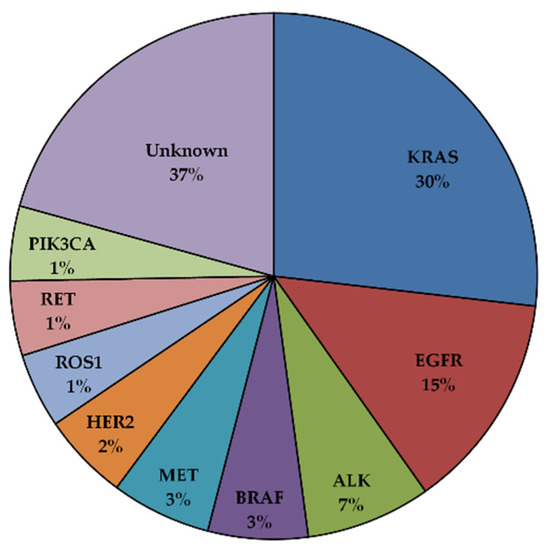
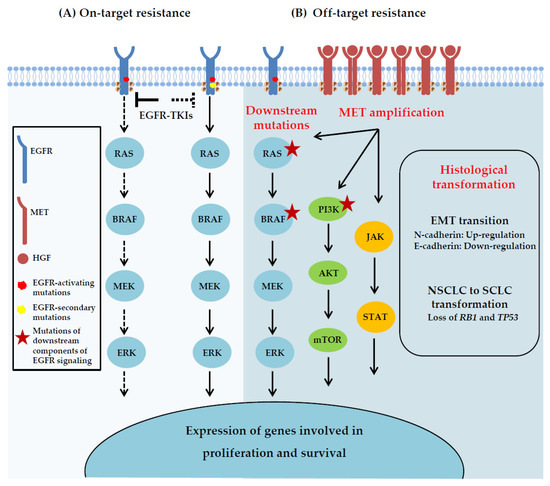
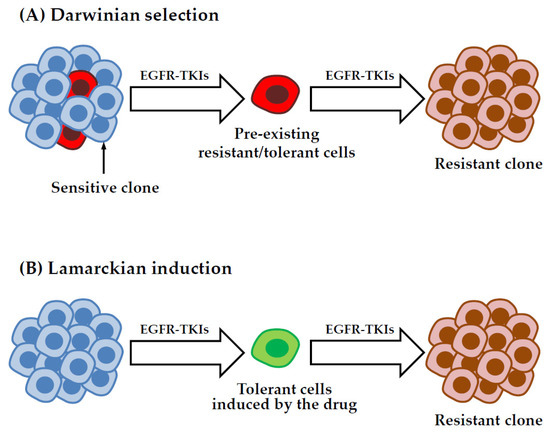
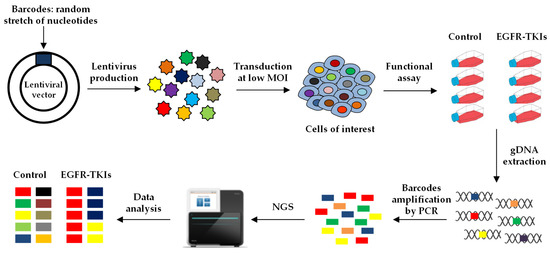
Non-small cell lung cancers (NSCLC) harboring activating mutations of the epidermal growth factor receptor (EGFR) are treated with specific tyrosine kinase inhibitors (EGFR-TKIs) of this receptor, resulting in clinically responses that can generally last several months. Unfortunately, EGFR-targeted therapy also favors the emergence of drug tolerant or resistant cells, ultimately resulting in tumor relapse. Recently, cellular barcoding strategies have arisen as a powerful tool to investigate the clonal evolution of these subpopulations in response to anti-cancer drugs. In this review, we provide an overview of the currently available treatment options for NSCLC, focusing on EGFR targeted therapy, and discuss the common mechanisms of resistance to EGFR-TKIs. We also review the characteristics of drug-tolerant persister (DTP) cells and the mechanistic basis of drug tolerance in EGFR-mutant NSCLC. Lastly, we address how cellular barcoding can be applied to investigate the response and the behavior of DTP cells upon EGFR-TKI treatment. Full article
(This article belongs to the Special Issue Mechanisms of Acquired Resistance to Targeted Therapy)
Show Figures

Figure 1
21 pages, 3976 KB  
Article
Prognostication in Advanced Cancer by Combining Actigraphy-Derived Rest-Activity and Sleep Parameters with Routine Clinical Data: An Exploratory Machine Learning Study
by Shuchita Dhwiren Patel, Andrew Davies, Emma Laing, Huihai Wu, Jeewaka Mendis and Derk-Jan Dijk
Cancers 2023, 15(2), 503; https://doi.org/10.3390/cancers15020503 - 13 Jan 2023
Cited by 14 | Viewed by 4164
Abstract
Survival prediction is integral to oncology and palliative care, yet robust prognostic models remain elusive. We assessed the feasibility of combining actigraphy, sleep diary data, and routine clinical parameters to prognosticate. Fifty adult outpatients with advanced cancer and estimated prognosis of <1 year [...] Read more.
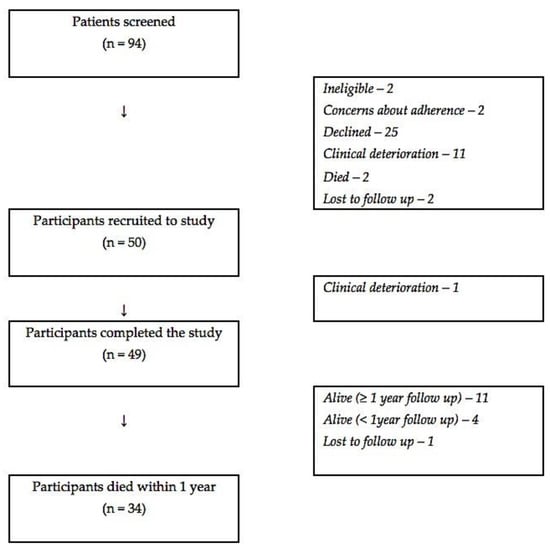
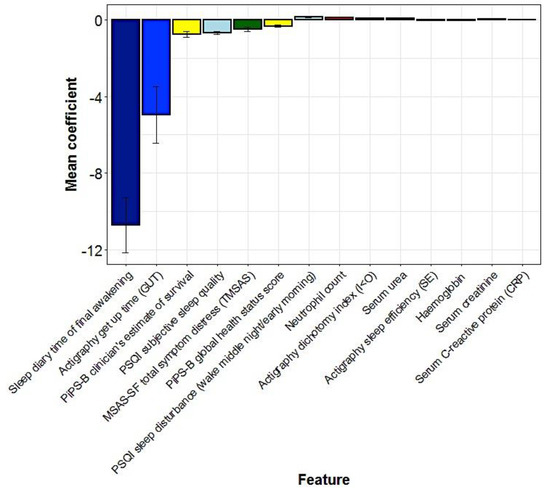
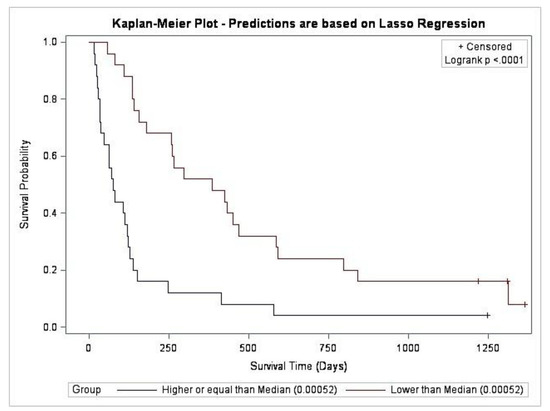
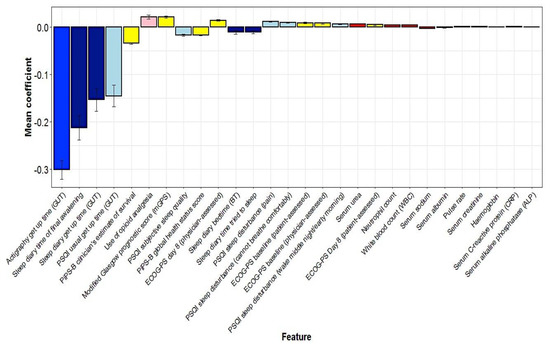
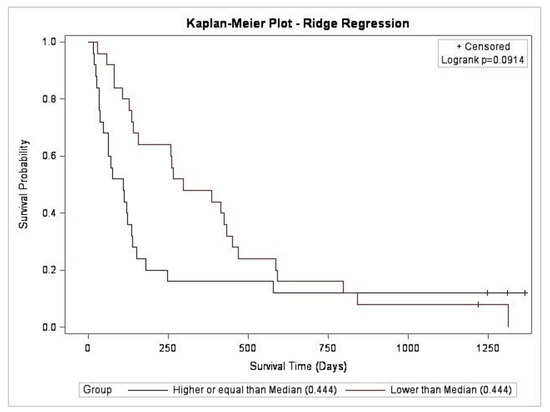
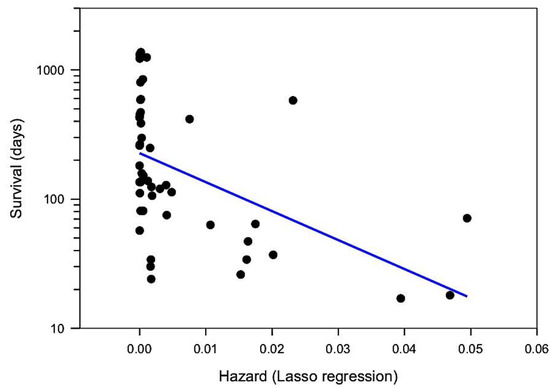
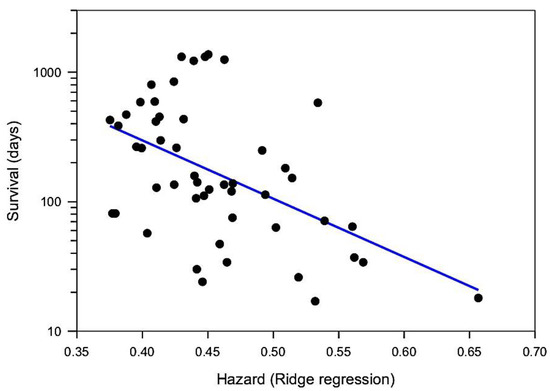
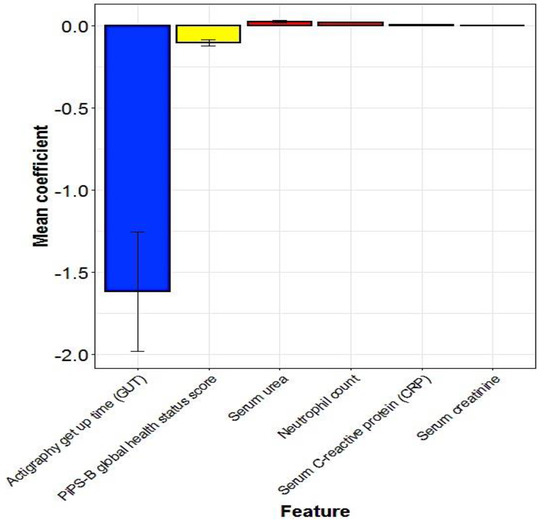
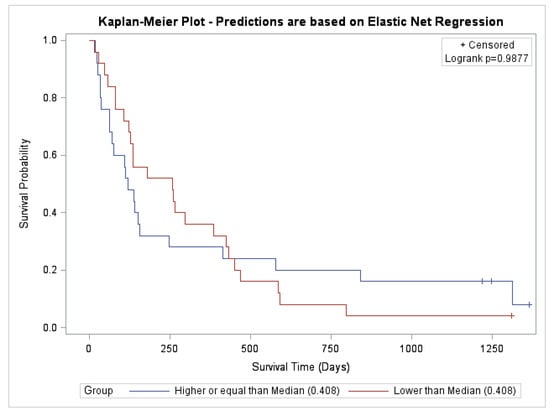
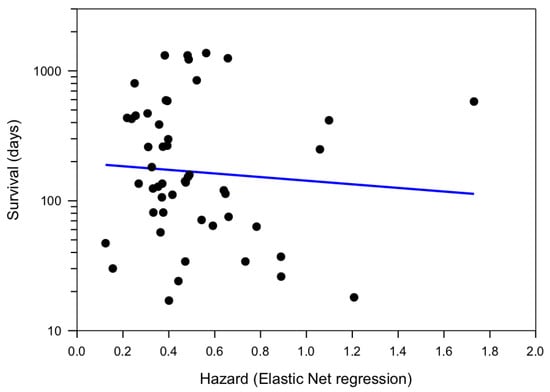
Survival prediction is integral to oncology and palliative care, yet robust prognostic models remain elusive. We assessed the feasibility of combining actigraphy, sleep diary data, and routine clinical parameters to prognosticate. Fifty adult outpatients with advanced cancer and estimated prognosis of <1 year were recruited. Patients were required to wear an Actiwatch® (wrist actigraph) for 8 days, and complete a sleep diary. Univariate and regularised multivariate regression methods were used to identify predictors from 66 variables and construct predictive models of survival. A total of 49 patients completed the study, and 34 patients died within 1 year. Forty-two patients had disrupted rest-activity rhythms (dichotomy index (I < O ≤ 97.5%) but I < O did not have prognostic value in univariate analyses. The Lasso regularised derived algorithm was optimal and able to differentiate participants with shorter/longer survival (log rank p < 0.0001). Predictors associated with increased survival time were: time of awakening sleep efficiency, subjective sleep quality, clinician’s estimate of survival and global health status score, and haemoglobin. A shorter survival time was associated with self-reported sleep disturbance, neutrophil count, serum urea, creatinine, and C-reactive protein. Applying machine learning to actigraphy and sleep data combined with routine clinical data is a promising approach for the development of prognostic tools. Full article
(This article belongs to the Topic Artificial Intelligence in Cancer Diagnosis and Therapy)
Show Figures

Figure 1
18 pages, 3353 KB  
Review
Emphasis on Adipocyte Transformation: Anti-Inflammatory Agents to Prevent the Development of Cancer-Associated Adipocytes
by Heeju Na, Yaechan Song and Han-Woong Lee
Cancers 2023, 15(2), 502; https://doi.org/10.3390/cancers15020502 - 13 Jan 2023
Cited by 16 | Viewed by 6954
Abstract
Of the various cell types in the tumor microenvironment (TME), adipocytes undergo a dynamic transformation when activated by neighboring cancer cells. Although these adipocytes, known as cancer-associated adipocytes (CAAs), have been reported to play a crucial role in tumor progression, the factors that [...] Read more.
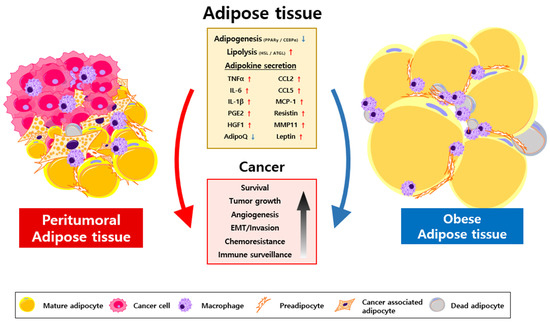
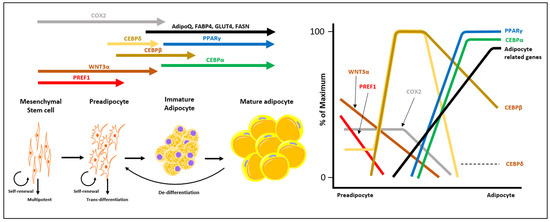
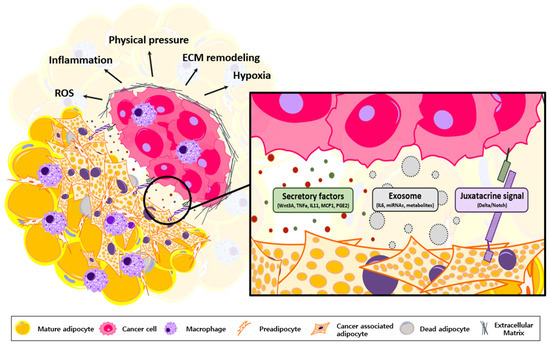
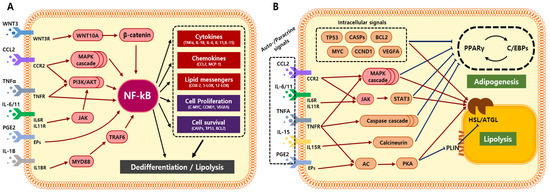
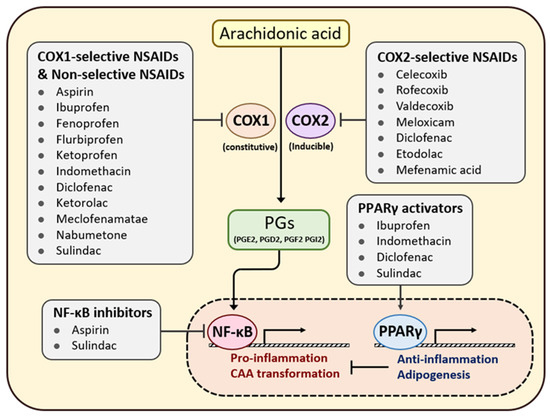
Of the various cell types in the tumor microenvironment (TME), adipocytes undergo a dynamic transformation when activated by neighboring cancer cells. Although these adipocytes, known as cancer-associated adipocytes (CAAs), have been reported to play a crucial role in tumor progression, the factors that mediate their transformation remain elusive. In this review, we discuss the hypothesis that inflammatory signals involving NF-ĸB activation can induce lipolysis and adipocyte dedifferentiation. This provides a mechanistic understanding of CAA formation and introduces the concept of preventing adipocyte transformation via anti-inflammatory agents. Indeed, epidemiological studies indicate a higher efficacy of nonsteroidal anti-inflammatory drugs (NSAIDs) in obese patients with cancer, suggesting that NSAIDs can modulate the TME. Inhibition of cyclooxygenase-2 (COX-2) and prostaglandin production leads to the suppression of inflammatory signals such as NF-ĸB. Thus, we suggest the use of NSAIDs in cancer patients with metabolic disorders to prevent the transformation of TME components. Moreover, throughout this review, we attempt to expand our knowledge of CAA transformation to improve the clinical feasibility of targeting CAAs. Full article
Show Figures

Figure 1
5 pages, 224 KB  
Editorial
Shaping Up the Tumor Microenvironment: Extracellular Vesicles as Important Intermediaries in Building a Tumor-Supportive Cellular Network
by Amod Sharma, Ajay Pratap Singh and Seema Singh
Cancers 2023, 15(2), 501; https://doi.org/10.3390/cancers15020501 - 13 Jan 2023
Cited by 3 | Viewed by 1711
Abstract
A tumor is not just comprised of cancer cells but also a heterogeneous group of infiltrating and resident host cells, as well as their secreted factors that form the extracellular matrix [...] Full article
(This article belongs to the Section Cancer Pathophysiology)
16 pages, 2965 KB  
Article
Concordance of Radiological, Laparoscopic and Laparotomic Scoring to Predict Complete Cytoreduction in Women with Advanced Ovarian Cancer
by Mariano Catello Di Donna, Giuseppe Cucinella, Giulia Zaccaria, Giuseppe Lo Re, Agata Crapanzano, Sergio Salerno, Vincenzo Giallombardo, Giulio Sozzi, Anna Fagotti, Giovanni Scambia, Antonio Simone Laganà and Vito Chiantera
Cancers 2023, 15(2), 500; https://doi.org/10.3390/cancers15020500 - 13 Jan 2023
Cited by 25 | Viewed by 4486
Abstract
Objective: To identify the best method among the radiologic, laparoscopic and laparotomic scoring assessment to predict the outcomes of cytoreductive surgery in patients with advanced ovarian cancer (AOC). Methods: Patients with AOC who underwent pre-operative computed tomography (CT) scan, laparoscopic evaluation, and cytoreductive [...] Read more.
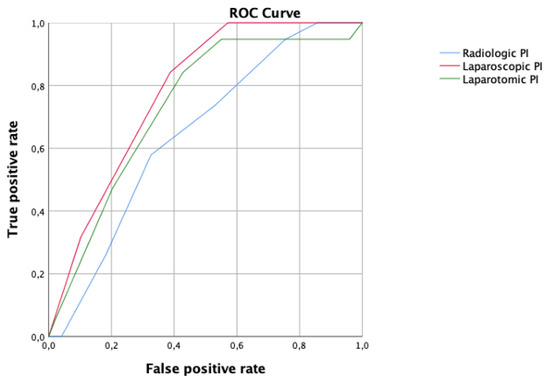
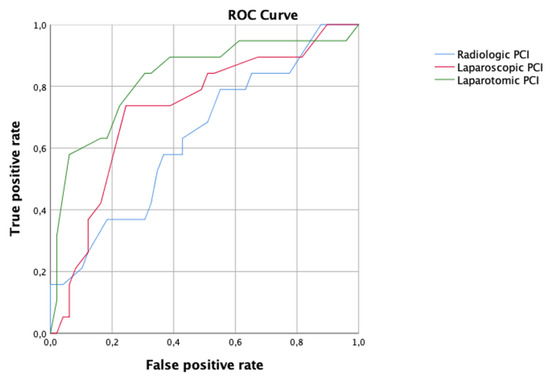
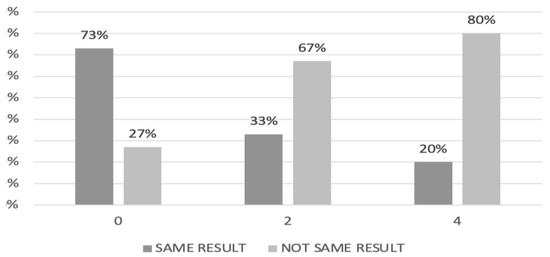
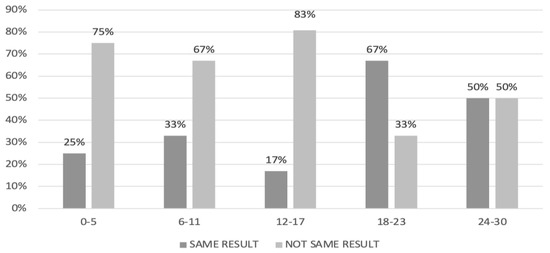
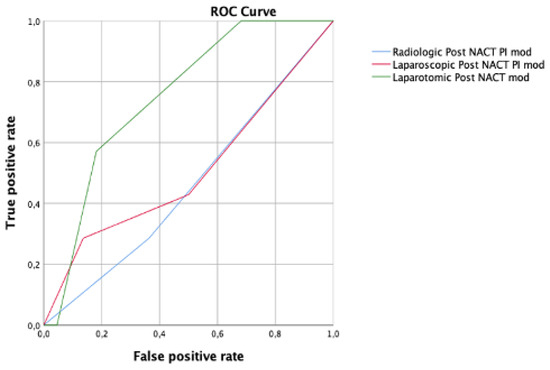
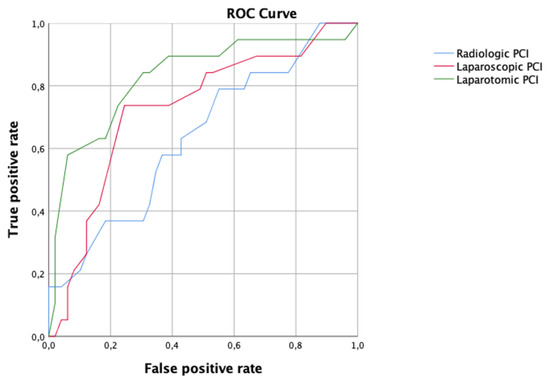
Objective: To identify the best method among the radiologic, laparoscopic and laparotomic scoring assessment to predict the outcomes of cytoreductive surgery in patients with advanced ovarian cancer (AOC). Methods: Patients with AOC who underwent pre-operative computed tomography (CT) scan, laparoscopic evaluation, and cytoreductive surgery between August 2016 and February 2021 were retrospectively reviewed. Predictive Index (PI) score and Peritoneal Cancer Index (PCI) scores were used to estimate the tumor load and predict the residual disease in the primary debulking surgery (PDS) and interval debulking surgery (IDS) after neoadjuvant chemotherapy (NACT) groups. Concordance percentages were calculated between the two scores. Results: Among 100 eligible patients, 69 underwent PDS, and 31 underwent NACT and IDS. Complete cytoreduction was achieved in 72.5% of patients in the PDS group and 77.4% in the IDS. In patients undergoing PDS, the laparoscopic PI and the laparotomic PCI had the best accuracies for complete cytoreduction (R0) [area under the curve (AUC) = 0.78 and AUC = 0.83, respectively]. In the IDS group, the laparotomic PI (AUC = 0.75) and the laparoscopic PCI (AUC= 0.87) were associated with the best accuracy in R0 prediction. Furthermore, radiological assessment, through PI and PCI, was associated with the worst accuracy in either PDS or IDS group (PI in PDS: AUC = 0.64; PCI in PDS: AUC = 0.64; PI in IDS: AUC = 0.46; PCI in IDS: AUC = 0.47). Conclusion: The laparoscopic score assessment had high accuracy for optimal cytoreduction in AOC patients undergoing PDS or IDS. Integrating diagnostic laparoscopy in the decision-making algorithm to accurately triage AOC patients to different treatment strategies seems necessary. Full article
Show Figures

Figure 1
11 pages, 1045 KB  
Article
Differentiation of Urothelial Carcinoma and Normal Bladder Tissues by Means of Fiber-Based ATR IR Spectroscopy
by Rimantė Bandzevičiūtė, Gediminas Platkevičius, Justinas Čeponkus, Arūnas Želvys, Albertas Čekauskas and Valdas Šablinskas
Cancers 2023, 15(2), 499; https://doi.org/10.3390/cancers15020499 - 13 Jan 2023
Cited by 1 | Viewed by 2419
Abstract
Surgical treatment is widely applied curative approach for bladder cancer. White light cystoscopy (WLC) is currently used for intraoperative diagnostics of malignant lesions but has relatively high false-negative rate. Here we represent an application of label free fiber-based attenuated total reflection infrared spectroscopy [...] Read more.
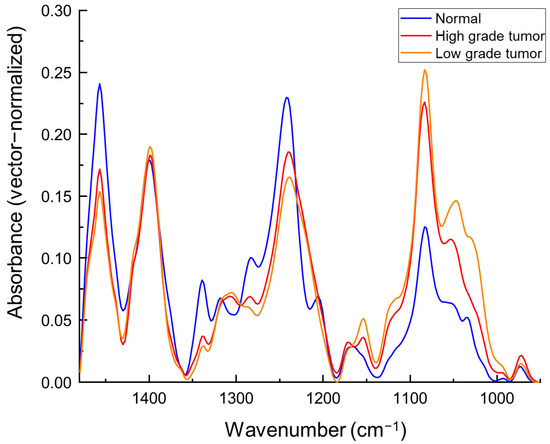
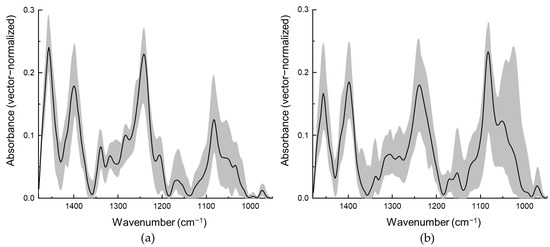
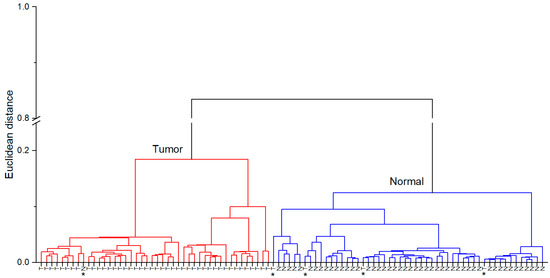
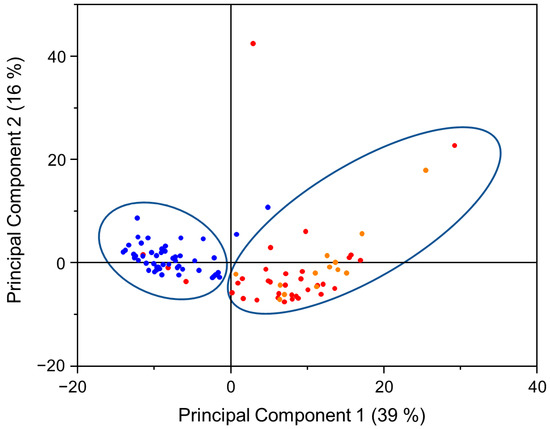
Surgical treatment is widely applied curative approach for bladder cancer. White light cystoscopy (WLC) is currently used for intraoperative diagnostics of malignant lesions but has relatively high false-negative rate. Here we represent an application of label free fiber-based attenuated total reflection infrared spectroscopy (ATR IR) for freshly resected human bladder tissue examination for 54 patients. Defined molecular spectral markers allow to identify normal and urothelial carcinoma tissues. While methods of statistical analysis (Hierarchical cluster analysis (HCA) and Principal component analysis (PCA)) used for spectral data treatment allow to discriminate tissue types with 91% sensitivity and 96–98% specificity. In the present study the described method was applied for tissue examination under ex vivo conditions. However, after method validation the equipment could be translated from laboratory studies to in situ or even in vivo studies in operating room. Full article
Show Figures

Figure 1