17 pages, 5560 KB  
Article
Characterizing Seedling Stands Using Leaf-Off and Leaf-On Photogrammetric Point Clouds and Hyperspectral Imagery Acquired from Unmanned Aerial Vehicle
by Mohammad Imangholiloo, Ninni Saarinen, Lauri Markelin, Tomi Rosnell, Roope Näsi, Teemu Hakala, Eija Honkavaara, Markus Holopainen, Juha Hyyppä and Mikko Vastaranta
Forests 2019, 10(5), 415; https://doi.org/10.3390/f10050415 - 13 May 2019
Cited by 41 | Viewed by 6333
Abstract
Seedling stands are mainly inventoried through field measurements, which are typically laborious, expensive and time-consuming due to high tree density and small tree size. In addition, operationally used sparse density airborne laser scanning (ALS) and aerial imagery data are not sufficiently accurate for [...] Read more.
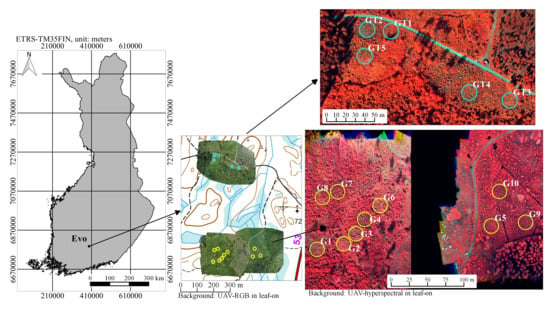
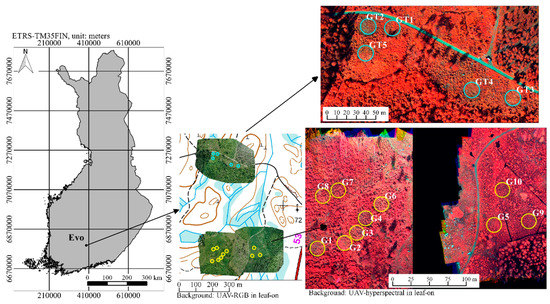
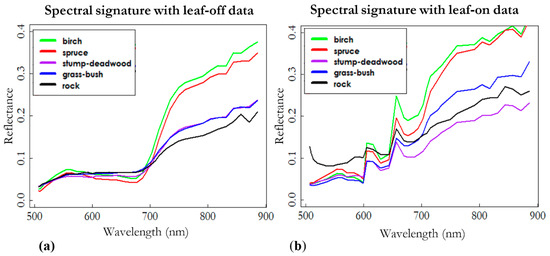
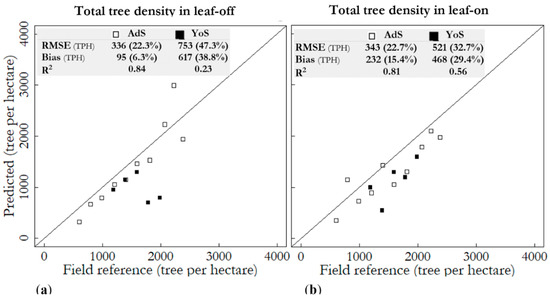
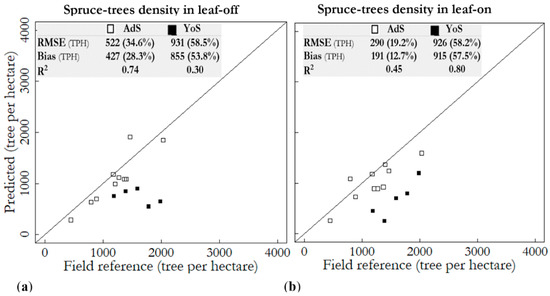
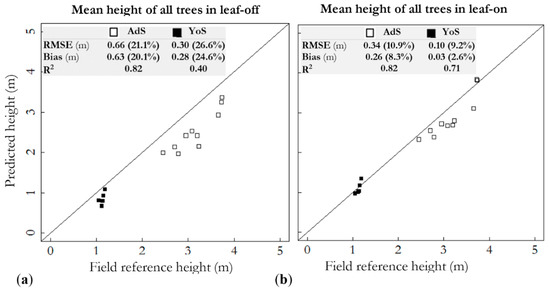
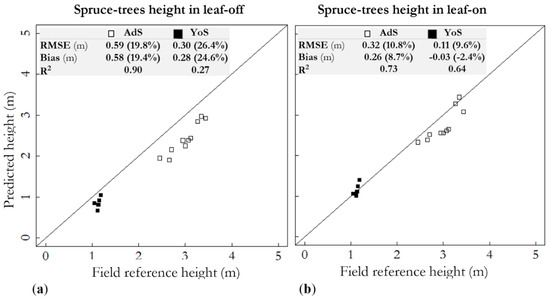
Seedling stands are mainly inventoried through field measurements, which are typically laborious, expensive and time-consuming due to high tree density and small tree size. In addition, operationally used sparse density airborne laser scanning (ALS) and aerial imagery data are not sufficiently accurate for inventorying seedling stands. The use of unmanned aerial vehicles (UAVs) for forestry applications is currently in high attention and in the midst of quick development and this technology could be used to make seedling stand management more efficient. This study was designed to investigate the use of UAV-based photogrammetric point clouds and hyperspectral imagery for characterizing seedling stands in leaf-off and leaf-on conditions. The focus was in retrieving tree density and the height in young seedling stands in the southern boreal forests of Finland. After creating the canopy height model from photogrammetric point clouds using national digital terrain model based on ALS, the watershed segmentation method was applied to delineate the tree canopy boundary at individual tree level. The segments were then used to extract tree heights and spectral information. Optimal bands for calculating vegetation indices were analysed and used for species classification using the random forest method. Tree density and the mean tree height of the total and spruce trees were then estimated at the plot level. The overall tree density was underestimated by 17.5% and 20.2% in leaf-off and leaf-on conditions with the relative root mean square error (relative RMSE) of 33.5% and 26.8%, respectively. Mean tree height was underestimated by 20.8% and 7.4% (relative RMSE of 23.0% and 11.5%, and RMSE of 0.57 m and 0.29 m) in leaf-off and leaf-on conditions, respectively. The leaf-on data outperformed the leaf-off data in the estimations. The results showed that UAV imagery hold potential for reliably characterizing seedling stands and to be used to supplement or replace the laborious field inventory methods. Full article
(This article belongs to the Special Issue Forestry Applications of Unmanned Aerial Vehicles (UAVs) 2019)
Show Figures

Graphical abstract
13 pages, 1207 KB  
Article
Contribution of Mangrove Forest to the Livelihood of Local Communities in Ayeyarwaddy Region, Myanmar
by Wai Nyein Aye, Yali Wen, Kim Marin, Shivaraj Thapa and Aung W. Tun
Forests 2019, 10(5), 414; https://doi.org/10.3390/f10050414 - 13 May 2019
Cited by 82 | Viewed by 13127
Abstract
Myanmar’s forests are socially and economically significant to the country because over 70% of the country’s population depends on natural resources for daily needs. We conducted this study with the aim of assessing the extent to which direct and indirect (tangible) benefits of [...] Read more.
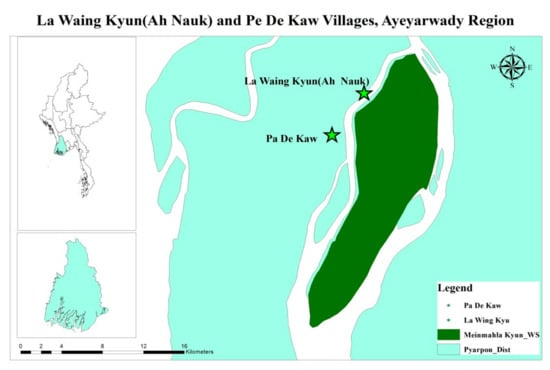
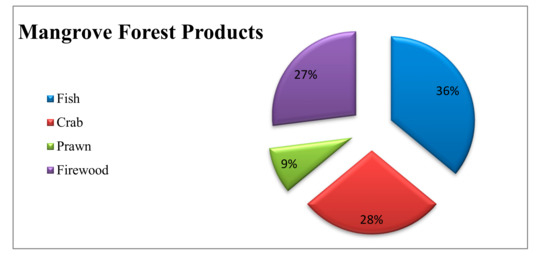
Myanmar’s forests are socially and economically significant to the country because over 70% of the country’s population depends on natural resources for daily needs. We conducted this study with the aim of assessing the extent to which direct and indirect (tangible) benefits of mangrove forest contribute to local livelihoods in the Ayeyarwaddy Region, Myanmar. We used a questionnaire survey (n = 185 households), interview and group discussion for data collection. The study shows that 43% of total household income is generated through selling of forest products collected from the mangrove forest such as firewood, fishes, crabs and prawn, whereas agricultural and non-farm incomes were found to be 25% and 32% of total income, respectively. The result prevails that income from the mangrove forest products for fish, crab, prawn and firewood is specifically 36%, 28%, 9% and 27%, respectively. Hence, we confirmed that local livelihood mainly depends on the mangrove forest ecosystem. Full article
(This article belongs to the Special Issue Forest, Foods and Nutrition)
Show Figures

Figure 1

20 pages, 8128 KB  
Article
Combining Global Remote Sensing Products with Hydrological Modeling to Measure the Impact of Tropical Forest Loss on Water-Based Ecosystem Services
by Michael S. Netzer, Gabriel Sidman, Timothy R.H. Pearson, Sarah M. Walker and Raghavan Srinivasan
Forests 2019, 10(5), 413; https://doi.org/10.3390/f10050413 - 13 May 2019
Cited by 21 | Viewed by 6492
Abstract
In the Lower Mekong River Basin (LMB), deforestation rates are some of the highest in the world as land is converted primarily into intensive agriculture and plantations. While this has been a key for the region’s economic development, rural populations dependent on the [...] Read more.
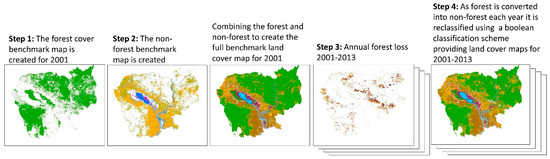
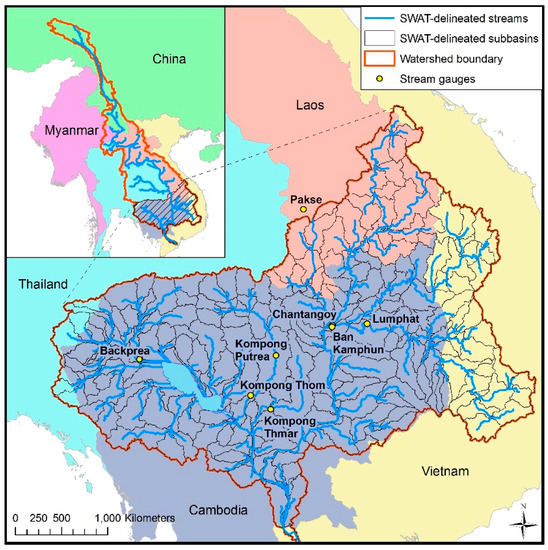
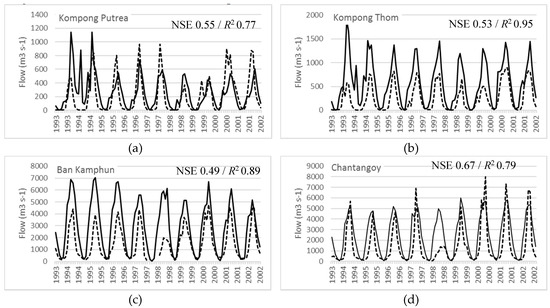
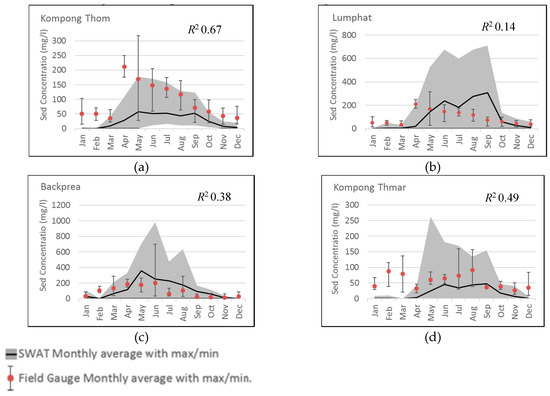
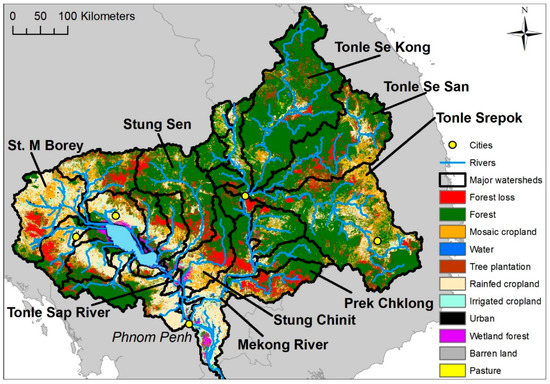
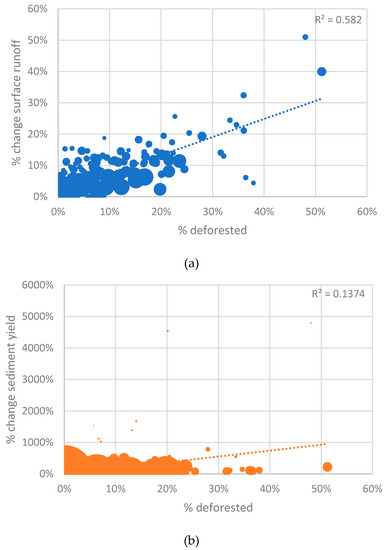
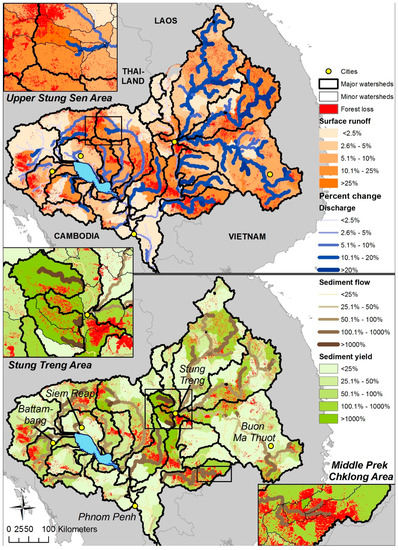
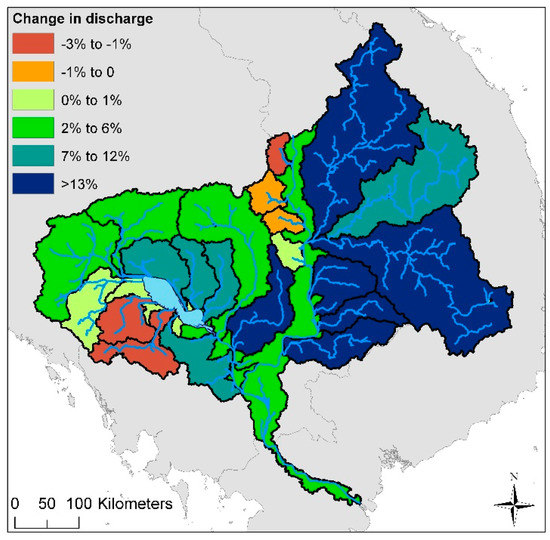
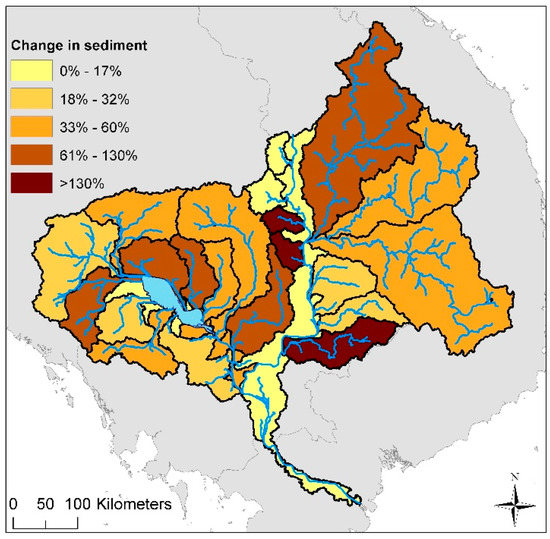
In the Lower Mekong River Basin (LMB), deforestation rates are some of the highest in the world as land is converted primarily into intensive agriculture and plantations. While this has been a key for the region’s economic development, rural populations dependent on the freshwater water resources that support their fishing and agriculture industries are increasingly vulnerable to the impacts of flood, drought and non-point source pollution. Impacts of deforestation on ecosystem services (ES) including hydrological ES that control the availability and quality of fresh water across the landscape, regulating floods and droughts, soil erosion and non-point source pollution are known. Despite this understanding at the hillslope level, few studies have been able to quantify the impact of wide-scale deforestation on larger tropical watersheds. This study introduces a new methodology to quantify the impact of deforestation on water-based ES in the LMB with a focus on Cambodia by combining spatial datasets on forest loss from remote sensing and spatially-explicit hydrological modeling. Numerous global and regional remote sensing products are synthesized to develop detailed land use change maps for 2001 to 2013 for the LMB, which are then used as inputs into a hydrological model to develop unique spatial datasets that map ES changes due to deforestation across the LMB. The results point to a clear correlation between forest loss and surface runoff, with a weaker but upward trending relationship between forest loss and sediment yield. This resulted in increased river discharge for 17 of the 22 watersheds, and increased sediment for all 22 watersheds. While there is considerable variability between watersheds, these results could be helpful for prioritizing interventions to decrease deforestation by highlighting which areas have experienced the greatest change in water-based ES provision. These results are also presented in a web-based platform called the Watershed Ecosystem Service Tool. Full article
(This article belongs to the Special Issue Managing Forests and Water for People under a Changing Environment)
Show Figures

Figure 1

16 pages, 1763 KB  
Article
Modeling Diameter Distribution of Black Alder (Alnus glutinosa (L.) Gaertn.) Stands in Poland
by Piotr Pogoda, Wojciech Ochał and Stanisław Orzeł
Forests 2019, 10(5), 412; https://doi.org/10.3390/f10050412 - 13 May 2019
Cited by 27 | Viewed by 5537
Abstract
We present diameter distribution models for black alder (Alnus glutinosa (L.) Gaertn.) derived from diameter measurements made at breast height in 844 circular sample plots set in 163 managed stands located in south-eastern Poland. A total of 22,530 trees were measured. Stand [...] Read more.
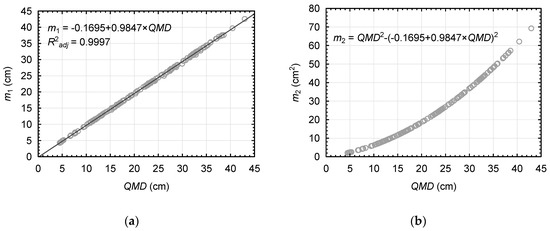
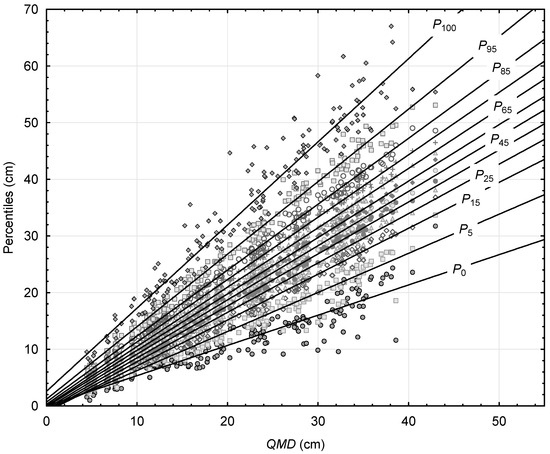
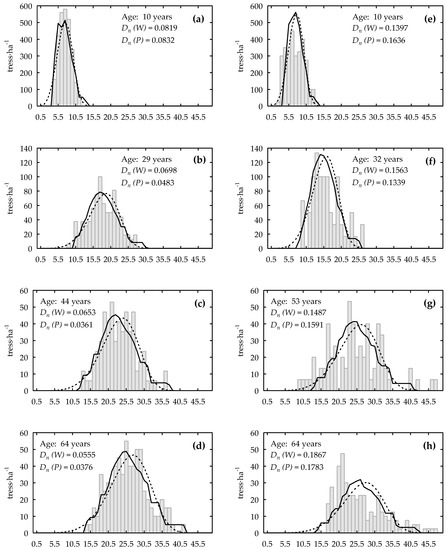
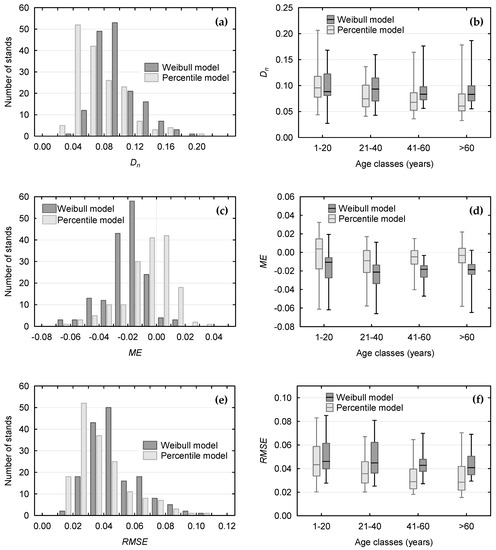
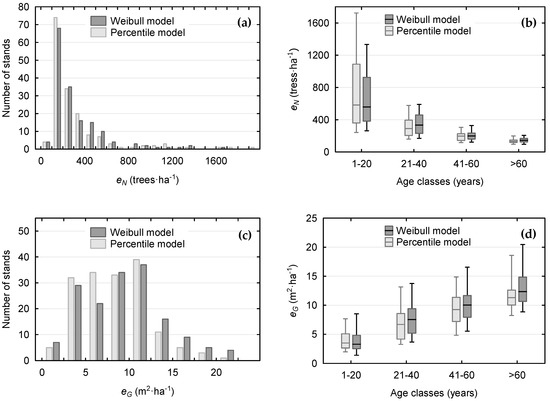
We present diameter distribution models for black alder (Alnus glutinosa (L.) Gaertn.) derived from diameter measurements made at breast height in 844 circular sample plots set in 163 managed stands located in south-eastern Poland. A total of 22,530 trees were measured. Stand age ranged from six to 89 years. The model formulation was based on the two-parameter Weibull function and a non-parametric percentile-based method. Weibull function parameters were recovered from the first raw and second central moments estimated using the stand quadratic mean diameter. The same stand characteristic was used to predict values of 12 percentiles in the percentile-based method. The model performance was assessed using the k-fold cross-validation method. The goodness-of-fit statistics include the Kolmogorov–Smirnov statistic, mean error, root mean squared error, and two variants of the error index introduced by Reynolds. The percentile model developed, accurately predicted diameter distributions in 88.4% of black alder stands, as compared to 81.9% for the Weibull model (Kolmogorov–Smirnov test). Alternative statistical metrics assessing goodness-of-fit to empirical distributions suggested that the non-parametric percentile model was superior to the parametric Weibull model, especially in stands older than 20 years. In younger stands, the two models were accurate only in 57% of the cases, and did not differ significantly with respect to goodness-of-fit measures. Full article
(This article belongs to the Special Issue Modeling of Forest Structure and Dynamics)
Show Figures

Figure 1

19 pages, 6864 KB  
Article
Transcriptome Sequencing of Different Avocado Ecotypes: de novo Transcriptome Assembly, Annotation, Identification and Validation of EST-SSR Markers
by Yu Ge, Lin Tan, Bin Wu, Tao Wang, Teng Zhang, Haihong Chen, Minghong Zou, Funing Ma, Zining Xu and Rulin Zhan
Forests 2019, 10(5), 411; https://doi.org/10.3390/f10050411 - 12 May 2019
Cited by 25 | Viewed by 4689
Abstract
Avocado (Persea americana Mill.) could be considered as an important tropical and subtropical woody oil crop with high economic and nutritional value. Despite the importance of this species, genomic information is currently unavailable for avocado and closely related congeners. In this study, [...] Read more.
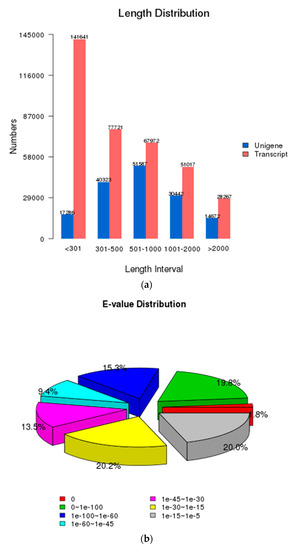
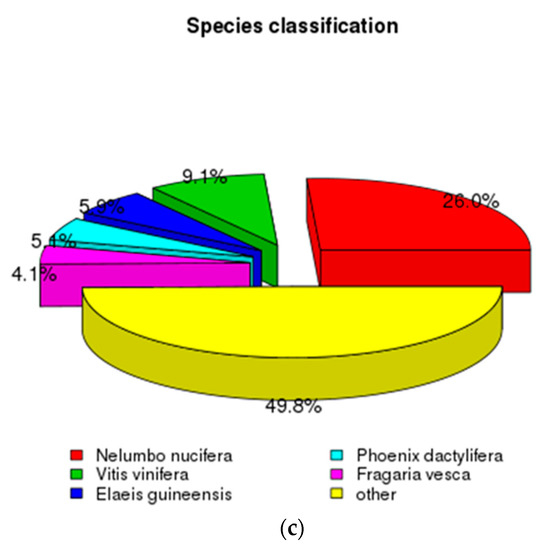
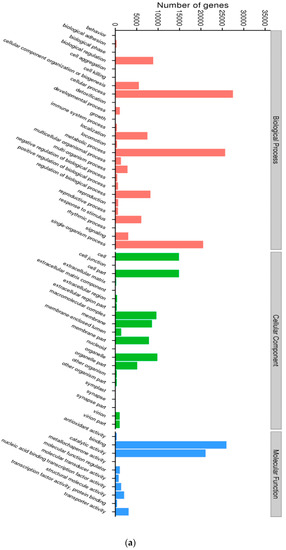
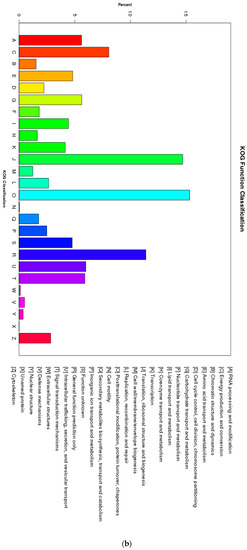
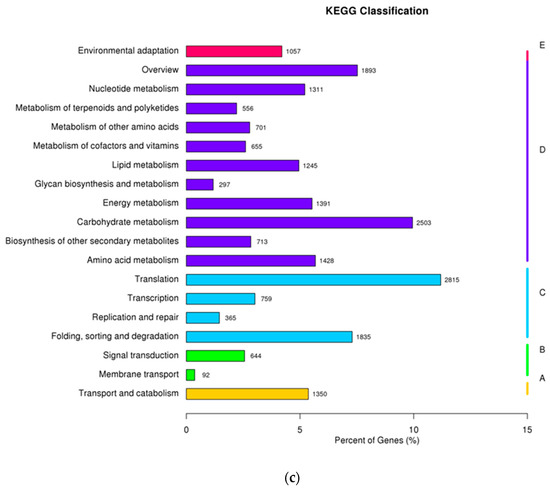
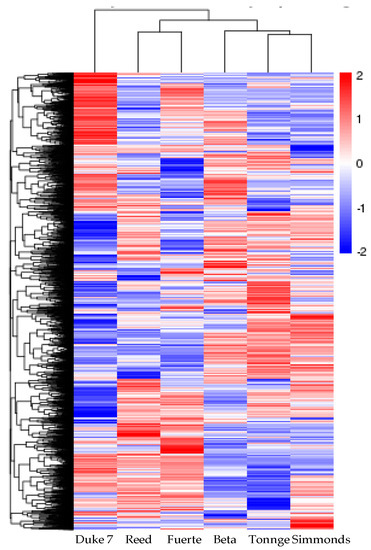
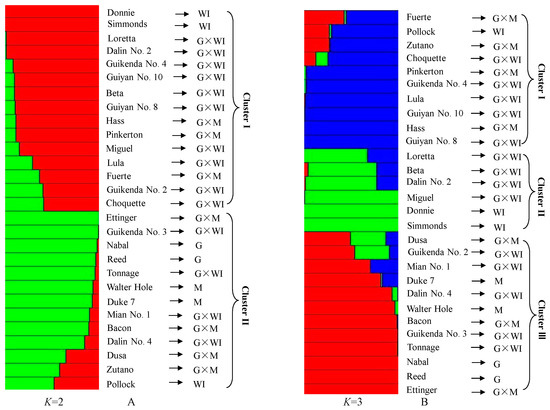
Avocado (Persea americana Mill.) could be considered as an important tropical and subtropical woody oil crop with high economic and nutritional value. Despite the importance of this species, genomic information is currently unavailable for avocado and closely related congeners. In this study, we generated more than 216 million clean reads from different avocado ecotypes using Illumina HiSeq high-throughput sequencing technology. The high-quality reads were assembled into 154,310 unigenes with an average length of 922 bp. A total of 55,558 simple sequence repeat (SSR) loci detected among the 43,270 SSR-containing unigene sequences were used to develop 74,580 expressed sequence tag (EST)-SSR markers. From these markers, a subset of 100 EST-SSR markers was randomly chosen to identify polymorphic EST-SSR markers in 28 avocado accessions. Sixteen EST-SSR markers with moderate to high polymorphism levels were detected, with polymorphism information contents ranging from 0.33 to 0.84 and averaging 0.63. These 16 polymorphic EST-SSRs could clearly and effectively distinguish the 28 avocado accessions. In summary, our study is the first presentation of transcriptome data of different avocado ecotypes and comprehensive study on the development and analysis of a set of EST-SSR markers in avocado. The application of next-generation sequencing techniques for SSR development is a potentially powerful tool for genetic studies. Full article
(This article belongs to the Section Forest Ecophysiology and Biology)
Show Figures

Figure 1

12 pages, 2286 KB  
Article
Mortality of Different Populus Genotypes in Recently Established Mixed Short Rotation Coppice with Robinia pseudoacacia L.
by Jessica Rebola-Lichtenberg, Peter Schall, Peter Annighöfer, Christian Ammer, Ludger Leinemann, Andrea Polle and Dejuan Euring
Forests 2019, 10(5), 410; https://doi.org/10.3390/f10050410 - 12 May 2019
Cited by 10 | Viewed by 3202
Abstract
Short rotation coppices play an increasing role in providing wooden biomass for energy. Mixing fast-growing tree species in short rotation coppices may result in complementary effects and increased yield. The aim of this study was to analyze the effect on mortality of eight [...] Read more.
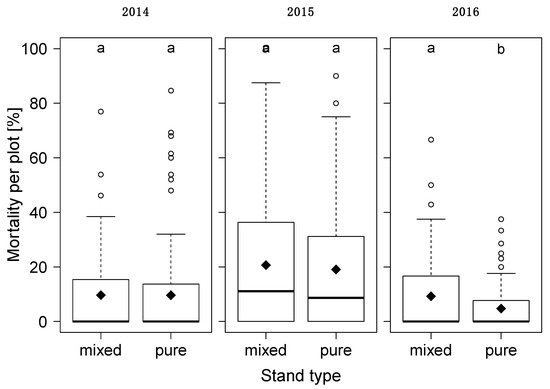
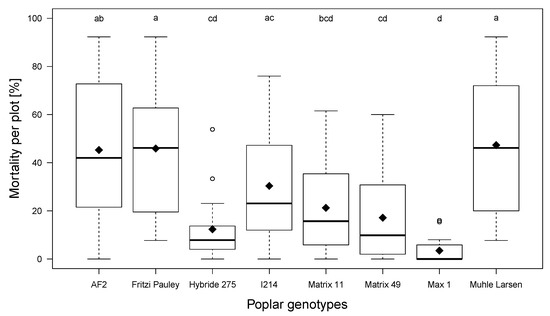
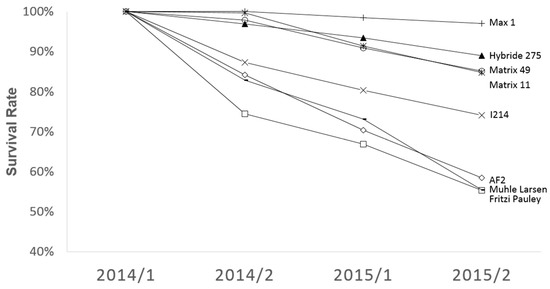
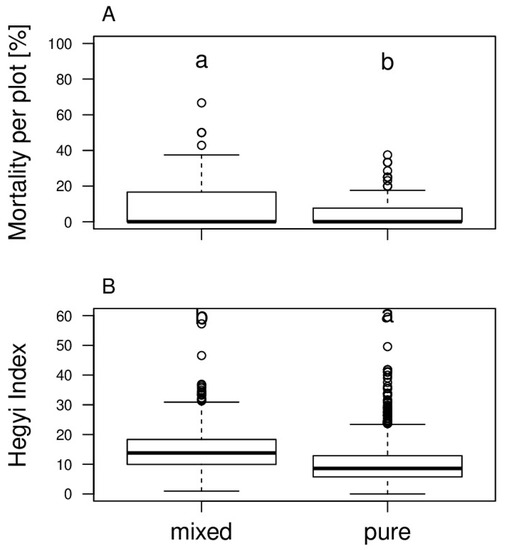
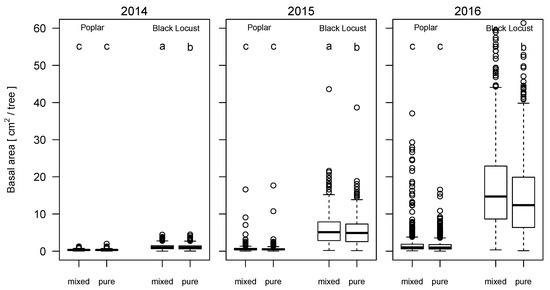
Short rotation coppices play an increasing role in providing wooden biomass for energy. Mixing fast-growing tree species in short rotation coppices may result in complementary effects and increased yield. The aim of this study was to analyze the effect on mortality of eight different poplar genotypes (Populus sp.) in mixed short rotation coppices with three different provenances of the N-fixing tree species black locust (Robinia pseudoacacia L.). Pure and mixed stands were established at two sites of contrasting fertility. Survival of poplar was assessed for each tree two times a year, for a period of three years. In the first two years, high variation in mortality was observed between the genotypes, but no significant differences between pure and mixed stands were identified. However, three years after planting, higher mortality rates were observed in the mixtures across all poplar genotypes in comparison to pure stands. The expected advantage on growth of combining an N-fixing tree with an N-demanding tree species, such as poplar, was overshadowed by the Robinia’s dominance and competitiveness. Full article
(This article belongs to the Special Issue Modelling Mixing Effects in Forest Stands)
Show Figures

Figure 1

16 pages, 4394 KB  
Article
Composite Estimators for Forest Growth Derived from Symmetric, Varying-Length Observation Intervals
by Francis A. Roesch
Forests 2019, 10(5), 409; https://doi.org/10.3390/f10050409 - 11 May 2019
Cited by 2 | Viewed by 2283
Abstract
Estimates of growth or change in a forest population parameter for a specific length of time, such as cubic meters of wood per hectare per year, are often made from sample observation intervals of different lengths of time. For instance, a basic building [...] Read more.
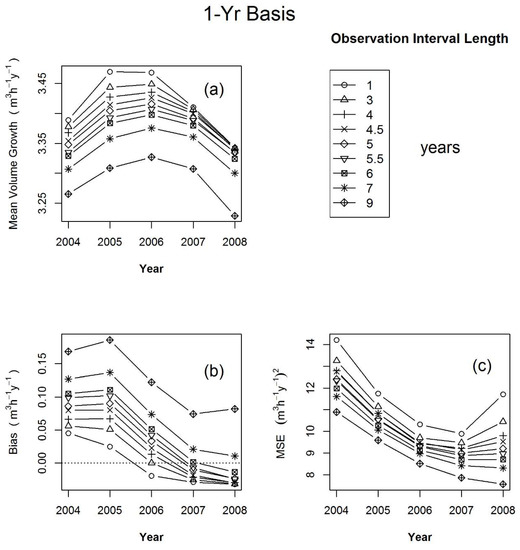
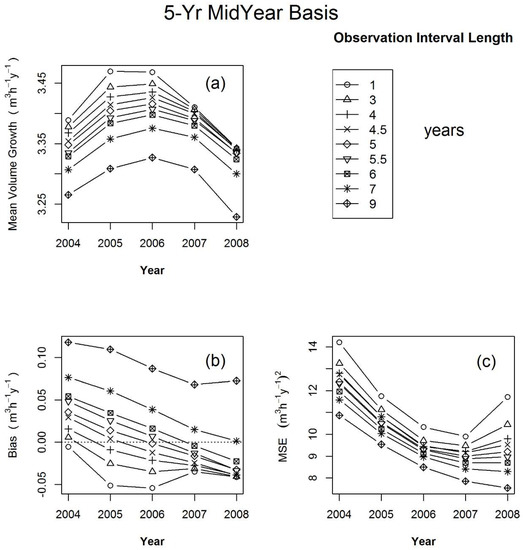
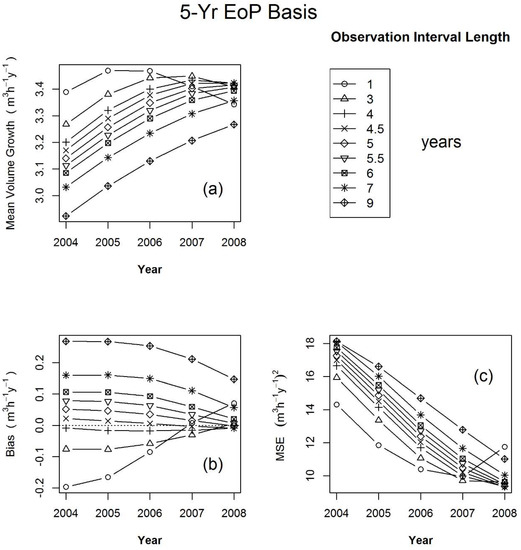
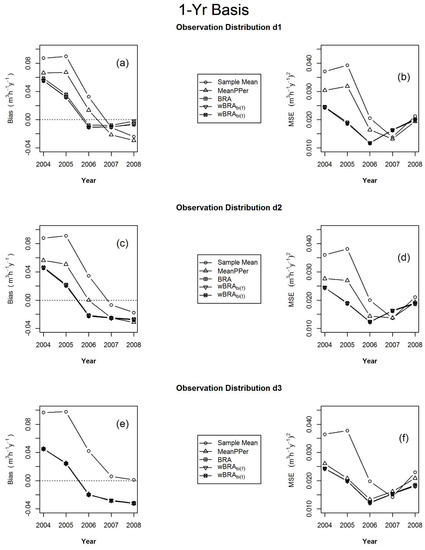
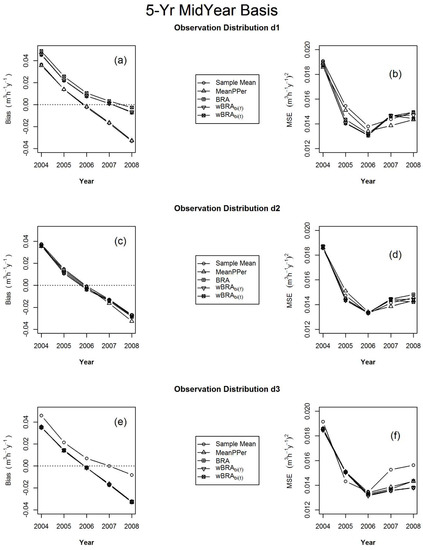
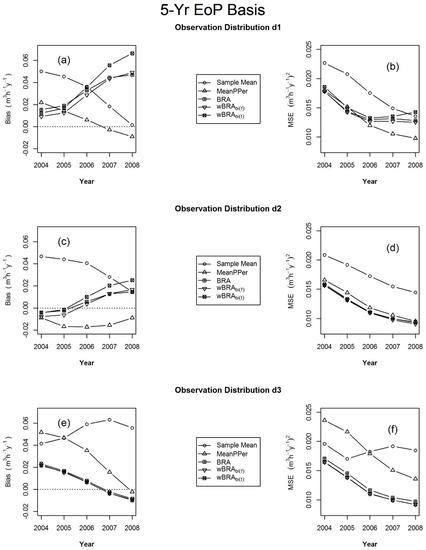
Estimates of growth or change in a forest population parameter for a specific length of time, such as cubic meters of wood per hectare per year, are often made from sample observation intervals of different lengths of time. For instance, a basic building block of growth estimators in forest inventory systems is often the annual mean of the first differences of all observations for a particular year, regardless of observation interval length. The aggregate differences between successive observations on re-measured forest sample plots can be viewed as a linear combination, while forest growth is usually assumed to be non-linear. Bias can be assumed to exist whenever a linear combination is used to estimate a specific segment of an underlying non-linear trend. The amount of bias will depend upon the relationship of the intended estimation interval relative to the set of observation intervals. Here, three specific segments, relative to each year of interest, form the bases for a standard set of three estimands. Bias-ratio-adjusted composite estimators for use with observations made on alternative sets of symmetric interval lengths are compared in a simulation against this standard set of estimands. The first estimand has a one-year basis, the second has a five-year mid-interval basis, and the third has a five-year end-of-period basis. For the first and second bases, the initial results clearly show a logical ordering of bias and mean-squared error by observation interval length relative to the target interval length. As expected, some deviance from these clear trends are shown for the end-of-period basis. In the presence of three simple distributions of symmetric measurement intervals, the bias-ratio adjustments and subsequent composite estimators are shown to usually be effective in reducing bias and mean-squared error, while being most obviously effective for the most disparate distribution of intervals and for the end-of-period basis. Full article
(This article belongs to the Section Forest Inventory, Modeling and Remote Sensing)
Show Figures

Figure 1

21 pages, 23043 KB  
Article
Testing a New Ensemble Model Based on SVM and Random Forest in Forest Fire Susceptibility Assessment and Its Mapping in Serbia’s Tara National Park
by Ljubomir Gigović, Hamid Reza Pourghasemi, Siniša Drobnjak and Shibiao Bai
Forests 2019, 10(5), 408; https://doi.org/10.3390/f10050408 - 11 May 2019
Cited by 217 | Viewed by 13691
Abstract
The main objectives of this paper are to demonstrate the results of an ensemble learning method based on prediction results of support vector machine and random forest methods using Bayesian average. In this study, we generated susceptibility maps of forest fire using supervised [...] Read more.
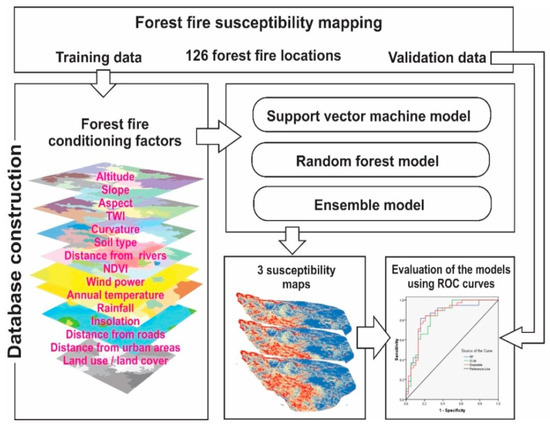
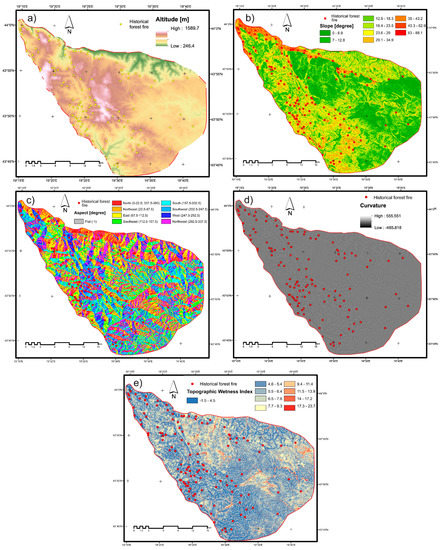
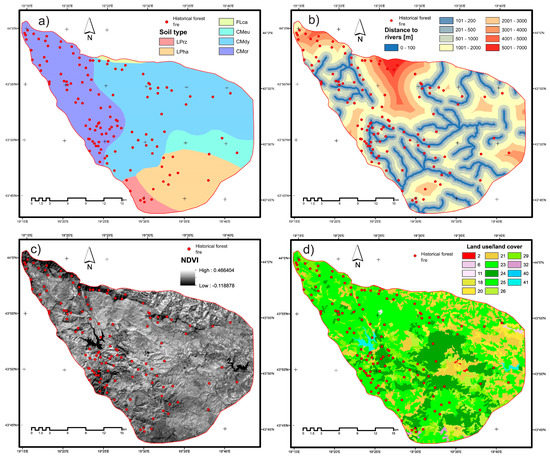
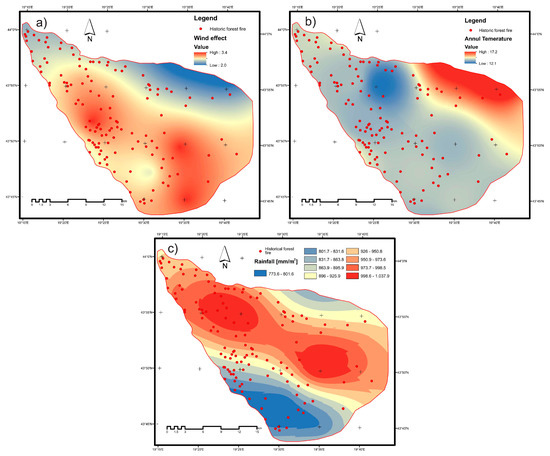
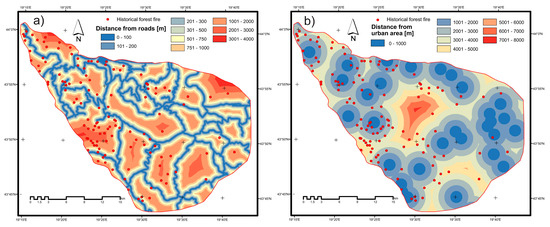
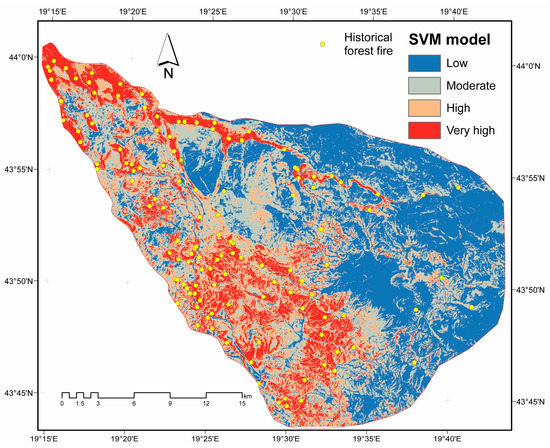
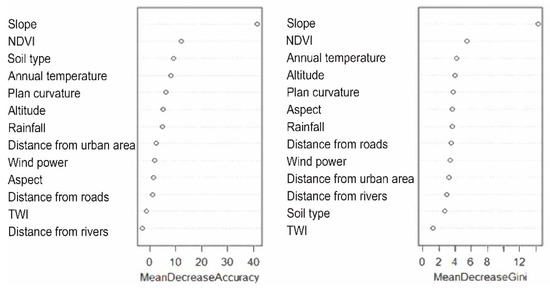
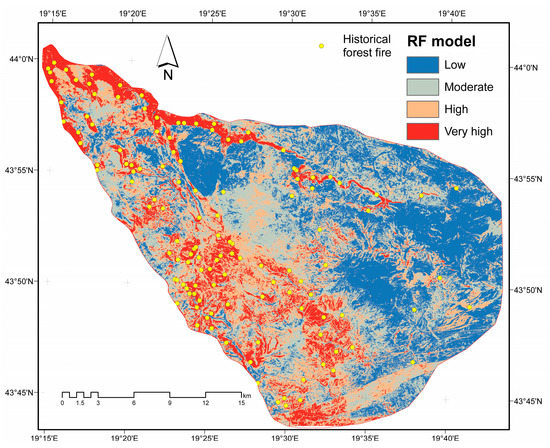
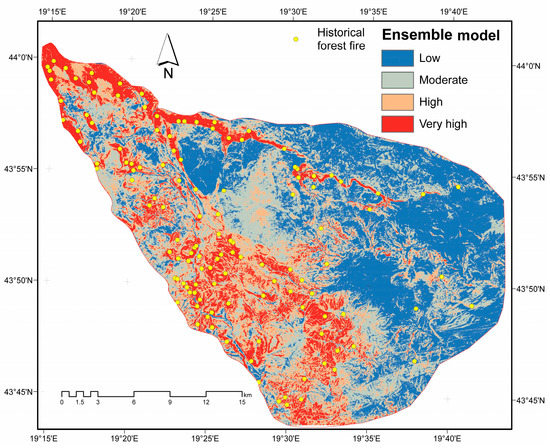
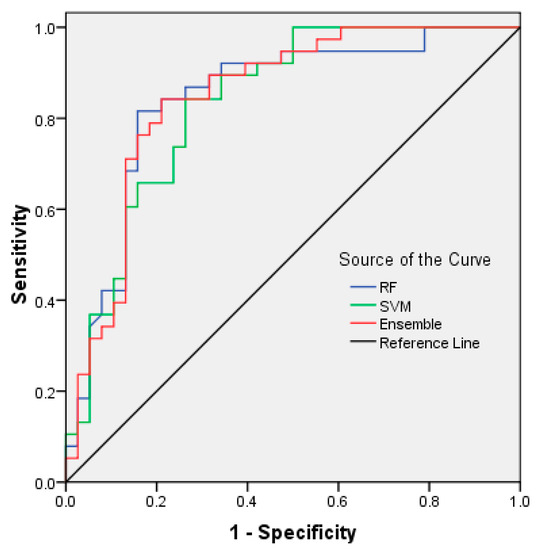
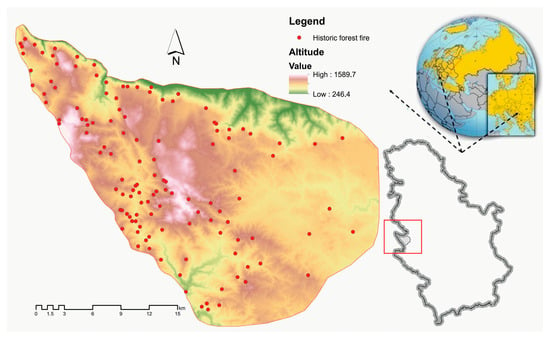
The main objectives of this paper are to demonstrate the results of an ensemble learning method based on prediction results of support vector machine and random forest methods using Bayesian average. In this study, we generated susceptibility maps of forest fire using supervised machine learning method (support vector machine—SVM) and its comparison with a versatile machine learning algorithm (random forest—RF) and their ensembles. In order to achieve this, first of all, a forest fire inventory map was constructed using Serbian historical forest fire database, Moderate Resolution Imaging Spectro radiometer (MODIS), Landsat 8 OLI and Worldview-2 satellite images, field surveys, and interpretation of aerial photo images. A total of 126 forest fire locations were identified and randomly divided by a random selection algorithm into two groups, including training (70%) and validation data sets (30%). Forest fire susceptibility maps were prepared using SVM, RF, and their ensemble models using the training dataset and 14 selected different conditioning factors. Finally, to explore the performance of the mentioned models we used the values for area under the curve (AUC) of receiver operating characteristics (ROC). The results depicted that the ensemble model had an AUC = 0.848, followed by the SVM model (AUC = 0.844), and RF model (AUC = 0.834). According to achieved AUC results, it can be deduced that SVM, RF, and their ensemble method had satisfactory performance. The study was applied in the Tara National Park (West Serbia), a region of about 191.7 sq. km distinguished by a very high forest density and a large number of forest fires. Full article
(This article belongs to the Special Issue Remote Sensing Technology Applications in Forestry and REDD+)
Show Figures

Figure 1

14 pages, 2289 KB  
Article
Hydraulic Characteristics of Populus euphratica in an Arid Environment
by Duan Li, Jianhua Si, Xiaoyou Zhang, Yayu Gao, Chunlin Wang, Huan Luo, Jie Qin and Guanlong Gao
Forests 2019, 10(5), 407; https://doi.org/10.3390/f10050407 - 10 May 2019
Cited by 13 | Viewed by 3634
Abstract
Stable hydraulic conductivity in forest trees maintains healthy tree crowns and contributes to productivity in forest ecosystems. Drought conditions break down this relationship, but the mechanisms are poorly known and may depend on drought severity. To increase the understanding of changes in hydraulic [...] Read more.
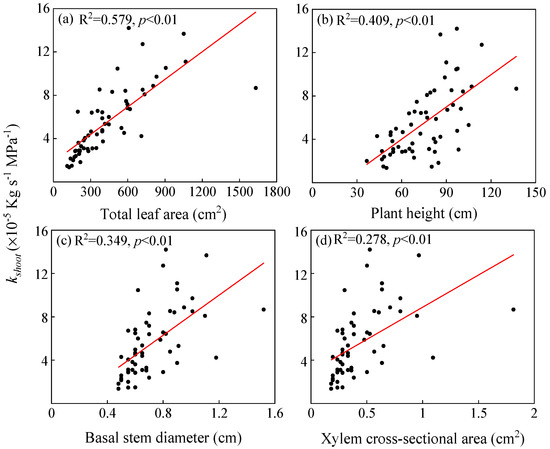
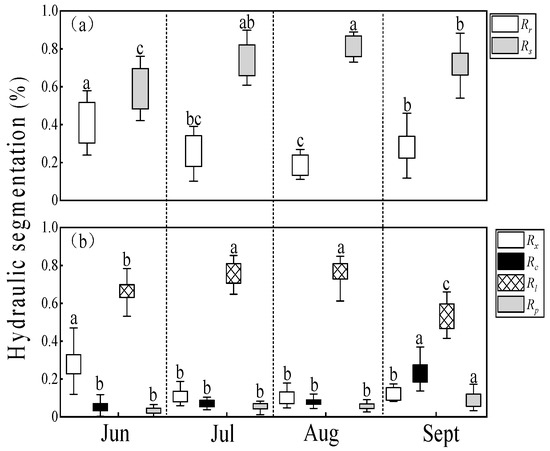
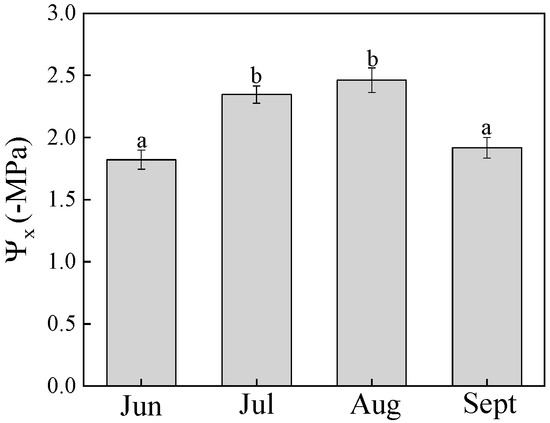
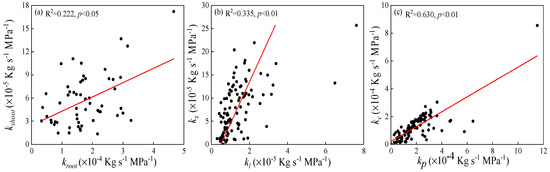
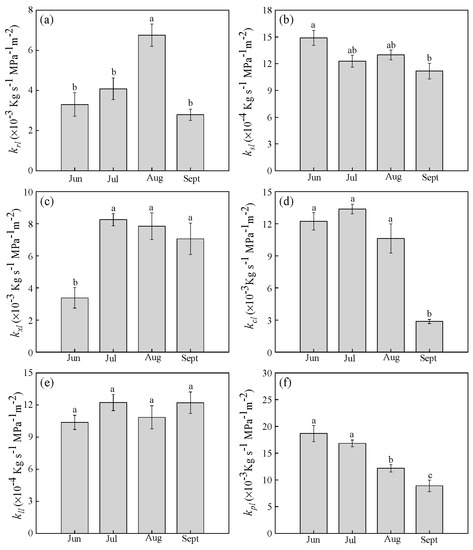
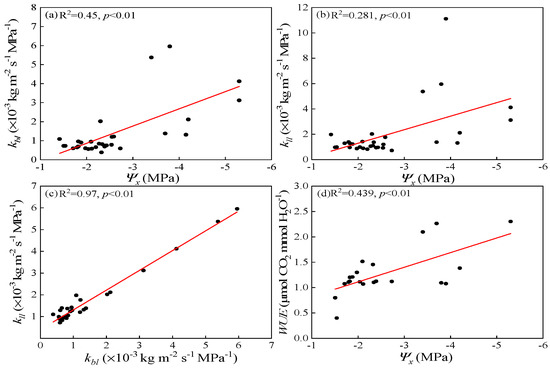
Stable hydraulic conductivity in forest trees maintains healthy tree crowns and contributes to productivity in forest ecosystems. Drought conditions break down this relationship, but the mechanisms are poorly known and may depend on drought severity. To increase the understanding of changes in hydraulic conductivity during drought, we determined hydraulic parameters in Populus euphratica Oliv. (P. euphratica) in naturally arid conditions and in a simulated severe drought using a high-pressure flow meter. The results showed that leaf-specific hydraulic conductance (LSC) of leaf blades was less variable in mild drought, and increased significantly in severe drought. Plants attempted to maintain stability in leaf blade LSC under moderate water stress. In extreme drought, LSC was enhanced by increasing hydraulic conductance in plant parts with less hydraulic limitation, decreasing it in other parts, and decreasing leaf area; this mechanism protected the integrity of water transport in portions of tree crowns, and induced scorched branches and partial mortality in other parts of crowns. We conclude that limitation in water supply and elastic regulation of hydraulic characteristics may drive the mortality of tree branches as a result of severe drought. Evaluation of adaptive water transport capacity in riparian plants in arid areas provides a scientific basis for riparian forest restoration. Full article
(This article belongs to the Special Issue Tree Hydraulic Functioning)
Show Figures

Figure 1

11 pages, 1361 KB  
Article
Pretreatment with High-Dose Gamma Irradiation on Seeds Enhances the Tolerance of Sweet Osmanthus Seedlings to Salinity Stress
by Xingmin Geng, Yuemiao Zhang, Lianggui Wang and Xiulian Yang
Forests 2019, 10(5), 406; https://doi.org/10.3390/f10050406 - 10 May 2019
Cited by 21 | Viewed by 3660
Abstract
The landscape application of sweet osmanthus (Osmanthus fragrans) with flower fragrance and high ornamental value is severely limited by salinity stress. Gamma irradiation applied to seeds enhanced their tolerance to salinity stress as reported in other plants. In this study, O. [...] Read more.
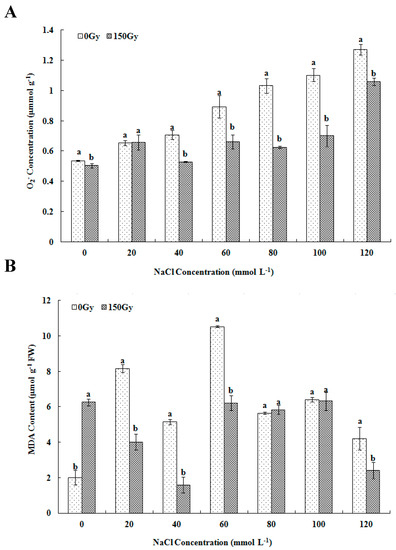
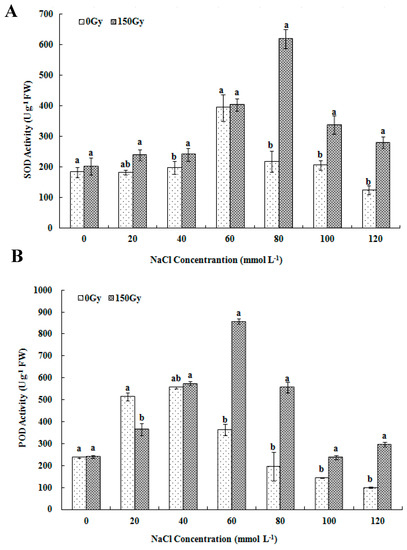
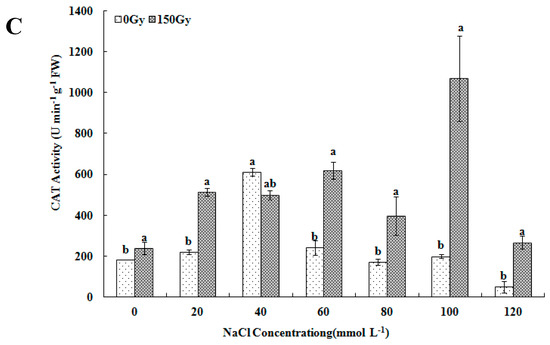
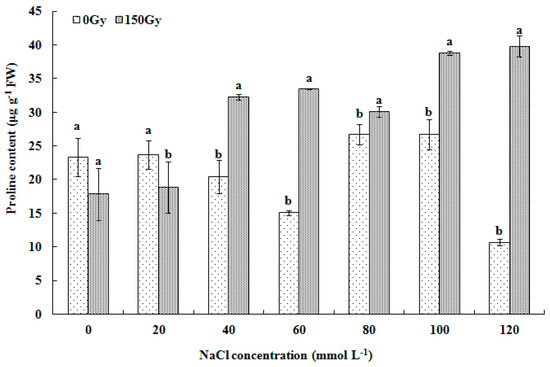
The landscape application of sweet osmanthus (Osmanthus fragrans) with flower fragrance and high ornamental value is severely limited by salinity stress. Gamma irradiation applied to seeds enhanced their tolerance to salinity stress as reported in other plants. In this study, O. fragrans ‘Huangchuang Jingui’ seeds were pretreated with different doses of gamma irradiation, and tolerance of the seedlings germinated from the irradiated seeds to salinity stress and the changes of reactive oxygen species (ROS) production and ROS scavenging systems induced by gamma irradiation were observed. The results showed that seed pretreatment with different doses of gamma irradiation enhanced the tolerance of sweet osmanthus seedlings to salinity stress, and the positive effect induced by gamma irradiation was more remarkable with the increase of radiation dose (50–150 Gy). The pretreatment with high-dose irradiation decreased O2 production under salinity stress and mitigated the oxidative damage marked by a lower malondialdehyde (MDA) level, which could be related to the significant increase of superoxide dismutase (SOD), peroxidase (POD) and catalase (CAT) activities in the seedlings germinated from the irradiated seeds compared to the corresponding control seedlings. In addition, the accumulation of proline in the irradiated seedlings may contribute to enhancing their tolerance to salt stress by the osmotic adjustment. The study demonstrated the importance of regulating plant ROS balance under salt stress and provided a potential approach to improve the tolerance of sweet osmanthus to salt stress. Full article
(This article belongs to the Special Issue Physiological Responses to Abiotic and Biotic Stress in Forest Trees)
Show Figures

Figure 1

13 pages, 3554 KB  
Article
Soil Silicon Amendment Increases Phyllostachys praecox Cold Tolerance in a Pot Experiment
by Zhuang Zhuang Qian, Shun Yao Zhuang, Qiang Li and Ren Yi Gui
Forests 2019, 10(5), 405; https://doi.org/10.3390/f10050405 - 10 May 2019
Cited by 14 | Viewed by 3246
Abstract
Cultivated bamboos are occasionally subjected to cold stress in winter, and silicon could improve their cold tolerance. However, evidence of the effect of Si on bamboos is still limited. Therefore, a batch and pot experiment was conducted for six months to investigate the [...] Read more.
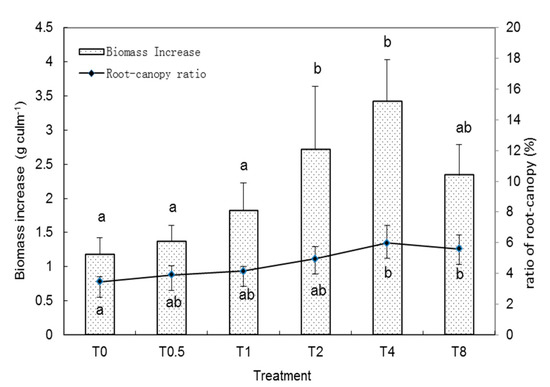
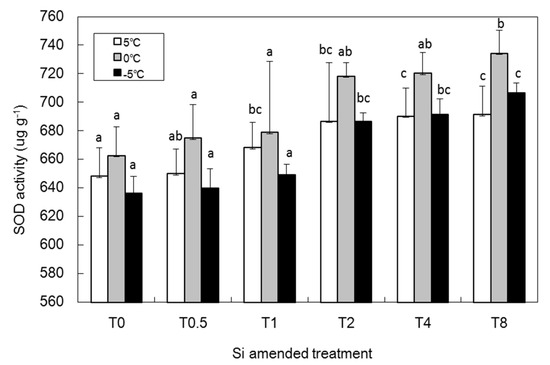
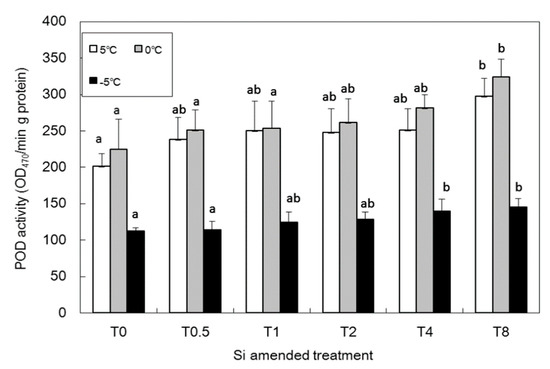
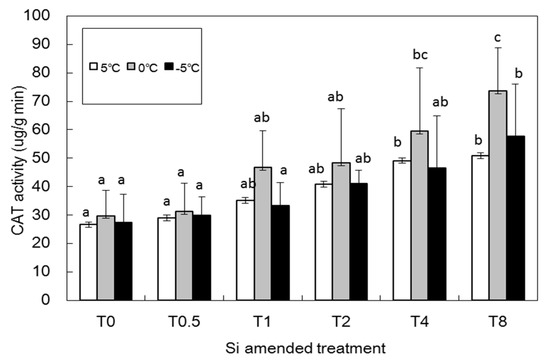
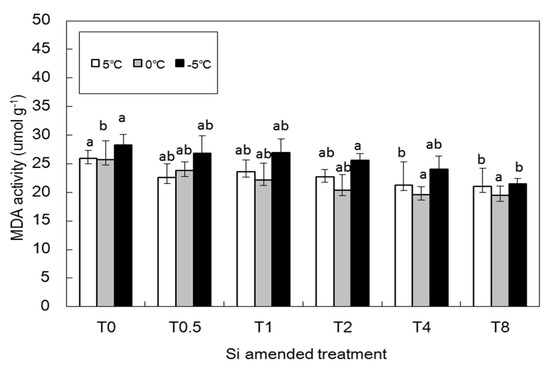
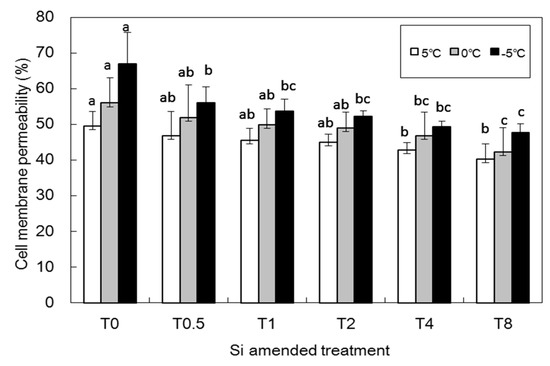
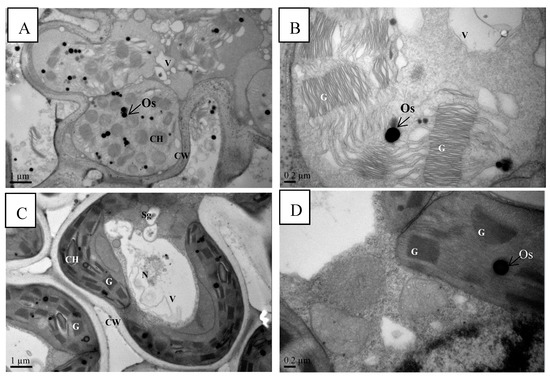
Cultivated bamboos are occasionally subjected to cold stress in winter, and silicon could improve their cold tolerance. However, evidence of the effect of Si on bamboos is still limited. Therefore, a batch and pot experiment was conducted for six months to investigate the effects of different Si fertilizer application rates (0, 0.5, 1.0, 2.0, 4.0, and 8.0 g kg−1 of soil weight) on the physiological responses and photosynthesis parameters of Phyllostachys praecox under a simulated cold stress condition. The cold temperature was set to 5 °C, 0 °C, and −5 °C, successively. The bamboo biomass increased significantly when the Si amendment rate was at least 2.0 g kg−1 (P = 0.002), and the highest biomass increase and root-to-canopy ratio were obtained with the 4.0 g kg−1 Si amendment. Furthermore, the Si contents in all organs of the bamboos increased with the increase of the Si amendment rate. The highest content of Si among the other organs was observed in the leaf, and the content was 68.95 mg kg−1 with the treatment of 4.0 g kg−1. With the application of Si, the photosynthesis rate of bamboo leaves was significantly increased (P = 0.008). The Si-amended bamboo exhibited a cold tolerance that was associated with stimulating antioxidant systems, and the enzyme activities of superoxide dismutase, peroxidase, and catalase increased with the increase of the Si amendment rate, whereas the malondialdehyde content and cell membrane permeability decreased with all Si treatments. A low temperature of −5 °C exerted effects on the bamboo leaf chloroplasts, but the ultrastructures of the chloroplasts remained intact after Si treatment. These findings suggest that Si fertilizer enhances bamboo growth and the tolerance of bamboo plants to cold stress. However, a high application rate (8.0 g kg−1) caused a decline in the bamboo biomass, compared to T4. Thus, a Si fertilization rate of 2.0~8.0 g kg−1 is recommended for bamboos under cold conditions. Full article
(This article belongs to the Special Issue Physiological Responses to Abiotic and Biotic Stress in Forest Trees)
Show Figures

Figure 1

11 pages, 1347 KB  
Communication
Nematophagous Pleurotus Species Consume Some Nematode Species but Are Themselves Consumed by Others
by Maria Marlin, Avery Wolf, Maryam Alomran, Lynn Carta and George Newcombe
Forests 2019, 10(5), 404; https://doi.org/10.3390/f10050404 - 10 May 2019
Cited by 12 | Viewed by 13455
Abstract
Pleurotus species are said to be nematophagous because they paralyze and consume some bacterial-feeding nematodes. It has never been clear whether that means all nematodes. Here we tested thirteen bacterial-feeding nematode species: seven of family Rhabditidae, three of Cephalobidae (one with three populations), [...] Read more.
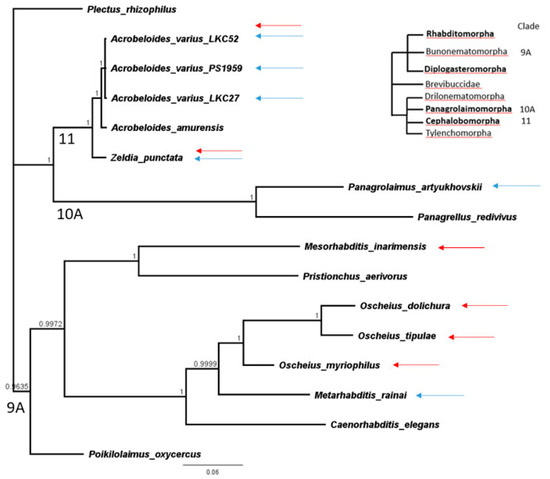
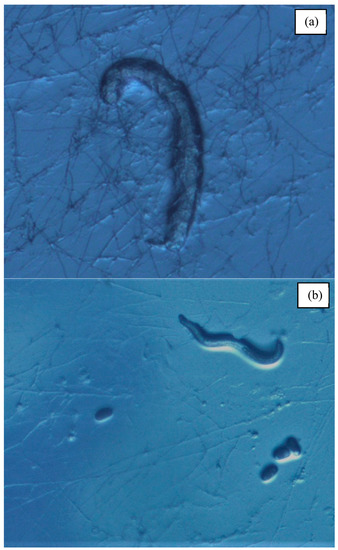
Pleurotus species are said to be nematophagous because they paralyze and consume some bacterial-feeding nematodes. It has never been clear whether that means all nematodes. Here we tested thirteen bacterial-feeding nematode species: seven of family Rhabditidae, three of Cephalobidae (one with three populations), two of Panagrolaimidae, and one of Diplogastridae. Nematodes interacted on water agar with toxin-producing isolates of Pleurotus pulmonarius (Fr.) Quél. and Pleurotus ostreatus (Jacq.) P. Kumm. Of the thirteen species, nine were susceptible to P. pulmonarius (all individuals were paralyzed) but four (four populations of two cephalobid species, one rhabditid, and one panagrolaimid) survived exposure to P. pulmonarius. The resistant four species not only survived but multiplied their numbers by consuming P. pulmonarius. A similar trend was observed with nematodes interacting with P. ostreatus; however, six species were resistant to P. ostreatus. Interestingly, four of these six species were susceptible to P. pulmonarius, and interactions overall were differential. Pleurotus species are nematophagous toward some nematodes but are also consumed by others in three of the four families assayed. Species-specific interactions point to the need for studies of the host ranges of both “nematophagous” fungi and “fungivorous” nematodes, especially if they are to be used for biological control. Full article
(This article belongs to the Special Issue Biological Control of Forest Invaders)
Show Figures

Figure 1

16 pages, 2097 KB  
Article
Mite Communities (Acari, Mesostigmata) in the Initially Decomposed ‘Litter Islands’ of 11 Tree Species in Scots Pine (Pinus sylvestris L.) Forest
by Jacek Kamczyc, Marcin K. Dyderski, Paweł Horodecki and Andrzej M. Jagodziński
Forests 2019, 10(5), 403; https://doi.org/10.3390/f10050403 - 9 May 2019
Cited by 18 | Viewed by 4764
Abstract
Replacement of native deciduous forests by coniferous stands was a common result of former European afforestation policies and paradigms of forest management and led to considerable ecological consequences. Therefore, the most popular management strategy nowadays in multi-functional forestry is the re-establishment of mixed [...] Read more.
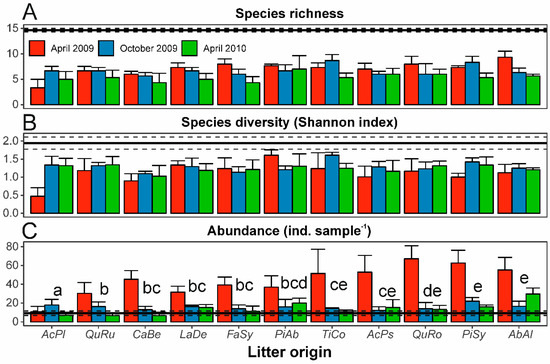
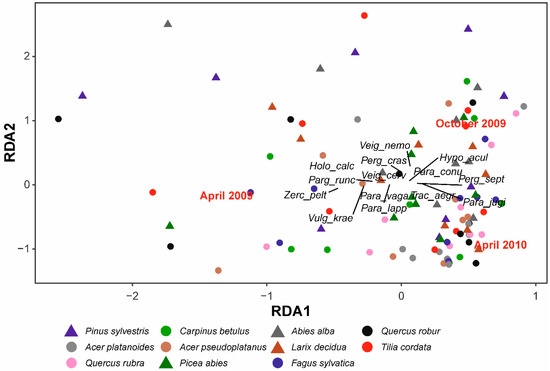
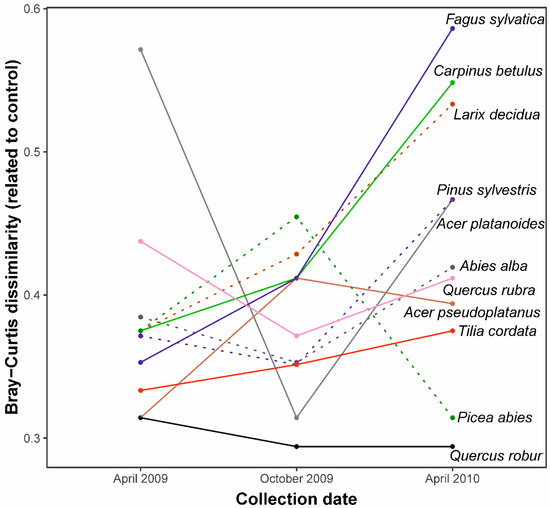
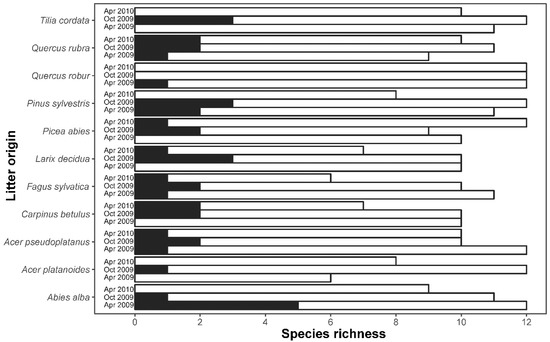
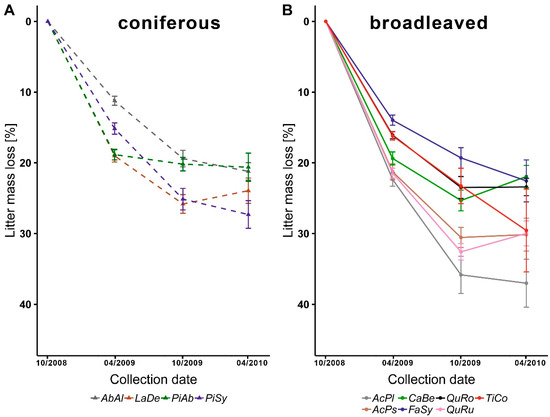
Replacement of native deciduous forests by coniferous stands was a common result of former European afforestation policies and paradigms of forest management and led to considerable ecological consequences. Therefore, the most popular management strategy nowadays in multi-functional forestry is the re-establishment of mixed or broadleaved forests with native species on suitable habitats. However, our knowledge about the effects of tree species introduced into coniferous monocultures on soil mesofauna communities is scarce. We investigated abundance, species richness and diversity of Mesostigmata mite communities in decomposed litter of seven broadleaved (Acer platanoides L., A. pseudoplatanus L., Carpinus betulus L., Fagus sylvatica L., Tilia cordata Mill., Quercus robur L., Q. rubra L.) and four coniferous (Abies alba Mill., Larix decidua Mill., Picea abies [L.] Karst., Pinus sylvestris L.) species. We collected 297 litterbags after 6, 12 and 18 months of exposition in Scots pine (Pinus sylvestris) monocultures in Siemianice Experimental Forest (SW Poland). Generally, species richness and diversity in litter samples were much lower than in the soil mite pool. The highest abundance was found in P. sylvestris and A. alba litter, while the lowest was found in A. platanoides. The most abundant families were Zerconidae, Parasitidae, Veigaiidae, and Trachytidae. Our study revealed that neither species richness nor diversity were affected, but that mite abundance was affected, by the tree species (litter quality). The mite communities were similarly comprised in both high- and low-quality litter and mite abundance decreased during the decomposition process in nutrient-poor Scots pine forests. Moreover, few mite species benefited from the decomposed litter. Additionally, a litter of various tree species was inhabited mainly by eu- and hemiedaphic mite species. Mite assemblages in A. alba, P. sylvestris, and Q. robur litter had higher abundances. Exposition time seems to be an important driver in shaping the mite community during the early stages of litter decomposition. Full article
(This article belongs to the Special Issue Impacts, Monitoring and Management of Forest Pests and Diseases)
Show Figures

Figure 1

19 pages, 4019 KB  
Article
Modeling and Mapping Forest Fire Occurrence from Aboveground Carbon Density in Mexico
by Carlos Ivan Briones-Herrera, Daniel José Vega-Nieva, Norma Angélica Monjarás-Vega, Favian Flores-Medina, Pablito Marcelo Lopez-Serrano, José Javier Corral-Rivas, Artemio Carrillo-Parra, Miguel Ángel Pulgarin-Gámiz, Ernesto Alvarado-Celestino, Armando González-Cabán, Stéfano Arellano-Pérez, Juan Gabriel Álvarez-González, Ana Daría Ruiz-González and William Mathew Jolly
Forests 2019, 10(5), 402; https://doi.org/10.3390/f10050402 - 9 May 2019
Cited by 17 | Viewed by 7003
Abstract
Understanding the spatial patterns of fire occurrence is key for improved forest fires management, particularly under global change scenarios. Very few studies have attempted to relate satellite-based aboveground biomass maps of moderate spatial resolution to spatial fire occurrence under a variety of climatic [...] Read more.
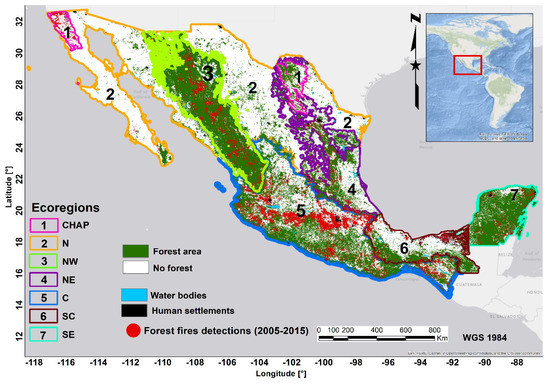
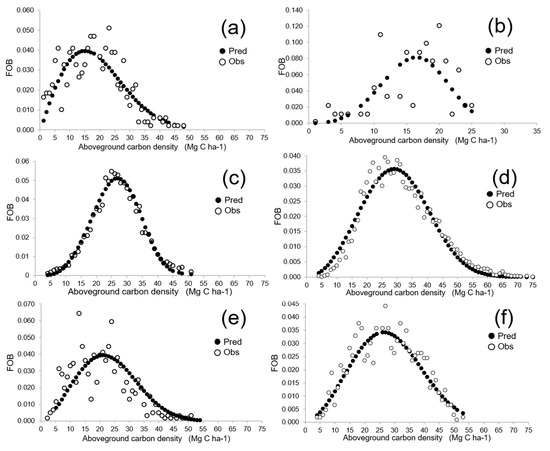
Understanding the spatial patterns of fire occurrence is key for improved forest fires management, particularly under global change scenarios. Very few studies have attempted to relate satellite-based aboveground biomass maps of moderate spatial resolution to spatial fire occurrence under a variety of climatic and vegetation conditions. This study focuses on modeling and mapping fire occurrence based on fire suppression data from 2005–2015 from aboveground biomass—expressed as aboveground carbon density (AGCD)—for the main ecoregions in Mexico. Our results showed that at each ecoregion, unimodal or humped relationships were found between AGCD and fire occurrence, which might be explained by varying constraints of fuel and climate limitation to fire activity. Weibull equations successfully fitted the fire occurrence distributions from AGCD, with the lowest fit for the desert shrub-dominated north region that had the lowest number of observed fires. The models for predicting fire occurrence from AGCD were significantly different by region, with the exception of the temperate forest in the northwest and northeast regions that could be modeled with a single Weibull model. Our results suggest that AGCD could be used to estimate spatial fire occurrence maps; those estimates could be integrated into operational GIS tools for assistance in fire danger mapping and fire and fuel management decision-making. Further investigation of anthropogenic drivers of fire occurrence and fuel characteristics should be considered for improving the operational spatial planning of fire management. The modeling strategy presented here could be replicated in other countries or regions, based on remote-sensed measurements of aboveground biomass and fire activity or fire suppression records. Full article
(This article belongs to the Section Forest Ecology and Management)
Show Figures

Figure 1

11 pages, 2880 KB  
Article
Effect of Selected Factors on the Bending Deflection at the Limit of Proportionality and at the Modulus of Rupture in Laminated Veneer Lumber
by Adam Sikora, Tomáš Svoboda, Vladimír Záborský and Zuzana Gaffová
Forests 2019, 10(5), 401; https://doi.org/10.3390/f10050401 - 9 May 2019
Cited by 5 | Viewed by 3884
Abstract
The deflection of a test material occurs under bending stress that is caused by force. In terms of plasticity and elasticity, the deflection can be quantified at two main areas, which are the limit of proportionality and the modulus of rupture. Both of [...] Read more.
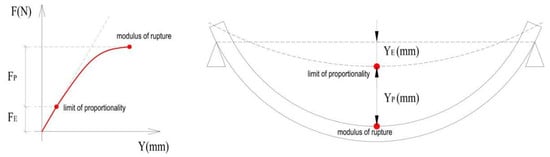
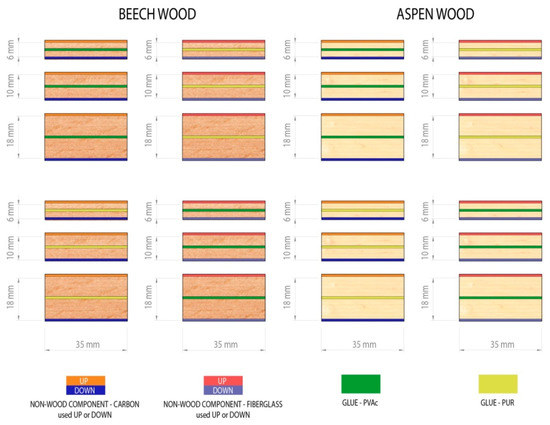
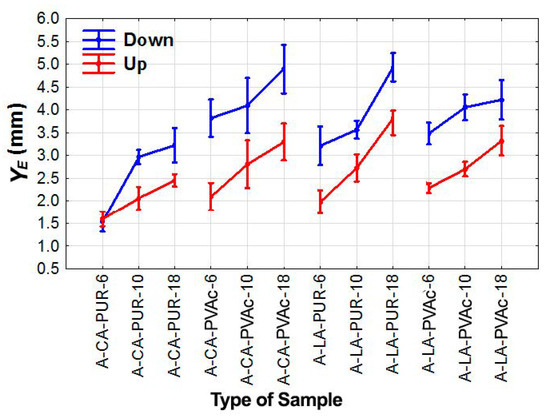
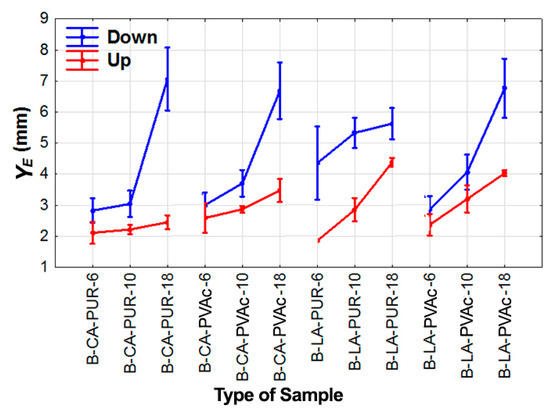
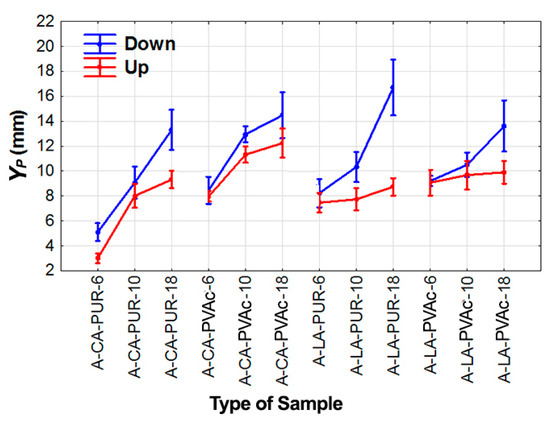
The deflection of a test material occurs under bending stress that is caused by force. In terms of plasticity and elasticity, the deflection can be quantified at two main areas, which are the limit of proportionality and the modulus of rupture. Both of these deflections are of great importance in terms of the scientific and practical use. These characteristics are particularly important when designing structural elements that are exposed to bending stress in terms of the size of the deflection in their practical application. This study analyzed the effect on the size of the deflection at the limit of proportionality and at the modulus of rupture. Wood species (Fagus sylvatica L. and Populus tremula L.), material thickness (6 mm, 10 mm, and 18 mm), non-wood component (glass and carbon fiber), position of the non-wood component in the layered material (up and down side with respect to the loading direction), and adhesive used to join the individual layers (polyurethane and polyvinyl acetate) were the observed factors. Glass fiber reinforcement proved to be a better option; however, the effect of correctly selected glue for individual wood species was also apparent. For the aspen laminated materials, polyurethane adhesive (PUR) adhesive was shown to be a more effective adhesive and PVAc adhesive was better for the beech-laminated materials. These results are of great importance for the production of new wood-based materials and materials were based on non-wood components, with specific properties for their intended use. Full article
(This article belongs to the Special Issue Wood Properties and Processing)
Show Figures

Figure 1