25 pages, 3425 KB  
Article
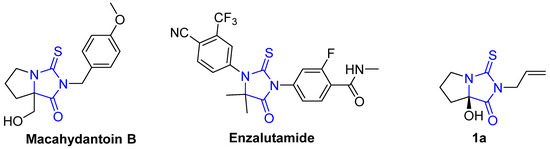
Development of Novel 1,3-Disubstituted-2-Thiohydantoin Analogues with Potent Anti-Inflammatory Activity; In Vitro and In Silico Assessments
by Salma M. Khirallah, Heba M. M. Ramadan, Ahmed Shawky, Safa H. Qahl, Roua S. Baty, Nada Alqadri, Amnah Mohammed Alsuhaibani, Mariusz Jaremko, Abdul-Hamid Emwas and Essa M. Saied
Molecules 2022, 27(19), 6271; https://doi.org/10.3390/molecules27196271 - 23 Sep 2022
Cited by 47 | Viewed by 4772
Abstract
Inflammation is the main cause of several autoimmune diseases, including type I diabetes, rheumatoid arthritis, bullous pemphigoid, paraneoplastic pemphigoid, and multiple sclerosis. Currently, there is an urgent demand for the discovery of novel anti-inflammatory drugs with potent activity but also safe for long-term [...] Read more.
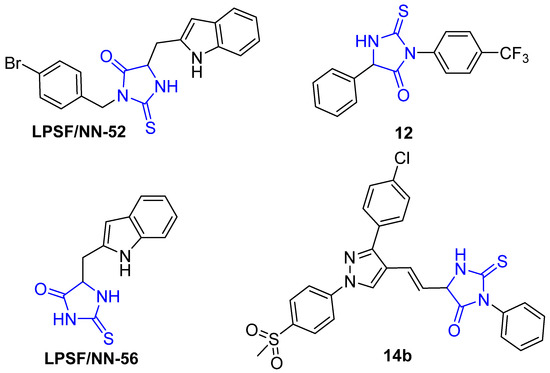
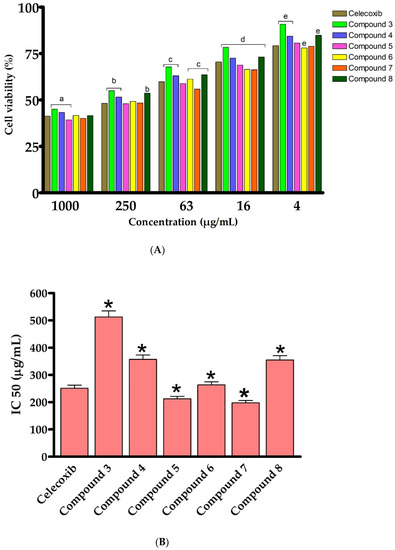
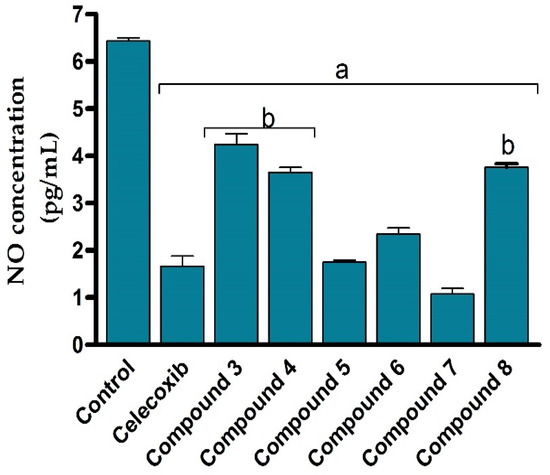
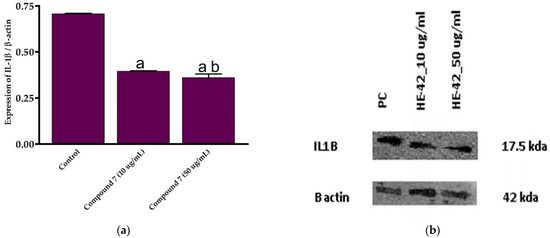
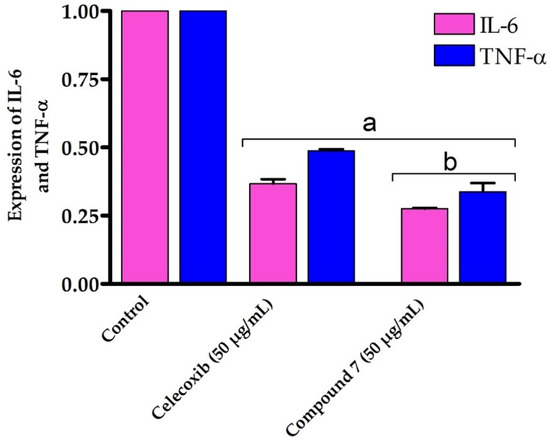
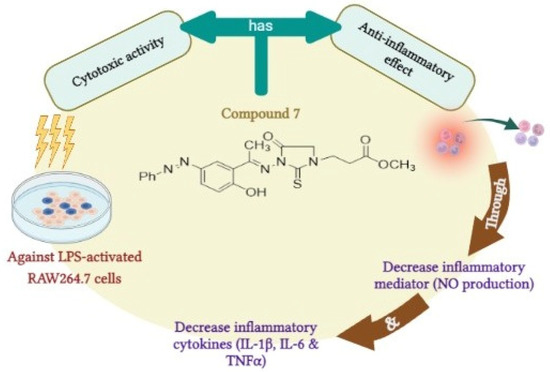
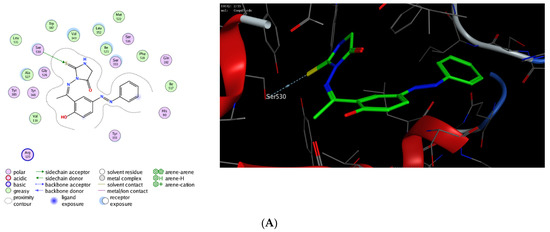
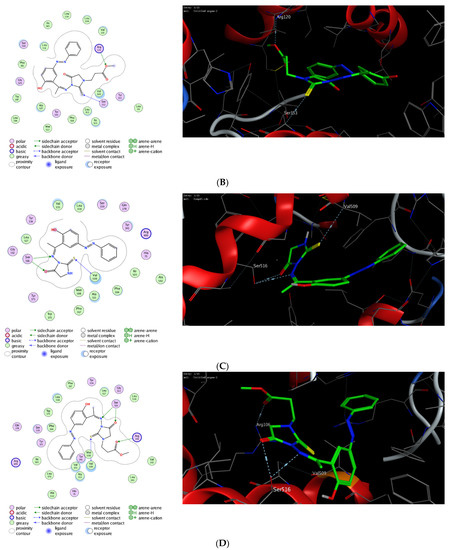
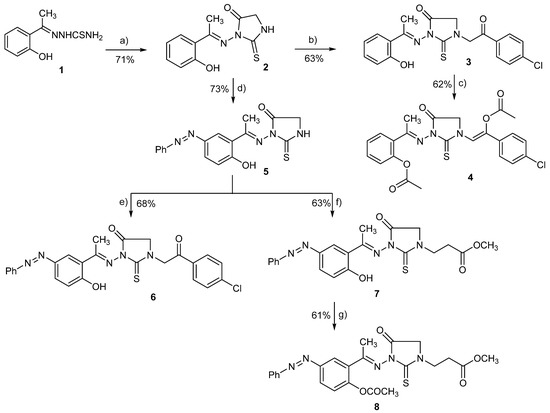
Inflammation is the main cause of several autoimmune diseases, including type I diabetes, rheumatoid arthritis, bullous pemphigoid, paraneoplastic pemphigoid, and multiple sclerosis. Currently, there is an urgent demand for the discovery of novel anti-inflammatory drugs with potent activity but also safe for long-term application. Toward this aim, the present study reported the design, synthesis, and characterization of a set of novel 1,3-disubstituted-2-thiohydantoins derivatives. The anti-inflammatory activity of synthesized compounds was assessed against murine leukemia cell line (RAW264.7) by evaluating the cytotoxicity activity and their potency to prevent nitric oxide (NO) production. The results revealed that the synthesized compounds possess a considerable cytotoxic activity together with the ability to reduce the NO production in murine leukemia cell line (RAW264.7). Among synthesized compounds, compound 7 exhibited the most potent cytotoxic activity with IC50 of 197.68 μg/mL, compared to celecoxib drug (IC50 value 251.2 μg/mL), and demonstrated a significant ability to diminish the NO production (six-fold reduction). Exploring the mode of action responsible for the anti-inflammatory activity revealed that compound 7 displays a significant and dose-dependent inhibitory effect on the expression of pro-inflammatory cytokines IL-1β. Furthermore, compound 7 demonstrated the ability to significantly reduce the expression of the inflammatory cytokines IL-6 and TNF-α at 50 μg/mL, as compared to Celecoxib. Finally, detailed molecular modelling studies indicated that compound 7 exhibits a substantial binding affinity toward the binding pocket of the cyclooxygenase 2 enzyme. Taken together, our study reveals that 1,3-disubstituted-2-thiohydantoin could be considered as a promising scaffold for the development of potent anti-inflammatory agents. Full article
Show Figures

Figure 1
13 pages, 2028 KB  
Article
Adding Mealworm (Tenebrio molitor L.) Powder to Wheat Bread: Effects on Physicochemical, Sensory and Microbiological Qualities of the End-Product
by Magdalena Gantner, Katarzyna Król, Anna Piotrowska, Barbara Sionek, Anna Sadowska, Klaudia Kulik and Mateusz Wiącek
Molecules 2022, 27(19), 6155; https://doi.org/10.3390/molecules27196155 - 20 Sep 2022
Cited by 47 | Viewed by 6589
Abstract
Entomophagy, that is, the consumption of insects, is gaining more and more popularity. The research carried out so far on the use of edible insects in the food industry has shown that they are a valuable source of protein, and do not significantly [...] Read more.
Entomophagy, that is, the consumption of insects, is gaining more and more popularity. The research carried out so far on the use of edible insects in the food industry has shown that they are a valuable source of protein, and do not significantly affect the functional and sensory properties of food. Edible insects also contribute to sustainable, environment friendly food production. Taking the above into account, the influence of adding insect powder on the physicochemical properties, sensory characteristics, and microbiological qualities of wheat bread was evaluated. This study aimed to partially replace wheat flour (5, 10, and 15%) in bread with mealworm powder (T. molitor) to produce protein-fortified bread. Bread containing mealworm powder showed similar density and water activity compared to the control wheat bread. The addition of mealworm powder did not negatively affect the properties of bread. The total color difference increased significantly (p < 0.05) with the insect flour share in bread formulation and ranged between 2.27 for M5, 4.00 for M10, and 4.50 for M15. The protein content in bread fortified with 5–15% mealworm powder increased by 15–59% compared to the control bread, whereas fat content increased by 35% to 113%. Results of sensory evaluation revealed that modification of the recipe, depending on the mealworm powder addition level, significantly (p < 0.05) affected bread color, odor, flavor, and overall sensory quality. The research showed that the optimal enrichment level is using 5% mealworm flour in the bread recipe. Moreover, the obtained variants of bread were characterized by good microbiological quality after baking. In bread M10, no yeasts and molds were found during a period of 2 days of storage. The number of yeasts and molds in the other bread variants was relatively low. To conclude, the results confirmed the usefulness of insect powder in making protein-fortified bread of good quality comparable to traditional wheat bread. Full article
Show Figures

Figure 1
12 pages, 624 KB  
Article
Deep Eutectic Solvents as a Green Tool for the Extraction of Bioactive Phenolic Compounds from Avocado Peels
by Beatriz Rodríguez-Martínez, Pedro Ferreira-Santos, Irene Méndez Alfonso, Sidonia Martínez, Zlatina Genisheva and Beatriz Gullón
Molecules 2022, 27(19), 6646; https://doi.org/10.3390/molecules27196646 - 6 Oct 2022
Cited by 46 | Viewed by 5476
Abstract
Avocado peels are the main agro-industrial residue generated during the avocado processing, being a rich source of bioactive compounds like phenolic compounds. The growing demand for more sustainable processes requires the development of new and effective methods for extracting bioactive compounds from industrial [...] Read more.
Avocado peels are the main agro-industrial residue generated during the avocado processing, being a rich source of bioactive compounds like phenolic compounds. The growing demand for more sustainable processes requires the development of new and effective methods for extracting bioactive compounds from industrial waste. Deep eutectic solvents (DESs) are a new sustainable alternative to toxic organic solvents due to their non-toxicity and biocompatibility. In this study, five selected DESs were applied for the extraction of bioactive phenolic compounds from avocado peels. The extraction efficiency was evaluated by measuring the total phenolics and flavonoids content. The best extraction results were obtained with choline chloride-acetic acid and -lactic acid (92.03 ± 2.11 mg GAE/g DAP in TPC and 186.01 ± 3.27 mg RE/g DAP); however, all tested DESs show better extraction efficiency than ethanol. All the obtained NADES extracts have high antioxidant activity (FRAP: 72.5–121.1 mg TE/g; TAC: 90.0–126.1 mg AAE/g). The synthesized DESs and avocado peels DES extracts had activity against all tested bacteria (Staphylococcus aureus, Streptococcus dysgalactiae, Escherichia coli and Pseudomonas putida), and the extracts prepared with choline chloride-acetic acid and -lactic acid have the highest antibacterial activity against all microorganisms. These results, coupled with the non-toxic, biodegradable, low-cost, and environmentally friendly characteristics of DESs, provide strong evidence that DESs represent an effective alternative to organic solvents for the recovery of phenolic bioactive compounds from agro-industrial wastes. Full article
Show Figures

Figure 1
23 pages, 5825 KB  
Article
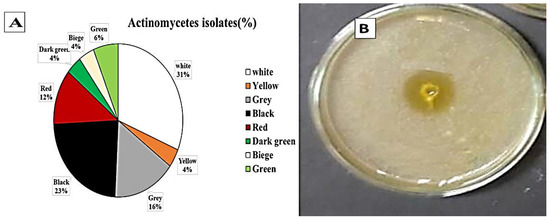
Microbial Degradation, Spectral analysis and Toxicological Assessment of Malachite Green Dye by Streptomyces exfoliatus
by Samah H. Abu-Hussien, Bahaa A. Hemdan, Othman M. Alzahrani, Amal S. Alswat, Fuad A. Alatawi, Muneefah Abdullah Alenezi, Doaa Bahaa Eldin Darwish, Hanouf S. Bafhaid, Samy F. Mahmoud, Mohamed F. M. Ibrahim and Salwa M. El-Sayed
Molecules 2022, 27(19), 6456; https://doi.org/10.3390/molecules27196456 - 30 Sep 2022
Cited by 46 | Viewed by 6035
Abstract
Malachite green (MG) dye is a common environmental pollutant that threatens human health and the integrity of the Earth’s ecosystem. The aim of this study was to investigate the potential biodegradation of MG dye by actinomycetes species isolated from planted soil near an [...] Read more.
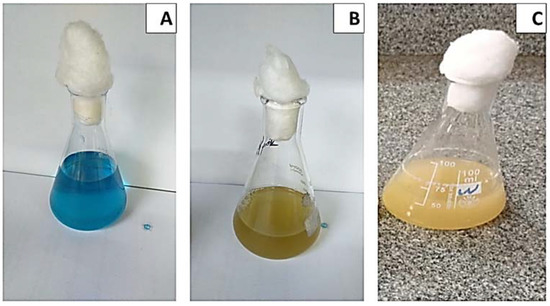
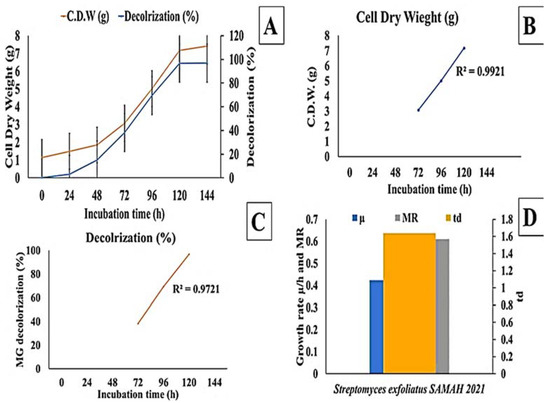
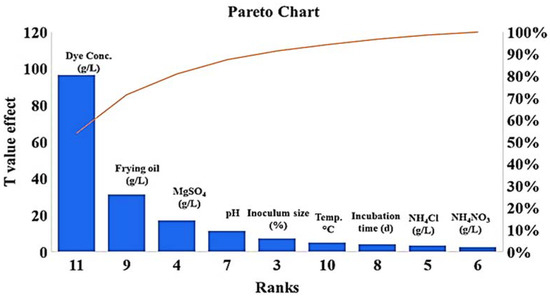
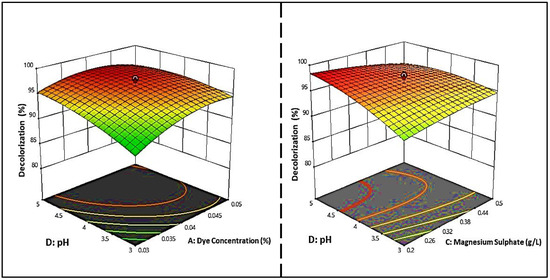
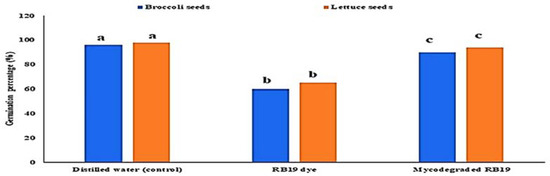
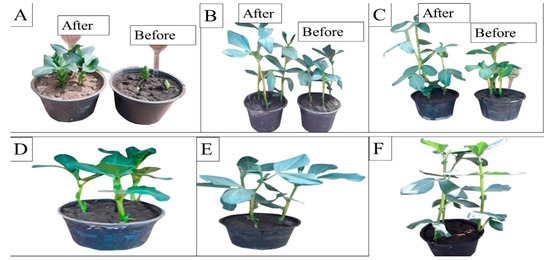
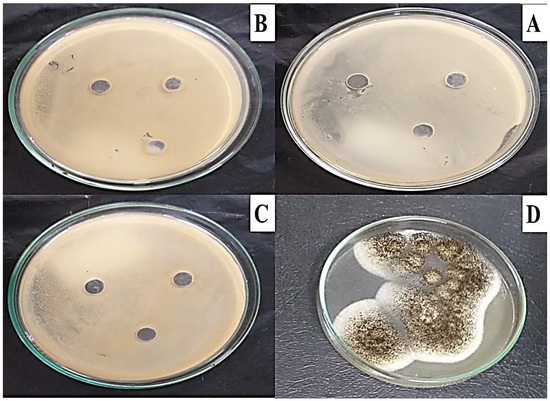
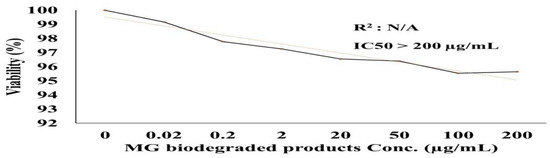
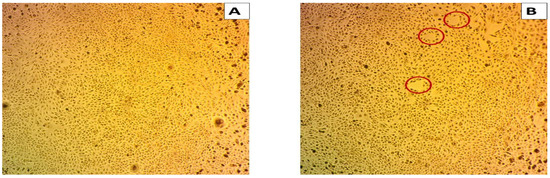
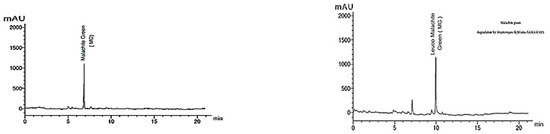
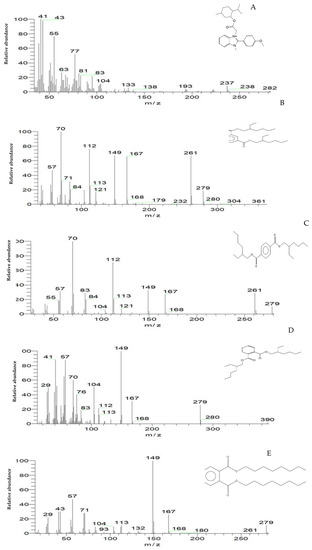
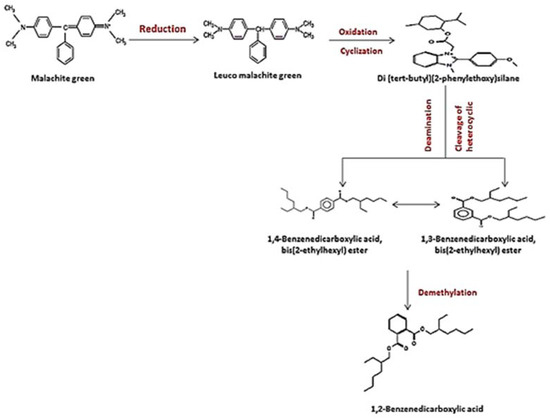
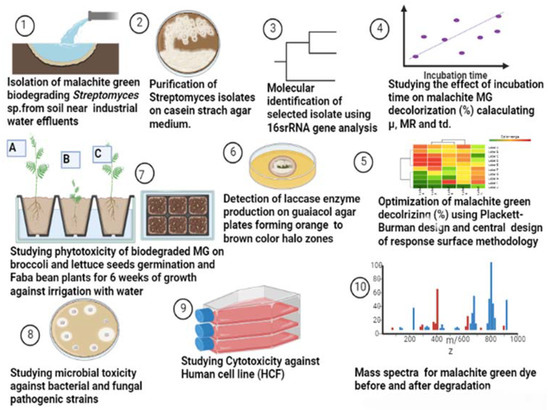
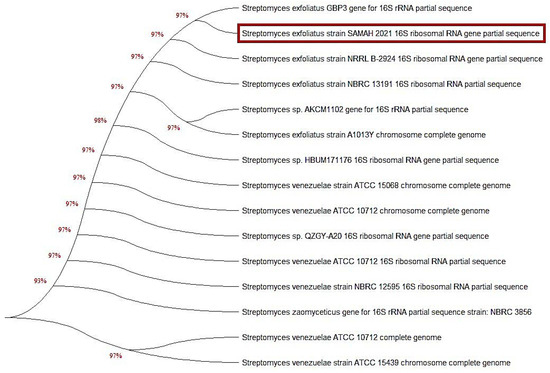
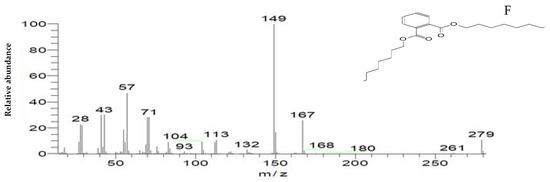
Malachite green (MG) dye is a common environmental pollutant that threatens human health and the integrity of the Earth’s ecosystem. The aim of this study was to investigate the potential biodegradation of MG dye by actinomycetes species isolated from planted soil near an industrial water effluent in Cairo, Egypt. The Streptomyces isolate St 45 was selected according to its high efficiency for laccase production. It was identified as S. exfoliatus based on phenotype and 16S rRNA molecular analysis and was deposited in the NCBI GenBank with the gene accession number OL720220. Its growth kinetics were studied during an incubation time of 144 h, during which the growth rate was 0.4232 (µ/h), the duplication time (td) was 1.64 d, and multiplication rate (MR) was 0.61 h, with an MG decolorization value of 96% after 120 h of incubation at 25 °C. Eleven physical and nutritional factors (mannitol, frying oil waste, MgSO4, NH4NO3, NH4Cl, dye concentration, pH, agitation, temperature, inoculum size, and incubation time) were screened for significance in the biodegradation of MG by S. exfoliatus using PBD. Out of the eleven factors screened in PBD, five (dye concentration, frying oil waste, MgSO4, inoculum size, and pH) were shown to be significant in the decolorization process. Central composite design (CCD) was applied to optimize the biodegradation of MG. Maximum decolorization was attained using the following optimal conditions: food oil waste, 7.5 mL/L; MgSO4, 0.35 g/L; dye concentration, 0.04 g/L; pH, 4.0; and inoculum size, 12.5%. The products from the degradation of MG by S. exfoliatus were characterized using high-performance liquid chromatography (HPLC) and gas chromatography-mass spectrometry (GC-MS). The results revealed the presence of several compounds, including leuco-malachite green, di(tert-butyl)(2-phenylethoxy) silane, 1,3-benzenedicarboxylic acid, bis(2-ethylhexyl) ester, 1,4-benzenedicarboxylic acid, bis(2-ethylhexyl) ester, 1,2-benzenedicarboxylic acid, di-n-octyl phthalate, and 1,2-benzenedicarboxylic acid, dioctyl ester. Moreover, the phytotoxicity, microbial toxicity, and cytotoxicity tests confirmed that the byproducts of MG degradation were not toxic to plants, microbes, or human cells. The results of this work implicate S. exfoliatus as a novel strain for MG biodegradation in different environments. Full article
(This article belongs to the Special Issue Power of Microbes in Pollutant Degradation)
Show Figures

Figure 1
28 pages, 6554 KB  
Review
Therapeutic and Nutraceutical Effects of Polyphenolics from Natural Sources
by Mehtap Sahiner, A. Sanem Yilmaz, Buket Gungor, Yasmin Ayoubi and Nurettin Sahiner
Molecules 2022, 27(19), 6225; https://doi.org/10.3390/molecules27196225 - 22 Sep 2022
Cited by 46 | Viewed by 6039
Abstract
The prevalence of cardiovascular disease, oxidative stress-related complications, and chronic age-related illnesses is gradually increasing worldwide. Several causes include the ineffectiveness of medicinal treatment therapies, their toxicity, their inability to provide radical solutions in some diseases, and the necessity of multiple drug therapy [...] Read more.
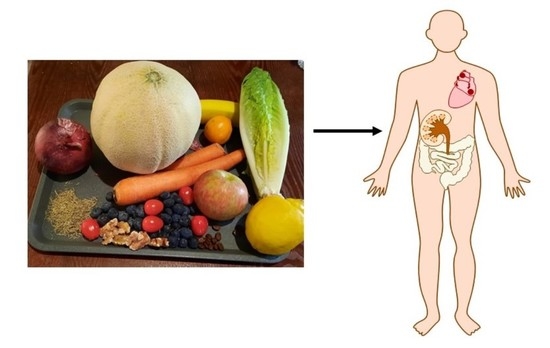
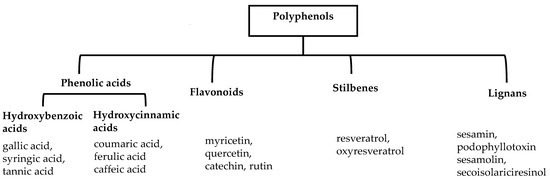
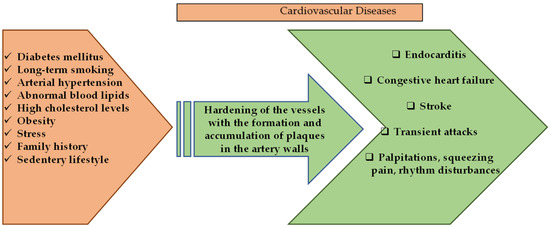
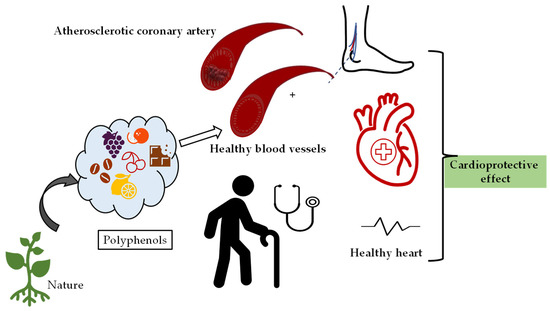
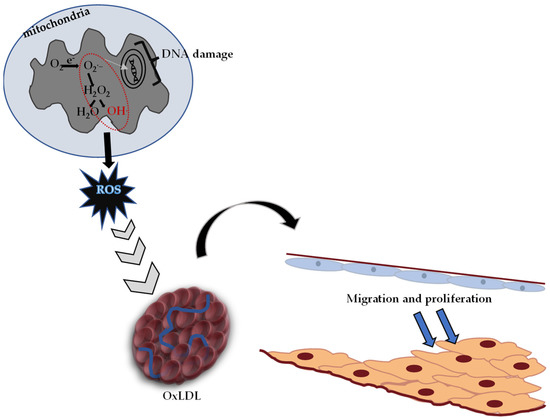
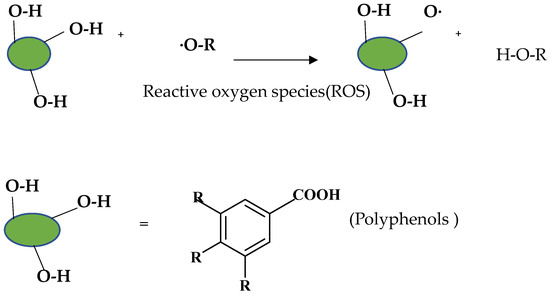
The prevalence of cardiovascular disease, oxidative stress-related complications, and chronic age-related illnesses is gradually increasing worldwide. Several causes include the ineffectiveness of medicinal treatment therapies, their toxicity, their inability to provide radical solutions in some diseases, and the necessity of multiple drug therapy in certain chronic diseases. It is therefore necessary for alternative treatment methods to be sought. In this review, polyphenols were identified and classified according to their chemical structure, and the sources of these polyphenol molecules are indicated. The cardioprotective, ROS scavenging, anti-aging, anticancer properties of polyphenolic compounds have been demonstrated by the results of many studies, and these natural antioxidant molecules are potential alternative therapeutic agents. Full article
Show Figures

Graphical abstract

12 pages, 4145 KB  
Article
Synthesis and Characterization of Novel Hydrazone Derivatives of Isonicotinic Hydrazide and Their Evaluation for Antibacterial and Cytotoxic Potential
by Muhammad Abdullah Shah, Ala Uddin, Muhammad Raza Shah, Imdad Ali, Riaz Ullah, Peer Abdul Hannan and Hidayat Hussain
Molecules 2022, 27(19), 6770; https://doi.org/10.3390/molecules27196770 - 10 Oct 2022
Cited by 45 | Viewed by 6884
Abstract
Hydrazones are active compounds having an azomethine –NHN=CH group and are widely studied owing to their ease of preparation and diverse pharmacological benefits. Novel isonicotinic hydrazone derivatives of vanillin aldehyde and salicyl aldehyde were synthesized that had azomethine linkages and were characterized by [...] Read more.
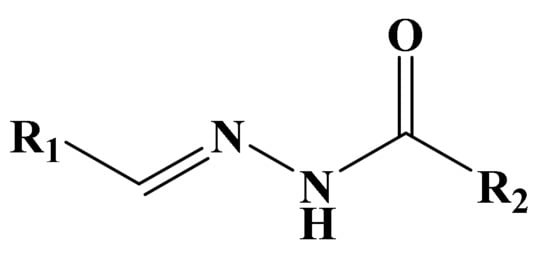
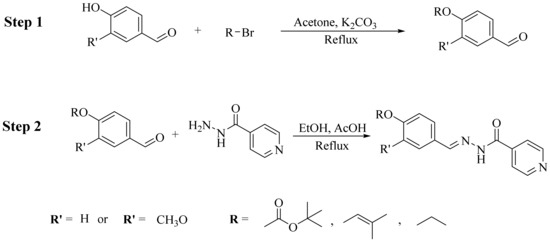
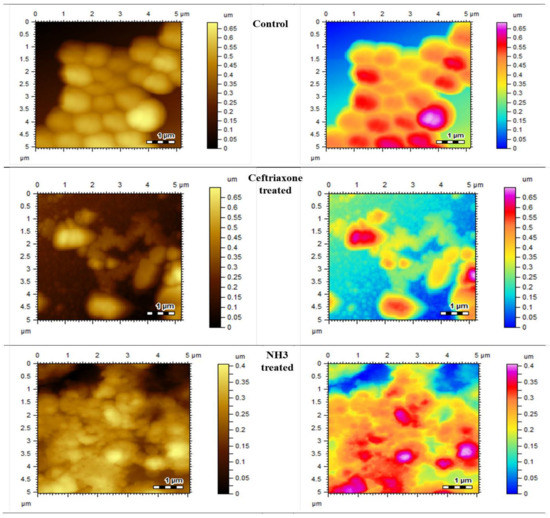
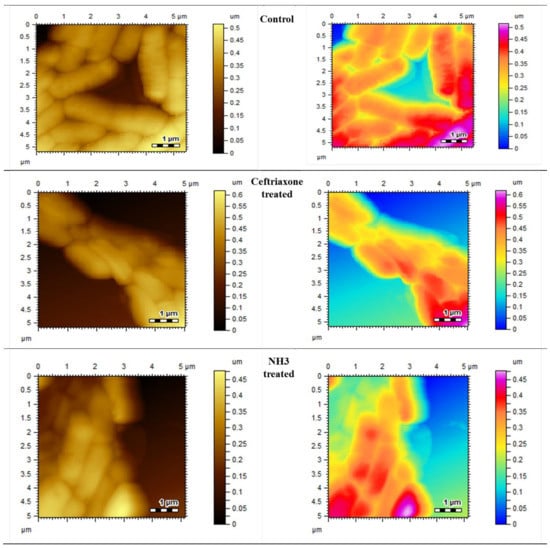
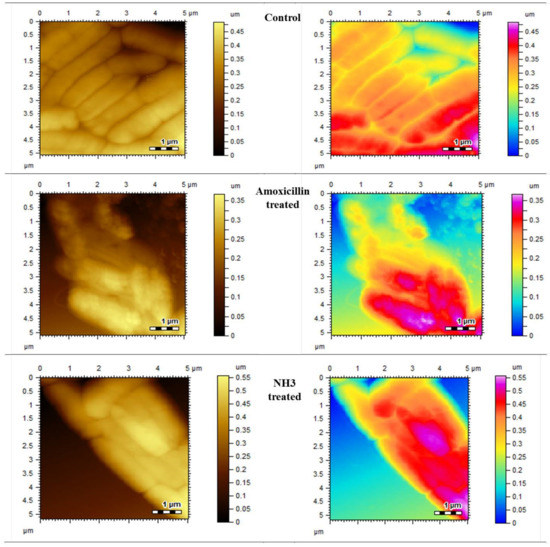
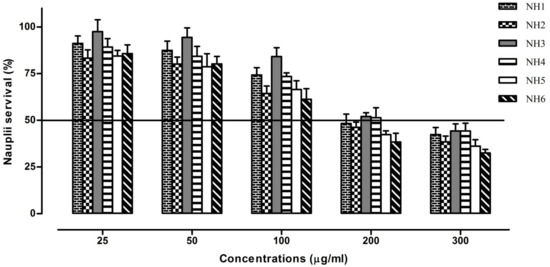
Hydrazones are active compounds having an azomethine –NHN=CH group and are widely studied owing to their ease of preparation and diverse pharmacological benefits. Novel isonicotinic hydrazone derivatives of vanillin aldehyde and salicyl aldehyde were synthesized that had azomethine linkages and were characterized by UV–Visible, FTIR, EI-MS, 1H-NMR and 13C-NMR spectroscopy. The compounds were screened for their antibacterial activity against Staphylococcus aureus, Bacillus subtilus, and Escherichia coli using disc diffusion and minimum inhibitory concentration (MIC) methods. For cytotoxicity, a brine shrimp lethality test was performed to calculate the lethal concentration (LC50). The results demonstrated appreciable antibacterial activities against the applied strains, amongst which the compounds coded NH3 and NH5 showed maximum inhibition and MIC responses. In terms of cytotoxic activity, the maximum effect was observed in compound NH5 and NH6 treatments with minimum survival percentages of 36.10 ± 3.45 and 32.44 ± 2.0, respectively. These hydrazones could be potential candidates in antitumorigenic therapy against various human cancer cells. Full article
(This article belongs to the Special Issue The Chemistry of Imines)
Show Figures

Figure 1
69 pages, 3121 KB  
Review
Allergic Inflammation: Effect of Propolis and Its Flavonoids
by Nada Oršolić
Molecules 2022, 27(19), 6694; https://doi.org/10.3390/molecules27196694 - 8 Oct 2022
Cited by 44 | Viewed by 17737
Abstract
The incidence of allergic diseases and their complications are increasing worldwide. Today, people increasingly use natural products, which has been termed a “return to nature”. Natural products with healing properties, especially those obtained from plants and bees, have been used in the prevention [...] Read more.
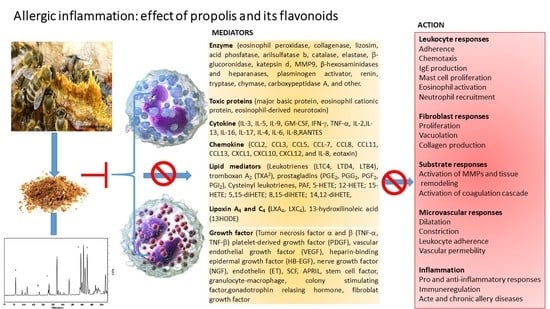
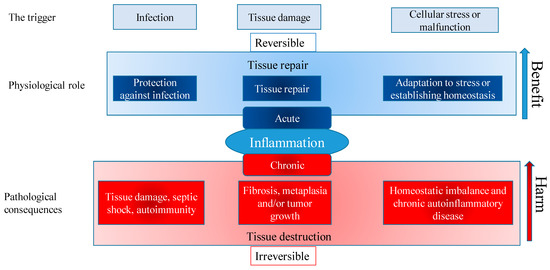
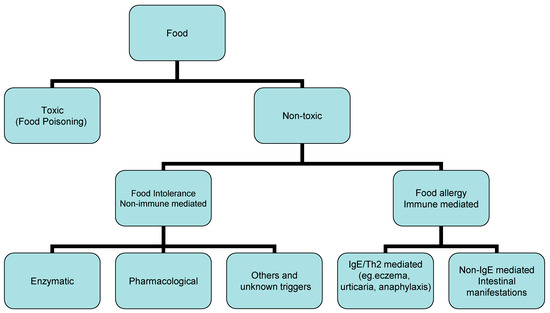
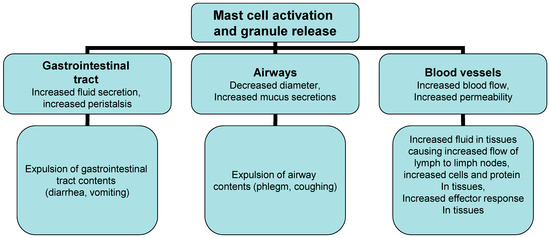
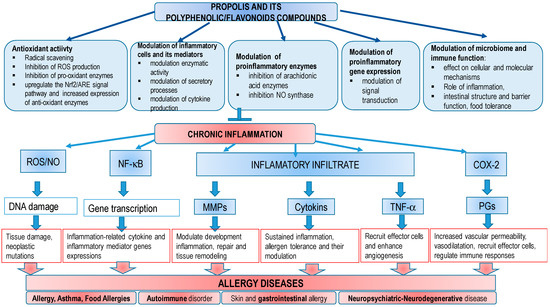
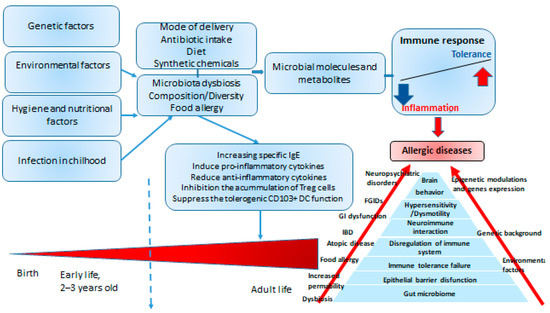
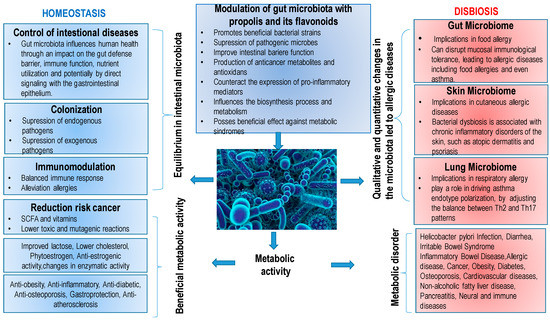
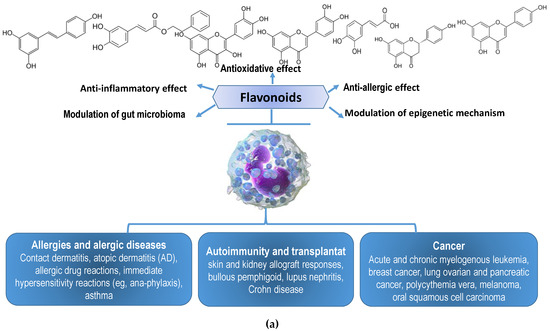
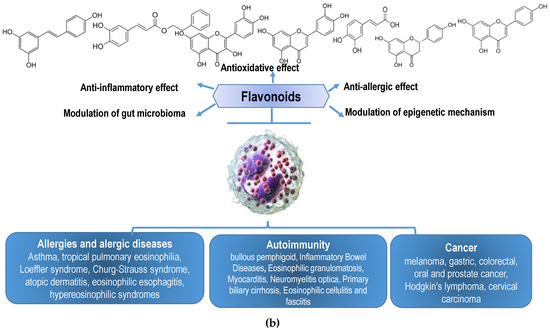
The incidence of allergic diseases and their complications are increasing worldwide. Today, people increasingly use natural products, which has been termed a “return to nature”. Natural products with healing properties, especially those obtained from plants and bees, have been used in the prevention and treatment of numerous chronic diseases, including allergy and/or inflammation. Propolis is a multi-component resin rich in flavonoids, collected and transformed by honeybees from buds and plant wounds for the construction and adaptation of their nests. This article describes the current views regarding the possible mechanisms and multiple benefits of flavonoids in combating allergy and allergy-related complications. These benefits arise from flavonoid anti-allergic, anti-inflammatory, antioxidative, and wound healing activities and their effects on microbe-immune system interactions in developing host responses to different allergens. Finally, this article presents various aspects of allergy pathobiology and possible molecular approaches in their treatment. Possible mechanisms regarding the antiallergic action of propolis on the microbiota of the digestive and respiratory tracts and skin diseases as a method to selectively remove allergenic molecules by the process of bacterial biotransformation are also reported. Full article
(This article belongs to the Special Issue Bee Products as Natural Antioxidants in Disease and Health)
Show Figures

Graphical abstract

31 pages, 8499 KB  
Review
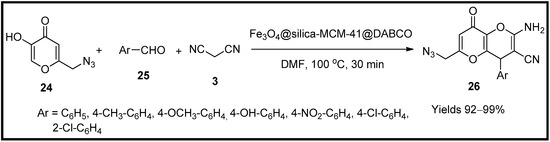
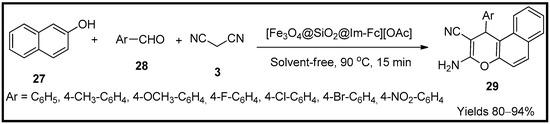
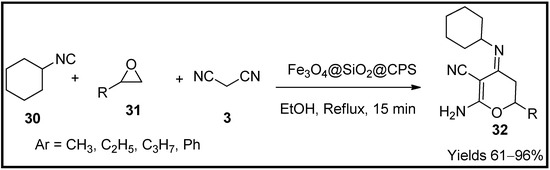
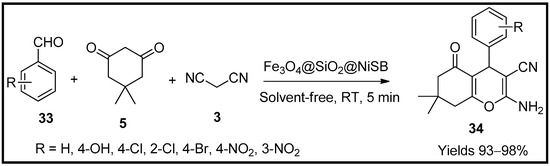
Recent Progress in the Multicomponent Synthesis of Pyran Derivatives by Sustainable Catalysts under Green Conditions
by Suresh Maddila, Nagaraju Kerru and Sreekantha Babu Jonnalagadda
Molecules 2022, 27(19), 6347; https://doi.org/10.3390/molecules27196347 - 26 Sep 2022
Cited by 44 | Viewed by 5272
Abstract
Pyrans are one of the most significant skeletons of oxygen-containing heterocyclic molecules, which exhibit a broad spectrum of medicinal applications and are constituents of diverse natural product analogues. Various biological applications of these pyran analogues contributed to the growth advances in these oxygen-containing [...] Read more.
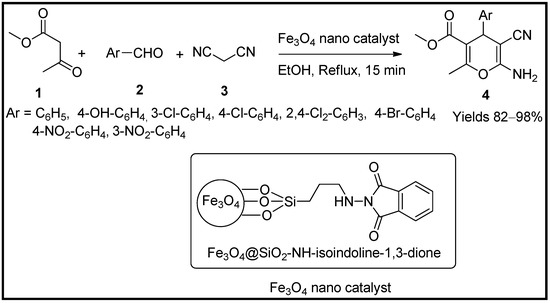
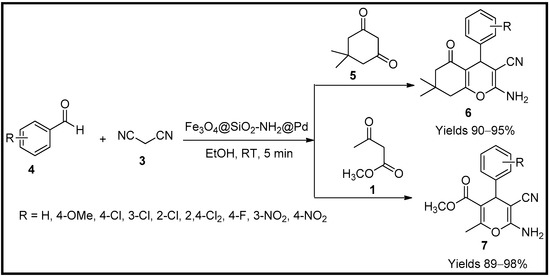
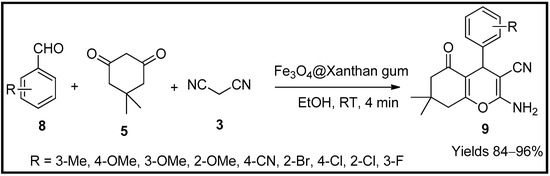
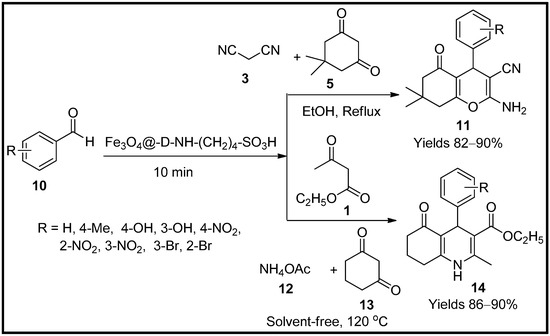
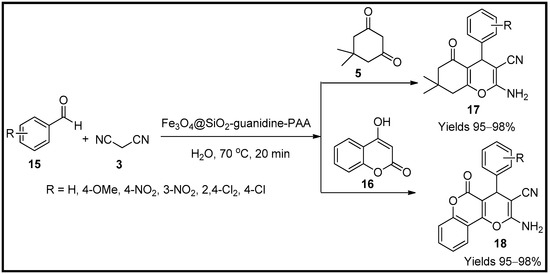
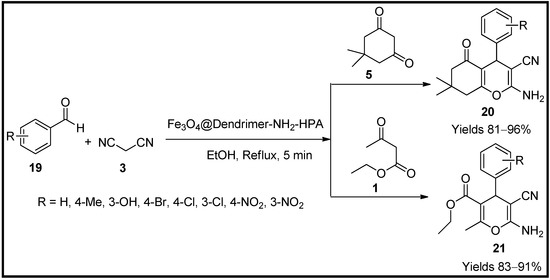
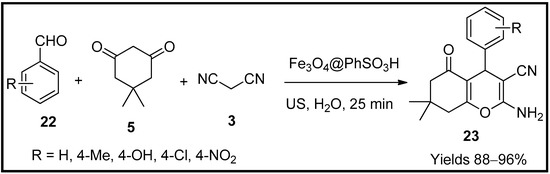
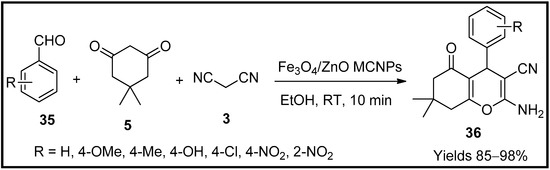
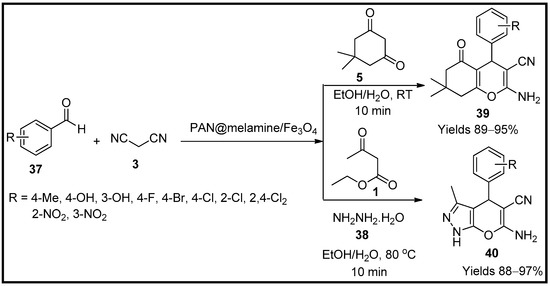
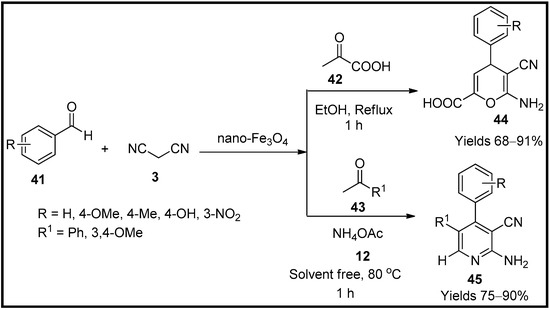
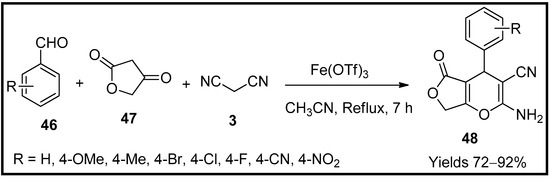
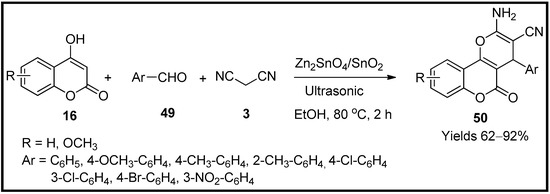
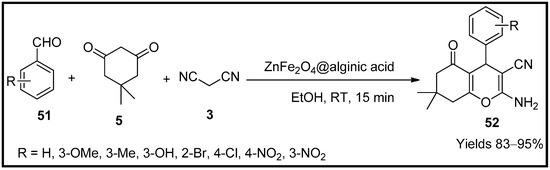
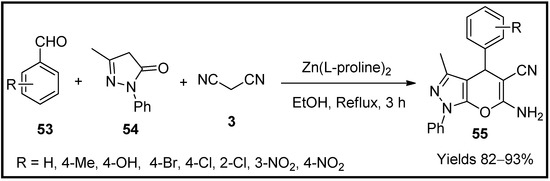
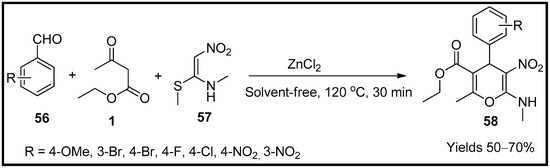
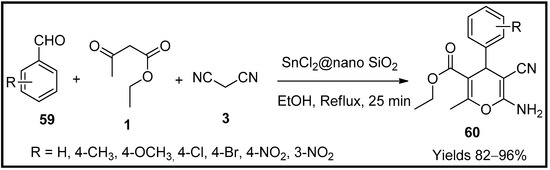
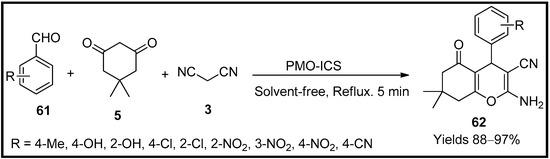
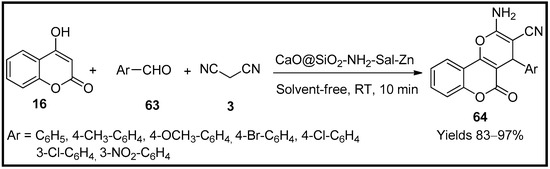
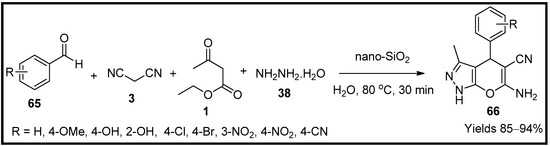
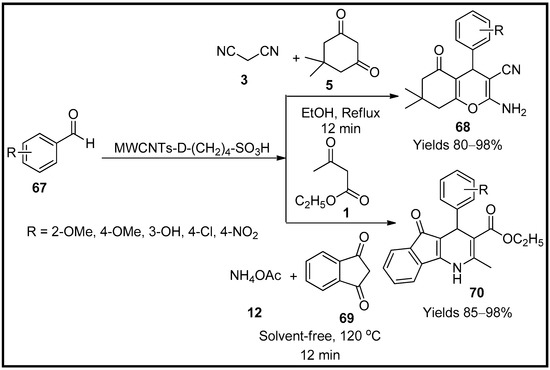
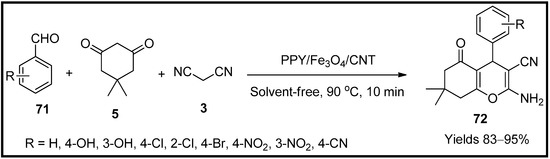
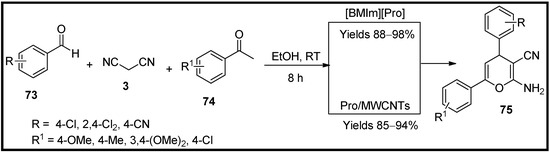
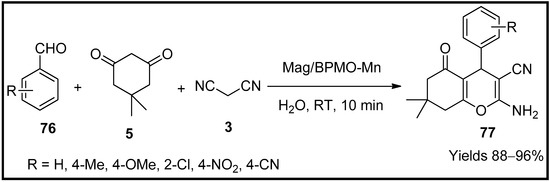
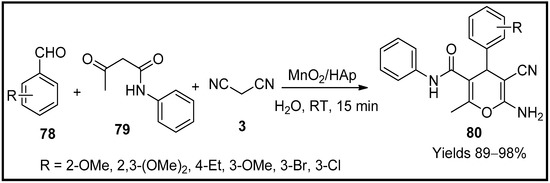
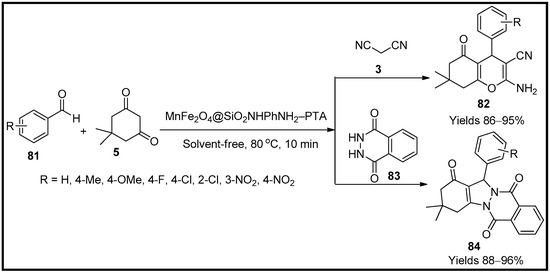
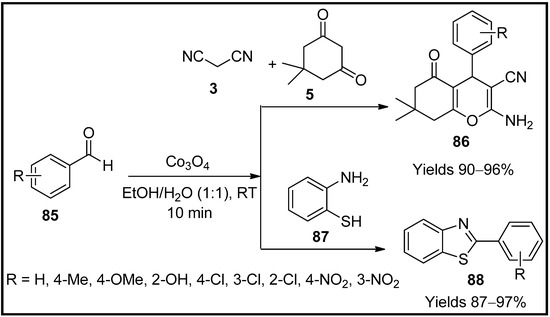
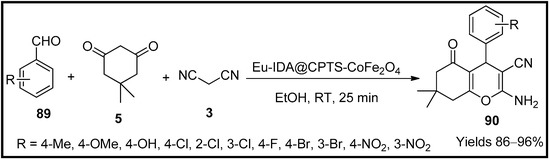
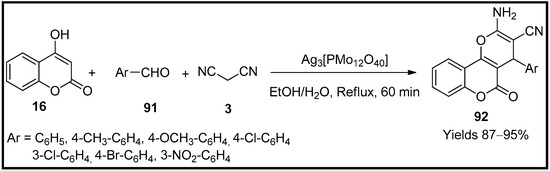
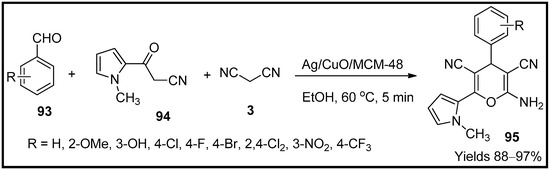
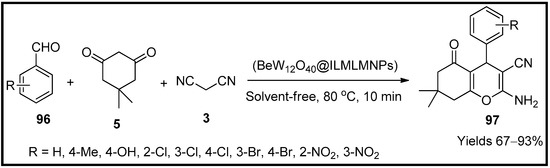
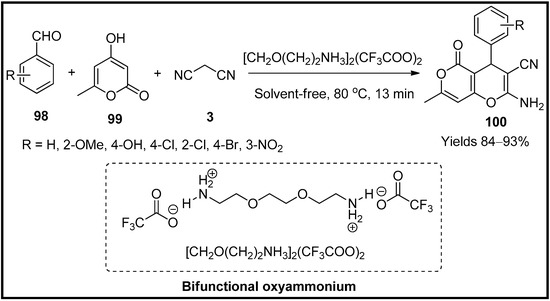
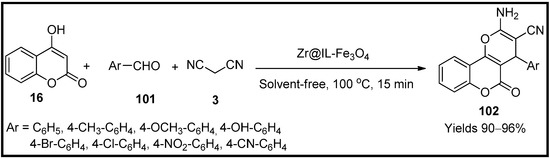
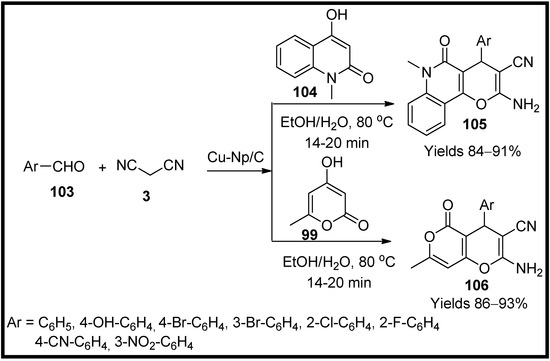
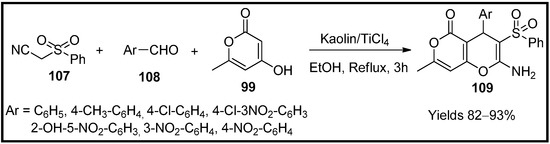
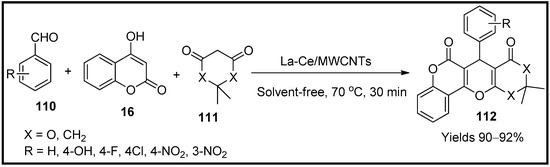
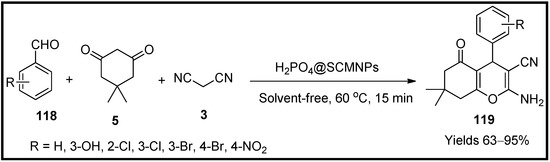
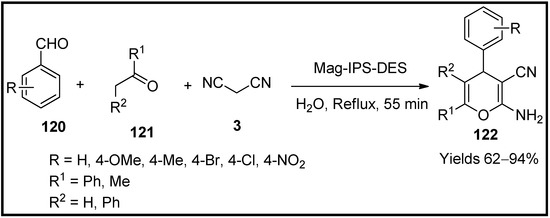
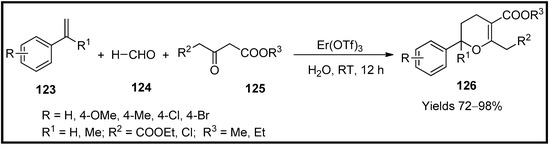
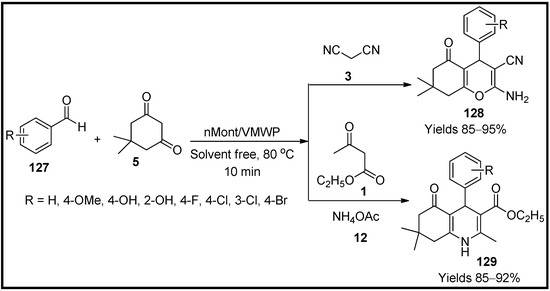
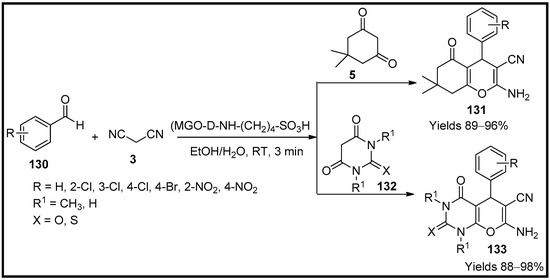
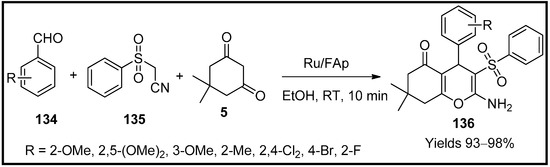
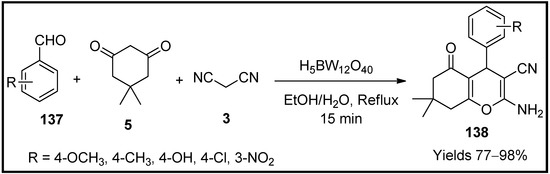
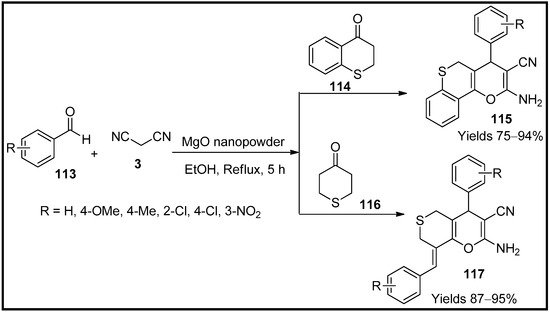
Pyrans are one of the most significant skeletons of oxygen-containing heterocyclic molecules, which exhibit a broad spectrum of medicinal applications and are constituents of diverse natural product analogues. Various biological applications of these pyran analogues contributed to the growth advances in these oxygen-containing molecules. Green one-pot methodologies for synthesising these heterocyclic molecules have received significant attention. This review focuses on the recent developments in synthesising pyran ring derivatives using reusable catalysts and emphasises the multicomponent reaction strategies using green protocols. The advantages of the catalysts in terms of yields, reaction conditions, and recyclability are discussed. Full article
(This article belongs to the Special Issue Exclusive Review Papers in Green Chemistry)
Show Figures

Figure 1
27 pages, 5446 KB  
Review
Recent Advances in Natural Product-Based Hybrids as Anti-Cancer Agents
by Eleni Sflakidou, George Leonidis, Eirini Foroglou, Christos Siokatas and Vasiliki Sarli
Molecules 2022, 27(19), 6632; https://doi.org/10.3390/molecules27196632 - 6 Oct 2022
Cited by 42 | Viewed by 7527
Abstract
Cancer is one of the top leading causes of death worldwide. It is a heterogenous disease characterized by unregulated cell proliferation and invasiveness of abnormal cells. For the treatment of cancer, natural products have been widely used as a source of therapeutic ingredients [...] Read more.
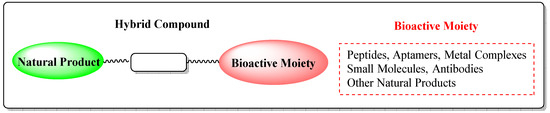
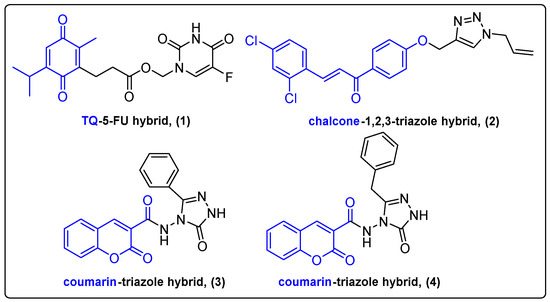
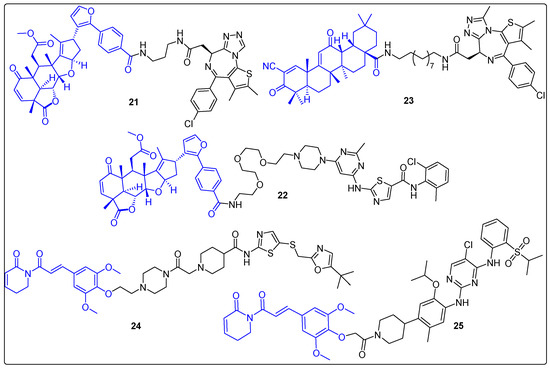
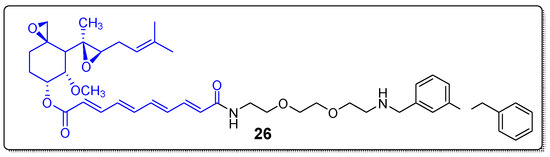
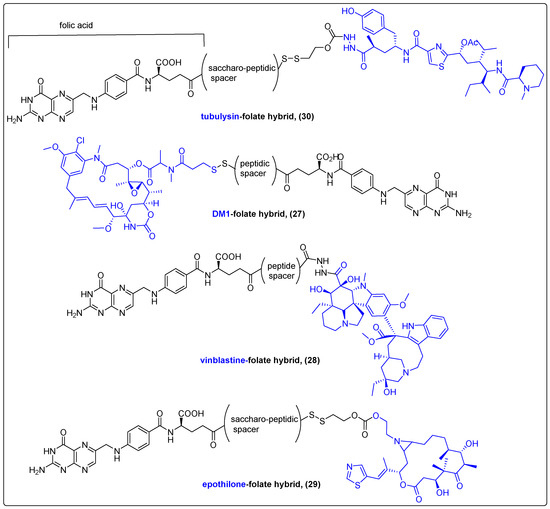
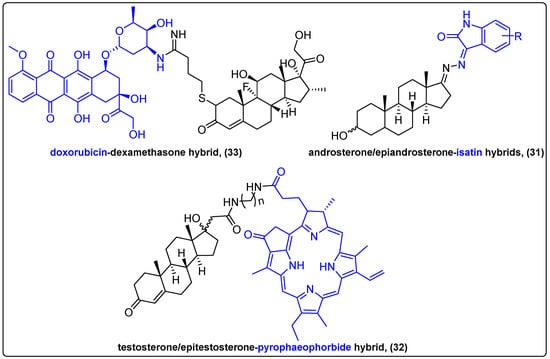
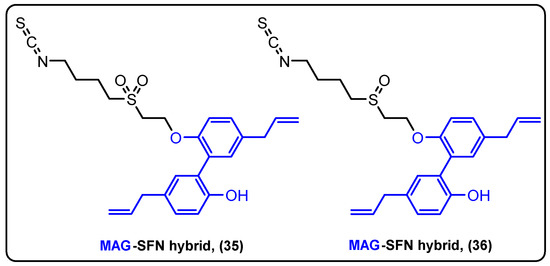
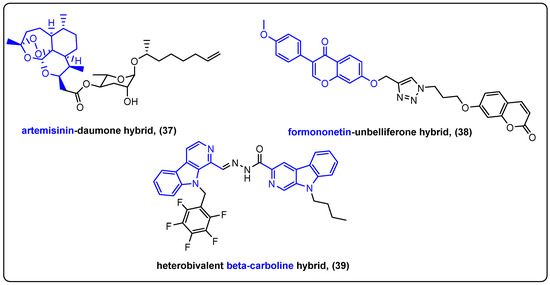
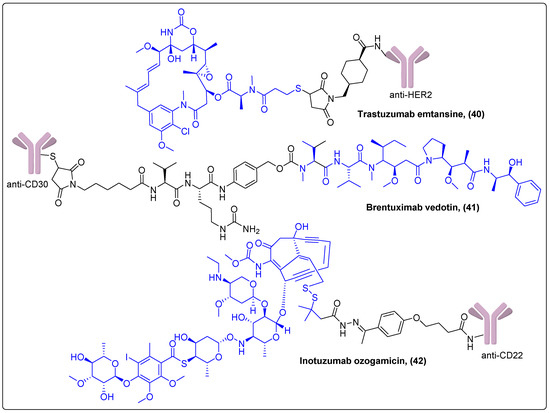
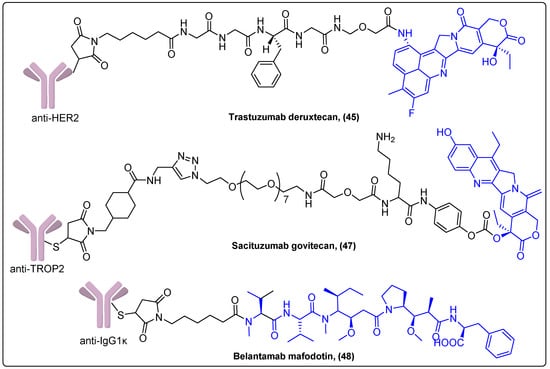
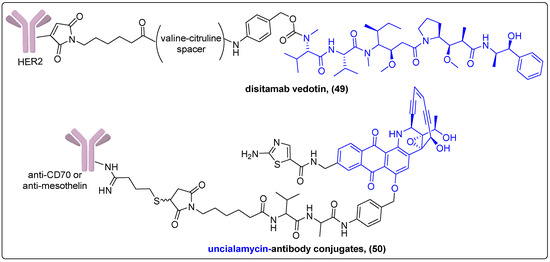
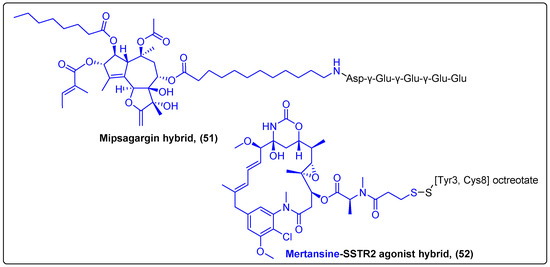
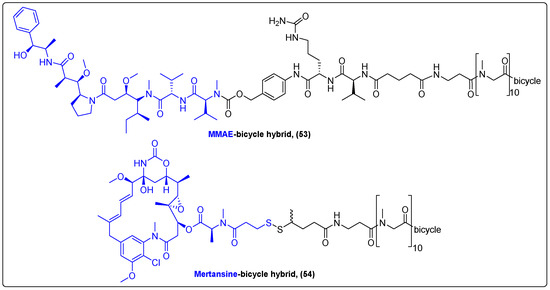
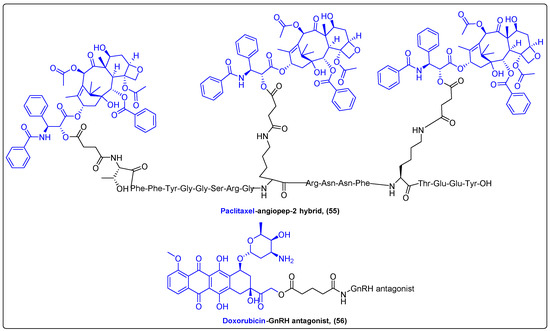
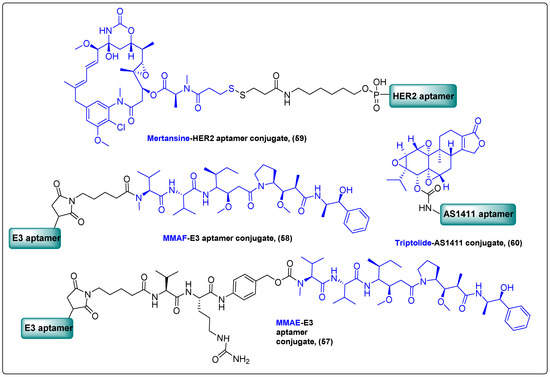
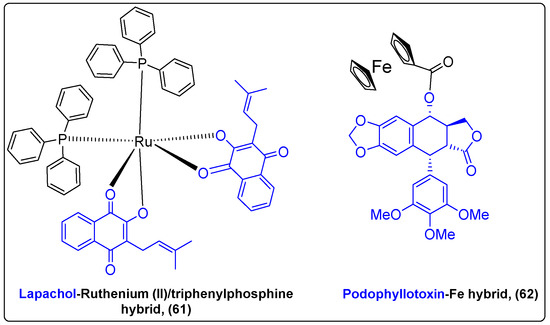
Cancer is one of the top leading causes of death worldwide. It is a heterogenous disease characterized by unregulated cell proliferation and invasiveness of abnormal cells. For the treatment of cancer, natural products have been widely used as a source of therapeutic ingredients since ancient times. Although natural compounds and their derivatives have demonstrated strong antitumor activity in many types of cancer, their poor pharmacokinetic properties, low cell selectivity, limited bioavailability and restricted efficacy against drug-resistant cancer cells hinder their wide clinical application. Conjugation of natural products with other bioactive molecules has given rise to a new field in drug discovery resulting to the development of novel, bifunctional and more potent drugs for cancer therapy to overcome the current drawbacks. This review discusses multiple categories of such bifunctional conjugates and highlights recent trends and advances in the development of natural product hybrids. Among them, ADCs, PDCs, ApDCs, PROTACs and AUTOTACs represent emerging therapeutic agents against cancer. Full article
(This article belongs to the Special Issue New Anticancer Agents Based on Natural Products)
Show Figures

Figure 1
15 pages, 3864 KB  
Article
Imperatorin Positively Regulates Melanogenesis through Signaling Pathways Involving PKA/CREB, ERK, AKT, and GSK3β/β-Catenin
by Taejin Kim and Chang-Gu Hyun
Molecules 2022, 27(19), 6512; https://doi.org/10.3390/molecules27196512 - 2 Oct 2022
Cited by 42 | Viewed by 5757
Abstract
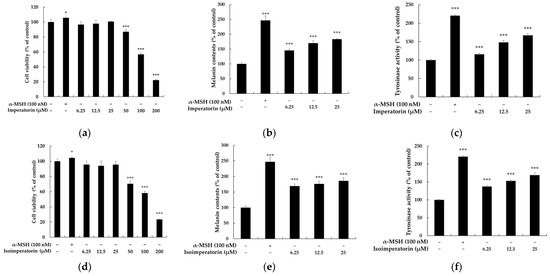
The present study investigated the melanogenic effects of imperatorin and isoimperatorin and the underlying mechanisms of imperatorin using a mouse melanoma B16F10 model. Interestingly, treatment with 25 μM of either imperatorin or isoimperatorin, despite their structural differences, did not produce differences in melanin [...] Read more.
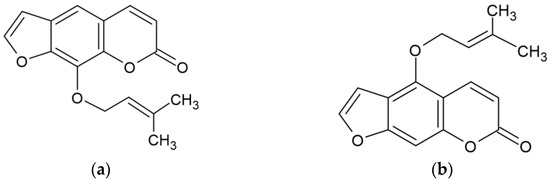
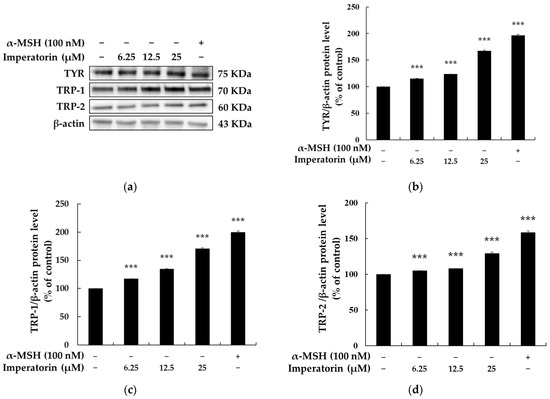
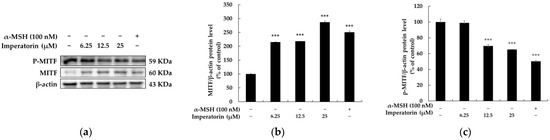
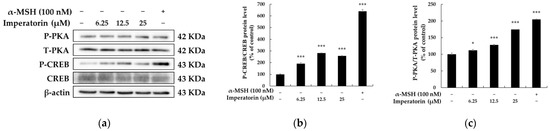
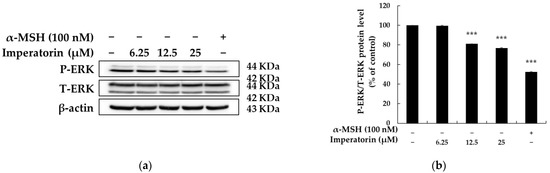
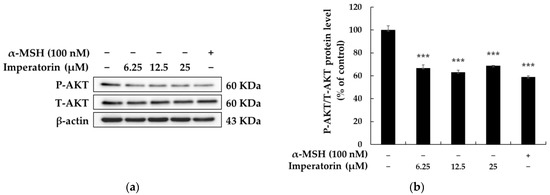
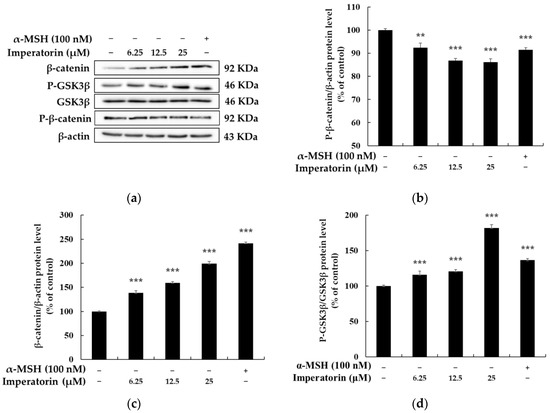
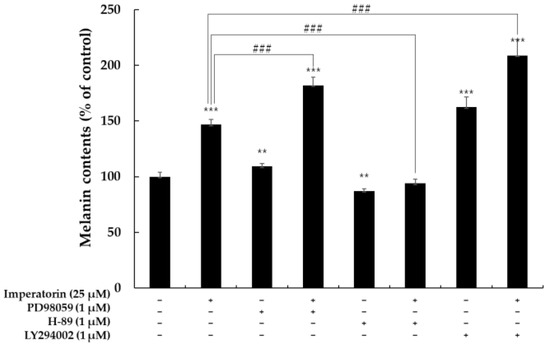
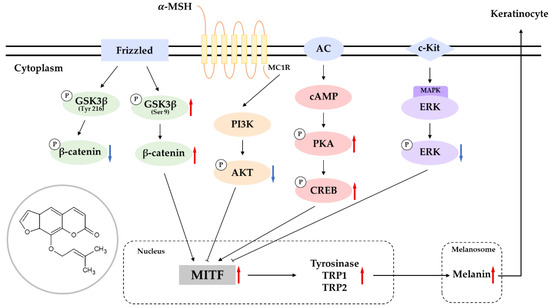
The present study investigated the melanogenic effects of imperatorin and isoimperatorin and the underlying mechanisms of imperatorin using a mouse melanoma B16F10 model. Interestingly, treatment with 25 μM of either imperatorin or isoimperatorin, despite their structural differences, did not produce differences in melanin content and intracellular tyrosinase activity. Imperatorin also activated the expression of melanogenic enzymes, such as tyrosinase (TYR) and tyrosinase-related proteins TYRP-1 and TYRP-2. Mechanistically, imperatorin increases melanin synthesis through the cyclic adenosine monophosphate (cAMP)-dependent protein kinase (PKA)/cAMP-responsive element-binding protein (CREB)-dependent upregulation of microphthalmia-associated transcription factor (MITF), which is a key transcription factor in melanogenesis. Furthermore, imperatorin exerted melanogenic effects by downregulating extracellular signal-regulated kinase (ERK) and upregulating phosphatidylinositol 3 kinase (PI3K)/protein kinase B (AKT)/glycogen synthesis kinase-3β (GSK-3β). Moreover, imperatorin increased the content of β-catenin in the cell cytoplasm and nucleus by reducing the content of phosphorylated β-catenin (p-β-catenin). Finally, we tested the potential of imperatorin in topical application through primary human skin irritation tests. These tests were performed on the normal skin (upper back) of 31 volunteers to determine whether 25 or 50 µM of imperatorin had irritation or sensitization potential. During these tests, imperatorin did not induce any adverse reactions. Taken together, these findings suggest that the regulation of melanogenesis by imperatorin can be mediated by signaling pathways involving PKA/CREB, ERK, AKT, and GSK3β/β-catenin and that imperatorin could prevent the pathogenesis of pigmentation diseases when used as a topical agent. Full article
Show Figures

Figure 1
19 pages, 1022 KB  
Review
Current Status and Future Trends in Removal, Control, and Mitigation of Algae Food Safety Risks for Human Consumption
by Guowei Wu, Dingling Zhuang, Kit Wayne Chew, Tau Chuan Ling, Kuan Shiong Khoo, Dong Van Quyen, Shuying Feng and Pau Loke Show
Molecules 2022, 27(19), 6633; https://doi.org/10.3390/molecules27196633 - 6 Oct 2022
Cited by 40 | Viewed by 7987 | Correction
Abstract
With the rapid development of the economy and productivity, an increasing number of citizens are not only concerned about the nutritional value of algae as a potential new food resource but are also, in particular, paying more attention to the safety of its [...] Read more.
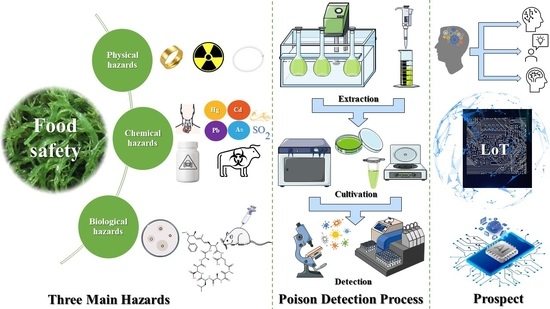
With the rapid development of the economy and productivity, an increasing number of citizens are not only concerned about the nutritional value of algae as a potential new food resource but are also, in particular, paying more attention to the safety of its consumption. Many studies and reports pointed out that analyzing and solving seaweed food safety issues requires holistic and systematic consideration. The three main factors that have been found to affect the food safety of algal are physical, chemical, and microbiological hazards. At the same time, although food safety awareness among food producers and consumers has increased, foodborne diseases caused by algal food safety incidents occur frequently. It threatens the health and lives of consumers and may cause irreversible harm if treatment is not done promptly. A series of studies have also proved the idea that microbial contamination of algae is the main cause of this problem. Therefore, the rapid and efficient detection of toxic and pathogenic microbial contamination in algal products is an urgent issue that needs to be addressed. At the same time, two other factors, such as physical and chemical hazards, cannot be ignored. Nowadays, the detection techniques are mainly focused on three major hazards in traditional methods. However, especially for food microorganisms, the use of traditional microbiological control techniques is time-consuming and has limitations in terms of accuracy. In recent years, these two evaluations of microbial foodborne pathogens monitoring in the farm-to-table chain have shown more importance, especially during the COVID-19 pandemic. Meanwhile, there are also many new developments in the monitoring of heavy metals, algal toxins, and other pollutants. In the future, algal food safety risk assessment will not only focus on convenient, rapid, low-cost and high-accuracy detection but also be connected with some novel technologies, such as the Internet of Things (artificial intelligence, machine learning), biosensor, and molecular biology, to reach the purpose of simultaneous detection. Full article
(This article belongs to the Special Issue Extraction and Analysis of Natural Product in Food)
Show Figures

Graphical abstract

55 pages, 23733 KB  
Review
Semisynthetic Derivatives of Pentacyclic Triterpenes Bearing Heterocyclic Moieties with Therapeutic Potential
by Gabriela Nistor, Cristina Trandafirescu, Alexandra Prodea, Andreea Milan, Andreea Cristea, Roxana Ghiulai, Roxana Racoviceanu, Alexandra Mioc, Marius Mioc, Viviana Ivan and Codruța Șoica
Molecules 2022, 27(19), 6552; https://doi.org/10.3390/molecules27196552 - 3 Oct 2022
Cited by 40 | Viewed by 5566
Abstract
Medicinal plants have been used by humans since ancient times for the treatment of various diseases and currently represent the main source of a variety of phytocompounds, such as triterpenes. Pentacyclic triterpenes have been subjected to numerous studies that have revealed various biological [...] Read more.
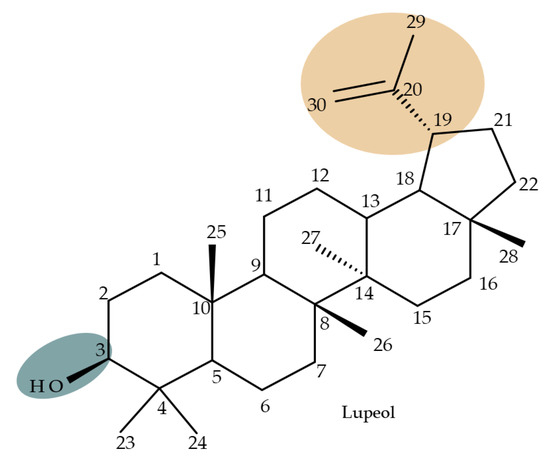
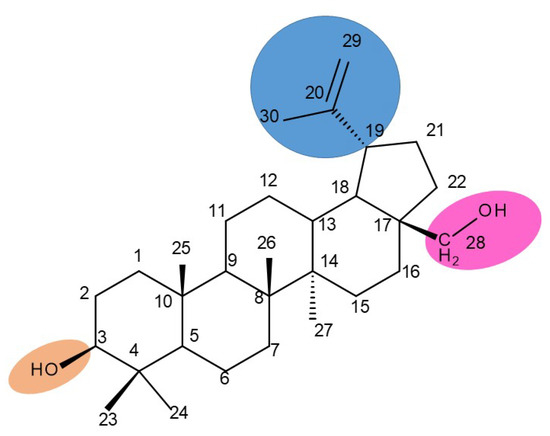
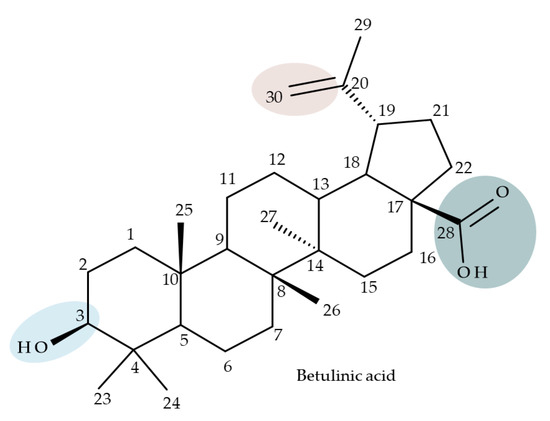
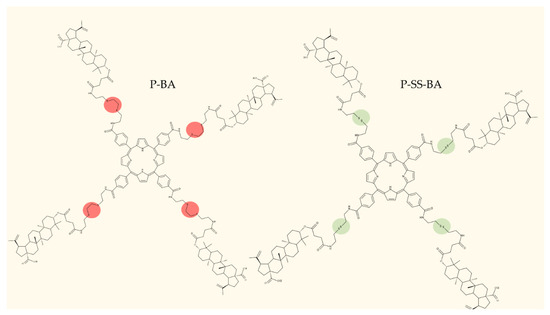
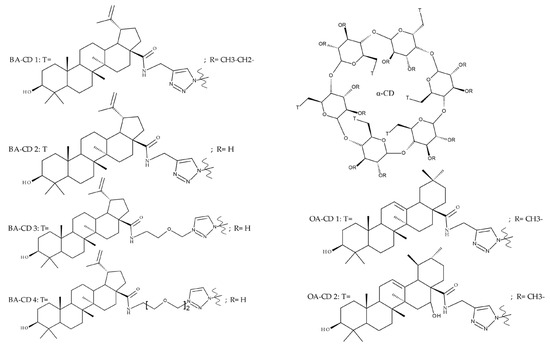
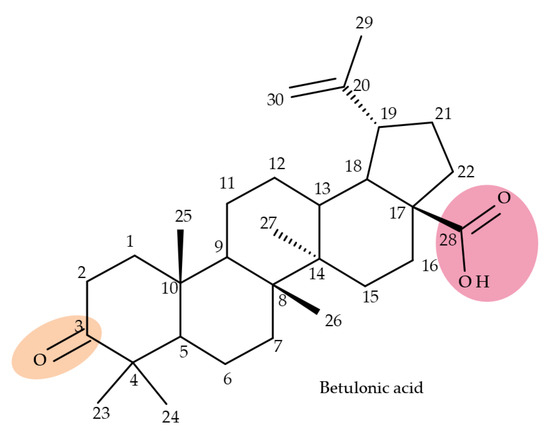
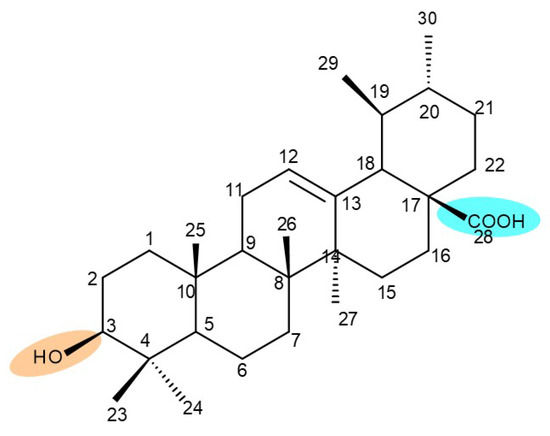
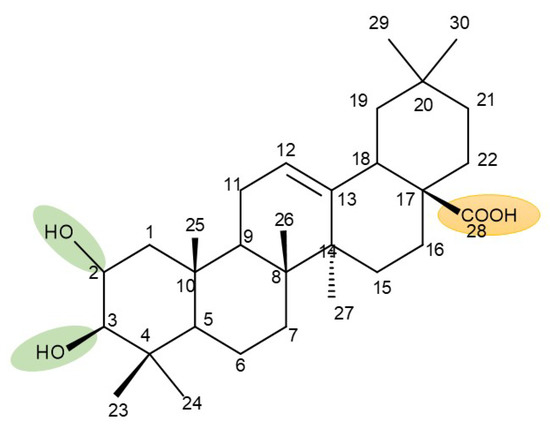
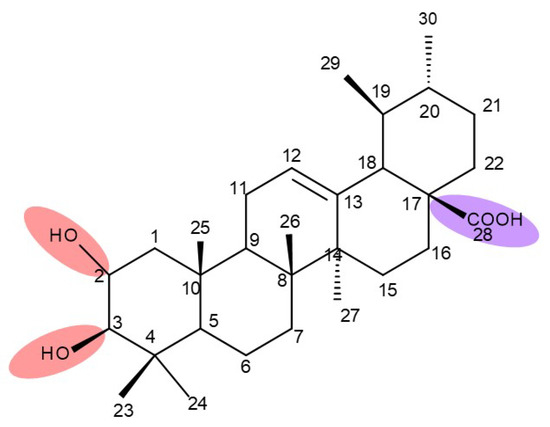
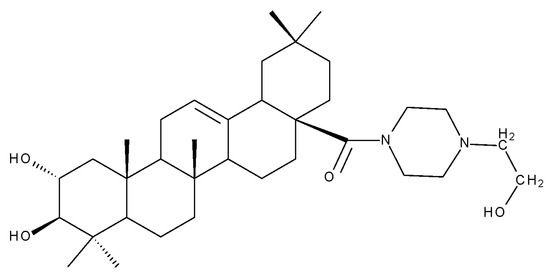
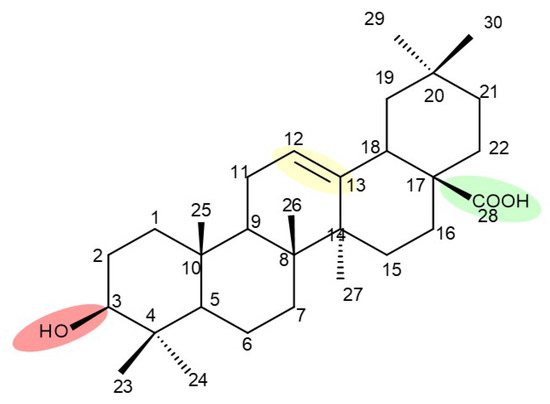
Medicinal plants have been used by humans since ancient times for the treatment of various diseases and currently represent the main source of a variety of phytocompounds, such as triterpenes. Pentacyclic triterpenes have been subjected to numerous studies that have revealed various biological activities, such as anticancer, antidiabetic, anti-inflammatory, antimicrobial, and hepatoprotective effects, which can be employed in therapy. However, due to their high lipophilicity, which is considered to exert a significant influence on their bioavailability, their current use is limited. A frequent approach employed to overcome this obstacle is the chemical derivatization of the core structure with different types of moieties including heterocycles, which are considered key elements in medicinal chemistry. The present review aims to summarize the literature published in the last 10 years regarding the derivatives of pentacyclic triterpenes bearing heterocyclic moieties and focuses on the biologically active derivatives as well as their structure–activity relationships. Predominantly, the targeted positions for the derivatization of the triterpene skeleton are C-3 (hydroxyl/oxo group), C-28 (hydroxyl/carboxyl group), and C-30 (allylic group) or the extension of the main scaffold by fusing various heterocycles with the A-ring of the phytocompound. In addition, numerous derivatives also contain linker moieties that connect the triterpenic scaffold with heterocycles; one such linker, the triazole moiety, stands out as a key pharmacophore for its biological effect. All these studies support the hypothesis that triterpenoid conjugates with heterocyclic moieties may represent promising candidates for future clinical trials. Full article
Show Figures

Figure 1

14 pages, 4094 KB  
Article
Influence of the Epoxy/Acid Stoichiometry on the Cure Behavior and Mechanical Properties of Epoxy Vitrimers
by Fan Jing, Ruikang Zhao, Chenxuan Li, Zhonghua Xi, Qingjun Wang and Hongfeng Xie
Molecules 2022, 27(19), 6335; https://doi.org/10.3390/molecules27196335 - 26 Sep 2022
Cited by 40 | Viewed by 4397
Abstract
Bisphenol A epoxy resin cured with a mixture of dimerized and trimerized fatty acids is the first epoxy vitrimer and has been extensively studied. However, the cure behavior and thermal and mechanical properties of this epoxy vitrimer depend on the epoxy/acid stoichiometry. To [...] Read more.
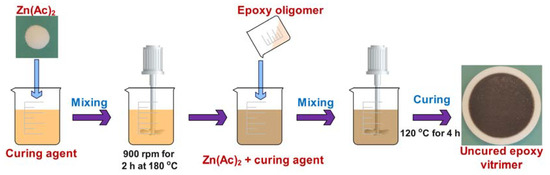
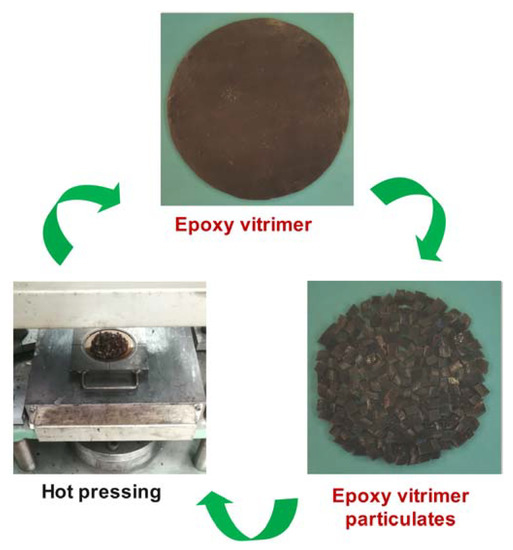
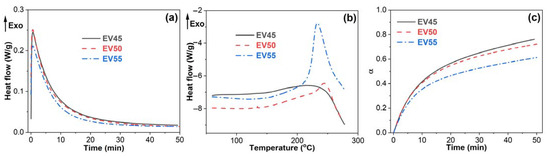
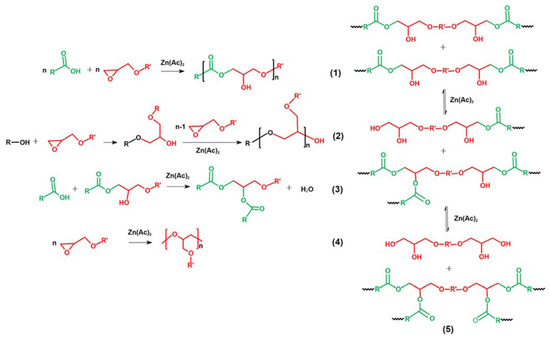
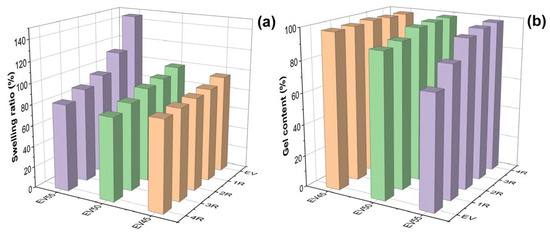
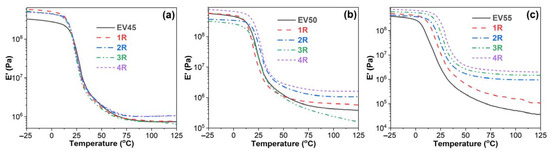
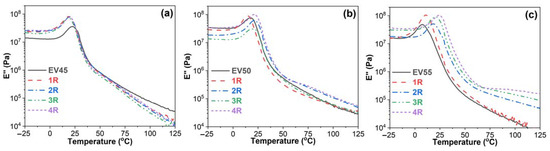
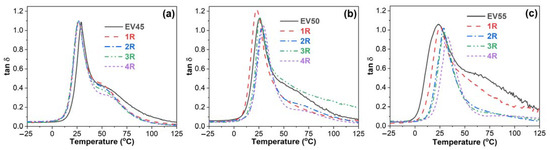
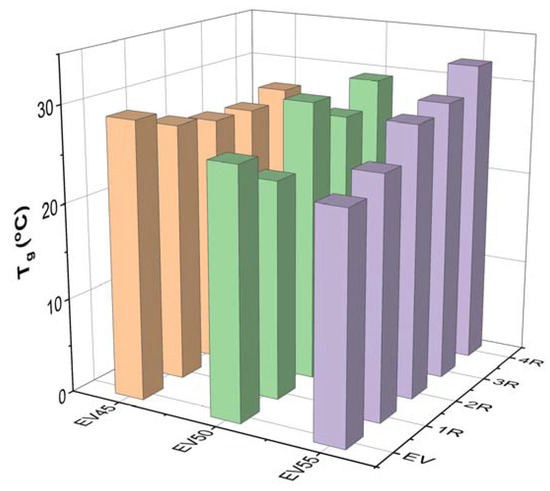
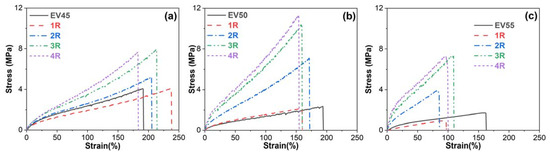
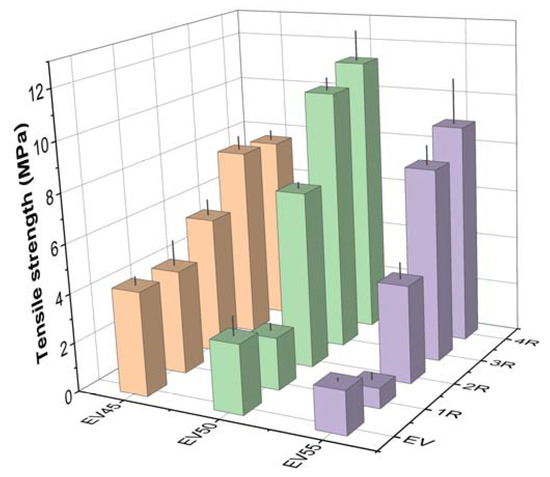
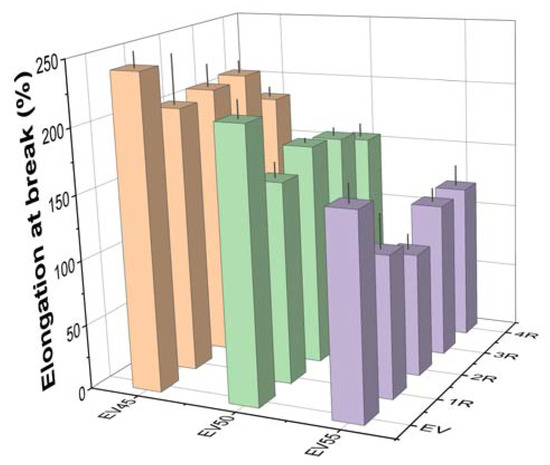
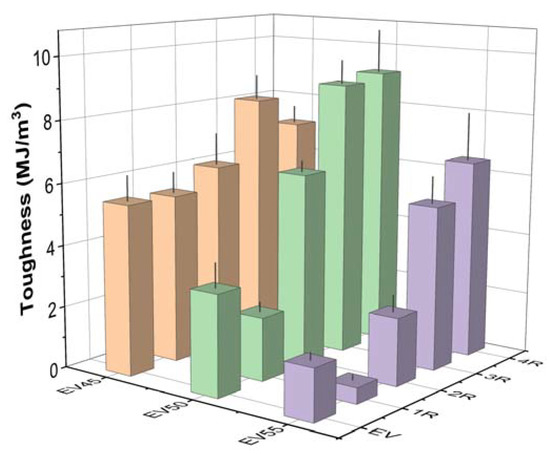
Bisphenol A epoxy resin cured with a mixture of dimerized and trimerized fatty acids is the first epoxy vitrimer and has been extensively studied. However, the cure behavior and thermal and mechanical properties of this epoxy vitrimer depend on the epoxy/acid stoichiometry. To address these issues, epoxy vitrimers with three epoxy/acid stoichiometries (9:11, 1:1 and 11:9) were prepared and recycled four times. Differential scanning calorimetry (DSC) was used to study the cure behavior of the original epoxy vitrimers. The dynamic mechanical properties and mechanical performance of the original and recycled epoxy vitrimers were investigated by using dynamic mechanical analysis (DMA) and a universal testing machine. Furthermore, the reaction mechanism of epoxy vitrimer with different epoxy/acid stoichiometry was interpreted. With an increase in the epoxy/acid ratio, the reaction rate, swelling ratio, glass transition temperature and mechanical properties of the original epoxy vitrimers decreased, whereas the gel content increased. The recycling decreased the swelling ratio and elongation at break of the original epoxy vitrimers. Moreover, the elongation at break of the recycled epoxy vitrimers decreased with the epoxy/acid ratio at the same recycling time. However, the gel content, tensile strength and toughness of the original epoxy vitrimers increased after the recycling. The mechanical properties of epoxy vitrimers can be tuned with the variation in the epoxy/acid stoichiometry. Full article
(This article belongs to the Section Macromolecular Chemistry)
Show Figures

Figure 1

20 pages, 3489 KB  
Article
Synthesis, Crystal Structure, Theoretical Calculations, Antibacterial Activity, Electrochemical Behavior, and Molecular Docking of Ni(II) and Cu(II) Complexes with Pyridoxal-Semicarbazone
by Violeta Jevtovic, Njood Alshammari, Salman Latif, Abdulmohsen Khalaf Dhahi Alsukaibi, Jamal Humaidi, Tahani Y. A. Alanazi, Fahad Abdulaziz, Samah I. Matalka, Nebojša Đ. Pantelić, Milica Marković, Aleksandra Rakić and Dušan Dimić
Molecules 2022, 27(19), 6322; https://doi.org/10.3390/molecules27196322 - 26 Sep 2022
Cited by 40 | Viewed by 4098
Abstract
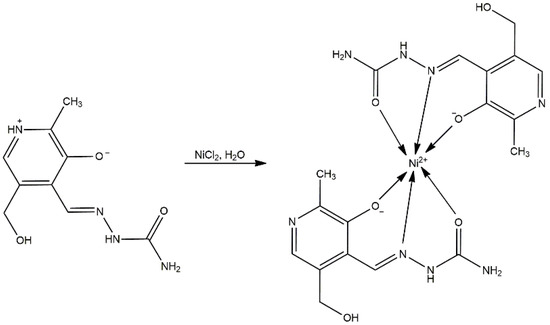
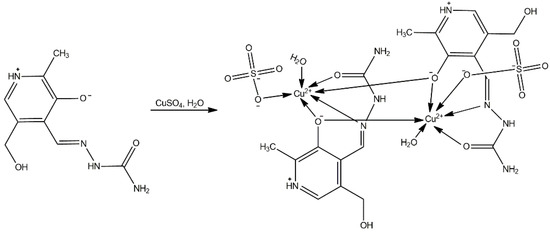
New Ni (II) and Cu (II) complexes with pyridoxal-semicarbazone were synthesized and their structures were solved by X-ray crystallography. This analysis showed the bis-ligand octahedral structure of [Ni(PLSC-H)2]·H2O and the dimer octahedral structure of [Cu(PLSC)(SO4)(H2O)] [...] Read more.
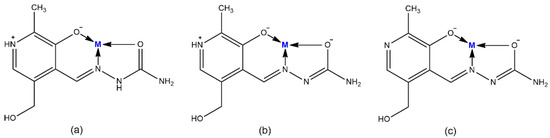
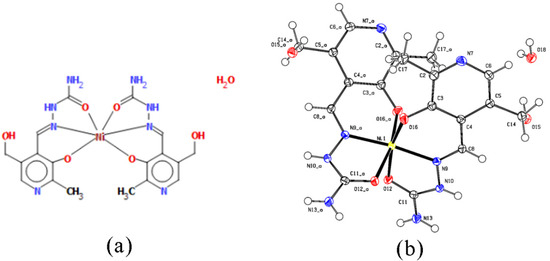
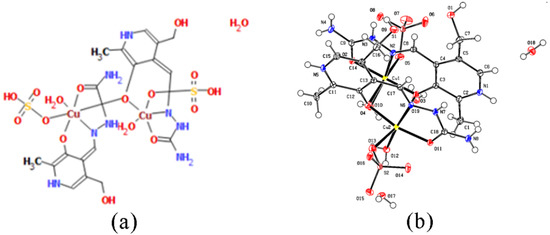
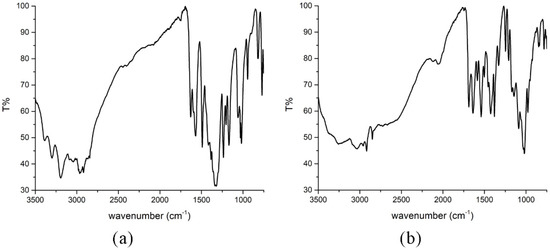
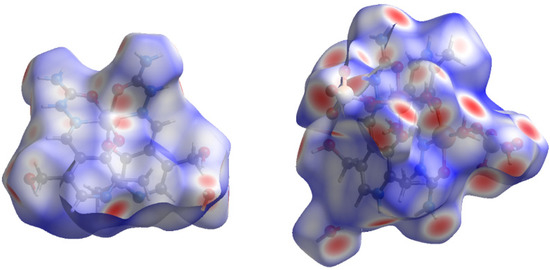
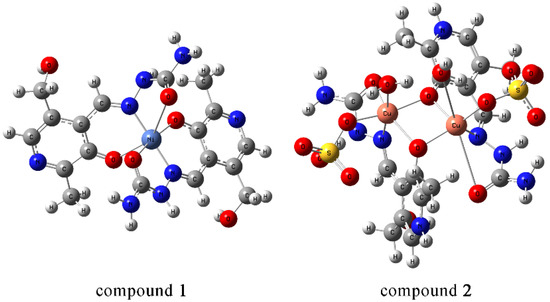
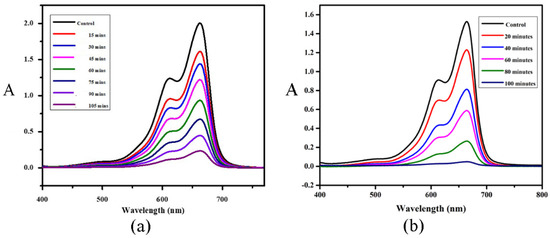
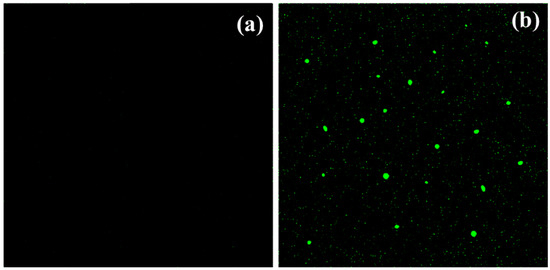
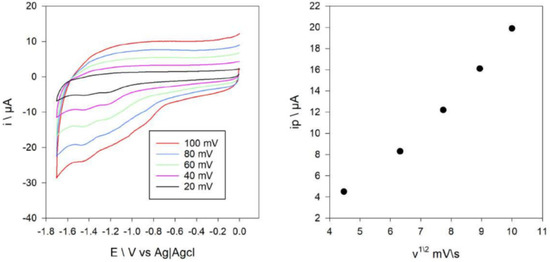
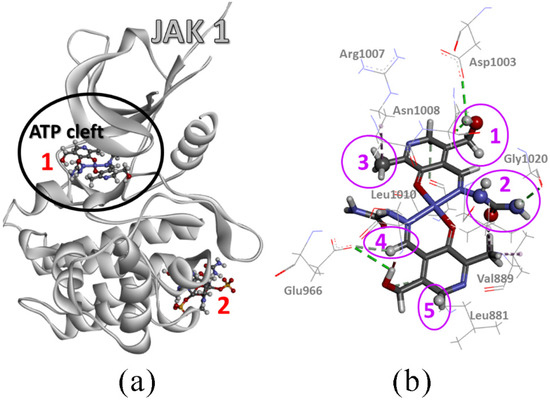
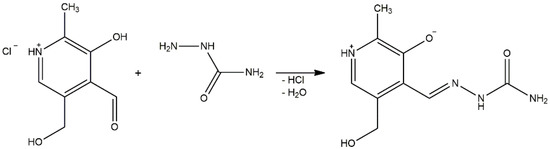
New Ni (II) and Cu (II) complexes with pyridoxal-semicarbazone were synthesized and their structures were solved by X-ray crystallography. This analysis showed the bis-ligand octahedral structure of [Ni(PLSC-H)2]·H2O and the dimer octahedral structure of [Cu(PLSC)(SO4)(H2O)]2·2H2O. Hirshfeld surface analysis was employed to determine the most important intermolecular interactions in the crystallographic structures. The structures of both complexes were further examined using density functional theory and natural bond orbital analysis. The photocatalytic decomposition of methylene blue in the presence of both compounds was investigated. Both compounds were active toward E. coli and S. aureus, with a minimum inhibition concentration similar to that of chloramphenicol. The obtained complexes led to the formation of free radical species, as was demonstrated in an experiment with dichlorofluorescein-diacetate. It is postulated that this is the mechanistic pathway of the antibacterial and photocatalytic activities. Cyclic voltammograms of the compounds showed the peaks of the reduction of metal ions. A molecular docking study showed that the Ni(II) complex exhibited promising activity towards Janus kinase (JAK), as a potential therapy for inflammatory diseases, cancers, and immunologic disorders. Full article
(This article belongs to the Section Photochemistry)
Show Figures

Figure 1
19 pages, 1996 KB  
Review
Current Research of Phytochemical, Medicinal and Non-Medicinal Uses of Uncaria gambir Roxb.: A Review
by Indah Putri Munggari, Dikdik Kurnia, Yusi Deawati and Euis Julaeha
Molecules 2022, 27(19), 6551; https://doi.org/10.3390/molecules27196551 - 3 Oct 2022
Cited by 39 | Viewed by 7791
Abstract
Uncaria gambir Roxb. is a plant from Southeast Asia and is widely used as an alternative medicine with various applications. This plant has been widely used in traditional medicine. This paper aims to provide information on U. gambir, a summary of data [...] Read more.
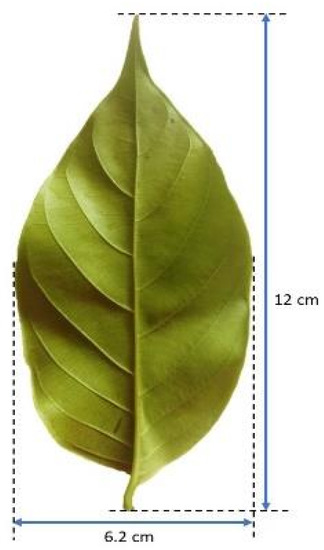
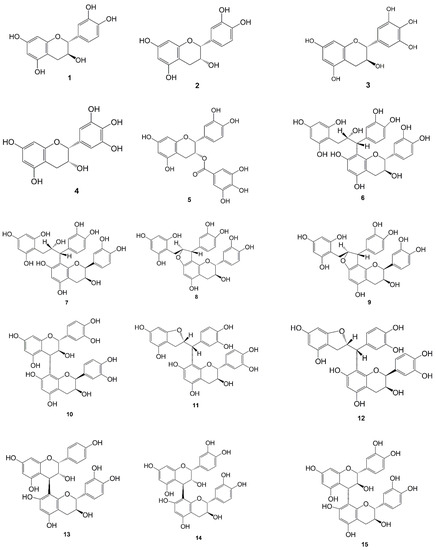
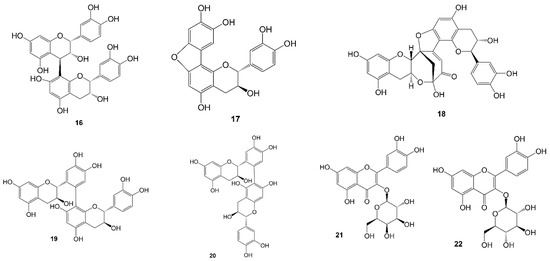
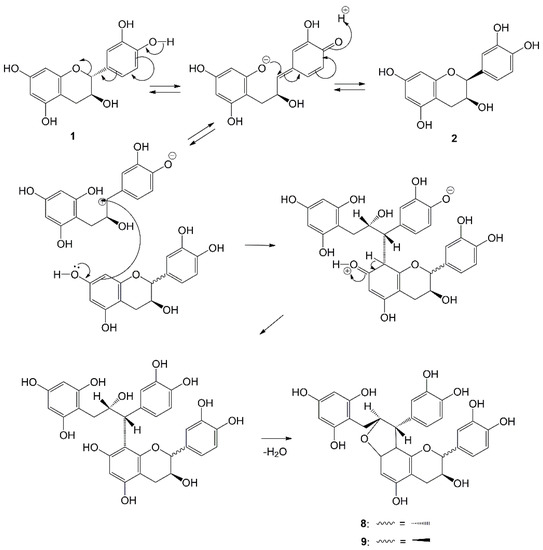
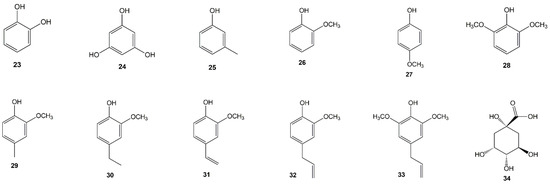
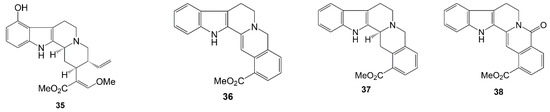
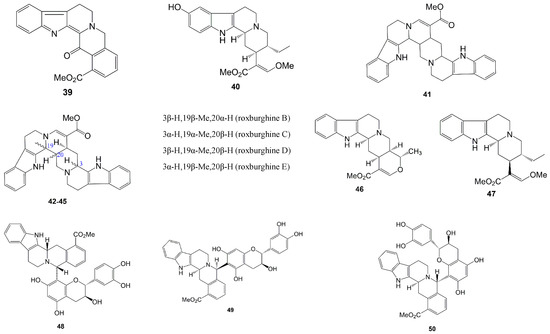
Uncaria gambir Roxb. is a plant from Southeast Asia and is widely used as an alternative medicine with various applications. This plant has been widely used in traditional medicine. This paper aims to provide information on U. gambir, a summary of data on phytochemicals and on medical and nonmedical activities. Phytochemical studies reveal biologically active constituents such as flavonoids, phenolics, and alkaloids. Various studies have shown that extracts and compounds obtained from U. gambir have medical uses for their antioxidant, antibacterial, anti-helminthic, anticancer, antifungal, anti-inflammatory, anti-hyperglycemic, anti-hyperuricemic, anti-lipid peroxidation, antihyperlipidemic and other properties. In addition, this extract has other uses, such as adsorbent for dyes and metal ions, as well as corrosion inhibition. Thus, U. gambir, which is commonly used in traditional medicine, is a potential plant for many therapeutic applications and prospects for drug development as well as other applications such as adsorbent and corrosion inhibition. Full article
(This article belongs to the Special Issue Natural Products: Chemical Composition and Pharmacological Activity)
Show Figures

Figure 1