17 pages, 4146 KB  
Article
Silver Nanoparticles Synthesized by Using the Endophytic Bacterium Pantoea ananatis are Promising Antimicrobial Agents against Multidrug Resistant Bacteria
by Tahmina Monowar, Md. Sayedur Rahman, Subhash J. Bhore, Gunasunderi Raju and Kathiresan V. Sathasivam
Molecules 2018, 23(12), 3220; https://doi.org/10.3390/molecules23123220 - 6 Dec 2018
Cited by 124 | Viewed by 6548
Abstract
Antibiotic resistance is one of the most important global problems currently confronting the world. Different biomedical applications of silver nanoparticles (AgNPs) have indicated them to be promising antimicrobial agents. In the present study, extracellular extract of an endophytic bacterium, Pantoea ananatis, was used [...] Read more.
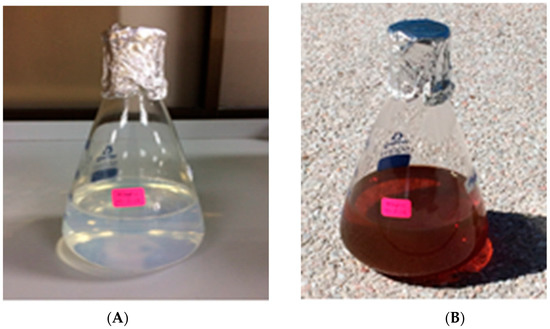
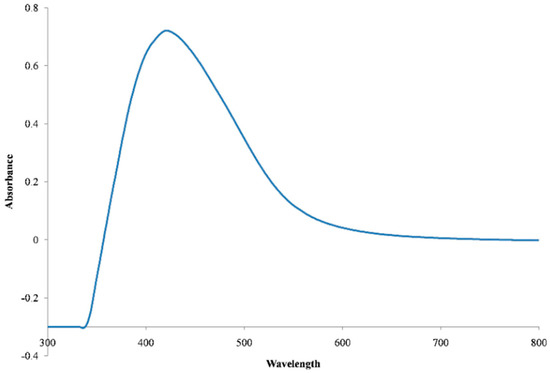
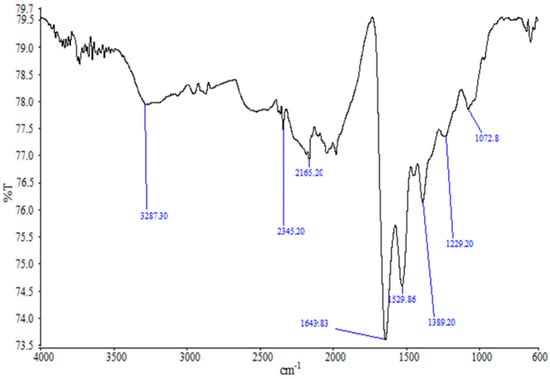
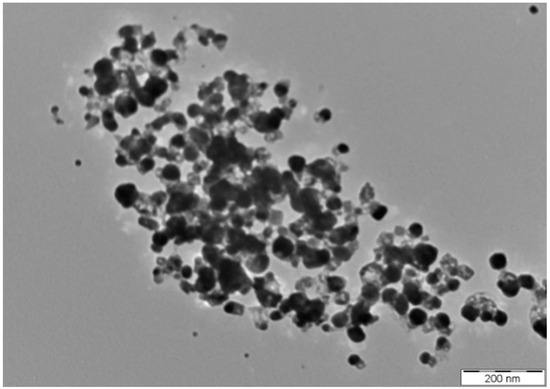
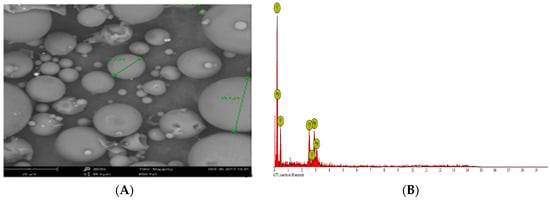
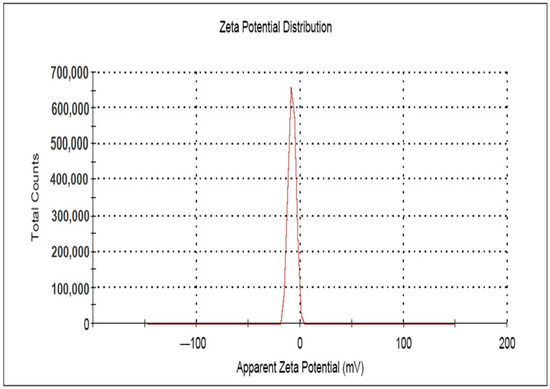
Antibiotic resistance is one of the most important global problems currently confronting the world. Different biomedical applications of silver nanoparticles (AgNPs) have indicated them to be promising antimicrobial agents. In the present study, extracellular extract of an endophytic bacterium, Pantoea ananatis, was used for synthesis of AgNPs. The synthesized AgNPs were characterized by UV–Vis spectroscopy, FTIR, transmission electron microscopy (TEM), scanning electron microscopy-energy dispersive X-ray spectroscopy (SEM-EDX), and Zeta potential. The antimicrobial potential of the AgNPs against pathogenic Staphylococcus aureus subsp. aureus (ATCC 11632), Bacillus cereus (ATCC 10876), Escherichia coli (ATCC 10536), Pseudomonas aeruginosa (ATCC 10145) and Candida albicans (ATCC 10231), and multidrug resistant (MDR) Streptococcus pneumoniae (ATCC 700677), Enterococcus faecium (ATCC 700221) Staphylococcus aureus (ATCC 33592) Escherichia coli (NCTC 13351) was investigated. The synthesized spherical-shaped AgNPs with a size range of 8.06 nm to 91.32 nm exhibited significant antimicrobial activity at 6 μg/disc concentration against Bacillus cereus (ATCC 10876) and Candida albicans (ATCC 10231) which were found to be resistant to conventional antibiotics. The synthesized AgNPs showed promising antibacterial efficiency at 10 µg/disc concentration against the MDR strains. The present study suggests that AgNPs synthesized by using the endophytic bacterium P. ananatis are promising antimicrobial agent. Full article
(This article belongs to the Special Issue New Nanomaterials: Synthesis, Characterization and Applications)
Show Figures

Figure 1

16 pages, 903 KB  
Article
Phytochemical and Biological Characteristics of Mexican Chia Seed Oil
by Yingbin Shen, Liyou Zheng, Jun Jin, Xiaojing Li, Junning Fu, Mingzhong Wang, Yifu Guan and Xun Song
Molecules 2018, 23(12), 3219; https://doi.org/10.3390/molecules23123219 - 6 Dec 2018
Cited by 62 | Viewed by 6638
Abstract
The purpose of this research was to investigate the chemical profile, nutritional quality, antioxidant and hypolipidemic effects of Mexican chia seed oil (CSO) in vitro. Chemical characterization of CSO indicated the content of α-linolenic acid (63.64% of total fatty acids) to be the [...] Read more.
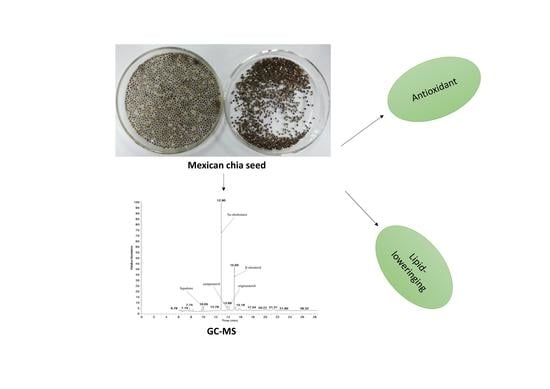
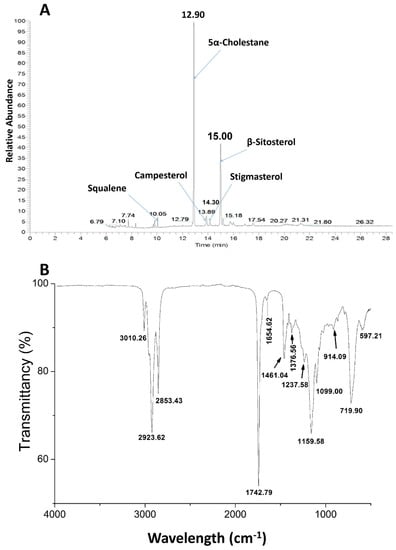
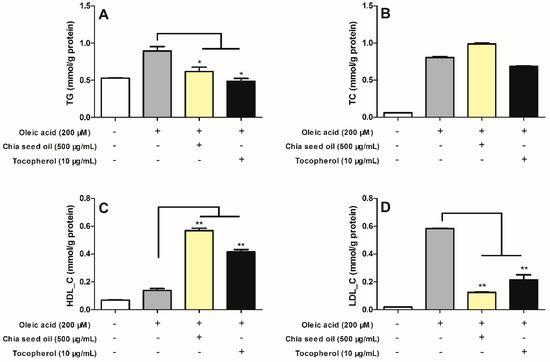
The purpose of this research was to investigate the chemical profile, nutritional quality, antioxidant and hypolipidemic effects of Mexican chia seed oil (CSO) in vitro. Chemical characterization of CSO indicated the content of α-linolenic acid (63.64% of total fatty acids) to be the highest, followed by linoleic acid (19.84%), and saturated fatty acid (less than 11%). Trilinolenin content (53.44% of total triacylglycerols (TAGs)) was found to be the highest among seven TAGs in CSO. The antioxidant capacity of CSO, evaluated with ABTS•+ and DPPH methods, showed mild antioxidant capacity when compared with Tocopherol and Catechin. In addition, CSO was found to lower triglyceride (TG) and low-density lipoprotein-cholesterol (LDL-C) levels by 25.8% and 72.9%respectively in a HepG2 lipid accumulation model. As CSO exhibits these chemical and biological characteristics, it is a potential resource of essential fatty acids for human use. Full article
(This article belongs to the Collection Advances in Food Analysis)
Show Figures

Graphical abstract

11 pages, 1142 KB  
Article
Mollicellins O–R, Four New Depsidones Isolated from the Endophytic Fungus Chaetomium sp. Eef-10
by Jinkui Ouyang, Ziling Mao, Hui Guo, Yunying Xie, Zehua Cui, Jian Sun, Huixiong Wu, Xiujun Wen, Jun Wang and Tijiang Shan
Molecules 2018, 23(12), 3218; https://doi.org/10.3390/molecules23123218 - 5 Dec 2018
Cited by 26 | Viewed by 4299
Abstract
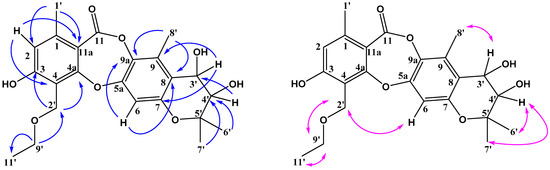
Four new depsidones, mollicellins O–R (compounds 14), along with three known compounds 57, were isolated from cultures of the fungus Chaetomium sp. Eef-10, an endophyte isolated from Eucalyptus exserta. The structures of the new compounds were [...] Read more.
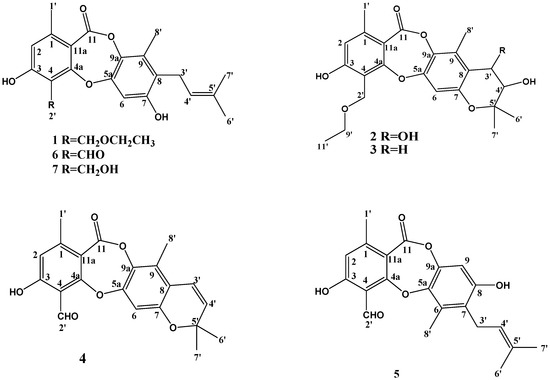
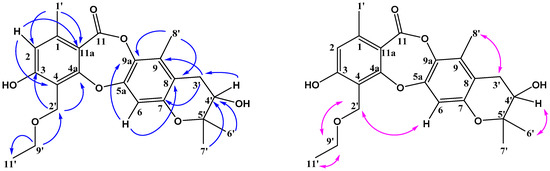
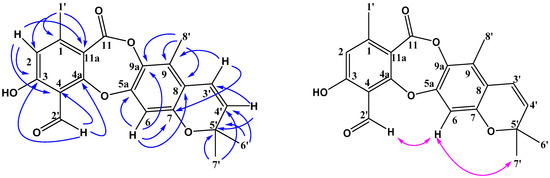
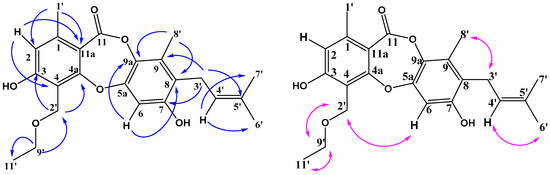
Four new depsidones, mollicellins O–R (compounds 14), along with three known compounds 57, were isolated from cultures of the fungus Chaetomium sp. Eef-10, an endophyte isolated from Eucalyptus exserta. The structures of the new compounds were elucidated by analysis of the 1D and 2D NMR and HR-ESI-MS spectra. The known compounds were identified by comparison of their spectral data with published values. Compounds 17 were evaluated for antibacterial activities against Staphylococcus aureus (sensitive and resistant strains), Escherichia coli, Agrobacterium tumefaciens, Salmonella typhimurium, Pseudomonas lachrymans, Ralstonia solanacearum, Xanthomonas vesicatoria and cytotoxic activities against two human cancer cell lines (HepG2 and Hela). Mollicellin H (6) displayed best antibacterial activity, with IC50 values of 5.14 µg/mL against S. aureus ATCC29213 and 6.21 µg/mL against S. aureus N50, MRSA, respectively. Mollicellin O (1) and mollicellin I (7) also exhibited antibacterial activities against S. aureus ATCC29213 and S. aureus N50. Mollicellin G (5) was active against both two human cancer cell lines, with IC50 values of 19.64 and 13.97 µg/mL while compounds 6 and 7 only showed cytotoxic activity against one cell line. In addition, mollicellin O (1) showed antioxidant activity based on DPPH radical scavenging, with an IC50 value of 71.92 µg/mL. Full article
Show Figures

Figure 1
13 pages, 2027 KB  
Article
Demethoxycurcumin-Loaded Chitosan Nanoparticle Downregulates DNA Repair Pathway to Improve Cisplatin-Induced Apoptosis in Non-Small Cell Lung Cancer
by Ying-Yi Chen, Yu-Jung Lin, Wei-Ting Huang, Chin-Chuan Hung, Hui-Yi Lin, Yu-Chen Tu, Dean-Mo Liu, Shou-Jen Lan and Ming-Jyh Sheu
Molecules 2018, 23(12), 3217; https://doi.org/10.3390/molecules23123217 - 5 Dec 2018
Cited by 23 | Viewed by 4177
Abstract
Demethoxycurcumin (DMC), through a self-assembled amphiphilic carbomethyl-hexanoyl chitosan (CHC) nanomatrix has been successfully developed and used as a therapeutic approach to inhibit cisplatin-induced drug resistance by suppressing excision repair cross-complementary 1 (ERCC1) in non-small cell lung carcinoma cells (NSCLC). Previously, DMC significantly inhibited [...] Read more.
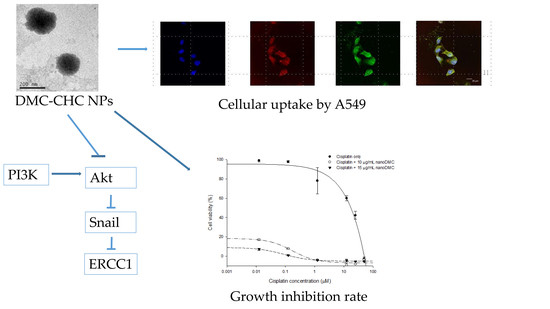
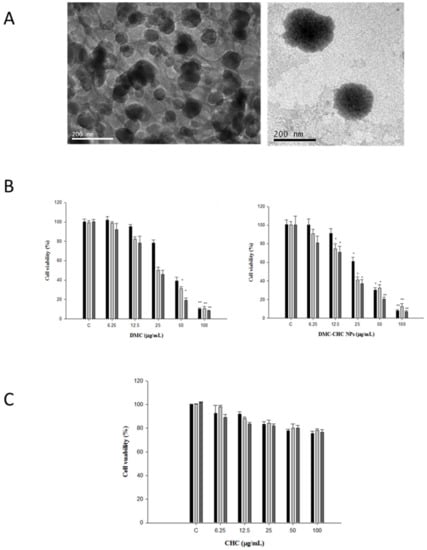
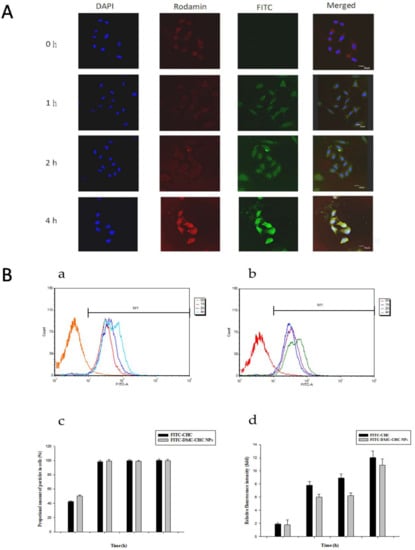
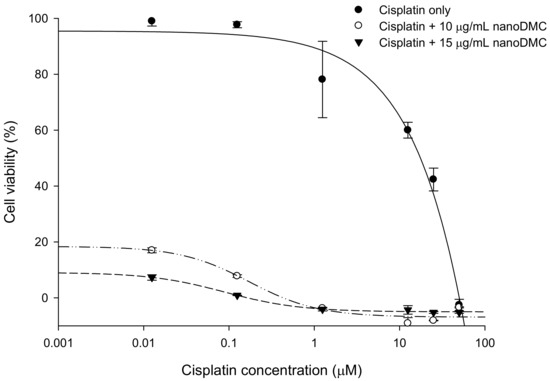
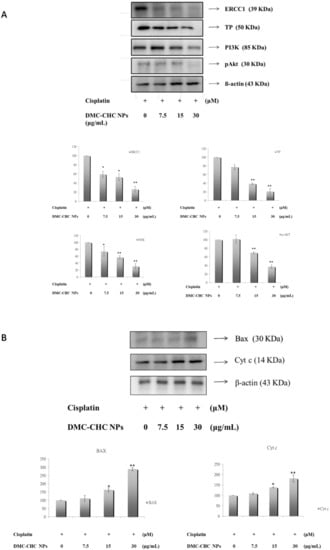
Demethoxycurcumin (DMC), through a self-assembled amphiphilic carbomethyl-hexanoyl chitosan (CHC) nanomatrix has been successfully developed and used as a therapeutic approach to inhibit cisplatin-induced drug resistance by suppressing excision repair cross-complementary 1 (ERCC1) in non-small cell lung carcinoma cells (NSCLC). Previously, DMC significantly inhibited on-target cisplatin resistance protein, ERCC1, via PI3K-Akt-snail pathways in NSCLC. However, low water solubility and bioavailability of DMC causes systemic elimination and prevents its clinical application. To increase its bioavailability and targeting capacity toward cancer cells, a DMC-polyvinylpyrrolidone core phase was prepared, followed by encapsulating in a CHC shell to form a DMC-loaded core-shell hydrogel nanoparticles (DMC-CHC NPs). We aimed to understand whether DMC-CHC NPs efficiently potentiate cisplatin-induced apoptosis through downregulation of ERCC1 in NSCLC. DMC-CHC NPs displayed good cellular uptake efficiency. Dissolved in water, DMC-CHC NPs showed comparable cytotoxic potency with free DMC (dissolved in DMSO). A sulforhodamine B (SRB) assay indicated that DMC-CHC NPs significantly increased cisplatin-induced cytotoxicity by highly efficient intracellular delivery of the encapsulated DMC. A combination of DMC-CHC NPs and cisplatin significantly inhibited on-target cisplatin resistance protein, ERCC1, via the PI3K-Akt pathway. Also, this combination treatment markedly increased the post-target cisplatin resistance pathway including bax, and cytochrome c expressions. Thymidine phosphorylase (TP), a main role of the pyrimidine salvage pathway, was also highly inhibited by the combination treatment. The results suggested that enhancement of the cytotoxicity to cisplatin via administration of DMC-CHC NPs was mediated by down-regulation of the expression of TP, and ERCC1, regulated via the PI3K-Akt pathway. Full article
(This article belongs to the Special Issue Advances in Chitin and Chitosan Science)
Show Figures

Graphical abstract

9 pages, 1145 KB  
Article
Synthesis of Novel ent-Kaurane-Type Diterpenoid Derivatives Effective for Highly Aggressive Tumor Cells
by Yu Hu, Xiao-Nian Li, Ze-Jin Ma, Pema-Tenzin Puno, Yong Zhao, Yan Zhao, Ye-Zhi Xiao, Wei Zhang and Jing-Ping Liu
Molecules 2018, 23(12), 3216; https://doi.org/10.3390/molecules23123216 - 5 Dec 2018
Cited by 5 | Viewed by 3588
Abstract
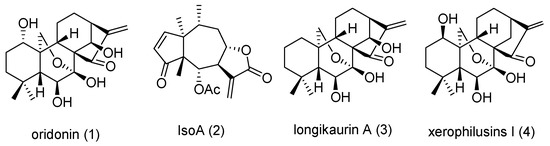
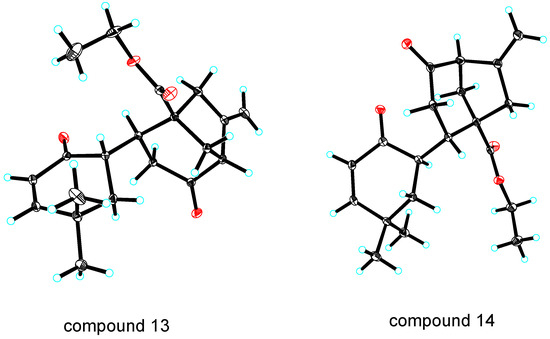
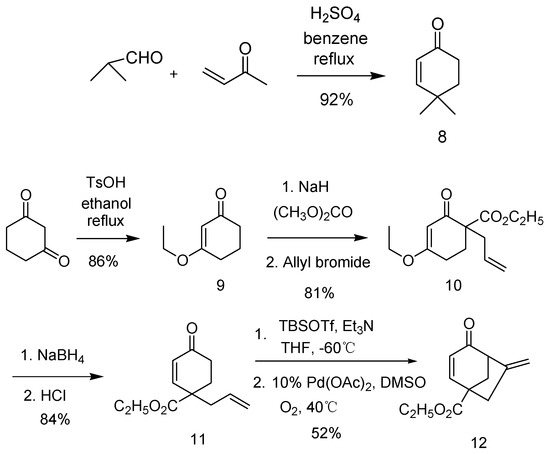
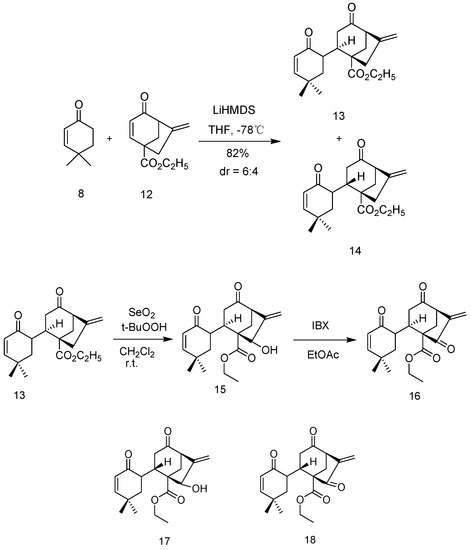
We have designed and synthesized 6 ent-Kaurane-type diterpenoid derivatives containing α,β-unsaturated ketone moieties. In vitro, activity was evaluated against three human tumor cell lines and a rat myogenic cell line (HepG2, NSCLC-H292, SNU-1040, L6) by MTT assay. All the tested compounds exhibited [...] Read more.
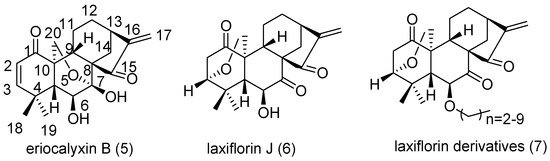
We have designed and synthesized 6 ent-Kaurane-type diterpenoid derivatives containing α,β-unsaturated ketone moieties. In vitro, activity was evaluated against three human tumor cell lines and a rat myogenic cell line (HepG2, NSCLC-H292, SNU-1040, L6) by MTT assay. All the tested compounds exhibited comparable or higher activity than DDP and eriocalyxin B. Compounds 16, 17 and 18 are promising anti-tumor leads due to their cytotoxic potencies and higher selectivity, with SI values of 161.06, 47.80 and 128.20, respectively. Full article
(This article belongs to the Section Bioorganic Chemistry)
Show Figures

Figure 1
12 pages, 1814 KB  
Article
Determination of Tranquilizers in Swine Urine by Ultra-High-Performance Liquid Chromatography-Tandem Mass Spectrometry
by Yingyu Wang, Xiaowei Li, Yuebin Ke, Chengfei Wang, Yuan Zhang, Dongyang Ye, Xue Hu, Lan Zhou and Xi Xia
Molecules 2018, 23(12), 3215; https://doi.org/10.3390/molecules23123215 - 5 Dec 2018
Cited by 4 | Viewed by 3371
Abstract
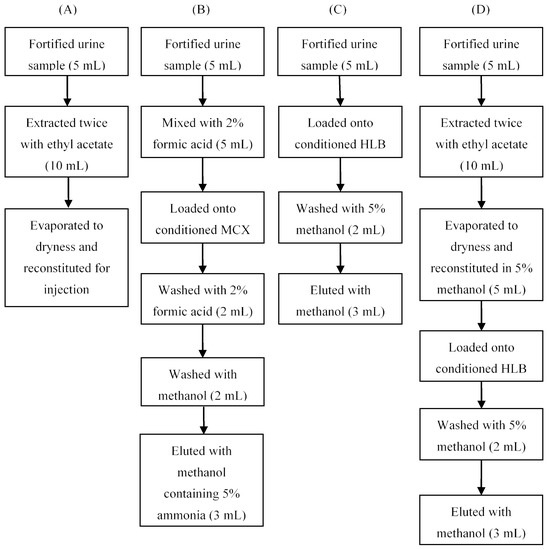
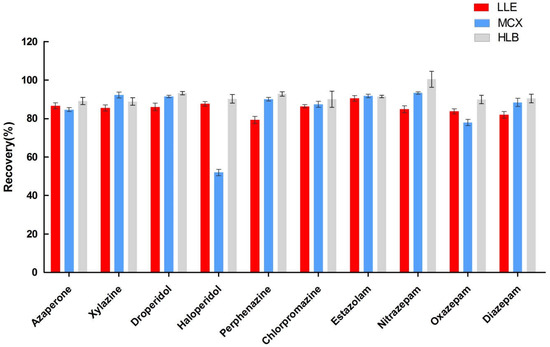
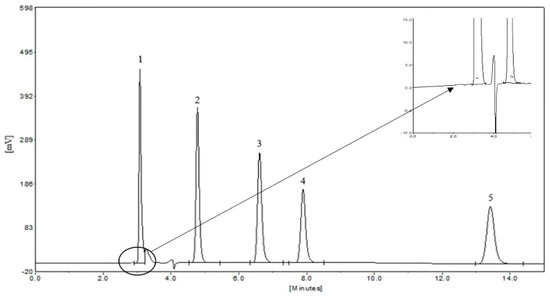
A rapid, reliable, and sensitive method was developed for the determination of ten tranquilizers in swine urine. Sample preparation was based on solid-phase extraction, which combined isolation of the compounds and sample cleanup in a single step. Separation was performed on a reversed [...] Read more.
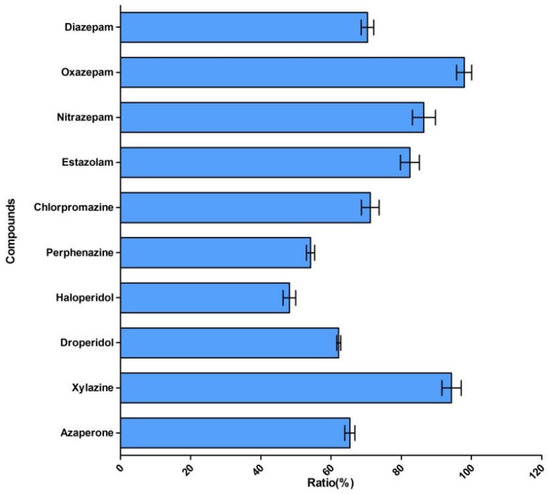
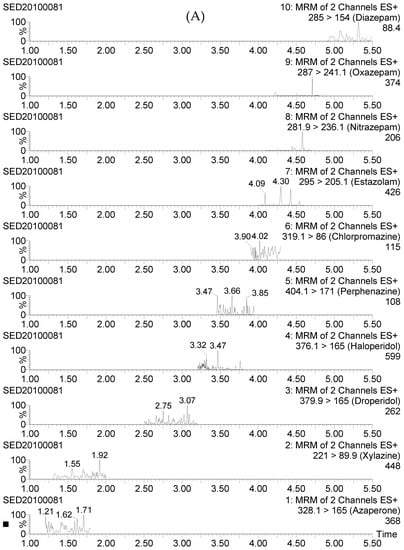
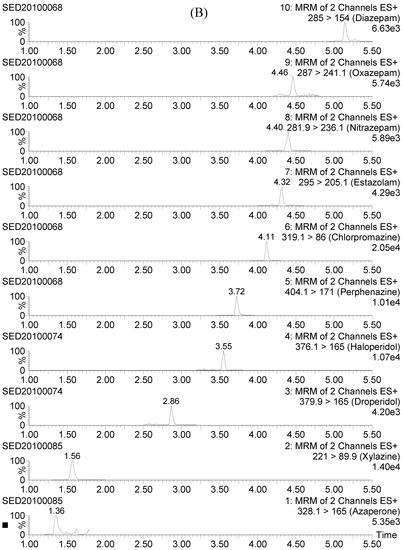
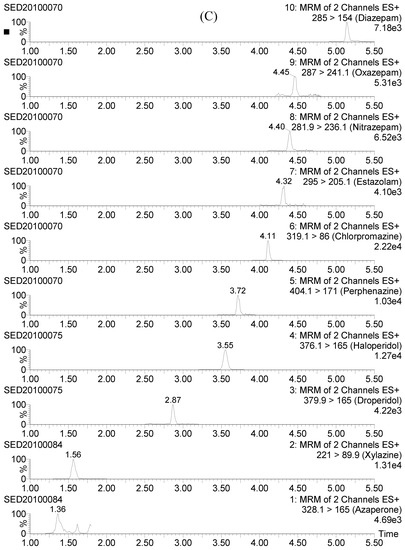
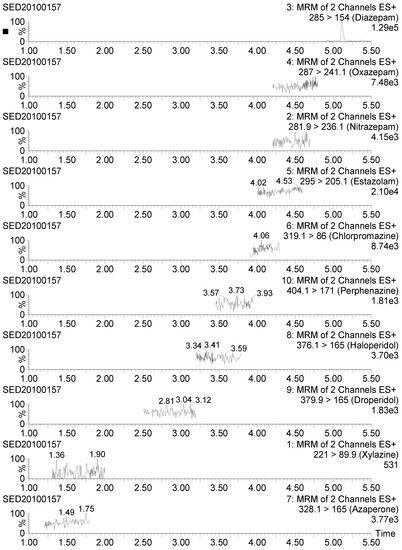
A rapid, reliable, and sensitive method was developed for the determination of ten tranquilizers in swine urine. Sample preparation was based on solid-phase extraction, which combined isolation of the compounds and sample cleanup in a single step. Separation was performed on a reversed phase C18 column by gradient elution with a chromatographic run time of seven minutes, consisting of 0.1% formic acid in water and acetonitrile as the mobile phase. Multiple reaction monitoring in positive mode was applied for data acquisition. Matrix-matched calibration was used for quantification and good linearity was obtained with coefficients of determination higher than 0.99. The average recoveries of fortified samples at concentrations between 0.05 and 10 µg/L ranged from 85% to 106% with interday relative standard deviations of less than 13% in all cases. The limits of detection and limits of quantification obtained for tranquilizers in the urine were in the ranges of 0.03–0.1 µg/L and 0.05–0.25 µg/L, respectively. The applicability of the proposed method was demonstrated by analyzing real samples; diazepam was detected at concentrations between 0.3 and 0.6 μg/L. Full article
(This article belongs to the Special Issue Biological Sample Analysis by Liquid Chromatography)
Show Figures

Figure 1
18 pages, 1743 KB  
Article
Tailor-Made Deep Eutectic Solvents for Simultaneous Extraction of Five Aromatic Acids from Ginkgo biloba Leaves
by Jun Cao, Huimin Wang, Wei Zhang, Fuliang Cao, Geli Ma and Erzheng Su
Molecules 2018, 23(12), 3214; https://doi.org/10.3390/molecules23123214 - 5 Dec 2018
Cited by 52 | Viewed by 5223
Abstract
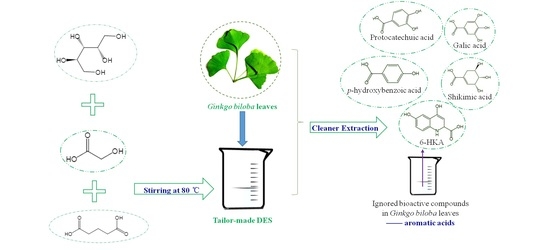
Ginkgo biloba leaves have various health benefits due to the presence of bioactive compounds such as polyprenyl acetates, flavonoids, and terpene trilactones. However, there is little literature reported on the aromatic acids in Ginkgo biloba leaves. In this work, five aromatic acids including [...] Read more.
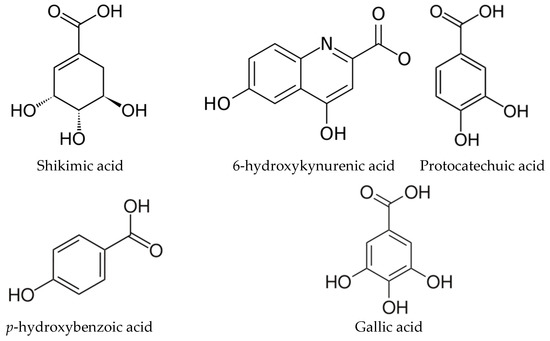
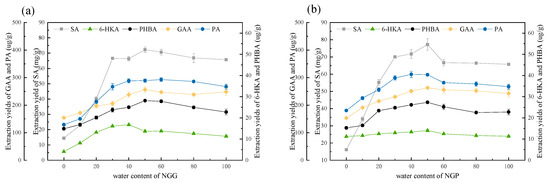
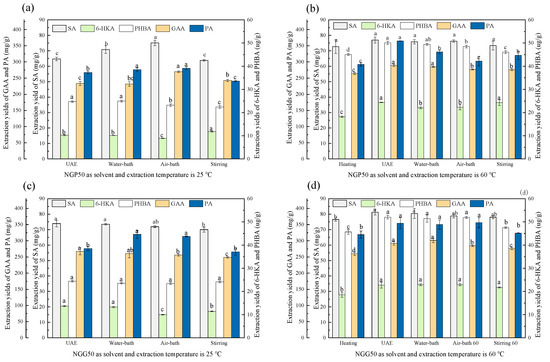
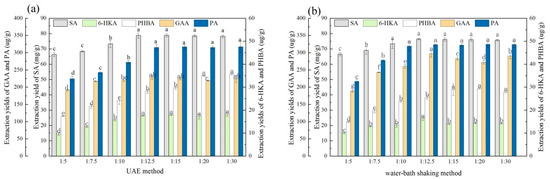
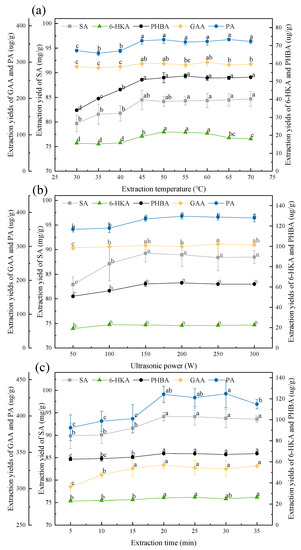
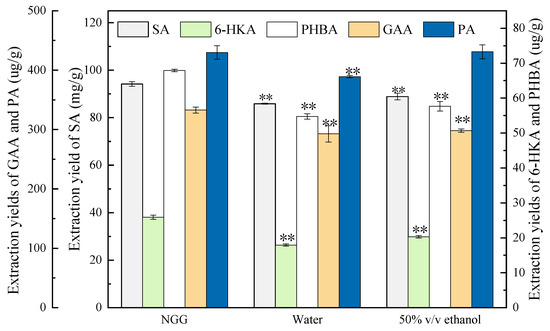
Ginkgo biloba leaves have various health benefits due to the presence of bioactive compounds such as polyprenyl acetates, flavonoids, and terpene trilactones. However, there is little literature reported on the aromatic acids in Ginkgo biloba leaves. In this work, five aromatic acids including shikimic acid (SA), 6-hydroxykynurenic acid (6-HKA), protocatechuic acid (PA), gallic acid (GAA), and p-hydroxybenzoic acid (PHBA) were simultaneously extracted from Ginkgo biloba leaves by employing the green deep eutectic solvents (DESs). A DES tailor-made from xylitol, glycolic acid and 1,5-pentanedioic acid at a molar ratio of 1:3:1 with 50% (w/w) water addition, named as NGG50, gave higher extraction yields for the five aromatic acids. Main factors affecting the extraction process were further optimized. The highest extraction yields of SA, GAA, 6-HKA, PA, and PHBA were 94.15 ± 0.96 mg/g, 332.69 ± 5.19 μg/g, 25.90 ± 0.61 μg/g, 429.89 ± 11.47 μg/g and 67.94 ± 0.37 μg/g, respectively. The NGG50-based extraction process developed here was a successful attempt of simultaneously extracting five aromatic acids from Ginkgo biloba leaves for the first time, which could provide a new exploitation direction of Ginkgo biloba leaves. Full article
Show Figures

Graphical abstract

11 pages, 1874 KB  
Article
Modulation of Gut Microbiota by Lonicera caerulea L. Berry Polyphenols in a Mouse Model of Fatty Liver Induced by High Fat Diet
by Shusong Wu, Ruizhi Hu, Hironobu Nakano, Keyu Chen, Ming Liu, Xi He, Hongfu Zhang, Jianhua He and De-Xing Hou
Molecules 2018, 23(12), 3213; https://doi.org/10.3390/molecules23123213 - 5 Dec 2018
Cited by 93 | Viewed by 6669
Abstract
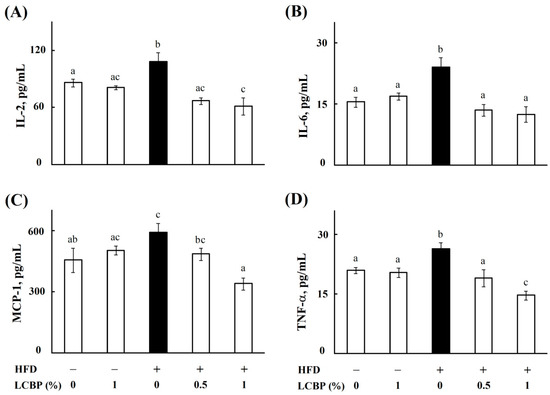
Polyphenols from the Lonicera caerulea L. berry have shown protective effects on experimental non-alcoholic fatty liver disease (NAFLD) in our previous studies. As endotoxins from gut bacteria are considered to be the major trigger of inflammation in NAFLD, this study aims to clarify [...] Read more.
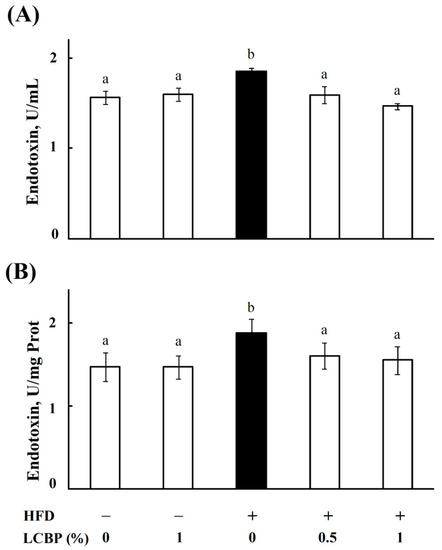
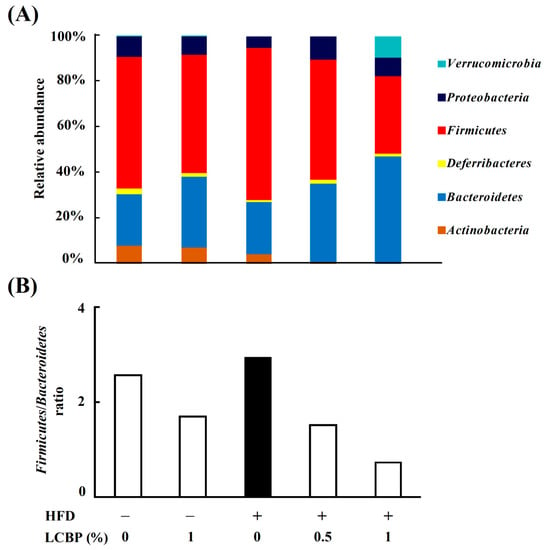
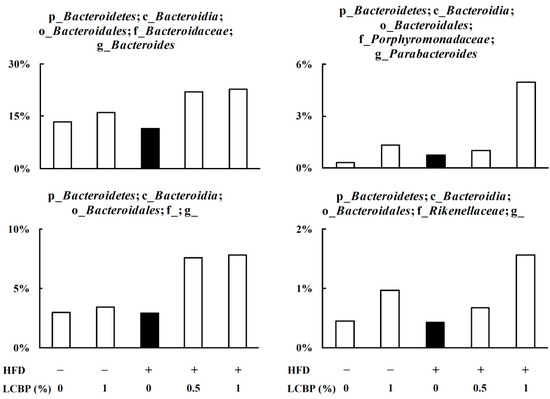
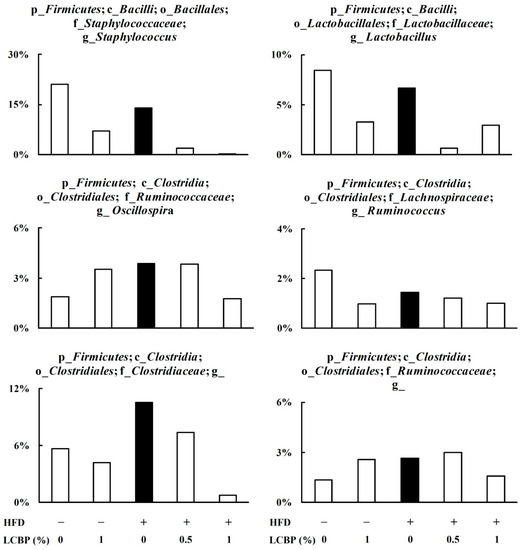
Polyphenols from the Lonicera caerulea L. berry have shown protective effects on experimental non-alcoholic fatty liver disease (NAFLD) in our previous studies. As endotoxins from gut bacteria are considered to be the major trigger of inflammation in NAFLD, this study aims to clarify the regulatory effects of L. caerulea L. berry polyphenols (LCBP) on gut microbiota in a high fat diet (HFD)-induced mouse model. C57BL/6N mice were fed with a normal diet, HFD, or HFD containing 0.5–1% of LCBP for 45 days. The results revealed that supplementation with LCBP decreased significantly the levels of IL-2, IL-6, MCP-1, and TNF-α in serum, as well as endotoxin levels in both serum and liver in HFD-fed mice. Fecal microbiota characterization by high throughput 16S rRNA gene sequencing revealed that a HFD increased the Firmicutes/Bacteroidetes ratio, and LCBP reduced this ratio by increasing the relative abundance of Bacteroides, Parabacteroides, and another two undefined bacterial genera belonging to the order of Bacteroidales and family of Rikenellaceae, and also by decreasing the relative abundance of six bacterial genera belonging to the phylum Firmicutes, including Staphylococcus, Lactobacillus, Ruminococcus, and Oscillospira. These data demonstrated that LCBP potentially attenuated inflammation in NAFLD through modulation of gut microbiota, especially the ratio of Firmicutes to Bacteroidetes. Full article
(This article belongs to the Special Issue Bioactive Plant Compounds for Sustainable Health)
Show Figures

Figure 1
14 pages, 1792 KB  
Article
Hydroxytyrosol Exerts Anti-Inflammatory and Anti-Oxidant Activities in a Mouse Model of Systemic Inflammation
by Raffaela Fuccelli, Roberto Fabiani and Patrizia Rosignoli
Molecules 2018, 23(12), 3212; https://doi.org/10.3390/molecules23123212 - 5 Dec 2018
Cited by 86 | Viewed by 5921
Abstract
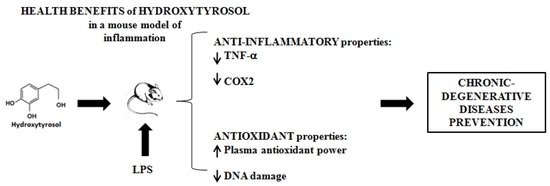
Hydroxytyrosol (3,4-dihydroxyphenil-ethanol, HT), the major phenol derived from olive oil consumption, has shown different anti-inflammatory and anti-oxidant activities in vitro which may explain the chronic-degenerative diseases preventive properties of olive oil. The aim of this study was to examine the ability of HT [...] Read more.
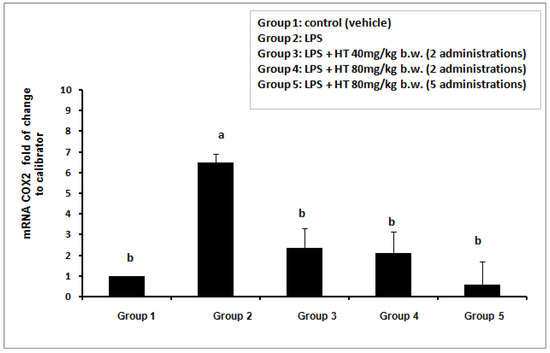
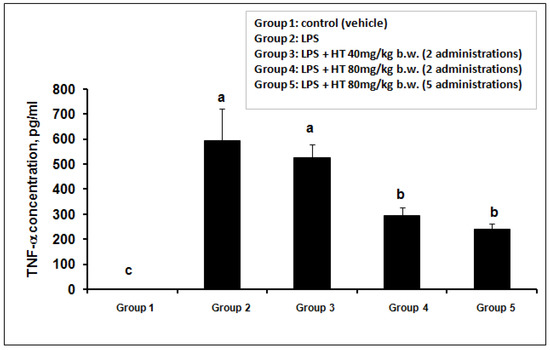
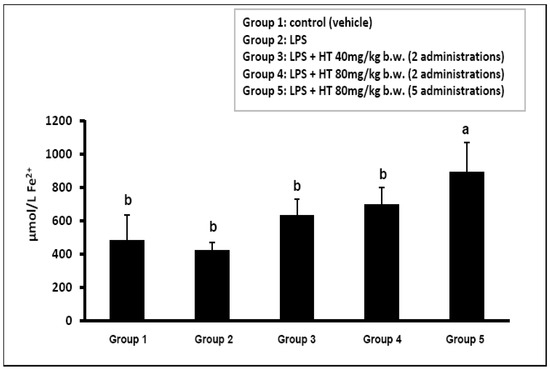
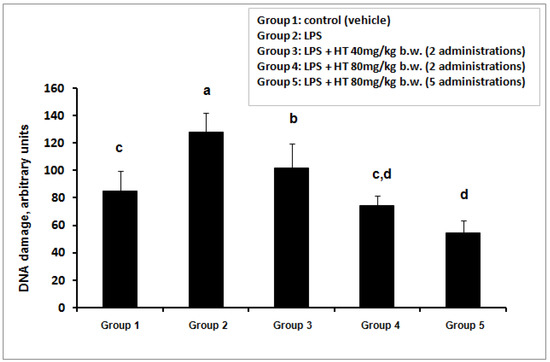
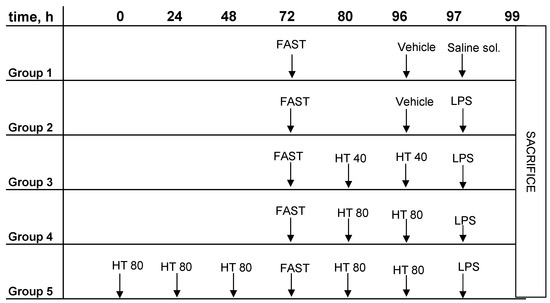
Hydroxytyrosol (3,4-dihydroxyphenil-ethanol, HT), the major phenol derived from olive oil consumption, has shown different anti-inflammatory and anti-oxidant activities in vitro which may explain the chronic-degenerative diseases preventive properties of olive oil. The aim of this study was to examine the ability of HT reduce inflammatory markers, Cyclooxygenase-2 (COX2) and Tumour Necrosis Factor alfa (TNF-α and oxidative stress in vivo on a mouse model of systemic inflammation. Balb/c mice were pre-treated with HT (40 and 80 mg/Kg b.w.) and then stimulated by intraperitoneal injection of lipopolysaccharide (LPS). Blood was collected to measure COX2 gene expression by qPCR and TNF-α level by ELISA kit in plasma. In addition, the total anti-oxidant power of plasma and the DNA damage were measured by FRAP test and COMET assay, respectively. LPS increased the COX2 expression, the TNF-α production and the DNA damage. HT administration prevented all LPS-induced effects and improved the anti-oxidant power of plasma. HT demonstrated in vivo anti-inflammatory and anti-oxidant abilities. The results may explain the health effects of olive oil in Mediterranean diet. HT represents an interesting molecule for the development of new nutraceuticals and functional food useful in chronic diseases prevention. Full article
(This article belongs to the Special Issue Olive Bioactives: From Molecules to Human Health)
Show Figures

Graphical abstract

20 pages, 5030 KB  
Article
Synthesis, Biological Evaluation and Low-Toxic Formulation Development of Glycosylated Paclitaxel Prodrugs
by Yukang Mao, Yili Zhang, Zheng Luo, Ruoting Zhan, Hui Xu, Weiwen Chen and Huicai Huang
Molecules 2018, 23(12), 3211; https://doi.org/10.3390/molecules23123211 - 5 Dec 2018
Cited by 21 | Viewed by 5445
Abstract
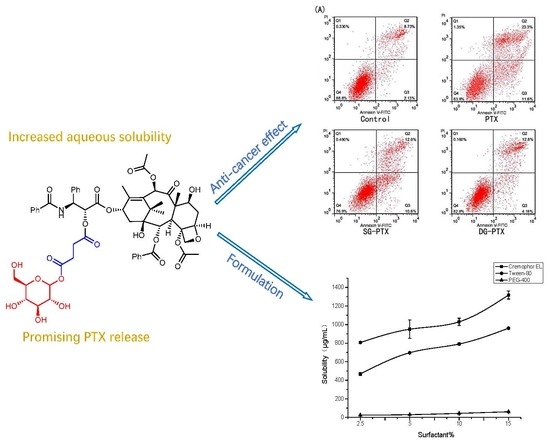
Paclitaxel (PTX) is a famous anti-cancer drug with poor aqueous solubility. In clinical practices, Cremophor EL (polyethoxylated castor oil), a toxic surfactant, is used for dissolution of PTX, which accounts for serious side effects. In the present study, a single glucose-conjugated PTX prodrug [...] Read more.
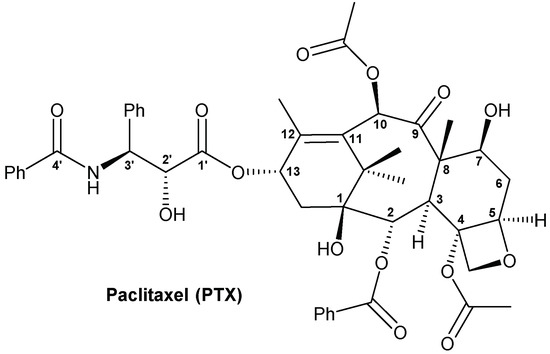
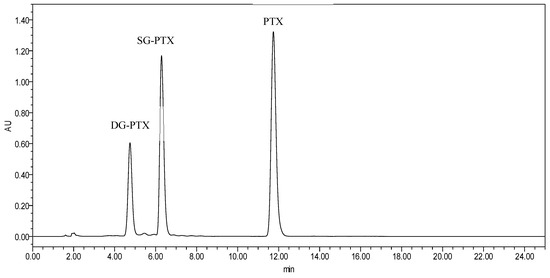
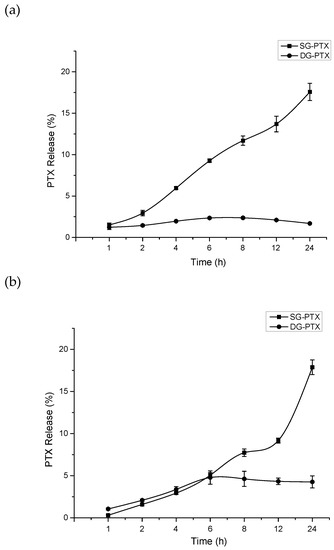
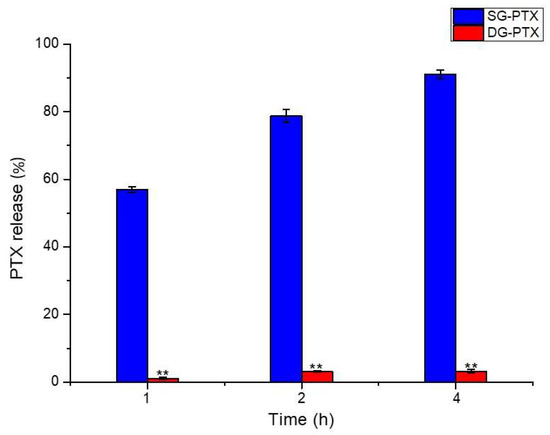
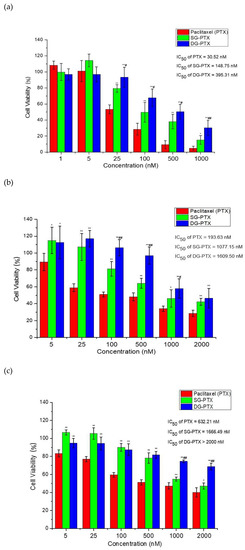
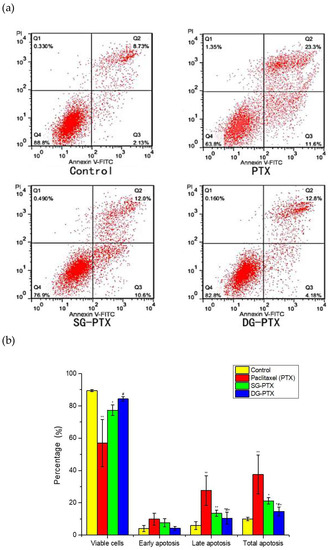
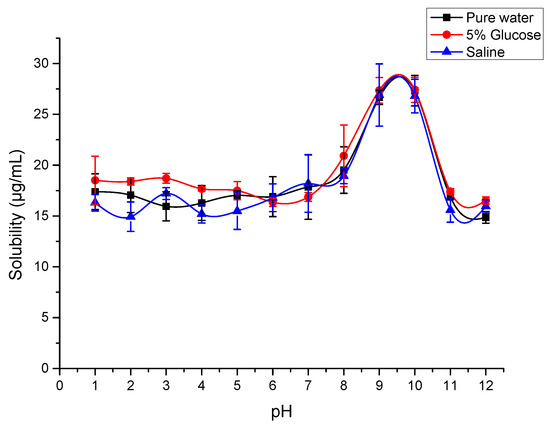
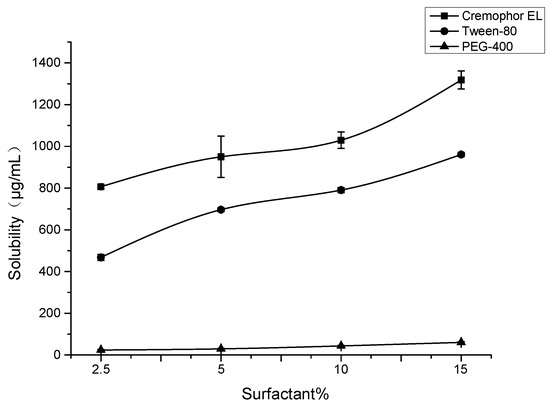
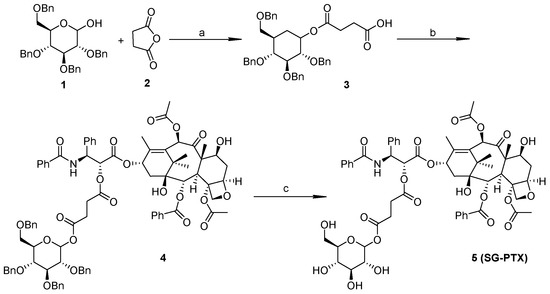
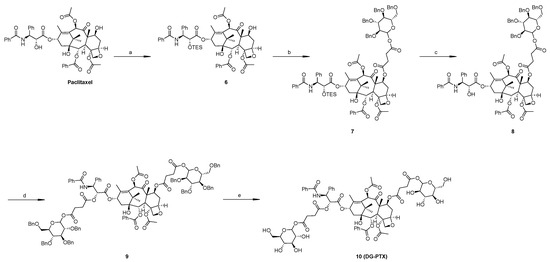
Paclitaxel (PTX) is a famous anti-cancer drug with poor aqueous solubility. In clinical practices, Cremophor EL (polyethoxylated castor oil), a toxic surfactant, is used for dissolution of PTX, which accounts for serious side effects. In the present study, a single glucose-conjugated PTX prodrug (SG-PTX) and a double glucose-conjugated PTX prodrug (DG-PTX) were synthesized with a glycosylated strategy via succinate linkers. Both of the two prodrugs presented significant solubility improvement and drug-like lipophilicities. Compared to DG-PTX, SG-PTX manifested more promising release of the parent drug in serum. A high percentage of PTX released from SG-PTX could be detected after enzymatic hydrolysis of β-glucuronidase. Besides, both of the two prodrugs exhibited effective cytotoxicity against breast cancer cells and ovarian cancer cells, but presented reduced cytotoxicity against normal breast cells. Moreover, SG-PTX manifested impressive solubility in a low toxic formulation (without ethanol) with a different percentage of Cremophor EL. These results indicated that glycosylation is a promising strategy for PTX modification and SG-PTX may be a feasible and potential type of PTX prodrug. In addition, ethanol-free formulation with a low percentage of Cremophor EL might have the potential to develop a safer formulation for further studies of glycosylated PTX prodrugs. Full article
Show Figures

Graphical abstract

13 pages, 1406 KB  
Article
Physicochemical, Functional, and Nutraceutical Properties of Eggplant Flours Obtained by Different Drying Methods
by Jenny R. Rodriguez-Jimenez, Carlos A. Amaya-Guerra, Juan G. Baez-Gonzalez, Carlos Aguilera-Gonzalez, Vania Urias-Orona and Guillermo Nino-Medina
Molecules 2018, 23(12), 3210; https://doi.org/10.3390/molecules23123210 - 5 Dec 2018
Cited by 39 | Viewed by 7430
Abstract
The importance of consuming functional foods has led the food industry to look for alternative sources of ingredients of natural origin. Eggplants are a type of vegetable that is valued for its content in phytochemical compounds and it is due to the fact [...] Read more.
The importance of consuming functional foods has led the food industry to look for alternative sources of ingredients of natural origin. Eggplants are a type of vegetable that is valued for its content in phytochemical compounds and it is due to the fact that this research is conducted towards the development of eggplant flour as a proposal to be used as a functional ingredient in the food industry. In this study, the eggplant fruits were divided into four groups, based on the drying method and the equipment used: Minced, drying oven (T1); sliced, drying oven (T2); sliced and frozen, drying tunnel (T3); and sliced, drying tunnel (T4). All the eggplant flours showed the same trend regarding their antioxidant capacity and phenolic content in the order T2 > T4 > T1 > T3. The freezing of eggplant was found to have a negative effect on functional and antioxidant properties. With respect to their nutritional composition, the flours did not change in their crude fiber, protein, and fat contents. In general terms, the T2 flour is a potential ingredient for the preparation of foods with functional properties since it is rich in phenolic compounds and antioxidants. Full article
(This article belongs to the Special Issue Extractable and Non-Extractable Antioxidants)
10 pages, 2092 KB  
Article
Aquaporin 11-Dependent Inhibition of Proliferation by Deuterium Oxide in Activated Hepatic Stellate Cells
by Phil Jun Lee, Hye-Jin Park, Namki Cho and Hong Pyo Kim
Molecules 2018, 23(12), 3209; https://doi.org/10.3390/molecules23123209 - 5 Dec 2018
Cited by 10 | Viewed by 3331
Abstract
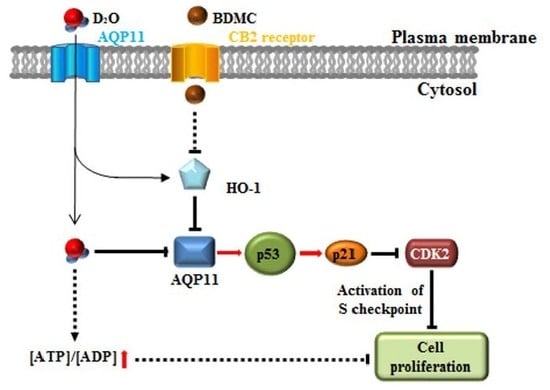
Deuterium oxide (D2O) has been reported to be active toward various in vitro cell lines in combination with phytochemicals. Our objective was to describe, for the first time, the effect of D2O on the proliferation of hepatic stellate cells [...] Read more.
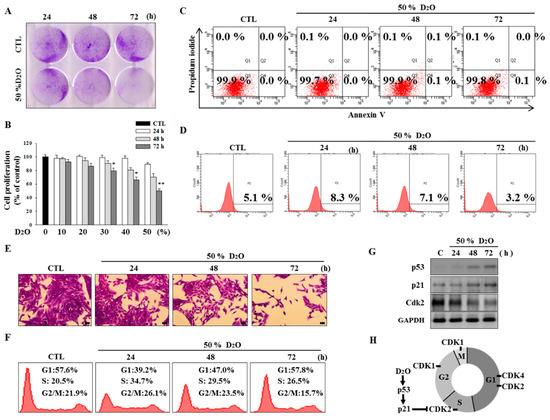
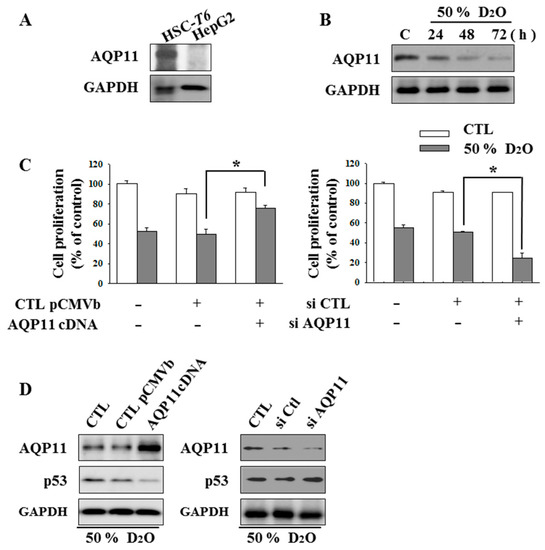
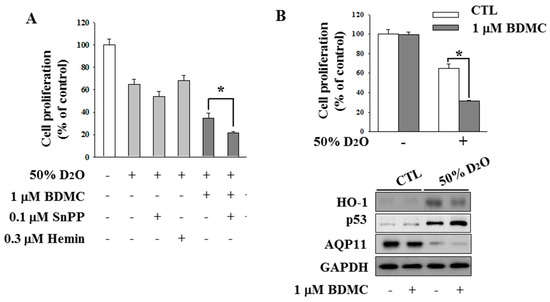
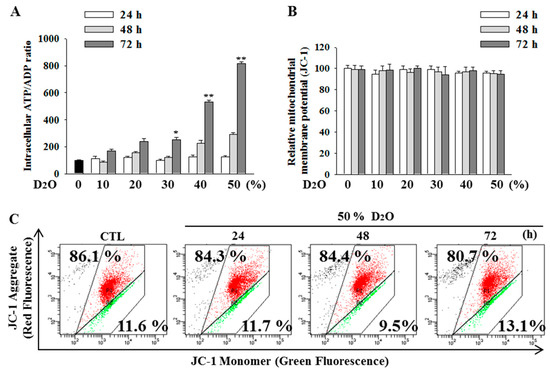
Deuterium oxide (D2O) has been reported to be active toward various in vitro cell lines in combination with phytochemicals. Our objective was to describe, for the first time, the effect of D2O on the proliferation of hepatic stellate cells (HSCs). After D2O treatment, the p53-cyclin-dependent kinase (CDK) pathway was stimulated, leading to inhibition of the proliferation of HSCs and an increase in the [ATP]/[ADP] ratio. We also evaluated the role of aquaporin (AQP) 11 in activated HSCs. We found that D2O treatment decreased AQP11 expression levels. Of note, AQP11 levels elevated by a genetic approach counteracted the D2O-mediated inhibition of proliferation. In addition, the expression levels of AQP11 negatively correlated with those of p53. On the other hand, cells transfected with an AQP11-targeted small interfering RNA (siRNA) showed enhanced inhibition of proliferation. These findings suggest that the inhibition of cell proliferation by D2O in activated HSCs could be AQP11 dependent. Our previous studies have documented that bisdemethoxycurcumin (BDMC) induces apoptosis by regulating heme oxygenase (HO)-1 protein expression in activated HSCs. In the current study, we tested whether cotreatment with BDMC and D2O can modulate the AQP11-dependent inhibition of cell proliferation effectively. We observed that D2O cotreatment with BDMC significantly decreased cell proliferation compared to treatment with D2O alone, and this effect was accompanied by downregulation of HO-1 and an increase in p53 levels. Full article
Show Figures

Graphical abstract

14 pages, 241 KB  
Communication
Quantification of VOC Emissions from Carbonized Refuse-Derived Fuel Using Solid-Phase Microextraction and Gas Chromatography-Mass Spectrometry
by Andrzej Białowiec, Monika Micuda, Antoni Szumny, Jacek Łyczko and Jacek A. Koziel
Molecules 2018, 23(12), 3208; https://doi.org/10.3390/molecules23123208 - 5 Dec 2018
Cited by 15 | Viewed by 4555
Abstract
In this work, for the first time, the volatile organic compound (VOC) emissions from carbonized refuse-derived fuel (CRDF) were quantified on a laboratory scale. The analyzed CRDF was generated from the torrefaction of municipal waste. Headspace solid-phase microextraction (SPME) and gas chromatography-mass spectrometry [...] Read more.
In this work, for the first time, the volatile organic compound (VOC) emissions from carbonized refuse-derived fuel (CRDF) were quantified on a laboratory scale. The analyzed CRDF was generated from the torrefaction of municipal waste. Headspace solid-phase microextraction (SPME) and gas chromatography-mass spectrometry (GC-MS) was used to identify 84 VOCs, including many that are toxic, e.g., derivatives of benzene or toluene. The highest emissions were measured for nonanal, octanal, and heptanal. The top 10 most emitted VOCs contributed to almost 65% of the total emissions. The VOC mixture emitted from torrefied CRDF differed from that emitted by other types of pyrolyzed biochars, produced from different types of feedstock, and under different pyrolysis conditions. SPME was a useful technology for surveying VOC emissions. Results provide an initial database of the types and relative quantities of VOCs emitted from CRDF. This data is needed for further development of CRDF technology and comprehensive assessment of environmental impact and practical storage, transport, and potential adoption of CRDF as means of energy and resource recovery from municipal waste. Full article
(This article belongs to the Special Issue Solid-Phase Microextraction)
25 pages, 295 KB  
Review
The Potential of South African Herbal Tisanes, Rooibos and Honeybush in the Management of Type 2 Diabetes Mellitus
by Olawale R. Ajuwon, Ademola O. Ayeleso and Gbenga A. Adefolaju
Molecules 2018, 23(12), 3207; https://doi.org/10.3390/molecules23123207 - 5 Dec 2018
Cited by 42 | Viewed by 7419
Abstract
Diabetes mellitus is a metabolic disease that can lead to high morbidity, mortality and long-term complications. Available treatment strategies, which are mainly based on treating hyperglycemia, with insulin and other pharmacological agents are not completely efficient and can even lead to development of [...] Read more.
Diabetes mellitus is a metabolic disease that can lead to high morbidity, mortality and long-term complications. Available treatment strategies, which are mainly based on treating hyperglycemia, with insulin and other pharmacological agents are not completely efficient and can even lead to development of unwanted side effects. Scientific evidence suggests that bioactive compounds from teas and other plant-based foods, which are known source of natural antioxidants, could be an attractive strategy to preferentially treat and manage type 2 diabetes mellitus (T2DM) and thus, have significant therapeutic implications. In this review, we attempt an in-depth analysis and discussion of the current progress in our understanding of the antidiabetic potential of two commercialized South Africa herbal tisanes—Rooibos and Honeybush and their polyphenols. Full article
(This article belongs to the Special Issue Natural Products in Prevention and Treatment of Metabolic Syndrome)
11 pages, 1494 KB  
Technical Note
SugarSketcher: Quick and Intuitive Online Glycan Drawing
by Davide Alocci, Pavla Suchánková, Renaud Costa, Nicolas Hory, Julien Mariethoz, Radka Svobodová Vařeková, Philip Toukach and Frédérique Lisacek
Molecules 2018, 23(12), 3206; https://doi.org/10.3390/molecules23123206 - 5 Dec 2018
Cited by 14 | Viewed by 7394
Abstract
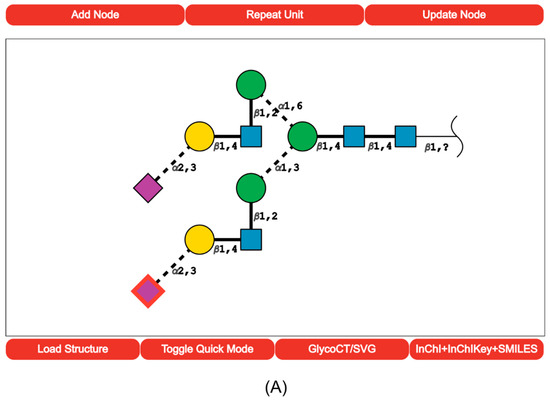
SugarSketcher is an intuitive and fast JavaScript interface module for online drawing of glycan structures in the popular Symbol Nomenclature for Glycans (SNFG) notation and exporting them to various commonly used formats encoding carbohydrate sequences (e.g., GlycoCT) or quality images (e.g., svg). It [...] Read more.
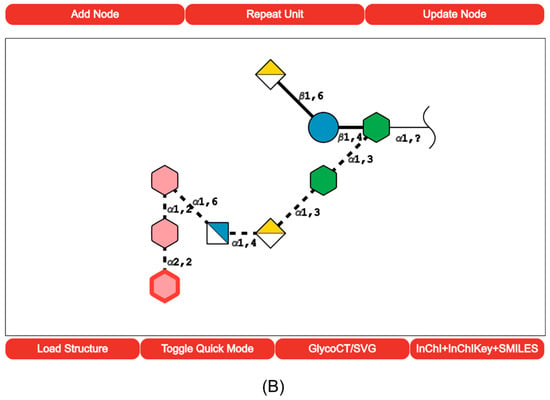
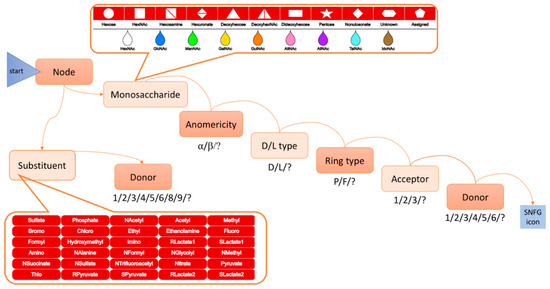
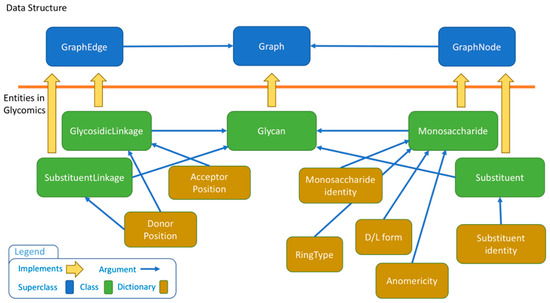
SugarSketcher is an intuitive and fast JavaScript interface module for online drawing of glycan structures in the popular Symbol Nomenclature for Glycans (SNFG) notation and exporting them to various commonly used formats encoding carbohydrate sequences (e.g., GlycoCT) or quality images (e.g., svg). It does not require a backend server or any specific browser plugins and can be integrated in any web glycoinformatics project. SugarSketcher allows drawing glycans both for glycobiologists and non-expert users. The “quick mode” allows a newcomer to build up a glycan structure having only a limited knowledge in carbohydrate chemistry. The “normal mode” integrates advanced options which enable glycobiologists to tailor complex carbohydrate structures. The source code is freely available on GitHub and glycoinformaticians are encouraged to participate in the development process while users are invited to test a prototype available on the ExPASY web-site and send feedback. Full article
(This article belongs to the Collection Advances in Glycosciences)
Show Figures

Figure 1