12 pages, 1832 KB  
Article
Design, Synthesis and Biological Evaluation of Novel N-Pyridyl-Hydrazone Derivatives as Potential Monoamine Oxidase (MAO) Inhibitors
by Gülhan Turan-Zitouni, Weiam Hussein, Begüm Nurpelin Sağlık, Aouatef Tabbi and Büşra Korkut
Molecules 2018, 23(1), 113; https://doi.org/10.3390/molecules23010113 - 8 Jan 2018
Cited by 28 | Viewed by 4876
Abstract
A new series of N-pyridyl-hydrazone derivatives was synthesized by using a simple and efficient method. The final compounds obtained were screened for their inhibitory potency against monoamine oxidase (MAO) A and B. The newly synthesized compounds 2a2n specifically inhibited monoamine [...] Read more.
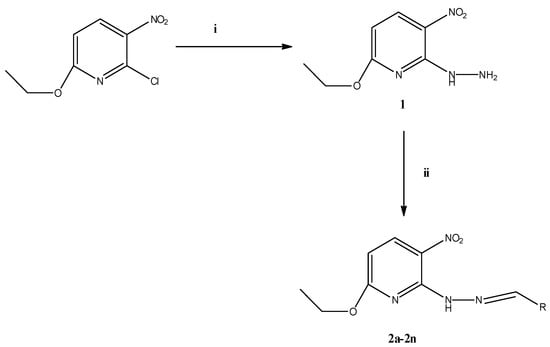
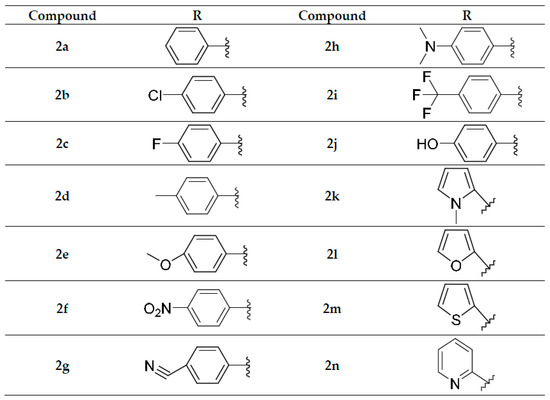
A new series of N-pyridyl-hydrazone derivatives was synthesized by using a simple and efficient method. The final compounds obtained were screened for their inhibitory potency against monoamine oxidase (MAO) A and B. The newly synthesized compounds 2a2n specifically inhibited monoamine oxidases, displaying notably low IC50 values. Compounds 2i and 2j, with a CF3 and OH group on the 4-position of the phenyl ring, respectively, showed considerable MAO-A and MAO-B inhibitory activities. Compounds 2k, 2l and 2n, with N-methylpyrrole, furan and pyridine moieties instead of the phenyl ring, were the most powerful and specific inhibitors of MAO-A, with IC50 values of 6.12 μM, 10.64 μM and 9.52 μM, respectively. Moreover, these active compounds were found to be non-cytotoxic to NIH/3T3 cells. This study supports future studies aimed at designing MAO inhibitors to obtain more viable medications for neurodegenerative disorders, such as Parkinson’s disease. Full article
(This article belongs to the Section Bioorganic Chemistry)
Show Figures

Figure 1
25 pages, 7462 KB  
Review
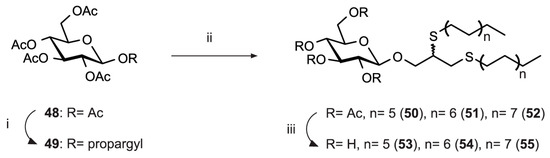
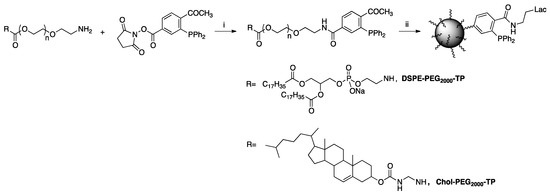
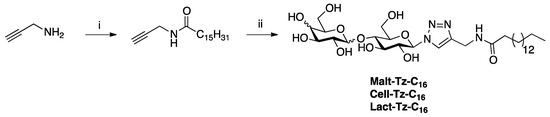
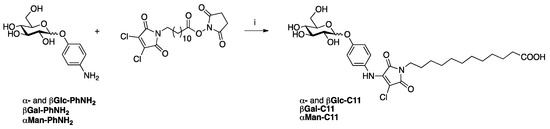
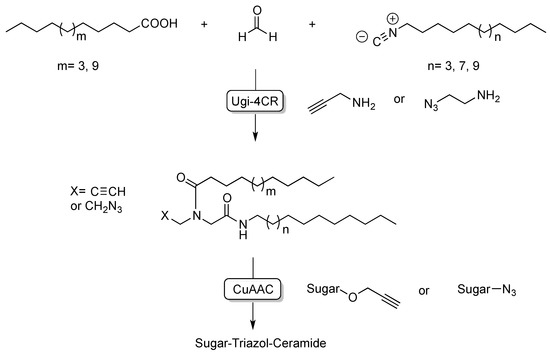
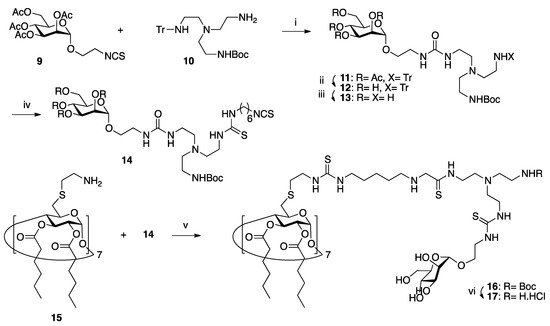
Recent Advances in the Chemistry of Glycoconjugate Amphiphiles
by Laurent Latxague, Alexandra Gaubert and Philippe Barthélémy
Molecules 2018, 23(1), 89; https://doi.org/10.3390/molecules23010089 - 2 Jan 2018
Cited by 27 | Viewed by 6867
Abstract
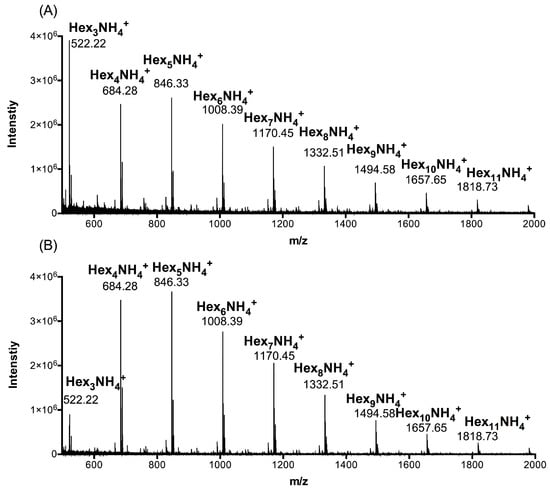
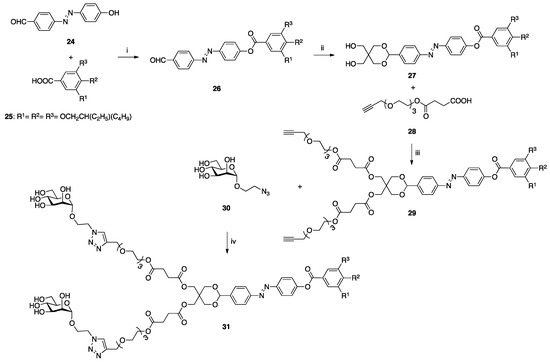
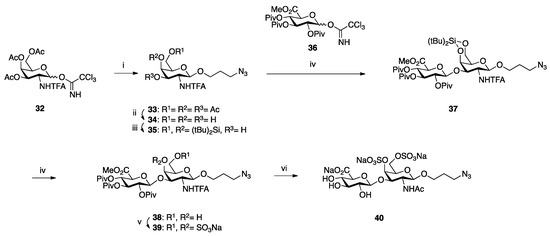
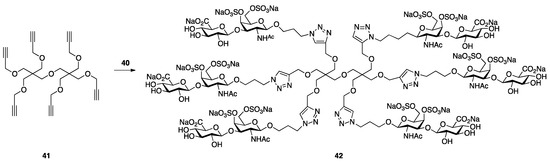
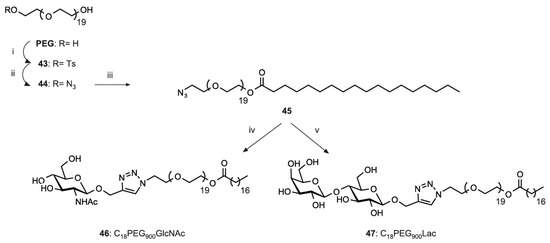
Glyconanoparticles essentially result from the (covalent or noncovalent) association of nanometer-scale objects with carbohydrates. Such glyconanoparticles can take many different forms and this mini review will focus only on soft materials (colloids, liposomes, gels etc.) with a special emphasis on glycolipid-derived nanomaterials and [...] Read more.
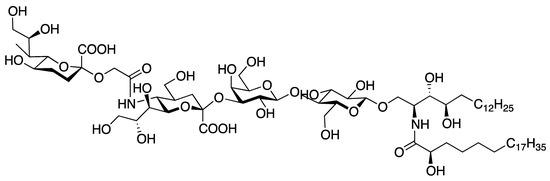
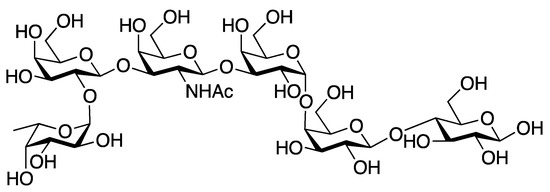
Glyconanoparticles essentially result from the (covalent or noncovalent) association of nanometer-scale objects with carbohydrates. Such glyconanoparticles can take many different forms and this mini review will focus only on soft materials (colloids, liposomes, gels etc.) with a special emphasis on glycolipid-derived nanomaterials and the chemistry involved for their synthesis. Also this contribution presents Low Molecular Weight Gels (LMWGs) stabilized by glycoconjugate amphiphiles. Such soft materials are likely to be of interest for different biomedical applications. Full article
Show Figures

Figure 1
17 pages, 2981 KB  
Article
Structure Related Inhibition of Enzyme Systems in Cholinesterases and BACE1 In Vitro by Naturally Occurring Naphthopyrone and Its Glycosides Isolated from Cassia obtusifolia
by Srijan Shrestha, Su Hui Seong, Pradeep Paudel, Hyun Ah Jung and Jae Sue Choi
Molecules 2018, 23(1), 69; https://doi.org/10.3390/molecules23010069 - 28 Dec 2017
Cited by 27 | Viewed by 6550
Abstract
Cassia obtusifolia Linn. have been used to improve vision, inflammatory diseases, and as hepatoprotective agents and to promote urination from ancient times. In the present study, we investigated the influence of glycosylation of components of C. obtusifolia and structure-activity relationships (SARs) with respect [...] Read more.
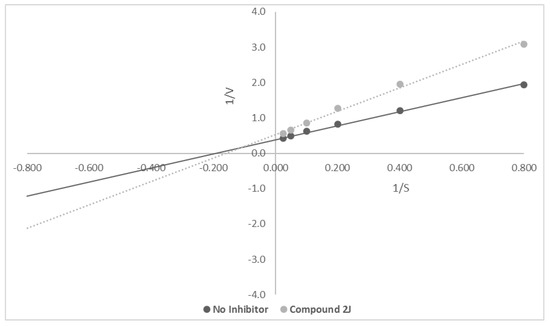
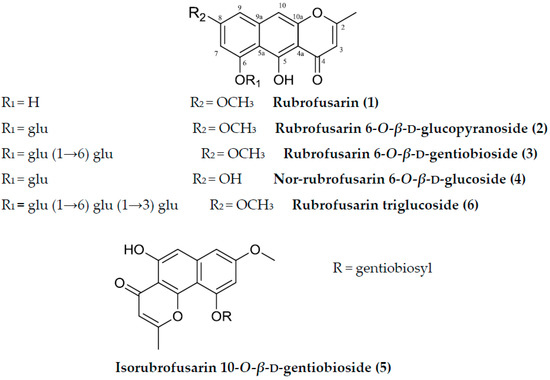
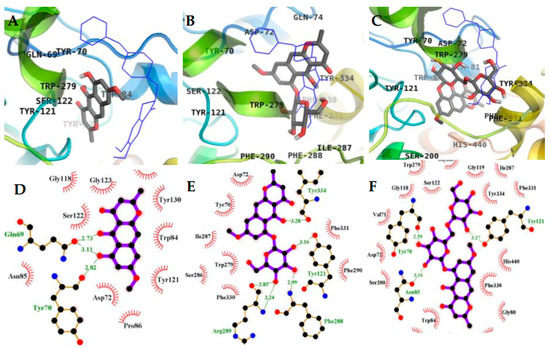
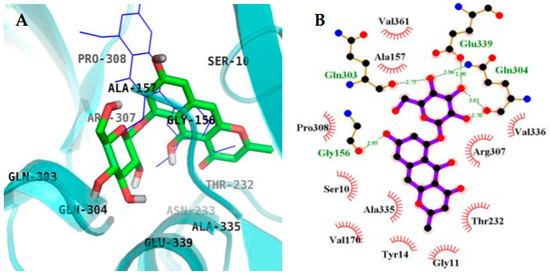
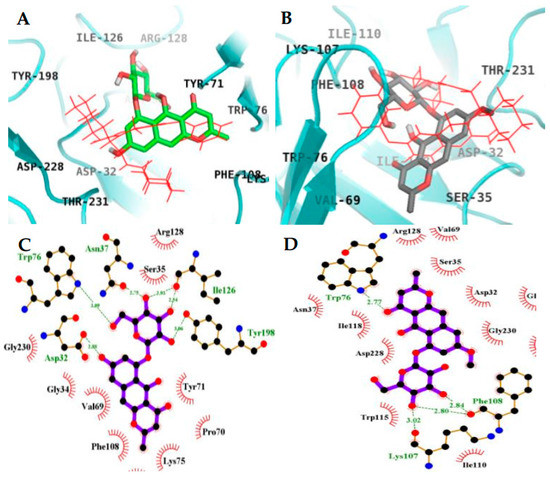
Cassia obtusifolia Linn. have been used to improve vision, inflammatory diseases, and as hepatoprotective agents and to promote urination from ancient times. In the present study, we investigated the influence of glycosylation of components of C. obtusifolia and structure-activity relationships (SARs) with respect to the inhibition of acetylcholinesterase (AChE), butyrylcholinesterase (BChE), and β-site amyloid precursor protein (APP)-cleaving enzyme 1 (BACE1), which are related to Alzheimer’s disease (AD). All six C. obtusifolia-derived compounds, rubrofusarin (1), rubrofusarin 6-O-β-d-glucopyranoside (2), rubrofusarin 6-O-β-d-gentiobioside (3), nor-rubrofusarin 6-O-β-d-glucoside (4), isorubrofusarin 10-O-β-d-gentiobioside (5), and rubrofusarin 6-O-β-d-triglucoside (6) showed promising inhibitory activity against AChE/BACE1. Compounds 3 and 4 showed most significant inhibition against AChE and BACE1, respectively. The SARs results emphasized the importance of gentiobiosyl moiety in the rubrofusarin for AChE inhibition, whereas the presence of hydroxyl group at C-8 and the glucosyl moiety at the C-6 position in the nor-rubrofusarin appeared to largely determine BACE1 inhibition. Kinetics and docking studies showed the lowest binding energy and highest affinity for mixed-type inhibitors, 3 and 4. Hydrophobic bonds interactions and the number of hydrogen bonds determined the strength of the protein-inhibitor interaction. These results suggest that C. obtusifolia and its constituents have therapeutic potential, and that the SARs of its active components are further explored with a view towards developing a treatment for AD. Full article
Show Figures

Figure 1
19 pages, 3287 KB  
Review
Single-Labeled Oligonucleotides Showing Fluorescence Changes upon Hybridization with Target Nucleic Acids
by Gil Tae Hwang
Molecules 2018, 23(1), 124; https://doi.org/10.3390/molecules23010124 - 8 Jan 2018
Cited by 27 | Viewed by 9987
Abstract
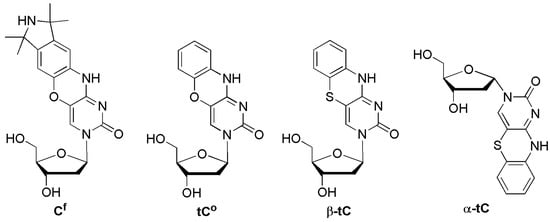
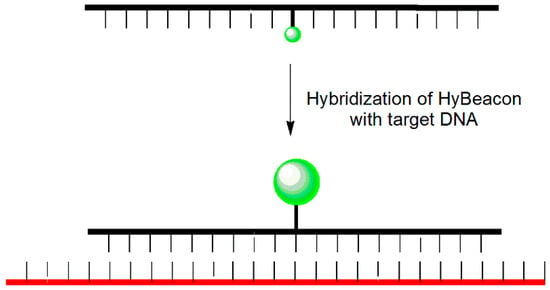
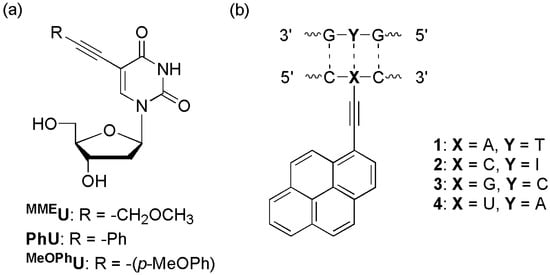
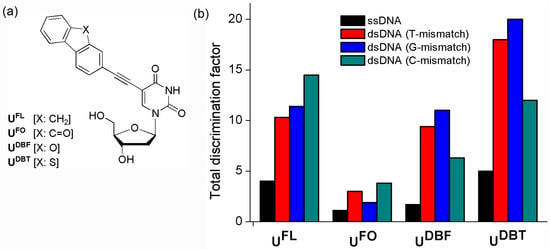
Sequence-specific detection of nucleic acids has been intensively studied in the field of molecular diagnostics. In particular, the detection and analysis of single-nucleotide polymorphisms (SNPs) is crucial for the identification of disease-causing genes and diagnosis of diseases. Sequence-specific hybridization probes, such as molecular [...] Read more.
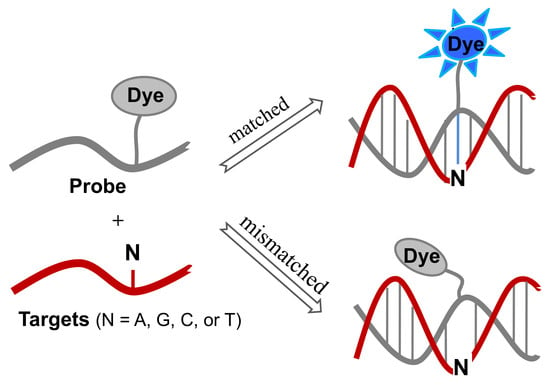
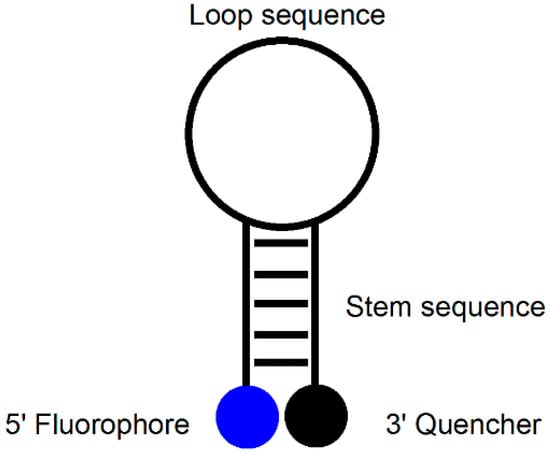
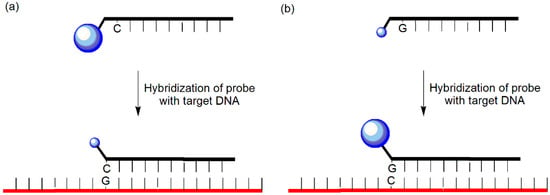
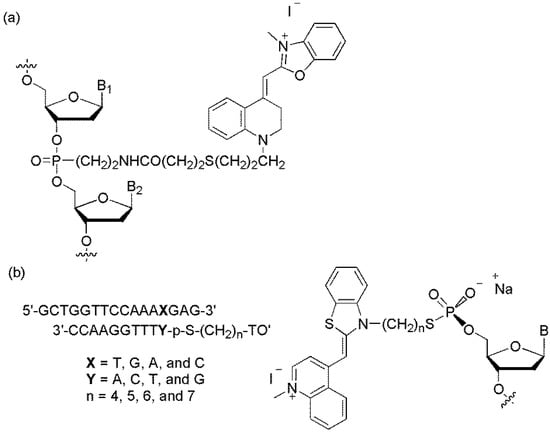
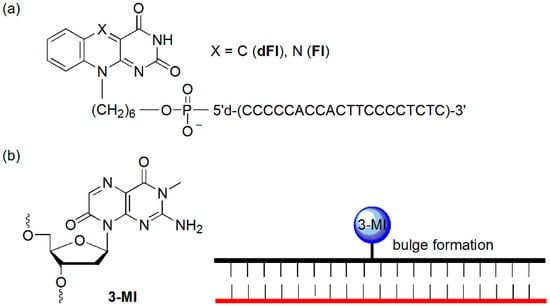
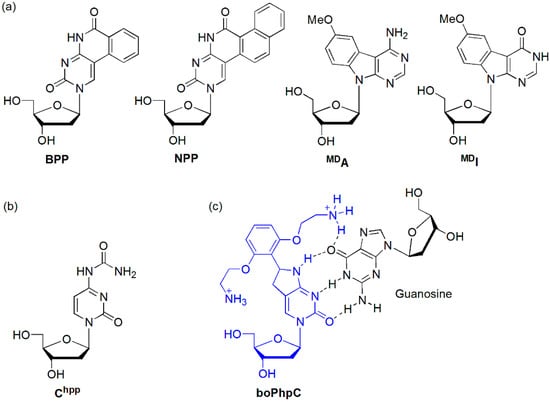
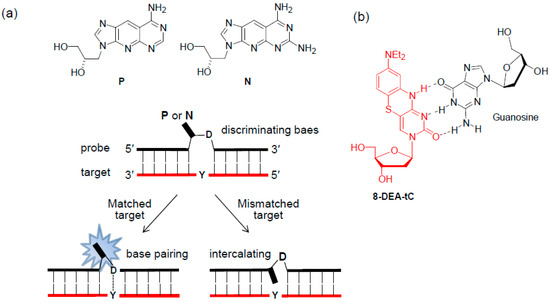
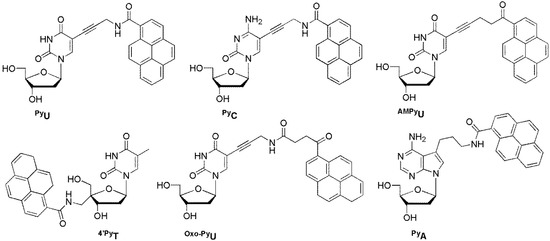
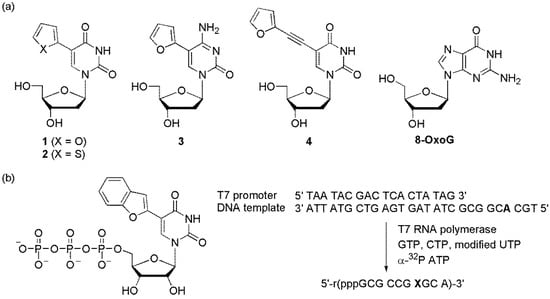
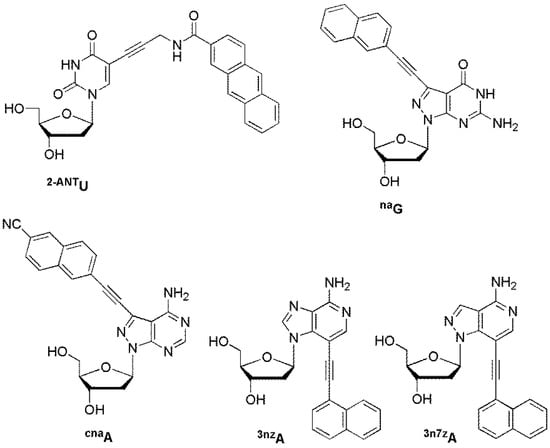
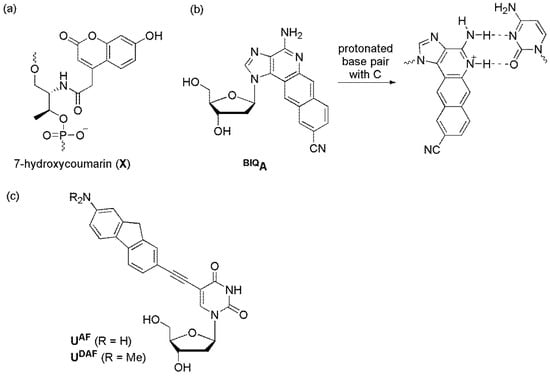
Sequence-specific detection of nucleic acids has been intensively studied in the field of molecular diagnostics. In particular, the detection and analysis of single-nucleotide polymorphisms (SNPs) is crucial for the identification of disease-causing genes and diagnosis of diseases. Sequence-specific hybridization probes, such as molecular beacons bearing the fluorophore and quencher at both ends of the stem, have been developed to enable DNA mutation detection. Interestingly, DNA mutations can be detected using fluorescently labeled oligonucleotide probes with only one fluorophore. This review summarizes recent research on single-labeled oligonucleotide probes that exhibit fluorescence changes after encountering target nucleic acids, such as guanine-quenching probes, cyanine-containing probes, probes containing a fluorophore-labeled base, and microenvironment-sensitive probes. Full article
(This article belongs to the Collection New Frontiers in Nucleic Acid Chemistry)
Show Figures

Graphical abstract

17 pages, 1686 KB  
Review
Zeolites as Catalysts for Fuels Refining after Indirect Liquefaction Processes
by Arno De Klerk
Molecules 2018, 23(1), 115; https://doi.org/10.3390/molecules23010115 - 6 Jan 2018
Cited by 27 | Viewed by 7544
Abstract
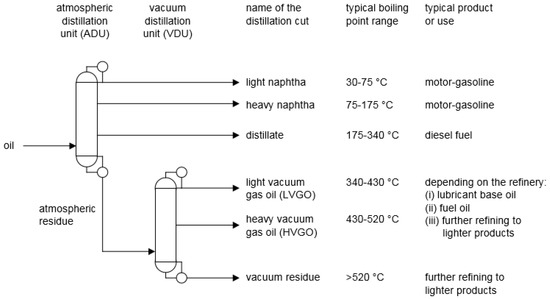
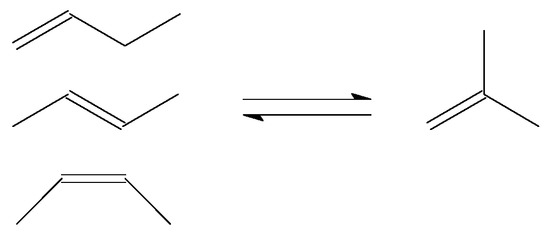
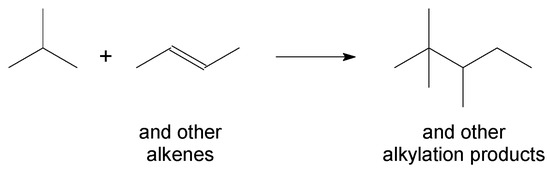
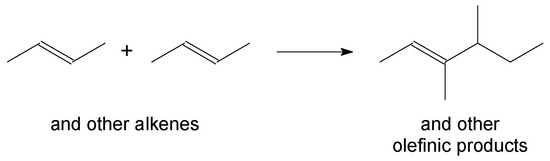
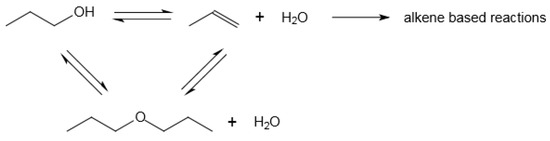
The use of zeolite catalysts for the refining of products from methanol synthesis and Fisher–Tropsch synthesis was reviewed. The focus was on fuels refining processes and differences in the application to indirect liquefaction products was compared to petroleum, which is often a case [...] Read more.
The use of zeolite catalysts for the refining of products from methanol synthesis and Fisher–Tropsch synthesis was reviewed. The focus was on fuels refining processes and differences in the application to indirect liquefaction products was compared to petroleum, which is often a case of managing different molecules. Processes covered were skeletal isomerisation of n-butenes, hydroisomerisation of n-butane, aliphatic alkylation, alkene oligomerisation, methanol to hydrocarbons, ethanol and heavier alcohols to hydrocarbons, carbonyls to hydrocarbons, etherification of alkenes with alcohols, light naphtha hydroisomerisation, catalytic naphtha reforming, hydroisomerisation of distillate, hydrocracking and fluid catalytic cracking. The zeolite types that are already industrially used were pointed out, as well as zeolite types that have future promise for specific conversion processes. Full article
Show Figures

Figure 1
14 pages, 3480 KB  
Review
Biomolecule-Functionalized Smart Polydiacetylene for Biomedical and Environmental Sensing
by Eunae Cho and Seunho Jung
Molecules 2018, 23(1), 107; https://doi.org/10.3390/molecules23010107 - 4 Jan 2018
Cited by 27 | Viewed by 9994
Abstract
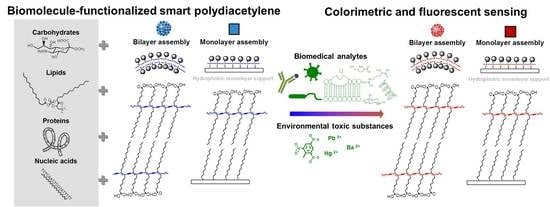
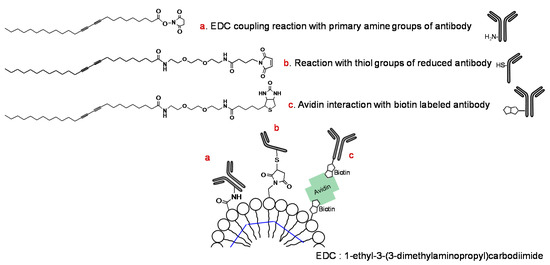
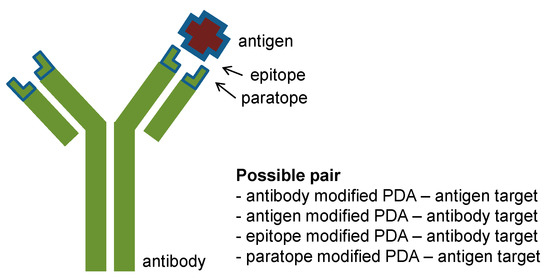
Polydiacetylene (PDA) has attracted interest for use as a sensing platform in biomedical, environmental, and chemical engineering applications owing to its capacity for colorimetric and fluorescent transition in response to external stimuli. Many researchers have attempted to develop a tailor-made PDA sensor via [...] Read more.
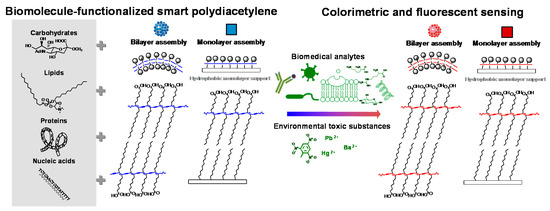
Polydiacetylene (PDA) has attracted interest for use as a sensing platform in biomedical, environmental, and chemical engineering applications owing to its capacity for colorimetric and fluorescent transition in response to external stimuli. Many researchers have attempted to develop a tailor-made PDA sensor via conjugation of chemical or biological substances to PDA. Here, we review smart bio-conjugates of PDA with various biomolecules such as carbohydrates, lipids, nucleic acids, and proteins. In addition, materialization and signal amplification strategies to improve handling and sensitivity are described. Full article
(This article belongs to the Section Analytical Chemistry)
Show Figures

Graphical abstract

15 pages, 3365 KB  
Article
Curcumin Analog DK1 Induces Apoptosis in Human Osteosarcoma Cells In Vitro through Mitochondria-Dependent Signaling Pathway
by Muhammad Nazirul Mubin Aziz, Yazmin Hussin, Nurul Fattin Che Rahim, Noraini Nordin, Nurul Elyani Mohamad, Swee Keong Yeap, Chean Yeah Yong, Mas Jaffri Masarudin, Yoke Kqueen Cheah, Nadiah Abu, Muhammad Nadeem Akhtar and Noorjahan Banu Alitheen
Molecules 2018, 23(1), 75; https://doi.org/10.3390/molecules23010075 - 5 Jan 2018
Cited by 26 | Viewed by 7937
Abstract
Osteosarcoma is one of the primary malignant bone tumors that confer low survival rates for patients even with intensive regime treatments. Therefore, discovery of novel anti-osteosarcoma drugs derived from natural products that are not harmful to the normal cells remains crucial. Curcumin is [...] Read more.
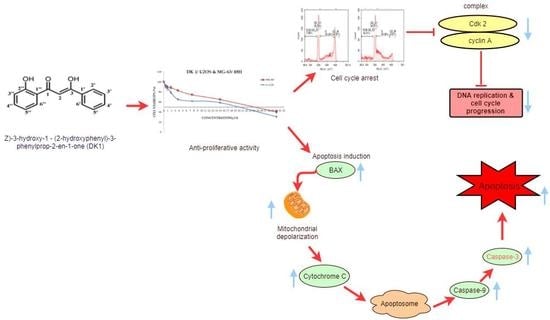
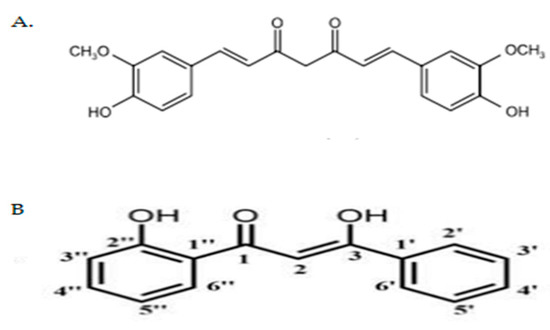
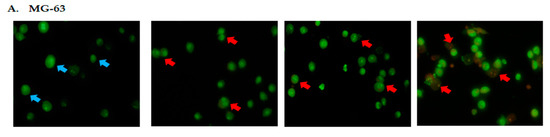
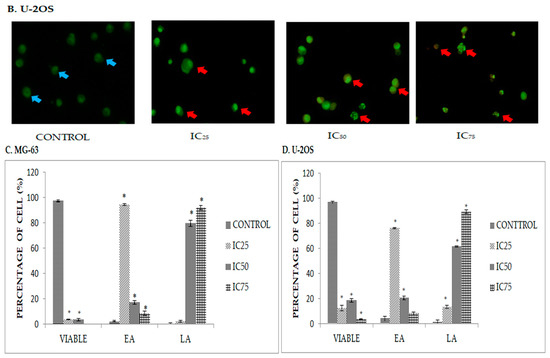
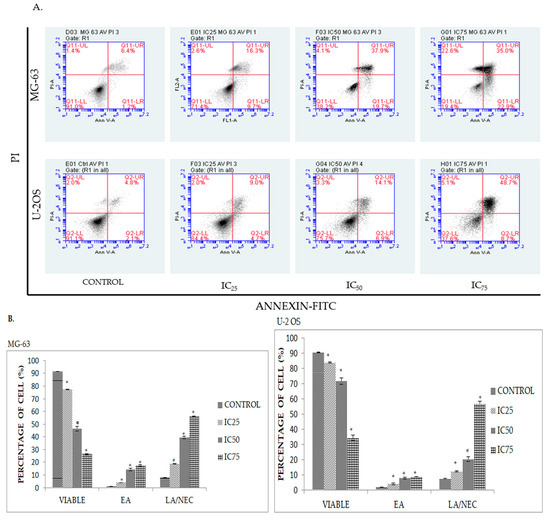
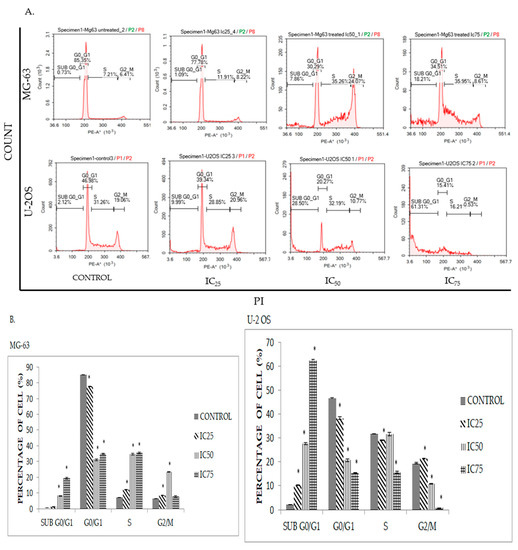
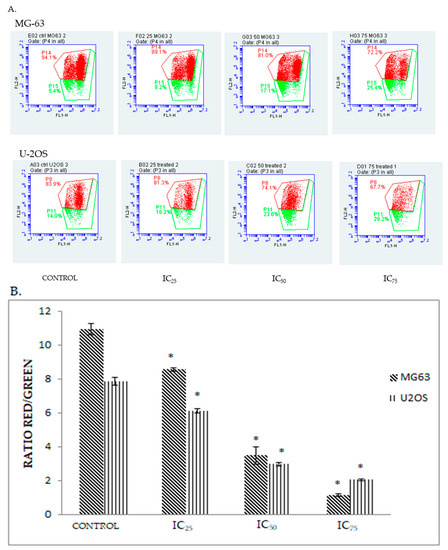
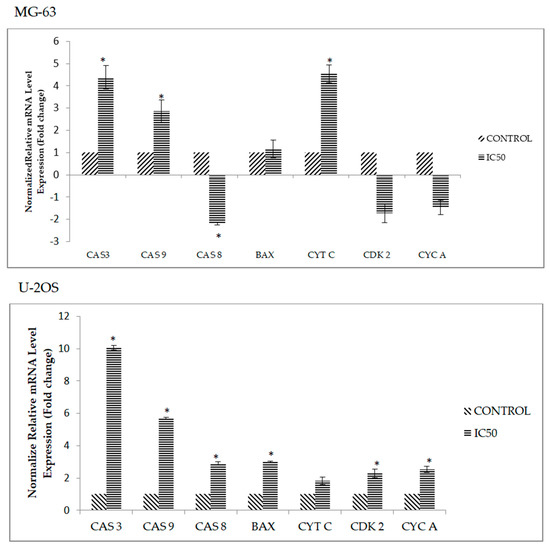
Osteosarcoma is one of the primary malignant bone tumors that confer low survival rates for patients even with intensive regime treatments. Therefore, discovery of novel anti-osteosarcoma drugs derived from natural products that are not harmful to the normal cells remains crucial. Curcumin is one of the natural substances that have been extensively studied due to its anti-cancer properties and is pharmacologically safe considering its ubiquitous consumption for centuries. However, curcumin suffers from a poor circulating bioavailability, which has led to the development of a chemically synthesized curcuminoid analog, namely (Z)-3-hydroxy-1-(2-hydroxyphenyl)-3-phenylprop-2-en-1-one (DK1). In this study, the cytotoxic effects of the curcumin analog DK1 was investigated in both U-2OS and MG-63 osteosarcoma cell lines using 3-(4,5-dimethylthiazol-2-yl)-2,5-diphenyltetrazolium bromide (MTT) assay and cell death was microscopically examined via acridine orange/propidium iodide (AO/PI) double staining. Flow cytometer analysis including Annexin V/Fluorescein isothiocyanate (FITC), cell cycle analysis and JC-1 were adapted to determine the mode of cell death. Subsequently in order to determine the mechanism of cell death, quantitative polymerase chain reaction (qPCR) and proteome profiling was carried out to measure the expression of several apoptotic-related genes and proteins. Results indicated that DK1 induced U-2 OS and MG-63 morphological changes and substantially reduced cell numbers through induction of apoptosis. Several apoptotic genes and proteins were steadily expressed after treatment with DK1; including caspase 3, caspase 9, and BAX, which indicated that apoptosis occurred through a mitochondria-dependent signaling pathway. In conclusion, DK1 could be considered as a potential candidate for an anti-osteosarcoma drug in the near future, contingent upon its ability to induce apoptosis in osteosarcoma cell lines. Full article
(This article belongs to the Collection Natural Products: Anticancer Potential and Beyond)
Show Figures

Graphical abstract

18 pages, 4188 KB  
Article
Cool-Climate Red Wines—Chemical Composition and Comparison of Two Protocols for 1H–NMR Analysis
by Violetta Aru, Klavs Martin Sørensen, Bekzod Khakimov, Torben Bo Toldam-Andersen and Søren Balling Engelsen
Molecules 2018, 23(1), 160; https://doi.org/10.3390/molecules23010160 - 13 Jan 2018
Cited by 25 | Viewed by 8170
Abstract
This study investigates the metabolome of 26 experimental cool-climate wines made from 22 grape varieties using two different protocols for wine analysis by proton nuclear magnetic resonance (1H–NMR) spectroscopy. The wine samples were analyzed as-is (wet) and as dried samples. The [...] Read more.
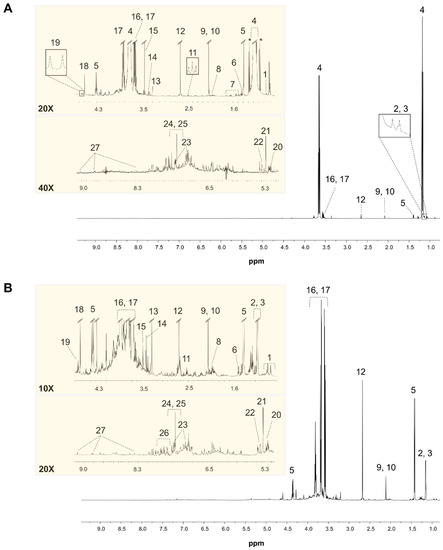
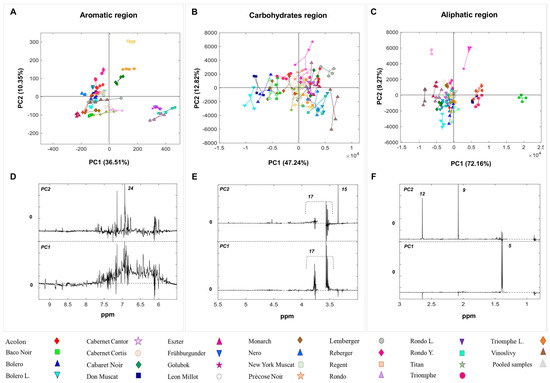
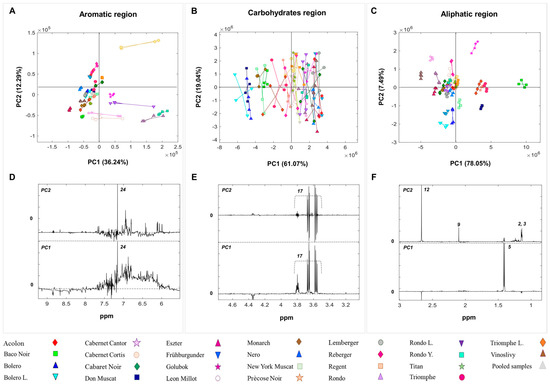
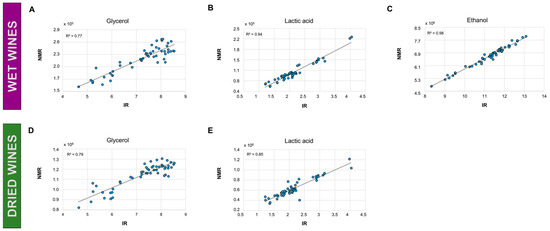
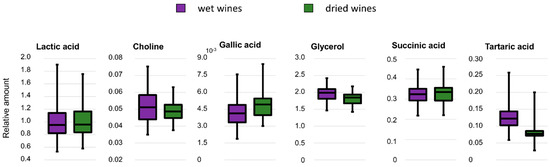
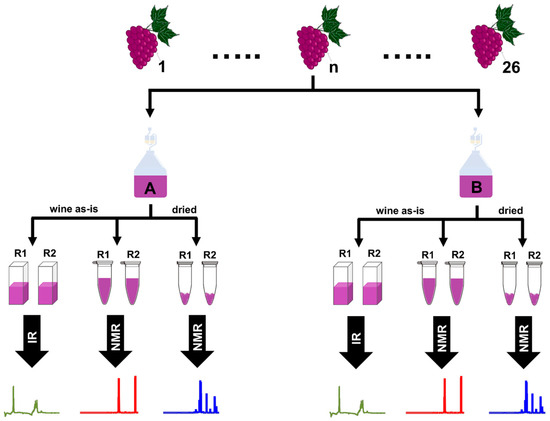
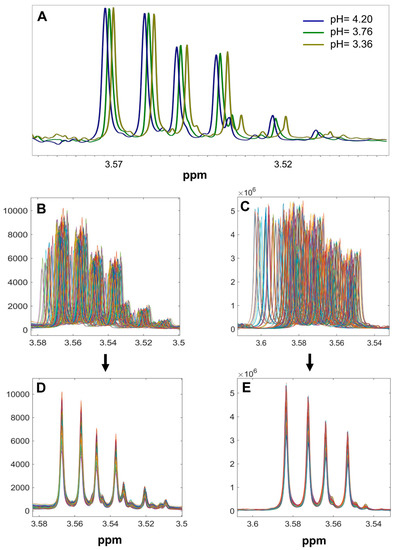
This study investigates the metabolome of 26 experimental cool-climate wines made from 22 grape varieties using two different protocols for wine analysis by proton nuclear magnetic resonance (1H–NMR) spectroscopy. The wine samples were analyzed as-is (wet) and as dried samples. The NMR datasets were preprocessed by alignment and mean centering. No normalization or scaling was performed. The “wet” method preserved the inherent properties of the samples and provided a fast and effective overview of the molecular composition of the wines. The “dried” method yielded a slightly better sensitivity towards a broader range of the compounds present in wines. A total of 27 metabolites including amino acids, organic acids, sugars, and alkaloids were identified in the 1H–NMR spectra of the wine samples. Principal component analysis was performed on both NMR datasets evidencing well-defined molecular fingerprints for ‘Baco Noir’, ‘Bolero’, ‘Cabernet Cantor’, ‘Cabernet Cortis’, ‘Don Muscat’, ‘Eszter’, ‘Golubok’, ‘New York Muscat’, ‘Regent’, ‘Rondo’, ‘Triomphe d’Alsace’, ‘Précose Noir’, and ‘Vinoslivy’ wines. Amongst the identified metabolites, lactic acid, succinic acid, acetic acid, gallic acid, glycerol, and methanol were found to drive sample groupings. The 1H–NMR data was compared to the absolute concentration values obtained from a reference Fourier transform infrared method, evidencing a high correlation. Full article
(This article belongs to the Collection Wine Chemistry)
Show Figures

Graphical abstract

14 pages, 4258 KB  
Article
Immunosuppressive Effect of Geniposide on Mitogen-Activated Protein Kinase Signalling Pathway and Their Cross-Talk in Fibroblast-Like Synoviocytes of Adjuvant Arthritis Rats
by Feng Li, Miaomiao Dai, Hong Wu, Ran Deng, Jun Fu, Zhengrong Zhang, Li Dai, Wenyu Wang, Xuejing Dai, Xiang Zhan and Yan Wang
Molecules 2018, 23(1), 91; https://doi.org/10.3390/molecules23010091 - 2 Jan 2018
Cited by 24 | Viewed by 4847
Abstract
Geniposide (GE), an iridoid glycoside compound derived from Gardenia jasminoides Ellis fruit, is known to have anti-inflammatory and immunoregulatory activities. The aim of this study was to investigate the protective mechanism of GE in the regulation of the mitogen-activated protein kinase (MAPK) signalling [...] Read more.
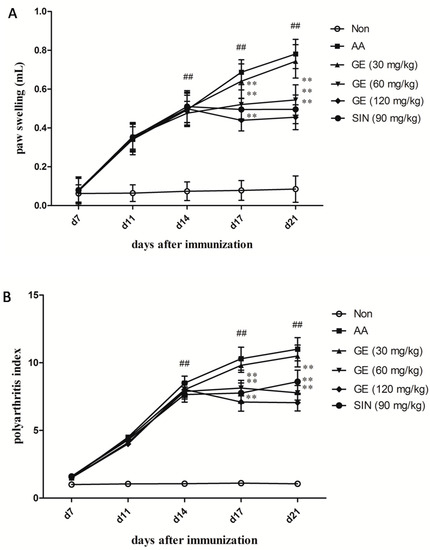
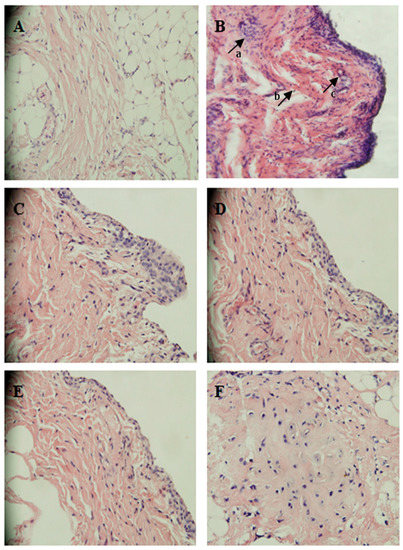
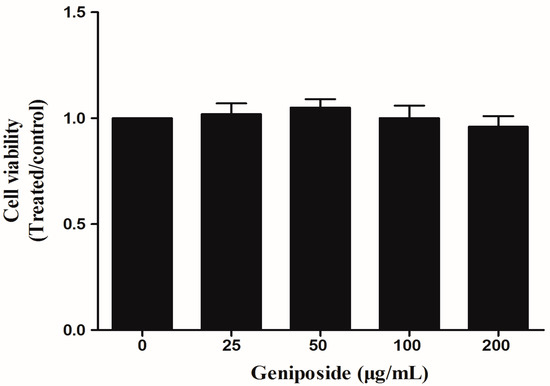
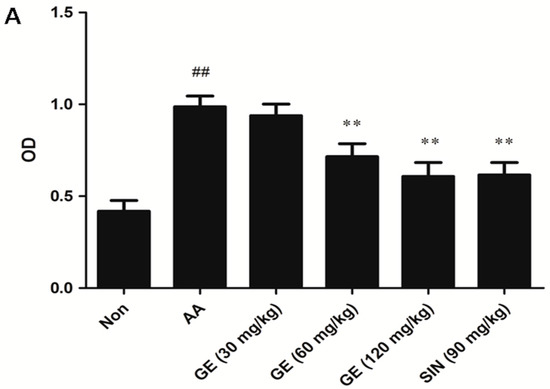
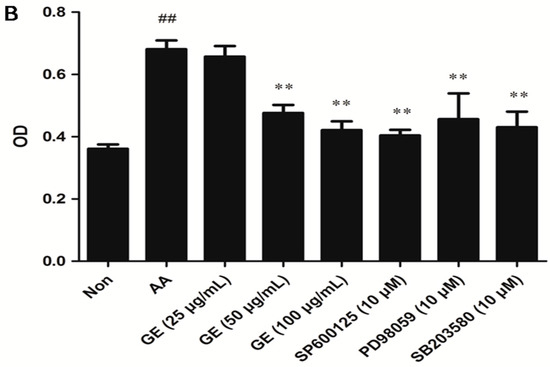
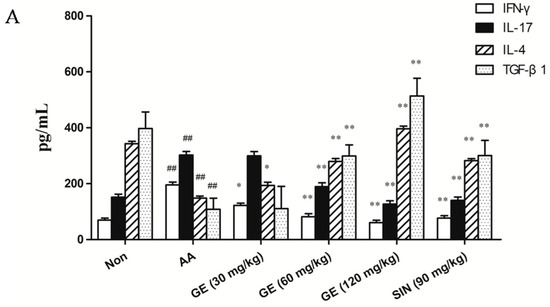
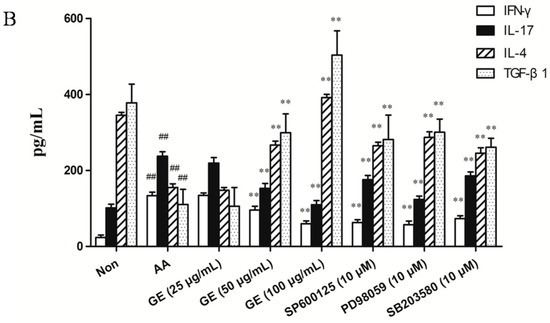
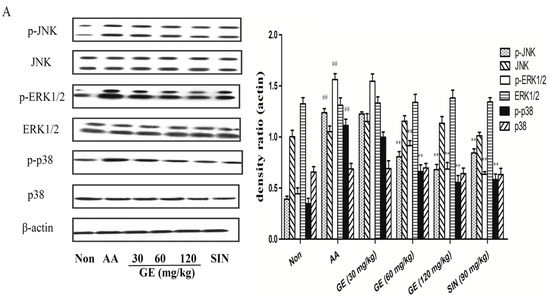
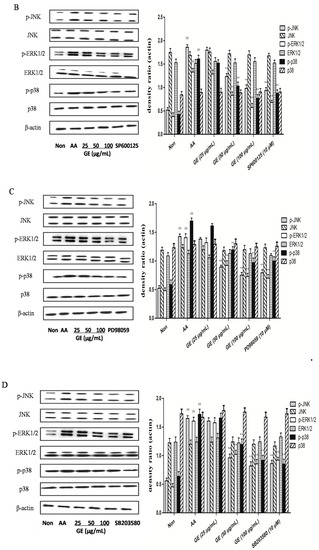
Geniposide (GE), an iridoid glycoside compound derived from Gardenia jasminoides Ellis fruit, is known to have anti-inflammatory and immunoregulatory activities. The aim of this study was to investigate the protective mechanism of GE in the regulation of the mitogen-activated protein kinase (MAPK) signalling pathway and the cross-talk among the MAPK signalling pathway in fibroblast-like synoviocytes (FLS) of adjuvant arthritis (AA) rats. AA was induced by injecting with Freund’s complete adjuvant. Male SD rats and FLS were subjected to treatment with GE (30, 60 and 120 mg/kg) in vivo from day 14 to 21 after immunization and GE (25, 50 and 100 μg/mL) in vitro, respectively. The proliferation of FLS was assessed by MTT. IL-4, IL-17, IFN-γ, and TGF-β1 were determined by ELISA. Key proteins in the MAPK signalling pathway were detected by Western blot. GE significantly reduced the proliferation of FLS, along with decreased IFN-γ and IL-17 and increased IL-4 and TGF-β1. In addition, GE decreased the expression of p-JNK, p-ERK1/2 and p-p38 in FLS of AA rats. Furthermore, disrupting one MAPK pathway inhibited the activation of other MAPK pathways, suggesting cross-talk among MAPK signalling. In vivo study, it was also observed that GE attenuated histopathologic changes in the synovial tissue of AA rats. Collectively, the mechanisms by which GE exerts anti-inflammatory and immunoregulatory effects may be related to the synergistic effect of JNK, ERK1/2 and p38. Targeting MAPK signalling may be a new therapeutic strategy in inflammatory/autoimmune diseases. Full article
Show Figures

Figure 1
18 pages, 1789 KB  
Article
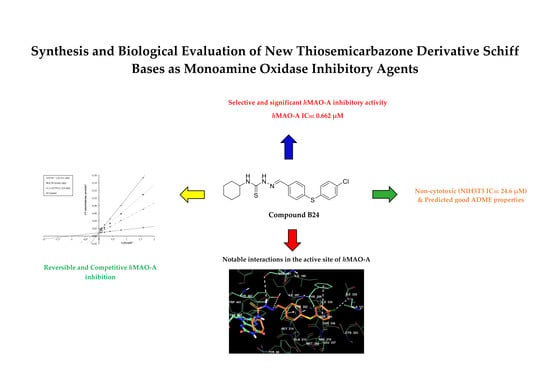
Synthesis and Biological Evaluation of New Thiosemicarbazone Derivative Schiff Bases as Monoamine Oxidase Inhibitory Agents
by Betül Kaya Çavuşoğlu, Begüm Nurpelin Sağlık, Derya Osmaniye, Serkan Levent, Ulviye Acar Çevik, Abdullah Burak Karaduman, Yusuf Özkay and Zafer Asım Kaplancıklı
Molecules 2018, 23(1), 60; https://doi.org/10.3390/molecules23010060 - 28 Dec 2017
Cited by 24 | Viewed by 4933
Abstract
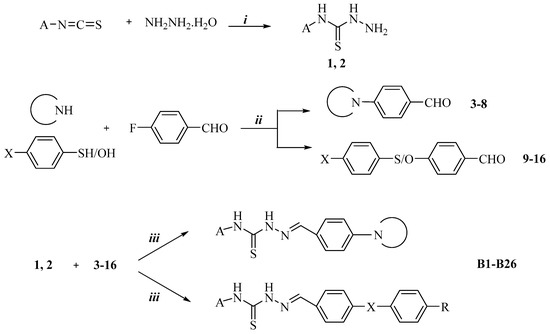
Twenty-six novel thiosemicarbazone derivative B1B26 were synthesized via condensation reactions between the corresponding thiosemicarbazides and aldehydes. The chemical characterization of the compounds was carried out by infrared (IR), mass (MS), proton and carbon nuclear magnetic resonance (1H- and 13 [...] Read more.
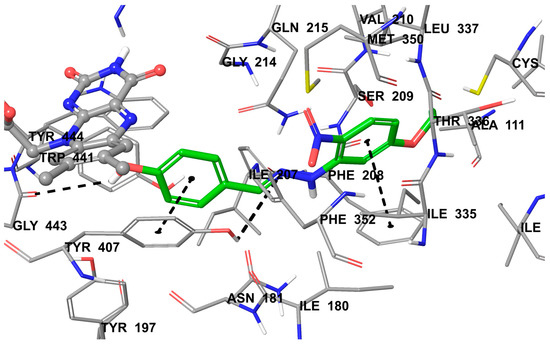
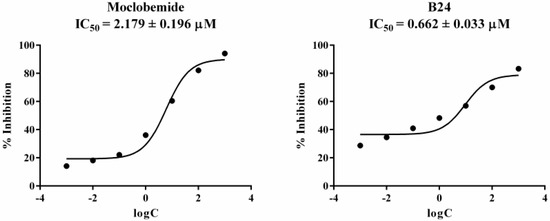
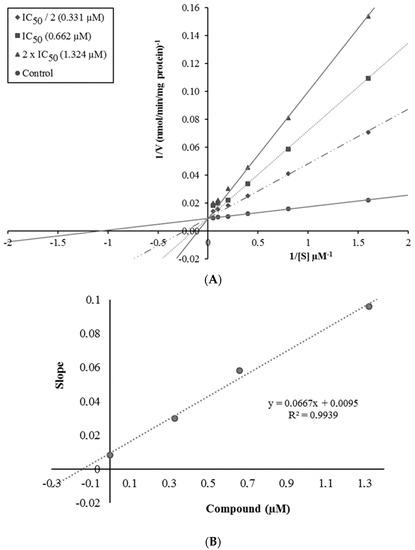
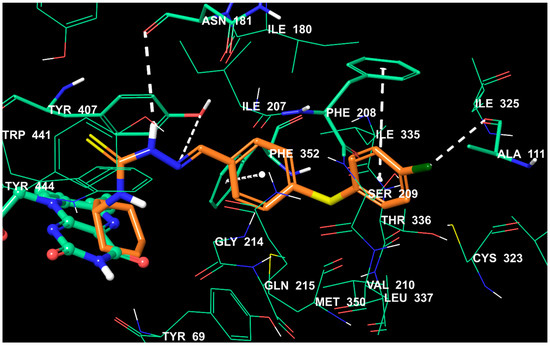
Twenty-six novel thiosemicarbazone derivative B1B26 were synthesized via condensation reactions between the corresponding thiosemicarbazides and aldehydes. The chemical characterization of the compounds was carried out by infrared (IR), mass (MS), proton and carbon nuclear magnetic resonance (1H- and 13C-NMR) spectroscopic analyses. The compounds were investigated for their monoamine oxidase A (MAO-A) and monoamine oxidase B (MAO-B) inhibitory activity and most of them were more potent against MAO-A enzyme when compared with MAO-B enzyme. N-Cyclohexyl-2-[4-[(4-chlorophenyl)thio]benzylidene]hydrazine-1-carbothioamide (B24) was the most active compound against MAO-A. The enzyme kinetics study revealed that compound B24 has a reversible and competitive mode of binding. Interaction modes between compound B24 and MAO-A were clarified by docking studies. In addition, the favourable absorption, distribution, metabolism, and excretion (ADME) properties and non-toxic nature of compound B24 make this compound a promising MAO-A inhibitor. Full article
(This article belongs to the Section Medicinal Chemistry)
Show Figures

Graphical abstract

16 pages, 18140 KB  
Article
Antrodia cinnamomea Oligosaccharides Suppress Lipopolysaccharide-Induced Inflammation through Promoting O-GlcNAcylation and Repressing p38/Akt Phosphorylation
by Junping Zheng, Siming Jiao, Qiongyu Li, Peiyuan Jia, Heng Yin, Xiaoming Zhao, Yuguang Du and Hongtao Liu
Molecules 2018, 23(1), 51; https://doi.org/10.3390/molecules23010051 - 26 Dec 2017
Cited by 24 | Viewed by 6212
Abstract
Antrodia cinnamomea (AC), an edible fungus growing in Taiwan, has various health benefits. This study was designed to examine the potential inhibitory effects of AC oligosaccharides on lipopolysaccharide (LPS)-induced inflammatory responses in vitro and in vivo. By trifluoroacetic acid degradation, two oligosaccharide products [...] Read more.
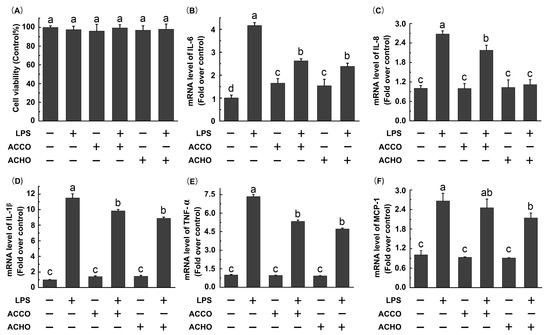
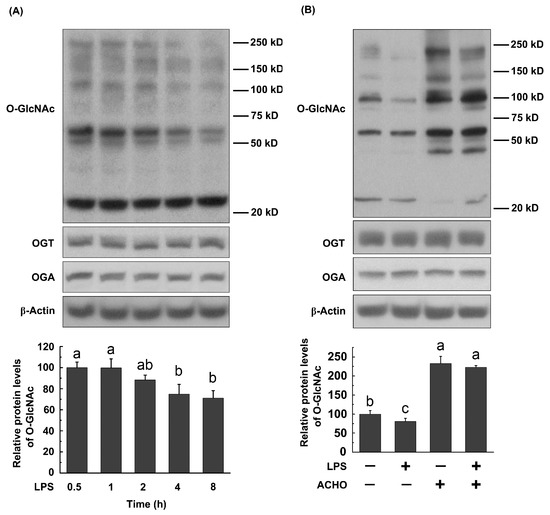
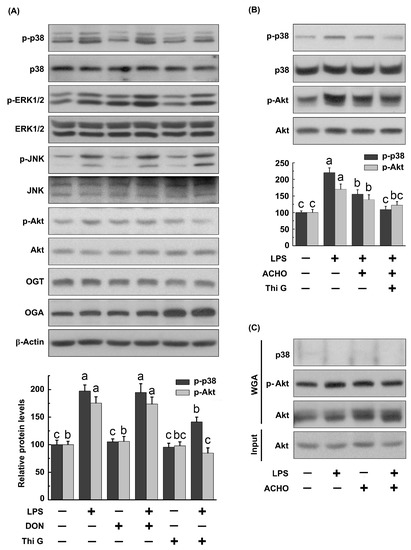
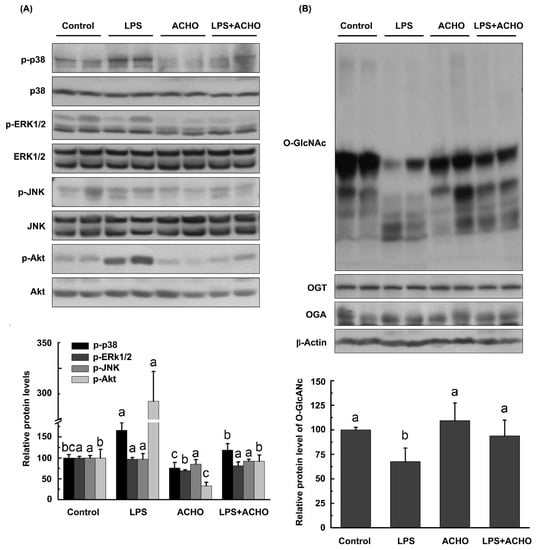
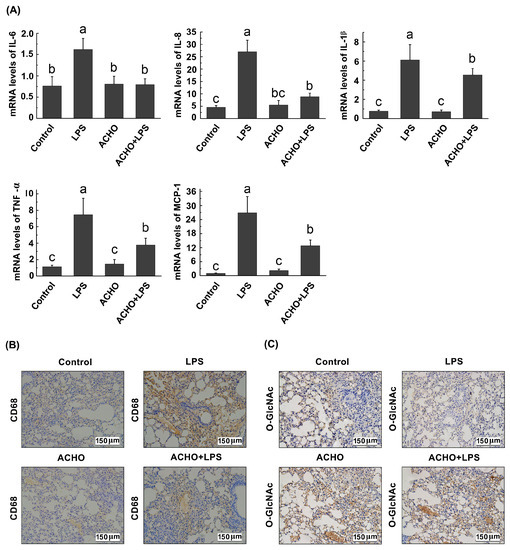
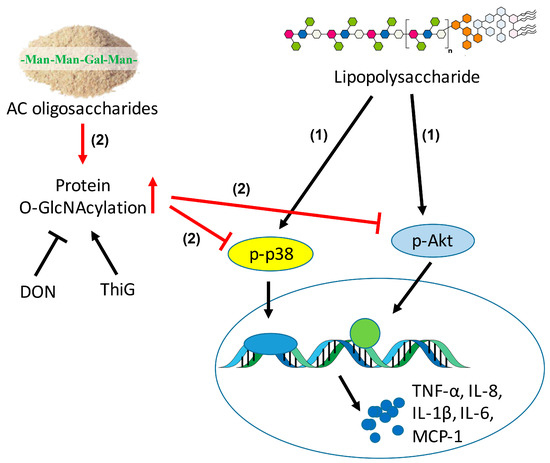
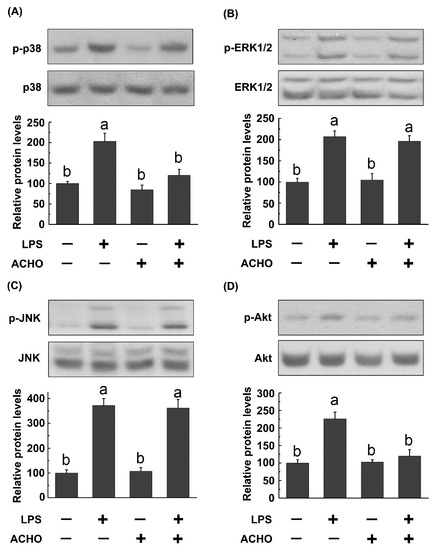
Antrodia cinnamomea (AC), an edible fungus growing in Taiwan, has various health benefits. This study was designed to examine the potential inhibitory effects of AC oligosaccharides on lipopolysaccharide (LPS)-induced inflammatory responses in vitro and in vivo. By trifluoroacetic acid degradation, two oligosaccharide products were prepared from AC polysaccharides at 90 °C (ACHO) or 25 °C (ACCO), which showed different oligosaccharide identities. Compared to ACCO, ACHO displayed better inhibitory effects on LPS-induced mRNA expression of pro-inflammatory cytokines including IL-6, IL-8, IL-1β, TNF-α and MCP-1 in macrophage cells. Further, ACHO significantly suppressed the inflammation in lung tissues of LPS-injected C57BL/6 mice. The potential anti-inflammatory molecular mechanism may be associated with the promotion of protein O-GlcNAcylation, which further skewed toward the marked suppression of p38 and Akt phosphorylation. Our results suggest that the suppressive effect of AC oligosaccharides on inflammation may be an effective approach for the prevention of inflammation-related diseases. Full article
(This article belongs to the Collection Bioactive Compounds)
Show Figures

Figure 1
15 pages, 1480 KB  
Article
Synthesis and Evaluation of Biological Activities of Aziridine Derivatives of Urea and Thiourea
by Aleksandra Kowalczyk, Adam M. Pieczonka, Michał Rachwalski, Stanisław Leśniak and Paweł Stączek
Molecules 2018, 23(1), 45; https://doi.org/10.3390/molecules23010045 - 25 Dec 2017
Cited by 24 | Viewed by 6892
Abstract
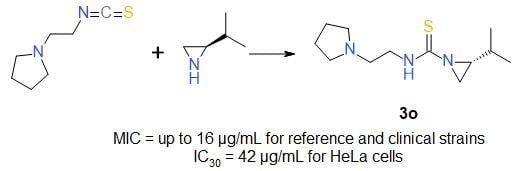
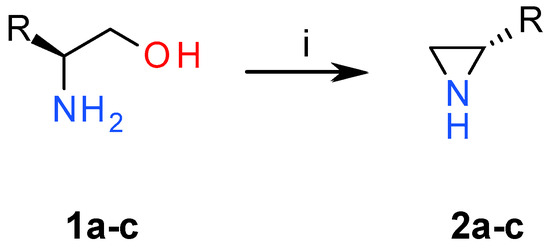
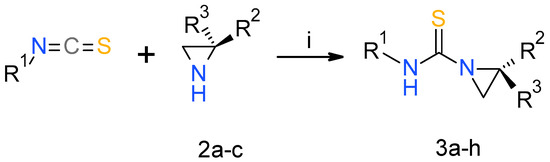
In the present paper, we report the synthesis and evaluation of in vitro antimicrobial activities of aziridine-thiourea derivatives. A series of aziridines in reaction with isocyanates and isothiocyanates to obtain urea and thiourea derivatives were used. The structures of all new products were [...] Read more.
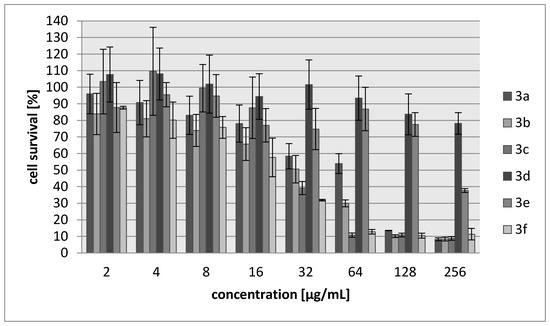
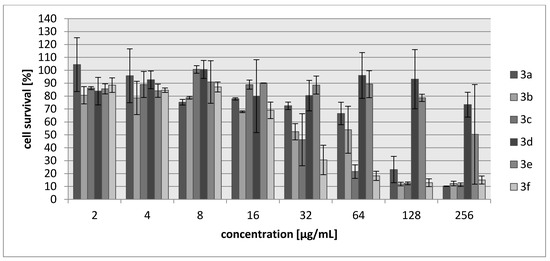
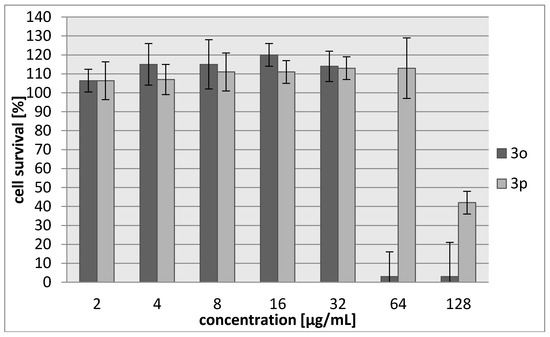
In the present paper, we report the synthesis and evaluation of in vitro antimicrobial activities of aziridine-thiourea derivatives. A series of aziridines in reaction with isocyanates and isothiocyanates to obtain urea and thiourea derivatives were used. The structures of all new products were confirmed based on spectroscopic data (1H-NMR, 13C-NMR, HR-MS). These compounds were screened for their in vitro antimicrobial activity against a panel of Gram-positive and Gram-negative strains of bacteria. Six of the tested compounds appeared to be promising agents against reference strains of Escherichia coli, Staphylococcus aureus and Staphylococcus epidermidis. Subsequently, compounds exhibiting promising antibacterial activity were tested against twelve clinical isolates of S. aureus from three different sources of infection. The most bactericidal compounds (MIC = 16–32 µg/mL) showed better antibacterial activity against MRSA than ampicillin and streptomycin. The in vitro cytotoxicity analysis on L929 murine fibroblast and HeLa human tumor cell line using the MTT assay allowed us to select the least toxic compounds for future investigation. Full article
(This article belongs to the Section Bioorganic Chemistry)
Show Figures

Graphical abstract

13 pages, 3182 KB  
Article
Towards a Novel Class of Multitarget-Directed Ligands: Dual P2X7–NMDA Receptor Antagonists
by Olga Karoutzou, Seung-Hwa Kwak, So-Deok Lee, Daina Martínez-Falguera, Francesc X. Sureda, Santiago Vázquez, Yong-Chul Kim and Marta Barniol-Xicota
Molecules 2018, 23(1), 230; https://doi.org/10.3390/molecules23010230 - 21 Jan 2018
Cited by 24 | Viewed by 7486
Abstract
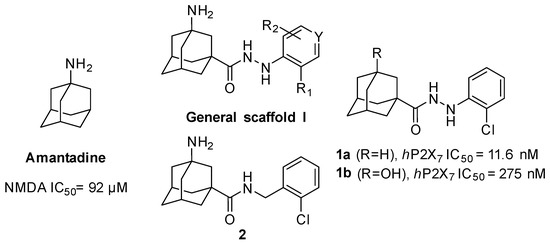
Multi-target-directed ligands (MTDLs) offer new hope for the treatment of multifactorial complex diseases such as Alzheimer’s Disease (AD). Herein, we present compounds aimed at targeting the NMDA and the P2X7 receptors, which embody a different approach to AD therapy. On one hand, we [...] Read more.
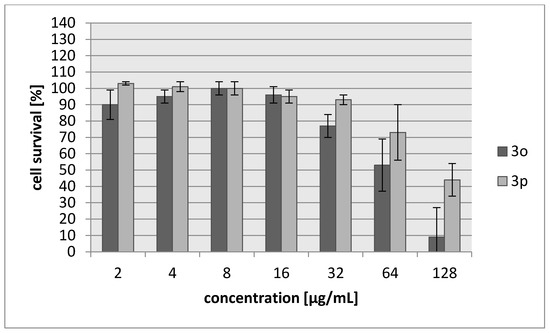
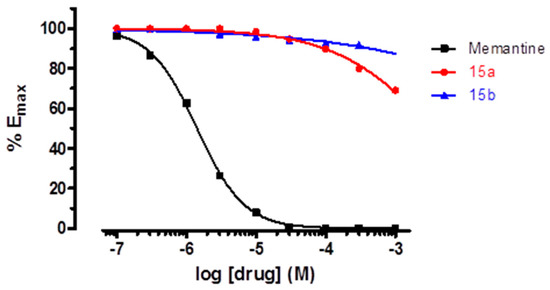
Multi-target-directed ligands (MTDLs) offer new hope for the treatment of multifactorial complex diseases such as Alzheimer’s Disease (AD). Herein, we present compounds aimed at targeting the NMDA and the P2X7 receptors, which embody a different approach to AD therapy. On one hand, we are seeking to delay neurodegeneration targeting the glutamatergic NMDA receptors; on the other hand, we also aim to reduce neuroinflammation, targeting P2X7 receptors. Although the NMDA receptor is a widely recognized therapeutic target in treating AD, the P2X7 receptor remains largely unexplored for this purpose; therefore, the dual inhibitor presented herein—which is open to further optimization—represents the first member of a new class of MTDLs. Full article
Show Figures

Figure 1
11 pages, 1548 KB  
Article
Distribution Assessments of Coumarins from Angelicae Pubescentis Radix in Rat Cerebrospinal Fluid and Brain by Liquid Chromatography Tandem Mass Spectrometry Analysis
by Yan-Fang Yang, Lei Zhang and Xiu-Wei Yang
Molecules 2018, 23(1), 225; https://doi.org/10.3390/molecules23010225 - 20 Jan 2018
Cited by 24 | Viewed by 5851
Abstract
Angelicae Pubescentis Radix (APR) is a widely-used traditional Chinese medicine. Pharmacological studies have begun to probe its biological activities on neurological disorders recently. To assess the brain penetration and distribution of APR, a validated ultra-performance liquid chromatography tandem mass spectrometry method was applied [...] Read more.
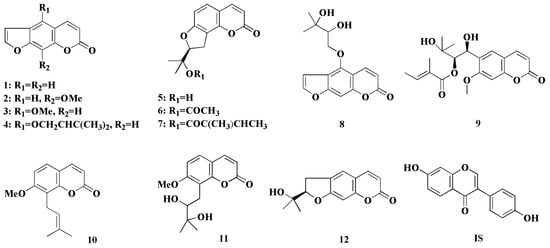
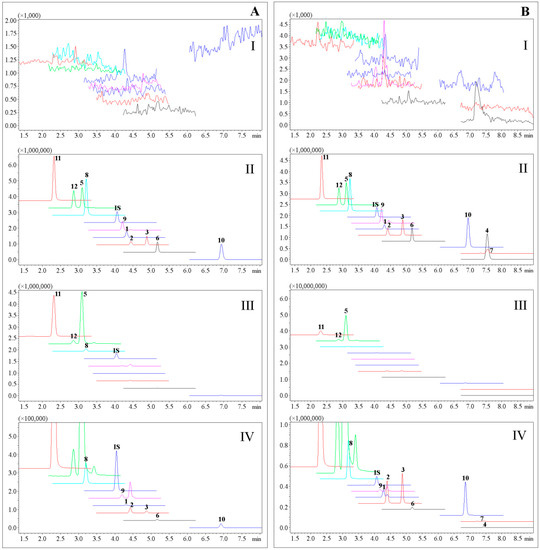
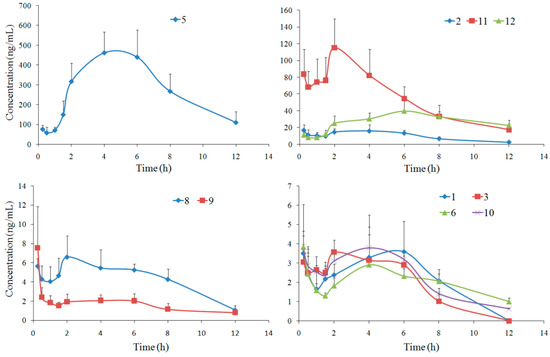
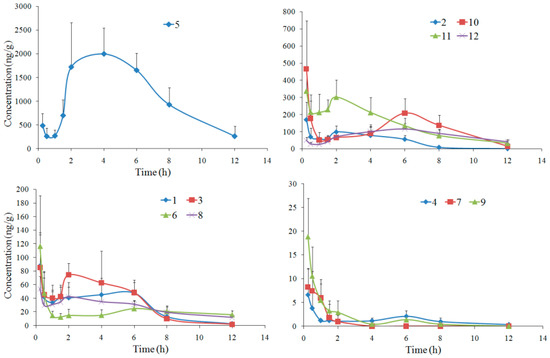
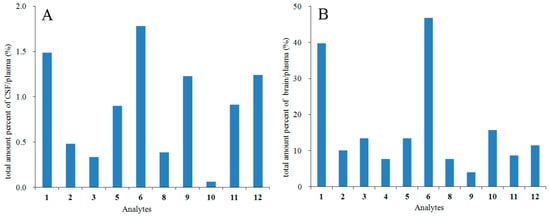
Angelicae Pubescentis Radix (APR) is a widely-used traditional Chinese medicine. Pharmacological studies have begun to probe its biological activities on neurological disorders recently. To assess the brain penetration and distribution of APR, a validated ultra-performance liquid chromatography tandem mass spectrometry method was applied to the simultaneous determinations of the main coumarins from APR in the rat cerebrospinal fluid (CSF) and brain after oral administration of APR extract, including psoralen, xanthotoxin, bergapten, isoimperatorin, columbianetin, columbianetin acetate, columbianadin, oxypeucedanin hydrate, angelol B, osthole, meranzin hydrate and nodakenetin. Most of the tested coumarins entered the rat CSF and brain quickly, and double-peak phenomena in concentration-time curves were similar to those of their plasma pharmacokinetics. Columbianetin had the highest concentration in the CSF and brain, while psoralen and columbianetin acetate had the largest percent of CSF/plasma and brain/plasma, indicating that these three coumarins may be worthy of further research on the possible nervous effects. Correlations between the in vivo brain distributions and plasma pharmacokinetics of these coumarins were well verified. These results provided valuable information for the overall in vivo brain distribution characteristics of APR and also for its further studies on the active substances for the central nervous system. Full article
Show Figures

Figure 1
6 pages, 910 KB  
Article
HnRNPA1 Specifically Recognizes the Base of Nucleotide at the Loop of RNA G-Quadruplex
by Xiao Liu and Yan Xu
Molecules 2018, 23(1), 237; https://doi.org/10.3390/molecules23010237 - 22 Jan 2018
Cited by 23 | Viewed by 8067
Abstract
Human telomere RNA performs various cellular functions, such as telomere length regulation, heterochromatin formation, and end protection. We recently demonstrated that the loops in the RNA G-quadruplex are important in the interaction of telomere RNA with heterogeneous nuclear ribonucleoprotein A1 (hnRNPA1). Here, we [...] Read more.
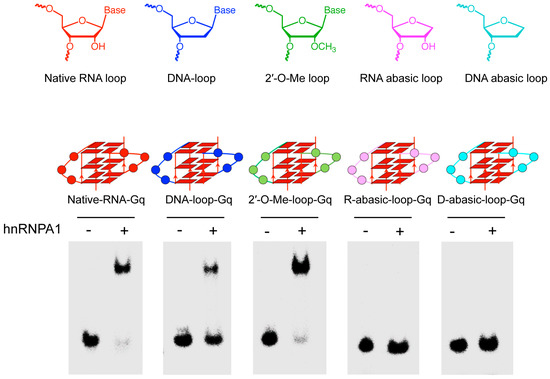
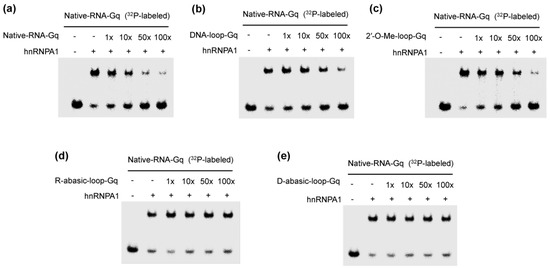
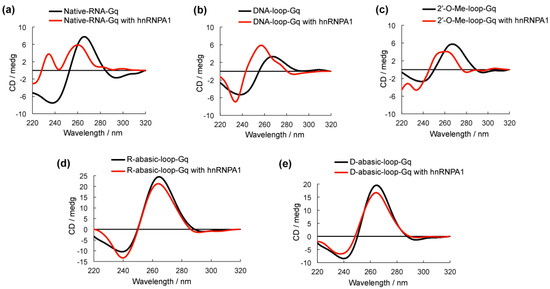
Human telomere RNA performs various cellular functions, such as telomere length regulation, heterochromatin formation, and end protection. We recently demonstrated that the loops in the RNA G-quadruplex are important in the interaction of telomere RNA with heterogeneous nuclear ribonucleoprotein A1 (hnRNPA1). Here, we report on a detailed analysis of hnRNPA1 binding to telomere RNA G-quadruplexes with a group of loop variants using an electrophoretic mobility shift assay (EMSA) and circular dichroism (CD) spectroscopy. We found that the hnRNPA1 binds to RNA G-quadruplexes with the 2’-O-methyl and DNA loops, but fails to bind with the abasic RNA and DNA loops. These results suggested that hnRNPA1 binds to the loop of the RNA G-quadruplex by recognizing the base of the loop’s nucleotides. The observation provides the first evidence that the base of the loop’s nucleotides is a key factor for hnRNPA1 specifically recognizing the RNA G-quadruplex. Full article
(This article belongs to the Special Issue G-Quadruplex Ligands and Cancer)
Show Figures

Figure 1