13 pages, 241 KB  
Article
Microwave-assisted Solvent-free Synthesis and in Vitro Antibacterial Screening of Quinoxalines and Pyrido[2, 3b]pyrazines
by J. Jesús Morales-Castellanos, Karina Ramírez-Hernández, Nancy S. Gómez-Flores, Oscar R. Rodas-Suárez and Javier Peralta-Cruz
Molecules 2012, 17(5), 5164-5176; https://doi.org/10.3390/molecules17055164 - 4 May 2012
Cited by 36 | Viewed by 7069
Abstract
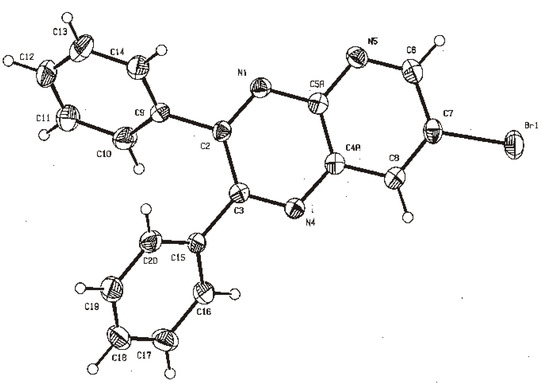
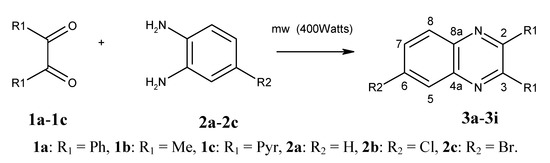
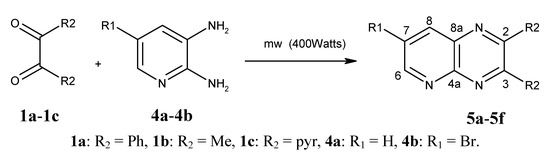
We report herein the microwave assisted synthesis, without solvents and catalysts, of 6-substituted quinoxalines and 7-substituted pyrido[2,3b]pyrazines. The compounds were obtained in good yields and short reaction times using the mentioned procedure and two new structures are reported. A complete 1 [...] Read more.
We report herein the microwave assisted synthesis, without solvents and catalysts, of 6-substituted quinoxalines and 7-substituted pyrido[2,3b]pyrazines. The compounds were obtained in good yields and short reaction times using the mentioned procedure and two new structures are reported. A complete 1H- and 13C-NMR assignment was performed using 1D and 2D-NMR. Additionally, an in vitro screening was performed on Gram-positive and Gram-negative bacteria using amoxicillin as positive reference. Compounds bearing a pyridyl group tended to have higher antibacterial activity, but the best activity against Bacillus subtilis and Proteus mirabilis was observed with quinoxaline derivatives. Full article
(This article belongs to the Section Medicinal Chemistry)
Show Figures

Figure 1
12 pages, 232 KB  
Communication
A Facile One-Pot Process for the Formation of Hindered Tertiary Amines
by Zhouyu Wang, Dong Pei, Yu Zhang, Chao Wang and Jian Sun
Molecules 2012, 17(5), 5151-5163; https://doi.org/10.3390/molecules17055151 - 3 May 2012
Cited by 11 | Viewed by 7123
Abstract
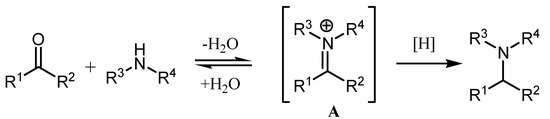
A simple and convenient method was developed for the preparation of hindered tertiary amines via direct reductive amination of ketones with secondary aryl amines, using trichlorosilane as reducing agent and tetramethylethylenediamine (TMEDA) as organic Lewis base activator. A broad range of ketones were [...] Read more.
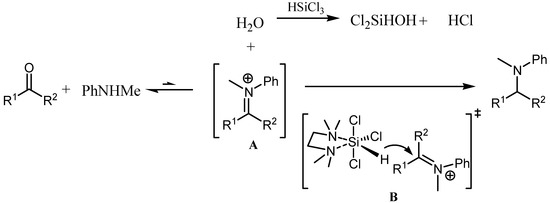
A simple and convenient method was developed for the preparation of hindered tertiary amines via direct reductive amination of ketones with secondary aryl amines, using trichlorosilane as reducing agent and tetramethylethylenediamine (TMEDA) as organic Lewis base activator. A broad range of ketones were reacted with N-methylaniline to afford the corresponding tertiary amine products in high yield. An open transition model was proposed for the reductive step. Full article
(This article belongs to the Section Organic Chemistry)
Show Figures

Figure 1
12 pages, 269 KB  
Article
Synthesis and Bioactivity of Pyrazole Acyl Thiourea Derivatives
by Jian Wu, Qing Shi, Zhuo Chen, Ming He, Linhong Jin and Deyu Hu
Molecules 2012, 17(5), 5139-5150; https://doi.org/10.3390/molecules17055139 - 3 May 2012
Cited by 76 | Viewed by 8830
Abstract
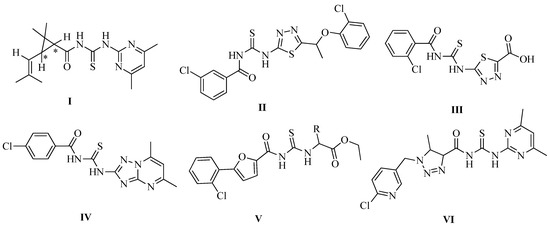
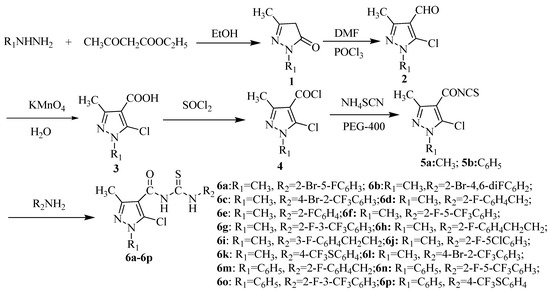
Sixteen novel pyrazole acyl thiourea derivatives 6 were synthesized from monomethylhydrazine (phenylhydrazine) and ethyl acetoacetate. The key 5-chloro-3-methyl-1-substituted-1H-pyrazole-4-carbonyl chloride intermediates 4 were first generated in four steps through cyclization, formylation, oxidation and acylation. Thess were then reacted with ammonium thiocyanate in [...] Read more.
Sixteen novel pyrazole acyl thiourea derivatives 6 were synthesized from monomethylhydrazine (phenylhydrazine) and ethyl acetoacetate. The key 5-chloro-3-methyl-1-substituted-1H-pyrazole-4-carbonyl chloride intermediates 4 were first generated in four steps through cyclization, formylation, oxidation and acylation. Thess were then reacted with ammonium thiocyanate in the presence of PEG-400 to afford 5-chloro-3-methyl-1-substituted-1H-pyrazole-4-carbonyl isothiocyanates 5. Subsequent reaction with fluorinated aromatic amines resulted in the formation of the title compounds. The synthesized compound were unequivocally characterized by IR, 1H-NMR, 13C-NMR and elemental analysis and some of the synthesized compounds displayed good antifungal activities against Gibberella zeae, Fusarium oxysporum, Cytospora mandshurica and anti-TMV activity in preliminary antifungal activity tests. Full article
Show Figures

Figure 1
13 pages, 777 KB  
Article
Comparison of the Simple Cyclic Voltammetry (CV) and DPPH Assays for the Determination of Antioxidant Capacity of Active Principles
by Jesús F. Arteaga, Mercedes Ruiz-Montoya, Alberto Palma, Gema Alonso-Garrido, Sara Pintado and José M. Rodríguez-Mellado
Molecules 2012, 17(5), 5126-5138; https://doi.org/10.3390/molecules17055126 - 3 May 2012
Cited by 169 | Viewed by 13892
Abstract
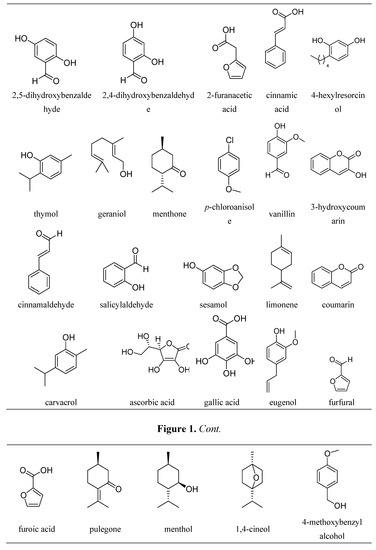
Antioxidant activity of a number of small (low molecular weight) natural compounds found in spices, condiments or drugs (gallic acid, sesamol, eugenol, thymol, carvacrol, vanillin, salicylaldehyde, limonene, geraniol, 4-hexylresorcinol, etc.) has been evaluated using electrochemical and DPPH radical scavenging measurements. Structural [...] Read more.
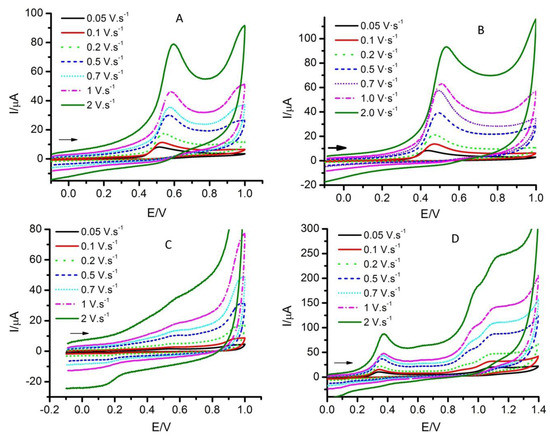
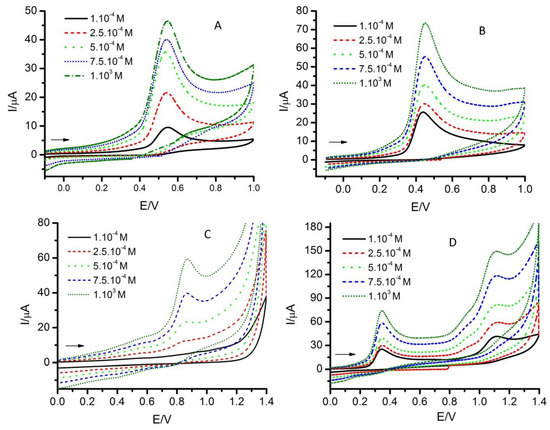
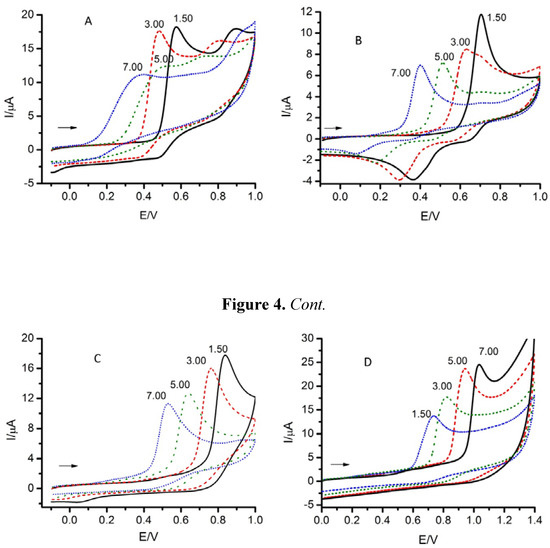
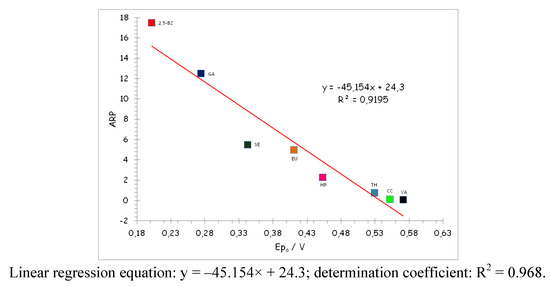
Antioxidant activity of a number of small (low molecular weight) natural compounds found in spices, condiments or drugs (gallic acid, sesamol, eugenol, thymol, carvacrol, vanillin, salicylaldehyde, limonene, geraniol, 4-hexylresorcinol, etc.) has been evaluated using electrochemical and DPPH radical scavenging measurements. Structural analysis of the tested compound suggest a remarkable activity for phenol derivatives and the importance of the –R groups located on the phenolic ring in the molecule’s ability to act as free radical scavenging as well as their influence in the electrochemical behavior. The voltammetric method can be used for the determination of the antioxidant capability in the same manner as the DPPH radical scavenging because of the correlation found between oxidation potentials and anti-radical power (ARP = 1/EC50). Such electrochemical determination is fast and cheap and allows making measurements under a variety of experimental conditions. The accuracy of the electrochemical measurements is the same for all the compounds, irrespective of their scavenging activity, the opposite of what occurs in the DPPH test. Full article
Show Figures

Figure 1
18 pages, 688 KB  
Article
Absorption and Fluorescence Spectroscopic Properties of 1- and 1,4-Silyl-Substituted Naphthalene Derivatives
by Hajime Maeda, Tomohiro Maeda and Kazuhiko Mizuno
Molecules 2012, 17(5), 5108-5125; https://doi.org/10.3390/molecules17055108 - 3 May 2012
Cited by 75 | Viewed by 13296
Abstract
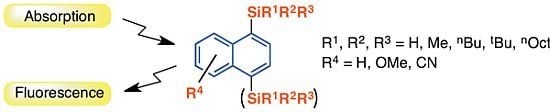
Silyl-substituted naphthalene derivatives at the 1- and 1,4-positions were synthesized and their UV absorption, fluorescence spectroscopic properties, and fluorescence lifetimes were determined. Analysis of the results shows that the introduction of silyl groups at these positions of the naphthalene chromophore/fluorophore causes shifts of [...] Read more.
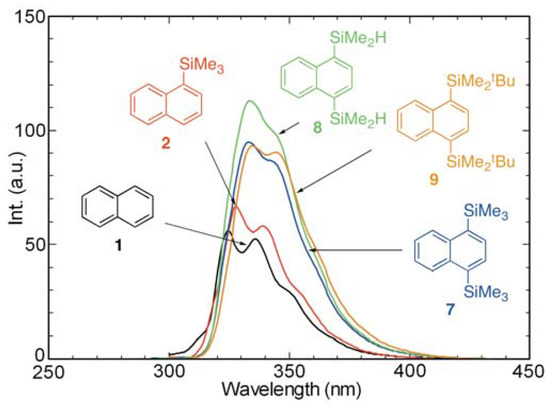
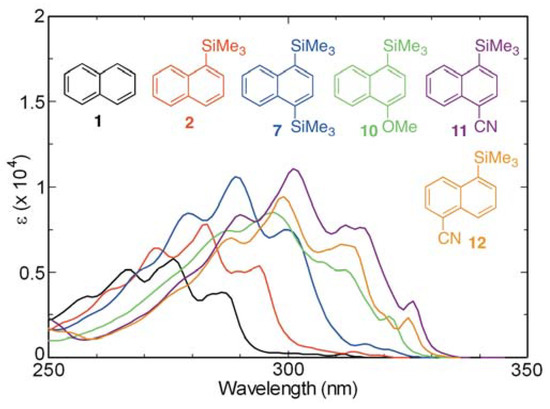
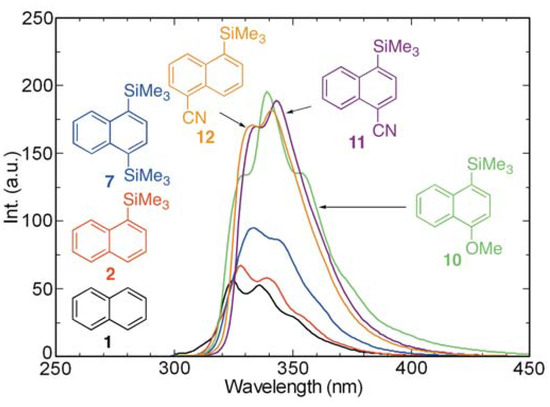
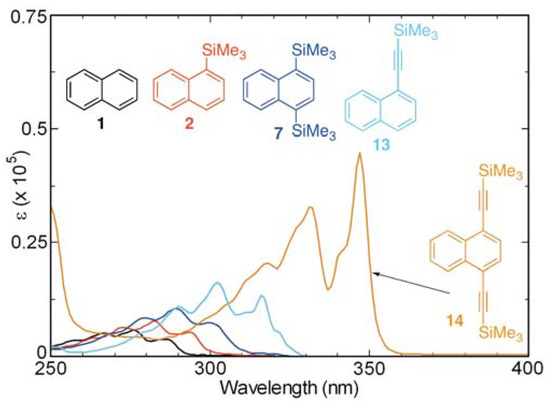
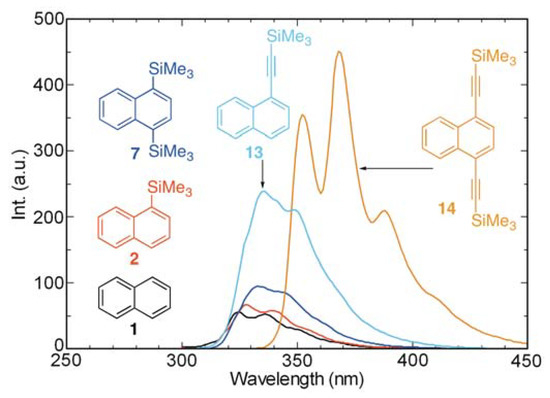
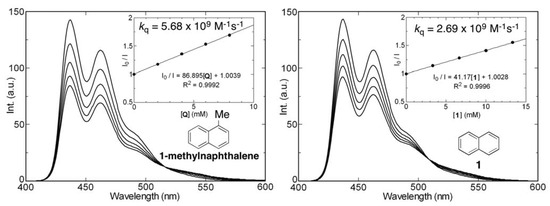
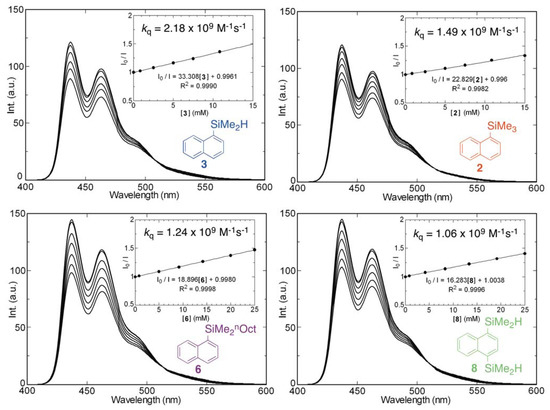
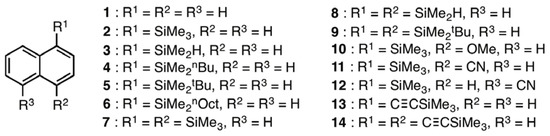
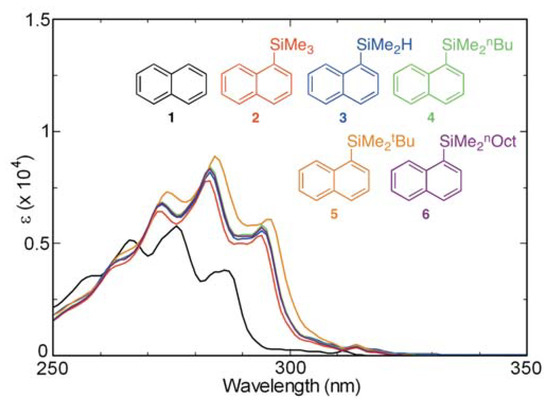
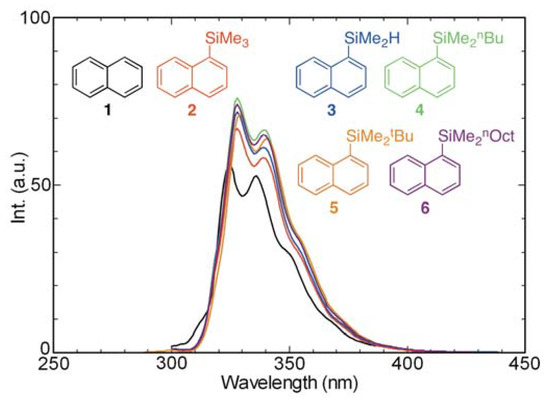
Silyl-substituted naphthalene derivatives at the 1- and 1,4-positions were synthesized and their UV absorption, fluorescence spectroscopic properties, and fluorescence lifetimes were determined. Analysis of the results shows that the introduction of silyl groups at these positions of the naphthalene chromophore/fluorophore causes shifts of the absorption maxima to longer wavelengths and increases in fluorescence intensities. Bathochromic shifts of the absorption maxima and increases in fluorescence intensities are also promoted by the introduction of methoxy and cyano groups at the naphthalene 4- and 5-positions. In addition, the fluorescence of 9,10-dicyanoanthracene is efficiently quenched by these naphthalene derivatives with Stern-Volmer plot calculated rate constants that depend on the steric bulk of the silyl groups. Full article
Show Figures

Graphical abstract

13 pages, 194 KB  
Article
Synthesis, Molecular Properties Prediction, and Anti-staphylococcal Activity of N-Acylhydrazones and New 1,3,4-Oxadiazole Derivatives
by Cledualdo Soares De Oliveira, Bruno Freitas Lira, Vivyanne Dos Santos Falcão-Silva, Jose Pinto Siqueira-Junior, Jose Maria Barbosa-Filho and Petronio Filgueiras De Athayde-Filho
Molecules 2012, 17(5), 5095-5107; https://doi.org/10.3390/molecules17055095 - 3 May 2012
Cited by 41 | Viewed by 10122
Abstract
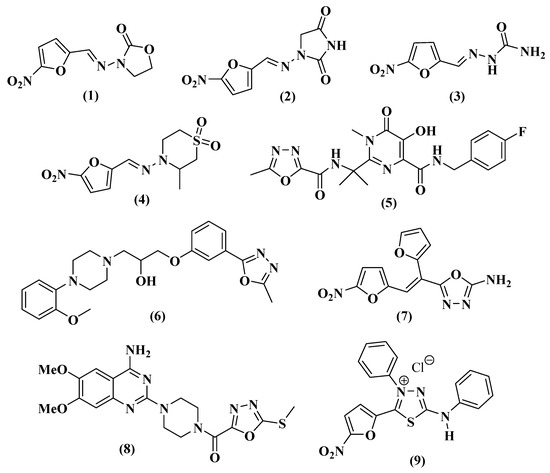
Five new 1-(2-(5-nitrofuran-2-yl)-5-(aryl)-1,3,4-oxadiazol-3-(2H)-yl) ethanone compounds 5a–e were synthesized by cyclization of N-acylhydrazones 4a–e with acetic anhydride under reflux conditions. Their structures were fully characterized by IR, 1H-NMR, and 13C-NMR. Furthermore, evaluations of the antibacterial activity of the 1,3,4-oxadiazoles [...] Read more.
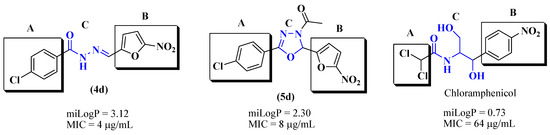
Five new 1-(2-(5-nitrofuran-2-yl)-5-(aryl)-1,3,4-oxadiazol-3-(2H)-yl) ethanone compounds 5a–e were synthesized by cyclization of N-acylhydrazones 4a–e with acetic anhydride under reflux conditions. Their structures were fully characterized by IR, 1H-NMR, and 13C-NMR. Furthermore, evaluations of the antibacterial activity of the 1,3,4-oxadiazoles 5a–e and N-acylhydrazones 4a–e showed strong activity against several strains of Staphylococcus aureus, with MICs between 4 μg/mL to 32 μg/mL. In silico studies of the parameters of Lipinski’s Rule of Five, as well as the topological polar surface area (TPSA), absorption percentage (% ABS), drug likeness and drug score indicate that these compounds, especially 4a and 5d, have potential to be new drug candidates. Full article
Show Figures

Figure 1
14 pages, 245 KB  
Article
A Convenient One-Pot Preparation of 2-Methyl-3-(phenylthio- methyl)quinolines from Morita-Baylis-Hillman Adducts and Their Oxidation to the Corresponding Sulfones
by Chintakunta Ramesh, Po-Min Lei, Veerababurao Kavala, Chun-Wei Kuo and Ching-Fa Yao
Molecules 2012, 17(5), 5081-5094; https://doi.org/10.3390/molecules17055081 - 3 May 2012
Cited by 5 | Viewed by 5929
Abstract
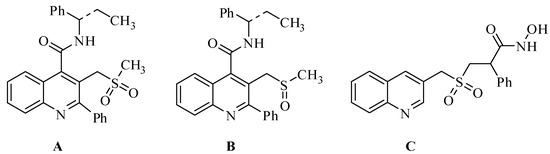
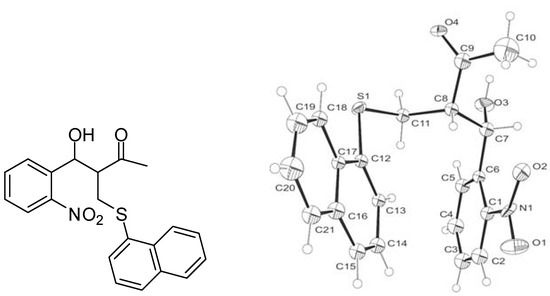
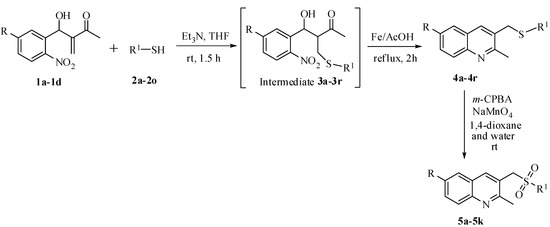
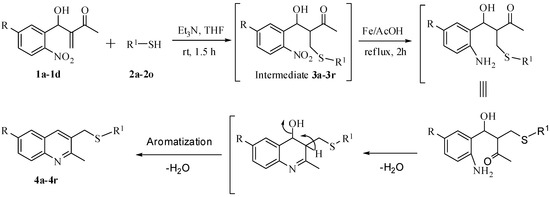
A convenient one-pot preparation of 2-methyl-3-(phenylthiomethyl)quinolines from Morita-Baylis-Hillman adducts via conjugate addition of thiols followed by reductive cyclization with Fe/AcOH was developed. The 2-methyl-3-(phenylthiomethyl)quinolines were transformed into 2-methyl-3-(phenylsulfonylmethyl)quinolines via m-CPBA-mediated oxidation. Full article
Show Figures

Graphical abstract

19 pages, 362 KB  
Article
Tentative Identification of Volatile Flavor Compounds in Commercial Budu, a Malaysian Fish Sauce, Using GC-MS
by Hajaratul Najwa Mohamed, Yaakob Che Man, Shuhaimi Mustafa and Yazid Abdul Manap
Molecules 2012, 17(5), 5062-5080; https://doi.org/10.3390/molecules17055062 - 3 May 2012
Cited by 85 | Viewed by 12348
Abstract
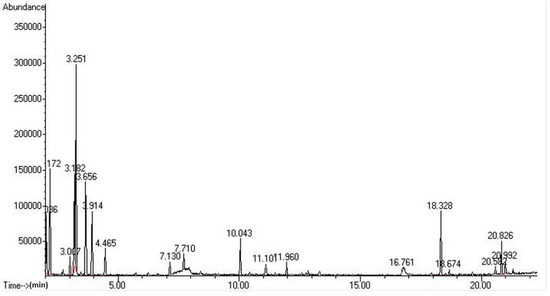
Budu is a famous Malaysian fish sauce, usually used as seasoning and condiment in cooking. Budu is produced by mixing fish and salt at certain ratio followed by fermentation for six months in closed tanks. In this study, four commercial brands of Budu [...] Read more.
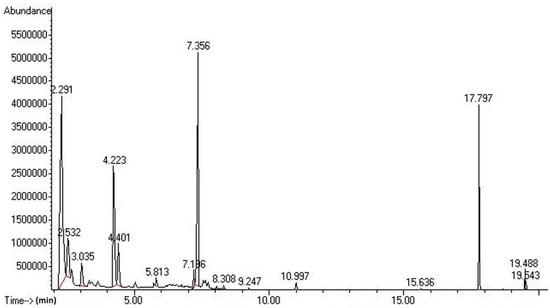
Budu is a famous Malaysian fish sauce, usually used as seasoning and condiment in cooking. Budu is produced by mixing fish and salt at certain ratio followed by fermentation for six months in closed tanks. In this study, four commercial brands of Budu were analyzed for their chemical properties (pH, salt content and volatile compounds). The pH of Budu samples ranged from 4.50–4.92, while the salt (NaCl) content ranged between 11.80% and 22.50% (w/v). For tentative identification of volatile flavor compounds in Budu, two GC columns have been used, DB-WAX and HP-5MS. A total of 44 volatile compounds have been detected and 16 were common for both columns. 3-Methyl-1-butanol, 2-methylbutanal, 3-methylbutanal, dimethyl disulfide, 3-(methylthio)-propanal, 3-methylbutanoic acid and benzaldehye have been identified as the aroma-active compounds in Budu due to their lower threshold values. Full article
Show Figures

Figure 1
12 pages, 431 KB  
Article
Assessment of Genetic Fidelity in Rauvolfia serpentina Plantlets Grown from Synthetic (Encapsulated) Seeds Following in Vitro Storage at 4 °C
by Mohammad Faisal, Abdulrahman A. Alatar, Naseem Ahmad, Mohammad Anis and Ahmad K. Hegazy
Molecules 2012, 17(5), 5050-5061; https://doi.org/10.3390/molecules17055050 - 3 May 2012
Cited by 64 | Viewed by 8133
Abstract
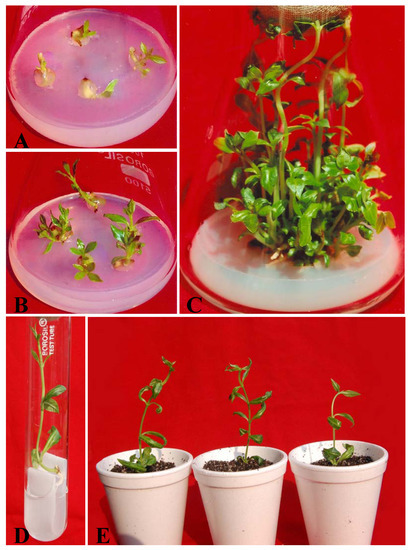
An efficient method was developed for plant regeneration and establishment from alginate encapsulated synthetic seeds of Rauvolfia serpentina. Synthetic seeds were produced using in vitro proliferated microshoots upon complexation of 3% sodium alginate prepared in Llyod and McCown woody plant medium (WPM) [...] Read more.
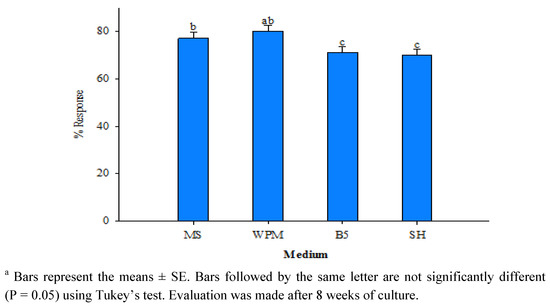
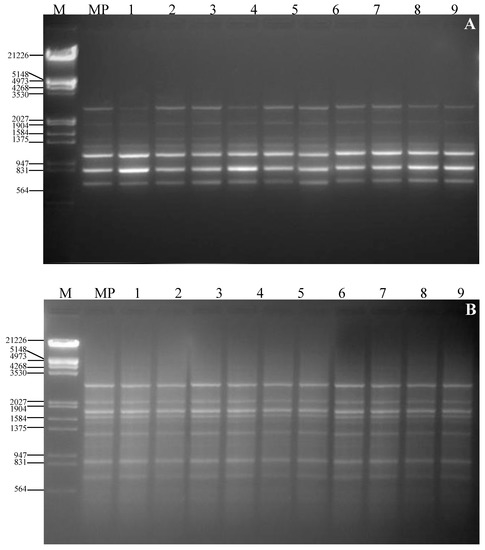
An efficient method was developed for plant regeneration and establishment from alginate encapsulated synthetic seeds of Rauvolfia serpentina. Synthetic seeds were produced using in vitro proliferated microshoots upon complexation of 3% sodium alginate prepared in Llyod and McCown woody plant medium (WPM) and 100 mM calcium chloride. Re-growth ability of encapsulated nodal segments was evaluated after storage at 4 °C for 0, 1, 2, 4, 6 and 8 weeks and compared with non-encapsulated buds. Effects of different media viz; Murashige and Skoog medium; Lloyd and McCown woody Plant medium, Gamborg’s B5 medium and Schenk and Hildebrandt medium was also investigated for conversion into plantlets. The maximum frequency of conversion into plantlets from encapsulated nodal segments stored at 4 °C for 4 weeks was achieved on woody plant medium supplement with 5.0 μM BA and 1.0 μM NAA. Rooting in plantlets was achieved in half-strength Murashige and Skoog liquid medium containing 0.5 μM indole-3-acetic acid (IAA) on filter paper bridges. Plantlets obtained from stored synseeds were hardened, established successfully ex vitro and were morphologically similar to each other as well as their mother plant. The genetic fidelity of Rauvolfia clones raised from synthetic seeds following four weeks of storage at 4 °C were assessed by using random amplified polymorphic DNA (RAPD) and inter-simple sequence repeat (ISSR) markers. All the RAPD and ISSR profiles from generated plantlets were monomorphic and comparable to the mother plant, which confirms the genetic stability among the clones. This synseed protocol could be useful for establishing a particular system for conservation, short-term storage and production of genetically identical and stable plants before it is released for commercial purposes. Full article
(This article belongs to the Section Molecular Diversity)
Show Figures

Figure 1
10 pages, 327 KB  
Communication
Synthesis and Characterization of 5-Nitro-2-nitratomethyl-1,2,3,4-tetrazole: A High Nitrogen Energetic Compound with Good Oxygen Balance
by Yuchuan Li, Wei Liu and Siping Pang
Molecules 2012, 17(5), 5040-5049; https://doi.org/10.3390/molecules17055040 - 3 May 2012
Cited by 40 | Viewed by 6974
Abstract
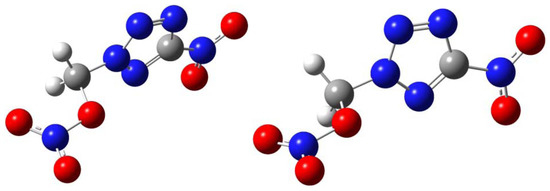
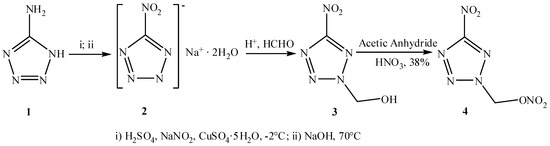
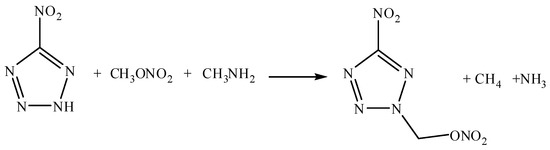
The synthesis of 5-nitro-2-nitratomethyl-1,2,3,4-tetrazole (4) and its full characterization are given here. Compound 4 was synthesized through the nitration of 5-nitro-2-hydroxymethyl-tetrazole (3) with fuming nitric acid and acetic anhydride and its structure was characterized by MS, FT-IR, 1H-NMR [...] Read more.
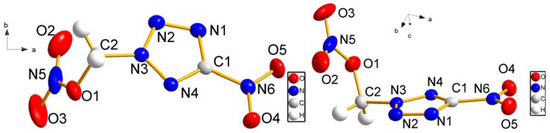
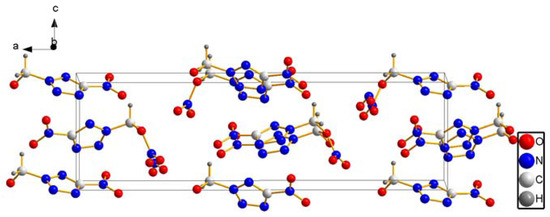
The synthesis of 5-nitro-2-nitratomethyl-1,2,3,4-tetrazole (4) and its full characterization are given here. Compound 4 was synthesized through the nitration of 5-nitro-2-hydroxymethyl-tetrazole (3) with fuming nitric acid and acetic anhydride and its structure was characterized by MS, FT-IR, 1H-NMR and 13C-NMR techniques. The crystal structure of 4 was determined by X-ray single crystal diffraction analysis. The compound belongs to the orthorhombic system with space group Pna2(1), and its crystal parameters were a = 2.121(8) nm, b = 0.5281(19) nm, c = 0.6246(2) nm, Z = 4, V = 0.6995(4) nm3, Dc = 1.805 g/cm3, F(000) = 384, μ = 0.174 mm−1. A theoretical study of 4 has been performed, using quantum computational density functional theory (B3LYP methods) with 6-31G* basis sets as implemented in the Gaussian 03 program suite. The obtained heat of formation (HOF) for 4 was 228.07 kJ·mol−1, the detonation pressure (P) values calculated for 4 was 37.92 GPa, the detonation velocity (D) can reach 9260 m·s−1, and the oxygen balance was zero (Q), making 4 a competitive energetic compound. Full article
(This article belongs to the Section Organic Chemistry)
Show Figures

Figure 1
10 pages, 254 KB  
Article
Chemical Composition, Antimicrobial and Antitumor Activities of the Essential Oils and Crude Extracts of Euphorbia macrorrhiza
by Jianbo Lin, Jun Dou, Jiangling Xu and Haji Akber Aisa
Molecules 2012, 17(5), 5030-5039; https://doi.org/10.3390/molecules17055030 - 3 May 2012
Cited by 57 | Viewed by 9224
Abstract
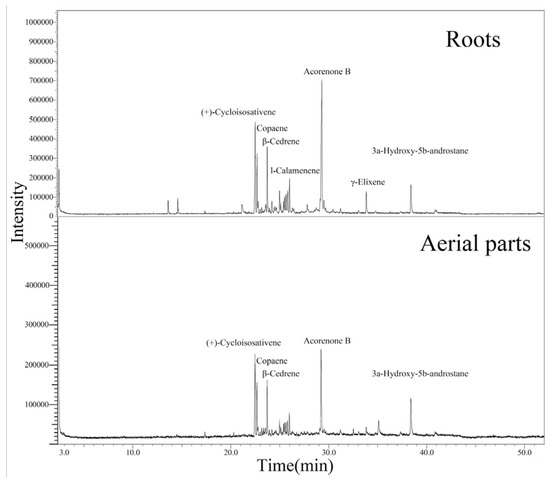
The present study aimed to examine the chemical composition and biological activity of essential oils extracted from Euphorbia macrorrhiza collected from Northwest China. The major constituents of the essential oils of aerial parts and roots of E. macrorrhiza are acorenone B (16.72% and [...] Read more.
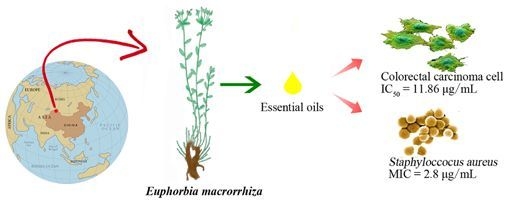
The present study aimed to examine the chemical composition and biological activity of essential oils extracted from Euphorbia macrorrhiza collected from Northwest China. The major constituents of the essential oils of aerial parts and roots of E. macrorrhiza are acorenone B (16.72% and 25.80%), (+)-cycloisosativene (14.94% and 12.40%), 3a-hydroxy-5b-androstane (10.62% and 5.52%), copaene (7.37% and 6.29%), l-calamenene (4.13% and 4.65%) and β-cedrene (8.40% and 7.98%), respectively. The minor components of them are thymene, γ-terpinene, thymecamphor, α-cedrene, zingiberene, trans-caryophyllene, β-chamigrene, curcumene, pentadecane, (−)-α-muurolene, cuparene, γ-cadinene, (Z)-3-heptadecene, 1,3,7,7-tetramethyl-2-oxabicyclo(4.4.0)dec-5-en-4-one, hexahydrofarnesyl acetone, γ-elixene and palmitinic acid. The antimicrobial and antitumor activitiy of the E. macrorrhiza essential oil against Staphyloccocus aureus, Escherichia coli, Canidia Albicans and Caco-2 cells were evaluated. Among all the tested microorganisms and Caco-2 cells, the essential oils showed the strongest inhibitory effect on Staphyloccocus aureus (MIC = 2.8 μg/mL) and Caco-2 cell (IC50 = 11.86 μg/mL), whereas no effect on Escherichia coli and Candida albicans. The data of this study suggested that the E. macrorrhiza essential oils have great potential as a natural medicine for microbial infections and cancers. Full article
Show Figures

Graphical abstract

9 pages, 884 KB  
Article
Synthesis and Characterization of ZnO Nanowires by Thermal Oxidation of Zn Thin Films at Various Temperatures
by Mohammad Reza Khanlary, Vahid Vahedi and Ali Reyhani
Molecules 2012, 17(5), 5021-5029; https://doi.org/10.3390/molecules17055021 - 2 May 2012
Cited by 79 | Viewed by 7237
Abstract
In this research high-quality zinc oxide (ZnO) nanowires have been synthesized by thermal oxidation of metallic Zn thin films. Metallic Zn films with thicknesses of 250 nm have been deposited on a glass substrate by the PVD technique. The deposited zinc thin films [...] Read more.
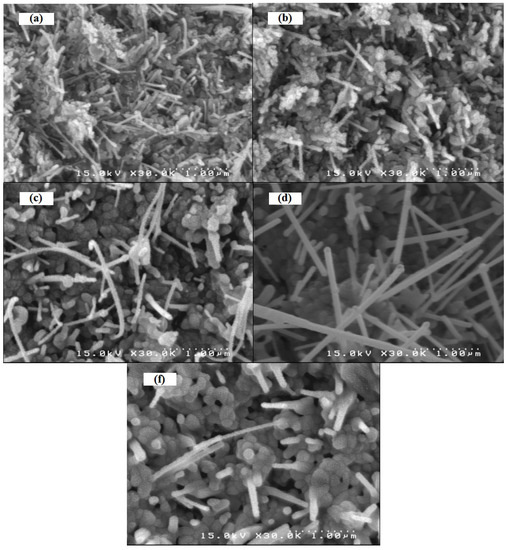
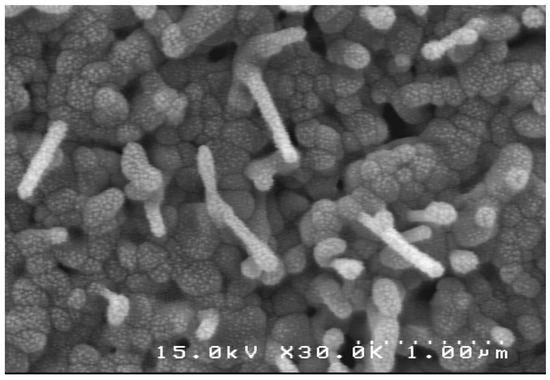
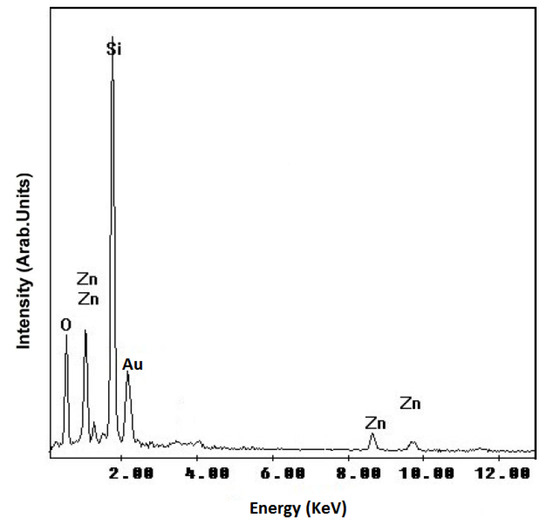
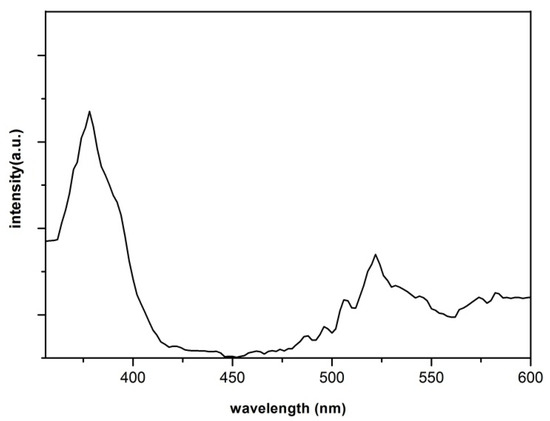
In this research high-quality zinc oxide (ZnO) nanowires have been synthesized by thermal oxidation of metallic Zn thin films. Metallic Zn films with thicknesses of 250 nm have been deposited on a glass substrate by the PVD technique. The deposited zinc thin films were oxidized in air at various temperatures ranging between 450 °C to 650 °C. Surface morphology, structural and optical properties of the ZnO nanowires were examined by scanning electron microscope (SEM), X-ray diffraction (XRD), energy dispersive X-ray (EDX) and photoluminescence (PL) measurements. XRD analysis demonstrated that the ZnO nanowires has a wurtzite structure with orientation of (002), and the nanowires prepared at 600 °C has a better crystalline quality than samples prepared at other temperatures. SEM results indicate that by increasing the oxidation temperature, the dimensions of the ZnO nanowires increase. The optimum temperature for synthesizing high density, ZnO nanowires was determined to be 600 °C. EDX results revealed that only Zn and O are present in the samples, indicating a pure ZnO composition. The PL spectra of as-synthesized nanowires exhibited a strong UV emission and a relatively weak green emission. Full article
Show Figures

Figure 2

8 pages, 219 KB  
Article
Glycosylation of Vanillin and 8-Nordihydrocapsaicin by Cultured Eucalyptus perriniana Cells
by Daisuke Sato, Yuki Eshita, Hisashi Katsuragi, Hiroki Hamada, Kei Shimoda and Naoji Kubota
Molecules 2012, 17(5), 5013-5020; https://doi.org/10.3390/molecules17055013 - 2 May 2012
Cited by 9 | Viewed by 7575
Abstract
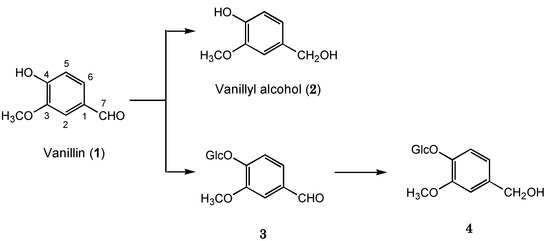
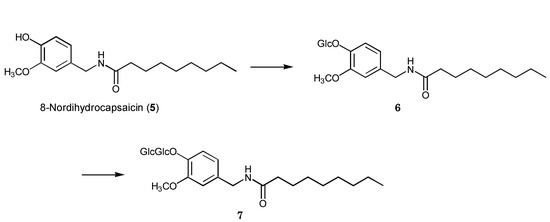
Glycosylation of vanilloids such as vanillin and 8-nordihydrocapsaicin by cultured plant cells of Eucalyptus perriniana was studied. Vanillin was converted into vanillin 4-O-b-D-glucopyranoside, vanillyl alcohol, and 4-O-b-D-glucopyranosylvanillyl alcohol by E. perriniana cells. Incubation of cultured E. perriniana cells with [...] Read more.
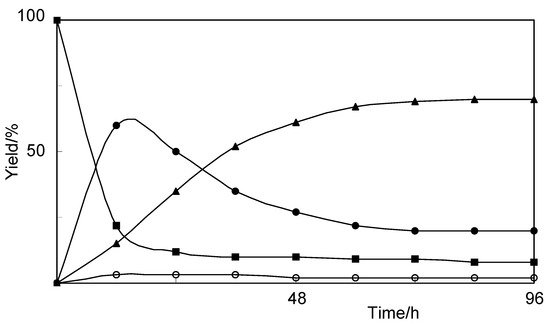
Glycosylation of vanilloids such as vanillin and 8-nordihydrocapsaicin by cultured plant cells of Eucalyptus perriniana was studied. Vanillin was converted into vanillin 4-O-b-D-glucopyranoside, vanillyl alcohol, and 4-O-b-D-glucopyranosylvanillyl alcohol by E. perriniana cells. Incubation of cultured E. perriniana cells with 8-nor- dihydrocapsaicin gave 8-nordihydrocapsaicin 4-O-b-D-glucopyranoside and 8-nordihydro- capsaicin 4-O-b-D-gentiobioside. Full article
(This article belongs to the Special Issue Advances in Carbohydrate Chemistry 2012)
Show Figures

Figure 1
10 pages, 305 KB  
Review
Hydrophilic Carotenoids: Recent Progress
by Magdolna Háda, Veronika Nagy, József Deli and Attila Agócs
Molecules 2012, 17(5), 5003-5012; https://doi.org/10.3390/molecules17055003 - 30 Apr 2012
Cited by 40 | Viewed by 8894
Abstract
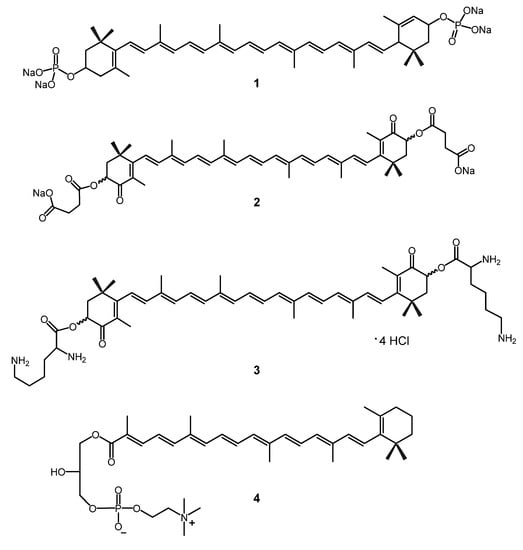
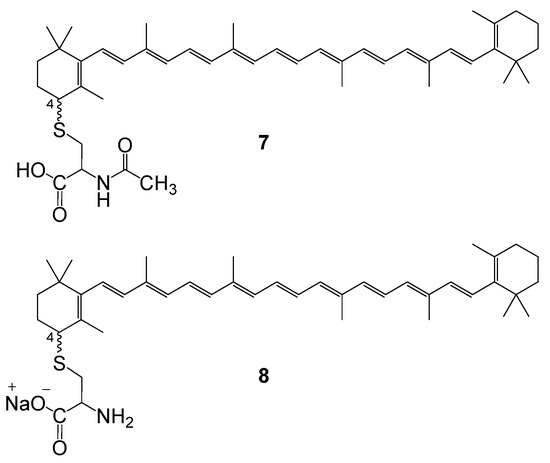
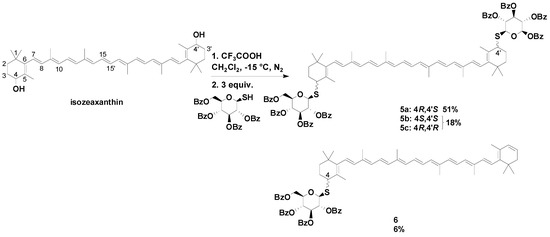
Carotenoids are substantially hydrophobic antioxidants. Hydrophobicity is this context is rather a disadvantage, because their utilization in medicine as antioxidants or in food chemistry as colorants would require some water dispersibility for their effective uptake or use in many other ways. In the [...] Read more.
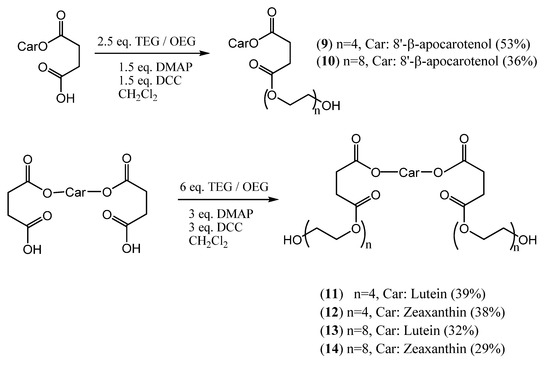
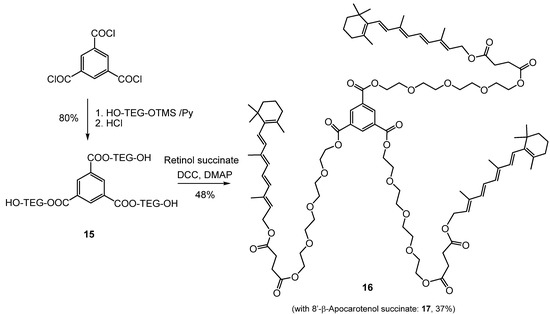
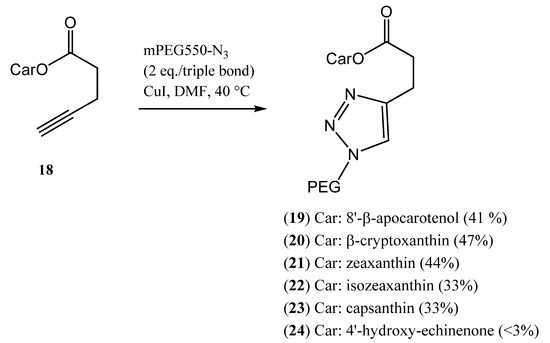
Carotenoids are substantially hydrophobic antioxidants. Hydrophobicity is this context is rather a disadvantage, because their utilization in medicine as antioxidants or in food chemistry as colorants would require some water dispersibility for their effective uptake or use in many other ways. In the past 15 years several attempts were made to synthetize partially hydrophilic carotenoids. This review compiles the recently synthetized hydrophilic carotenoid derivatives. Full article
(This article belongs to the Special Issue Carotenoids)
Show Figures

Figure 1

17 pages, 1266 KB  
Article
Bioassay-Guided Antidiabetic Study of Phaleria macrocarpa Fruit Extract
by Rabyah B. Ali, Item J. Atangwho, Navneet Kaur, Omar Saad Abraika, Mariam Ahmad, Roziahanim Mahmud and Mohd Z. Asmawi
Molecules 2012, 17(5), 4986-5002; https://doi.org/10.3390/molecules17054986 - 30 Apr 2012
Cited by 33 | Viewed by 9446
Abstract
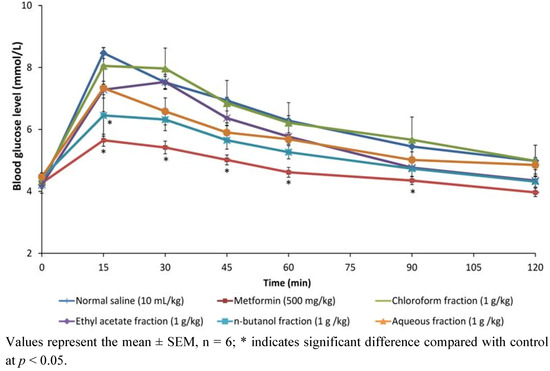
An earlier anti-hyperglycemic study with serial crude extracts of Phaleria macrocarpa (PM) fruit indicated methanol extract (ME) as the most effective. In the present investigation, the methanol extract was further fractionated to obtain chloroform (CF), ethyl acetate (EAF), n-butanol (NBF) and aqueous [...] Read more.
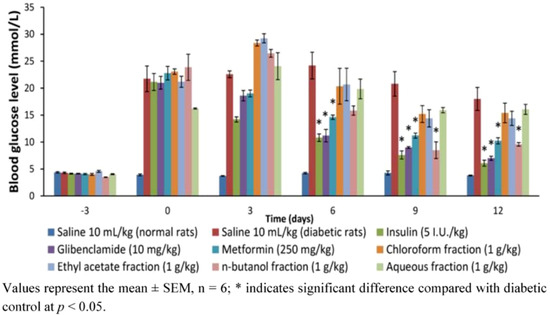
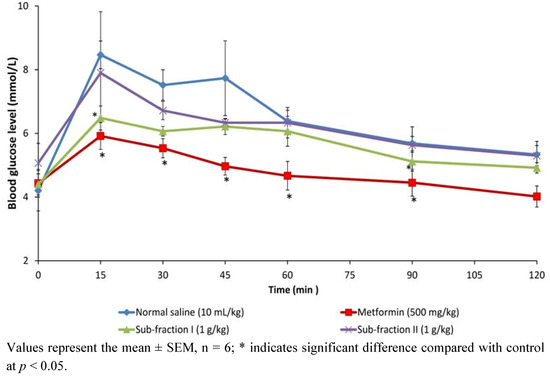
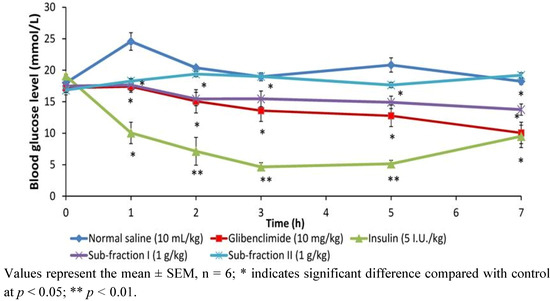
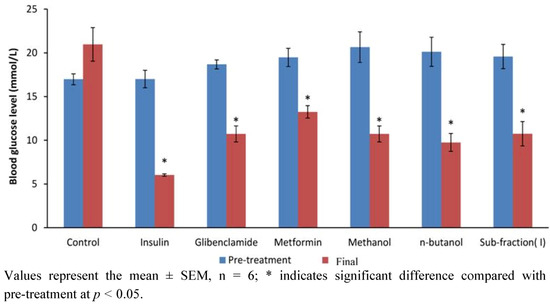
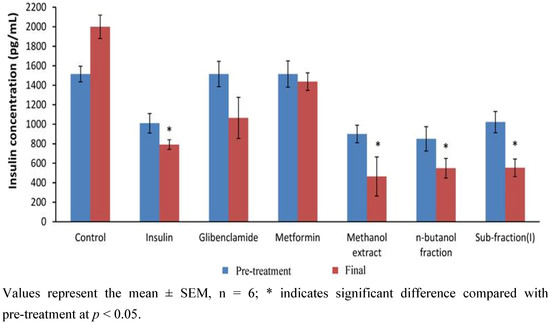
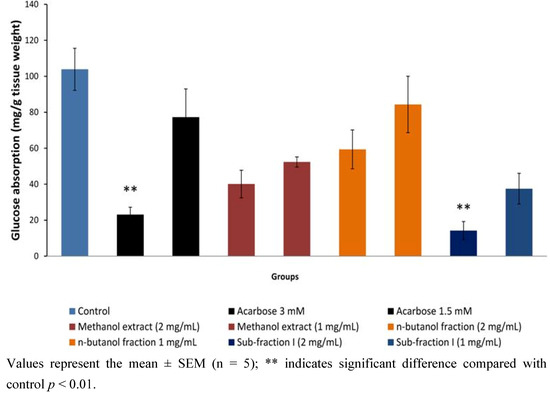
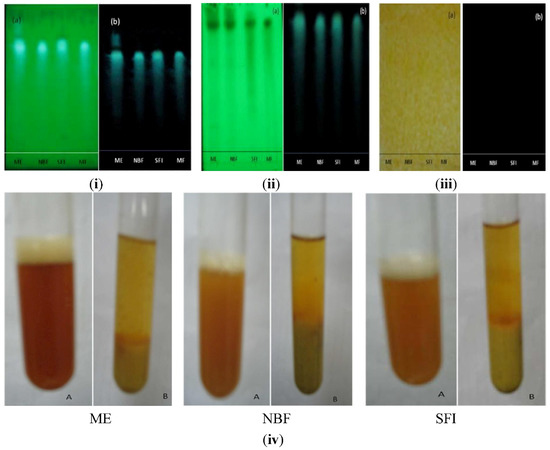
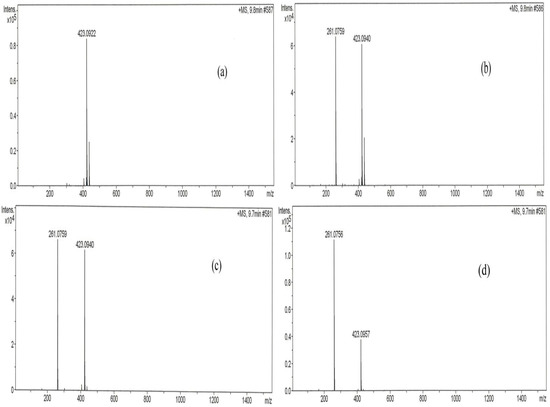
An earlier anti-hyperglycemic study with serial crude extracts of Phaleria macrocarpa (PM) fruit indicated methanol extract (ME) as the most effective. In the present investigation, the methanol extract was further fractionated to obtain chloroform (CF), ethyl acetate (EAF), n-butanol (NBF) and aqueous (AF) fractions, which were tested for antidiabetic activity. The NBF reduced blood glucose (p < 0.05) 15 min after administration, in an intraperitoneal glucose tolerance test (IPGTT) similar to metformin. Moreover, it lowered blood glucose in diabetic rats by 66.67% (p < 0.05), similar to metformin (51.11%), glibenclamide (66.67%) and insulin (71.43%) after a 12-day treatment, hence considered to be the most active fraction. Further fractionation of NBF yielded sub-fractions I (SFI) and II (SFII), and only SFI lowered blood glucose (p < 0.05), in IPGTT similar to glibenclamide. The ME, NBF, and SFI correspondingly lowered plasma insulin (p < 0.05) and dose-dependently inhibited glucose transport across isolated rat jejunum implying an extra-pancreatic mechanism. Phytochemical screening showed the presence of flavonoids, terpenes and tannins, in ME, NBF and SFI, and LC-MS analyses revealed 9.52%, 33.30% and 22.50% mangiferin respectively. PM fruit possesses anti-hyperglycemic effect, exerted probably through extra-pancreatic action. Magniferin, contained therein may be responsible for this reported activity. Full article
Show Figures

Figure 1