


Topical Advisory Panel applications are now closed. Please contact the Editorial Office with any queries.
-
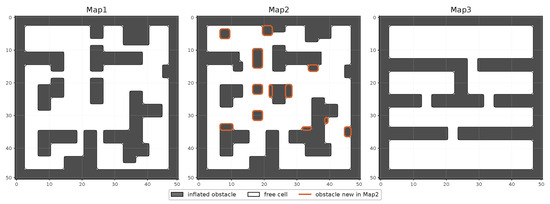
Numerical and Experimental Validation of an Autonomous Navigation and Mapping Framework for Mobile Robotics -
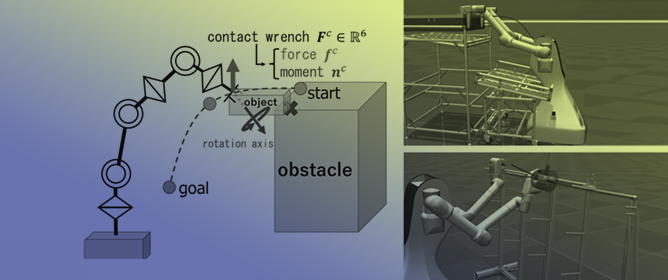
Pose-Constrained Path Optimization for Manipulators with Contact Feedback from Sparse Waypoints -
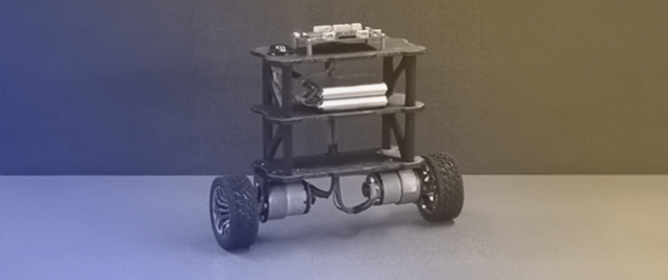
A Hybrid Master–Slave Fuzzy Cascade Control Strategy for Two-Wheeled Self-Balancing Robot with Wheel Synchronization -
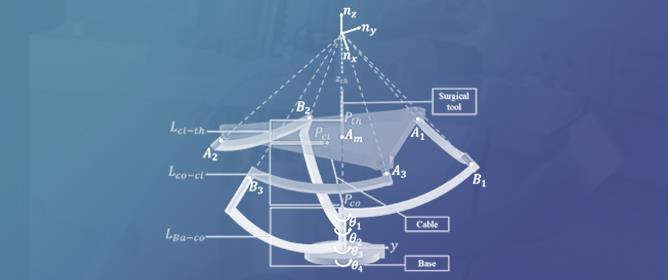
A New 3R1T Parallel Robot for Minimally Invasive Surgery: Design, Control and Preliminary Performance Evaluation -
A Distributed and Reconfigurable Architecture for Unified Multimodal Indoor Localization of a Mobile Edge Node in a Cyber-Physical Context
Journal Description
Robotics
Robotics
is an international, peer-reviewed, open access journal on robotic systems in theory, design, and applications, published monthly online by MDPI. The International Federation for the Promotion of Mechanism and Machine Science (IFToMM) and Robotic Global Surgical Society (TROGSS) are affiliated with Robotics and its members receive a discount on the article processing charges.
- Open Access— free for readers, with article processing charges (APC) paid by authors or their institutions.
- High Visibility: indexed within Scopus, ESCI (Web of Science), dblp, Inspec, and other databases.
- Journal Rank: JCR - Q2 (Robotics) / CiteScore - Q1 (Control and Optimization)
- Rapid Publication: manuscripts are peer-reviewed and a first decision is provided to authors approximately 20 days after submission; acceptance to publication is undertaken in 3.6 days (median values for papers published in this journal in the first half of 2026).
- Recognition of Reviewers: reviewers who provide timely, thorough peer-review reports receive vouchers entitling them to a discount on the APC of their next publication in any MDPI journal, in appreciation of the work done.
- Journal Cluster of Mechanical Manufacturing and Automation Control: Aerospace, Automation, Drones, Journal of Manufacturing and Materials Processing, Machines, Robotics and Technologies.
Impact Factor:
3.6 (2025);
5-Year Impact Factor:
4.0 (2025)
Latest Articles
Advances in Pneumatic Upper-Limb Rehabilitation Robots: A Critical Review of Structural Design, Human–Robot Interaction, and Clinical Translation
Robotics 2026, 15(8), 159; https://doi.org/10.3390/robotics15080159 - 14 Aug 2026
Abstract
Upper-limb motor dysfunction resulting from neurological disorders severely limits patients’ activities of daily living and social participation. Pneumatic upper-limb rehabilitation robots have emerged as a promising intervention owing to their inherent compliance, lightweight design, and high power-to-weight ratio, which facilitate safe, repetitive, and
[...] Read more.
Upper-limb motor dysfunction resulting from neurological disorders severely limits patients’ activities of daily living and social participation. Pneumatic upper-limb rehabilitation robots have emerged as a promising intervention owing to their inherent compliance, lightweight design, and high power-to-weight ratio, which facilitate safe, repetitive, and home-based training. Despite these advantages, extensive clinical translation remains hindered by challenges including actuator hysteresis, nonlinear dynamics, limited accuracy in intention recognition, and inconsistent clinical evaluation metrics. This review systematically examines recent advancements in pneumatic upper-limb rehabilitation robots across four critical dimensions: structural design, human–robot interaction, control strategies, and clinical translation. We comparatively analyze rigid exoskeletons, soft wearable devices, and rigid–soft hybrid configurations based on output capability, motion accuracy, comfort, and clinical applicability. The findings suggest that while rigid systems offer high precision and soft systems maximize safety, rigid–soft hybrid architectures represent a critical developmental trend for balancing motion accuracy with interaction compliance. Furthermore, the review evaluates multimodal sensing techniques (e.g., EMG, EEG, and IMUs) for motion intention decoding and training state monitoring, alongside conventional, adaptive, and artificial intelligence-driven control methods aimed at compensating for pneumatic nonlinearity and improving real-time response. Current clinical evidence indicates that these systems effectively enhance upper-limb function and muscle strength, particularly in post-stroke rehabilitation; however, existing trials are frequently constrained by small sample sizes, short interventions, and heterogeneous protocols. Future research must prioritize rigid–soft hybrid architectures, robust multimodal sensor fusion, digital twin-assisted assessment, adaptive intelligent control, and standardized home-based rehabilitation platforms. Ultimately, this comprehensive review provides a concise reference for the design optimization and clinical deployment of next-generation pneumatic rehabilitation systems.
Full article
(This article belongs to the Section Medical Robotics and Service Robotics)
Open AccessArticle
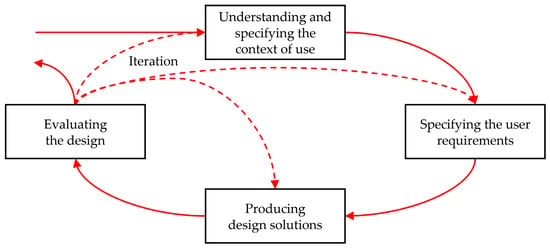
A Methodology for Early User Experience Evaluation of Large-Scale Collaborative Robot Applications
by
Markus Nieradzik, Verena Staab, Adjie Salman and Dieter Schramm
Robotics 2026, 15(8), 158; https://doi.org/10.3390/robotics15080158 - 14 Aug 2026
Abstract
When implementing collaborative robot applications, it is paramount to use a human-centered development approach to ensure a positive user experience and increase acceptance. User Experience (UX) design methods involve validating user experience through evaluations as a basic principle. The earlier UX evaluations are
[...] Read more.
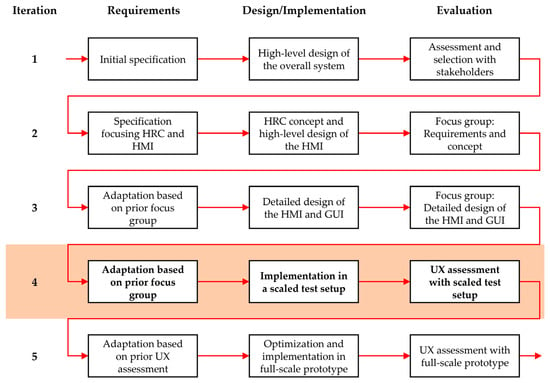
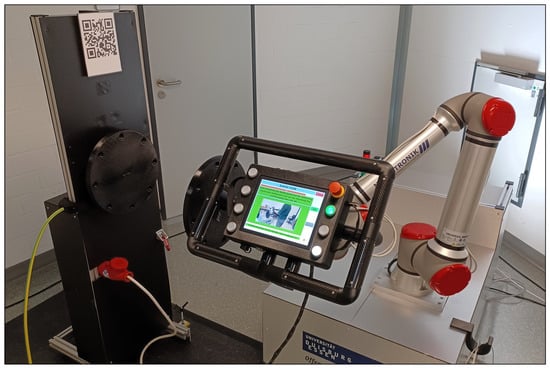
When implementing collaborative robot applications, it is paramount to use a human-centered development approach to ensure a positive user experience and increase acceptance. User Experience (UX) design methods involve validating user experience through evaluations as a basic principle. The earlier UX evaluations are carried out, the greater the added value that can be achieved. For collaborative robot applications, especially those involving large robot systems, these early evaluations are challenging since the entire application will not be available until the final stages of development. The proposed methodological approach to this problem utilizes a rudimentary, scaled test setup for early UX evaluations of the entire robot application, enabling user feedback to be incorporated into the development process early on. The method was applied in a project that developed a collaborative robot application for semi-automated liquid cargo handling in inland navigation. UX assessments were carried out using both the rudimentary test setup and a full-scale prototype in a later development phase. The comparison of both assessments proves the applicability of the proposed methodology. Serving as an overarching framework, this methodology encourages developers to test the entire collaborative robot application in user studies at an early stage, thereby gathering valuable user feedback.
Full article
(This article belongs to the Special Issue Human–Robot Collaboration in Industry 5.0)
►▼
Show Figures

Figure 1
Open AccessArticle
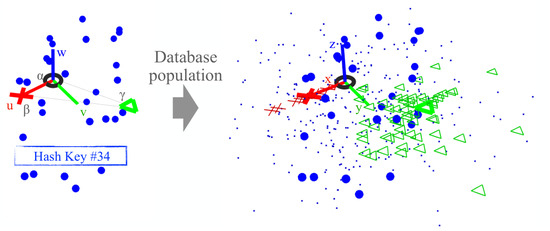
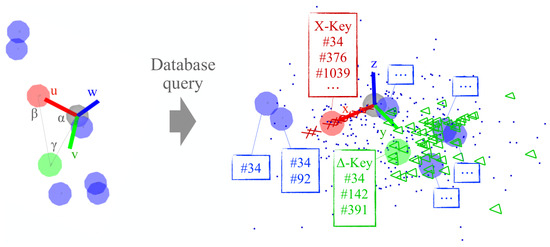
GeoHash3D: Robust and Efficient 6-DoF Pose Estimation from 3D Marker Sets
by
Lijiu Wang, Kailas Mahalinga Upadhyaya, Oguz Kedilioglu, Michael Hofmann, Weimin Gan, Nico Hempel, Peter Mayr, Sebastian Reitelshöfer and Jörg Franke
Robotics 2026, 15(8), 157; https://doi.org/10.3390/robotics15080157 - 13 Aug 2026
Abstract
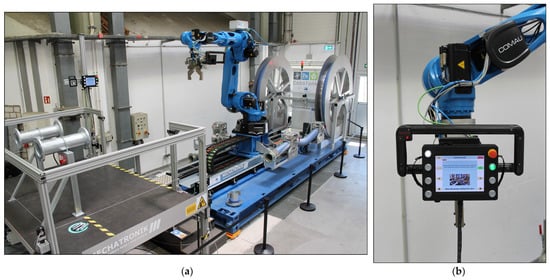
Accurately measuring the six degrees of freedom (6-DoF) pose of a sample is a critical prerequisite for applications in robotic sample handling, optical metrology, and industrial quality control. Our pose estimation problem requires matching a small, partial observation of 4–20 discrete 3D points
[...] Read more.
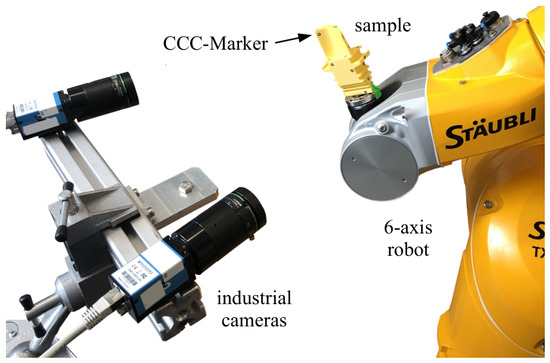
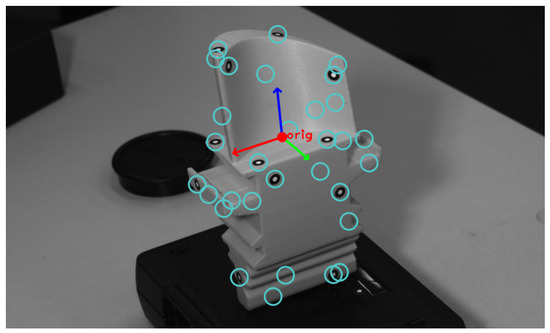
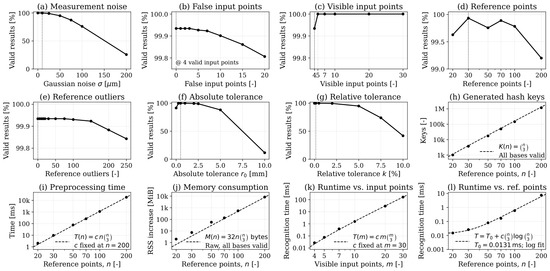
Accurately measuring the six degrees of freedom (6-DoF) pose of a sample is a critical prerequisite for applications in robotic sample handling, optical metrology, and industrial quality control. Our pose estimation problem requires matching a small, partial observation of 4–20 discrete 3D points to a reference point set of up to 50 points. Popular registration algorithms such as Go-ICP, TEASER++, and MAC are designed for large-scale correspondence problems and do not perform reliably in our operating regime. Therefore, we propose an improved geometric hashing method that robustly estimates the rigid transformation in the presence of noise and outliers, and demonstrate its effectiveness and speed using both simulated and real-world datasets.
Full article
(This article belongs to the Section Sensors and Control in Robotics)
►▼
Show Figures

Figure 1
Open AccessSystematic Review
Multi-Agent Reinforcement Learning for Cooperative Manipulation in Industrial Robotics: A Systematic Review of Trends, Gaps and Research Drivers
by
Francisco J. Huertos, Oihane Bañales, Pedro Alvarez and Itziar Cabanes
Robotics 2026, 15(8), 156; https://doi.org/10.3390/robotics15080156 - 12 Aug 2026
Abstract
Modern manufacturing faces increasing demands for flexibility, customization, and productivity under dynamic conditions. Multi-robot systems offer a promising solution by enabling cooperative execution of complex tasks, such as assembly and cooperative manipulation. In this context, Multi-Agent Reinforcement Learning (MARL) has emerged as a
[...] Read more.
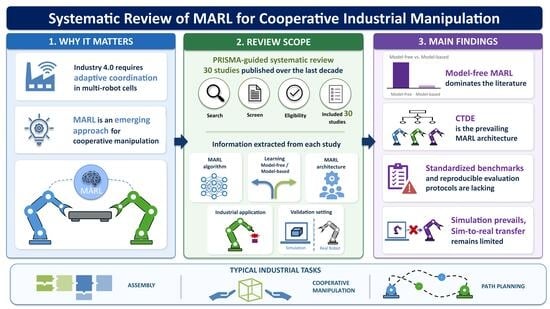
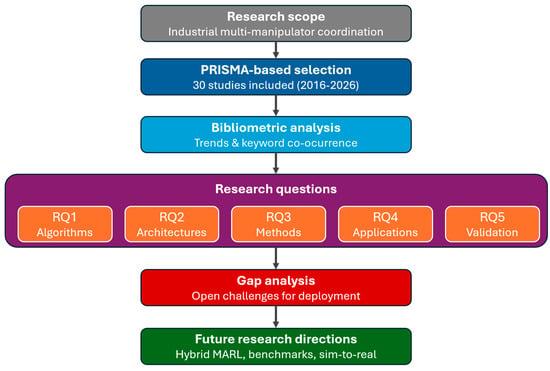
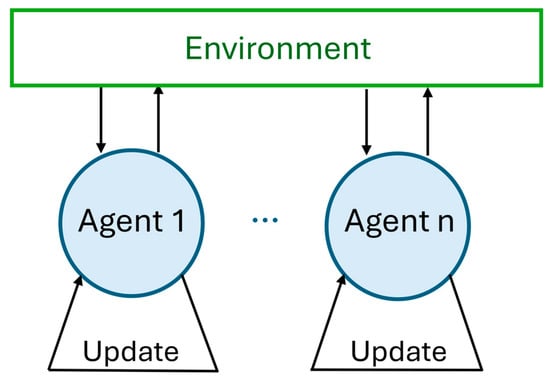
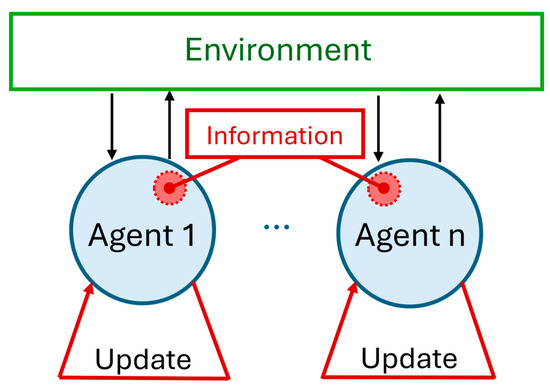
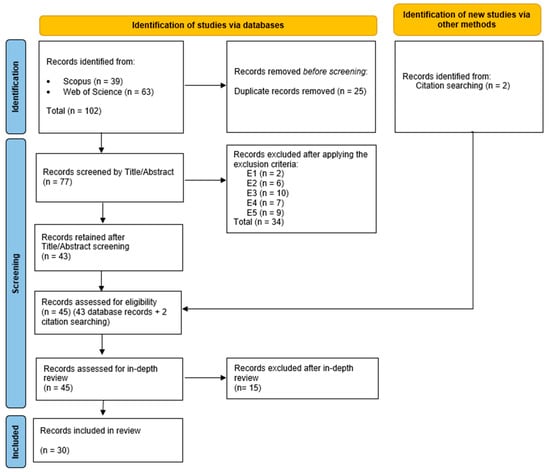
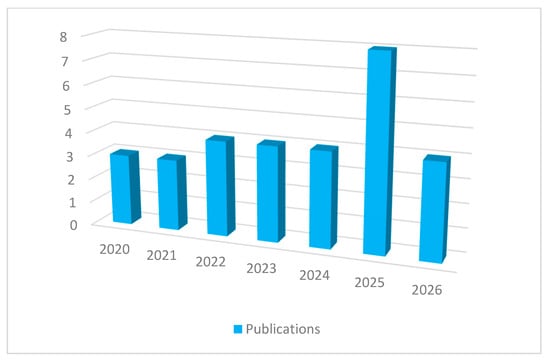
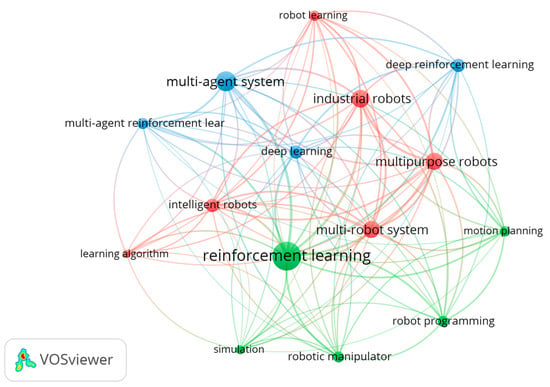
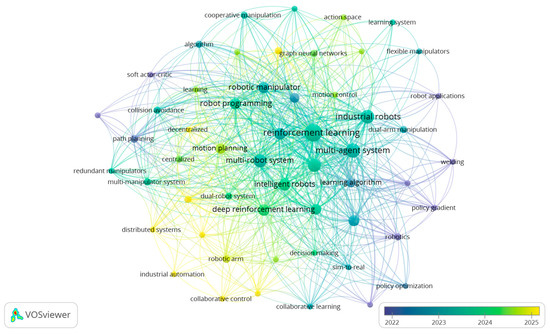
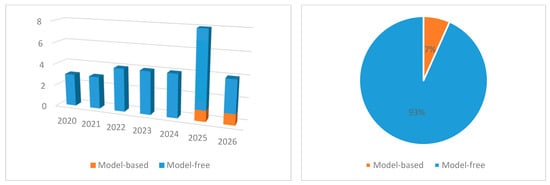
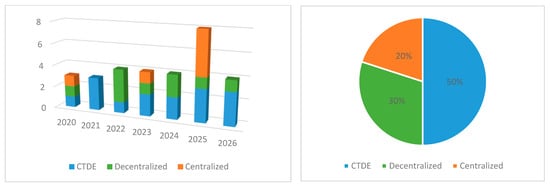
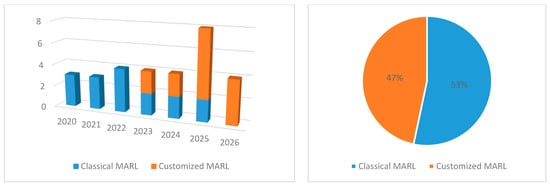
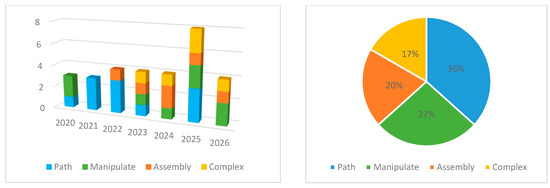
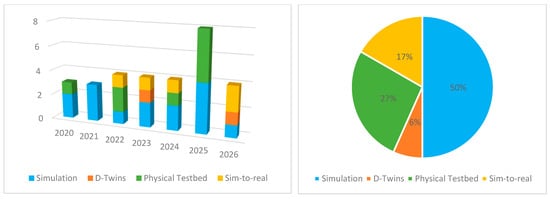
Modern manufacturing faces increasing demands for flexibility, customization, and productivity under dynamic conditions. Multi-robot systems offer a promising solution by enabling cooperative execution of complex tasks, such as assembly and cooperative manipulation. In this context, Multi-Agent Reinforcement Learning (MARL) has emerged as a promising paradigm to enhance coordination and adaptability in industrial settings. MARL enables multiple agents to learn and interact in shared environments to achieve common goals within complex and dynamic industrial processes. In this paper, a deep analysis of MARL applied to industrial multi-robot systems based on a systematic review is presented, with particular focus on cooperative manipulation tasks. Following PRISMA guidelines, we analyze a total of 30 articles published between 2016 and 2026, selected independently by two of the authors from an initial pool of 102 records retrieved from Scopus and Web of Science. These articles were used to address five key questions regarding MARL algorithms, control architectures, industrial applications and validation practices. These research questions seek to examine gaps and trends at the research level which are important for the development of multi-agent control technologies. This review shows a clear prevalence of model-free algorithms under Centralized Training with Decentralized Execution (CTDE) architectures, with validation mainly performed in simulation. Despite promising results and high potential for impact, critical gaps remain in scalability, reproducibility, and sim-to-real transfer, limiting real deployment in manufacturing environments. To address these challenges and fill current gaps, we outline actionable research directions, such as hybrid MARL approaches, standardized industrial benchmarks, digital twin pipelines, and safety-aware deployment strategies, to accelerate MARL adoption in industrial environments.
Full article
(This article belongs to the Section Industrial Robots and Automation)
►▼
Show Figures

Graphical abstract
Open AccessReview
Pursuit–Evasion Strategies in Multi-Agent Robotic Systems: Analytical, Learning-Based, and Evolutionary Perspectives
by
Alejandro Moreno-Martinez, Victor Landassuri-Moreno, Asdrúbal López-Chau, Saul Lazcano-Salas and Heriberto Casarrubias-Vargas
Robotics 2026, 15(8), 155; https://doi.org/10.3390/robotics15080155 - 12 Aug 2026
Abstract
In studies of intelligent agents, the pursuit–evasion problem, commonly related to the predator–prey paradigm, has been used as a reference setting for examining decision-making, coordination, and adaptation in multi-agent systems. In this paper, pursuit and evasion strategies are reviewed from their theoretical foundations
[...] Read more.
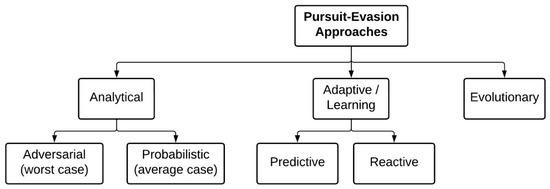
In studies of intelligent agents, the pursuit–evasion problem, commonly related to the predator–prey paradigm, has been used as a reference setting for examining decision-making, coordination, and adaptation in multi-agent systems. In this paper, pursuit and evasion strategies are reviewed from their theoretical foundations to the gradual incorporation of adaptive methods based on evolutionary algorithms and machine learning. Analytical formulations drawn from control theory, game theory, and graph-based models are considered together with learning-oriented methods, including multi-agent reinforcement learning, neuroevolution, evolutionary robotics, and competitive coevolution. The literature is arranged by methodological paradigm so that the scope, limitations, and applicability of each approach can be discussed in relation to dynamic and uncertain environments. Through this organization, classical models, algorithmic developments, and recent research trends are brought into the same discussion, while relevant gaps and possible future directions in pursuit–evasion research are identified. The contribution of this work is a structured synthesis in which analytical and adaptive perspectives are brought together within a unified reference for researchers and practitioners in robotics, artificial intelligence, and multi-agent systems.
Full article
(This article belongs to the Section AI in Robotics)
►▼
Show Figures

Figure 1
Open AccessArticle
ActivAsk: Free-Energy-Guided Clarification for Robotic Grasping Under Ambiguous Instructions
by
Haoandong Yang, Gabriel W. Haddon-Hill, Teresa Zielinska and Shingo Murata
Robotics 2026, 15(8), 154; https://doi.org/10.3390/robotics15080154 - 11 Aug 2026
Abstract
Service robots often receive natural language instructions in changing workspaces where multiple visible objects may match one description. Relying on detector confidence, random selection, or direct vision–language model (VLM) prediction can lead to a wrong action. This paper presents ActivAsk, a zero-shot framework
[...] Read more.
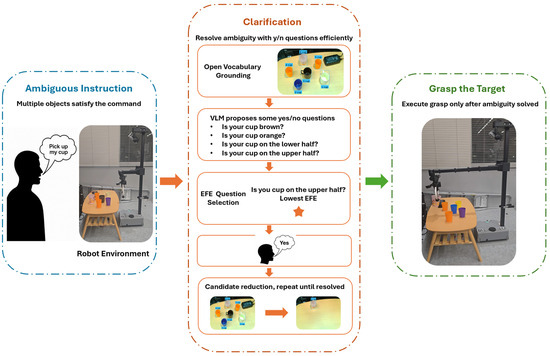
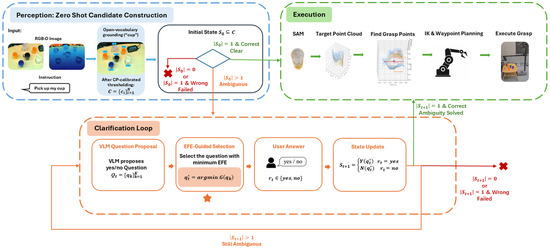
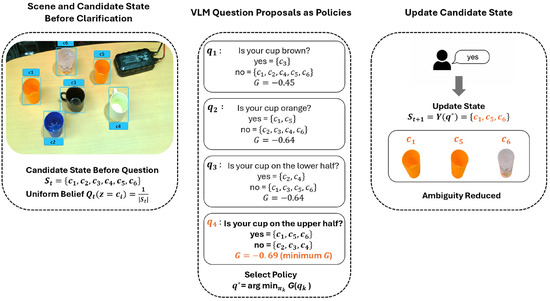
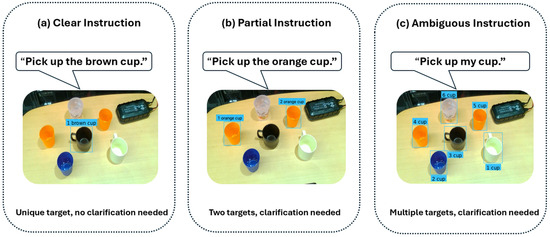
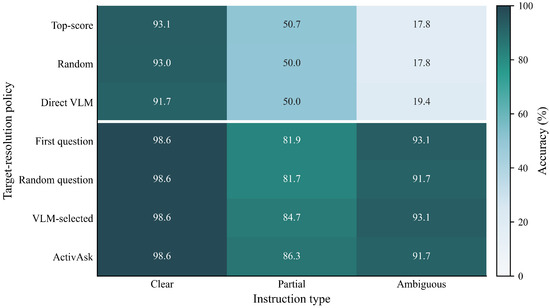
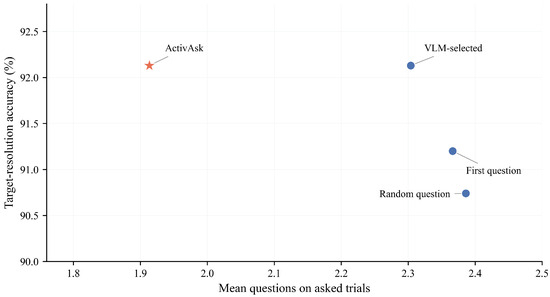
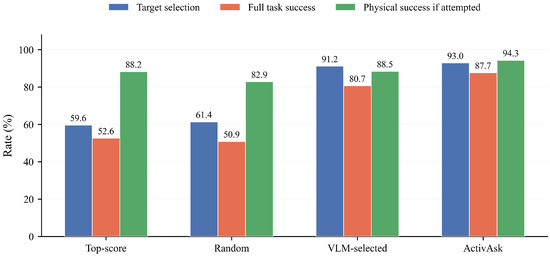
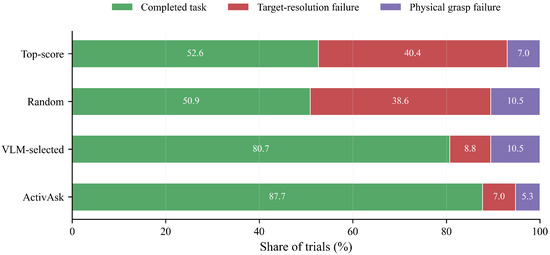
Service robots often receive natural language instructions in changing workspaces where multiple visible objects may match one description. Relying on detector confidence, random selection, or direct vision–language model (VLM) prediction can lead to a wrong action. This paper presents ActivAsk, a zero-shot framework for resolving referential ambiguity before robotic grasping. ActivAsk constructs open-vocabulary candidates from red-green-blue-depth (RGB-D) input, asks candidate-grounded yes/no questions when needed, updates the candidate state from the user’s answer, and grasps after target resolution. It selects among VLM-proposed candidate partitions using an expected free energy (EFE) criterion motivated by active inference; with neutral response preferences, this reduces to information gain over candidate partitions. Offline experiments showed that interactive clarification improved target accuracy from about 53–54% for noninteractive baselines to about 90–92%. ActivAsk matched the best interactive accuracy (92.13%) while asking 15.47–19.71% fewer questions on asked trials and 21.43–23.88% fewer for ambiguous instructions. In online real robot experiments, ActivAsk achieved 92.98% target selection accuracy and 87.72% full correct object grasp success; unresolved or wrong targets were not physically executed after operator-controlled verification and were counted as task failures.
Full article
(This article belongs to the Special Issue AI-Powered Robotic Systems: Learning, Perception and Decision-Making)
►▼
Show Figures

Figure 1
Open AccessArticle
Contact-Aware Predictive Control of a Logarithmic-Spiral Soft Gripper: A Control-Oriented Reduced-Order Numerical Study
by
Daniel Sanin-Villa, Vanessa Botero-Gómez and Adrián Felipe Martínez Pérez
Robotics 2026, 15(8), 153; https://doi.org/10.3390/robotics15080153 - 11 Aug 2026
Abstract
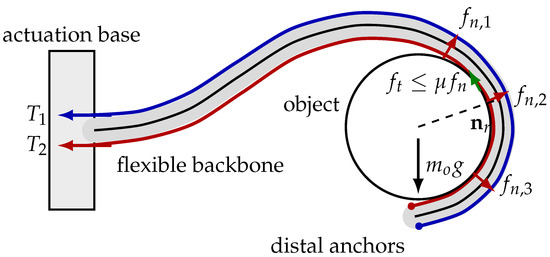
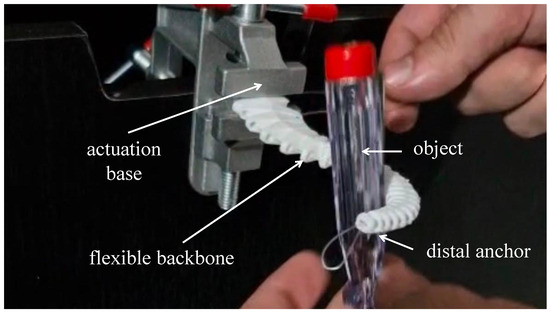
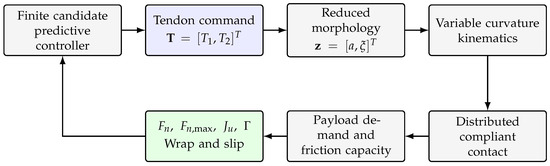
Logarithmic-spiral soft grippers couple tendon actuation, variable-curvature morphology, distributed contact, and frictional load support. This study evaluates a finite-candidate predictive force-shape (PFS) controller within a control-oriented reduced-order surrogate of a two-tendon gripper. PFS is compared with open-loop, fixed-tension, position-only, and hybrid force-shape controllers
[...] Read more.
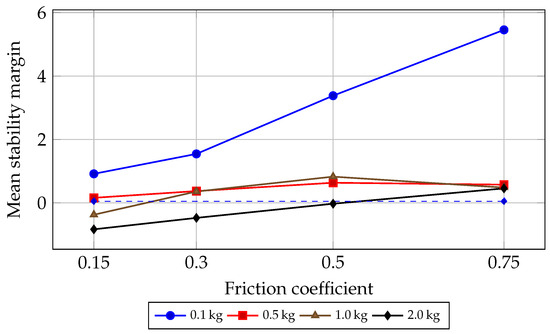
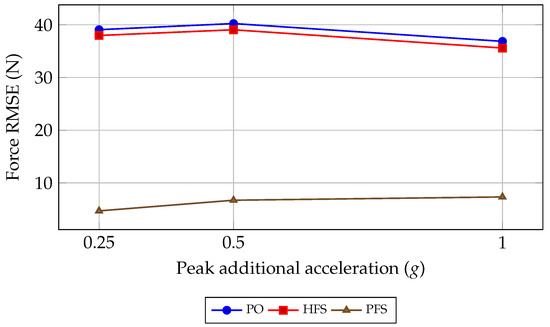
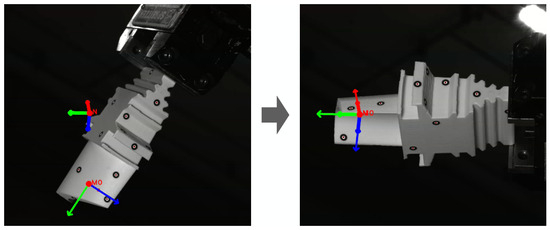
Logarithmic-spiral soft grippers couple tendon actuation, variable-curvature morphology, distributed contact, and frictional load support. This study evaluates a finite-candidate predictive force-shape (PFS) controller within a control-oriented reduced-order surrogate of a two-tendon gripper. PFS is compared with open-loop, fixed-tension, position-only, and hybrid force-shape controllers across multiple object geometries, simultaneous uncertainty, payload-friction conditions, transient loads, ablations, and parameter variations. In the nominal study, PFS produced a mean force RMSE of 7.26 N and a mean peak local force of 8.07 N, while the comparison implementations produced force RMSE values from N to N and peak forces near N. This behavior involved a geometric tradeoff: PFS position RMSE was m, compared with m for PO and m for HFS. The remaining numerical studies characterize how this tradeoff changes inside the surrogate. A matched higher-resolution verification at preserved the principal force–position tradeoff: PFS yielded a mean force RMSE of N and peak local force of N, while PO and HFS retained lower position RMSE. Because the morphology and contact relations are phenomenological, the results are interpreted as reproducible numerical evidence rather than experimental validation or proof of physical superiority.
Full article
(This article belongs to the Section Soft Robotics)
►▼
Show Figures

Figure 1
Open AccessSystematic Review
Socially Assistive Robots for Cognitive Assessment and Training in Older Adults: A Systematic Review
by
Muhammad Zubair, Christian Tamantini, Riccardo De Benedictis, Francesca Fracasso, Alessandro Umbrico, Gloria Beraldo, Andrea Orlandini and Gabriella Cortellessa
Robotics 2026, 15(8), 152; https://doi.org/10.3390/robotics15080152 - 11 Aug 2026
Abstract
Cognitive assessment and training are fundamental tools for supporting healthy aging and monitoring cognitive decline in older adults. Socially assistive robots are being investigated in this context because of their potential to provide multimodal, engaging, and personalized interactions during cognitive interventions. However, current
[...] Read more.
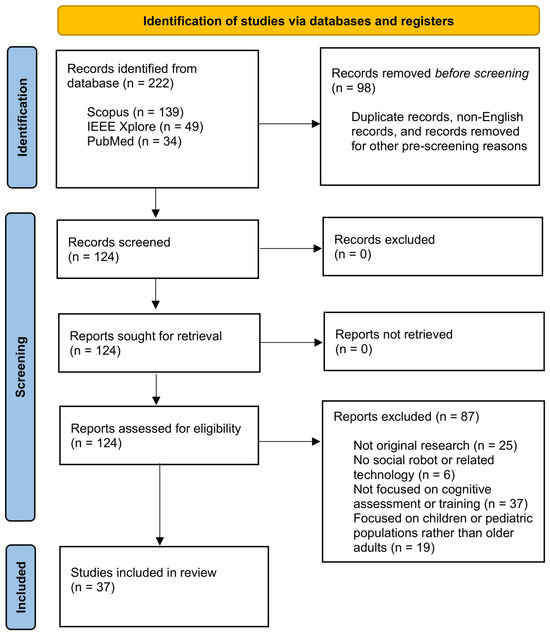
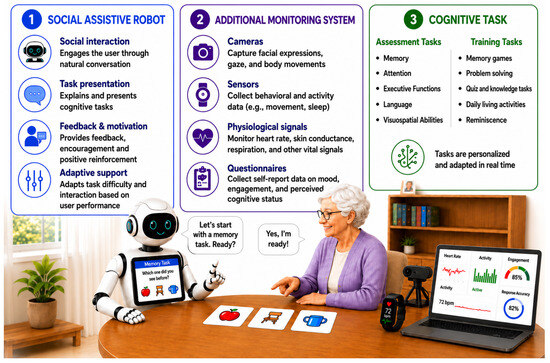
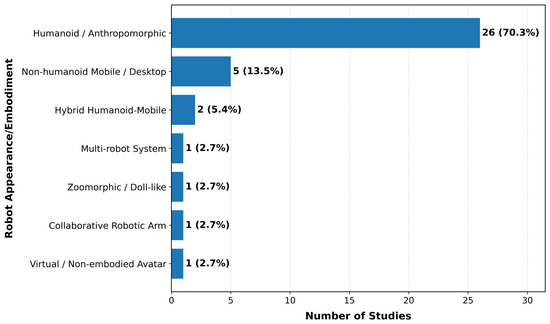
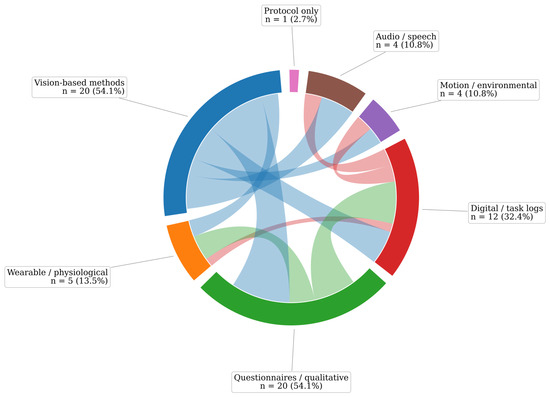
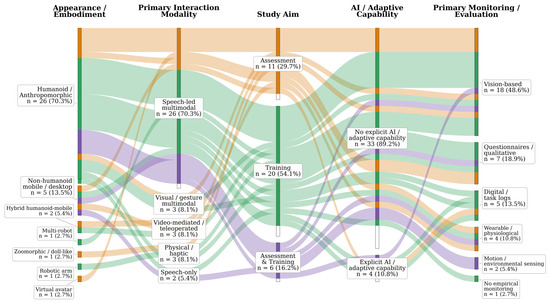
Cognitive assessment and training are fundamental tools for supporting healthy aging and monitoring cognitive decline in older adults. Socially assistive robots are being investigated in this context because of their potential to provide multimodal, engaging, and personalized interactions during cognitive interventions. However, current evidence remains fragmented regarding the robotic embodiments, interaction strategies, and monitoring approaches used for cognitive assessment and training, as well as their ability to produce robust and long-term clinical benefits. To address this gap, this systematic review analyzes 37 studies identified through searches of Scopus, PubMed, and IEEE Xplore, following a PRISMA-based methodology. The review examines the main technological and methodological characteristics of the proposed systems, including robot embodiment, interaction capabilities, cognitive intervention paradigms, and the integration of multimodal monitoring technologies. The results highlight the predominance of humanoid robots and multimodal interaction strategies, together with an emerging use of adaptive and AI-based approaches. However, the available evidence is characterized by methodological heterogeneity, limited longitudinal validation, and a lack of standardized and ecologically valid evaluation protocols. Although the reviewed studies report encouraging findings concerning feasibility, engagement, acceptance, and preliminary cognitive outcomes, the evidence remains insufficient to identify the most effective robotic embodiment or confirm long-term clinical benefits. Larger comparative and longitudinal studies are therefore required.
Full article
(This article belongs to the Special Issue From Research to Healthcare: Translational Advances in Robotic Rehabilitation, Assistance, and Prosthetics)
►▼
Show Figures

Figure 1
Open AccessArticle
Third-Person Views and Enhanced Visual Feedback for Precision Telemanipulation: A Human-Centred Operator Study
by
Advay Kumar, Yuyang Ji, Pamela Carreno-Medrano and Akansel Cosgun
Robotics 2026, 15(8), 151; https://doi.org/10.3390/robotics15080151 - 10 Aug 2026
Abstract
Remote teleoperation interfaces for precision manipulation should support operator awareness and usability while preserving human control, consistent with the human-centred goals of Industry 5.0. This study conducted a within-subject user evaluation with 18 participants using a UR5 arm. Three interface conditions were compared:
[...] Read more.
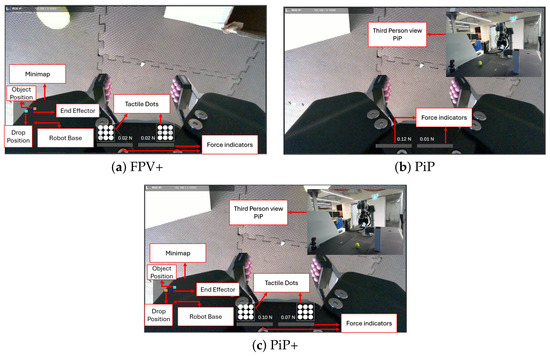
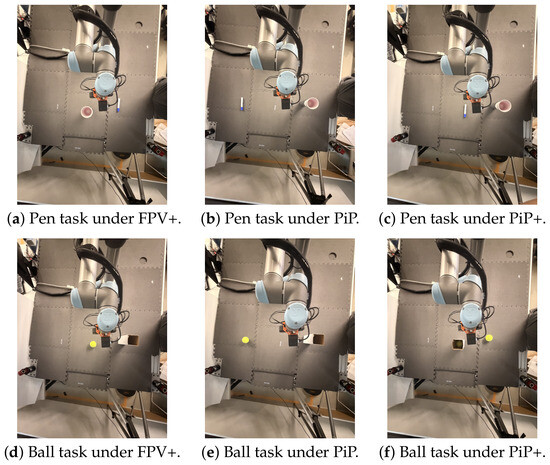
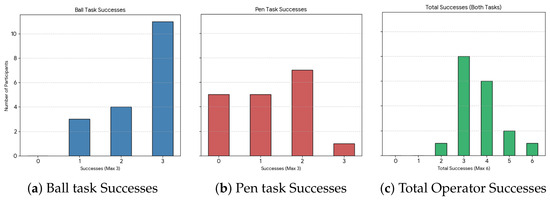
Remote teleoperation interfaces for precision manipulation should support operator awareness and usability while preserving human control, consistent with the human-centred goals of Industry 5.0. This study conducted a within-subject user evaluation with 18 participants using a UR5 arm. Three interface conditions were compared: an enhanced first-person interface with visual overlays (FPV+), a multi-view interface combining first-person and third-person views (PiP), and a multi-view interface with enhanced visual overlays (PiP+). Participants completed a ball task and a pen insertion task in pseudo-randomised order. Binary task success was analysed using generalised linear mixed-effects models, while System Usability Scale scores were analysed using a linear mixed-effects model. Neither adding a third-person view to the enhanced first-person interface nor adding the minimap and tactile-dot overlays to the multi-view interface was significantly associated with task success. A post hoc sensitivity analysis showed that these binary-success comparisons were sensitive only to large effects, so they are interpreted as inconclusive rather than as evidence of absence. Success was significantly lower for the pen task, and its relationship with prior human–robot interaction experience differed from that observed for the ball task. Adding a third-person view was associated with an approximately 16-point higher System Usability Scale score, whereas the minimap and tactile-dot overlays were not significantly associated with usability. These findings illustrate a human-centred evaluation principle relevant to Industry 5.0: an interface feature can improve the operator’s experience of a teleoperation system even when no corresponding change in objective task success is detectable, revealing a benefit that a performance-only evaluation might overlook.
Full article
(This article belongs to the Special Issue Human–Robot Collaboration in Industry 5.0)
►▼
Show Figures

Figure 1
Open AccessArticle
Collision Avoidance with Deep Learning in a Digital Twin for Industrial Collaborative Robot Manipulation
by
Tuan-Khanh Nguyen, The-Thinh Pham and Chi-Cuong Tran
Robotics 2026, 15(8), 150; https://doi.org/10.3390/robotics15080150 - 6 Aug 2026
Abstract
Safe human–robot collaboration remains a critical challenge in manufacturing. Traditional safety approaches, such as cages and proximity sensors, are often insufficient for dynamic human interaction. This paper presents a digital twin-based collision avoidance framework for industrial collaborative robot manipulation. The system integrates RGB-D
[...] Read more.
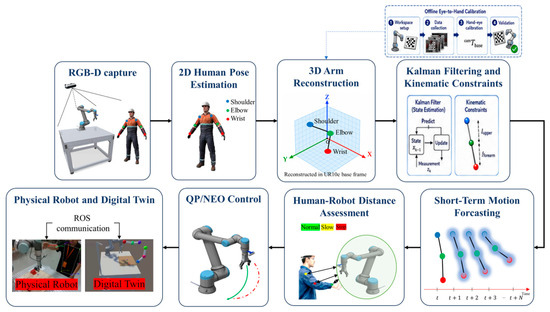
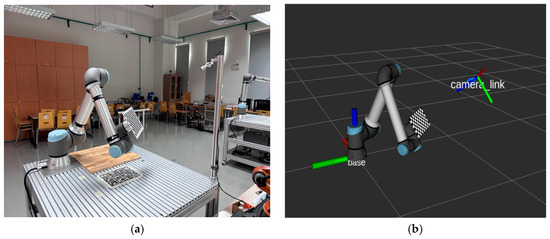
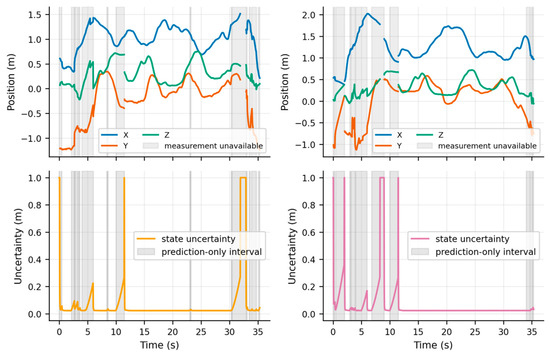
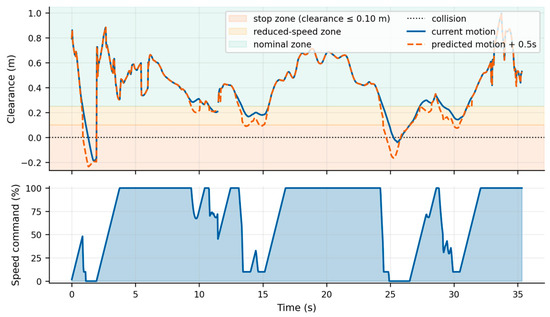
Safe human–robot collaboration remains a critical challenge in manufacturing. Traditional safety approaches, such as cages and proximity sensors, are often insufficient for dynamic human interaction. This paper presents a digital twin-based collision avoidance framework for industrial collaborative robot manipulation. The system integrates RGB-D sensing, human pose estimation using Ultralytics YOLO26s-pose, Kalman-filter-based 3D arm tracking, short-term motion prediction, and QP-based reactive motion control. Human arm keypoints detected from RGB-D images are reconstructed in 3D, transformed into the robot base frame, and tracked during temporary occlusion using Kalman filtering with kinematic constraints. Predicted human–robot clearance is evaluated to trigger speed reduction, stopping, or collision avoidance commands. The framework was implemented with a UR10e robot, an Intel RealSense D435 camera, a Unity3D digital twin, and ROS communication. Controlled laboratory experiments demonstrated the proof-of-concept feasibility of the integrated framework for tracking human arm motion, anticipating proximity risk, and triggering protective robot responses. The results do not establish deployment readiness in complex industrial or multi-participant environments.
Full article
(This article belongs to the Section Industrial Robots and Automation)
►▼
Show Figures

Figure 1
Open AccessArticle
Immersive Teleoperation of Adaptive Mobile Robots: Evaluating Human Factors and Network Resilience in Mixed Reality
by
Alikhan Khamidulla, Gourav Devappa Moger and Huseyin Atakan Varol
Robotics 2026, 15(8), 149; https://doi.org/10.3390/robotics15080149 - 6 Aug 2026
Abstract
Efficient robotic teleoperation for industrial inspection requires interfaces that maximize intuitive control and situational awareness. While traditional mixed reality (MR) systems offer alternatives, standard controller-based methods lack environment customization and demand external peripheral hardware. This study introduces a peripheral-hardware-free, customizable 3D spatial virtual
[...] Read more.
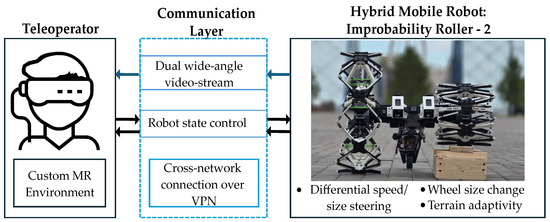
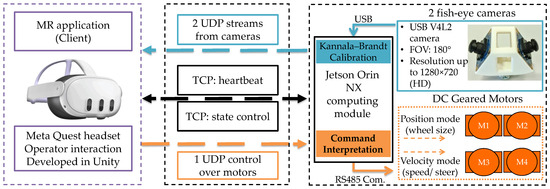
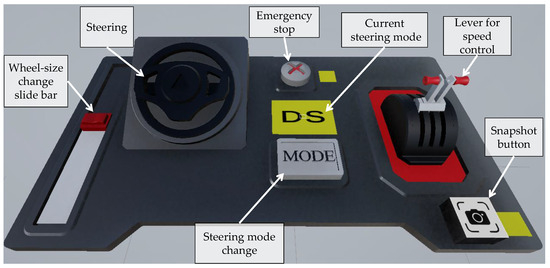
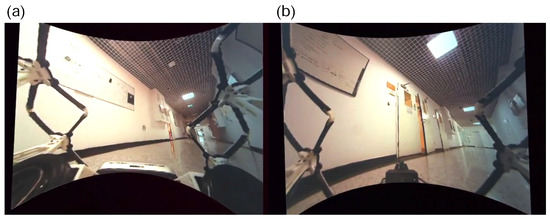
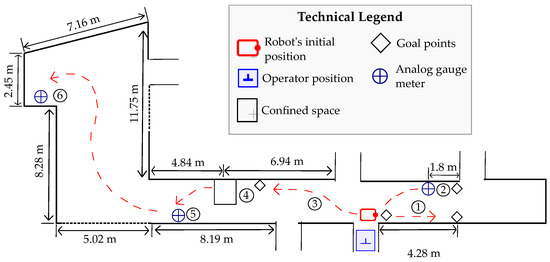
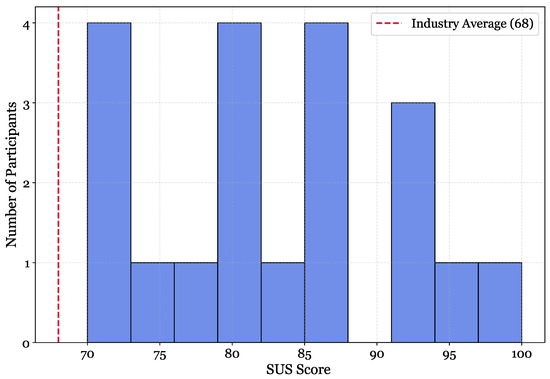
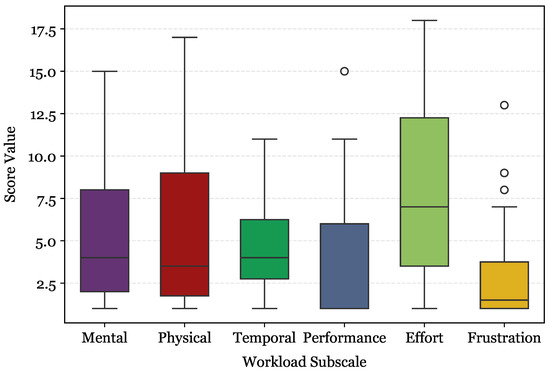
Efficient robotic teleoperation for industrial inspection requires interfaces that maximize intuitive control and situational awareness. While traditional mixed reality (MR) systems offer alternatives, standard controller-based methods lack environment customization and demand external peripheral hardware. This study introduces a peripheral-hardware-free, customizable 3D spatial virtual cockpit application deployed on a Meta Quest 3 headset for long-distance, non-line-of-sight teleoperation of the Improbability Roller-2, a mobile robotic platform that dynamically adjusts its wheel geometry to traverse varied terrain over a Virtual Private Network (VPN). The system’s novel spatial cockpit architecture allows operators to scale multi-channel parameters dynamically without relying on physical hardware controllers. The framework was evaluated using transmission-quality benchmarks, an active industrial machine shop deployment, and a 20-participant user study assessing usability and cognitive load. Experimental results yielded a mean System Usability Scale (SUS) score of 82.75, corresponding to an excellent usability rating, and a low mean operator workload, with a NASA Task Load Index (NASA-TLX) score of 5.19 out of 21. Participants also rated the workspace customization feature positively, assigning it a rating of 4.6 out of 5. In terms of communication performance, the system successfully completed all inspection tasks even under severely degraded VPN conditions. These findings demonstrate that the proposed customizable 3D spatial interface provides a robust, scalable alternative to traditional controller-based setups for long-distance remote robotic inspection in real-world industrial settings.
Full article
(This article belongs to the Topic Intelligent Systems and Immersive Technologies for Human–Machine Interaction and Collaboration)
►▼
Show Figures

Figure 1
Open AccessArticle
A Comprehensive Comparative Study of State-of-the-Art Path-Planning Algorithms for Autonomous Robots
by
Prathyusha Vinukonda and Vazhora Malayil Manikandan
Robotics 2026, 15(8), 148; https://doi.org/10.3390/robotics15080148 - 5 Aug 2026
Abstract
The problem of path planning is one of the most crucial and challenging issues in the fields of intelligent systems and autonomous robotics. A robot’s ability to move quickly and easily from a starting position to a goal position without hitting anything is
[...] Read more.
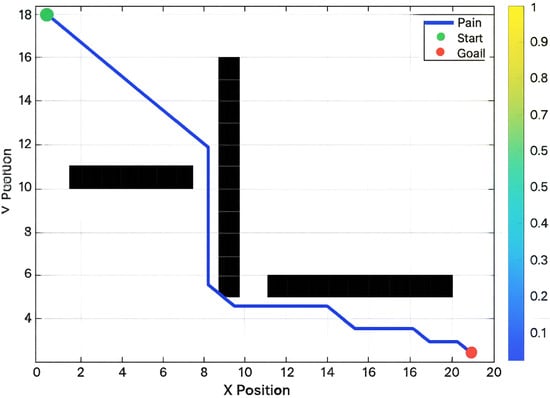
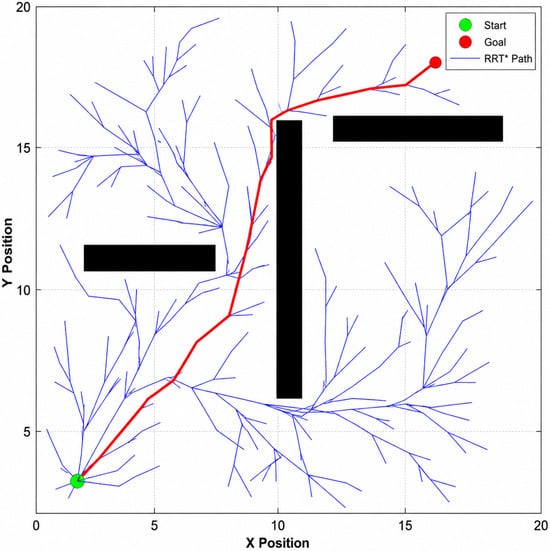
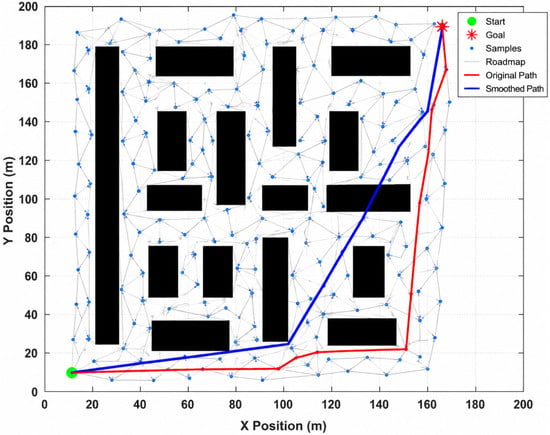
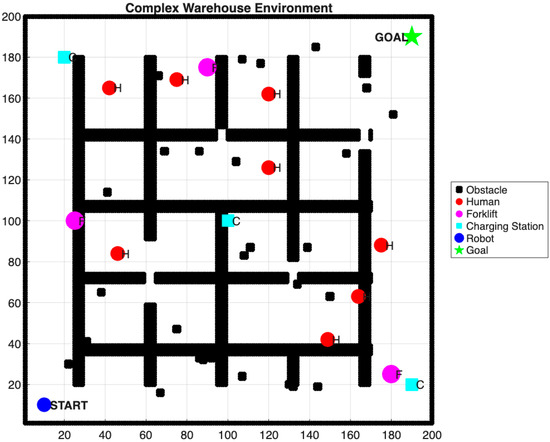
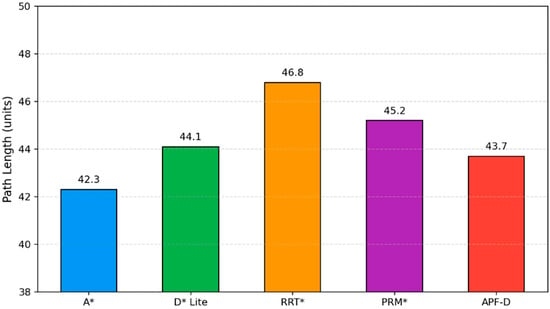
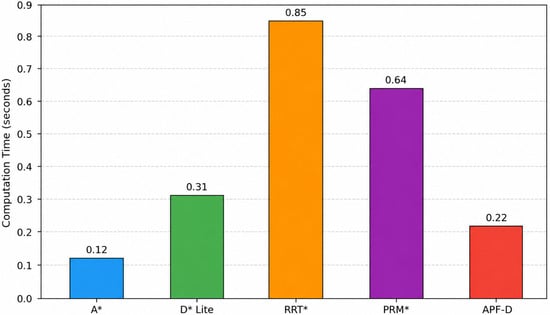
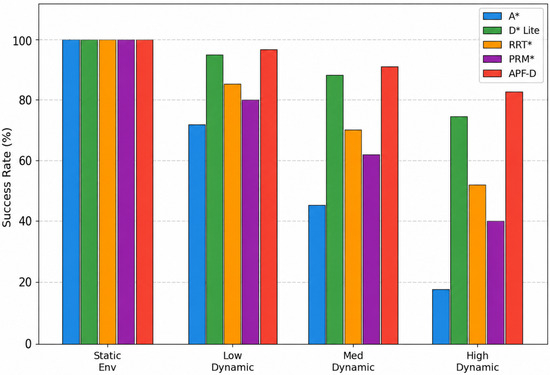
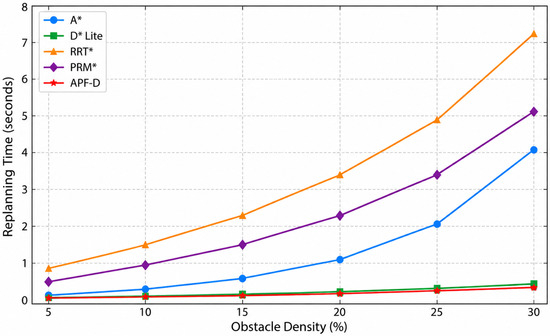
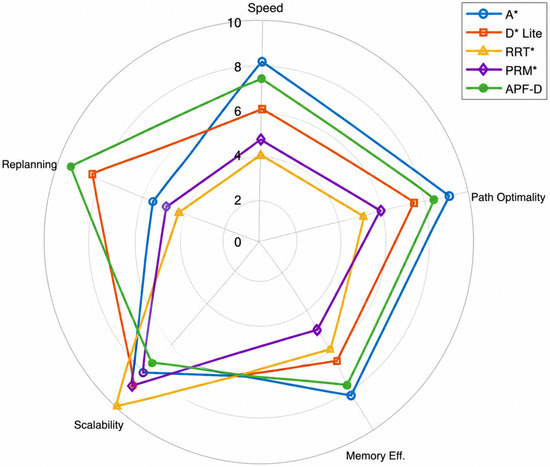
The problem of path planning is one of the most crucial and challenging issues in the fields of intelligent systems and autonomous robotics. A robot’s ability to move quickly and easily from a starting position to a goal position without hitting anything is directly related to how useful the robot is in real life. This paper compares five advanced path-planning algorithms: A* (A-Star), D* Lite (Dynamic A-Star Lite), RRT* (Rapidly exploring Random Tree Star), PRM* (Probabilistic Roadmap Star), and APF-D (Adaptive Potential Field with Dynamic Awareness). The paper addresses the difficult problem in dynamic environments where objects enter, exit, and move around continuously within the robot environment, as it moves through the environment, which is becoming more prevalent in the real world, such as in warehouses, hospitals, and urban and outdoor environments. Six performance measures, namely path length, computation time, memory, optimality ratio, success rate, and replanning latency, are used to test our five algorithms on a standard simulator in Matlab. Experiments are conducted in four different conditions, from very quiet to very dynamic, with a high number of obstacles. Results indicate that A* fails to perform well in dynamic environments and performs nearly optimally in static environments, while APF-D and D* Lite adapt to changes in the environment much better. An experimental study was carried out by 50 independent simulations in static and dynamic environments, where in each simulation, the hybrid solution was evaluated. The APF-D algorithm showed a success rate of 92.8% in highly dynamic environments, which is better than that of A* (58.8%), RRT* (76.8%), and PRM* (70.5%), whereas the success rate of D* Lite was found to be 89.3%. Additionally, APF-D decreased the average time taken for replanning by around 25% in comparison to other graph-based algorithms.
Full article
(This article belongs to the Topic Bio-Inspired, Biomedical, Surgical, Social and AI-Integrated Bio-Mechanical Robotics)
►▼
Show Figures

Figure 1
Open AccessReview
Reinforcement Learning for Diffusion Policies in Robotics: A Survey and State-Based Locomotion Reproduction
by
Shihan Sun and Yinlong Liu
Robotics 2026, 15(8), 147; https://doi.org/10.3390/robotics15080147 - 4 Aug 2026
Abstract
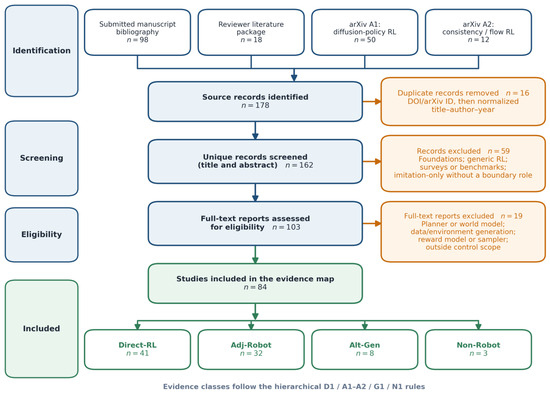
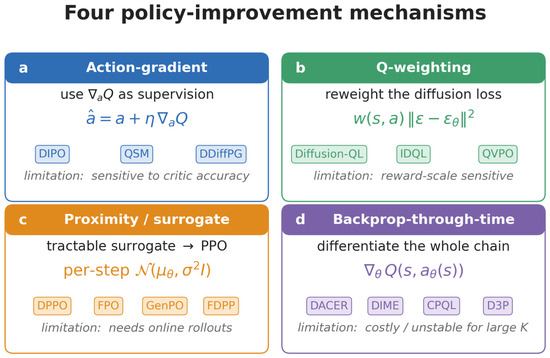
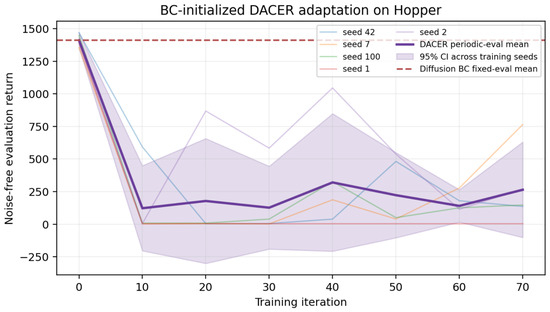
Diffusion policies model multimodal robot action sequences, but behavioral cloning does not directly optimize task return. We present a structured scoping review of reinforcement learning for generative robot policies and a bounded state-based locomotion reproduction. Four documented routes yielded 178 records, 162 unique
[...] Read more.
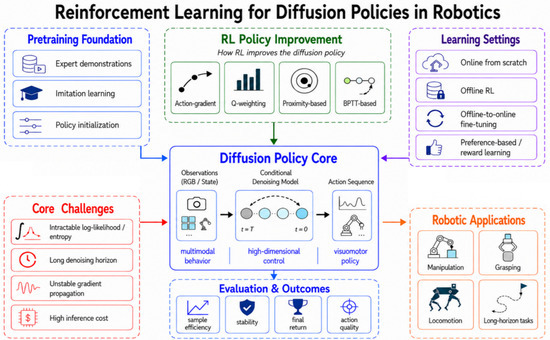
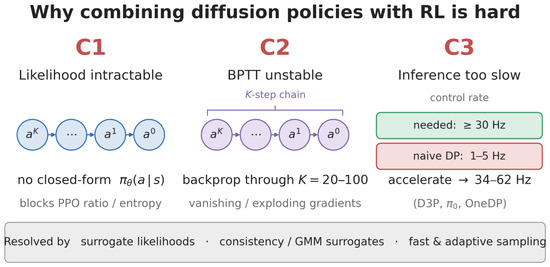
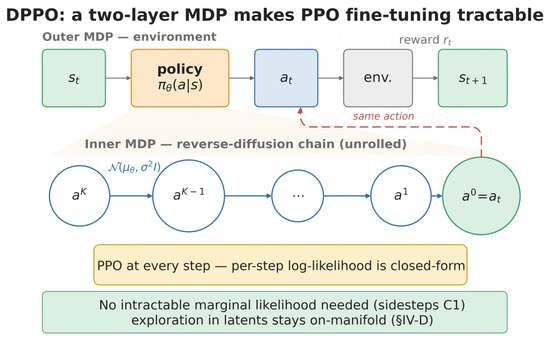
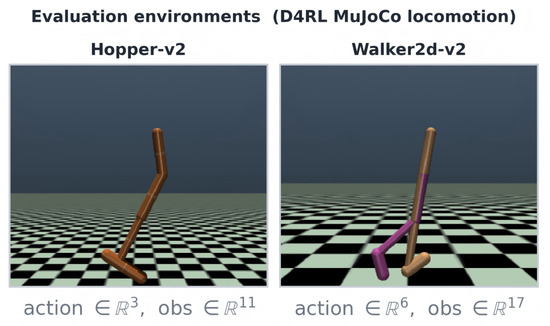
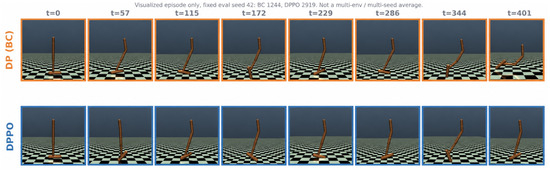
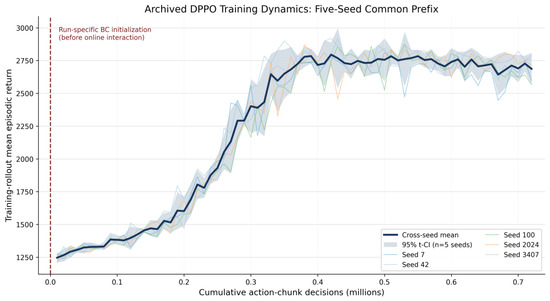
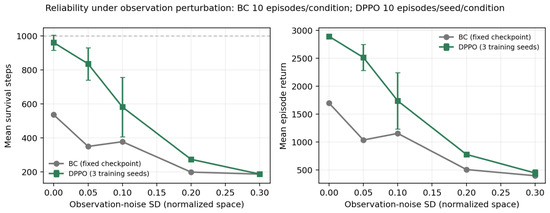
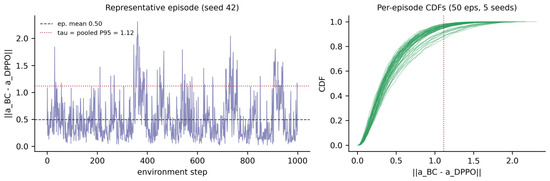
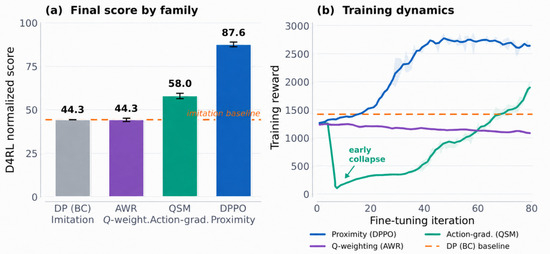
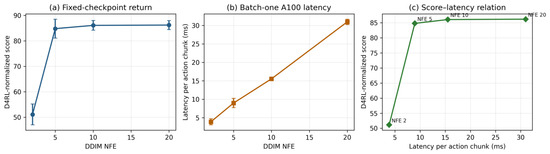
Diffusion policies model multimodal robot action sequences, but behavioral cloning does not directly optimize task return. We present a structured scoping review of reinforcement learning for generative robot policies and a bounded state-based locomotion reproduction. Four documented routes yielded 178 records, 162 unique candidates, and an 84-study evidence map. Hierarchical rules distinguish 41 direct reward-driven studies from 32 adjacent robotic, eight alternative-generator, and three non-robotic studies; a five-axis taxonomy codes initialization/data, interaction regime, optimized object, credit assignment, and generator. Under a fixed-final evaluation protocol on the Datasets for Deep Data-Driven Reinforcement Learning (D4RL) 1.1 Hopper benchmark, five diffusion policy policy optimization (DPPO) fine-tuning seeds improved over their run-recorded behavior-cloning initializations by a mean of 1261.2 return, with a seed-level standard deviation of 125.5 and a 95% confidence interval of 1105.3–1417.1; the five runs link to two recorded behavior-cloning checkpoints. A Gaussian-policy control also improved after proximal policy optimization, so the gain was not diffusion-specific. A full-chain backpropagation adaptation exhibited clear seed-dependent variation, a matched action-divergence intervention did not establish causal critical timesteps, and reducing denoiser evaluations from 20 to 2 lowered A100 latency from 30.97 to 3.85 ms while substantially reducing normalized score. The experiments are limited to state-based locomotion and do not validate visual manipulation.
Full article
(This article belongs to the Section AI in Robotics)
►▼
Show Figures

Figure 1
Open AccessReview
Mechanical Design Strategies of Dexterous Robotic Hands for Enhanced Precision Grasping: A Review
by
Quang Tuan Nguyen, Van Linh Tran, Van Sang Huynh, Hung Le Nguyen and Kyoung Kwan Ahn
Robotics 2026, 15(8), 146; https://doi.org/10.3390/robotics15080146 - 30 Jul 2026
Abstract
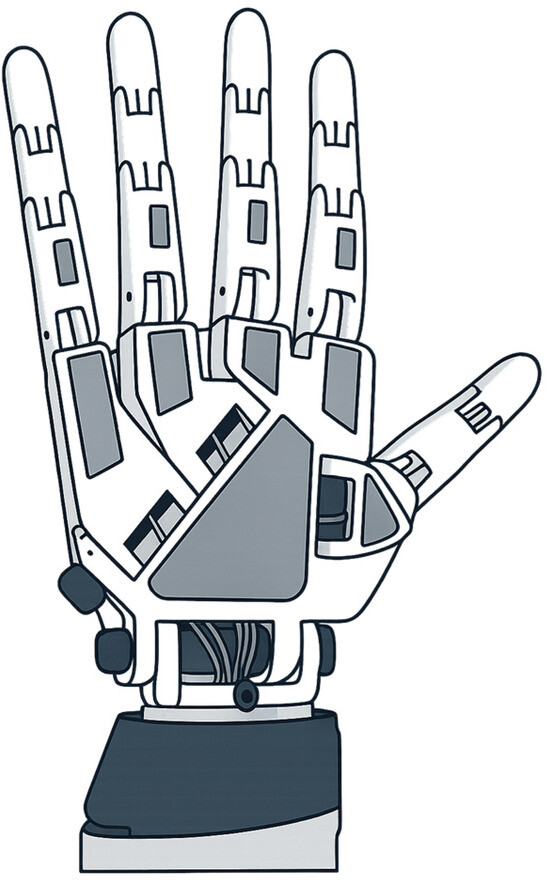
Precision grasping is a fundamental capability for dexterous robotic manipulation, enabling robots to handle small objects, perform delicate tasks, and interact safely with complex environments. However, achieving stable and accurate fingertip control remains challenging due to mechanical complexity, actuation limitations, and sensing constraints.
[...] Read more.
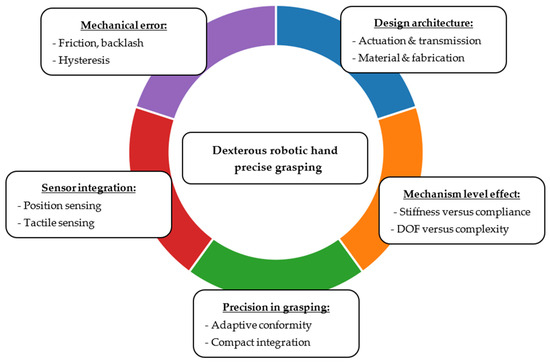
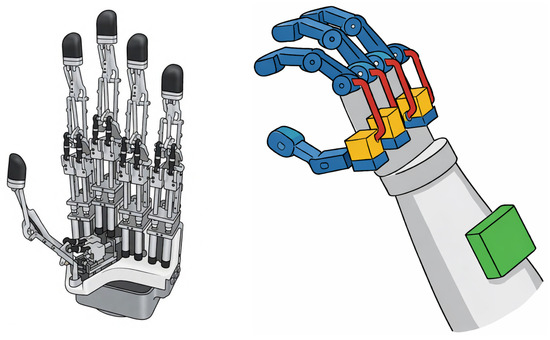
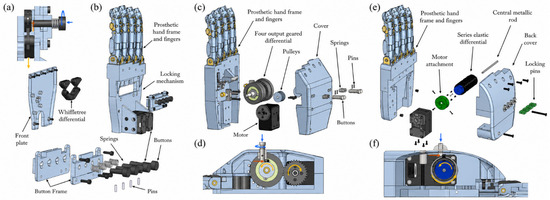
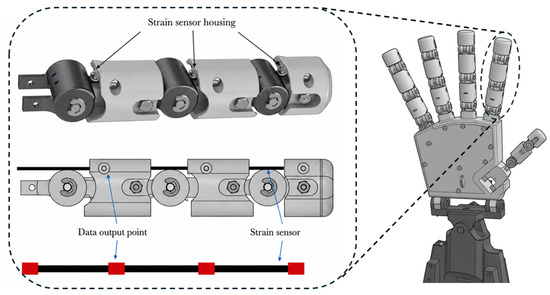
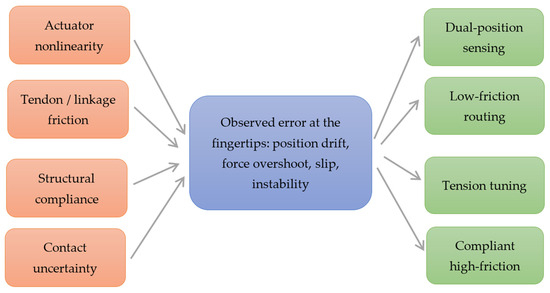
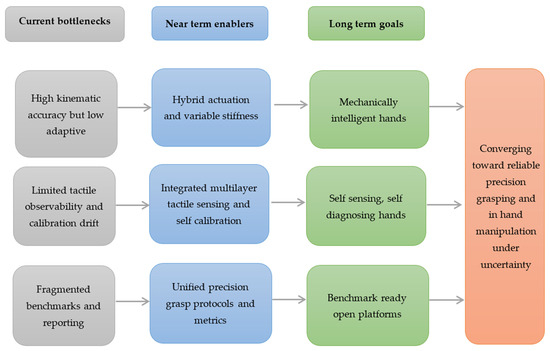
Precision grasping is a fundamental capability for dexterous robotic manipulation, enabling robots to handle small objects, perform delicate tasks, and interact safely with complex environments. However, achieving stable and accurate fingertip control remains challenging due to mechanical complexity, actuation limitations, and sensing constraints. This paper presents a comprehensive review of robotic hand designs from the perspective of precision grasping. The review analyzes key aspects of mechanical architecture, including finger kinematic structures, actuation and transmission systems, structural materials and fabrication methods, mechanical intelligence, and control-oriented mechanical design. Different design strategies such as fully actuated fingers, underactuated mechanisms, tendon-driven systems, linkage-based architectures, and soft robotic structures are compared in terms of dexterity, adaptability, accuracy, and system complexity. The analysis highlights several important trends, including the transition toward compliant and bio-inspired mechanisms, the integration of lightweight materials and additive manufacturing, and the increasing role of sensor–structure integration for precise force and position control. Despite significant progress, challenges such as friction, hysteresis, transmission compliance, and limited integration space still affect grasping accuracy and reliability. Based on the reviewed literature, future research should focus on hybrid actuation strategies, bio-inspired structural design, graded material architectures with structurally integrated sensing, and modular platforms to improve precision manipulation and system robustness in next-generation robotic hands.
Full article
(This article belongs to the Section Humanoid and Human Robotics)
►▼
Show Figures

Figure 1
Open AccessArticle
Real-Time Temporally Consistent Monocular 6D UAV Pose Estimation for Onboard Aerial Perception
by
Mohammad Al Qaderi, Mohammad Hayajneh, Alaa Alghazo and Mutaz Ryalat
Robotics 2026, 15(8), 145; https://doi.org/10.3390/robotics15080145 - 30 Jul 2026
Abstract
The precision of 6D pose estimation is crucial for autonomous UAV perception, tracking, and navigation. Recent monocular pose estimation methods have shown encouraging results, but they are based on individual frames and do not fully utilize the temporal continuity in video sequences. As
[...] Read more.
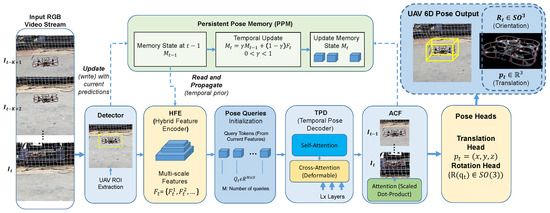
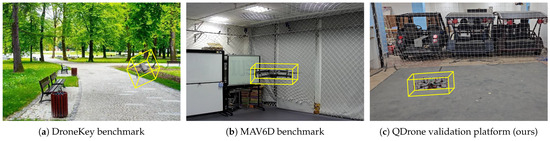
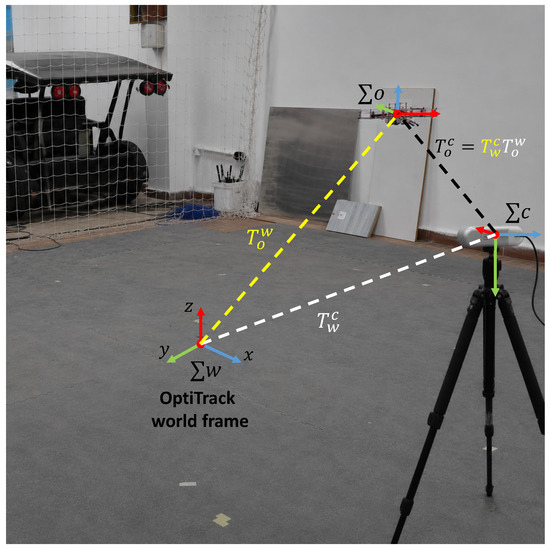
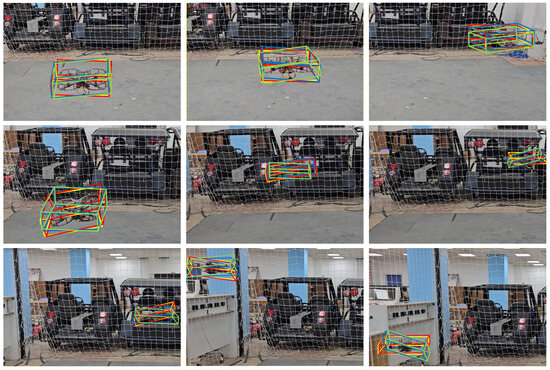
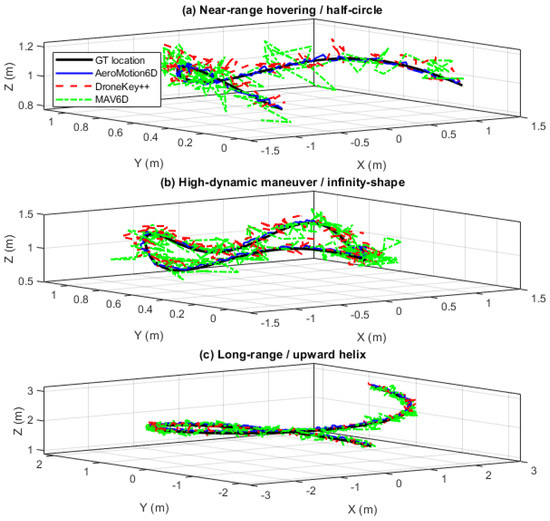
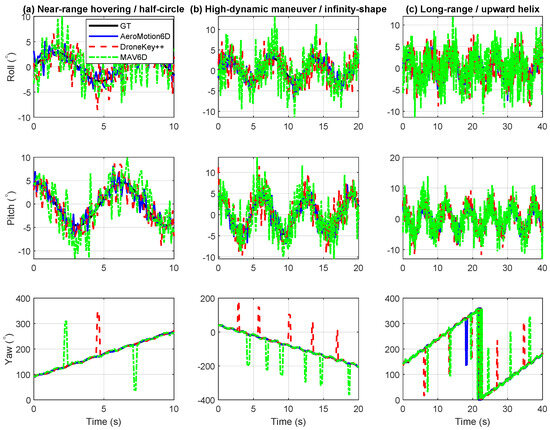
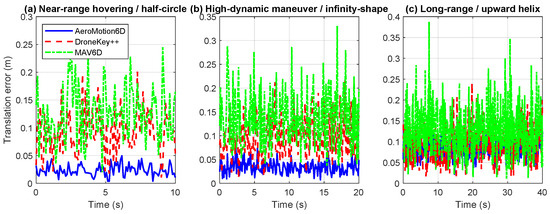
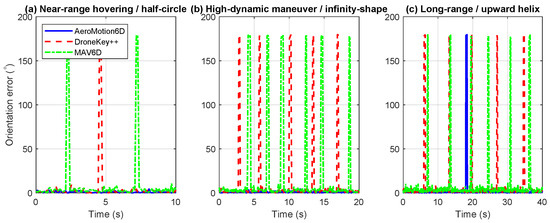
The precision of 6D pose estimation is crucial for autonomous UAV perception, tracking, and navigation. Recent monocular pose estimation methods have shown encouraging results, but they are based on individual frames and do not fully utilize the temporal continuity in video sequences. As a result, even though pose estimation can be performed in a monocular manner, it can suffer from temporal jitter, unstable trajectories, and orientation ambiguity in fast motion, partial occlusions and challenging perspectives. To address these problems, AeroMotion6D is proposed, a temporal transformer-based framework for monocular UAV 6D pose estimation from RGB video. The suggested framework consists of an adaptive context fusion (ACF) mechanism that can incorporate past context information into the current estimation process and a persistent pose memory (PPM) module that can convey pose-related information in two consecutive frames. A symmetry-aware learning strategy is created to resolve orientation ambiguities in partially symmetric UAVs, and a motion-aware learning objective is created to promote pose evolution over time. AeroMotion6D continuously outperforms representative state-of-the-art techniques, according to experimental evaluations on public benchmarks; it achieves a mean absolute rotation error ( ) of and a translation of m on the DroneKey benchmark, and an average precision ( ) of with a strict cm success rate of on the MAV6D benchmark. Furthermore, real-world validation on a physical Quanser QDrone platform confirms high robustness and practical applicability, yielding an average rotation error of , an average translation error of m, and a cm success rate of . Embedded implementation experiments using an NVIDIA Jetson Orin NX with TensorRT FP16 optimization achieve real-time operation at approximately 17 FPS with an end-to-end latency of ∼58 ms per frame, demonstrating the practical onboard applicability of the proposed framework.
Full article
(This article belongs to the Section Aerospace Robotics and Autonomous Systems)
►▼
Show Figures

Figure 1
Open AccessArticle
CACTO-BIC: Scalable Actor–Critic Learning via Biased Sampling and GPU-Accelerated Trajectory Optimization
by
Elisa Alboni, Pietro Noah Crestaz, Elias Fontanari and Andrea Del Prete
Robotics 2026, 15(8), 144; https://doi.org/10.3390/robotics15080144 - 30 Jul 2026
Abstract
Trajectory Optimization (TO) and Reinforcement Learning (RL) offer complementary strengths for solving optimal control problems. TO efficiently computes locally optimal solutions but can struggle with non-convexity, while RL is more robust to non-convexity at the cost of significantly higher computational demands. The Continuous
[...] Read more.
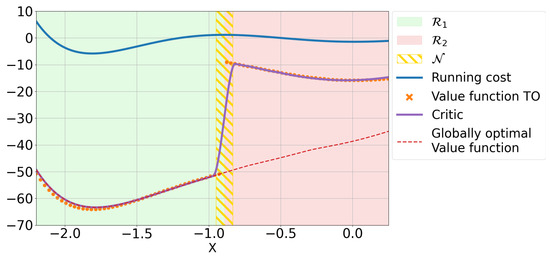
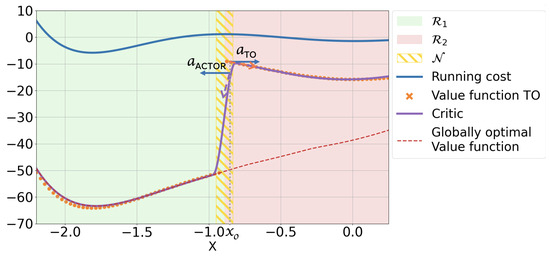
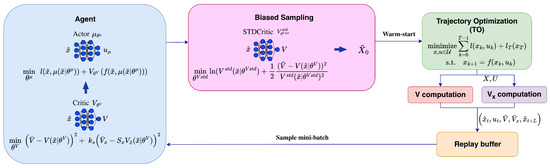
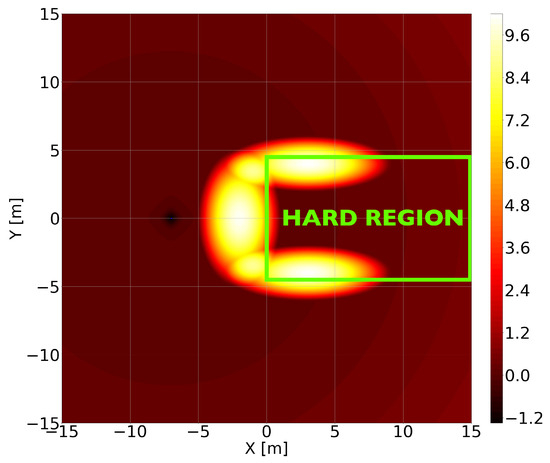
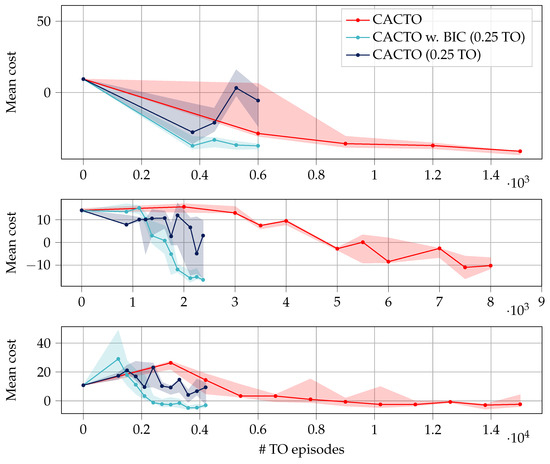
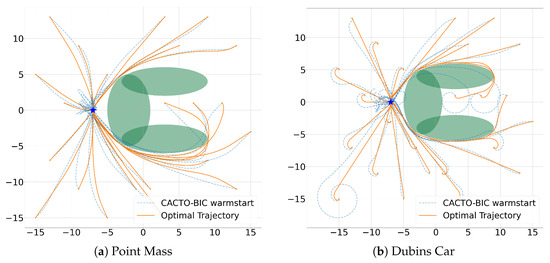
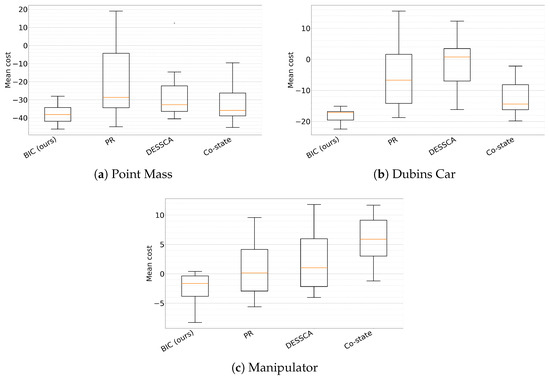
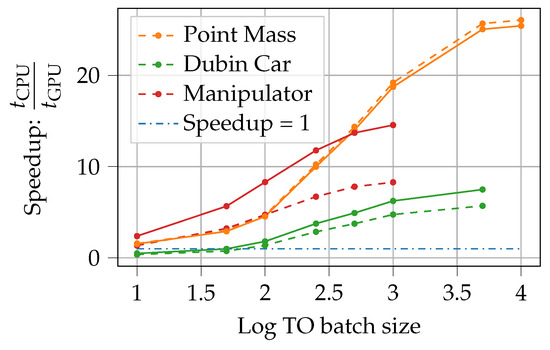
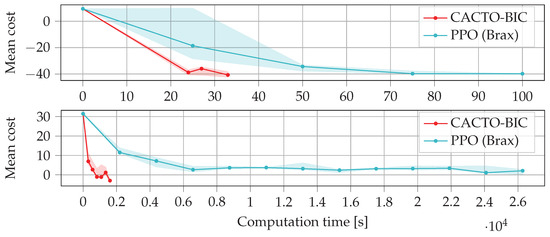
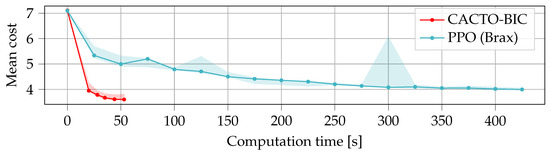
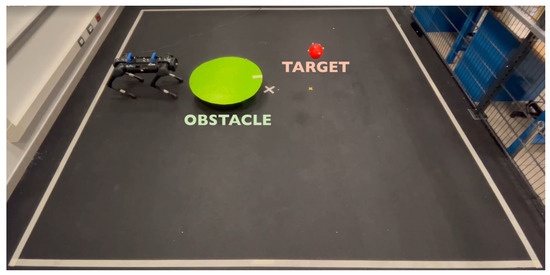
Trajectory Optimization (TO) and Reinforcement Learning (RL) offer complementary strengths for solving optimal control problems. TO efficiently computes locally optimal solutions but can struggle with non-convexity, while RL is more robust to non-convexity at the cost of significantly higher computational demands. The Continuous Actor–Critic with Trajectory Optimization (CACTO) algorithm was introduced to combine these advantages by learning a warm-start policy that guides the TO solver towards low-cost trajectories. However, scalability remains a key limitation, as increasing system complexity significantly raises the computational cost of TO. This work introduces CACTO with Biased Initial Conditions (CACTO-BIC) to address these challenges. CACTO-BIC improves data efficiency by biasing initial-state sampling leveraging a property of the value function associated with locally optimal policies; moreover, it reduces computation time by exploiting GPU acceleration. Empirical evaluations show improved sample efficiency and faster computation compared to CACTO. Comparisons with Proximal Policy Optimization (PPO) demonstrate that our approach can achieve similar solutions in less time. Finally, experiments on the AlienGO quadruped robot demonstrate that CACTO-BIC, deployed as a receding-horizon planner using a reduced 15D robot model, can scale to high-dimensional systems and is suitable for real-time applications.
Full article
(This article belongs to the Section Intelligent Robots and Mechatronics)
►▼
Show Figures

Figure 1
Open AccessArticle
A Belief-Driven Hybrid Reinforcement Learning Framework for Decentralized Multi-Robot Navigation Under Partial Observability
by
Vineetha Malathi, Pramod Sreedharan, Rthuraj Puthiyaveedu Rajesh, Vyshnavi Anil Kumar, Anil Lal Sadasivan, Ganesha Udupa and Liam Pastorelli
Robotics 2026, 15(8), 143; https://doi.org/10.3390/robotics15080143 - 28 Jul 2026
Abstract
Decentralized multi-robot navigation is difficult when robots must act from local observations without centralized coordination or explicit inter-robot communication. A belief-driven hybrid reinforcement learning framework is evaluated for planar multi-robot navigation under partial observability. Each robot builds a compact local state from its
[...] Read more.
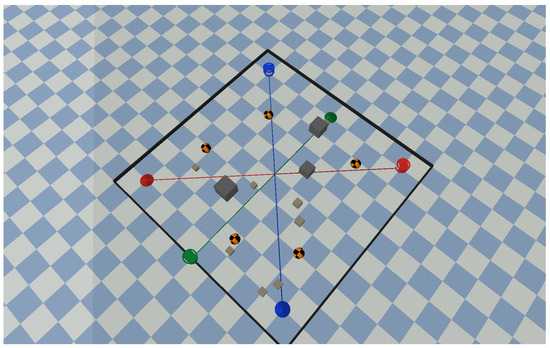
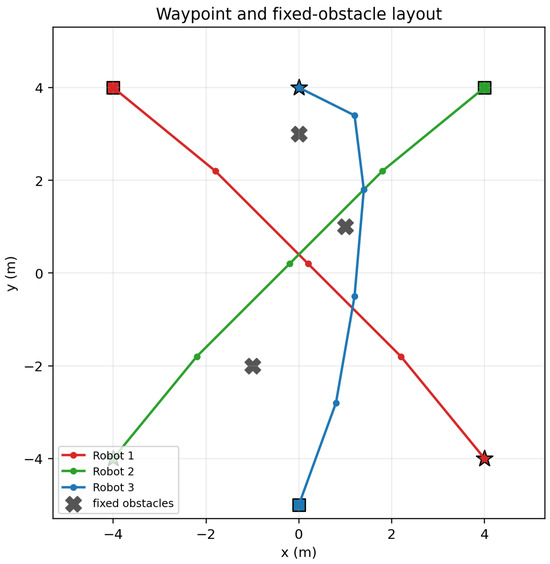
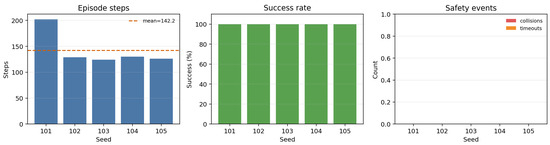
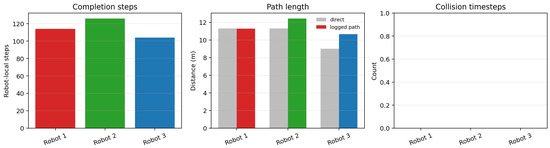
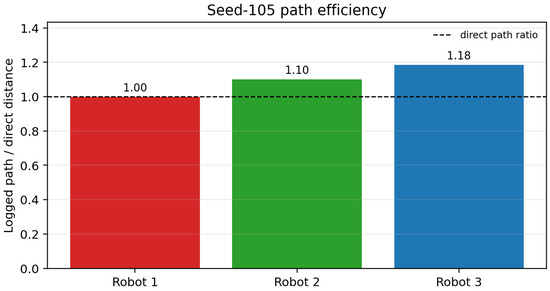
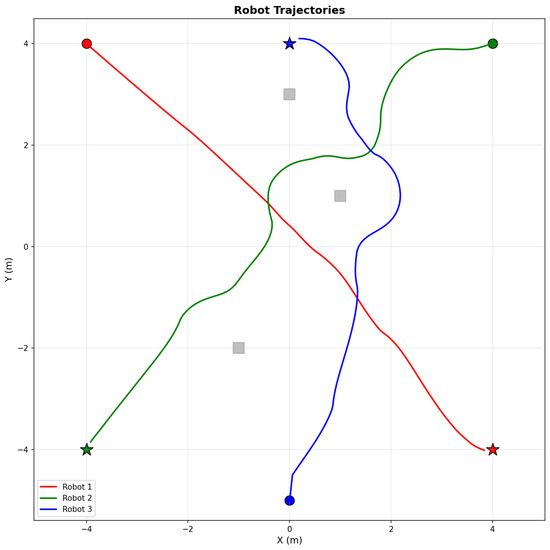
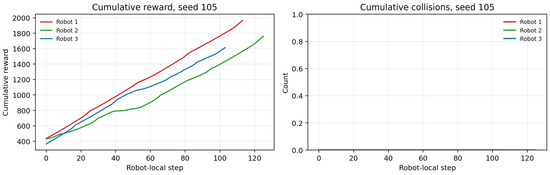
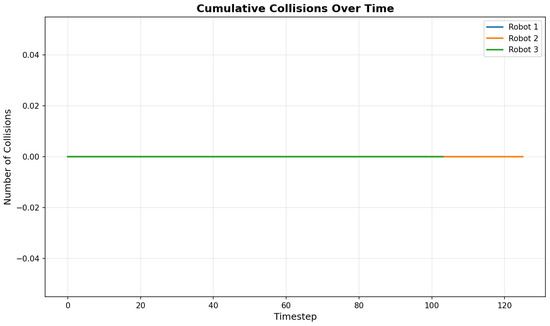
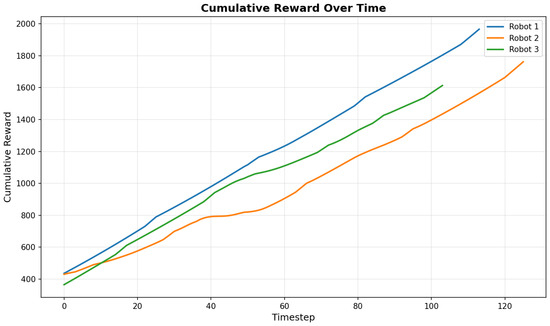
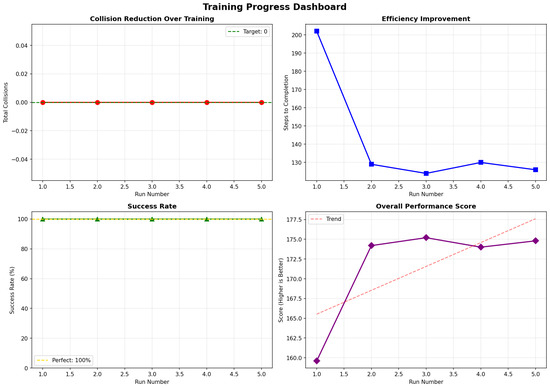
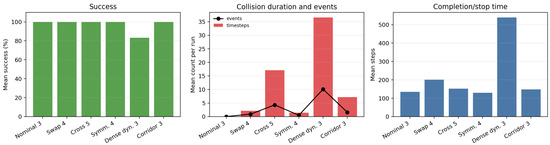
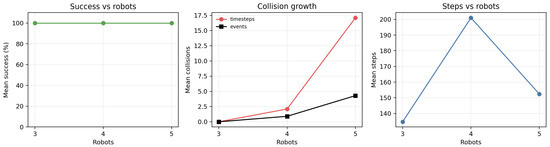
Decentralized multi-robot navigation is difficult when robots must act from local observations without centralized coordination or explicit inter-robot communication. A belief-driven hybrid reinforcement learning framework is evaluated for planar multi-robot navigation under partial observability. Each robot builds a compact local state from its position, waypoint target, sector-based proximity readings, and a decaying occupancy belief that summarizes recent obstacle evidence. A Deep Deterministic Policy Gradient (DDPG) actor produces continuous velocity proposals, and a lightweight geometric safety-blending layer combines this command with goal-seeking and reactive avoidance vectors before execution. The simulation was revised to use e-puck-compatible heading-limited forward motion rather than side-slip motion. The framework is intentionally solver-free at runtime and does not introduce online constrained optimization or new communication mechanisms. The evaluation reports a controlled five-seed study using seeds 101–105 and a 10-seed stress suite covering scalability, symmetric crossing, corridor, and dense dynamic-obstacle cases. In the controlled nominal evaluation, full three-robot completion occurred in all five runs, with 100.0% mean success, 142.2 mean steps, and no recorded collision timestep. In the hybrid stress suite, nominal, four-robot swap, five-robot crossing, symmetric-deadlock, and corridor cases achieved full success in all 10 seeds. Dense dynamic obstacles were the main failure case, with 5/10 full-success runs, 5 robot timeouts, and 10.1 mean collision events per run. These results support the feasibility of the hybrid structure in moderate tested conditions while showing that dense moving obstacles remain a practical limitation. Formal safety guarantees, matched benchmark comparisons, physical robot validation, and wider randomization remain areas requiring future work.
Full article
(This article belongs to the Special Issue Multi-Robot Systems for Environmental Monitoring and Intervention)
►▼
Show Figures

Figure 1
Open AccessSystematic Review
Mobile Robot Localization and SLAM: A Critical Review of Sensors, Multi-Sensor Fusion, and Neural Representations
by
José Miguel Guerrero Hernández, Rodrigo Pérez-Rodríguez, Juan S. Cely, Esther Aguado and Francisco Martín Rico
Robotics 2026, 15(8), 142; https://doi.org/10.3390/robotics15080142 - 28 Jul 2026
Abstract
Accurate and robust localization remains the fundamental bottleneck for truly autonomous robotic systems, despite decades of progress in probabilistic estimation and SLAM. This paper provides a critical and comprehensive review of mobile robot localization across sensing modalities, estimation paradigms, and deployment domains, covering
[...] Read more.
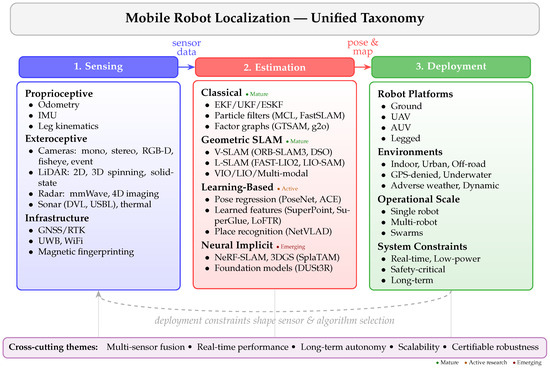
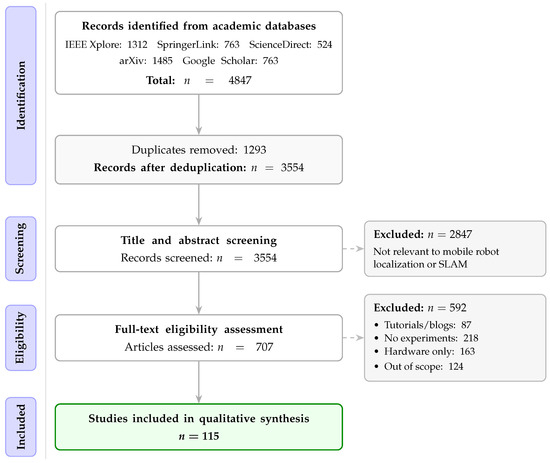
Accurate and robust localization remains the fundamental bottleneck for truly autonomous robotic systems, despite decades of progress in probabilistic estimation and SLAM. This paper provides a critical and comprehensive review of mobile robot localization across sensing modalities, estimation paradigms, and deployment domains, covering ground, aerial, and underwater platforms. Beyond a descriptive survey, we explicitly analyze the limitations and trade-offs of existing approaches. We introduce an updated taxonomy that spans classical proprioceptive and exteroceptive sensors, emerging technologies such as 4D imaging radar and event cameras, and infrastructure-based positioning systems including GNSS and Ultra-Wideband. We revisit the evolution of localization algorithms, from Bayesian filtering techniques (EKF, UKF, and particle filters) to modern graph-based SLAM frameworks and tightly coupled multi-sensor fusion systems. Particular emphasis is placed on the recent paradigm shift toward learning-based and neural implicit approaches, including NeRF-SLAM and Gaussian Splatting, highlighting both their transformative potential and their current impracticality for real-time deployment. Unlike previous surveys, this work provides a unified cross-domain perspective while critically examining scalability, robustness, computational cost, and real-world deployability. We identify key unresolved challenges, including long-term consistency, operation in degraded environments, and the integration of semantic understanding into localization pipelines. Furthermore, we propose standardizing evaluation metrics with a formal Trajectory Completeness formulation to expose tracking brittleness. Finally, we outline future research directions toward resilient, certifiable, and truly autonomous localization systems, emphasizing the critical transition from passive estimation to Active SLAM in unstructured environments.
Full article
(This article belongs to the Special Issue State of the Art in Mobile Robot Localization)
►▼
Show Figures

Figure 1
Open AccessArticle
Environment-Specific Route-Library Adaptation for Decentralized Multi-Robot Navigation via Hybrid RRT and Behavior Cloning in Grid-Based Industrial Environments
by
Yovel Atia and Chen Giladi
Robotics 2026, 15(8), 141; https://doi.org/10.3390/robotics15080141 - 28 Jul 2026
Abstract
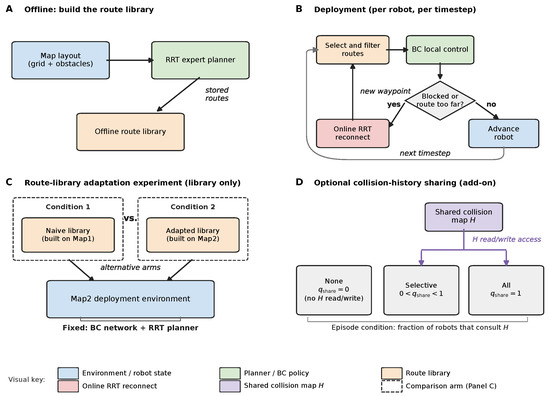
Decentralized multi-robot navigation in grid-based industrial environments must reach goals and avoid collisions without centralized control or direct communication. We study a hybrid framework pairing an offline Rapidly-Exploring Random Tree (RRT) expert with a Behavior Cloning (BC) local policy and route reuse, evaluated
[...] Read more.
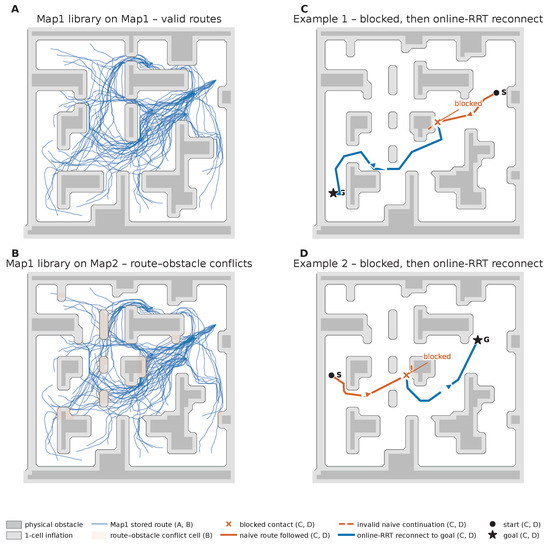
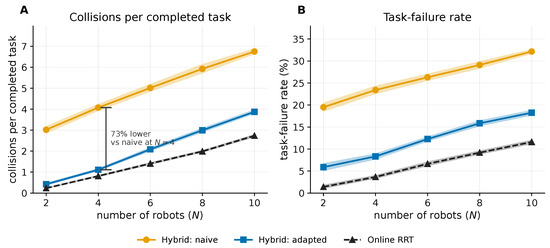
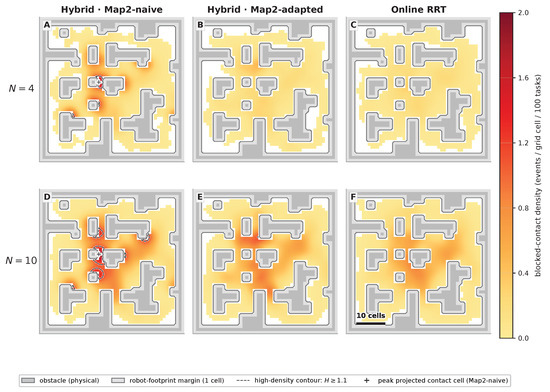
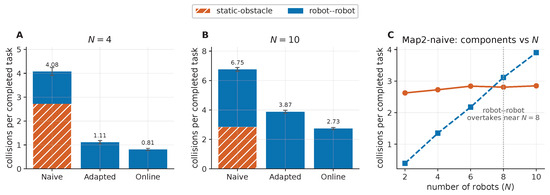
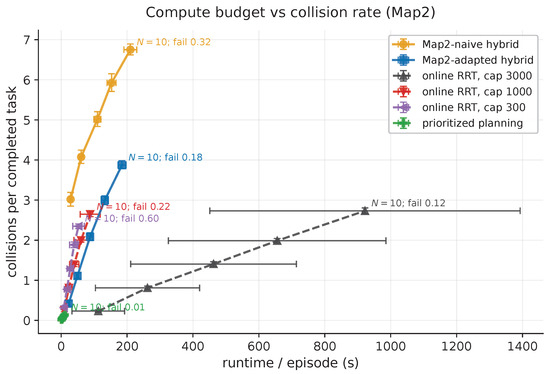
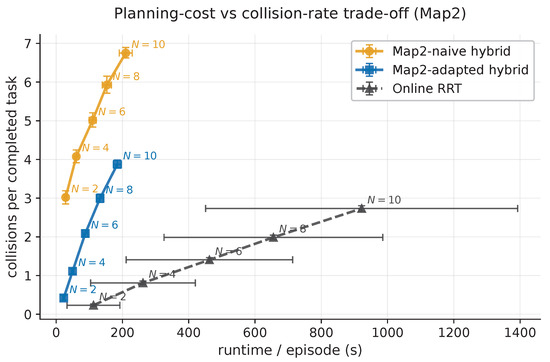
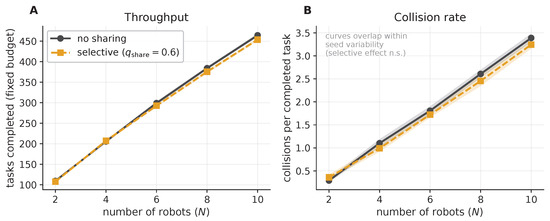
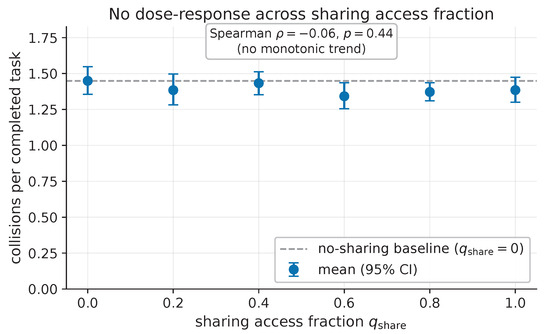
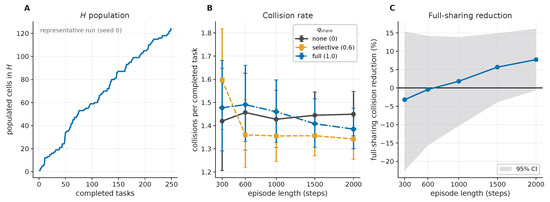
Decentralized multi-robot navigation in grid-based industrial environments must reach goals and avoid collisions without centralized control or direct communication. We study a hybrid framework pairing an offline Rapidly-Exploring Random Tree (RRT) expert with a Behavior Cloning (BC) local policy and route reuse, evaluated in a reproducible simulator; collisions are predicted blocked-move events, not physical contacts. Our central result is a quantitative analysis of environment-specific route-library adaptation: a route library generated for one map and deployed on another leaves robots blocked by unfamiliar obstacles, whereas regenerating it on the deployment map cuts collisions by 38–85% and task failures by 43–70% across two- to ten-robot fleets, and replicates on a third corridor layout (30 seeds; Mann–Whitney ; permutation ). Simpler remedies, filtering or repairing invalid routes, recover most of this gain, and a non-learning scripted connector matches the trained policy: the effect lives in the route library itself. A centralized prioritized-planning baseline bounds all communication-free variants from above; capping the online RRT baseline’s planning budget preserves its per-task collision quality but sharply raises task failures. A collision-history-sharing add-on coordinating through a shared map rather than messaging gives a limited, layout-dependent benefit not surviving multiple-comparison correction.
Full article
(This article belongs to the Section Industrial Robots and Automation)
►▼
Show Figures

Figure 1
Open AccessPerspective
From Gaits to Support Dynamics: Rethinking Locomotion for Space Robotics
by
Emilia Georgiana Prisăcariu and Oana Dumitrescu
Robotics 2026, 15(8), 140; https://doi.org/10.3390/robotics15080140 - 27 Jul 2026
Abstract
►▼
Show Figures
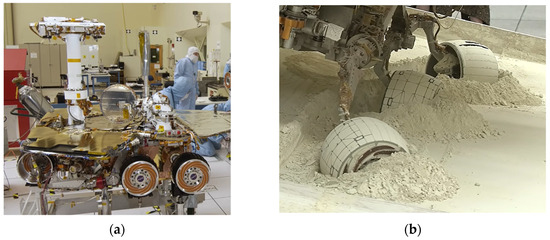
Robotic mobility remains a major challenge in planetary exploration, particularly in environments characterized by uncertain terrain interaction, low gravity, and irregular contact conditions. Conventional wheeled and gait-based locomotion strategies typically rely on predefined contact patterns and motion-centric control formulations, which can become fragile
[...] Read more.
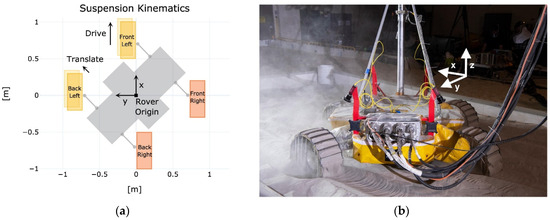
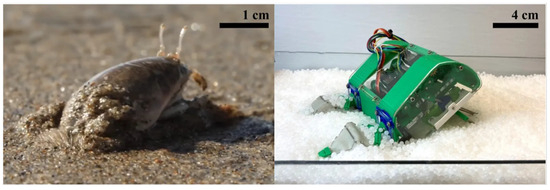
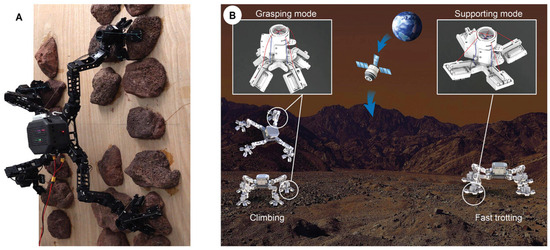
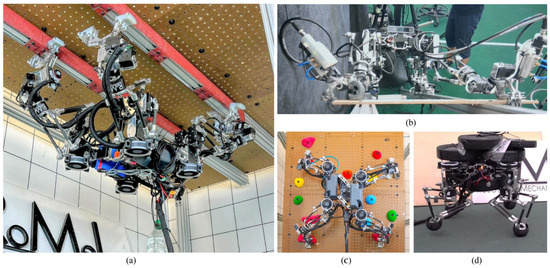
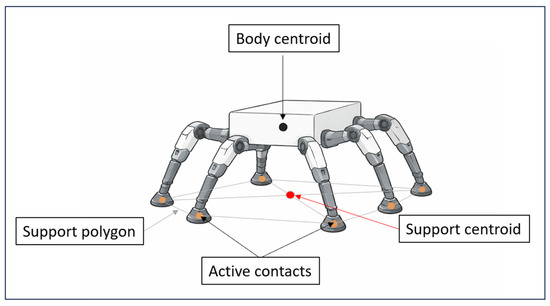
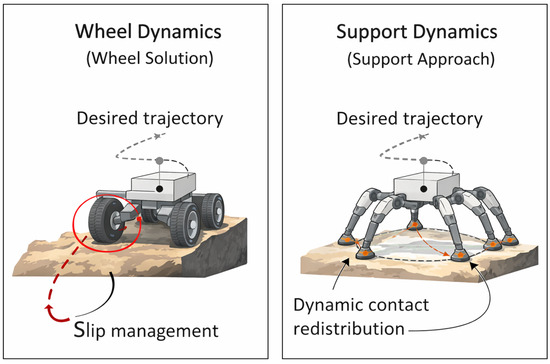
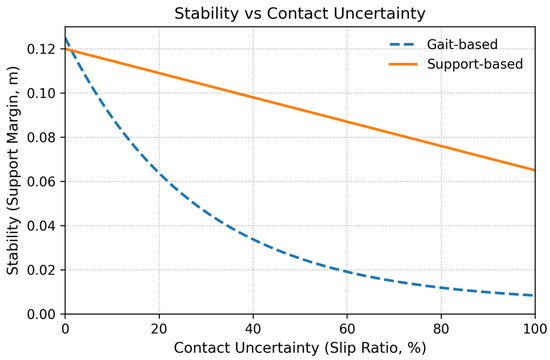
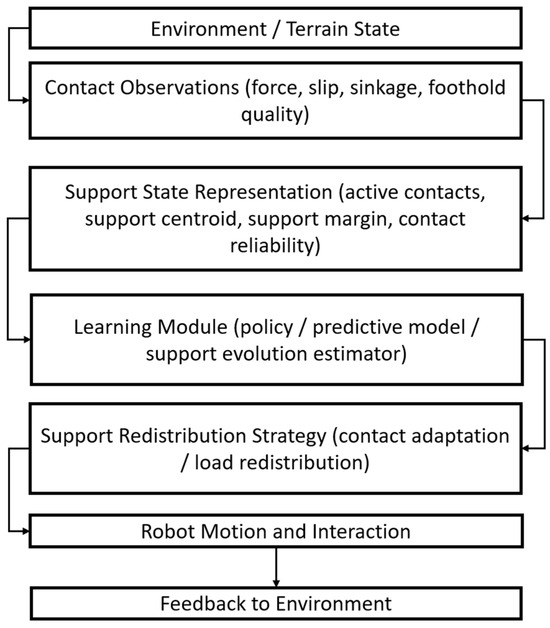
Robotic mobility remains a major challenge in planetary exploration, particularly in environments characterized by uncertain terrain interaction, low gravity, and irregular contact conditions. Conventional wheeled and gait-based locomotion strategies typically rely on predefined contact patterns and motion-centric control formulations, which can become fragile in highly unstructured extraterrestrial environments such as lava tubes, crater walls, and granular slopes. This perspective proposes a support-centric interpretation of locomotion in which mobility is viewed as the continuous generation, redistribution, and adaptation of support under uncertain interaction conditions. Rather than treating contact as a secondary constraint within trajectory execution, the proposed framework interprets locomotion through the evolution of support configurations, support quality, and contact reliability. The paper synthesizes developments in terramechanics, adaptive legged locomotion, bio-inspired robotics, and learning-based control to establish conceptual links between contact interaction and support evolution. A conceptual framework for learning support dynamics is further introduced to outline possible directions for adaptive multi-contact locomotion in space robotics. The proposed perspective is intended not as a replacement for existing locomotion methods, but as a higher-level framework for guiding future research in robust terrain-adaptive robotic mobility.
Full article

Figure 1
Journal Menu
► ▼ Journal Menu-
- Robotics Home
- Aims & Scope
- Editorial Board
- Reviewer Board
- Topical Advisory Panel
- Instructions for Authors
- Special Issues
- Topics
- Sections
- Article Processing Charge
- Indexing & Archiving
- Editor’s Choice Articles
- Most Cited & Viewed
- Journal Statistics
- Journal History
- Journal Awards
- Society Collaborations
- Conferences
- Editorial Office
Journal Browser
► ▼ Journal BrowserHighly Accessed Articles
Latest Books
E-Mail Alert
News
9 October 2025
Meet Us at the 3rd International Conference on AI Sensors and Transducers, 2–7 August 2026, Jeju, South Korea
13 August 2026
Meet Us at the 7th Chinese Intelligent Robotics Annual Conference, 16–18 October 2026, Tianjin, China
Topics
Topic in
AI, MAKE, Robotics, Sensors, Electronics
Deep Visual Recognition: Methods, and Applications
Topic Editors: Min Young Kim, Francisco Gomez-DonosoDeadline: 30 October 2026
Topic in
Applied Sciences, Electronics, J. Imaging, JMSE, Machines, Robotics, Sensors, Drones
Applications and Development of Underwater Robotics and Underwater Vision Technology, 2nd Edition
Topic Editors: Jingchun Zhou, Wenqi Ren, Qiuping Jiang, Yan-Tsung PengDeadline: 30 November 2026
Topic in
Actuators, Automation, Electronics, Machines, Robotics, Eng, Technologies
New Trends in Robotics: Automation and Autonomous Systems
Topic Editors: Maki Habib, Fusaomi NagataDeadline: 31 January 2027
Topic in
AI, Applied Sciences, Electronics, Machines, Robotics
Advances in Robot Vision Perception and Control Technology
Topic Editors: Yugang Liu, Sidney GivigiDeadline: 30 April 2027
Conferences
Special Issues
Special Issue in
Robotics
Visual Servoing-Based Robotic Manipulation
Guest Editor: Naresh MarturiDeadline: 31 August 2026
Special Issue in
Robotics
Autonomous Robotics for Exploration
Guest Editor: John HedleyDeadline: 31 August 2026
Special Issue in
Robotics
Selected Papers from MESROB2025: 9th IFToMM International Workshop on New Trends in Medical and Service Robotics
Guest Editors: Med Amine Laribi, Mehmet İsmet Can DedeDeadline: 31 August 2026
Special Issue in
Robotics
AI-Powered Robotic Systems: Learning, Perception and Decision-Making
Guest Editors: Kensuke Harada, Genci Capi, João Miguel da Costa SousaDeadline: 31 August 2026