

Journal Description
Micromachines
Micromachines
is a peer-reviewed, open access journal on the science and technology of small structures, devices and systems, published monthly online by MDPI. The Chinese Society of Micro-Nano Technology (CSMNT) and AES Electrophoresis Society are affiliated with Micromachines and their members receive a discount on the article processing charges.
- Open Access— free for readers, with article processing charges (APC) paid by authors or their institutions.
- High Visibility: indexed within Scopus, SCIE (Web of Science), PubMed, PMC, Ei Compendex, dblp, and other databases.
- Journal Rank: JCR - Q2 (Instruments and Instrumentation) / CiteScore - Q1 (Mechanical Engineering)
- Rapid Publication: manuscripts are peer-reviewed and a first decision is provided to authors approximately 16.6 days after submission; acceptance to publication is undertaken in 2.6 days (median values for papers published in this journal in the first half of 2026).
- Recognition of Reviewers: Reviewers whose reports are timely and of high quality receive an APC discount voucher for a future publication in an MDPI journal. Become a reviewer.
- Companion journal: Micro.
- Journal Cluster of Instruments and Instrumentation: Actuators, AI Sensors, Instruments, Metrology, Micromachines and Sensors.
Impact Factor:
3.5 (2025);
5-Year Impact Factor:
3.5 (2025)
Latest Articles
Crystallization and Interfacial Regulation of CsPbI3 Perovskites by Dimethylammonium Chloride for Efficient and Stable Solar Cells
Micromachines 2026, 17(9), 1096; https://doi.org/10.3390/mi17091096 (registering DOI) - 17 Sep 2026
Abstract
All-inorganic CsPbI3 perovskite solar cells (PSCs) are attractive for perovskite/silicon tandem solar cells because of their suitable bandgap and intrinsic thermal robustness, yet their power conversion efficiencies (PCEs) and long-term stability remain limited by defective film and interfaces. The existing additives often
[...] Read more.
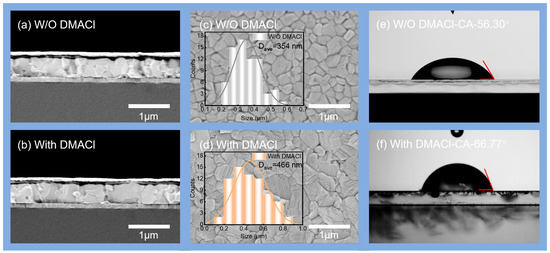
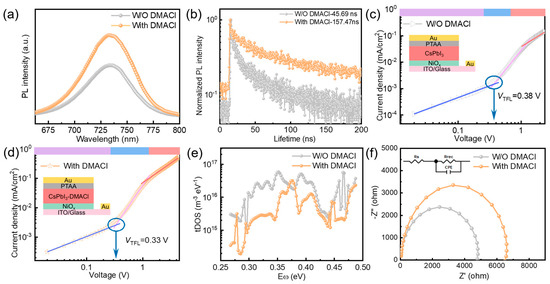
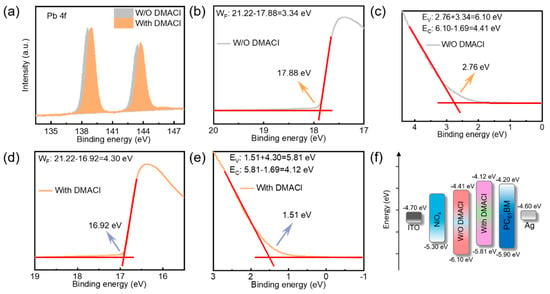
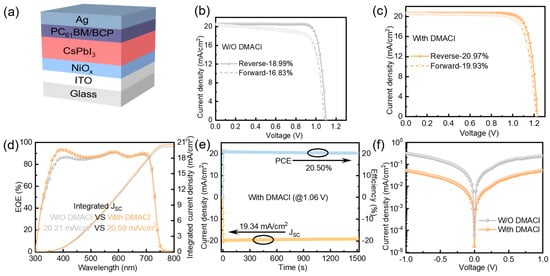
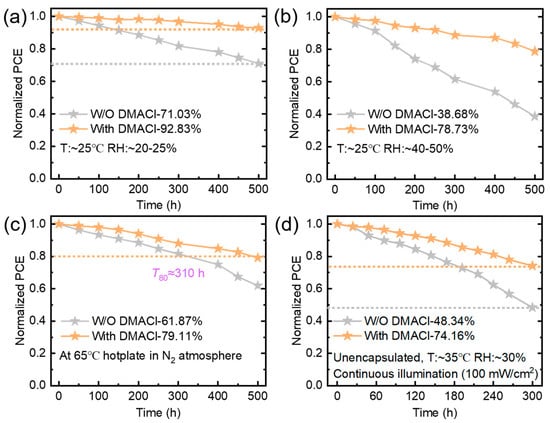
All-inorganic CsPbI3 perovskite solar cells (PSCs) are attractive for perovskite/silicon tandem solar cells because of their suitable bandgap and intrinsic thermal robustness, yet their power conversion efficiencies (PCEs) and long-term stability remain limited by defective film and interfaces. The existing additives often contain bulky organic components, which may serve as grain-boundary barriers, or even form low-dimensional phases or carrier-transport-blocking layers. Here, dimethylammonium chloride (DMACl) is employed to regulate the crystallization of CsPbI3 films. DMACl treatment enlarges the average grain size and spectroscopic and electrical characterizations consistently reveal reduced defect-assisted recombination. Meanwhile, DMACl-derived species at the film surface or grain boundaries simultaneously passivate surface undercoordinated Pb2+ defects and achieve favorable energy-level alignment with PC61BM, thereby establishing a low-defect interface with a low energy barrier for efficient electron extraction and transport. Consequently, the champion inverted CsPbI3 PSC delivers a PCE of 20.97%, with a VOC of 1.230 V, a JSC of 20.70 mA/cm2, and an FF of 82.37%, compared with 18.99% for the control device. Importantly, DMACl treatment markedly enhances device stability under humidity, thermal, and continuous-illumination conditions. In particular, the T80 lifetime under thermal aging was extended from approximately 310 h for the control device to nearly 500 h for the DMACl-treated device.
Full article
(This article belongs to the Special Issue Energy Conversion Materials/Devices and Their Applications, 2nd Edition)
►
Show Figures
Open AccessArticle
Lie Classification and Symmetry-Preserving Reduced-Order Modeling of Nonlinear Electrostatic MEMS
by
Mario Versaci and Francesco Carlo Morabito
Micromachines 2026, 17(9), 1095; https://doi.org/10.3390/mi17091095 (registering DOI) - 17 Sep 2026
Abstract
High-fidelity continuum models of electrostatically actuated MEMS accurately capture distributed electromechanical interactions but are computationally expensive for repeated simulation, optimization, and real-time applications. This work develops a physics-informed reduced-order modeling framework based on Lie symmetry classification for a nonlinear electrostatic MEMS microplate governed
[...] Read more.
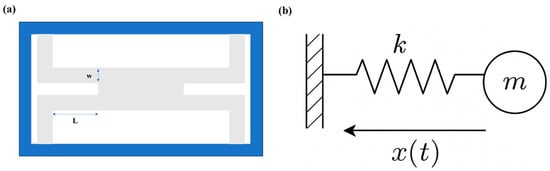
High-fidelity continuum models of electrostatically actuated MEMS accurately capture distributed electromechanical interactions but are computationally expensive for repeated simulation, optimization, and real-time applications. This work develops a physics-informed reduced-order modeling framework based on Lie symmetry classification for a nonlinear electrostatic MEMS microplate governed by a fourth-order integro-partial differential equation. The continuum model is recast as an extended canonical system separating local differential operators from nonlocal stretching and capacitive contributions. Lie group classification of the complete boundary value problem shows that the electrostatic singularity, constitutive coefficients, fixed geometry, and clamped boundary conditions suppress nontrivial continuous spatial symmetries in the generic bounded problem, while time translation survives only in the autonomous subclass. The discrete reflection invariances of the centered rectangular device are treated separately to identify invariant functional subspaces for Galerkin projection. A symmetry-preserving reduced-order model is then constructed in the even–even subspace, retaining bending, geometric stretching, pre-stress, capacitive feedback, dielectric inhomogeneity, and fringing field effects. Numerical verification against the high-fidelity continuum model shows close agreement with the FOM for static and transient responses while preserving reflection symmetry and remaining robust under parameter variations. For the nominal configuration, the monomodal Lie-ROM predicts a pull-in voltage of versus for the FOM, corresponding to an absolute relative error of and a signed error of . The monomodal formulation substantially reduces computational cost and consistently outperforms a classical lumped-parameter approximation, providing an interpretable and efficient basis for parametric analysis, design optimization, control-oriented modeling, and future digital twin applications.
Full article
(This article belongs to the Special Issue MEMS and NEMS Sensors: Innovations, Applications, and Future Directions in Micro/Nano Technologies, 2nd Edition)
Open AccessArticle
Direct Molding of Luer Connections in PDMS Microfluidic Devices: Comparison with Conventional Interface Methods
by
Gina Layedra, Alexander Paolo Vallejo Janeta, Rocio Gimenez, Ramiro Isa Jara, Ana Belén Peñaherrera-Pazmiño, Arianna Mayorga-Ramos, Gustavo Rosero, Maximiliano S. Perez and Betiana Lerner
Micromachines 2026, 17(9), 1094; https://doi.org/10.3390/mi17091094 - 17 Sep 2026
Abstract
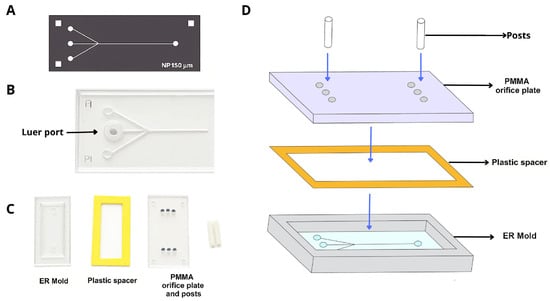
Reliable world-to-chip connections remain a critical challenge in PDMS-based microfluidic devices, particularly under high-pressure flow conditions. In this work, we present a simple, low-cost, and reproducible method to directly mold male Luer cone fittings into PDMS devices during fabrication, without compromising the geometry
[...] Read more.
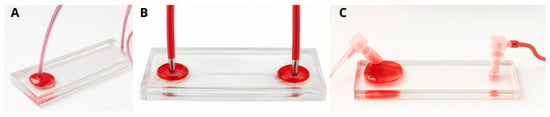
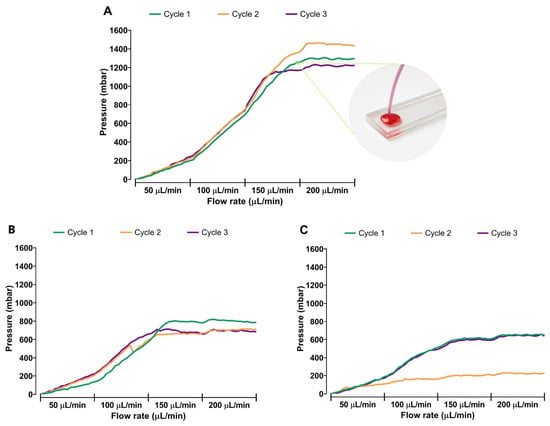
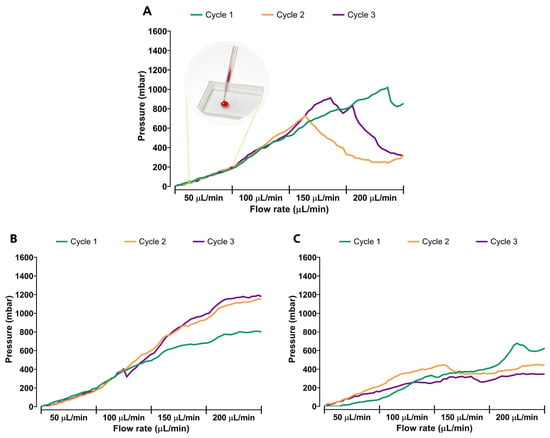
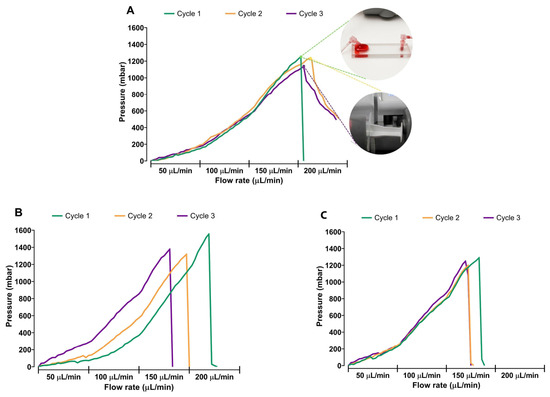
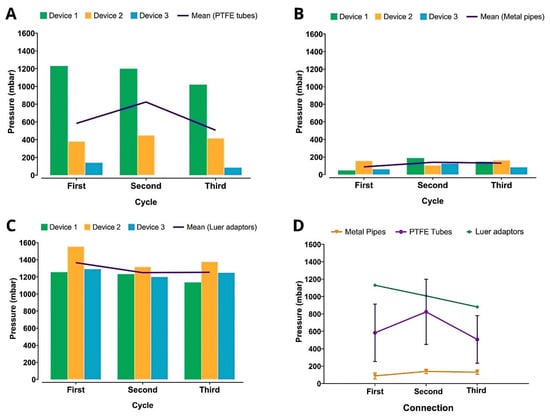
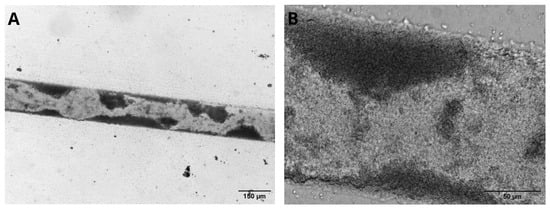
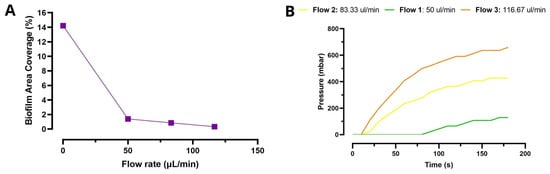
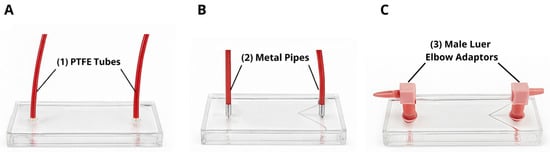
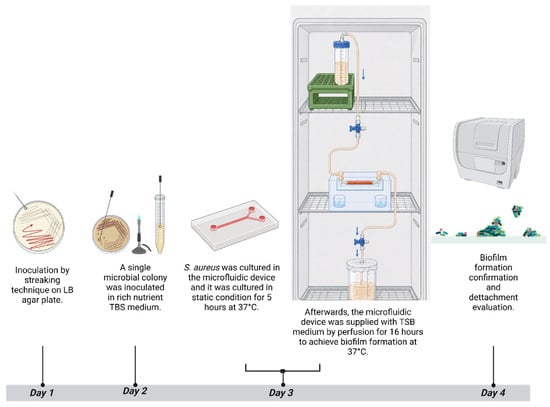
Reliable world-to-chip connections remain a critical challenge in PDMS-based microfluidic devices, particularly under high-pressure flow conditions. In this work, we present a simple, low-cost, and reproducible method to directly mold male Luer cone fittings into PDMS devices during fabrication, without compromising the geometry of microchannels. To evaluate the effectiveness of this approach, we compared the performance of three connection types—PTFE tubing, metal pipes, and molded Luer adaptors—by measuring the infusion pressure at which fluid leakage occurred. Devices with integrated Luer adaptors consistently withstood higher pressures (up to 1555 mbar) with reduced variability across repeated connection cycles, while PTFE and metal connections failed at lower pressures and showed inconsistent leakage behavior. As a biological proof of concept, Staphylococcus aureus biofilms were grown in the microfluidic channels under continuous perfusion and subsequently exposed to flow rates of 50, 83.3, and 116.7 µL/min. Image analysis showed an initial biofilm-covered area of 14.22% of the analyzed channel area, while the biofilm areas remaining after exposure to 50, 83.3, and 116.7 µL/min were 1.39, 0.85, and 0.32%, respectively. The final measurement represented a reduction of approximately 97.7% relative to the initial biofilm coverage. The molded Luer connections maintained stable fluid delivery during biofilm cultivation and flow-induced detachment, supporting their use in biological microfluidic applications. Overall, this molding strategy provides a robust and reusable Luer-compatible interface for integrating standardized connections into soft-lithography-based microfluidic platforms.
Full article
(This article belongs to the Special Issue Microfluidic Chips for Biomedical Applications)
►▼
Show Figures

Figure 1
Open AccessArticle
Numerical Investigation of a Skin-Interfaced Thermal Sensor for Joint Estimation of Tissue Thermal Conductivity and Blood Velocity
by
Lifei Qi and Tianyu Yang
Micromachines 2026, 17(9), 1093; https://doi.org/10.3390/mi17091093 - 17 Sep 2026
Abstract
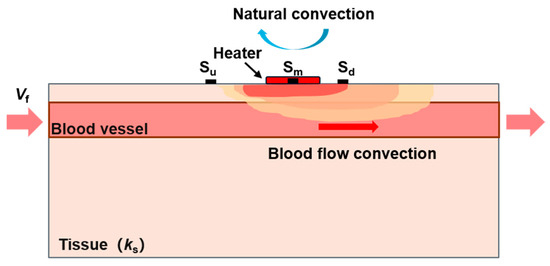
Skin-interfaced thermal sensors offer a promising, portable, and cost-effective alternative for continuous and noninvasive measurements of skin condition and blood flow. Skin condition, especially skin hydration, is reflected by the tissue thermal conductivity. Blood flow is characterized by the average flow velocity through
[...] Read more.
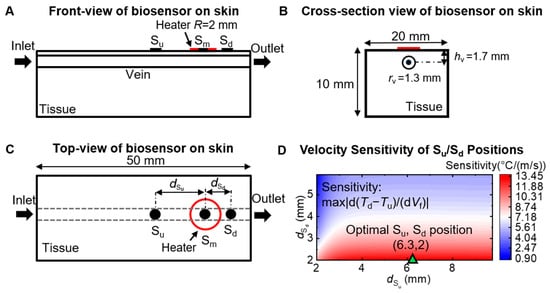
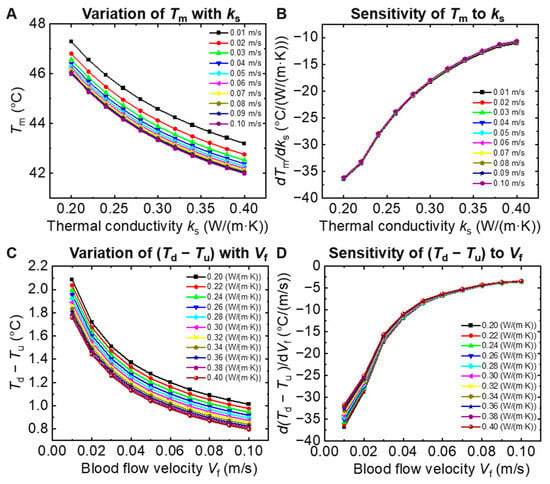
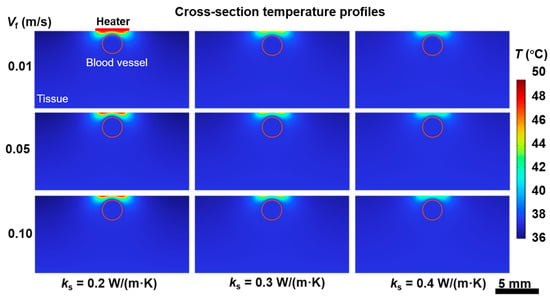
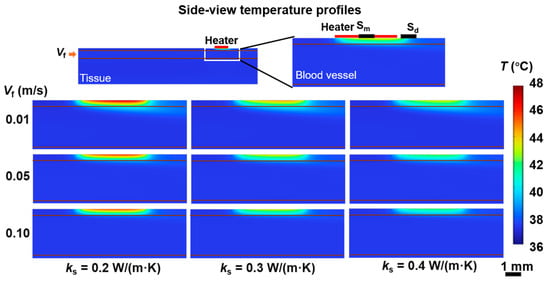
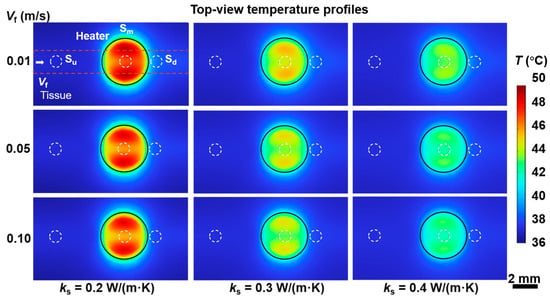
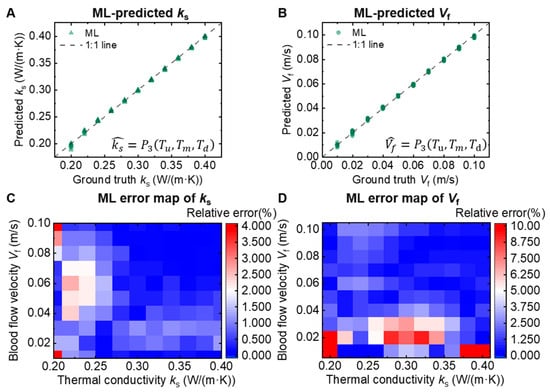
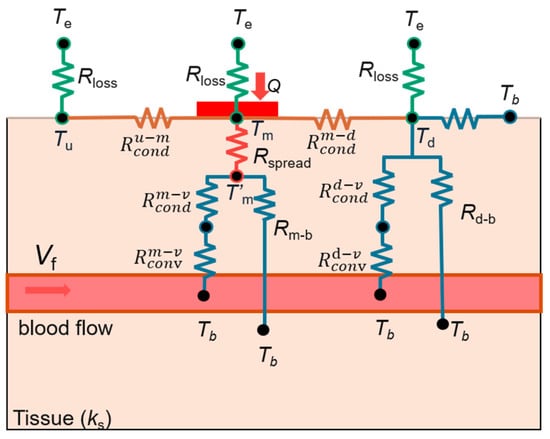
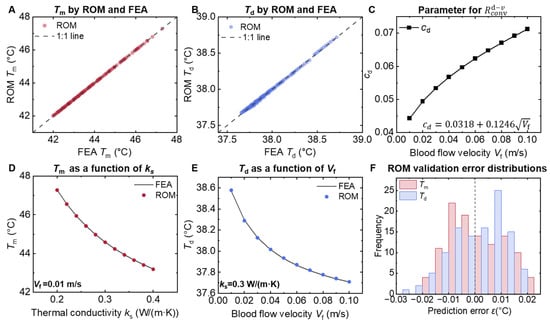
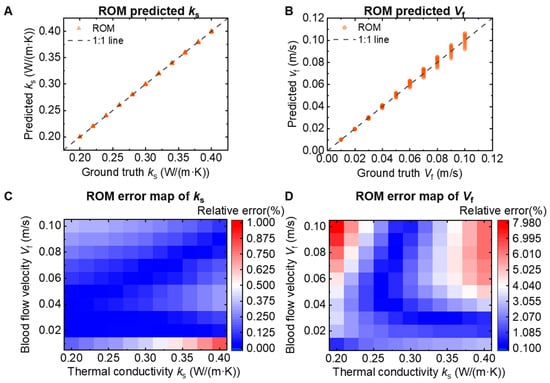
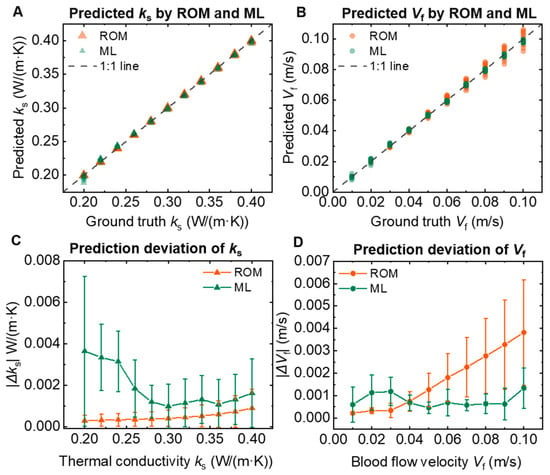
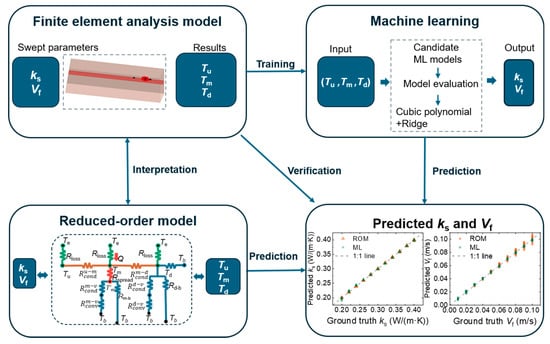
Skin-interfaced thermal sensors offer a promising, portable, and cost-effective alternative for continuous and noninvasive measurements of skin condition and blood flow. Skin condition, especially skin hydration, is reflected by the tissue thermal conductivity. Blood flow is characterized by the average flow velocity through blood vessels in skin. However, the measurement accuracy of tissue thermal conductivity and blood velocity is hindered by the coupled heat conduction and convection in the tissue containing blood vessels. To overcome this bottleneck for precise measurements of tissue thermal conductivity and blood velocity simultaneously, we design a skin-interfaced thermal sensor consisting of a resistive heater and three thermistors. The resistive heater with a diameter of 4 mm consumes a low power of 0.05 W. The three miniature thermistors measure the steady-state temperatures on skin at the middle location of the heater center, upstream flow location, and downstream flow location. Using finite element analysis (FEA) of heat transfer in vascular skin, we optimize the three-thermistor layout, placing the upstream and downstream thermistors 6.0 mm and 2.7 mm from the heater center, respectively. FEA results reveal that the middle-thermistor temperature is predominantly sensitive to tissue thermal conductivity with relatively low flow interference, whereas the temperature difference between upstream and downstream thermistors maintains high sensitivity to blood velocity, and is less affected by tissue thermal conductivity. With the FEA results, we implement a polynomial machine learning model and a physics-informed thermal-resistance reduced-order model to analyze the thermal sensor temperature measurements and jointly predict both quantities. The relative prediction errors are typically below 4% for thermal conductivity and 10% for blood velocity using the machine learning model, and below 1% and 8% using the reduced-order model. This work provides a framework for the development of skin-interfaced thermal sensors capable of intelligent and noninvasive skin and vascular assessment.
Full article
(This article belongs to the Special Issue Bioelectronics and Its Limitless Possibilities, 2nd Edition)
►▼
Show Figures

Figure 1
Open AccessArticle
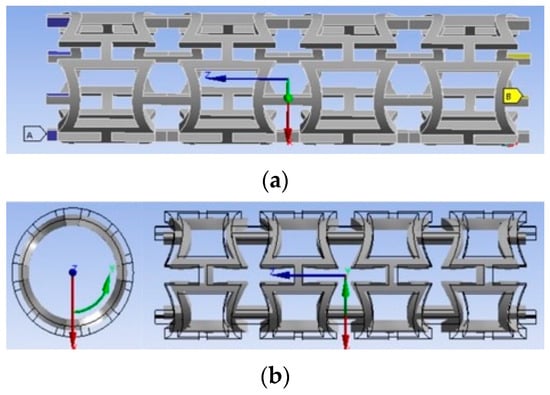
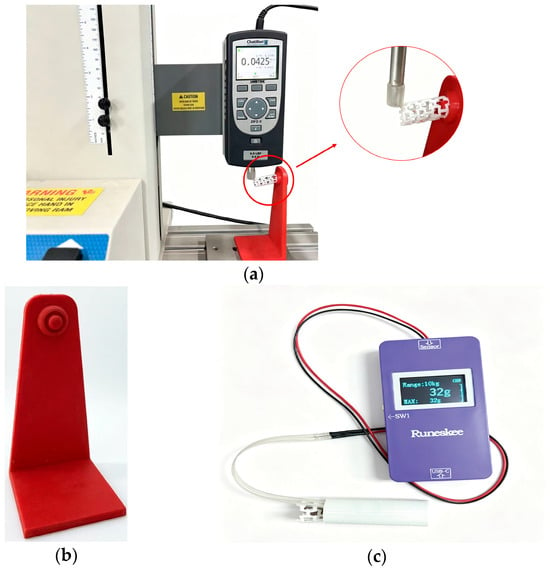
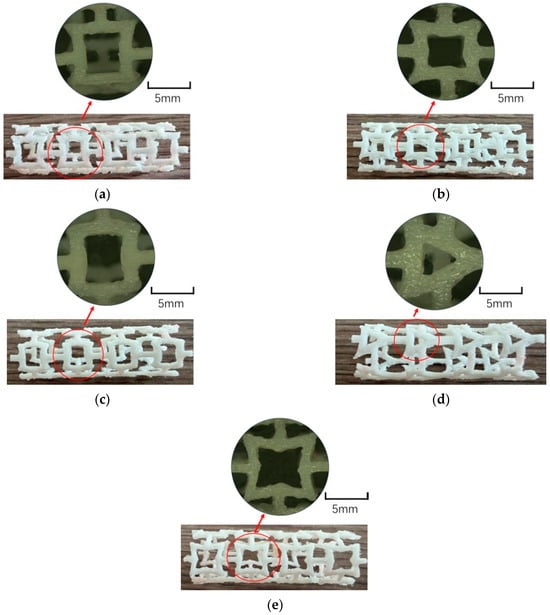
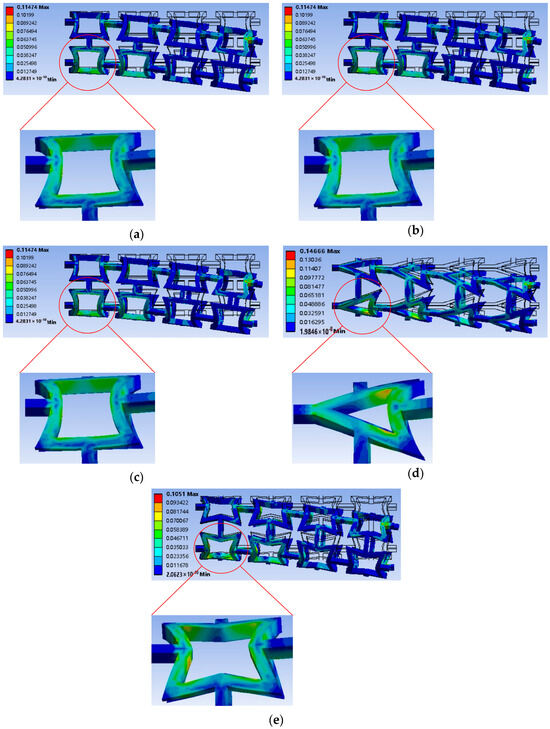
Topology-Driven Mechanical Tuning of FDM-Printed TPU Tubular Lattices with Auxetic Architectures
by
Yun Zhai, Shenhui Sang, Yu Liu, David Hui and Depeng Shang
Micromachines 2026, 17(9), 1092; https://doi.org/10.3390/mi17091092 - 17 Sep 2026
Abstract
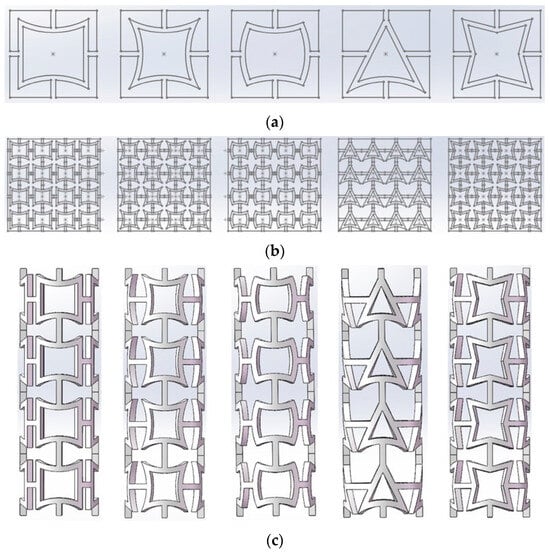
Auxetic tubular lattices provide a potential structural platform for simultaneously tuning radial support, axial dimensional stability, and bending flexibility; however, the coupled effects of topology and geometric parameters on these mechanical responses remain insufficiently understood. In this study, a topology-driven design framework was
[...] Read more.
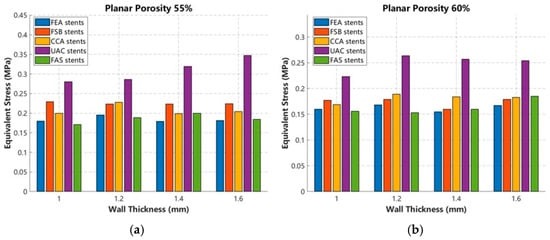
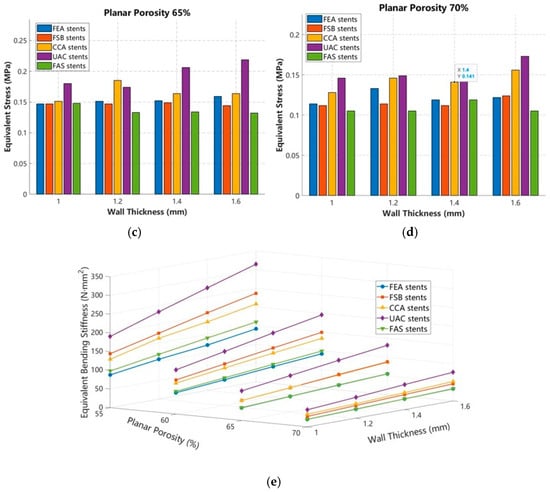
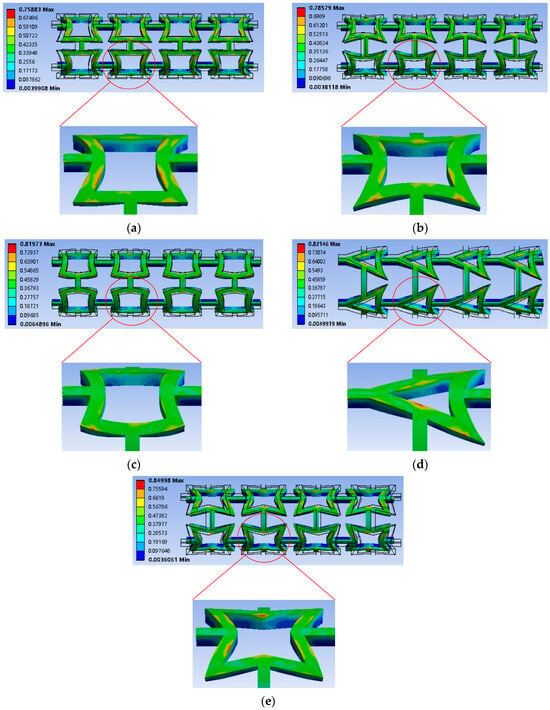
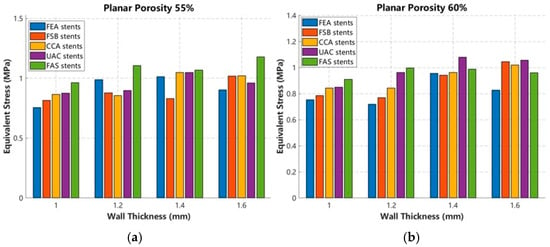
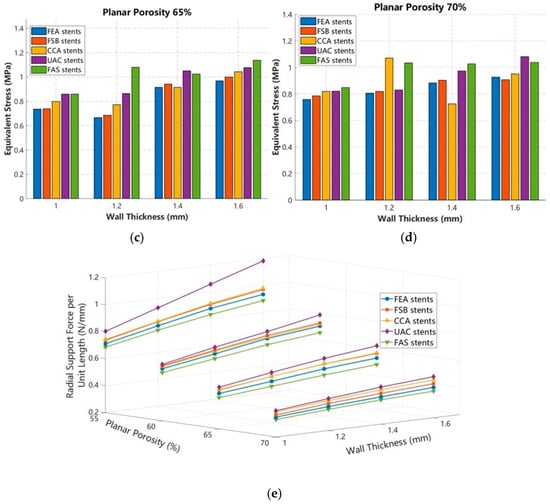
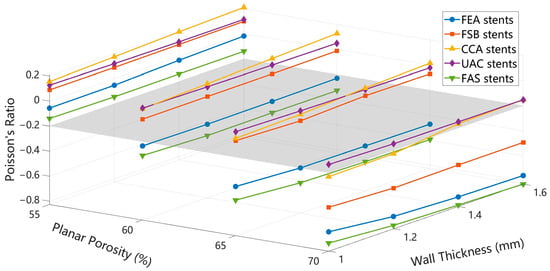
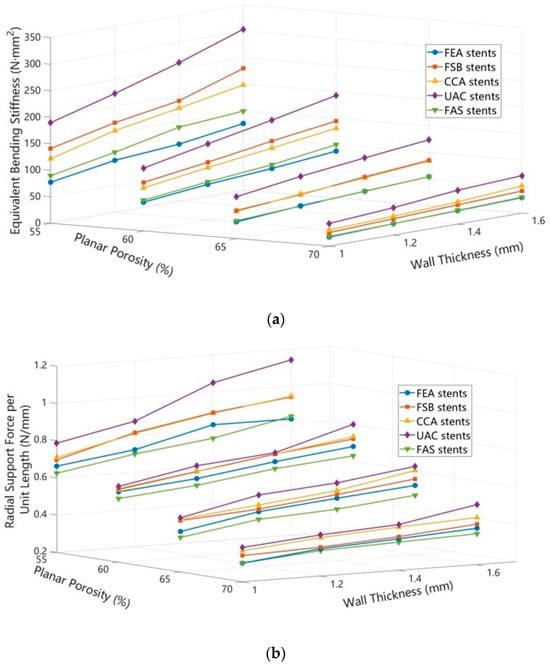
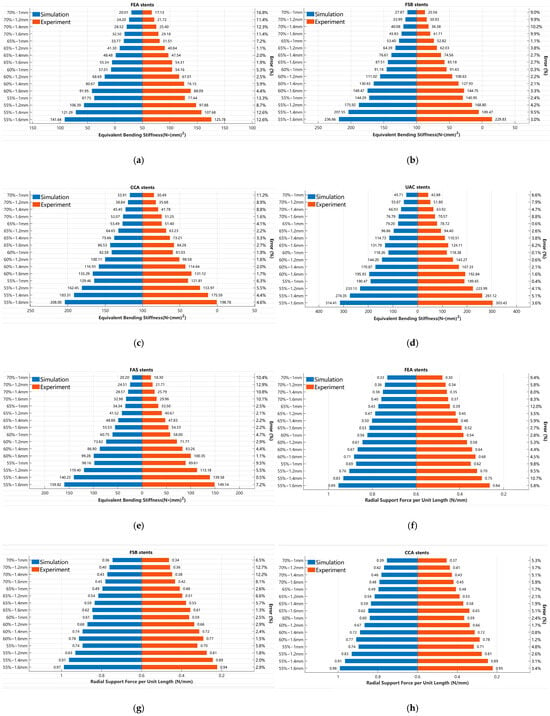
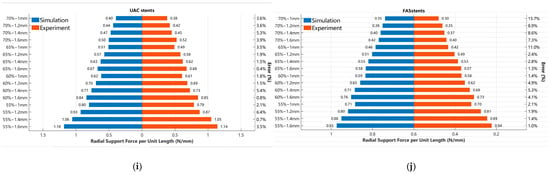
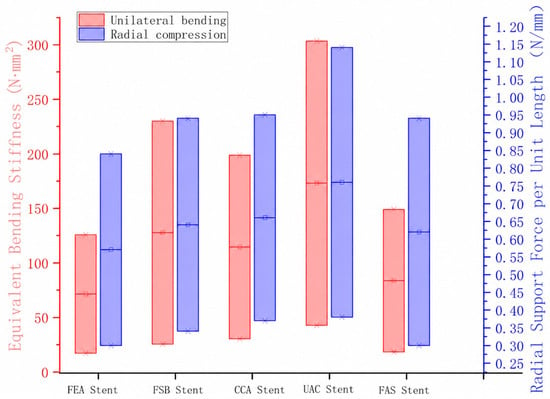
Auxetic tubular lattices provide a potential structural platform for simultaneously tuning radial support, axial dimensional stability, and bending flexibility; however, the coupled effects of topology and geometric parameters on these mechanical responses remain insufficiently understood. In this study, a topology-driven design framework was established for fused deposition modeling (FDM)-printed thermoplastic polyurethane (TPU) tubular lattices. Five auxetic topologies were designed by regulating curvature polarity and structural symmetry, while planar porosity and wall thickness were selected as geometric control parameters. Numerical simulations combined with experimental validation were employed to systematically evaluate axial bending stiffness, radial support force, Poisson’s ratio, and stress distribution. The results demonstrate that geometric curvature promotes radial load transfer through an arch-like mechanism and contributes to stress redistribution, whereas structural symmetry strongly influences axial compliance and auxetic deformation. Planar porosity acts as the dominant macroscopic tuning parameter for overall mechanical performance, while wall thickness provides a secondary fine-tuning mechanism with greater sensitivity to local stress variation. Based on these findings, a hierarchical design strategy integrating topology, planar porosity, and wall thickness is proposed, providing a generalizable approach for tailoring the mechanical performance of FDM-printed elastomeric tubular lattices.
Full article
(This article belongs to the Section B: Biology and Biomedicine)
►▼
Show Figures

Figure 1
Open AccessArticle
Custom-Built Vision-Assisted Arc Discharge System for Fabricating High-Q In-Line Microbubble Resonator Arrays
by
Yanbin Ma, Fangjie Shu, Meng Wang, Di Yu, Yuhang Wang, Zongren Yue and Chunzhi Sun
Micromachines 2026, 17(9), 1091; https://doi.org/10.3390/mi17091091 - 16 Sep 2026
Abstract
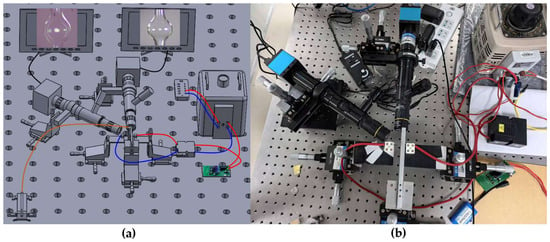
Whispering gallery mode microbubble resonators (MBRs) are prominent optofluidic platforms, yet fabricating highly symmetric in-line arrays remains a technical challenge. Here, we demonstrate a custom-built, vision-assisted arc discharge apparatus for the deterministic fabrication of high-Q MBRs. Using finite-element simulations and microscopic observations, we
[...] Read more.
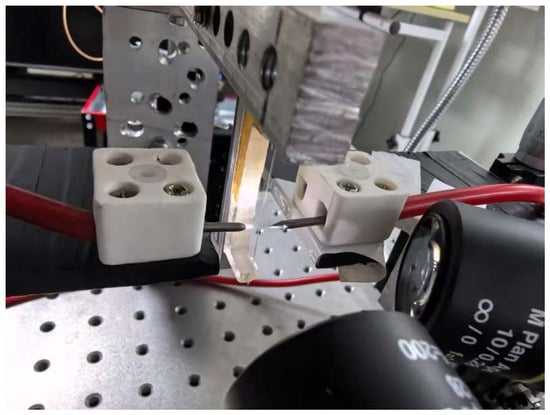
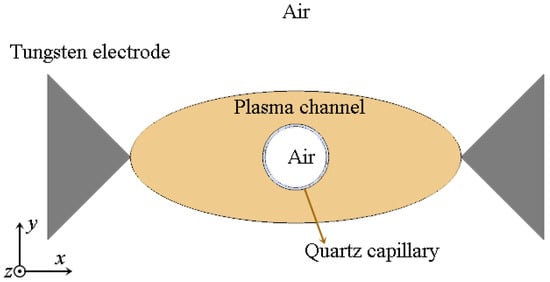
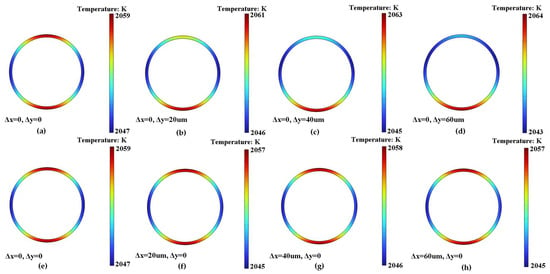
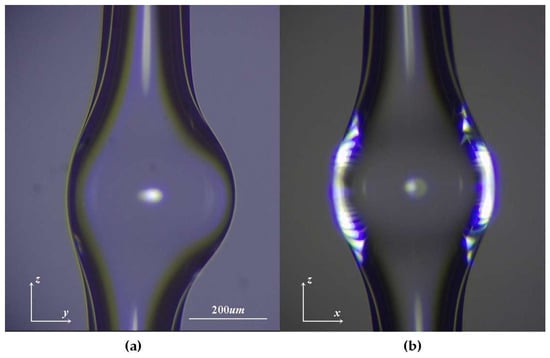
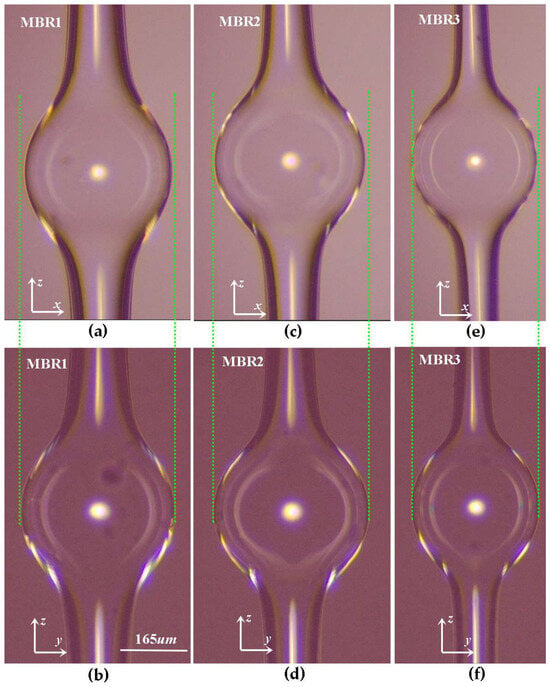
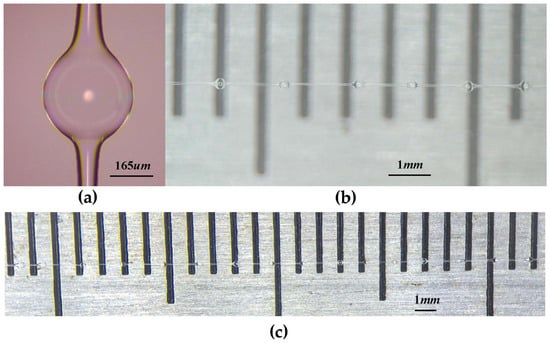
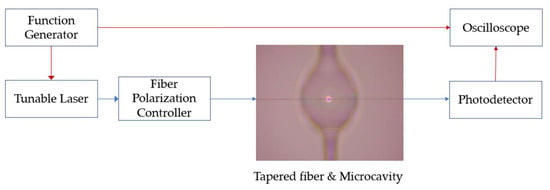
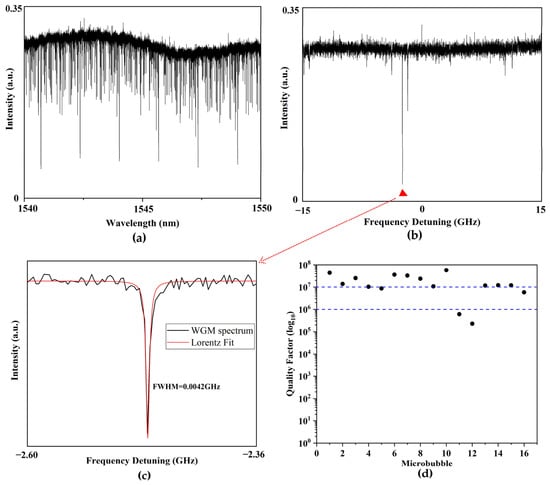
Whispering gallery mode microbubble resonators (MBRs) are prominent optofluidic platforms, yet fabricating highly symmetric in-line arrays remains a technical challenge. Here, we demonstrate a custom-built, vision-assisted arc discharge apparatus for the deterministic fabrication of high-Q MBRs. Using finite-element simulations and microscopic observations, we reveal that asymmetric expansion is primarily driven by transverse misalignment within the plasma arc and intrinsic thermal anisotropy caused by the current crowding effect. Guided by these physical insights, we utilize real-time three-axis spatial compensation to successfully fabricate highly symmetric, cascaded in-line MBR arrays on a single continuous capillary. Optical characterization of a 16-cavity array demonstrates excellent performance reproducibility, with 12 individual microbubbles achieving ultra-high Q-factors exceeding 107. This highly controllable approach provides a robust platform for distributed microfluidic sensing and integrated lab-on-a-chip applications.
Full article
(This article belongs to the Section A1: Optical MEMS and Photonic Microsystems)
►▼
Show Figures

Figure 1

Open AccessArticle
Coupling Between Thickness-Shear and Flexural Modes in AT-Cut Quartz Mesa Resonators with Beveled Edges
by
Xin Fu, Hang Chen, Wanli Yang, Chao Zhan, Xiaowei Zhang, Xuan Mao and Hongping Hu
Micromachines 2026, 17(9), 1090; https://doi.org/10.3390/mi17091090 - 16 Sep 2026
Abstract
Beveled edges are inevitably formed in micro AT-cut quartz mesa resonators (QMRs) during the photolithography process. This local geometric variation alters the thickness distribution and edge stiffness, which in turn affects the coupling between the primary thickness-shear mode and adjacent parasitic modes. To
[...] Read more.
Beveled edges are inevitably formed in micro AT-cut quartz mesa resonators (QMRs) during the photolithography process. This local geometric variation alters the thickness distribution and edge stiffness, which in turn affects the coupling between the primary thickness-shear mode and adjacent parasitic modes. To elucidate the mechanism, we establish a vibration analysis model for the micro AT-cut QMR with beveled edge profiles based on the first-order Mindlin plate theory. The coupling between thickness-shear and flexure is the focus of the investigation. The uniform thickness regions and the beveled edge region are expressed using analytical solutions and power series expansions, respectively. The eigenfrequency equation is then derived through the interface continuity and free boundary conditions. The theoretical frequency spectra show good agreement with finite element results so that the accuracy of the proposed analytical approach is validated. A mode coupling intensity index is constructed based on the discrete Fourier spectrum of the surface displacement in the mesa region, and a modal kinetic energy ratio is introduced to characterize the modal coupling. The influence of structural parameters on the spectral characteristics and mode coupling intensity is analyzed. The results indicate that mesa parameters mainly regulate the resonance frequency and energy trapping of the primary thickness-shear mode. In contrast, due to changes in flexure stiffness of the ends and the reflection angle of elastic waves, the beveled edge parameters affect the coupling intensity between the primary thickness-shear mode and parasitic modes. The optimized parameter combinations lead to low coupling states with nearly pure thickness-shear vibration, while the mesa- and bevel-length related low coupling intervals exhibit better fabrication robustness.
Full article
(This article belongs to the Section A: Physics)
Open AccessArticle
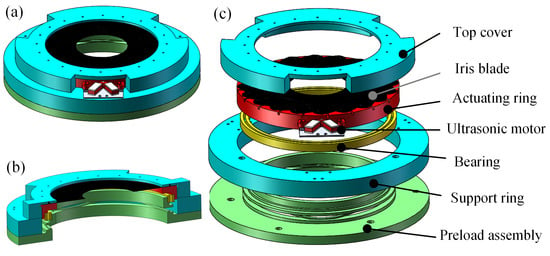
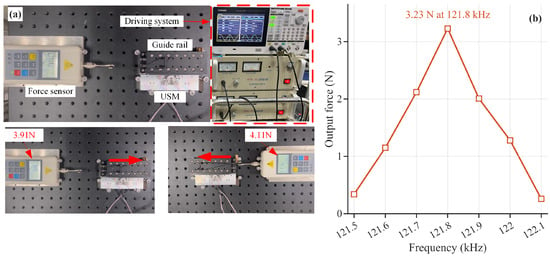
A Large-Aperture Variable Iris Directly Driven by a V-Shaped Mode-Coupled Ultrasonic Motor: Design, Optimization, and Experimental Validation
by
Benchao Lv, Jun Zhao, Hongsheng Sun, Xucong Bao, Tong Zhao, Xiaolin Wang, Zhiyuan Yao, Xinjian Li and Xiaoniu Li
Micromachines 2026, 17(9), 1089; https://doi.org/10.3390/mi17091089 - 16 Sep 2026
Abstract
Large-aperture variable irises must provide continuous aperture regulation within a restricted axial space. This study presents a laboratory prototype of a 20-blade iris directly driven by a V-shaped mode-coupled ultrasonic motor. The iris was geometrically designed for a mm–98 mm clear-aperture range.
[...] Read more.
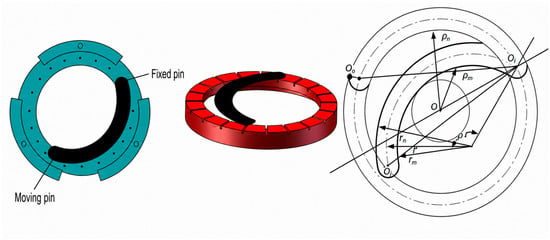
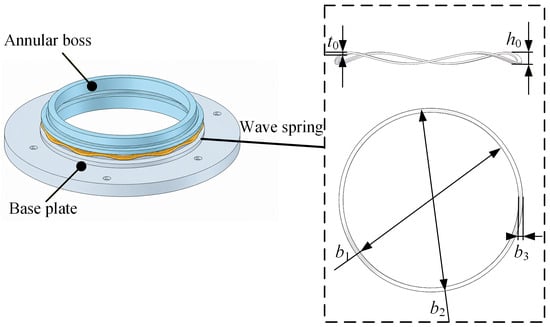
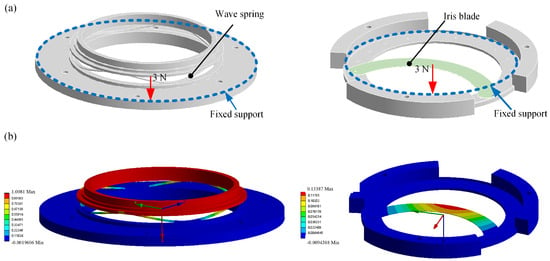
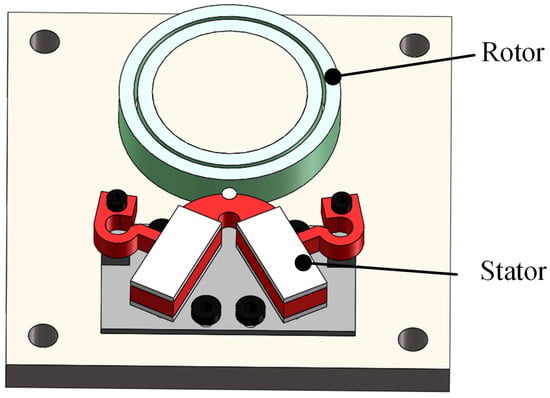
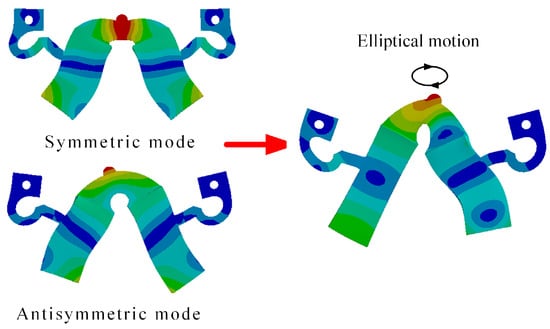
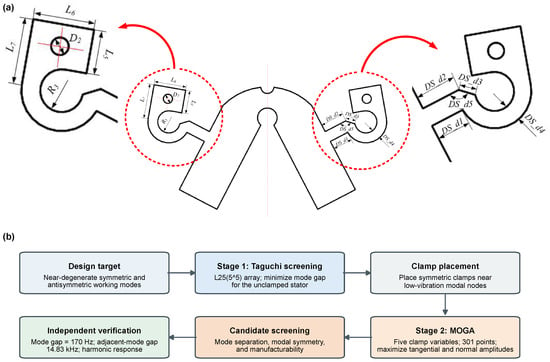
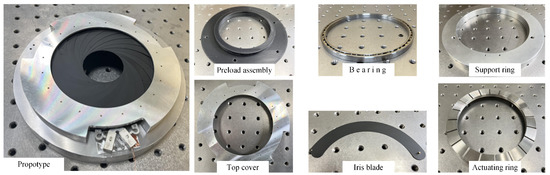
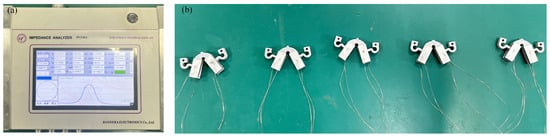
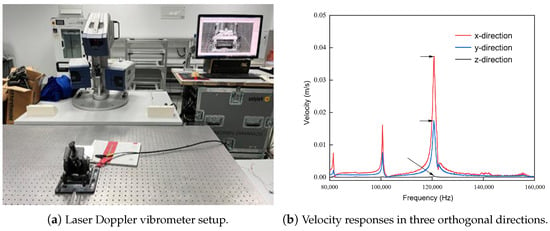
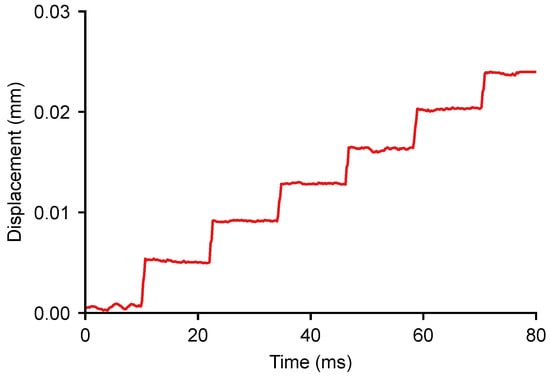
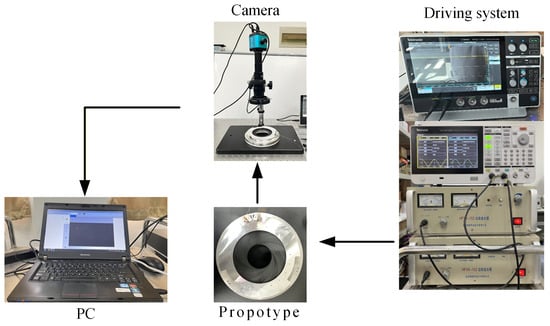
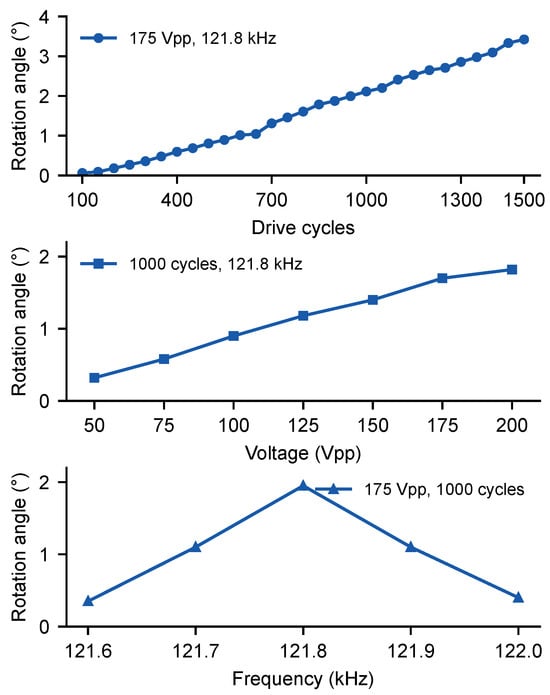
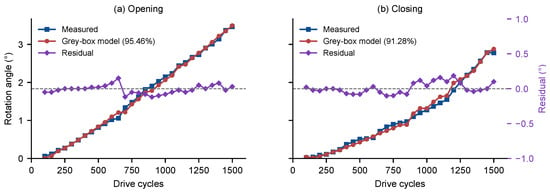
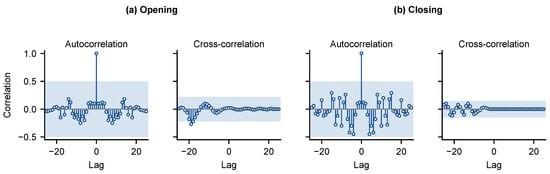
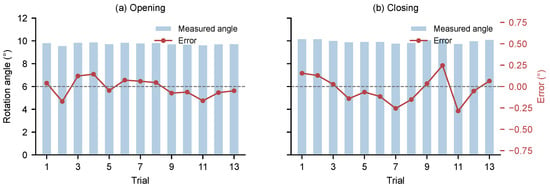
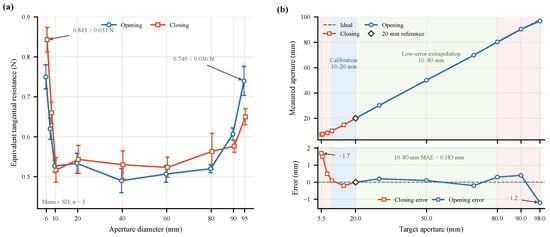
Large-aperture variable irises must provide continuous aperture regulation within a restricted axial space. This study presents a laboratory prototype of a 20-blade iris directly driven by a V-shaped mode-coupled ultrasonic motor. The iris was geometrically designed for a mm–98 mm clear-aperture range. A wave-spring–bearing compliant preload mechanism was designed to maintain blade compression while permitting low-resistance actuating-ring rotation. Under a 3 N axial load, finite-element analysis showed that a representative three-blade overlap unit was approximately 7.6 times stiffer axially than the preload mechanism, so deformation occurred mainly in the latter. Taguchi design and multi-objective optimization produced a flexibly clamped stator with simulated working modes at kHz and kHz, separated by 170 Hz; the measured frequencies were kHz and kHz. At kHz and 300 , the g stator generated bidirectional maximum thrusts of N and N, corresponding to a maximum thrust-to-mass ratio of 716 N/kg. A separate short-cycle test yielded a minimum observed stable tangential displacement of . Quantitative opening and closing tests over a local 10 mm–20 mm interval yielded mean absolute actuating-ring angle errors of and , respectively. Model-extrapolation tests from a 20 mm reference yielded an aperture MAE of mm over 10 mm–80 mm, while errors of mm and mm were measured at the mm and 98 mm targets. These results support the functional feasibility of the proposed direct-drive architecture and identify an increased prediction error near the travel limits.
Full article
(This article belongs to the Section E: Engineering and Technology)
►▼
Show Figures

Figure 1
Open AccessArticle
A 128−Channel 0.2–8.2 V Calibrated DAC IC Achieving 0.26−LSB DNL and 0.71−LSB DVO for Photonic Computing
by
Likai Li, Desong Lv, Jingjing Lv, Dawei Li, Li Du and Yuan Du
Micromachines 2026, 17(9), 1088; https://doi.org/10.3390/mi17091088 - 16 Sep 2026
Abstract
Photonic computing systems require large numbers of accurate programmable voltages for photonic weight programming and device bias control. This paper presents a 128−channel digital−to−analog converter (DAC) implemented in a 250 nm BCD high−voltage CMOS process. A code−dependent per−channel auxiliary−DAC calibration scheme is proposed
[...] Read more.
Photonic computing systems require large numbers of accurate programmable voltages for photonic weight programming and device bias control. This paper presents a 128−channel digital−to−analog converter (DAC) implemented in a 250 nm BCD high−voltage CMOS process. A code−dependent per−channel auxiliary−DAC calibration scheme is proposed to compensate main−DAC conversion errors and channel−dependent offsets. In addition, a separated low−/high−voltage−domain driver and a stepwise multichannel update scheme are adopted to reduce static power and suppress update−induced disturbances. After calibration, the measured maximum absolute differential non−linearity (DNL) and integral non−linearity (INL) are 0.26 least significant bit (LSB) and 0.39 LSB, respectively, and the maximum deviation of voltage output (DVO) across 128 channels is 0.71 LSB. The DAC achieves rising/falling slew rates of 6.1/11.7 V/μs under an 8 V output swing. Under dynamic operation with 0.2 to 8.2 V sinusoidal outputs and a 10 kΩ load per channel, the total power consumption is 0.85 W. Thermo−optic phase−shifter measurements further verify programmable photonic phase tuning, demonstrating a scalable electrical control interface for thermo−optic phase−shifter−based photonic computing hardware.
Full article
(This article belongs to the Special Issue Advances in Optoelectronic Co-Design: Bridging EIC and PIC Technologies)
Open AccessArticle
Experimental Investigation of Laser-Assisted Ultrasonic Vibration Milling of CF/PEEK-Based CFRTP Unidirectional Laminates
by
Zhengqiang Li, Kang Xiao, Minghai Wang, Qijia Wang, Xuezhi Wang, Xianjun Kong and Siyu Zhou
Micromachines 2026, 17(9), 1087; https://doi.org/10.3390/mi17091087 - 16 Sep 2026
Abstract
Carbon fiber-reinforced polyetheretherketone is widely used in aerospace, transportation, and medical devices because of its high interlaminar and intralaminar fracture toughness, excellent mechanical properties, and long-term stability at elevated temperatures. However, its two-phase structure, consisting of brittle fibers embedded in a tough matrix,
[...] Read more.
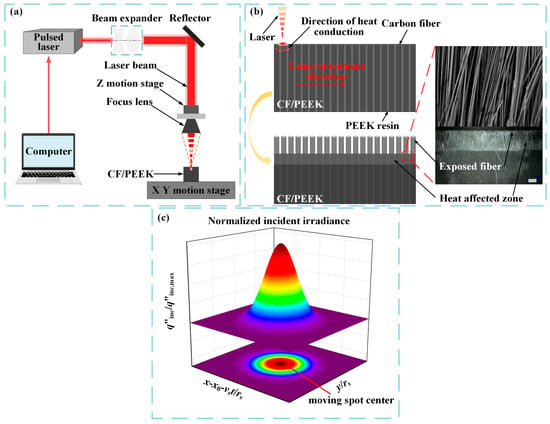
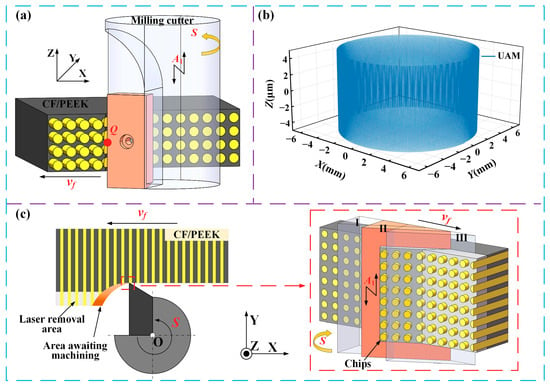
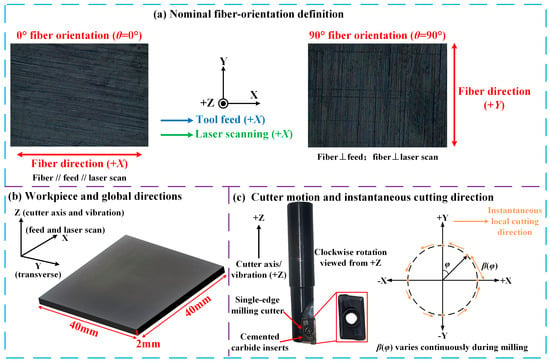
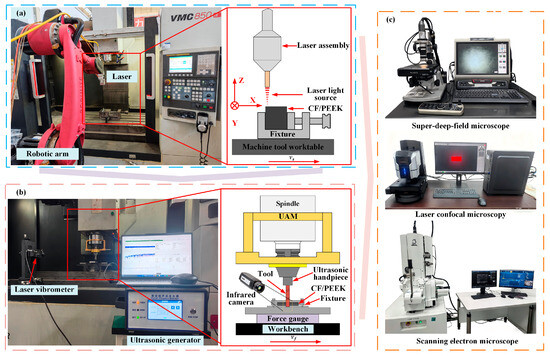
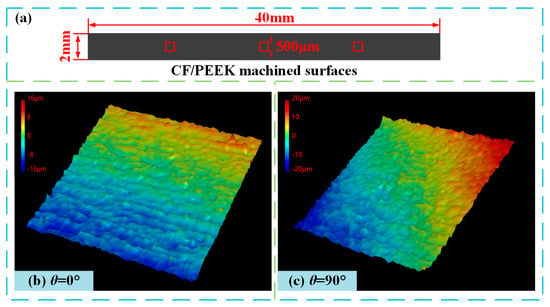
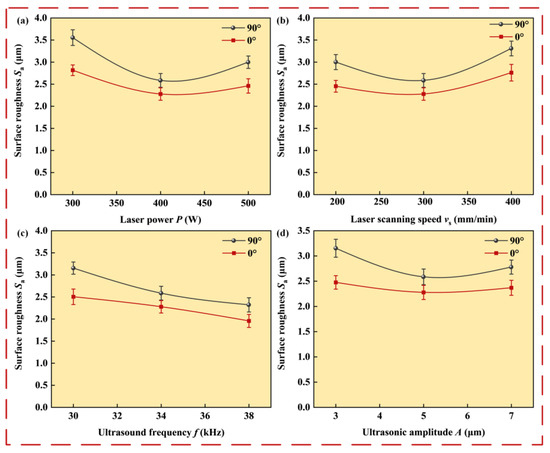
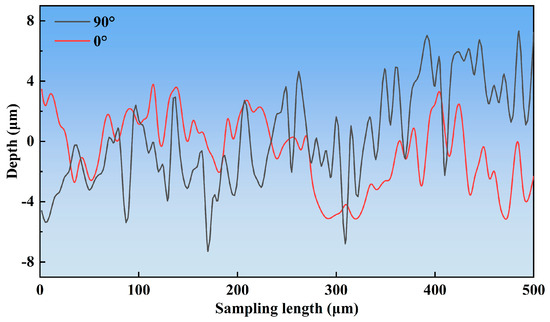
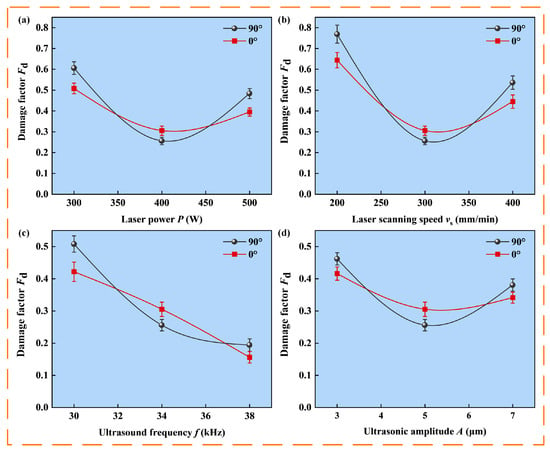
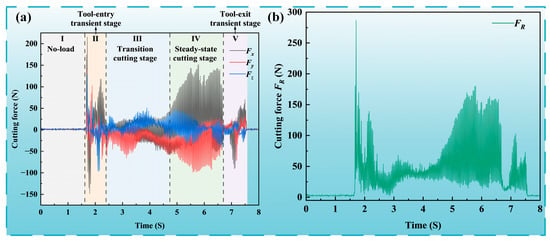
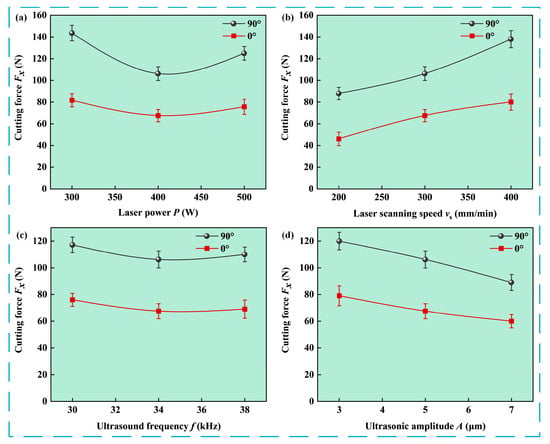
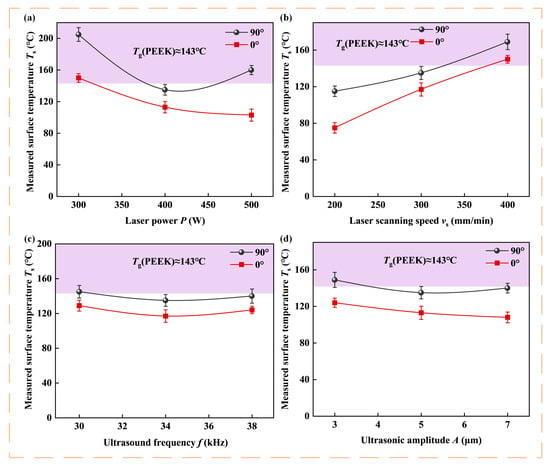
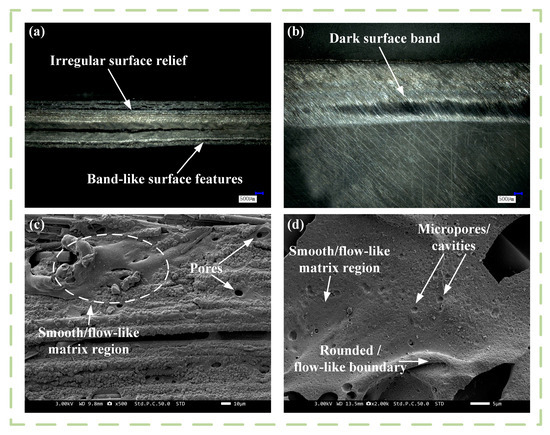
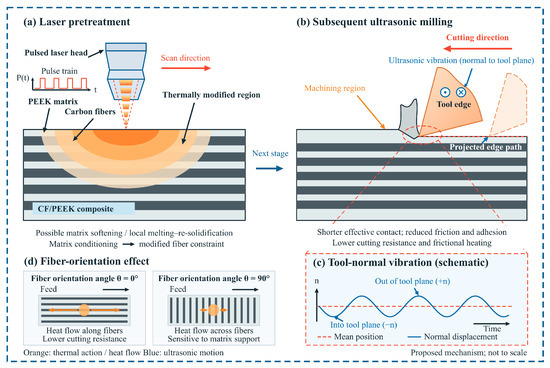
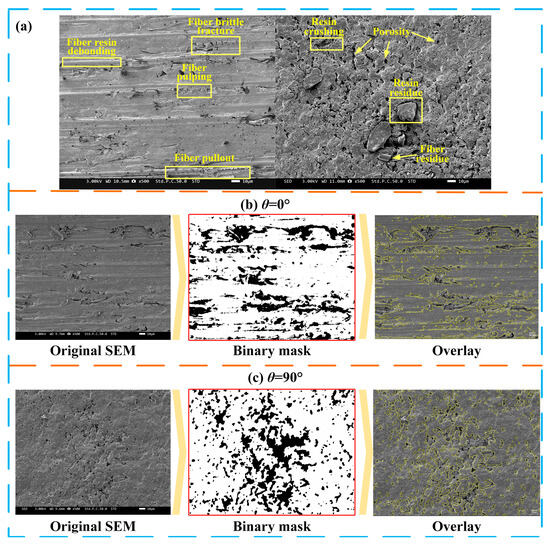
Carbon fiber-reinforced polyetheretherketone is widely used in aerospace, transportation, and medical devices because of its high interlaminar and intralaminar fracture toughness, excellent mechanical properties, and long-term stability at elevated temperatures. However, its two-phase structure, consisting of brittle fibers embedded in a tough matrix, presents significant machining challenges. In this study, a two-stage laser–ultrasonic vibration-assisted milling process was investigated by combining laser-induced matrix thermal softening and decomposition with high-frequency, intermittent tool–workpiece contact. Unidirectional laminates with 0° and 90° fiber orientations were machined to systematically evaluate the effects of processing parameters on cutting force, measured surface temperature, surface roughness, and machining defects. The proposed process reduced the cutting force by 7.4–26.1%, improved surface roughness, and reduced observable machined surface defects. Appropriate laser and ultrasonic parameters were associated with lower measured surface temperatures and fewer observable fiber fracture and fiber–matrix separation features, thereby improving machined surface quality. These findings clarify the synergistic effects of laser and ultrasonic parameters and provide a basis for process optimization and high-quality machining of carbon fiber-reinforced polyetheretherketone composites.
Full article
(This article belongs to the Section D: Materials and Processing)
►▼
Show Figures

Figure 1

Open AccessPerspective
Engineering Nanotherapeutics Through Interfacial Mechanics: Mechanobiology and Precision Drug Delivery
by
Alireza Mohammad Karim
Micromachines 2026, 17(9), 1086; https://doi.org/10.3390/mi17091086 - 16 Sep 2026
Abstract
The biological microenvironment is inherently mechanical, with cells continuously sensing and responding to fluid shear stress, matrix stiffness, tensile strain, hydrostatic pressure, and other physical cues through highly conserved mechanotransduction pathways. These mechanical interactions arise across biological interfaces and are increasingly investigated using
[...] Read more.
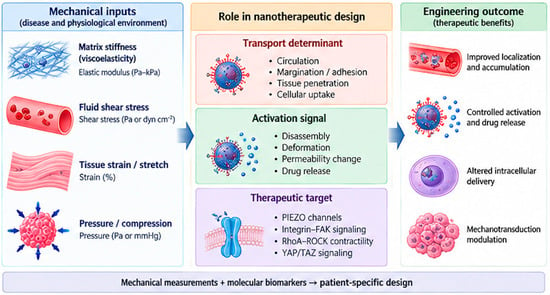
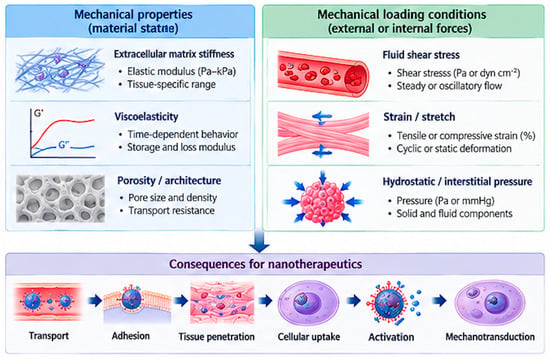
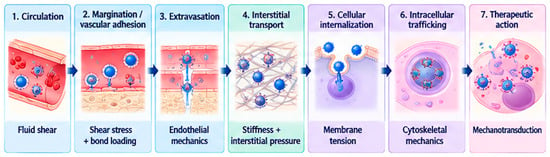
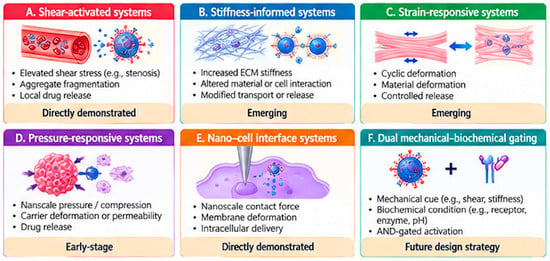
The biological microenvironment is inherently mechanical, with cells continuously sensing and responding to fluid shear stress, matrix stiffness, tensile strain, hydrostatic pressure, and other physical cues through highly conserved mechanotransduction pathways. These mechanical interactions arise across biological interfaces and are increasingly investigated using microfluidic and nanofluidic technologies that enable precise control of physiologically relevant mechanical environments. While nanomedicine has traditionally focused on biochemical targeting and molecular recognition, growing evidence demonstrates that interfacial mechanical forces critically regulate nanoparticle transport, vascular adhesion, cellular uptake, biodistribution, therapeutic activation, and treatment efficacy. Simultaneously, pathological alterations in tissue mechanics have emerged as hallmarks of numerous diseases, including cancer, cardiovascular disease, fibrosis, pulmonary hypertension, neurodegeneration, and metabolic disorders, creating new opportunities for mechanics-guided therapeutic design. This Perspective develops an integrative framework in which interfacial mechanics is treated as an actionable engineering variable across the nanotherapeutic delivery pathway. The framework distinguishes three mechanistic roles of mechanics: as a determinant of therapeutic transport, as an activation signal for mechanically responsive materials, and as a biological target through mechanotransduction pathways. Particular attention is given to fluid shear stress, extracellular-matrix mechanics, strain, pressure, nano–cell interfacial interactions, and the use of microfluidic and nanofluidic systems to reproduce physiologically relevant mechanical environments. Experimentally demonstrated mechanically responsive systems are distinguished from prospective concepts, and the translational implications of mechanical heterogeneity, activation thresholds, off-target triggering, and combined mechanical–biochemical gating are examined. The Perspective further identifies quantitative and experimental requirements needed to advance mechanics-guided nanotherapeutics from conceptual designs toward predictive and clinically translatable systems. Collectively, this framework positions interfacial mechanics as a complementary design dimension to molecular targeting in precision drug delivery.
Full article
(This article belongs to the Special Issue Interfacial Physics, Healthcare and Medicine: Microfluidics and Nanofluidics)
►▼
Show Figures

Figure 1

Open AccessArticle
Damage Mechanism of GaN HEMT and Failure Analysis of Power Amplifier Under High-Altitude Electromagnetic Pulse
by
Lu Sun, Haolin Wu, Jin Tian and Keke Bai
Micromachines 2026, 17(9), 1085; https://doi.org/10.3390/mi17091085 - 16 Sep 2026
Abstract
With the growing complexity of electromagnetic environments, electronic systems suffer from prominent strong electromagnetic interference in practical service. As a key component implementing power amplification and transmission in communication systems, interference and damage effects of a GaN HEMT power amplifier under High-altitude Electromagnetic
[...] Read more.
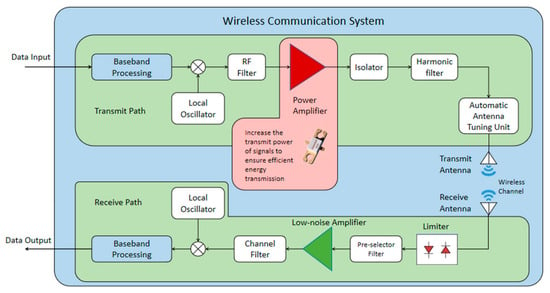
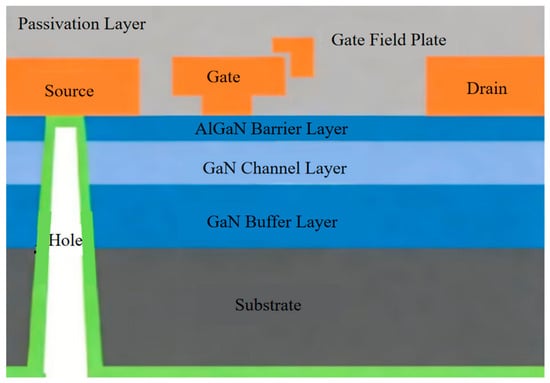
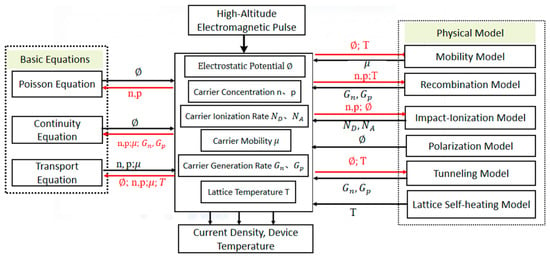
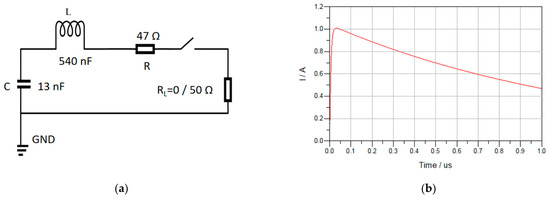
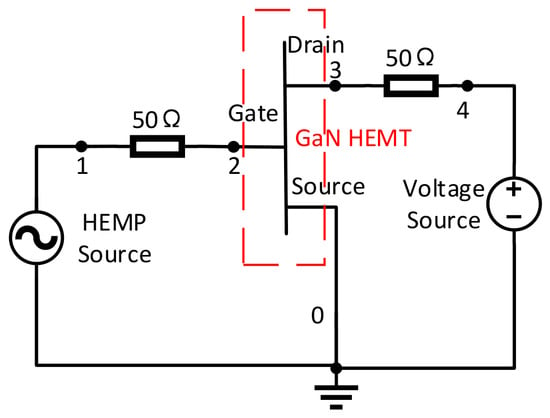
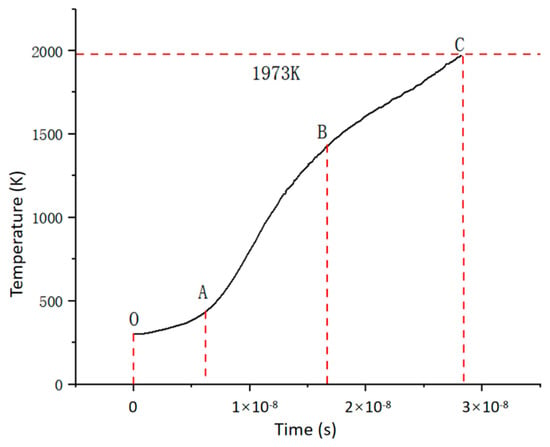
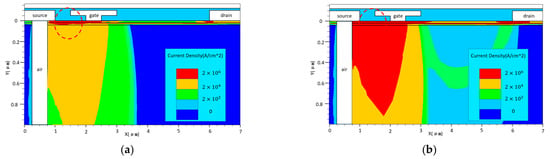
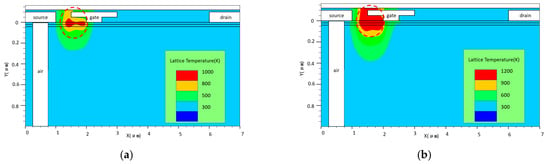
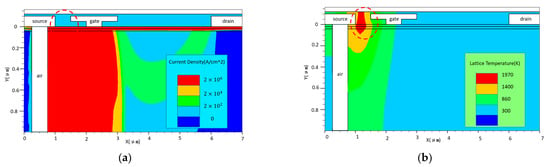
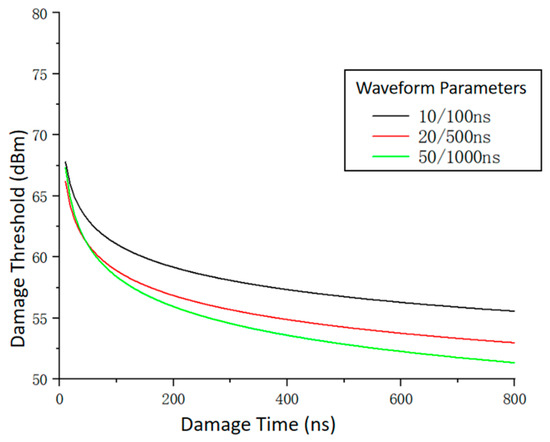
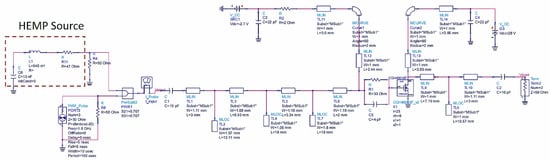
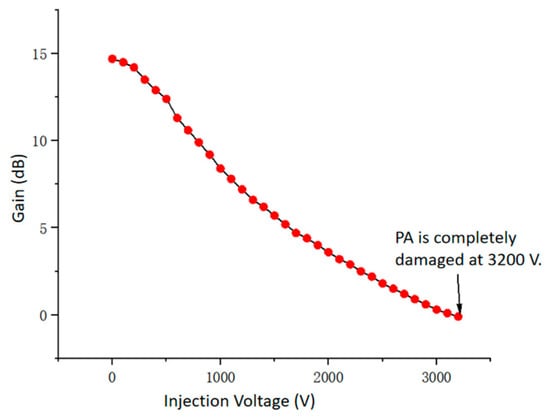
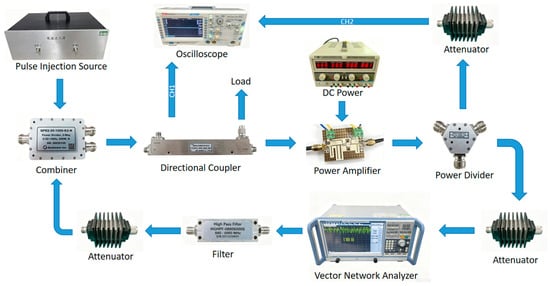
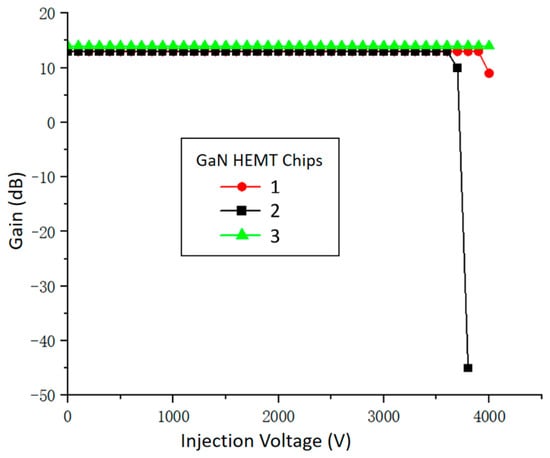
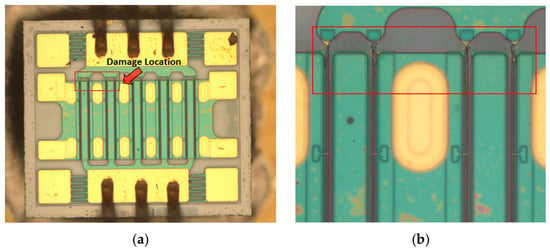
With the growing complexity of electromagnetic environments, electronic systems suffer from prominent strong electromagnetic interference in practical service. As a key component implementing power amplification and transmission in communication systems, interference and damage effects of a GaN HEMT power amplifier under High-altitude Electromagnetic Pulse (HEMP) directly affect the regular operation of systems. In this paper, a physical device model and an injection source model are built first; injection simulations of different HEMP pulses are adopted to analyze internal temperature and current density distributions, predicting vulnerable positions of the device under gate injection. A GaN HEMT power amplifier based on CGH40010F is then established to investigate the failure mechanism under HEMP injection and the damage effect of different pulse parameters. An injection experiment system is conducted according to HEMP pulse standard; results indicate that power amplifier failure stems from GaN HEMT device destruction. The damage evolution is tightly associated with injected energy accumulation, and the gate–source channel is the susceptible region for GaN HEMT under gate injection. These conclusions can provide important references for the protective design of GaN HEMT power amplifiers.
Full article
(This article belongs to the Special Issue Power Semiconductor Devices and Integration Technology)
►▼
Show Figures

Figure 1
Open AccessArticle
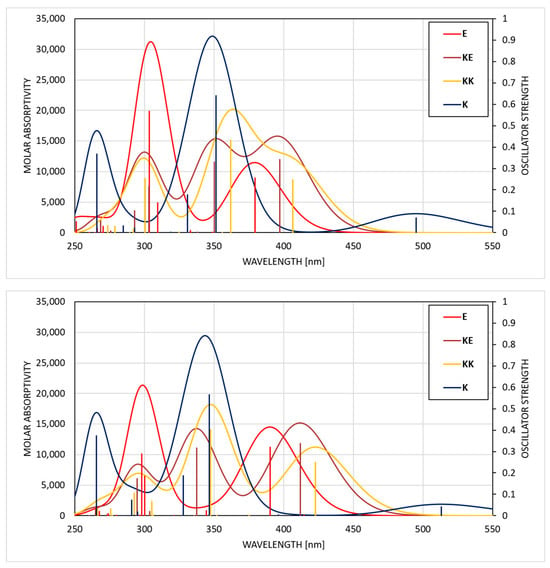
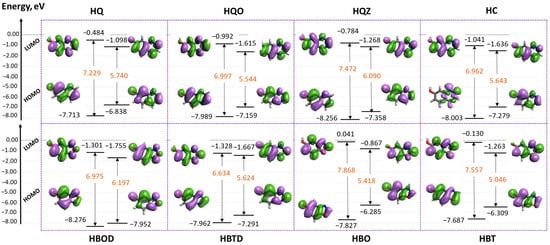
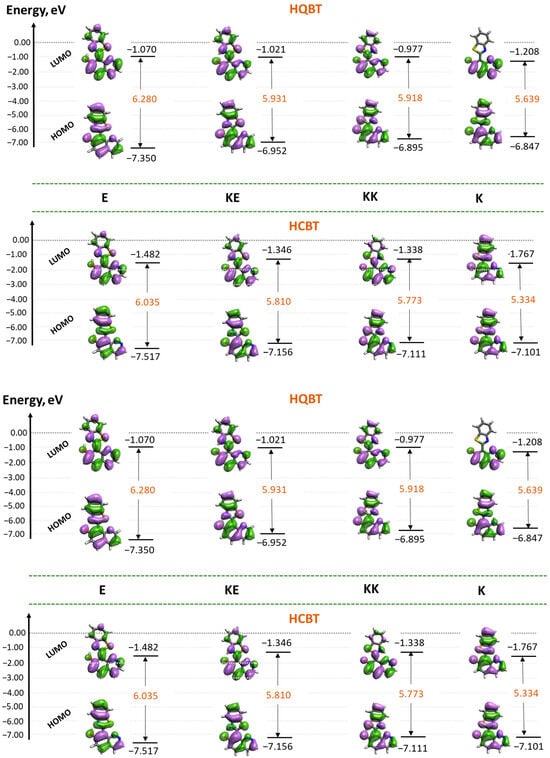
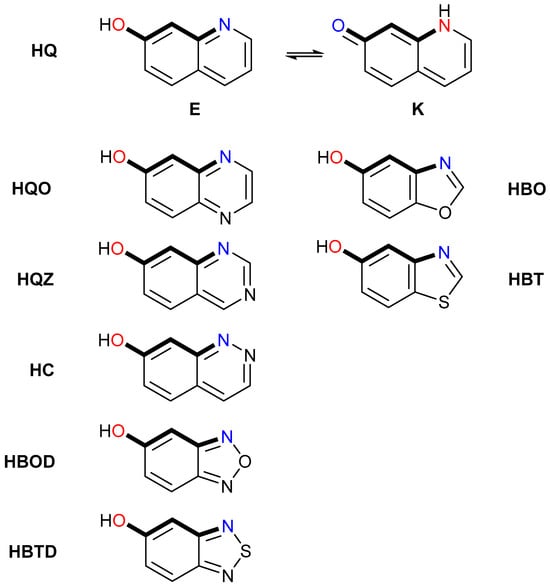
Improving Long-Range Intramolecular Proton Transfer—Further Molecular Design Using the Successful Molecular Switch 8-(Benzo[d]thiazol-2-yl)quinolin-7-ol (HQBT) as a Structural Model
by
Daniela Nedeltcheva-Antonova, Nikoleta Kircheva, Silvia Angelova and Liudmil Antonov
Micromachines 2026, 17(9), 1084; https://doi.org/10.3390/mi17091084 - 15 Sep 2026
Abstract
Proton cranes are single-molecule photoswitches with rotor and stator parts attached, where the switching event is based on a multi-step, long-range intramolecular proton transfer within the stator. The process of intramolecular motion makes such structures prototypes for machines at a nanomolecular level with
[...] Read more.
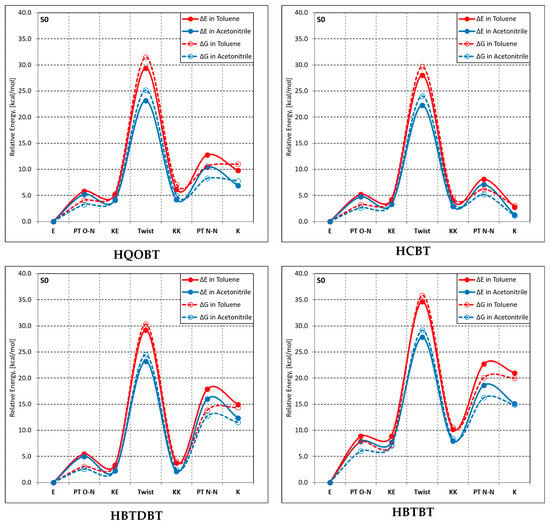
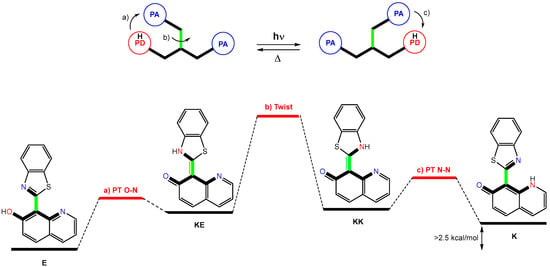
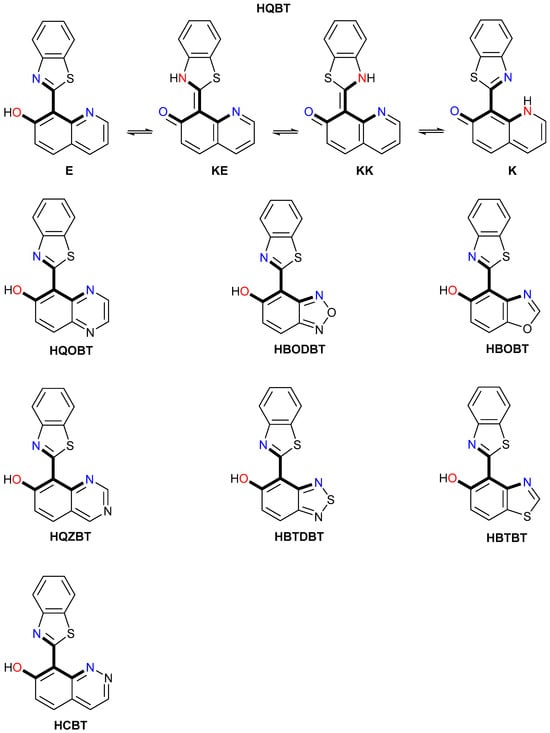
Proton cranes are single-molecule photoswitches with rotor and stator parts attached, where the switching event is based on a multi-step, long-range intramolecular proton transfer within the stator. The process of intramolecular motion makes such structures prototypes for machines at a nanomolecular level with broad potential applications as novel materials, necessitating a multifaceted approach to their investigation. Theoretical design of conjugated tautomeric proton cranes, using benzothiazole as a tautomeric rotor and a variety of tautomeric OH-containing heterocycles as possible stators, has been attempted by using density functional theory calculations in various environments. The shape of the ground-state potential energy surface has been used to estimate the suitability of possible proton cranes. A previously developed and studied proton crane, named HQBT, in which the benzothiazole rotor is attached to the eighth position of the quinoline-7-ol stator, has been used as a comparative example. The results indicate that under certain conditions, cinnolin-7-ol-based proton cranes could have practical applicability in non-polar media, where the performance of HQBT is not satisfactory.
Full article
(This article belongs to the Section C: Chemistry)
►▼
Show Figures

Figure 1

Open AccessArticle
Predicting Impact Loads on Polymer Materials from Laser-Induced Cavitation Bubble Collapse Using Random Forest Regression
by
Muhammad Farkhan Abdillah and Kazuaki Inaba
Micromachines 2026, 17(9), 1083; https://doi.org/10.3390/mi17091083 (registering DOI) - 15 Sep 2026
Abstract
Cavitation bubble collapse generates impact loads that can initiate surface damage and accelerate material degradation in hydraulic and fluid-handling systems. Predicting these loads remains challenging because the collapse response depends on nonlinear interactions among bubble dynamics, stand-off distance, and polymer mechanical, acoustic, and
[...] Read more.
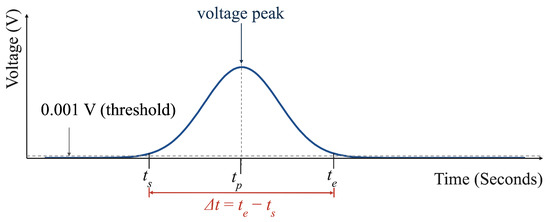
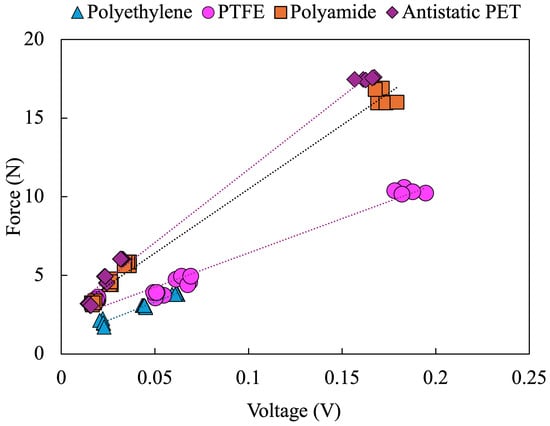
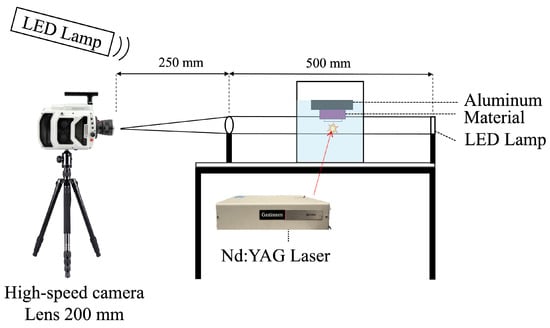
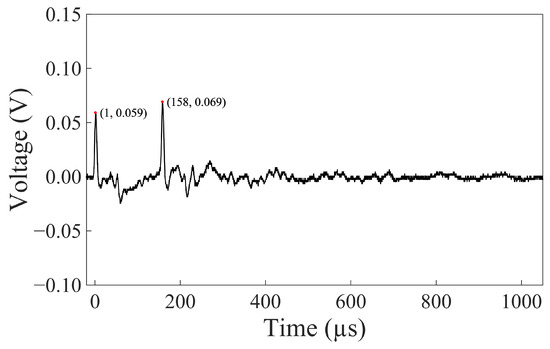
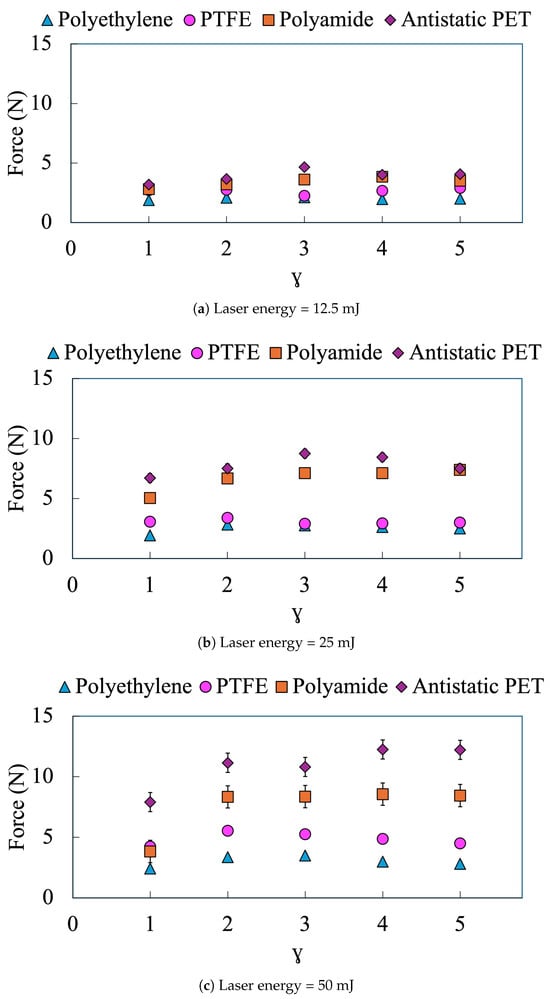
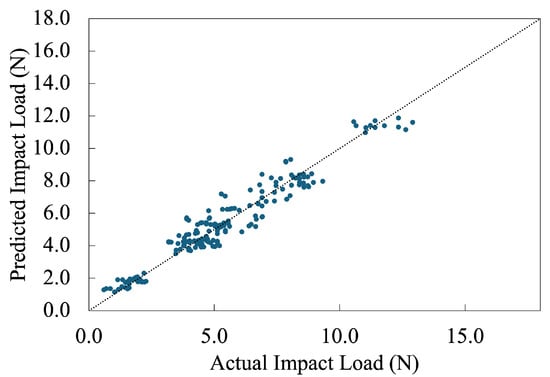
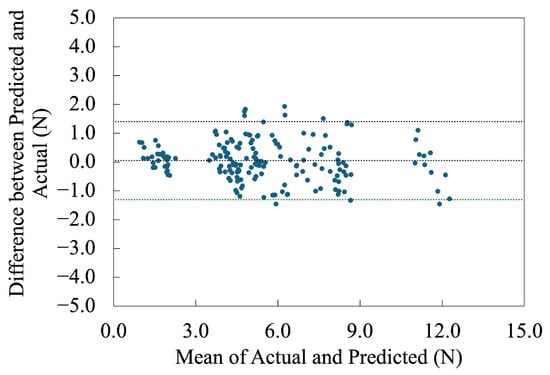
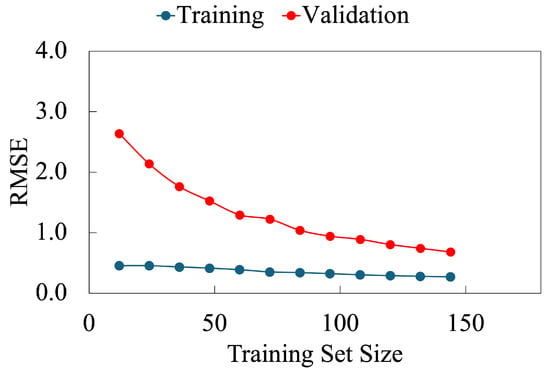
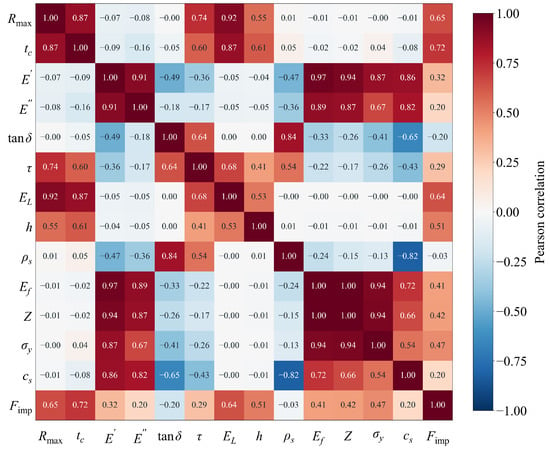
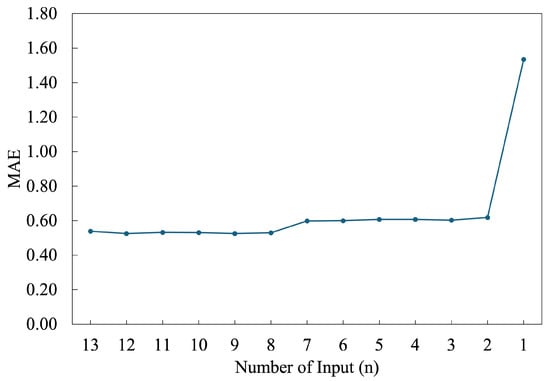
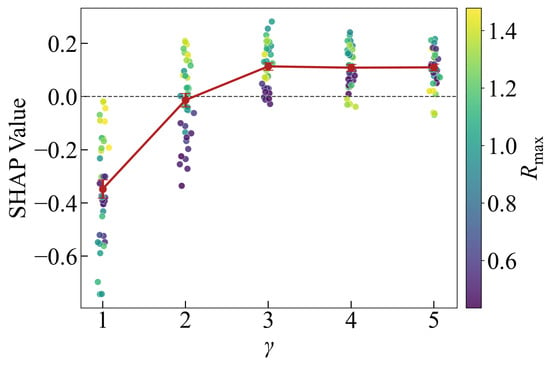
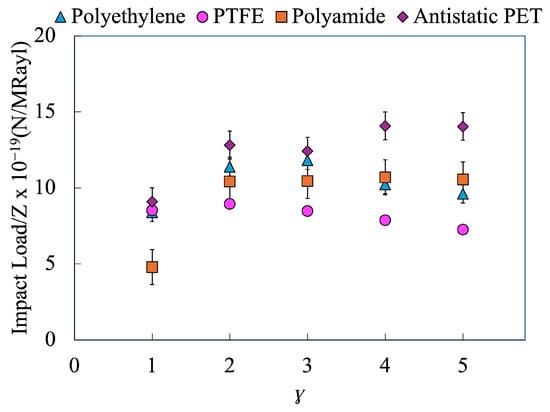
Cavitation bubble collapse generates impact loads that can initiate surface damage and accelerate material degradation in hydraulic and fluid-handling systems. Predicting these loads remains challenging because the collapse response depends on nonlinear interactions among bubble dynamics, stand-off distance, and polymer mechanical, acoustic, and viscoelastic properties. This study developed machine-learning regression models to predict impact loads from laser-induced single-bubble collapse on polyethylene, polytetrafluoroethylene (PTFE), polyamide, and antistatic polyethylene terephthalate (antistatic PET). Experiments were performed using a pulsed Nd:YAG laser at energies of 12.5, 25, and 50 mJ and normalized stand-off distances of = 1–5, producing 180 measurements. Impact loads were measured using a force-calibrated PVDF sensor with material-specific calibration equations. Bubble radius was obtained from high-speed imaging, whereas collapse time was determined from the PVDF voltage-time response. Thirteen input variables were used to train linear, ridge, LASSO, multilayer perceptron, and random forest regressors with Bayesian optimization and grouped five-fold cross-validation. Random forest regression achieved the best performance, with , , , and . SHAP analysis identified collapse time, acoustic impedance, and loss modulus as dominant predictors. The model is therefore suitable for trend prediction within the tested experimental domain.
Full article
(This article belongs to the Special Issue Optical and Laser Material Processing, 3rd Edition)
►▼
Show Figures

Figure 1
Open AccessArticle
Controlling the Mixing Performance of Passive Micromixers with Variable Section Units
by
Lijun Yang, Yu Hang, Renjie Liu, Qilin Jiang, Zongan Li, Jun Hong and Ye Wu
Micromachines 2026, 17(9), 1082; https://doi.org/10.3390/mi17091082 - 15 Sep 2026
Abstract
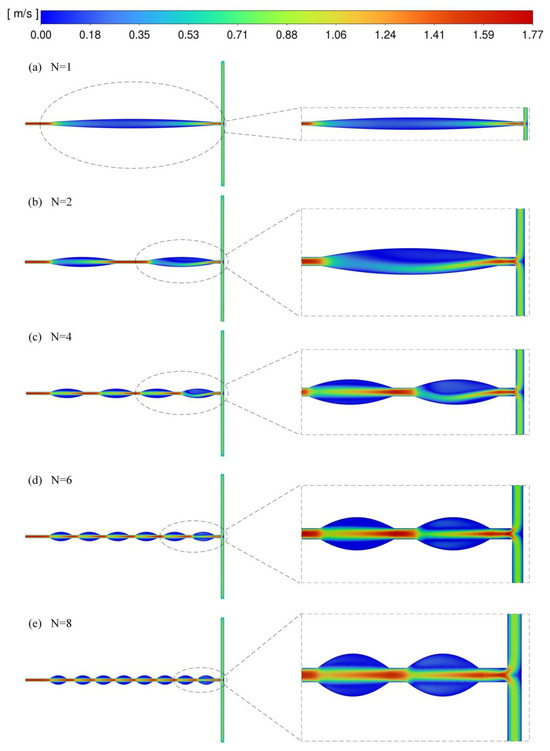
Changing the structures of microchannels has become an effective strategy for improving the mixing performance of passive micromixers. In this study, we propose a novel micromixer with variable section units through changing the geometric parameters including the type, the position, the number, and
[...] Read more.
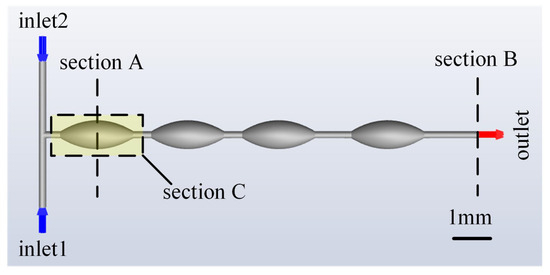
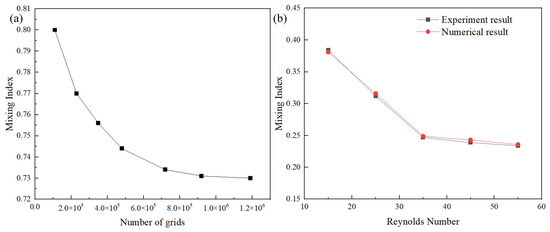
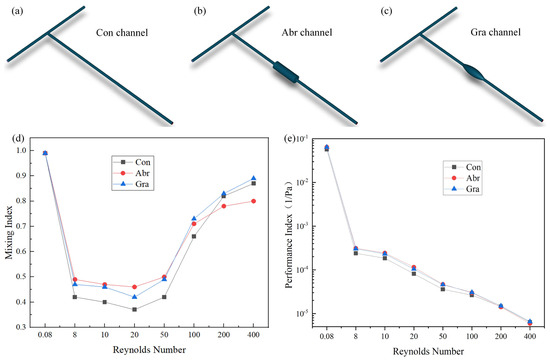
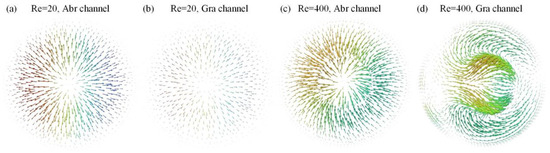
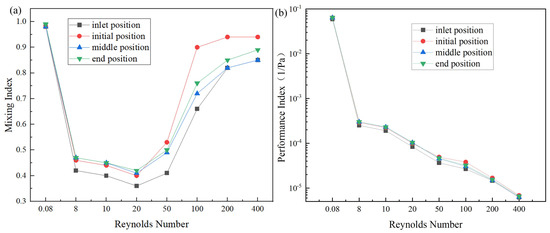
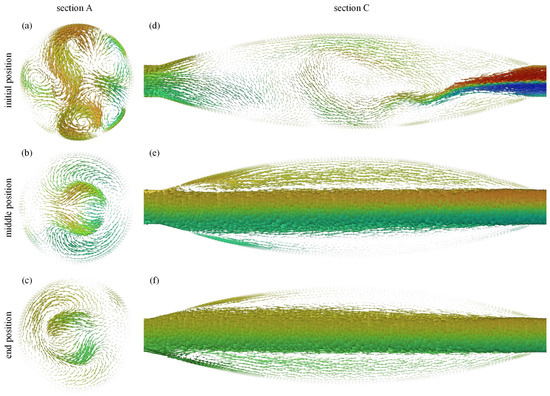
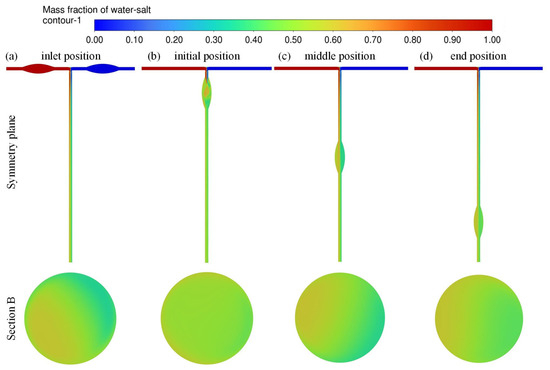
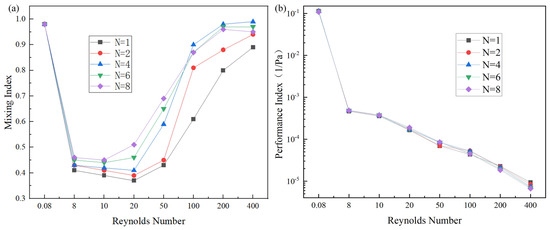
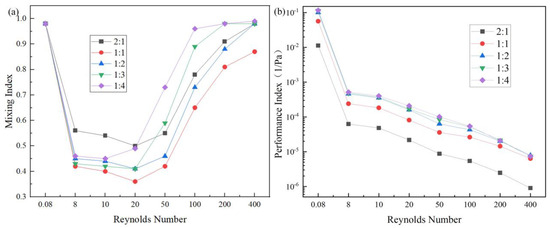
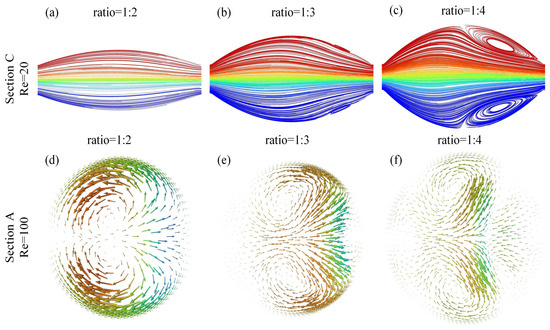
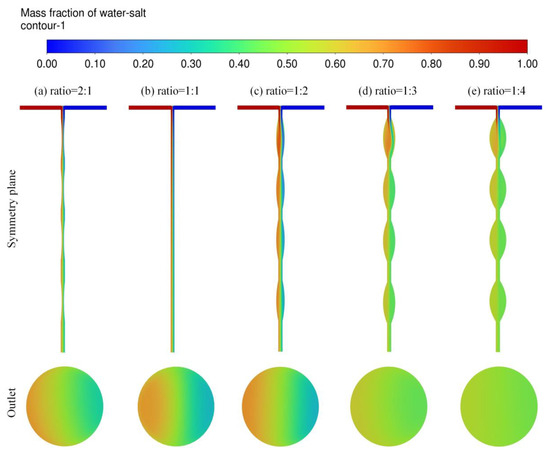
Changing the structures of microchannels has become an effective strategy for improving the mixing performance of passive micromixers. In this study, we propose a novel micromixer with variable section units through changing the geometric parameters including the type, the position, the number, and the ratio of the variable section units. The effects of these geometric parameters on the mixing performance were numerically investigated and parametrically compared. The results showed that the type of Gra channel, the initial position, a number of 4, and the ratio of 1:4 should be selected. With this selected configuration, the mixing efficiency of the micromixer can be significantly enhanced, with the mixing index exceeding 0.96 at a Reynolds number of 100. These findings demonstrate an effective design strategy for developing passive micromixers.
Full article
(This article belongs to the Collection Micromixers: Analysis, Design and Fabrication)
►▼
Show Figures

Figure 1
Open AccessArticle
Improved ASHCPWM with Reduced IGBT Switching Actions and Kalman Filter-Based Zero-Sequence Suppression for Open-End Winding PMSM Drives
by
Yu Zhang, Mingzhe Qu, Hongjia Xie, Yang Xia and Liangxing Hu
Micromachines 2026, 17(9), 1081; https://doi.org/10.3390/mi17091081 - 15 Sep 2026
Abstract
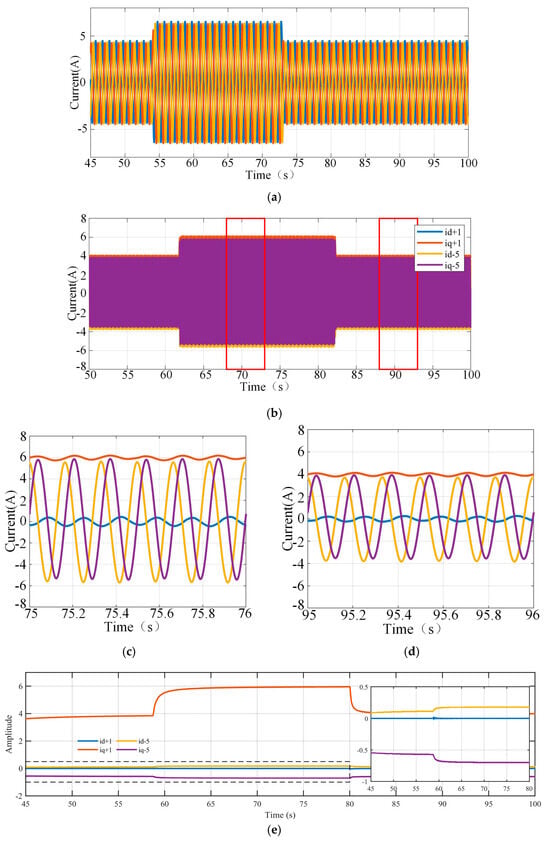
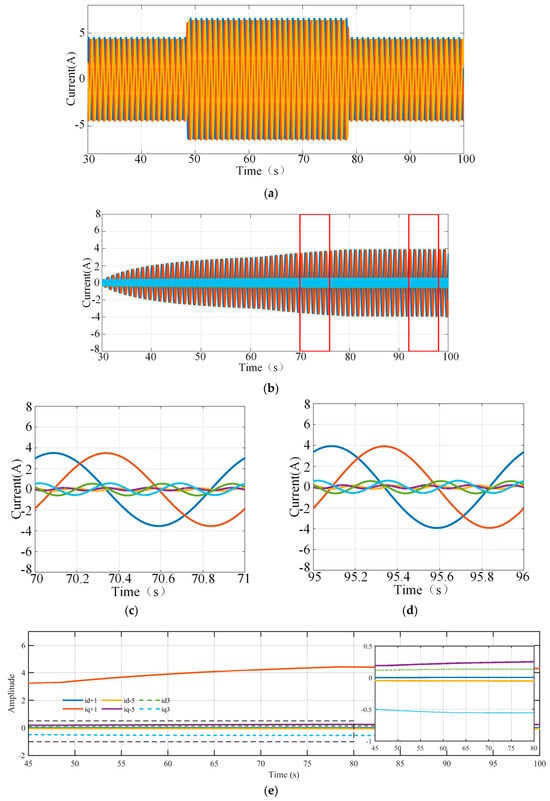
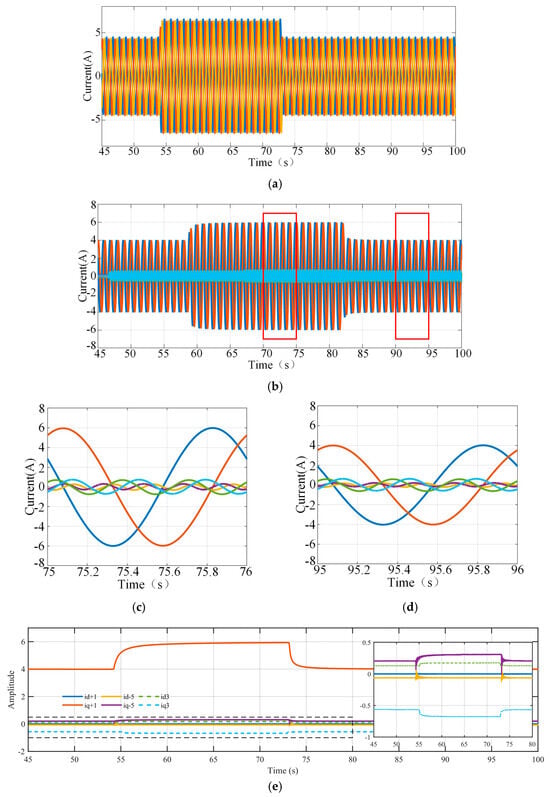
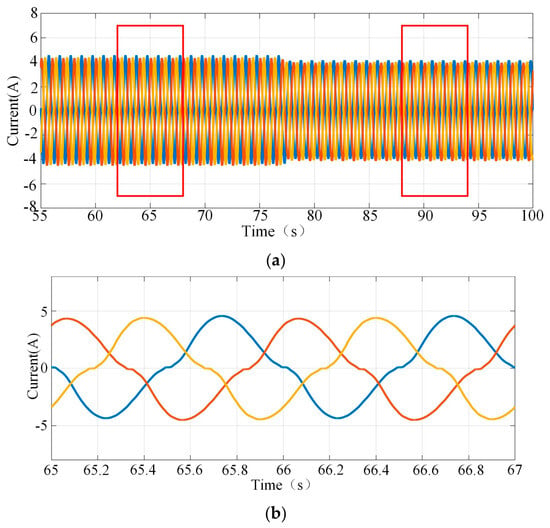
To improve the dc-bus voltage utilization while reducing the commutation burden of an insulated gate bipolar transistor (IGBT)-based open-end winding permanent magnet synchronous motor (OEW-PMSM) drive, this paper proposes an improved alternate sub-hexagonal center PWM (ASHCPWM) strategy. The drive employs two three-phase IGBT
[...] Read more.
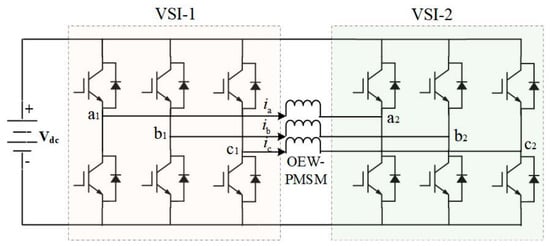
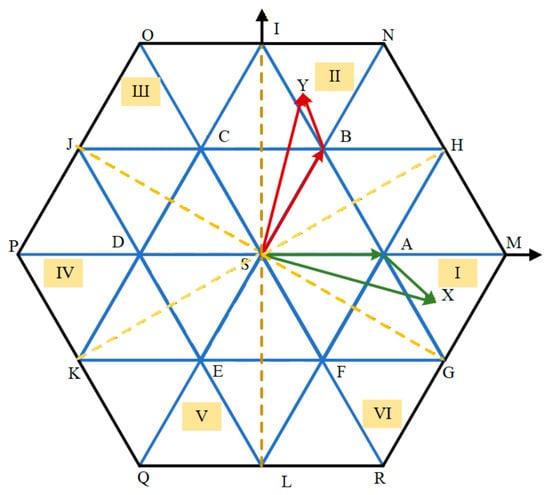
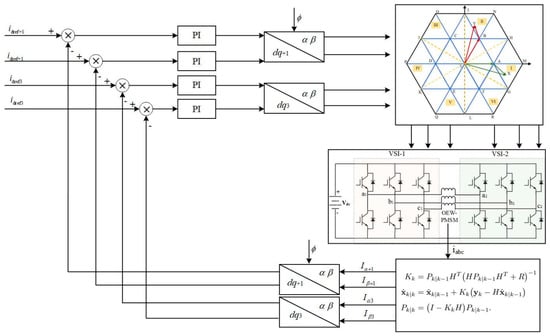
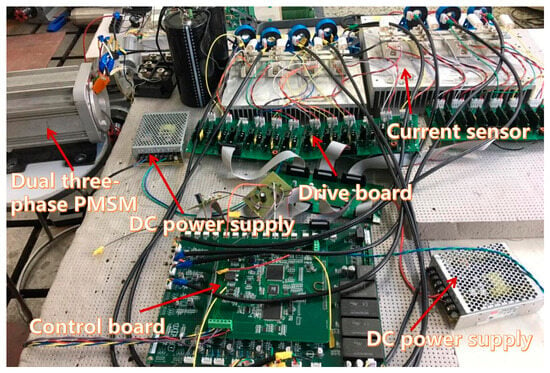
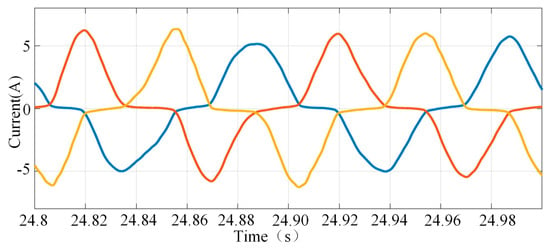
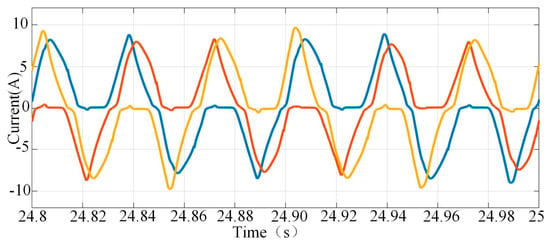
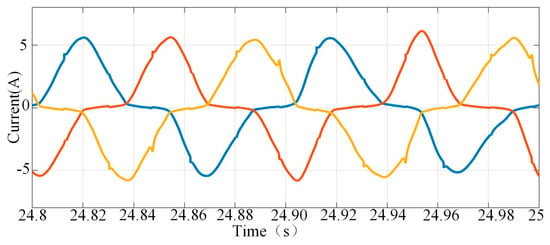
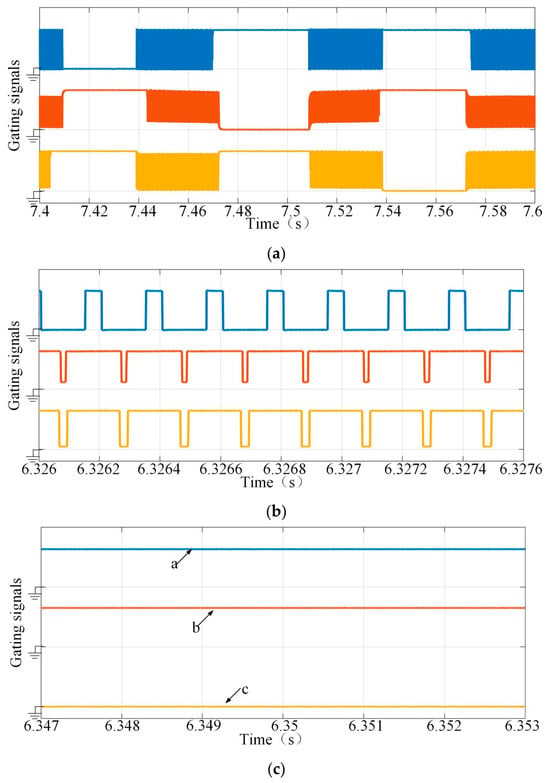
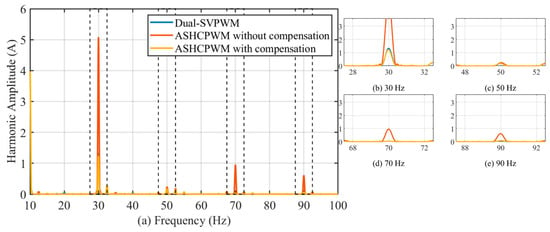
To improve the dc-bus voltage utilization while reducing the commutation burden of an insulated gate bipolar transistor (IGBT)-based open-end winding permanent magnet synchronous motor (OEW-PMSM) drive, this paper proposes an improved alternate sub-hexagonal center PWM (ASHCPWM) strategy. The drive employs two three-phase IGBT inverters sharing a common dc bus. Since the turn-off energy of an IGBT is strongly affected by its switching frequency, ASHCPWM alternately clamps one inverter and reduces the number of switching transitions. The resulting common-mode voltage mismatch, together with the dead-time voltage error required to prevent shoot-through in the IGBT bridge legs, nevertheless produces significant zero-sequence current and additional semiconductor current stress. A mathematical model of the zero-sequence voltage is therefore established, and a common-mode voltage compensation method is combined with an improved Kalman-filter-based harmonic extraction and closed-loop suppression strategy. The switching performance of the modulation is evaluated by counting the switching transitions of the twelve IGBTs and by comparing the zero-sequence current and phase-current spectra. Experiments on a 10 kHz prototype demonstrate that the proposed method substantially reduces zero-sequence harmonics while retaining the reduced-switching characteristic of the original ASHCPWM.
Full article
(This article belongs to the Section A: Physics)
►▼
Show Figures

Figure 1
Open AccessArticle
Design of a Three-Axis Piezoelectric Accelerometer with Wide Frequency, High Sensitivity and Low Cross-Axis Interference
by
Po-Chun Chen, Ze-Wen Sun, Sheng-Yuan Chu and Cheng-Che Tsai
Micromachines 2026, 17(9), 1080; https://doi.org/10.3390/mi17091080 - 14 Sep 2026
Abstract
A single-structure three-axis MEMS accelerometer often suffers from cross-axis interference, which leads to inaccurate sensitivity and makes it difficult to reliably assess the health condition of the measured object. In addition, achieving high sensitivity often comes at the cost of reduced bandwidth. Because
[...] Read more.
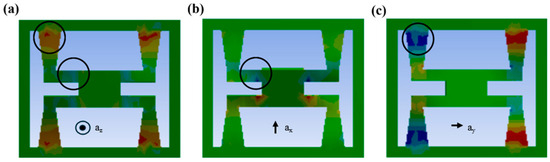
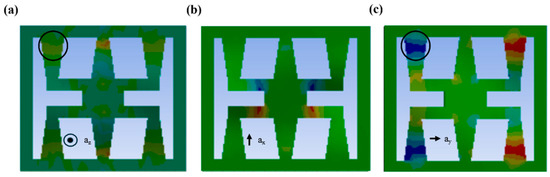
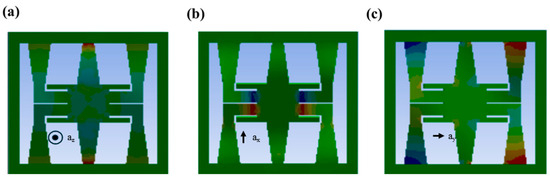
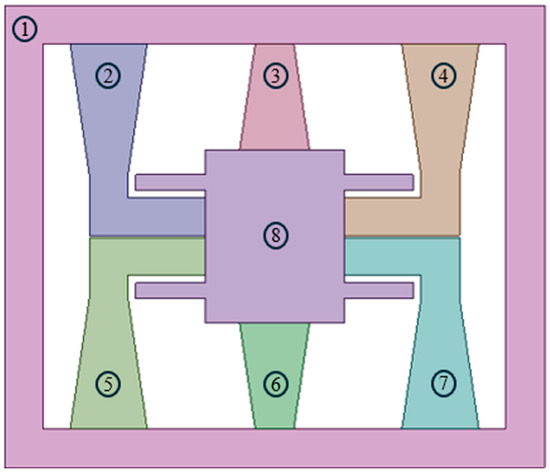
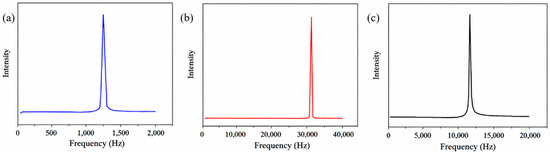
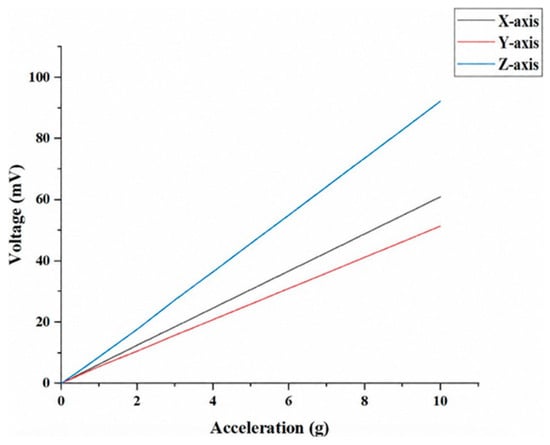
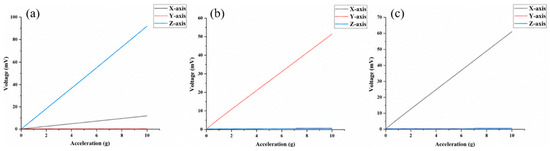
A single-structure three-axis MEMS accelerometer often suffers from cross-axis interference, which leads to inaccurate sensitivity and makes it difficult to reliably assess the health condition of the measured object. In addition, achieving high sensitivity often comes at the cost of reduced bandwidth. Because few previous studies have addressed the cross-axis interference of such structures, this study presents the development and optimization of a structural three-axis MEMS piezoelectric accelerometer. A mathematical model was first established, followed by simulation and structural optimization to enhance sensitivity and minimize cross-axis interference while keeping the bandwidth nearly unchanged. This study proposes, for the first time, an improved structure that evolves the L-shaped accelerometer into a composite configuration consisting of a W-shaped cantilever and an additional four-bar proof mass, in order to enhance bandwidth and significantly reduce cross-axis interference. Generally, an increase in sensitivity leads to a reduction in bandwidth; however, by modifying the geometry of the proof mass, the proposed accelerometer achieves a substantial improvement in sensitivity while avoiding a significant loss of bandwidth. The implementation of a triaxial accelerometer can generally be achieved in three ways: using three single-axis accelerometers, realizing three axes through circuitry, or achieving three axes through structural design. Using three single-axis accelerometers results in large volume, heavy weight, and high cost. Circuit-based three-axis implementation cannot detect multi-axis forces simultaneously, whereas structural three-axis design is difficult to realize. This study focuses on designing a triaxial accelerometer based on a structural approach, optimizing it with reference to the most successful examples reported in the literature and progressively addressing the drawbacks of previous structures. First, trapezoidal beams are used instead of rectangular cantilever beams to increase bandwidth. Next, two additional cantilever beams are added to transfer the Z-axis sensitivity detection points to reduce cross-axis interference. Finally, the shape of the proof mass is designed to enhance the sensitivities along all three axes. The optimized accelerometer exhibits resonant frequencies of approximately 12.6 kHz, 31.6 kHz, and 11.8 kHz along the X-, Y-, and Z-axes, with corresponding sensitivities of 6.11, 5.44, and 8.85 mV/g, and cross-axis interference reduced to below 15%. The results demonstrate the achievement of a highly accurate and reliable three-axis MEMS piezoelectric accelerometer through structural design and optimization. The proposed design concept may also be beneficial for other piezoelectric-based sensor applications.
Full article
(This article belongs to the Special Issue Artificial Intelligence for Micro Inertial Sensors)
►▼
Show Figures

Figure 1
Open AccessReview
Recent Developments, Applications, and Future Prospects of Advanced Hearts-on-a-Chip
by
Aerin Kang, Hayun Lee, Gurnho Park, Taehong Kim, Hyoju Kim, Timothy Park, Sydney Staley, Miriam Kang and Youngbok (Abraham) Kang
Micromachines 2026, 17(9), 1079; https://doi.org/10.3390/mi17091079 - 13 Sep 2026
Abstract
Heart-on-a-chip (HoC) platforms represent a cutting-edge convergence of microfluidics and cellular biology, designed to imitate the complex physiological, electrical, and mechanical environments of a human heart. HoC devices are used to culture and observe cardiac cells in a highly customizable environment while allowing
[...] Read more.
Heart-on-a-chip (HoC) platforms represent a cutting-edge convergence of microfluidics and cellular biology, designed to imitate the complex physiological, electrical, and mechanical environments of a human heart. HoC devices are used to culture and observe cardiac cells in a highly customizable environment while allowing for real-time observations. However, current HoC systems face critical translational bottlenecks. Most notably, laboratory-grown cardiomyocytes consistently exhibit structural and functional immaturity and a lack of cellular complexity. This review evaluates recent engineering and biological strategies engineered to address these limitations. We dissect advancements in multicellular co-culture, biomimetic electrical/mechanical stimulation regimes, and microvascular fabrication techniques aimed at driving functional cell maturation. Finally, we highlight current cardiac model applications, existing challenges, and future perspectives.
Full article
(This article belongs to the Special Issue Microfluidic Chips for Biomedical Applications, Second Edition)
Open AccessArticle
Improved DC Characteristic Modeling and Small-Signal Investigation of GaN Schottky Barrier Diodes
by
Chuangye Wang, Liyue Tang, Ao Zhang, Jiali Cheng, Caoyu Li, Shuman Mao, Yuehang Xu, Qi He, Tao Guo, Kai Wang and Chang Wu
Micromachines 2026, 17(9), 1078; https://doi.org/10.3390/mi17091078 - 12 Sep 2026
Abstract
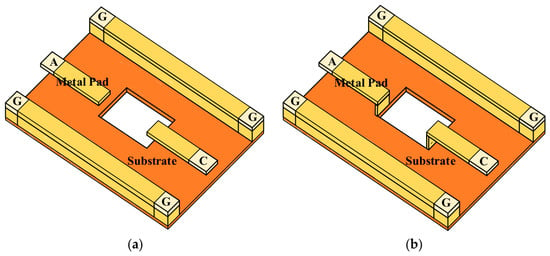
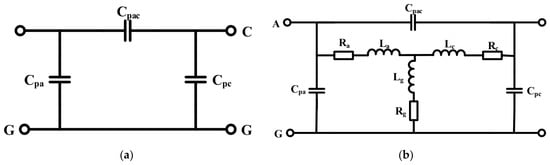
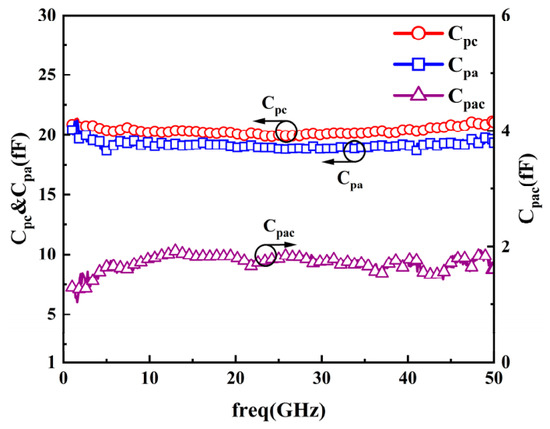
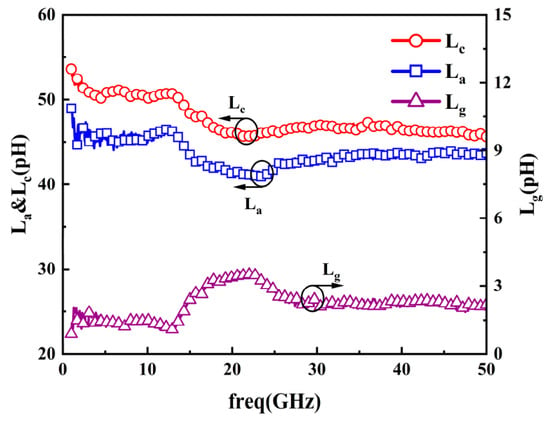
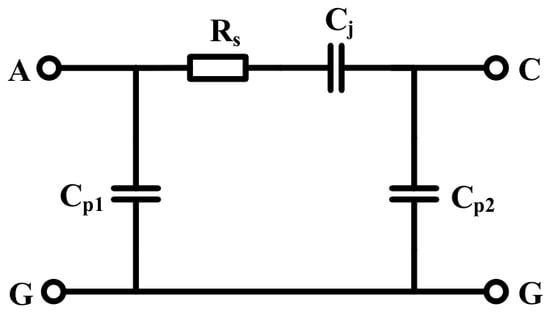
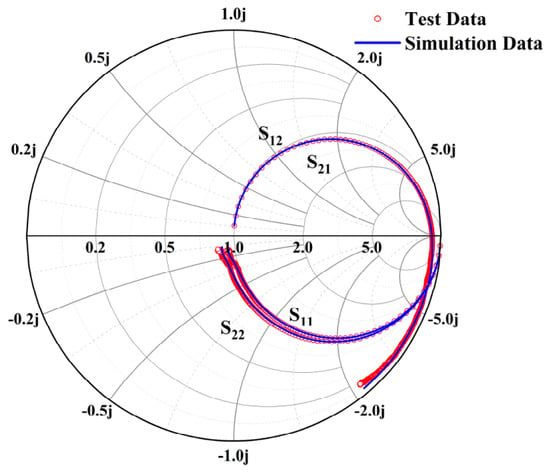
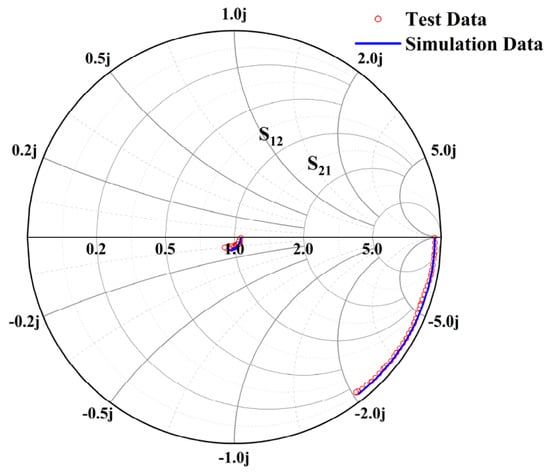
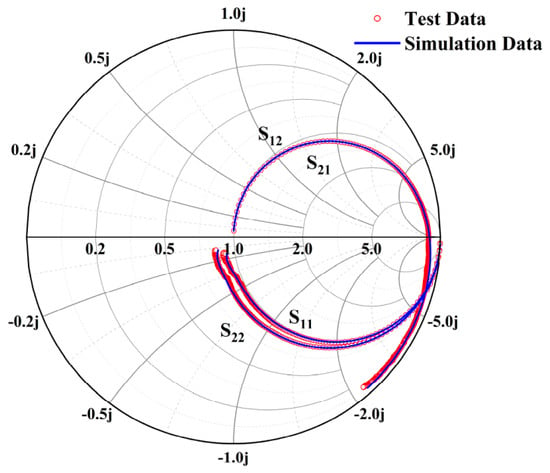
This paper presents a complete modeling flow for GaN Schottky barrier diodes (SBDs), encompassing parasitic parameter de-embedding, small-signal equivalent circuit extraction, and DC characteristic analysis. The open/short de-embedding method is adopted to extract the parasitic parameters of the Ground–Signal–Ground (GSG) pads. A bias-partitioning
[...] Read more.
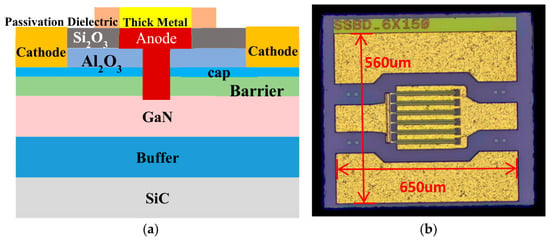
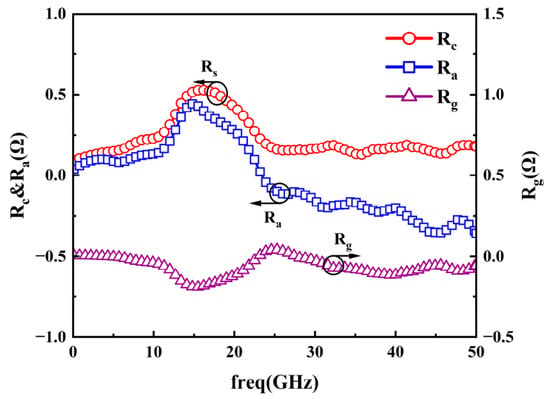
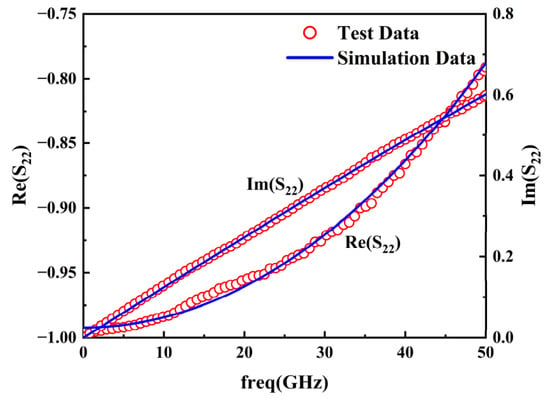
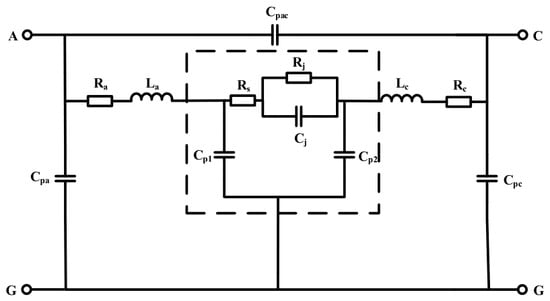
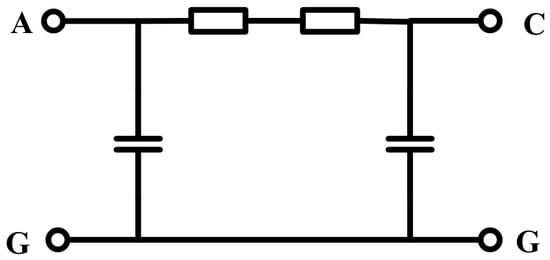
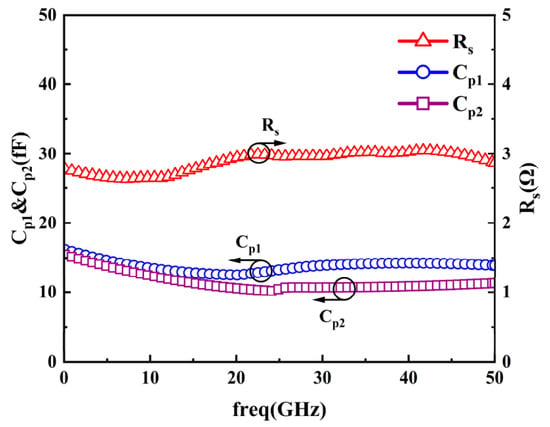
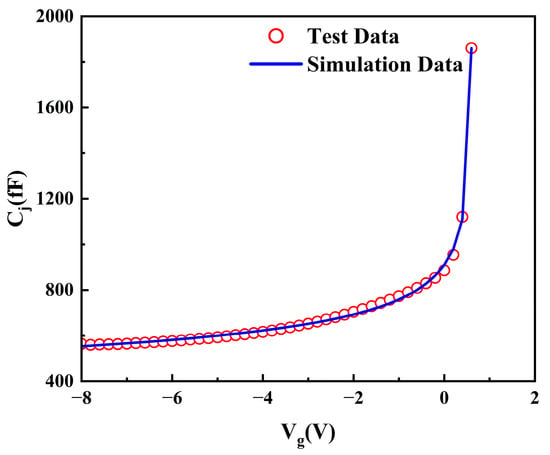
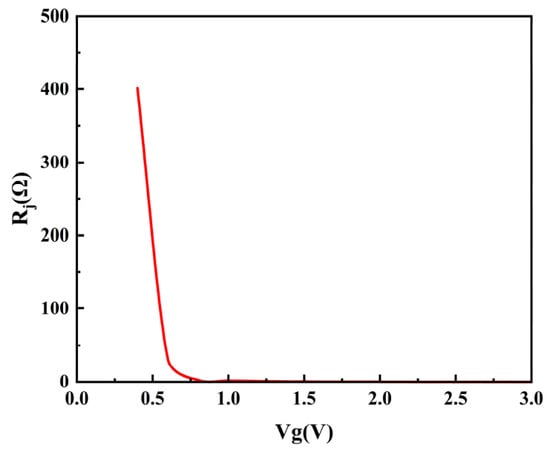
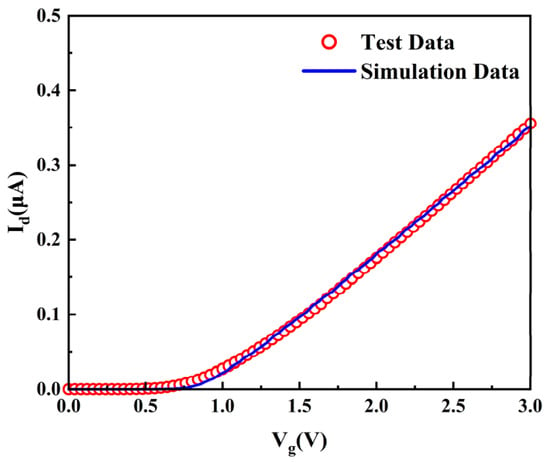
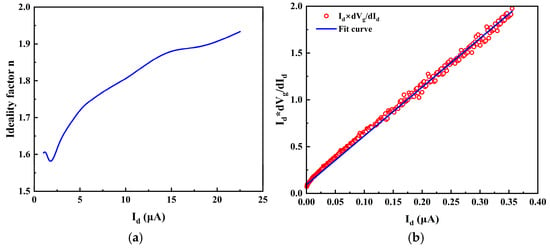
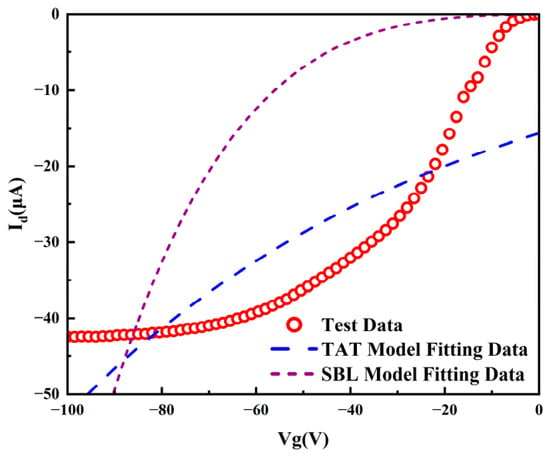
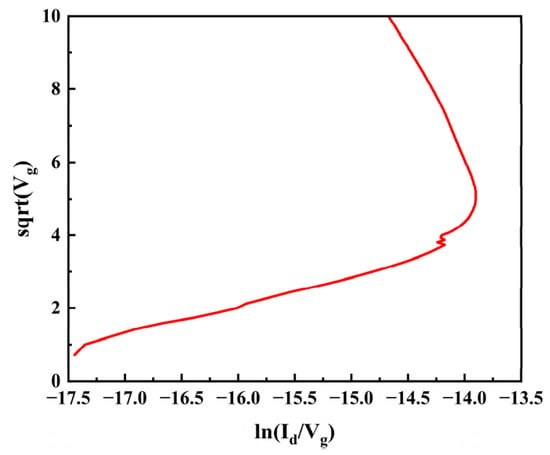
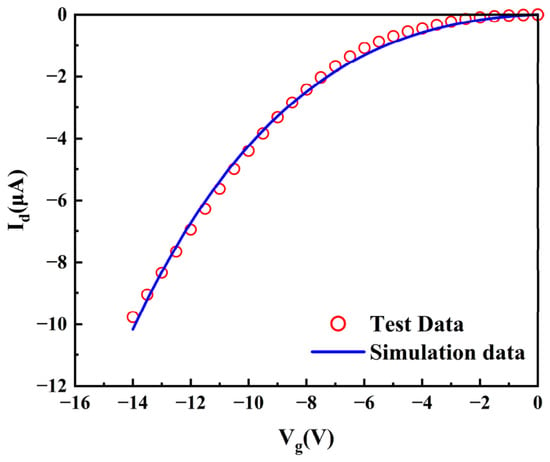
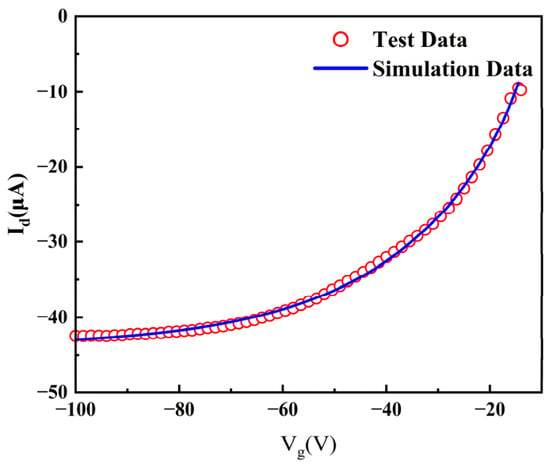
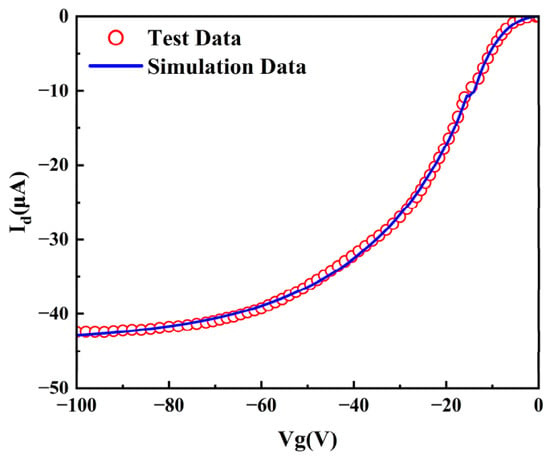
This paper presents a complete modeling flow for GaN Schottky barrier diodes (SBDs), encompassing parasitic parameter de-embedding, small-signal equivalent circuit extraction, and DC characteristic analysis. The open/short de-embedding method is adopted to extract the parasitic parameters of the Ground–Signal–Ground (GSG) pads. A bias-partitioning strategy is employed to extract the intrinsic small-signal parameters, and the depletion capacitance model is used to physically fit the C-V characteristics. The forward Direct Current (DC) conduction current is described by the thermionic emission model, while the reverse leakage is modeled using a piecewise approach: the Poole–Frenkel (PF) trap-assisted emission model is applied in the low-bias region, and a double-exponential decay empirical model is introduced in the high-bias region, achieving high-precision fitting over the full bias range (−100 V~3 V). More importantly, this paper identifies a significant discrepancy between the series resistance extracted from DC measurements and that from Radio Frequency (RF) measurements, and attributes it to the frequency dispersion effect induced by trap states. The study demonstrates that combining DC and high-frequency characterization not only enables the construction of an accurate modeling framework, but also reveals the trap-related physical mechanisms within the device.
Full article
(This article belongs to the Section D1: Semiconductor Devices)
►▼
Show Figures

Figure 1
Open AccessArticle
Preparation and Performance Investigation of Broadband Antireflection Coatings in the Visible and Near-Infrared Spectral Regions
by
Zhaoxuan Zheng, Zaijin Li, Qi Wu, Fei Lin, Yishui Lin, Ganghuang Liu, Runhe Bai, Wei Luo, Dongxin Xu and Yi Qu
Micromachines 2026, 17(9), 1077; https://doi.org/10.3390/mi17091077 - 11 Sep 2026
Abstract
►▼
Show Figures
A seven-layer broadband antireflection coating consisting of Al2O3, TiO2, SiO2, and MgF2 was designed and deposited on both sides of K9 glass for the 400–1100 nm range. The deposition parameters for TiO2 and
[...] Read more.
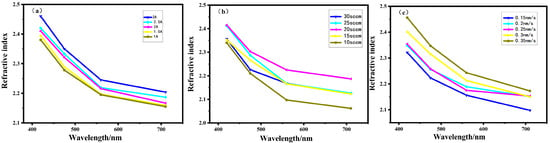
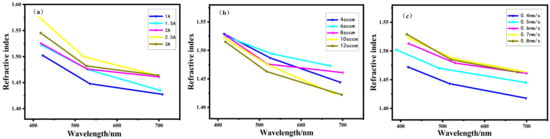
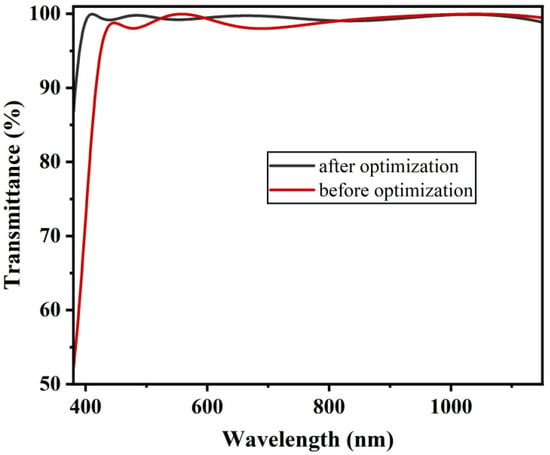
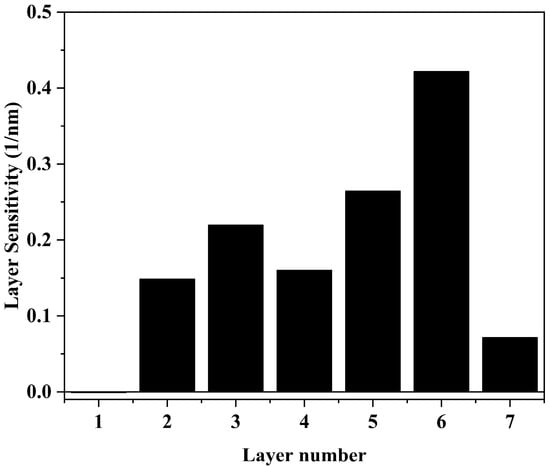
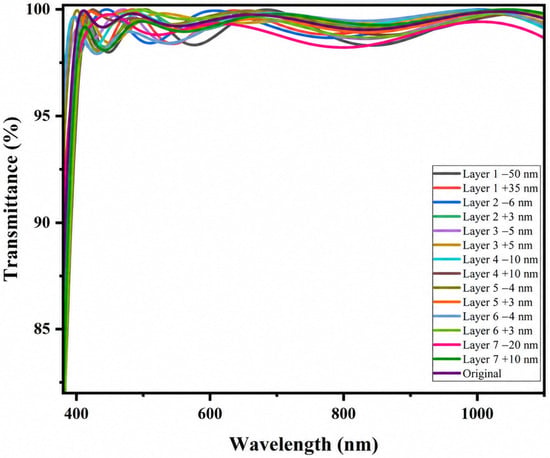
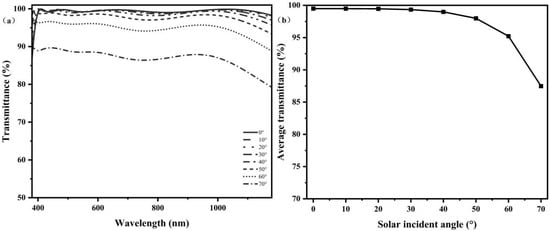
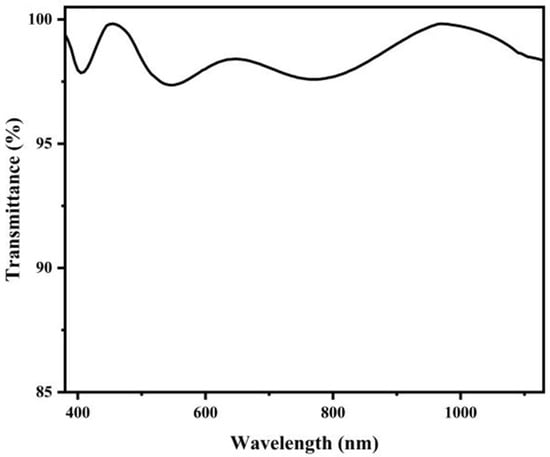
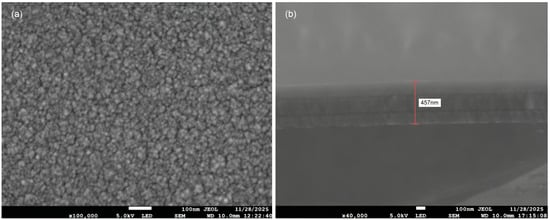
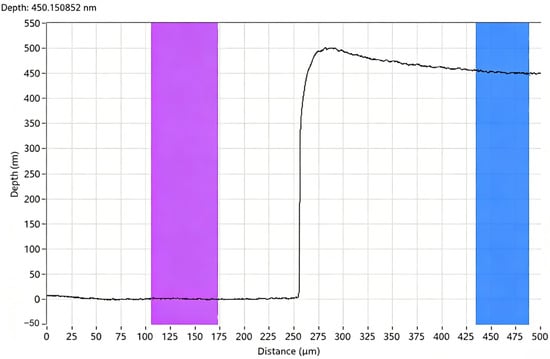
A seven-layer broadband antireflection coating consisting of Al2O3, TiO2, SiO2, and MgF2 was designed and deposited on both sides of K9 glass for the 400–1100 nm range. The deposition parameters for TiO2 and SiO2 single layers were optimized, and the measured optical constants were used in TFCalc to refine the multilayer design. Layer-specific thickness-tolerance analysis was performed to identify the layers requiring strict process control. The initially characterized double-sided coating showed an average transmittance of 98.72% over 400–1100 nm. Four samples prepared in one additional deposition batch exhibited closely matching transmittance spectra, indicating low sample-to-sample variation within that batch. Five-position profilometry indicated consistent total-thickness control. Cross-sectional scanning electron microscopy (SEM) revealed well-defined multilayer contrast without obvious cracking, and regional energy-dispersive X-ray spectroscopy (EDS) analysis detected the constituent elements of the coating. These results demonstrate a practical design-to-fabrication approach that combines process-specific optical constants with tolerance analysis, with potential applications in imaging systems, optical windows, and lidar.
Full article

Figure 1
Journal Menu
► ▼ Journal Menu-
- Micromachines Home
- Aims & Scope
- Editorial Board
- Reviewer Board
- Topical Advisory Panel
- Early Career Editorial Board
- Instructions for Authors
- Special Issues
- Topics
- Sections & Collections
- Article Processing Charge
- Indexing & Archiving
- Editor’s Choice Articles
- Most Cited & Viewed
- Journal Statistics
- Journal History
- Journal Awards
- Society Collaborations
- Conferences
- Editorial Office
Journal Browser
► ▼ Journal BrowserHighly Accessed Articles
Latest Books
E-Mail Alert
News
17 September 2026
Meet Us at the 14th China Conference on Optical Fiber Sensors, 22–25 October 2026, Ningbo, China
15 September 2026
Micromachines | Selected Papers Published in 2024–2025 Related to MEMS Sensors, Actuators and Devices
Topics
Topic in
Electronics, Fluids, Machines, Micromachines, Applied Sciences
Micro-Mechatronic Engineering, 2nd Edition
Topic Editors: Teng Zhou, Antonio F. MiguelDeadline: 31 October 2026
Topic in
Applied Sciences, Energies, Fluids, Micromachines, Processes
Enhanced Heat Transfer and Advanced Energy Conversion Technology, 2nd Edition
Topic Editors: Feng Zhang, Yong LiDeadline: 30 November 2026
Topic in
Designs, Electronics, Energies, Micromachines
Power Electronics Converters, 2nd Edition
Topic Editors: Mohsin Jamil, Yuanmao Ye, Tomasz PajchrowskiDeadline: 31 December 2026
Topic in
Foods, Materials, Polymers, Safety, Sensors, Toxics, Micromachines
Development of Rapid Detection Methods for Foodborne Micro/Trace Hazardous Substances
Topic Editors: Bo Zhang, Yukun YangDeadline: 31 January 2027
Conferences
Special Issues
Special Issue in
Micromachines
Advancing MEMS/MOEMS Sensors: AI-Driven Optimization and Emerging Applications
Guest Editor: Qianbo LuDeadline: 20 September 2026
Special Issue in
Micromachines
Emerging Devices and Technologies in BioMEMS for Biomarker Detection
Guest Editors: Jianwei Zhong, Minhui Liang, Ye AiDeadline: 20 September 2026
Special Issue in
Micromachines
Laser Micro/Nano Fabrication and Surface Modification Technology
Guest Editor: Qinghua WangDeadline: 25 September 2026
Special Issue in
Micromachines
Laser-Assisted Ultra-Precision Machining
Guest Editors: Juan Ignacio Ahuir-Torres, Hiren R. KotadiaDeadline: 25 September 2026
Topical Collections
Topical Collection in
Micromachines
Lab-on-a-Chip
Collection Editors: Jeong-Bong Lee, Ning Xue, Xiwei Huang
Topical Collection in
Micromachines
Micromixers: Analysis, Design and Fabrication
Collection Editor: Kwang-Yong Kim
Topical Collection in
Micromachines
Microdevices and Applications Based on Advanced Glassy Materials
Collection Editors: Giancarlo Righini, Luigi Sirleto, Francesco Enrichi